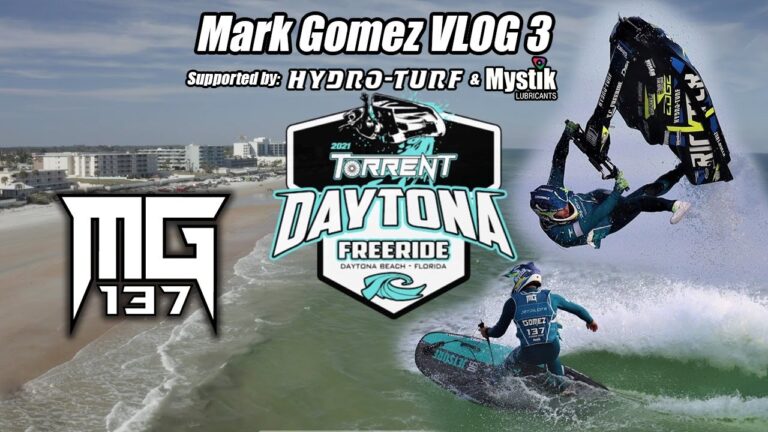
When the camera is on World Champion rider Mark Gomez, the results are usually epic. In his latest YouTube series, Mark takes everyone on the journey with him at this year’s Torrent Daytona Freeride.
This vlog is pretty unique and very cool because he not only shows us some of the awesome riding action and events of the 2021 Daytona Freeride, but also shows us a lot of the behind the scenes activities on the professional ride level including logistics of moving these skis and equipment around the country.
He also gives us a sneak peek look into the new Hydro-Turf/Marine Mat joint venture and what some of the manufacturing processes looks like. Be sure to stay tuned to his channel for upcoming and more in depth looks at this scene.
One additional neat item he shows us is his solution to flushing out and rinsing his gear after a ride in the salt water. It’s a mobile flush kit that frankly looks like it has been designed by a team of Kindergarteners and yet works immensely well.
The innovative 5-gallon can strapped inside an old milk crate with a series of hoses, valves, and quick-connects protruding out is the ingenious way to flush everything out on the beach. He simply hooks it up to a 12-volt battery and the pump works its magic.
So, check out this cool vlog video below for some more behind the scenes with Mark Gomez.
With nearly all boat shows cancelled this winter, many folks are turning to other measures to gather all of the necessary information to make a watercraft purchase.
Sea-Doo wants you to know that you don’t have to worry, they have your back with their extensive list of online tools to get you educated about products, help you decide which models are right for you, or to simply help you discover what’s new and exciting.
Want to see what is new this year or what changes Sea-Doo has made to the lineup? Check out this virtual tool that will take you through new products such as the all new RXP-X 300, new iDF system, or the revolutionary LCD full color display with integrated BRP connect.
New to watercraft altogether? Here is a video introduction of a lot of information on owning your first personal watercraft. There are even guides within this link that offer tips on operating and cleaning your new Sea-Doo as well as which cleaning products to use.
Think you’re ready to purchase that new Sea-Doo but still aren’t quite sure which model or features you need? Use their useful virtual shopping tool to narrow down which model is right for you.
Simply fill out a few questions including what type of riding you think you will do, how many people you plan to ride with, and price point, and the tool will automatically generate a list of Sea-Doo’s that fit your criteria.
So just because there aren’t any physical boat shows this year, doesn’t mean that you still can’t get a ton of information especially when it comes to Sea-Doo.
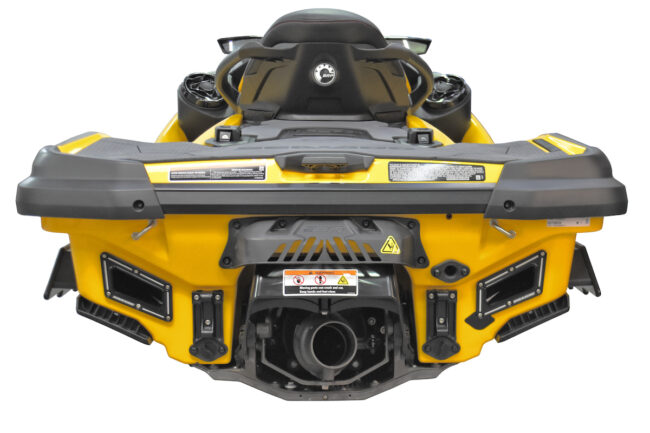
Sea-Doo has to walk a fine line when it comes to exhaust systems for performance watercraft. Certainly they don’t want to restrict their 300 ACE engines to the point that they lose horsepower, but on the flip-side, they’re forced to comply with federal noise restrictions and CAFE emissions standards. This, in turn, leaves the factory-equipped 300-horsepower Sea-Doo with a very restrictive – and complicated – exhaust system that frankly, leaves a lot left on the table – especially when it comes to letting that engine roar!
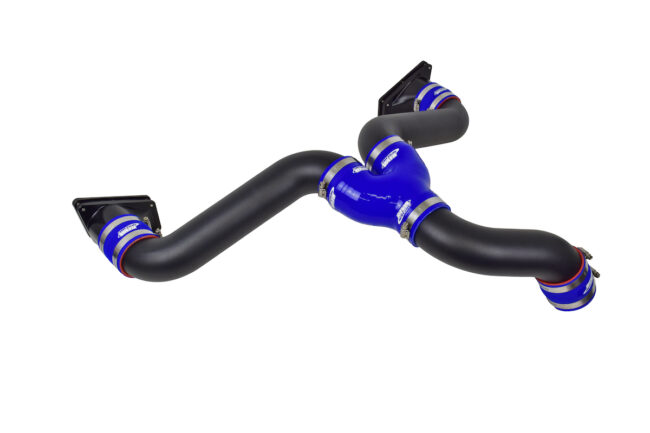
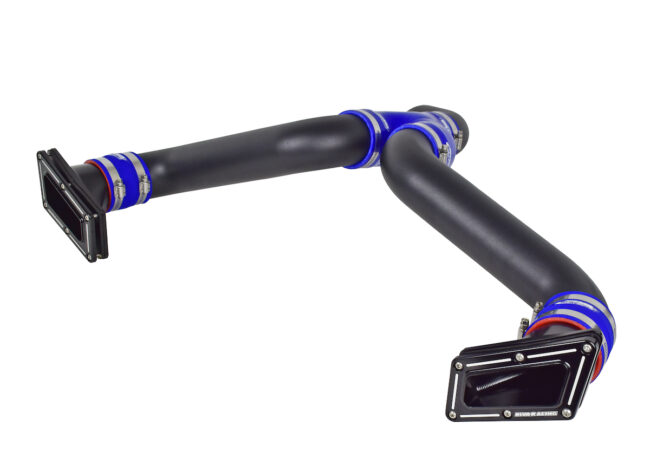
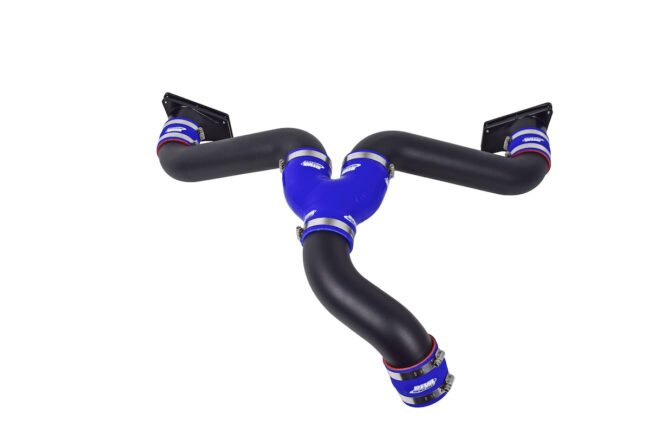
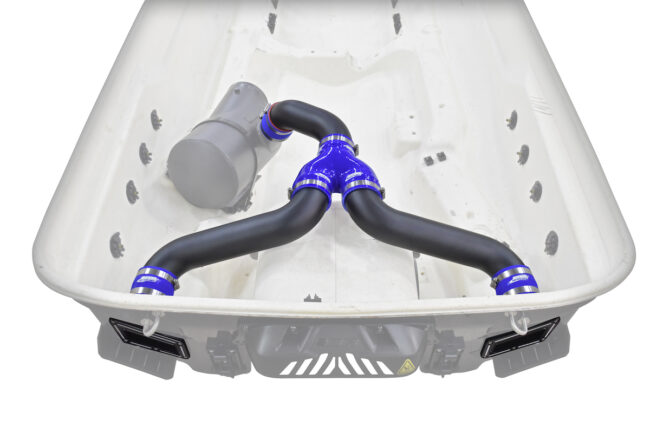
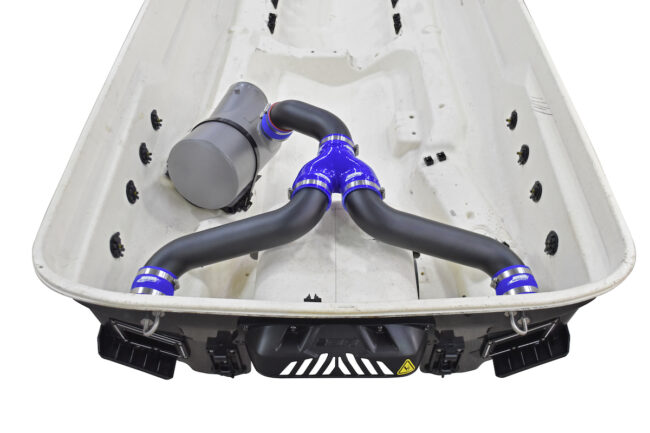
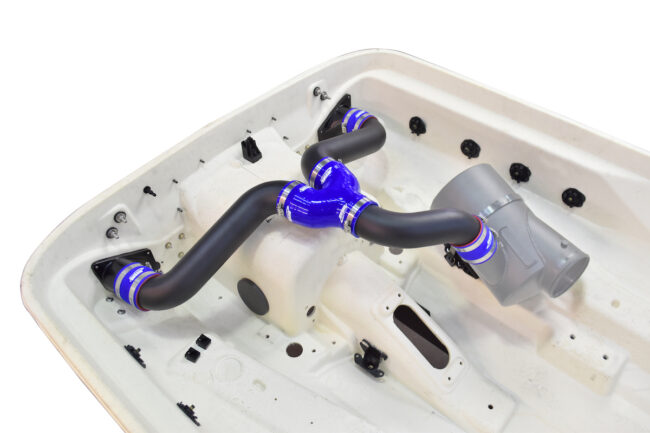
Thankfully, RIVA Racing doesn’t have to comply with any of those rules and now has a very cool Dual Rear Exhaust Kit for all ST3-based RXT and GTX Sea-Doosandthe new 2021-and-up RXP-X 300. Truly “uncork” your supercharged Sea-Doo with this beautifully CAD-designed system that includes mandrel-bent aluminum exhaust tubes (with bead-rolled lips) that that have been powder coated to prevent corrosion; large billet aluminum CNC-machined exhaust outlets, an OEM exhaust outlet block-off and high quality silicone couplers.
Not only are you improving engine performance by reducing back pressure and restriction, but you’re also removing the restrictive sound suppression system located between water box and hull exit, letting all of those ponies be heard when you romp on the throttle. If you thought the exhaust note of a single through-hull exhaust, wait until you hear this thing go! (Watch the video below for sure!) Best of all, this kit can be an upgrade for those already equipped with RIVA’s single Rear Exhaust Kit – and every bit of this kit is made in the USA. (note: not compatible with LinQ retractable ski pylon.)
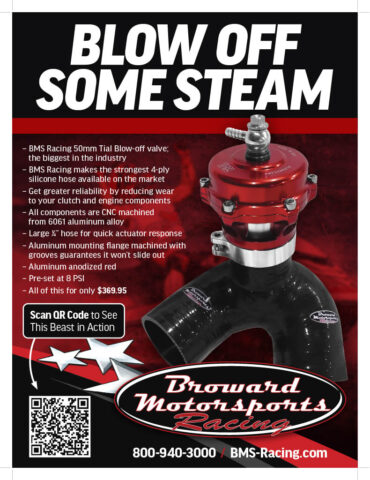
Are you planning on upgrading your forced induction watercraft in time for this coming ride season? Be sure to check out the latest specials that Broward Motorsports Racing has going on.
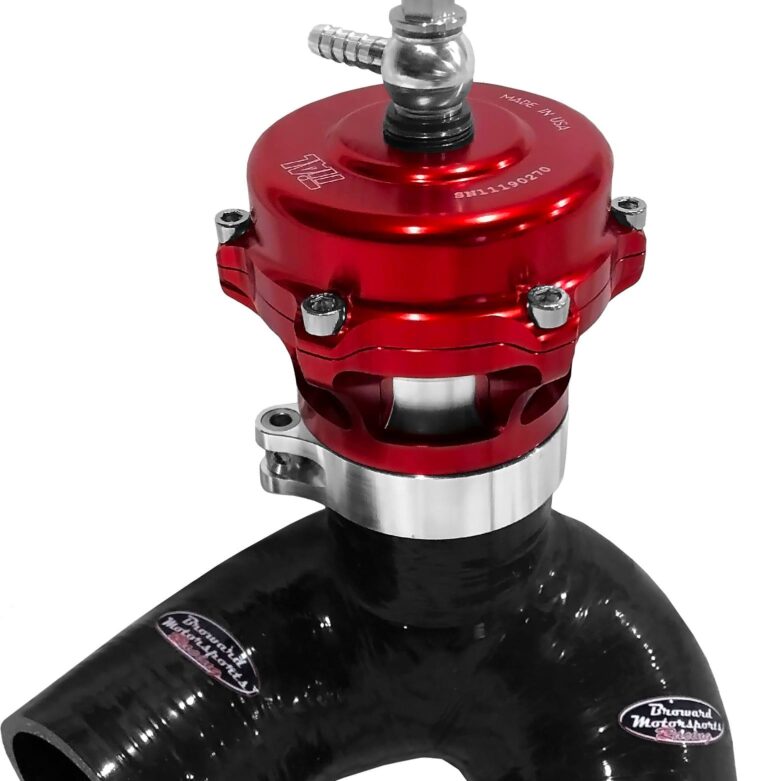
Their latest special was the industry leading Tial Blow-Off valve in which they were letting go for 15% off.
The biggest valve in the industry, this thing is sure to vent all your unwanted boost pressure during off-throttle situations.
As you get back on the throttle, you can ensure there will be no interference against all components within the intake tract.
Features of this quality-built system include:
Strongest 4-ply silicone hose available on the market
Reduced wear to clutch and engine components
All components CNC machined from 6061 aluminum alloy
Large ¼” hose for quick actuator response
Aluminum mounting flange with machined grooves precisely fixes location
Aluminum anodized red
Pre-set at 8 PSI
Be sure to check out the links above for all of the latest offers and take advantage of free shipping within the continental U.S. on all orders over $99.
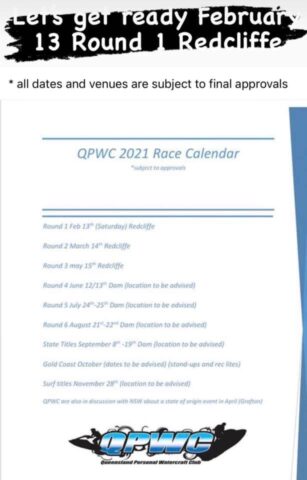
Things are starting to look a little brighter across the pond in Australia as many of the states begin to relax some of the Covid-19 restrictions and the Queensland Personal Watercraft Club has released a tentative race schedule for 2021.
According to the latest reports by The Guardian, the number of reported coronavirus cases has been dropping throughout Australia. Each state is still on alert and monitoring the new strains of the virus so we will have to keep an eye on the race calendar for any changes.
The Guardian also reports that in Queensland, outdoor events can have up to 100 people gather in public outdoor spaces so there is hope that the current schedule of race events will still hold true. Certain events and businesses can of course deviate from this number if they have a Covid-safe plan in place.
The Round 1 Redcliffe event will kick off the series on February 13 followed by Round 2 the following month. The schedule has been posted on the Eight 1 Racing Page so you can check out their Facebook updates or directly at QPWC for all of the latest details.
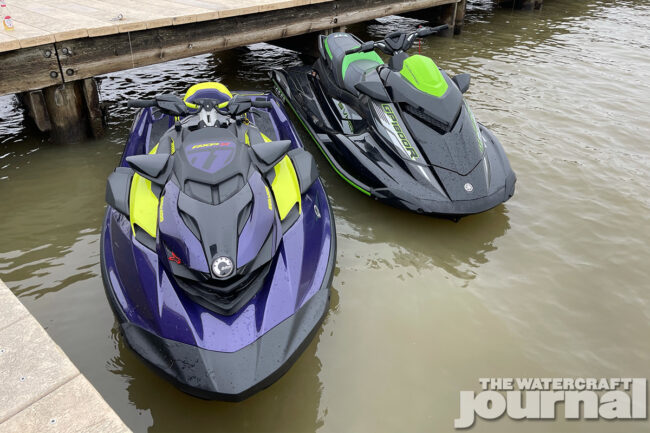
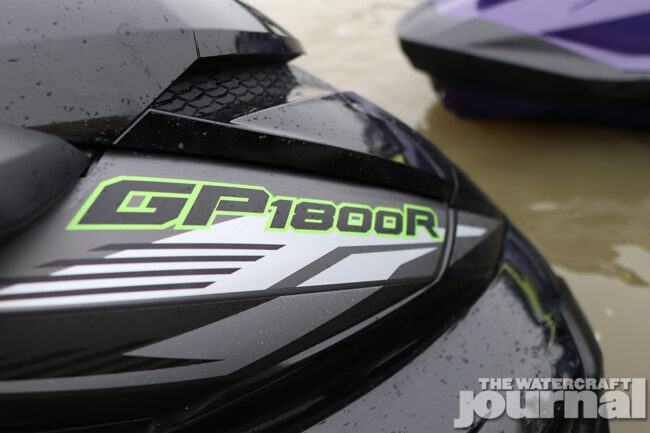
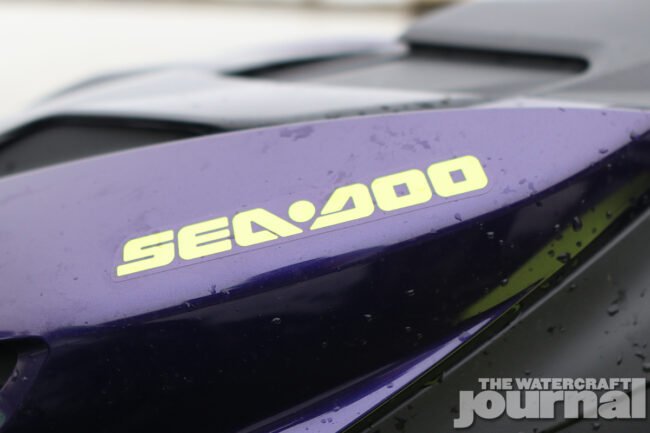
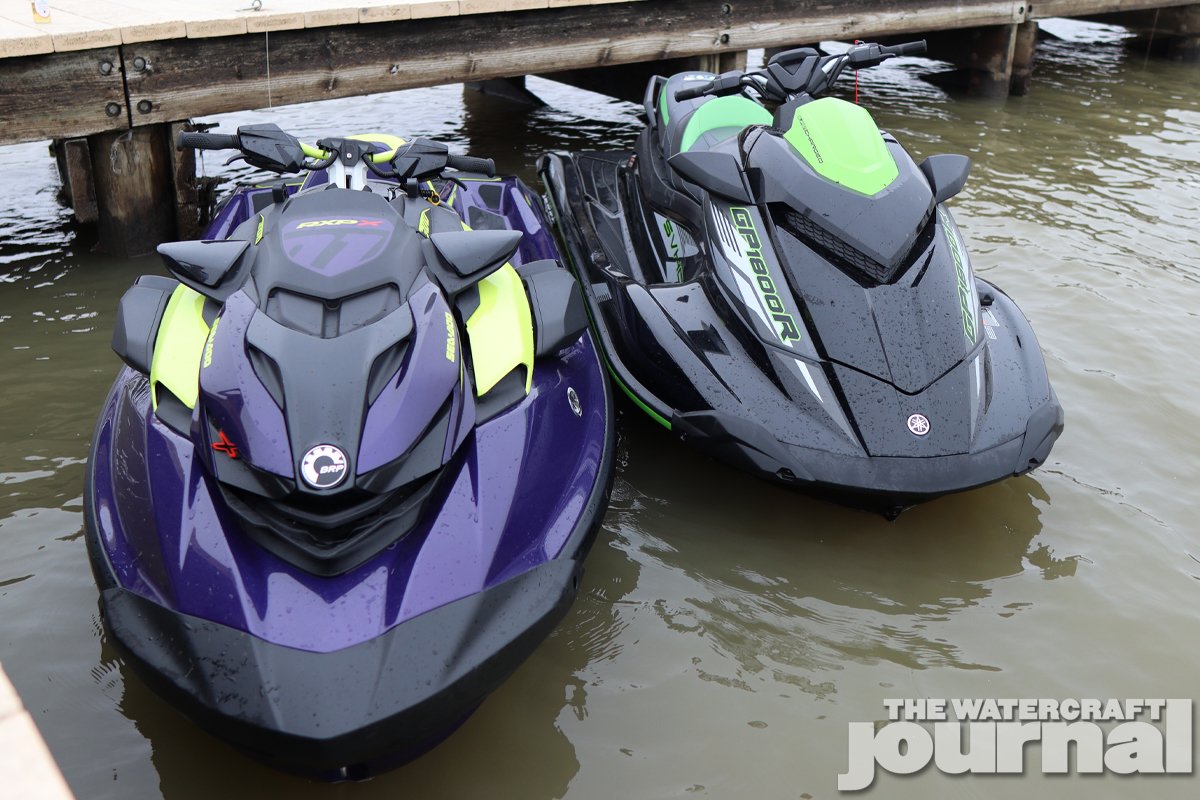
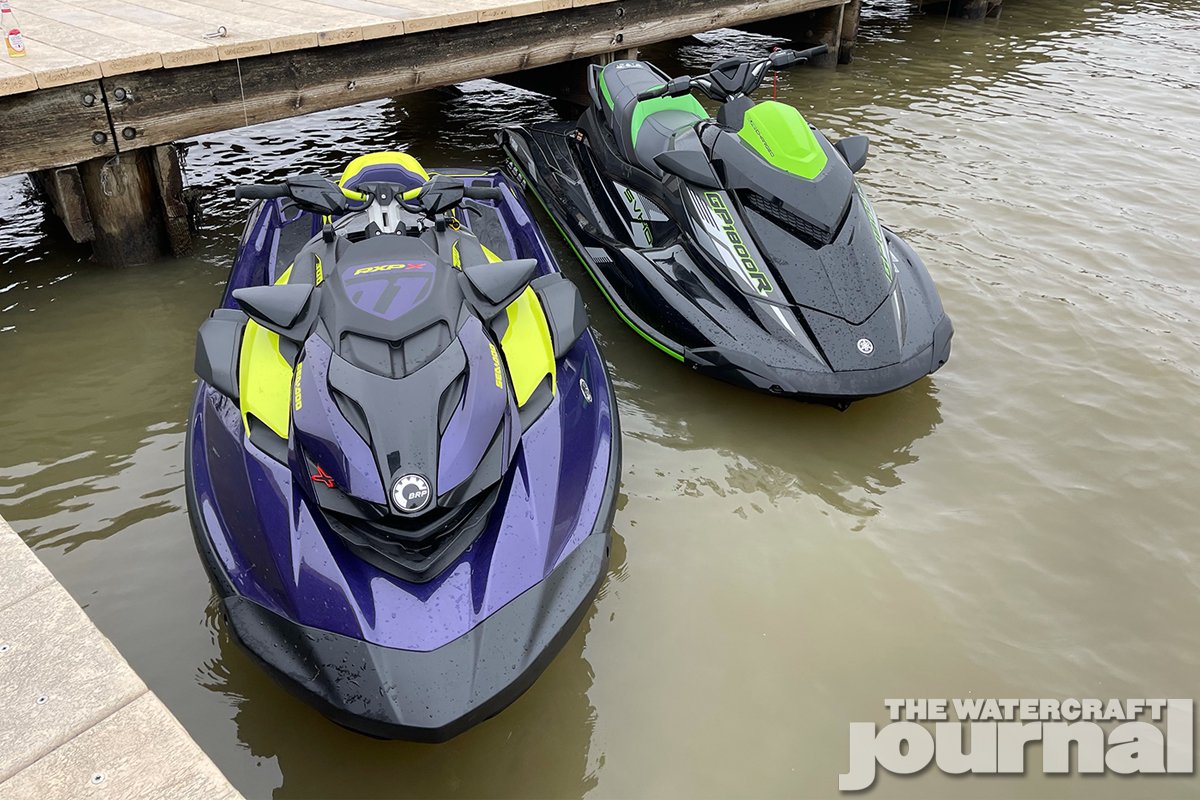
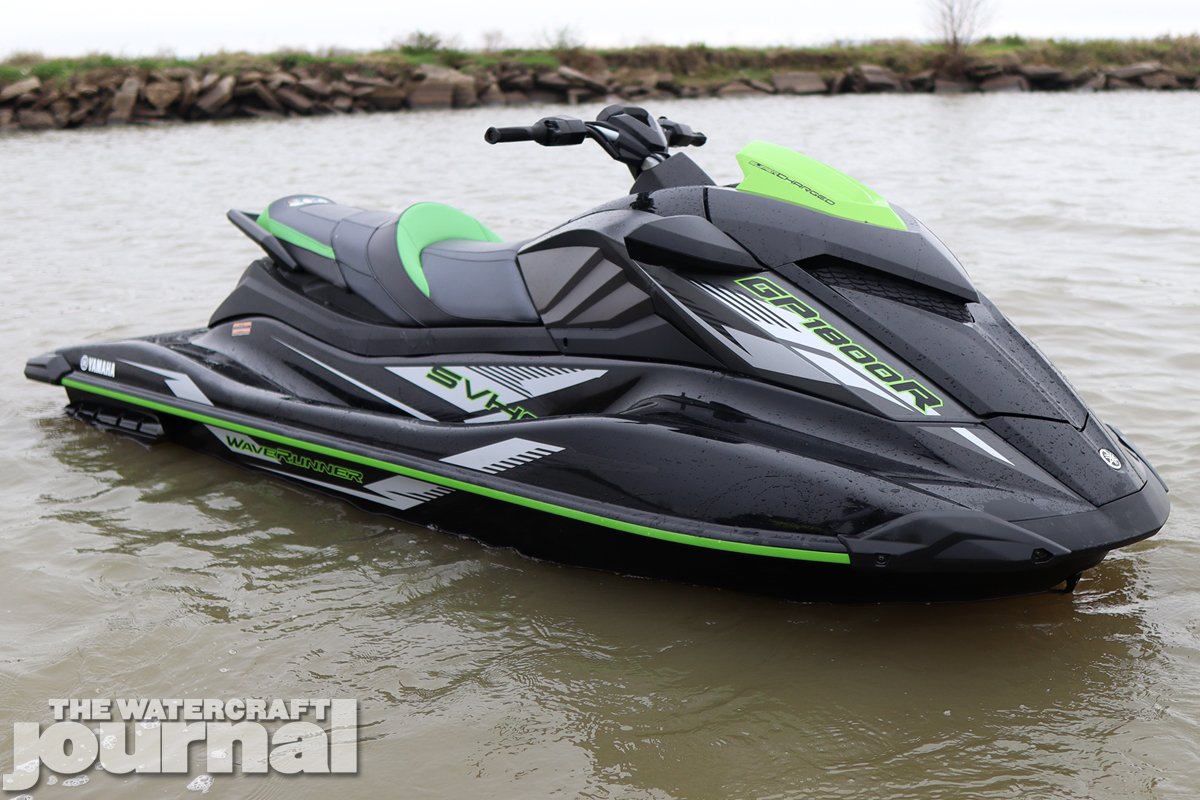
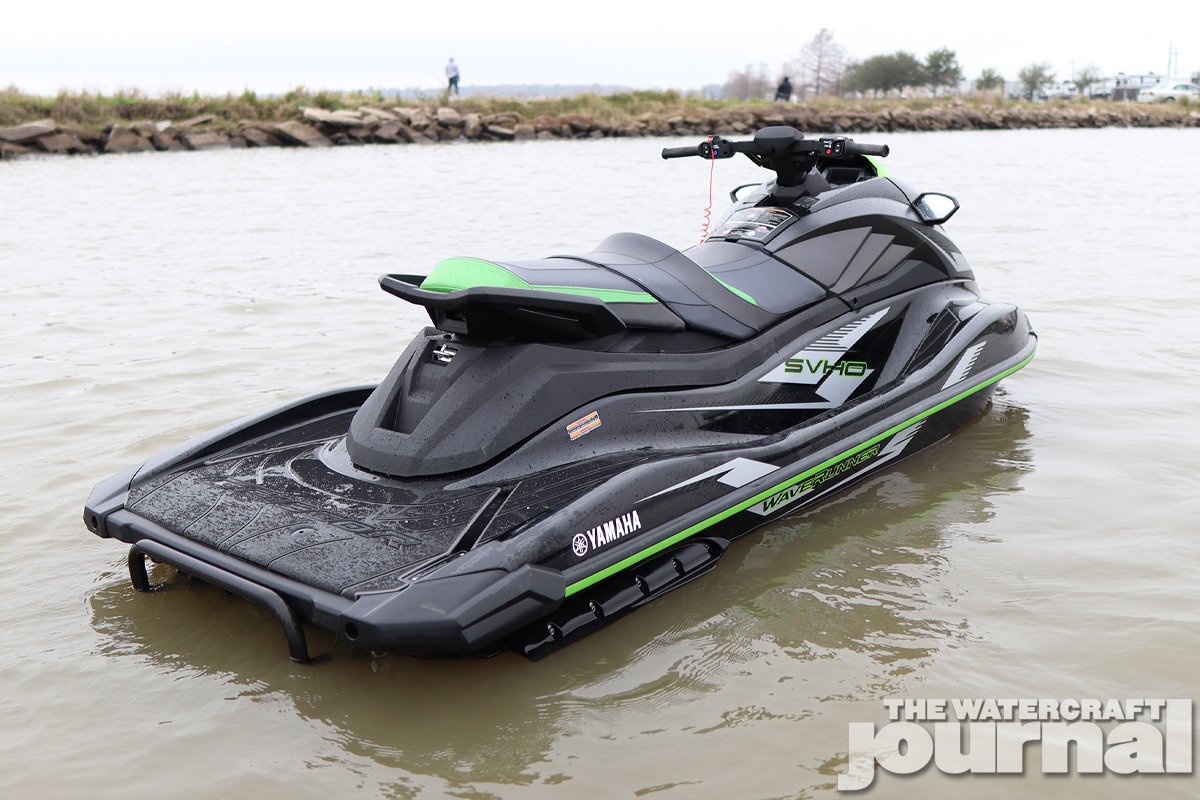
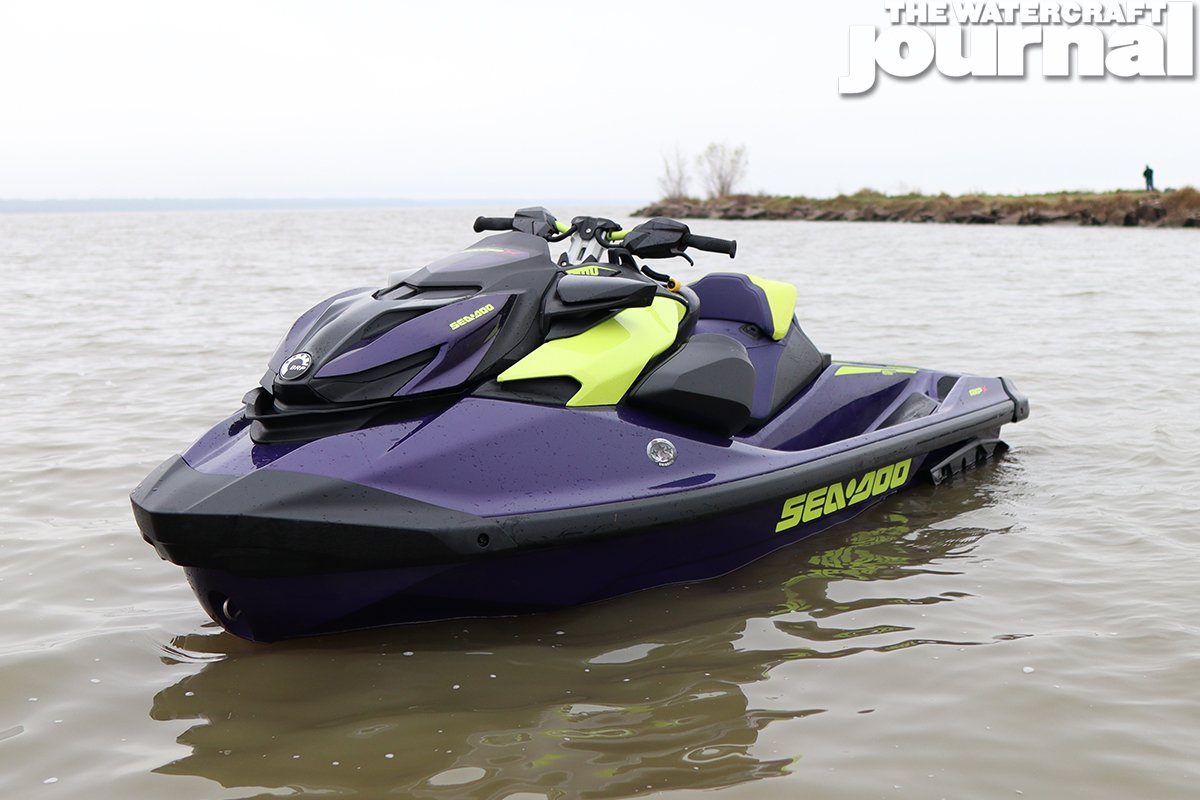
Let’s just begin with this: None of us guessed this one right. And frankly, there’s gonna be some seriously obnoxious gloating online. Nevertheless, it was an inevitability that once Yamaha released a redesigned and slightly upgraded GP1800R SVHO WaveRunner for 2021 only weeks before a near-completely overhauled RXP-X 300 was revealed by Sea-Doo that the two would collide in a showdown. As such, heads up drag races have sprung up across the globe and few of them bothered to conduct them with any sort of scientific prowess. Just a vocal countdown or a nod of the head, and off they went.
For us at The Watercraft Journal and Jerry Gaddis of Greenhulk.net, such a showdown is wholly valueless. For years, our two media outlets have attempted to perform the most accurate measurements of speed with entirely repeatable results. No black magic. No voodoo (save for whatever evil spirits haunt the bayous of Morgan City at night). Recently, Jerry’s son, Greg has taken the reins over for the official YouTube channel, Greenhulk Garage, and has definitely picked up the pace when it comes to video production. (If you haven’t yet, make sure to subscribe.)
Greg Gaddis was instrumental in our previous acceleration shootout between the 2021 GP1800R SVHO and the 2020 GP1800R SVHO. A little over a week ago, the Gaddis’ long overdue 2021 RXP-X 300 finally reached their local dealer and Greg wasted little time breaking in the purple Sea-Doo. For those unaware, Sea-Doo restricts the full output of the 300 ACE engine until the craft has surpassed 5 operation hours. Then Sport mode, Launch Control and other X-series features can be used to their fullest, as well as the craft reaching its top speed – albeit limited via speed limit controller.
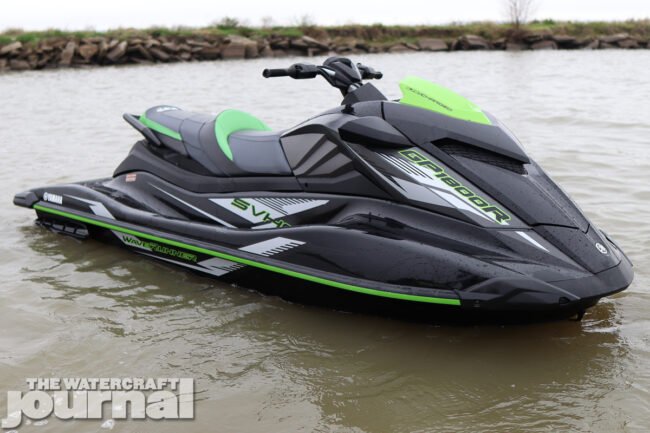
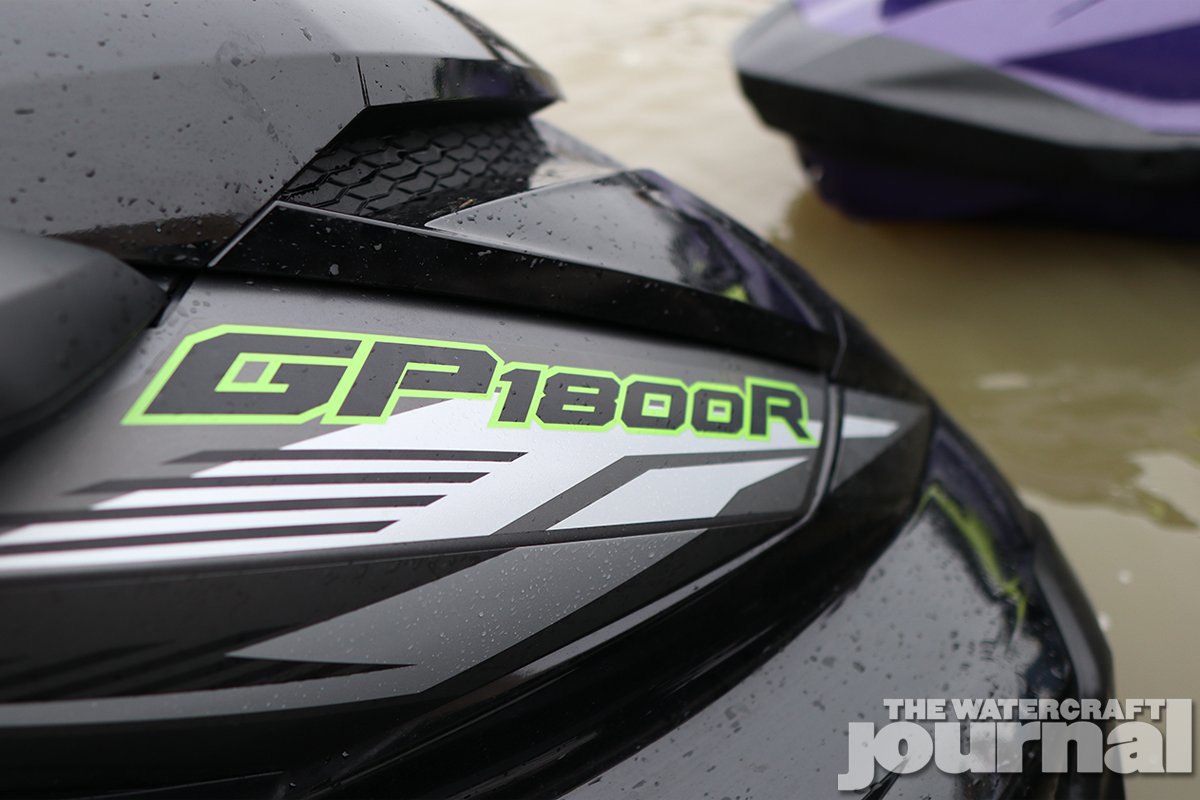
By the numbers, the two models would seem rather well-matched. Weighing in at 772-pounds, the SVHO-propelled GP1800R fetches an MSRP of $14,749, touts a 18.5-gallon fuel cell, 28.4-gallons of storage, and comes equipped with a folding rear swim step, adjustable tilt steering, and a full-color digital dashboard, not to mention RiDE, No Wake Mode, Cruise Control, digital Launch Control and even a new Auto Trim cornering assist.
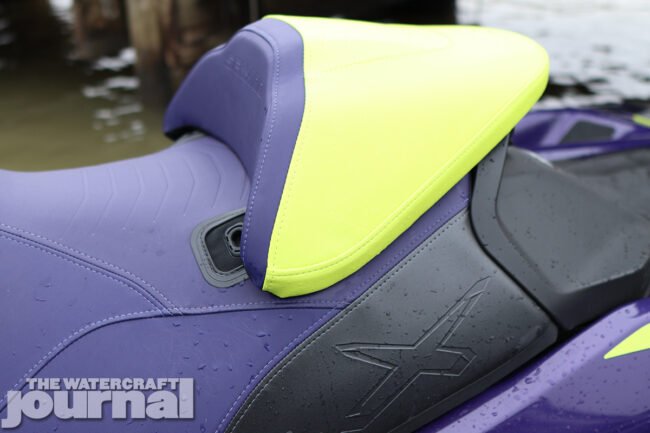
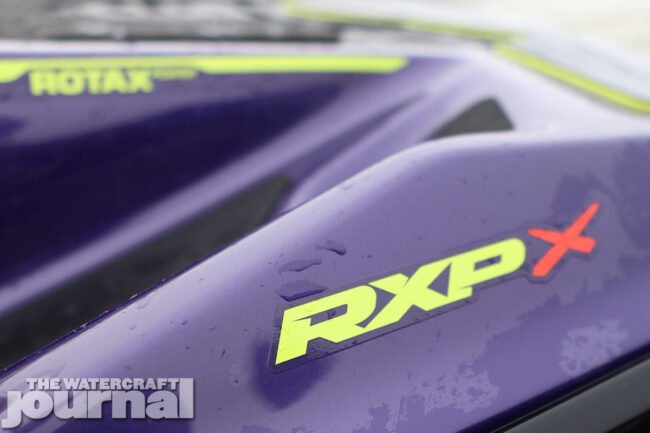
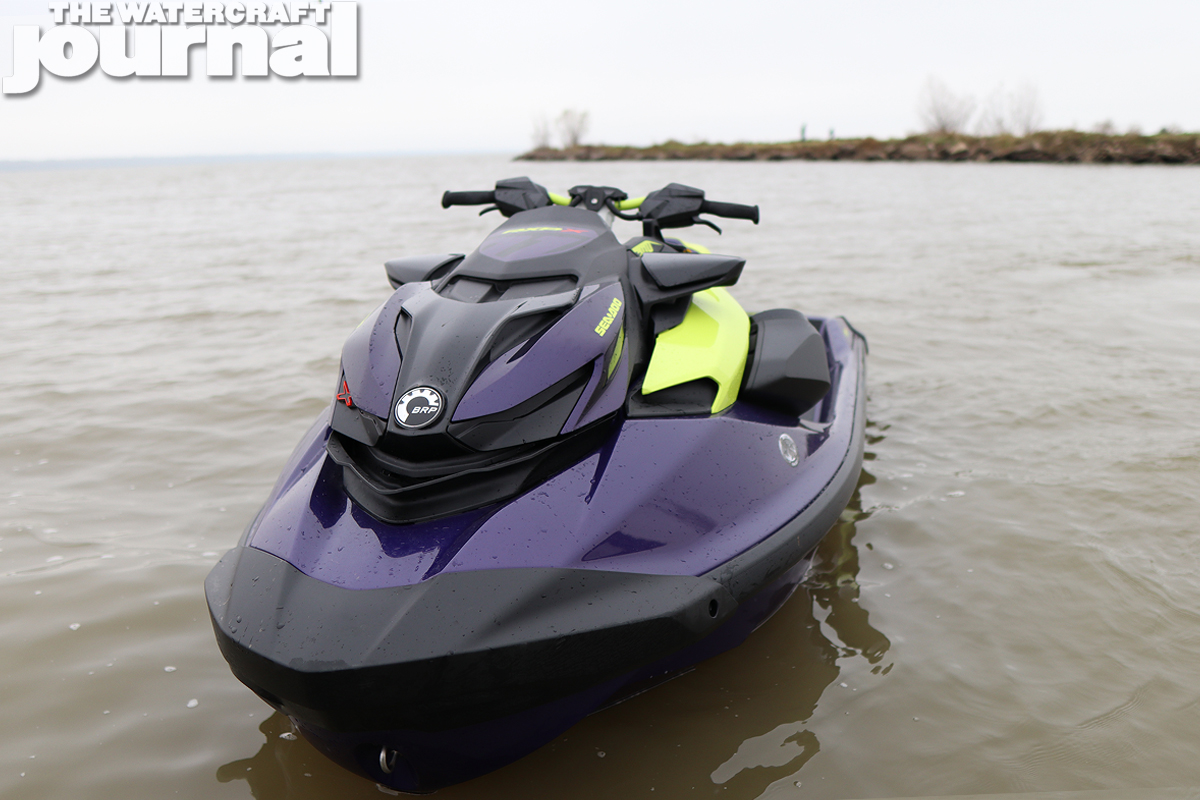
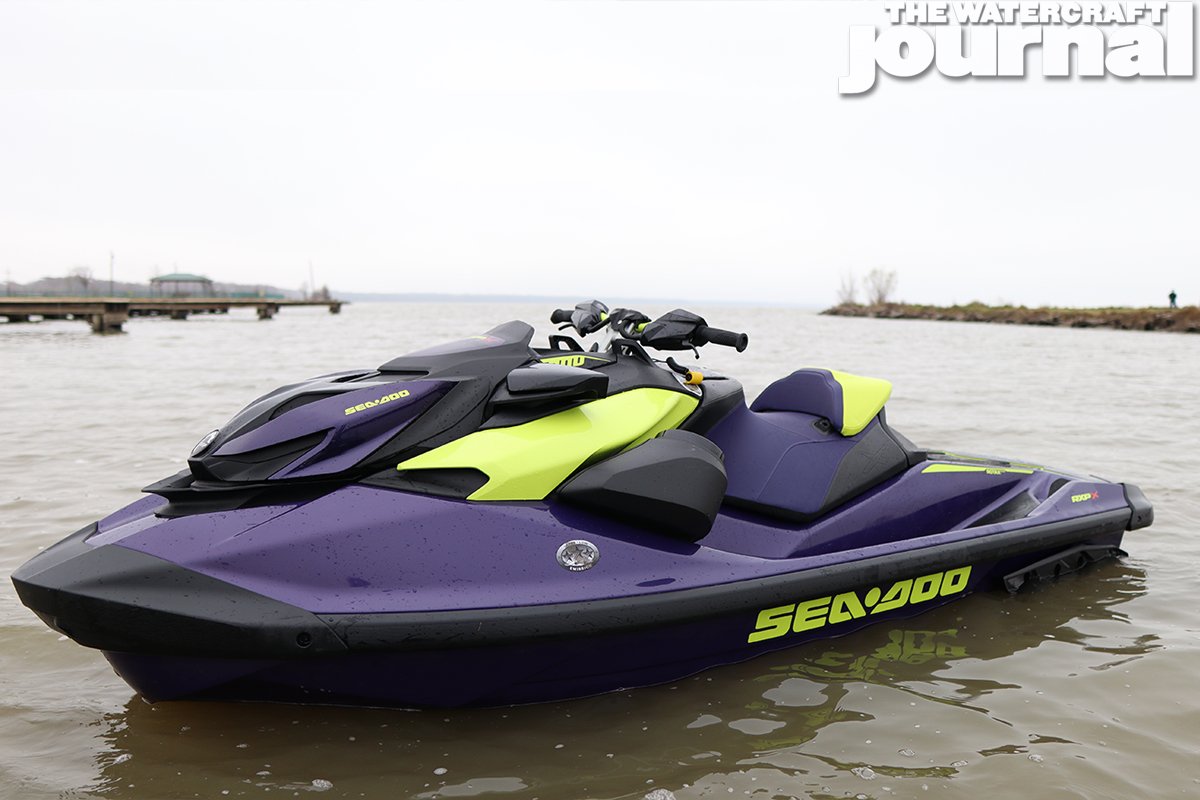
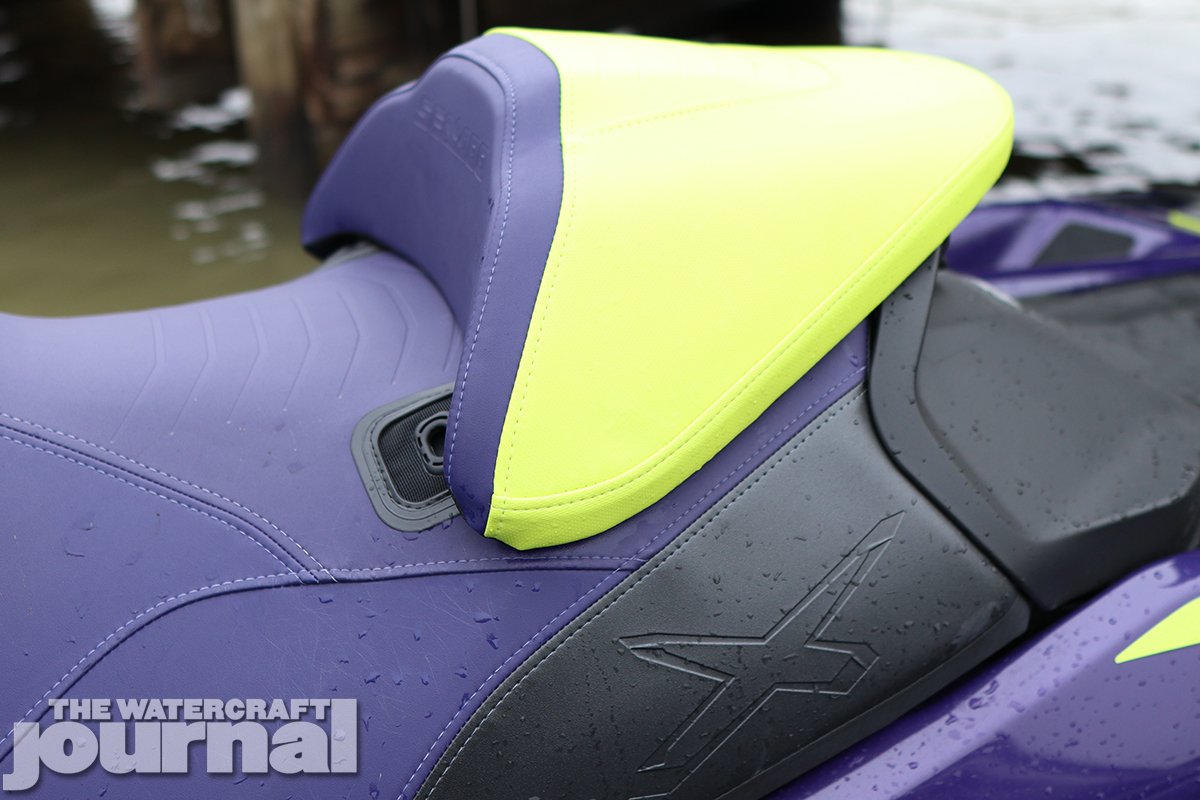
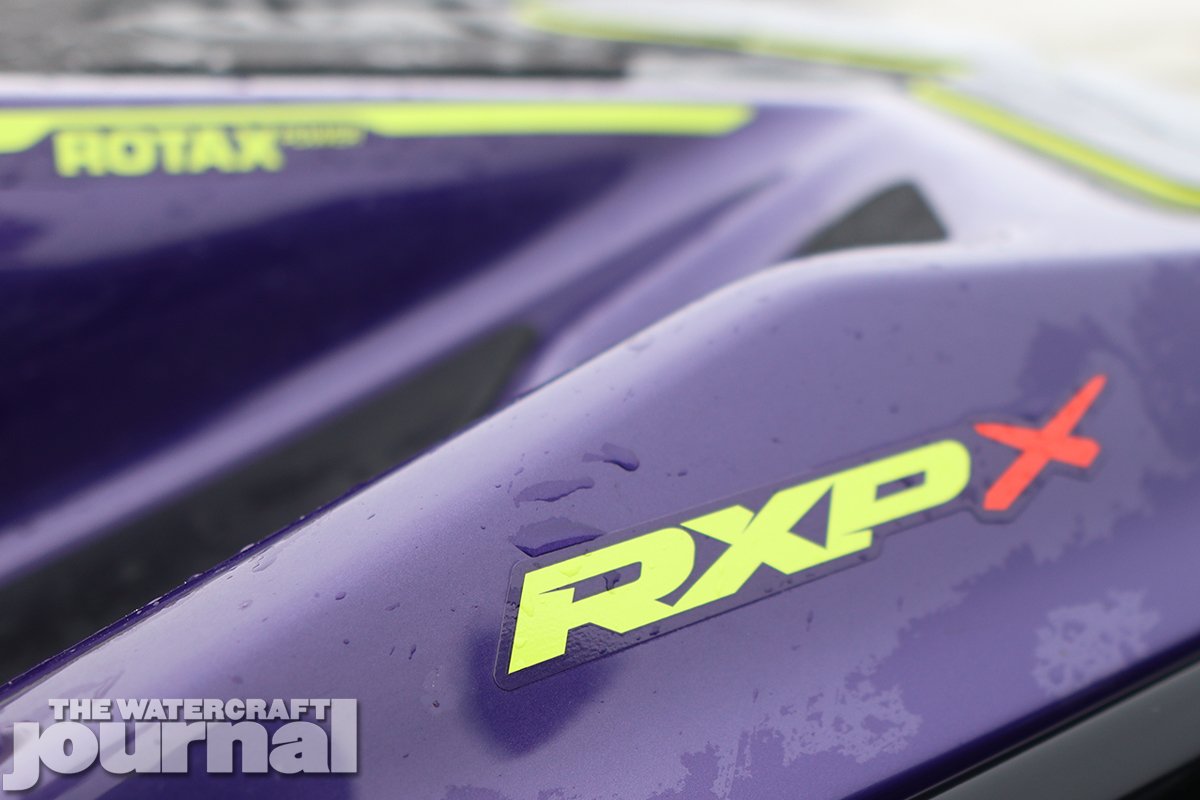
Opposedly, the RXP-X 300 tips the scales at 780-pounds, a scant 8-pounds heavier than the Yamaha. Wielding a $16,899 MSRP when equipped with BRP’s Premium Audio Package ($800) and the Midnight Purple livery ($300), the ‘Doo is significantly pricier. Fuel capacity is equal at 18.5-gallons, and the Sea-Doo’s 40.6-gallons worth of storage dwarfs that of the WaveRunner. Added features include a new Ergolock R single-place adjustable saddle, iBR, Launch Control, iTC modes, and angled foot wedges.
Of course, the biggest gap between the two is horsepower, right? Interestingly, RIVA Racing’s own Jesus Garcia shed some insight. “Horsepower [outputs] between [the] Sea-Doo 300 ACE and Yamaha SVHO engines are very similar. [The] SVHO engines deliver 250 horsepower at 7,300rpm, boosting around 7 psi; but before the speed limiter starts to work, RPM goes up to 7,700 and boost is around 10psi, which makes the engine deliver around 285 horsepower.”
“[The] same thing happens with Sea-Doo. While the break in period is active, boost and speed is limited. Once you put the hours on it, the engine will produce between 7,500 and 7,800 rpm (depending on which model) and around 10 psi, which makes around 290 horsepower. Removing the [Yamaha’s] speed limiter will make [SVHO] produce approximately 10 psi [at] around 7,800 rpm, [which] is going to be around 290 horsepower (it still has a boost limiter).
“On the other hand, once you remove the speed limiter [the] Sea-Doo will produce 8,000rpm and around 13 psi (there is no boost limit) [making] around 300 horsepower in ideal conditions.” Jesus concludes, “[The] difference in speed is not coming from [the] horsepower difference between the two boats; it’s coming from the difference in hull design, tunnel, pump, etc. That’s why also the handling, the feeling when you go through rough water, the cornering, etc. are so different between them.”
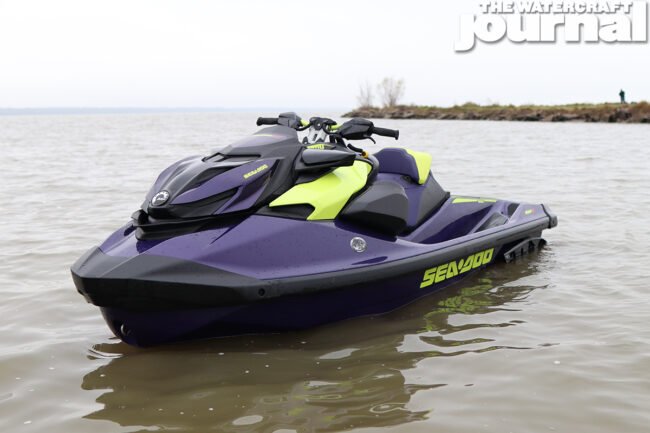
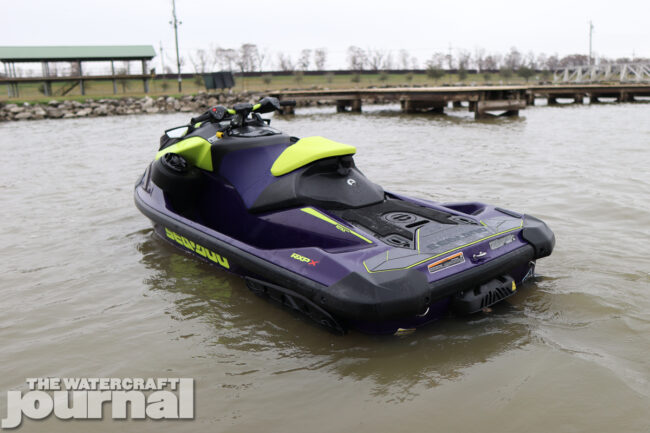
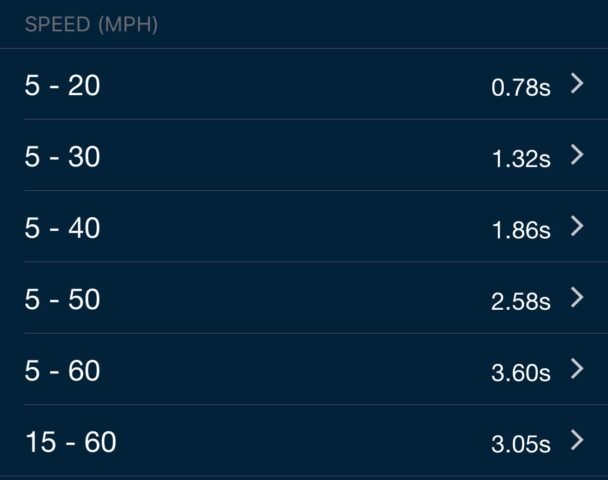
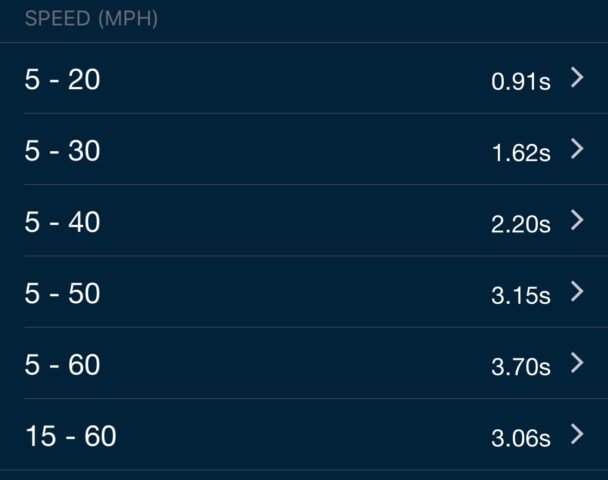
Above left: The 2021 Sea-Doo RXP-X 300 blisters the water with a 5-to-60mph of 3.60-seconds, and that’s also with a full tank of gas and the added weight of the BRP Premium Audio System. Above right: Believe it or not, the slower 5-to-60 time was recorded with the use of Launch Control. Greg was able to repeatedly outpace the Launch Control using the VTS manually.
As demonstrated previously, all acceleration tests are conducted at sea level (this day it was 67º degrees with 80% humidity, and 5mph winds). Both skis had their fuel tanks topped off to prove that one wasn’t favored over another (at 6-pounds per gallon, 18.5-gallons calculates to 111-pounds). More importantly, as tracking a true zero-to-60 is impossible with a watercraft, Greg set the Vbox accelerometer to begin recording at 5mph. He also recorded a peak top speed before each machine’s speed limiter kicked in.
To say the results were surprising is quite the understatement. In every test, the RXP-X 300 was substantially quicker – and faster overall. For both watercraft, Greg’s deft toggling of the electric trim was able to out perform the factory preset Launch Control settings, netting superior results each time. Greg noted, “Interestingly enough, the Sea-Doo was very inconsistent with the Launch Control and was almost half a second slower numerous times.”
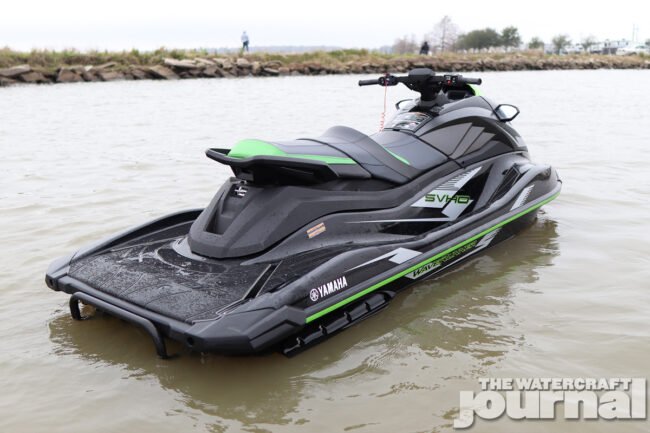
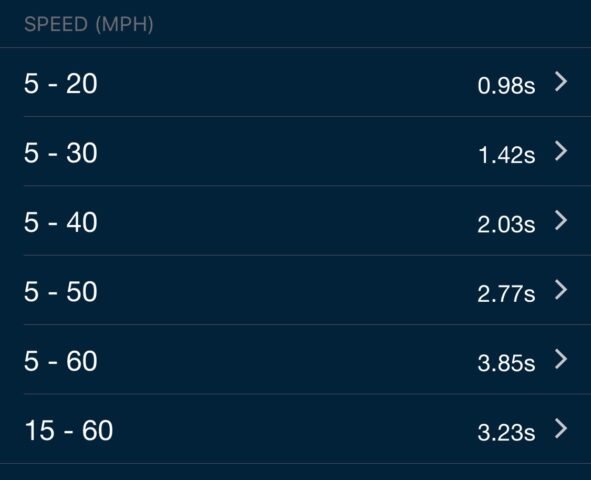
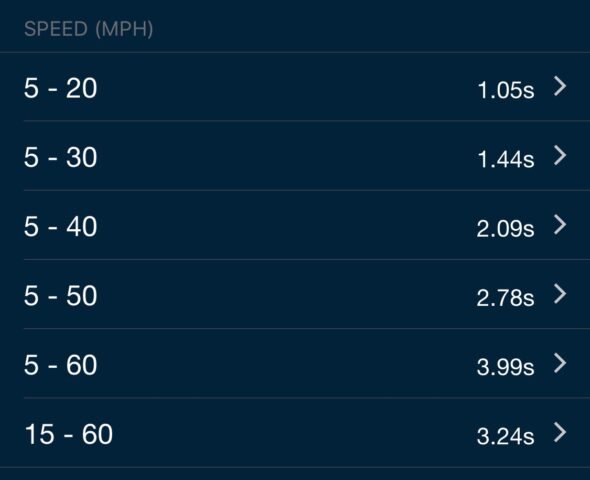
Above left: Coming in .25-seconds behind the Sea-Doo was the 2021 Yamaha GP1800R SVHO. Weighing nearly 50-pounds less than the as-equipped RXP-X, the GP1800R lost precious seconds as it cavitated out of the hole, fighting to bite the water. Above right: Even with Launch Control engaged, the GP1800R couldn’t close the gap, in fact, Greg actually recorded slower numbers with the feature engaged.
Nevertheless, Greg recorded a staggering 72.0mph on the RXP-X before the GPS-monitored dashboard manually eased back the throttle and slowed the craft down to 69mph. For those taking note, Sea-Doo advertises a mid-3-second 0-to-60 time, and per Greg’s findings, 3.60-seconds proves there’s no baloney in the advertised claim. As Jerry observed, “[There’s] zero cavitation; it just rockets out of the hole.”
Conversely, the GP1800R struggled to bite down out of the gate. Even with the larger 160mm pump and transom plate, the SVHO couldn’t reel in the RXP-X’s lead of two tenths of a second. Greg recorded a peak top speed of 70.6mph before being throttled down; and like the Sea-Doo, he managed better results without the Launch Control than with it engaged – although we have both with and without recorded here.
In drag racing parlance, a tenth of a second is equal to a car length, which is considerable. Ultimately, the Sea-Doo RXP-X 300 out-accelerates the GP1800R SVHO, and that’s pretty impressive given the improvements Yamaha has made over the years with this model (as The Watercraft Journal’s test proved weeks ago). This of course, doesn’t calculate in any other attribute such as cornering, rough water tracking or handling – just flat water acceleration. Now, we’ll leave it to the message boards to hash it out.
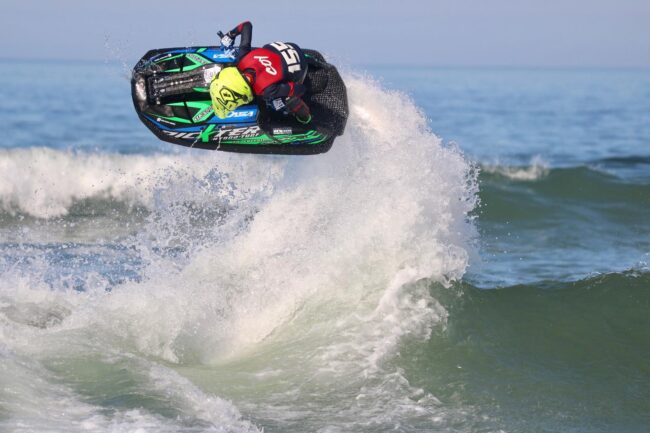
Young phenom, freestyle racer Coy Curtis, shows us what’s up in this latest Instagram video posted by Hydro-Turf. Curtis throws down some huge moves, flowing from one to the next while throwing his Rickter Ninja X like it’s nothing. The young gun has been riding since he was four years old and he’s now eleven and throwing down like he’s the Mark Gomez. This kid has a big future and he’s one of Hydro-Turf’s team riders. Curtis rides the Rickter Ninja X, specially designed for kids up to 120 pounds.
The ski is outfitted with Hydro-Turf’s white cut waffle, which keeps him locked in so he can go big without losing his footing. A 9mm Hydro-Turf plush pad underneath keeps him safe and comfortable for when he lands those big tricks. It’s the softest underpad they make, and it has excellent compression recovery for extreme riders. It’s perfect for a rider like Coy Curtis who goes hard and takes riding to the next level by launching and landing huge hucks and flips.
Follow Coy Curtis HERE on Instagram so you can keep up with all of his cool outings. His content is full of adventure and good times. Also, make sure you keep up with at Hydro-Turf. They are always doing fun stuff and showing off new product. Get your own product from Hydro-Turf so you can stay locked in when you’re pulling big moves or for when you’re out cruising and want to open it up a little.
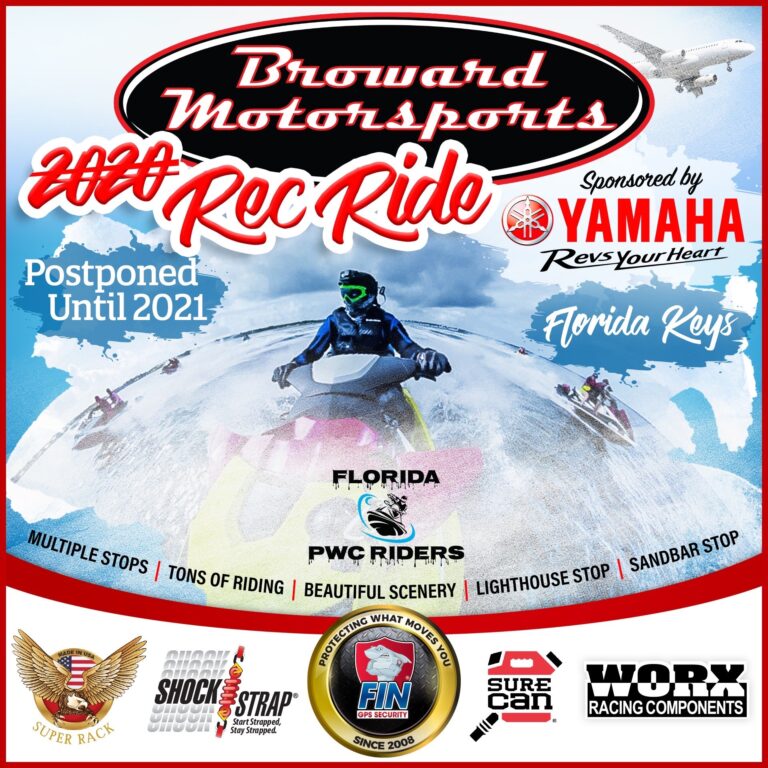
Pack a lunch and get ready to ride through the Florida Keys. The group will spend an hour or two exploring and snorkeling at the historical “Alligator Reef Lighthouse.”
The area is amazing, and the snorkeling is fantastic, with all the colorful tropical fish swimming around the rocks.
From there, everyone will cruise to Islamorada Sandbar to eat lunch, relax, and hangout. This will also be a fuel stop if needed and then everyone will head back to their respective launch locations at around 5:30 pm.
When initially departing, you have three boat launch locations to choose to from. These are located at the Caribbean Yacht Club, Yacht Club Drive Marina, and John Pennekamp State Park, all located in Key Largo, FL. The groups will get underway at 10:00 AM and everyone is asked to arrive at least 1.5 hours prior to launch time.
Pack a lunch, anchor, snorkeling gear, sun block, and plenty of fluids to keep you hydrated.
Special instructions consist of listening for the air horns to let you know when it’s time to launch and don’t pass the lead skis. There will be a lot of out of riders from out of town on this ride, so it is important to stay together.
Florida PWC Riders are the ride group and Yamaha WaveRunners are sponsoring the ride. Let’s hope pandemic times allow for the group to go without any issues. Everyone needs to get out and play with a fun group of riders. Check out the Facebook event page for the full press release. Have fun riding with Broward Motorsports and the Florida PWC Riders.
Hang in there everyone, Spring will be around the corner before you know it. Speaking of warmer weather, now can be a great time to think about getting your watercraft ready for the ride season.
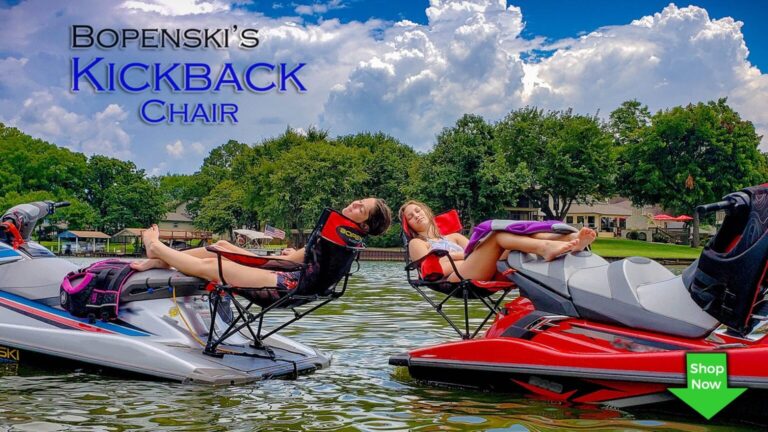
With riding also comes some time to relax on the water and what better way to kick back on your PWC than with the Bopenski Kickback Chair.
To get you in the mood for Spring, Bopenski has released this teaser video. Take a look at how quick and easy it is to set the chair up. This is the same quality chair that Bopenski has been selling for years.
The chair is completely portable and when you are ready to kickback, setting up the chair can be done in one minute without any tools. Relax with two cupholders and a storage pocket included. This chair is the ultimate way to take a break from riding or to simply spend some quality time with your loved ones.
The KickBack Chair is constructed from high quality anodized aluminum and stainless steel parts. It is built to last in fresh and salt water and has a capacity of up to 225 lbs. It is compatible with most 3-seater makes and models that have a tow-eye or pylon so join the thousands of others who have already transformed their watercraft with this versatile accessory.
For more information and to get the latest promotions, head on over to Bopenski today.
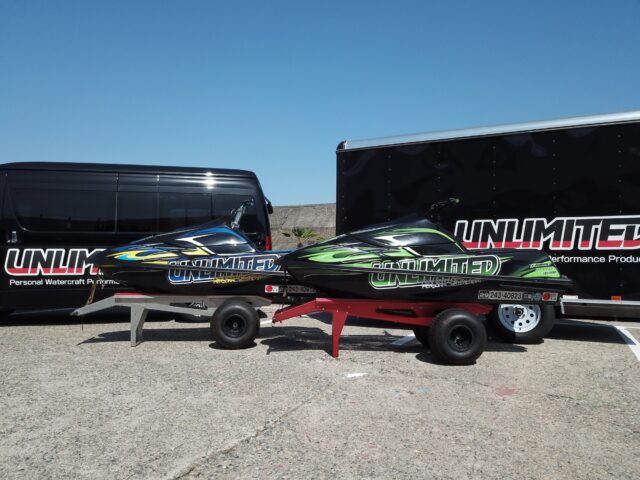
Unlimited PWC has been hitting some home runs with its recent offerings including apparel and accessories such as traction mat kits for the latest watercraft.
Based in Japan, this performance and accessories company has been offering watercraft upgrades for many years and it just got better with their latest performance parts and apparel catalogs for 2021 with included English catalog versions.
With items for all major watercraft including Sea-Doo, Yamaha, and Kawasaki, you are sure to find something unique for your own personal watercraft.
Check out their latest line of steering systems which include their racing handlebar series, steering mounts, throttle levers, and performance grips. Their handlebar system is built using high quality materials which balances performance and vibration resistance with strength and high rigidity. From recreational riders to aggressive racers, these systems are sure to please all.
Want to renew the look of your watercraft? Pick up one of their decal kits or traction mats. Change up the appearance and get some new level grip and safety at the same time.
They even have rear exit exhaust systems for those of you that want to increase performance or gain some new sound notes when riding.
The range of offerings is too long to list out here so be sure to download their new catalog and add something new to your watercraft this year.




 Are you planning on upgrading your forced induction watercraft in time for this coming ride season? Be sure to check out the latest specials that
 Things are starting to look a little brighter across the pond in Australia as many of the states begin to relax some of the Covid-19 restrictions and the





 Great news!