
Home Blog Page 159

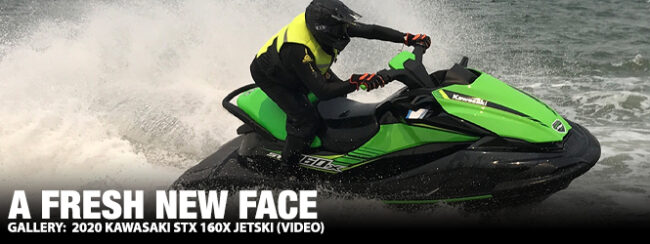
A Fresh New Face: 2020 Kawasaki STX 160X JetSki (Video)

5

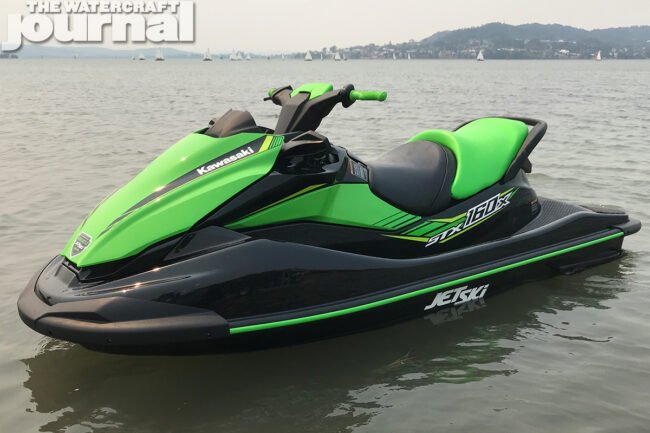
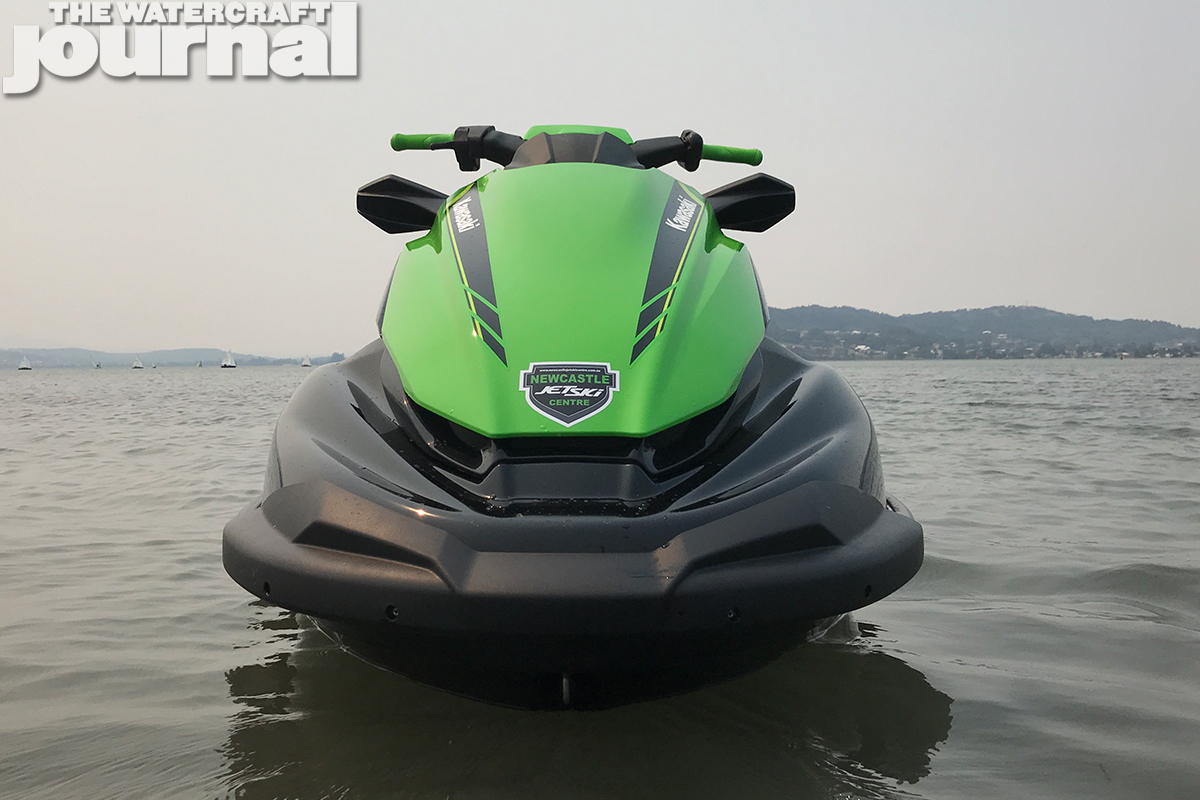
Kawasaki’s entry model JetSki has had its first major overhaul since the STX-15F went on sale in 2004 – and we’ve finally ridden it. It’s now called the STX 160 and in the North American market, comes in three model grades: STX 160, STX 160X and STX 160LX.

In Australia, where this model was tested, it comes in two model grades: the STX 160X shown here and the flagship STX 160LX, which gains more pronounced tiered seating and Kawasaki’s Jetsound audio system. Pricing in the US starts from $9,599 (STX 160), $9,999 (STX 160X) and $11,699 (STX 160LX), not including trailer, registration and taxes. Pricing in Australia starts from $14,999 (STX160X), which is $2,000 more than the STX-15F it replaces, and $16,799 (STX 160LX) including tax but not including trailer and registration.
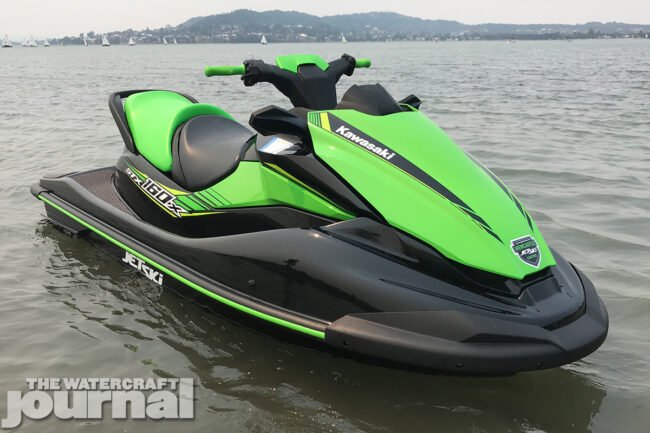
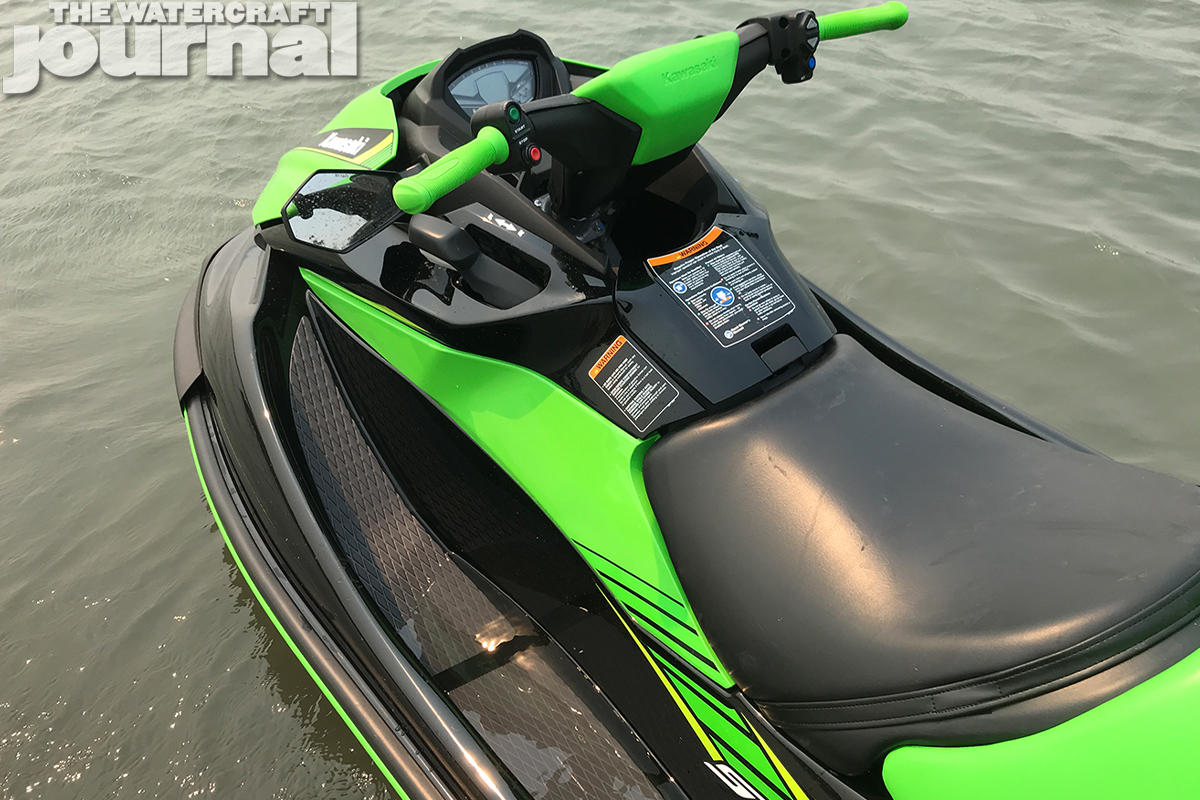
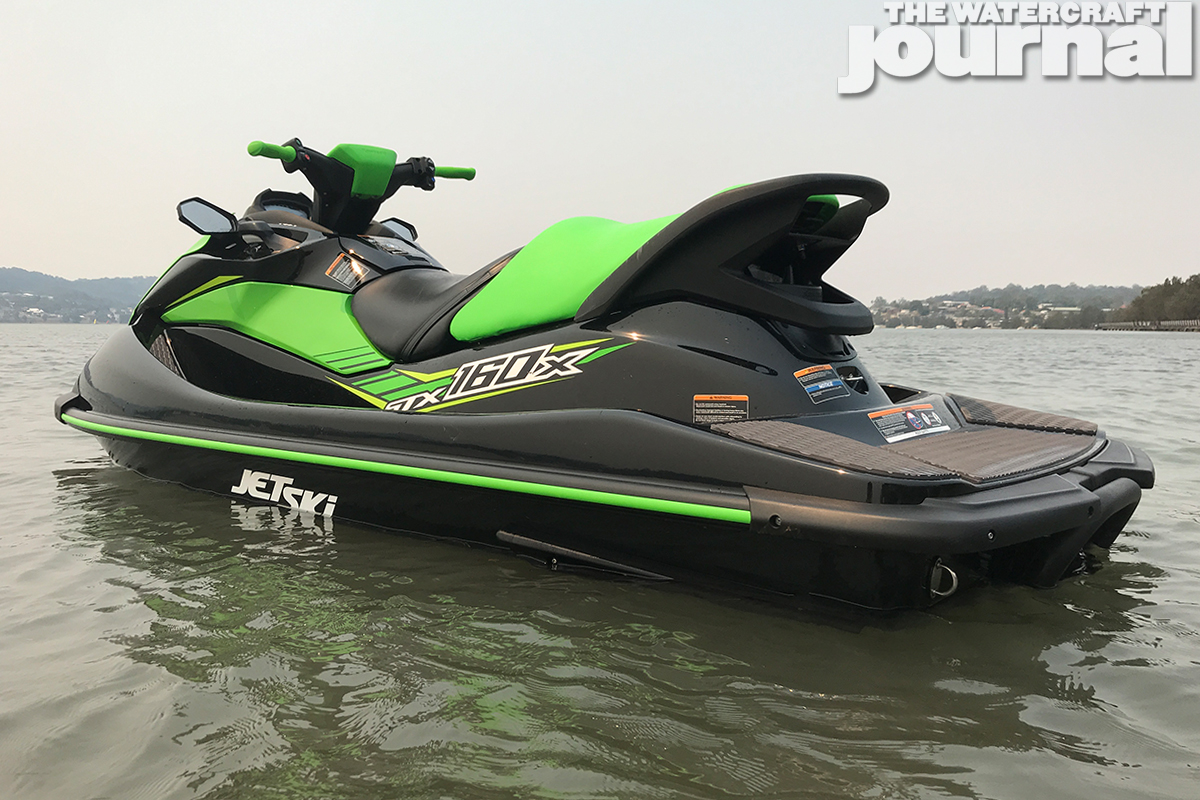
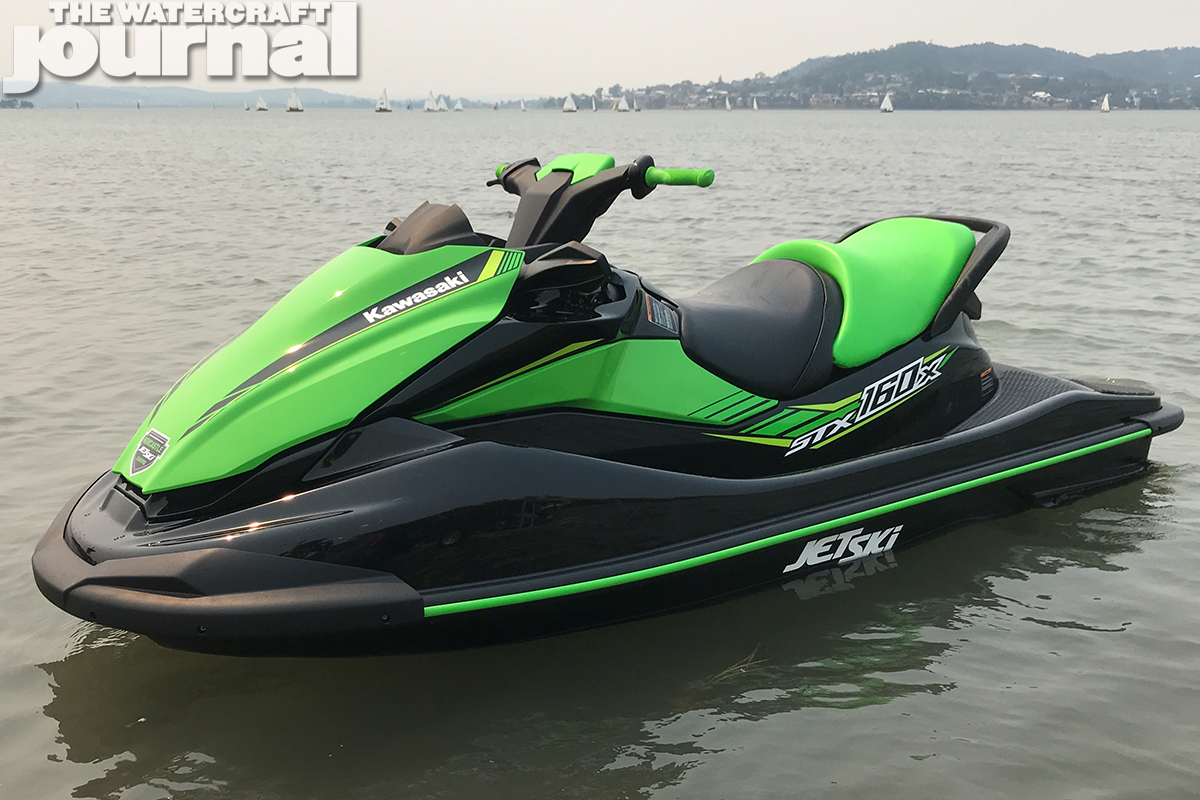
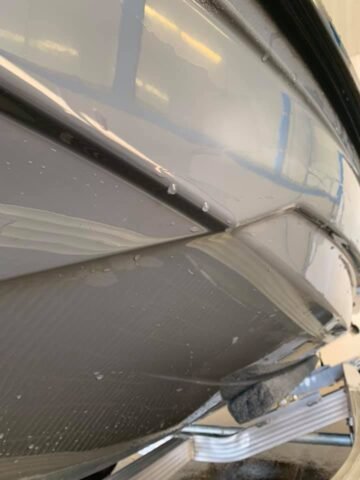
Above: New angles and sharp creases replace the smooth lines of the outgoing STX-15F. While the top deck is entirely new, providing increased storage, improved ergonomics and new operating features – nearly everything below the bondline remains unchanged since 2004.
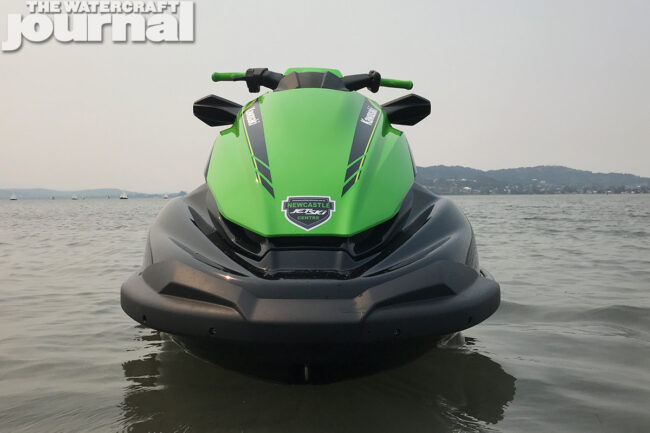
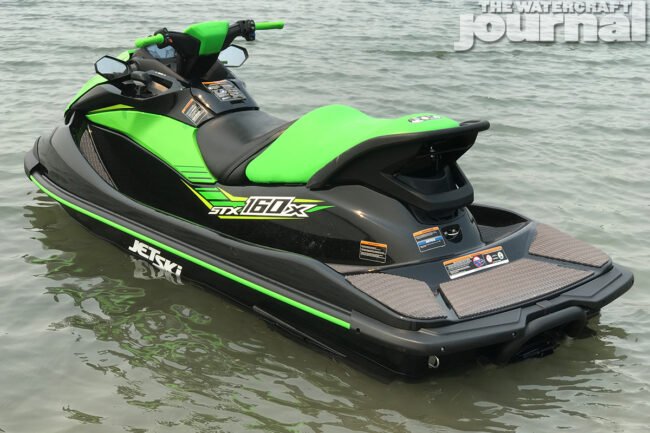
But first things first: For those who were wondering, the Kawasaki’s 1.5-litre naturally-aspirated four-cylinder engine, hull, ride plate, intake grate, and sponsons remain unchanged from the STX-15F; however the top deck of the STX 160 is completely new for added comfort and convenience and is a big improvement over its predecessor. It now has a slightly taller riding position with more knee room and wider, tapered handlebars for a more natural seating posture.

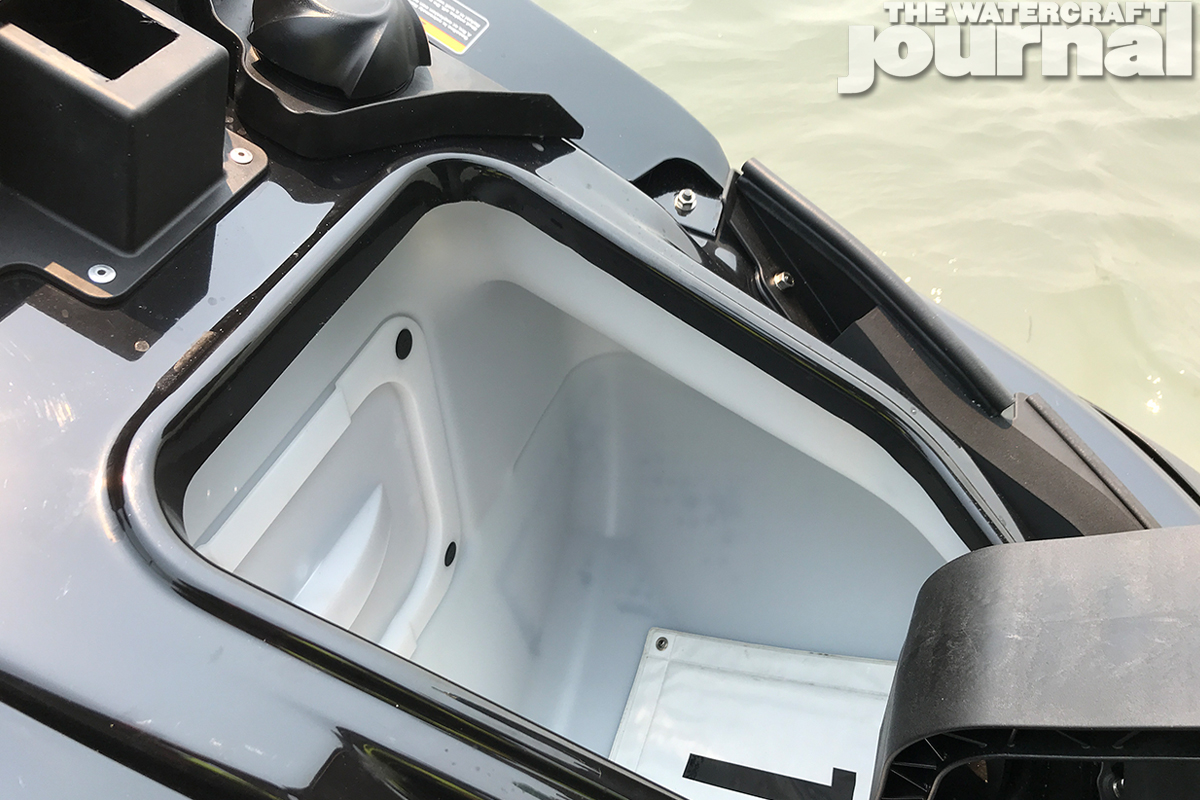
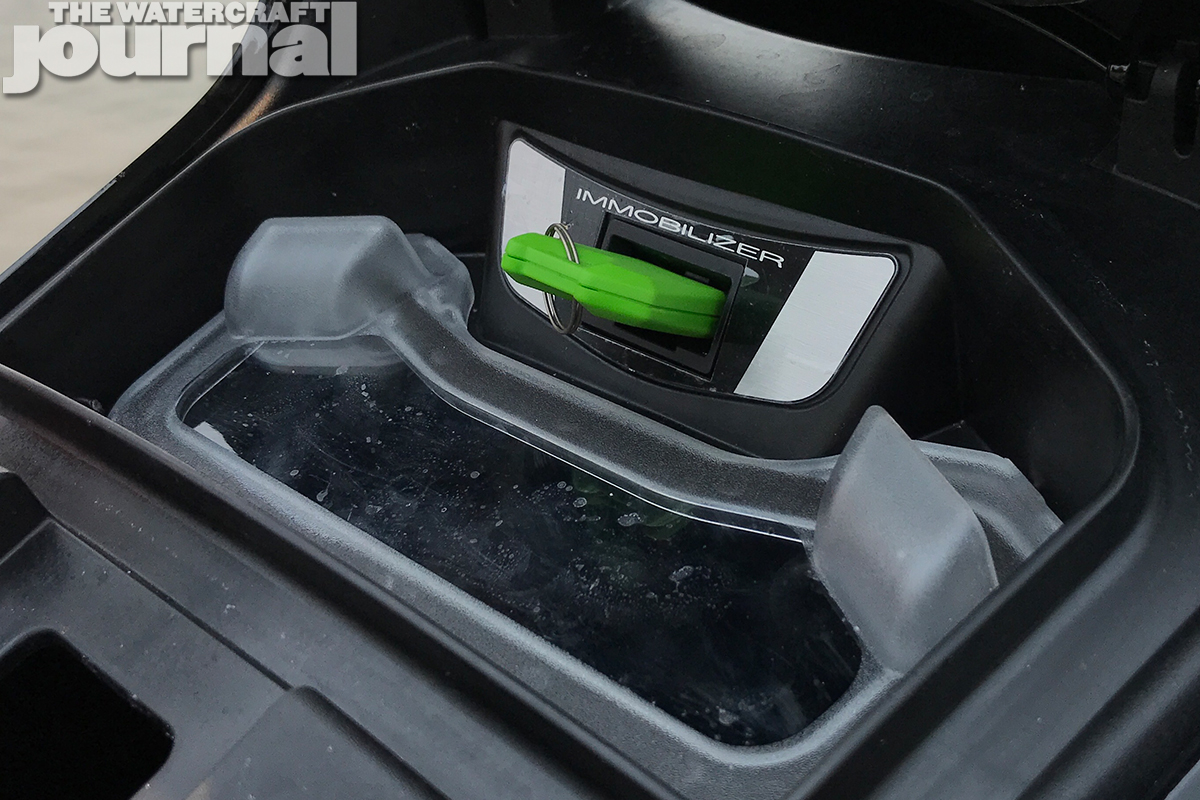
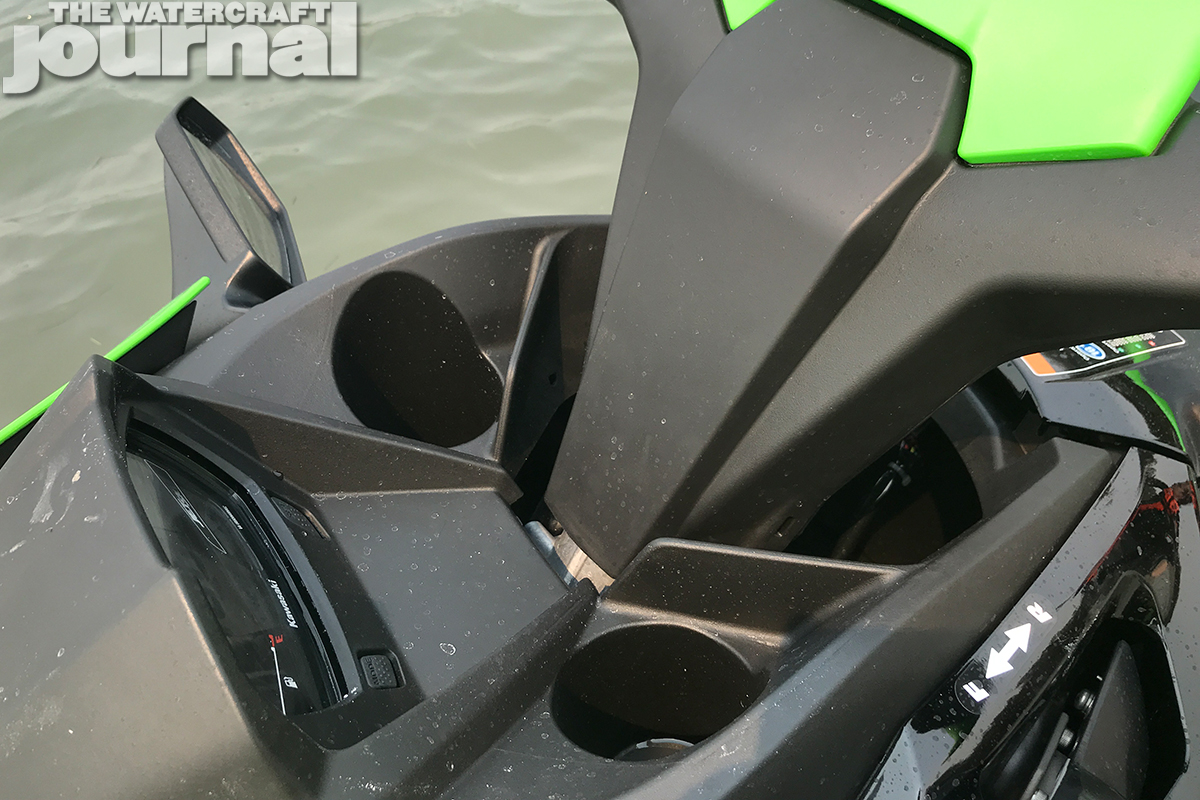
The redesign has given the Kawasaki a massive increase in cargo space as well, from 23.5-gallons (89 litres) to a total of 35.3-gallons (134 litres) – including 30-gallons (114 litres) in the nose, 4.5-gallons (16.7 litres) under the back seat (although without a secure lid, as per Yamaha), a half-gallon (2.3 litre) wet storage area near the rear deck, and a slim waterproof 1.4-litre storage pocket near the centre console that can stow a phone and is available with an optional USB charger.
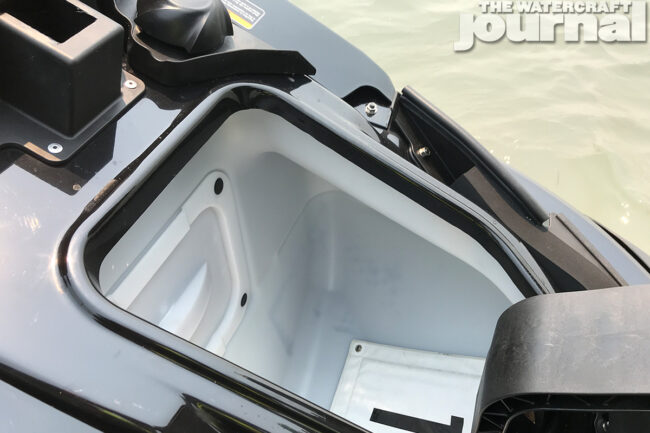
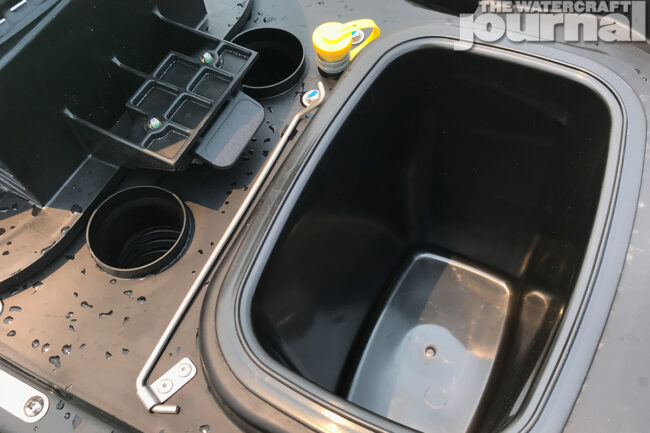
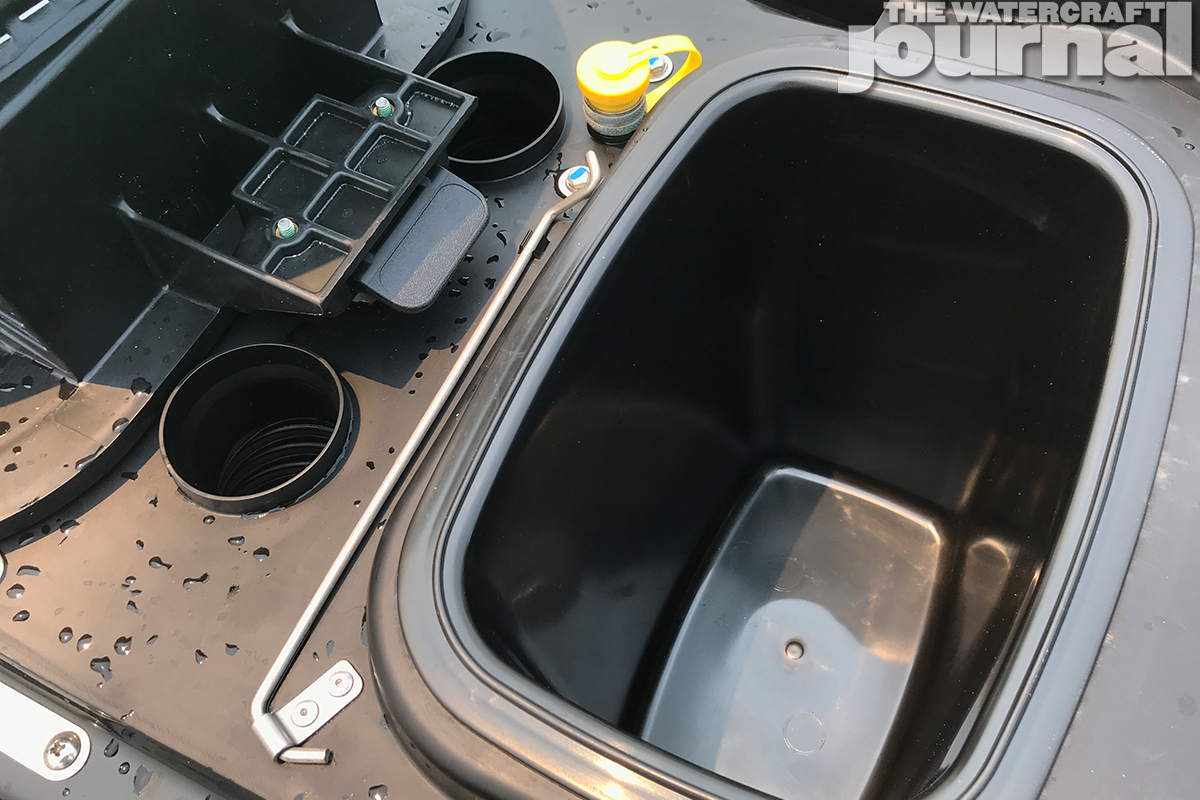
Above left: Kawasaki did away with the gas strut keeping the hood open, and went with an unsprung locking arm similar to the VX Series Yamahas. Above right: The underseat storage beneath the rear passenger is large and even has an arm to keep the new hinged rear seat from falling down while accessing the compartment.
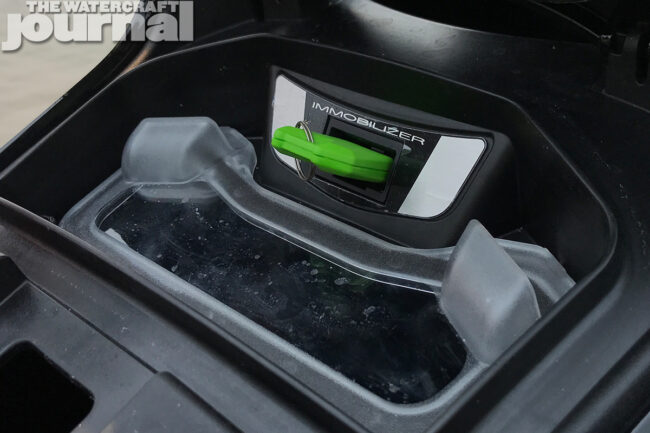
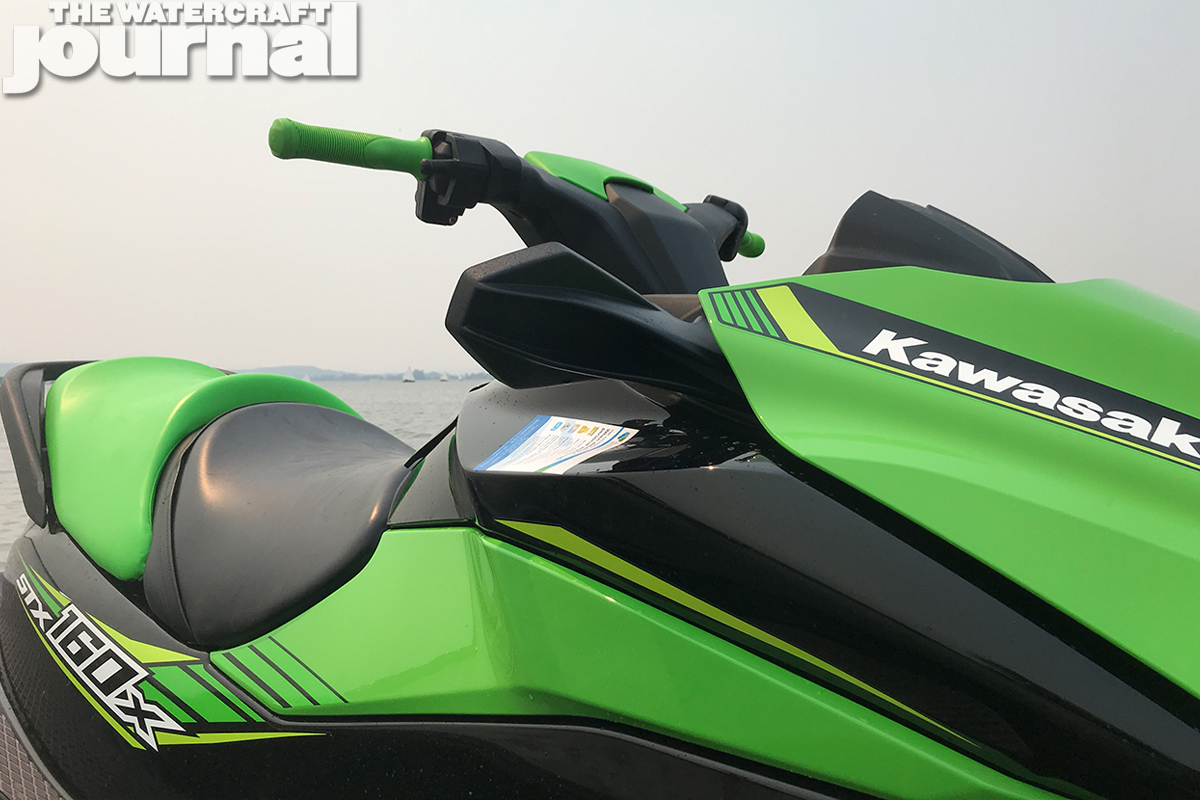
Above: The redesigned glove box relocates the capacity for two water bottles to forward of the handlebars, choosing to reduce the box itself and cap it with a hinged cover to keep water from damaging cell phones or small action cameras. 

The under-seat storage area does not have a lid on it (as per the Yamaha WaveRunners) but the seat keeps most of the water out. Plus, once the seat is off, it’s easier to get your hands into the Kawasaki’s storage pocket versus the Yamaha which requires you to thread your hand through a round hole, limiting the size of what you can store in there.

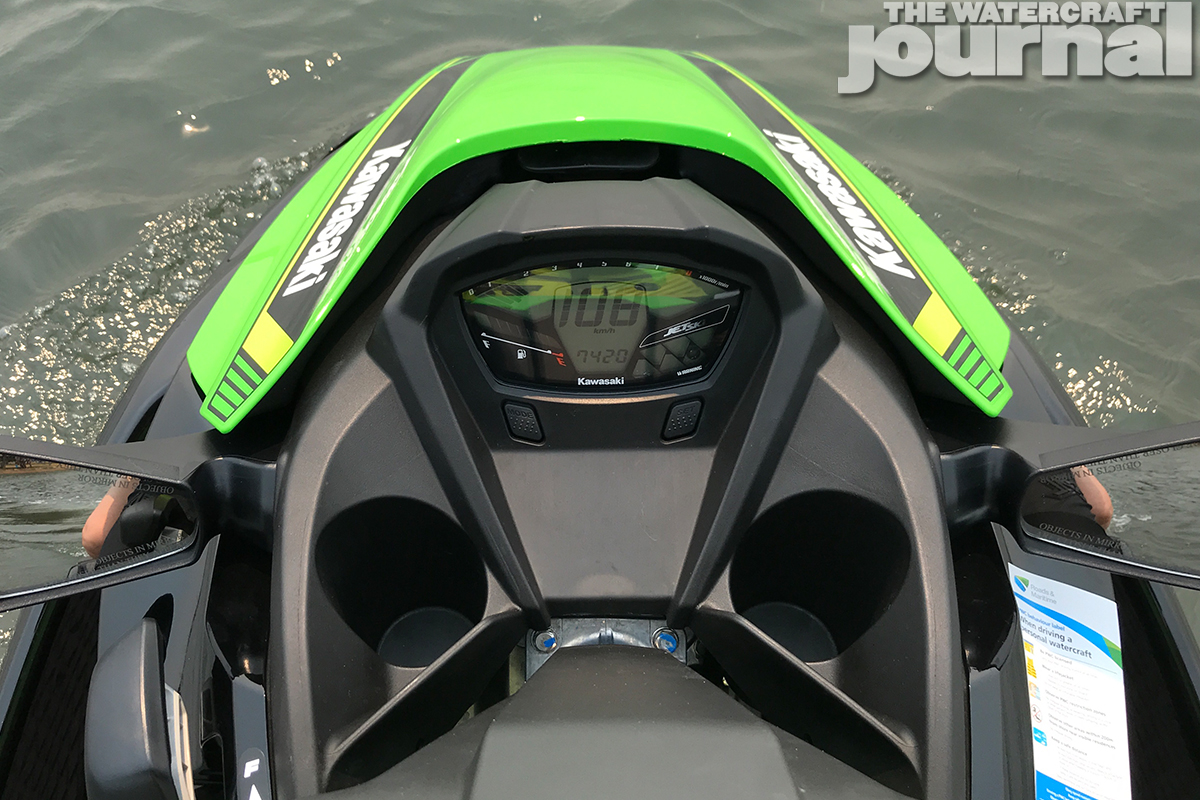
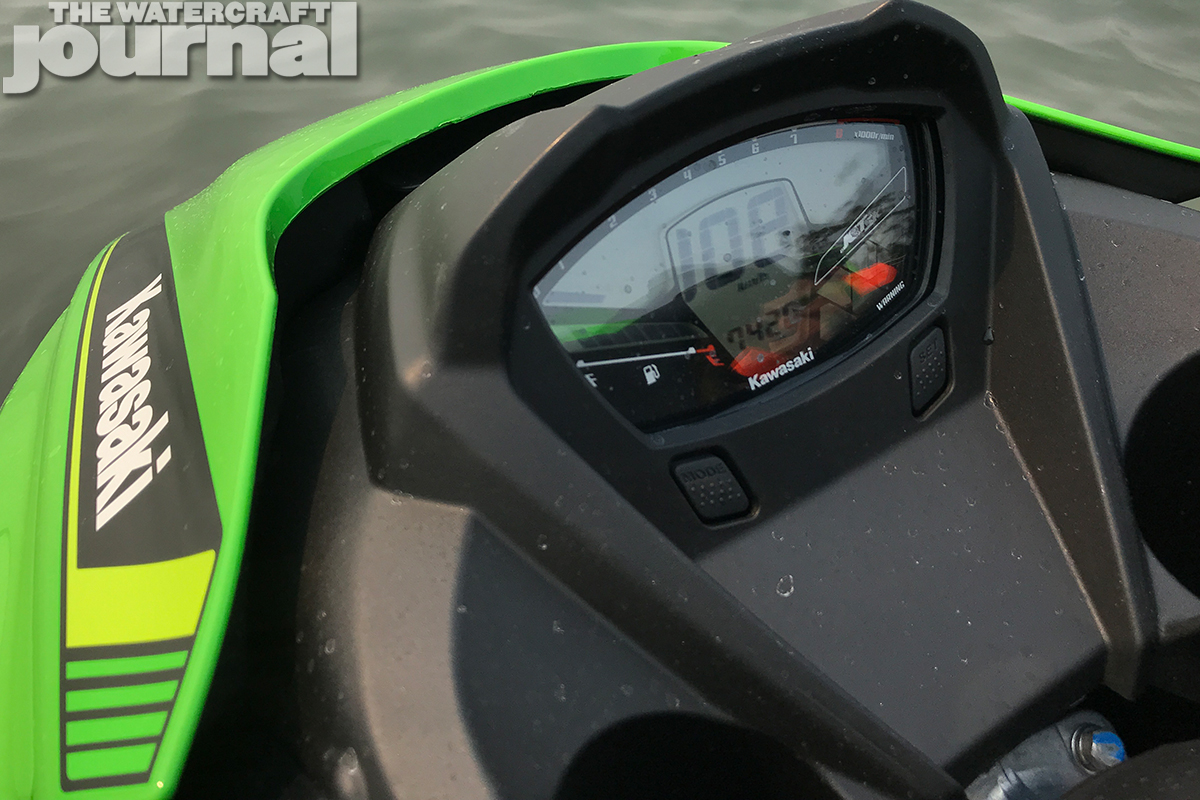
There is a new, larger digital dash display with a fuel gauge meter, real-time fuel consumption, and a clock. Adjustable cruise control and a “no wake” mode (which caps speed at 5mph 0r 8kmh, and is a common feature on top tier Yamaha and Sea-Doo models) are now part of the package for the first time on Kawasaki’s entry model. The STX 160 also has a new, shorter and lighter throttle lever.
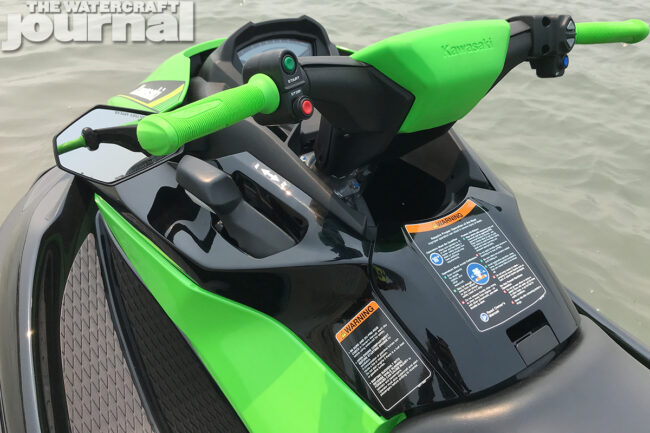
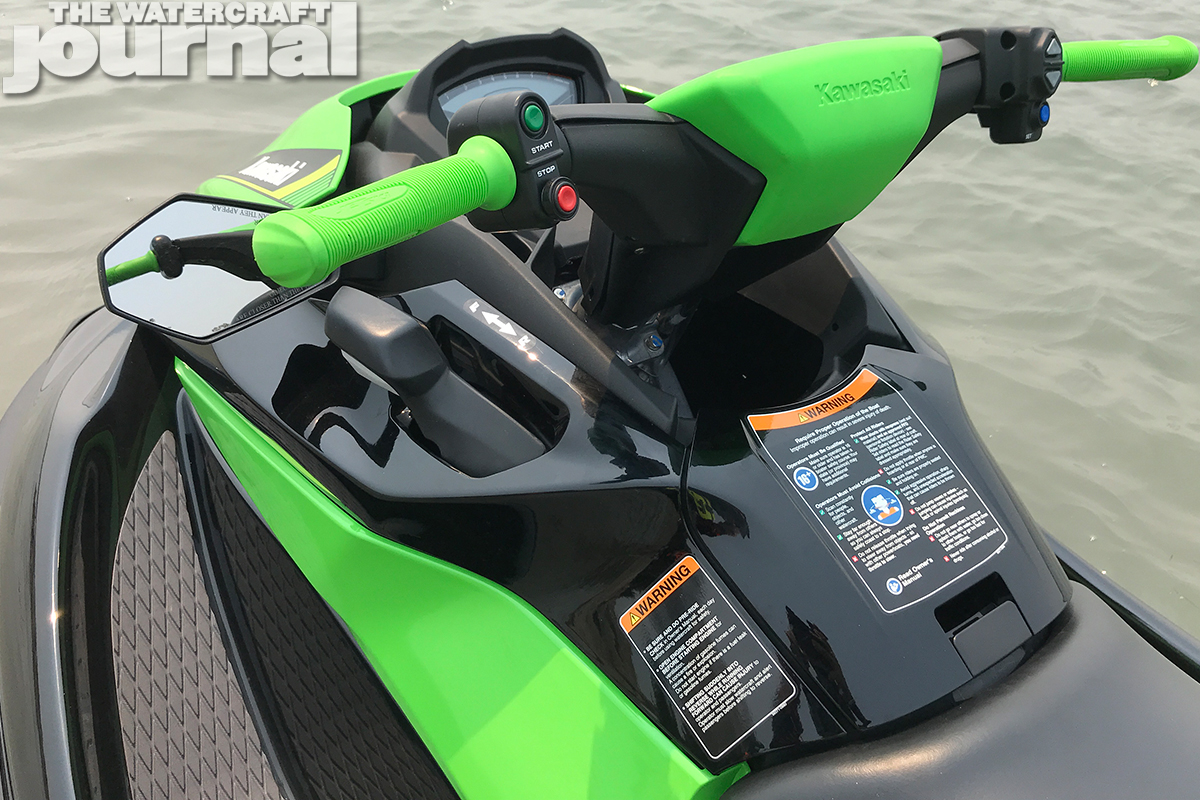
Above: Disappointing to some was the reveal that Kawasaki has yet to join Sea-Doo and Yamaha in the 21st century with handlebar-mounted brakes, opting instead to relocate the reverse lever from the right hand side of the deck to the left.
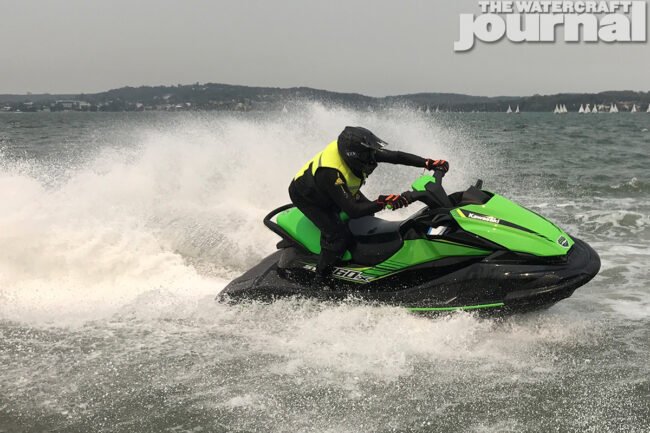
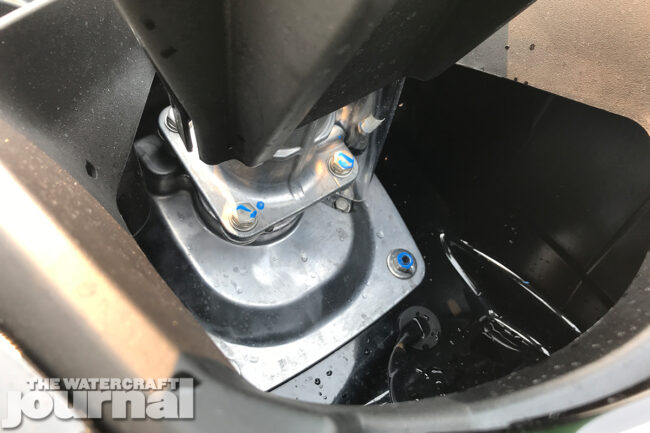
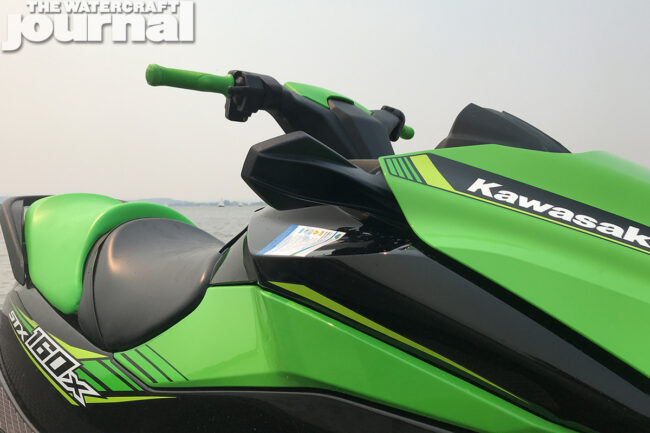
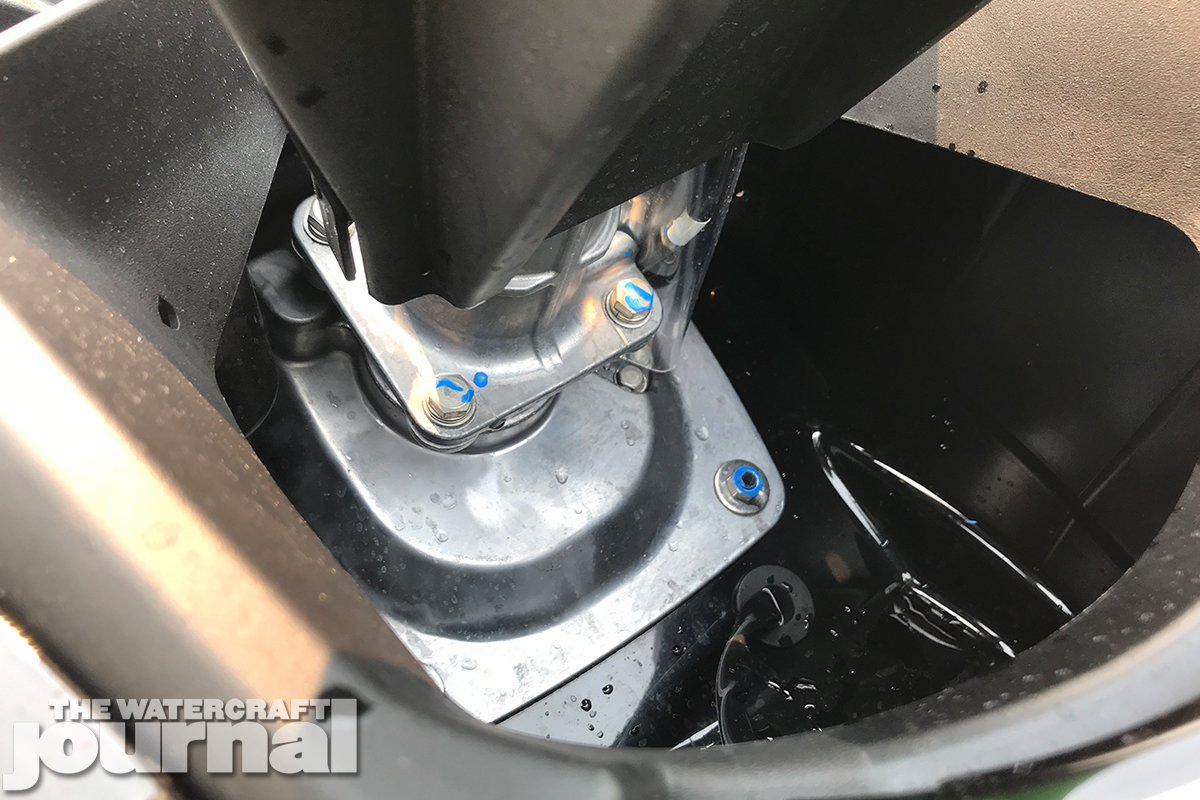
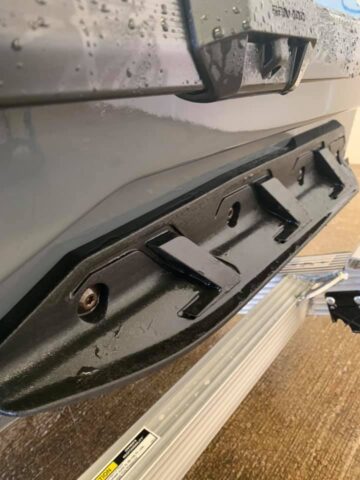
Above left: The STX 160X shares the same hull, ride plate, intake grate and 148mm jet pump as the previous STX-15F. Above right: Some will notice that the standard STX 160X steering neck is very similar to that of the 310R.

However, despite the redesign, reverse is still activated by a large handle on the center console, rather than a lever on the left handlebar as per Sea-Doo and Yamaha. Kawasaki has moved it to the left side of the craft and, as with the Ultra platform, it pulls up much like a handbrake in a car.

Unfortunately, Kawasaki doesn’t seem to be in a hurry to shift the reverse lever to the left handlebar – and given the long lifecycle of these craft Kawasaki fans could be waiting a long time. Having enjoyed the low speed maneuverability of Sea-Doo and Yamaha craft with forward and reverse levers on the handlebars, it’s easy to feel that Kawasaki owners are missing out on a convenient feature, which is especially handy when lining up to ride onto a trailer, or pulling up to a dock.
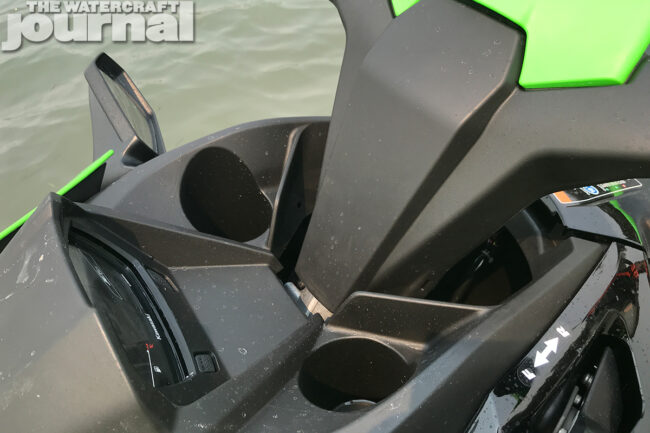
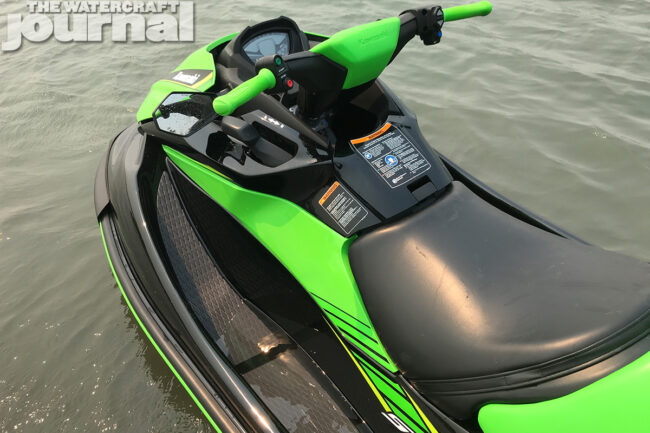
Above: Fore of the non-adjustable handlebars is a redesigned LCD screen reading off the vitals. An “eco” icon flashes on the screen when the JetSki is operated within the parameters for ideal fuel economy.

Other improvements include the fuel filler cap being relocated from the nose of the craft where it was exposed to water, now neatly tucked away and mounted up high underneath the hood cover. Fuel tank capacity has increased from 16.2-gallons (62 litres) to 20.6-gallons (78 litres), giving the STX 160 the same size tank as the flagship high performance Kawasaki 310 Ultra – the biggest tank among its rivals and one of the longest driving ranges between refills in the industry.

To really get the most out of the fuel tank, an “eco” symbol is displayed in the dash when you’re riding with an optimal throttle position and speed. The engine itself is carried over from before. It’s the same non-supercharged four-stroke engine (10.6:1 compression ratio, 83mm x 69.2mm bore and stroke) that is also used as the basis for the supercharged Ultra 310 models.
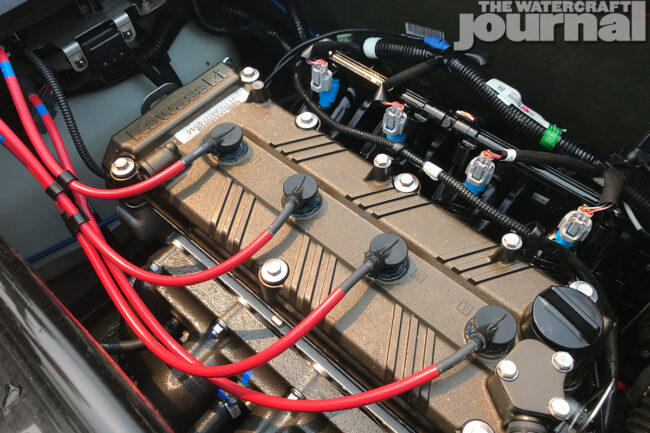
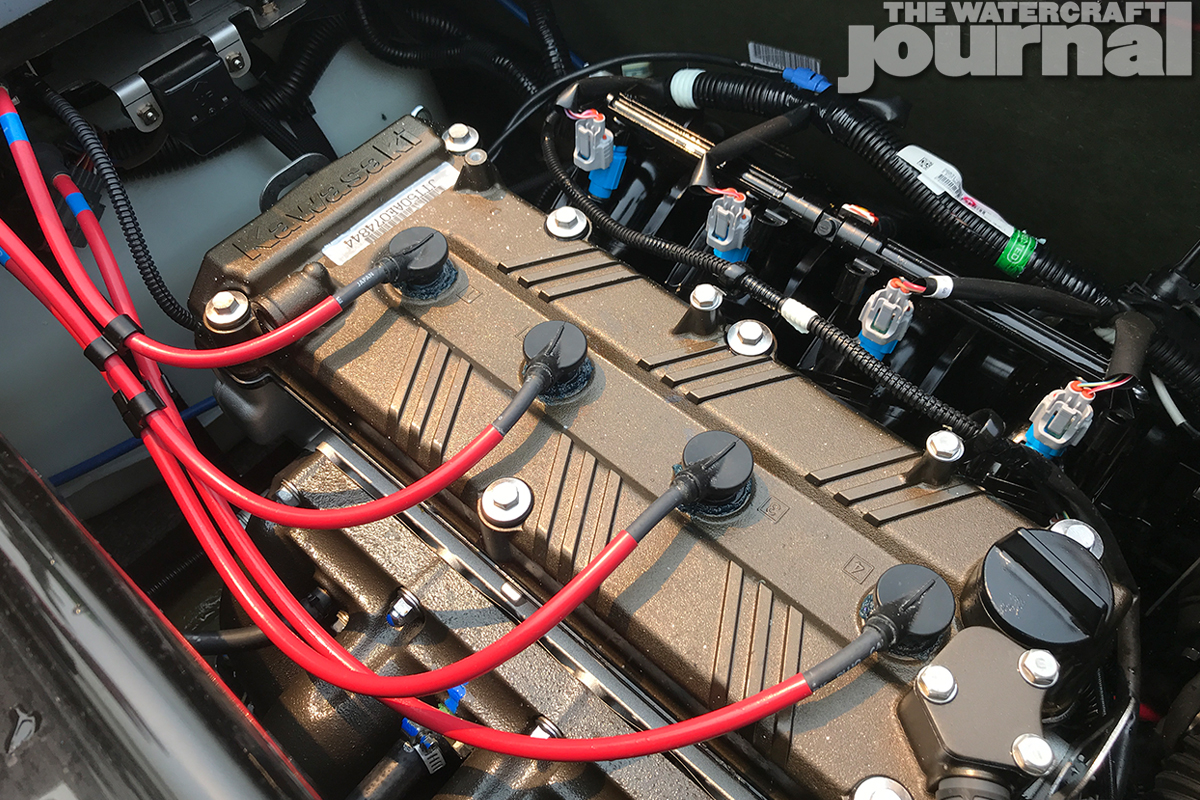
Above: The solitary change made to the 1.5L 4-stroke powerplant is the incorporation of Kawasaki’s fly-by-wire engine management system (KTRC), identical to that used by the 310-horsepower Ultras.
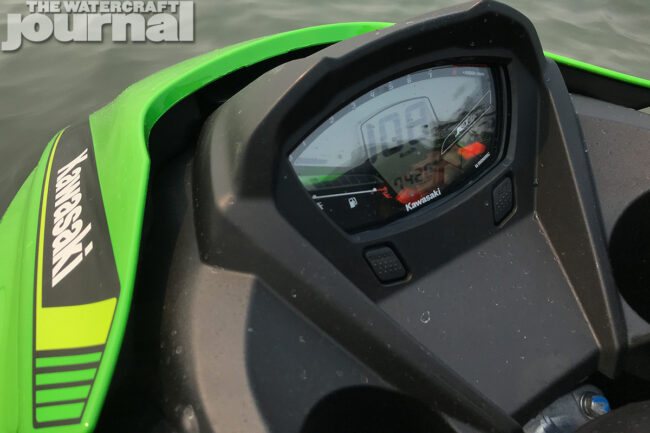
But for 2020, the 1,498cc four-cylinder now operates via a modern fly-by-wire throttle control system, permitting the use of the aforementioned cruise control, no wake, and eco functions. It has the same outputs as before (160hp and 152Nm at 7500rpm) however it remains one of the most powerful engines in this price range.

For those who want to ease their way into it, as with the previous model the STX 160 is available with a SLO key (slow learning operation mode) which limits the engine to 5,800rpm, trimming about 30 percent off its peak performance. The new Kawasaki’s curb weight – meaning loaded with fuel and oil – has increased from 844-pounds (383kg) for the previous the STX-15F to 877-pounds (398kg) for the new STX 160.
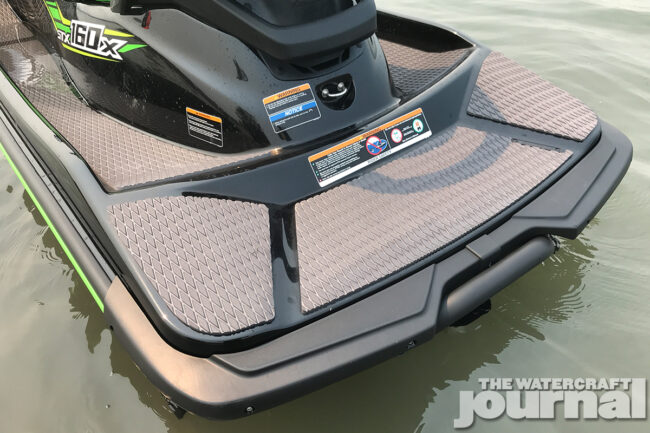
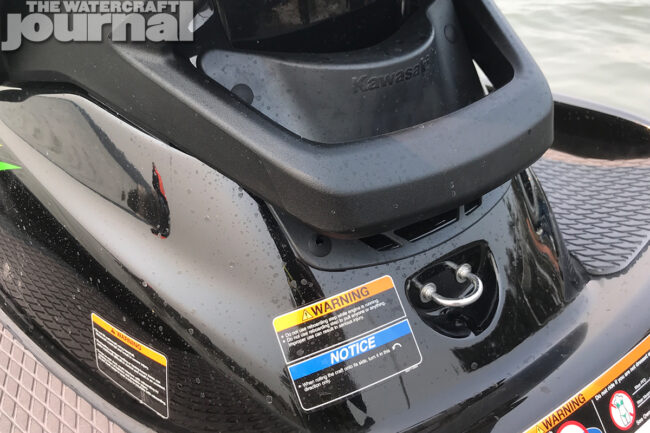
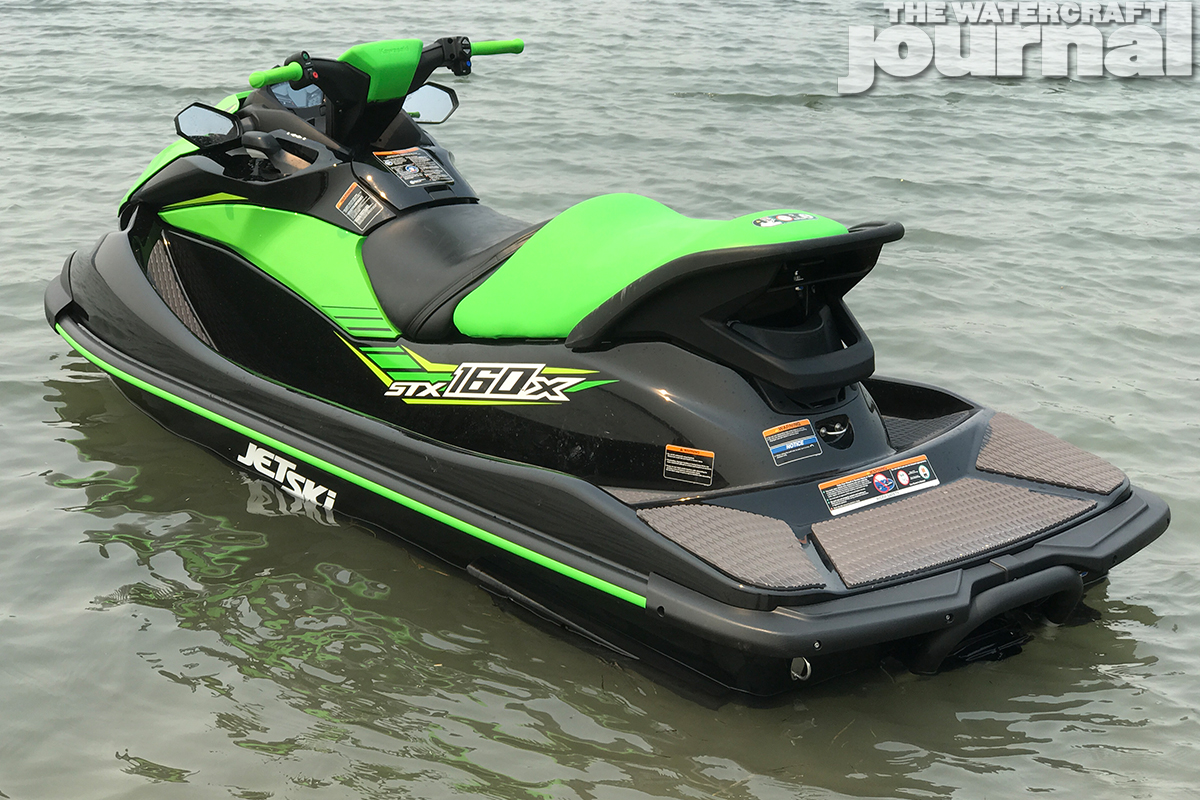
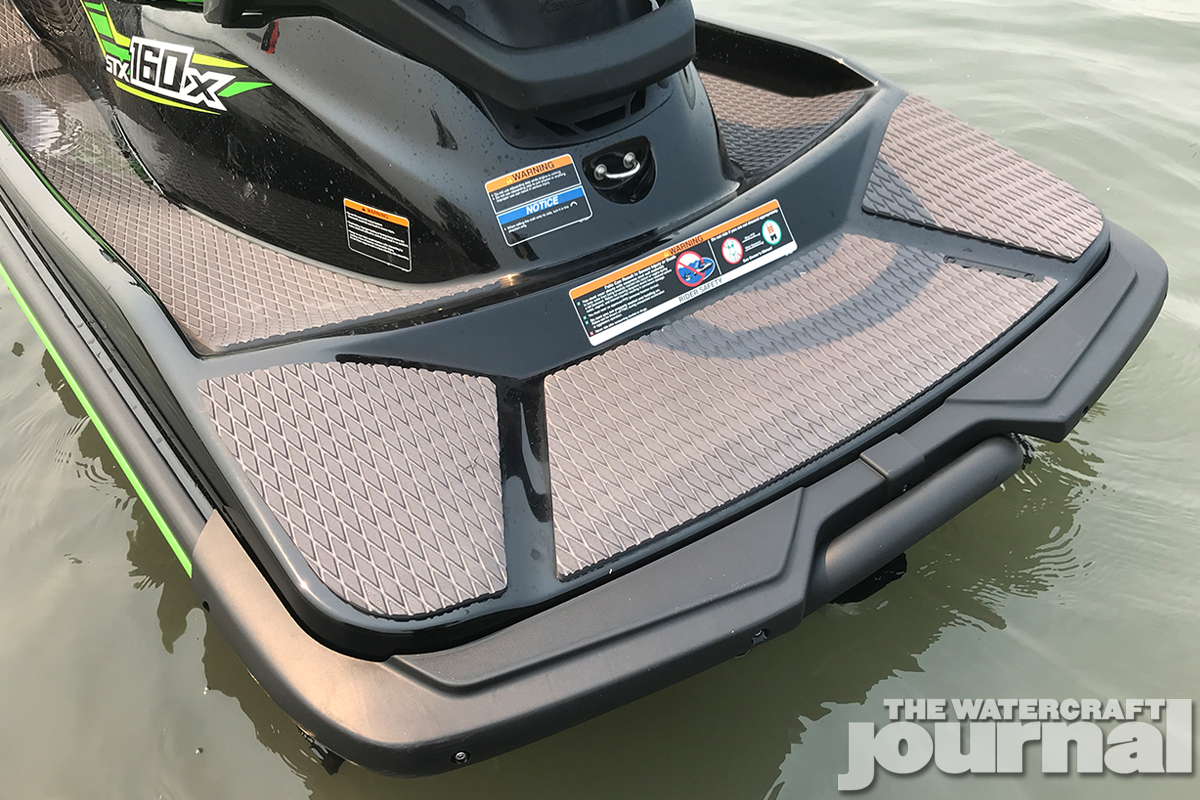
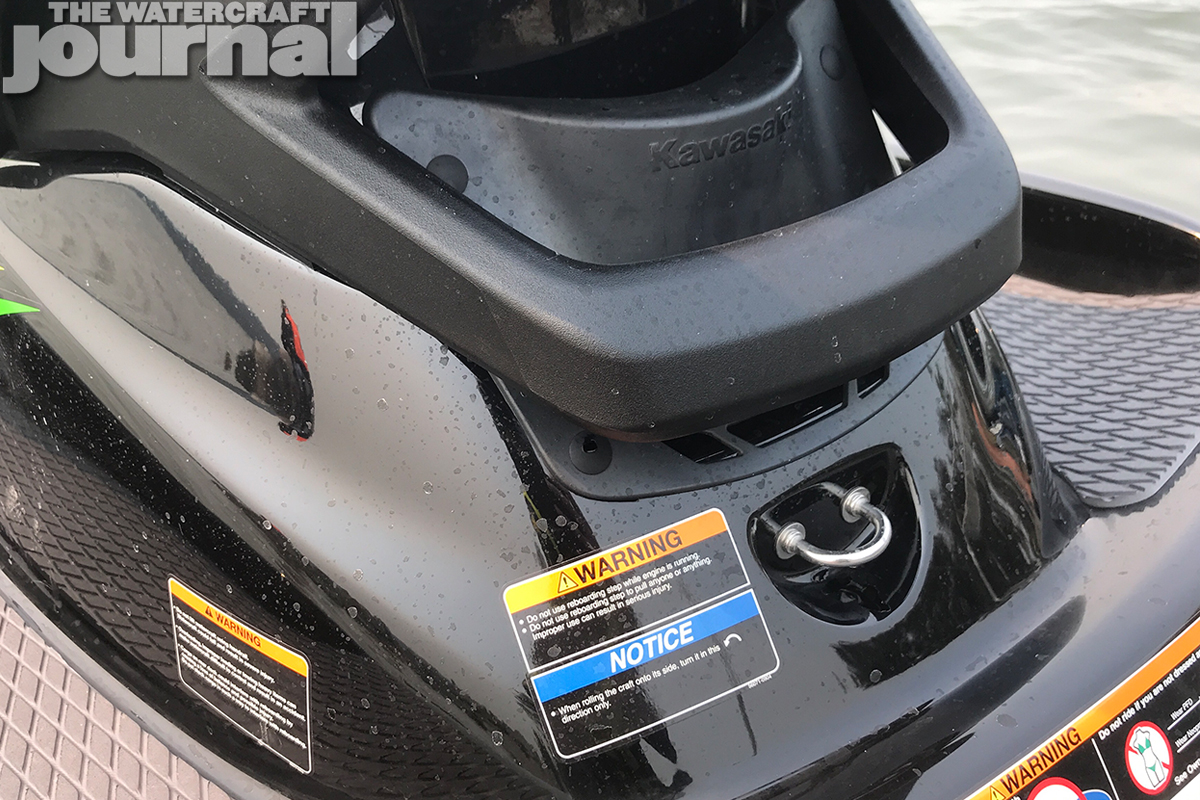
Above left: The most prominent change to the STX is the completely redesigned – and expanded – rear swim deck. The deck is lower, wider and shows a narrow folding swimstep that tucks in nicely into the rear bondrail. Above right: The rearward grab handle also has a lower handle ideal for reboarding.
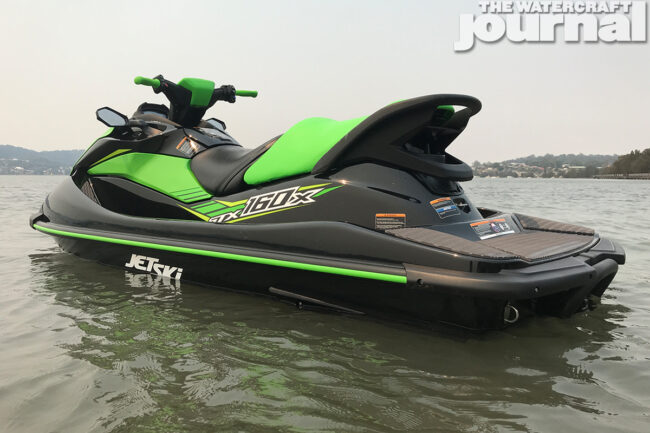
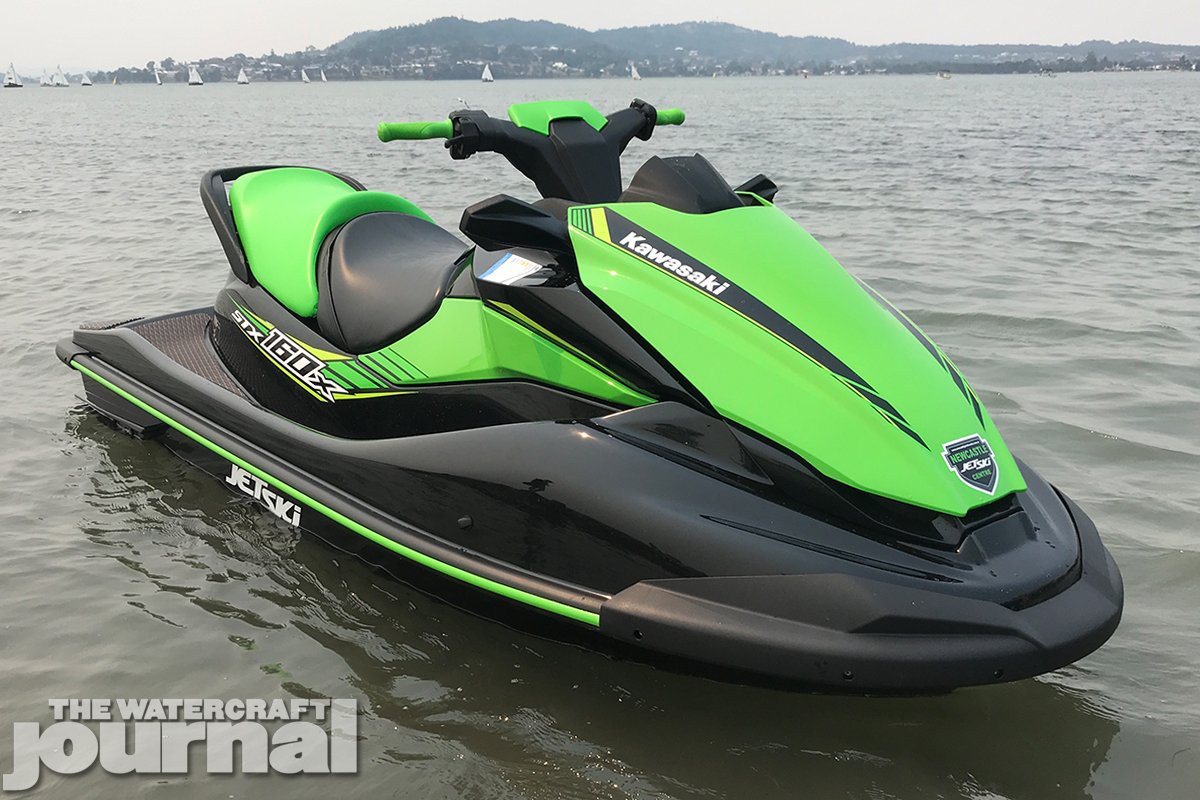
Above: Many will note that this Australian STX 160X is in Kawasaki Green and Ebony Black, when all STX 160X models sold in North America are offered in Ebony and Riptide Turquoise. The coloring is the only difference between the domestic and international models.

There is no handlebar adjustment and no trim adjustment on this craft (the same as the STX-15F) but it’s still easy to find a comfortable riding position. The instruments are straightforward and easy to use, and the extra storage space – including a small waterproof compartment for a phone, wallet or car keys – is a massive plus.

As with most watercraft (especially in this price range) the speedometer uses a paddle wheel on the ride plate (rather than GPS the on top-end Sea-Doos, a paddle wheel on certain Yamahas, or RPM on the latest Yamaha FX series, which is in the next class up). So the speedo is not 100 percent accurate (just like all watercraft with paddle wheels) but it’s good enough to keep you out of trouble in slow speed zones. Cruise control and a no-wake mode also help you stay within the law. 
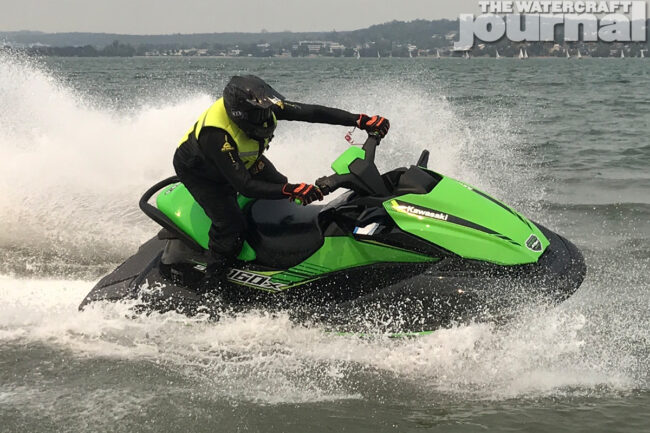
The 1.5-litre engine, also unchanged, is smooth and responsive and, we suspect, economical. We didn’t get a chance to run it empty, but that would have taken a decent amount of time now that the tank has 20-plus-gallons (78-litres) of capacity. Most rivals have 15-and-a-half or 18-gallon (60 or 70 liters) tanks (or less) in this price range.

On the water, it’s easy to see why Kawasaki hasn’t changed the hull design, including how it’s made: hand-laid fiberglass and gel coat in an era of slightly less durable lightweight materials. If it ain’t broke, don’t fix it, we say. Dimensionally, the  new STX 160X isn’t too far off from the outgoing 15F; both models share identical widths (46.5.-inches), but the new 160X now reaches 124.1-inches in length, roughly one-and-a-half inches longer than the 15F’s 122.8. It’s also considerably taller, totaling 45.4-inches compared to the previous 41.3-inches height.

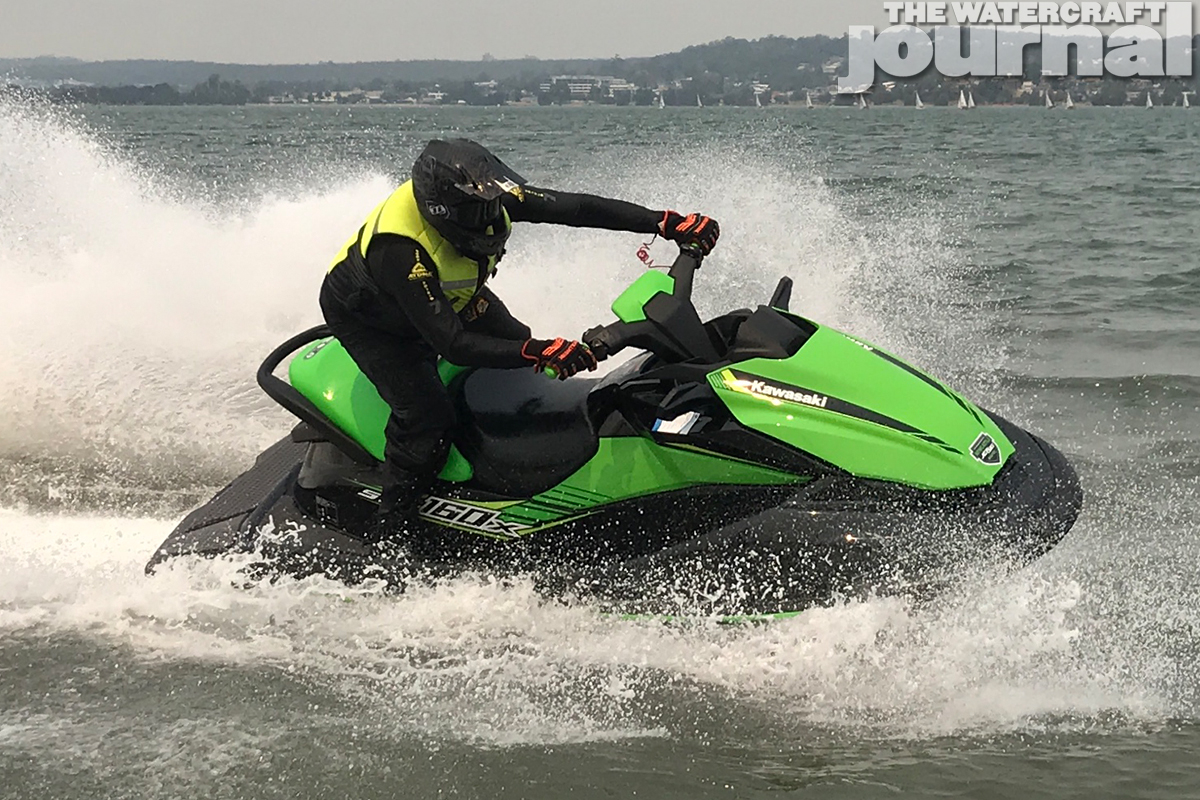
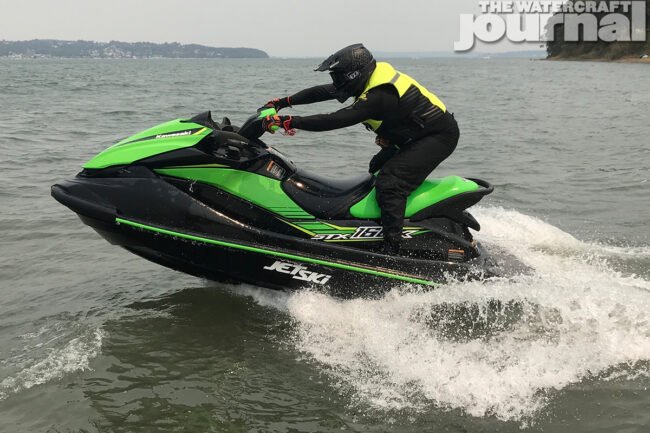
The Kawasaki STX 160X is an extremely fun and easy craft to ride. It’s both intuitive for first-timers but has the response and agility for experienced riders to really throw the thing around. It’s one of the most impressive hulls in this price range, which presumably explains why Kawasaki didn’t touch it. That also means that the new STX still peaks at a little over 60mph, particularly given the added weight.

Gratefully, it still cuts through medium chop with ease. And although Kawasaki has raised the seating position, it still feels like you sit quite low and close to the water line. We suspect this is why it turns so easily and accurately, as it has a lot of hull in the water and the center of gravity feels lower than most other watercraft. Overall, we had a blast on the new 2020 Kawasaki STX 160X. We really think it’s a handlebar reverse lever away from being the perfect budget-priced, fun-sized watercraft.

Special thanks goes to Newcastle Jet Ski Centre who were kind enough to let us beat on this brand new unit as much as we did.
Get Yourself a TiAL 50mm Blow Off Valve from RIVA Racing

0

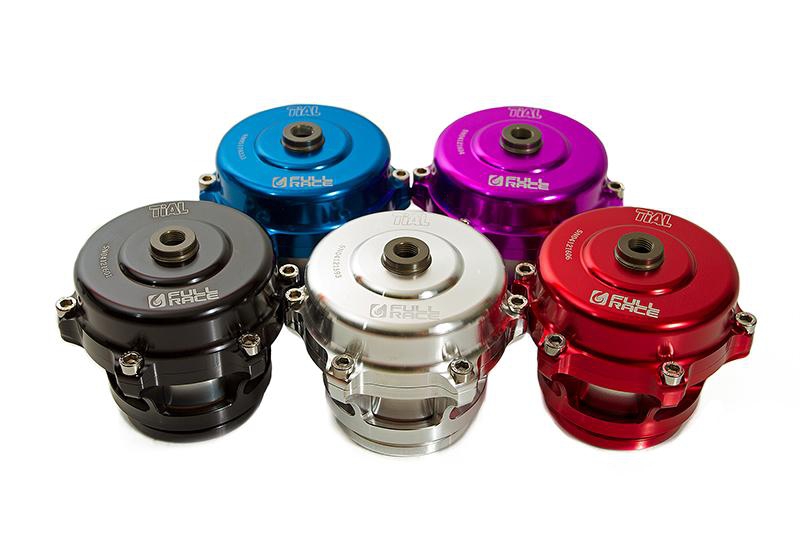
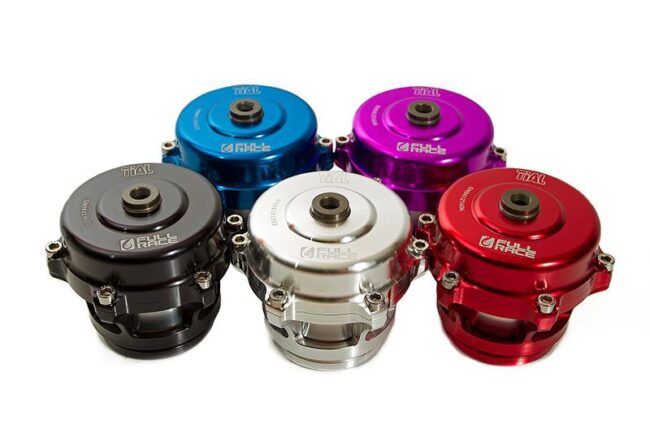
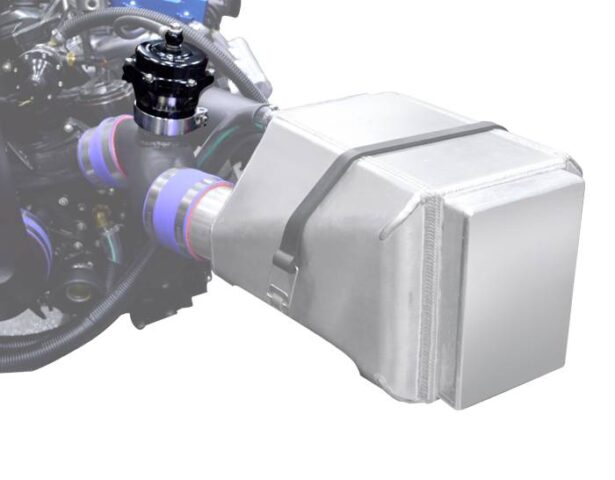
Blow off valves are important for PWC’s equipped with superchargers. It allows the pressure in your system to be released properly so that it does not damage your internal components. This pressure is generally caused by being on the throttle and then quickly letting off of it. So why TiAL? The Tial 50mm Blow Off Valve’s body and internal components are made with 6061 aluminum alloy. 6061 aluminum alloy is commonly used for airplane fuselages so there is no need to worry about the structural integrity of the blow off valve.

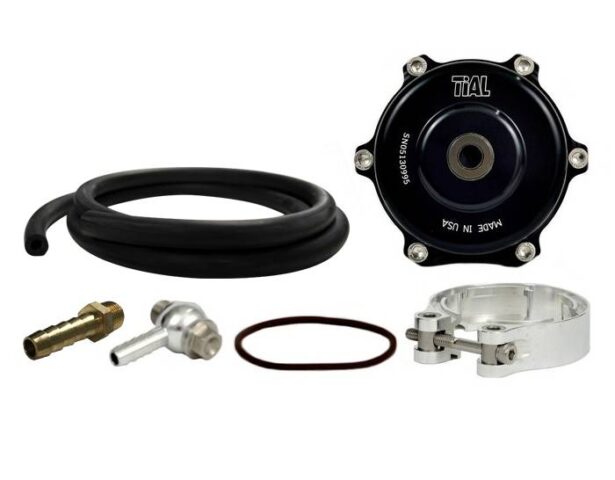
The entire TiAL 50mm Blow Off kit comes with the 50mm valve assembly with the 11psi yellow spring. RIVA carries additional springs so that you can adjust when the blow off valve opens. The kit also comes with a v-band clamp, TiAL air fitting, high pressure ton O-ring, 3ft of 7/32’’ vacuum line and a 1/4’’ barbed fitting x 1/8’’ PT fitting. You can get all of this from RIVA Racing for $259.95.

To get a better understanding of what this blow off valve does, check out a video made by RIVA Racing. RIVA Racing does a great job of posting videos to their YouTube page where they tell you about some of the product they carry. Check out their video they made of the blow off valve.

You may ask yourself why should I buy from RIVA Racing rather than somewhere else online? Well, RIVA Racing is known as the one stop shop for all of your performance PWC needs. Their website allows you to quickly put in the year, make and model of your PWC and find parts that are guaranteed to fit. Plus, all orders over $150 receive free shipping within the continental US. If you have any questions, feel free to reach out to their support staff. They are extremely knowledgeable and will work to find anything you need.

The Florida Keys Community Wants You to Say No to NOAA

0

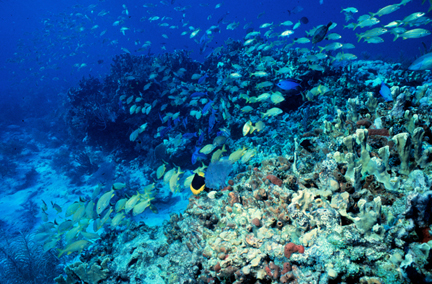
NOAA wants to expand the Florida Keys National Marine Sanctuary (FKNMS) and also has plans to for more regulations in the area. The group Say no to NOAA is circulating a petition stating the many reasons NOAA should not be allowed to expand regulations or expand the sanctuary.
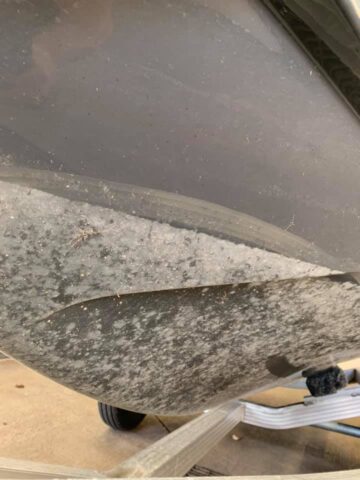
The group’s bullet points state that water quality is the biggest issue facing the area. NOAA hasn’t restored the water quality since creating the FKNMS in 1990. The group also claims that closing certain areas will cause overcrowding and exacerbate stress in other areas. The Blue Star program is biased. This program was established by the FKNMS.

Its purpose is to recognize tour operators who are committed to promoting responsible and sustainable practices while enjoying activities like diving and fishing. The idea is to reduce the impacts that these activities have on the environment. The group also claims that most of the regulations aren’t science based.

The community group has a list of its own suggestions that we listed below:

  1. Propose a plan of restoration of the poor water quality
  2. Install more mooring buoys.
  3. Add and maintain channel markers in the back country
  4. Update NOAA’s Charts, including digital versions
  5. Create more artificial reefs to take the pressure off the real reefs.
  6. Require educational videos and Certifications for out of town boat operators, particularly those renting a boat.
  7. Eliminate mini lobster season
  8. Hold NOAA employees accountable for their actions like everyone else

The group says that all of this boils down to good science and trust. According to them; NOAA didn’t use good science and didn’t maintain nor did the organization follow the original FKNMS management plan. Instead, NOOA allowed the water quality to worsen and remain unchecked. They followed with saying that NOAA blamed others and intentionally allowed the Programmatic agreement with the State of Florida to expire in order for them to gain control over al historic resources.

Apply Today To Become a Sponsored Hydro-Turf Rider/Racer

0

For years Hydro-Turf has been providing the public with quality traction mats and upholstery. These are a necessity for any riders as having a good traction mat can be the one thing that stands in your way of making that jump or getting the inside lane on the turn. But as with any part or accessories it all costs money. Many riders have visions for their watercraft but do not have the means, so why not get a sponsor to help you out!

Recently, Hydro-Turf announced that they are look to sponsor riders for 2020. This could be your time to send in your information and let this company who has helped grow our personal watercraft community promote you. Hyrdo-Turf is known globally as the one of the leaders in the traction mat industry.

So, you are probably wondering how you sign up. It’s super easy and they’re looking to support most all forms of racing and/or competition. They want to hear what you are all about and help achieve your goals for this year.

  1. Visit Hydro-Turf’s website, click under “Contacts Us,” then Sponsorship Program
  2. Once you are on that page, copy the information into your email and fill it out. Once it is all filled out, email [email protected]
  3. Make sure when answering the questions to elaborate on all of your abilities to best represent yourself.

Remember that this is a limited opportunity so don’t wait! Fill out the form and you could be the next rider to support this awesome company. Plus if you are currently a sponsored Hydro-Turf rider and would like to renew your membership they would love to hear from you and your upcoming plans and goals.

RIVA Racing Race Pumps & Stainless Wear Rings For ’20+ Yamaha SVHO

2

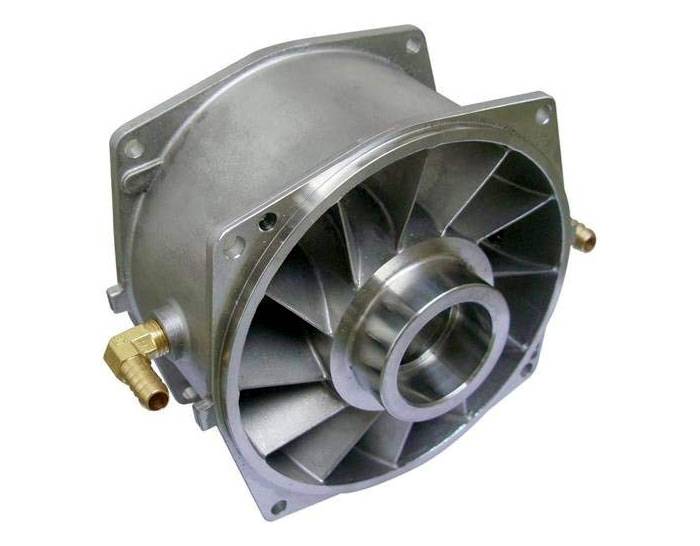
One of the biggest changes to the SVHO-powered Yamaha WaveRunners for 2020 was almost completely ignored by most media outlets and dealers (but of course, not us at The Watercraft Journal). Not only had Yamaha re-engineered its high performance jet pump so that the wear ring and pump were incorporated into one housing, but replaced the permanent wear ring with a replaceable stainless insert…and increased the overall size to a 160mm from beginning to end.

Previously, the Yamaha SVHO used a 155mm stator and a 160mm impeller and liner. Not only does this redesign reduce the number of parts, but also permits for extended use and longevity – a particular plus for the performance-oriented SVHO owner. And while this is definitely a step in the right direction for the stock-level guys, those looking to really step up their horsepower game still need some aftermarket support.

Thankfully, RIVA Racing has just announced that their RIVA Yamaha 160mm Stainless Steel Wear Ring ($499.95) and RIVA Yamaha 160mm Stainless Steel Race Pump ($999.95) are now applicable as direct replacements for all 2020 model year SVHO-equipped WaveRunners. The two-part pump will directly replace the one-piece OEM pump, and provide increased acceleration and top speed as well as reduced cavitation. The duo create a precision piece of equipment far more efficient, and much stronger and corrosion-resistant than the OEM parts.

The Watercraft Journal’s Social Media Undergoes Temporary Repairs

0

Hey everyone! Kevin Shaw, Editor-in-Chief of The Watercraft Journal here. If you haven’t already seen, our Facebook page has been a little quiet these last few days. In today’s modern world of publishing, social media (primarily Facebook, and in a lesser extent Instagram and Twitter) has become the digital equivalent of the newsrack.

Once where people ventured to the magazine rack to see what was new, today’s Facebook feeds deliver the latest news directly to the customer. It’s pretty convenient when it works; but when it doesn’t, things can get real messy very quick.

Last week, we encountered some technical issues that made it necessary to pause publishing on The Watercraft Journal’s Facebook page for a few days. Thankfully, we’re working closely with account managers at Facebook to resolve these issues, and provide our readers and followers a superior experience when we come back online.

In the interim, The Watercraft Journal will continue publishing new and informative articles everyday HERE, as well as sharing these links at GreenHulk.net, the Internet’s largest PWC community, as well as in various Facebook groups (including the GreenHulk.net Performance Page on Facebook). And let’s not forget publishing new episodes of our YouTube series The Watercraft Journal twice a month!

Once reactivated, The Watercraft Journal’s Facebook page will provide greater reach to all of our followers, more consistent alerts when new articles and/or videos are published, and simply more fun-on-the-water to enjoy!

Video: Get An Inside Look at RIVA Racing’s Research and Development Facility

0

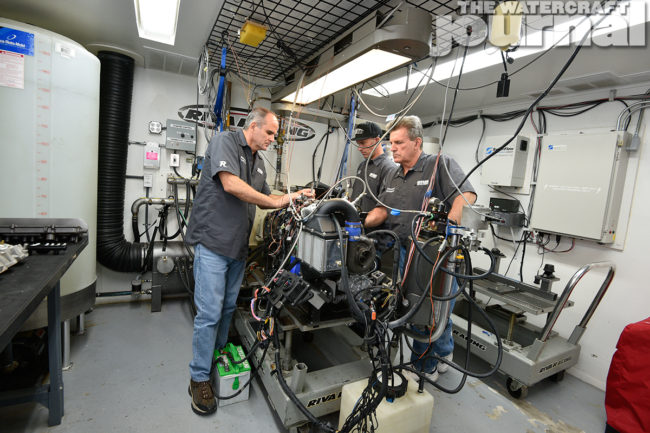
Many of you are familiar with the name RIVA Racing. They are one of the leaders in the PWC performance parts market. Having started as a small mom and pop powersports shop, they now have six different locations in Florida with over 100 employees. While it can be easy to grow too quickly and underperform, RIVA Racing has done the opposite. They have been able to come out with some of the best products for Sea-Doo, Yamaha and Kawasaki PWC’s. You might ask how they have been able to continue to produce some of the best quality parts. The answer is, their Research and Development Facility.

In a recent video RIVA Racing posted on their YouTube channel, they give you an inside look at their Research and Development Facility. The first thing you may notice is how clean it is. Cleanliness is crucial when working with performance parts and engines. Along with being clean, everything is organized accordingly. They have all their tools where they should be, have clean PWC’s and handle them with care.

In the video, they also give you a look at their high-tech engine dyno room where they can test different tunes along with parts. All of these things are the perfect ingredients for making some of the best performance parts on the market. They spare no expense in ensuring their products as they maintain a very respect reputation in the PWC market.

No matter what you ride whether it be a Kawasaki, Sea-Doo or Yamaha, RIVA Racing has performance parts for you. Their website is easy to use and allows you to narrow your search to your exact model of PWC. So if you are in the need of high quality parts or looking to go faster than your buddy, check out RIVA Racing today. Be sure to check out their other YouTube videos as well.

P1 AquaX USA Announces 2020 Race Calendar

0

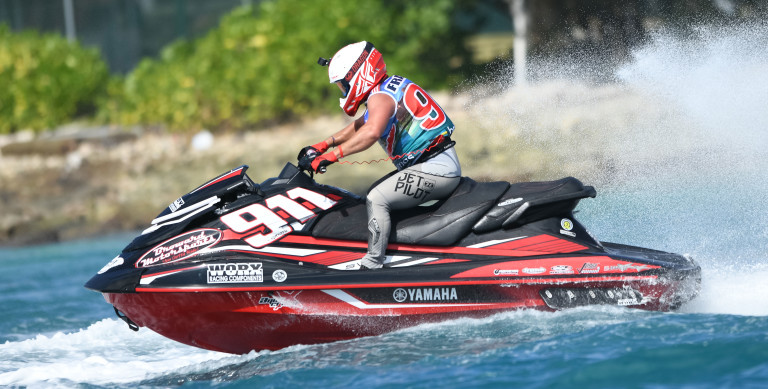
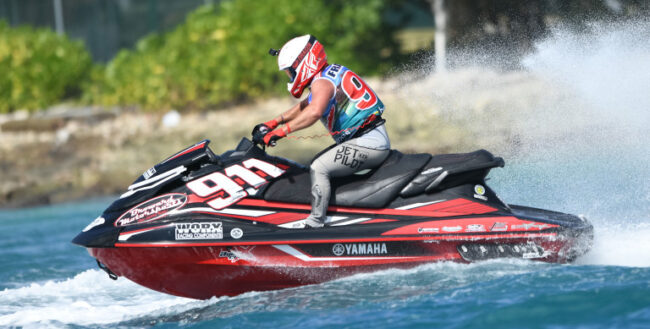
The P1 AquaX is celebrating its tenth anniversary and the international racing promoter has added to the celebration with the announcement of a race series that includes the United States, mainland Europe, and the United Kingdom. This series will run from April to October. The season finale will again be the AquaX Bahamas World Championship in November.

Daytona Beach again kicks off the season with more than one hundred Pro Enduro, Am Enduro, and Sprint riders expected to hit the surf that’s on offer. This is the seventh season of the AquaX race taking place in Daytona Beach and the Hard Rock will again be the host hotel for the racers. The event will run April 18th-19th.

May 2cd, the Amateur racers will make the journey to Lake Dora in Tavares, located in Central Florida just 40 miles northwest of Orlando. May 15th-17th, the AquaX riders will participate in the Thunder on Cocoa Beach offshore racing on the Space Coast for the first time. This event should be fun!

Racers will head to Florida’s Gulf Coast to race in St. Petersburg Beach from June12th-13th for the fourth time. Once again, this round will be sponsored Visit St. Pete/Clearwater with the Don CeSar hosting the riders.

The Pro series will travel to Indiana at the end of July where Michigan City will host an AquaX event for the second time on the southern shore of the lake. The dates for this event are July 31st-August 2cd.

Capping off the season in November is the P1 AquaX Bahamas World Championship at the Atlantis resort in Nassau. That event is packed cream of the crop which, consists of a huge field of professional riders from all over the world. The dates for this event are November 13th-15th. The elite class of riders will battle it out for titles in the sprint and endurance fields.

P1 AquaX is sure to be an epic season with the addition of the U.S., mainland Europe, and the U.K. from April to October. Fans are going to enjoy AquaX more than they already do!

JetX Powersports Cleans Their PWC With XPS Care Products

0

People love when things are clean because it is a way of showing ourselves and others that we care about our things. Whether it be our house, our garage, our cars or PWC’s. No matter what PWC you have, cleaning it with good, quality products is a great way to ensure yours does not age quickly. With so many cleaning products on the market, how do you know which one to choose?

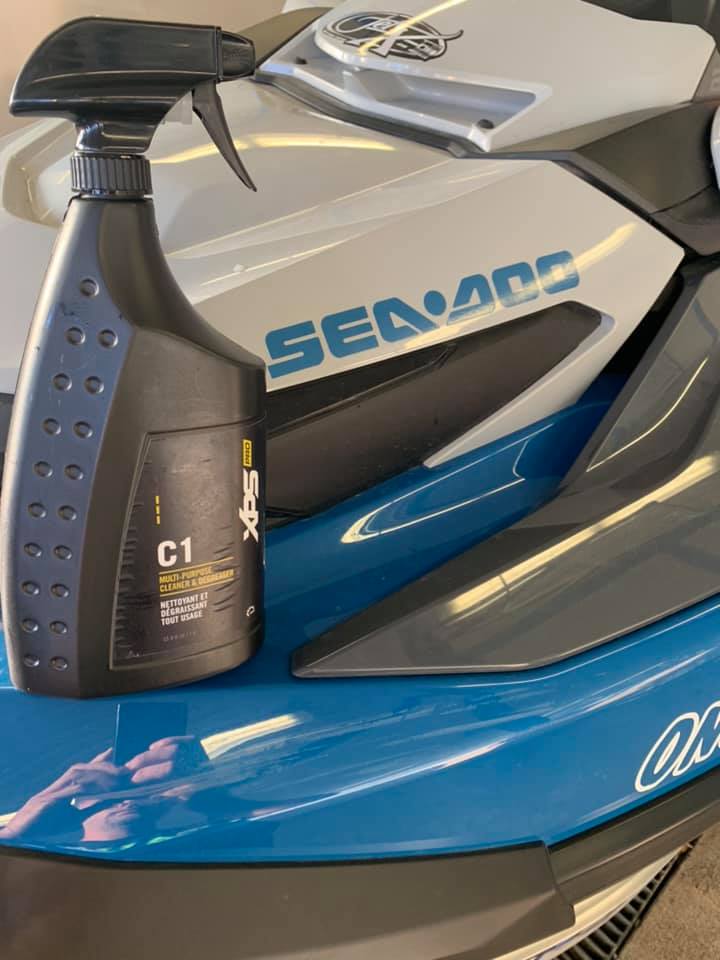
Well if you are debating switching brands or need a new brand, JetX Powersports recommends trying XPS Cleaning and Care Products. These products are affordable but leave a lasting impression. For example, for a half-gallon of wash and wax, it only costs $17.99. While this is a very competitive price, it also is conscientious about the environment. After doing a simple wash, the soap and wax will biodegrade leaving minimal impact on the environment.

This also allows you to wash you PWC on a floating PWC dock and not having to worry about the marine life. While doing a simple wash and wax is the most common way to protect and clean your PWC hull, XPS offers many other products to extended the life of you PWC. Their hull cleaner is great for removing algae and other creature that may have grown on the bottom of your hull. They also offer a fabric waterproofing spray that protects your seat cover from UV rays and deters water from absorbing into the seat.

JetX Powersports is a reputable powersports store located in Ontario, Canada. With Ryan Dalli as the mastermind behind JetX you can be sure that if you tell Ryan you want your PWC to go fast, he will come through. JetX is one of the best places to go in Canada for any tuning or modifications. The reason they are the best is through countless satisfied customers and proven race results.

They only use the industries best brands for parts to ensure their customers that the work they have done is of the upmost quality. So, whether you are in Canada or the United States of America, email, call or visit JetX Powersports for all of your PWC needs. And remember, to make sure your PWC remains looking great on and off the water for years to come, use XPS Cleaning and Care Products.

Start Your New Career at Cycle Springs Powersports

0

Cycle Springs Power Sports, located in Clearwater, FL is looking for hard-working motivated people to fill lot positions. Cycle Springs is a family owned franchise and a nice benefit package is offered to employees. Competitive wages, health insurance, and a 401k are some of the perks. Those benefits are hard to come by in today’s job market.

The above incentives are available to those who meet the requirements for employment. If you are motivated, have a clean driving record, able to lift fifty pounds, and can handle working outside year-round, you’re halfway there. If you enjoy powersports, you’ll love Cycle Springs. Stop in and fill out an application. You won’t know unless you go.

Cycle Springs Powersports is also looking for a sales person to join the family. This is an opportunity to join Florida’s most successful and stable team with unlimited possibilities.

Their sales staff is responsible for the complete sales experience. Sales begin with greeting the customer and taking them all the way to delivery. You will be in control of your customers experience at the dealership.

Cycle Springs dealership prides itself on product knowledge and a  seamless sales process. Potential applicants should be self-motivated with a base knowledge of the products that the shop sells.

Good communication skills are a must as is finance knowledge, a willingness to work weekends, and a desire to have a career in the powersports industry.

After a year’s employment, you’ll receive medical insurance, 401K, bonuses, and vacation. You will have a lot of fun in a casual work environment. If you accept a sales position with Cycle Springs, plan to attend company parties and events. Please send resume to [email protected] or give them a call at 727.771.1211 and ask for Jimmy Wallace.

The shop is located at 29703 US Highway 19 N. in Clearwater, FL