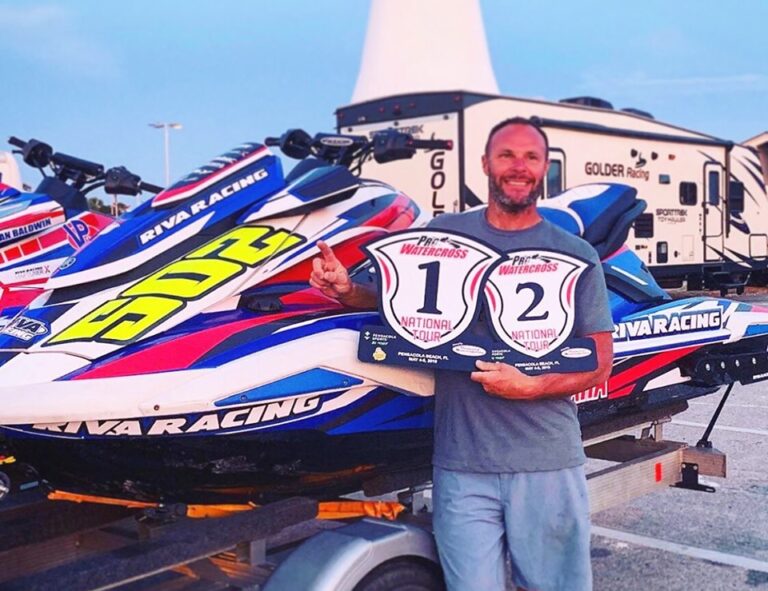
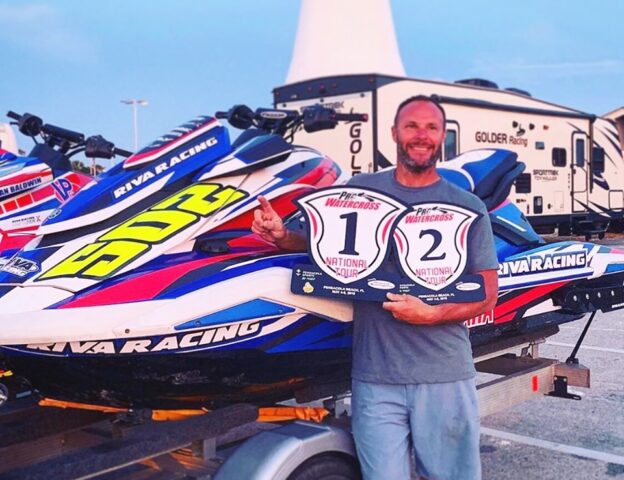
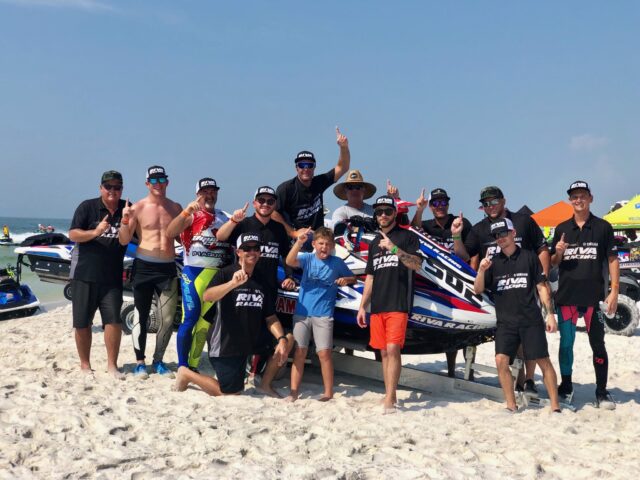
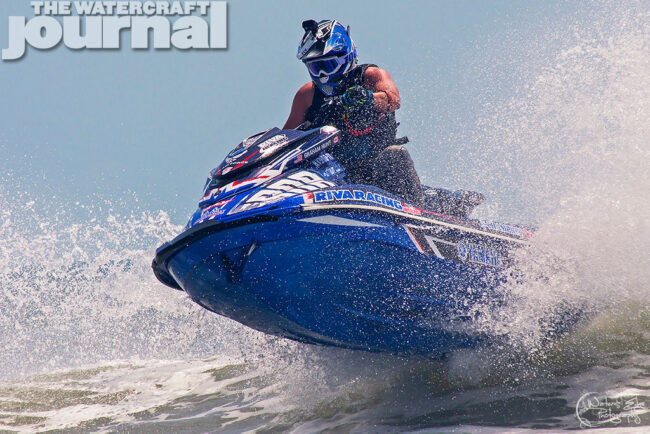
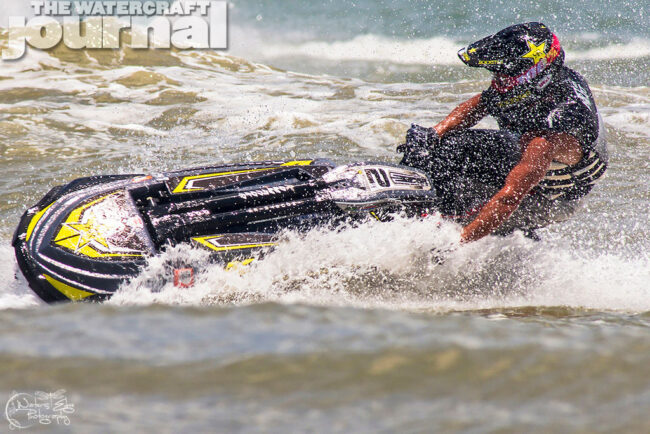
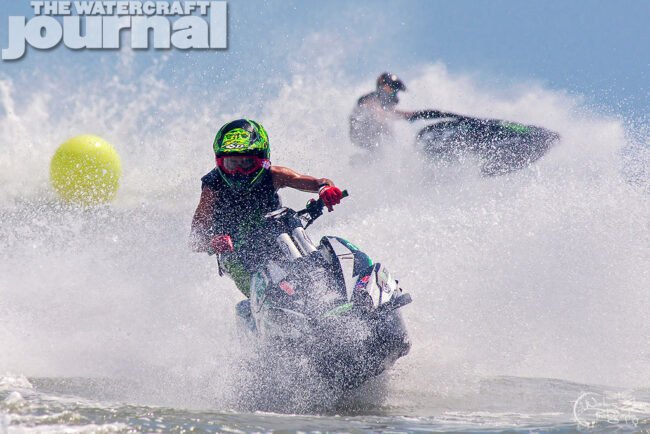
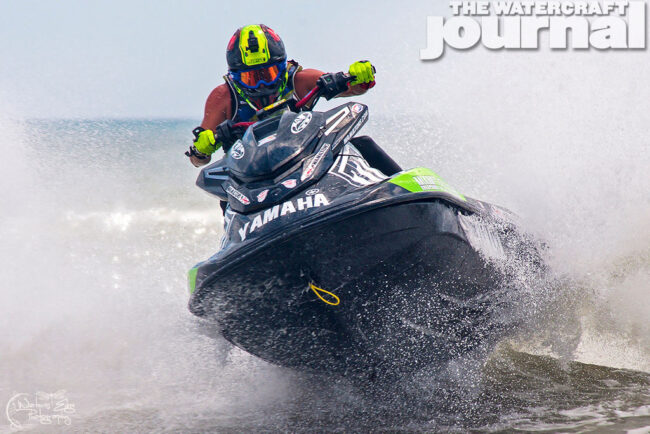
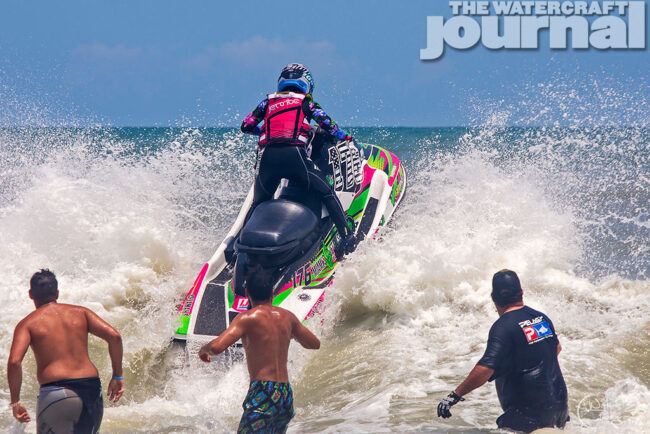
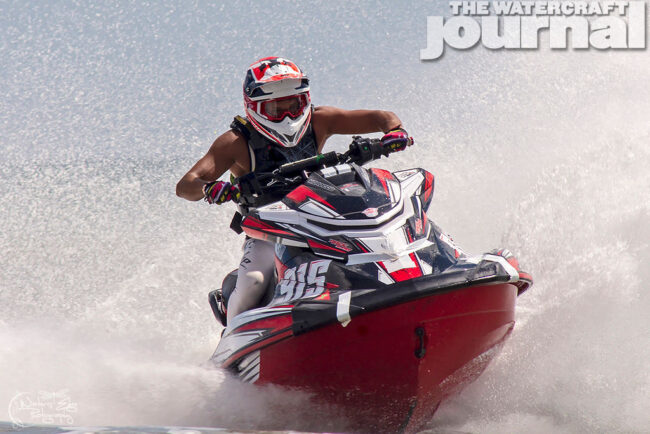
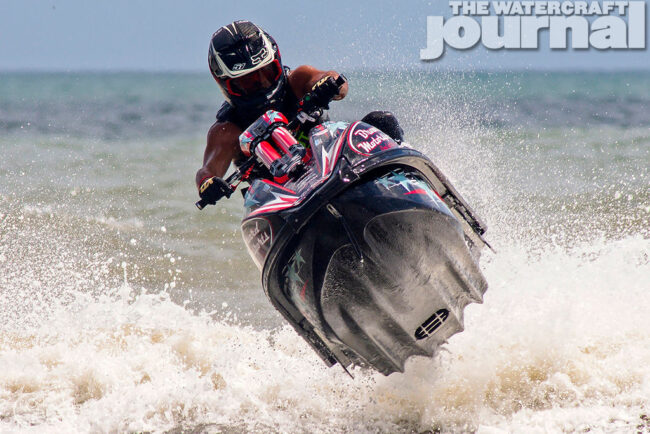
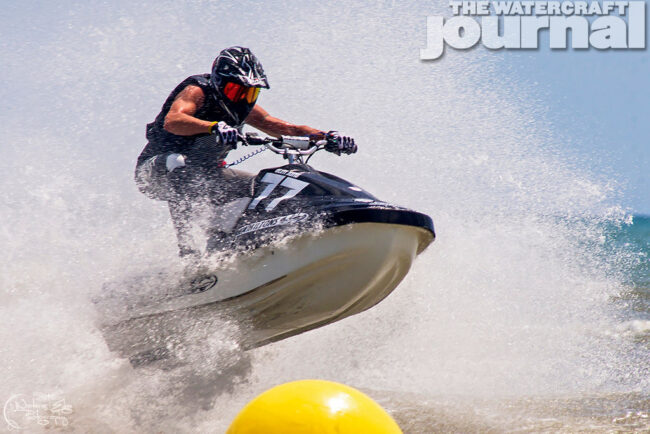
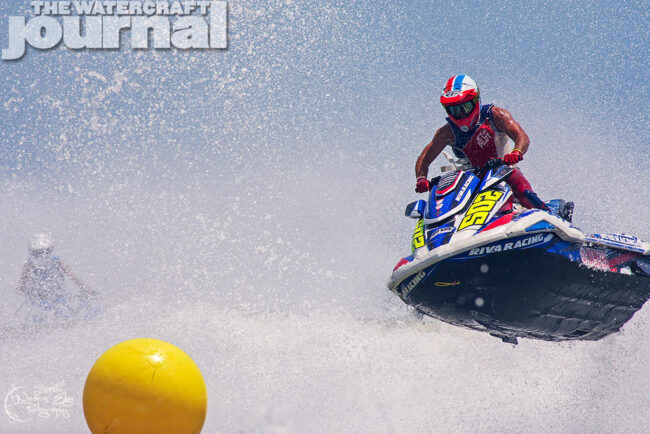
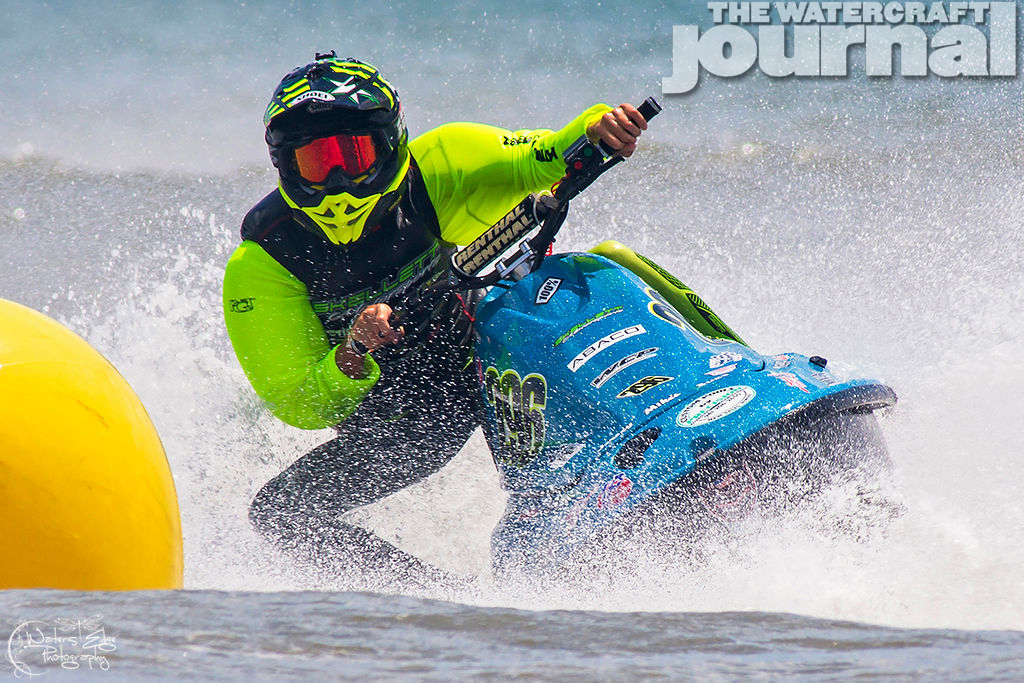
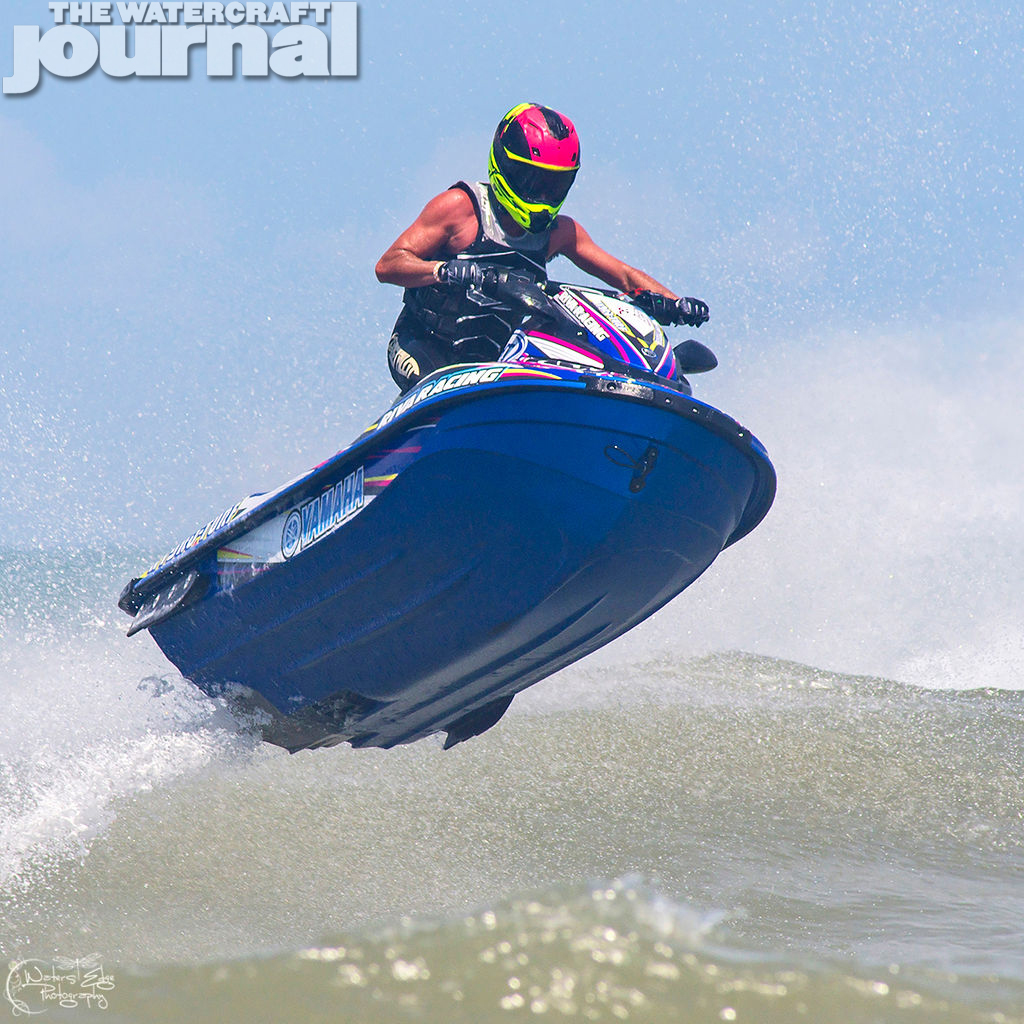
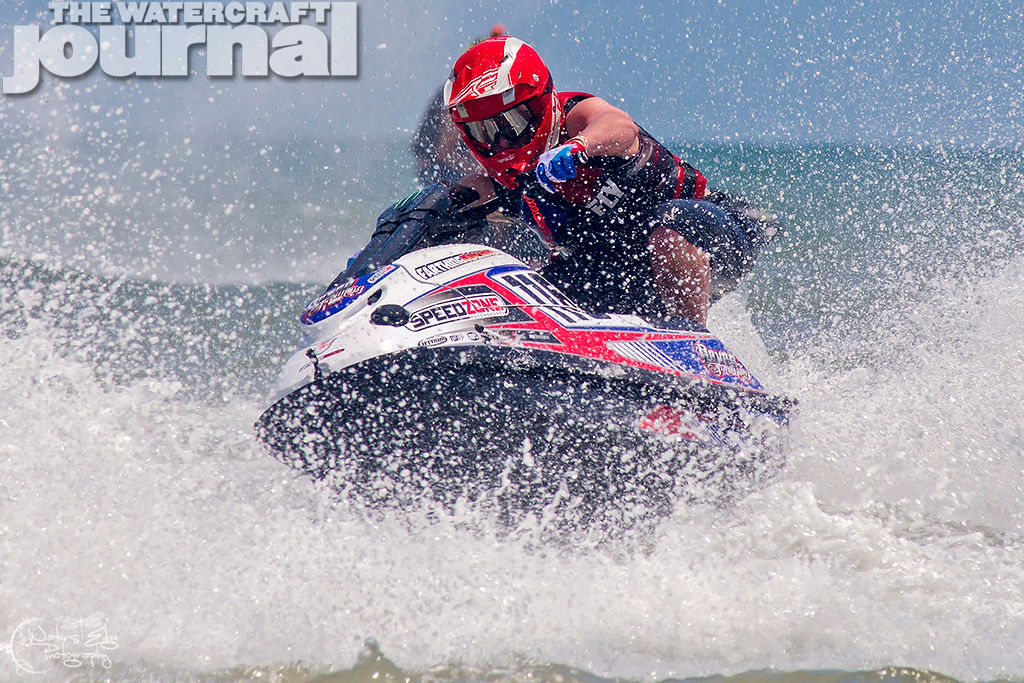
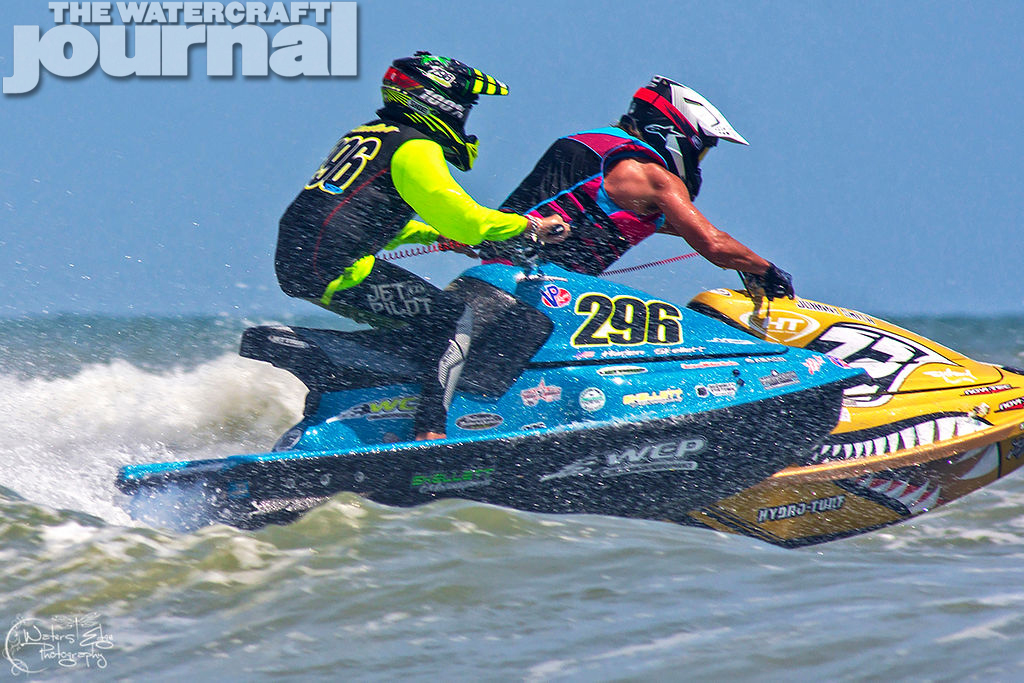
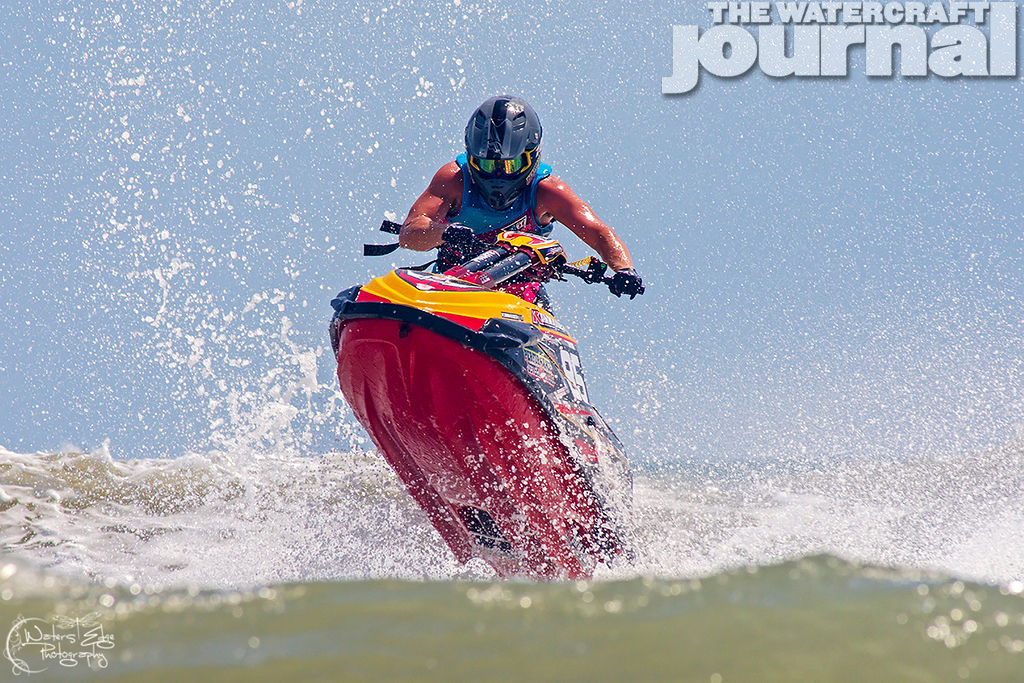
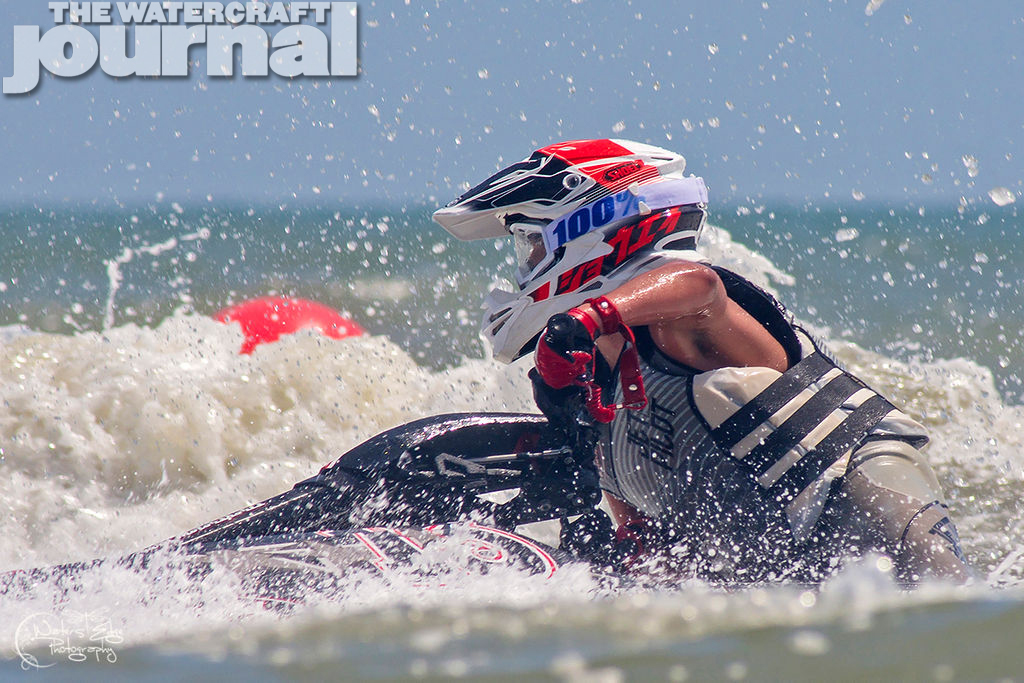
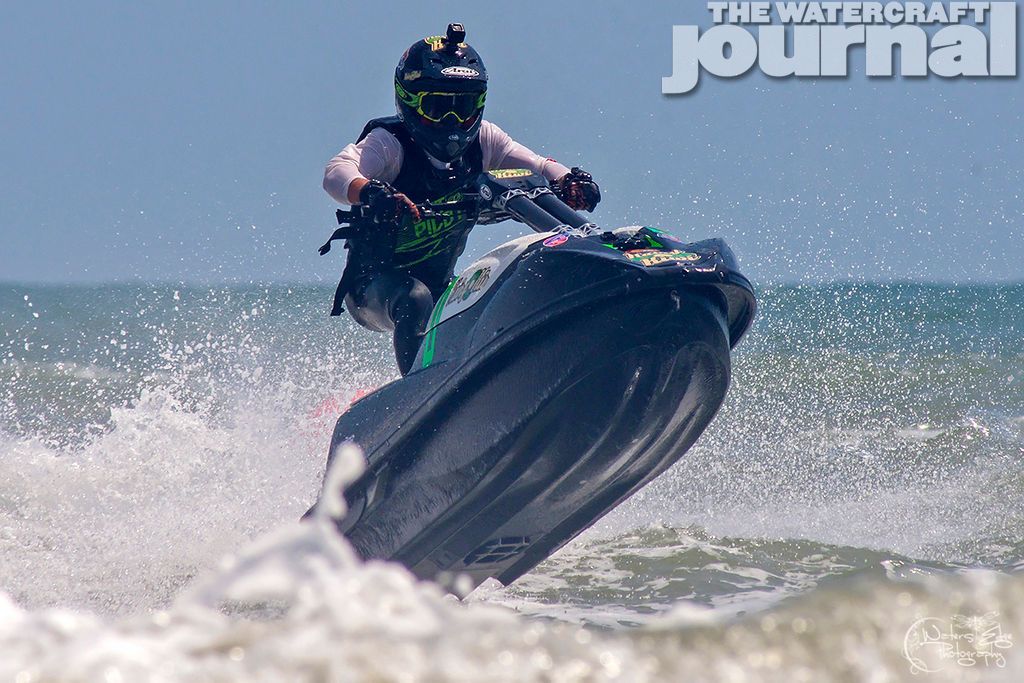
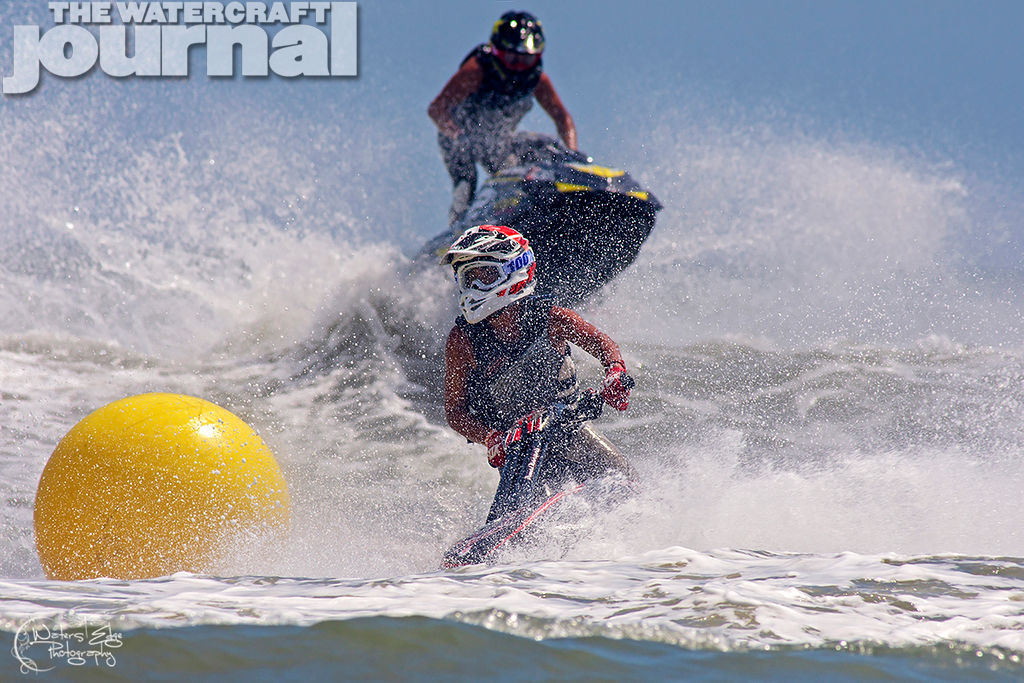
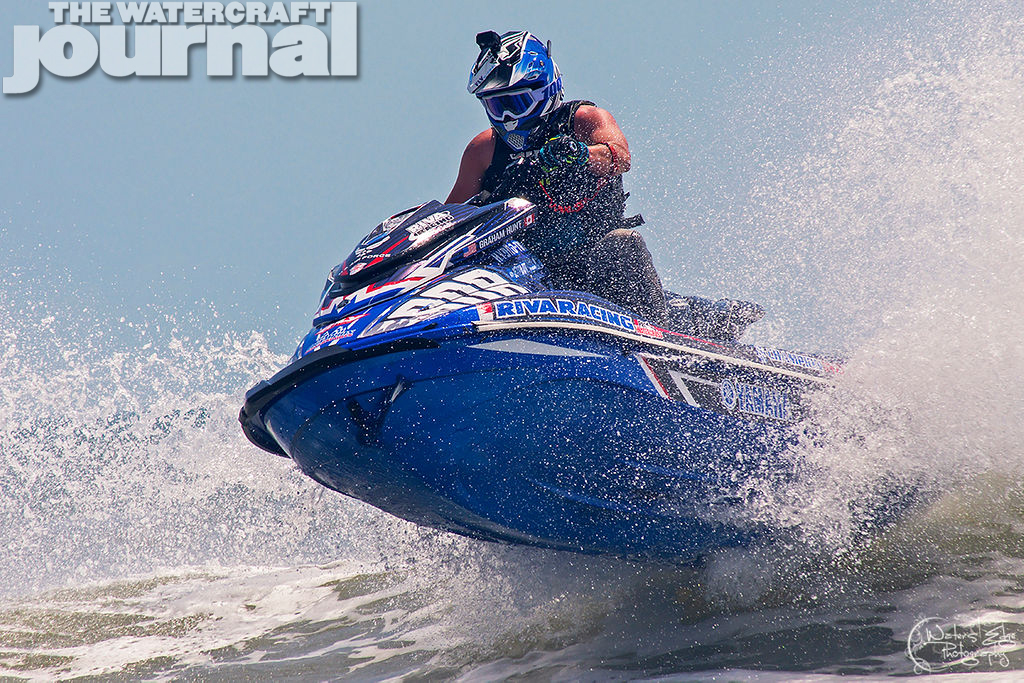
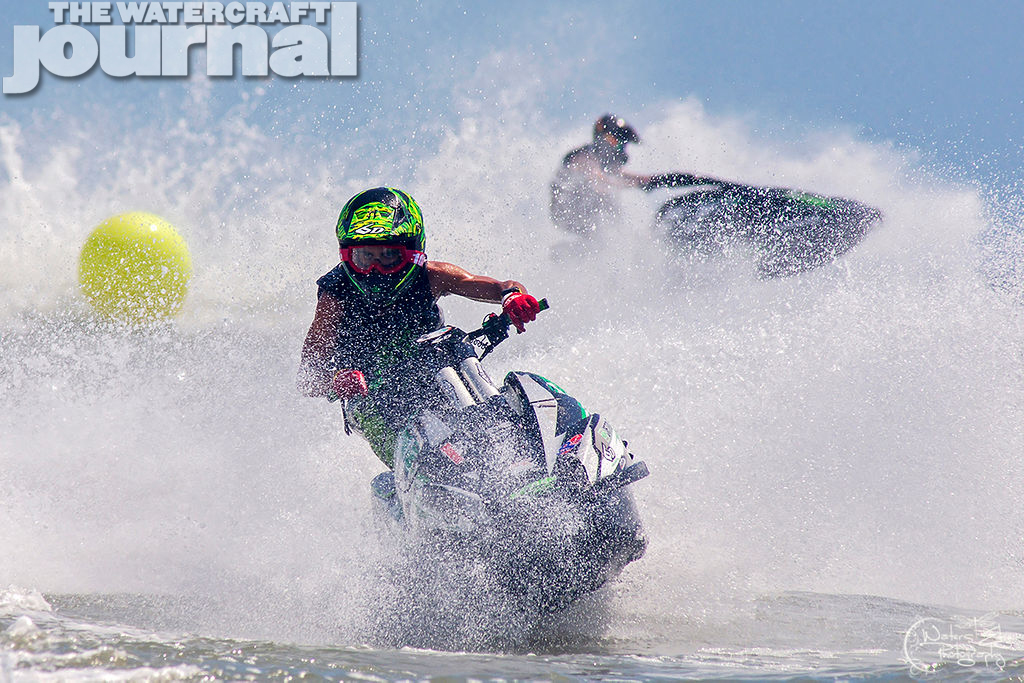
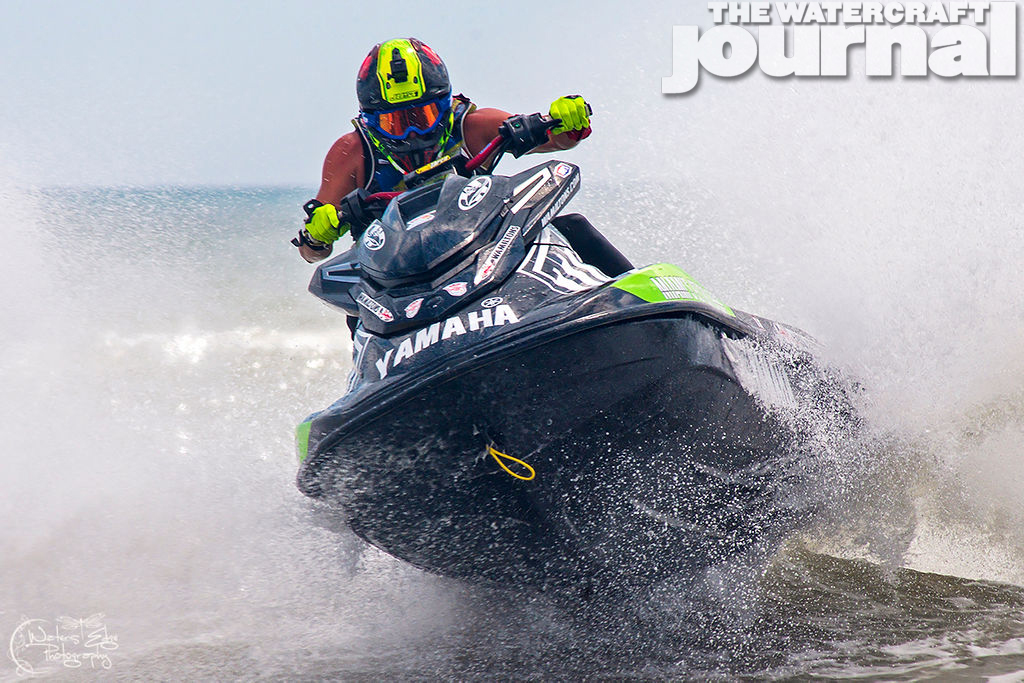
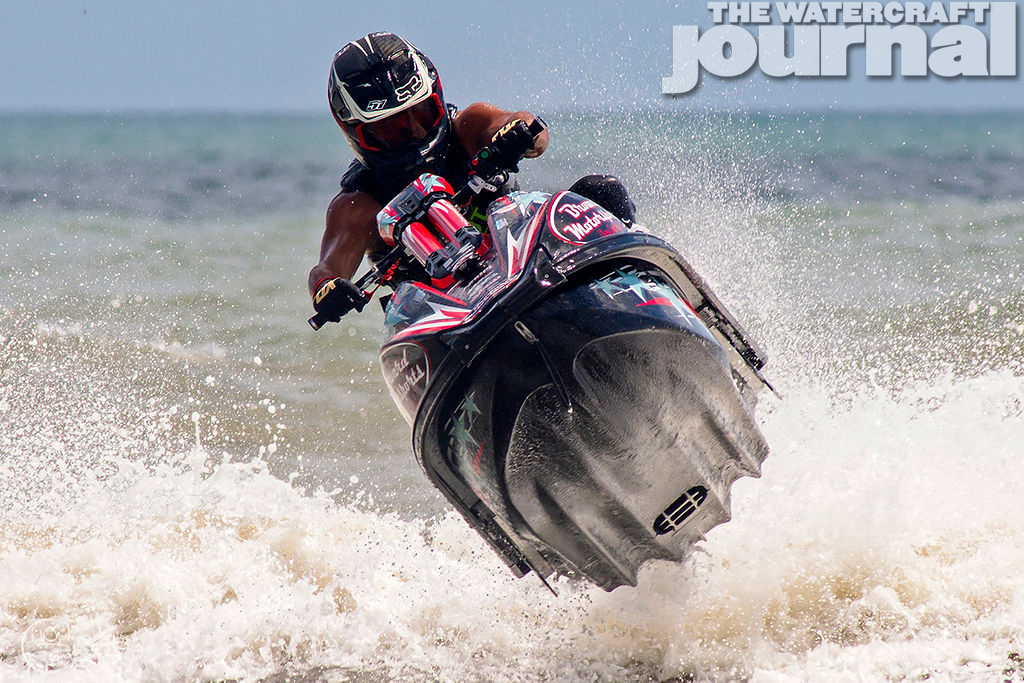
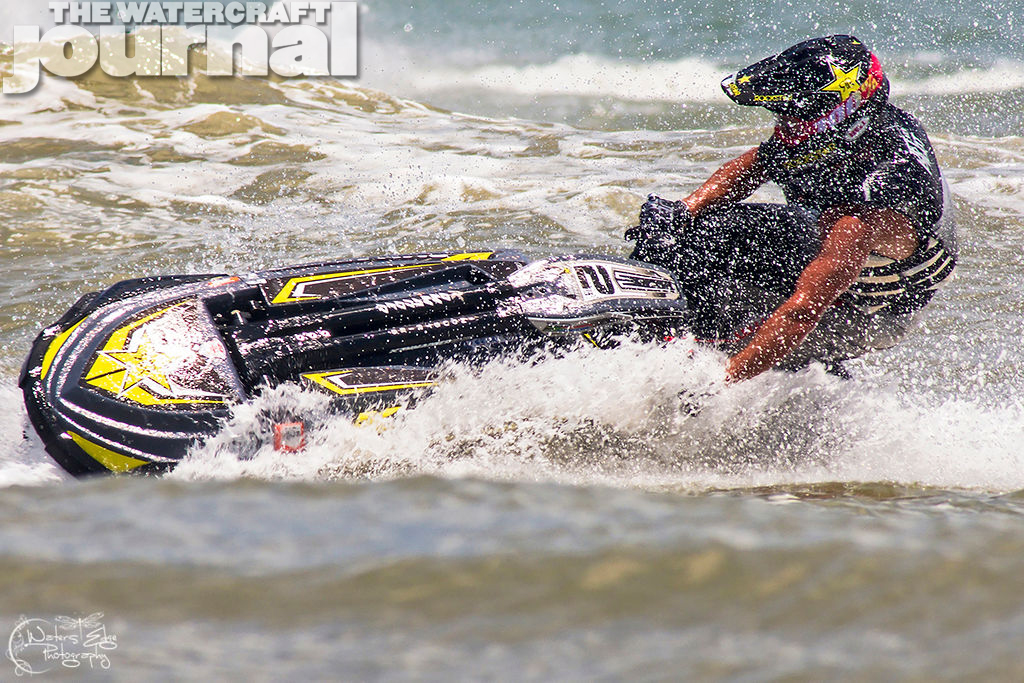
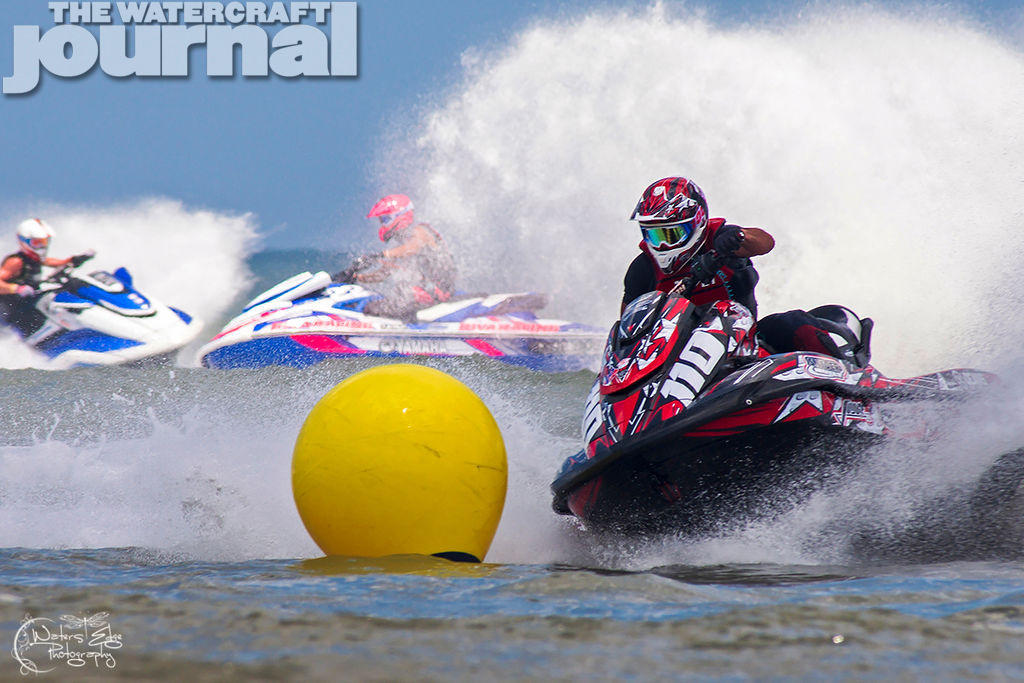
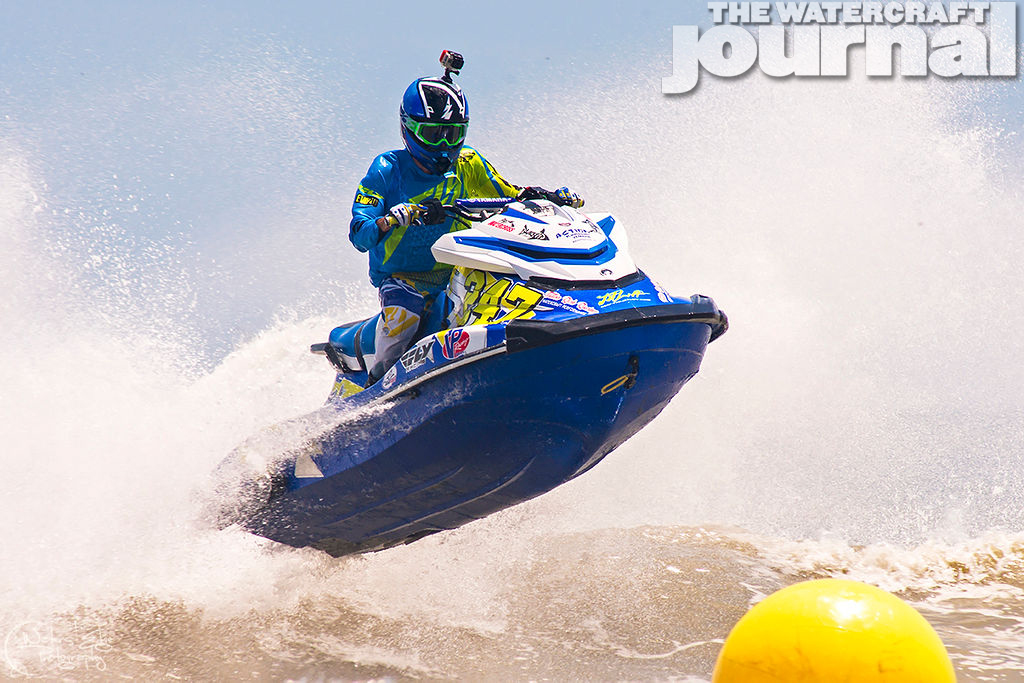
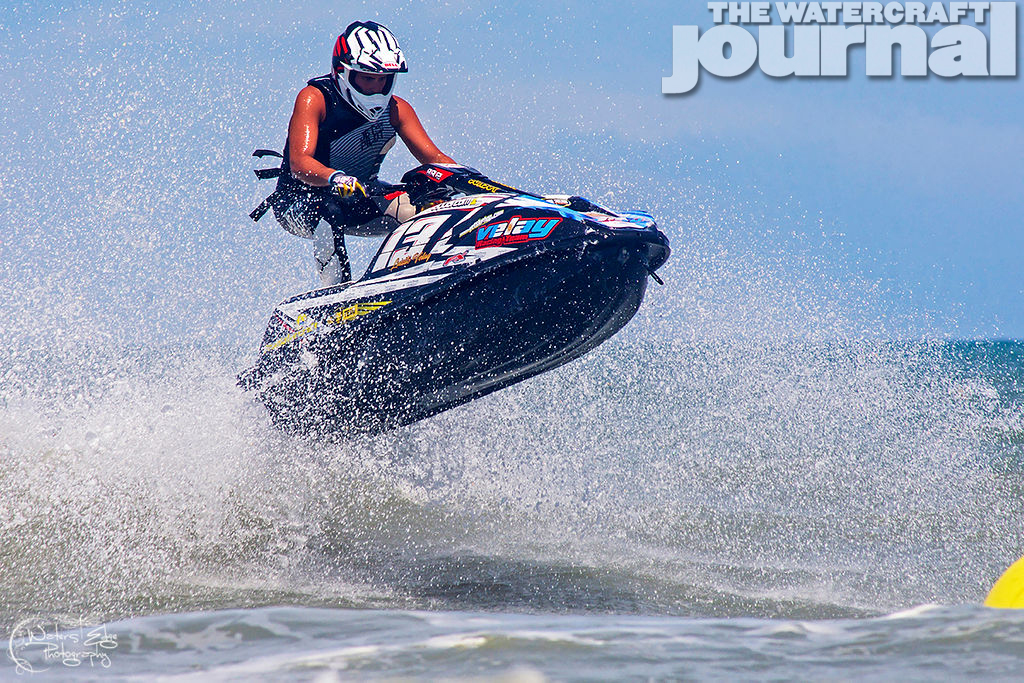
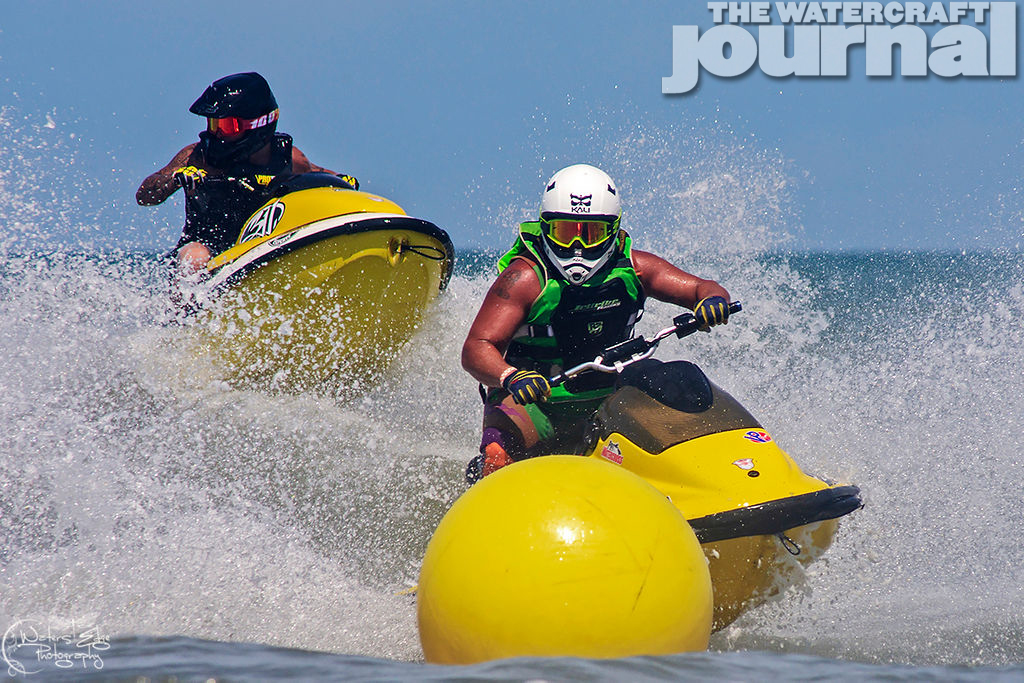
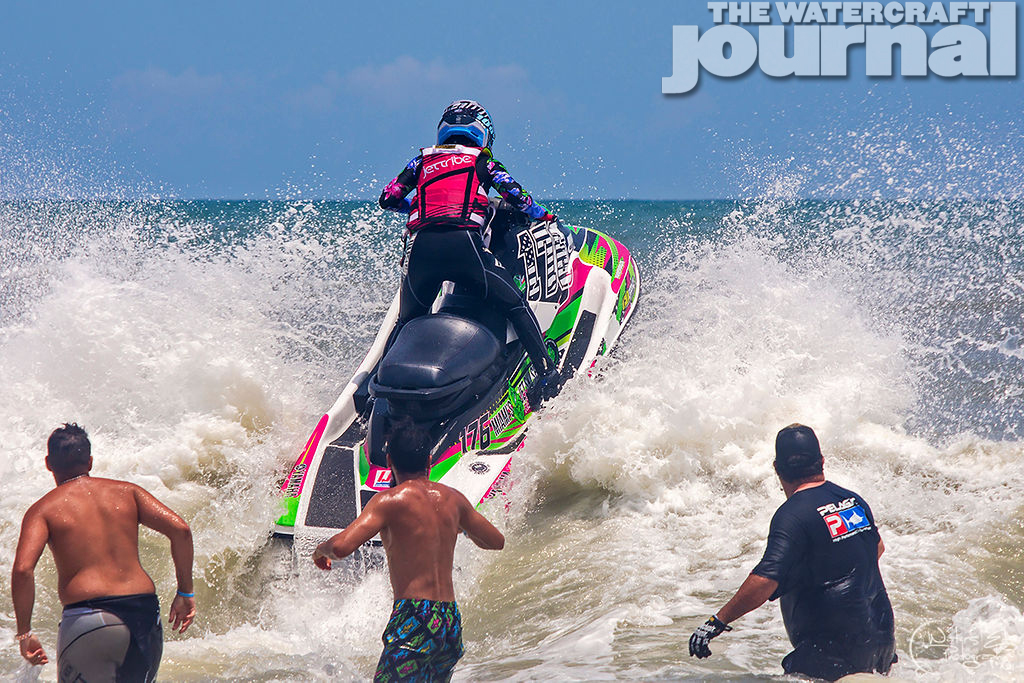
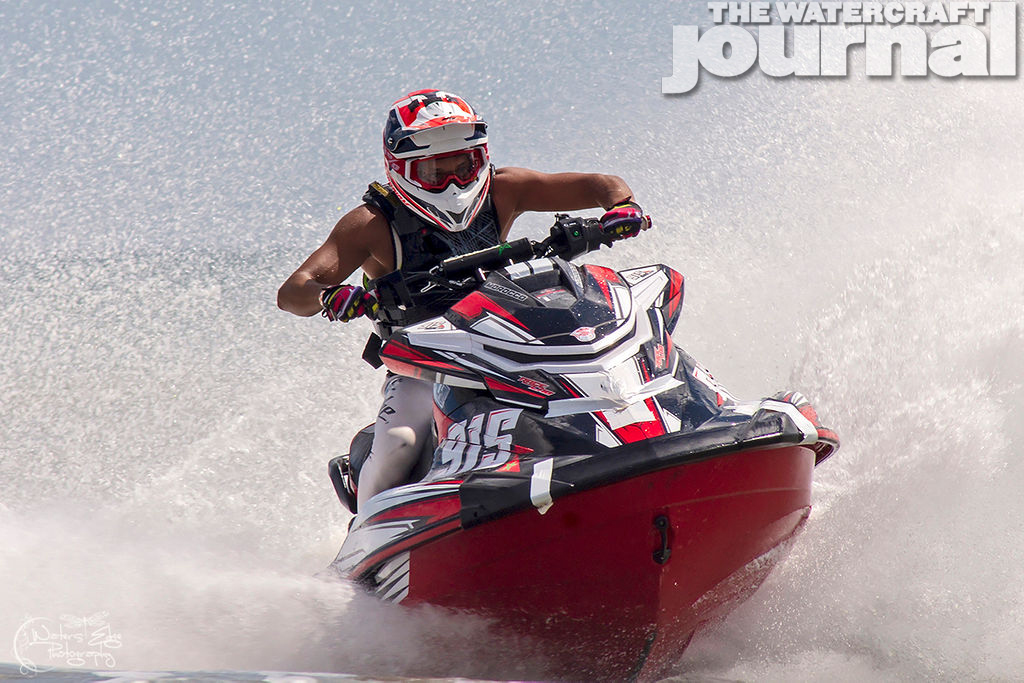
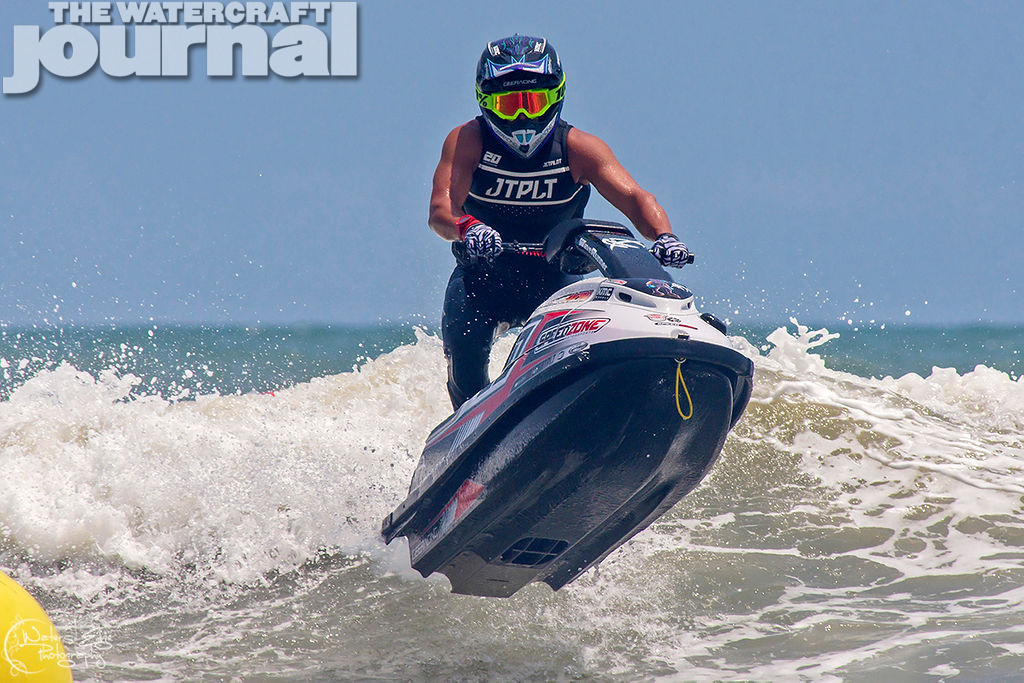
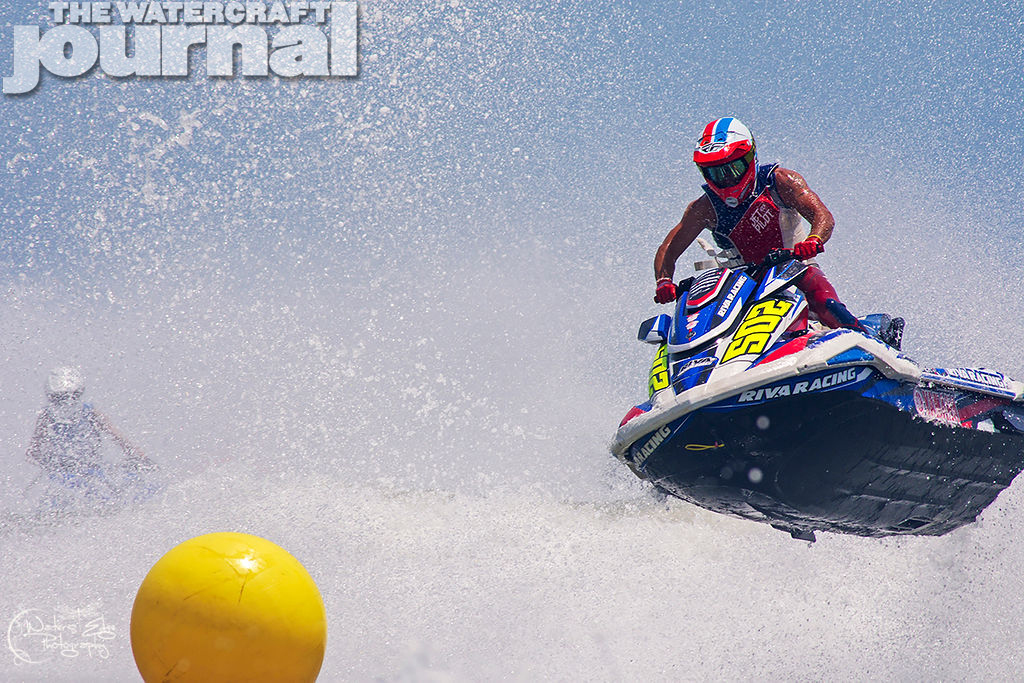
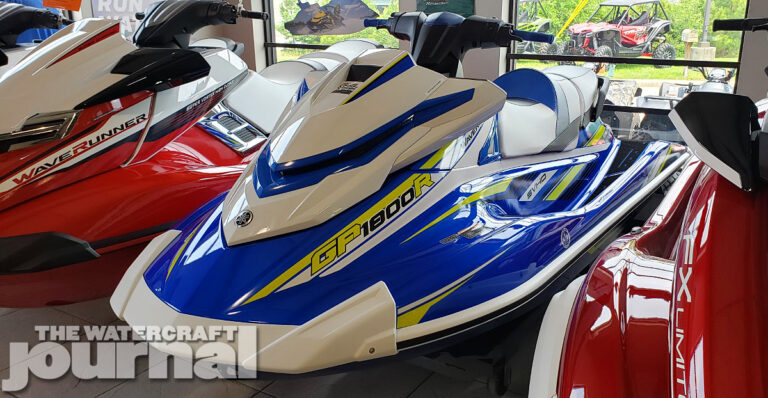
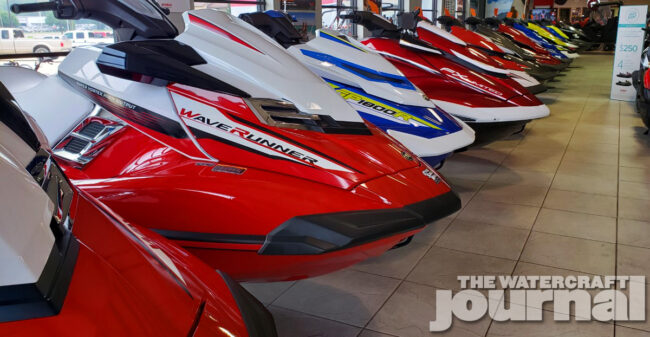
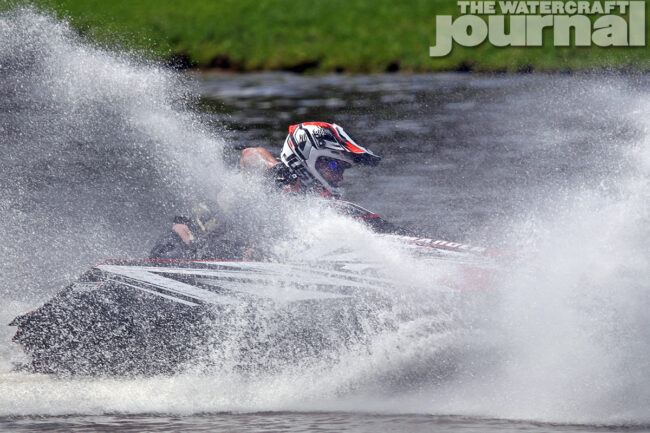
Brian Baldwin, a member of Yamaha’s factory team, threw down the gauntlet during competition in the first round of Pro Watercross. The race was held May 4th and 5th at Pensacola Beach, FL. Saturday’s conditions were heavy consisting of rough seas and sketchy weather. The racers pushed on and Brian Baldwin scored top honors in the Pro-Am R/A Box Stock Class. He was riding the RIVA Powered 2019 Yamaha FX SVHO. It’s a beast of a machine outfitted with RIVA’s new FX handling package, which includes RIVA Ride Plate, Intake Grate, Sponsons, and Steering System.
The RIVA Ride Plate enabled Baldwin to increase his top speed and masterfully handle his PWC. The deep channels enabled Baldwin to put the hammer on the throttle while still controlling the watercraft at high speeds. His machine was able to hold a harder edge during high speed turns, which worked in Baldwin’s favor considering the rough conditions. The complete FX handling package was put to the test during Saturday’s “wash cycle” conditions. Both the weather and water were turbulent. Baldwin didn’t back down and handled his competitors and unruly conditions like a boss!
RIVA Racing’s own master engine tuner, Jesus Garcia went to work reflashing the ECU with the MaptunerX tuning system, giving Baldwin’s Yamaha WaveRunner even more horsepower. He turned it up! The RIVA powered Yamaha FX SVHO allowed Baldwin to push the limits and score top honors in the Pro-Am R/A Box Stock Class after winning all three motos, making him the dominant performer. It was either go home or go big and Baldwin went big!
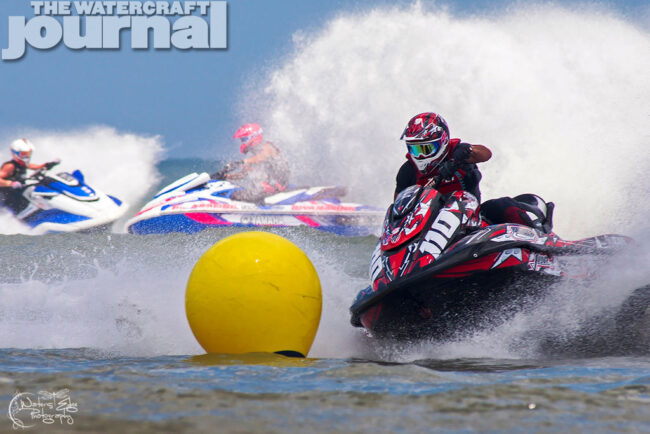
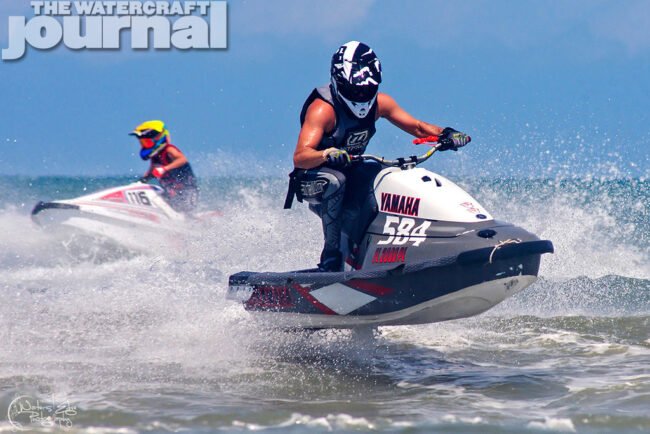
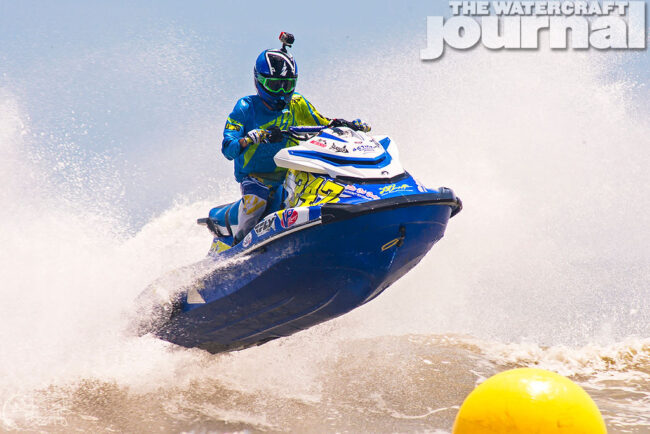
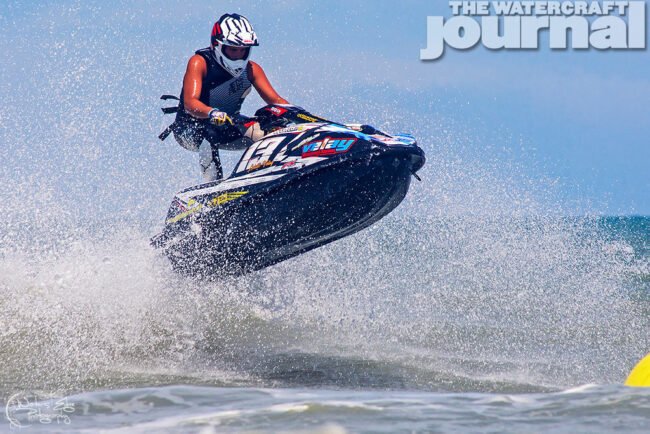
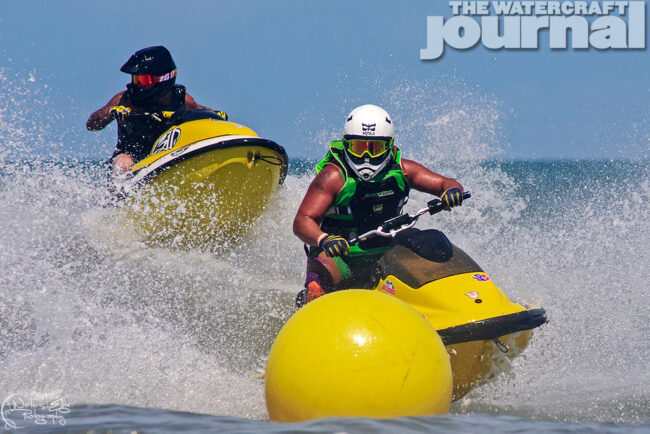
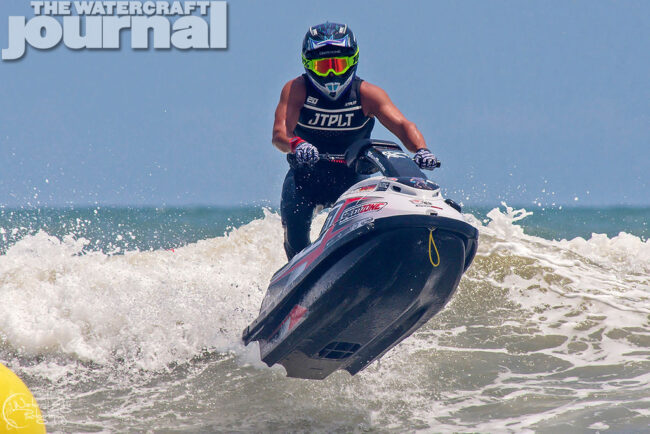
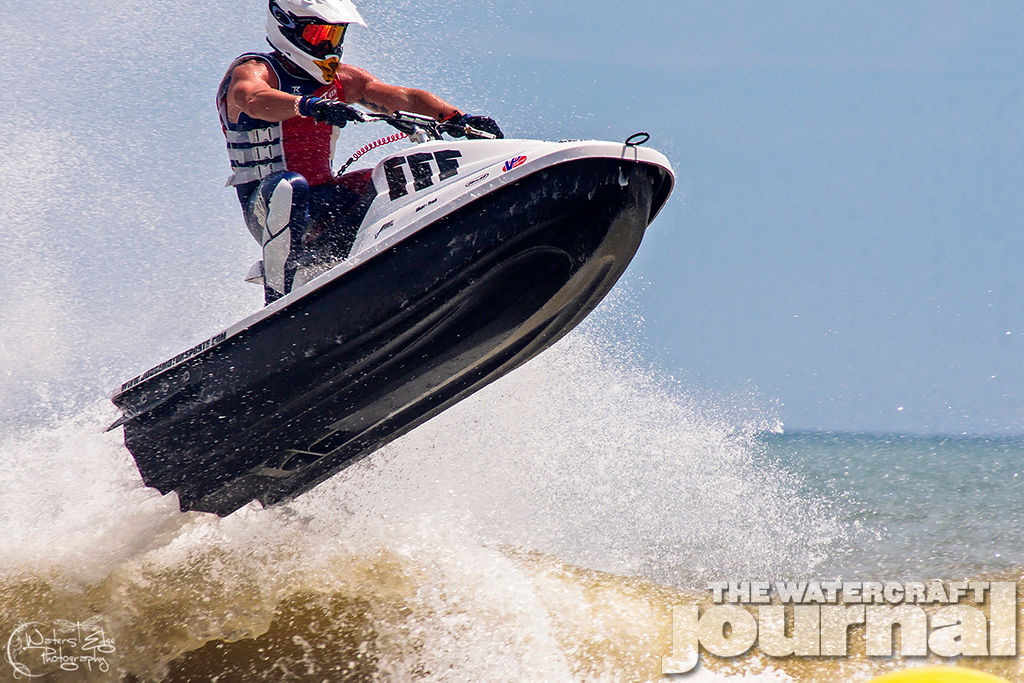
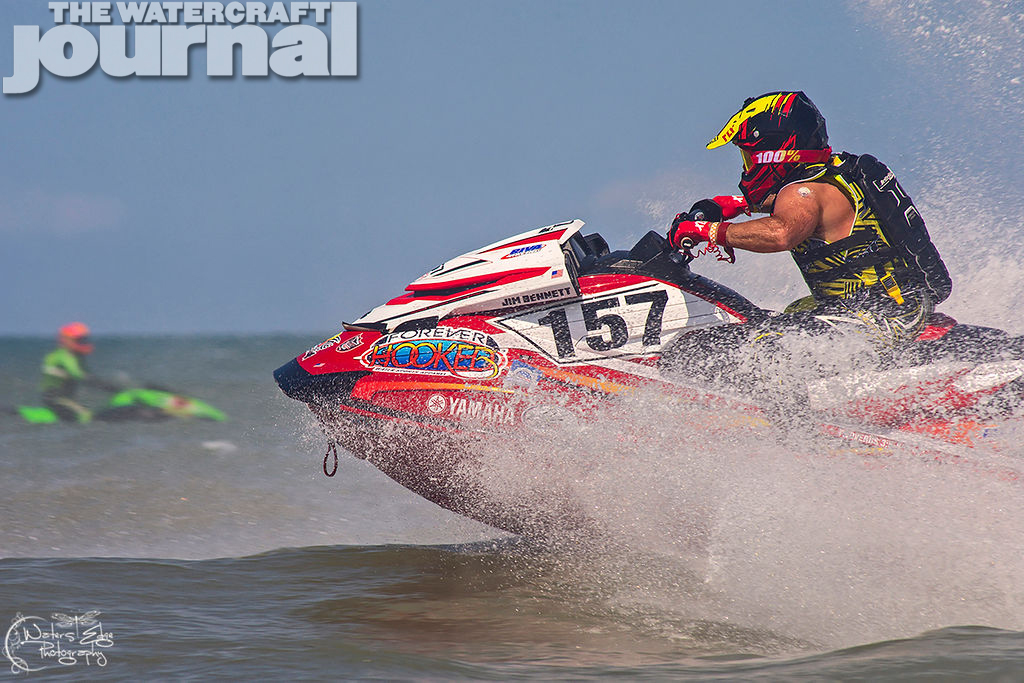
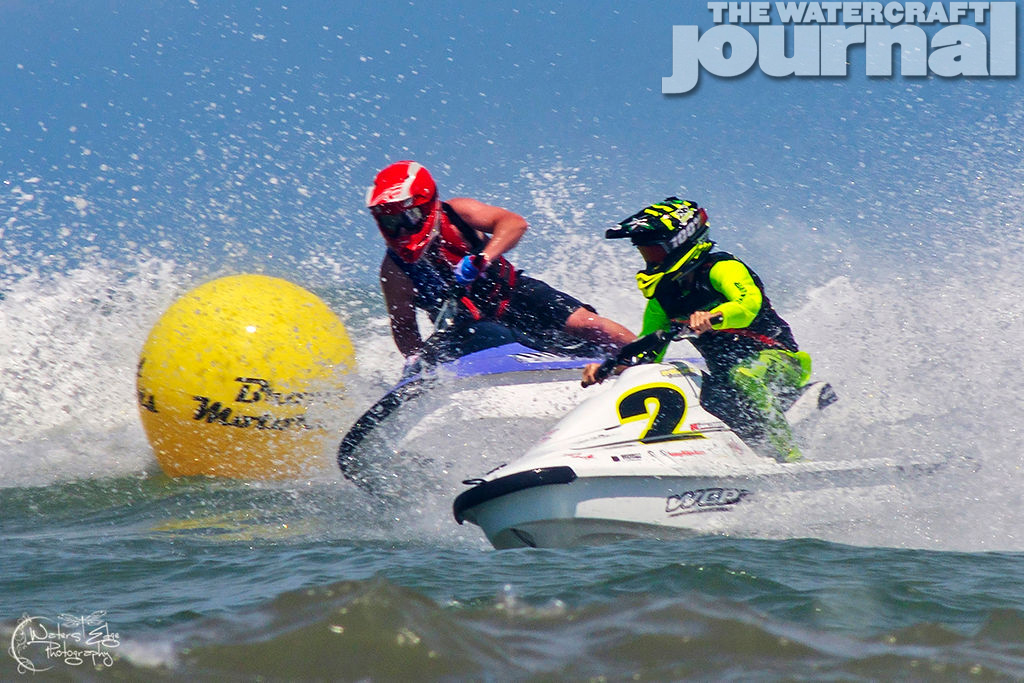
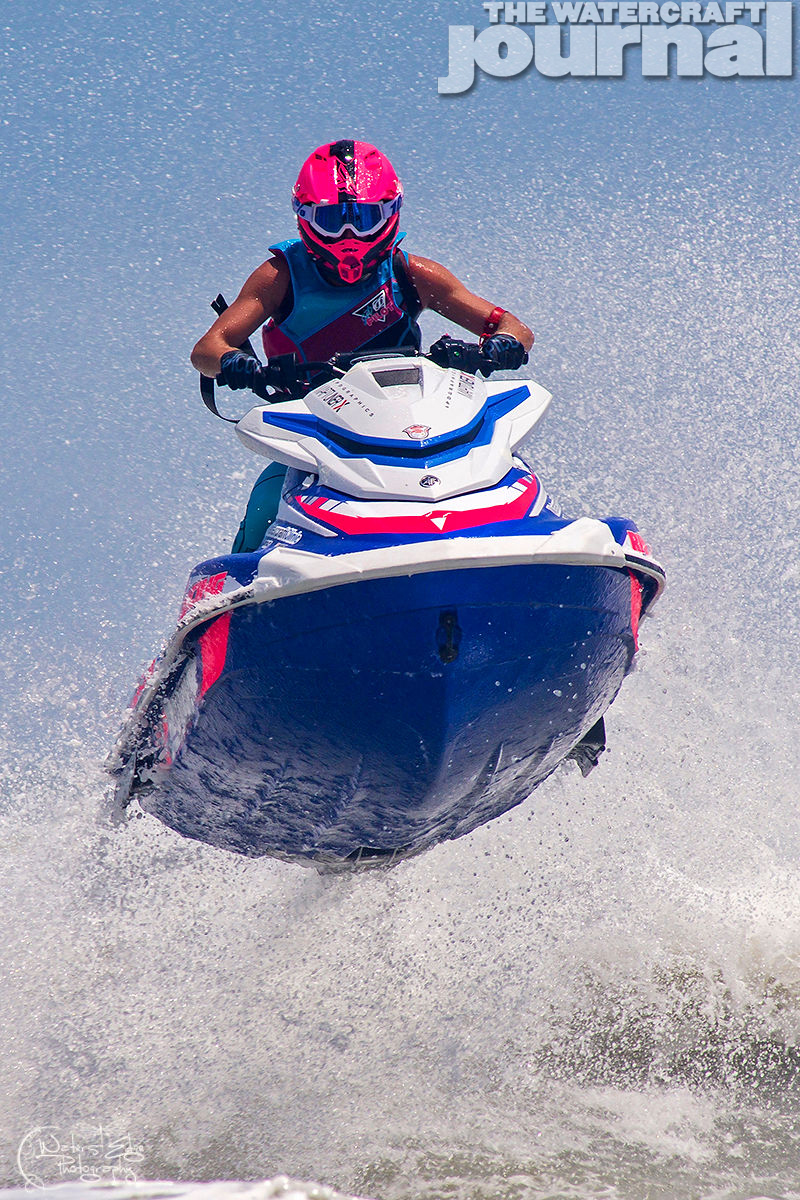
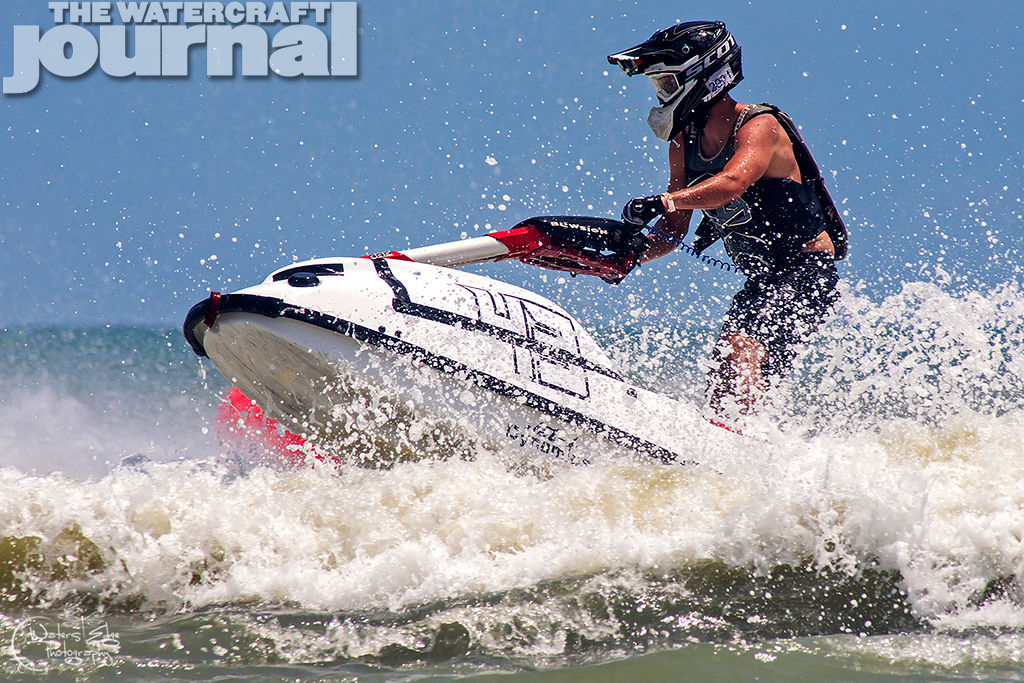
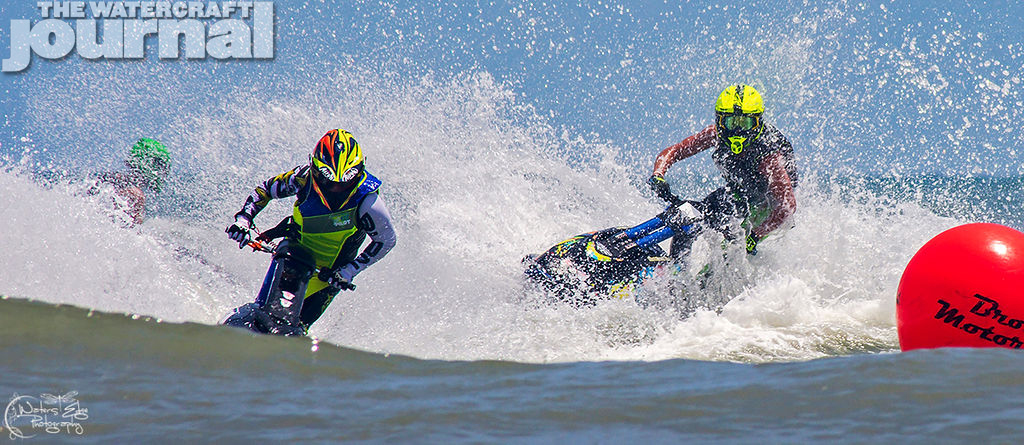
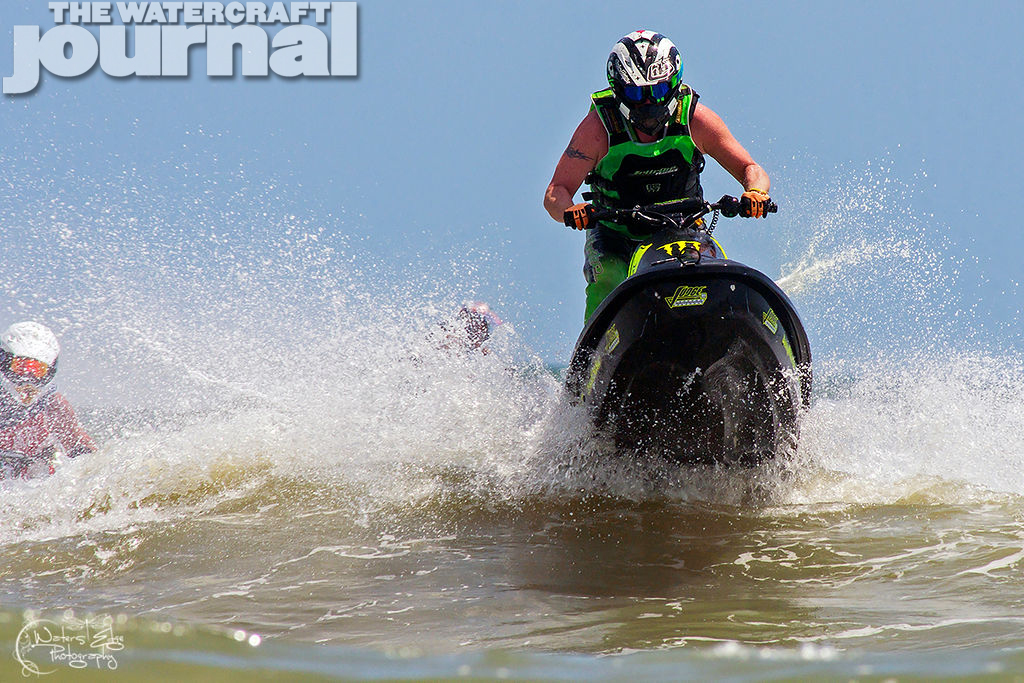
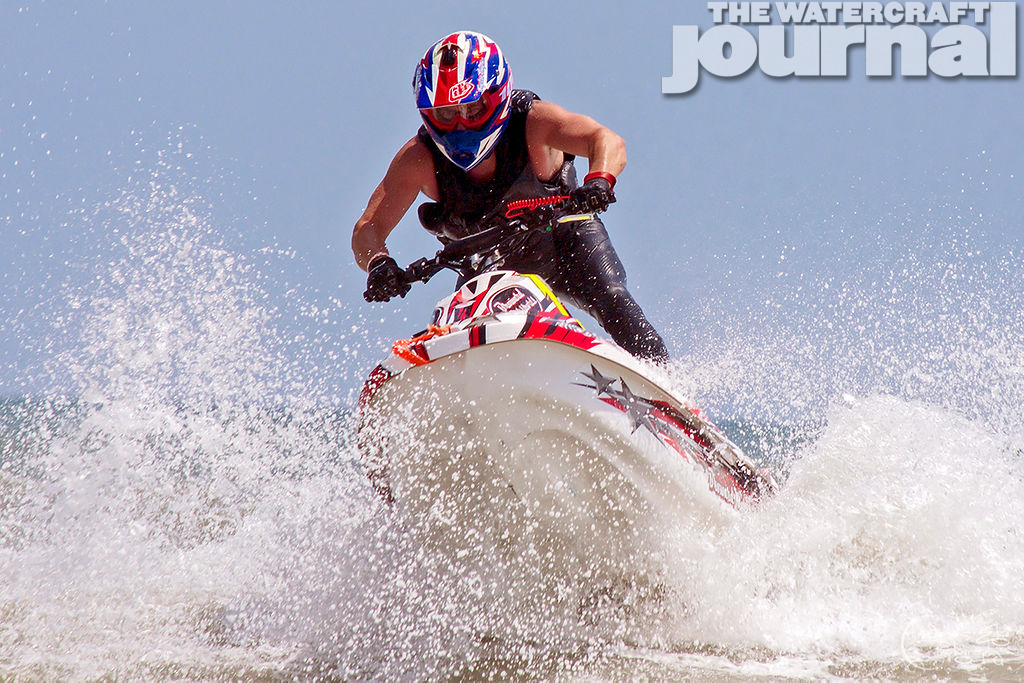
A few familiar, but perhaps unexpected, faces, a few big waves (ok, a lot), some parking pandemonium, one of the most welcoming, and fun, host hotels on this (or any) tour, a good amount of mentorship and sportsmanship, and a heaping helping of wire-to-wire, no-holds-barred, trash-talking, throttles-pinned racing – that pretty much sums up Pro Watercross’ round two, and the tour’s first ever visit to iconic Daytona Beach. Add in some much-anticipated plans for the addition of transponders to the Pro Watercross Tour, and you have a Round Two that lived up to any and all hype that preceded it.
“Daytona beach was a challenging site with 3-4 foot tide swings, and 2-4 foot swells made it tough to keep the course perfect all day, but the track crew made it happen,” PWX Race Director Robert Sand said. “The Racers also met the fury of the ocean but were able to shore start this weekend compared to Pensacola that had rolling starts for the big crafts. The timing of the waves (made) for some very exciting starts and serious air! Surf races will take its toll on your equipment, body, and mind – but ask any racer how it was.”
And from the hard-hitting racing and the enthusiastic social media posts seen during the Daytona weekend, the excitement and challenge of surf racing more than makes up for the toll! Early season predictions and forecasts touted after round one’s Pensacola battles got shaken up a little bit with the appearance of a few game changers at Daytona – namely the return of Jimmy WIlson and Eric Lagopoulos.
Neither Wilson nor Lagopoulos tiptoed back into the shallow end, either. Nope, both men dove straight back into the deep end, tackling multiple classes and battling against some of the most respected names in the sport (Snyder, Baldwin, and Nehme, to name a few), as well as some of the sport’s hottest rising stars (if you haven’t heard the names Richuk, Hunt, Lezcano or Perez, you’ve not been paying attention!).
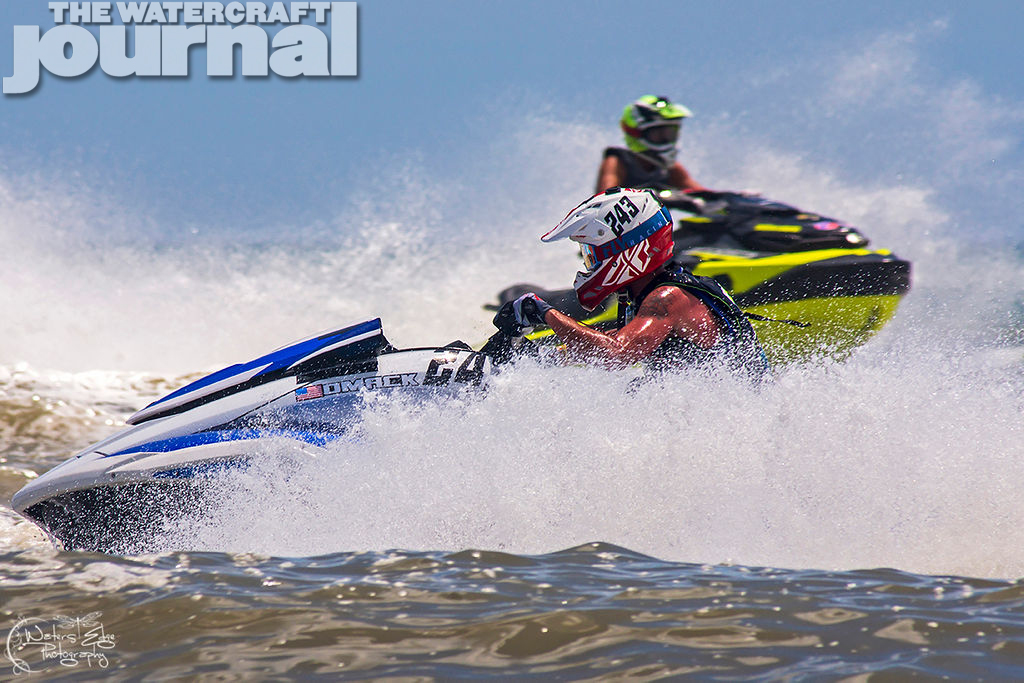
With a seemingly endless supply of stamina, Lagopoulos snagged the top podium spot for the weekend in all four classes he raced; including two sweeps. The new Pro Watercross Supercourse 300+ race, which started the race day both Saturday and Sunday morning with an energetic and crowd-pleasing LeMans start, was two tough-fought 20-minute motos, with Pensacola’s 2nd and 3rd place finishers, Graham Hunt (2-3) and Dennis Mack (6-1) not giving Lagopoulos (1-2) any slack, or a free ride.
In both the IROC Stock and IROC GP classes, Lagopoulos ran the board, taking 1st place in all three motos in both classes, with strong challenges from Valentina Lezcano (7-2-2) in GP and Dominic Perez (2-2-2) in Stock. Lagopoulis’ final class entry started out rough, with a 6th place finish in moto 1 of Pro-Am Runabout GP, falling to the back of the pack behind Brian Baldwin (1-6-6), Troy Snyder (4-3-2), Dylan Osborn (3-4-3), Juan Lezcano – the other half of the double-trouble brother-sister team from Miami Jet Ski Shop – (5-2-4), and Dennis Mack (2-5-5). Motos 2 and 3 were another story, however, with Lagopoulos taking the checkered flag in both.
Jimmy Wilson (who not only hit the race course, but brought Preston and Julianne with him, much to the delight of the entire race family!) may have been riding borrowed machines, but he proved that his legendary talent is all his, as he pulled a hat trick in Sport Stock, edging out two young guns, Haden Skellett (3-2-2) and Sammy Nehme (2-4-3), and battling back from a 9th place moto 1 finish in Pro-Am Ski Stock to take a 1st in moto 2 and a 2nd in moto 3, just missing the podiums, thanks to the superb riding of Matthew Richuk (1-2-1), Callaway Turner (2-3-4) and Broc Harris (3-5-3).
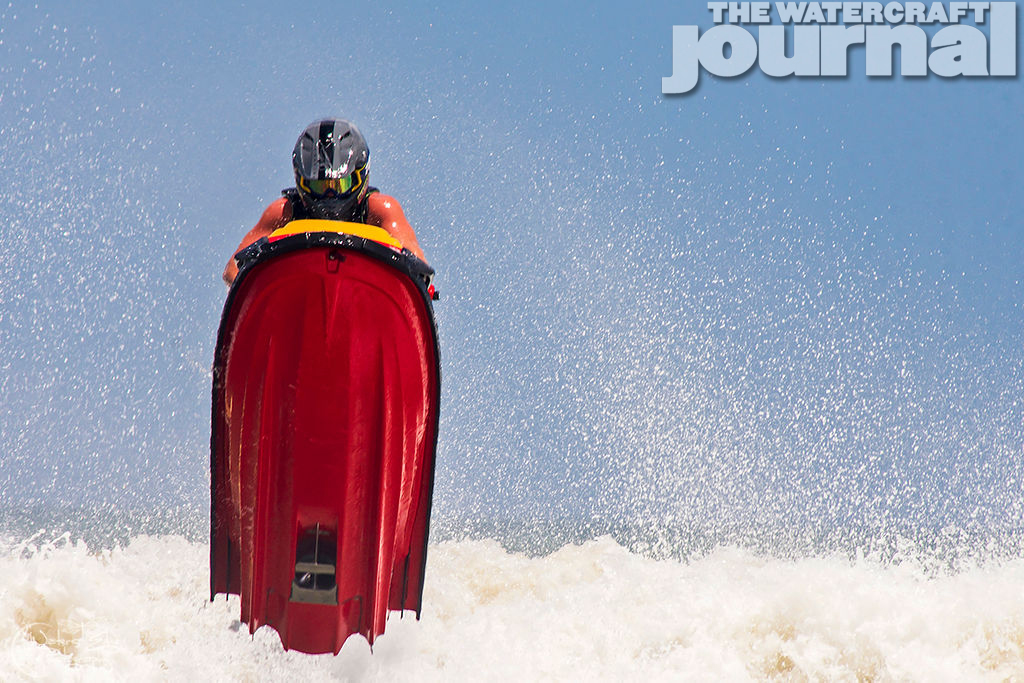
Pro-Am Ski GP may not have had any surprise new entries, but the power lineup behind the band echoed the exciting motos from Pensacola, and the packed-line class, with a dozen entries at Daytona, promises to be one of the season’s fiercest competitions. Dustin Motzouris snagged the top podium spot, missing out on a sweep with a loss to his brother Tyron (5-11-1) on the final moto. But the class was not an easy win, and he faced a triple-threat challenge from Craig Warner (2-3-3), Isaiah Washington (4-2-4) and Derek Powell (3-4-9).
In both the GP and Stock Ski Classes, Camden Powell continued the success of his Pensacola run, pulling a hat trick in GP and a 1-8-1 effort in Stock, and securing the top podium spot in both classes at Daytona. In similar fashion, Matthew Richuck took the top podium spot in Pro-Am Ski Stock class with 1-2-1 finishes against a stacked, talent-packed line of 13, not quite matching his sweep of the motos that he accomplished in Pensacola, but walking away with the overall win nonetheless.
Nailing down a solid first-place finish with a clean sweep of the Amateur Runabout Box Stock class, fan favorite Mo Salhi, of Morocco, also secured a respectable 3rd-place finish in Ski 4-stroke Stock, coming in behind 2nd-place finisher Luis Velay (3-5-3) and 1st place racer Isaiah Washington (2-2-2). The remaining classes at Daytona featured equally-fierce battles, big names and up-and-comers.. But this reporter has once again exceeded her allotted word count, so all I can say is, Join us at the new PWX race venue, South Padre Island, for Round 3 on June 1-2.
And as for the transponder talk, “Yes!! Pro Watercross racing is going full transponders by the 4th round at Racine, Wisc.,” Sand told The Watercraft Journal this morning. “The system will have all kinds of features and I think this will really help the scoring, times, speeds etc. Stay tuned for some results.”
Pro Watercross Round 2; Daytona Beach, Florida Results
Pro-Am Ski GP: 1. Dustin Motzouris, 2. Craig Warner, 3. Isaiah Washington; Pro-Am Runabout GP: 1. Eric Lagopoulos, 2. Troy Snyder, 3. Dylan Osborn; Pro-Am Ski Stock: 1. Matthew Richuk, 2. Callaway Turner, 3. Broc Harris; Pro-Am R/A Box Stock: 1. Troy Snyder, 2. Tim Miller, 3. Tyler Hill; Sport Stock: 1. Jimmy Wilson, 2. Haden Skellett, 3. Sammy Nehme; Blaster GP: 1. Sam Nehme, 2. Johnny Smith, 3. Haden Skellett; Amateur Ski Stock: 1. Camden Powell, 2. Jeff Lutker, 3. Marshall Brown; Ski 4-Stroke Stock: 1. Isaiah Washington, 2. Luis Velay, 3. Mo Salhi; Amateur R/A Box Stock: 1. Mo Salhi, 2. Graham Hunt, 3. Charlie Smith; Iroc GP: 1. Eric Lagopoulos, 2. Valentina Lezcano, 3. Sean Sprague; Iroc Stock: 1. Eric Lagopoulos, 2. Dominic Perez, 3. John Block West; Veteran Ski GP: 1. Marshall Brown, 2. Jeb Zarzour, 3. Ralph Mcgregor; Veterans R/A Box Stock: 1. Charlie Smith, 2. Frank Crandell, 3. Jim Bennett; Sport GP: 1. Billy Dearman, 2. Ray Quintana, 3. Jeremy Dickman; Junior Ski Stock 10-12 Yr: 1. Teagan Hill, 2. Kayden Baldwin; Supercourse 300+: 1. Eric Lagopoulos, 2. Graham Hunt, 3. Dennis Mack; Amateur Ski GP: 1. Camden Powell, 2. Zeke Keim; Junior Spark Stock 13-15 Yr: 1. Kenny Compton; Junior Sport Stock 13-15 Yr: 1. Kenny Compton, 2. Aydan Dickman; Amateur Freestyle: 1. Jeff Lutker; Pro Freestyle: 1. Brad Hill; Beginner Ski Stock: 1. Taylor Stewart, 2. Daniel Gibas, 3. David Golde
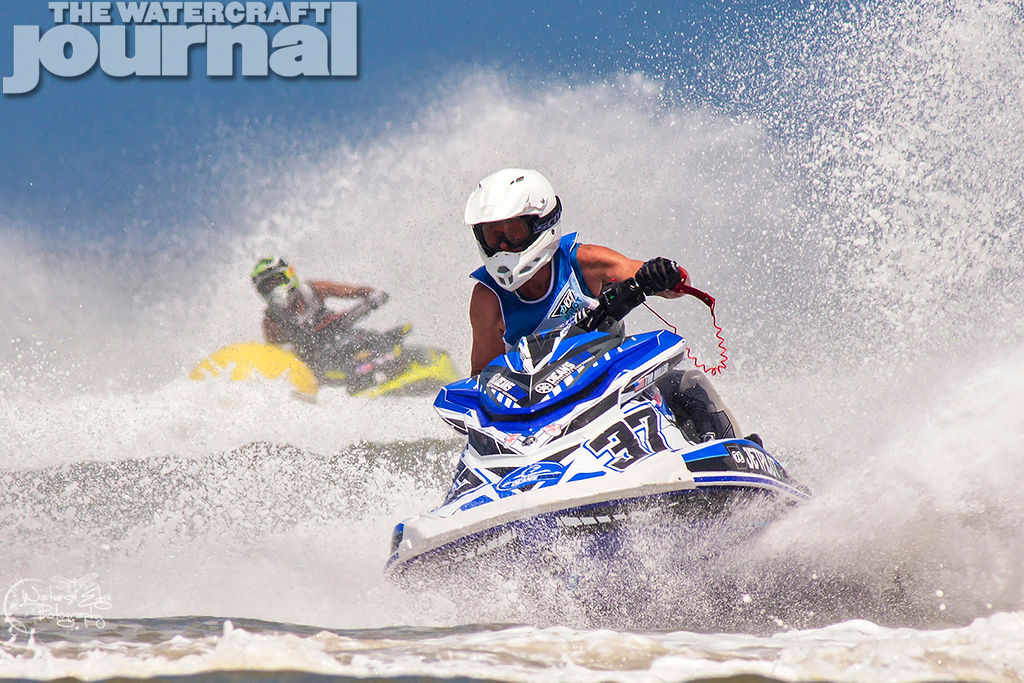
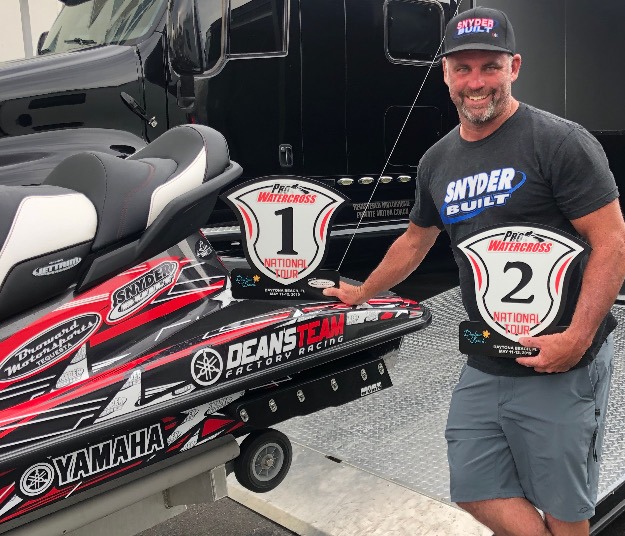
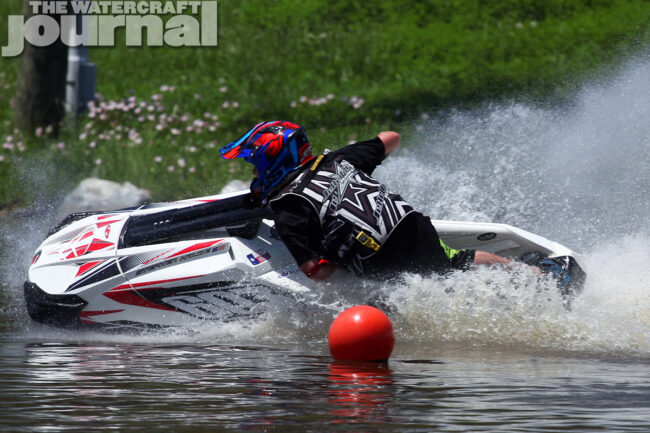
During this past week, the 2nd Round of the Pro Watercross Tour was held in Daytona Beach, Florida. It was a great event with some good competition from the racers. A congratulations is in order for Troy Snyder as he once again finished on top of the podium. He finished first in the Pro-Am Box Stock Class and finished second in the Pro-Am Runabout GP Class. All his hard work has landed him as the leader in points in both of these classes.
Along with Snyder, Yamaha had a great overall performance with many of their races finishing with great times. Troy Snyder races a 2019 FX SVHO WaveRunner. With tasteful mods made by his sponsors: Dean’s Team, Snyder Built, Judge Motorsports and Broward Motorsports. The Watercraft Journal has written many articles regarding these companies and the products they make. Troy Snyder and the success he has had this season is a testament to these companies and their products.
Remember, Round 3 of the Pro Watercross Tour will be June 1 in South Padre Island, Texas.
If you are in the north Houston, Texas area come by 3 Palms Action Sports Park on Sunday June 2, 2019 for a laid-back time on the water. Cycle Shack North out of Conroe, Texas will be bringing some of the new Yamaha Waverunner models just for you to take a demo ride on the 3 Palms buoy course. See and feel Yamaha’s RiDE dual throttle control system in action. Enjoy the freedom of the lake as your playground!
There will be four skis available to demo from the EX, VX, and FX lines. Prior to the event you must swing by Cycle Shack North in Conroe to pick up the Yamaha Waverunner Demo Day entry pass. Event is 11am – 1pm Sunday June 2, 2019 at 3 Palms Action Sports Park. If you do not have a life jacket some will be available for your use.
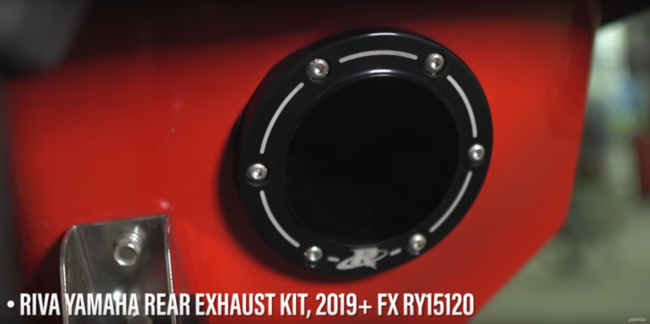
Attention all owners of 2019 Yamaha WaveRunner FX series models. RIVA Racing has just introduced the new rear exhaust kit. While you may be the best looking out on the water on top of your brand new WaveRunner FX series, why not make it sound the best too. The new rear exhaust system offers performance, style and sound.
With installing this kit, you will remove the restrictive sound suppression system located between the waterbox and the rear hull exit. When dealing with new exhaust systems, you want to keep in mind the decrease in back pressure. This kit provides your WaveRunner with improved performance by the reduction of back pressure and restriction. Its flush design too makes the finished product something you’ll marvel at.
The kit retails on RIVA Racing for $399.95. All that is included is: powder-coated mandrel bent aluminum exhaust tubing, billet through-hull exhaust outlet, high-temp silicone tubing and all hardware. For a more in-depth view of the installed kit, check out this video produced by RIVA Racing on their YouTube page. RIVA Racing has been in the industry for many years and build lasting products. This kit will be a total head turner out on the lake this summer. With Free Shipping offered on orders over $150, what are you waiting for.
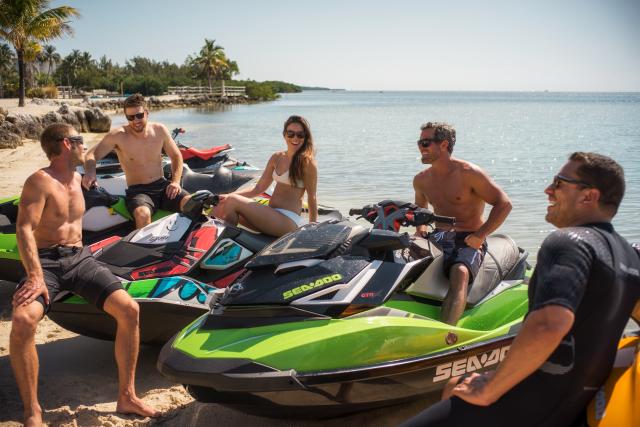
Do you dream of Sea-Doo? Well now is your chance to win your very own Sea-Doo watercraft. Each year you can enter the contest and it is back again for this year.
The entry form is very easy, you simply enter your name and contact information and that’s pretty much it. It’s that simple. Sea-Doo is also asking you to provide a short statement telling them about your dream Sea-Doo.
Maybe you picture yourself pulling stunts on the Spark Trixx or possibly taking the whole family out aboard the luxurious GTX Limited. How about a nice day deep-sea fishing on the new Fish Pro?
Whatever Sea-Doo you envision, it could be yours for free. The entries have already started and will continue through December 1, 2019. Drawing of the lucky winner will take place on December 11, 2019 so keep those fingers crossed.
Be sure to check out the official rules page at the bottom of the entry form. You can access the form at the link above so go ahead and take a minute because you never know. You might be this year’s Sea-Doo winner.
For more information or to start browsing the model that you will choose, check out Sea-Doo.com.
The Hawaii Tourism Authority (HTA) is changing gears. It’s moving away from marketing and instead moving toward sustainable tourism, which in turn means more lives saved.
According to HTA board member, Fred Atkins, “Part of sustainable tourism is how do we work with the community to meet their needs and one of them was ocean safety.”
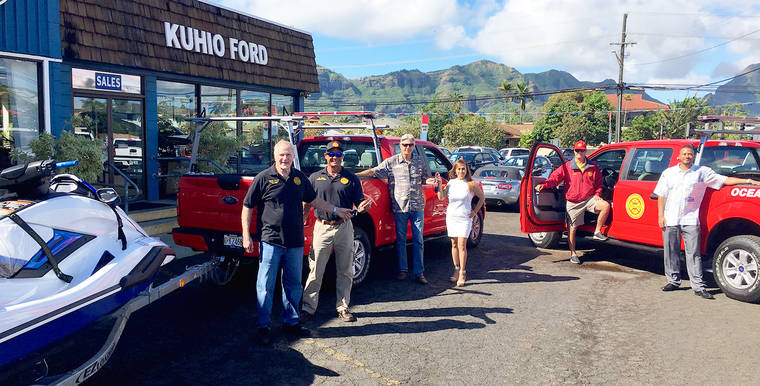
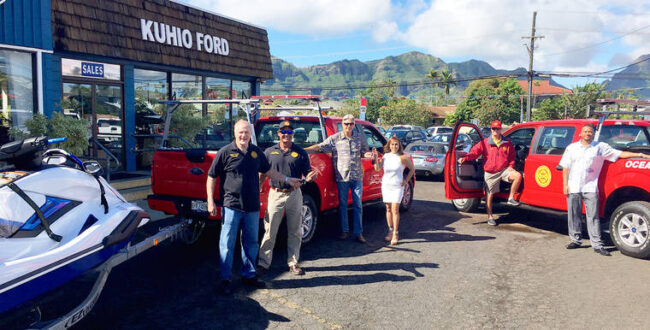
Recently, HTA offered to match up to $125,000 toward ocean safety on Kaui. The Kauai Lifeguard Association (KLA) met that challenge and Friday KLA and HTA presented the Kauai Fire Department’s Ocean Safety Bureau with two 2019 Ford F150 trucks and two new Yamaha FX HO runabouts.
The bright red trucks with yellow OSB decals came outfitted with lights and sirens. The vehicles are also rustproofed and the beds are lined, which will extend the life of the vehicles. The vehicles are also lighter due to the use of aluminum for the body panels. They make the perfect trucks for use on the beaches.
KLA president, Monty Downs, said that with over two million beachgoers annually, HTA’s support has been a lifesaver in many ways. The group has taken some of the burden off the county by having amazing donors who give enough money to afford the KLA the opportunity to purchase equipment used for lifesaving purposes, like the recent purchase of jet skis. The PWC will help water safety in a big way.
“The Jet Ski operation, our mobile teams, spearhead reaching people that are in trouble around our island,” he said. “Lifeguard towers can only be in so many places and Kauai is blessed with so many beautiful beaches people are going to those beaches and they’re getting in trouble. This is our quickest, fastest, most effective response to meet those safety needs,” said OSB North District Captain Jim Ingham.
Atkins introduced the safety program to the board last fall. He said that more than 85% of rescues and drownings involve people visiting Kauai, so it is imperative to implement safety programs on every island. The matching fund opportunity is a great way to get things going. Atkins went on to say that they could help save lives from Hilo to Kekaha.
Kauai Lifeguard Association is holding its Beach Bash fundraiser June1st. and included in the fun, is showcasing the lifeguards. Marketing director, Chantal Zarbaugh, commented on the fact that lifeguards must always be ready to respond to the challenges and demands of their jobs and it’s important for people to know it’s not all glitz and glamour on the beach.
Captain Ingham followed Zarbaugh’s statement with the claim that lifeguards on the North Shore “have risen to every occasion. They’ve made some incredible rescues and saves and I know they’ll continue to do that going forward with these new tools that we have.”
It’s always best to match the task at hand with the right tool. Sure, you could use the handle of a screwdriver as a hammer, but you’d be using the wrong tool for the job. The same goes for keeping your personal watercraft safe and secure when anchored in deep water. No, we’re not talking about pulling up on a sandbar and anchoring your ski down into the soft sand (although the anchor we’re reviewing here could be used in that instance). Rather, we’re talking about the right kind of anchor needed to keep your ski in one place as tides, currents and inclement weather tries to pull you away.
Frankly, I hadn’t had much need for a deep water anchor before. Apart from the rare instance of PWC fishing or open ocean riding, most of my time spent aboard a PWC has been recreational (and in my earlier years, competitive). So when the team at Tightline Anchors reached out concerning the health and continued growth of the PWC fishing market, I had little personal experience to share, but enough market research to provide them what they needed. Knowing The Watercraft Journal and what we did, they asked, “Wanna try out one of our anchors?”
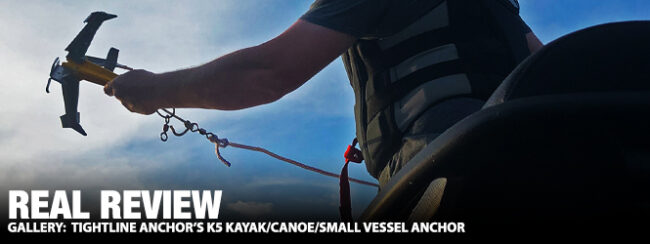
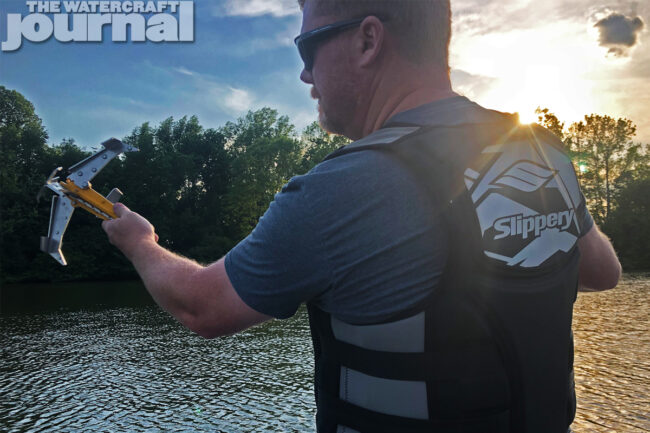
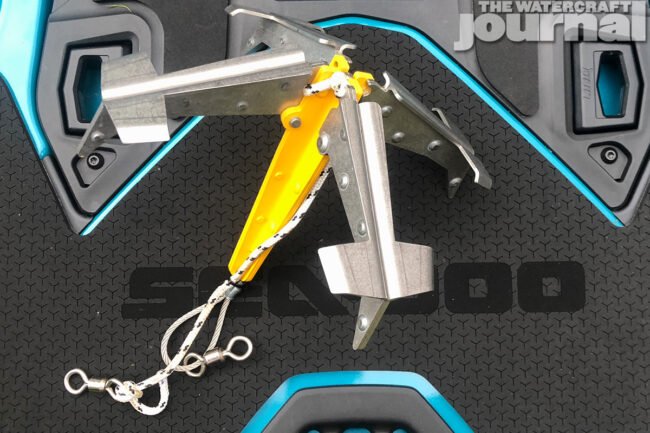
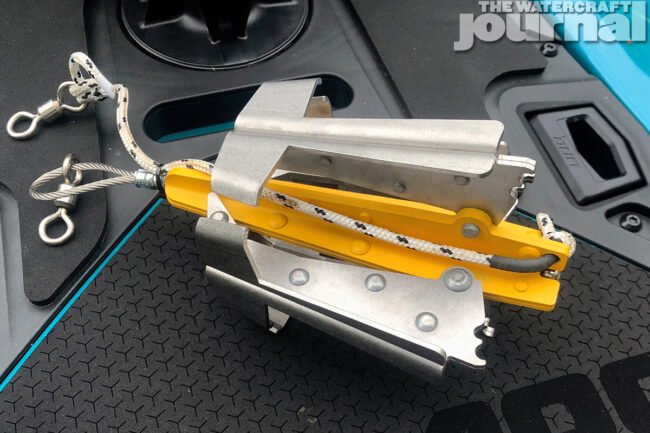
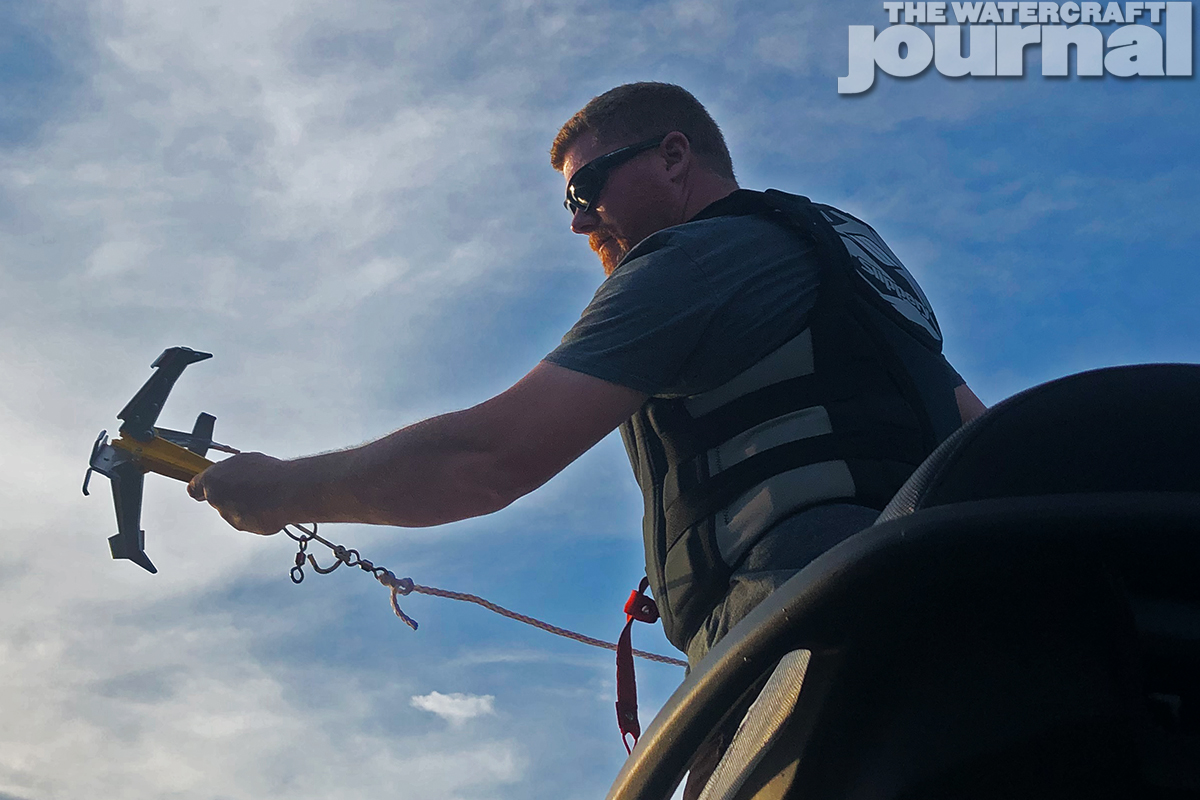
Happy to always take a new product to task, I greedily accepted the invitation. What arrived was far beyond my expectations. The Tightline Anchors K5 Kayak/Canoe/Small Vessel Anchor is easily the stoutest, most overbuilt piece of equipment I’ve managed to get my hands on during the magazine’s six years of publication. The first of its kind in the small vessel/light watercraft market, the K5 is a precision-made anchor constructed of 12-gauge stainless steel (so it won’t rust) and fastened together using MILSPEC Monel rivets.
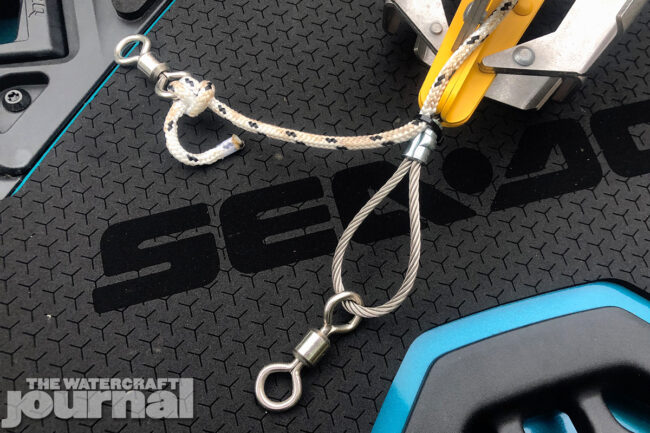
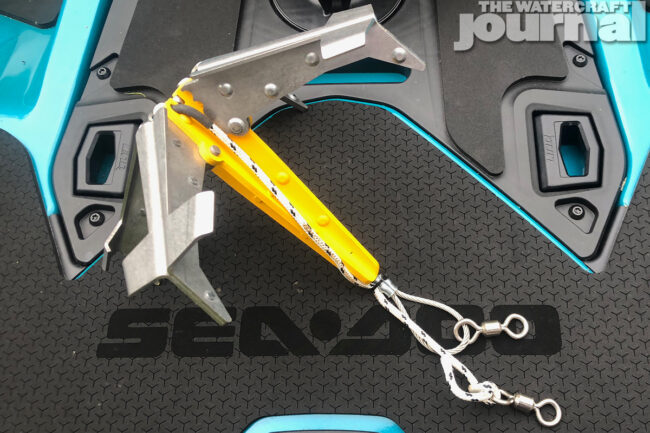
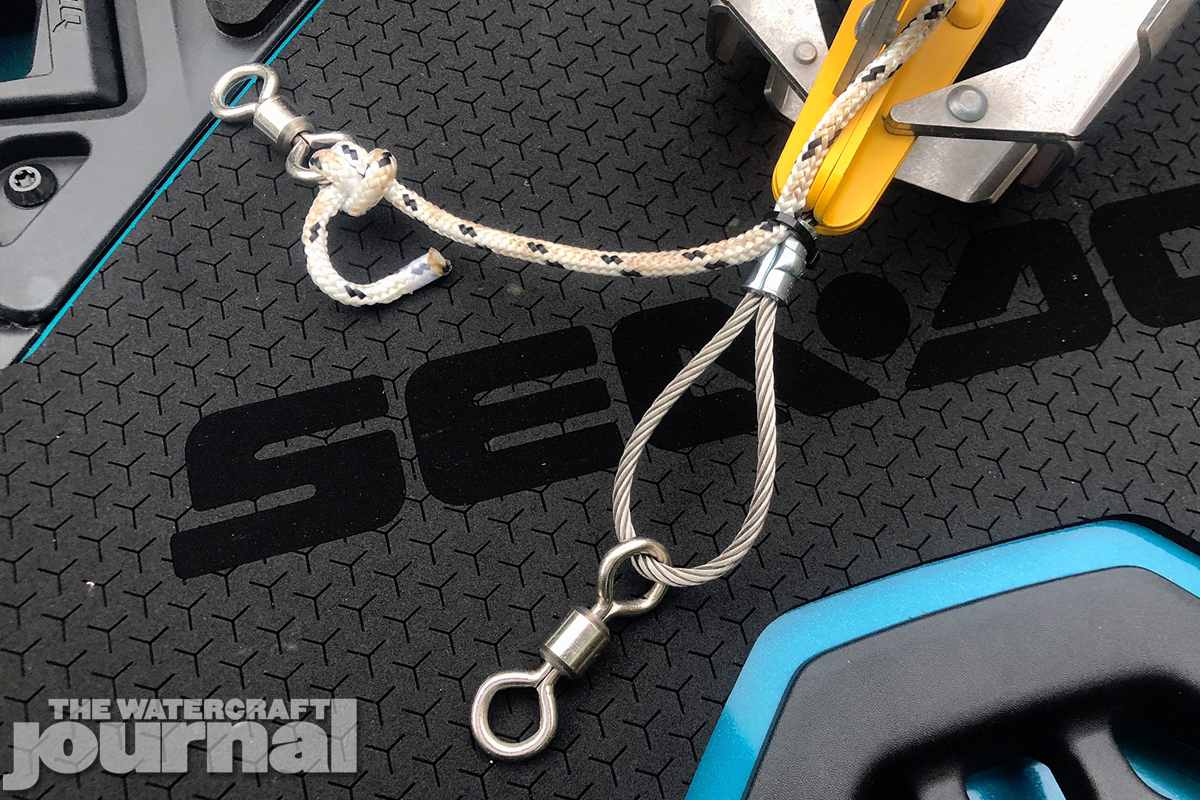
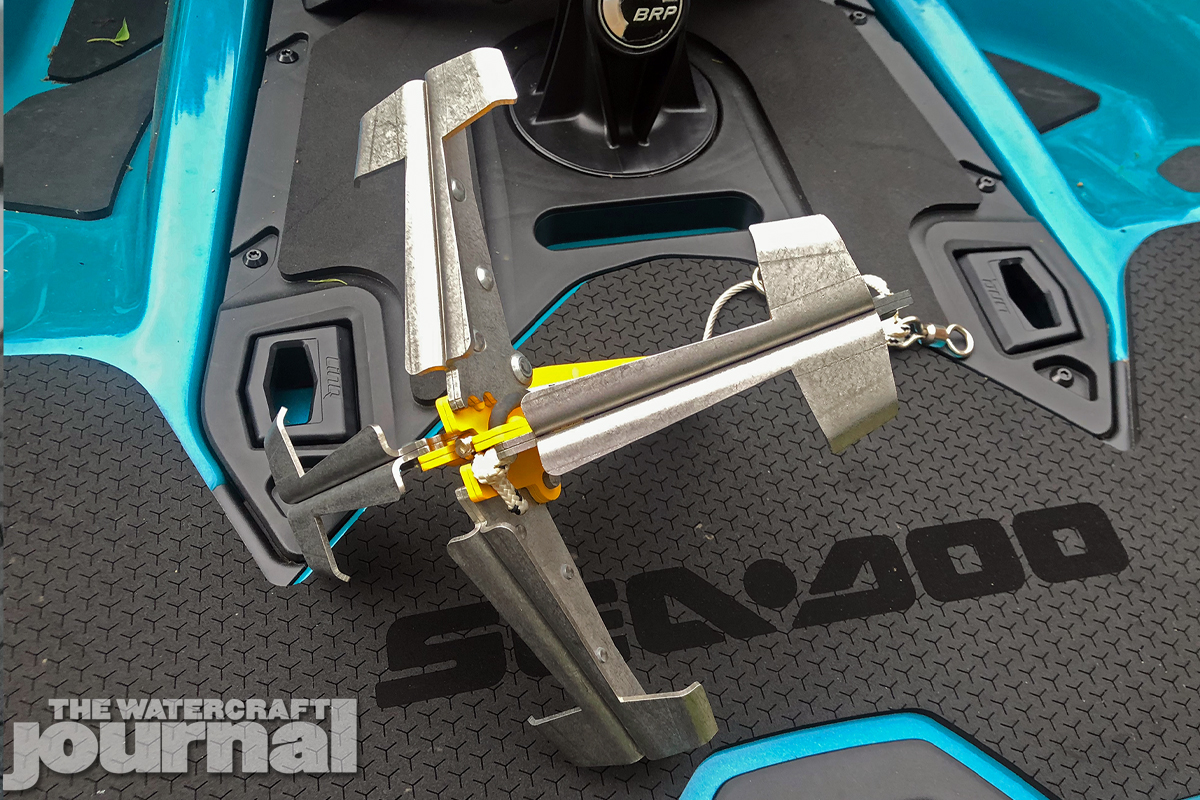
It also features a ROSCO 12/0 shark swivel attached to a loop on 7×19 strand stainless steel cable. A unique addition is the break-away eyelets on the anchor base, allowing the user to rig the K5 for retrieval should it become hung up under the water. Being a novice to this feature, it took some greater understanding: When deployed, the K5 will bite into the surface quickly and easily. Many times, retrieving the anchor results in it getting hooked deeper; using the break-away line helps to pull and dislodge the anchor from its base instead of its head.
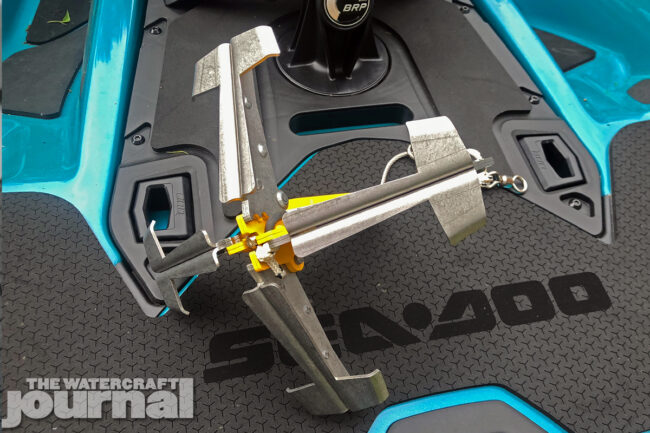
At 3-and-a-half pounds and 9-inches high, the K5 is stout, yet since all four grapnel arms are collapsible, meaning it won’t take up your entire stowage bin. While the edges aren’t particularly sharp, there are several “pinch points” where fingers or skin can get caught, so be wary. Equally, the aggressive shape does lend itself towards being dangerous if left to roll around freely inside your bin; so either order Tightline’s bag for the K5, or wrap it in a thick towel before going underway.
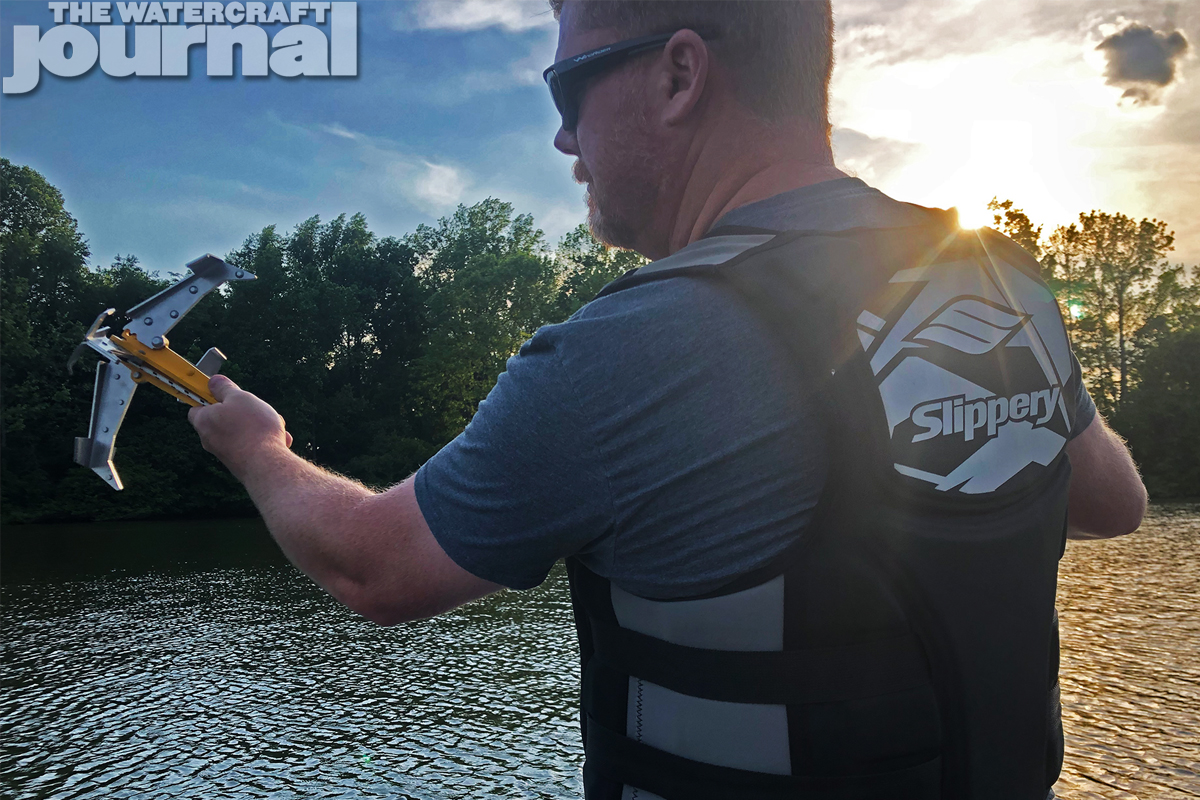
With the anchor on hand, I looked for opportunities to use it. A particular cove on our lake is a favorite hangout to several large yachts; at over 40-feet deep its ideal for larger vessels to moor. I idled our 2019 Yamaha FX HO WaveRunner, attached the anchor line to the rear tow eye and tossed the K5 overboard. Giving it a couple tugs, it bit and I cinched up the slack. After some swimming with the kids, it was time to leave; I gave it a couple hard yanks and up it came. I repeated this process several more times over the past month and never struggled with getting the K5 to perform admirably.
Our particular K5 anchor came in the “Dewalt Yellow Cerakote finish. Besides raw stainless, the K5 can be ordered in “Zombie Green” and “Hunter Orange.” Now for those unfamiliar, Cerakote is a ceramic-based finish applied to metals, plastics, polymers and wood that protects against wear and abrasion, corrosion and impact. Yet, after just a short month’s worth of use, we saw the Cerakote coating scrape off around the hinges, even leaving fine yellow flakes on the raw stainless arms. Since the coating costs extra over the $105 asking price, I suggest going without.
Otherwise, the K5 was incredible; a super-well built piece and definitely a must-have for the deep water PWC fisherman, snorkeler or someone who finds themselves anchored in deeper water (50-100 feet). The traditional (and stupidly heavy) “mushroom” anchors don’t have the bite to keep your ski from drifting, and sand-filled anchors don’t have the weight. So while you can certainly tie your watercraft down on the shore with it, you’re using a bazooka to kill a fly. You gotta use the right tool for the job, and the Tightline Anchor is definitely it.
Pro Watercross recently announced that Jettrim, one of the industry’s leading seat covers and mats companies, will be the Official Seat Cover and Mat of the 2019 National Tour and World Championships. For over 30 years, Jettrim has been making custom watercraft seats and mats, ATV and UTV seats and even office chairs. How cool is that!
Earlier this years, Shaun Compton, producer of Texas H20 Racing and one of the organizers for the Pro Watercross Tour, passed away from a heart attack. Shaun’s love for the sport was contagious, making fellow racers feel like they were a family member to Shaun. While we continue to mourn the loss of a devoted racer, Pro Watercross has started the Shaun Compton Initiative.
This initiative means that at every Pro Watercross event, there will be a defibrillator under the banner. While racing is exciting and fun, Pro Watercross understands the risks the racers take on when they line up on the starting line. This initiative is just another step Pro Watercross is taking to best protect the racers.
Drake Stanley, Pro Watercross Chief Water Safety Official, will become a trained instructor for CPR and defibrillator and will be training event staff and organizers how to properly preform these duties. Again, this is all made possible by the generous help of JetTrim. If you are needing a new seat cover, traction mats or wanting to spruce up the office chair, Jet Trim is your one stop shop.
In the physically demanding sport of jet ski racing and riding a quality helmet is a must. Not only does the water become “harder” at 70 mph, other racers are charging around you with 400-800 lb fiberglass missiles, and hitting your own ski from jumps and cornering g-force is a real possibility. Even regular spirited riding should merit wearing a helmet, just look at what happened to this rider whose head slammed into his ski and was knocked unconscious HERE.
Our skulls are hard, but jet ski parts are more resilient. Best not to test either!
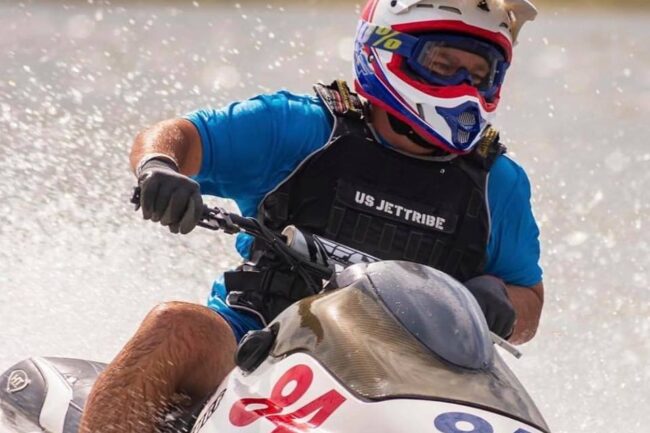
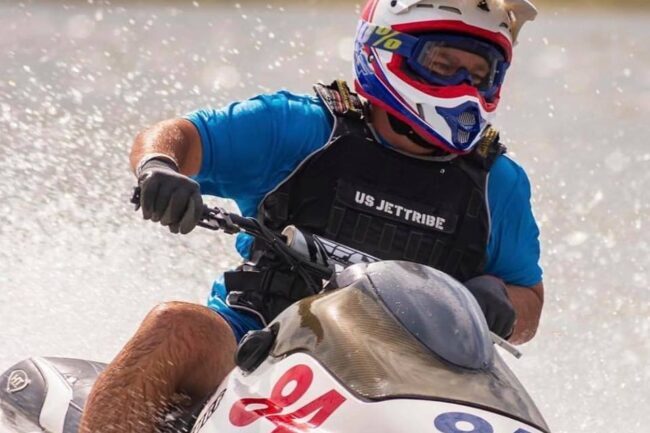
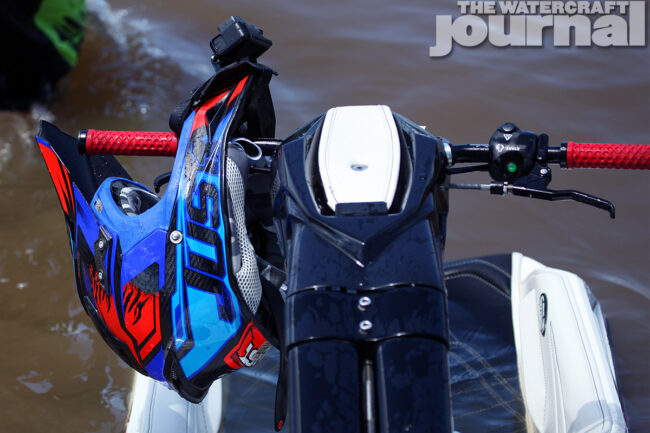
In my stand up riding and racing career I’ve worn many great motocross style helmets from manufacturers such as Fox Racing, Troy Lee Designs, Fly Racing, Suomy, plus a few mountain bike helmets thrown into the mix by various manufacturers. I was pleased with most of the helmet options until I discovered the Just 1 J12 Dominator. As the saying goes, “You don’t know what you are missing out on until you try it.”
Quality, weight, airflow, wind resistance, viewing area, padding, drainage, and looks – the eight categories in which I judge a helmet.
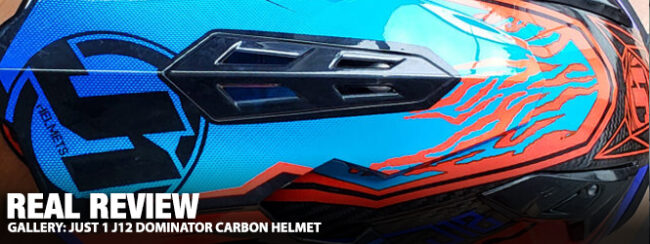
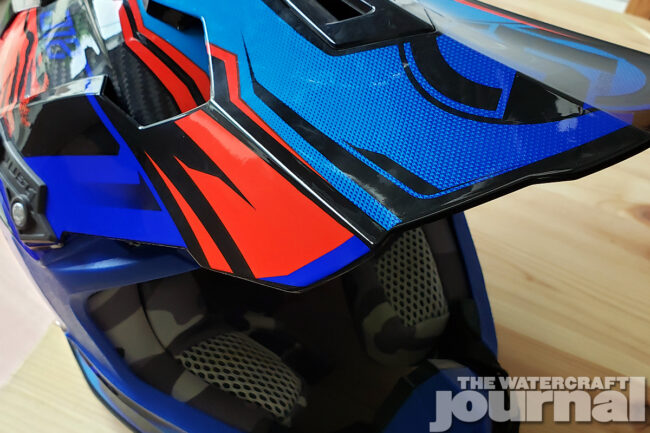
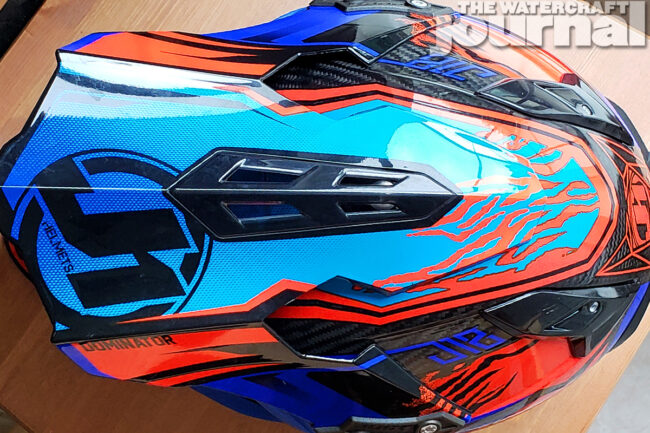
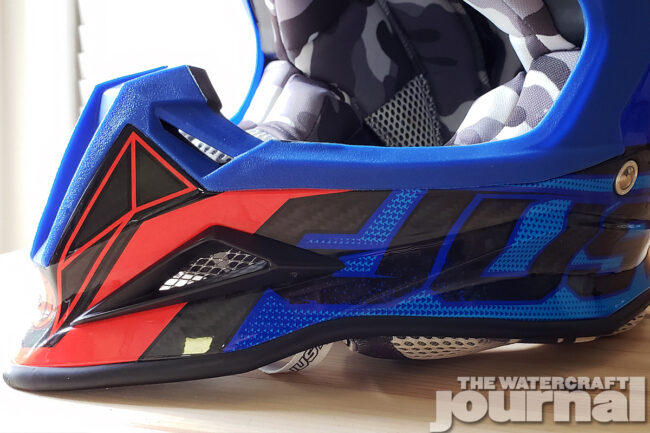
The J12 Dominator has this in spades! This helmet features a full carbon fiber shell available in two base sizes with fitted EPS foam and pads filling out the rest for a variety of sizes XS through XXL. Safety rating is the highest available with ECE Homologation, surpassing DOT and Snell certifications. ECE includes drop testing, strap tension failure with over 670 lbs of force, crush deformity, abrasion, and even the visor is tested as an integral part of the helmet.
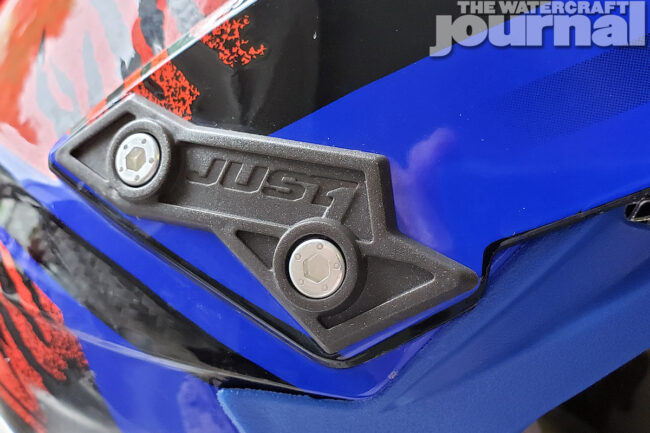
Speaking of the visor – one of the things I love about this helmet is the visor is fixed. So no more readjusting of the visor when the adjuster inevitably gets loose and bumped or catches air. As jet ski riders we really don’t use neck braces, however if you do use a neck brace or use your helmets for dual purposes – the chin bar and lower design of the helmet is made to integrate seamlessly with a neck brace. More on that below.
The light weight of this helmet was originally what caught my attention at 2.42lb (small shell size) to 2.75lb (large shell size). A full carbon fiber shell provides lightweight yet rigid protection. Some people put weight lower on their list of priorities when looking at a helmet, but after riding with heavier options on the market – let me tell you right here and now that lighter weight makes a big difference with rider fatigue. Whether long motos on the buoy course or a full day on the lake or surf, the less your muscles have to resist holding up the ‘brain bucket’ around your head the more you can focus energy on your riding.
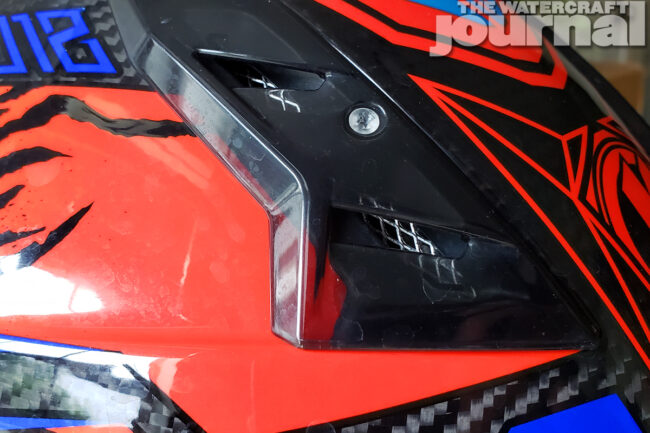
Physical exertion make heat and that needs to go somewhere! The J12 Dominator includes 9 intake vents and 10 exhaust vents. The intake vents are large for more airflow, and the exhaust vents are placed in strategic locations to draw out the heat. Once again, a big factor with rider fatigue is heat exhaustion – even in a watersport!
On a similar thread to airflow, wind resistance is something often overlooked. A helmet’s wind resistance plays in to a lot of factors like rider back and neck muscle fatigue and perhaps even top speed (hey I know from experience on an underpowered vintage stand up everything counts). A bulky helmet worn over many hours can really drain your energy. The Dominator’s aggressive, yet slim visor design catches less air while still being effective at shading your eyes.
This might be a shock, but seeing where you are going is probably the most important part of riding! Freeriders often do not wear goggles due to the fact that aerial tricks on small, lightweight hulls often leave the ski and rider under water on landing. These riders will relish the fact that this Just 1 helmet has a wide opening to help see what is happening in your peripheral view either upside down or right side up!
Racers and weekend warriors are not left out of enjoying such a wide view though, because large goggles are easy to fit in this helmet to enjoy a bit more eye protection with larger goggle visibility. Another important factor to viewing area is the ability to look around, and is often not something people realize when just looking at a helmet rather than trying on. Instead of neck braces, we wear life vests that can be bulky and catch on some helmet designs. Fortunately because this helmet features neck brace integration for motocross, the lower design allows for free movement looking up, down, and side to side even when wearing a life vest.
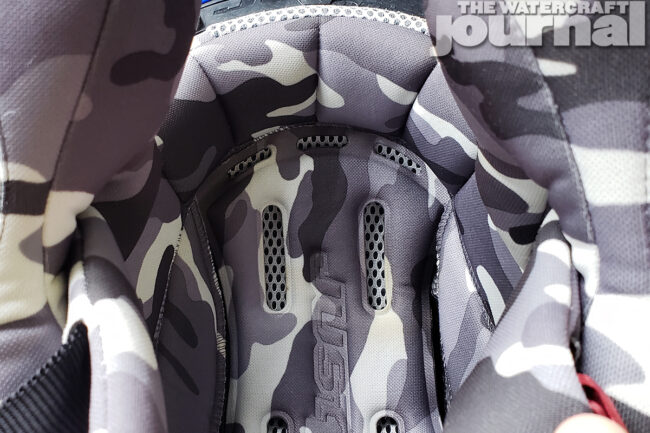
Would you rather rub a burlap sack against your skin, or some felt? Most of us would probably prefer the latter option, unless you are attempting to exfoliate or remove your skin entirely, but I’ll leave that subject for other magazines. The padding in this helmet is superb! I’ll even go out on a limb to say better than the Fly Racing suede-like cheek pads that are oh-so-soft, but not as long lasting for watersports.
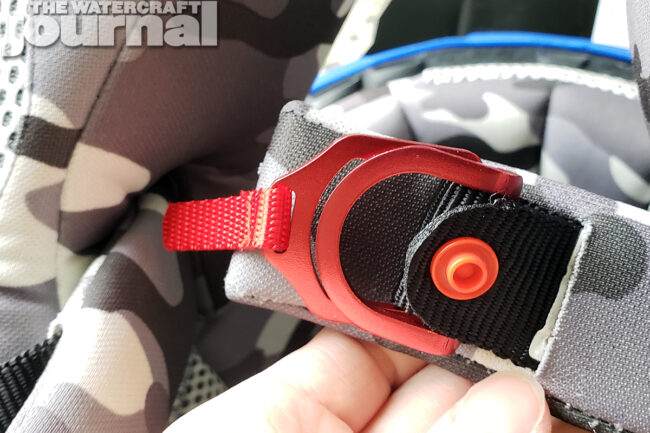
Using smooth antimicrobial fabric, the helmet slides on with ease, yet the pads provide a comfortable pressure all around the head (as long as you’ve correctly chosen the proper fitting helmet). Features emergency pad removal in the event of an injury where others might have to take off your helmet. The padding is easily removable to wash and dry from all the lake funk, not to mention sweat, that might accrue over your time on the water.
A unique category partial to watersports, drainage plays an important role in the decision to shell out hard earned money for one helmet over another. Unfortunately it is not factored in to most motocross or mountain bike helmet reviews because, well, if you are going underwater in either of those sports – something is most likely terribly wrong. That is why you are here on The Watercraft Journal getting your information from fellow riders!
The J12 Dominator flushes water out quickly and efficiently due to the large and numerous intake and exhaust vent holes. The vent sizes and ducts are balanced so water is not stuck in the shell for long. Cheek pads do retain some water as with any helmet that goes underwater, but high airflow quickly dries your head and pads. Unless of course you either voluntarily or involuntarily keep exiting your ski and going underwater.
Racing is all about looking better than the next guy on the line right?! I kid, but whether we like it or not, humans are selfish creatures and looking good is usually pretty high on the list of things we want. Not only is this helmet safe and comfortable, it has aggressive, aerodynamic looks that have other helmets quaking in their shells. There are a number of color options to choose from to match your wetsuit or riding outfit.
You are here doing your research online (great idea by the way) and it can be difficult to decide on one helmet over another. After reading reviews on the helmets that interest you, my best suggestion would be to try them on. I did not have that luxury with a few helmets over the years and just went off of measurements. Sure they did their job, but honestly had I tried them on and worn them around for a while I probably would not have purchased them. Every head shape and preference is unique so choose what is best for you. This review is just to point you in the right direction.
In the end, protect your right to keep living and enjoying racing and riding skis. Wear a quality helmet. It is your brain after all.