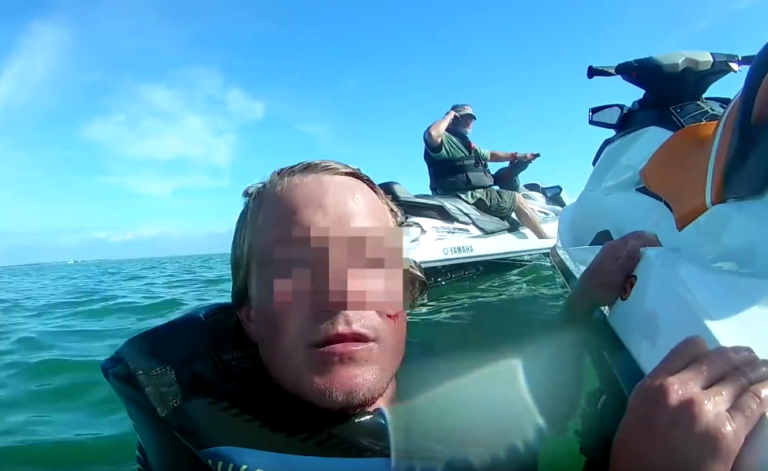

Ah c’mon. This little guy is adorable. And if you disagree, you’re a soulless monster. (Is that too harsh? We don’t think so after watching this video.) A couple riding off of the Pacific Coast stopped to observe some wildlife when all of the sudden a curious seal pup approached. The Sea-Doo (we believe to be a SPX) was off, so the direct injection two-stroke didn’t scare him away. Rather, the gentle lapping of water is heard clearly as the two greet their new friend.
The pup first investigates the craft and its occupants before swimming around to the rear and wriggles aboard the swim platform. He makes a few grunts, looks around and finding nothing all too interesting, decides to leap back into the water. Of course, as cute as this little guy is, it is worth noting that seals and sea lions are in the same caniform carnivora branch as bears and wild dogs, so maybe the guy’s prompt to “give him a little pet” is a bad idea after all.
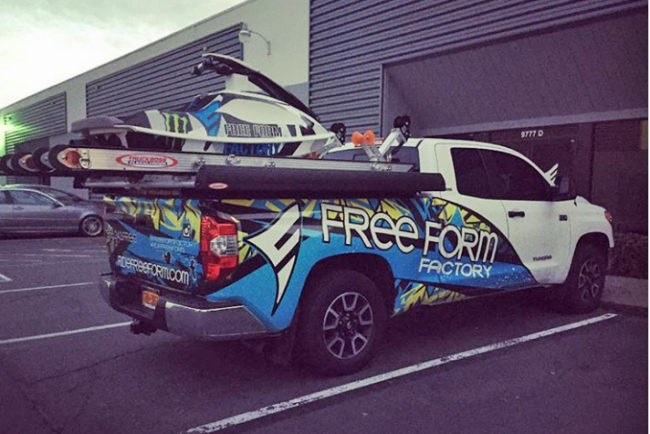
The Free Form Factory Gratis X1 required no fuel and produced zero emissions, and made of “hulklite,” a plastic said to be three-and-a-half times stronger than fiberglass. According to the article, “Darling said he started talking to Nikola Motor CEO Trevor Milton about five months ago about purchasing drivetrains for Free Form’s watercraft. Over a series of meetings, Milton expressed interested in acquiring Free Form Factory.
“Nikola is aiming to produce a sit-down personal watercraft that will outperform the top internal-combustion versions on the water and provide up to a five-hour ride time with zero emissions and less noise,” the article continues. That, more than anything, is a substantial goal and could put the Free Form/Nikola merger in the same league as Sea-Doo and Yamaha. “Darling will play a pivotal role in bringing that new vehicle to fruition. That watercraft will be made with the hull technology and manufacturing process that Darling spearheaded during the past few years at Free Form Factory.”
Nikola’s new electric runabout watercraft will be tested with dealerships around April next year, according to Milton, “adding that its watercraft and utility task vehicles will be in full production by the end of next year.” Despite Nikola’s Salt Lake City, Utah, location, Darling is expected to remain in the Sacramento region. “He will maintain office space in the Sacramento region for Nikola Powersports Research and Development, and expects to move into a new space soon.”
Oh those crazy Japanese. They’re always up to something. The new 4-stroke Kawasaki SX-R 1500 JetSki was one of the most anticipated machines to hit the water in years. And we mean it, it was crazy. But many hardcore riders felt the SX-R was too close to a runabout to fit their tastes, while many older riders saw the new standup as an opportunity to strike out on the water like they used to – on their own two feet. Alas, there were a few who longed for a time when Kawasaki didn’t just offer the JetSki, but the X2 as well.
We can certainly see how some of you might be skeptical, so Unlimited produced this video showing the kit in action as well as plenty of close up shots to see how the package functions in relation to the factory Kawasaki equipment.
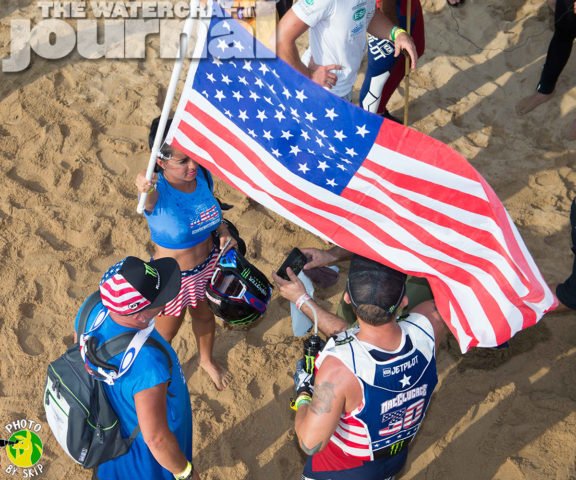
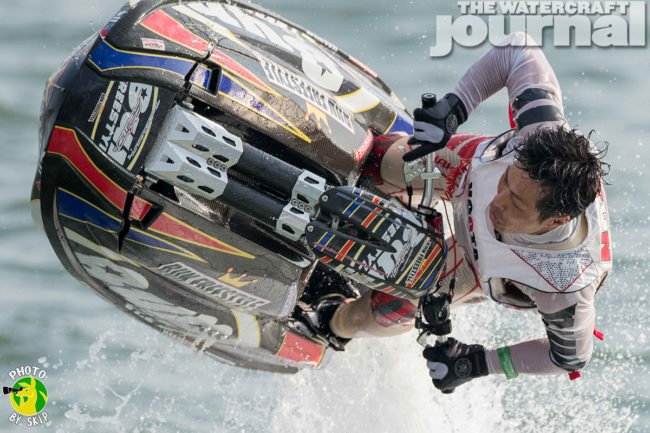
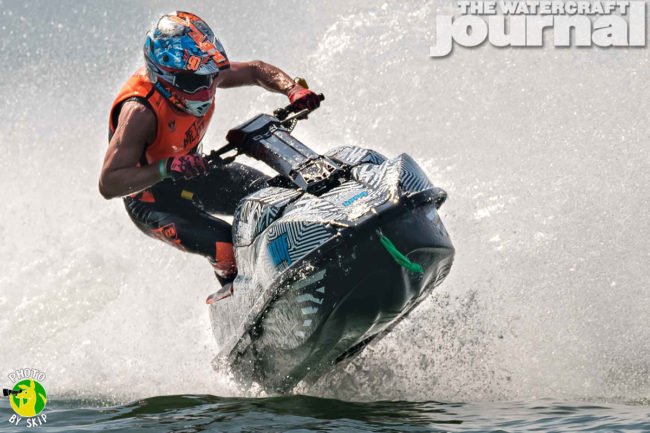
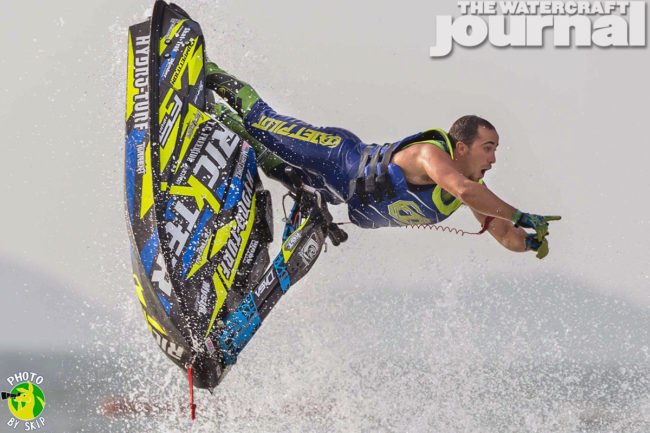
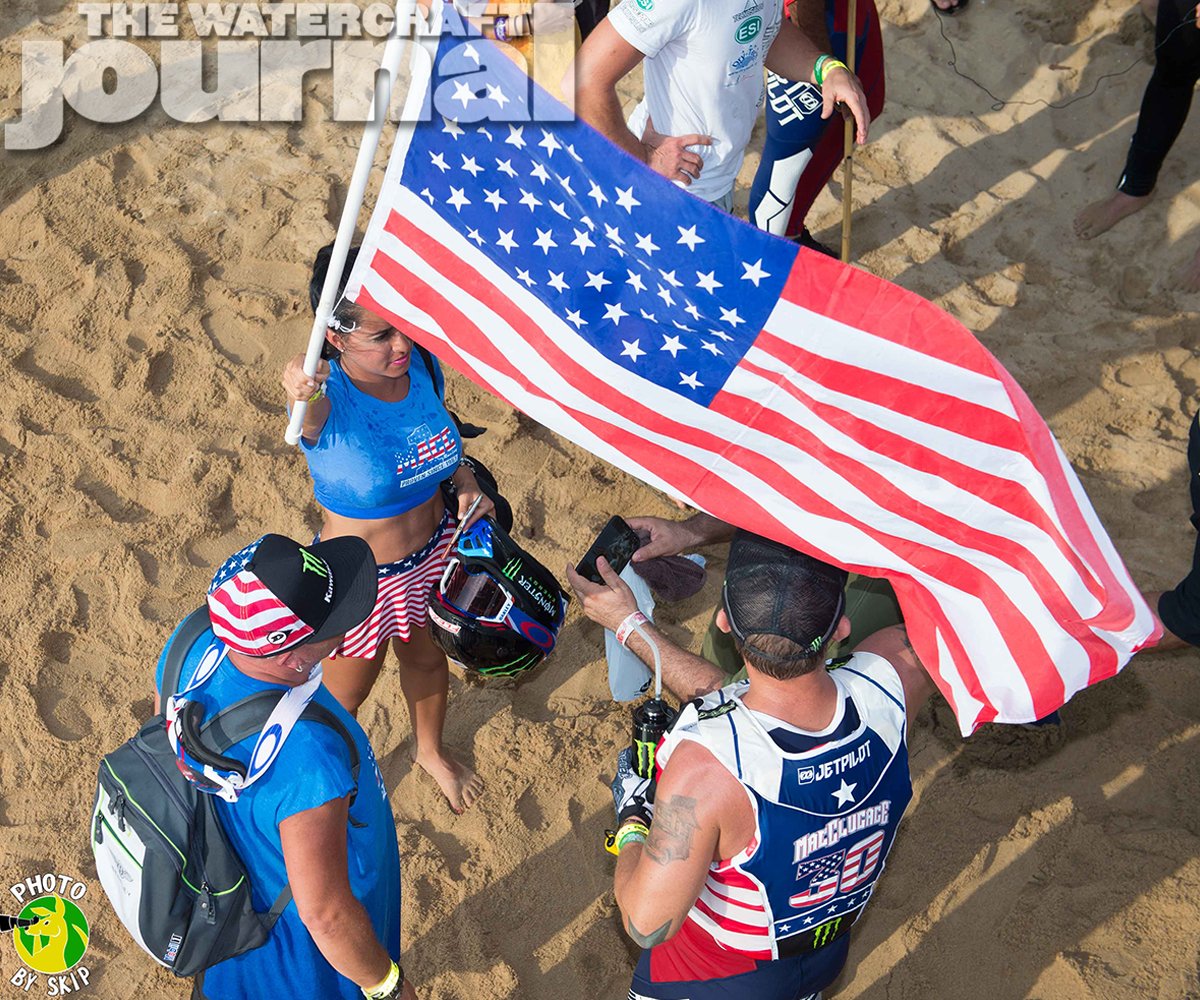
Last weekend was the final tour stop of the IFWA JetSki Freeride World Championships at the Motor And Surf Scramble in Kamisu Beach, Japan. Pilots like Mark Gomez, Pierre Maixent, Brandon Lawlor, Abraham Hochstrasser, Ryan Savage, Tom Scaccianoce, Bruno Jacob, Takaaki Murao, Jeremy Bosser, and Hugo Goirre to name a few, warmed up, getting their bearings back on their skis, or their borrowed skis, making the best of it all.
Vibes on the beach we’re definitely high, enjoying the Japanese waves and the “Scramble” part of the “Motor and Surf Scramble” with Toyota Racing Development Trucks, Custom Sand Trucks, Polaris RZR’s, and a radical Tuk-Tuk style vehicle all ripping up the sand track. What makes this event different than others is that the Japanese are trying to blend Powersports with Watersports. Trucks, Motorcycles, and JetSki all on the same stage ripping throughout the day. It’s really something to be seen in person! Complemented with their humongous big screen TV and two dedicated film crews filming each pilot showing them professionally on a big screen live at the event for spectators and Facebook Live. This allows spectators to take a break from the weather and the beach, sit back, relax near the stage and get almost a better view of what’s happening on the water in comfort.
We arrived on the day of the Final with gloomy weather with swell diminishing. Things improved giving us what we needed. Notable rounds were Tom Scaccianoce for Krash Industries versus Mark Gomez for Rickter in the quarters. Tom is a talented pilot from Long Island, New York. Mark Gomez is the current World Champion in the sport. When we get to these parts of the competition, it really could be a final every single round. These riders are so good now you have to pay attention the entire time every round. Coming down to final points deciding who wins and who loses. Unfortunately Tom had to ride against the Champ early on a ski he was just getting comfortable with. Mark riding his personal ski, Tom was eliminated but, Tom is a force to be reckoned with and will do great things in this sport.
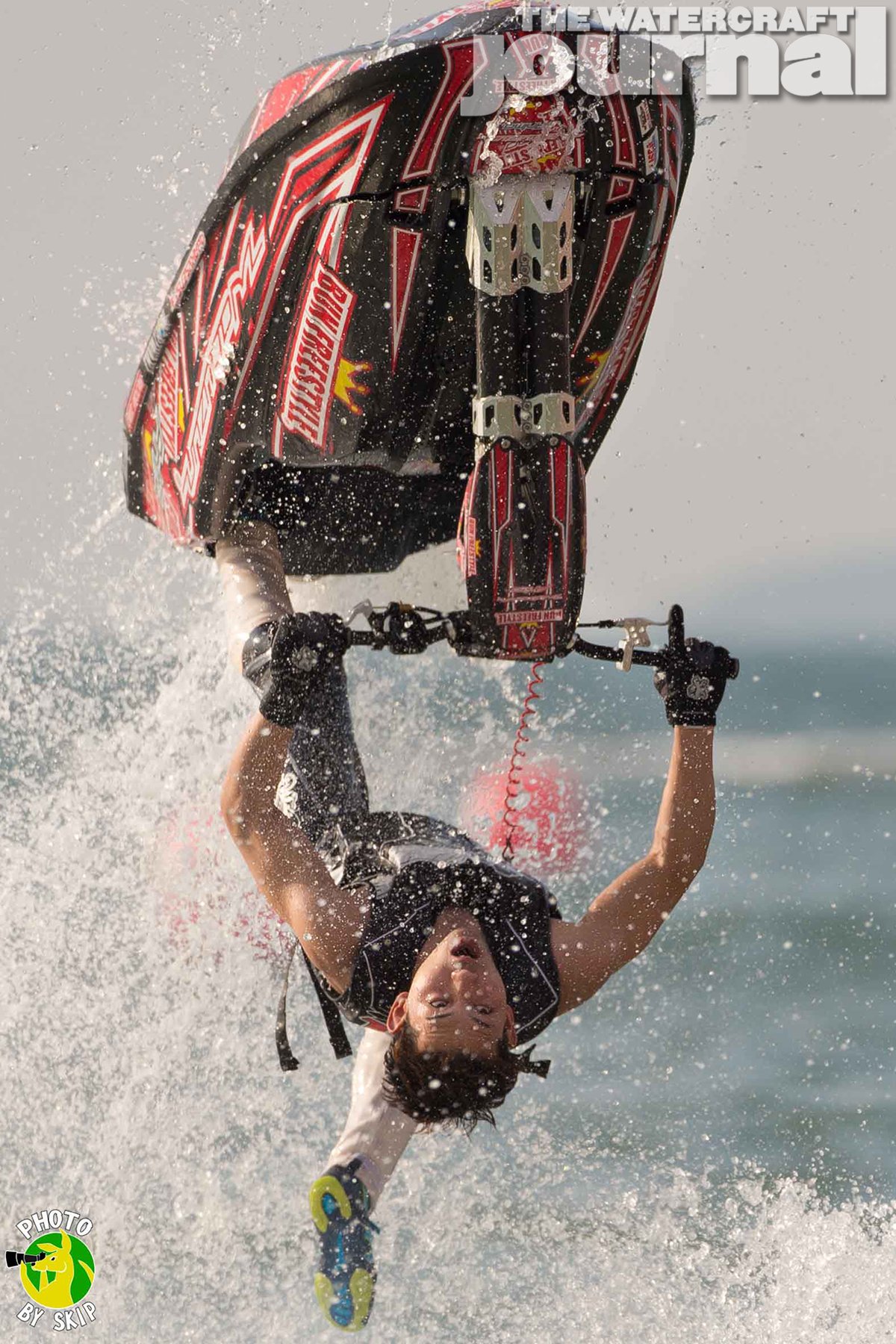
Next was Ryan Savage out of Australia for Krash Industries against Abraham Hochstrasser out of Mexico for Rickter. Savage wasted no time busting out a Super Flip as soon as the horn blew. He definitely was hungry! Abraham was going to the moon per usual and included his surf style that he is getting more known for. Unfortunately, Abraham encountered ski dramas and his ski unable to restart after taking a bit of water. Savage tried to capitalize on the situation throwing big tricks left and right while Abraham was rescued to the beach. Thankfully for him his fellow TC Freeride teammate Gomez was already in the water with his personal Rickter ready for Abraham to use. That’s sportsmanship. That’s freerde! Luckily for Abraham, he had done enough to take the win against Savage and move on to the next round.
We got to witness firsthand the risks of Freeride in Japan. Ryan “Rhino” Clark from Oz attempted a Super Flip and, unfortunately, didn’t get back in the tray completely. He was rushed to beach in a lot of pain and refused to step off of the ski. Ryan was taken to the hospital. The verdict; a broken leg in three places, a spiral fracture and a broken ankle. This is the dark side of Freeride that nobody witnesses or really talks about. The realness was felt. We wish Ryan a speedy recovery! He was flown to Australia to receive a rod in his leg and a cast from his ankle to his hip. He has six months until he will be fit to ride again. Luckily youth is on Ryan’s side being the young age of 19, we know he will come back stronger than before and we look forward seeing what he can do to progress the sport.
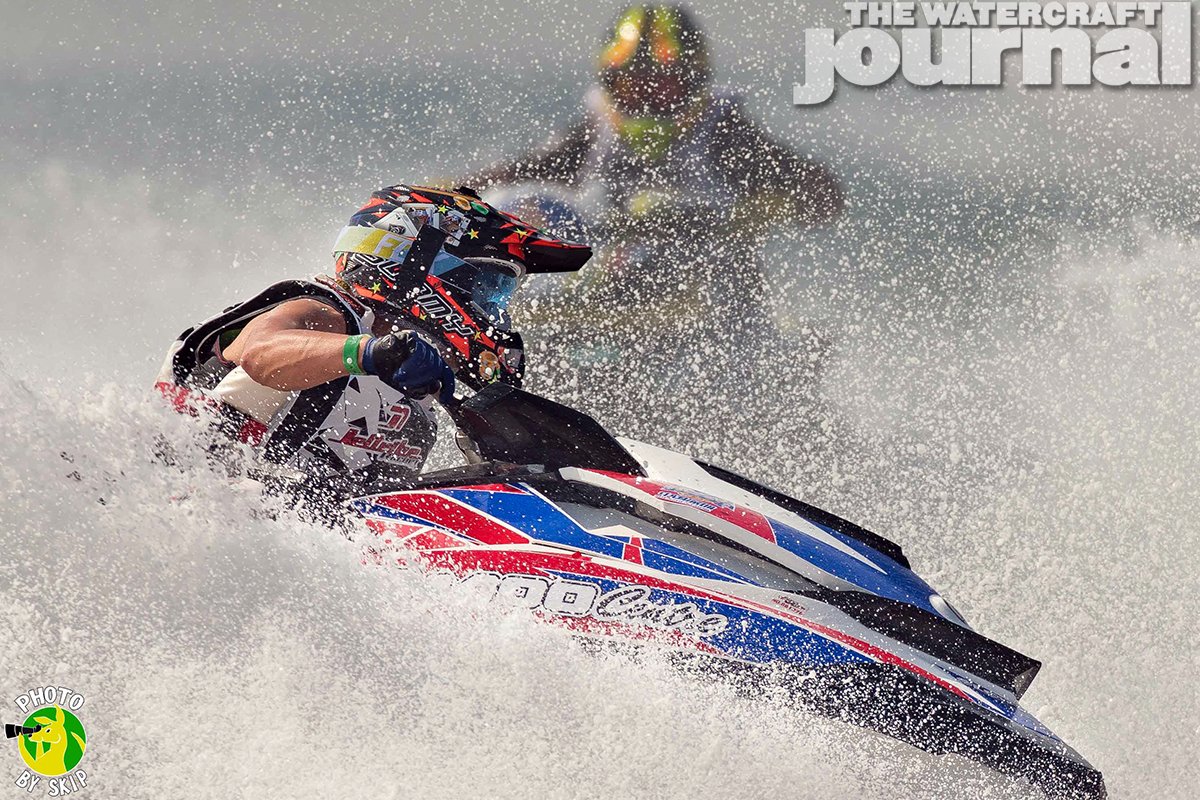
The American Brandon Lawlor for Freeform Factory versus the Samurai Takaaki Murao for Krash Industries came after that. It was an exciting heat that was down to the absolute wire! Takaaki was doing what he’s always done for over 25 years. The Samurai knows what and when to do what and where. Brandon rode also very well with very big tricks and great surf style but it just wasn’t enough to hold off the Samurai who was on a mission. Brazil’s Bruno Jacob was riding amazing the entire weekend went up against the champ Gomez. Bruno was riding spectacular with big tricks like Scarecrow Barrel Rolls, No Handed Back Flips…all the big stuff. Gomez knew he would have to throwdown a stellar run and did exactly that. Gomez got the win and moved on to the final.
Next came Pierre Maixent against Jeremy Bosser. RRP versus RRP. An amazing round with pilots throwing hammers left and right, each completing Madonna Flips, One Handed Barrel Rolls, etc. It was a very tight round and hard to say who was the clear winner until the end of the rounds, when we saw Pierre throw a textbook Super Flip, yet, we also saw Bosser rise to the occasion and throw out his very first Super Flips and doing it fantastically! It was definitely one for the judges. They awarded Maixent with the win to the Final.
Towro Capbreton went up against myself, Zack Bright. It was an exciting round with Capbreton on a chopped up WaveBlaster throwing flips rolls spins and good surf riding. I was on a mission to make the final. Just one month before I had dislocated my right knee and tore my ACL. For a moment it looked like I wasn’t even going to make the competition, let alone ride at a competitive state. I did what I had to do, Barrel Roll combinations and big backflips but, I think what pushed me through was surf riding. I’ve been doing a lot of “progressive” stuff meaning, reentries, landing backwards into the wave, surfing down in reverse then pivoting out, heading straight again. Slashes that throw me into reverse then surfing backwards. Stalled out floaters. Just surfing really. Stuff nobody really does currently and, I think that’s what got me ahead.
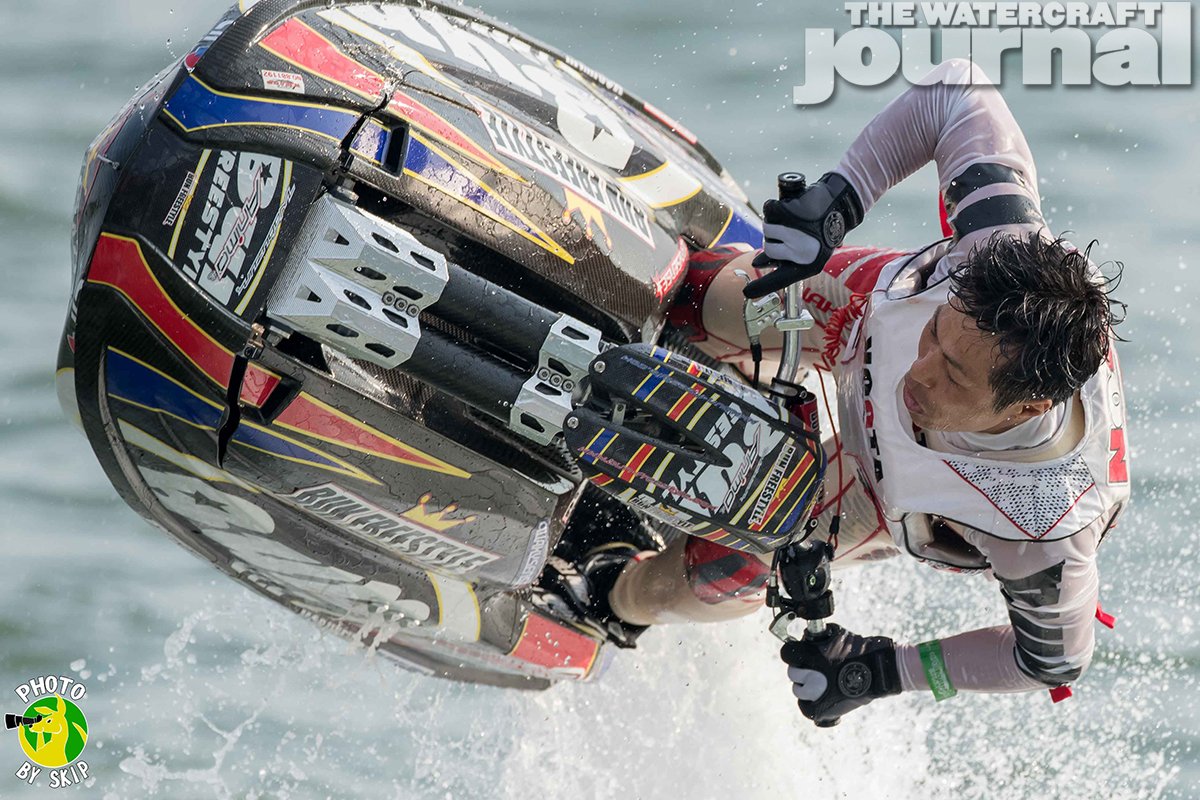
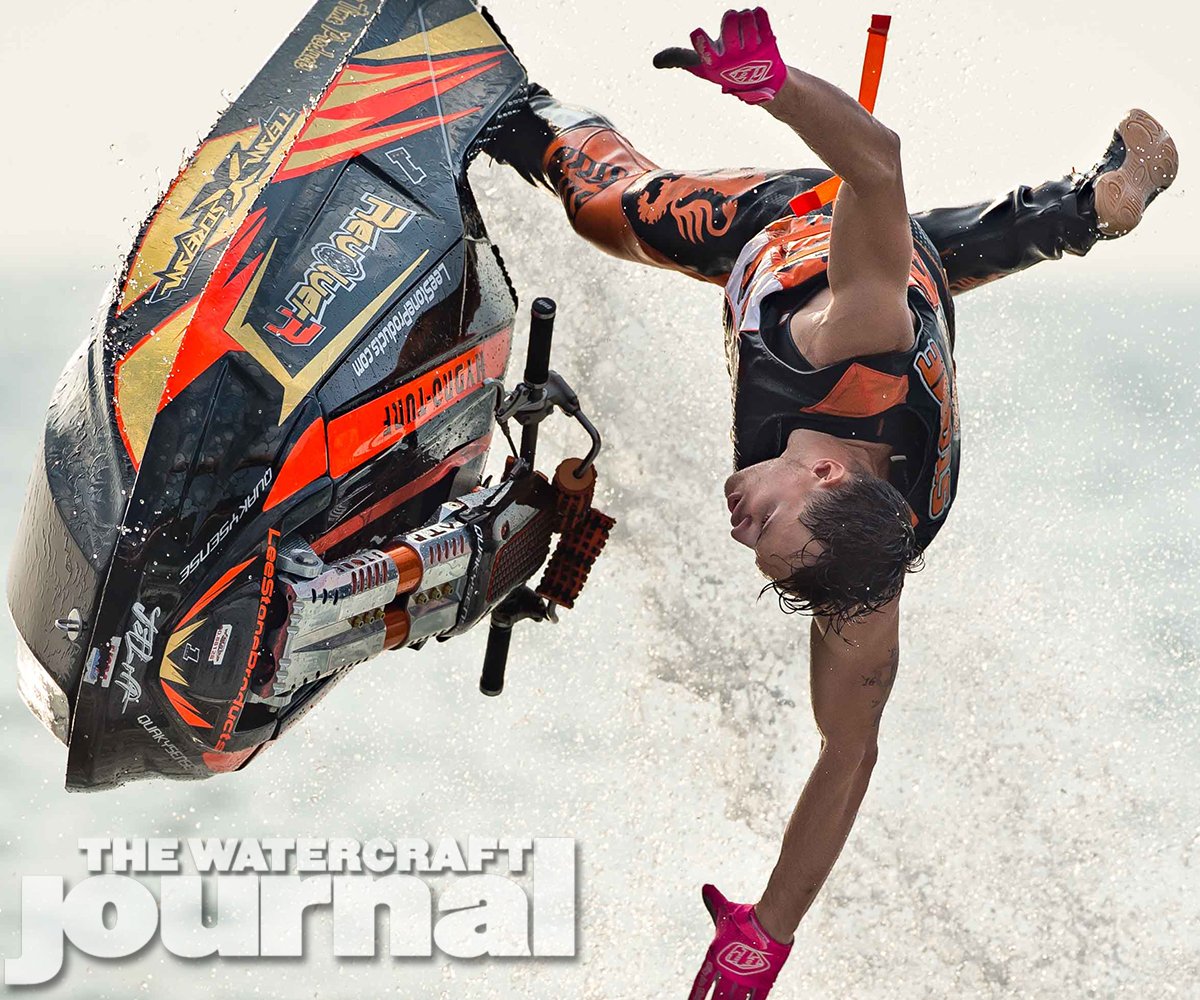
For the finals it was Mark Gomez versus “The Samurai” Takaaki Murao for Stand Up class. Pierre Maixent for Rickter versus me for Krash Industries in the final for the Fixed Steer class. In the Stand Up final; Takaaki wasted no time throwing out a lot of tricks in his bag, really giving it his all. Gomez showed that he is the champion for reason throwing out almost every single trick in his bag making one heck of a final! The kid can do literally every trick in the book and threw almost all of them out in the final mixed with his intense Surfing, he went on to take the win.
In Fixed Final, Pierre went out and did exactly what Pierre does with huge tricks, huge airs. The guy’s amplitude is borderline unmatchable. There’s a reason he’s a seven-time world champion. I went and threw a decent Barrel Roll to start off the run and then sent a big backflip trying to bring it to him. Unfortunately upon landing, I knew my left knee was broken. I rode toward shore holding my knee. I was in pain and upset that I was forced to stop jumping. I didn’t hesitate to keep the show going though! I was following Pierre and riding directly underneath Pierre while he jumped like a bowl jam in skateboarding with the riders jumping over each other.
When I got back onto the beach I realized that I probably tore my ACL or something. Lack of stability in my left knee forced me to seek medical attention. Definitely a bummer. I went out with one good knee but, now I have two bad knees leaving Japan in a wheelchair. Don’t worry about me guys, my knees will get some new top ends and I’ll be back hungrier than ever.
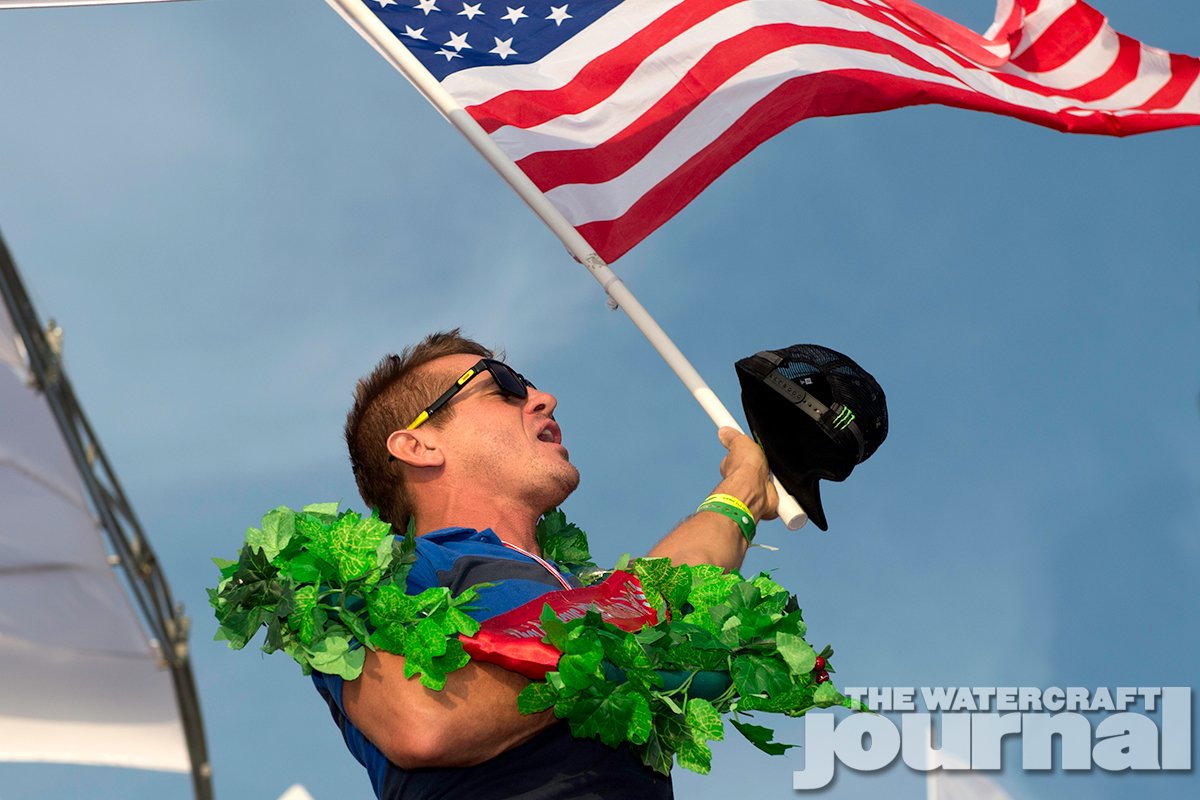
The Sickest Trick winner was Masao Ueki. He rides his fixed ski backwards and threw off some kind of Reverse 720 Helicopter Upside-down Flippity Flop thing that I want no part of! The guy is insane. Big Air winner was Tamiyasu Iemura who went out on a borrowed ski, pinned from probably 50 feet back, hit a wave, and pulled one of the biggest Backflips of the weekend winning Big Air rightfully so. The guy is nothing short of a comedian giving everybody the show of a lifetime on the water and at the award ceremony dressed as a Disney princess!
Mark Gomez locked down his third world Championship in a row! Mark is currently your reigning World Champion in Flatwater Freestyle and IFWA World Champion in Freeride. This man has set himself into a ranking all alone. He is the one of maybe two riders this planet (Jeff Jacobs) that can say that they’ve won a World Championship in all three disciplines of our sport. Racing, Freestyle, and Freeride. We are all very lucky to have somebody like Gomez in our sport. Nothing short of a professional, pushing the boundaries, and an absolute living legend.
After the awards, everybody celebrated with a traditional Japanese dinner, followed by a Karaoke party all night long. It was one for the books. We look forward to seeing the Motor And Surf Scramble next year! Japan is a major asset in the sport and we’re happy to have them involved make one amazing event.
Pro Standup: 1. Mark Gomez, 2. Takaaki Murao 3. Bruno Jacob; Pro Fixed Steer: 1. Pierre Maixent, 2. Zack Bright, 3. Jeremy Bosser; Fixed Steer: 1. Towro Capbreton; Standup: 1. Mark Gomez, 2. Abraham Hochstrasser, 3. Brandon Lawlor
“Let’s step up ‘Long Haul’s’ production value,” Sea-Doo’s Tim McKercher teased the night before. To this point, our arsenal of video equipment was a pair of GoPro Sessions (y’know, the little cheapo versions of the indestructible GoPro camera) and a DLSR Canon 70D. We knew we needed to spring the cash for a good microphone, but those ain’t cheap either. So until now, our style of filming was more “art house/guerrilla” style than “full fledged production company” if you catch our drift. So when Sea-Doo offered a camera crew with high range microphones and the use of a $100,000 high-resolution digital RED camera, it was hard to say no.
And why not? We were halfway into a four-day introduction and test session with Sea-Doo’s coup d’etat, the ST³ platform-based 2018 RXT-X 300. While we preferred the rich metallic silver Ice Metal-and-Lava Red livery, the melt-your-retinas-Neon Yellow definitely popped off the screen. Plus, we were also filming the equally-gorgeous Liquid Grey Metallic-and-Equestrian Brown GTX Limited 230 and 300s, so we had enough silver to go around. Sea-Doo’s film crew-for-hire were great, but lugging a $100K digital camera around (especially near water) made the cameraman more than just a little skittish. Some of those upclose shots? Yeah, he’s using my camera.
Then there was the problem of actually trying to download the files themselves. When using a camera that George Lucas used to film the “Star Wars” prequels, things tend to get a little sluggish when you don’t have a few extra terabytes of storage. That, more than anything, held up the release of this latest episode of “Long Haul” – so for that we apologize. Stepping up our game required a lot more work (and equipment) than expected. Yet, you can’t argue with the results. We’re incredibly proud of how this episode turned out and we hope you like it as much as we do. Of course, we touch on a lot of stuff both covered in our full-length feature story as well as a couple of things we left out, so there’s a lot to digest.
If you haven’t yet, please click and subscribe to our YouTube channel. The Watercraft Journal is the ONLY personal watercraft enthusiast magazine to deliver two professionally-produced videos per month, all year long. Combined with our “like clockwork” publishing schedule here, and you’ve got hours upon hours of PWC-focused content to enjoy. And by subscribing (which is 100% free), you’ll be notified of updates, new videos and notifications happening on our YouTube page, so you’ll never miss a thing!
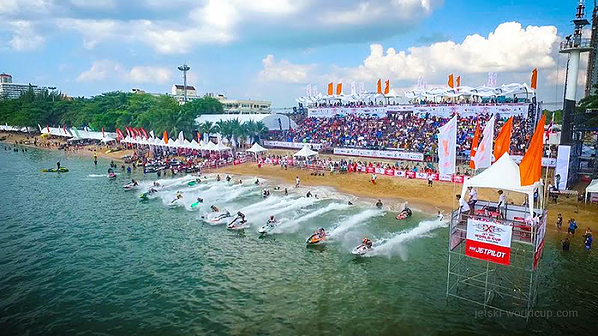
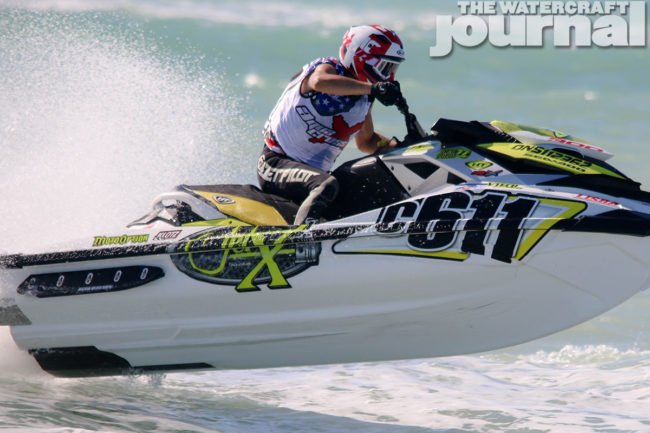
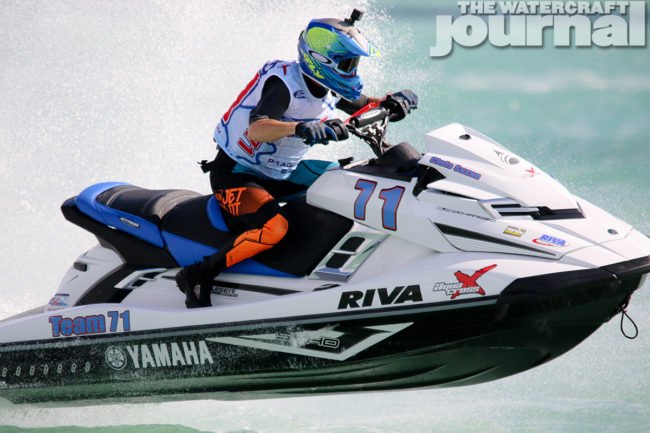
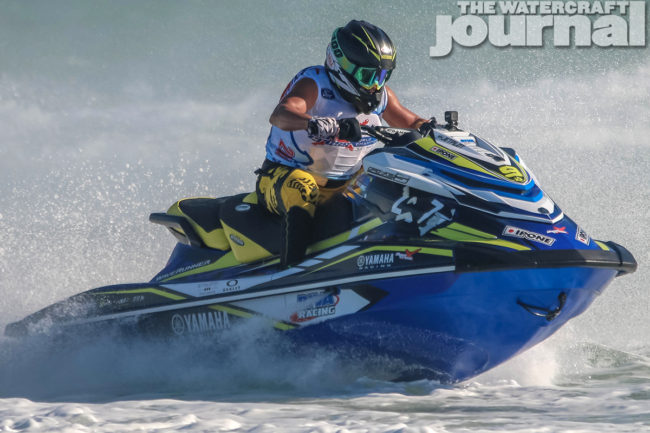
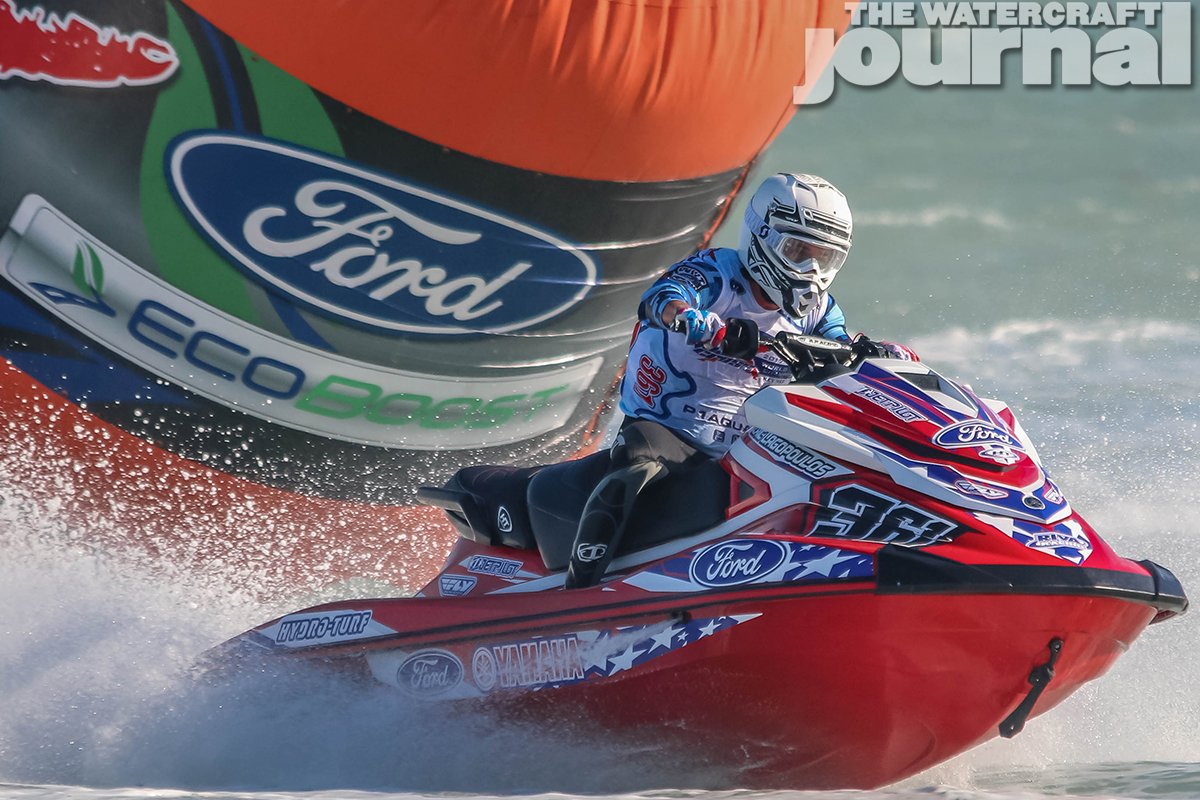
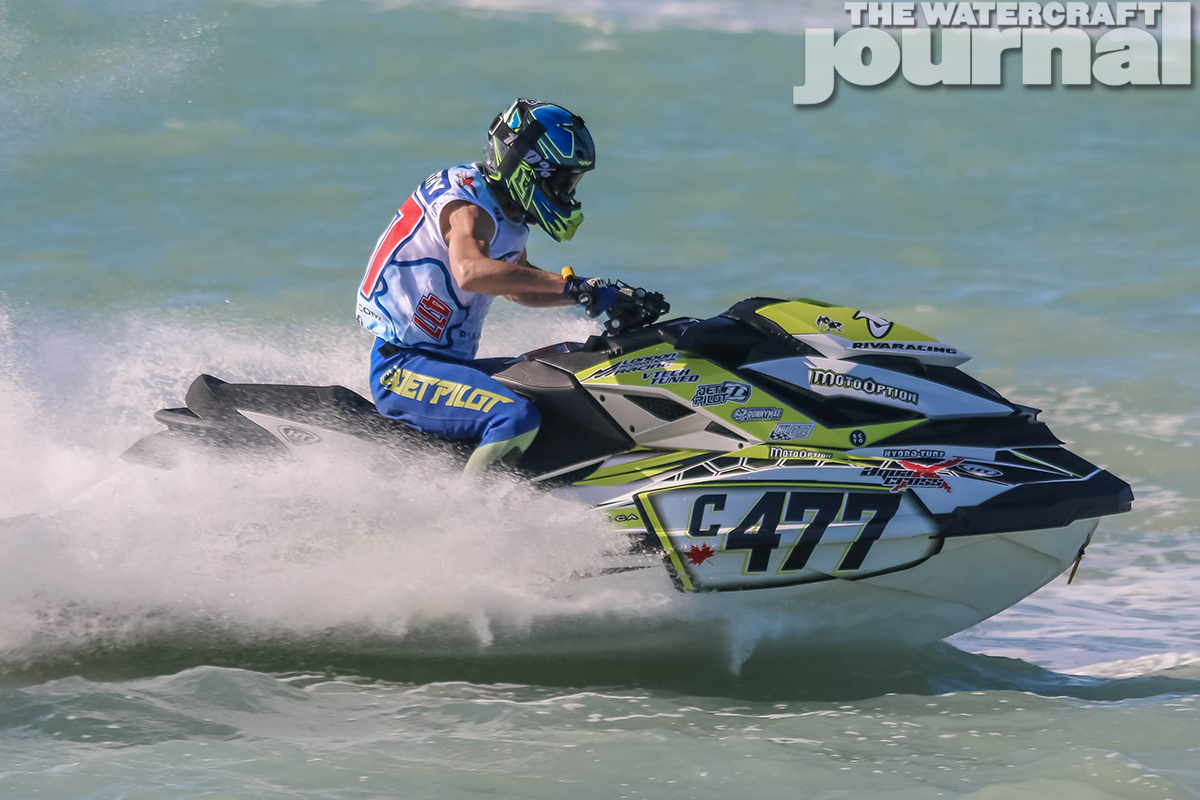
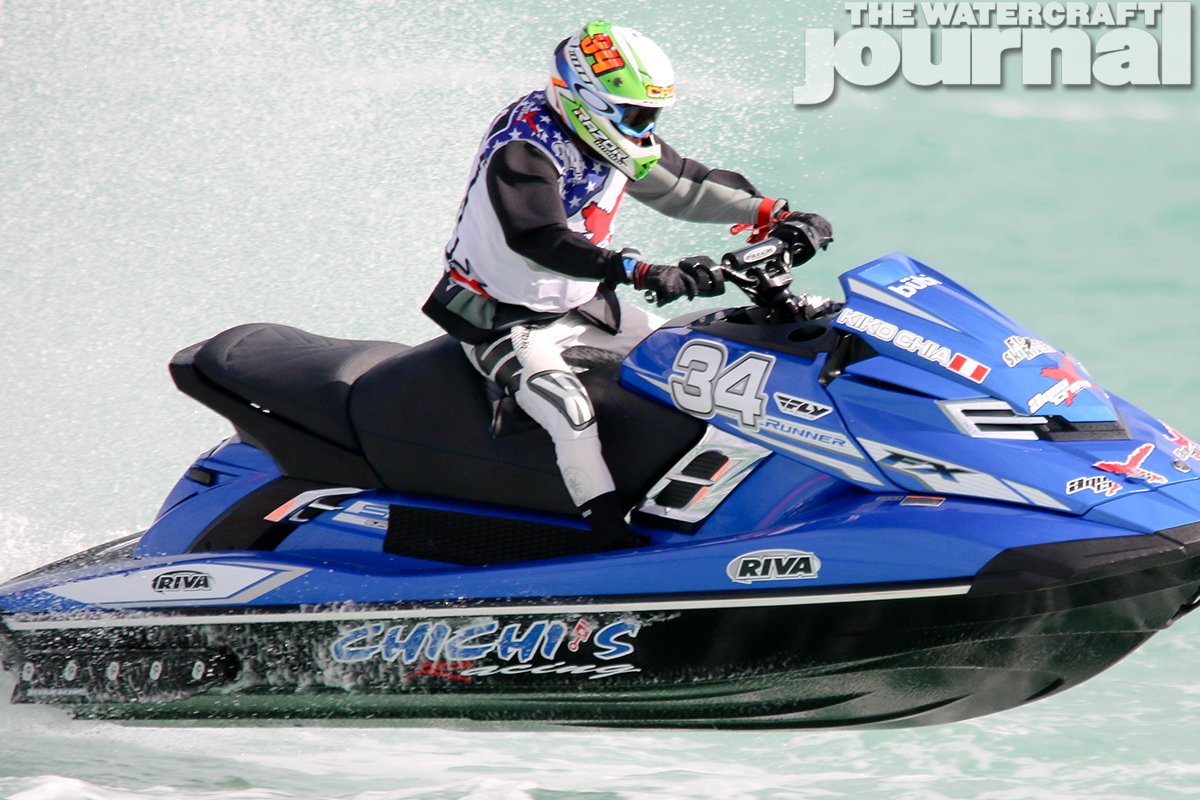
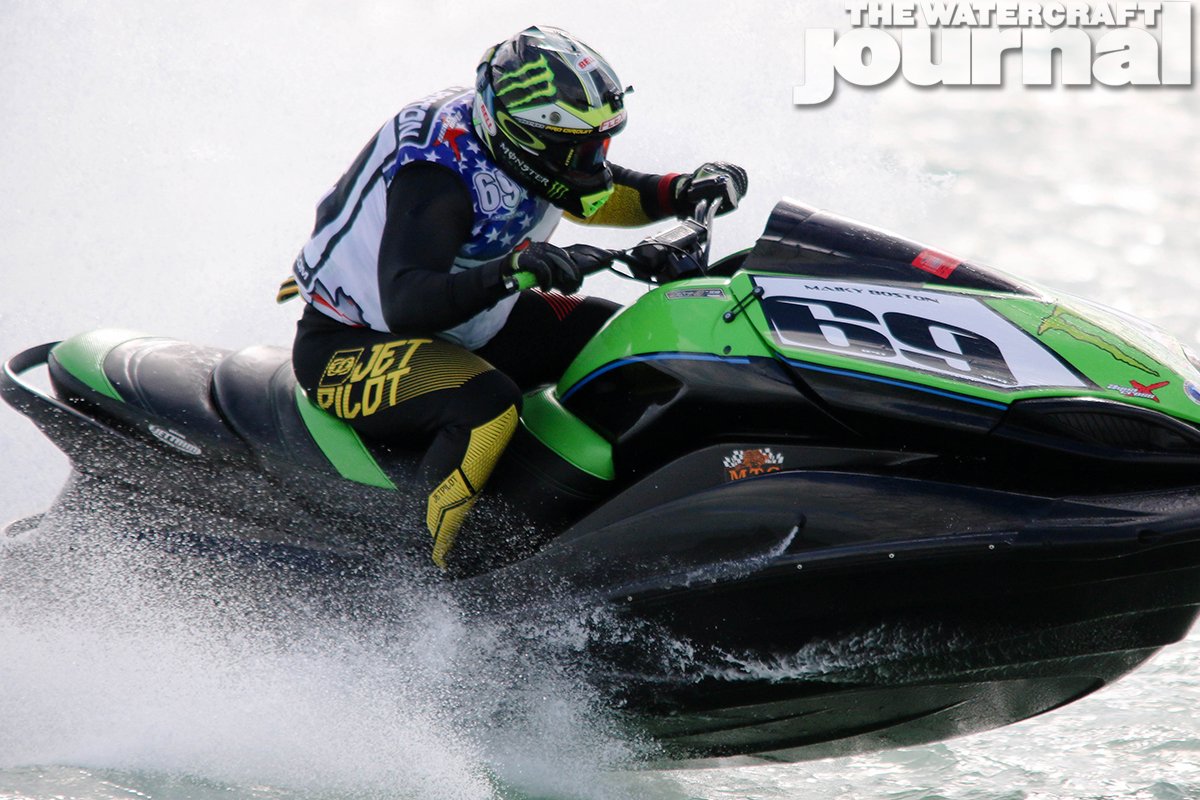
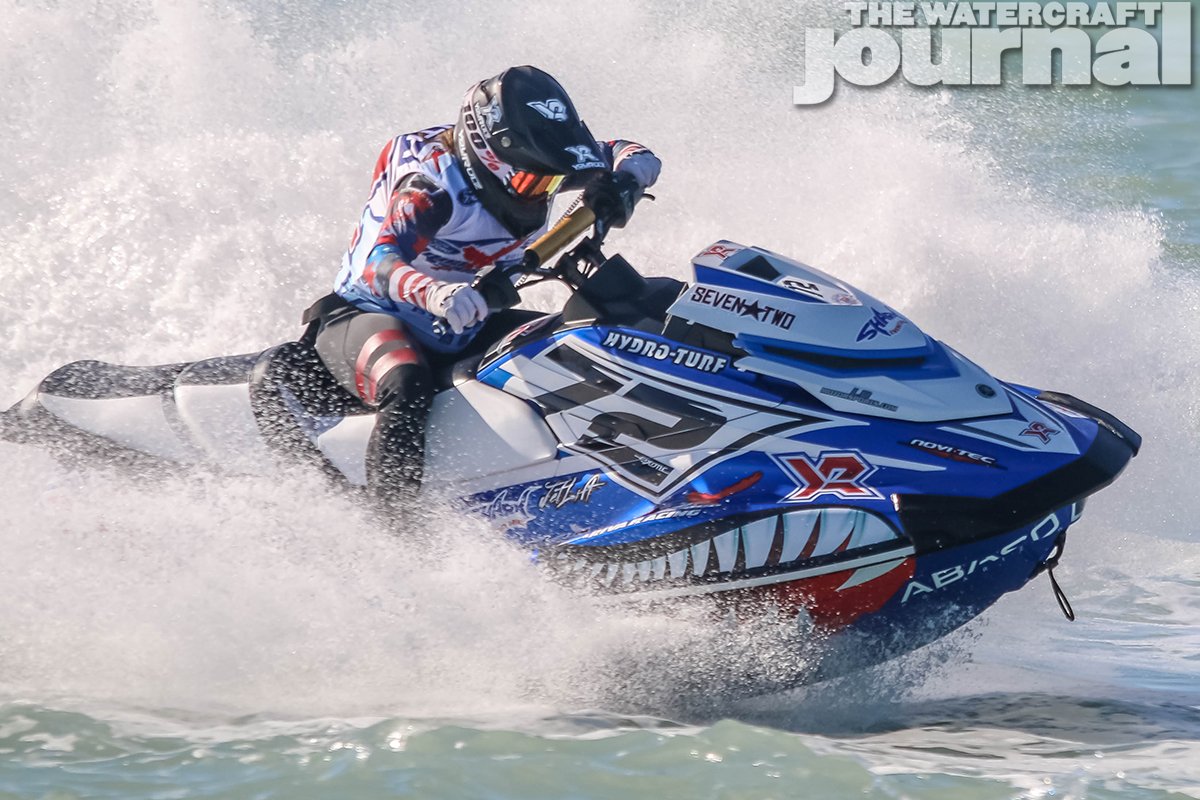
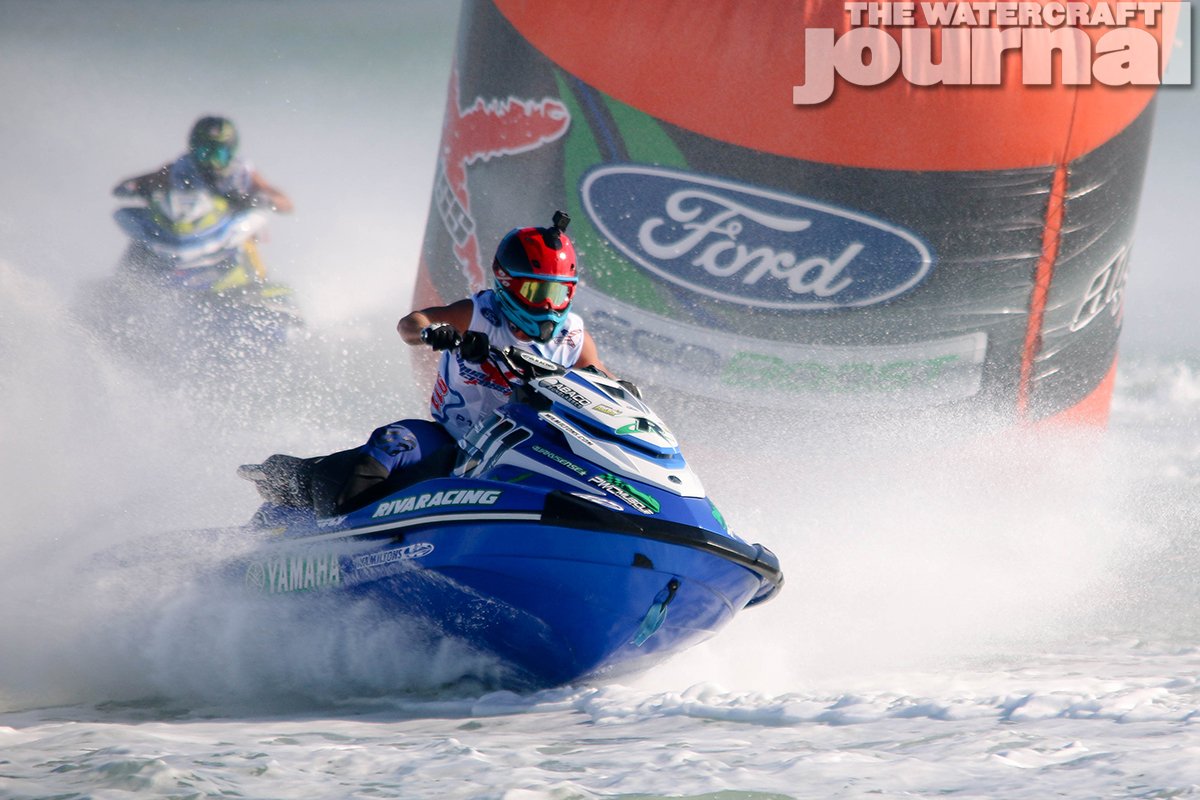
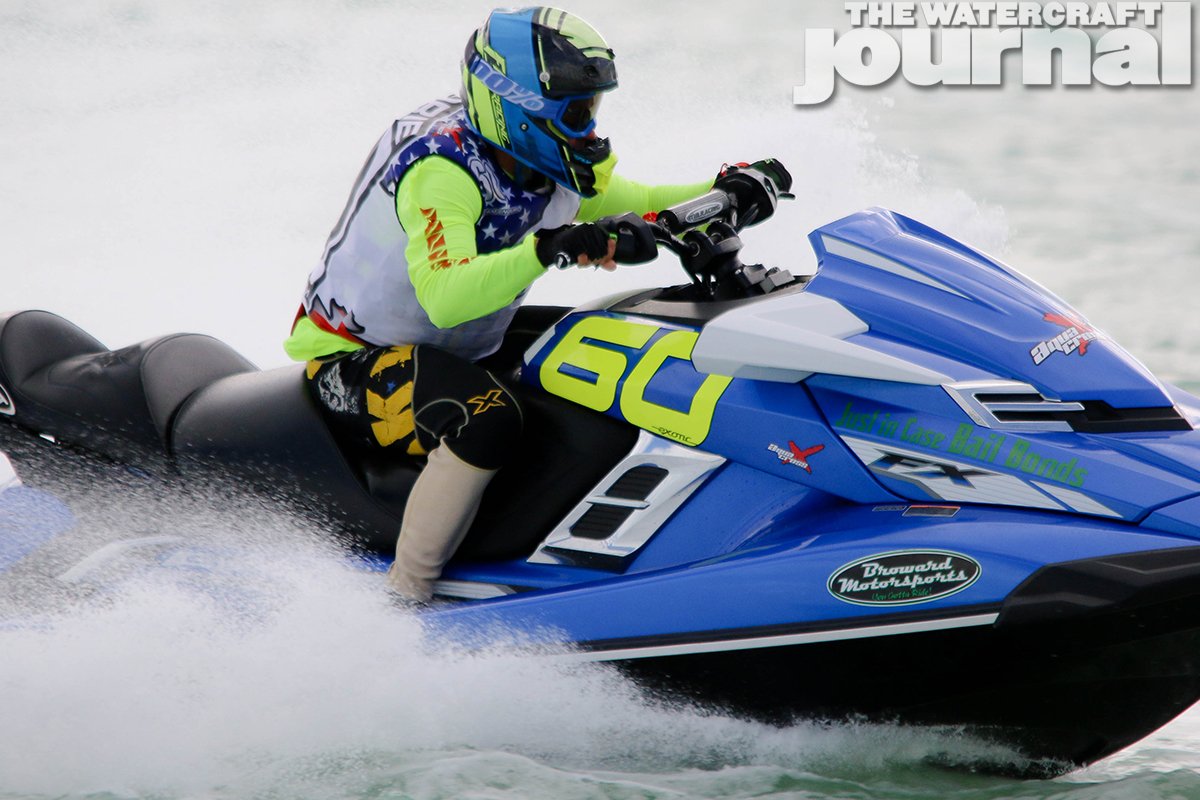
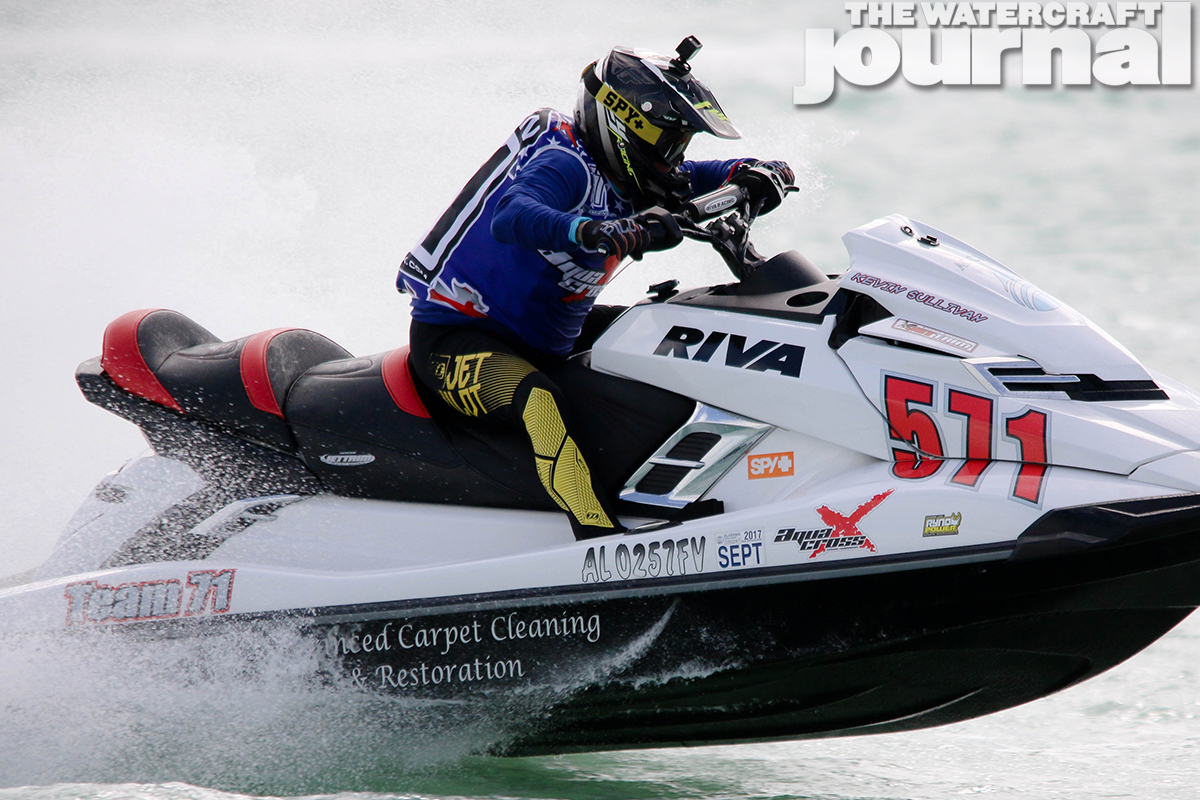
The 2017 Broward Motorsports Pro Watercross World Championship events took place last weekend in Naples, Florida and it was a beautiful weekend for watercraft racing. The event, now in its third year, featured thirty-two classes of racing and freestyle competition, and shared the weekend with the MotoSurf World Cup which hosted its event in Naples for the first time this year.
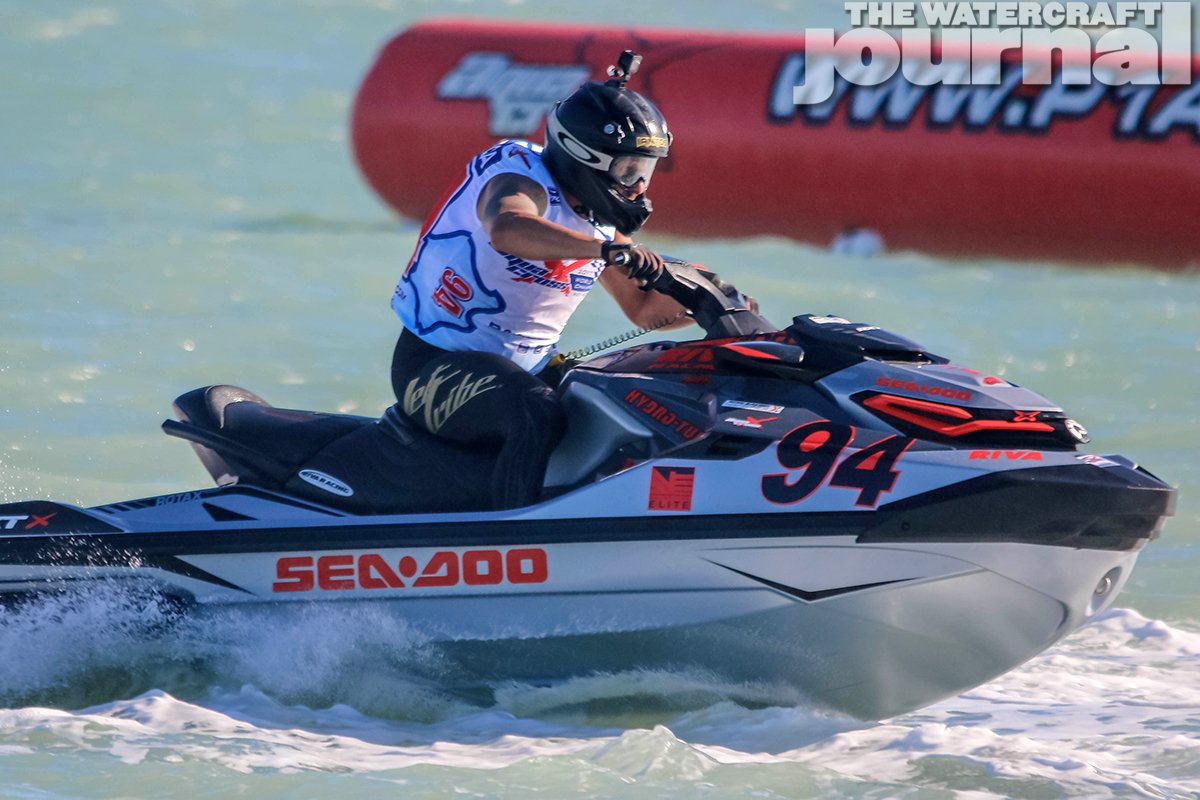
Racing began on Thursday, November 2nd, with the Novice, Vintage, IROC GP and Women’s Runabout Box Stock classes being a few of the races taking place Thursday and Friday. There was no shortage of excitement on these first two days of racing as the Novice classes – most notably the Novice Sport Stock class – featured many new and talented racers. The Novice Sport Stock class, which raced on Friday, saw nine riders at the line, and it was Christopher Landis who reigned supreme in all three motos, taking home his first world title. Another Friday afternoon feature was the IROC GP class. This premier class saw national and world champion racers such as Eric Lagopolous and Eric Gabryel at the line for what would end up being a well-fought battle between the pair of Erics, but it would be Eric Lagopolous who would take the world title in the class.
Saturday’s schedule made for a day of back-to-back excellent racing and welcomed the largest class of the event, Sport Stock. Eighteen riders took the line for this event, and it was no surprise when it took several attempts to start the race in each of the afternoon’s two motos. Elbow-to-elbow, these riders took off on their Yamaha WaveBlasters and Sea-Doo HXs, and the crowd roared as it watched a rider come off just feet from the gate after his and another boat collided at the start. Fortunately no injuries occurred, and he was back on his boat and back in the race in seconds. In the second moto, a series of red flagged starts resulted in all the racers being called to the beach and given a talking-to by the race director. The pep-talk seemed to work, as the riders finally got it together and put on a great show of excellent racing for the lingering fans.
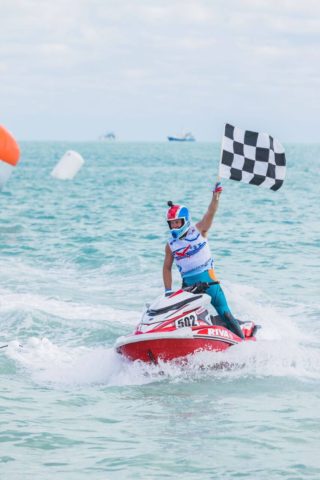
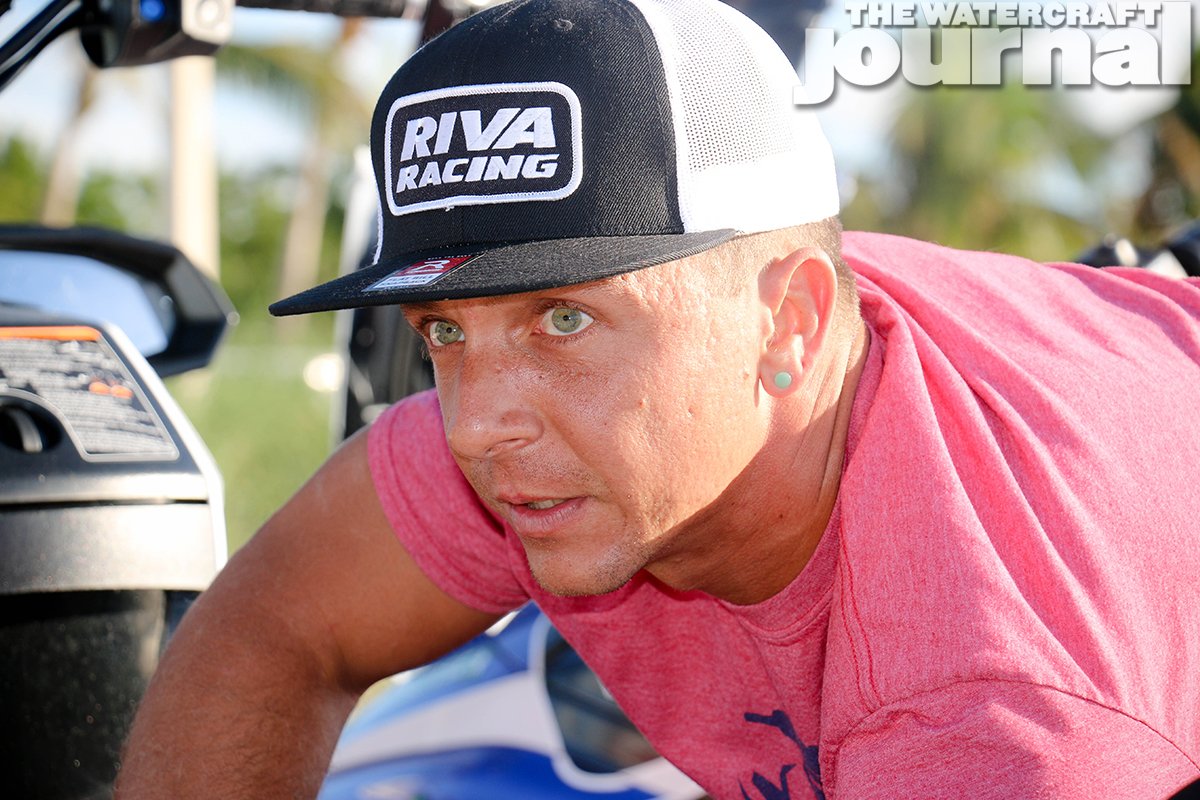
Another notable and hair-raising race of the weekend was Pro-Am Runabout GP, which also raced on Saturday. Although a small class with only five riders, the fierce competition between Erminio Iantosca and Brian Baldwin had the spectators on their feet. Forced to start with his lanyard out in the second moto, Iantosca made a brilliant comeback, catching up to Baldwin in what was a true fight for the world title. Both racers exhibited tremendous speed and determination, but it was Iantosca aboard his RIVA Racing Sea-Doo who would take home the championship trophy.
On Sunday, CBS Sports was there filming coverage of the event. The final day of racing had a lighter schedule than the previous three days, however, it was no day to forget. Two of the weekend’s premier classes – Pro-Am Runabout Box Stock and Sport GP – would compete on this last day of the Pro Watercross 2017 season finale. In Pro-Am Runabout Box Stock, Erminio Iantosca and Brian Baldwin faced off for a second time. This time, though, it would be Brian Baldwin who would take win and the title, with Iantosca in second and Dylan Osborne taking the third podium spot.
The Sport GP lineup was almost as stacked as Saturday’s Sport Stock event, with fifteen strong riders at the gate. One of the most fun classes to watch (and to race in, according to the riders), this event saw riders of all ages aboard their small but powerful sport boats. Broward Motorsports’ Sam Nehme ultimately earned the title, after three hard fought motos in which he finished in the top three spots in each. Races were going on all throughout the field, and each moto saw a mix up in the finishing positions. Richard Taylor and Christian Daly would end up taking the second and third place spots.
Sunday’s roster also included the Pro Freestyle competition. Always crowd favorites, champion riders Luke Stocks and Chris Anyzeski were among those to flip and roll their way to the podium, with Stocks taking home the world title.
Overall, it was another fantastic weekend of racing at Sugden Park. It was a nice treat to have the MotoSurf World Cup on site, and the new sport looks like a whole lot of fun – and a great core workout. Spectators were slim, although those present were noticeably engaged and enthusiastic about the racing going on. It’s hard to believe that another season of racing has come to an end, but with spectacular performances by all and many new faces, the season closer was a nice reminder that there will be much more excitement to come in the 2018 season as watercraft racing continues to steal the hearts of a new generation of racers.
According to recent media release out of Sydney, Australia up-and-coming young racer Nik Pazanin will be backed by the local dealership Sydney Sea-Doo for the 2018 AquaX endurance series. The young rider has already begun the New South Wales PWC ‘NSWPWC’ race season with this support.
The up-and-coming young hopeful will contest the Showroom Stock class aboard his personal Sea-Doo RXP-X 300 before climbing aboard the all-new 2018 Sea-Doo RXT-X 300 that will be owned by the store once released later this month.
“I decided to offer this opportunity to Nik based on a couple of reasons,” said dealership principal James Masterton. “First being that for 2018 I want to be a strong competitor in the UIM World Championship and with UIM motos being close to 30 minutes in duration it is critical we test engine/parts durability for this amount of time. Nik will actually be running different versions of my ‘Pro GP’ spec engines in the new RXT-X platform and endurance racing is the ideal testing arena for this purpose. Secondly, Nik started racing runabouts at the grass-roots level, on naturally aspirated equipment allowing him to learn race-craft in the correct manner. This was a key decision on why we chose Nik for the job.”
The latest trends in discussion is of the all-new ‘ST3’ hull platform and its prospect of being the number one choice amongst endurance-style racing competitors. It will certainly be interesting to follow the 2018 race season.
Wow, this is really exciting for the African continent of Morocco. The final round of World Finals Endurance racing will be held in Agadir, Morocco. The Grand Prix 2017 will be take place from November 11 to November 19th and King Mohammed VI will be in attendance. Personal watercraft pilots from all over the world will travel to Morocco to compete in the last round of endurance competition.
This is great news for the seaside community of Agadir. Not only is the race a big deal, the economic boon it will create is beneficial because it offers an opportunity to bring Agadir,Morocco’s tourism to the forefront. The people who live in the area are looking forward to watching the race and being recognized as a hot spot for tourism and water sports. Competitors are stoked to push their endurance limits in a brand new venue.
Endurance racing is tough and hard on the body. Racers also have to know how to manage fuel and become efficient with time management. This is hard core racing! We can’t wait to see what happens in Agadir!
Sixty confirmed competitors who represent close to twenty nationalities coupled with staff and media, brings the total number of guests to the area to 1,500. The challenging endurance race will definitely bring attention and create a positive economic impact to Agadir. If the race is successful, maybe we’ll see a return to Morocco.
The sad reality is that personal watercraft are doomed to a life of hulls scratched by pebbled shores, bond rail bumpers galled by unprotected docksides, and scuffed gel coats and torn graphics from pretty much everything else. The latter two are both the most common among all PWC and (thankfully) the easiest to repair, and can be done in very little time. Too often the causal enthusiast might shy away from such a project, so we felt it a good opportunity to walk through the very easy-to-follow steps of replacing torn, bleached or peeling graphics as well as addressing some pretty unsightly scratches.
The model shown is a gorgeous ’18 Yamaha GP1800 WaveRunner that was used for demonstrative use for media and dealers. Unfortunately, the time in service as a “demo mule” weren’t terribly kind, and this Yamaha Race Team Blue-and-white GP came back with quite a bit of scratches and scuffs. The eagle-eyed reader will note that the white hood and blue visor were also severely scratched – well beyond repair – and was immediately replaced with factory correct parts. In fact, all of the replacement decals shown in this tutorial are OE-correct as well, and can be purchased from either RIVA Racing or Greenhulk.net’s PWC Performance Store.
Above left: Our ’18 Yamaha GP1800 had suffered a bit of light damage to the hood and surrounding graphics. We started by assessing which graphics needed replacing, and went online to get the right part numbers. Above right: Once the replacements arrived, we began by cleaning the WaveRunner completely and then gently removing the injured graphics one at a time.
Above: With the first graphic decal removed, we cleaned the surface of any residue (adhesive) left behind as well of any contaminants that might be on the surface using a microfiber cloth and a mild chlorinated solvent.
Above left: With a clean surface, we wetted the area with a 70/30 water-to-soap mixture. Above center: The wet, soapy surface allows the decal to be applied and adjusted without stressing or stretching. Aligning the “V” at the top and the point at the bottom with the ridge in the deck made aligning the decal easy. Above right: Using a firm foam sponge or soft squeegee, we gently press out any air or moisture bubbles from beneath the surface, always working outward and with the direction of the decal’s shape.
Above: Replacing the longer GP1800 “call out” banners can be a little intimidating for novices, so we made sure to replace one at a time, permitting us to take measurements from the opposite side.
Above left: With a clean, virgin surface and a couple of spritzes of our soapy water, we were ready to start laying down our banner decal. Above center: Due to the length and position paralleling the white body trim, we worked to keep the spacing uniform from beginning to end. Above right: Finally, we slowly worked out the bubbles and wiped off the excess water.
It hurt to see a brand-new ’18 Yamaha GP1800 with heavy scratches already in the factory clear coat (remember, Yamahas are painted with automotive-style paint with a proprietary sealing clear coat formula, not a traditional “gel coat”), but we knew we could get most of the lighter scratches out using a buffing wheel and some of JetRenu’s C2 Gel Coat Restoration Glaze. The large “hatchmark” scratches on the outer most edge of the transom went through the Yamaha’s clear coat and would need to be filled in a later article. Below we’re going to focus on the before/after of the C2 Restoration Glaze. [Of course, you’ll remember we’ve put JetRenu’s polishes to the test before, so make sure to check that out too. -Ed.]
Above: JetRenu is quickly becoming the industry’s go-to source for all things PWC cleaning, polishing and maintaining, and included in that is their C2 Gel Coat Restoration Glaze. The mild abrasive polish expertly removes hazing, swirls and minor scratches either by hand or with an electric buffer. We used a small detail wheel on a power drill for today.
Above left: We began by removing the torn vinyl graphic and cleaning the surface of any residual adhesive. Above center: JetRenu instructs that its Restoration Glaze be applied directly to the pad itself. Above right: Before actually engaging the buffer, we evenly coated the surface with the glaze. Then at a low speed setting began buffing the surface in a circular fashion making several overlapping passes. Because of the severity of some of the scratches, we spent over an hour on this section alone.
Above: The before-and-after is dramatic but not miraculous. A heavier-grit polish would work a little better to flatten down those deeper gashes, but the top-side of the transom was where we were focusing today. There you can see the most progress. We’ll return back to treat those hashmarks on the edge in a future article.