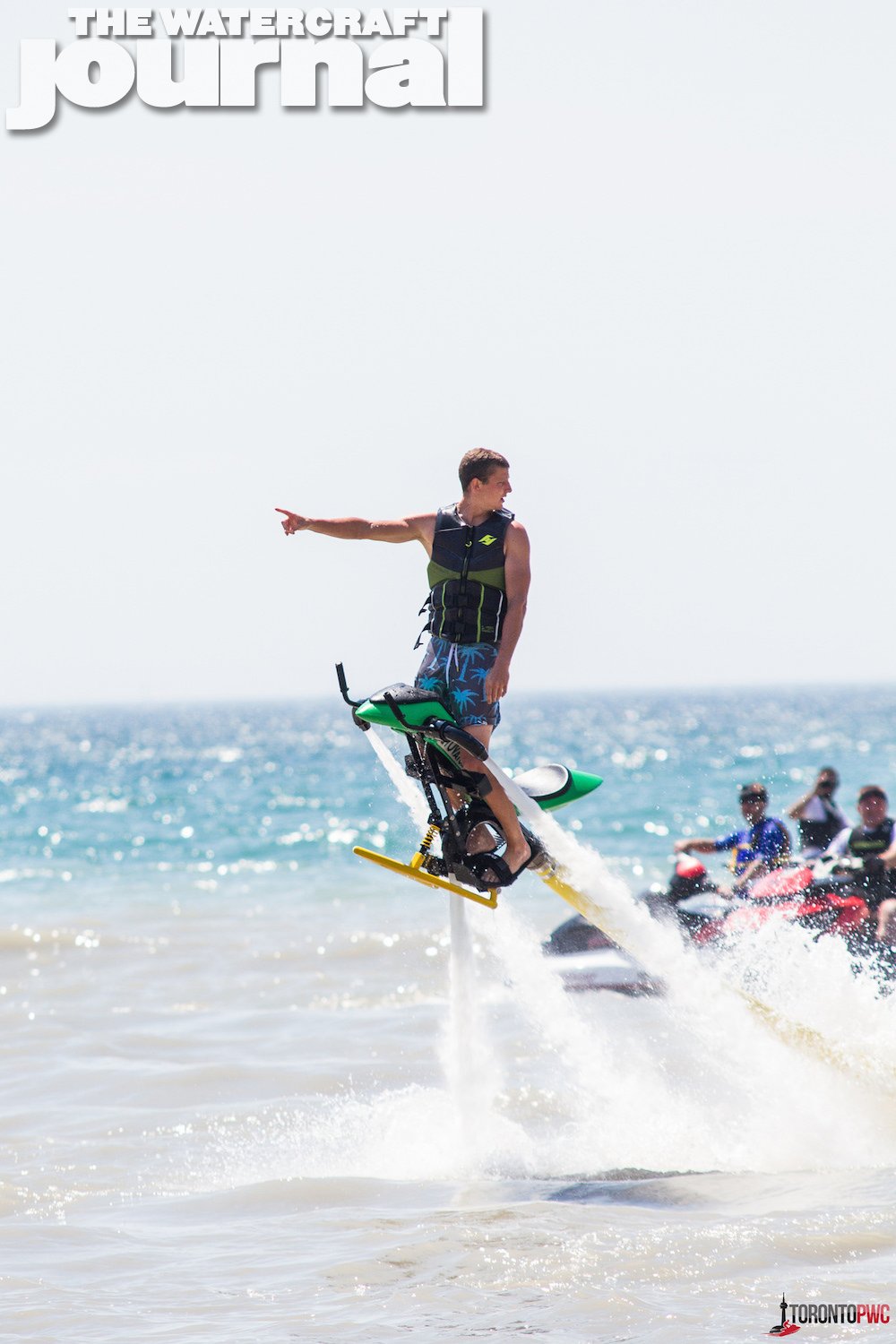
One of the nation’s fastest growing freeride events, and the top US amateur jet ski freeride competition – held annually the second weekend of August in Grayland Washington – is gearing up for next month’s awesome event. And in preparing for this year’s Grayland Open, the promoters are very excited to announce the addition of legendary Skat-Trak coming on as a sponsor.
In joining up as a sponsor for 2015, Skat-Trak will be providing some very cool prizes for the Grayland Open’s top competitors this year. As per an announcement on the official Grayland Open Facebook plage, “We all know that Skat-Trak has been a leader in the jet pump systems industry forever. We’re very proud to have Skat-Trak helping us out this year supporting the Grayland Open.”
Skat-Trak joins a long list of supporting sponsors, including Krash Industries as the event’s title sponsor. “Owner and former IFWA world champion, Nick Barton will be flying in from Australia to support the event, head judge and help out with our freeride clinic on Friday,” the Grayland Open announced. “If anyone is considering a new hull, I suggest you take the time to chat with Nick about a Krash hull over the weekend. Nick is the mastermind behind the Krash hulls and is more than willing to share his knowledge of freeride and hull design to help you make the right decision on your new hull.”
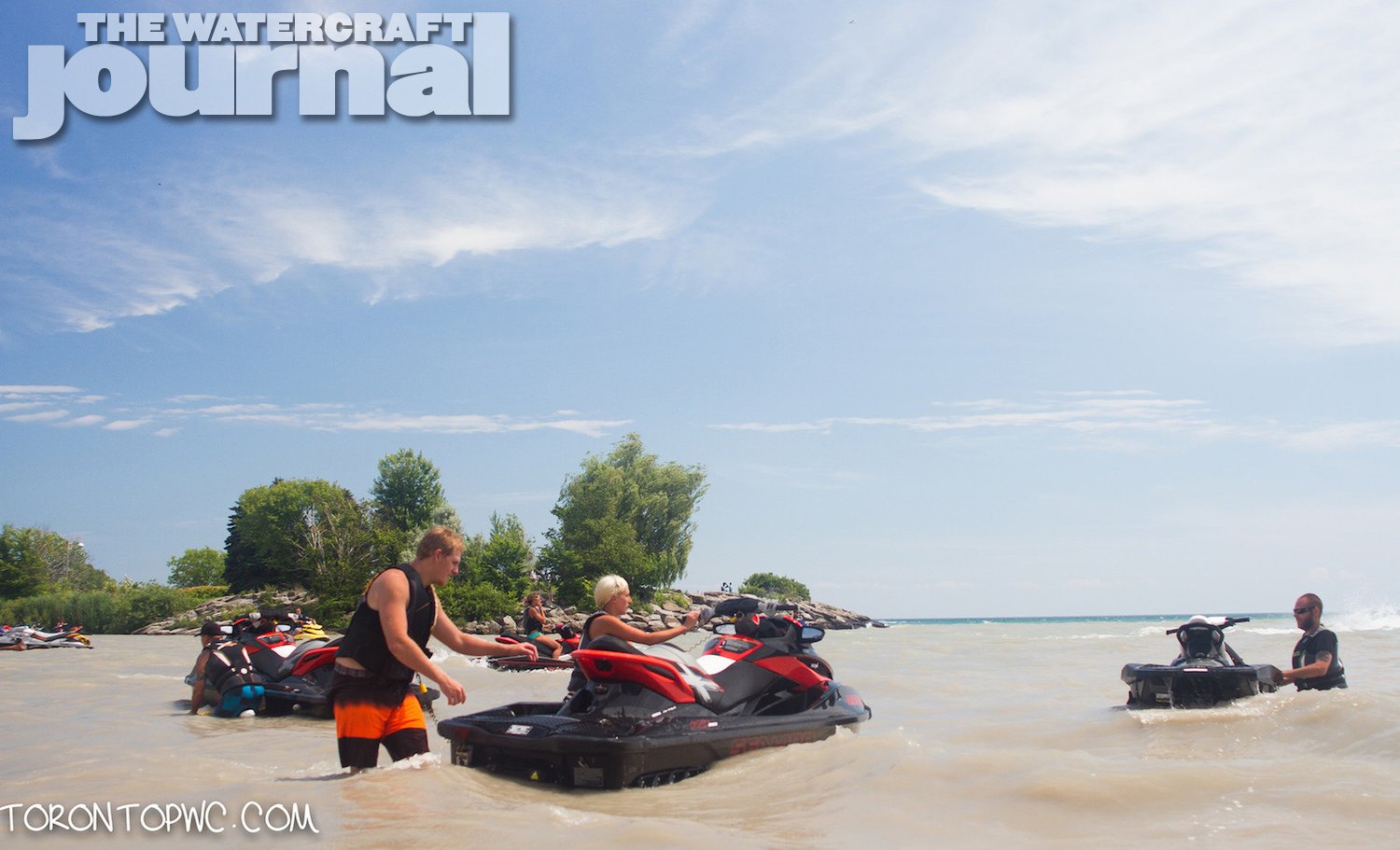
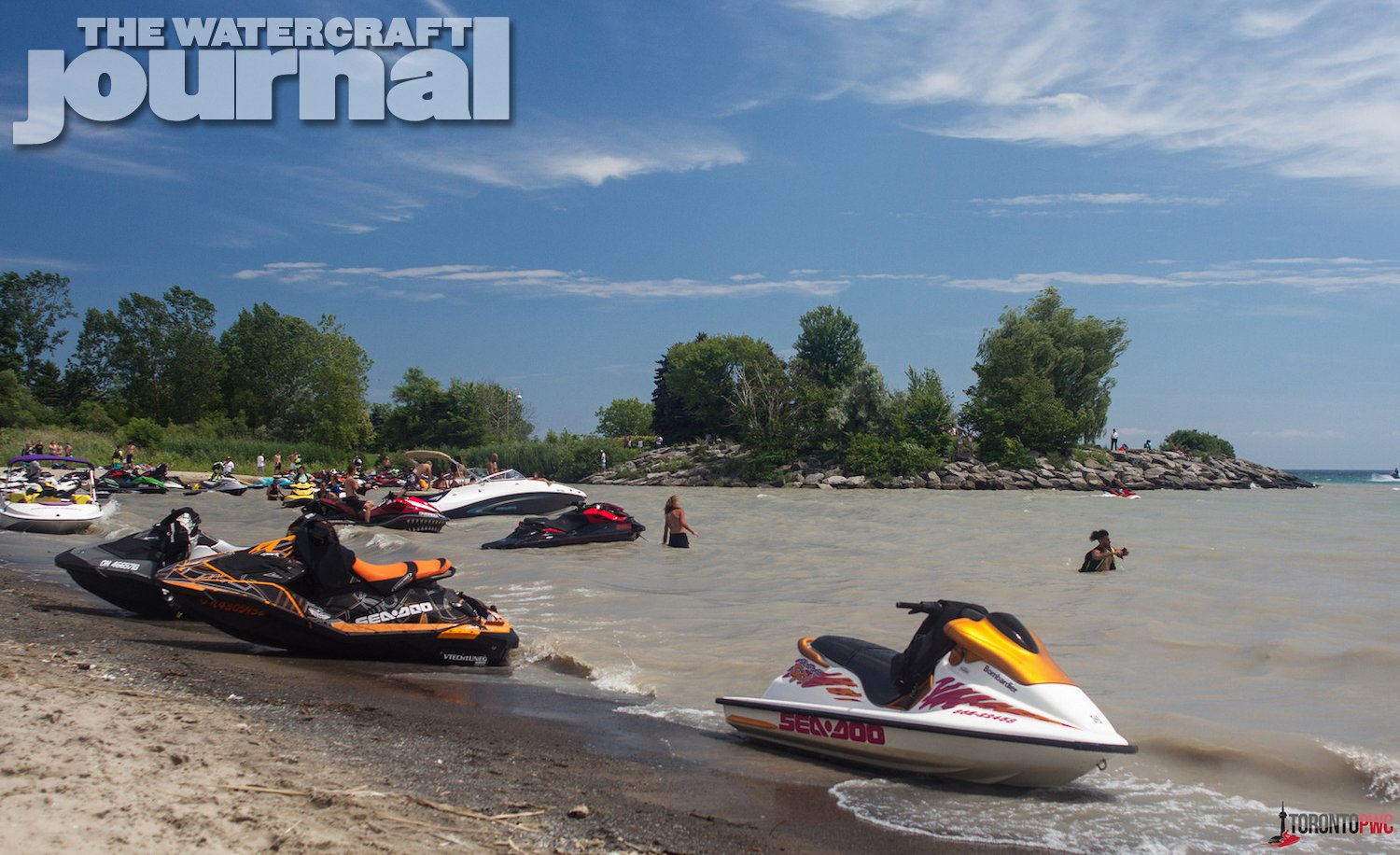
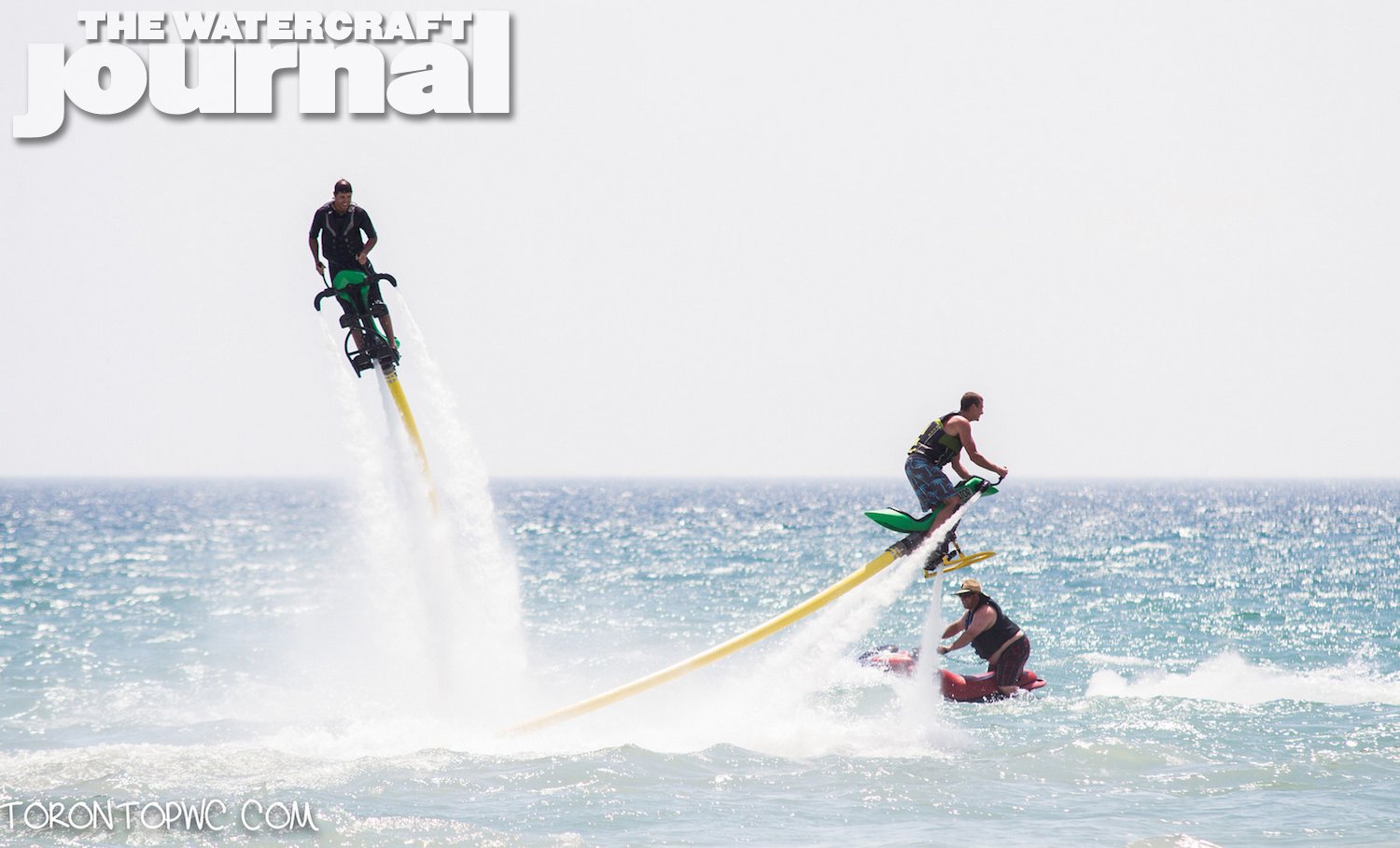
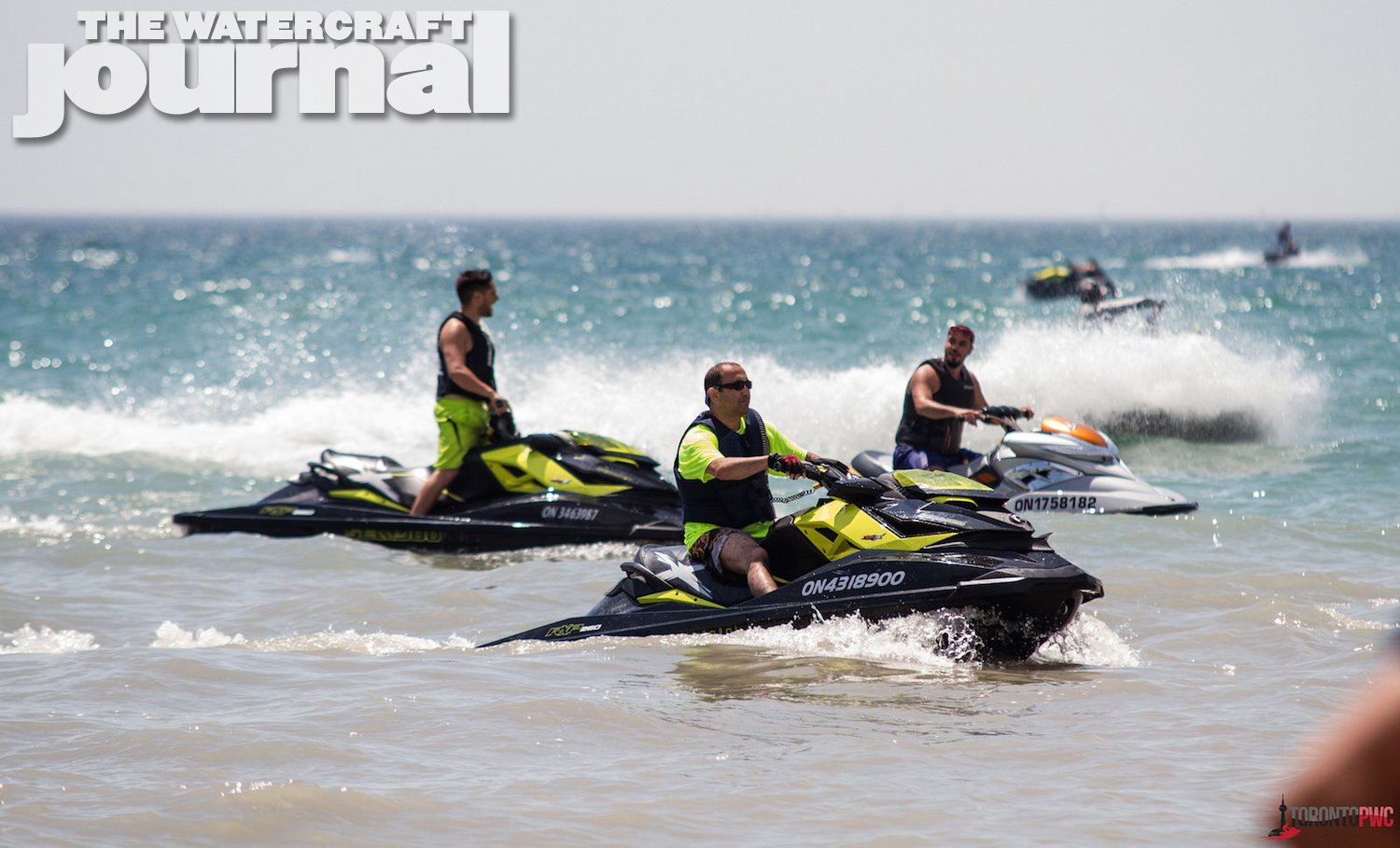
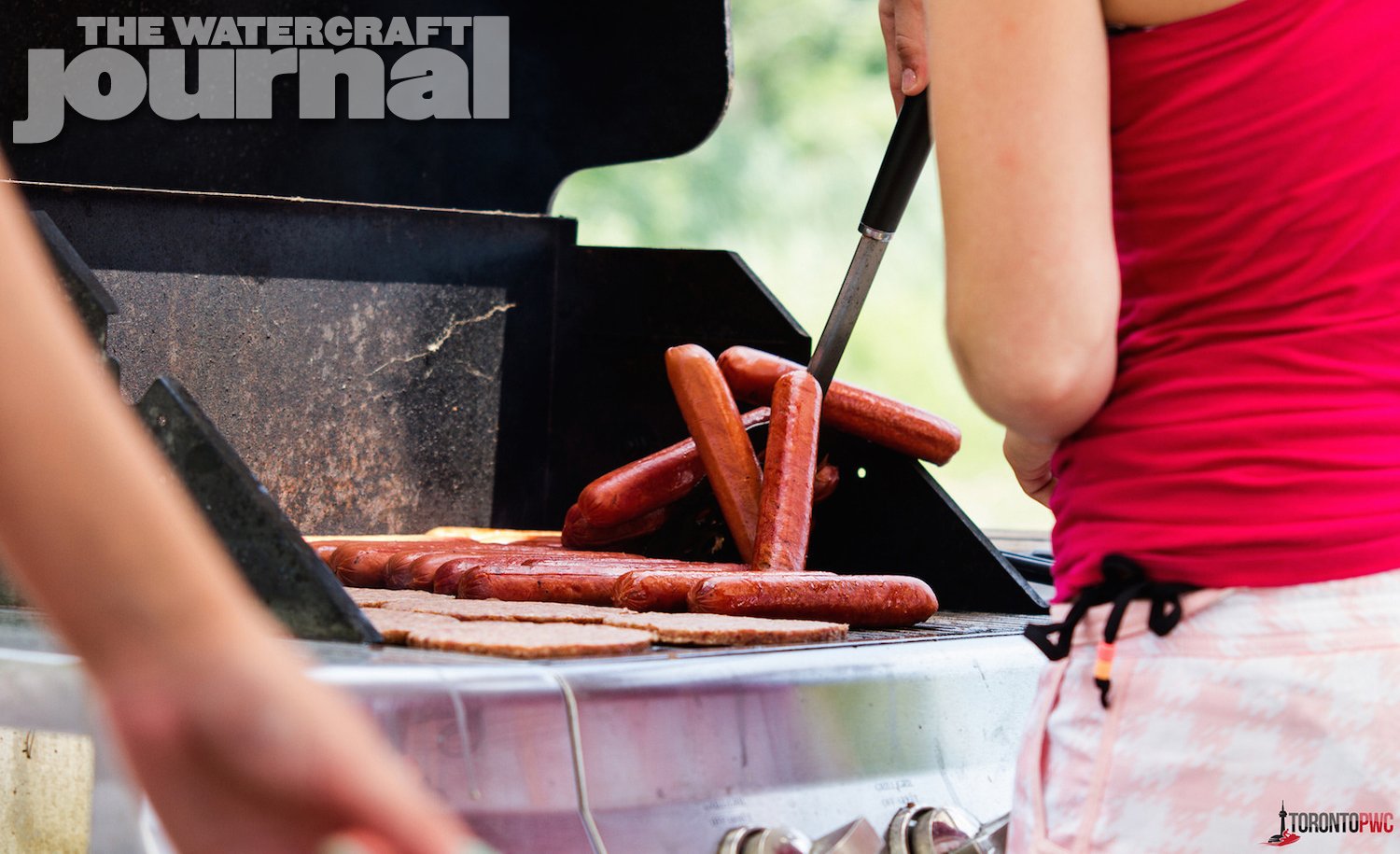
We at TorontoPWC are still ecstatic over the success and size of our second official Beach BBQ at Bluffer’s Park. The amount of support, involvement and interest sent our way truly supercharged our desire to keep building the personal watercraft community in the city we call home. Drone pics aside – how epic was this turnout? Keep reading to find out!
Days before “go time,” the weather report promised rain showers and thunderstorms – every photographer, retailer, promo team and rider was already booked and confirmed eagerly wishing the storm would change direction. All though we would ride rain or shine – soggy burger buns and hail in the face from the west to east isn’t everyone’s idea of fun. Nonetheless, we took our chances.
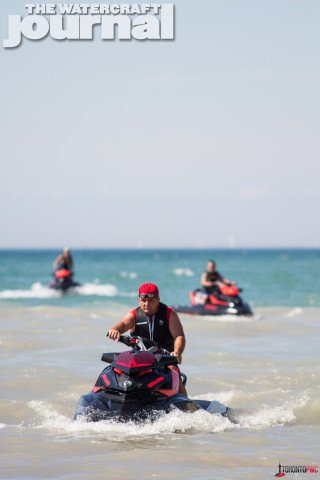
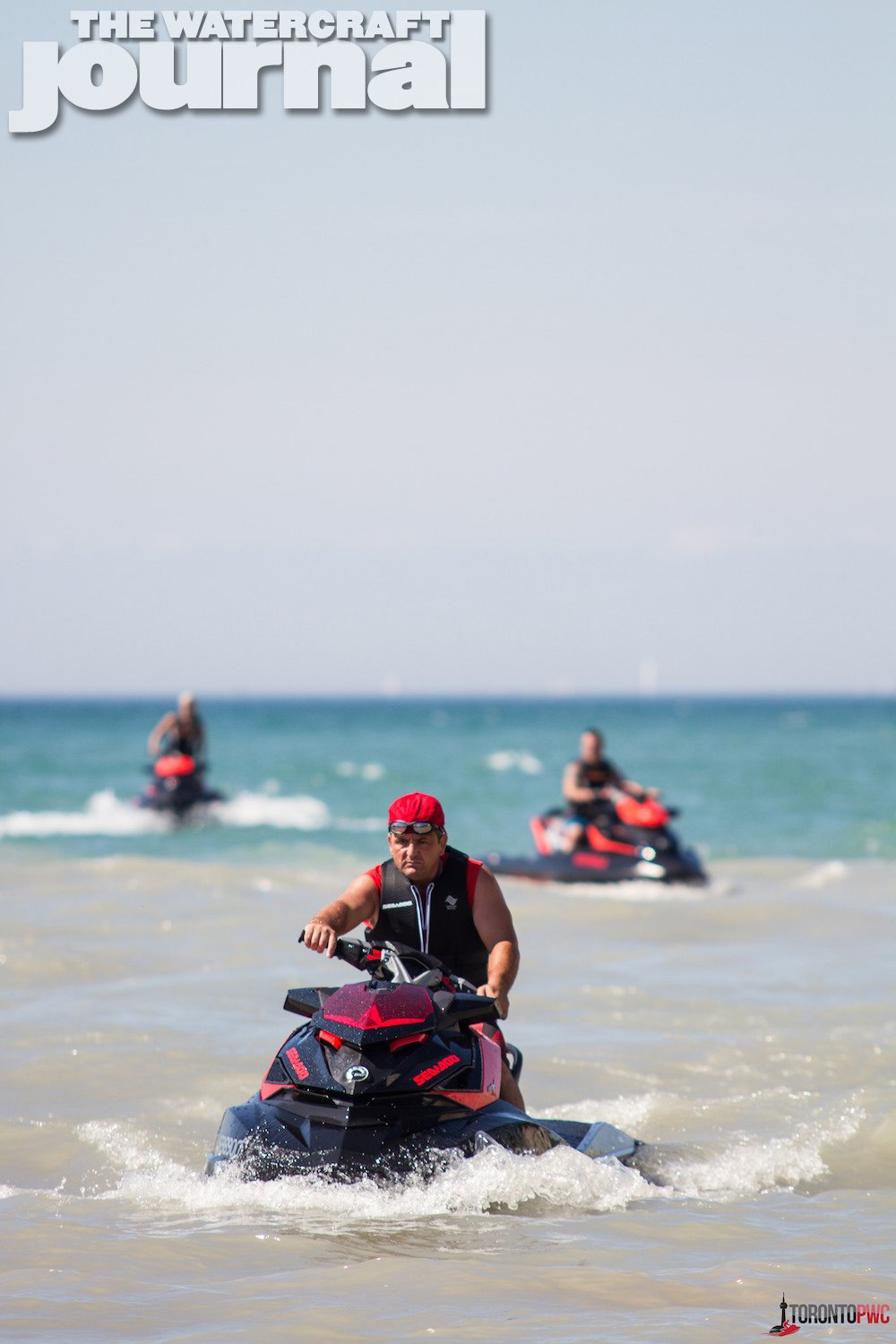
By 8am at Lakefront Promenade marina – the skies were clear and our riders turned up smiling from ear to ear ready to roll with the punches of unpredictable weather. The water was choppy yet the journey was flawless every wave was torn up by a fleet of machines with no one left behind. Safety is key at Toronto PWC – we may lead the pack but constantly look back to ensure riders are sticking together in close proximity in case anyone needs assistance or experiences mechanical failure.
One of our goals is to make new riders feel comfortable and confident joining our community no matter if it’s their first time or hundredth hour. Leaving newbies in our wake as they juggle the rules of open water while struggling to keep up with the boys isn’t what we’re about. Luckily, the trek from our west end meeting point to the scenic Scarborough Bluffs shoreline was as gorgeous as ever – free of storm clouds and rain! Weather worries vanished and views of the Toronto skyline emerged under the haze of the morning sun as we arrived at Bluffer’s Park.
The turnout was triple that of our first event and with the involvement of Jetovator Ontario, Snow City Cycle Powersports, Revs Full Throttle Powersports, JET-X Powersports, Toronto SkyCam and others we definitely grabbed the city’s attention. Over one hundred jet skis graced the sands, each was carefully beached and proudly displayed by its owner turning Bluffer’s Park into an outdoor showroom and enthusiast’s dream come true! Naturally park passersby were intrigued by the gorgeous machines, smell of burgers and sound of engines revving all day and we were super excited to answer their questions and suggest they purchase a PWC of their own.
Dozens of new friends, clients and future Toronto PWC members joined in on the fun. As the day went on we raffled off merchandise, sold our new logo-bearing T-shirts, took group photos and listened to the sounds of summer with our booming watersport-loving community. We welcomed machines of all makes and models to join the fun. TorontoPWC plans on hosting these events annually. For those who are interested in participating you can email [email protected].
Everything was running seamlessly until suddenly the weather gods ran out of patience and dumped a flash flood hail storm on our heads. Luckily, our event tent served as shelter and were about to close up shop anyways but the last thing we expected was to end up saving lives!
As we were cleaning up the beach and doing perimeter checks of the grounds we noticed two hikers who climbed up the side of the Bluffs almost reaching the top and were now trapped as their path up and down the cliff became a treacherous mudslide! They waved at us for help and after a few hand signals/yells back and forth, we quickly understood that they weren’t enjoying the view – they needed to be rescued. We called 911 and guided the police to the scene were the frightened duo was successfully brought down to safety.
The hailstorm ended quickly and the evening sun peered out behind the passing clouds to illuminate our ride home. What a way to end the day, eh?
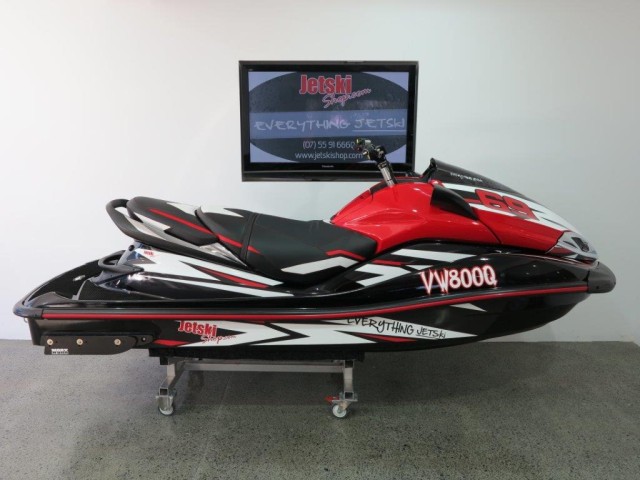
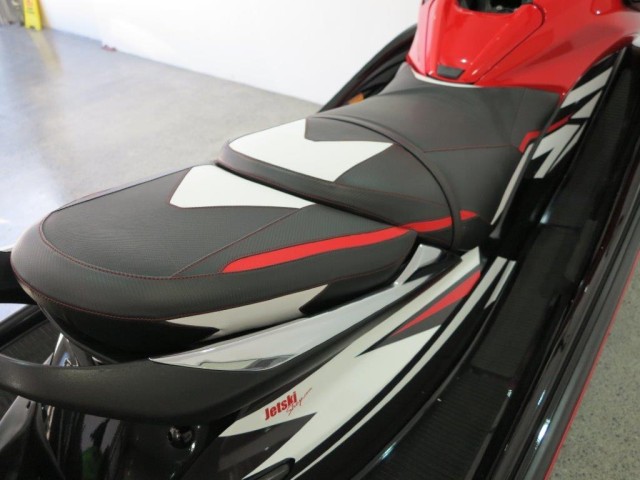
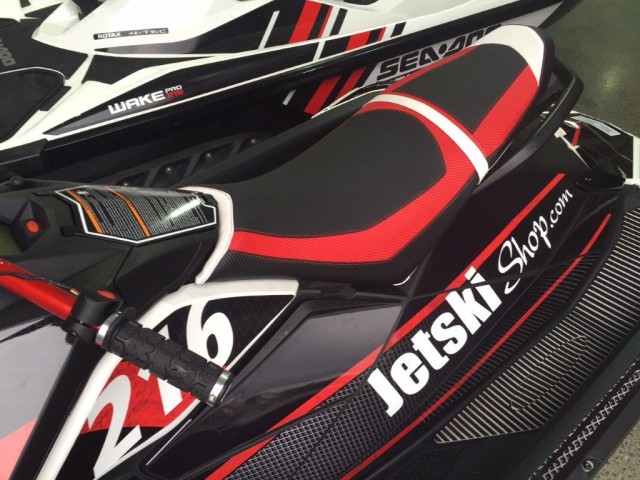
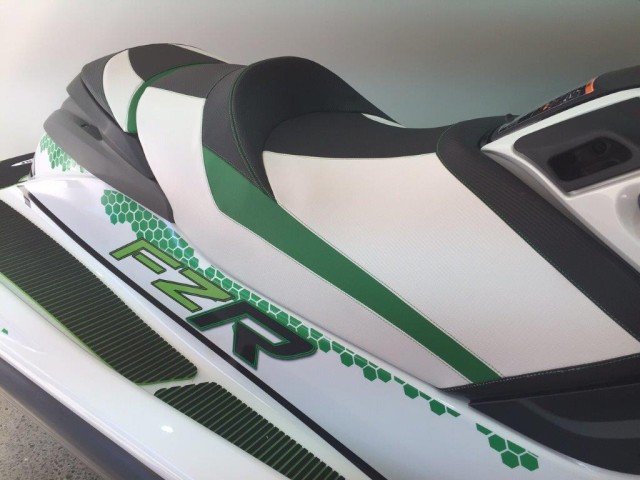
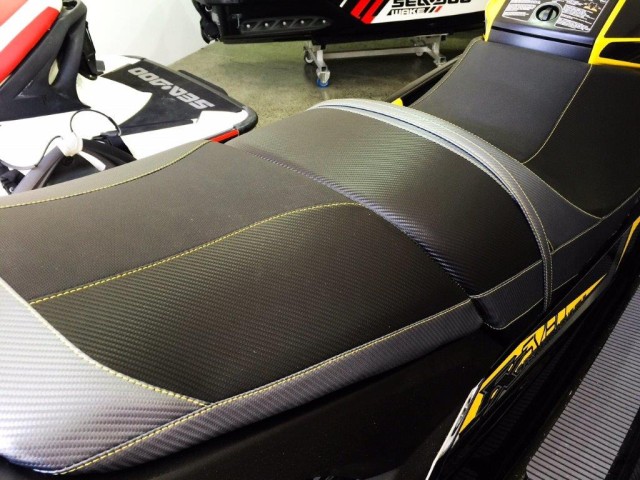
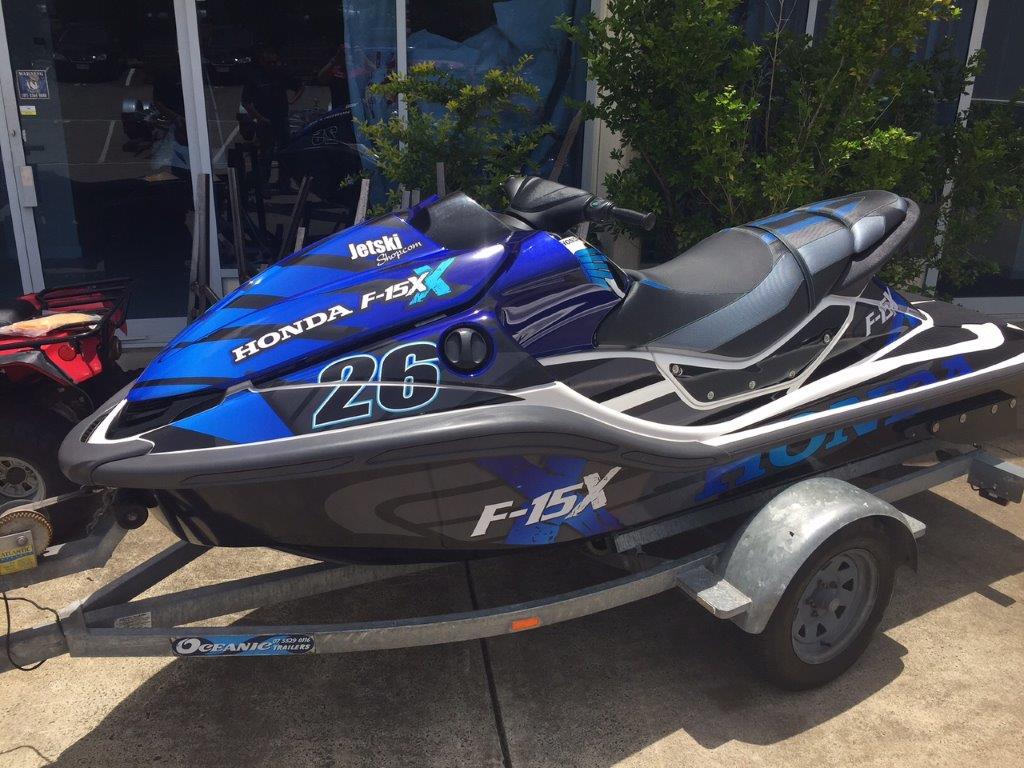
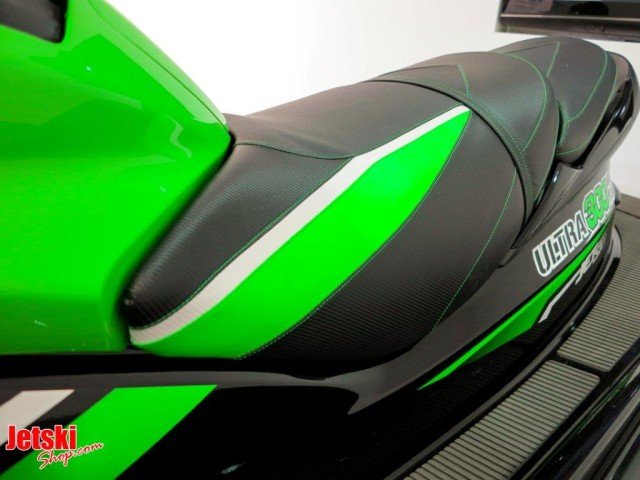
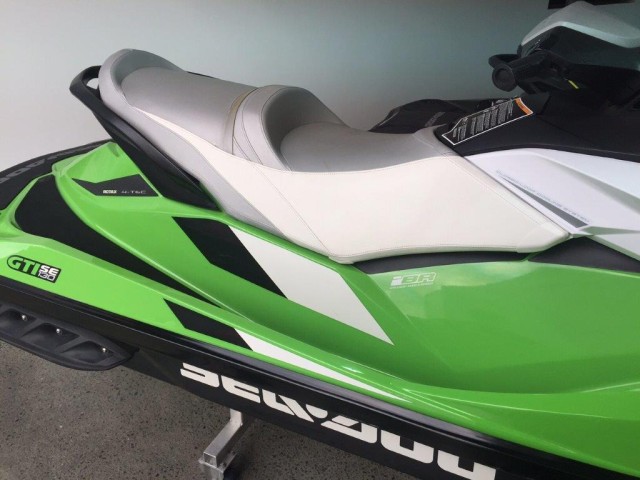
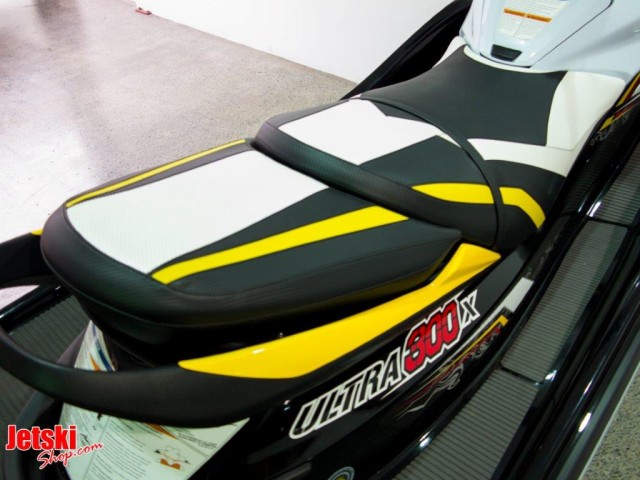
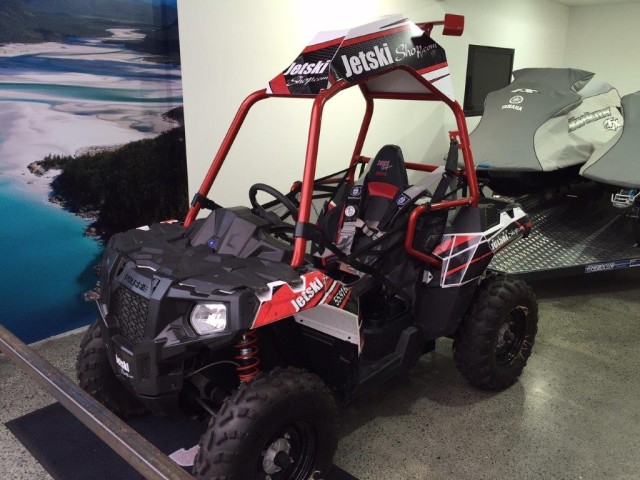
“I believe that everyone feels like a kid on Christmas morning when they purchase a Jet Ski, regardless of whether it’s their first, an upgrade or just one they have been eying for a while. Nevertheless, soon after that epic first ride you will always look at ways to make it more ‘you’.” JetSkiShop.com’s James Tod told The Watercraft Journal.
Over the years, Kawasaki, Sea-Doo and Yamaha have been offering the market a range of choices to suit all riding needs, but today people want the ability to truly express themselves – whether its by adding aftermarket performance parts, vinyl decals or seat covers and traction mats.
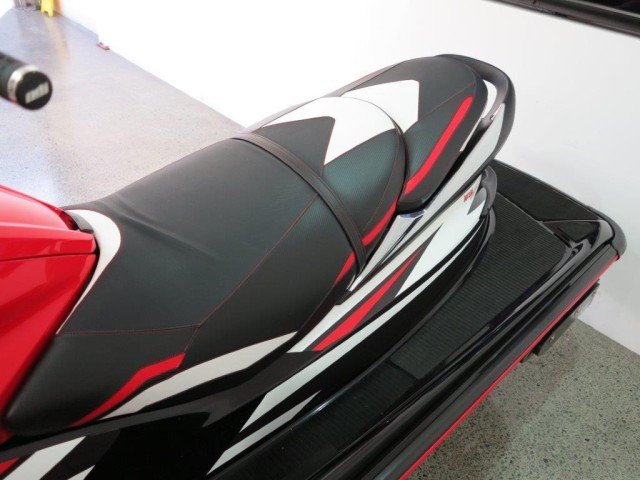
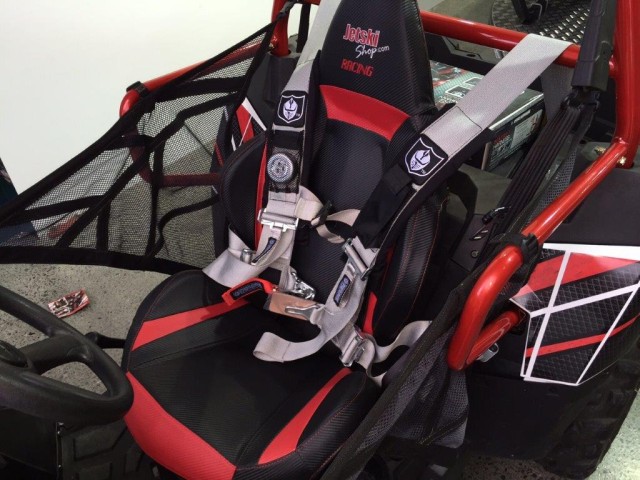
“At JetSkiShop.com,” Tod continued. “We offer the ability to customize any seat to create a new look and feel for any ski. If it’s making an old ski look alive again, ensuring the seat is ‘extra grippy’, matching in with new graphics or just standing out from the rest of the factory standards – We’ve got it covered (yes, literally).”
According to Tod, about sixty percent of JetSkiShop.com’s customers want to change their seat in one way or another – so the ability to offer this service adds to their “expression of individualism and passion as a rider,” Tod said.
“As each ski is done specifically to the customer’s request, we usually ask for the seat to be dropped off and left with us for about one week, allowing time to design, create and wrap the seat. Some of the results are truly remarkable transforming the whole look of a ski.”
The process is still very new for the company, but looks to become a regular offering. Tod concluded, “With some very positive feedback JetSkiShop.com will continue offering this custom service to all.“
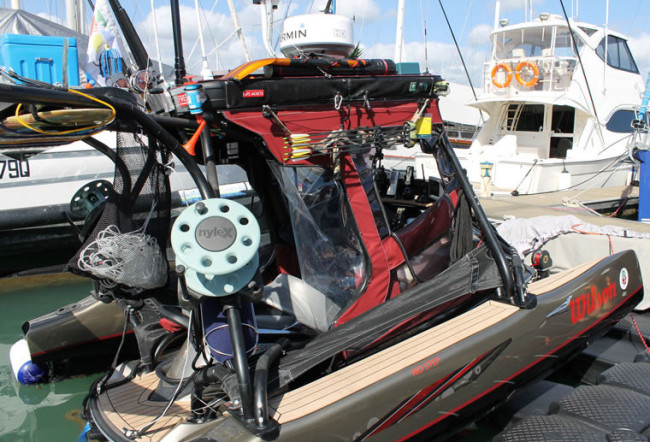
Dr. Rick Van Groningen custom built what he dubbed the “Wilson” Jet Ski; naming it after the volleyball in the Tom Hanks film, “Castaway.” Inspired by the death of his 24-year-old daughter who was killed in a car crash, he lived alone and needed a project to him going and to help keep his mind off difficult things. “Since I live in Port by myself, I needed a project to take my mind off things, particularly at night,” he explained in an interview with the Port Douglas News.
Van Groningen spent two years and $150,000 building the craft, tender, and floating dock. He had help from Port Douglass Engineering, SB Canvas, Port Paint and Panel, and On the Spot Signs. He intended to ride the ski from the Port Douglass Marina, Australia to Indonesia because that is where his deceased daughter had lived. In his mind, that made it an appropriate destination.
The ski was built with the idea that he could easily explore coastal areas that were not accessible to regular boats. He also wanted to get away “castaway” style. “Kate and I (and my other daughter Jessica, aged 30), used to live in Indonesia, and the remote islands are just out of this world; it seemed an appropriate destination.”
He equipped his boat with two 3.5 meter NACRA racing catamaran outriggers, integrated alloy super structure which included a cabin, roof hammock, and board rack. He opted for the ocean-faring Kawasaki Ultra for its 300-horsepower supercharged engine that was capable of running 60knots. Two chart plotters were included, a fish finder radar, VHF, stereo, 3 sonars, and INMARSAT satellite phone with Internet. He even had PFM Blue Fuel Management so his motor would run cleaner. Van Groningen even had day and night vision aboard along with a 3.5 meter long Duck 330 equipped with a water marker and shark deterrent system.
The man had his boat well prepared for the long journey. This was a huge endeavor for him since his Jet Ski experience was limited to a 3-hour trip with Kate, his deceased daughter. They had traveled around Magnetic Island on a hired ski.
His biggest concern about the trip was having enough fuel at the drop stations he had set in place along the way. This information was available from newsport.com.au. Van Groningen and Wilson were scheduled for a 2014 appearance on NatGeo’s, “The Explorers.”
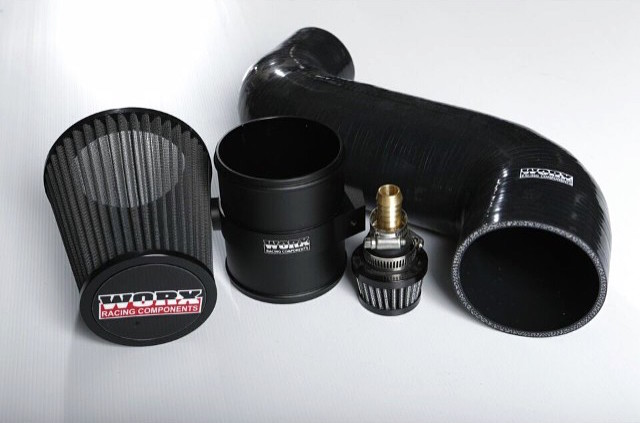
Greenhulk.net/PWC Performance’s Jerry Gaddis told The Watercraft Journal, “My friend Gary Watson has been after me for quite some time to start carrying his WORX Racing Components. Being that his company was based out of Australia and ours here in the US, the logistics of such a partnership made it prohibitive for us.”
“Gary took action and came up with a warehouse here in the US, California to be exact, that would stockpile his products and drop ship them for us as we sold them,” Gaddis continued. “The plan has been working great thus far. We are very pleased to now be offering the WORX product line to our customers. WORX has a vast selection of quality products for all makes of watercraft as well as a large selection of parts for freestyle/freeride riders.”
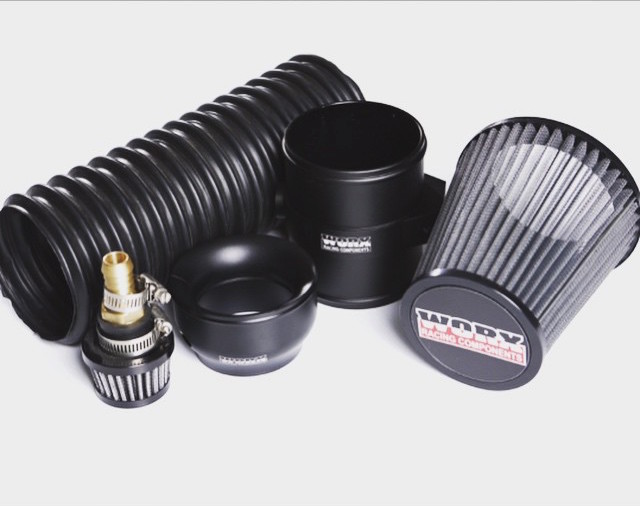
WORX Racing Components is one of the industry’s leaders in aftermarket personal watercraft handling parts and boasts possibly the world’s largest range of intake grates, ride plates and sponsons. From current year model skis to vintage models, WORX has handling equipment for almost every brand of PWC. And all of their products are now available at the Greenhulk.net performance store www.pwcperformance.com.
Earlier this month we let you know that IPD Graphics – the industry leader in aftermarket personal watercraft vinyl graphic kits – had launched an all-new segment of full-sized jet boat graphic kits for the entire Yamaha Boat line, including (but not limited to) the Yamaha AR240, the Yamaha 240 and 242 Limited, and entry-level SX230 and SX240. This new product line retains the same level of quality material and exciting, head-turning designs but for the larger vessels that you’ve come to know with their watercraft lineup.
Now, IPD Graphics has partnered with jet boat forum JetBoaters.net to offer its members an exclusive offer on its new boat graphics kits. Not only is IPD offering 25-percent off of your purchase of a Boat Graphic Kit when ordering online (when using the coupon code JBN-PL-BG-25), but two lucky people will get their graphics kits for free! And this isn’t some random giveaway, either. The first person to order online using the above code will automatically win, and the second will go to the person that submits the best photos after installation.
There’s a bit to this contest, so please make sure to read the complete press release included below:
Exclusively for JetBoaters.net Members!
Over the next 30 days (until 8/20/15) we are offering 25% Off for the purchase of all of our Boat Graphics Kits when ordering online, just use following coupon code at checkout: JBN-PL-BG-25
2 LUCKY PEOPLE WILL GET THEIR GRAPHICS FOR FREE!!! The 1st Free Graphics Kit will go to the first person to place their order using the coupon code. This person will get a full refund on their purchase at the time the promotion expires (8/20/15), and we will also announce who this member is on the promotion’s 30 day expiration date.
The 2nd Free Graphics Kit will go to the person that submits the best photos after installation. Every person that submits photos of their boat after installation of the graphics, will also be entered to win a free graphics kit. The person that we choose as having submitted the best photos will get a full refund on their original purchase. In order to give adequate time for graphic installation, and to take photos, the winner will be decided, announced and refunded 30 days after the promotion’s expiration date (9/20/15). Only people that used the promotion’s coupon code (JBN-PL-BG-25) will be entered to win. Please note that IPD Graphics, inc. has the right to use all photos submitted for marketing and presentation purposes. Please submit photos to: [email protected]
Important Note: The Graphics Kits are shown on Yamaha Boats, but we can template any of the designs shown to fit most boats for no additional cost, if you have a boat other than Yamaha then contact us now to see if your boat applies: CONTACT US
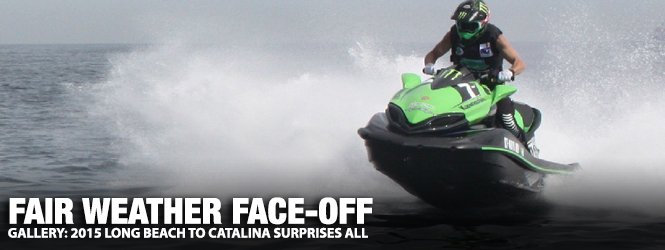
All signs predicted the single worst conditions imaginable: 7-to-9 foot waves, white capping with 20-to-25 mph winds. Hurricane Dolores threatened to either churn the race course for this year’s Long Beach-to-Catalina Offshore National Championship into an absolute squall, or completely cancel it altogether. As Yamaha JetRenu racer Curtis Marker recounts, “There were some racers dropping out the week of the race, as the hurricane in Baja brought rain, wind, and some large swells prior to the race. But on race day, it was as smooth and glassy as I have ever scene the channel.” In fact, it would go on record as the calmest conditions since 2007.
With gentle rollers reaching slightly over a foot, the threat was immediately withdrawn and racers scrambled to adjust accordingly. As the green flag waved, racers shot towards the gap in the Queensgate breakwall. The route to the turnboat just outside of Santa Catalina Island’s Avalon Harbor was a smooth one, allowing racers to push their craft to faster speeds than ever recorded.
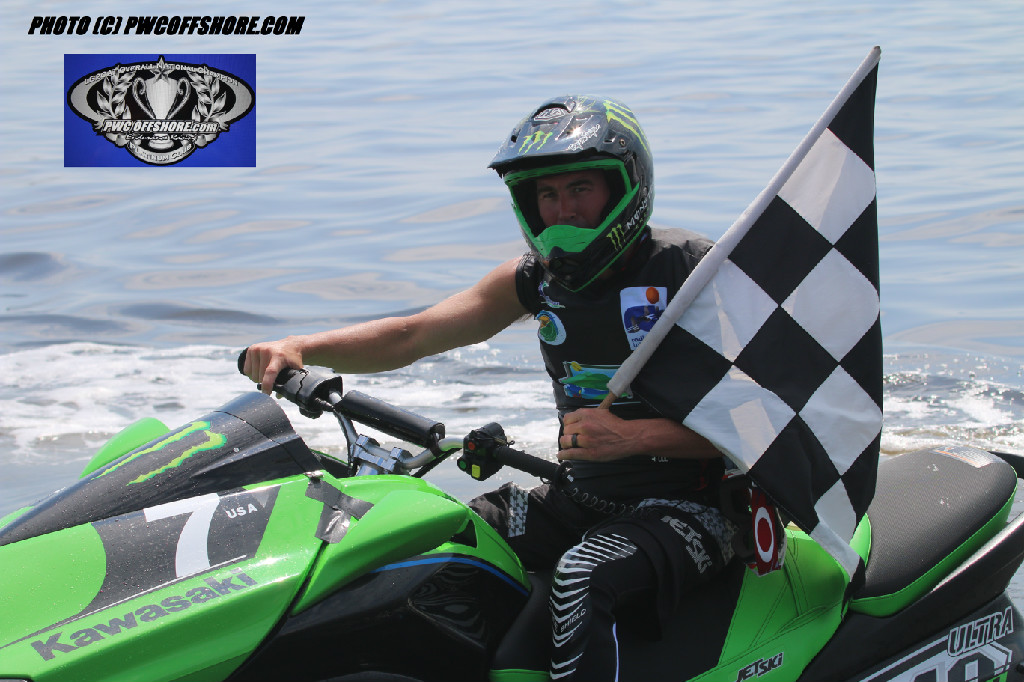
The Watercraft Journal talked to Monster Energy Kawasaki’s Craig Warner who stated, “[It] was the smoothest, fastest offshore race I have ever raced in my whole carrier. [I] had a perfect start and straight line to Catalina, being the first to arrive.” Warner, flying in from Ackworth, GA, returned on his Factory Kawasaki-prepared turbocharged Ultra to clinch his sixth National Championship, his fourth consecutive year in a row.
But Warner wasn’t alone though. He continued, “Shortly after the turn, Mike Klippenstein pulled up next to me, gave me a look and just drove right by with an easy 5-7 mph higher speed then my Kawasaki Ultra 310R. I just held my line back to [Long Beach] and noticed Mike’s line was all over the place, going back and forth in front of me and looking back every 30 seconds.”
“I saw an open window to mess with him and slow him up and push him as hard as possible, hopefully to make a mistake or overide his engine. About 3/4 of the way back he slowed down, I went by and never looked back, just kept it pinned the entire race,” Warner smiled. Klippenstein’s R&D Turbo-equipped Yamaha FX SVHO was as fast as Warner said, and could’ve possibly grabbed the championship were it not for a $4 hose clamp. Klipper scrambled to reattach the line, and limped the ski in 16th place.
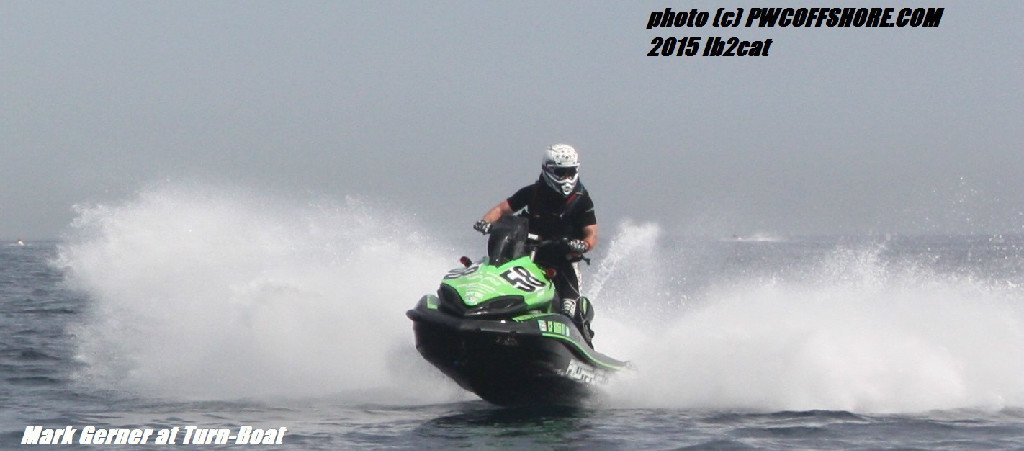
With Klipper out of the Top Three, PWCOffshore.com’s Mark Gerner pressed the champion all the way to the finish. Undaunted, it was Warner who passed the checkered flag with a staggering 51:21 total elapsed time, with Gerner a mere 31 seconds behind at 51:52. Both managed to crush the previous record by nearly 3 minutes.
Working with technician Josh Paddock, Gerner and Paddock spent the past year dialing in his turbocharged Kawasaki Ultra and its flying. “It was moving fast today,” Gerner said. “I inserted the mouthpiece and clamped the throttle for 51 minutes and hoped for the best; Craig was faster today and I congratulate him on his victory, 6 championships and his tremendous accomplishment.”
Filling out the podium was Michael Perry on a Manufacturer Stock Kawasaki Ultra 310R with a time of 56:20. Not to be outdone, Curtis continued, “All I had to do was be able to hold my Yamaha FX SVHO wide open for an hour to possibly finish in the Top 3. I am very happy with a 5th overall finish and taking the win in the 4-stroke Stock class.”
At the awards ceremony, Gerner – who has had countless second place LB2CAT finishes behind Craig Warner – smiled and joked, “Let’s see, how do you explain this to your family? ‘I broke the world record today, actually I crushed the record – the only problem is Craig Warner set a new record today and beat me by 30 seconds and set a new record, and I came in second place!’”
Lastly, we talked with Kawasaki’s own Jon Rall who cheered the winners, saying, “We’re very happy with the results of this weekend’s race and just as happy that so many racers choose to use Kawasaki products for this race. What a tremendous achievement to push these machines – many of them completely showroom stock – to incredible speeds. Congratulations to Craig and the rest of the athletes who participated this weekend!”
1. Craig Warner, 2. Mark Gerner, 3. Michael Perry, 4. Jeff Lane, 5. Curtis Marker, 6. Anthony Radetic, 7. Tom Cruz, 8. Tera Laho, 9. Ryan Ellefson, 10. Dustin Steward, 11. Jonathan Mangan, 12. Charles Anderson, 13. Ashley Sponaugle, 14. Brittany Marker, 15. Marlon Macadilig, 16. Mike Klippenstein, 17. Mickey Musick, 18. Jason Gigliotti, 19. Terry Rowden, 20. Christopher Cantle, 21. Shawn Mulkey, 22. Brandi Price, 23. Michael McCormack, 24. Frank Gavit, 25. K.C. Heidler, 26. Justin Retzer, 27. Michael Retzer
No, this isn’t more speculation that Honda Powersports is getting back into building personal watercraft – or even the standup ski business, either (although man, that’d be sooo cool). Rather, this is bit of information should spark a bit of interest in the aftermarket standup industry as ski builders are looking for new powerplants to replace their antiquated ol’ smokers currently outlawed in every state drinking the Al Gore Kool-Aid.
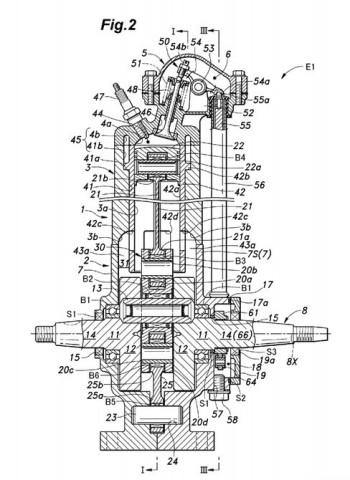
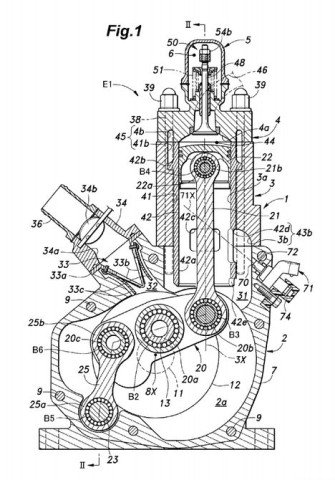
Earlier this month, Honda submitted a patent application for a completely unique 2-stroke engine that uses direct fuel injection for a significantly cleaner burn and better piston cooling. Featuring a lower positioning for the fuel injector, the fuel is injected close to top dead center, only after the exhaust valve has closed. This results in higher burn efficiency, less unburned fuel and consequently reduced emissions.
Originally uncovered by Morebikes, the new patent is described as “a new two-stroke engine with a fuel injection system mounted on the back of the cylinder, pointing upwards toward the back wall of the cylinder bore. The injector is set to spray the fuel when the piston is near top dead center, so that unburned fuel won’t get swept out with the exhaust gases, and the fuel is aimed such that the cylinder and piston can both be partially cooled as the fuel evaporates against them.”
It is believed that this design can help to resurrect the besmirched 2-stroke’s place among current engine platforms, as 2-strokes are lighter and produce more power per cubic centimeter of displacement. Likewise, this new design aims to eliminate some of the complexity of other injected 2-stroke designs. This, in turn, would assist in reducing the production and maintenance costs, “potentially making them relevant for manufacture again,” as stated Gizmag.
Initial hopes were that this engine would be targeted at Husqvarna and KTM (among others) who are rumored to be “sitting on” injected two-stroke motor designs, biding their time for the “right opportunity” to debut to the public. Yet language in the patent, as well as the design drawings, might suggest that the new engine – in its current form – is not for motorcycles at all, stating, “the two-stroke engine is often preferred over the four-stroke engine in the field of general purpose engines because of the simplicity in the structure,” pointing towards an industrial generator-type machine rather than a high-performance motorcycle engine.
Of course, until the new 2-stroke reaches production will we know for sure. But the prospect of cleaner, more efficient, lighter and more potent 2-strokes should be an exciting one.
There’s nothing terribly sexy about a jet ski trailer, right? Sure, we’ve seen some pretty snazzy double-axle, four-place trailers that make our lowly one-axle, single-bunk hauler look pretty limp in comparison. We’ve even seen a few improvements in sealed axle bearings and even tongue latches and swivel jacks. But all of this is merely tweaks to an existing platform. So, what if we said there was actually something really different in the way of PWC trailers?
We spotted the “TW-N-ONE” customizable trailer1150 a day ago and had to look into it. Built using a unique 48-inch wide trailer chassis as a foundation, the “TW-N-One” system employs a frame-and-tube design that allows for literally two jet ski trailers to mate together, into a single two-place trailer. But, if you’re looking to diversify your riding this weekend, the modular design allows for one or both of the ski bunks to be replaced with a flatbed for hauling an ATV, motorcycle or SxS.
The idea was to offer the maximum amount of variety in utility of a trailer system. Just imagine pulling up to your weekend riding spot with your “TW-N-One” trailer, your ski on one side, your quad on the other. Simply lower the ramps and back your ATV down, disconnect the split side of the PWC trailer, and you can hitch your beach tote ski trailer behind your 4×4 to a secluded side of the beach. Yup, that’s what it’s designed to do!
Obviously, with such a diversity of different configurations, TW-N-One provides a wide selection of accessories to accommodate your needs. Now, these are pretty innovative so you’re gonna have to pay for said technology, as trailers range between $1,150 to $3,200. Below we’ve include an introductory video to what we think is a truly exciting package, and we hope you do too!
Whether it’s a 2-stroke or 4-stroke, SBT, Inc (Short Block Technologies) continues to lead the personal watercraft industry as the largest supplier of replacement engines, props and OE-replacement parts, maintaining an inventory and arguably the most complete array of PWC engine and drive line parts in the world. Their Clearwater, Florida headquarters is a continually-growing facility that expands as much as it upgrades in technology. Even with the addition of a top-level engine dynamometer, there is no substitution for real-world on-the-water testing.
For that, SBT maintains it’s own private 40 acre test lake a few miles away. Dubbed “Alligator Pointe,” the test facility is rife with gators and other wildlife as to be expected. Equally, a custom dock arrangement allows for hours of accelerated failure testing, pushing up to four skis at once through intervals of RPMs. Equally, the SBT crew uses a Stalker radar gun for speed runs. All of this is to ensure that SBT is employing the best practices in their engine development and manufacturing.
Below is a video segment from 2009 introducing the then-new engine test facility, Alligator Pointe. It’s a rare inside look at SBT’s commitment to quality, and in an effort to “further improve their engine’s durability and performance over OEM.”