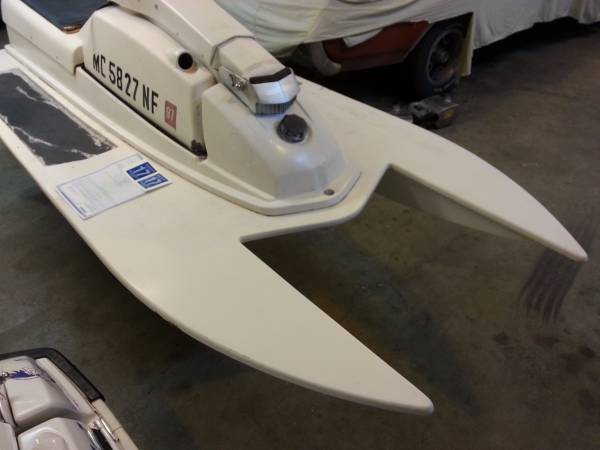
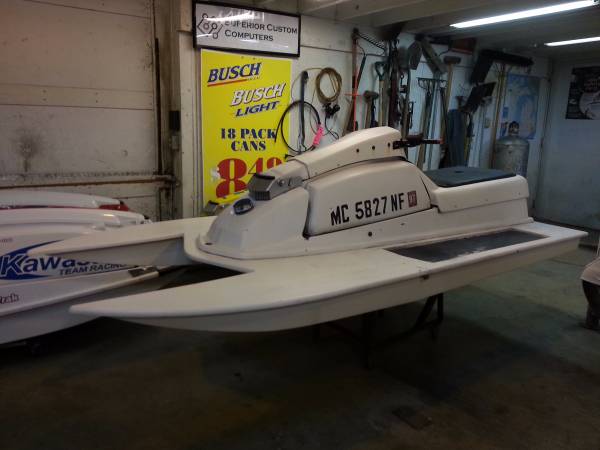
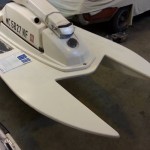
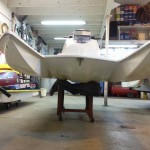
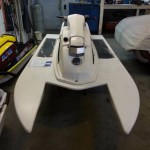
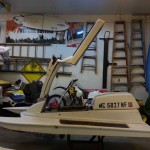
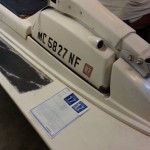
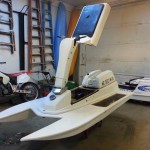
Two days ago, we brought you what we thought would be the most bizarre vintage Kawasaki we’d ever come across. As of today, we couldn’t have been more wrong. The unusual X2 with a custom sidecar is nothing compared to this Kawasaki hydrofoil jet ski. Noted as a 1987 JS550, the Bay Area Craigslist ad where we found this Frankenstein lists the ski for a paltry $400. We’ve seen completely bare JS550s go for more, so we’re a little surprised to see it so low. Then again…we kinda get it.
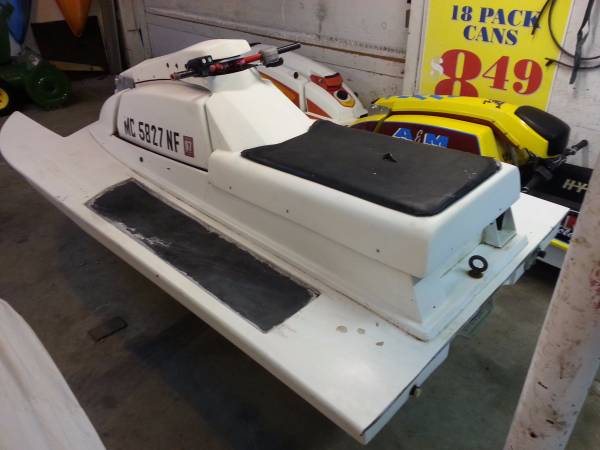
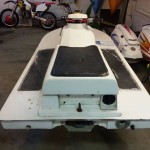
The listing states, “This is a 1987 JS550 with a custom hull built around it, Whoever did this must have spent a lot of time of it. I assume this is “a one of a kind” – I did have this running last summer but since then took the 550SX Reed engine out of it. So besides a barren engine compartment, the JS550 hydrofoil does feature some very unique modifications. The hull has been grafted to a genuine catamaran-style hull (rather than the mislabeled “hydrofoil” design), and has been significantly widened and lengthened.
The tray has been replaced with what looks to be a WetJet seat (although we can’t say for certain), which seat has been grafted to the handle pole that appears to remain fixed while under operation. The bench is wide and almost void of any form of padding, so expect a very rough ride. The seller does note that the ski has a clean title and new registration, and is a complete ski other than the missing engine, CDI and battery.
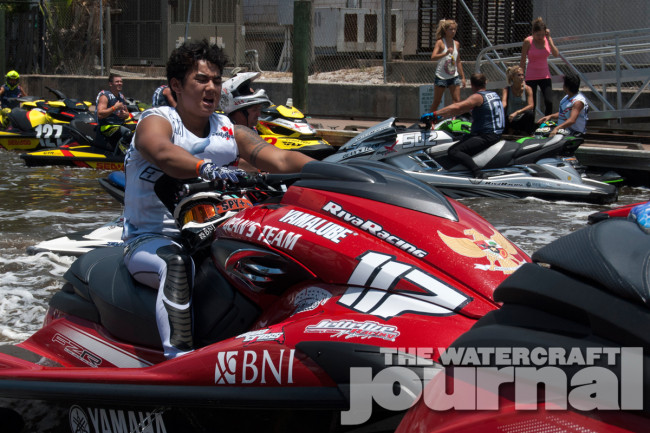
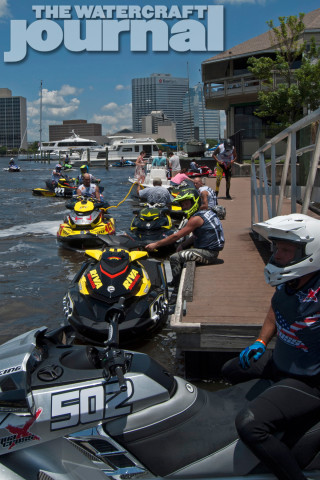
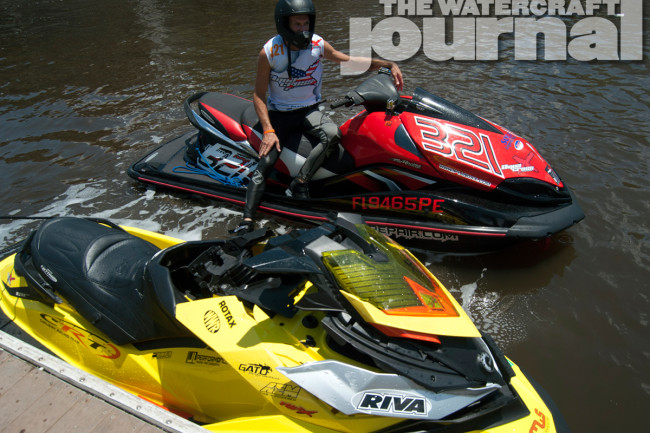
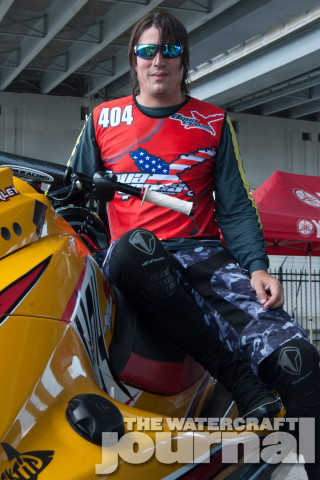
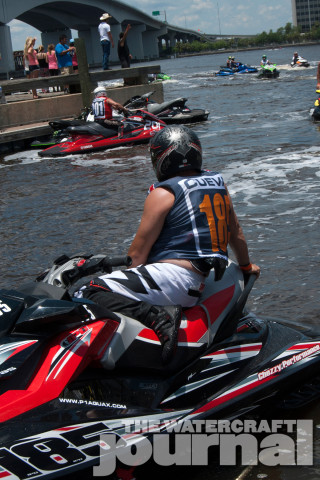
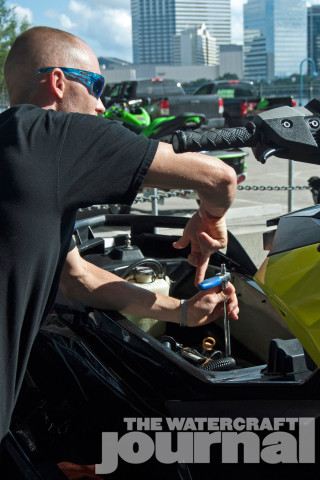
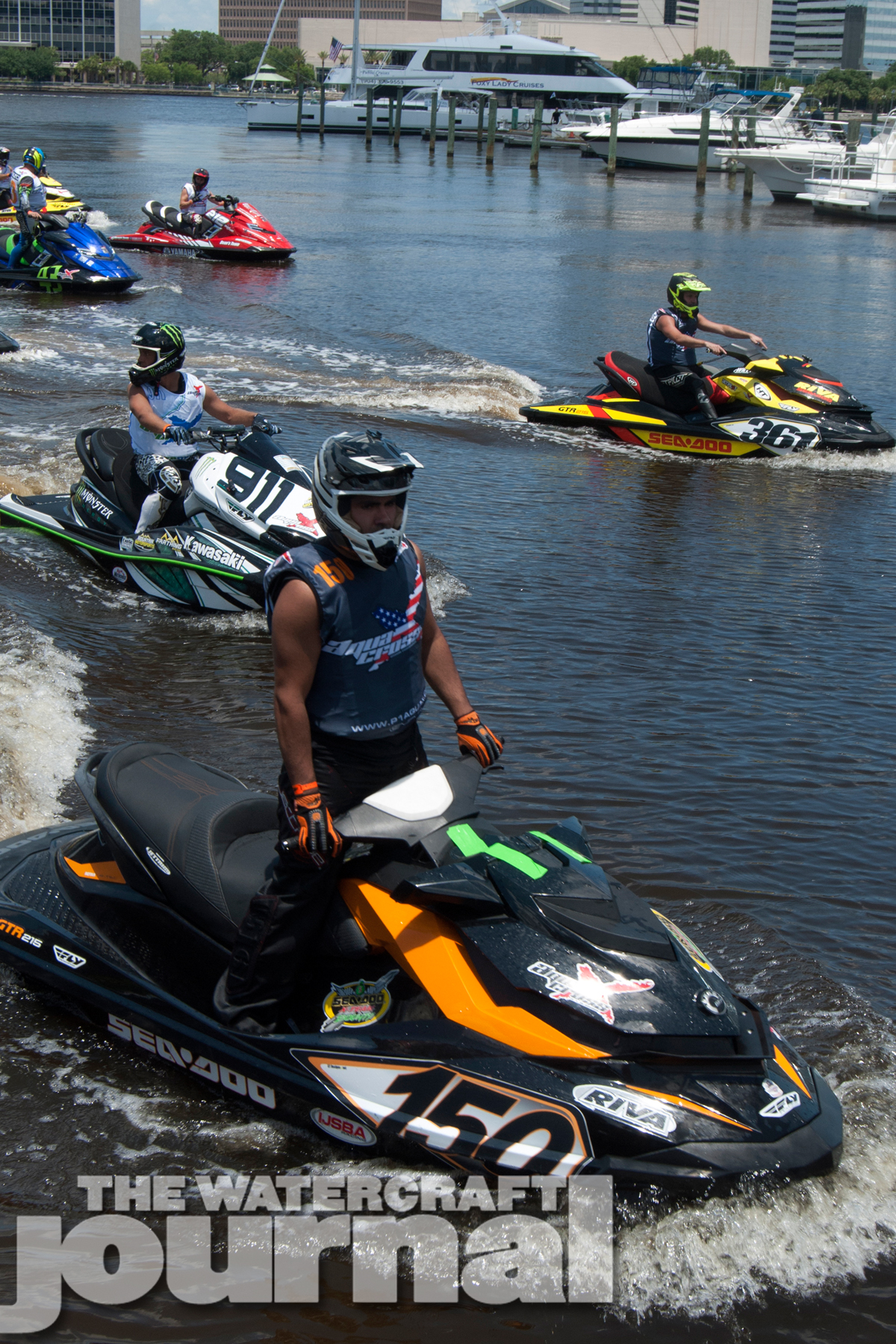
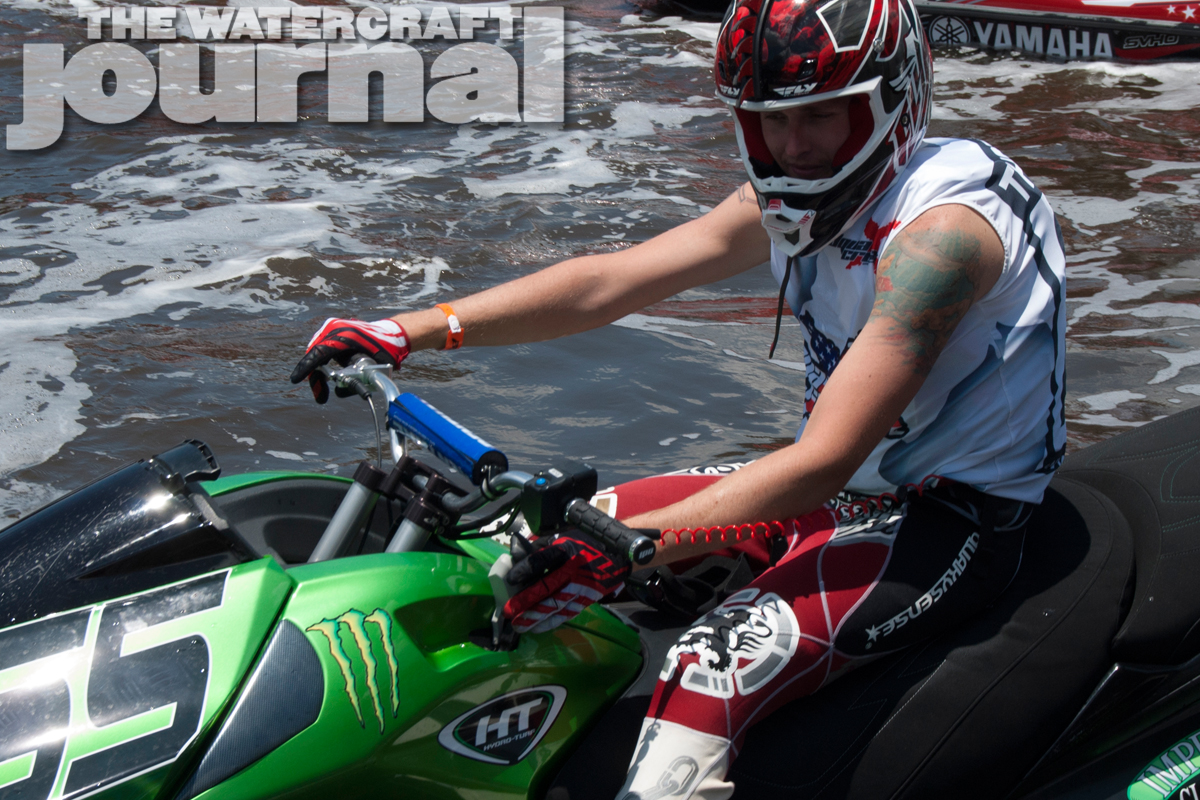
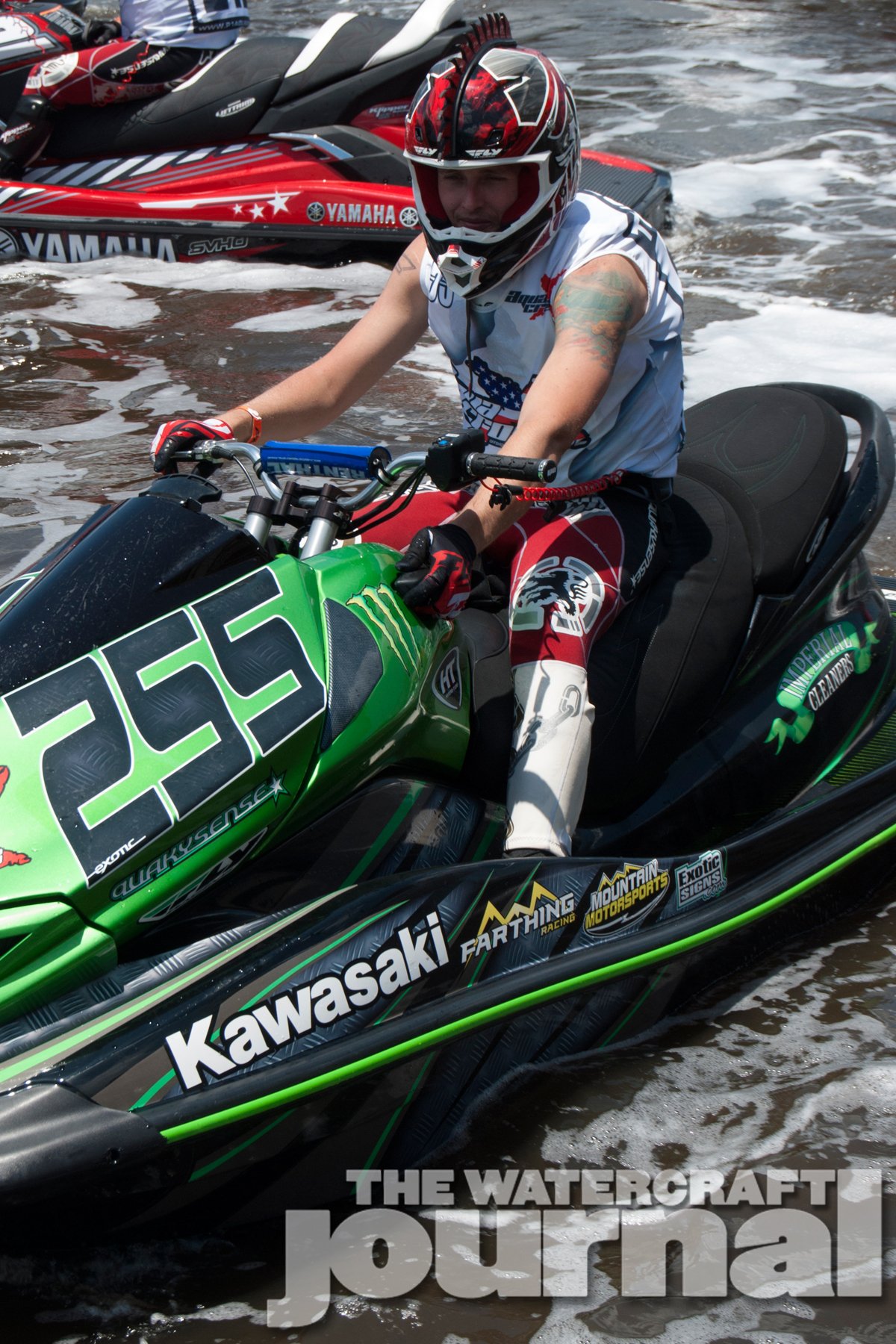
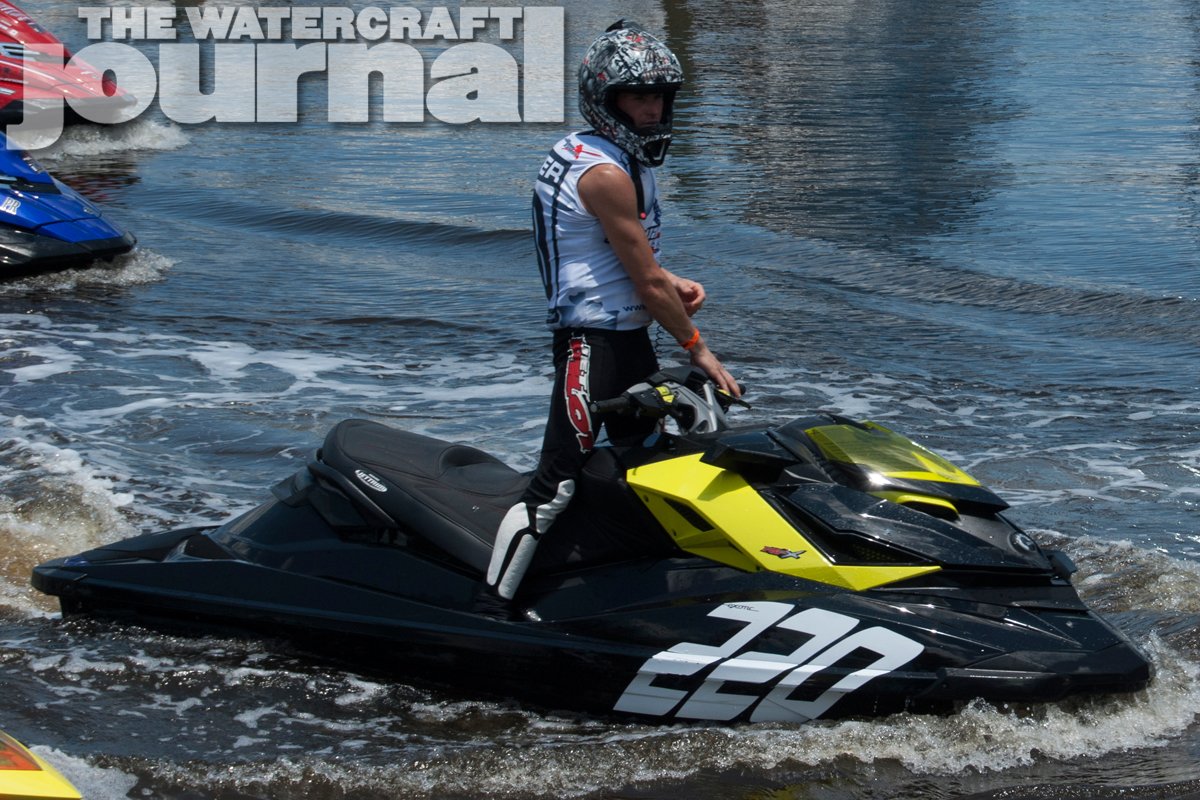
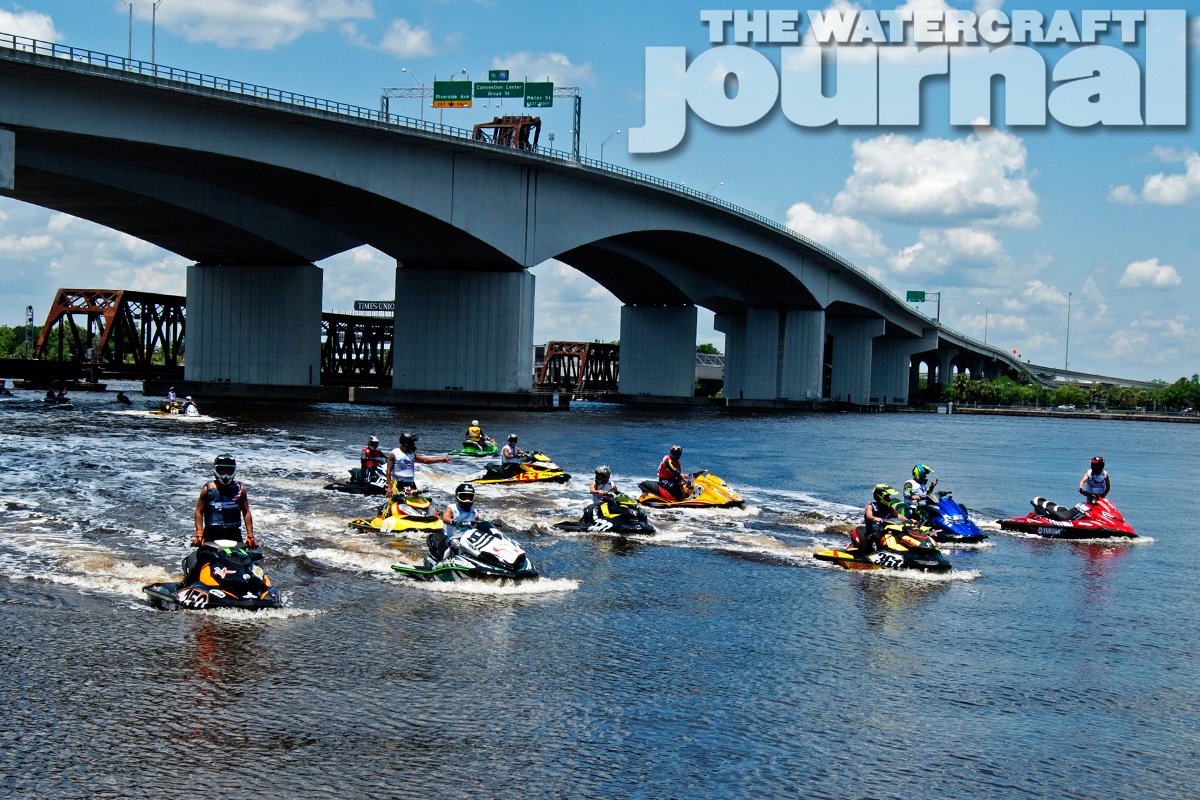
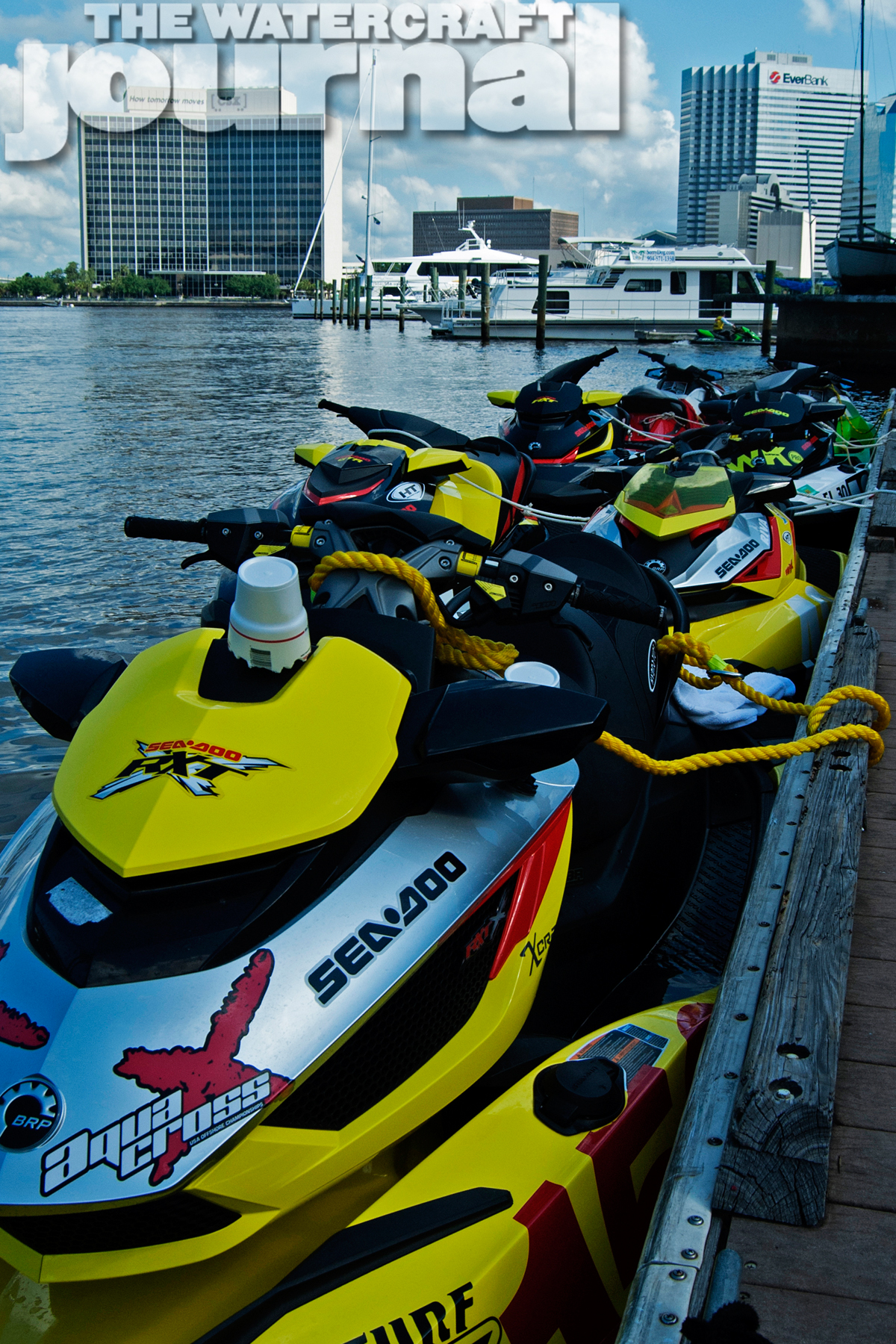
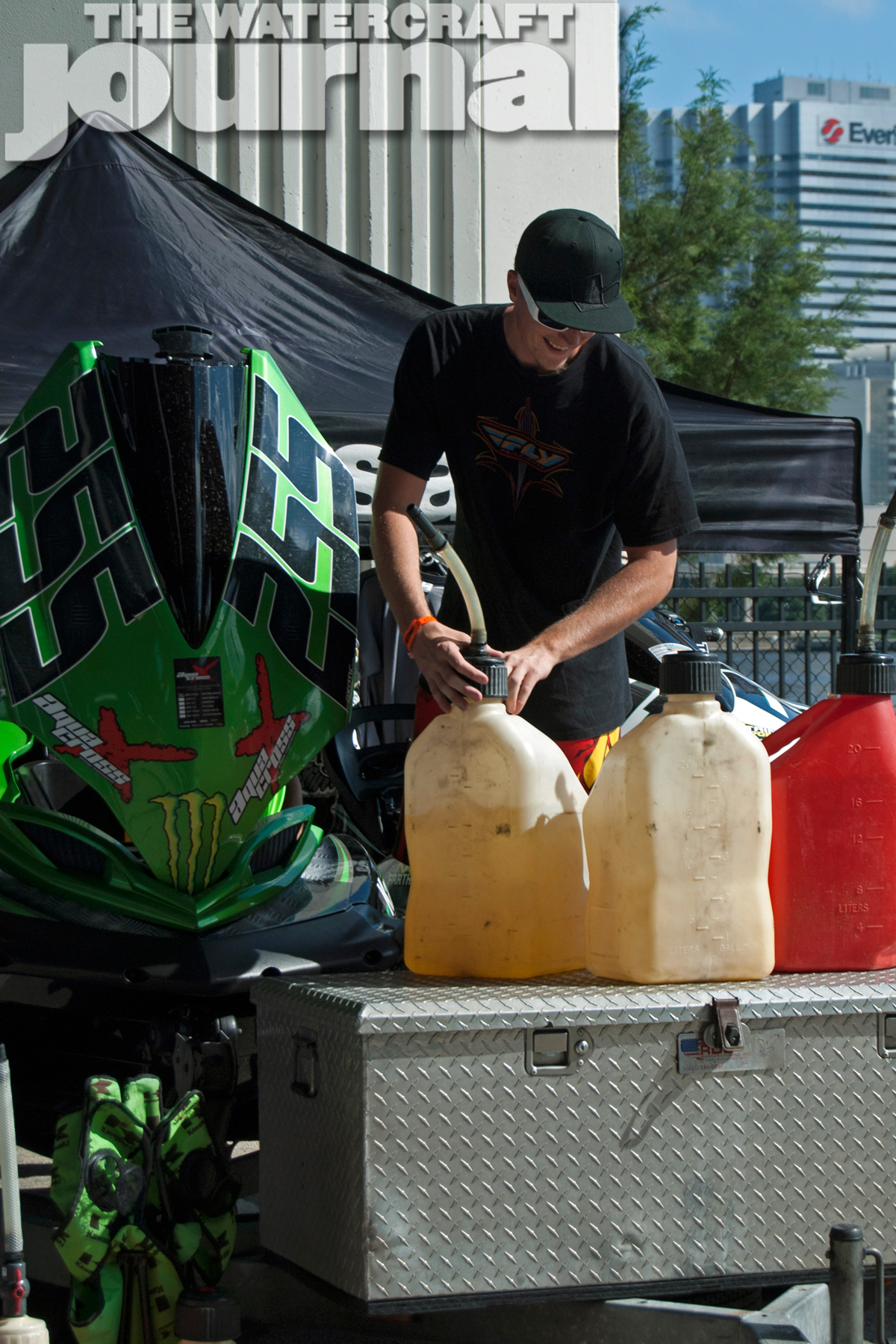
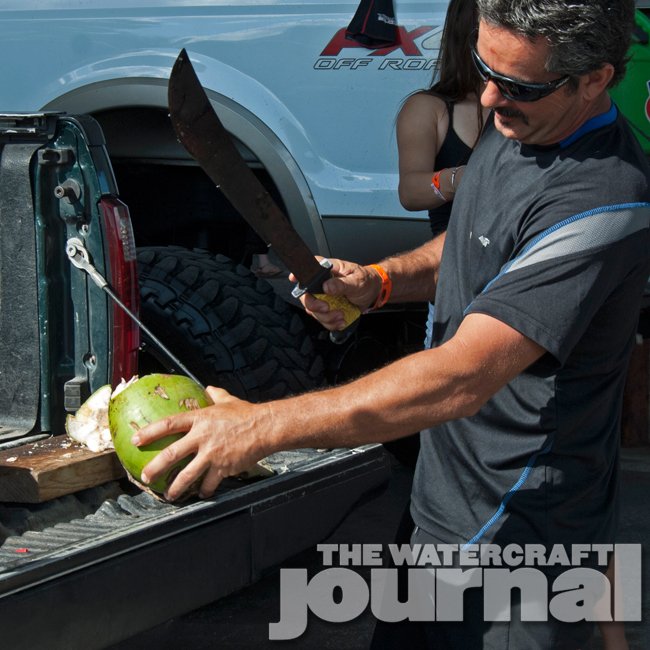
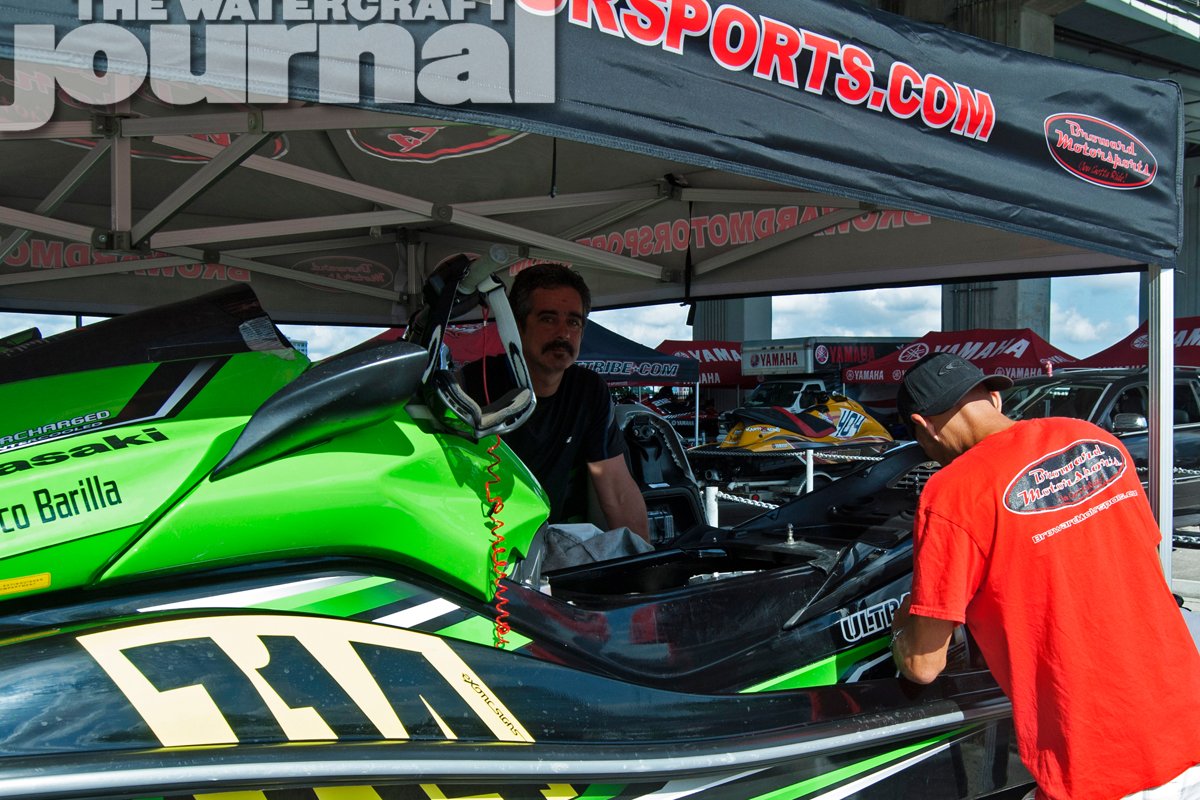
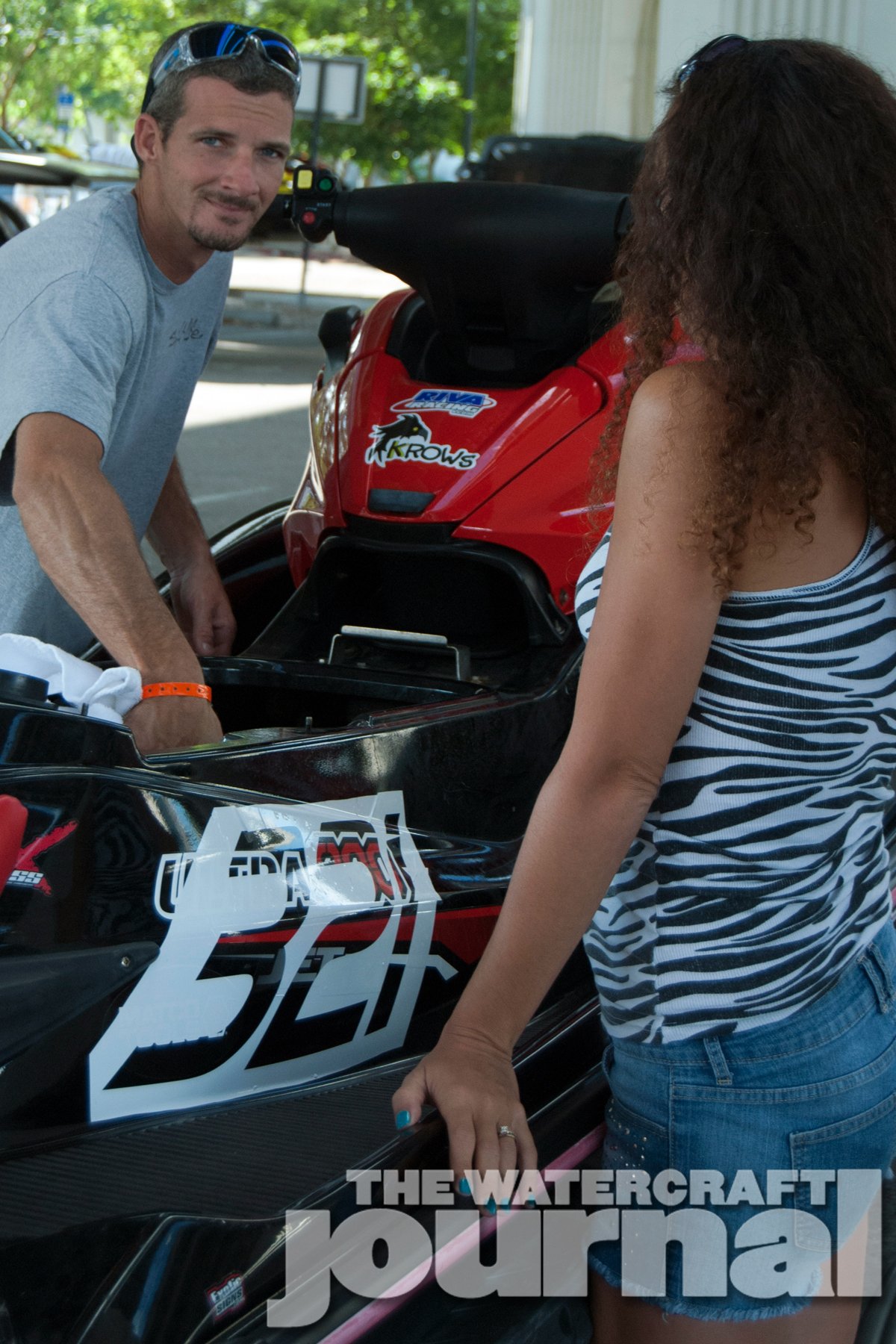
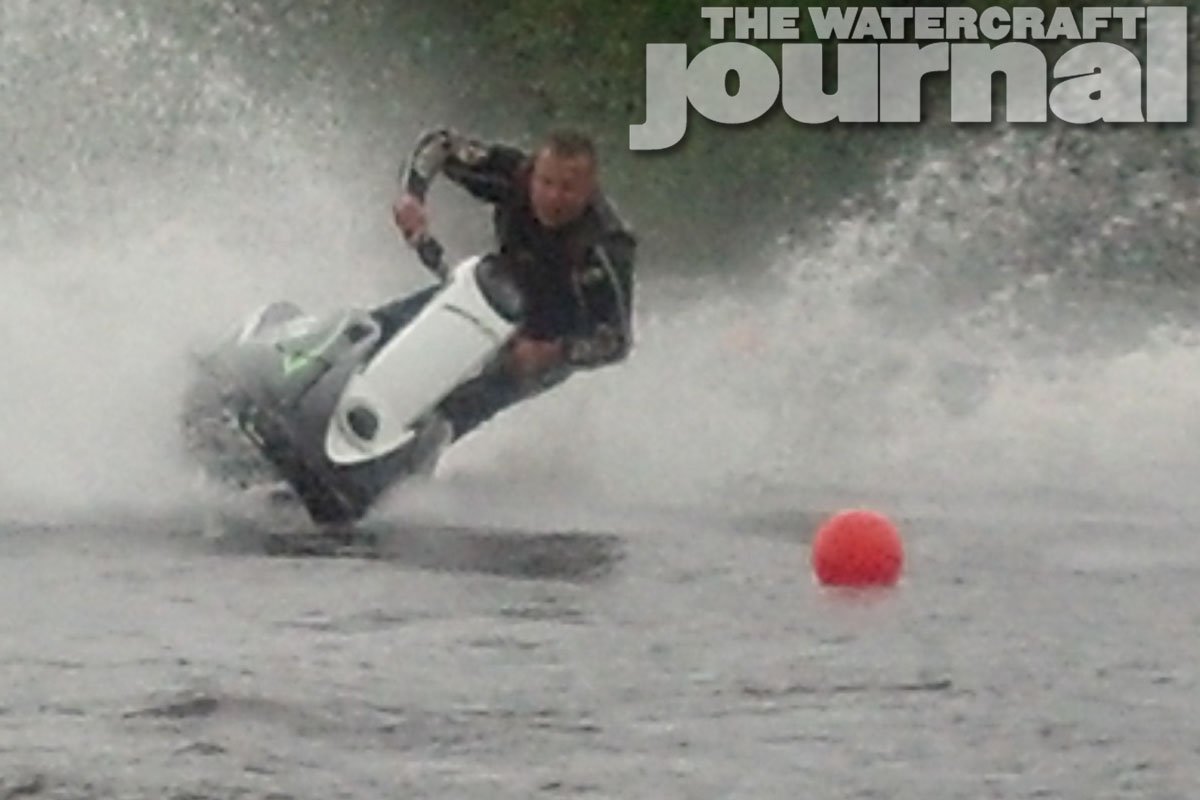
Because of the logistics in distance and AquaX officials inexplicably refusing our photogrpahers access to cover the racing action from the water, coverage from this year’s Round 2 of AquaX USA racing in Jacksonville, FL is somewhat different; The Watercraft Journal took the time to focus on the racers’ experience, concerns and thoughts moving forward in what is quickly becoming one of the sport’s most followed series.
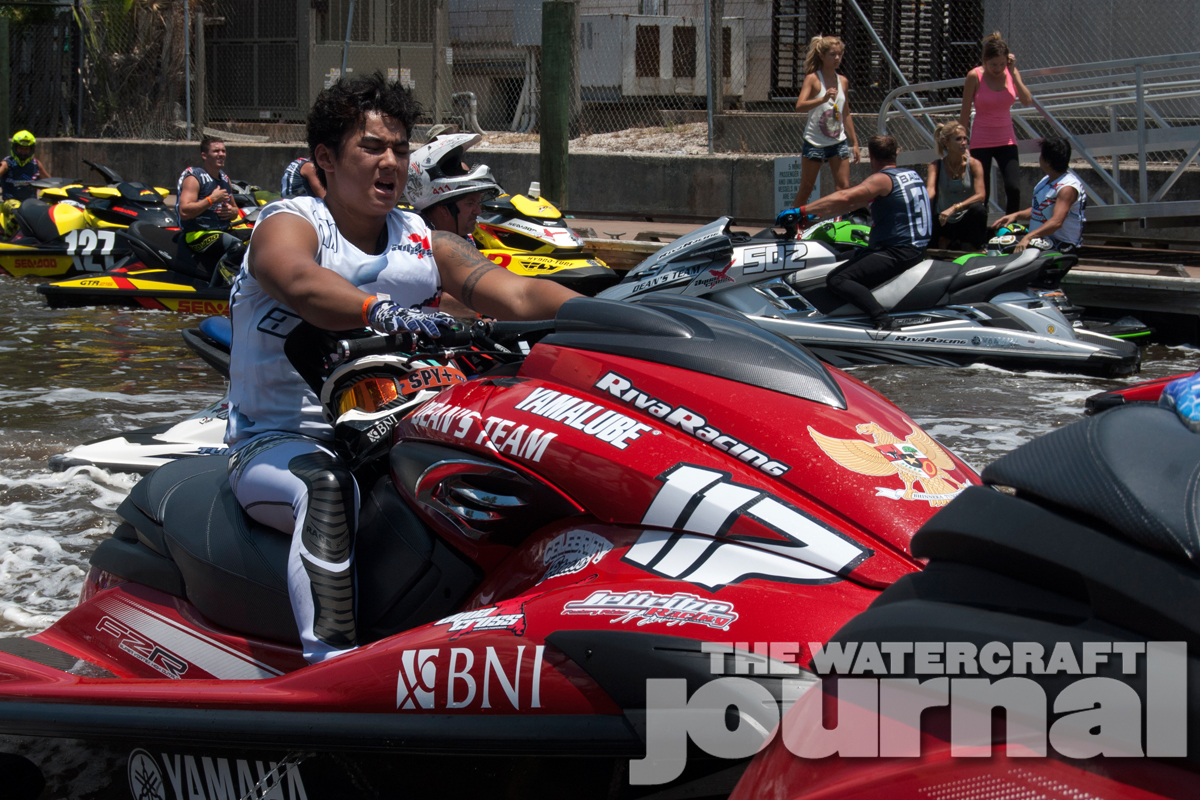
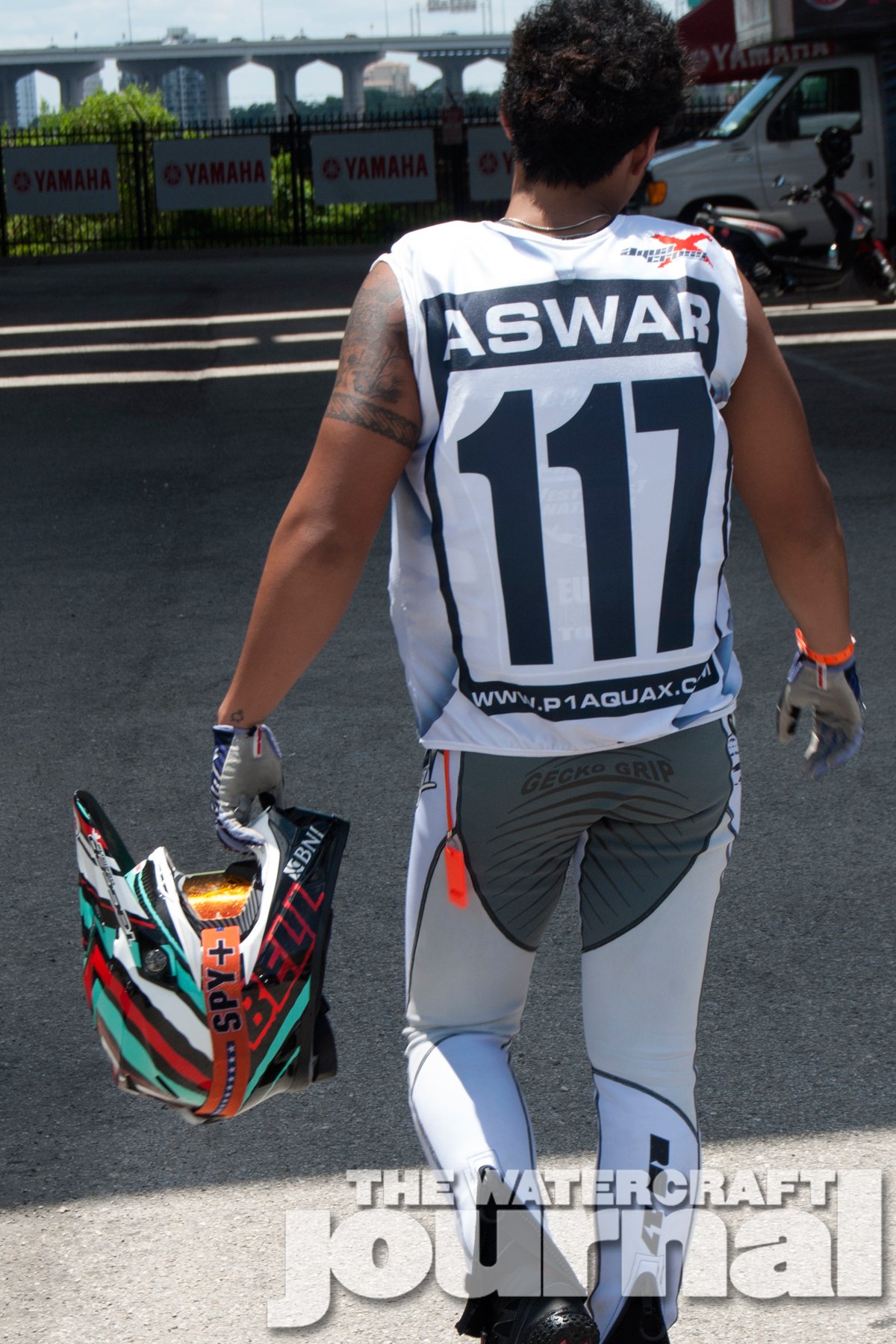
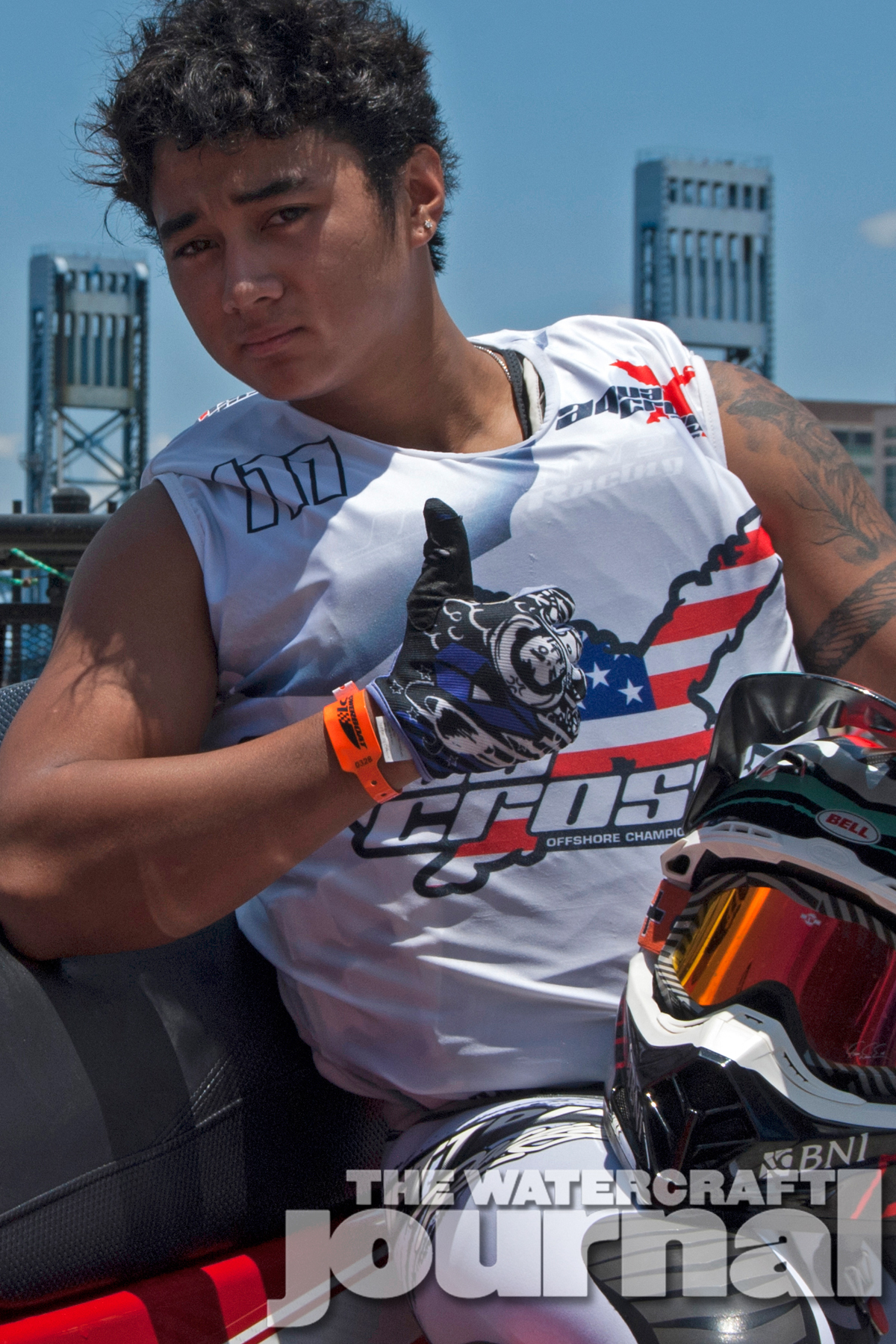
Aqsa Aswar
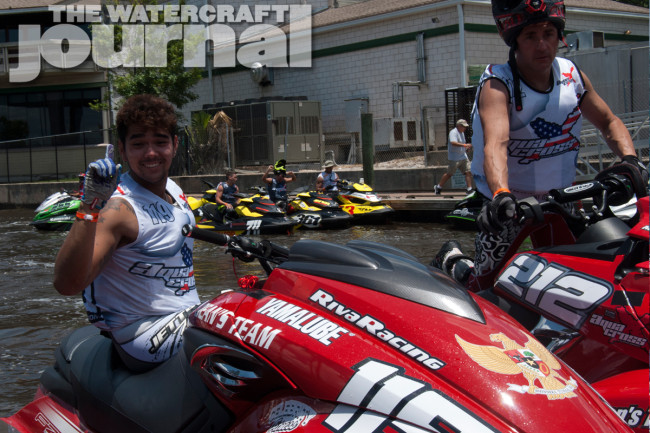
Rough waters and a tight course on the St. Johns River in Jacksonville, FL, didn’t shake Aqsa Aswar from the early lead in the 300 class of the 2015 AquaCross Tour that he secured with a win in Round 1 at Daytona Beach in late April.
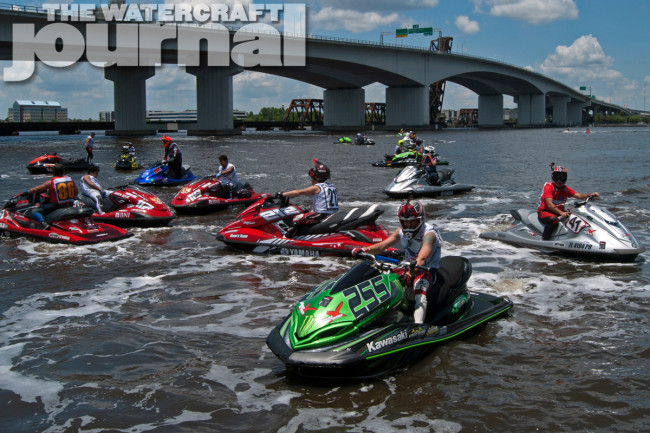
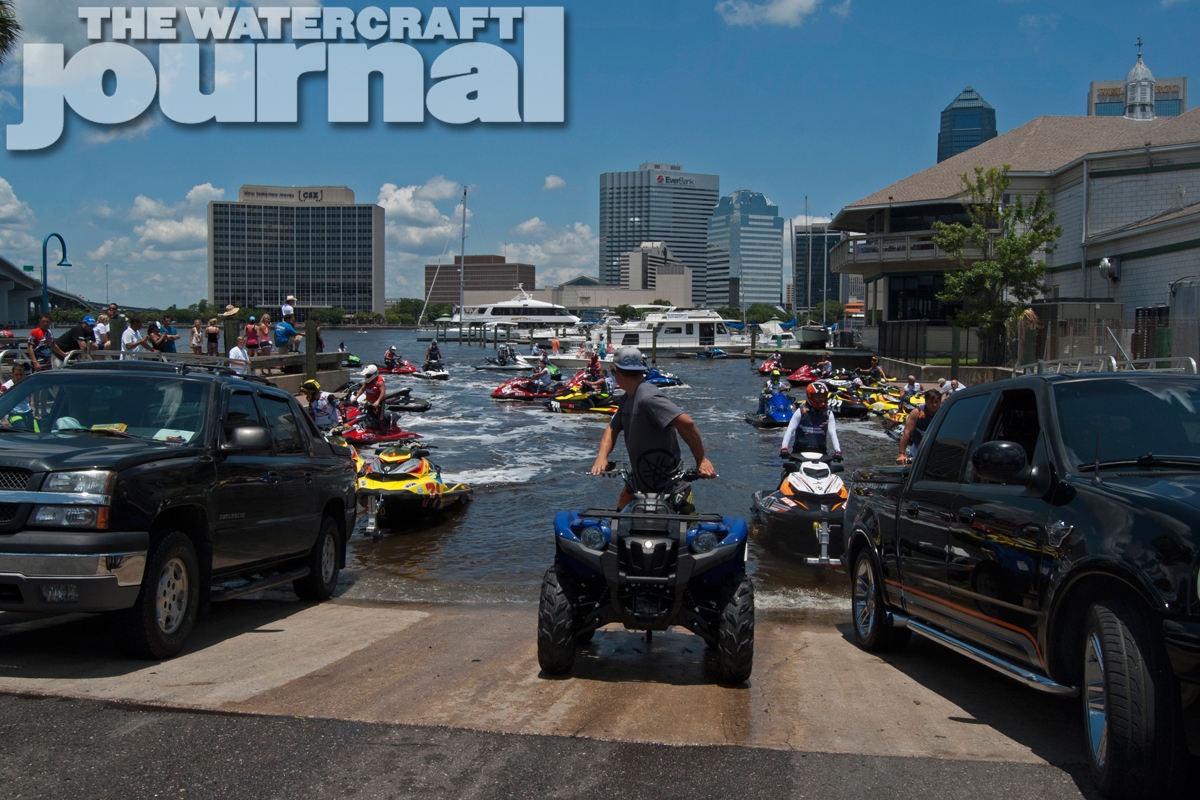
Aswar clinched the win in Saturday’s race, edging out Stuart Rasmussen. Saturday’s Moto saw a number of riders hit the water as the sheer mass of boats and the shallow waters of the river churned up a tough ride for competitors.
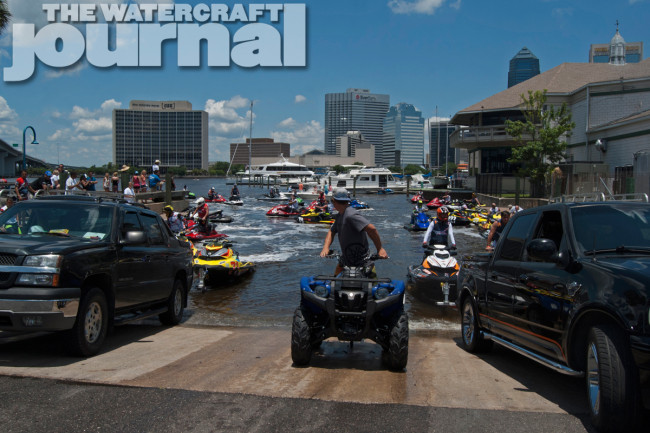
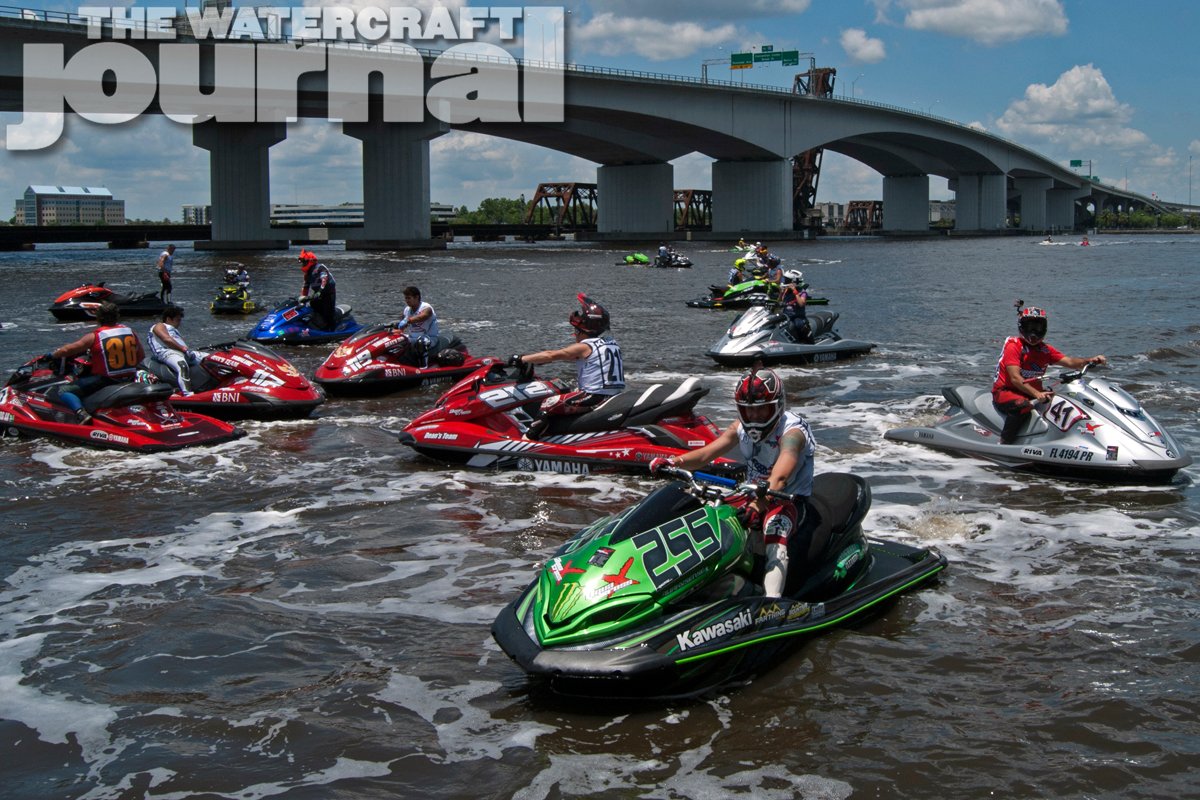
“It was rough, really rough,” Aswar said after the first Moto on Sunday. “It’s 60 boats out there, all at once, so it’s real rough.”
Sunday’s equally choppy water conditions and the pack of riders only left Aswar with more boats to pass as he pushed his Yamaha FZS to the top spot in Sunday’s Moto 1.
“In the start, I got off fast, then worked my way up,” he said. “I stayed second for a long time, then passed the first guy, then it was the checkered flag.”
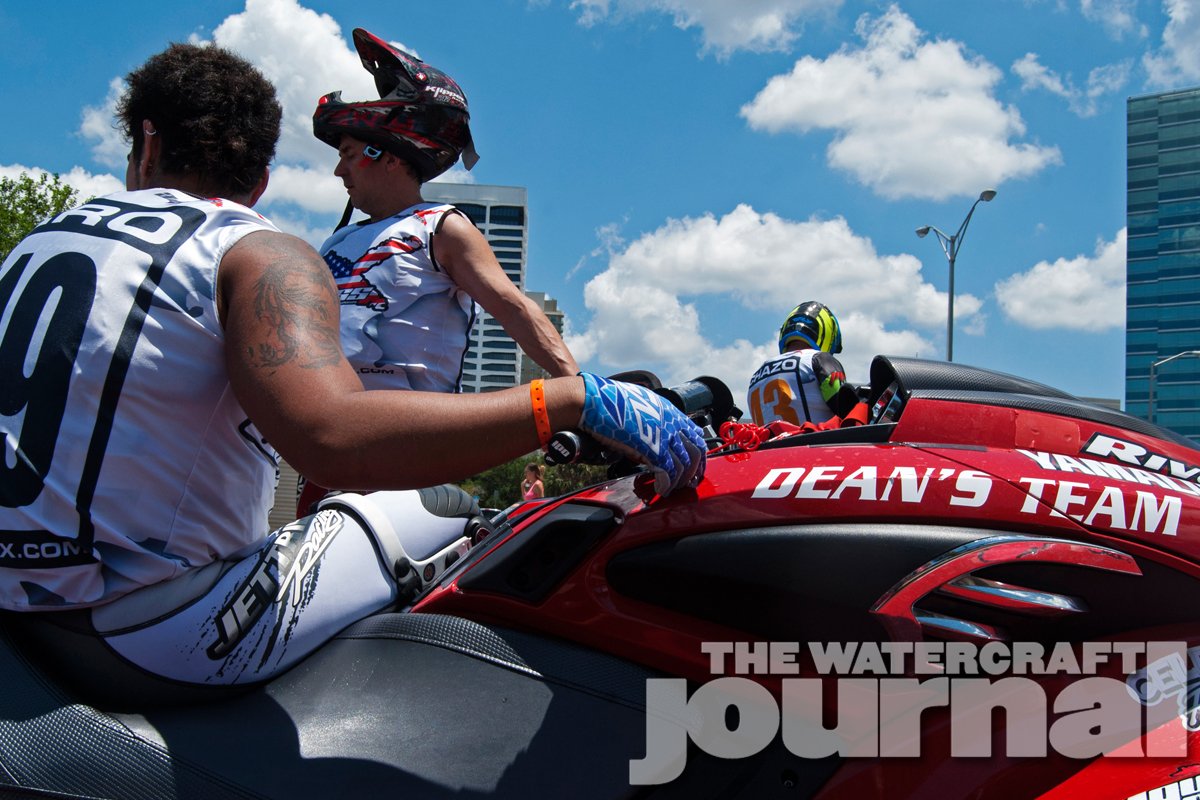
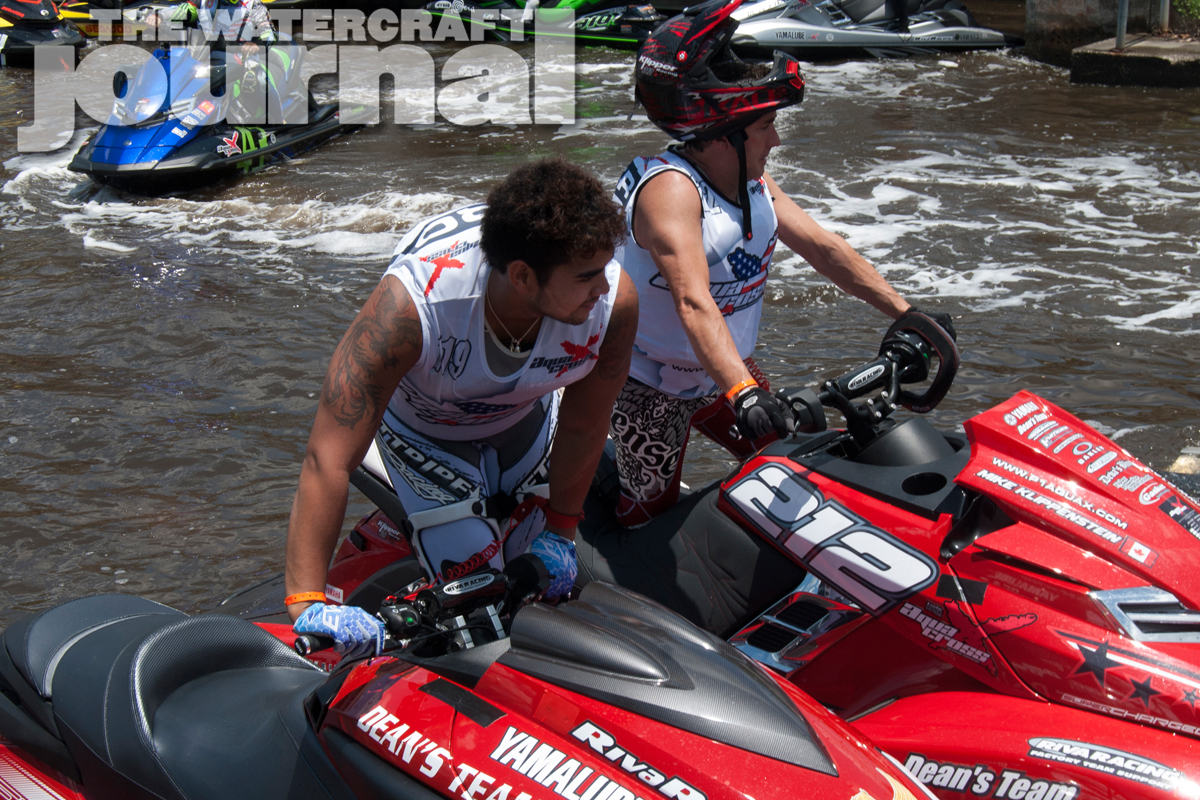
Moto 2 failed to see anyone overtake his lead, and Aqsa took the top spot in Round 2 of the AquaCross series, with second place in the 300 class secured by Aero Aswar, mirroring the results of Round 1 in Daytona Beach.
“AquaCross is more endurance race, you have to have strong stamina and don’t fall off the ski,” Aqsa quipped as he headed to the pits after the race, saying he was already looking forward to Round 3 in July in Sarasota — a course he has never raced before.
Eric Francis
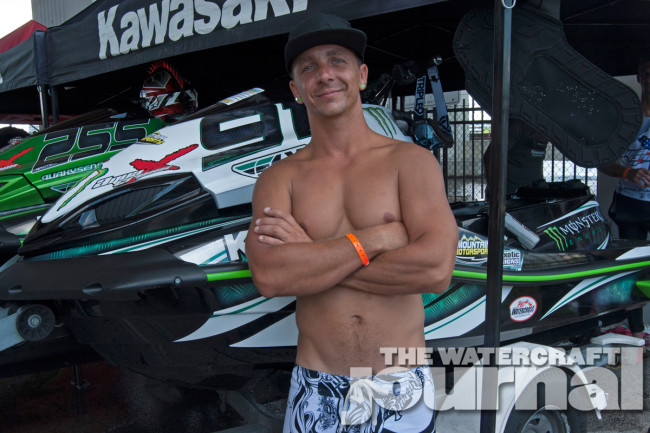
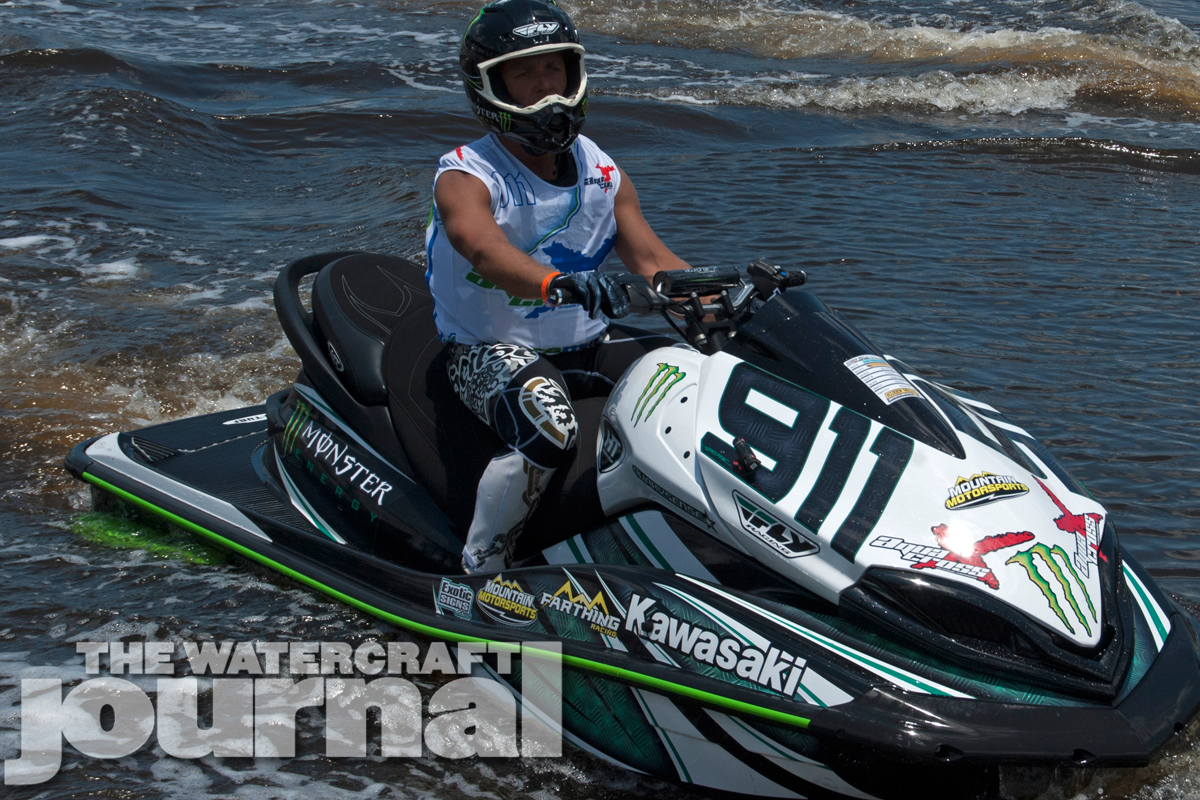
Team Kawasaki’s Eric Francis powered past technical issues in Moto 1 at Saturday’s AquaX Round 2 competition in Jacksonville to come back strong for Sunday’s races. Strategy, position and stamina play a key part in the AquaCross race, Francis said.
“Yesterday, I came out of the hole shot probably 20th. Today I probably came out about 10th, so I would say there is some advantage to having the inside line,” he said following the first race Sunday morning.
“Yesterday, we had some trim issues – the boat was bouncing around a bit,” he said. “But today we ended up getting it a little bit better and we’re going to make it a little bit more aggressive for the final moto — we’re making progress on every race.”
Finishing Sunday’s first race in fifth, Francis felt sure a few changes in the final Moto could still put a Round 2 podium spot in reach.
Francis finished out the top four in Round 1 of the series in Daytona Beach, falling just behind Craig Warner and the Aswar brothers.
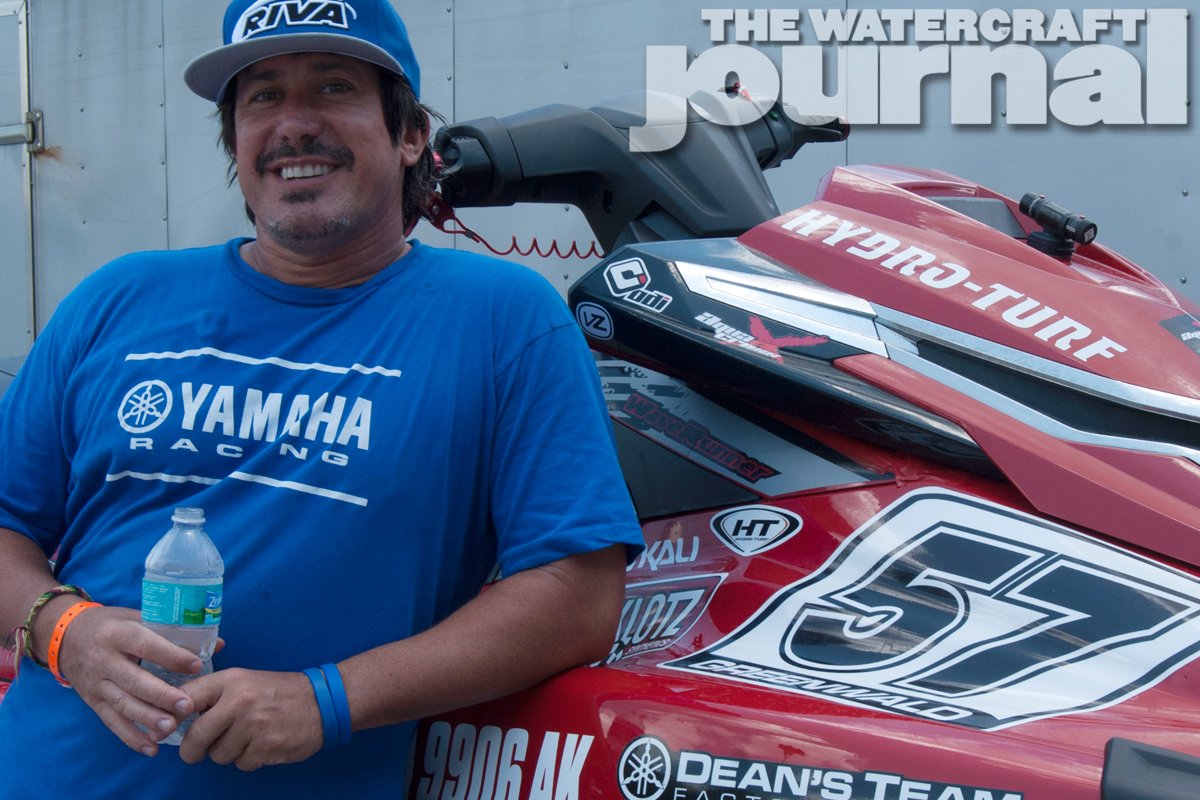
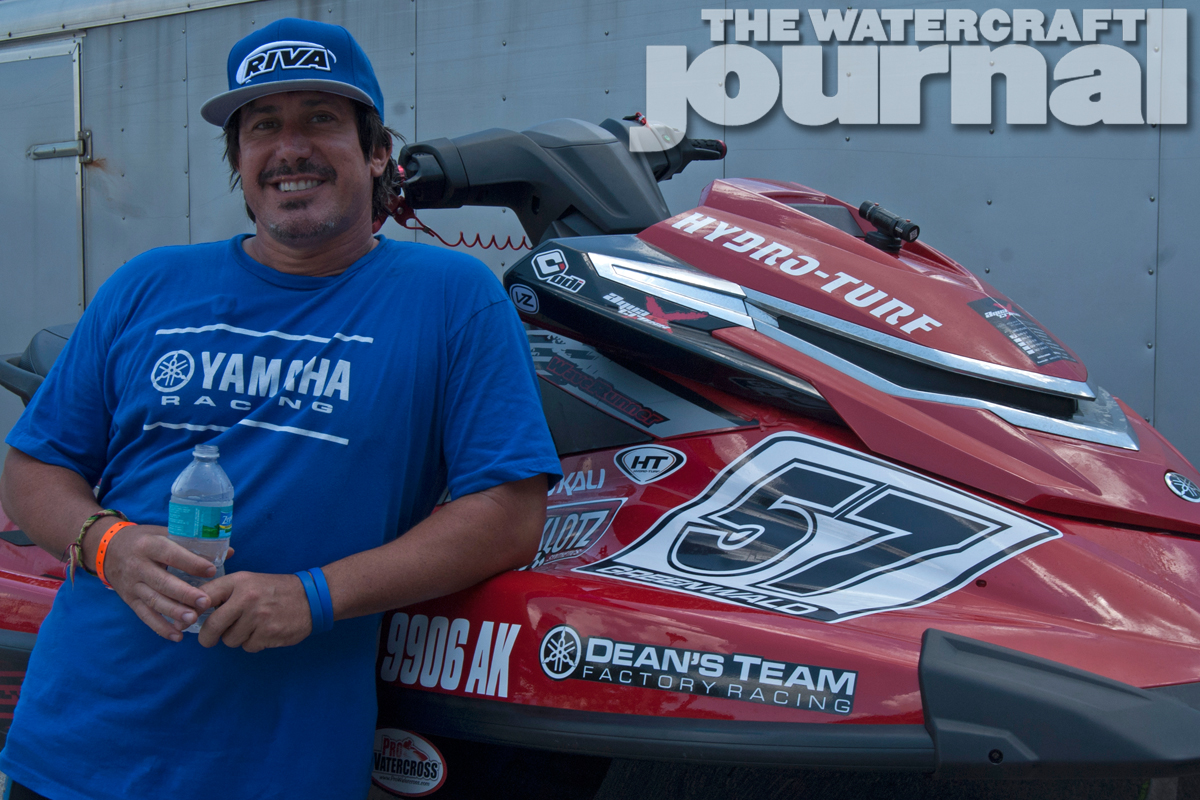
Rob Greenwald
Challenging race course conditions played to Rob Greenwald’s preferences at the AquaX Series Round 2 this past weekend.
“It was really rough, a lot rougher than it looked,” he said Sunday afternoon. “There was a heavy, tight cross-chop, 2-to-3 footers coming in from out of I don’t know where — it made it very erratic and I saw a lot of guys getting ejected from their ski. I, myself, had a few really good close calls that I had to recover from and it was a tough race, but I enjoyed it.”
The choppy waters changed the emphasis of the race, Geenwald said.
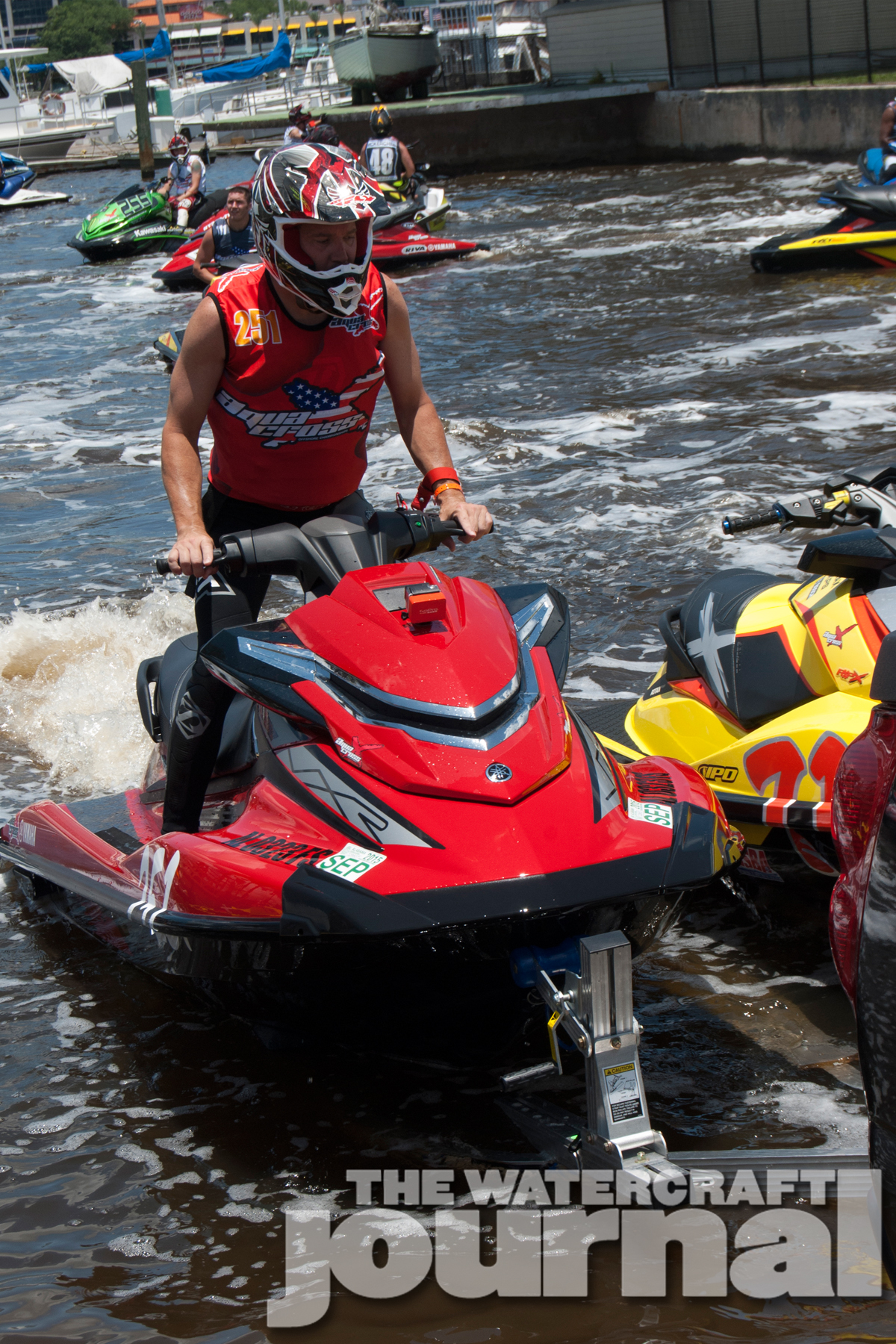
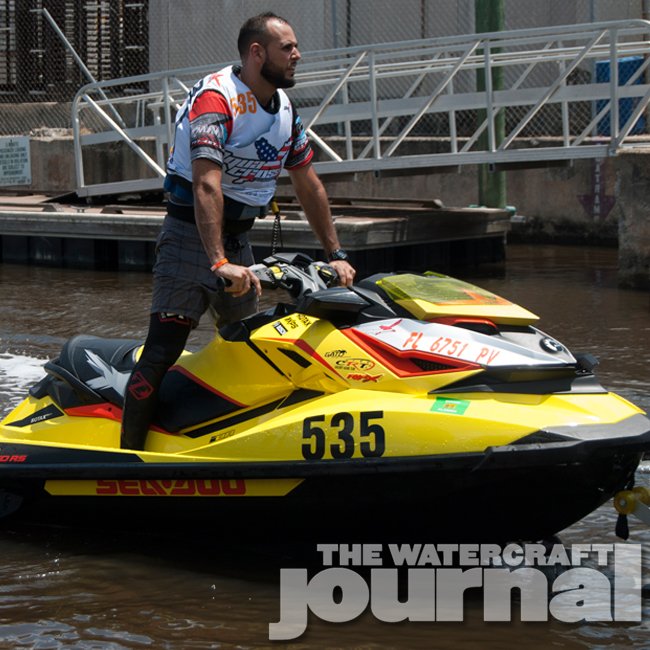
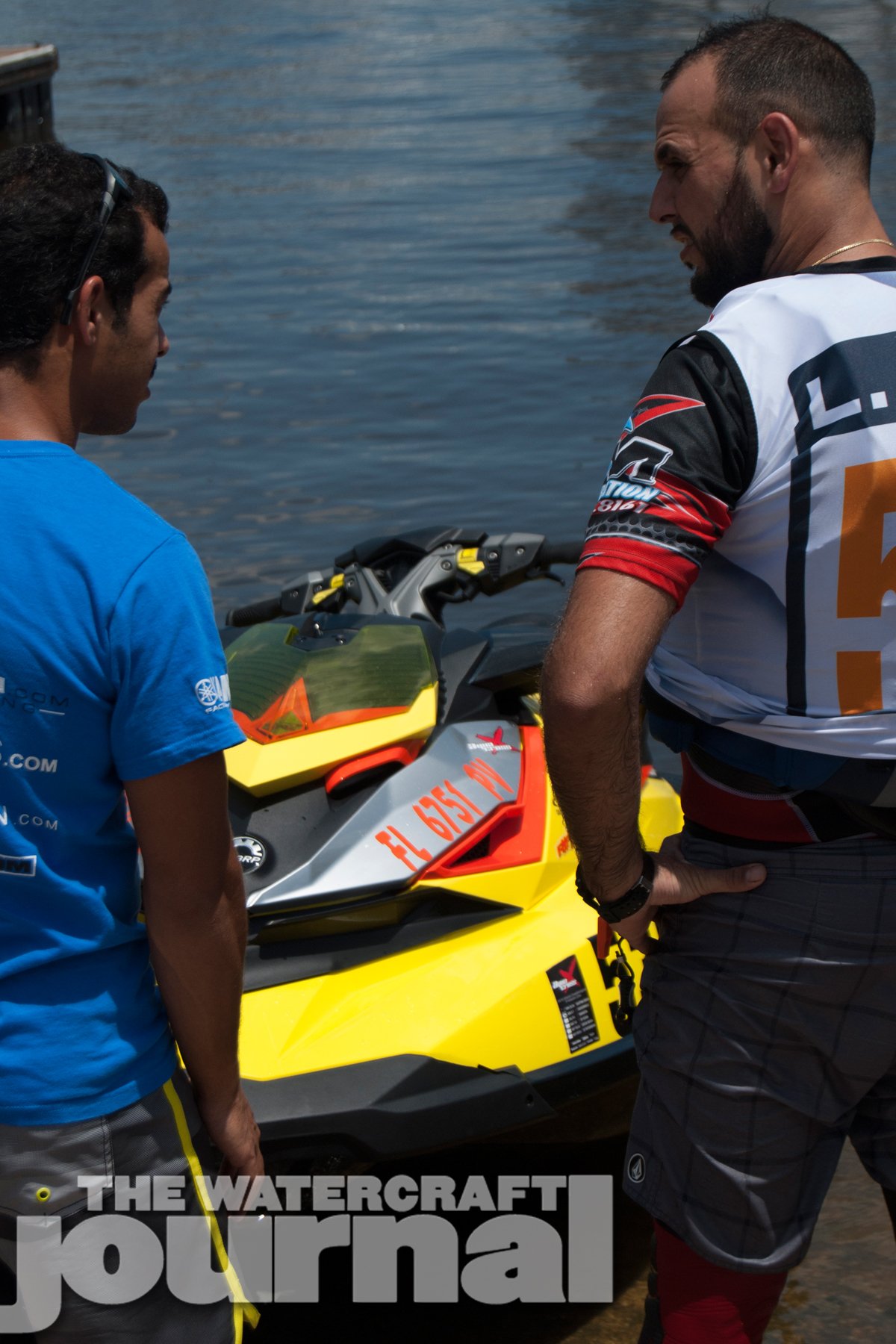
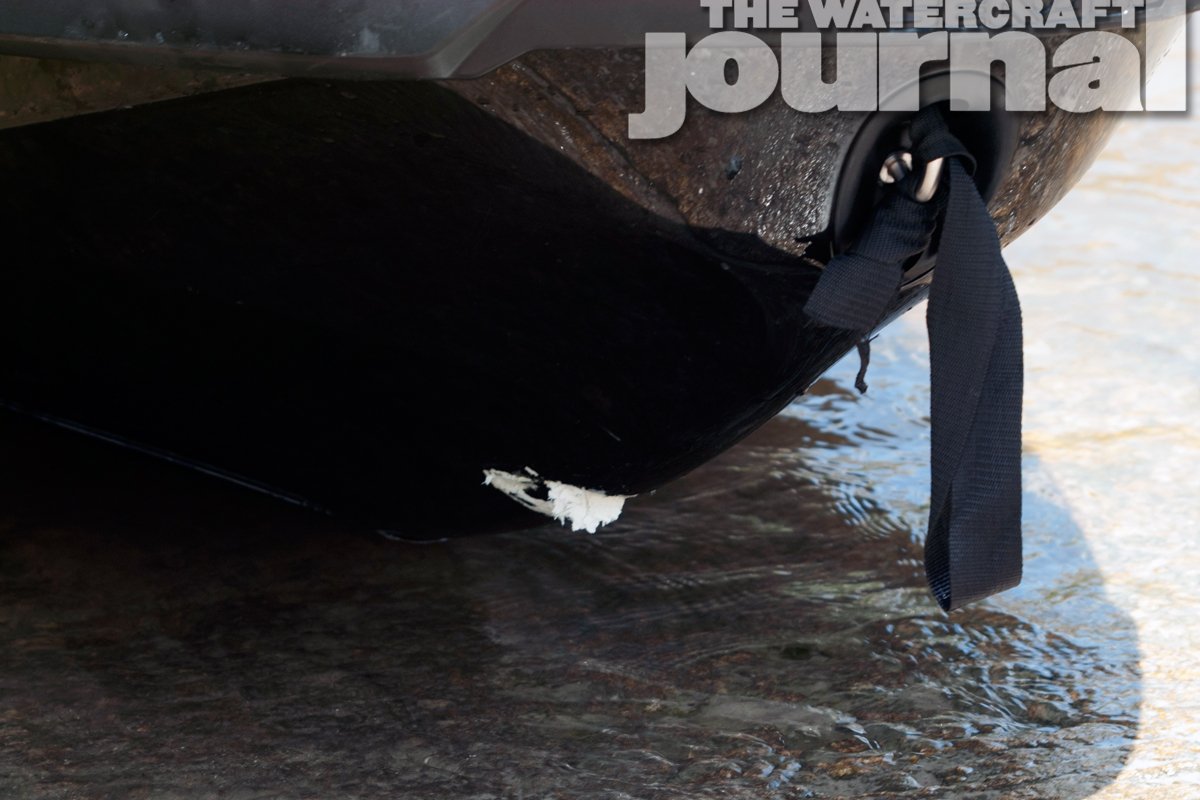
Above: A tangle between several boats going into the first turn of Moto 1 Sunday sent several riders to the pits, including #30 Carlito Del Valle and #535 Lazaro Diaz. Frank Silva, #555, also returned to the pits after the incident. Diaz’s boat suffered a gash in the hull, and the #30 boat showed significant damage after being towed to shore, and at least two riders were sporting bandages following the crash.
“I like it when the water’s rough because it makes it more about the rider and not about the ski,” he said.
Preparation for an endurance-based race like the AquaX differs from training for shorter-duration races, Greenwald said.
“It’s not so much about training on the ski as training off the ski; it’s keeping your strength and endurance up because whats going to happen is you’ll see guys start to fade,” he said. “It’s being able to keep strong, keep pushing and keep your tail up off the seat.”
Early Round 2 results for the 200 class of the 2015 AquaCross Series mirror Daytona Beach’s Round 1, with Factory Yamaha teammates Travis Zielasko in first and Greenwald securing second.
Brent Venderley
Brent Venderley — who rounded out a Yamaha-dominated podium at the AquaX Round 1 in Daytona in April, finishing behind Travis Zielasko and Rob Greenwald — looked set to up his ranking with the first race of Round 2 in Jacksonville this past weekend.
“I still haven’t seen official results yet, but I think I ended up third yesterday behind (Zielasko and Greenwald), but initially they said I had won,” Venderley said between Motos on Sunday. “I don’t know if there was some mix-up over the radio or what, but they pulled me over to do the interview at Memorial Park and then, coming back here (to the pits) and talking to these guys, I thought I was in second or so, but I think I ended up in third.”
Challenged by a packed field and tight finishes, officials struggled with scoring following the first race, as did racers themselves.
“Even when you’re in the race, it’s almost impossible to tell what position you’re in,” Venderley said. Relatively new to the AquaX race, Venderley said endurance and stamina play a large part of his training for the AquaX as opposed to shorter races.
“I’m just kinda starting to figure it out. This is my first full year racing AquaX. Racing closed course, we do practice buoys one weekend and then go take a long ride one weekend,” he said. “So what I’ve started doing is just getting more used to being on the boat for an hour or more, and just actually riding the boat for longer than 15-20 minutes,” he added, saying a 50-mile practice session was typical, helping to train muscles for the stamina needed for the AquaX race.
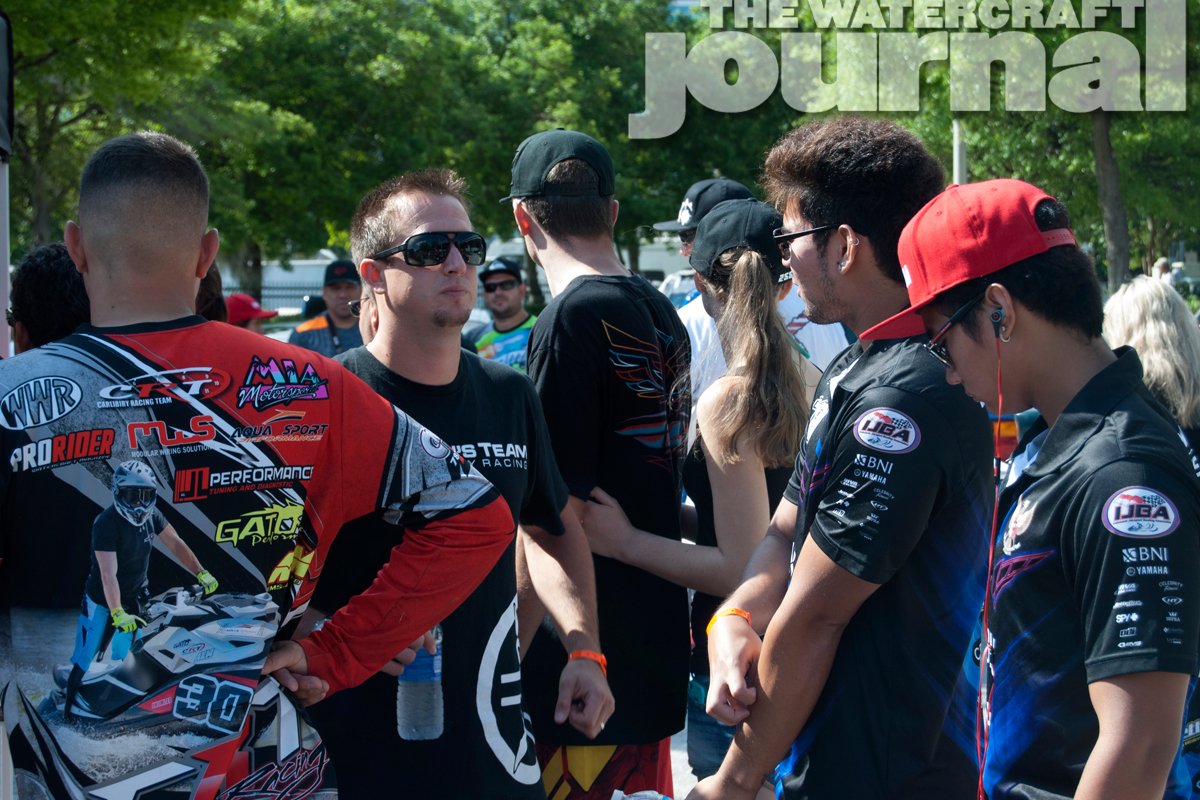
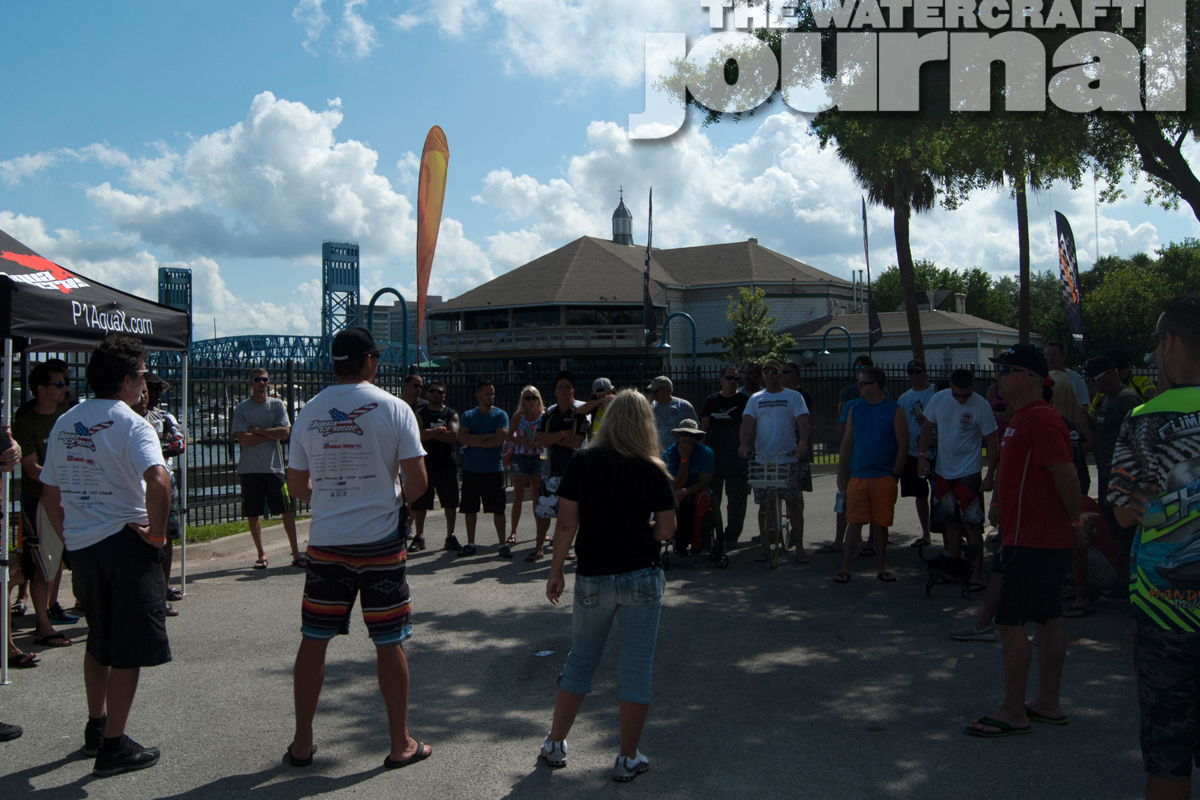
Official results from this weekend’s Round 2 competition in Jacksonville have still not been posted yet. Race officials stressed, during Sunday morning’s rider’s meeting, the difficulty of scoring with the amount of racers and often five boats crossing the line at once, and said tapes from each Moto would be reviewed before official results were posted.
Oh man, are we excited about this. No seriously, we’re likely ridiculously stoked on Kool PWC Stuff’s latest batch of cool gear, particularly their new non-invasive tow hook-mounted fishing rod holders. Normally, PWC fishermen have been forced to drill into their runabout’s fiberglass hull to mount a rod holder or two. These are typically plastic affairs with flimsy hardware that if it doesn’t break, will likely corrode after a salt water session or two.
Kool PWC Stuff’s tow hook-mounted fishing rod holder is unique in its design for a multitude of reasons, one of which being that it swivels the pole holder fore and aft to a desired position (not side-to-side) and locks into place. It easily installs in minutes to your personal water craft by replacing your rear tow hook – requiring zero drilling or cutting. Crafted from high quality saltwater-safe aluminum and powder coated for maximum protection against the elements.
The PWC Eye Hook-Mounted Rod Holder is available in either white or black powder coating, and can be purchased either as a single rod holder, or as a trio (show above). If you’re like one of the hundreds of thousands who love their personal watercraft, or one of the tens of millions of recreational fishermen, this is the next purchase for you. And priced between $159 and $259.98, this is, as Kool PWC Stuff states, “the only option for the those older jet ski’s with little to no platform!”
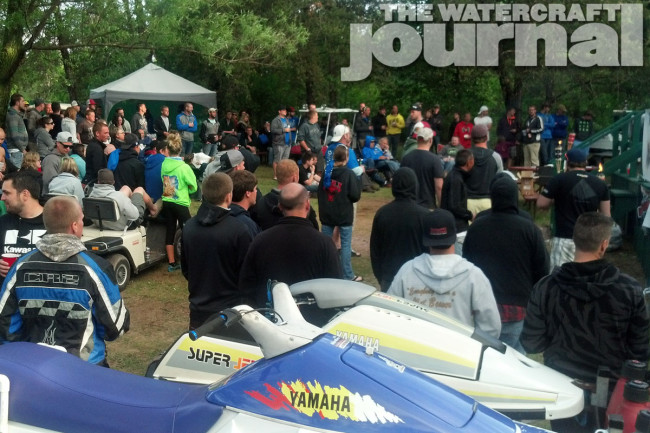
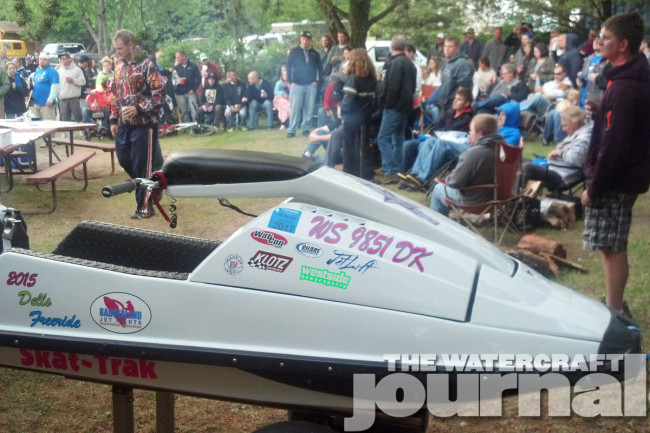
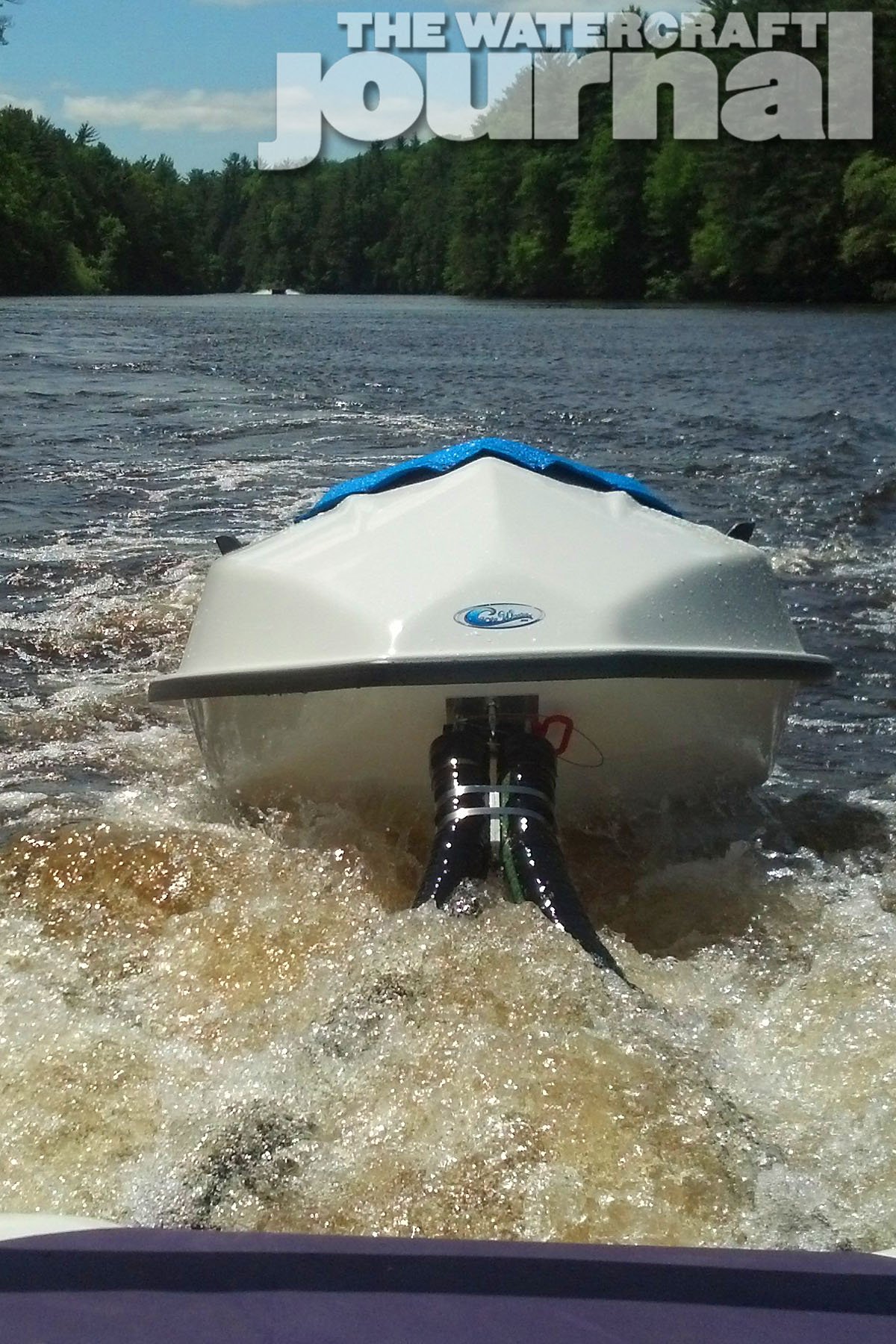
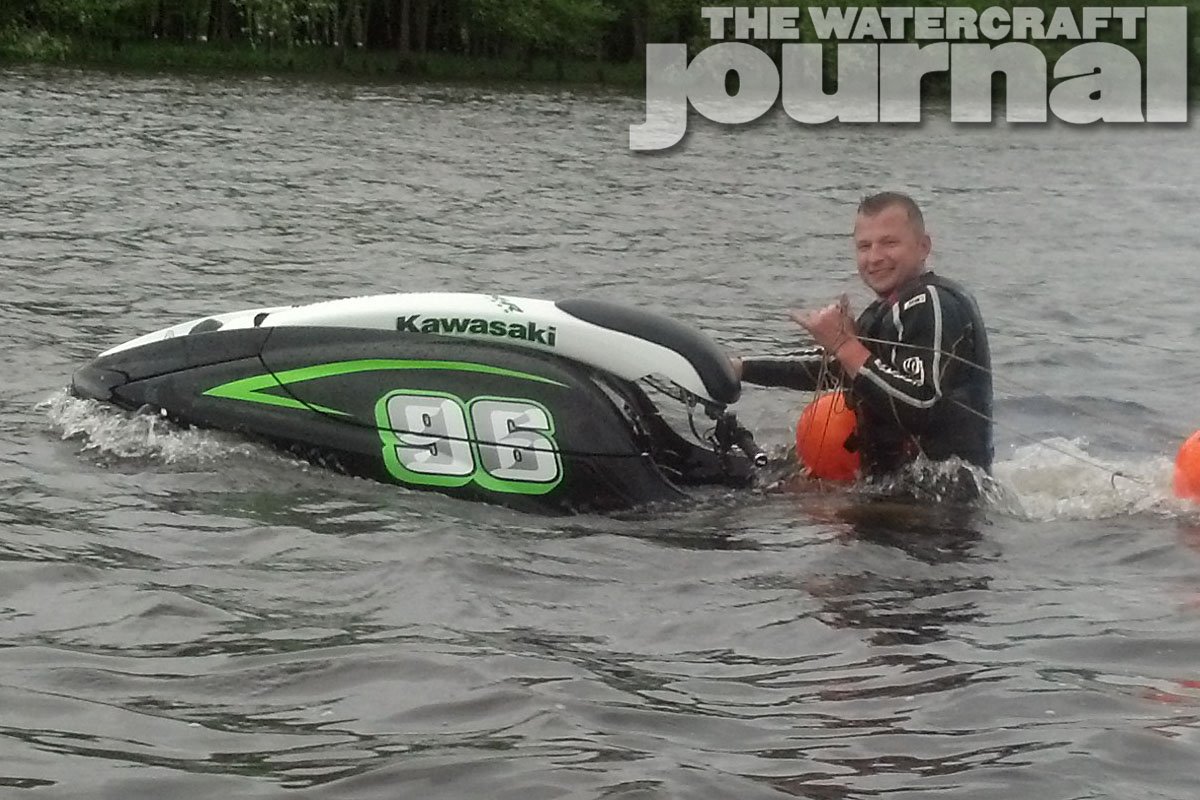
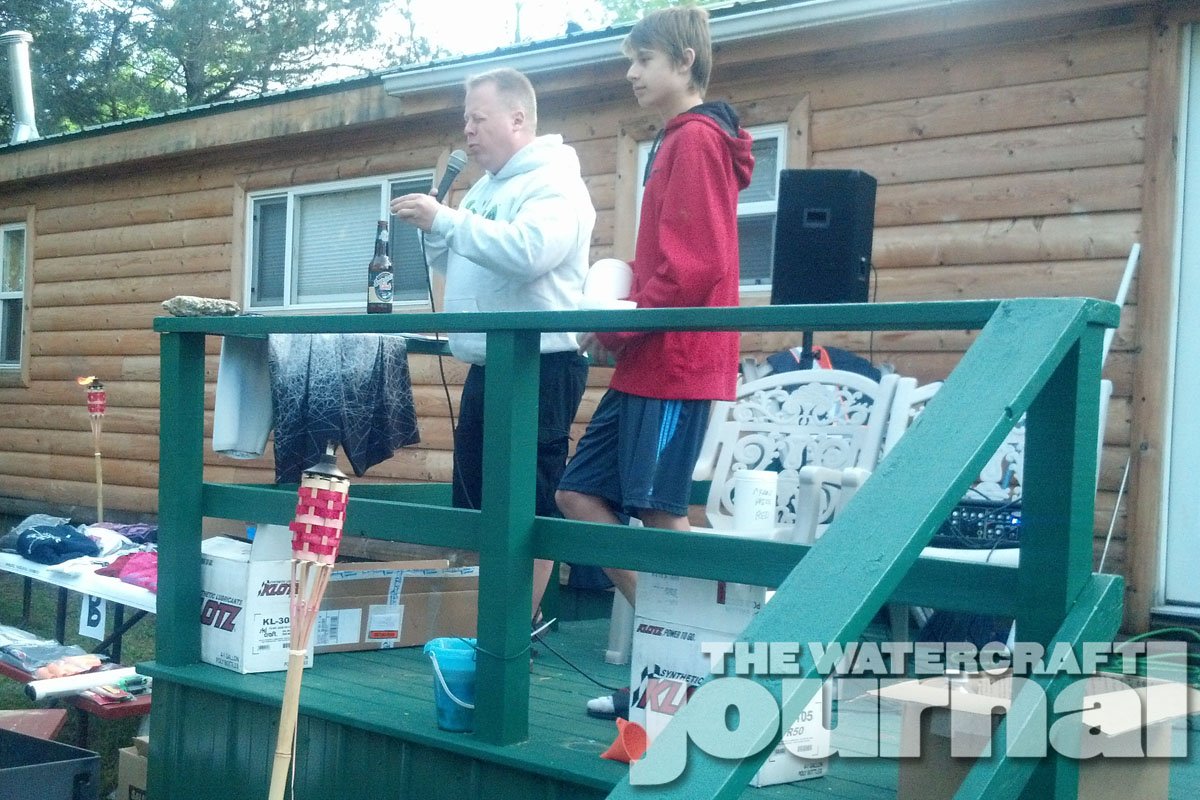
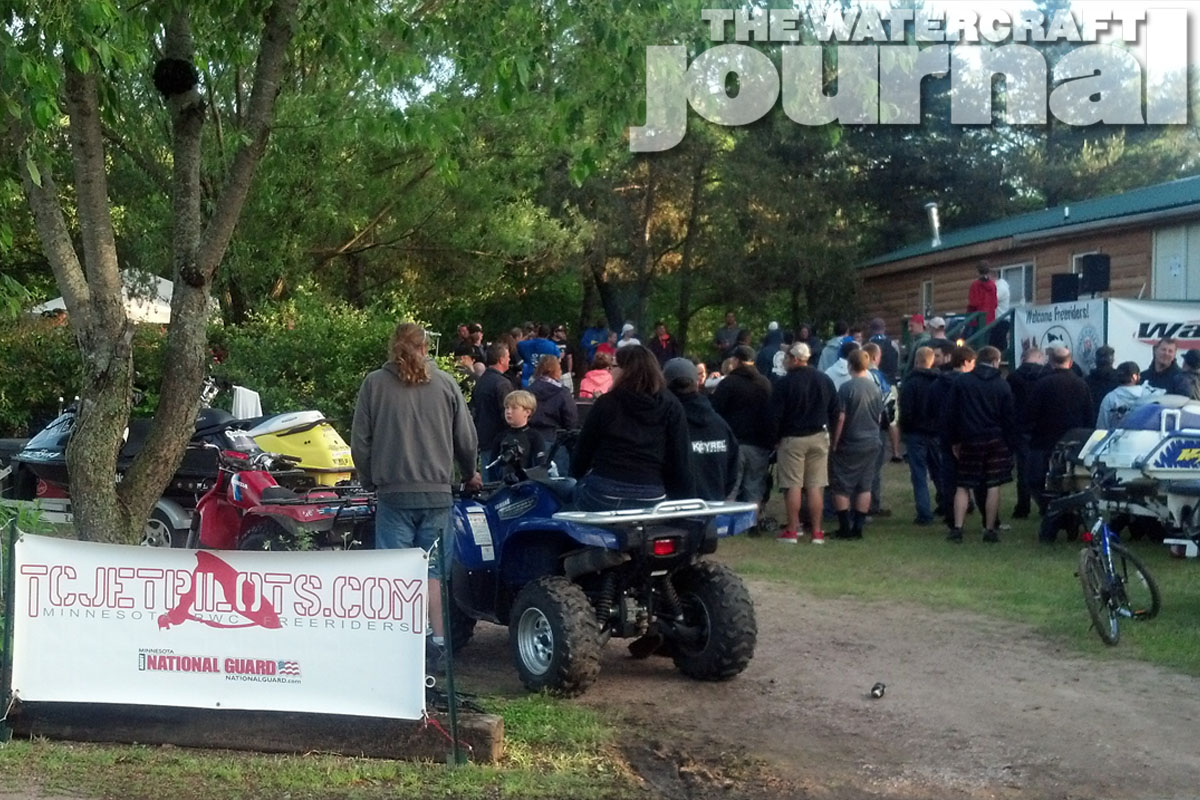
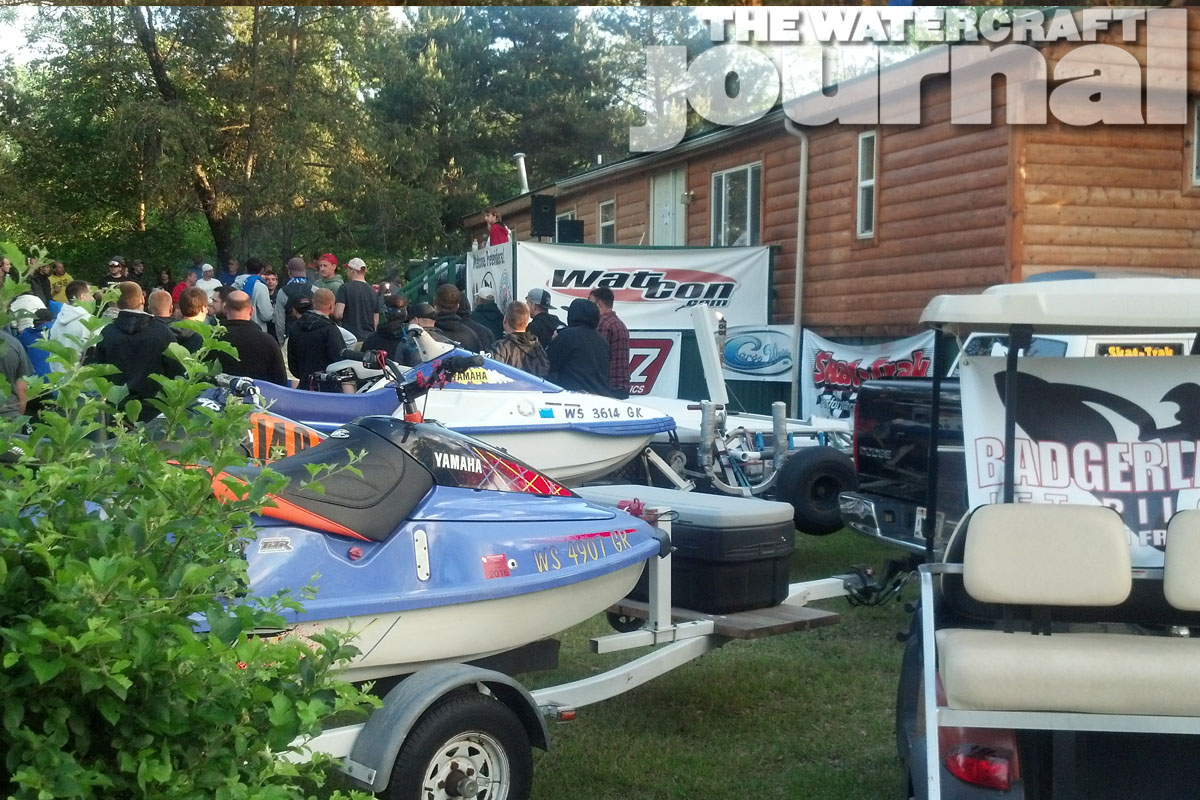
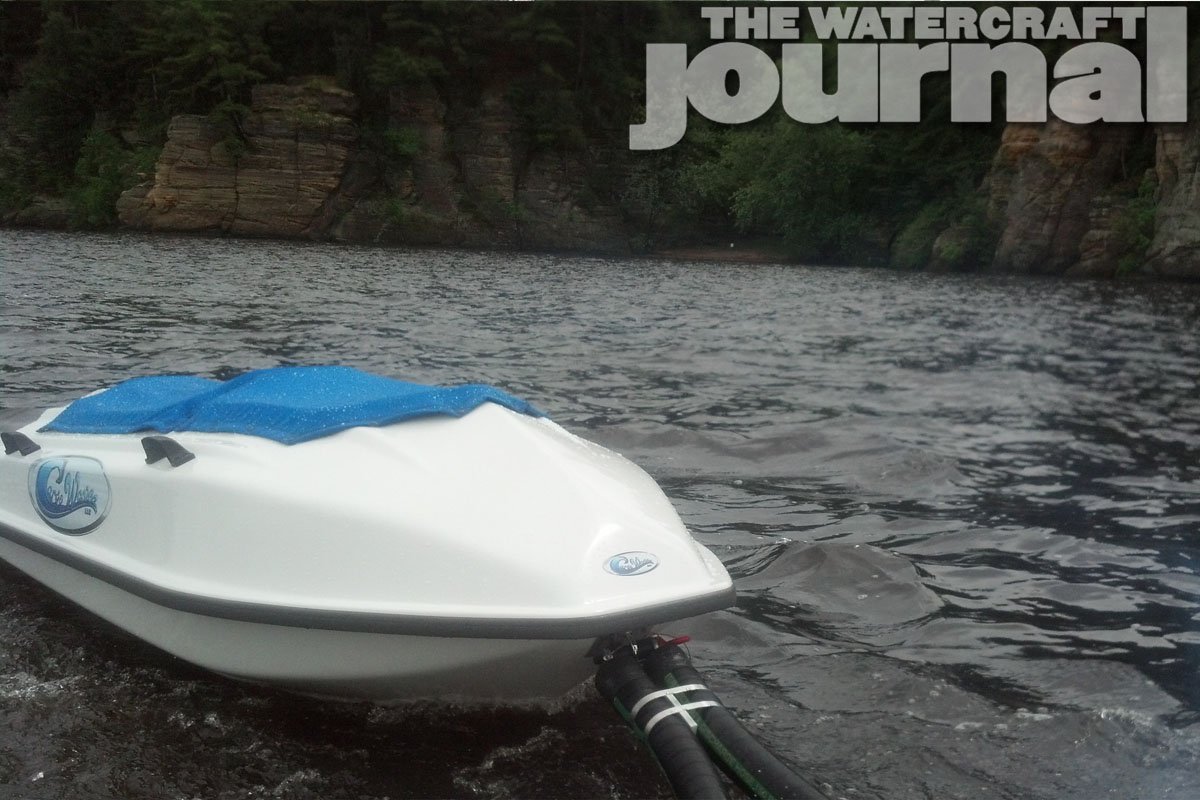
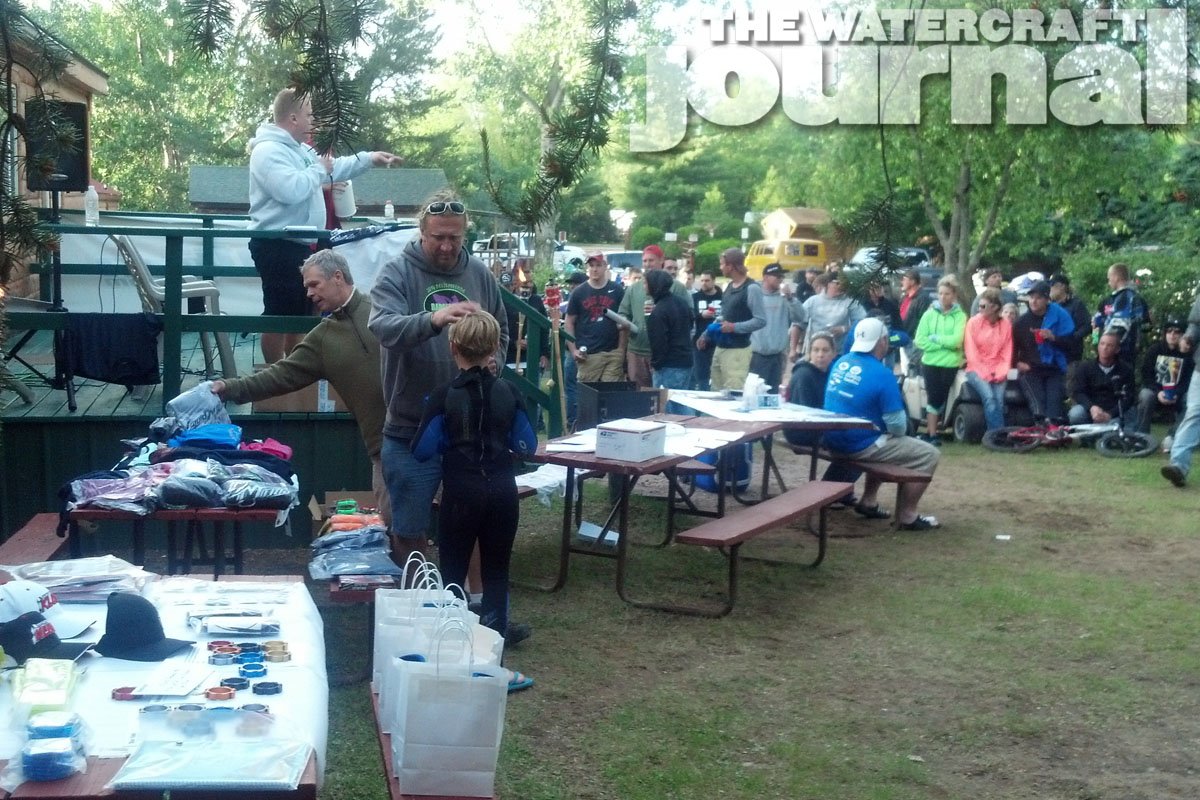
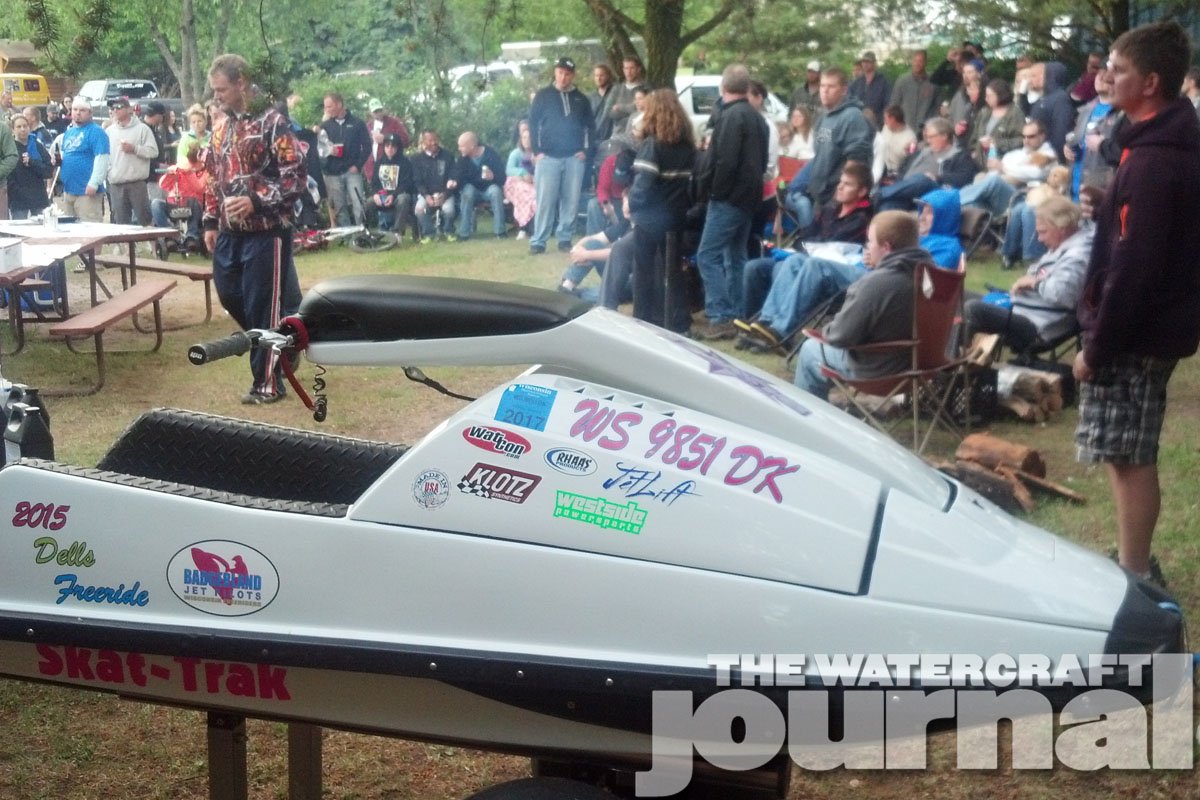
There’s so much going on across the world of jet skiing its all but impossible to keep up with everything. We recently caught up with Cargo Wave‘s Paul Thomas who let us know, “Paul Sucharski (who has been organizing events for 25 years) runs the Badgerland Jet Pilots Club and sites, and for four years has been running a Freeride at Dells or elsewhere and of late, it has gotten too large to manage.
“Right now, unfortunately [there are] no plans for next year, so it was a bittersweet week for many of the 300 plus in attendance. It is operated to benefit food shelves locally, and does not [bring in a] profit. Prizes are provided by many sponsors [including Cargo Wave, Watcon, and JetLift] and the grand prize is a fully restored 1993 Yamaha SuperJet with a 701cc motor installed, as well as side sponsons and many other aftermarket goodies added hand-built by Paul himself, and some sponsor supplies.
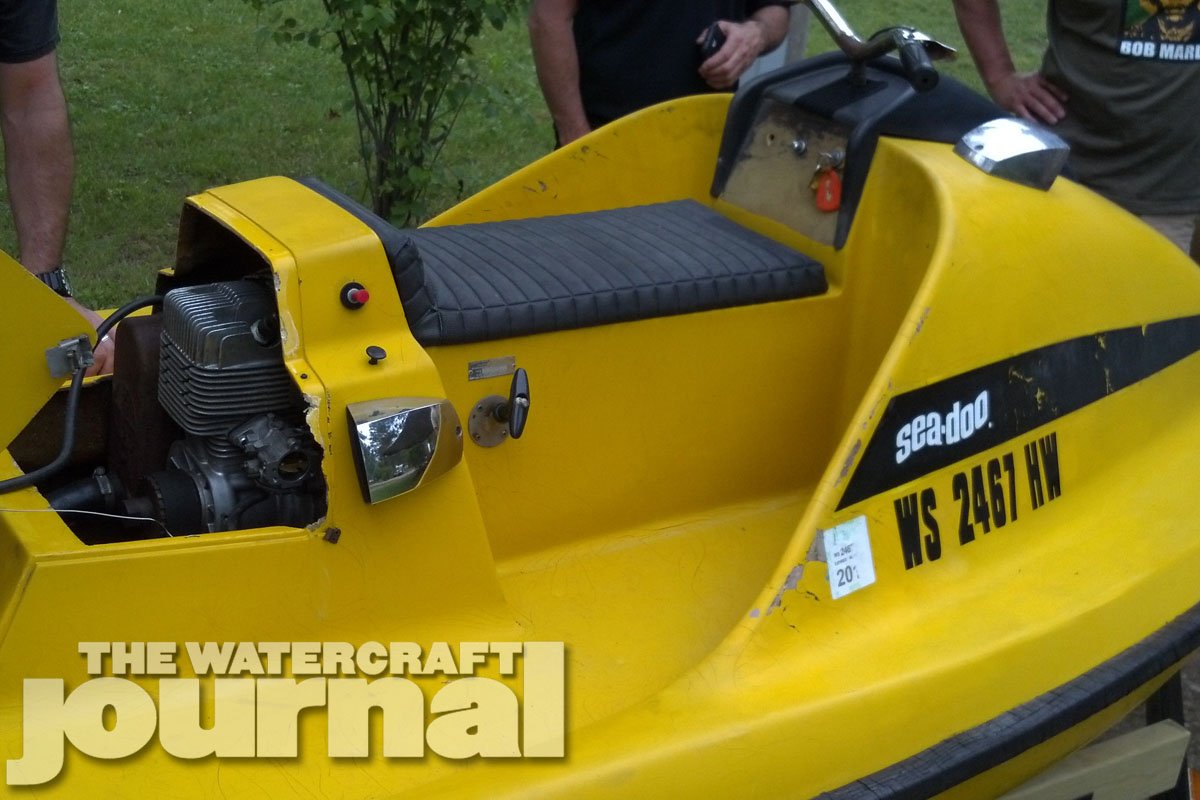
“[The] weather did not quite cooperate on the weekend Saturday, but much riding was done during the week prior starting on Tuesday and the weather was very nice then!” Held at the River Bay Resort, The Dells of Wisconsin also had some great surprises including a very well preserved original 1968 Sea-Doo, which Thomas joked would look good towing one of their watercraft trailers, of which, two were on display for onlookers to review.
With a few buoys set out for quick laps and plenty of space to get out and stretch your ski’s legs, the Freeride at Dells was a success for those who were present and all of us at The Watercraft Journal hope to see its return for 2016.
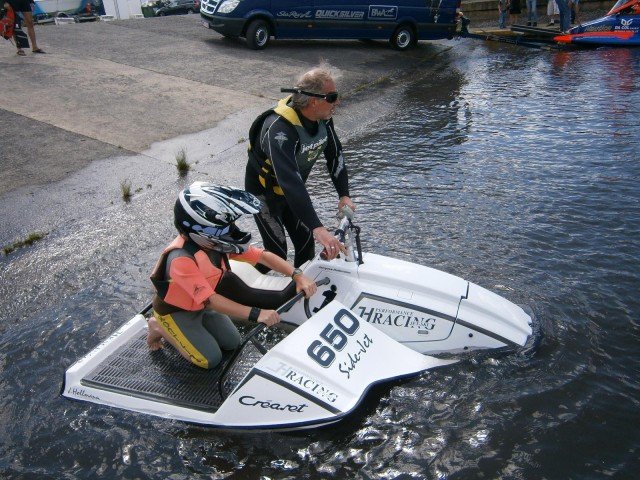
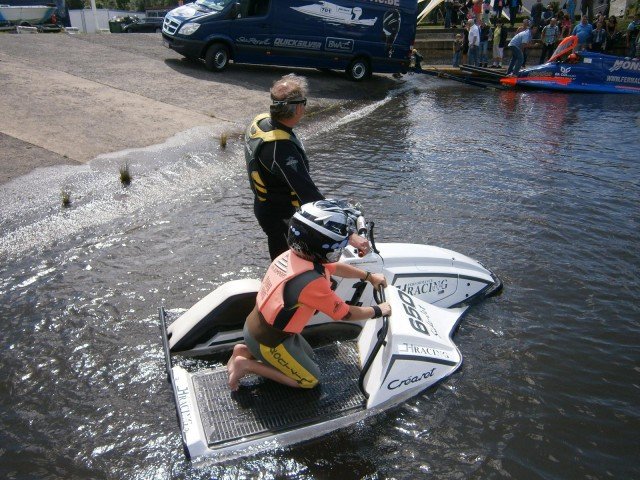
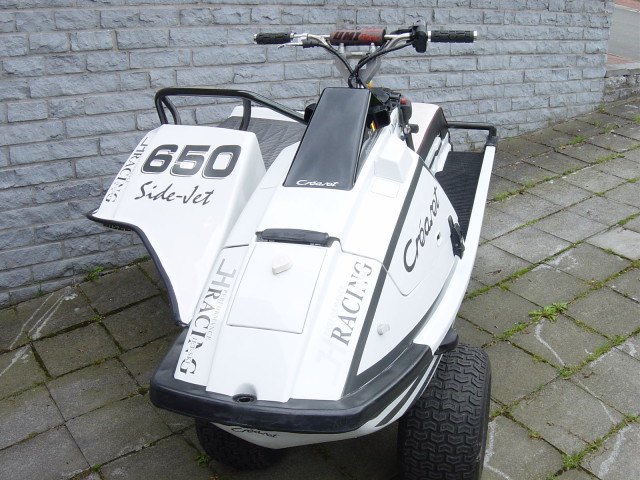
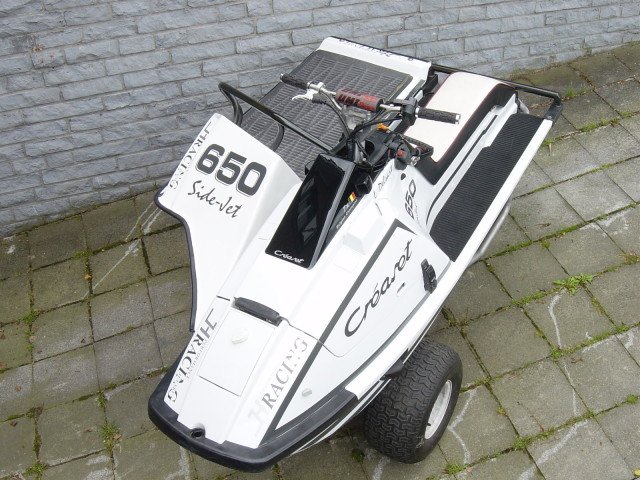
When we began researching for this article, we weren’t sure how this piece was going to be about an X2 with side-by-side sidecar-type attachment. Unfortunately, there isn’t much information on some of the old custom Kawasaki X2 JetSkis manufactured in the early ‘90s (although there are one or two pictures floating around the internet). Most of them were put together in garages at people’s homes and basically modified to work with the sidecar.
A thread from 2012 on SBT’s forum, PWCToday.com goes into a bit of detail as far as one particular forum member’s modded X2 (the one shown here). Belgian member JHR regularly rides and even races his sidecar-mated-Kawasaki with some success, claiming that you couldn’t fall off. The passenger counter-balances the ski while the driver puts on the throttle! However, if the sidecar doesn’t have enough weight, it throws the whole ski off balance.
The guys on the forum raved about the sidecars though, citing that their kids loved riding on them and one guy talked about building one for his dog! Yet, that didn’t last long; still we find the idea very cool and worthwhile. The X2 side jet might even make a nice fishing set up. Strap a cooler on the side with some bait, rods, drinks, food, and make a day of it!
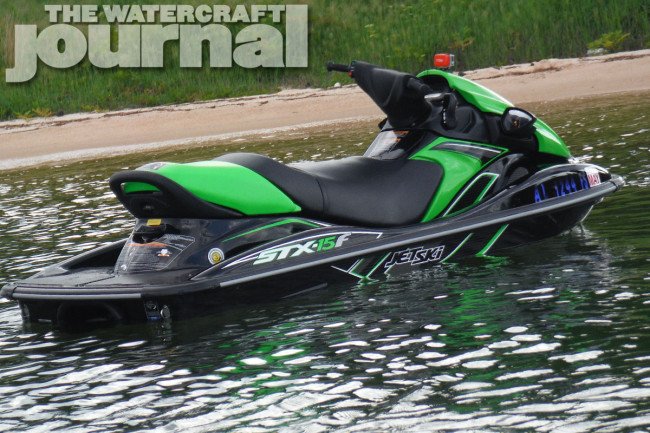
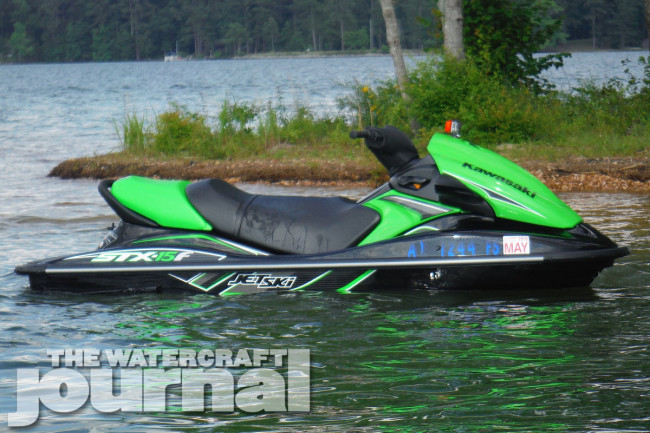
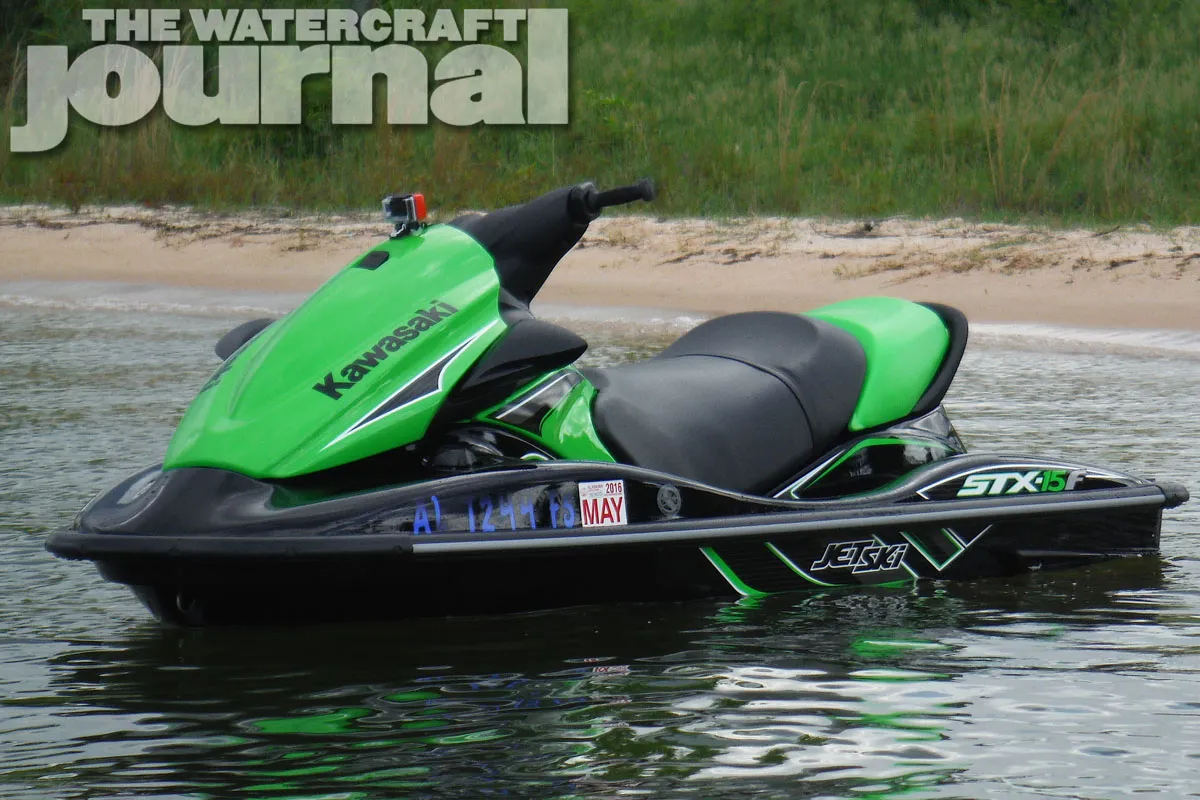
The title of this review might sound a little strange until you realize that’s how many years that the Kawasaki STX-15F is (with a major change being the change from a 1.2-liter to the larger 1.5L a decade ago). When Kawasaki built the STX back in 2003, the idea of it eventually becoming the brand’s entry level unit likely never crossed their mind. This was a ski built as Kawasaki’s flagship model at one time before the supercharged Ultras came along. Over time, it slowly fell down the ranks to an affordable entry level unit.
We recently picked up a new 2015 Kawasaki STX-15F and immediately went out to put a few hours on it. Honestly, after jumping off a supercharged Ultra to Kawsaki’s entry level ski with just over half the horsepower, we weren’t expecting a whole lot in the performance area. After a few hours of seat time, though, it’s safe to say this ski exceeded our expectations.
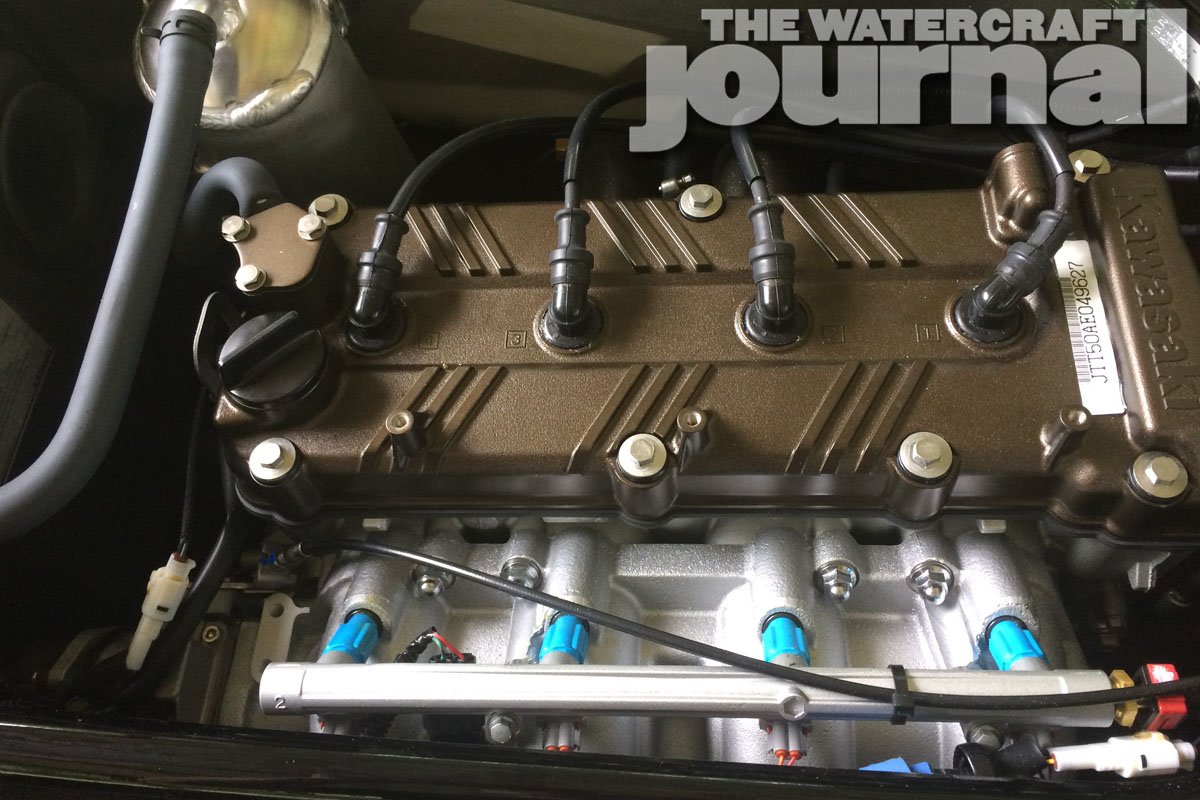
Propelled by a normally-aspirated 160 horsepower, 1498cc, DOHC 4-stroke, four-cylinder engine, the STX-15F features a 148mm jet pump, which puts the power to the water quite nicely. The ski itself is 122.8 inches long and 46.5 inches wide, with a curb weight listed at 845 pounds. This makes the STX shorter than the competing Sea-Doo GTI 155 SE and VX Deluxe, yet the heaviest of the three (131.5-inches and 769-pounds, and 132.6-inches and 790-pounds respectively).
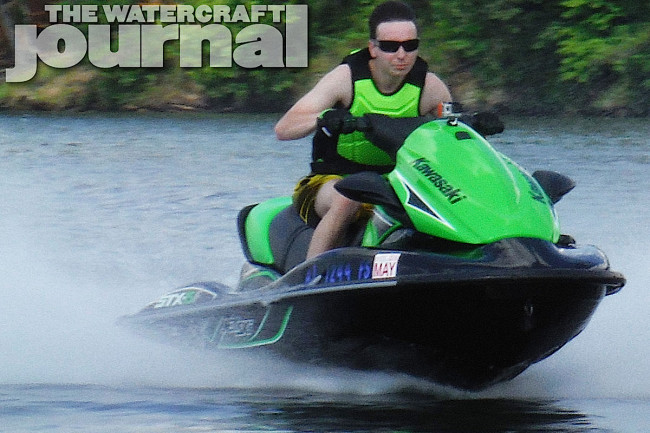
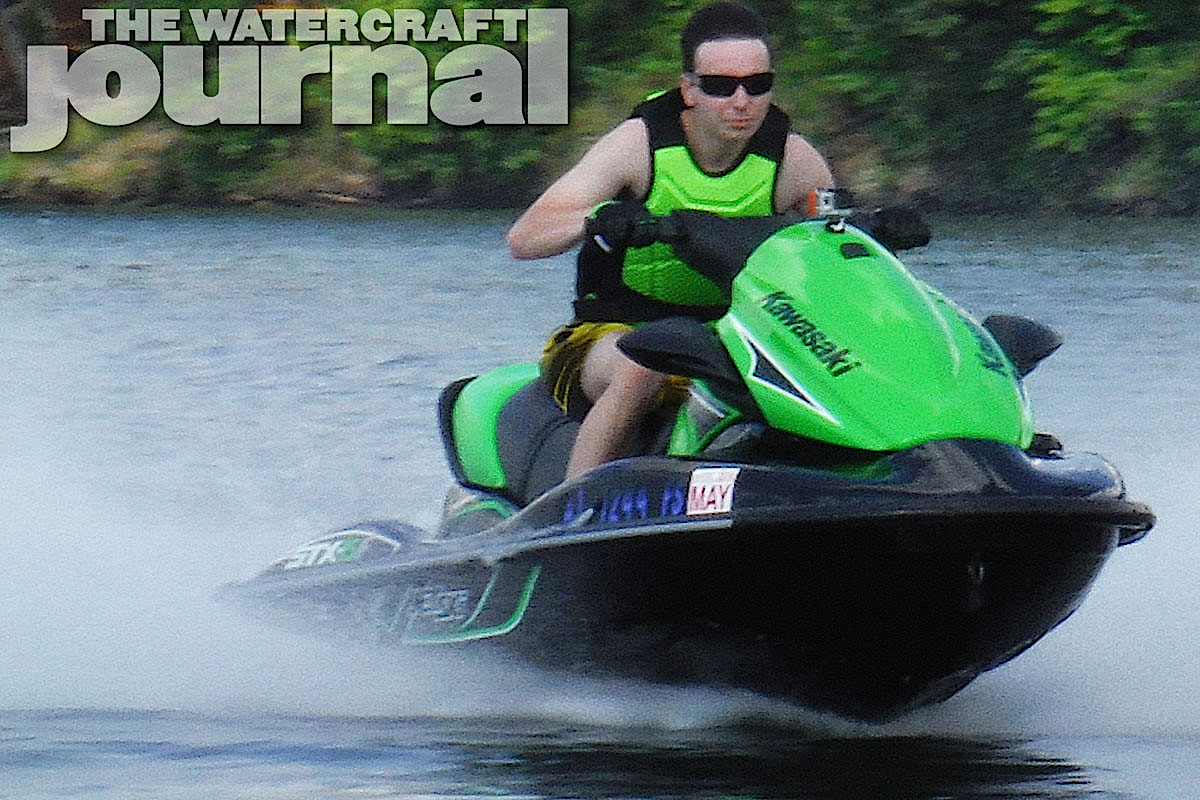
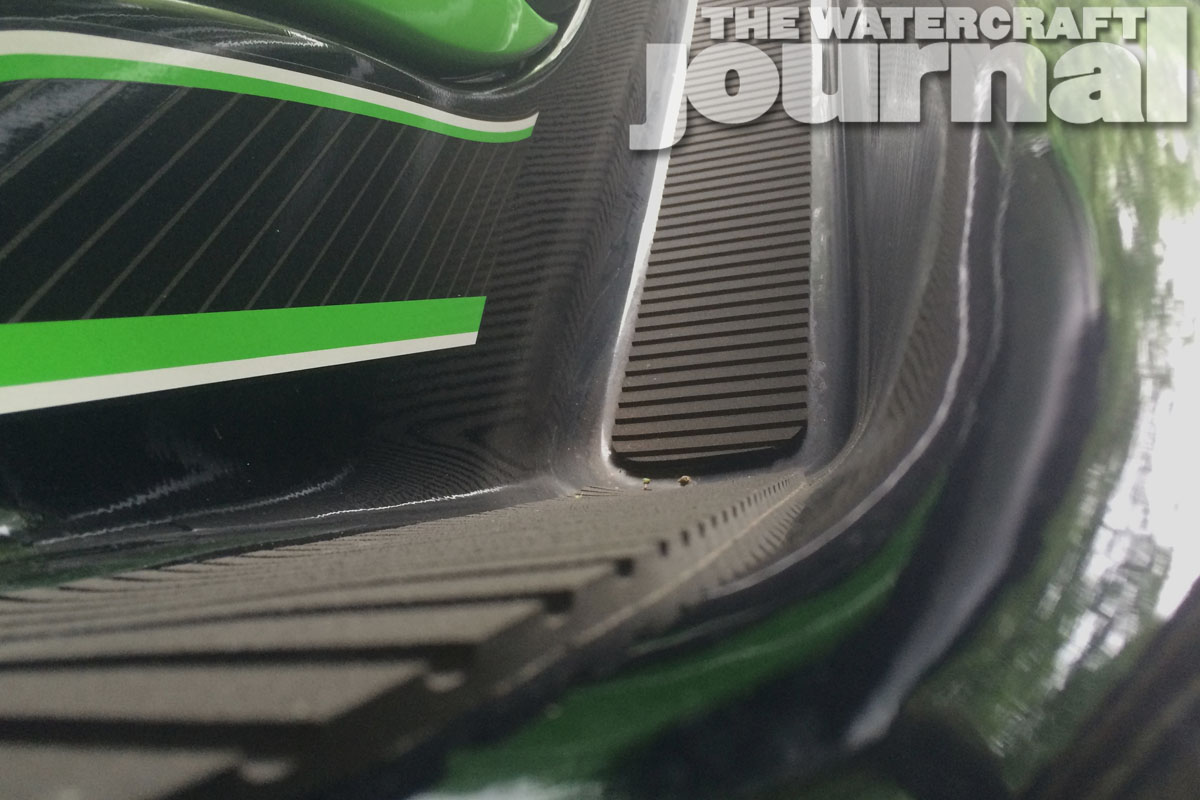
The first thing we noticed was the 15F’s exceptional handling. This ski bit hard going into the turn. With a hull design that is over 13 years old, we weren’t really expecting it to handle as well as it did. It was extremely nimble and very easy to throw around, evidence to the Kawasaki’s long pedigree of regional, national and world championships racked up by some of the biggest names in runabout racing.
Once we got into a calmer slew, we pinned the throttle at first chance. The 1498cc engine roared up to a top speed of 67 mph on the speedometer. Because the STX still uses a paddle wheel speedometer, which are traditionally a little too “optimistic,” we needed a better confirmation. With a GPS on hand during a different day, we racked up a top speed just under 64 mph. Again, for a normally aspirated ski, we were very impressed with the straight line performance.
Next, we went out in the rough water. We were able to maintain a good speed between 45-to-50mph through the chop. Yet, in the really nasty chop, we were getting airborne a good bit, which was fun, but not exactly a pleasure ride. In the mild chop, though, this ski just cut right through it and stayed hooked up. It’s easy to understand why this hull has more championships than any other hull ever produced.
The 15F’s racy nature does take some getting used, but feels very safe and stable at most speeds, as one would expect an entry level unit should. Despite it’s big 1.5-liter plant, it runs on 87 octane. It has all the makings of an entry level unit, but offers something extra when you grab a fist full of throttle. It’s no supercharged rocket on water, but it does offer much better seat-of-the-pants excitement than one might expect out of an entry level ski.
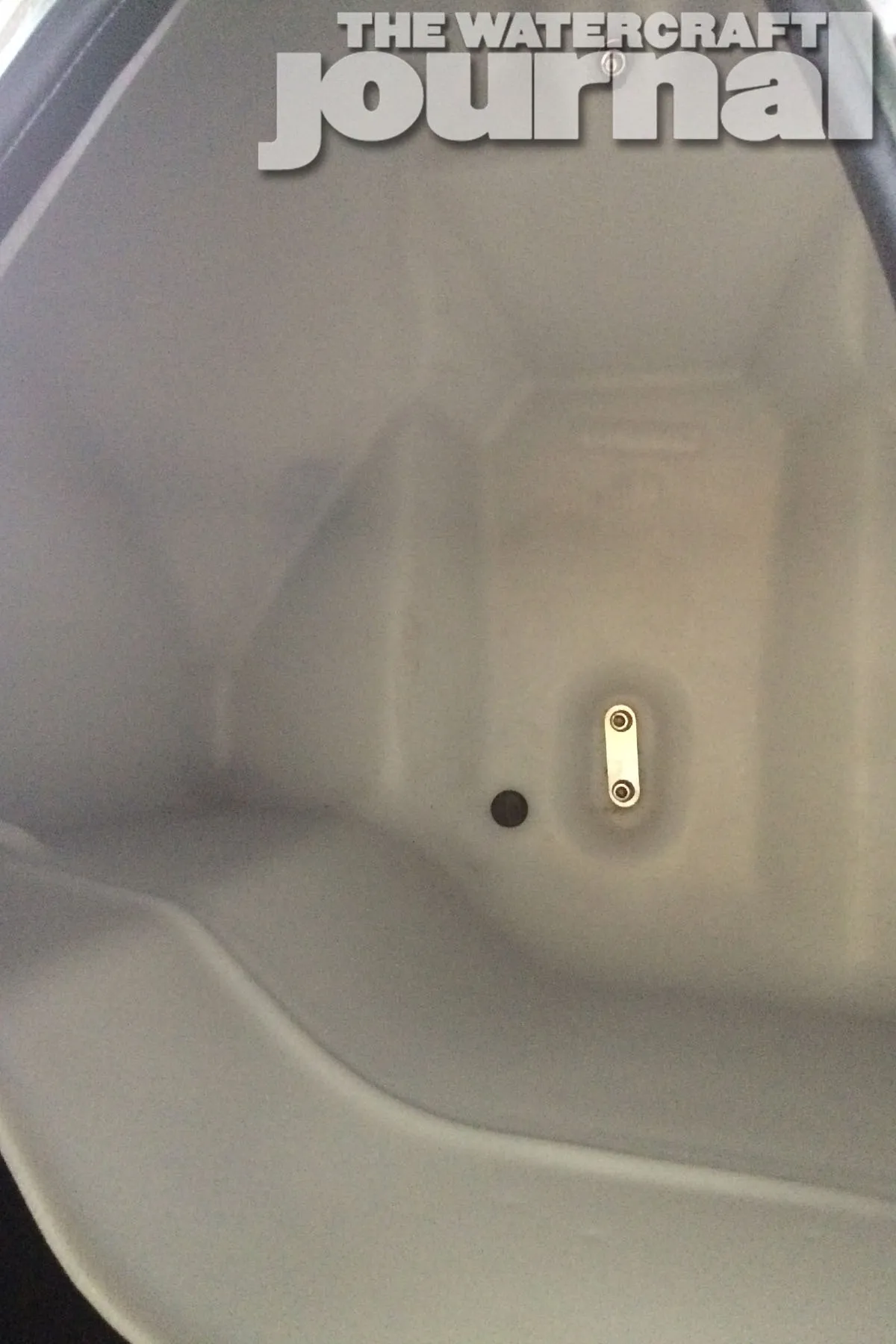
Yet, it remains a family friendly ski. It seats three, has a spacious 23.5-gallon’s worth of storage (albeit offering less available storage than the aforementioned competitors), is capable (and legal) to tow a skier, and it also comes with a SLO (Smart Learning Operation) key, which limits the power output of the engine. It will fit most people’s watercraft wants and priced at $9,699, it’ll fit their budgets too, just fine.
It is worth noting that the STX-15F doesn’t come with a whole lot of features: no cruise control, electronic trim, water temp or air temp display, not to mention electronic trim, or even brakes (found again on the two mentioned competitor’s craft). In fact, the 15F remains so unchanged that the reverse lever still resides beneath the throttle.
There are still some nice features on the ski, though. Such as a Smart Learning Operation (SLO) key, which limits the power of the engine, and Kawasaki Smart Steering (KSS) that adds throttle when a rider tries to turn without adding power. We hope to see advancements found on current Ultras like fly-by-wire throttle control, improved oiling and internal engine cooling, and even cruise control and electronic trim find their way to the lowly STX-15F some time soon.
Either way, this is a ski that is certain put a smile on most faces. Whether you’re a performance enthusiast, thrill seeker, adventurer or cruiser, the Kawasaki STX-15F is a ski to consider next time you go shopping for a ski.
What makes a good rumor is its likelihood of actually being real, the surrounding facts backing up the claim, and the source. Today’s edition of “Vicious Rumors and Vile Gossip” has two out of three of these locked in, so we’re sure to trigger the “BS meter” in a few of you reading this. And we’re OK with that because for every couple of stinkers, we hit one right out of the park.
This is not the first time you’ve heard us espouse the possibility of a 4-stroke standup. In fact, we pushed the idea so hard that Kawasaki told us to stop. And, when opportunity arises, we happily report on a new hand-built projects whenever we get the chance (like HERE and HERE). Heck, it was even our April Fool’s joke this year. It’s not that we have an agenda, it’s just that we know the technology (and demand) is there.
And apparently, we’re not the only ones. Both Spyjet and Franky Zapata have shown interest in developing a line of 4-stroke standups – specifically employing the successful Sea-Doo ACE 900 motor. Tuners are making well over 110 horsepower with a simple reflash (Vtech Tuned reports 120-plus-HP), and turbo applications are pushing that number upwards to 200 ponies.
Unfortunately, BRP has been less than enthusiastic to open the doors for crate motor ACE sales, though Sea-Doo’s own Tim McKercher told The Watercraft Journal, “BRP’s Evinrude propulsion division is open to discussing providing power packages to any (quality/well managed) boat company that can sustain a solid volume level of units per year for an extended length of time. And they must have a dealer network capable of providing high quality service/support.” Requirements that would appear neither builders could meet.
Nevertheless, possibly the most revered name in top performance Sea-Doos, Les Cooke is believed to be near completion on a series of standups featuring the ACE 900 motor with a completely proprietary hull design. Called the SDC Trak 903, the ski is only being hinted at on the official Sea-Doo Centre website with a tease that the Trak 903 will make its world debut at Jetcross World Cup race in Doncaster, stating:
“Doncaster partnered this year with the Jetcross World Cup to host the biggest European race Event of all time. SDC proudly announces the premiere of the Trak 903 taking place in Doncaster 24-25-26 July 2015. The new Stand-up model introduces a simple, easy and reliable 4-stroke technology to bring back the fun, freedom and excitement of riding a ski. Come and join the 2015 Jetcross World Tour in Doncaster, UK and be the first to ride the all new SDC Trak 903.”
Our sources did mention that the Trak 903 might’ve seen some action in the UIM’s Casto, Italy event last month, but could not confirm whether it was campaigned or not. What we do know is still pretty substantive. First, all of Cooke’s hardware, hull design and performance components are exclusive to Sea-Doo Centre. Next, we know the range in power in which Cooke’s Trak 903 skis are producing:
Three models are expected to be offered, a 90-horsepower unit tuned to out accelerate all current Lites class skis, a very competitively priced 120-horsepower unit, and an incredible turbocharged Pro Open/GP unit producing a dyno-tuned and proven (replete with dyno sheet) 225-horsepower. This is impressive, as even the most finely tuned triples cap off at around 195 horsepower.
More importantly, the 4-stroke SDC Trak 903 promises to out perform traditional triples in fuel consumption rates and remain 50-state legal. Unfortunately, such an over-the-top machine will cost a pretty penny. The Watercraft Journal hasn’t been told a number yet, but have been warned “it ain’t cheap.” We were also told that Cooke has pushed the higher-end Trak 903’s power further, but doesn’t want to “rock the boat too much.”
It is very likely that the advent of the 225HP Trak 903 will incur the ire of many a traditional GP or Open ski builder, and put Cooke’s latest invention in the crosshairs of potential protests. We hope that’s not the case, but delving into the chasm of race politics is a discussion for another day. Either way, the debut of the SDC Trak 903 is just over a month away, so it will be interesting to see how it fairs against the tried and proven triples.
Sure, it’s might be 3C degrees (37 degrees Fahrenheit for us Yanks) around the coasts of Australia these days, but that doesn’t mean that Yamaha Motor Australia shutters up the shop windows for the winter. No sir! The brand with the tuning forks is hard at work making sure that those who still want to ride can, and those preparing for next season gets the best deals on new WaveRunner watercraft!
Recently, Yamaha Motor Australia launched a pair of all-new Facebook pages, one for WaveRunners and the other for their outboard motors. If you’re even remotely social media savvy, you owe yourself to run over to Yamaha WaveRunner Australia’s Facebook page and give ’em a “Like” (and don’t forget to “Follow” the page, as not to miss out on all of the racing and event news, product info and giveaways. Seriously. These guys are giving away some killer deals here.)
Worldwide, Yamaha has earned its reputation for building some of the fastest and most exciting watercraft for over the past three decades. With hundreds of manufacturer recognition awards and thousands of local, regional and world championships, Yamaha WaveRunners is no stranger to the winner’s circle. Now, as Australia’s season cools and the northern hemisphere begins to heat up, Yamaha WaveRunner Australia is preparing to prime the pump in preparation for an explosive new riding season.
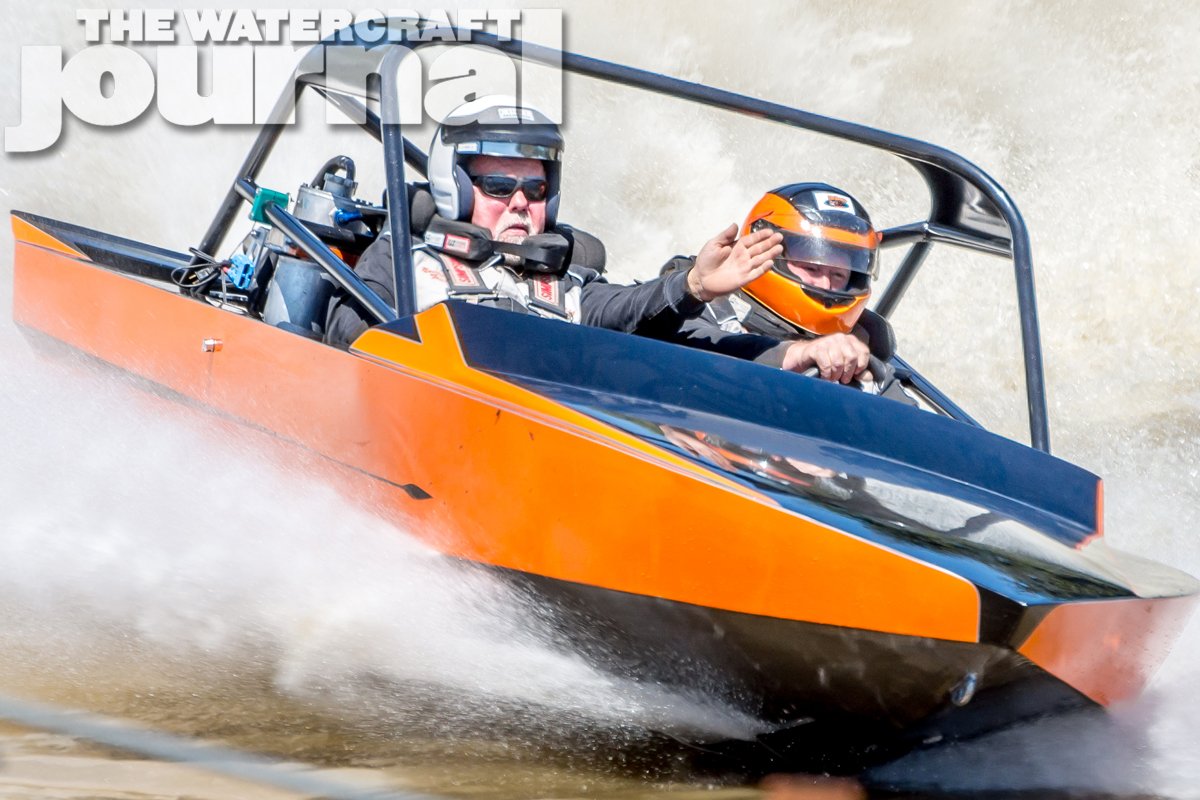
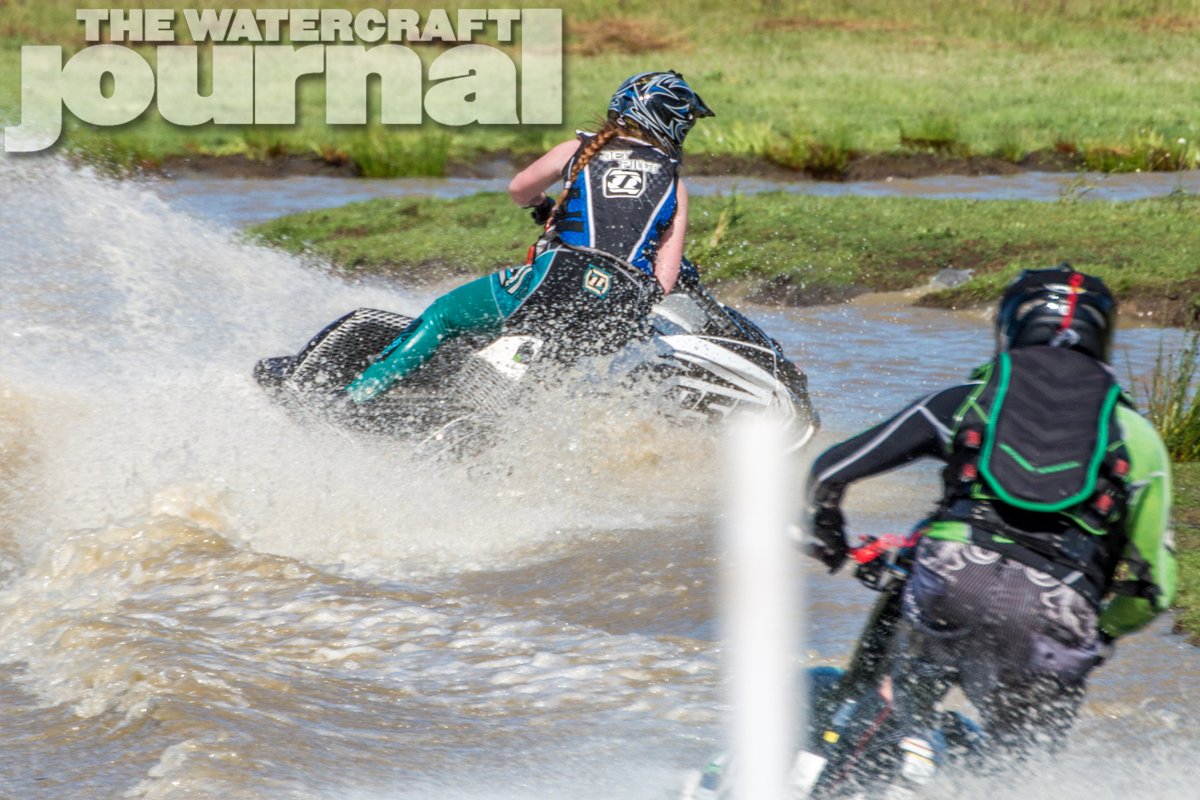
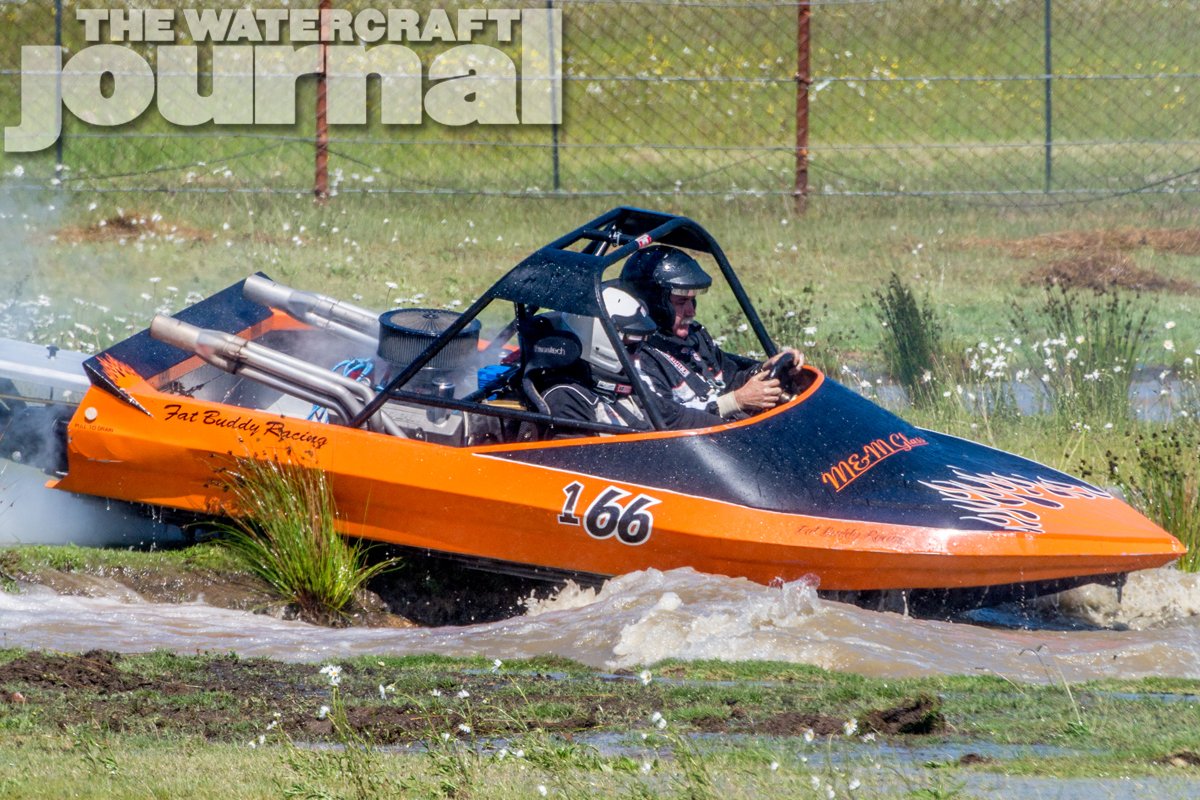
Evidently, Dan had met the owners of the track, Dan and Kelly Morrison at a City Council Meeting and suggested that it might be fun to race jet skis around the track during intermission periods at their events. The ridiculously fast sprint boats and great venue they have built typically attract between 5,000 and 10,000 spectators per event.
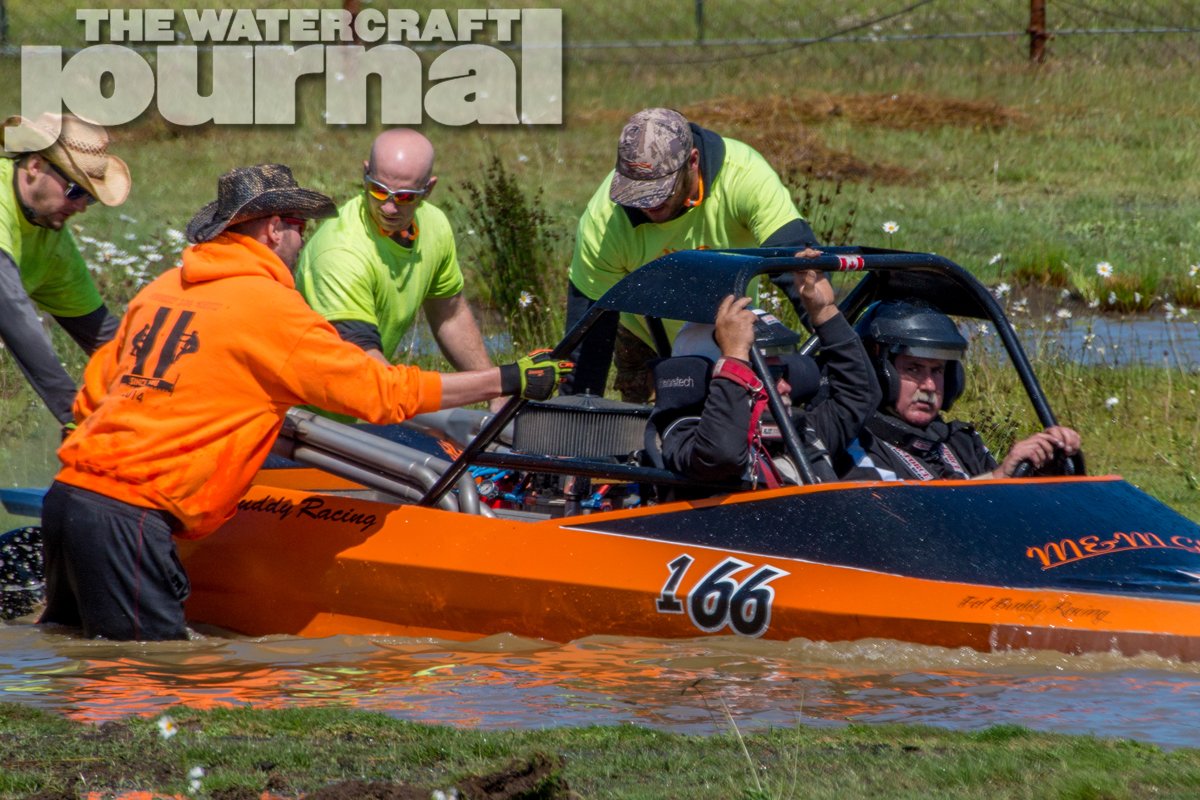
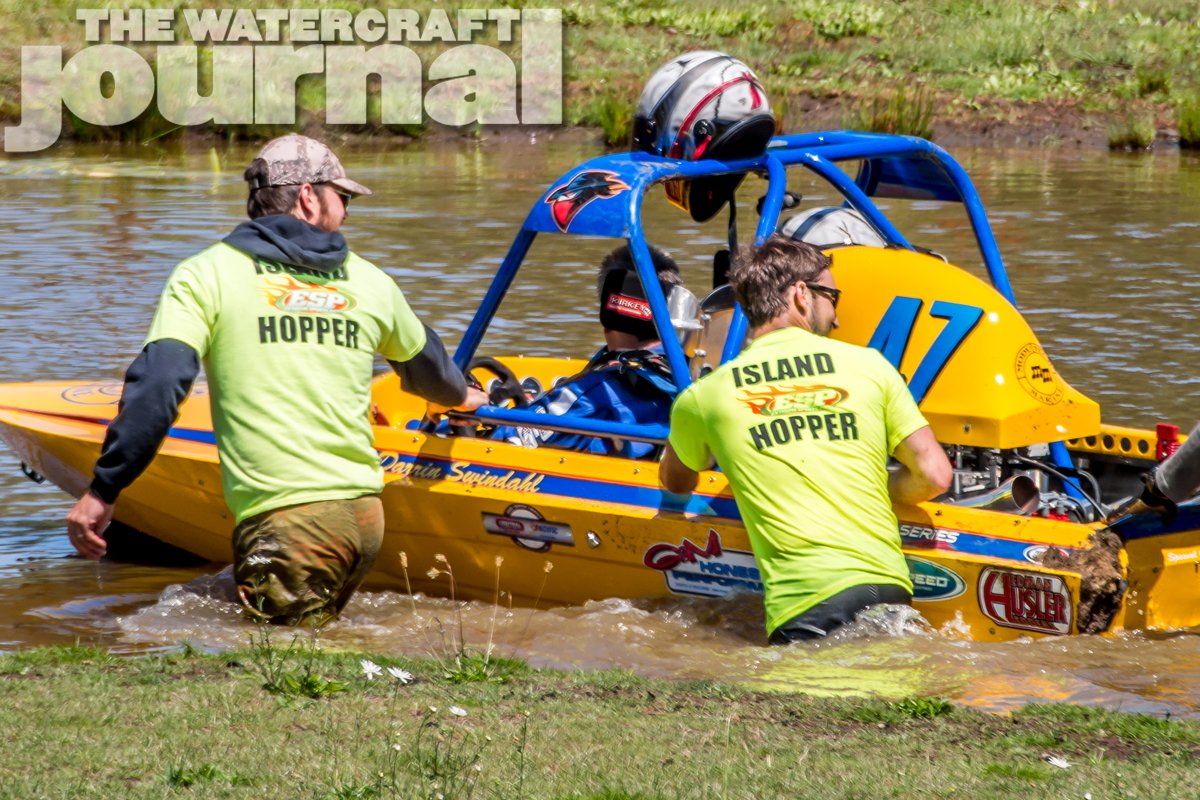
We arrived at the track just in time to witness the first wreck of the season. The boat rolled completely over twice and landed right side up. The “island hoppers” arrived quickly to the aid of the two-person crew. Many of the island hoppers are EMT trained and work in the EMS/firefighting field. There was also an ambulance on site just in case. There were no injuries and the boat was walked back to the boat launch (one of the crewmembers later referred to it as “the walk of shame”).
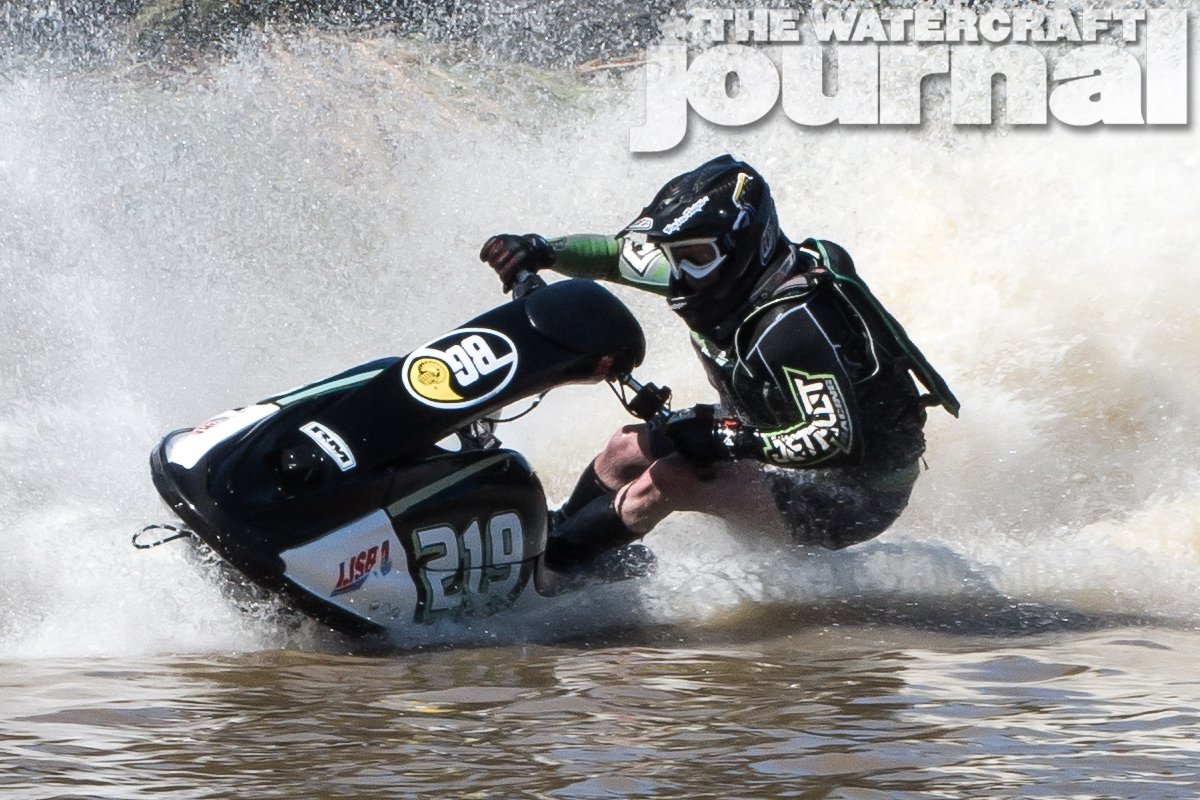
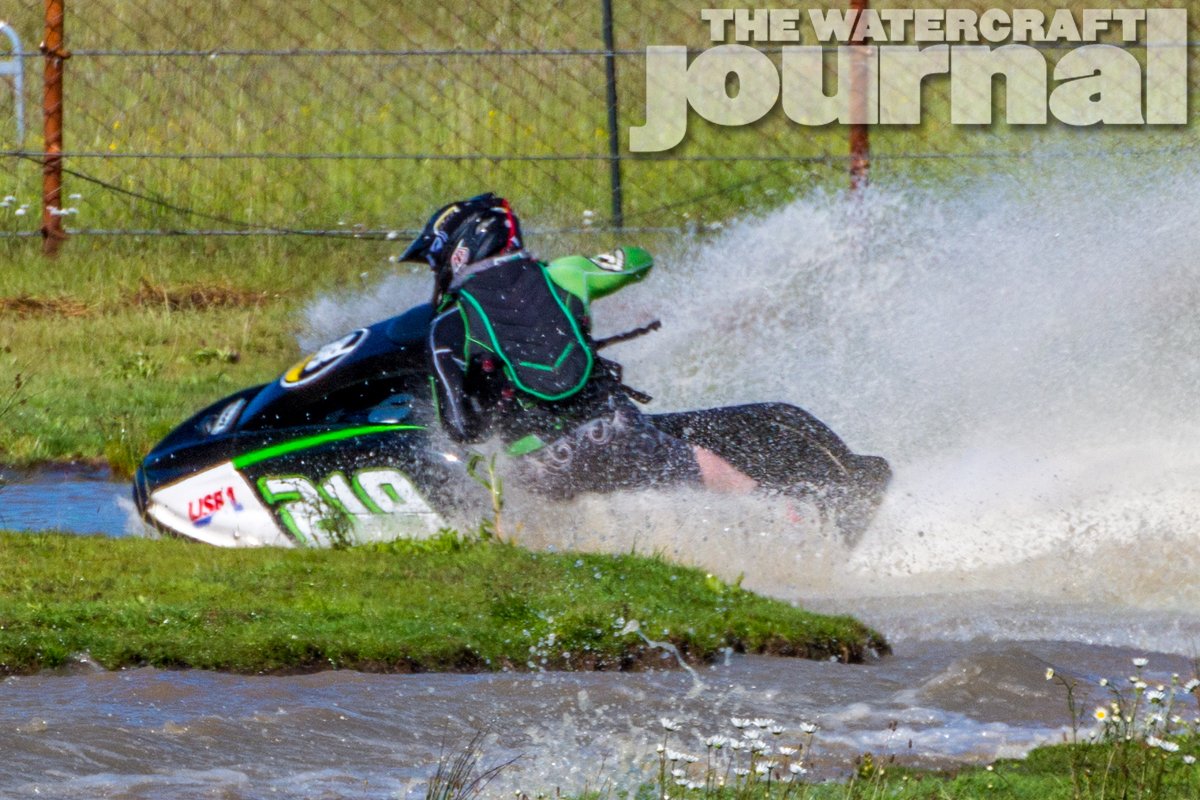
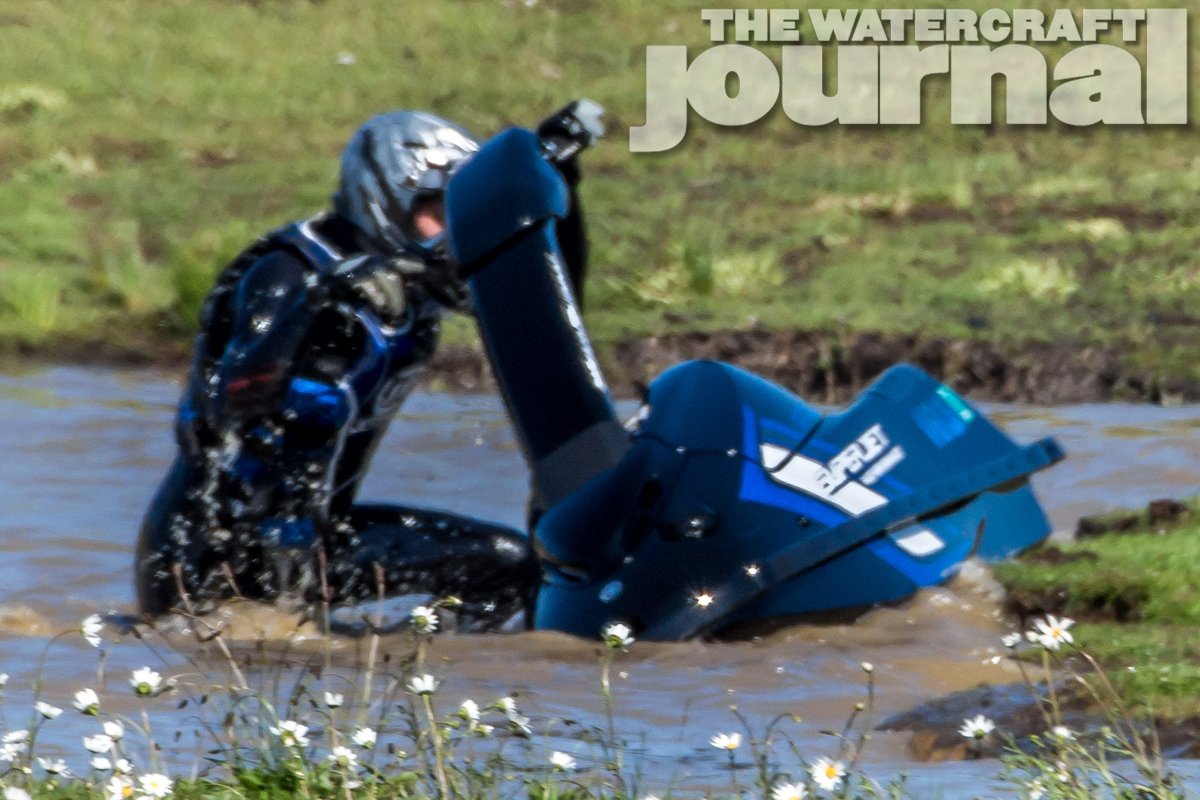
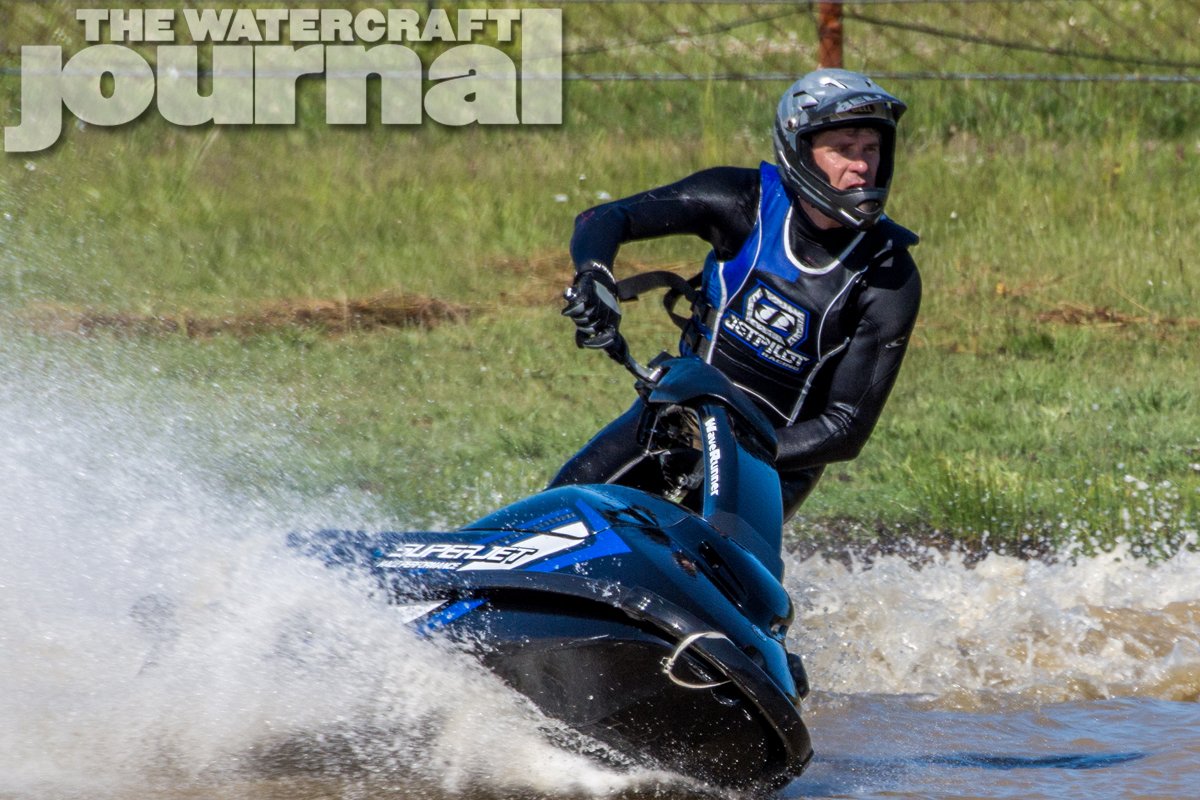
The channels they race in are approximately 14-feet wide and 2-to-4 feet deep. After a couple more heats, we suited up and launched our skis. It’s a little different racing around buoys than racing through narrow man-made channels. It wasn’t long before we misjudged a turn and found ourselves in the middle of an island completely beached. The island hoppers were very helpful returning our ski to the water and commented that it was a little lighter than the boats they were used to moving.
Dan and Kelly and all the racers and crew were very excited to have us and invited us back to be part of their next event! We will likely run some timed trials around a designated course between Sprint boat heats and score up the heats at the end of the day for placement. Details will be posted on the Extreme Sports Park Jet Ski Races facebook event page. The next race will be July 25th at the ESP track in Port Angeles, WA, so mark your calendars and if you cannot make it to watch in person, there will be live video streaming all day.
We’ve caught our share of grief from some eagle-eyed commenters who after posting one too many watercraft reviews noticed we regularly wear the same pair of worn out Arnett Catfishes. Yup, they might be a little outdated, but they’ve been the best sunglasses that we’ve owned (and by “best” we mean the only ones that we haven’t lost while riding). It’s not that we’re biased at all, it’s just finding a pair of sunglasses that rest comfortably and won’t fly off is incredibly hard to do.
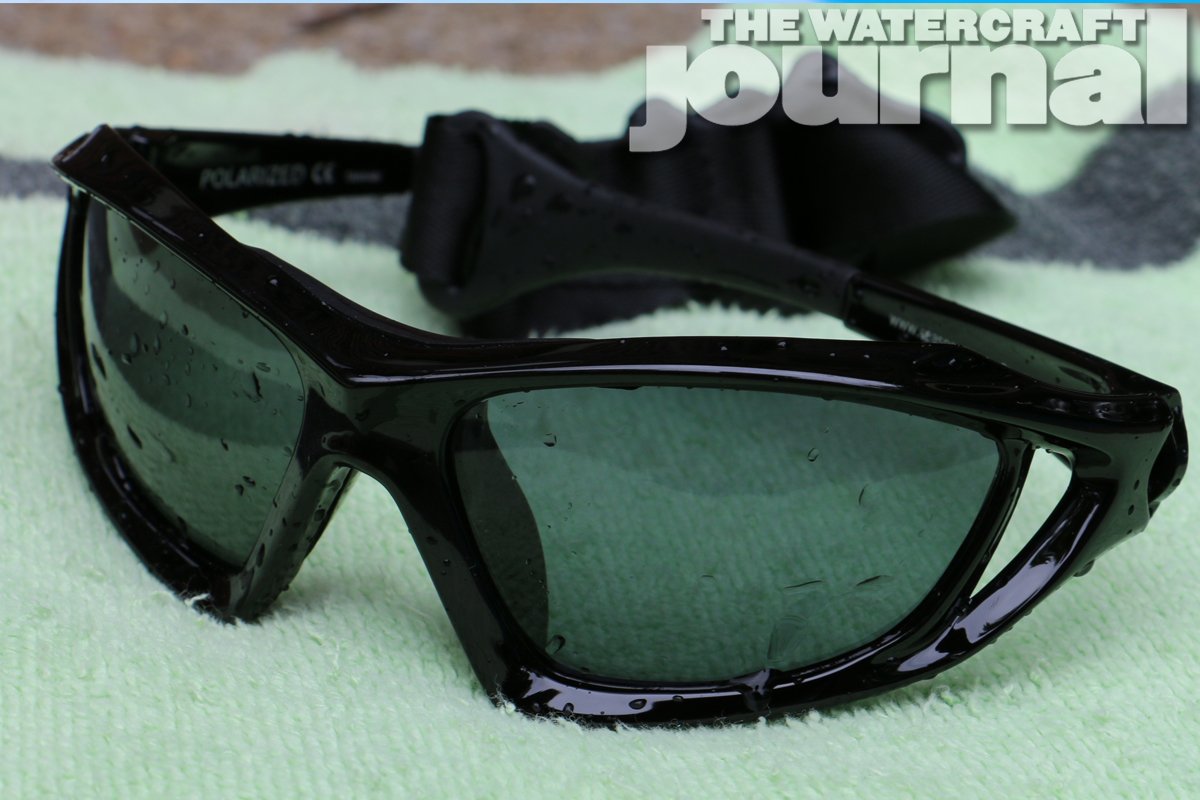
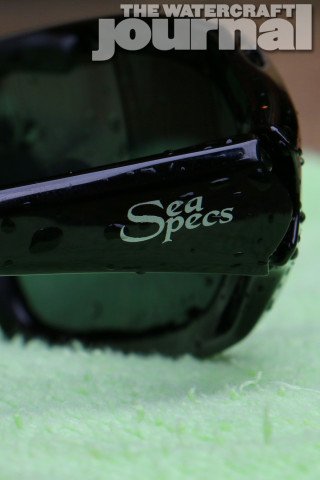
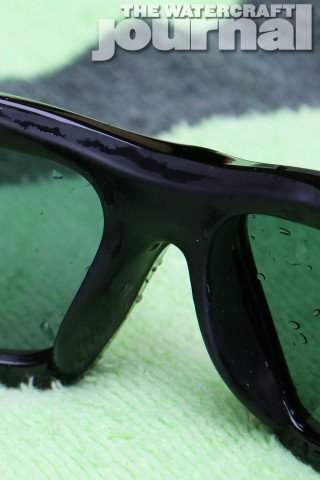
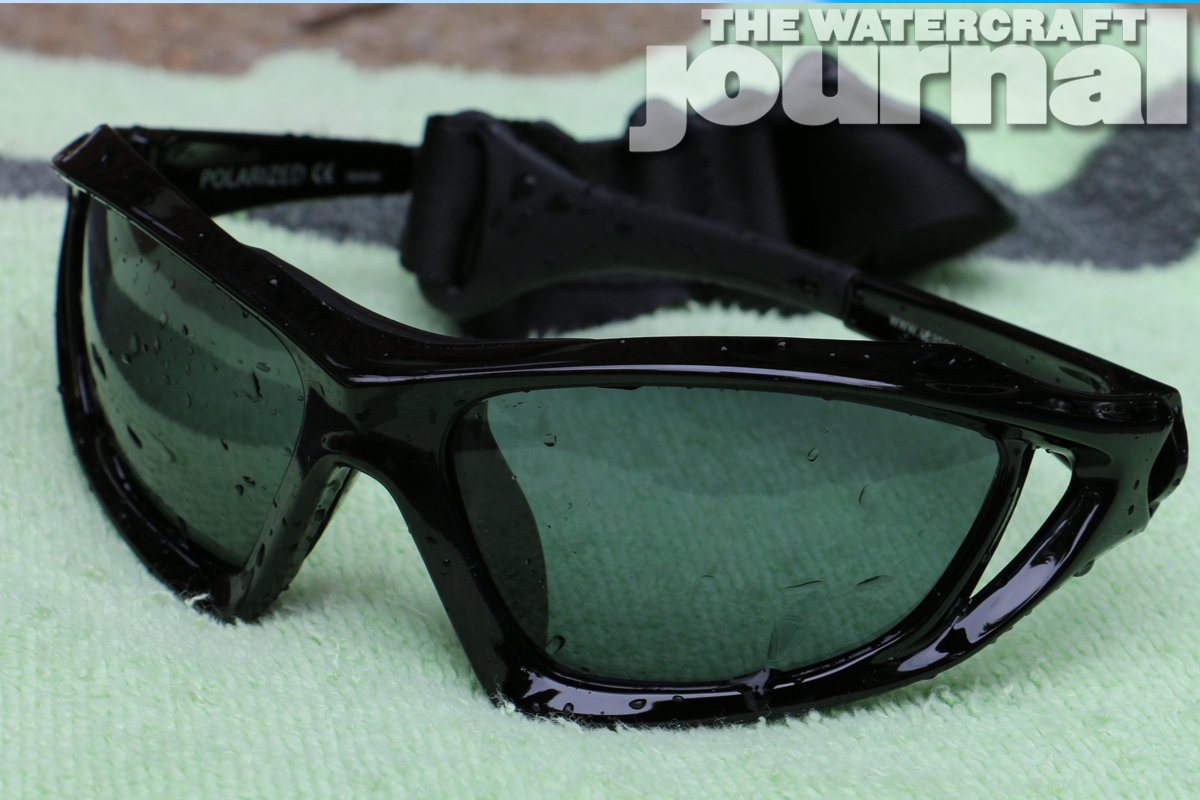
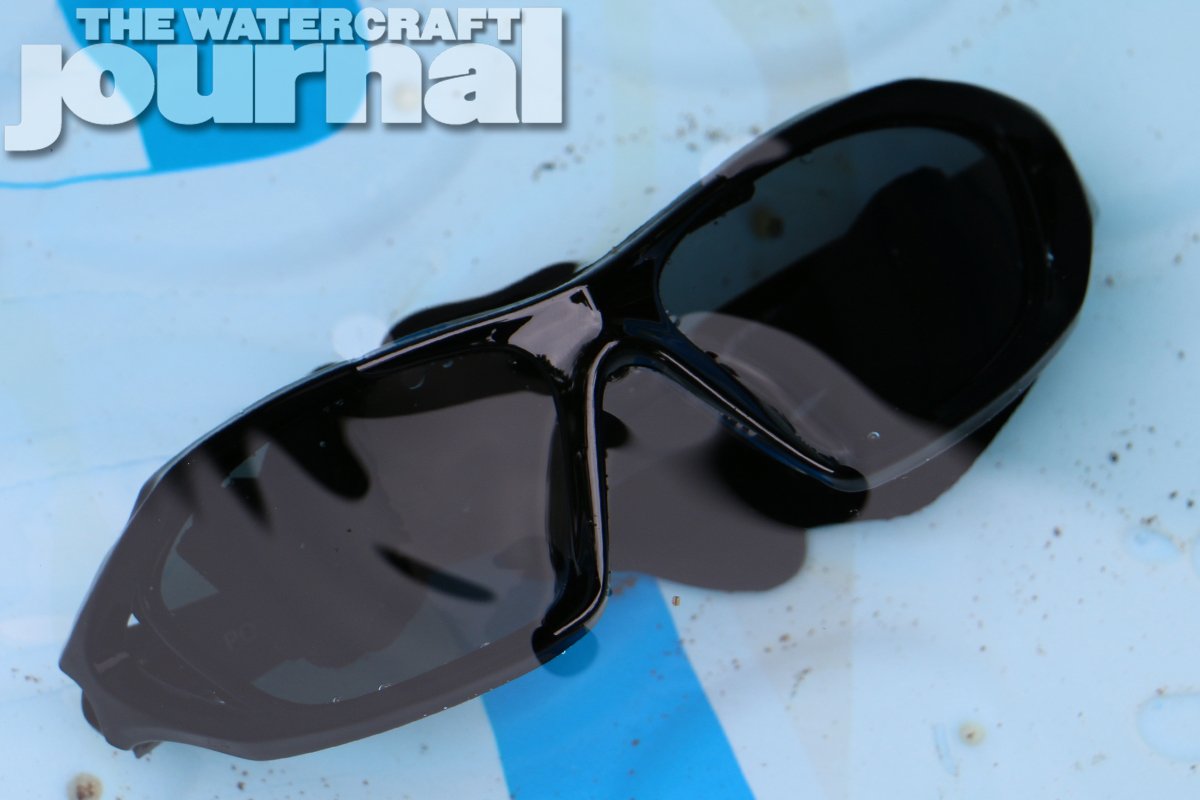
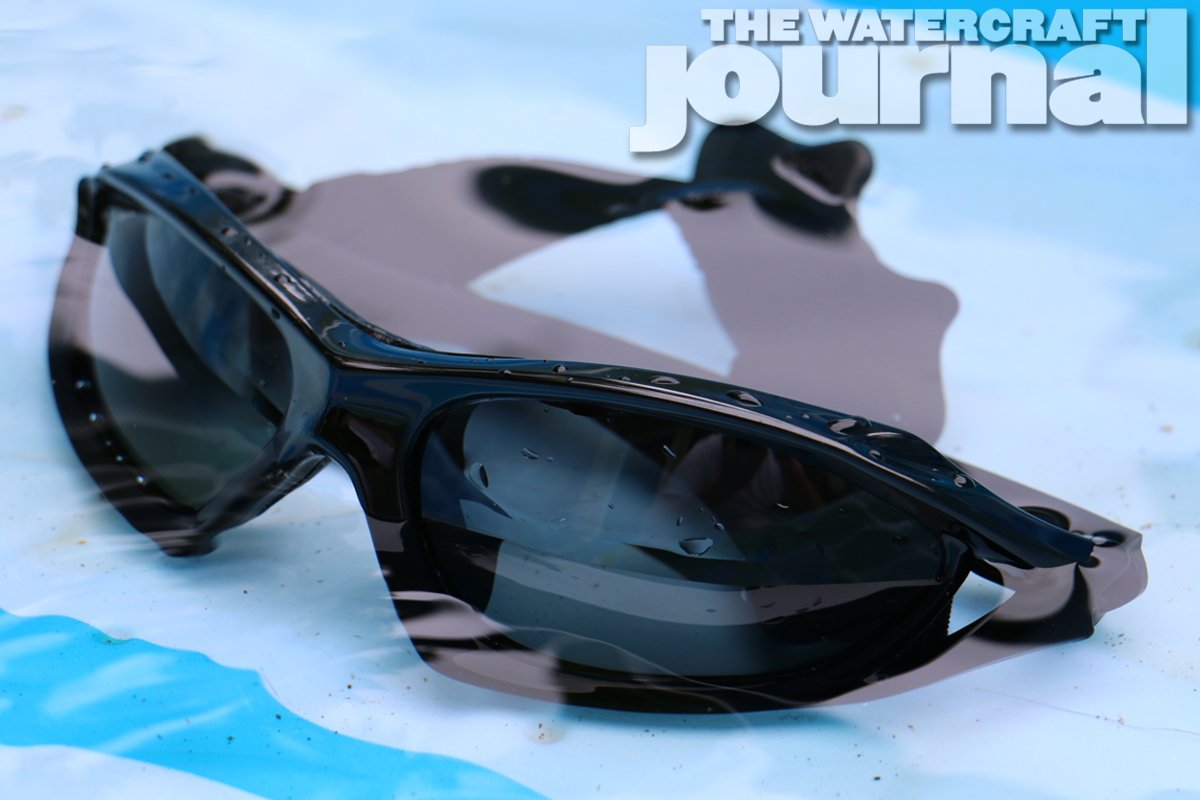
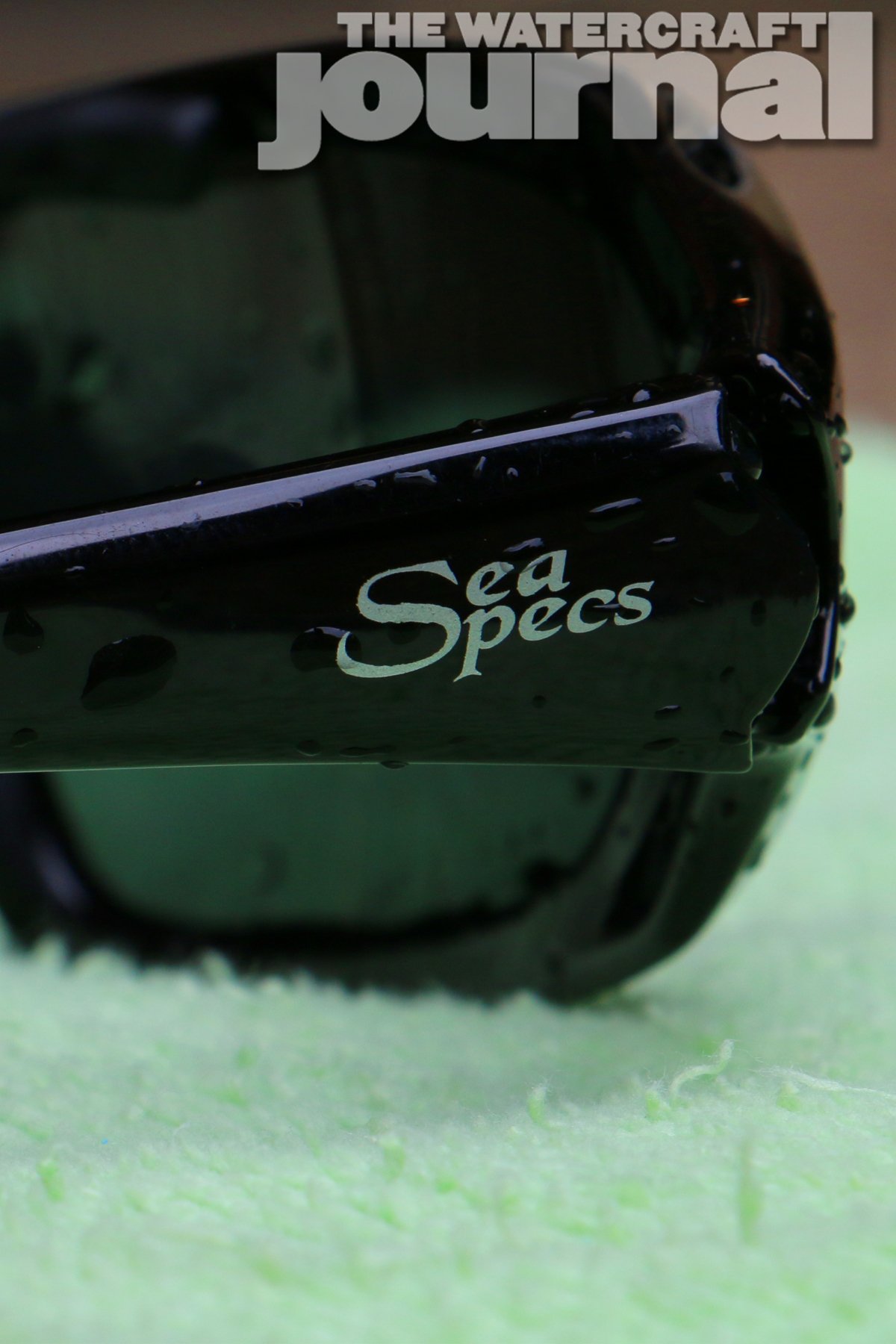
That is, until last March when The Watercraft Journal was invited to moderate the Watercraft Superstore Skyway Ski Show. As part of our goodie bag were a new pair of Stealth Black SeaSpecs. Featuring gray polarized lenses, lightweight black frames and adjustable secure strap, the SeaSpecs came very highly recommended by the WCSS staff. My day with my Stealth SeaSpecs was unfortunately cut short as their desirability was clearly too much for some sticky-fingered bystander to resist, and my pair vanished.
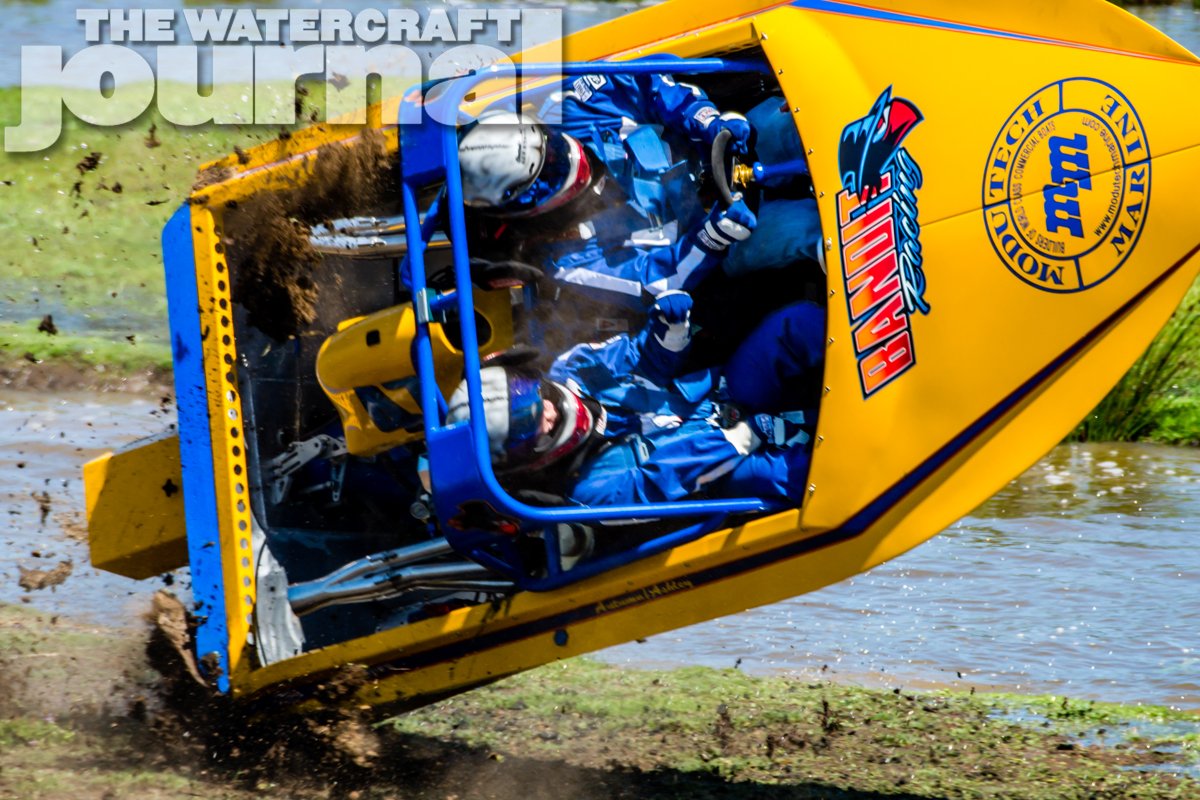
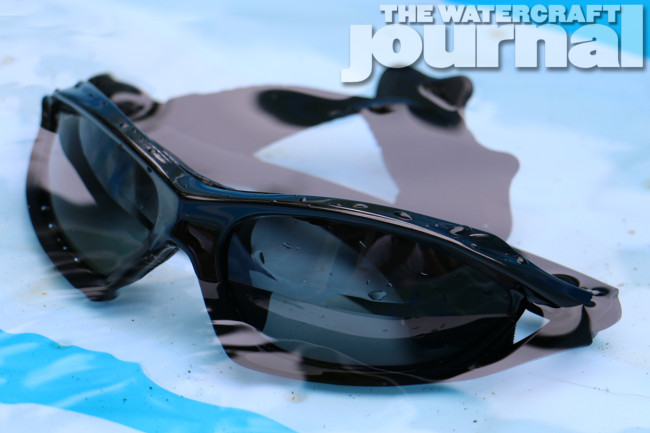
Alas, I was left with my trusty Catfishes yet again. That is, until last month when The Watercraft Journal was asked by SeaSpecs if we’d be willing to review a replacement pair. Arriving the week before our trip to the 10th annual Greenhulk.net Mudbug, we were able to rack up plenty of time with the new shades. Normally, we struggle with full wraparound frames as they are often prone to fogging. Thankfully, the SeaSpecs are well ventilated, keeping their patented, high quality, impact-resistant polarized lenses clear.
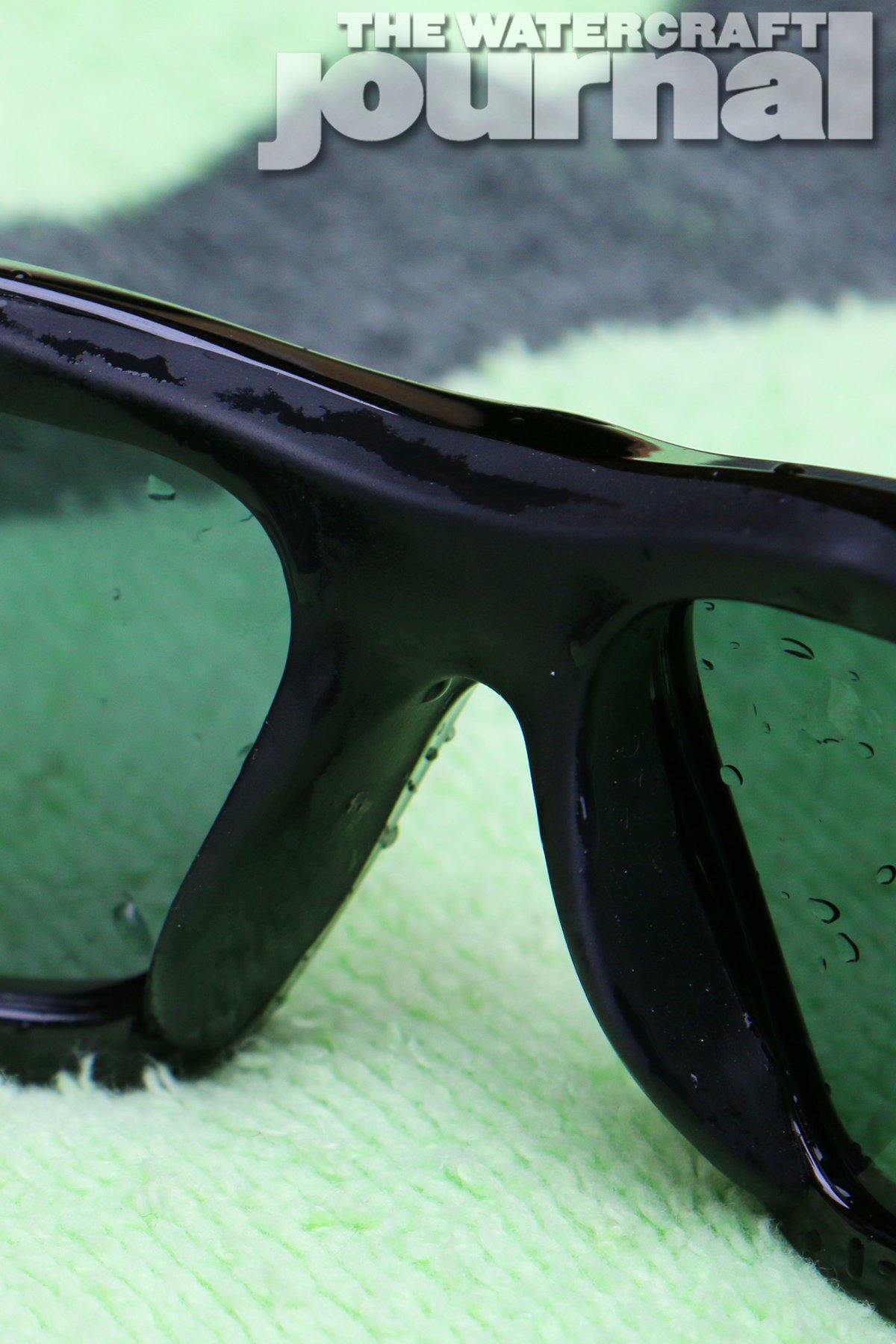
Made from injection-molded nylon, the frame is nicely flexible, making it strong, yet lightweight. Also notable is that the hinges are not metal attachments, but rather, integrated into the frame (held together with a stainless steel screw) for longer life and rust prevention. A thick, padded nose and bridge cushion not only rests comfortably but provides the SeaSpecs much of its floatation (along with its padded temples.
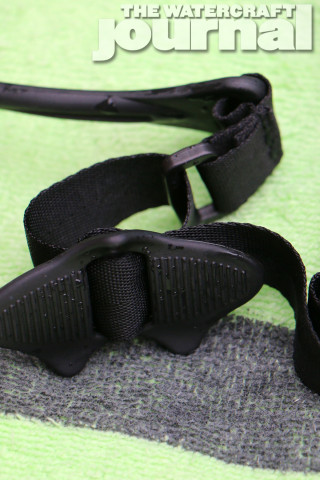
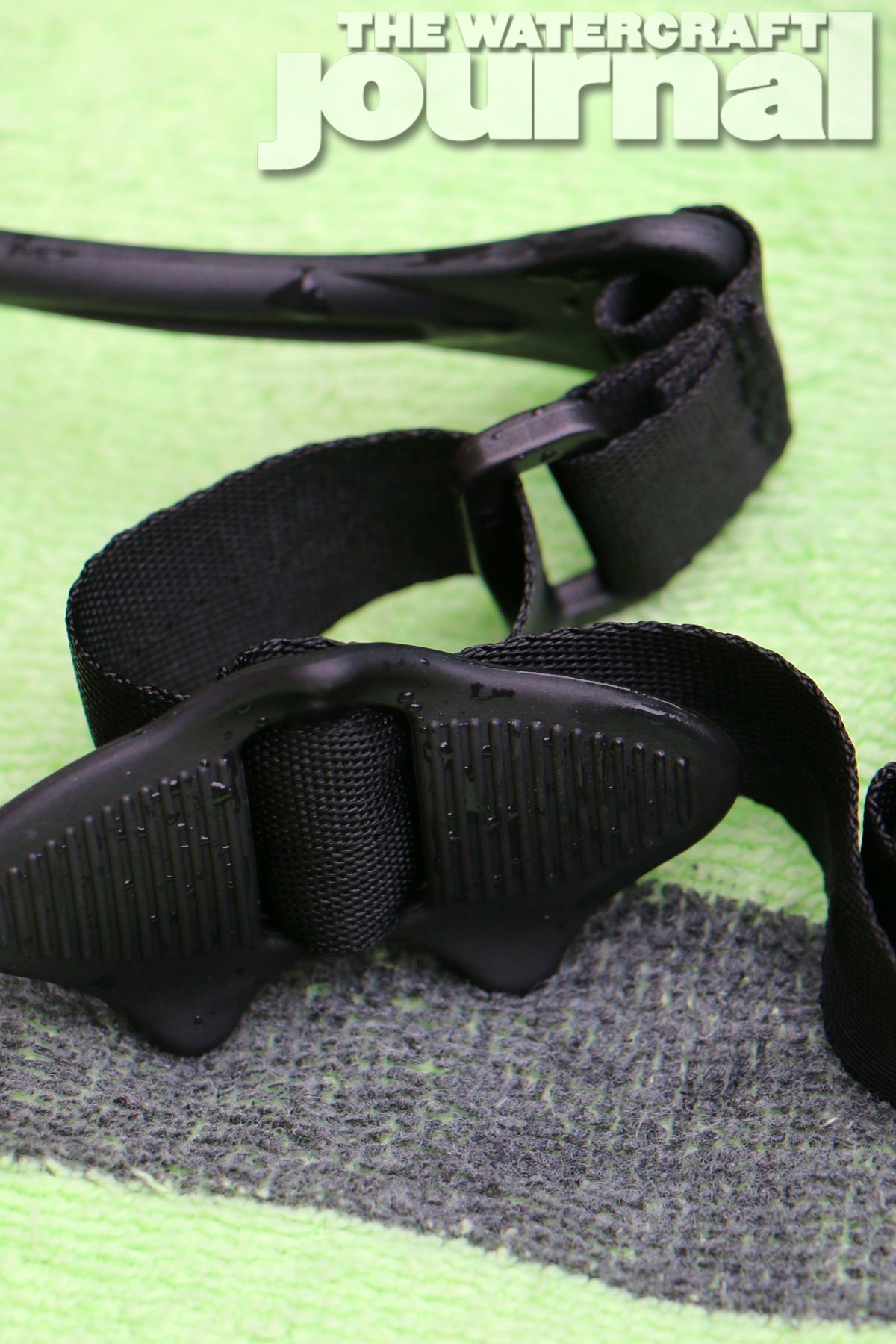
The biggest feature on the Stealth SeaSpecs is its non-removable strap. Integrated into the rubberized temples, the least is fully adjustable and fits snug around your head. We found that there’s really not enough slack to wear it loosely around your neck when not actually wearing the glasses over your eyes, but they do rest nicely on top of your head if you’re trying to read your phone or GPS.
Overall, we liked the features, design and overall aesthetic of the SeaSpecs’ Stealth sunglasses but did find the short strap and very snug fit of the wraparound frames a little claustrophobic. A cursory search of our previous reviews will attest that we’re big sticklers on personal fitment as a “make or break” factor, and ultimately fitment is almost always subjective. Those with a broader face might not enjoy the Steath sunglasses, while others with more narrow features will absolutely love ’em.
Priced at $49.95, they’re definitely a bargain – particularly when purchased through the Watercraft Superstore, which will save you an additional $5 off of the retail price. With summertime upon us and the water warming up, its always a good idea to pack as much protection as you can, and SeaSpecs’ Stealths are not only good looking but functional.