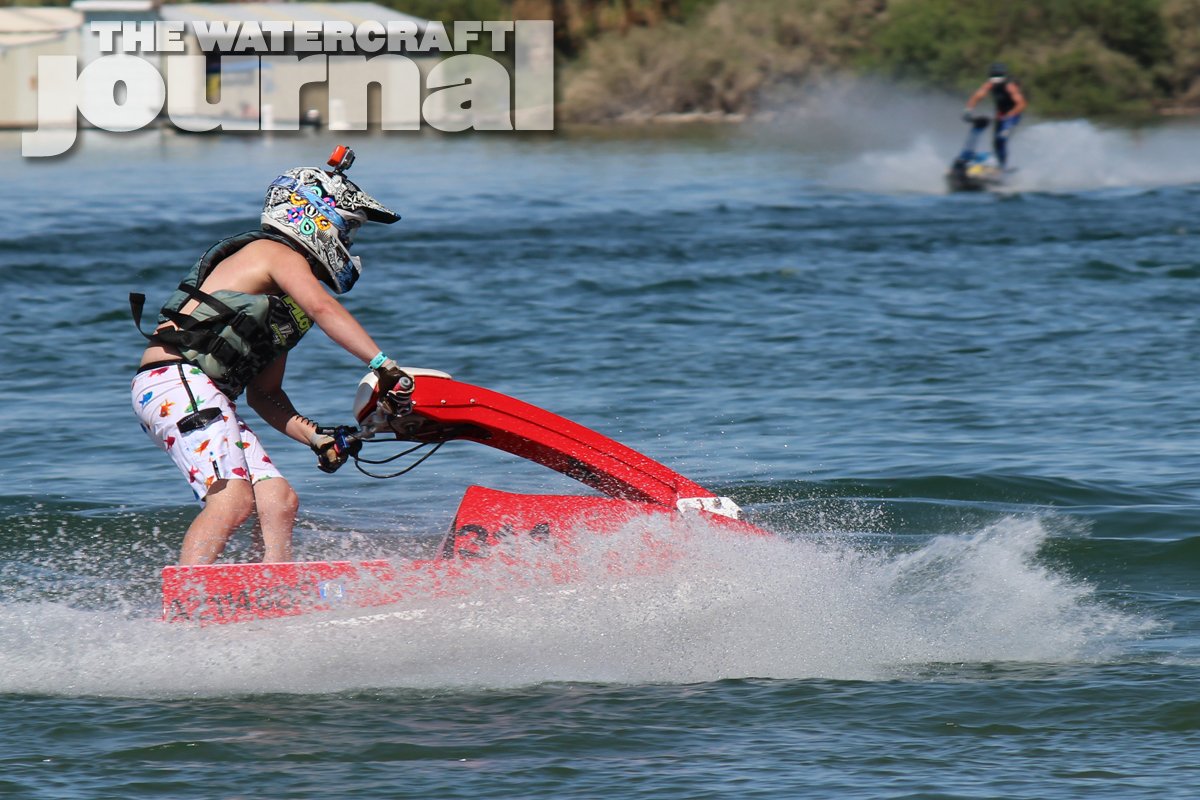
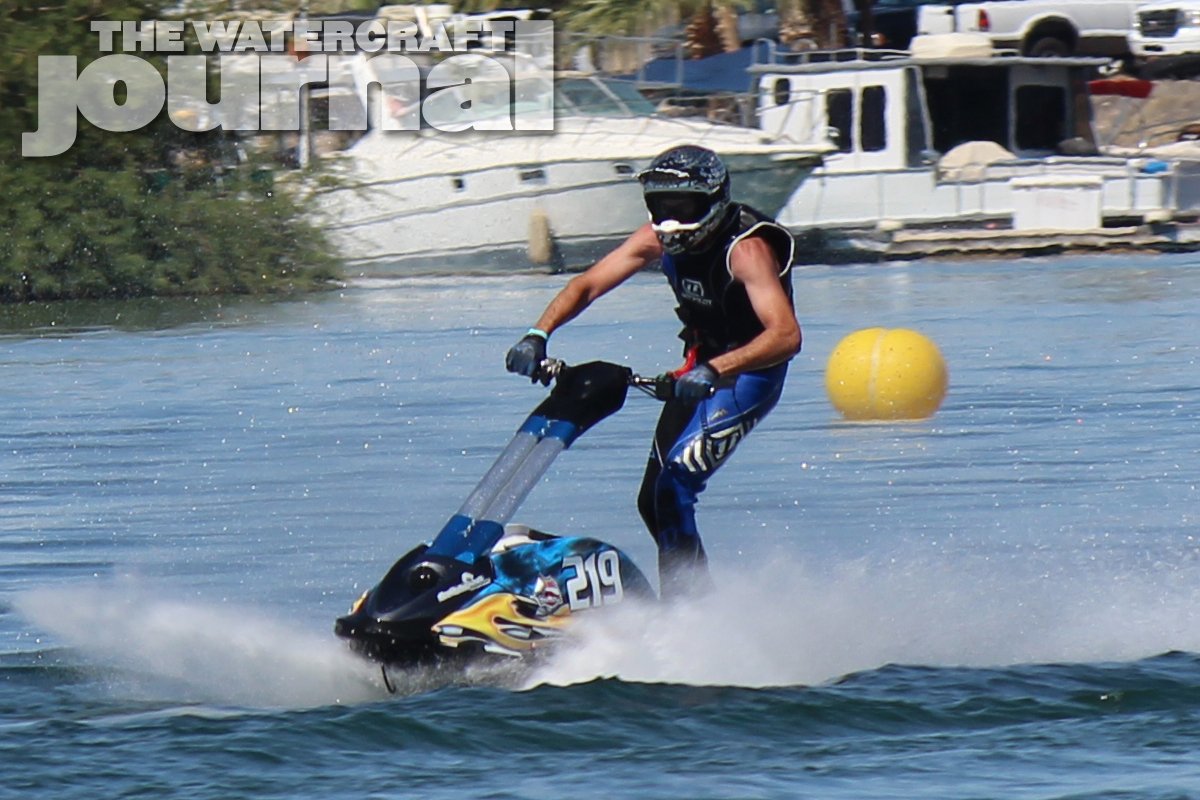
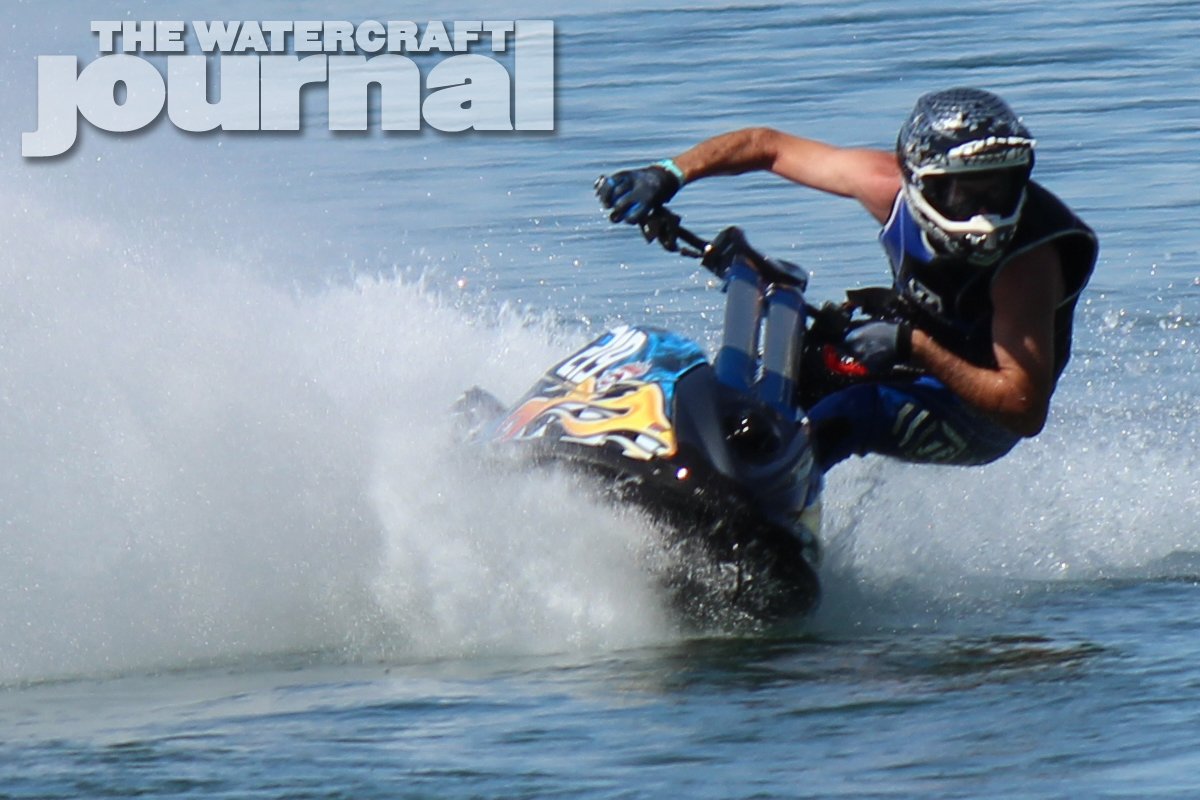
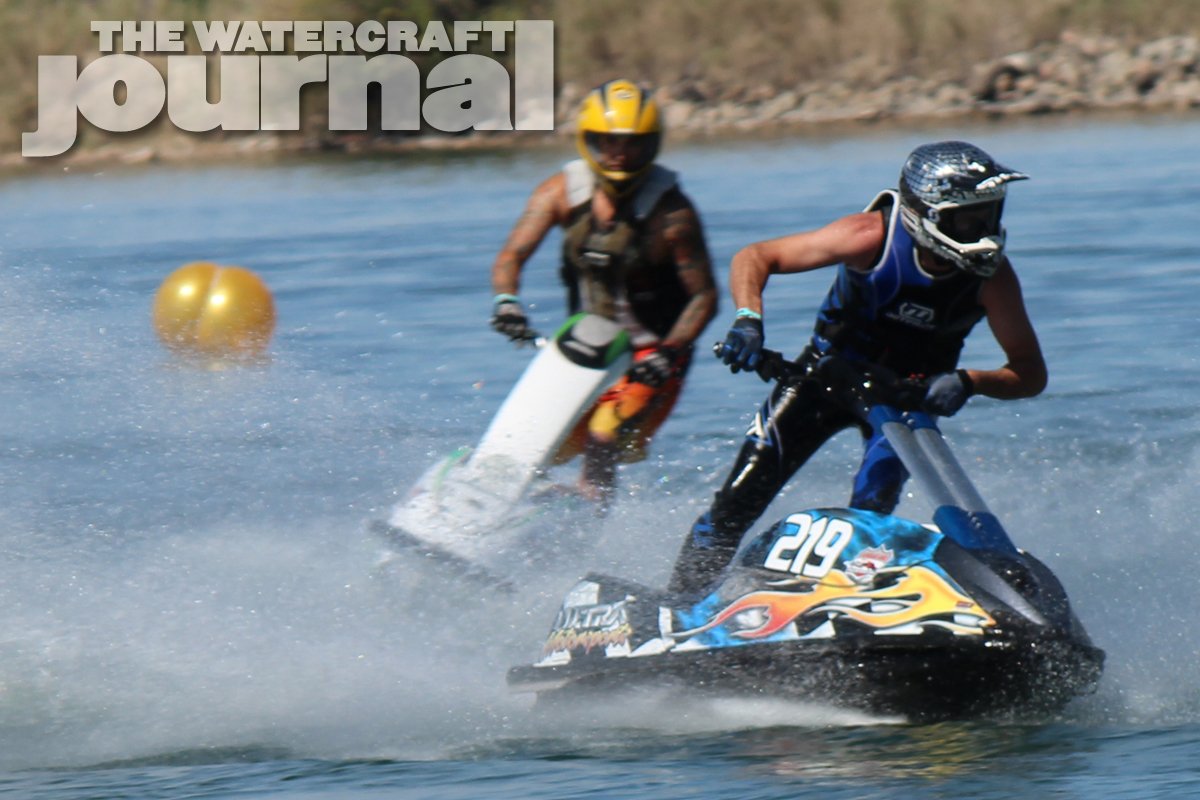
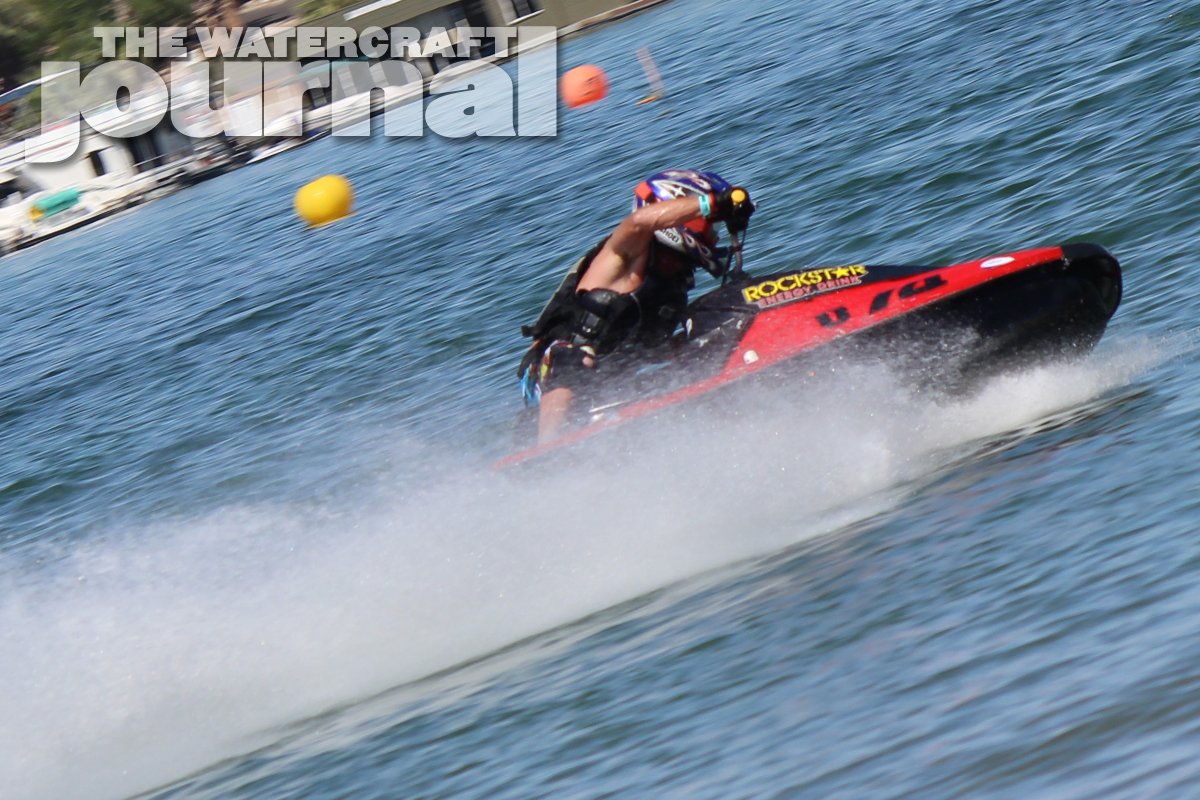
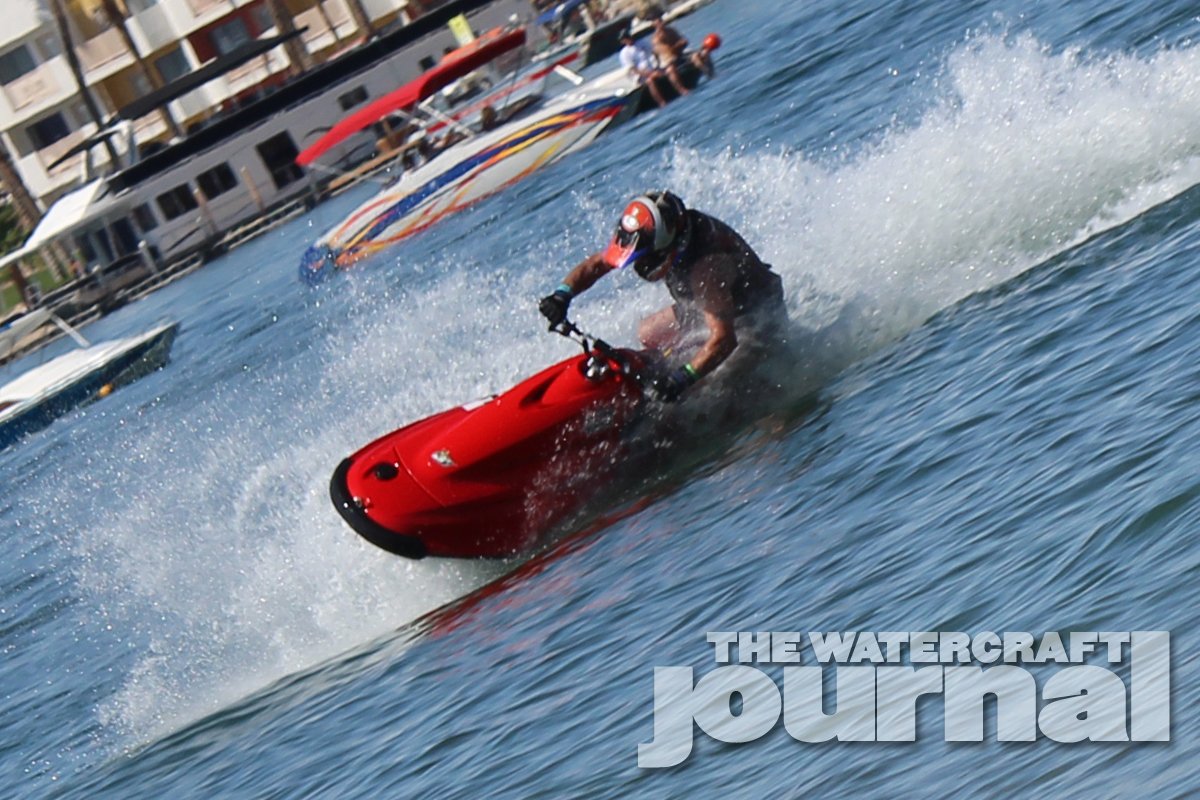
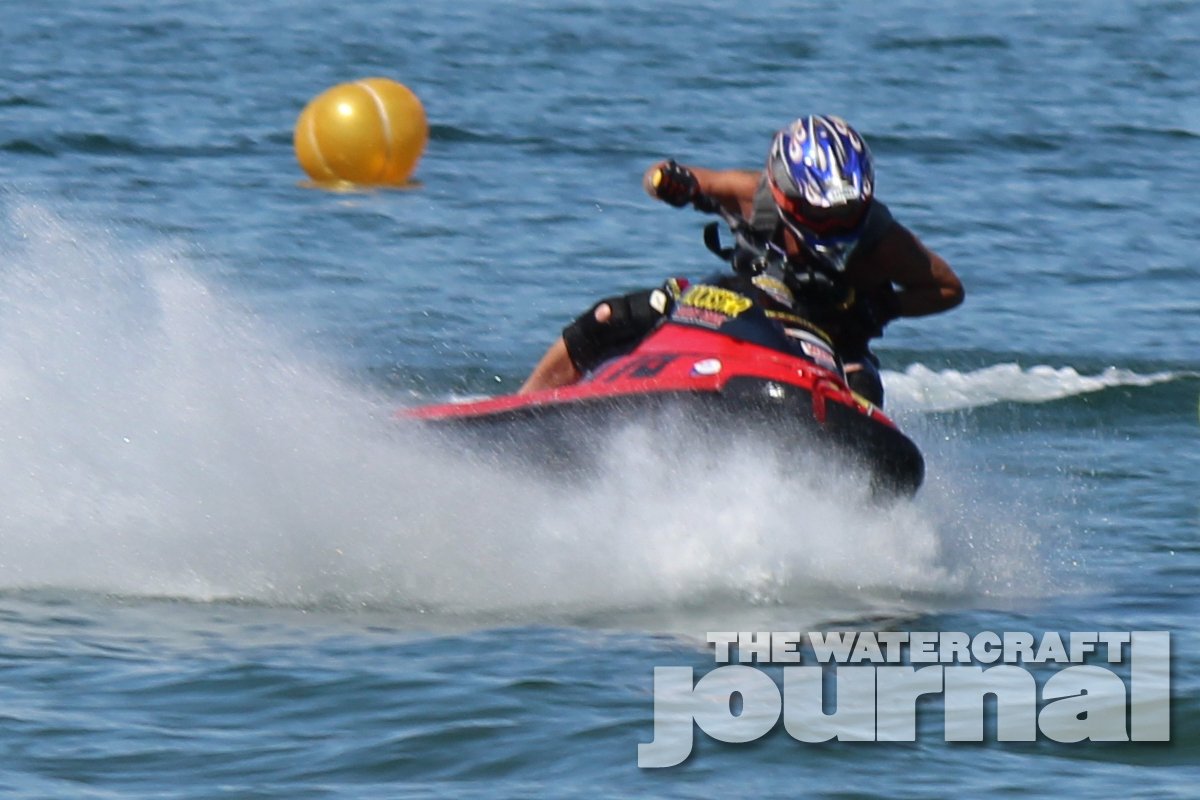
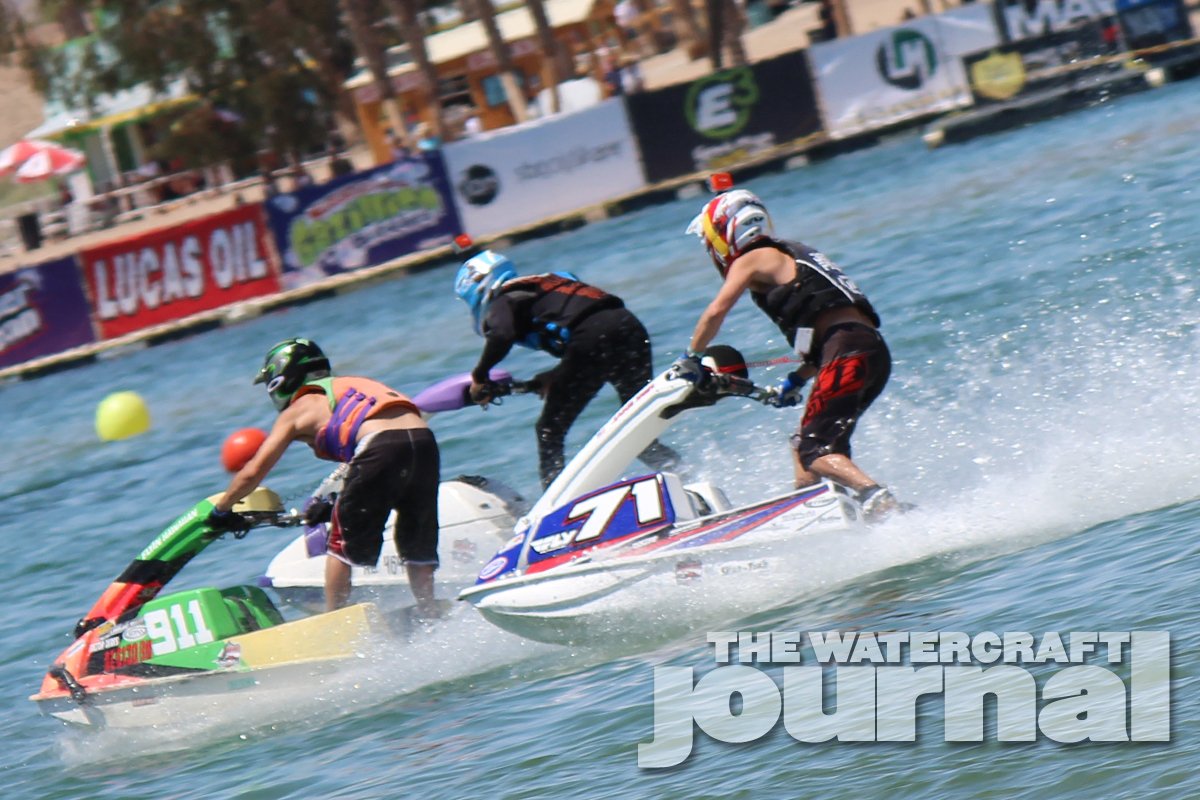
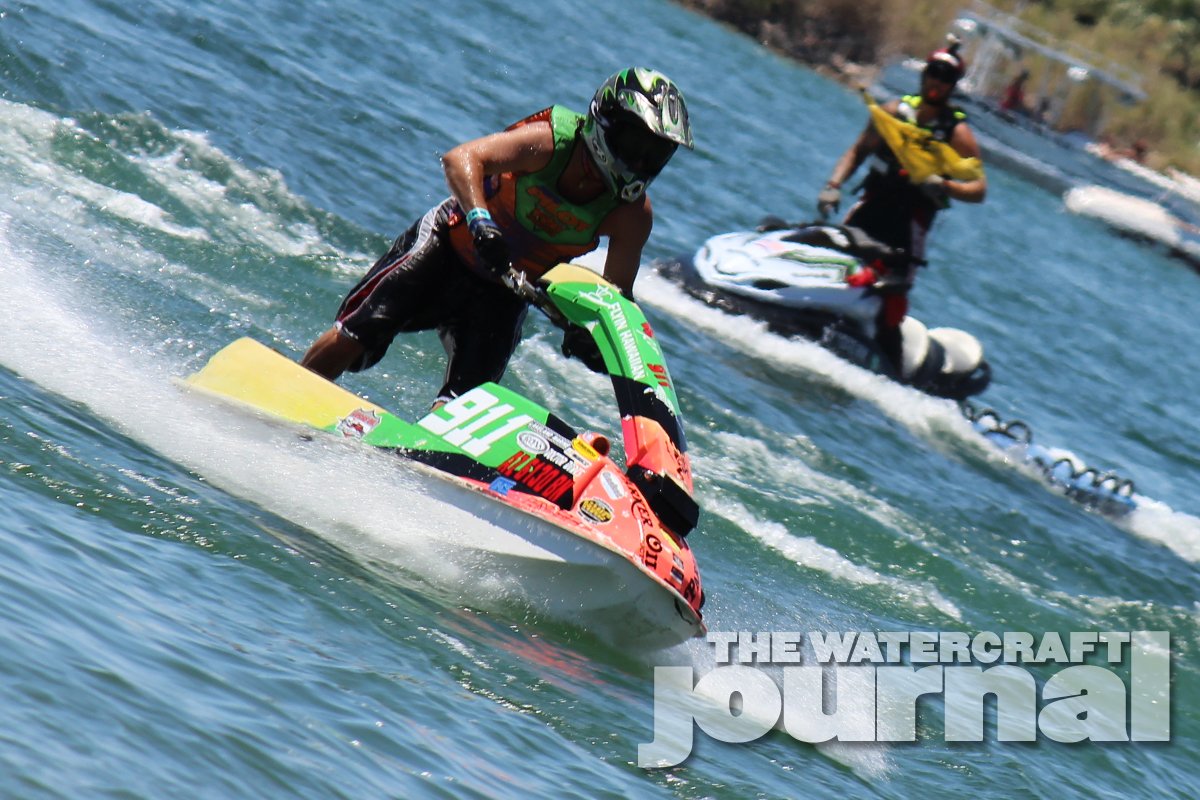
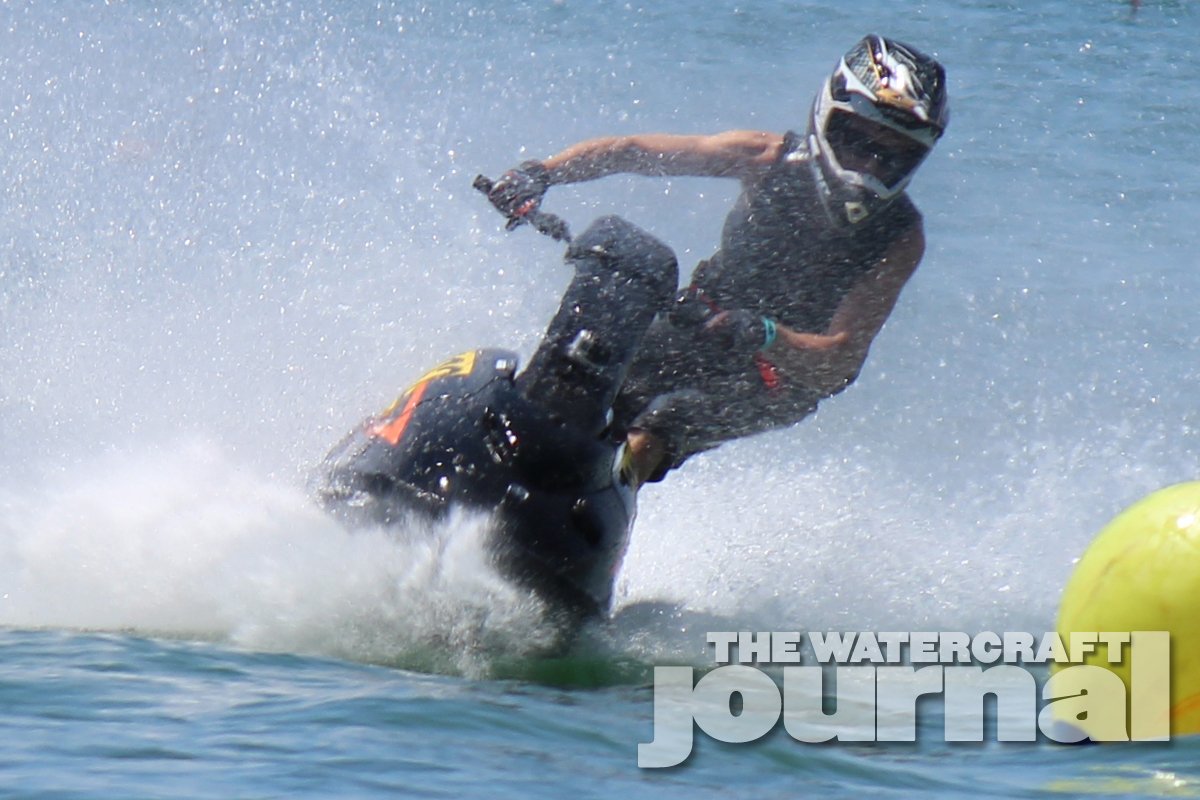
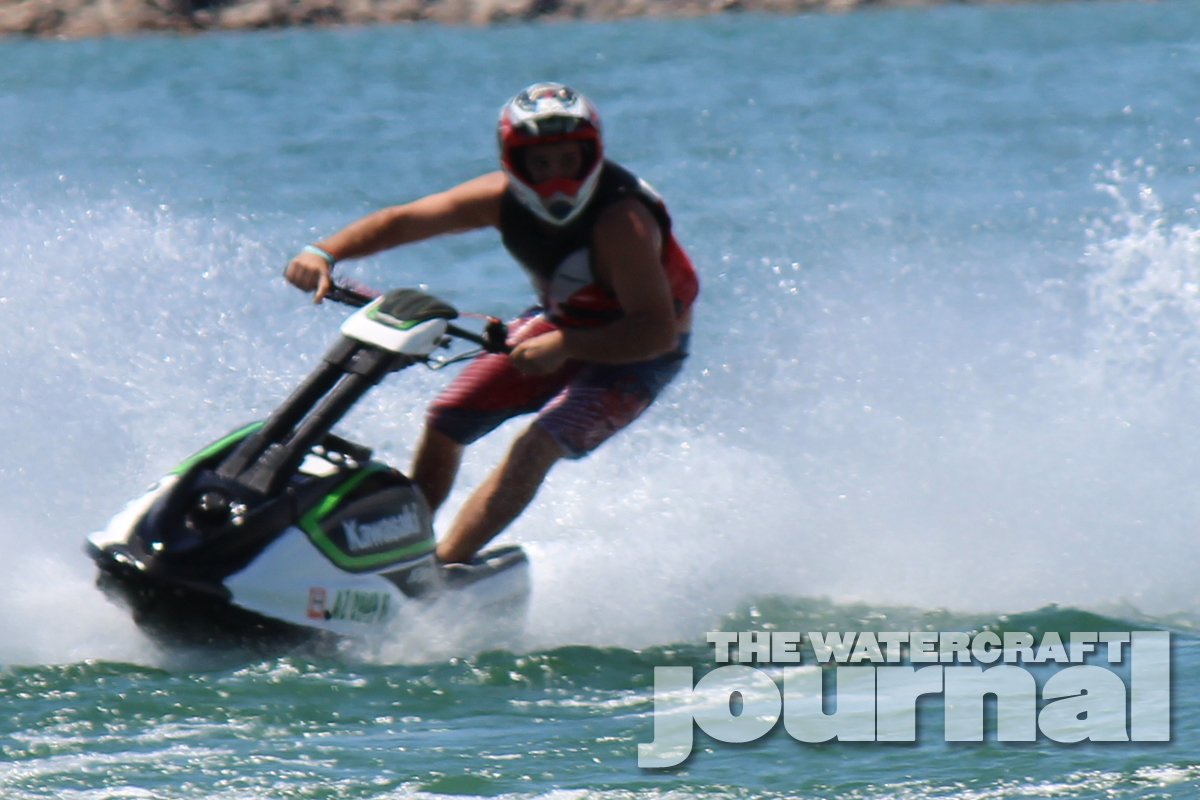
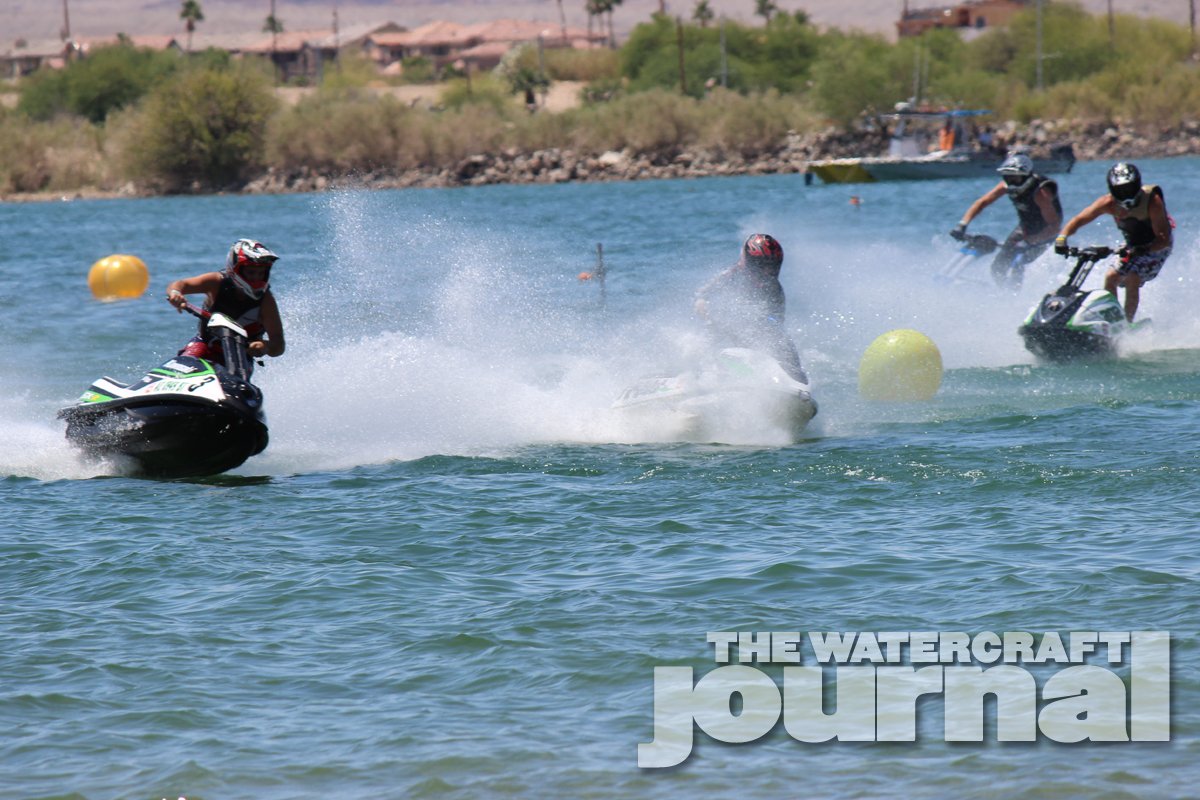
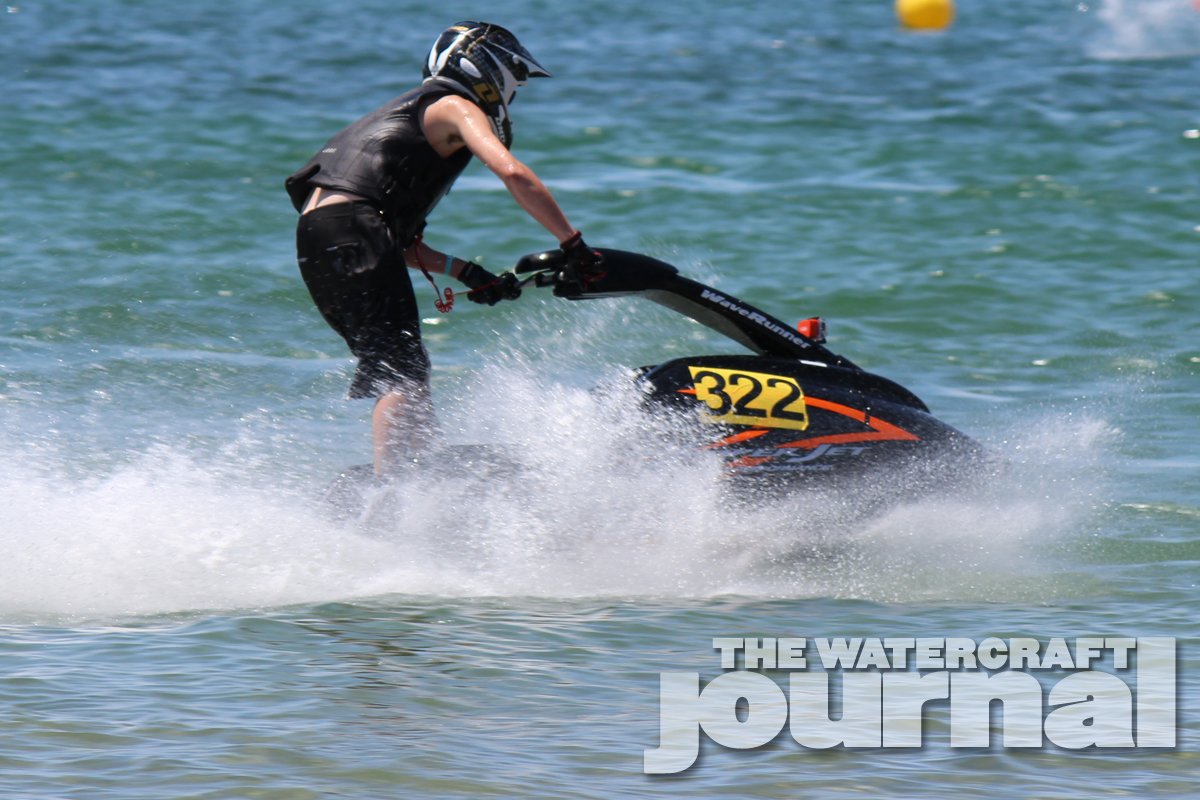
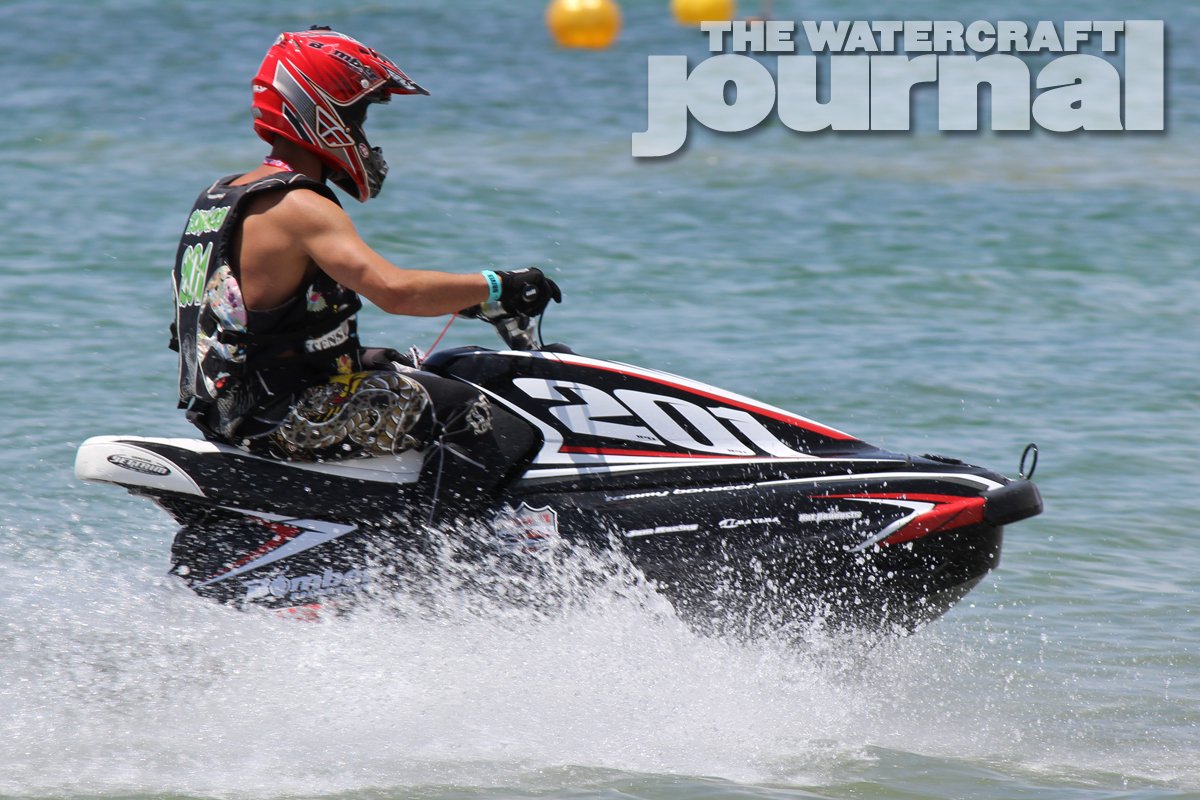
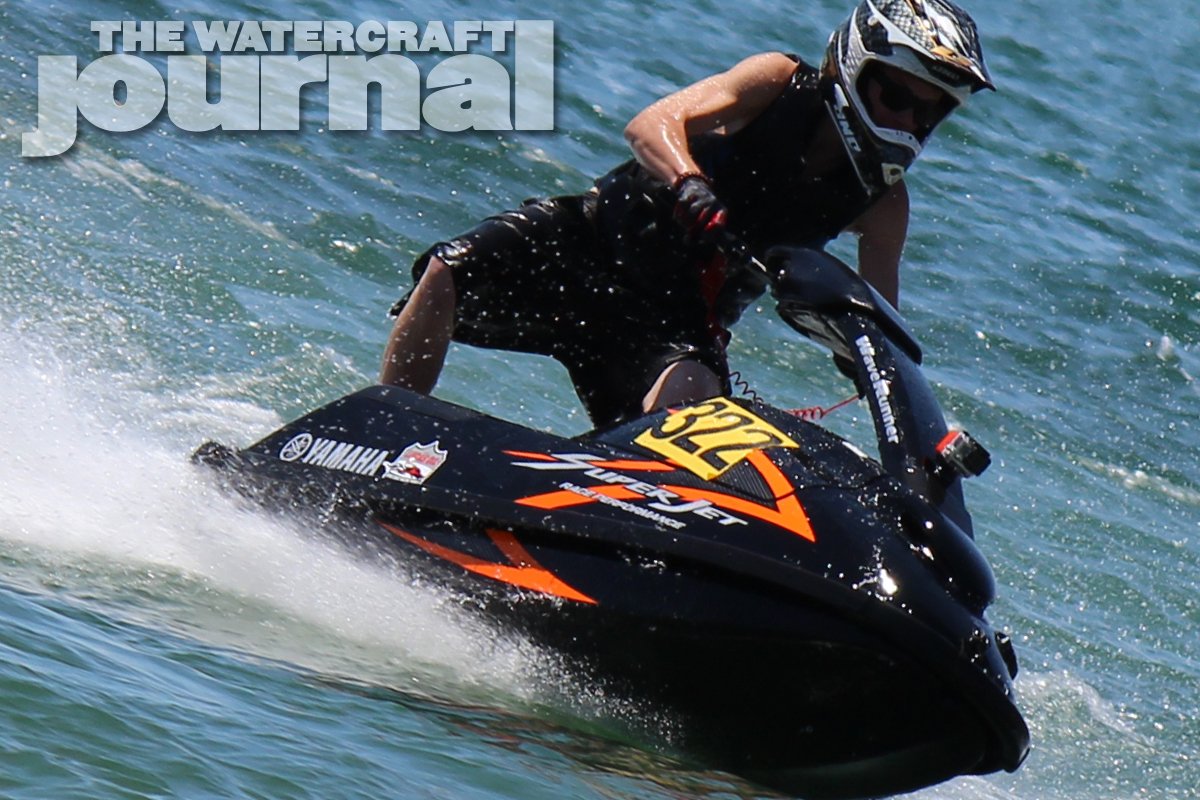
Two-stroke personal watercraft go up for sale every year and more and more people are looking to get out on the water without a large commitment on a new ski. Luckily the two stroke market is still very much alive and active. Older two-stroke watercraft offer a lightweight package that make horsing around a breeze, combine that with the fantastic smell of an oil/gas mixture and it reminds us why two-stroke watercraft are what nearly all of us grew up riding and loving.
Despite pressures from many organizations to outlaw two-stroke watercraft, these older skis make up a large amount of the watercraft population and people are still having a blast pushing them to their limits. Many older models are in fact becoming classics and nearly collectables. Thanks to aftermarket support, two stroke skis are often capable of great power and handling.
For those of us that aren’t made of money but want to get out on the water, buying an older two-stroke watercraft can be a scary task. With skis getting older many factors come into play to keep watercraft in good working order. Buying a used watercraft is a little like diving into water at night; you know you’ll get wet but have no idea if you’re about to crash into the floor.
Fortunately, motor enthusiast youtuber Fiero880 made a detailed video guide of what to look at when considering your next WaveRunner, Sea-Doo, or JetSki purchase. He points out several indicators that the untrained eye would likely miss such as changes in fiberglass texture, small oil deposits in the motor, or how well protected the watercraft has been from the elements. The video is a simple way to “do your homework” before going to check out what could be your next water toy.
Are you ready for a showdown? For the past six months, there has been a groundswell of buzz surrounding Yamaha’s SVHO-powered FZRs and FXs charging the racing circuit. Finally, with the first round of the UWP Pro Watercross Tour kicking off this weekend in Pensacola, Florida, we all get to see these sick machines in full force.
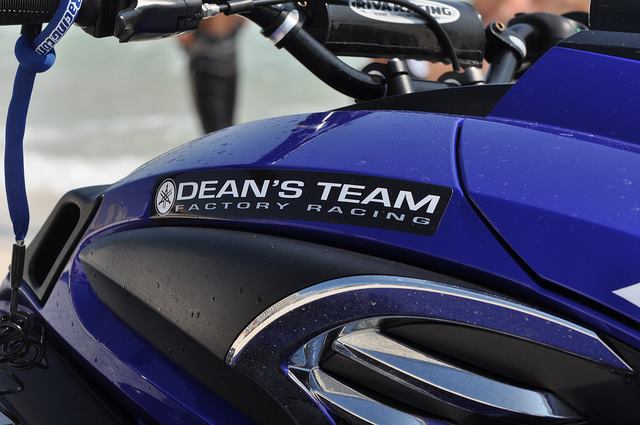
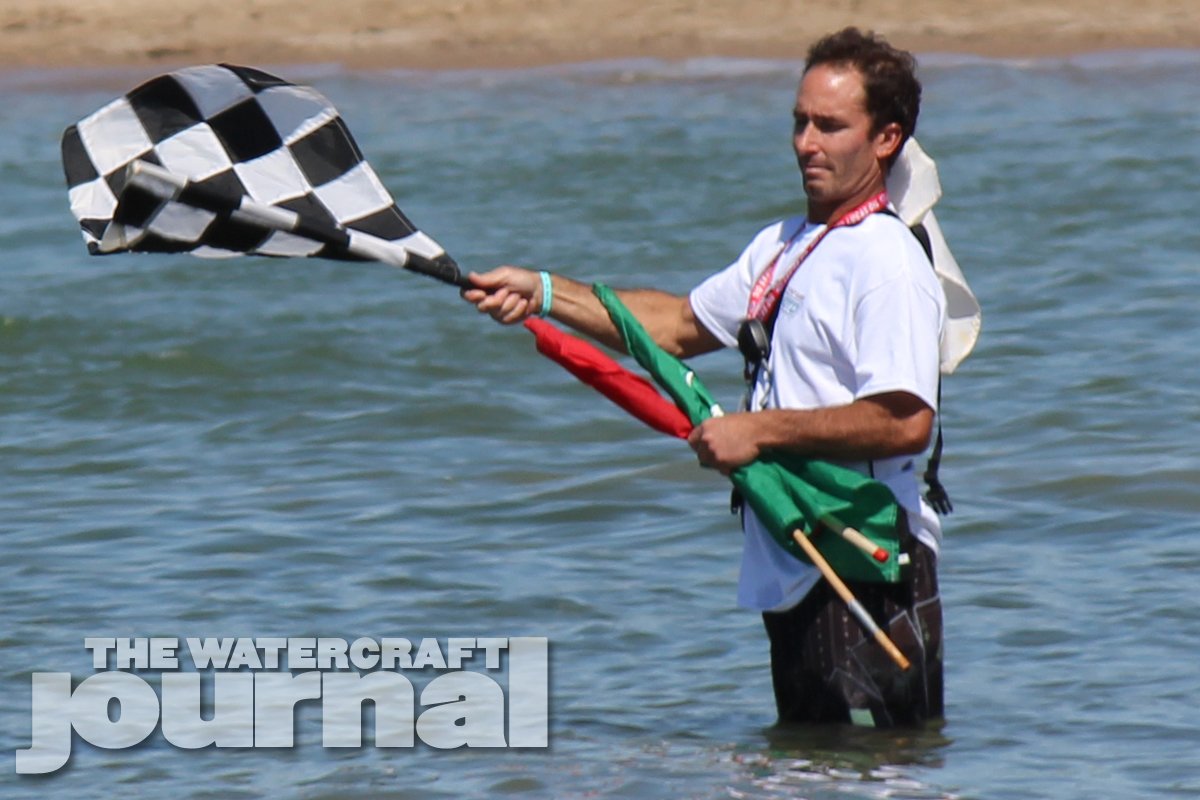
Yamaha will have a lot of extra firepower on hand, as they recently announced a partnership with Dean Charrier’s Dean’s Team and Riva Racing to carry Yamaha through the checkered flags first in close course and HydroDrag racing for 2014.
Here’s the original press release:
When it comes to closed-course and HydroDrag racing, Dean Charrier’s Dean’s Team and Riva Racing are two of the most dominate names in the history of the personal watercraft racing.
Charrier is considered today’s top tuner when it comes to Yamaha engines. Since 2009, Charrier-tuned WaveRunners have won five pro national titles, three pro world championships, and too many expert/amateur podiums to list.
“I’m excited to work with the new Yamaha SVHO platform as I think it will be on top for years to come,” commented Charrier. “The new engine makes awesome, reliable power along with proven performance and handling that I believe will add up to another successful year with Yamaha and Riva Racing.”
Riva Racing, the leading manufacturer of performance aftermarket products for personal watercraft enthusiasts, is virtually synonymous with Yamaha WaveRunner racing. Together, Yamaha WaterCraft and Riva Racing have dominated the past 20 years of closed-course racing.
But that’s not all, Yamaha followed the partnership announcement with a phenomenal announcement that not only will Yamaha have a full roster of world champions racing their WaveRunners, but leaked that Dustin Farthing will be returning to the water for this year’s IJSBA World Finals happening this October in Lake Havasu, Arizona.
Likewise, Yamaha is very proud to welcome Troy Snyder, Aero Aswar and Brian Baldwin who all defected from riding the Sea-Doo RXP-X to the new SVHO WaveRunners. This shift has stirred the waters quite a bit in the racing community and it’s sure to only shake things up more on the race course.
Here too, is the second announcement:
Riders committed to Yamaha for the 2014 Pro Watercross National Tour are Asian Beach Games champion Aero Aswar and IJSBA World and National champions Brian Baldwin, Rob Greenwald, Dennis Mack, and Troy Snyder.
Aswar, Baldwin and Snyder, all of whom are world-renowned riders, shook up the racing community recently with their announcement to leave Sea-Doo and the RXP-X in favor of the new Yamaha FZR WaveRunner.
“The horsepower of the FZR is like riding an Open class boat compared to the RXP-X,” said Snyder. “I had all three brands in my garage in December. Yamaha was the winner.” The decision was just as easy for Baldwin. “The Yamaha FZR has a better powerplant, more horsepower, handles better and is the all around better choice,” he said.
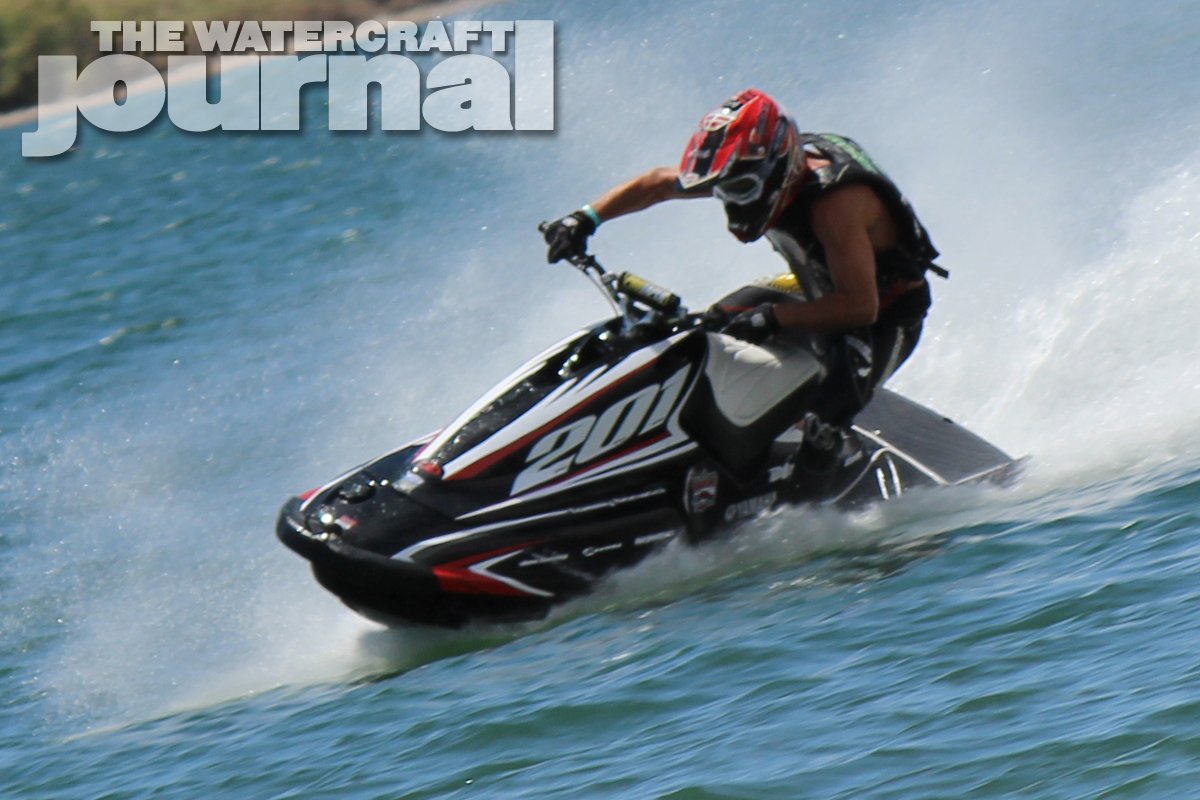
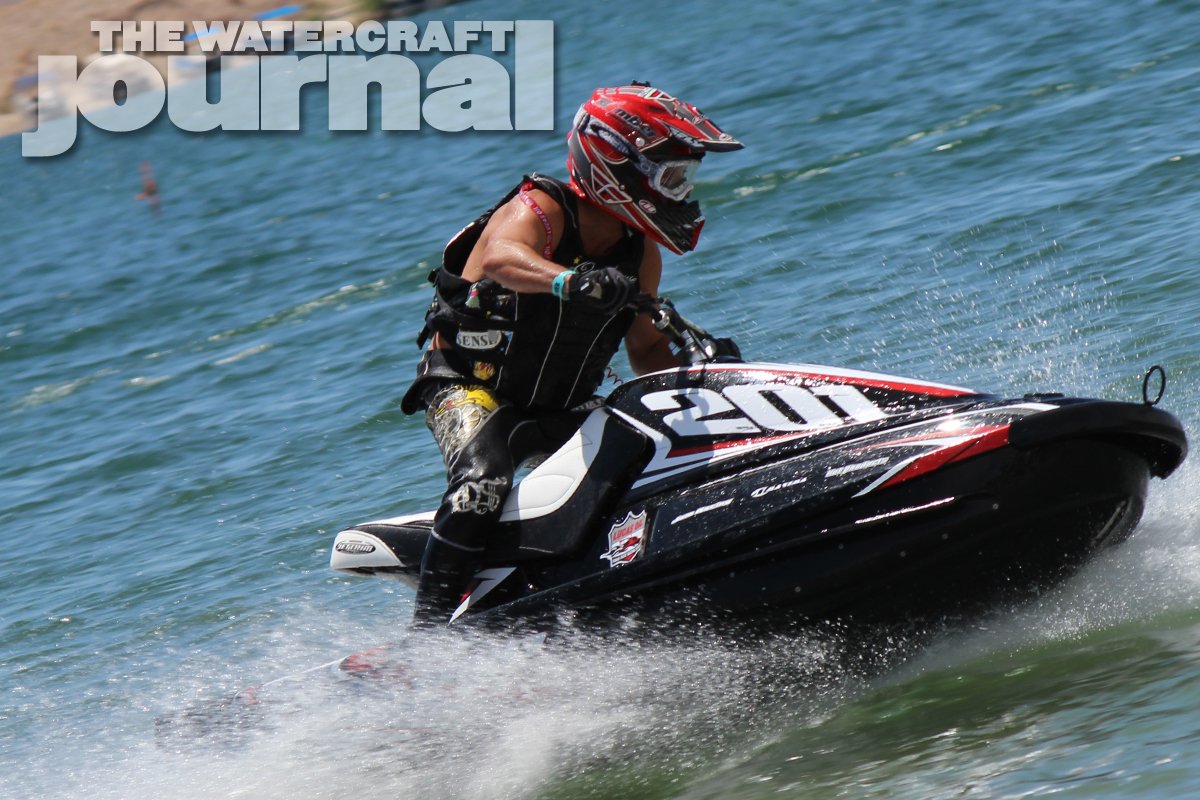
17 time National and World Champion Dustin Farthing will continue his close collaboration with Yamaha in 2014, focusing his efforts towards a Pro Runabout title win at the 2014 IJSBA World Finals aboard the Yamaha FZR WaveRunner.
Chris Fischetti designed an excellent technically-challenging course the kind that has been absent in closed course racing in a long time.
“Aqua Moto Grand Prix is a throwback race series dedicated to the heart and soul of personal watercraft racing origins.” states the official Aqua Moto Grand Prix website.
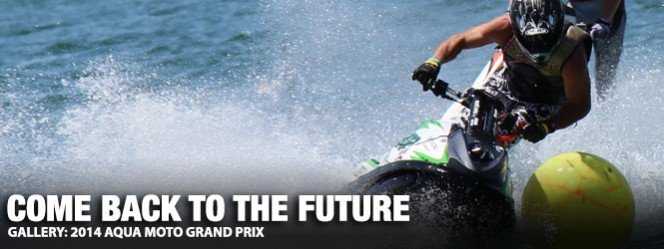
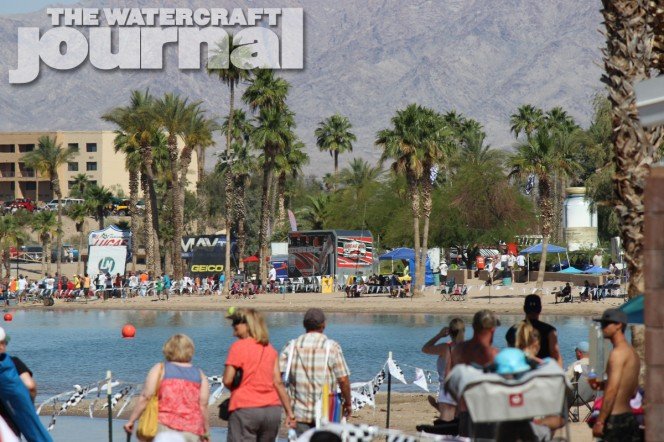
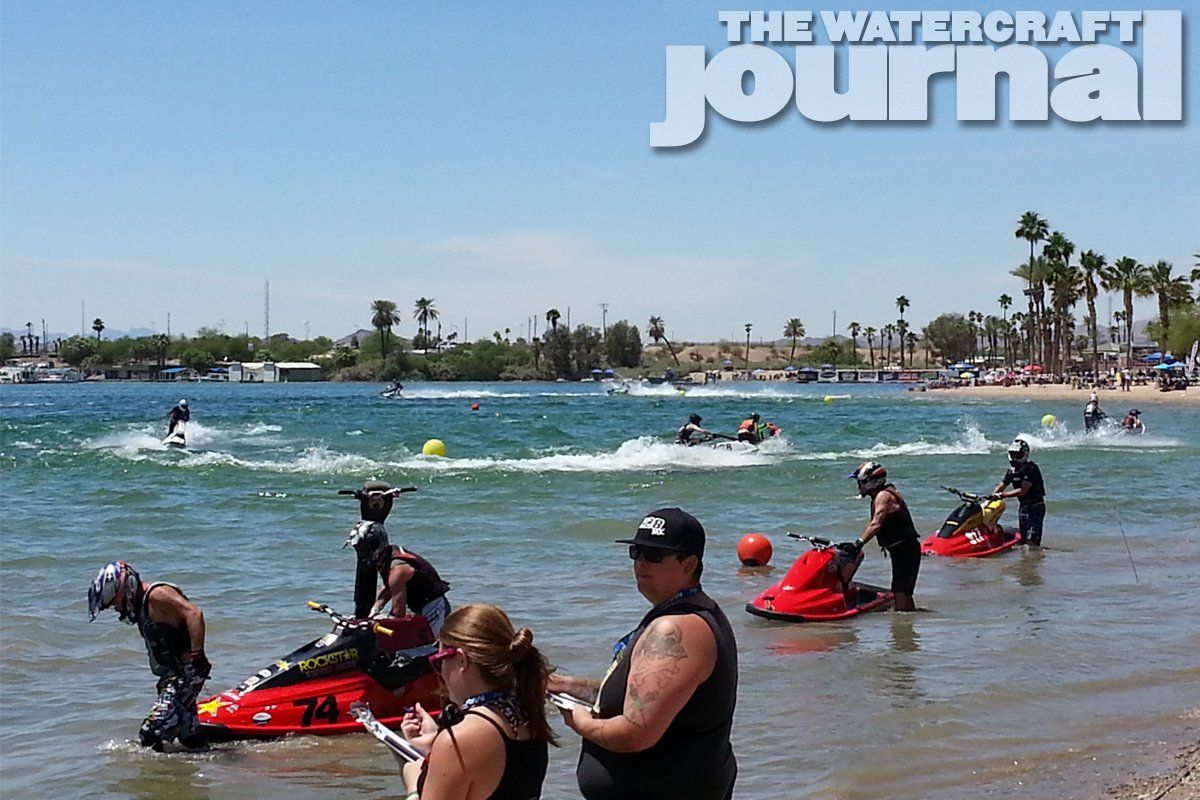
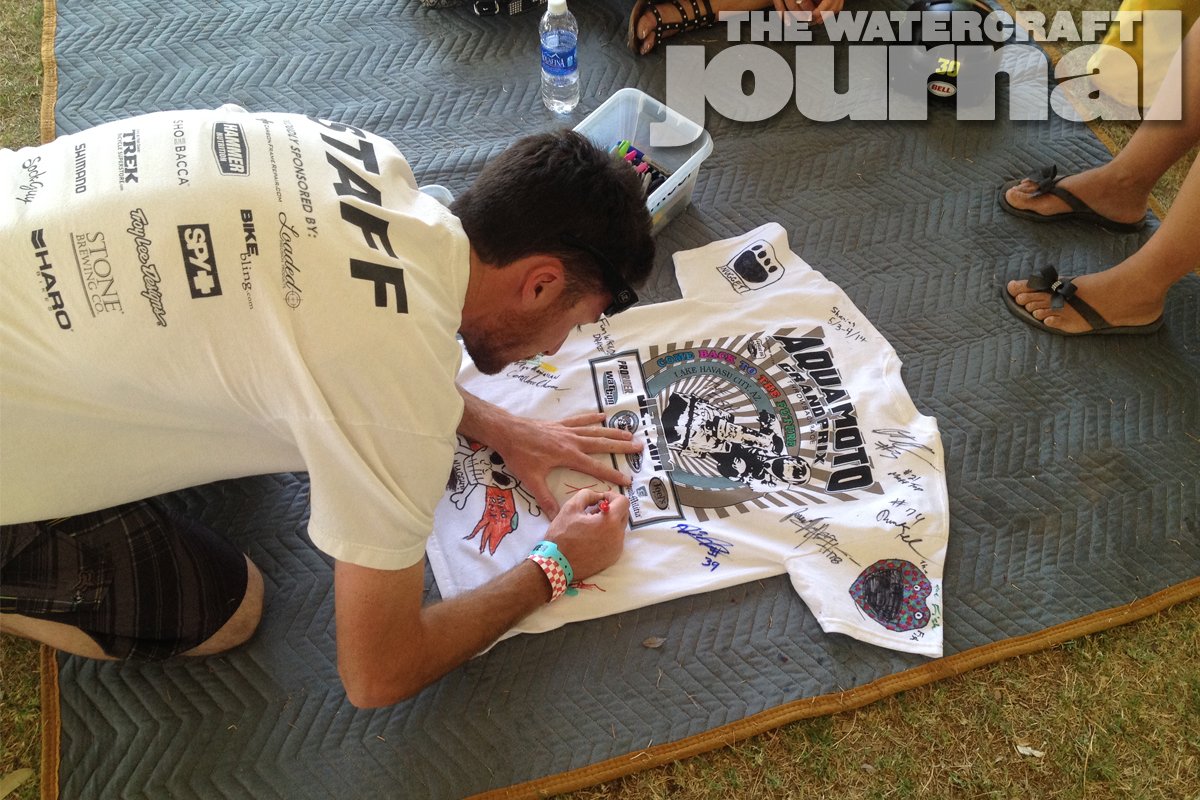
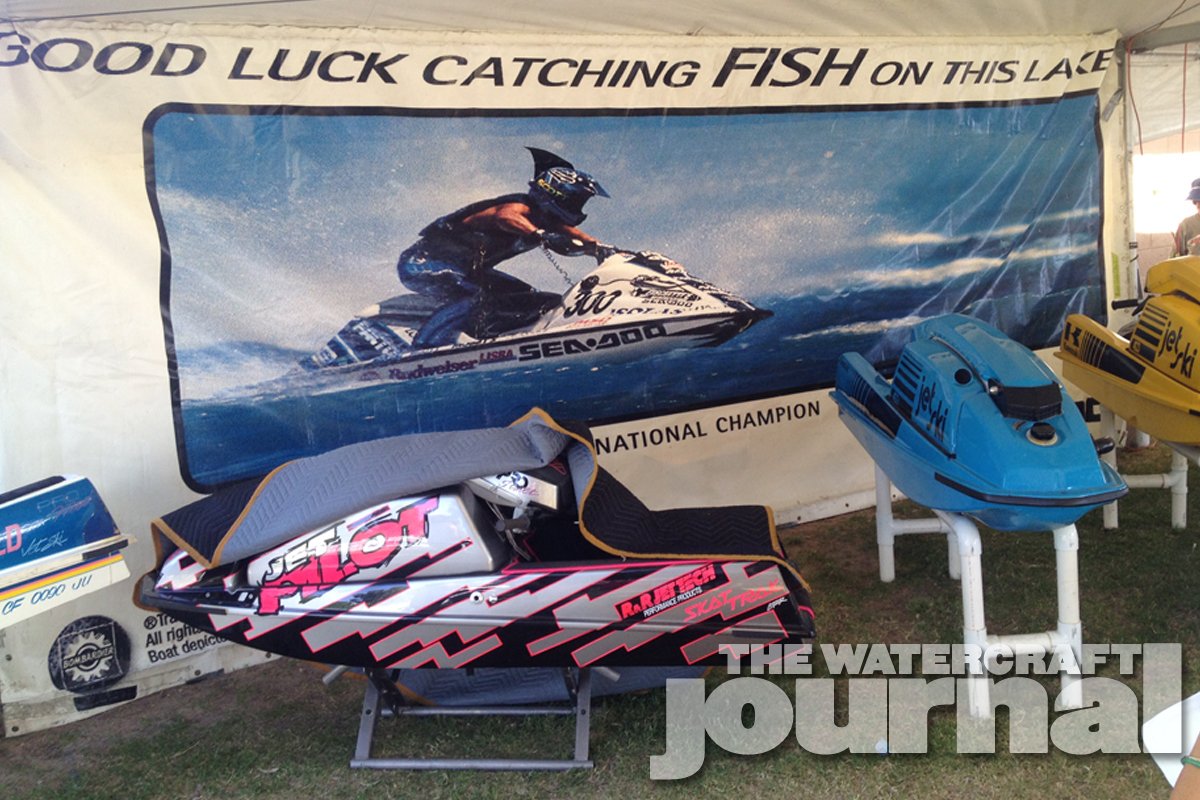
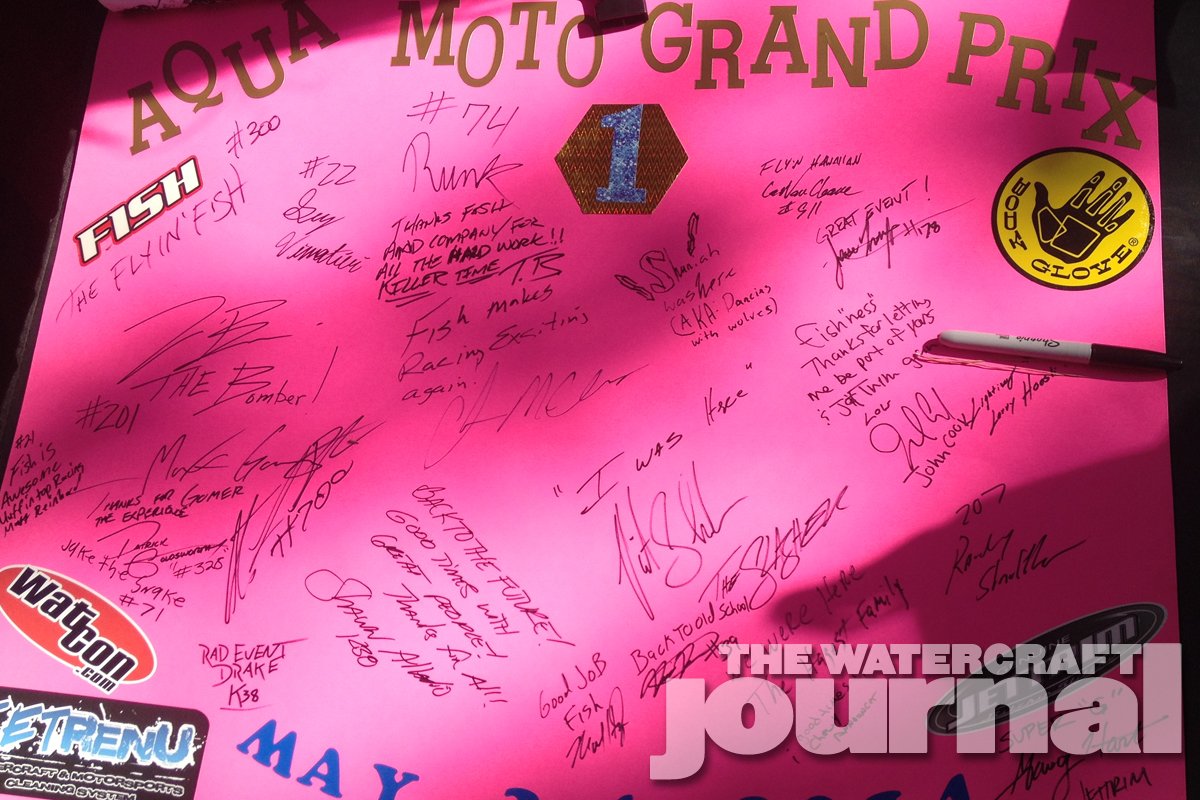
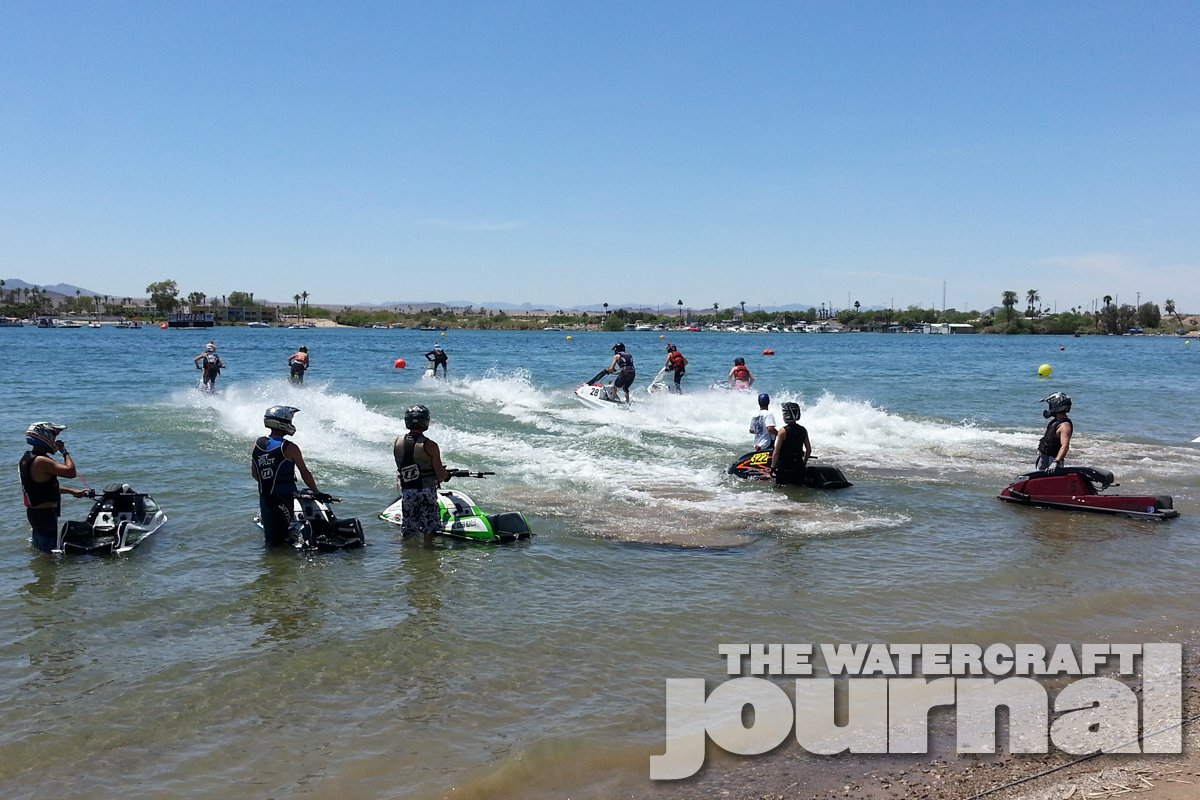
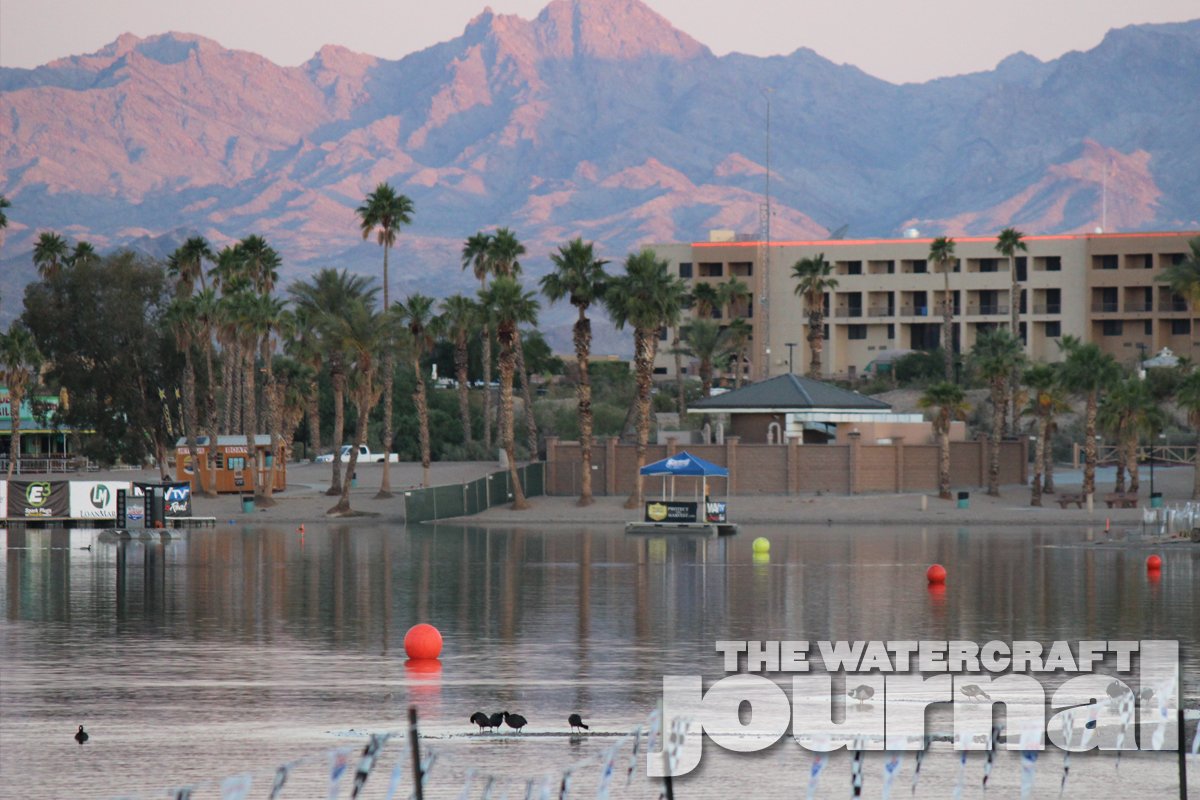
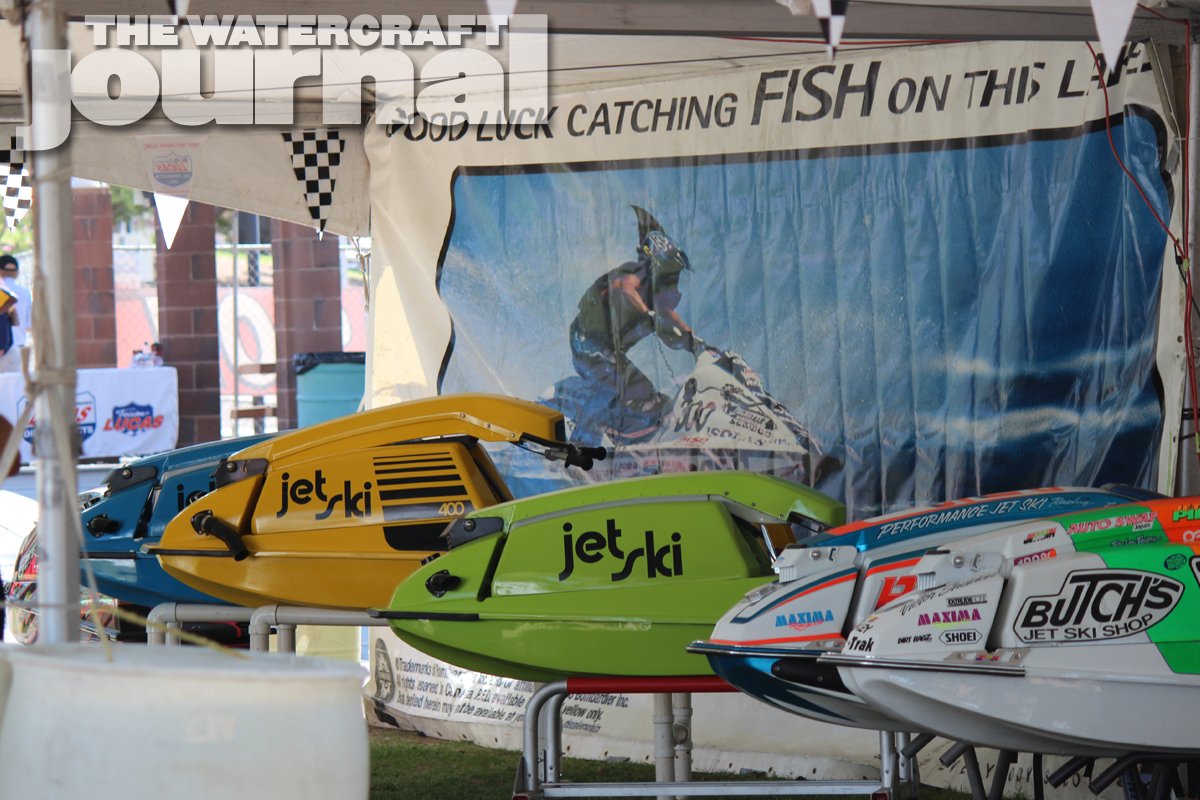
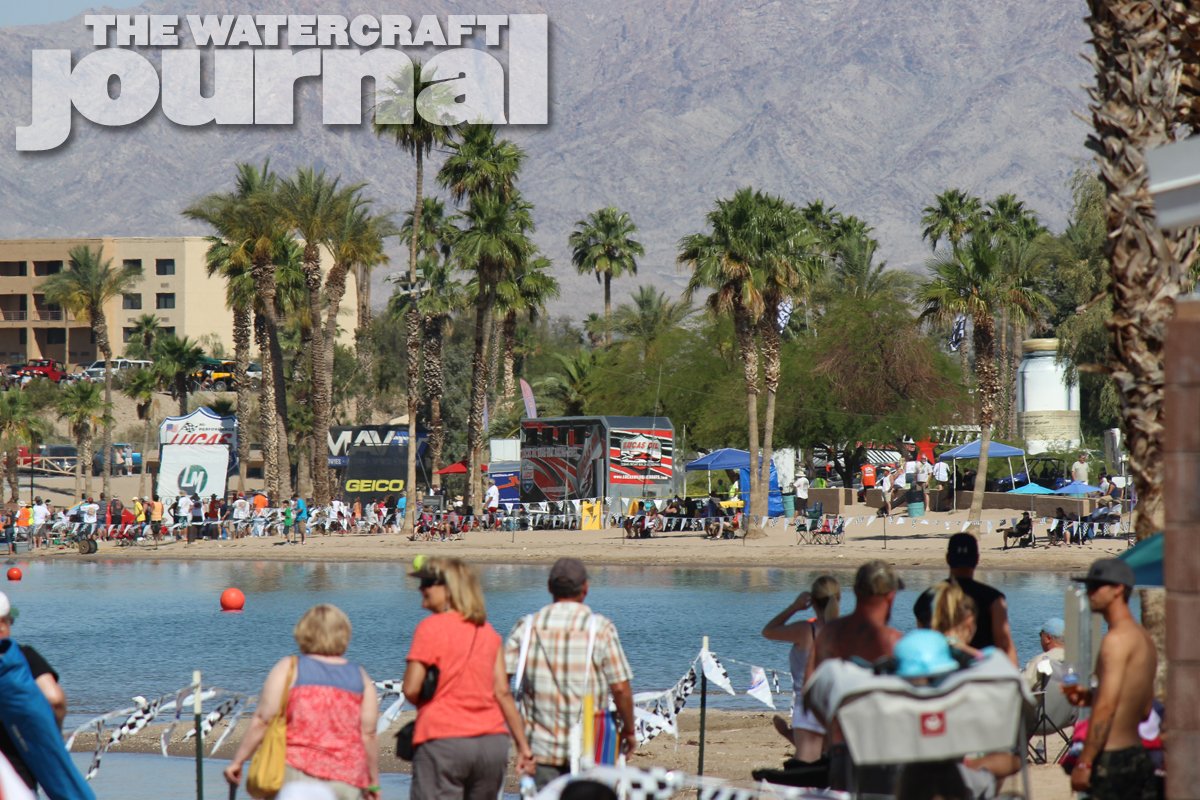
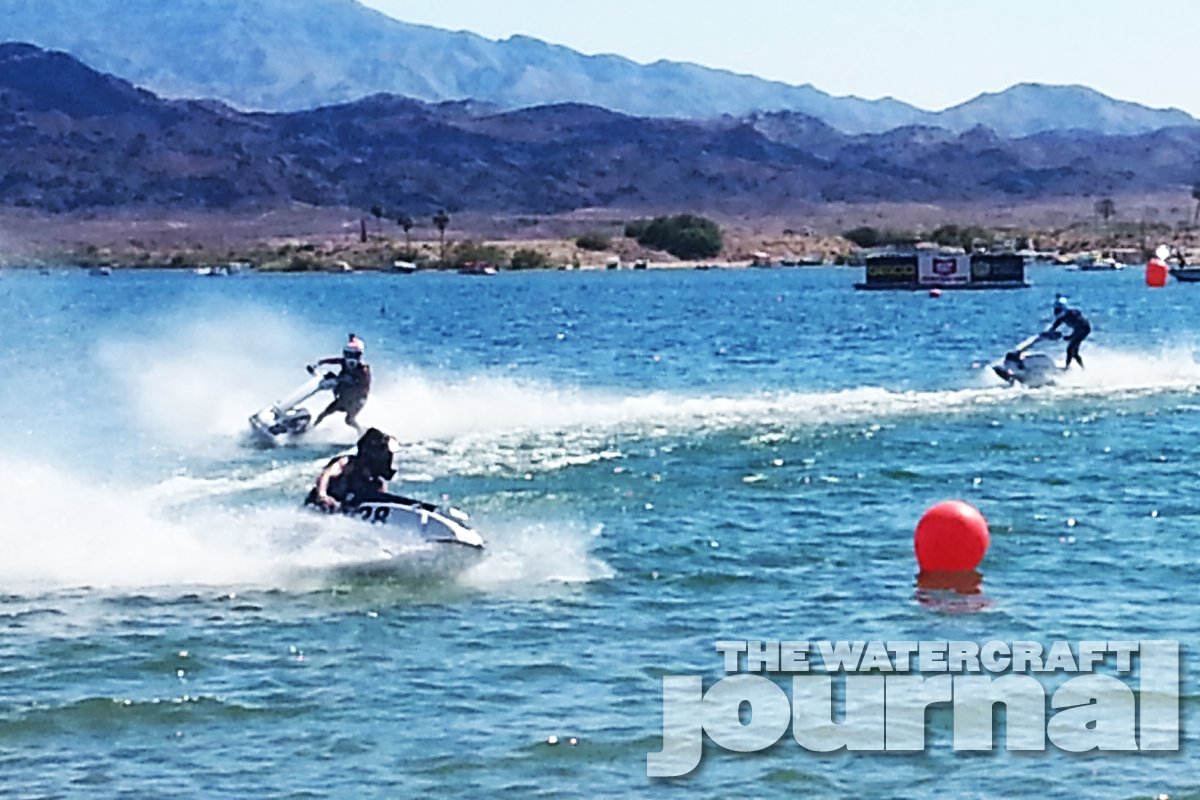
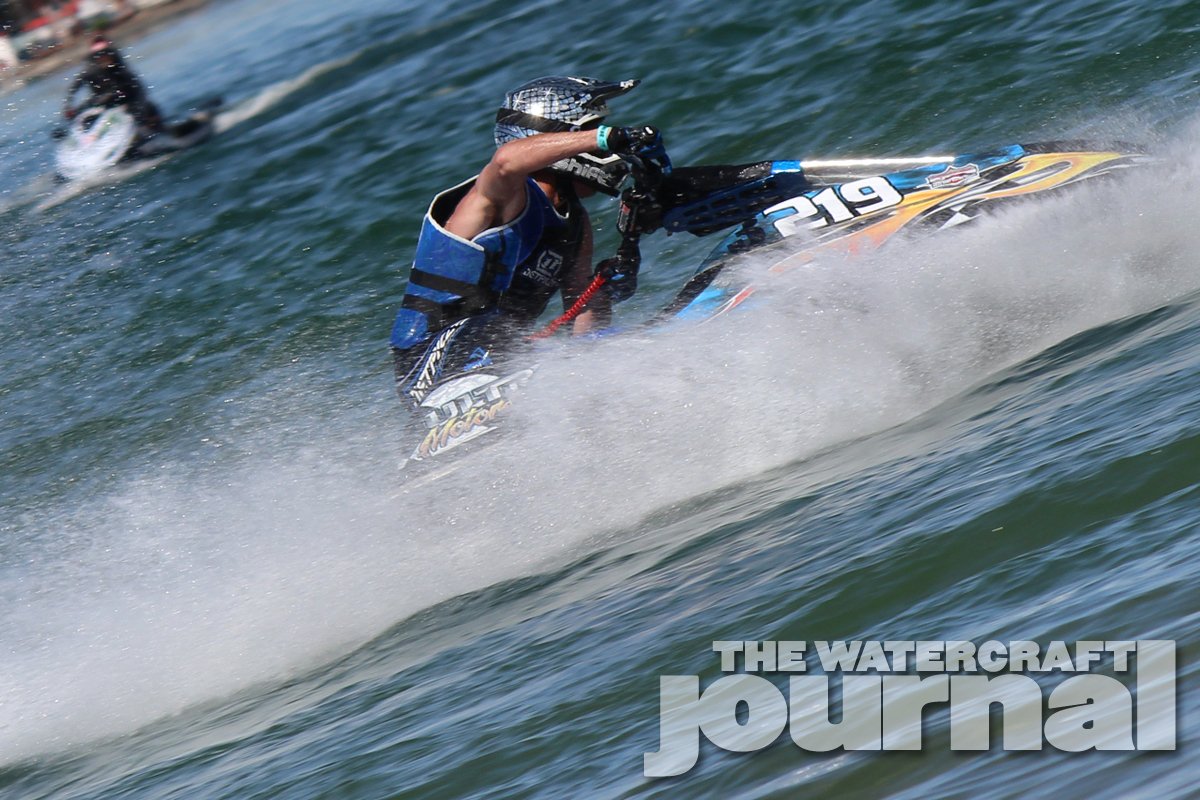
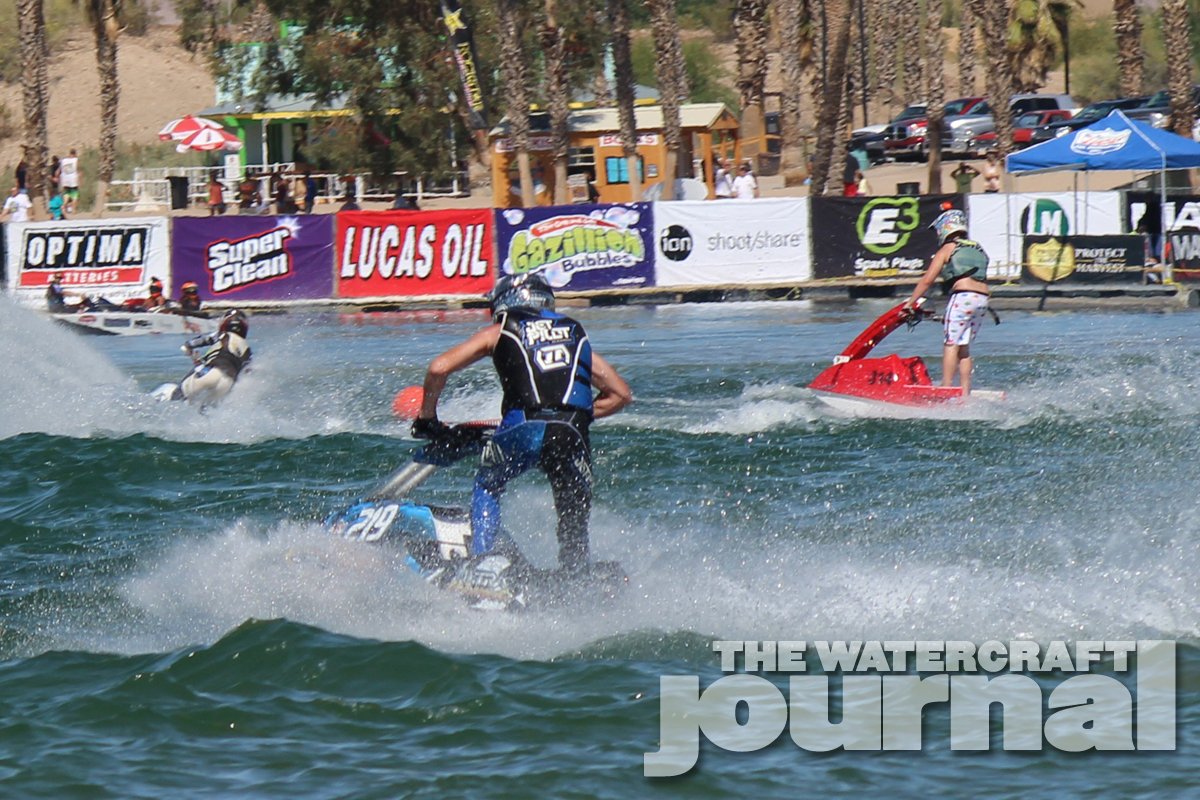
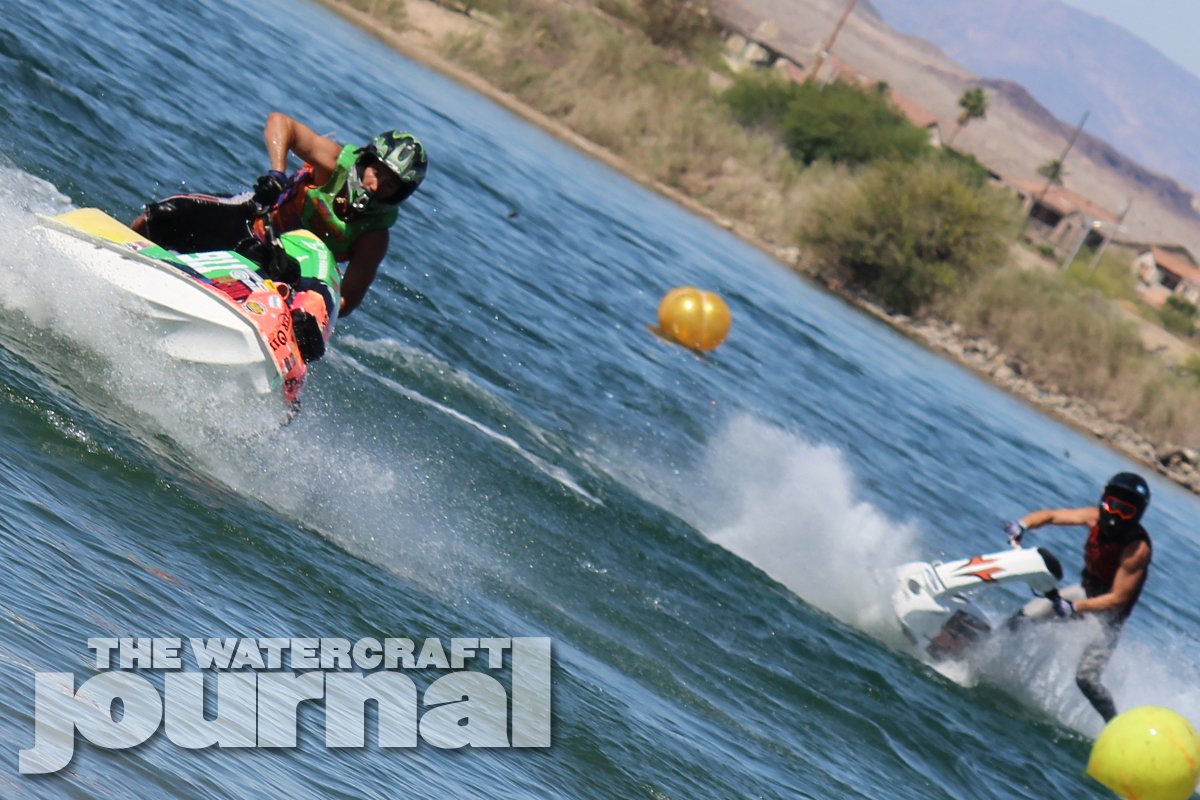
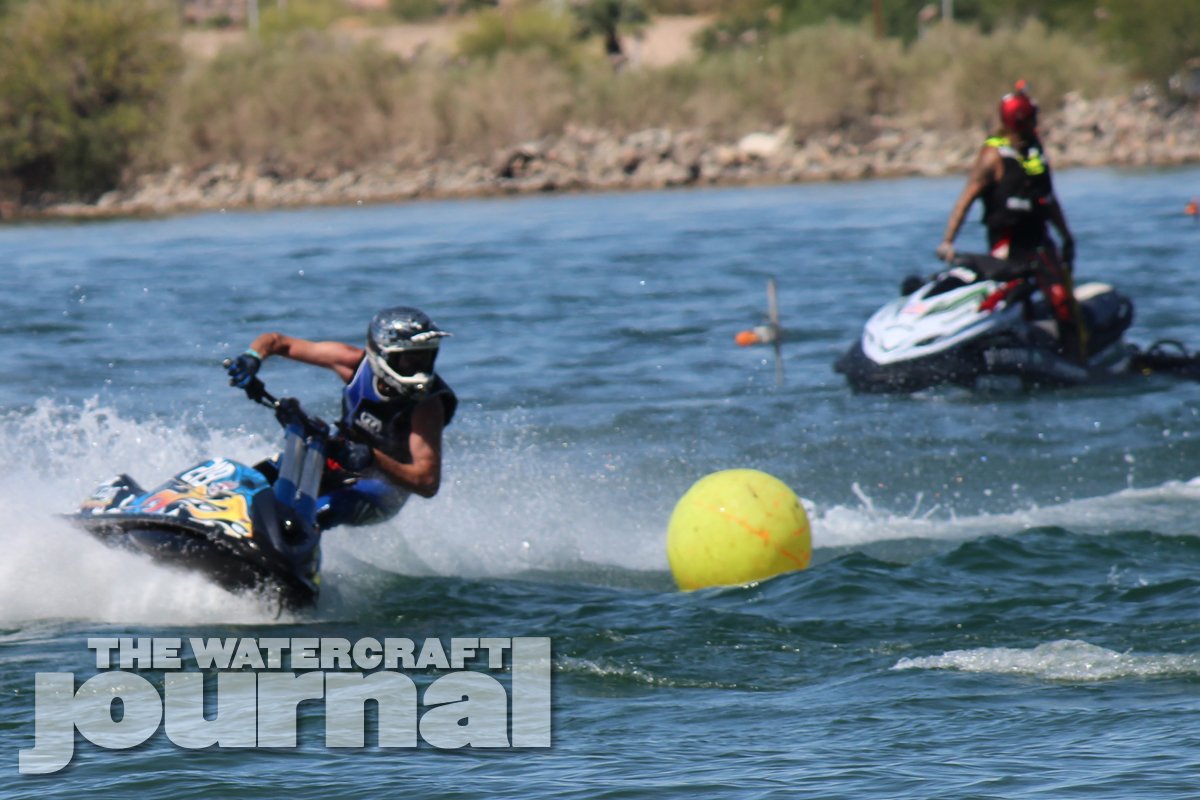
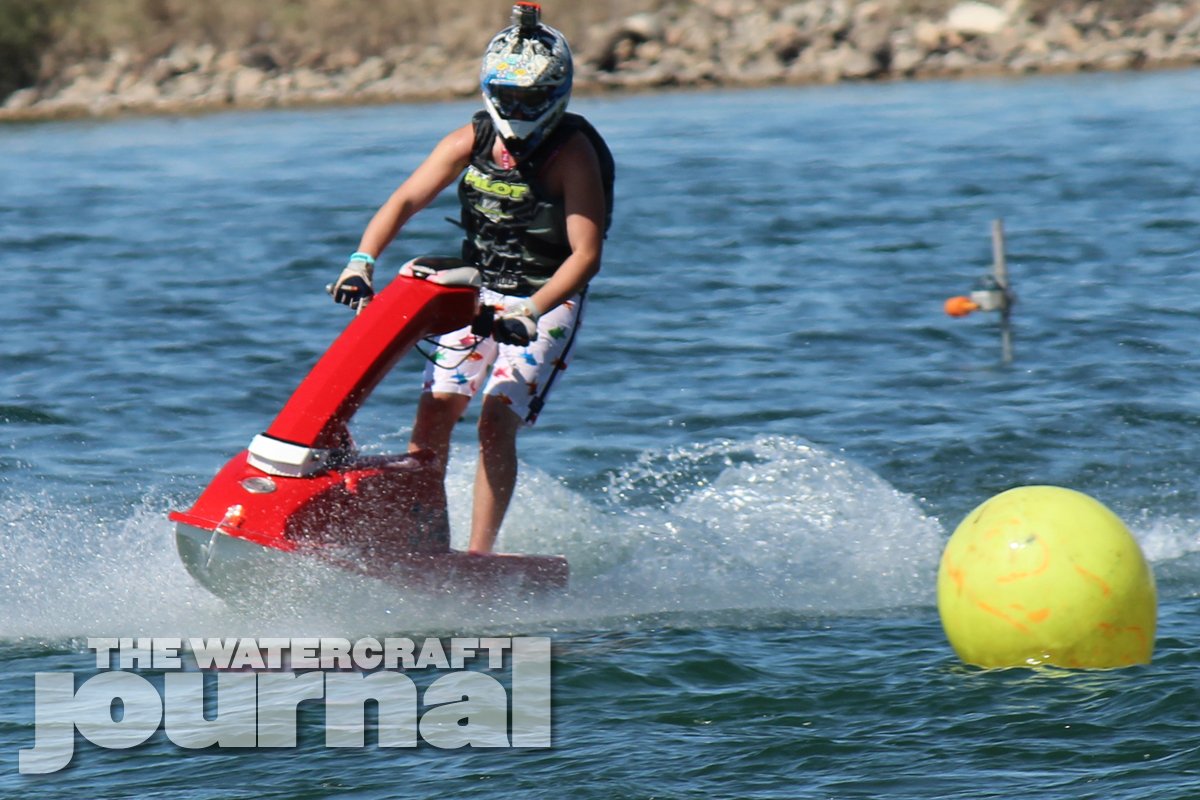
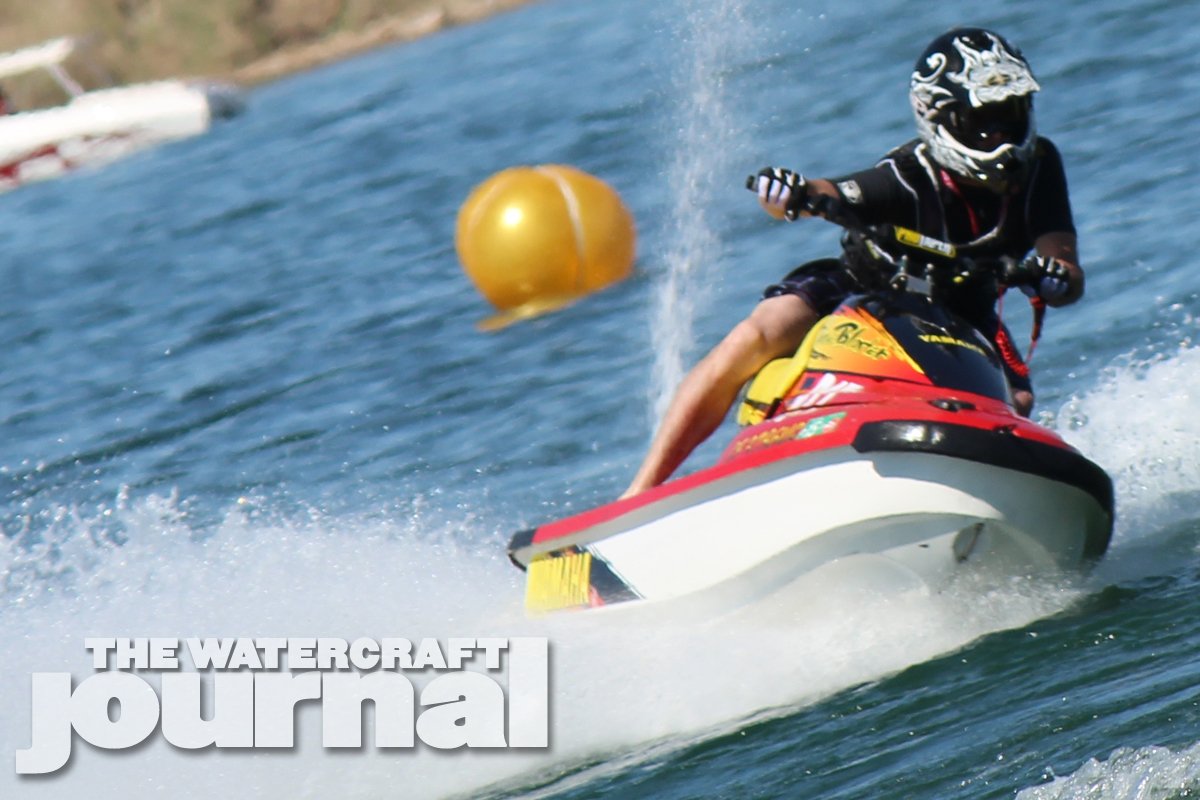
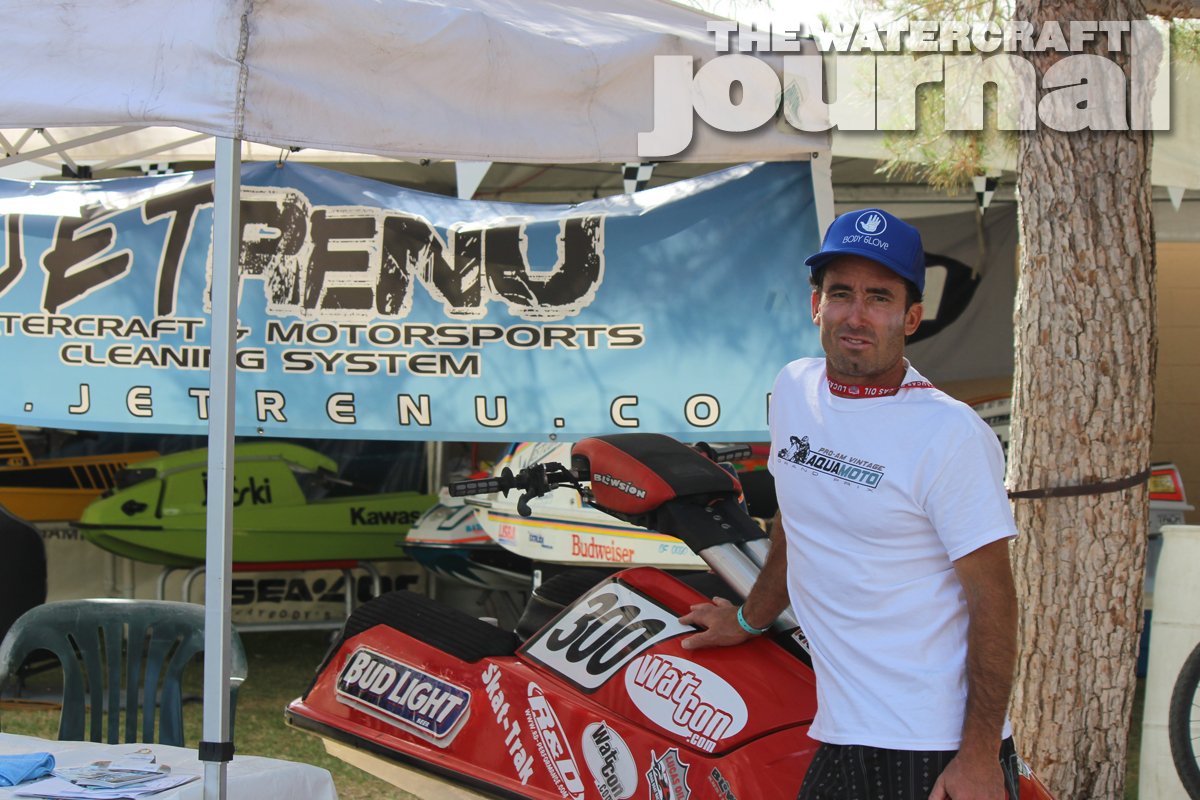
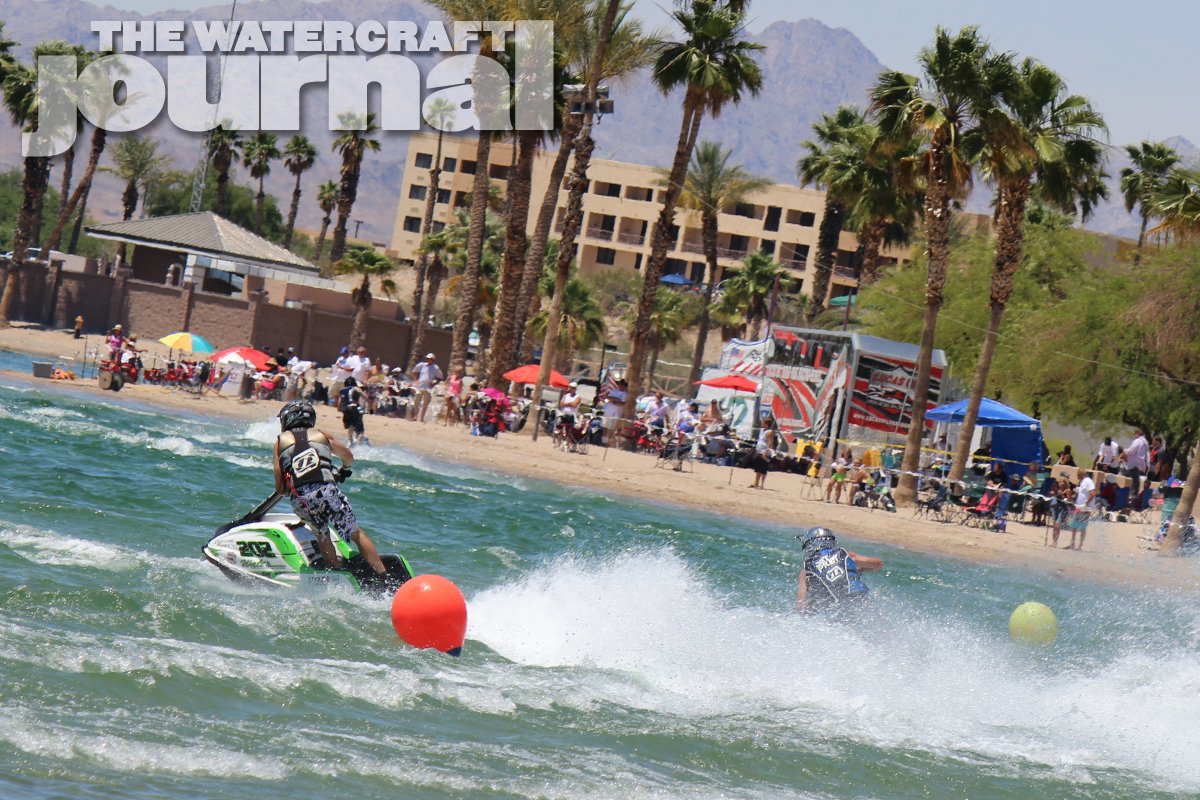
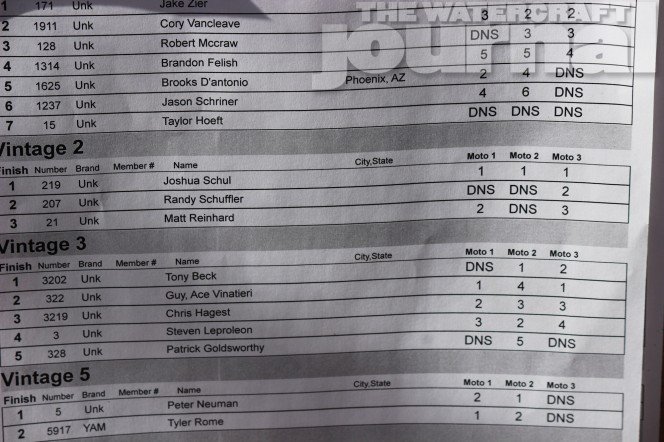
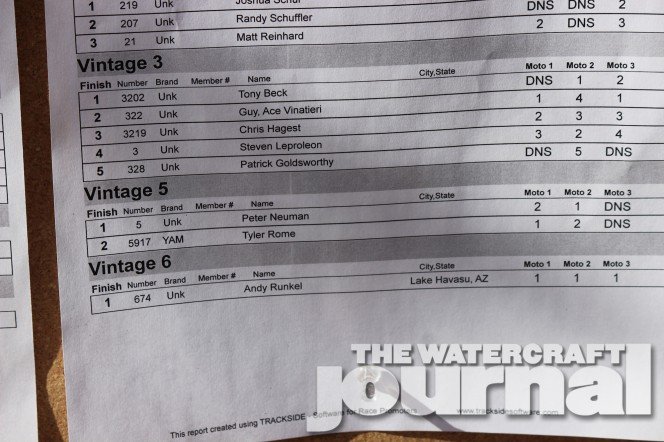
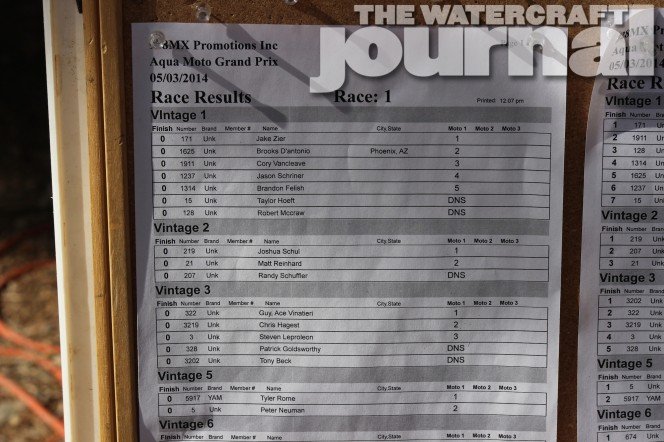
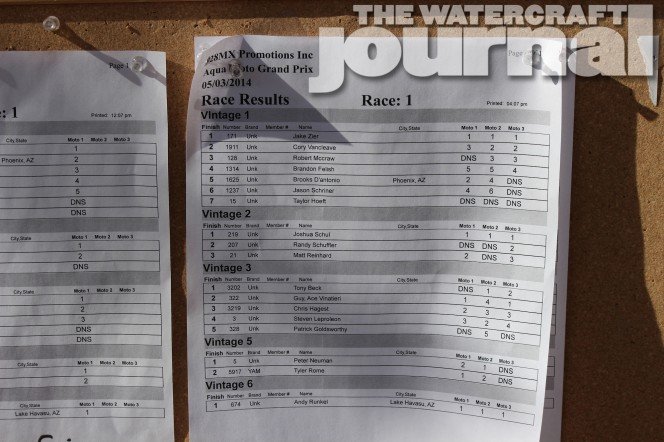
The brainchild of world champion Chris “Flyin’ Fish” Fischetti, the first ever Aqua Moto Grand Prix turned out to be a great event despite other racing events taking place the same weekend. Paired up with the Lucas Oil Drag Boats at Rotary Park in Lake Havasu City, AZ, the Aqua Moto Grand Prix fetched a solid turnout for the inaugural event.
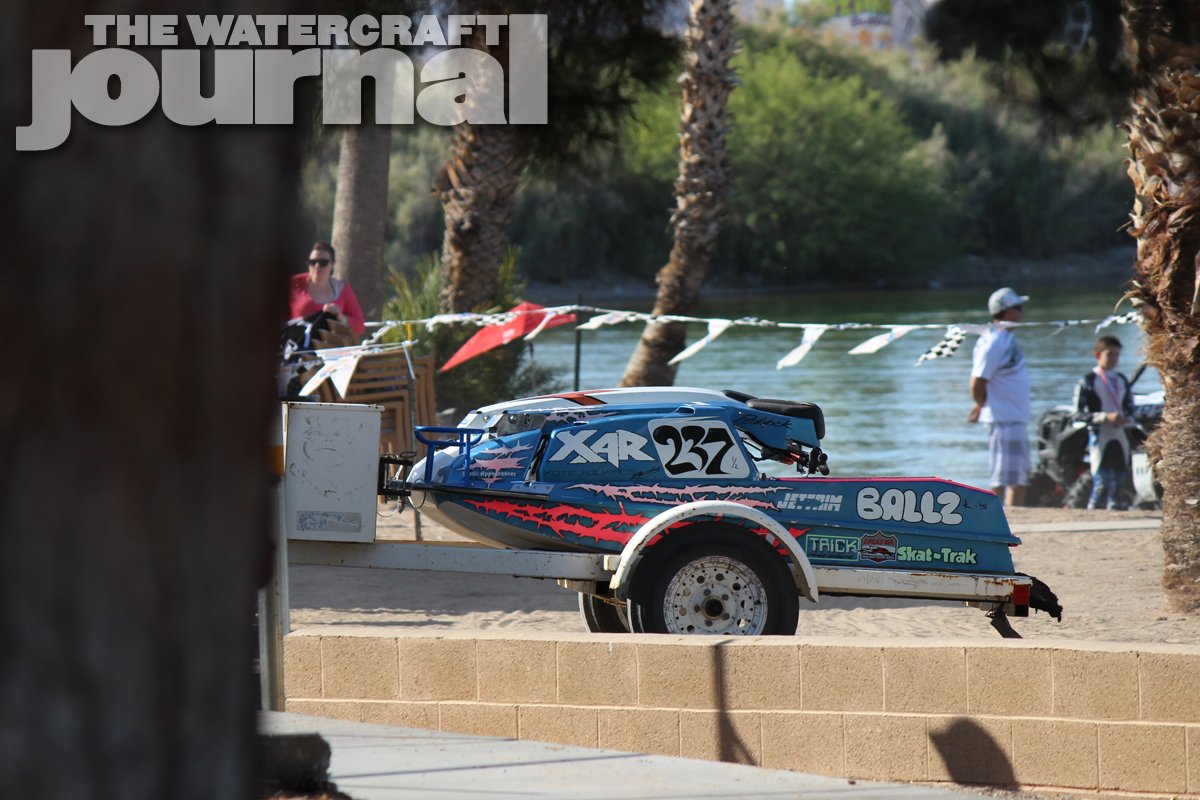
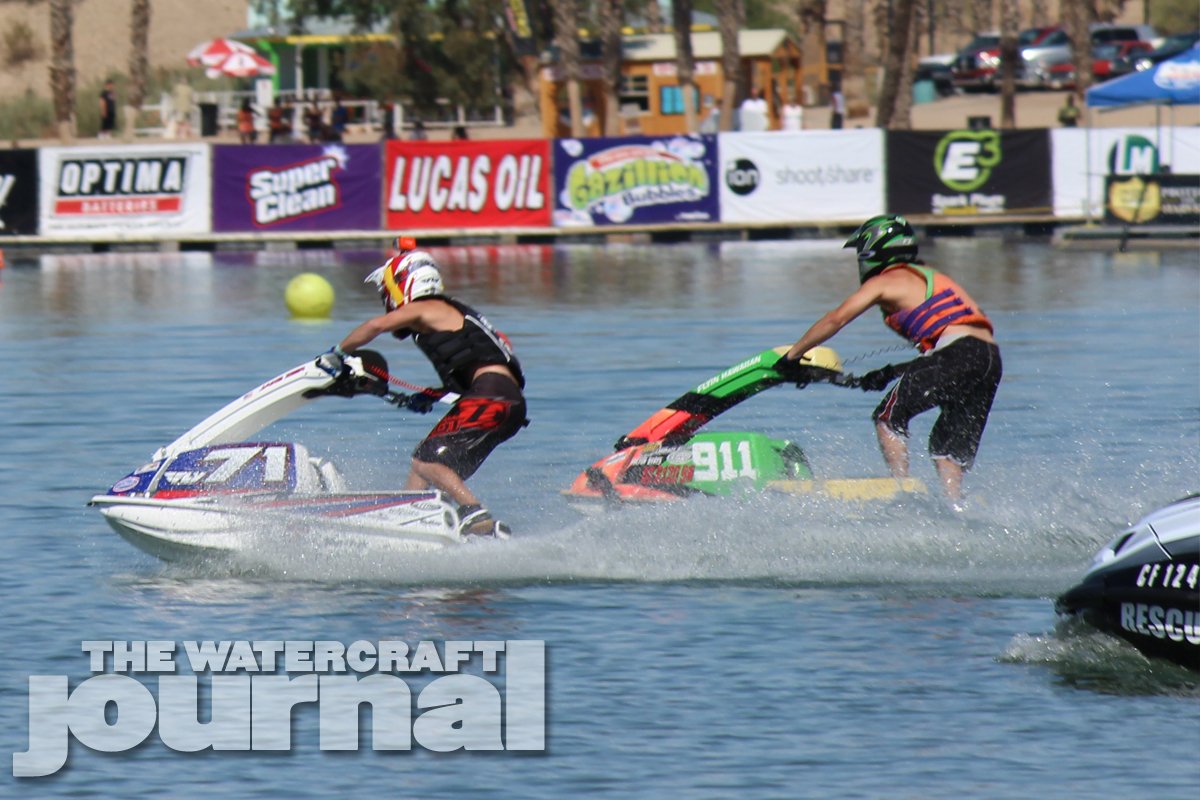
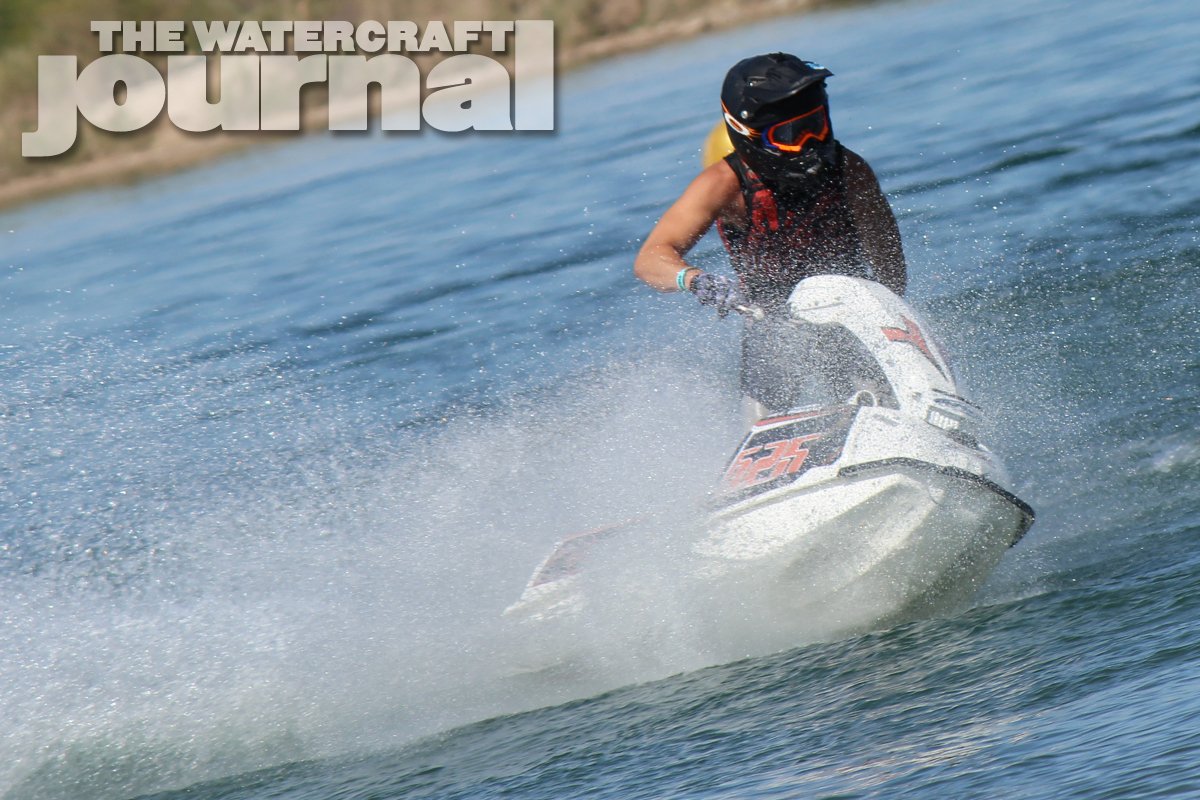
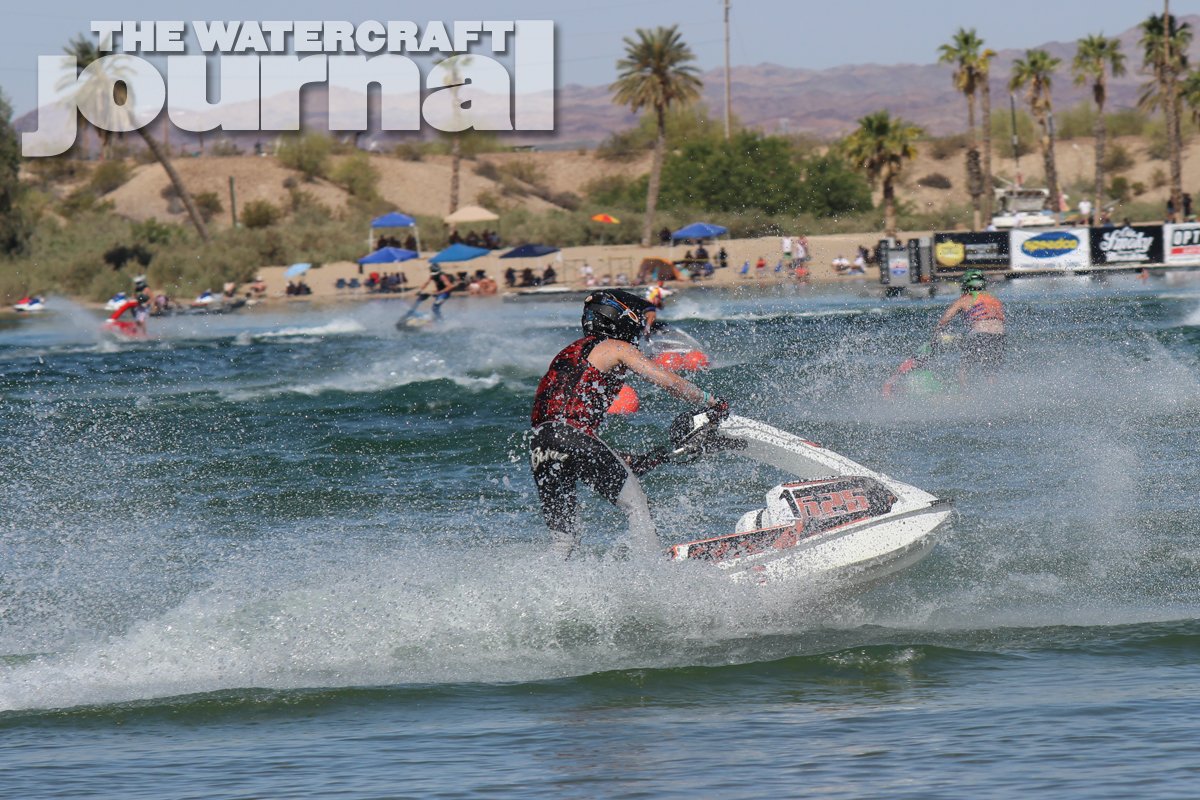
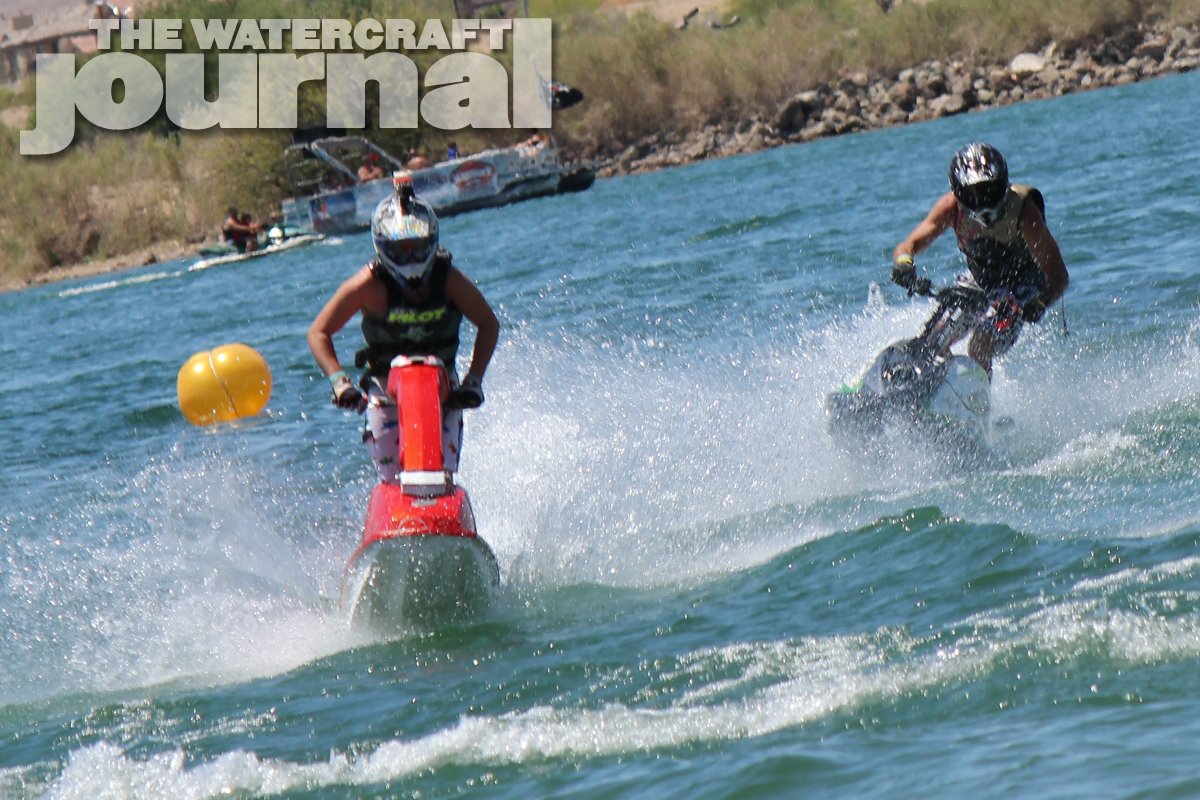
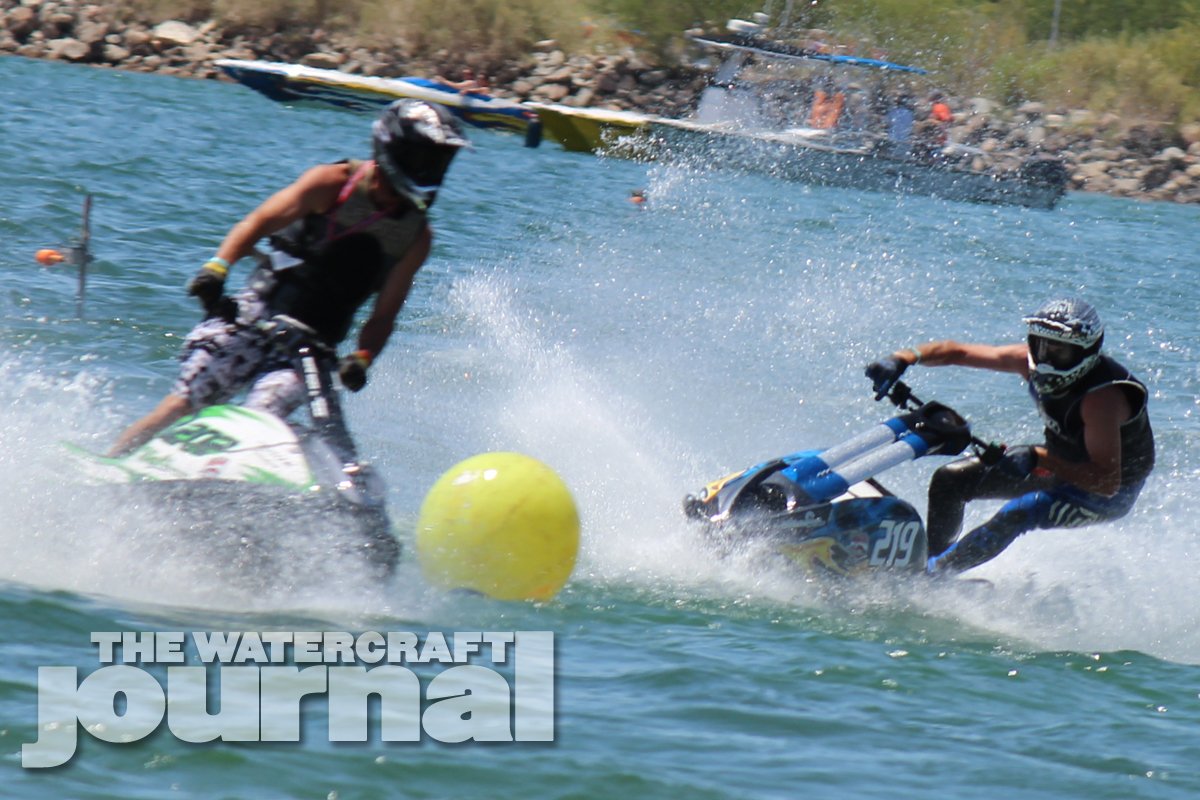
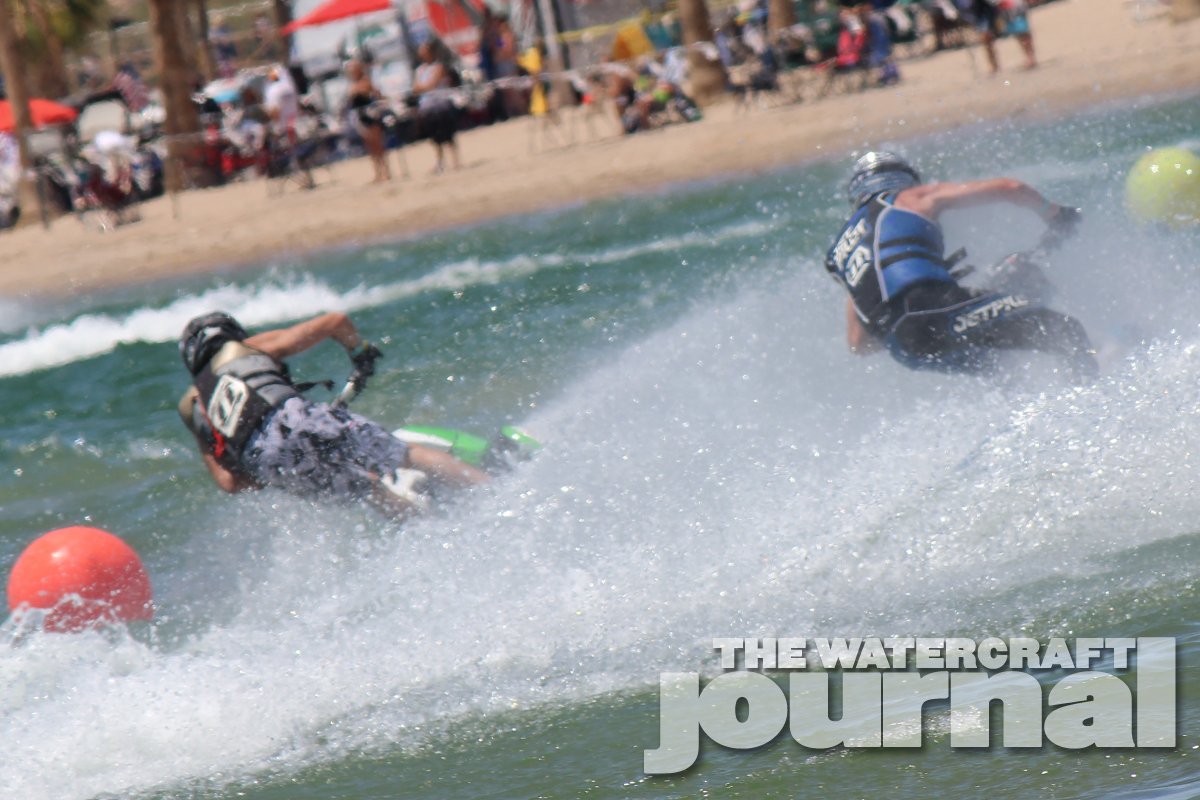
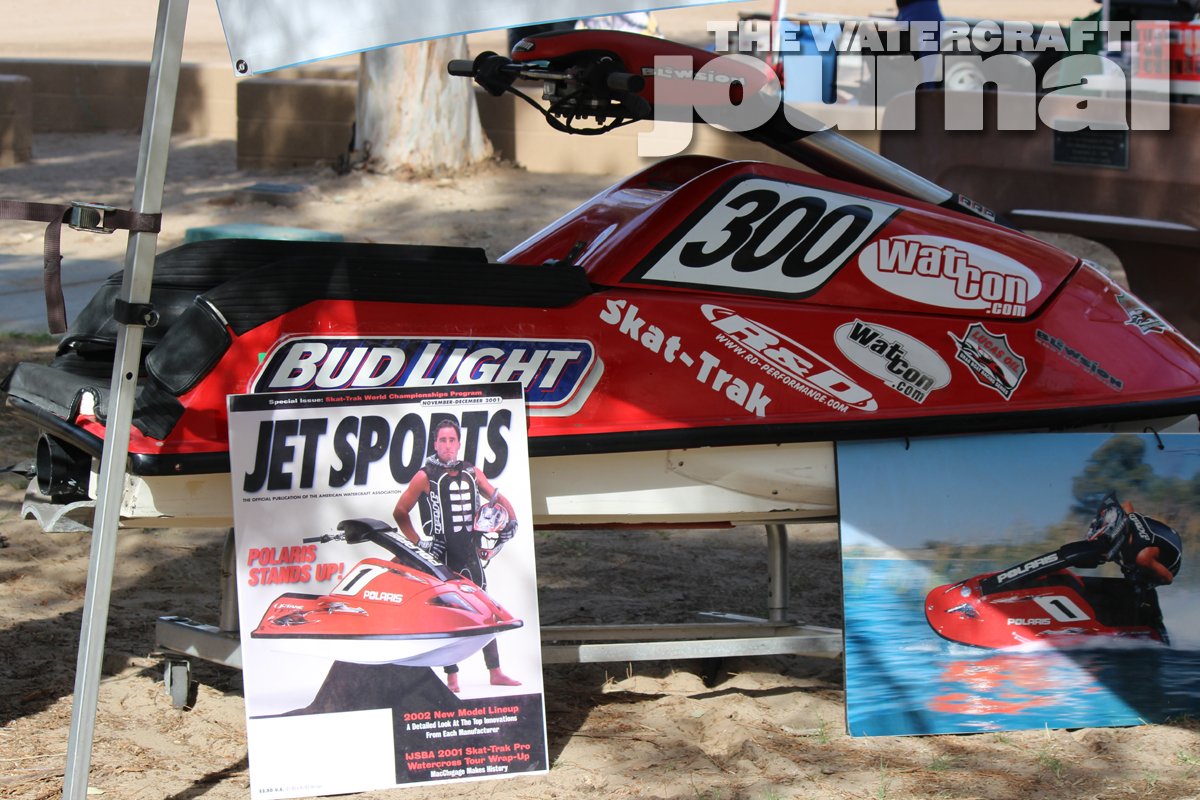
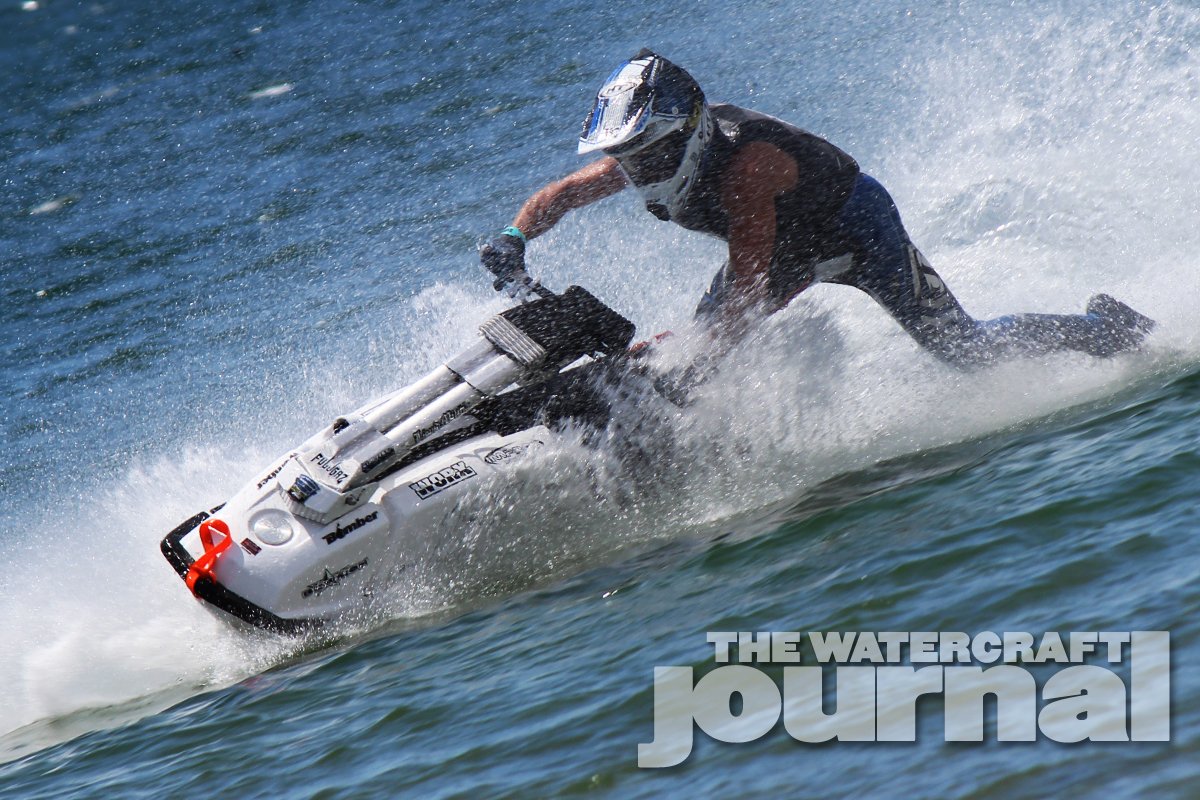
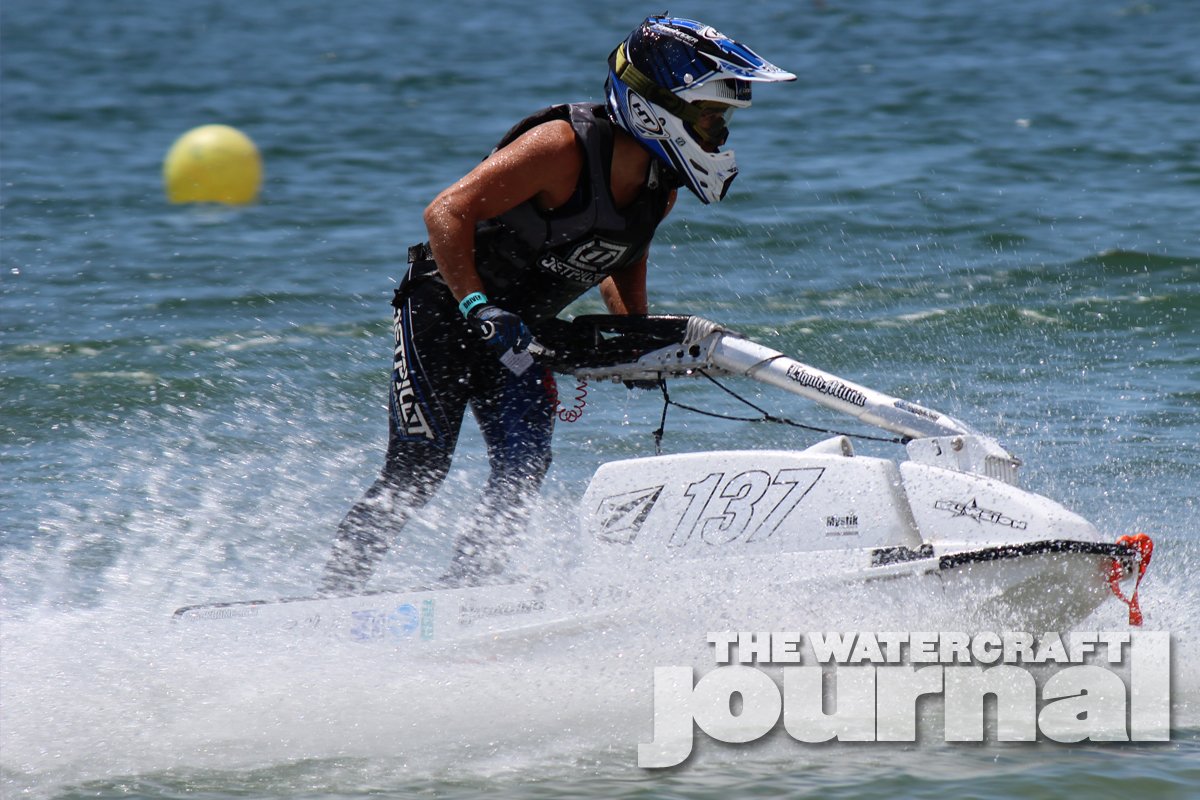
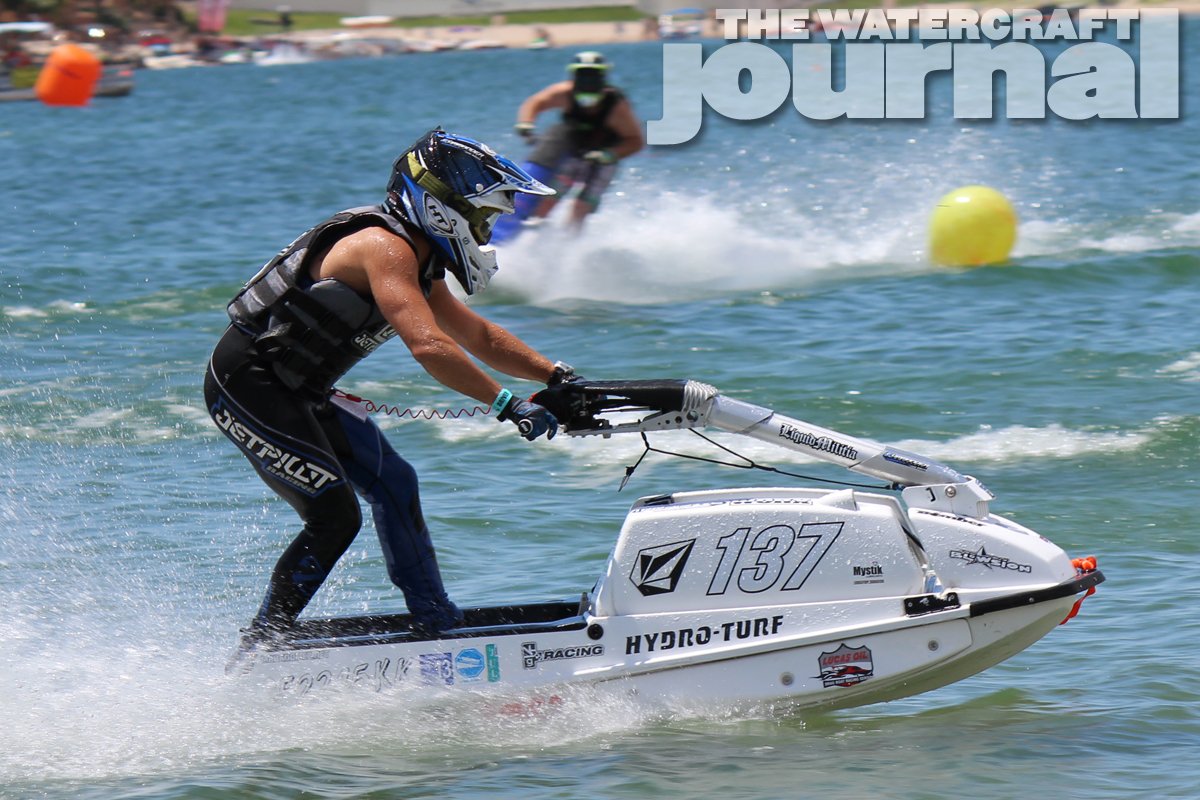
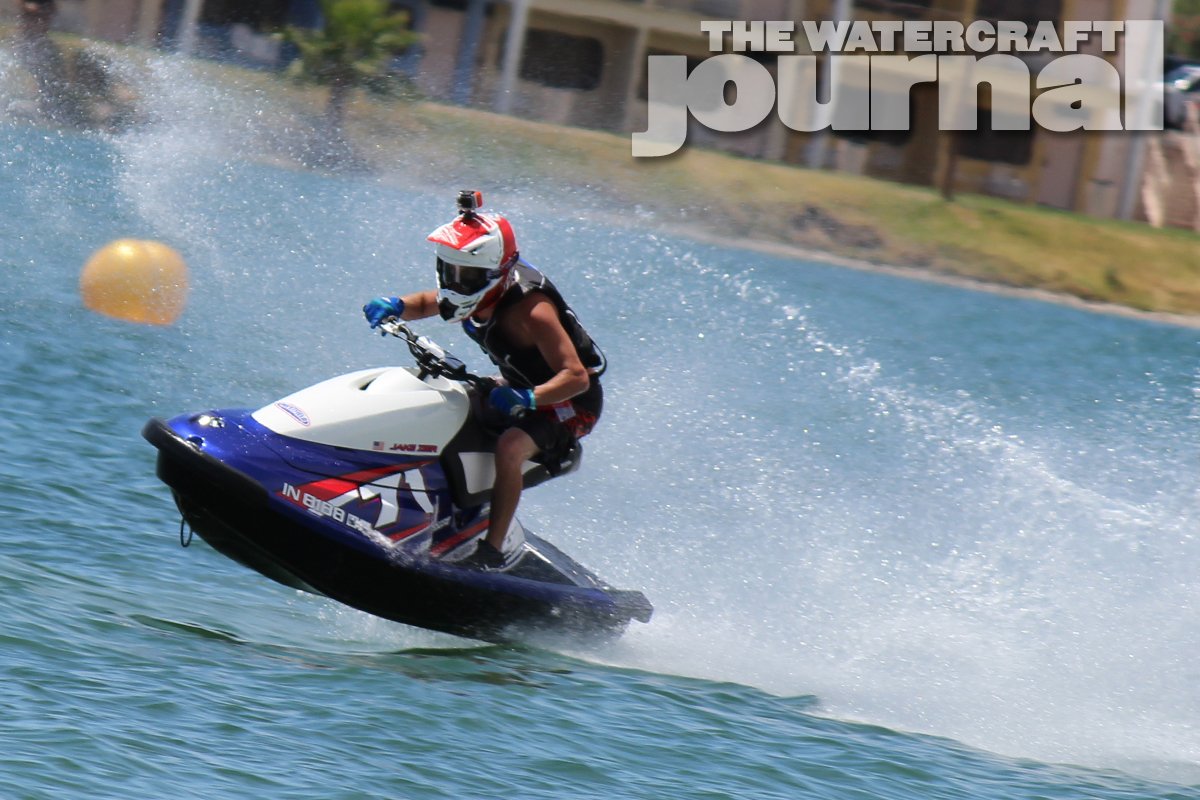
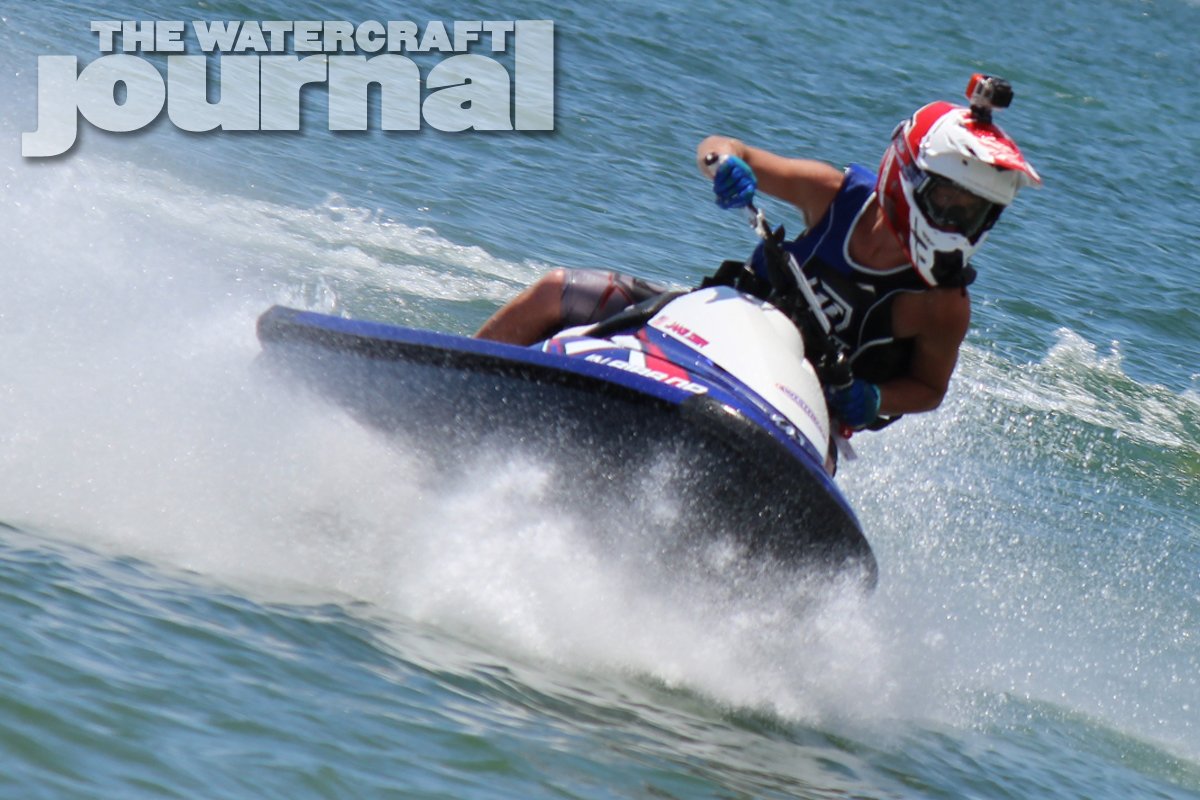
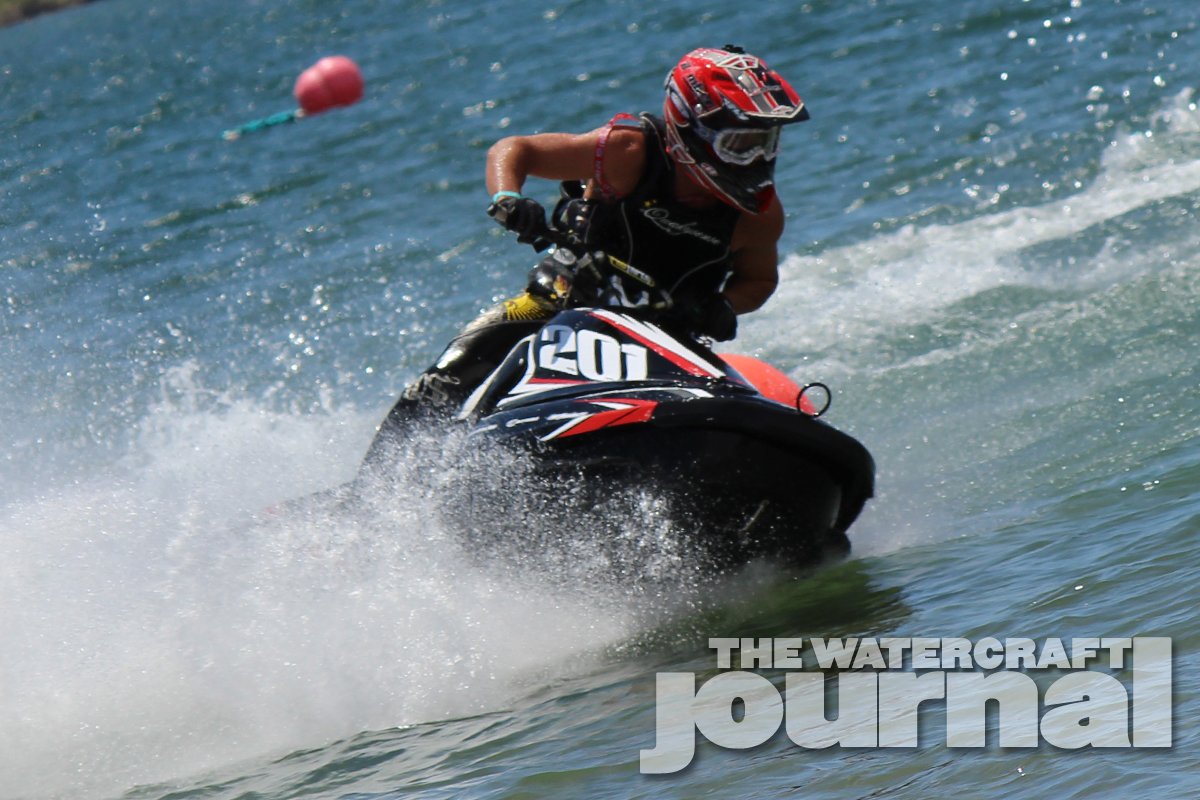
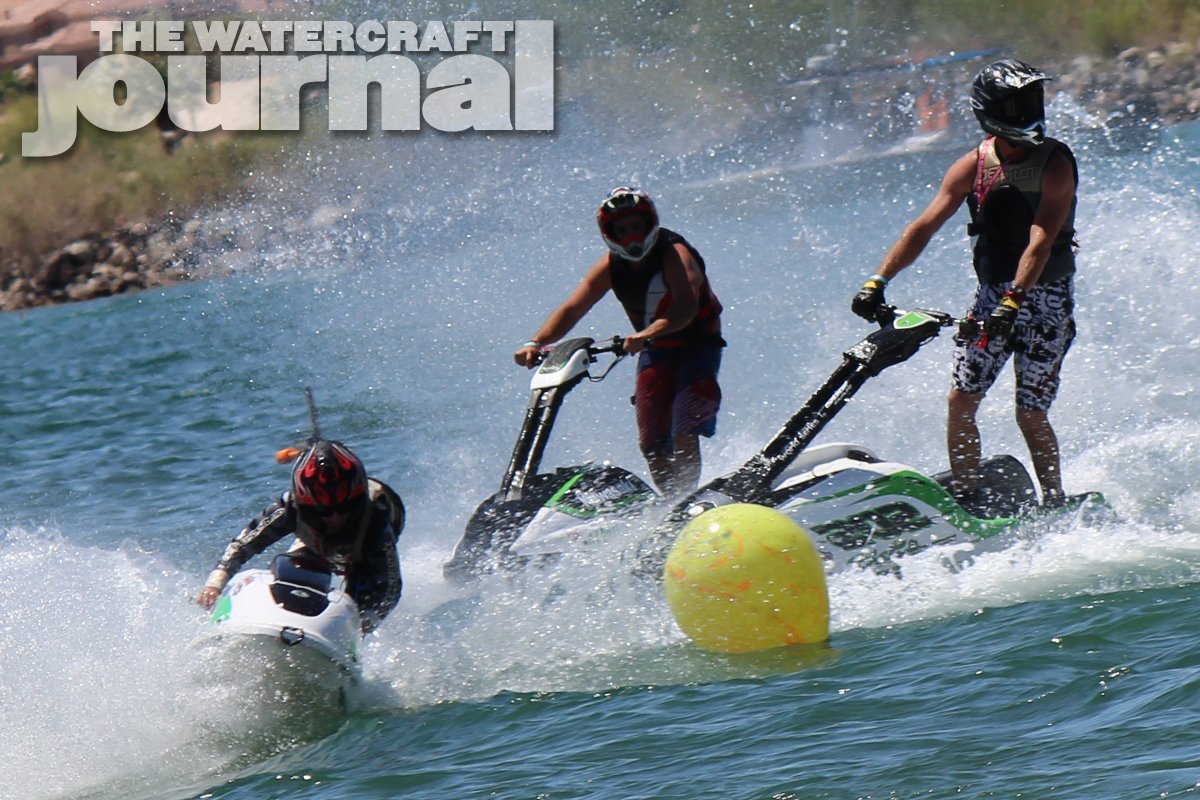
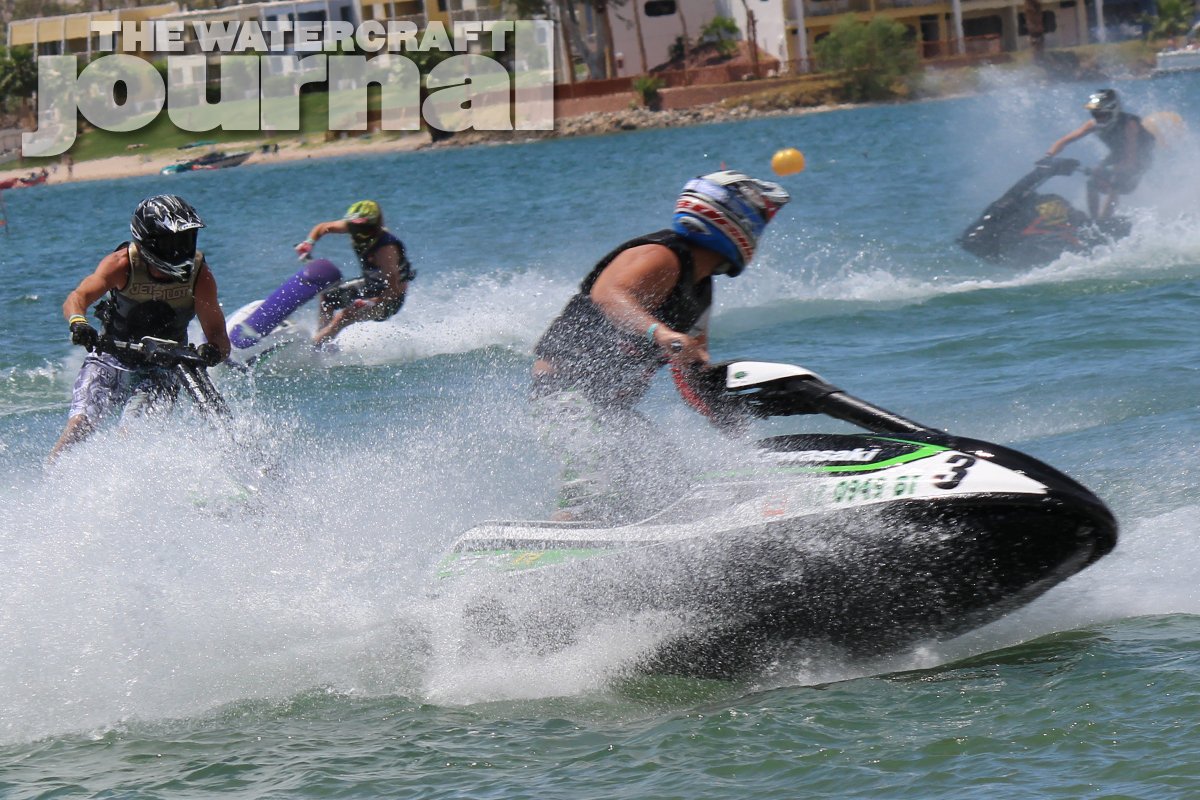
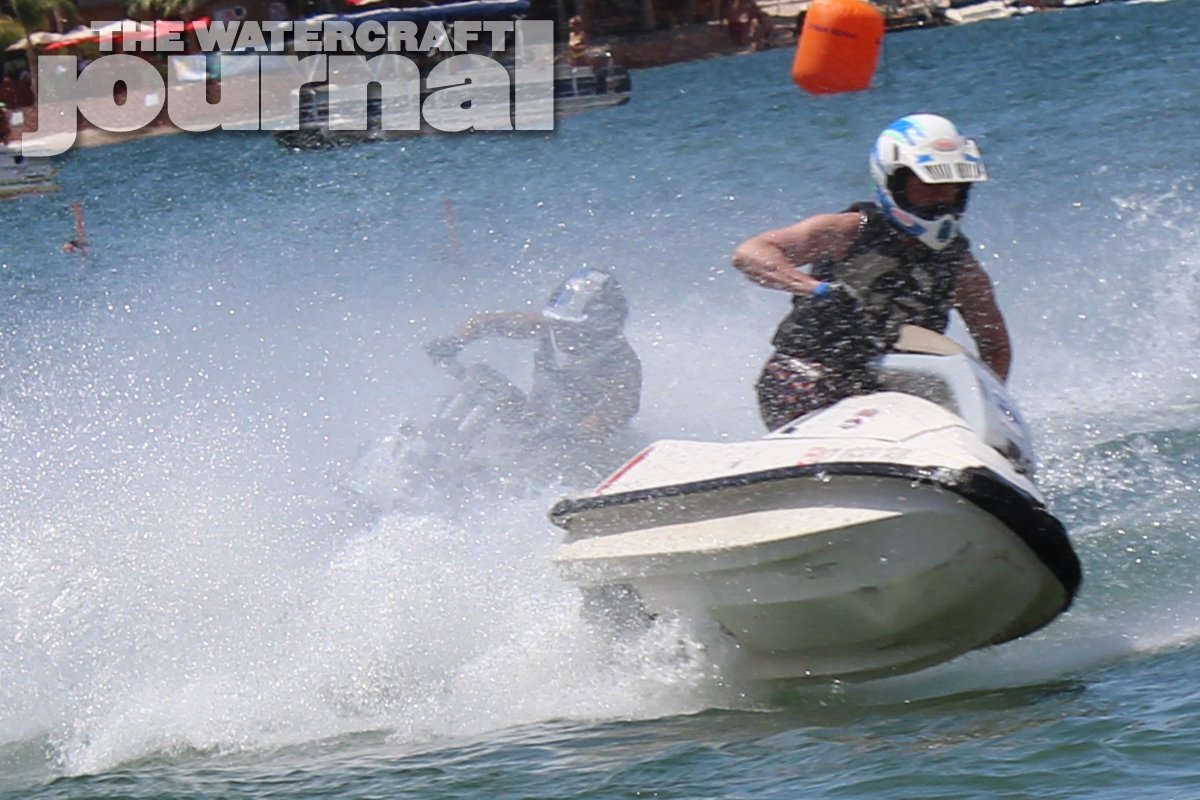
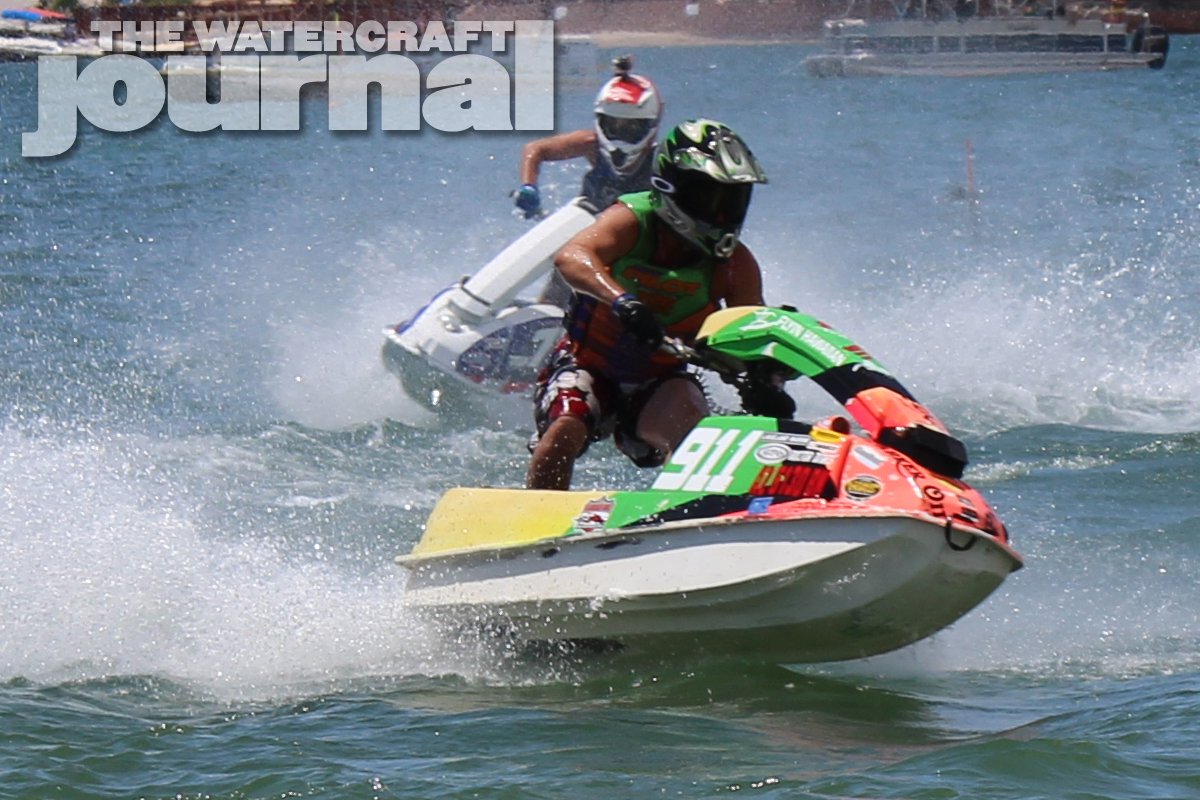
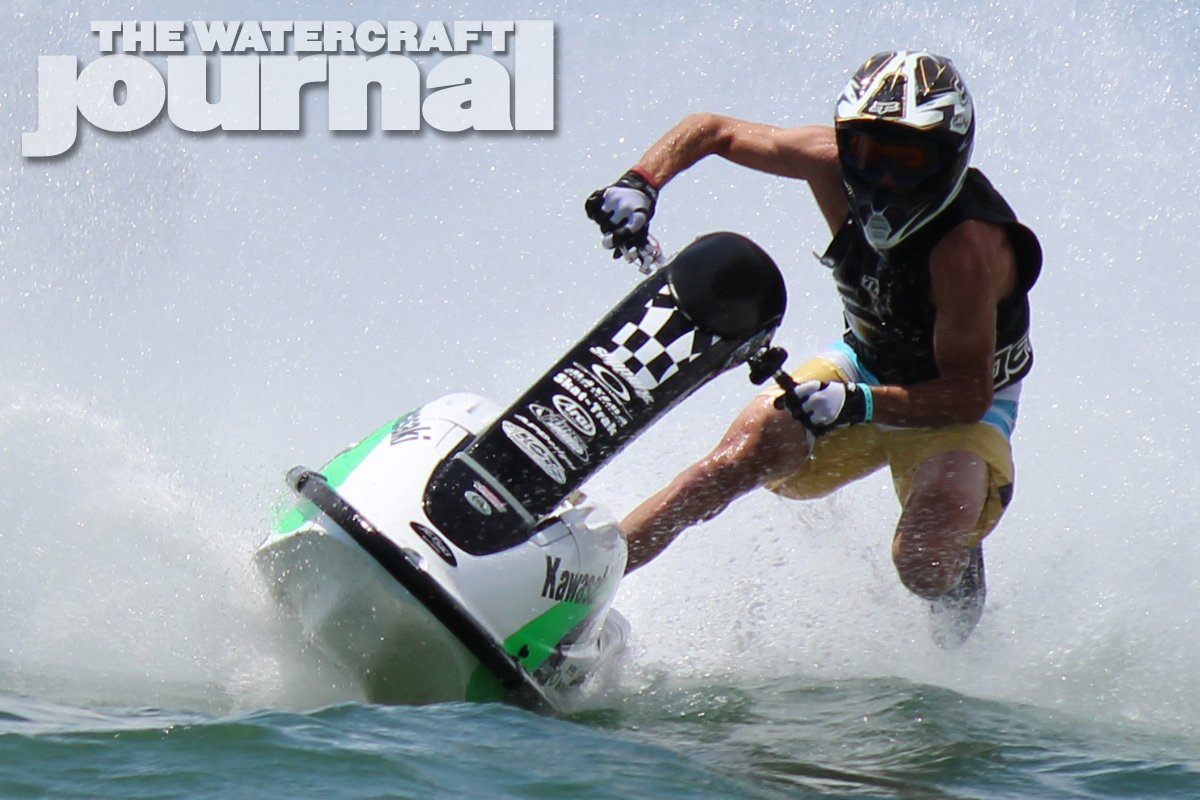
Fischetti brought vintage class racing back to Rotary Beach, alongside the Ken Smith Memorial Drag Boat Nationals event this past May 2nd – May 4th.Here’s a good glimpse at the heart of the Aqua Moto Grand Prix – vintage horsepower made simple. It was all about the “braaap” of two-strokes this weekend.
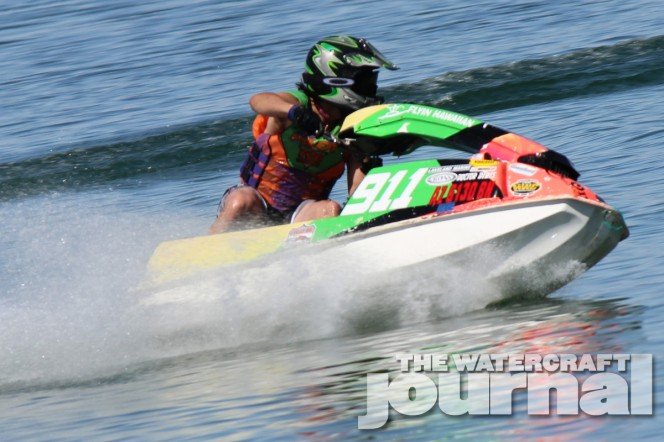
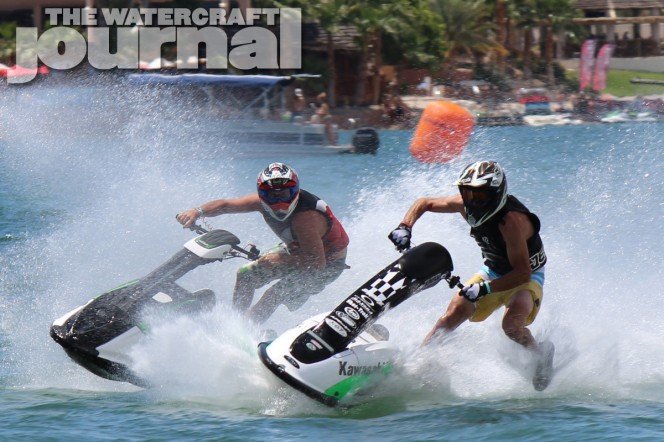
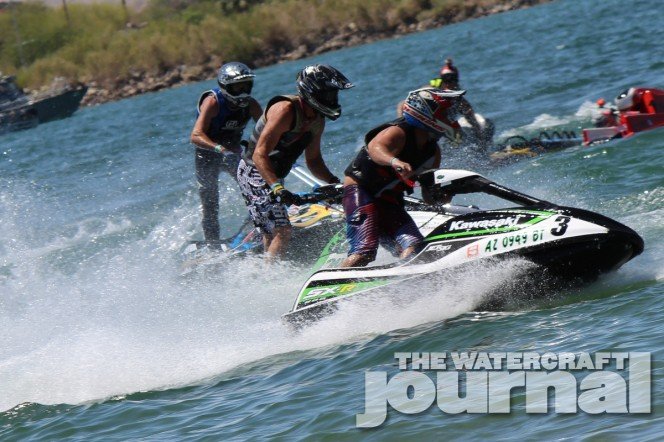
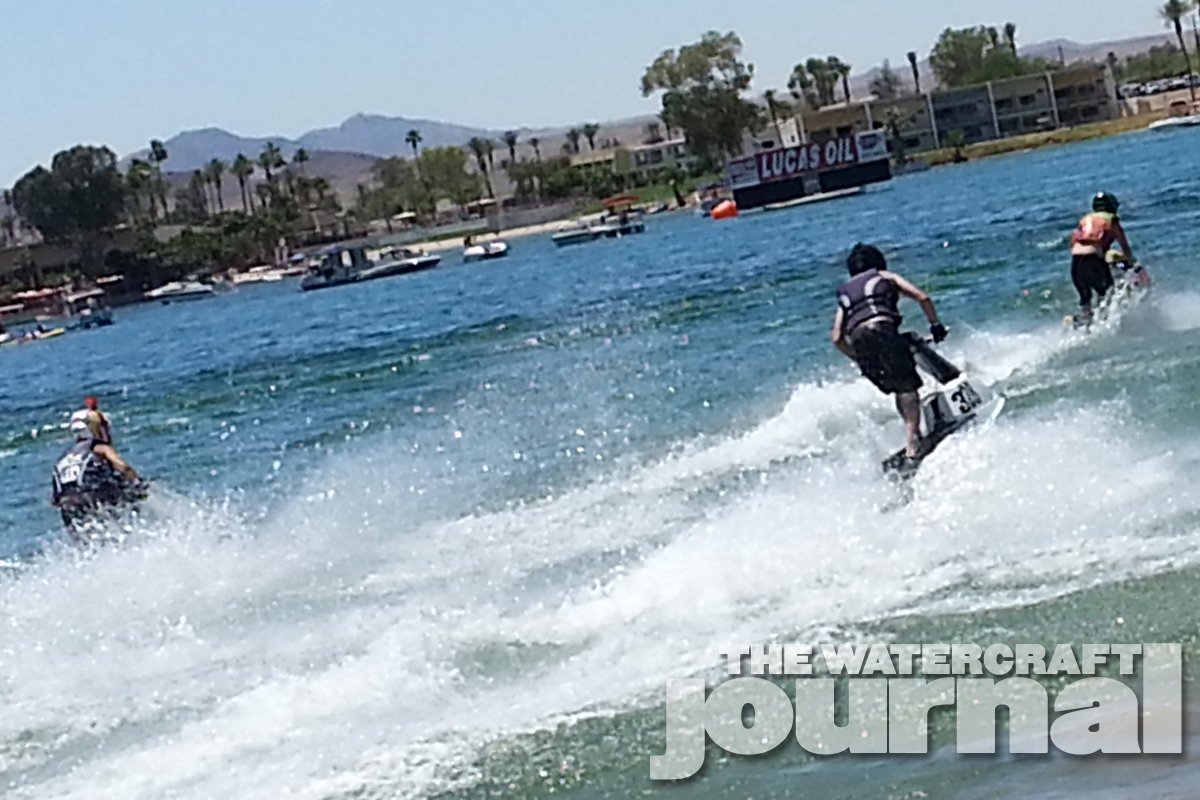
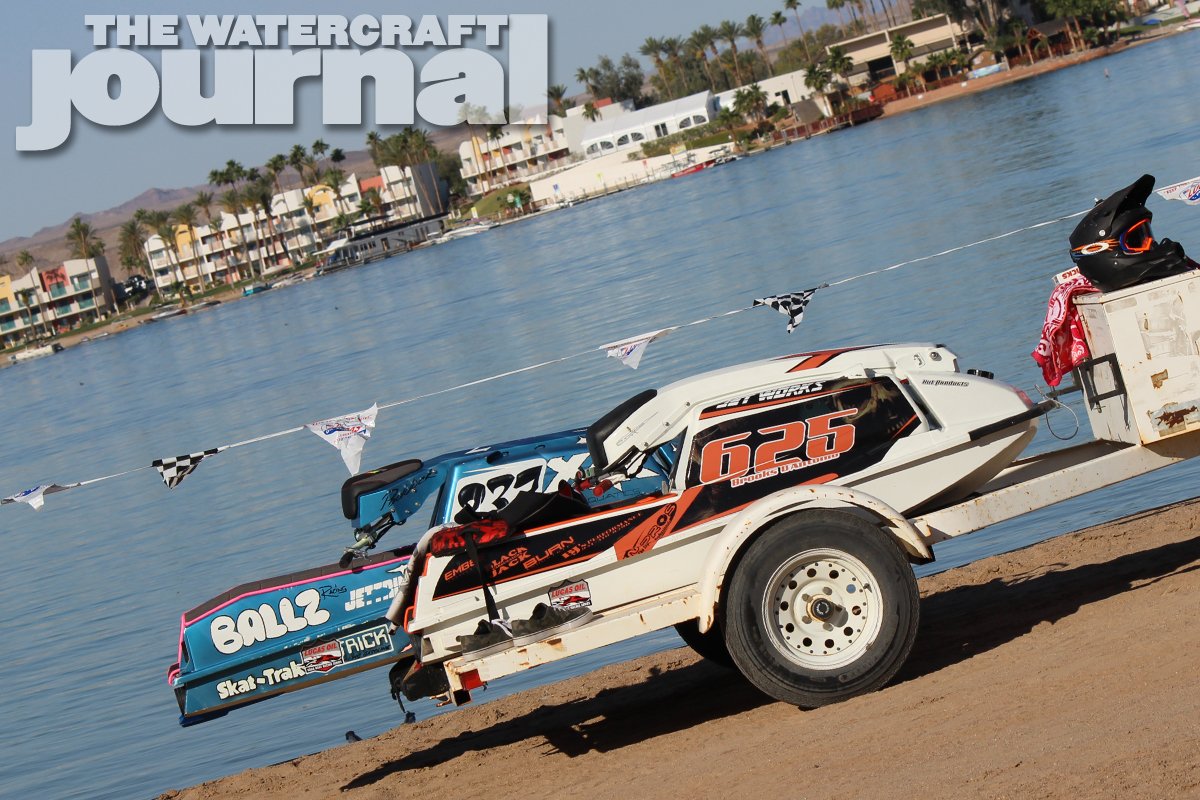
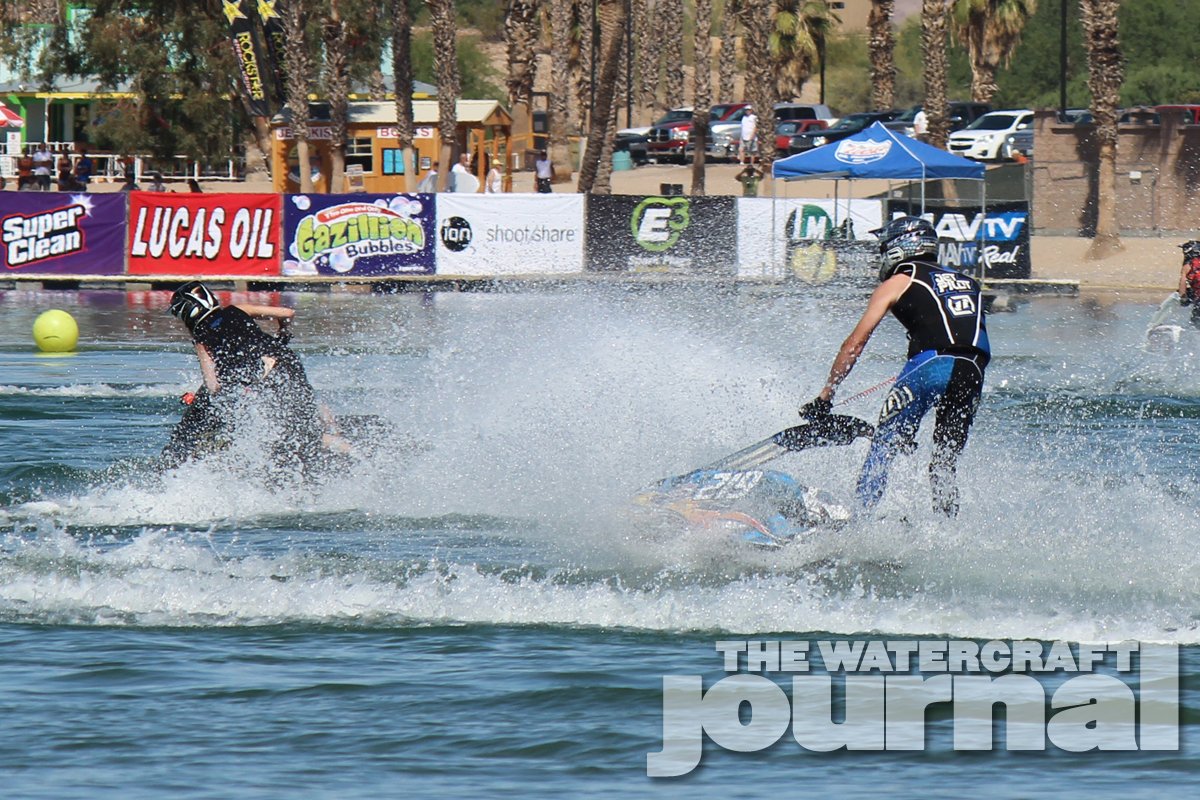
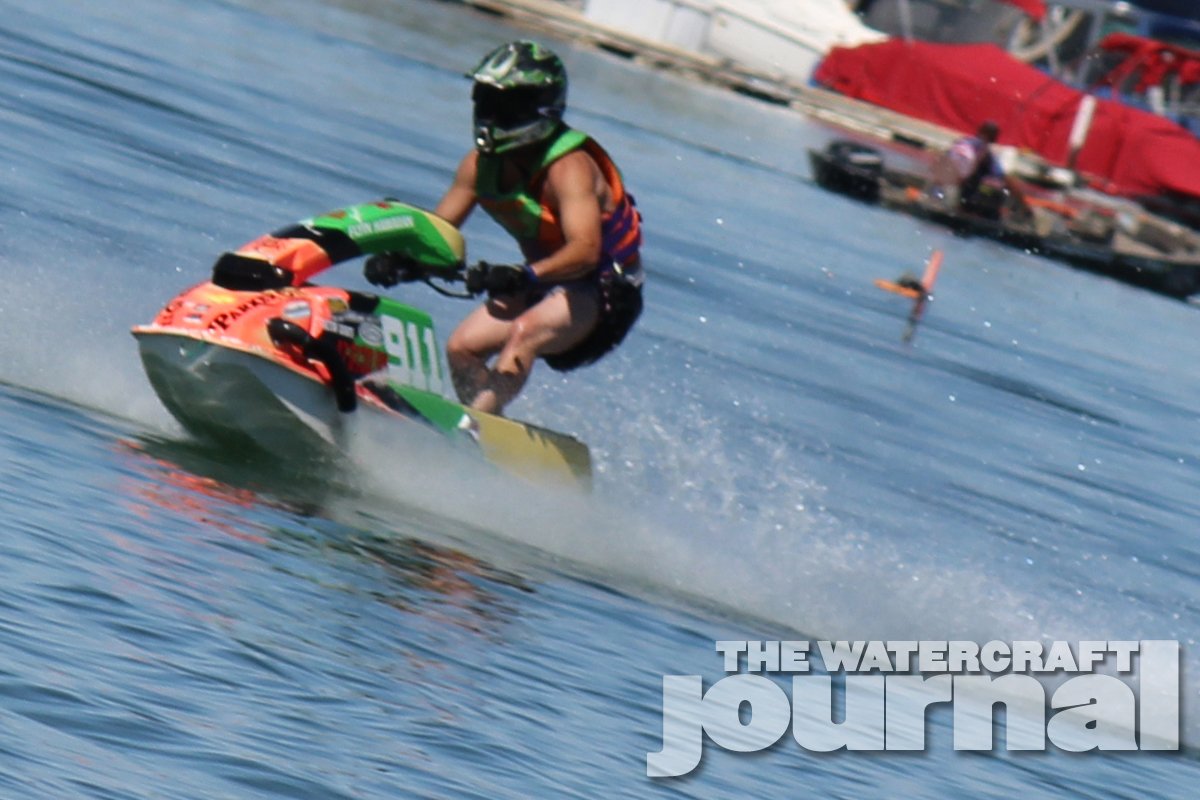
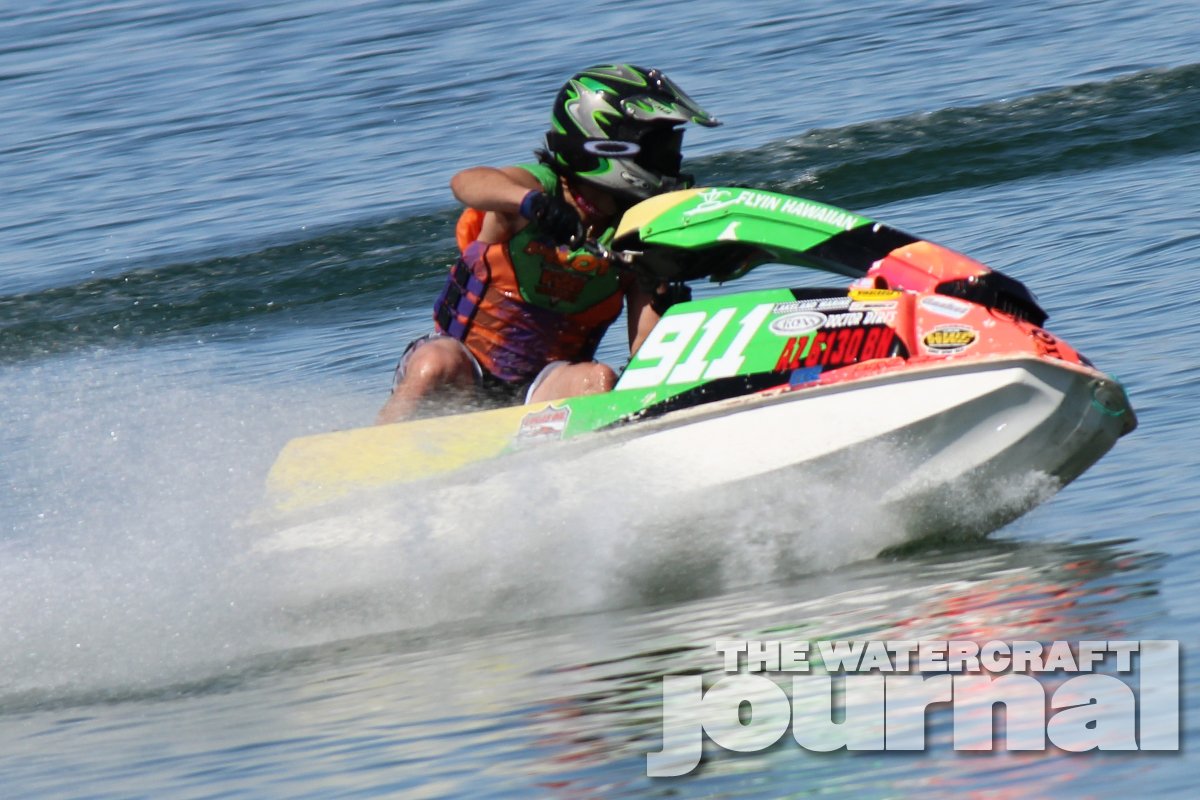
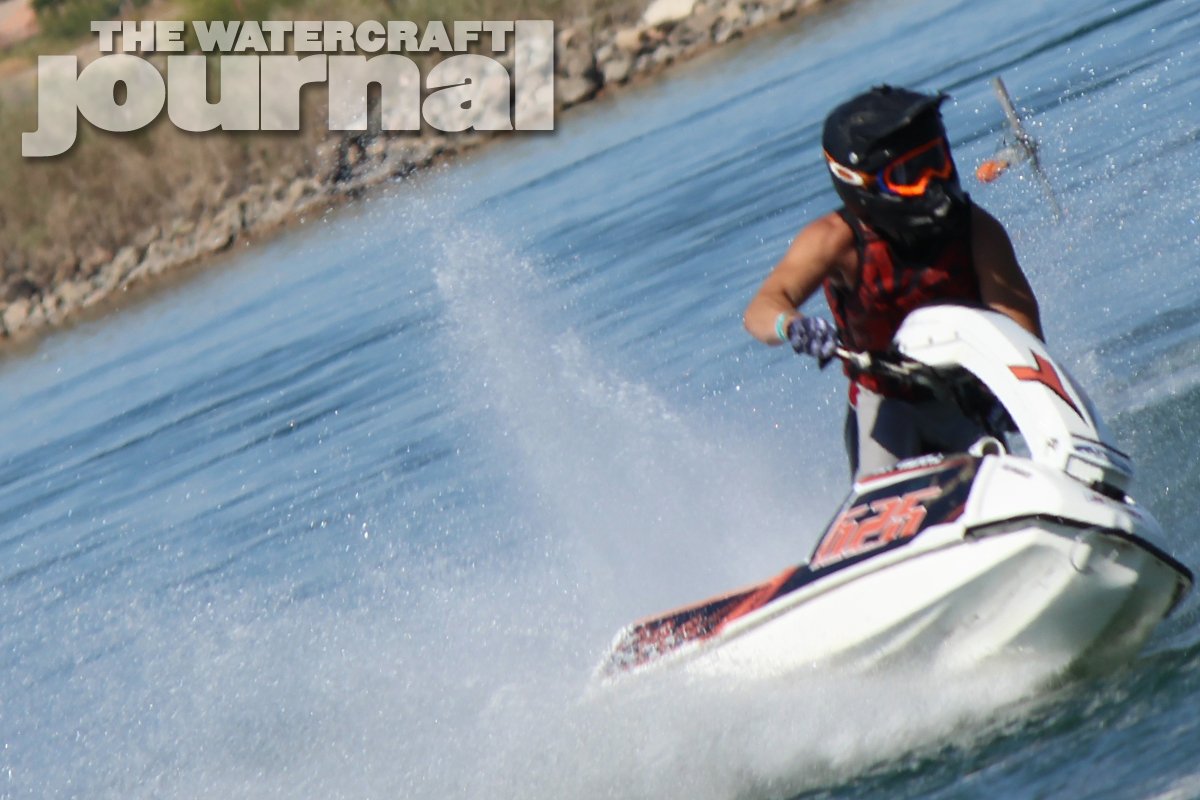
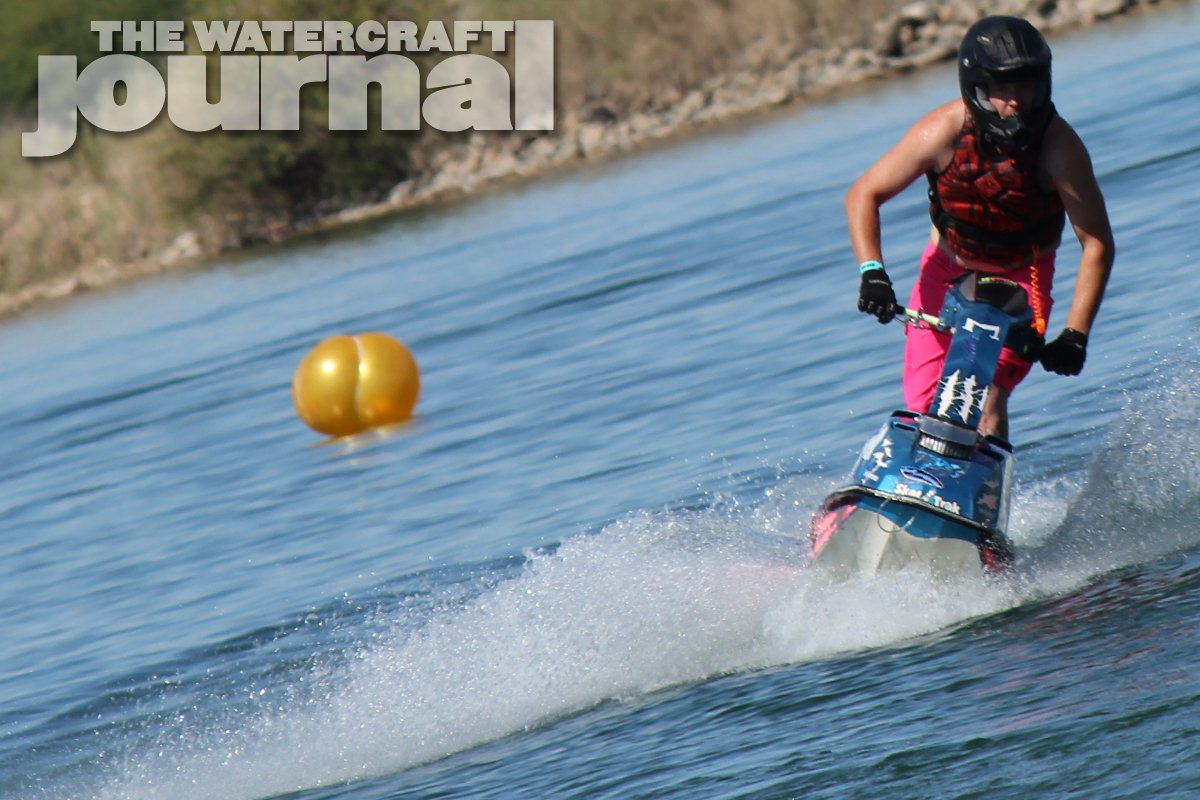
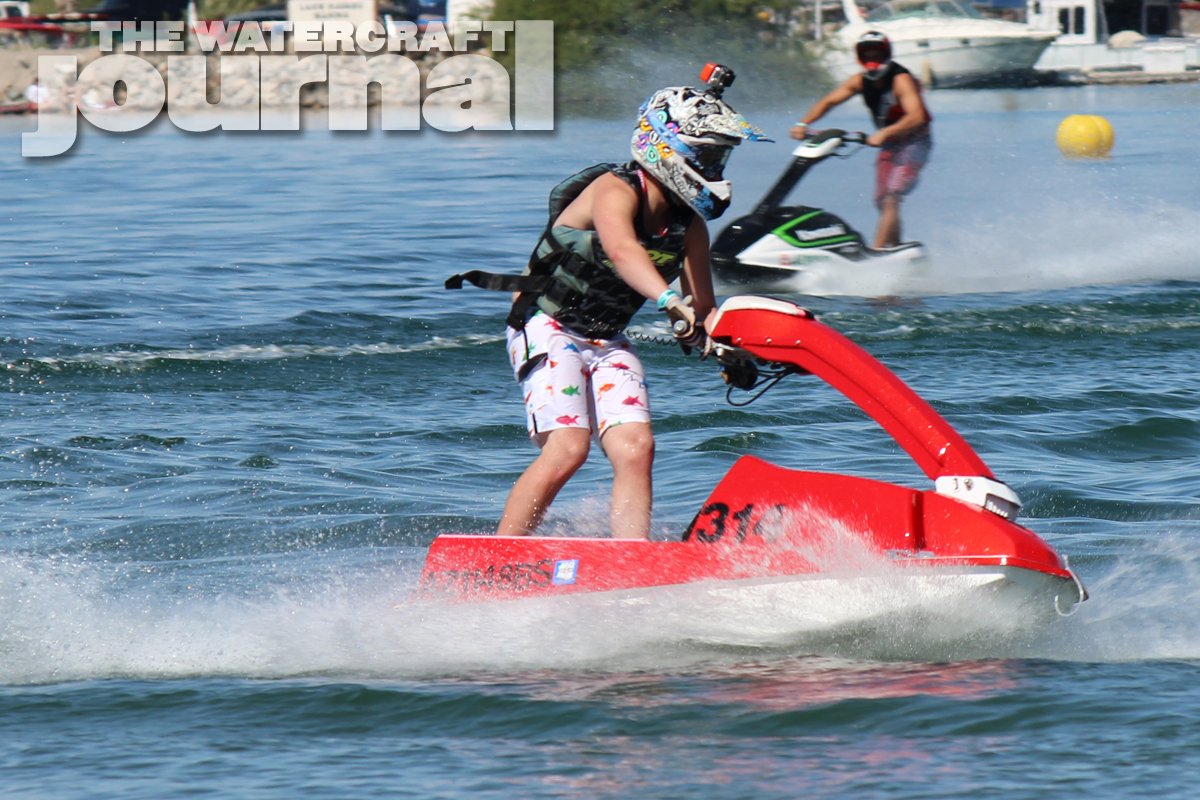
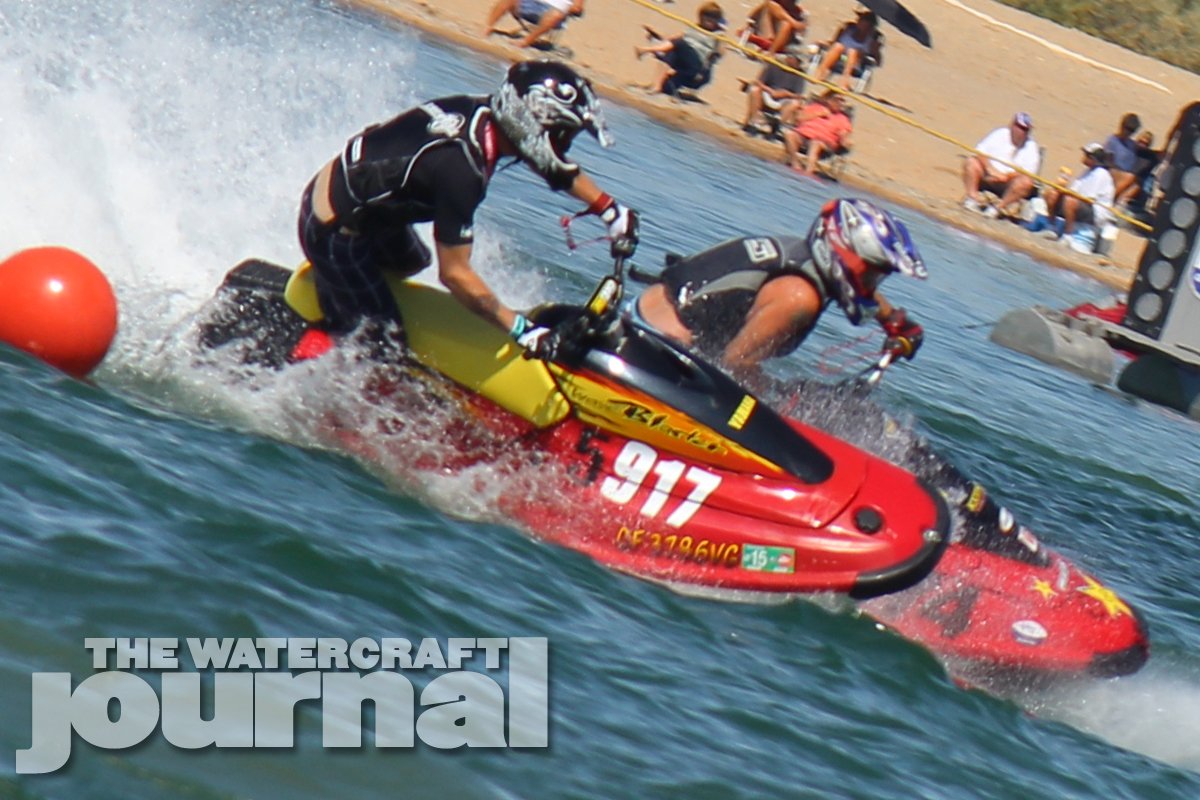
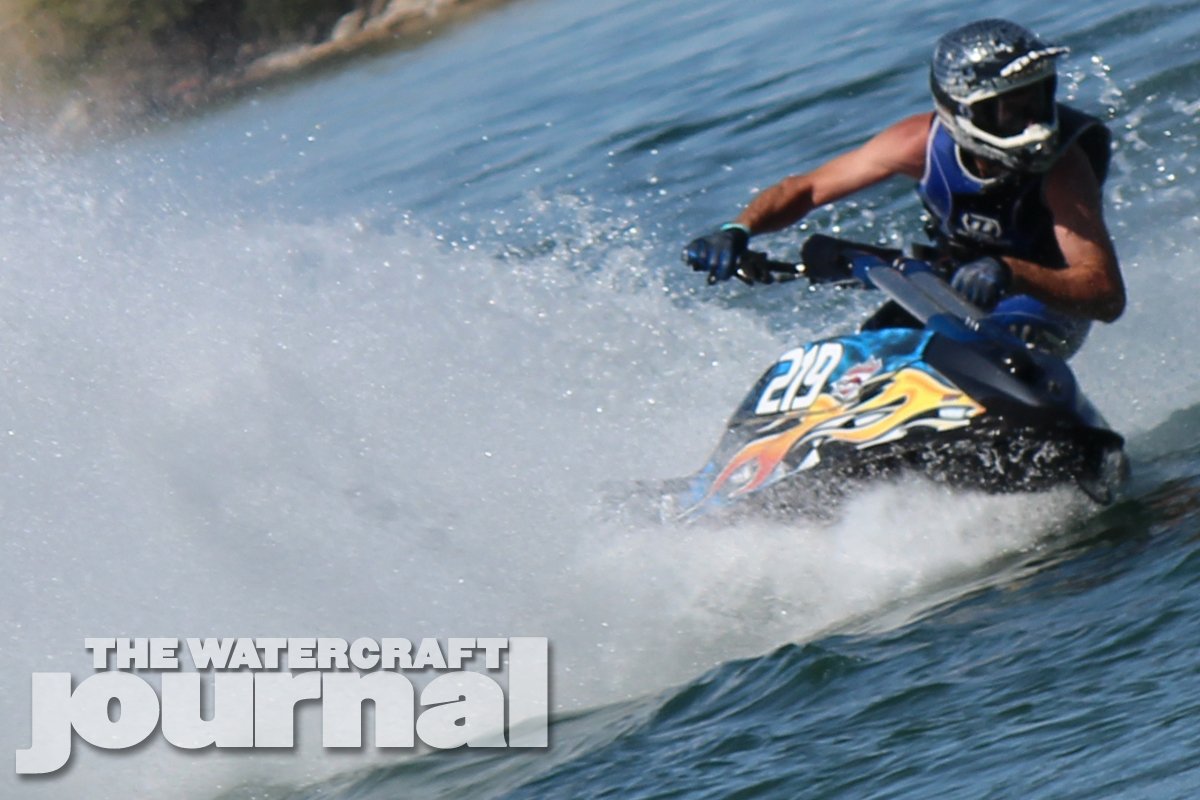
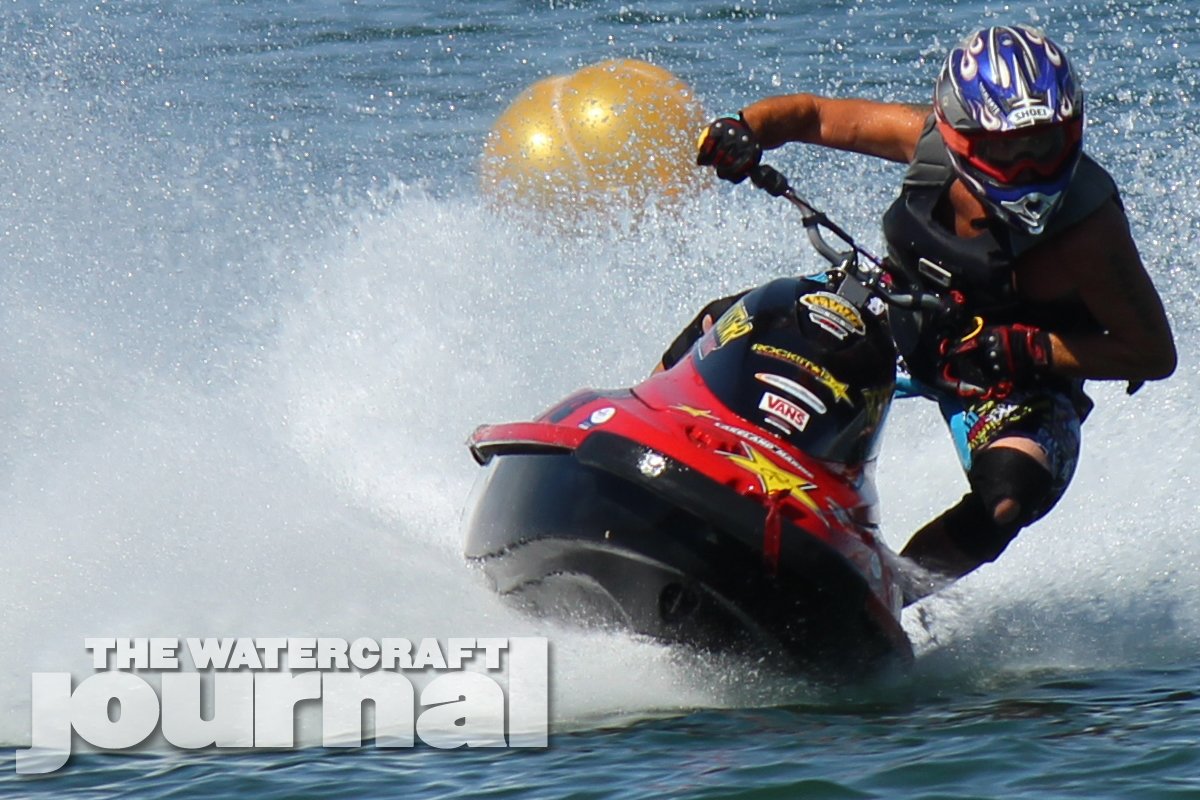
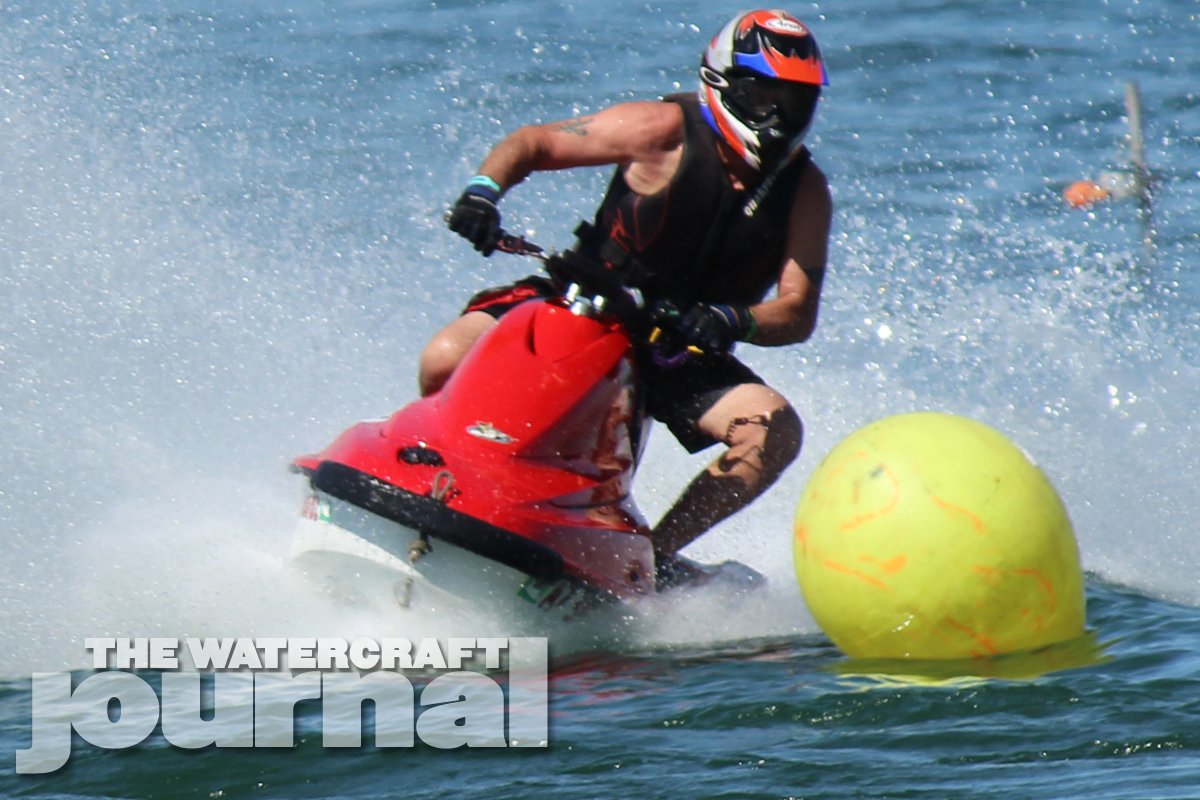
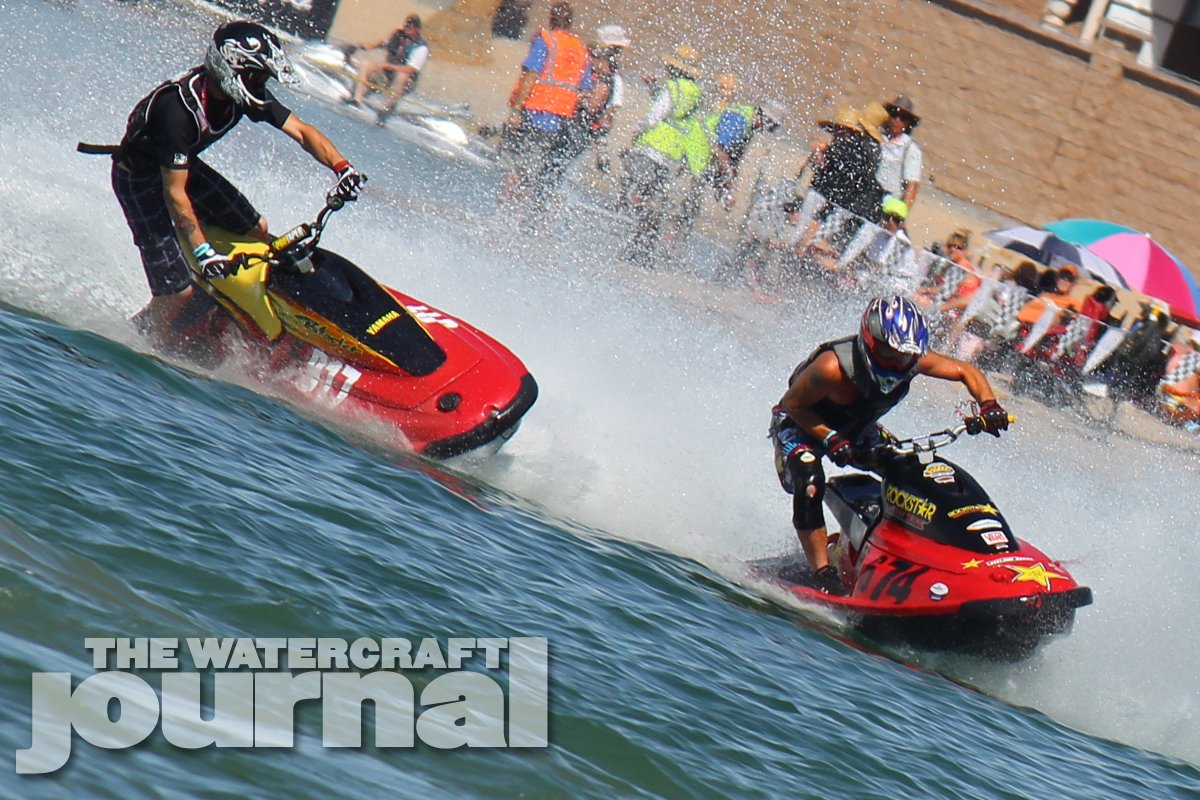
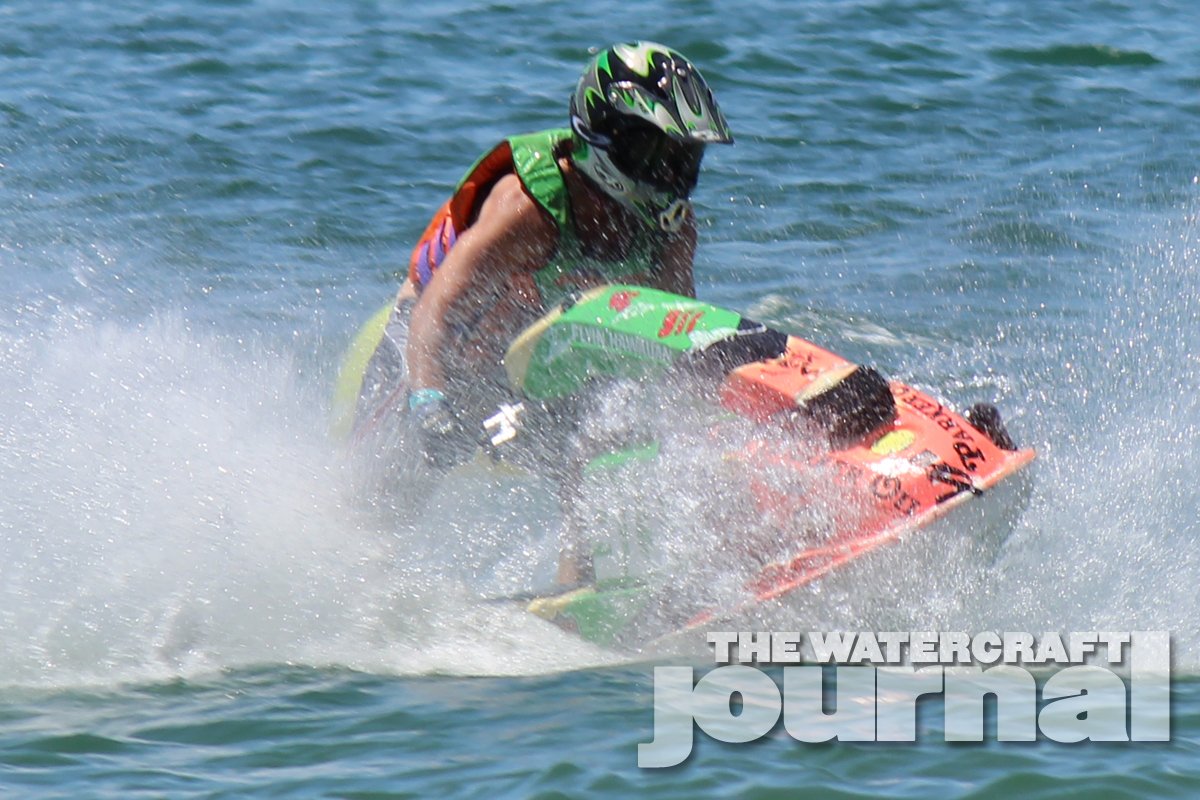
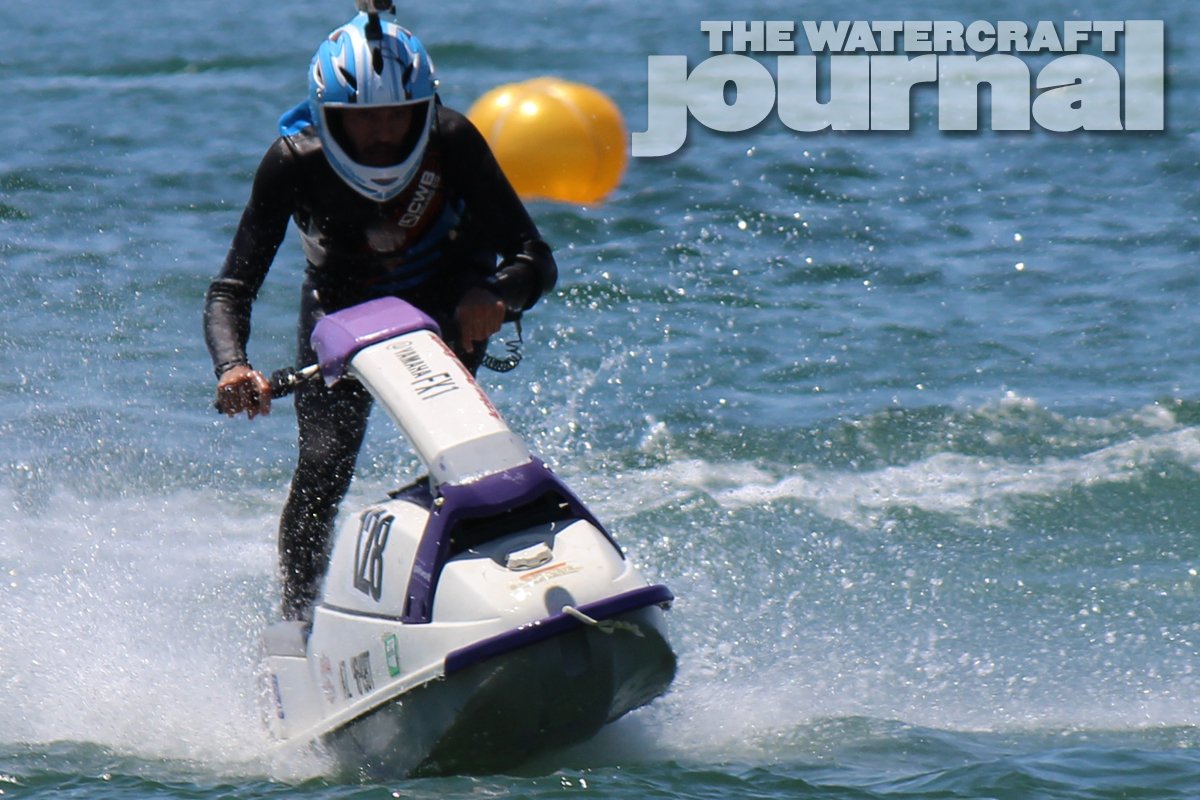
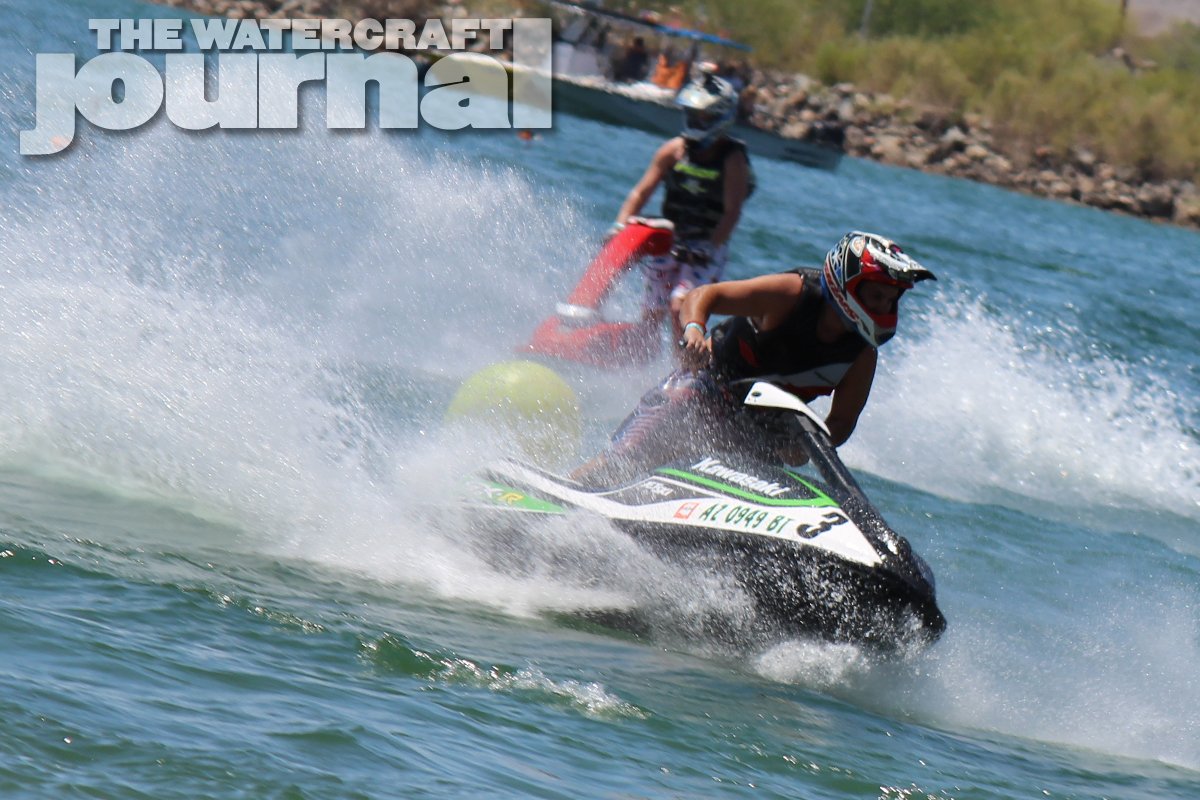
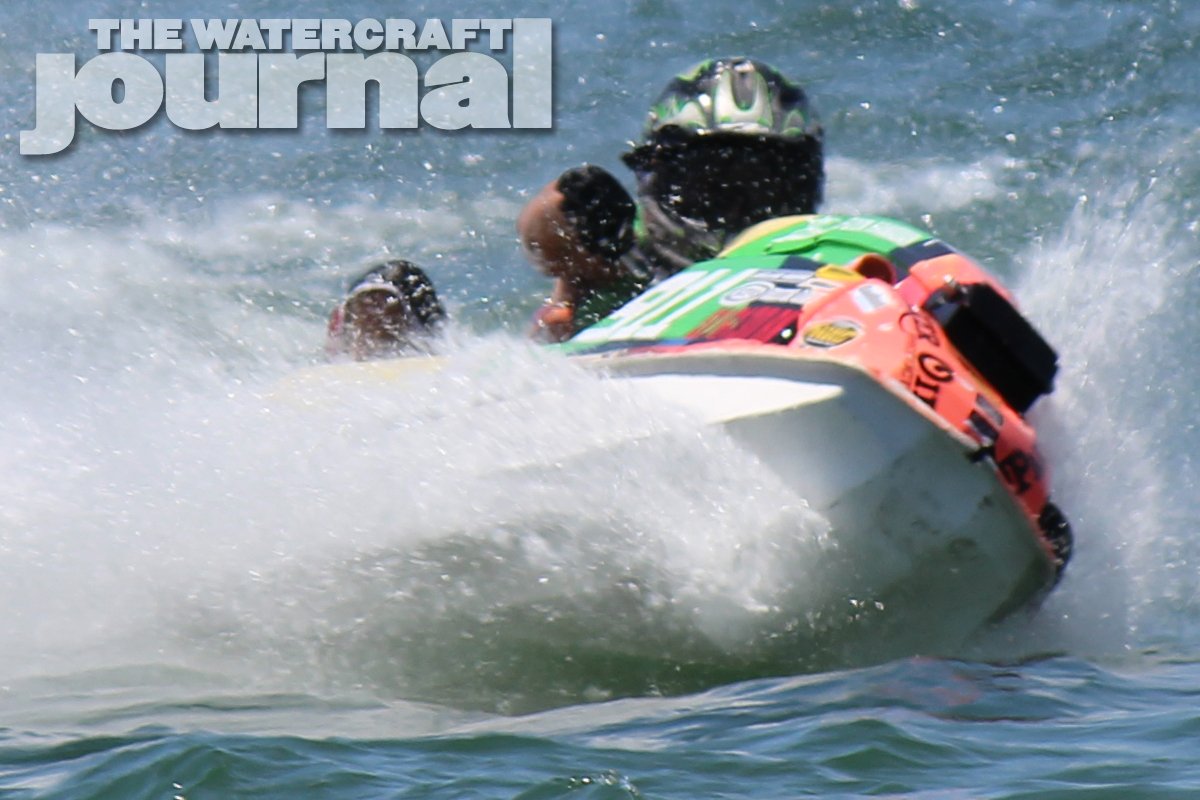
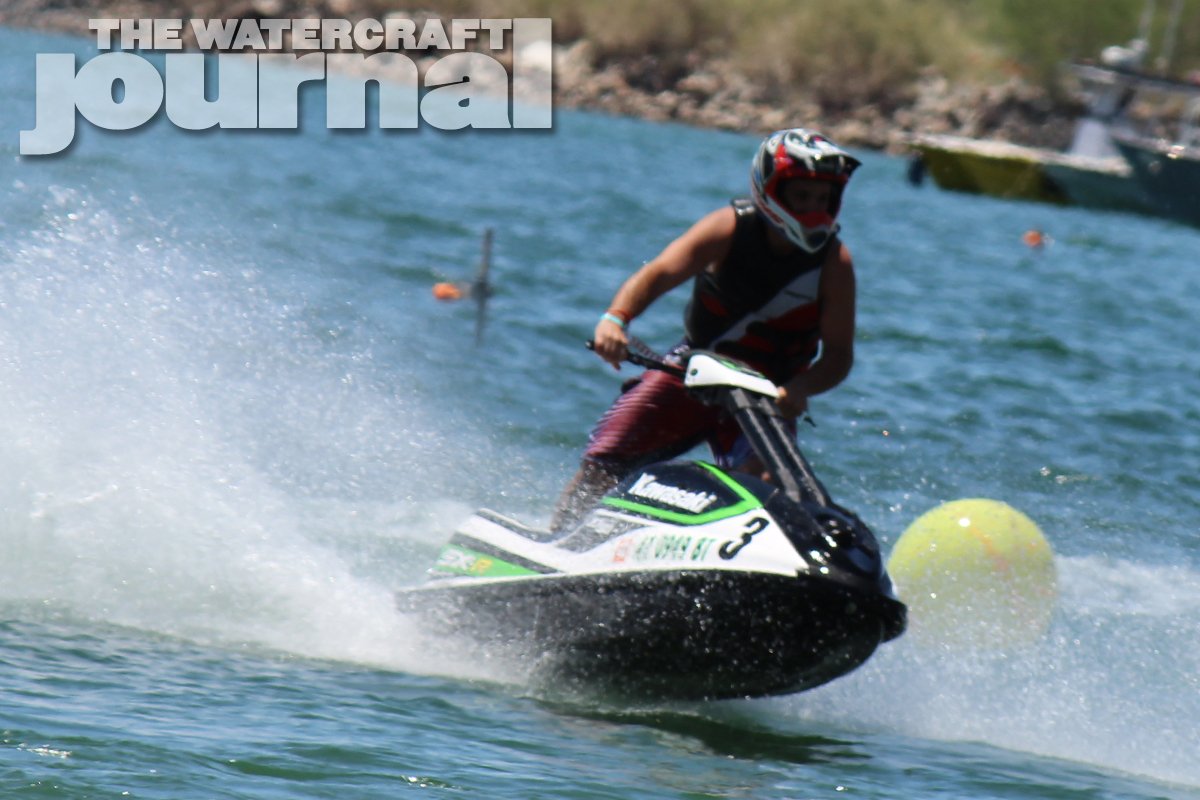
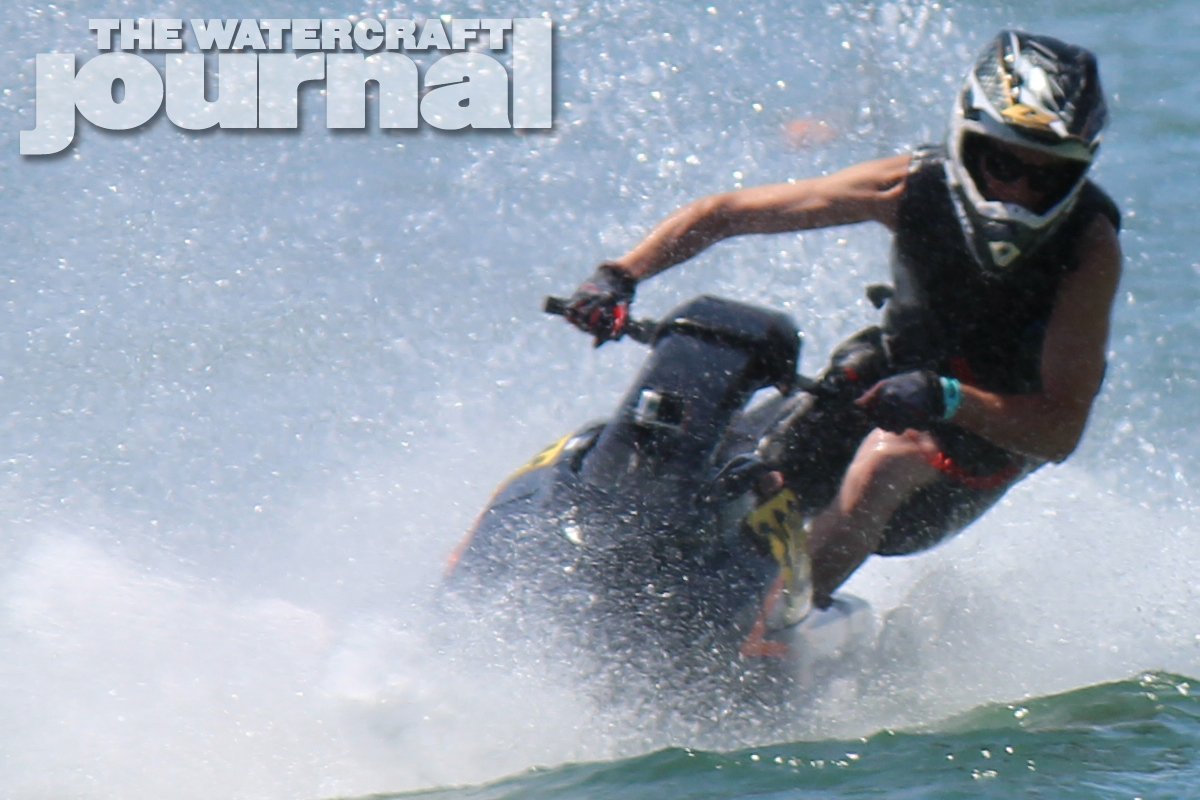
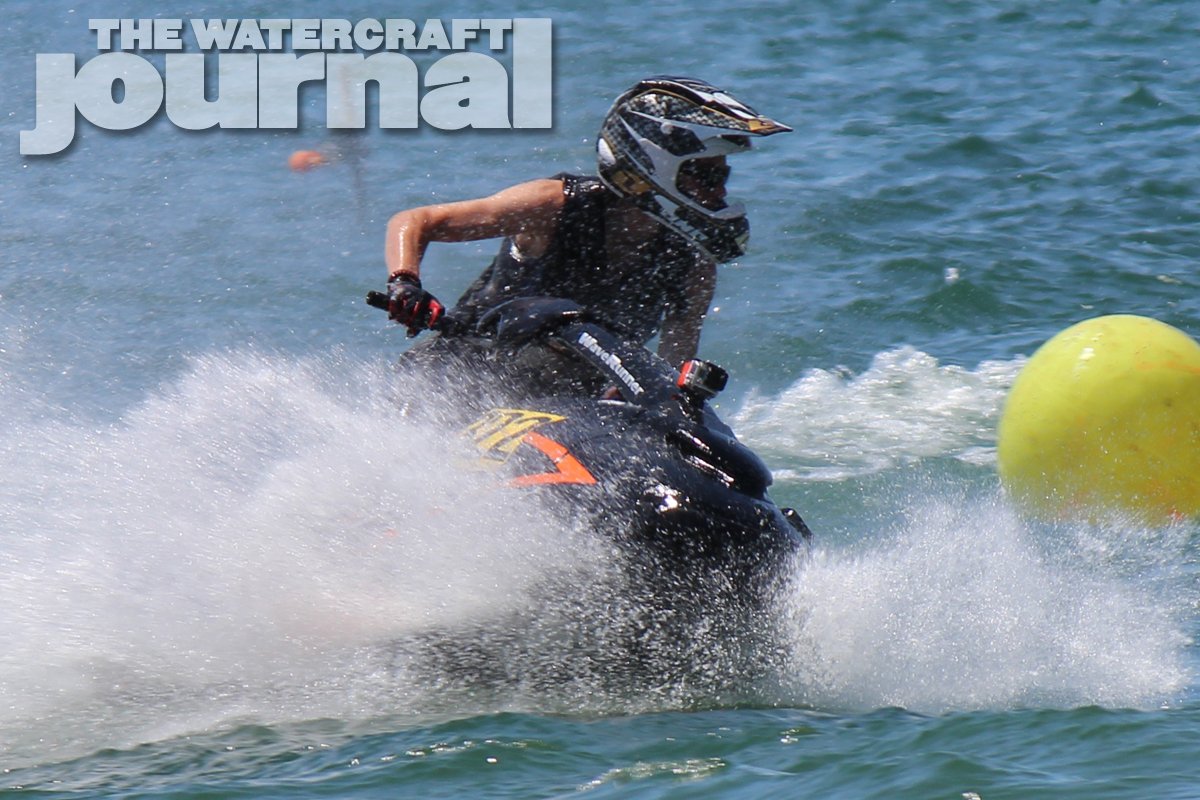
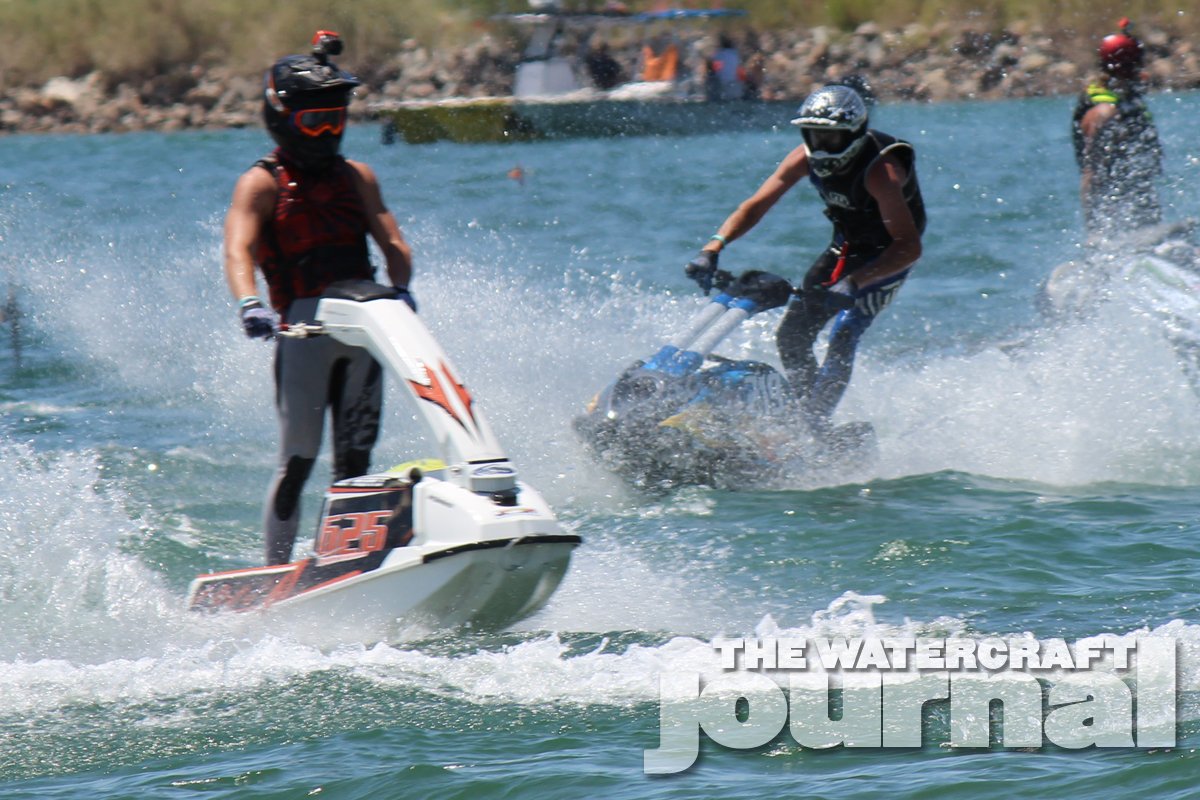
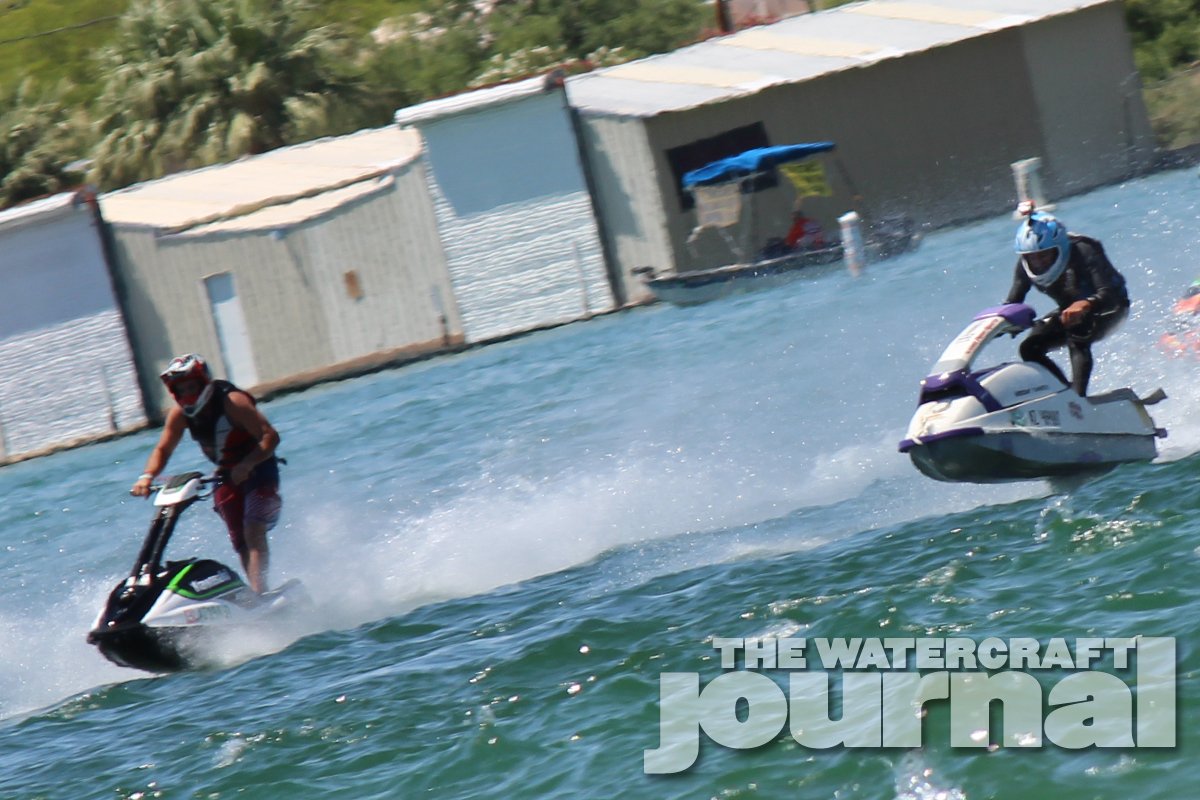
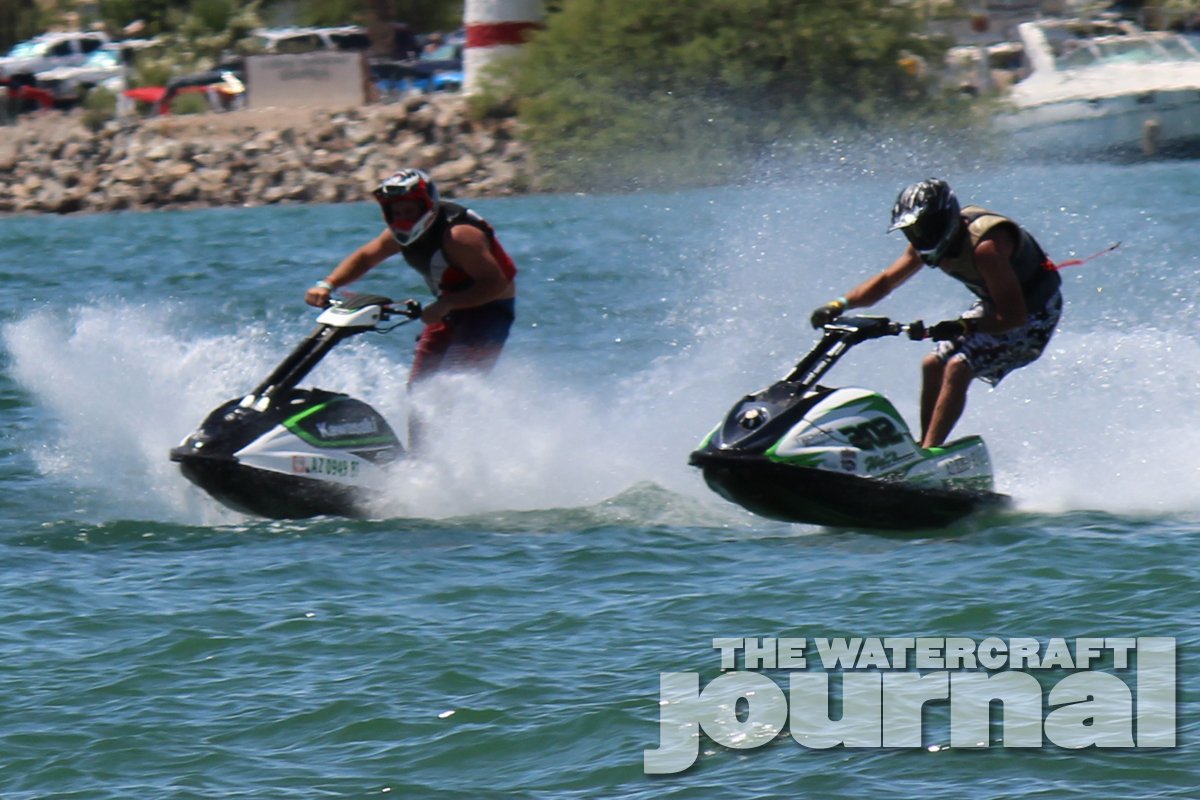
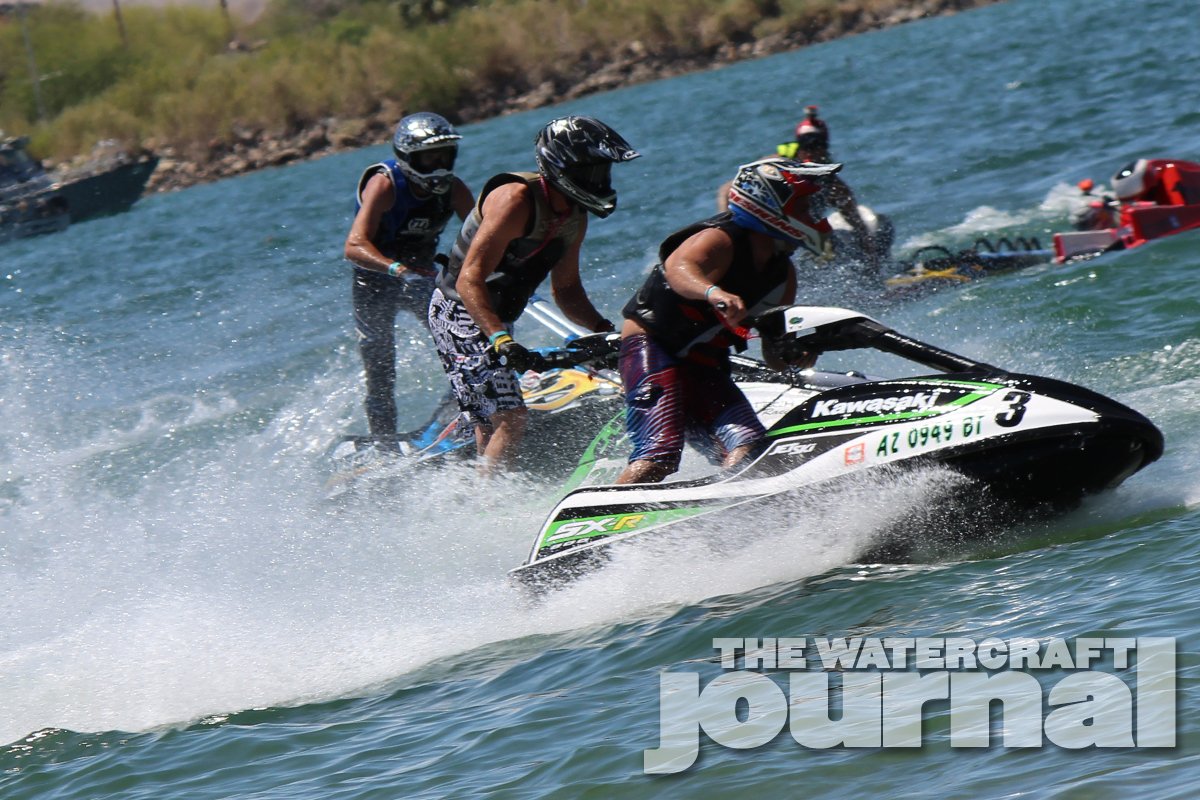
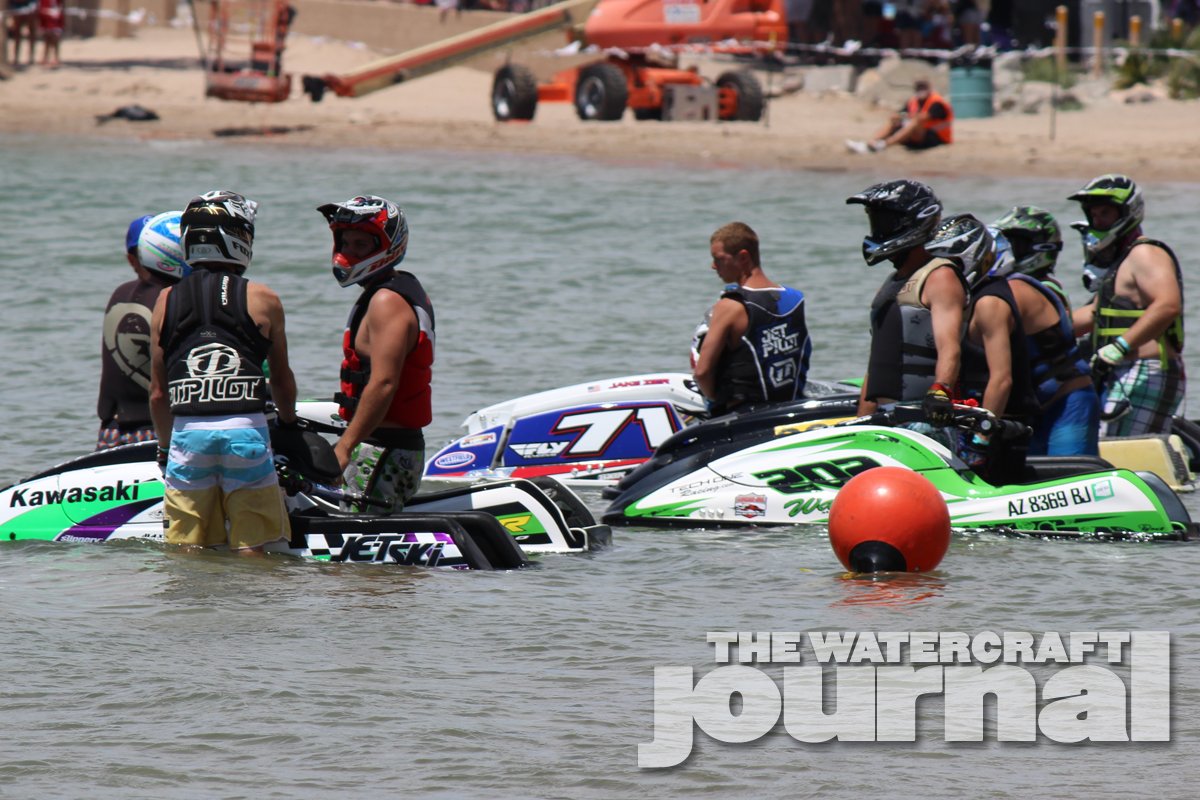
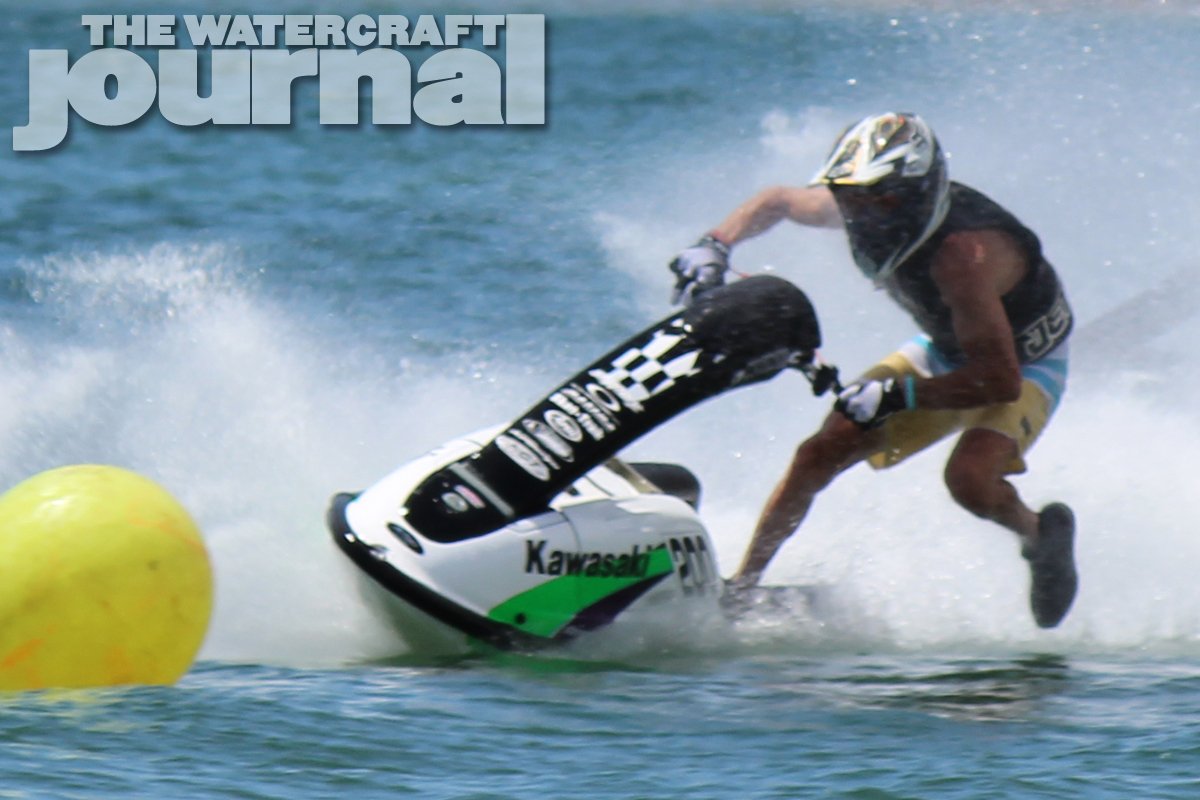
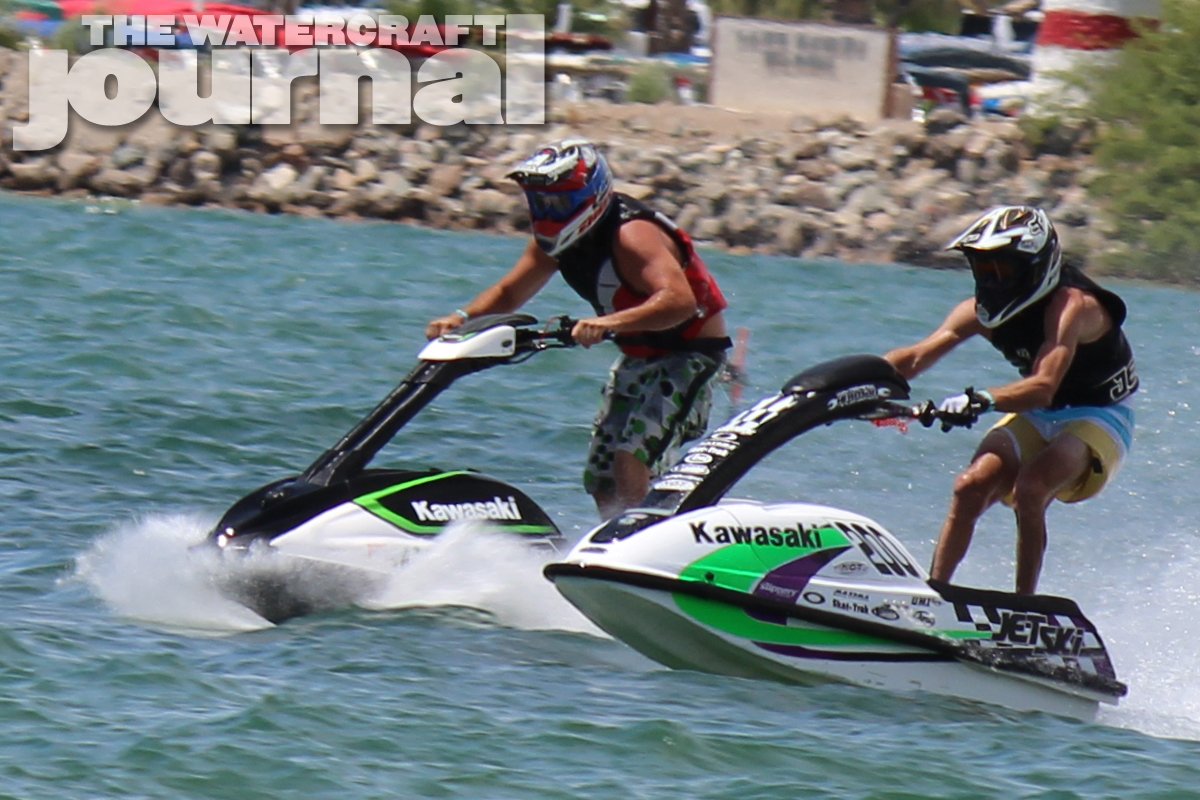
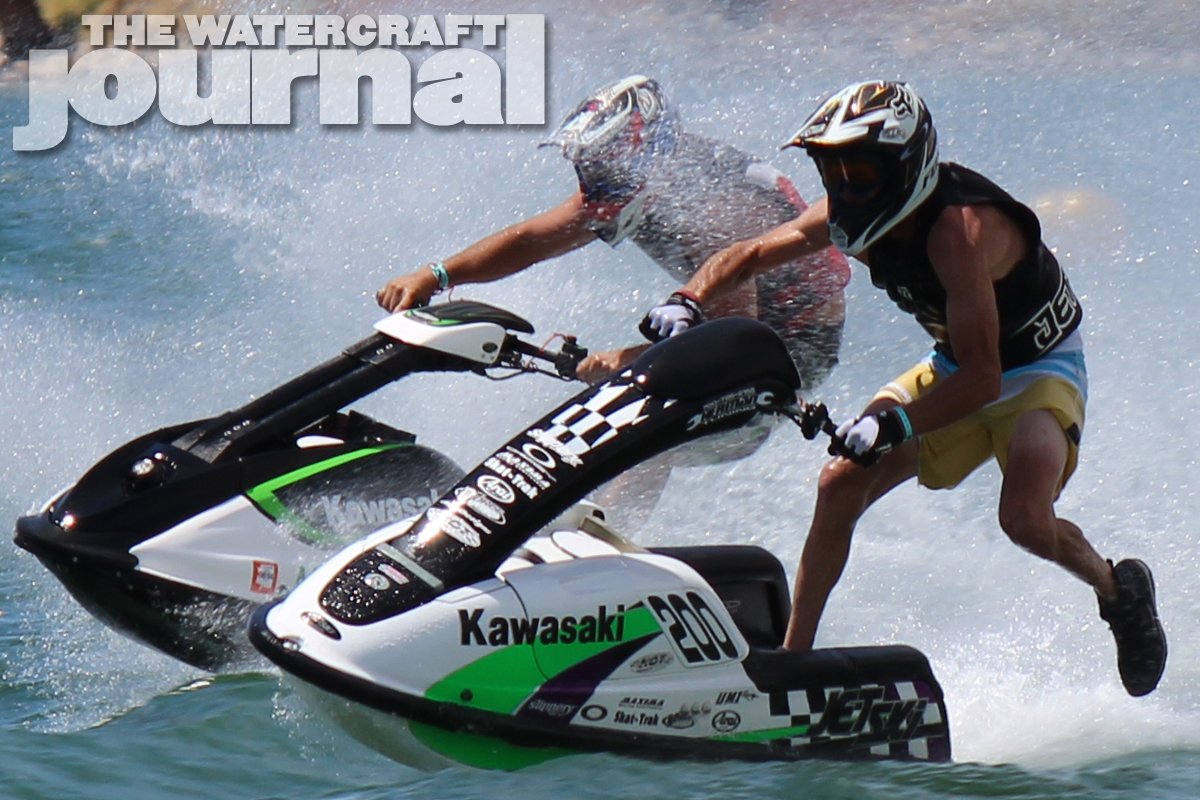
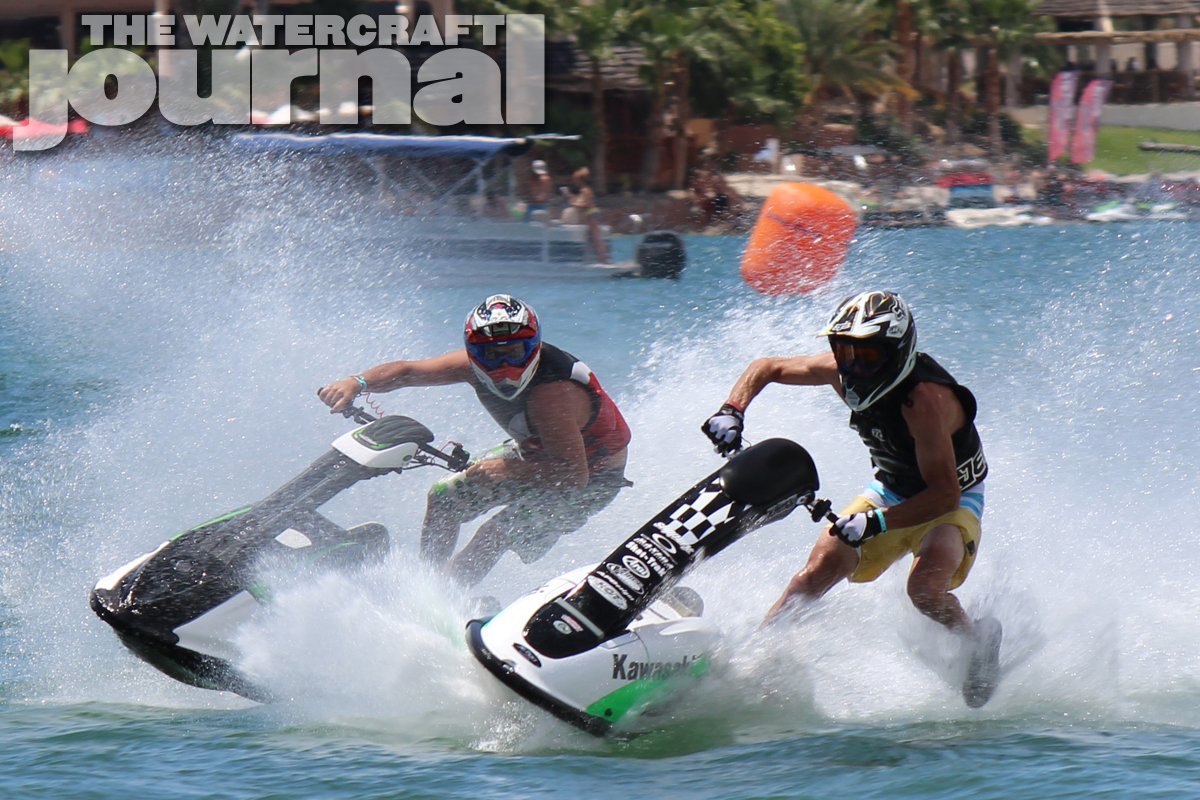
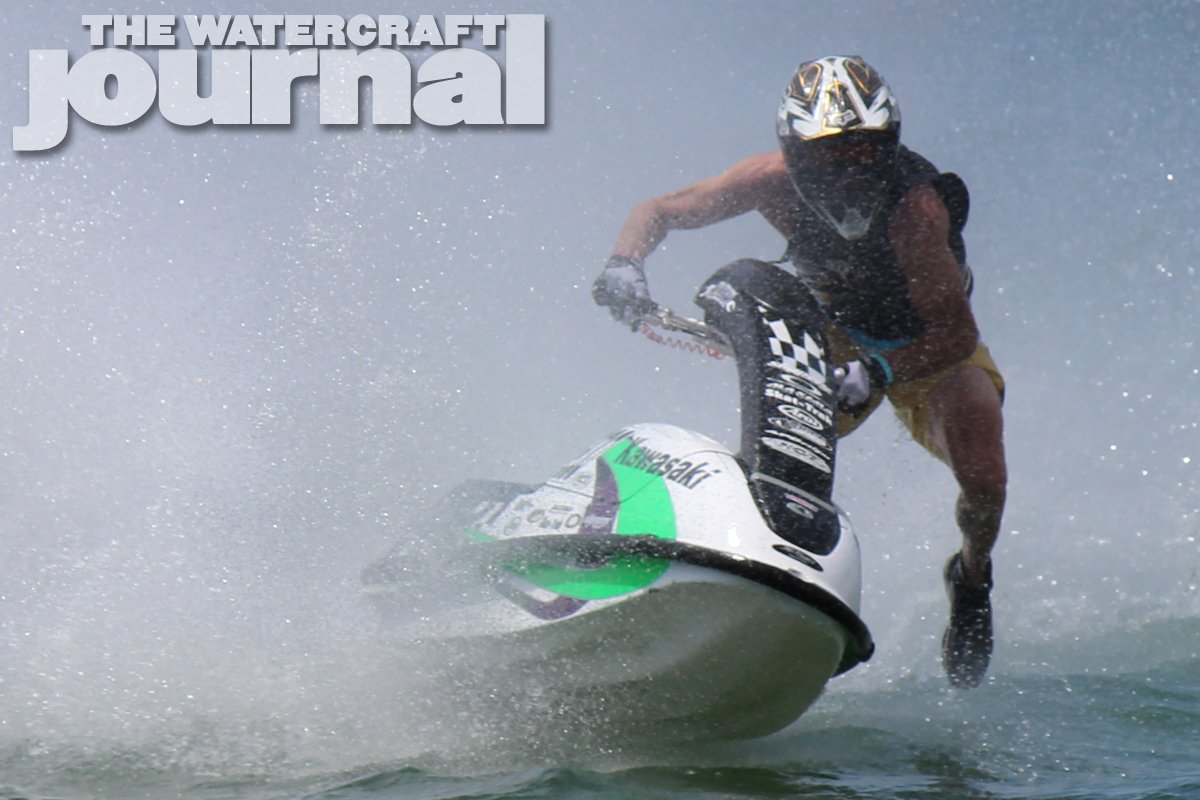
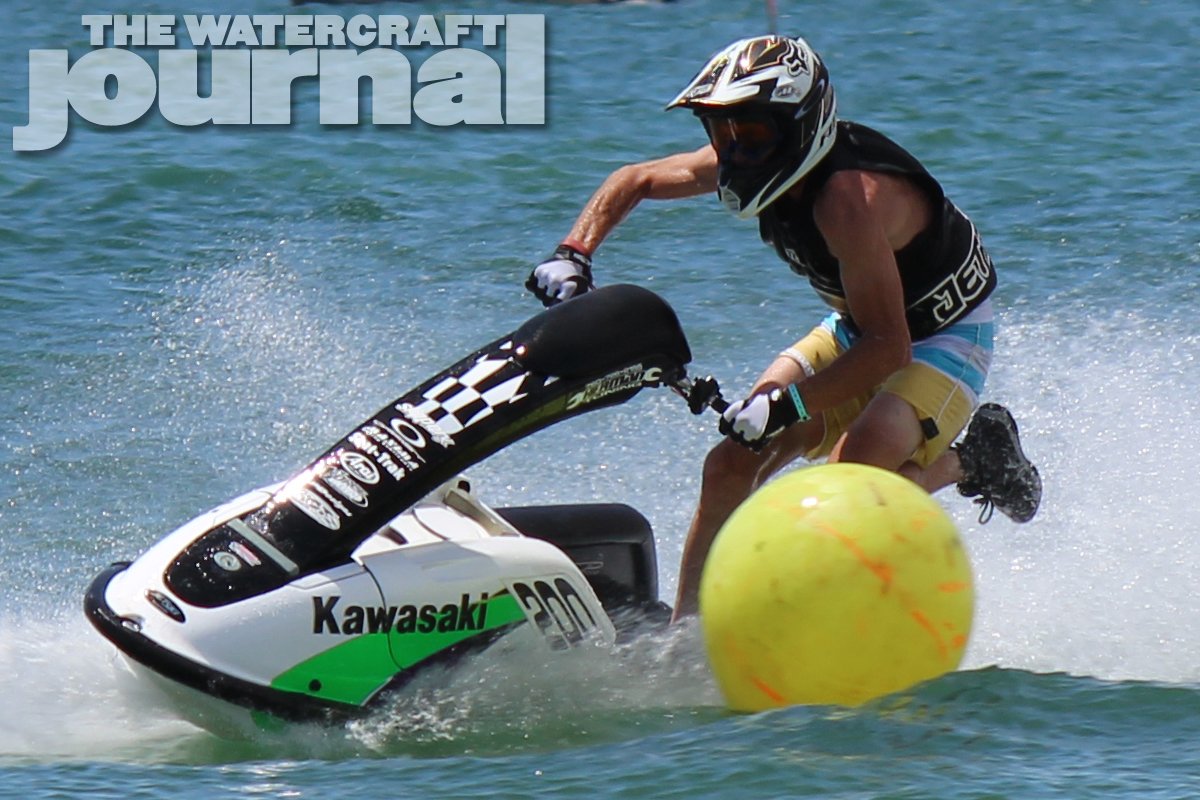
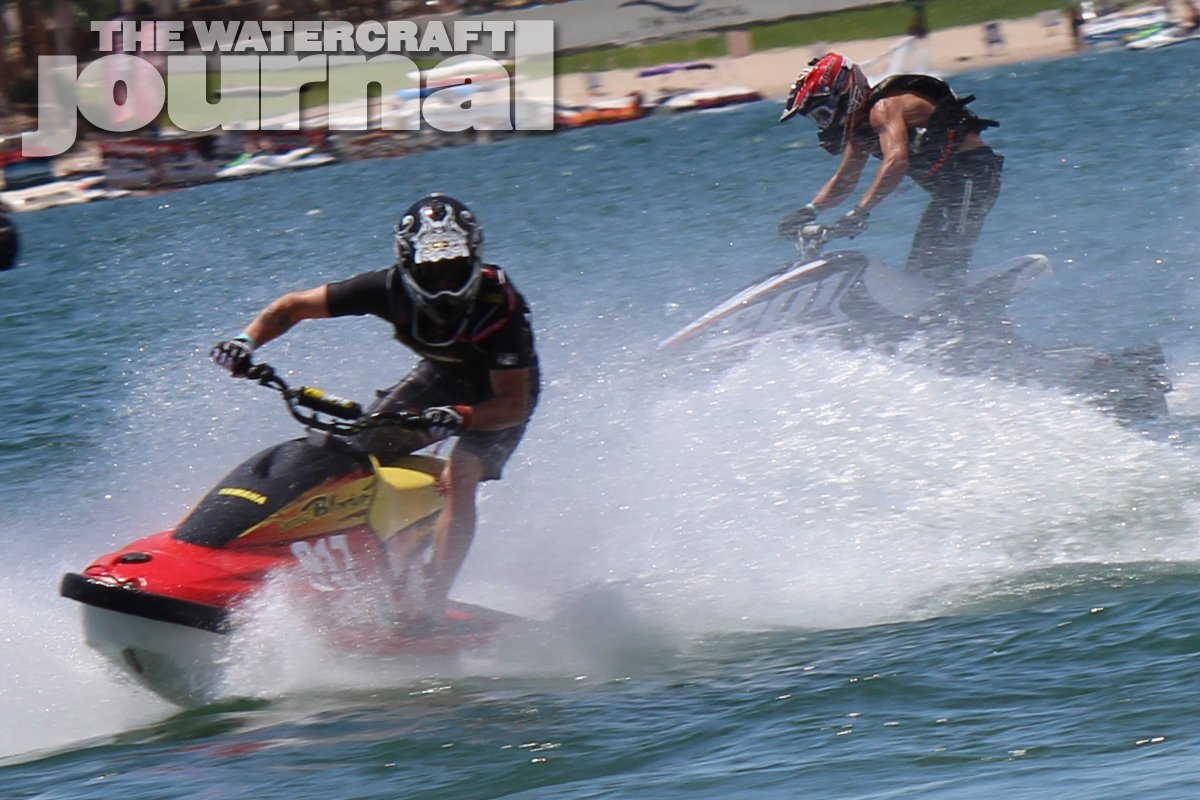
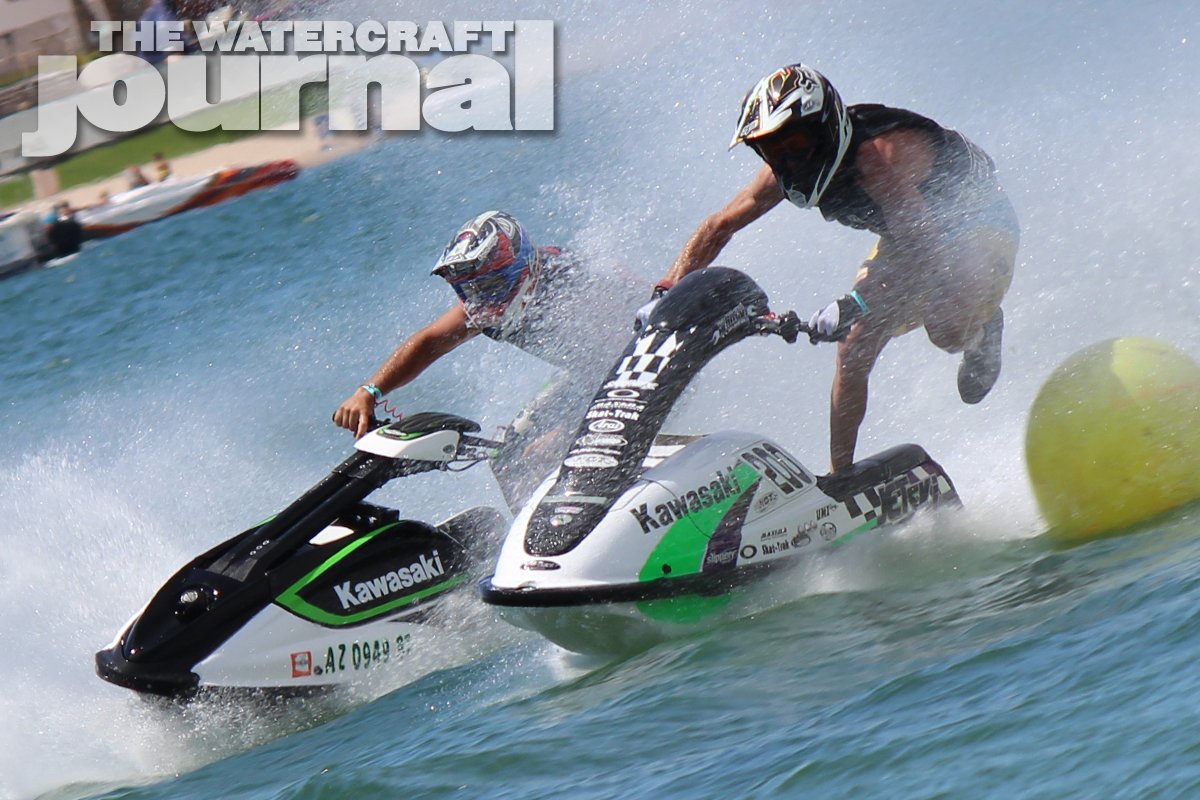
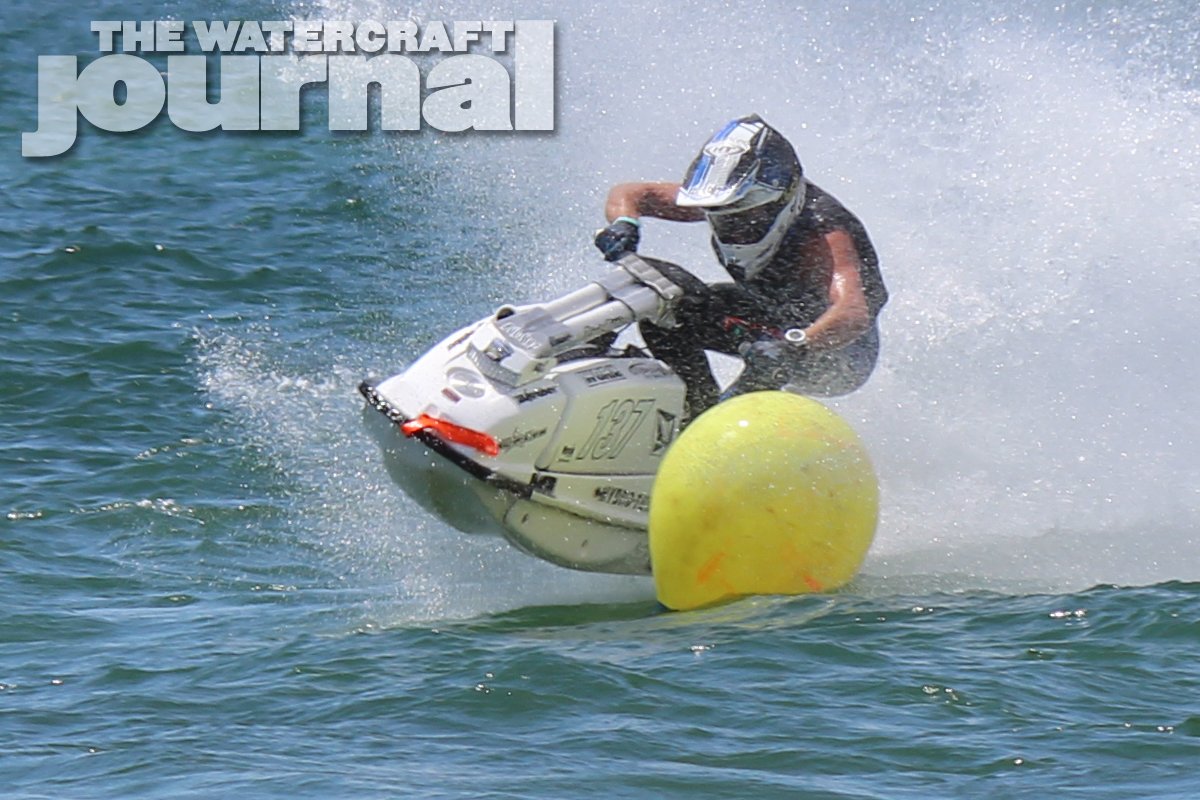
Lineups consisted of Kawasaki 440/550s and the like – the premiere skis back in the day – for the two-day event, featuring multiple motos each day with “sudden death” racing woven into the competitions – not a common practice found in today’s races, but something that Chris wanted to highlight for those who have never been a part of that style of racing.
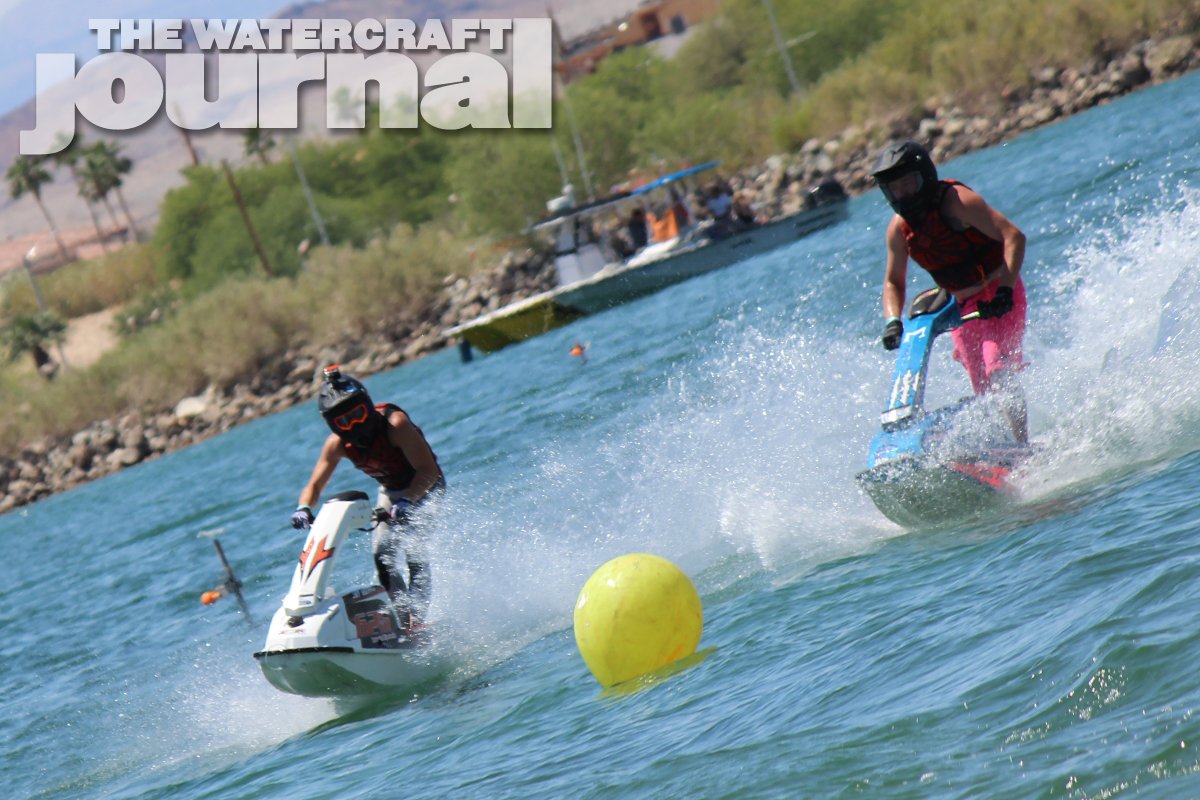
According to Patrick Goldsworthy, the “sudden death” matches had two similarly-based boats face off side-by-side for two laps with the winner moving on to the next heat. Ultimately, the best two in each class battled it out for the win and bragging rights.
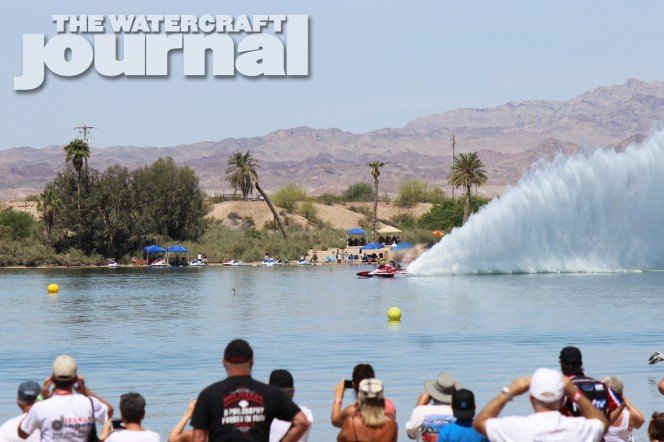
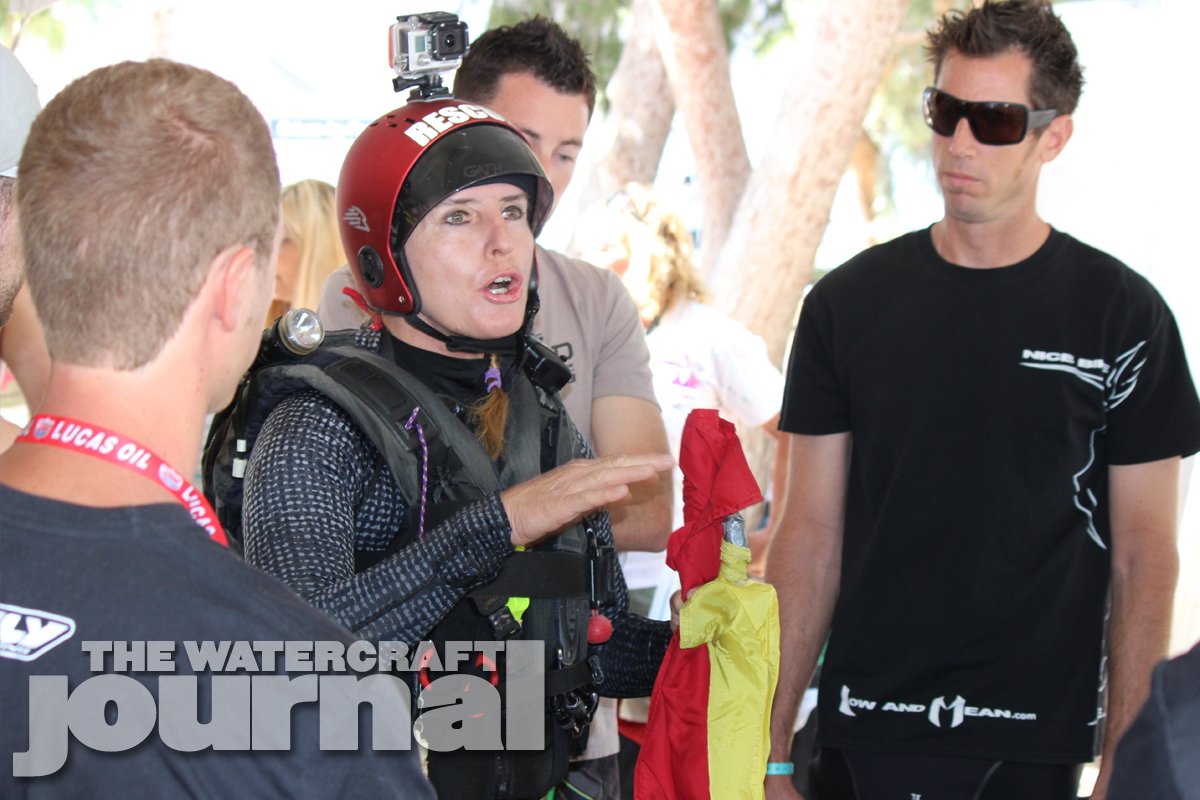
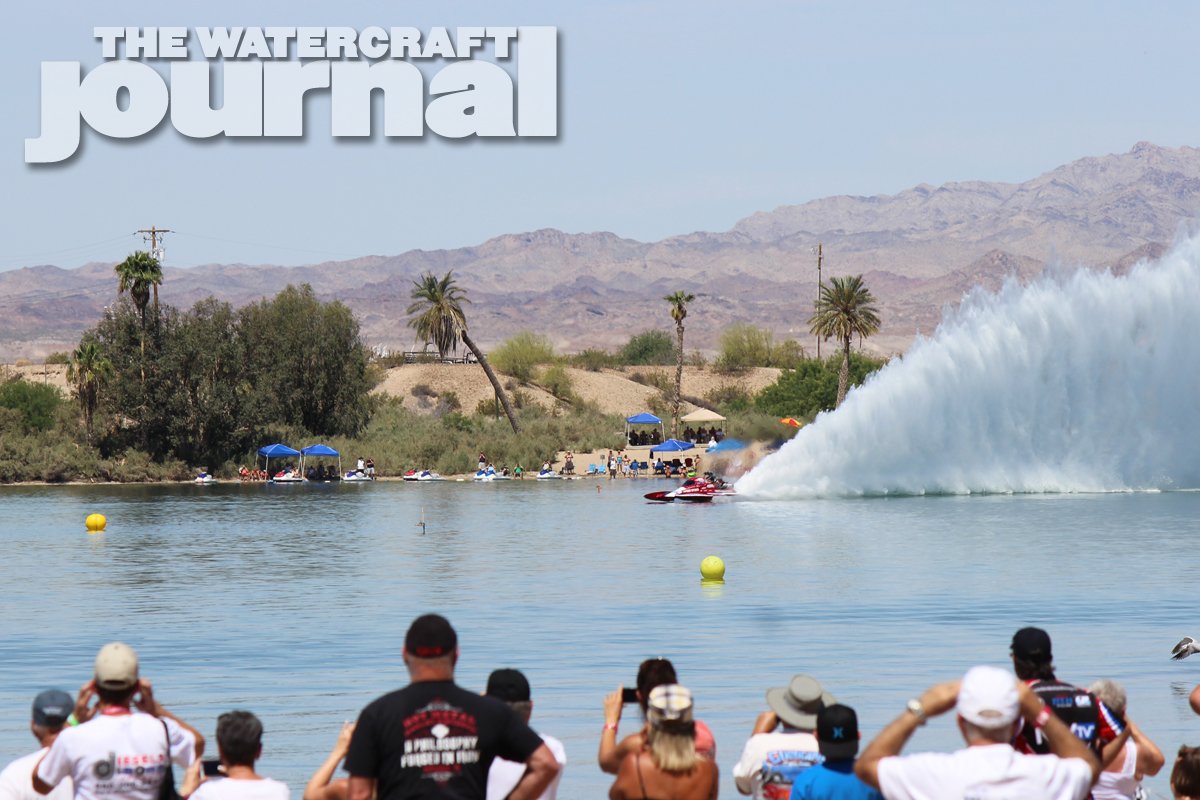
The amazing Lucas Oil drag boats were reaching speeds of 150-plus-mph on the quarter mile track with times of under six seconds.Shawn Alladio and the K38 Safety Crew were on hand providing an extra dose of professionalism along with top notch safety.
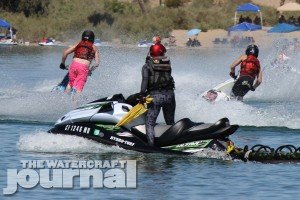
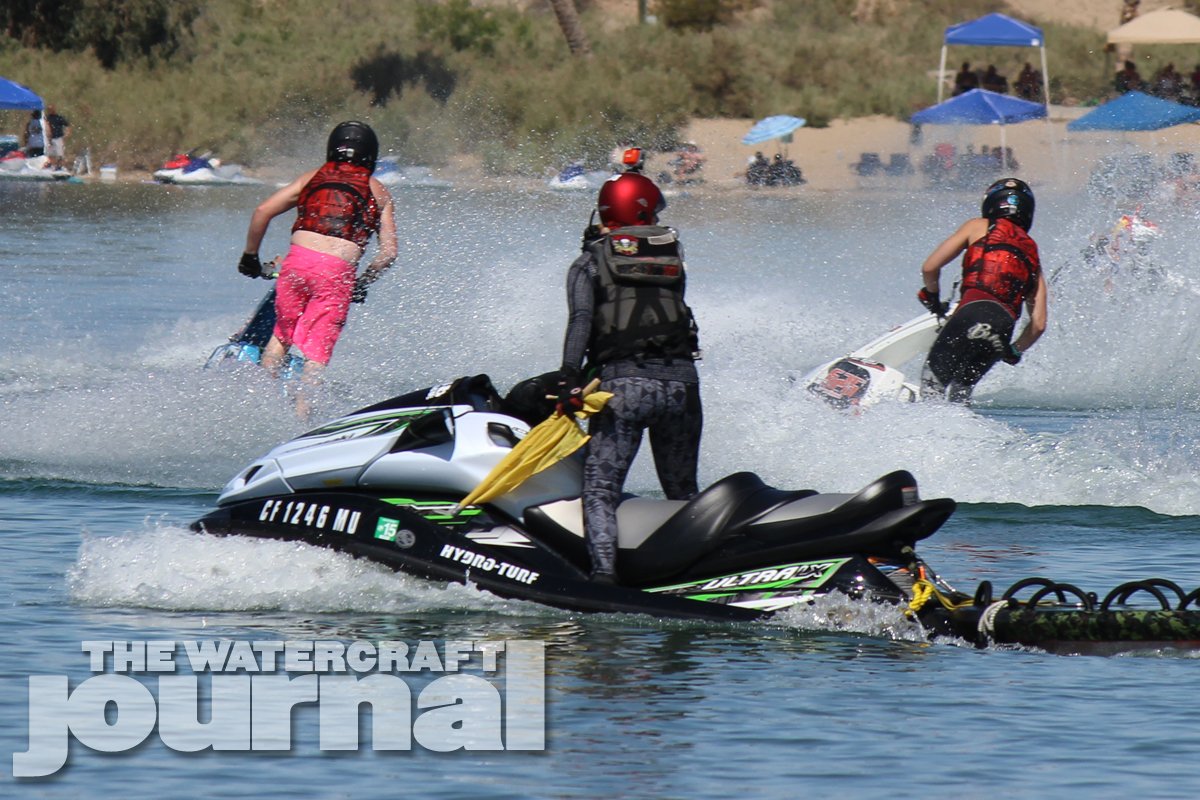
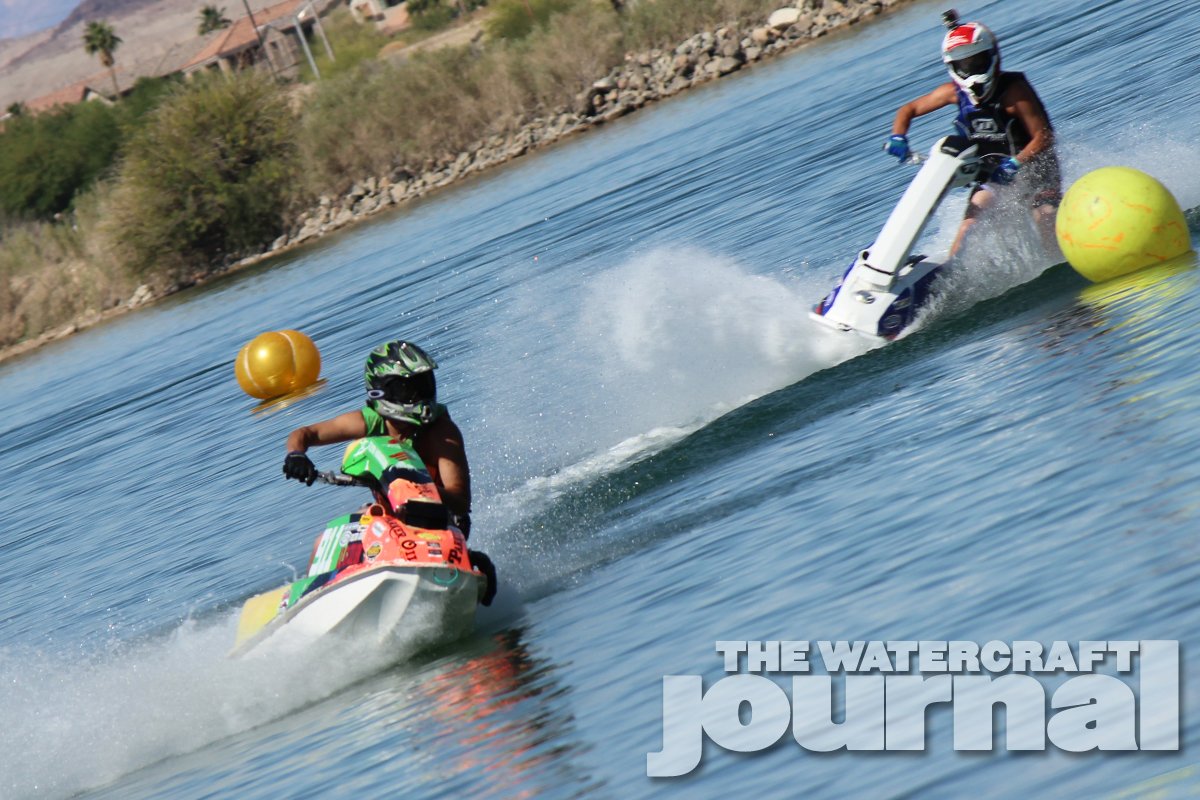
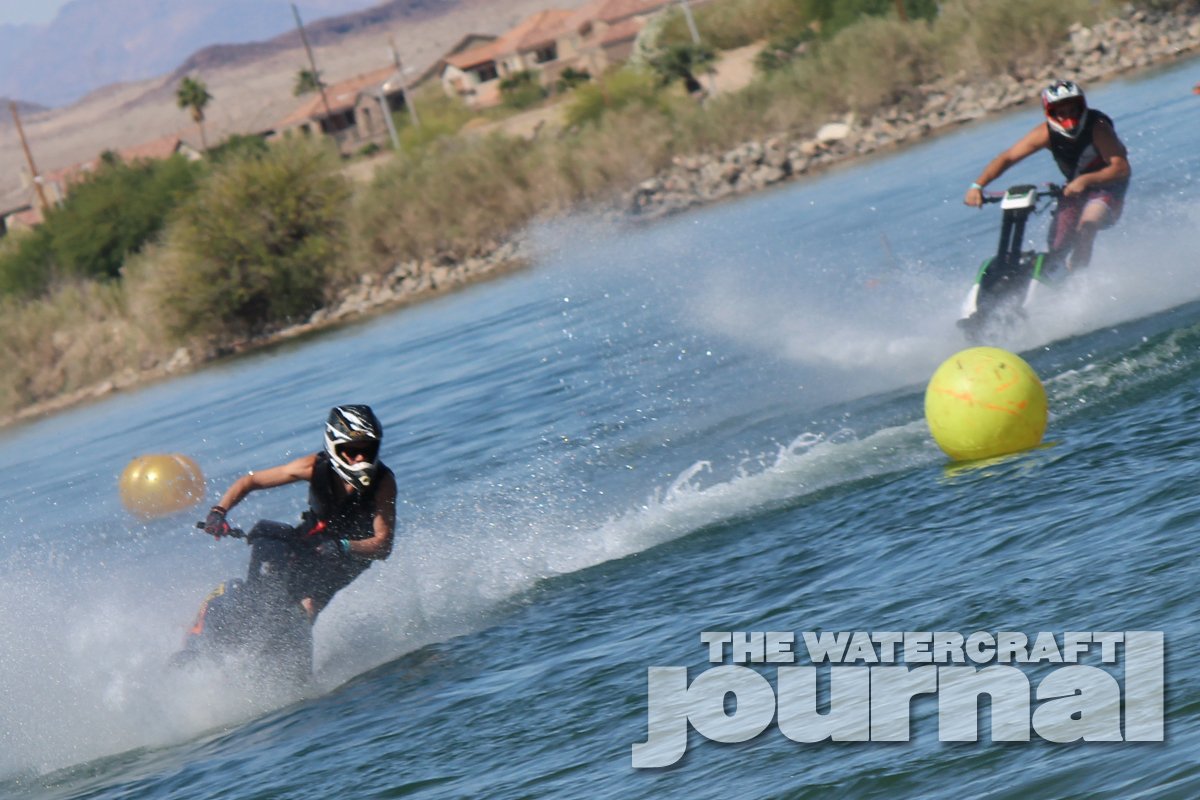
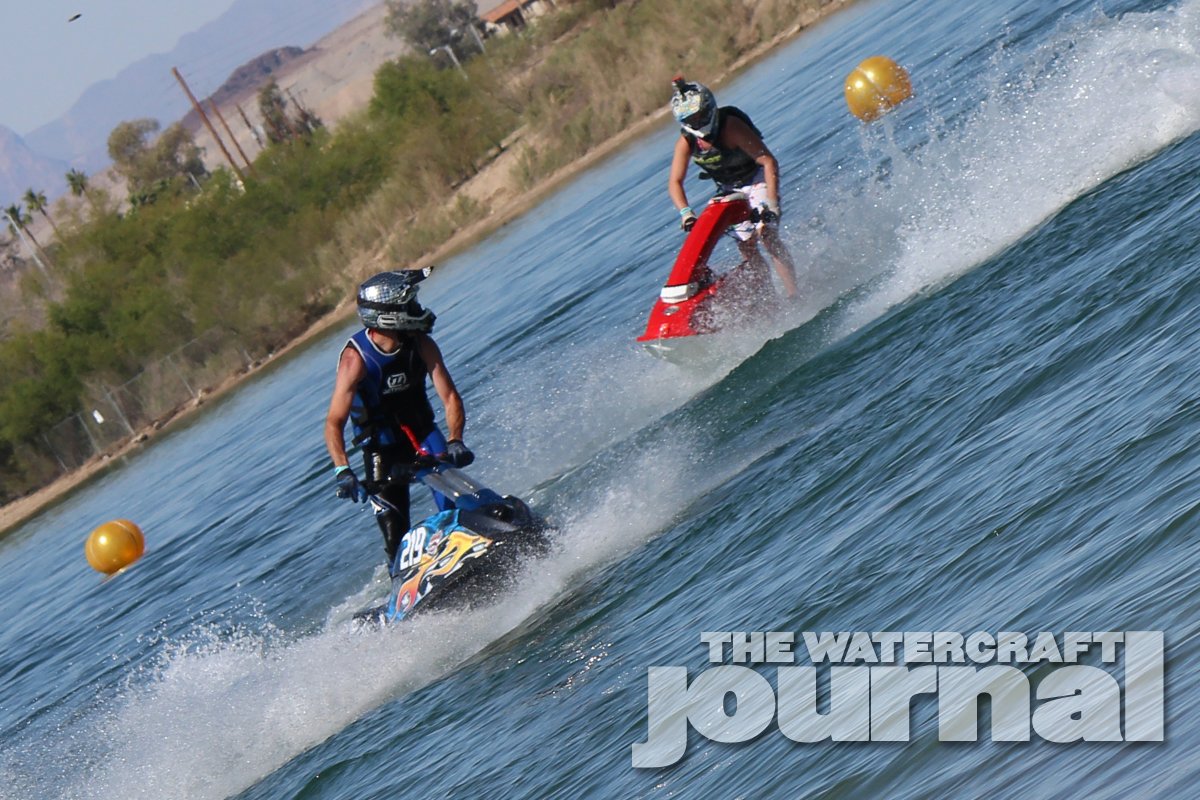
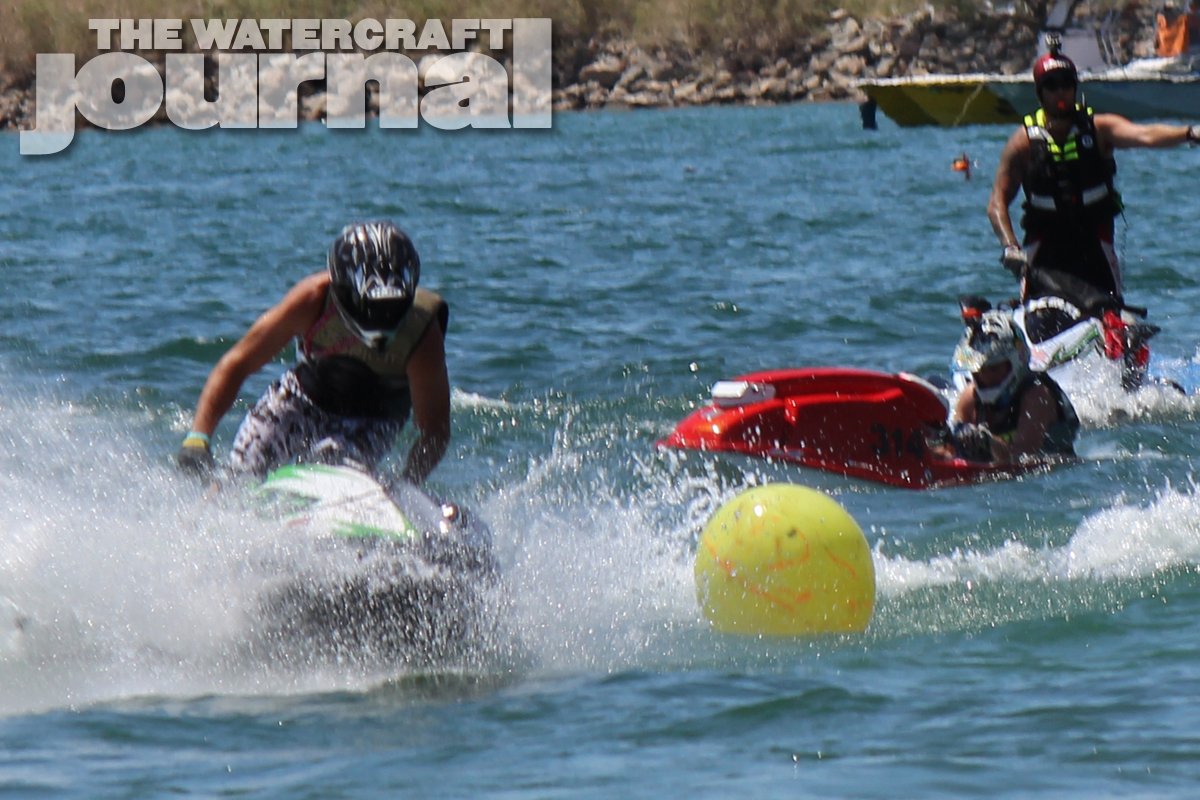
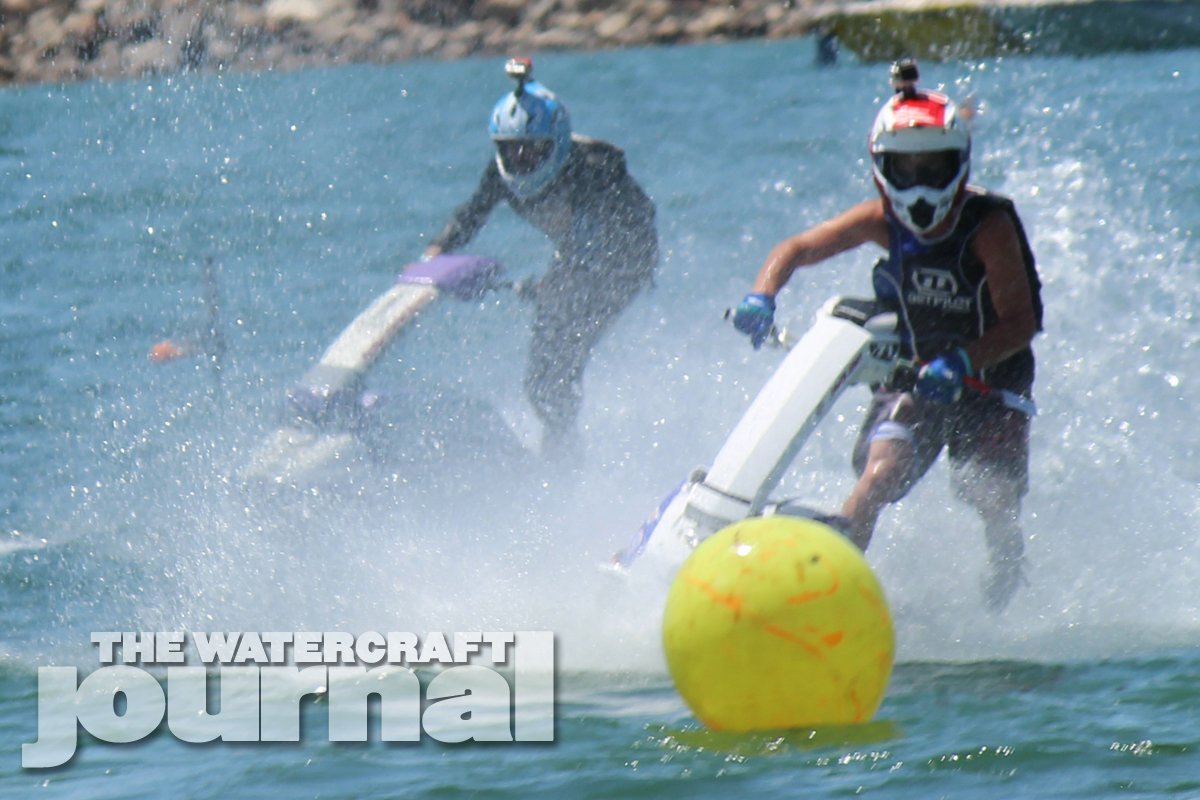
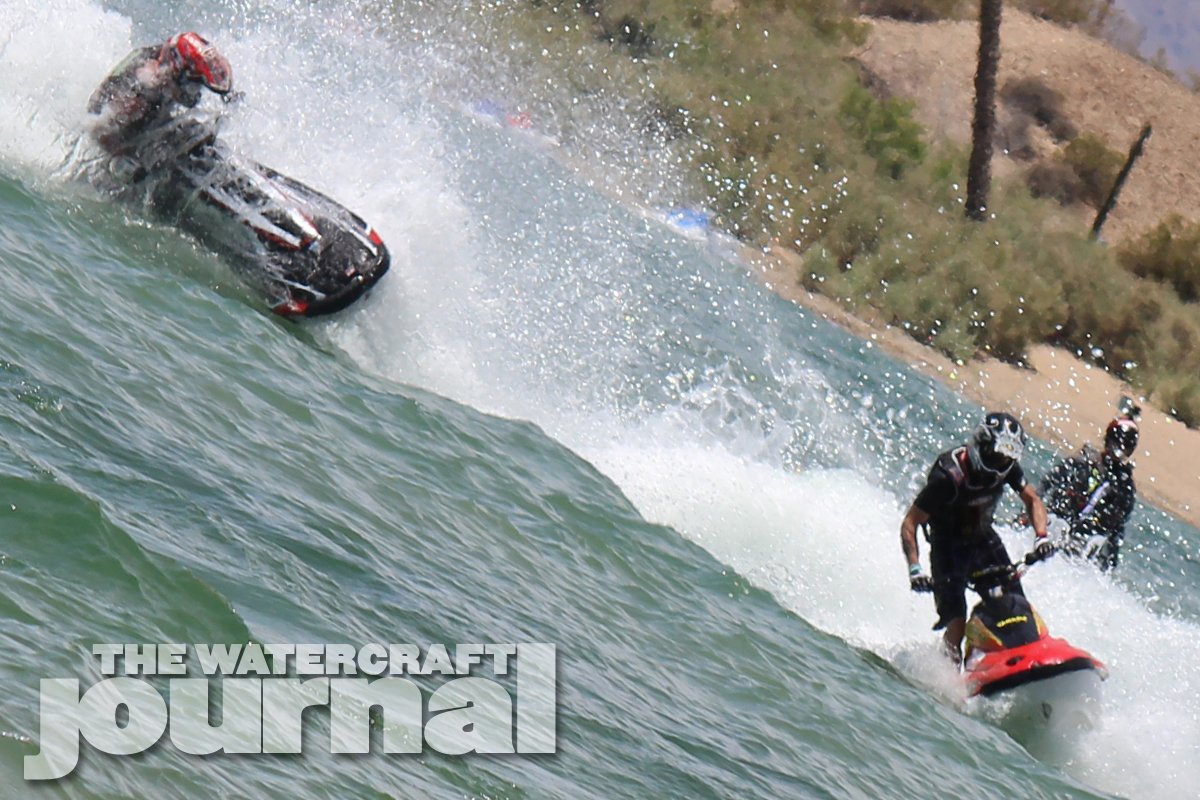
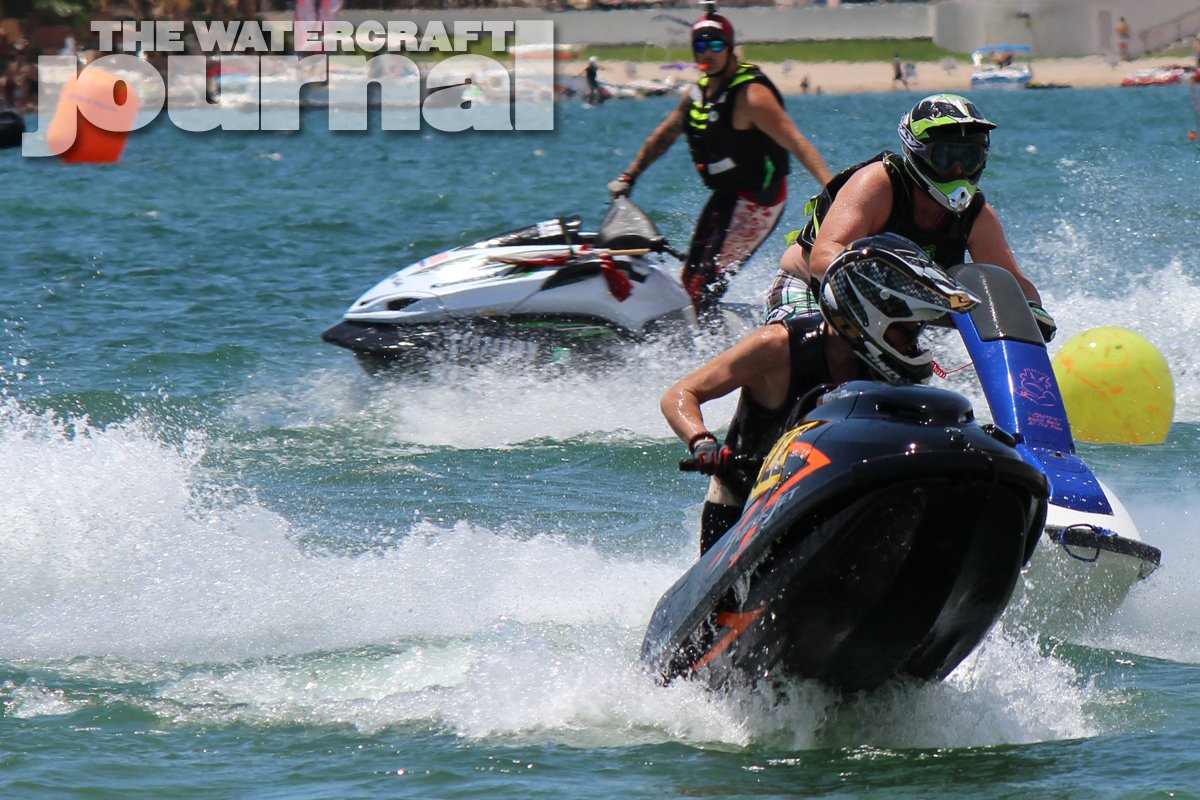
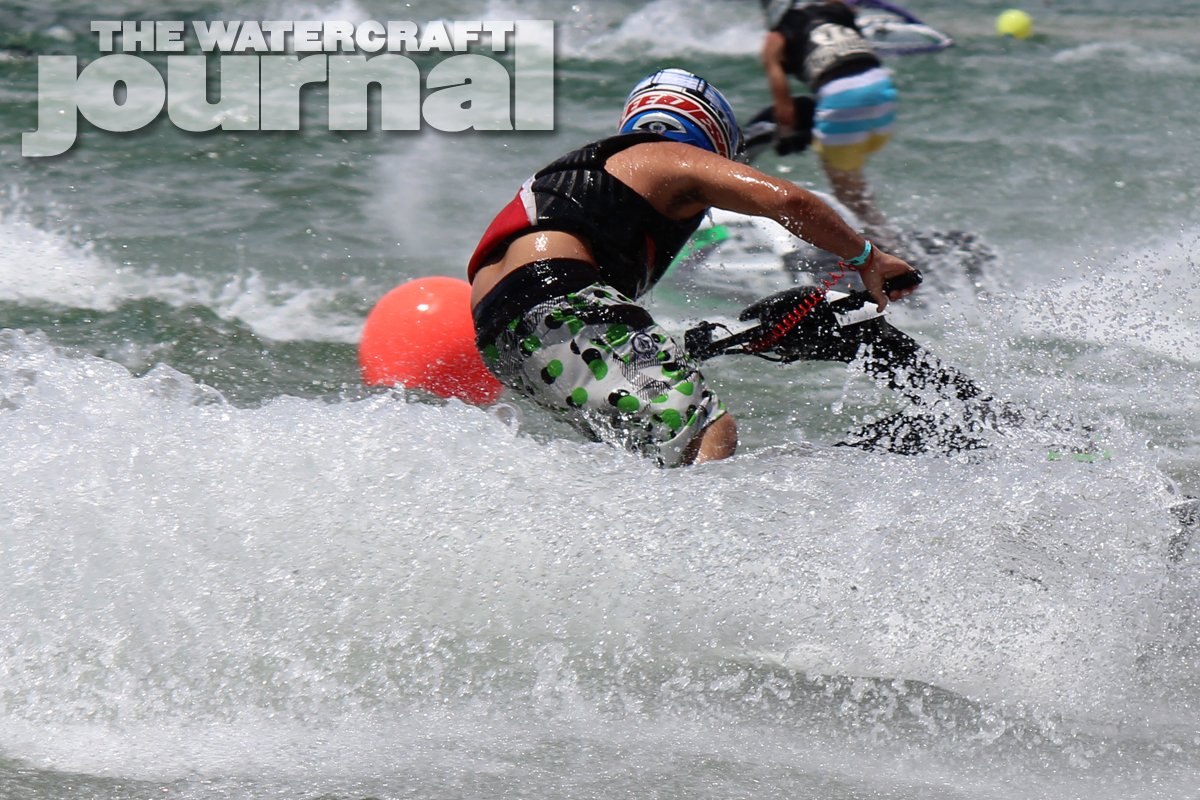
The motos were six laps of intense riding with several classes leaving the same starting line within seconds of each other. A tight, well-placed buoy track made the competitors not only aware of their competition, but also other classes as they jostled for position.
On Saturday, the weather was calm with no wind whatsoever. By 8am the drag boats started their qualifying efforts in their due process of elimination, reaching speeds of 150-plus-mph on the quarter mile track with times of under six seconds.
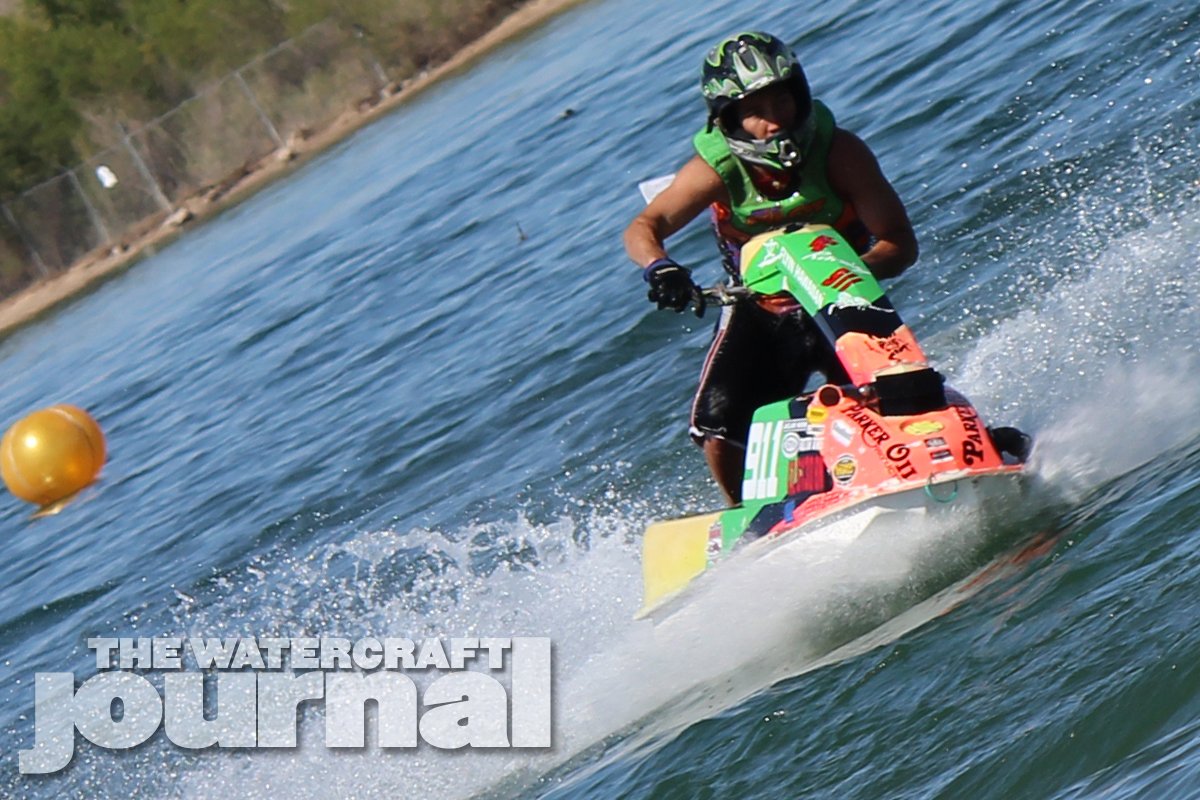
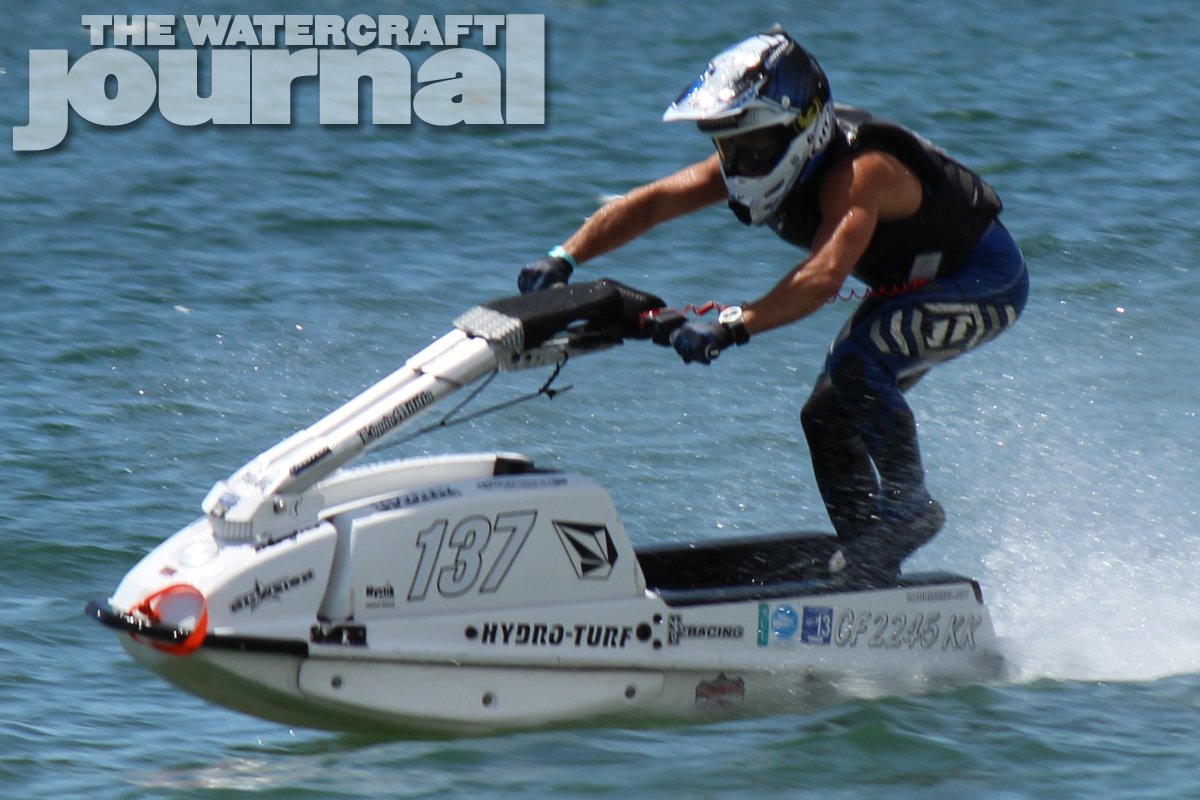
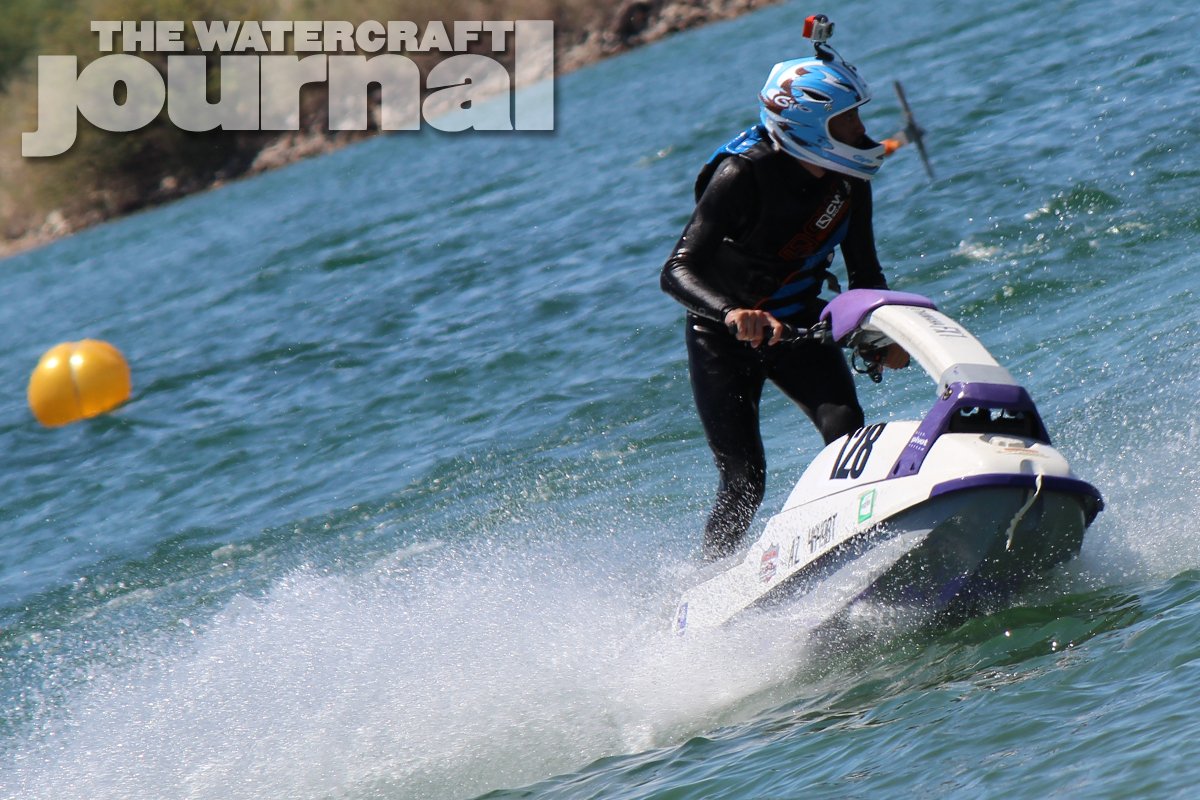
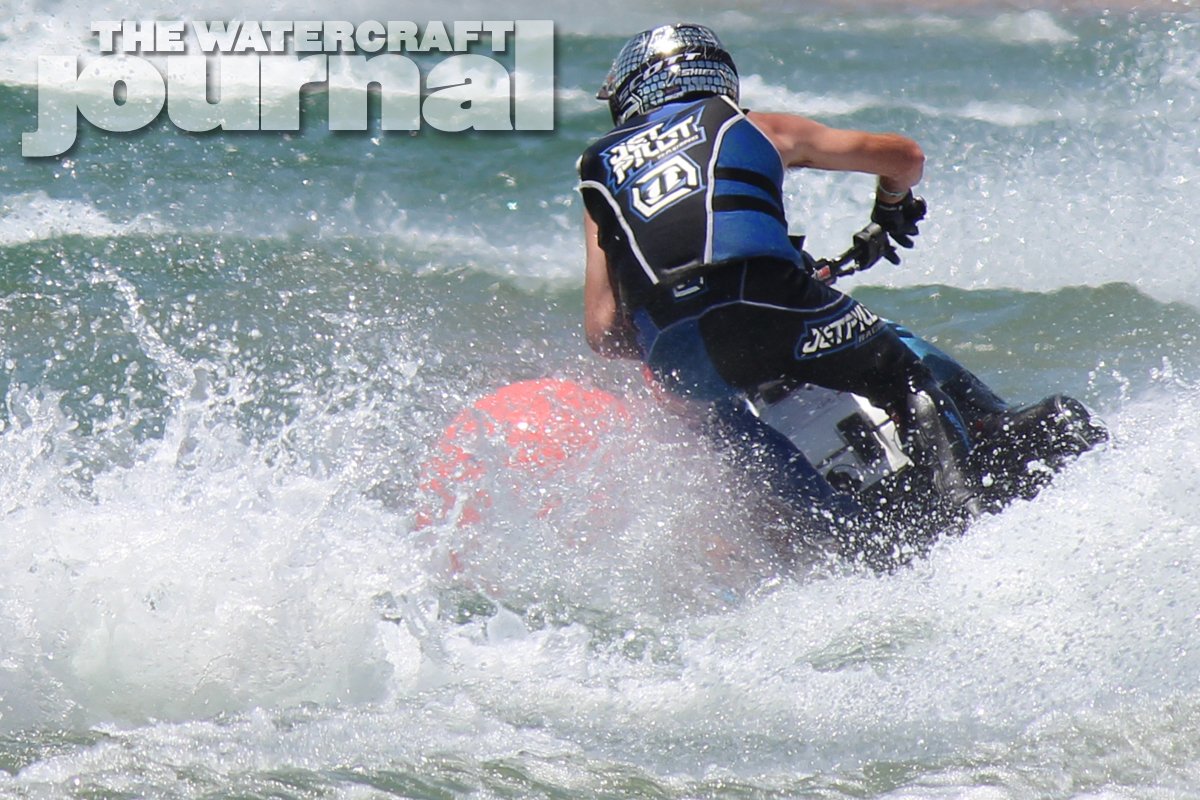
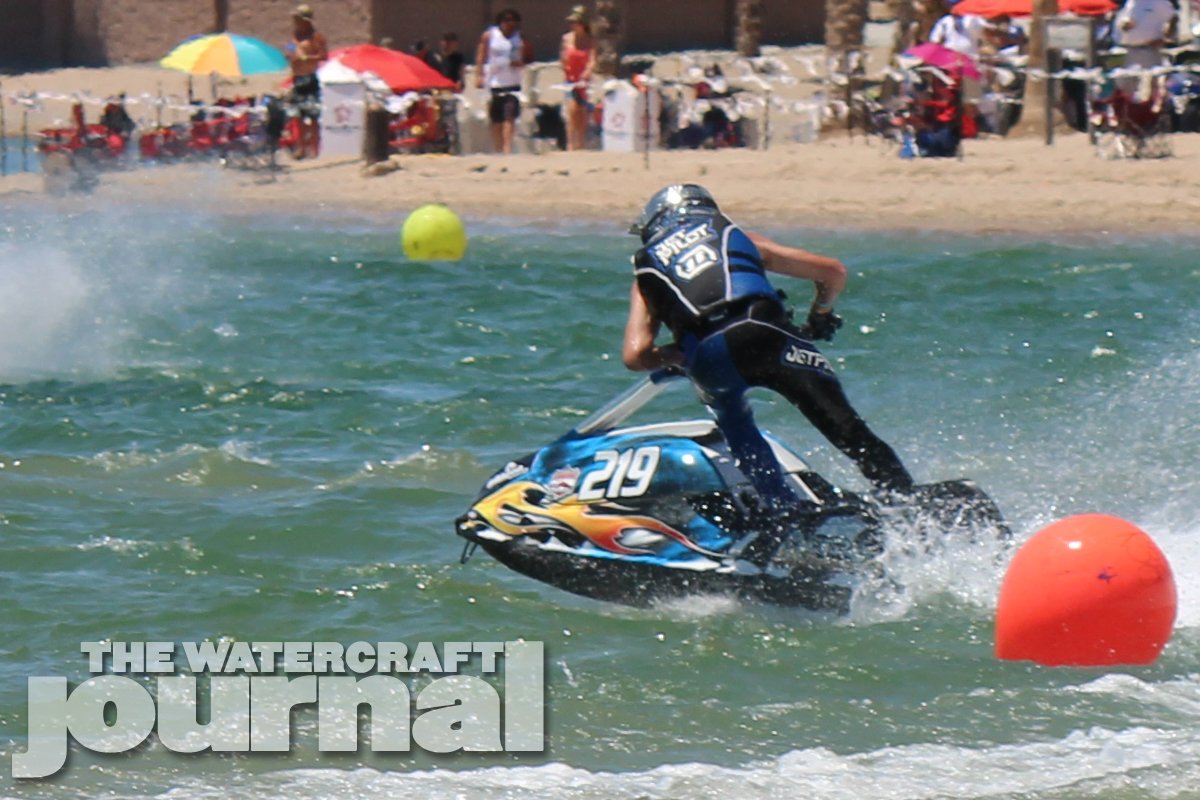
Cory Vancleave performed like a champ on his throwback 550 and vintage Jet Pilot colors.Pro Watercraft Racing’s own Chris Hagest took a break from developing some of the hottest standup products to carve up the course.
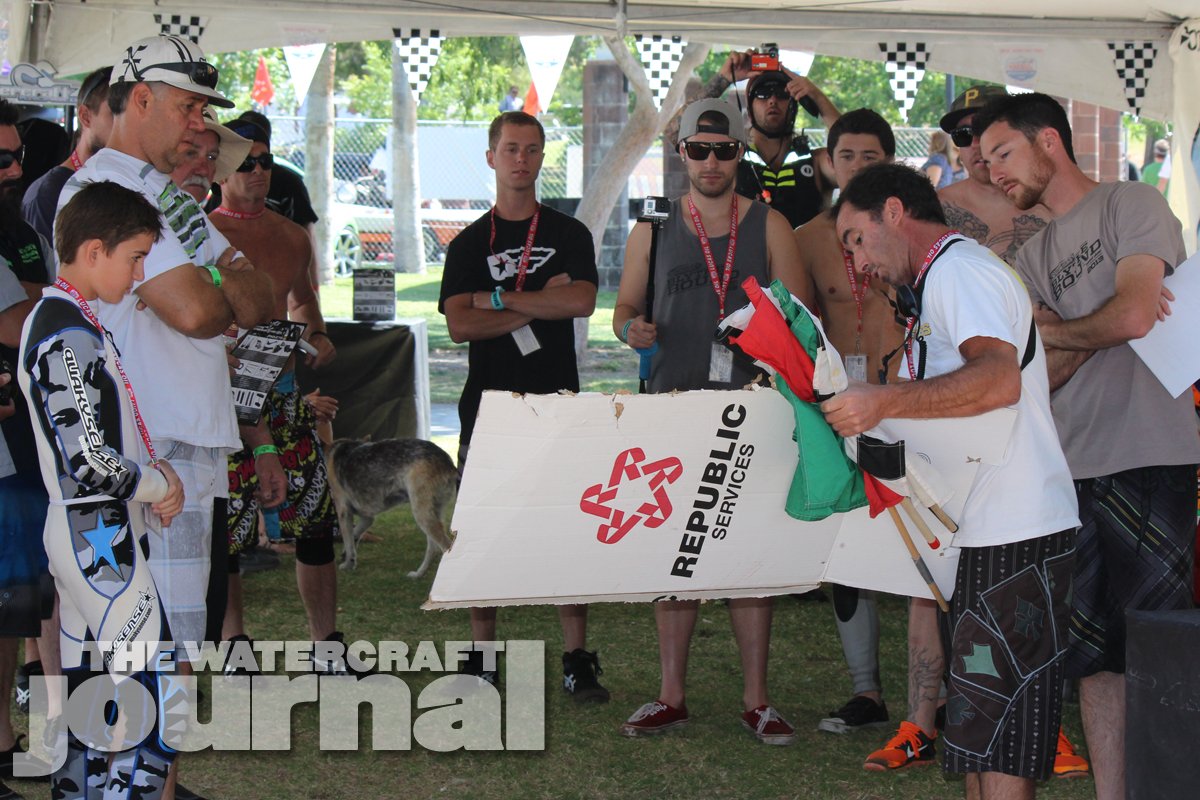
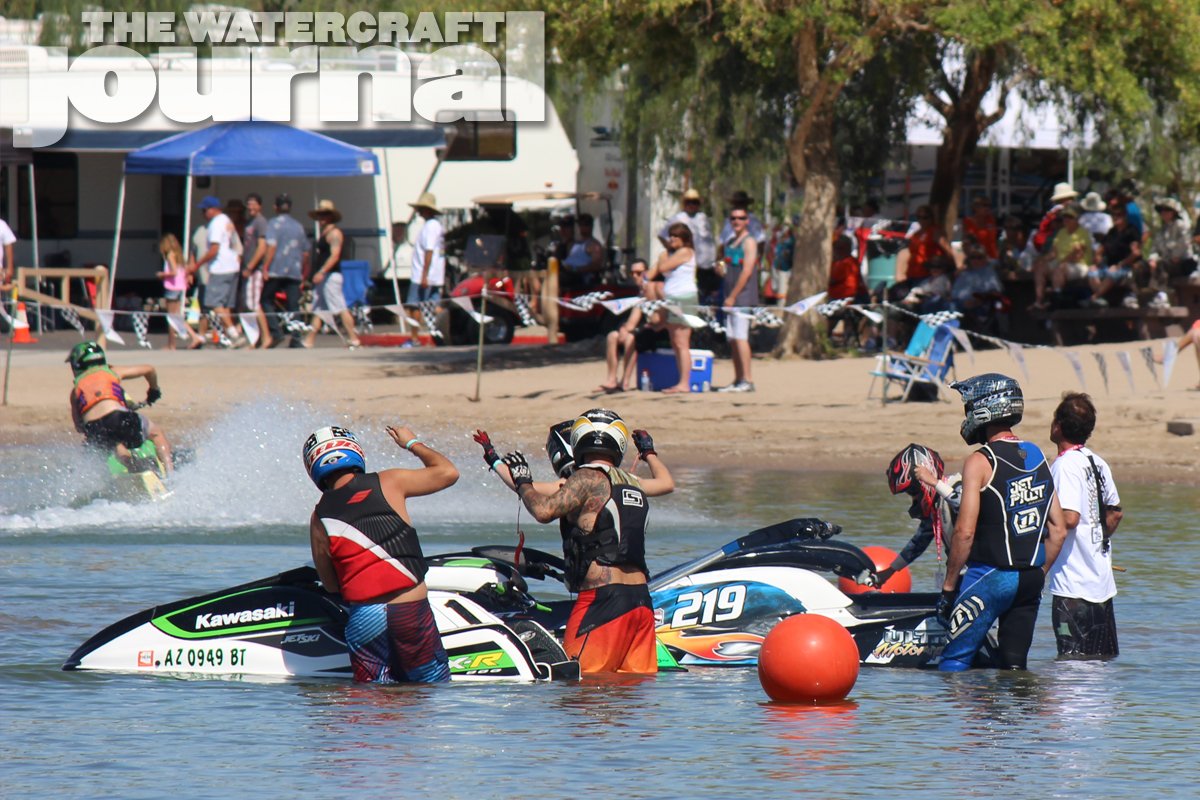
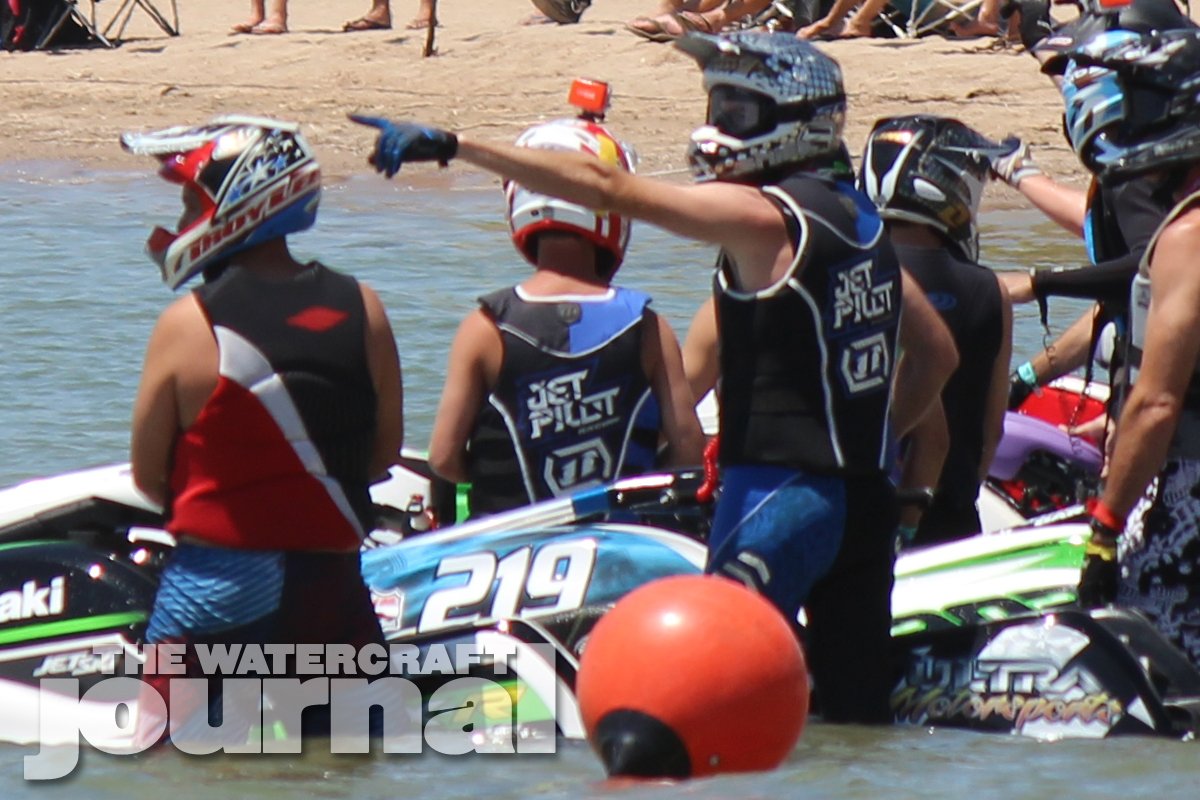
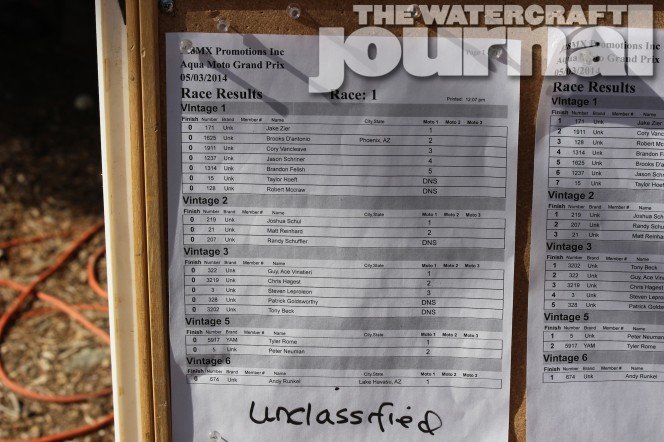
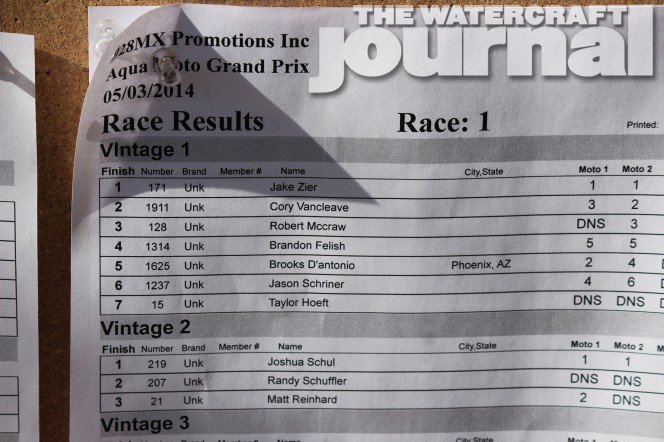
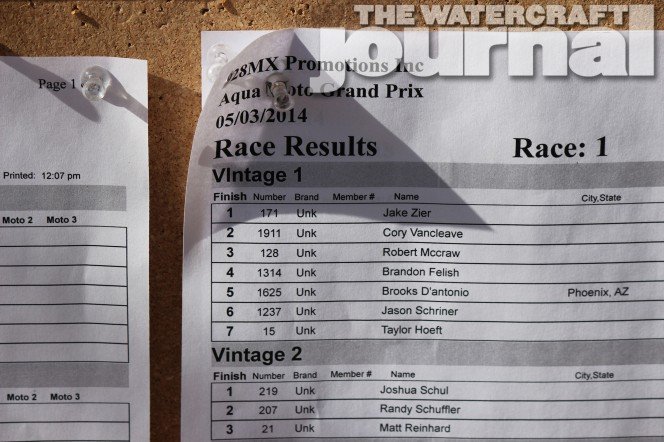
While all this was going on, the riders’ meeting was held for the Aqua Moto before the first practice and moto at 11am. Some of the notable riders that showed up to the line on Saturday included Jake Zere, Cory Vancleave, Brandon Felish, Brooks D’Antonio, Jason Schriner, Guy Vinatieri and Chris Hagest.
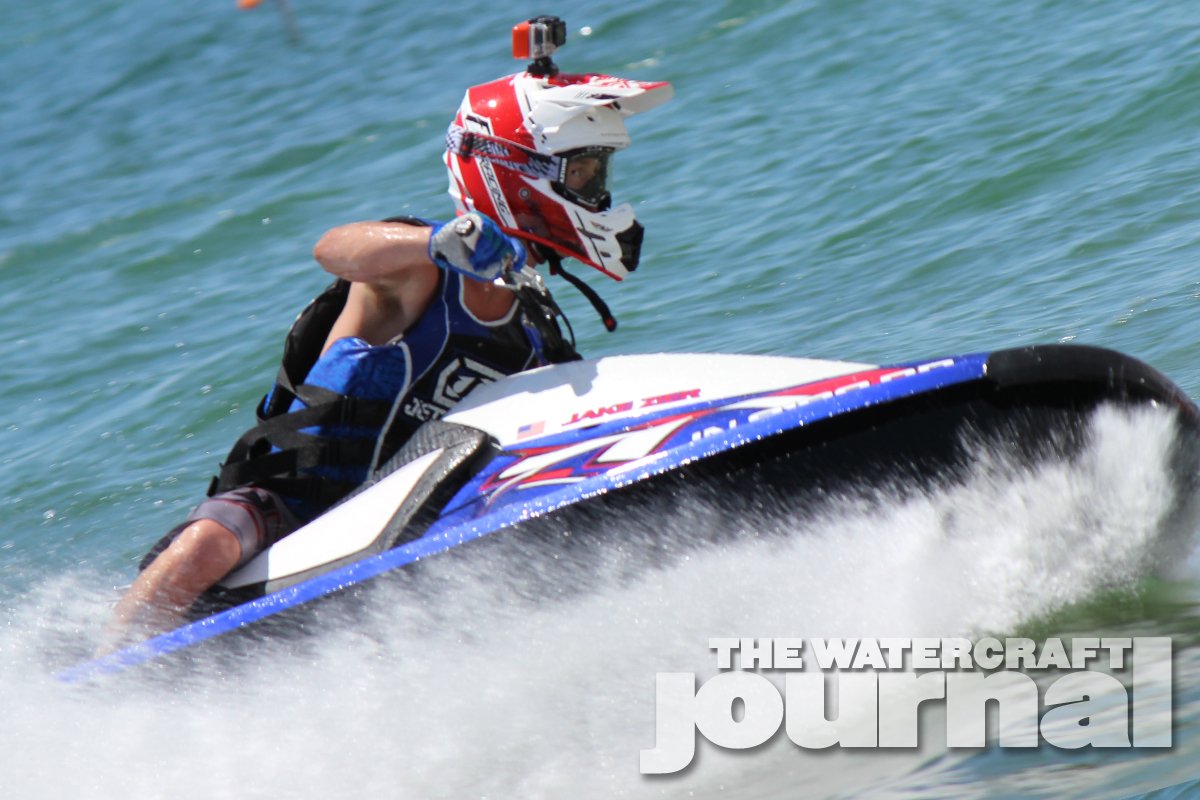
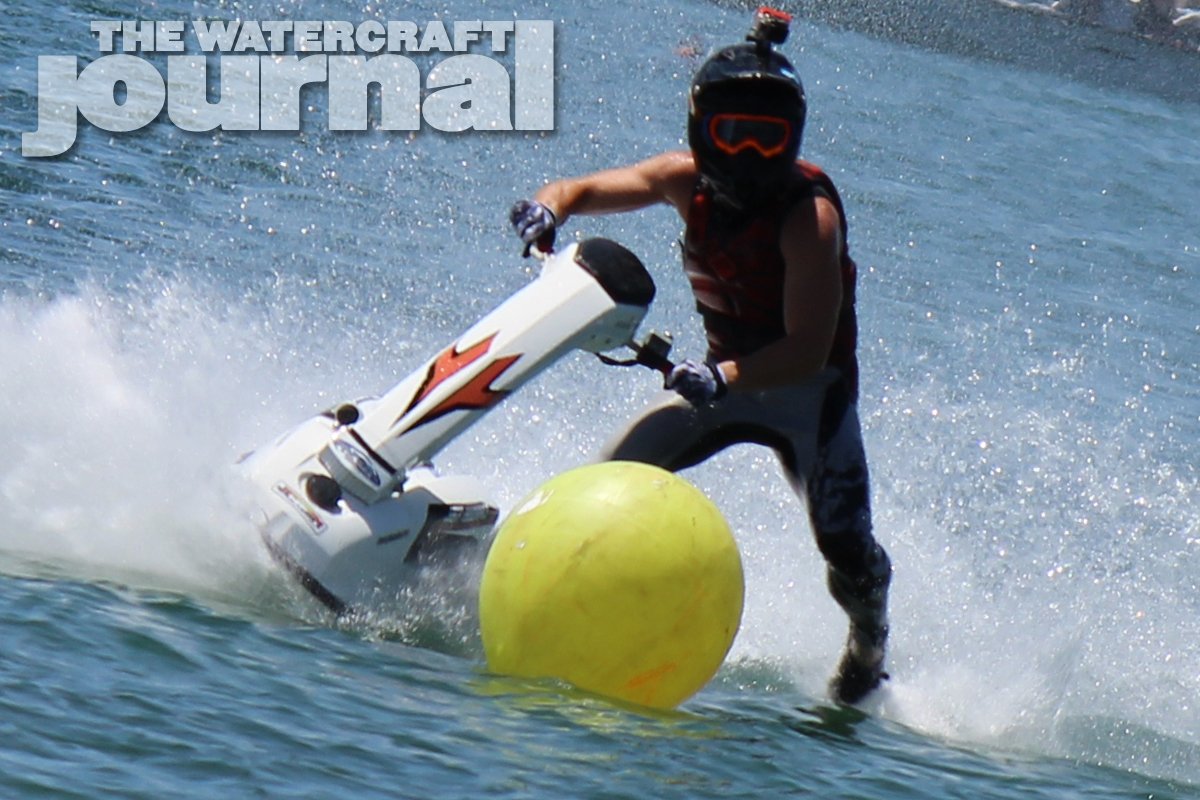
In the 550 Vintage 1 class Jake Zier took the overall checkers with Brooks D’Antonio edging out Vancleave in the first moto for second place and Cory taking second overall. Chris and Guy were in the Vintage 3 class, both having a solid day battling back and forth with Guy taking the overall and Chris getting second.
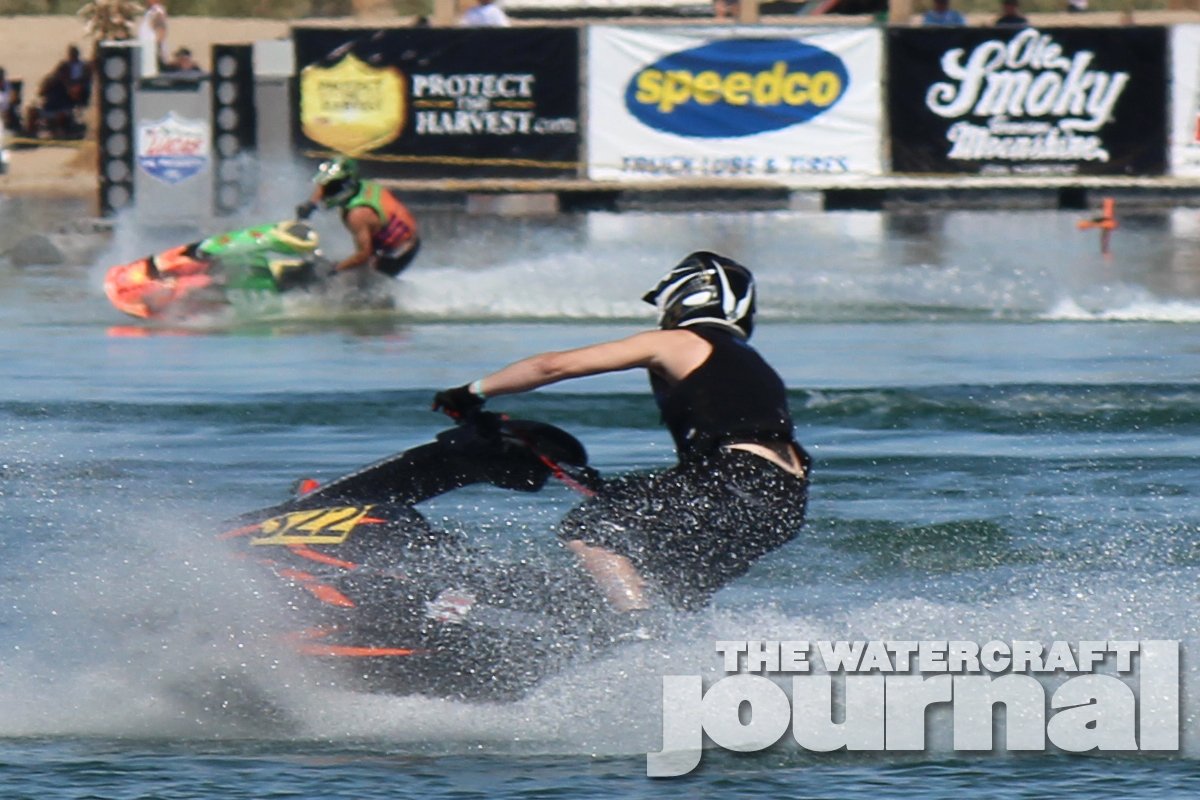
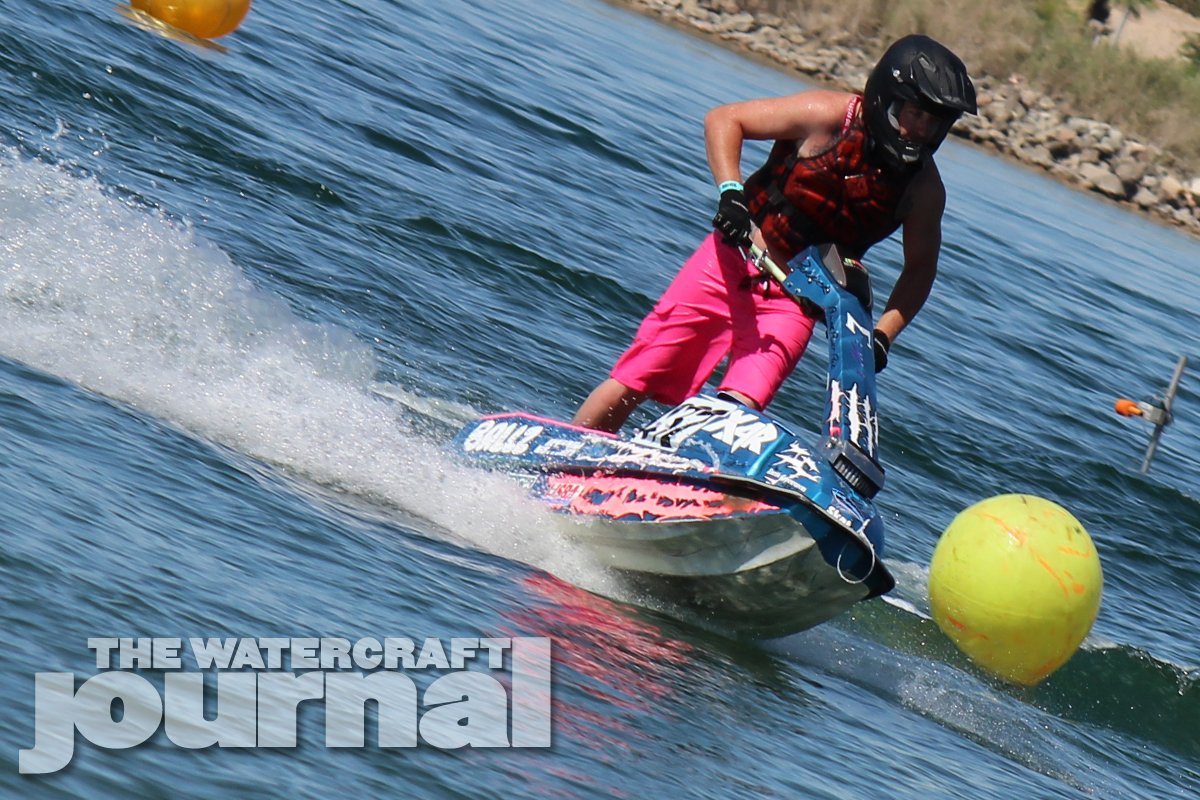
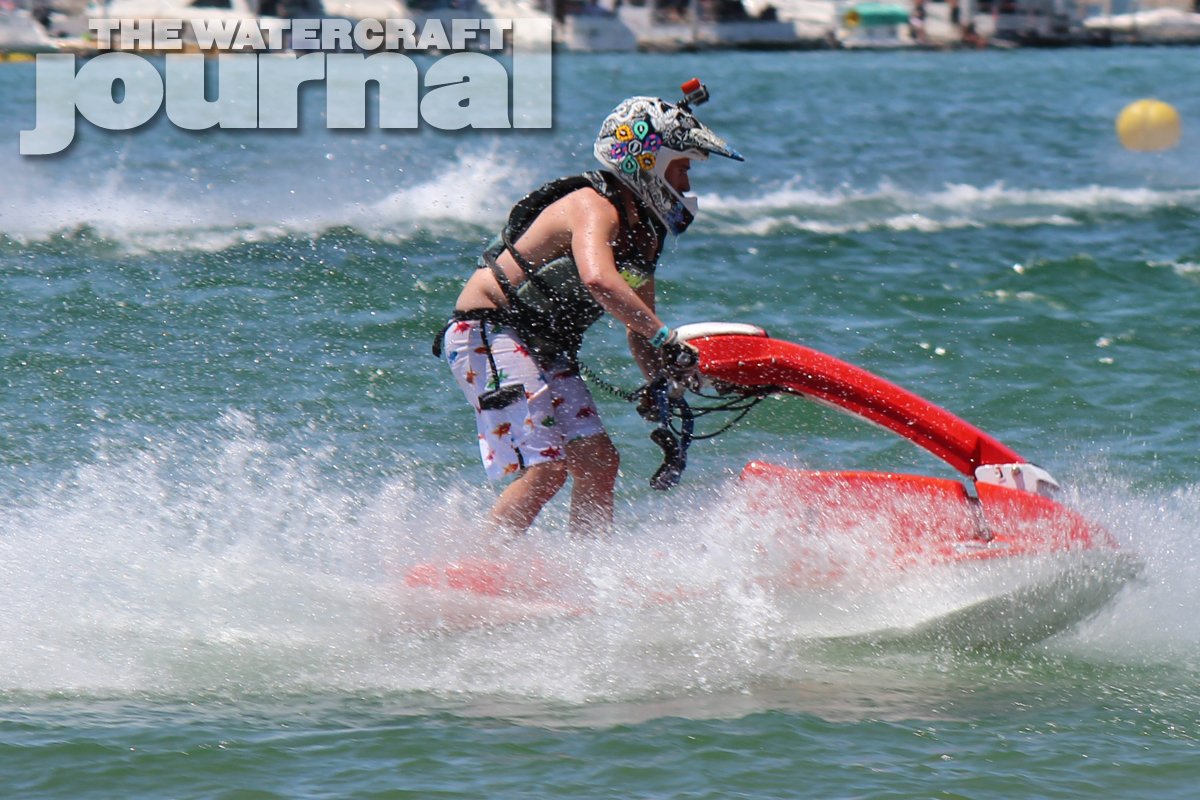
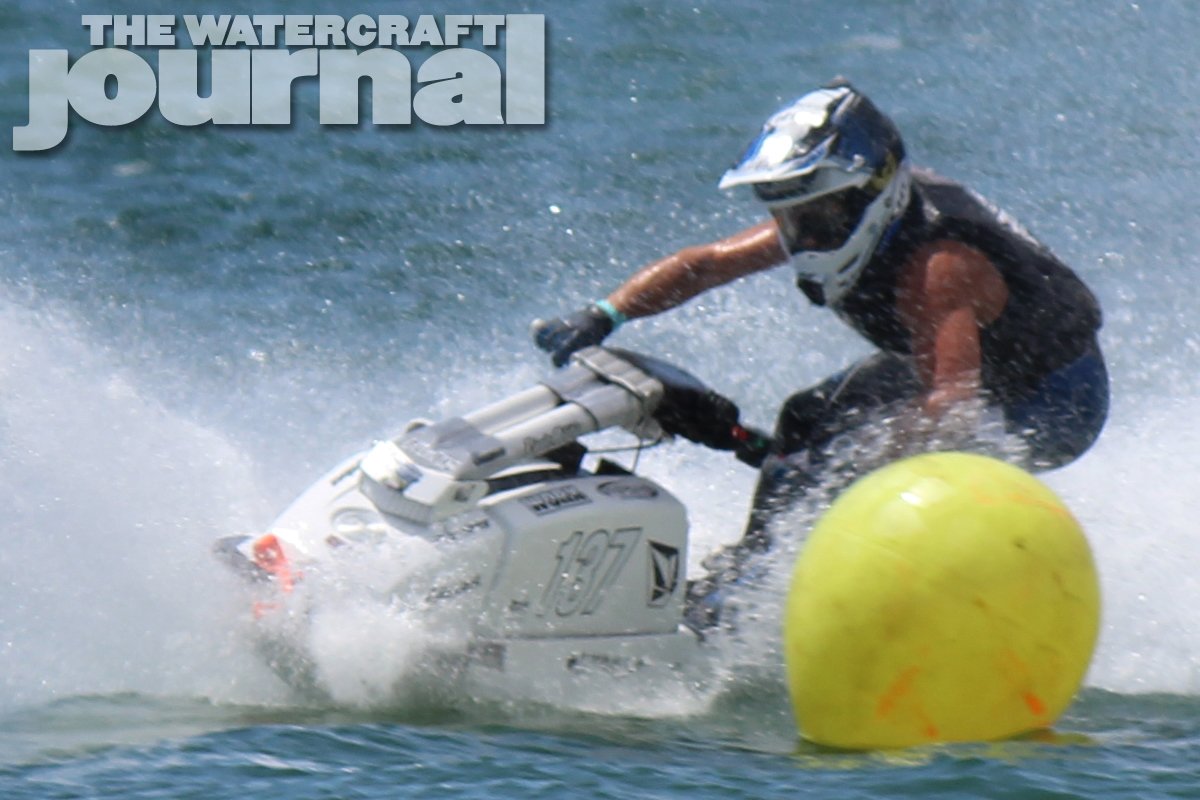
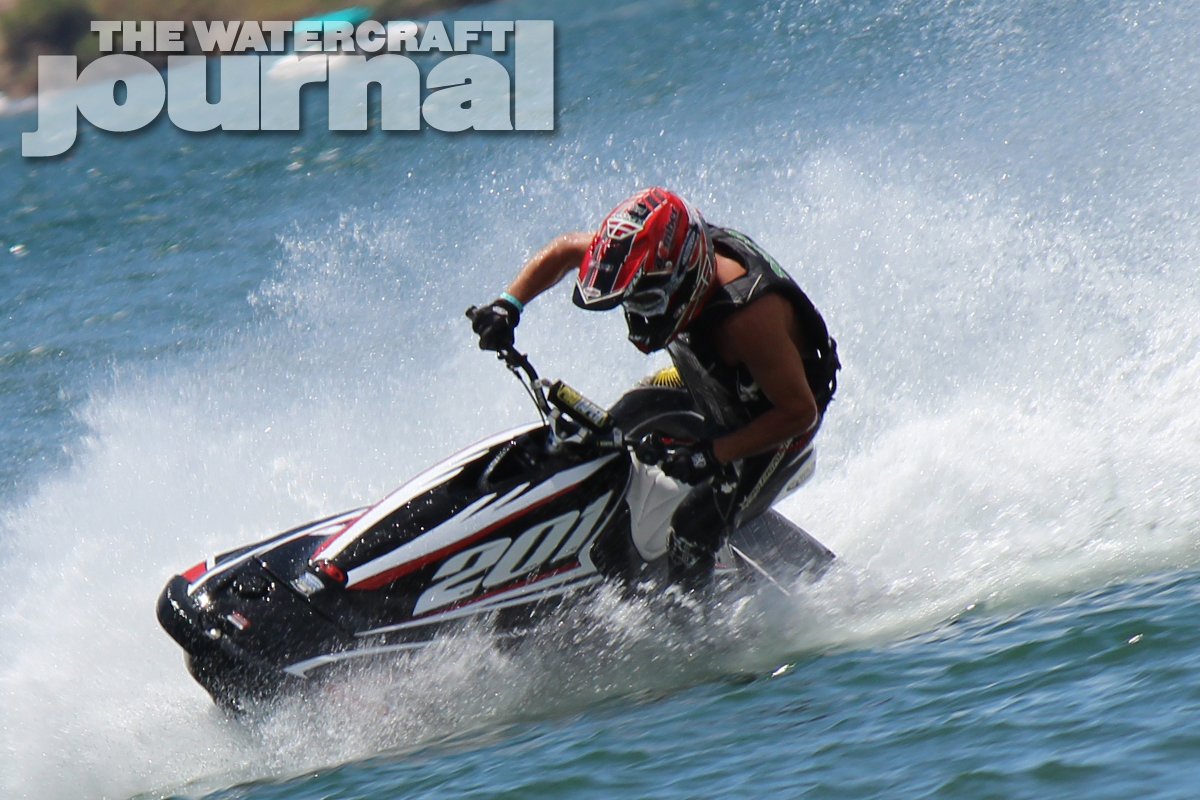
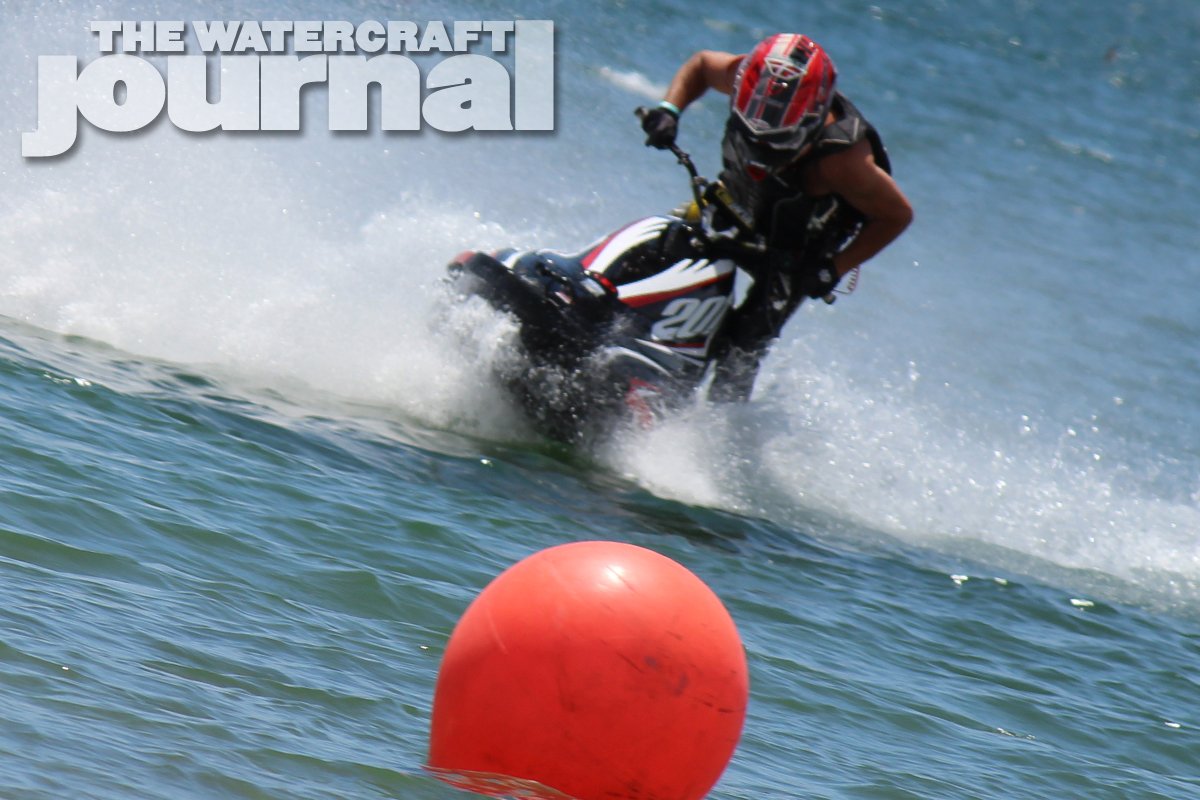
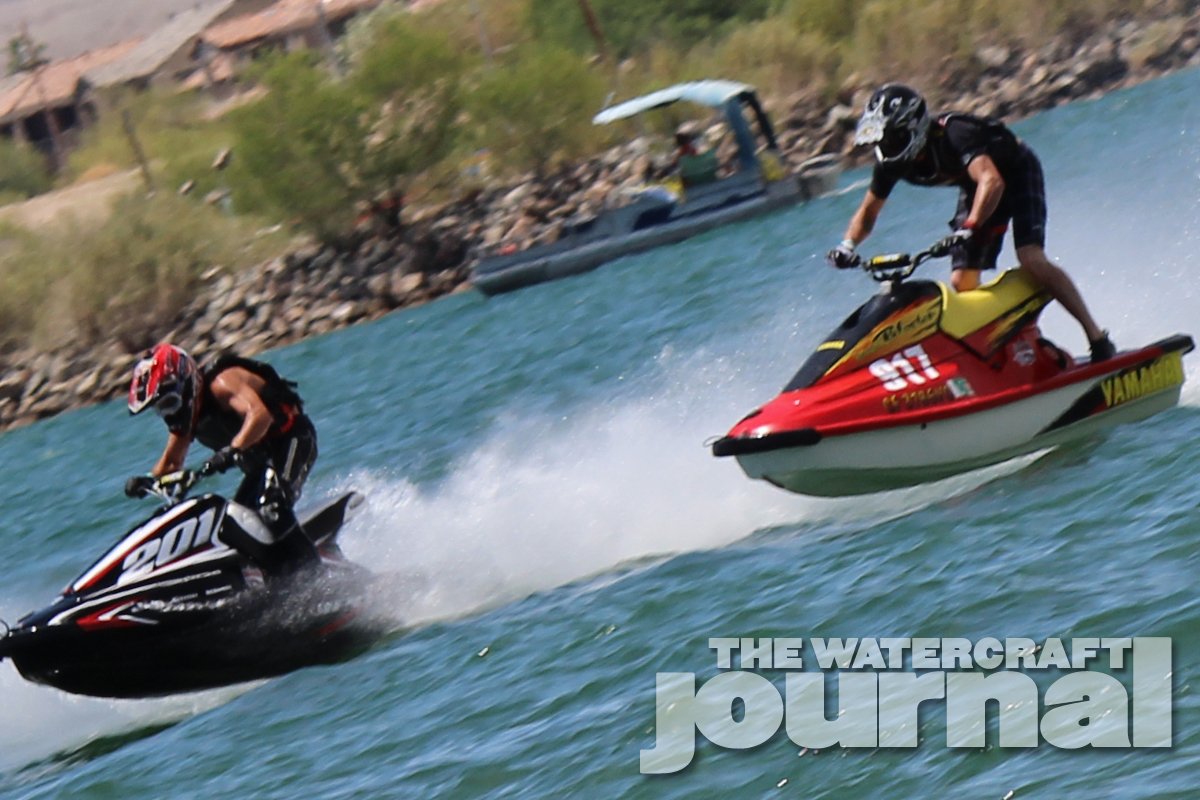
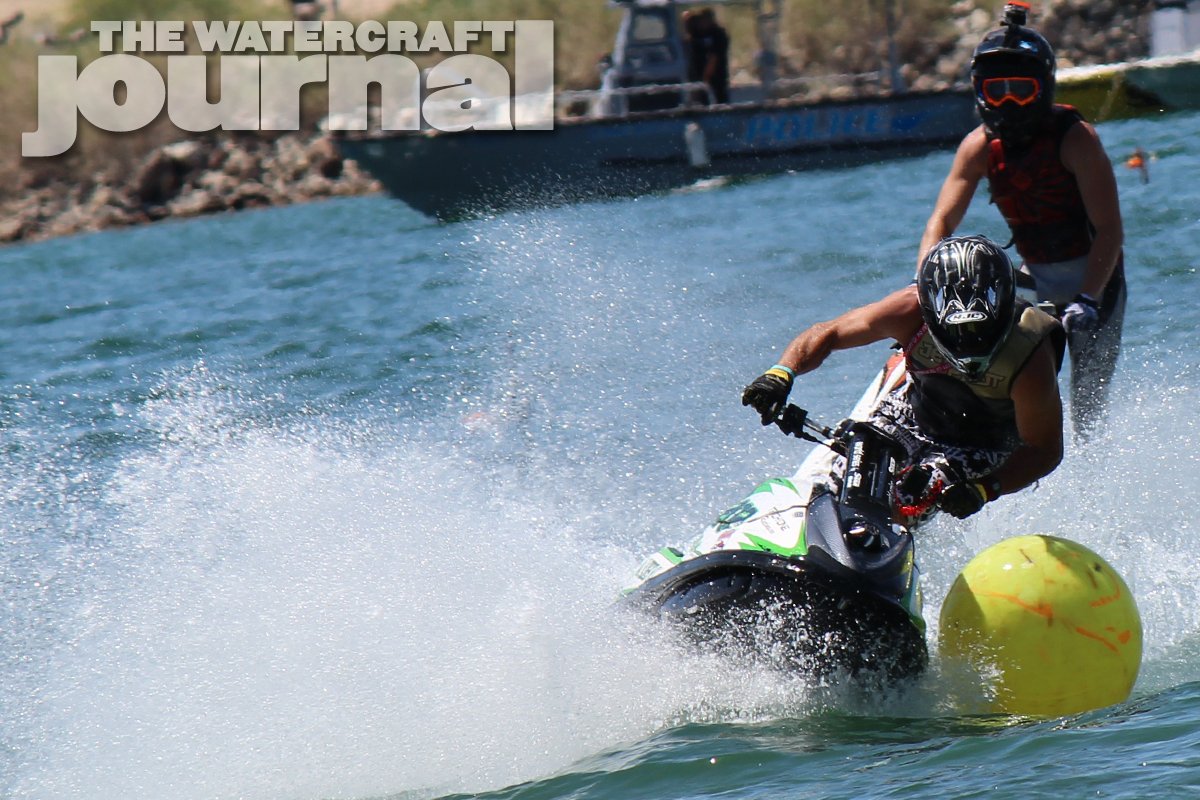
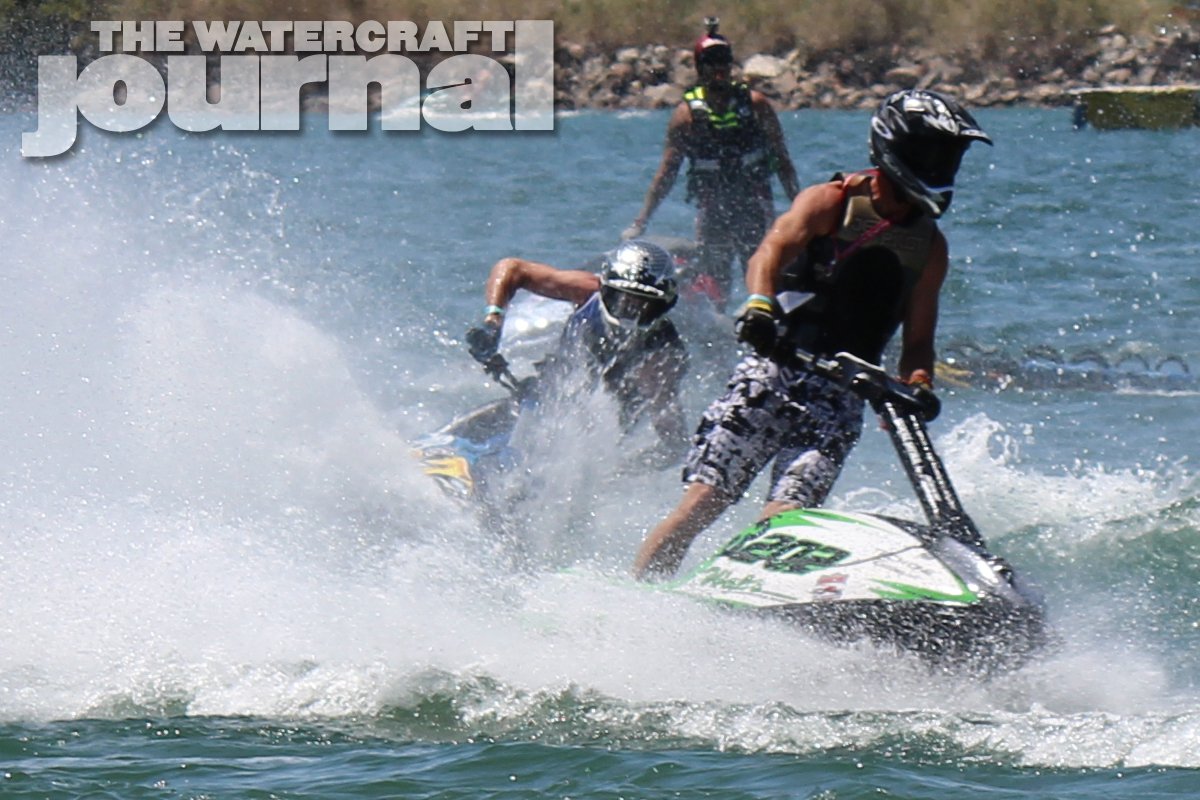
The most exciting racing came on Sunday as “The Slasher” Victor Sheldon battled rail-to-rail with Lake Havau’s Tony Beck, with Slasher continually showing the cheering crowd how to properly leg drag.Tommy Bonnacci battled it out in the Sport class on his Bomber IPD Graphics ‘Blaster through the motos.
Then it was back to the boat racing, but towards the end of the day, the wind picked up where the boats were not able to run for safety reasons allowing the vintage skis to steal the show with an elimination bracket; a short two lap shootout to determine the winner. It was great for the riders because they were able to ride more than normal.
For Sunday, the day was a little more relaxed. Some riders went home as others showed up, including notable names like Mark Gomez, Tommy Bonnacci, Victor Sheldon and even Chris MacClugage who arrived Sunday to witness firsthand what the Aqua Moto was all about.
High winds late in the day Saturday and throughout Sunday shut down the drag boats but gave the jet skiers plenty of time on the water.Andy Runkel tore it up on his ‘Blaster, rubbin’ rails with the other Vintage class racers.
The morning started of calm as the boats continued to battle but as the wind started to pick up and the event was put on hold, giving more time for the vintage skis. Without already starting Victor Sheldon made his presence known.
Victor quickly came out of nowhere to take the checkers in the first moto. The second moto however was a different story as Tony Beck grabbed the checkers with the two of them banging bars all the way to the end. Mark Gomez also made his mark in Vintage 1 550 by taking the clean sweep in both motos and edging out Jake Zier in the first moto.
All in all Fischetti did a great job on the event with getting the sport back to its grass roots of riding with all the riders having fun.
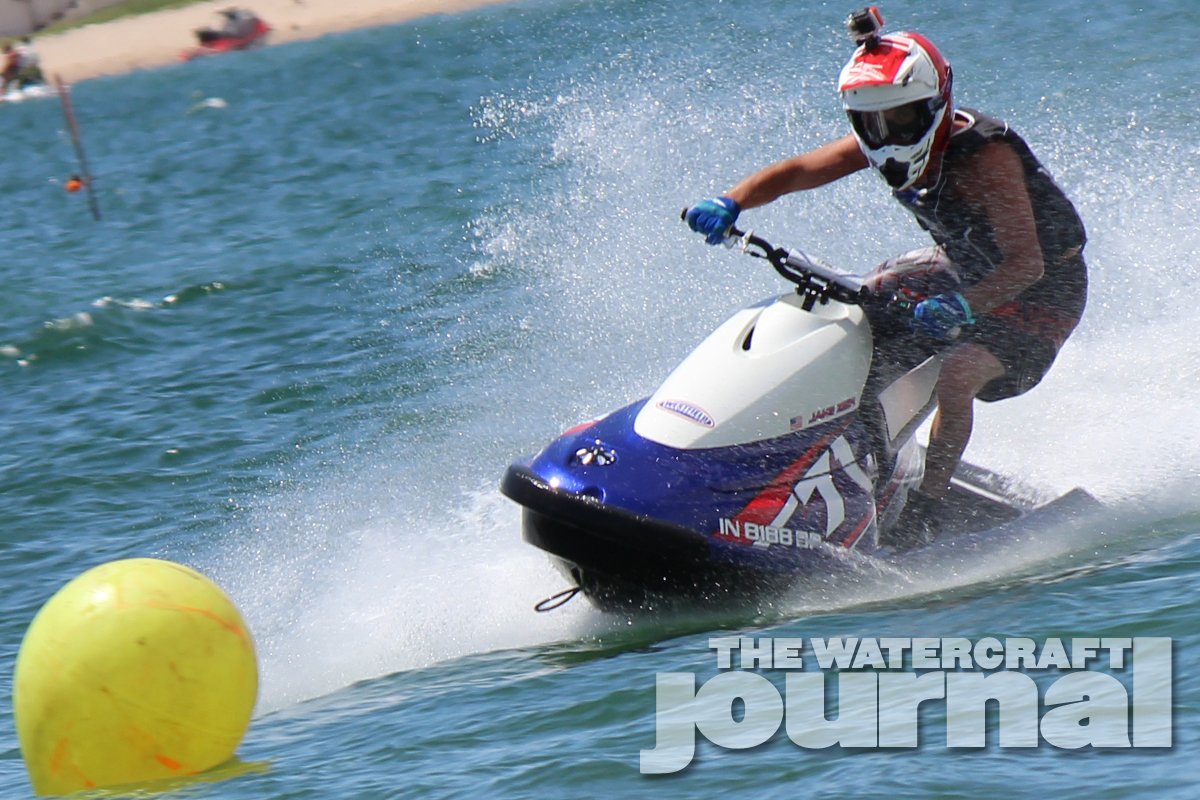
In Vintage 5 Jake took the overall checkers on his Yamaha ‘Blaster by beating out Bonnacci in both motos with Bonnacci finishing second. Since the boats could not compete because of the wind; again another elimination bracket was created and the Aqua Moto Grand Prix took center stage, which meant for more riding time to put on a great show for the fans.
Special thanks go to Patrick Goldsworthy for his quick reporting and Theresa Solberg for the extra pics!
Power-to-weight ratio; the quickest way to gain some added speed is by cutting weight, and there are none more familiar with this than today’s personal watercraft racers and freeriders. New skis donning exquisite carbon fiber and Kevlar hulls, hoods and decks are abundant on the shorelines.
Unfortunately, with innovation comes mimicry and often those who follow are a pale shadow of the originator. Corners are cut to save money and in turn, undercut the price of the original product. We’ve all seen it happen far too regularly in our sport. As competition breeds excellence, it also requires buyers to do some due diligence to pick the right product and not get ripped off.
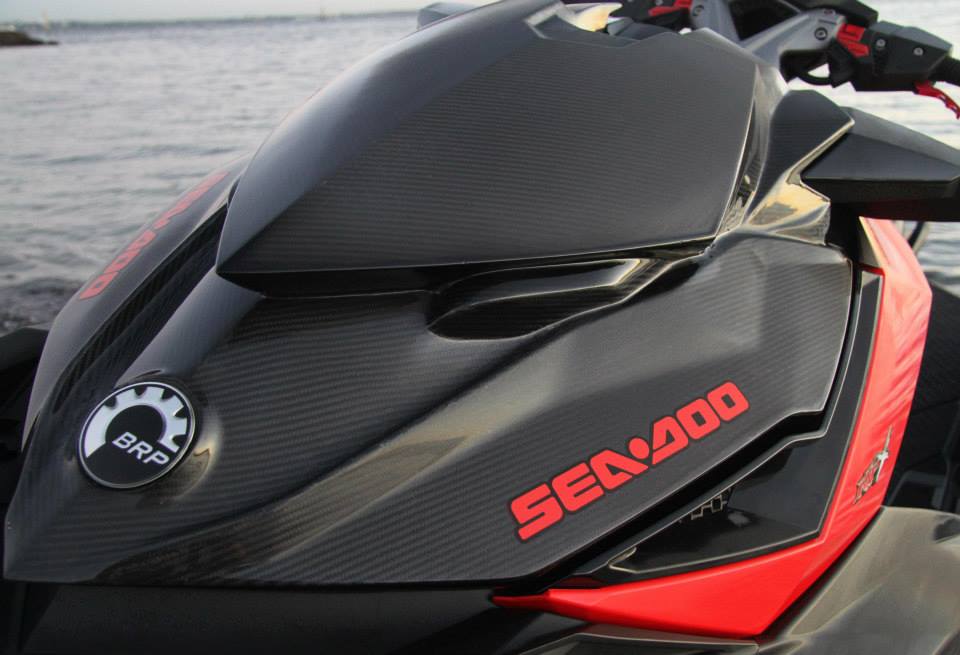
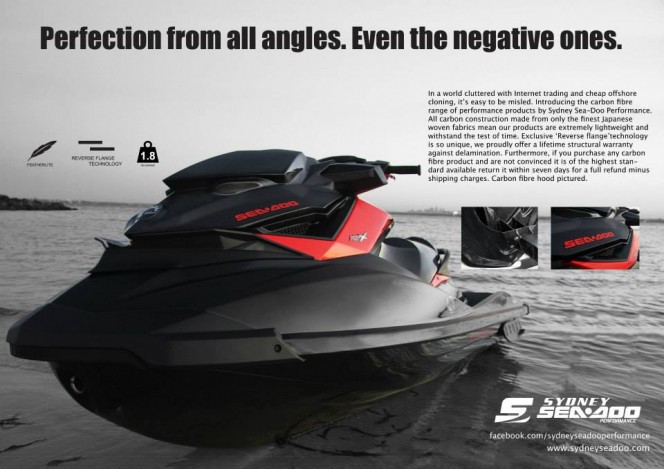
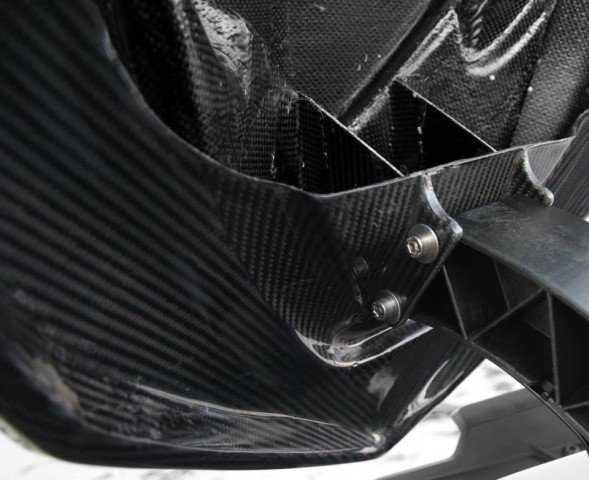
World champion racer and owner of Sydney Sea-Doo, James Masterton launched Sydney Sea-Doo Performance as a branch of his dealership to cater to those who wanted to wring out as much power and speed from their Sea-Doos as possible. Offering a selection of go-fast goods that are not only top-of-the-line in build quality but power output, Sydney Sea-Doo Performance announced their superior carbon fiber RXP-X hood recently stating,
“Our carbon fibre products come in raw and clear finish with all detail shown. We don’t hide any workmanship under paint or flow coat. If not 100% satisfied this is the lightest, highest quality standards available, return within 7 days for full refund minus shipping charges.”
The Watercraft Journal had a chance to talk to James who had this to say, “Our focus is to design high-end products for Sea-Doo watercraft to suit both recreational owners and Pro Open racers. Our composite pieces are the same strength and quality being used in top category Australian V8 Supercar, LeMans and Factory Superbike racing.
“In my opinion, our sport is a long way behind factory auto racing teams in terms of carbon composite engineering and aero design. Most products are made in home garages, the quality is poor and delaminates after 6 months of hard use. Our pieces are built from really complex moulds and come with warranty from structural defects. I was lucky enough to have grown up in the car race industry which has now allowed me access to the right people in different fields.”
He concluded by adding, “We have some really unique pieces coming shortly that I’m sure will help RXPX racers. We are even looking into some parts for the Yamaha FZR.”
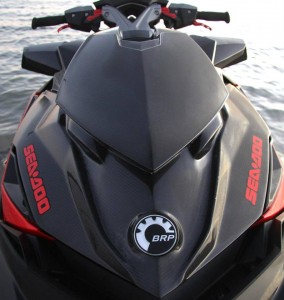
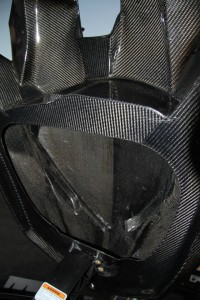
Take a close look at these shots and you’ll see their commitment to smooth finishes, edging and layering. In addition to these hoods, Sydney Sea-Doo Performance also offers carbon fiber seats as well as an array of billet components to not only drop some necessary pounds but improve the look of your Sea-Doo.
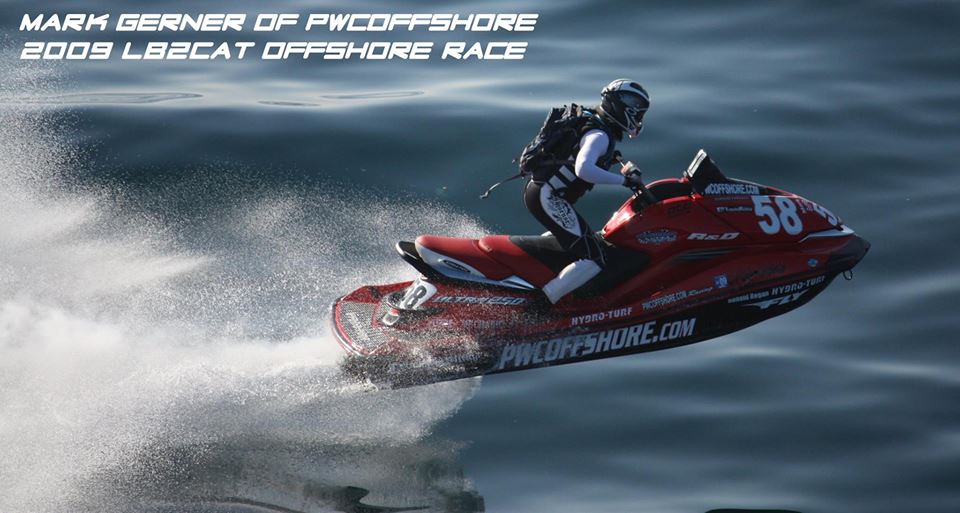
The conversation started months ago, but spiraled quickly under its own gravity into a far larger sphere when I posed the question, “If it was up to you, what would you do differently?” It doesn’t take a whole heck of a lot of looking to learn that we at The Watercraft Journal are particularly fond of offshore racing. The challenges of offshore racing are unlike those found elsewhere – apart from an ironclad commitment to pushing through pain and exhaustion to persevere.
In talking with PWCOffshore.com‘s fearless leader, owner and organizer Mark Gerner, we learned how deep his desire to dramatically grow the world of American offshore racing was. “People think I’m an event promoter. That’s 100-percent not the case,” Mark admitted. “I help rally everyone to go, but I’m not putting on the races.”
But that’s not entirely true. Anybody who knows Mark or the PWCOffshore.com crew know that they do much, much more than just “get the word out.” And it’s because of this steely drive to help grow offshore racing that PWCOffshore recently announced their “Offshore Racing Promotions Guidelines for Promoters.”
According to PWCOffshore.com’s Facebook wall, “PWC Endurance and Offshore PWC Racing needs more promoters and more races throughout the world, especially here in the United States. Have you ever thought about becoming an offshore PWC and/or PWC Endurance Race Promoter – here’s a checklist and set of guidelines we put together that might assist you in doing a race. Great Lakes, Northwest, Northeast, Texas area, Louisiana? Why not? Let’s go racing.”
We at The Watercraft Journal are honored to have played a small role in this document’s development and looking forward to seeing these guidelines put to good use soon!
The podium also marked the first time all three Unlimited class finishers surpassed 100mph: with Carlito David del Valle (101), Maikel Gonzalez (112) and Leya-ray Sanchez (108). Image: April Odineal Hibdon
The numbers don’t lie. It’s a maxim we at The Watercraft Journal have been using and its sure to be repeated with the results of this weekend’s Greenhulk Hydrodrags. Following the annual MudBug gathering of Greenhulk.net forum members in Morgan City, Louisiana, the second round of the Hydrodrags came to the quiet port town to chew up the still southern waters.
While there was no shortage of trash talk and money being exchanged between drag racers, the big talk was who was going to beat the standing record of 106mph in the Speed Alley. The record has stood for a good while now and quite frankly, folks were getting antsy for a new champion.
Aboard a CRT-built “GPRXP”, Miami, Florida’s Maikel Gonzalez not only broke the record, but outright shattered it with two back-to-back world-dominating passes. Titled “Blue Zone,” Maikel’s GPRXP was anticipated to surpass the standing record, but not like this…
Blue Zone – a full-tilt conversion ski comprised of a Yamaha GPR1300 hull and deck with a turbo-powered Rotax 4-tec plant – is now the fastest ski on the planet.
In his first pass in the RIVA Racing Speed Alley Hydro Unlimited class, Maikel tipped the GPS’ and radar gun at 108 miles per hour! If leaping past the standing record was a fluke, Maikel made his second – and most amazing – attempt, firing off an astounding 112 miles per hour.
The Watercraft Journal talked with Maikel who beamed, “I can’t explain how happy I feel right now; it’s a dream come true! The pass I did was from 35mph to 112mph in 3.4 seconds…insane!”
Although unwilling to share all of his secrets, Maikel did provide a small breakdown of what propels “Blue Zone”: “The ski is powered by a CRT-built, turbocharged Sea-Doo 4-tec engine making in excess of 700hp but still driveable as a recreational ski. Power is delivered by a Precision Turbocharger and intercooler, but kept under control at all times by AEM performance electronics. Fuel delivery is accomplished through a custom CRT setup consisting of an E85-compatible system feeding six 2200cc injectors.”
Maikel concluded, “I would like to thank our sponsors AEM Performance Electronics, WWR, Gato Performance, Euro Export, Modular Wiring Solutions, and CRT.”
It’s hard to wrap your head around how fast 112 miles per hour is on a personal watercraft, so to help, we’ve included exclusive footage of the legendary speed pass graciously provided by Adam Barbanell who was on hand at this weekend’s Hydrodrags:
In yesterday’s news report on Art Burgess training on his amazing $50,000 custom-built freestyle ski, we attributed much of the evolution of the sport of freestyle to the machines themselves. While that might be true, it is slightly disingenuous particularly towards the level of athletes that populate modern jet ski competition.
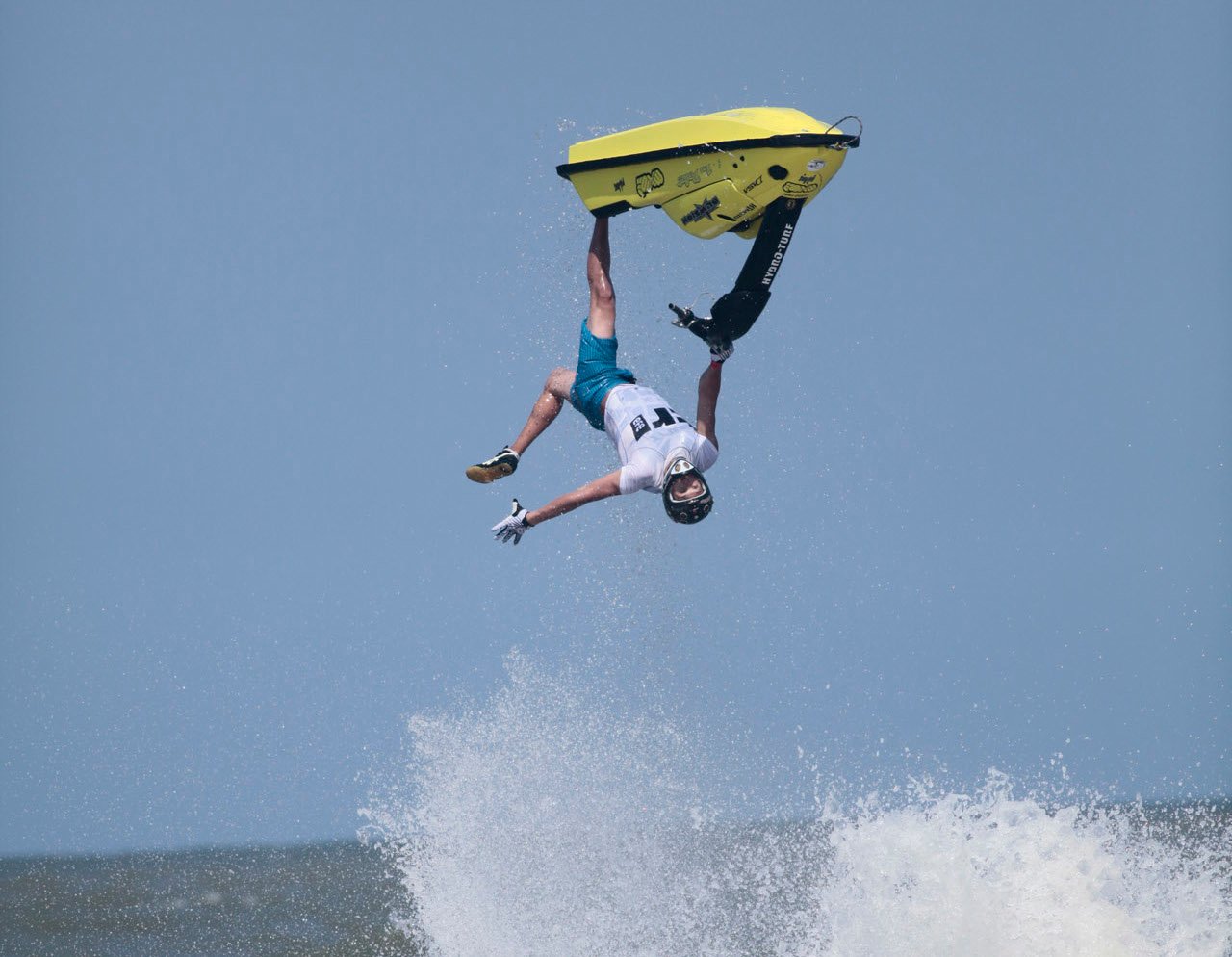
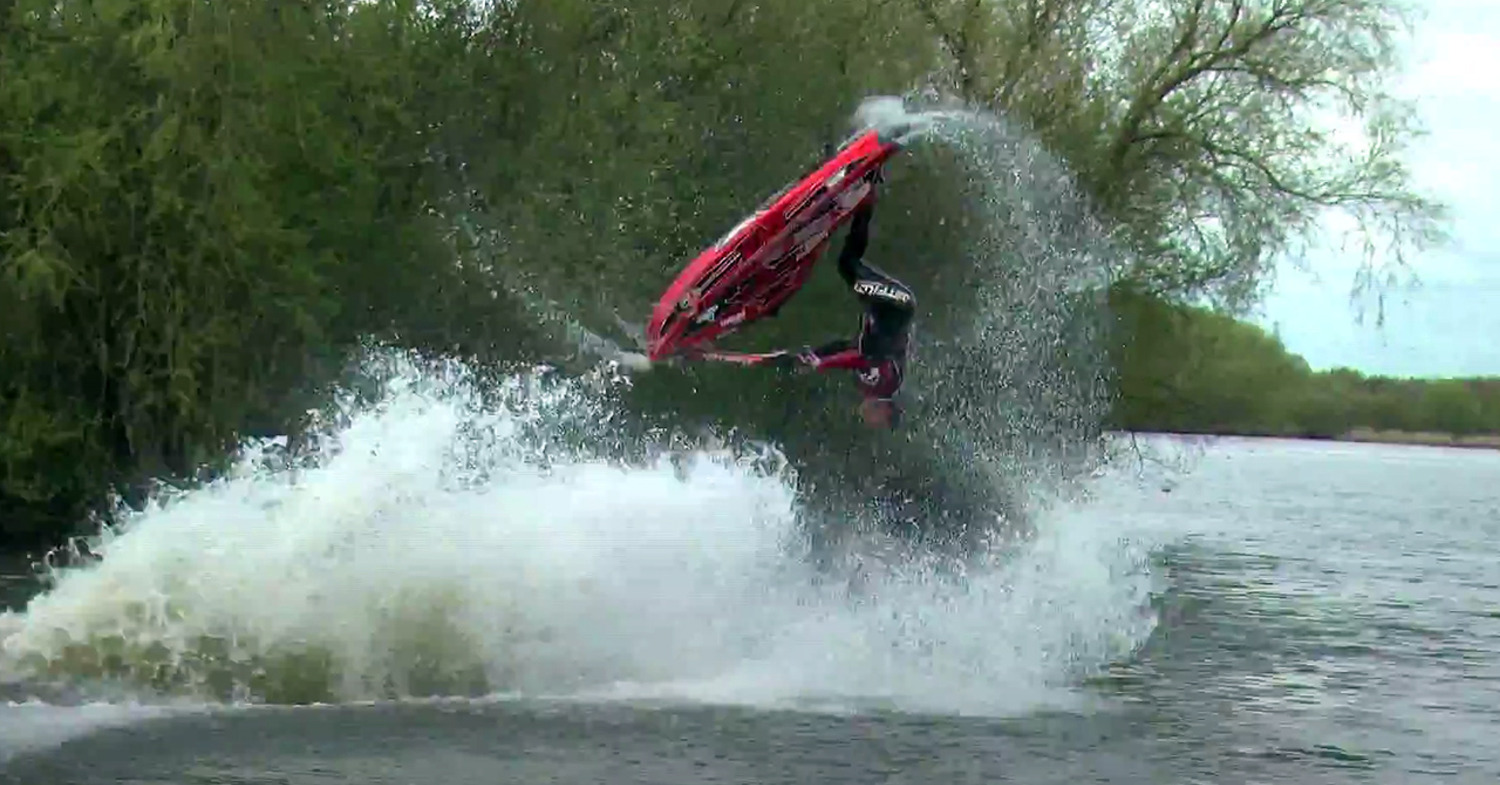
To really hammer the nail in this argument, we want to present what we consider possibly one of the greatest feats of pure athleticism, talent and skill – the double backflip. Executed by France’s most famous freerider Pierre Maixent, he was filmed in 2008 successfully performing the first double ever landed on a jet ski.
Even today, few can perform the double backflip, and all honor Maixent for being the first to master it. Even as machines become lighter and more powerful, the double backflip eludes many and it’ll probably be a good while before we see another do so with Maixent’s flare.
Oh how things have changed since the early days of Freestyle. In fact, it’s only in the world of closed course racing that people decry where the sport has gone. Freestyle, freeride, offshore racing and many, many other branches of jet ski performance have evolved into new and exciting sports in their own right. But we have to say that we see an exponential maturation within freestyle unlike anywhere else.
The machines of today’s freestyle athletes are unlike anything imagined twenty years ago. Made from lightweight carbon fiber and Kevlar composites, weighing fractions of what skis once did and delivering far more thrust and torque than even the gnarliest of close course racers years earlier, freestyle is an acrobatic dance that defies gravity and astounds crowds with each backflip, barrel roll and scarecrow.
World champion freestyle rider Ant Burgess was recently caught on camera training on his insane $50,000 custom-built machine over the Easter weekend at Kingsbury Lakes. Mind you Burgess is merely testing the ski out, gaining a feel for how it behaves. But in this routine, Burgess impresses all with a sequence of flips, 360s and six backflips in a row.
Where did the last six months go? Believe it or not, it was half a year ago that The Watercraft Journal was first launched to the world, and since that time we have seen a staggering – and we mean that without any hyperbole – amount of people coming to the Internet’s only daily personal watercraft magazine. Not only has our booming readership surpassed those who want to claim us as competition, but The Watercraft Journal is homing in on readership numbers that rival message boards and forums.
And why is that a big deal, particularly if you’re a business owner considering advertising with The Watercraft Journal? Because as an advertiser, your brand is guaranteed significantly more and immediate access to more potential customers – both new and returning – through our digital advertising and endemic and attention-grabbing feature content and professionally-written daily news stories.
Advertising in magazines, be it in print or digitally, has always been about marketing your name, product or brand and it’s only smart business to find the outlet that will provide you the most access, the greatest return on your dollar, and for the lowest fare possible. Because The Watercraft Journal is free to its readers, and thereby entirely advertiser supported, we ensure that our rates are lower, our turnaround is faster and our readership larger than anybody else. And if today’s “By The Numbers” has anything to say, it’s exactly that.
November 2013 Through April 2014
April 2014
More Of What People Want
Frankly put, the days of sitting idly by waiting for the mailman to drop off the latest issue of our favorite magazine are all but over. We don’t rely on a few pages of print for late-breaking news, entertaining pictures and video, or needful information. That’s what the Internet is for, making print magazines a novelty. On the other hand, The Watercraft Journal publishes originally-written content on a daily basis; articles that are timely, sharp and professional.
Total Feature Articles Published in 2nd Quarter: 41 (excluding daily news)
Total Articles Read in 2nd Quarter: 68,700
Highest Read Article in 2nd Quarter: 4,775 views
Total Feature Articles Published: 83 (excluding daily news)
Total Articles Read: 128,748
All-Time Highest Read Article: 4,775 views
Feature articles published in April: 15
Total word count: 14,041 words*
*When this number is translated to print publication standards equals a 112-page magazine. Please note that this number does not include an average of two uniquely-written news articles published daily.
Real Readers, Real Numbers, And More of Them
Readership for an online magazine is very easy to evaluate – if you know what you’re looking for. Many companies are thinking all they want is a few “click throughs” on their ad, but that’s just the tip of the iceberg. Getting your name, your company’s look and brand in front as many eyes as possible is where The Watercraft Journal shines. Throughout our six months of publication, we saw a steady increase in both return and new readership. And although we’re excited about our new international readership, The Watercraft Journal still remains the clear favorite for domestic PWC enthusiasts, meaning our advertisers have access to more potential customers than with any other publication.
Total Readers in 2nd Quarter: 34,716
Total Unique Readers in 2nd Quarter: 21,911*
Top (5) Nations in 2nd Quarter:
United States – 19,778
Australia – 3,155
United Kingdom – 1,628
Canada – 1,542
New Zealand – 802
All-Time Total Readers: 63,663
All-Time Total Unique Readers: 37,793*
All-Time Top (5) Nations:
United States – 37,269
Australia – 5,624
United Kingdom – 3,092
Canada – 2,622
New Zealand – 1,447
Total Percentage of Mobile Device Users: 39%
*This number is considered equal to an individual sale of a single copy of a magazine.
More Readers With a Wider Reach
It’s been a nice compliment that so many media outlets are doing their darnedest to either match, mimic or even surpass what we accomplish here at The Watercraft Journal. But since the launch of our Facebook, Twitter, Instagram, YouTube pages, The Watercraft Journal has made it a point to use social media to its fullest extent to bring the PWC enthusiast industry all of its daily content in fastest ways possible.
Total Facebook Followers: 7,506
Total Twitter Followers: 114
Total Instagram Followers: 240
Total Weekly Newsletter Subscribers: 697
And It Only Gets Better
Let’s take into account that we’ve just surpassed 10,000 individuals reading The Watercraft Journal a month. Let’s take a second to consider that in six months we’ve reached out to nearly 40,000 individuals. And lastly, realize that it’s only May 1st, and that it’s just becoming riding season here in the States. In the last three months we were the only magazine to publish full-length, in-depth coverage of the Daytona Freeride, the Champion Timepieces Mexico Freeride weekend, Pismo Spring Break Freeride and the Crescent City Spring Break Freeride, not to mention our massive Mark Hahn Memorial 300 coverage. And that was the “off season!” Can you imagine what we’ll look like another six months from now? We can. And that’s why we’re excited – and so should you.
Here’s a weird conundrum: recreational fishing is a huge, multi-multi-million dollar industry in the United States, yet the number of fishermen failing to use personal watercraft – particularly in light of the overwhelming cost of a new fishing boat – is staggering. There are some who have mastered it, like our own “JetSki Brian” Lockwood (expect another update shortly), but for the most part, PWC fishing is an art absent to most Americans.
Well, the father-and-son team from Fort Myers, Florida that originated Kool PWC Stuff (watercraftstuff.com) are the original designers of the universal JetSki fishing and cooler racks. Engineered to fit virtually any personal watercraft runabout available today, the easy-to-use and easier-to-install rack is possibly one of the best accessories on the market today.
Requiring a minute or two to install, the Kool PWC Stuff rack is just a part of the company’s repartee of fine PWC accessories and tools, including rod holders, gas can holders and lightweight saddle bag-style jerry cans, and much more. Best of all, all of Kool PWC Stuff’s products are designed for the least – if not zero – intrusion imaginable. No drilling. No cutting.
New to their roster is the Flyboard rack, which has quickly caught on with those using full-sized personal watercraft as the powersource for a Flyboard. All of Kool PWC Stuff’s racks feature individually adjusted legs provide a flat, secure surface for their rack to rest.
All of us at The Watercraft Journal are very excited to welcome Kool PWC Stuff to the family and look forward to getting to test out their awesome rack and even try our hand at some exciting PWC fishing!