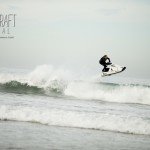
Ugh. Seriously, what gives? It was shorts weather last week! Well, for many of you either swimming in rain or wading through unwanted snow, we feel your pain…and so does Cargo Wave. Our favorite PWC trailer manufacturers are pretty sick and tired of the chilly weather too, but they won’t let the cold temps bring them down.
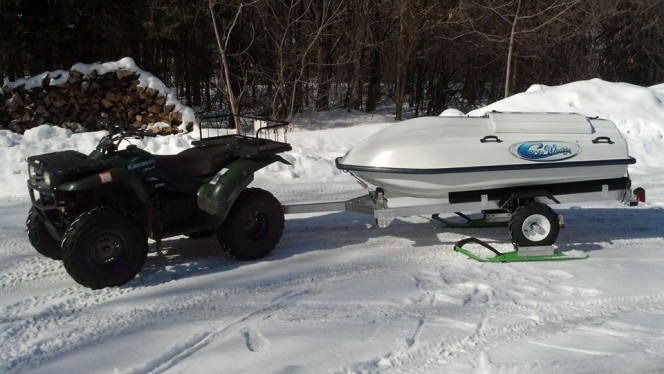
In a recent update, Cargo Wave announced the all-new Cargo Ski Adapters for your single place PWC trailer. These wheel-chocked skis are proto-tested, and according to the update, with “some tweaks, we’ll be set to go! Finished product very soon so stay tuned!”
Meanwhile, in another statement by Paul Thomas at Cargo Wave, “[We’ve] been crazy, busy, cold, snowy, busy, busy few weeks! [We] had a nice project for a few weeks at the Cargo Wave World Headquarters in Lakeland. The upcoming Spring Flood Run and Raffle is getting dialed in. Please visit floodrun.org for info on our Yamaha WaveRunner and Cargo Wave Combo raffle giveaway benefiting Gillette’s Children’s Hospital!”
It’s a discouraging thing for a personal watercraft enthusiast to wake in the morning to a front lawn blanketed in freshly fallen snow…particularly as they have been impatiently anticipating the final throes of winter to ebb. Many of us can’t help but feel just a modicum of despair when we watch the mercury slink down the thermometer yet again. Oh Spring, where art thou?
Nevertheless, The Watercraft Journal has yet to slow down. In fact, the circumstances are quite the opposite. Throughout the midst of this blistering season, the feverish pace of growth has yet to cease. Not only did The Watercraft Journal grow in readership – both new and returning – but in published content, advertisers and greater reach.
News articles published in February: 25
Feature articles published in February: 12
Total word count: 13,071 words*
*When this number is translated to print publication standards equals a 118-page magazine. Please note that this number does not include an average of two uniquely-written news articles published daily.
More Readers, More Frequently and More Often
Even with the deficit of February’s shortened calendar, the readership of The Watercraft Journal has grown both in sheer readership and in welcoming new, enthusiastic readers. Not only that, but in addition to its partnership with GreenHulk.net, The Watercraft Journal is welcoming more readers from more diverse of sources like X-H2O and Jalopnik.
January
Total number unique readers: 6,520
Total number of articles read: 19,281
Percentage of new readers: 53.4%
February
Total number unique readers: 7,372*
Total number of articles read: 20,172
Percentage of new readers: 57.8%
*This number is considered equal to an individual sale of a single copy of a magazine.
Getting The Word Out
Some are a little unclear about The Watercraft Journal’s use of social media. Much like how any print magazine worth its salt will shell over big bucks to purchase the premier spot on the newsstand, so too do we, only Facebook, Twitter, Instagram, YouTube, and our weekly newsletter are our newsstand. Because, there’s a few billion people using these mediums versus the few thousands frequenting brick-and-mortar bookstores.
January Facebook readers: 1,944
January Facebook weekly reach: 28,075
Top Five countries: United States, Australia, United Kingdom, France, South Africa
February Facebook readers: 4,476
February Facebook weekly reach: 87,034
Top Five countries: Argentina, United States, Brazil, Greece, Chile
Any Minute Now…
While the Northern Hemisphere is still waiting out our Endless Winter, The Watercraft Journal will continue to carry the torch of excitement for when the ice thaws, the leaves begin to sprout and temperatures fatefully begin to rise. There’s a lot of great content coming this month, including more freeride surf action, some awesome PWC fishing, the world’s fastest PWC and of course, more daily news, reviews and interviews from the fastest growing personal watercraft magazine, The Watercraft Journal.
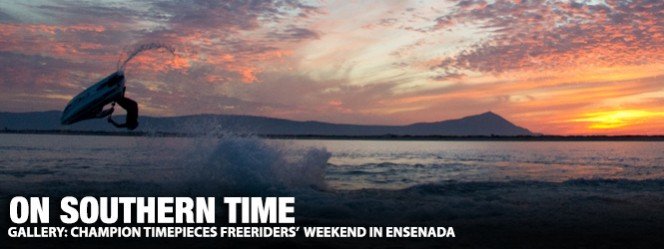
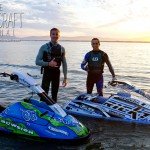
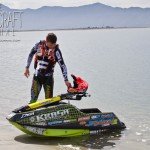
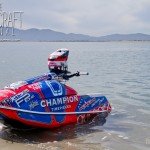
Ross Champion and Carl Gramberg invited the whole Champion Timepieces Freeride team for an exclusive weekend in Ensenada, Mexico.
Most people look forward to the weekend as their opportunity to spend some much needed time at home with friends and family, running errands, or just relaxing away from the daily grind of work.
Last week, I found myself looking forward to the coming weekend, not only to get away after a long work week, but excited to jump the border to Mexico and celebrate a long weekend with friends Ross Champion and Carl Gramberg for the release of their new Champion Timepiece watches.
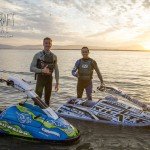
Ross and Carl had been planning this trip for months and their goal was simple; head to Mexico with the Champion Timepiece Freeride Team, consisting of some of the best freeride jet skiers in the world. Yes, you heard me right, the world.
Team riders include Zack and Jake Bright, Jake Montadon, Marc Sickerling, Pete McAfee, Randy Laine, Mark Gomez, Mike Serlin, Darin Anderson and of course, Champion Timepiece co-founders, Ross Champion and Carl Gramberg.
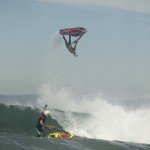
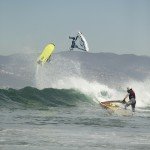
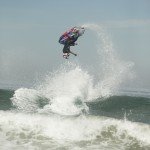
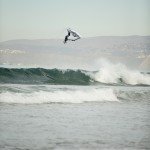
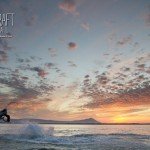
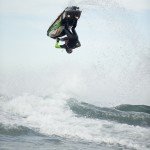
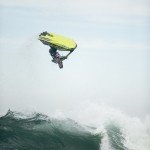
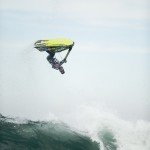
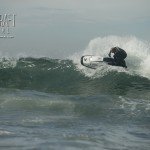
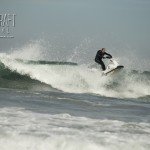
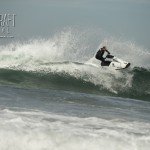
Freeride is like no other watercraft sport; even in the small and windy conditions, riders continue to push each other in a fun and friendly competition every time they ride.Chris Rosner made short work out of the smallish surf as the crowd gathering on the beach applauds.
From Southern California to South Africa, these riders traveled from far and wide to join in the celebration, good weather, and great freeriding. Although a few of the Team Riders were unable to make the trip, the rest of team packed up and headed south of the border to ride in some of the most remote locations in Baja.
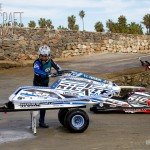
South of Ensenada, down a 25-mile dirt road, the team set up camp for two full days of freeriding. This exclusive team photo shoot was only the start of what was to be a great weekend in Mexico. The undisclosed location provided the team with great waves and even better photos.
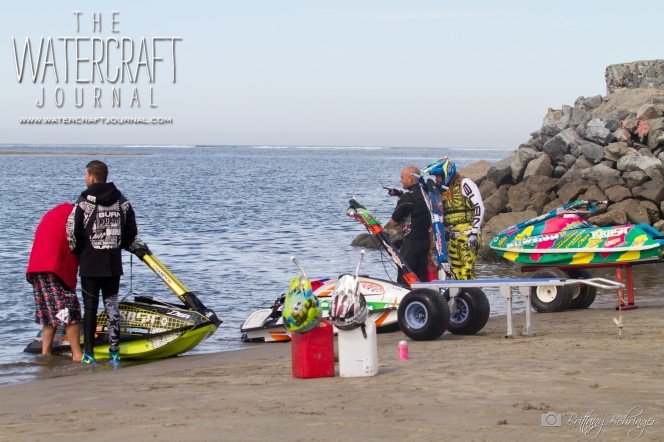
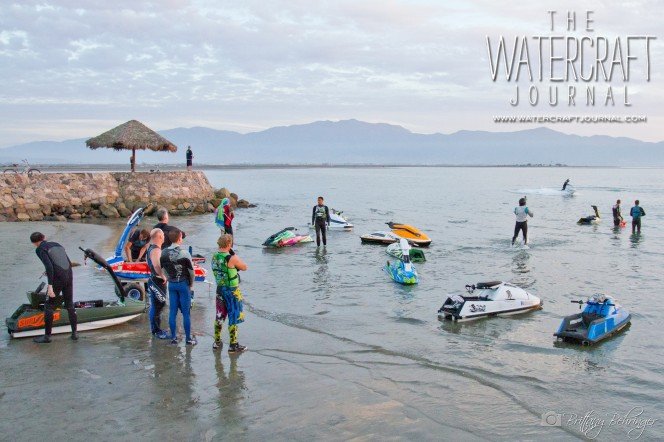
Saturday afternoon, the Champion Timepiece team arrived at Estero Beach Resort, where a group of their Southern Californian friends were riding the waves while awaiting their arrival. Riders such as Eddie Bettencourt, Chris Rosner, Curtis Udall, Josh Bernard, John Howe, Matt Smith, Derek Fischer, Fred the Frenchmen, and George the Greek, were occupying the beach until the Champion team arrived.
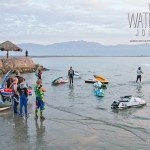
The group became quite the tourist attraction with around 20 jet skis riding the stretch of beach out in front of the resort. Crowds lined the beach watching the riders as they had a blast while dodging each other, trying new tricks and cheering each other on.Although conditions weren’t anywhere near perfect, with only 2-3 foot waves and a strong south wind, you know what they say, “When in Mexico, you just ride no matter what,” I guess.
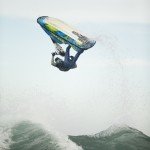
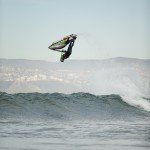
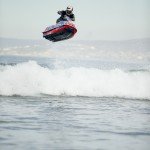
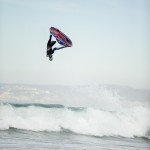
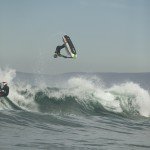
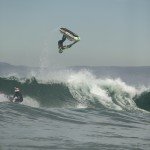
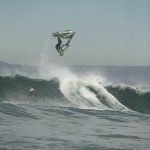
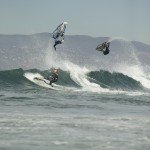
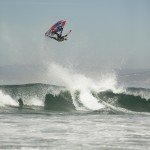
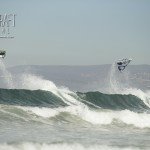
It was amazing to see the amplitude of aerial tricks as the shifting tide created ever changing wave faces.
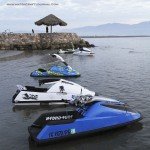
Everyone took advantage of the last few minutes of daylight, trading and trying every different jet ski in the vast array of machines in the group. This was a great opportunity for everyone to ride the different hulls and motor setups on the flat water of the lagoon to get a feel for the differences in each machine. It was so inviting that even The Watercraft Journal‘s photographer, Brittany Behringer, got out there for a spin around the lagoon for her second ride ever on a standup jet ski.
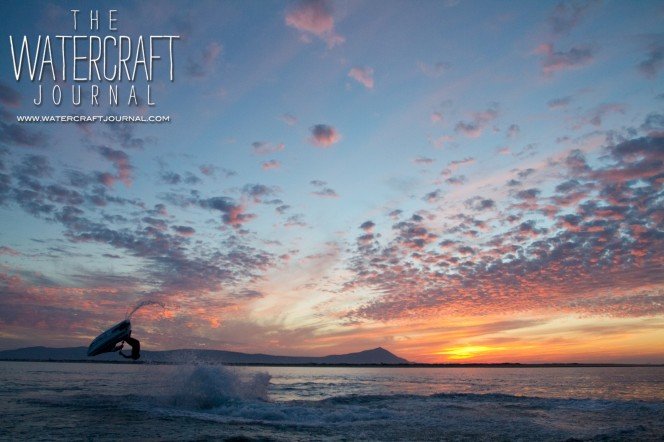
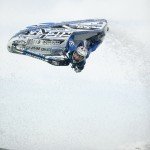
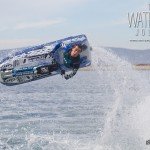
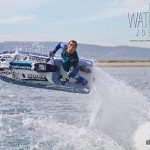
As the sun was setting, Mark Gomez put on a flat water freestyle show for everyone on the beach, riding his new Rickter hull, setup by TC Freeride. Although most of the group had never seen Mark ride on the flat water, he proved that his new Rickter/DASA setup launches him to a whole new amplitude, all while looking fresh with his beautiful white and blue paint job and matching JetPilot gear. But Mark showed everyone that his freestyle skills were much more than just looking good.
As the sun started to set, the riders headed back to the launch ramp exhilarated and exhausted after hours of fun riding in the surf.The Estero beach launch area has a beautiful beach and is often empty. The beach was about just about to get busy.
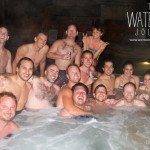
After all of the jet skis were loaded up or pulled up on the beach, everyone decided to storm the resort hot tub for a little relaxation.
At one point, there were about 25 people all crammed into one hot tub (and yes, it wasn’t all just guys; there were four girls who braved the waters).
It was great catching up with everyone and getting all the details about the team shoot portion of the trip. Chris Rosner and Mark Gomez even made a poor attempt at flirting in Spanish with some of the local girls.
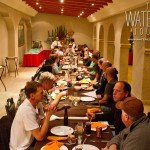
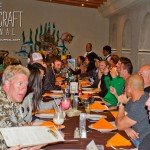
Following the hot tub session, everyone went back to their rooms to freshen up for a group dinner at the resort restaurant to celebrate and get their first look at the new Champion Timepiece watch.
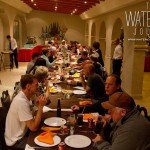
All 30 people joined in to share dinner, drinks and some pretty good laughs.
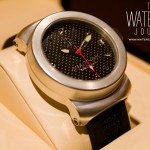
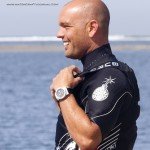
The new Champion Timepieces Fusion is a very sleek and lightweight watch specifically designed for jet ski enthusiasts. Much of the watch is created from the very same materials that has made our sport what it is today, namely Billet Aluminum and Carbon Fiber. The quality of this watch came at no surprise, as Carl Gramberg is the billet master and founder of Cold Fusion. With great people and a great product, we look forward to seeing Champion Timepieces take off.Mark Gomez just lifted off and was checking his Champion Timepiece for his estimated time of arrival.
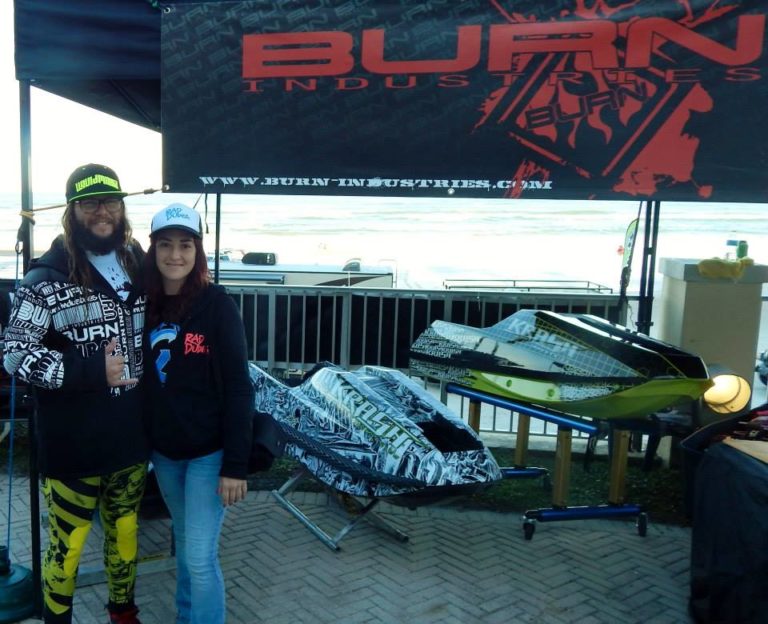
The next morning arrived with 2-to-3 foot, glassy surf conditions. The Burn/Krash Industries rig unloaded Jake and Zack Bright’s new Predator skis, as well as a JB1. Riders took advantage of the glassy conditions, only returning to refill for fuel. The shallow waters were crystal clear giving the ultimate views to the sandy ocean floor below.
Although the ride from the lagoon to the surf had some lingering sand bars, the shallow waters didn’t stop the riders from displaying their full bag of tricks. Huge backflip variations, underflips, barrel roll re-entries, and many great surf turns were a common sight that morning.
The Watercraft Journal‘s photographer, Josh Bernard, got some amazing photos from the sandbar with his Cannon 1DX inside a water housing. The waves and riders were far from the beach and could only be seen from a distance, but it didn’t stop our photographers from jumping in the water to get the shot.
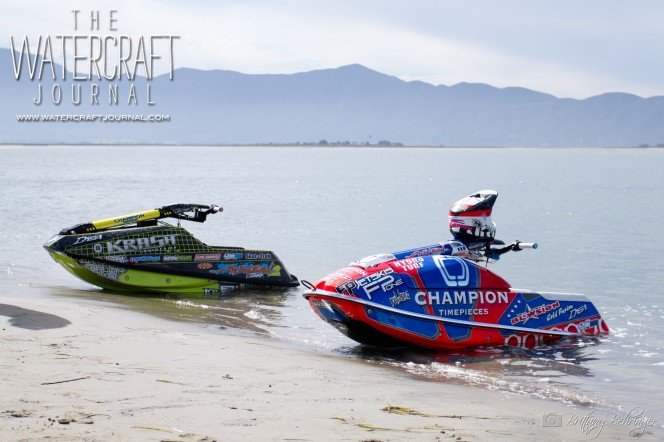
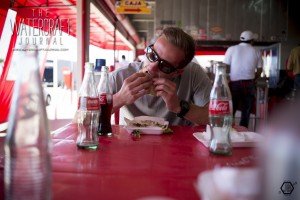
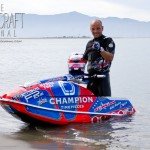
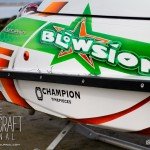
In addition to Ross’ signature Blowsion-painted FP1 “Champion Timepieces” edition ski, the Jake Bright’s killer Krash Industries boat.Chris Rosner: Destroyer of Tacos.
After a few hours of riding the glassy conditions, most of the group started packing up, as Sunday headed into the afternoon and the line back at the border can make for a really long wait.
Everyone had a great time seeing old friends and making new ones. There is something about the roar of a jet ski engine, the smell of gasoline and some great waves that really brings a group together.
As the group packed their skis and loaded up the cars, Ross Champion added, “I’m very appreciative of everyone that came down to the Fusion release party in Estero Beach. It was a great way to end an amazing trip.”
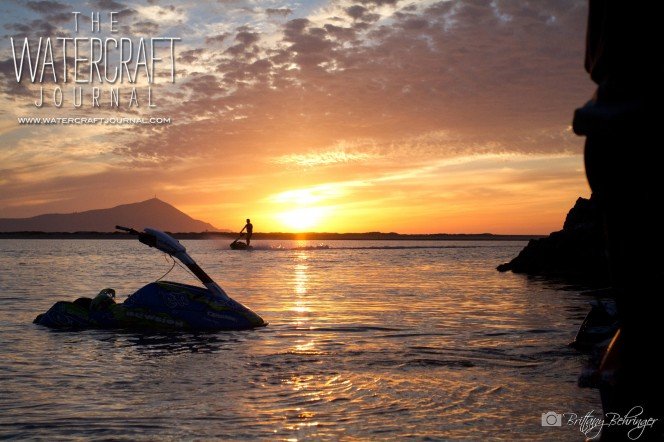
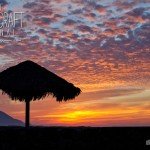
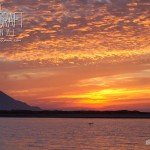
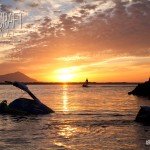
Mexico gifted us some amazing weather and sunsets the few days we were there.
Coming in after Sea-Doo, Yamaha is the second OE manufacturer to throw its support behind the grassroots-level racing series. Predicated upon the idea that far more people want to race who are dissuaded because of the cost of building over-the-top runabouts to compete, the AquaX series permits only minor changes to the handling components (sponsons, props, intake grates, ride plates, etc.) as well as steering and seat covers.
The best part is that PWC attrition is kept at a minimum as riders are more concerned with having a good time than worrying about keeping their skis from scattering across the water. We anticipate good things from the second year of this series and look forward to seeing starting lines full of racers.
Here’s the original press release:
Yamaha has embraced the vision of AquaX and will be helping to take the fast-growing championship to the next level as a supporting sponsor.
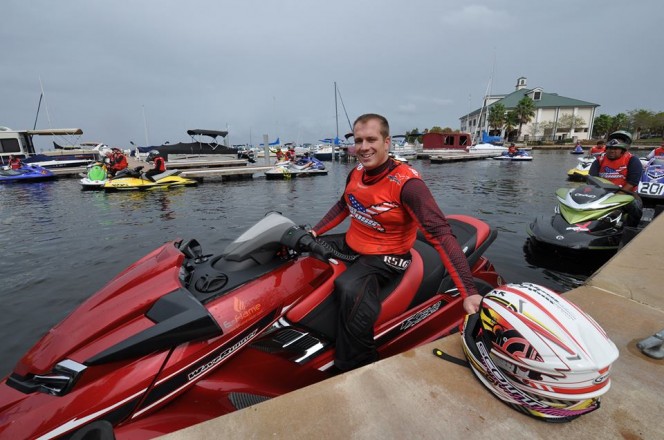
“AquaX and Yamaha are alike in recognizing the importance of growing participation in personal watercraft racing, which is why we are pleased to support AquaX in its efforts to provide additional organized platforms for doing this” explained Yamaha race director and former freestyle world champion Scott Watkins. P1 AquaX is promoted more to the amateur racer and recreational riders, and was successfully launched in the USA last year after establishing itself in the UK over the last three years.
Speaking at the head office of P1 AquaX USA in Orlando, Michelle Petro said: “Our championship is designed to provide an accessible and affordable platform for motorsport enthusiasts and to help develop the sport of watercraft racing from the ground up. The emphasis is on fun, safety and healthy competition, and this support from Yamaha clearly shows that leading manufacturers recognize the value of our concept and this.”
Yamaha rider Ron Levy was crowned 250 AquaX champion in the USA last year, and Yamaha will this summer be contesting the 300 class with its new FX Super Vortex High Output (SVHO) craft. Having completely overhauled the pump setup and installed supercharged power matched with upgraded performance components, Yamaha will be in search of more honors this season. One rider eager to make his mark is Troy Snyder, who raced in the final round of the P1 AquaX USA Championship last year. “I’m very happy to be riding for a manufacturer that rolls out the red carpet for its riders and can’t wait to use the power of the new SVHO power plant” enthused Troy.
The 5-venue AquaX season gets underway at Daytona Beach on 26/27 April.
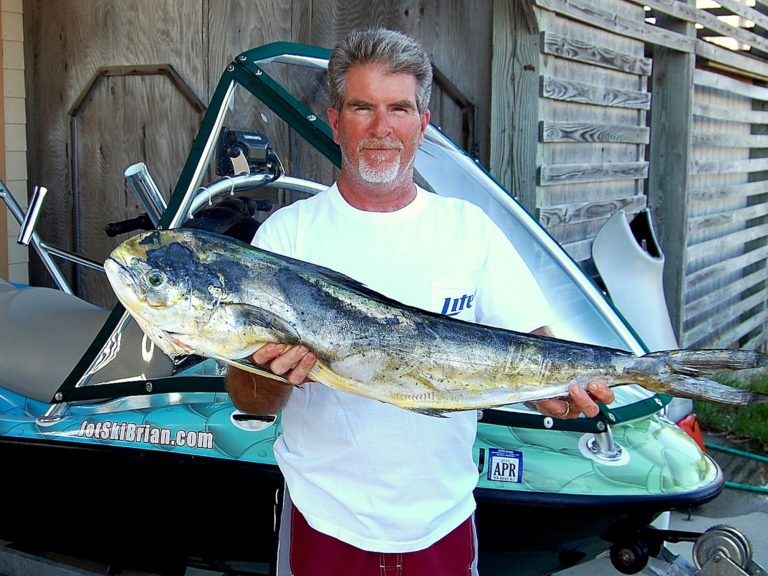
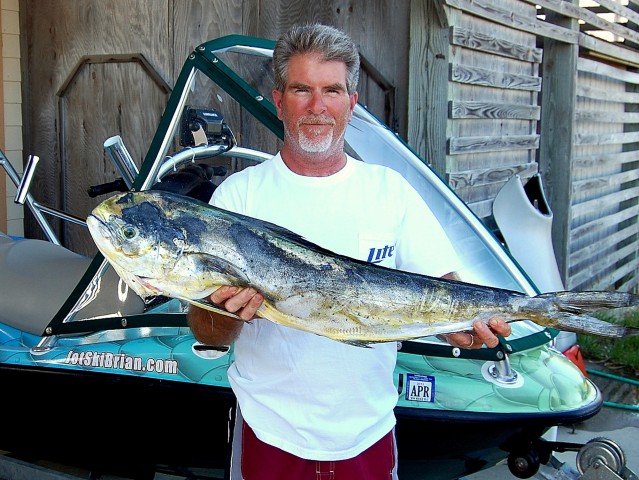
All of us are very excited to announce that America’s most noted PWC fisherman, “JetSki Brian” Lockwood, author of www.jetskibrian.com as well as the proprietor of Jet Ski Fishing and Adventures Inc. has partnered with the Internet’s fastest growing personal watercraft magazine, The Watercraft Journal
We are champing at the bit to begin sharing the many awesome feature articles that Brian has already written on his blog here. Late in the summer of last year, Brian’s exploits earned him quite a bit of attention after capturing some absolutely gorgeous whale breaching images with his camera. “The fishing wasn’t all that great,” Brian laughed, “but the whales were magnificent.” According to the report, “He has now taken jet ski fishing to great lengths and has caught just about every fish you can off the coast of Virginia. His ultimate goal is to land a blue fin tuna.”
In addition to being a seasoned fisherman who has taken the Virginian coast by storm on his PWC, Brian is also quite the talented photographer and chef! Most of Brian’s blog posts include a quick look at how he turns the day’s catch into a scrumptious meal.
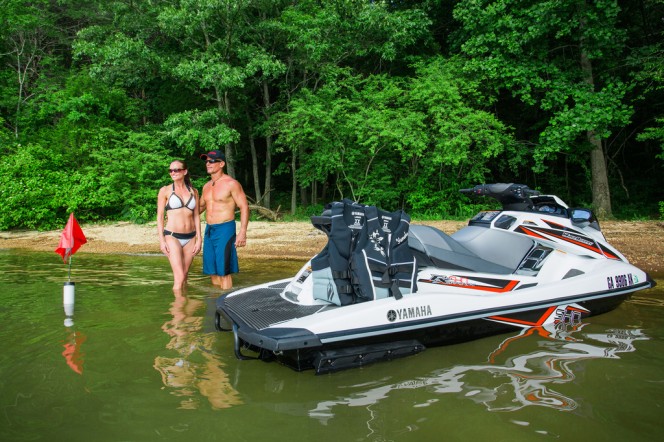
Brian first came into the world of PWC fishing by using PWC to catch some bait fish, but as fishing by watercraft soon revealed itself as an affordable and entertaining alternative way to enjoy the sport he loved. Brian soon after began modifying his Yamaha WaveRunner with reel holders, a GPS fish finder, a bait tank, and extra fuel cell and even a windshield. Never one to shy away even when the weather turns, Brian can be seen layered up, from a drysuit to a rescue jumper, keeping himself warm and dry even in the wettest of seasons.
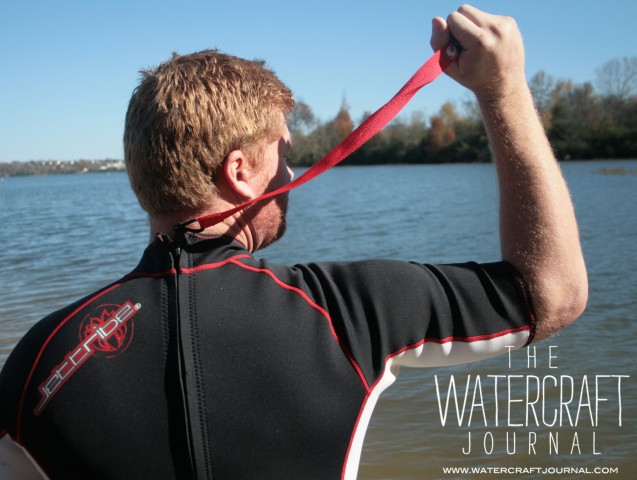
Pictured: Jettribe’s RS-15 on somebody who is definitely not comfortable modeling wetsuits.
Although winter is putting up one heck of a fight, temperatures across the Northern Hemisphere are finally ticking upwards (albeit a little too slow for this Southern Californian’s blood). Nevertheless, for most of us who are still trekking out into the water, it’s still wetsuit weather. That is why its still important that we at The Watercraft Journal continue providing our in-depth reviews of some of the best gear your can get your hands on.
Jettribe continues as one of the only riding apparel manufacturers tailored specifically for personal watercraft enthusiasts and racers. The brand philosophy of race-grade equipment and gear for everyday use holds true in nearly everything they produce, most notably their RS-15 Race Suit. The red/black/white affair is one of Jettribe’s more attractive offerings in our opinion, as it is one of their more subdued designs.
The two-tone suit is clean, attractive and uncomplicated, featuring red stitching and highlights. Even with its racy features (more on those in a minute), the RS-15 suit’s subtlety is more our style.
In fact, much of Jettribe’s design aesthetic is a cacophonous collision of brilliant colors, zigzagging angles and patterns, which is outstanding for maximum visibility – particularly out on the race track, but might not be the most appealing to everyday casual riders.
Jettribe’s commitment to the personal watercraft industry – particularly to PWC racing – is evident in their incorporation of race-grade features and materials in to all of their products.The RS-15 features heavy duty rubber-injected knee pads to provide extra traction and knee protection.
Made from a two 3mm neoprene panels front and back (and around the legs), with thinner 2mm white panels along the sides, the underarms and waist, the thicker neoprene provides increased warmth and protection while the thinner side panels permit greater flexibility and comfort. We noted the difference in the two materials immediately, and were thankful for the improved range of motion.
The flexibility in the arms and shoulders was great, and the thinner 2mm underarms provided much needed breathability. We did note some bunching of material behind the knees, but that came as an exchange for the warmth the thicker 3mm neoprene provided. Since we’re still riding in pretty cold weather, we’ll happily live with some extra material behind the knees for staying warm longer.
Unlike traditional neoprene which is designed for users to remain submerged the whole time, Jettribe’s proprietary material is designed to provide an insular “barrier which slows down the conduction of heat, allowing the body’s heat to be retained.”
It’s funny when our favorite part of the RS-15 is the elongated zipper tether. It only comes from years of trying desperately to reach straps that have been way to dang short. Thank you Jettribe for sweating the small stuff.
And trap in heat is does. Even with air temperatures in the mid-40s, we were dripping with sweat. It was only when on the throttle did we find relief, as the thinner side panels provided some thankful cooling.
Our only major gripes with the RS-15 were secondary: mainly some extra bunching up in the knees and the “Jet Grip” printing that didn’t stay on for very long.
As mentioned, Jettribe’s commitment to the core industry, particularly PWC racing, is evident it its incorporation of so many features even into its most entry level products. The RS-15 includes rubber-coated eye-rings at the end of each zipper, the two located behind each ankle, and at the end of a much-appreciated elongated tether for the back.
The RS-15 also features Jettribe’s “Jet Grip” textured printing along the inner thighs and legs. While this is intended to provide seat additional traction, we found it a little awkward while walking (like corduroy pants). Additionally, after a season of riding, don’t expect to see much of it left. The printing tends to peel off after hours of use.
The RS-15 also features large rubber-injected knee pads for added grip and protection. While most recreational riders won’t have much need for these, they do help in boarding runabouts or getting up on a standup rather well. They’re well integrated into the material and didn’t show any signs of tearing even after all the time we put on the suit.
All in all, the RS-15 was one of the better products we had the pleasure of using from Jettribe. The inter-locking flat stitches were comfortable against our ski, the fitment was comfortable and flexibility and range of motion (especially for a thicker wetsuit) was the best we’ve seen from the brand.
It’s a beautifully reassuring thing when the whole of the jet skiiing community gathers to support one of its own. Recently, an online HARP fundraiser was initiated for Amanda-Rae Poirier, who as of February 24th was admitted to the hospital for surgery. Amanda‘s friends and family have received an influx of emotional and financial support to help cover extensive medical expenses not covered by insurance and the expected loss of wages while recovering from surgery.
The flood of support has been extensive, and we hope that the readership of The Watercraft Journal can help in the effort. Currently, the goal is $10,500. Many have already pitched in in a big way. In fact, we noted a post on Amanda’s Facebook wall that read, thanks to “Brian Vergin from Thrust Innovation for auctioning off a amazing trim system.” That’s the kind of people in this sport and we’re proud to be a part of it.
All of us here at The Watercraft Journal wish Amanda a very speedy recovery.
Here’s the original post on Amanda’s HARP fundraiser:
On behalf of Amanda and her Family I am happy to report that in just 2 days of initiating the H.A.R.P. online Fundraiser, through the overwhelming response of prayers, support and donations we are at 81% of the online minimum goal of $5,500. Thank you to all for showing what prayer, friendship and support can do. It’s an amazing thing and after having many conversation with Amanda and her family and reading her posts on Facebook there is no doubt she is Completely Overwhelmed and Overcome with joy and love for all of this.
As Amanda and her family gears up for what is certain to be an emotional rollercoaster the next few weeks (Surgery 2/24/14), I want to take this opportunity to remind all Family, Friends, Supporters and Followers of Amanda, that Amanda’s challenge is just beginning.
When the Fundraiser goal was set it was set with the hope that we would garner the support to reach the bare minimum financial goal of $5,500. Due to the overwhelming showering of support and donations from family, co-workers, friends and friends of friends we are raising the Goal to ensure that Amanda has the financial backing that will ease her mind. This will ensure that Amanda can concentrate on making a full and complete recovery while facing the Mental and Physical challenges of Recovery all the while not having to worry about the inevitable surprise medical bills and related expenses.
The new H.A.R.P. Goal is now $10,500. Please spread the word and continue sending the prayers, support and donations and hopefully soon, we will see new post-op pictures of Amanda on her Jet Ski doing what she loves to do out on the water. Together, we can help Amanda get through this.
What do you get when you combine Japanese engineering, American build-quality and German precision? You get a Yamaha WaveRunner making more horsepower than some of the world’s fastest sports cars. That’s what. We only recently heard of CMJ4Tec (Custom Made Jetski) and their 500-plus-horsepower Yamaha FXR500. Although recently featured in a copy of Jet Ski Magazine International, we’re figuring you’re like us and are learning about this amazing machine for the first time, so here’s the quick version:
This is no ordinary FX SVHO. Retaining the top NanoXcel deck, CMJ cuts 170 pounds by using a carbon hull.
The turbocharged machine begins life as a 2014 Yamaha FX SVHO. Building upon the stellar 1,813cc four-cylinder, four-stroke, CMJ’s initial goals were to eke out the maximum power in addition reliability. And as we know, force-fed four-bangers aren’t terribly reliable at those kinds of speeds.
The block was bored over to 86mm x 78mm and sleeved, as the reciprocating assembly was equally modified with a knife-edged, rebalanced crank, new redesigned domed pistons. The top end equally was re-engineered with a pair of custom ground cams, and titanium valves and springs.
Unique to this build and proprietary to CMJ is the CCCS turbo header (or Co-Centric-Collector-System). Spooling this monster upwards to 22-to-28psi is a Garrett GTX 3076RS Turbo capable of spitting out 640hp. Also specific to this build is CMJ’s custom aluminum intercooler. A quartet of big injectors and a programmable Motec M1 ECU feed the beast with two brains – double maps serve to offer exact holeshots each round while the second map is activated by switch during the race.
There’s a metric ton of other innovations on this craft (like being 100-percent carbon fiber) and running a massive 14-vane 165mm Skat-Trak pump, so make sure to go to their site to read up. But until then, enjoy watching this killer in action below:
Yamaha WaterCraft made a huge announcement that slipped through the cracks for many in the PWC community (thanks in large part to the 10th annual Mark Hahn Memorial Havasu 300 taking place this weekend), so we’re going to dust this one off for those who missed it: Yamaha has signed on as the exclusive boat and personal watercraft sponsor of the Monster Energy AMA Supercross for 2014.
Yamaha, who remains the single OE manufacturer to continue producing the only production standup – the SuperJet – still retains its close ties to motocross racing. This partnership will result in a larger presence of Yamaha boats and watercraft at AMA Supercross tour stops throughout the nation, starting last February 22nd in Atlanta and running through the tour, ending in Las Vegas on May 3rd.
You can read the whole announcement HERE:
Yamaha WaterCraft, a division of Yamaha Motor Corporation, U.S.A., and Feld Motor Sports® today announced it is has joined forces with Monster Energy AMA Supercross, an FIM World Championship, as the exclusive boat and personal watercraft sponsor. Building on Yamaha Motorcycles’ close collaboration with Monster Energy Supercross and the company’s rich performance heritage, Yamaha WaterCraft will showcase its best selling line of high performance sport boats and personal watercraft at the tour stops beginning on February 22, 2014 in Atlanta through the racing finale in Las Vegas on May 3, 2014.
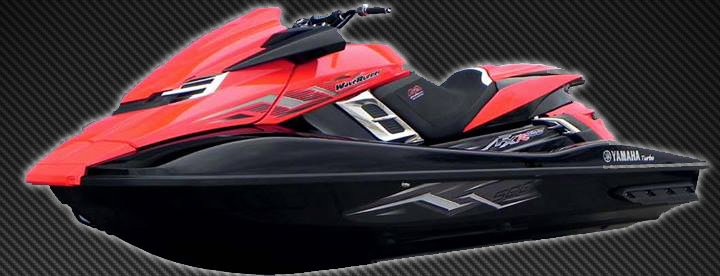
Yamaha’s 2014 212X performance wakeboard boat and its 2014 FZR high performance WaveRunner will be showcased in the Monster Energy Party in the Pits alongside the Toyota / Yamaha / JGRMX team. Yamaha’s top of the line luxury performance boat, the 2014 242 Limited S will also be prominently featured on the track at all racing events.
In addition, event goers can visit the Yamaha booth in the pit area and enter a sweepstakes for a chance to win a 2014 FZR WaveRunner, the best performing production WaveRunner ever created.
“The demographics of the motorsports and outdoor enthusiast matches the profile for our boat and personal watercraft buyers, and by teaming with Monster Energy Supercross, these attendees will be able to see the products first hand, and see why they’ve become the best sellers in the industry,” said Yamaha Watercraft’s General Manager Bryan Seti. “Yamaha has a strong presence in Supercross racing, and it’s only natural to bring these products closer to an enthusiast community that is interested in the breadth of products offered by the brands that support Supercross racing.”
“Yamaha has been a long-time sponsor of Supercross and adding their performance sport boats and personal watercraft to these eight races will give fans an opportunity to check out their new product line in the Monster Energy Party in the Pits,” said Todd Jendro, vice president of two wheel operations, Feld Motor Sports.
Yamaha Watercraft products will be featured at the Atlanta, Indianapolis, Detroit, St. Louis, Houston, Seattle, East Rutherford, and Las Vegas race events.
Yamaha Boats are the number one sellers in the 19-foot, 21-foot and 24-foot runabout categories, and Yamaha WaveRunners are the number one selling personal watercraft in the performance, luxury performance and value segments.
Hundreds came from across the globe to compete in what has become a benchmark in competitive PWC racing.
It was in April of 2004 when regional long distance endurance racer, Mark Hahn passed away during an event in Parker, AZ. To commemorate the fellow racer and dear friend, Yamaha/R&D Racing’s Mike Follmer organized the first ever Mark Hahn Memorial Havasu 300 on the shores of Lake Havasu Island.
Only a couple dozen others joined Follmer that first year, a pale comparison of the 58 multi-person teams that showed for this year’s event, happening a decade later.
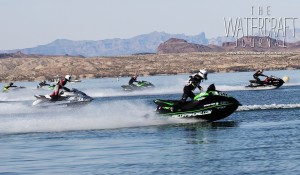
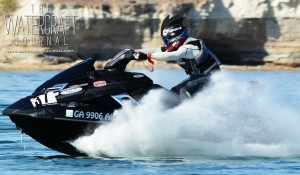
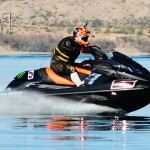
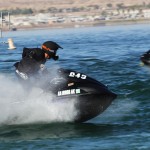
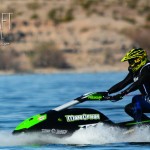
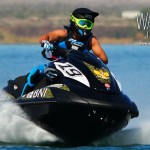
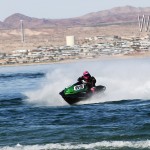
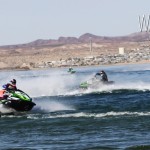
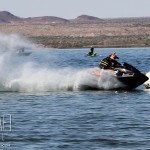
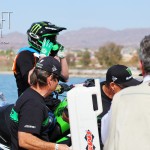
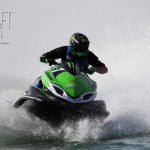
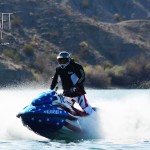
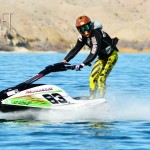
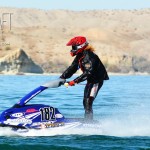
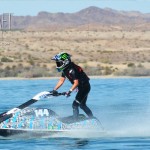
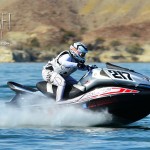
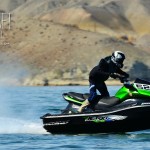
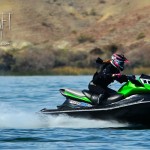
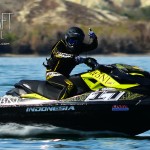
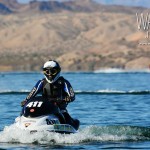
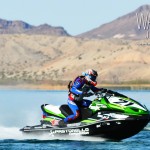
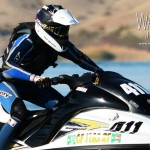
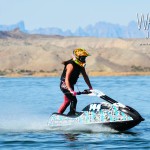
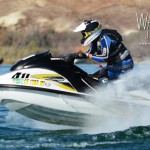
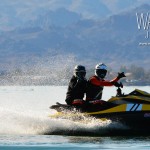
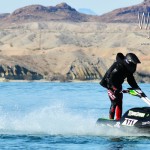
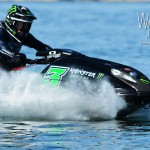
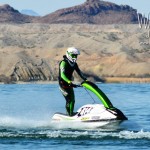
Although still winds made for smooth waters, otherwise giving Yamahas and Sea-Doos a clear advantage, it was the larger, big horsepower Kawasaki Ultras who survived the 300-mile enduro.Although the larger runabouts suck up much of the attention, it’s those riding the smaller standups who truly accomplish a feat of strength, eating up each 10-mile lap.
“Who would’ve thought where we’d be 10 years ago? This event has truly made a mark on the industry – it’s a world recognized event,” Follmer told The Watercraft Journal.
Over 14 nations were represented at this year’s Memorial 300, who lined the shoreline of the Crazy Horse Resort this past February 22nd. “Without our sponsors none of this would’ve been possible. That, and the racers. It’s very impressive how this has become a lifestyle event. Just to finish is an achievement.”
Although finishing the Hahn has its merit, the sport’s very best came from across the globe for a chance at glory, to win outright. Half of last year’s winning Pro Runabout team, 18-time IJSBA champion Chris MacClugage sought the impossible: winning both the Pro Runabout and Ski classes.
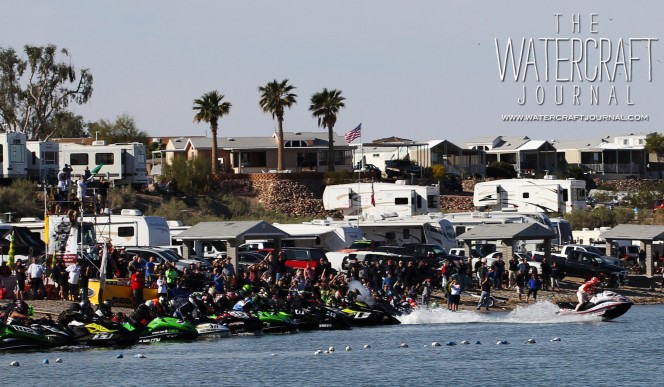
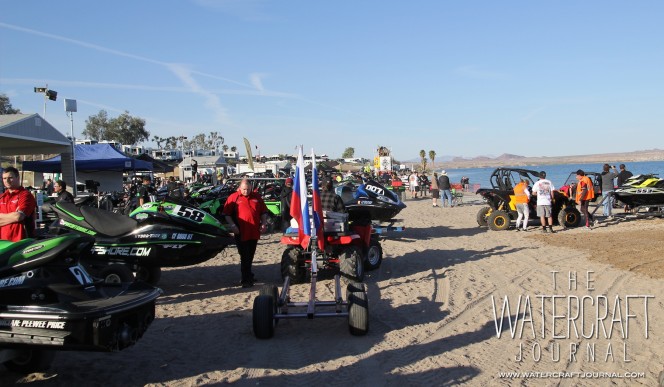
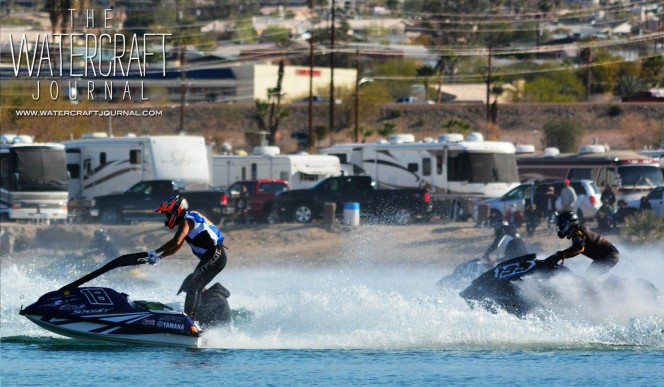
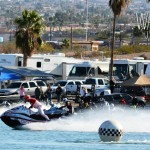
When the starting shot was fired, it was France’s Jeremy Portet who impressed, streaking out ahead of the pack like he was given a head start. Russell Marmon and Chris MacClugage soon reeled him in.The initial dash to the first turn boat is a wild one, as 58 riders fly towards one single point, with the faster units churning up the glass first.
This feat would require an extraordinary amount of training, preparation and planning to coordinate how Macc would trade between a wickedly fast Yamaha FX SVHO and a Bullet Racing V2 standup featuring a Wideboy hull capped with a lightweight deck.
Sporting a Skat-Trak pump and impeller, and powered by a Limited SX-R 800 twin and ADA cylinder head, the crew manning the #3 Bullet included Aaron and Andrew Gewecke in addition to MacClugage.
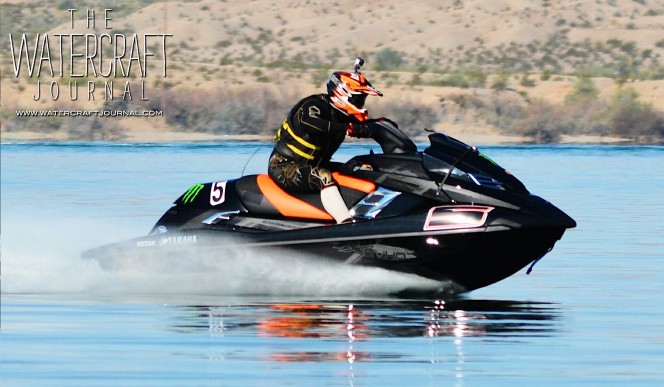
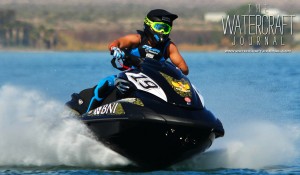
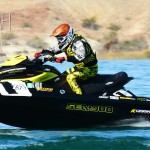
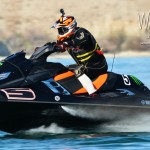
Chris MacClugage’s plan was so insane it just might’ve worked: Macc entered both Pro Runabout and Pro Ski classes, trading off between team members on two very capable PWC. Unfortunately, during Lap 15, Macc’s wickedly fast SVHO Yamaha broke down, leaving him to refocus on winning Pro Ski.The tenth annual Hahn 300 brought out some of the biggest names in racing, including Mike Klippenstein who rode his #212 Yamaha SVHO.
The previous Ironman champion from 2012, Russell Marmon, opted to team up with Sylvain Ente. Similarly, last year’s UWP-IJSBA Watercross Tour Stock Class champion Eric Francis paired with Anya Colley, as Canada’s Amy Green joined Lake Havasu local, Eric Burton in the Veterans Class.
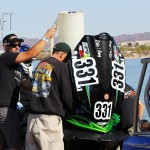
“We rode in memory of Myles Andreasen, a young local Havasu resident,” Green explained to The Watercraft Journal. “He passed away last year unexpectedly. So, we rode a Kawi Ultra with Myles’ #331 in his honor.”
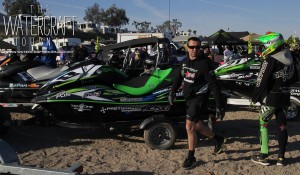
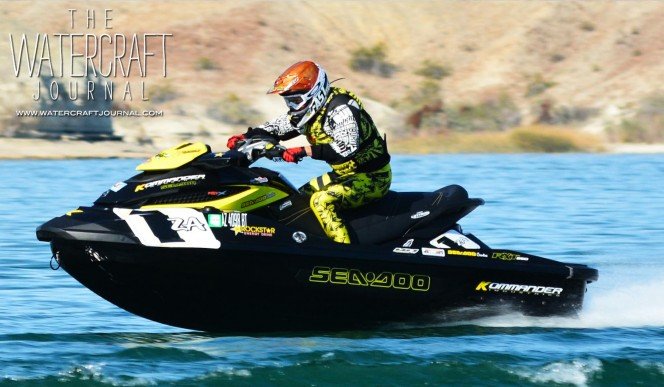
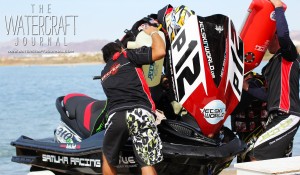
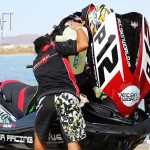
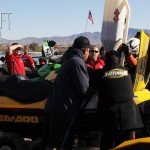
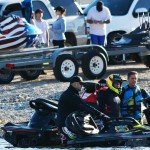
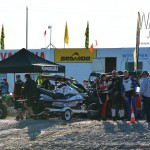
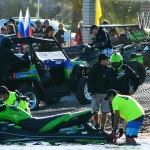
Kommander Industries’ Dustin Motzouris partnered with Jared Moore, who rode a Kommander Industries-built, Sea-Doo Centre-powered RXP-X. The two sported all-new Burn Industries gear to boot.The Mark Hahn Memorial is quite literally won or lost in the pits. Expensive “quick fill” fuel systems are central to clocking competitive pit stop times.
Tony Beck, who worked alongside Andreasen at Walt’s Motorsports, also competed in the Veteran’s class with legendary racer Chris “The Fish” Fischetti.
Craig Warner, who won the Overall championship in 2009 with the complete Kawasaki Racing crew behind him, sought to clench not only the Overall win, but that of Pro Runabout and Ironman simultaneously.
The Hahn’s traditional Le Mans-style start poised the record number of racers along the pebbled shoreline. “Havasu had been pretty flat most of the last couple of months,” Amy Green said. Gentle 3-to-4mph winds did little to stir the still water, promising a very fast race. The standing record stood at 4 hours and 12 minutes (set by Warner). Whether it would remain was on everyone’s mind.
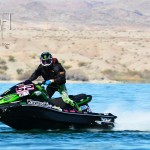
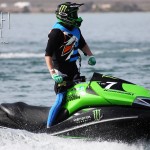
National Tour Stock class champ, Eric Francis, who rode his Monster Energy Kawasaki all the way to a second place behind Marmon and Ente. His place came only through his team and pit crew.The action on the beach was just as frenetic as it was on the water. The smooth conditions shook out a lot of built skis, shaking the ranks of skis that finished to less than half of the original 58.
The sudden staccato crack of the starting pistol (a 12-guage shotgun) sent them sprinting to their waiting craft. France’s Jeremy Poret would explode from the lineup, distancing himself before Marmon and MacClugage’s wickedly fast Yamaha reeled in his Ultra.
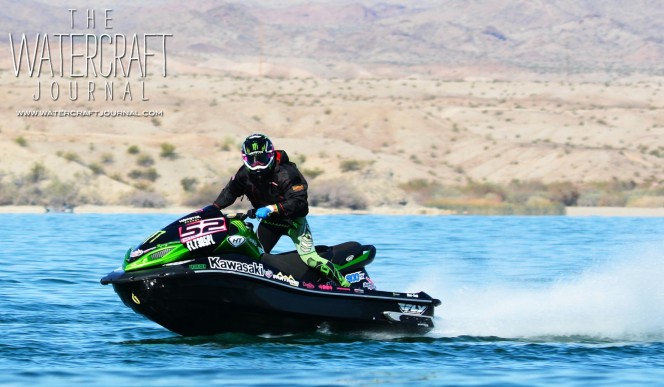
MacClugage’s SVHO quickly devoured the course, greedily chewing up the 10-mile lap and put a 30-second lead on Monster Kawasaki’s Warner, who’s 310R whistled with the banshee cry of a high-spinning turbo.
For lap after consecutive lap, it was between the Yamaha and Kawasaki, with literally a minute’s cushion between them and the rest of the pack. In fact, it would be until MacClugage had completed nearly half of the 300 miles before he would hand over the lead to Warner due to a mechanical. Sadly, Macc’s SVHO wouldn’t be alone. The high speeds led to a gruesome attrition rate.
The new 2014 SVHO-powered Yamahas were on hand in a big way. Dennis Mack’s Stock class FZR wasn’t alone on the field.Flyin’ Brian Smith tested his mettle, but thankfully didn’t need to change much for the glassy conditions; plugs and add fuel. He joked, “We thought about changing the timing with my pro ignition but we didn’t feel it was necessary.”
Newly relocated Kommander Industries Rockstar Energy racer Dustin Motzouris recalled, “[Because] the water was so smooth we had good top speed but our rev limiter was cutting out on the fuel map and this lost us a ton of time. We also ran out of fuel on [teammate Jared Moore]’s first run, so that set us back too.”
Green likewise underestimated the rate of fuel consumption, “Due to the conditions being so calm, the fuel consumption was at a faster rate than many planned for. There were a dozen boats towed back to the pits after running out of fuel on the track, much more than year’s prior.”
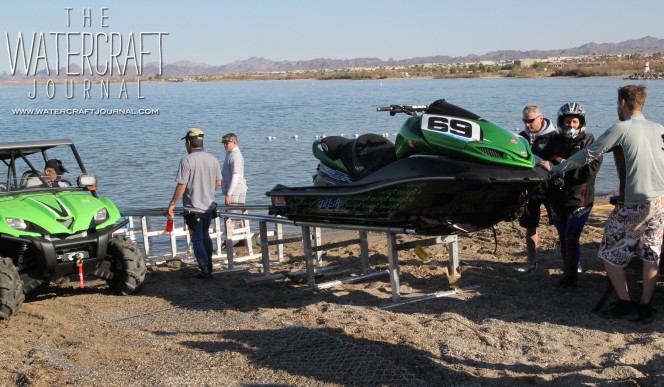
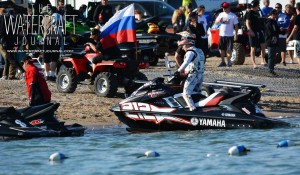
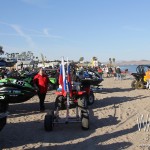
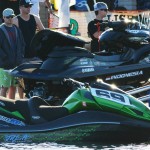
Before the skis hit the water, pit areas were marked and designated for each respective team.Since it’s beginning 10 years ago, the Mark Hahn Memorial 300 has welcomed hundreds of different competitors from nations around the globe, and there’s no sign that anything will be slowing.
“We had an issue with the back pressure in the quick fill system, and fell a bit short on one of the fuel stops ourselves, so I found myself getting a tow back, too. That cost us quite a few laps and took us out of the 4th place overall position we had been running.”
With fuel being a major concern, Francis and Colley had a quick fill system installed to his ’13 300X by Steve Webster at Kommander Industries. Francis beamed, “We had zero issues and ran a solid race all day and everyone from the pit crew to the riders worked as a team and smoothly.”
There are very few other venues where you’ll find standup racers and runabouts sharing the same track at the same time, especially for over four consecutive hours.Never without his iconic fishtail mohawk, Chris “The Flying Fish” Fischetti partnered with Tony Beck to dominate the Veterans class aboard a SVHO FX Yamaha.
By the twentieth lap nearly 35 skis out of the original 58 were still running. By the end, the numbers were even fewer. There were even two skis that only made a single lap, one of which being the legendary Tera Laho.
Unique to the Hahn is the pit stop. Each team is required to pull their craft completely out of the water to refuel, and spillage can result in disqualification. Quite literally, the race can be won or lost in the pits. PWCOffshore competitors Mark Gerner and KC Handler enjoyed the benefit from a pit crew who ran like clockwork, recording a near 30-second stop.
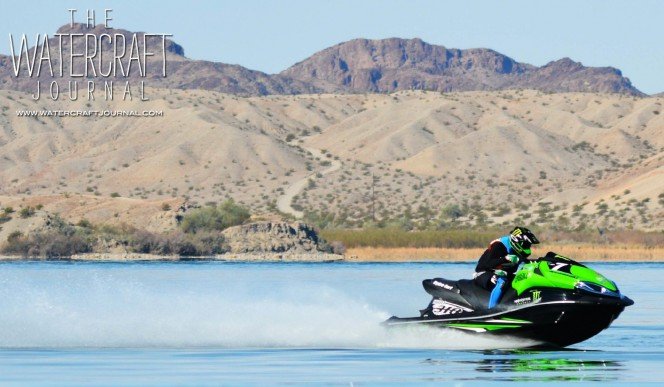
Monster Kawasaki racer Craig Warner returned back West from his new home in Georgia to claim not only the Overall win, but both the Pro Runabout and Ironman titles.Warner continued, “Thanks to my sponsors Monster Energy, Kawasaki, Troy Lee Designs, Hydro-Turf, Skat-Trak, Slippery, Mountain Motorsports, WWR Products, and my family.”
As the timer passed the speed record, it was up to Warner to keep his craft together long enough to turn his lead into a win. And at one minute and 24 seconds past 4 hours and 30 minutes, he did exactly that.
Elated, Warner stated, “I cannot explain how hard it is to get prepared for this race, and everything come together so well. I would like to thank my team for an outstanding performance in the pits and my mechanics setting this PWC up extremely well.”
KC Heidler and Mark Gerner played it safe, and ran a almost completely stock ’14 Ultra 310R hoping that keeping the ski within factory tolerances would ensure zero breakage.Every year, one of Mark Hahn’s iconic GP Yamahas are raced. This year his son-in-law was honored to ride.
MacClugage, whose Yamaha had been trailered earlier, joined his teammates to bring in their Monster Energy ski in for the win in Pro Ski Open.
Mark Clemons, who alongside John Carter, provided The Watercraft Journal with the awesome photography you see here, had this to say, “Mark Hahn was a personal friend of mine. I raced with him, and spent hours upon hours in his garage just talking racing. I was on the track with him the day he died. It was a tragic day. I lost one of my very best friends.”
But through Mark’s legacy and the friends who knew him in life as well as those who have come to know him, we have all gained new friends, grown together and come to call the Mark Hahn Memorial Havasu 300 one of the greatest traditions in our sport.
It was 10 years ago that the sport of personal watercraft racing lost a good friend and champion. But because of his loss, the sport has grown closer as a community through this event.