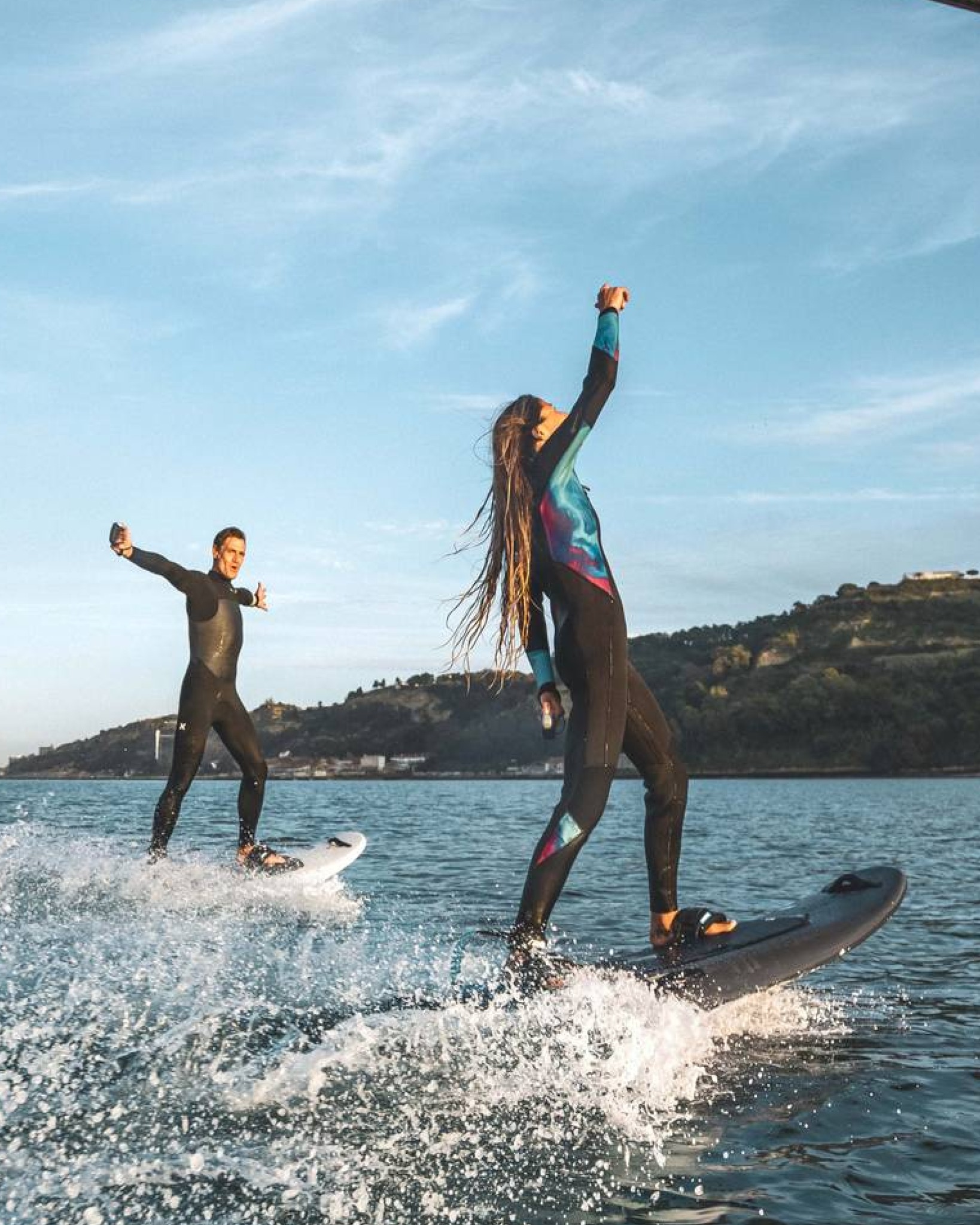
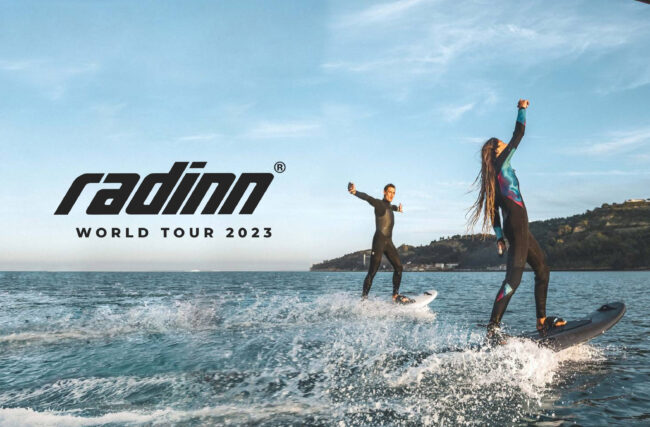
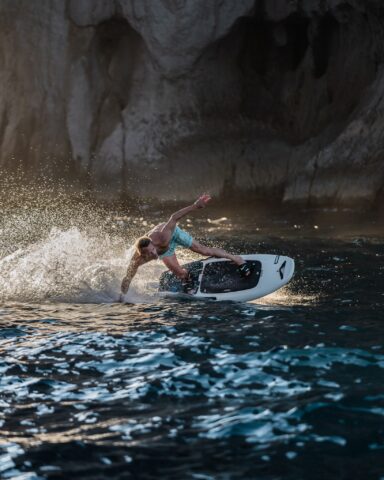
The Radinn crew has wrapped up the last leg of their European tour and are heading to the United States to continue celebrating their ten-year anniversary. Catch up the crew at an event on the east coast.
The first stop is in Hilton Head, SC on June 11th, and 12th. The team will be in Lake Oconee, GA on the 13th and in Lake Lanier, GA June 14th, and 15th. The crew heads north to Rockaway Beach, NY for an event June 16th and 17th.
You can let them you want you to catch up at one the events by filling out a form online. Sign up for live demos, rentals, events and more. This is your chance to hang out and ride with the world’s leading electric jetboard company.
This is also an opportunity to discuss setting up your own Radinn plug ‘n’play business. Don’t miss this opportunity of a lifetime to make waves with Radinn. Test ride one of their bad ass electric jetboards and experience what It’s like to feel instant happiness.
Skill level doesn’t matter when learning to ride a Radinn jetboard. There are boards suitable for all skill levels and they’re quick to figure out. You can be up and riding in minutes.
Head over to the Radinn site and register to meet the crew at one of their upcoming east coast events. If you sign up for the Rockaway Beach event, you can catch the Red Bull Foam Wreckers surf event. Go have some fun and get to know Radinn!
It’s a bit of a “no brainer” for those of us with experience that a personal watercraft cannot go if there’s no thrust pushing out of the nozzle; but to the neophyte the idea of applying throttle when trying to avoid an obstacle or collision can be counter intuitive to say the least. That was the thinking behind Kawasaki’s automated Off-Throttle Steering (OTS) system.
This feature has the tendency to catch some riders by surprise. As they quickly release the throttle, the ECU will apply a little extra thrust to keep the JetSki in motion. Of course, a sharp-and-short blip of the throttle will deactivate this, but again, this tip is for the newcomers. Nevertheless, the OTS activates to help the rider steer clear of an obstacle and you cannot steer without thrust.
So what are you supposed to do if you’re a more experienced rider and do not want OTS kicking on every time you chop the throttle, there’s a very easy and non-invasive way to deactivate it without your ECU throwing a code – and the Kawi gurus at Brisbane Kawasaki and Kspeed put it all into a quick video posted to their Facebook page earlier this week. Watch:
If you have ever owned a Slippery life vest, pair of gloves or other product, then you have probably never gone back to any other brand. Slippery is known to produce some of the most comfortable, reliable and safe gear, not to mention appealing to the eye with an assortment of colors and designs.
Many watercraft dealerships and marinas carry the Slippery line, but we here at The Watercraft Journal wanted to make sure you could find the closest dealer to you that is carrying all of the newest 2023 Slippery products.
Jump on over to Slippery’s website and then click “How To Buy” at the top of the screen. On the new page you simply type in your zip code or city and state and how far out you want to search. It’s really that easy!
If you don’t want to go to a brick and mortar store, Slippery even allows you to search by online retailers. Instead of entering your zip code or city and state, simply click on the “Online Dealers” tab for available options. Make sure to upgrade your life vest, gloves or wetsuit with the brand new Slippery 2023 product line.
Although I’m very hesitant to actually do so, what I consider one of the nicest gestures by readers and fans of the magazine is being invited to participate in several group rides and events throughout the year. More often than not, I typically turn down these offers because well frankly, my schedule makes it impossible to to attend more than one a month, and two, they’re with folks that I don’t know personally.
Now that might come off wrong, but that’s truly the case. Over the years, I’ve blindly attended events that were so poorly planned, absent of any leadership or direction, or filled with such dangerously unskilled riders that I felt my personal safety was at genuine risk. After the 3rd or 4th close call, I made it a policy to know who I was joining before jumping into the water with them.
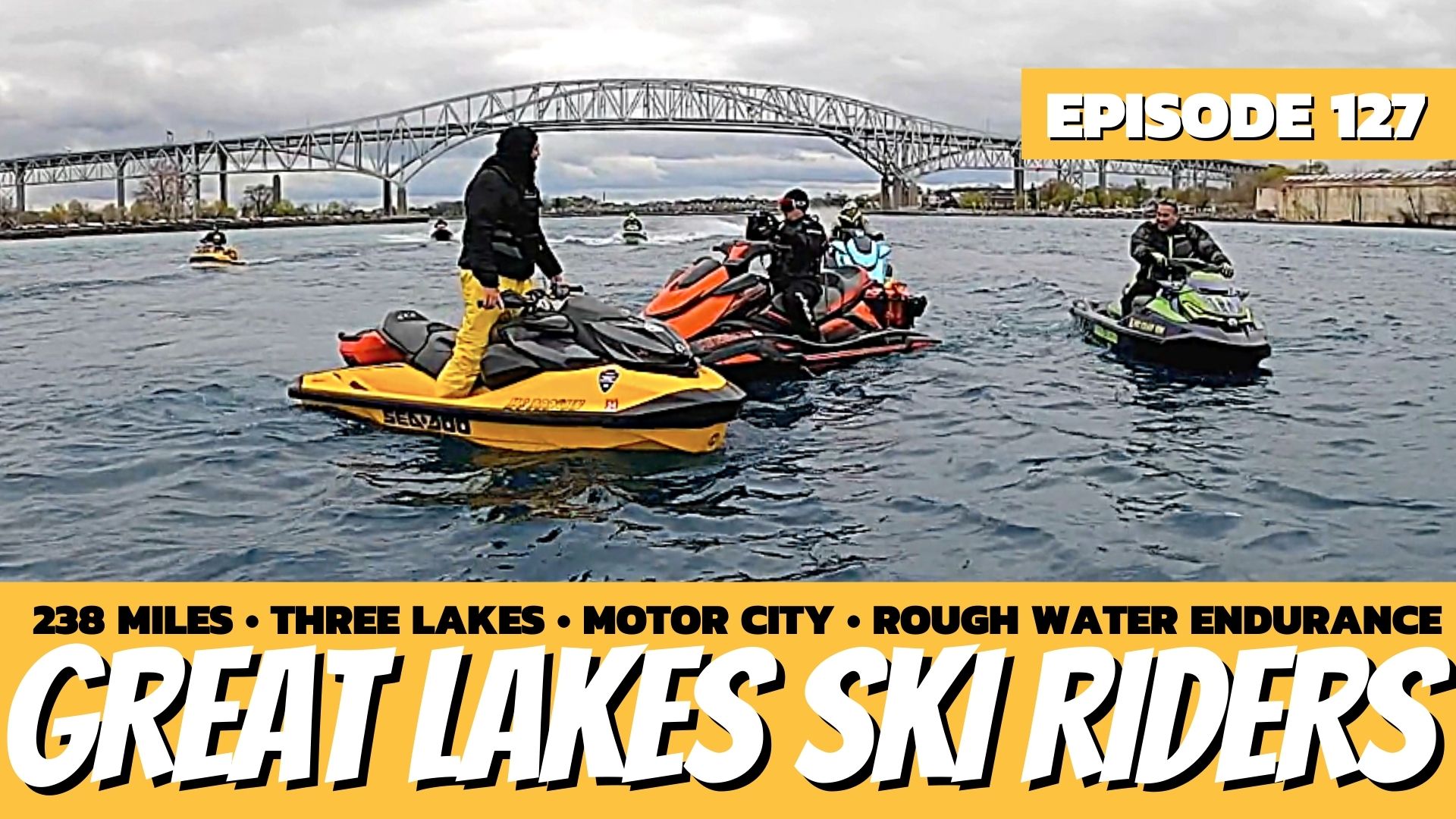
I say all of that to set the stage for today’s event. Joe Cornett of the Great Lakes Ski Riders had been a dog with a bone. I had turned down several offers over the year, each one more elaborate than the last. Knowing I was a “car guy” at heart he promised me a waterfront tour of Motor City, stops by Henry Ford’s waterfront homes and past the many plants that built the American auto industry. OK, you got me, I thought.
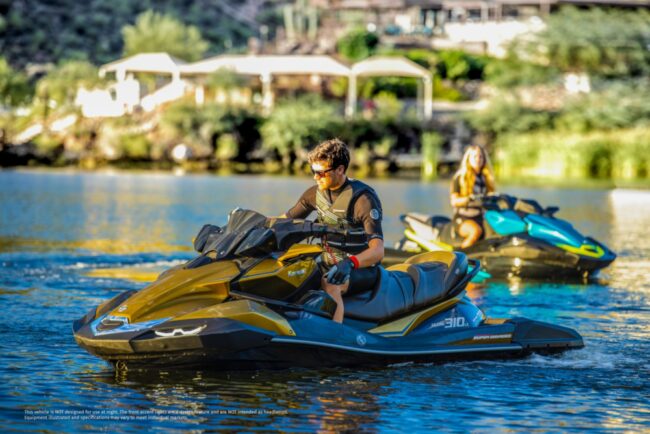
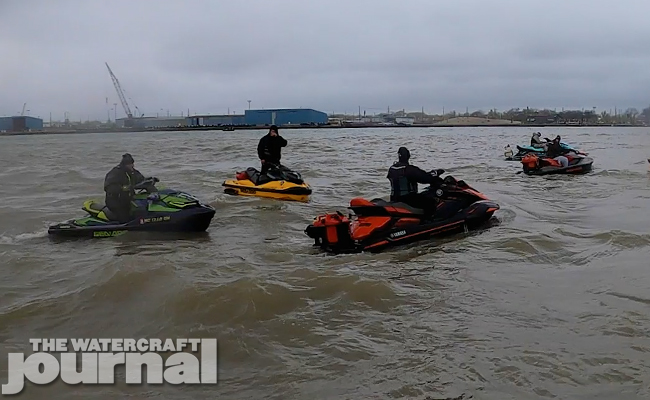
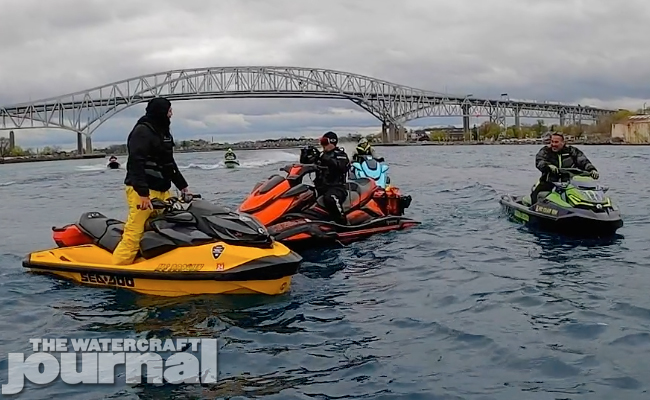
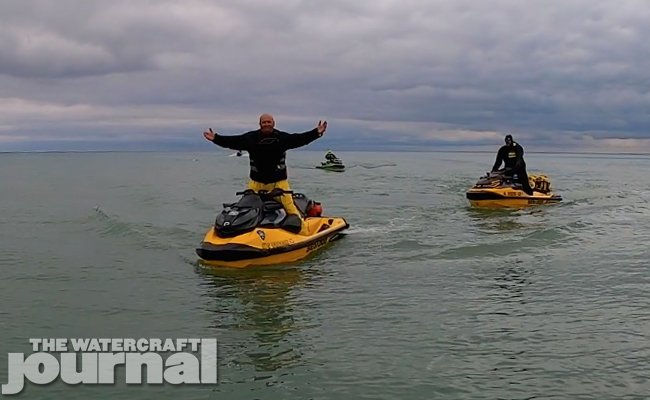
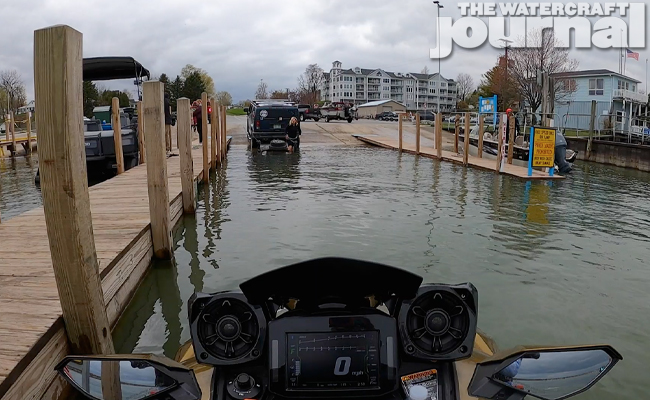
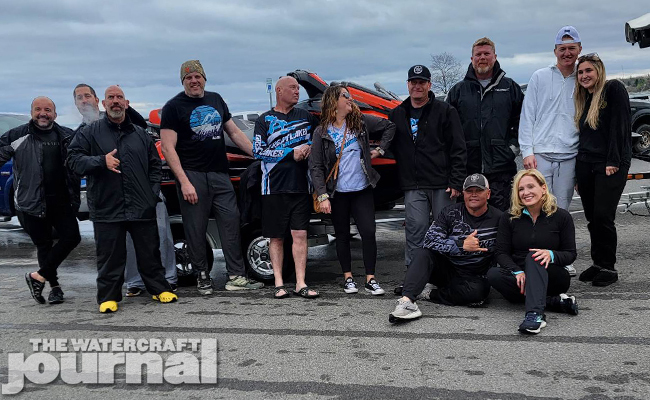
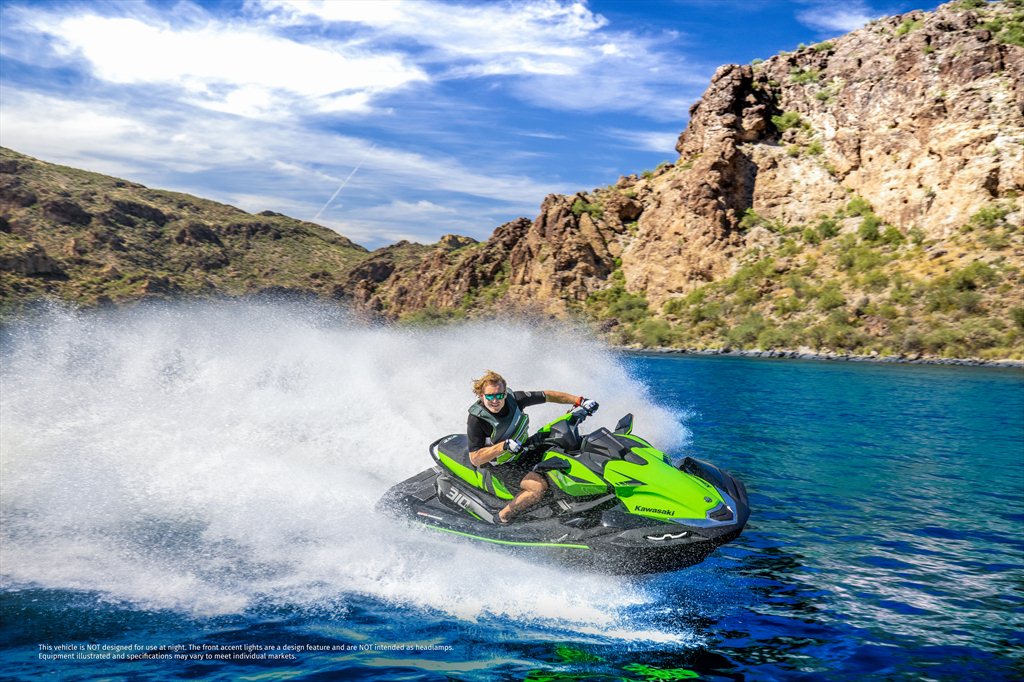
That Saturday morning, we launched out of Elizabeth Park Marina in Trenton, Michigan. There was 11 of us, mainly supercharged Sea-Doos – bright yellow RXP-X’s and RXT-Xs, a pair of SVHO-powered Yamaha FX’s and my lone 2023 Kawasaki Ultra 310LX.
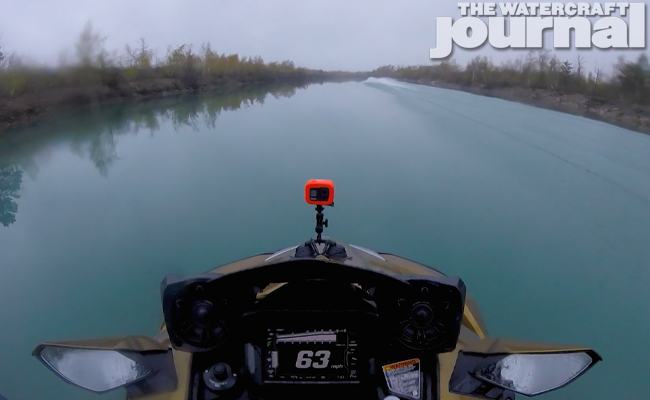
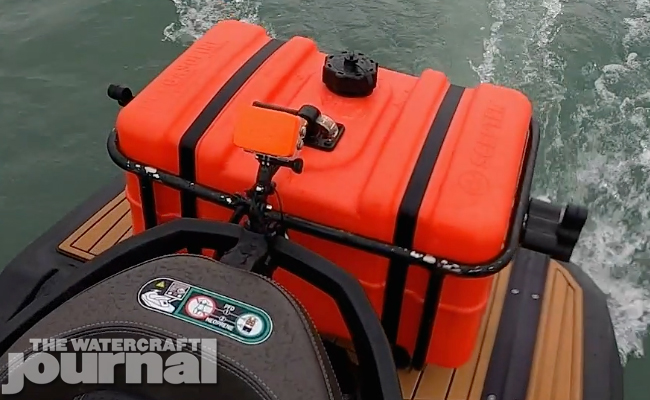
Nearly all of Joe’s group rode modified machines, capable of speeds high into the 70’s if not low 80’s when given glassy-enough conditions. The Kawi, on the other hand, was showroom stock, save for the Auxiliary Fuel System of my own design strapped to the elongated deck. This put my top speed somewhere around 64 miles per hour given the added 80 pounds on the rear.
With heavy fog overhead and a fishing tournament congesting the route, our group was delayed no less than half an hour. With Joe’s signal, we rode around Grosse Island to Devil’s Mouth in the Livingston Channel. The water was surprisingly turquoise and gently lulling. We headed south from Livingston Channel to Lake Erie, marking our first of three lakes.
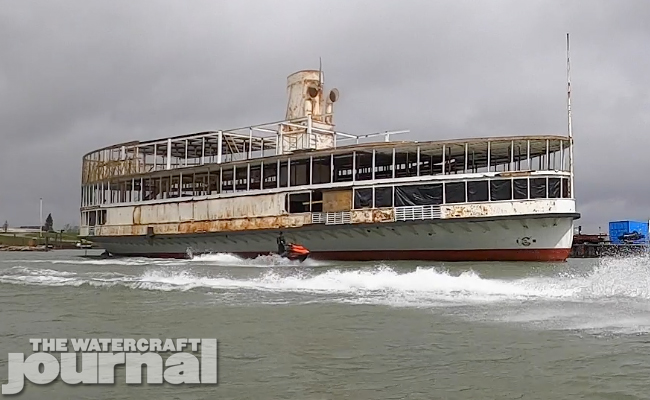
From there we proceeded north to Amherstburg, Ontario, Canada and the old amusement park Boblo Island. The legendary resort once housed a dance hall, roller rink, carousel and other amusements since its opening in the early 1890s. Curious, I asked if we were going to stop and take a look; but Joe had cautioned me the night before that there would be no consideration of making landfall on Boblo given how haunted it was.
His voice dropped to a muted whisper as he told tales of contractors and construction workers being scared off of the island’s grounds…despite literally hundreds of people calling the island home; it’s northern end being populated with town homes, apartments and a small tract of mansions.
Leaving Boblo, we rode into Crystal Bay and followed the narrow paths into the Canadian side of Hidden Lake where the water bubbles up from a natural spring resulting in an almost Caribbean blue hue. It’s an unexpected sight to be sure. Leaving the way we came in, we cruised north again to Wyandotte, Michigan where the Detroit River begins.
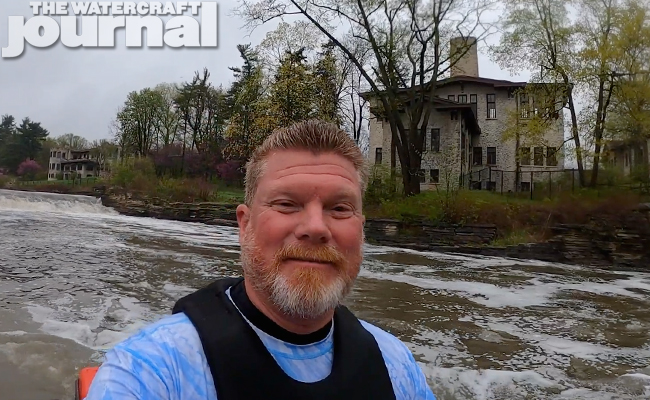
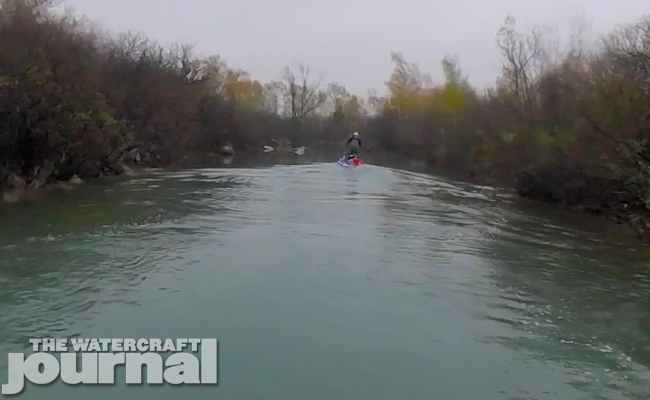
We followed the Detroit River up to where we made the mistake of turning into the Rouge River, which at its end is the old Henry Ford estate. Excited to see this timeless piece of American history, I was unprepared for what came next.
Jon Repak, who I had been shadowing the entire length of the ride thus far aboard his Stage 2-tuned FX SVHO, cautioned that venturing up the river wasn’t worth the risk. The Rouge River is some of the most polluted water I’ve ever had the displeasure of sluicing through, and only a couple of weeks earlier, Jon himself had sucked up some debris, clogging his pump to a standstill.
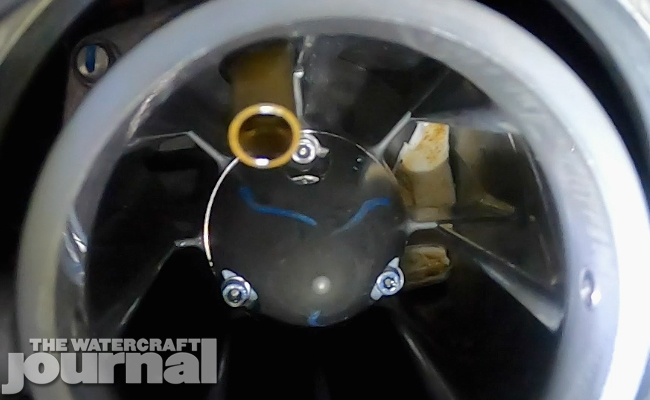
And true to his caution, it was my turn to jamb up my pump. The invading object was a sheered-off 8-inch strip of white polyester plastic that wound itself between the blades of the impeller and the vanes of the stator, effectively blocking a third of the Kawi’s pump. I signaled to Eric Moise (owner of Monster Performance) that I was jammed and he motioned toward a small launch ramp along the cemented river banks.
I pulled the ski’s tail up on the hardened ramp and assessed the clog. Yup, I thought to myself, that nozzle’s gotta come out. Had any of us brought a long (and I mean looong) set of needle nose pliers, we might’ve been able to extract the debris out that way. But without the tools on hand, the nozzle and venturi needed to be removed just to reach it.
Before I could begin the disassembly, Joe had radioed for help and a prepared land crew quickly arrived at our location. We loaded up the Ultra on the trailer, and began operating with what tools we had before another rider had his utility tool truck driven over. Within minutes, I had the reverse bucket and linkages detached, and the venturi and steering nozzle removed.
With a pair of vice grips, the stubborn plastic was removed and the pump assembly reinstalled all with fresh thread sealant. The whole ordeal ate up nearly an hour of the group’s day to which I was sorely embarrassed, but not nearly as frustrated as Jon who was the lone voice of warning before doing so.
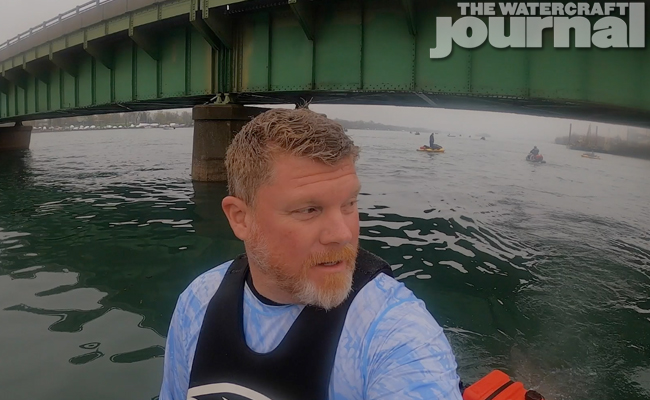
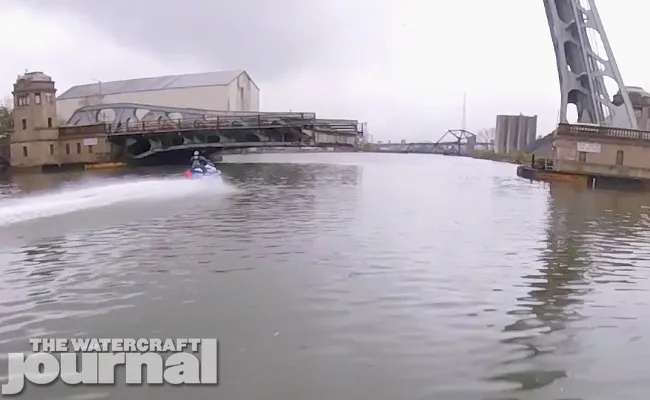
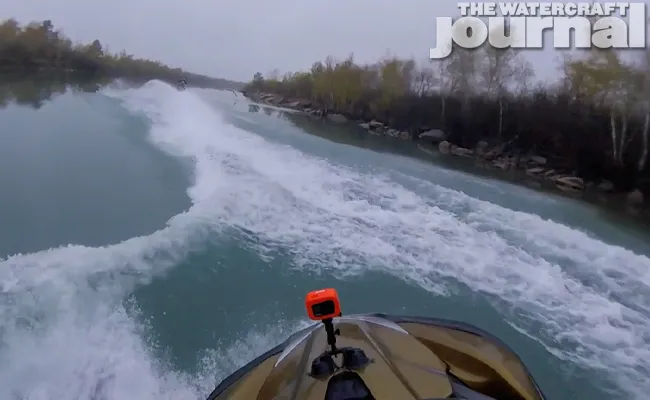
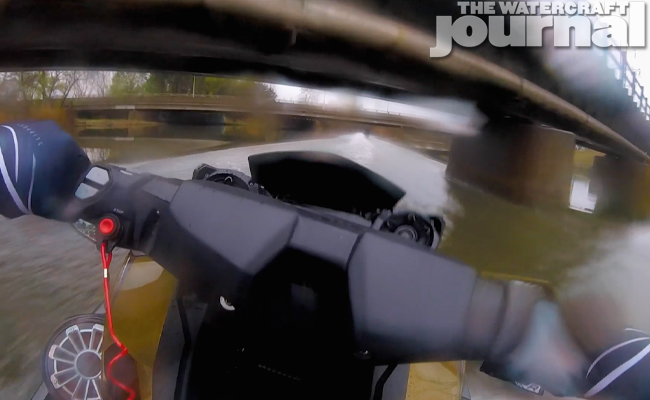
With the pump freed and the Kawasaki operating at peak ability, we sped back out into the Detroit River towards the Ambassador Bridge headed for Canada. Here the river roiled into an inky black wash of 4-foot cross-chop. Eager to push the Ultra, I pinned its throttle and maxed out its trim. Only Jon – a former motocross rider and master mechanic – kept pace, the two of sprinting underneath the Ambassador Bridge all with the downtown Detroit skyline on one side of the river and Casino Windsor on the other.
As the river narrowed, boat traffic multiplied exponentially and churned the already tumultuous water into a minefield. Jon led, leaping the wakes of massive yachts as they passed by. With my fuel rack, I decided against any acrobatics, and zigzagged the wakes as gracefully as a drunken rhinoceros.
The remainder of the group were well behind us, so the two of us proceeded on to Belle Isle, where we waited to refuel at the marina. Jon and I had an unspoken agreement that we were going to ride hard regardless of the circumstances, and being that I was something of a guest I felt obliged to deliver. Throughout the day, he inquired how fast I was going to which I’d say “55” or “63” and he’d shake his head in disbelief.
I explained, Yeah you’re seeing faster speeds than me but you’re in the air half of the time. I’m keeping up with you while consistently running low 60’s because I’m always hooked up. The Kawi almost never leaves the water while the Yamaha is almost always airborne.
This was no more proven than after we fueled up and proceeded into Lake St. Clair (the second lake in our trifecta). While certainly cleaner water and impressively blue, windblown white caps whipped the lake into Pacific Ocean-levels of surf. Local rider, Brian Ciechanoski on his RXP-X took the lead.
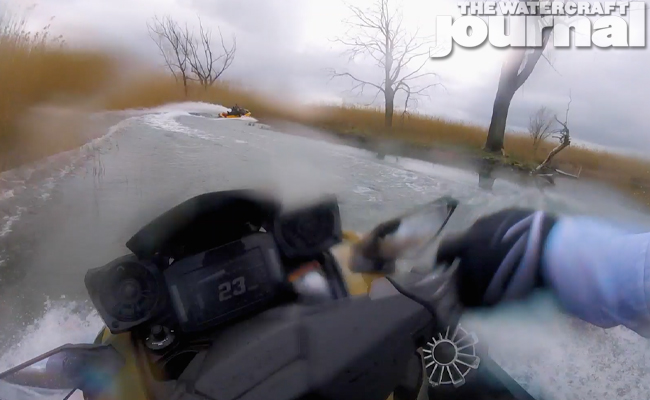
Before really hitting the rough stuff, Brian pulled us over by the more well-known Ford Estate. From there, Brian charged hard and cut a path through the middle of Lake St. Clair, headed towards the Cattail Trails in Muscamoot Bay and Canadian Straights. Here, Brian pinned his Sea-Doo’s throttle and led us through the grassy trails.
I won’t say that the big Ultra was a little out of its element, but it took quite a bit of body English to get the Kawasaki to roll on its inside rail to manage some of the corners we took. Trimming the nose down and dropping a knee into the footwell was mandatory if I didn’t want to park the gold LX into the weeds.
After a quick buzzing from a friendly seaplane, we headed to Harsens Island where we refilled again and pressed forward through Lake St. Clair and entered the St. Clair River. The river’s waters calmed and the group’s speed increased, with Jon and I leading the way. Thankfully, Jon had the route mapped because I certainly had no idea where we were.
We cruised all the way up the St. Clair River stopping occasionally to regroup and study the storm clouds gathering on the horizon. We were headed in the opposite direction and carried on. With throttles pinned again, we entered the opening of Lake Huron (our third and final lake) and were absolutely floored by the conditions we found.
Lake Huron was absolutely gorgeous. The waters looked identical to the tropical blue of the gulf running along Florida coastline. Glassy rollers beckoned us to race the last 17 miles towards our goal. Jon’s FX SVHO screamed as it skittered along the lake, the big Kawasaki’s roots-style supercharger howling as it gave chase.
With a slightly modified prototype of The Watercraft Journal’s Auxiliary Fuel System strapped to the back, I never once dipped below three quarters of a tank on the fuel gauge this whole trip. Only now, as sprinted toward Lexington, Michigan where the launch ramp marked our finish line did the fuel meter dip closer to half a tank. It didn’t matter, we were almost home.
The rock outcropping of the marina’s breakwater came into view. I coasted into the No Wake Zone, happy to have ran the entirety of the day entirely wide open and standing on my own two feet. Most rode sitting down, and only Jon and I rode like the devil himself was chasing us.
Jon idled up to the dock where I was tying up and nodded with approval; “Well, you proved a stock Kawasaki can run with a modded Yamaha in the rough. Looks like you made a believer out of me.”
While that might’ve been true, the cost of doing so was high: two GoPro mounts had broken, one taking yet another camera to the bottom of Lake St. Clair with it. The nozzle of spray sunscreen was smashed to pieces, spraying a good portion of the can all over the glove box. A pair of Windrider sunglasses were smashed in the process too. And all of the contents stowed in the front bin that weren’t in a dry bag were soaked all the way through. Oh yeah, and I think I sprang my wrist in the process too because it swelled up like a balloon that night.
…But on the bright side, not one water bottle bounced out of the cup holders and the Auxiliary Fuel System kit never once failed me or even backed off of its mounts – all the while another brand’s very expensive cargo rack loaded with dual 6-gallon Sure Can broke free from the back of a FX Cruiser and sank to the bottom.
All in all, Joe delivered on an incredibly challenging – and thereby thoroughly enjoyable day. True to his word, we had zero whiners or complainers; a group of hardened riders who pushed through some serious chop, riding across three lakes and two rivers, touching two countries and totaling 238 miles.
Huge thanks to Joe, Gabrielle and the Great Lakes Ski Riders for showing me an awesome time. If you’re looking for a group who actually deliver on a challenging ride and are as well organized as any race director, you’ll be hard pressed to find a finer group than these boys.
This year marks 50 years since Kawasaki first introduced the world to the standup personal watercraft, of what we have come to ubiquitously call “jet skis.” Yes, Kawasaki branded its watercraft the “JetSki” and competitor brands have named their machines differently, but similar to Q-tips and Kleenex, the world has more or less adopted jet ski (lowercase “j” and “s” with a space between) as the ubiquitous name. That, as they say, speaks volumes.
While today’s announcement comes much in the shadow of some other bigger revelations for the brand, the rolling out of new liveries for the SX-R, two supercharged 310-models, and two Recreation segment machines is also worth heralding. Of course, Kawasaki’s early unveiling of its naturally-aspirated full-sized Ultra 160LX-S and 160LX gives customers of all stripes a machine to gravitate towards – which has been a market segment in need of some attention.
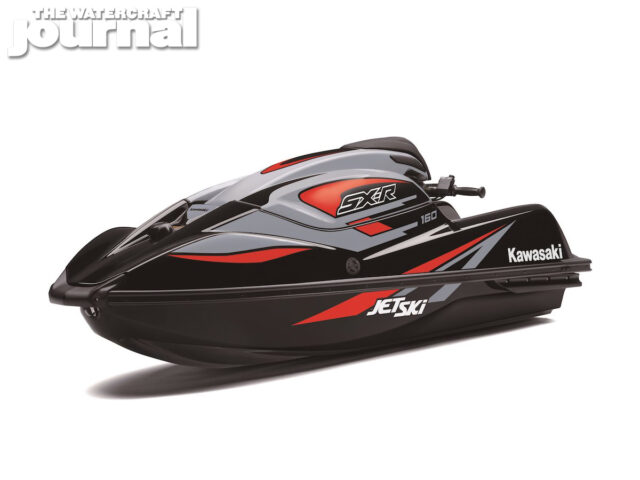
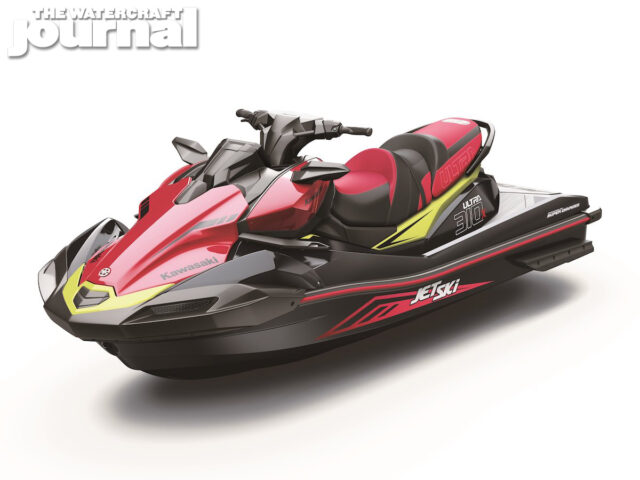
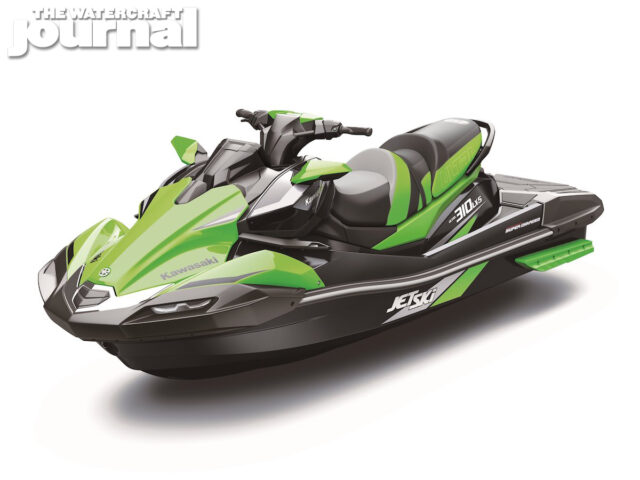
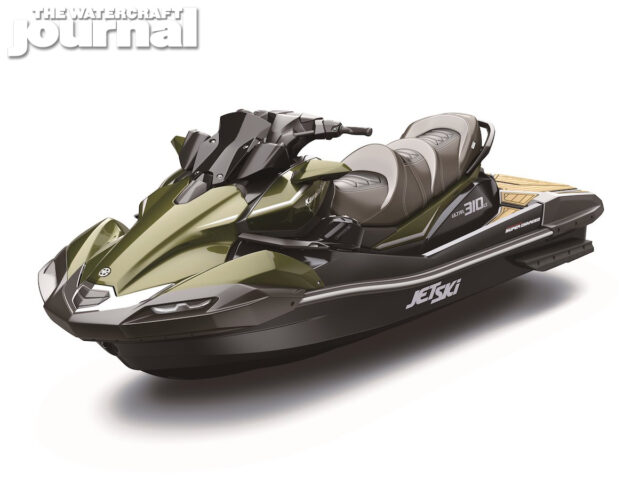
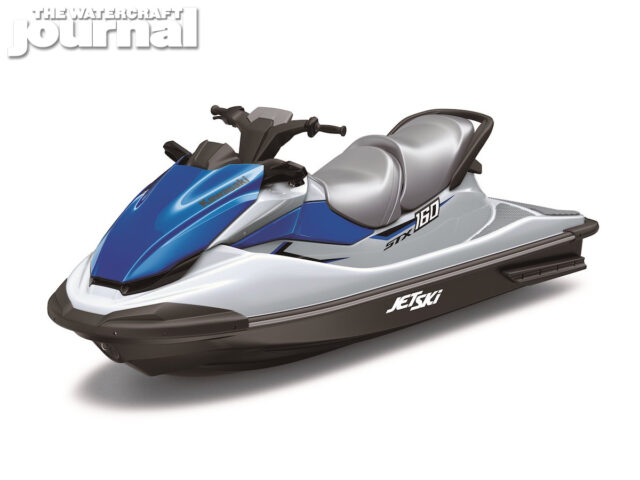
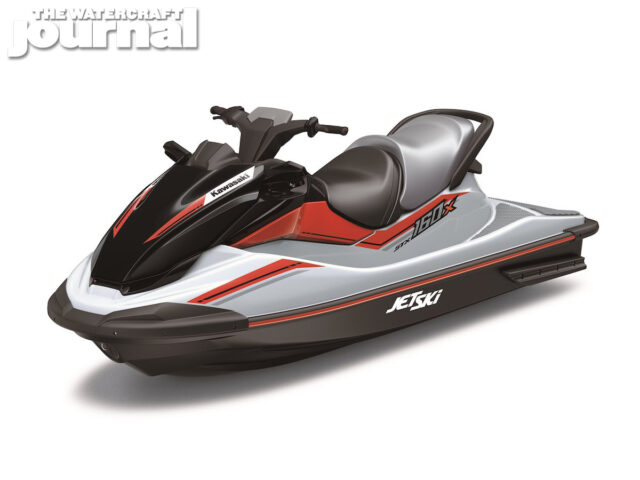
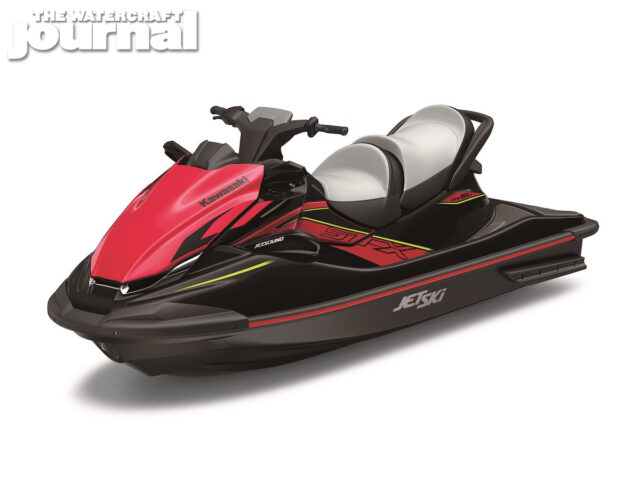
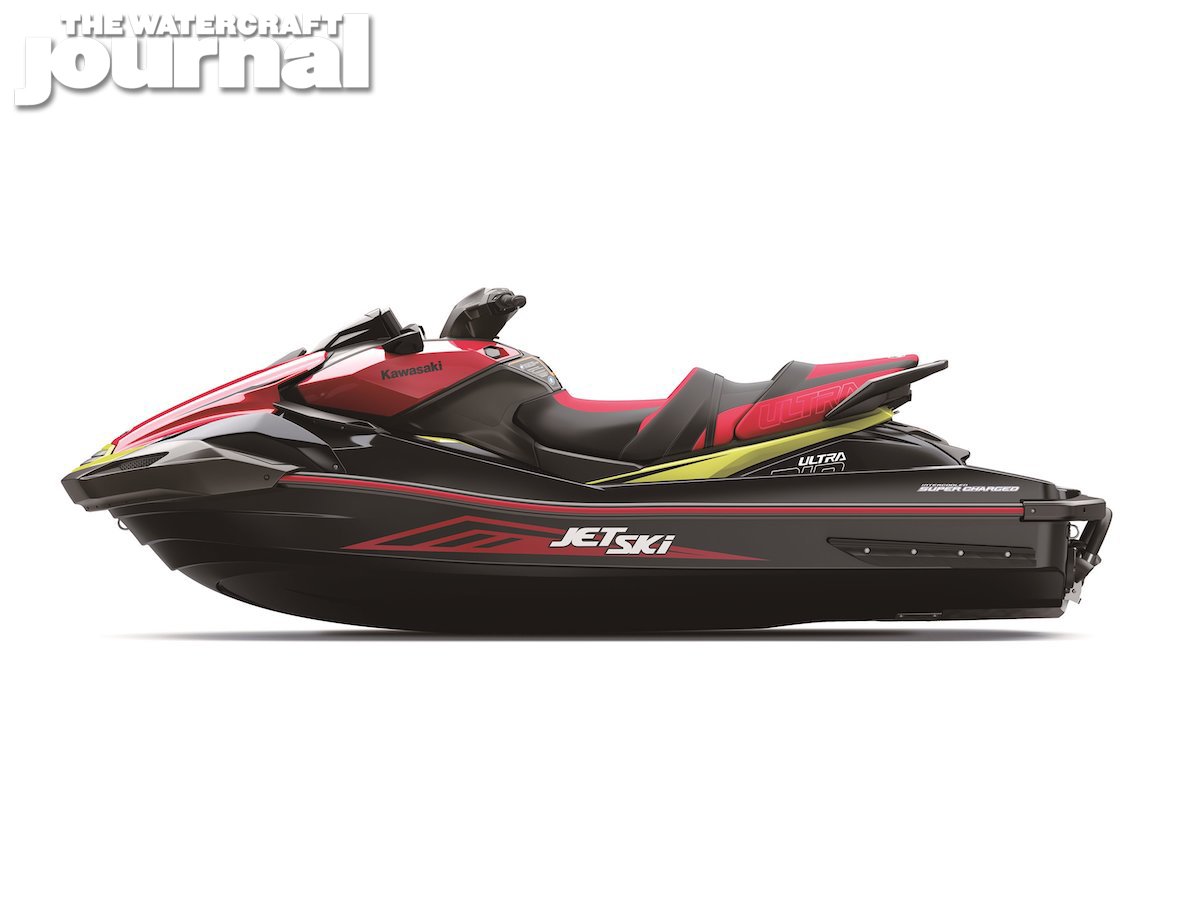
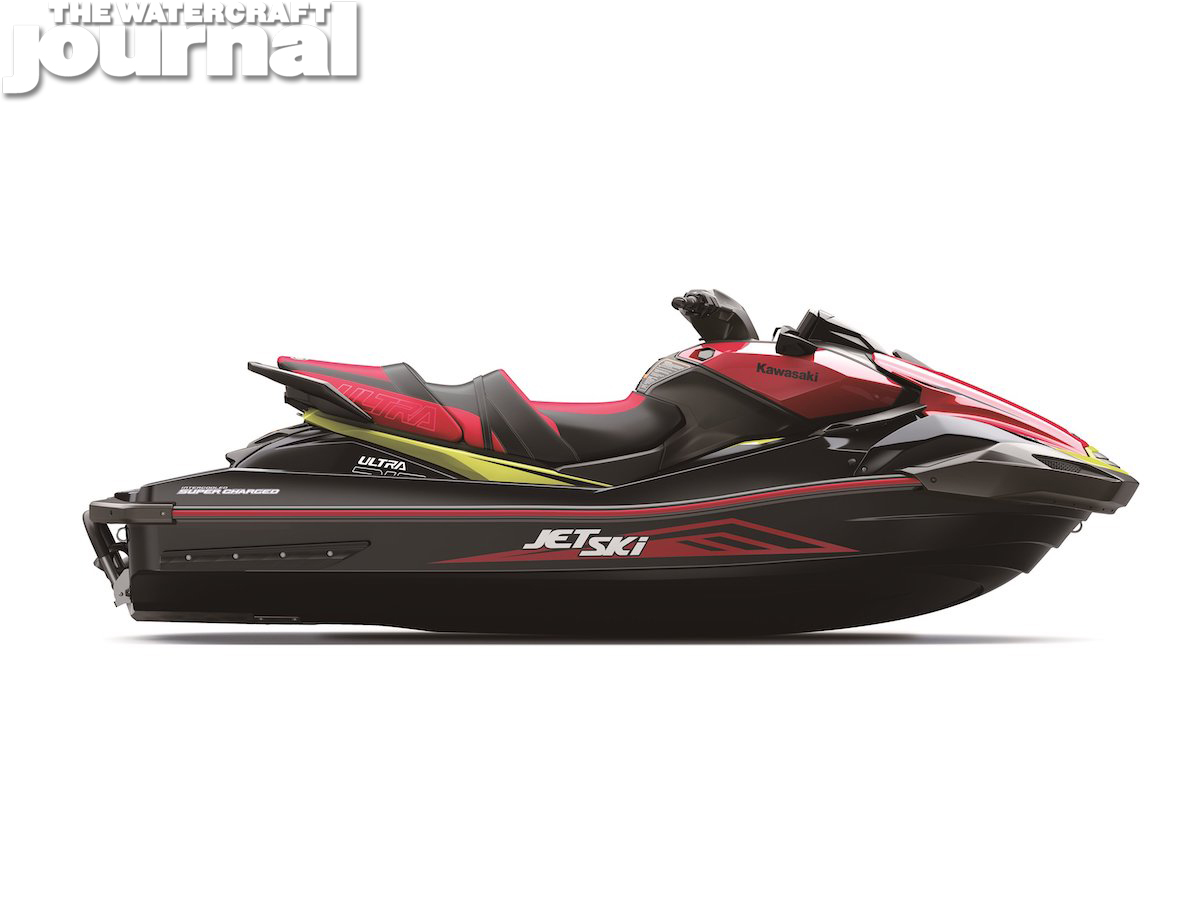
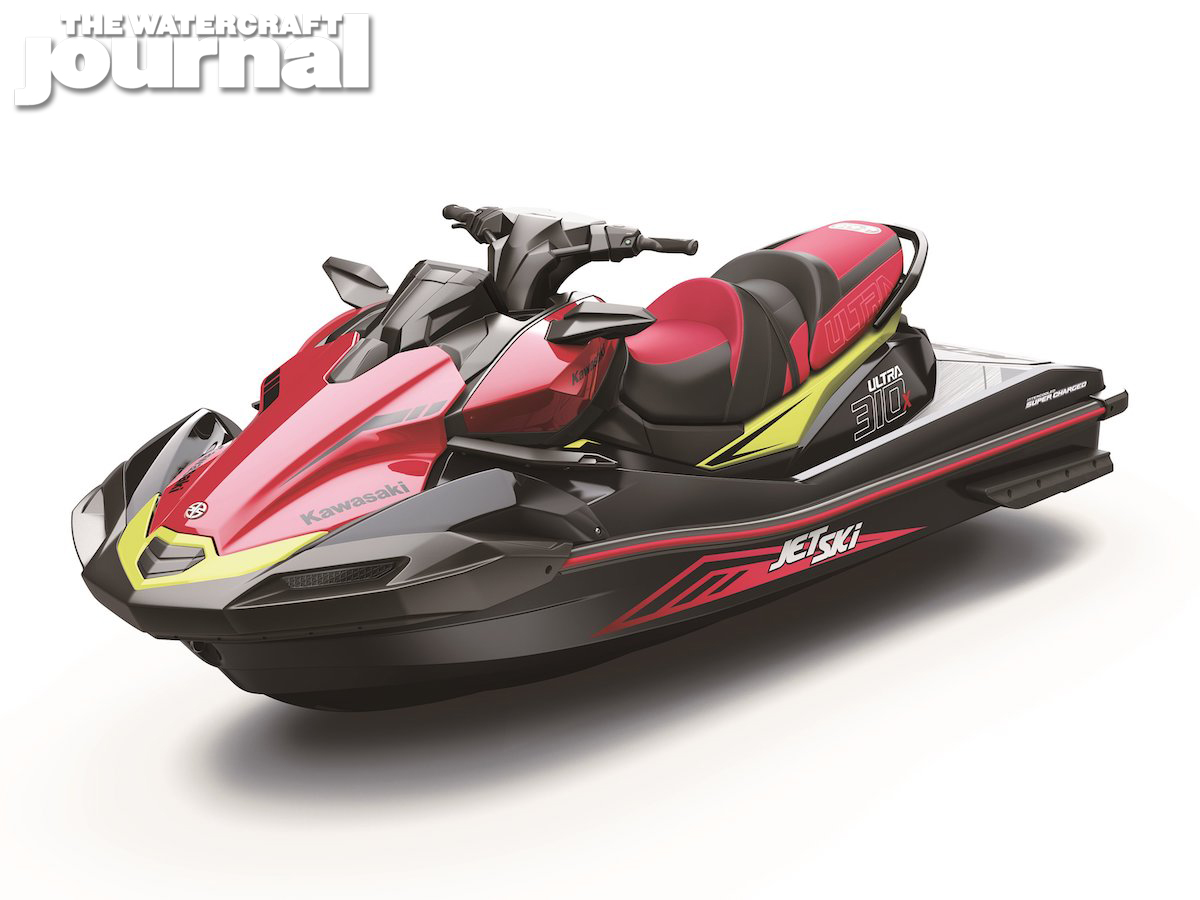
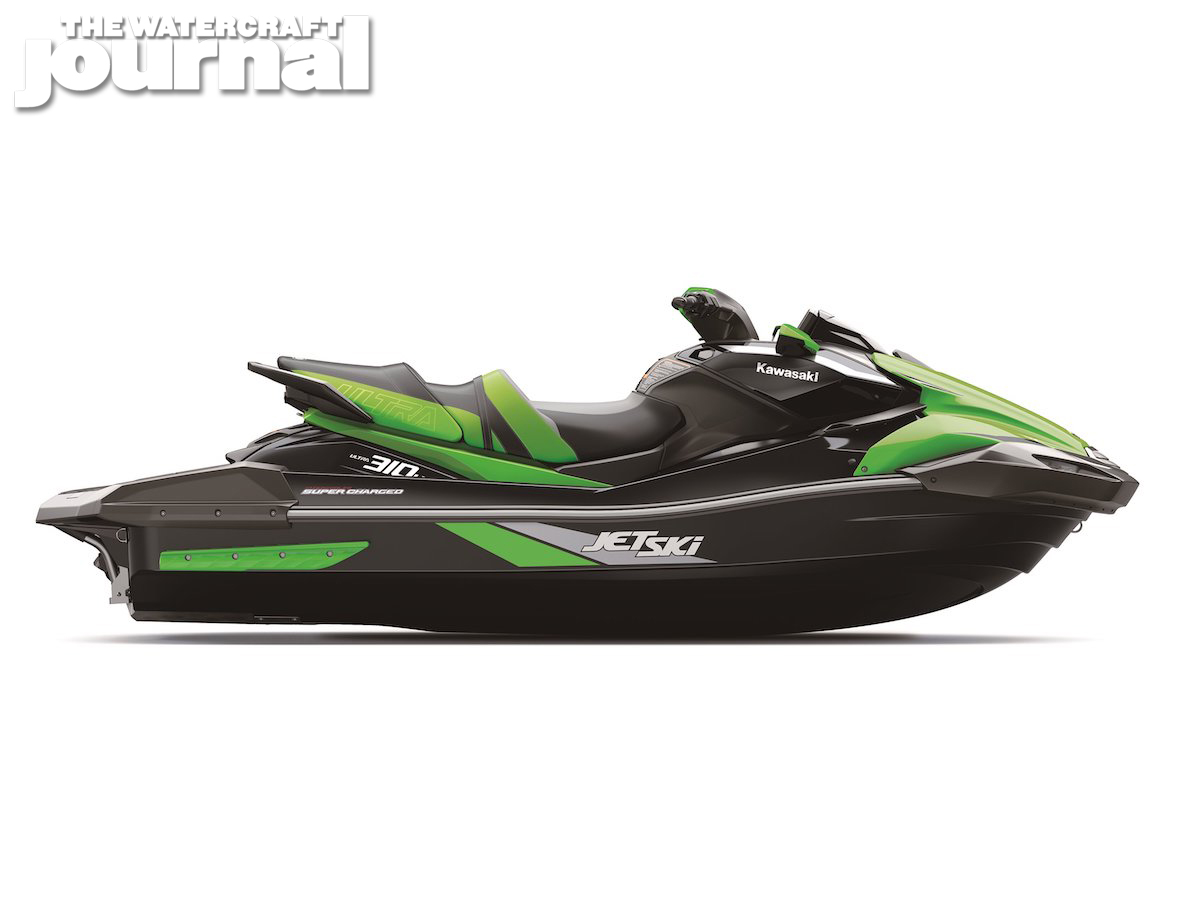
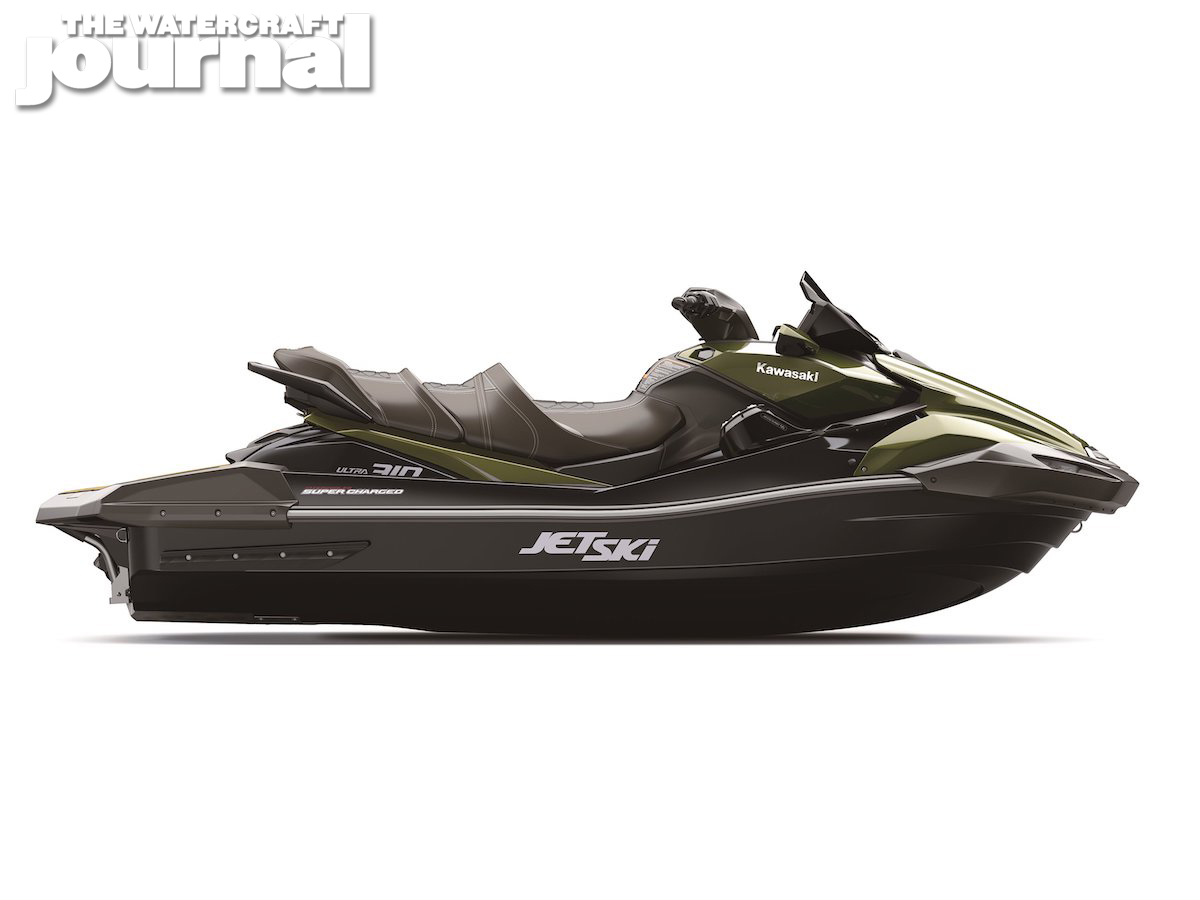
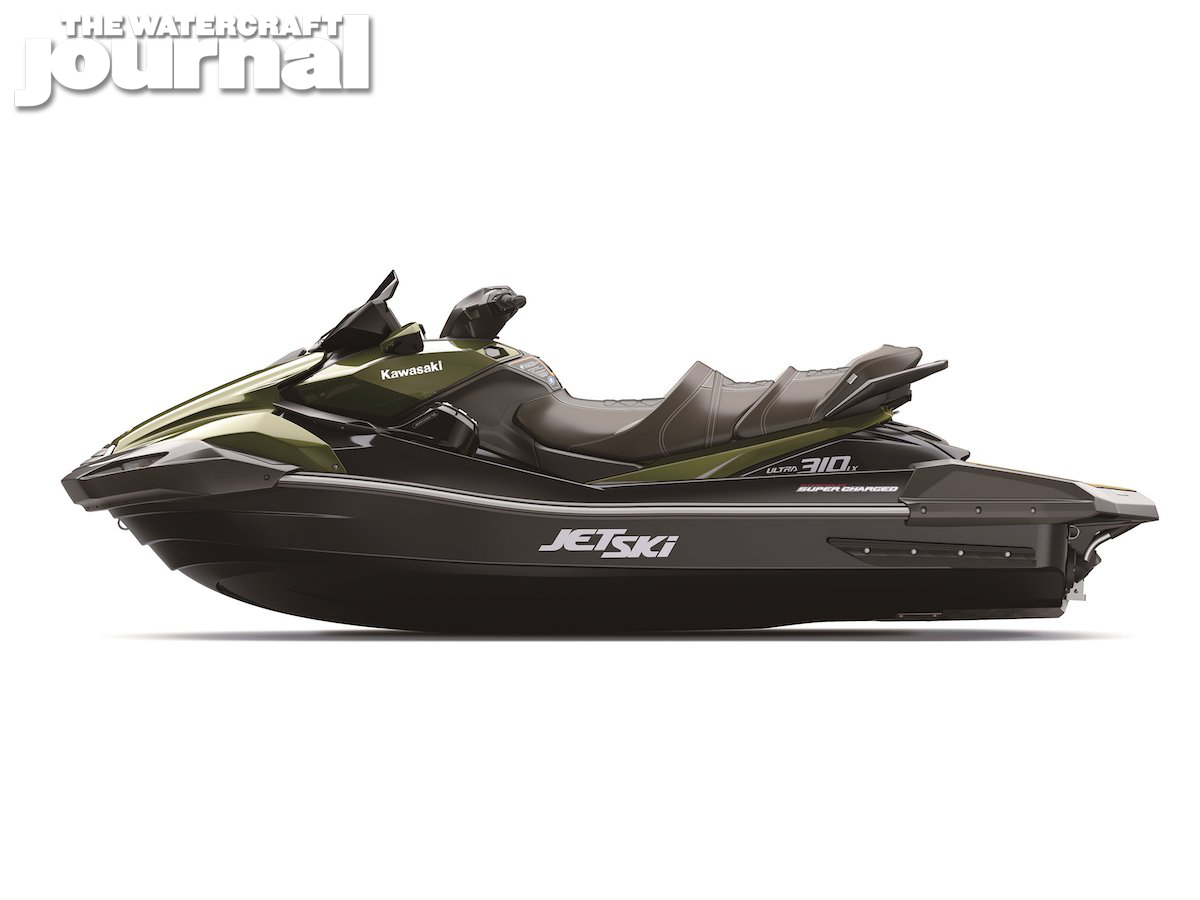
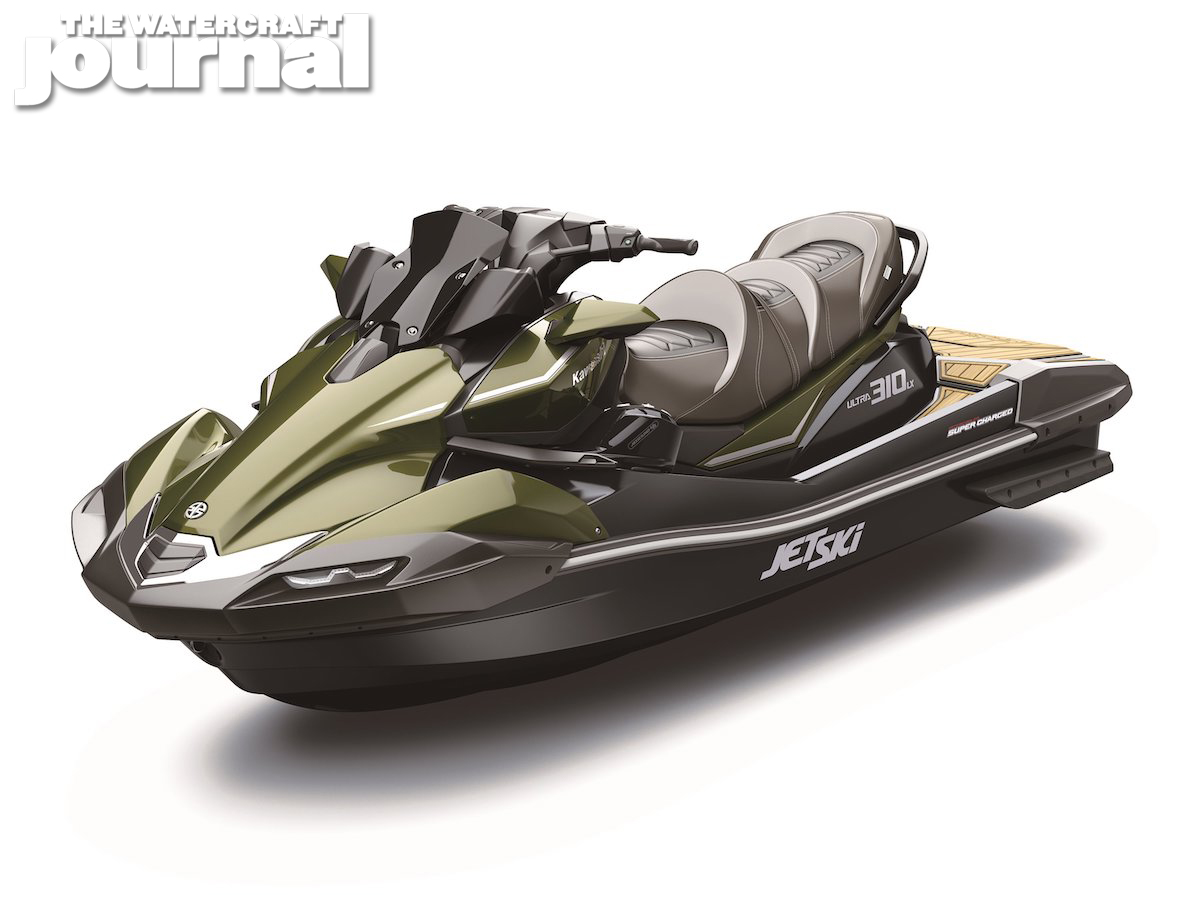
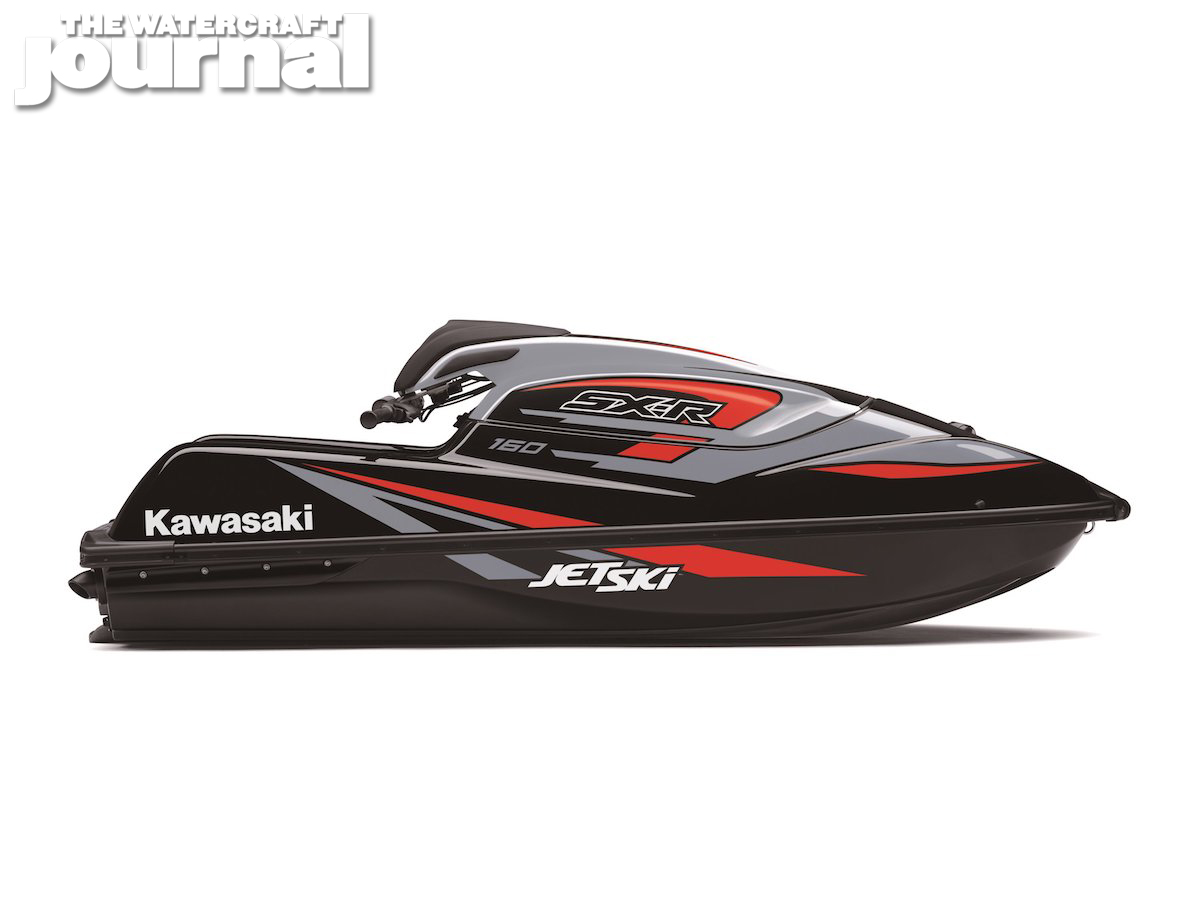
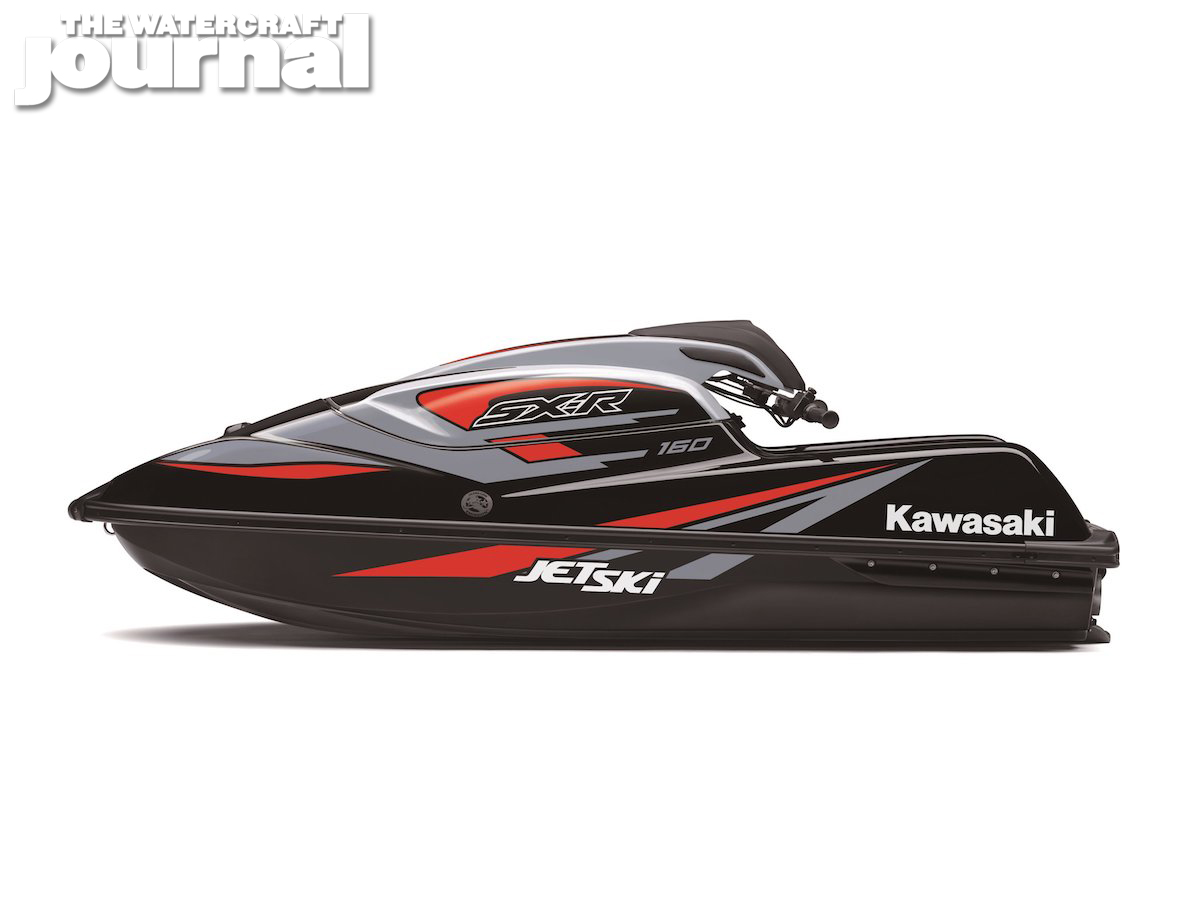
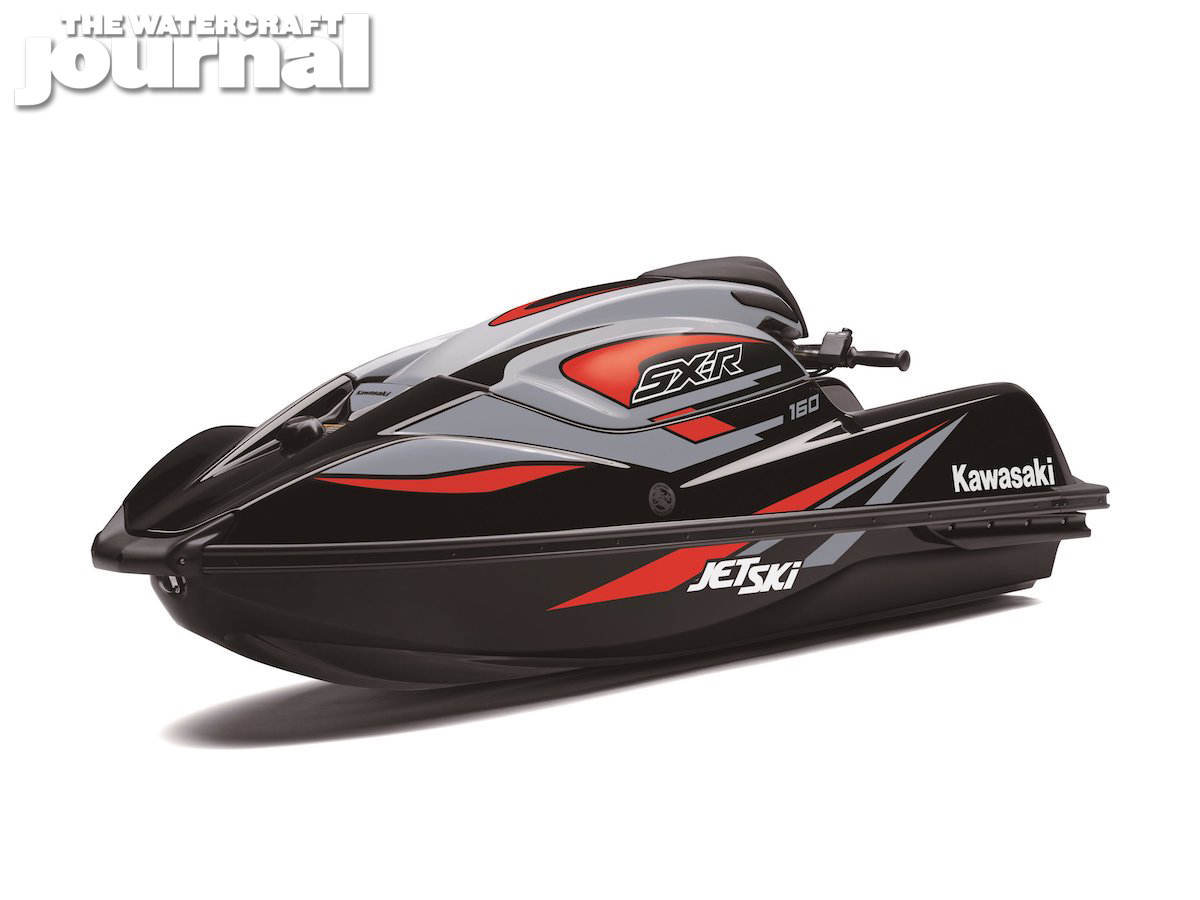
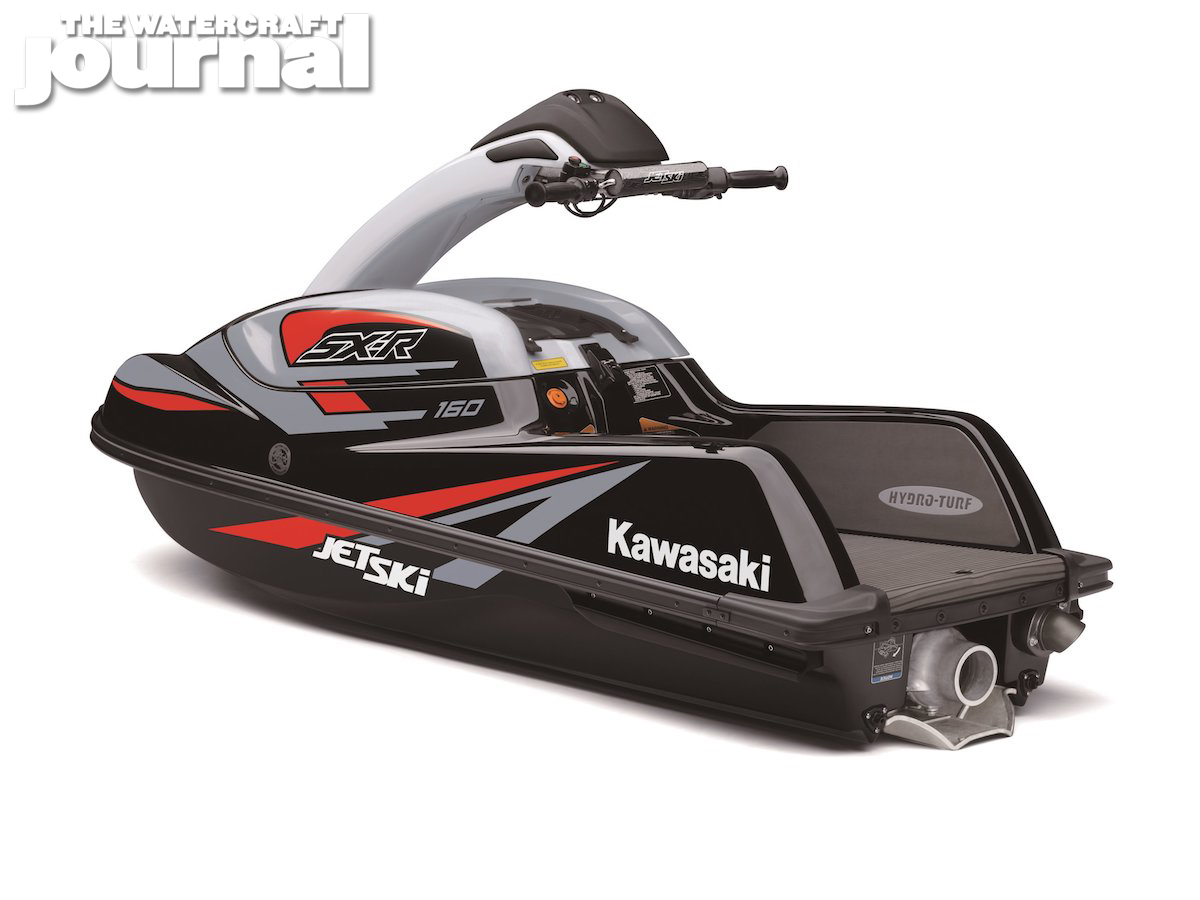
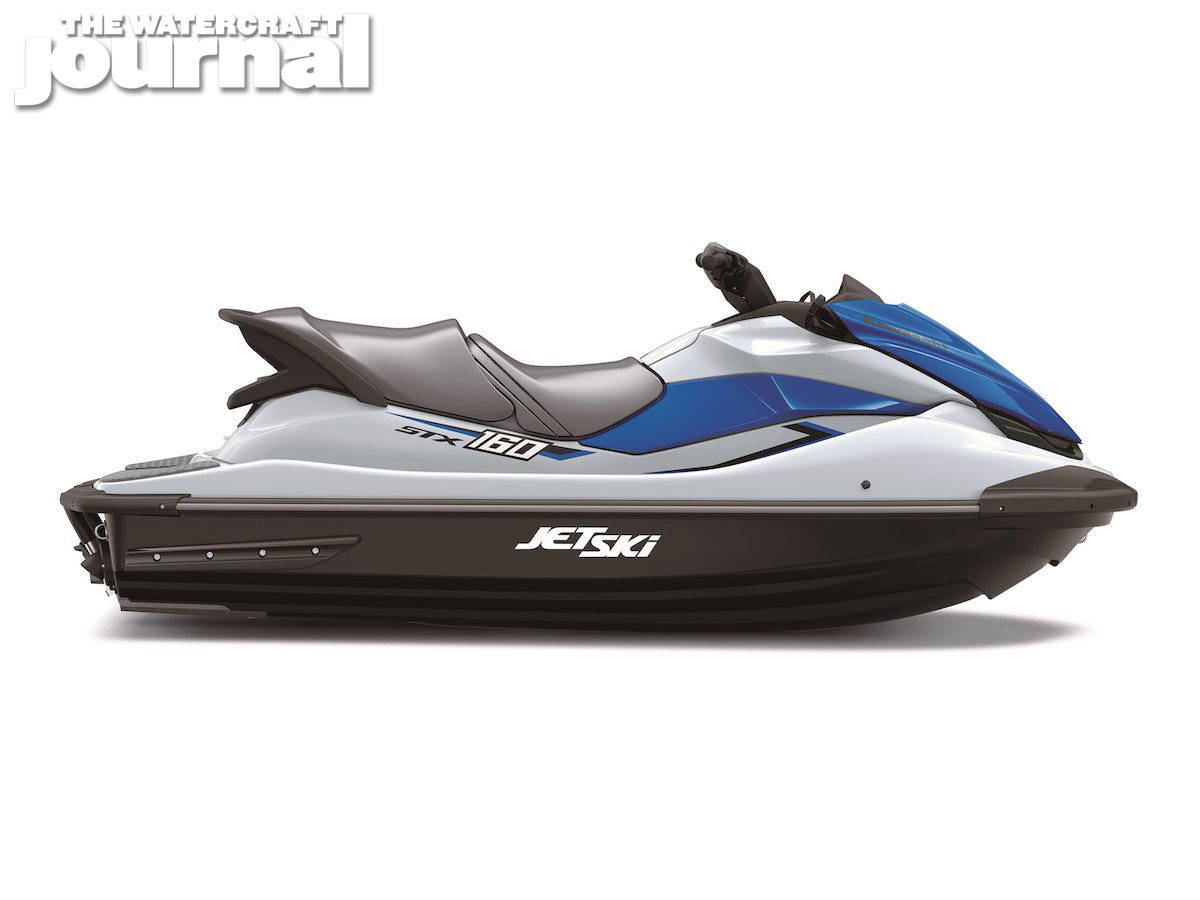
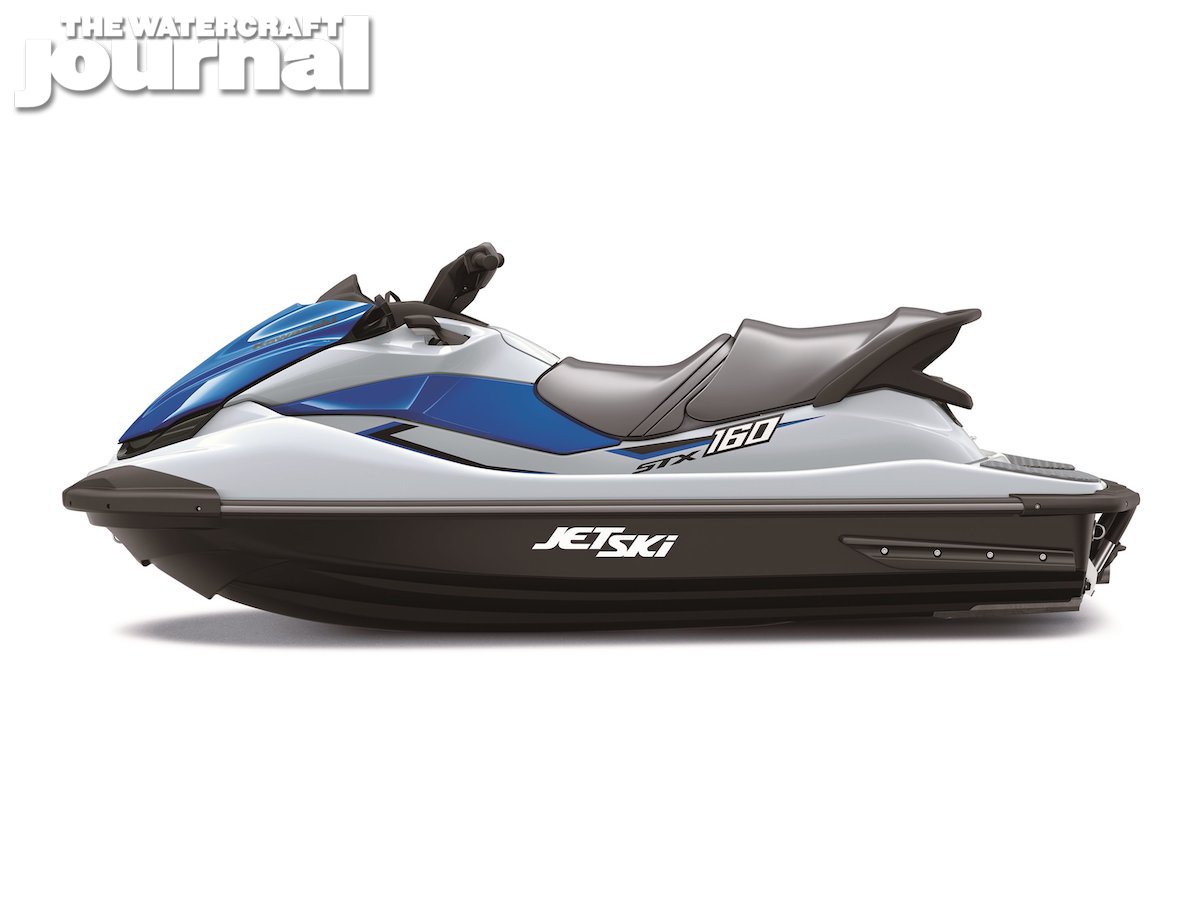
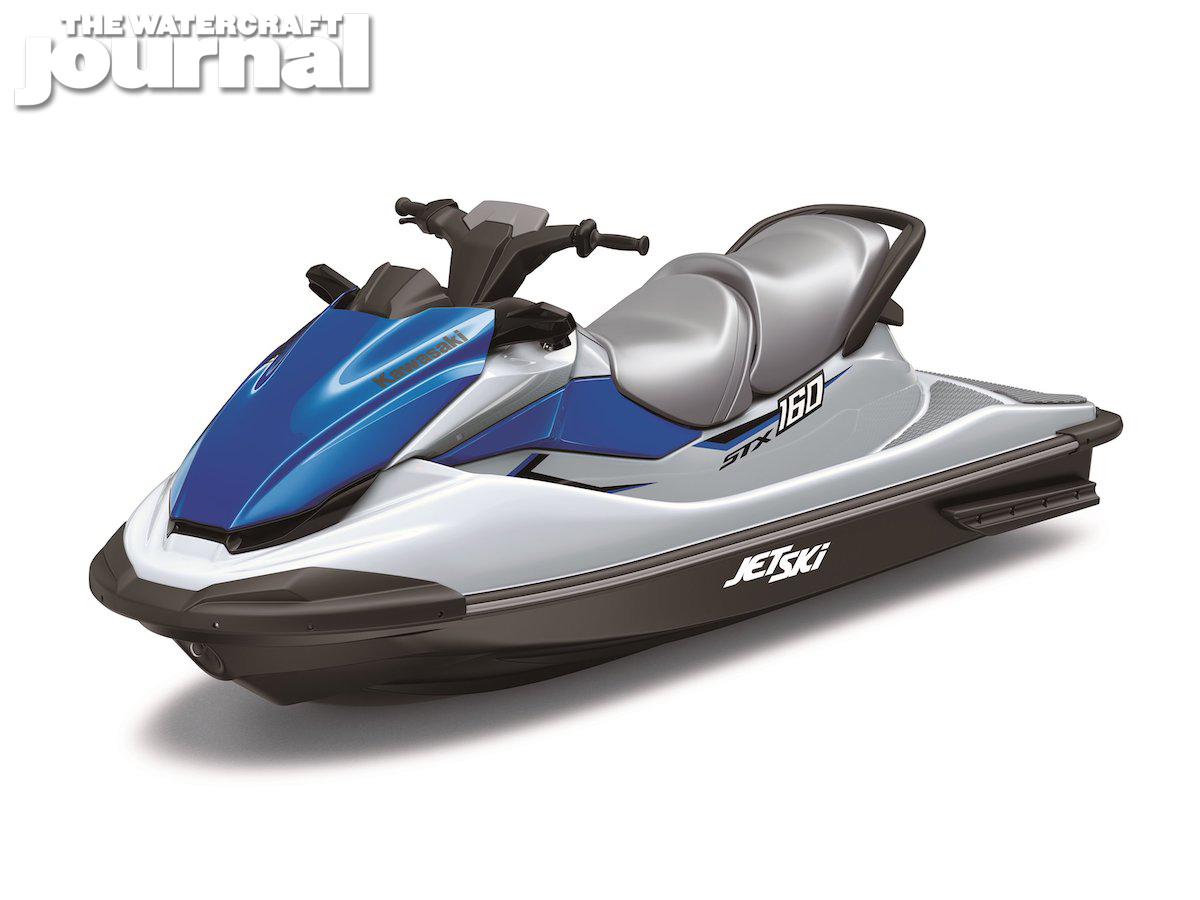
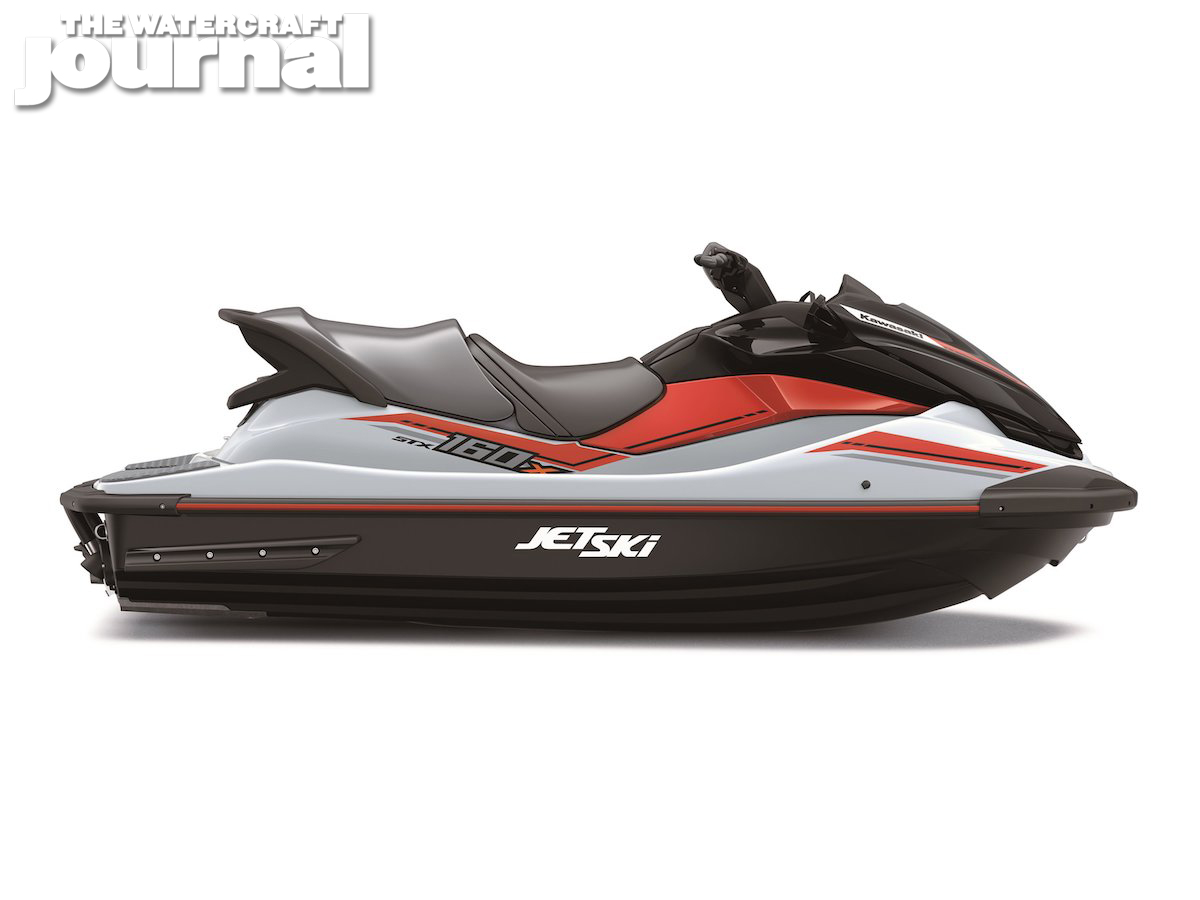
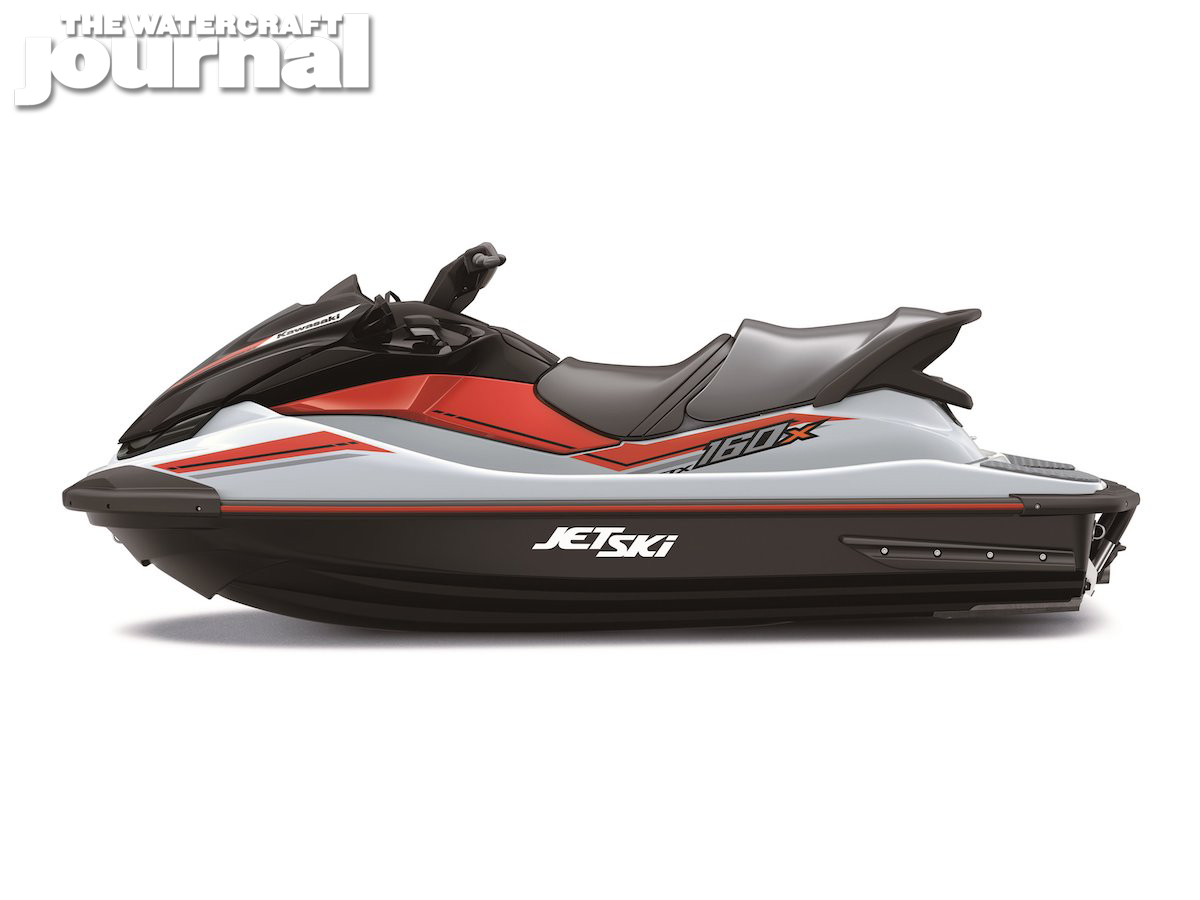
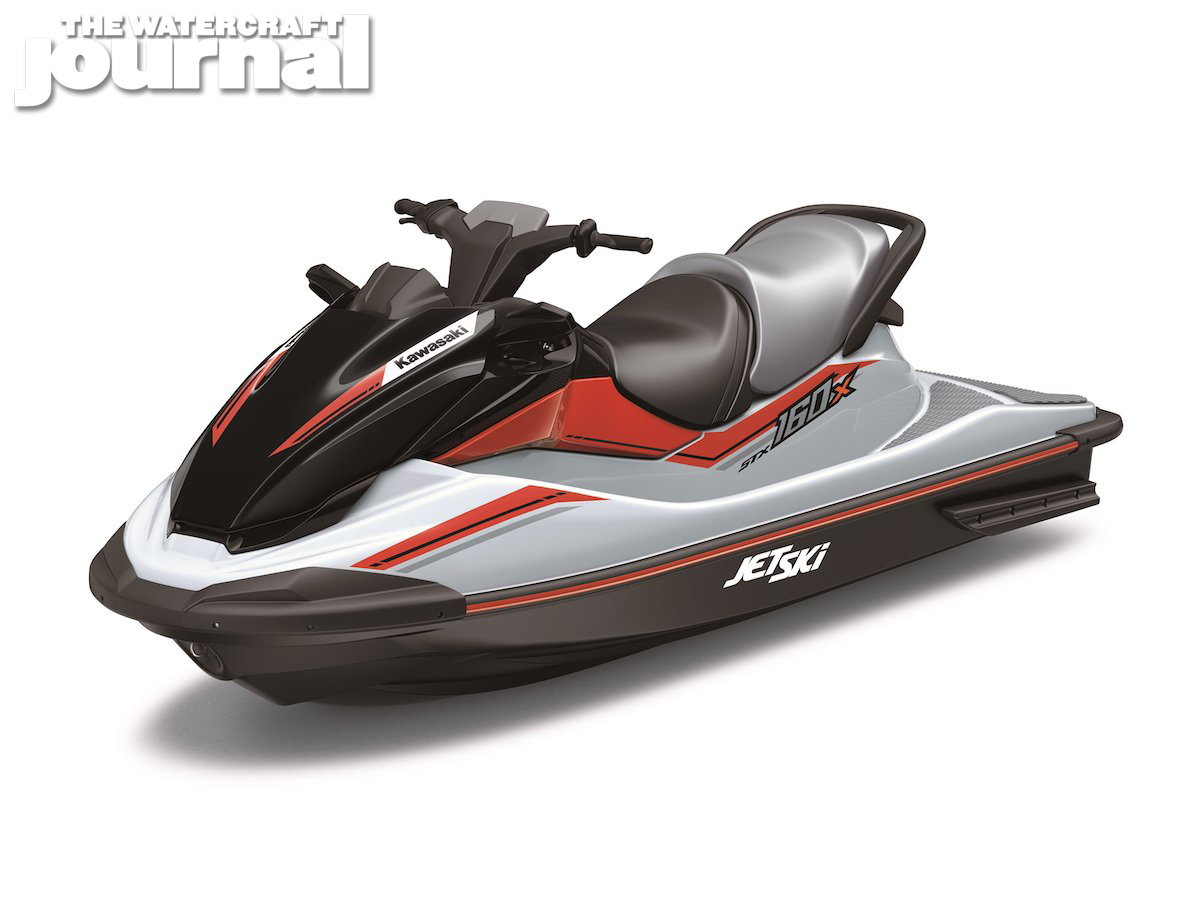
For 2024, Kawasaki celebrates the 50th anniversary of JetSki with fresh repaints and colorings of its JetSki SX-R 160 four-stroke stand-up, as well as Kawasaki’s top tier JetSki Ultra 310LX and 310X; as well as its STX 160 and STX 160X watercraft. Below we’ve included the official press release from Kawasaki broken into each model segment. These are Kawasaki’s words and claims as provided to The Watercraft Journal.
JETSKI SX-R 160
Whether out for some weekend fun or racing competitively, the JetSki SX-R 160 personal watercraft features powerful thrust and agile rider-active handling from the V-shape hull and produces plenty of low-to-mid-range torque from its 1498cc 4-stroke engine. This makes the stand-up personal watercraft fun and accessible to many riders thanks to the hull which is long and wide, providing stability for novice riders. The 2024 JetSki SX-R 160 stand-up watercraft is available with an Ebony/Ice Gray colorway and an MSRP of $11,599.
JETSKI ULTRA 310 SERIES
The Kawasaki JetSki Ultra 310 series boasts a liquid-cooled, supercharged, in-line 4-cylinder, 1,498cc engine and digital fuel injection. Riders can select from four power modes (full, middle, low and SLO) to suit riding conditions or skill level. Its race-inspired hull allows the JetSki Ultra 310 to be handled with accuracy and precision.
Kawasaki Launch Control Mode (KLCM) offers two modes to benefit acceleration, while Kawasaki Smart Reverse with Deceleration (KSRD) allows for reverse assist options when navigating tight spots. A 7” TFT instrumentation adorns the dash of the Ultra 310 series and features Bluetooth connectivity as well as multiple display modes. The large-capacity 32.8 gallon front storage area and 10.6 gallons of storage on both the left and right side of the unit offer plenty of space to store items.
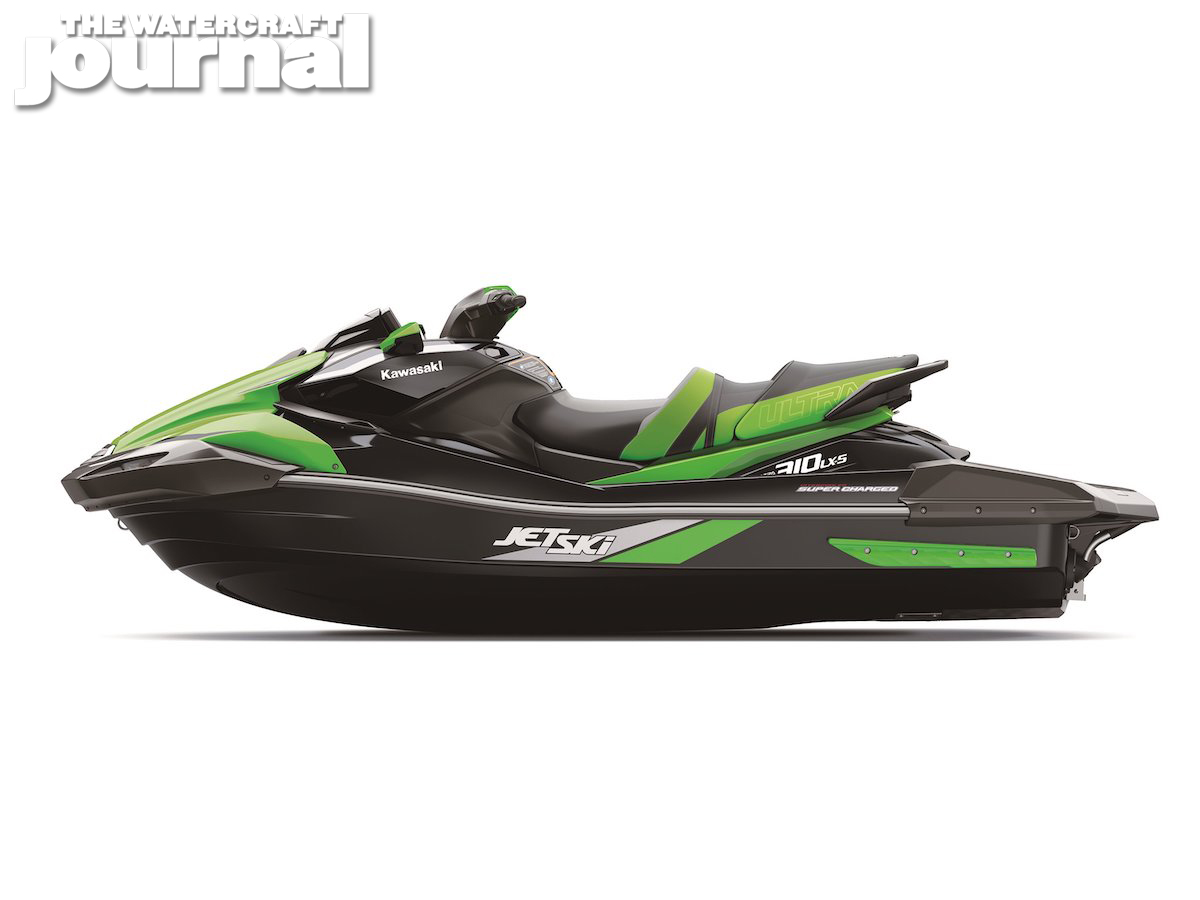
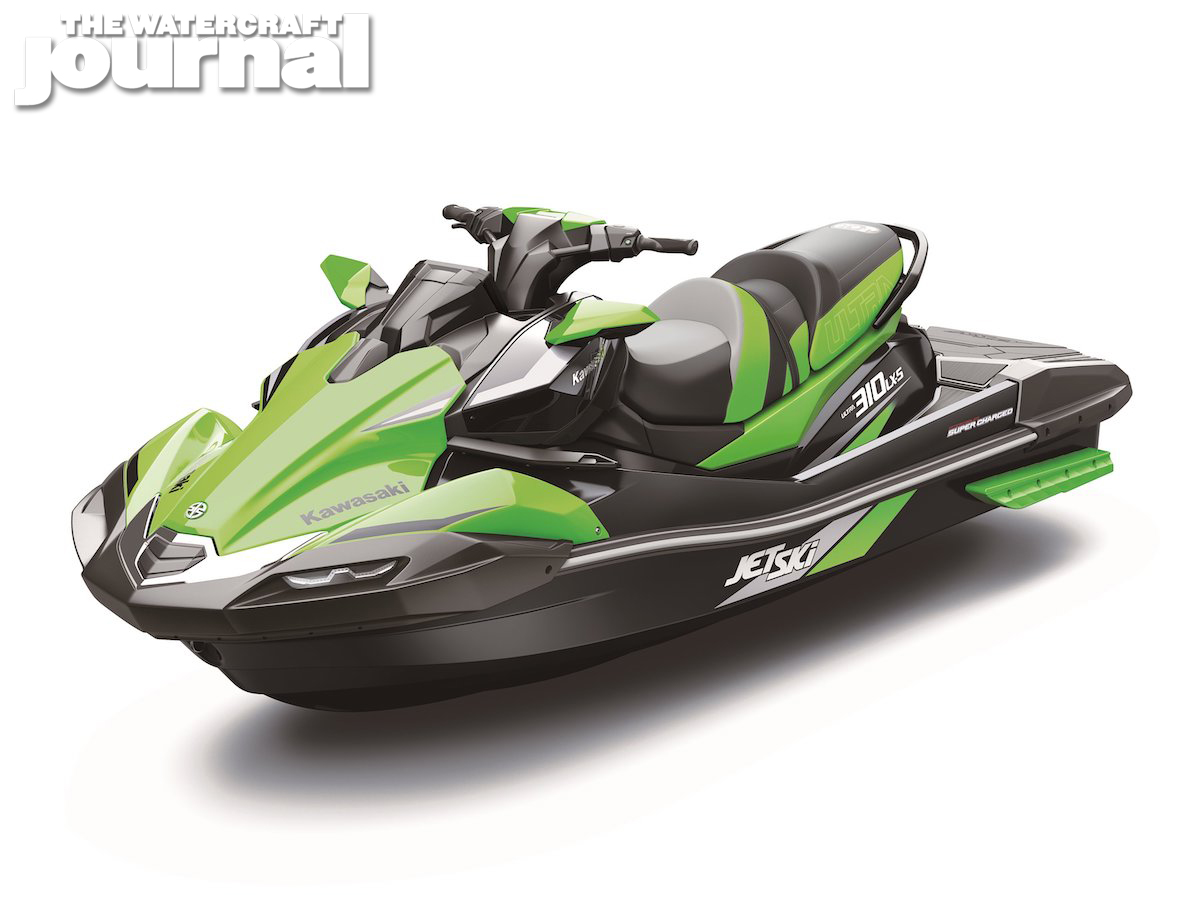
The JetSki Ultra 310LX-S includes an exclusive ULTRA Deck with an extended rear deck and 7.9 inches of additional staging platform for water play and storing gear. Two multi-mount rails are built into the ULTRA Deck to accommodate additional accessory slide mounts and provide accessible tie-down points.
It also comes equipped with a rearview camera that can be monitored on the instrument panel when in use and stylish LED accent lights that have been added to the front of the JetSki. The 2024 3-passenger supercharged JetSki Ultra 310LX-S is offered in an Ebony/Lime Green colorway with an MSRP of $19,299.
The JetSki Ultra 310LX takes luxury and style to the next level, featuring all of the great performance and convenience of the Ultra 310X and Ultra 310LX-S while adding an incomparable seat and sound system. The industry-first 3-position ERGO-FIT adjustable LXury seat is designed for comfortable cruising for up to three people.
JETSOUND 4s is a highlight of the Ultra 310LX, making it the first standard-equipment 4-speaker integrated audio system feature with jog-dial control and Bluetooth connectivity featured on a personal watercraft. The 2024 3-passenger supercharged JetSki Ultra 310LX is available in an Ebony/Metallic Gold Sparkle Deep Green colorway with an MSRP of $20,299.
JETSKI STX 160 SERIES
The JetSki STX 160 series is powered by a DOHC, 16-valve, parallel 4-cylinder and 1498cc engine. It utilizes a balanced hull, ergonomic riding position, large fuel tank and storage compartment, along with several easy-to-use rider aid functions to create a comfortable and exciting three-seat personal watercraft that appeals to a wide range of riders. The 2024 3-passenger JetSki STX 160 is available in Crystal White/Vibrant Blue with an MSRP of 11,399.
In addition to the STX 160’s standard features, the JetSki STX 160X features adjustable electronic cruise control speed, which can be set with the UP/DOWN buttons located on the handlebar. It also features a comfort handle grip that tapers outward, making it easier to hold on when riding in a straight line and a premium painted deck. The 2024 3-passenger JetSki STX 160X is available in Crystal White/Ebony with an MSRP of $11,999.
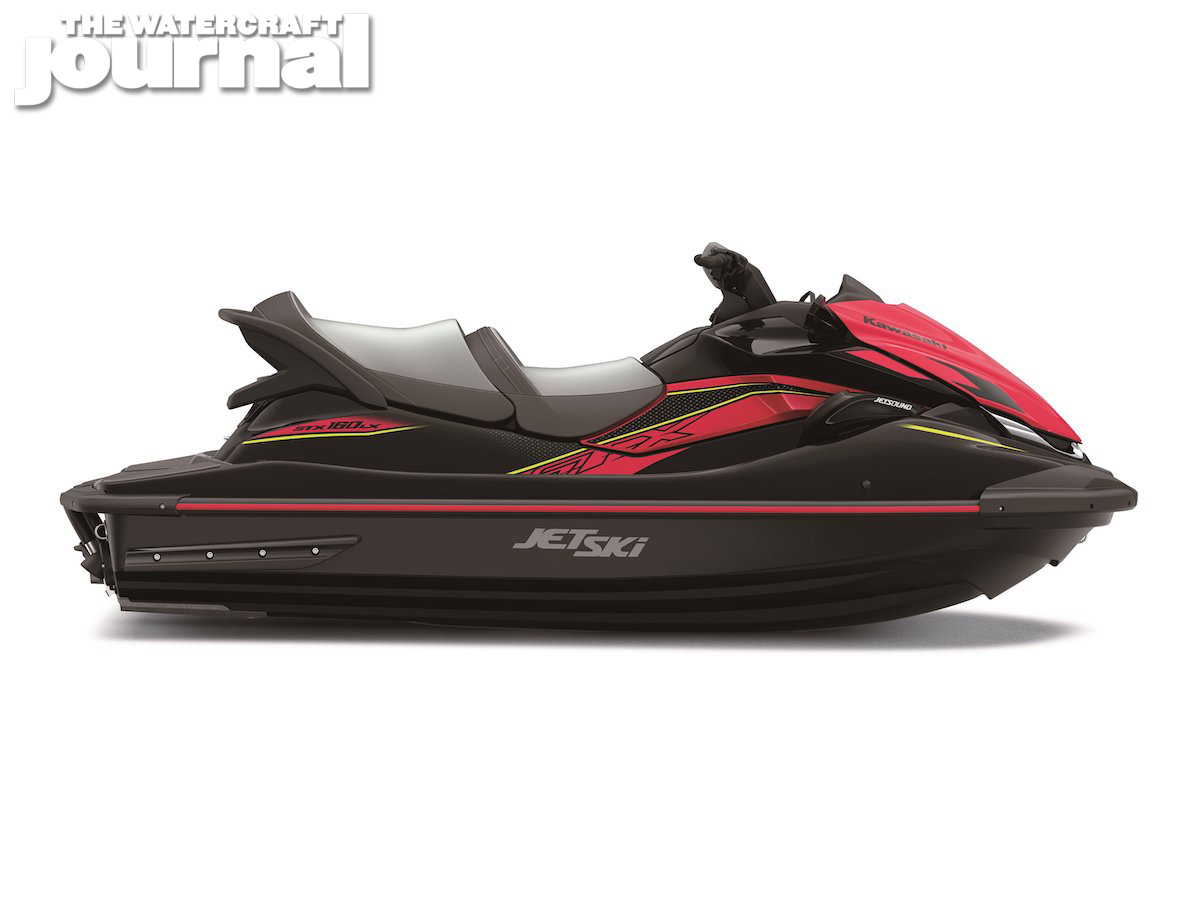
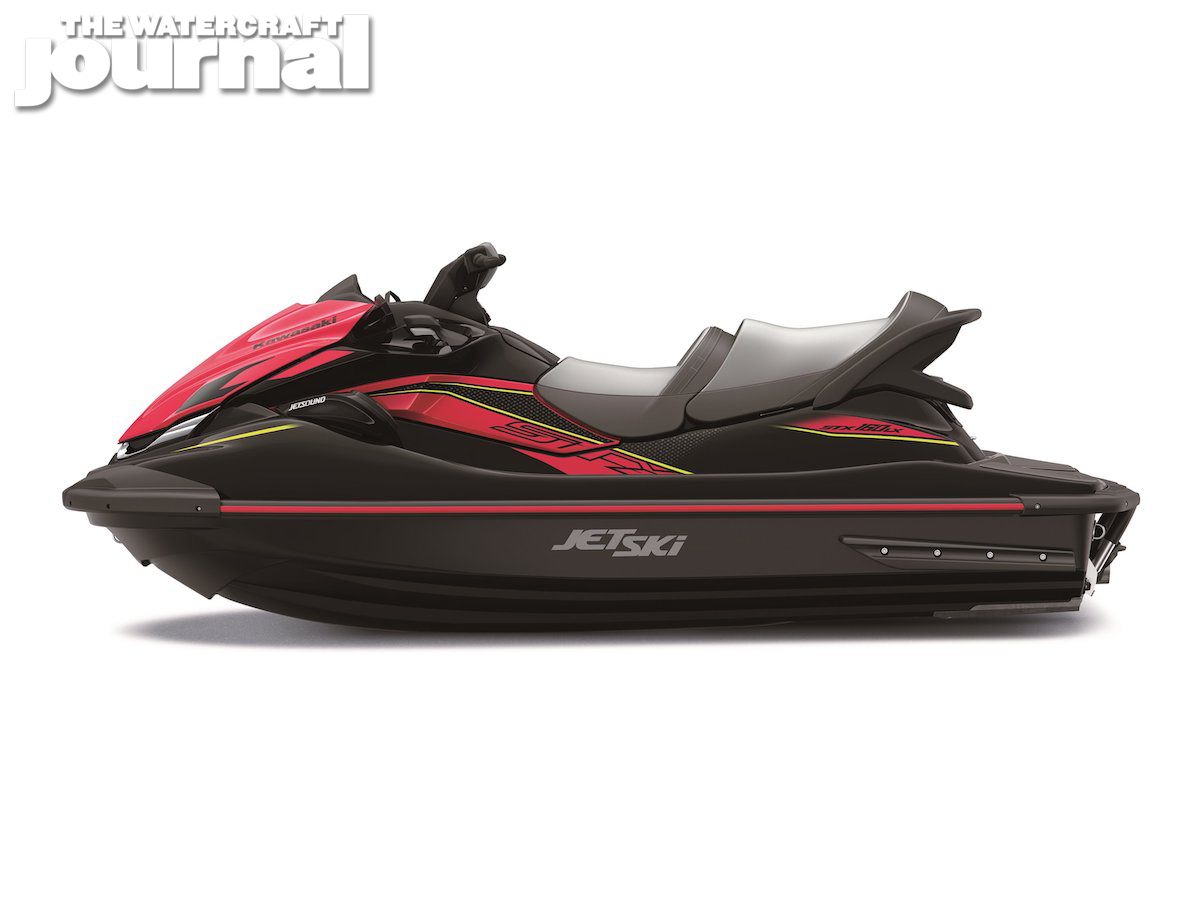
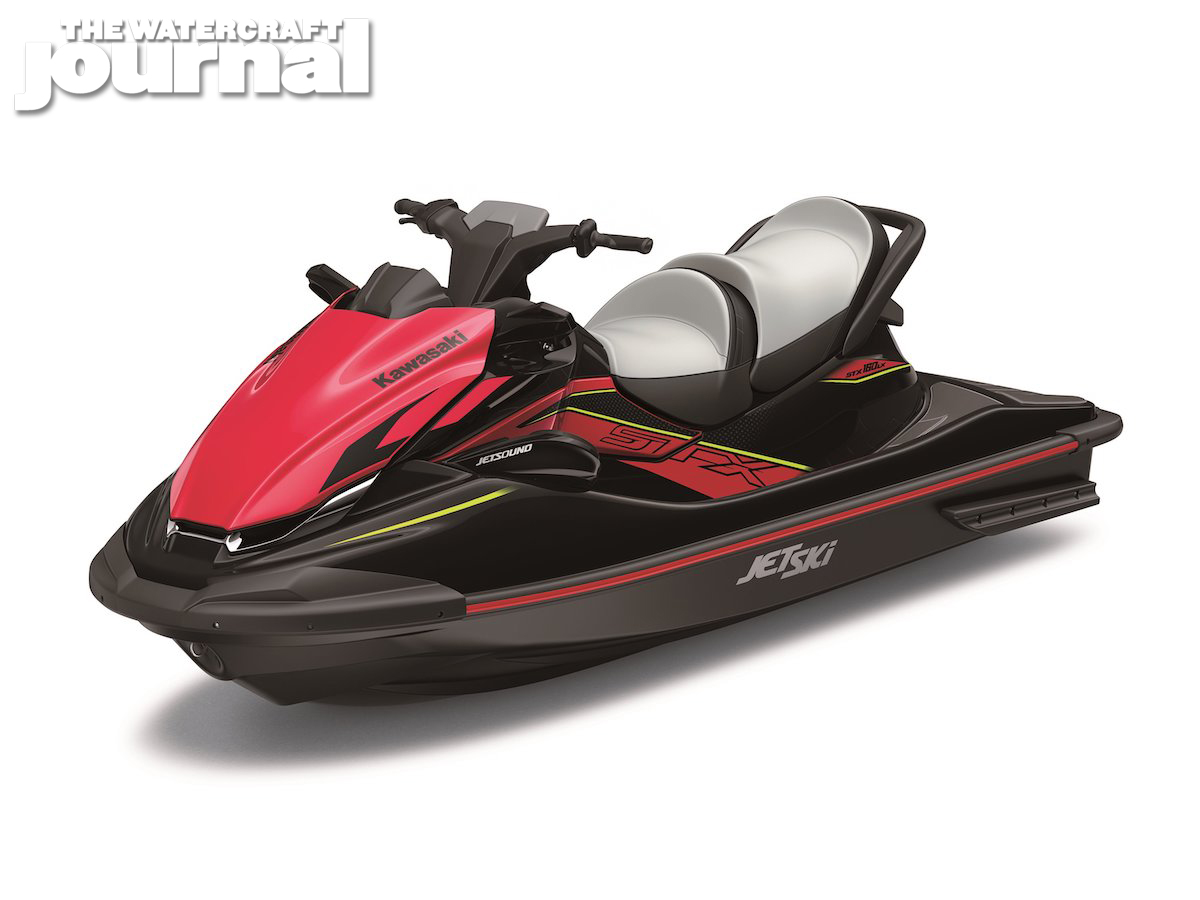
Finally, the JetSki STX 160LX flagship model includes the JETSOUND integrated audio system with Bluetooth as standard equipment. The system consists of an amplifier, an audio controller built into the handle, and two speakers placed under the mirrors. It also features a two-tone dedicated deck mat and LXury seat designed to ergonomically fit the rider’s body to further improve comfort.
Similar to the STX 160X, it comes equipped with a comfort handle grip, adjustable cruise control speed via the UP/DOWN buttons, and a premium painted deck with full graphics. The 3-passenger 2024 JetSki STX 160LX is available in Ebony/Neon Red with an MSRP of $13,699.
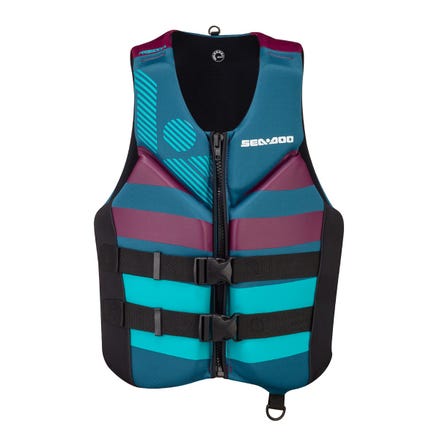
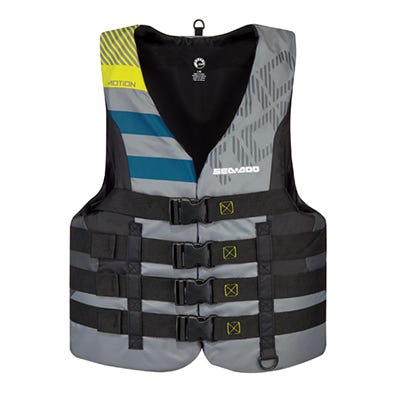
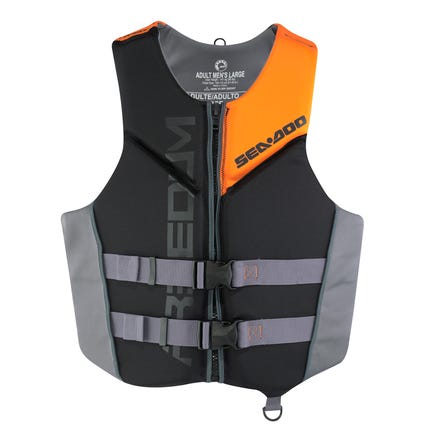
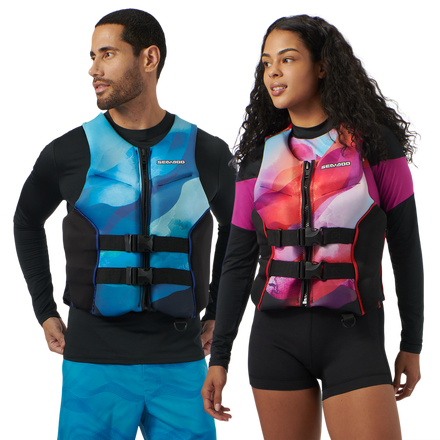
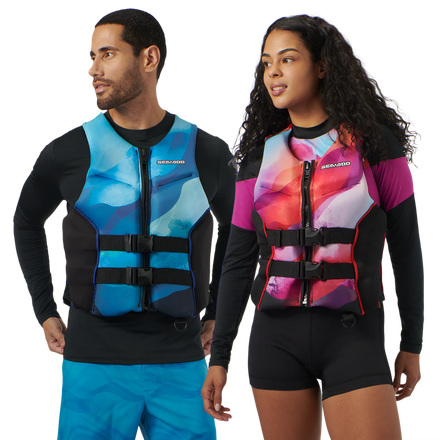
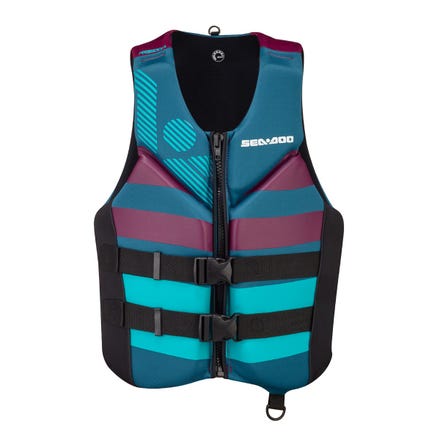
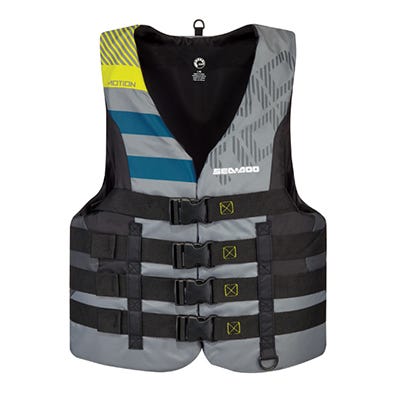
Sea-Doo has redesigned their different lines of life jackets and incorporated different categories based on the wearer’s needs. For example, someone who likes to race down the waterway, will want a life jacket that maximizes air flow while a fisherman would reach for a PFD with pockets for stashing tackle. Sea-Doo has broken down lifejackets into useful categories to make it easy to shop for one geared toward your riding style.
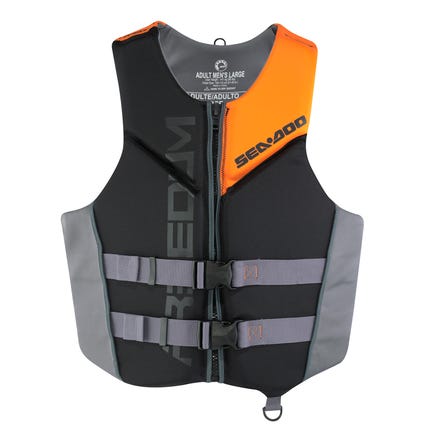
Sea-Doo’s Airflow Life Jackets are designed with comfort in mind. They use a Unique Airflow System to keep the jacket away from your skin, so you can stay cool and dry. Extra lumbar padding adds support and alleviates lower back pressure. The Freedom line of life jackets have an athletic fit and are built with all-around performance in mind.
The Explorer Life Jackets are extremely durable and made for the rider who likes to keep his essential gear within reach. This is the kitchen sink of jackets from Sea-Doo. It has numerous pocket and places to mount your camera and radio.
If you’re in the market for a nice line of life jackets for the family, the Motion Life Jackets are worth checking out. These are great for people with growing kids because they have adjustable sizing. These PFD’s have large arm holes to add more comfort, so you can move without restriction.
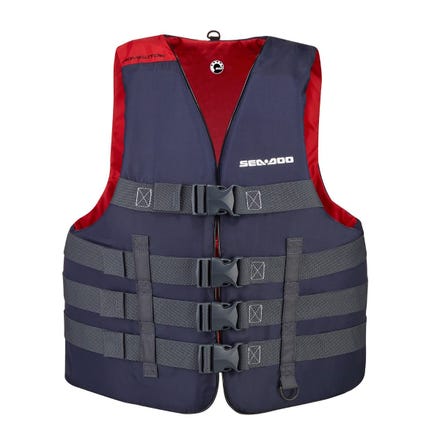
If you have a lot of summer visitors who like to get on the water, the Navigator Life Jacket is a great choice for you. The jackets are unisex, making them easy to share. They are affordable as well, so you won’t break the bank for those occasional visitors and still keep safety in mind with these USCG approved vests. Sea-Doo has another category featuring Youth Life Jackets.
There are several different styles to choose from, including the Kids’ Sandsea PFD made for little kids who like to go for boat rides. It is not for use on PWC. Sea-Doo’s line of youth jackets are designed with freedom and the environment in mind. The ecoprene material is rubber free, flexible, lightweight, and quick to dry. Head to the Sea-Doo website to learn more about the newly designed lifejackets. All jackets are USCG approved.
An electric jetboard from Radinn can greatly improve your van life. Just add water and a Radinn X-Sport and you’re good to go. The X-Sport is the most versatile and durable board in the Radinn line up, making it the perfect board to accompany you on your journey.
The X-Sport is ready for adventure and built to withstand almost anything you can throw at it. You could probably hit some debris on this thing and keep on riding without even so much as a ding. It’s that stable and that tough. The board is made using Radinn’s ultra-resistant hull technology.
This is the material that windsurf boards and extreme kayaks are made of. The X-Sport can easily take on rough conditions thanks to an extra thick fiberglass job and ASA polymer layer. The board is easy to ride and is responsive enough for pulling tricks and getting a little loose while riding.
What makes this board especially good for van life is the fact that it is tough and great for taking on new spots you discover during your travels. You may encounter a lot of growth along an old trail when heading down to the water. Have no fear; the X-Sport isn’t going to shatter if you accidentally bang it on something.
When you do hit the water, the board’s quad fin setup is going to allow you to let loose and draw out big carving turns. So, the next time you’re heading out in your van for a cross country tour, throw a Radinn X-Sport in its boardbag and hit the road! You’ll be glad you did!
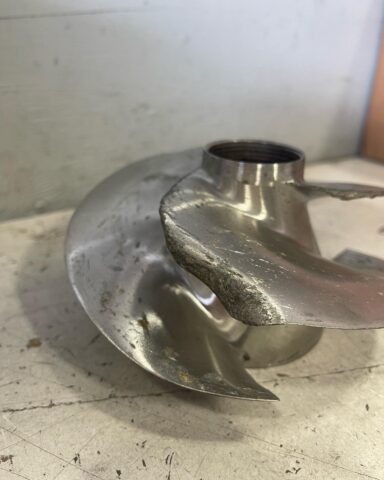
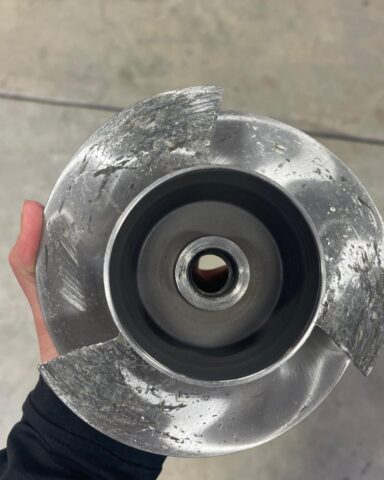
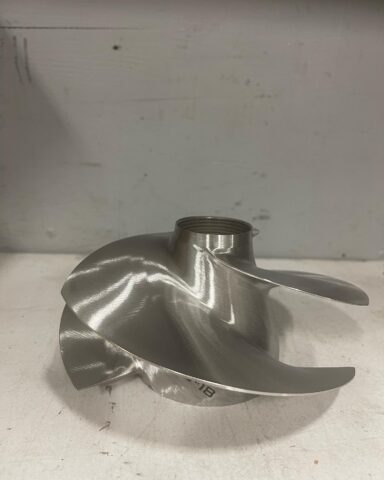
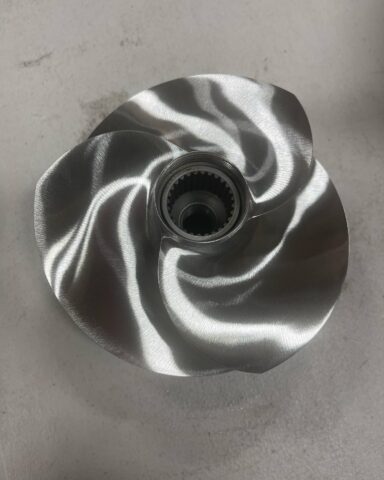
Whether you’re pinned in the shallows or casually cruising with a group of friends, impeller damage can quickly put a damper on your day. Dulled, blunted, bent or torn blades can wreak havoc on your watercraft’s jet pump if left unchecked and that can quickly add up to a very costly and likely unrideable season. Thankfully, Impros – the most experienced, trusted name in impeller performance – can whip your wasted impeller back into shape in no time!
In this incredible before-and-after set if images published in a recent Facebook post, Impros shows off its stills and restoring stock, race-ready and completely customized impellers. Here’s what they had to say:
“Think your impeller isn’t repairable? Call us first! […] We have a reputation of taking what might look like a goner back to brand spankin’ new! Just send us an email with pictures from multiple angles and we will give you a quote and turn-around time! Do you have a “goner” that we can turn back to gold?! Send it!”
And if these pictures aren’t enough to encourage you to get your impeller restored, we’ve got one better: all readers of The Watercraft Journal can enjoy 10-percent off of any purchase at Impros when using the exclusive coupon code WCJ10 at the point of check out! Shave off some cash and get your PWC running right all in the same breath! It’s that easy!
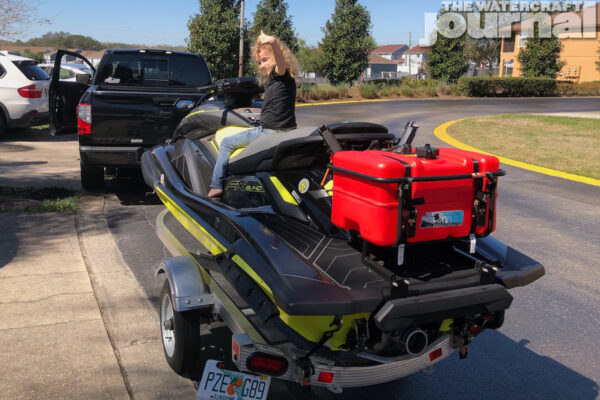
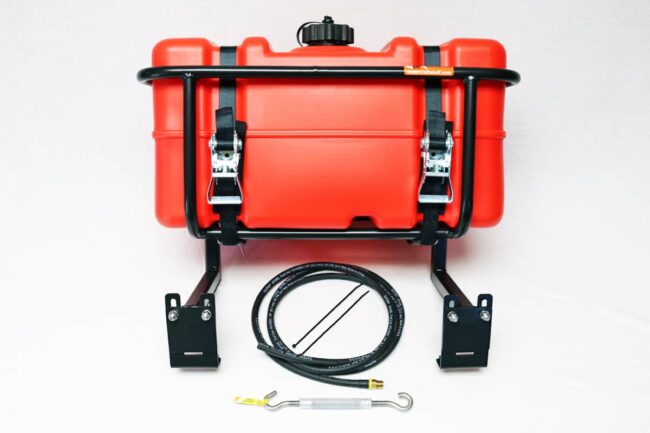
A little over 4 years ago, The Watercraft Journal introduced the PWC community to its “Long Hauler” Auxiliary Fuel System Kit, designed to work with all modern 4-stroke runabouts – except for any post-2011 Sea-Doos. Considering that Sea-Doo accounts for over 50-percent of all new units sold year-to-year, you’d think we’d make every effort to accommodate these owners…but doing so is far more complicated than many would think.
This article is going to explained how our system works without any cutting or drilling, and how easily it can be installed and removed; as well as why updates to Sea-Doo’s fuel system from the factory in 2012 made using our kit neigh impossible without major modifications or unsafe fuel plumbing – especially for the layman enthusiast to perform. Lastly, we’re going to offer easy and readily available solutions for bringing plenty of fuel for long rides.
Self-Siphoning Tanks & “The Long Hauler” Auxiliary Fuel System Kit
Siphon-style fuel systems are well over 100-years old. Describing the process as simply as possible, when the engine draws gasoline from the factory-supplied fuel cell, it creates negative pressure (or vacuum). Typically, this vacuum draws in air through a breather tube vented outside, equalizing the pressure in the fuel cell. A siphon-style fuel system (like WCJ’s Long Hauler Kit) replaces that vent tube with a fuel line plumbed into a second vented fuel tank.
This means that as the engine pulls gasoline from the factory fuel cell, the vacuum created will draw the gasoline from the auxiliary (backup) tank before finally pulling in air vented through the second tank – and all without interrupting the normal mechanical operation of the vehicle. And because the auxiliary fuel is pulled in by vacuum, the line experiences zero pressure, ensuring very, very low chances of fuel leakage.
Moreover, as long as the nipple connecting the fuel cell to the vent tube is accessible, swapping out the tube for a second fuel line can take a matter of seconds. Both fuel cells from Yamaha and Kawasaki are well within reach (once removing the access panel in the front storage bin). In recent years, Yamaha reconfigured its tank ventilation to improve air flow during fuel fill-ups, but the traditional vent tube begins a little higher up at a T-fitting.
For those running a 2004-through-2011 Honda Aquatrax 4-stroke, and pre-2021 Yamaha WaveRunner 4-stroke or any Kawasaki JetSki 4-stroke, the process is as simple as described: locate the nipple in the tank that connects to a vent tube, disconnect the tube and replace with a fuel line running to an auxiliary fuel tank. Because the line isn’t pressurized, a simple plastic ziptie or hose clamp can be used to secure the fuel line to the plastic nipple.
https://youtu.be/Irym6RRM8kA
So How Come it Won’t Work for Sea-Doo?
Prior to 2012, Sea-Doo 4-stroke watercraft operated in very much the same way as the other brands, ventilating their fuel cells through a dedicated tube to the outside atmosphere – making use of these kits possible. Unfortunately, Sea-Doo made a sweeping change for 2012, opting to ventilate their fuel tanks through a vented gas cap. The vented gas cap simplified the fuel system (reducing the number of parts) by making the filler neck both the fuel ingress line and vent tube.
A solution we considered was to source (or develop) a solid, non-vented cap with a port or nipple (similar to those found on older dirt bikes and ATVs) where the auxiliary fuel line could be plumbed. This proved problematic as trying to route the fuel line to the rear would either need to hang loosely in the footwell (which was unacceptable) or be pinched off by many of the “splash guards” Sea-Doo has in place to keep fuel from spilling during fill-ups.
A second consideration was to install our own vent line by again, replacing the vented cap with a solid cap; but this time replace the filler neck with our own customized hose with a bung for a vent line. While this would work and allow a fuel line to be routed safely through the engine compartment, accessing the fuel tank (specifically in the popular ST3 platform) is particularly difficult without significant disassembly – making a quick removal of the system all but impossible.
In all, each solution that we explored either needed expensive additional parts or required permanent alterations to the watercraft that we simply didn’t feel comfortable asking everyday Sea-Doo owners to perform. (When asked, most couldn’t even locate their fuel tank nonetheless be expected to modify it. – Ed.) While not offering an application of our Auxiliary Fuel System Kit costs us considerable sales, we weren’t comfortable offering an inferior or unsafe product.
What Are My Options for Long Distance Rides?
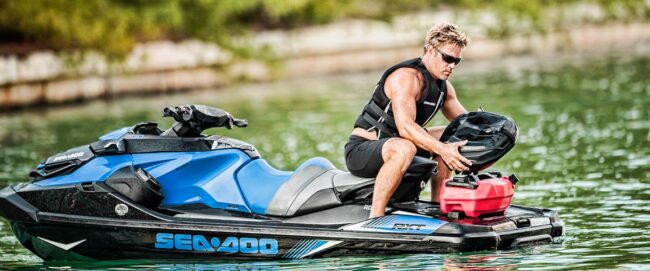
Thankfully, both Sea-Doo itself and the aftermarket provide very accessible solutions. While none offer a self-feeding auxiliary fuel system that will supplement your Sea-Doo’s fuel supply, bringing several gallons of added fuel has never been easier. Certainly, the introduction of the LinQ system in 2018 made bringing a small quantity of added gasoline a breeze. BRP’s stackable 4-gallon fuel caddy allowed the adventurer to tote another 4-gallons without tools or an added rack.
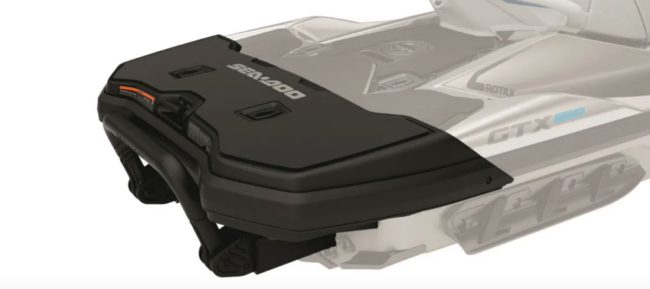
With the addition of the Fish Pro Rear Deck Extension, a second pair of LinQ mounts meant two caddies could accompany you but at the cost of permanently modifying your Sea-Doo. This addition became an immediate sensation for “long haulers” until Sea-Doo rolled out its LinQ Multi Cargo Rack, allowing (when properly arranged with additional LinQ mounts) three of Sea-Doo’s 5-gallon Fuel Caddies. With 15-gallons of fuel aboard, any Sea-Doo equipped with the LinQ Multi Cargo Rack touts more fuel capacity than those using our own Long Hauler kit.
This All Sounds Great! What Are the Downsides?
Packing a lot of added fuel can radically open up your range of exploration, which is a great thing…right? Only if you plan appropriately. Packing an extra 70-to-100 pounds of fuel can impact your PWC’s fuel consumption. Likewise, you’ll want to verify that you’ll either have enough fuel to reach your destination and return safely, or find a fuel station that is open and has the minimum octane required by your manufacturer. A lower grade fuel might get you home, but your engine’s computer will compensate for the low octane rating by increasing the amount of fuel used.
Lastly, toting all of that extra weight over the transom of a PWC will radically alter the pitch (or trim) of your ski as well as how it operates through chop. This can produce a pendulum effect and cause extreme jolts and jostles strong enough to break loose whatever hardware you’re using to secure your fuel. We’ve seen no small number of very expensive gas cans and powder coated racks lost to the sea due to cheap mounting hardware, loose straps or inferior build quality. As a final note: always re-check your equipment throughout your ride.
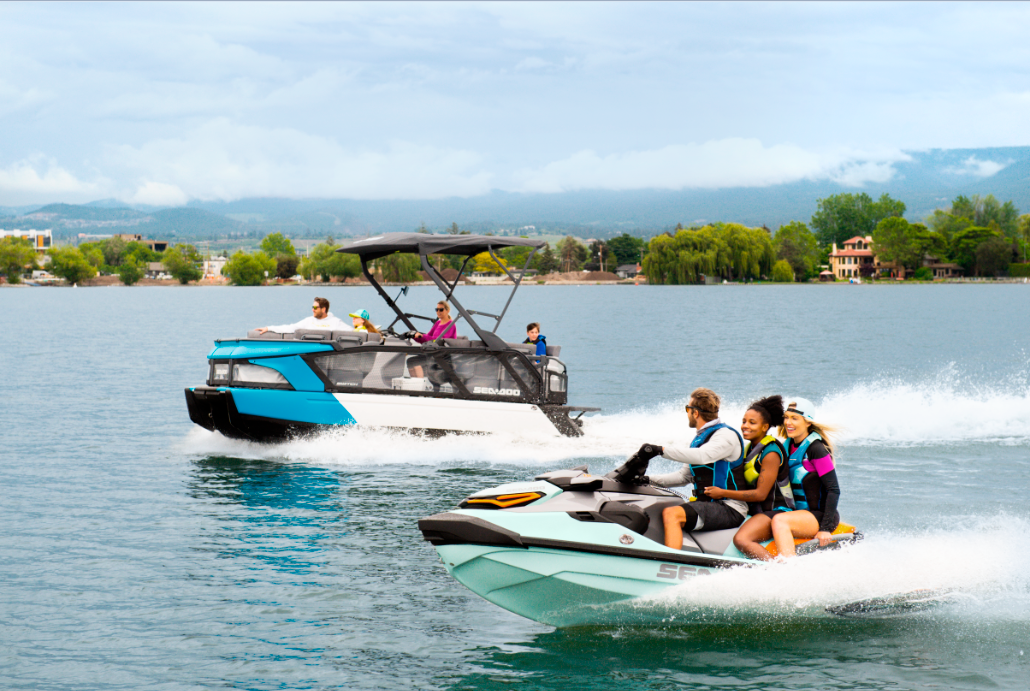
Sea-Doo has several great promotions going on right now. You can grab a deal on select models of 2022/23 Sea-Doo PWC and select models of the Sea-Doo Switch Pontoon Boats. Sea-Doo is offering $500 off $4,000 worth of accessories when you purchase a 2023 Switch. It will be easy to hit the $4,000 mark. Add a Bundle and you’re there!
You can also choose from a list of accessories and build it your way. There are 20 offers to choose from so there will be something for everyone. If you’re looking to get a deal on a Sea-Doo PWC, check out these great offers. The 2023 GTX touring models and select 2023 Sea-Doo Sparks are on offer with financing as low as 5.99% for 36 months.
Sea-Doo is offering the same 5.99% financing for 36 months on the Explorer Pro, Wake Pro, GTI Models, FishPro’s, and the big and bad Performance models, including the RXP-X Apex 300.are on offer with financing as low as 5.99% for 36 months. If you’re okay with last year’s models of Sea-Doo watercraft, you can score an even better deal. Get 2-year coverage and financing as low as 2.99% for 36 months and 2 free PFDs.
All offers are based on credit approval and your credit worthiness. Check out the Sea-Doo website for all the fine print and watercraft on offer. These exclusive offers end May 31st so hurry into your local Sea-Doo to take advantage of this low financing.


 The first stop is in Hilton Head, SC on June 11th, and 12th. The team will be in Lake Oconee, GA on the 13th and in Lake Lanier, GA June 14th, and 15th. The crew heads north to Rockaway Beach, NY for an event June 16th and 17th.
















 The
The 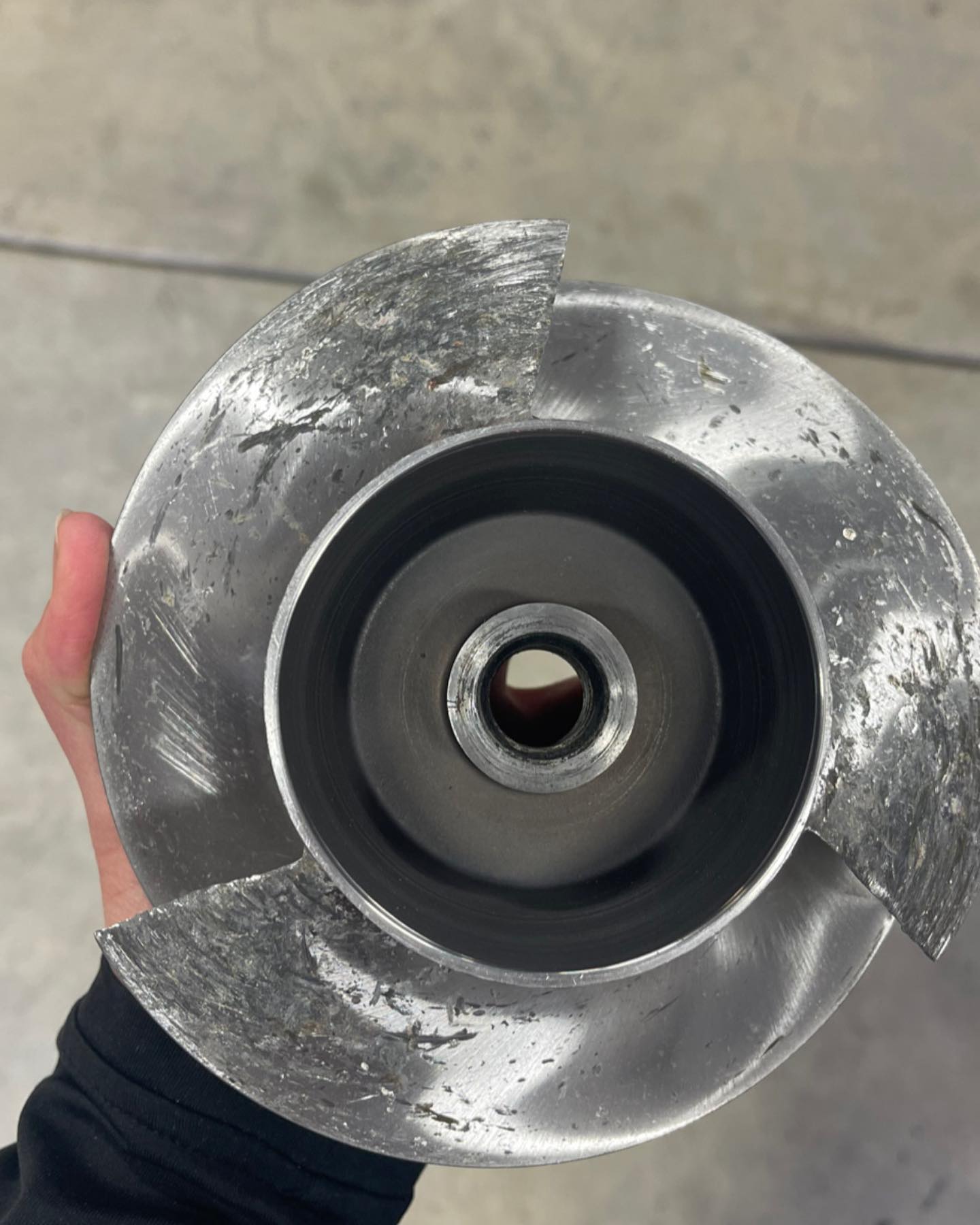

 Self-Siphoning Tanks & “The Long Hauler” Auxiliary Fuel System Kit