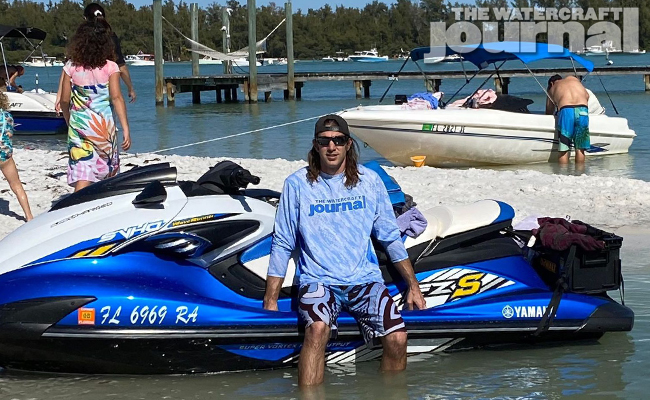
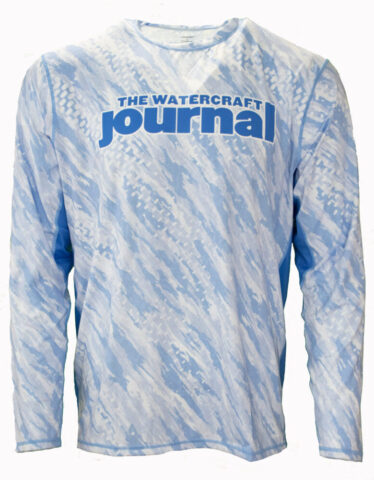
How many of us remember being told that we couldn’t get up for second-helpings until we finished what was already on our plate? Well, the same goes for The Watercraft Journal’s UV-blocking, long sleeve jerseys. While we’re preparing to show the world three new colors that you, the reader will be allowed to vote on, we need to clear our shelves of the last few remaining Bimini Blue jerseys we’ve got left.
Thankfully, we’re not looking at more than 20 of these limited-edition riding jerseys. As of this writing, we’ve got (3) smalls, (8) mediums, (6) larges, and (14) XXL left. All of our XL and XXXL are sold out.
Typically priced at $45 each ($50 for XXXL), we’ve decided to discount each shirt an additional $5 – so for example, a medium will now cost $40 and a XXXL will be $45! That’s a price cut of 10-percent!
The WCJ Long Sleeve Riding Jersey is made using Helios material proven to provide UPF 50+ protection, stellar stain resistance, superior water wicking and breathability. And they’re super comfortable!
Plus, each shirt features durable mesh lining the inside length of the torso all the way down the sleeve to the elbow. Each jersey is cut slightly larger than typical shirts including a longer cut torso so it won’t ride up. Get one HERE!
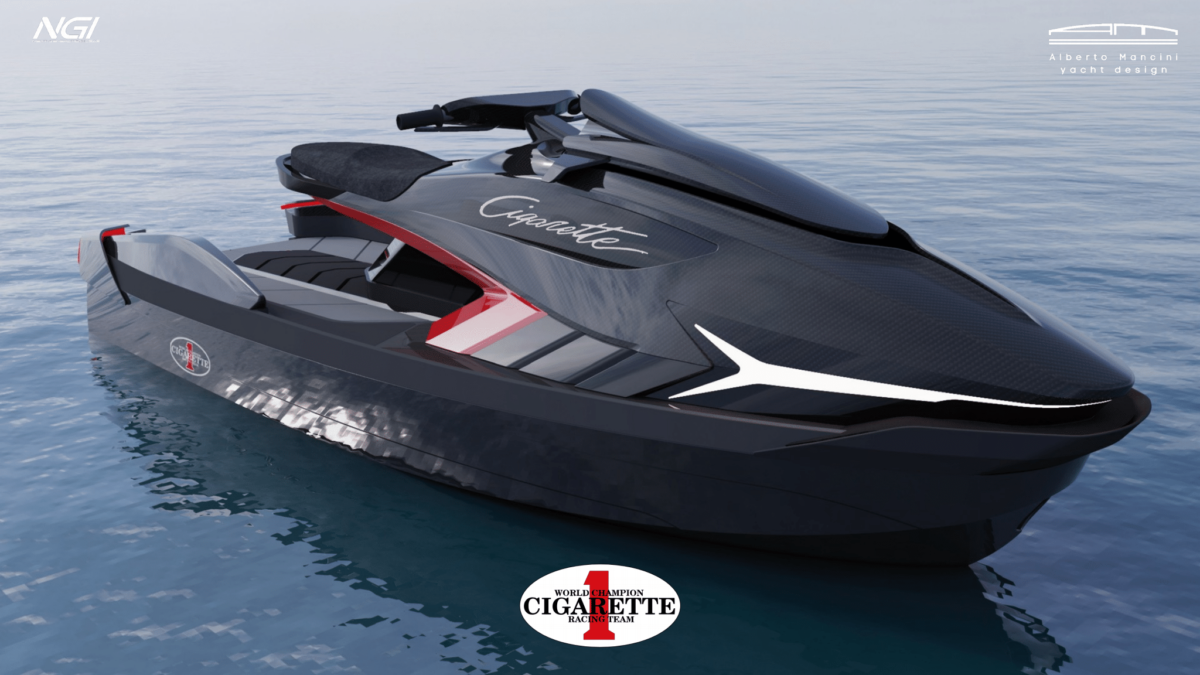
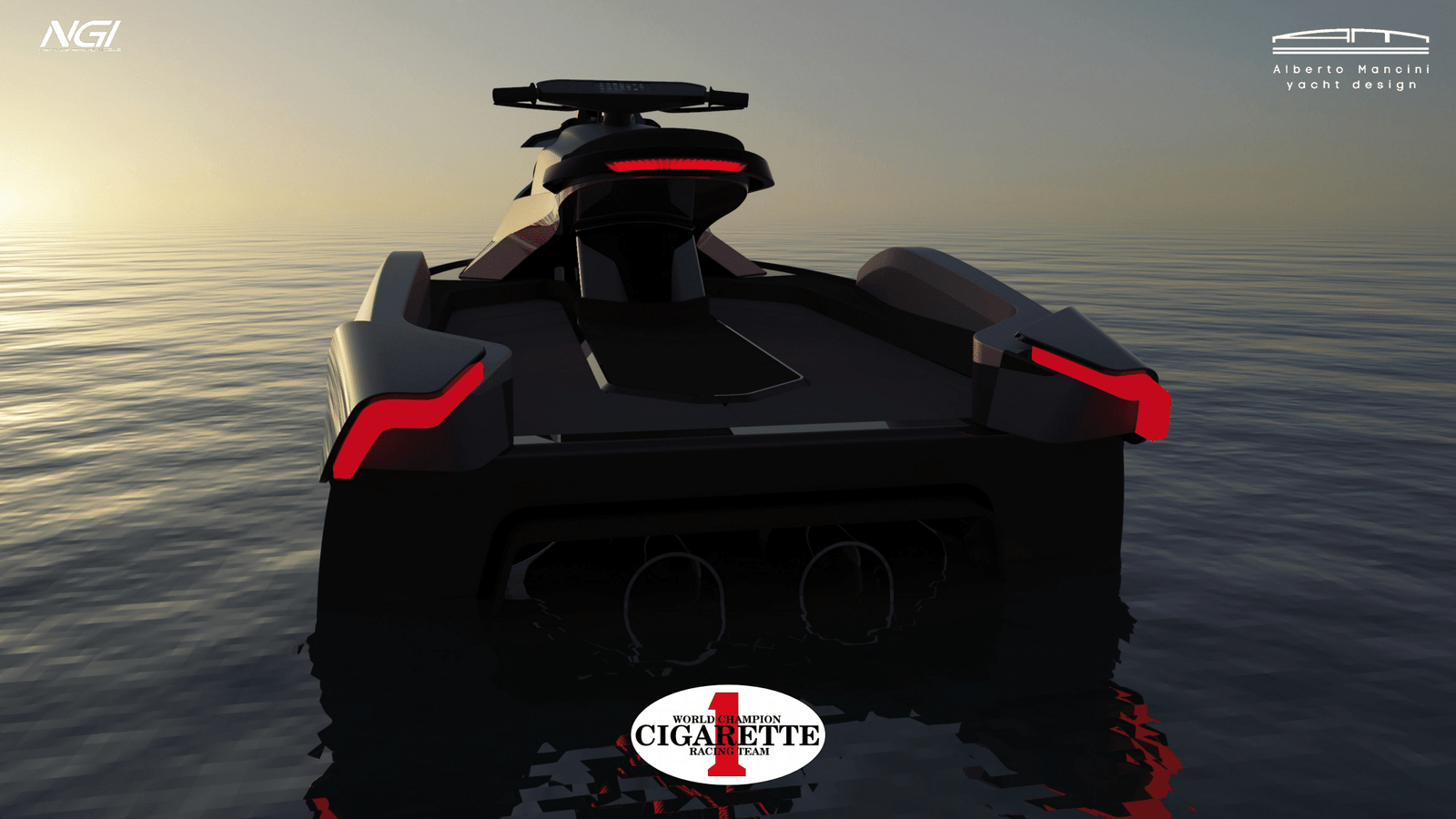
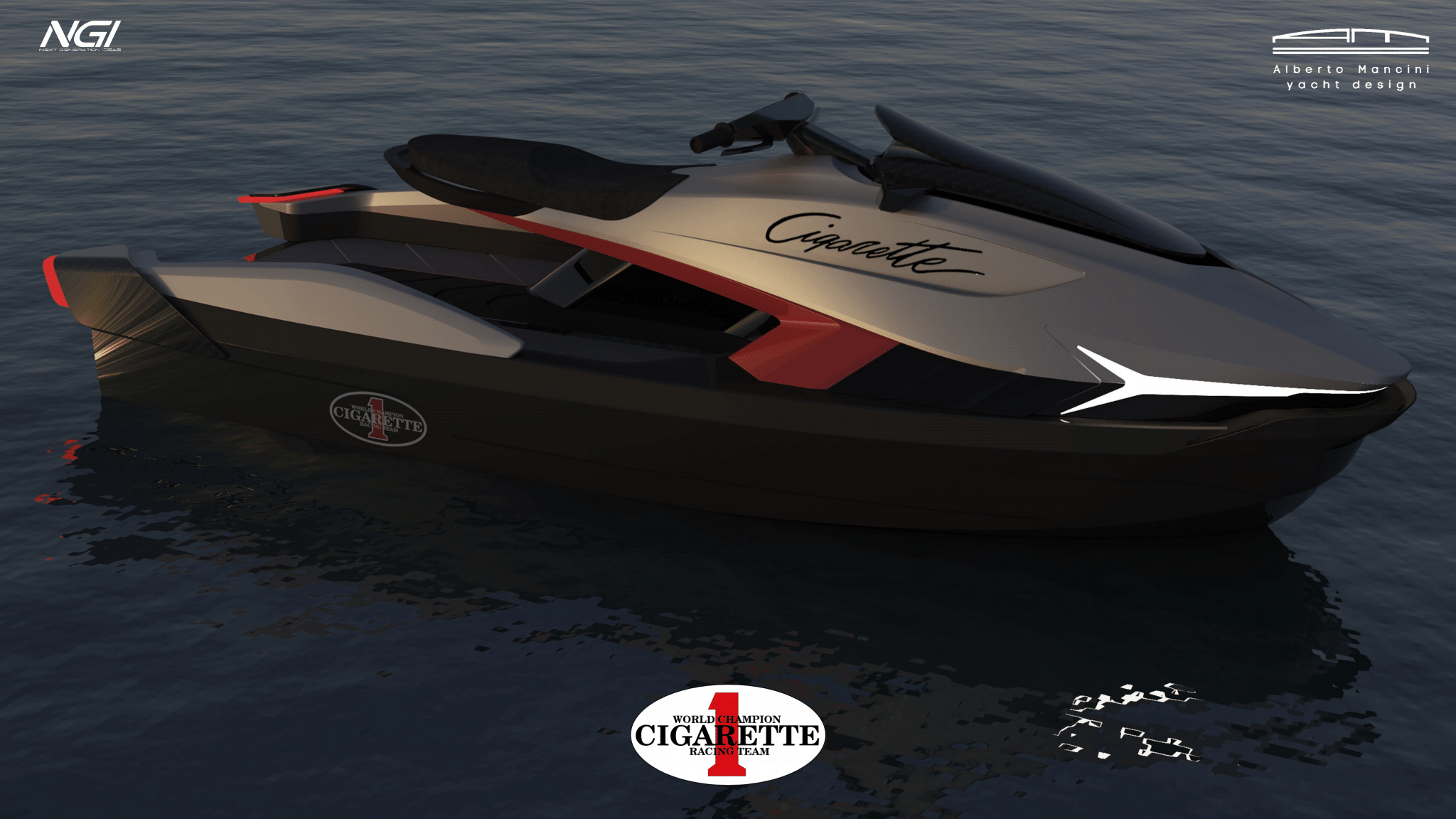
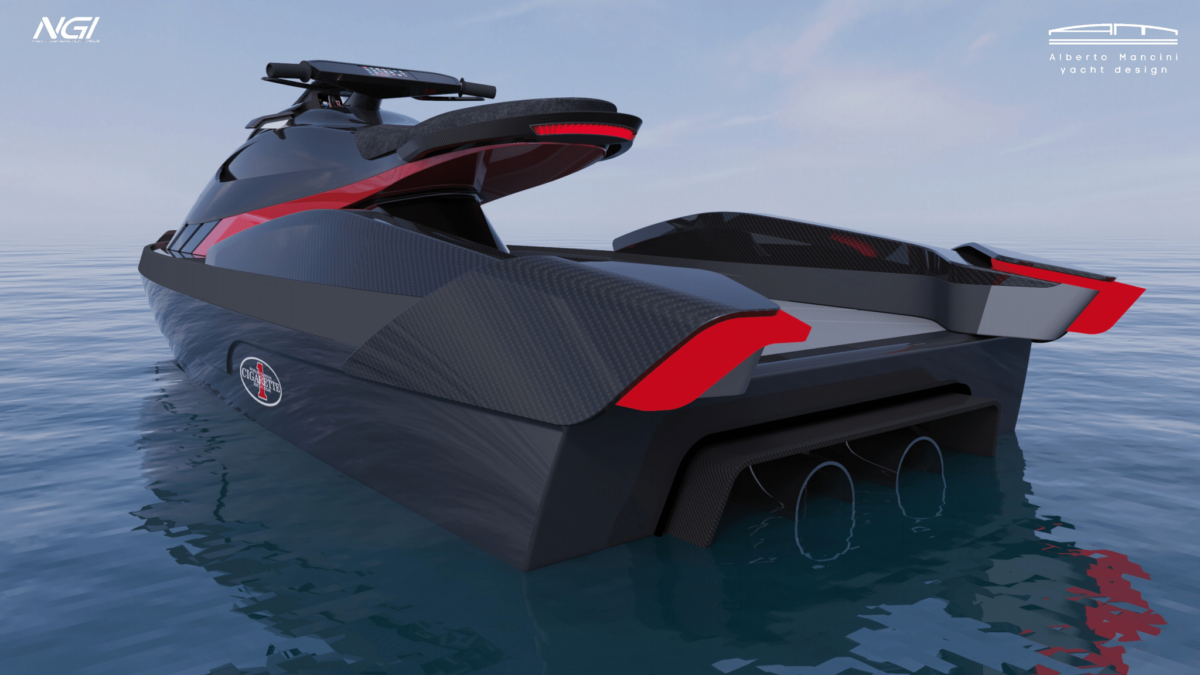
Premier lifestyle and performance boat manufacturer, Cigarette Racing shocked audiences in attendance at the Miami International Boat Show in Miami Beach, Florida this past weekend with the reveal of its “E-Jet” personal watercraft concept. To those following the Opa Locka-based boat builder closely will note that the unveiling of the PWC was foretold over 6 months earlier:
John H. Ruiz, a Miami attorney and co-owner of Cigarette with Ophir Sternberg, CEO of Lionheart Capital, told Robb Report in August 2021, “We plan to build a 130-footer and also a line of personal watercraft. You’re going to see a lot more products in the brand, with an even more sophisticated build process. We have many new concepts that are patent pending.”
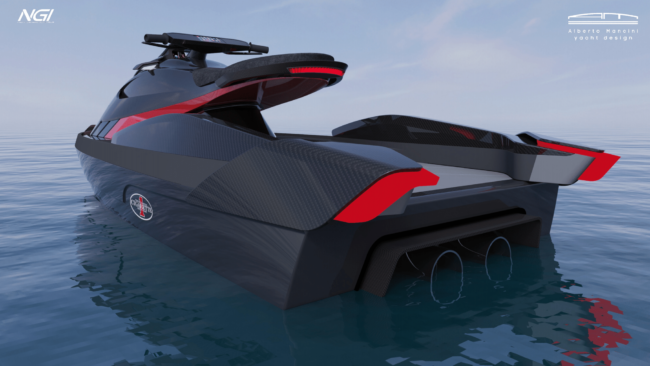
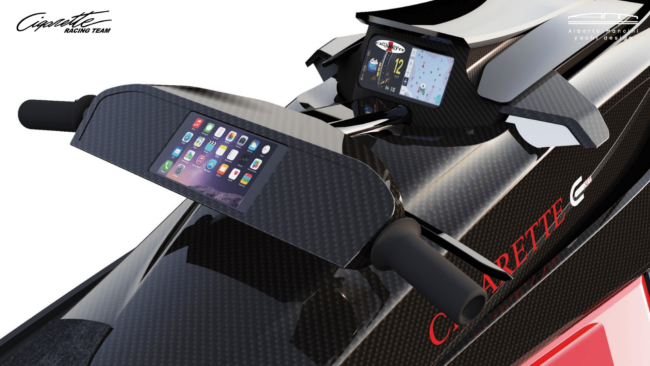
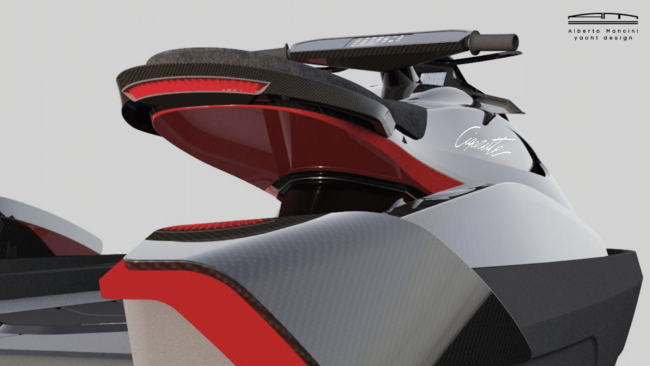
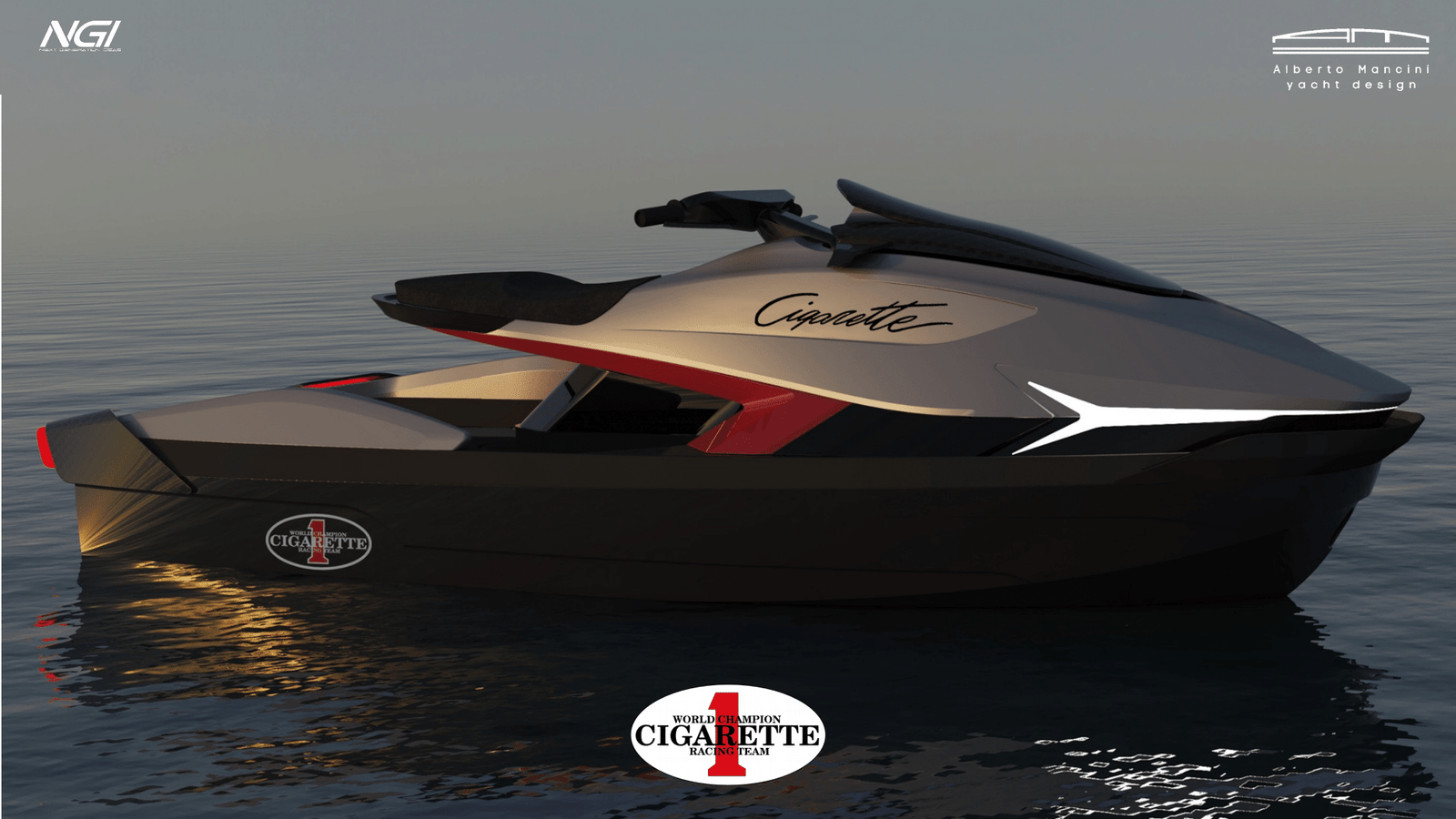
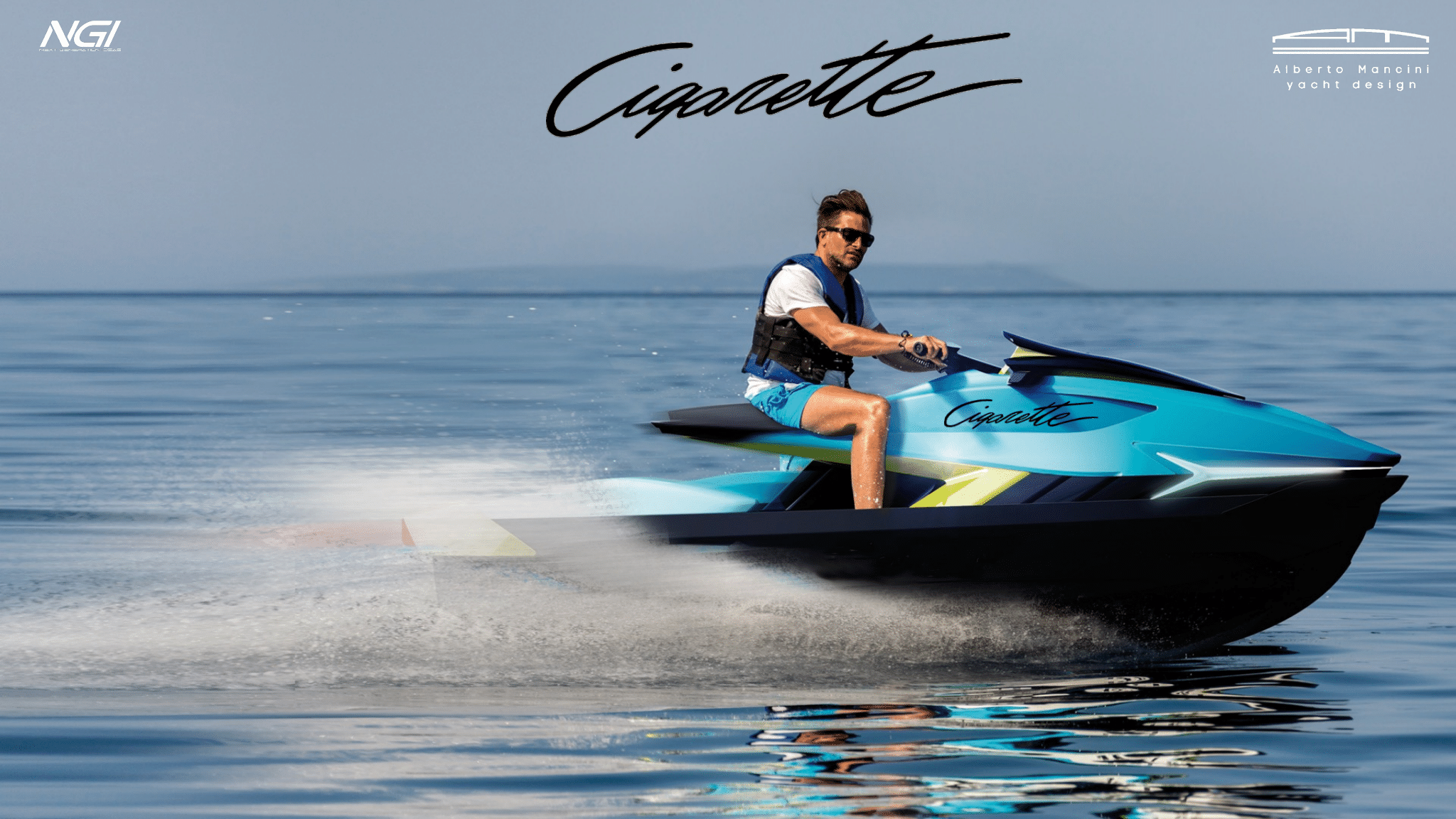
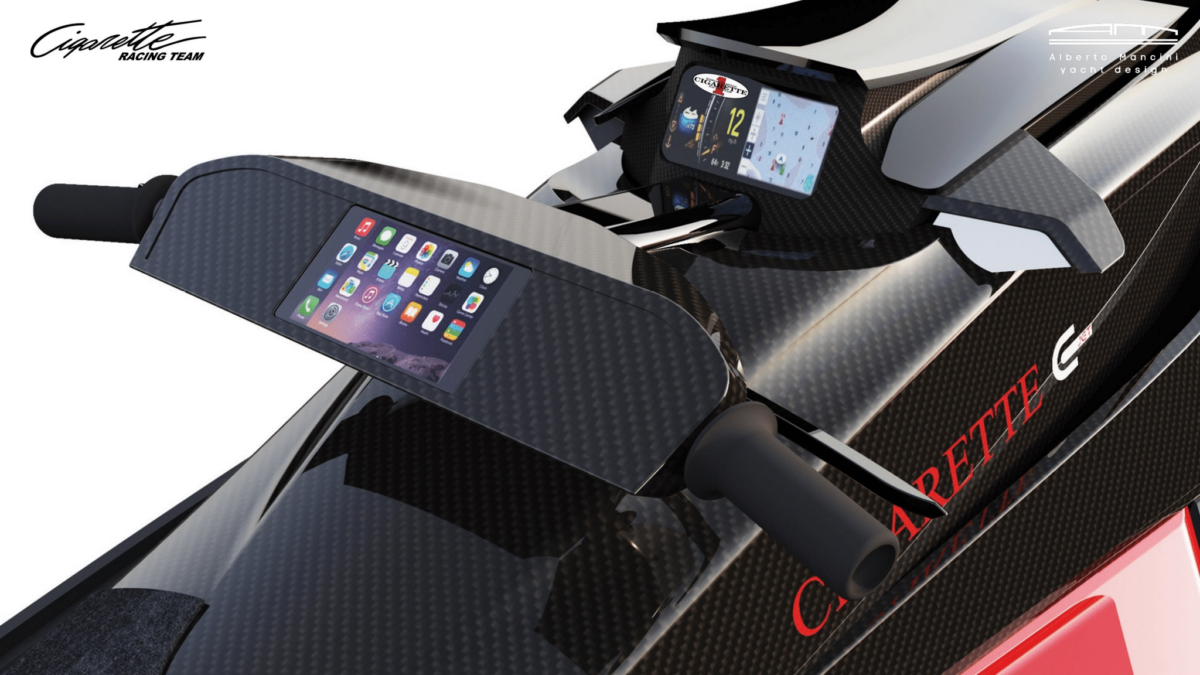
True to his word, Ruiz displayed a series of conceptual renderings of the E-Jet in Miami. Slated with an MSRP of $39,700, the E-Jet offers boaters and watercraft enthusiasts few options available anywhere else: Namely, the 2023 model unit will offer a choice of powertrains, a fully exposed carbon fiber construction, front and rear lighting, a collision avoidance system, and dual HD displays.
Buyers will have a choice of a forced-induction, gasoline-fueled internal combustion engine (ICE) capable of speeds as high as 75mph (although USCG prohibit speeds above 68mph) – or an electric powerplant with a top speed of 64mph with “a full charge ride time of 2 hours, as well as a quick charge feature giving riders 30 minutes of ride time with just a 2 minute charge.”
Born from a collaboration between Cigarette Racing, Alberto Mancini Yacht Design and NGI, the E-Jet will feature large, HD touch screen displays both at the helm as well as integrated into the handle bar pad. Currently a conceptual design, The Watercraft Journal expects to see many of the rendering’s sharper edges be softened out of safety for riders. Equally, we expect the dual jet nozzle to be reduced to one.
Either way, Cigarette Racing is serious about entering the personal watercraft market – and its E-Jet will certainly place itself at the top of the heap for luxury and design. The company is currently taking pre-orders and currently has received over $2,500,000 in deposits according to Diana Diaz, Chief Communications Officer for Cigarette Racing. Look to The Watercraft Journal for further details and an exclusive interview with John and Alex Ruiz in coming weeks.
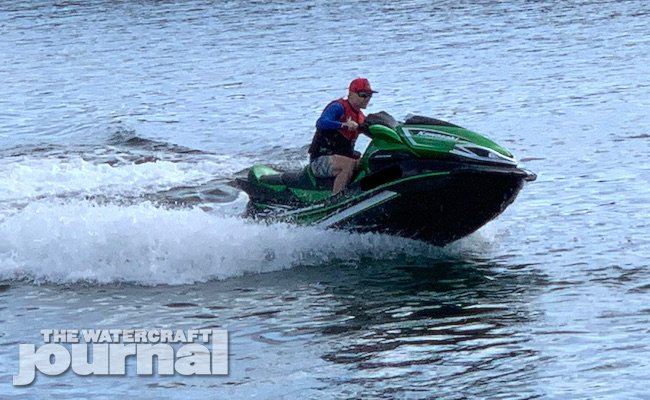
Over the last decade the Kawasaki Ultra 300 and 310 models have widely been considered the best rough water PWC. This well deserved reputation is primarily due to the tough fiberglass 22.5-degree true deep-V hull that cuts through the waves – rather than crashing over the top. The big Kawasakis boast the most powerful engine of all production PWC, and also the heaviest weight. That weight adds to the ability of the machine to cut through the waves, but it does come at the cost of agility and speed.
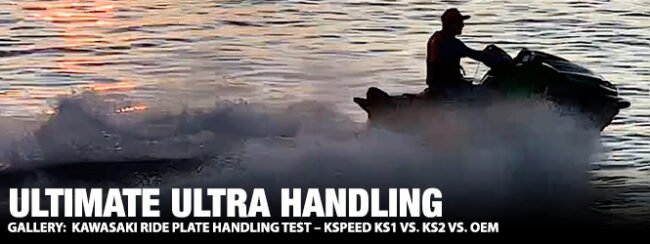
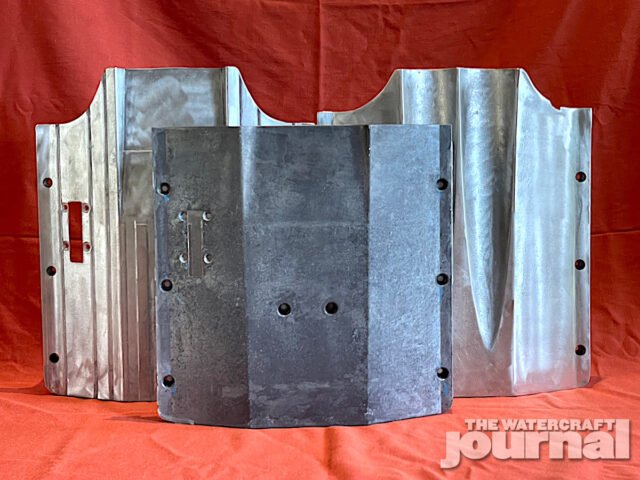
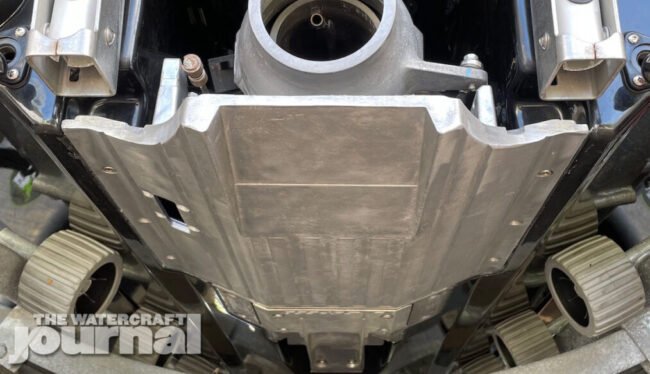
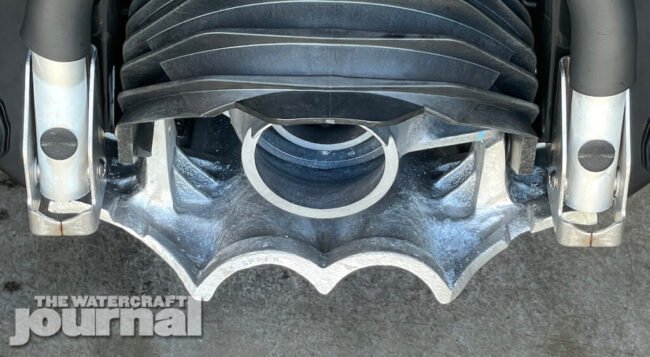
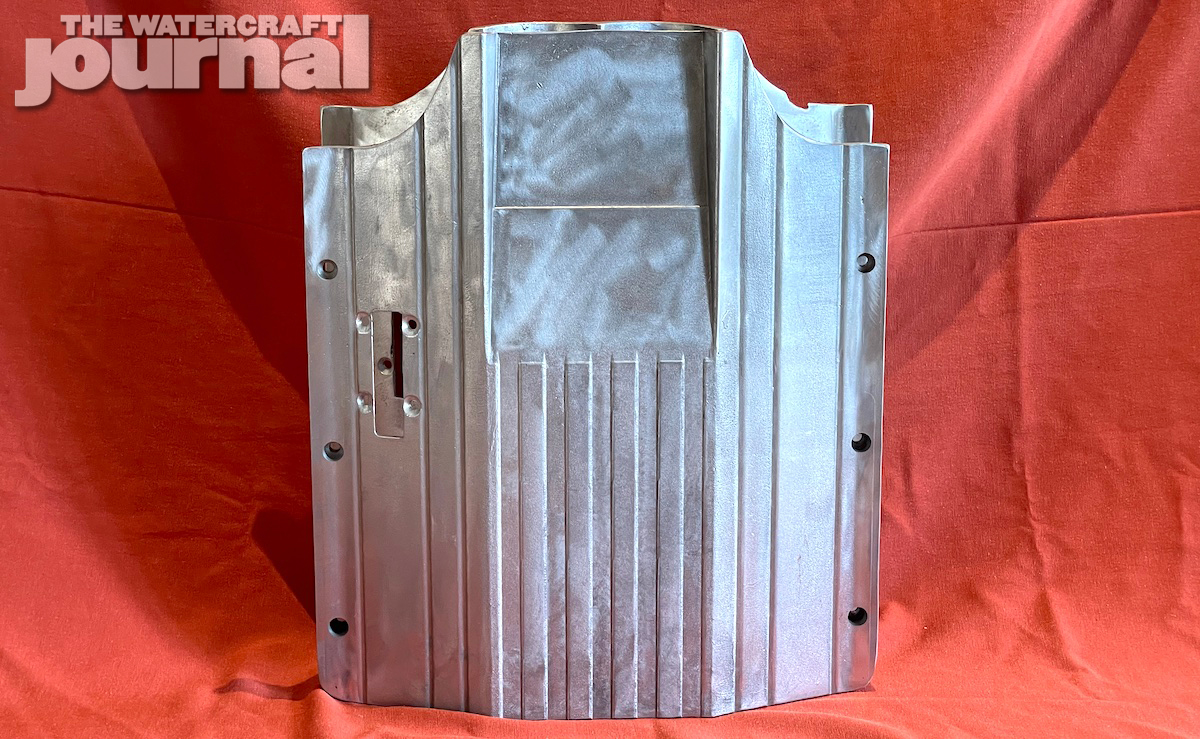
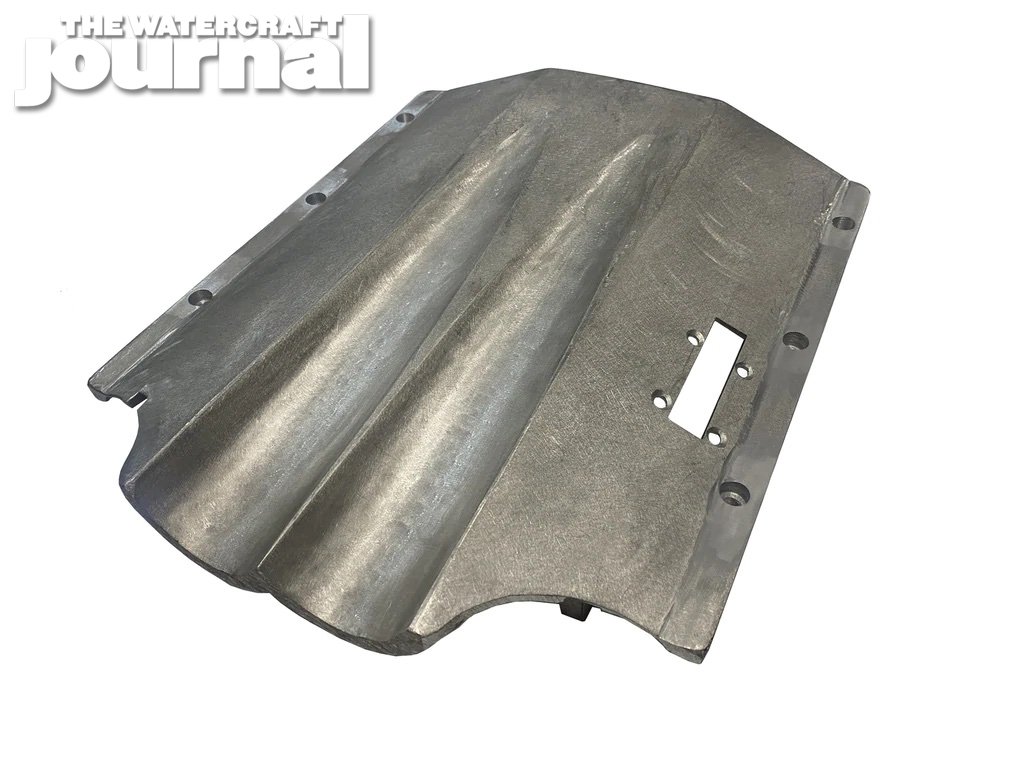
A key factor in jet ski speed and handling is the ride plate. The shape, contour and dimensions of a ride plate contribute to the performance of the PWC. In this regard, Kspeed Performance has largely cornered the Kawasaki aftermarket, and the company recently released two very different plates for the Ultras, both of which we comprehensively tested – both to each other and the factory Kawasaki plate.
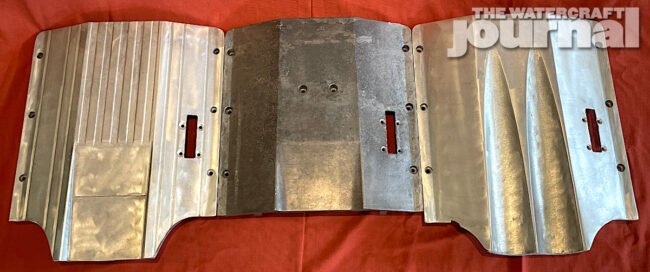
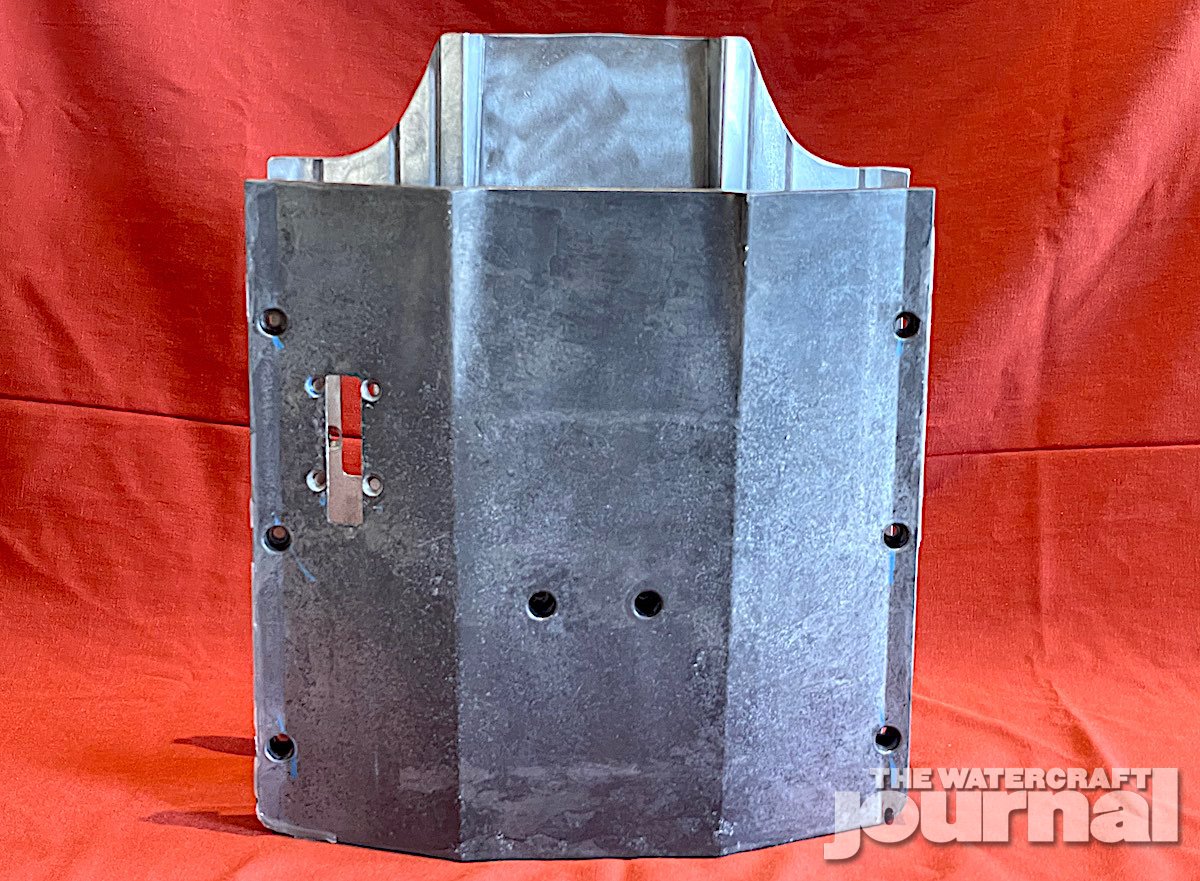
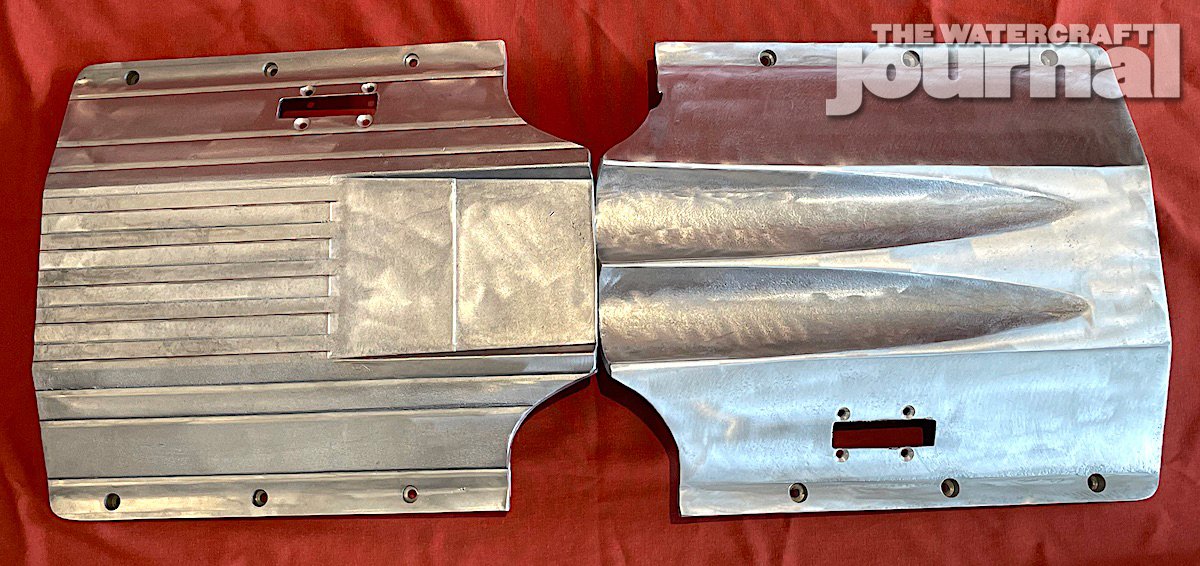
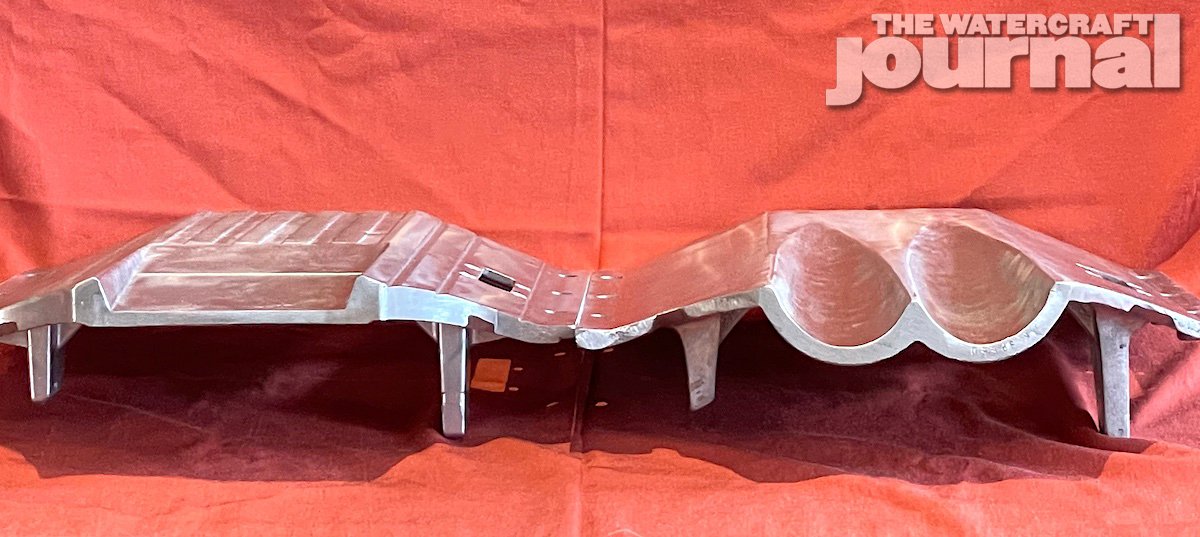
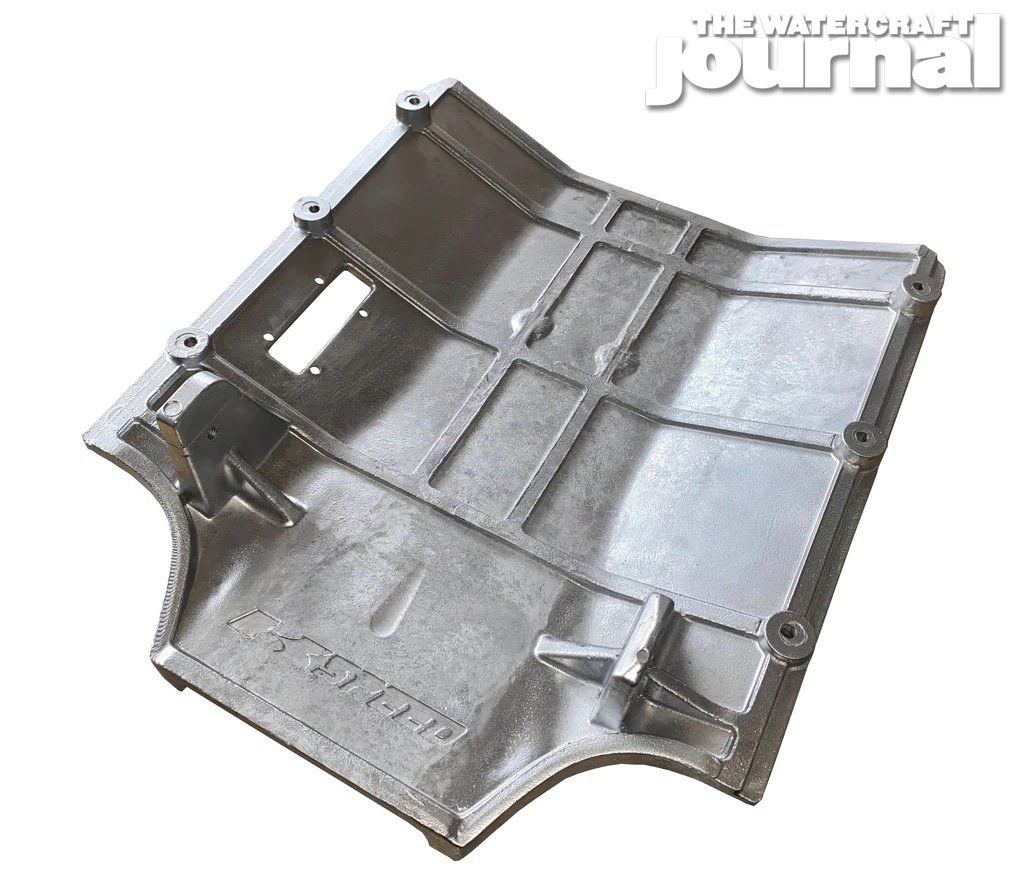
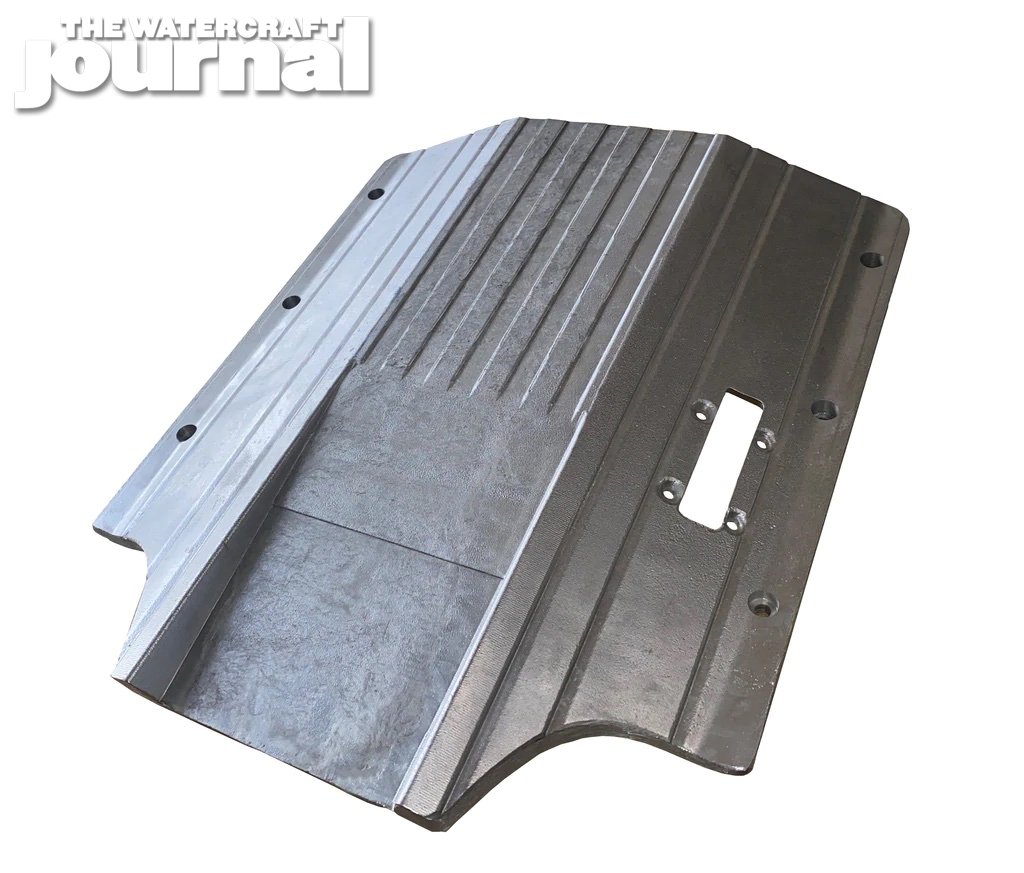
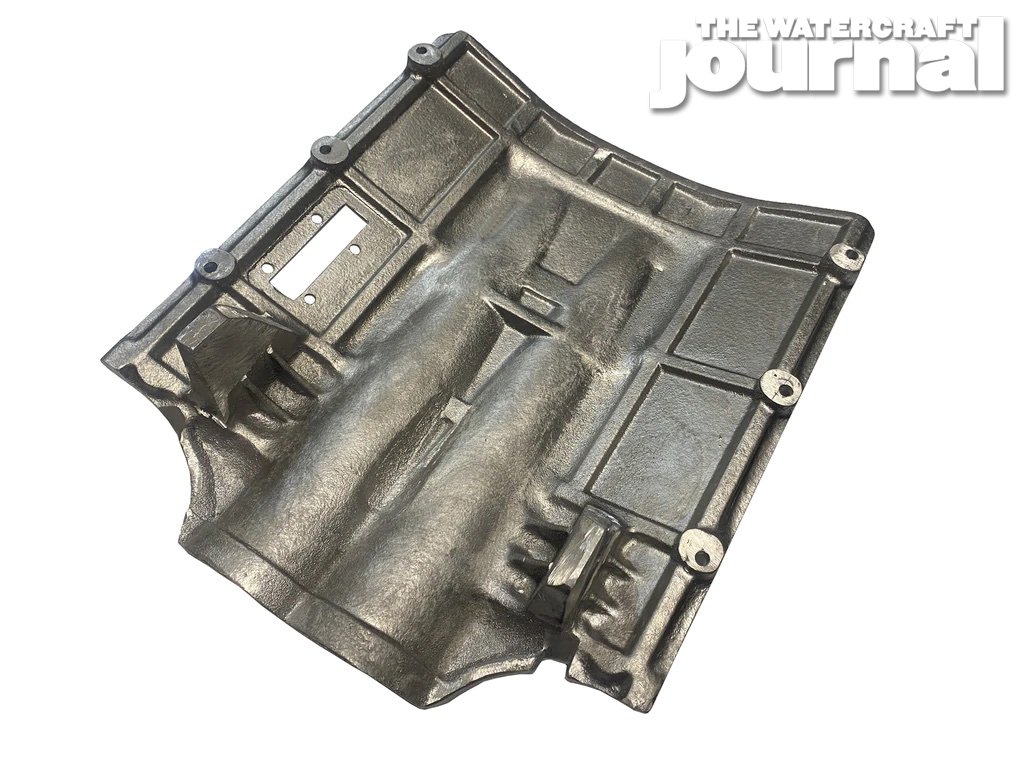
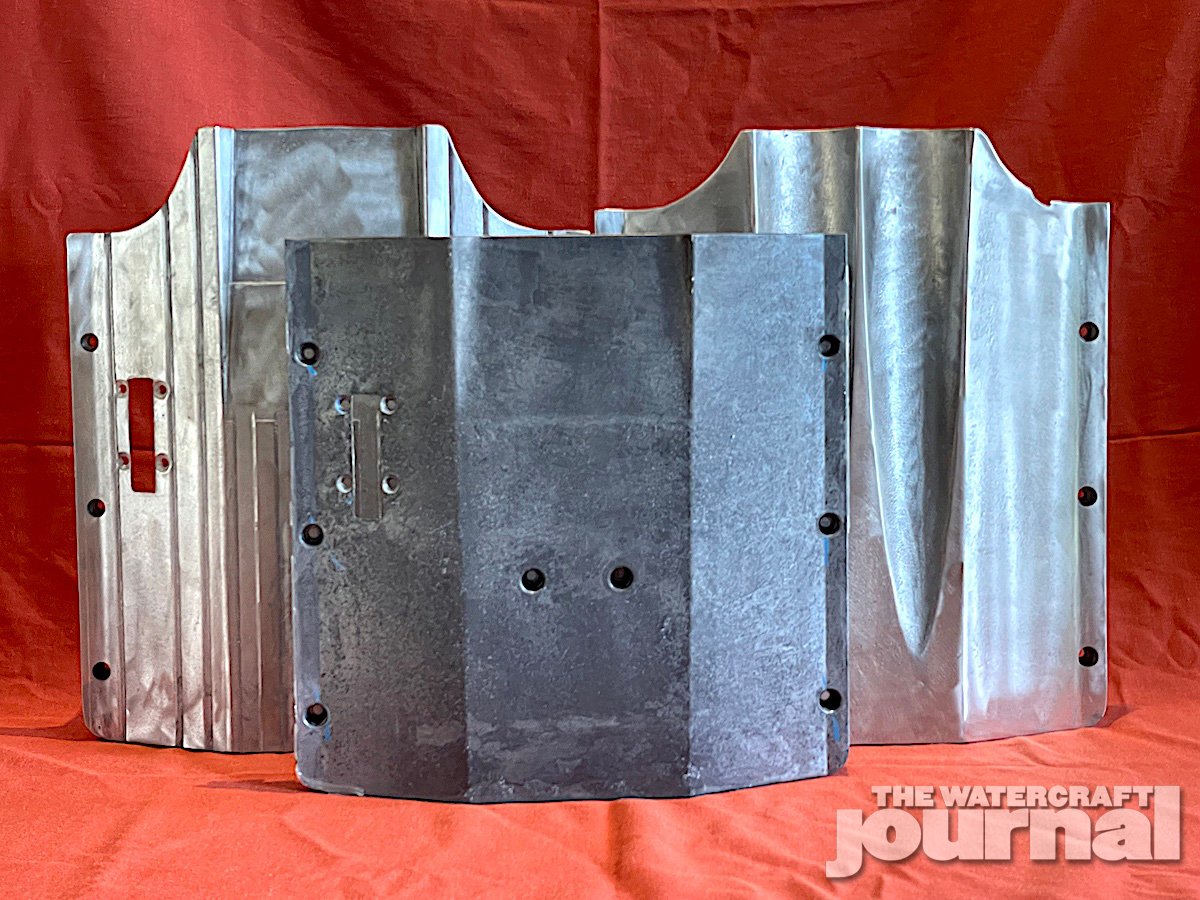
Developed as part of the Kspeed racing program, the KS1 and KS2 ride plates were created for different purposes – the KS1 Race Spec ride plate is a high performance all rounder as the KS2 Offshore ride plate has, as the name suggests, a rough water/offshore-specific design. These plates will fit all Ultras (LXs, 250, 260, 300, and 310s) from 2007 to 2021. Both have slots for the factory speedometer wheel and require zero modifications to install.
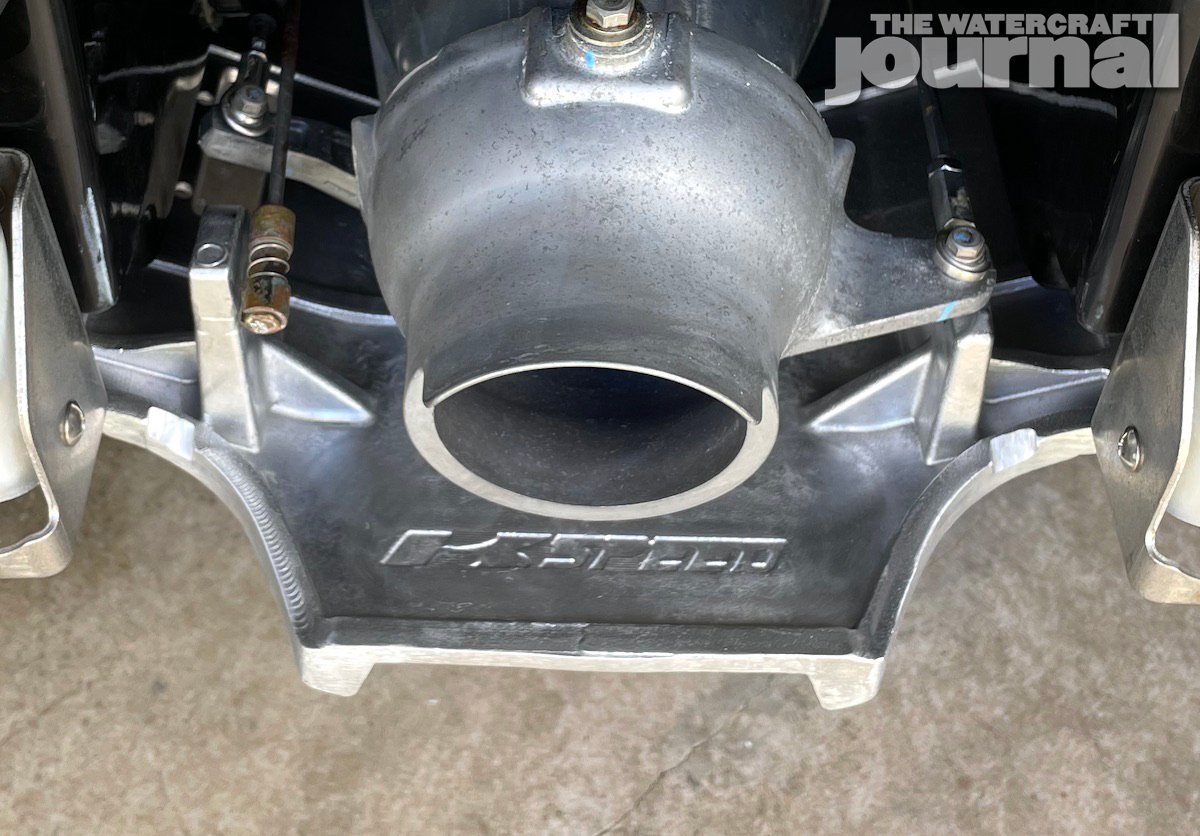
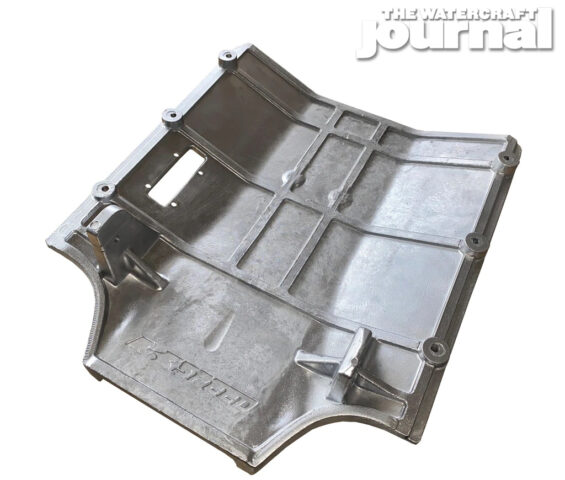
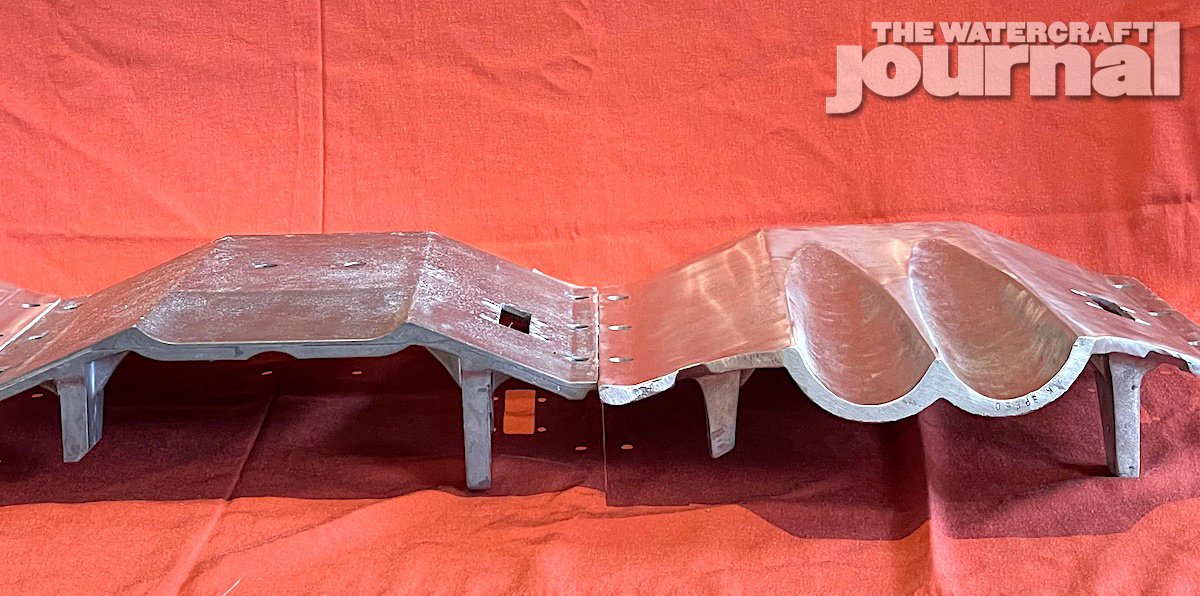
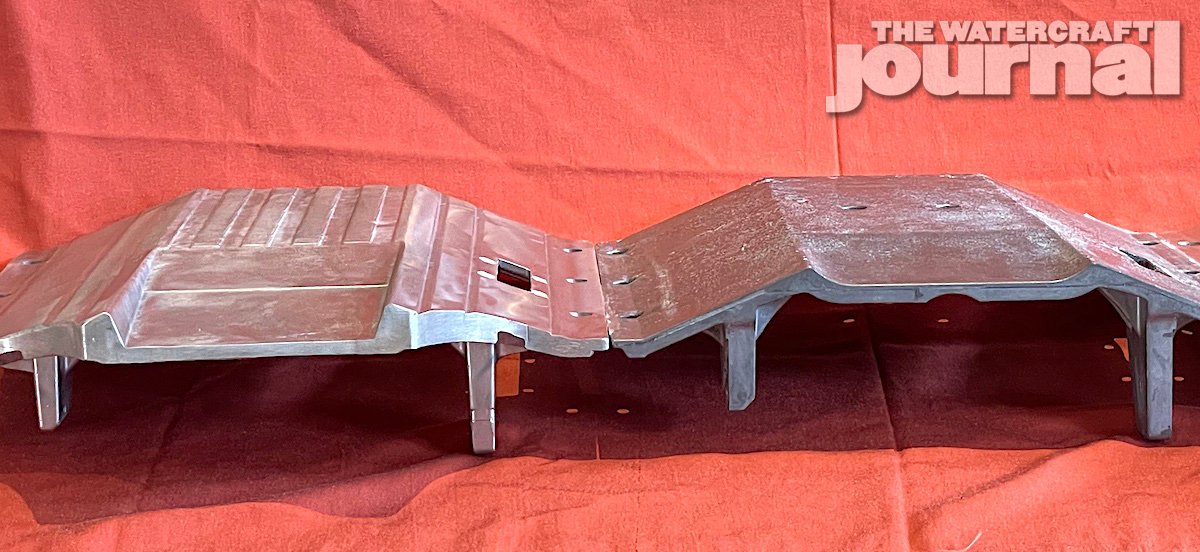
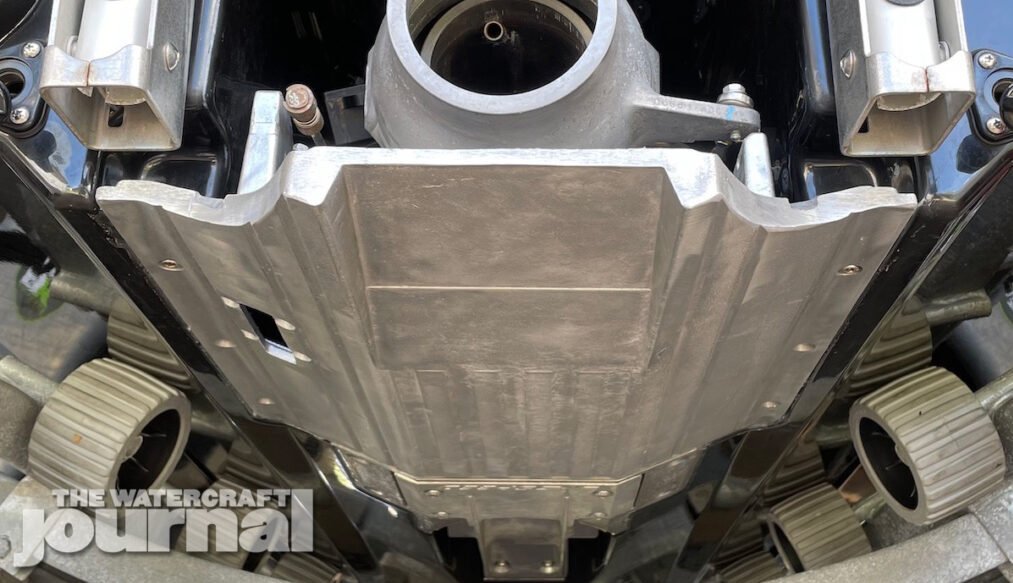
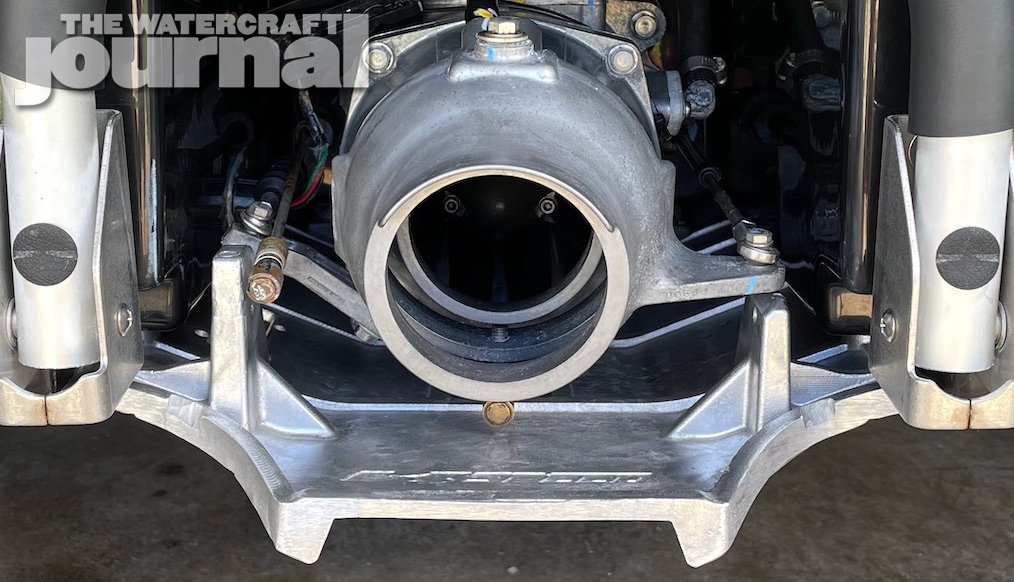
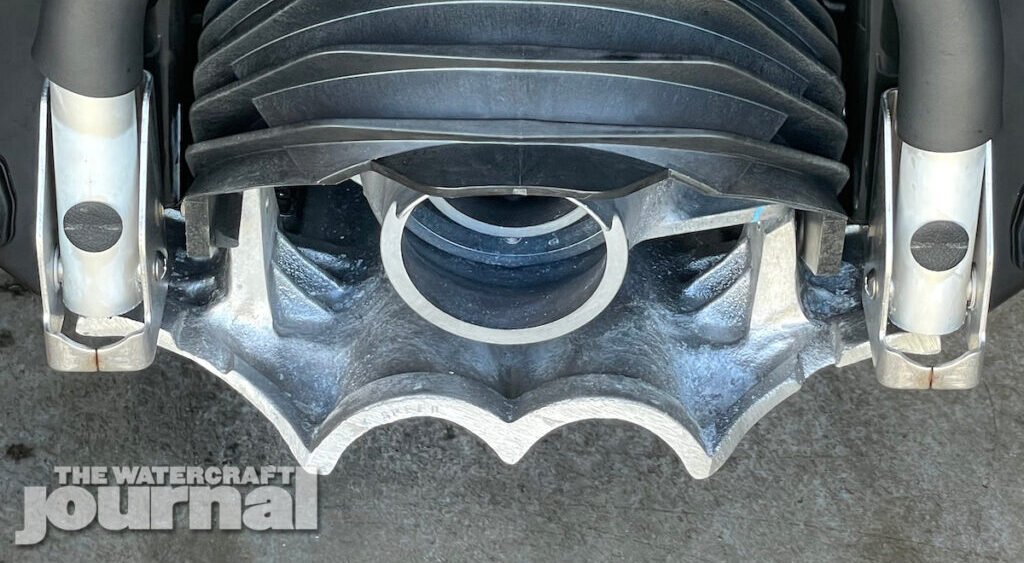
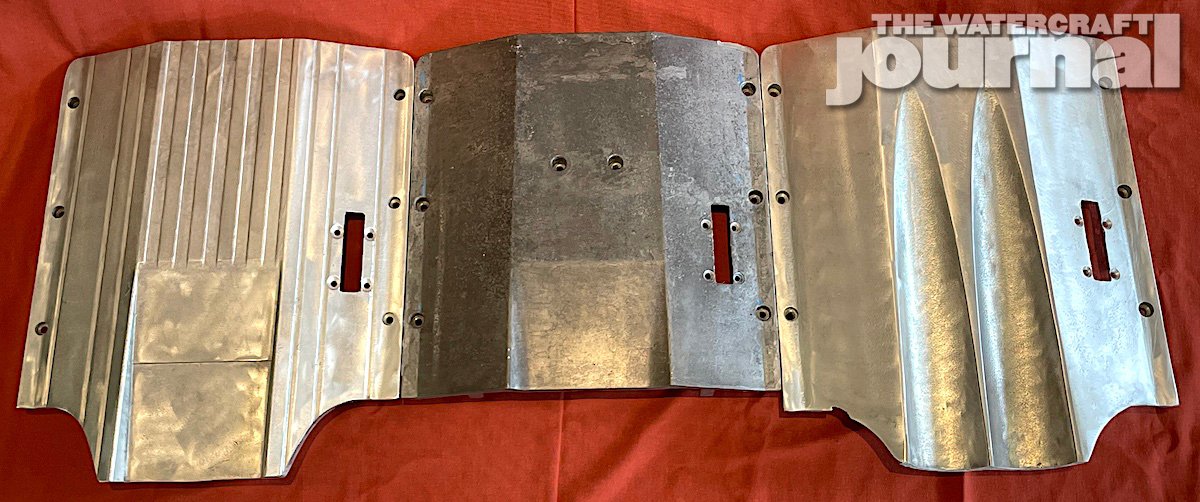
All three plates differ greatly; both of the Kspeed plates extend the hull’s running surface and feature an angled pitch or ramp to the extension. Unlike the factory plate, neither of the Kspeed ride plates have central bolt holes for the rear of the jet pump housing.
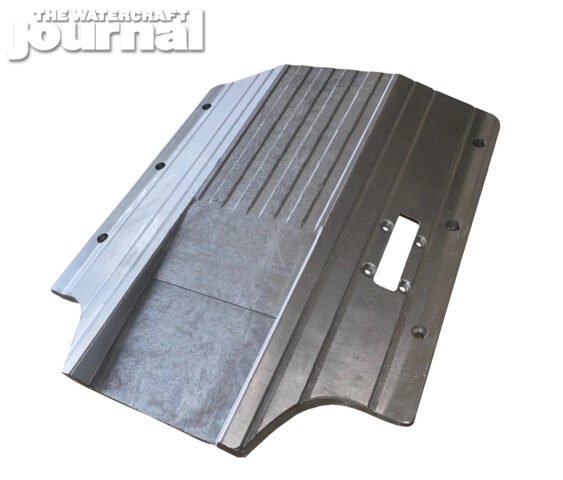
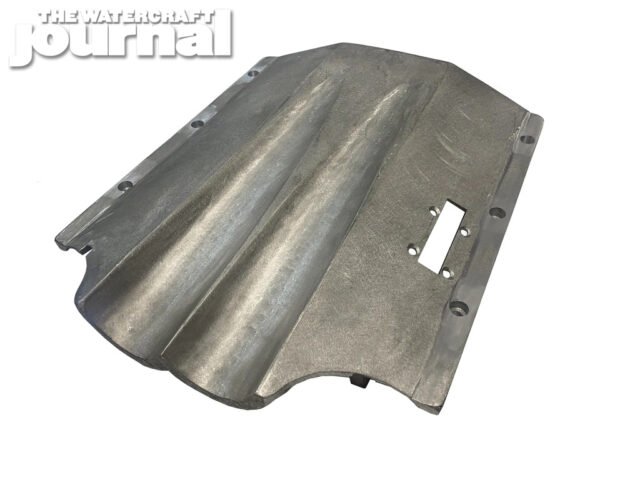
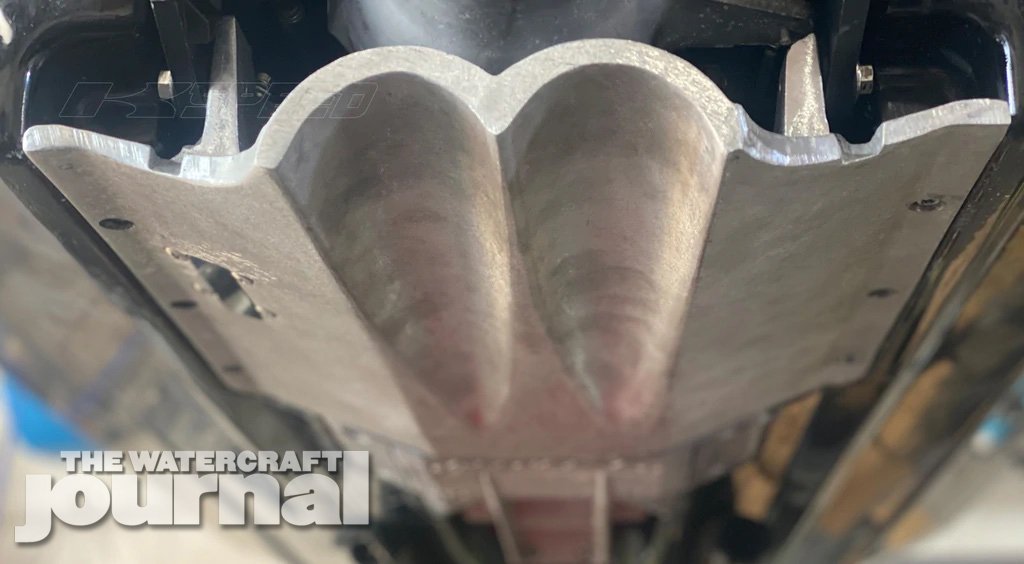
The KS1 ride plate has a profile reminiscent of the standard plate, but with some fundamental differences. Three distinct channels run the length of each side with five shallow channels running down the center. The extended running surface ramps upward, flanked by deeper skegs. The KS2 plate is radically different, with twin inverted strakes running nearly the full length of the plate. The surface is otherwise smooth, in stark contrast with the KS1 plate.
Our test unit was a 2017 Kawasaki Ultra 310LX with a little over 50 hours. Admittedly, it wasn’t stock, as it was upgraded with a mild performance tune with the speed limiter removal, and a performance jet pump intake grate both from Kspeed. All testing was done in the ocean over three days in different conditions, with the ride plate changes conducted in the marina’s car park.
To quicken changes, the speedometer wheel was cable tied up and out of the way up against the jet pump housing, and due to insufficient curing time, no silicone was used to seal the plate to the hull or Loctite on the mounting bolts. Miraculously, only one bolt was lost to the ocean over the testing period.
Due to grueling open ocean conditions no test managed a speed better than 70mph, regardless of whichever ride plate was installed, or even which direction we were traveling. However, this test focused primarily on handling and acceleration in real world use, and it is here that the differences really stand out…and as expected, both Kspeed plates are unequivocally superior to the stock OE item.
The Kspeed KS1 Race Spec ride plate absolutely transformed the handling of the Ultra. This plate is very accurate, confidence-inspiring and stable at speed. It has amazing grip. The machine rolls effortlessly into turns and holds its line with precision regardless of the speed. In higher speed turns, this means less battling against the g-forces; the rider is effectively pushing into the seat instead of being pushed off of the seat.
Instead of being pushed off of the machine, the rider is pushed into the seat. Traction and acceleration out of tight corners are massively improved. Steering response is sharper, responding to each adjustment of rider input, particularly when changing direction. In all, this ride plate makes the Ultra feel like a smaller, lighter, and more agile PWC.
This plate consistently performed the best of all three ride plates tested in all conditions except for traction in rolling swells (more on that in a bit). Even offshore it performed very well, and when conditions allowed for higher speeds in the swell, it tracked very authoritatively.
The Kspeed KS2 Off Shore ride plate is certainly no one trick pony either. In general, it performs midway between the KS1 plate and standard plate as far as grip and high speed turning is concerned. Initially, the machine rolls in well but tends to righten itself once settled into a high speed turn. Although it does not match the precise line holding and lean angle abilities of the KS1, the KS2 is definitely an improvement over the standard plate in this area.
In tight turns the offshore plate performs even closer to the KS1 Race Spec plate, but when pushed hard will tend slide the rear out earlier than the latter. When held in a sharp, tight apex, the offshore plate tends to bury the nose more but not to the level of the OE plate.
In ocean swell, the KS2 plate comes into its own. The twin reverse strakes produce noticeable suction, pulling the ski down, gluing it to the water. Consequently, this action keeps the pump loaded with full thrust more consistently than either of the other plates. We did note that the KS2 plate does elicit a slightly harsher ride when attacking rolling swells at full throttle, but this is a very small cost to pay for the real benefit of more hookup and consequently, speed.
The KS2 ride plate may produce more drive offshore, but it does not break the laws of physics, so the machine will still become airborne over big swells when hit at speed. The suction of the offshore plate becomes more noticeable as speed increases, so if conditions allow full speed, the effect is maximized. Conversely, in large, chaotic windy swell where speed is limited, the relative superiority of the KS2 ride plate is reduced.
We were hard pressed to find any glaring negatives with either of the Kspeed ride plates. Both did slightly reduce the reversing abilities as they protrude into the reverse bucket area, but the difference is hardly noticeable. We noted that both plates replace the Kspeed Stage 1 kit’s need for the angled pump wedge, which helped lift the bow further out of the water, freeing up speed and wetted surface area – all good things.
So, if you regularly ride offshore or your typical usage is primarily aimed at maximizing speed in water that is not smooth, look at the KS2 Offshore plate. For everything else, the KS1 Race Spec plate is the way to go. It is not terribly far behind the KS2 plate in terms of high speed offshore use, and is a superior performer virtually everywhere else. If you’ve got an Ultra (2007-2021) go over to Kspeed Performance and check them out today!
It doesn’t take a sharp eye to understand what salt can do to metal. Whether you’re talking about the rusty hulks of iron-hulled ships or the corroded body panels of a daily-driven Michigan pickup truck, salt is no friend to metal. As a bit of a cautionary tale, I thought I’d share my experience dealing with saltwater problems on a PWC trailer.
Back in 2015, I decided to grease up the front U-bolts of a brand new trailer. What I didn’t do was remove all of the lug nuts and leaf spring hardware and apply anti-seize (or a grease) to the threads. Now my trailer is 6-years-old and I there’s no way I would trust taking it too far for fear of something letting loose while on the highway.
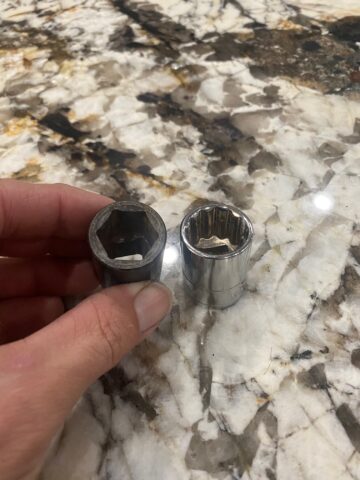
I discovered this when earlier this year, I purchased a new spare tire and saw how hard it was to remove the lug nuts. After 7 coats of PB Blaster and using my 1400 ft. lb breaking impact wrench and a 6-point impact socket, I was able to remove all but one lug nut. (I had to use a torch on the last one.)
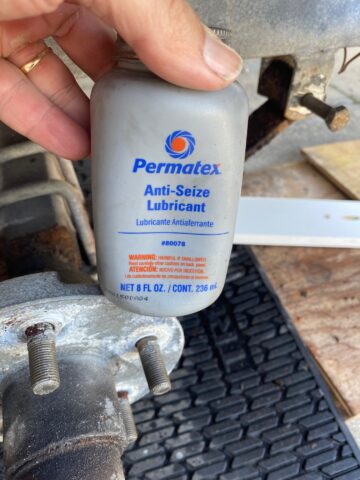
Learning my lesson, I purchased a new set of lug nuts and coated them three times with clear acrylic spray. While installing them, I used Permatex anti-seize lube – generally, this is used for spark plugs due to plugs being steel and the heads are aluminum (dissimilar metals) – do not want the threads to strip.
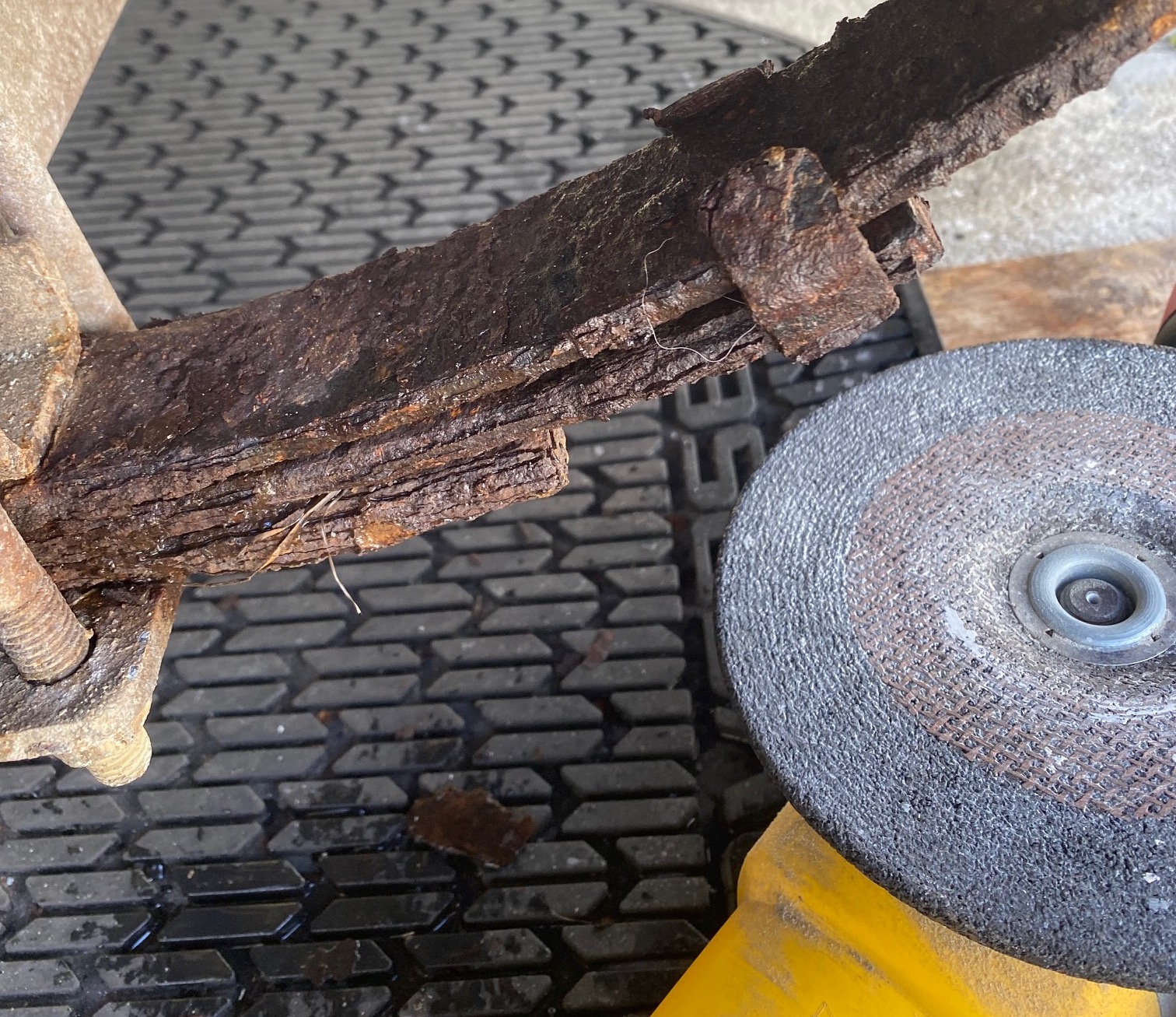
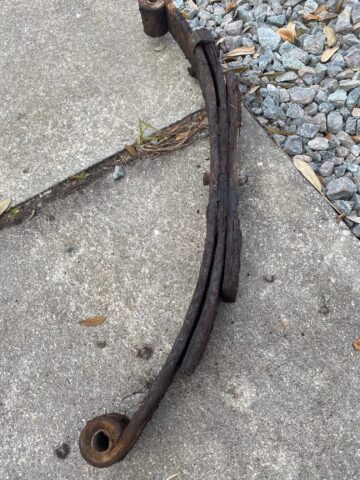
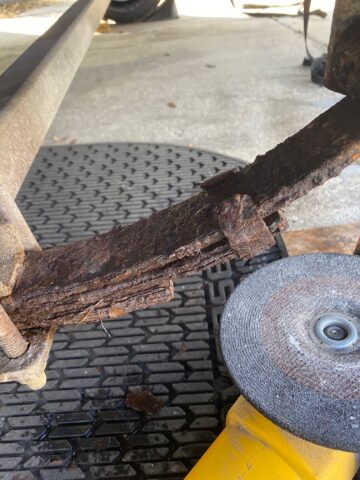
After the wheels were taken care of, I moved to the leaf springs, which were very rusty. My local boat trailer repair shop suggested I replaced the leaf springs every two years since they rust no matter how much you rinse them off. The shop owner said, “A trailer gets dunked into salt water and one can only rinse it off, not dunk it to clean it.”
He sold me two new springs and said to brush in some old motor oil in between the gaps between the springs it will help a little. I went a step further; I used three coats of clearcoat and let it dry in between. Secondly, just before installation, I brushed in the old motor oil.
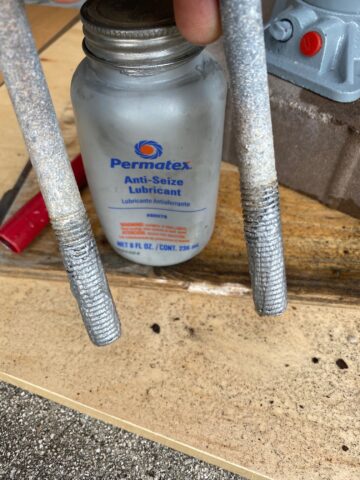
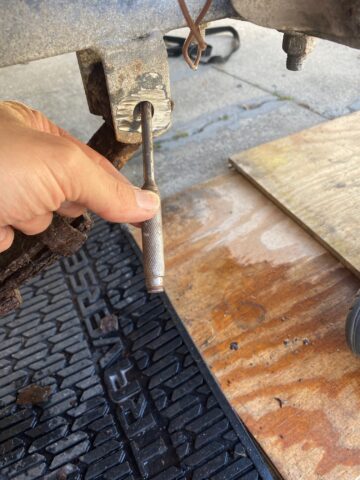
Since the old bolts were all but completely worthless, I picked up a set of 9/16-inch galvanized bolts and nuts. Some of the original bolts required that I ground the head off and use a center punch to knock them out.
So what does all of this mean? My brother’s trailer is a year old and I intend on replacing and removing all nuts to add Permatex to all of the aforementioned surfaces. This will allow him to change a tire right on the beach if he needs to.
Hopefully some of this can be useful to newer riders who may not know what to do with their trailer that hauls around $20 to $40,000 worth of watercraft. It is just as important to take care of the trailer as well as their PWCs.
A story and video from the Sea-Doo X Uncharted Society highlights an adventure with Paulina Dao and her friend, Jenny Simacek. The two women lacked experience on the water and adventure was never part of their lives, so it was a big deal when they boarded flights to California. Furthermore, they booked a guided tour with the Uncharted Society to make the nearly 60-mile-round-trip-ride to Catalina Island.
This was way out of their comfort zone, and we were impressed by their desire to take that kind of risk. Anyone who has made the grueling ride to Catalina Island knows it’s not for the weak. The two women met with a guide at the docks and got a crash course in handling personal watercraft.
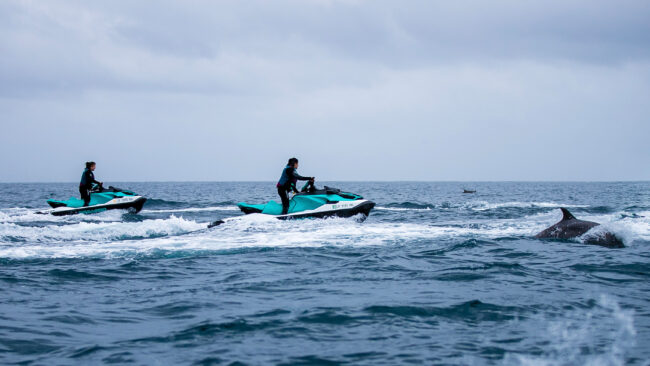
Soon after, they took off on a couple of Sea-Doo GTX Pros. Encountering dolphins and sea lions along the way made the trip extra special. The women not only made the ride to Catalina, but they also went snorkeling, jumped some waves, and gained a huge amount of self-confidence.
“It was kind of terrifying at first when I noticed the shore was gone, but it was really freeing and felt really cool,” said an excited Simcek who was stoked to share this awesome bonding experience with her good friend Dao.
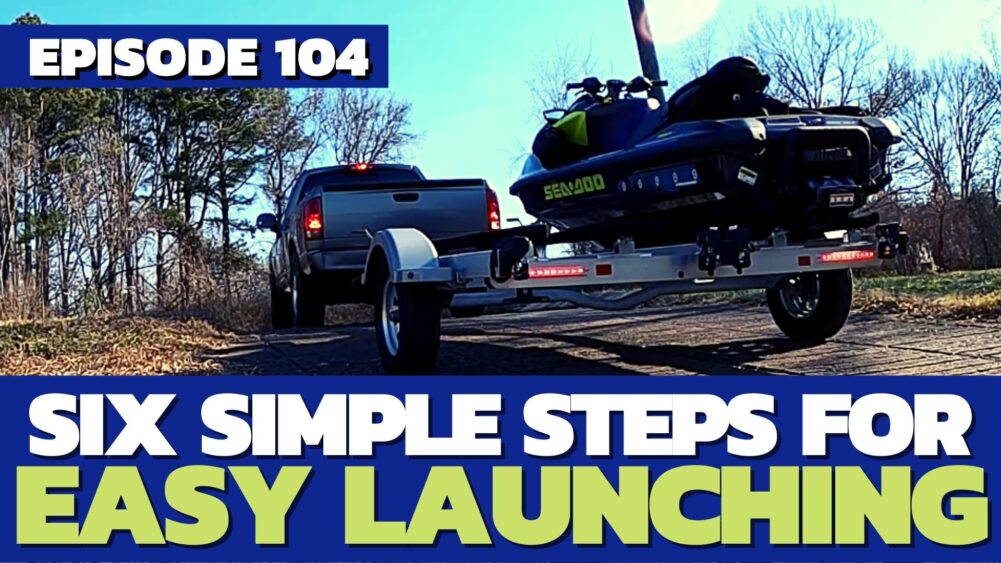
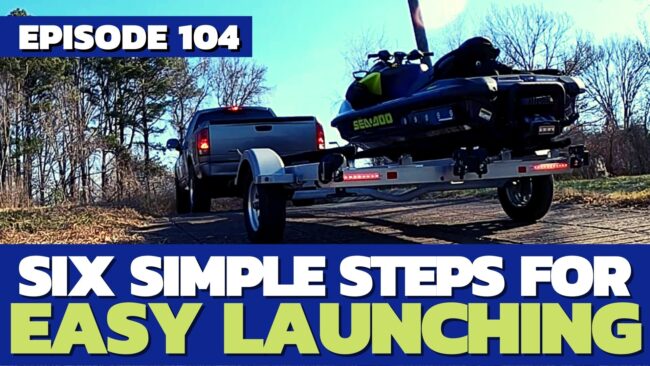
It’s amazing to think that in the last two and a half years, 54-percent of all new personal watercraft sales have gone to first time buyers. These are people who have never owned a personal watercraft before – and in many case, have never owned a boat either. So what we’d like to provide are some simple tips that will help those neophytes the most stress-free experience possible when it comes to launch your new personal watercraft.
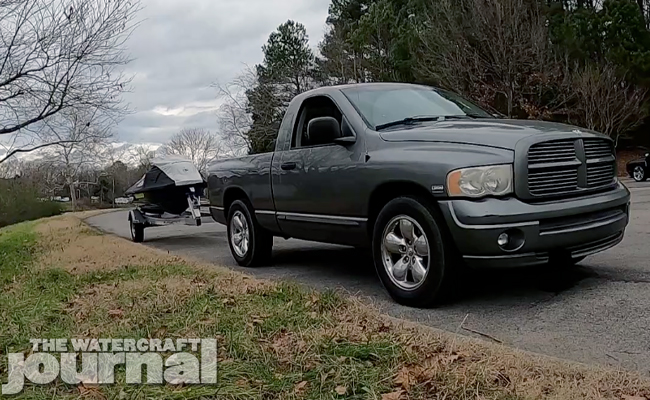
With YouTube channels dedicated to filming mishaps at popular launch ramps, it’s bound to seem a little intimidating at first – especially if you’re not comfortable backing your truck or SUV by itself, not to mention with a trailer. While this won’t cover how to operate your vehicle with a trailer, we’re focus here on getting your ski in the water without many hiccups. Lastly, not everything covered here will be exact for your application so we’re going to try to keep most of these pretty generalized.
Step One: Staging Lane
Nobody wants to be “that guy” who holds up the ramp as he routes around inside of his truck for a dock line, or is fumbling to cram a towel in his ski’s front storage bin. Thankfully, most all launch ramps offer a dedicated lane for “staging” or getting your personal watercraft ready for launch. This lane is often marked by a large unbroken line where a vehicle can safely pull in, open its doors and begin preparing a boat or watercraft for launch.
If you find yourself at a ramp without such a lane, do not pull into the line to launch and begin your preparations there. The line will move faster than you’re able to jump back in and pull forward. Rather, find an open parking spot and complete your preparations there. Sure, it’s a little inconvenient but it’s better than holding up the flow of the queue. Plus, you won’t feel rushed, and mistakes happen when you’re in a rush.
Step Two: Double Checks & Preparations
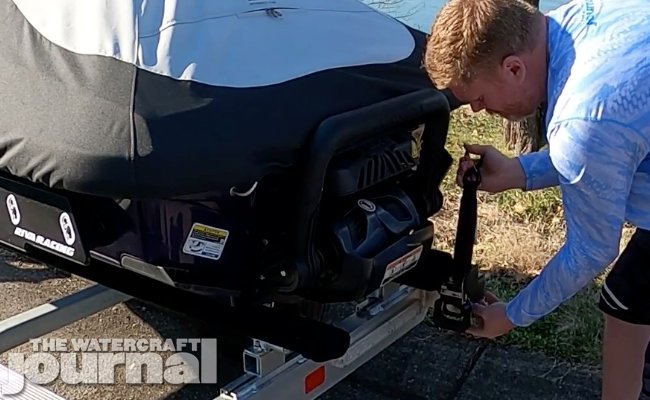
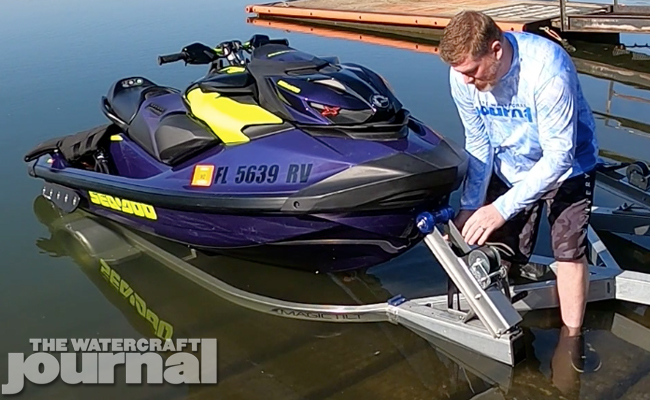
Before anything, get down on a knee and take a look at your hull for damage, as well as your pump inlet for debris. It only takes a second for a weed or a piece of wood to get in there. Now, unlash the tie-downs holding your watercraft to the trailer – except the front winch. Unless you have a friend aboard the PWC as you launch it, who will ride it off of the trailer and tie it up to the dock for you, you’ll want to keep that winch hooked to your bow eye. Nobody wants to chase a wayward watercraft.
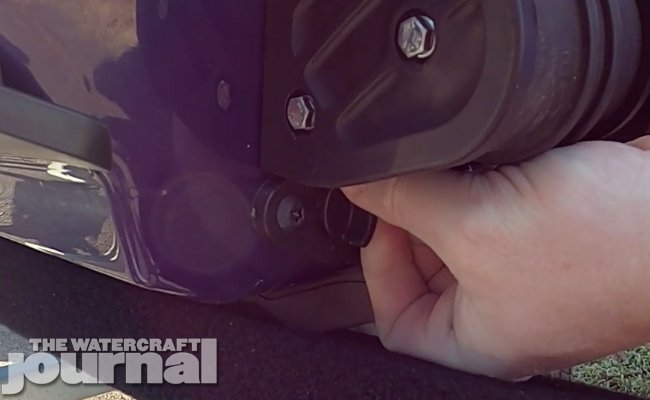
Next, verify that your drain plugs are tightened firmly. Even though most modern PWC come standard with one-way check valves in the drain plugs, you’ll want to tighten these down. Finally, you can remove your fitted PWC cover and stow it either in the bow compartment or in your vehicle. Personally, we at The Watercraft Journal are split whether you should drive with a cover on or off, as we’ve seen detriments first hand for both arguments.
Step Three: Packing & Provisions
Your immediate need for a few items should take priority here. The first item should be your dock line. Since you are launching at a ramp (in this scenario) you should expect to tie up at a dock cleat. A good rule of thumb is to place your dock line somewhere immediately accessible, like in the footwell or even on your dashboard – careful that it isn’t dangling in the water where it could get sucked up into the pump. Equally, place your PFD (life vest) in the footwell or drape over the seat so its within reach.
If you plan to visit a beach or sandbar in your ride, it’s a good opportunity to pack an anchor in the front bin. We’ve had good luck with Sand Docker anchors as they are lightweight, affordable and American-made. Now you can begin packing other items such as sunscreen, an extra bottle of water and snacks, your wallet (at minimum ID, credit card and/or cash), and your smart phone. Many runabouts offer waterproof boxes these days, but if not, try to keep your phone in a durable, watertight case.
Step Four: Backing Up & In The Water
Getting used to backing up your vehicle with a trailer may take some time. We’ve suggested practicing in an empty parking lot before. Although many cars feature backup cameras, we suggest getting familiar with using your mirrors to align your trailer so you can back up straight without the use of a camera (in case the lens is obscured or in low visibility). Equally, dropping the tail gate of your truck (or opening the rear hatch of your SUV) is an easy way to back up while looking over your shoulder.
Knowing how deep to set your trailer into the water is often dependent on the type of trailer you own, the kind of PWC you’re launching and the tide level. If you’re too shallow, the watercraft will struggle to slide off of the bunks. If you’re too deep, the PWC will lift from the bunks and try to float away. It’s OK to get out, check the depth, and if necessary to get back in and pull in or out a little. Better that than make a since trying to wrangle a runaway runabout.
Step Five: Launch Control
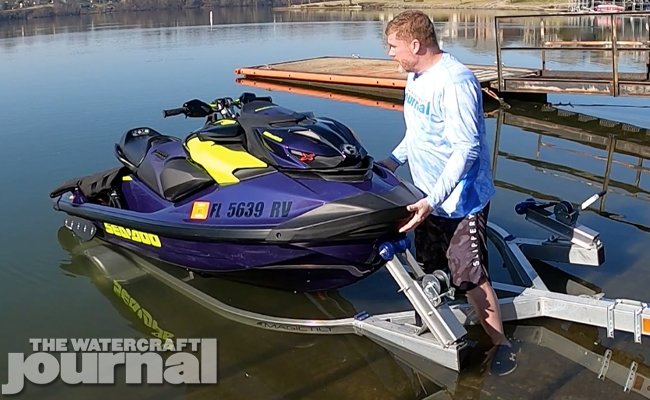
Back the tension off of your winch and unhook your bow eye. Winch up the slack and attach your hook on a lip so it won’t drag on the ground or flop around. If your trailer is backed in “just right” you should be able to move your PWC a little without it slipping off of the bunks. Carefully climb up on to your watercraft either from the side (many trailer fenders have steps on them) or walking down the runway between the bunks (if you have a 2-bunk trailer).
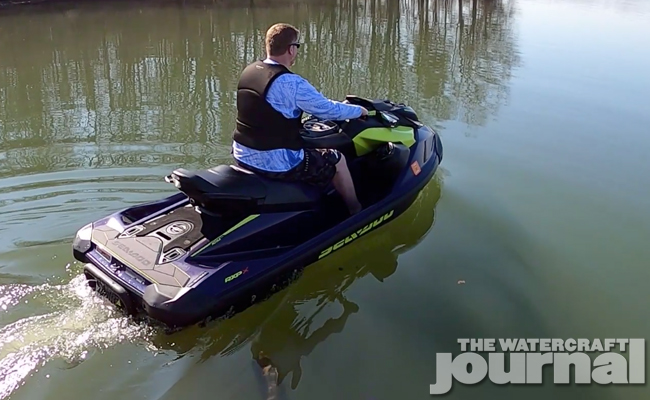
Once aboard, put on your PFD (most ramps require this for safety), attach your lanyard to your person (this is by law) and fire up your watercraft. Give it a few seconds to warm up and begin circulating coolant/water through the engine and exhaust before backing off of the trailer. Most new PWC have “smart reverse” systems, but if not, pull the reverse handle and give your ski a little throttle (not too much!) – just enough to pull off of the bunks. Switch to the forward position and idle up to the dock where you’ll tie to a cleat.
Step Six: Pull Out, Pack Up and Play
With your PWC tied to the dock, you can hustle back over to the ramp and pull your vehicle out of the water and into a parking space. Make sure to lock up, as there may be some unsavory folks around. Place your keys in the glove box or another safe storage compartment. Here you can put on your PFD, sunscreen and glasses, as well as arrange your items as you see fit. If you’ve got a sound system, it’s a little easier to sync your phone or Bluetooth device here than out on the water.
Once you’re all squared away, you can untie your dock line from the cleat, store it in either a wet storage bin in back (common for Yamahas and Kawasakis) or in your front (or center, if a full-sized Sea-Doo) storage bin. And with that voilà, you’re all set for a great day out on the water. Again, launching a PWC might feel overwhelming at first – particularly if its a busy day – but with a few practice runs, it’ll become second nature like pulling into your home garage.
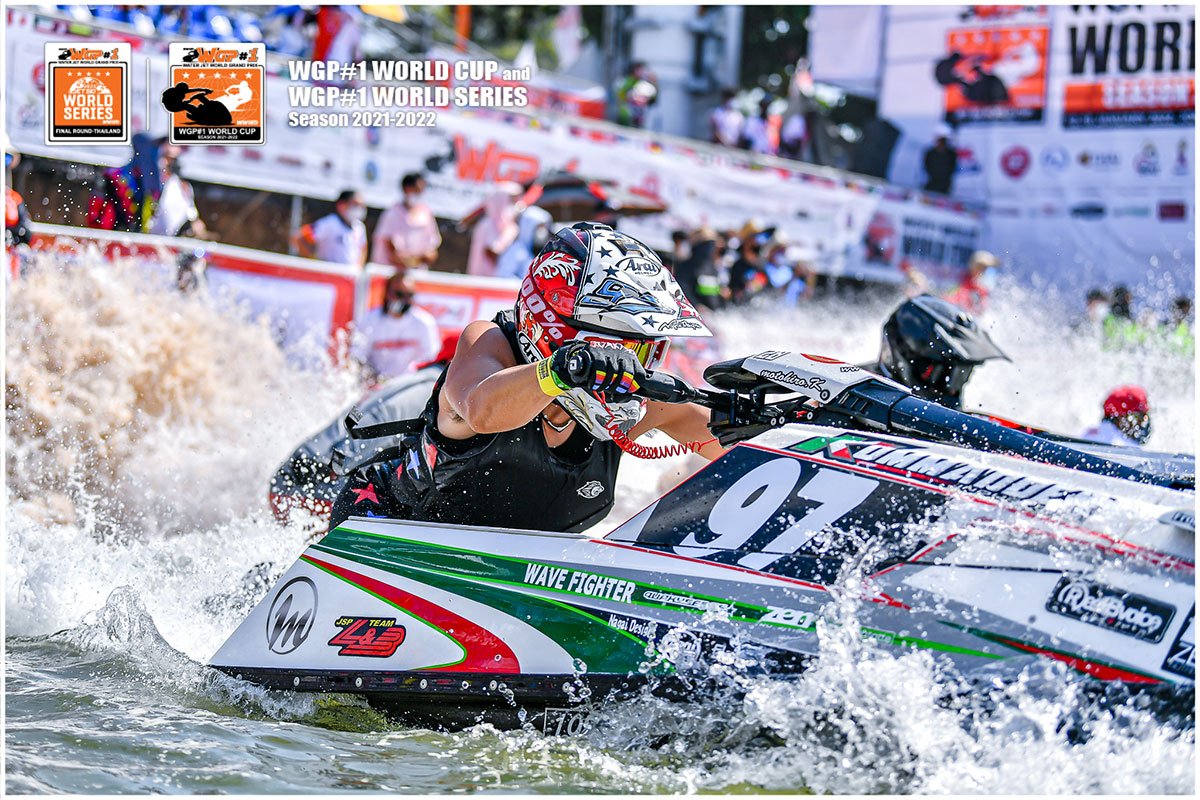
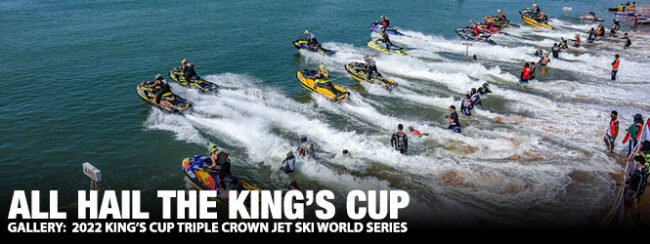
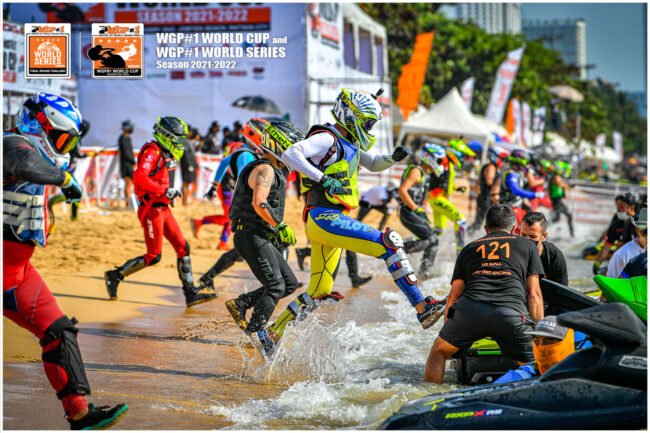
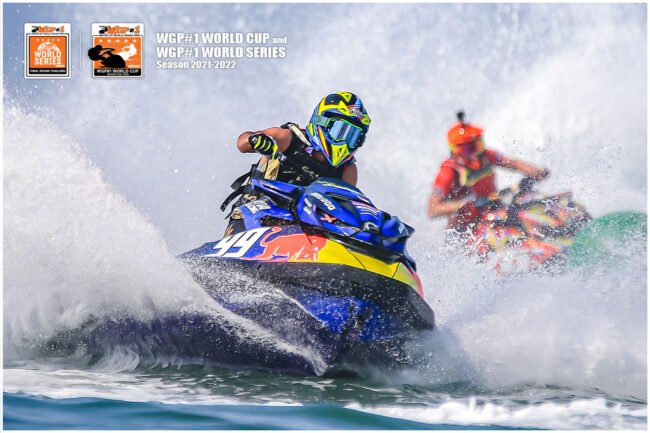
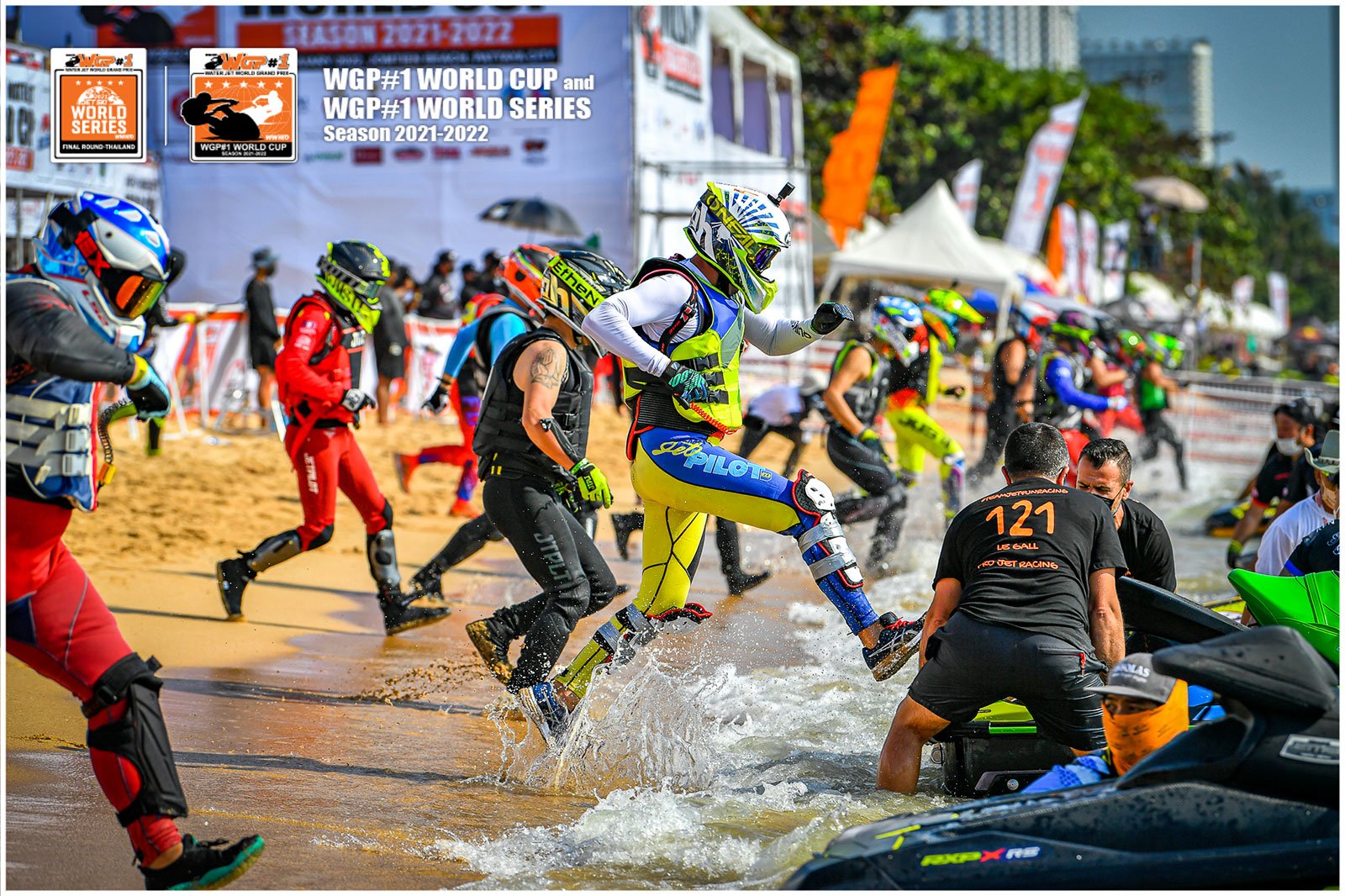
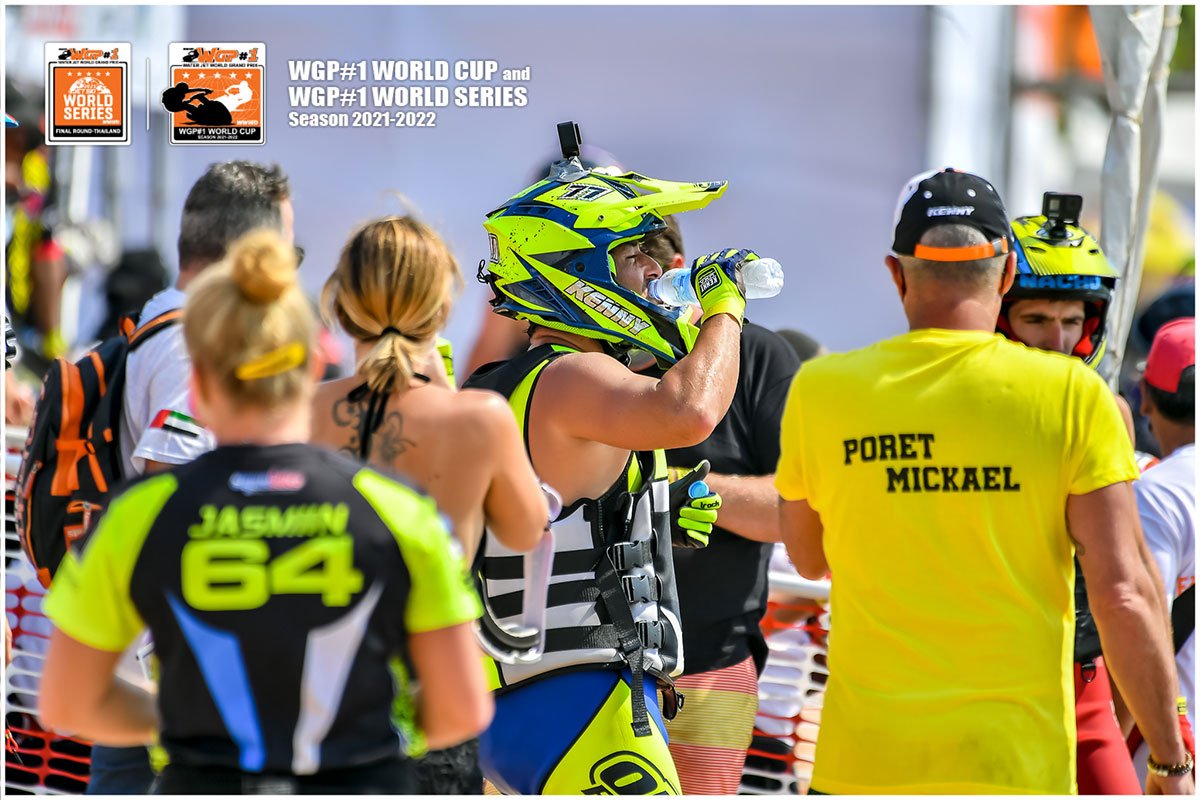
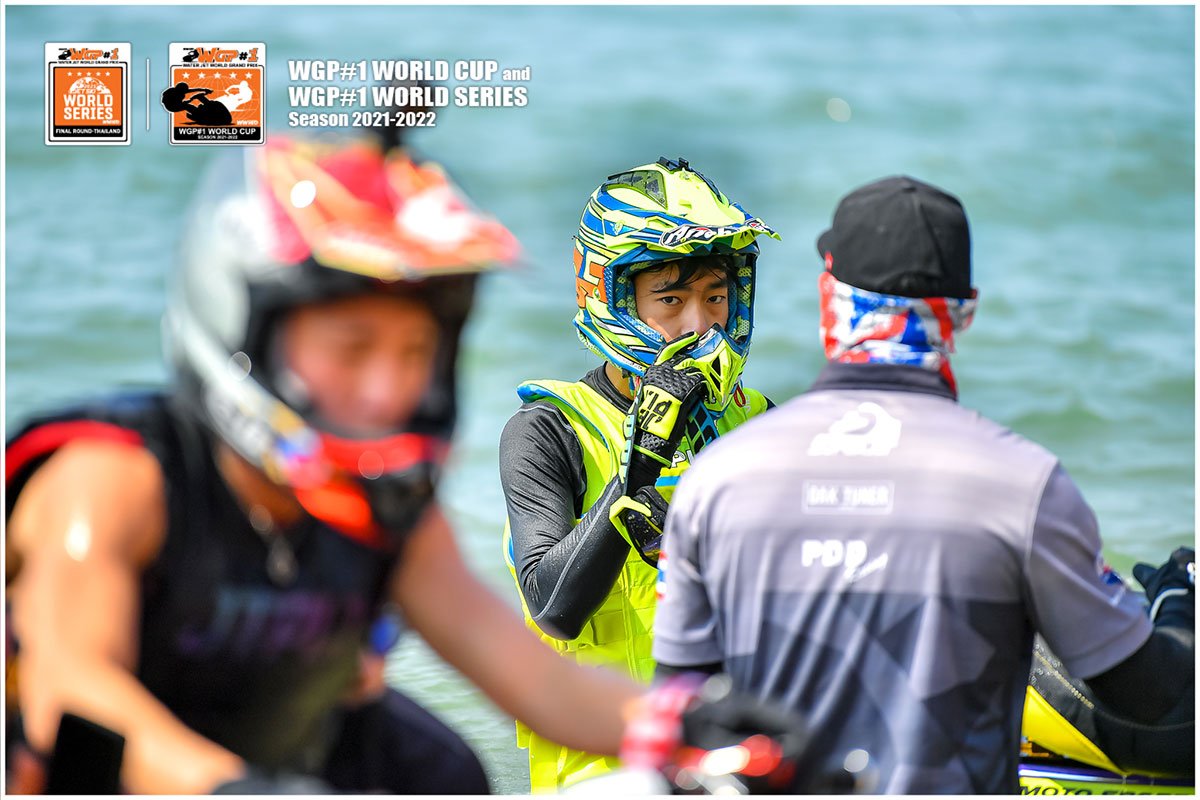
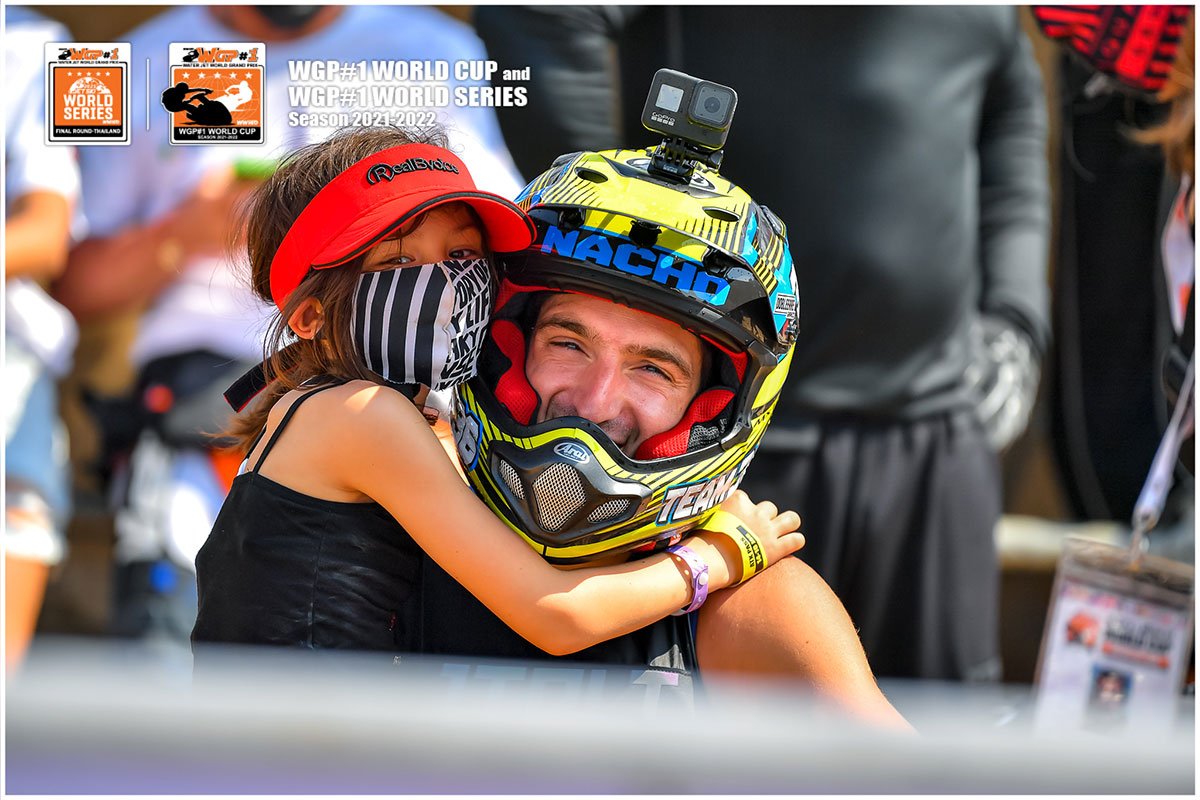
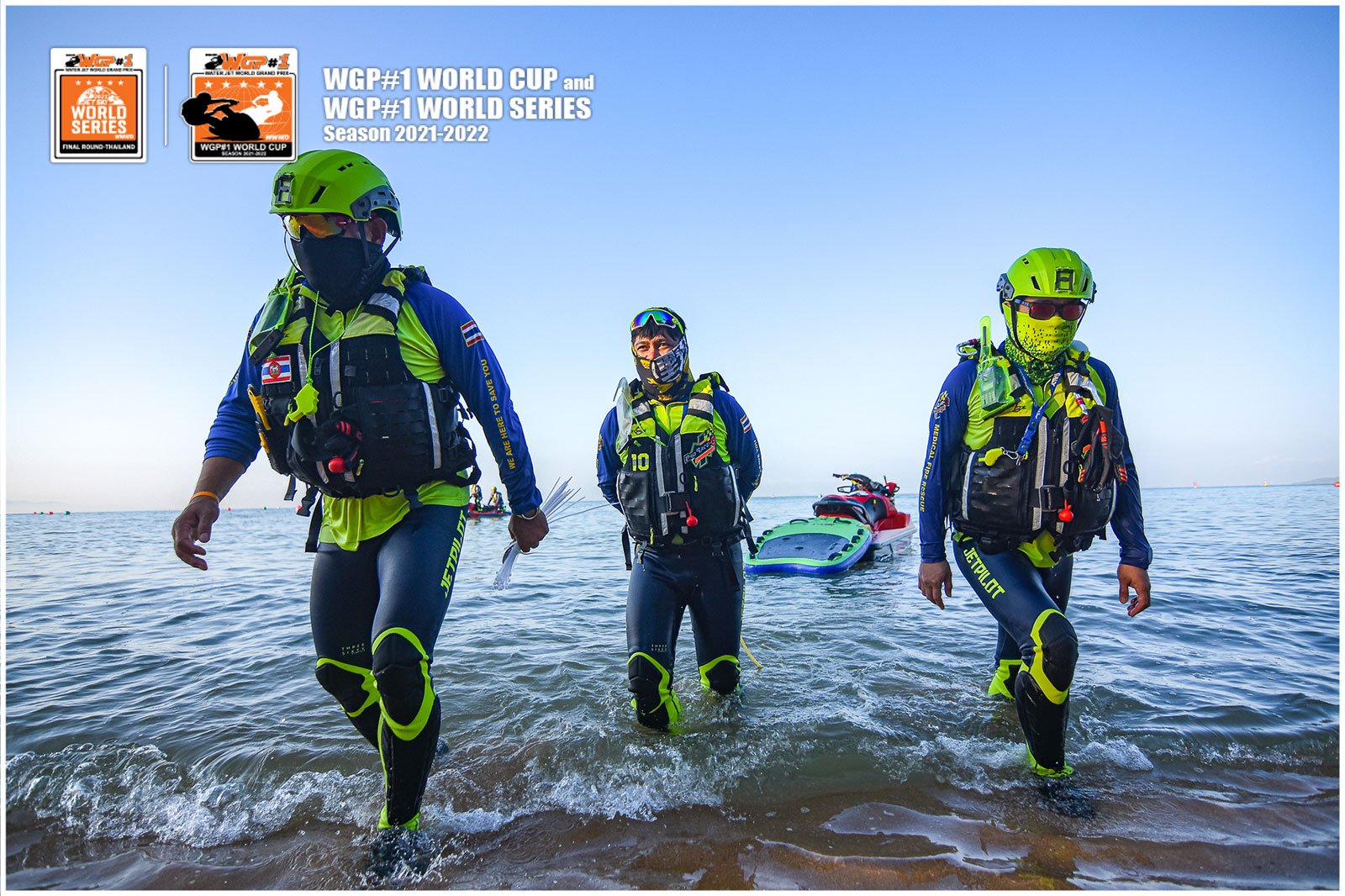
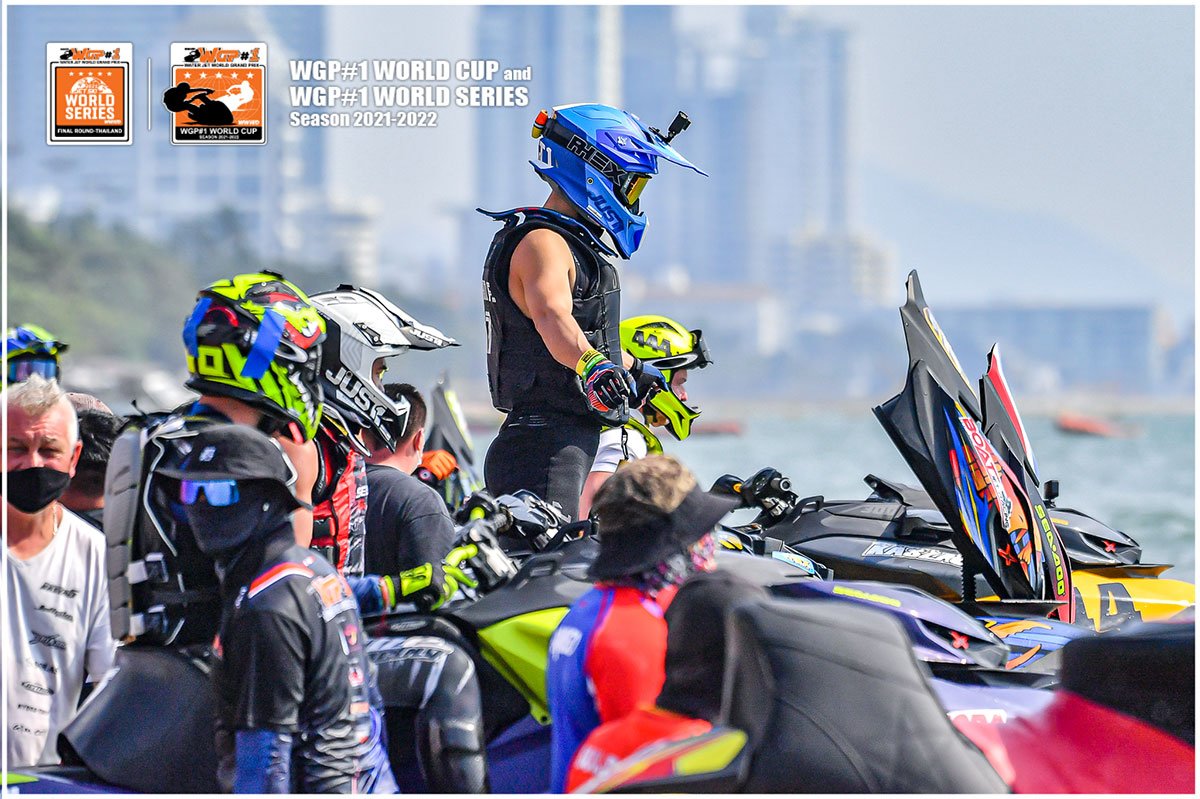
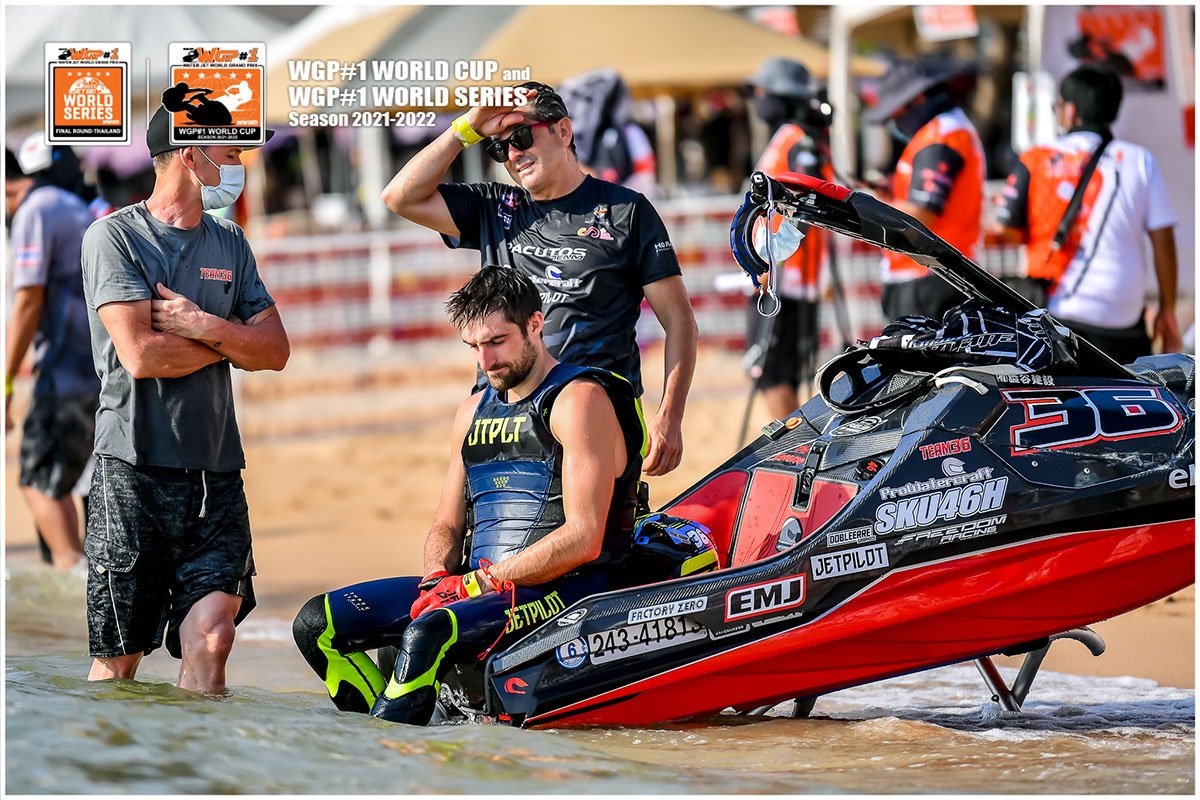
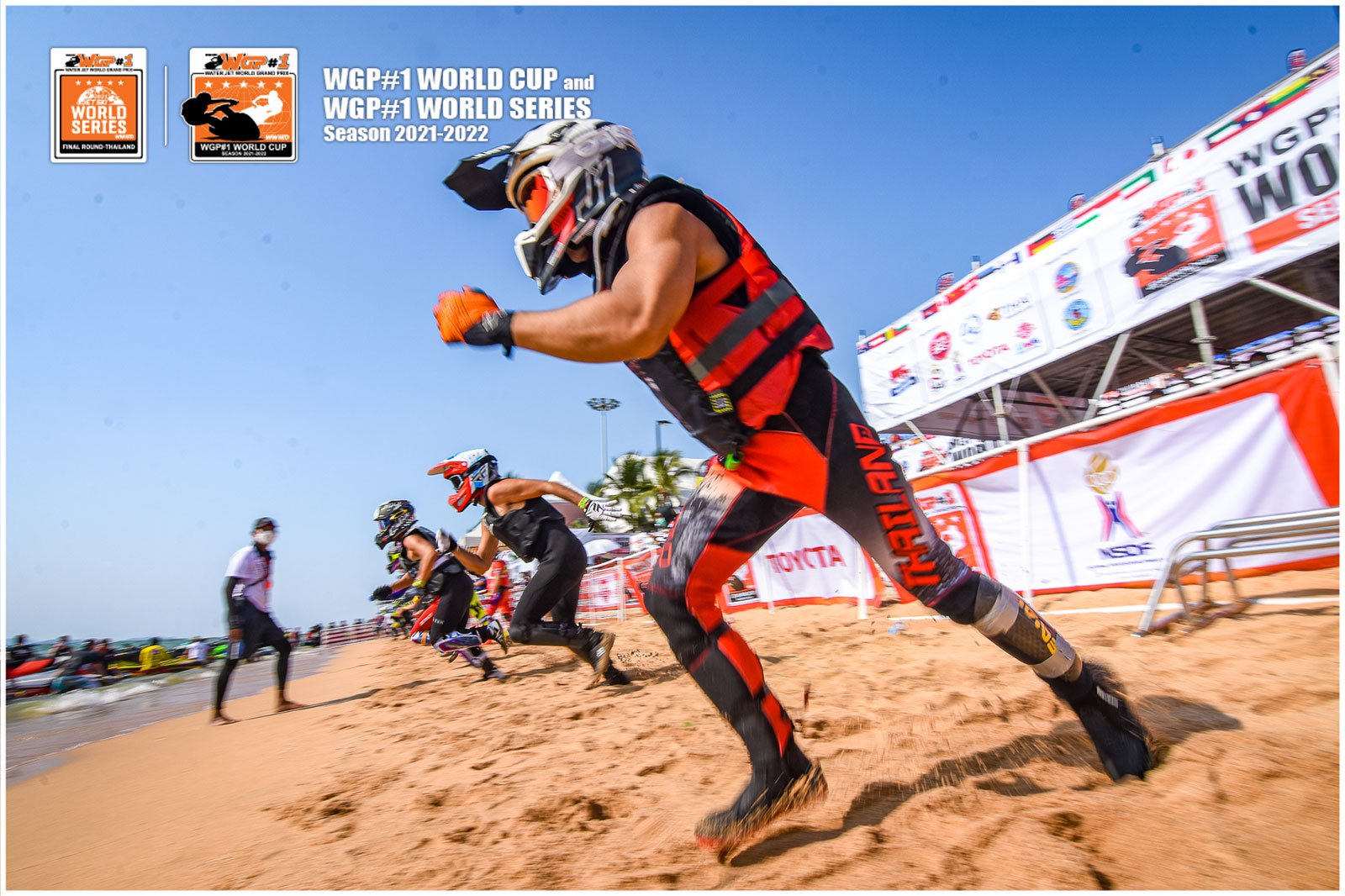
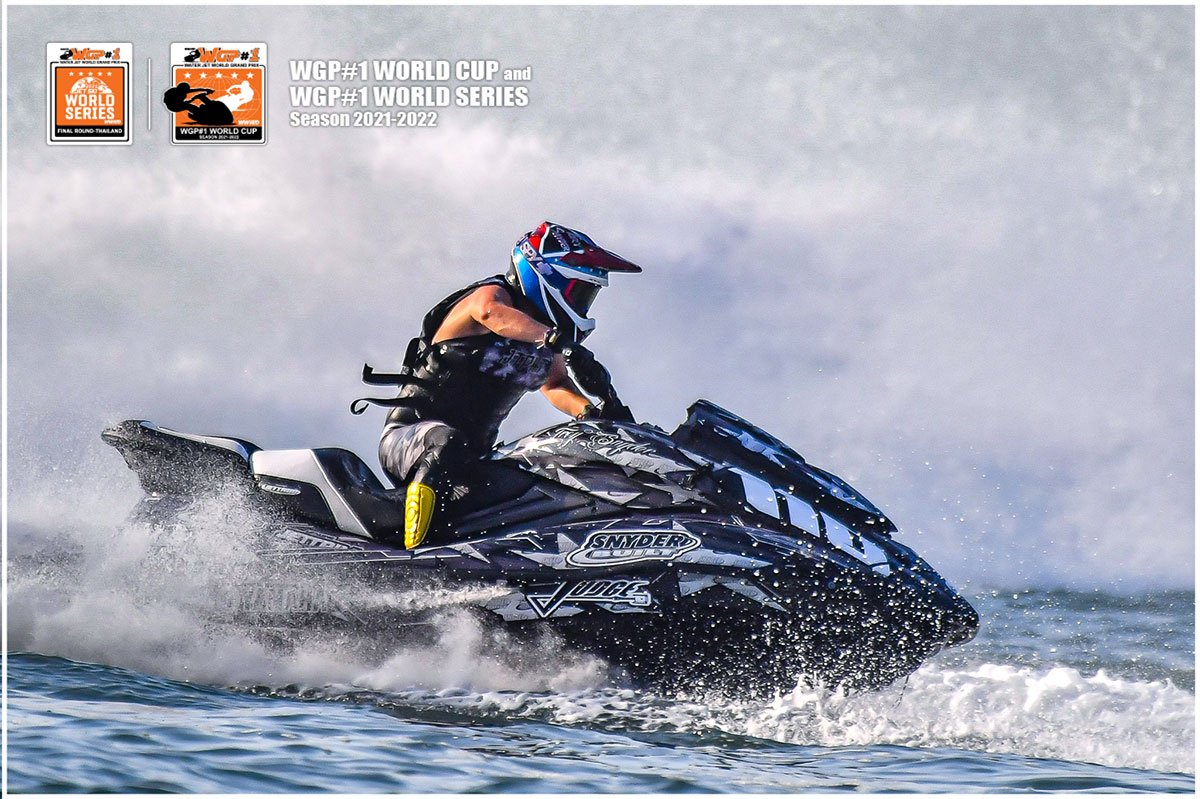
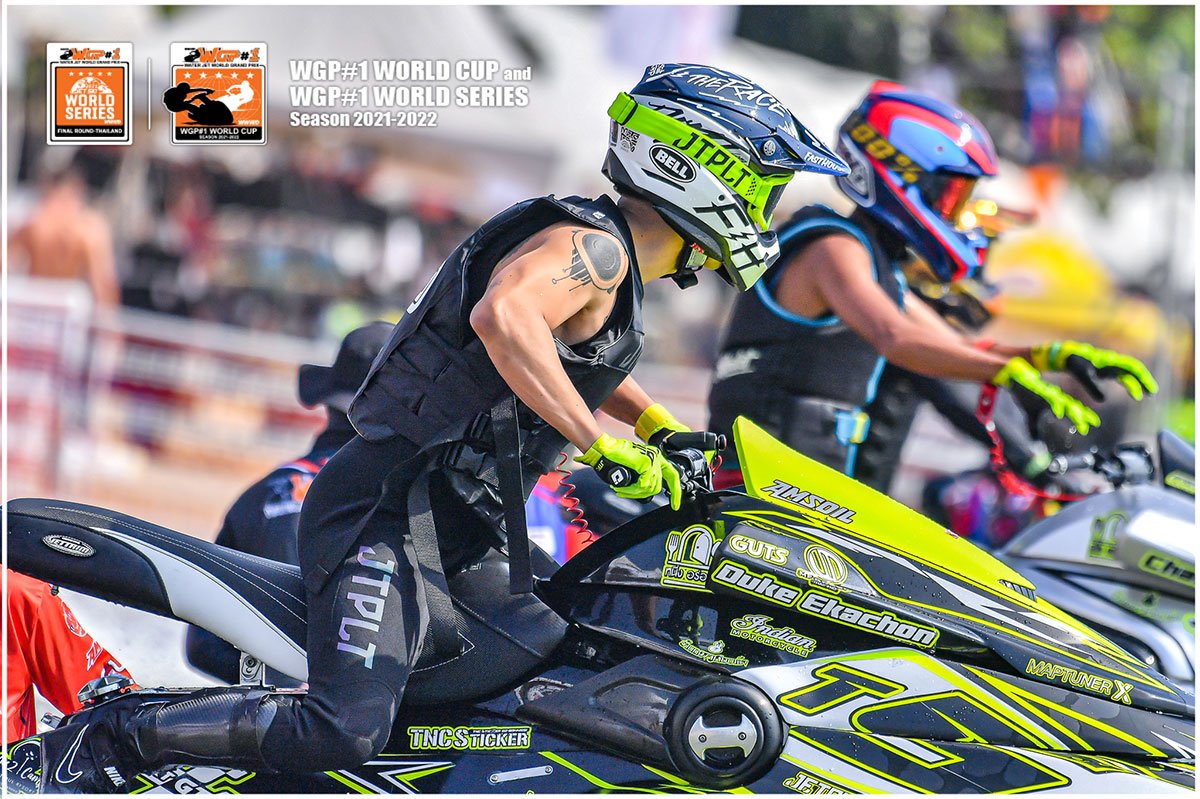
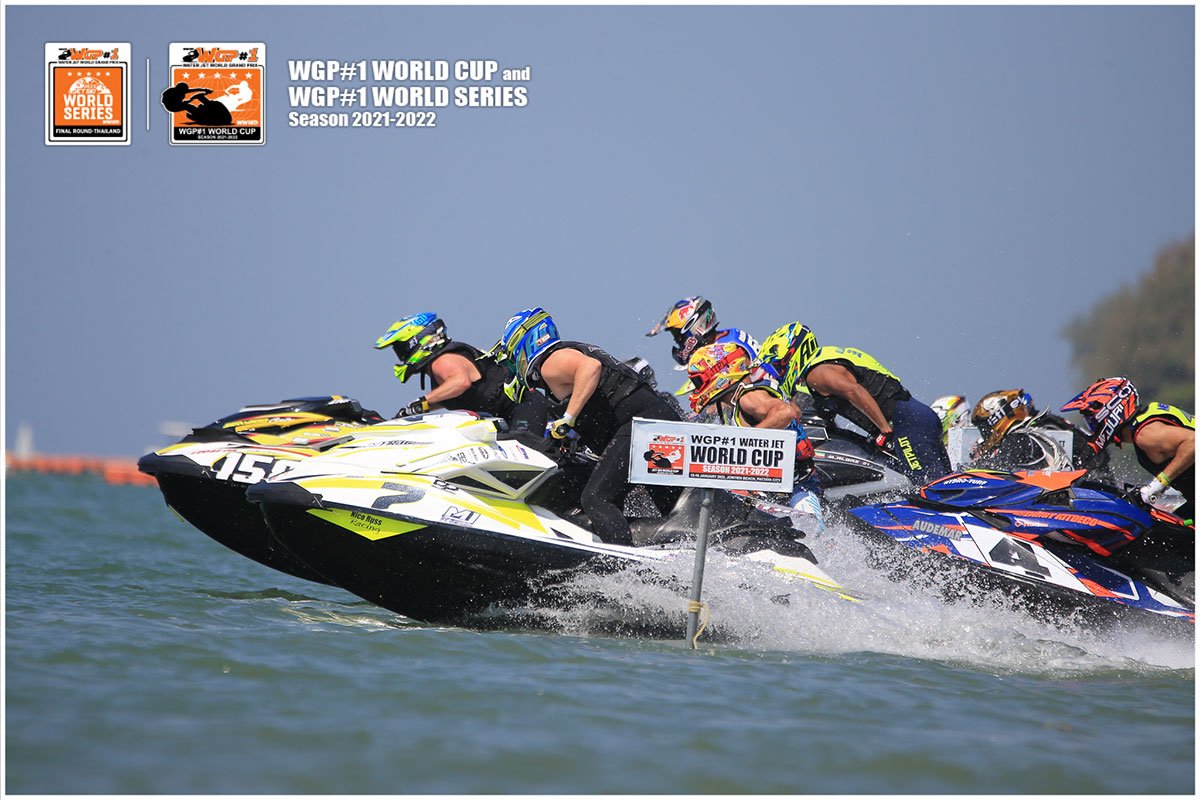
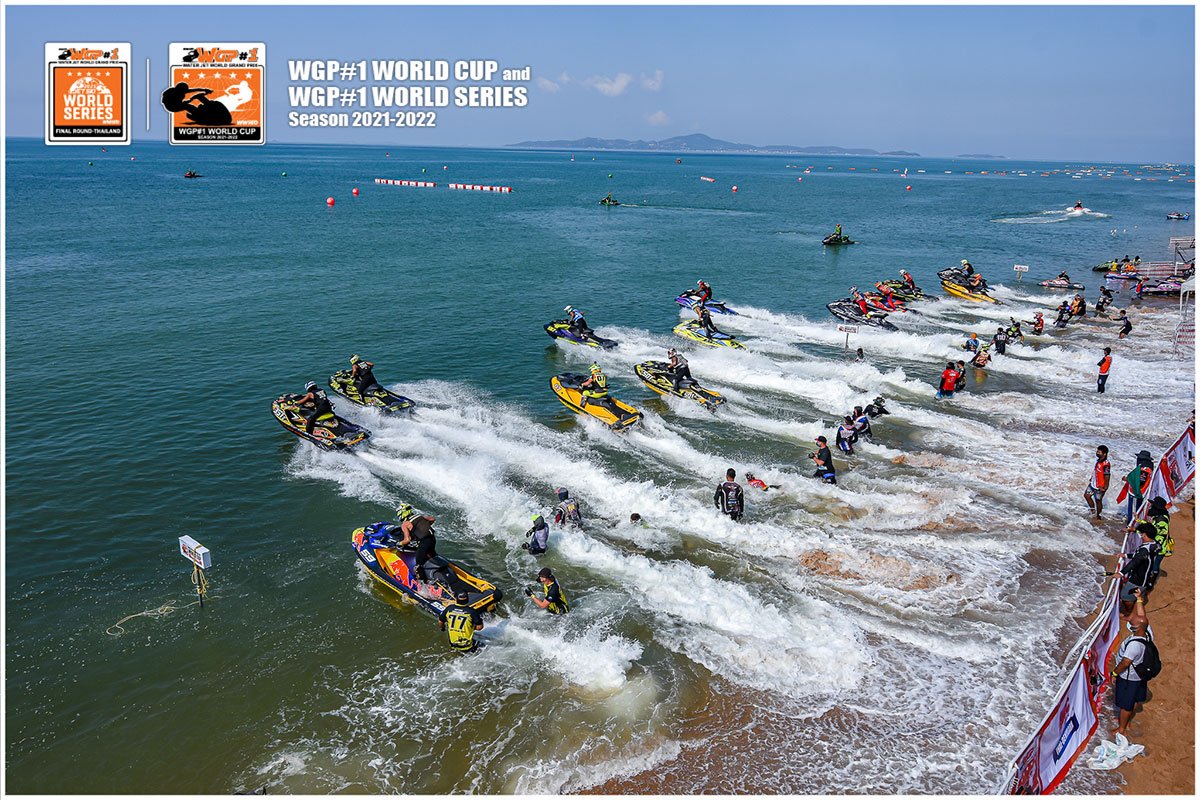
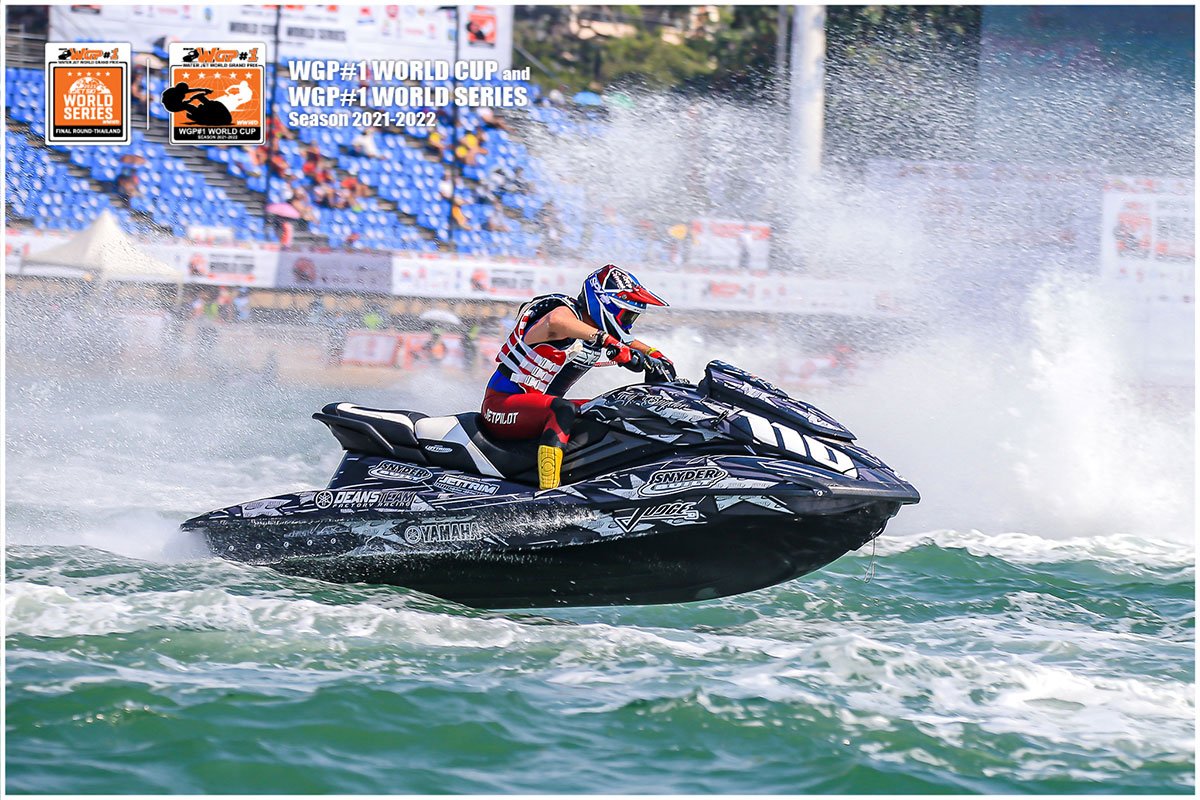
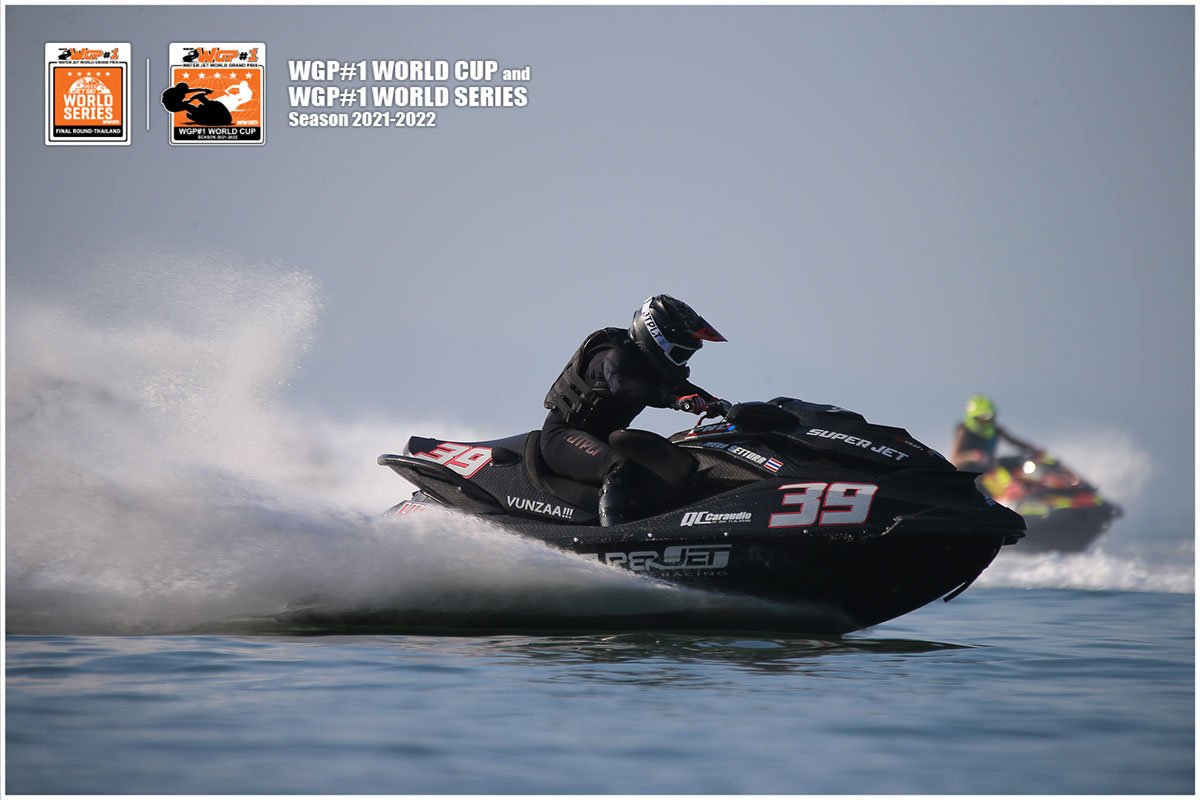
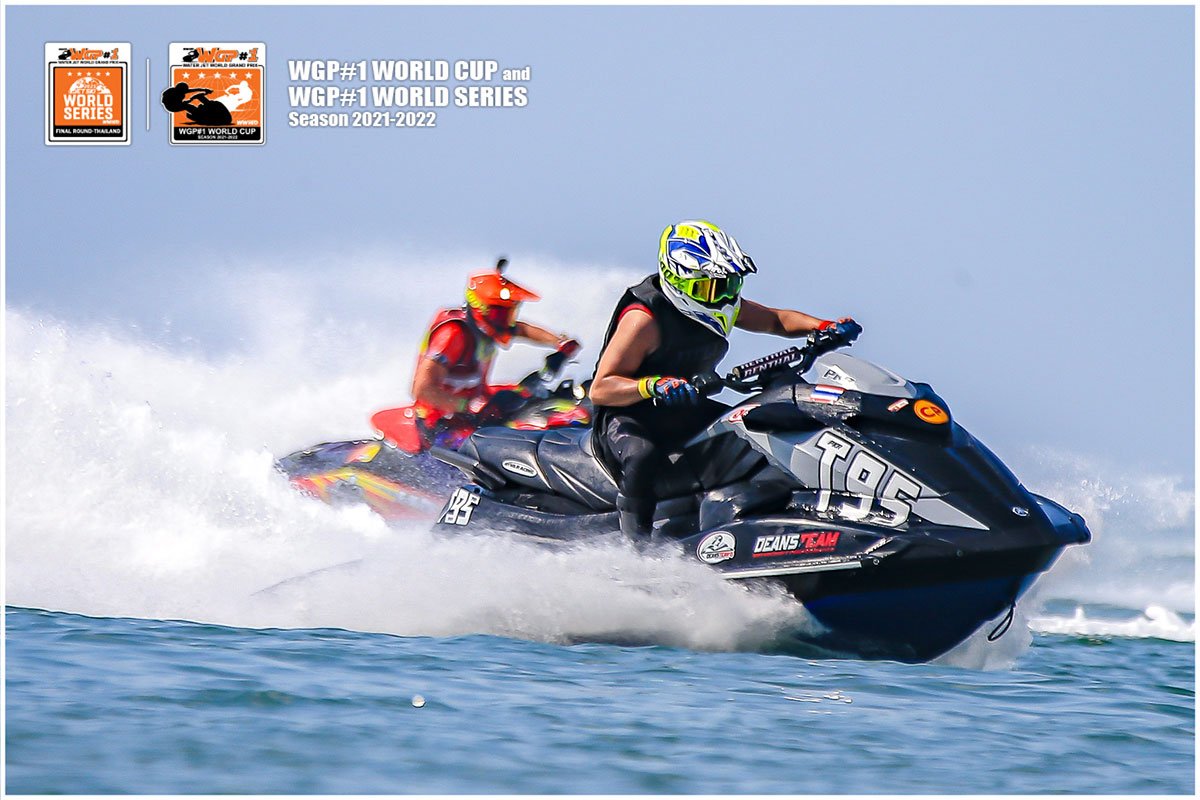
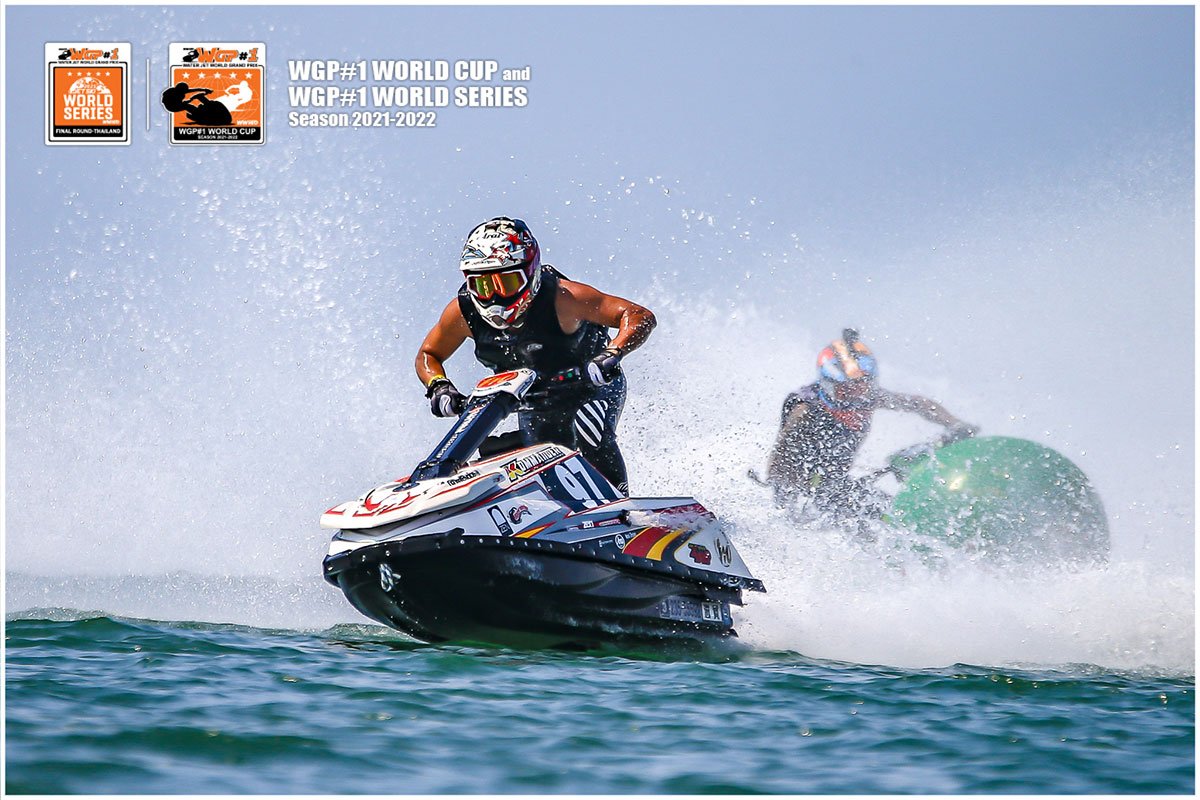
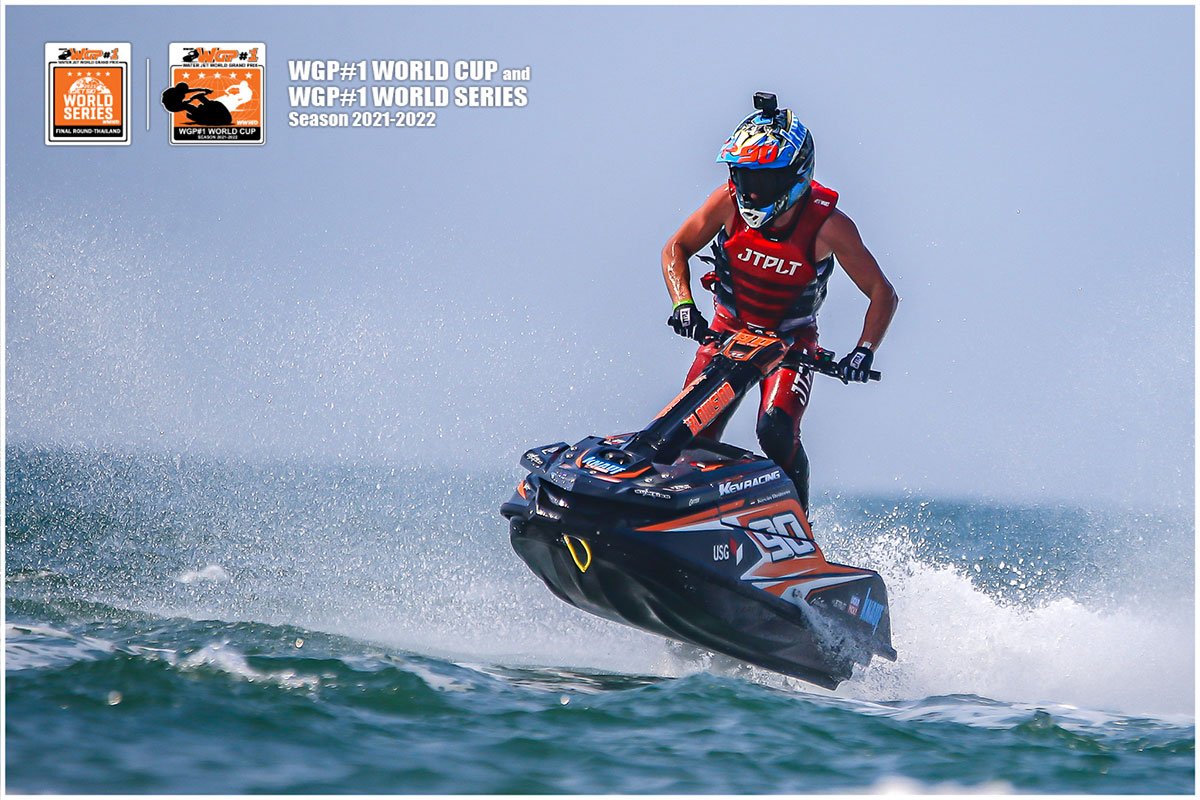
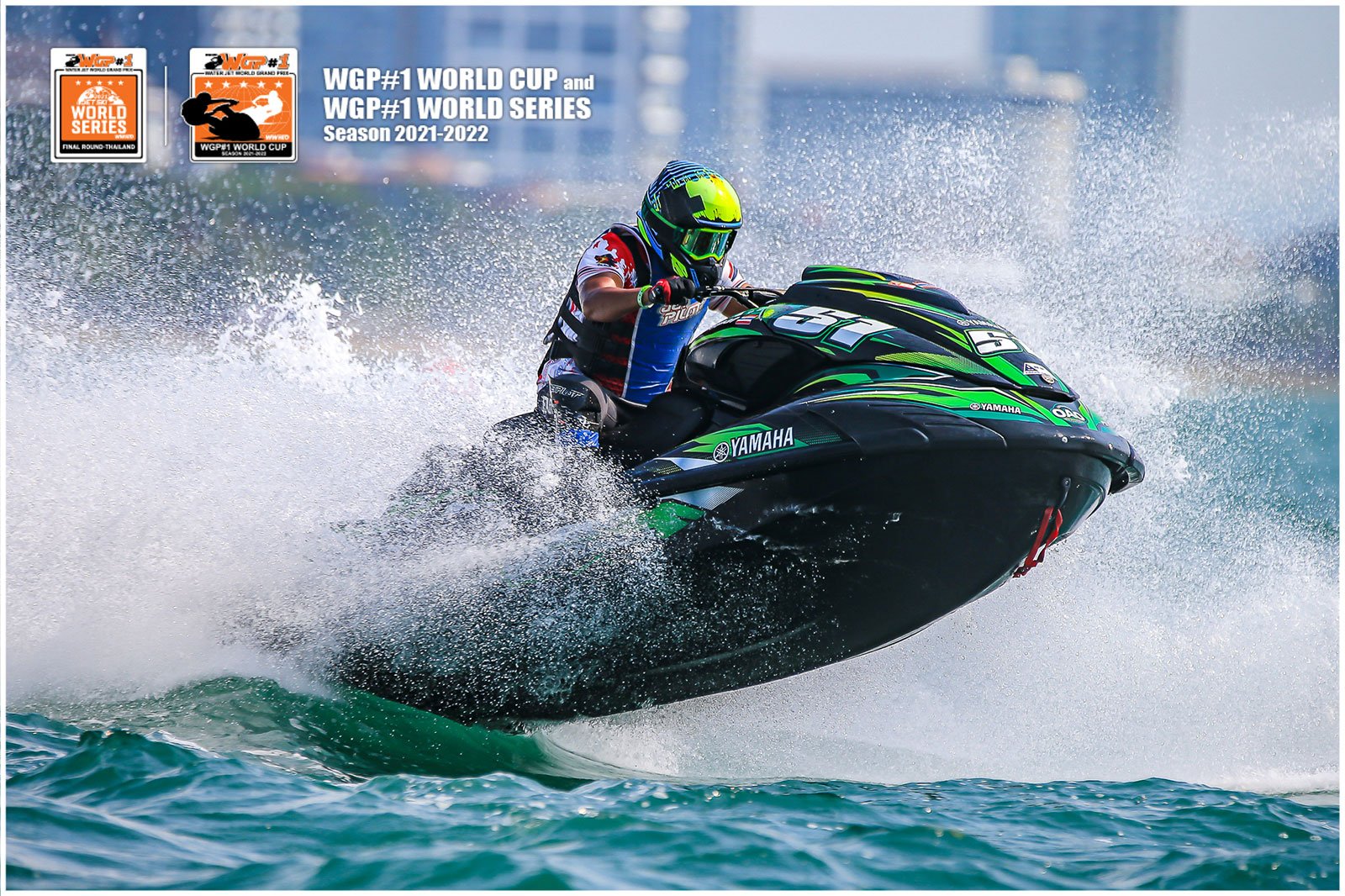
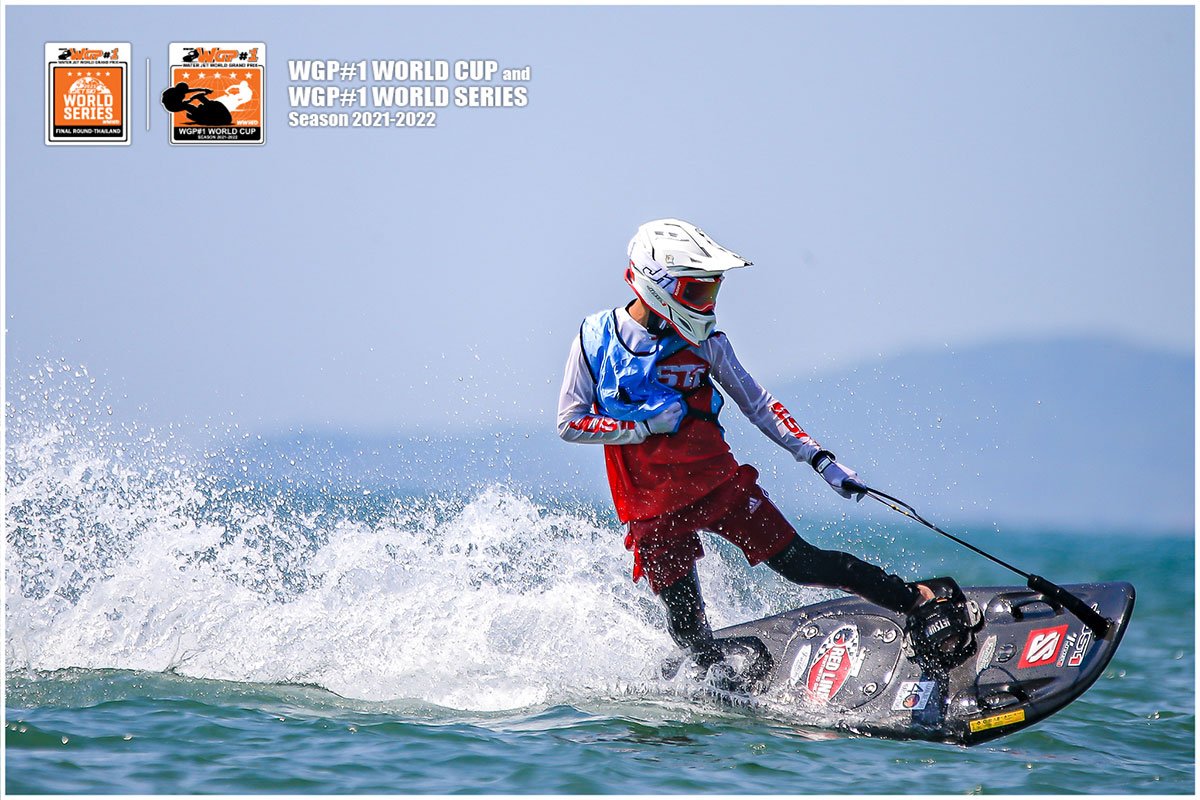
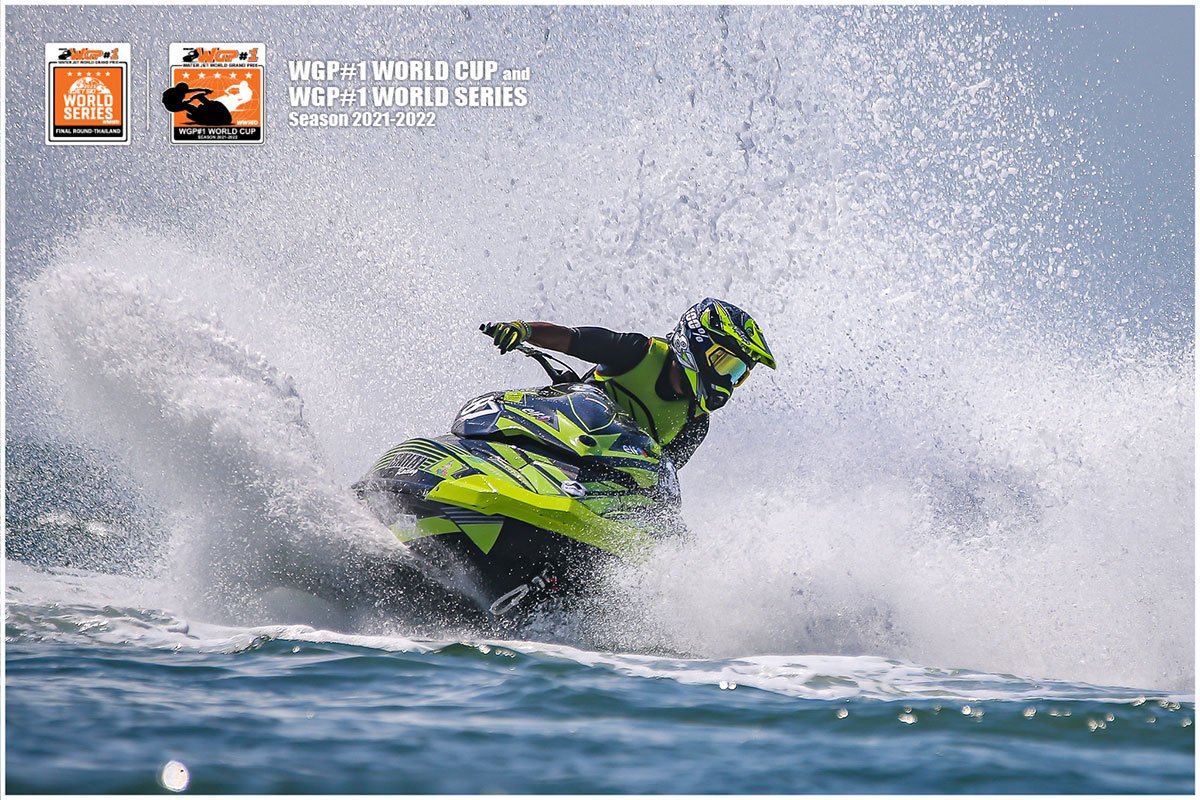
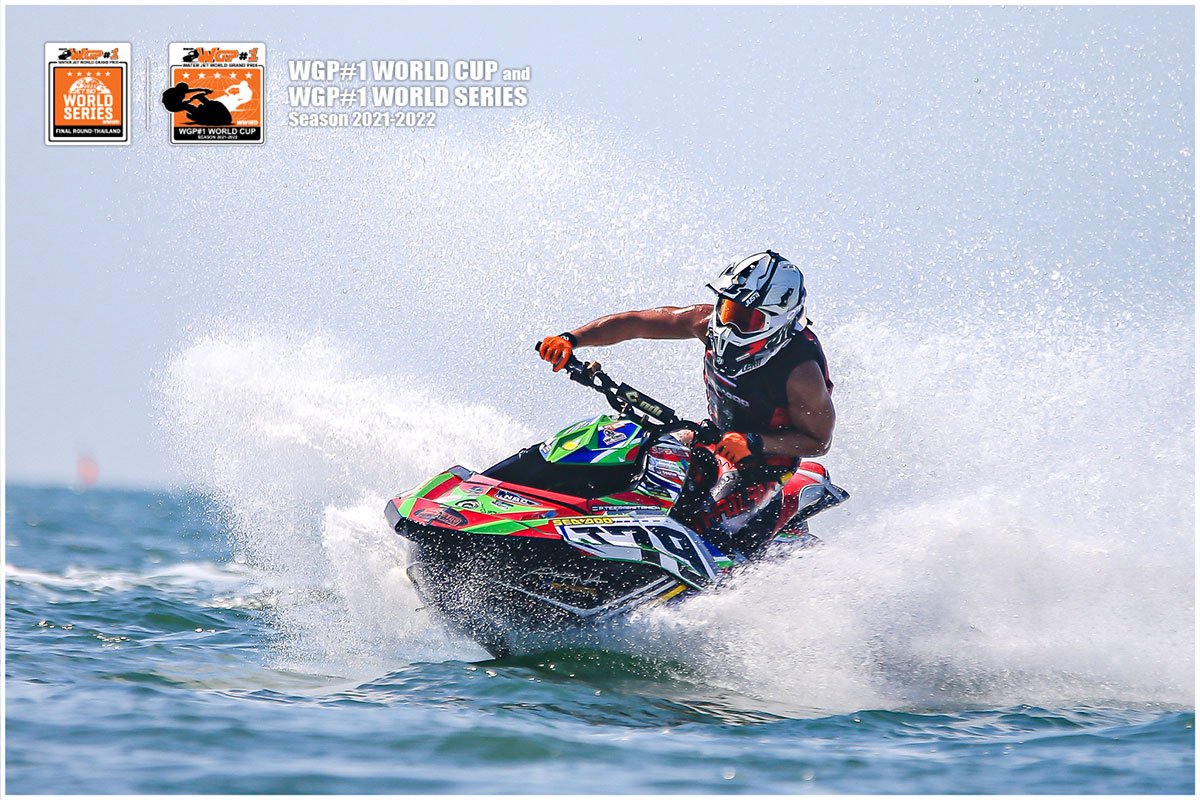
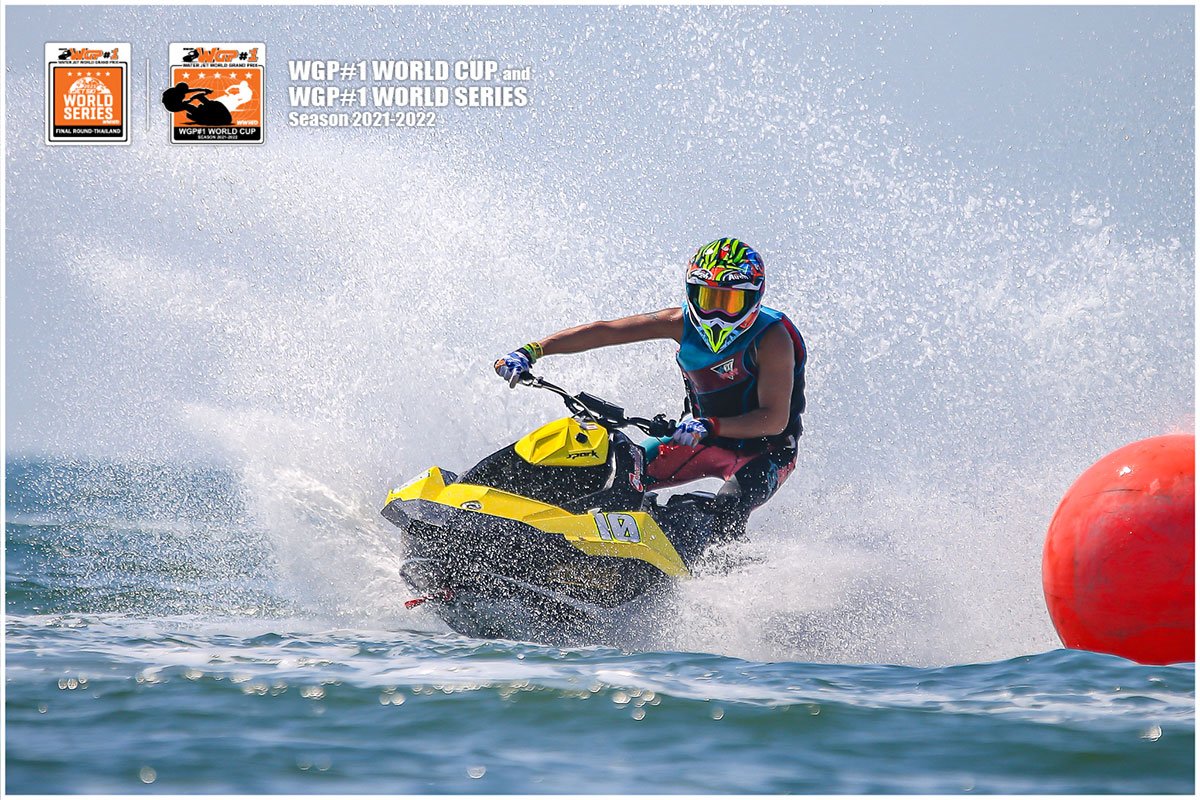
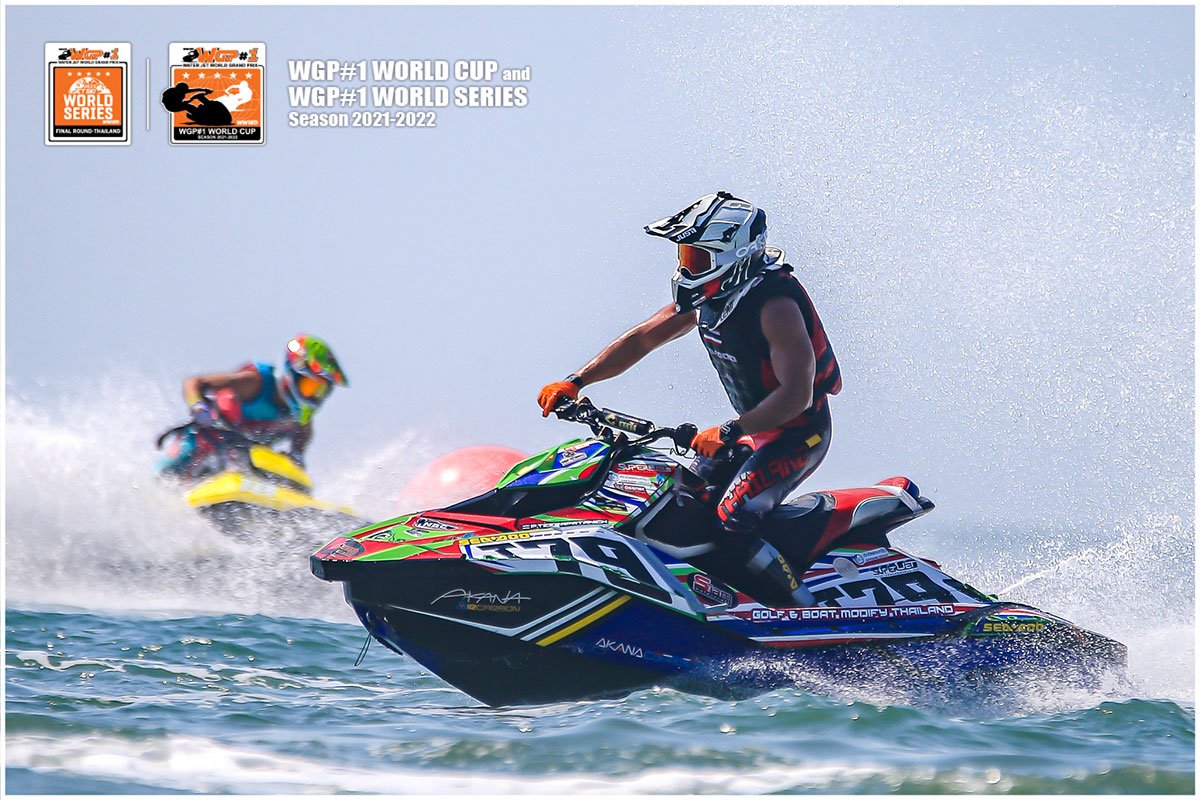
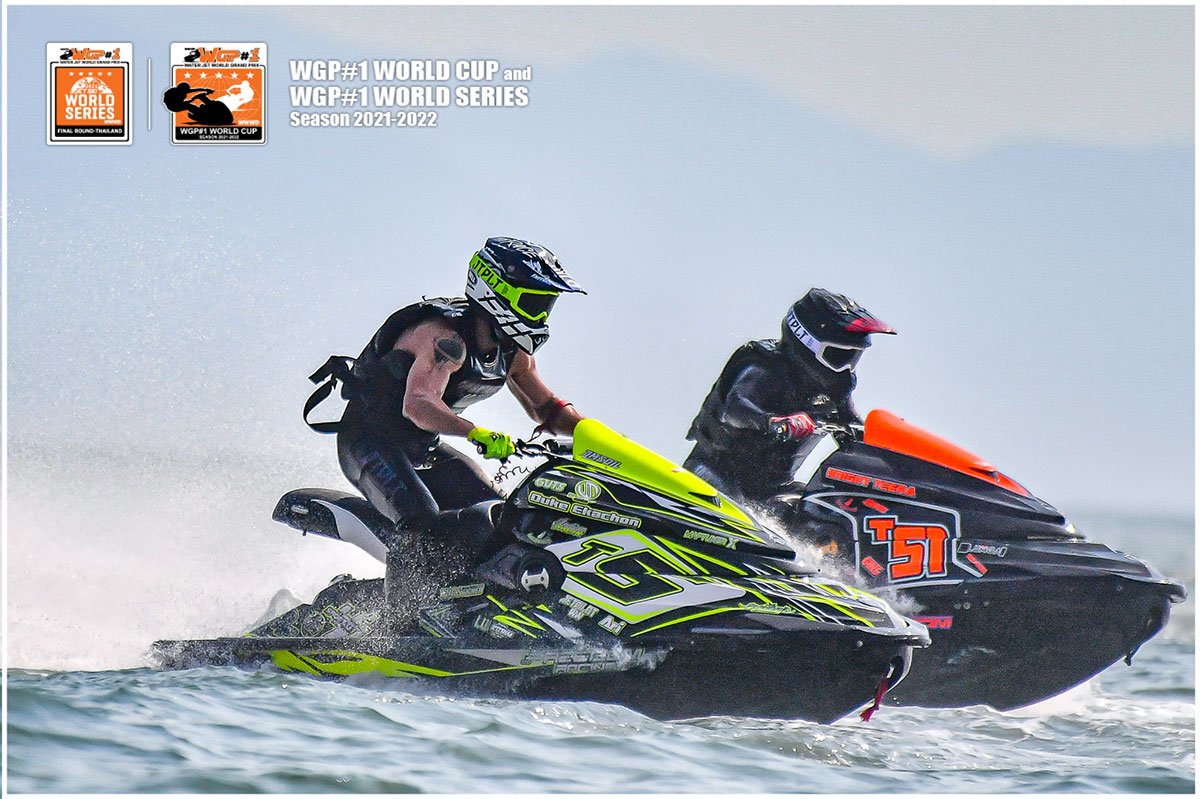
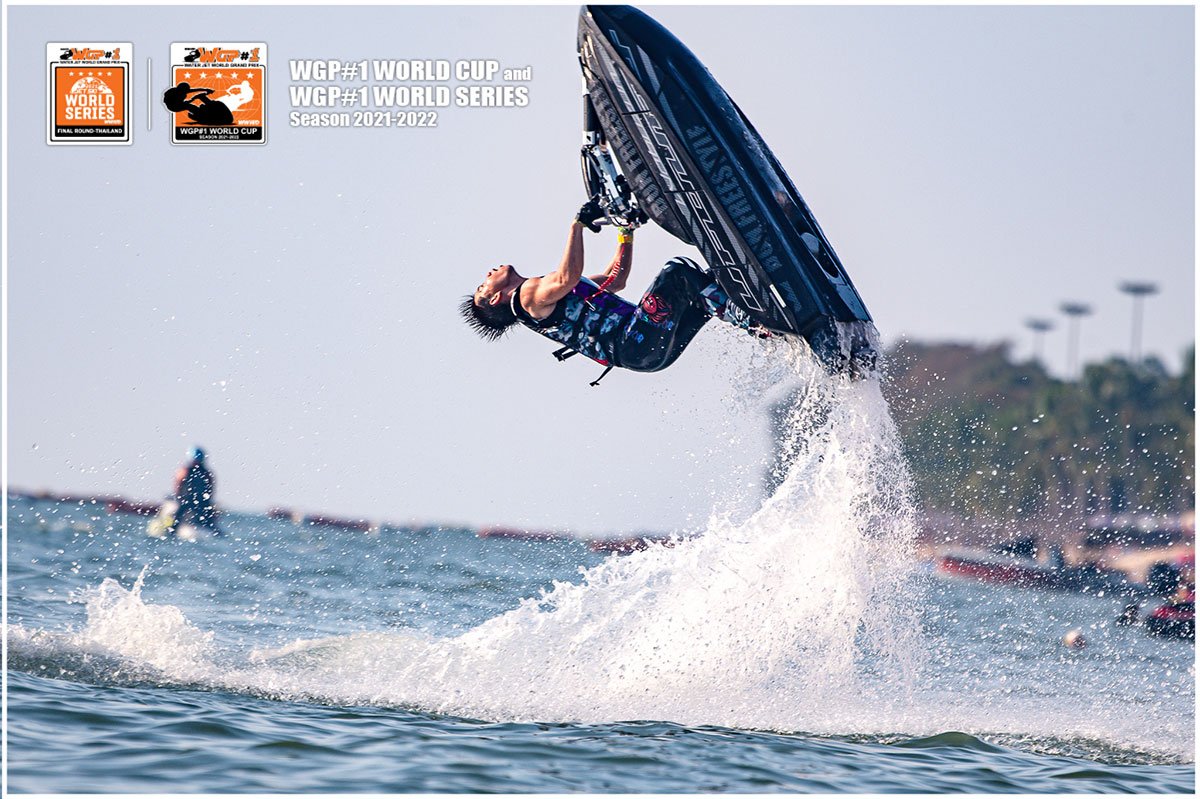
This year’s Kings Cup was definitely one for the record books! With Covid peaking its head into the event we found ourselves having to be tested at the race site before you could even enter the event. Every three days each person went through a rapid AT test and if you passed, you received a wrist band that allowed you into the event. Even as you came into the event they took your temperature and sprayed your hands with alcohol. These protocols made many feel safe at the races. Masks were also required when not on the race course and the racers, crews and spectators followed the rules.
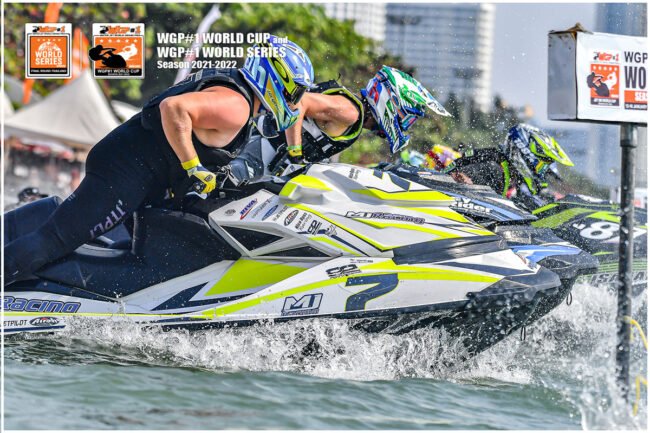
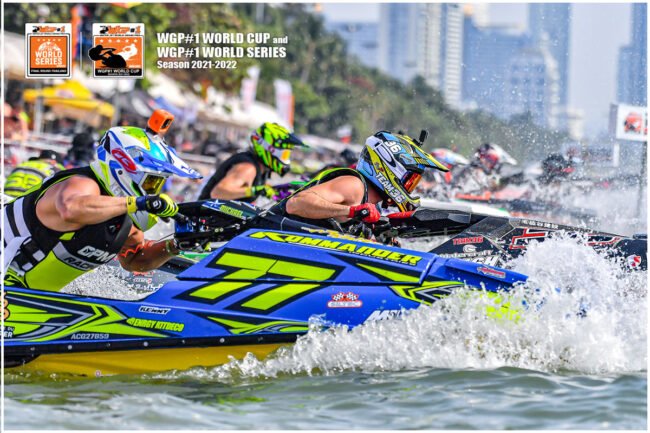
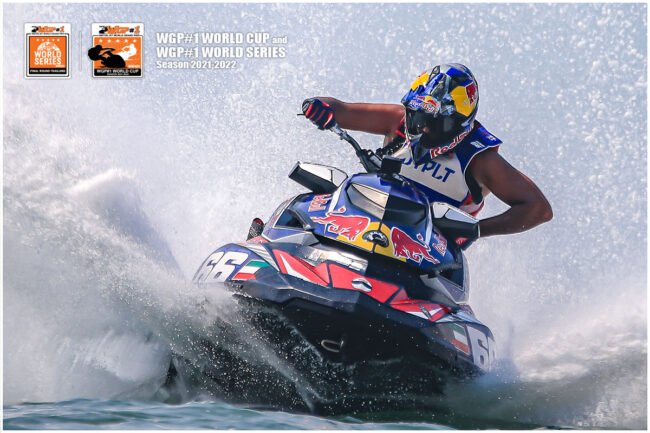
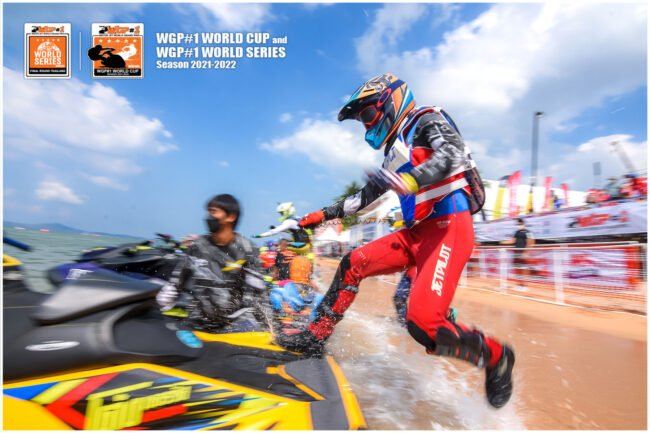
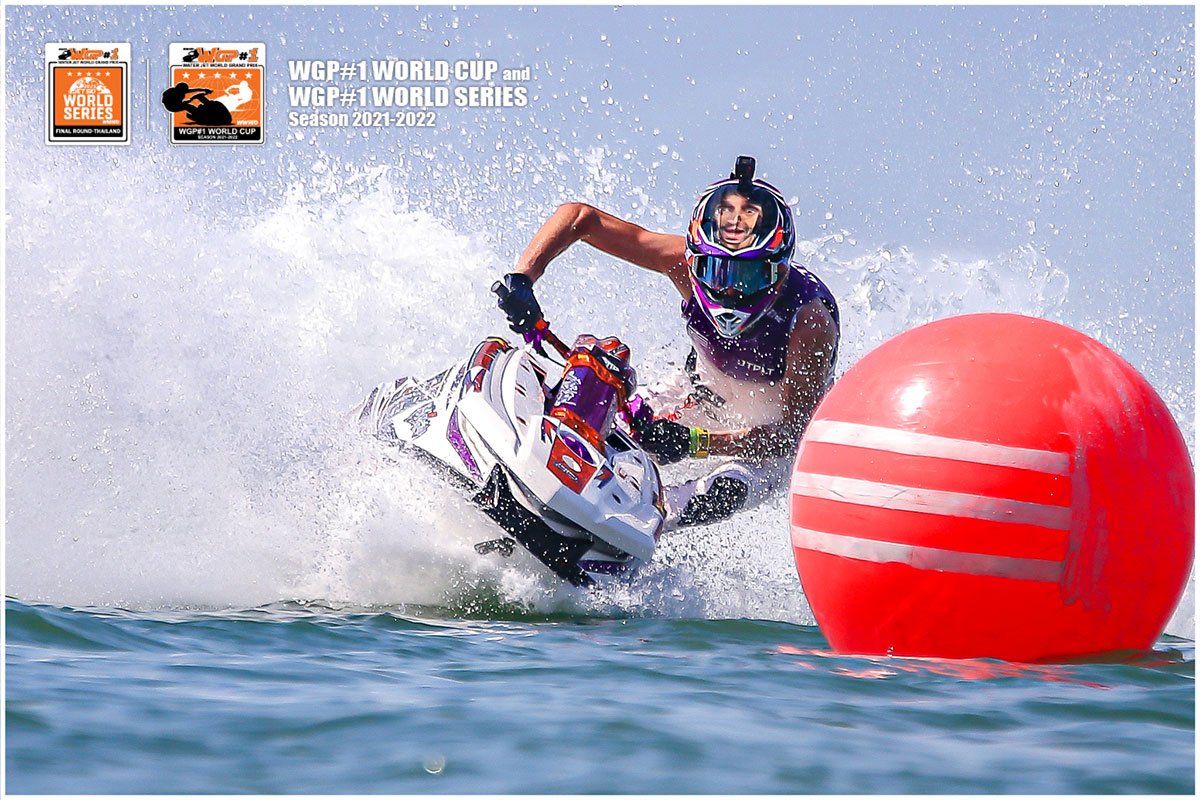
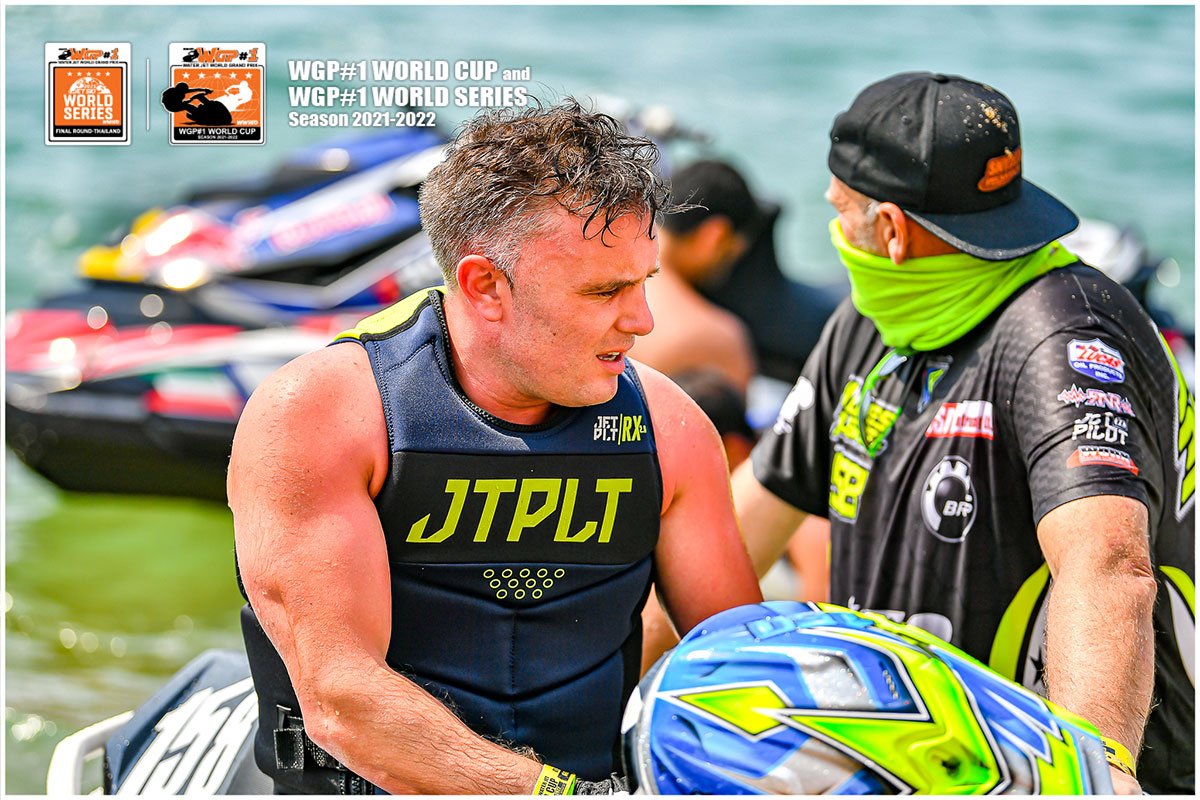
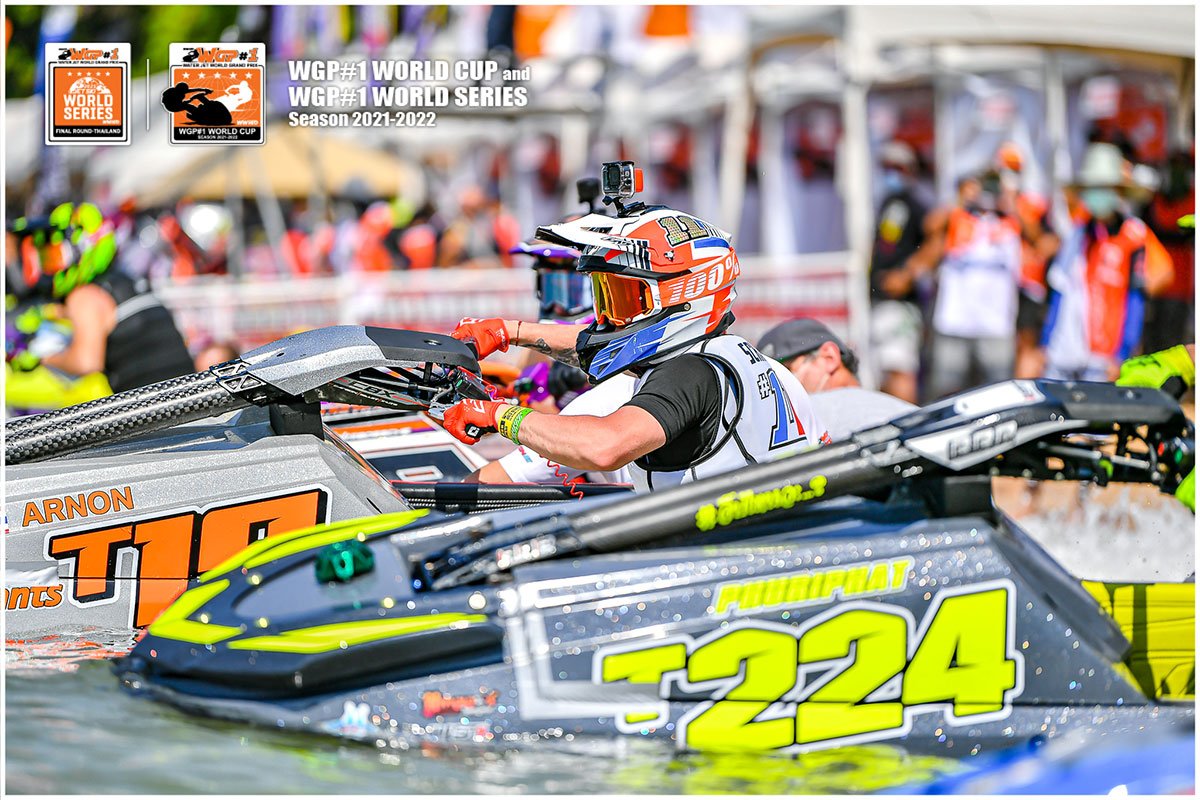
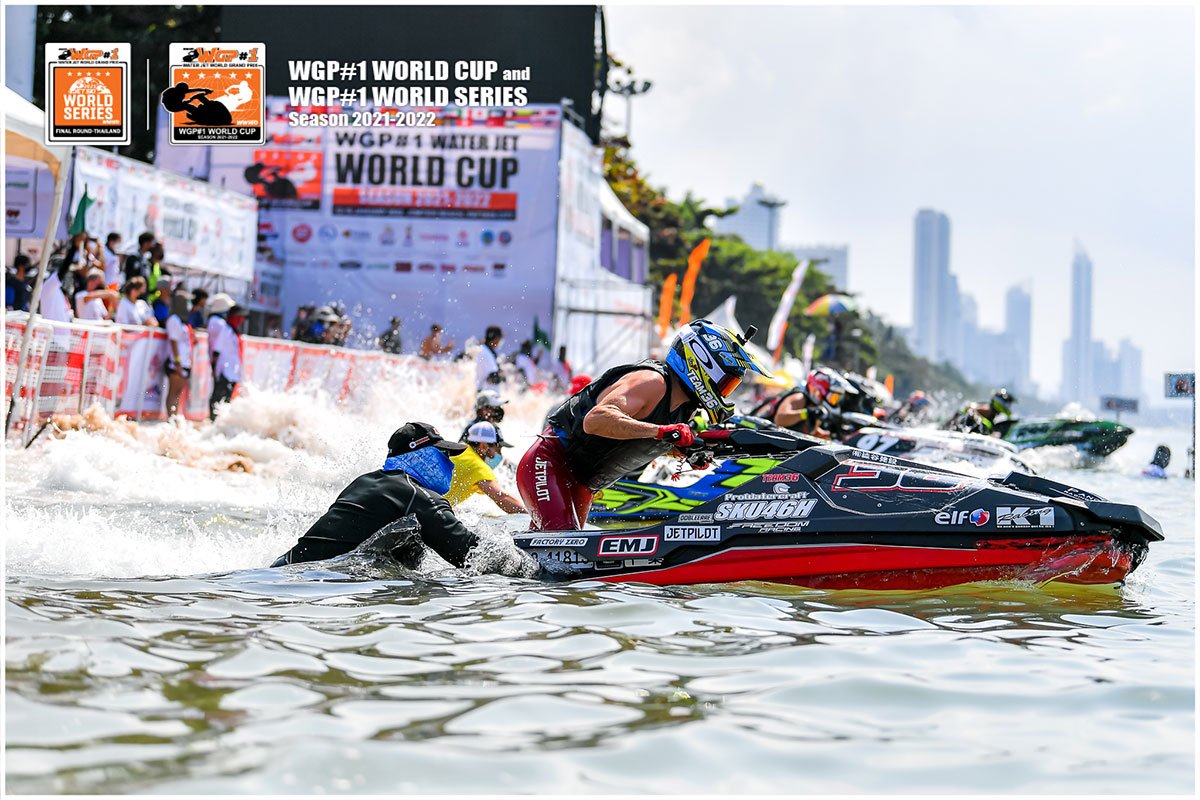
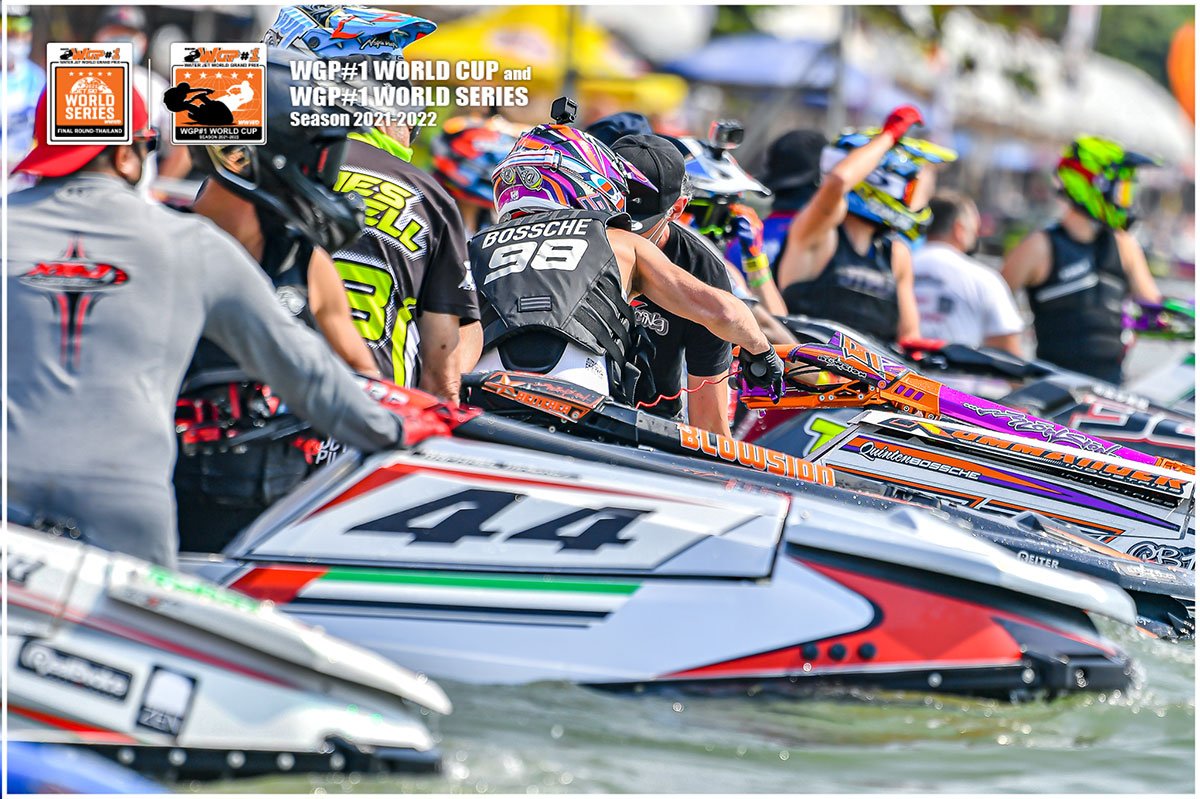
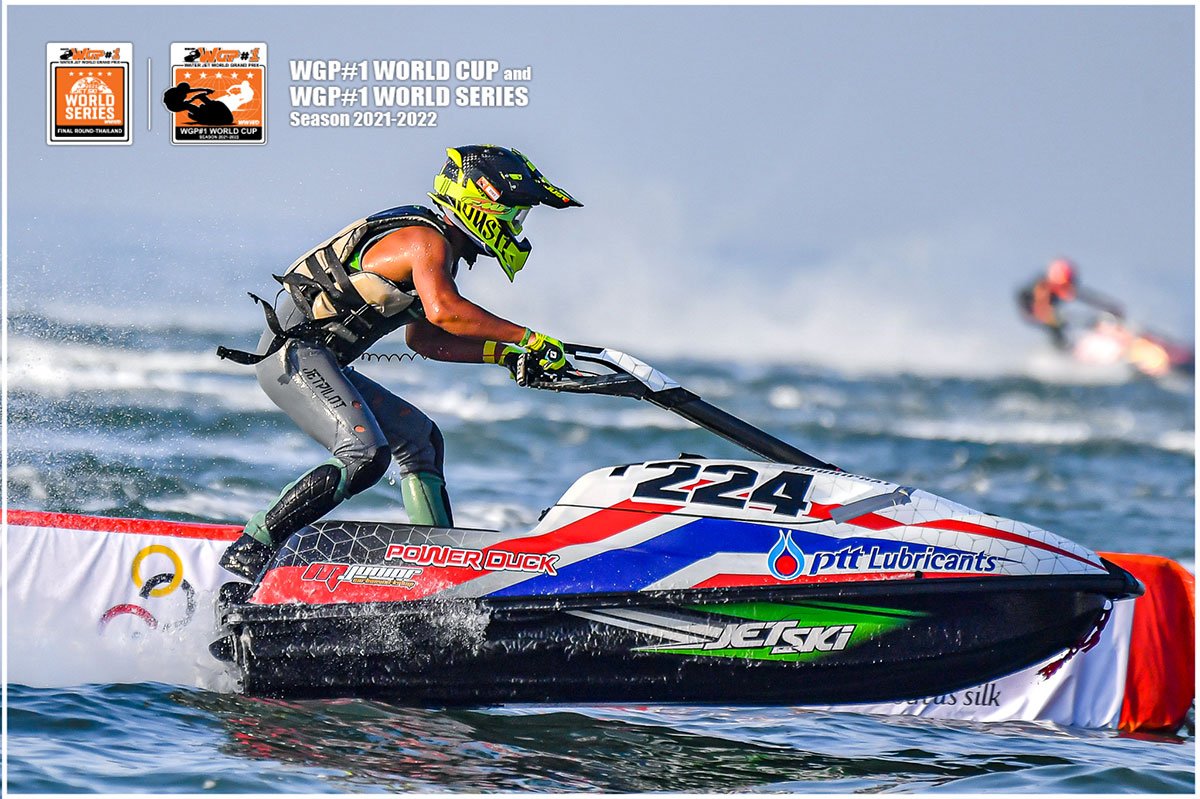
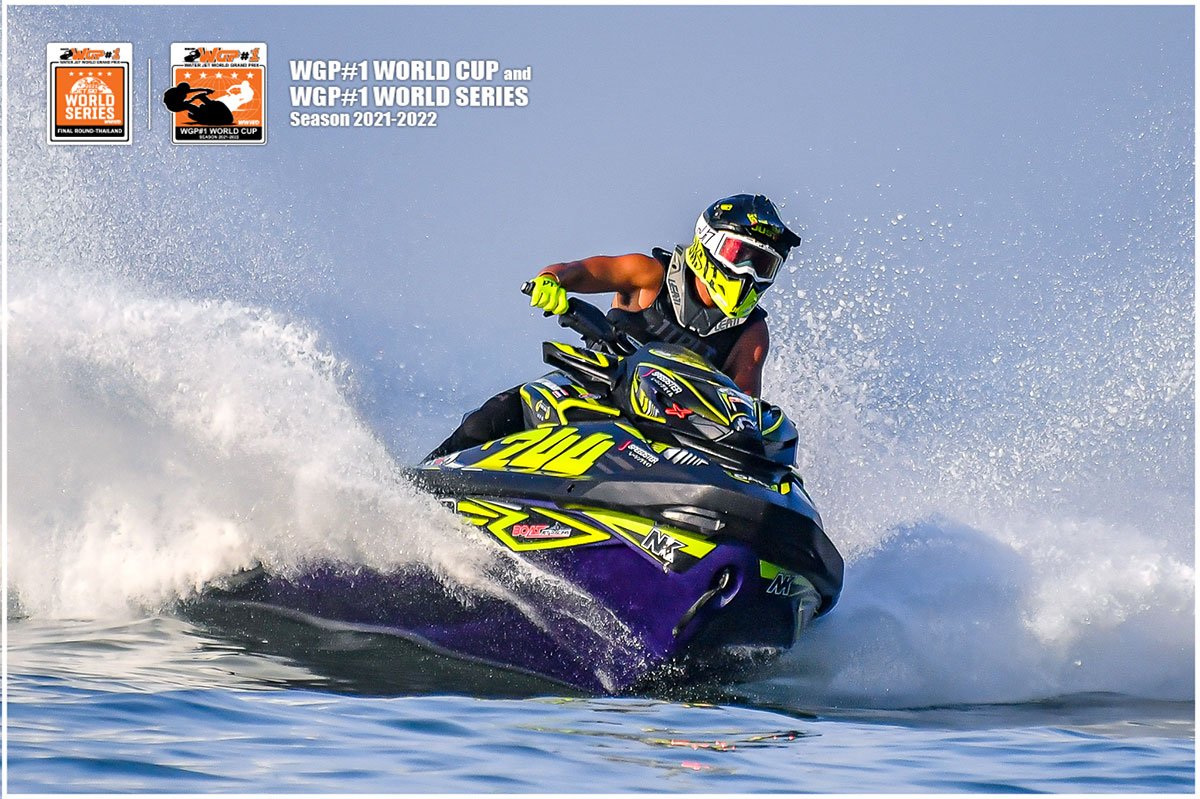
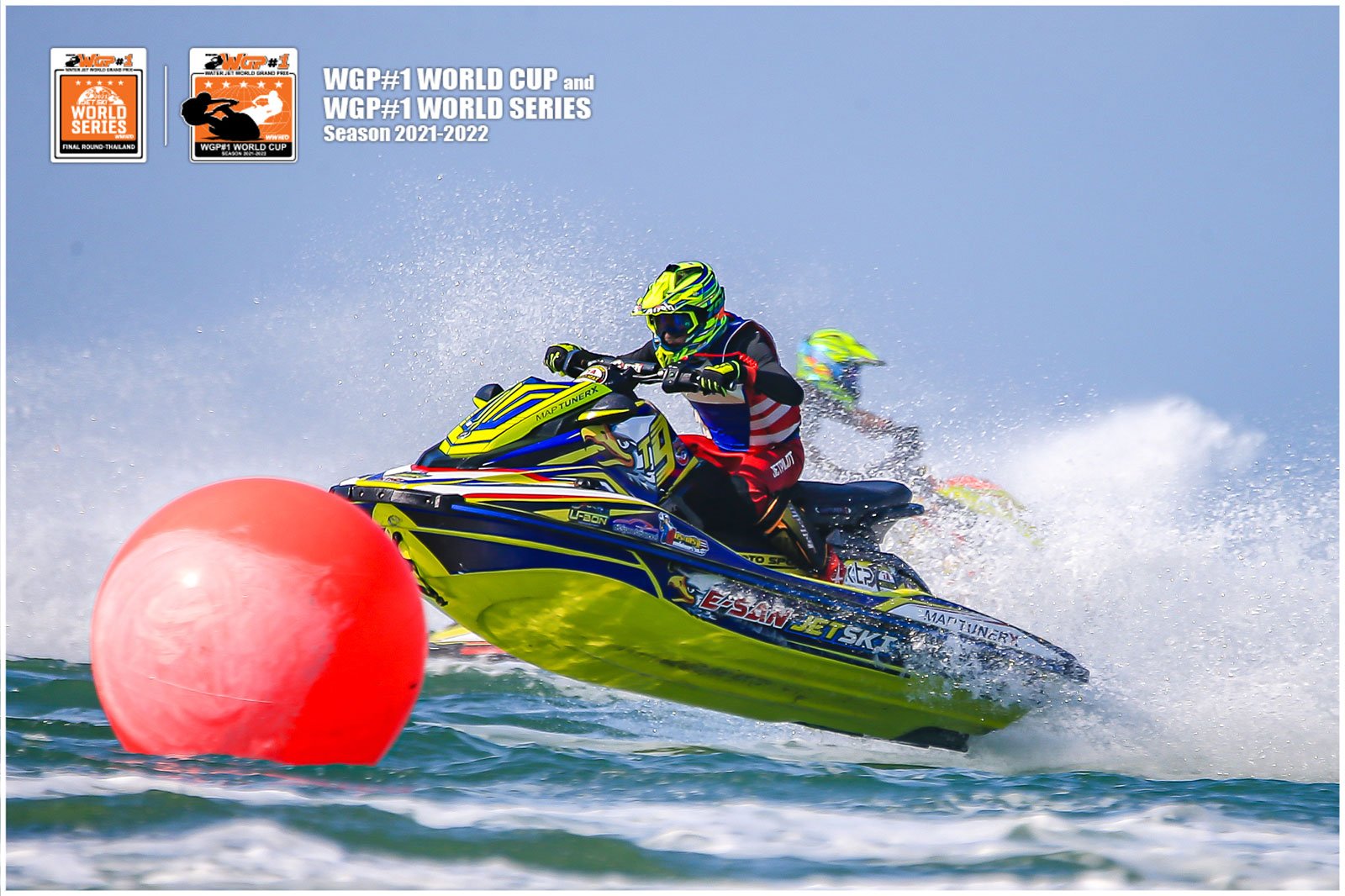
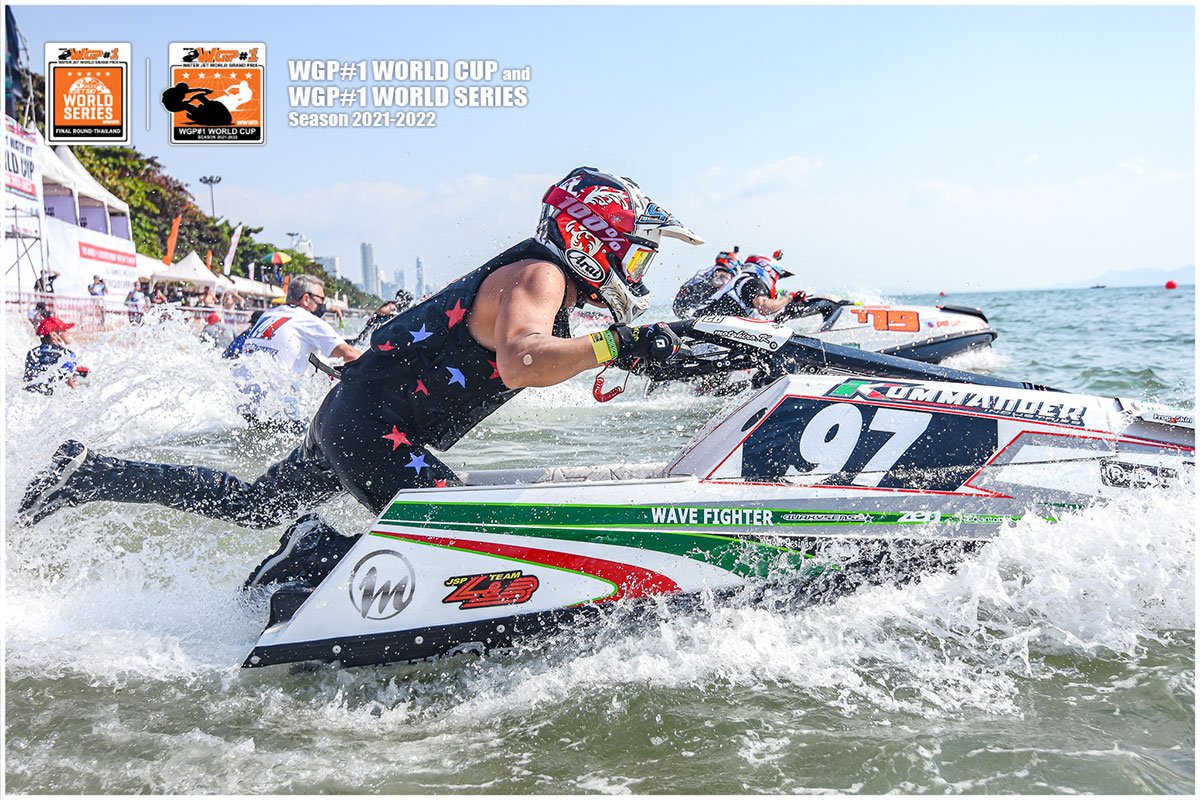
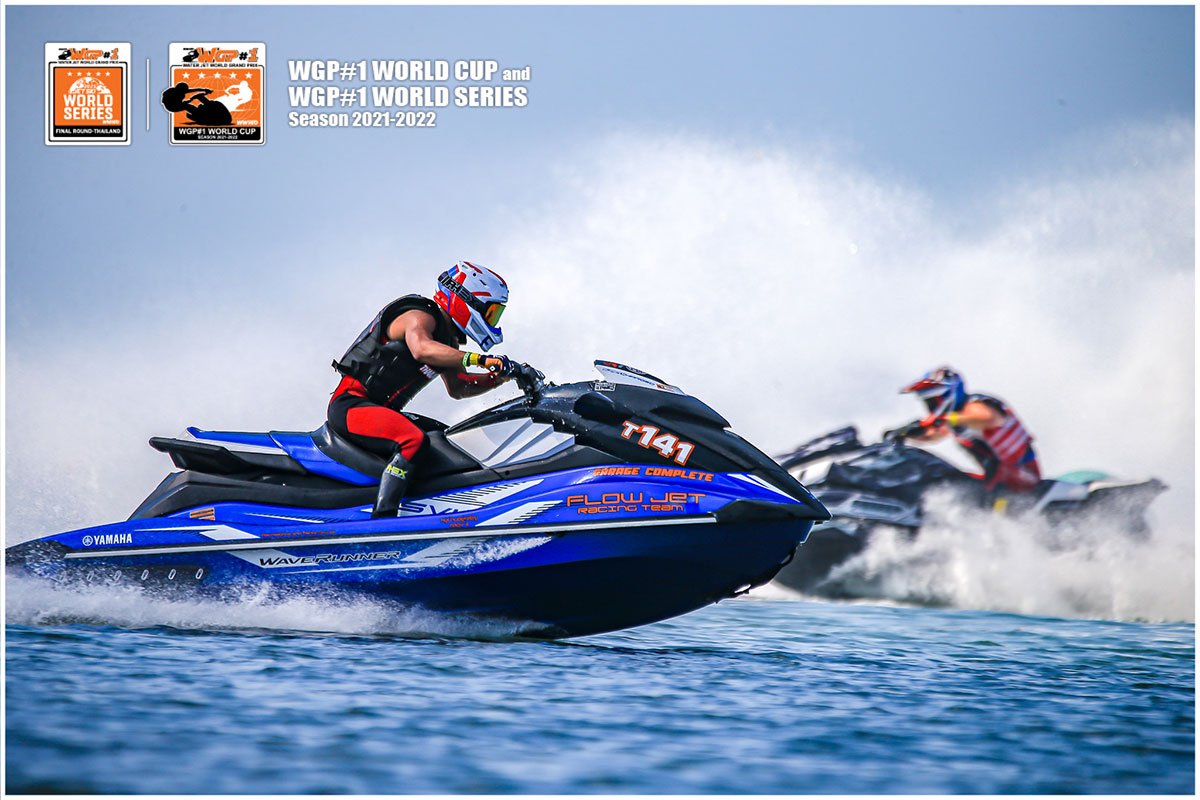
Racing started on Wednesday and some classes had qualifiers to make the four moto format. A full production crew was one site to film the event, allowing for enthusiasts around the world to watch the fast paced action live! The race was on live TV around Thailand and Eurostar networks. With over 100 PWC racing and from many countries around the world, it was surely an outstanding event. Class A and B races followed a two day, four moto format that made it so anything was possible!
At this event there was Junior ski and Spark classes. They each ran the track one at a time for lap times, and each one ran it over a few days for a total of three runs. With lap times around a minute and a half, it wasn’t bad to watch and each spectator could see the time on the large timer that was on the starting tower. This is a great way to get younger racers into racing and is very safe as they are on the track alone.
Pro-am Runabout was another large group that had to qualify for the motos. In years past, we’ve seen Yamaha win the upper class in this race but this year with the new Sea-Doo T3R hull (RXP-X) they took the top three positions. It will be good to see this year’s racing and see how the two manufactures compare as we move forward. Nuttakorn Pupakdee from Thailand took first while Permphon Teerapatpanich (also from Thailand) took second with Mattias Siimann from Estonia taking the third spot on the podium.
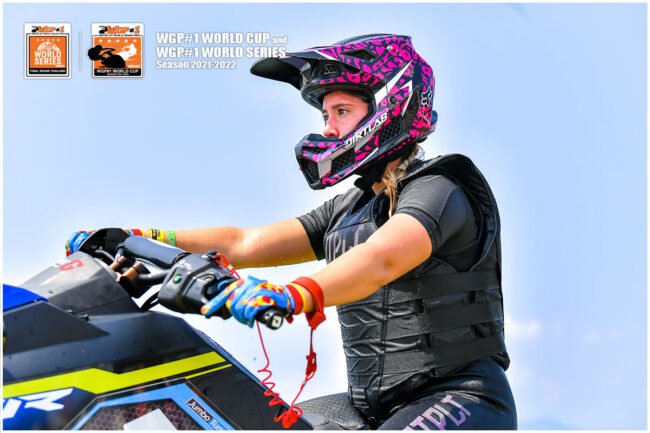
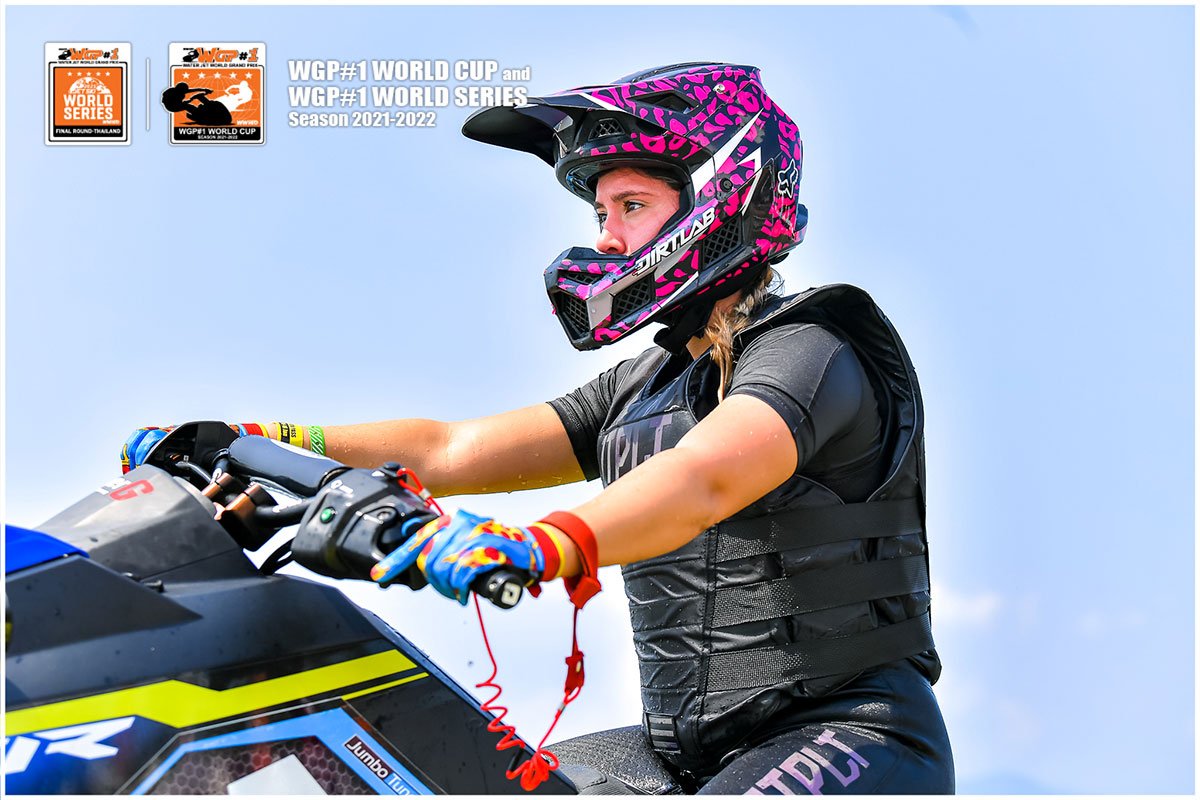
Pro-am Women ski stock was also a great race to witness as many from around the world showed up on the line! After the four motos where completed, we had Jasmiin Ypraus from Estonia take the top spot with Lullana Duangphophim from Thailand taking second and Mami Kaneko from Japan rounding off the top three.
Valentina Lezcano shared, “Triple Crown Jet Ski World Series was one for the books! From traveling to Poland for the first round to then going to Havasu for the second round, and finally ending the tour in Thailand – and winning the Pro 1100 Open class Triple Crown! The race venue was by far the most well organized race I have ever been to and the hospitality was like no other. The race course was one of the toughest tracks I’ve been on but so worth it! I’m proud to say I was able to bring home some nice hardware for Team USA!”
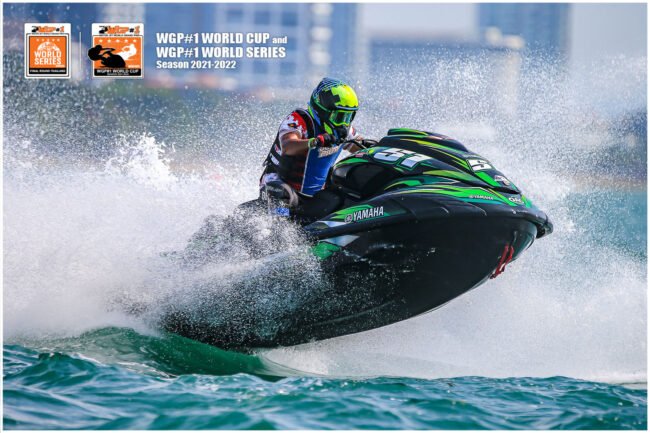
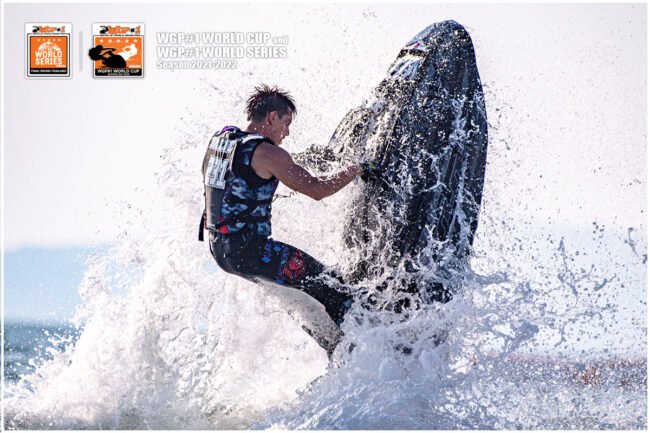
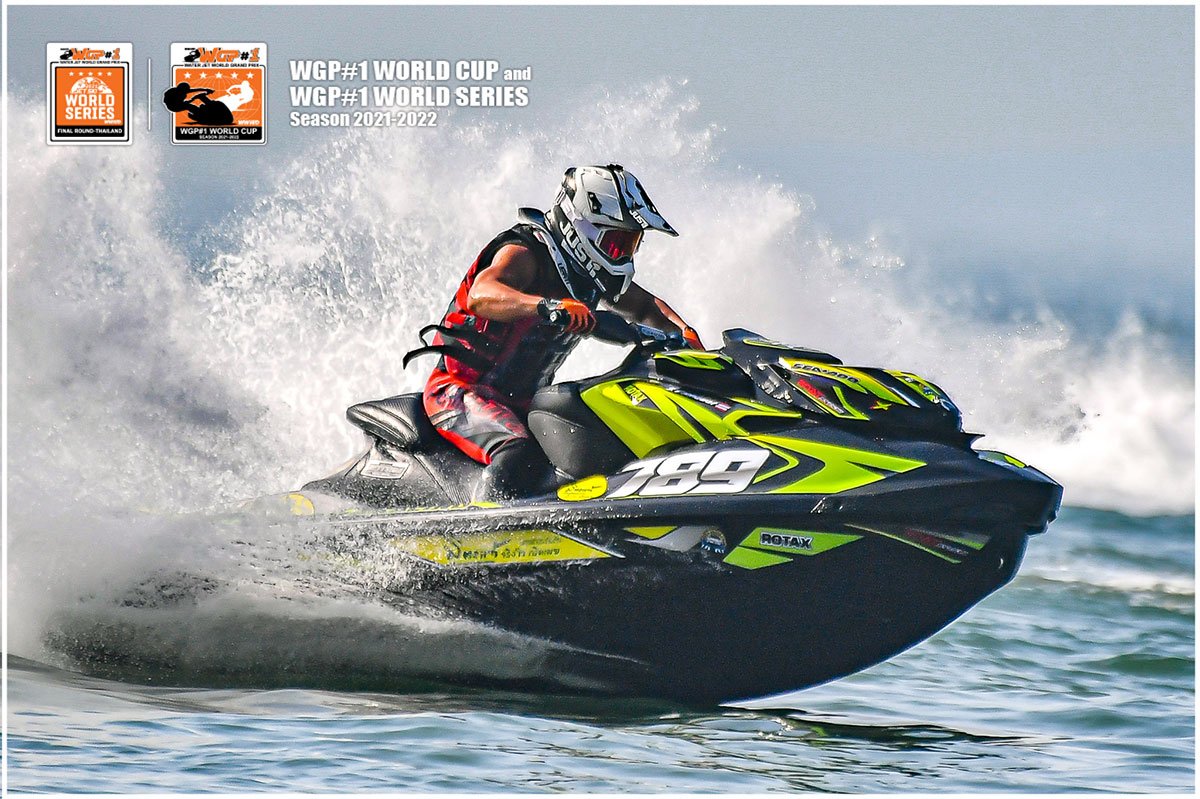
Pro Ski GP started with Quinten Bossche taking Moto 1, and then Kevin Reiterer taking the second moto followed by Quinten taking the third moto giving him 168 point to Kevin’s 166, making Moto 4 the deciding moto. Quinten hole shotted and kept the lead until a small mistake separating him from his craft allowed Kevin to pass for the lead. When the checker flag came out it was Kevin taking Moto 4 and the overall win. Quinten finishing 3rd in that moto was enough for a second overall and Raphael Maurin taking the third spot on the podium.
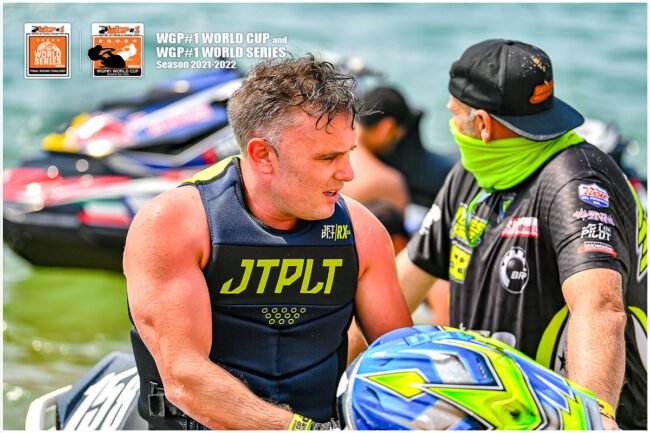
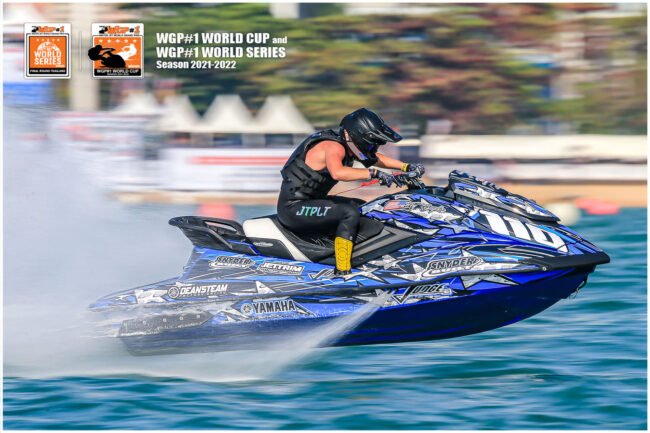
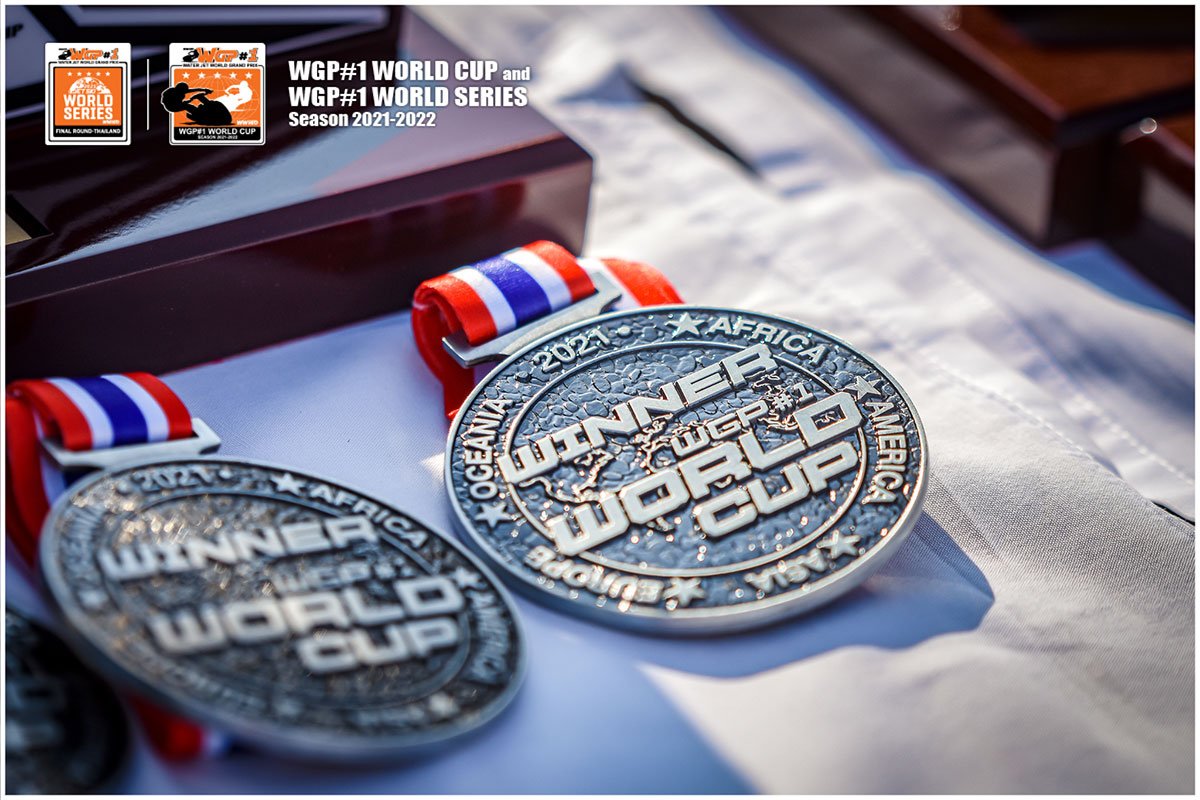
IJSBA World Champion Tory Snyder told The Watercraft Journal, “[It was a] great week with my family in Thailand. Not the outcome we wanted but we still came out with the World Series trophy. We learned a lot and are ready to come back next year even stronger.”
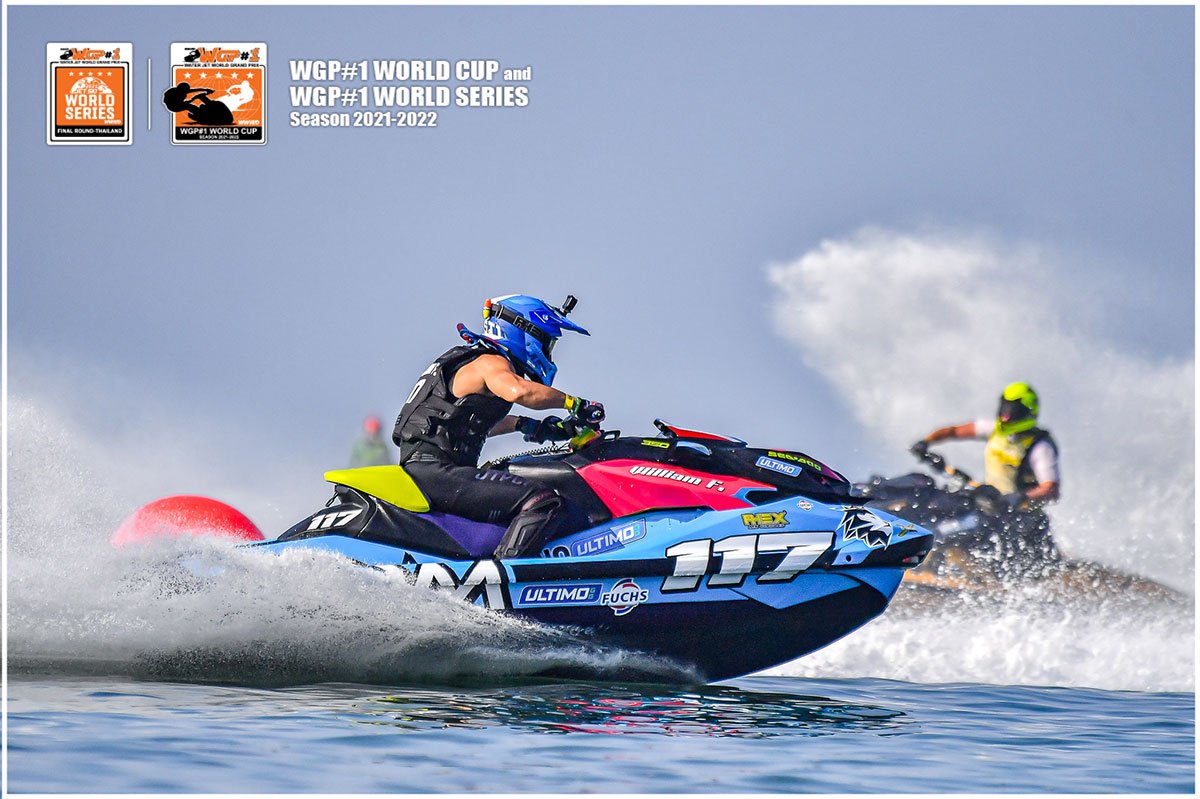
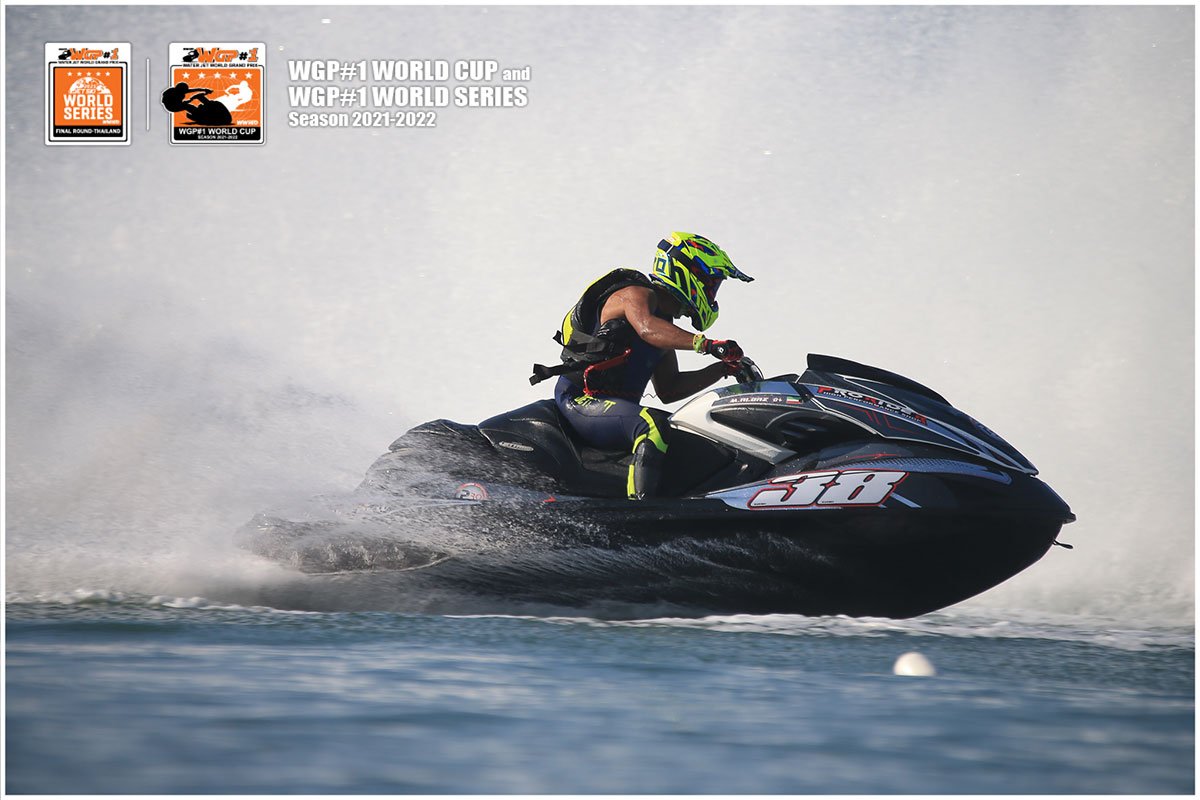
Runabout GP was incredible with these large runabouts that run big turbo motors and full carbon fiber hulls – so they are like the F1 of the water! Consistency was the winner of this race. With many of the top seeded racers having minor issues from broken steering cables to electrical issues allowing the more reliable crafts take the over all at the end of Moto 4! Marcus Jorgensen took the top spot with Mohammad Burbayea second and Mohammad Albaz rounding the top three!
Mohammed Burbayea, Runabout GP Triple Crown winner, told us, “The championship was great! I was happy I had the chance to participate. The procedures of the organizing country was outstanding; the proper approach and cooperation with the contestants, and a special thanks to those who were the reason of the race success. [I am] so happy I won this race, and got the title of this championship twice!”
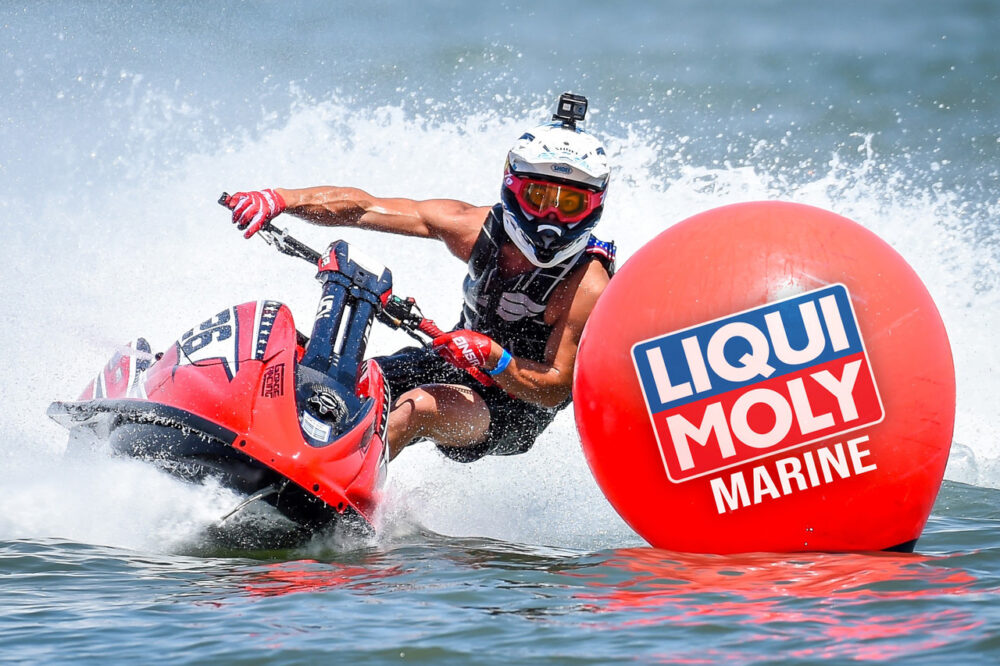
Liqui Moly, a name synonymous with high performance engine lubricants and fuel additives, has announced its support of Full Throttle WaterX. The Liqui Moly sponsorship will help the west coast tour build its series to another level and continue to grow.
This is another boost to the watersports industry and the growth of PWC racing. Big things are happening in watercraft racing this season and we are glad to share another big announcement with our readers. Check out the complete announcement from Liqui Moly below:
LIQUI MOLY, manufacturer of high-performance engine lubricants and fuel additives, has expanded its support of PWC racing. It is now the 2022 title sponsor of Full Throttle WaterX. Gary Driver, LIQUI MOLY USA business development manager – marine, made the announcement. It also supports the Pro Watercross Tour & World Championship.
Taking place in California and Arizona, LIQUI MOLY Full Throttle WaterX is the West Coast’s premier PWC racing series. Owned and operated by racers for racers under the auspices of the non-profit Pro Watercross organization, it emphasizes fun, affordable and safe competition. With 25 entry classes, the tour begins March 25–27 at Havasu Landing Resort & Casino in Needles, California. The website is www.ftwxracing.com.
“LIQUI MOLY is a global company that sponsors many premier motorsports races and teams. With their support, we’re going to grow PWC racing to new levels,” said Deegan Newton, Full Throttle WaterX owner and event organizer. “Gary Driver and the LIQUI MOLY marine team have been super helpful in getting our series going. We’re excited for the upcoming season and the future of our partnership.”
Wow, 2022 is shaping up to be a full year of racing! We are stoked to bring you the latest racing announcements and schedules. It feels like old times. Check this out, we received the P1 AquaX 2022 Race Calendar reveal yesterday. The promoters of AquaX have scheduled five stateside venues for the regular season and the Bahamas are on tap for the National Championship.
Pro Enduro and Am Enduro will race together with a Junior Enduro series. In other notable news, the P1 crew will partner with Jaymi and Brad Bohat of Great Lakes Watercross to develop the Indiana Series. We look forward to watching the P1 AquaX continue to grow. Read all about it in the complete announcement below:
P1 AquaX USA Unveils 2022 Race Calendar
• 5-venue National Championship gets underway at the end of April • Riders will head north to Indiana in July for two race events • Bahamas World Championship at the Atlantis Resort confirmed for November
International personal watercraft racing promoter P1 AquaX has released plans that will see it stage a 5-month programme of free-to-watch racing in Florida and Indiana together with the return of its World Championship in The Bahamas in November. The 5-venue P1 AquaX National Championship will feature Pro and Am Enduro racing together with a Jr Enduro series.
Kissimmee/St. Cloud in Central Florida will kick off the season at the end of April with racing at East Lake Tohopekaliga, and the riders will join the P1 Offshore powerboat teams at the 37th annual Sarasota Powerboat Grand Prix on July 2-3. The action heads north the following weekend when Michigan City and La Porte will host events in the Indiana Series.
The National Championship returns to the Sunshine State’s Atlantic Coast in August with Daytona Beach welcoming the AquaX racers, and the final stop in early September will be St. Petersburg on the Gulf Coast. For the first time, P1 AquaX is adding a Jr Enduro class to its championship for riders aged 14-15. This racing will run under Sprint Spark/EX rules with riders competing for 20 minutes on a modified AquaX course, depending on entry numbers.
Unveiling the calendar at P1’s race headquarters in Orlando, P1 USA Championship Manager Michelle Petro said: “Outstanding locations and host venues contribute enormously to our event offering. This season we are delighted to collaborate with Jaymi and Brad Bohat at Great Lakes Watercross, the premier closed course buoy racing and freestyle tour for personal watercraft in the Midwest, to develop the Indiana Series and build the region for racers, venues, sponsors and fans. Brad commented: “We are excited to be partnering with P1 AquaX to host closed course racing alongside two world class PW endurance events.”
Due to unavoidable calendar clashes with another pwc racing promoter, AquaX will introduce a ‘drop round’ format this season by removing the lowest scoring round for each racer when calculating the overall points. Petro added: “We will be announcing further details of our race season next month, including television coverage and live streaming, a new title sponsorship agreement and qualification for The Bahamas World Championship.”
2022 Race Calendar
P1 AquaX National Championship – Race To The Bahamas Kissimmee/St Cloud, FL – April 30/May 1 Sarasota, FL – July 2-3 Michigan City, IN – July 9-10 Daytona Beach , FL – Aug 12-14 St Petersburg, FL – Sept 3-4 Bahamas Pro Enduro World Championship – Nov 4-7 Bahamas International AM Championship – Nov 4-7
Michigan City/La Porte Indiana Series Michigan City, IN – July 9-10 La Porte, IN – July 30-31
For more information on this release: Roy Mantle / Head of PR T:+44 (0)20 7935 4977 Powerboat P1 Management Ltd Queen Anne Mansions 86/87 Wimpole Street London W1G 9RL https://p1aquax.com
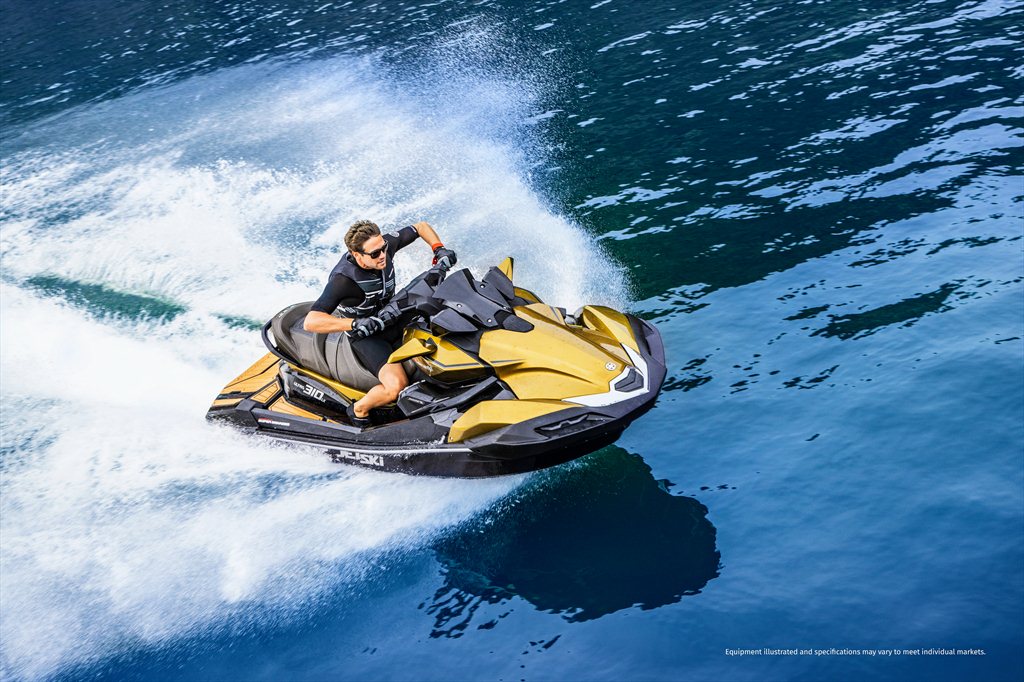
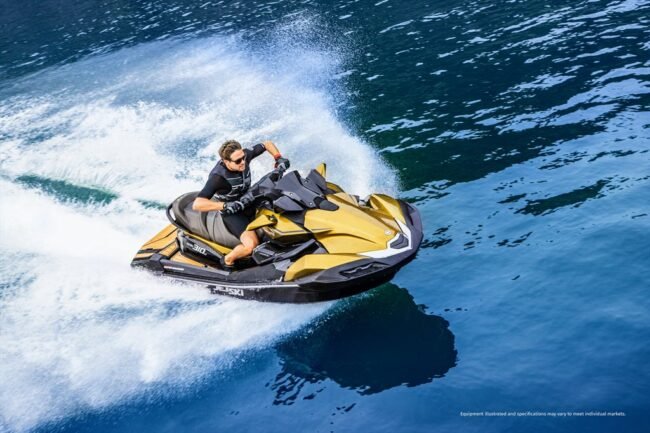
Kawasaki has released a new video promoting the new for 2022 Ultra 310 Jet Ski line up. Published on the official Kawasaki USA YouTube channel, the video features action shots and closeups of the new models, set to the obligatory high energy sound track.
Without a doubt the new styling and colors are conveyed more naturally in video shot in real world surroundings when compared to studio press release photographs, which are shot in artificially lit environments to add impact and highlight detail.
Various new features are displayed in the video, including the (very) long awaited Kawasaki Smart Reverse with Deceleration, or KSRD. Close ups of the controls are included, and their effect on the machine in the water confirms the vital importance of this addition to the Ultra 310.
The vastly improved 7 inch TFT full color display with reverse camera are detailed, as is the new 4 speaker setup on the LX model, and the new deck and reboarding step on both the LX variants.
The release of the new video is timely, considering recent news of the production delays and substantial reductions of essentially the entire Kawasaki Jet Ski lineup except the Ultra 310 line. In fact the top of the line Ultra 310LX will see over 90 percent of it’s originally intended production, and the mid level Ultra 310LX-S and base model Ultra 310 X will both be produced at close to 80 percent for 2022.
This is in stark contrast to all 3 of the STX models and the SX-R, which will be produced at less than one tenth of original forecasts, and even the naturally aspirated Ultra LX will not see half of its 2022 production estimates.
Watch the new 2022 Kawasaki Ultra 310 video below, and get your order in now!


 Thankfully, we’re not looking at more than 20 of these limited-edition riding jerseys. As of this writing, we’ve got (3) smalls, (8) mediums, (6) larges, and (14) XXL left. All of our XL and XXXL are sold out.