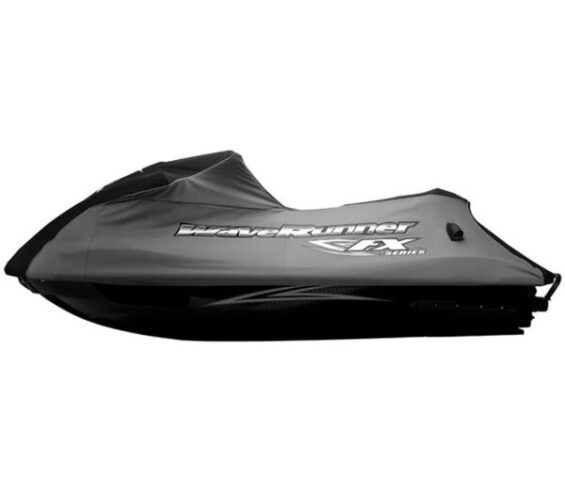
The Greenhulk PWC Performance Store has almost 400 items on sale! If you’re having a hard time finding jet ski components, check out Greenhulk’s website. It has four pages of sale items, which range from PWC covers to wakeboard racks. A huge selection of RIVA Stage Kits and MaptunerX licenses are available with good markdowns. SuperJet RPM Kits and Stage 1 Freeride Kits are included in the mix.
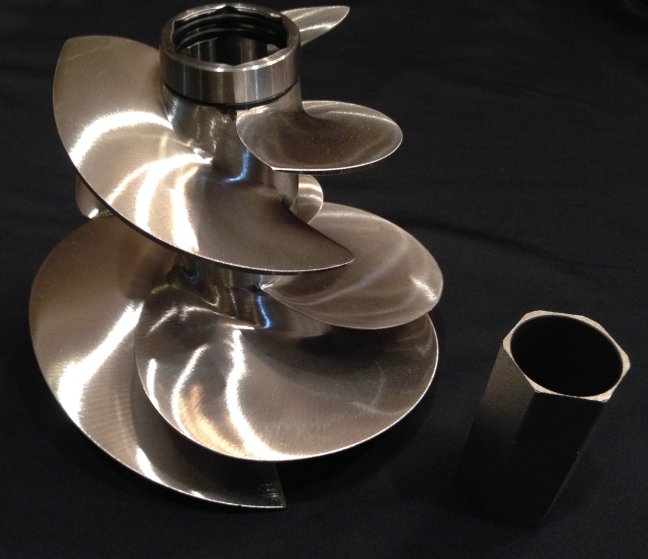
Several Yamaha short block engines are priced to move. If you blew your HO engine, you could find one on the Greenhulk site. The selection of Solas and Skat-Trak Impellers covers a huge range of PWC and there’s even a dual impeller designed for Yamaha PWC powering the Zapata FlyBoard. Several WORX Sea Doo and Yamaha Steering Systems are on offer.
If you’re looking to turn your Sea-Doo Spark into a turbocharged high performance machine, check out the Victory Sea-Doo Spark Turbo Kit. It’s almost a $1,000 off the regular price. If you need a new traction pad set up, Greenhulk has the Hydro-Turf Mat Sea-Doo Mat’s available. These are in stock for select models of Sea-Doo PWC in the 2002-2009 date range. See the website for a list of compatible models.
You can also show your support for Greenhulk by purchasing a branded shirt or a hat. The hat and shirts come in gray with the bold Greenhulk logo. Both are marked down to $19.95, so grab a few of these high-quality products. Greenhulk is your one stop source for performance parts. Check out the Greenhulk list of products while cruising the net. We’re sure you need something and they offer worldwide shipping!
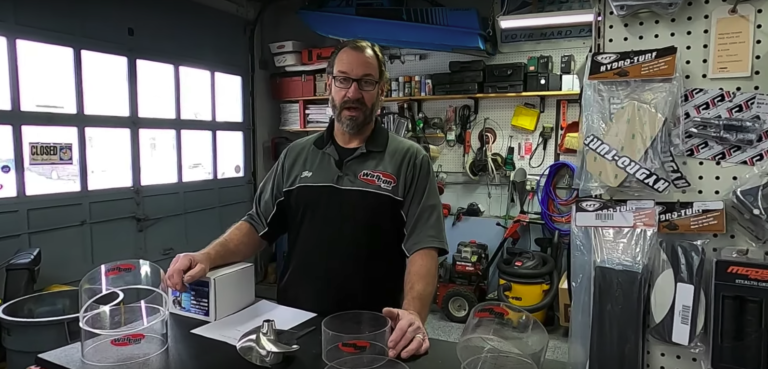
In his usual clear, simple and highly informative style, John Zigler of Watcon has released a new video on his hidden gem of a channel Watercraft Talk. This latest installment deals with Watcon’s line of Impeller Pitch Ring Gauges.
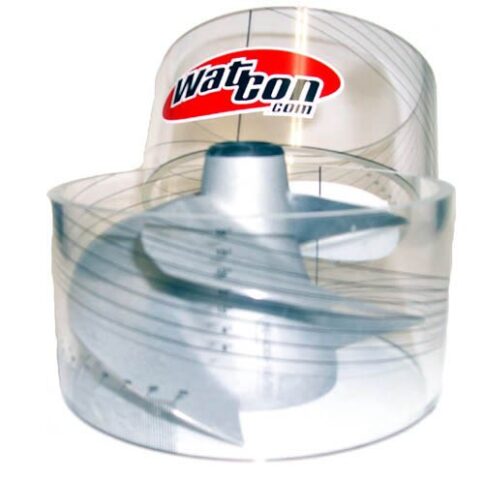
These useful tools come in four different sizes from 140mm to 171mm, with 160mm being most common. Each is actually a set of two gauges, one for measuring the leading edge and the other for the trailing edge. The example used in the video is in 148mm, and the impeller being measured is an Impros Hooker in 9/15 for the Yamaha SuperJet.
Impeller Pitch Gauges are short clear cylinders with dark lines of pitch marked on them. To demonstrate the measurement process Zigler carefully lines up the gauge outside of the impeller with the appropriate gauge line. The leading and trailing edges are the important parts, because with progressive pitch the impeller will begin to deviate from the relevant gauge line, so the first inch is the important part, which he has marked in black on the impeller.
As explained in the video, the Watcon Gauges line up better with Impros and Skat-Trak impellers, but can be inconsistent with Solas pitch numbers. However this does not present a problem as the important part is the relative measurement, not so much the outright numbers.
Less pitch results in more RPM, and conversely more pitch will bring down the RPM. Although the leading edge has a higher effect on initial acceleration and bottom end hook up and thrust, and the trailing edge is more for top speed, high end thrust and overall pump pressure, the changes will effect the impeller across the range.
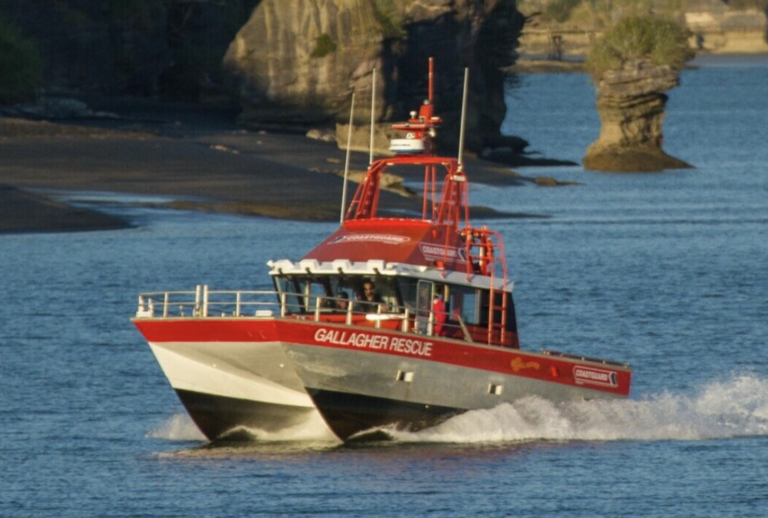
A couple of boaters were saved by a jet-skier who swooped in to save the day after their boat capsized. Coastguard New Zealand sends out big thanks to the unknown rider. The morning of December 27th, 2021, the Bar Crossing Alarm sounded in the Coastguard Operations Center. A boat was overdue on the Raglan bar. All stations were called by Coastguard Radio to go and track down those onboard.
The NZ Coastguard was underway when they received word that a call came in about a vessel upside down on the Harbor Bar and three people were in the water. Raglan Volunteer Coastguard and the local Surf Lifesaving Club worked in tandem to rescue the third person in the water. The mystery jet skier had taken the other two to shore, while the Lifesaving Club pulled the third person out of the water and took them to safety.
The boaters were okay and in good spirits, though feeling dehydrated. Everyone was wearing lifejackets and they had logged a bar crossing report so the Coastguard would know there whereabouts if things went awry. They did everything right and survived to tell the story.
The NZ Coastguard is looking for the person on the yellow jet ski who rescued two of the boaters. They have a Good Boatie Award for the unknown PWC rider. He not only discovered the boaters in the water; he also alerted rescuers by setting off his own PLB. The vessel is currently anchored and will be retrieved when the water conditions clean up. We liked this story because of the safety aspect. Everyone involved was prepared and the rescue was smooth. We like a happy ending.
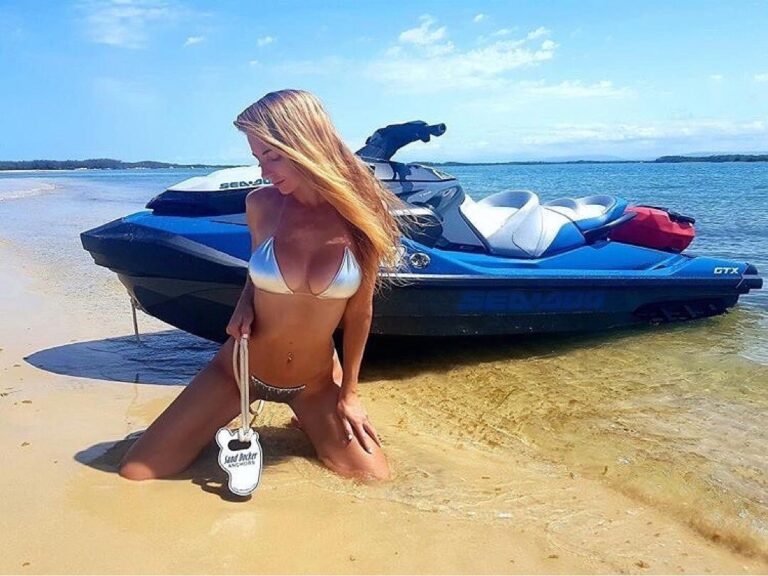
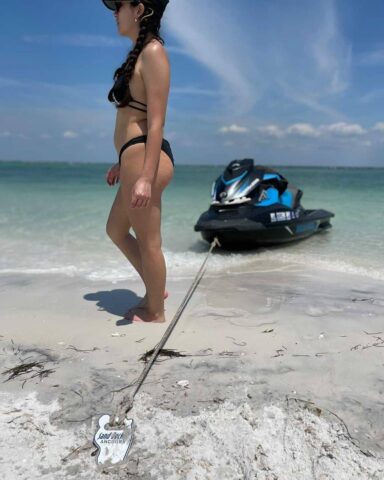
Fact: the leading cause of premature wear on the painted hulls of modern Yamaha watercraft and deterioration of a Sea-Doo’s carbon seal has been owners beaching and shallow starting their personal watercraft. And as much as you’ve seen The Watercraft Journal publish pictures doing the same, the fact remains true, watercraft should be anchored to shore with a tether, and started in 3-feet of water or deeper. It’s literally written out in every single owner’s manual.
We at The Watercraft Journal have been hammering this point ad nauseam for years now. So in an effort to better inform and educate new and novice PWC owners, we’ve partnered with possibly the single-most popular, most highly-regarded personal watercraft anchor, Sand Docker.
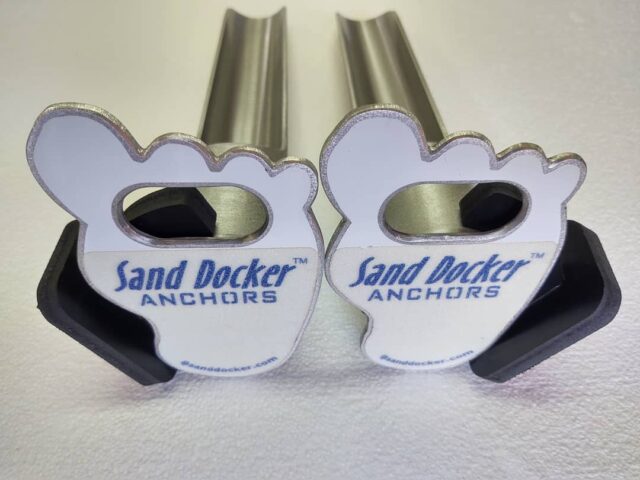
These lightweight, all-aluminum sand anchors are entirely American-made in Jupiter, Florida; and are CNC-controlled plasma cut and TIG welded together, giving the consumer the strongest, most durable anchor possible.
The Sand Docker anchor is uniquely designed; bucking tradition pole, wing or claw anchor designs, the Sand Docker doesn’t displace sand (which can easily dislodge in rough surf), but rather punctures the soft beach’s surface like a syringe.
Topped with a grippy foot-shaped pad, you simply tie up your PWC to the large eyelet and press the Sand Docker flat with the sand. You can even walk on top of it without hurting your feet!
We at The Watercraft Journal have tested PWC anchors before and found most of them clumsy at best, banging around inside of your bow storage while you ride. With Sand Docker’s new Strap-It Holder, your Shorti PWC anchor stays nice and secure, even in rough conditions! The hollow tube and angled tip is distinctly unique to Sand Docker and the first of its kind – so don’t accept any copies or rip-offs! Sand Docker did it first and continues to do it best!
Stop beaching your ski and get your Sand Docker by calling 561-512 6900 or at www.sanddocker.com
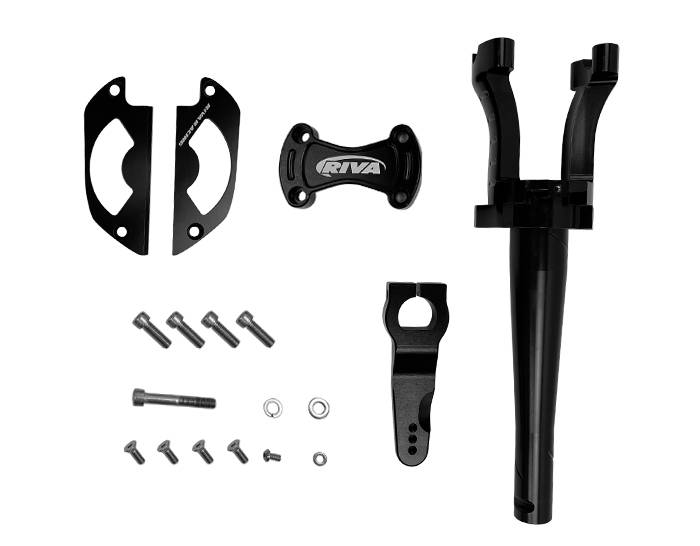
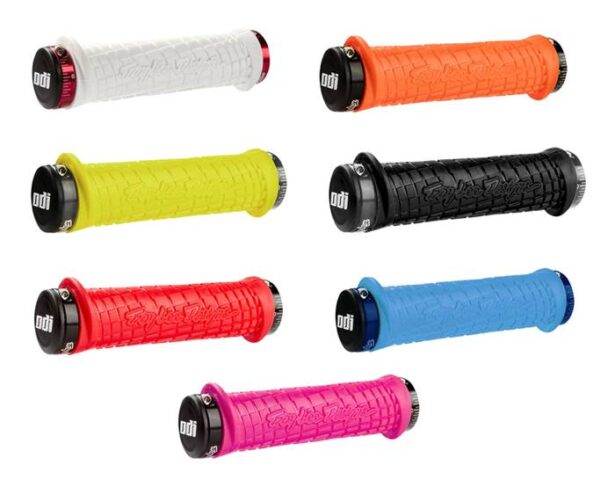
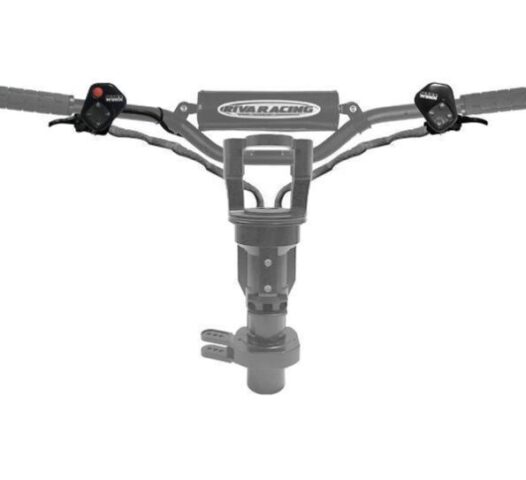
If you want the best handlebars in the industry, head over to the RIVA Racing website and check out what’s on offer. RIVA has steering systems, grips, and bars for most Sea-Doo, Yamaha, and Kawasaki PWC. These include components for runabouts and stand-up jet skis. If you’re looking to boost your steering game on the racecourse, RIVA has what you need.
They offer steering systems for the 2021 Yamaha GP1800R, Yamaha FX, EX, and the GP1800/VXR/VXS. For the Sea-Doo rider, RIVA has steering system for the 2021 RXP, GTX, RXT, and a bundle for the Spark. Each Sea-Doo Bundle includes Pro-Series Steering, Billet iControl Levers, and runabout bars. The Spark Bundle includes all that and an electronic throttle assembly, block-off for left switch holder, and the iBR lever assembly.
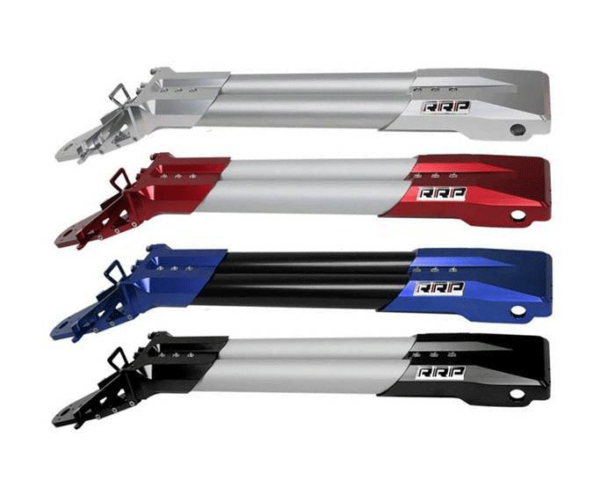
RIVA Racing has a huge selection of components to round out your steering system or if you want to upgrade your grips, throttle lever, or control housing on your runabout. If you are a stand-up rider, RIVA has all the components needed for upgrading your watercraft. They have a huge selection of handlepoles and accessories to improve your steering system. There are quite a few colorways as well, so you can complement your racing wrap.
To complete your steering, you need a lanyard. RIVA Racing carries a variety of them for Sea-Doo’s and the RIVA Universal Wrist Lanyard. It is compatible with all Yamaha, Honda, Kawasaki, Polaris, and the non-DESS Sea-Doo’s. This lanyard floats and has a whistle.
Check out all the newly stocked RIVA Racing steering systems and components now! Remember, they offer free shipping on all online orders over $150 within the continental US.
[What you’re going to read is both the script from the official recap video attached at the end of this article, as well as some added details and notes that have come to this author after almost two months of contemplation. –K]
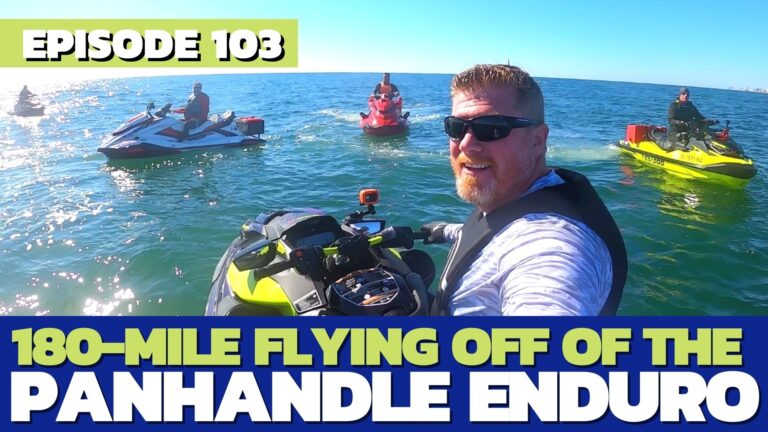
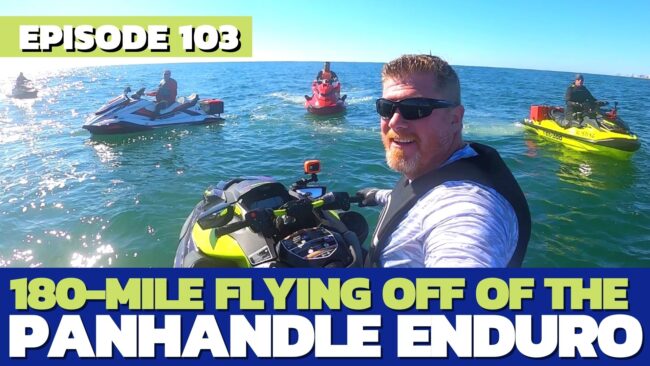
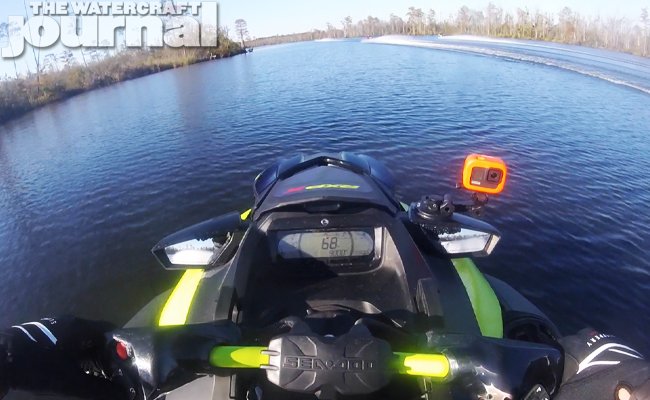
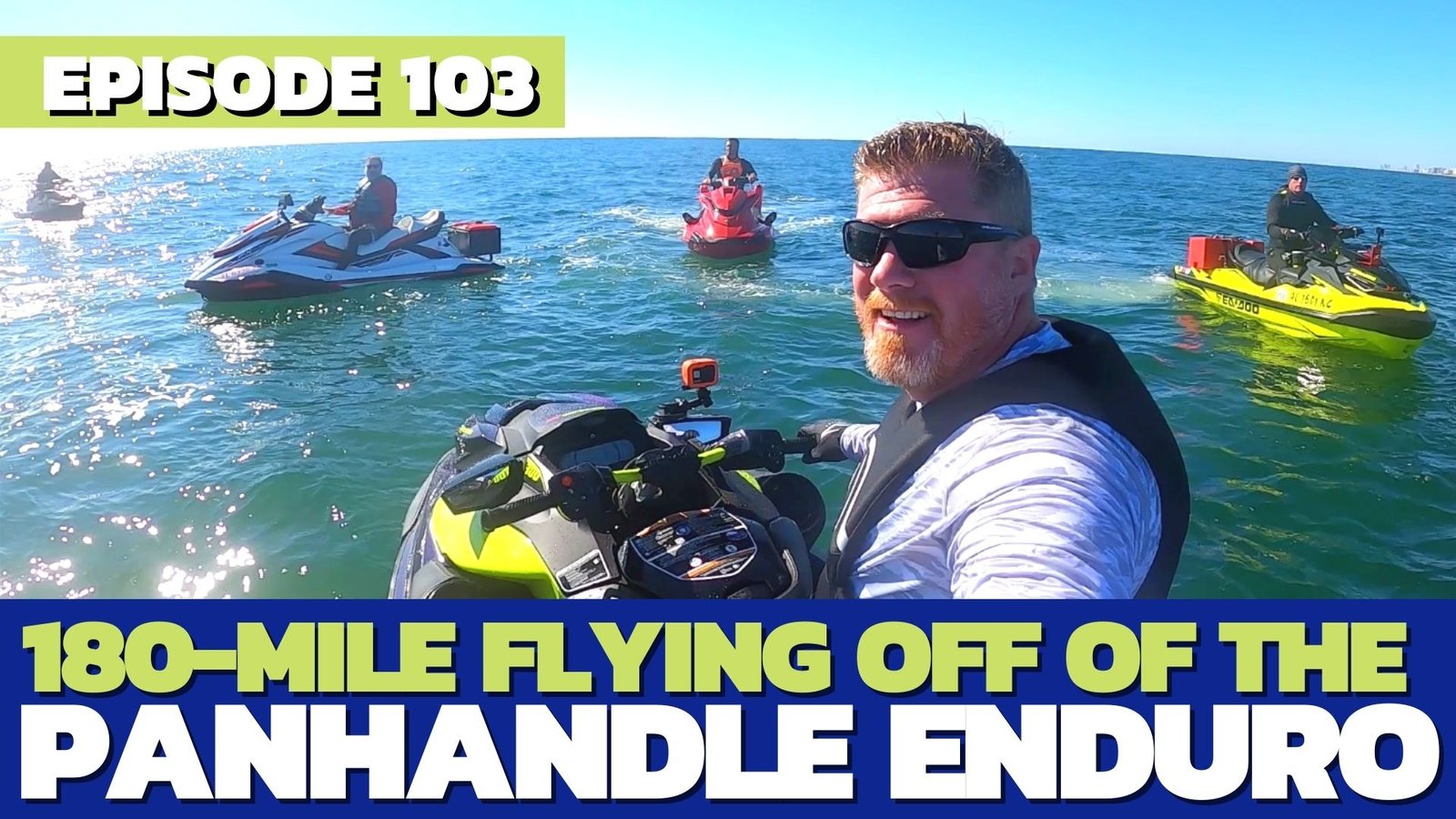
The idea was pretty simple – at least in my head it was. Drawing from my years of racing watercraft offshore (most of it being out in the open Pacific Ocean), I wanted to encourage a select group of like-minded lunatics to push themselves and their watercraft just a little further and harder than they would normally go on a run-of-the-mill adventure ride.
And no, I wasn’t just talking about racking up a bunch of miles – although, that was certainly part of the plan – but also traverse a variety of water conditions all in the same day. The biggest question on my mind was whether I could find a route that would challenge our group in such a way? Thankfully, it didn’t take long for a few others in the Panhandle PWC Facebook group to join my quest.
Within a day, Alabama local Brad Bertrand jumped right in, sending me a private message. The route he had logged in his GPS was simple enough: starting in the bayou of Satsuma, Alabama, we’d cut southeast through Mobile Bay and then hang a hard left towards Orange Beach. From Orange Beach, we’d follow the Intercoastal past Pensacola all the way to Destin and circle back.
In all, the total proposed mileage was well over 250 miles with hopes that with enough time, the route would allow us to swing out into the open gulf and try our hand at some offshore riding, which I was craving. The final caveat to my idea was that I wanted reduce the fuel stops, pushing them longer apart. This would force everyone to bring extra fuel. Extra fuel meant no prolonged stops and it also implied a little bit of danger – which is key to a ride like this.
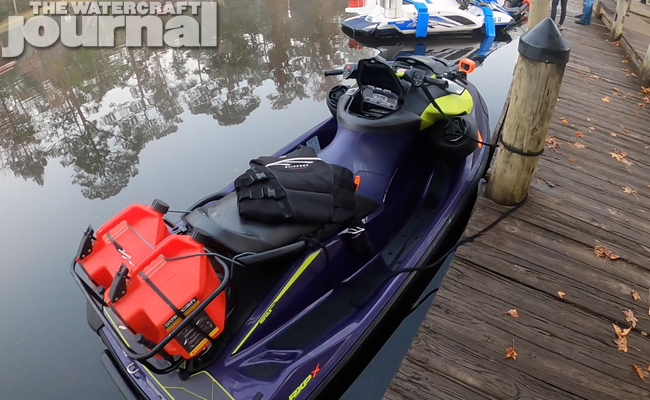
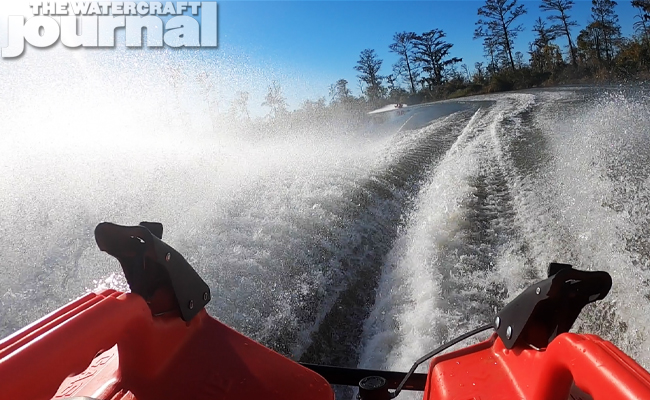
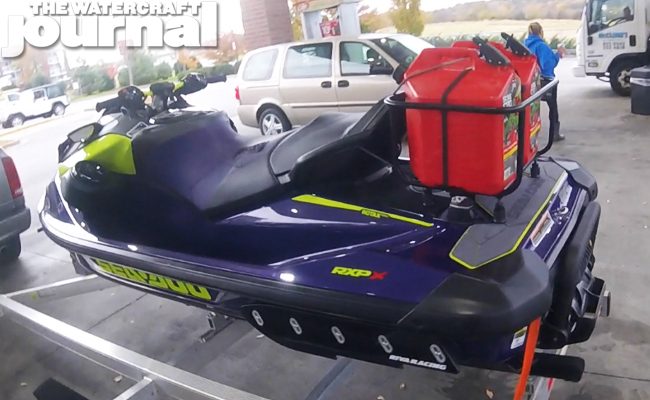
In preparation, I had equipped The Watercraft Journal’s 2021 Sea-Doo RXP-X 300 with a prototype LinQ mount-equipped stainless steel rack from Kool PWC Stuff that I had rattle-canned black (with some old rollbar paint I had in the garage) and a pair of brand new 5-gallon Sure Cans. When tipped up, I can squeeze in quite a bit more than the advertised 5-gallons (more like 6), so I carried an extra 12-gallons in back.
With Brad established as our group leader and lead navigator, the next step was letting folks know about it. That part was pretty easy, given The Watercraft Journal’s half million readers and 1.8 million annual YouTube views. So it didn’t take long for word to get out, but as much as excited riders began signing up, the complainers came pouring in. “Why are you going so fast?” “Why do I need to bring extra gas?” Blah, blah, blah. These were exactly the kind of folks I didn’t want. These guys were tourists and I wanted adventurers.
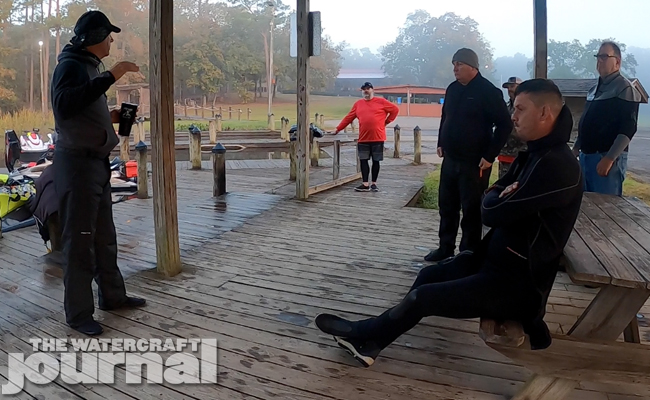
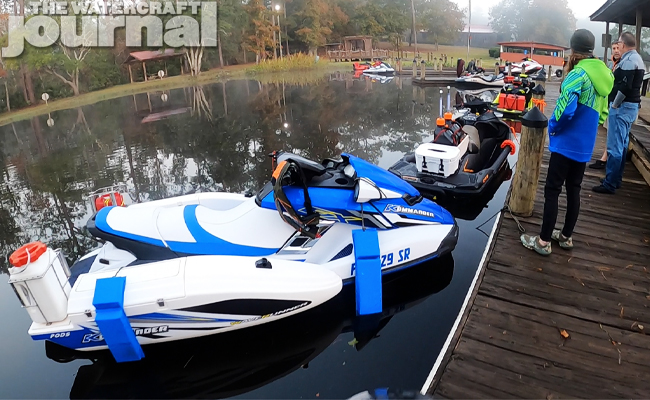
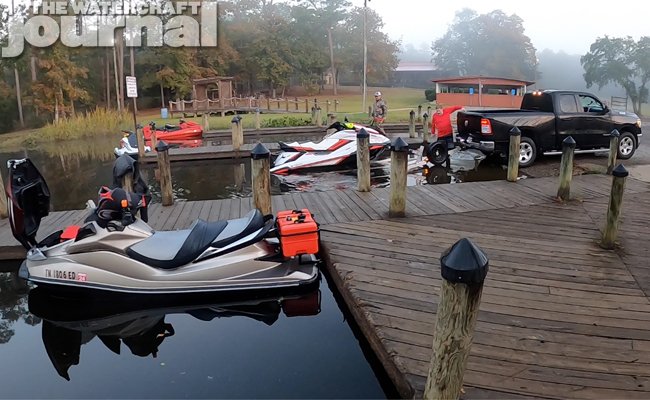
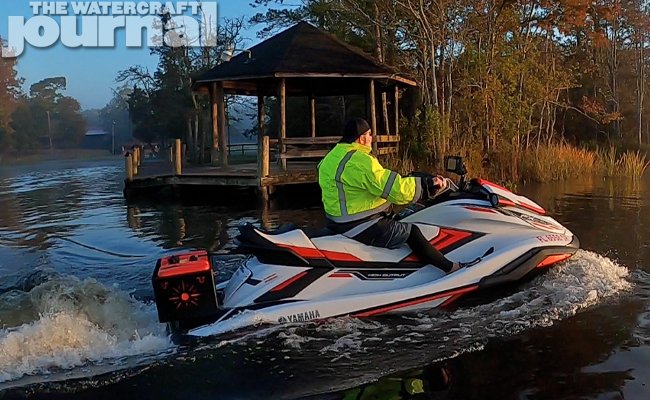
That November morning in Satsuma was foggy, like really foggy. The twist and turns of the bayou just above Mobile Bay wasn’t wasn’t too technical, but heavy fog lit by the piercing sunrise made visibility a little difficult (almost nil). Most of us had seen worse, but our group of nine wasn’t the fine-tuned platoon I had hoped for, and the route would quickly begin to weed out the ranks. Admittedly, I felt a little like Lee Marvin looking over his Dirty Dozen for the first time.
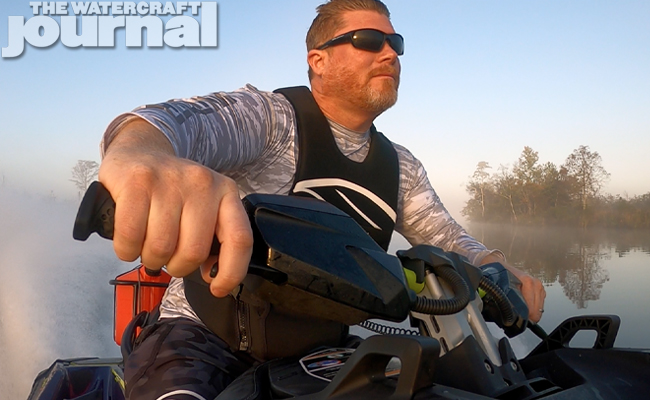
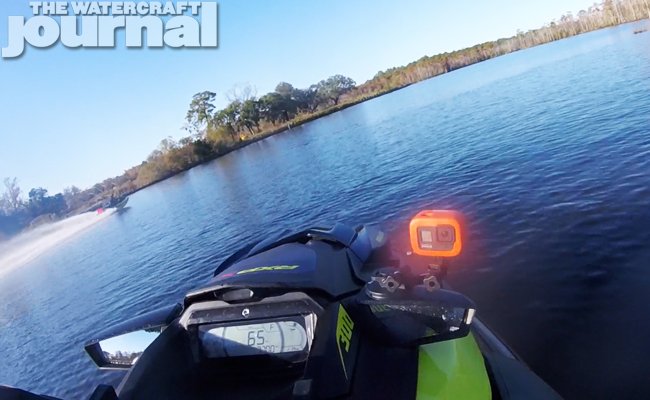
Passing below a couple of train trestles, we sprung out into the Bay into mild conditions. Brad and his ’19 Sea-Doo RXT-X 300 rose up to a steady low-60 mile per hour clip and I aboard the RXP-X 300 paced alongside him. A little far off, a bright red Yamaha VXR streaked across the windblown chop. Tony Dalton wasn’t going to be outpaced by us, supercharger or not, and proved that he was no wilting flower. (More on that later.)
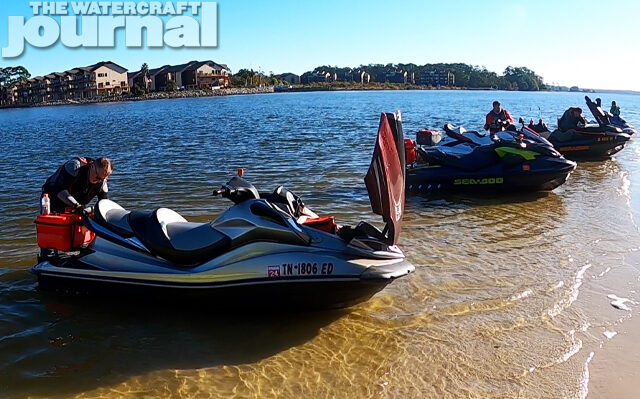
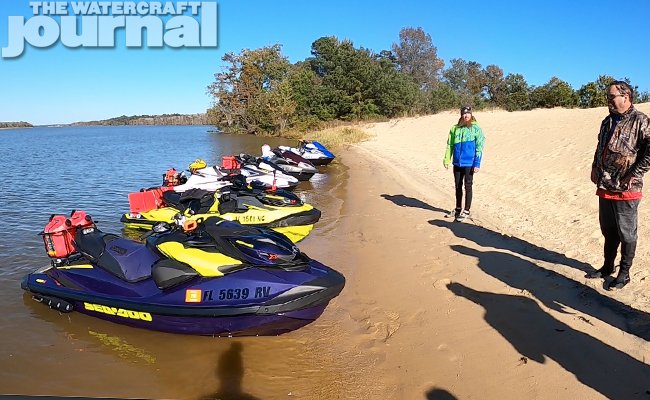
Per Brad’s direction, the route southeast through Mobile Bay smoothed a little once we passed the halfway point. Brad led us to a small sandbar at the mouth of the river where we could regather our group. “Ten minutes everyone,” Brad commanded, tapping his watch. AS the rest of the group pulled up to the beach, I could tell things were off. One rider on a 10-year-old Ultra 300LX was losing this auxiliary fuel tank, the adjustments having backed off.
Another rider had lost both of his jerry cans, having used a single loose-fitting bungee cord to secure his 50-something-pounds of extra fuel. The bemoaning was in full swing and plans were made to escort a few back to the launch. I wanted to reach Destin, and these setbacks were going to cost us dearly.
“Well, hold on. I’ve got plenty of extra fuel,” one rider paused, patting the hood of his Yamaha VX Cruiser HO. “She’s not real thirsty. I’ll help anyone out who needs gas. So let’s go to LuLu’s and see if they’ve got extra fuel cans. Otherwise, I can still help.”
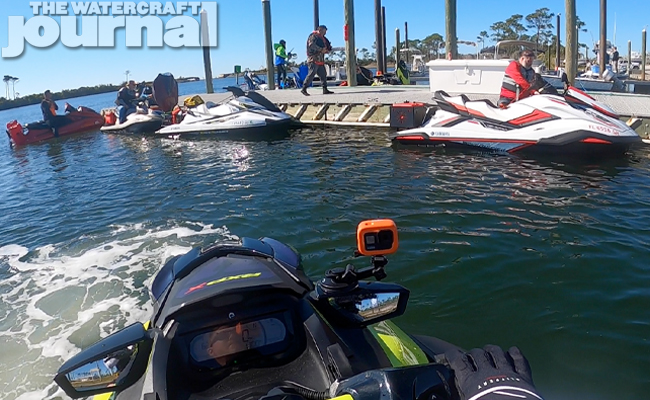
LuLu’s in Gulf Shores wasn’t too far away and we could make it fine, even if some skis’ Low Fuel alarms had started to chime already. So off we went. While this stop was supposed to be for just one rider, I foolishly pulled up and topped off my tanks. The rest of the crowd followed my example, none of us realizing that the prolonged delay would completely cost us the Destin route.
Once I paid my tab, I idled from the dock up to Brad, who shook his head at me, “We ain’t gonna make the big route now,” he said, pointing at his watch. This unscheduled stop ate up waaay too much time.
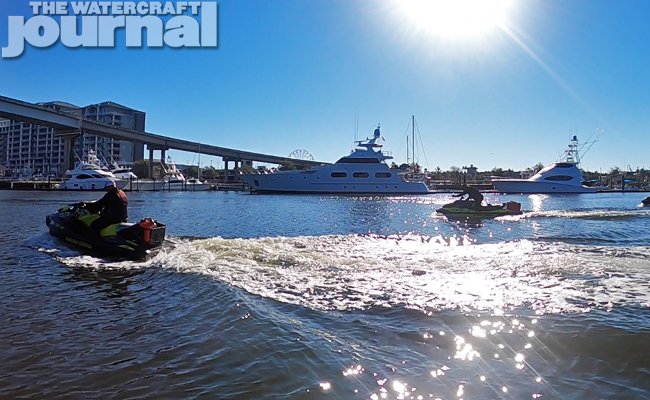
Leaving the No Wake Zone and speeding up to Orange Beach, our pace was taking too long and it being winter, meant we didn’t have too much daylight to spare. During another prolonged No Wake Zone, as we passed million dollar yachts, Brad suggested: “Let’s skip Destin. How about we hop out into the gulf just outside of Pensacola and ride back through the surf all the way to Orange Beach for lunch? It should be pretty challenging.”
I nodded in agreement and followed Brad’s bright yellow Sea-Doo all the way to our originally-planned-for first fuel stop. A few of us needed to splash a few gallons in, most just wanted to stretch their legs. From there, I tailed Brad into the whitecaps of the open gulf. A chilled blast of salt water against my face was all I needed to remember what we were in for.
Even trimmed to its upmost hilt, the RXP-X torpedoed nose first into the surf. It’s aggressive keel ruddered in the water, twisting and contorting in the wind-blown wash. That’s what caused me to sit for nearly half of our time in the gulf (against my natural tendency to stand). Standing noticeably altered the ski’s center of gravity, so sitting seemed to make it happier.
Pacing well ahead of our pack, I figured I didn’t need to charge to so hard, so I opted to pull deep into Brad’s whitewash and ride his foam for a few miles. (It’s an old trick for ocean riding, but you’ve got to pay attention so you don’t park your ski on to your buddy’s backseat.) The RXT-X didn’t track much better than the RXP-X but the two of us made a brightly hued pair for the rest to follow.
Twice we stopped to gather our troops; the beating having loosened equipment and racks. Readjustments were made, gas cans emptied were into fuel tanks to relieve a little weight from off of the transom. Some complained, but others cracked wise and prodded the others to keep pushing. They say “a bitching Marine is a happy Marine” so the grumbles were expected.
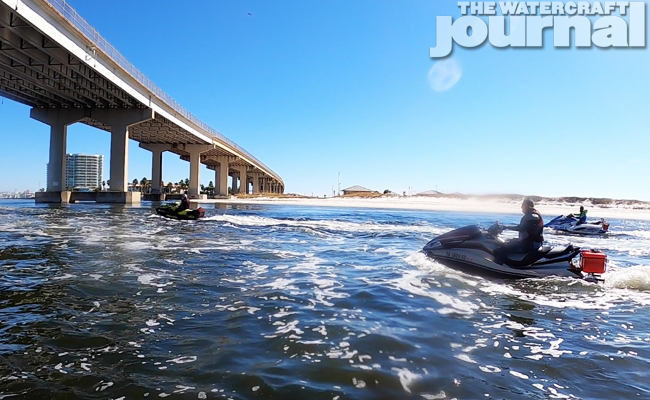
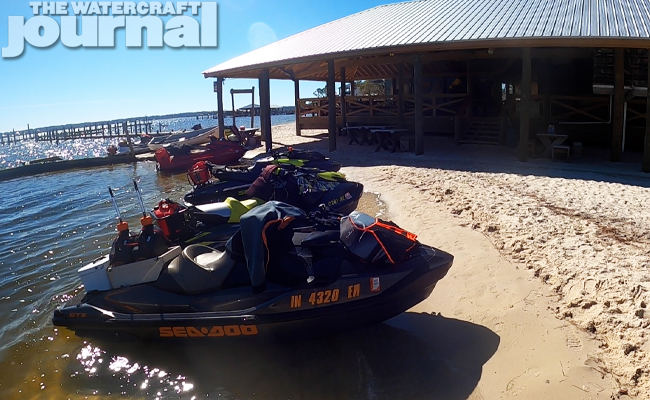
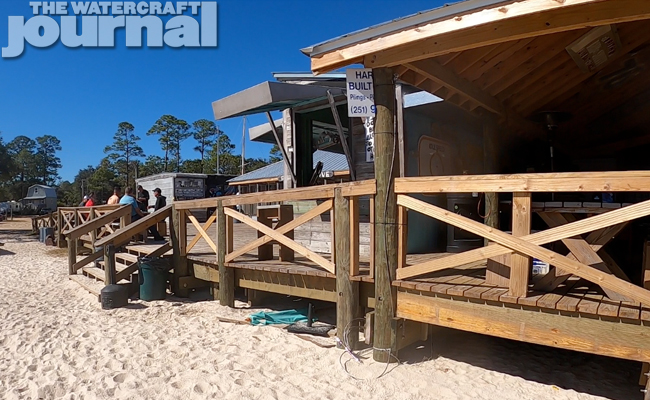
The high bridge stretching over Perdido Pass was our gateway into Orange Beach, Alabama. We idled under its shade and into the smooth breakwater until reaching Pirates Cove in Elberta. The themed beach resort was a welcome respite but as Brad had noted, yet another distraction from us racking up the kinds of miles we had hoped for originally.
Leaving Pirate’s Cove refreshed and recharged, it was a straight shot back through the Alabama Coastal Connection to the mouth of Mobile Bay. We pinned the throttles hard and let the supercharged Sea-Doos howl. Being weighed down with fuel and gear, the RXP-X climbed just over 70mph. With the jerry cans dry and the belly tank low, she’d hit 74 easy.
Reaching the marker, we came to a stop at LuLu’s and waited for the rest of the group. Miles behind us, the slow moving barge that Brad and I had slipped past without any trouble had kicked up a heck of a fantail – and ejected Tony Dalton and his red VXR several feet in the air.
Either somehow failing to read the water or gauge his speed, Tony launched hard and came down hard on the rail, splitting his forehead. Thankfully, the rest of the group gathered around Tony as he swam back and remounted his Yamaha. With his bell sufficiently rung, Tony and the group idled up to the fuel dock at LuLu’s and took a breather.
There, Brad pointed a heavy finger at his GPS and motioned me over. “The day’s pretty much over,” he explained. “We’ve got to cross the bay back into the bayou, but from there, we’re pretty much done.” Brad suggested we take a few paths through the swamp to rack up some final miles and give the guys something fun to speed on. I liked the idea and readied for the final bit of rough water the afternoon’s bay had in store for us.
Like an inverse of the morning’s conditions, the southern half of the bay was chewed up, it’s flat shallow bottom bouncing up an arrhythmic water surface of white caps and off-tempo waves. And just like in the morning, once we broke pass the half-way marker, Point Clear the wind direction radically changed the water’s surface and caused it to lay down.
Suddenly, the rhythm of the mild waves kept the beat with the staccato of the Sea-Doo’s hull, and 70 miles per hour never felt more natural. Brad, Tony and I pinned the final 20-miles of Mobile Bay hoping that those behind us found their rhythm as well (thankfully some did, but others struggled after a long day of riding).
The flat, muddy waters pouring into the bay from the bayou beckoned for us to mash the gas and race inside. Brad had a winding path logged in his GPS that took us north into the Apalachee and Tensaw Rivers. We raced passed cypress trees dripping heavy Spanish moss, careened through winding natural race courses and cut up the glassy water as a sort of celebration after the day’s ride.
In all, we racked up 179 miles – just shy of 180. We ate up over 40 miles of churned up bay chop, blasted over 100 miles of flat briny glass, and battered our way over 24 miles over open gulf white caps, with a good mix of stuff in between. It was a great day full of ups and downs, and a big dollop of disappointment – but we still managed an awesome ride.
Rides like these always require a Plan B and gratefully, Brad was the type of group leader who came equipped with half a dozen contingencies. Maybe I’ll choose to host another one, but you can rest assured I’ll be turning people away at the launch ramp who aren’t prepared to make the full ride. Tools, straps, you name it. We’re not waiting for you, so you best remember your boy scout motto and come prepared.
It could be argued that watersports and PWC alike are considered a summer sport. For some people, that means it is purely seasonal unless you live in places like Florida where you can ride basically any month of the year. However, for us in the rest of the country, we often see the end of season come anywhere from late September to October. Loading the ski up on the trailer from the last ride of the season and going through the winterization process is always a sad time. That is, unless you are like these two people.
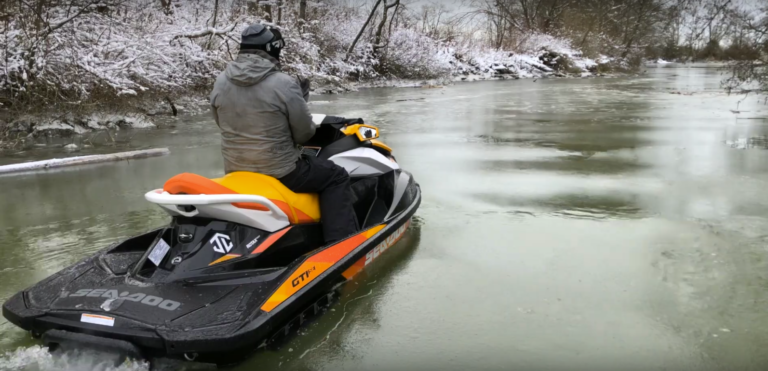
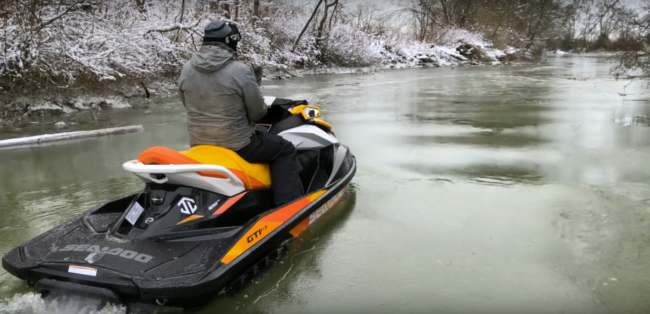
In a YouTube video uploaded by username (Andresont) himself and his buddy decide to use their PWC to literally “break the ice” and have a good time on the water even though there is at least a foot of snow on the ground. Their ride started out with having to break a thin layer of ice just to get the skis and trailers down the launch ramp! As they continued out into the water the farther, they got away from the shoreline the less ice that was on the water.
Overall, this looks extremely fun especially if you are the type of rider that likes to challenge themself and push their watercraft to new limits in order to become a better rider. This just goes to show how durable these machines really are, no matter of their manufacture.
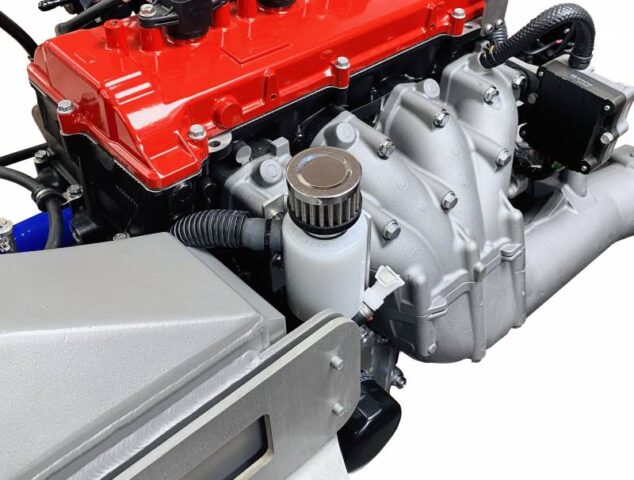
Virtually all combustion engines create positive crankcase pressure and crankcase vapors when running. These are primarily composed of oil vapor caused by the high speed movement of engine internals in a hot, oil rich environment, but also can contain other gases such as fuel vapor which is forced past piston rings in a condition known as blow-by.
If positive crankcase pressure is not relieved it can cause myriad problems, including damaged gaskets and loss of power. However, a simple crankcase vent to relieve that pressure does not effectively deal with the vapors present in a pressurized crankcase. Like many other engine manufacturers, Yamaha’s solution to this problem on the 1.8 litre range of WaveRunners is to direct the crankcase ventilation gases into the engine intake tract. This recycles the oil and other vapors through the combustion process.
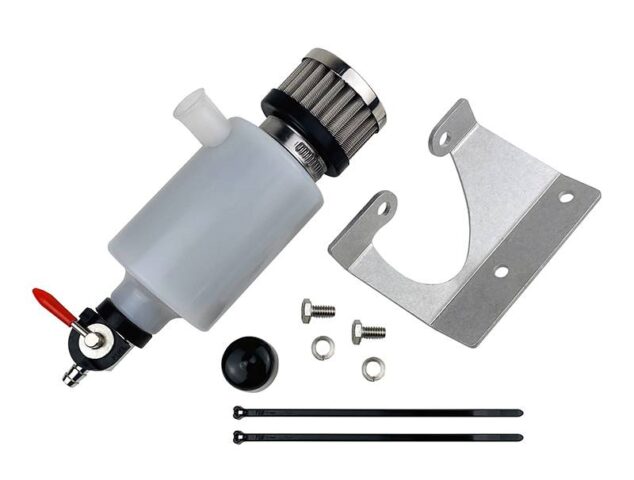
According to RIVA, the new kit increases horsepower and improves intercooler thermal efficiency by re routing crankcase gases to a translucent catch can, where the oil vapors condense. The catch can controls oil movement with ‘anti slosh’ tank foam and is topped with a breather filter. Waste oil is drained whenever necessary via a simple petcock valve, and the kit includes all necessary mounting hardware and fitting instructions.
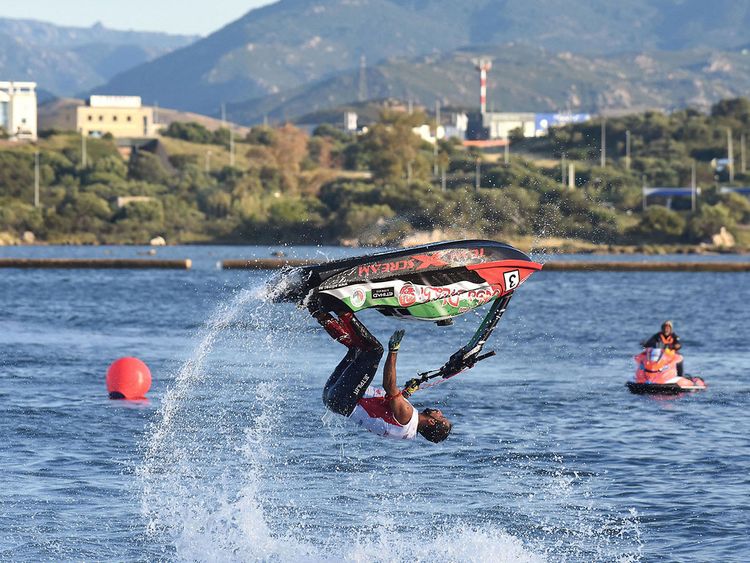
Dubai, known for its world class tourism, wants you to spend more time having a good time on the water and less time getting licensed to do it. They streamlined the process of obtaining a new jet ski operator’s license and renewing your old one. You can even go online to get one. That’s how easy it is.
Abu Dhabi enjoys its thriving maritime community and will do what takes to keep it running safely and smoothly while everyone enjoys the water. Abu Dhabi Maritime has taken over the task of getting people licensed and this is what they had to say about it:
“Abu Dhabi Maritime will assist members of the public and commercial marine service providers with the registration of new jet skis, license renewals, and booking technical inspections,” said Abu Dhabi Maritime in a statement.
They even streamlined the process of inspections by letting the owner pick a location to get their ski checked out. All you have to do is go to the Abu Dhabi Maritime’s website for renewal and to schedule an inspection and they will come to you. This hassle-free process saves time and ensures that all PWC are seaworthy and well-maintained.
This is like a breath of fresh air after seeing how some waterways in Australia and the United States treat jet ski riders. We like seeing jet ski enthusiasts getting some love for a change.
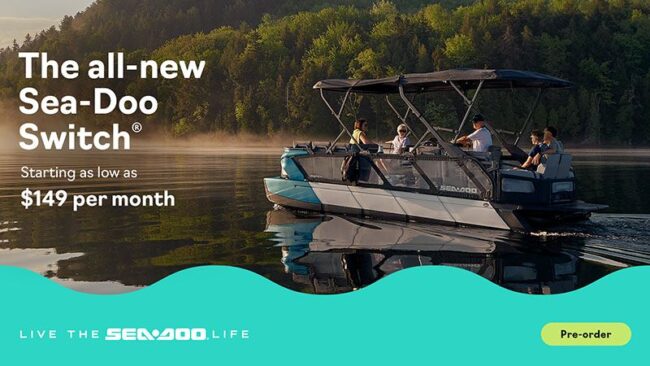
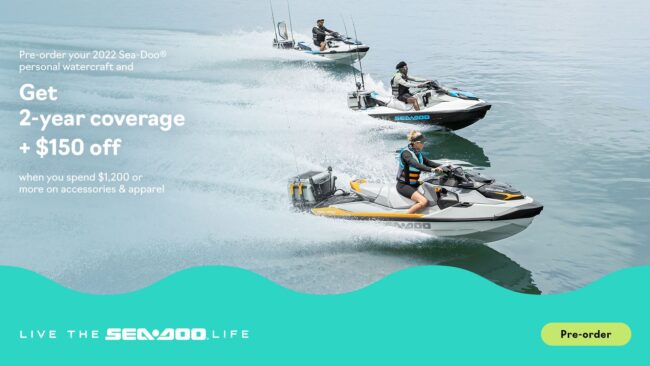
Check it out; Sea-Doo is offering 2-year coverage on select 2022 models if you pre-order by March 31st. The Sea-Doo team strongly recommends that you get your orders in as soon as possible. With Sea-Doo’s and other watercraft in high demand, there is no guarantee you will receive your PWC in a timely manner. The sooner you order your Sea-Doo and pay the deposit, the better the odds that you get your machine.
With the supply chain being the disaster that it is, dealers can’t guarantee you will get what you want when you want it. That’s the way it is right now. One of us has been waiting since September for a couple of engines for our big boat that we live aboard. We are living the supply chain nightmare as we are sure many of you are as well. That is why we implore you to get in those Sea-Doo pre-orders!
Now for the good stuff. The deal includes touring, rec-lite, recreation, tow sports, performance, and sport fishing Sea-Doo lines. The Sea-Doo Switch is included in the pre-order deal as well. Get one of them so you can have some fun family outings and everyone can get a good dose of Vitamin D. They have some bold new colorways for the Spark and some stealthy looking performance models.
When you pre-order an eligible model, you will receive a 12-month BRP Limited Warranty plus up to 12-month B.E.S.T Coverages and there’s more. Spend at least $1,200 on accessories and you’ll get $150 off your purchase. It will be easy to spend $1200 on stuff, especially with all the cool LinQ accessories. The deal applies to in stock items, and sorry, you can’t get $150 off a trailer. Check out the new Sea-Doo models now and get your order in quickly!





 We at The Watercraft Journal have been hammering this point ad nauseam for years now. So in an effort to better inform and educate new and novice PWC owners, we’ve partnered with possibly the single-most popular, most highly-regarded personal watercraft anchor,