In Spring of this year, Sea-Doo revealed its plans for an all-electric personal watercraft dubbed the “E-GTI”. Based upon the existing GTI 3-seater runabout platform introduced for the 2020 model line, the E-GTI rides on a Polytech 2.0 hull (meaning a polytec or proprietary-blend of polypropylene and infused fiberglass stringers for added support) with an injection-molded CM-Tech deck.
Details pertaining to the E-GTI’s electric powertrain and the charging system have remained sealed from the public for the time being, even after the video embedded below was first published on BRP’s official Facebook page earlier this past week. Hosted by TV personality and WWE commentator, Kevin Raphael interviews Emile Maltais-Larouche, chief designer at Sea-Doo.
Here’s the rub: the video’s completely in French with no subtitles. The Watercraft Journal has done our best to source out some translated lines and offer a brief recap: First, Sea-Doo is working furiously to advance their electric powertrain efforts and even hinted at a possible tw0-year release of the E-GTI, or (and this might be a bit of “lost in translation” here) the possibility of powering a future Sea-Doo Switch tritoon.
Of course, Larouche lauds the low maintenance of the electric engine and emphasizes its safety (yes! An electric engine can be safe on the water) and how quiet it is. Finally, Larouche teases that there’s more to come in time. From there, the two board the E-GTI and idle around the cove. We’re not shown the Sea-Doo at speed, but do get some unaltered audio of the whisper-quiet E-GTI in action, if only for a second or two. There’s not much to go off of, but it’s something. Enjoy the video below:
It’s no secret that we at The WatercraftJournal have been jonesin’ to go on a long-distance, one-day ride through Florida’s panhandle. Thankfully, so many of our awesome fans and followers know this area like the back of their hands, so we’re proud to announce that barring a major weather event (ie. hurricane), we are quasi-hosting our first Fly Off of The Handle Late Season Ride!
We say “quasi” because this is not an official event. There are no entry fees as The Watercraft Journal is not providing any insurances of each participant’s individual safety or security. In today’s litigious society, we have to preface this by saying that you are joining a casual group of friends for an awesome one-day, 260-plus-mile ride on your own accord and at your own risk.
This coming Veteran’s Day, Friday, November 12th, we will be launching bright-and-early from Steele Creek Lodge (located at 368 Juniper Ave, Satsuma, AL 36572) so be ready to meet at 6am. From there, we’ll be riding south through Mobile, Alabama into the Gulf of Mexico, where we’ll cut in at Orange Beach and ride the Intracoastal Waterway all the way to Destin – turn around and come right back!
We plan on riding faster than most casual groups (averaging around 50-60mph) so we insist you bring extra fuel as we won’t be making frequent stops. Some lengths will be 80-plus miles between fuel stops – so come prepared. (We do have a list of fuel stops every 40 miles or so in case of emergencies.) The route takes us through glassy bayou, brackish deltas and open sea. You’ve been warned! This ride is meant to challenge you and your ski!
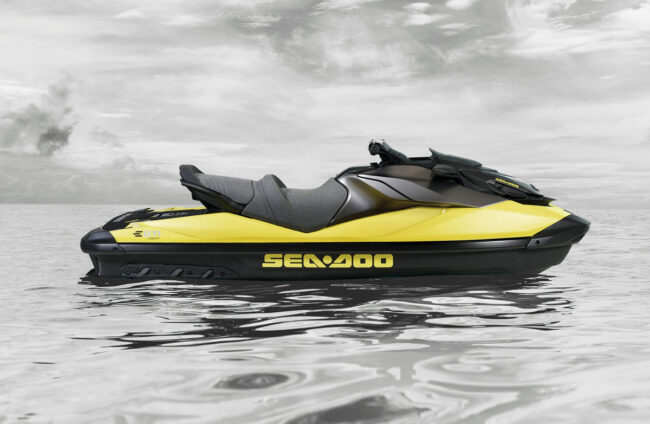
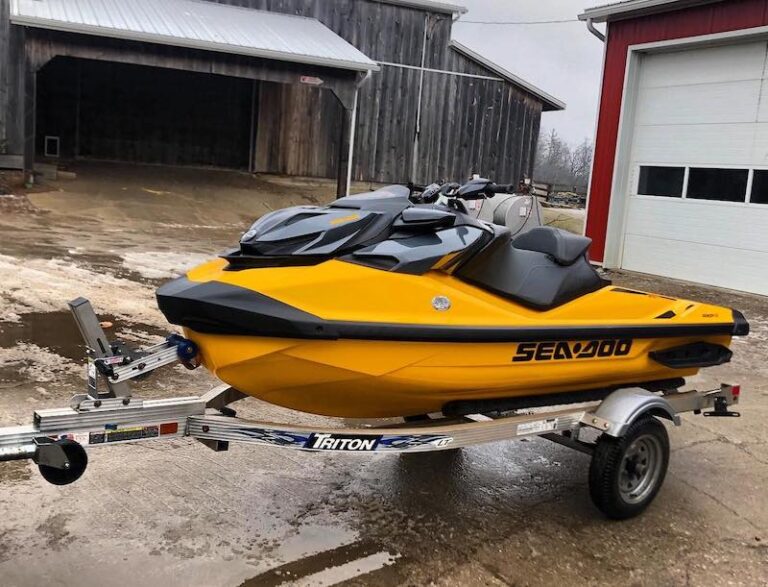
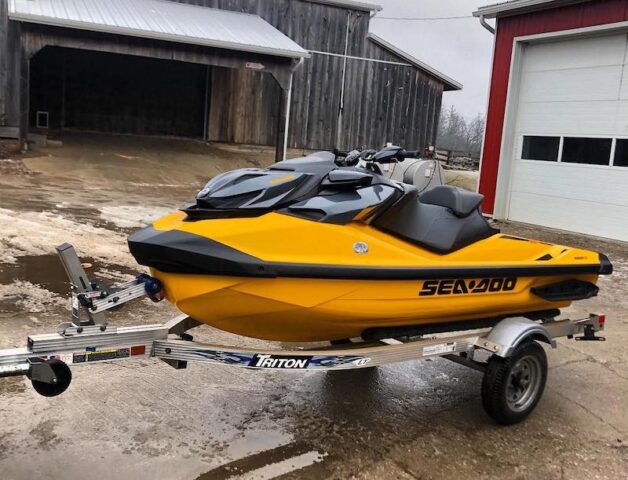
All participants will get a free decal from The Watercraft Journal and we’ll bring other prizes for yet-to-be-announced contests. We will be guided by Brad Bertrand on his bright yellow Sea-Doo RXT-X 300. Brad is leading the pack and setting the pace. Again, stops for food and fuel will be minimal so pack water, snacks and extra gasoline. As reference, watch Brad’s video below:
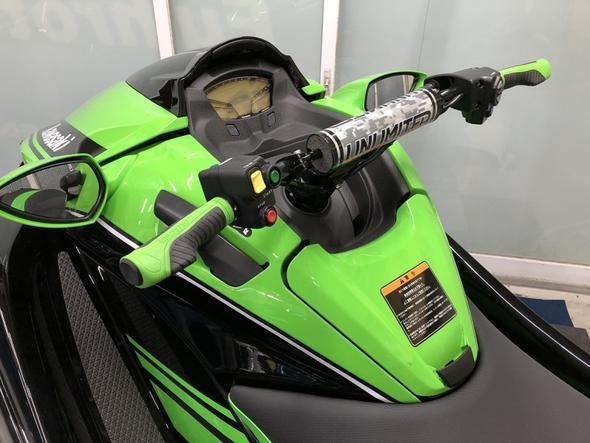
Check out these cool and colorful Ergo Lock Grips from Unlimited PWC. These are great for adding a splash of color and style to your PWC handlebars. These stylish lock grips come in the following four different two-tone colorways: Black/Blue, Black/Green, Black/Grey, and Black/Red. Pay a couple of bucks more for the color coordinated grip ring and end cap to round out your handlebars in style.
The Ergo Lock Grips are designed with comfort in mind while you’re cruising the waterways or getting some air while jumping waves in the shore break.
Their wide design distributes pressure throughout the palm, reducing hand and arm strain and will also aid in reducing fatigue, which will allow for you to stay out longer. The grips are made of soft rubber with grooved non-slip rubber around the perimeter for a better grip.
Moreover, the locking ring is aluminum and can be screwed on to prevent the grip from slipping off the handlebar.
Ultimate PWC recommends applying a little grease to the lock ring tightening bolt to prevent sticking. Do not over tighten and strip the bolt, or you will end up stripping it.
The Ergo Lock Grips are 130 mm X 30 mm and come with a black lock ring and plastic ends. As mentioned above, if you want the extra splash of color on the grips, order the optional color grip ring and color end cap for an extra cost. Head to the Unlimited PWC to order a set of Ergo Lock Grips and to see the other cool stuff they have on offer.
With the conclusion of the 40th annual IJSBA World Finals, many racers were left with a bit of a sour taste. With that being said, enthusiasts and former event directors have teamed up to provide West Coast personal watercraft racing enthusiasts a series that promises to work to improve the racing experience: Full Throttle WaterX. Paired with the existing ProWatercross (PWX) series spanning much of the East Coast, WaterX hopes to bring the same level of professionalism and organization to the Pacific region.
Here’s the original press release published to Facebook on October 18th: I would like to announce the formation of a new West Coast-based personal watercraft racing series: Full Throttle WaterX!
The series is owned by Deegan Newton and Colin Richards (and two other investors). As many of you know, Deegan worked as a race director for the finale, last season. He has always wanted to run a race series, and brings back experience in racing off-road motorcycle and race car races, as well as high level watercraft racing. He also works as a media director and content creator for several racing media companies.
He plans on bringing his knowledge of all the different types of racing, as well as a younger new mind with tons of ideas and implementing it all into making this watercraft racing series the best it can be.
Colin has been around motorsports for over 50+ years and countless new club racing ventures and the has mind of a great mechanic and engineer, so him paired with Deegan is sure to make for some great innovation and ideas for this series.
Onto scoring, registration, and anything else you racers may have questions with: we were able to bring back the queen, Nicole Mrosek Pettit. She brings with her years of experience being on the front lines at every event, handling all the behind the scenes registration and on-site paperwork duties, and brings years of experience on proper scoring techniques to ensure every race is scored fairly and correctly.
Most of the original crew will be back, as well as a few new faces. This crew is excited to get to work and put on some extremely fun, professional, and safe watercraft racing events.
We have 4 dates confirmed already, and working on a few more. Please stay tuned for a tentative schedule that is going to be posted in a few weeks. As for class list, tech rules, and any questions regarding that, our rule book is going to be very similar to the other series’ in the region, with a few minor changes but nothing to be too worried about. We want to ensure everybody has a class to race in and be as competitive as possible. Please message me personally if you have any questions regarding this until we get the finalized class list posted.
I want to be the first to say, thank you for making my dream of running a race series a reality. A lot of racers have talked to me about doing this and really hyped me up to the point where I decided to do it. I am looking forward to a really fun race season with a really awesome crew, and a really stoked group of racers. This is going to be fun.
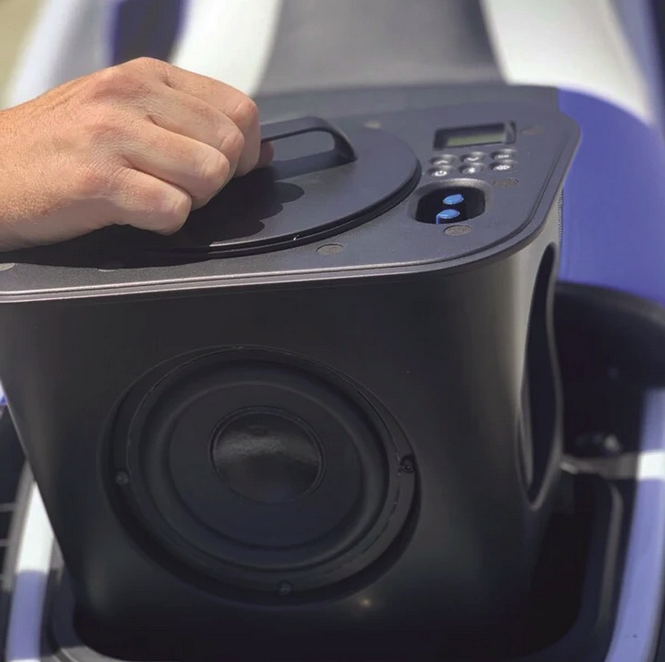
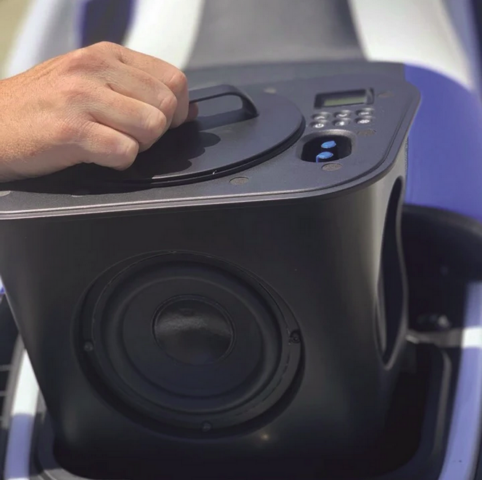
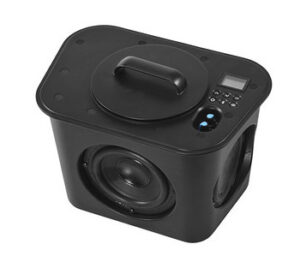
Take your Yamaha WaveRunner FX audio to the next level with an FX Subwoofer. It provides a nice punch to enhance Yamaha’s Premium factory-installed audio system. The FX Subwoofer is one of the latest accessories in Yamaha’s expanding line of exclusive WaveRunner accessories. The subwoofer is new for 2021 and only available through Yamaha WaveRunner dealers. The FX Subwoofer is compatible with 2019-2021 FX models and select legacy VX WaveRunner models.
Broward Motorsports Racing has these bad boys in stock. You can order the subwoofer directly from the BMS website for $349.99. You can even choose Affirm at checkout to buy now and pay later.
The FX Subwoofer provides a nice kick to your WaveRunner audio package. It stows neatly away under the rear seat in the watertight storage compartment. Installation is quick and easy and makes for a great addition to your PWC sound system.
It is powered by the WaveRunner battery and quickly connects via Bluetooth to 2019 or 2020 EcoXGear Speakers. We think you will like what the FX Subwoofer brings to your sound system, and we know it will make your days on the water even more fun! Head to the Broward Motorsports website to browse the list of compatible WaverRunners and then place your order!
For many of us personal watercraft enthusiasts, late fall/early winter is easily one of the worst (or at least depressing) times of the year. The day you realize that it’s too stinkin’ cold to continue riding your PWC and that you’re going to need to winterize your machine for the next few months can be a real downer – thankfully, for those in the Ontario, Canada area – one of the industry’s best, JetX Powersports – is here to help.
With over 25 years of experience, knowledge, and skill, JetX prides itself on knowing how to do the job right – whether that’s winterizing, servicing or tuning your PWC, regardless of which brand it is (Yamaha, Sea-Doo, Kawasaki or Polaris). And it’s not just watercraft either, Jet X’s team of highly trained technicians will help you maintain and service your jet-driven boat, snowmobile, dirt bike and ATV too. It’s all in the day’s work.
And while you’re having JetX prepare your PWC for its long winter’s nap, why not have JetX tune your ski? JetX has racked up huge success on the race course, winning regional, national and world championships! JetX racers have even part of the factory Sea-Doo race team. JetX’s popular go-fast packages range from “warmed-over” to absolute killer – or you can build a custom package using only the best parts from the most trusted suppliers in the industry.
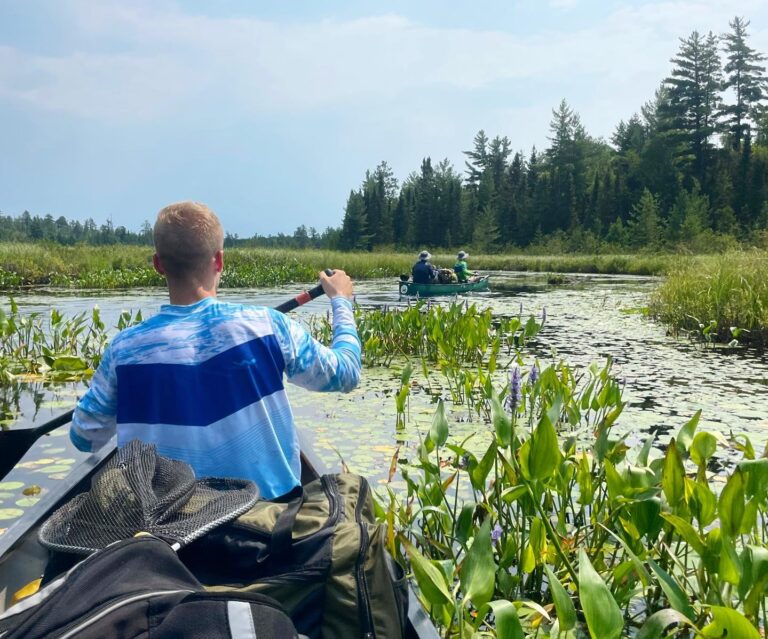
Windrider’s SOL Invictus Pro Fishing Shirt is a must for any waterman who wants the best in a technical shirt. The SOL features UPF50+, which is tops when it comes to protecting you from the sun. This allows you to spend more time on the water without getting crispy.
The shirt has back and side mesh, giving you some serious ventilation. This will come in handy while fighting a big fish or cruising around on your jet ski on a super humid day with no wind. The Sol shirts are made of a moisture wicking fabric and stain resistant fabric.
This an outstanding line of technical shirts will serve you well during your pursuits on the water and check this out, the Sol shirts have a 30-day money-back guarantee. If you buy one and decide you don’t like it, send it back for a refund. That’s a cool deal.
The Sol Invictus Pro Fishing Shirt is not only versatile, but it also comes in three great colorways. You will stand out in Rolling Sea, Caribbean Cove, and Snowy Tundra. They are five dollars off right now, so you can score them for $34.95.
At that price, you can grab all three. Windrider has sizes for everyone. They range from small to 5XL! With all those sizes and that low price, you can knock out some of your Christmas shopping. Head to the Windrider site and check out the Sol Invictus Pro Fishing Shirt.
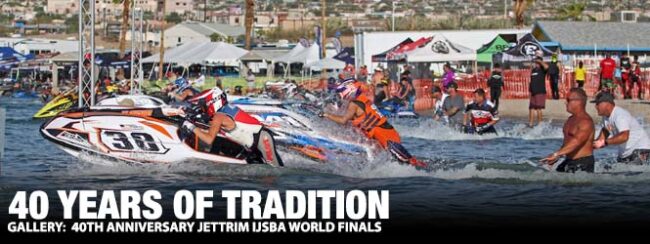
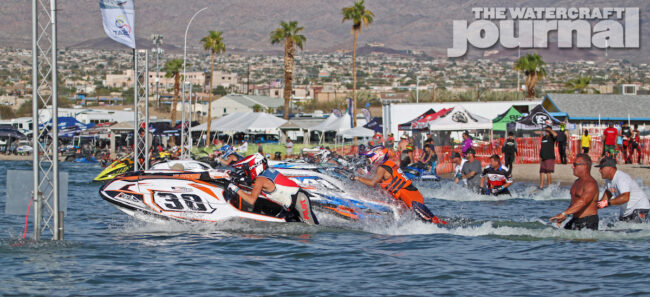
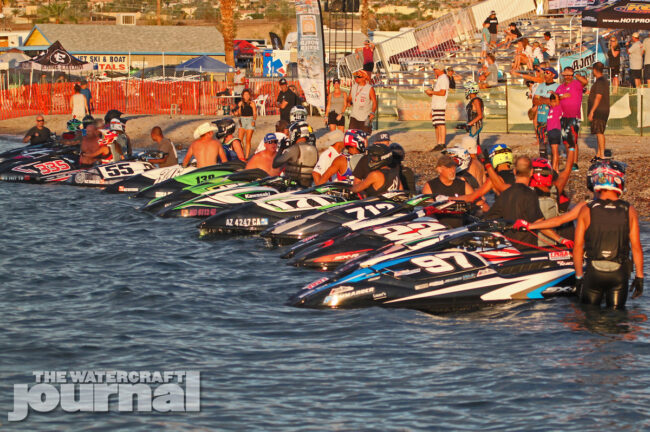
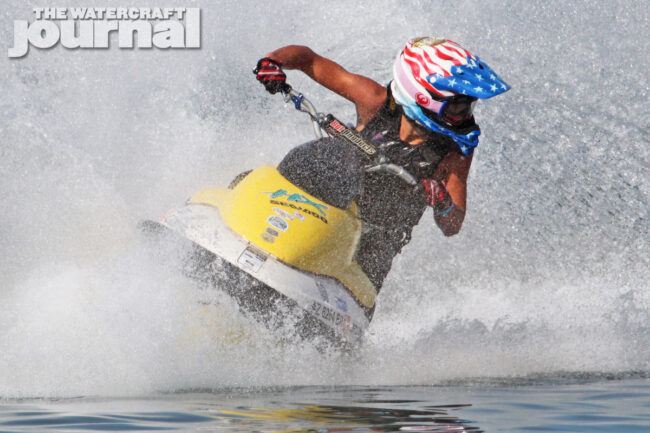
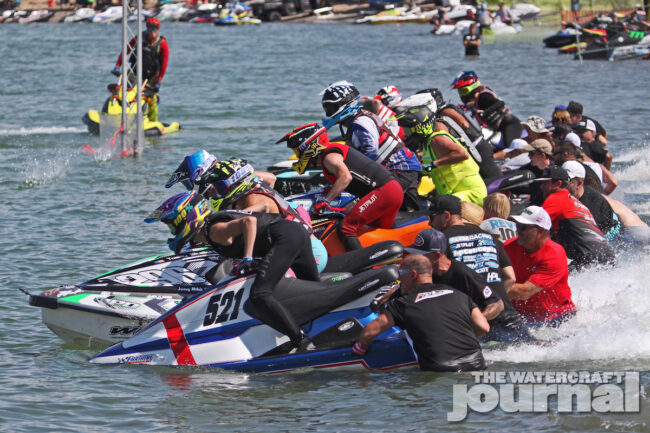
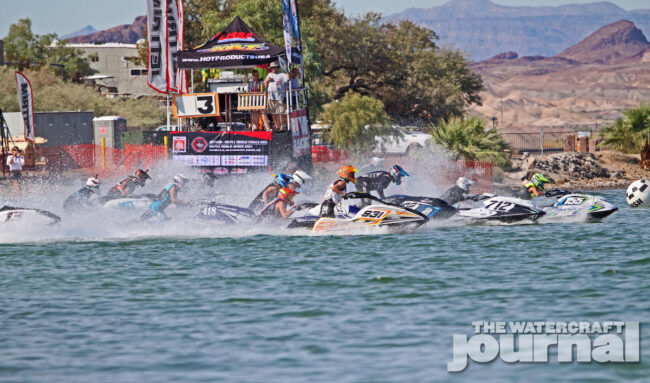
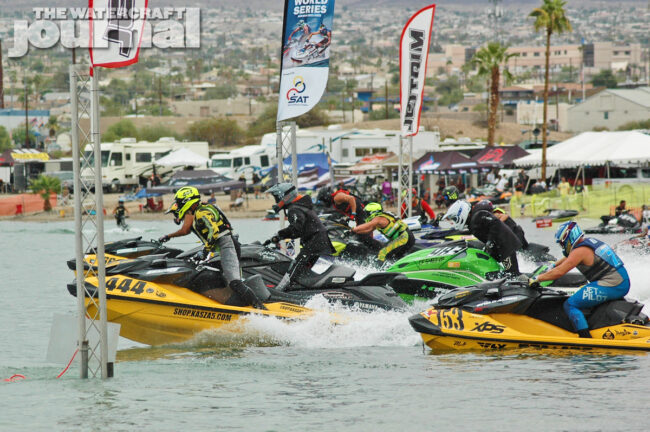
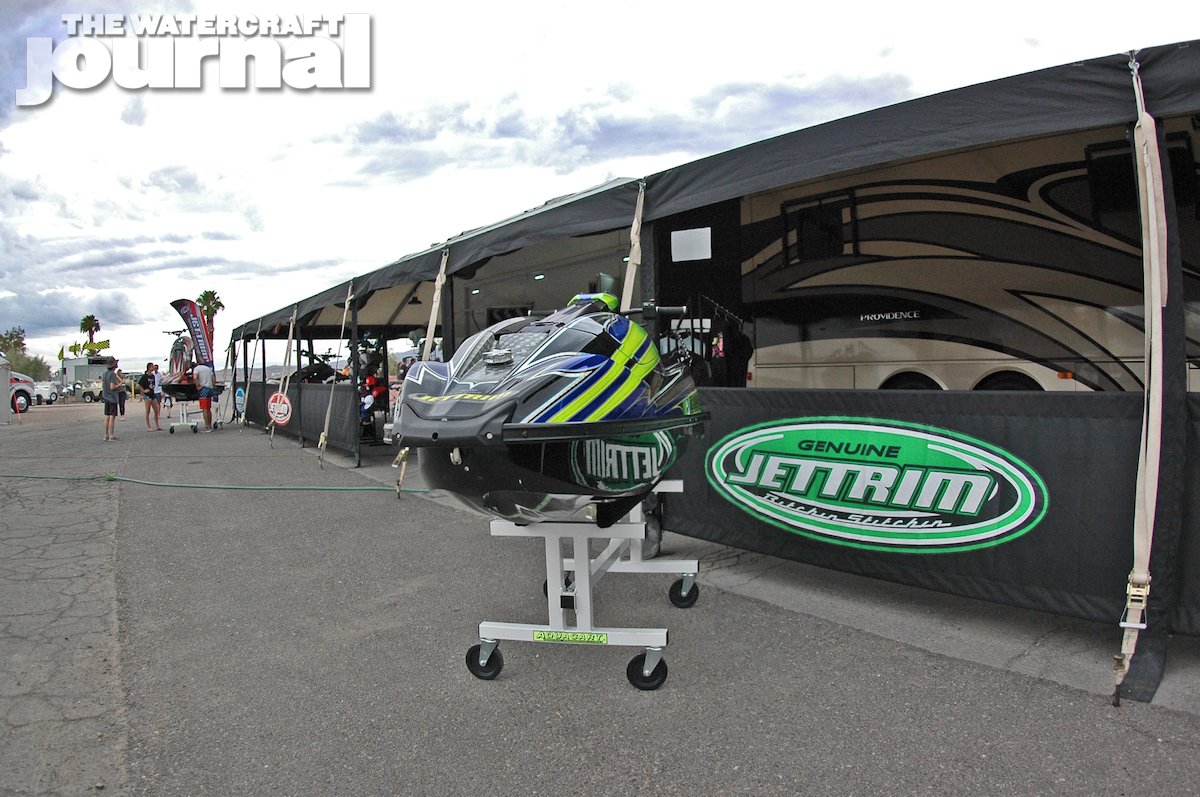
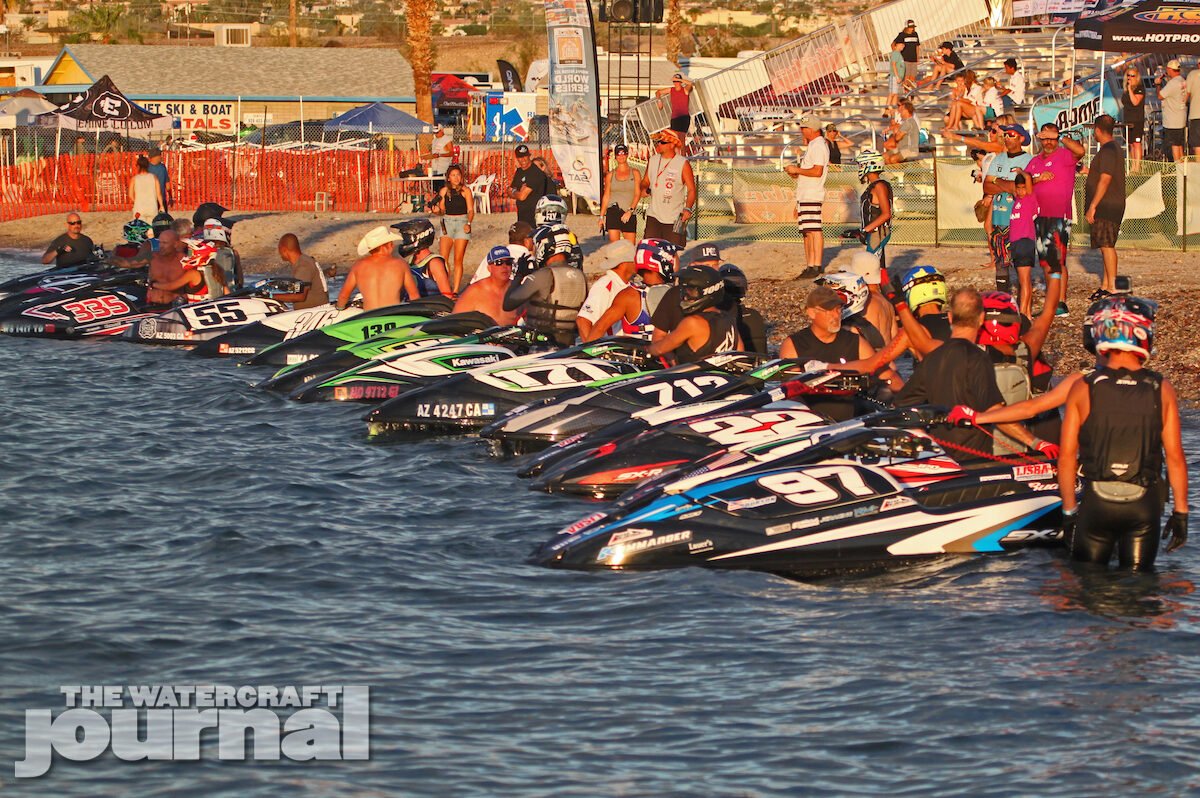
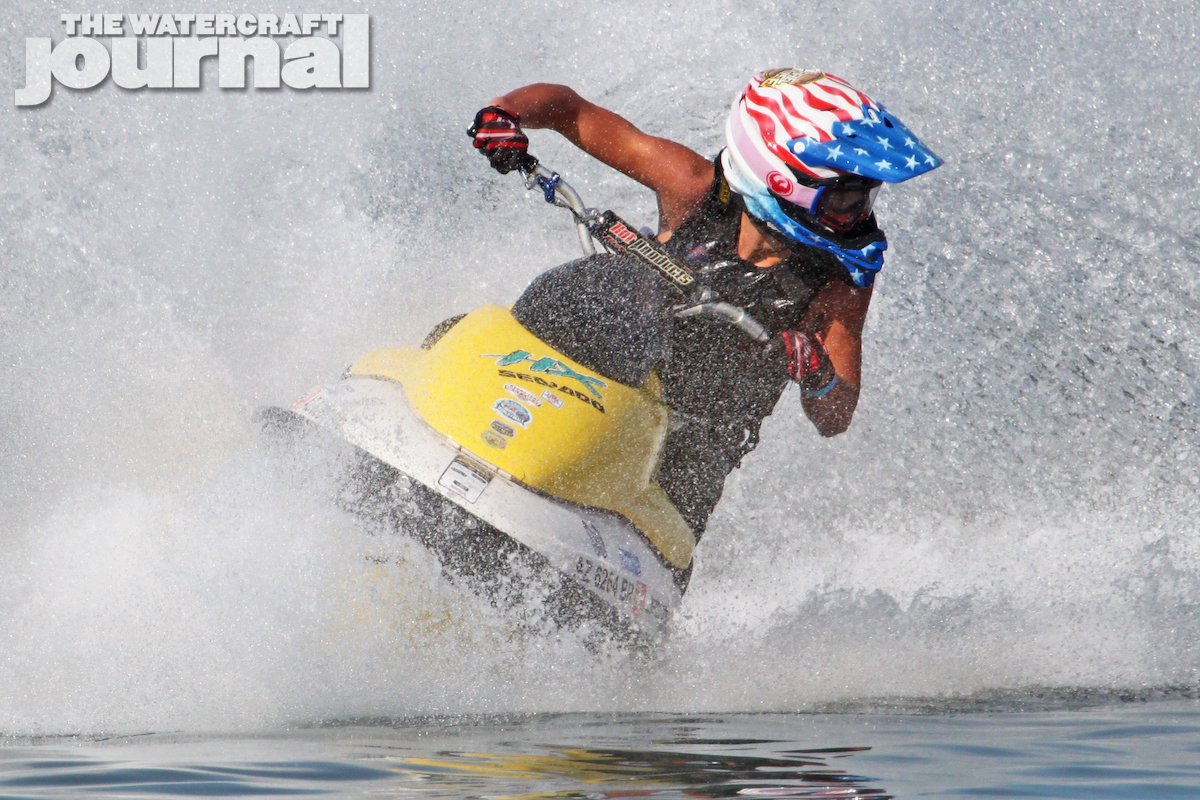
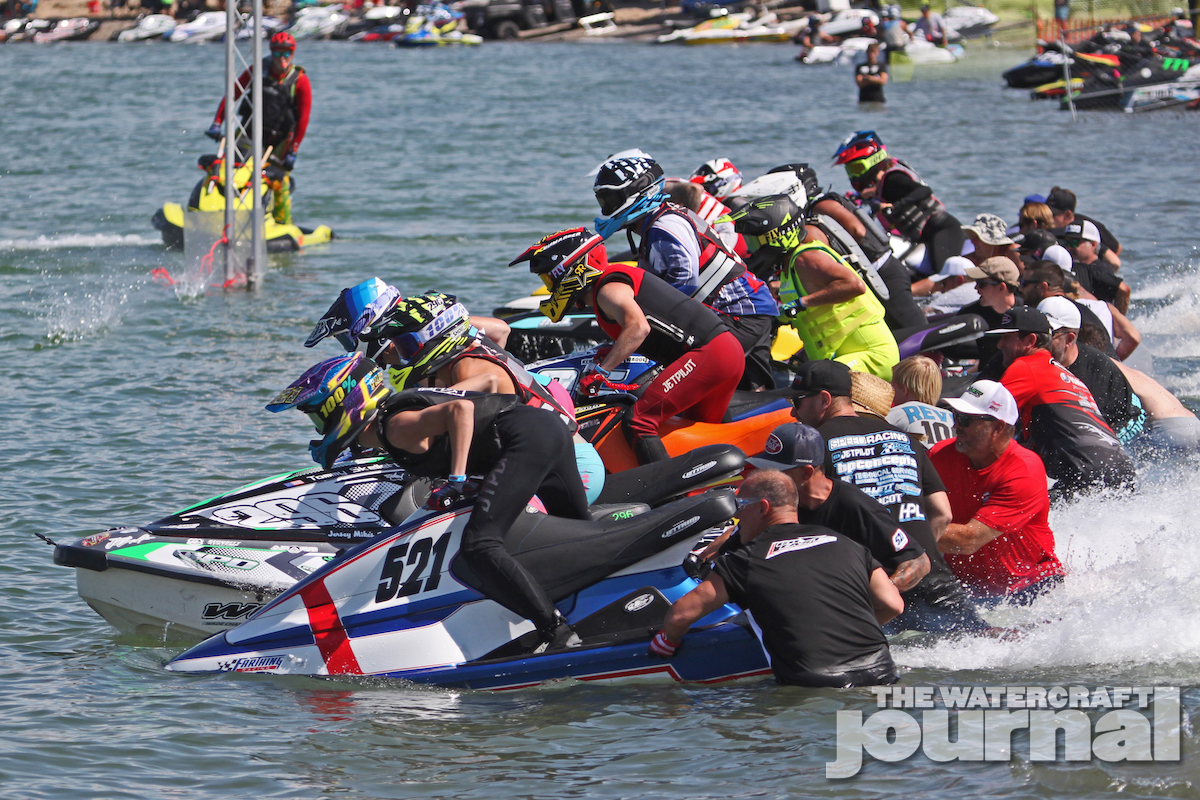
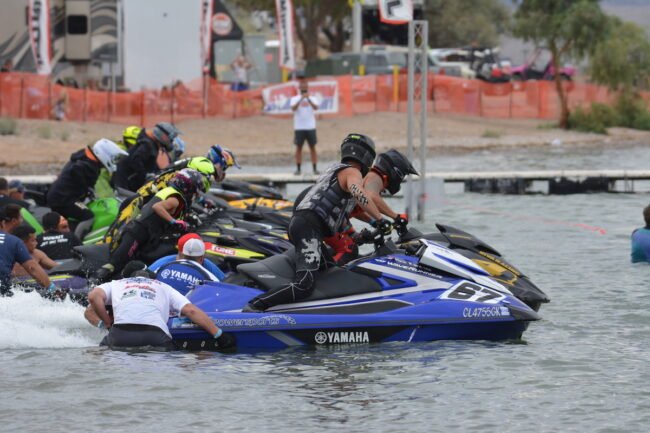
The IJSBA celebrated its 40th anniversary last week in Lake Havasu City, AZ with the World Finals. Despite current issues with travel due to Covid restrictions, attendance was fairly strong, with claims of over 500 total skis being teched at the race site inspection and nearly 300 individual racers paying to participate.
The sun rose over Body Beach on Sunday morning, revealing a brand new tribute to the late Nedra Atwood, PWC Racing’s #1 fan. Constructed out of steel to withstand the blistering Lake Havasu heat and occasional desert monsoon, her presence will always remain with the racers both on and off the course, reminding us forever that “World Champions [are] Made Here.”
A celebration of life was held on the beach in front of hundreds, and her ashes were spread into the waters that she held so dear to her heart. A second memorial of her stands on the corner of Beachcomber Blvd. and McCulloch Blvd. near the entrance of Crazy Horse Campground, the popular venue for World Finals. With her silhouette facing the newly erected PWC monument and a fully-functioning cowbell fashioned into her hands, the statue makes for a fun way to honor all she did for the racing community.
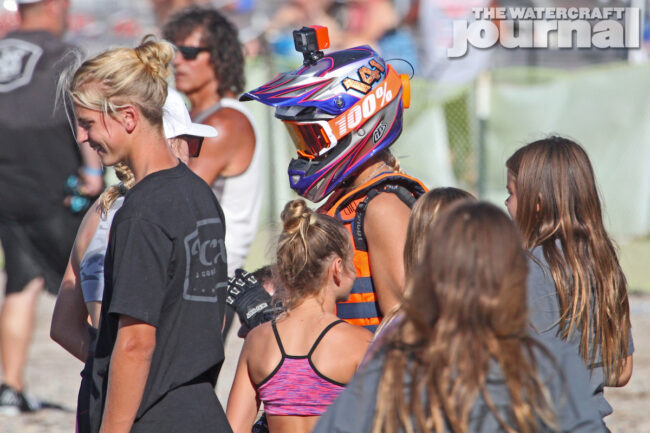
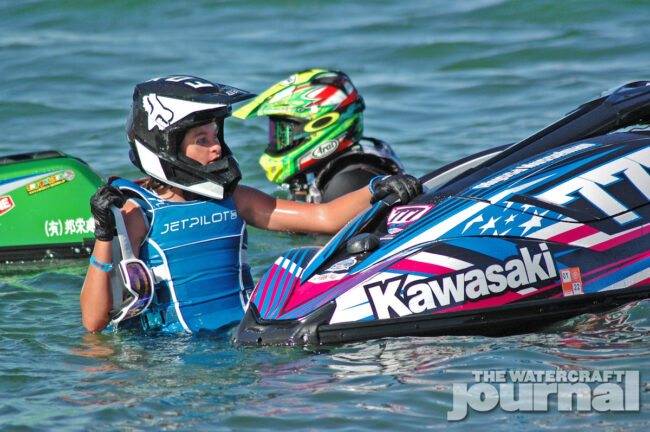
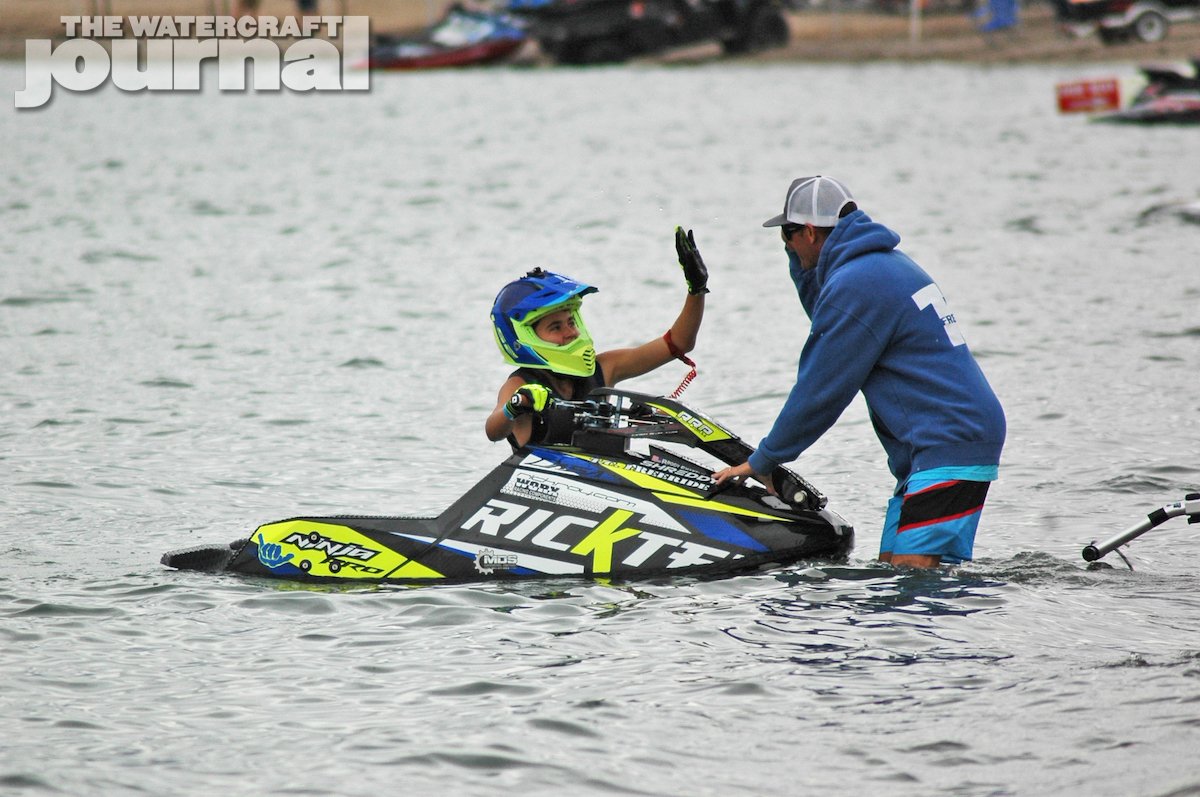
The sun also greeted the future faces of our sport that is Jr. Stars “A Day with the Pros.” This year the team at ProWatercraft organized the entire event with the help of numerous sponsors to bring a day of learning and riding to the younger generation. “Every year at the World Finals there is a day set aside to treat the kids to a special experience,” explained the marketing manager for ProWatercraft. “We worked in conjunction with the IJSBA and Terri Gasperone and Canyon Coolers, and a slate of incredible sponsors to make sure that the kids had a great time.”
As racers began to arrive on Monday and check-in to the race site, ProWatercraft was preparing for a night of jet ski shenanigans with their showroom and museum reveal. Guests enjoyed catered tacos and drinks while browsing the unlimited collection of vintage jet ski memorabilia. Did we forget to mention the live camera footage of Body Beach playing in their showroom? Yea, they had that too.
But the ProWatercraft team didn’t stop there. Owner Chris Hagest also revealed the newly-crafted ProForce 3.0, a hull that offers enthusiasts a cost-effective yet high-performance handling package, but without the high-dollar price tag. Although demo rides were cancelled due to unforeseen circumstances, this new concept will definitely be one to keep your eye on next year.
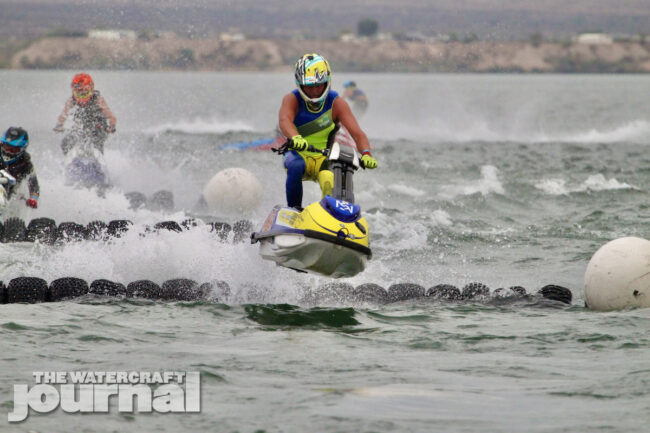
Tuesday morning proved to be a challenge for some racers and their teams as last-minute schedule changes and monsoons wreaked havoc through the pits. Staff worked overtime to work around the stormy weather and accommodate racers despite the delays. One class, Novice Ski Stock, was not only mistakenly left off the schedule, but almost faced a complete race-day cancellation due to the interruptions.
Racers got to the line-up only to hear that their heat was cancelled, but then moments later was announced that their heat “was back on,” and to “come back” after all of them abandoned the starting line. Despite the time-crunch, the ever-resilient scoring tower and starting gate coordinator pushed for the heat to happen, and let them complete it just moments before the sun went down.
While there is no shortage of photographers at World Finals, livestream coverage is always a top suggestion from the racing community. With racers leaving families behind for an entire week, many relied on short video clips from Facebook live or texts. But not this year. Bobby Cardone, known for his unscripted and uncensored livestreams that are undoubtedly “in-tune” with the racing world, arrived late Tuesday night and provided livestream and drone footage for the rest of the World Finals week.
“I was honored to attend this year’s World Finals in beautiful Lake Havasu,” Bobby stated. “Once I knew I was in, I brought whatever equipment I had on hand, and with the help of many, streamed the event the best we could on extremely short notice.” Although a few technical issues set him back, viewers hardly noticed them, and were ecstatic and grateful to have livestream available at World Finals for the first time. “We plan on coming back in 2022 with bigger and better ideas,” Bobby mentioned. “The race week was a blast with some of the best race action you could ask for!”
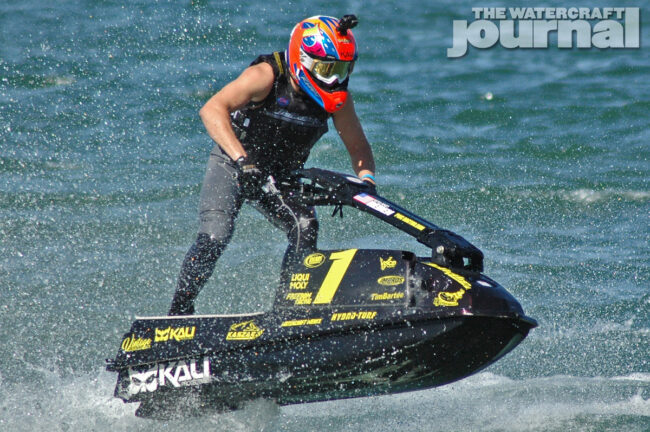
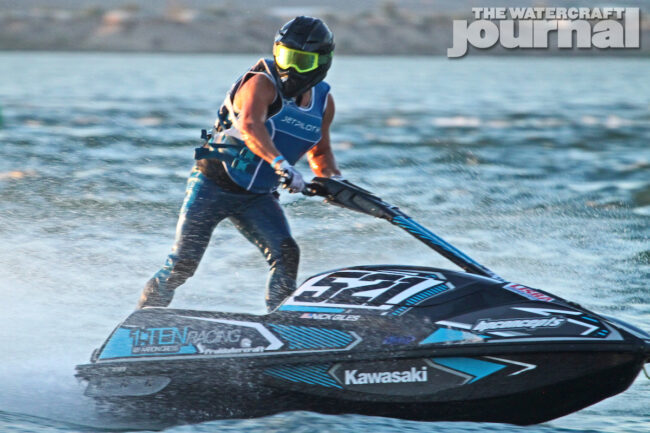
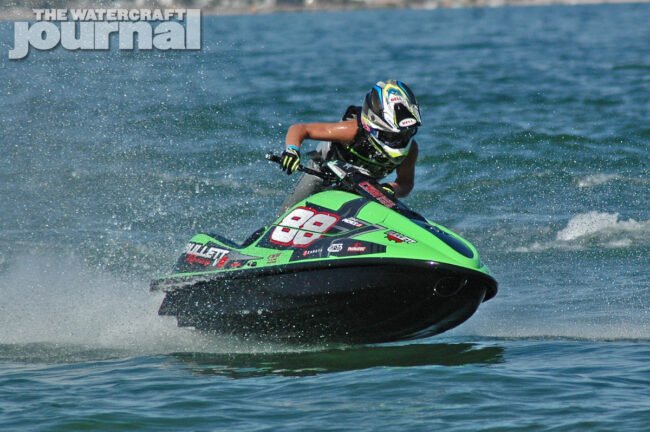
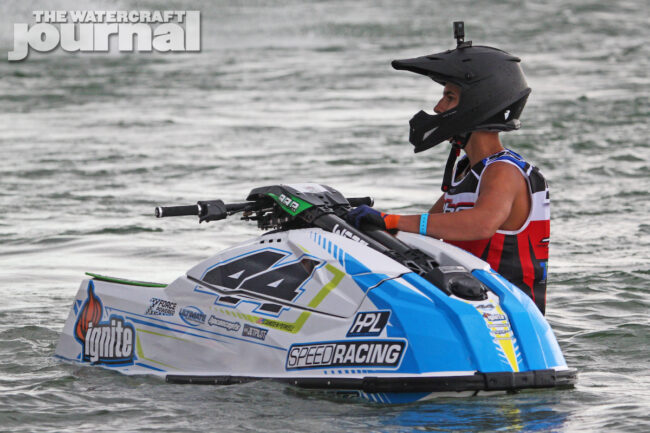
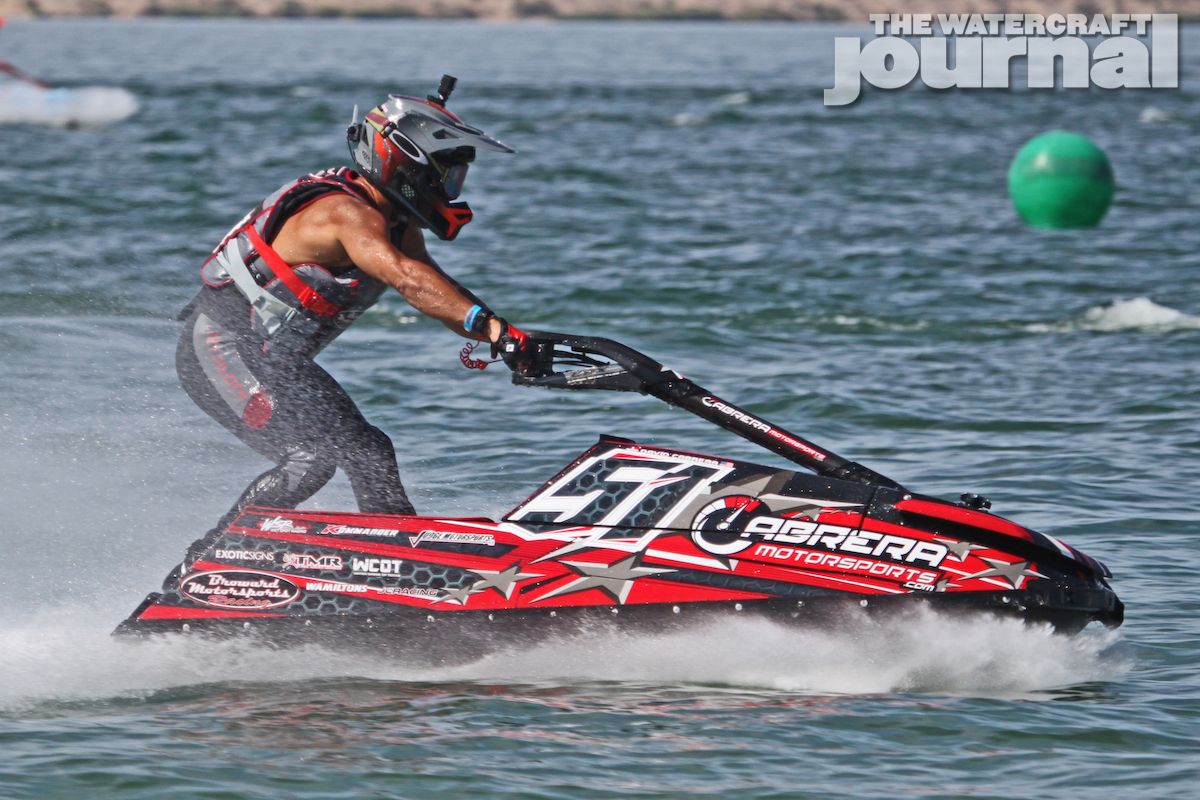
Saturday was all about the pros with Pro Freestyle and Pro Ski GP being the highlights of the day. Pro Ski GP contenders battled it out in a four-moto format in rough and windy conditions. Kommander Industries continued to dominate the racing circuit, with many riders piloting the ever-popular Kommander GP1 to victory, and this weekend to the podium. Belgium native Quinten Bossche (#98), despite a leg injury two years ago, swept the field and was crowned champion, followed by Raphael Maurin (#44) and Dustin Motzouris (#50).
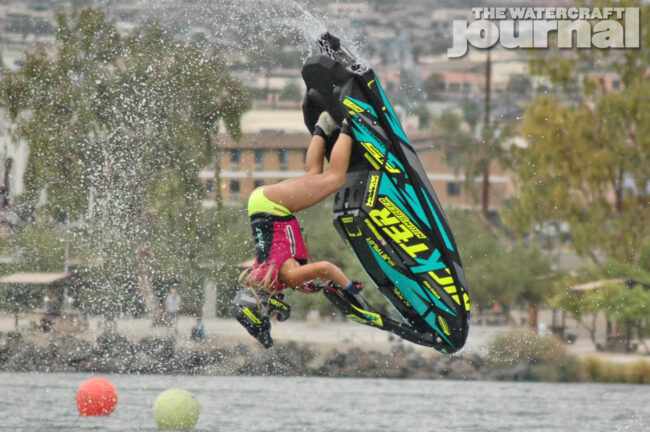
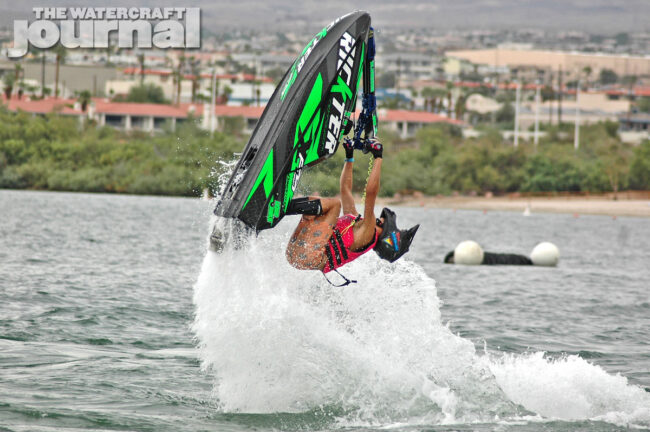
Freestylers from all over the world also congregated at the race site Saturday morning and under the London Bridge that night, wowing the crowds with stunning aerial acrobatics and technical combinations. Lee Stone took home the title for the weekend with his epic run which included a double back-flip and 720 spin, with Taiji Yamamoto in second and Gabe Jukish in third.
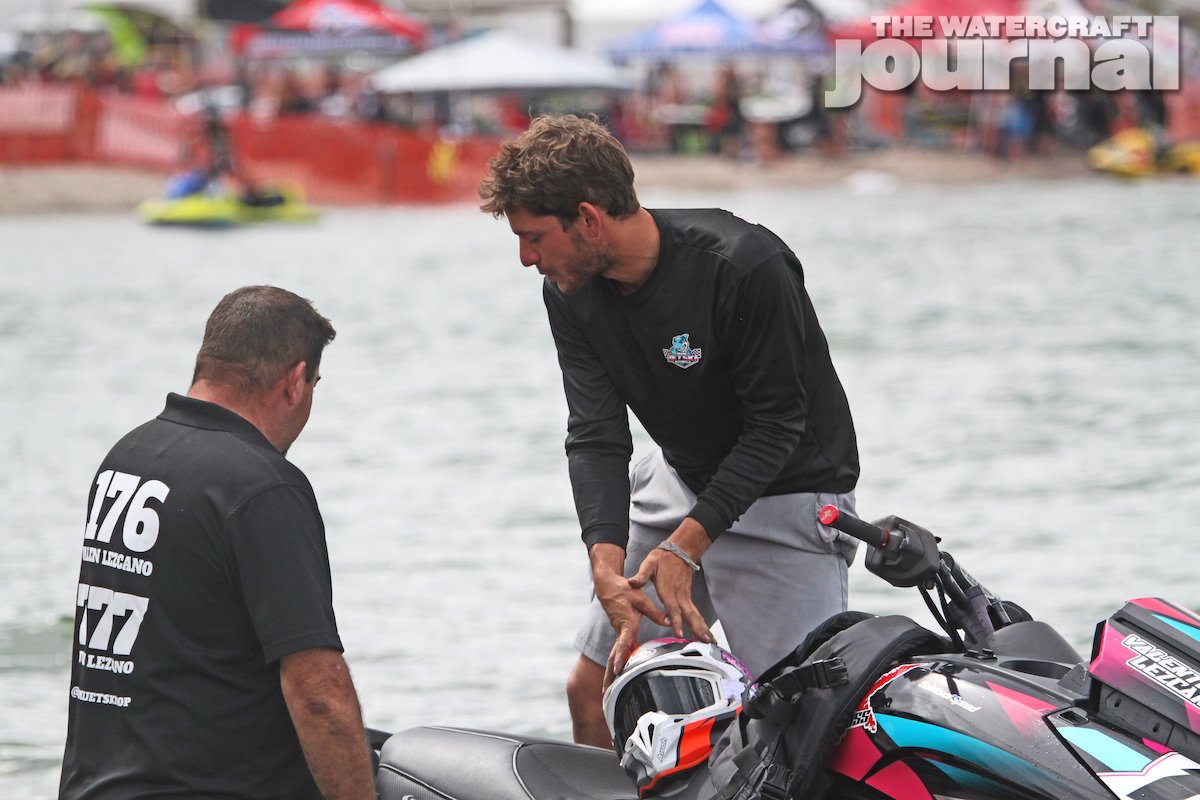
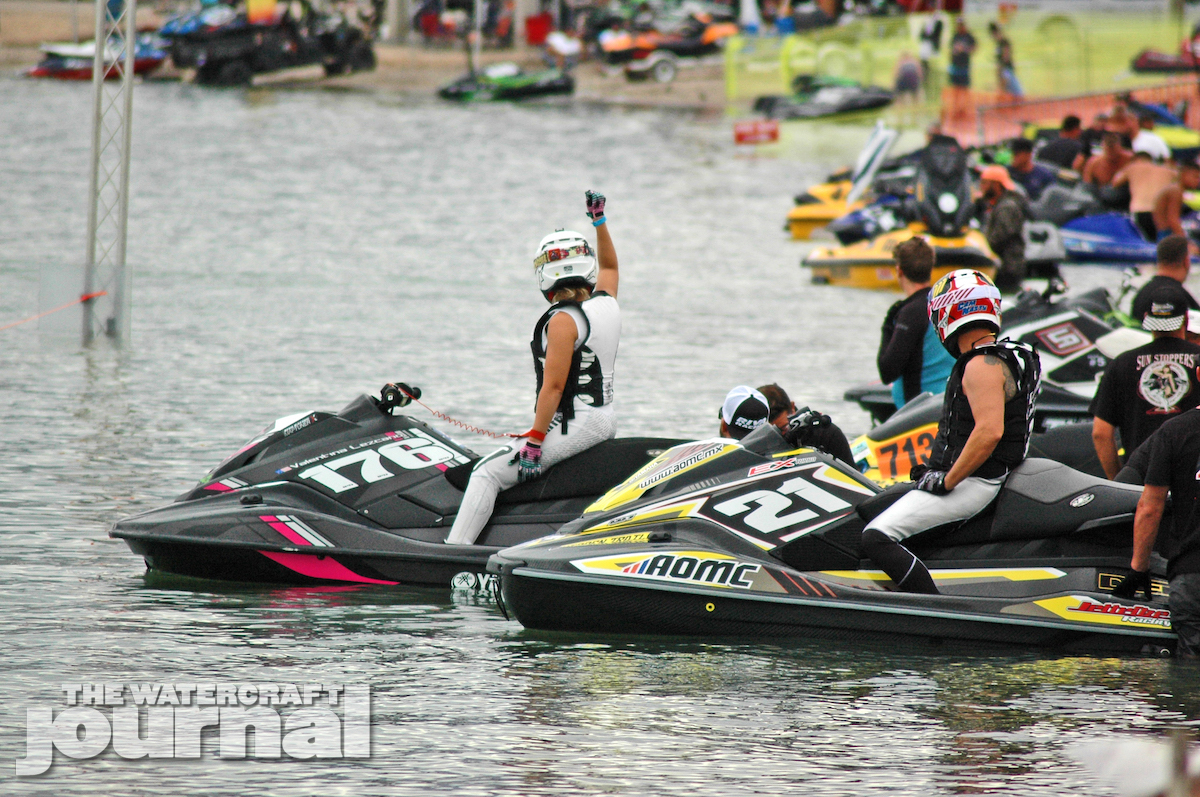
One notable team made the trip to World Finals and with the goal of holding their ground in the standings of the Triple Crown tour. Based out of Florida, the Miami JetSki team arrived with a fleet of highly-built machines and a determination like no other. “We came into World Finals with one goal of remaining in the standings of the Triple Crown tour,” said Valentina Lezcano. “I’m first overall right now in the Pro 1100 Open class, so I just need one round in Thailand and I can possibly take the overall win for the tour!”
Teammate and brother, Juan Lezcano currently held 5th overall in Pro Runabout GP. Juan suffered a horrific accident Sunday which landed him in Havasu Regional Medical Center with a broken femur. “I am immensely grateful for all who dropped by to keep my spirits up,” he states. “I underwent emergency surgery where they reconnected my femur with a rod and bolts in three places down my leg. […] My doctors are expecting a full recovery, and I have already been able to start moving my knee and foot.”
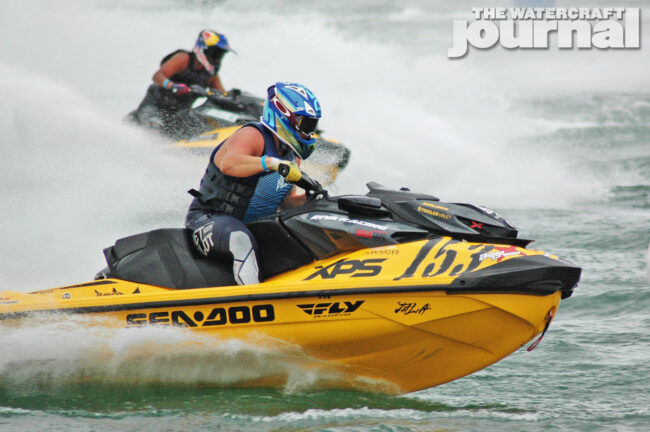
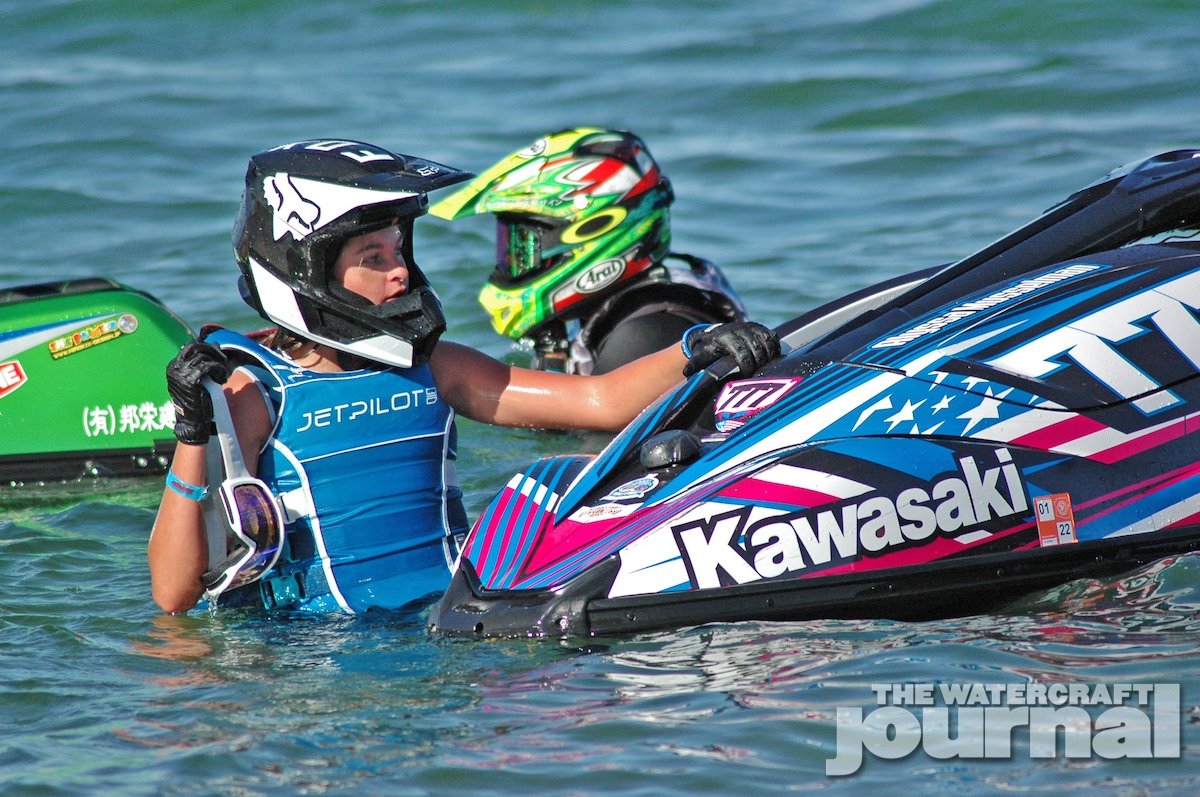
When it came to runabout racing, Sea-Doo had a tremendous turnout, grabbing first place wins in all except for one of the premier pro-level categories, including Pro Endurance and Runabout Limited, as well as complete podium sweeps in Runabout GP, Runabout Superstock and Runabout Slalom. Yamaha WaveRunners picked up sweeps in Pro/Am Runabout Stock class as well as Pro/Am Runabout 1100 Open and Women’s Runabout 1100 Stock classes.
All results from the 40th anniversary Jettrim IJSBA World Finals can be found HERE.
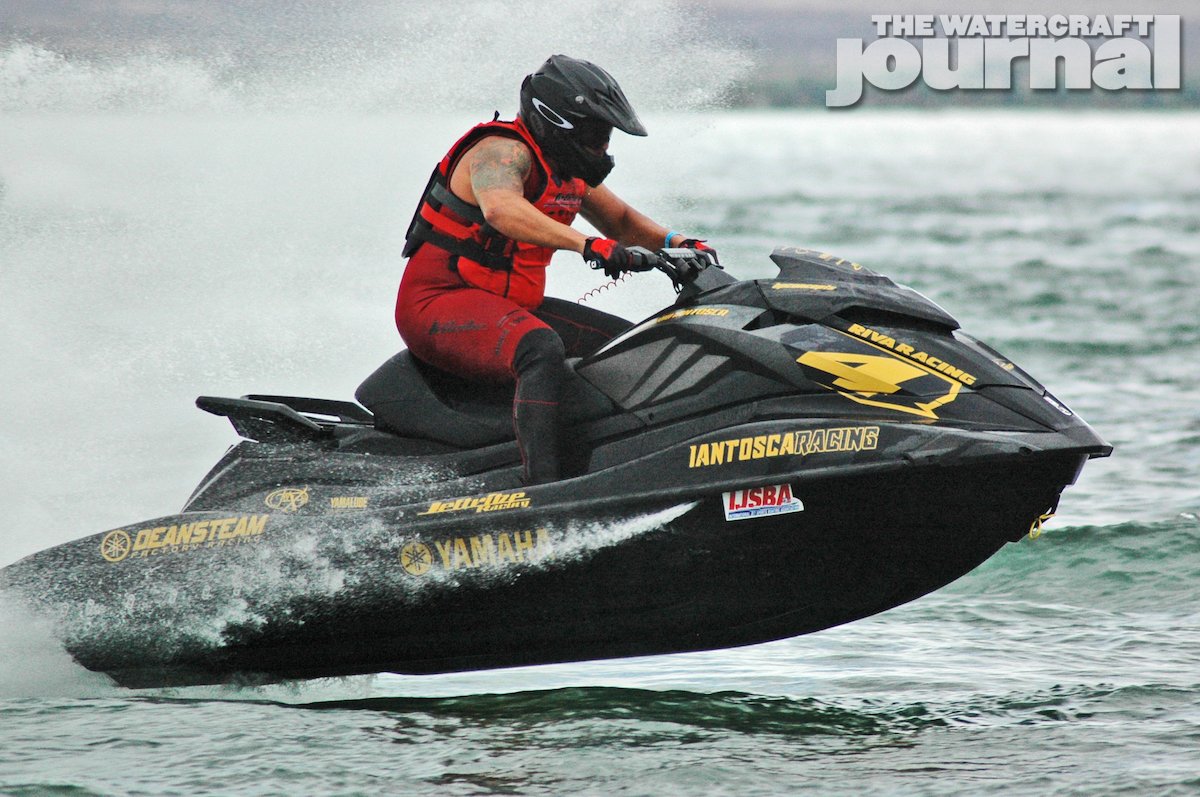
Last weekend welcomed personal watercraft racers from around the world to Lake Havasu City, Arizona for the 40th annual IJSBA World Finals – and with it a whole slew of championships for Yamaha Motor Corp., continuing its trend of being the preferred runabout by more professional athletes – including several first-time wins for the all-new 4-stroke Yamaha SuperJet!
Big wins came in the Pro/Am Runabout Stock class – known as the Manufacturer’s Class, as it is the closest to box-stock as a runabout class can be – where Yamaha racers swept the podium. A second sweep came in the Pro/Am Runabout 1100 Open and Women’s Runabout 11 Stock classes. Junior racers shined on their 4-stroke SuperJets in the Junior 13-15 and 10-12 Four-Stroke Lites classes as well.
You’ll want to read the complete release attached below for all of the racers’ names, as well as tune into The Watercraft Journal for our complete recap and photo gallery of the IJSBA World Finals coming soon!
Here’s the original release: Yamaha pro watercraft racers riding the Yamaha GP1800R SVHO and FX SVHO dominated the premier Pro/Am Runabout Stock class and more at the 40th IJSBA World Finals held annually at Lake Havasu, Arizona.
Never before in IJSBA World Finals history has one manufacturer dominated Pro/Am Runabout Stock racing in the way Yamaha has the past several years. Also, referred to as the Manufacturer’s Class, these watercraft are the best representation of out-of-the-box performance consumers can expect.
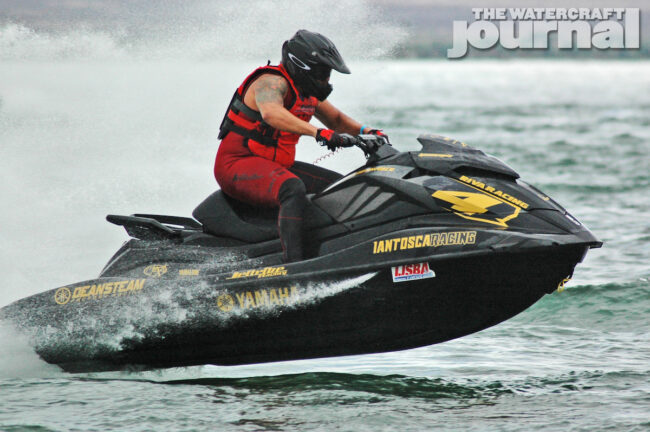
Winning the World title in Pro/Am Runabout Stock is Tory Snyder on his Yamaha FX SVHO. Yamaha GP1800R rider Rasheed Aldawas finished second, and Ermino Iantosca aboard a Yamaha FX SVHO completed the podium sweep.
“For several years now, Yamaha WaveRunners have set the benchmark for true out-of-the-box performance, reliability, and durability on the professional racing circuit,” said Bryce Parker, Yamaha WaterCraft racing manager. “But to do that aboard four completely different platforms as we do is truly exciting and a testament to our engineering and design leadership across our entire lineup.”
In other IJSBA World Finals racing action, Cameron Frame rode his Yamaha EX to a World title in the Pro/Am Runabout 1100 Open class. Fellow Yamaha EX riders Book Sermsuwan and Valentina Lezcano finished 2-3 to complete the podium sweep.
Yamaha swept the Women’s Runabout 11 Stock class with Sophie Francis winning the World title on a Yamaha EX WaveRunners. Also on Yamaha EX’s were Valentina Lezcano and Renee Hill who finished 2-3 respectively.
Fifteen-year-old Reese Giese and 11-year-old Caris Webster made history, winning the first World titles for the four-stroke Yamaha SuperJet in the Junior 13-15 and 10-12 Four-Stroke Lites classes respectively.
And Troy Snyder won his seventh World title aboard a Yamaha FX SVHO in the Vets Runabout class.
Congratulations to the riders, their family members, the racing teams, and the sponsors that make the IJSBA World Finals the focal point on the international personal watercraft racing calendar.
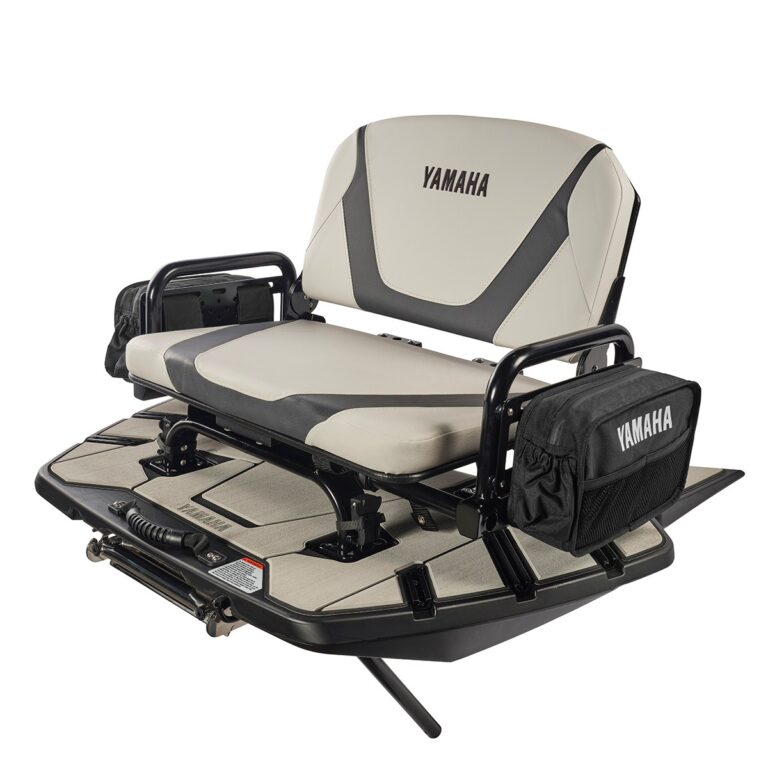
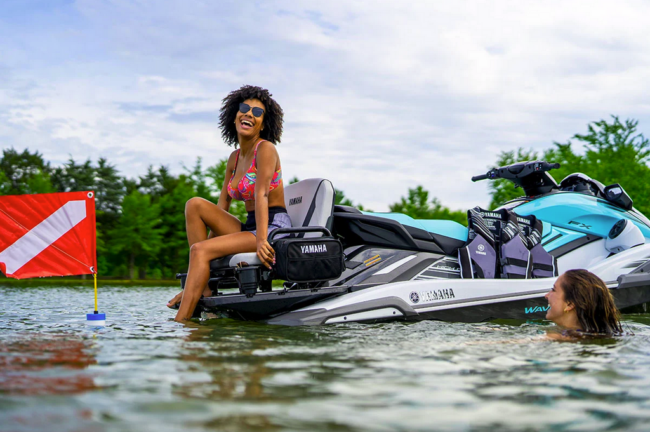
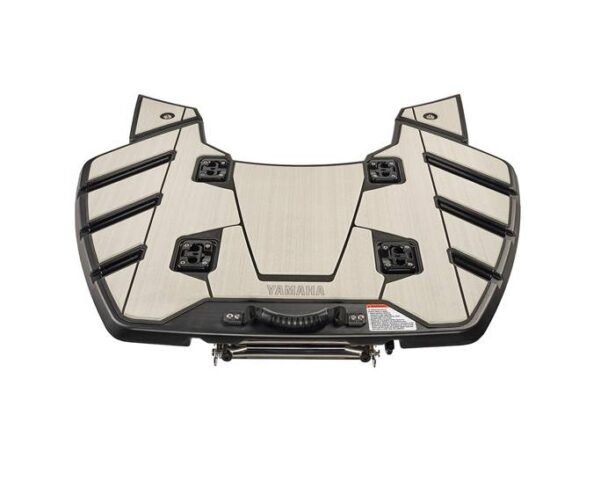
Broward Motorsports Racing is now accepting pre-orders for the Yamaha FX RecDeck and accessories. These are must haves for making your Yamaha WaveRunner FX more versatile and customizing it your way. Broward Motorsports has the complete collection available for pre-order. Get started with the required Yamaha FX RecDeck and build from there.
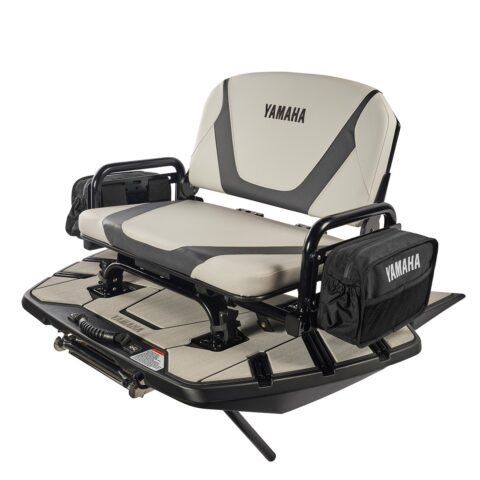
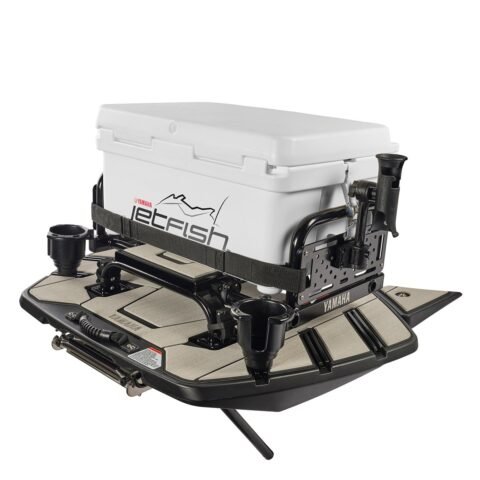
Choose from the Yamaha FX Premium Jetfish Package, which will cost you $1,199.99. It comes with the multi-use rack, Jetfish cooler, mounted rod holders, 2 cup holders, tie-down straps, and mounts. If you don’t want to drop that much cash, grab the more affordable JetFish Package. It has everything but the rack and will set you back $499.99. If you want more comfort when you stop to chill out on your ski, pre-order the Yamaha FX RecDeck Lounge Package. Style in comfort while you’re drinking a cold one on the water. It comes with a pair of saddlebags and a cooler, providing more room for those extra sundries. They’ll be in reach while you’re lounging. The Lounge Package is $499.99.
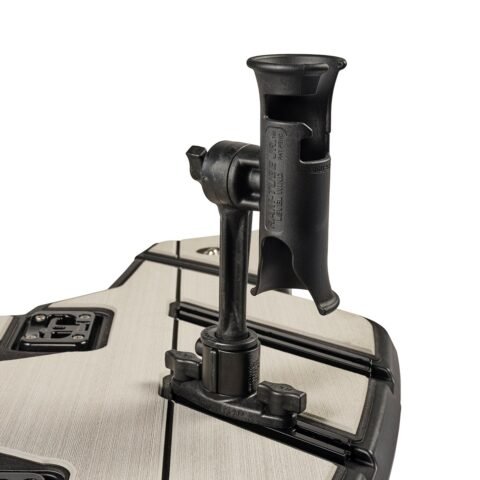
The RecDeck Multi-Use Rack is a great standalone solution for someone who doesn’t need a complete package. $599.99 gets you this customizable rack. Add a pair of insulated RecDeck Rack saddle bags for $99.99. If you want to drop an occasional line and don’t need a lot of fancy stuff, pre-order a Track Mounted Rod Holder for $29.99 to go with your new Yamaha FX RecDeck. We suggest pre-ordering as soon as possible.
With the current issues with shipping, you’ll want to order now to make sure you get on the list for these great products. Shipping will begin this month. Don’t forget that the Yamaha FX RecDeck accessories require the RecDeck for linking. Head to the Broward MotorSports Racing Website to submit your order now!




 The Ergo Lock Grips are designed with comfort in mind while you’re cruising the waterways or getting some air while jumping waves in the shore break.

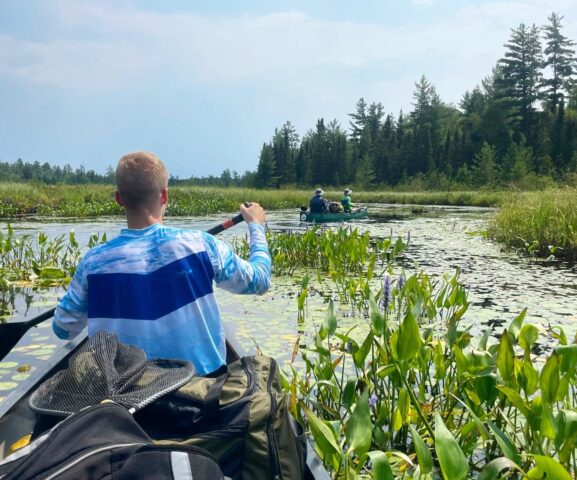
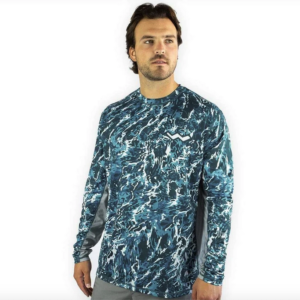 The shirt has back and side mesh, giving you some serious ventilation. This will come in handy while fighting a big fish or cruising around on your jet ski on a super humid day with no wind. The Sol shirts are made of a moisture wicking fabric and stain resistant fabric.