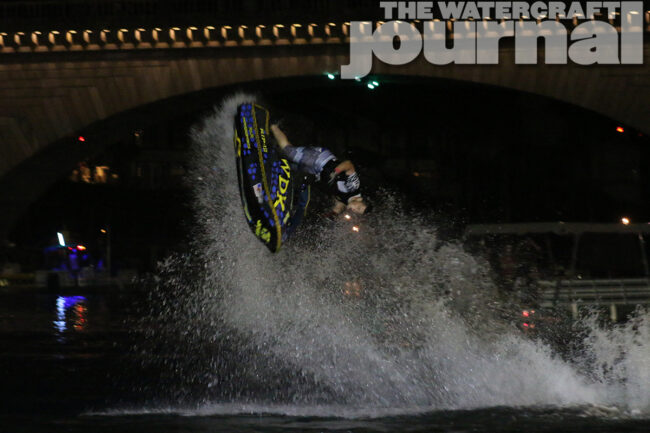
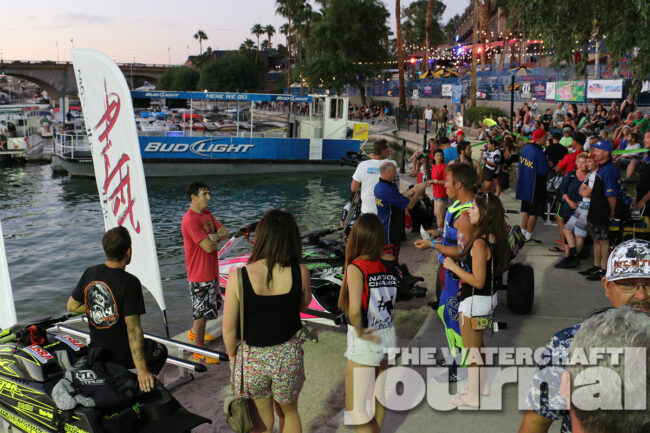
IJSBA just keeps the good news coming! Big O Tires will support the 2019 Blowsion Under the Bridge Freestyle Competition, by making it a free event to all spectators. The Blowsion titled event is part of the 2019 Thai Airways World Finals. The finals take place October 5-13 at Crazy Horse Campground in Lake Havasu City, AZ. The exciting Under the Bridge expression session goes down Saturday night October 12th under the Famous London Bridge.
The latest IJSBA release continues with some words concerning the lengthiness of the press releases. IJSBA only wants the public to know how crucial sponsors are to these events. Without outside support, most events wouldn’t happen. Supporters help create the resources needed for competitors to perform at their best.
The local Big O Tires enables the residents of Lake Havasu City to have affordable tires installed with top quality service. This sponsorship goes hand in hand with the mission of giving more opportunities to the community. 2019 makes 38 successful consecutive years with the World Finals held in Lake Havasu City.
The thirty-eight years of success is due to a network of great support within the PWC industry and huge generosity from local businesses.
IJSBA will be putting out plenty of press releases expressing its gratitude toward all who contribute to making the World Finals happen in Lake Havasu City. Big O Tires gets a huge thanks for providing much needed resources that allow for IJSBA to give free admission to the public for the big Blowsion Under the Bridge Freestyle Competition. That’s good stuff!
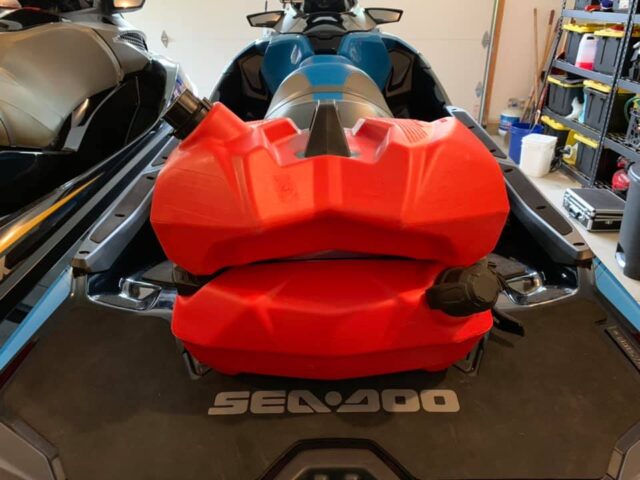
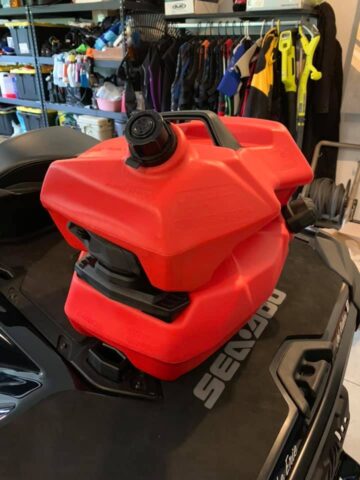
Attention all Sea-Doo owners, there is good news coming your way. Brad King posted on Facebook that he found that a Ski-Doo gas caddy will fit on the back of a Sea-Doo and on top of a another gas caddy.
This is awesome news for Sea-Doo owners or if you own both a Ski-Doo and a Sea-Doo. Your range of exploration has just increased! Just as a reminder, Ski-Doo and Sea-Doo are owned by the same company BRP.
The reason they are able to stack on top of each other is because on Ski-Doo Snowmobiles the gas caddy are made to go over the heat exchanger. On Sea-Doo’s, while they do not have a heat exchanger, they do have a rear handle.
Both of these items take up the same amount of space, so now during the summer you can take your Ski-Doo gas caddy and put them on your Sea-Doo! This means you can now go on longer trips and always have enough gas to make it back.
While there are ways you can strap down a gas can on the back of your ride, the chances of it coming off are high. So whether you need one or two gas caddies, you can now get out and spend more time exploring. There is nothing worse than running out of gas and having to call someone to tow you in.
IJSBA is thrilled to announce that Blowsion will be the title sponsor to support the Saturday Night Under the Bridge Freestyle Competition at the 2019 Airways World Finals.
The Saturday Night Under the Bridge Freestyle competition went by the wayside for a while. It took Blowsion offering support in order to bring back this really awesome expression session. The expression session once more has life and you can catch all the action at the World Championships in Lake Havasu City.
Under the lake Havasu London Bridge will feature pro freestyle competitors, junior freestyle competitors, product releases, and many other exciting activities will be on tap, Saturday, October 19.
The planet’s best Ski riders will have already earned points that afternoon over at the Crazy Horse Campground and Resort. They will then compete before a crowd of thousands in front of the London Bridge Resort. The top ten points earner will head back to Crazy Horse on Sunday for a final round of action to crown the title of World Champion. This Under the Bridge Competition is completely free to attend.
We will keep you apprised as more information is released closer to the 2019 Thai Airways World Finals which begin October 5.
We will keep a watchful eye on the IJSBA site for upcoming details on the Blowsion sponsorship of the Saturday Night Under the Bridge Freestyle Competition. It’s one that’s not to be missed!
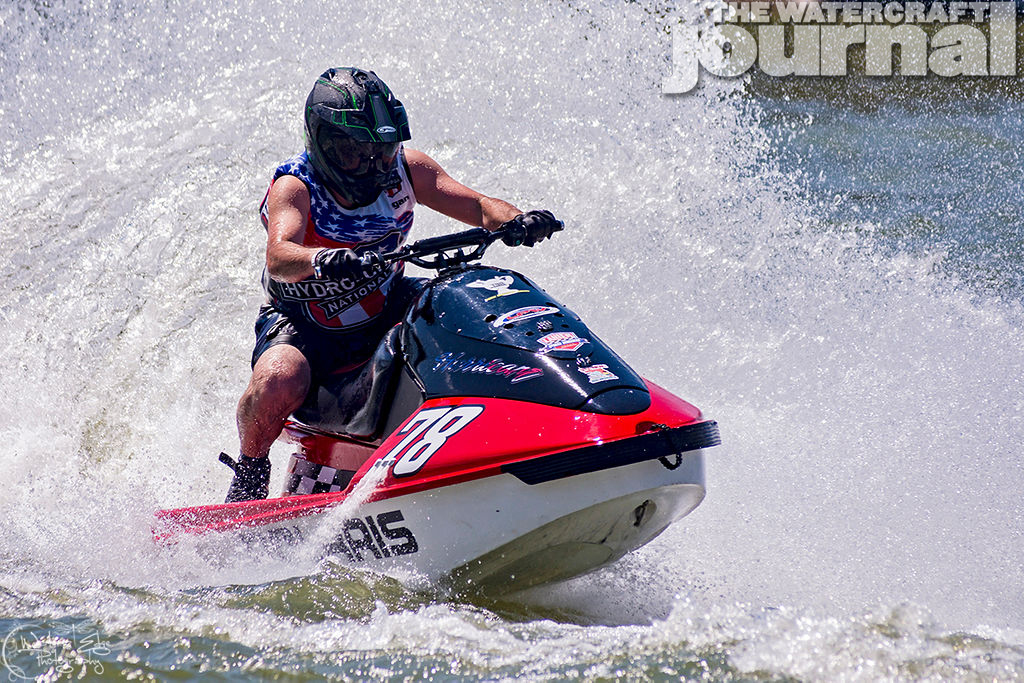
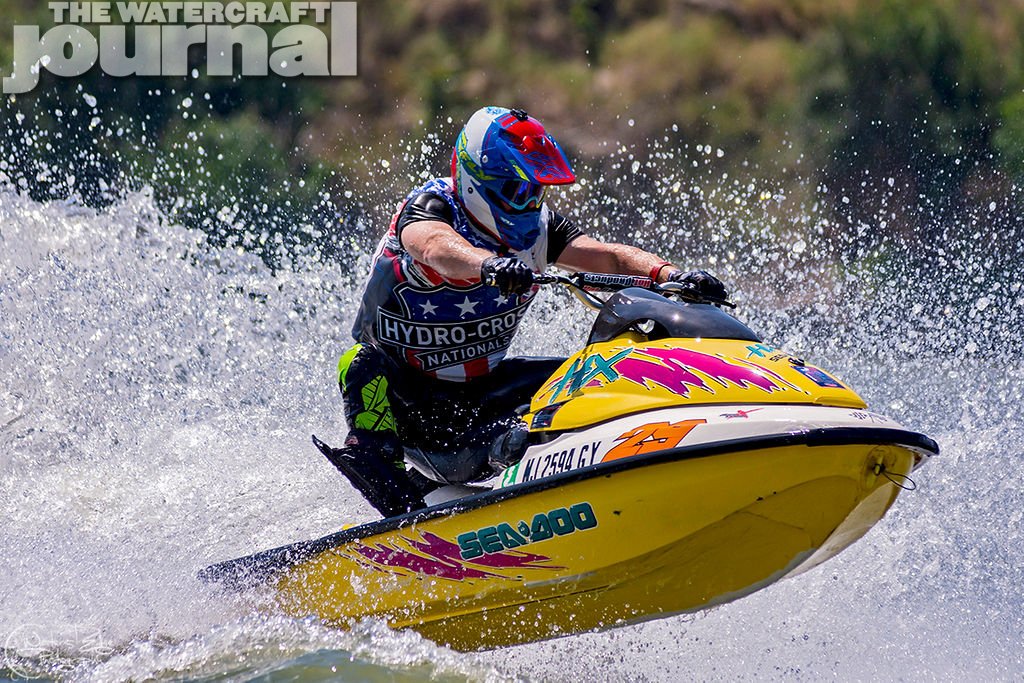
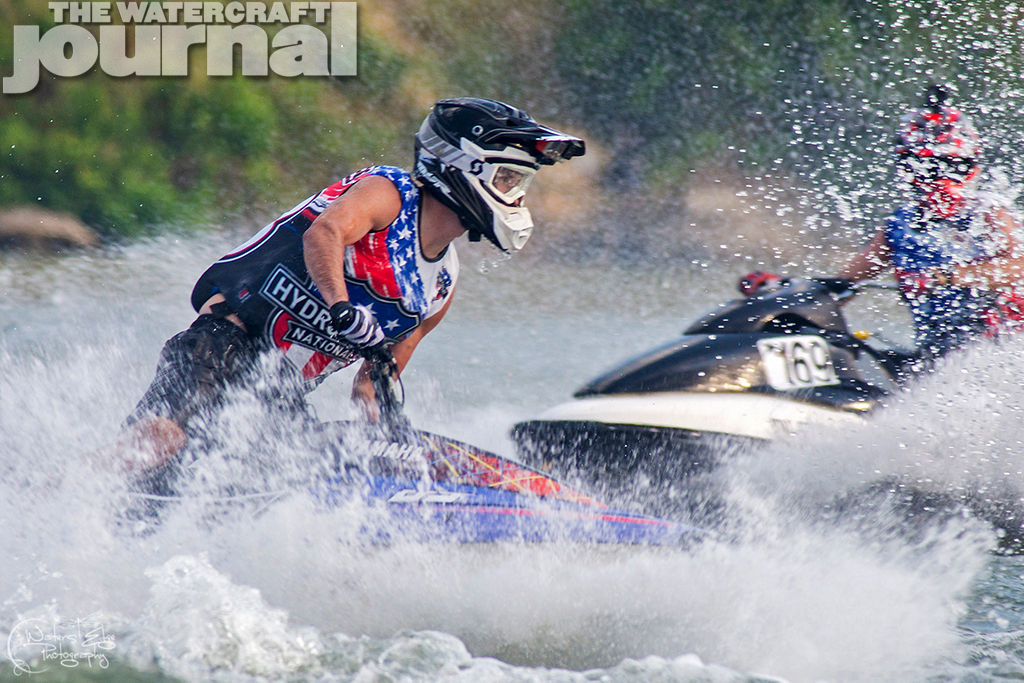
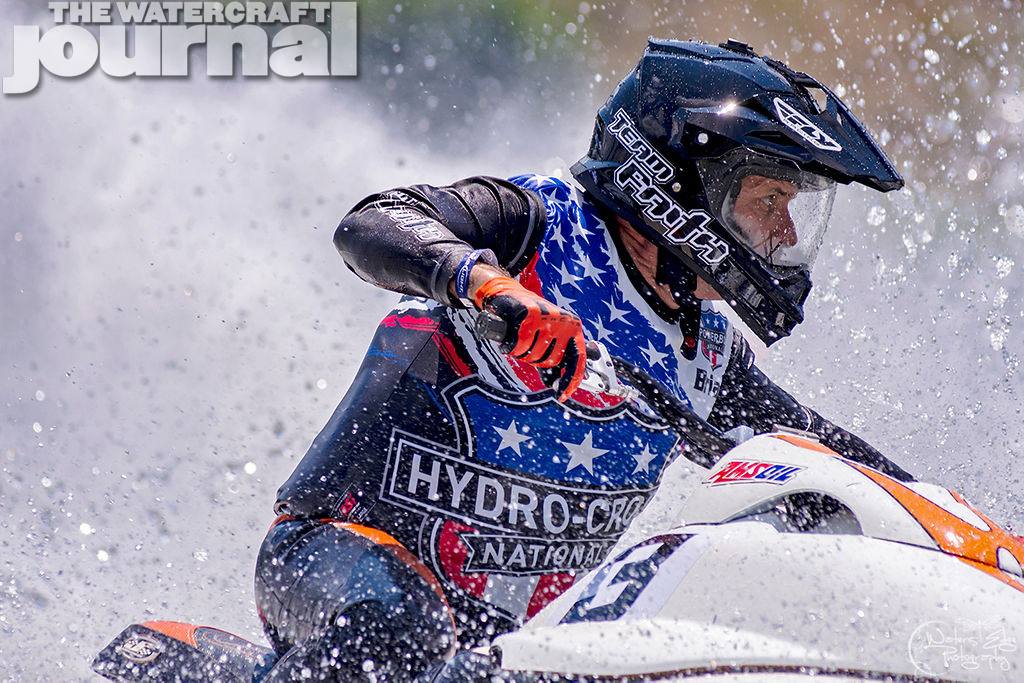
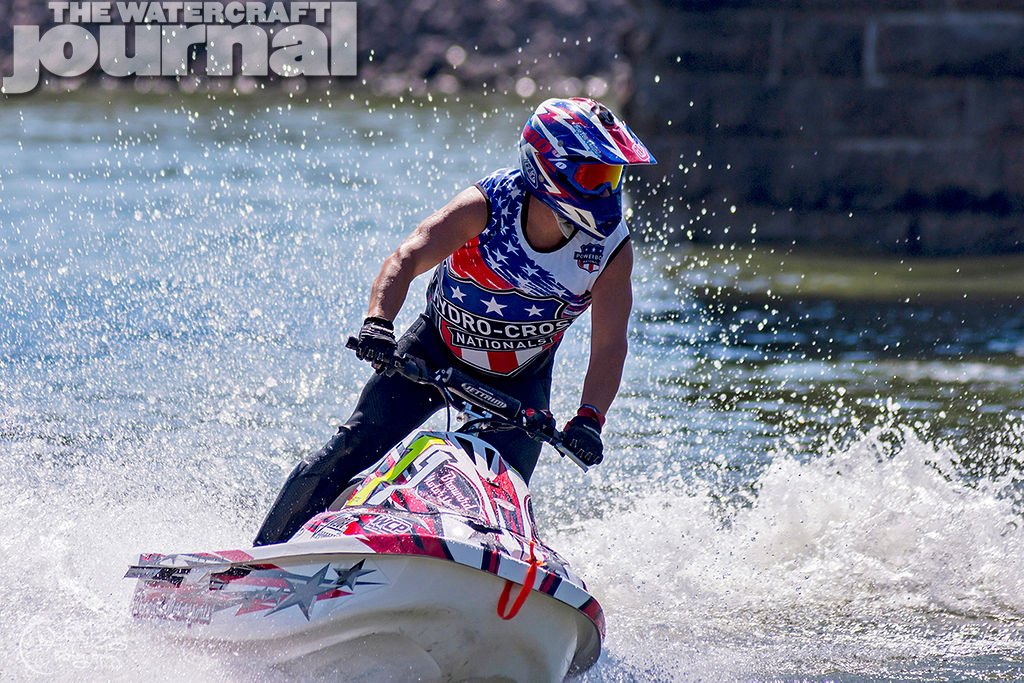
Knoxville, Tennessee is known for being the home of the 1982 World’s Fair, a healthy population of Red Pandas, some of the finest museums in the South and of course, its native son, Kenny Chesney. It is also home to the Visit Knoxville Grand Prix of Tennessee, the third stop of the 2019 season for the Hydro-Cross National Tour.
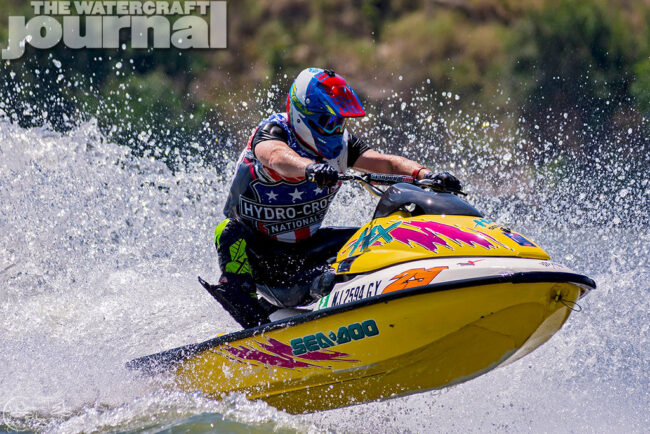
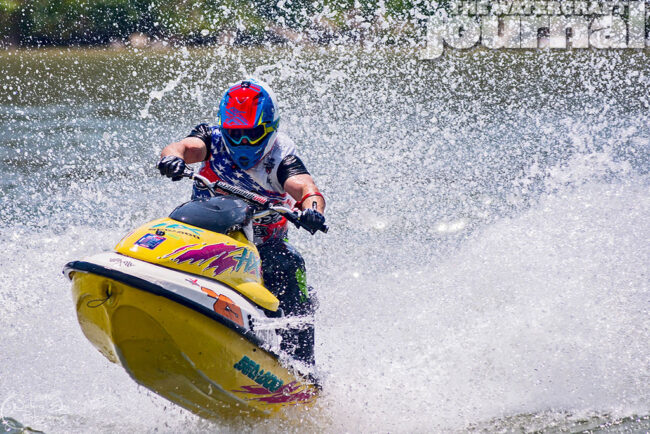
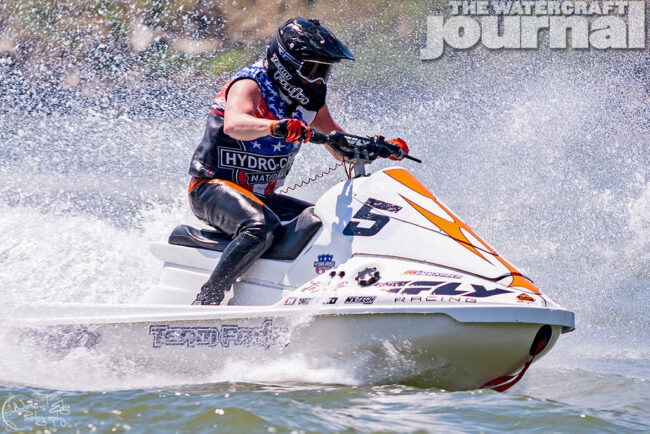
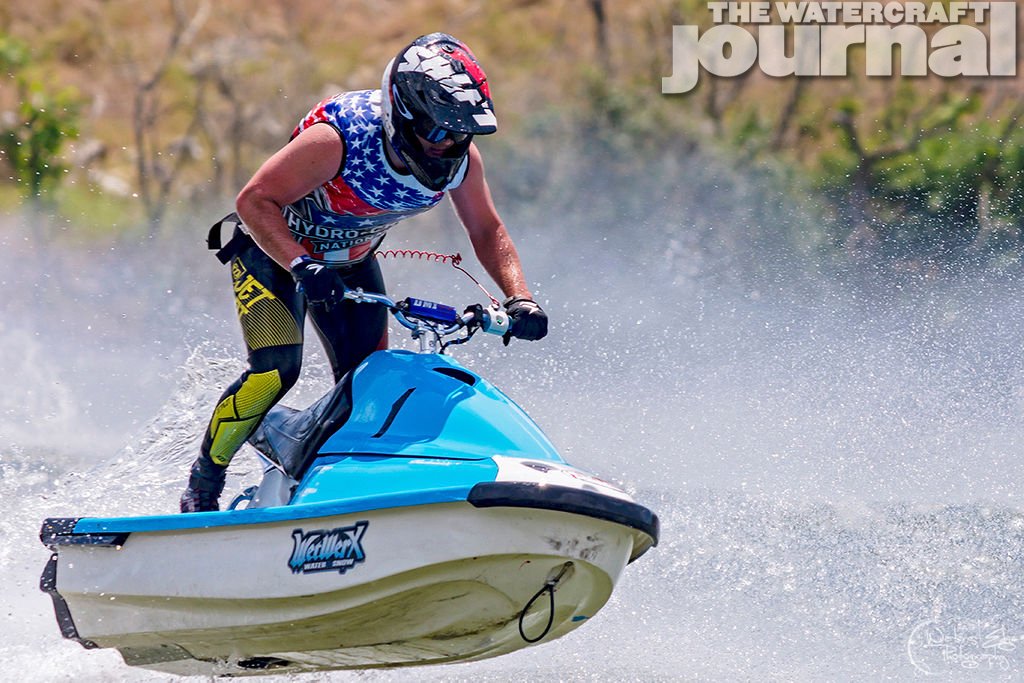
Limited, at least currently, to the Pro Sport Class, the Hydro-Cross Nationals tour is run in conjunction with the Powerboat Nationals and is sanctioned by IJSBA, with each Hydro-Cross Nationals event counting as a qualifying event for the IJSBA World Finals in Havasu.
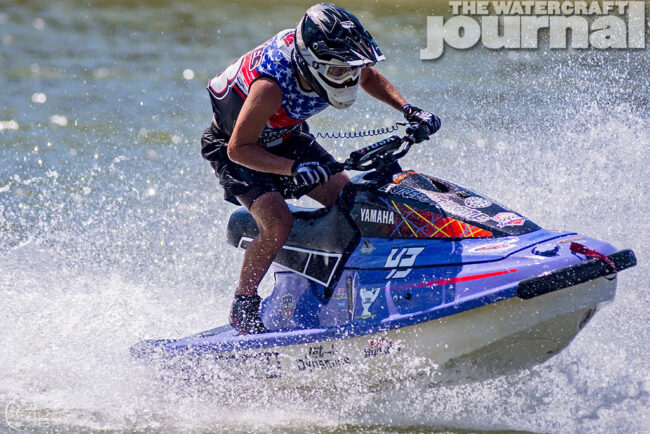
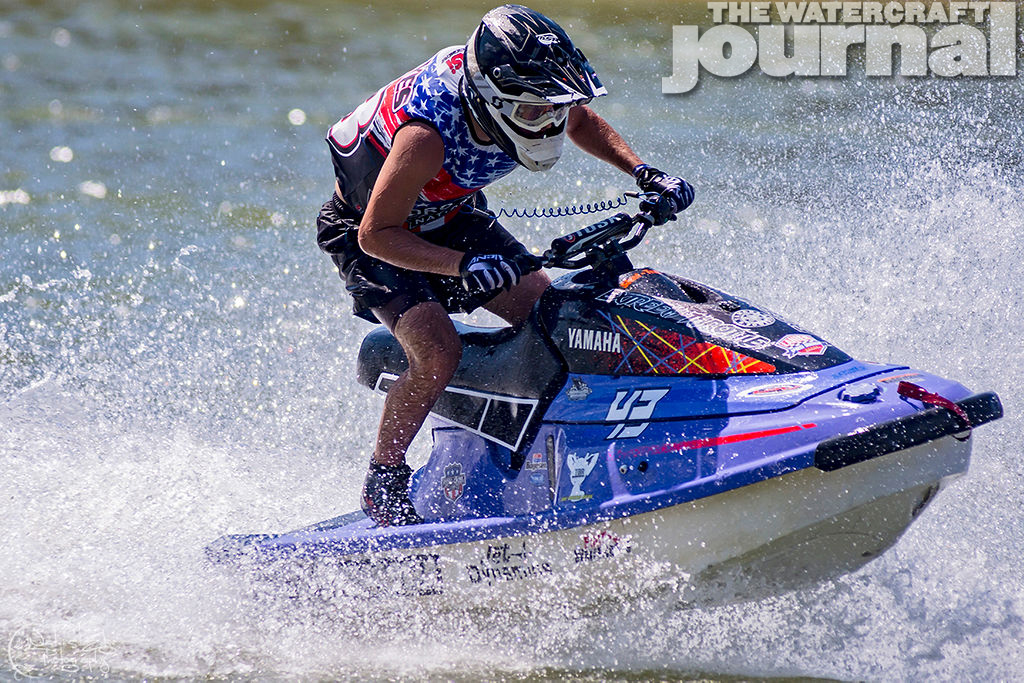
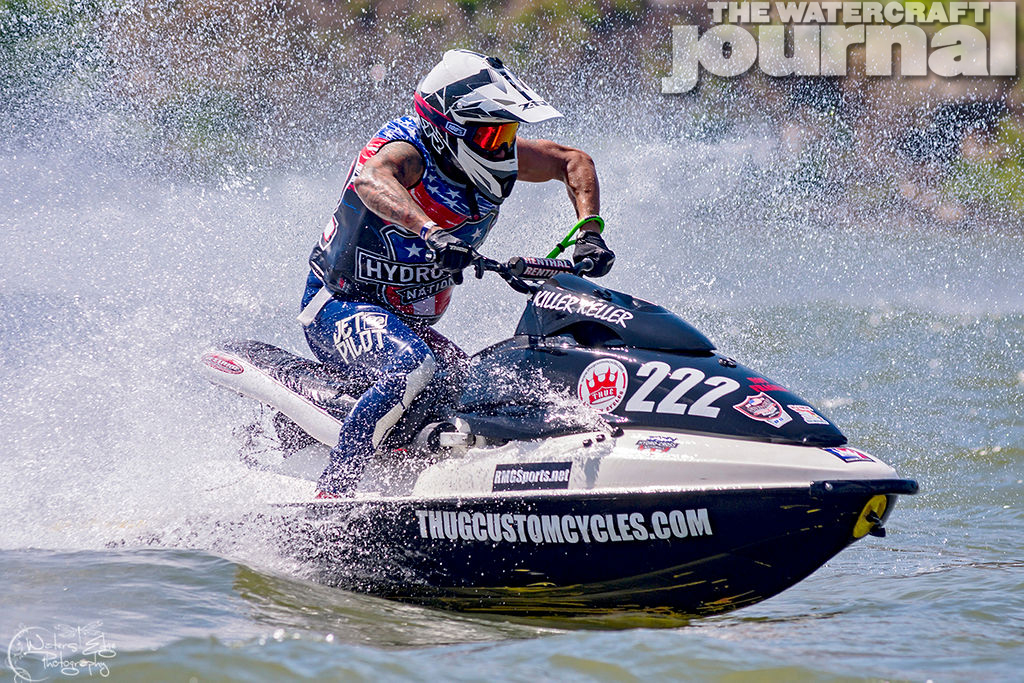
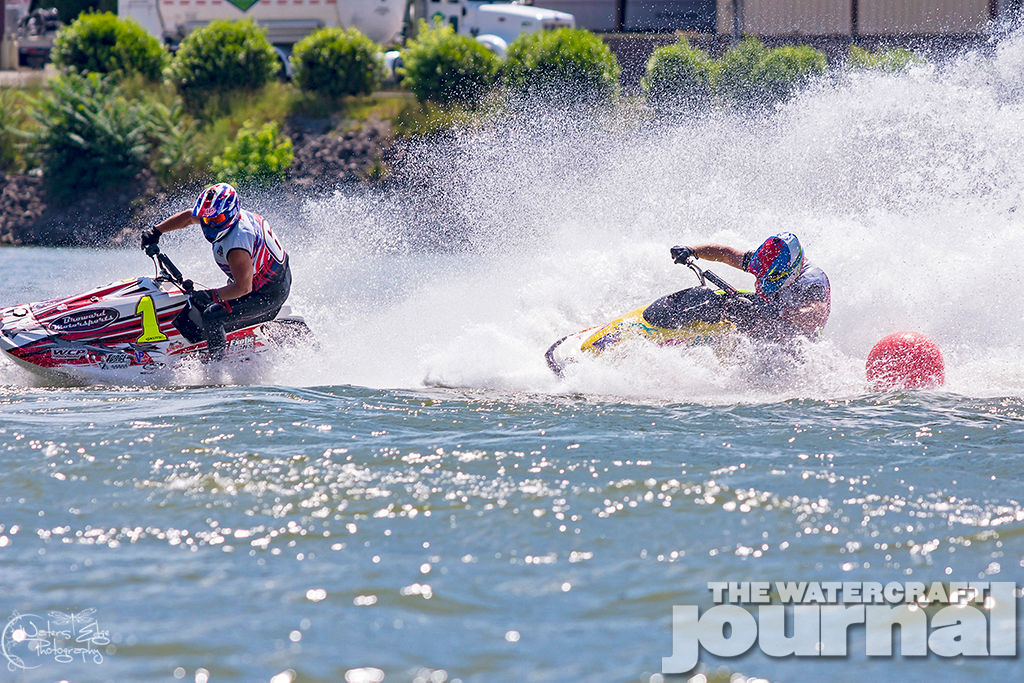
Rounds 1 and 2 of this year’s Hydro-Cross tour took place Tavares, Florida, in April and May, but the first weekend in June brought Hydro-Cross competitors to the shores of the Tennessee RIver in downtown Knoxville, where the rivalries set in motion at Tavares continued, but with a wild card thrown in the mix. Lining up for the tour’s trademark rolling start alongside tour points leader Tom “Killer” Keller, 2018 champion Kyle Hayes, and the rest of the Hydro-Cross racers was the blue and orange Yamaha of Kings Cup World Champion, Christian Daly.
Fresh off helping in the pits as his brother Conor Daly put in a 10th-place finish at the Indianapolis 500, Daly clearly came to race, and to win, and despite his late entry into the tour, he found his rhythm, putting in fast time trials, pulling off wins in the early heats, and nailing down a win in the main event on Sunday, despite some heavy challenges form the rest of the pack.
“Kelly Smith was right there, he was for sure giving me a run for my money,” Daly said in an interview with race announcer Mikey Young following the race.
Breaking into the Hydro-Cross Nationals Tour meant some change-ups for Daly – change-ups that the other riders have come to appreciate in this newest of the watercross tours. Unlike the familiar starting band shore starts, HydroCross uses rolling starts, and routinely challenges riders with a Joker Buoy, adding an extra measure of strategy and planning to the race. Hydro-Cross also stands out from many current opportunities for watercross racers, offering relatively significant purses that pay out well past first through third place.
“I was really impressed with this whole group, it was awesome to put on a great show for the fan, and I really think the joker buoy is a great idea … it adds that next level to racing,” said Daly, who recently joined the Broward Motorsports Racing team.
“All our events are televised (…) 70 million households will see our events,” Hydro-Cross acting race director Rex Hayes said during an interview with the Cardone Race Corner following the Knoxville race, adding that the Knoxville races will be televised at 8 a.m., noon and 8 p.m. on July 6. “We formulate our race off the Supercross format, single lap time trials Saturday morning, it’s you again; the clock and the fastest guy out there has the pole position for heat one. We run Heat 1 and 2 on Saturday, then on Sunday we do an LCQ and then the main event, and that is where the money is paid.”
Hydrocross standard event purse is $4,800, with payments to 1st through 10th place, from $1,200 for a win, to $200 for 8th through 10th. The upcoming race at Guntersville, Alabama on June 29-30, is a double-payout race, featuring a $10,000 purse, with $2,500 to win, and even 8th-10th getting $400 each.
“Our goal is to put together a three hour event per day, where we can provide good entertainment, a pro lineup, and avoid the craters that the sport has fallen in before,” Hayes said.
“Next year we have some things in mind. We’re going to stir the pot quite a bit next year,” he added. “We might just make jet ski racing great again…that’s our goal.”
HydroCross Nationals Round 3 – Knoxville, TN Results 1. Christian Daly, 2. Kelly Smith, 3. Keith Dill, 4. Tom Keller, 5. Eric Degler, 6. Kyle Hayes, 7. Wyatt Hayes, 8. Mike Hamaker, 9. Logan Hayes, 10.Matt Johnson, 11. Brian O’Rourke
Days like this are what dreams are made of! On June 2, 2019 Cycle Shack North in Conroe, Texas hosted a truly “Fun in the Sun” Yamaha Demo day at local 3 Palms Extreme Sports Park from 11am to 1pm.
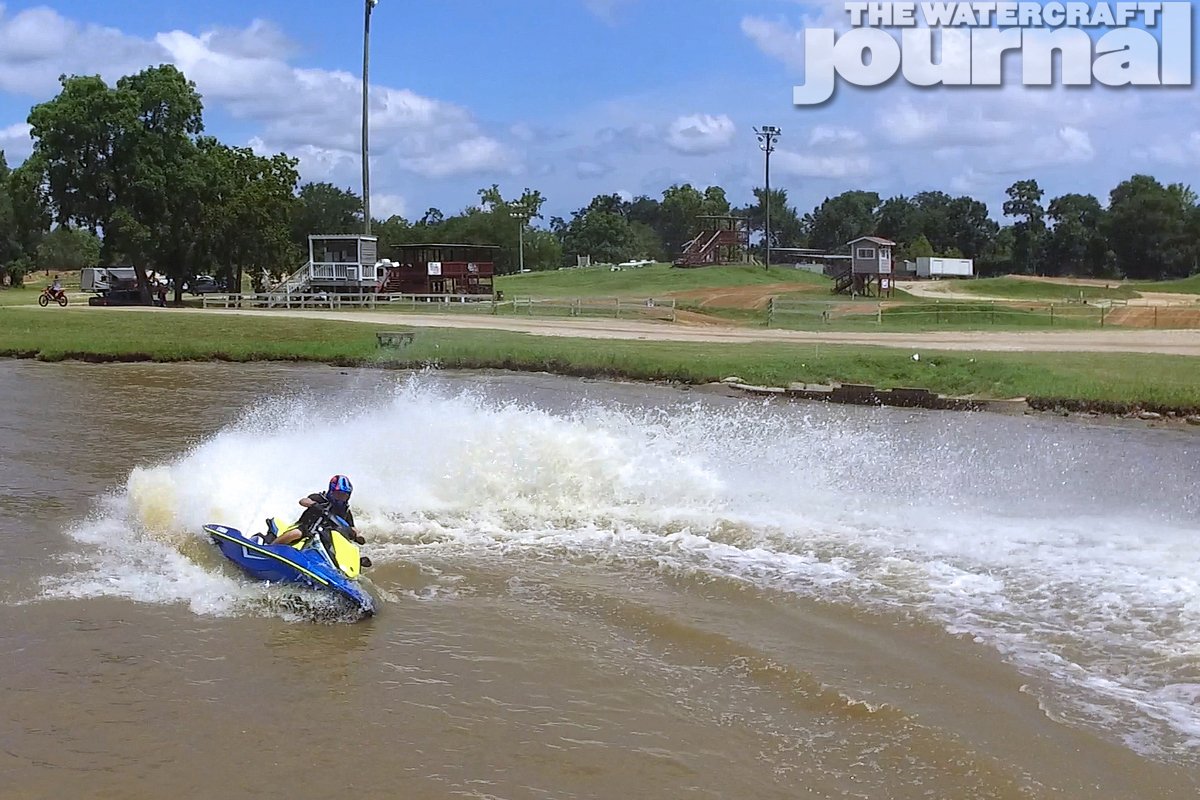
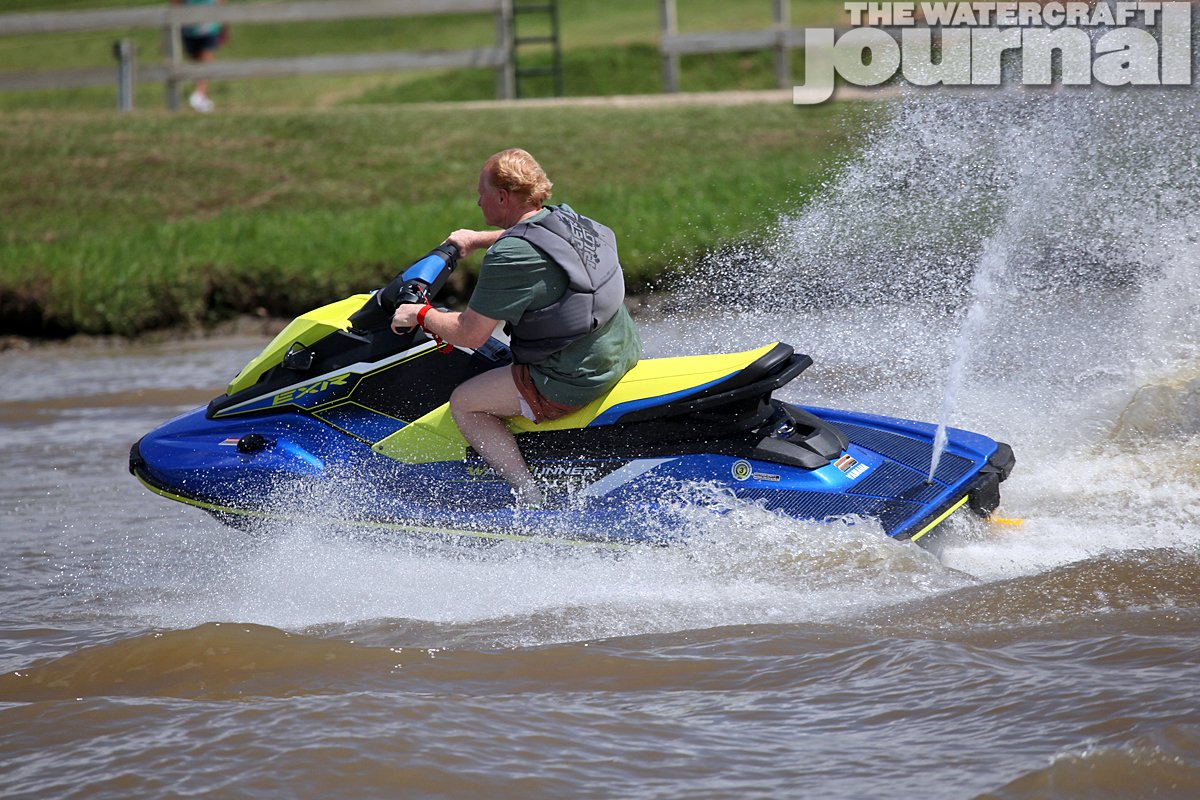
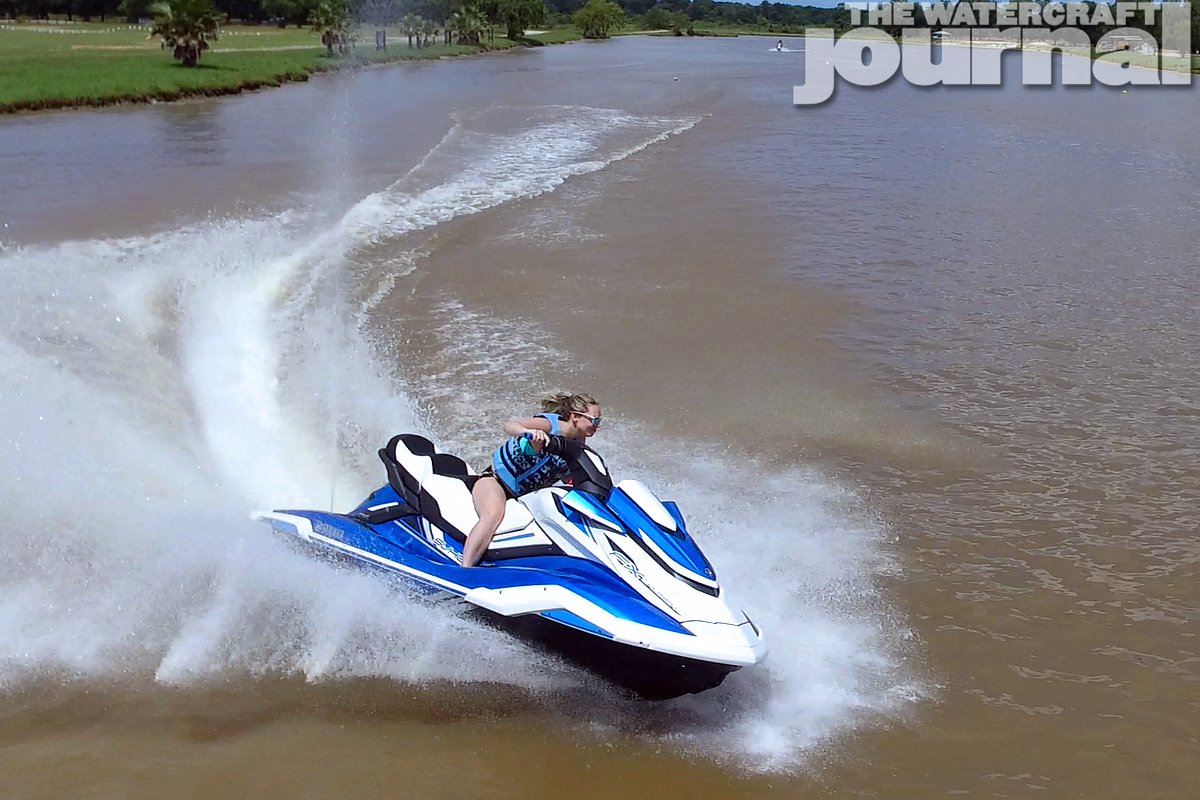
Riders both new or experienced were able to sample a phenomenal 2019 Yamaha WaveRunner lineup or ride their own skis around the zig-zagging buoy course. The new Yamaha models in attendance were a GP1800R, EXR, VX Cruiser, FX Cruiser SVHO, and (drumroll please) a SuperJet!
As a predominantly stand up rider, I was very impressed to see a SuperJet available for new riders to try. It definitely took skill, but standing for the first time brought a true grin across everyone’s face. There were a handful of people who tested their mettle on the mighty SuperJet, and almost all of them were able to complete a full lap on the buoy course.
Wide grins were plentiful all day. Some attendees had never ridden a WaveRunner and by the time they tested all models you could tell they were hooked. I mean, c’mon, these were some of the hottest watercraft now available – talk about starting off a new hobby right!
If you missed the June 2nd Cycle Shack North Yamaha Demo Day you still have a chance to try out some brand new Yamaha WaveRunners on June 23, 2019. Same time, same place!
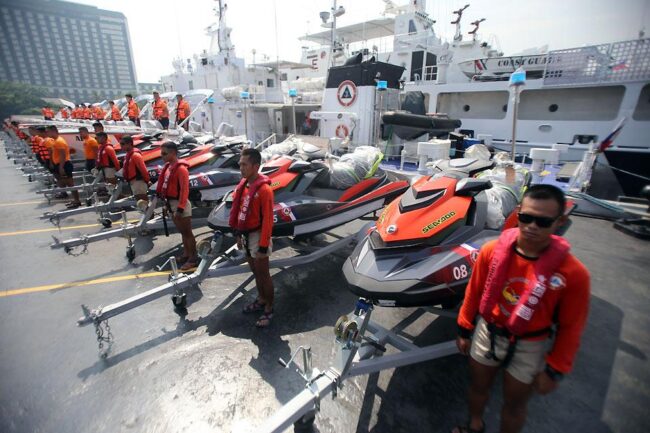
Last month, the Philippine Coast Guard (PCG) showed-off their 20 new rescue watercraft and equipment as they prepare for the upcoming typhoon season. Typhoons have been known to cause devastating damage and leave many people out of their homes. With Tsunamis, floods and heavy rain as an aftershock, it is important to have trained personnel willing to help save people. While boats are able to carry many people and equipment, personal watercraft are an unsung hero. Their ability to navigate through shallow waters and around tight obstacles makes it a perfect rescue vehicle.
For those of you that do not know, a hurricane is the term that is used in the North Atlantic, Central North Pacific and Eastern North Pacific. In the Northwest Pacific, they use the term “typhoon.” Typhoons are usually accompanied with heavy rain that makes a tropical storm even worse. Nevertheless, both leave devastating impacts. The Philippine Coast Guard is much like the United States Coast Guard as they have trained personnel who are able to save lives.
In an article from Philstar they say, “The Philippine Atmospheric, Geophysical and Astronomical Services Administration (PAGASA) had earlier said that the rainy season might begin the first or second week of June.” This make the delivery of the new watercrafts that much better. With brand-new equipment and training, they are going to exhaust every effort they have to make sure they are able to save as many people as they can.
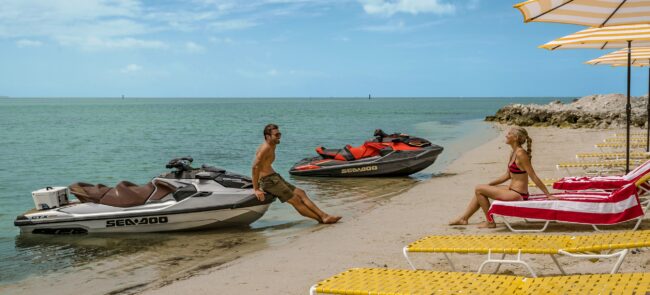
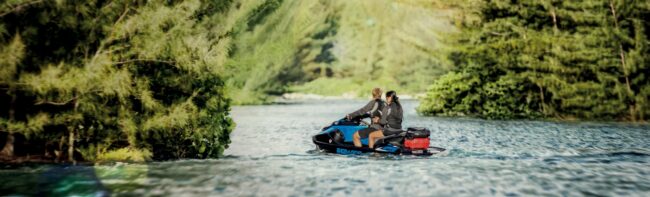
With Summer officially here, many of you are getting on the water, school will be letting out, and it’s time to start living summer and why not in Sea-Doo style!
Sea-Doo wants you to know that “Living the Sea-Doo Life is about more than the ride. With so many ways to customize your Sea-Doo experience, we’ve compiled our list of must-haves to create your ultimate Sea-Doo adventure this summer season. You’ll be making waves with your crew by living the Sea-Doo Life the best way we know how – your way!”
So check out Sea-Doo’s list of must-haves this season below and start living the Sea-Doo life.
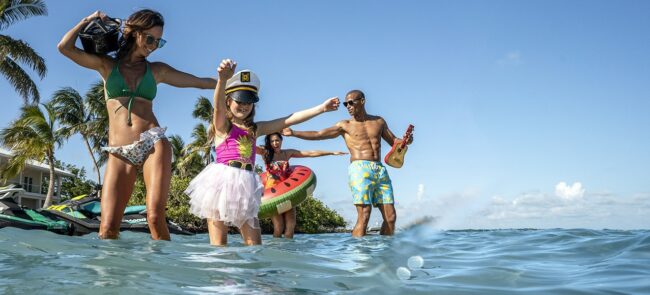
The party doesn’t start until the music starts bumping! With Sea-Doo’s exclusive BRP Audio – Portable System you can add to your SPARK, you can take the party wherever you want. From poolside to the beach, out on the water, and back for a sunset toast on the balcony, you’ll bring the party wherever you go. With 50 watt and Bluetooth connectivity, it’s a good time just waiting to happen.
From relaxation to wet ‘n wild, Sea-Doo’s newest line of inflatables amps up enjoyment on the water to suit your mood. With relaxation stations featuring built-in Bluetooth sound systems and a variety of towables, there’s a fun-soaked adventure ahead the whole family can get on board with.
That seaside table for two is closer than you think – and can be anywhere you want – with the Sea-Doo LinQ Cooler options. Available in 4.2-gal or 13.5-gal configurations, you’re now able to refuel with refreshments on the go or set your sights on meal with an ocean view. It gives a family picnic at the beach or dinner for two in your favorite lagoon no just a possibility, but a reality ready for your own personal touch.
You may not always know what the day has in store for you, but you’ll be prepared for any adventure the Sea-Doo Life throws at you with the latest LinQ storage accessories. With enough room to pack for an all-day outing or even an overnight excursion, there’s no end to the Sea-Doo adventure in sight. Choose from 4.2 gal up to 5.5 gal of hard sided or semi-rigid cargo solutions that easily mount on the back of your Sea-Doo thanks to the exclusive LinQ mounting system. Or really go the distance with the LinQ Stackable Fuel Caddy that allows you to carry up to 4 additional gallons of fuel, plus, still stack your LinQ storage bag or box on top. Suddenly your days on the water just got a lot longer!
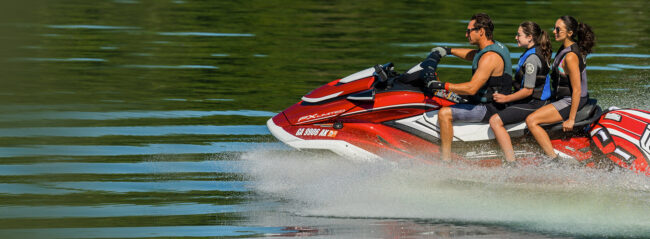
The all new 2019 Yamaha FX Series Waverunners are totally redesigned and built with luxury in mind. Combining Yamaha’s top technologies with more standard features and stylish designs, this Waverunner series is the cream of the crop.
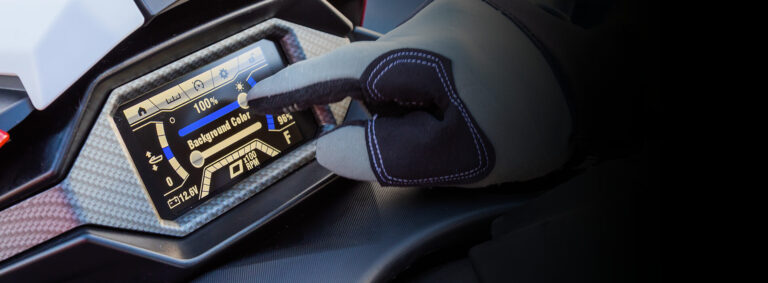
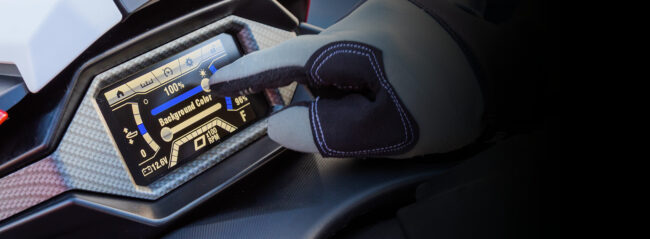
With five different models to choose from, the FX series have unparalleled design, performance, and technology. With all models, you get the new industry-first ‘Connext’ touchscreen dash display.
This full color touchscreen display features drive control allowing you to customize your ride and access all vital display functions. Additionally, the control center gives you security mode which allows you to electronically lock the vehicle prohibiting unauthorized use.
Also standard is Yamaha’s RiDE dual handlebar throttle system as well as a list of other luxury features. Beginning with the FX HO, this is the standard FX series Waverunner which gives the best price-to-value ratio.
The FX Cruiser HO is the next normally-aspirated engine Waverunner in the FX lineup which offers some additional features such as pop-up cleats and a theater style seating arrangement for better passenger visibility and comfort.
Next in line are the FX SVHO and FX Cruiser SVHO. These units feature the powerful supercharged SVHO engine. For those seeking the ultimate package of luxury and performance, Yamaha offers the FX Limited SVHO. You get all features and technology standard including a tubing package for the water sports lovers.
To see and compare all of the FX series Waverunners, you can visit HERE.
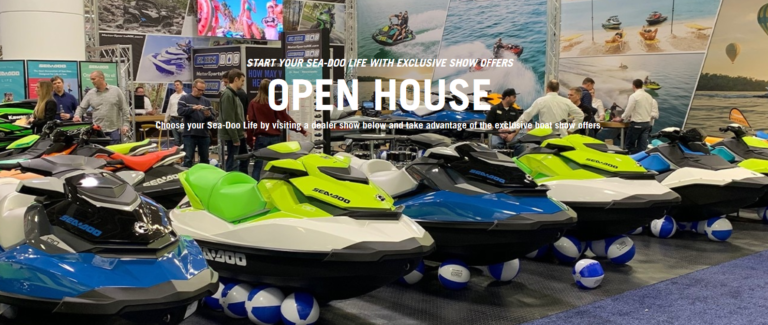
It’s not too late to start the summer off right by scoring some exclusive savings on a new Sea-Doo model. It’s still dealer open house season and perhaps you can still find some leftover 2018 model Sea-Doo watercraft.
There are still a few open house events taking place later this month so for some of you it’s not too late to take advantage of these extra-special and exclusive offers.
Beginning each season, dealers across the nation take inventory of the leftover models that were unsold the previous year and in an effort to move those models and make room for the latest incoming units, Sea-Doo and their dealers offer some amazing incentives to the buyer.
For those of you who are in the market for the latest model or your local dealer has already sold all leftover models, it’s still not too late to take advantage of Sea-Doo’s ongoing promotions.
Check out the link or talk to your local Sea-Doo dealer to find out what savings you can get on any new model. The annual ready-to-ride sales event or other seasonal promotions can give some great rebates or extended warranty offerings.
So hurry in to get the best savings on your new Sea-Doo because the savings won’t last long.
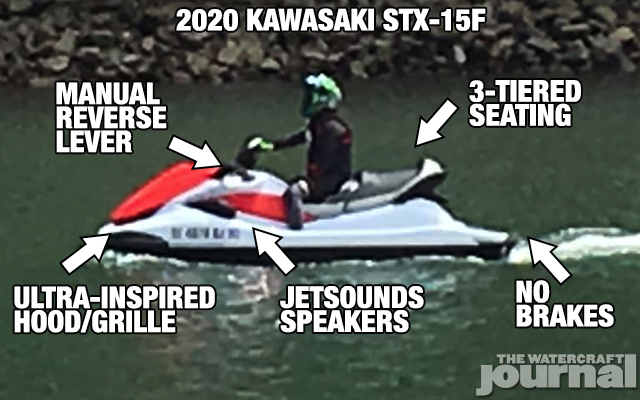
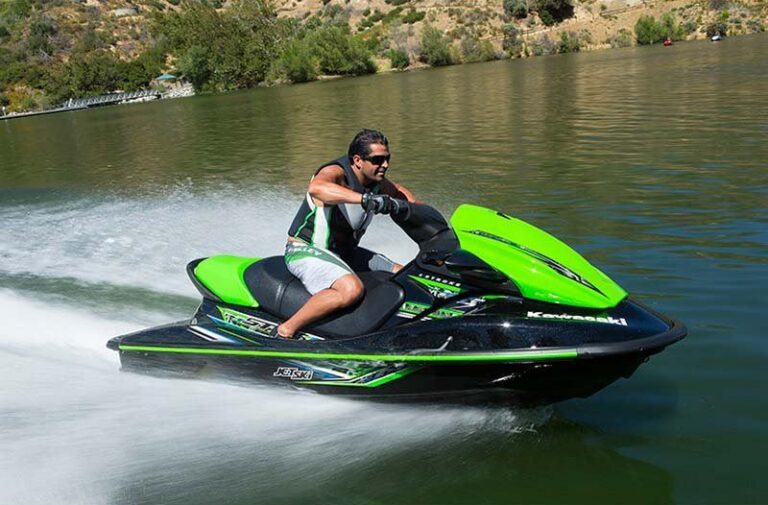
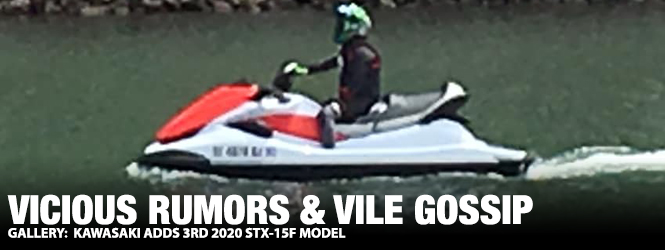
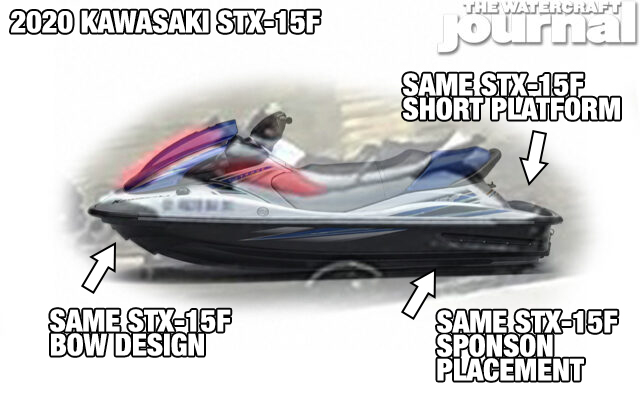
Back in April, The Watercraft Journal let loose a salvo of information and spy photographs revealing that Kawasaki has given the now 17-year-old STX-15F a slight redesign for 2020. We say “slight” only because by examining the profile of the hull and lower deck, it appears that only the upper deck (fairings, hood, seat and steering configuration) have been updated – at least from outward appearances.
Thankfully, an insider informed us late in 2018 that the new STX-15F will receive quite a few goodies from the full-sized Ultra LX, including the craft’s fly-by-wire engine control and management system, which also permits for the use of Kawasaki’s digital Cruise Control, Eco mode setting and electronic trim. While we couldn’t confirm which of these additional features would come on the redesigned STX, we also learned that there would not be just one STX anymore.
Initial reports had it that there would be two trim levels of the new 2020 Kawasaki STX-15F; a basic, low trim edition similar to the current STX-15F and a more luxury-equipped STX (likely equipped with the features listed above).
Now, with a copy of the 2020 model listings in hand – thankfully provided to The Watercraft Journal by a faithful reader – we have hard confirmation that a third trim level is to arrive this Fall.
According to the official model listing, the three tiers of the STX are labeled as “JT1500RL,” “JT1500SL” and “JT1500TL”. These codes are clearly not the JetSki’s official names, but rather a sequential list that are not specific to their respective trim offerings.
Per our existing information, we understand that there will be a stripped-down, bare-bone STX-15F equipped with likely nothing but the superior engine management hardware.
We also know that a “luxury-edition” of the STX will be made available; but now we have to believe that there will be two versions of this luxury craft. In our previous article, we surmised that the top tier craft could feature the industry’s first factory-installed sound system, Jetsounds. Now it appears more likely than ever. Whether other luxury items carry over from the Ultra 310LX, like the heat-resistant seat cover and superior paint, we simply don’t know yet.




 This is awesome news for Sea-Doo owners or if you own both a Ski-Doo and a Sea-Doo. Your range of exploration has just increased! Just as a reminder, Ski-Doo and Sea-Doo are owned by the same company BRP.



























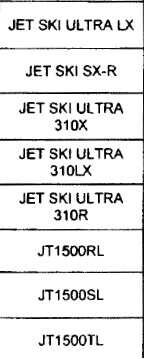 Now, with a copy of the 2020 model listings in hand – thankfully provided to The Watercraft Journal by a faithful reader – we have hard confirmation that a third trim level is to arrive this Fall.