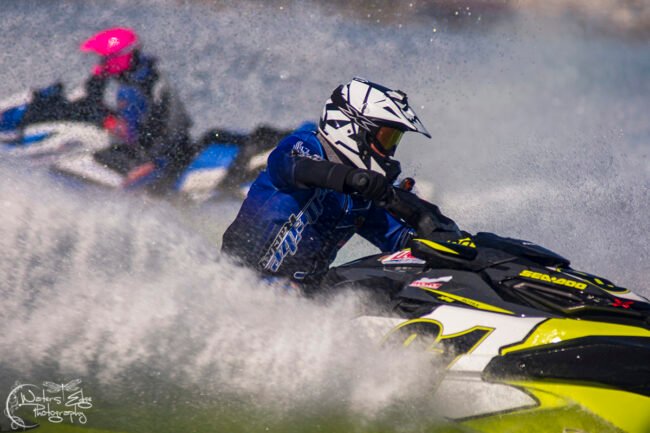
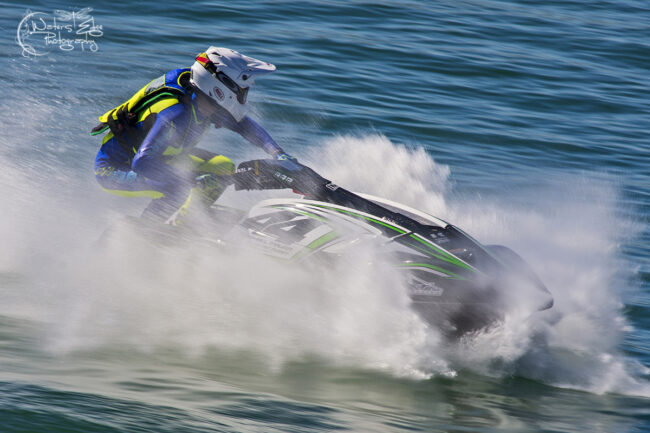
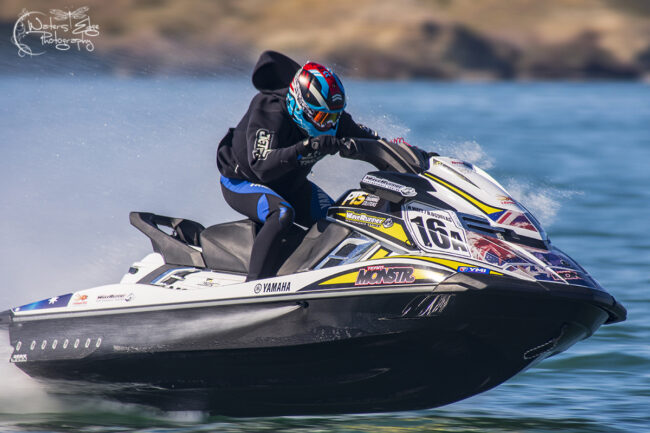
Once again, East Coast Watercross comes through and will produce the 2019 IJSBA US National Championships. The event will take place in Plattsburgh City Beach in Plattsburgh, NY July 27th and 28th. This is the second consecutive year that East Coast Watercross has presented the National Championships in Plattsburgh, NY. It’s part of their 2019 Racing and Freestyle tour.
The beach is across from the Adirondacks and The Adirondack Coast Visitor’s Bureau is the local host of the IJSBA National Championship. The bureau does a wonderful job arranging hotel deals, activity maps, and will let racers know about the locals’ favorite hangouts and eateries.
Plattsburgh City Beach is the fresh water beach in America and peaks of the Adirondacks to the Green Mountains of Vermont can be seen across Lake Champlain. Other cool things are that the area provides easy access to the venue, an international airport, lots of hotels and activities on and off site. Everything is just a short drive away.
The 2019 National Championship is a two day event. Saturday and Sunday will be full on excitement and adrenaline filled fun with lots of racing taking place! Racing and Freestyle classes from beginner to pro will be held and the crowning of champions takes place during Sunday’s awards ceremony.
East Coast Watercross will make frequent updates on their website so everyone can stay in the loop with deals and an official hotel soon to be announced. People can also follow their social media on Facebook; @ECWatercross and Instagram; @EastCoastWatercross. Both are updated daily with information, photos, and videos. All pertinent information will be in one place on the website, which translates to more riding and less searching for competitors.
IJSBA is pleased to announce that Asian Multisports Limited with support from IJSBA Europe and USBA, have come up with a three round world series. The events include USBA European Finals, IJSBA World Finals, and the Kings Cup in Pattaya Thailand. Points will carry over from each event and the winners of each category will receive nice payouts.
Round One of the Jet Ski World Series takes place July 4-7 at Lake I’Eu d’heure, Belgium. The second stop is the World Finals at Lake Havasu, AZ, which happens October 6-13. The final opportunity to gain points takes place in Pattaya City, Thailand. This is the World Cup and it goes down December 3-8, 2019. Each event will apply the IJSBA 2019 rules.
Asian Motorsports is building on the success of the two week broadcasting Thai Airways International Jet Ski World Cup 2018. They believe that this will help the sport grow and gain a bigger audience. The most important aspect is the promotion of riders and helping them receive financial support from their sponsors. The group is proud to announce the Jet Ski World Series 2019 project and to support all three tournaments. The complete series will be broadcast on the Eurosport channel.
The three round World Cup Series 2019 will be the first time that Watercross World’s Asian Multisports has had the opportunity to showcase jet skiing to the world. The group is excited about who will be the official champion from three of the best races on each continent. If you need more information or have any questions, contact: [email protected]
It’s no news that Cycle Springs Powersports is one of the largest powersports dealerships in the country. In fact, they are the world’s largest jet propulsion dealer and a leader in sold Yamaha Waverunner and Jet Boat units.
Now the best jet boat dealer in the world just got even bigger. Cycle Springs has announced the addition of the brand new Yamaha 275 series jet boat to the lineup. The 27-foot boat which is new for 2019 packs a ton of features and is Yamaha’s top tier luxury series.
The Yamaha 275 series boat features Yamaha’s latest innovative ‘Drive’ system. Featuring a dual paddle control on the steering wheel, it is an industry first and gives the driver effortless slow speed control.
Cycle Springs is currently taking deposits on the Yamaha 275 series boats. You can check out their full Yamaha lineup at Cycle Springs Online or contact them directly for full details on these awesome new boats.
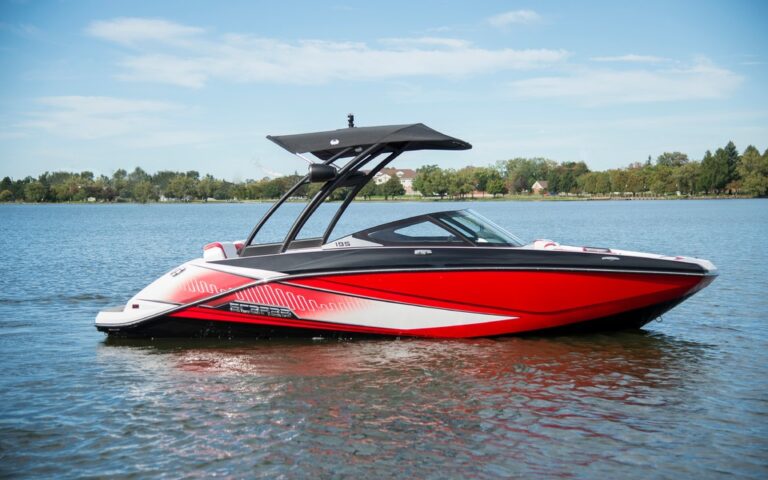
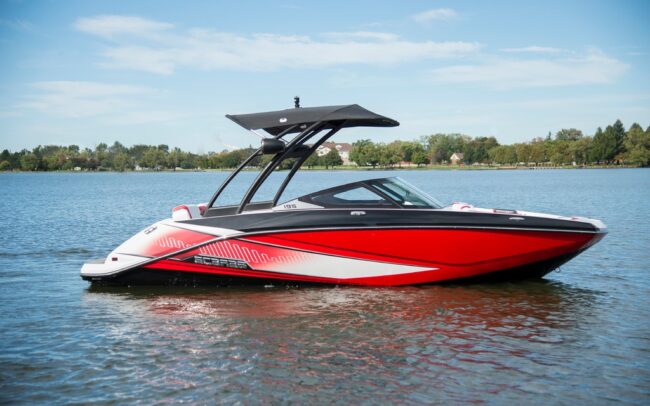
In addition to the new Yamaha series jet boats, for 2019 Cycle Springs is proud to announce that they have also become a Scarab Jet Boat dealer.
Utilizing proven and reliable Rotax powerplants in every Scarab, these jet boats are packed full of features and fun to drive.
They also feature the Rotax exclusive Intelligent Neutral & Reverse (iNR) and a detailed craftsmanship utilizing the finest materials and handcrafted care that go into every Scarab Boat.
So contact Cycle Springs Powersports today to reserve your new Yamaha or Scarab Jet Boat and get out there on the water.
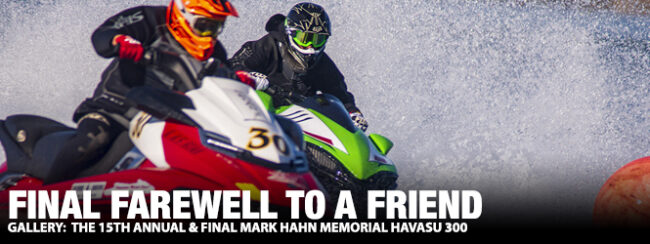
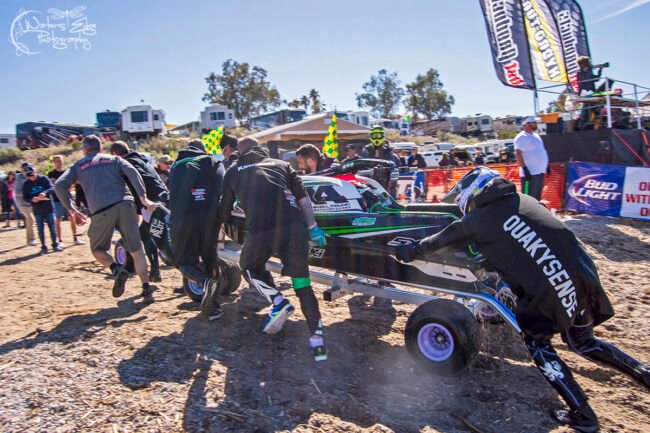
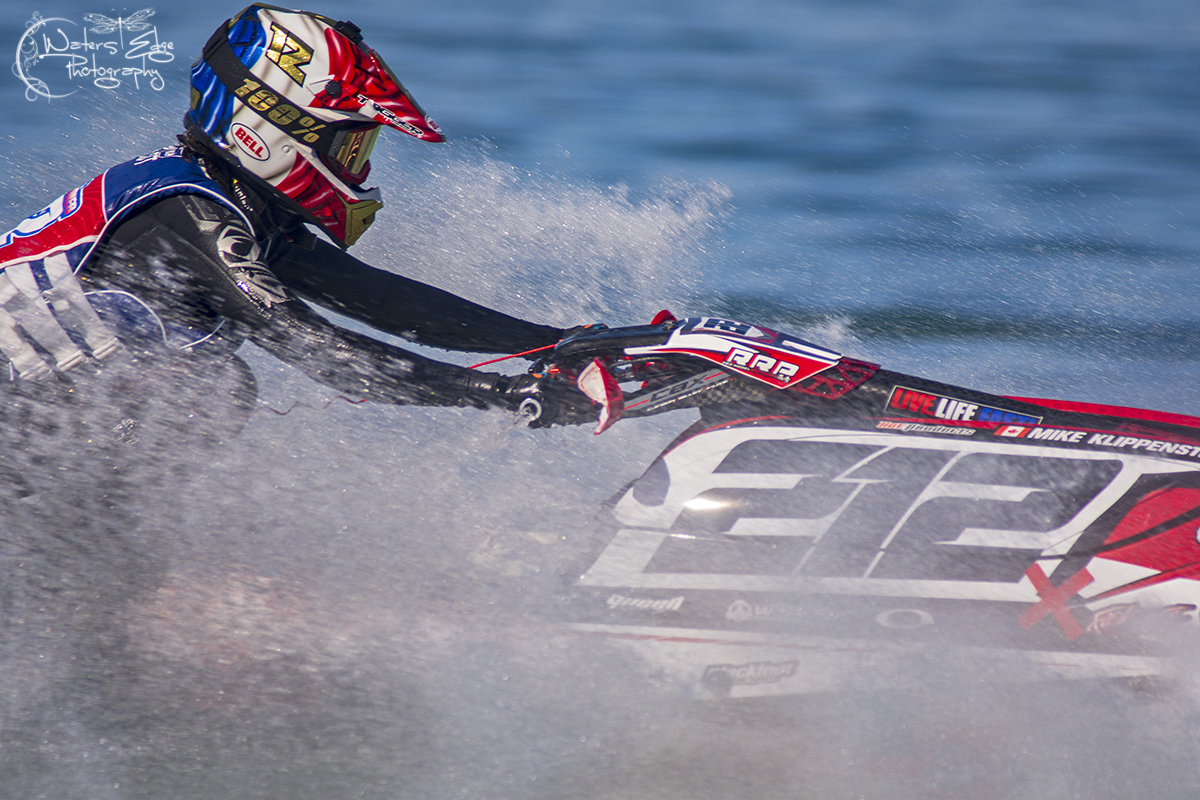
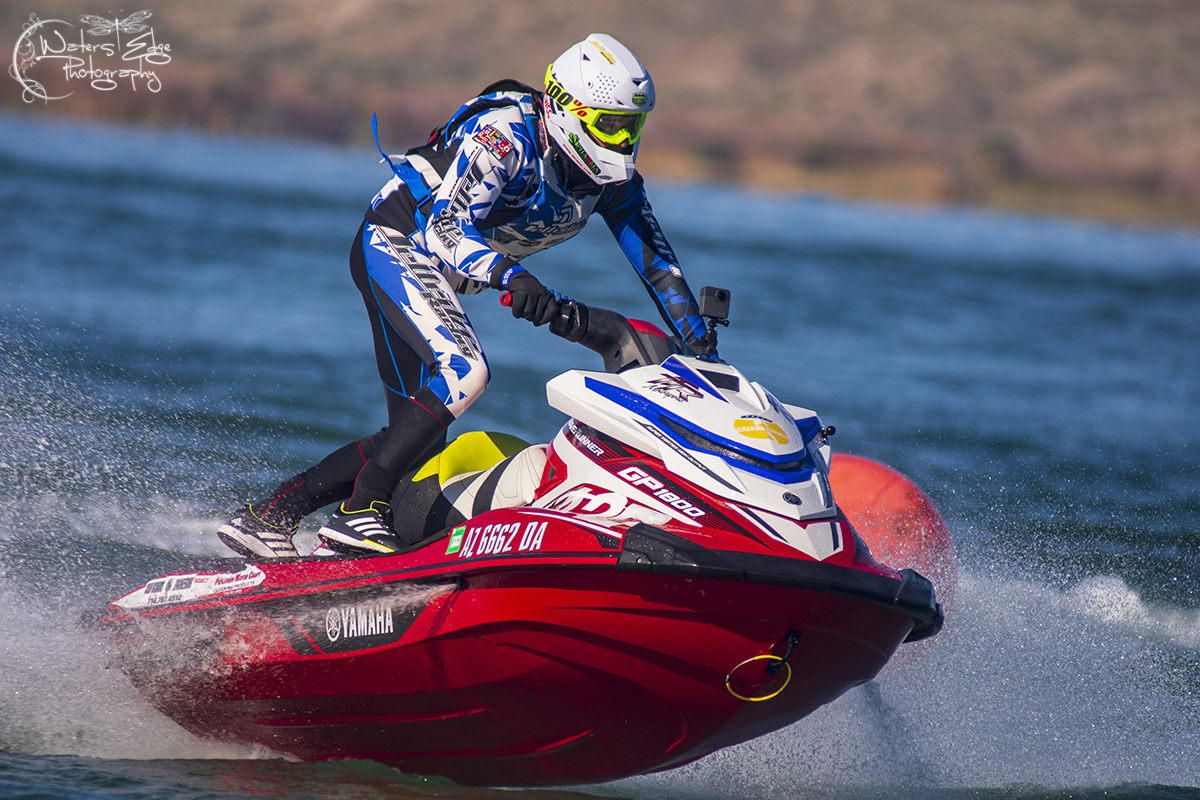
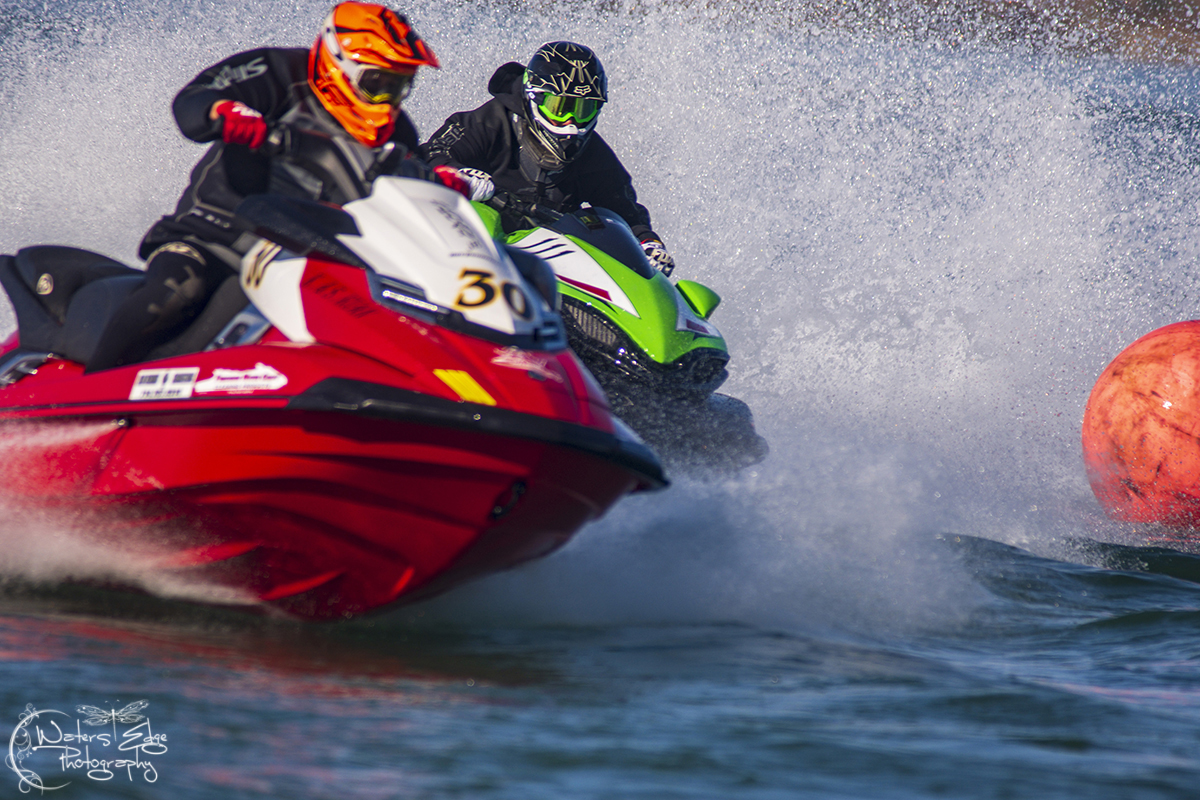
In the end, there were few left on the course. Of the 42 machines lining the edge of Lake Havasu below the Crazy Horse Campground a mere five hours earlier, only half a dozen still cut around the wide-spread buoys that dotted the smooth, calm waters of the lake.
“The Hahn is a game of attrition.” I heard that phrase a dozen times since arriving in Lake Havasu City a week earlier to cover the 15th annual – and possibly the final – Mark Hahn Memorial Havasu 300 race. It is one of a dozen or more catchphrases that get pinned on this iconic endurance race.
“The Toughest race around”; “You can’t win in the pits, but you can lose in the pits”; or, conversely, “The only race that’s won or lost in the pits”; and “Get comfortable with being uncomfortable.”
The list goes on. And you’ll hear them again and again, in one form or another. No one will take credit for them, they’re all taglines that have been around since long before some of these racers even knew about this lake, much less this race.
But this year, the game of attrition was a high-stakes game. The calm waters made for fast racing, and – according to several of the racers – blown engines.
“When it’s choppy out, you’re on and off the throttle, and the engine gets to breathe,” I heard one of the racers explain. “When it’s smooth like this, your instinct is to keep it pinned, and that can burn through an engine pretty damn quick.”
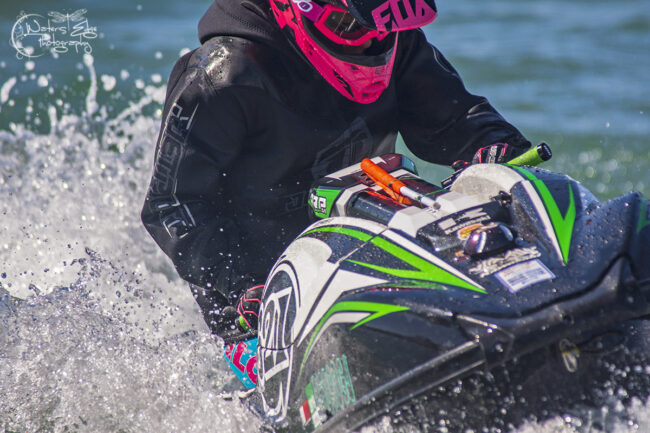
And sure enough, each of the 30 ten-mile laps saw yet more skis – both standups and runabouts – fall to the wayside. Some pouring smoke from under the hood, others sputtering and dying far from shore, making the final stretch to the beach on a gaff.
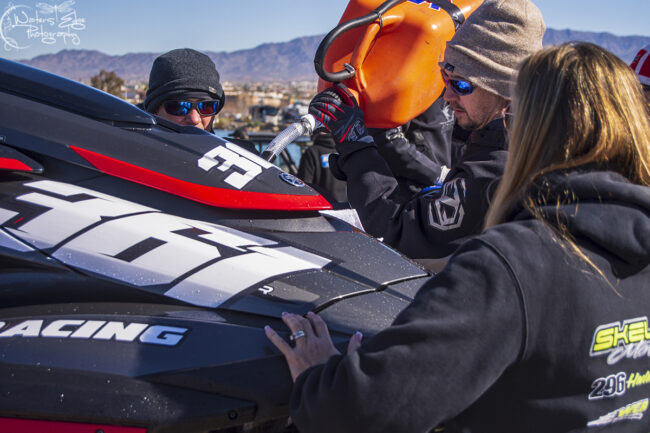
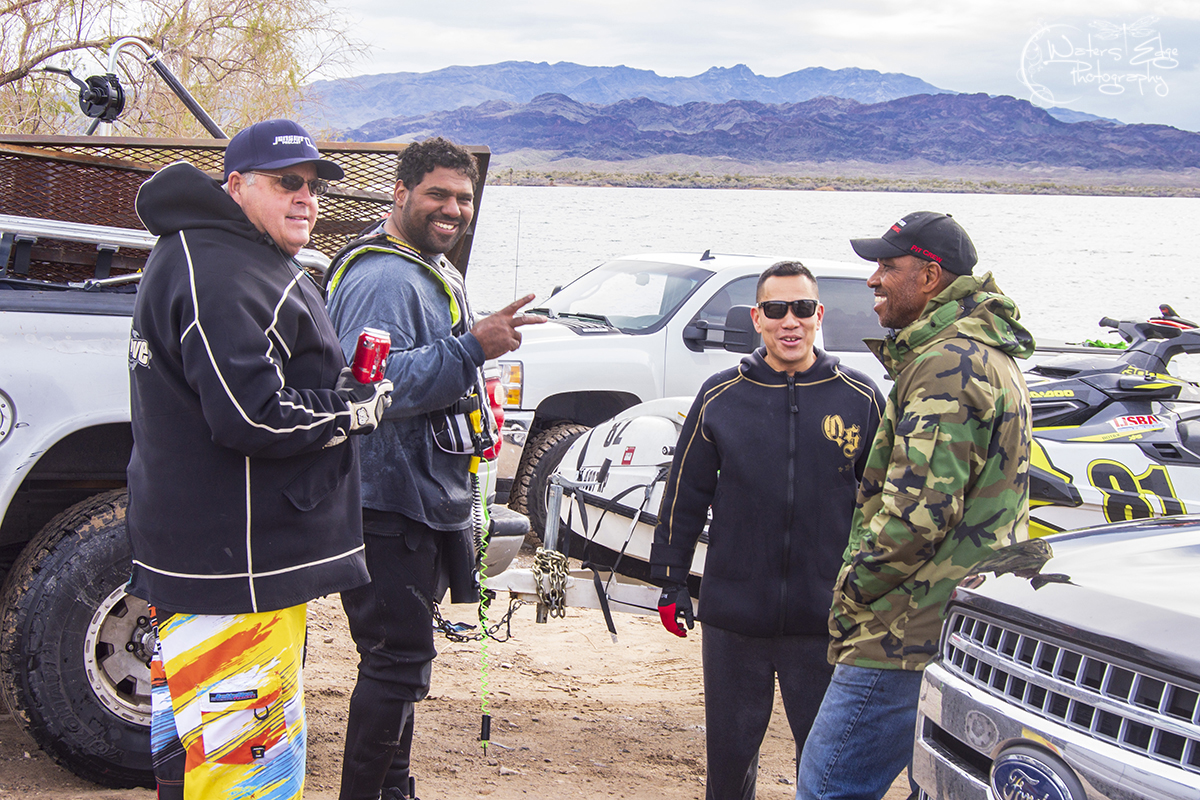
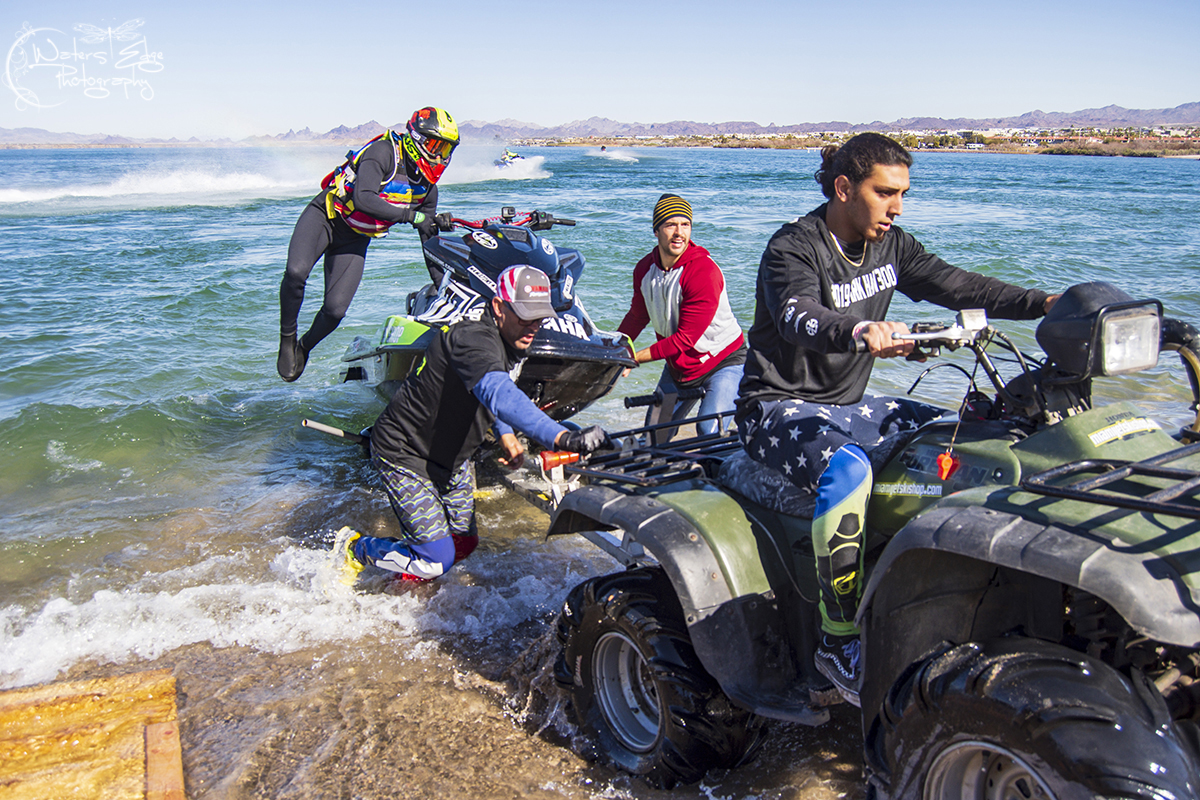
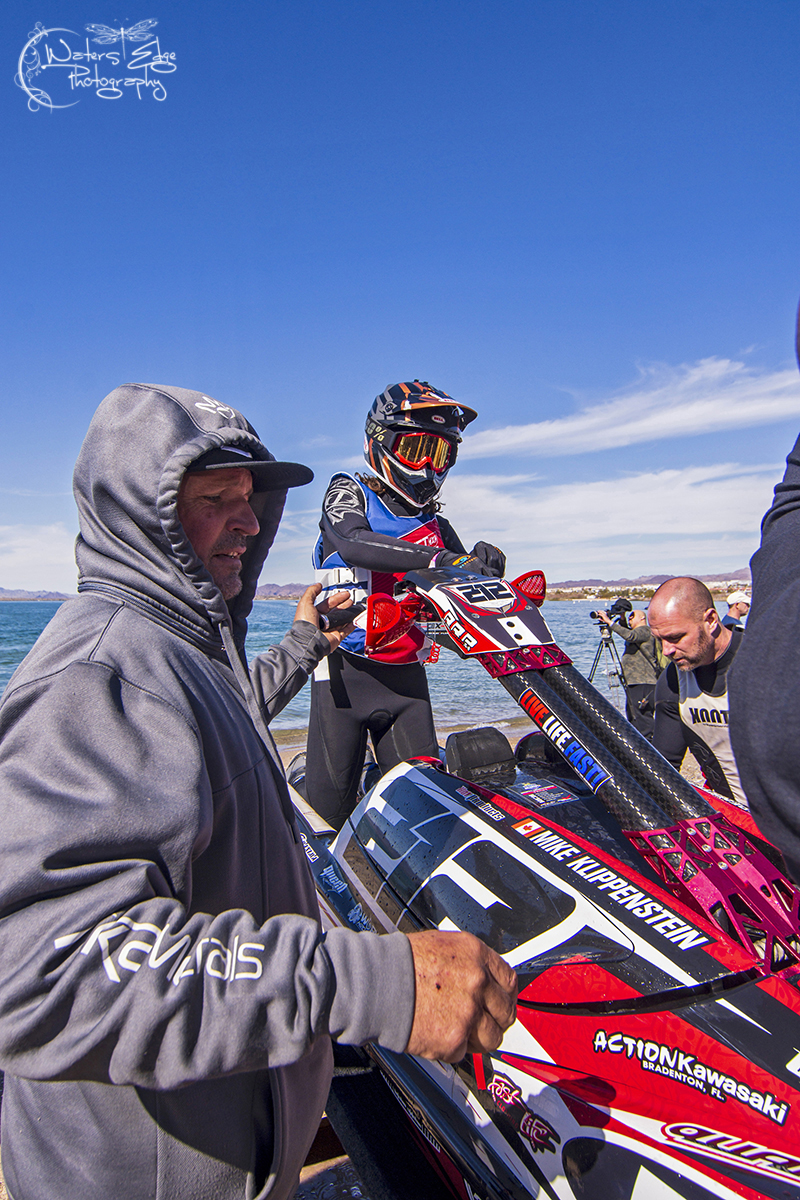
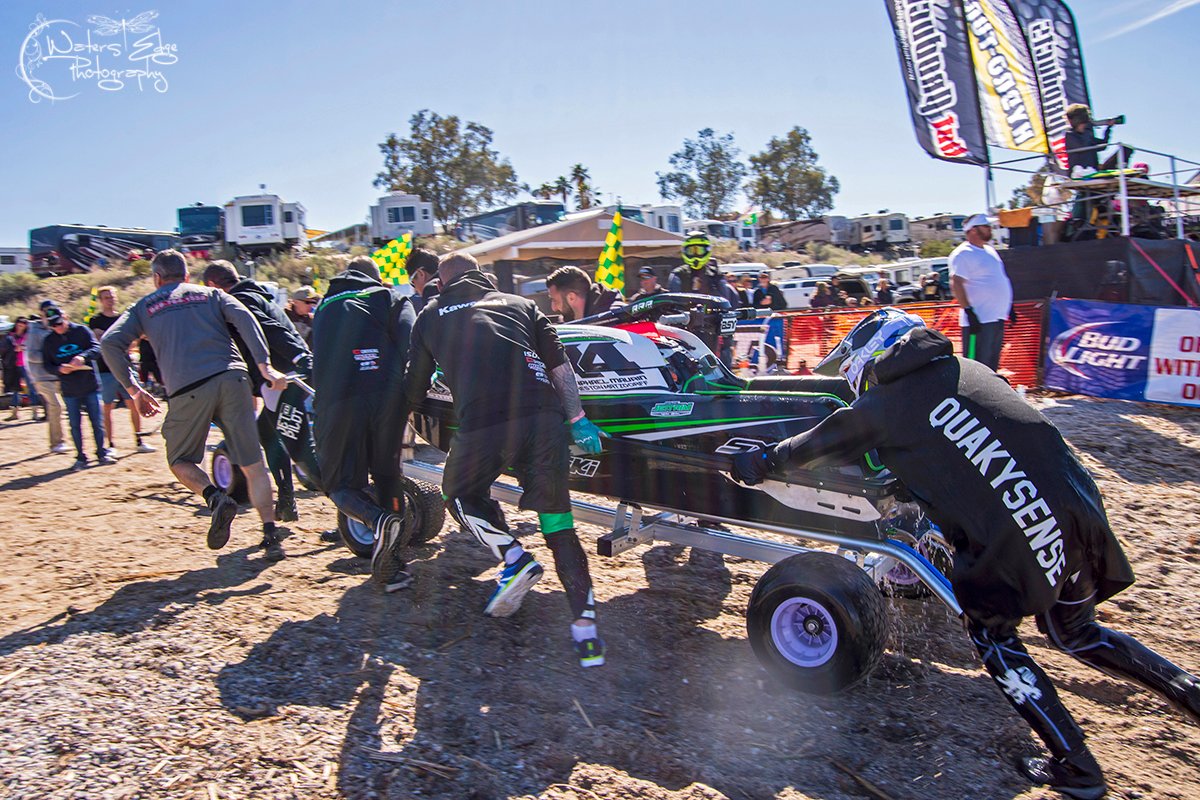
But strangely enough, few of those whose skis now sat cold and quiet at the water’s edge, packed up their gear and left. They gathered on the shoreline, watching and cheering on what were, a few minutes before, fierce competitors. A few even pitched in, helping the pit crews of the racers that, laps before, they had battled against.
The sportsmanship and camaraderie that highlighted the legacy of the Hahn – and the man that it memorializes – in no way curtails the intensity of the competition, however, and there was little doubt on the shoreline of the seriousness of these racers and their pit crews as they fought their way around mechanical issues, exhaustion and other racers. The teams this year – a promising high-count considering the drop in attendance in recent years (and hopefully not a case of too-little-too-late) – was a mixed bag.
First-timers and former champions, mother-son teams, husband-and-wife competing against each other, pit-crew sisters and dads; racing legends and racing up-and-comers partnering up, and racers who normally compete head-to-head, teaming up.
Renee Hill, who teamed up with her son Tyler to take on the rigors of the Hahn, and was one of the few teams to remain on the course until the last few laps, said she is hopeful that enough people will pledge to race next year to keep the race alive.
“I do think it should be ran next year but there needs to be enough people to sign up,” said Hill, “The Mark Hahn 300 is a test of endurance for not only the rider but the boat and the pit team. All three need to work together in harmony to achieve a successful outcome. I love teaming up with my son showing that this race is for both the old and the young racers. You’re only as old as you feel!”
“The Mark Hahn Memorial 300 is one of the most amazing races I’ve ever attended,” said Jimmy Roberts, who put in his first Hahn appearance this year. “And I’ll attend it again if they have it! After taking off in second place and running 40 miles with one of the world’s best Hahn racers – Team Pastorello – made it even more intense! Although we didn’t get to finish the race due to a engine failure, we know what we are gonna build for next year and the same crew is coming back for it!”
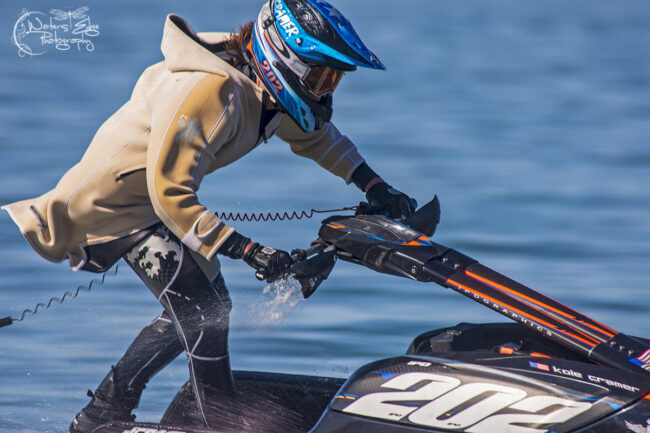
And in the midst of this eclectic selection of teams, stood one iron man – one that deserves a story all his own, but I will compromise with a short kudos to a young racer who not only finished the race, won his class, and took 11th overall, and did it solo – but he stopped in mid-race to lend assistance to another racer. Pure class. Kole Cramer. The words kinda go together now.
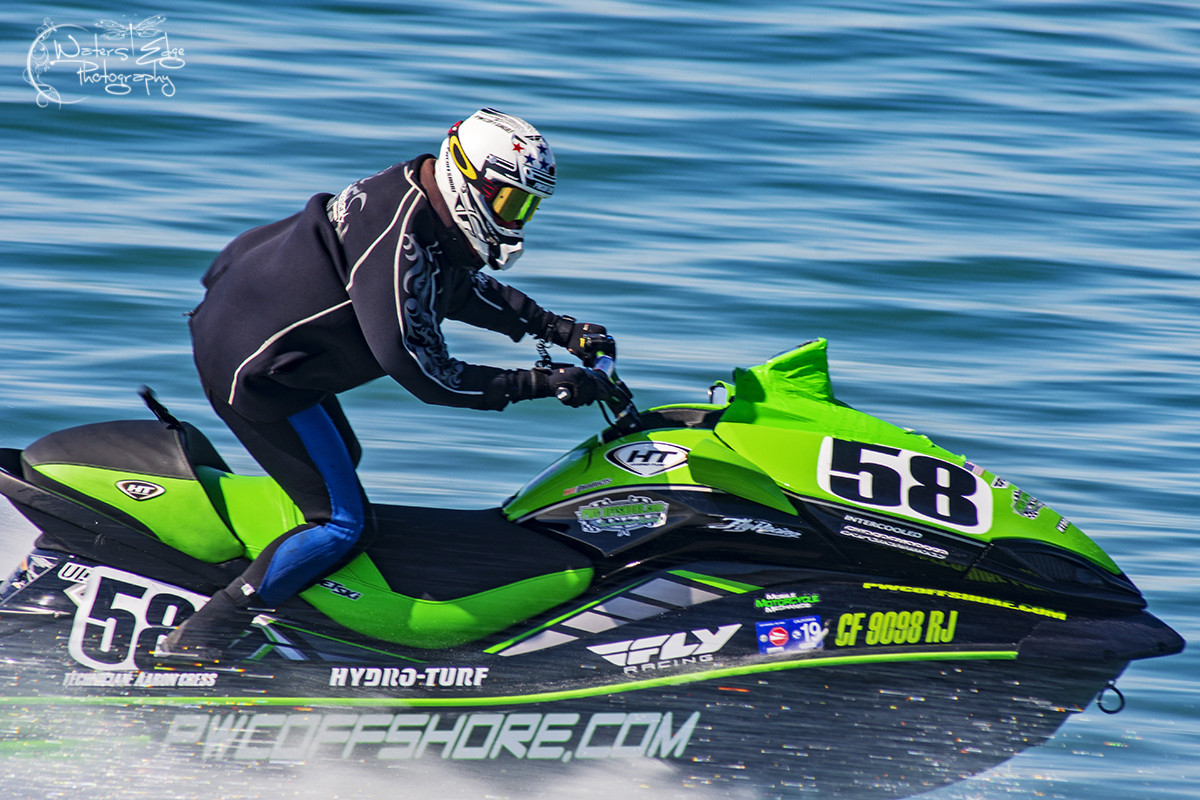
By end the of the race, major players were out – Pastorello, as mentioned, suffered engine failure; so had Klippenstein and partner Brian Baldwin; handing the lead position to Mark Gerner and partner Juan Francisco San Martin aboard their Kawasaki 310R. The combination of wide-open racing and lightning-fast 49-second pit stops earned the PWC Offshore duo a blistering 3-lap lead.
“Going in to the final 3rd turn on the 30th lap – with only a few minutes to the finish line,” Gerner told The Watercraft Journal, “…the Kawasaki experienced a mechanical and went down. Do you understand what I’m saying? It died on the last turn buoy of the last lap. It was like some cruel joke…”
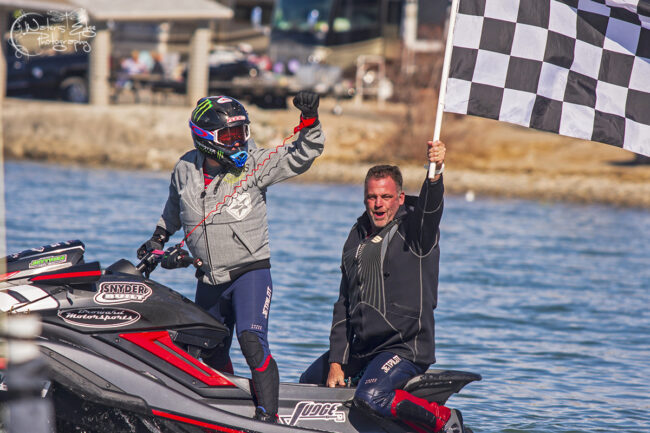
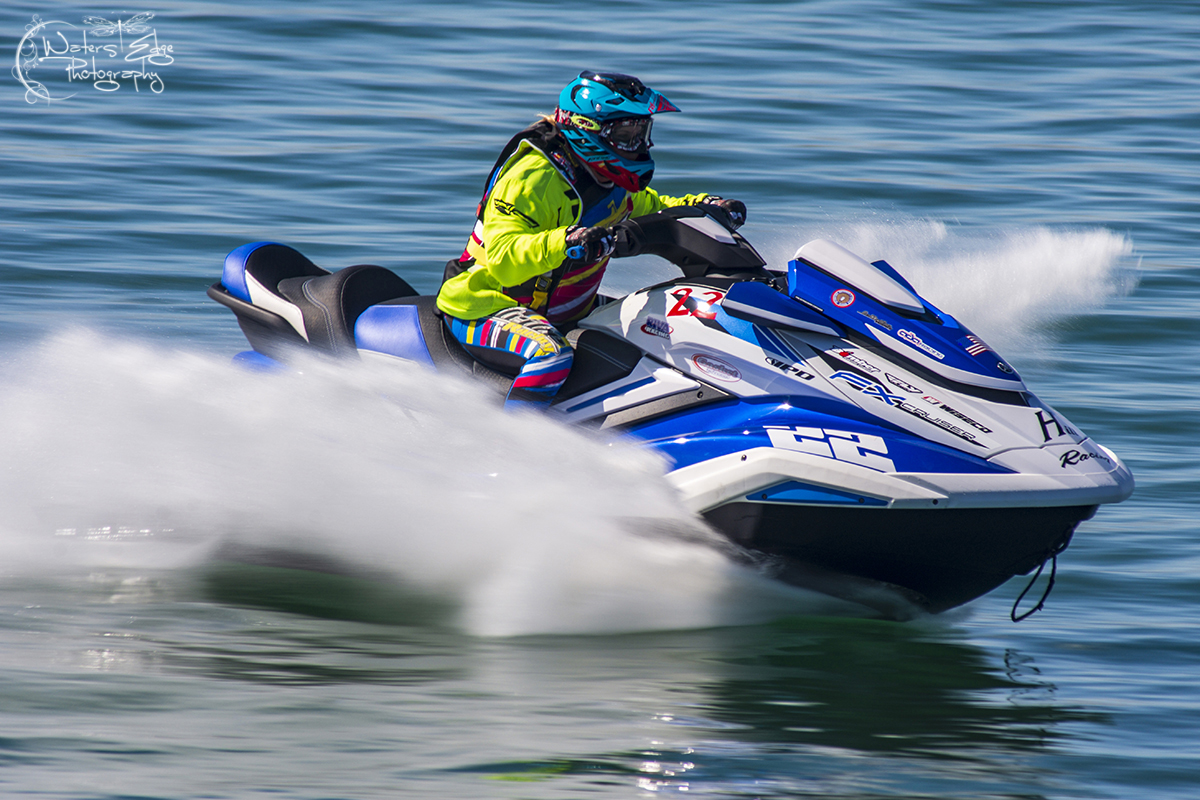
Gerner was gratefully towed in, but not before the Broward Motorsports Yamaha FX Cruiser SVHO piloted by Chris MacClugage and Troy Snyder completed the 30th lap, earning them the overall win, and returning the championship to the ‘States as well as to Yamaha, like Follmer and partner Billy Womack had done 15 years earlier.
With increasing costs and decreasing participation making each year a bigger hurdle to clear for race organizers, the 2019 Mark Hahn Memorial Havasu 300 was billed as the final go-around for the iconic endurance race. However, with the vocal racer outcry against the ending of such a well-loved and challenging race, combined with the dedication and passion of event founder, Mike Follmer and others, Ross Wallach and Jim Russell, there is a strong possibility the race will live on.
“It’s all in the racers’ hands,” Follmer said at the awards ceremony following this year’s race. “If we can get 42 or more racers to sign up for next year, we’ll do what it takes.”
Many of those who attended this year’s race were quick to sign on for a 2020 Mark Hahn.“Based on the response that we got, I would say there’s a better than 70% chance that we hold the event next year if the racers continue to commit to wanting the event to continue,” Wallach told The Watercraft Journal. We hope it happens.
Top finishers: 1st: Chris MacClugage, Troy Snyder; 2nd: Mark Gerner, Juan Francisco San Martin; 3rd: Dennis Mack, Eric Francis; By Class: 4SMU: Kole Cramer; 4SNA: Andreas Kubatzki, Craig Kelling; 4SS: Chris MacClugage, Troy Snyder; MS: Dennis Mack, Eric Francis; PA4: Enrique Martinez Gamiz, Javier Severi; S2SU: Steven LePrauhan, Tyler Kowalkski, Mike Demauro; VMO: Louis Nguyen, Jack Chang
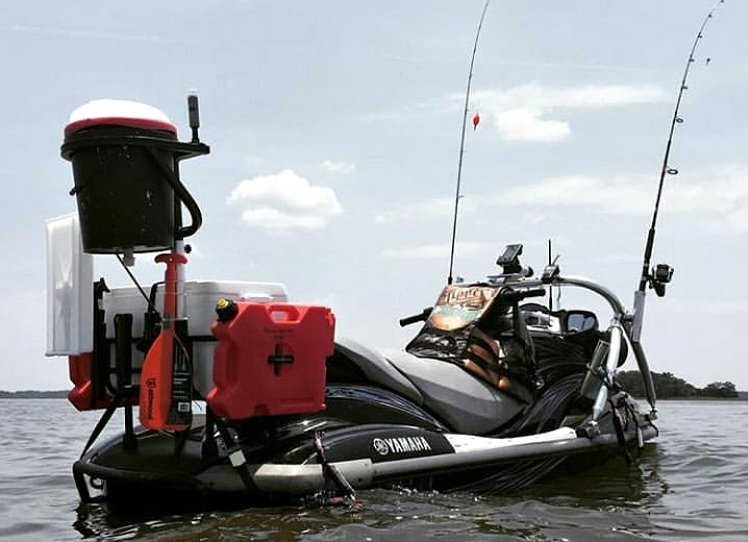
Personal Watercraft are known for their ability to navigate through shallow and narrow areas. They allow you to adventure into new places a boat would get stuck in. But, with their smaller size, there are some sacrifices. One of these sacrifices is the amount of storage on board.
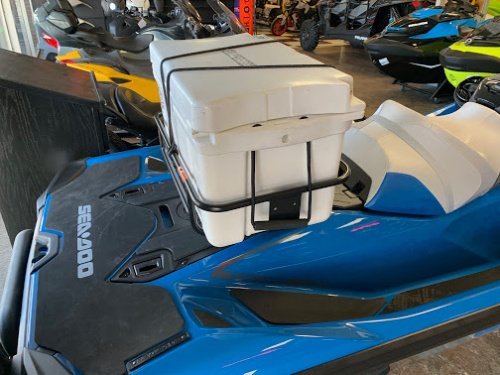
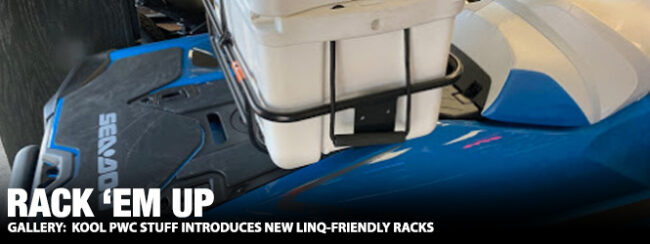
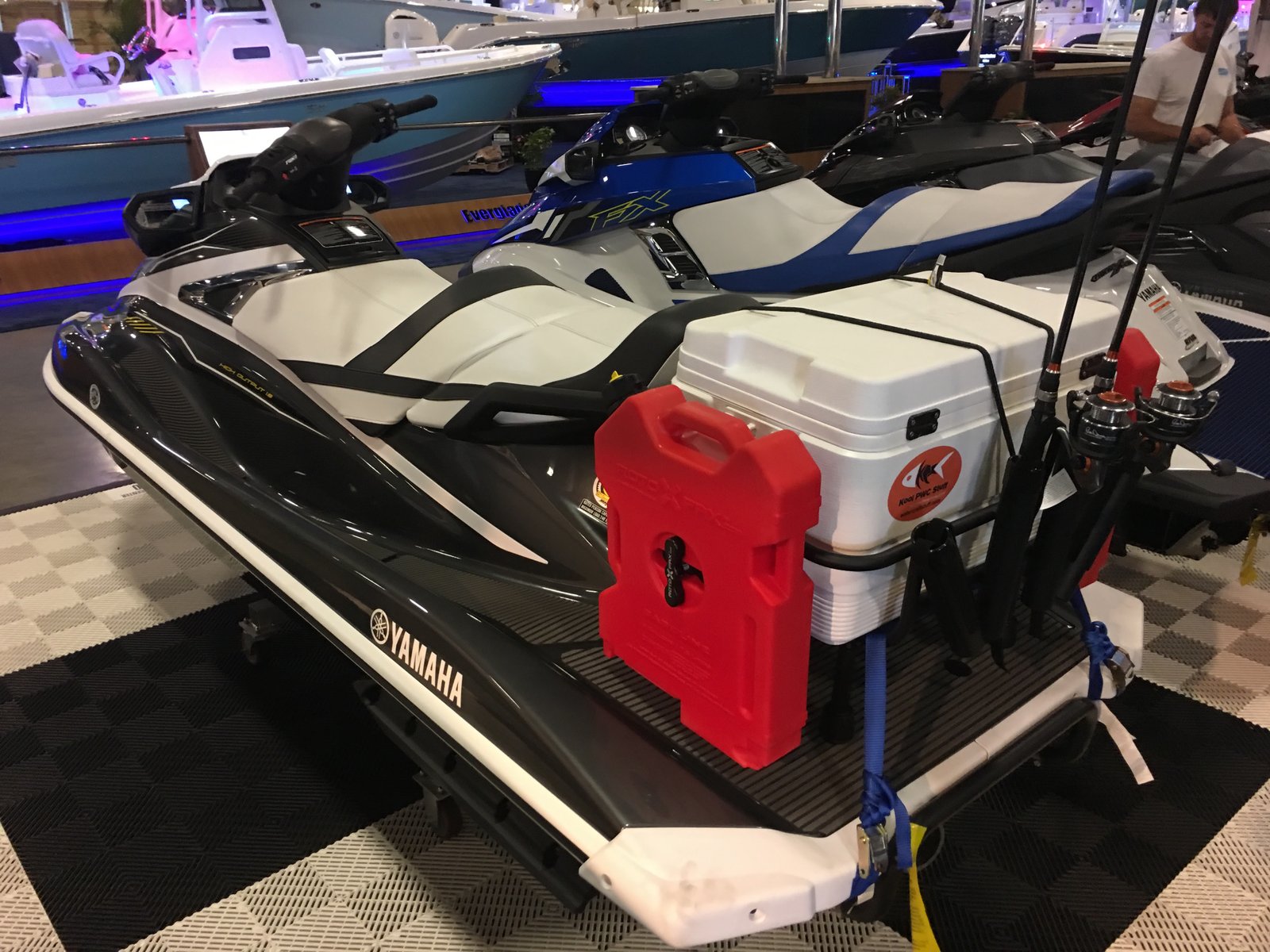
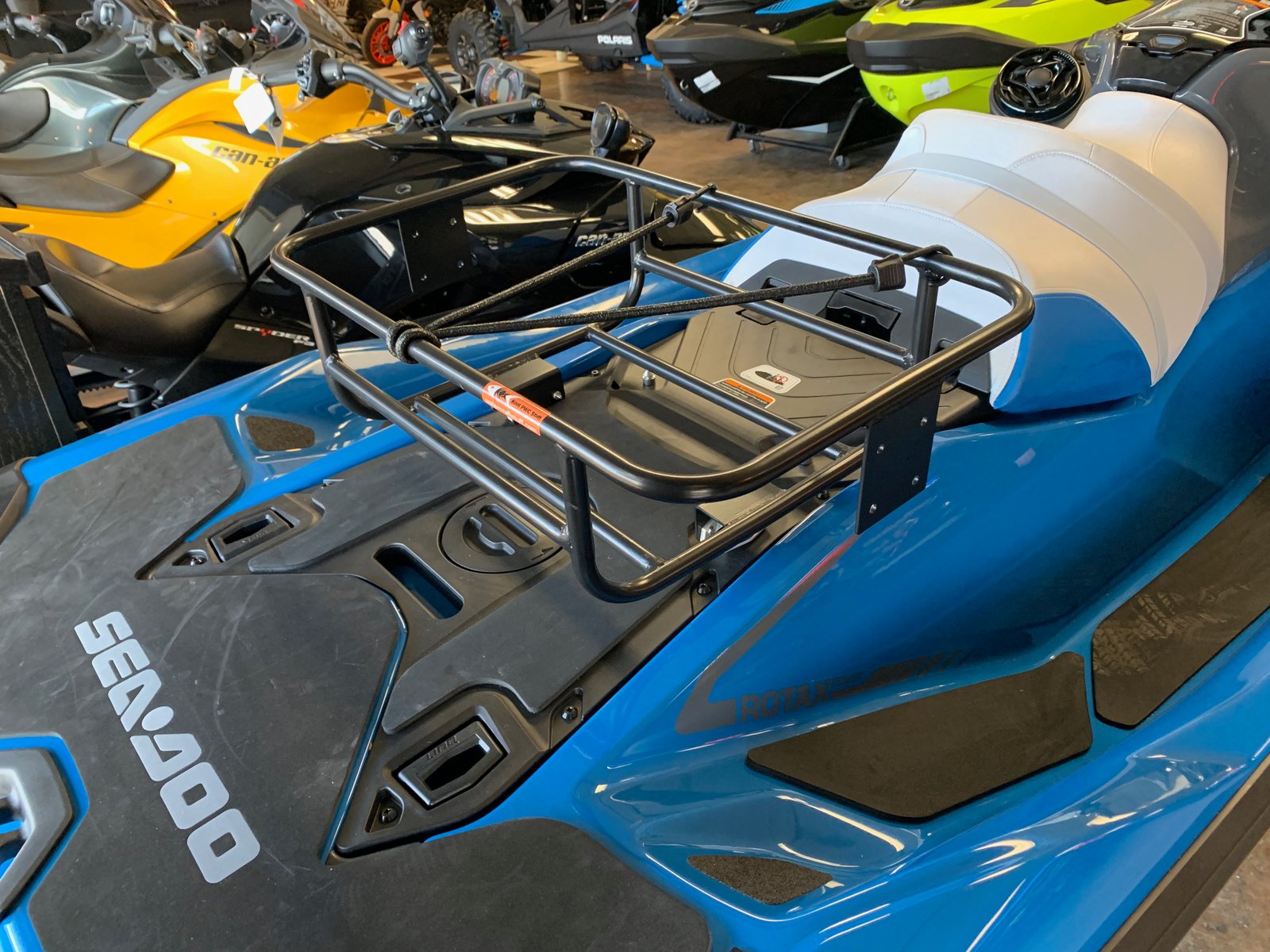
While some model have more storage room then others, it is nowhere near the storage a boat would have. If you are finding yourself needing more storage, have no fear! Kool PWC Stuff has just announced a new series of Sea-Doo storage racks. With the purchase of a factory LinQ accessory system, you could install these storage racks on your Kawasaki or Yamaha!
Above: And being from Kool PWC Stuff, each rack can be equipped to carry upwards of 7-gallons of extra fuel using side-mounted Rotopax jerry cans.
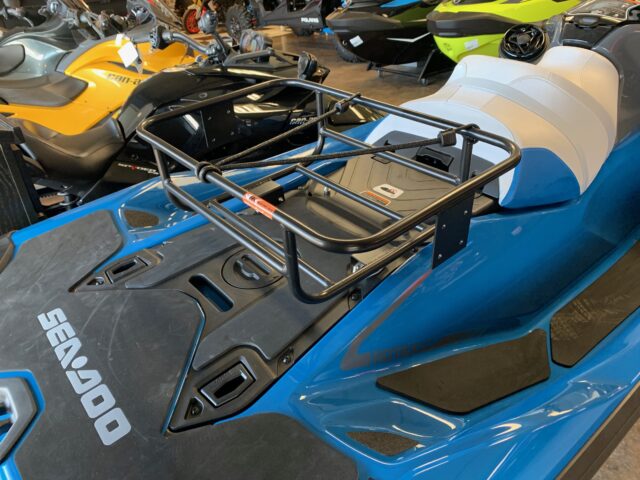
The new fishing and storage racks have many advantages compared to other models. Made with all stainless steel including the fishing rod holders, these racks are perfect for saltwater riders but overall proves that it is a quality product. A key aspect of these racks is that they will fit on the front or the back of a LinQ bracket.
On Sea-Doo models you will not need to drill any holes in the deck of your hull but if installing the LinQ brackets on a Yamaha or Kawasaki, you will need to drill a four holes into the deck. This ensures the rack is properly secured. Leaving you with no worries that your cooler will end up in the water.
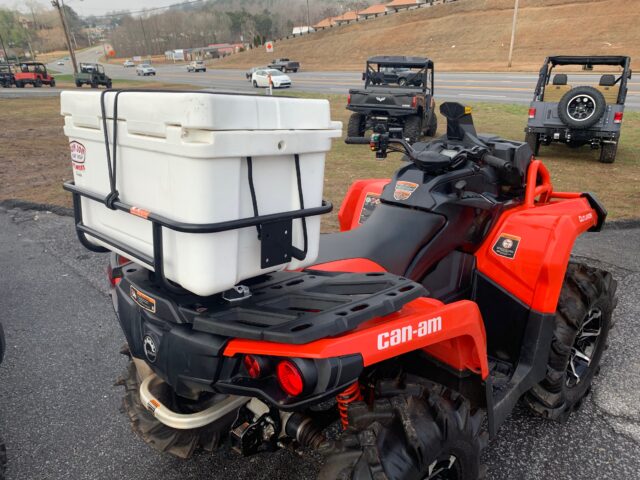
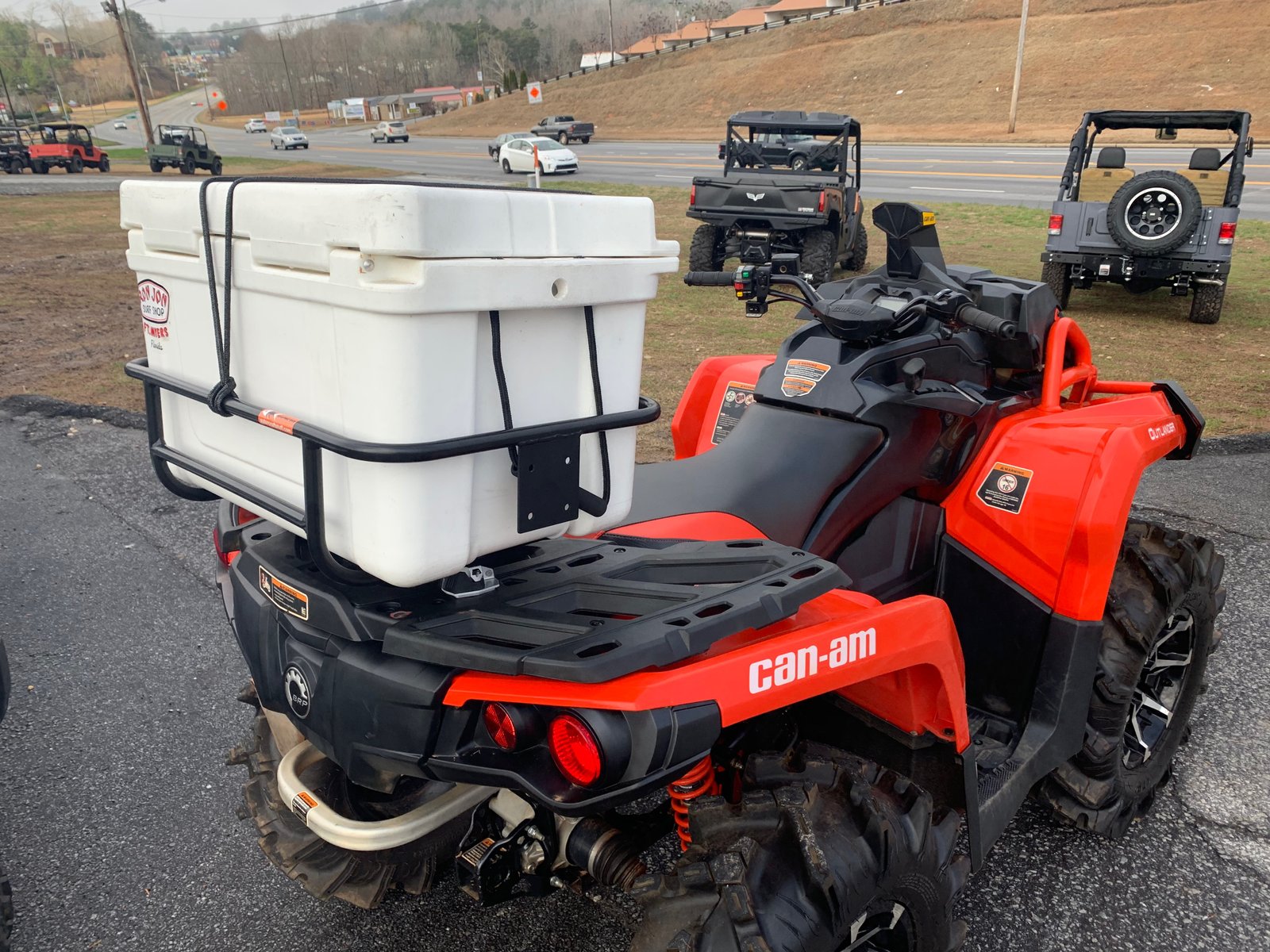
Above left: Some recent news regarding Kool PWC Stuff is that they have relocated to Clemson, South Carolina and are actively wanting to expand their dealer network. Above right: In the coming months, they will also be expanding their PWC accessories and getting into the ATV Market.
The racks fit any cooler of your choice from Igloo to Coleman to Yeti. The outside dimensions of the rack are 27.5” x 17.5” x 13.25” top bar and the inside dimensions 26” x 16” x 12.5” top bar. An additional feature these racks offer is that have the ability to carry two Rotopax fuel packs. Carrying those extra fuel packs will increase your range of exploration by giving you up to seven gallons of fuel.
These cooler/fishing/storage racks are built structurally sound, made with quality materials and provide you with the opportunity of trying new things. Maybe you want to start fishing from your PWC, or be the hostess with the good food and ice cold drinks. These racks allow you to do that. An important reminder is that these racks are significantly cheaper than buying a rack directly from Sea-Doo.
As we are slowly teased with a few warmer days here and there, you can almost smell the warmer spring weather in the air. That can only mean that the mainstream riding season is right around the corner.
Now is the perfect time to make sure your watercraft is in tip-top shape and get those last minute performance parts from RIVA Racing ready to go.
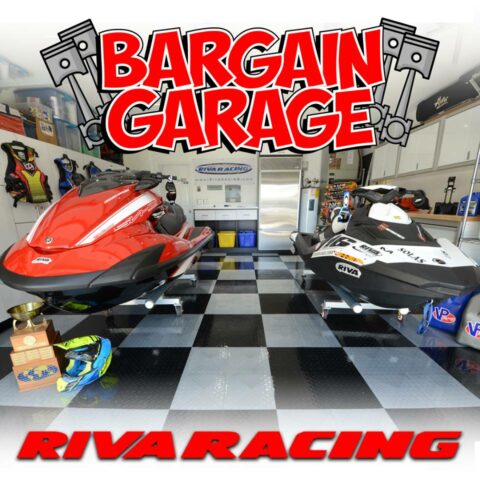
But did you know that RIVA has a clearance section much like any major retail store? Instead of an aisle, you can visit their metaphorical garage. RIVA calls it their Bargain Garage where you find deals, sales, and clearance specials.
You can currently find deals on items from piston kits and intercoolers, to impellers, steering and handling components, and much more. We are talking awesome savings too of at least 50 percent off on many items.
As always with RIVA Racing, all orders over $150 will qualify for free shipping to all continental US states. So keep an eye inside the bargain garage at all times. You never know what you might find.
IJSBA is thrilled to announce the return of Huntington Beach to the 2019 competition schedule!RPM Racing is IJSBA’s Sanctioned Closed Course Promotor for the Southern California and Arizona Regions.
The Best of the West Series begins with the second annual Huntington Beach Moto-Surf and Freeride. The event takes place April 5-7, 2019 on the south side of the pier and features two days of IJSBA sanctioned watercraft racing and three days of freeride competition.
Rounds two and three send the competitors to Parker, AZ where the The Blue Water Resort Casino is located. The IJSBA Western States Nationals and the 3rd Annual Gary Hart Memorial Race will take place in the area. For reservations at the hotel, head to The Blue Water Resort Casino’s website.
The fourth and fifth rounds take place July 13 and 14 at Lake Perris State Recreation Area. The Lake Perris Open of Water X will go down in the Power Cove. Moving on to the final two rounds, the competitors return to Lake Perris to crown a champion of The Best of the Best of the West. Rounds 5 and 6 will take place August 10th and 11th at Power Cove, Lake Perris.
July 7th is the grueling LB2CAT Offshore Endurance National Championships race. For more information on any of the events above, please contact Ross Wallach at (310) 318-4012 or [email protected]
The new Yamaha FX series platform is already making headlines and the latest Mark Hahn Memorial Havasu 300 win is proving its dominance.
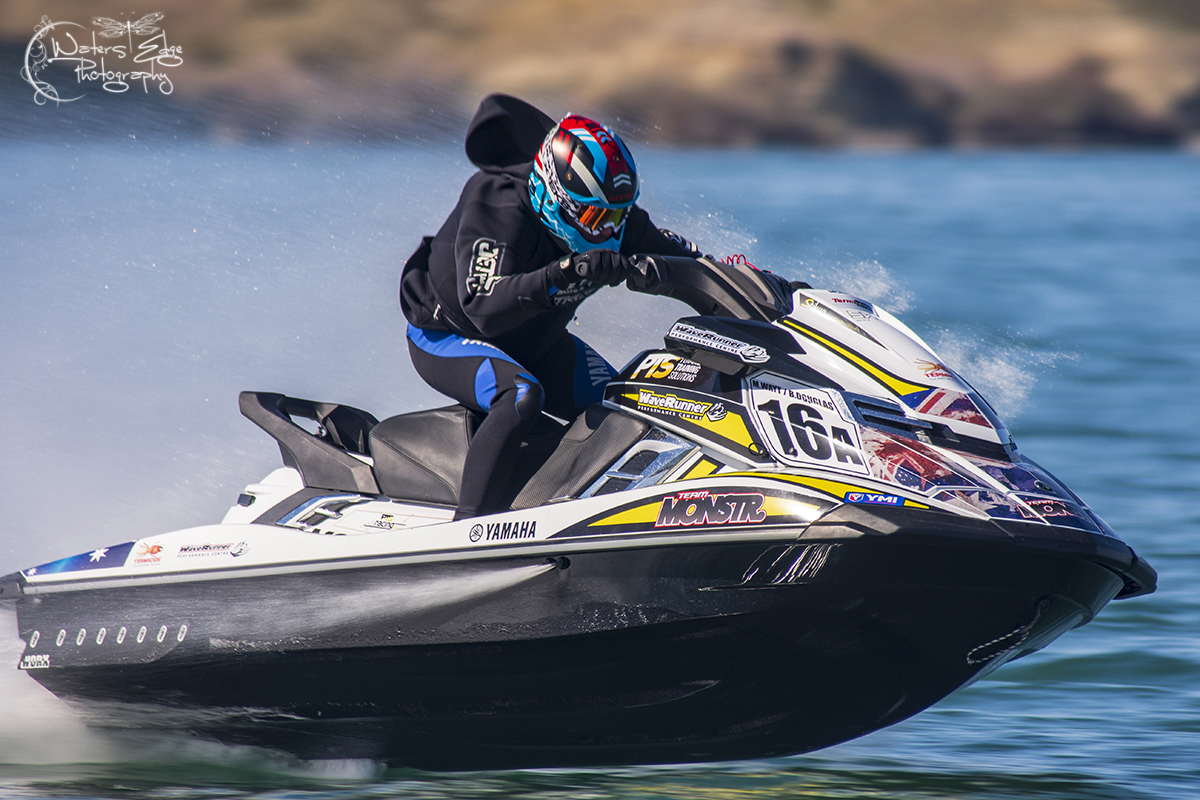
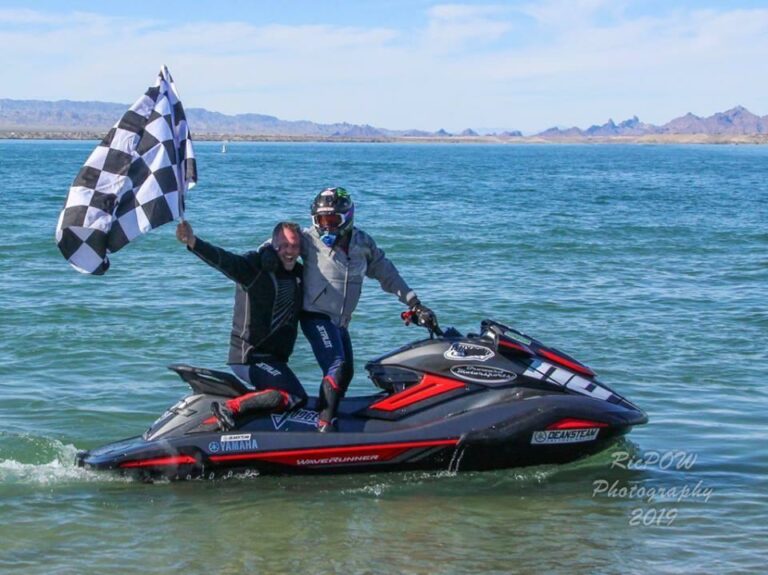
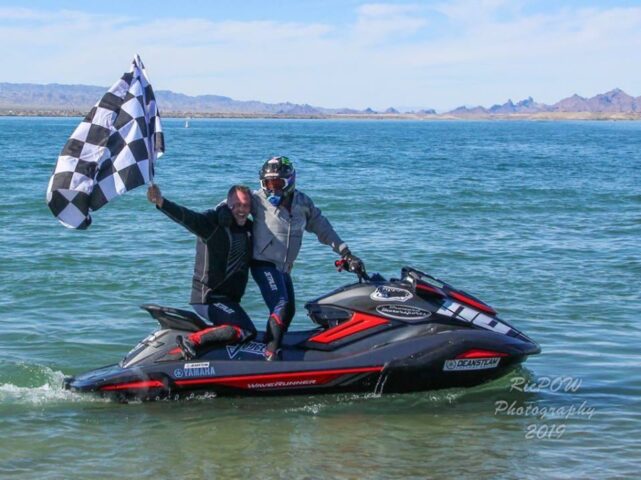
Yamaha racers Chris MacClugage and Troy Snyder took the win aboard their 2019 FX SVHO WaveRunner. As the longest personal watercraft race in the world, this endurance race is a true testament to the abilities of this new WaveRunner.
For the full Yamaha press release below and be sure to visit Yamaha WaveRunners news for all the latest details.
New Yamaha FX Series Platform Dominates Field as Yamaha Riders Squeeze Competition from Top 10 Positions
Yamaha WaveRunner racers Chris MacClugage and Troy Snyder teamed up to win the 2019 Mark Hahn 300, the longest PWC endurance race in the world aboard the newly redesigned FX WaveRunner platform.
The historic win could be the final chapter for one of the most storied events in the PWC industry, held for 15 years at Lake Havasu City, Arizona. According to the event promoter, a final decision to return to Lake Havasu for the 16th year has not yet been made.
MacClugage, Snyder, and their 2019 FX SVHO WaveRunner led a contingent of Yamaha racers that included a Who’s Who of watercraft racing elite from Eric Francis, Dennis Mack, Eric Lagopoulos, Chris Saxon, and Sophie Francis – all IJSBA PWC racing champions in their own right.
“There’s been some speculation as to how competitive the new FX platform would be in an actual race setting,” said Yamaha’s Product Manager Scott Watkins. “With any new platform it takes time and development to get ready for a race like the Mark Hahn. Last year’s event was won by a Yamaha GP1800 which didn’t make the decision to easy for racers to switch to a new platform for 2019. Although I do remember back in August that Eric and Sophie Francis told me after riding the FX for the first time that ‘it will be like cheating next year’ and with 2 new FX’s on the podium in its first race it seems like the FX is off to a great start for 2019.”
“Thanks to the long-term sponsorship by Yamaha, Hot Products and the IJSBA, we’ve offered one of the unique races in the motorsports arena to the toughest PWC endurance riders in the world,” said event founder Mark Follmer.
The Mark Hahn 300 is the longest personal watercraft race in the world, covering a total of 300 tough miles in 30 successive laps of a 10-mile course. The race features the only true Le Mans start currently in motorsports of any type.
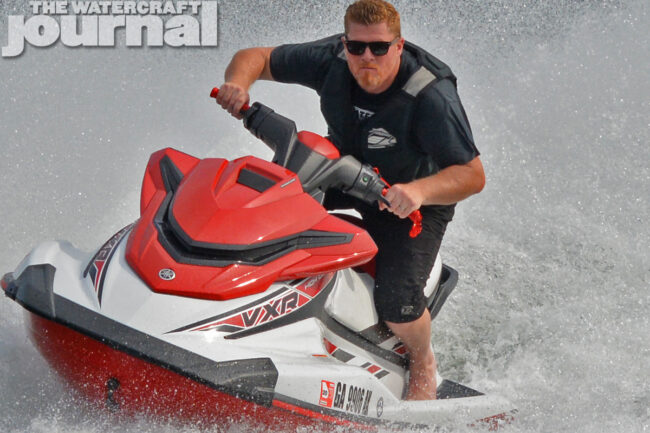
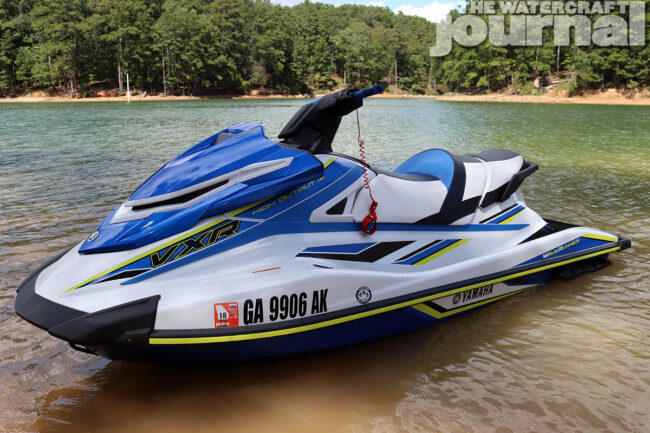
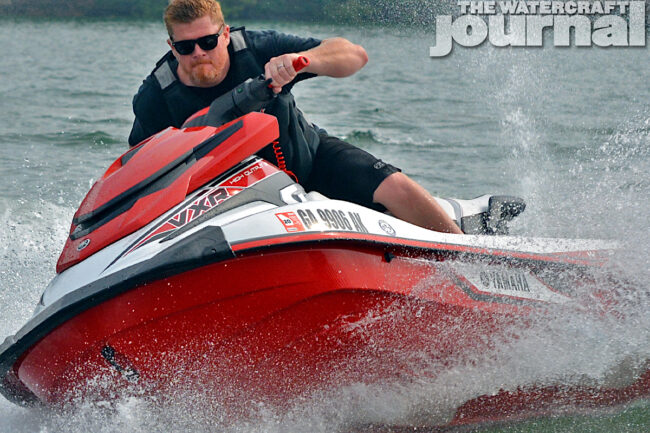
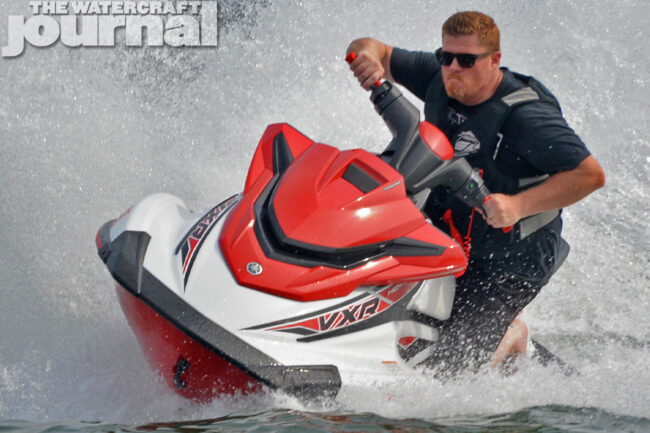
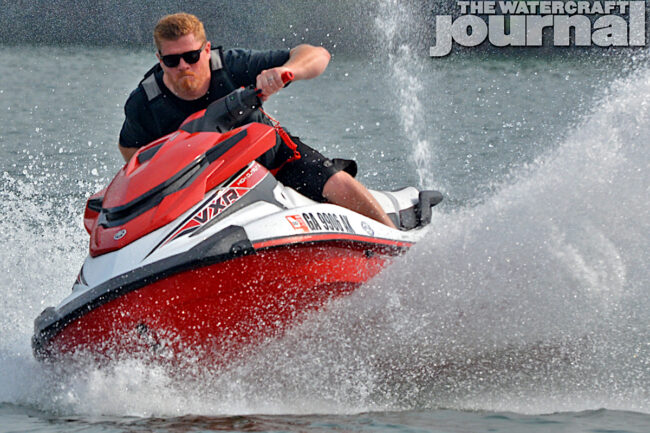
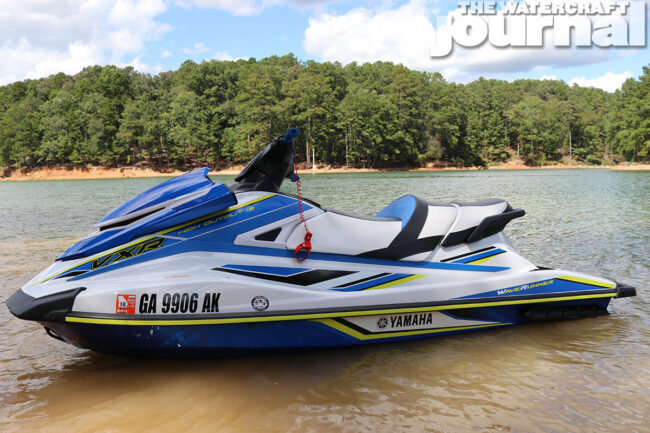
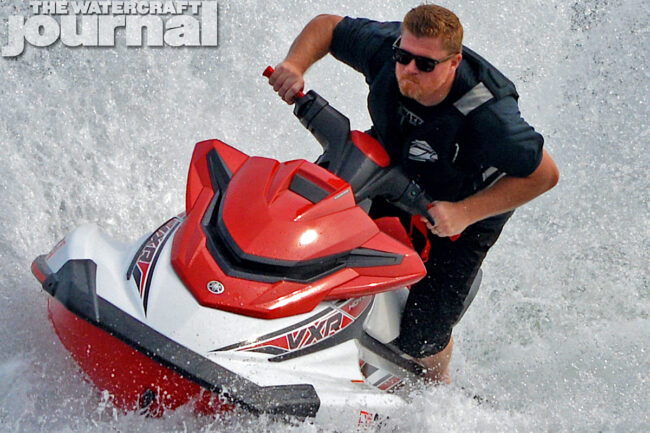
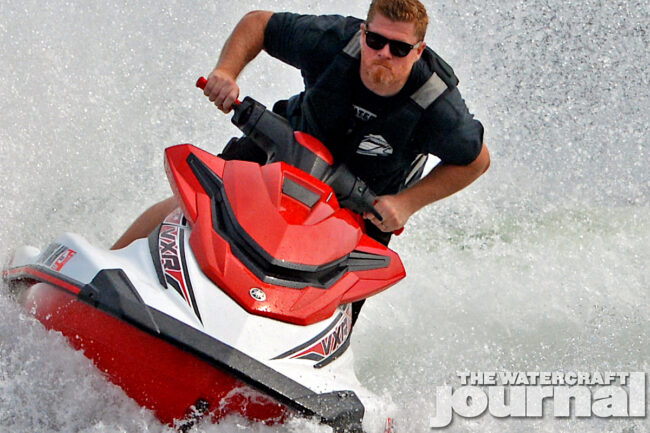
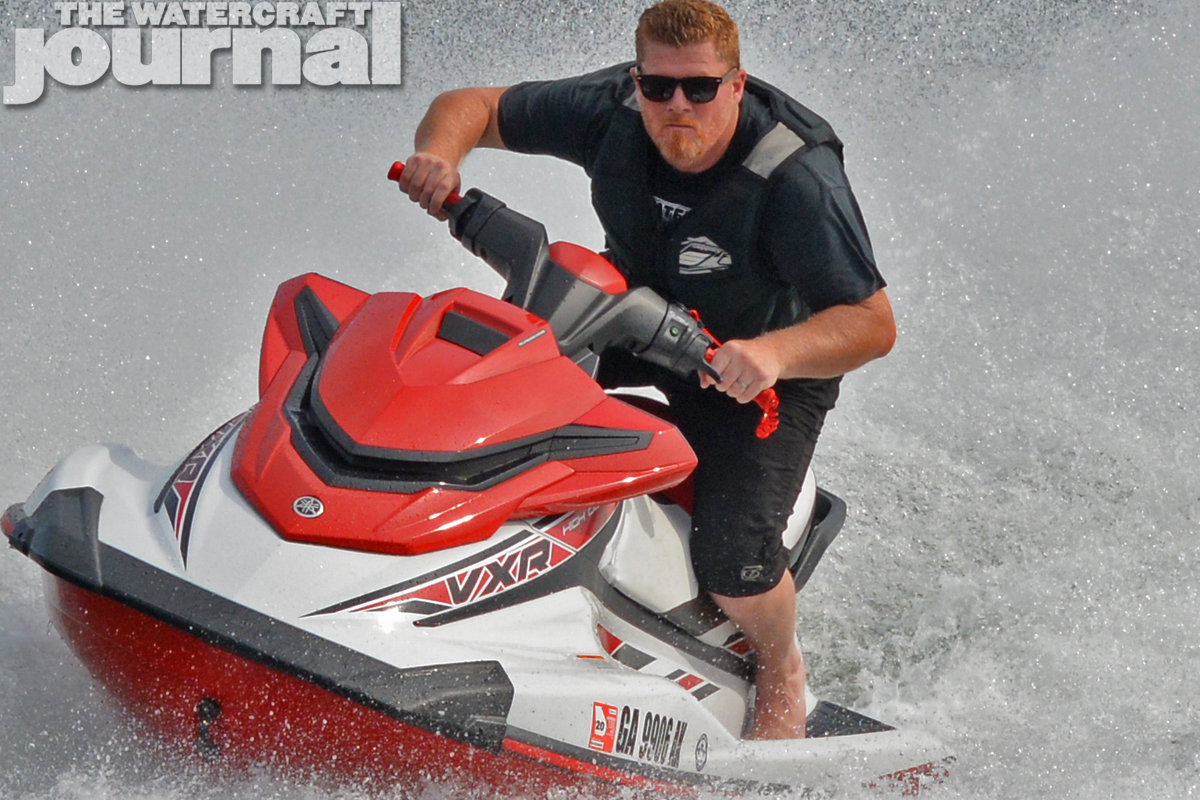
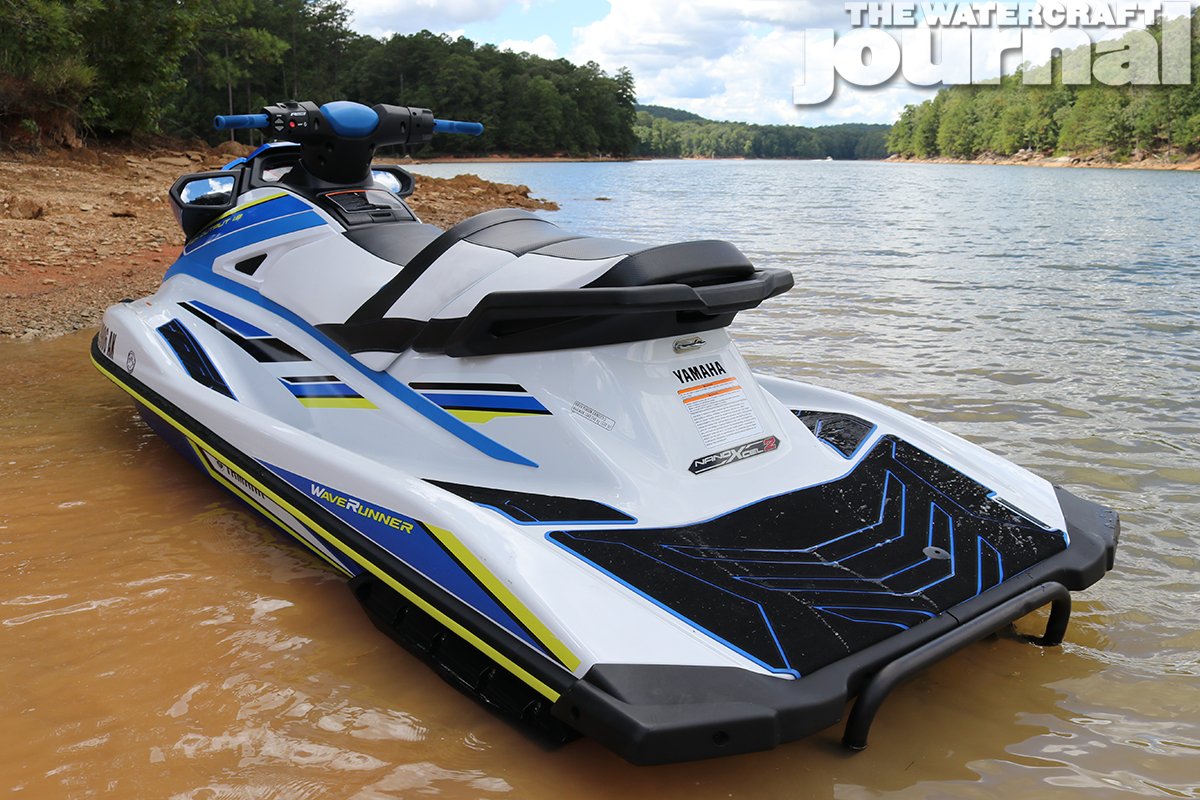
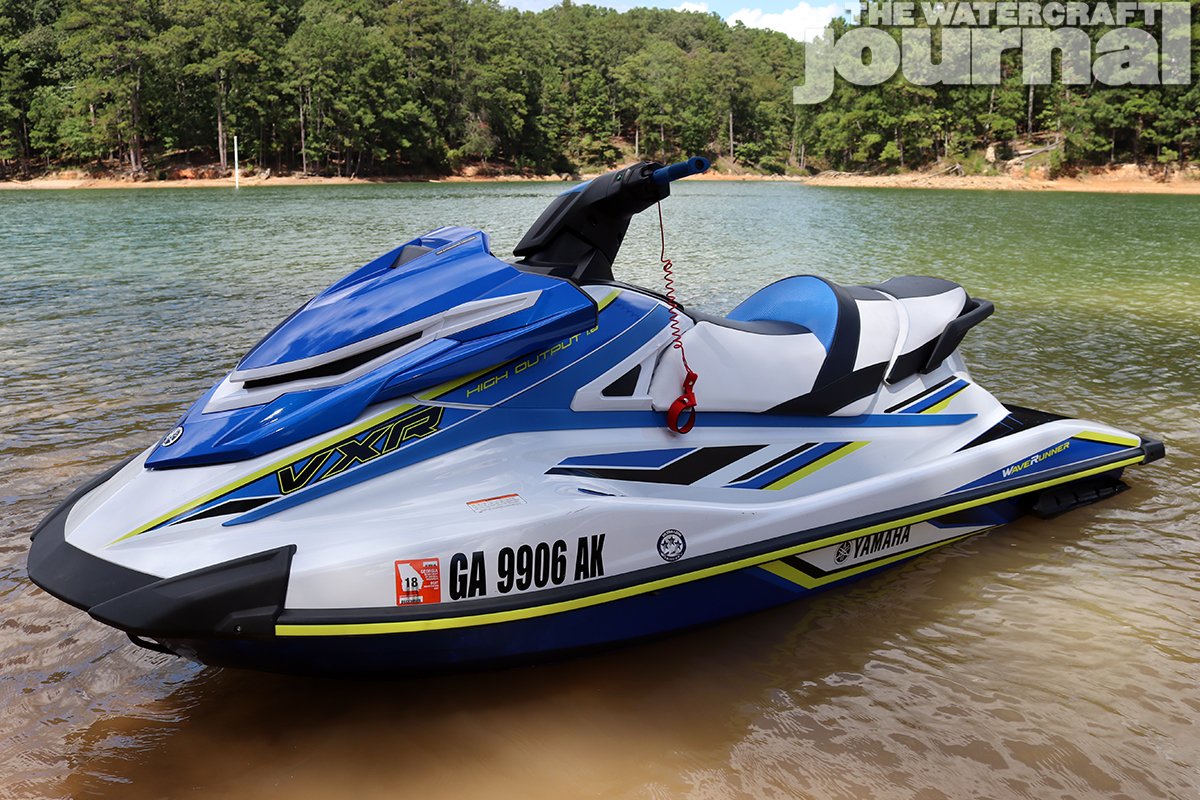
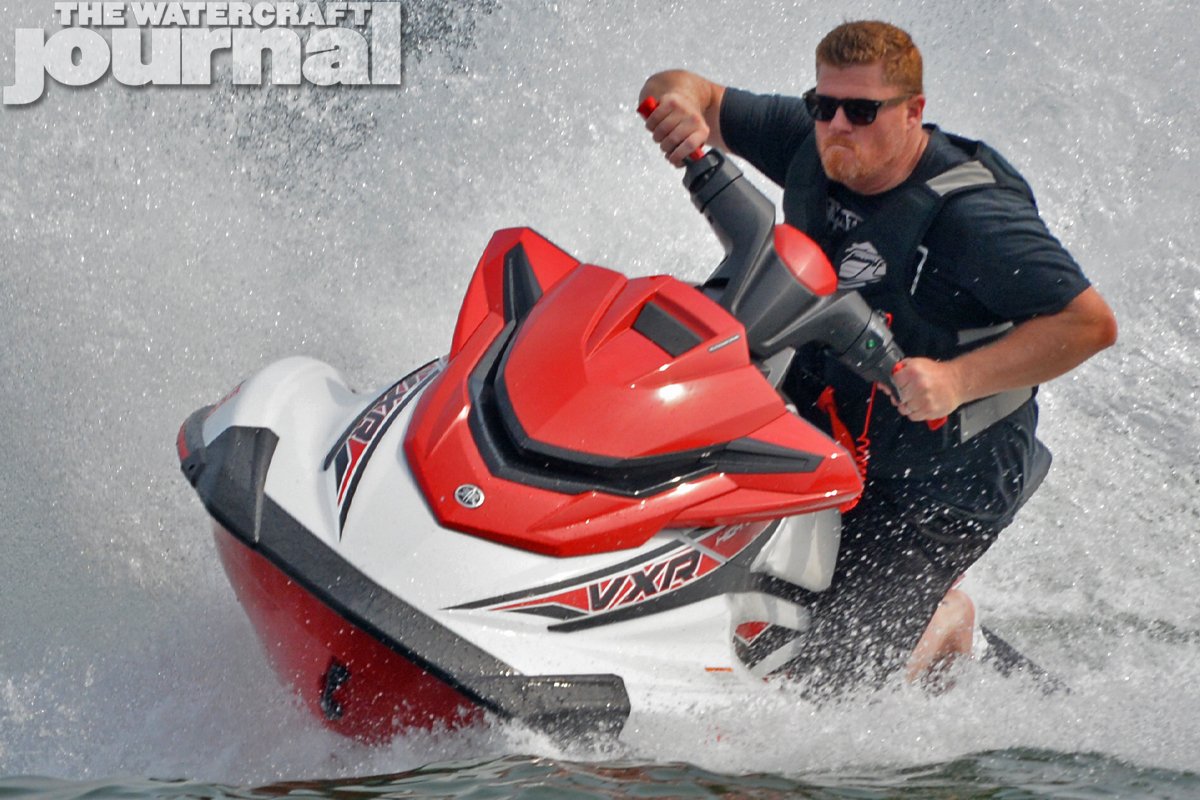
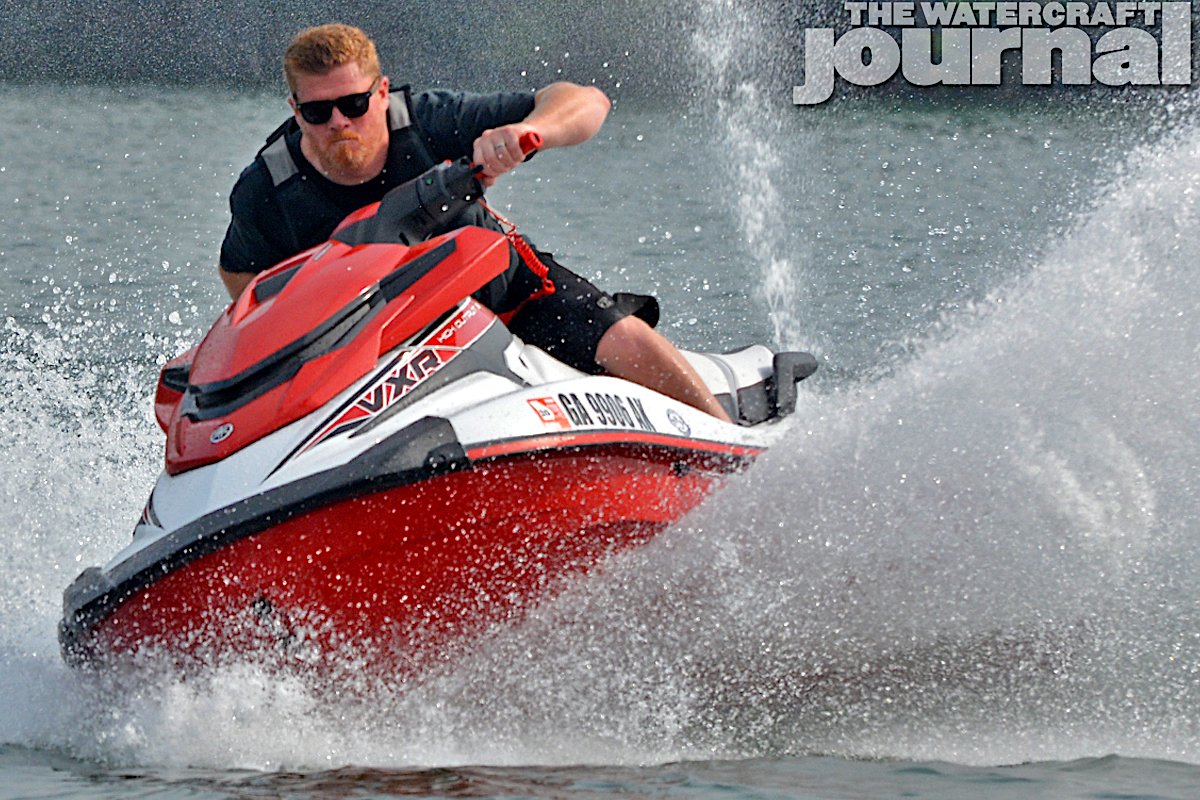
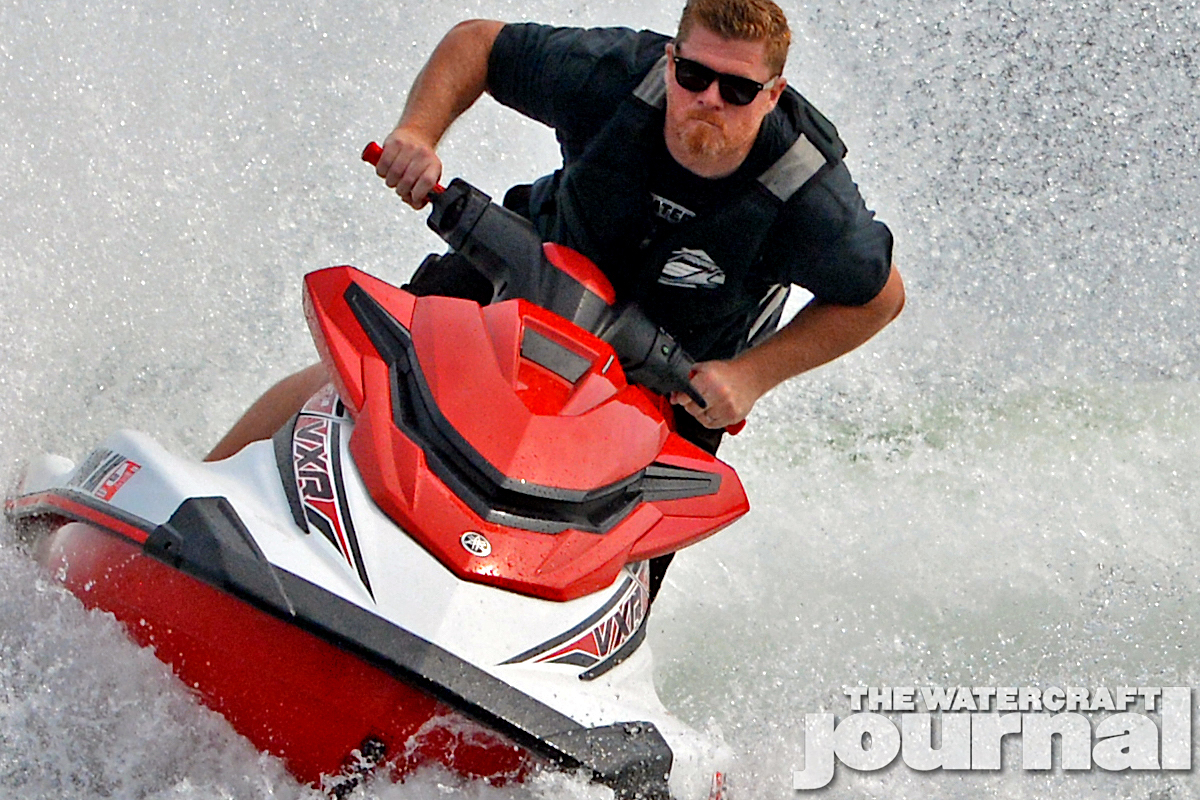
It was good news either way you looked at it. The 2019 Yamaha VXR WaveRunner was either the top-of-the-line of Yamaha’s middle segment VX lineup, or it was the freshest entry to the brand’s race-ready Performance segment. Per Yamaha’s own website, the VXR is listed as the latter with the VX Cruiser HO claiming the top of the VX totem pole, which it rightly deserves. More so for 2019 than ever before, the VXR shares so much more in common with its GP1800R sibling that the similarities now outnumber the differences.
“We really wanted the ‘R’ to stand for something more,” Yamaha WaveRunner Product Manager Scott Watkins explained to The Watercraft Journal back in late July of 2018. “It was undefeated in the naturally-aspirated class [during the AquaX series in 2018]. For 2019, we really step up the VXR for the racer and performance enthusiast.” True to his word, changes made to the VXR are multiple and significant, all of which add up to lightweight, naturally-aspirated machine that acts like its supercharged.
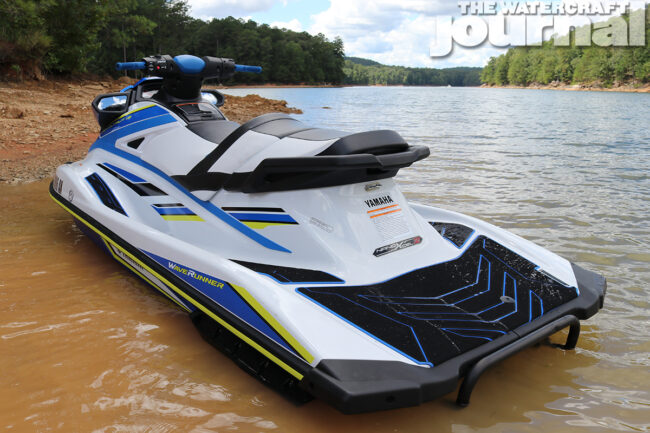
Like the pocket rocket EXR, the 2019 VXR also benefits from the use of Yamaha’s proprietary NanoXcel2 lightweight bonding material for 2019. That shaved off a clean 28-pounds from the previous model, bringing the new VXR down to 739-pounds (dry weight). In doing so, it also made the VXR now share the identical hull and deck as the GP1800R (identical in both weight and design). Like the GP1800R, the VXR also employs the new larger, reinforced intake grate brackets that strengthen up the pump tunnel as well.
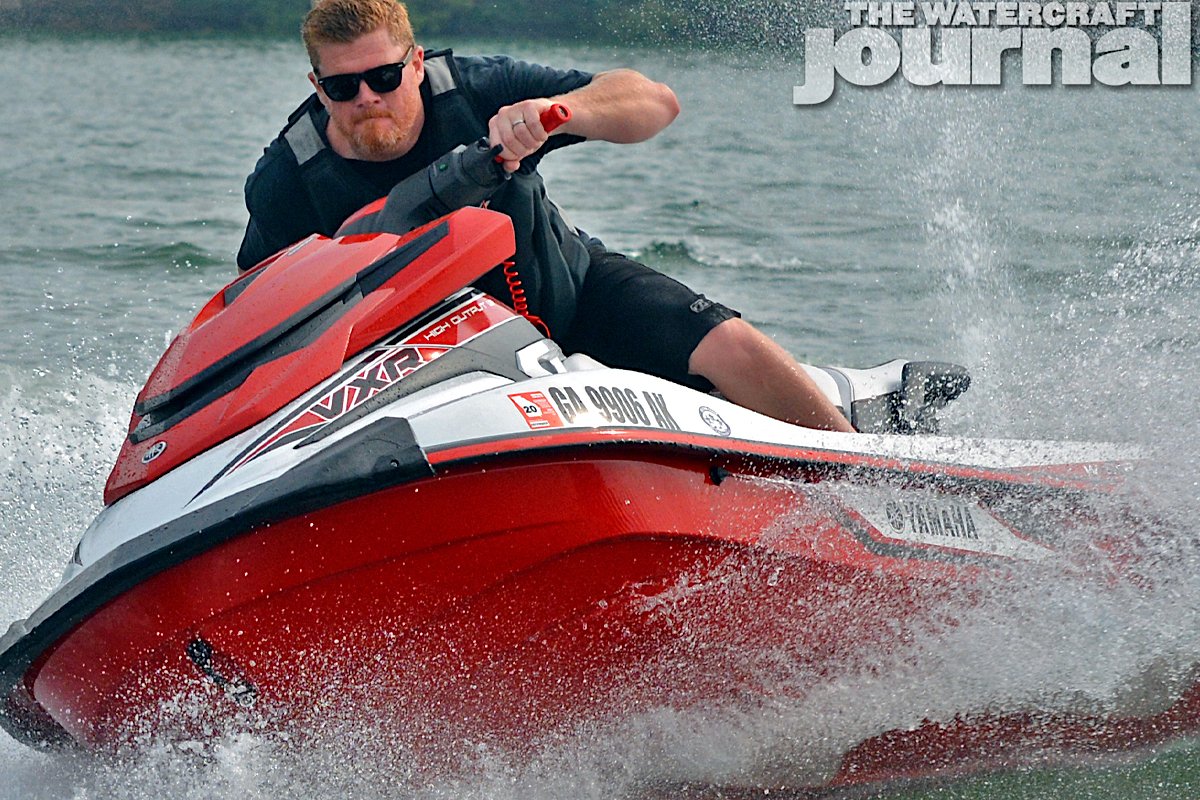
Speaking of which, Yamaha designed to benefit the VXR with the same louvered and extended, race-inspired ride plate, as well as the aggressive top-loader intake grate. These two additions alone account for both the GP1800R and VXR’s radically increased traction, reduced cavitation and predictable, rider-responsive maneuverability. A flick of the handlebars now communicates instantaneously with a racy inside-lean and snap-turn responsiveness. There’s no slop to be found here; if you’re looking for playful spinouts and slippery power slides, check out the EXR. The VXR is all business.
Beneath the racy cut-and-sew, high bolstered two-piece seat lies the VXR’s 1,812cc 4-cylinder High Output engine. At 180-horsepower, the 1.8-liter is the largest displacement, naturally-aspirated engine in the market today. The exhaust note is tuned to sound throaty without the tinniness of other machines. At wide-open-throttle you’ll love the howl it makes as the wind whips past your ears. Its orchestral. And the 1.8L is compliant with 87 or 93 octane, which is impressive given its 11:1 compression ratio.
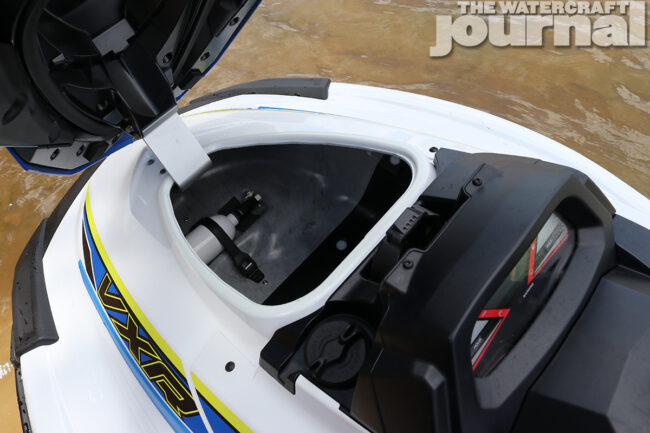
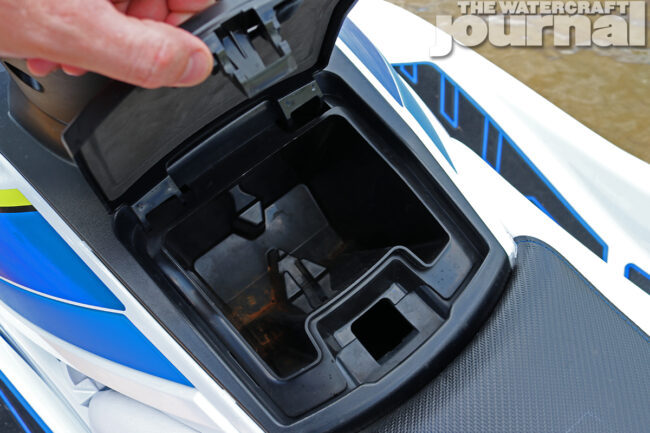
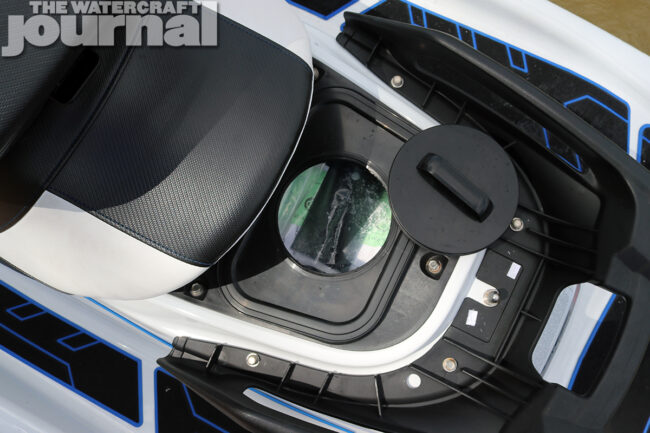
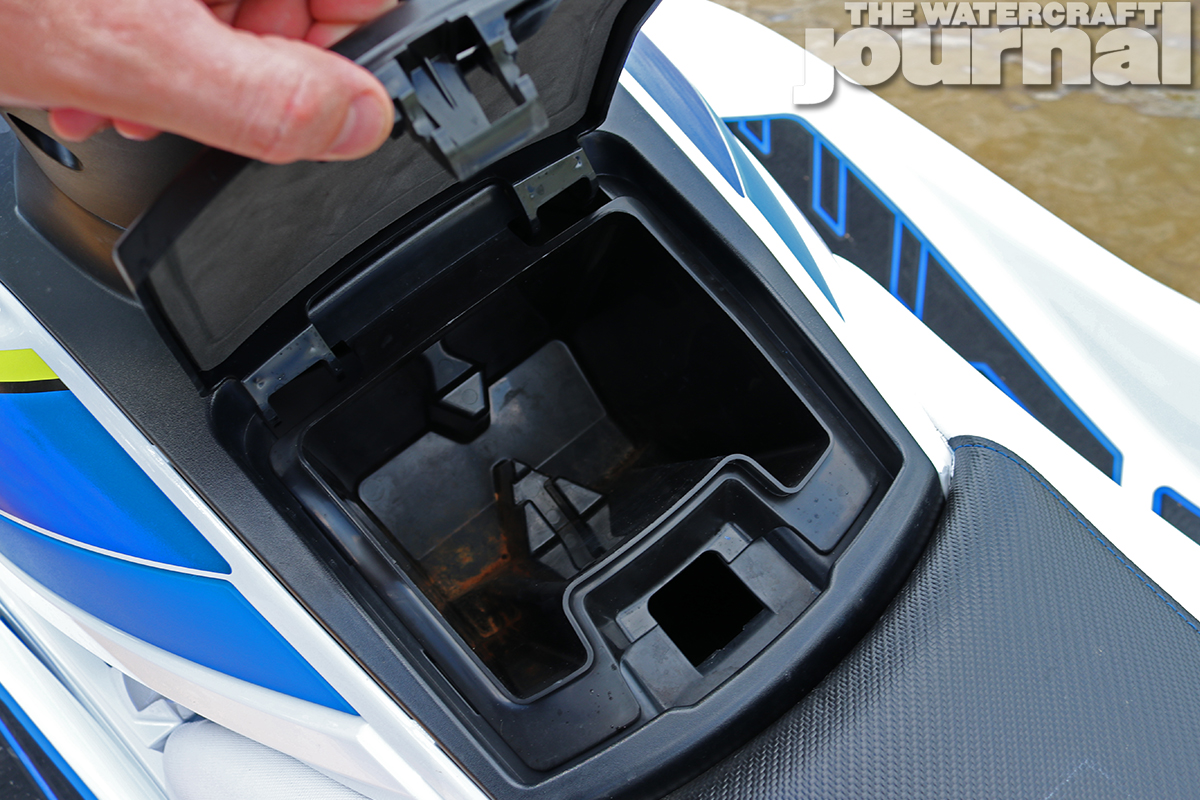
Being naturally-aspirated, the VXR employs the same 155mm, 6-vein pump as the rest of the naturally-aspirated VX lineup. Additional carryovers from the VX series include its 131.9-inch beam, 18.5-gallon fuel capacity and 24.6-gallons of storage broken up between a large bow stowage, waterproof screw-top bin beneath the rear passenger’s seat, and a generous glove box with molded-in cup holders. The handlebars are fixed (no tilt or telescoping feature), and include Yamaha’s “automatic start” Start button, electronic trim control and of course, Yamaha’s RiDE brake and reverse system.
The dash is spartan and identical to that of the GP1800R; a simple LCD triangular screen reading off trim settings and fuel level in diagonal bars, a numerical speedometer, analog-style tachometer, and readouts for voltage and hours. Toggling between kilometers and miles is done via a combination of start/stop and trim buttons outlined in the owner’s manual. Other than that, it is what it is.
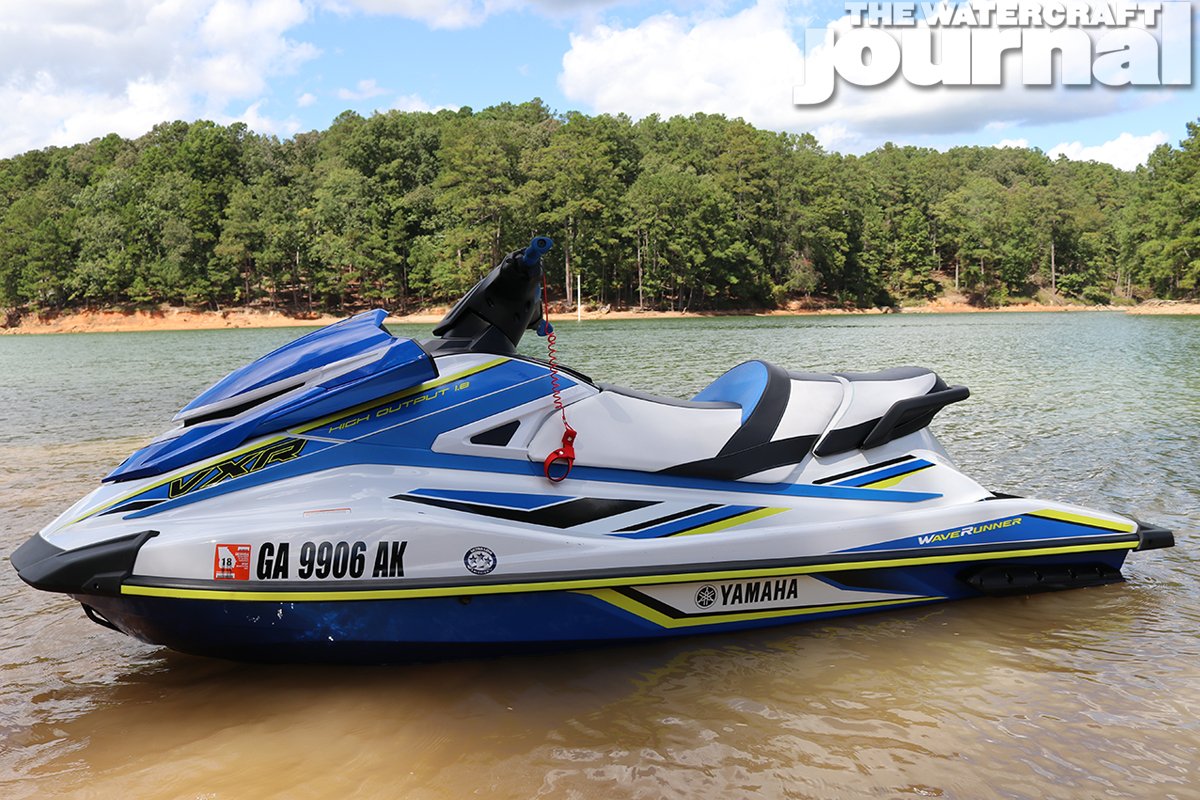
Other useful goodies include the standard folding swim step, static rear view mirrors, and tow hook. Being a three-seater with a rear grip rail that is nicely tucked in close to the seat for a rearward-facing passenger, the VXR can aptly be used as a tow vehicle for the kids’ towable or your club members’ broken down ski (there’s always that “one guy”). Available in either Torch Red Metallic with White or Azure Blue Metallic with White, either option comes with color-matched, two-tone, CNC-cut Hydro-Turf traction matting.
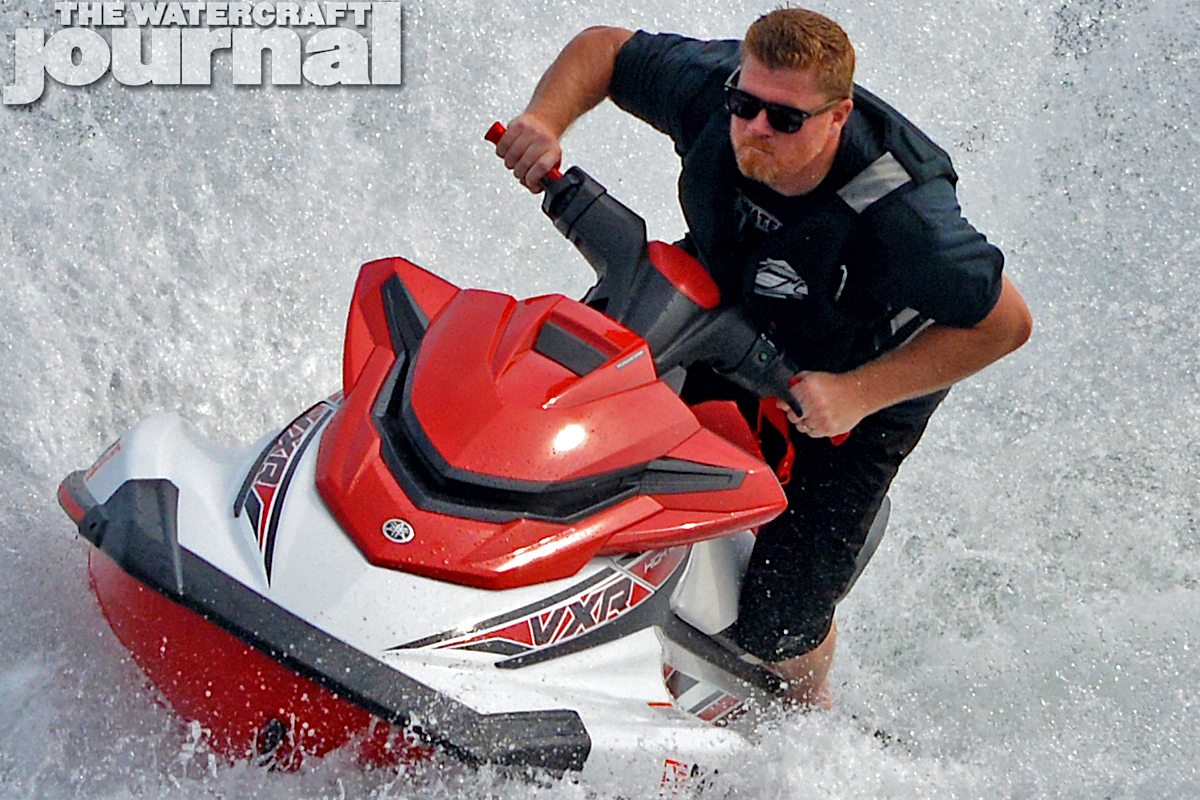
We had the opportunity to ride both color variants of the 2019 VXR and found ourselves longing for 2018’s stealthy black-and-blue livery. We opted to shoot our action photos with the Torch Red Metallic with White, and film our latest episode of The Watercraft Journal with the Azure Blue Metallic with White unit (as well as capture our still shots). With a 235-pound rider, we registered a consistent 67mph on the speedometer (slightly less on our GPS). That’s pretty on par with Sea-Doo’s supercharged 230-horsepower GTR and GTR-X models.
When compared to its $14,199 MSRP supercharged GP1800R sibling, the $1,900-more affordable 2019 Yamaha VXR – priced at $12,299 – suddenly becomes all the more attractive. Again, the flexibility of pouring 87 octane down its filler neck adds to the VXR’s appeal too. This is easily the raciest WaveRunner we could see a doting husband getting away with if the wife was pushing for a budget-friendly toy the whole family could enjoy. We’ve always enjoyed the VXR, but the recent changes have truly awoken this craft’s potential, and for it earns our praise.
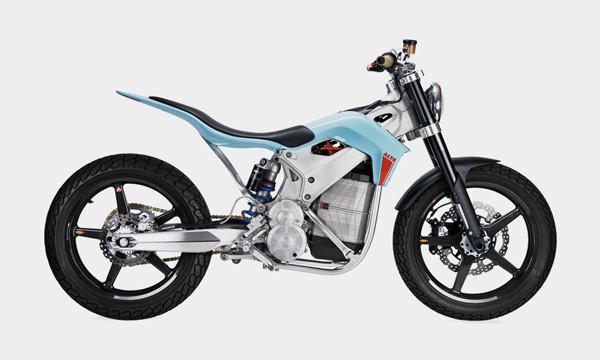
This story from OZPWC should be of interest to anyone who’s interested in alternative power and energy sources or just wants to stay in the BRP loop. BRP bought select assets from Faster Faster, INC (Alta Motors). This appears to be another piece of the puzzle that BRP is putting together for new technologies and different types of energy sources within the powersports industry. The purchase includes certain intellectual property, patents, and some limited physical assets from the former all-electric motorcycle design and manufacturing company.
The Alta Motors purchase is another asset to BRP’s growing portfolio. Although BRP has no interest in restarting Alta Motors, this is a chance for BRP to become even more innovative in the powersports industry. BRP has had commercial electric side-by-side vehicles operating for many years and also created electric and hybrid prototypes of Can Am Spyder vehicles. Currently, the crew is working on building electric karts with Rotax.
Is a quality electric Sea-Doo watercraft in our future? It is plausible and would not surprise us. BRP leads the pack when it comes to innovation. Purchasing Alta Motors gives them an increased opportunity to move forward with their research and development of alternative power sources. It’s only a matter of time before a fully electric Sea-Doo hits the market.
The higher costs and short ride times are common themes when it comes to building electric machines. Many other powersports industries suffer the same dilemmas; short battery life and the high cost of going electric. Maybe BRP will overcome these particular problems with a newly developed Sea-Doo watercraft.



 Once again, East Coast Watercross comes through and will produce the 2019 IJSBA US National Championships. The event will take place in Plattsburgh City Beach in Plattsburgh, NY July 27th and 28th. This is the second consecutive year that East Coast Watercross has presented the National Championships in Plattsburgh, NY. It’s part of their 2019 Racing and Freestyle tour.