A report was recently published citing two 20-year-old jet skiers who had been riding in south Sydney on the Georges River began threatening a man on a boat at the Lugarno Marina. One of the riders slapped the boater on the back and then threatened him as they entered a restaurant. Police were soon called and the two jet skiers became belligerent when the officers tried to remove them from the eatery.
The men resisted and allegedly began pushing and hitting the cops. A few more officers arrived on scene and one of them tried to subdue the aggressive men with pepper spray. Paramedics were called to the scene to treat the men. Allegedly, the two were hostile and one spit on a female paramedic. The police intervened and grabbed them in order to transport them to St. George Hospital. Upon arrival, the hostilities continued! The two again began spitting and punching officers.
The pair now face multiple charges and were denied bail. Twenty-year-old Mourman Baradaaji from Revesby has four counts of assault on a police officer, intimidation, and resisting arrest.
His partner in crime, Mohamad Bazzi from Bankstown, is looking at assault charges, willfully obstructing officers, and resisting arrest.
Both men were making an appearance in front of the magistrate when this piece was originally published on 2GB 873AM. Talk show host, Ray Hadley hopes the magistrate does “the right thing.” Listen to his reaction on the linked page. It is priceless. The fight continues in OZ.
We are certain that over The Watercraft Journal’s 5 years of publishing, we’ve either lost, misplaced, outright destroyed or had fling off our faces no less than a dozen pairs of sunglasses. Heck, we’ve published half a dozen pairs of shades, goggles and goggle/sunglasses hybrids during said time. Eyewear, as it seems, is incredibly difficult to keep comfortably perched on our noses while performing hours of test riding. That’s why we were so pleased with WindRider’s newest addition to its massive catalog: the Polarized Floating Sunglasses.
No they’re not made out of bamboo or high-tech carbon fiber, or feature kitschy features or doodads. Nope. They’re lightweight, flexible and affordable – and yes, they do float, and without big chunks of foam glued to their sides either. In all honesty, we were pretty dang impressed. So much so that we gave the WindRider Floating Sunglasses a very praising review. Not only did they pass the ol’ budget test ($44.95), but they shined when it came to comfort, and most importantly, never moved a centimeter when we swiveled our head left to right while riding.
Our appraisal of the WindRiders was so high that we personally reached out to let them know how much we liked them; and that we really wanted to keep WindRider’s Polarized Sunglasses front-and-center on our bi-monthly YouTube show, “Long Haul.” They liked the idea too, and now have become our Official Sunglasses of “Long Haul”. You’ll be seeing a whole lot more of our WindRider sunglasses over the coming weeks and months, as well as first-hand reviews of some of their cold-weather riding gear, accessories and safety gear too – so stay tuned!
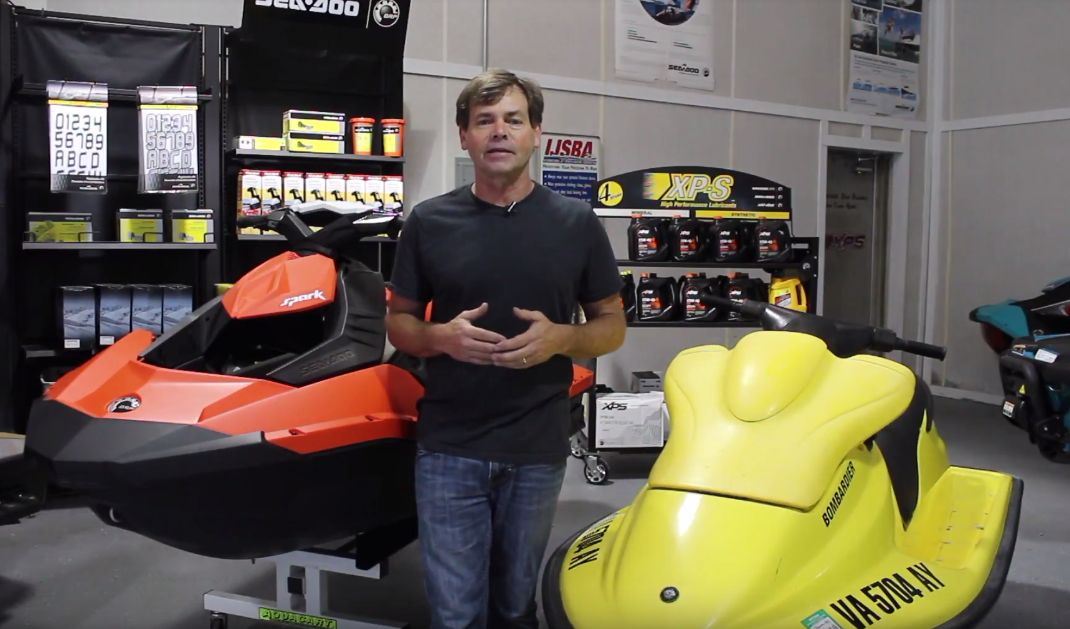
Sure, comparing a 1996 Sea-Doo XP up against it’s 2018 Spark counterpart might not sound like a really fair comparison (heck, much of the Spark’s hull design was lifted not from the XP but the HX, but that’s another story). But for the enthusiast of lightweight, fun and nimble runabouts, the two machines are equally iconic in their own right.
YouTube blogger Steve Vigus has produced several few very cool videos on restoring, modifying and just enjoying old school 2-stroke runabouts on his channel. We’ve enjoyed quite a few. But we felt this particular comparison of the two machines’ weights, horsepower and even seating arrangements was uniquely special.
Mike explains, “[A] Sea-Doo Spark product review…of sorts. I compare the 2018 Sea-Doo Spark to the 1996 Sea-Doo XP. These are two affordable jet skis from two completely different era. In its day, the XP was one of the fastest, best maneuvering Personal Watercraft (before they even called them PWCs) on the market. The Spark is one of the top entry-level jet skis, priced to make high performance affordable for new riders. Steve covers all the important specs: top speed, fuel consumption, horsepower, and available options and more.”
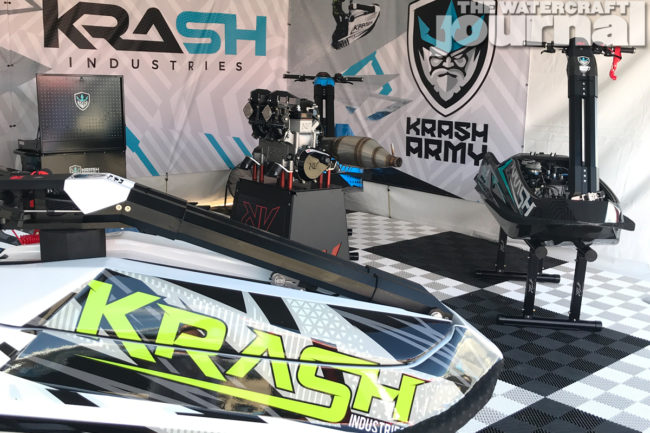
Recently, The Watercraft Journal had a chance to meet up with Mike Hodges, the National Sales Manager for Krash Industries, to discuss their soon-to-be-official distributorship model and RIVA Motorsports becoming a direct sales dealer for Krash. We were able to convince him to take part in our interview series, Seven Deadly Questions. So, without further ado, here they are …
The Watercraft Journal: Mike, please tell us a little about yourself.
Mike Hodges: I was hired through RIVA Motorsports back in September to be the National Sales Manager for Krash Industries, overseeing their soon to be official distributorship.
WCJ: Krash is growing like crazy, especially in the past year or two. Tell us how this all got started.
MH: Initially, Krash Industries was an aftermarket hull builder, starting back in 2008. Recognizing the frustration customers were going through trying to build complete freeride/freestyle craft using aftermarket hulls, the owner of Krash Industries, Nick Barton, decided he wanted to provide a complete, turn-key solution.
WCJ: The “ready-to-perform” Footrockets, 50cals and Predators, right?
MH: Right. Nick designed and manufactured everything required to make a complete, turn-key freeride/freestyle watercraft; engine, exhaust system, fuel and intake, pump, electrical system, everything! And, he did it with price-point in mind, for the customer. They launched the “RTP” (Ready To Perform) complete freeride/freestyle watercraft around 2014, powered by their KV997 engine.
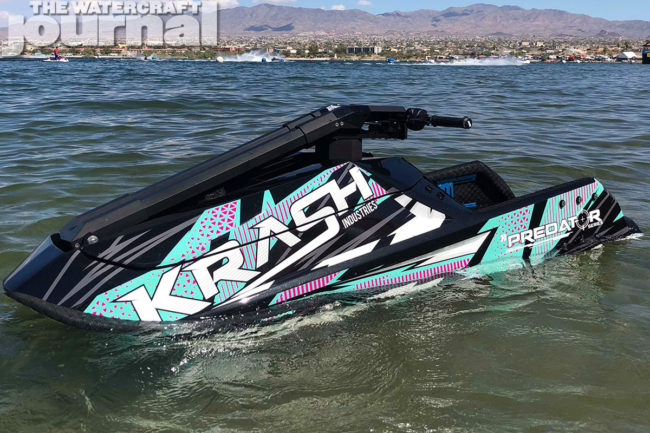
Fast forwarding to 2019 they will offer one fiberglass freeride/freestyle stand-up, one freeride/recreation model stand-up and one freeride/recreational fiberglass sport class model, each retailing for only $12,599.00 (USD) through dealers. And, they will offer the one carbon fiber Foot Rocket freestyle stand-up model that retails for only $16,799.00 (USD) through dealers, which you already reported on.
WCJ: That’s really a killer price. How can people get their hands on one?
MH: Exactly! Typically it costs upwards of $20,000.00 or more to build a complete freeride/freestyle watercraft with an aftermarket hull. And that’s a fairly basic set up. Krash Industries will be like any of the other OEM brands, providing complete unit sales, parts and service a dealer network managed and supported by RIVA Motorsports. Customers will even be able to finance a Krash Industries freeride/freestyle watercraft through their dealer! Also, of note, Krash Industries is in the final stages of developing a direct-injection engine that will meet CARB regulations. It’s slated for release in 2020 models.
WCJ: That’s awesome! So what does that mean for the immediate future?
MH: We’re in the process of finalizing the details for the 2019 dealership program. I’m already contacting dealers and I will hit the road late Winter/early Spring 2019, visiting dealerships to introduce them to Krash Industries complete, turn-key freeride/freestyle watercraft and provide demos. I plan to hold “flash demos” for local customers as well.
WCJ: How do you think people will respond to this new RTP model?
MH: Our first event was the 2018 Blowsion World Finals where Krash Industries teamed up with RIVA Racing to display alongside them in Performance Alley. Krash put on demo rides as well at the race site. We were very busy all week and the buzz hasn’t died off! I’m receiving inquiries daily from customers and dealers are proactively reaching out to us.
WCJ: So, what’s next on the horizon for Krash?
MH: Our next event is the 2019 Daytona Freeride, happening in January. We will have all our pro team riders putting on a show, and we’ll be offering demo rides as well.
Remember when there was like half a dozen “reality TV” shows on custom motorcycle shops? How about all of the shows on classic cars and hot rod shops? Yup, there’s a lot of ’em out there. But how about custom performance watercraft shops? Yup, there’s pretty much nothing out there. That is until recently. The pilot episode of “Makin Waves” – where Wamilton Teixeira and his South Florida shop, Wamilton’s Customs, is the subject of a half-hour “reality TV” show.
Now viewable on Amazon Prime, the “Award Winning Reality TV Series” is about “Wamilton and his employees avoid disaster, or narrowly make the quickly approaching customer deadlines as his determination for the ultimate in watercraft drives him further toward perfection, testing performance and redesigning dimensions of a prototype in his quest to produce the ultimate of his very own custom creations, the Wammerjet.”
This first episode of Makin Waves (ie. “pilot”) focuses on introducing Wammer, the day-to-day trappings of owning a watercraft shop, his crew, friends and family, and the comings-and-goings of his high profile clientele. Additionally, Makin Waves gets us a great look at Wammer’s work in action while at the Pro Watercross World Championships in Naples, Florida, where Broward Motorsports’ own Sam Nehme claimed a championship title aboard Wammer’s new Sport GP design.
You can watch the trailer for Makin Waves’, below, and check out the debut episode here, on Amazon Prime Video, and add the season to your watchlist to get notified when more episodes appear. Enjoy!
Too often the one item in our arsenal that goes overlooked too often is our PWC trailer. Sure, a good set of trailer tires, wheel bearings and tail lights are musts, but more often than not, we typically don’t give a lot of thought to improving (or even maintaining) our ski trailers. And that’s gotta stop! Thankfully, our friends at BlackTip Jetsports have got the perfect – and super easy – upgrade that anyone can do!
It’s either happened to us or we’ve seen it first hand; you’re trying to walk the slippery center beam that runs between your two skis, or you’re stepping up onto the fender to climb aboard your runabout but the surface is slick, and down you go! Well, you no longer need to worry about a slip and fall with BlackTip Jetsports’ traction mat trailer kit priced at $24.95.
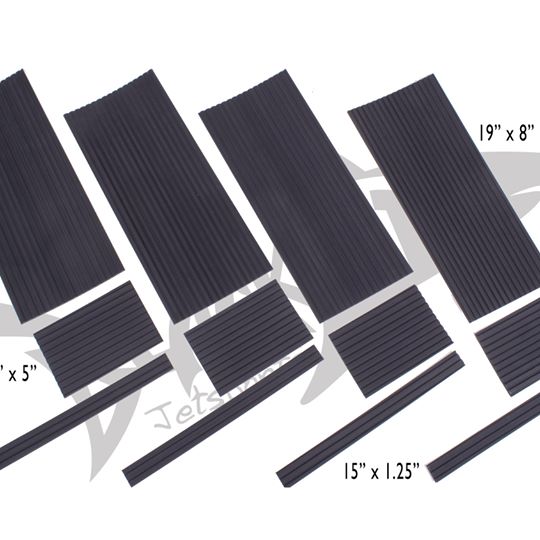
These precut packages offer you the grippy traction mat material to stick to your trailers fenders, catwalks and other areas you plan on stepping on. Don’t walk on slippery metal or aluminum surfaces again without the padded, traction of a BlackTip traction mat kit. They offer various sizes of traction mat material for better traction on your trailer; either 4- 19″x8″, 4- 7.25″x5″, or 4- 15″x1.25″; all backed with PSA (pressure sensitive adhesive) on the back.
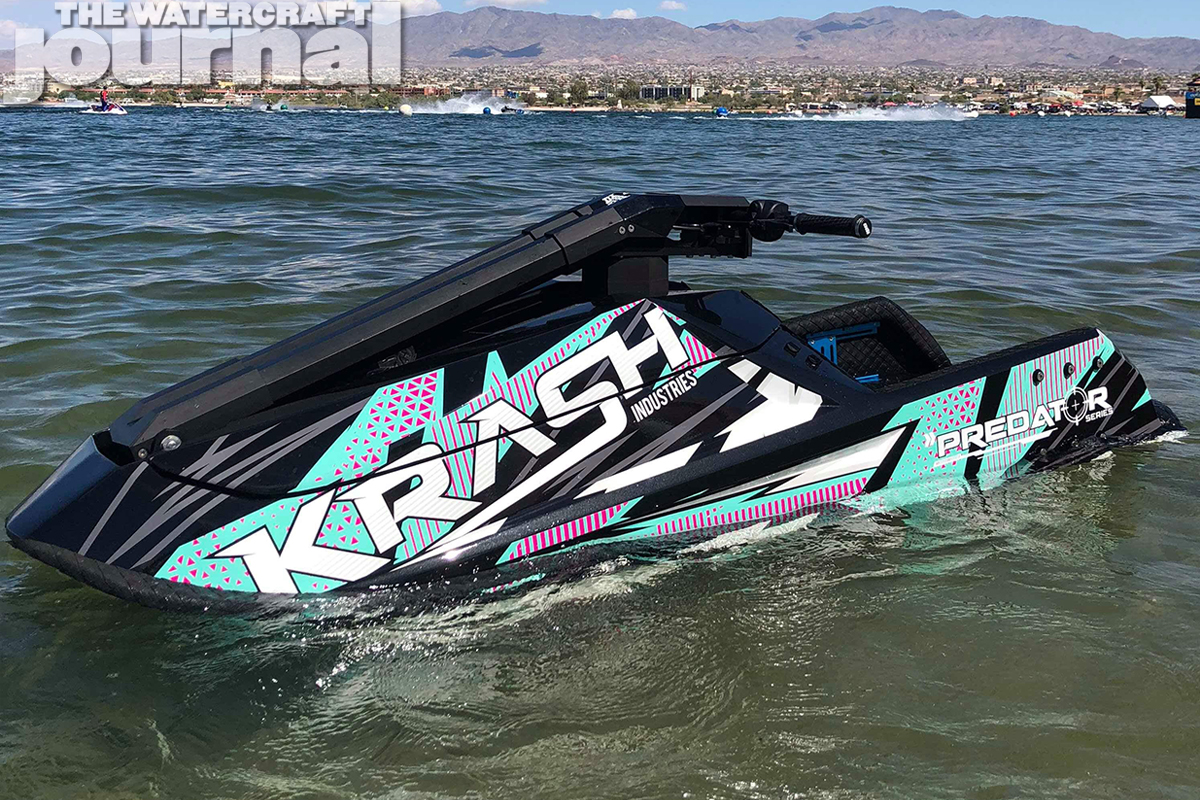
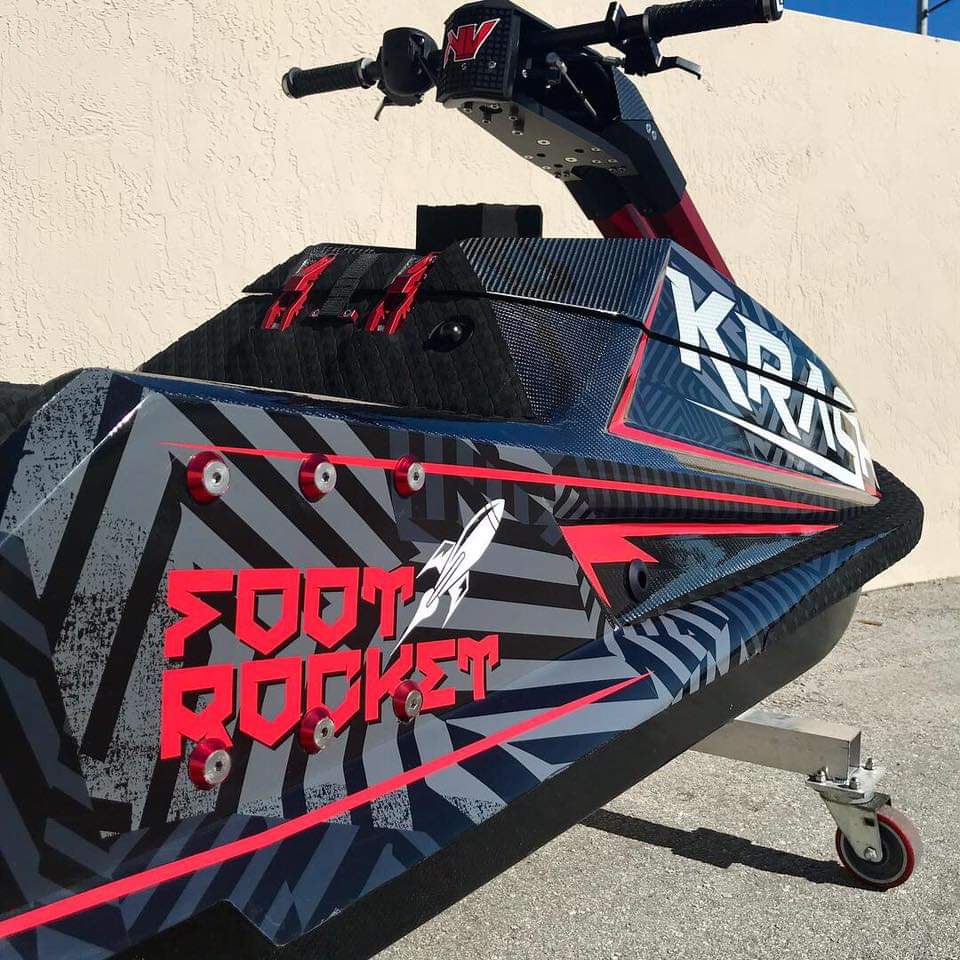
Recently debuted at the 2018 IJSBA World Finals, the new fully carbon fiber stand-up is the latest hot ticket ski from Krash Industries. Dubbed the Foot Rocket, this is the new gossip around Krash town.
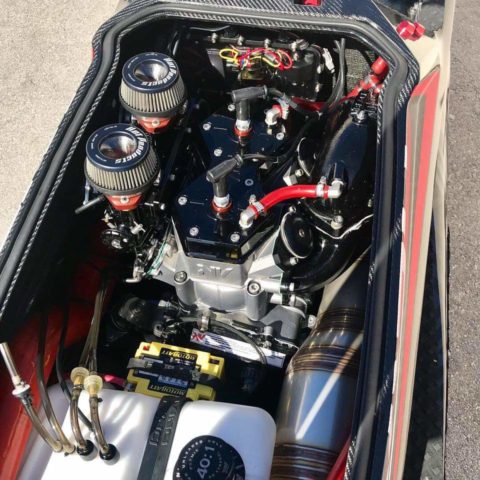
According to Krash Industries, this new ski is made from 100% carbon fiber. It weighs in at a slim 275 pounds and the power plant is good for 130 horsepower. At that power to weight ratio, we can only imagine how easy it will be to maneuver.
The previous version was called the ’50 cal’ and unlike the new ski’s carbon fiber hull and deck, the 50 cal was fiberglass. Just for comparison, the old 50 cal version weighed in at about 305 pounds according the team at Krash.
Considering the overall small size of the ski, that is some serious improvement. The Foot Rocket comes as a turn key package which means that all you need to do is add some pre-mixed fuel and you’ll be rippin’ barrel rolls with utter precision and ease.
Current pricing has been stated at $16,799 USD. Not cheap, but you definitely get a lot of performance with this little foot rocket.
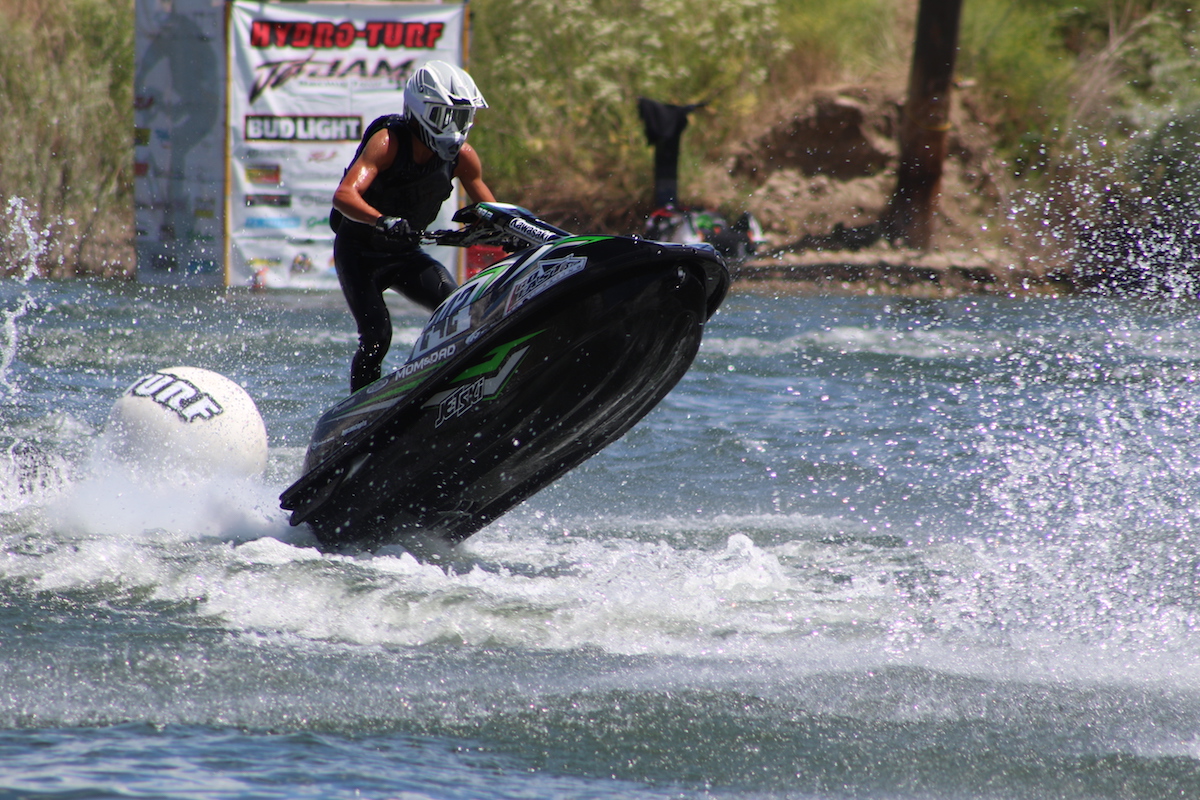
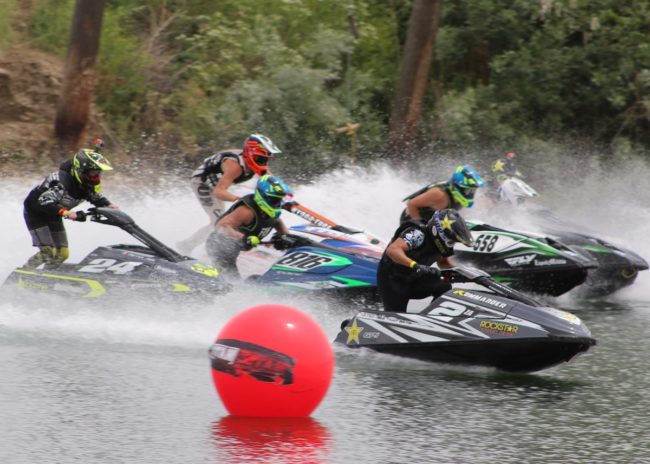
For 2019, Jet Jam has not only dramatically increased its season of tour stops, including an awesome 3 stops in Lake Havasu City, AZ (two at the Nautical Beachfront Resort – y’know, where the World Finals used to be held; and a third at Rotary Beach); a special Sacramento River event; and even a return to Sparks, Nevada but a big jump East as well!
That’s right! Jet Jam is going surf racing at two stops in Florida – the first of which being in mid-July in Daytona Beach, FL. (The second stop hasn’t been formally announced yet, but promises to be equally exciting with plenty of in-the-surf racing!
To close up the Tour, Jet Jam will return back to California with a stop in Lathrop before a final “Season Finale” race weekend in Bakersfield, CA. This coming Hydro-Turf Jet Jam Racing Tour promises to be an exciting and The Watercraft Journal promises to bring you race recaps and full coverage from each stop as we did in 2018, so stay tuned!
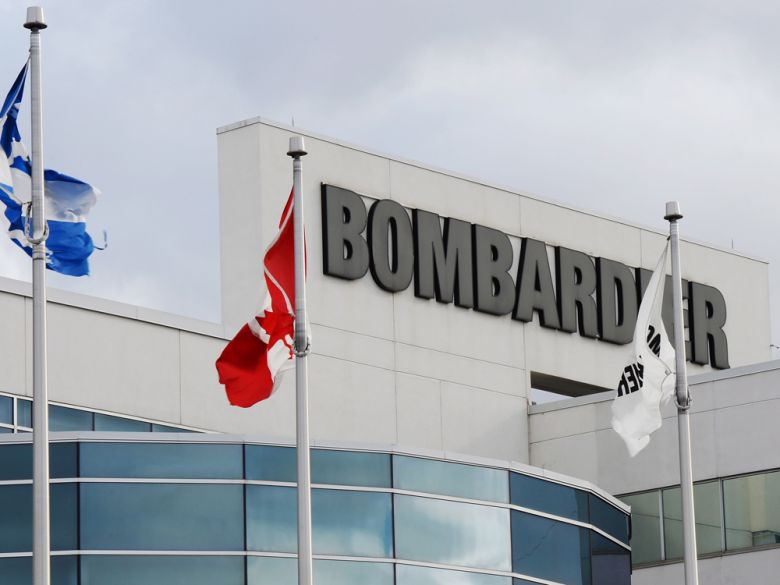
First, it is paramount that you understand that this is not Bombardier Recreational Products that we’re talking about. The manufacturer of Sea-Doo, Can-Am, Ski-Doo and Evinrude was separated from this division of Bombardier back in 2011. Rather, Bombardier Inc announced last Thursday that it ” is in the middle of a five-year restructuring program aimed at growing revenue and profit,” which has included the sale of its majority stake in its money-losing CSeries jet to Europe’s Airbus.
This refocusing of the Canadian plane and train maker’s efforts towards its “core transportation and business jet units,” caused quite a stir with shareholders, accounting for a 14 percent drop to $2.74 Thursday morning. The sale of Bombardier’s turboprop program to a subsidiary of Longview Aviation Capital and its business aircraft flight and training activities to CAE Inc. resulted in a gain of $900 million and 5,000 jobs cut.
In a report by Financial Post, “Under Chief Executive Officer Alain Bellemare, the company cut thousands of jobs in 2016, although it has also hired workers for key programs like its Global 7500 business jet. […] Bellemare is working towards reducing Bombardier’s net long-term debt of $9 billion.”
Additionally, Bombardier also announced sweeping changes to its business operations, including “redeploying its central aerospace engineering team and setting up a new team that will be tasked with applying learnings from its aerospace programs to its rail transportation business,” the company said. These changes will save Bombardier about $250 million all aimed at “optimizing production and management processes, flattening management structures and further reducing indirect costs,” the report said.
So again, this news has zero effect on Bombardier Recreational Products, the manufacturers of Sea-Doo.
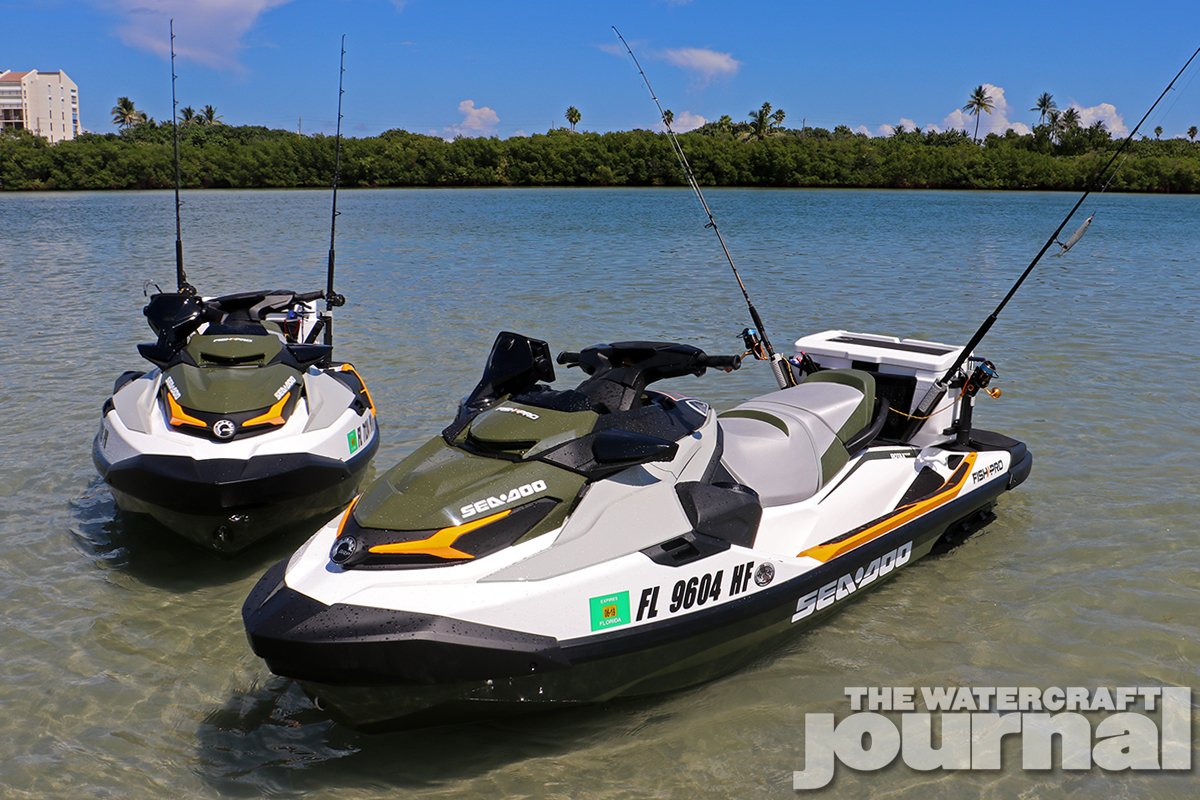
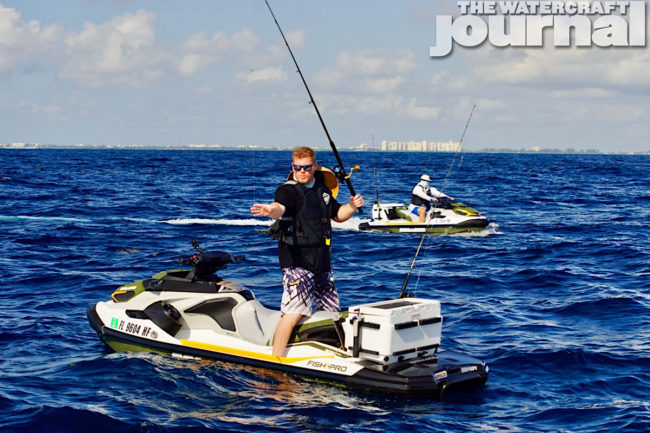
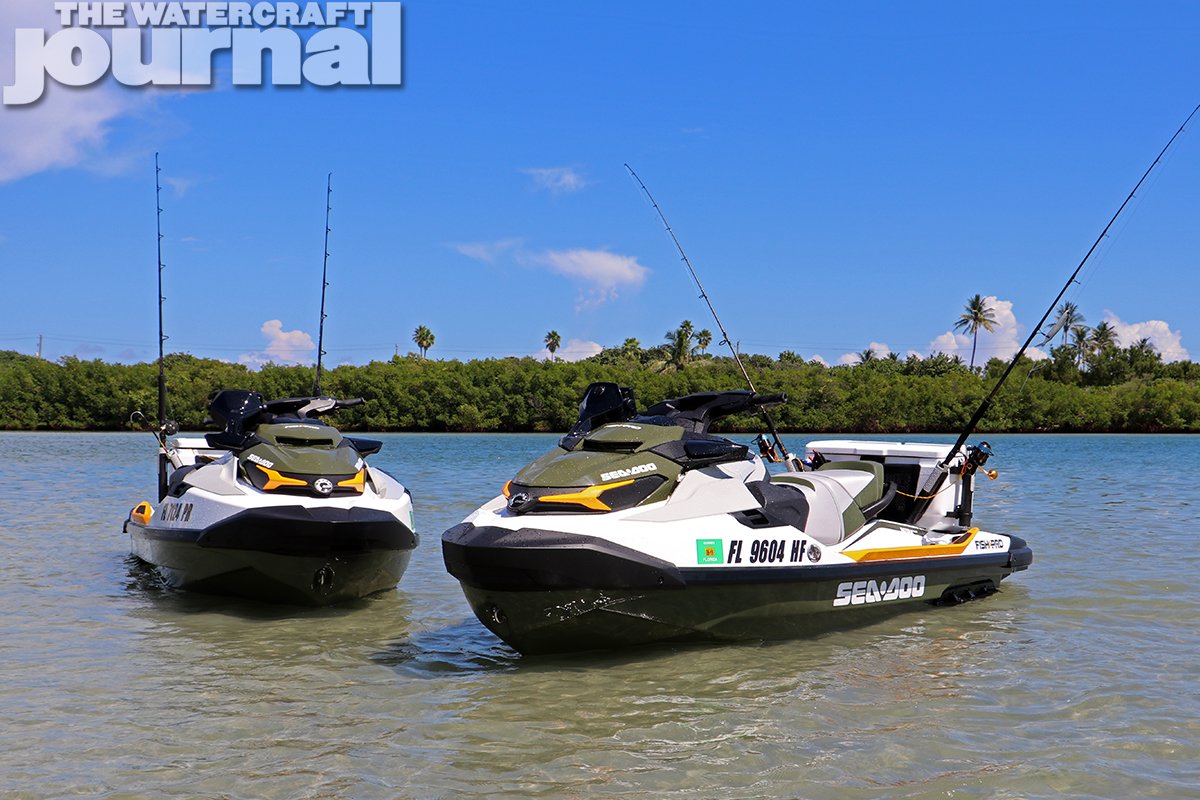
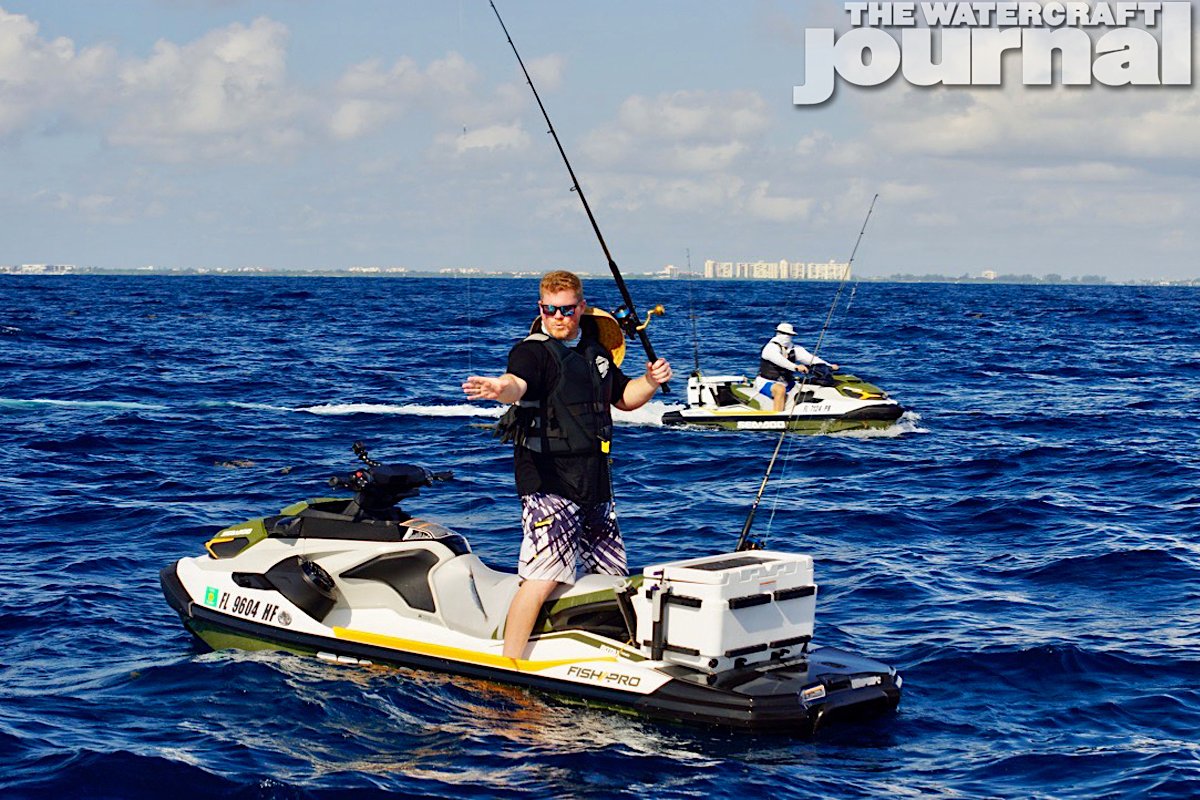
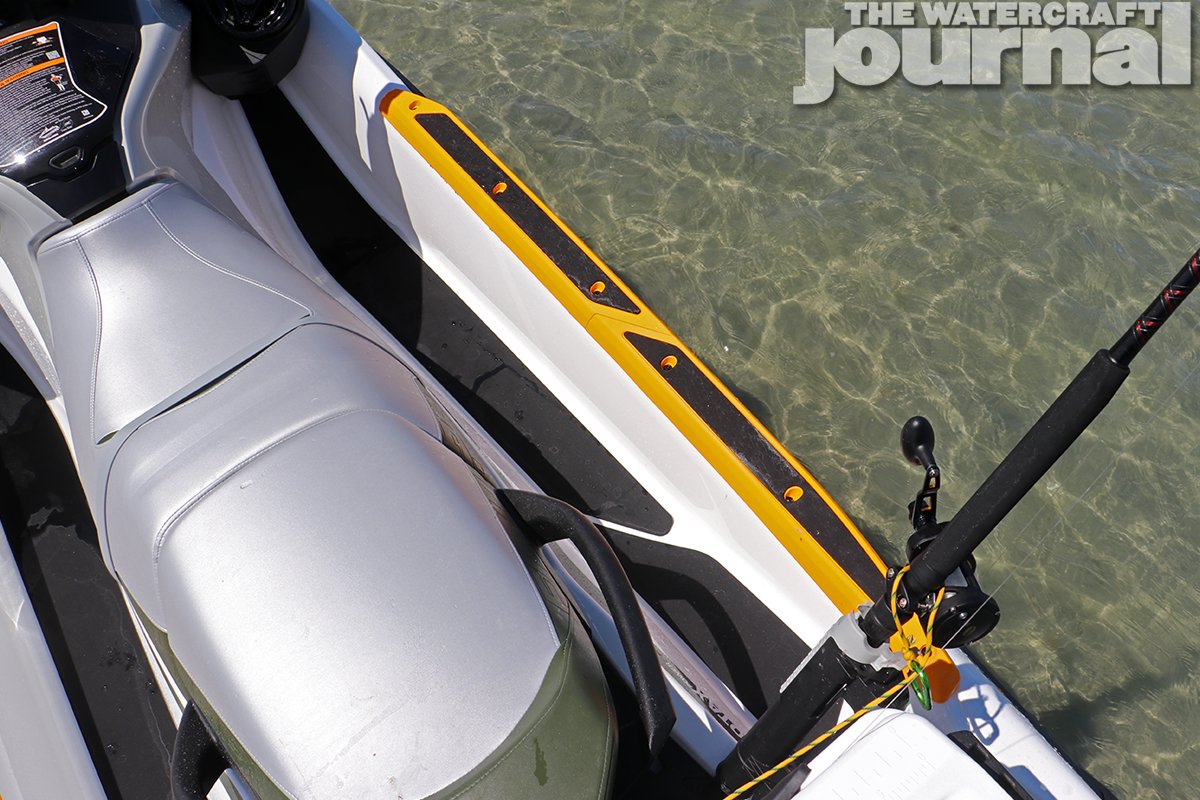
The sparse late summer breeze rippling the azure blue water inside of the Jupiter Inlet masked what lay just outside of its mouth. The four of us had set in at the Burt Reynolds boat launch on Jupiter Island Park less than an hour before; myself, Sea-Doo’s Tim McKercher, Greenhulk.net‘s Jerry Gaddis, and Micah Simoneaux of Florida Sport Fishing. Admittedly, I had the least amount of experience fishing, but I was plenty comfortable behind the bars of a PWC. Prior to launching, Tim had given us a crash course on the myriad of new features and accessories now standard on Sea-Doo’s industry-shaking unit, the 2019 Sea-Doo Fish Pro. Between toggling through the dozens of navigational and tracking pages, Tim glanced at his watch, cut his briefing short, and ordered us into the water.
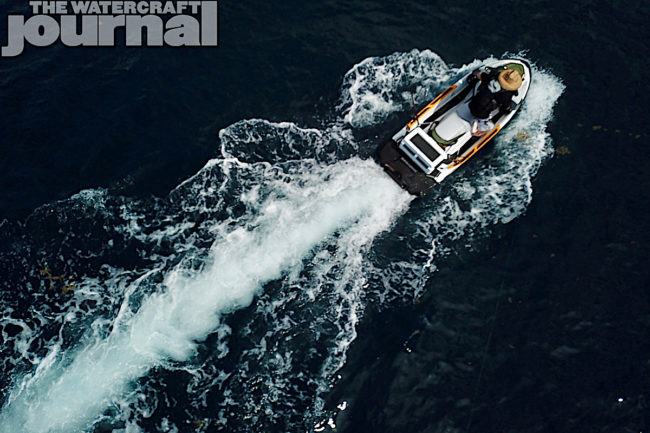
Idling just out beyond where A1A and US Hwy 1 fork in twain, I fell into formation beside Tim who was directing me to follow in the wake of an exiting center-console fishing boat. Over the din of our Fish Pro’s naturally-aspirated 1,494cc 3-clyinder four-strokes and the rising howl of the wind whipping over the Atlantic, Tim leaned in and cautioned, “It’s gonna be pretty rough.” Almost as if on cue, the swell I was riding bottomed out, plummeting the bow of my elongated 12’3″-foot long Sea-Doo into a dive. Instinctively, I shot to my feet as the ski descended. As quickly as the swell hollowed, my horizon was filled with an oncoming wave.
Operating on adrenaline, I viced the heavily laden Fish Pro’s throttle in an attempt to crest the wave. No luck. The runabout was instantly swamped, the briny onslaught washing over the bow, engulfing the gauge cluster, handlebars and bursting into salty foam on my chest and arms. My shoulders and head jutting – for a fraction of a second – out of the sea like the bowsprit of an ancient ship rising from its watery grave. And then the Fish Pro erupted upward and returned to plane as if nothing had never happened. Releasing the throttle I quickly whipped around to take tally of my machine, its 856-pounds burdened with what I estimated to be an additional 380-pounds of fishing rods, tools, ice, bait, 18.5-gallons of fuel, and of course, me. Everything, gratefully, was still accounted for.
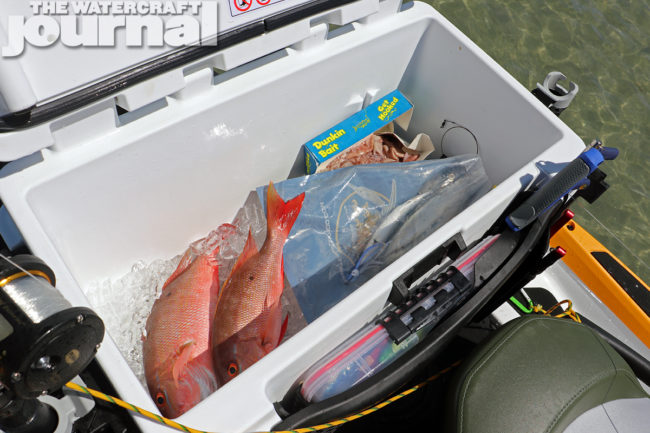
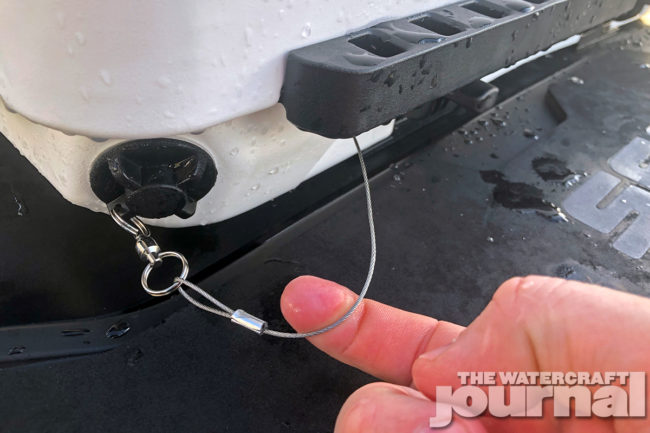
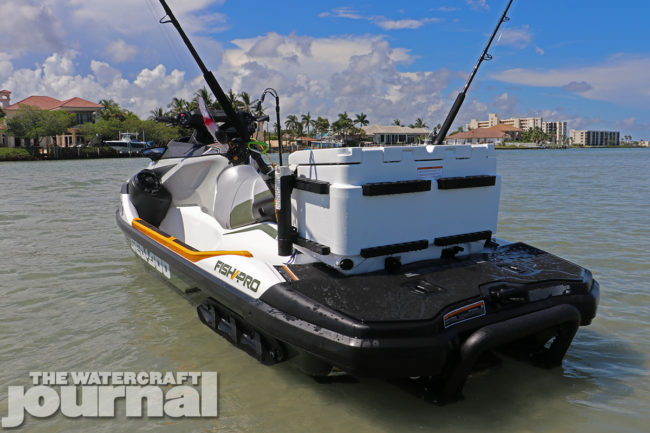
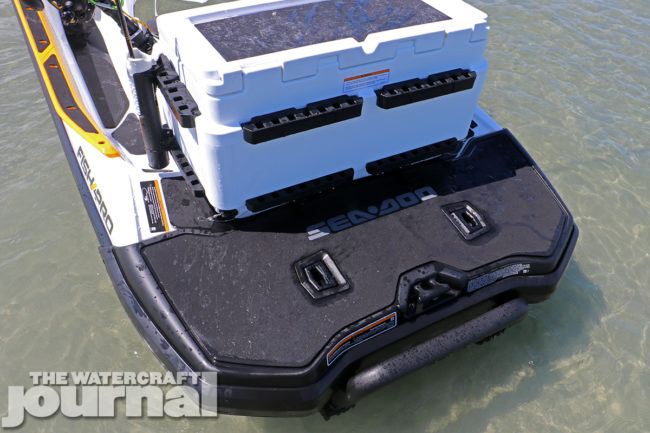
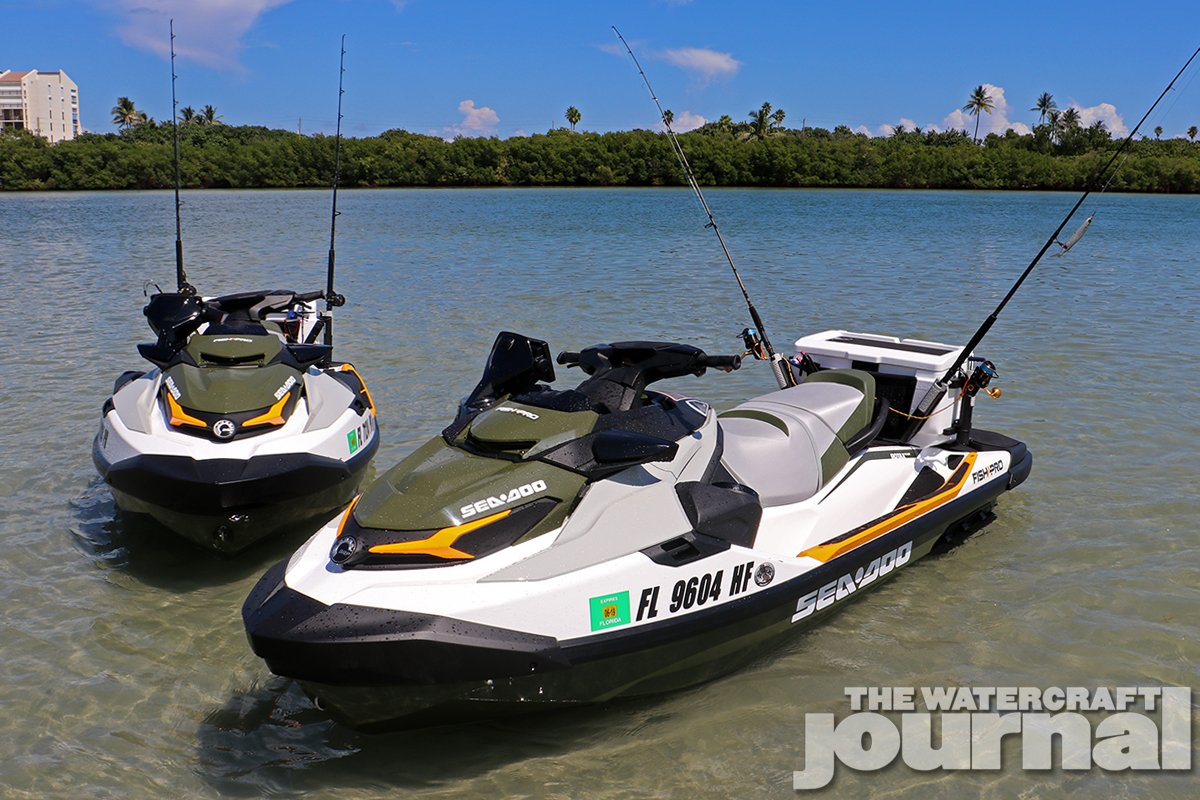
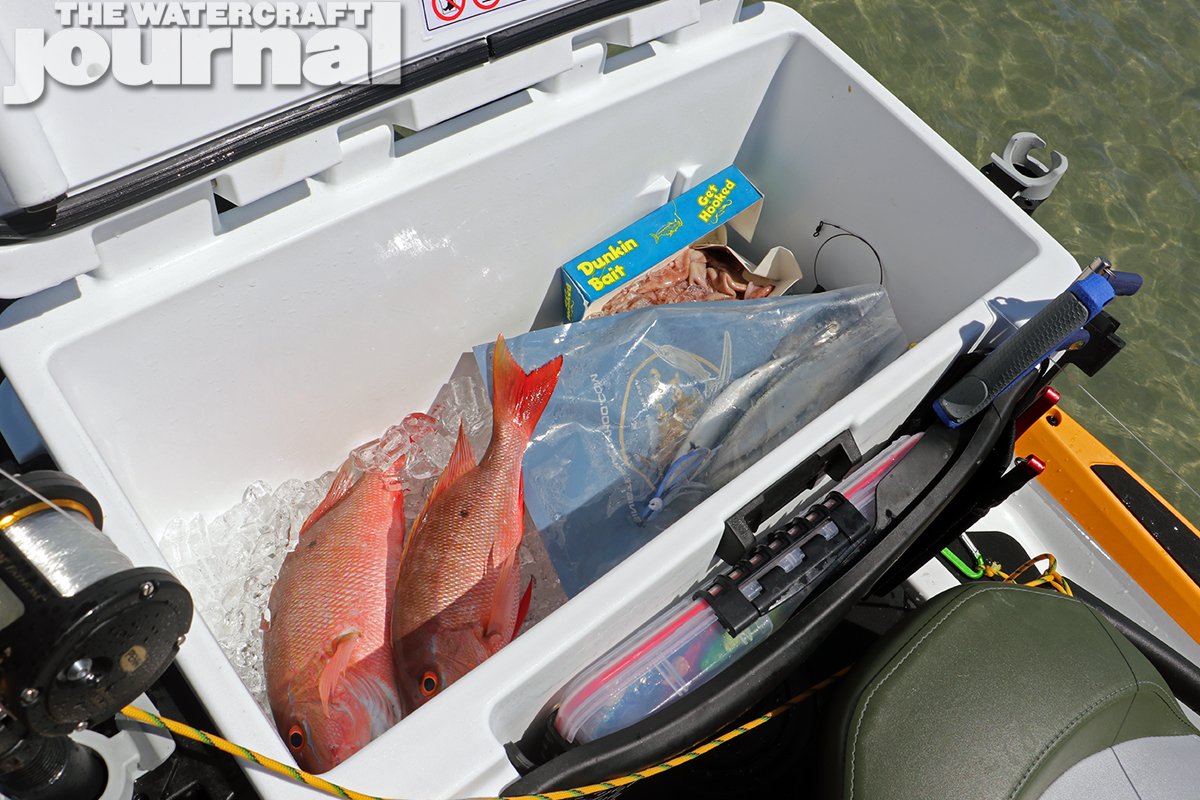
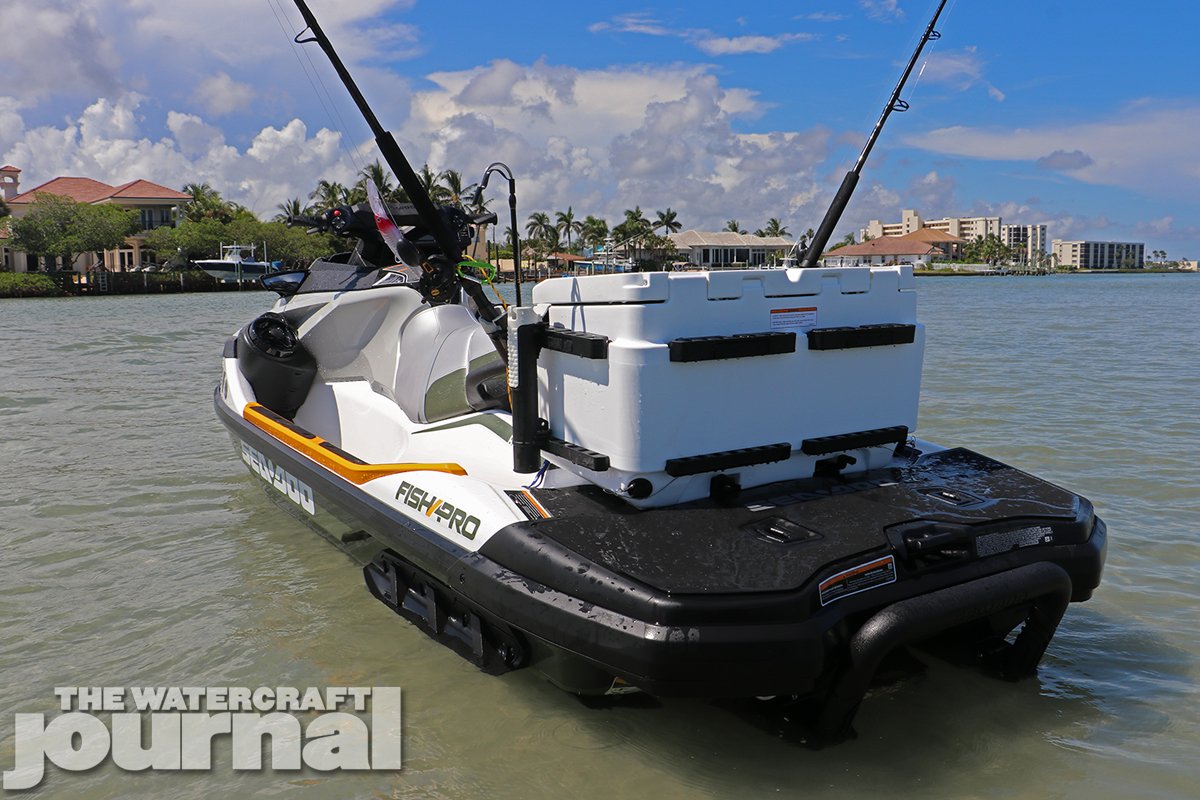
The massive 13-and-a-half gallon LinQ Fishing Cooler occupied the swim platform behind the two-piece bench seat, attached via a pair of standard LinQ mounts that, when removed, could collapse flat into the deck. The cooler – unique to the Fish Pro, although available through BRP’s Accessories Department – touts some serious ingenuity; two threaded drain plugs are located at the rear corners complete with braided stainless tethers, which, I surmised, when removed could function as in and out ports for converting the tank into a live bait well; at the front, a rubberized cargo net is a great place to store a small tackle box, pliers or other tools.
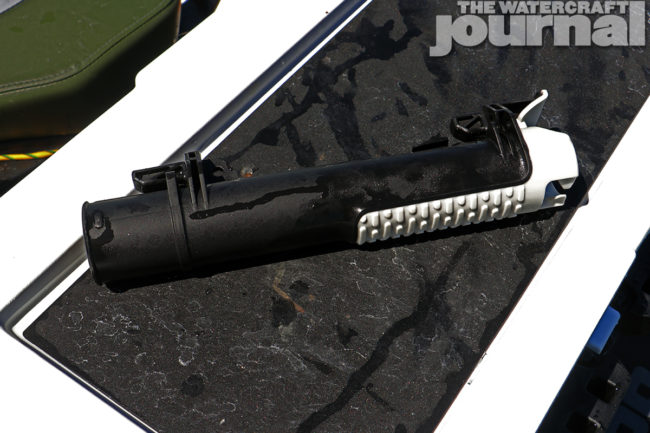
Surrounding the outside of the cooler at the rear of the Sea-Doo Fish Pro are two rows of multi-point mounting brackets, allowing for a variety of rod holder configurations, in which the Fish Pro comes with four as standard equipment. The rod holders are notched to receive a rod’s reel, but we found clipping a carabiner tied to the tank served us better in the 4-to-6 foot turbulence we were riding in. Lastly, a recessed, hardened work pad serves as a cutting board when preparing bait or filleting your latest catch. Comparable to the high dollar coolers popular with outdoorsmen today, the LinQ Fishing Cooler is just but one of the features standard on the Fish Pro.
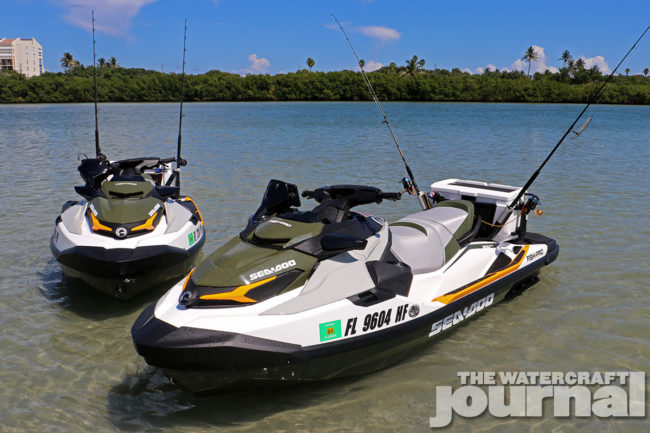
The skies had darkened above quickly and rain quickly whipped our faces. Sea-Doo had equipped us with UV-shielding gaiters and wide-brimmed flop hats. Looking ahead, Tim had already donned his. Traveling a short distance further, he came to an idle, waiting for me to pull aside. “Where’s everybody else?” he barked. I shrugged, looking back towards the inlet. The surging waves obscured Jerry and Micah from view. “Should we go back?” Tim queried. I replied that I was happy to continue out if he was certain that conditions would improve. He confirmed that yes, they would. The two other White-and-Night Green Sea-Doo Fish Pro craft came into view, and Tim throttled back up, heading further east into the Atlantic.
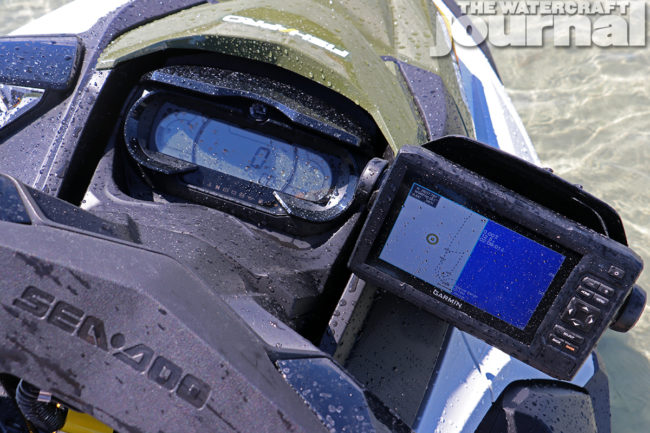
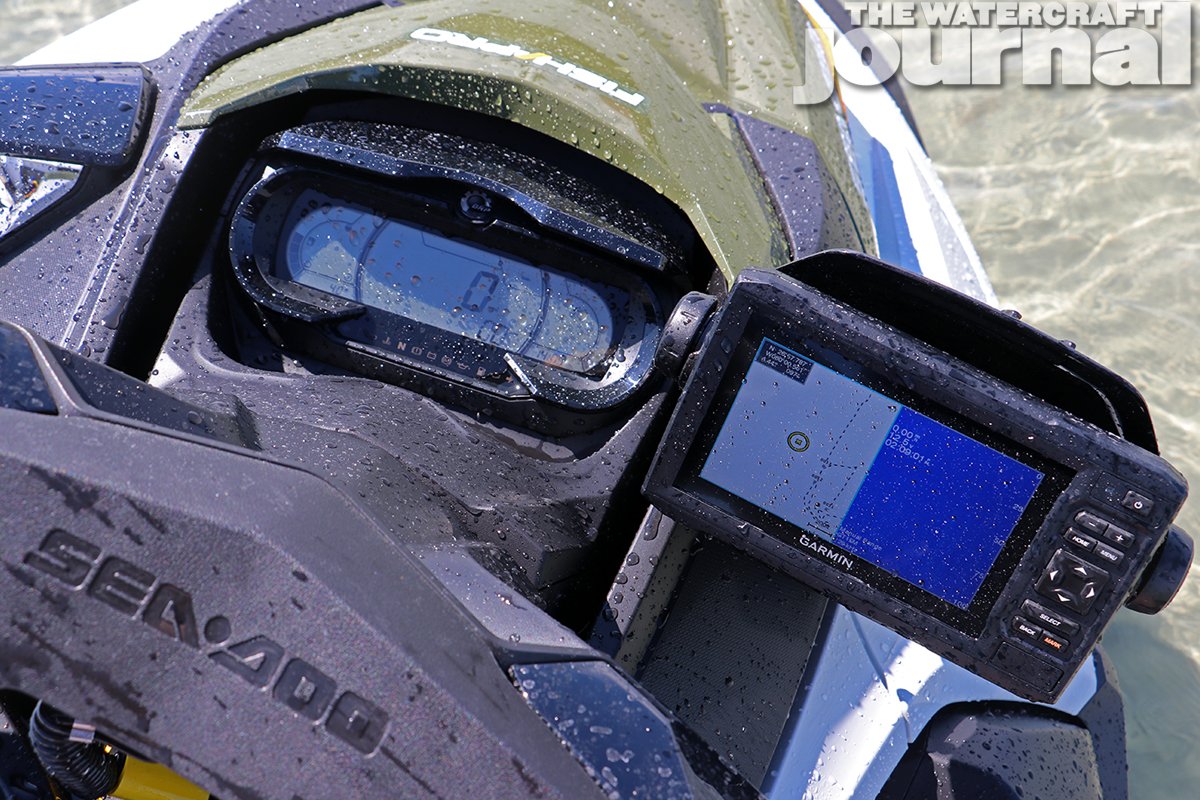
True to his word, the skies parted almost providentially, and the seas began to ease to a somewhat milder 2-to-3 foot cross-hatching chop. Looking a bit weary, the others scattered, quickly firing up their Garmin ECHOMAP Plus 62cv Fish Finders, their full-color 6-inch screens instantly communicating to each Fish Pro’s in-hull transducer. The Garmin units are mounted via an arm extending out of the right-hand rear view mirror pod, tucking the weatherproof wiring harness out of sight. The Garmin unit is directly comparable to the top-of-the-line navigation units found on vessels double the Fish Pro’s starting MSRP of $14,799.
Pages of charts, depth and seafloor mapping are at the ready in full-color display. The Garmin even comes equipped with a fish-finding system using CHIRP technology producing high definition images to view live as it happens below the ST3 hull. Speaking of the ST3, I finally came to understand the method behind the hull’s madness. Last year, when first introduced, the peculiar shaping of the outermost chines perplexed me. If observed out of the water, you’ll see a literal shelf running the outside length of the hull; a flat running surface breaking in to a hard, near 90-degree angle. For a race-bred watercraft, it was almost antithetical. But now, seeing what BRP had coming for 2019, the surface-tension-producing lip made perfect sense.
Even as I rocked to-and-fro on the rolling surf, the Sea-Doo Fish Pro was never uneasy. Whether sliding back and forth along the flat padded seat, swinging my weight from one side of the Sea-Doo or the other, the Fish Pro was resounding stable. In fact, I chose to stand much of the time I wasn’t either taking pictures or video, or idling aimlessly with the Trolling Mode engaged. Amid the many new features and add-ons, a smart bit of programming slipped into the Sea-Doo’s iTC (Intelligent Throttle Control) was the program permitting fishermen to toggle through low speed presets. Incrementally increasing speeds from 2mph to 9mph, Trolling Mode allows the angler to cast his lines and quietly idle wherever his Garmin fish finder directs.
A couple of hours into our outing, Tim and I gravitated to a slightly shallower spot – about 100-feet deep – and switched from trolling ballyhoo to bobbing squid off of the floor. My bait hardly touched the silt before a bite starting unspooling my reel. I swung my feet around, up against the angled, padded foot wedges hard-mounted to the gunwales, and began pulling my catch in. It was a silver-flecked, muddy brown cobia – I couldn’t guess more than 8-pounds. Tim idled over, withdrew his Leatherman tool from his pocket, unhooked the fish and handed over to me to hold. A snapshot later and I set the bottom feeder free. I had done what I had set out to do: catch a fish from a Sea-Doo Fish Pro.
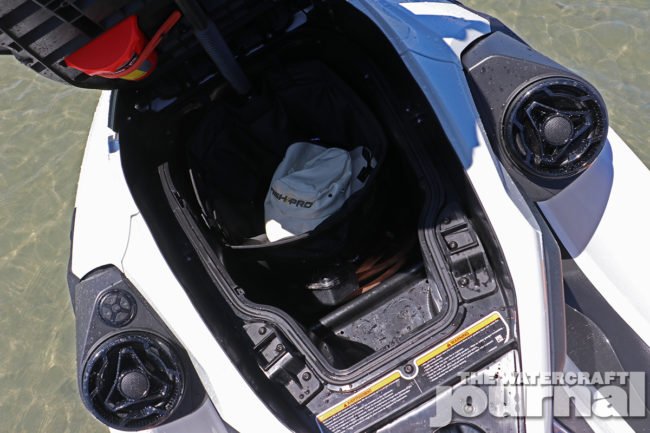
Although not standard equipment, I was lucky enough to be riding a Sea-Doo Fish Pro furnished with the BRP Premium Audio system and the Ergolock knee pads, both of which are available as add-ons when ordering a Fish Pro or as items your Sea-Doo dealer can install prior to purchase. Normally a relentless user of the sound system, I was far too distracted by my Garmin fish finder, toggling through Trolling Mode settings, and just keeping my lines from getting tangled to use it. Yet, were I out just to enjoy a ride, you can bet I’d be blaring some tunes. Two last bits of standard equipment though, are worth mentioning:
First, the deck extension adds an impressive 11.5-inches to the overall length, as well as a second set of LinQ attachment brackets. In our Long Haul video, I suggested carrying a second, smaller cooler for drinks and snacks because, as I had experienced today, my sandwich and bottled water all reeked of bait. Better to keep those separated. Of course, any LinQ accessory can be used; a dry bag, hard case storage or the fuel caddy – although the new standard 18.5-gallon fuel cell shines as a stellar improvement for the Sea-Doo. Without the supercharger, the 1504 Rotax moderately sipped at our fuel supply all day, barely consuming a third of our reserve.
2019 Sea-Doo Fish Pro Review | Long Haul, Ep. 35
With only 155-horsepower on tap, and the conditions being as punishing as they were, I never saw the craft breech higher than 52mph. That of course, doesn’t mean it can’t, but it’d definitely require losing much of the load it was carrying today. In the video I continually refer to the deck extension as a “hull extension”; this is only partially true, as the piece itself has very little wetted running surface. Yes, it helps in the attitude of the craft, particularly when trimmed high up while traversing brutal open seas like we did, but not enough to tout it as a true “hull extension.” Nevertheless, the craft behaves in many ways, world apart from the raucous supercharged 2018 RXT-X 300 on loan to The Watercraft Journal, and the extension is a main contributor to that.
To that end, the 2019 Sea-Doo Fish Pro is exactly, if not completely more so, what I had envisioned for a factory-equipped fishing runabout. The craft’s overall balance, voluminous footwells, and ease of use and access of all notable storage and notable features is inspired. The dual-purpose LinQ Fishing Cooler is genius; the partnership with Garmin is equally brilliant. As I write this, the first examples of the Sea-Doo Fish Pro have not only reached the markets in the Southern Hemisphere, but have already been sold, and put to use. While the core PWC enthusiast market (particularly here in the States) have been slow to adopt the sport of watercraft fishing, I am certain when presented to hardcore sport fishing enthusiasts, will be revolutionary.






 Sure, it might be raining outside. Or freezing. Or snowing. But that’s no reason not start thinking about next year’s race season!