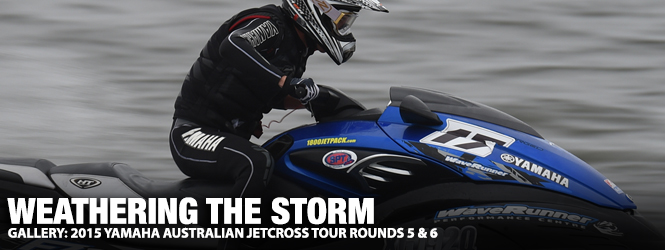
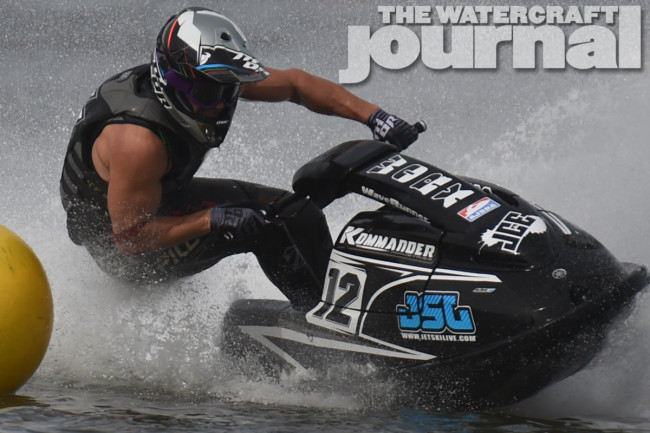
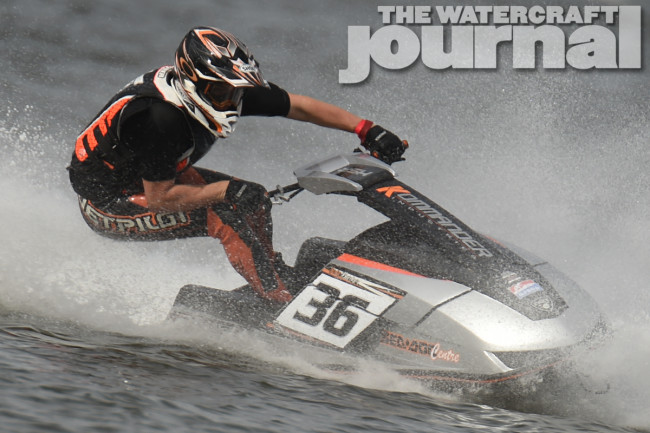
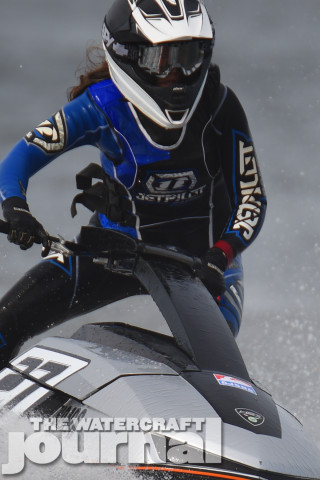
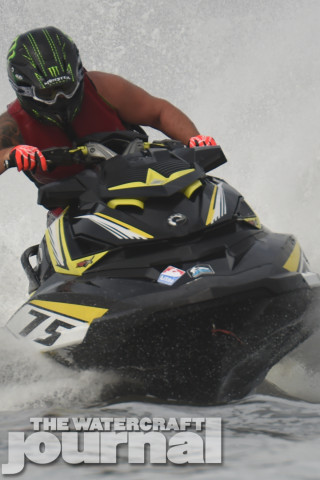
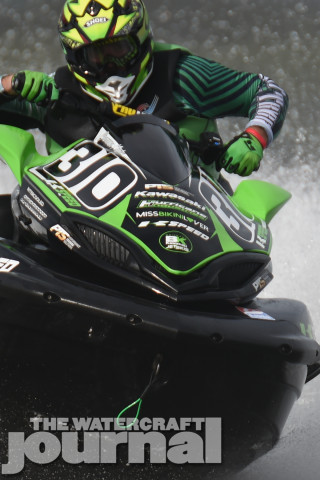
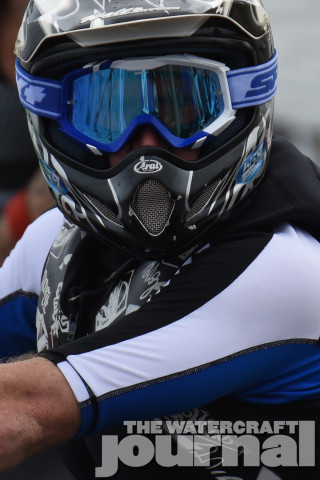
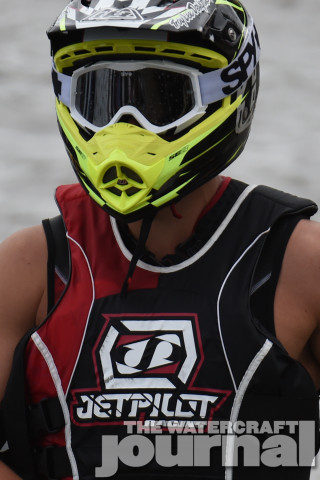
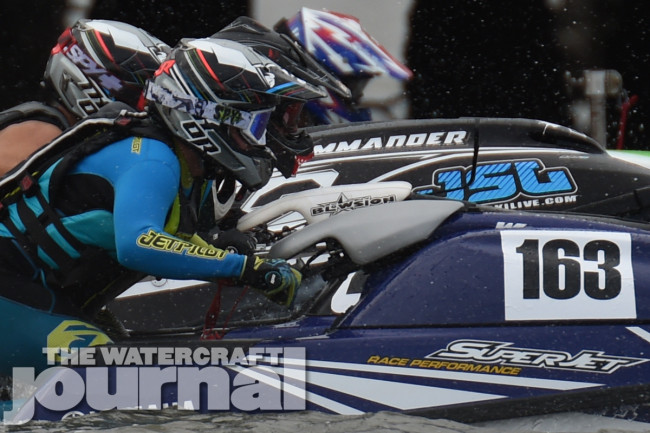
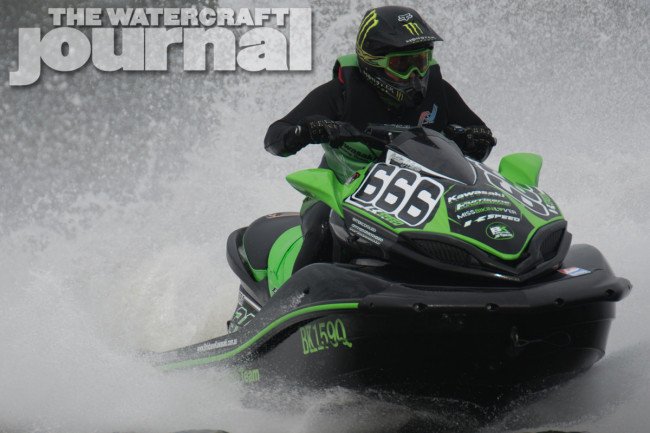
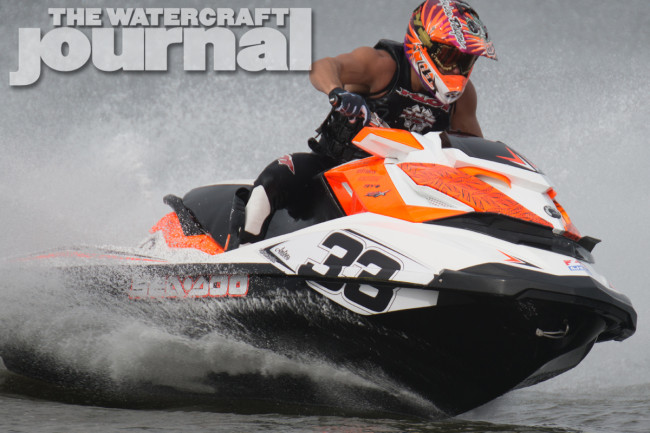
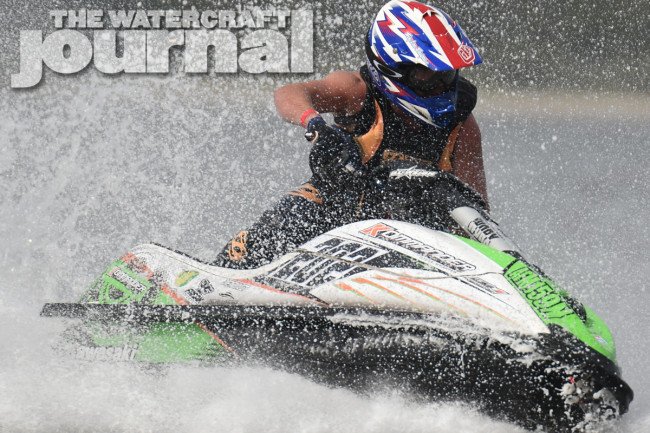
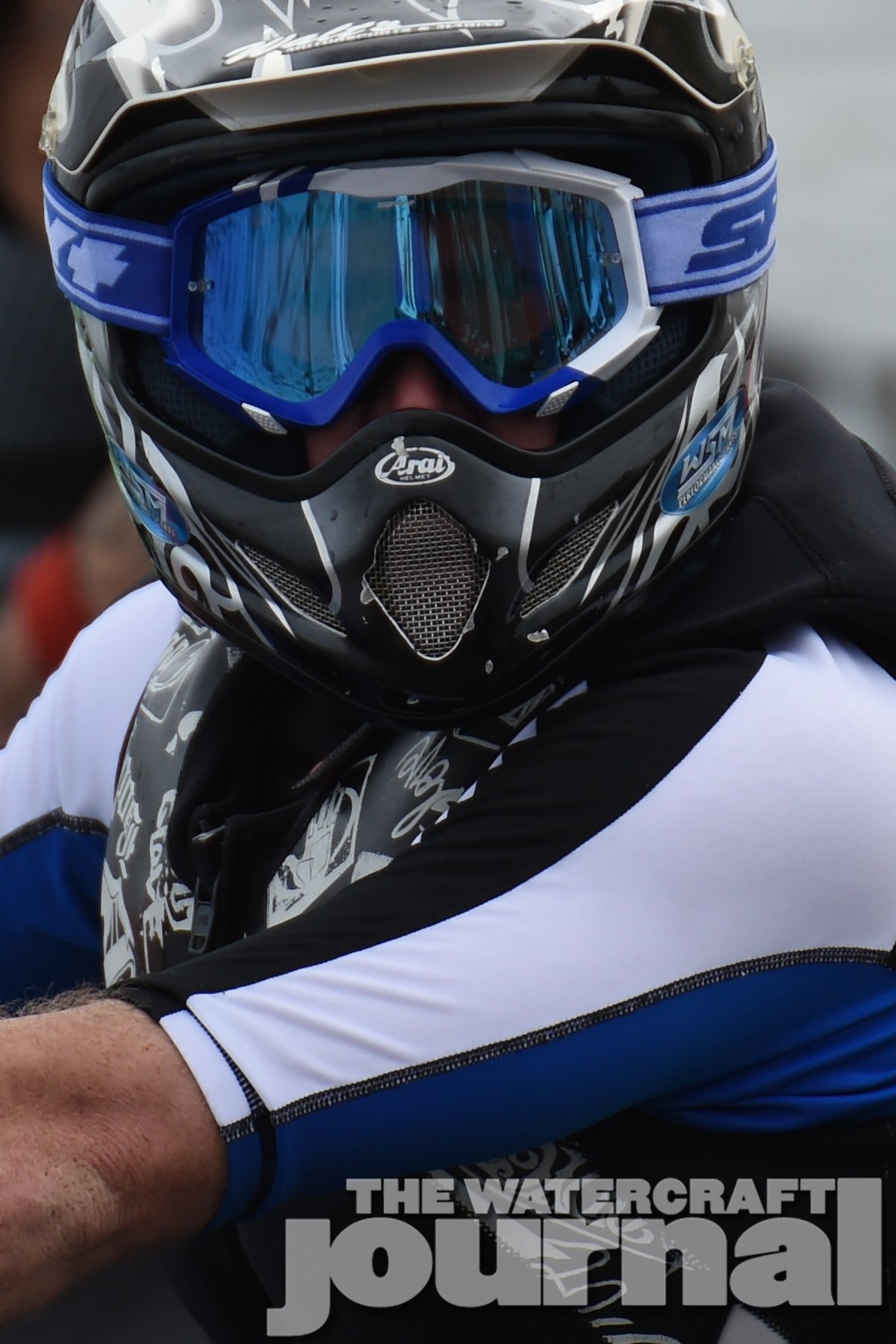
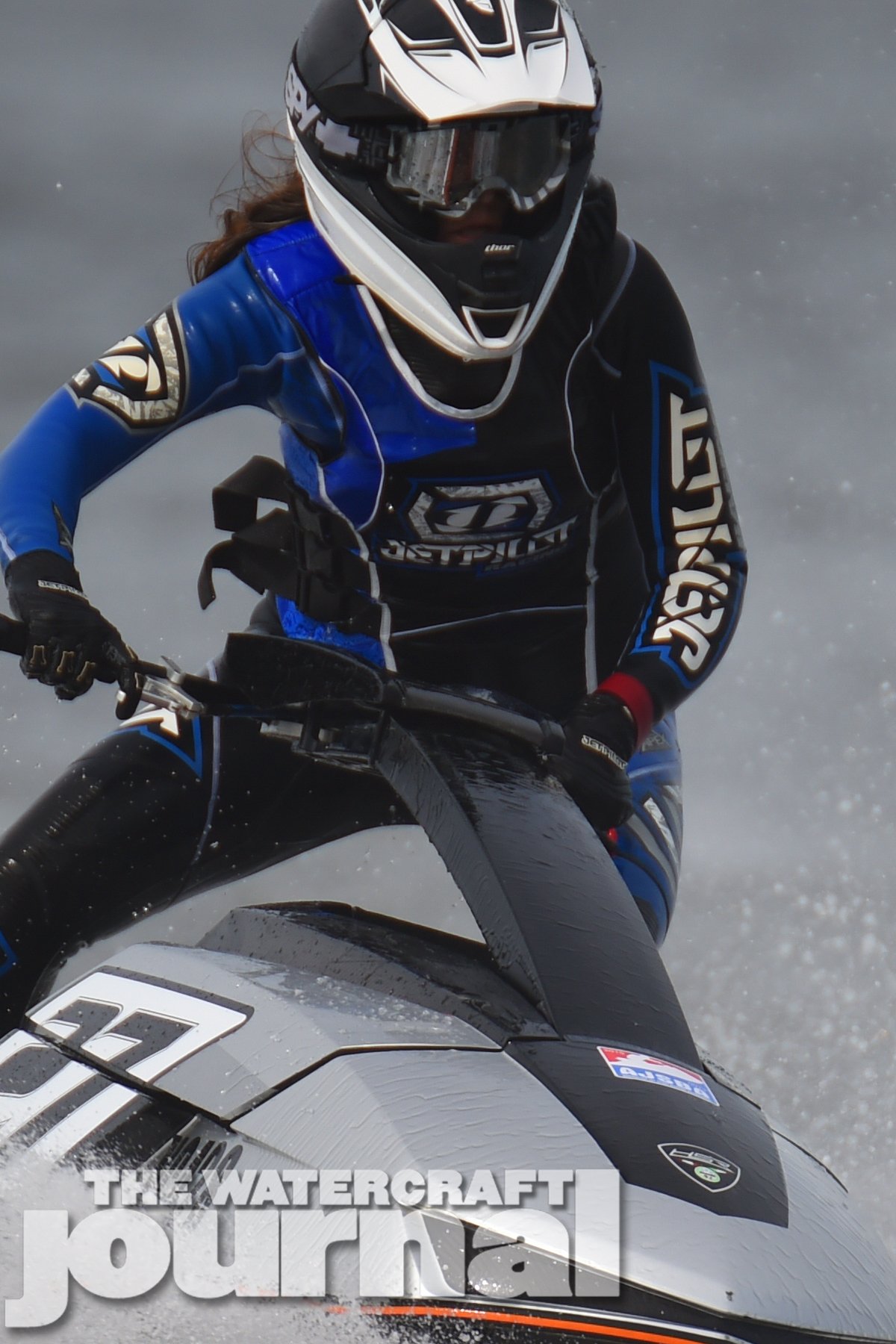
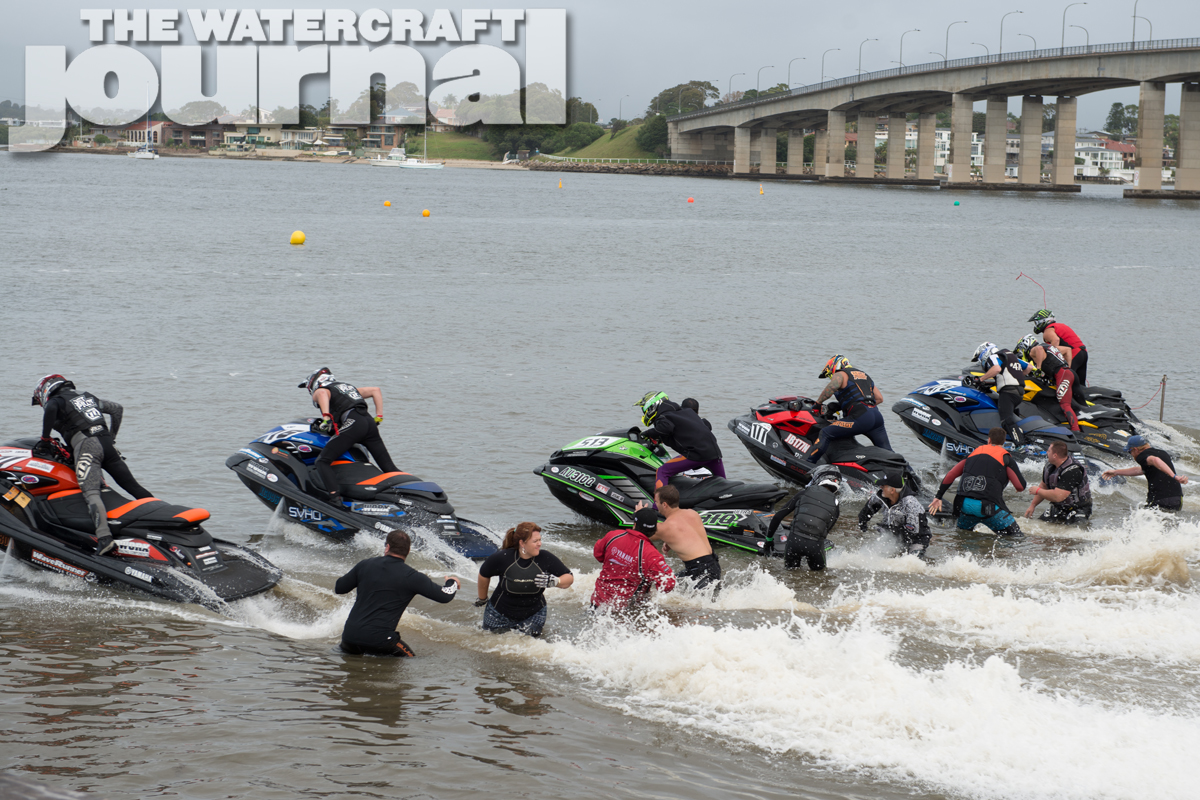
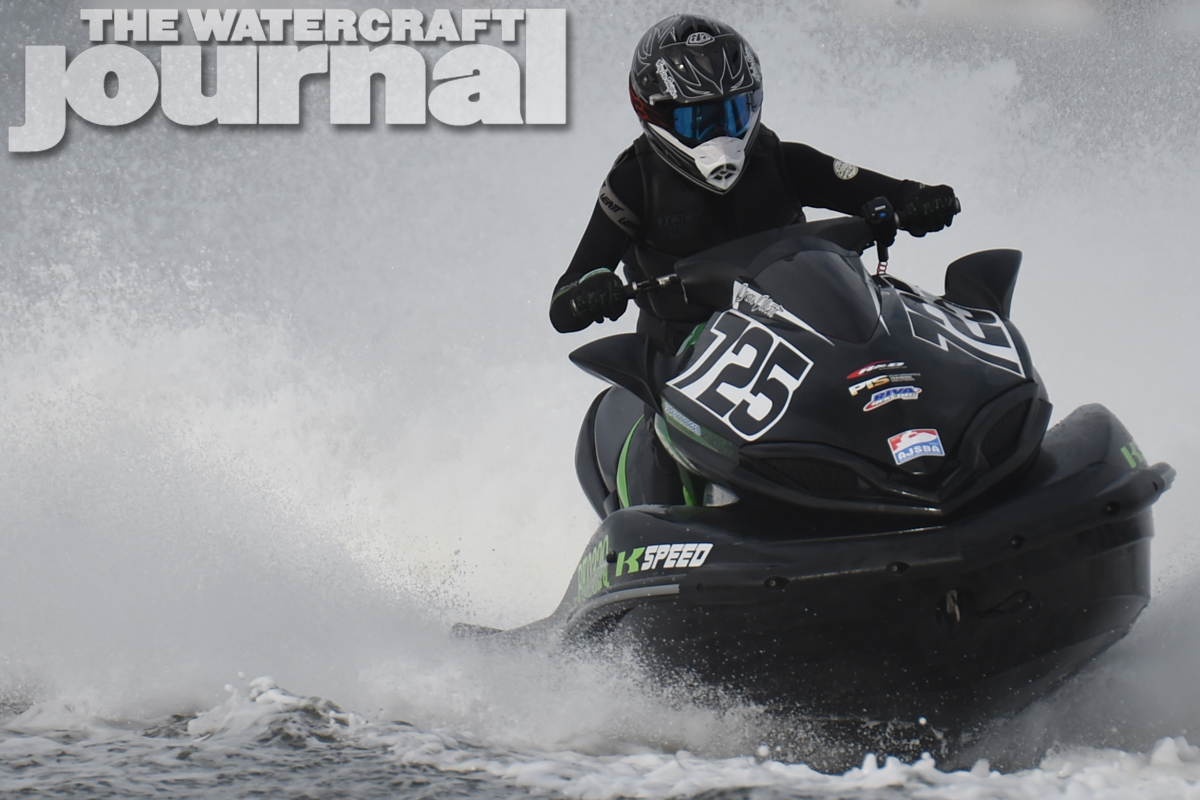
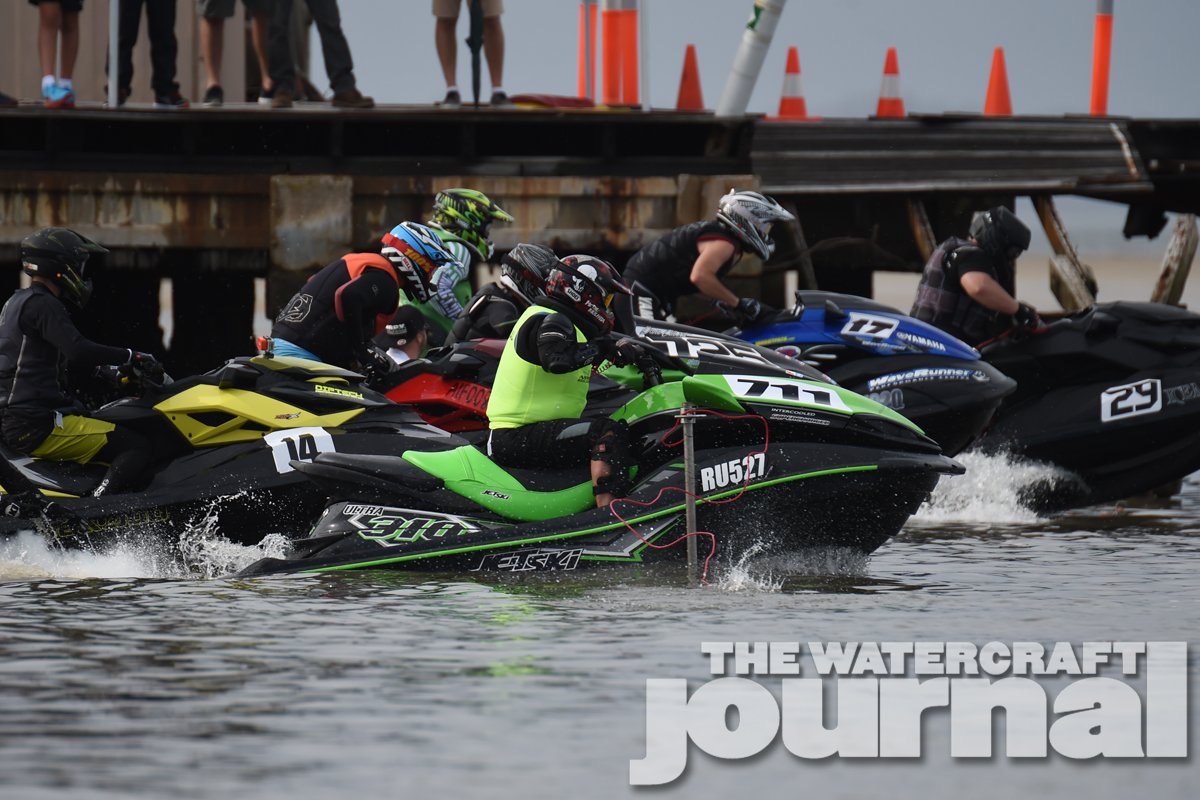
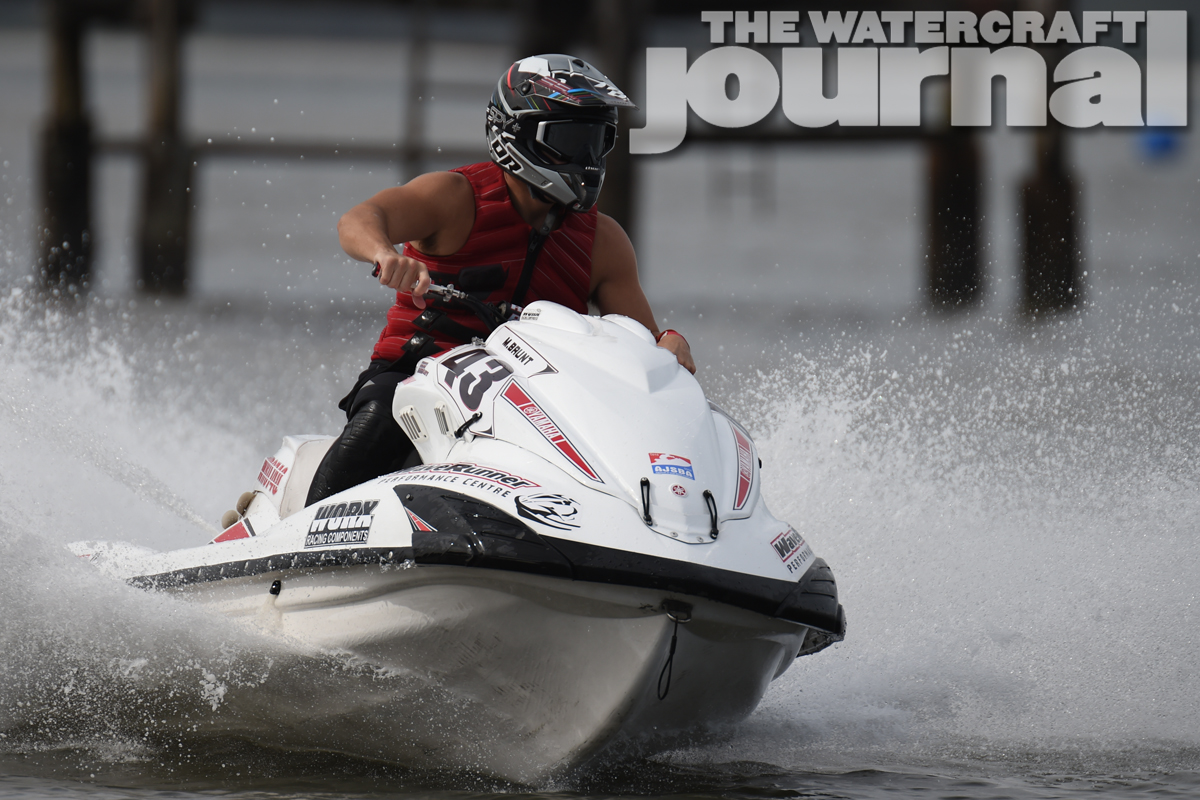
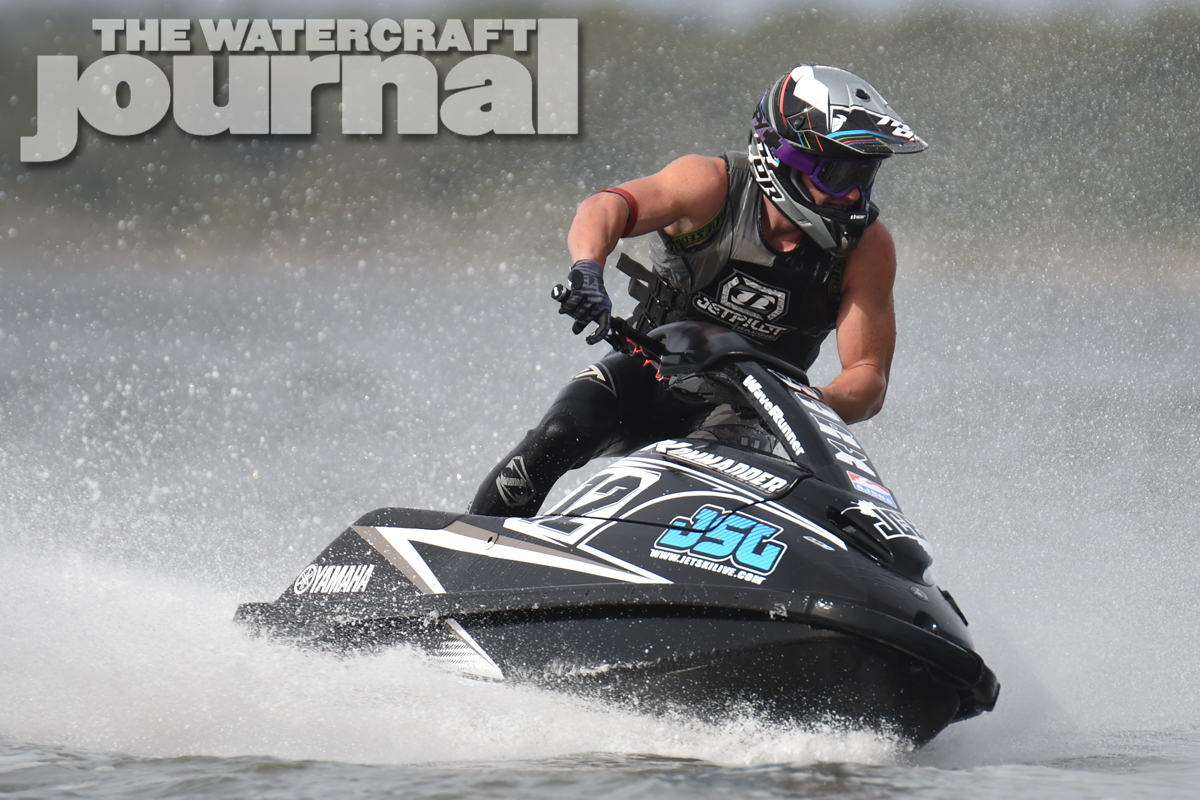
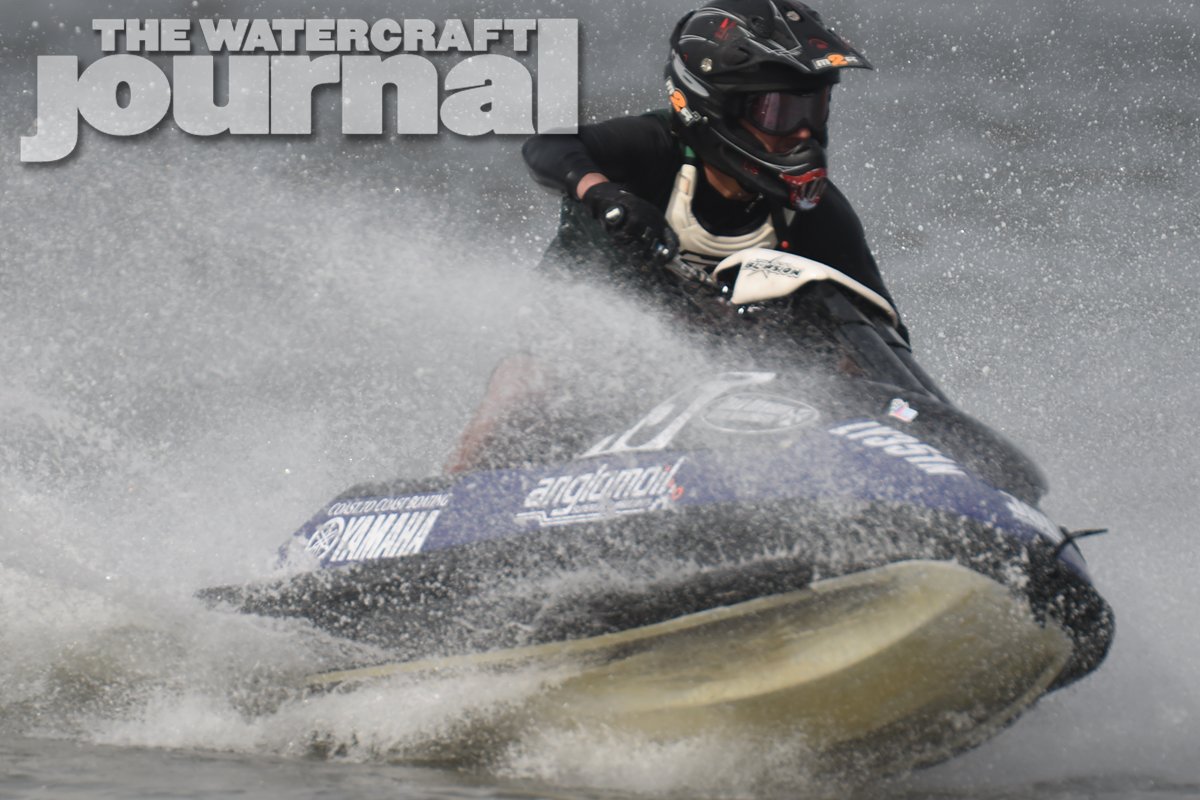
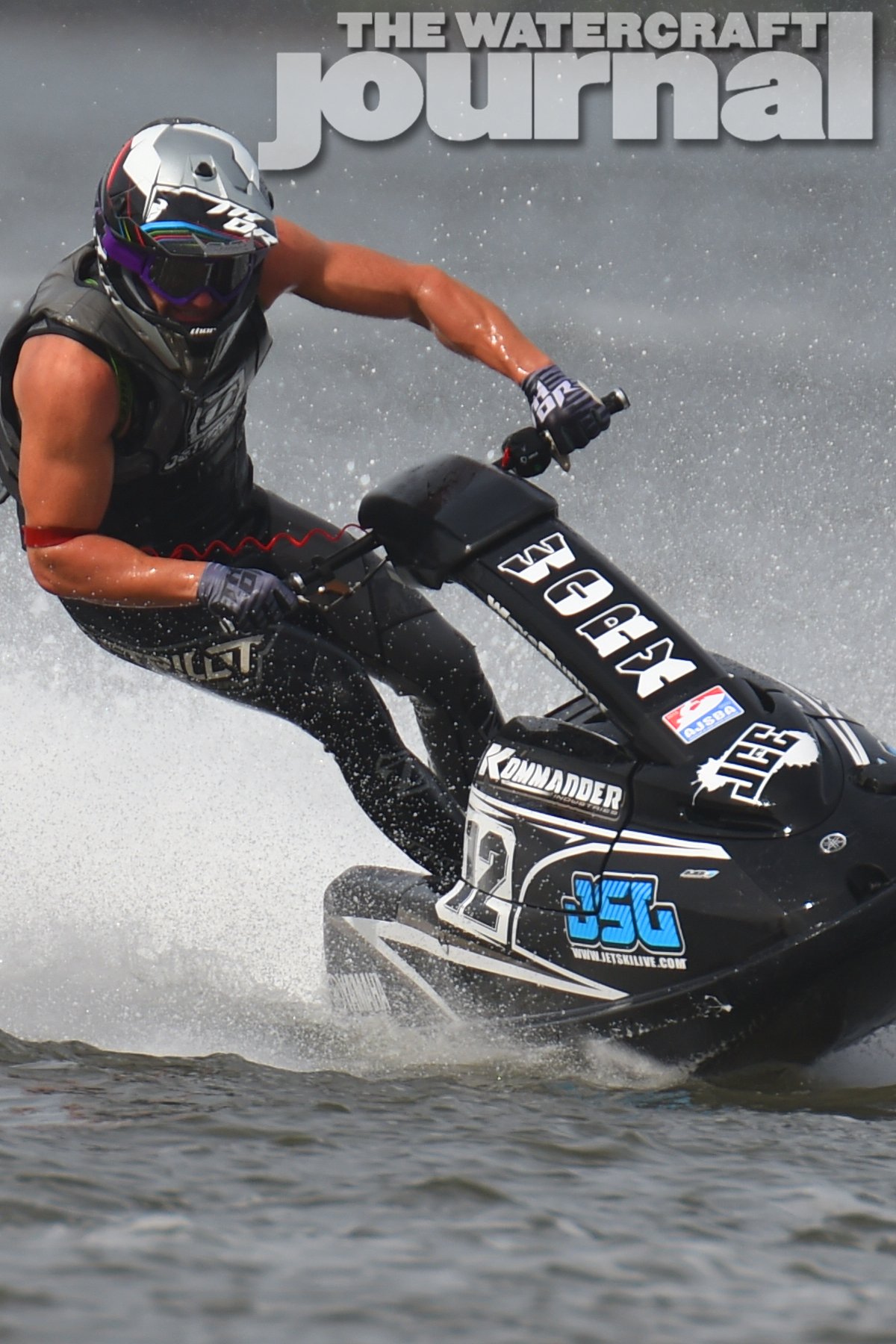
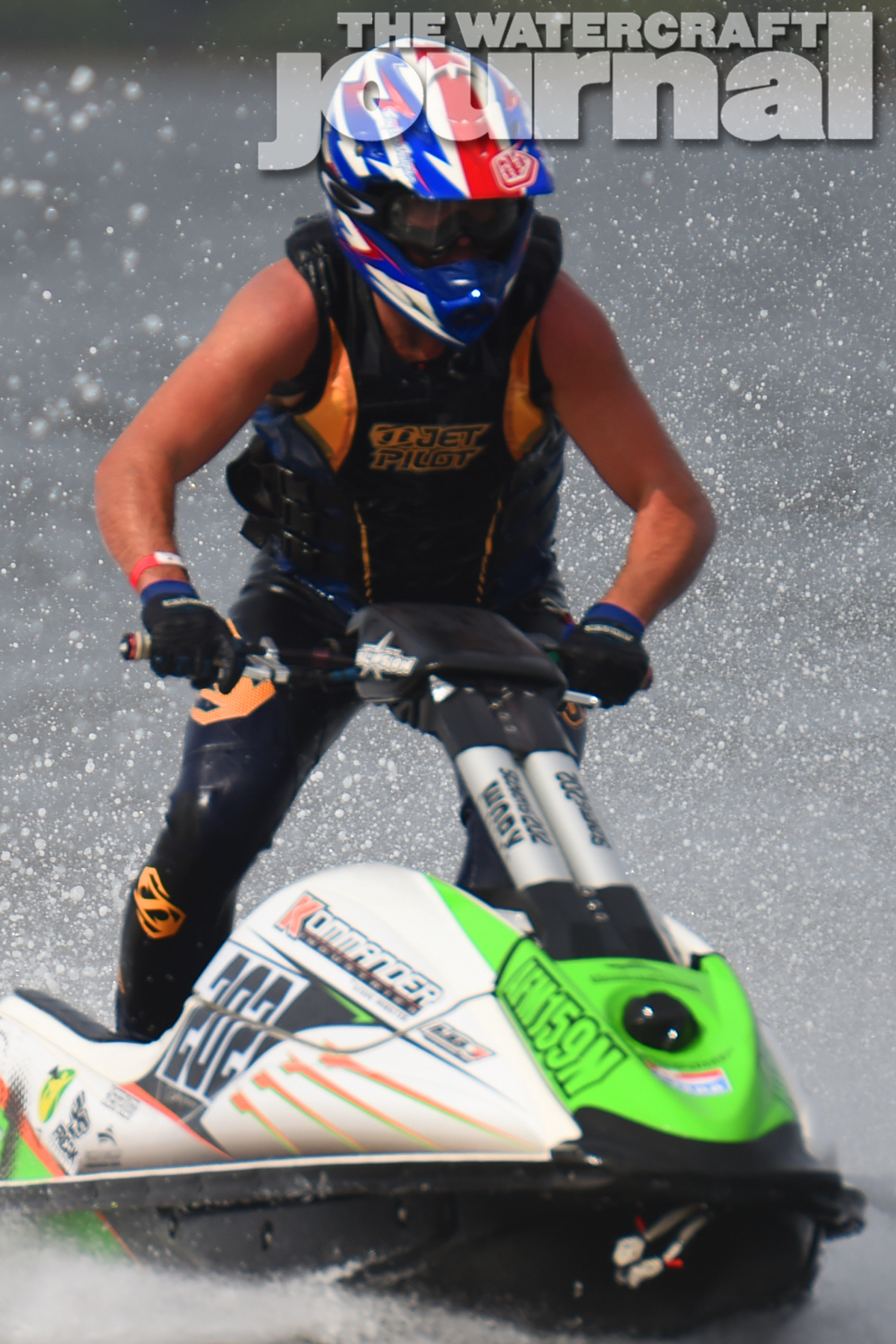
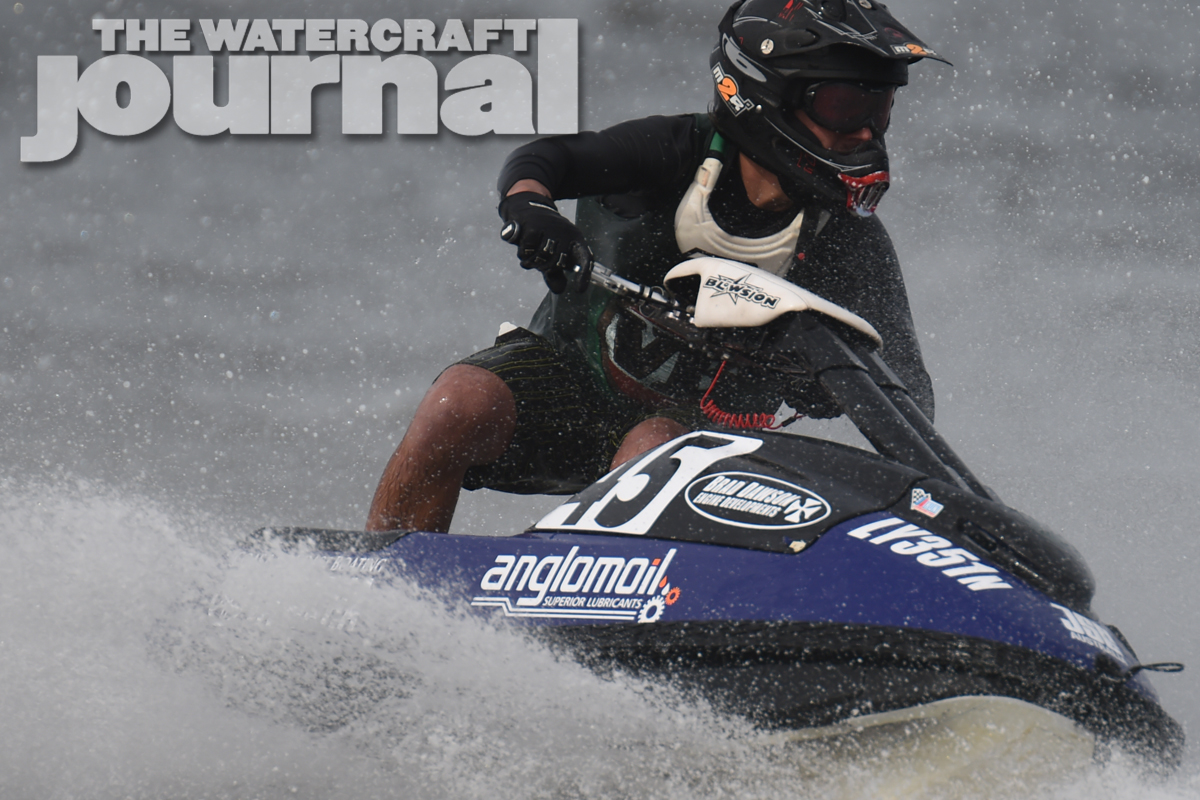
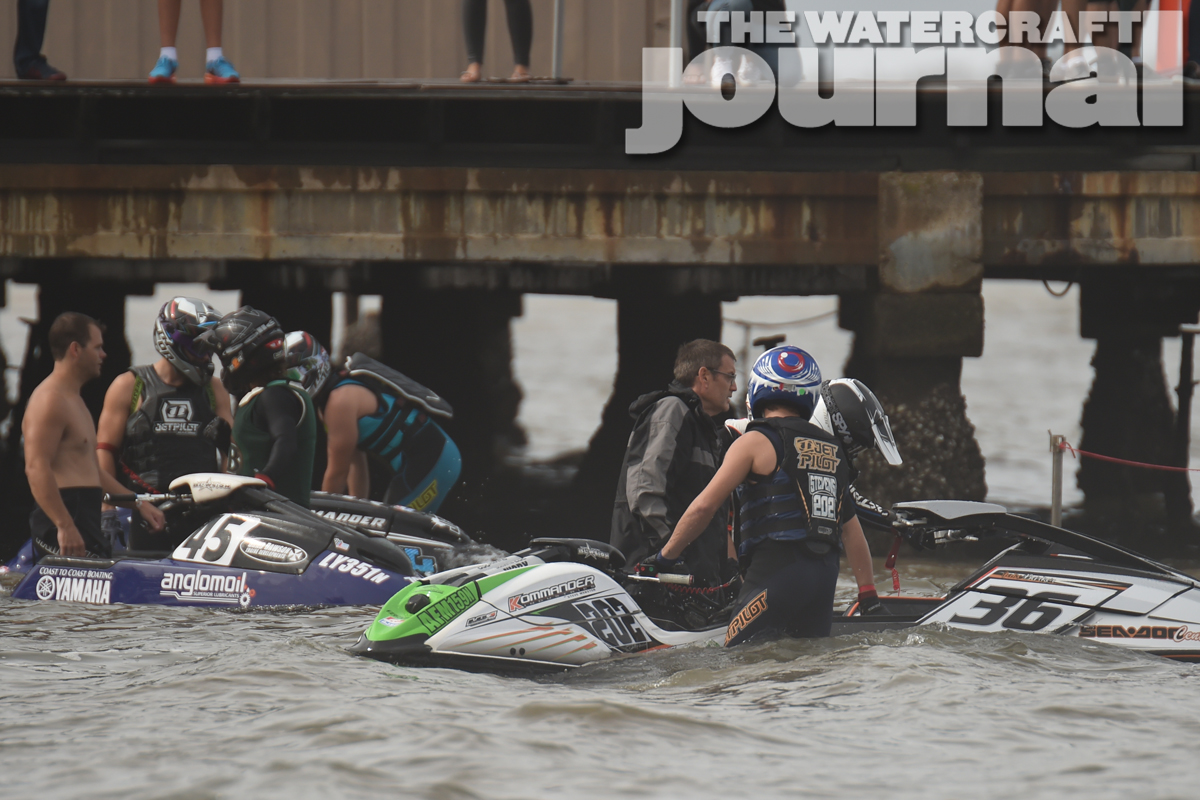
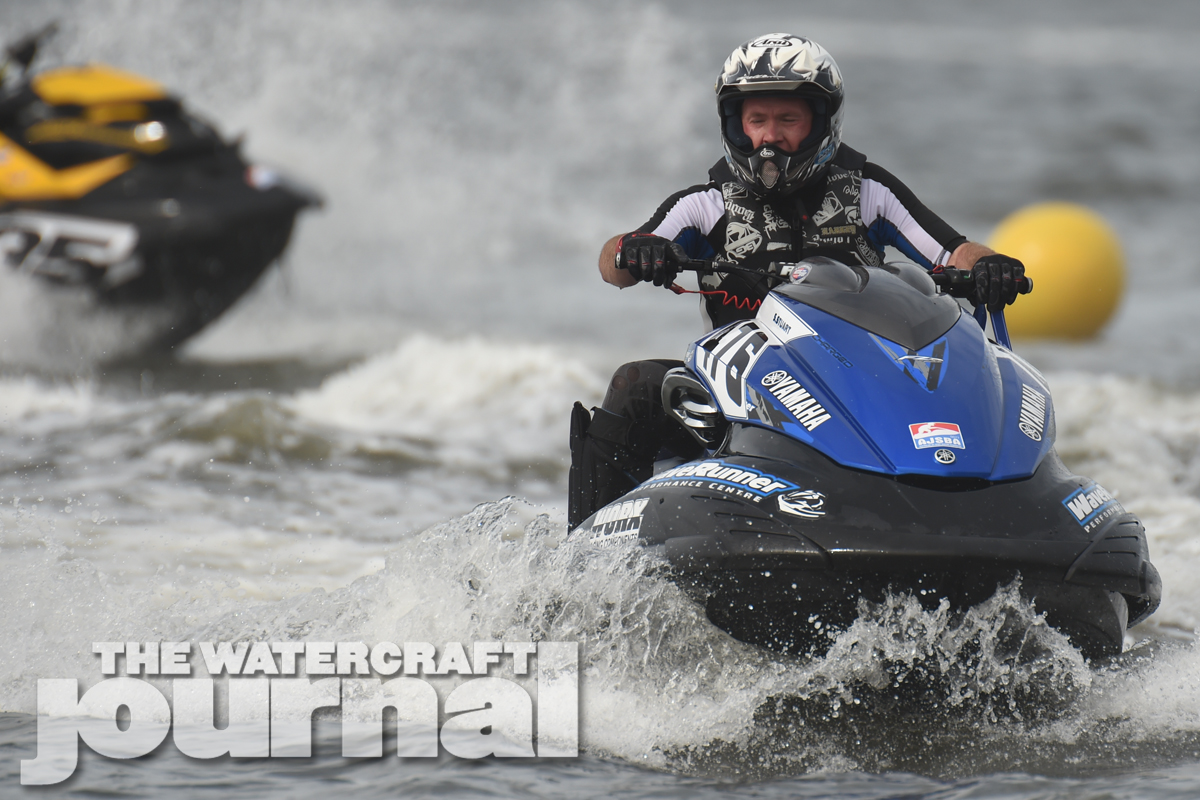
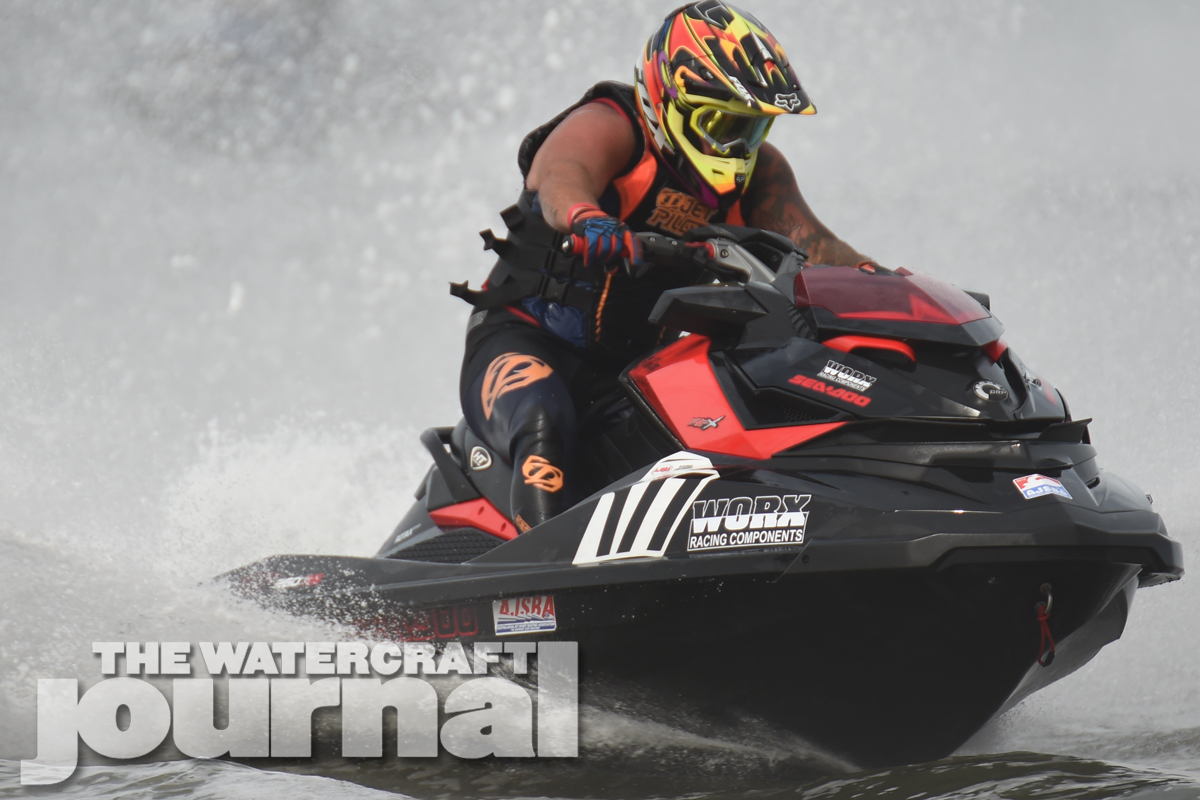
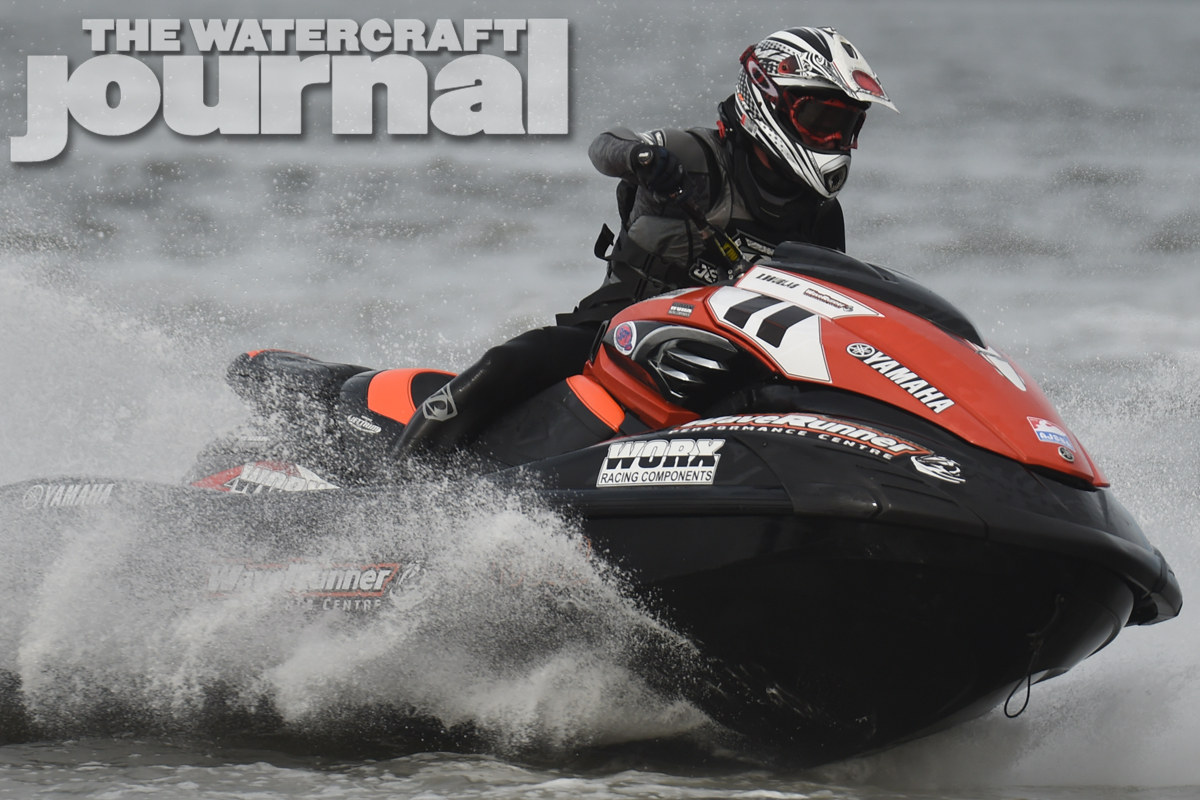
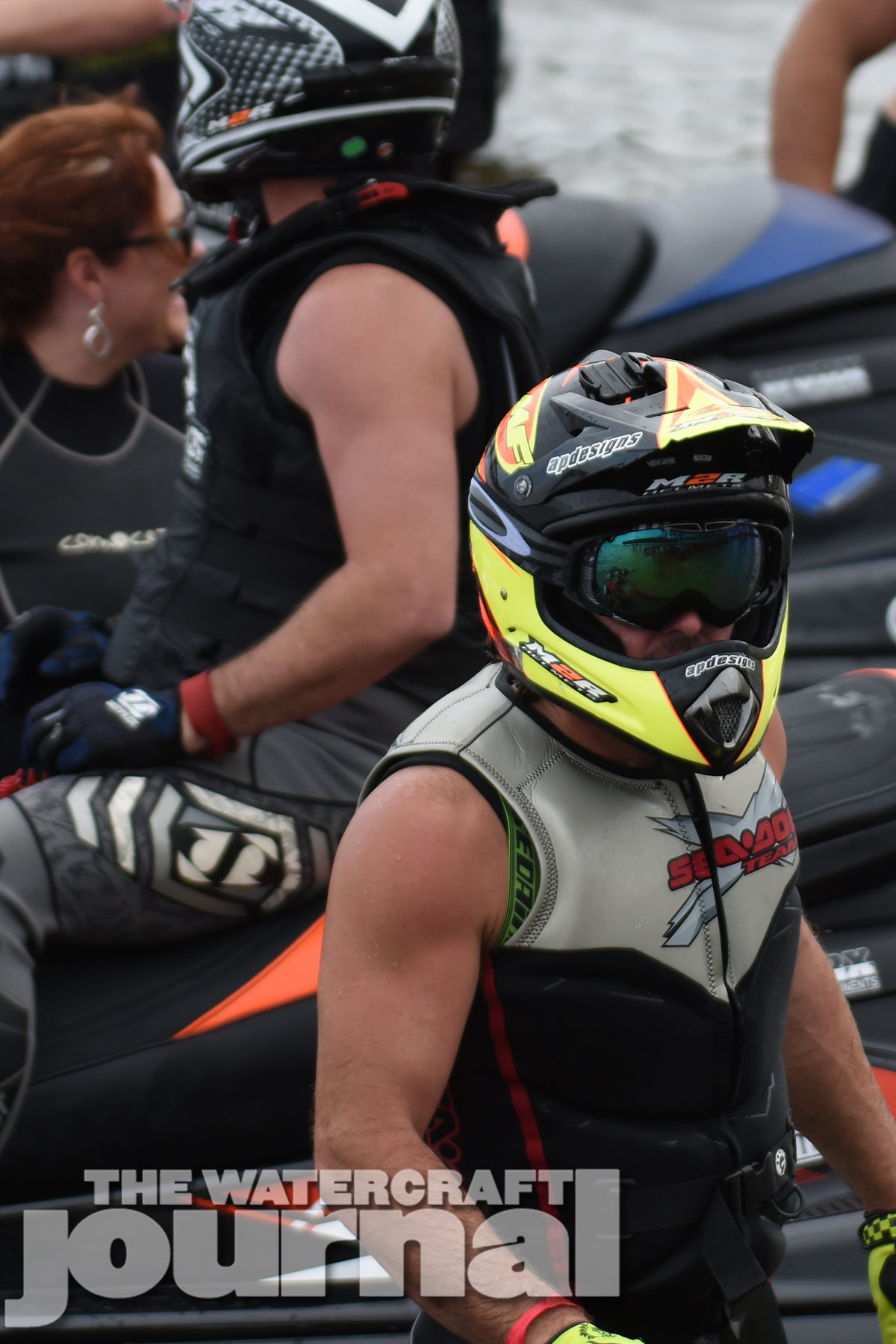
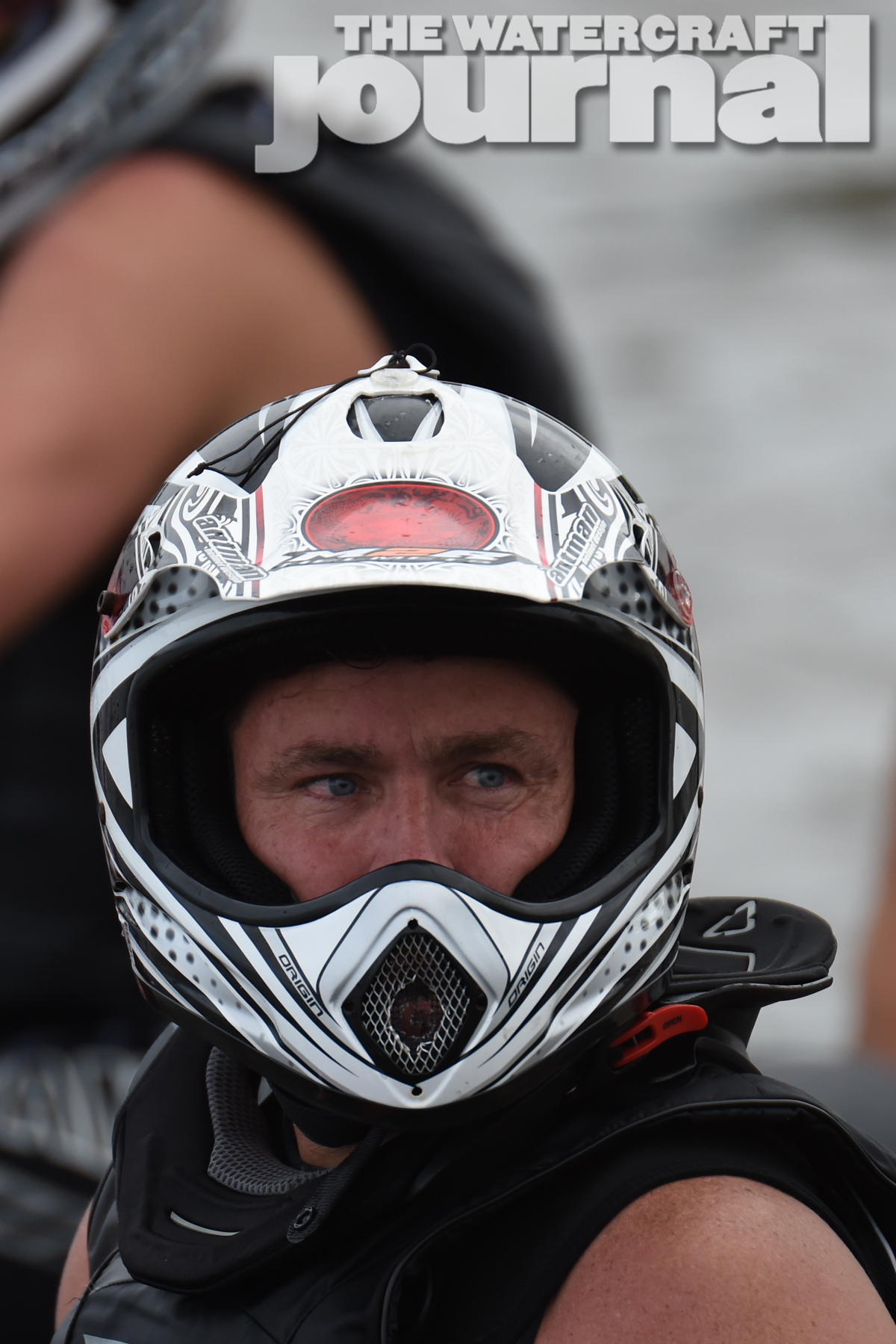
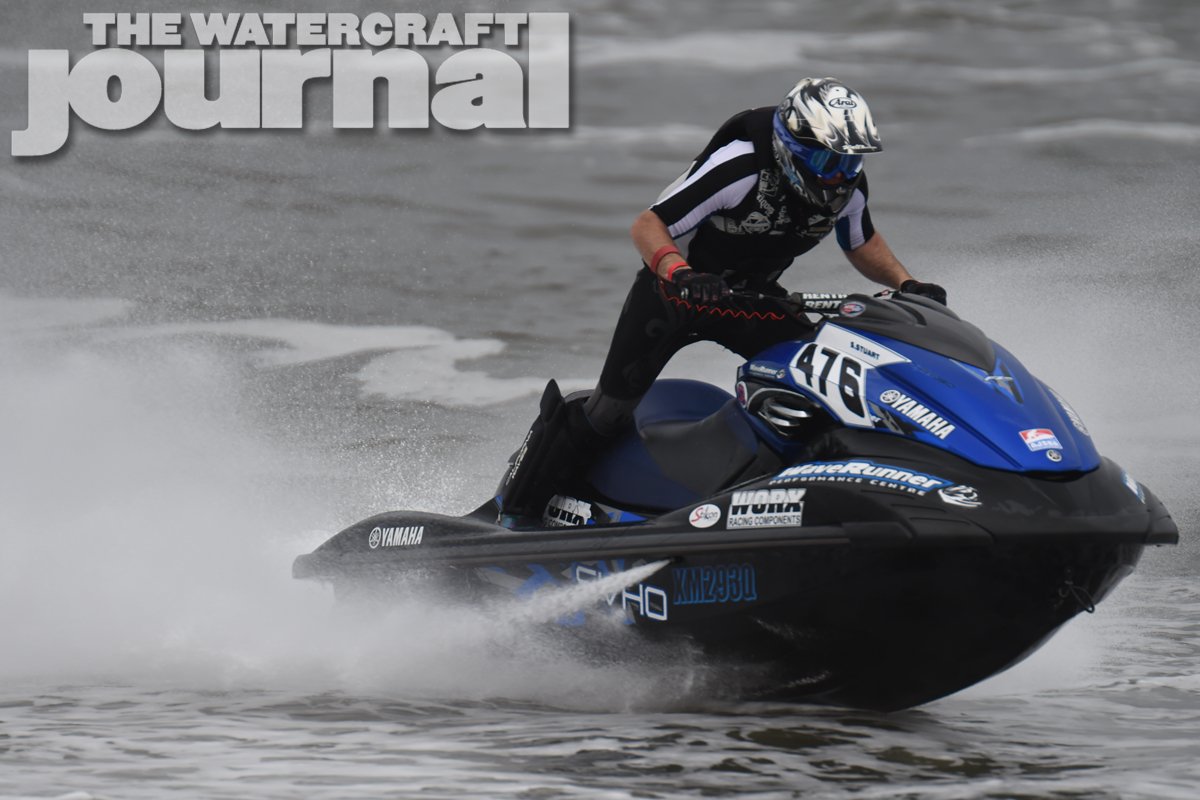
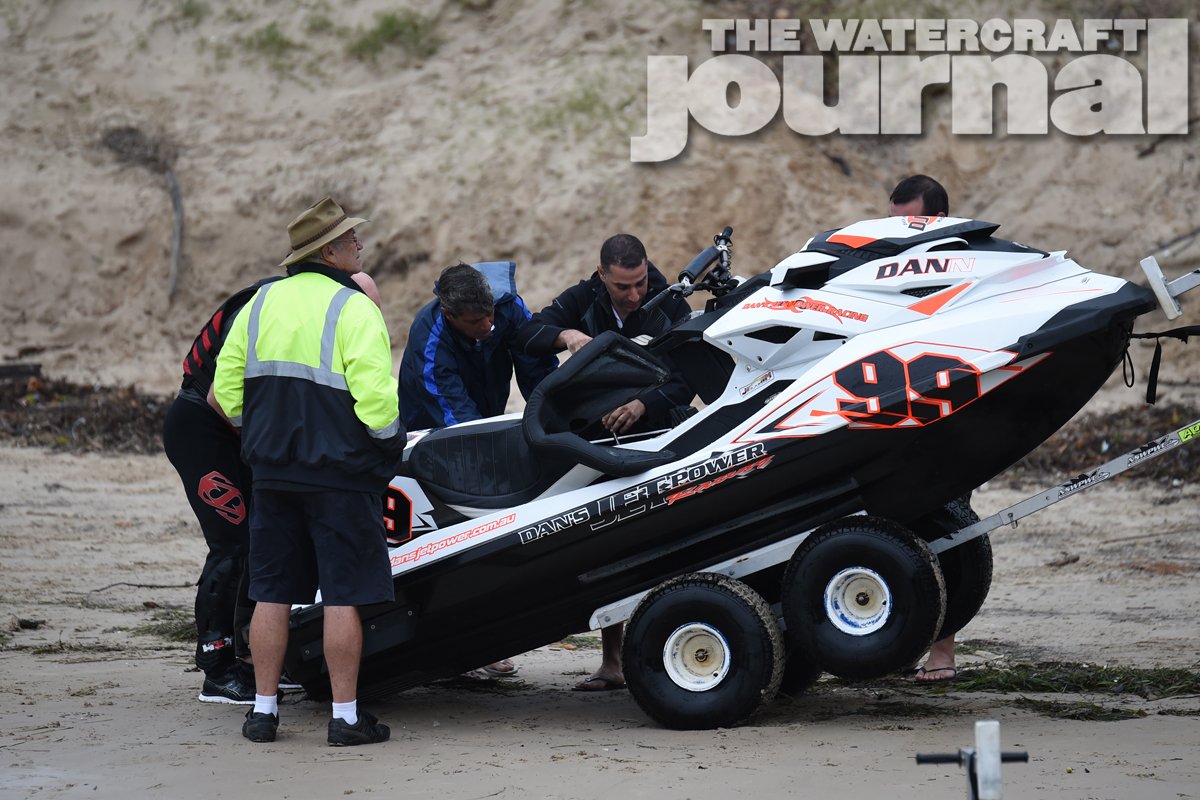
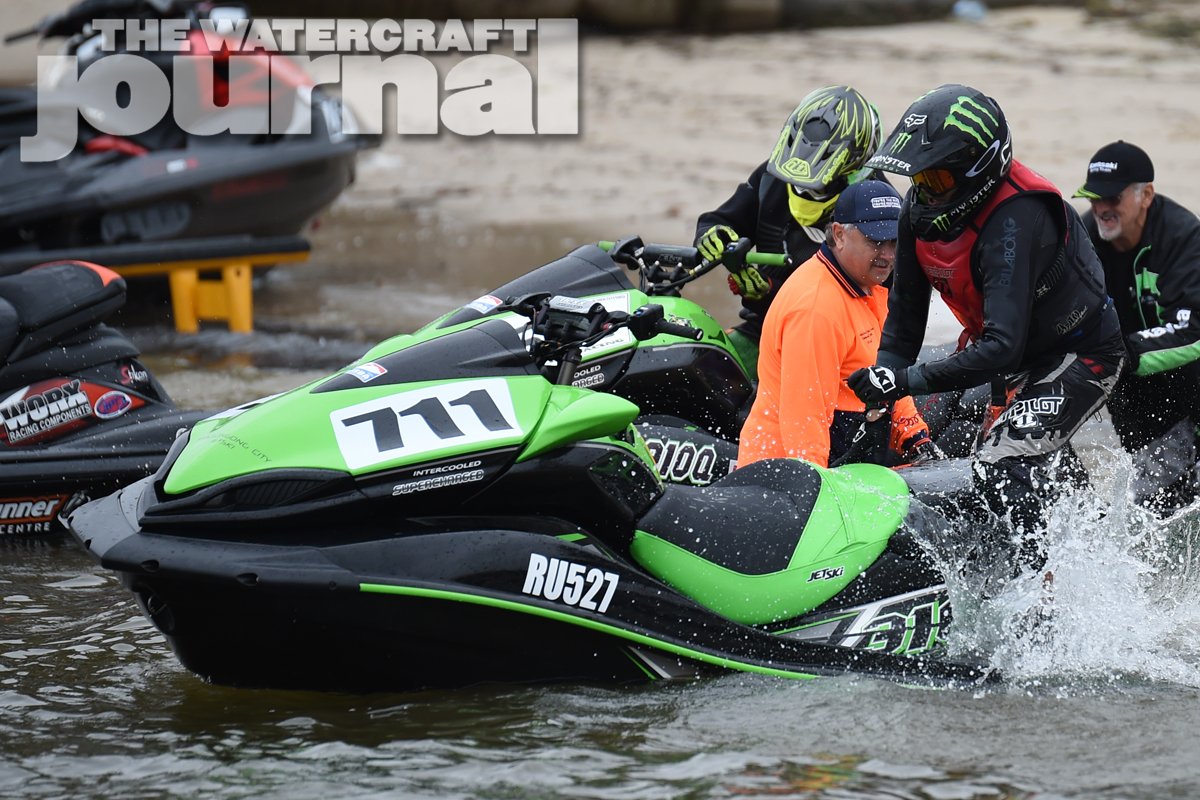
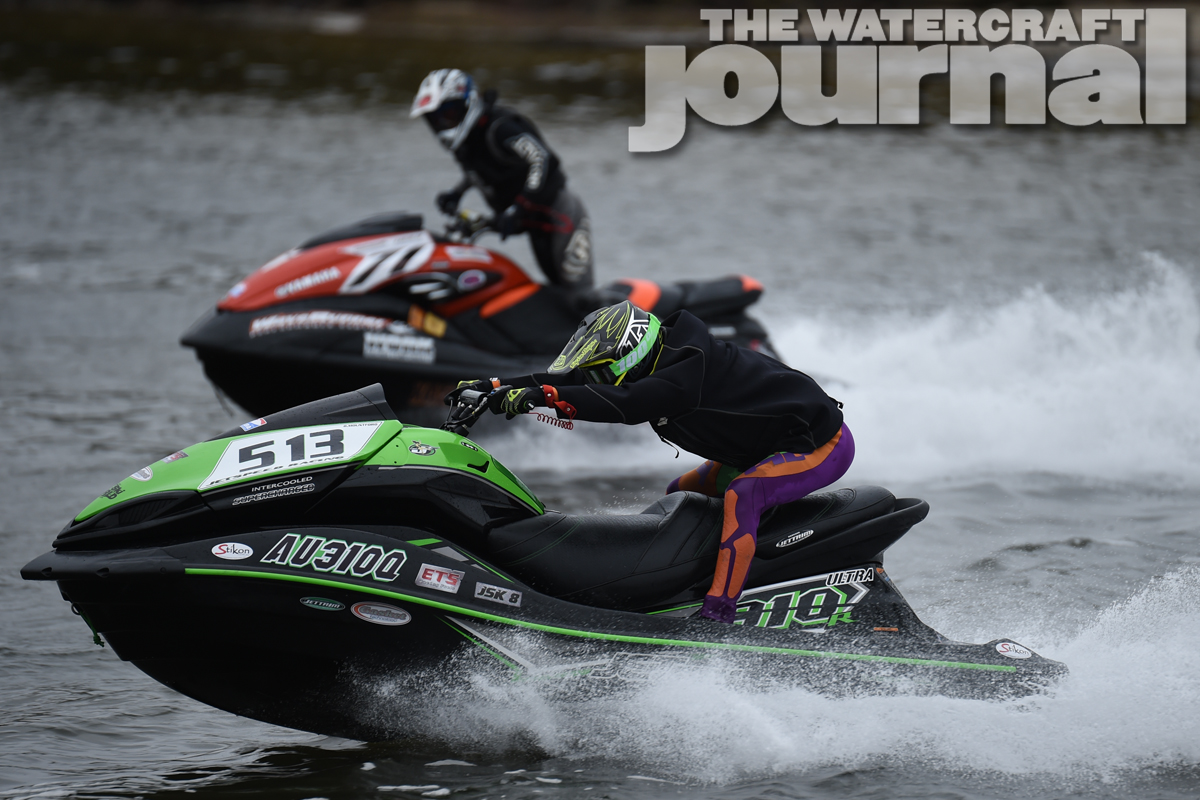
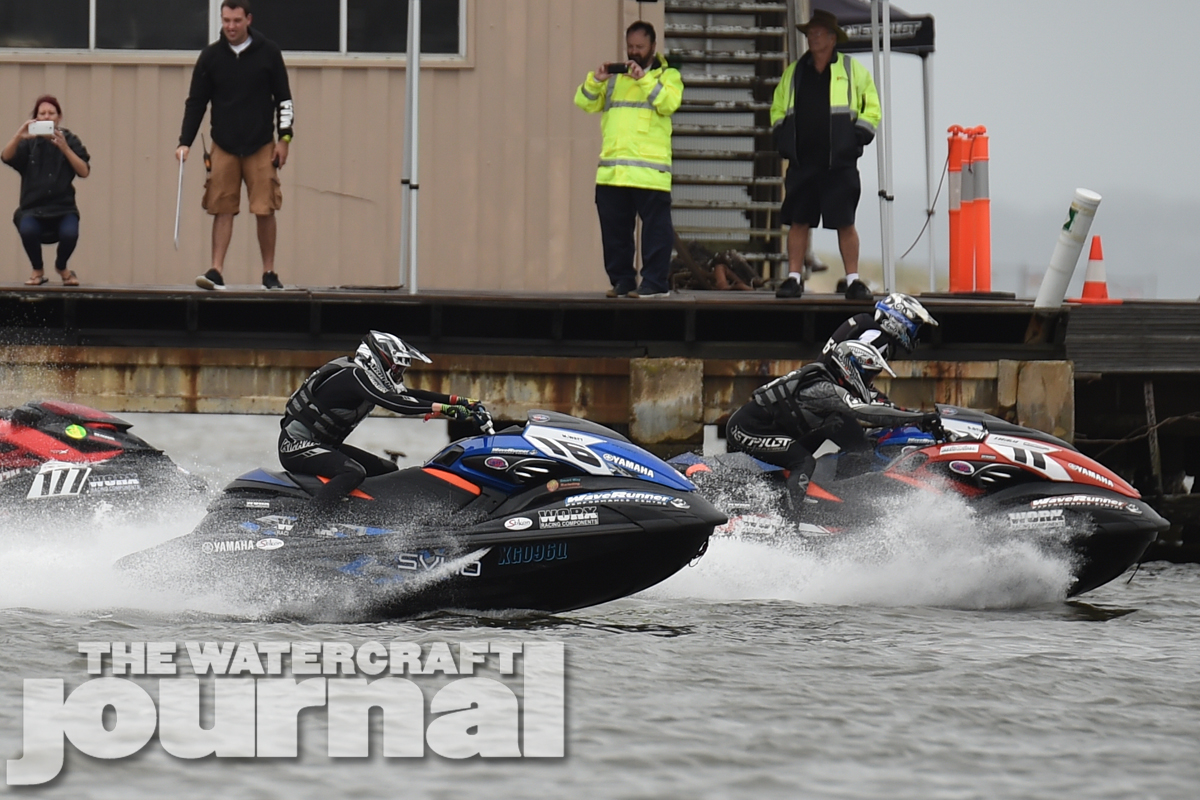
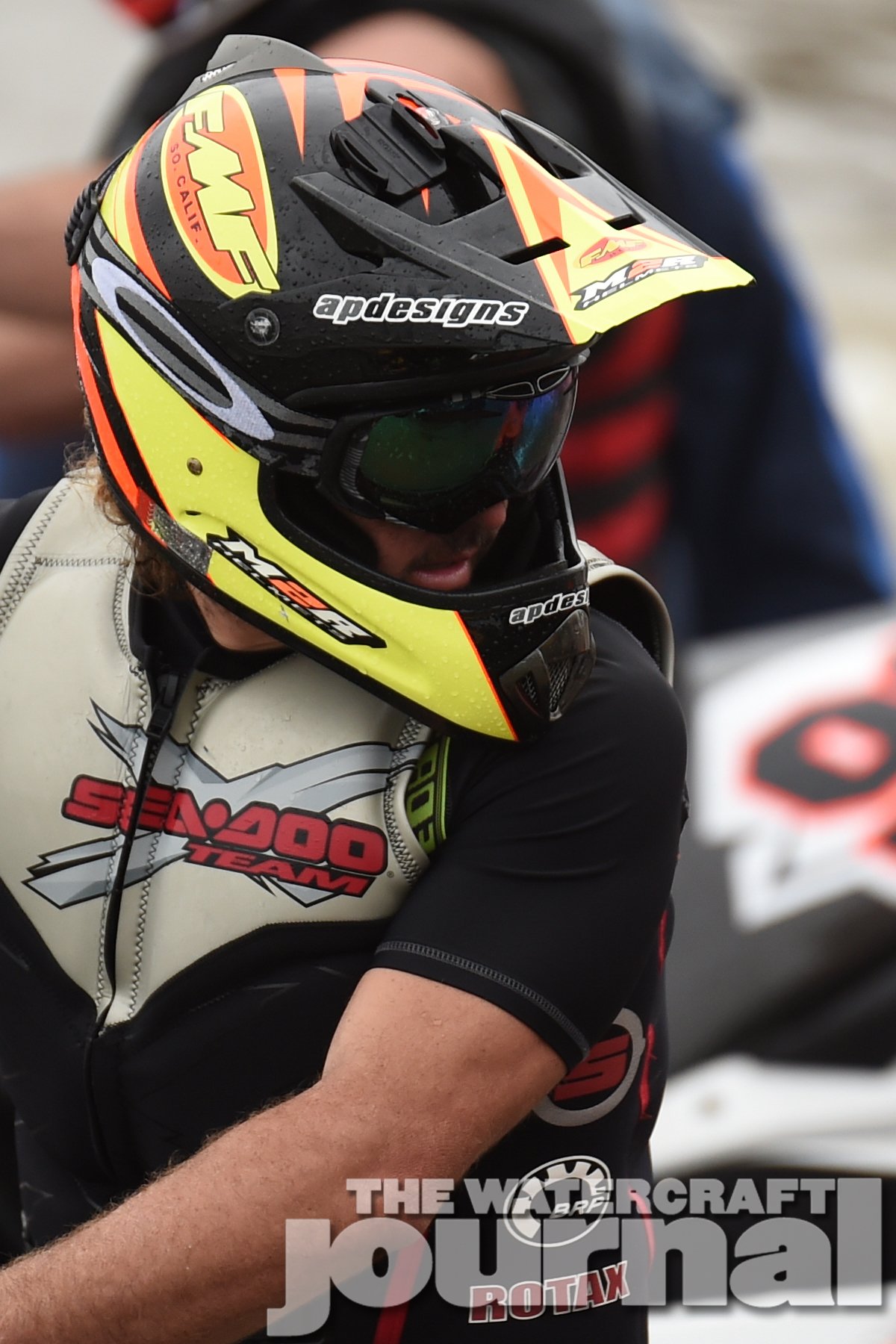
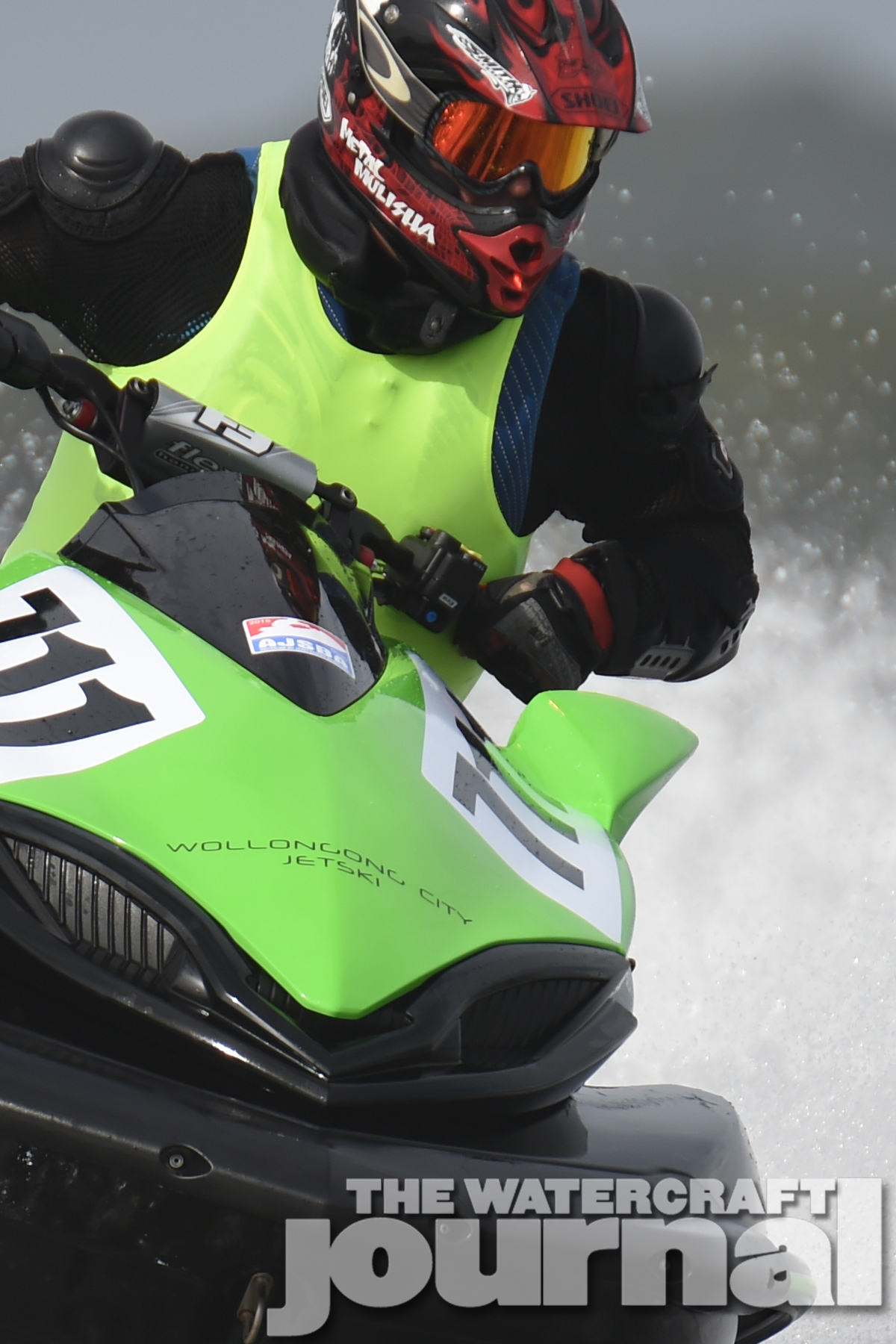
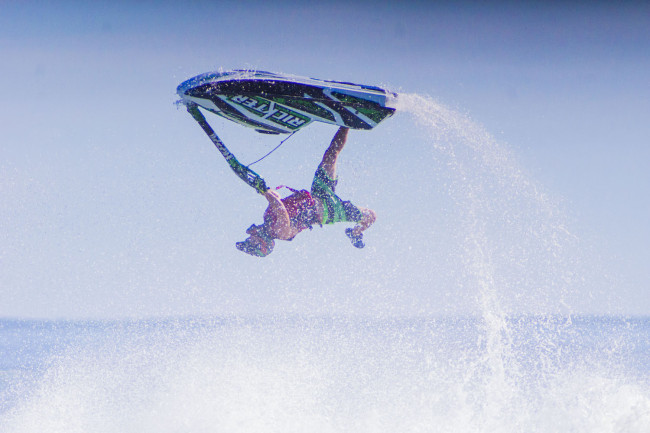
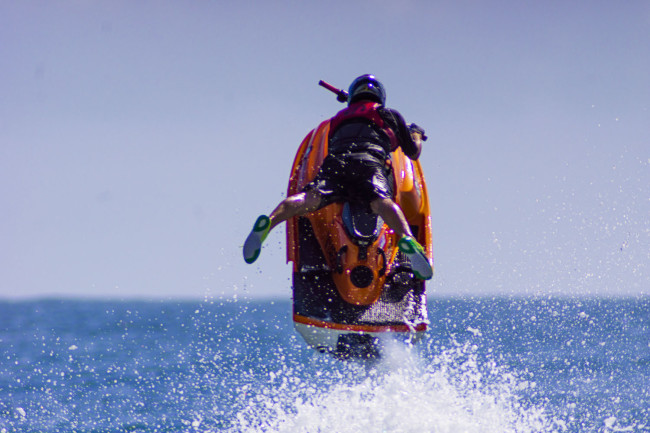
After the insane weather that Queensland and New South Wales received in the past two weeks, I’m surprised the conditions hadn’t washed the St. George Sailing Club away. With houses being destroyed and lives lost, it was tragic for all the people affected. So it was good to get some normality back with some good mates and a bit of jet ski racing.
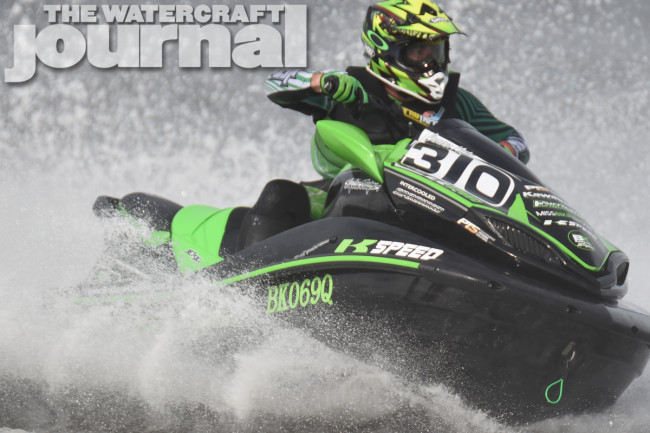
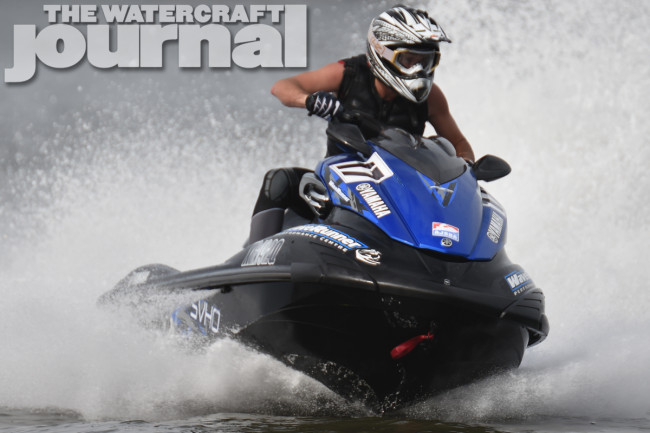
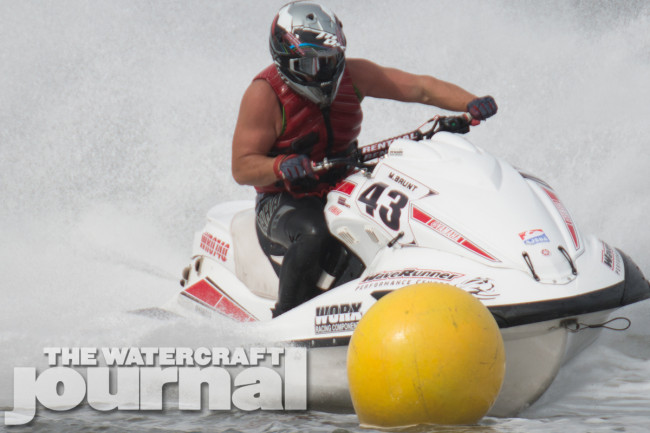
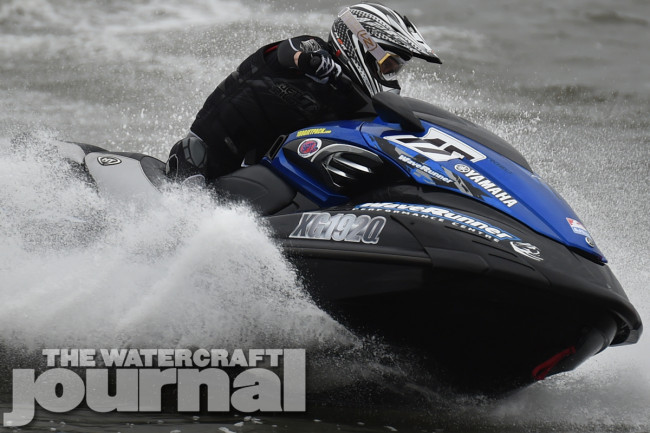
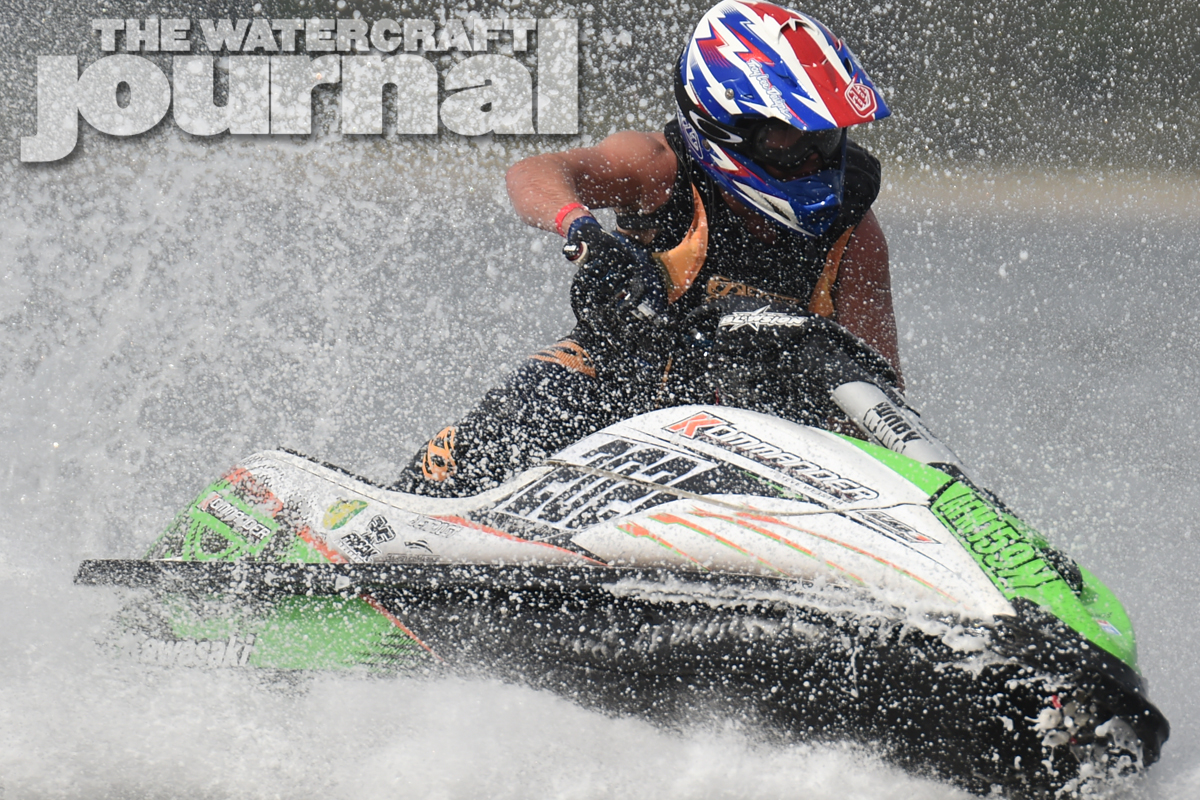
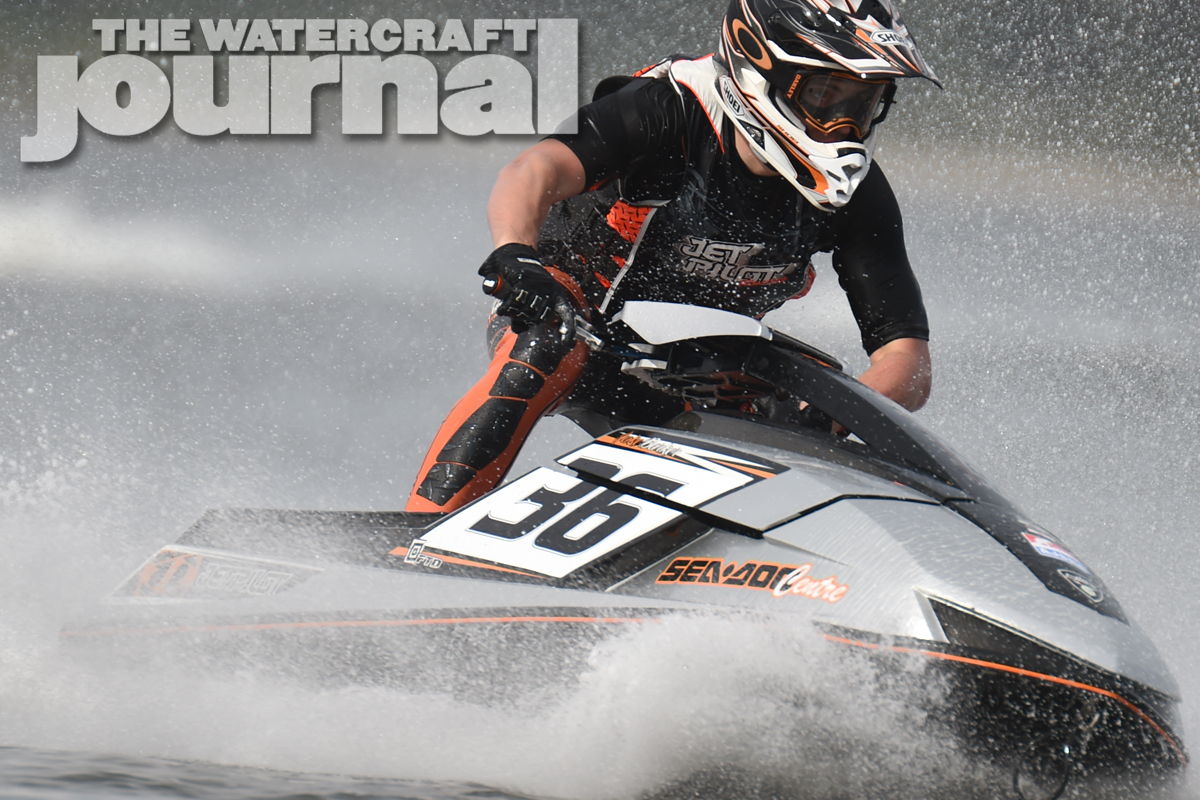
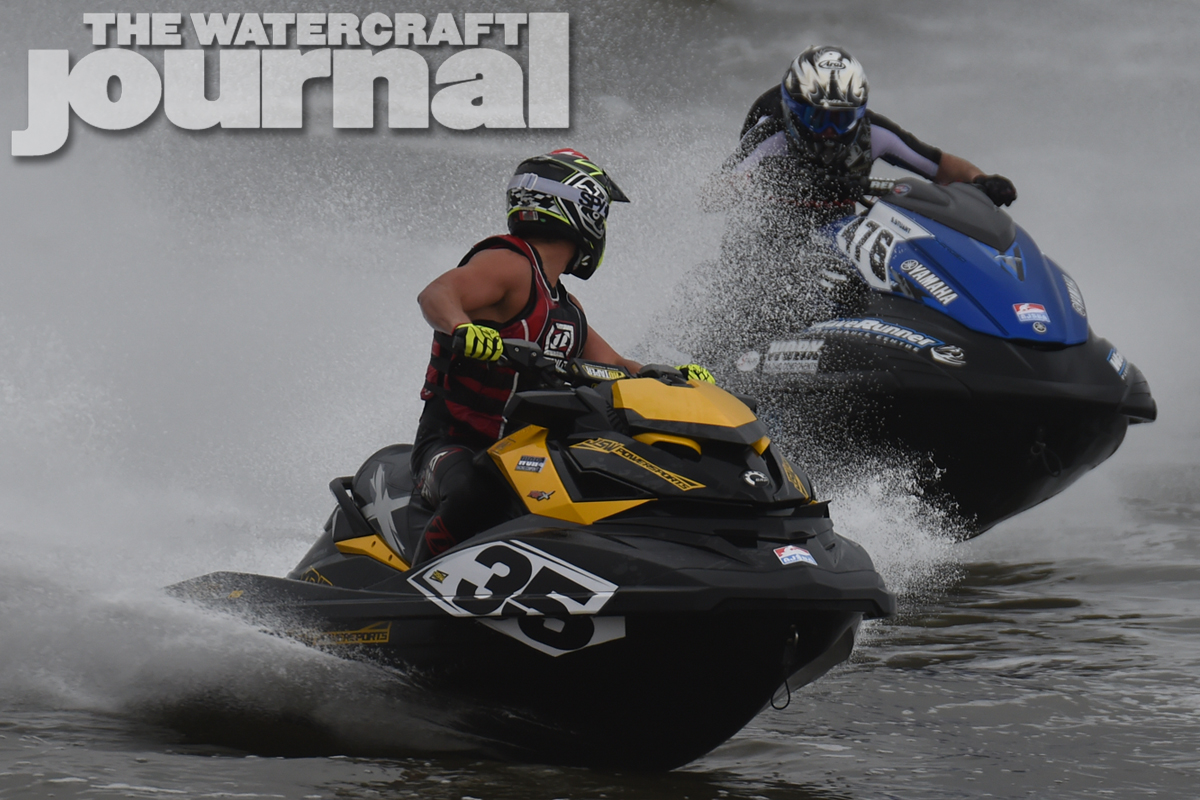
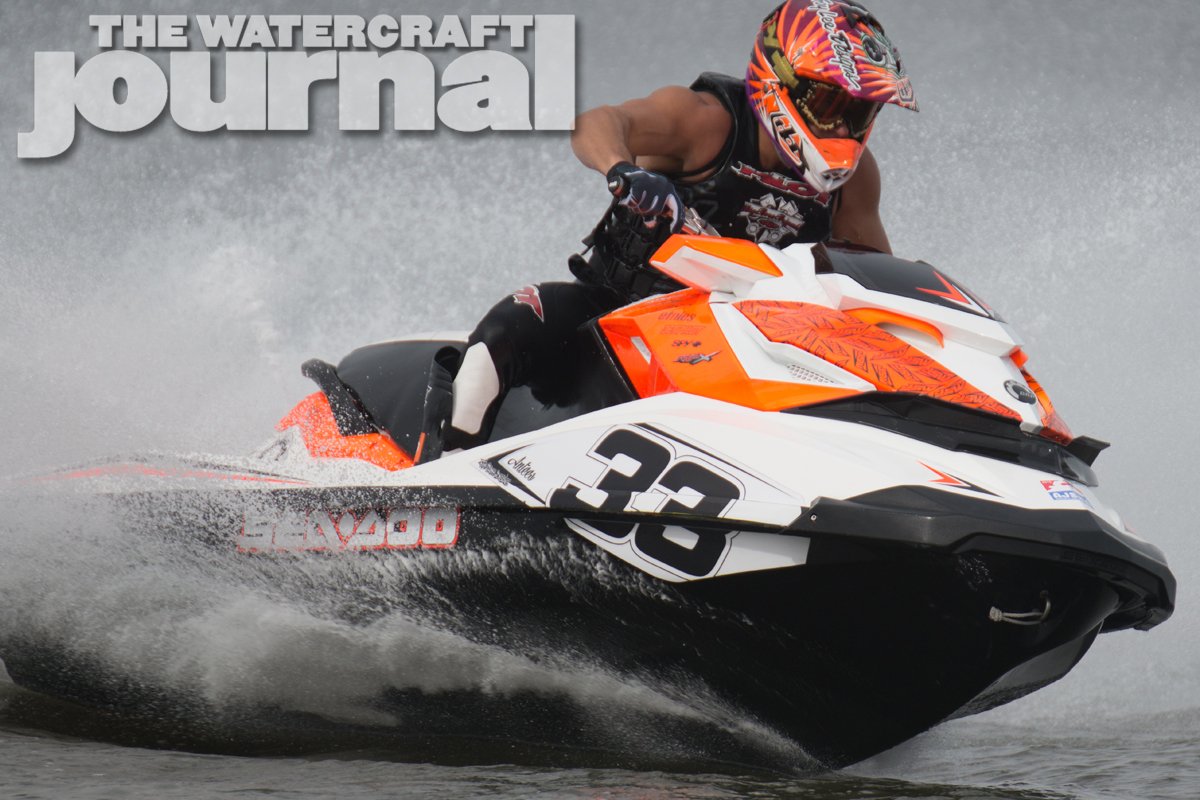
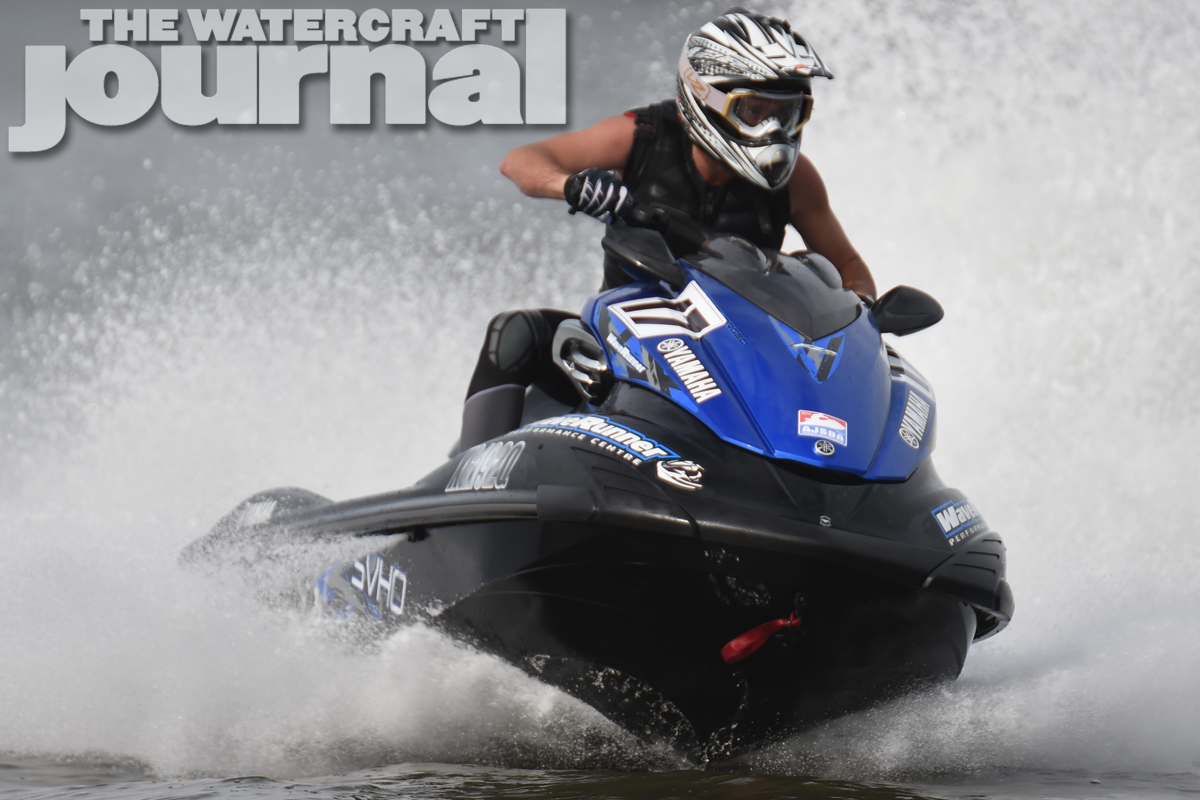
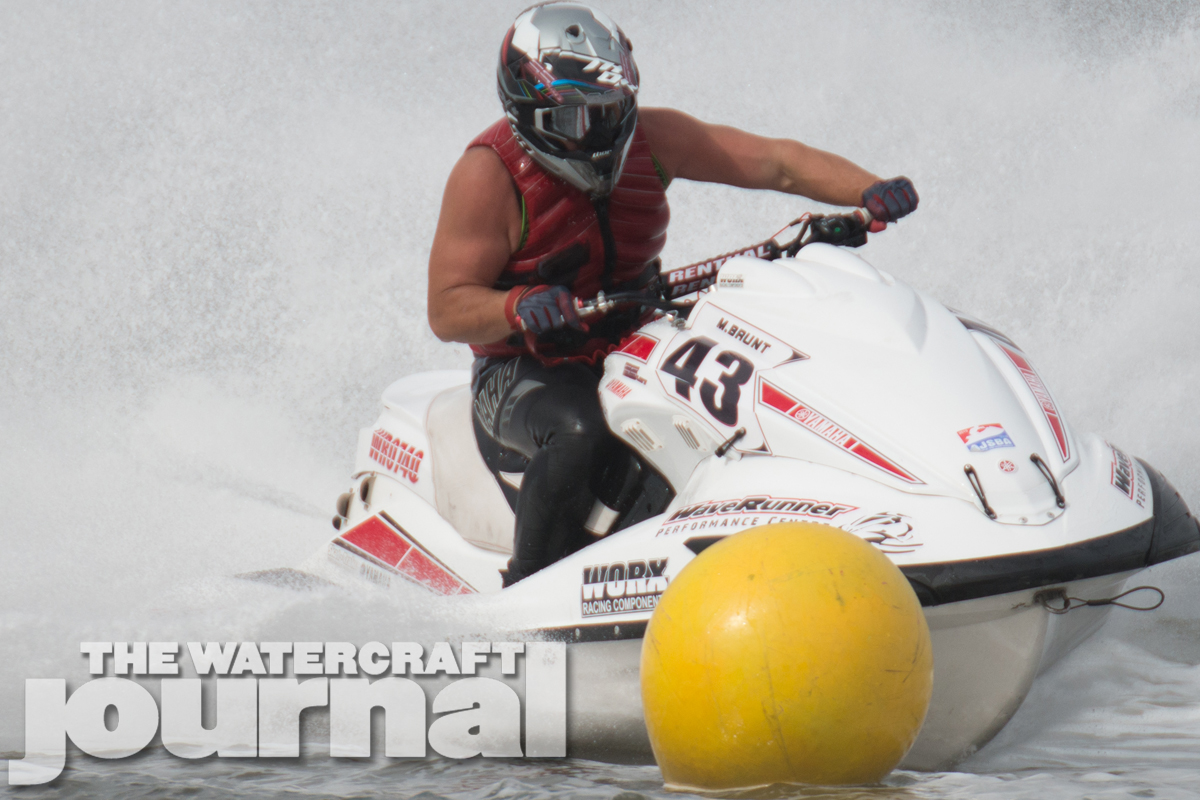
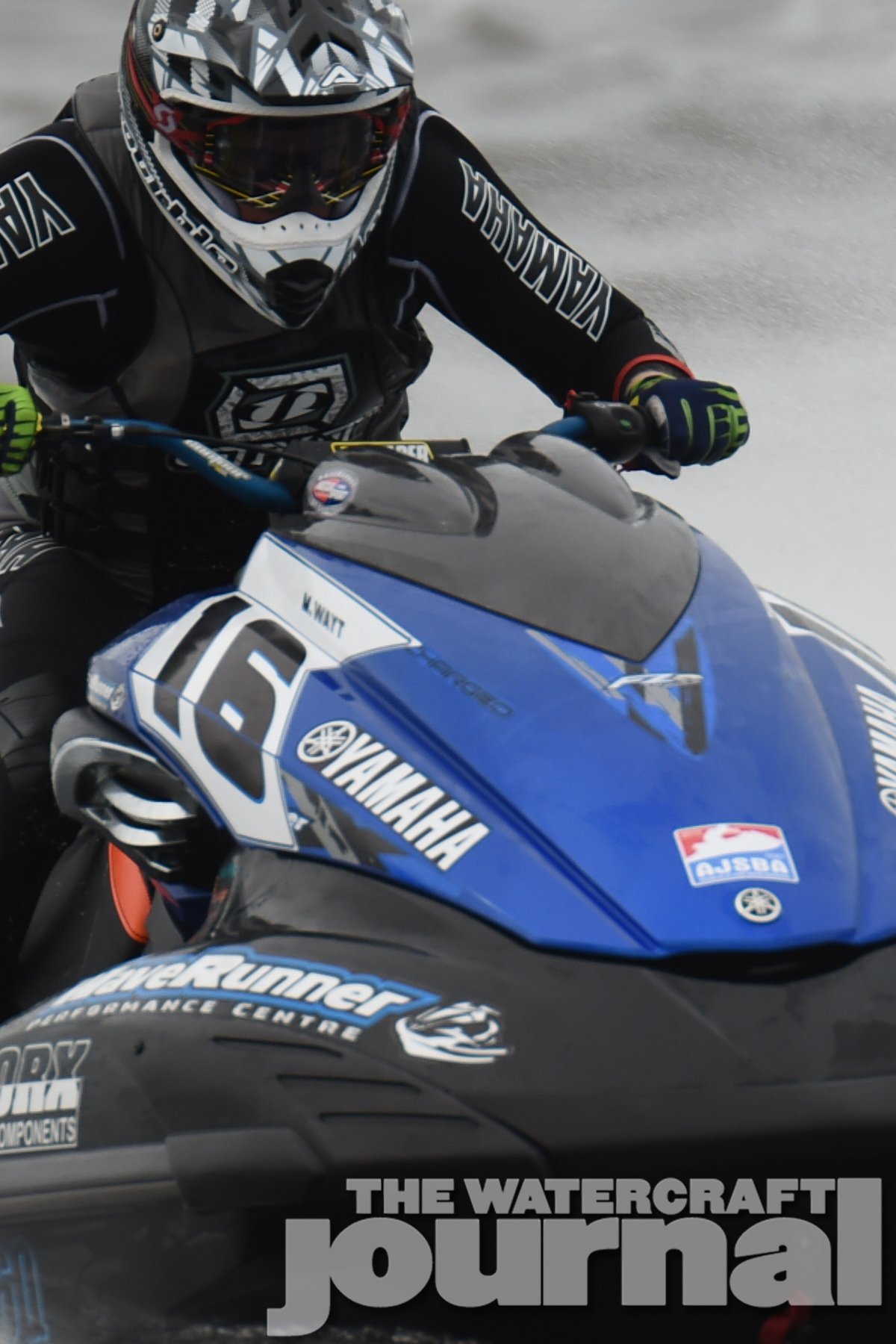
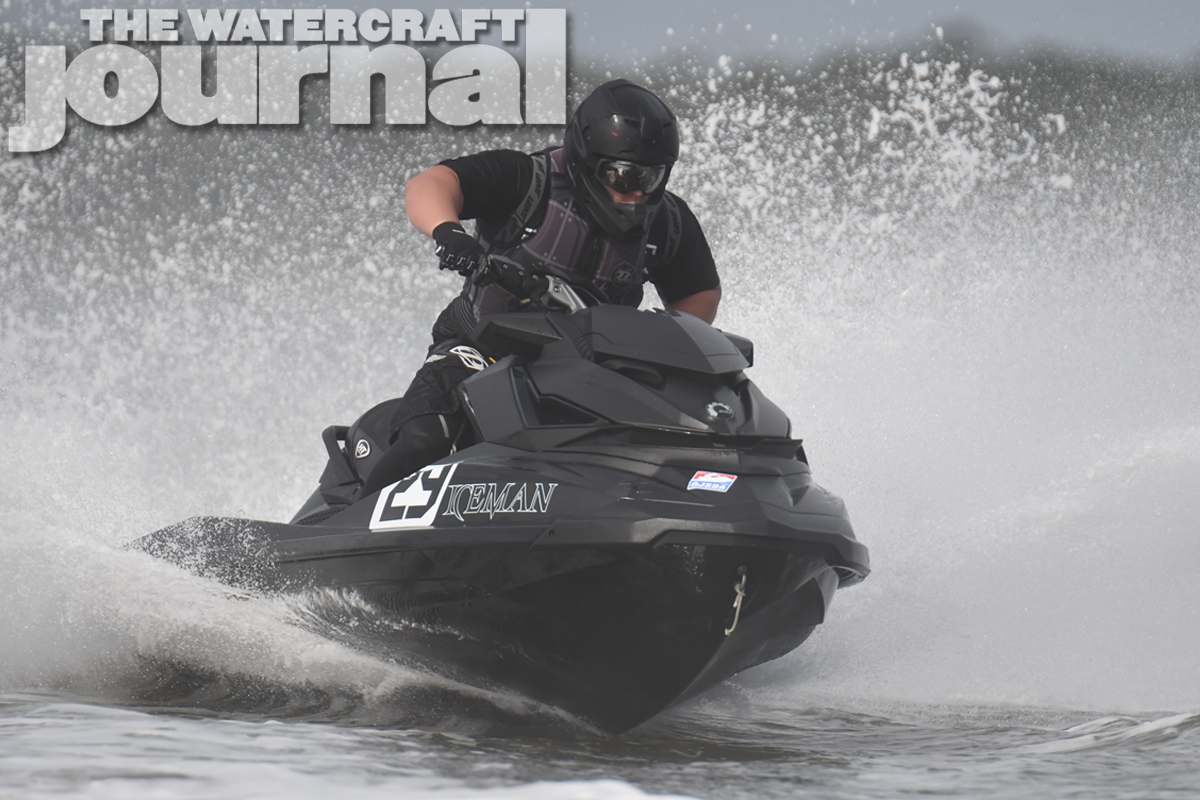
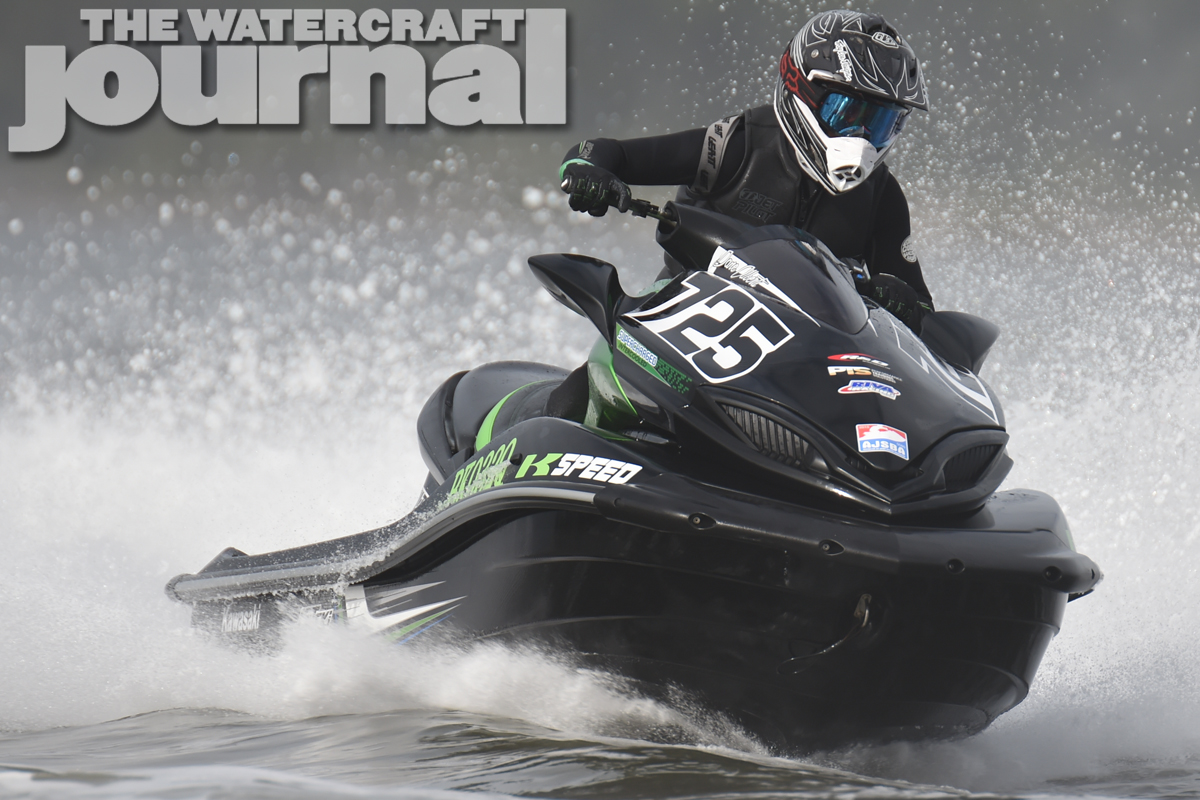
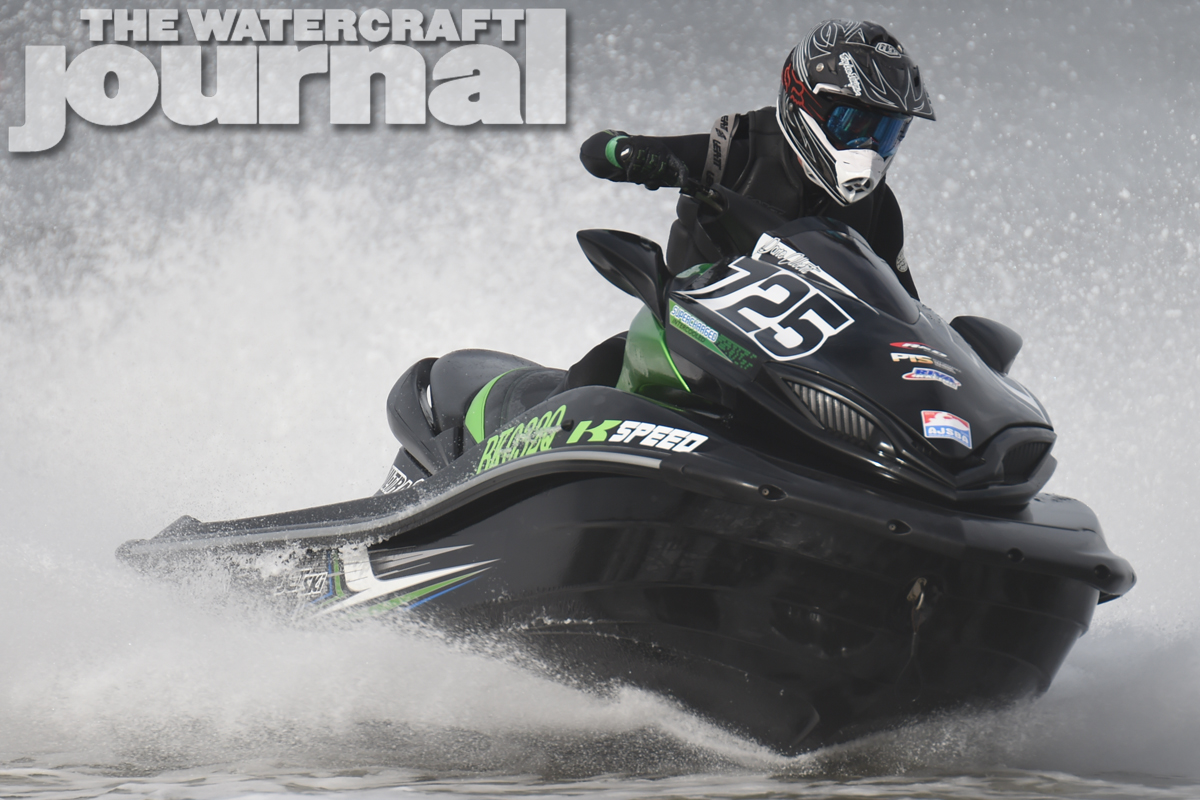
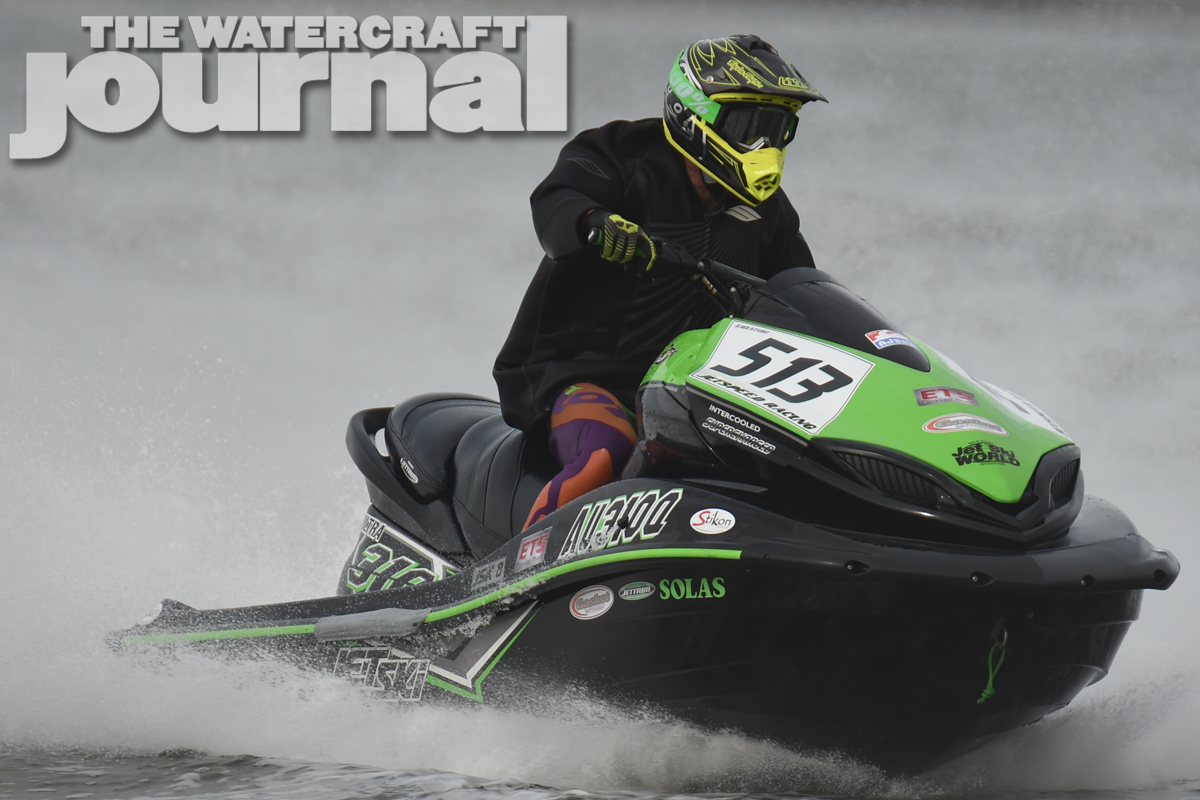
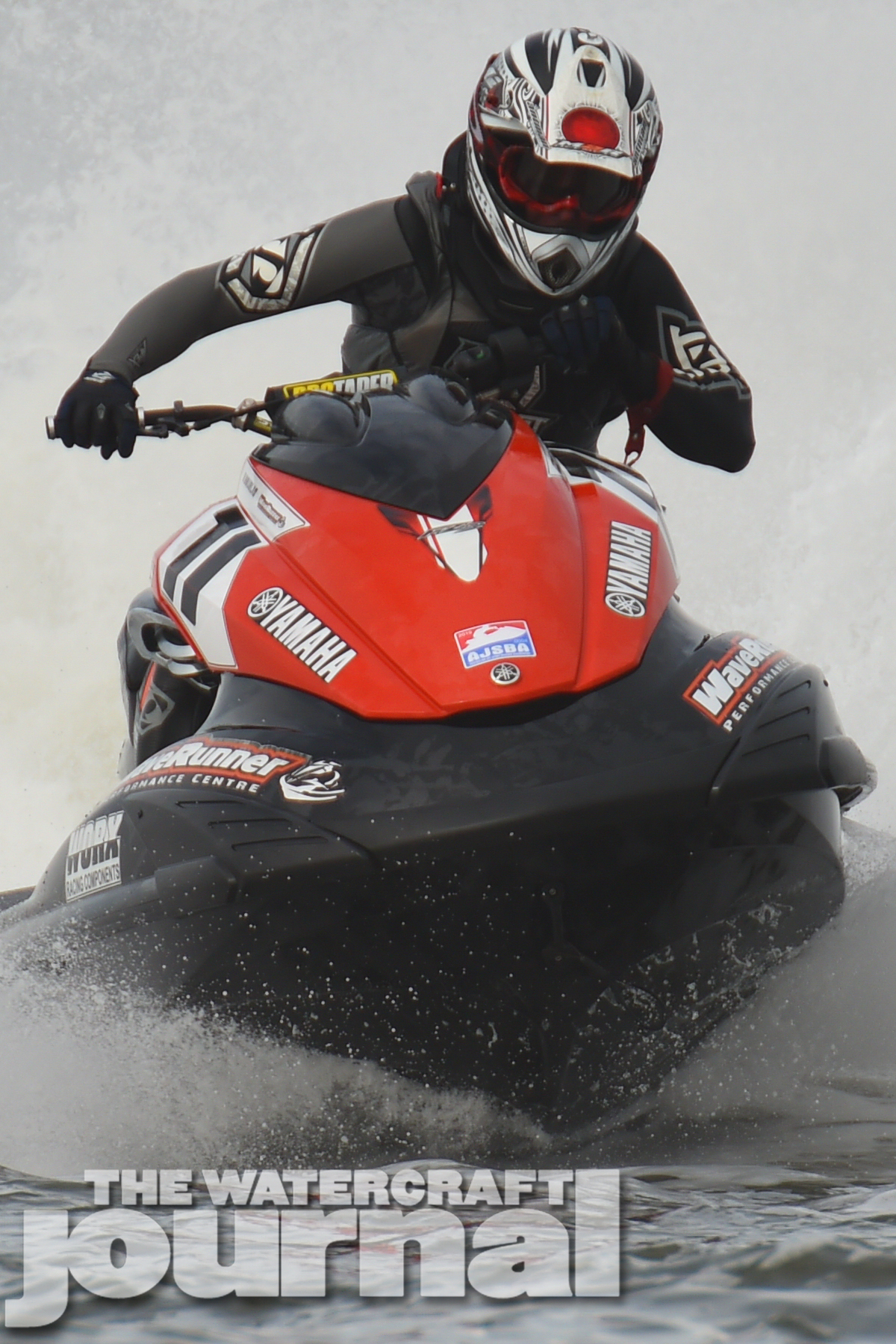
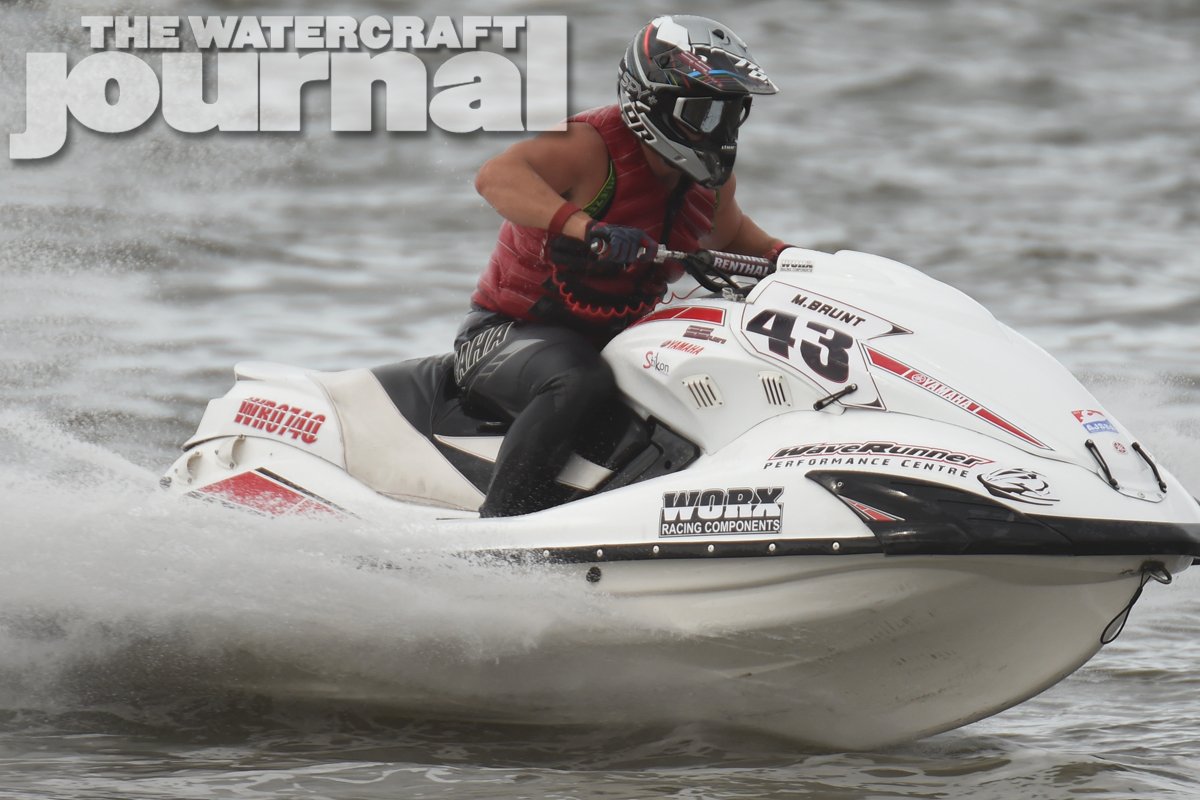
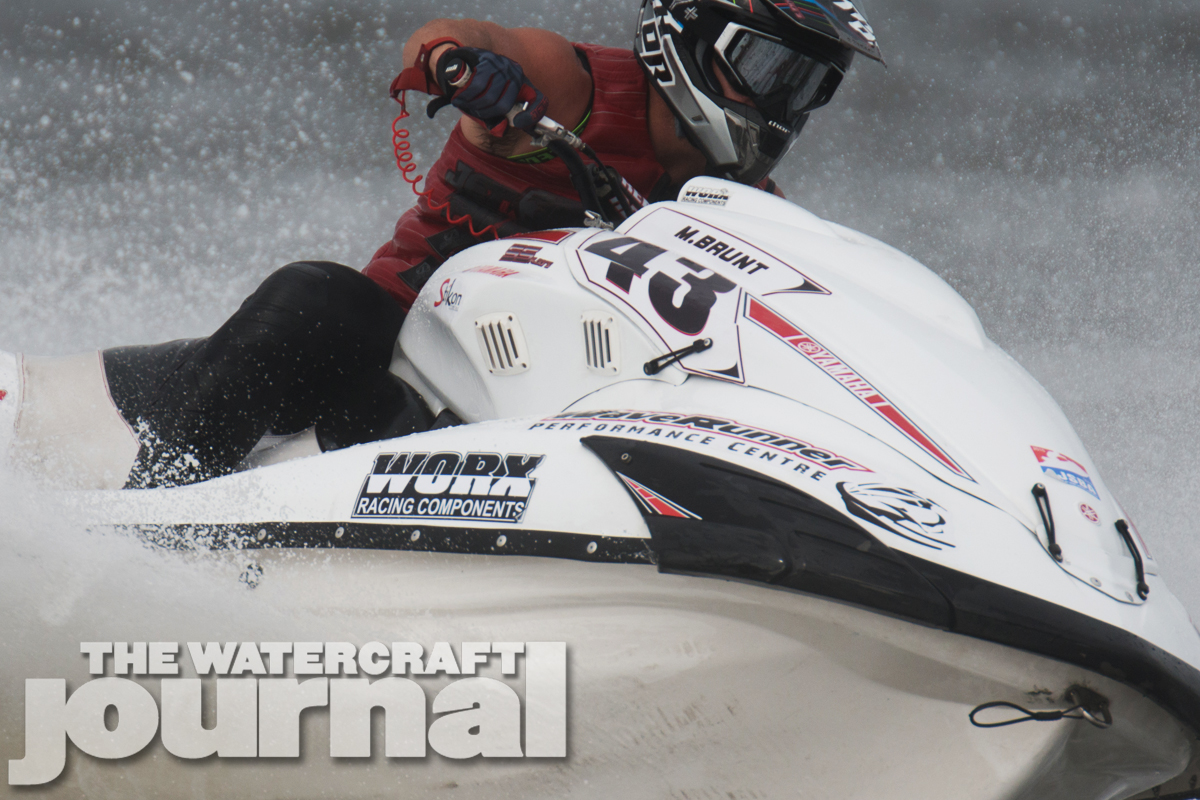
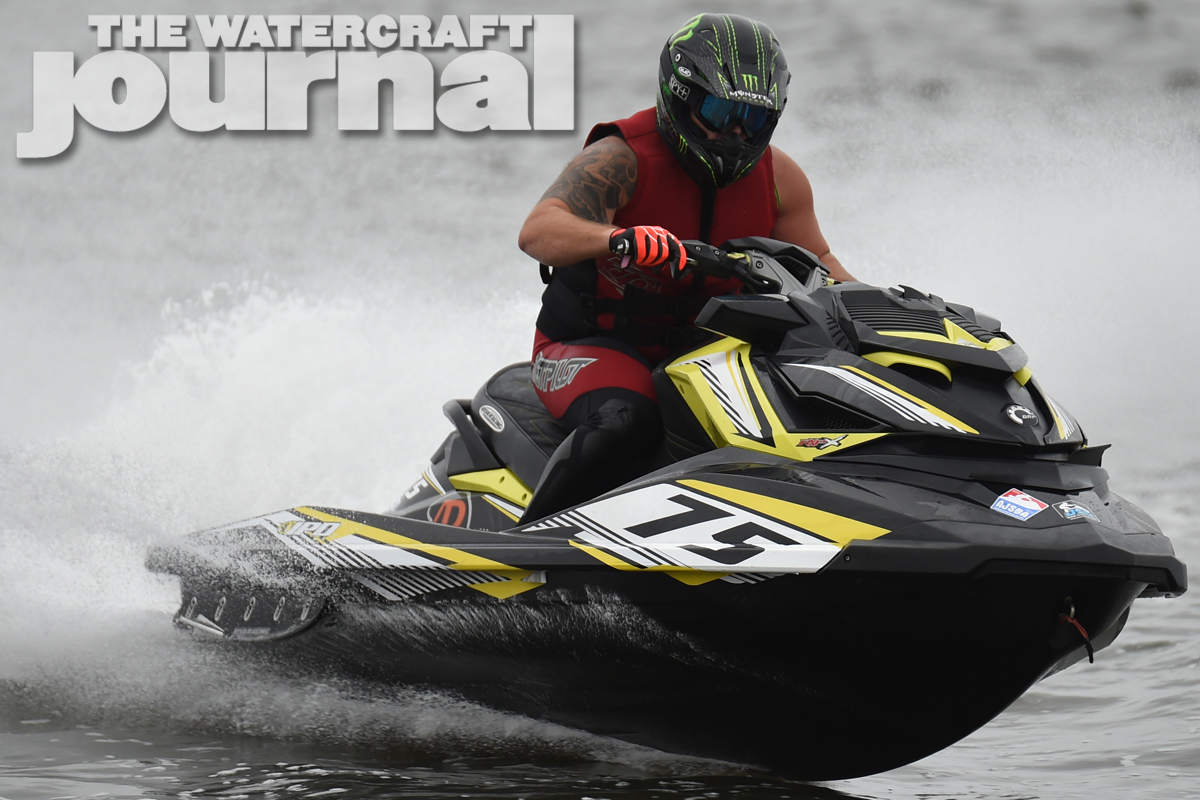
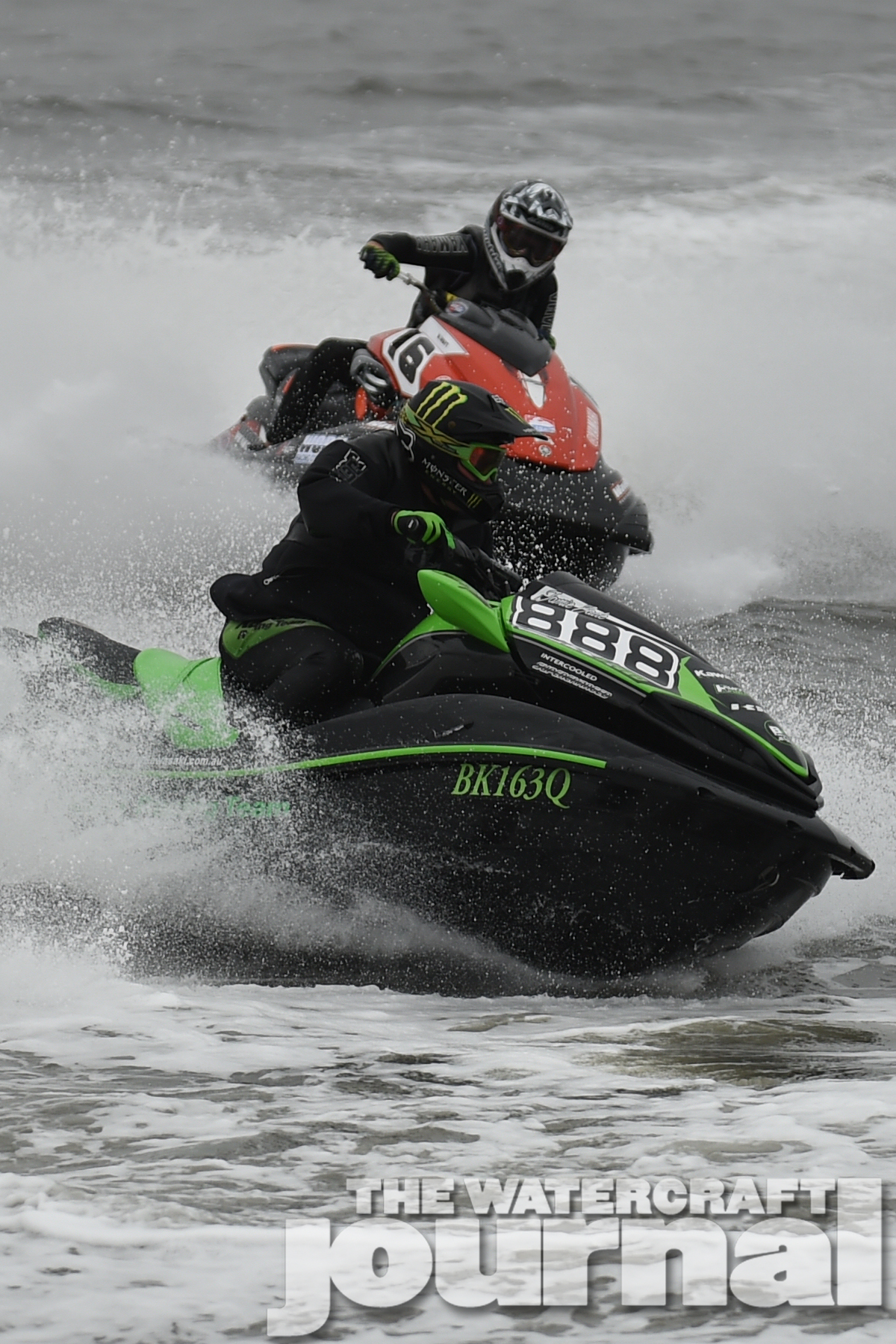
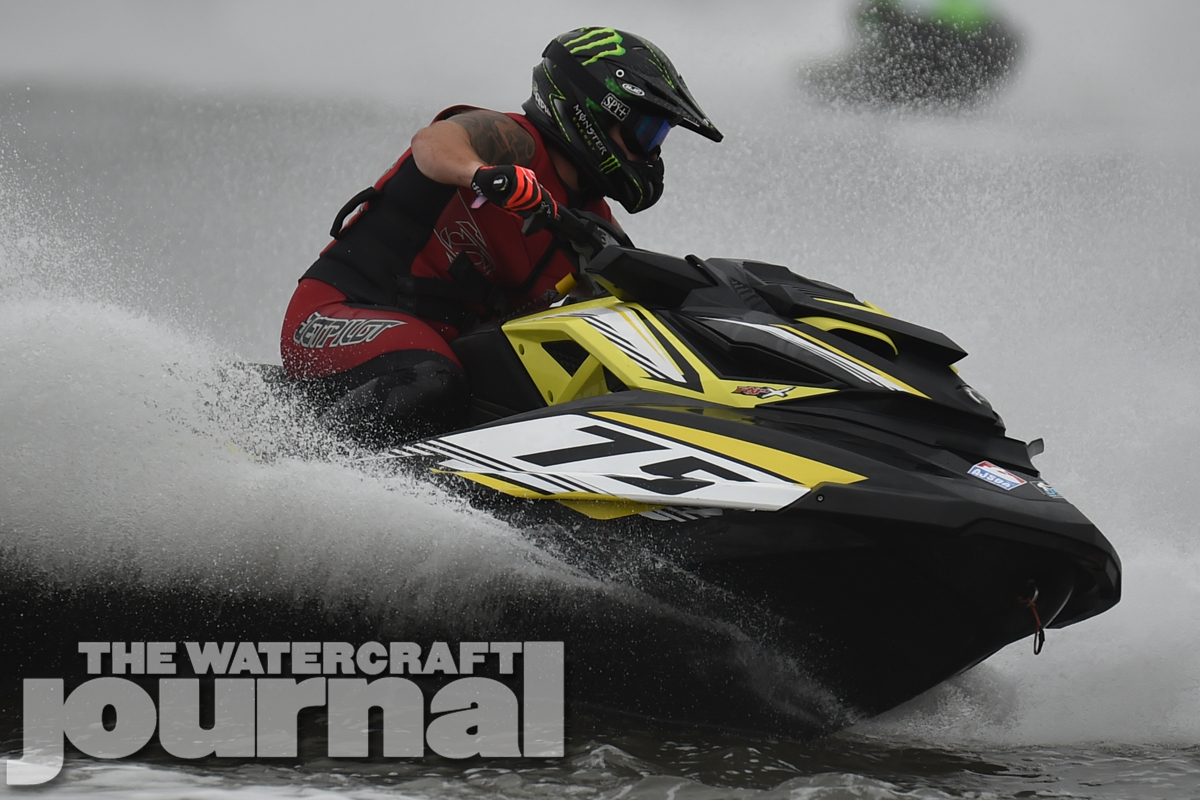
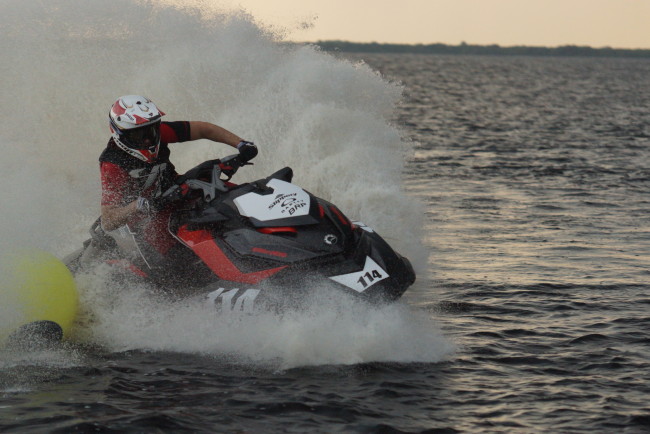
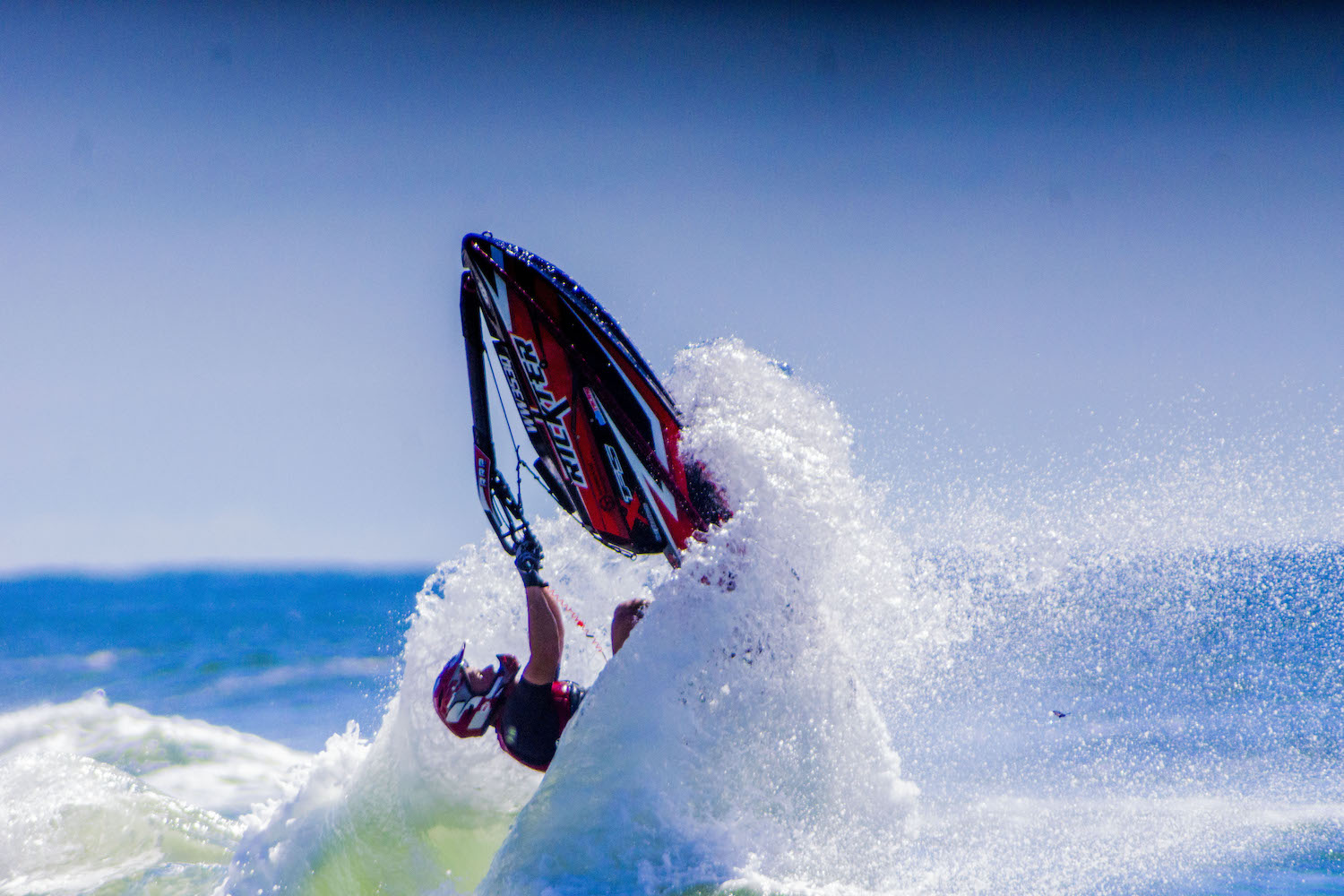
Rounds 5 and 6 of the 2015 Yamaha Australian Jetcross Tour where held in Sydney again with all the points leaders back to try and secure a few more. The likes of Ryan O’Keefe, Mitch Wayt, Jake Barker and Anthony Anteese, all of these boys had to be on their toes with only a few points separating first and second.
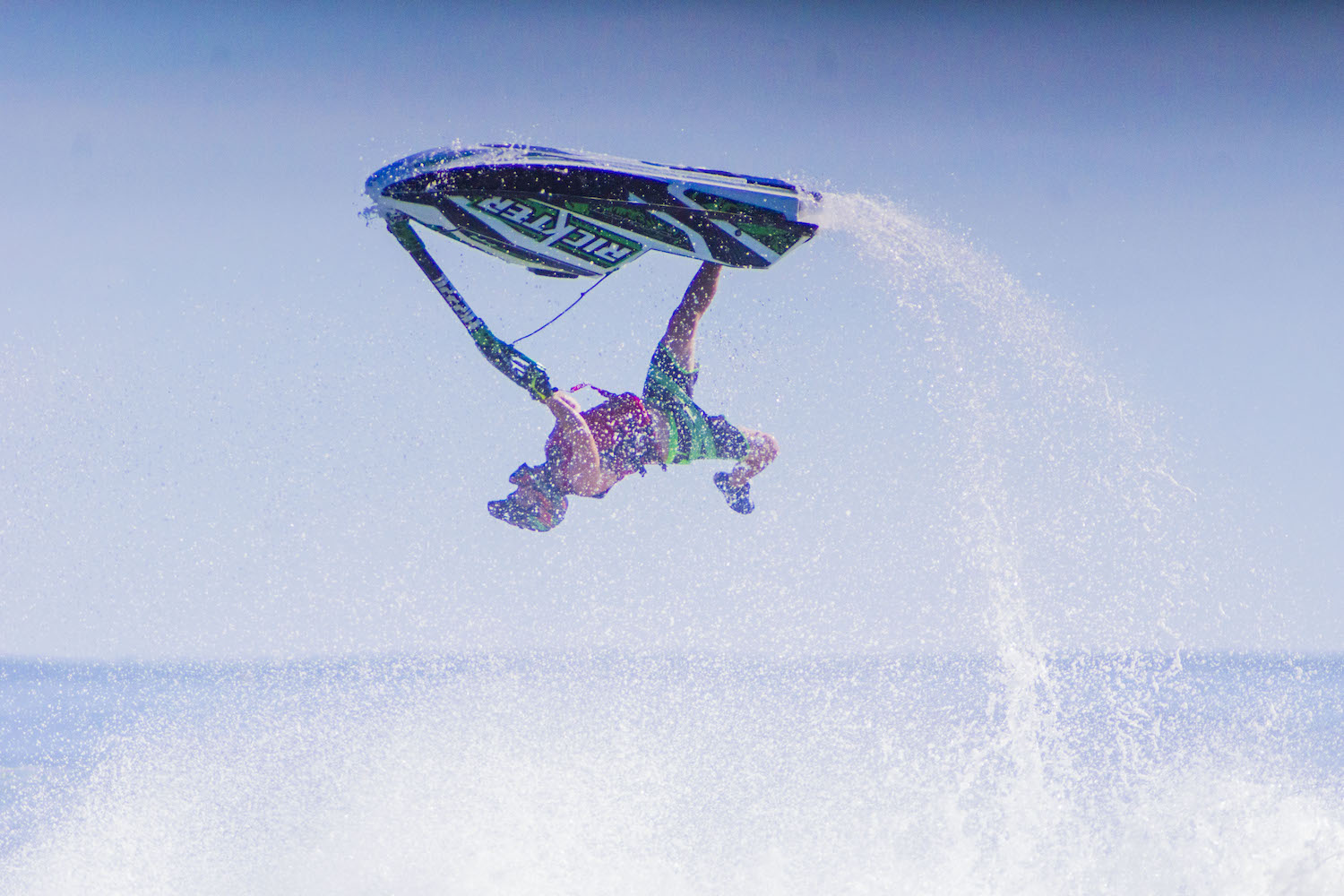
Ryan O’Keefe, a flatwater freestyle rider at Jet Stunt Extreme, Gold Coast Australia, O’Keefe earned his Pro Card at the end of 2007, and went on to spend the next 5 years exploring every aspect of the sport from freestyle surf riding to runabout closed coarse and endurance racing before finding a home at Jet Stunt Extreme riding a Dasa Powered Rickter XFS during shows at Sea World. O’Keefe began racing again at the end of 2014 after two years off, he has been the man to beat, winning 17 out of 18 motos so far during this year’s National Tour.
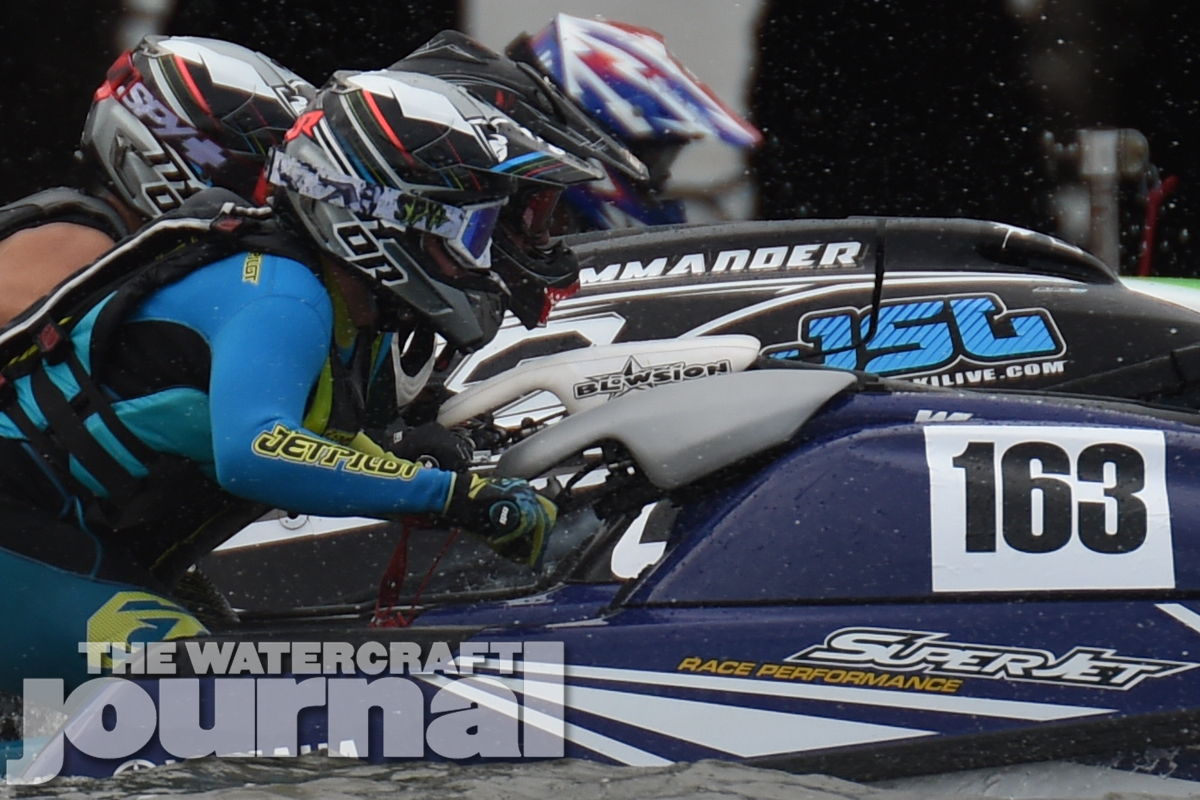
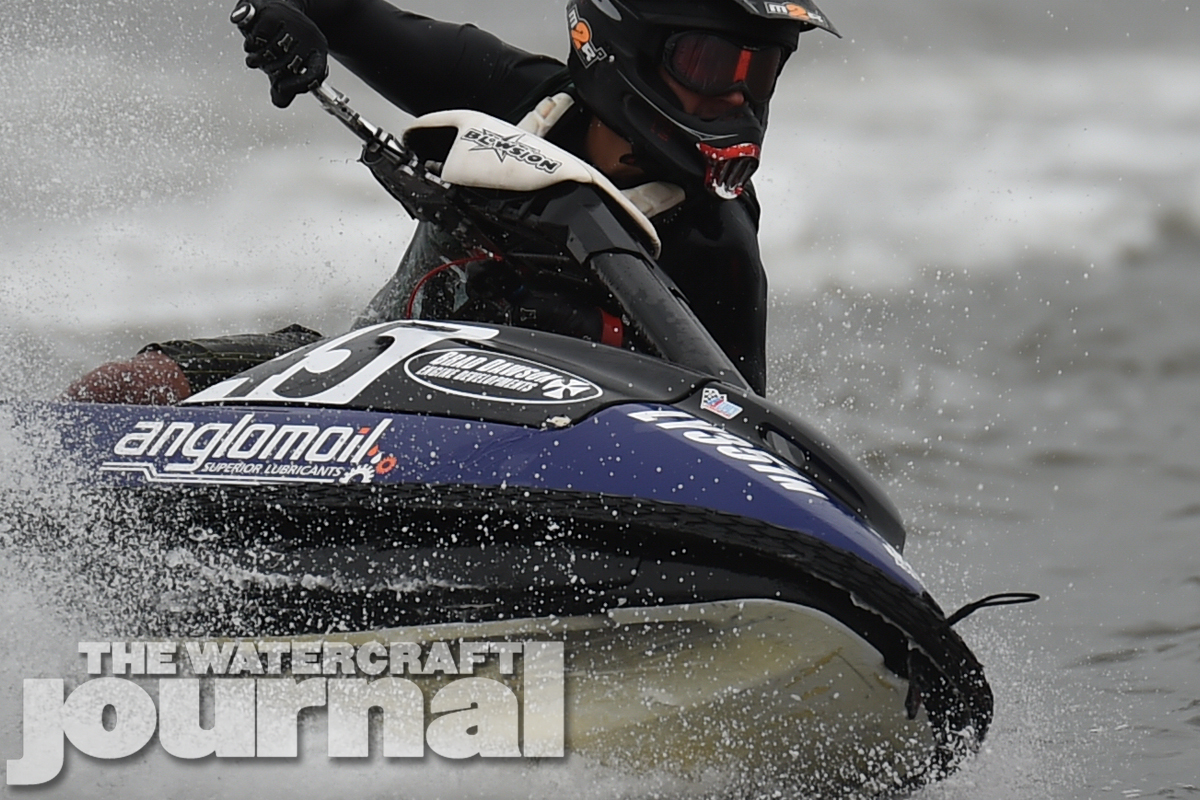
Mick Stevens on his Open class ski was dedicated and persistent. Stevens, from Newcastle, has been racing jet skis for 8 years and still loving every moment of it. A full-time jet ski mechanic, Stevens transitioned from the Amateur Lites class after in 2011 to Pro Lites and winning his first Australian title in 2014 aboard a Worx Racing/Coast-to-Coast Boating SuperJet.
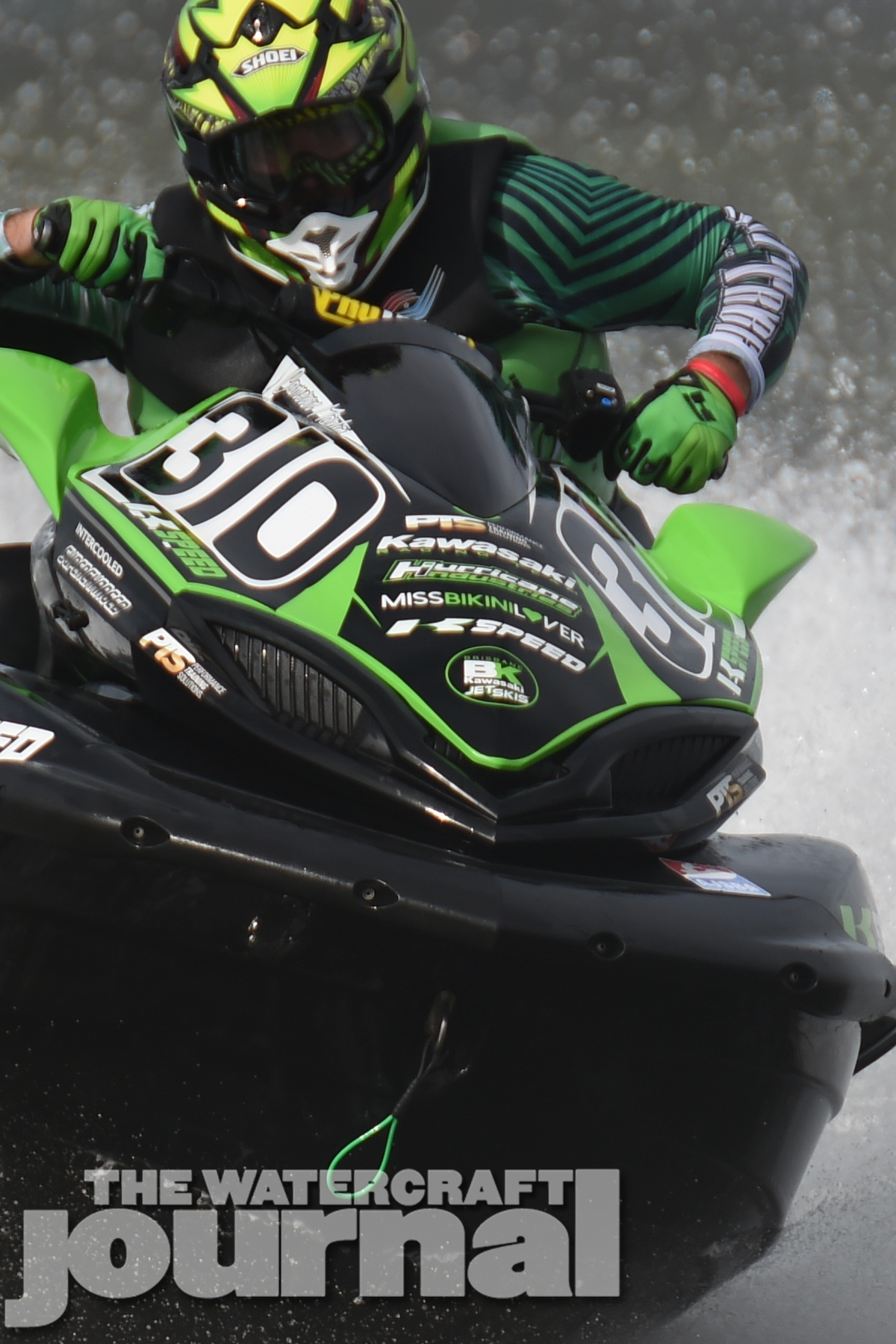
With a relabeled Kawasaki SX-R, Stevens is always a threat. And the same can be said for James Xuereb. Being the current World Veteran champion, he knows how to pilot a SuperJet and just waits for the perfect opportunity to wear you down and slip past.
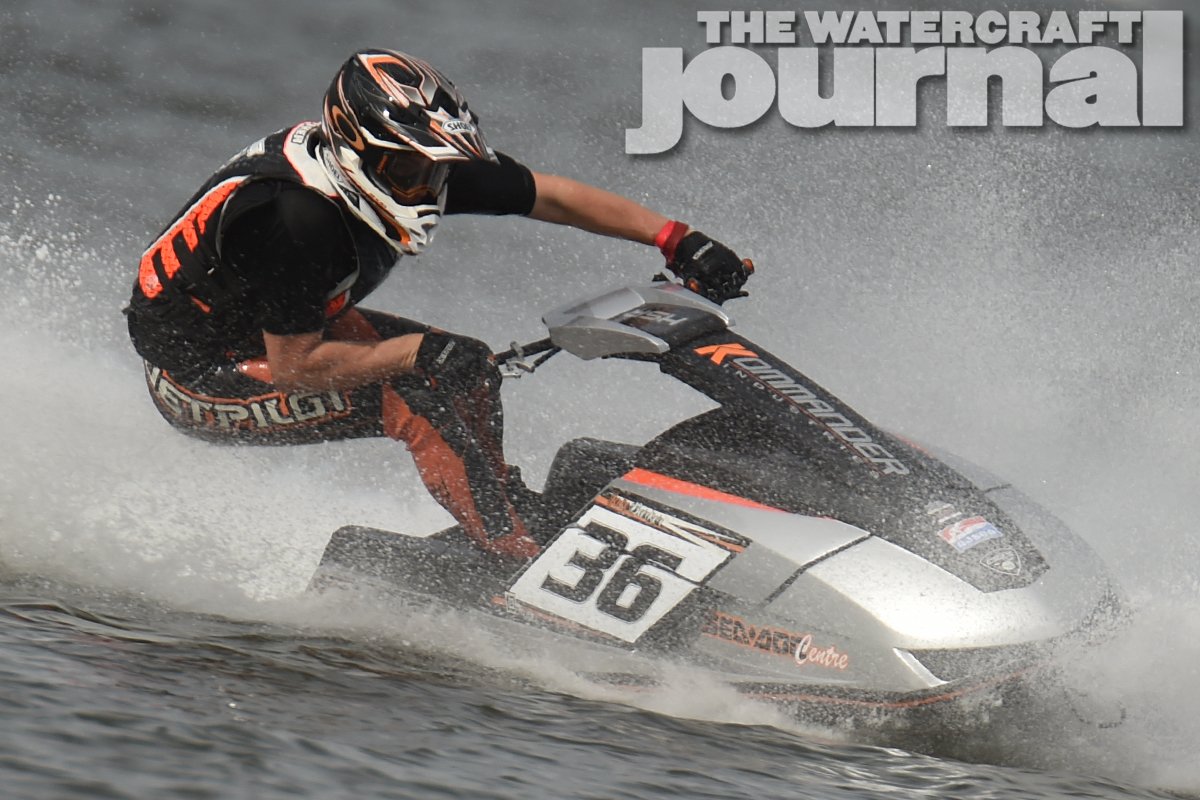
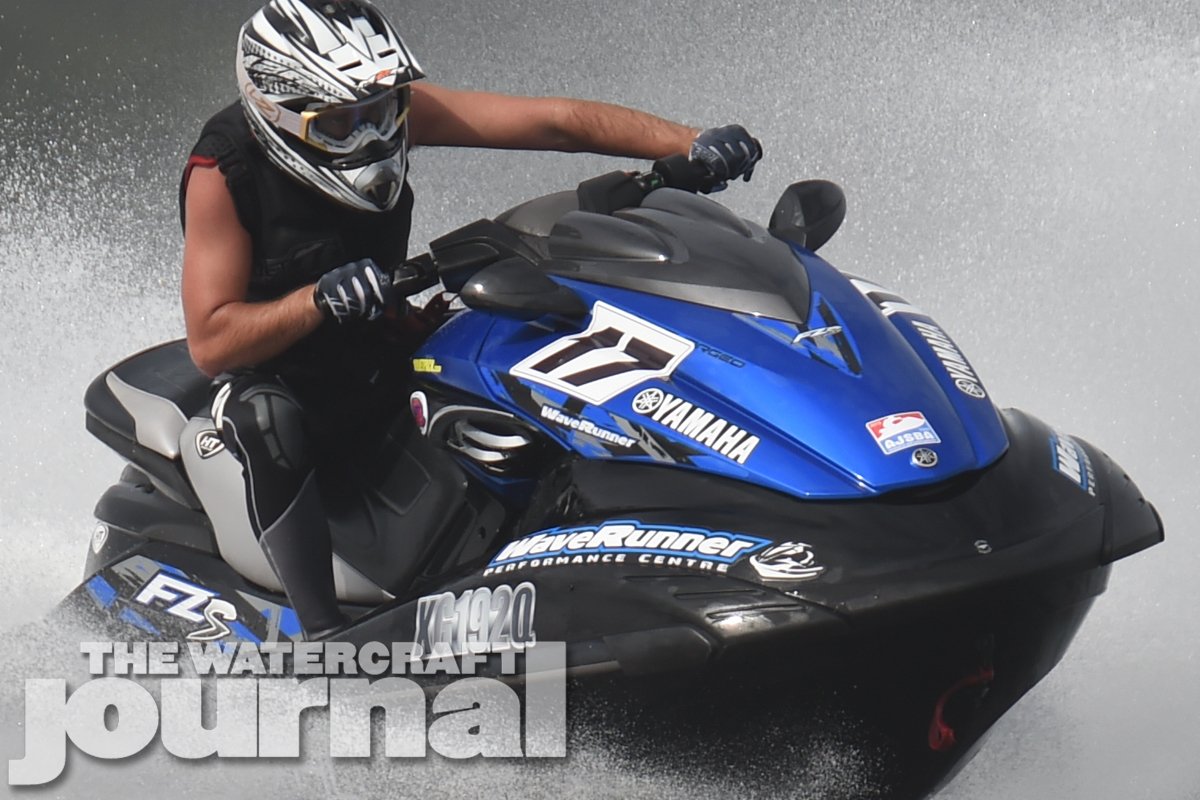
The weekend’s racing was a bit more favorable to the Sea-Doo riders with some slight chop and some tight corners. But the boats put together by Jordan at the WaveRunner Performance Centre could get enough of a jump off of the line to make it hard for the others to keep up in Open Runabout. Mitch Wayt’s Yamaha FZS was hard to beat, with consistent riding and an aggressive style Wayt was able to take out the weekend once again. Even after giving Jamie Eade’s Kawasaki a bit of a push along and punching a hole in the FZS.
It was great to see Brendan Boyde back on the water after an unfortunate accident while trying to rescue a fellow jet skier on the Gold Coast that was sinking in the surf. Let’s just say the older gentleman was in a bit of strife. Justin Belczowski and Brendan where trying to help him out with a tow, when the ski rolled and the tow rope nearly made Brendon a permanent member in Davy Jones’ Locker.
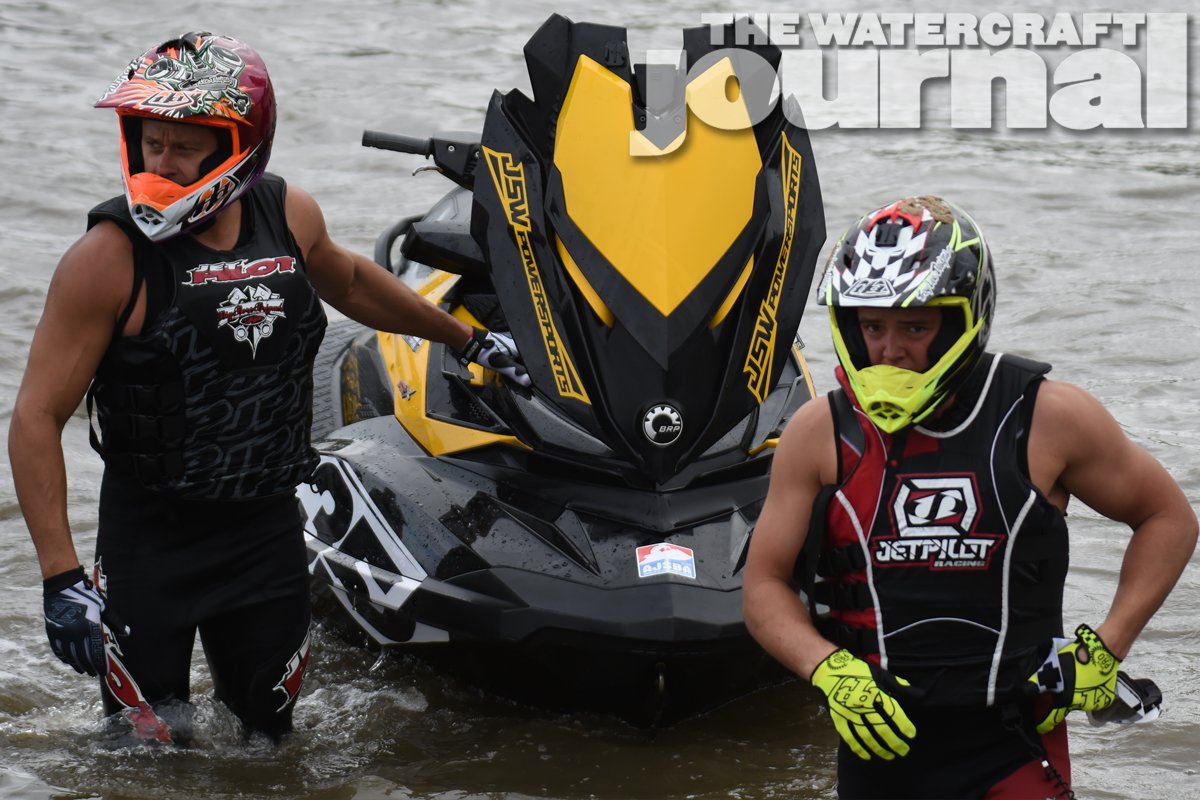
Brendon went on to take out Round 6 on Sunday in Open Runabout. He gave the ever-consistent and Round 5 winner, Anthony Anteese a great race – with both riding RXP-Xs put together by JSW Powersports.
The final round is going the be held in Queensland at Redcliffe in two weeks’ time. With Yamaha giving away a brand new SuperJet in the aptly-named Superjet cup, I’m sure it will be a massive day. A big thank you goes out to all the marshals and helpers that spent a cold wet couple of days on the water. Your help is invaluable. Also to all the people effected by the recent storms, our thoughts are with you.
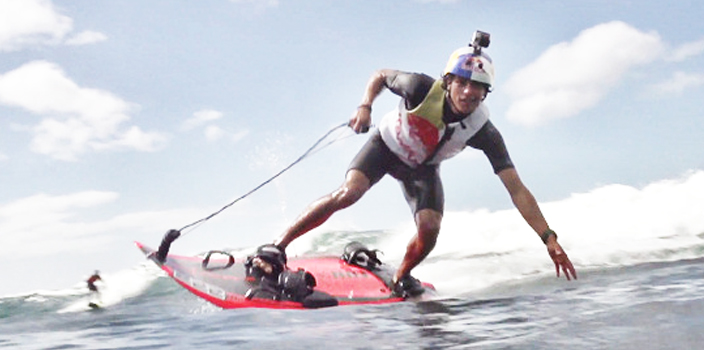
In January of this year, we brought you a short and dirty video of Maui local, Kai Lenny charging famed big wave surf spot, Jaws on a 6-foot Kevlar and carbon fiber jet-powered surfboard manufactured by Jetboard. Dubbed the Jet Surf, Lenny first tried out the Jet Board in early 2013 and has been hitting the big Hawaiian surf breaks regularly.
Buried beneath the watertight housing is a 2-stroke 100cc motor beneath his feet strapped into the waterski-like bindings. In a video produced by XTreme Video, Lenny and friends push the Jet Surf to its limits as they surf rail-to-rail into on-coming monstrous waves.
As we stated earlier, the amount of rocker in the nose of the board helped him over the ledge on the take off and the hand held throttle helped him adjust his speed only when going out and outrunning the massive white wash trying to engulf him at the end of his rides.
However, the throttle did nothing for him when actually riding the waves because with the massive amount of water that came with that particular swell at Jaws, there was no backing off and slowing down. He just had to go with it hoping to survive on that speedy little board that looked like a cross between a wakeboard and a blunt nosed fish.
But even getting the idea materialized is a story unto itself. The Watercraft Journal was able to talk with PK Ewing, team leader for Take Point Now who walked us through its development: “The idea for an adaptive jet ski came from how this Take Point Now effort affected my teammates. Now without airing too much laundry, my teammates and I all have PTSD. At least two of us have TBI issues as well.
“We all suffered in similar and different ways. We all responded in similar and different ways and we all sought treatment of some kind with varying degrees of success. I won’t go into a discourse on PTSD but we all felt the deep depression, isolation, headaches, violent mood swings, insomnia and tremendous anxiety.”
“But being on the water together, we found some peace. And riding the skis together quieted the demons and gave a tremendous outlet.
“We were all talking about it after riding one day and we all came to the same conclusion at the same time. Every vet should experience this feeling. This led to the next logical question: What about the Wounded Warriors who physically can not ride anymore?
“While we were discussing it, I think it was John Pignone who said it first, ‘We should figure out a way to bring this to every veteran who needs it.'”
“So I decided that this should be something that we should tackle as the Take Point Now team. I started thinking about adaptive controls for riders who were amputees. I looked and searched but found nothing. I realized we were going to have to design something from scratch. But this was a task beyond our abilities. I had an idea for a yoke and a saddle but no way to build it myself.
“My search led me to Bomboard LLC. They are designing and bringing to market a revolutionary PWC. It looks like a really thick surfboard but it’s modular and breaks down into four components that you can fit into a small car. It’s also a fraction of the cost of a regular jet ski. It’s designed so a rider can sit/kneel or stand on it while riding. That made me think that it’s the perfect platform to modify for a disabled rider. I called them and spoke to the founder and owner John West.
“He’s a Vietnam War vet and he was very enthusiastic about adapting the Bomboard for Wounded Warriors but unfortunately they are still in the design phase and won’t be hitting the market for some time. But they put me in touch with the engineer who worked on their throttle system: Bill Stuck and he has been designing adaptive controls for side-by-sides for years. Erika and I paid him a visit and he brought our idea to reality.”
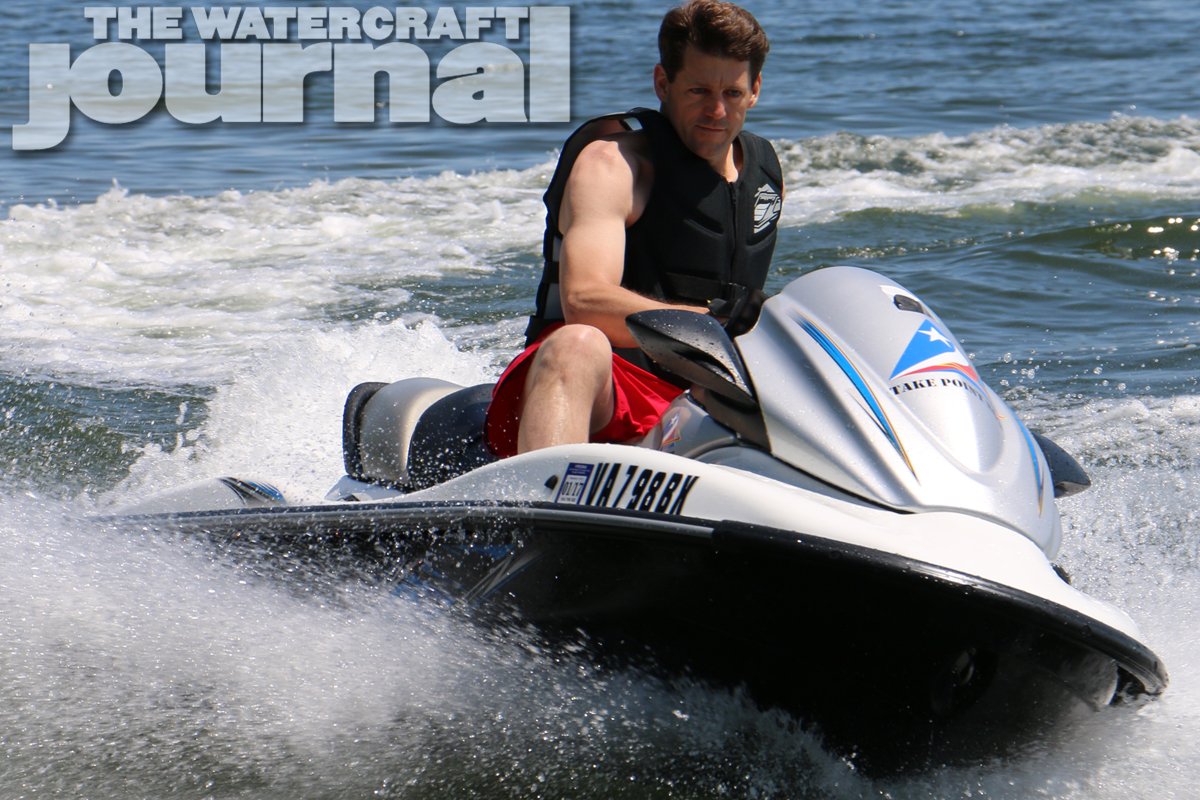
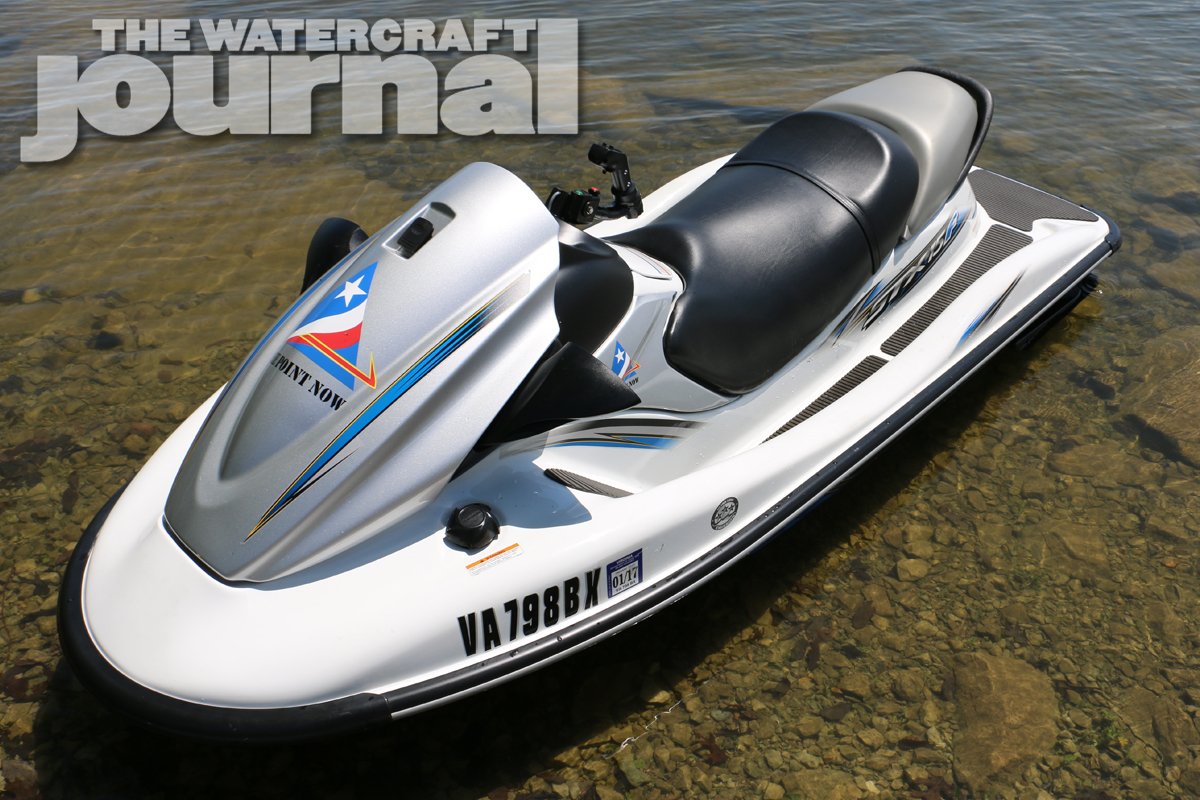
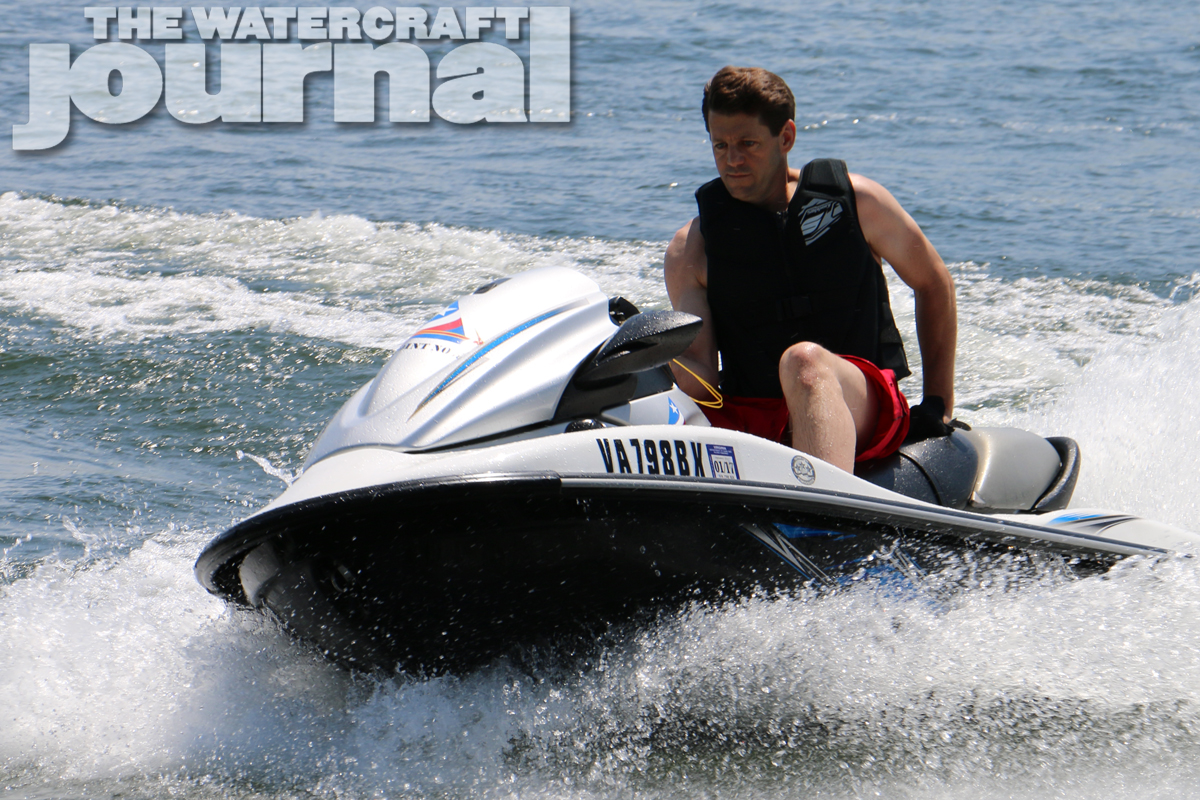
PK provided Bill with his own Kawasaki STX-15F. The current STX-15F is the oldest-running PWC designs (besides the Yamaha SuperJet) available today, and is void of contemporary niceties like electronic throttle control, cruise, no wake mode, or trim control (not to mention brakes). The right-hand reverse lever is also a long overdue carryover from a decade earlier.
Yet it was the lack of such contrivances that made its transition to one-hand-drive easier. As Bill Stuck explained, “The stock forward/reverse system was designed to be used by an individual that had the ability to hold the handle bar with one hand and move reverse lever with the other. That task was not very functional for an individual that was a full or partial amputee.
“The new system incorporates the use of an actuator and relay logic to control the forward/reverse functionality electronically using a simple switch. This modification enables an individual with one arm to have full control of the reverse system and still have steering and throttle control with one arm. The system is also designed to be used with either the left or right arm.”
This ambidexterity is achieved by removing the traditional steering cross handle and replace it with a single, centered yoke. Stuck continued, “The choice of a hand grip control arm was a combined design effort between PK and myself. The thought was that PWC would be kind of like riding a bull. The grip would be low so you can hold on and pull yourself into the seat for support. The throttle is a standard electronic trigger that most individuals can adapt to very easily.”
The single yoke and arm sits on the factory steering knuckle, and the electronic servos controlling the forward/reverse system both do not replace the factory components, but only override them – allowing for easy installation and removal. We found this to be ideal, as many runabouts on the water currently feature the same low-level of technology and would make the package’s installation fairly routine.
On the water, we found the experience very unnatural (as to be expected). Traditional handlebars provide not only added control but stability as well. Negotiating turns – even at half throttle – proved difficult because of the low-slung yoke’s lack of leverage. Likewise, the centered yoke makes leaning into turns a wholly new experience that will take some practice to master.
Stuck relocated the start/stop unit directly beside the yoke and operates using the traditional lanyard kill switch. The yoke features a trigger for the throttle, which takes some getting used to, particularly as the STX-15F is one of the sportiest naturally aspirated entry-level crafts on the water.
The yoke’s thumb buttons manipulate the electronically-controlled forward/reverse bucket, and takes only a couple of seconds to engage. For now, the Design Ability/Take Point Now Adaptive Steering System is in its early prototype stages, and given the minds behind it, promises to become a very useful resource for injured veterans.
“As for the future of this program,” PK concluded, “that is driven by Take Point Now’s mission to inspire veterans to seek out and recreate the team dynamic that characterized our military service.
“My mission is to inspire, so how we proceed will be informed by that. These prototypes are templates and tools to that end. I want to find a way to get these tools into the hands of the inspired and build community of riders who otherwise would miss out on the joy, the exhilaration and the humbling beauty of deep water and open sky.”
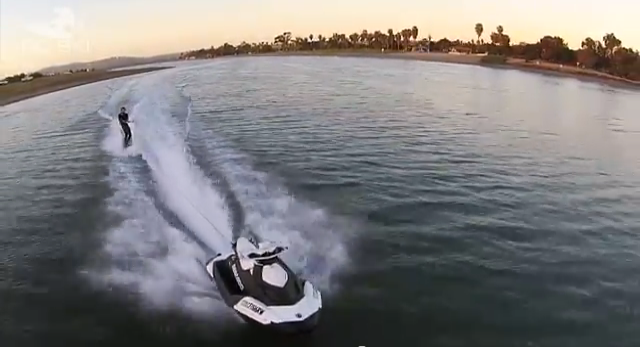
The RC Ski is brainchild of Justin Merrill while attempting to kiteboard during a windless day. Merrill thought, “Wouldn’t it be great to go wakeboarding without having to drag a friend out of bed to tow you around?” The inventor/entrepreneur went into his workshop to combine his love for RC cars and wakeboarding and RC Ski was born.
It was only after countless hours building the first prototypes and working with engineers, the RC Ski is now in its final evolutionary stage, designed and tested using state-of-the-art methods. The RC Ski’s control unit is designed to fit nearly every jet ski, and is made with durable, high quality components and the logic boards used by Texas Instruments chip sets.
Partnered together with Clarity Design in San Diego, RC Ski is ready to produce the first production units. RC Ski’s Eddie Phanichkul stated, “With our aggressive design and production schedule, and because we are already so far along, we expect to be able to finish production, assembly, and packaging by September 2015, with the first units shipping out the following month. All other rewards should be available and shipped out by the end of September, and we’ll be making sure everyone gets their rewards in time for Christmas 2015.”
But making this new invention happen and within their projected schedule is no easy task and requires quite a bit of help…from you! As of early yesterday, May 4th, RC Ski launched a Kickstarter campaign to help raise the necessary $50,000 needed to initiate production on the final design.
All of us at The Watercraft Journal are excited to partner with RC Ski to help get the word out, and we’ll be doing so over this summer with regular updates, videos and reviews. Until then, skip on over to their Kickstarter page and invest what you can. Help support a new company, a great invention and the growth of the sport!
According to the little known author Codman Parkerson, New Orleans has always been a well defended city: “For nearly all of the first two hundred years of its existence – 1717 to 1917 – New Orleans was America’s most fortified city. Strategically located near the mouth of the Mississippi River, New Orleans was the gateway to the interior of North America. Any invasion force would recognize this fact; any sovereign would as well.” Indeed, Parkerson goes on to list no less than 56 positions of defense built for the single purpose of protecting the river and the Crescent City that has sprawled along its shores.
I must admit, I’ve always been something of a history nerd; sure the subject isn’t to everybody’s liking, but when combined with a day of PWCing, I couldn’t help but offer the report. Opening with a quote from Parkerson’s book wasn’t by accident either – I’ve been reading it like a roadmap for months now. While the trip was definitely about the viewing of these antiquated bases, I’ll leave the history lessons to the links which reach out to my blog on the same subject. So, with that in mind, come join my friends and I for a 67 mile PWC cruise that will cover two major wars, attack and occupation by an invading enemy, and five locations of military construction designed to protect New Orleans. Let’s ride:
Water and weeds at work on the decaying Fort Macomb
We were a small armada: a diverse fleet of six skis made up by one pair each of matching ‘Doos, Yammies, and Hondas. We departed the Chef Harbor Marina at 11:30 AM with our first stop being less than a mile away…
Fort Macomb (1820) lies on the southwest of Chef Pass near the Gulf Intracoastal Waterway (GIWW). Like all of the forts we’d visit today, Fort Macomb was part of the post-War of 1812 “Third System” coastal defense plan. While Macomb is still connected by land adjacent to Hwy 90, the entrance, as well as the fort, has been sealed off from the public. A view of any measure has to be taken by water. We idled around the moat, getting as close as the grass would let us, trying to get a peek through the barred gun ports to the inner-fort. Unfortunately, the lower portion of the forts outer wall is eroding in the water, while the tops are crumbling under the strain of the plant life that have taken hold of there.
With no exploring to be done off the skis, we regrouped and headed southwest to our next target. Skirting the shore of Lake Borgne, we enjoyed three miles of calm waters before we exited the lake into Bayou Bienvenue. Then, a mile further, we found a most impressive brick wall standing in the marsh. The wall, of course, is the main structure still remaining of…
Battery Bienvenue: Still defending a lonely part of the south of NOLA marsh.
Battery Bienvenue (1828) is surrounded by water and tall marsh grasses, this is the only site in the NOLA vicinity still reported to have retained a few of its guns – we did not go look for them. “Bienvenue” is French for “welcome”, and I’m sure the Americans were intent on welcoming any invaders with a heavy barrage of cannon. Indeed, the site was chosen as this was on the same route taken by the British during their failed invasion of New Orleans during the War of 1812. While the nearly 500 foot long outer peremiter still stands, most of the rest of the base is gone.
With the wall behind us, we jaunted six wide down the Mississippi River Gulf Outlet (MRGO – pronounced Mr. Go) towards our next target. At one time the MRGO, was a major shipping channel – plenty deep and a quarter of a mile wide. The canal was ultimately deemed the culprit for letting most of Katrina’s surge in (and flooding the city) and the channel has since been dammed (and damned…). Cruising down the large canal, the right bank is topped by an impressive concrete wall. The wall, now reaching nearly 25 miles in length must contain at least as much concrete as the city itself! I find it somewhat coincidental how we built walls to hide guns to protect the city and now the city itself has been put behind a wall. Four miles later, we had reached…
Dupre is a tower no more.
Tower Dupre (1828) is a two-story “Martello” style tower that at one time boasted as many 12 guns. Built on land, the site now is nothing more than a small island of brick and mortar rubble. Lost in 2005 to wind and tidal surge, Tower Dupre was an early casualty of Hurricane Katrina. There were a number of fishing boats moored near the site and we carefully idled among them for a closer inspection of the site. Wade, Shawn, and I spent a few minutes exploring the site while the other half of the group floated nearby. It was hard to imagine solid walls over 4 feet thick being blown apart, but here they lie in pieces. While the tower is not known to have seen any action, it did change hands during the War Between the States.
Back on the skis we were again spread out and cruising southeast down the MRGO where our next target awaited, 12 miles further, near the current day fishing community of Shell Beach. It’s an appropriate name for the area: The bayou connecting Lake Borgne to the MRGO is lined on each side with a 3 foot high bank of white Rangia clam shells. And, just on the lake side of the bayou, sits…
Fort Proctor still stands to protect the south shore of Lake Borgne.
Fort Proctor (1846), unfinished at the time of the Civil War, was abandoned and left to the Union Army when New Orleans fell. Considering its age, Proctor is in fairly good shape, undoubtedly held together by the steel beams running throughout its construction. We anchored the skis in the shallow water to the rear of the property and the entire party moved around to stretch their legs. Only Shawn, Wade, and I ventured inside the fort for a closer look. It seems the construction standards had advanced by the time Proctor was built: Brick was still the main material but the main building is still standing being braced by rusty steel beams. Also in places of support were slabs of solid granite. We moved about trying to make sense of what a room might be or stairs we found going nowhere. We recorded the moment with video and stills. And when our interests had been satisfied, we mounted the skis yet again.
This next leg was the longest but thanks to the weatherman who had finally got it right, perhaps the most enjoyable. Crossing Lake Borgne on a northeast track for 14 miles, we spread out on our own headings never seeing another boat and hardly any land in sight. The chop may have hit a height of 8 or so inches but once we got past halfway the surface went to glass. We finally made Chef Pass again, where Fort Macomb came back into view, only this time we swung northeast for the Lake St. Catherine crossing. It was another smooth ride of nearly 4 miles where we finished up the furthest leg east of the route at the Rigolets and…
Fort Pike – the first of the Great Brick Forts erected to protect NOLA.
Fort Pike (1819); this was the first of the Great Brick Forts ordered to be built for defending New Orleans. Sitting at the west end of the Rigolets, it was well positioned between Lake Pontchartrain and the Mississippis Sound of the GoM. It is also the only fort on our route that is open to the public and can be viewed via a walking tour. And I highly recommend it.
Only stopping long enough for a few pix, we continued on our tour, heading into Lake Pontchartrain to circle around and complete the trail. “Rounding the horn” from the Rigolets into the big lake, the water roughened up. While it never white-capped we had just enough chop to catch some salty spray every now and again during the 7 miles of open water. Looking over my shoulder, I noticed the gang was again spread out except for Wade. He had positioned his ski directly on Krista’s six, letting her bust the chop before him, so he could have a smooth ride. Geez, what a gentleman…
PWC Pirates for a day (LtoR): Billy, Shawn, Bryan, Mike, Krista and Wade.
Chef Pass finally came into view and not longer after, the Chef Harbor Marina. Arriving back at the ramp, we had completed a 67 mile journey, and it seems, did a little bit of time travel as well. Was this a great ride? Well, not exactly, unless you like big, open water that is usually blown out. But, then again, considering the sites and history – yes, it was a great ride. I’m glad our little fleet accomplished the trip. I fear the collective fate of these forts have been sealed and future generations will not be able to enjoy these gems of American History. I’m certainly confident the next attack will take its toll – some may stand, likely some will fall – it’s just a matter of what category of storm will be required to win the final battle.
Last week, the Pro Watercross Tour had quite a bit to announce. Not only is the 2015 tour now titled the “Hidden Trails Pro Watercross Tour,” but has also welcomed Slippery Wetsuits, Jet Renu and Jettrim on board as sponsors. New members to the Pro Watercross organization will receive a bag of goodies, including the tour sponsor’s postcards in the membership packets.
“These are all great companies that have established themselves into the watercross communities and have proven that their products are a valuable investment,” stated Nick Handler of Pro Watercross. “Each of these new sponsors is making a significant statement on the direction of Pro Watercross’ tour and it impact on the racing community.”
All of us at The Watercraft Journal are happy to share the good news about longtime supporting advertiser Jet Renu joining as a sponsor for the 2015 Pro Watercross Tour. Jet Renu manufactures a full line of reconditioning products for marine, automotive and more. Jet Renu’s marine products were developed with rider’s and boater’s best interests in mind and understand their customer’s needs and concerns in finding the right cleaning product to care for their watercraft. In addition to the 2015 tour, Jet Renu is also a regular sponsor of the Jettribe West Coast PWC Tour, and sponsors several racers both locally and nationwide.
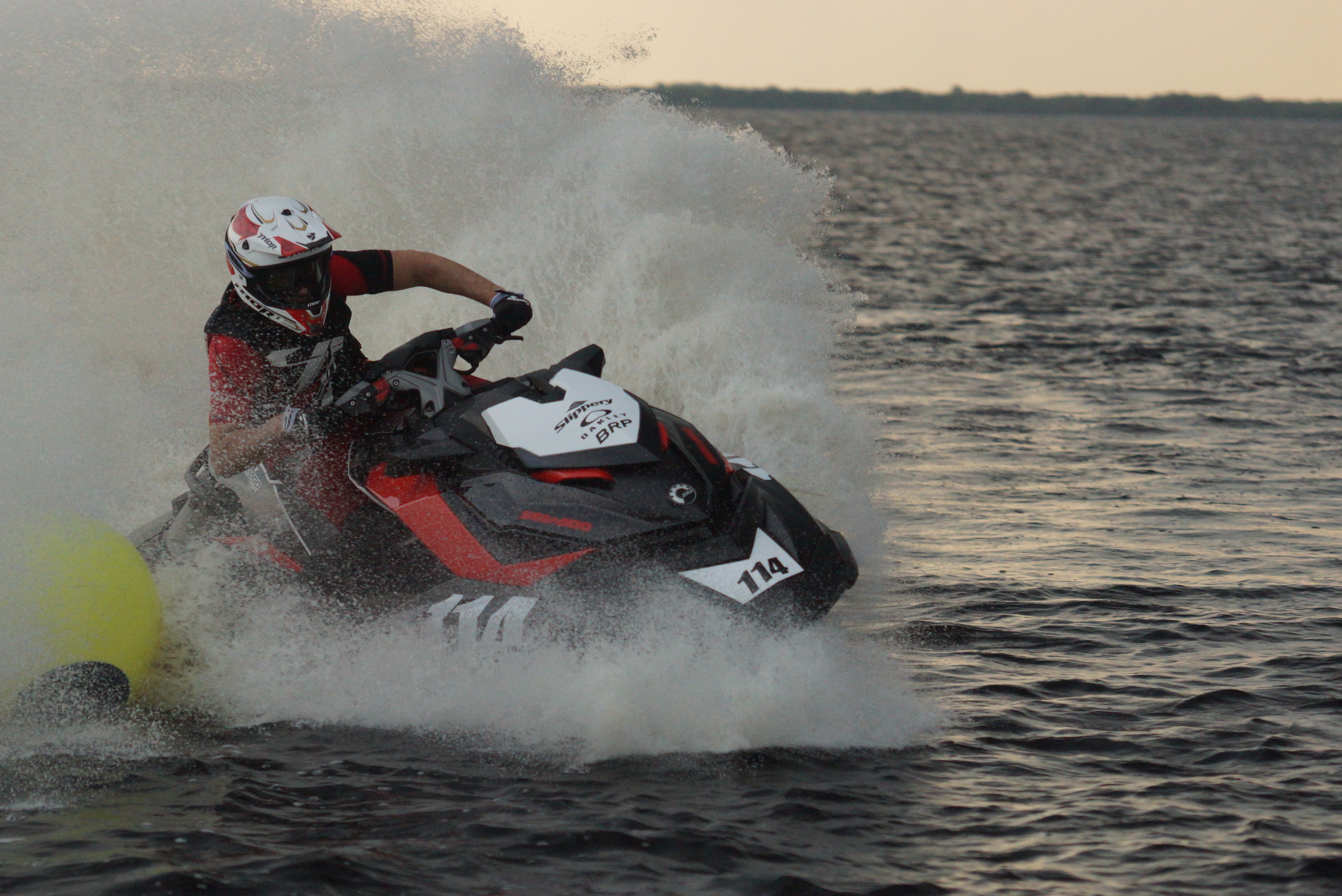
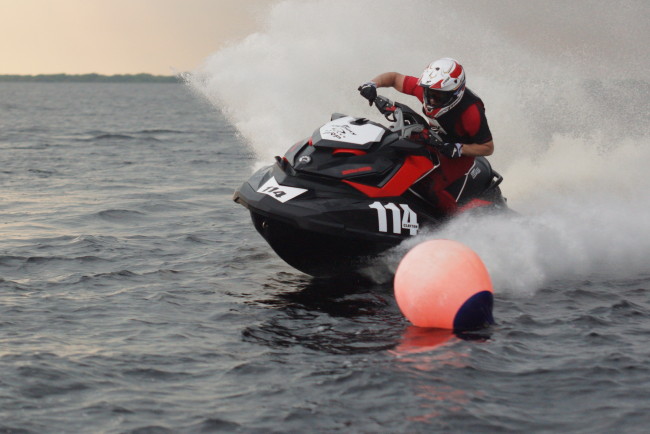
When life gives you lemons, you make lemonade. When life breaks your ankle requiring surgery (and two steel pins) and nearly crushes your larynx during the first round of the AquaX racing, you build a E85-fueled supercharged Sea-Doo…right? Well, that’s exactly what happened to Pro Open Runabout Sea-Doo racer Claude Clayton two weeks ago in Daytona Beach, Florida, and that’s exactly what the intrepid Mississippian plans to do.
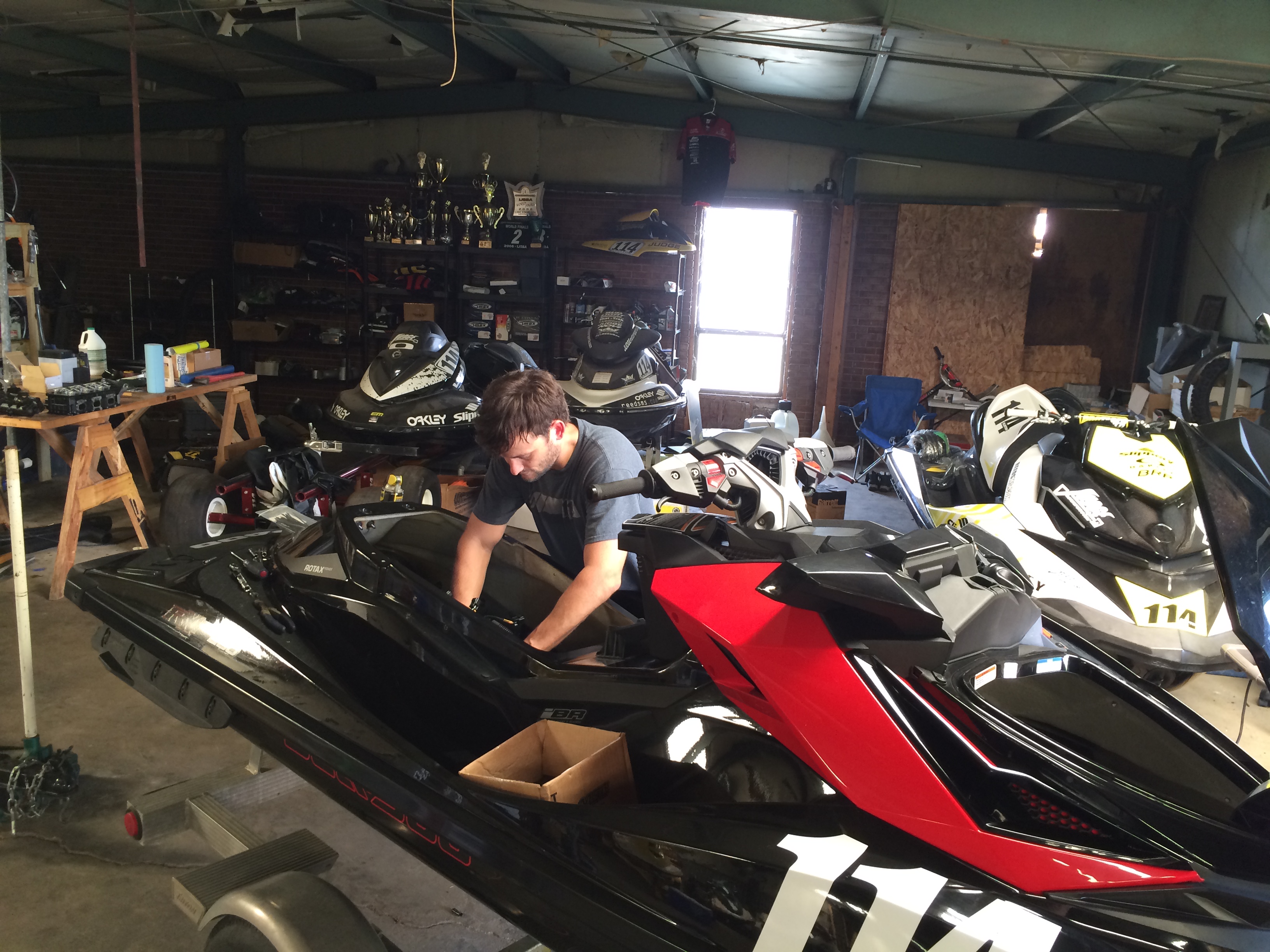
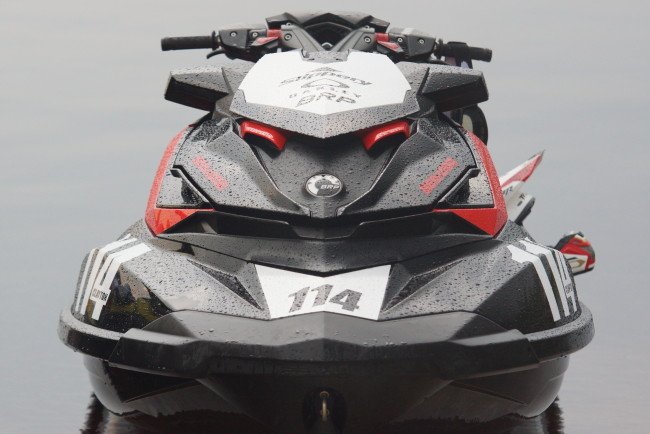
Buoyed by sponsors Judge Motorsports, Engine Tech Billet Superchargers, Jettrim, Sea-Doo, Slippery Wetsuits and Oakley, Clayton plans to take a bone-stock, production ski and using only bolt-on parts, build a competitive Pro Open race boat that has awesome closed-course capabilities and will run 85mph while running on E85 fuel. Dubbed the “Bolt85 Project,” the numerical theme is hoped to be carried further by completing the machine with (or less than) $8,500 in additional parts.
Because of Clayton’s injuries and impending surgeries, master mechanic Tim Judge will be driving out to Clayton’s Tupelo, Mississippi home to oversee much of the building and testing the ski. You can look for future updates and videos from the Bolt85 build exclusively here at The Watercraft Journal, as well as updates on Clayton’s turbocharged Open class runabout, which recently received a newly rebuilt motor.
Let’s just be really honest here: The Watercraft Journal is the single-most popular personal watercraft magazine in North America (we also rank as one of the top PWC publications in Australia, New Zealand and the UK), with over 160,000 unique readers in its first year of publishing; and we project our readership to reach 225,000 by the end of 2015 as we continue to grow month-to-month. You’ve probably seen last month’s By The Numbers (if not, here ya go), and this kind of growth isn’t conjecture. It’s fact.
So what does all of this math mean? Are we just being braggarts and jerks waving our readership around? Nope. What we’re doing is showing you the potential audience you could have for your company if you start advertising with The Watercraft Journal today. Yes, this article is for you, the potential (and even current advertiser). You want your brand and products in front of as many potential customers as possible. There is no greater degree of media support and advertising exposure found anywhere else in the PWC industry.
But what about our competition? We have none. Unlike others who either slog under weight of printing a pamphlet-quality magazines chocked full of content already outdated before the ink dries, or digital sites who cut-and-paste stolen or repurposed content, and/or fail to maintain a reliable publishing schedule, The Watercraft Journal produces originally-written, professional-quality content every single stinkin’ day, Monday-through-Friday. All year ’round. Who else does this? That’s right. Nobody.
Reliability Is Key
Wow. Last month’s By The Numbers couldn’t have been more spot-on. We wrote, “Inconsistency is equal to unreliability. If readers can’t count on you to produce fresh, entertaining and informative content each and every day, you’re sunk. That is why The Watercraft Journal excels. Not only do we publish the equivalent of a 100-plus-page print magazine each month, but also daily news from across the personal watercraft industry and promoting our supporting advertisers Monday through Friday.” ‘Nuff said.
News articles published in March: 28
Feature articles published in March: 12
Total feature word count: 11,650 words
News articles published in April: 28
Feature articles published in April: 12
Total feature word count: 9,183 words*
*When this number is translated to print publication standards equals a 102-page magazine. Please note that this number does not include an average of two uniquely-written news articles published daily.
It’s a Numbers Game
Take a peek at these analytics. Sure, we dipped a bit below March’s stellar number (our all-time high thus far), but we also managed to break the news on the 2016 Sea-Doos a full six months early, so there’s that. But what is really interesting is the quantity of new readers coming to The Watercraft Journal and the number of articles they read. Our readers are spending more time perusing our content, reading our articles, seeing (what could be) your ads, and drinking our competitors’ milkshake.
March
Total number unique readers: 19,134*
Total number of articles read: 45,044
Percentage of new readers: 62.1%
April
Total number unique readers: 18,809*
Total number of articles read: 40,789
Percentage of new readers: 67.8%
*This number is considered equal to an individual sale of a single copy of a magazine.
Anti-Antisocial Media
It’s more than likely that you’ve either visited our Facebook page, liked one of our posts or shared one of our daily pictures. It’s smart thinking in this modern world of publishing to put your product in front of as many eyes as possible. With our Facebook, Twitter, Instagram, YouTube, and weekly newsletters, we reach literally tens of thousands of dyed-in-the-wool jet ski enthusiasts in the United States of America, and all of the industry worldwide.
April Facebook readers: 12,986
April Facebook weekly reach: 19,676
Top Five countries: United States, Australia, Canada, France, United Kingdom
So There It Is
Due to the disconnect of our market, access to every possible potential customer is difficult. That is where we come in. The Watercraft Journal has more readership than any other publication. In fact, we rival and surpass many forums and message boards. Participating as a supporting advertiser for The Watercraft Journal is the fastest way to reach more diehard jet skiers than any other avenue. Join us, and together we can rule the galaxy.
It’s hard to believe that the prime riding months are drawing to a close in Australia as the first big group rides and professional races of the year are kicking off here in the States. Alas, that is the way of living on opposing sides of the equator. As the mercury slowly descends down the thermometer, our fellow personal watercraft enthusiasts are preparing to winterize their jet skis, while others are only starting the beginning of their winter-long project builds. That is, if they’re not choosing to brave the chill and ride anyways.
Recently, we reviewed a build that Melbourne, Australia’s Diptech Performance were installing true 300-horsepower packages on customers’ supercharged Sea-Doos. The package consisted of RIVA Racing’s a reflashed ECU, an open-element cold air intake, through-hull exhaust with a high-flow waterbox, bigger injectors, valve spring retainers, and a “boost-boosting” supercharger rebuild kit. And is with all things, you gotta pay to play – the kit starts at $4,000 and goes up from there.
Earlier this year, one very satisfied customer joined a friend to test out their recently tuned Sea-Doo RXT-X 260…well, 300 off of St. Kilda Beach. The two were met with “average conditions,” that flattened out to absolutely zero wind and perfect conditions to “test a few new mods.” Now for those looking to ramp up their DipTech 300HP package a bit further, you’ll need one of Diptech’s specially-ordered Solas props.
The Sunshine Coast Jet Sports Club (SCJSC) is a non-profit organization run by jet ski enthusiasts. They aim to lead by example promoting safe and courteous riding through public education and hope to create a better public image of Jet skis in the community. In a recent interview with SCJSC president Matt O’Connor, he explained what it is that he loves about jet skiing and what it is that motivates him to run the club and ensure its longevity.
“In the beginning I took over the club not necessarily because I wanted to but more so because if I hadn’t the club wouldn’t have lasted,” Mr O’Connor said. “Riding gets your adrenaline going and I find it addictive constantly trying to master new tricks and reach the goals I set for myself.”
“We’ve got a great group of riders in the club that stick together like a family which is what you need when you’re out on the water, someone to keep an eye on you and make sure you’re okay. We are all about community and practicing safe riding habits while still getting out there and having fun.”
Mr O’Connor also had some advice for anyone wanting to start jet skiing. “Do your research, get your gear and jet ski and then when you’re ready to start contact the club and we will get you out on the water.”
At least once every three months SCJSC try and organize a social ride for club groups to explore outside of the Caloundra and Mooloolaba areas in the safety of a planned ride. These have been very successful in the past with 30 to 50 riders turning up at each ride and then staying on for a planned BBQ afterwards. Over the last 5 years SCJSC have completed multiple Social rides to Moreton Island, Noosa and Bribie Island for the day.
If you would like to participate in the upcoming social ride to Moreton Island on May 9th be sure to contact the club for more information.