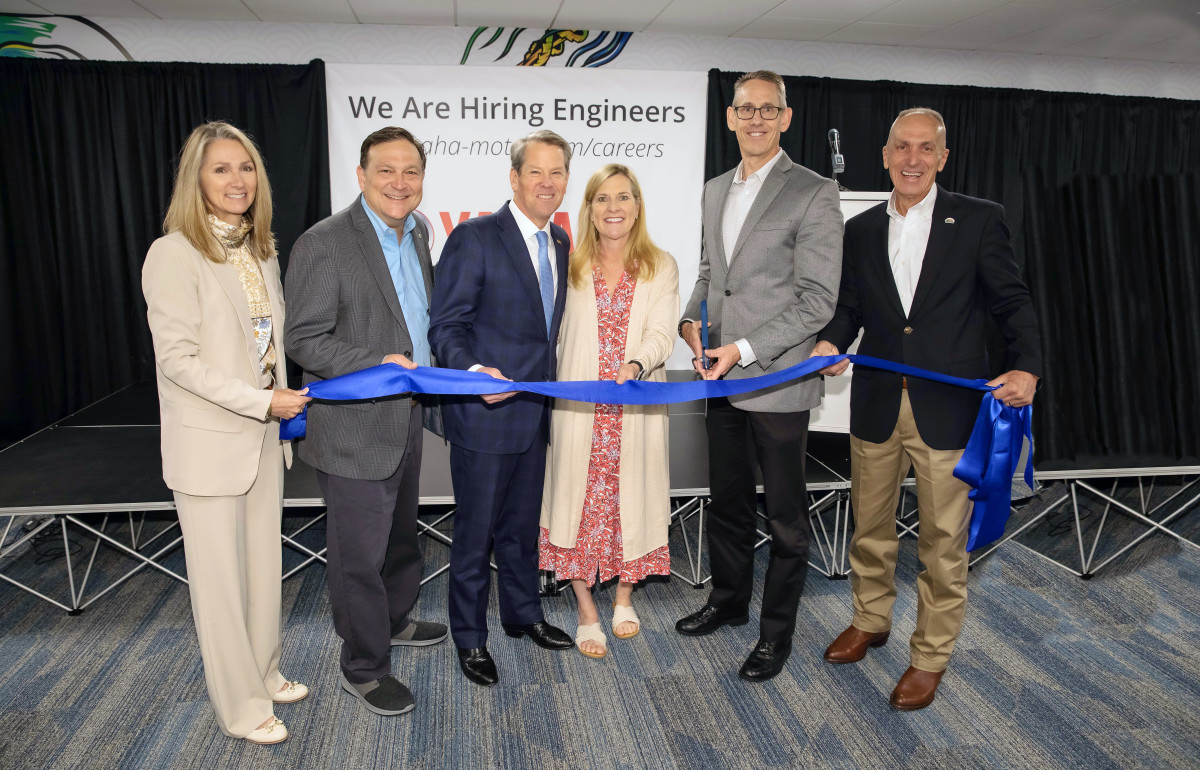
Yamaha Motor Corp. USA recently opened a marine innovation center in Kennesaw, GA. They will add over 100 workers at the new facility, which will focus on marine technology, advanced boat power systems, and quality assurance. The company currently has over 2,300 employees spread out in multiple Georgia facilities, located in Cobb and Coweta counties.
Ben Speciale, president of Yamaha US marine business unit said the innovation center’s staff will explore new ways to make boating approachable. The easier softer way is an interesting trend we’re seeing in America. During a ribbon cutting ceremony Speciale said, “If you’re new to boating, it can be kind of scary. But we can lay technology on top of that, and they’ll get a better experience, and we can build that confidence faster.”
One way of doing this is by integrating and improving internet technologies in boats, which is a focus for Yamaha. The Yamaha mobile application is an example of one of those technologies. The user can monitor their boat’s location, battery charge, and some of its cargo.
Yamaha’s continued growth in Kennesaw is attributed to Georgia’s nearby universities and students seeking jobs in the engineering field. Governor Kemp welcomes companies like Yamaha because they provide opportunities for students and residents to make a great living working for innovative and fun companies. If you’re looking for an engineering job in metro Atlanta, Yamaha’s new marine center is hiring!
Kspeed out of Brisbane, Australia is known for their innovative performance products and accessories for Kawasaki JetSkis. They currently offer complete Stage 1 and Stage 2 kits for the latest generation Ultra 310 JetSkis, as well as a complete catalog of components that will make any Kawasaki JetSki enthusiast excited.
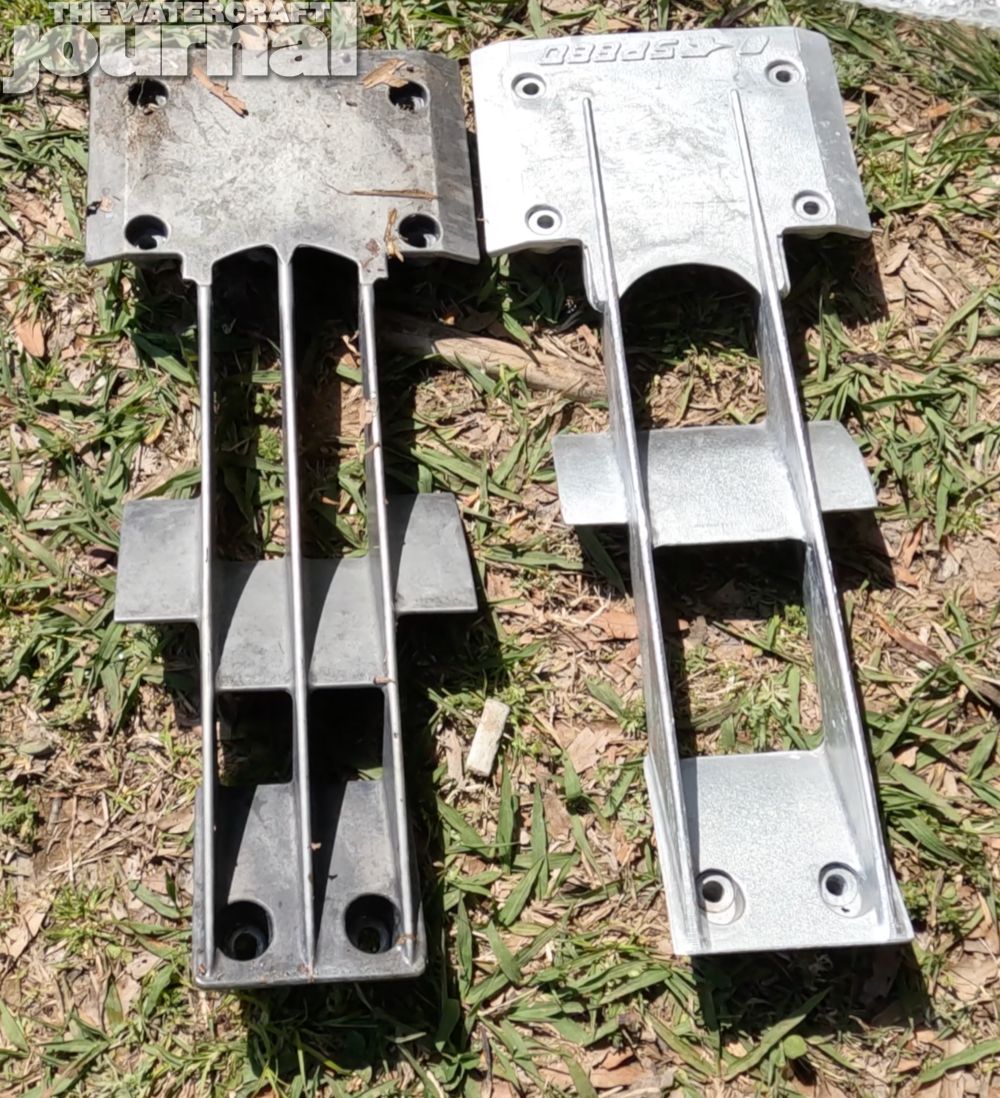
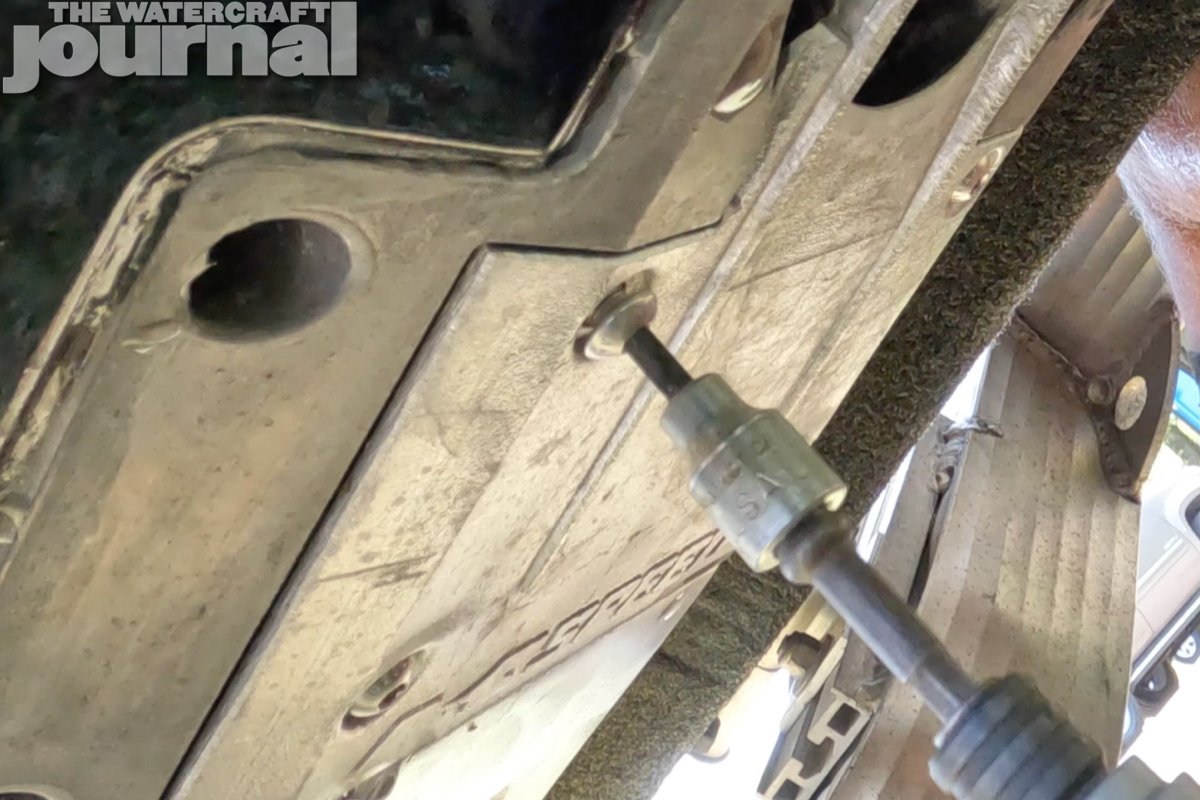
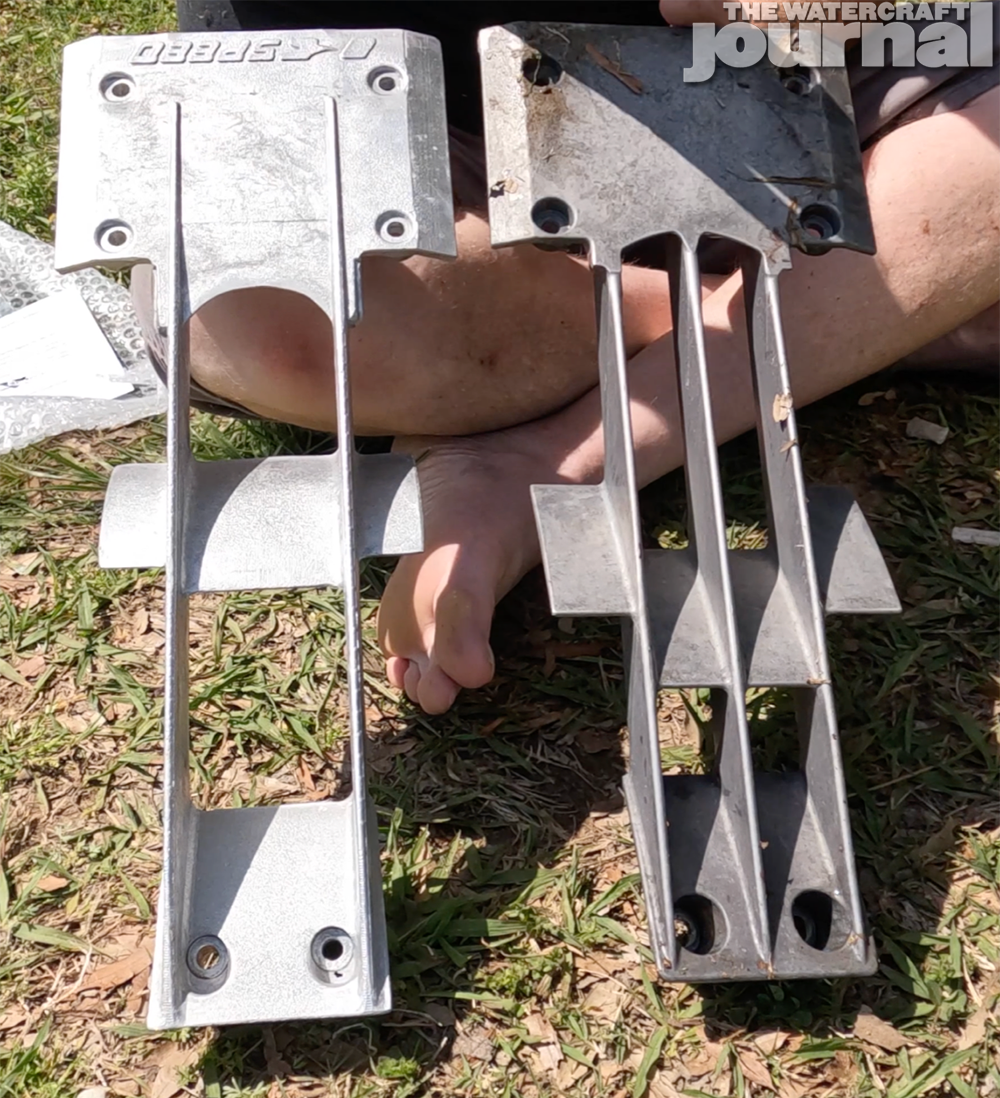
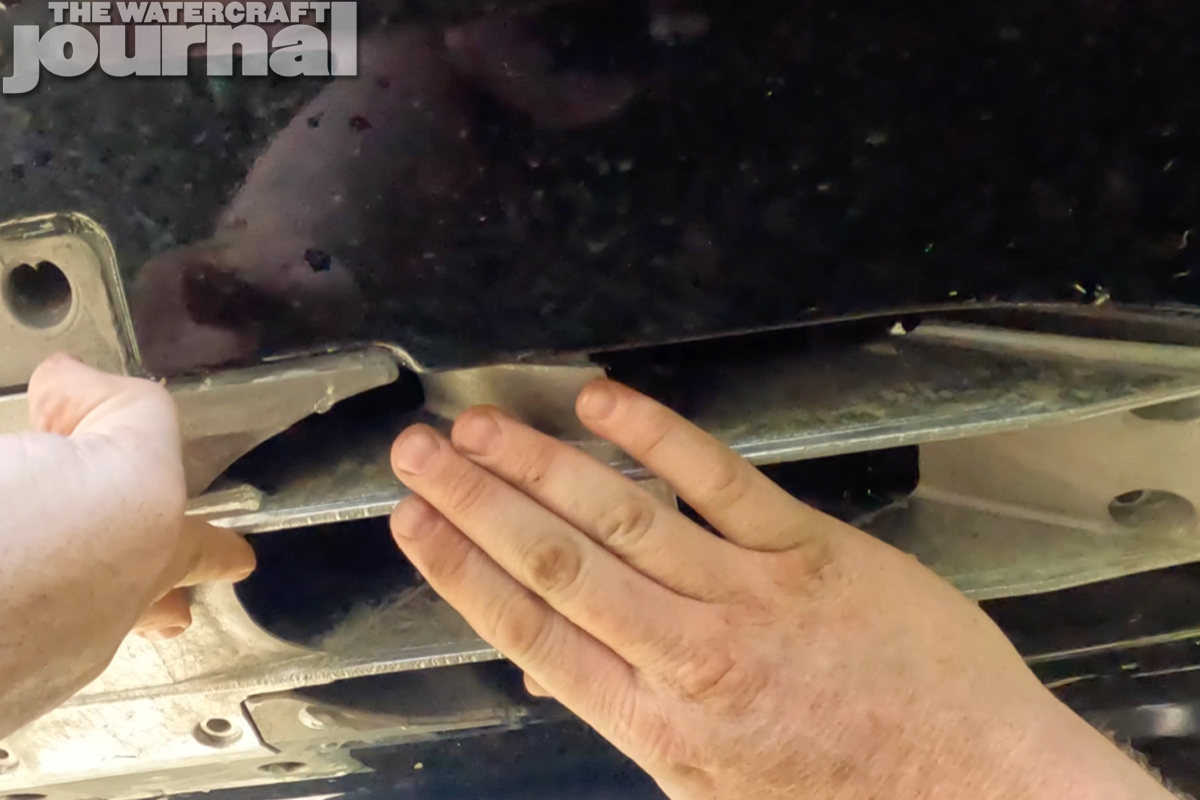
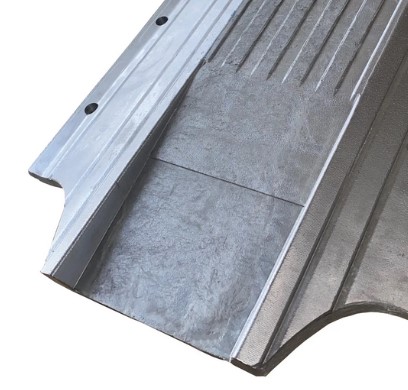
The original KS1 ride plate achieved global acclaim, but was not compatible with the new Kawasaki Smart Reverse and Deceleration (KSRD) system now standard on new Ultra 310 JetSkis. So, K-speed went back to the drawing board and “re-engineered and refined the original design.”
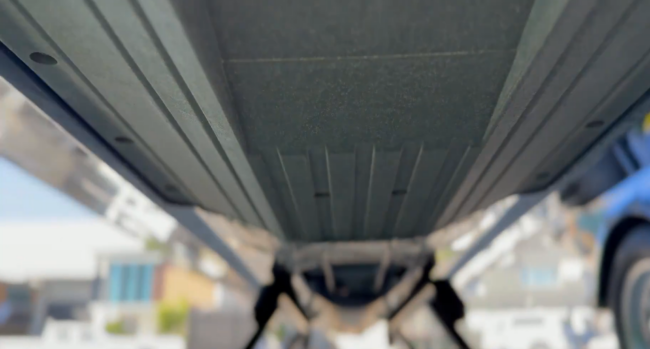
The original KS1 ride plate included three channels that ran the length of each side, with five shallow channels running down the center. The plate featured an extended running surface that ramped upward, flanked by deep skegs. The new KS1 ProRace ride plate features a similar architecture.
KSpeed spent the last six months rigorously testing the new KS1 ProRace Ride Plate prototype in different water conditions, and has finally announced that the new Ride Plate will begin shipping in July of 2023. Enthusiasts can now place a pre-order HERE
The KS1 ProRace Ride Plate promises “a perfect blend of offshore and high-speed performance, combined with improved handling in rough water conditions.” Kspeed claims that the new KS1 ride plate offers a higher top speed than previous generation ride plates, and provides better straight-line stability and traction in turns.
The IJSBA Race-Legal KSpeed KS1 Ride Plate will retail for $350.00 USD plus shipping. Note that this does not fit previous generations of Kawasaki Ultra 310 JetSkis.
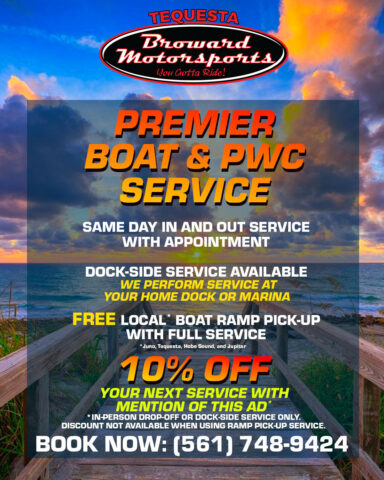
Check out the new Premier Boat and PWC service from Broward Motorsports of Tequesta, FL! BMS Tequesta is offering white glove concierge service for your all makes and models of personal watercraft. BMS is also offering free local boat ramp pickup with full service for Juno, Tequesta, Hobe Sound, and Jupiter.
Same day in-and-out service is available with an appointment. That’s gold! No more lost water time and no months long wait for your ski while it’s parked in the shop. We like the idea of not having to load the ski on the trailer and hauling it to the shop. It also takes the guess work out of wondering when it will be ready.
You can also grab 10% off your next off by mentioning their ad. The 10% is only good if you’re using the drop-off or dock-side service only. All concierge services offered are dockside, pickup and delivery, and personalized services geared toward what you need. Broward Motorsports is one of the best in the business when it comes to factory trained technicians.
These guys go through extensive training to keep up with the latest best practices when it comes to maintenance. They honor all warranty work and will handle recalls and any problems that may arise with your PWC, and they will get it done in a timely manner.
Let Broward Motorsports Tequesta make your life easier by taking advantage of their new white glove service and scheduling a mobile technician to come to you. Call them at 561.748.9424 or make a request online.
The single most repeated piece of advice I give at The Watercraft Journal is for folks to always, always, always anchor their skis in 3-feet of water. Beaching your ski – although it looks pretty cool and all the manufacturers always do it for their photoshoots – is one of the worst things you can do to your ski.
Besides scratching the heck out of your hull – especially if its painted, like all factory Yamaha hulls are – it is the quickest way to get sand, rocks and other debris lodged into your jet pump. And if you’re on a Sea-Doo, the fastest way to get sand impregnated into your carbon seal, which can lead to catastrophic failure.
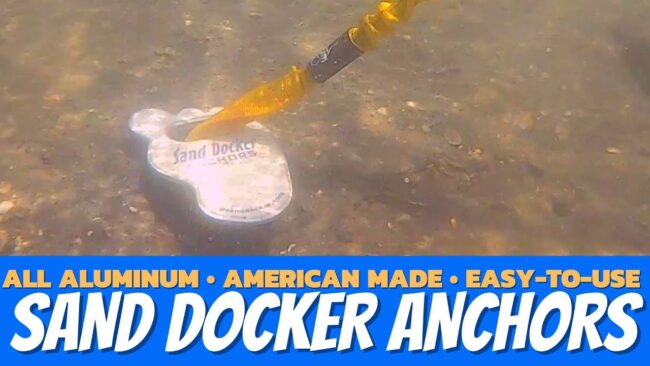
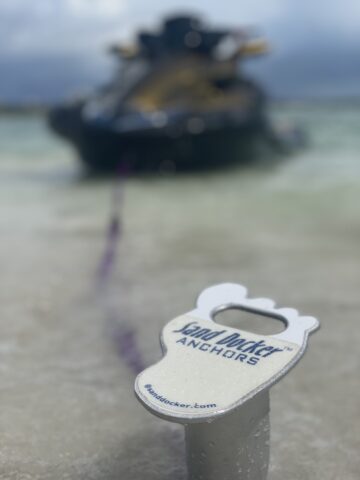
So yeah, like I said, always use an anchor. And over the years, I’ve found that the Sand Docker anchor – more than any others – has got to be my personal favorite. First, it’s 100-percent American made. I love supporting small American business, and Sand Docker is out of Jupiter, Florida.
Second, it’s not some over-complicated high-priced piece of equipment. Made from entirely out of aluminum and TIG welded together, the Sand Docker is lightweight, super strong, and impervious to rust.
Lastly, they’re incredibly easy to use. Simply pull it out of his supplied perch, hook the bungee strap to your bow hook, and stomp it into the ground. It’s literally that easy – and it’s just as easy to pull it out. No twisting or goofy procedures.
The anchor itself is less than $60 bucks, and together with a bungee dock strap is a little under $85 bucks. That’s literally less than HALF of what some of these other guys are charging – and a lot of those anchors barely even fit in your ski.
The Sand Docker is compact, lightweight, won’t beat the crap out of your storage compartment (because it comes with its own mount) and is a fraction of the cost. That, and it’s not made overseas but instead, here in America.
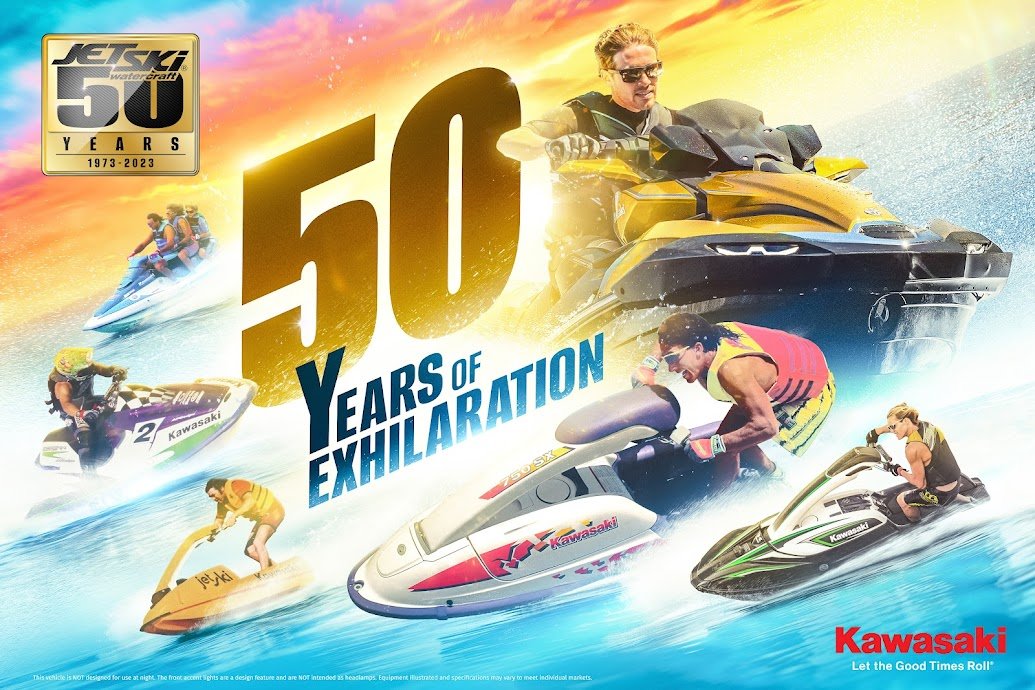
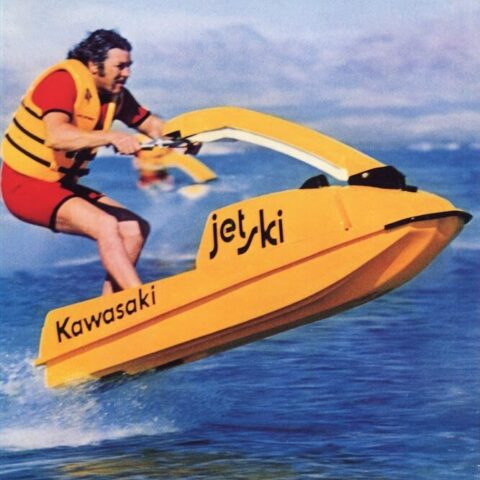
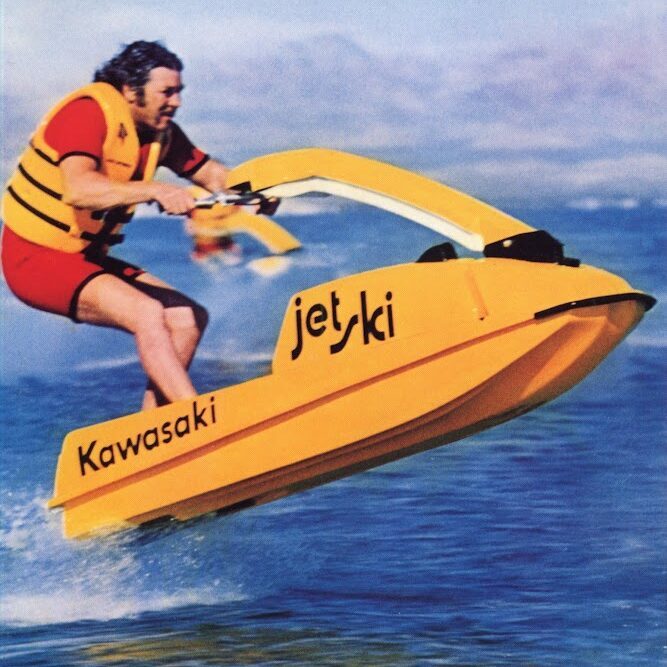
The year was 1973. The average family income in the United States was just under $13,000 a year, gasoline was about $0.40 cents a gallon, and Kawasaki’s newly minted R&D Department in Southern California had developed a prototype stand-up JetSki that would change the course of history.
Based on the designs of Clayton Jacobsen II – the U.S-born former Marine, engineer, and powersports enthusiast who is universally credited as the inventor of the jet ski – Kawasaki was the first company successful in bringing the concept of a jet pump driven personal watercraft to the masses. Kawasaki began producing JetSki hulls from Sheet Molded Compound (SMC) in 1975, and they continue to produce their hulls in a similar method.
It all started with the 1973 WSAA (flat hull) and the WSAB (deep-V hull) 400cc stand-up JetSkis. These 200 pound two-stroke skis generated a lot of interest in these new “motorcycles for the water.” In 1976 Kawasaki’s manufacturing facility in Lincoln, Nebraska began full production of the JS400 stand-up. Weighing in at 244 pounds, and measuring just over 7 feet long, the JS400 featured the same two-cylinder 400cc two-stroke engine found in the WSAA/WSAB, producing a whopping 24.5 horsepower.
Kawasaki continued production of their heritage two-stroke stand-up JetSkis for nearly 40 years, ending production in 2011. Throughout the long-lived production run, Kawasaki continued to make improvements and changes to their stand-up design, culminating in the release of the Special Edition 800 SX-R JetSki.
Due to tightening environmental restrictions, Kawasaki was forced to end production of their two-stroke JetSki engines. In 2016 Kawasaki introduced the industry’s most powerful 4-stroke stand-up – the SX-R 1500, which is capable of speeds over 60 mph.
In 1986, Kawasaki was credited with introducing the first mass-produced “sit-down” personal watercraft- the Kawasaki X2. This two-passenger watercraft enjoyed a 9-year production run from 1986 to 1995. Powered by a 650cc two-cylinder two-stroke engine, the X2 weighed in at just over 275lbs and measured in at just over 7 feet long.
Along the way, Kawasaki released some strange – albeit iconic – watercraft that have gained cult-like followings. The Kawasaki Jet Mate was a small 9’ x 5’ jet pump powered boat-like vessel first released by Kawasaki in 1989. Between 1989 and 1992 only about 1,200 of Jet Mates were produced. Powered by a 52 horsepower 635cc two-cylinder engine, the 527-pound Jet Mate was controlled by a joystick- and could accommodate three riders at once.
In 1991 Kawasaki released a two-passenger side-by side watercraft known as the Kawasaki Sport Cruiser (also known as the “Sea Couch”, “Spine Crusher”, and “Super Chicken.”) Powered by the same 635cc two-stroke found in the Jet Mate and 650SX, the Super Chicken measured in at 9’ x 4’ and weighed 441 pounds. Either rider could take control of the Super Chicken via its articulating, rectangle-shaped steering wheel.
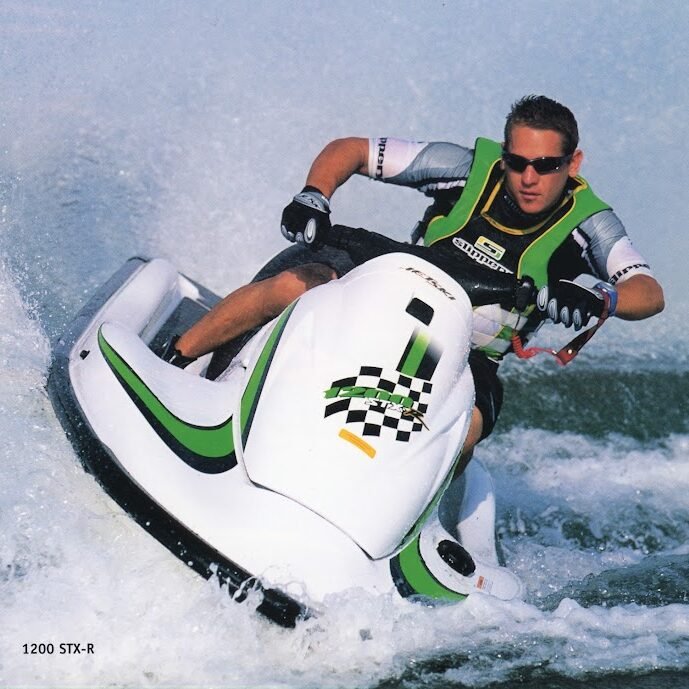
In 1994 the 750 ST hit the market as Kawasaki’s first 3-seater runabout. While the 1995 two-seater 900 ZXi was the first JetSki to utilize Kawasaki’s new three-cylinder 891cc two-stroke engine. The STX line was born in 1997 with the 1100 STX, producing 120 horsepower from its 1100cc three-cylinder two-stroke powerplant shared with the venerable 1100 ZXi.
The Ultra 150 and 130 were the first JetSkis to feature the “Ultra” marque, although they shared their deck and hull design with the ZXi line. In 2007, the naturally aspirated 160-horsepower Ultra LX and the supercharged Ultra 250x made their debut. These skis were powered by a marinized 1,498 4-cylinder DOHC supercharged and intercooled engine – derived from the Ninja ZX-14.
The first generation of the Kawasaki Ultra LX enjoyed an iconic 15-year production run from 2007 to 2022, establishing the Ultra line as a capable and reliable ski for touring and rough water riding. Over this same period the Supercharged and Intercooled line of Ultras grew from 250 to 310 horsepower. Kawasaki Ultras are known for their class-leading horsepower and their deep-V hull design, which features Sheet Molded Compound (SMC) and gelcoat.
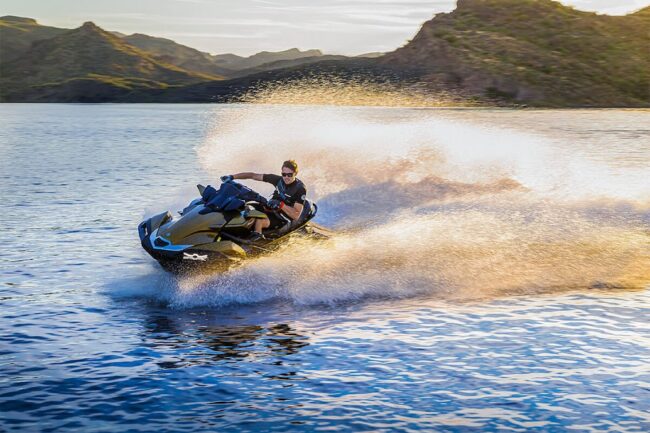
In 2011, the Ultra 300 was born as the first personal watercraft to utilize an Eaton Twin Vortices Series roots-type supercharger. Continual upgrades to the Ultra’s 1,498cc engine and cooling system resulted in the release of the Ultra 310 in 2014. For 2022, Kawasaki released the second generation of the Ultra 310 JetSki, modernizing the platform while keeping the iconic hull almost entirely unchanged.
While the personal watercraft industry has undergone numerous shifts and brands have come and gone the past 50 years, Kawasaki has continued to produce JetSkis that provide generation after generation with “Good Times on the Water.” From their first stand-ups to their supercharged runabouts – Kawasaki has obviously been doing something right for the past 50 years.
The thrust that propels your personal watercraft forward is produced rather simply: an inlet at the bottom of your watercraft’s hull ingests water, processing and compressing this stream into thousands of pounds of positive thrust that shoots out as a stream through the nozzle from the back of your watercraft.
At the inlet (or “intake”) is a device that both helps prevent the ingestion of debris as well as provide both lateral traction and suction to the water’s surface. This device is known as an intake grate, and comes in a variety of designs. The science behind it is quite fascinating and you can read more about that in an article we did previously here.
To some, the intake grate may look like an obstruction but not so! Rather, intake grate design can significantly improve pump efficiency, water ingestion and traction – radically improving performance, handling and predictability. For those looking to modifying their PWC, this relatively inexpensive part offers the biggest bang for the buck.
Kawasaki watercraft specialists, Kspeed out of Brisbane, Australia developed their own “Top Loader” intake grate after testing every single grate option on the market. Seven years of research and development resulted in what Kspeed claims as “the fastest top loader intake grate on the market”, the Kspeed Kawasaki Ultra 300/310 Intake Grate.
After the Kspeed team was confident they had what they felt was the best intake grate on the market, they tested it for an additional 18 months. Not only did they test their grates out with their own machines, but worked closely with offshore racers, closed course racers and regular leisure riders.
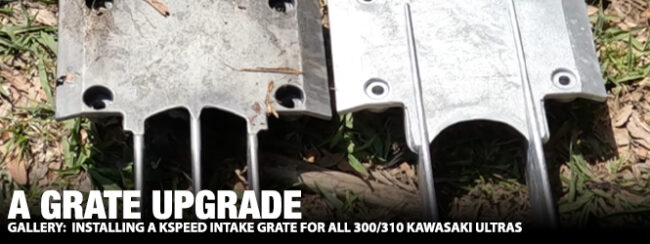
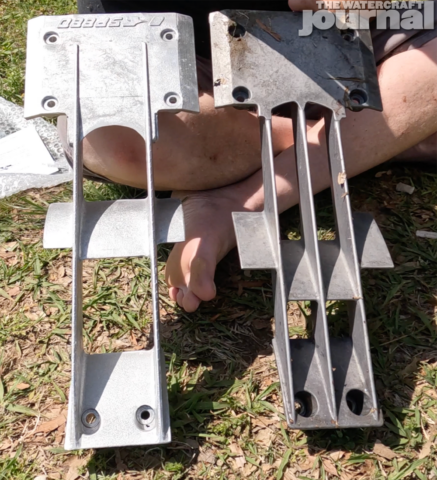
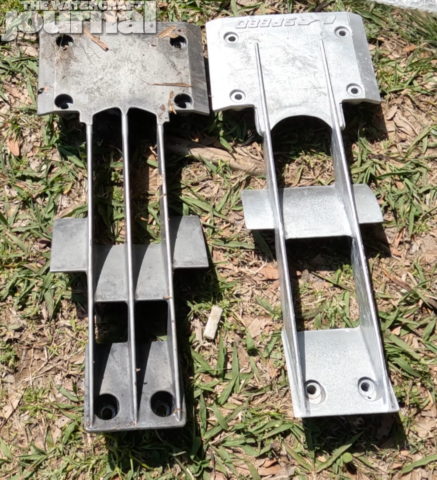
The Kspeed intake grate has much deeper runners that carry all the way through to the back of the grate. This helps give it added traction. An extended chip with a much more aggressive ramp allows for a better “bite”. Kspeed removed the middle runner allowing much more water to enter the pump. Yet, the biggest difference between the Kspeed grate and the stock grate is with the blade, giving it a much more aggressive bite.
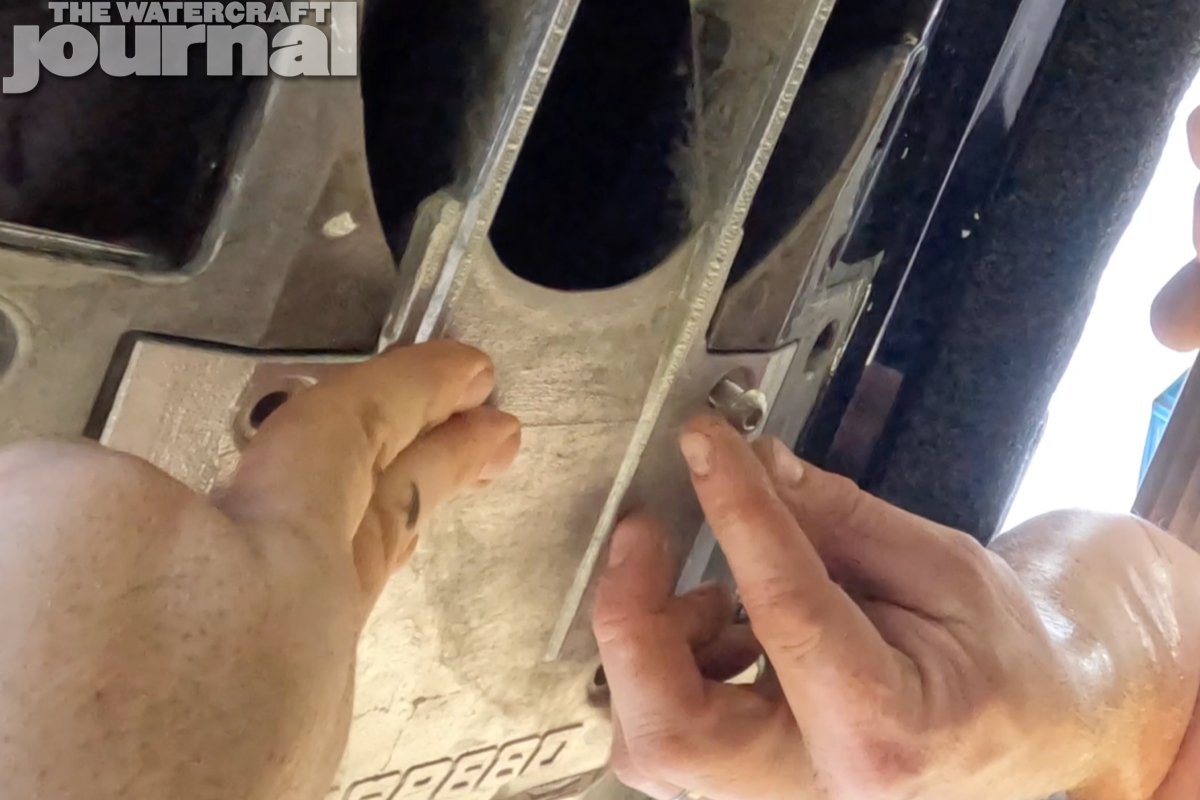
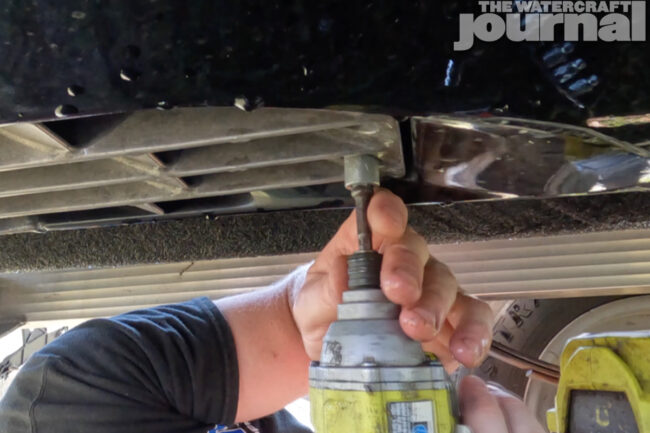
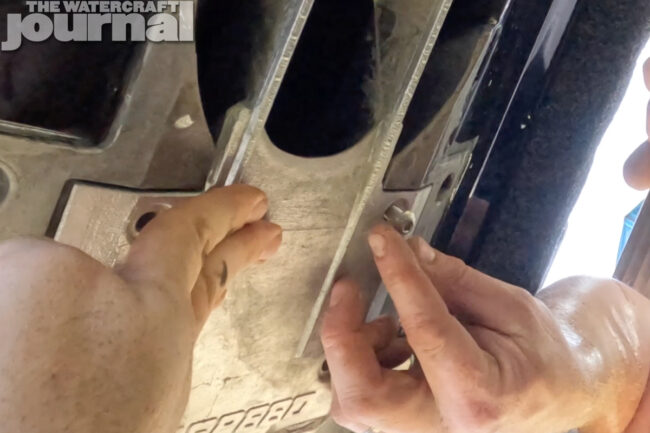
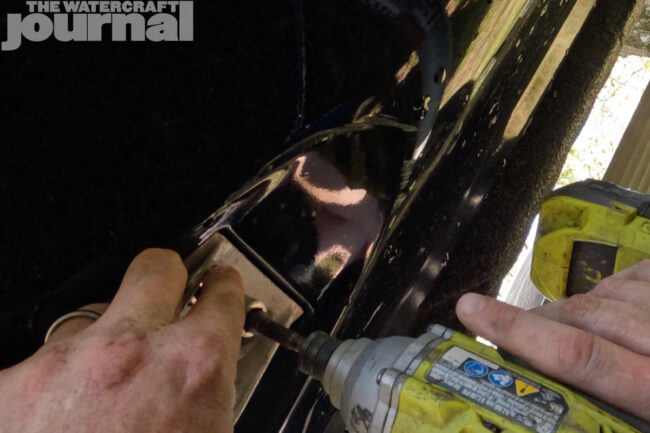
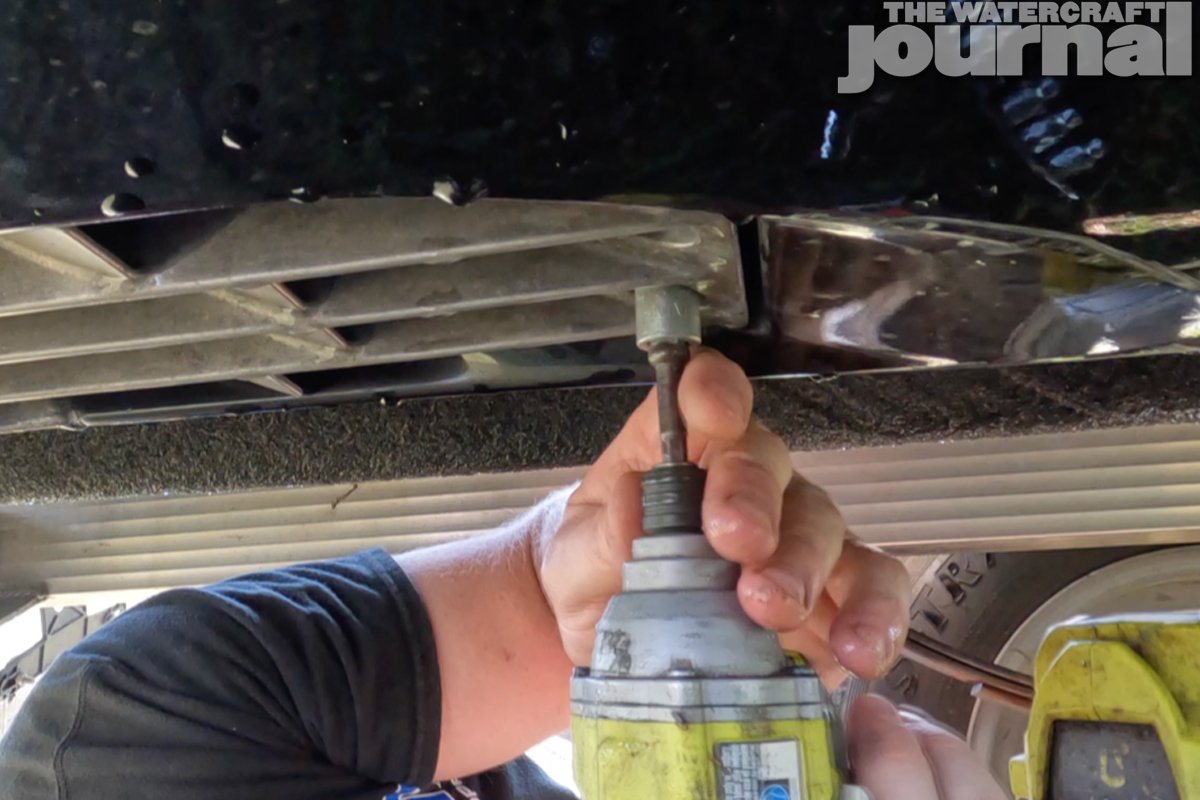
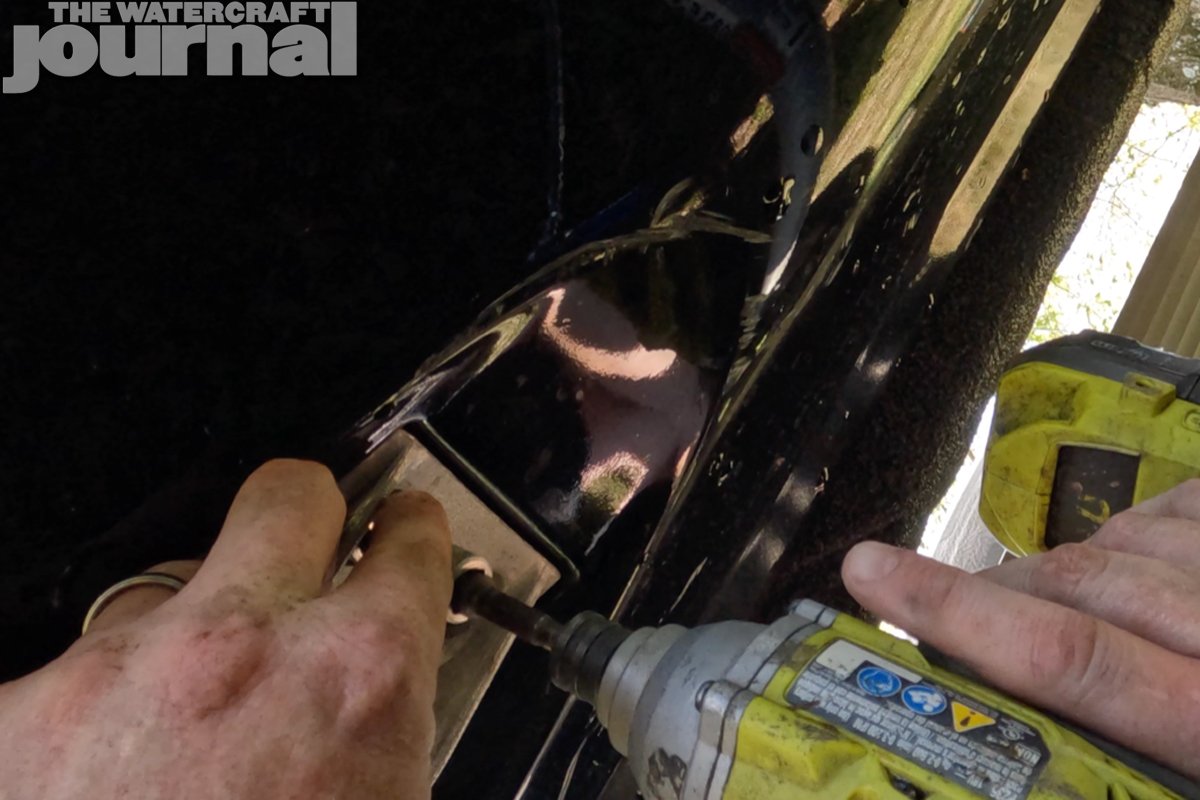
The Kspeed Ultra 300/310 Intake Grate will fit on all 300 and 310 models. Installation is as easy as the following steps: First, loosen and remove the 6 5mm Allen bolts from the factory grate and remove it. Next, position the Kspeed intake grate in it’s place. You will notice that it feels like a tighter fit. Kspeed does test each individual intake grate for fitting before shipping to ensure correct fitment.
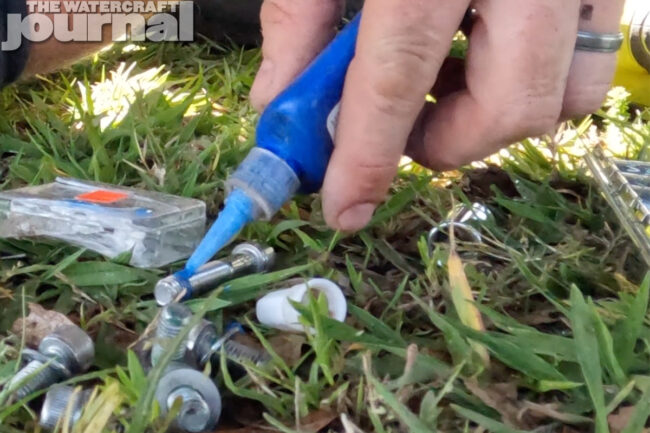
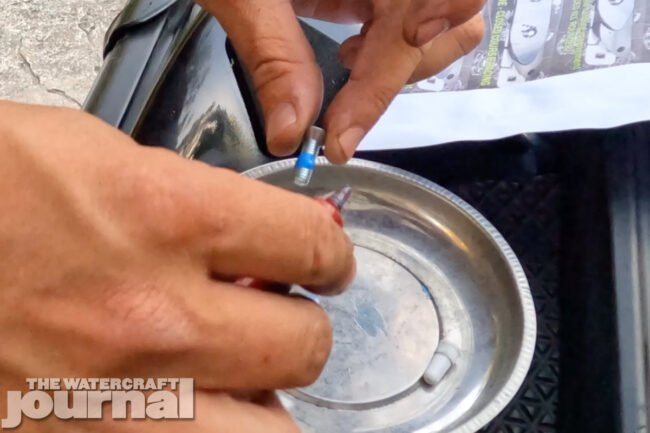
Then loosely install the front 5mm Allen bolts that Kspeed supplies with the kit in the front of the grate, not forgetting to add a dab of blue Loctite. The stock washers are not needed, but you can use them if you wish. Next, loosely install the rear 4mm Allen bolts supplied with the kit, again applying a dab of blue Locktite. Only once all of the bolts are in place and everything is lined up, tighten the bolts. And that’s it! Enjoy your newfound hookup!
In a recent Facebook post made to several groups, RPM Enterprises owner and promoter, Ross Wallach wrote, “One week left! If you haven’t yet registered please do to avoid late fee’s. No money is required to be preregistered, just the form.” For those looking to compete in this year’s western racing series, the clock is ticking to get the digital form filled out to be able to enter to race. It’s really that simple guys.
Here’s the original post: Race day is just around the corner! This is a friendly reminder that pre-registration for Rounds 3 & 4 at Blue Water Casino, Parker, AZ, closes on Sunday, 04.09.23.
Below is the link to register for the event. https://form.jotform.com/230704172840146
Rounds 3 & 4 – Blue Water – Parker AZ – Preregistration All entries received thereafter will be charged a $25/class late fee. No late fees will be charged if the entry form is received prior to April 9th if paying on-site!
This is an IJSBA-sanctioned event and a World Finals qualifier. IJSBA memberships can be purchased on-site (preferred method to maximize license-12 mos. from date of purchase).
Host Hotel: The Blue Water Resort & Casino, 11300 Resort Road, Parker, AZ 85344 Phone: 888-243-3360 or www.bluewaterfun.com
There is no “racer rate” offered by the Resort; however, if you have AAA or AARP, you can use it when booking to receive a discount. 1st come, 1st served.
CAMPING: Self Contained Camping is available on-site in the pit area – No Charge NO MOTORHOMES ON THE BEACH SIDE OF THE PITS. Motorhomes can park in the lot adjacent to the amphitheater, 1st come, 1st serve. Motorhomes DO NOT displace pit stalls.
Full hookups- Blue Water RV Park (adjacent to the pits, less than 2 minute walk from the pits) (928) 669-2433 – 1001 Blue Water Drive. 1st come, 1st serve; spaces are limited. Please let me know if you have any questions.
Thank you!! Dawn Carey Best Of The West PWC Racing Series 916.370.5883 – Cell [email protected]
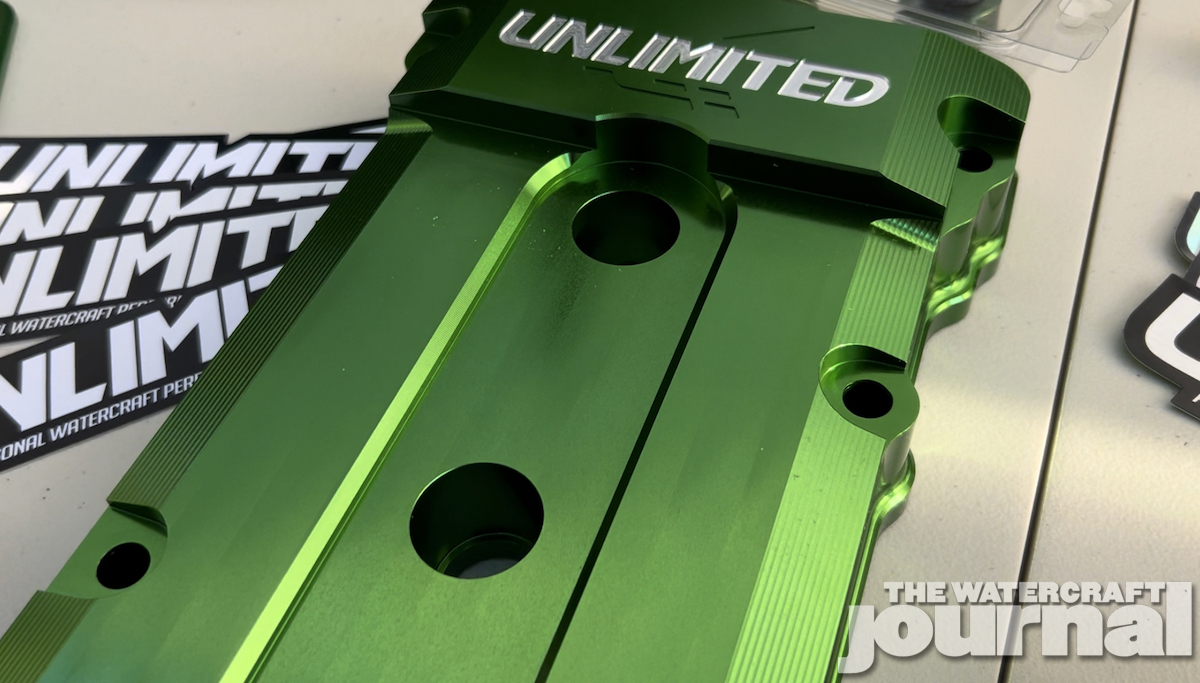
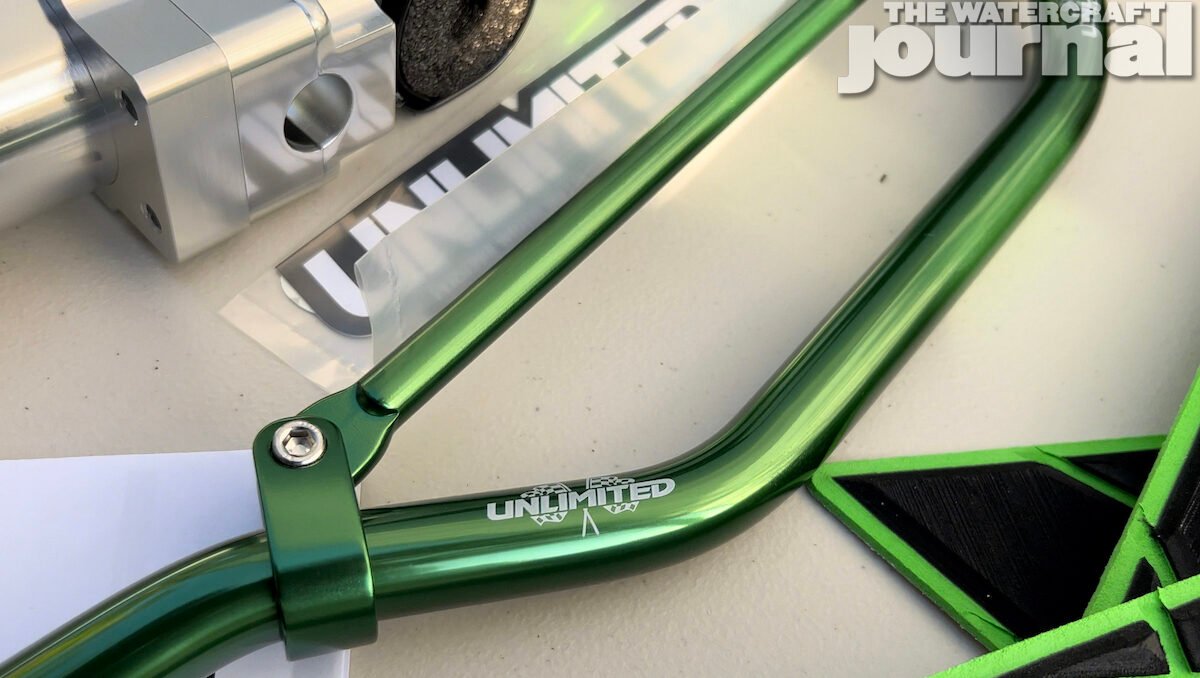
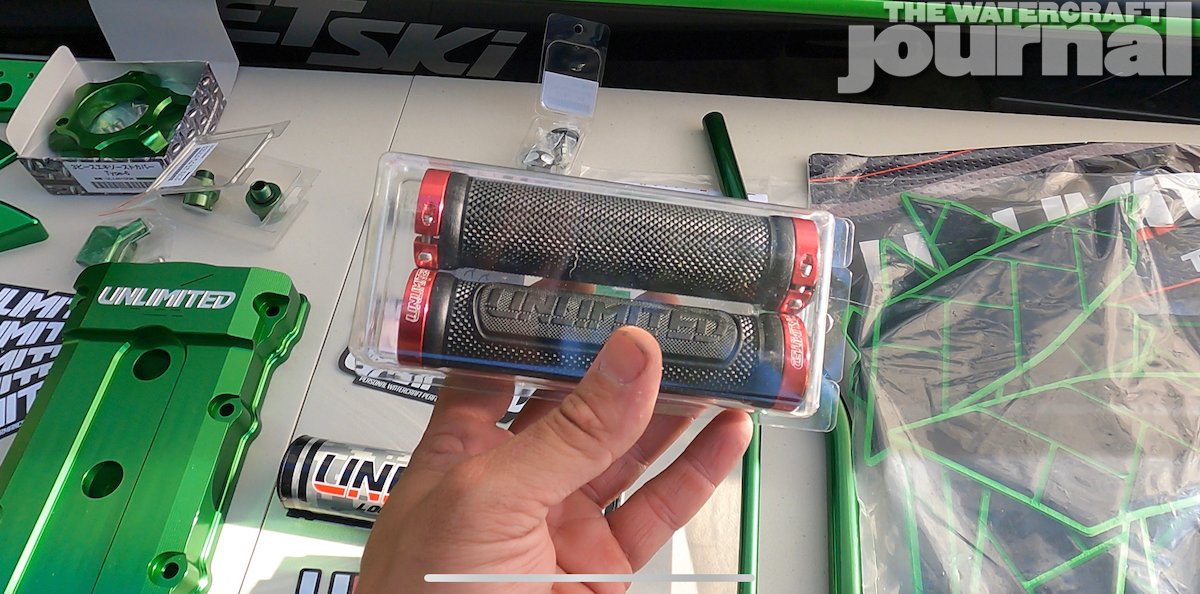
The Watercraft Journal had the opportunity to partner with Unlimted PWC and JD’s WaterWorld to equip a new Kawasaki Ultra 310 LX-S with a literal king’s ransom of custom components from Unlimited’s massive catalog for the new Kawasaki Ultra 160 and 310 JetSkis!
Unlimited PWC provides enthusiasts with everything they need to take their Kawasaki Ultra to the next level, and we will be doing exactly that throughout this series! We tailored our selection of color-matched billet aluminum components to complement the Lime Green and Ebony color scheme of our 2022 Ultra 310 LX-S, but all of these components are available in multiple attractive colors to fit a variety of palates.
View the full unboxing video below and stay tuned as we take the Kawasaki Ultra 310 LX-S to the next level – Unlimited PWC style! A full list complete with product hyperlinks is available above. Visit Unlimited PWC’s website to check out these products, as well as Unlimited’s full catalog of parts and components for Kawasaki, Yamaha, and Sea-Doo personal watercraft.
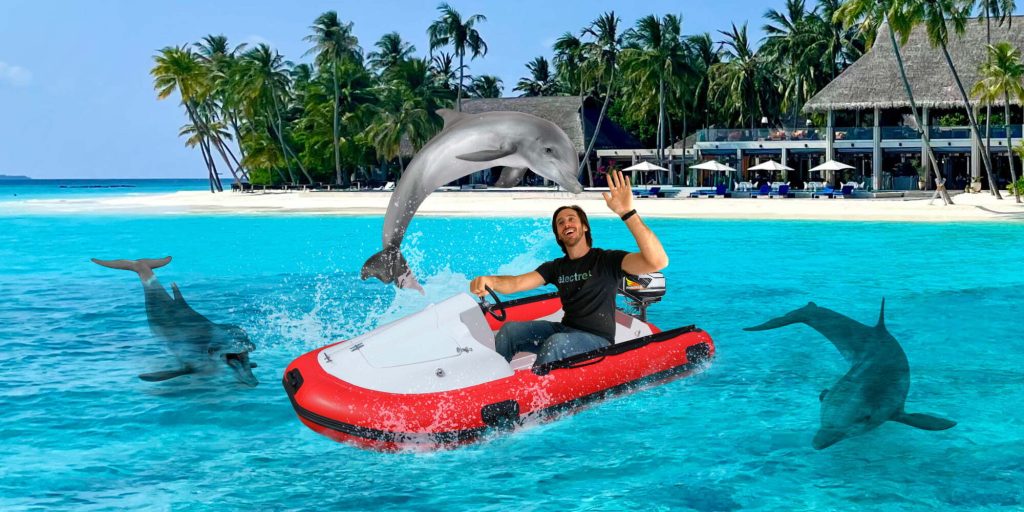
When we thought the electric jet ski market couldn’t get it weirder, enter China and Alibaba. A $2,000 inflatable jet ski was found in the Alibaba listings and made its way into their “Awesomely Weird Alibaba Electric Vehicle of the Week” column. The ski looks more like an inflatable raft with a steering wheel. It doesn’t come with a motor or a battery so we aren’t sure how the steering system will work. It’s dirt cheap, so it might be worth it to add a little motor and battery or take it to a local shop and have a mechanic put it together for you.
Another nice thing about the inflatable ski is that it’s light and easy to transport. It can be deflated and stowed in the back of an SUV or leave it inflated and toss it in a pickup. There’s more than once catch to this great find at $2,025. You’re dealing with Alibaba and that means thousands of dollars in shipping costs, customs import charges, taxes, broker fees, and other fees. We do not recommend buying this thing due all the complications and stress that ensue when shopping on Alibaba. Sometimes, orders do ship up months later and arrive with another set of problems. Wild times!
Sponsons provide added traction in the water, allowing for superior control of the vessel and help eliminate your craft from breaking free in a turn or unexpectedly lose traction in other-than-flat conditions. When turning at higher speeds, a ski will lean in, lowering the sponson deeper into the water, providing greater “bite” the more you lean. This gives you the control you need to make the appropriate turn.
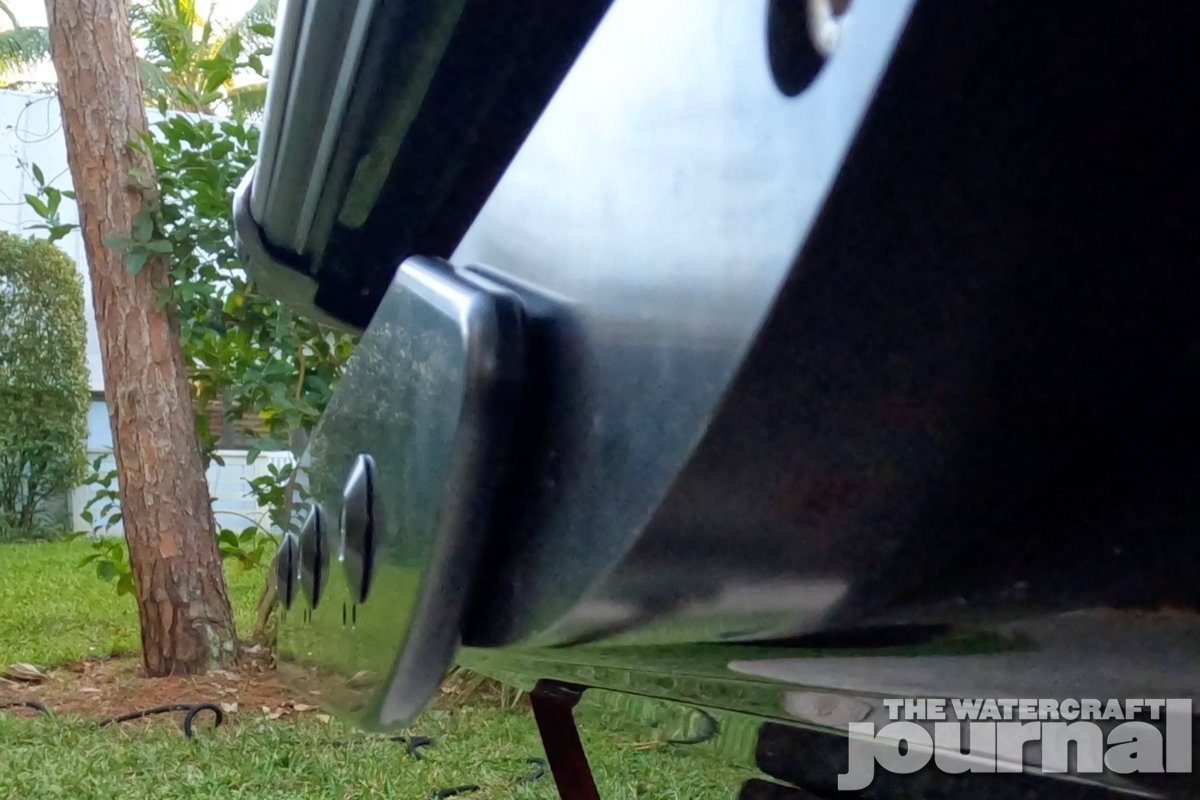
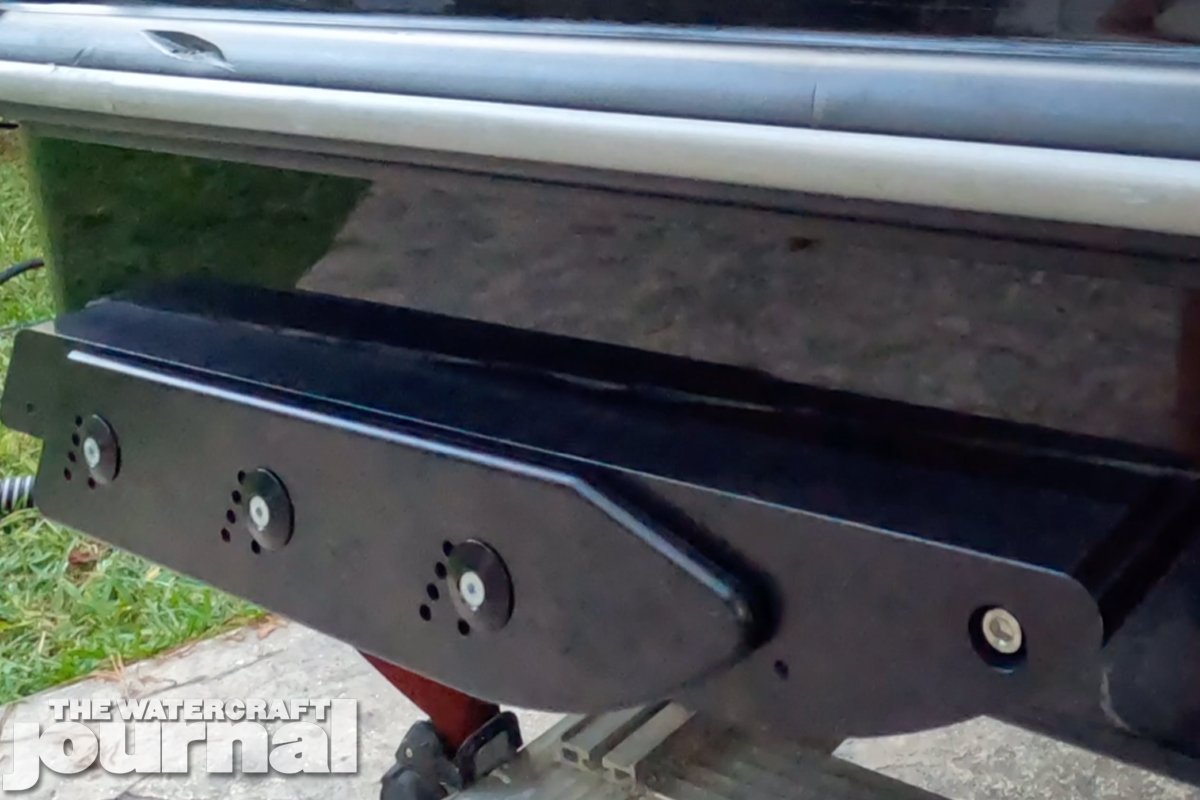
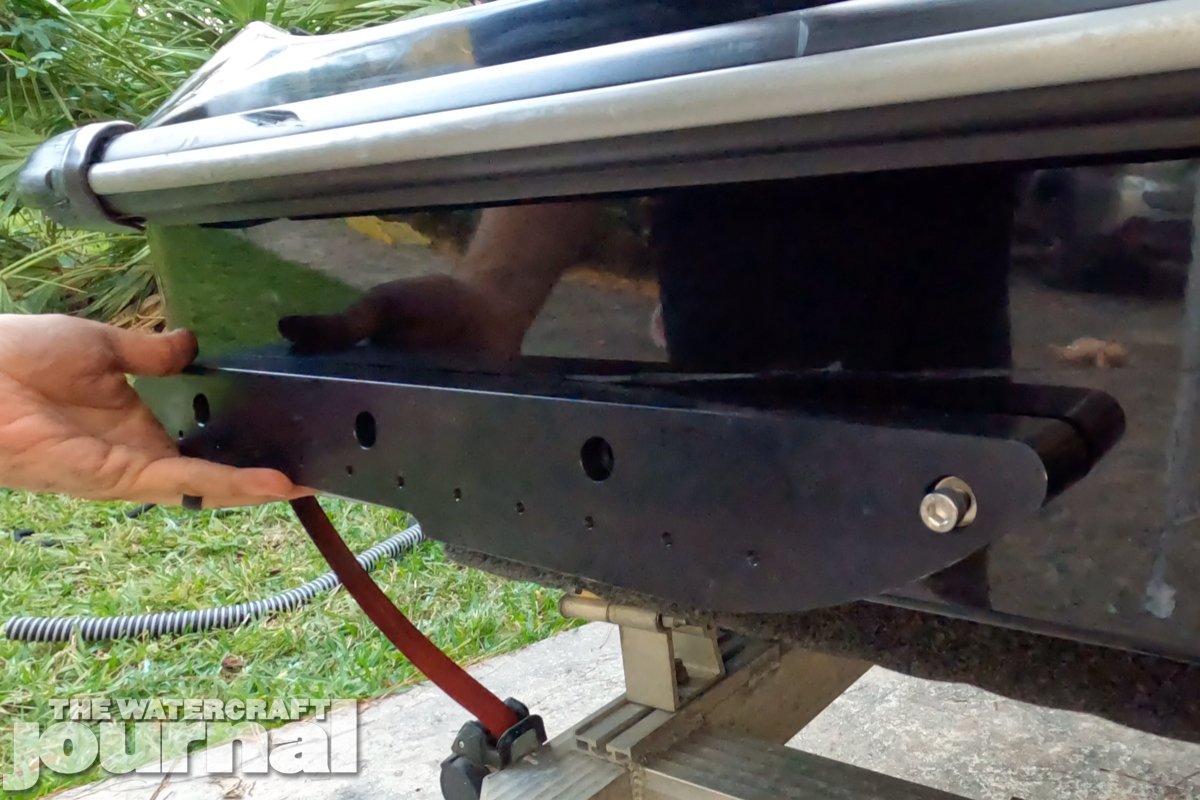
Many find the stock sponsons to be sub-par. This may be due to the desire by manufacturers to offer a less aggressive, more mild-performing feel to the average buyer. Thankfully, there are many aftermarket companies that have created a better sponson. Kspeed, one such innovator in Kawasaki aftermarket parts, has created the Kspeed Ultra Racing Spnosons after dedicating an impressive four years in research and development.
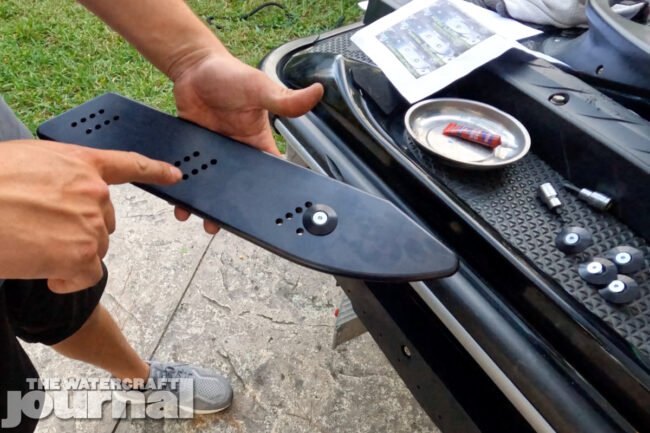
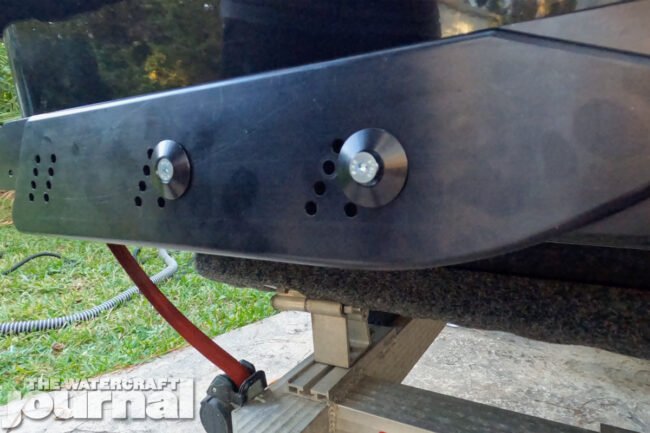
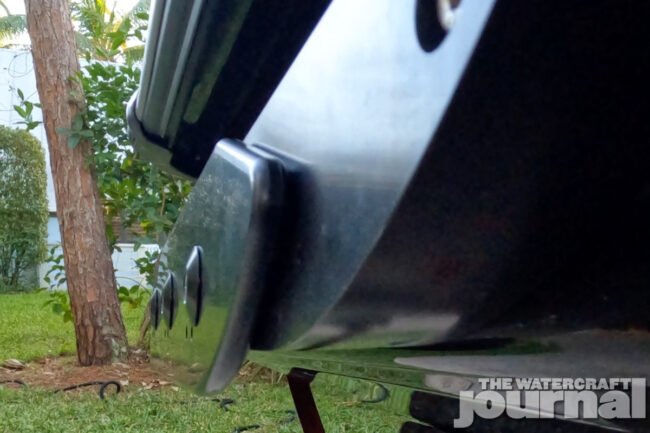
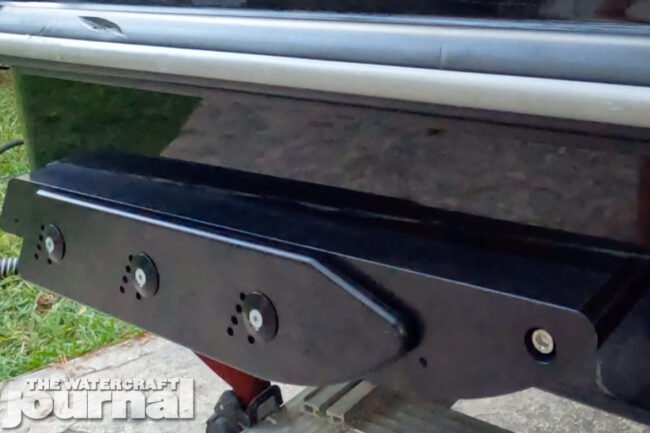
These sponsons are manufactured in-house from milled billet alloy – a process that takes around 10 hours. They are fully adjustable to suit all water conditions and rider skill levels with 48 usable settings. No one else has that many settings. So whether you enjoy zipping around on your local river, racing in a high speed closed course circuit, or anything in between, these will have a setting that is perfect for you.
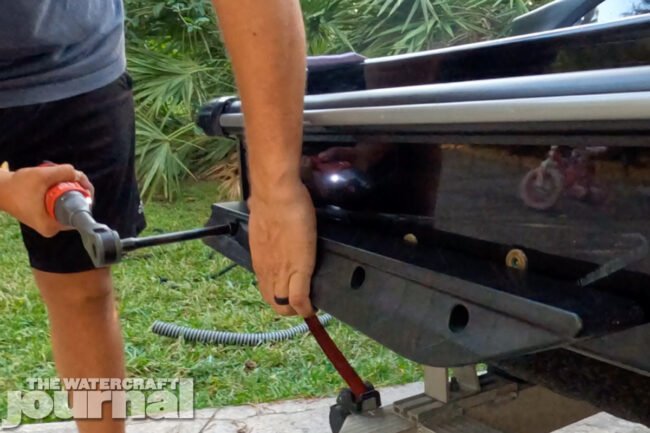
Best of all, they’re incredibly easy to install and is done in just a few short steps. First, remove the factory sponsons with a 12mm socket. Next, clean the surface of any silicone or dirt that may have collected under the factory one-piece sponson. Then place the Kspeed backing plate to the hull using the bolts and washers provided by Kspeed (6mm Allen key) using a small dab of blue Loctite on each of the threads.
Apply a bead of silicone to the plate’s leading edge, so that as you tighten the bolts, it’ll seal the backing plate to the JetSki’s surface. It’s always a good idea that when tightening the bolts down you “walk the bolts in.” In other words, start them all by hand and then from the front to back, turn each bolt one turn. Then do the same from the back to the front, making sure these are tight. This tightens the backing plate evenly to the surface.
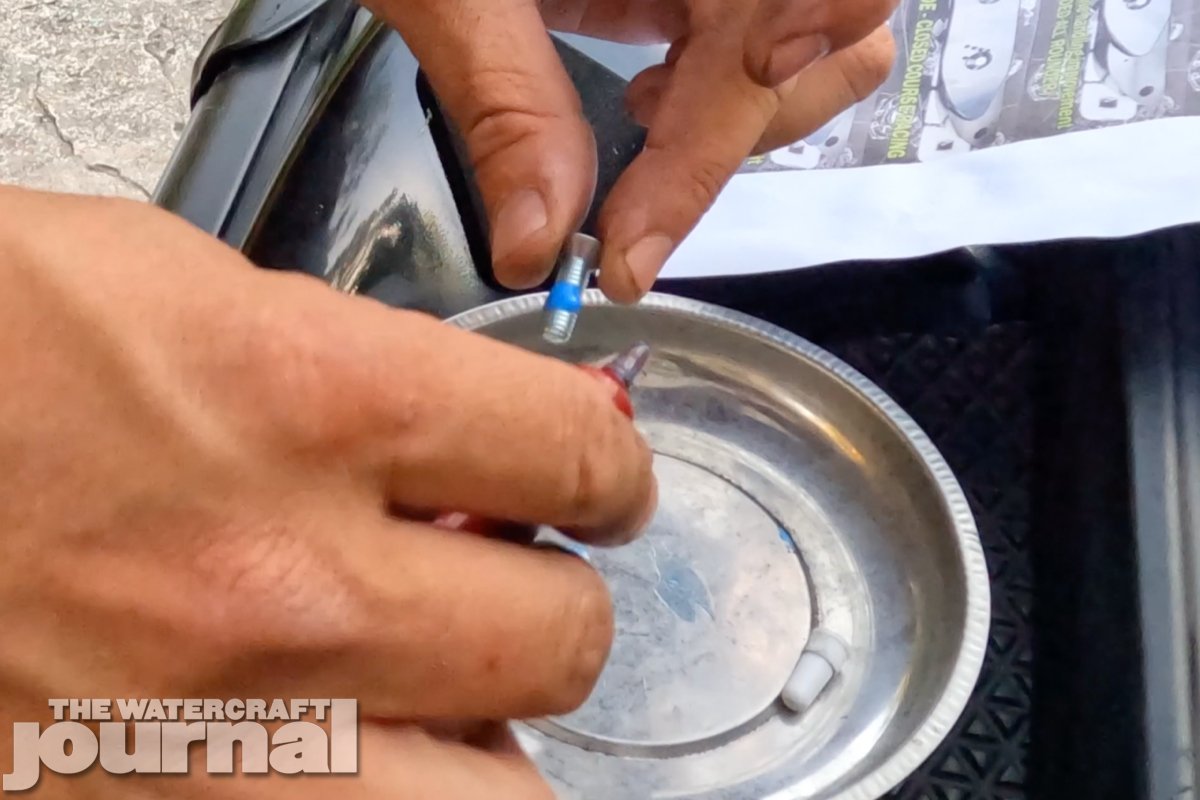
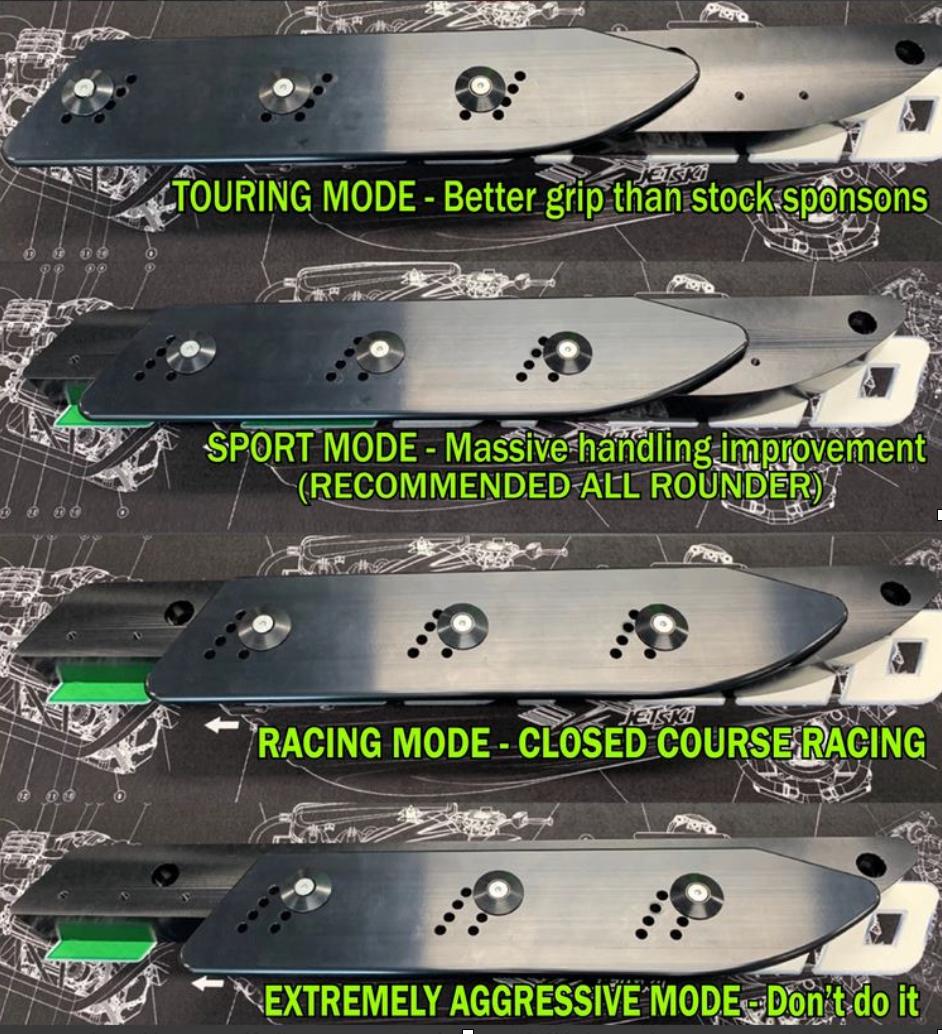
Finally, decide what position you would like to try the new sponsons and tighten the supplied 4mm Allen bolts and washers a dab of blue Loctite. Thankfully, with so many different positions to choose from, Kspeed provides a graphic to help you fine tune your blade setting (see in gallery below video). Don’t be afraid to experiment with different settings; you might be surprised what best fits your riding style. And as a reminder, always check the bolts after the first two rides and then after a month or two. You will need to make sure the bolts are remaining tight.




 Check out the new
 So yeah, like I said, always use an anchor. And over the years, I’ve found that the