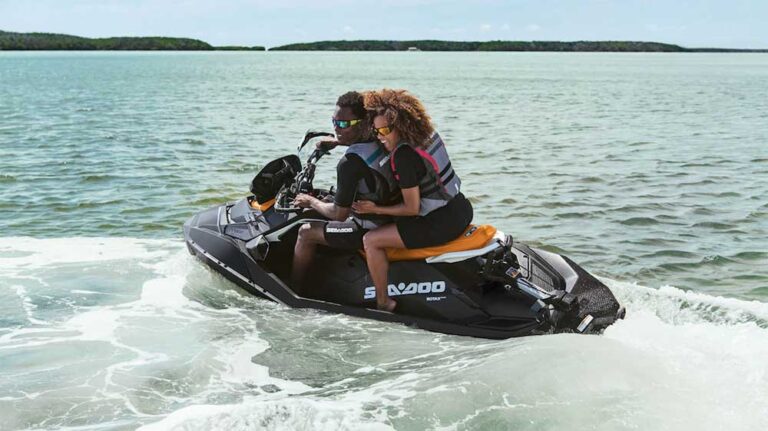
Sea-Doo’s latest newsletter has some tips for how to have the perfect Sea-Doo Day. You already have a great time on your Sea-Doo and here are some ways to make it even better. Good music is one such way to spice it up. Sea-Doo has a library of ready-made playlists on Spotify.
Of course you can take your tunes along and crank it up with a killer Sea-Doo audio system. They have the BRP Audio-Portable System which allows you to take your music onto the beach to hang out with your friends. This one is fully submersible and has Bluetooth connectivity. It has a 50-Watt speaker, which provides enough sound to get you going. If you want to turn it up a notch, go with the BRP Audio-Premium System. It has two 50-Watt speakers that crank out loud clear sound, even when riding.
Next, you’re going to need some snacks and drinks and that’s where the LinQ coolers and bags come in handy. The Sea-Doo 14L Cooler Bag will work great if you don’t have the LinQ Base. It’s big enough to hold some drinks and ice and will keep things cool while you’re out cruising. It has a nifty magnetic top opening for quick and easy access. You’re going to want to share your adventures with friends to round out your good time. Check out the BRP GO! app for all the possibilities.
While you’re out having fun, you’ll want to be protected from the sun. Get prepared with a hat, sunglasses, sunscreen, and a rashguard. You’ll be glad you did. If you want people to know what went down on the water, document it. Make sure your GoPro and phones are charged so you can capture your good time. Now you’re ready for your perfect Sea-Doo Day!
Unlimited PWC has hot new lanyards in stock and ready to ship. The new lanyards are compatible with Sea-Doo, so you can program the key to work with the Digitally Encoded Security System (DESS). They will provide the benefits of the Sea-Doo DESS key. You will have peace of mind knowing the anti-theft technology is working and you’ll have the same wireless communication with your Sea-Doo. That peace of mind is priceless.
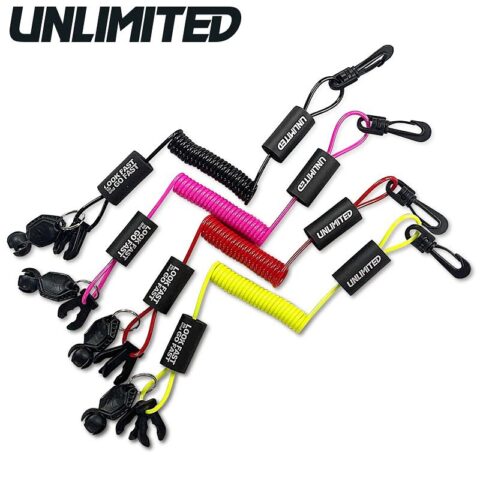
You aren’t stuck with the same old yellow Sea-Doo DESS lanyard when it comes to the Unlimited lineup of lanyards either. They come in four different colors: black, red, yellow, and pink. They can float for days, and the colors are bright, making them easy to see. According to Unlimited, the lanyards have been known to float for over a week. They attach to your life vest down low to keep cord out of your way. This one will cost you $68.
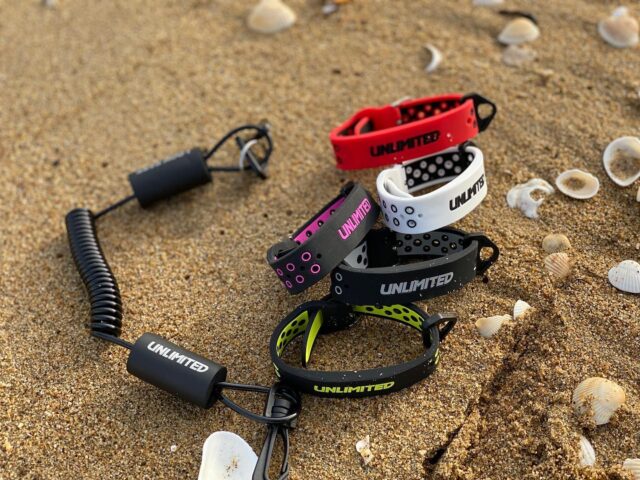
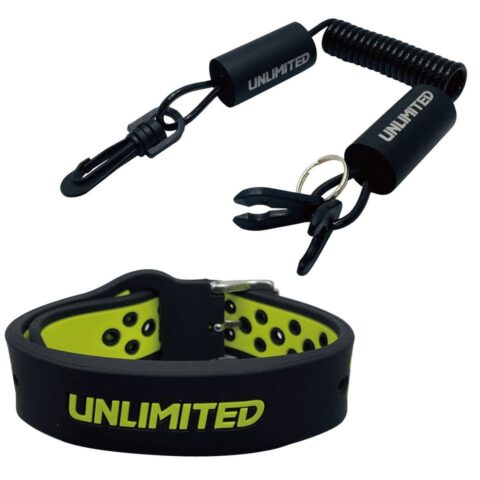
If you need a basic lanyard that attaches to your PFD, Unlimited has the affordable floating ones in black, red. Yellow, and pink for $16.00. If you’re looking to crush the positive ions and improve your performance, purchase the Unlimited Ultimate Wristband lanyard set. The wristband is FDA approved and is said to help with concentration, reduce stress, help with balance, and much more. This is great to combat fatigue from riding and help you to recover faster.
The wrist band/lanyard combo is available in black/gray, black/yellow, red/black, white/black, and black/pink. They look very comfortable and it’s a bonus if they really work. Check out the lanyards and more at Unlimited Personal Watercraft Performance Products. He has a ton of stuff in stock!
As commodity prices spike and inflation reaches a 40-year high, many families across the world are struggling to make ends meet. There’s a lingering Covid-19 health crisis, an ongoing war, and the global economy is teetering on a potential collapse. The thing is, none of this matters out on the water; you can deal with the weight of the world when you get back to the dock.
University of Exeter Medical School in the UK released a study in 2019 that corroborated the Canadian findings. Researchers expressed that those who lived close to the ocean were 22 percent less likely to report signs of anxiety or depression. The study further found that the positive effects of “blue health” – interacting with a body water- were profound for lower income households.
For riders that feel a true emotional connection to the experience of owning a personal watercraft, justifying the cost of the machine, its fuel, and its maintenance is easy. Veteran and new owners alike can attest to the mental, spiritual, and physical benefits of owning a ski. Riding with family, friends, and clubs further strengthens our bond with the water and those who share it with us.
A study released by the Frontiers in Psychology in 2020 found that just ten minutes in nature “reduced heart rate, cortisol levels, blood pressure and more.” The study revealed that those spending time in a natural setting experienced a drop in “stress, anger, anxiety…and increasing comfort, positive affect, and a sense of feeling refreshed.” Furthermore, multiple bodies of research have examined the benefits of “getting some sun,” and its vital role in our body’s production of Vitamin D.
The Covid-19 pandemic drove Americans outdoors, leading to a historic spike in new and used boat and personal watercraft sales. Boaters of all types took to the water to melt away the stress and uncertainty the pandemic brought. In 2021, The Watercraft Journal reported that nearly 60% of new personal watercraft sales went to first time buyers.
Wallace J. Nichols the author of Blue Mind, stated that “Simply the mere sight and sound of water promotes wellness by lowering cortisol, increasing serotonin, and inducing relaxation.” Don’t forget to throw some adrenaline in the mix too if you own a supercharged ski. Nichols describes “Blue Mind” as the state of “logging out” from the constant barrage of information and technology and “giving our brains a break.”
Today’s personal watercraft buyers have access to the most powerful and technologically advanced watercraft in history. The latest innovations by all the major brands have given us skis that are safer, more reliable, and more environmentally conscious than ever before. These factors help riders to focus on enjoying the experience of owning a personal watercraft.
On February 19, 1968 Clayton Jacobsen II applied for a US patent for the first sit-down personal watercraft. His patents serve as the basis for personal watercraft as we know them today. 52 years later Jacobsen’s idea for the personal watercraft is still as relevant as ever, with sales reaching new heights. In a 2015 interview with the Parker Pioneer in Parker, Arizona Jacobsen revealed the true reason for his invention:
“I had been racing dirt bikes as a hobby. It was a form of stress relief for me. However, as you know, when you crash a dirt bike, the ground isn’t very forgiving. That’s why and how I came up with the idea for a personal watercraft […]. ” And what an incredible idea it was. The truth is that Clayton wasn’t trying to change the world –little did he know that his invention would go on to do exactly that.
Take advantage of the Yamaha Perfect Choice Sales Event – while other dealers are struggling to find and stock personal watercraft, select modern Yamaha WaveRunners are in stock. Get one or two WaveRunners now with APR financing as low as 3.99% for 60 months.
This offer applies to any approved purchase of a 2017-2022 Yamaha WaveRunner using a Yamaha Credit Card. If you’re in the market for two WaveRunners, you can get them at 5.99% APR for 96 months. This offer is available for well qualified Tier 1 customers who finance through Yamaha Financial Services. Both offers are dependent on credit ratings and the higher your credit score, the better financing you will get.
Yamaha does offer higher financing rates for lower credit ratings. See your dealer for qualifications and complete details. You can use their pre-qualifying form to check out your financing options before heading to the dealer. Now you can estimate your payment online as well using their finance calculator with dropdown menus.
Head over to the Yamaha WaveRunner site and check out all the new colors and styles for 2022. The EX-Series models are priced to move with a starting price of $7,199. This is a great entry level ski that the whole family can enjoy. If you’re looking to indulge, spoil yourself with a PWC from Yamaha’s fully loaded Luxury lineup.
There are plenty of WaveRunners in between the EX and Luxury Series to choose from. Visit your local Yamaha WaveRunner dealer to see them in person or peruse the website at your leisure and choose your next ride.
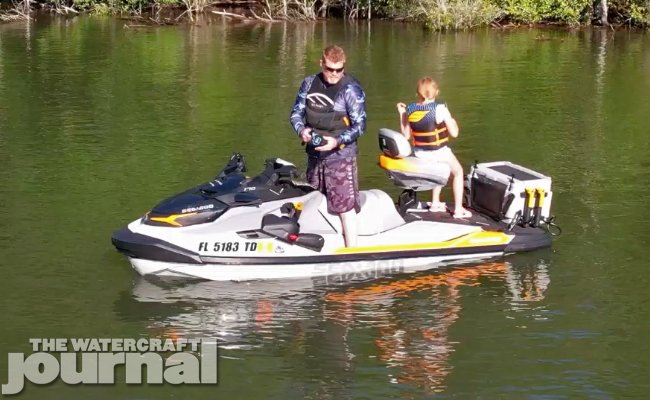
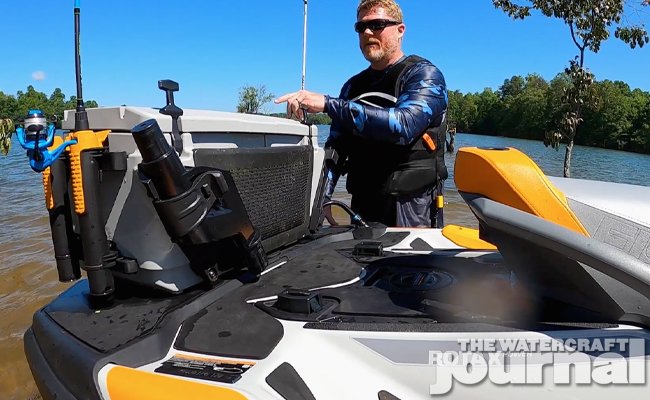
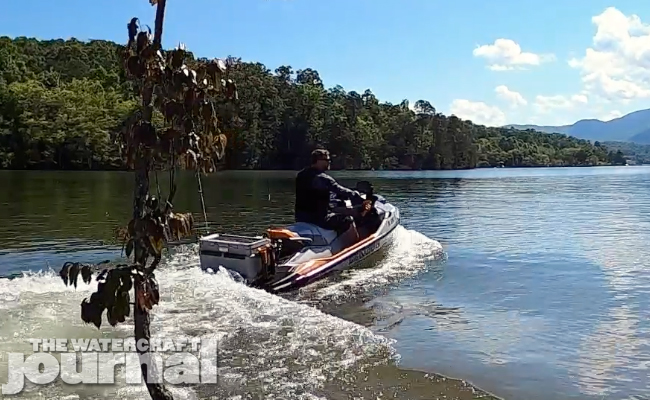
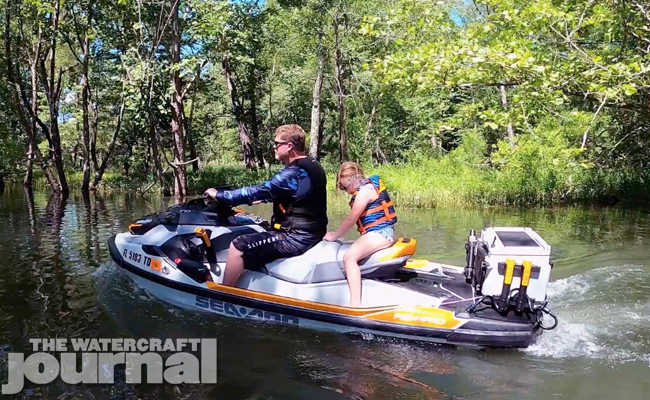
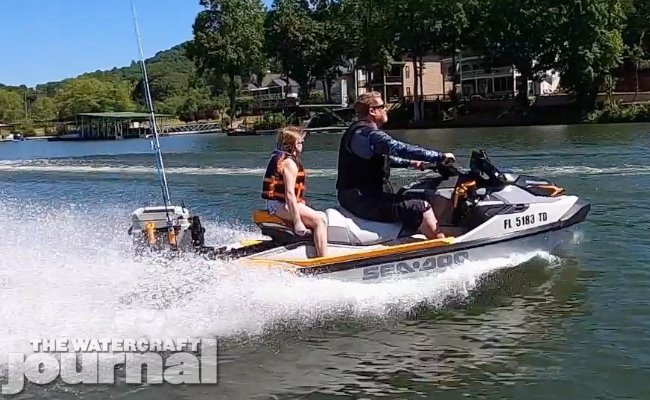
What we’ve found during our testing of the new 2022 Sea-Doo Fish Pro Trophy is that the Trophy is, without a doubt, the flagship of personal watercraft fishing available through a manufacturer today. BRP has put so much detail and thought into equipping this watercraft that it’s operating at tournament-level performance. In this feature, we’re going to walk you through all the features and standard equipment that comes with the Trophy, and how it compares to the lesser Sport and the entry-level Scout.
In talking about the Fish Pro, we really need to address personal watercraft fishing as a burgeoning sport. As personal watercraft have gotten more sophisticated people have been able to access places where a boat can’t. That’s a really big benefit for someone who wants to go out, kind of escape, and really have a very great personal experience that doesn’t require them to launch a big boat or have a bunch of friends. You can do this by yourself. Effectively making PWC fishing the next evolutionary step above of kayak fishing.
Sea-Doo got hip to this trend and introduced the Fish Pro back in 2019. Since then, the Sea-Doo Fish Pro has exploded in popularity and because of that, BRP decided, “You know what? We’re going for the fences,” and introduced the Trophy. Using the same platform for the GTX, RXT-X, and Wake Pro – the ST3. In designing the ST3, stability was key. They wanted to make sure that you were able to get up, move around and be stable, and not feel tippy when out in the water. So, they have these big footwells that anyone can move around the watercraft and not feel like they’re going to roll over.
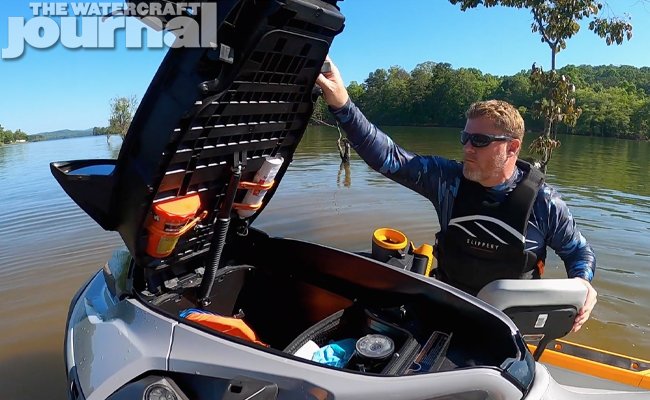
Next was the Ergolock seat, giving riders a narrow saddle. Unlike other widespread seats, you sit in the watercraft, not on top of it. Another really unique feature for the ST3 is the center storage system. Instead of having to reach over the handle bars to access the front of the storage, they put storage in the middle of the craft offering an impressive 26.1 gallons of super accessible storage. And with the Trophy, it even includes netted divider so you can put drinks, sunscreen, a change of clothes, and anything else that you need inside.
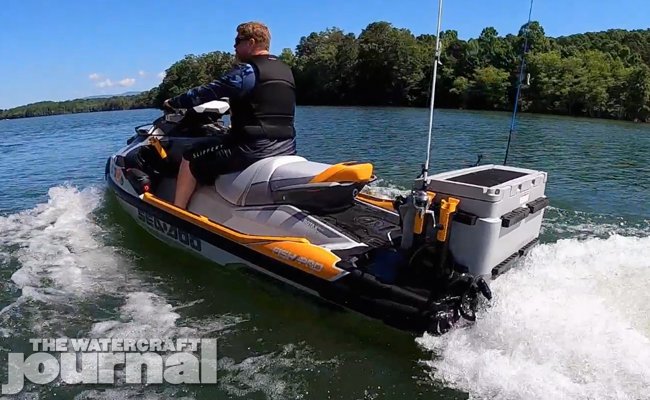
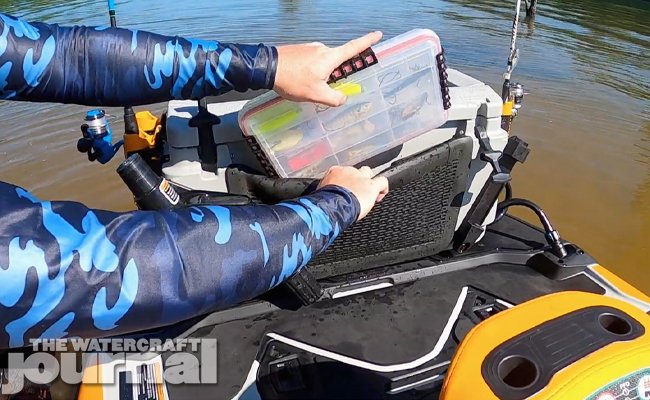
One last feature is the LinQ platform. Their LinQ platform allows for optimal modularity when it comes to bringing extra gas, extra storage, or an extra cooler. The Fish Pro is unique because of its fixed extended rear deck; this isn’t so much an accessory as it is part of the Fish Pro itself. With it comes a 13 and-a-half-gallon cooler can be moved up onto these LinQ attachments, which will show a second set of LinQ attachments on the transom. Personally, we preferred the tank on the rearmost LinQ brackets because this allowed us more room to move around with the swivel seat.
For 2021, Sea-Doo introduced IDF or Intelligent Debris-Free System. If you manage to suck up some grass, weeds, or a stick in the intake grate, you don’t want to run that through the pump. Rather, you stop your engine, and the engage IDF button. IDF is going to give you prompts on the screen asking you to apply some throttle to purge the intake grate as it actually reverses the rotation of the impeller, pushing thrust forward through the tunnel to clear out the intake grate.
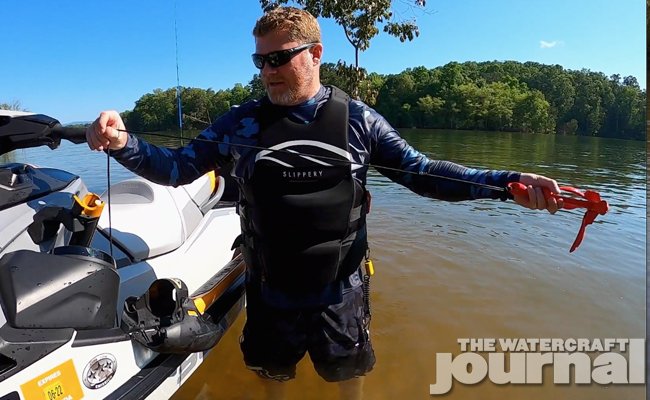
One of the neat feature that a lot of people have overlooked is the Fish Pro Anchor. Located high on the gunwale, the rider is able to operate the anchor with just one hand. So, while you have your rod in one hand, you can deploy the anchor. Sea-Doo has included a mesh bag with all your lead line. They even include its own dedicated cleat on the inside of the footwell, so you can wrap the lead for the anchor around that without having to reach in and grab all your rope while deploying the anchor.
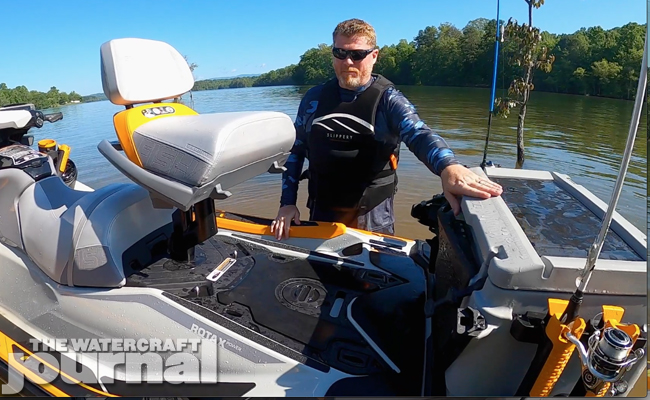
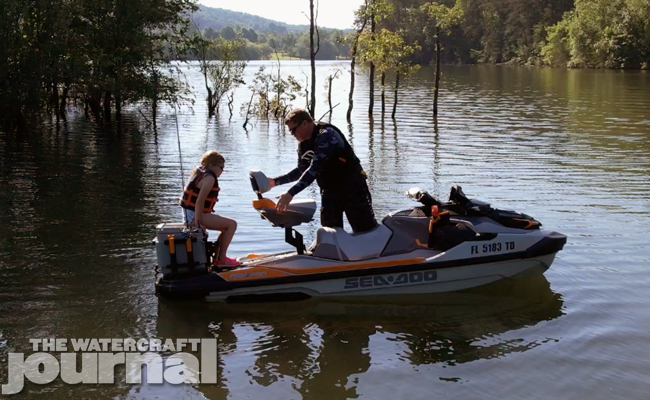
Exclusive to the Trophy is the new swivel fishing seat. Simply take the back seat off, exposed a new dedicated perch. Pull out base from its mount on the Fish Pro cooler, and lock it in. Take the backrest its dedicated spot inside of the center storage, and slide it in place. This seat activates an electric signal that communicates from the perch to the dash, activating a cap on the throttle restricting the Sea-Doo to a maximum of 18 miles an hour. That is so if you’re going from one spot to another, you don’t have to take the whole seat down and put it back up again. You can just hop in the driver’s seat, take off, find a new spot where the fish are biting, get back in your swivel seat, and off you go.
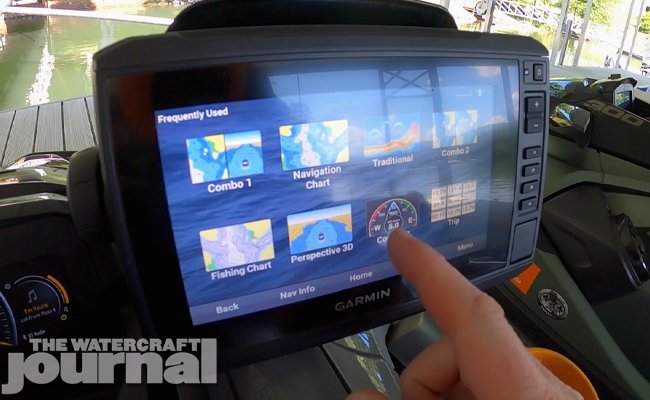
Sea-Doo equips all three of the Fish Pro models – the Scout, the Sport, and the Trophy – with a Garmin Fish Finder. The Trophy receives the big fully adjustable seven-inch, full-color touchscreen, allowing the rider to toggle through all the pages without hunting for the right button. Any customer who purchases a Fish Pro gets one free token through Garmin for a high-resolution map of their local area. If you want to explore more maps, you’ll have to go to Garmin for additional tokens. The Garmin Fish Finder is paired to a through-hull transducer so that there’s no extra holes or anything hanging off the back that can get torn off.
One last standard feature is the BRP Tech Package. The Tech Package includes the BRP Premium sound system, as well as the larger 7.8-inch wide dashboard. It pairs perfectly with the sound system so that you can control your songs, your playlist, even the volume and tracks all through the controls on your handlebars. Under the seat, there are a few more things that not a lot of people shine a lot of light on, but is worth talking about. First, it’s running dual batteries. Second, it’s got a larger generator to help keep those batteries fed and to operate all the electronics on the Trophy. Inside, you also have the standard USB port so that you can plug in your phone and keep it charged in your waterproof case.
So, what makes the Trophy the flagship of the Fish Pro lineup? The Fish Pro Scout is the entry-level of the three. Based on the smaller GTI platform, the Scout comes with the naturally aspirated 130 horsepower engine. And, while it doesn’t have all the bells and whistles as you might find on the Sport, which is the middle of the three, and of course, the high-level Trophy, the Scout itself does come with a six-inch Garmin – not a touchscreen – and through-hull transducer. It also has the same 13-and-a-half-gallon cooler/tank as well as the same 18-and-a-half-gallon fuel tank so you can ride all day long, especially with that 130-horse engine. It also comes with three rod holders with mounts up front and all the way around the tank.
With the Sport, it comes with four rod holders, the same cooler/tank, same big gas tank, but with the ACE 1630 that makes 170 horsepower. Between the Scout and the Trophy, both ride on the same ST3 platform as detailed earlier with the extra LinQ mounts that you can add another cooler, an extra gas tank here, or a lot of different things. You can even have a dry bag if you’re going overnight. One last major difference between the Sport and the Trophy is while the Trophy comes equipped with the Tech Package that includes the larger screen that syncs with your phone, the Sport is not available with the whole Tech Package, but you can option it with the BRP Premium sound.
Finally, what truly sets the Sea-Doo Trophy apart from the Sport and the Scout is the new live well tank operated through this three-position toggle switch; with an on, off and timer setting. You can just turn it on or put it on a “timer,” where it will run on an interval that it refreshes the water in the tank every three minutes. It’s pumped from a input on the transom, ran through an electric pump and a filter, and fed right into the cooler. If you don’t necessarily need the live well, or if you’re cutting up bait or just washing down your ski, you can detach the live well’s feed and hose off your cutting board and your footwells. Then, when you’re done, you’ll simply pull back the lock, and it reattaches.
Ultimately, what is the 2022 Sea-Doo Fish Pro Trophy going to set you back? The lineup is actually surprisingly well balanced. The Scout starts at $13,899. If you’re stepping up to the Sport, you’re going up another $2,000 to $15,899. And then, if you want the Trophy, you’re going up another $1,900 to $17,799. It’s a really good bargain for everything you’re getting. This is easily the most well-equipped fishing personal watercraft available on the market. This is absolutely a groundbreaking machine. We’ve had a total blast on it – even though we didn’t catch anything. Nevertheless, we loved the first Fish Pro and with everything that Sea-Doo has put into the new Trophy just takes it all that much further.
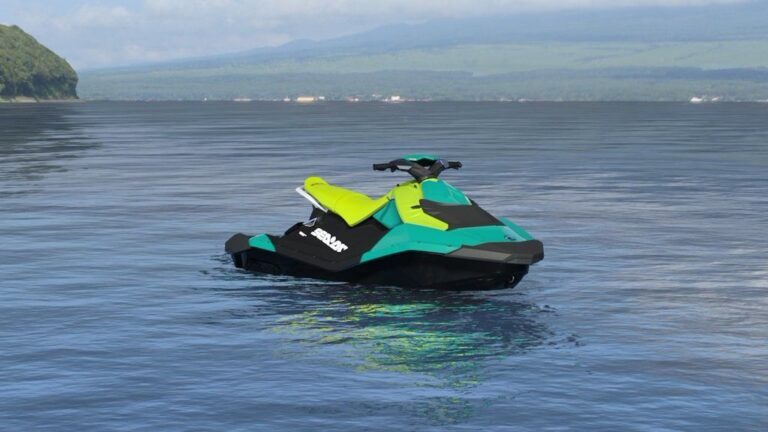
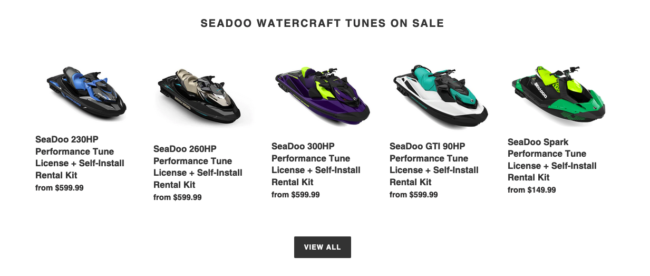
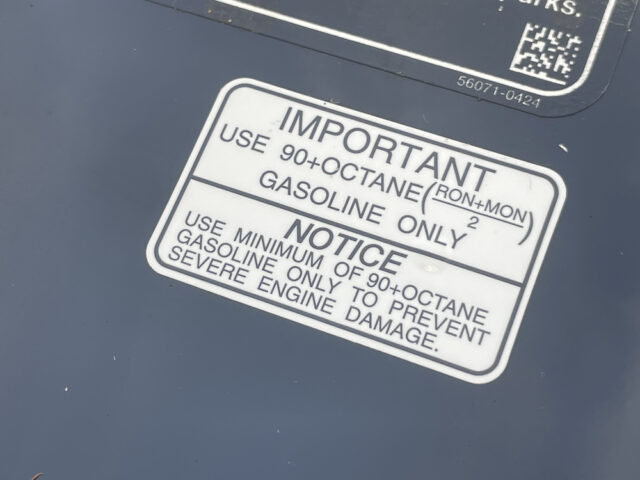
Give your Sea-Doo a performance upgrade for summer with a JetX Performance Tune. JetX has Sea-Doo Watercraft Tunes available for many different models and years. The kits are easy self-installs that don’t require extra parts or mechanical knowledge. After flashing the tune, your jet ski will have an extra boost in acceleration and throttle response. It will have an overall increase in performance as well and flashing the tune will require you to run 91+ octane fuel.
JetX makes it easy for you to rent a kit or you can also choose to have the crew at JetX Powersports perform the install. If you decide to do it yourself, a security deposit is required for the self-install kit rental. The kit will be shipped to you unless you go to the shop for pick up. It includes the software and hardware required to flash the ECM.
All you need is an internet connection. Follow the instructions and your PWC will be tuned and ready to rip within minutes. Return the kit in good working order within 48 hours and your $450 deposit will be refunded to your account. If you decide to have JetX flash your tune, they can meet you at a convenient location or they will put you on the books and you can stop by at no extra charge.
All kits are $599.99 except for the Spark. It is $149.99. Check out the JetX Powersports website for all the details on turning your Sea-Doo up a notch. Make it an extra fast and fun summer with a JetX Performance Tune!
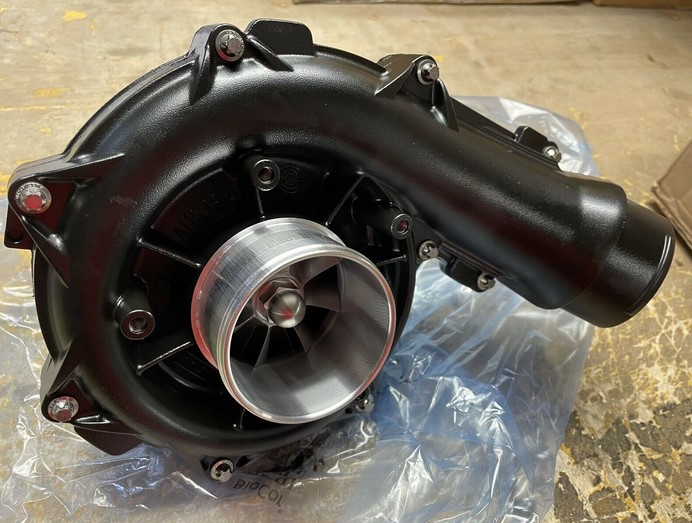
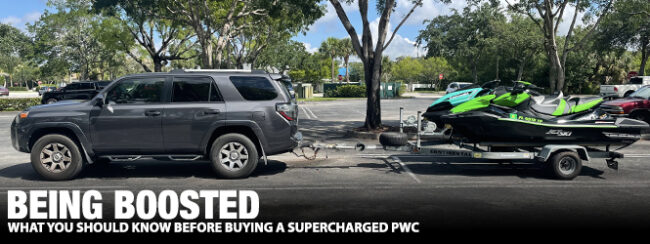
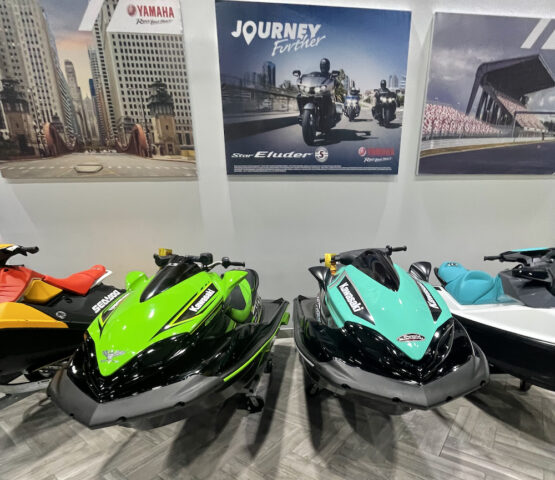
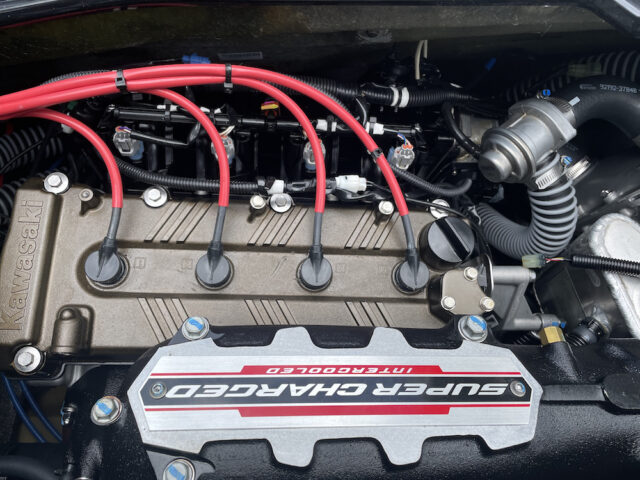
There’s nothing like screaming across the water on a lighting fast supercharged personal watercraft. The power, speed and agility of these muscle machines is unrivaled by their naturally aspirated counterparts. Purchasing a supercharged ski opens up a new world of possibilities, but also presents many challenges for veteran and first-time buyers alike.
Dealerships are eager to make a sale, and aren’t always upfront about the true ownership costs of today’s high-powered supercharged skis. Supercharged offerings from all three major brands boast competitive horsepower, displacement and capacity, but also differ in key ways. What all supercharged skis have in common is the need for high-quality, high-octane premium gasoline.
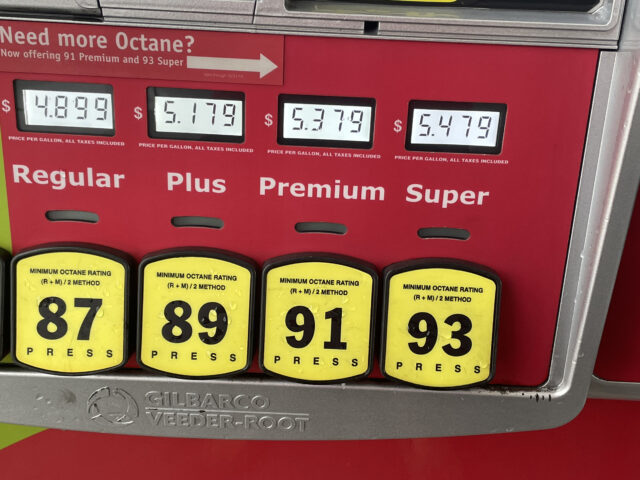
There is no secret shortcut when it comes to fueling up a supercharged PWC. The Kawasaki Ultra 310 requires a minimum AKI octane rating of 90, while the Yamaha 1.8L SVHO engine and the Sea-Doo/Rotax 1630 ACE 300 engine require a minimum AKI rating of 91. According to AAA, the national average cost of premium fuel (as of this writing) was $5.64 per gallon, meaning it would cost $119 to fuel up the new 21.1-gallon gas tank found on the 2022 Kawasaki Ultra 310.
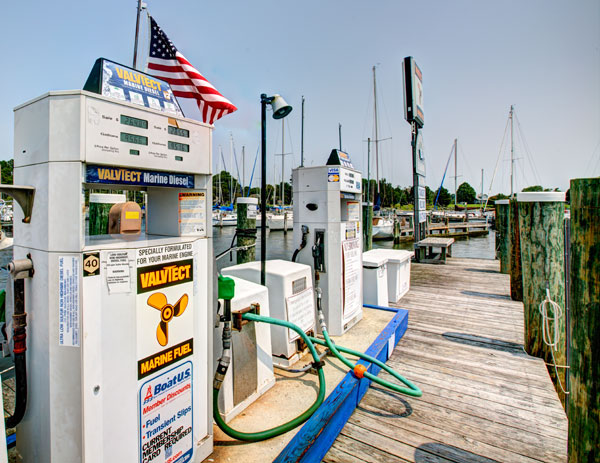
When you own a supercharged ski, you must learn to plan ahead. Many marinas and remote fueling stations lack premium fuel. That means you must carefully plan your route, and either bring your own auxiliary gas tank (like the Long Hauler Auxiliary Fuel System) or limit your distance accordingly. A rule of thumb is to consume a third of your fuel on the way to your destination, a third on the way back, and keep a final third as a reserve in the event of an emergency.
If you plan to ride at slower speeds for longer distances and don’t want to deal with the issue of sourcing premium fuel, a naturally aspirated ski is your best bet. While octane boosting fuel additives are available from a variety of major brands, it is always best to utilize fresh premium gas from the pump whenever possible. This author owns both a naturally aspirated and supercharged ski, which allows for an endless combination of possibilities.
Sometimes situations arise where there is nothing but lower octane fuel available. While not always ideal, octane boosting additives can raise gasoline’s AKI rating by 1-2 points, thereby protecting your high-performance ski from detonation and knocking. Choose a product that contains MMT, a chemical that has been used in the United States for decades to boost octane levels in gasoline.
Another thing that all supercharged skis have in common is a hefty price tag. The current state of affairs in the global economy and supply chain has driven acquisition costs to new heights. Be prepared to spend upwards of $24,000 out the door without a trailer. You are looking at base MSRP plus tax, title, registration, document/dealer fees, freight, preparation, and destination, not to mention material/commodity surcharge fees.
Flagship offerings from all three major brands are priced competitively. The 2022 Yamaha FX SVHO Limited is priced at $19,099, while the Kawasaki Ultra 310LX has the highest base price of $19,999. The 2022 Sea-Doo GTX Limited 300 is the most affordable option, with a base MSRP of at $18,299. High or equally-equipped naturally aspirated skis cost (on average) about $5,000 less than their supercharged brethren.
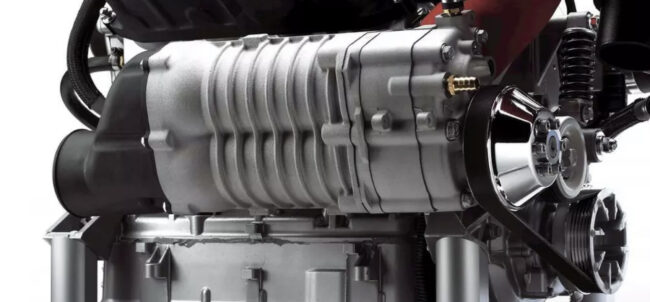
Besides increased fuel costs, supercharged skis typically require more maintenance and upkeep than naturally aspirated ones. The Kawasaki Ultra 310, for example, requires supercharger drive belts and tensioner pulleys as regular maintenance items. Many Sea-Doo models (pre-ACE 300) require their superchargers to be rebuilt every 100 – 200 hours, while Yamaha superchargers have been known to require regular clutch replacements.
If a supercharger fails due to a worn bearing, shaft, clutch, or impeller, it could cause further damage to your engine. That is why all scheduled and preventative maintenance, along with regular pre and post-ride checks of all components are necessary. If you feel overwhelmed by the level of attention that supercharged skis require, you are better off sticking to naturally aspirated offerings.
Since supercharged skis include many additional components not found on naturally aspirated skis, maintaining and servicing these components can translate into to an increased maintenance cost over time. Ensure that you are prepared to assume financial responsibility for the higher costs of maintaining a supercharged ski before making a purchase.
If you are not mechanically inclined or simply don’t have the time to perform your own service and repairs, you might want to consider purchasing an extended warranty. This will give you peace of mind that your ski’s critical components will be protected from premature failure or defects in craftsmanship.
The sheer thrill of a supercharged ski makes most riders look right past the increased maintenance and ownership costs. If you don’t have a need for face numbing power and acceleration, you will be perfectly happy on a more affordable naturally aspirated ski. Consider what you want to get out of your ski and make a purchase that fits both your riding style and budget.
It’s that time of year when everyone is getting their jet skis prepped and ready for summer. Greenhulk Performance Parts has a good selection of oil change kits and other oil change related products to keep your personal watercraft maintained and operating smoothly.
The Hydro-Turf Oil Extractor makes it easy to change the oil on your 4-stroke PWC, sport boat, and other recreational vehicles. It holds 6 liters of fluid, and the container has a handle for easy transport.
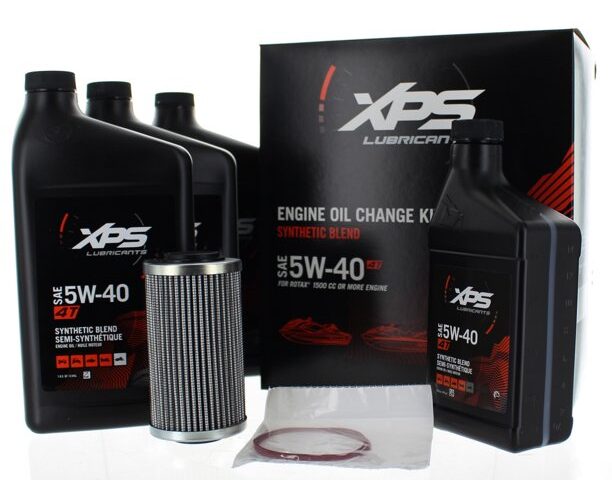
Two XPS 4T 5W-40 Synthetic Blend Oil Change Kits are on offer. One of them is for the ROTAX 1500 CC or more engine and the other is for the ROTAX 900 ACE engine. Both include oil, filter, O-rings, and washer. They have everything you need to save time and money. Sea-Doo XPS 4T 5W-40 Synthetic Jet Pump Oil and regular XPS Jet Pump Oil are available as well.
Both come in 6-ounce sizes. If you only need to restock your oil, they have a warm weather synthetic blend for any BRP vehicle with a 4-stroke engine. Sea-Doo has a new 4-stroke summer grade recommended for all supercharged and non-supercharged engines.
For the Yamaha WaveRunner rider, a couple of Yamalube Watercraft Oil change kits are available. One kit is for 4-cylinder 1.8L only engines and the other is for non-1.8L engines. The kits include four and three quarts of oil respectively, Genuine Yamaha oil filter, and the necessary drain gasket.
And do not forget to use coupon code “greenhulk” at checkout to save 10% off of your purchase. Greenhulk Performance Parts reminds us that they cannot ship oil or liquids of any kind overseas.
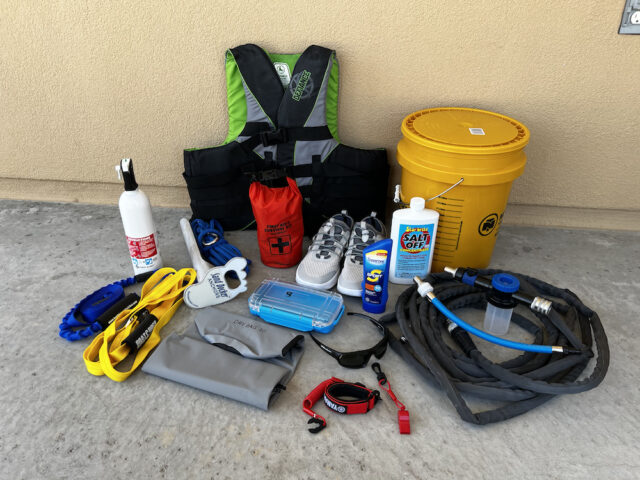
There are some certain safety items that are required to have by the United States Coast Guard and most local water law-enforcement. The number one thing you must have is a life preserver (life jacket). This by far is the most important thing while riding. If you want some more information about life preservers check out this full length video from The Watercraft Journal.
It is also required to keep a fire extinguisher, tow rope, signaling device (typically this can be a whistle), and the key to the watercraft, which is also your engine cut-off lanyard. This is the bare minimum needed to get out on the water. However, here at The Watercraft Journal we encourage you to keep a few more things that can make a ride easier and more enjoyable.
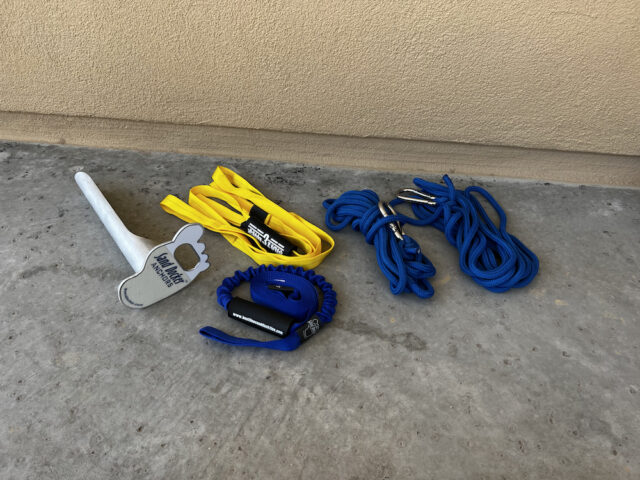
Some other things you might want to consider is an anchor and anchor line/rope (along with docking lines and a tow rope in case you must rescue somebody). We have found that Sand Docker Anchors makes one of the best and easiest-to-use anchors on the market today. If you’re interested in purchasing one, use the discount code “pwcjournal” on their website for 10-percent off.
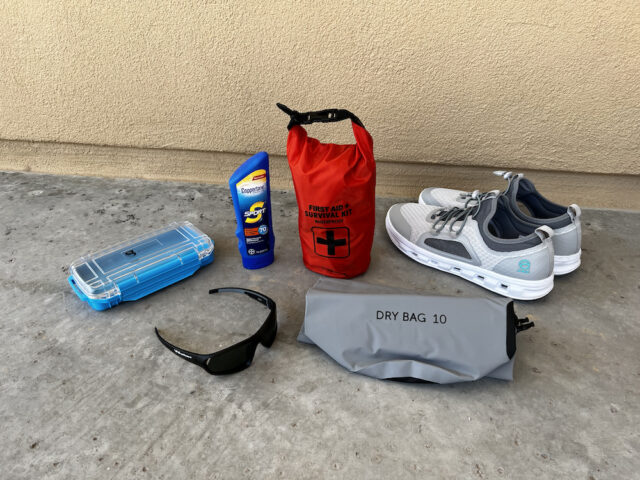
Sun protection is a very important when out on the water. Frankly, two of the most important things you can bring with you are eye protection and sunscreen. Eye protection will not only keep bugs and water out, but it can reduce the strain on the eyes from the reflection of the water. Windrider, a longtime supporter of WCJ has an excellent selection of sun protection apparel everything from shirts, hats, and so much more.
Our favorite product from them are their sunglasses because they not only have a great fit but they also float and are not bulky like other floating sunglasses on the market. Some other things to consider are a dry bag. Also, it is good to keep a waterproof floating box to store things such as your cell phone keys and wallet along with your boating license if required by your state.
Another item is a quality first aid kit. Now a full-blown paramedic kit may not be necessary but a general first aid/survival kit (in a waterproof box or container) is a good idea to consider. These can be found at any sporting goods store. The one shown in the picture is a simple first aid kit but will save your ride by making you comfortable in the event you have to use it.
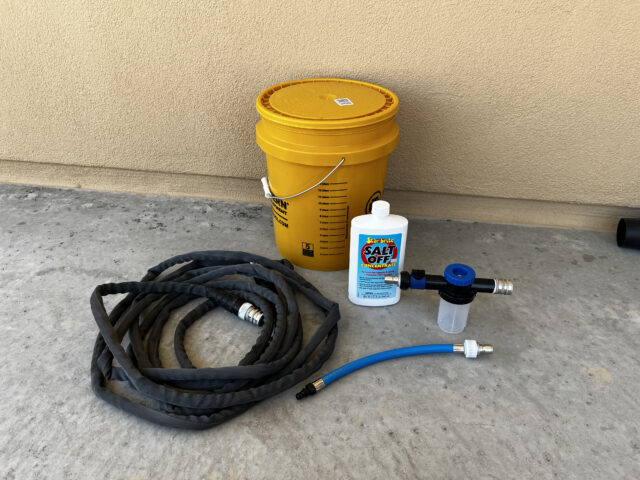
For those that ride in saltwater flushing is a “must.” Like what is shown above in the photo, items such as a flush connection, a salt solvent/flush, the mixing bottle, a garden hose and a 5-gallon bucket. Obviously, you won’t be keeping these in your watercraft, but you may want to consider stowing in a trailer storage box.
Now this is just an overview of some of the things to keep. From this list the rider can subtract add and modify depending on the machine you own and type of riding they do. Somethings not mentioned above are things like fenders, food and water. (That is, depending on the length of ride.) Tool kit in case of a minor mechanical failure. Especially on those longer rides and offshore. A personal locating device, dye packs. Attached below will be videos from the watercraft journal that give move detail about different things you can bring depending on your machine and your riding style.
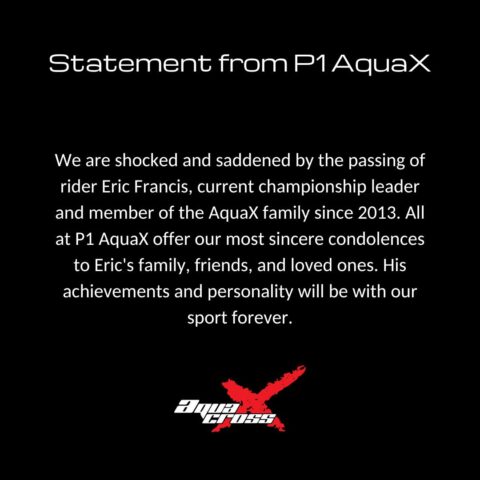
A quote from screenwriter C. Robert Cargill seems sadly poignant: “Not all destinies are fair […] We get the lives we choose, even when we don’t.” The world of professional personal watercraft racing was rocked Saturday night as word spread that Eric “The Eagle” Francis had passed away tragically during the MG (Marie-Galante) Race in Saint-Louis, Guadeloupe earlier that day.
After confirming the news, WCJ issued the following statement: “All of us at The Watercraft Journal are heartsick to learn of the passing of world champion racer, Eric “The Eagle” Francis while competing in Guadalupe this weekend. Eric was one of the hardest-charging racers today, a loving husband to Sophie and a dedicated father, as well as a good friend to so, so many in our sport. Godspeed, Eric.”
As of now, details are slim. The five-time world champion had arrived in Guadalupe with his wife, Sophie and daughter earlier that week. Water conditions were deemed as “moderate” for Saturday. After not checking in for the final stage of the event, a search party was sent. Eric’s undamaged Kawasaki Ultra 310X JetSki was located with Eric found unresponsive a short distance away.
Eric had piloted Kawasaki Ultras as a privateer to global success for half a dozen years before joining the Broward Motorsports Racing Team. In a career wrought with big wins and heated rivalries, Francis bolted into the limelight with a handful of national and world P1 AquaX championships and several visits to Guadalupe for its challenging offshore races.
On the water, Francis was ferocious, determined to prove his mettle. Off the water, Francis was approachable, friendly and welcoming – and slipped effortlessly into the role of a loving husband and father in recent years. In the news’ wake, major racing bodies like ProWatercross, P1 AquaX and the IJSBA have shared their condolences online as well as hundreds of friends and fans.
We may have lost Eric, but The Eagle gained his wings.
Update: Dennis Mack has launched a GoFundMe to raise funds for Eric’s widow, Sophie and their two daughters. Click HERE to donate. A second GoFundMe created by Michelle Petro was launched later, which can be viewed HERE.