

Home Blog Page 113

Comparing Cargo: Who Has The Most (And Least) Storage on a 2022 PWC

0

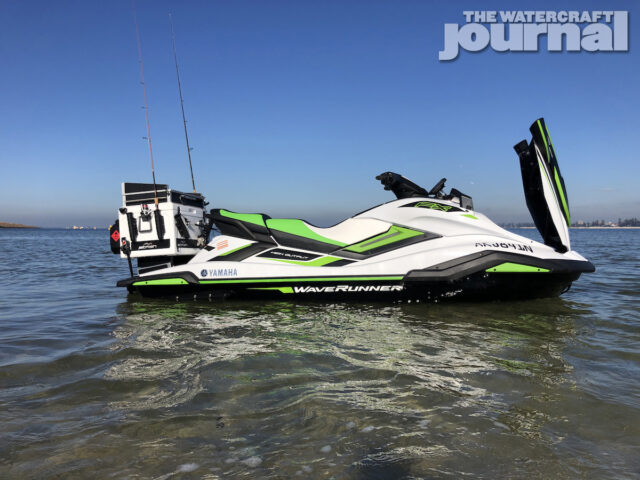
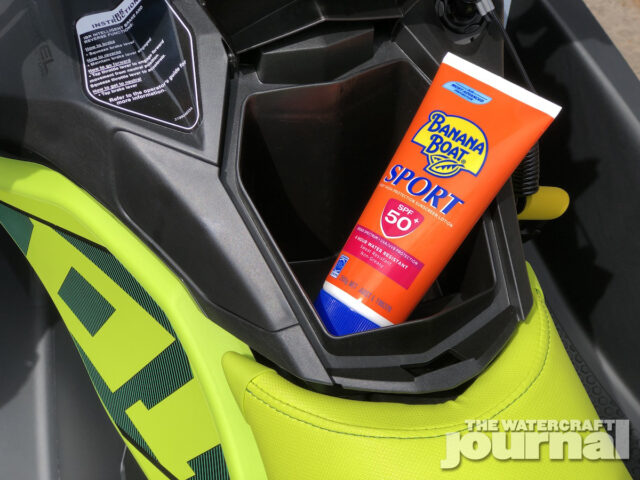
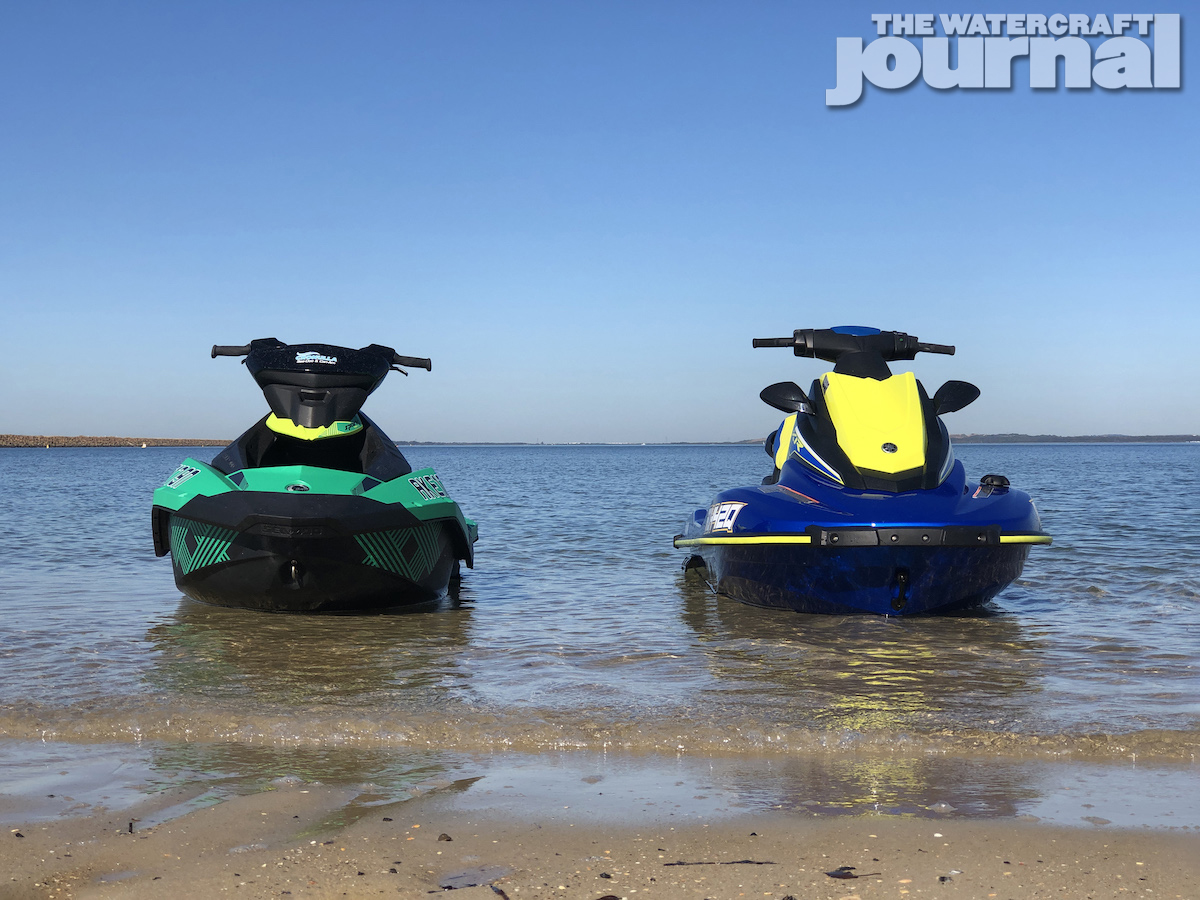
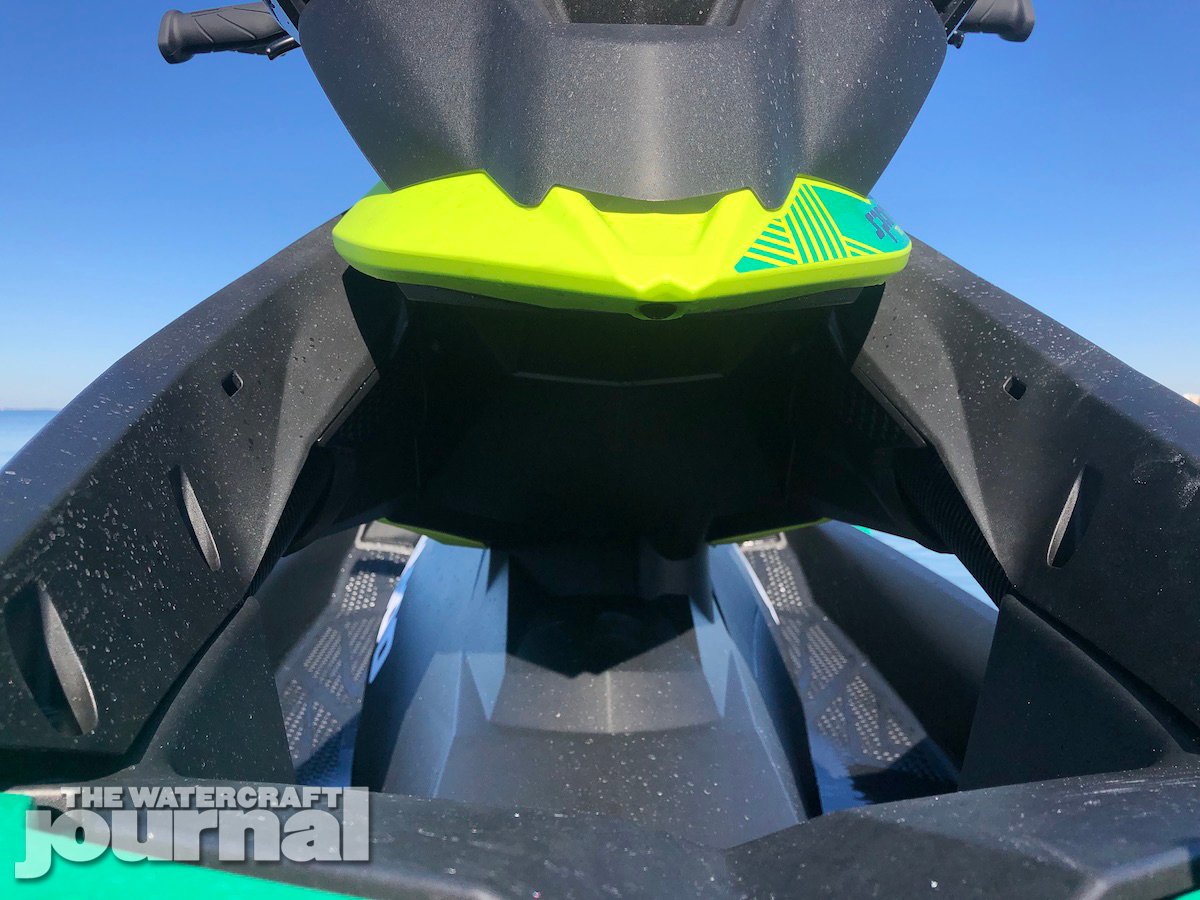
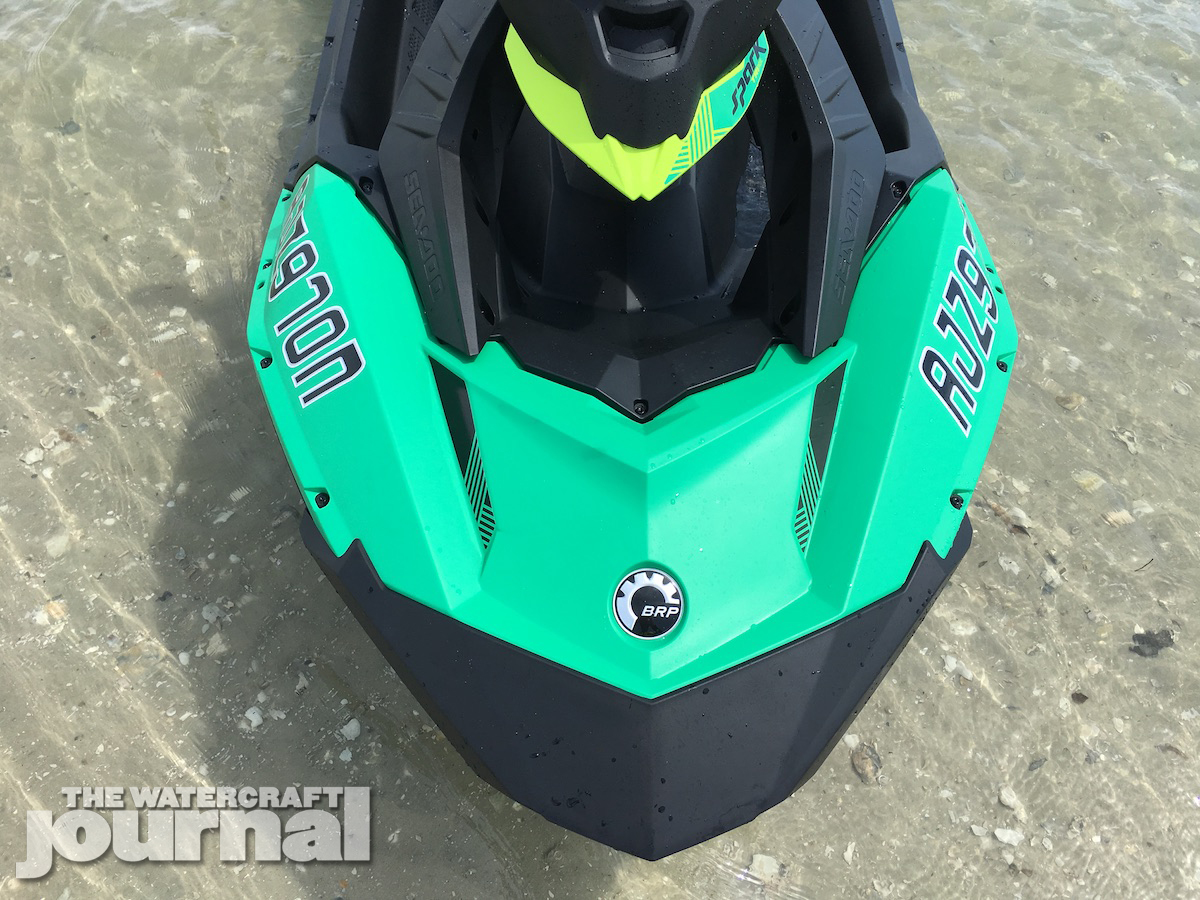
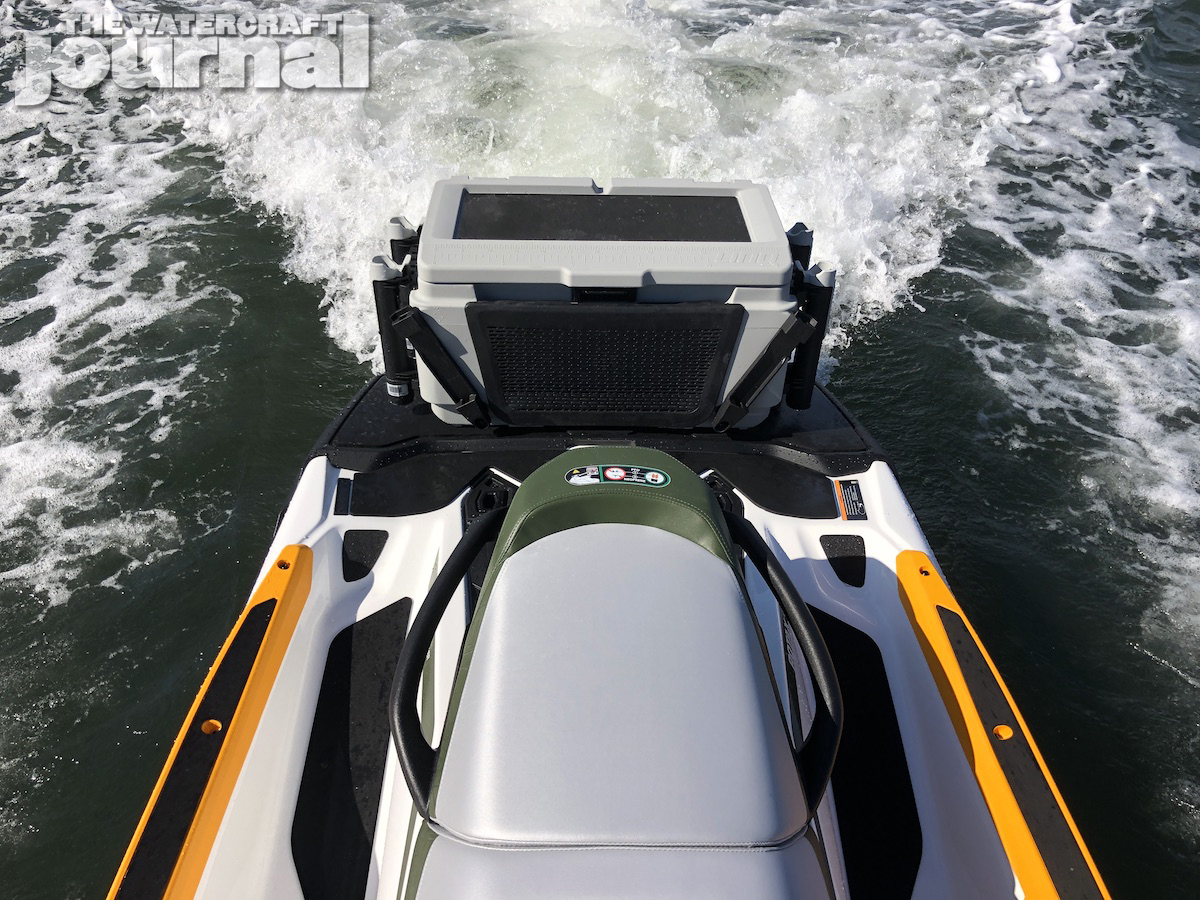
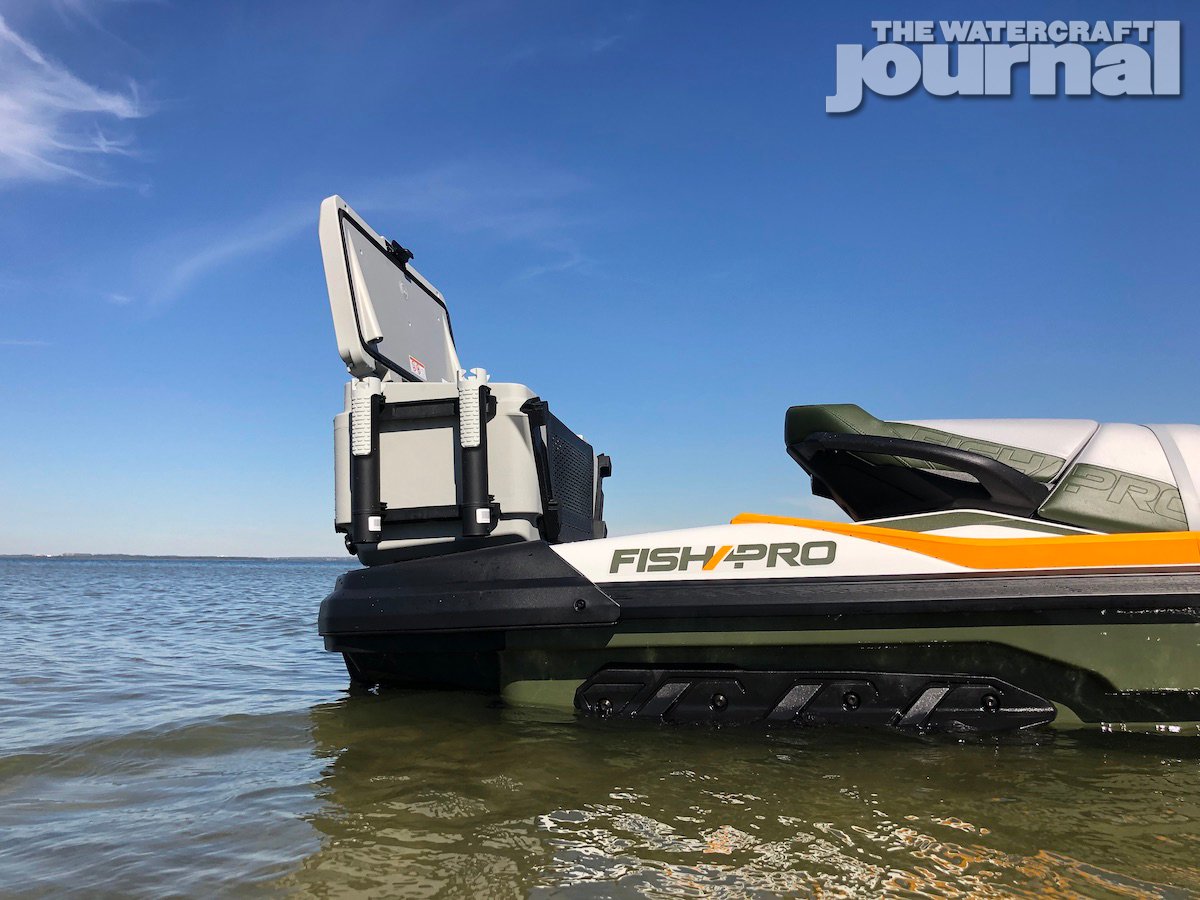
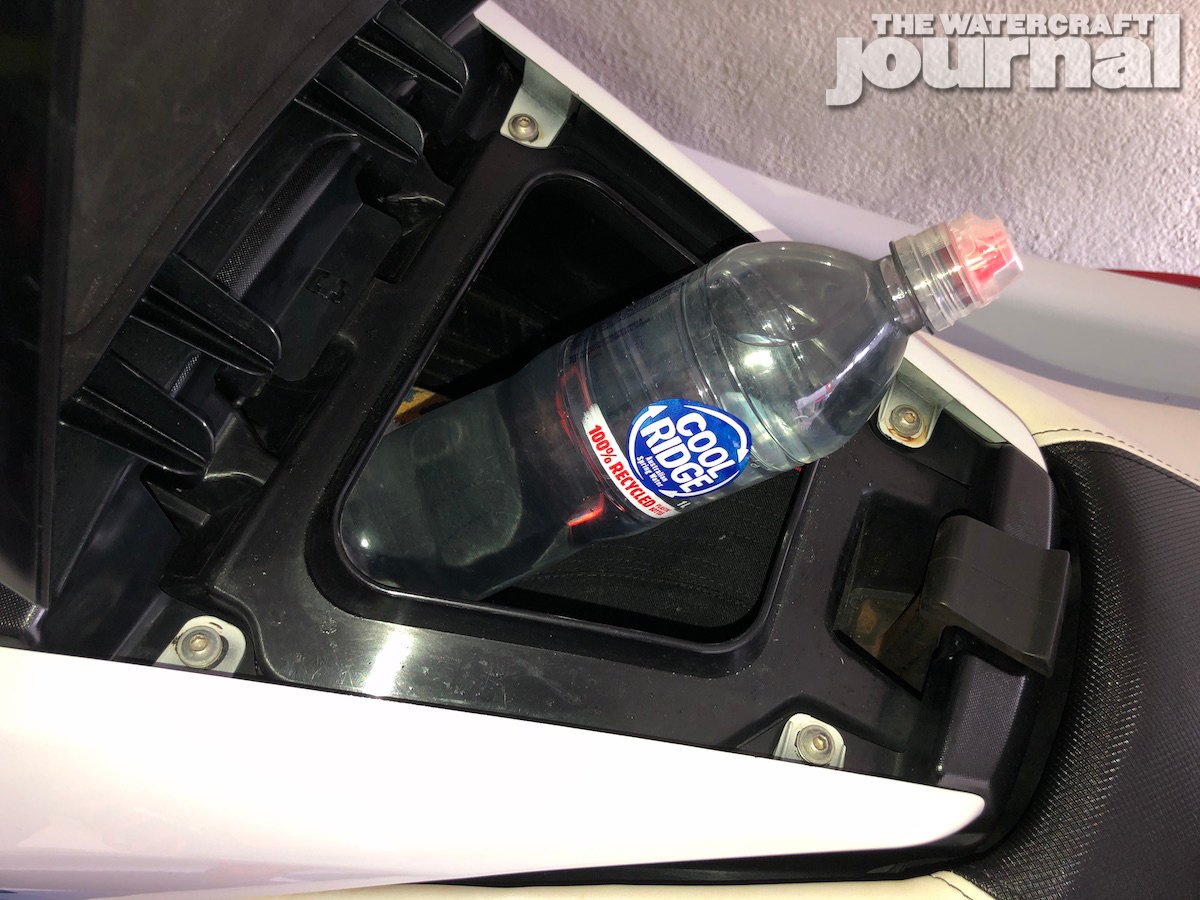
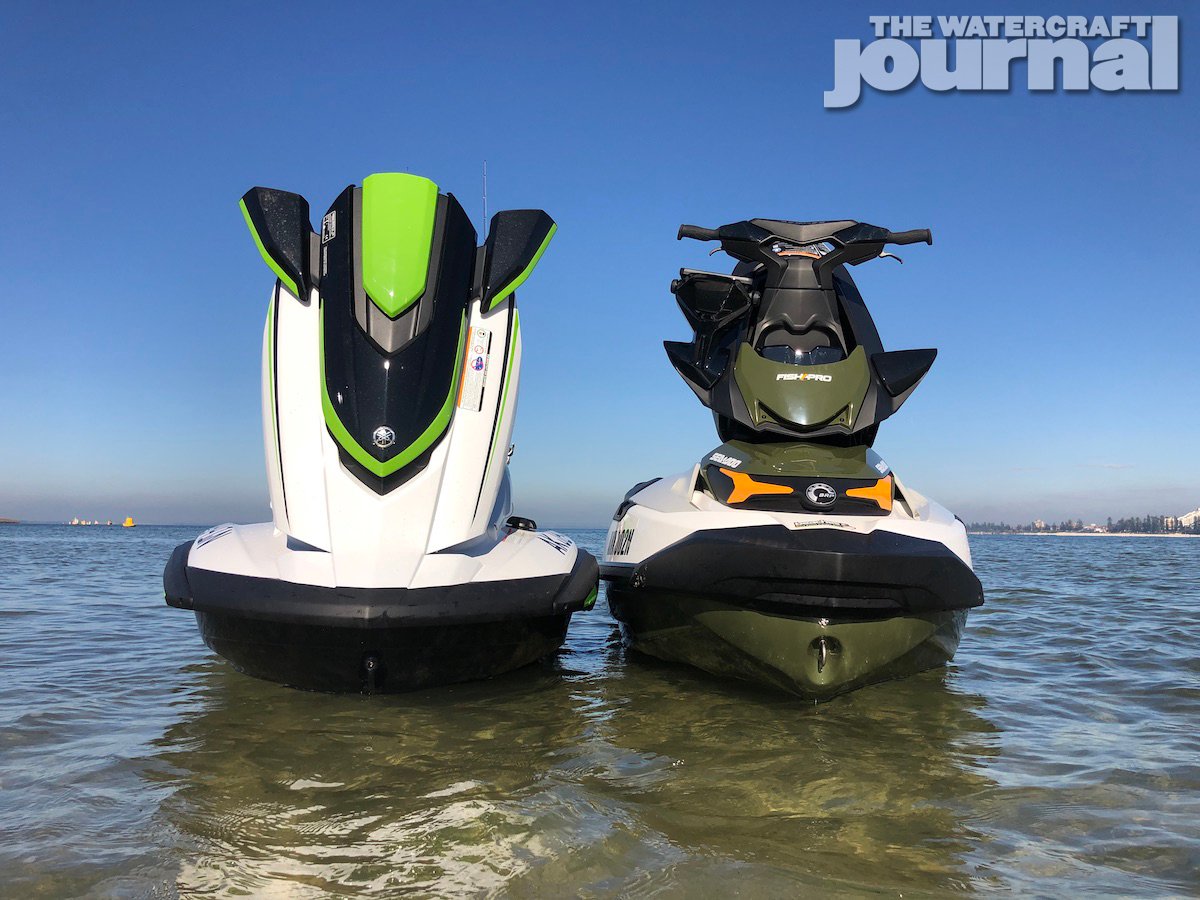
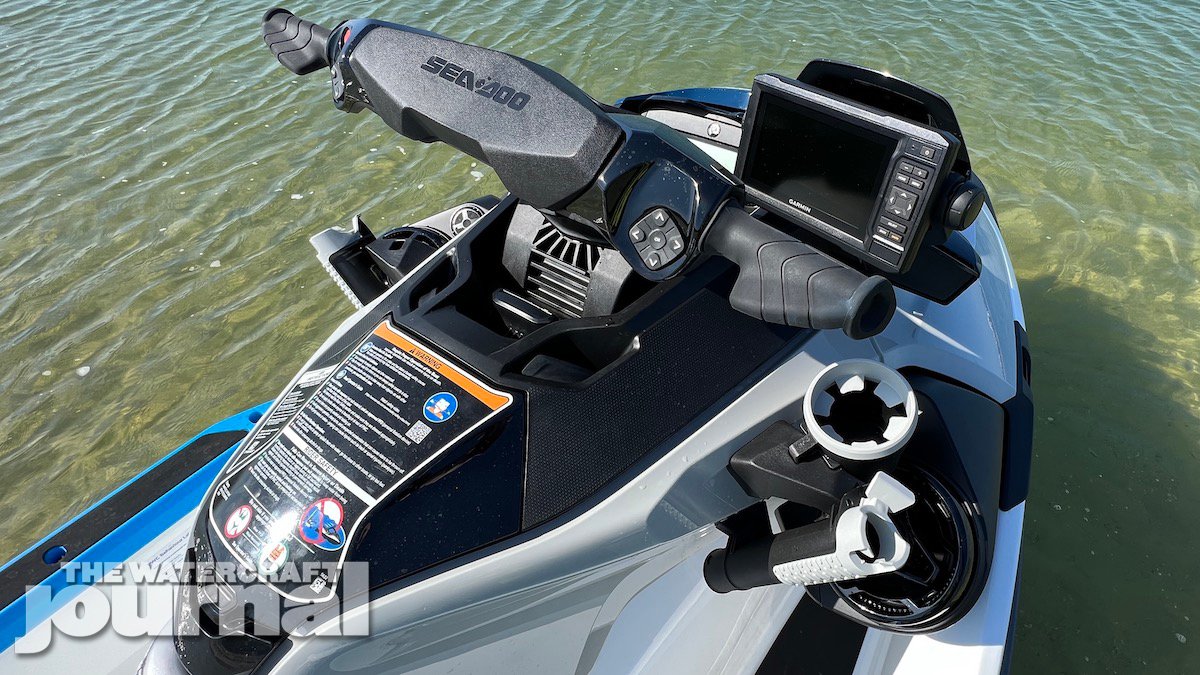
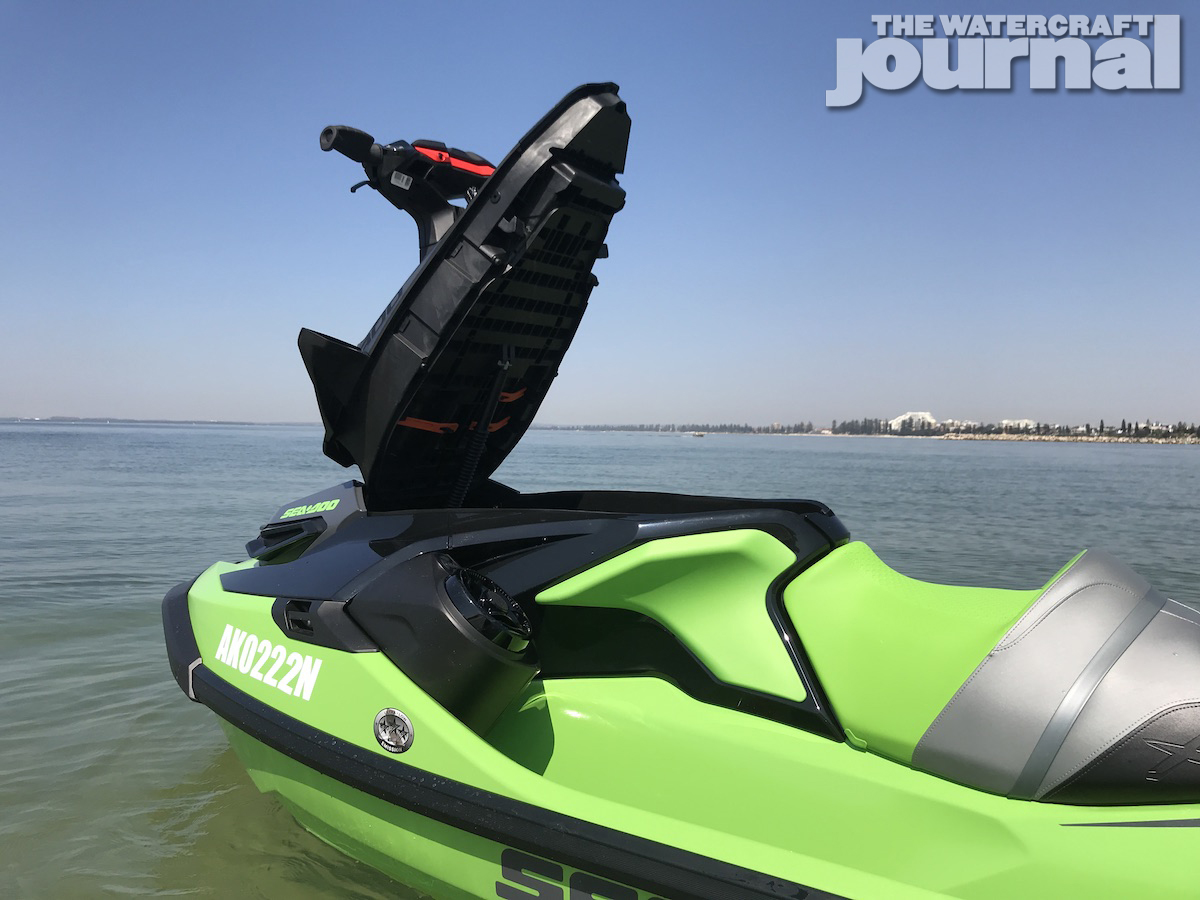
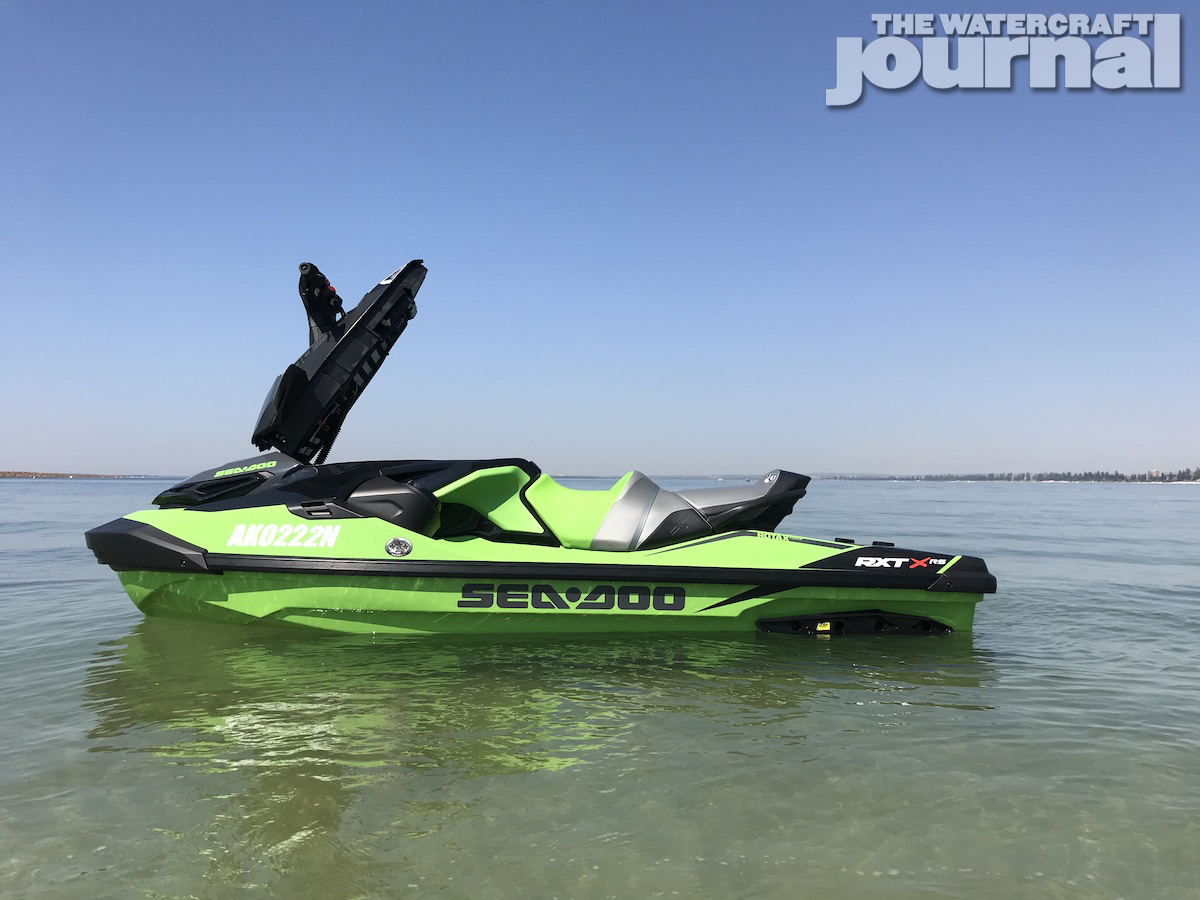
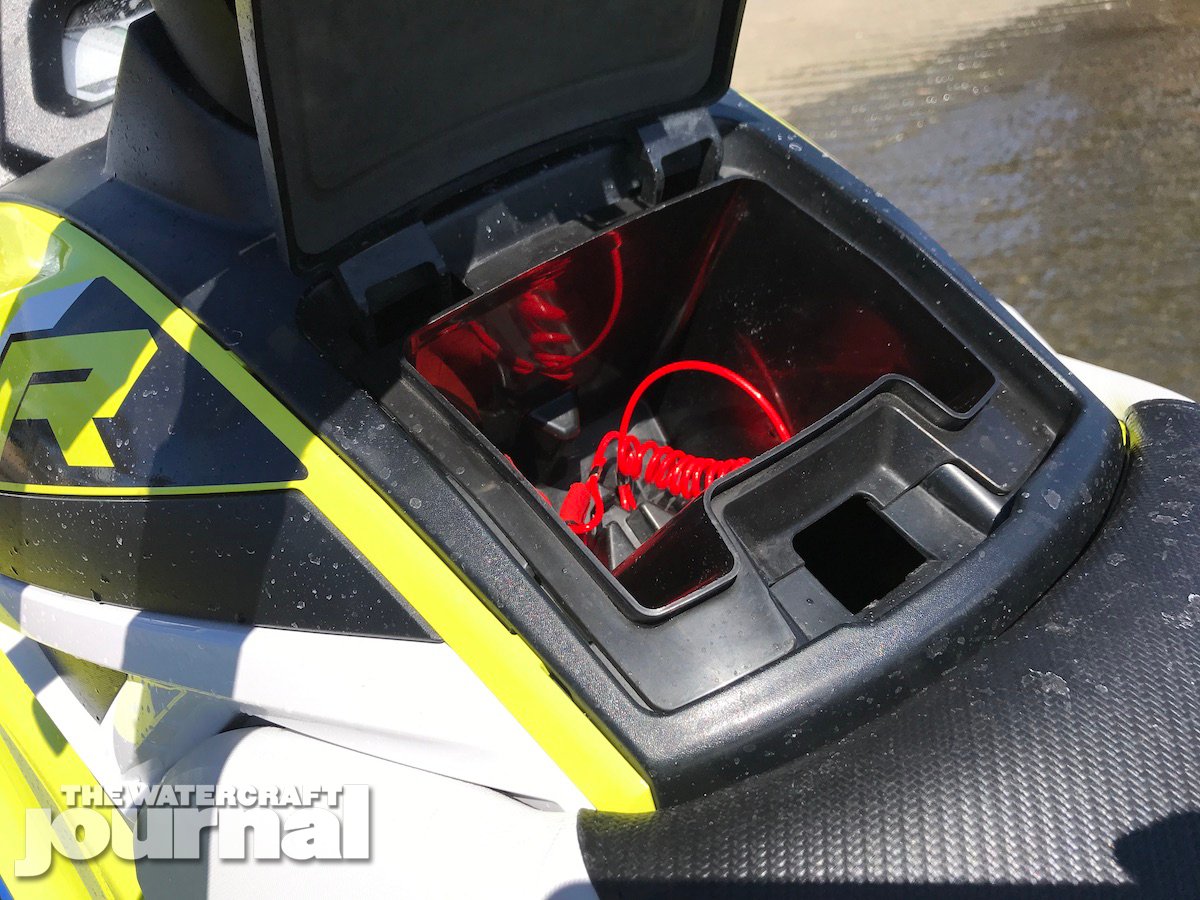
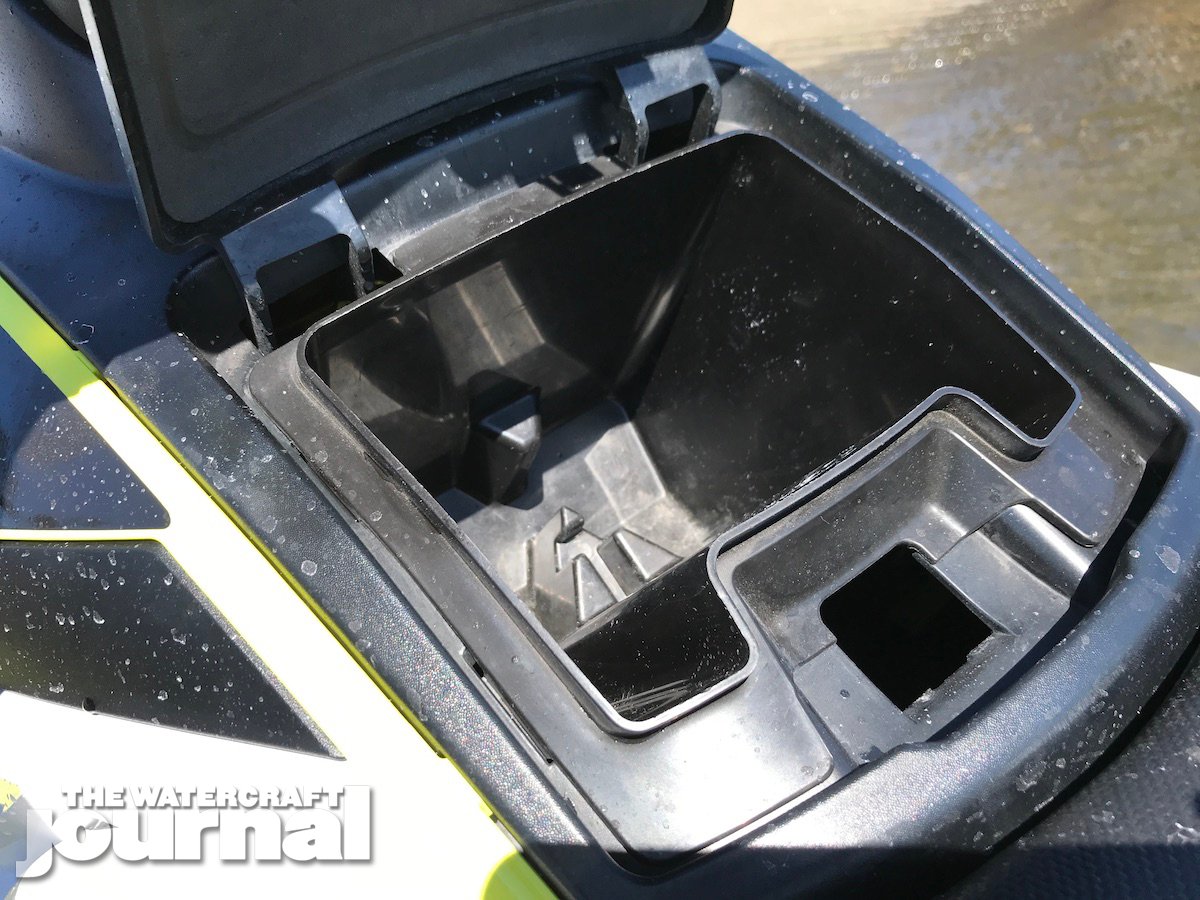
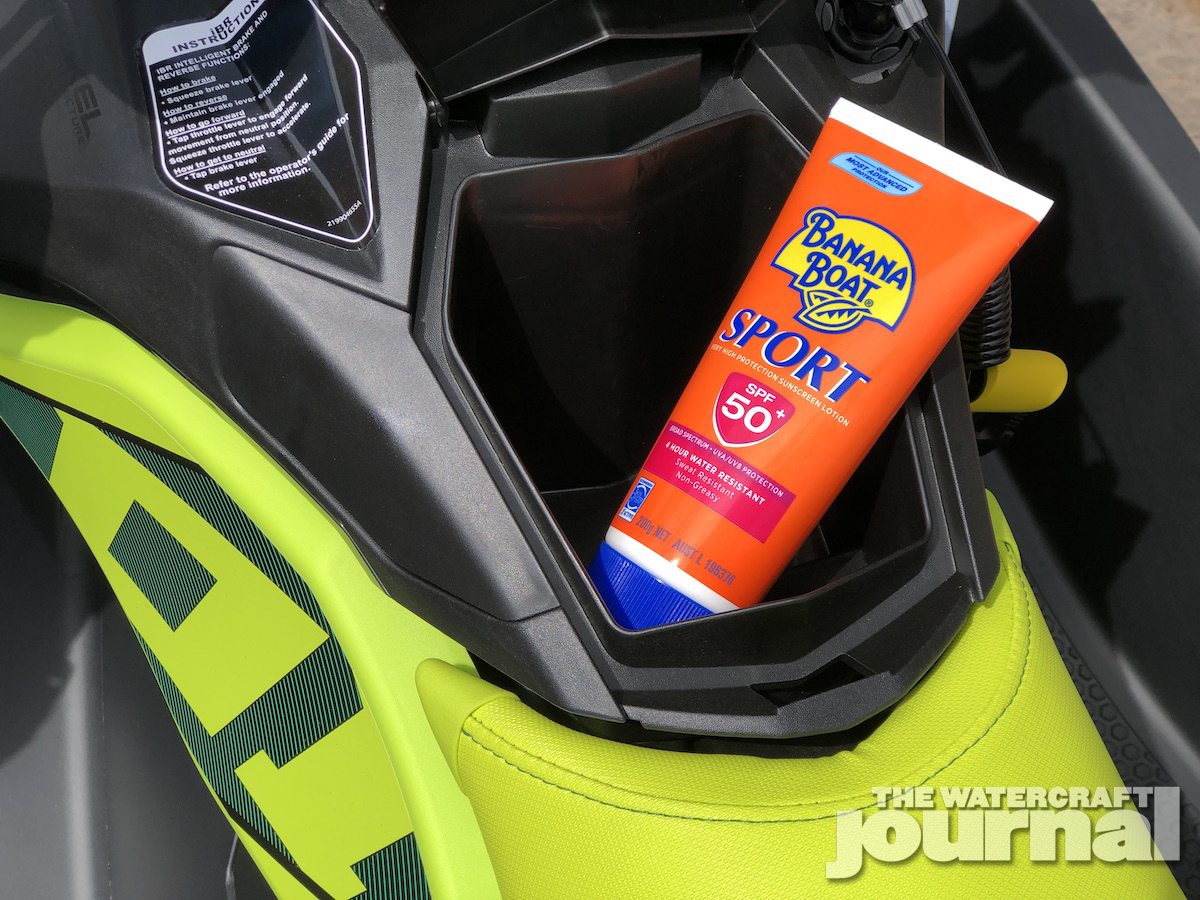
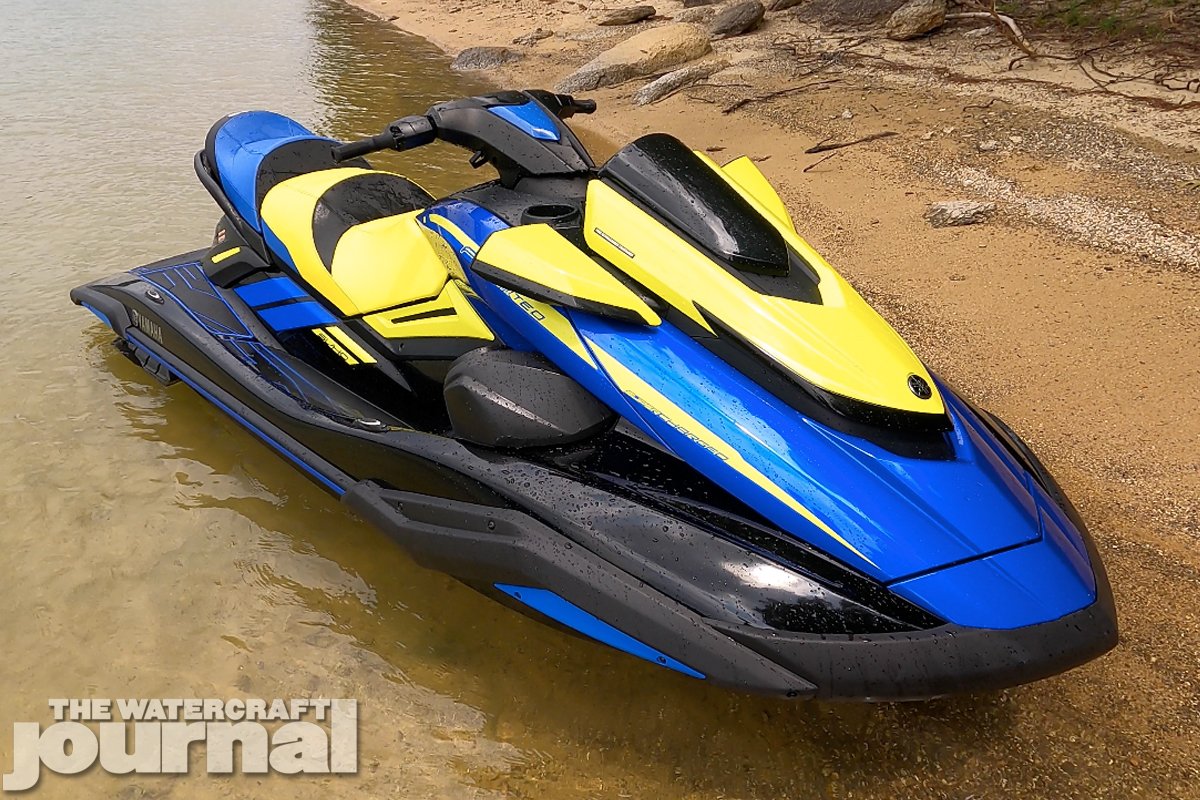
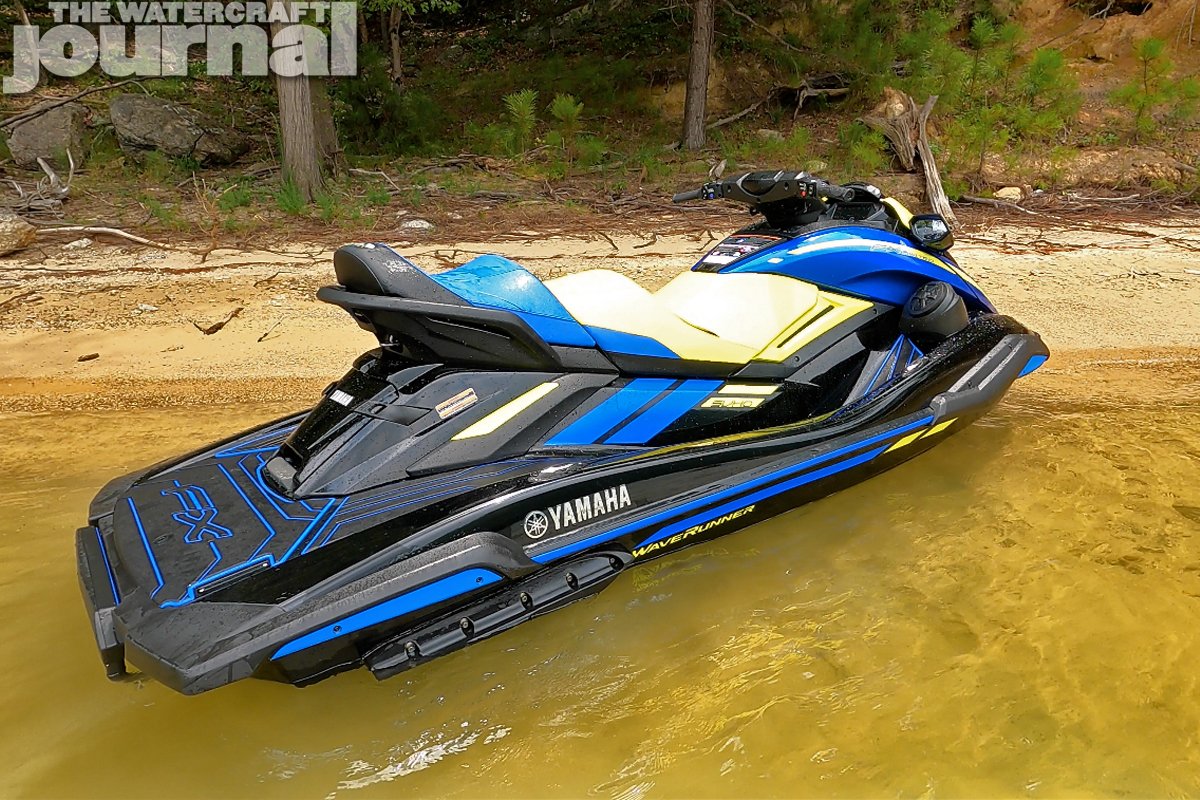
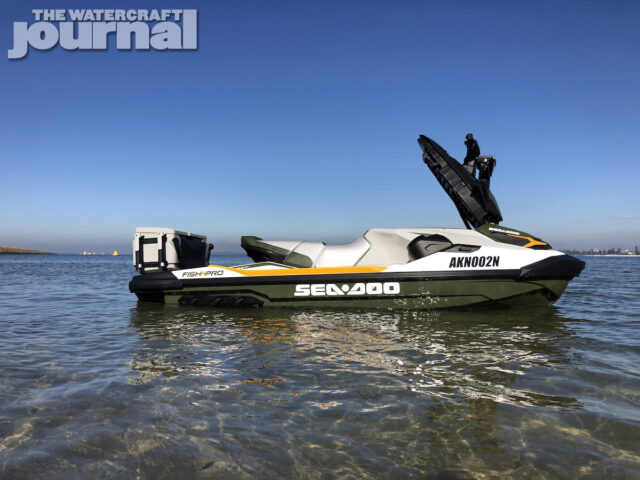
Looks can be deceiving. The pint-sized Yamaha EX packs a surprising amount of cargo space, whether it’s for large tube of sunscreen or a beach towel. Sea-Doo ST3-based models have awesome convenience to access the bow storage compartment (as the handlebars lift up with the top console), but can’t carry as much as you might expect – unless you buy a Fish Pro or the giant cooler that goes on the rear deck.

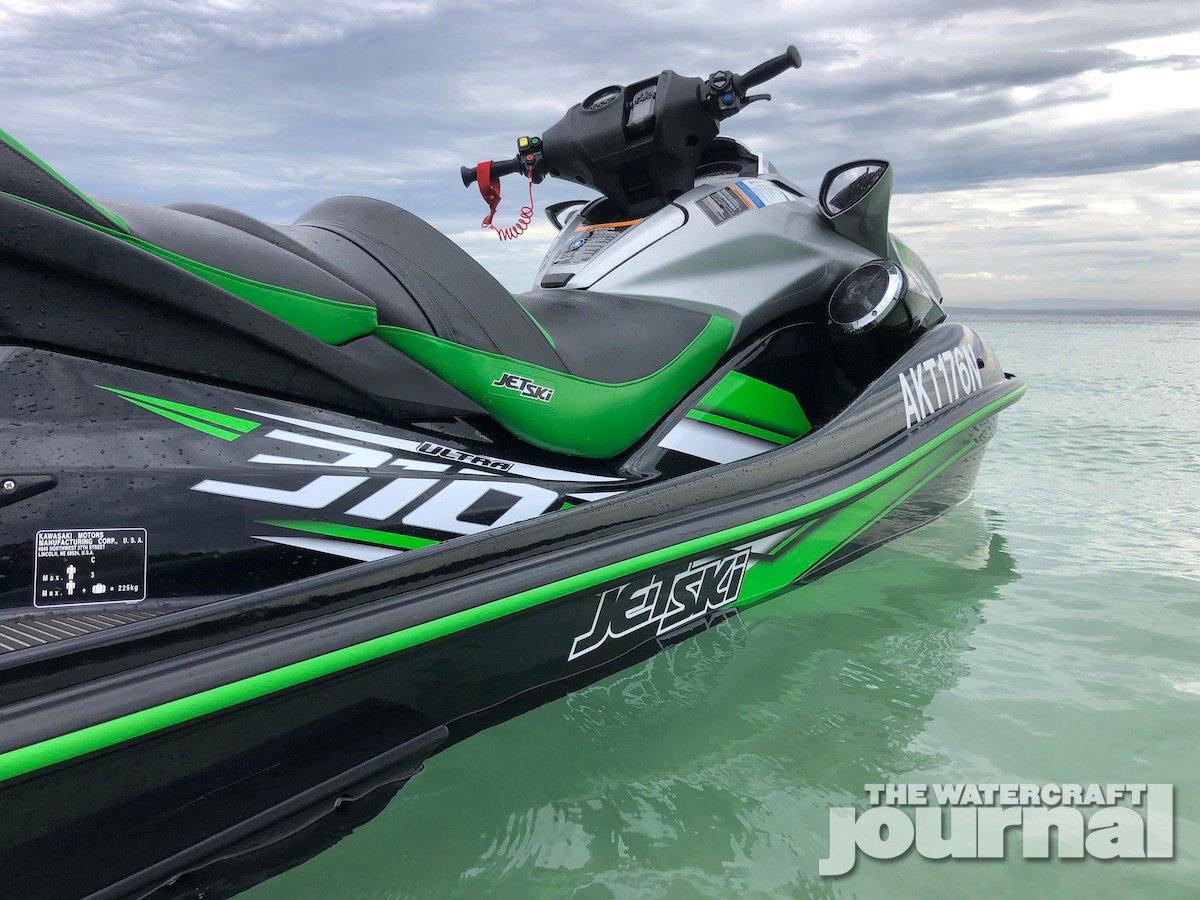
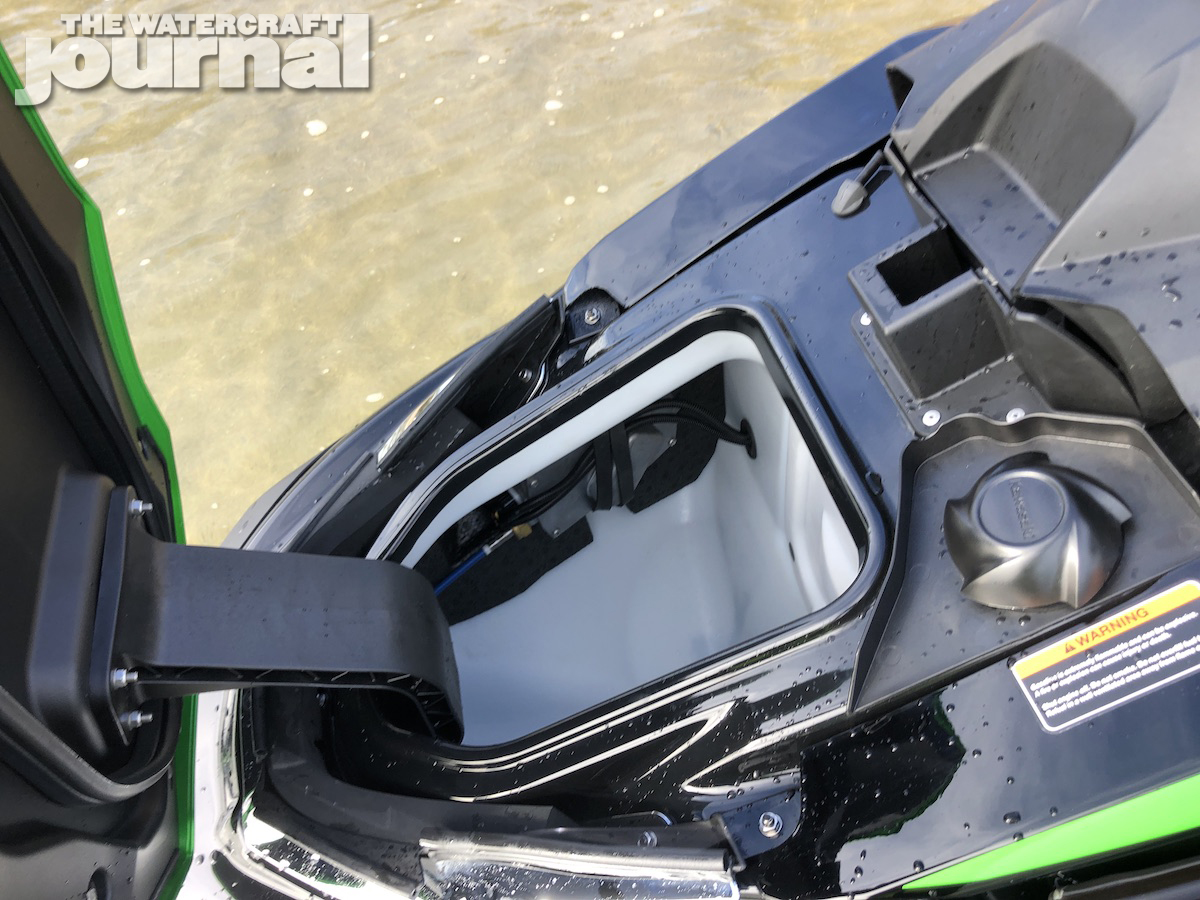
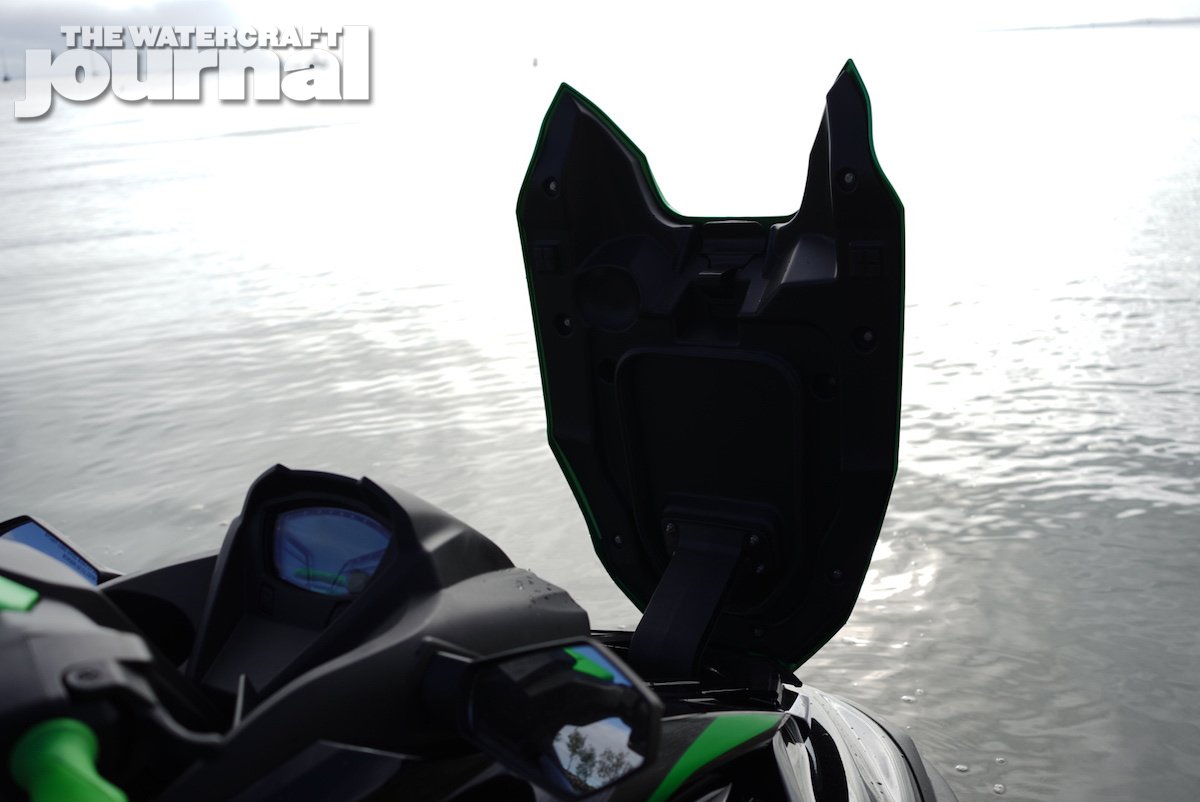
The Kawasaki Ultra platform that’s been around since 2007 has by far the most storage of any personal watercraft on sale today. But that advantage only applies to the non-supercharged model, because for 2022 the supercharged Ultra 310s have a new top deck. Kawasaki says the 2022 Ultra 310’s class-leading storage has been “completely rethought.” They got that right. It’s now smaller. But at least it’s much more usable and still one of the best in the market (with storage behind each of the front fairings).
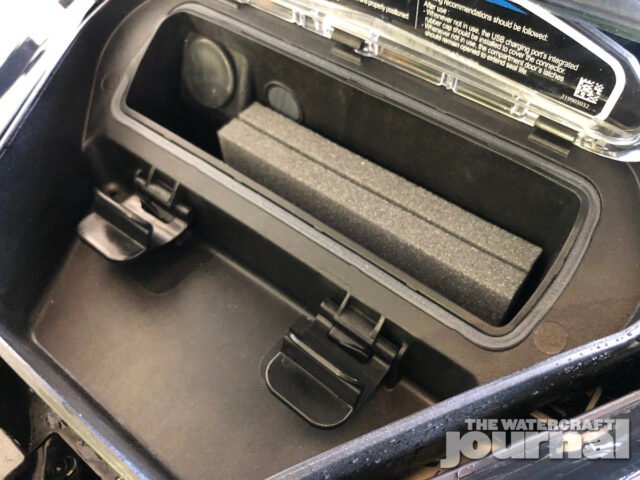
To take some of the guesswork out of which model has the most room to carry stuff, we’ve gone through the manufacturer websites so you can save your data – and perhaps your sanity. As you can appreciate, this took ages to compile. In one instance, one of the manufacturers (Kawasaki) contradicted themselves on storage space for the same craft (2022 Ultra LX non-supercharged), depending which website you searched around the world.

We’ve just gone with the total number for the US. We weren’t able to find a number for the non-supercharged Ultra’s space under the seat. It’s not in the owner’s manual either. If you find out let us know. Meantime we hope Kawasaki reads this and can clarify the numbers of the old Ultra top deck (splitting the bow, glove box, and underseat compartments).
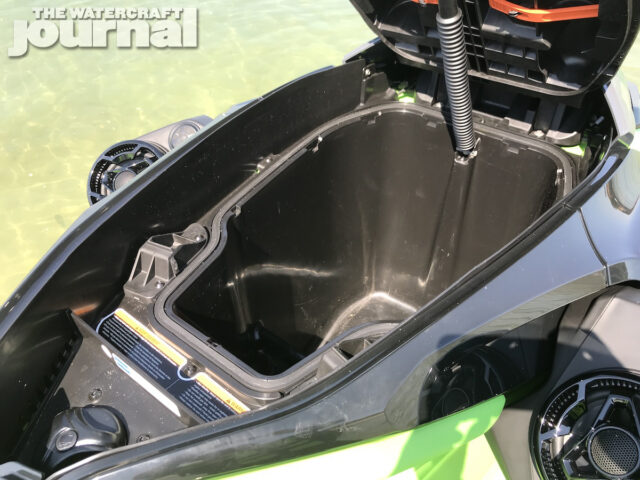
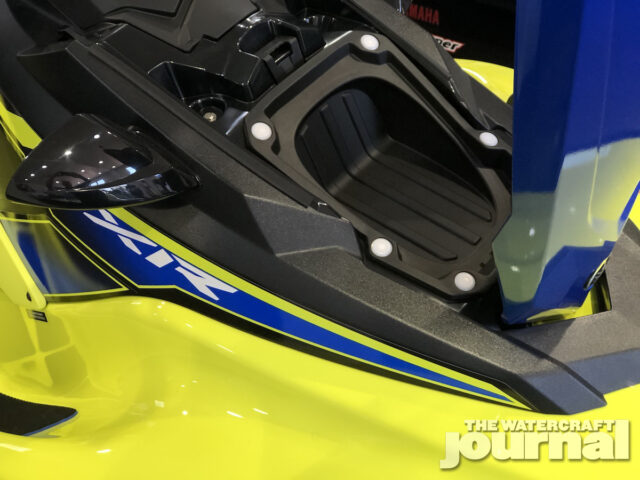
Other takeaways? It might not look like it, but the latest Yamaha FX series has a great level of storage capacity and probably deserves more credit than it gets. And incredibly, a Sea-Doo Fish Pro Scout has more total storage than a full-size ST3-based Fish Pro Sport/Trophy. Check out our list and see for yourself how each model stacks up.

Total
2022 Kawasaki Ultra LX: 56 gallons
2022 Sea-Doo Fish Pro Scout: 53.8 gallons
2022 Kawasaki Ultra 310: 44.5 gallons
2022 Yamaha FX series: 44.1 gallons
2022 Sea-Doo GTR 230: 42.5 gallons
2022 Sea-Doo GTI Series: 40.3 gallons
2022 Sea-Doo RXP-X 300: 40.3 gallons
2022 Sea-Doo Fish Pro Sport/Trophy: 39.6 gallons
2022 Kawasaki STX 160: 35.4 gallons
2022 Yamaha VX Series: 30.1 gallons
2022 Yamaha GP Series: 28.4 gallons
2022 Sea-Doo GTX 170: 26.1 gallons
2022 Sea-Doo GTX 230: 26.1 gallons
2022 Sea-Doo GTX 300: 26.1 gallons
2022 Sea-Doo RXT-X 300: 26.1 gallons
2022 Yamaha JetBlaster: 7.6 gallons
2022 Yamaha EX Series: 7.6 gallons
2022 Sea-Doo Spark/Trixx: 0.42 gallons

Bow
2022 Kawasaki Ultra LX: 56 gallons
2022 Sea-Doo GTR 230: 40.2 gallons
2022 Sea-Doo GTI Series: 38 gallons
2022 Sea-Doo RXP-X 300: 37.8 gallons
2022 Sea-Doo Fish Pro Scout: 38 gallons
2022 Yamaha FX Series: 34.3 gallons
2022 Kawasaki Ultra 310: 32.7 gallons
2022 Kawasaki STX 160: 30 gallons
2022 Sea-Doo Fish Pro Trophy/Sport: 25.3 gallons
2022 Sea-Doo GTX 170: 25.3 gallons
2022 Sea-Doo GTX 230: 25.3 gallons
2022 Sea-Doo GTX 300: 25.3 gallons
2022 Sea-Doo RXT-X 300: 25.3 gallons
2022 Yamaha VX Series: 24.3 gallons
2022 Yamaha GP Series: 24.3 gallons
2022 Yamaha EX Series: 1.8 gallons
2022 Yamaha JetBlaster: 1.8 gallons
2022 Sea-Doo Spark/Trixx: none (option kit: 7 gallons)

Glovebox
2022 Kawasaki Ultra 310: 10.6 gallons (2 x 5.3 gallons)
2022 Yamaha VX Series: 4.4 gallons
2022 Yamaha FX Series: 3.7 gallons
2022 Yamaha EX Series: 3.7 gallons
2022 Yamaha JetBlaster: 3.7 gallons
2022 Yamaha GP Series: 2.7 gallons
2022 Sea-Doo RXP-X 300: 2.56 gallons
2022 Sea-Doo GTI Series: 2.3 gallons
2022 Sea-Doo Fish Pro Scout: 2.3 gallons
2022 Sea-Doo GTR 230: 2.3 gallons
2022 Sea-Doo Fish Pro Trophy/Sport: 0.8 gallons
2022 Sea-Doo GTX 170: 0.8 gallons
2022 Sea-Doo GTX 230: 0.8 gallons
2022 Sea-Doo GTX 300: 0.8 gallons
2022 Sea-Doo RXT-X 300: 0.8 gallons
2022 Kawasaki Ultra LX: 0.8 gallons (estimated)
2022 Sea-Doo Spark/Trixx series: 0.42 gallons
2022 Kawasaki STX 160: 0.4 gallons

Underseat
2022 Kawasaki STX 160: 4.4 gallons
2022 Yamaha FX Series: 2.4 gallons
2022 Yamaha EX Series: 2.1 gallons (not including fire extinguisher sleeve)
2022 Yamaha JetBlaster: 2.1 gallons (not including fire extinguisher sleeve)
2022 Yamaha VX Series: 1.4 gallons
2022 Yamaha GP Series: 1.4 gallons
2022 Kawasaki Ultra LX: 1 gallon (estimated)
2022 Sea-Doo GTI Series: none
2022 Sea-Doo GTR 230: none
2022 Sea-Doo RXP-X 300: none
2022 Sea-Doo Fish Pro Scout: none
2022 Sea-Doo Fish Pro Trophy/Sport: none
2022 Sea-Doo GTX 170: none
2022 Sea-Doo GTX 230: none
2022 Sea-Doo GTX 300: none
2022 Sea-Doo RXT-X 300: none
2022 Sea-Doo Spark/Trixx: none

Stern
2022 Sea-Doo Fish Pro Trophy/Sport: 13.5 gallons
2022 Sea-Doo Fish Pro Scout: 13.5 gallons
2022 Yamaha FX Series: 2.9 gallons
2022 Kawasaki Ultra 310: 0.7 gallons
2022 Kawasaki STX 160: 0.6 gallons
2022 Kawasaki Ultra LX: none
2022 Sea-Doo GTI Series: none
2022 Sea-Doo GTR 230: none
2022 Sea-Doo RXP-X 300: none
2022 Sea-Doo GTX 170: none
2022 Sea-Doo GTX 230: none
2022 Sea-Doo GTX 300: none
2022 Sea-Doo RXT-X 300: none
2022 Yamaha VX Series: none
2022 Yamaha GP Series: none
2022 Yamaha EX Series: none
2022 Yamaha JetBlaster: none
2022 Sea-Doo Spark/Trixx: none

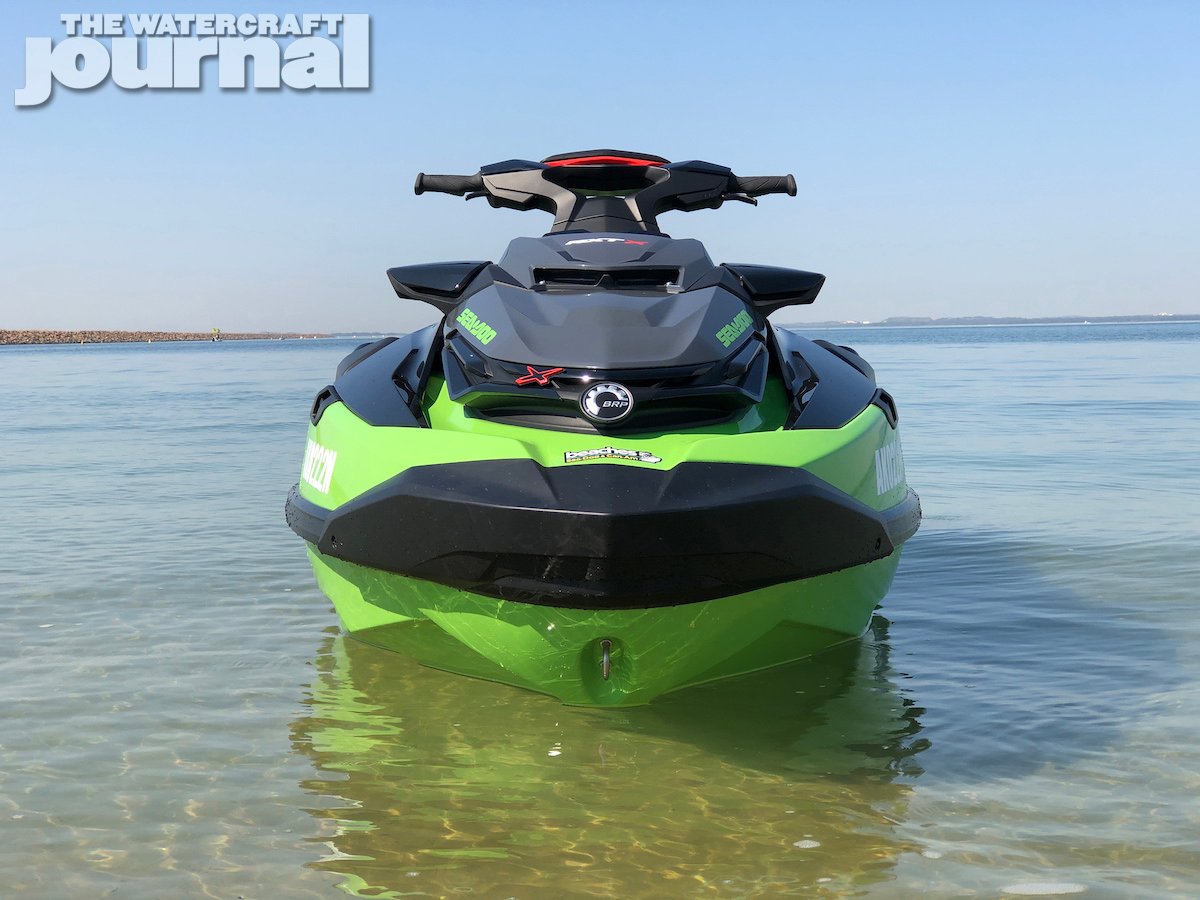
Video: Easy Tips for Extending Your PWC Battery’s Life

0

Obviously those of you in Florida, along the Gulf Coast, Arizona and California aren’t terribly worried about having to winterize your personal watercraft for several months out of the year; but to our friends in colder climates, the process of shutting down your PWC for a long hibernation is pretty heartwrenching. Part of that process of course, is tending to your watercraft’s battery – and there’s some pretty easy tips for keeping your battery both well-charged as well as preserving its longevity.

Keep It Dry Most all new PWC come with a AGM-style battery. An AGM or Absorbent Glass Mat battery is still a lead acid-type battery, but doesn’t require refilling with water (ie. “sealed”). And while it is a sealed battery, it is still susceptible to corrosion and other damage from moisture. First, make sure that the battery itself is clean. That you don’t see any mold or moisture beading on the sides or pooling beneath it. Next, check the battery terminals themselves for corrosion. Scrape with a wire brush and coat in dielectric grease.

Keep It Cool Batteries are very sensitive to temperature. Never allow your battery in temperatures below freezing (32ºF) or above 120º F. Freezing temperatures can not only sap the charge from your battery but injure its ability to hold a complete charge in the future. Electric battery heaters are available for purchase if you have to keep your PWC outdoors. For those with the room in their heated home garage, either bring your ski indoors or at least the battery itself.

Keep It Charged The most important tip is to keep it charged. Letting your battery drain dead injures the cell’s ability to accept, hold and deliver a charge – rendering it useless. If you’re keeping your PWC in a heated garage, some choose to forego winterization and simply fire the up the engine and let it idle for 30-45 seconds every 2-3 weeks. This allows the engine to heat cycle a little as well as supply the battery a bit of a recharge. If the ski is winterized, an automatic trickle charger will supply the battery with a charge without overloading it.

You’ll find greater detail on these tips and several more in the video below, beginning at the 9:10 mark:

LinQ Racks for Sea-Doos Available at Kool PWC Stuff

0

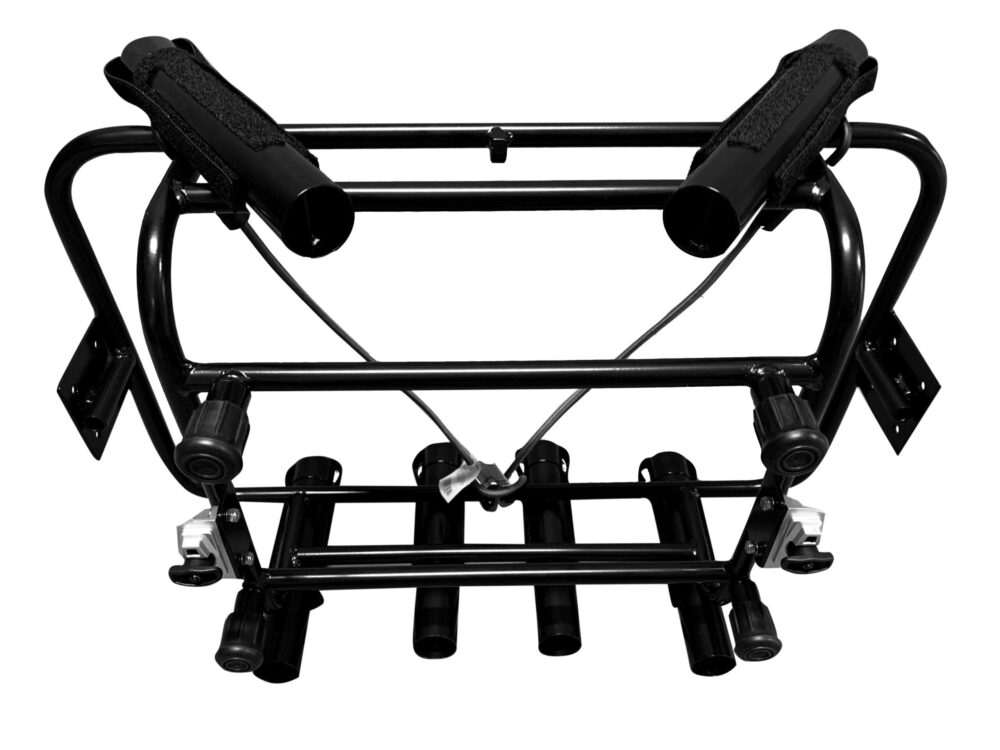
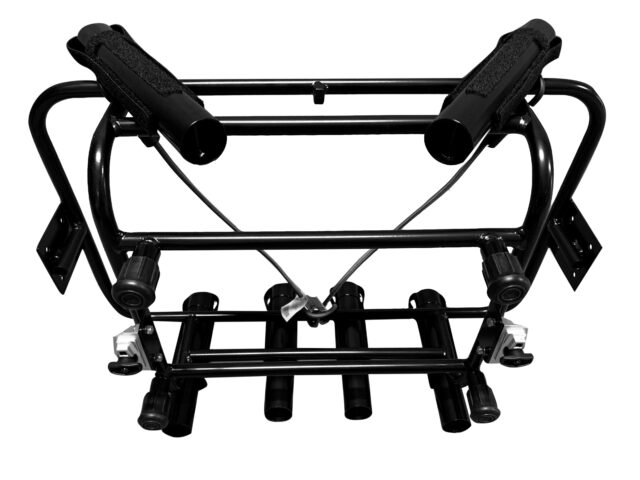
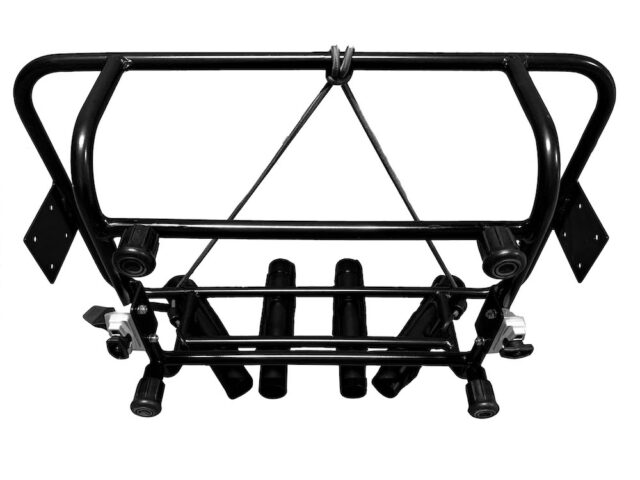
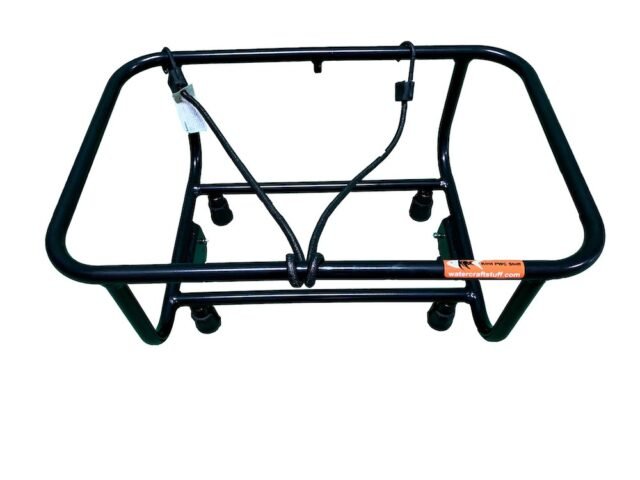
You can now outfit your Sea-Doo LinQ system with Kool PWC Stuff racks. They created a line of racks designed to work with Sea-Doo LinQ systems or with LinQ Cargo Base Kits. The KPS racks give you another range of options for customizing your Sea-Doo watercraft. They are easy to install with the pop it in and lock it in style of attachments and adjustable support legs.

If you’re in the market for something to carry a small cooler with a six pack of your favorite beverage, the KPS Sea-Doo LinQ System Fuel and Small Cooler Rack is the perfect size. Drop in a 30-quart cooler with your drinks, and head out for a day on the water. The package includes 2 Sea-Doo LinQ Brackets and a bungee cord for the cooler. No straps are needed. Attach it and go!

For the person who likes to carry a big cooler, the KPS Large Cooler Rack is available for $344.00. It will hold a cooler in the 48–50-quart size and it also comes with plates for the RotoPax fuel containers. If you are looking for fishing racks, Kool PWC Stuff has two Fishing Rod Holder Racks compatible with the Sea Doo LinQ System. These are available in the four and six rod holder size with rod straps.

All the KPS racks are made of high-quality marine grade stainless steel then powder coated in flat black. The flat black looks great and provides extra protection in the toughest marine environments. Check them out on the Kool PWC Stuff website and get all the specs.

Comes to Cycle Springs Powersports’ Certified Full-Service PWC Facility

0

Cycle Springs Powersports has a freestanding full-service state of the art watercraft facility located in Oldsmar, FL. The service team is made up of factory certified watercraft mechanics who provide the same high quality customer service as the Cycle Springs Powersports dealership. The facility holds a number of certifications and accolades that are awarded only to esteemed dealerships and service centers.

All are huge accomplishments and very difficult to obtain. Cycle Springs has earned the Yamaha White Diamond Dealer award numerous times in both the WaveRunner and Boat categories. This award is given to dealerships that excel in providing the best customer service and outstanding retail sales.

Cycle Springs Powersports has also earned the Pro Yamaha Motorsports Dealer. A Pro Yamaha dealership indicates that the dealership has an exceptionally high standard and offers a superior sales and service experience. The crew at Cycle Springs has checked off all the boxes many times. The Cycle Springs has also earned several High Output Customer Satisfaction Index (CSI) Awards from Yamaha.

The CSI Awards are extremely difficult to receive. Consumer expectations are on the rise, and poor customer service experiences can spread like wildfire due social media. Cycle Springs continues to meet the demands of customers and it shows through their sales and service.

Cycle Springs was proud to receive the Kawasaki Ichiban Award, a highly coveted award reserved for the best in all aspects of business from sales, service, to customer service. A business must go above and beyond to stand out among other dealerships. Cycle Springs has successfully achieved all the qualifications for the Ichiban Award.

The Cycle Springs Powersports dealerships has been awarded the prestigious BRP Platinum Certified Award. The crew at Cycle Springs has consistently exceeded the highest levels of customer satisfaction and enhanced the ownership experience in the service department. Highly qualified technicians.  makes them one of the highest rated dealers in America.

Kspeed’s Ultimate Ultra 300/310 Race Spec Ride Plate Revealed

0

It wasn’t along ago that The Watercraft Journal teased Kspeed’s Ultra 300/310 Race Spec Ride Plate was soon-coming. With recent delays and supply chain holdups, it took longer than anticipated but alas, here it is and ready for purchase. Priced at $495 AUD ($388 USD), Kspeed’s ride plate offers the most in control and speed for all seastate applications.

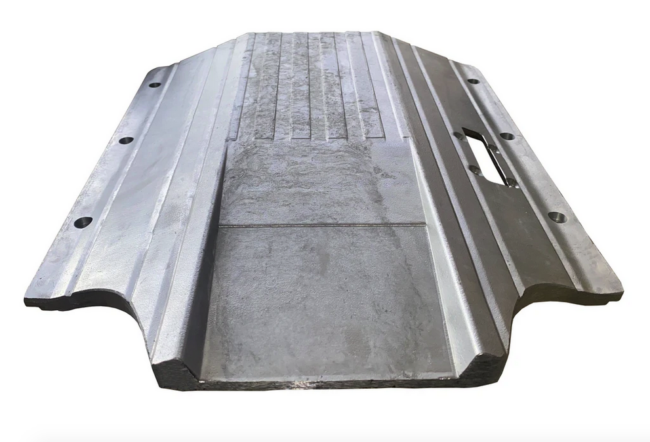
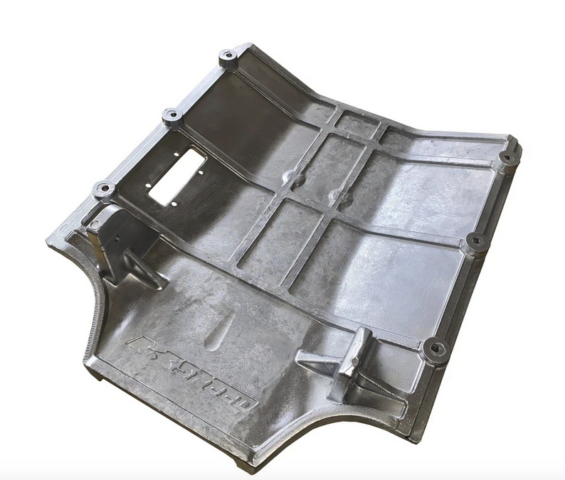
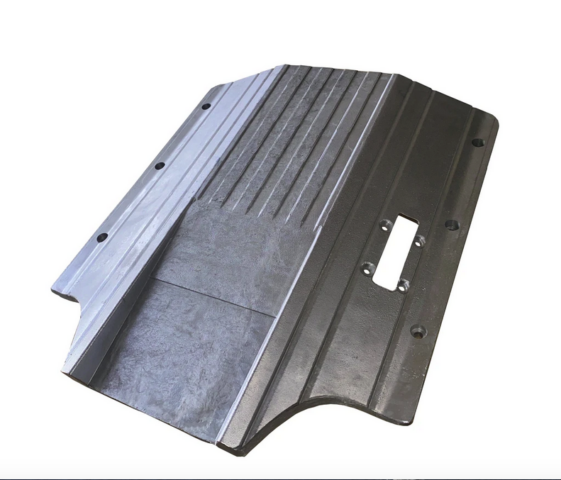
Per Kspeed, “Our ride plate will make the ski faster in all conditions. It’s designed for top speed gains in flat water over the OEM ride plate, and improved tracking and control in rough water.” To the observer, the new Kspeed Race Spec plate is conspicuously designed, featuring longitudinal “control lines,” as Kspeed calls them, and a two-step riding surface.

“The control lines make the ski track straight,” Kspeed explained. “[It lets the Ultra] slice through the wash of competitors skis with reduced chine walking. The two-step design reduces purposing, allowing the ski to hook up instantly and drive forward off the line quicker.” The aggressive shaped plate is designed to replace the need of the pump wedge while complimenting Kspeed’s intake grate and sponsons for those seeking peak performance.
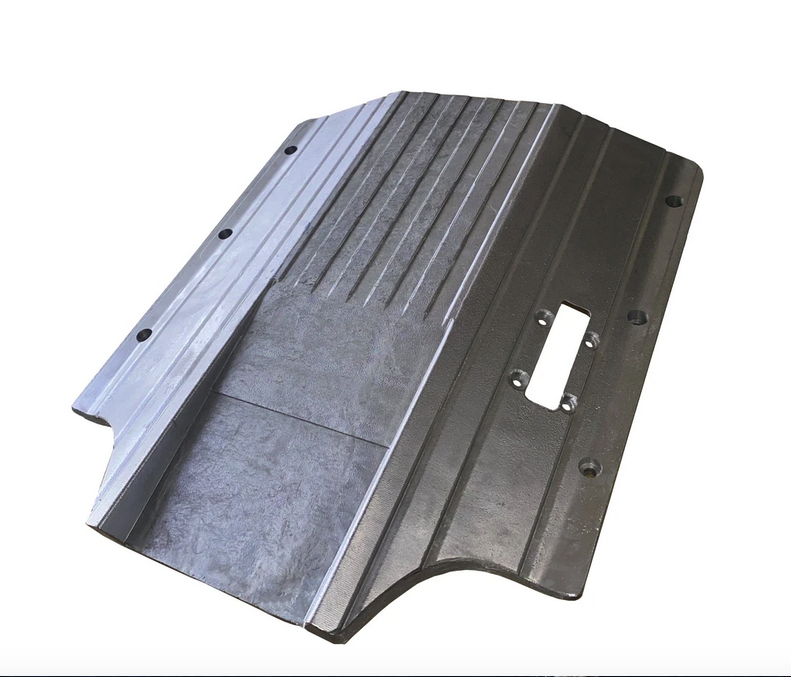
And like the other items listed, the Kspeed Race Spec Ride Plate uses all of the OE mounting locations, and retains the factory reverse functionality and speedo wheel. Best of all, the ride plate is in stock and ready to ship out this week. Click the hyperlink to place your order today.

Gallery: 2022 Yamaha FX Limited SVHO WaveRunner (Video)

0

Yamaha Motor Corp. USA has a way of making moves in small, precise increments. Changes often don’t come as big overt swings, but rather, a series of gradual moves resulting – in time – in a more finely tuned, well-honed outcome. When the full-sized 3-seater line – the FX Series – received its 2019 redesign, it wasn’t met with shock and awe but rather nods of approval. The new FX maintained most of its predecessor’s traits, but picked up some sportier handling and smoother aesthetics. Again for the most part, the new FX was seen less as a revolution and more of an evolution of the outgoing platform.

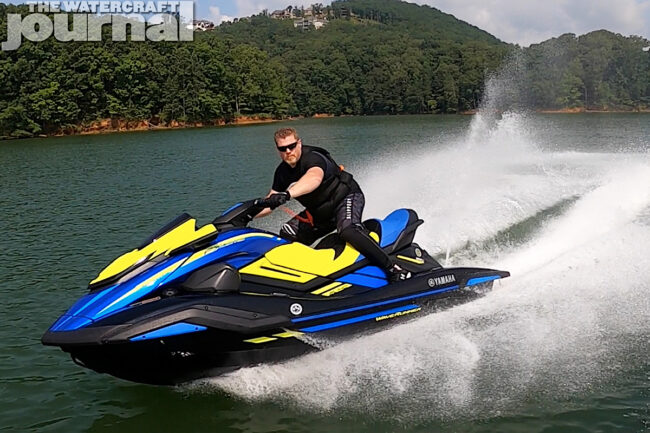
For 2022, Yamaha’s engineers took to refining the two-year-old FX once more – making fine adjustments and specific tweaks to polish the WaveRunner all for the best. The Watercraft Journal spent a warm August day with Yamaha’s flagship of the line – the 2022 FX Limited SVHO – where all of these adjustments shine their brightest. At the outset, the FX Limited SVHO is the brand’s most well-equipped, heavily accessorized WaveRunner providing enthusiasts with all of the power and handling available through the FX Series backed with a catalog’s worth of summertime fun and convenience for the whole family.

Above: The K2-vertical torque curve of the supercharged 1.8L paired with the 2022’s new SMC Fiberglass hull and race-spec ride plate makes this FX the sportiest full-sized WaveRunner to date.

Above: To the neophyte, the dozens of changes, upgrades, updates and improvements made to the FX Series will go mainly unnoticed or even underappreciated. And that is a shame because we’re looking at the best SVHO-powered FX we think Yamaha has ever released.

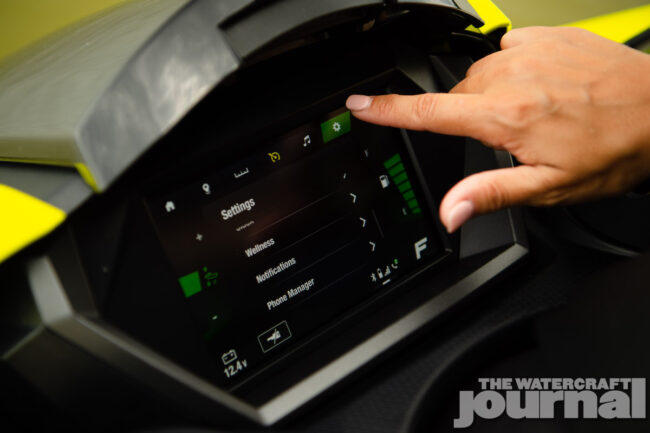
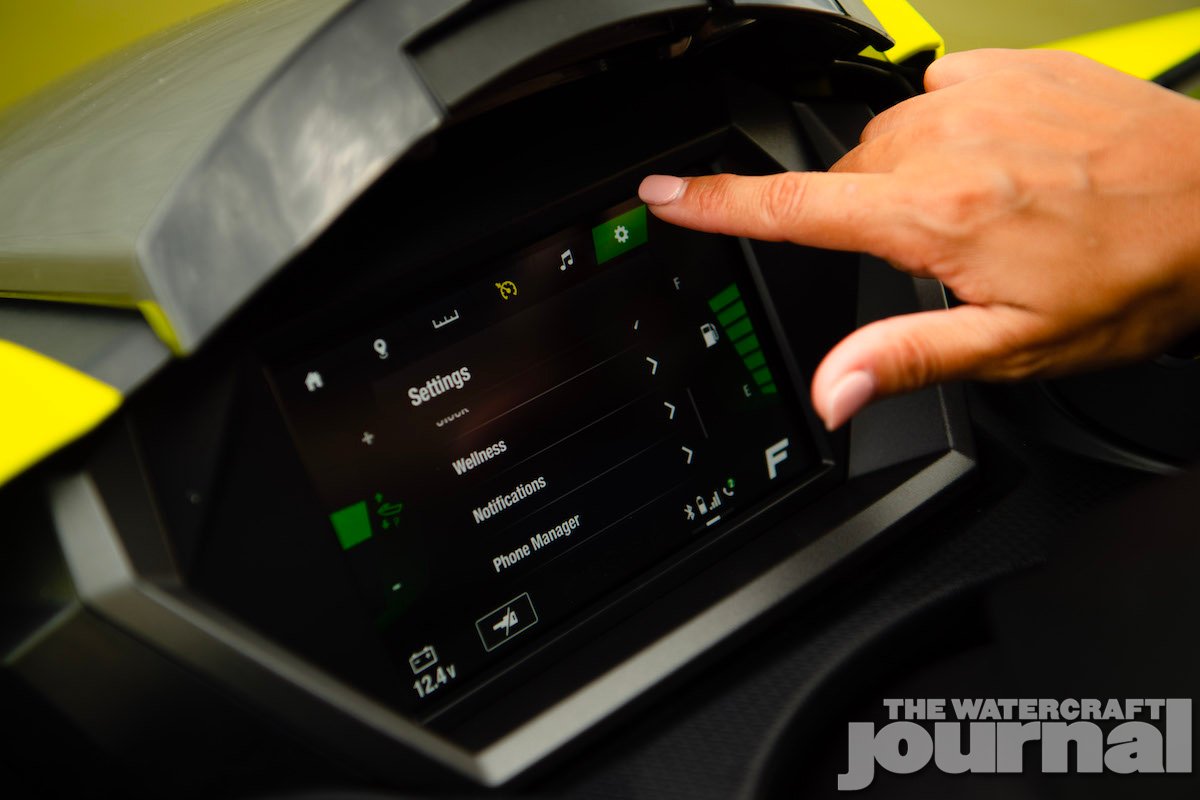
Wielding an MSRP of $19,099, it’s also Yamaha’s most expensive offering to date. Yet with the increased price tag comes more features, abilities and variety of use than any other WaveRunner before it – it just might not be visible to the untrained eye. Thankfully, upon closer inspection, the upgrades and updates for 2022 reveal themselves in a big way – a big 7-inch way. For all SVHO-equipped FX WaveRunners, Yamaha has upgraded the touchscreen dashboard with a high-response glass 7-inch display. This full-color dash provides audio controls, phone and text notifications (when synced via Bluetooth to your smartphone), GPS mapping and Yamaha’s Drive Control functions.

The integrated GPS provides the FX with a true GPS speedometer as well as full-screen GPS mapping with geo-fencing. This means that the operator can input GPS waypoints, follow tracks, and “geofence” a riding area where the watercraft can be operated. With geofencing activated, a virtual fence is created and will sound an alarm telling the operator that they have ridden too far – ideal for first-time riders (or that one friend who wants to take your FX out for a spin). Typically, the GPS map card is sold separately for a $199 one-time fee, but comes as part of the purchase price for the FX Limited SVHO.

Above: Yamaha unleashes the full capabilities of its Connext touchscreen system for 2022, with full smartphone integration, a superior tactile feel and dashboard input response. GPS mapping, geofencing and infotainment elevate the FX Series to new heights.

Above left: Audio controls and a noise-reducing microphone allow riders to listen to playlists, make and receive phone calls and even call in sick for work from the water. Above right: A true GPS speedometer gives riders precise measuring of vehicle speeds and live mapping.

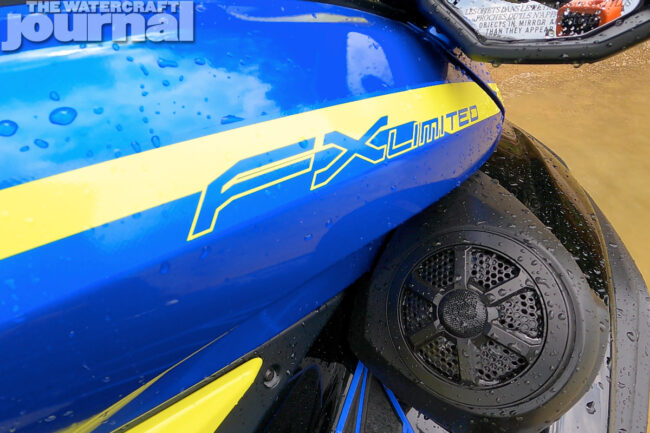
For 2022, the FX Limited SVHO comes standard with a factory-installed, Bluetooth-synced audio system. It features twin 4.5-inch 50-watt waterproof marine speakers, an integrated two-channel amplifier, and a low-voltage regulator to protect the battery. And like the VX and GP, whose sound system the FX’s is derived from, it’s operated via a control pad found beneath the steering column. When synced, a visual prompt will appear on the the Connext touchscreen. Additionally, it can now receive incoming calls and view text message notifications on the Connext screen.

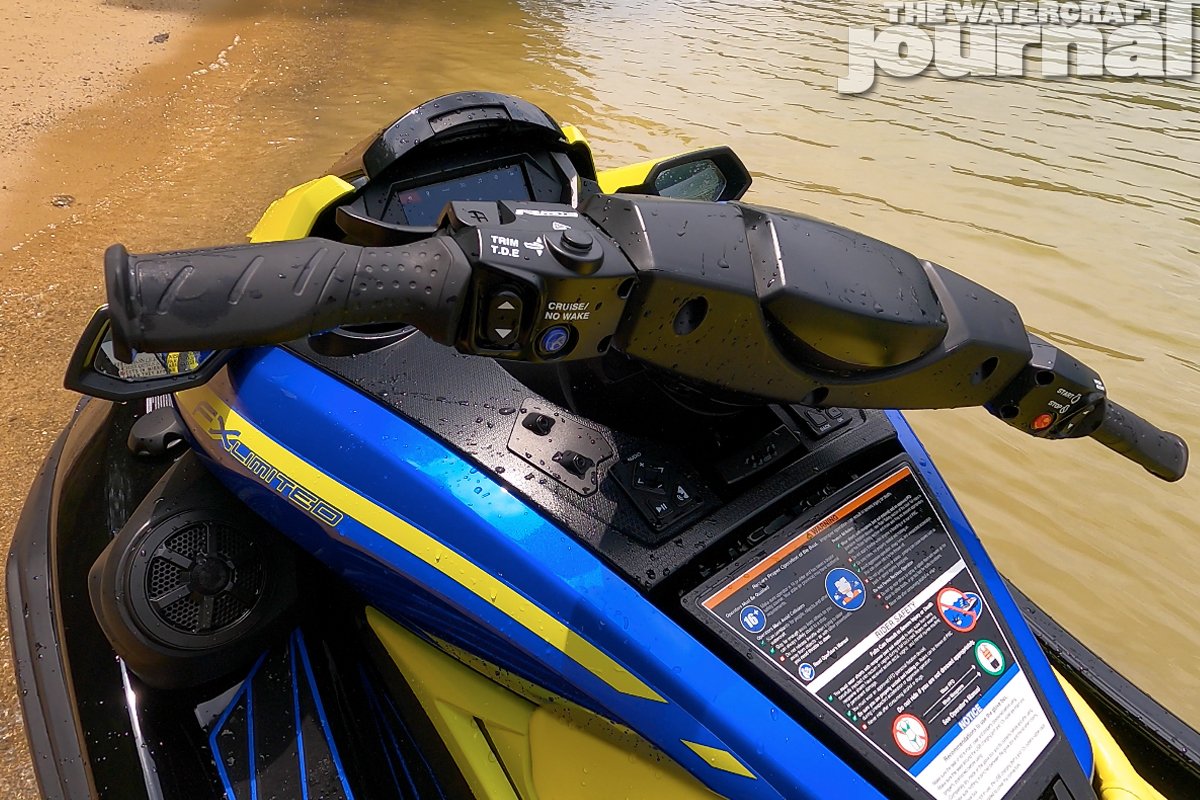
If that wasn’t enough, there’s even a noise-reducing microphone (found above the audio controls) allowing you to make phone calls using the voice command button. While not appearing drastic, the entire control console has been redesigned for 2022, including the return of cast-in cup holders – the RAM mounts are now at bottom of each one. The FX Series also get slimmer adjustable handlebars and control housings, including a single On/Off button and relocated Cruise Assist control.

Above: Yamaha slimmed down the FX’s steering system, giving the 2022 models a sleeker, lean design. New control pods, toggles and even quick-tie dock hoops complete the package.

Above: New toggles for trim control, TDE, Cruise Assist as well as single-button ignition control and Cruise/No Wake mode de-clutter the handlebars.

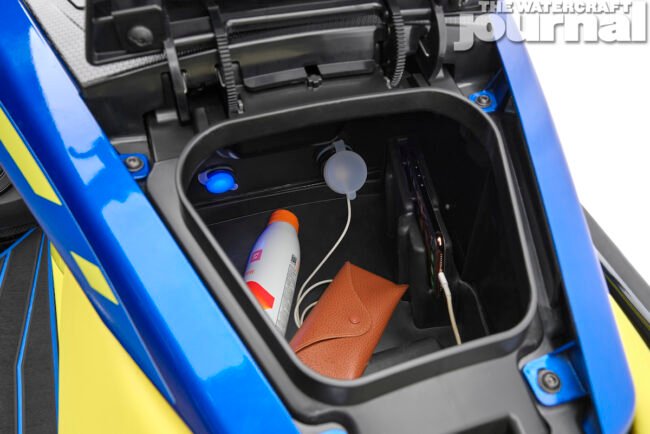
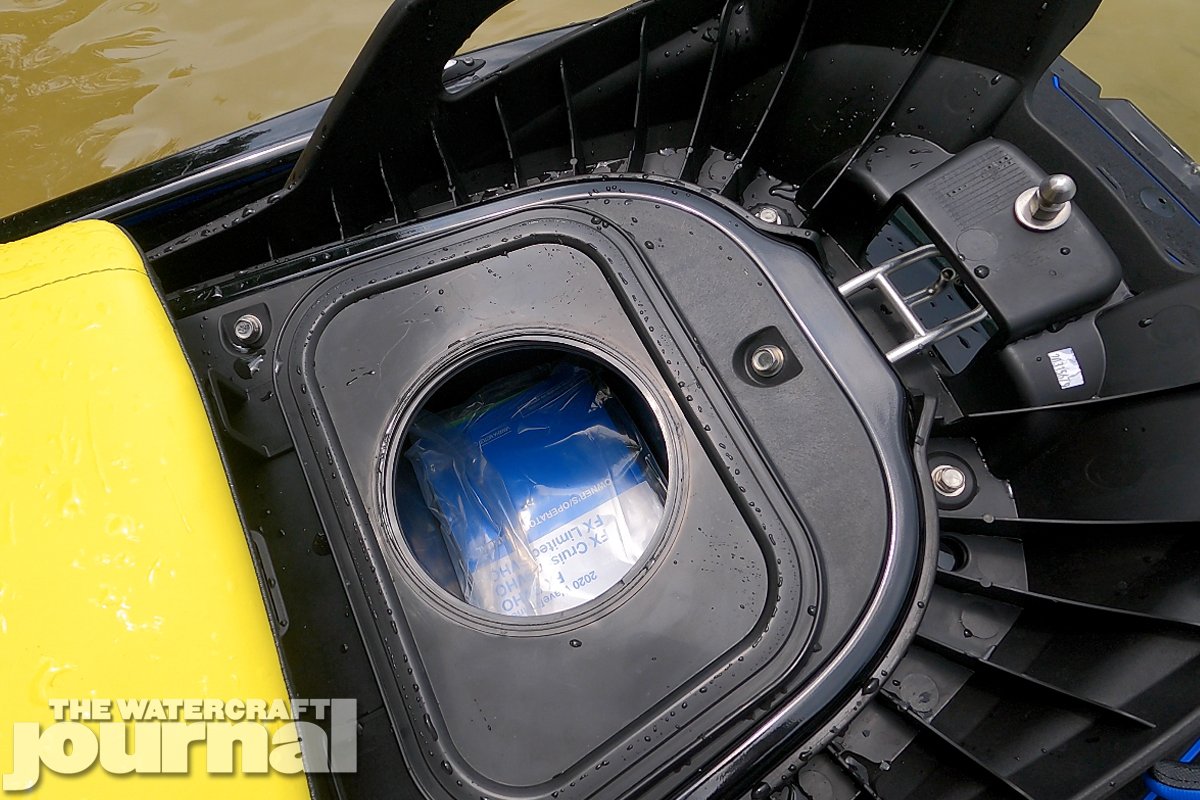
Yamaha has also integrated dual hoops into the steering neck, making tying up at the dock a bit easier. Below the handlebars, the FX received a new glovebox. Although it’s the same size as previously, the lid is now spring-loaded with a sturdy plastic latch instead of the rubberized tab. Inside, the FX receives the same LED lights, 12V socket, USB port, and cell phone pocket as the VX and GP models too. With this and the screw-top rear storage tub beneath the passenger seat, total storage remains a competitive 44.5-gallons.

Again, these are all subtle changes that incrementally improve the FX. Yet, it’s biggest improvements – in our view – appear below the bondline: no more NanoXcel2. That’s right, all FX WaveRunners now have SMC fiberglass hulls. While NanoXcel and NanoXcel 2 will continue to be used for Yamaha’s decks, all full-sized runabouts will ride on thicker, traditional fiberglass hulls. Because SMC outweighs Yamaha’s Nano materials, the development team created a lighter inner liner to shave off a bit of the added weight. The SVHO-equipped FX models gained 40-pounds across the board; the FX Limited totals 877lbs. for 2022 compared to last year’s 837lbs.

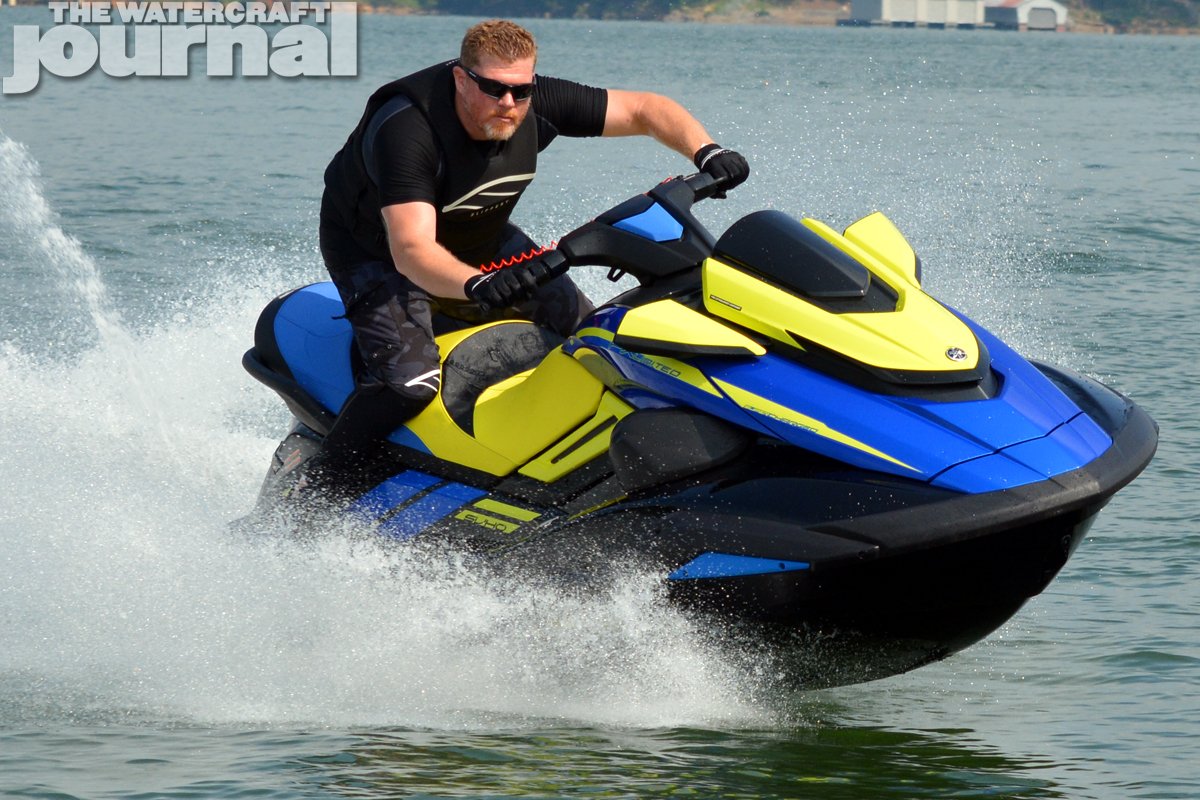
Above: The true experience of a performance-bred runabout is much more than how fast it is in a straight line. The FX Limited SVHO executes screeching hairpin turns at wide open throttle with a simple drop of the knee into the tray – like its smaller, race-ready sibling the GP1800R SVHO.

Above left: Returning for 2022 is the Super Vortex High Output supercharged 1,812cc 4-cylinder four-stroke. A change to the casting over a year ago strengthened the cylinder head, and an upgraded supercharger clutch promises less slippage, reduced friction and greater continual boost. Above right: Per the GPS-monitored speedometer and our hand-held Garmin GPS, we clicked off a stout 68.4mph at 840-feet above sea level, half a tank of fuel and a 240lbs. rider. 

First and foremost, in our view the move to SMC is brilliant. SMC fiberglass is denser, which absorbs vibration and chatter better. The extra weight helps it sit deeper (more draw) in the water, also aiding the FX’s ability to track through chop. SMC flexes less, distributing the force of impact with far less damage or cracking. And it’s easier (and cheaper) to repair – all things which service departments and long-term owners will appreciate. Again, only the hull is SMC, the deck of the SVHO-powered FX Limited remains in NanoXcel2.

A consequence of using a GPS-controlled speedometer was no longer requiring the previous ride plate, which was purposely shaped to slow down the FX (it was also responsible for the FX’s wet ride). Now untethered, Yamaha radically reshaped the ride plate by angling the center surface up 3º on an extended runner, which raises the bow reducing drag. The plate’s flanks were also shaved down with deep skegs that provide knife-like rails for added tracking. Lastly, Yamaha moved the sponsons forward 50mm (nearly 2-inches) to reduce hull packing, particularly in corners.

Above: For many, the inclusion of Yamaha’s first factory-installed high-output sound system for the FX Series is all they needed to see to make a purchasing decision.

Above left: Yamaha upgraded the FX’s storage, particularly in the glovebox, as it features a sprung hinge, hardened plastic latch, internal LED lighting, a USB port and 12-volt socket. Above right: Access to the bow storage is massive as is the bow compartment itself as well. Yes, that’s a regular-sized backpack in there!

Pair all of this with Yamaha’s supercharged-and-intercooled 1,812cc four-cylinder 4-stroke Super Vortex High Output Marine Engine and you’ve got a full-sized WaveRunner that pulls hard from a standstill, and harder through the mid-range – all the way until it hits a GPS-confirmed 68.4mph. Toggling the trim settings (or engaging the Auto Trim feature) drops the nose before rolling sharply into a hairpin, the repositioned sponsons biting quickly in the turn.

We’re convinced that the SVHO-powered FX offers the sportiest ride of the industry’s full-sized runabouts; and the list of national and world championships on the race course back up our claim. But of course, most aren’t interested in charging full-throttle through the buoy course or even over open ocean swells, but it sure is nice to know that this WaveRunner can do it – and better than most anybody else.

Above: While we’re praising the FX Limited SVHO’s many characteristics, we’ve ignored the king’s ransom of accessories included in the Limited package, including the factory-installed sound system, a Garmin Striker GPS Fish Finder, a multi-mount adapter, a single-rider tube, inflator, holder, and tow rope, a soft-sided cooler, custom cover, and two fenders.

Above left: CNC-cut two-tone mats give the FX Limited SVHO a premier look. The padded folding swimstep matches the carpets. Above right: There’s no hiding our excitement for the next generation of Yamaha FX WaveRunners.

Rather, buyers will gravitate towards the FX’s Limited Accessory Package, which includes two factory-installed integrated FX Speakers, a Garmin Striker GPS Fish Finder with custom transducer and mount, a multi-mount adapter, a single-rider tube, tube inflator, tube holder, a tow rope, a soft-sided cooler that sits in its own dedicated step in the front storage bin, a 12-volt outlet, custom cover, and two fenders.

Available in Black with Lime Yellow, the 2022 Yamaha FX Limited SVHO WaveRunner (MSRP $19,099) is the result of dozens of minor adjustments, what we liken to a few finishing touches with the sculptor’s chisel. Every change is an upgrade, every tweak an improvement. The FX Limited SVHO offers specialized premium fun and excitement for every member of the family, and is easily worthy of being Yamaha’s title flagship of the WaveRunner family.

Video: Sea-Doo Demonstrates All-Electric E-GTI Runabout

0

In Spring of this year, Sea-Doo revealed its plans for an all-electric personal watercraft dubbed the “E-GTI”. Based upon the existing GTI 3-seater runabout platform introduced for the 2020 model line, the E-GTI rides on a Polytech 2.0 hull (meaning a polytec or proprietary-blend of polypropylene and infused fiberglass stringers for added support) with an injection-molded CM-Tech deck.

Details pertaining to the E-GTI’s electric powertrain and the charging system have remained sealed from the public for the time being, even after the video embedded below was first published on BRP’s official Facebook page earlier this past week. Hosted by TV personality and WWE commentator, Kevin Raphael interviews Emile Maltais-Larouche, chief designer at Sea-Doo.

Here’s the rub: the video’s completely in French with no subtitles. The Watercraft Journal has done our best to source out some translated lines and offer a brief recap: First, Sea-Doo is working furiously to advance their electric powertrain efforts and even hinted at a possible tw0-year release of the E-GTI, or (and this might be a bit of “lost in translation” here) the possibility of powering a future Sea-Doo Switch tritoon.

Of course, Larouche lauds the low maintenance of the electric engine and emphasizes its safety (yes! An electric engine can be safe on the water) and how quiet it is. Finally, Larouche teases that there’s more to come in time. From there, the two board the E-GTI and idle around the cove. We’re not shown the Sea-Doo at speed, but do get some unaltered audio of the whisper-quiet E-GTI in action, if only for a second or two. There’s not much to go off of, but it’s something. Enjoy the video below:

WCJ “Fly Off of The Handle” 260+ Mile Ride Announced For November 12th

0

It’s no secret that we at The Watercraft Journal have been jonesin’ to go on a long-distance, one-day ride through Florida’s panhandle. Thankfully, so many of our awesome fans and followers know this area like the back of their hands, so we’re proud to announce that barring a major weather event (ie. hurricane), we are quasi-hosting our first Fly Off of The Handle Late Season Ride!

We say “quasi” because this is not an official event. There are no entry fees as The Watercraft Journal is not providing any insurances of each participant’s individual safety or security. In today’s litigious society, we have to preface this by saying that you are joining a casual group of friends for an awesome one-day, 260-plus-mile ride on your own accord and at your own risk.

This coming Veteran’s Day, Friday, November 12th, we will be launching bright-and-early from Steele Creek Lodge (located at 368 Juniper Ave, Satsuma, AL 36572) so be ready to meet at 6am. From there, we’ll be riding south through Mobile, Alabama into the Gulf of Mexico, where we’ll cut in at Orange Beach and ride the Intracoastal Waterway all the way to Destin – turn around and come right back!

We plan on riding faster than most casual groups (averaging around 50-60mph) so we insist you bring extra fuel as we won’t be making frequent stops. Some lengths will be 80-plus miles between fuel stops – so come prepared. (We do have a list of fuel stops every 40 miles or so in case of emergencies.) The route takes us through glassy bayou, brackish deltas and open sea. You’ve been warned! This ride is meant to challenge you and your ski!

All participants will get a free decal from The Watercraft Journal and we’ll bring other prizes for yet-to-be-announced contests. We will be guided by Brad Bertrand on his bright yellow Sea-Doo RXT-X 300. Brad is leading the pack and setting the pace. Again, stops for food and fuel will be minimal so pack water, snacks and extra gasoline. As reference, watch Brad’s video below:

Ergonomic Lock Grips Now Available at Unlimited PWC

0

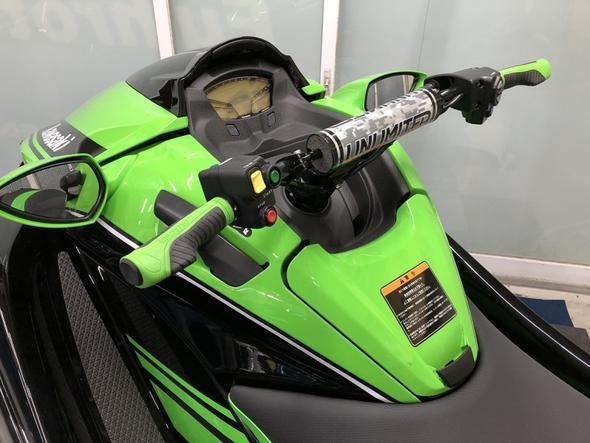
Check out these cool and colorful Ergo Lock Grips from Unlimited PWC. These are great for adding a splash of color and style to your PWC handlebars. These stylish lock grips come in the following four different two-tone colorways: Black/Blue, Black/Green, Black/Grey, and Black/Red. Pay a couple of bucks more for the color coordinated grip ring and end cap to round out your handlebars in style.

The Ergo Lock Grips are designed with comfort in mind while you’re cruising the waterways or getting some air while jumping waves in the shore break.
Their wide design distributes pressure throughout the palm, reducing hand and arm strain and will also aid in reducing fatigue, which will allow for you to stay out longer. The grips are made of soft rubber with grooved non-slip rubber around the perimeter for a better grip.

Moreover, the locking ring is aluminum and can be screwed on to prevent the grip from slipping off the handlebar.

Ultimate PWC recommends applying a little grease to the lock ring tightening bolt to prevent sticking. Do not over tighten and strip the bolt, or you will end up stripping it.

The Ergo Lock Grips are 130 mm X 30 mm and come with a black lock ring and plastic ends. As mentioned above, if you want the extra splash of color on the grips, order the optional color grip ring and color end cap for an extra cost. Head to the Unlimited PWC to order a set of Ergo Lock Grips and to see the other cool stuff they have on offer.

Pro Watercraft Full Throttle WaterX Series Announced

0

With the conclusion of the 40th annual IJSBA World Finals, many racers were left with a bit of a sour taste. With that being said, enthusiasts and former event directors have teamed up to provide West Coast personal watercraft racing enthusiasts a series that promises to work to improve the racing experience: Full Throttle WaterX. Paired with the existing ProWatercross (PWX) series spanning much of the East Coast, WaterX hopes to bring the same level of professionalism and organization to the Pacific region.

Here’s the original press release published to Facebook on October 18th:
I would like to announce the formation of a new West Coast-based personal watercraft racing series: Full Throttle WaterX!

The series is owned by Deegan Newton and Colin Richards (and two other investors). As many of you know, Deegan worked as a race director for the finale, last season. He has always wanted to run a race series, and brings back experience in racing off-road motorcycle and race car races, as well as high level watercraft racing. He also works as a media director and content creator for several racing media companies.

He plans on bringing his knowledge of all the different types of racing, as well as a younger new mind with tons of ideas and implementing it all into making this watercraft racing series the best it can be.

Colin has been around motorsports for over 50+ years and countless new club racing ventures and the has mind of a great mechanic and engineer, so him paired with Deegan is sure to make for some great innovation and ideas for this series.

Onto scoring, registration, and anything else you racers may have questions with: we were able to bring back the queen, Nicole Mrosek Pettit. She brings with her years of experience being on the front lines at every event, handling all the behind the scenes registration and on-site paperwork duties, and brings years of experience on proper scoring techniques to ensure every race is scored fairly and correctly.

Most of the original crew will be back, as well as a few new faces. This crew is excited to get to work and put on some extremely fun, professional, and safe watercraft racing events.

We have 4 dates confirmed already, and working on a few more. Please stay tuned for a tentative schedule that is going to be posted in a few weeks. As for class list, tech rules, and any questions regarding that, our rule book is going to be very similar to the other series’ in the region, with a few minor changes but nothing to be too worried about. We want to ensure everybody has a class to race in and be as competitive as possible. Please message me personally if you have any questions regarding this until we get the finalized class list posted.

I want to be the first to say, thank you for making my dream of running a race series a reality. A lot of racers have talked to me about doing this and really hyped me up to the point where I decided to do it. I am looking forward to a really fun race season with a really awesome crew, and a really stoked group of racers. This is going to be fun.

Stay tuned, stay safe.
– Deegan @ FullThrottleWaterX