

Home Blog Page 129

Video: 9-Time Aussie Champ Mitch Wayt Tests the 2021 GP1800R’s

0

Australia’s 9-time Pro-am Stock Champion jet ski racer and Yamaha team rider, Mitch Wayt takes the 2021 GP1800R’s for a spin. He shares his thoughts in this Yamaha Marine Australia YouTube video while putting the jet skis through the wringer!

The HO and the SVHO handle better than the previous years models and they are much better balanced. The fuel tanks are large, and the machines have more stability and handle better than ever. They can travel through big chop like it’s nothing. Wayt was surprised at the power of the naturally aspirated HO.

The Yamaha GP1800R’s are extremely fast and aggressive and wouldn’t bode well for inexperienced riders. The SVHO is next level when it comes to power. Wayt handled it like a champ and the way it hung on during huge tight turns on rail was amazing. It held the edge like glue. That’s where the stability and the auto trim system really come into play. He had that beast on rail, and it stayed upright and easily came out of the turn.

Another standout feature is the handlebars and the ability to adjust them according to the water surface. They are great for coming off the line in racing because if the water is flat you can pull them back. If the water is choppy, push them forward to put more weight on the front to get a better start.

Wayt finishes up with telling us that the 2021 Yamaha GP1800R SVHO will be his pick for racing and social riding. Enjoy the video. We sure did.


Stream or Check Out “Hot Water” Movie Released on DVD & BluRay

0

In case you missed all of the coverage leading up to the trailers and sneak peeks of the PWC movie ‘Hot Water’, you can now tune in to your streaming devices to watch the official movie because it is officially out on Friday March 19, 2021.

The plot surrounds a young and originally unmotivated character, Billy Burnett with dreams of one day becoming a professional Jet Ski rider.  After his reckless antics puts him in the hot seat with his Dad, he finally gets an opportunity to pursue his new career.

While chasing his dream, Billy ends up falling head over heals for the Women’s division championship rider Kelly Weber who happens to be an ex-girlfriend of the current Men’s division champion.

In this action-packed movie, Billy will go head-to-head with anyone that gets in his way.  You don’t want to miss it.

You can stream it Friday March 19th on Amazon Prime, Apple TV, iTunes, Google Play, Youtube, Redbox, and Vimeo on Demand. Hard copies can also be purchased as DVD’S & Blu-Rays, available at www.hotwatermovie.com

Gallery: Unlocking the SVHO With a RIVA Stock File 8000 Reflash & Crankcase Breather (Video)

4

Like a high school guidance councilor, we at The Watercraft Journal are always interested in digging up that “hidden potential” in personal watercraft. Whether its tricks for improving handling and cornering, extending engine life, or unlocking horsepower buried behind oppressive noise, smog or speed restrictions; we’re always on the hunt to bring out the best in today’s PWC.

Yamaha’s been incredibly cagey about the real horsepower output of its top-of-the-food chain Super Vortex High Output (or SVHO) 4-cylinder powerplant since Day 1. Most racers and performance shops dismiss the stock-tuned SVHO as tuners revealed the total output as 250-horsepower. Despite being the largest displacement four-stroke available in the PWC market today (at 1,812ccs), at 250-ponies, the SVHO lags well behind its nearest competitor, Sea-Doo with its 300-horsepower 1.6-liter, and Kawasaki and their howling Eaton TVS-supercharged 1.5-liter making 310-ponies.

Interestingly, RIVA Racing’s Jesus Garcia added a wrinkle to this mystery, by explaining that while the SVHO engine delivers 250 horsepower at 7,300rpm (generating around 7 psi); at wide-open throttle the engine is a whole different creature. When pinned, the SVHO spins up to a peak of 7,700rpm, creating around 10psi and producing an impressive 285 horsepower – at least for for a split second or two before the speed limiter kicks in. Yet, the SVHO truly shines only after “removing the [Yamaha’s] speed limiter [where] it’ll make produce 10 psi [at] around 7,800 rpm, [which] is around 290 horsepower.”

So waitaminute. What you’re saying is that all you need to make a Yamaha SVHO pump out nearly 290-horsepower all day long is to simply unlock the ECU? Yes, that’s exactly right.

RIVA Racing wasted precious little time in becoming one of the premier resources for performance ECU tuning in the watercraft community. With hundreds of different maps for thousands of applications, RIVA Racing and its MaptunerX software has unlocked the hidden horsepower buried in more watercraft than any other outlet in the world today. Together with the world’s largest catalog of proven performance parts, racers and hot doggers have never had better access to reaching insane speeds than ever before.
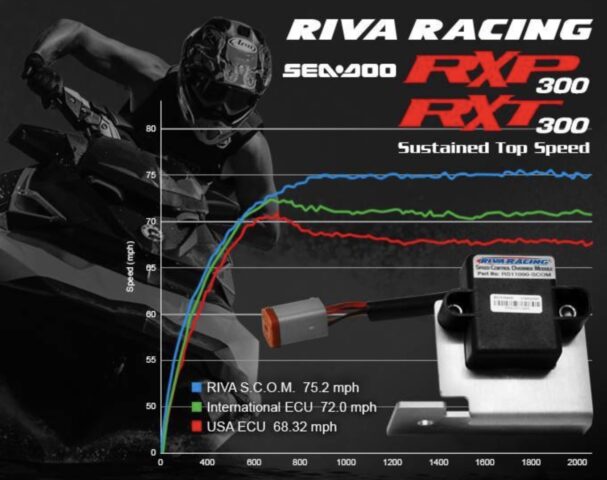
While we weren’t intent on setting any world records, we did turn to RIVA Racing for its Stock OEM File with the Speed and Boost Limiters removed. This ECU reflash is exactly as the name describes: An entirely factory-stock fuel ignition timing curve with the RPM limiter moved to 8,000rpm and the boost signal limiter deactivated. Otherwise, our 2020 GP1800R SVHO was completely stock… Well, that is to say, no performance parts were installed.

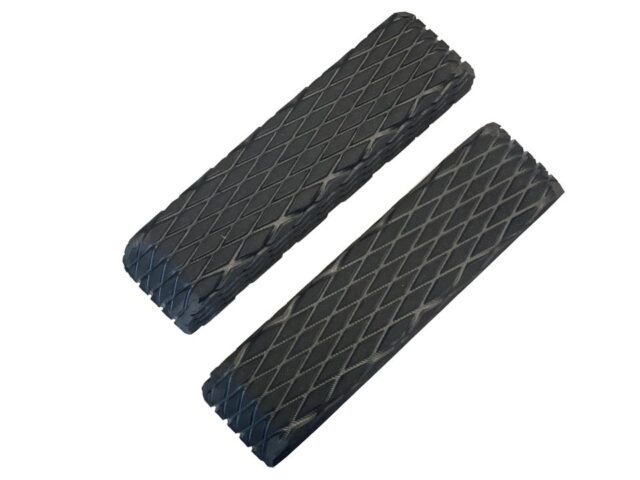
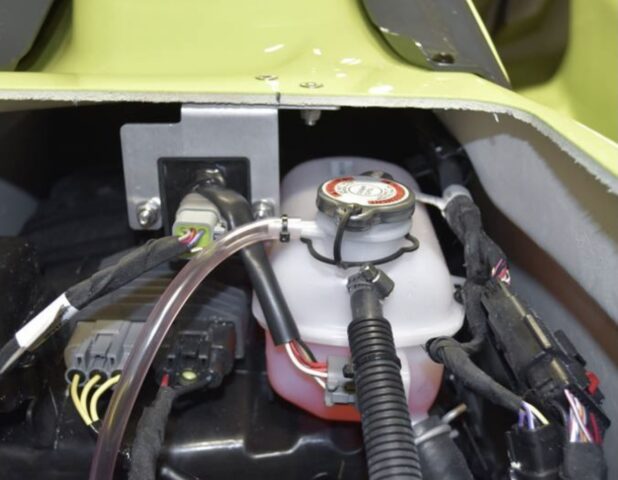
We did add one additional piece of hardware that was less about adding any sort of horsepower but rather, increasing the longevity of our GP’s supercharged engine. RIVA’s Yamaha 1.8L Engine Breather Upgrade is deceptively simple: consisting of a small corrugated K&N Filter and a pair of rubberized end caps, the upgrade literally reroutes the positive crankcase pressure from plumbing into the air intake to an open breather.

Simply remove the decorative engine cover, uncork the factory hose running from the crankcase to the air box and point it in the opposite direction, tying it to the engine cover brackets fitted with the new air filter element. Then you block off the nipple on the air box and reinstall the cover. It’s really that easy.

This addition ensures that the engine is no longer ingesting a boiling hot miasma of unspent fuel and contaminated oil vapor, which can coat the throttle body, valves and pistons in this non-combustible oil, robbing horsepower and potential longevity. It’s $35 and takes literally seconds to install, but can make a world of difference for your Yamaha’s engine especially as you continue to rack up the hours.

Of course, prior to this we put our 2020 Yamaha GP1800R SVHO up against the 2021 GP1800R SVHO in the single-most scientific acceleration shootout possible. At the time, we clicked off an impressive-on-it’s-own-merit 5-to-60mph run of 3.77-seconds, and a top speed of 70.5mph – that is, until the speed control kicked in. And all of that with a full tank of pump gas 91 octane.

Then we had Greenhulk.net’s own Jerry Gaddis pull out the ol’ MaptunerX handheld tuner and upload the new Stock 8000 tune. Down in Louisiana’s zero elevation and thick-as-soup air, we clicked off a hair-raising 75mph-flat run but failed to grab a picture of it. And in today’s world, that’s as good as never even happening.

So back home and with a thick layer of ice and snow on the ground (and filling the footwells), we decided to give the Yamaha one last shot at glory. Although we were a good 480-feet above sea level, the air temp was 38-degrees out on the water, which radically adjusted our barometric pressure down to a couple hundred feet above sea level (when corrected). Sure, it’s not exactly apples-to-apples, but it was as close as we were going to get.

At first, winds were whipping up the water too much to do much better than 73mph, which was cool but well below the mark. Doing our best to find a patch of glass, we clicked off an improved 73.6. But dang, we knew there was “more in there.” Suddenly, the wind died and the water calmed, and we clamped down on the gas. With ice water running through the Yamaha’s veins and a topped-off tank, we ran a 74.4mph top speed at 7,800rpm.

While we still attest that this is a 75 mile-per-hour upgrade, the photographic evidence we can supply here puts it just under the mark. Again, that’s at 482-feet above sea level, a 240-pound rider and a full 18-and-a-half gallons of fuel in the tank. So yeah, that’s pretty dang fast all things considered. And best of all, you can still take your supercharged Yamaha to the dealer for service and most will never know that the ECU has been unlocked. Yes, really.

Real Review: Slippery’s Breaker Pro Wetsuit

3

For many, a wetsuit is the last conceivable purchase (apart from maybe a helmet). The casual Floridian, lake rider or club cruiser is unlikely wriggle their way into a form-fitting neoprene bodysuit just for a few hours of enjoyment on the water. Yet, for those who take their riding sessions a bit more seriously, a smartly built wetsuit that acts as a protective second ski is as necessary as a lifevest.

For this purpose we at The Watercraft Journal sought out Slippery’s newest iteration of its single-piece race john, the Breaker Pro wetsuit. This lean, low-frills but insanely well-built one-piece john is exactly the kind of subdued suit that both racer and athlete will appreciate. Slippery takes functionality and form to a new level that we’ve never yet encountered, and frankly, we’re pretty wowed. (Yeah, I said it, wowed by a wetsuit. – Ed.)

First, the Breaker Pro is priced at $99.95. That’s about the middle-of-the-road for one-piece johns. But, that’s because the Breaker Pro isn’t screaming at you with a bunch of superfluous add-ons. There’s no extra hoops, or hooks or doodads. Rather, Slippery poured all of its efforts into maximizing the john’s comfort, flexibility and breathability. (If that’s a word. – Ed.) There’s no globs of goofy puffy paint, heavy silk screened-on patterns or gaudy print either.

Instead, what you get is a suit made from 1.5mm airprene that is lightly perforated, breathable neoprene that is impressively durable for its second-skin thickness. Slippery changes things up with 1.5mm-thick glide skin at the chest for added comfort while keeping the rider’s core temperature “optimal.” Yet, where rider’s need added protection, new 1.5mm Tatex – a tough, grippy textured material – has been grafted at the knees.

Flat-stitched seams hold the suit together without bunching or building up at the joints, and a single hook-and-loop Velcro shoulder closure is the solitary fastening point. No zippers. Although the elastic loop is fixed to the back of the left calf to hoop to ease removing/donning the suit, a single car key or surfboard lanyard can be passed through (both options used by surfers, less so for jetskiers).

Being a sleeveless john means range of motion for the arms and neck are at a maximum. Thankfully, motion at the chest, waits and legs is nearly as limitless thanks to the airprene construction. Ventilation in the seat and crotch is the best we’ve seen as well. While the Breaker Pro won’t necessarily ward off a winter’s chill given its thin construction, it will provide protection from the elements and retain much of the user’s body heat.

We first received our Breaker Pro prior to riding the 2021 Yamaha SuperJet. Knowing how mediocre of a standup rider we are, it was understood that we’d be doing our fair share of swimming. Thankfully, the new SuperJet proved impressively easy to ride (bonus) and the Breaker Pro being super forgiving when having to paddle after the wayward Yamaha after yet another exhaustive get-off.

Lastly, unlike so many other wetsuits we’ve donned over the years from a variety of different brands, the Slippery Breaker Pro doesn’t feel like packing a sausage when you’re trying to slip inside of it. Regardless of your size or build, thicker suits can feel constrictive and insulating – not so with this one. It’s easily the most comfortable suit we’ve tried and one we’ll keep in our riding gear closet for years to come.

Sea-Doo Plots Regional Florida Demo Tour

0

Itching to ride the all new 2021 Sea-Doo Watercraft lineup?  Well you’re in luck because Sea-Doo is hosting the Florida #SeaDooLife Test Ride Tour and plans to make 29 stops throughout the Sunshine State this spring.

What an awesome way to treat existing and potential customers by literally allowing them to try the products in a personalized way.  Sea-Doo has been known for this and frequently does these regional and national tours when they can.

Literally what other manufacturers do this?……No one!  With so many exciting new features and technology to show off for 2021, this is a great way for Sea-Doo to kick off the season.  See what all they have to say about the event below.

Sea-Doo will be producing 29 Test Ride days across Florida this spring providing watersport fans the opportunity to try before they buy. The test ride tours will splash six different Sea-Doo models including the new 2021 Sea-Doo RXP-X 300, GTX with iDF (intelligent debris free pump system), SPARK and GTI platform units. Product specialists will be on-site to help teach guests about the newest ease-of-use technologies such as the exclusive iBR (intelligent Brake & Reverse) and direct them to their own on-water Sea-Doo experience.                                                    

The #SeaDooLife Test Ride days will be conducted in a controlled manner and interested guests are encouraged to pre-register to secure their desired time slot. Guests can view the tour schedule and register at demo.sea-doo.com.  All ride days follow a COVID safety protocol including all people on-land wearing masks, guests encouraged to bring their own safety gear, on-site sanitizing stations, and each Sea-Doo watercraft is sanitized between each ride.

Guests will be able to live the Sea-Doo life firsthand and learn about the value the Sea-Doo sound systems and modular LinQ accessories bring to Sea-Doo fun. Guest will also be eligible for special promotional offers following their rides. Let’s ride.

Sea-Doo’s BEST Extended Service Now Available In Florida

0

It’s no secret that Florida is one of the most popular locations in the world for personal watercraft ownership. With so many riders in the sunshine state, gives equal opportunity for maintenance and service work on these skis.

Sea-Doo has announced that they are now extending their B.E.S.T. warranty, extended service & maintenance program to the state of Florida. The rollout of this program in this region will likely translate to a huge increase in sales of this coverage plan.

The extended service is offered in terms of 12, 24, or 36 month coverage beyond the factory warranty period on new Sea-Doo Watercraft. This coverage gives peace-of-mind to the owner, allowing them to spend more time riding and less time worrying.

Some of the features of the B.E.S.T. extended service plan includes nationwide service so even if you move to a different state, the plan still follows the watercraft. The plan also transfers to new owners should you sell the watercraft before the coverage ends.

Additionally, there are no mileage or hour restrictions so you can literally ride your Sea-Doo as long as you want to and it will still be covered within the duration of plan that you purchase.

For more information on these service plans, visit the link above or simply talk to your local dealer.

Tampa Bay Buccaneer’s Rob Gronkowski Transitions To Sea-Doo Life

0

There seems to be a theme in Tampa when a major league team wins a championship.  It somehow turns into a Sea-Doo celebration as was the case when the Lightning won the Stanley Cup.

In the latest post Superbowl championship news, Rob Gronkowski has been easily transitioning into the Sea-Doo lifestyle aboard an RXT-X 300.

Maybe this is becoming a trend from Tampa Professional Sports, or quite possibly this area has always been and will always be one of the most popular Sea-Doo destinations in the world.

Check out Sea-Doo’s take on the spotting of the Pro-Bowl Athlete:

The combination of Professional Sports Championships, All-Pro players and Sea-Doo watercraft seem to be trending in Tampa, Florida. Months after Tampa Bay Lighting star Alex Killorn led the team’s championship winning boat parade aboard his Sea-Doo GTX Ltd with the Stanley Cup, another transplanted Tampa sports star made to the waves of “Champa” Bay.

Pro-Bowl tight-end Rob Gronkowski transitioned to the sunbelt lifestyle in true Gronk fashion; at full, supercharged speed. The four-time pro football world champ has been running routes all over Tampa Bay on a Sea-Doo RXT-X 300. Being a champion is obviously leading these athletes to enjoy life to the fullest as they live their best Sea-Doo life.   

Making The Modern Retro: 2020 Yamaha EX Sport WaveRunner (Video)

1

When Yamaha entered into the Rec Lite segment with its EX series in 2017, many of us at The Watercraft Journal noted that the new WaveRunner entry was a conservative – almost “grown-up” response to the segment’s first entry, the Sea-Doo Spark. The EX platform was Yamaha’s way of recapturing a bit of its loose and playful history with watercraft like the WaveBlaster, while still providing first-time buyers and entry-level riders a somewhat more stable platform with a few more added modern perks.

Mechanically unchanged since its introduction, the EX – particularly this 2020 EX Sport, which came to us in a very attractive Black/Azure Blue livery – remains as-is even for 2021, so this review of a then-new 2020 model is just as pertinent if it was a 2021 unit. The black-and-blue coloration carries over into the two-tone Hydro-Turf traction mats in the footwells and swim platform, accessible through a standard-equipment single-sided folding reboarding step.

The saddle is narrow allowing for plenty of movement, which is great, because this little craft responds amazingly to body English. Ergonomically, the control console is spartan to say the least. A small 4-inch LCD screen is set below the fixed handle bars, reading off speed, RPM and fuel but in the least complicated way possible.

The Sport trim level doesn’t include Yamaha’s dual throttle brake and reverse system, RiDE (you’ll need to opt for either the Deluxe, Limited or racy EXR for that). Rather, Yamaha’s dreaded right-hand side manual reverse lever returns from the grave. There’s also no electric trim control or other bells-and-whistles to really count either. It’s basically a real-deal throwback to the loosey-goosey 2-seaters from the 1990s, which is just fine by us.

Of course, the 2020 EX Sport isn’t running some blue-smoke belching two-stroke but a modern, 3-star rated super-fuel efficient 1049cc TR-1 EX 3-cylinder four-stroke pumping out a respectable 100-horsepower. While that might not sound all that much, it’s plenty to push this 584-pound runabout up into the low 50’s at wide open throttle. We saw 52 miles per hour at 7,300rpm with half a tank of gas – but then again, that was reading the speedometer, and not tracking with a GPS.

Fuel capacity is 13.2-gallons, which is the most in the segment to be sure, and storage – although scant – is 7.7-gallons (again, making it a class leader). Stowage is broken up into a shallow wet storage bin in the bow (ideal for a dock line); a removable tub beneath the rear passenger; and a lockable glove box that’s deceptively deep. Thankfully, our test model this day came to us with three optional features available through Yamaha’s Parts & Accessories Catalog that radically increased our cargo capacity:

The first being Yamaha’s Stern Mounted Storage Bag ($129.99). Made from durable, weather resistant compression-molded black EVA foam with a mesh base that allows for quick water drainage, the rubberized zippers provide easy access, as well as use of a tow rope without removing the bag (a nice little feature we appreciated). Equally, our EX Sport also had Yamaha’s new Hatch Mounted Storage Bag ($54.99).

This small waterproof pouch is ideal for stowing more sensitive items like smart phones, wallets, keys and cameras – and even includes a transparent window to allow visibility and interaction with your smart phone (but you’ll definitely only want to use a waterproof phone or a phone with a waterproof case). Again, the EX Sport is a fun, playful ride, so don’t expect not to get wet. …because you’re gonna get wet.

The final addition, which we can’t believe isn’t standard equipment is Yamaha’s EX Fixed Bow Storage Bag. This roll-up style dry bag replaces the shallow wet storage plate under the front lid. Adding an additional 5.4-gallons of storage, the Fixed Bow Storage Bag is a great solution for those looking to bring along a towel, T-shirt or other items that need to stay dry (and can’t fit into the glove box). Priced at $75.99, it’s the one “gotta have” item for the EX.

The EX Sport WaveRunner is, as we noted, incredibly fun particularly for those who remember how personal watercraft used to be before the days of cruise control, Bluetooth speakers and heated handgrips. It’s a bit of a throwback. Priced at $7,999, the MSRP is pretty retro too. Cutting sloppy donuts, hopping the wake of a passing boat or snapping it on its bondrail for a gnarly powerslide is precisely what this little WaveRunner loves to do – and you’ll love doing it too.

Gallery: 17th Annual Mark Hahn Memorial Havasu 300

0

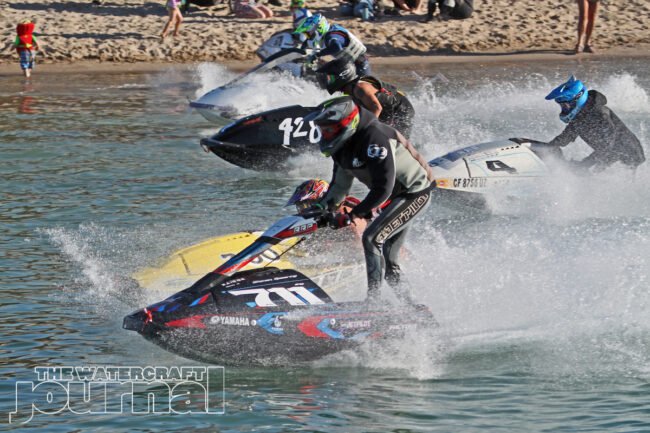
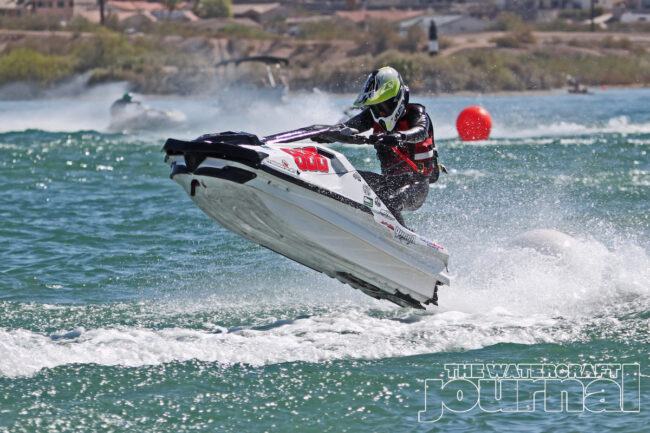
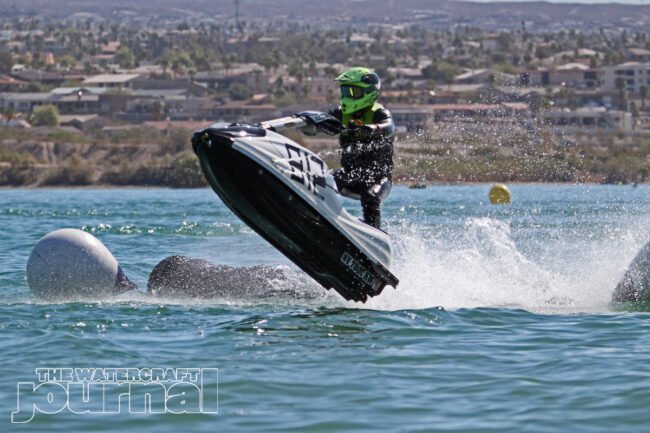
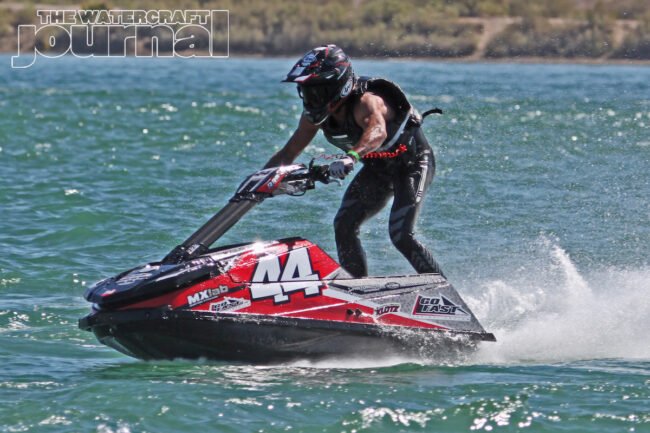
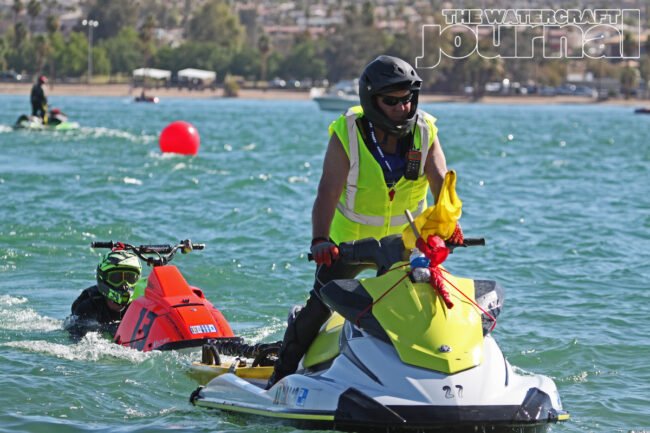
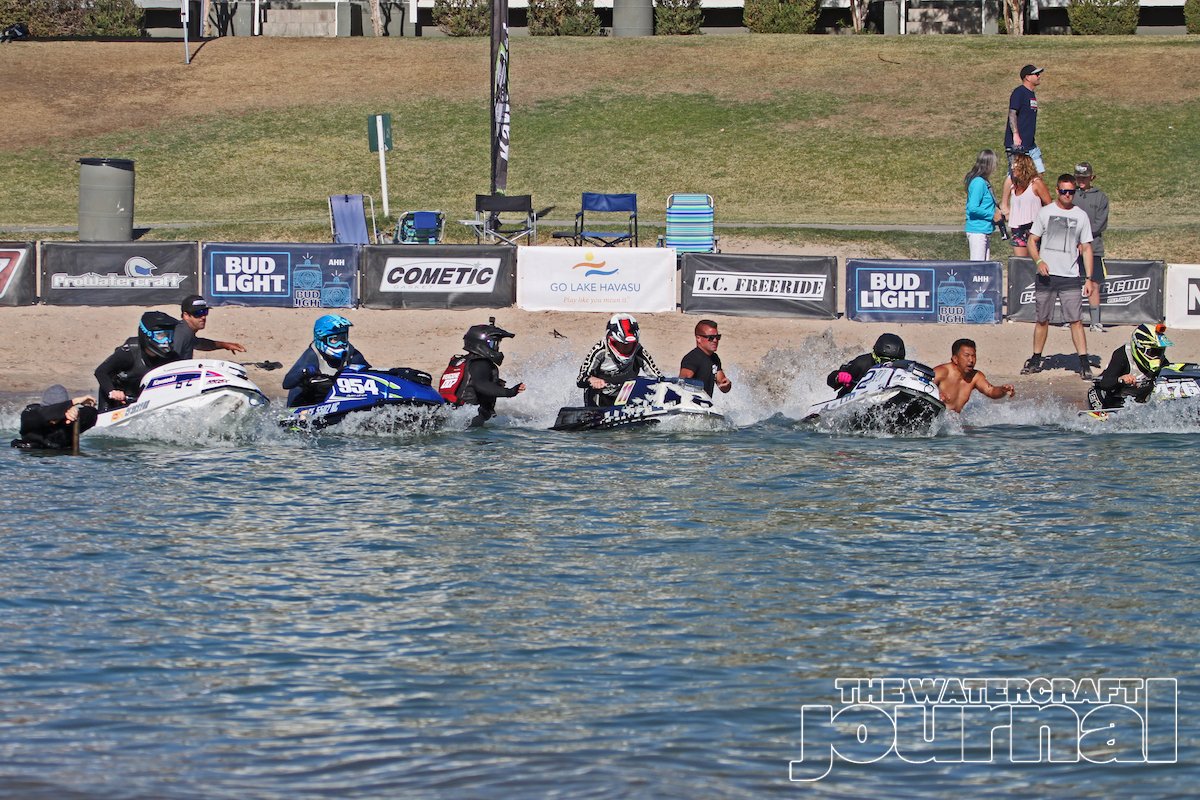
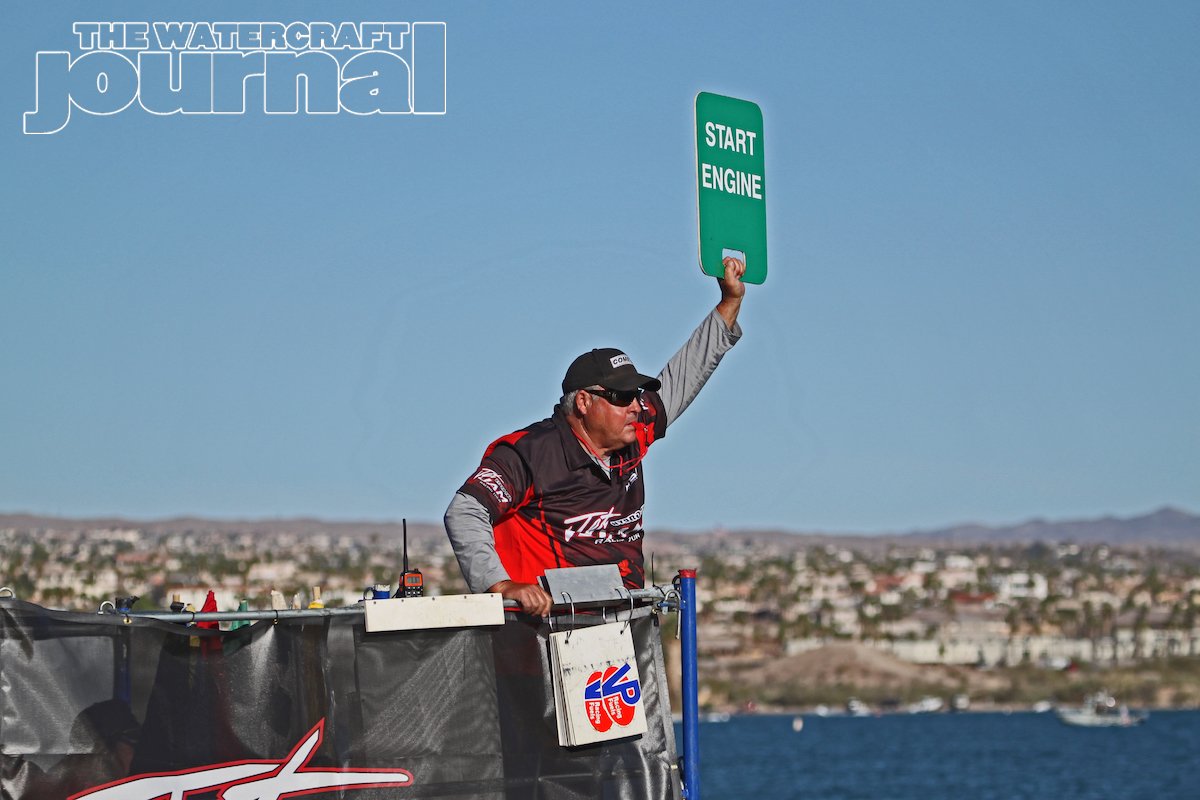
Neither snow, nor rain, nor heat, nor gloom of night stays these courageous racers from the swift completion of their appointed rounds. Wind, on the other hand… The morning of Feb. 27 – the dawn of the 17th annual Mark Hahn 300 – promised a sunny day full of Havasu blue water under bluer skies and Mother Nature followed through on that promise, but she definitely added a curveball too. As Race Director Ross Wallach stated, “Separate the men from the boys and the girls from the women.’’

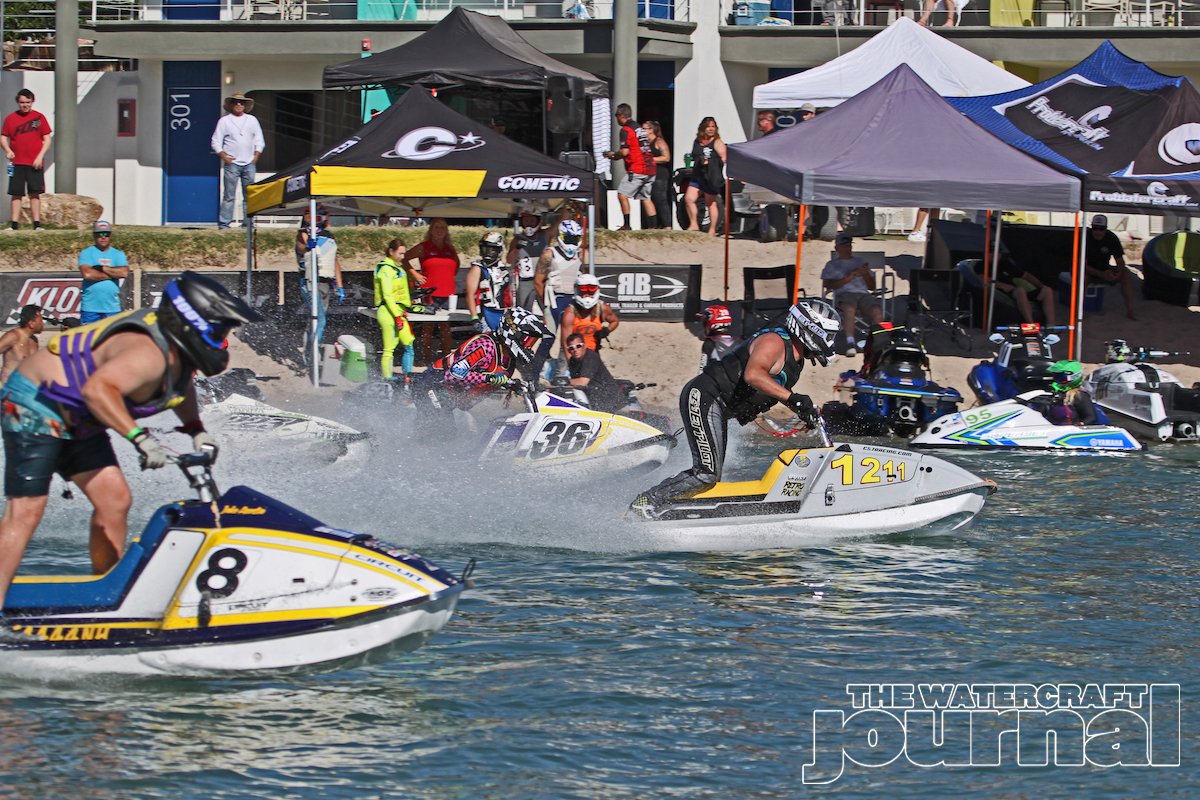
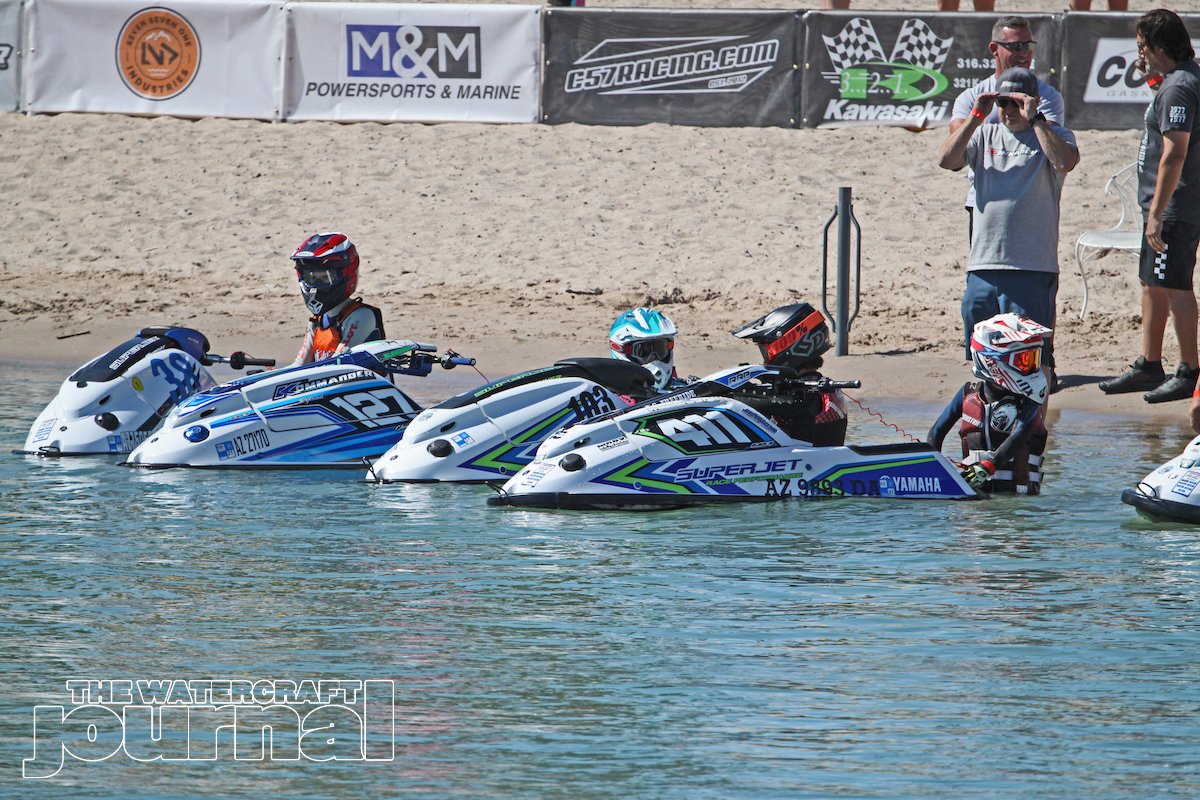
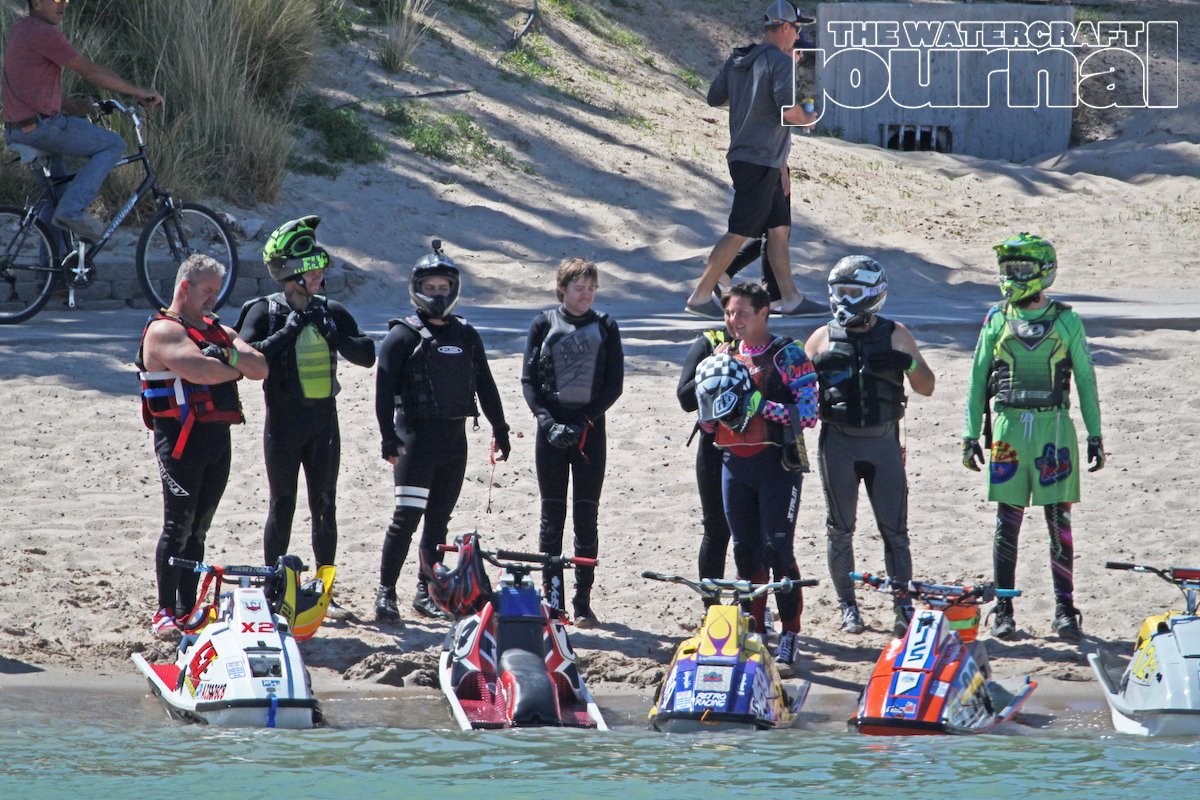
That curveball came in the form of a breeze that kicked up about the time the 8am riders’ meeting wrapped up. That breeze just kept blowing, and by the time 40 teams and solo entries lined up on the familiar sands below Crazy Horse Campground, there were few riders that were not casting concerned glances out at the expanse of chop and churn that stood to be their home for the next several hours.

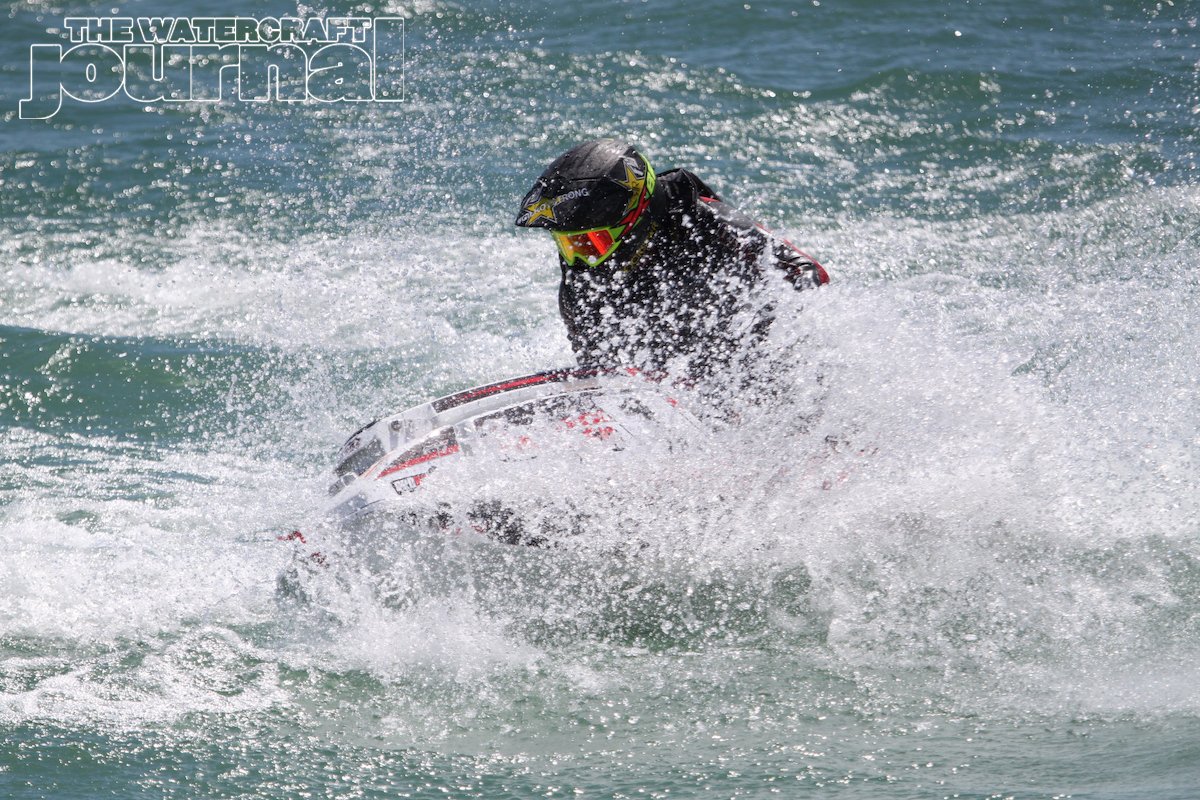
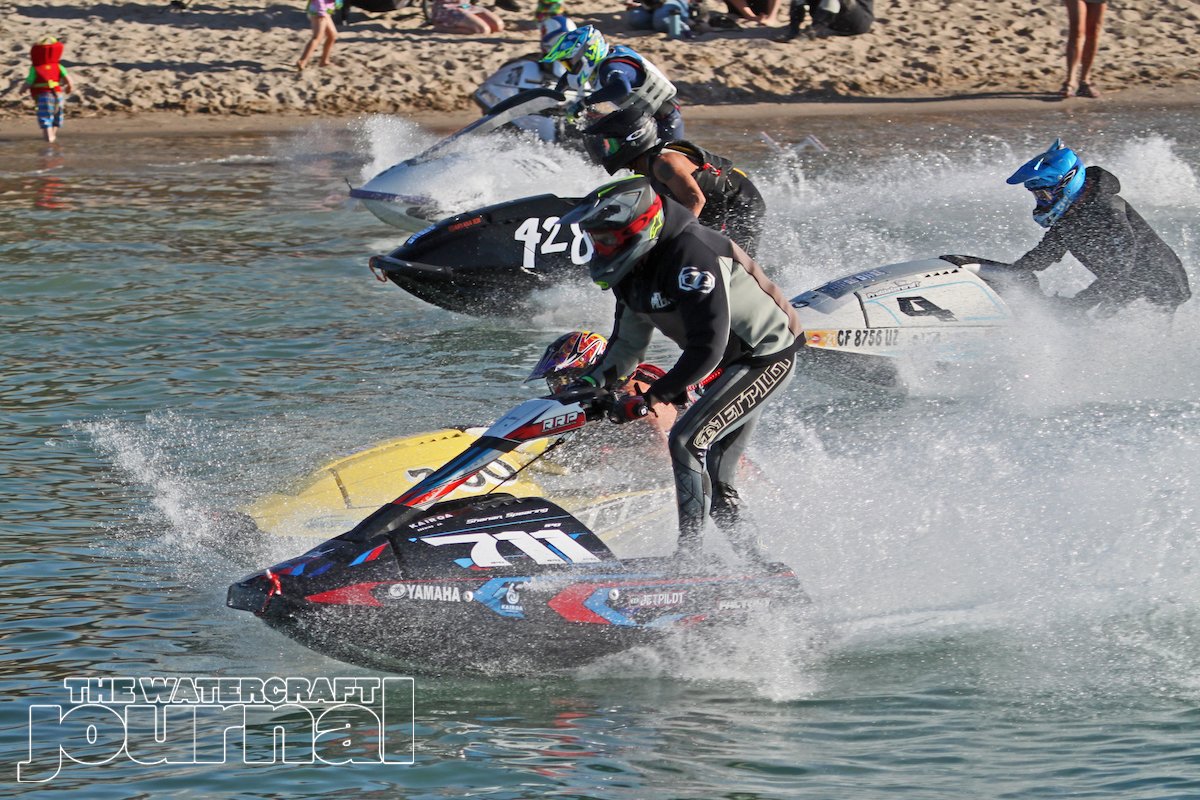
Following the hallmark LeMans start, which rolled out in two waves, with stand-up classes following quickly on the heels of the heavier classes, the impact of those wind-whipped waters and the accompanying chill could be felt by riders and seen by spectators. “I was just trying to survive out there,’’ said Mike Neumann, who, along with teammate Leslie Adams, took first overall in the Manufacturers Stock class. He did so without his trademark sidesaddle riding style, however, in deference to the riding conditions.

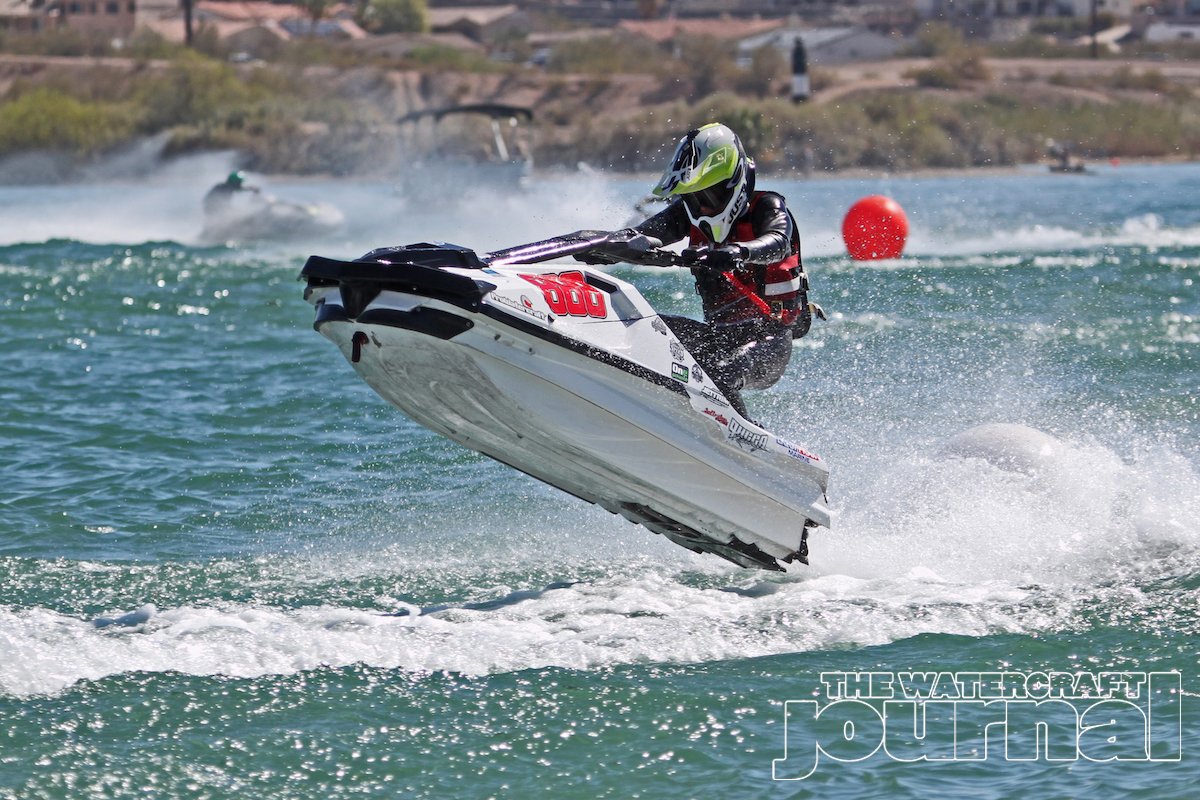
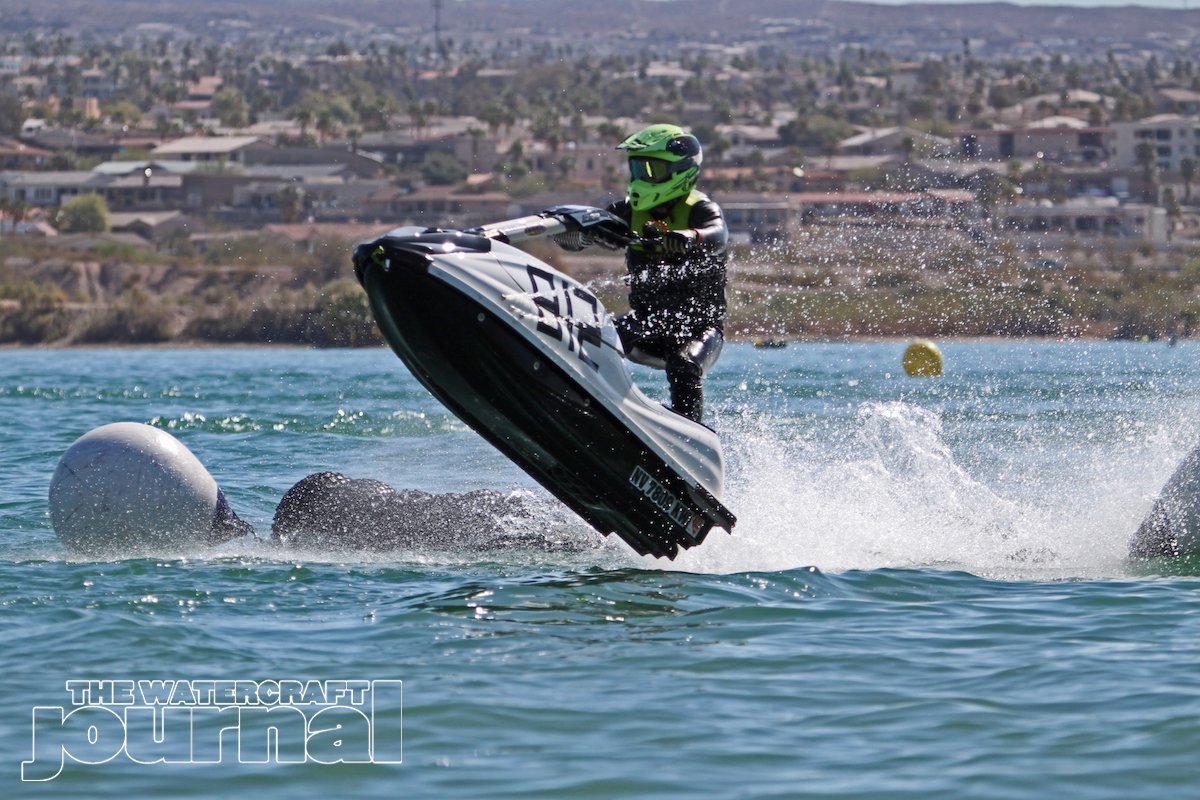
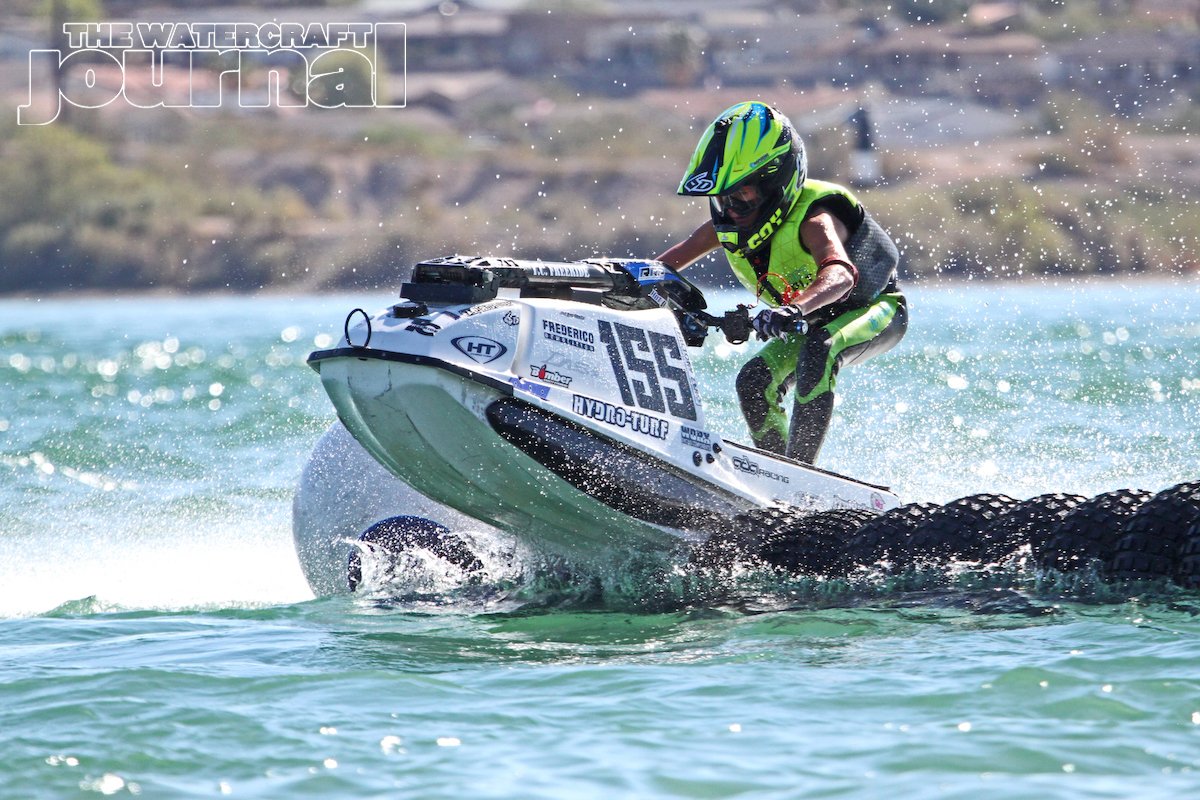
Those riding conditions, brutal by any standards, took their toll on both man and machine, as 20-to-25 mile-per-hour winds put an even sharper bite in the cool air. Each circuit of the 10-mile course, which under calmer conditions typically takes racers from 7-to-9 minutes to complete, was eating up 12-to-15 hard-fought, exhausting minutes during the first hours of the race. Leaderboard changes were frequent during those slow-paced laps, and the #110 team of Tory Snyder and Christian Daly, the #8 team of Lee Phan and Tony Hoa, and the #176 team of Christopher Landis and Valentina Lezcano all snagged time in the number one overall spot.

“I loved and hated it,’’ Lezcano said of the brutal conditions. “The cold was not good for my Miami iguana skin, but the experience of pushing my body to limits I didn’t know I could was amazing. Motivated me a lot of for the race season.’’ “It was a nice wake up call!’’ added Lezcano, a relatively new face on the PWC circuit.

The weather took its toll across the board. Even sport icons Dustin Farthing and Troy Snyder felt the impact. “Three hundred miles in those conditions definitely make you dig Deep inside your inner self to continue to fight onward,’’ Snyder told The Watercraft Journal. “Dustin and I had a few issues that took awhile to fix; like the 14-lap head start we gave them and still came back and won Pro 4-stoke Stock! I’d like to thank Ross (Wallach) and Hot Products and IJSBA for the continued support of the racers. Great job to all competitors this year.’’ Snyder said.

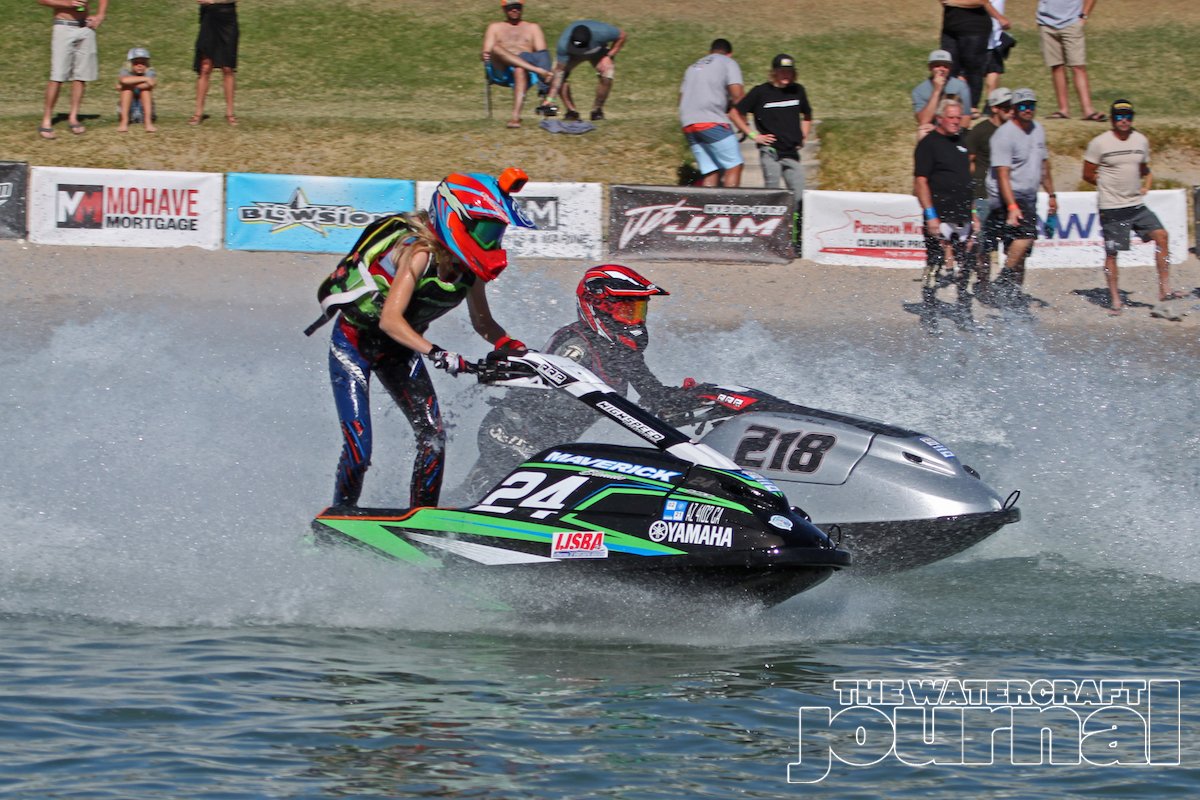
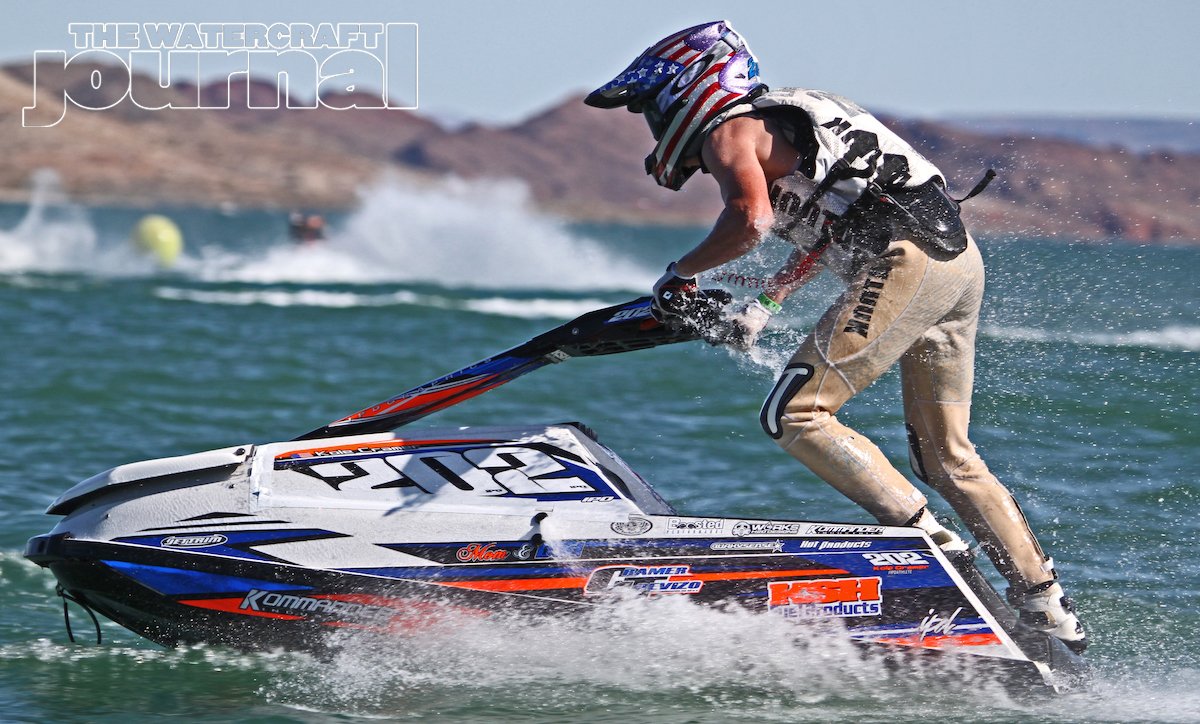
But by 4:30pm, when the wind finally began leveling out and the front-runners were heading into lap 20, the number of skis on the water had been cut nearly in half and the battle for the top overall slot seemed to be falling to a battle between two red, white and black Yamahas – with the #720, solo-piloted by Cassius Sanders, battling the #212 team of Mike Klippenstein and Eric Lagopoulos for every inch and every minute.

With only three laps left, Sanders trailed the #212 by less than 90-seconds. Both teams screamed through a last minute fuel-stop in the last few laps, but it was Sanders who took the white flag, and held on to that lead through the final lap. After the chaos, Lagopoulos admitted, “This year’s Hahn was extremely challenging on body and equipment! It was definitely the ultimate survival of the fittest!”

In an even more surprise finish, sport neophytes and local Lake Havasu High School students Ryder Bliss, Logan Blanchard and Jake Tobin piloted the first stand-up to cross the finish line. “I thought the race was fantastic. [It] had everything – water conditions and great competition. My hat’s off to everybody that participated in congratulations to the winners and everyone that just finished,’’ Wallach told The Watercraft Journal. He also confirmed that the 18th Annual Mark Hahn 300 is on the books, set for February 26, 2022.

Winners: Runabout Overall: Cassius Sanders; Pro/Am 4 Open: Mike Klippenstein, Eric Legopoulos; 4-Stroke N/A Open: Pete Strobl, Greg Matta; 4-Stroke Stock: Troy Snyder, Dustin Farthing; 4-Stroke Mod Standup: Jake Tobin, Ryder Bliss, Logan Blanchard; Vet Masters Open: Cassius Sanders; Sportsman 2-Stoke Standup: Hunter Dunn, Jeremy Newton, Deegon Newton; Manufacturers Stock: Mike Neuman, Lislie Nadeker

Considering The Cost of a New Jet Ski Trailer

0

Prices on jet ski trailers vary from dealership to dealership because dealers can buy a lot of them at one time. Buying in bulk saves them money and those savings are passed on to you. Prices on jet ski trailers go up every year and trailers don’t change much, so it’s a good idea to buy now instead of waiting.

Trailers come in singles, doubles, and fours. This translates into the ability to carry one ski, two skis, and four skis. Jet ski trailers are made of aluminum, steel, and galvanized. The cheapest trailers are the painted steel ones. Aluminum is the most expensive and the lightest. Also, it won’t rust, making it your best bet if you are riding in salt water.

A new single jet ski trailer will cost $800-$1500. A double jet ski trailer is from $2,000-$3,500, with the 4-place trailer rounding out at $7,000-$9,000. Jet trailers do not go on sale and they aren’t thrown into the deal when you buy a new jet ski.

If you are considering a used trailer on Craigslist, check the tires for dry rot and the frame for rust and broken bolts. Put your eyes on the axle too. If it’s bending or bowing, don’t purchase the trailer. A used aluminum single trailer should cost about $500, depending on its condition.

You will need a few things to make sure your trailer is road ready. A brake light adapter is one of the most important items to have before hitting the road. A tongue lock is another big deal. For peace of mind, a spare tire and spare tire holder are good investments.

For more detailed information on buying a used jet ski trailer, check out the Steven in Sales article here. He has many great tips!