Brisbane Kawasaki is now accepting pre-orders for their new Kspeed Kawasaki Ultra 300 and 310 Ride Plate! The ride plate is currently in production and will be released at the beginning of June. Now is the time to pre-order. The Ultra ride plate will bring you the ultimate control and improved speed when you’re throwing down on the water. Kspeed is fast becoming an industry leader when it comes to delivering performance parts for all your PWC racing needs. Their quality parts are competitively priced as well so check them out when you’re in the market for PWC modifications. The Ultra ride plate retails for $520 AUD ($400 USD).
Kspeed states that the Kawasaki Ultra ride plate will make your ski faster in all conditions and you will notice significant top speed gains in flat water. That’s especially important when coming off the line during a race. When in rough water, a lot less bouncing will occur as the Kspeed Ride Plate will ensure that your ski will be less likely to porpoise and the plate will get you on plane quicker. The Kspeed ride plate is designed to provide the rider with increased stability while racing at high speeds whether it’s going the distance in an endurance event or on a closed course weaving around the buoys.
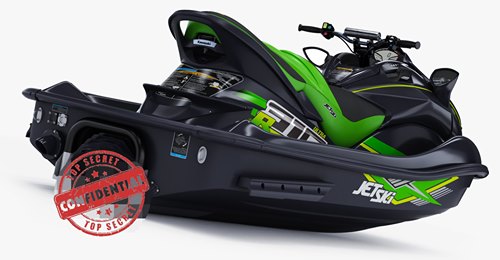
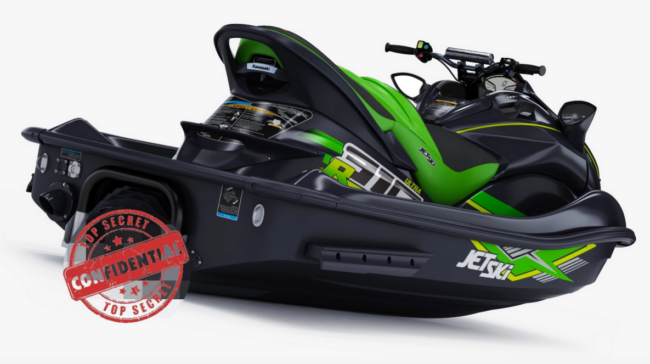
Kspeed’s own Jamie Eade told The Watercraft Journal about riding an Ultra 310X with the new plate, “It’s faster than what’s out there at the moment and more versatile in varying conditions. It will do a consistent 74mph in rollers and the ski really doesn’t leave the water. (It messes with your head as you expect to get airborne and you just don’t.)” Head over to the Brisbane Kawasaki website to pre-order your Kspeed Ultra 300/310 Ride Plate. It retails for $520 in AUD and $402 in USD. You can’t yet see the ride plate, as the guys are keeping it under wraps, so we’re anticipating something great!
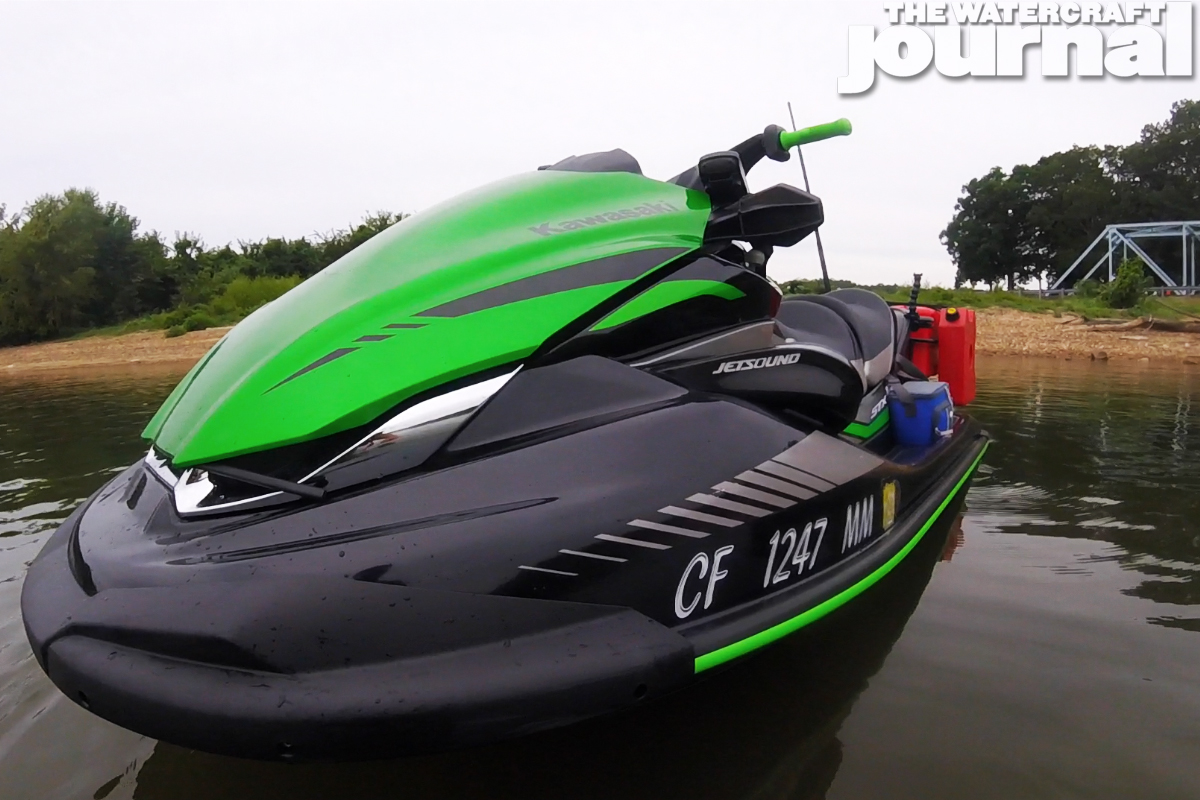
Of all the information that the factories use to advertise their newfangled personal watercraft, the one attribute most overlooked is miles per gallon. And outside organizations like The Watercraft Journal struggle to record these numbers because properly installing the instruments necessary requires interrupting sensitive high pressure fuel lines (which the OE’s really frown on us for doing). So we’re left providing our best guestimates, which as you can imagine, aren’t always correct.
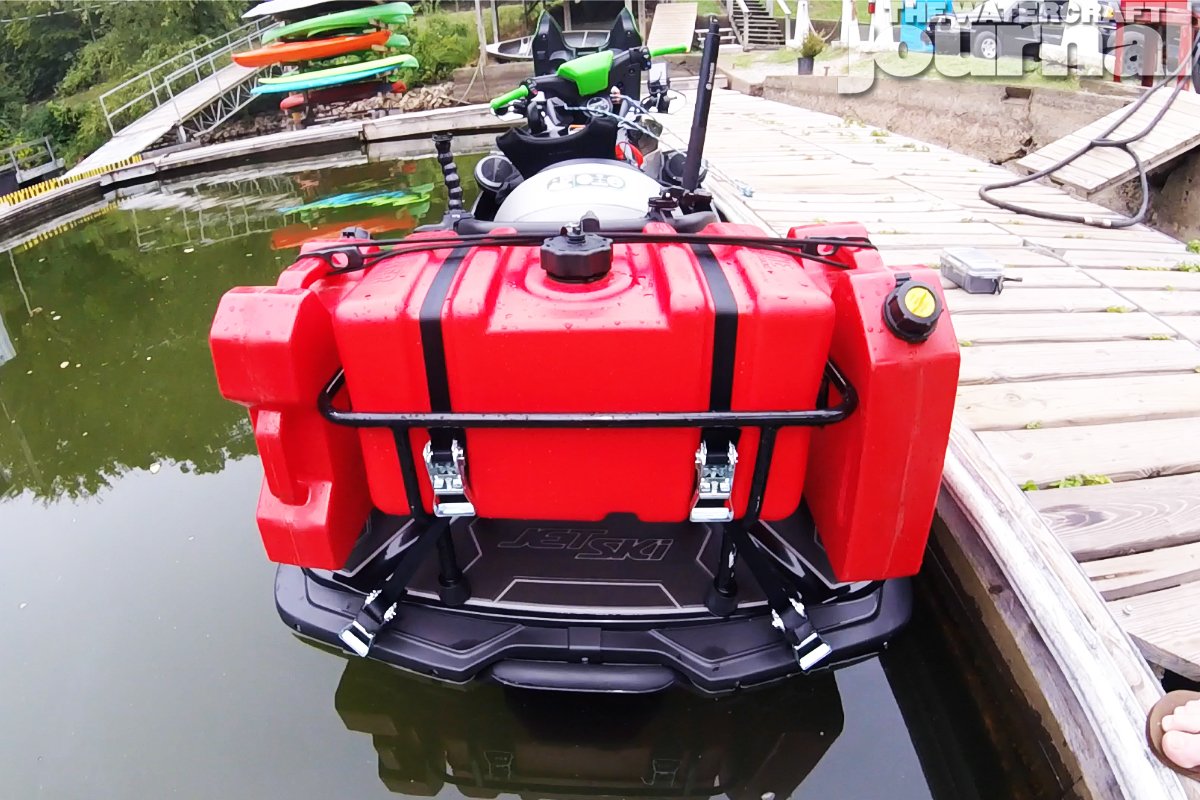
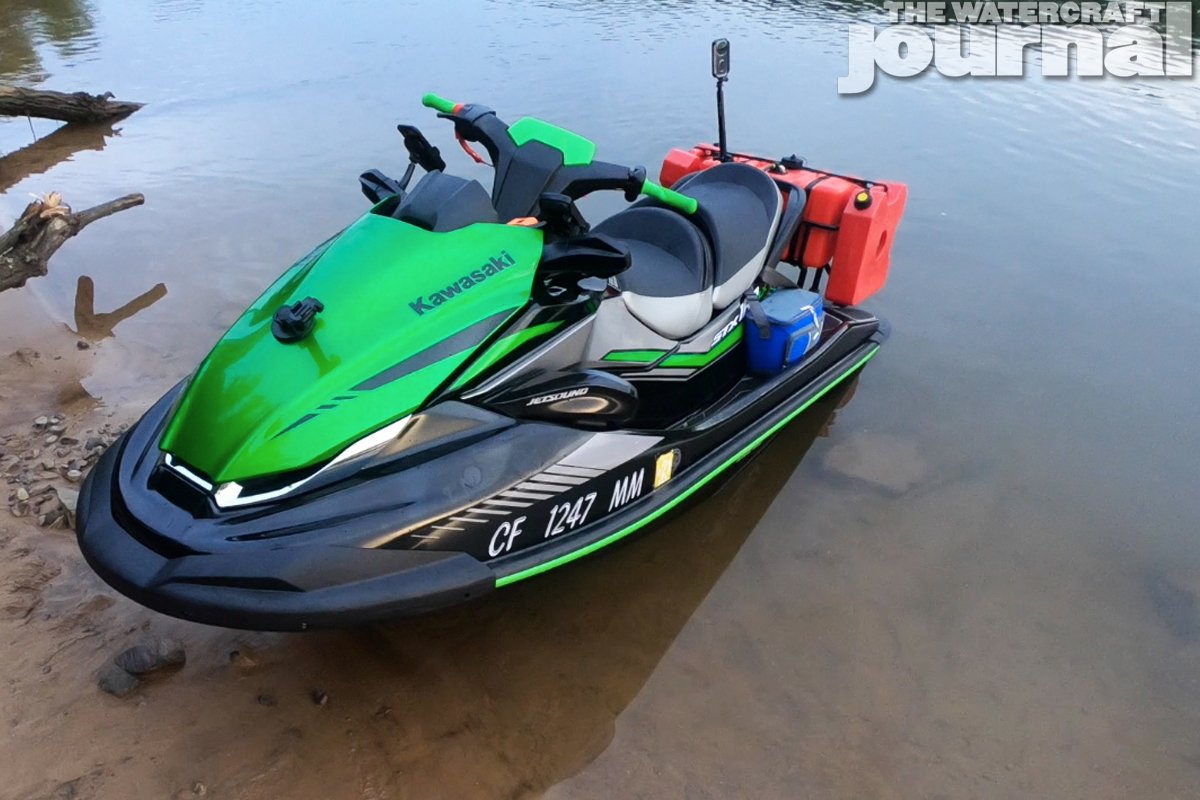
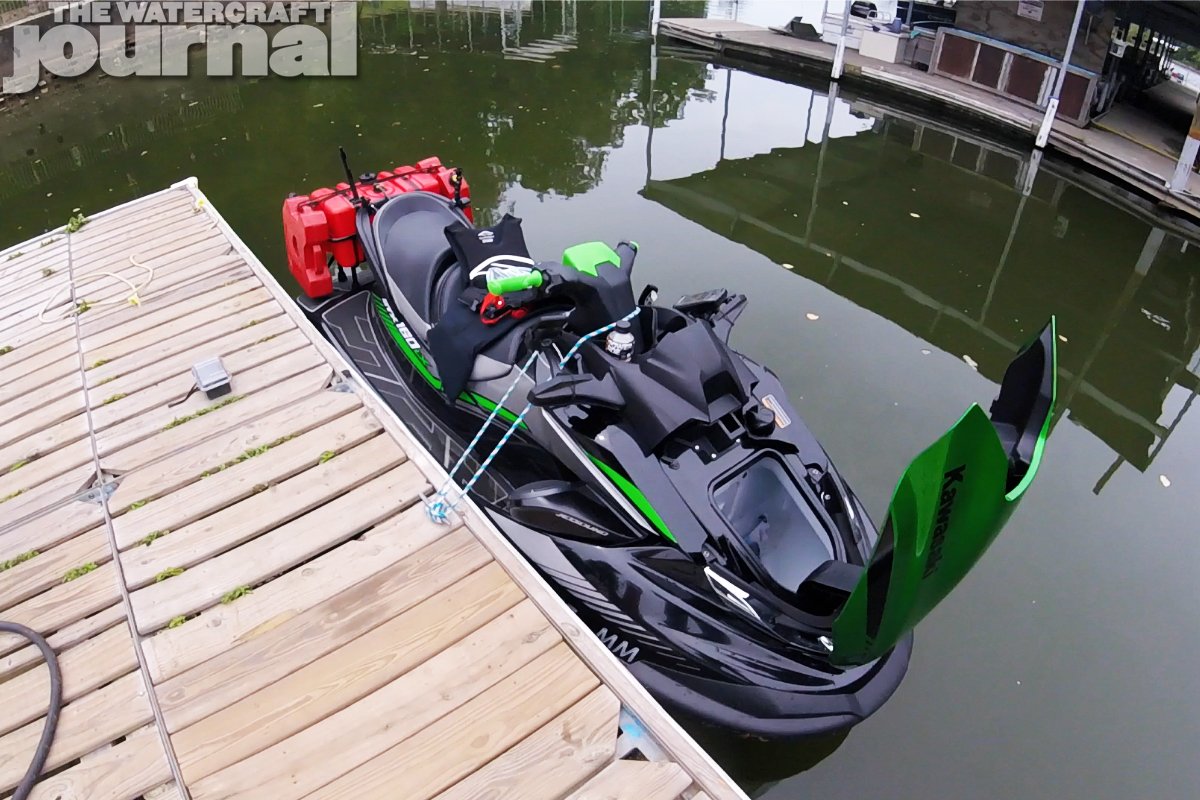
Nevertheless, fuel consumption rate is a big deal when it comes to mapping out an all-day ride (particularly when you’re piloting a rather thirsty supercharged machine) – nobody wants to run out of fuel and marina fuel prices are rising faster than ocean tides. That is where the world’s most popular PWC magazine – The Watercraft Journal comes to help! Late last year, we developed the Long Hauler Auxiliary Fuel System Kit for all 4-stroke Yamahas, Kawasakis, Hondas and pre-2012 Sea-Doos.
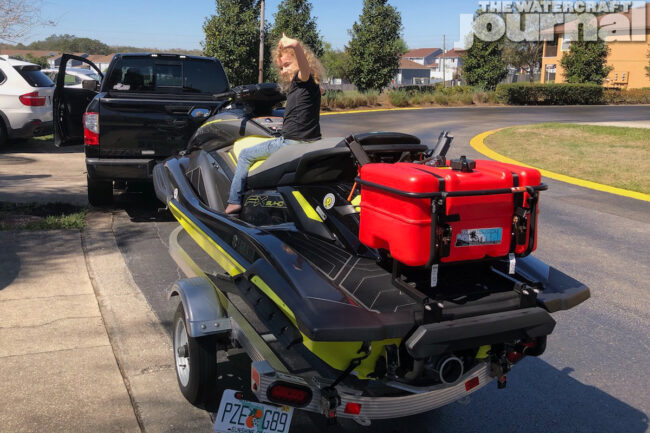
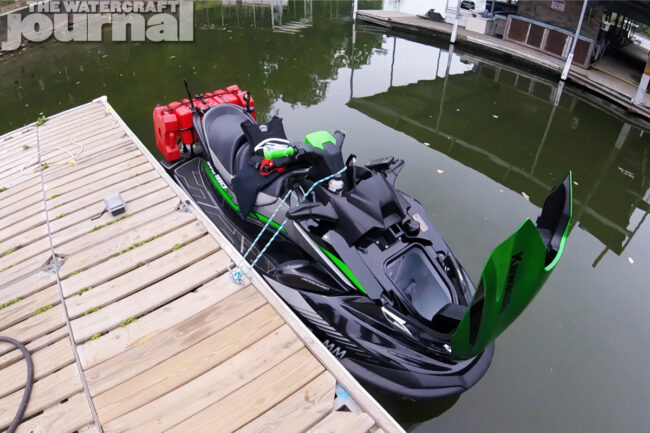
This all-inclusive kit requires zero permanent modifications (no drilling or cutting) to work. And even the least mechanically-inclined PWC enthusiast can install this kit in a matter of minutes. Featuring a USCG-certified fuel tank, an adjustable black powder coated stainless steel rack and stainless hardware, high pressure automotive-grade fuel line and fittings – your concerns over fuel consumption will vanish when you strap an added 13-plus gallons of fuel capacity to your swim platform.
And YES! your PWC will automatically siphon fuel from the Long Hauler Auxiliary Fuel System Kit as you ride, meaning there’s no stopping to refill your watercraft while bobbing out on the open water. It’ll simply sip the rear tank dry before emptying the factory fuel cell inside of your ski. And best yet, it’s 100-percent reversible! There’s no system on the market like this – and priced at $600 USD, none priced this competitively either. Purchase yours today exclusively HERE.
Over the course of the past year, we have seen a huge increase in watercraft sales. Demand has ramped up due to the worldwide pandemic last year which has brought on a record wave of first-time Sea-Doo owners who were trying to find acceptable outdoor activities.
In an excerpt from their latest newsletter, Sea-Doo had some helpful tips for these new owners as seen below:
Over the past year we have seen a record percentage of ‘new entrants’ choose boating and specifically Sea-Doo watercraft as their primary, family recreational activity.
Whenever starting something new you have questions. Sea-Doo has created a more in-depth ‘getting started’ section to sea-doo.com. The ‘Quickstarters’ page includes video tips and insights to ensure your first ride is one to be remembered for all the right reasons.
A handful of the Sea-Doo ambassadors share their tips on living the best Sea-Doo life. They share how to be safe, efficient, and a good steward of your environment.
To find out more about how to get started yourself, find some of these helpful tips in the Sea-Doo Quick Starters page.
Like many other consumer goods, watercraft trailers have seen a dip in supply. This is due to the current high demand for watercraft as well as a global shortage of raw materials and resources.
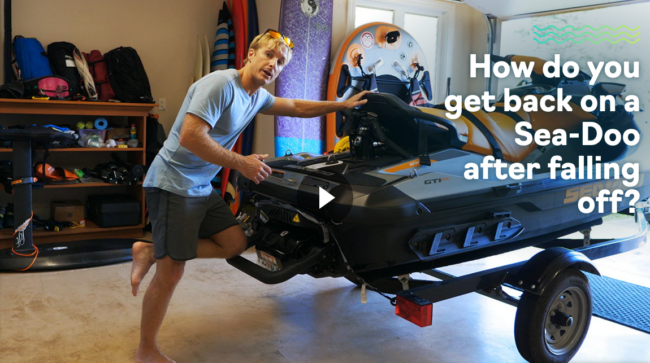
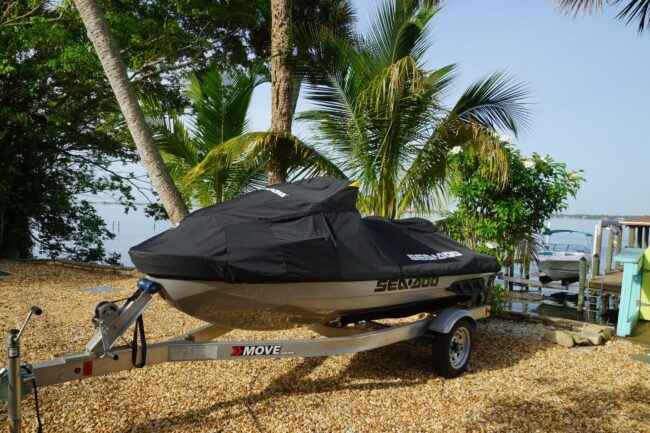
Thankfully Sea-Doo has you covered because their line of ‘MOVE’ trailers are in steady supply and are waiting for you to drop that brand new Sea-Doo watercraft on it to take home with you.
The ‘MOVE’ trailer lineup has the following features and characteristics. Talk to your local Sea-Doo dealer if you are looking for something to ‘Move’ your watercraft to your nearest waterway.
The MOVE trailer lineup includes options for painted, galvanized and aluminum finishes, single and double-place trailers, with or without marine jack. And we have inventory. User-friendly and engineered specifically to fit the hull of Sea-Doo watercraft, the MOVE family offers the right trailer to match your transportation needs.
All MOVE trailers feature fully adjustable carpeted bunks that allow you to change bunk angles to fit all brands of watercraft. Custom frame design requires less water to load and unload watercraft. Sealed maintenance-free wheel bearings for added peace of mind.
Just out from the folks across the Pacific pond, KSpeed has just announced that they finally perfected the pump wedge design for Kawasaki’s STX-160 lineup.
After 6 months of intensive testing utilizing all water conditions, the design is now ready to hit the waters on your JetSki. Benefits of the KSpeed Pump Wedge include a higher top speed and a drier ride.
This is due to the 2-degree wedge that allows the pump to pitch the watercraft at a new optimum angle. A speed delimiter or ECU reflash is required in order to take advantage of the top speed.
KSpeed has you covered in that area too with their SCOM or reflash service. See all of the benefits and specifications of the new pump wedge below and head over to the link above to pick up yours today.
*2-4MPH Top speed gains in flat water, Slightly reduced hookup in choppy water, BUT trimming down allows you to keep the OEM chop performance whilst still retaining the speed gains on neutral trim.
*Speed delimiter or Reflash required to take advantage of top speed gains.
Precision-machined by us here in Brisbane from milled aircraft grade aluminum.
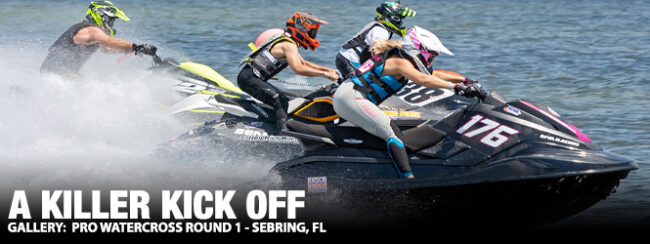
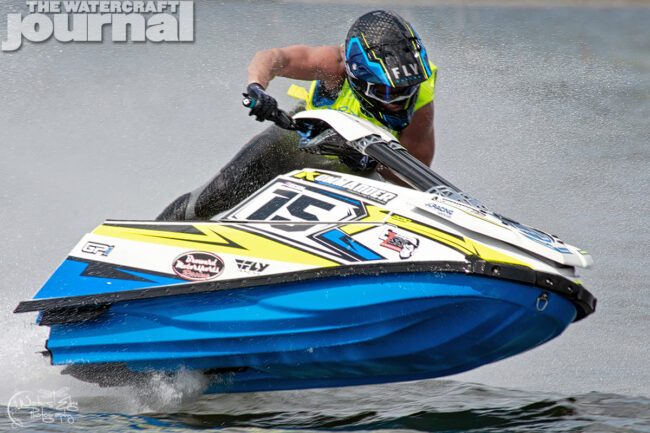
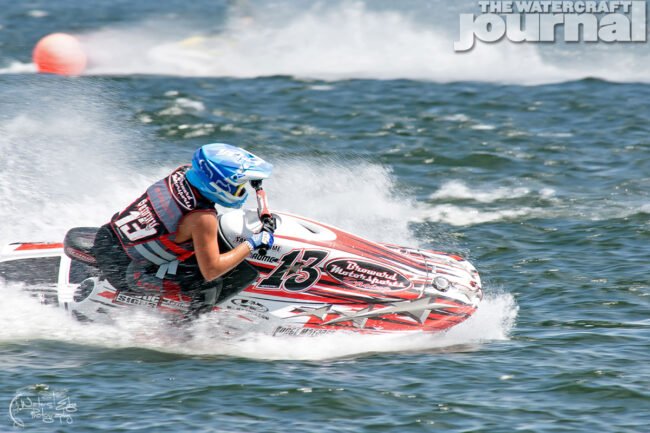
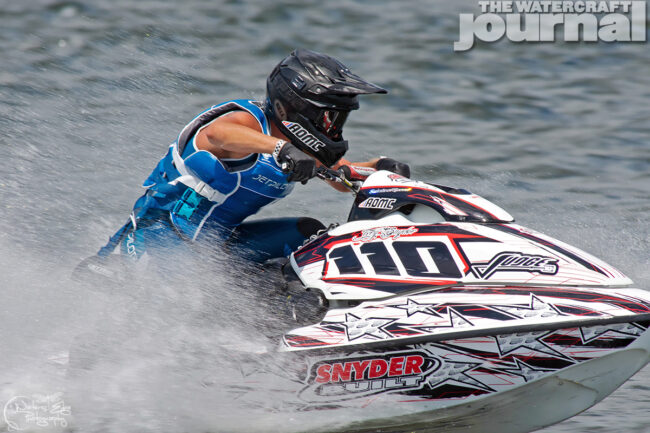
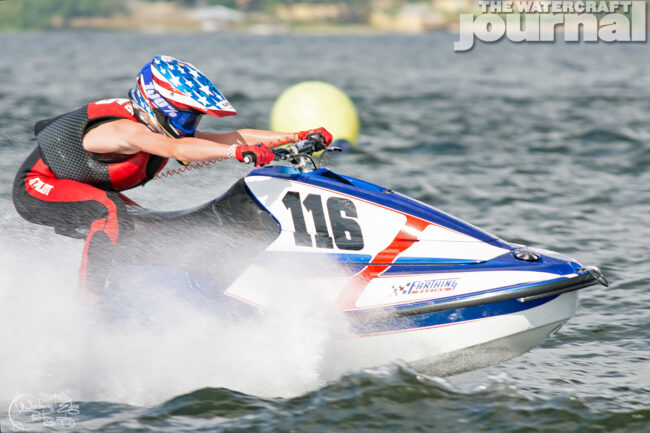
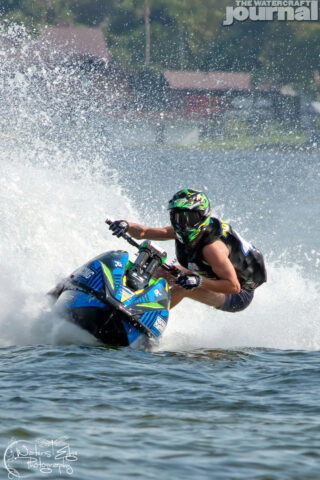
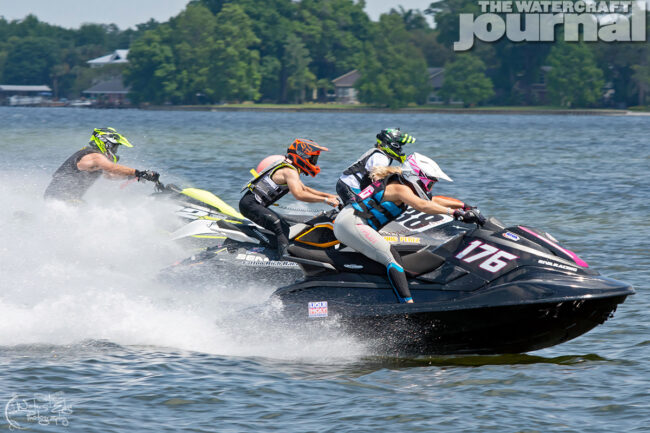
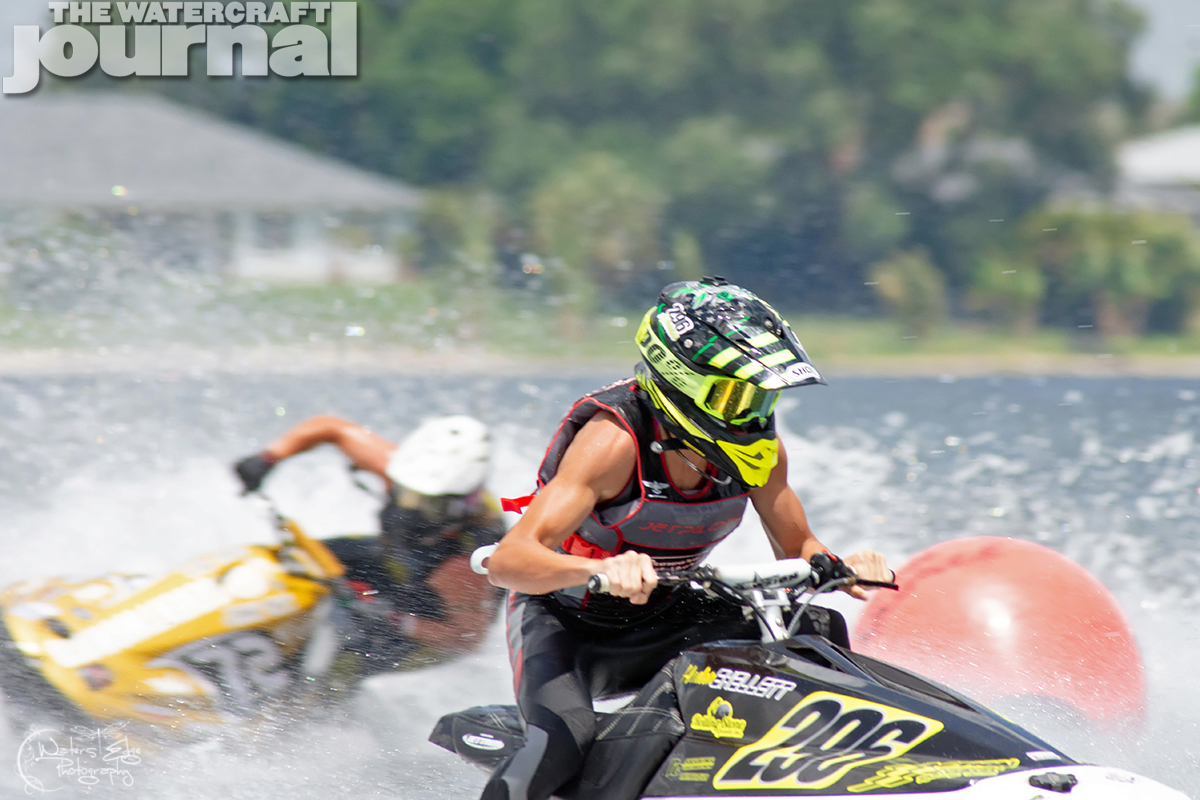
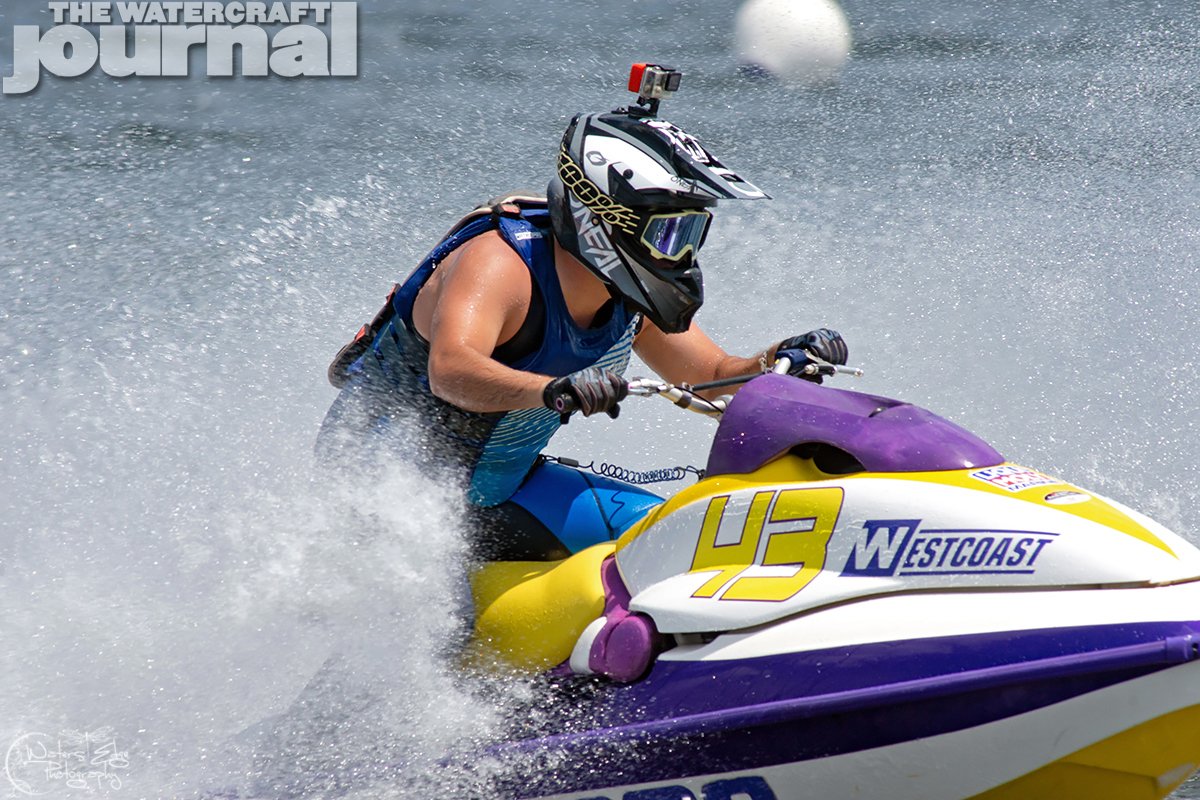
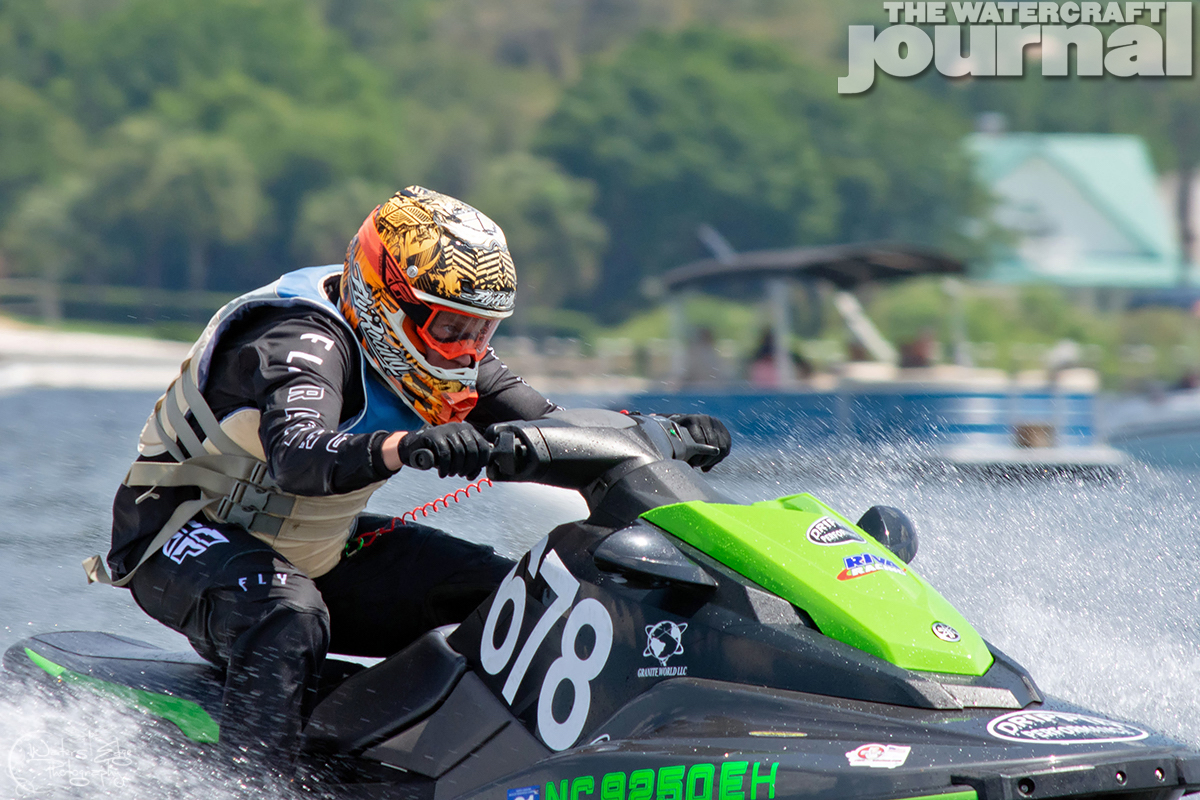
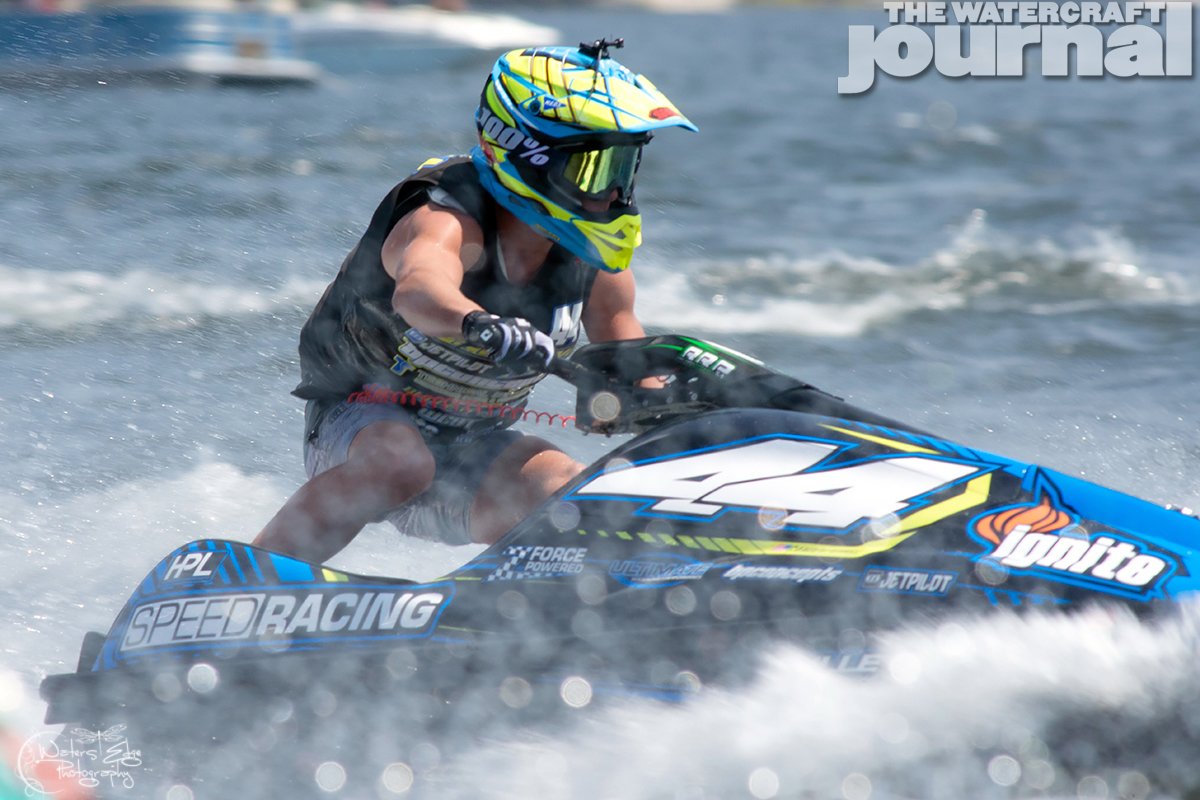
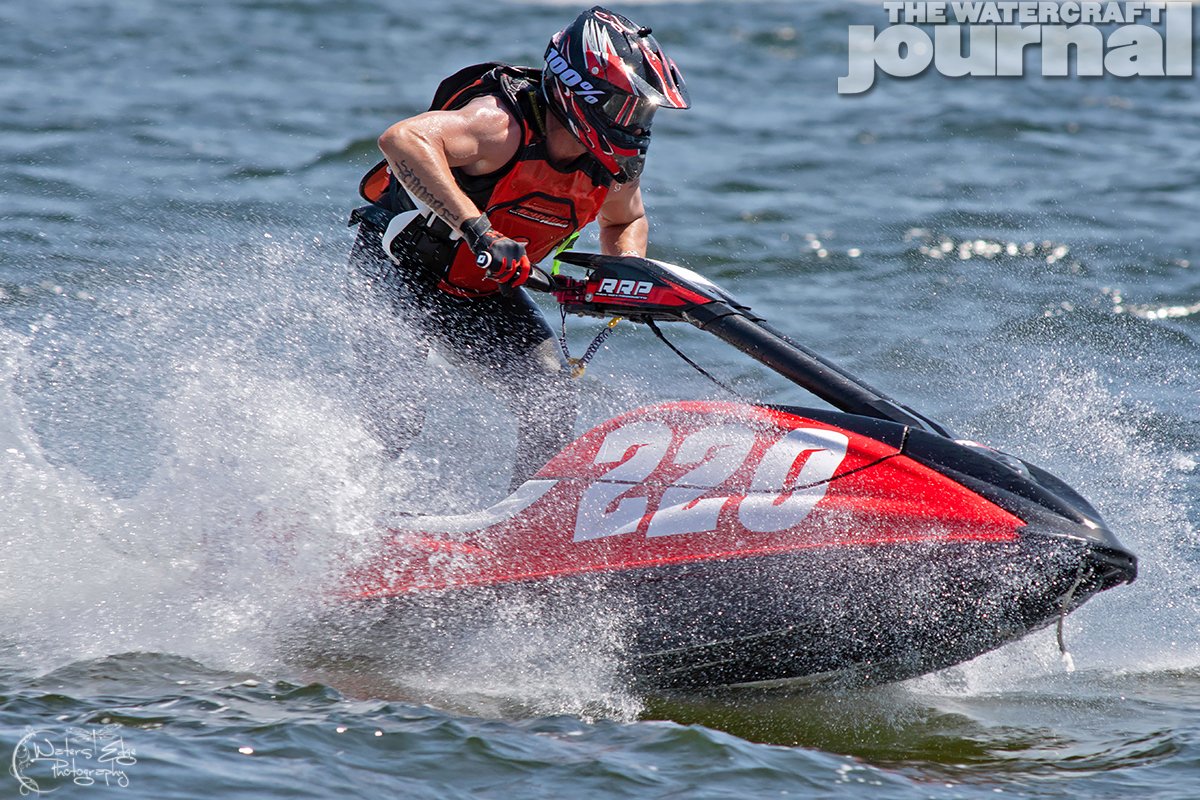
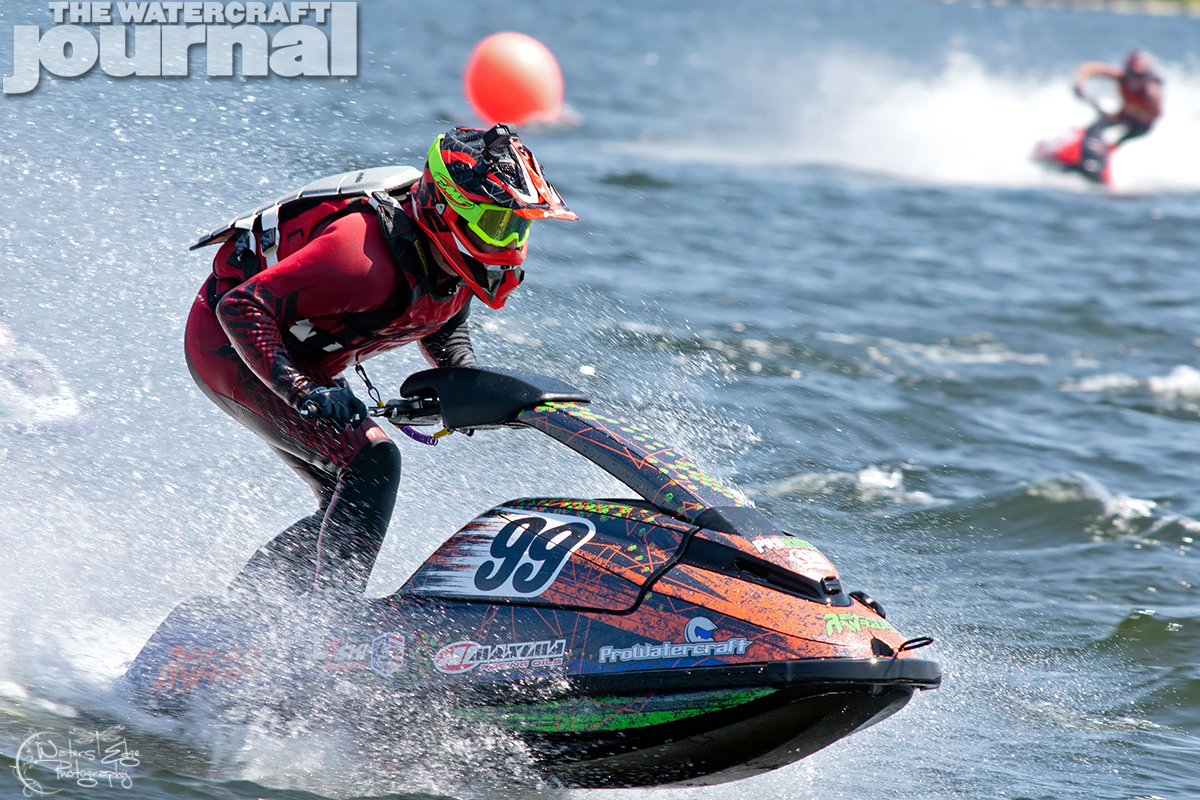
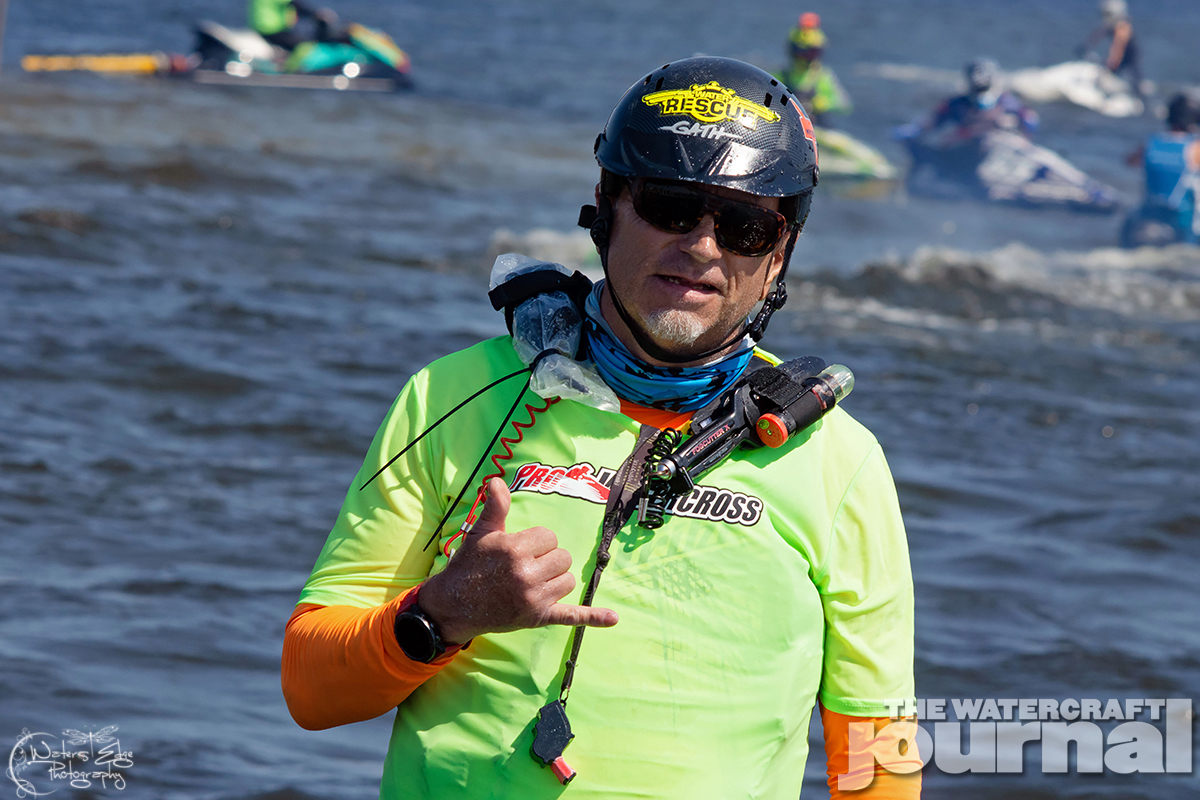
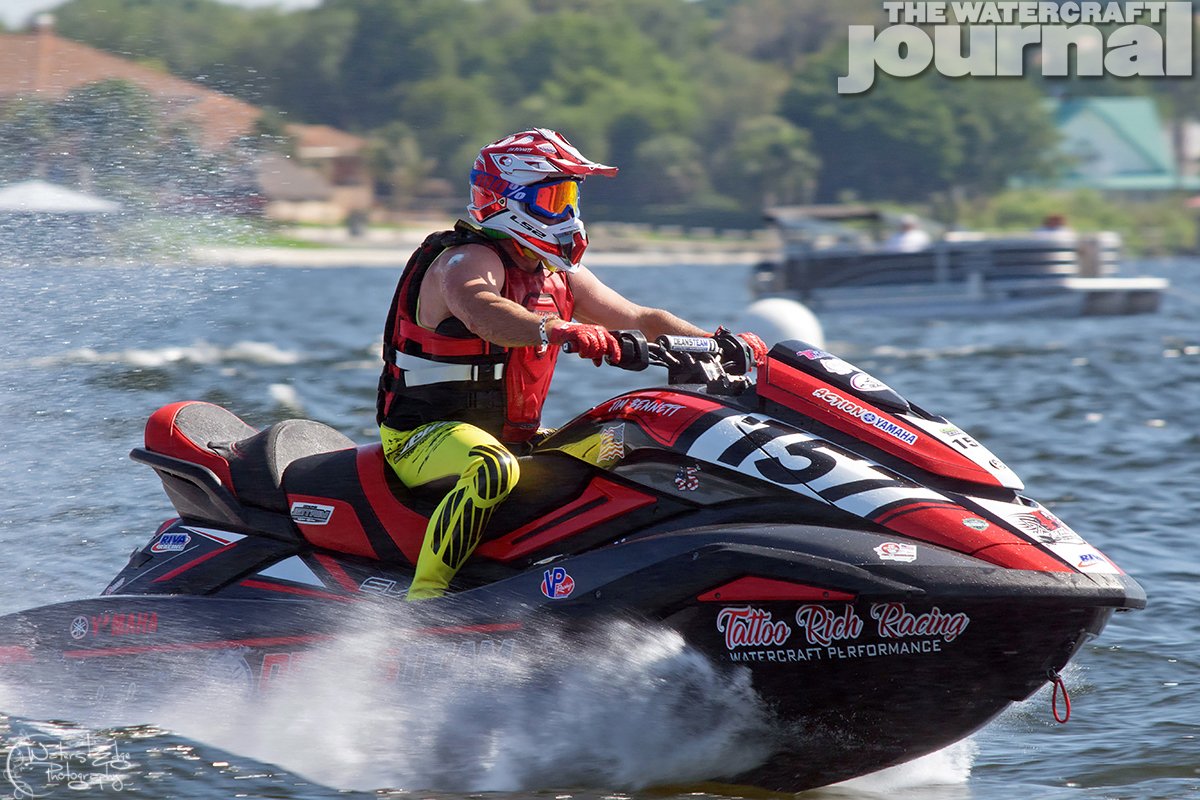
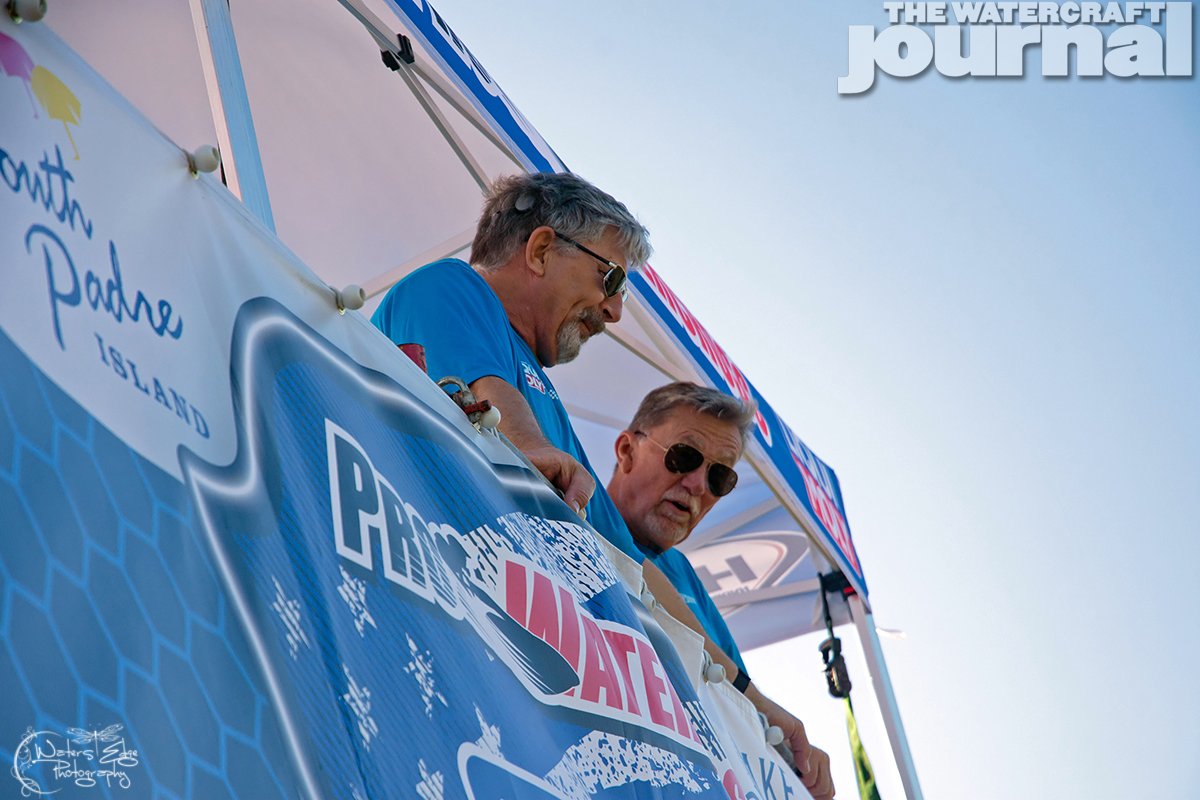
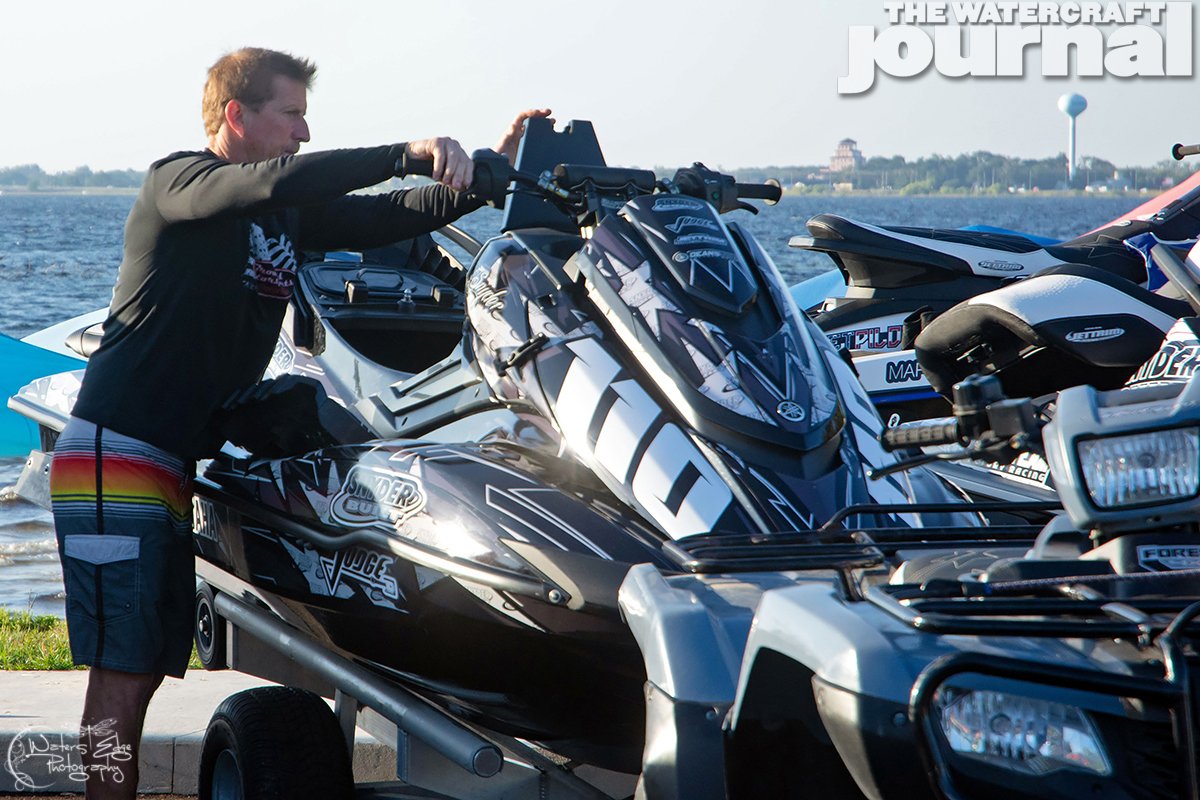
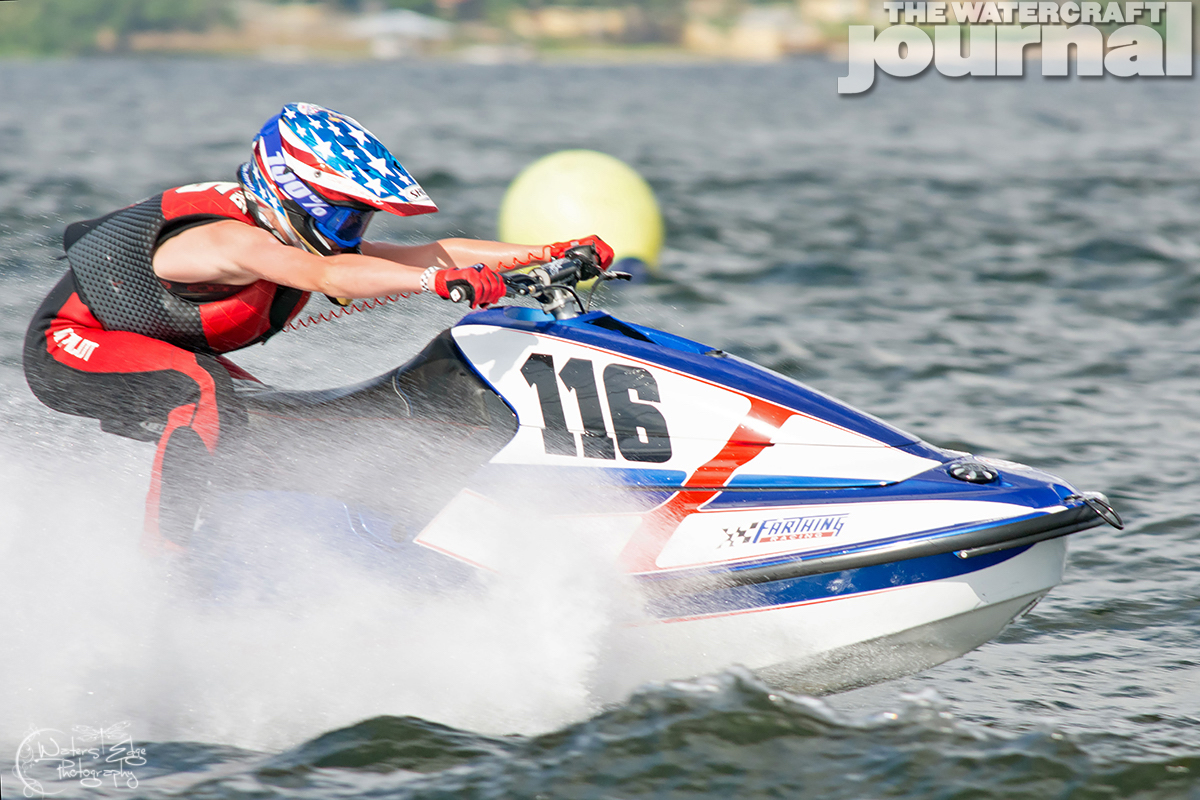
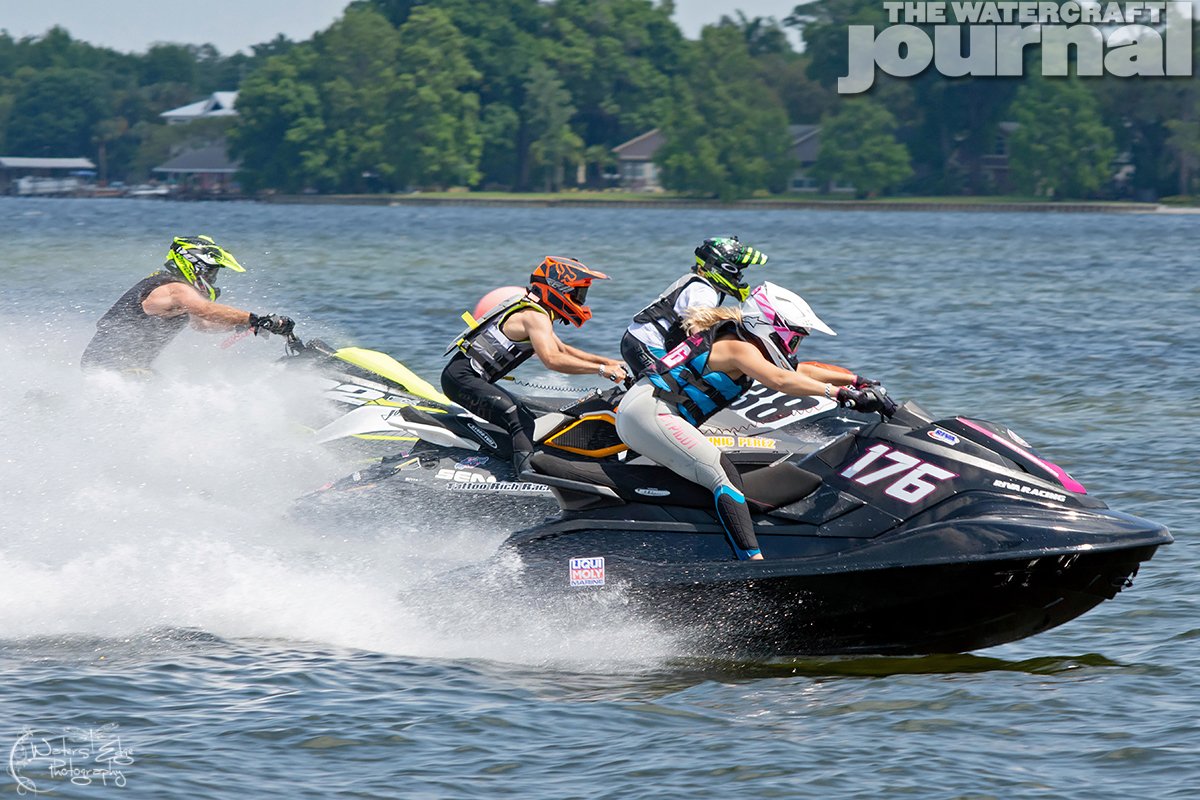
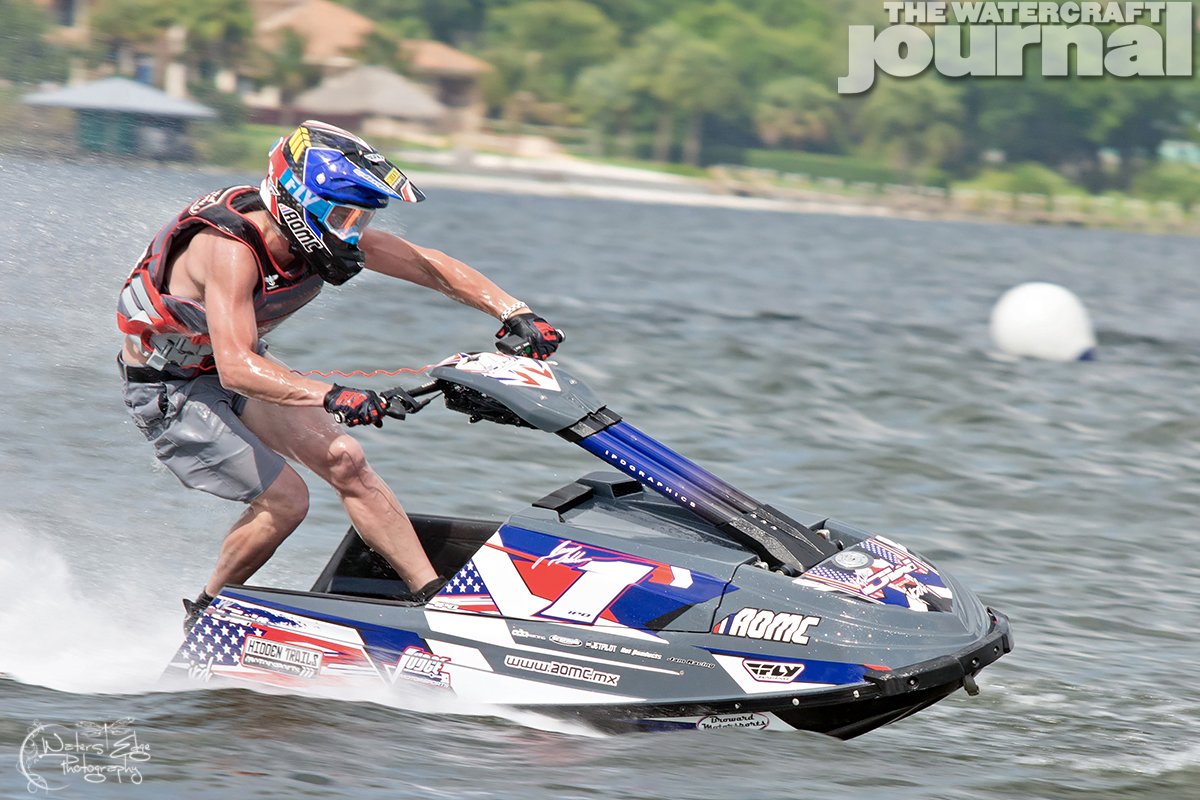
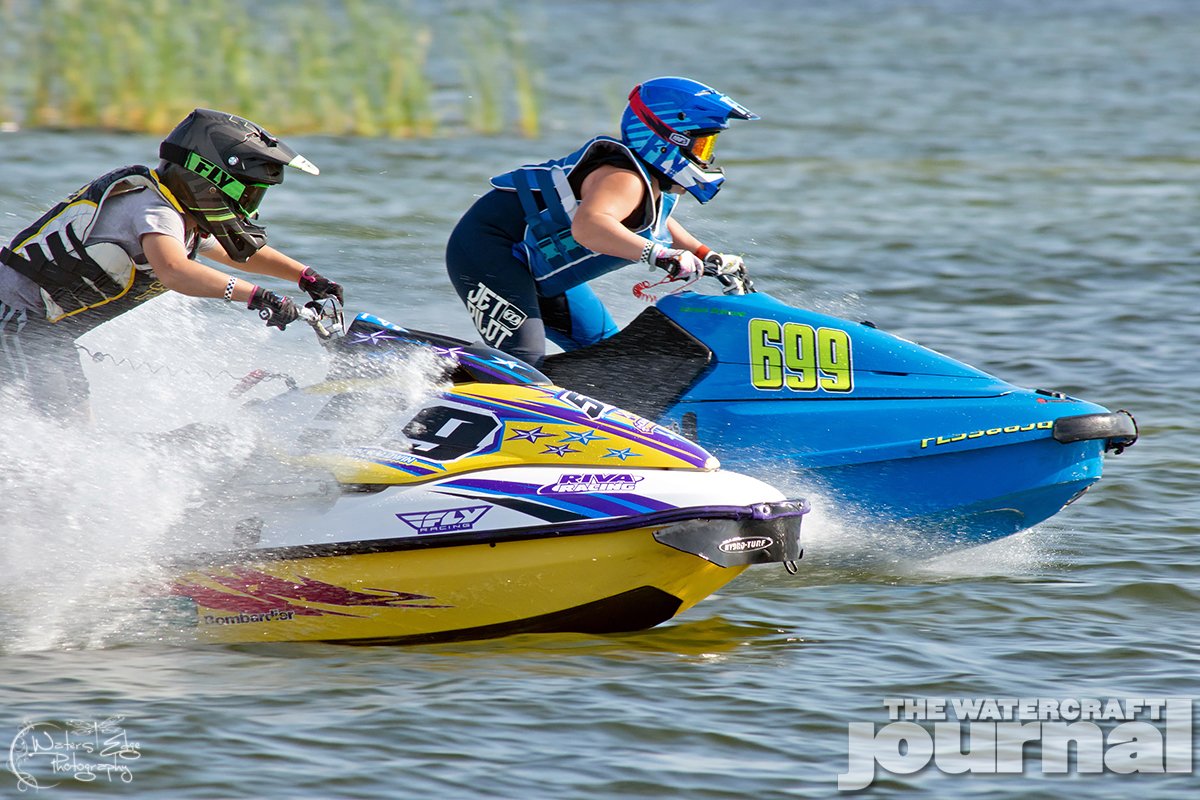
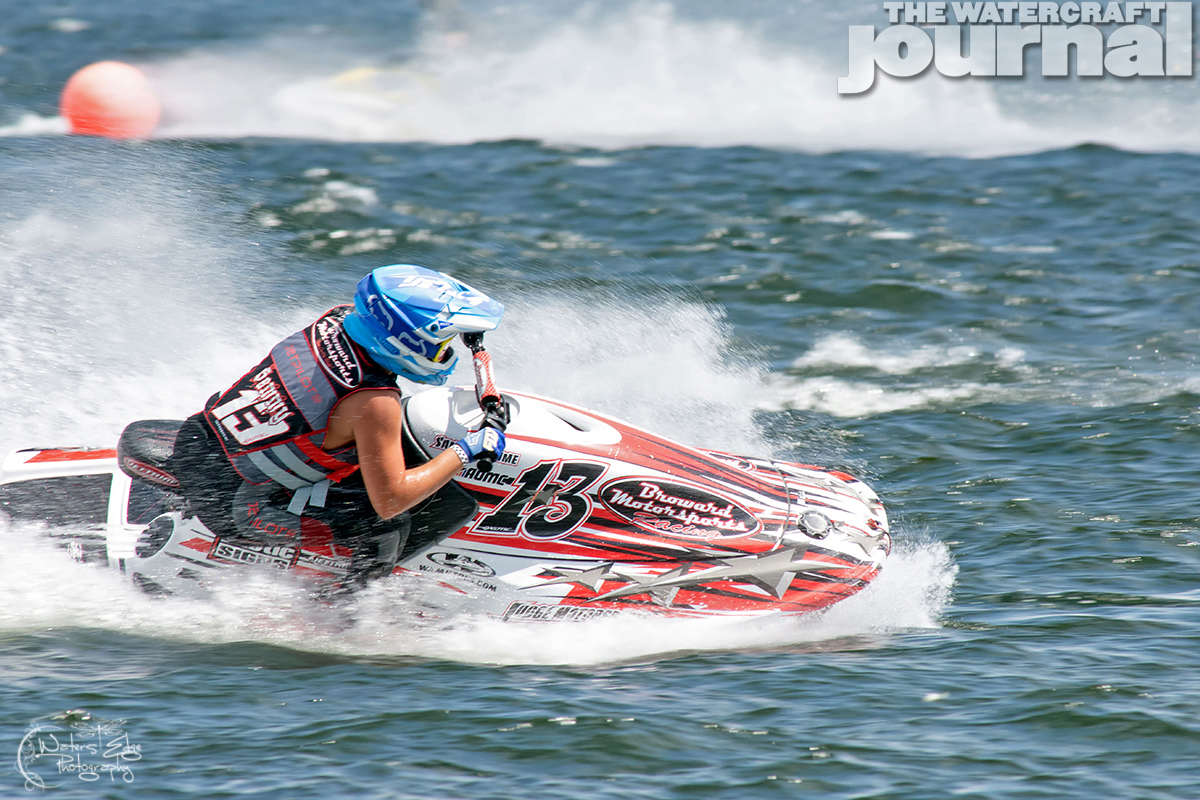
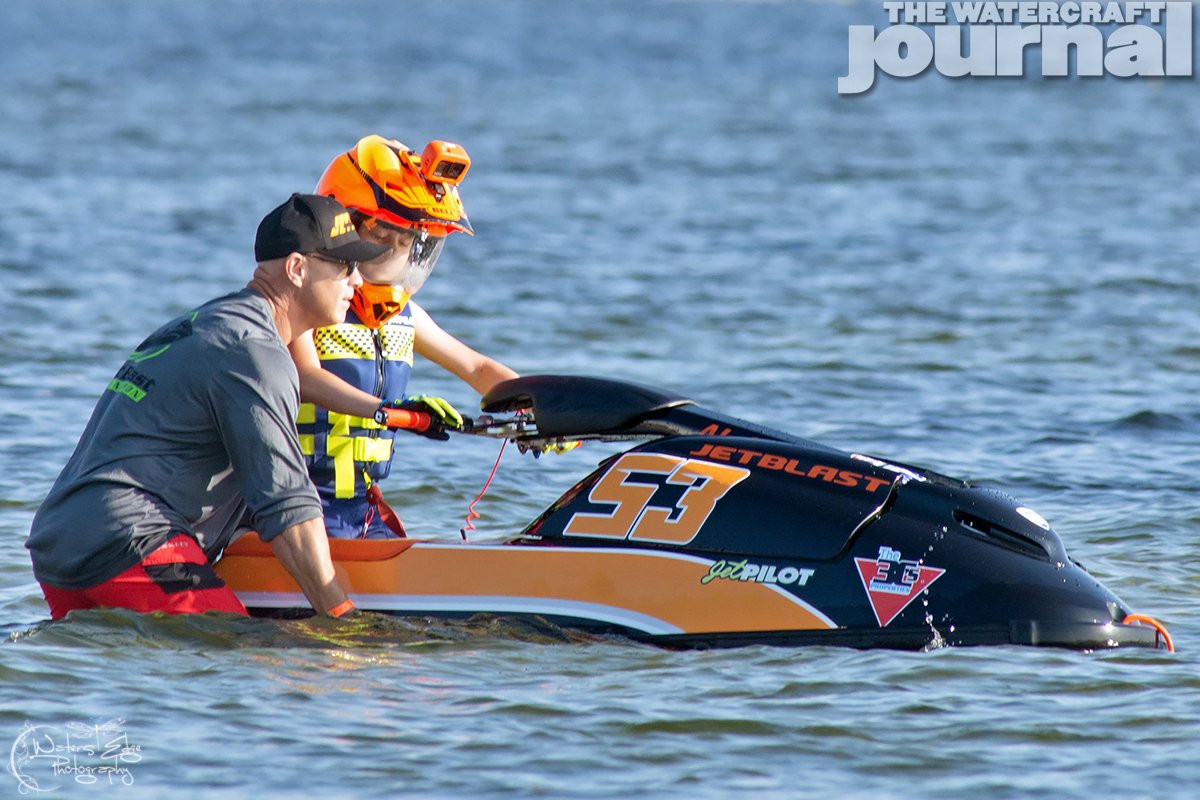
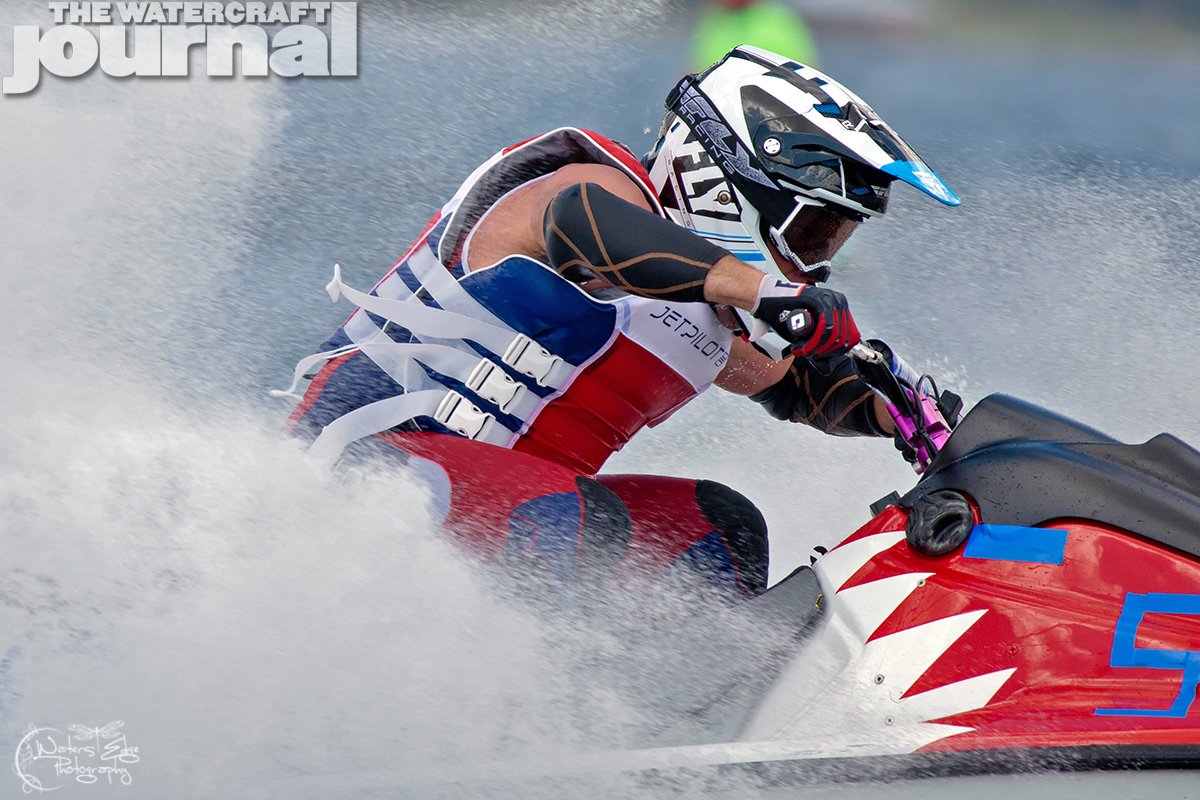
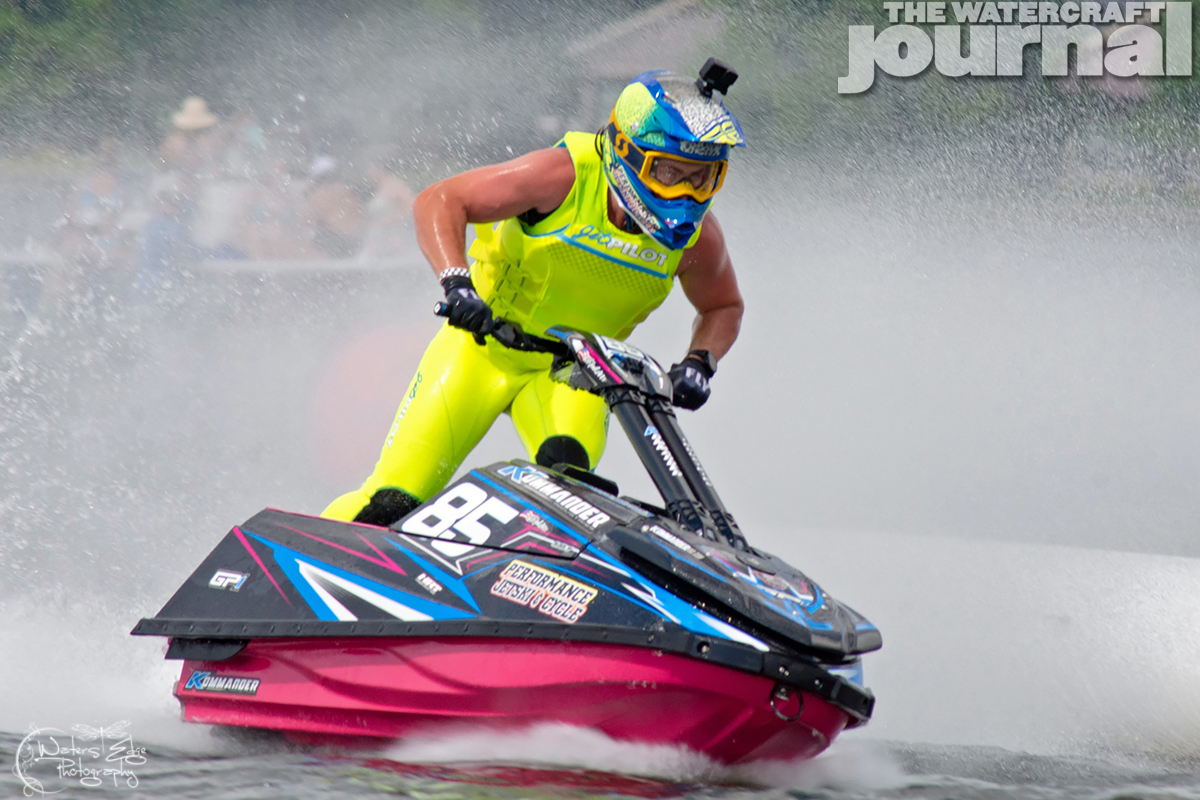
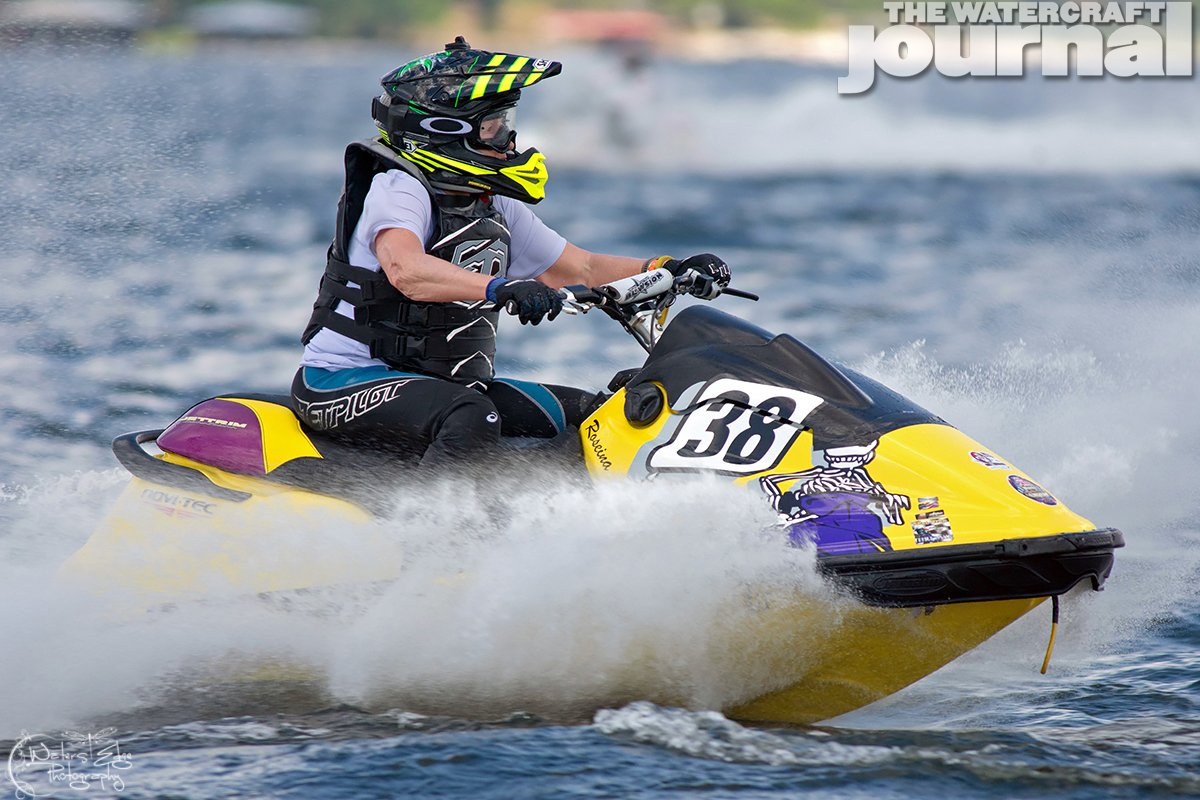
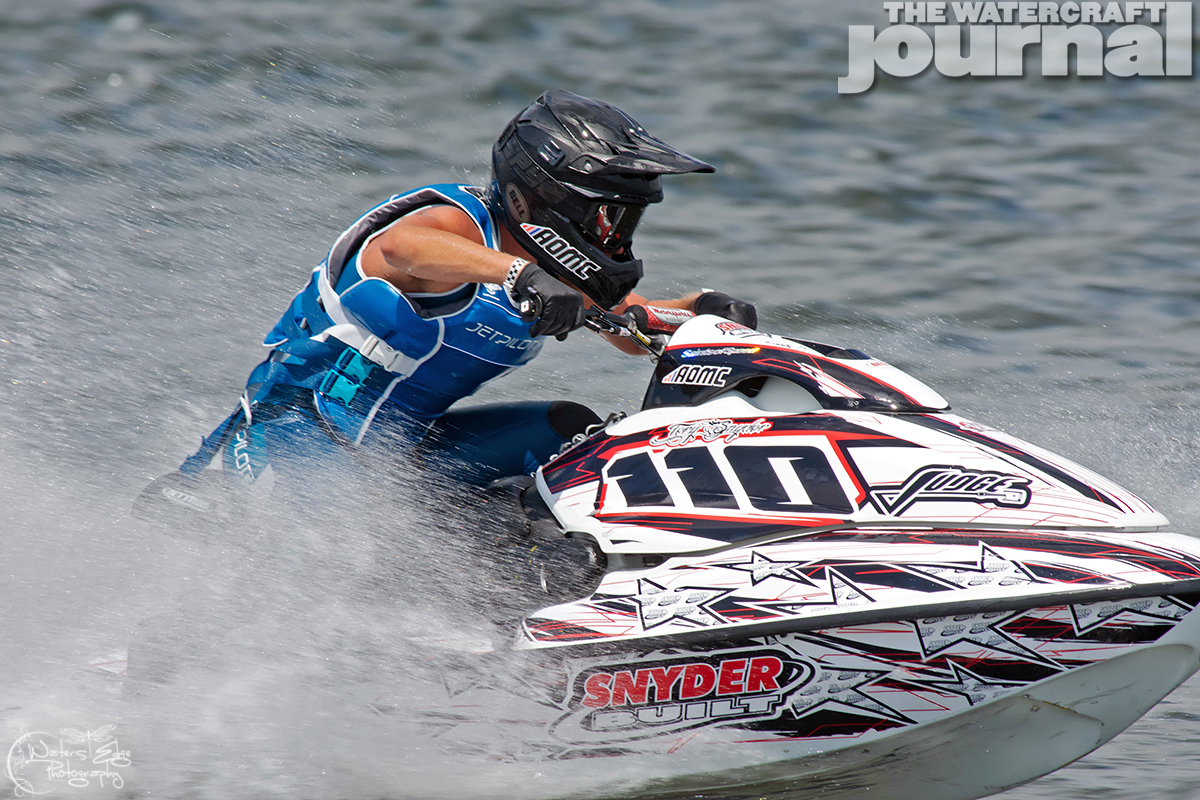
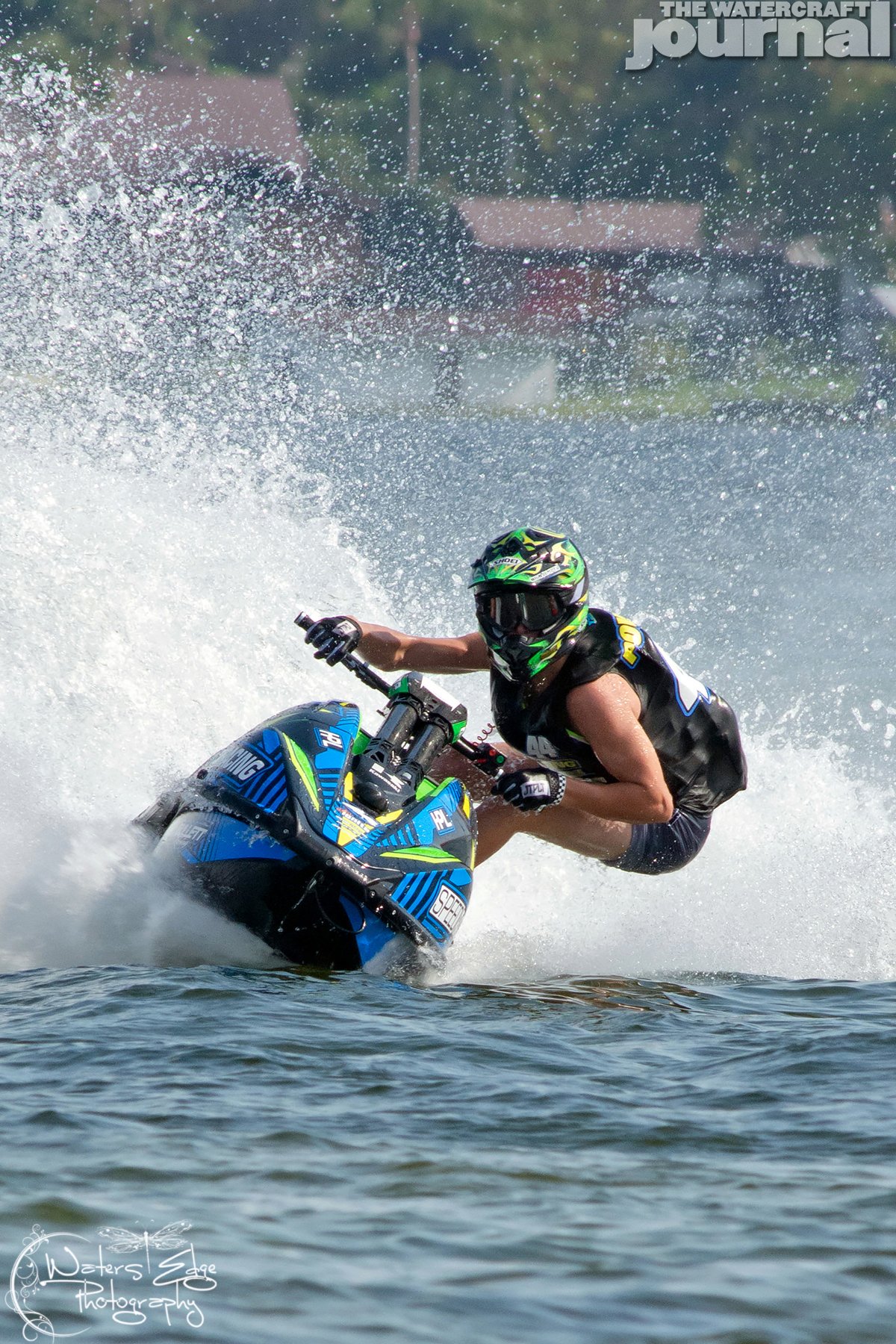
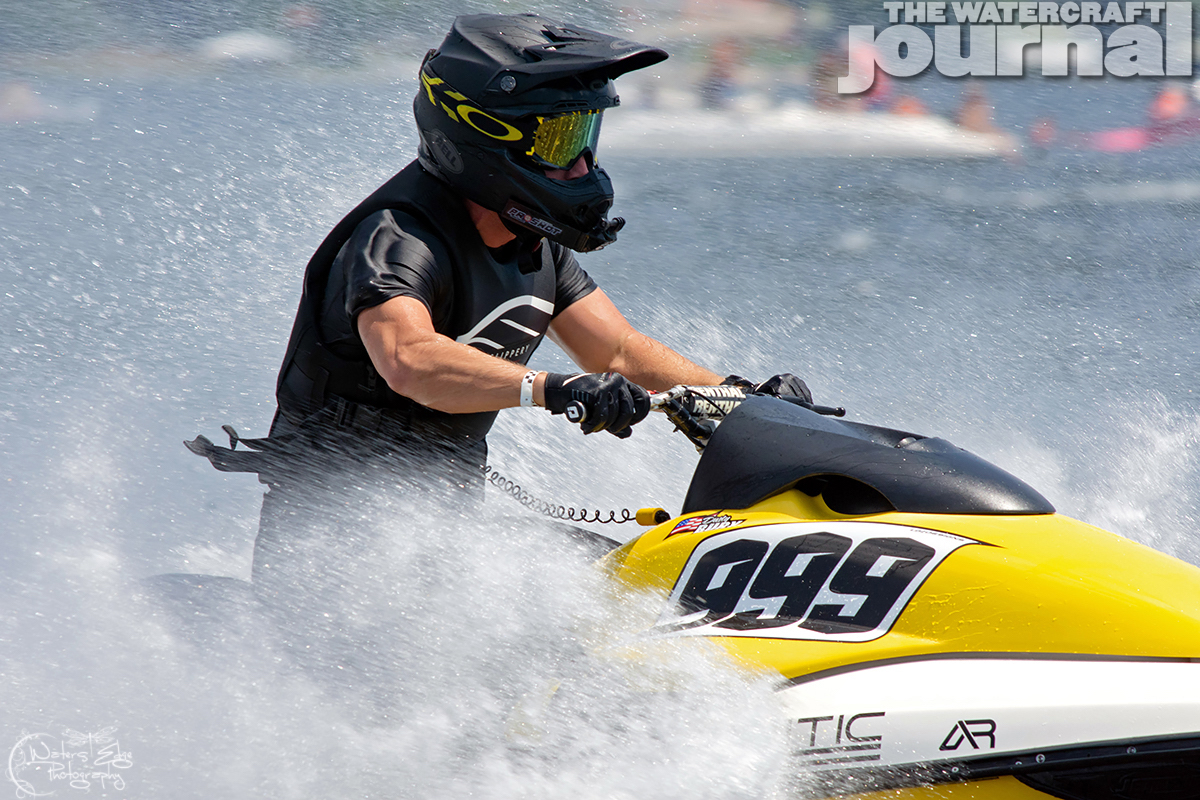
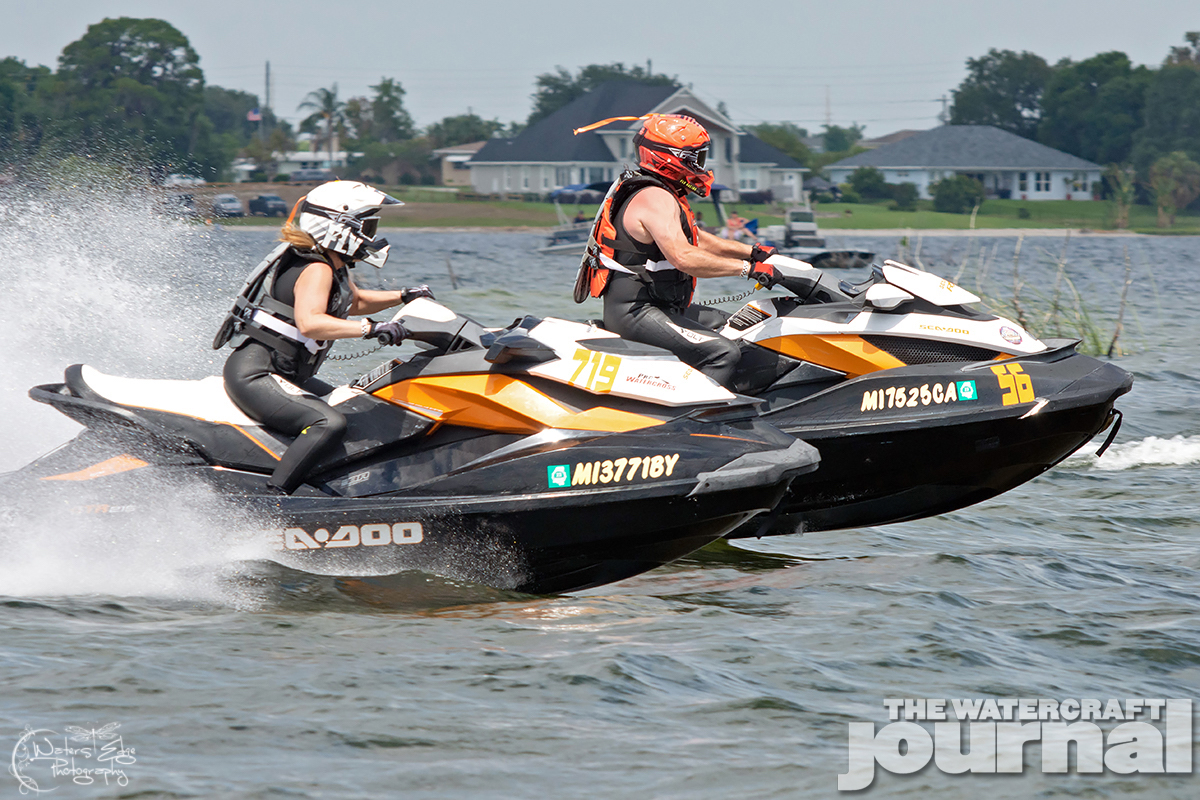
A fast, technical course, an enthusiastic crowd of fans, and some of the sport’s top champions and most promising up-and-comers – Pro Watercross’s Round One in Sebring, Florida, had all the ingredients for a great start to the 2021 race season. And it didn’t disappoint. Across the board, from tour management to racers to fans – last weekend’s season kickoff was a solid success.
“Pro Watercross picked a great site here in Sebring; a lot of people came out from the town to watch the races,“ multi-time world champion Troy Snyder said following Sunday’s motos. “I feel like they should have it here again – there were good restaurants, good water, a good atmosphere, and the track was good.“
Pro Watercross CEO AJ Handler confirmed that the tour will be returning to Sebring in the coming years, and talked with The Watercraft Journal a bit about the race site, the new course layout, and the future of Pro Watercross and the PWC sport.
“We are definitely coming back (to Sebring). I was nervous coming to this site this year; I was not sure how it was going to be received by the racers,“ Handler said, adding that the Sebring site is unique, with a different arrangement than any of the tour’s other sites, with shallow waters and a ramp that is in the middle of the course, instead off off to one side. Handler said that that response from the racers, combined with the enthusiastic welcome and turnout from area residents made for a great opening to the 2021 Pro Watercross Tour.
The changes in the typical course layout for Pro Watercross races was high on everyone’s list of top topics for the weekend. “They made the race course very technical this year – you had a split, you had an equalizer buoy, and you had a make-up buoy – one on one end, one on the other. It was a fast track that got real tight in the splits,“ Sam Nehme said Sunday afternoon, adding that the course layout and the weather conditions over the weekend made the races a thinking-man’s game as well as a matter of sheer speed and endurance.
“When you have a joker (equalizer) buoy, you really have to think and you have to strategize. You want calm water in front of you as much as you can; you want to see who is behind you and gap yourself so you can take that joker buoy and stay in front of them, so it really is all about the right timing and not running out of laps before it’s too late,“ he said.
Handler’s attitude extends beyond the first race, and beyond his own enterprise, however. “I feel excited about the future of Pro Watercross and the sport,” Handler added. “I can’t really pinpoint anything, but it was a very hard year last year, very challenging financially and physically, and it is great to see everyone out here having fun and there is a spirit of cooperation and a lack of animosity, even between the different race organizations, that was never there before,“ Handler said.
“We’re seeing a change in the culture, we’re working together on things like the rule book. They want their customers to come race with us and we want our customers to go race with them. The more racing the better,“ he said. That cooperation, alongside a surge in interest and participation from young riders, bodes well for the sport, he said.
“It excites me – it tells me the sport is getting back on track; we’ve got a lot of synergy with the young kids coming in, and we’re putting an emphasis on the young riders, and we’re seeing the following that they are bringing. Handler pointed out one of those younger riders, Matthew Richuk, as a highlight of the weekend. “He was on top of out this weekend,“ Handler said. “He came out to play and to win, and he did both.“
“He (Handler) tried some new things, and at first, I didn’t know if I would like the new course layout, but it was good,“ Snyder continued. “You have six or eight buoys on each side of the split, and that is kinda like what they do at King’s Cup and Havasu, and it makes it so the slower riders don’t block (faster skis) as much., so I did end up liking it,“ Snyder said.
“I like having the joker buoy – it makes it a little more mental, and you have to be logical when you take it. The only thing negative i would say is I wish he would have swapped the equalizer buoy and the makeup buoy so that you could have made the equalizer buoy at any time instead of having to pick a certain split.“
The extremely long back straightaway also impacted racers, not only during motos, but between races. “On a 2 stroke, with that long back stretch, you probably want to richen it up a bit to be sure when you’re holding it open that long, you’re not going to hurt the motor,“ Nehme said. A technical course and changing weather conditions requires between-moto work, Nehme added.
“The first couple races were really rough, and then it got a little calmer so the boat was staying planted better, so you didn’t have to worry about over revving as much. Then it got rougher again when the winds picked up, so you always are adjusting,” he said. “It’s not just the engine, either. It’s the setup – the ride plate, the scoop grate, keeping the ski hooked up…I would watch his race and say, OK, he’s bouncing a little bit, let me shim the ride plate, let me do things to compensate for the rougher water; but if it gets calm, all those things we did slow the ski down too much for a calm-water race.“
Pro Watercross’s continued relationship with CBS Sports is another aspect behind Handler’s optimism. “CBS Sports is filming the whole entire season, and that in itself is a huge accomplishment for us to get that exposure,“ he concluded. Despite the challenges of the changing water conditions and a new course layout, the weekend brought some tough-fought head-to-head battles and set the stage for a very competitive Round Two in Saint Augustine in early May.
Results: Amateur Ski Stock: 1. Patrick Sarenich, 2. Robbie Finlinson, 3. Joe Surette; Pro-Am Ski Stock: 1. Matthew Richuk; Pro-Am RunAbout GP: 1. Juan Lezcano, 2. Tory Snyder, 3. Alex Cushman; Pro Freestyle: 1. Chris Anyzeski, 2. Jason Stoyer, 3. Michael DePalma; Pro-Am Ski GP: 1. Matthew Richuk, 2. Camden Powell, 3. Jimmy Wilson; Pro-Am R/A Box Stock: 1. Tory Snyder, 2. Troy Snyder, 3. Erminio Iantosca; Sport Stock: 1. Haden Skellett, 2. Sammy Nehme, 3. Bobby Cardone
For full results, and information on the Pro Watercross tour, including Round Two in St. Augustine, visit prowatercross.org. For the full album of photos, visit www.watersedgephoto.online
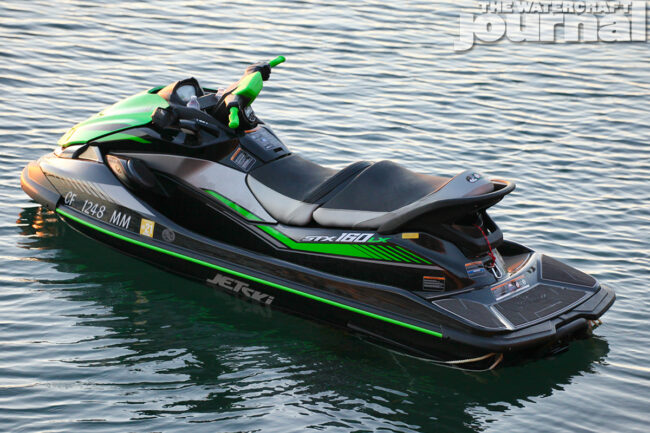
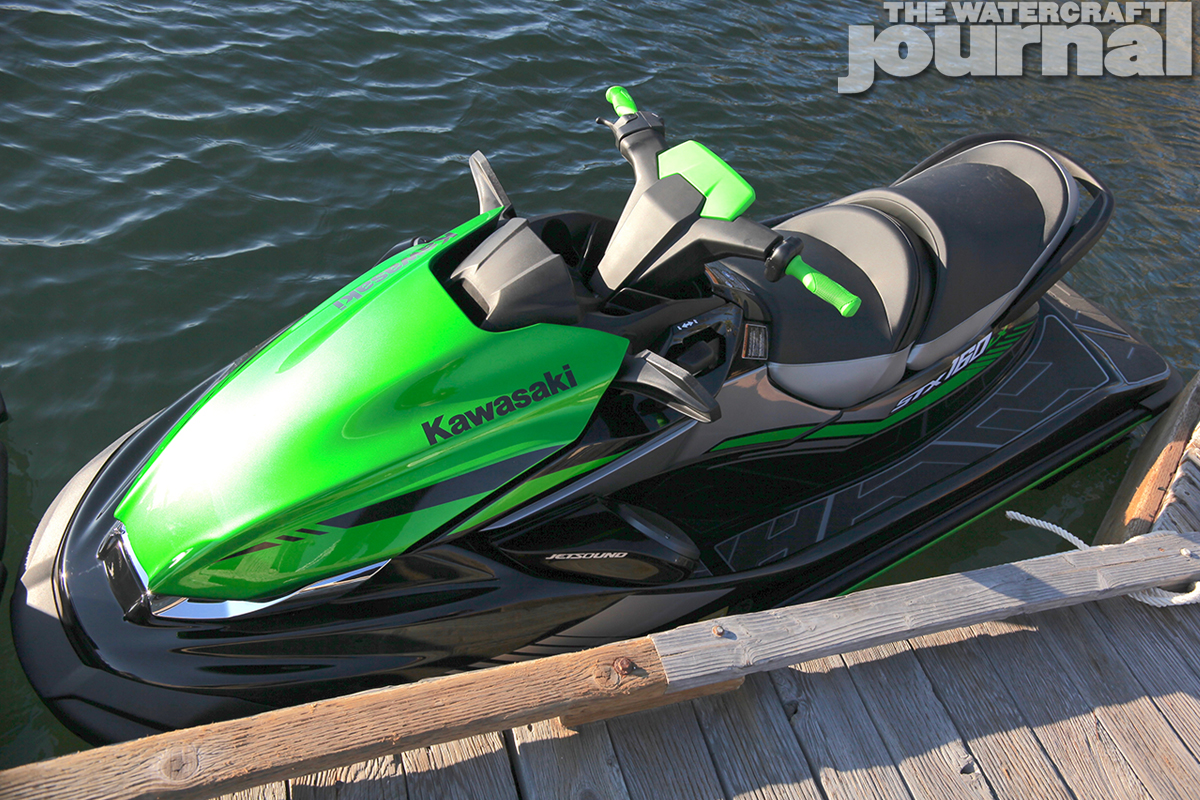
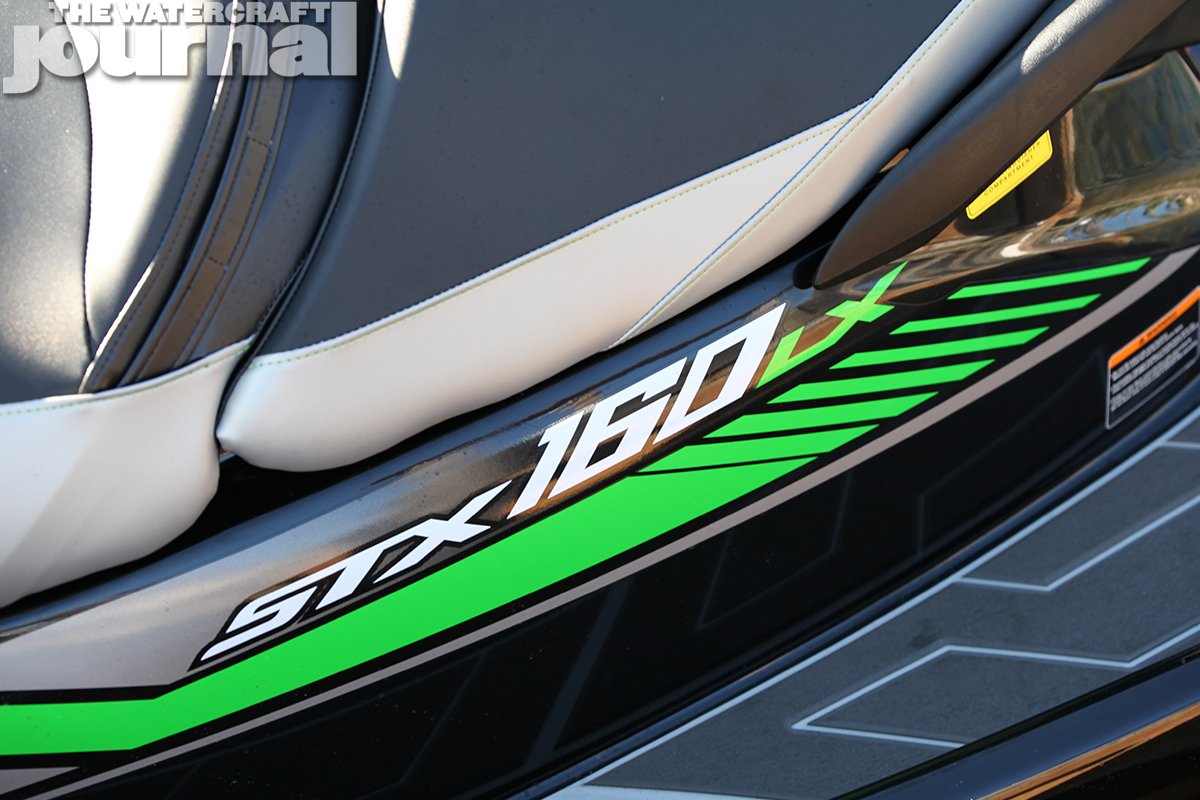
Admittedly, it would be a little misleading to call the 2020 Kawasaki STX 160LX a completely designed JetSki. It’s not that it’s not radically different than its predecessor (which survived nearly unchanged for 15 years, besides rotating paint and decals) – well, because it is.
It’s just that the newest entry in Kawasaki’s lineup retains the same hull design (first shaped nearly two decades ago) as well as the same 148mm axial-flow jet pump – and to a lesser extent, a slightly altered version of the tried-and-true 1.5L 4-cylinder four-stroke that has powered the STX since 2004.
Yet, in spite of these carryovers, Kawasaki found a way to eke new life into a slowly staling platform and from it, create a whole new line of entries into the Recreation segment for Kawasaki. Yes, from the outgoing STX-15F we got the STX 160, STX 160X and STX 160LX.
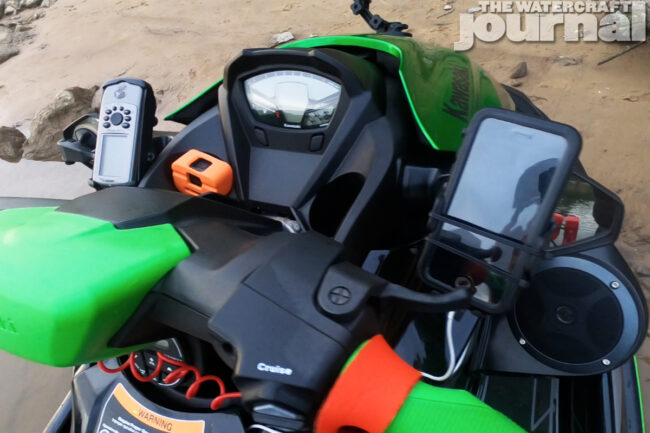
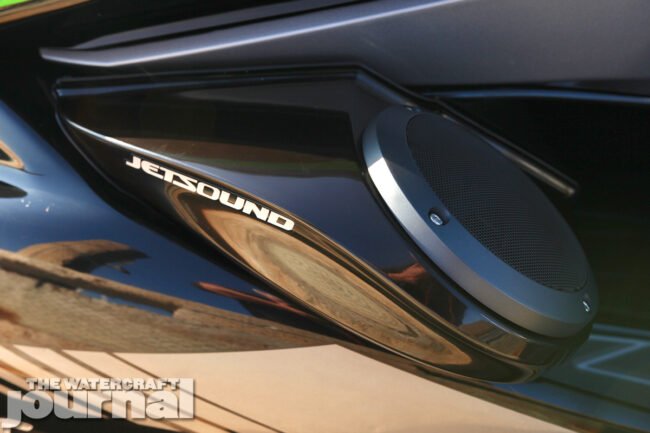
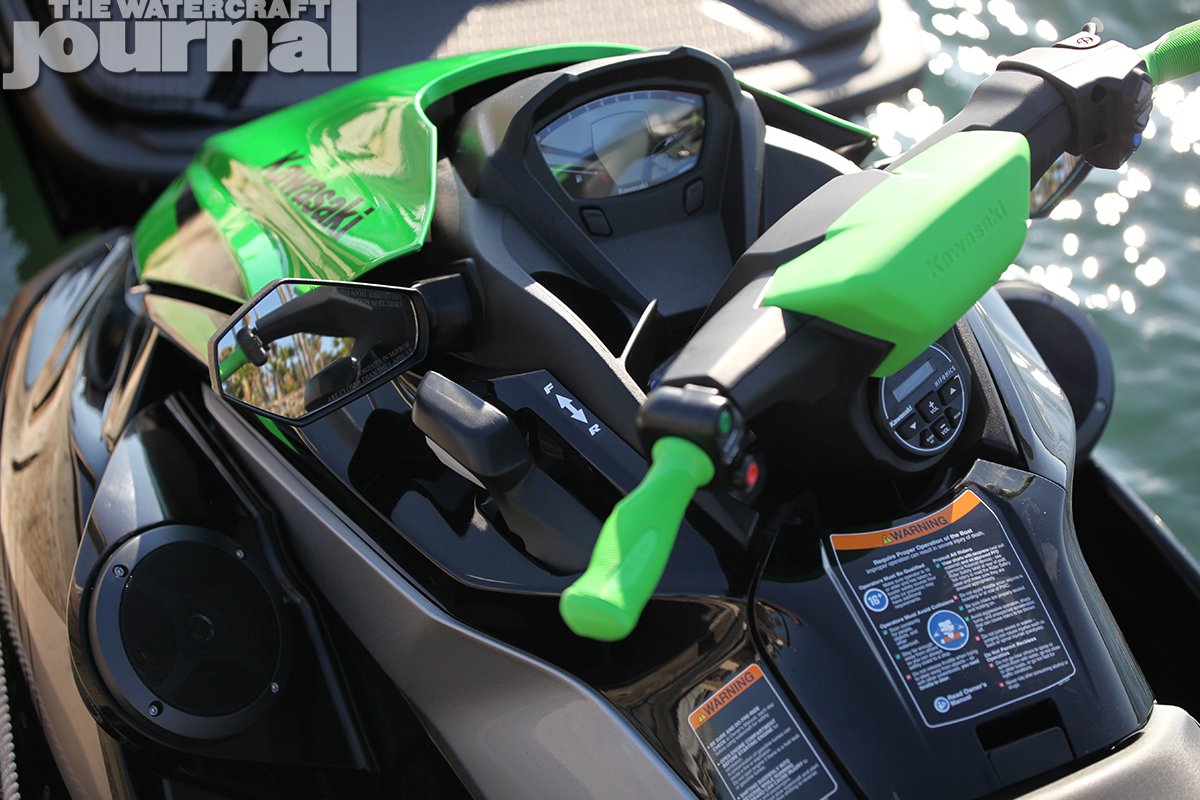
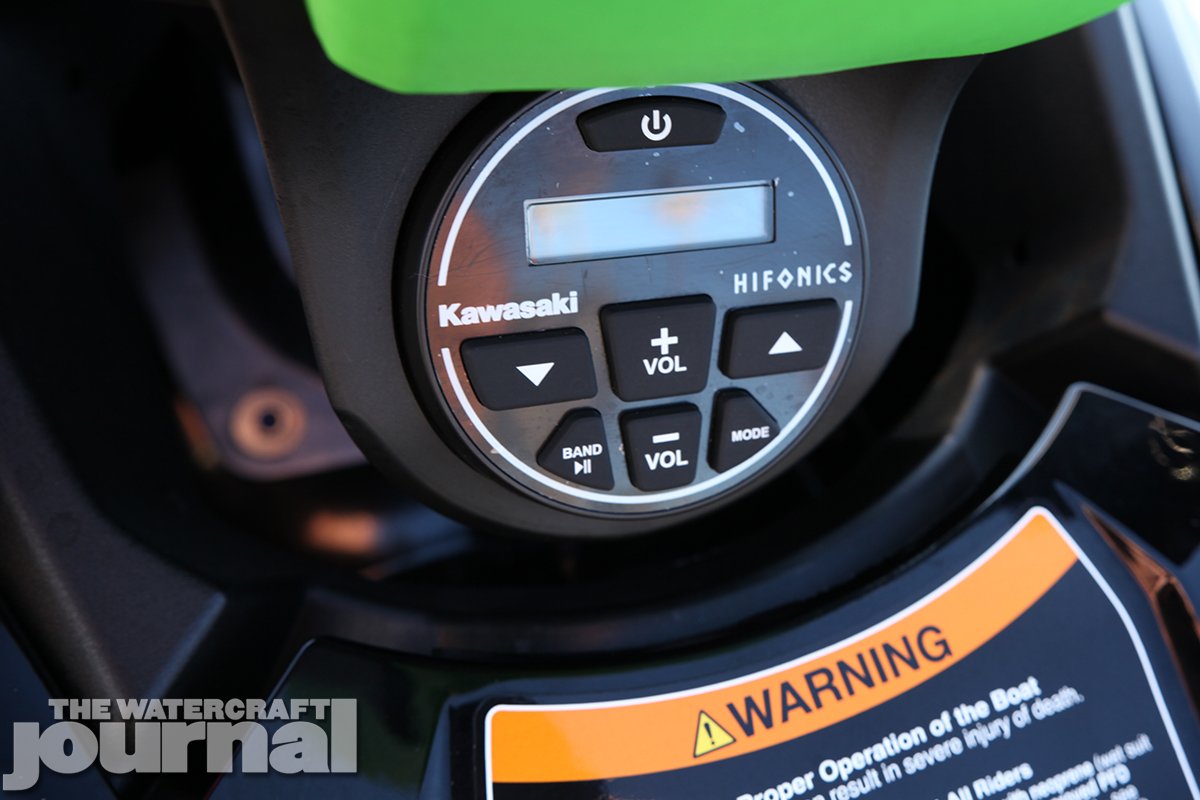
For much of last year, The Watercraft Journal was gifted the lanyard to a fully-optioned STX 160LX. Earning the JetSki the coveted “LX” designation was most notably the presence of Kawasaki’s Jetsounds audio system. Made from a pair of 30-watt waterproof speakers and twin 20-watt amps (x2 channels, max 40W x2), Jetsounds can play all of the MP3s your Bluetooth-capable smartphone or other digital music player can carry.
A small control pod is fixed beneath the handle bar pad, with a digital LCD screen reading off track numbers, volume and even allows for optimizing the bass and treble settings. The power on/off button is found at the top but be warned, it’s so tiny that you might miss it if you’re not looking closely.
And to stow your smartphone, Kawasaki has split the glove box to accommodate a snap-closed water-resistant lid. This eats up the vast majority of the previous STX’s glove box capacity, but knowing how many folks bring their phones and wallets with them, it’s a smart addition. The main glove box door closes down over that.
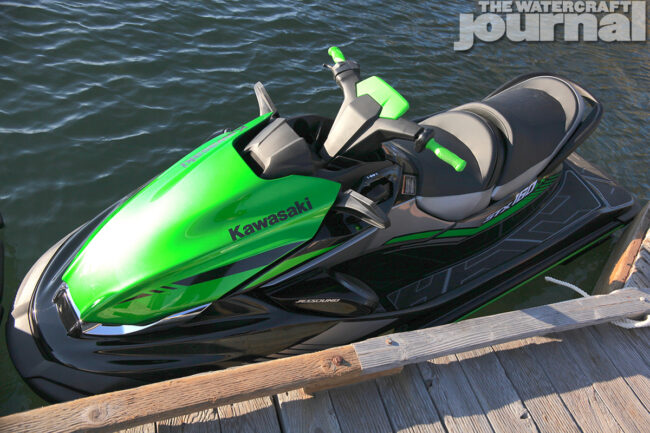
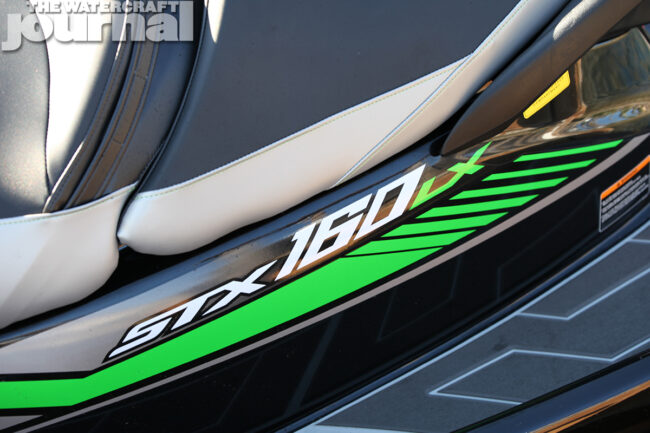
Equal to the full-sized Ultra 310LX, the STX 160LX is coated in the same Candy Lime Green and Ebony paint livery and features the same two-tone, high bolstered seat covered in heat-resistant black textured vinyl. An added feature new for the 2020 STX redesign was the slide-and-fold rear seat, which has the rear seat sliding on a plastic track, allowing for rear storage access without removing the cushion.
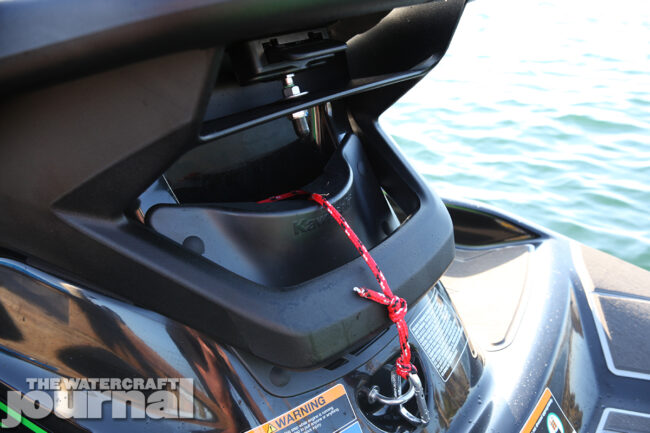
The last portion of the STX’s 35-galllon overall storage is a rubberized pouch on the back for docklines or a tow rope. It’s fixed to the deck between the two-rung reboarding handles behind the rear passenger. Being an LX, there’s also a folding swim step that snaps closed against the two-tier swim platform; and it and the footwells are covered in two-tone CNC-cut Hydro-Turf traction matting.
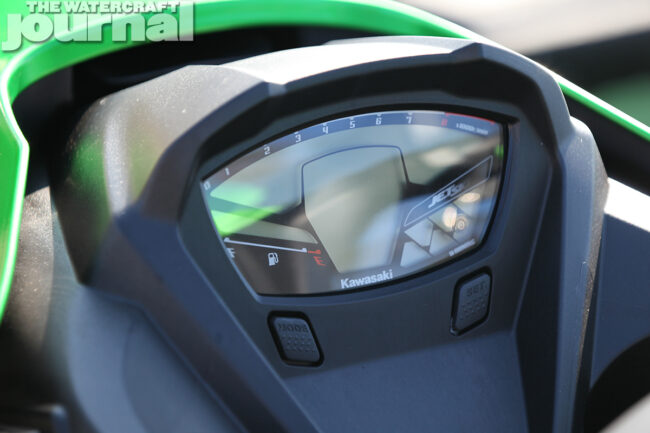
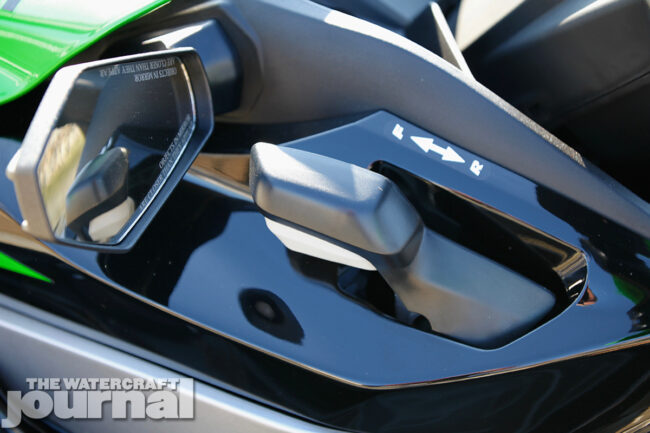
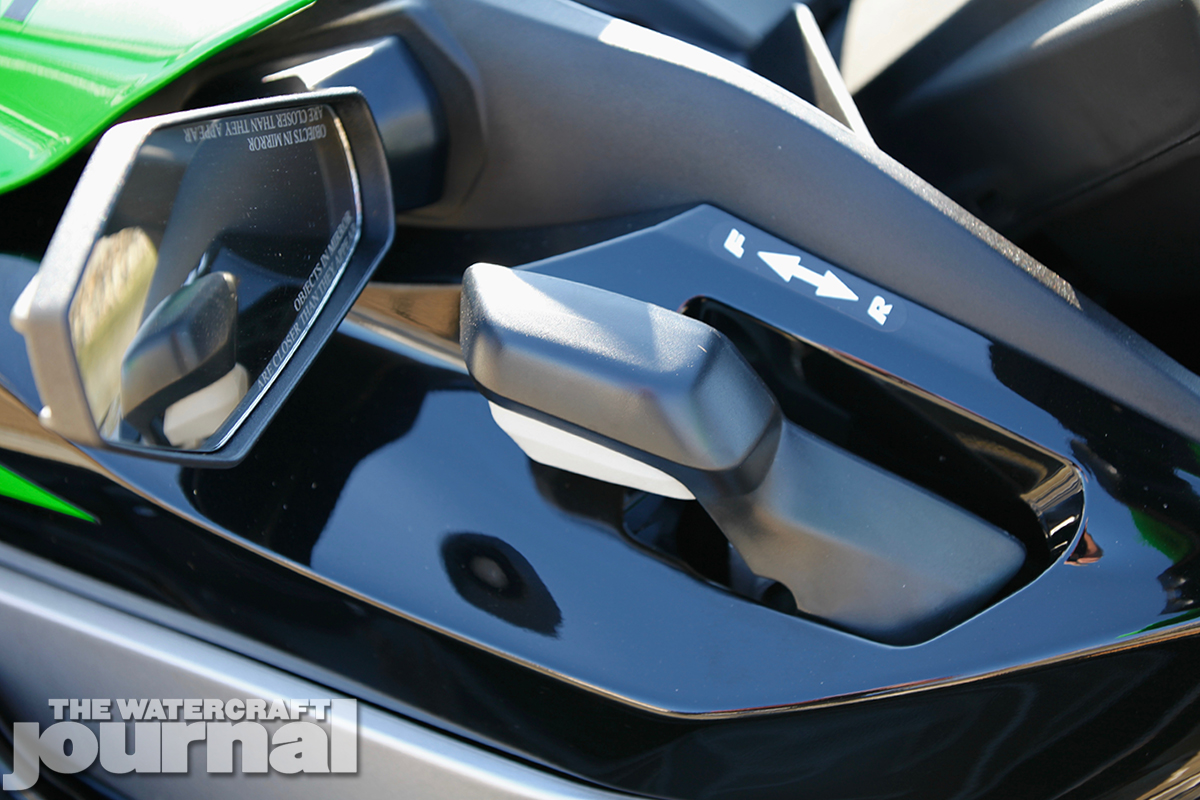
For the driver, the redesigned cockpit features the same LCD dash found on the naturally-aspirated Ultra LX’s with two cup holders molded into the fairings on either side of the narrow handlebar neck. The throttle is no longer cable operated but fly-by-wire, with enough spring tension to feel natural. To the driver’s left is the trigger-released manual reverse lever, which we dearly anticipate its impending retirement.
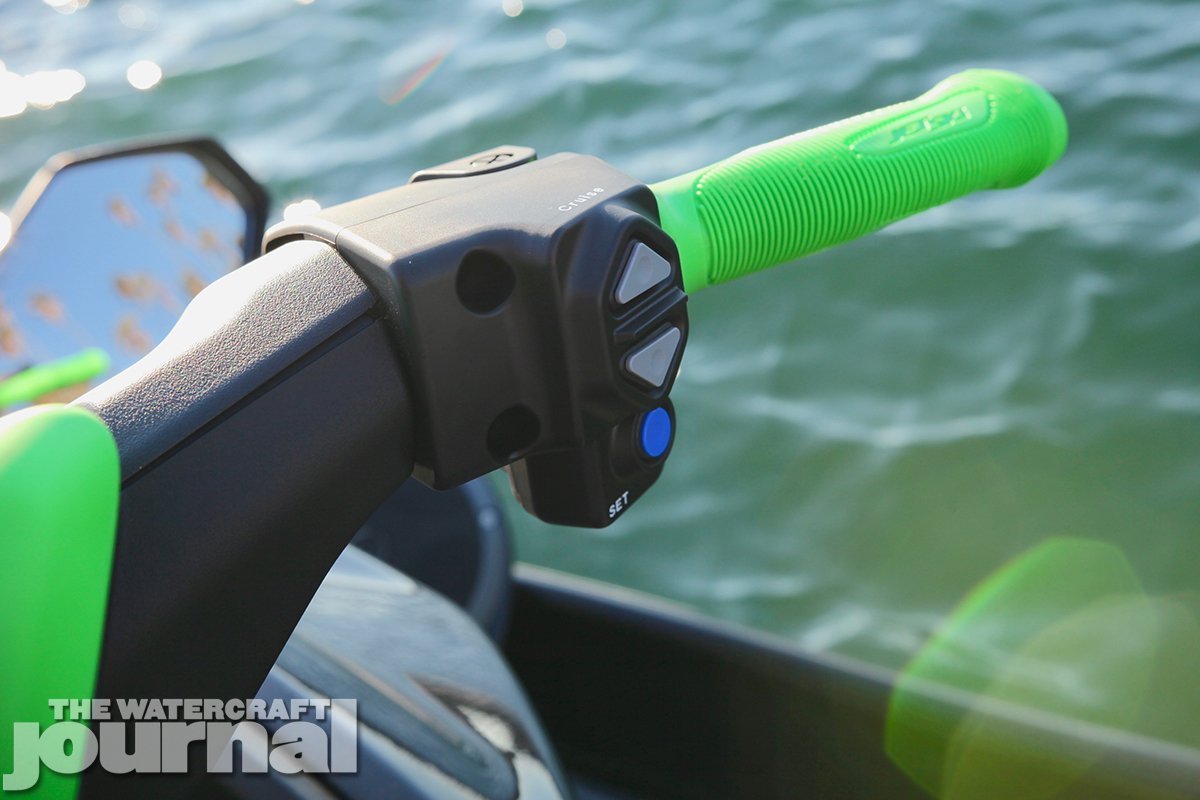
Beneath the seat is Kawasaki’s 1,498cc, 4-stroke, dual overhead cam (DOHC) 4-cylinder as found in previous STX’s but now equipped with the same ignition and engine management system as the larger Ultras, thus giving it the ability to operate in Cruise Control or No Wake mode. No Wake mode is permanently set at 5 miles per hour. No toggling up or down here. Cruise Control does permit for upwards adjustment of 5 miles per hour from the set speed though.
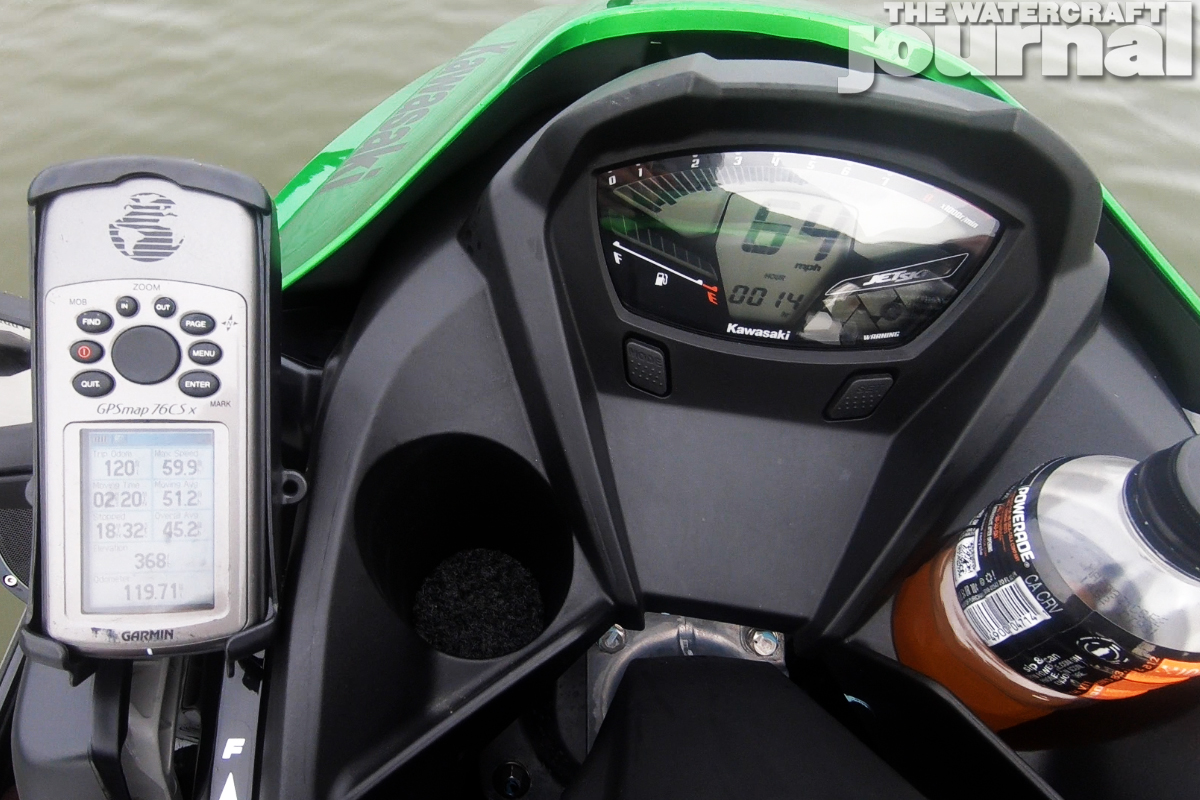
And most exciting is the addition of Kawasaki’s massive 20.6-gallon fuel cell from the Ultras; giving the STX the largest fuel capacity of any competitors’ entry into the Recreation segment. At nearly 600-feet above sea level, a 240-pound rider, a half tank of fuel, perfectly glass water and cool low-70º air temps, we squeaked out a maximum 58mph on GPS (the speedometer said 64mph, FYI) and a best mpg of 5.5 at wide-open-throttle.
All of that is pretty respectable given the STX 160LX’s curb weight (meaning when loaded down with fuel and oil), comes in at 877 pounds – that’s 110 pounds over the Yamaha VX Cruiser HO, and 140-pounds over Sea-Doo’s GTI SE 170. It’s also worth noting that early in the production run, Kawasaki found that the hood bases were cracking, resulting in several hoods breaking free. Thankfully, Kawasaki addressed this and it’s no longer an issue.
In redesigning the deck, Kawasaki elevated the rider’s height, which in turn, altered the JetSki’s center of gravity. While tracking straight, this means very little. But in leaning into a corner, the ski rolls heavily on its centerline, giving the sensation of being the bob weight at the end of a metronome. It also means that at speeds below 40mph, the ski tends to teeter-totter left to right (the behavior evens out with more throttle).
The watertight phone compartment is helpful, but we bemoan giving up usable storage for sunscreen or bottled water. The cup holders upfront intend to resolve this, but our bottles would rattle and bounce out in anything other than glass conditions. We cut out a pair of pucks from spare Hydro-Turf we had in the garage which helped absorb most of the vibrations. It’s a small quibble but after losing a can of sunscreen in the lake, it was worth noting.
We were happy to have options in how to operate Jetsounds – either via Bluetooth or the head unit in the handlebar. We do warn that it will immediately begin playing whatever you have queued up on your phone if the system isn’t manually deactivated, so be aware that folks at the launch ramp might be unwittingly listening to your favorite podcast while you go park the truck.
In light of these small issues, we found the 2020 Kawasaski STX 160LX JetSki to be quite enjoyable. While lacking some of the versatility of its Sea-Doo competitor or racy handling of the VX Cruiser HO, the STX 160LX is a strong entry into this hyper-competitive cut-throat market segment. Priced with an MSRP of $11,699, the STX 160LX benefits from a low entry price with comparable features – and in today’s high demand environment, is gonna be a winner no matter what.
Check out these quality Kawasaki RPM Hoodies available at Brisbane Kawasaki. They retail for $69, and they look great in the Kawasaki black and green colorway. The hoodies are a heavy cotton polyester blend with a kangaroo pocket for keeping your hands warm. The Kawasaki logo is printed in a bright white and featured across the front and down the sleeve. A small logo is on the back of the hoodie.
One of these would be great to wear on a cool day when out checking the water conditions or just hanging out. The hoodies are available in large, XL, 2XL, and 3XL and they are cut small, so Brisbane Kawasaki recommends that you order a size up.
While you’re checking out the hoodies, take a look at all of the Kspeed performance parts available to spice up your jet ski. Their selection of performance parts is hard to beat when it comes to prices and getting more speed and power out of your Kawasaki watercraft.
The KSpeed Stage 1 Ultra 300/310 Reflash Service can be scooped up for as little as $1200. Send in your ECU and Key, and Brisbane Kawasaki will return it with the additional kit after they reflash your ECU.
See the site for additional KSpeed Performance parts. In the meantime, head over to Brisbane Kawasaki and grab a good looking Kawasaki RPM hoodie or two to take the chill off!
What happens when all existing industry materials fail to meet the standards of NASA for a special command module project? They simply turn to the watercraft industry for solutions!
During a recent project involving the Orion Command Module, NASA’s prototype development branch was having trouble finding existing market materials that would live up to the strict standards for this project. That’s when they decided to turn to Hydro-Turf for solutions.
Jeremy Parr is a former jet ski racer and freestyle rider who now works for NASA in their prototype development branch. While working on a cradle design for the Command Module, Jeremy recalled some of the excellent properties of Hydro-Turf traction mats and noted that they might fit the bill for this design.
When The Watercraft Journal heard about this development, we decided to reach out to Jeremy to get some insight. Here’s why Hydro-Turf was chosen for this project.
Following the conclusion of its mission, The Orion Command Module re-enters Earth’s atmosphere and touches down in the ocean. Before the recovery team can even approach the capsule, it must be deemed safe by mission control.
That usually is no walk in the park especially when you’re dealing with possible unexploded ordinances and rocket propellant traces explains Parr. You definitely want to make sure it’s all safe to approach.
Once the recovery team takes over, the module is then towed back to a ship where it is then placed inside on top of a recovery cradle.
The cradle’s job is exactly what it sounds like. It securely cradles the module atop a soft spongy surface. This is where the Hydro-Turf came into play.
According to Jeremy not only must the cradle surface be made of a soft and easily shapeable material, but it must also lead to low surface stress on the module’s heat shield which is the bottom surface that rests on the cradle.
Initial designs for the cradle pad material were based upon common industry materials. After modeling the predictive stresses upon the module heat shield using Finite Element Analysis software, NASA realized that these materials would impart too much stress and possibly cause damage to the Orion module.
After exhausting all available options, that’s when Jeremy decided to utilize a play out of his prior Jet Ski racing days. He turned to the folks at Hydro-Turf and had some of their traction mat materials shipped in.
The turf material obviously has a spongy nature to it. It is also easily shapeable and could be layered and machined to match the shape of the module belly. After a series of software calculations on the material properties showed promising results, it appeared NASA had a good candidate material for their needs.
Jeremy went to work designing the cradle with the new Hydro-Turf pad material. The pads were layered up to a specified thickness and 3-axis machined to the dished shape of the Orion module’s belly.
The final result worked as intended. The Orion Command Module could now rest securely on the cradle ensuring even pressure distribution between the module belly and the Hydro-Turf pads.
Jeremy eventually hung up his watercraft racing and freestyling wetsuit after years of competition and show riding due to his family and work becoming the main focus in life. Even though he no longer competes in sanctioned events, he still rides recreationally with his stable of Yamaha SuperJets.
He still also finds every excuse to look up watercraft products on mission critical projects at work. Sounds like a true personal watercraft enthusiast to us!
An article from 7 News in Australia, shines the light on another jet ski crackdown in New South Wales. This time the NSW Maritime officers are going after riders who modify their jet skis in order to reach higher speeds. “It’s got a modified exhaust … you need to get it changed back, then patch the hole,” an officer told one rider in video obtained by 7NEWS.
The COVID-19 pandemic has led to a 93 percent increase in the number of jet ski riders. Moreover, the surge in jet ski purchases has created a 147 percent increase the number of tickets issued on the waterways. It’s chaos on the waters with all of the new riders and riders and who have no concern for others.
As a result, SW officers have their hands full, trying to keep the peace on Sydney waterways. They are extremely concerned about the number of new jet ski riders who don’t know the rules. However, the biggest complaint is PWC riders intimidating other waterway users with their noisy turbo powered skis.
Damian Logue from NSW Maritime told 7News that boat and safety officers have taken a zero-tolerance approach to the guys on modified skis. It is illegal to modify a jet ski for recreational use. If a rider is seen and caught driving a modified jet ski, they will be taken off the water. The NSW Maritime Officers are not playing.


















































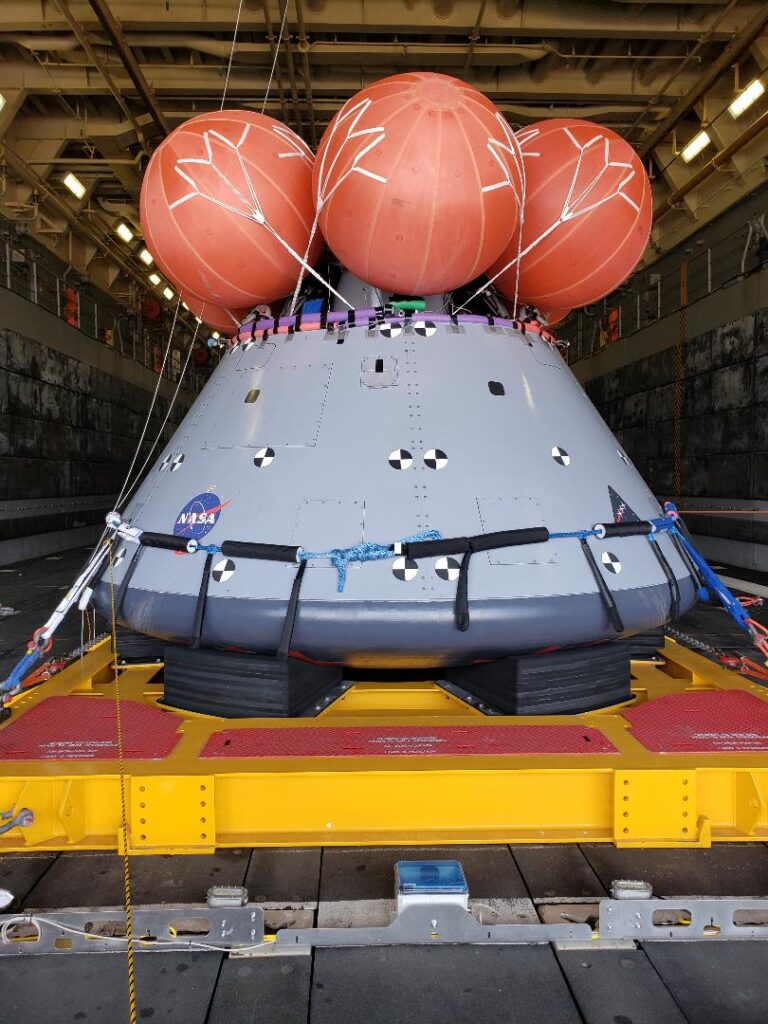
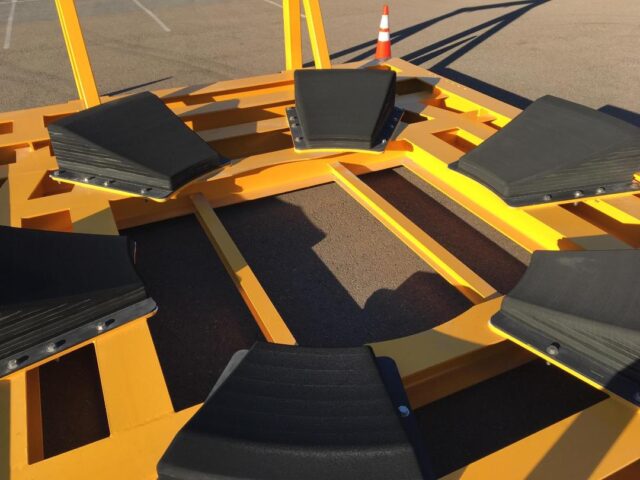
 During a recent project involving the Orion Command Module, NASA’s prototype development branch was having trouble finding existing market materials that would live up to the strict standards for this project. That’s when they decided to turn to Hydro-Turf for solutions.
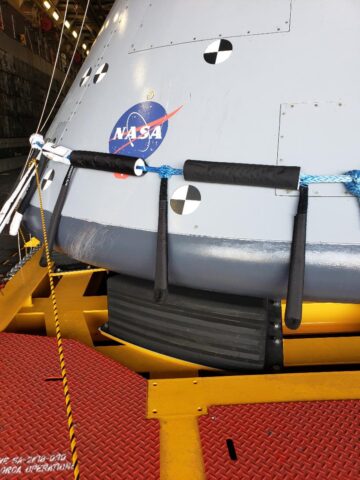 Once the recovery team takes over, the module is then towed back to a ship where it is then placed inside on top of a recovery cradle.
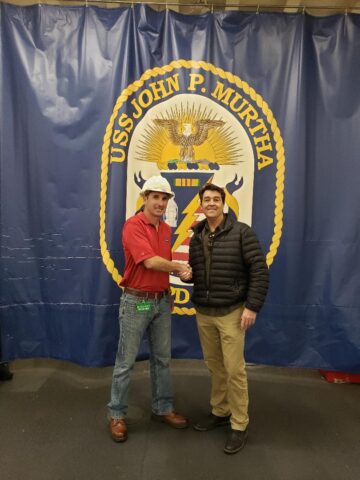 he turf material obviously has a spongy nature to it. It is also easily shapeable and could be layered and machined to match the shape of the module belly. After a series of software calculations on the material properties showed promising results, it appeared NASA had a good candidate material for their needs.
