
Home Blog Page 165

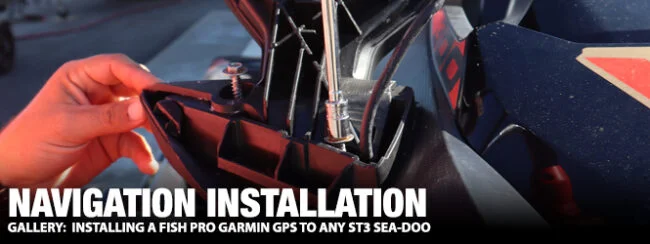
Gallery: Installing a Fish Pro Garmin GPS to Any ST3 Sea-Doo

25

Some would come to understand that the reveal of Sea-Doo’s Fish Pro for 2019 sent ripples through the personal watercraft industry. The modular design of Sea-Doo’s new LinQ system integrated into a removable engine access panel, as well as the universality of the wiring harness allowed a standard then-155 horsepower GTX to be wholly outfitted with a trove of accessories creating the angling-inspired machine.

This of course, sent several current Sea-Doo owners into a tizzy; “could these accessories and add-ons be retrofitted to fit my machine?” Thankfully, yes was the answer. Earlier this year, The Watercraft Journal revealed how to (somewhat) easily install the larger 18.5-gallon fuel cell from the Fish Pro in a 2018 RXT-X 300 with very little in the way of cutting or even turning wrenches. Equally, another major accessory is just as transferable: the GPS.
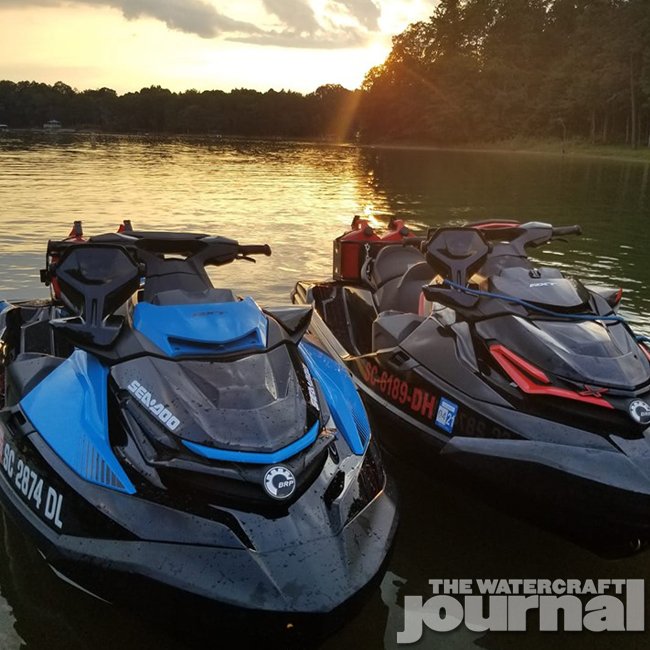
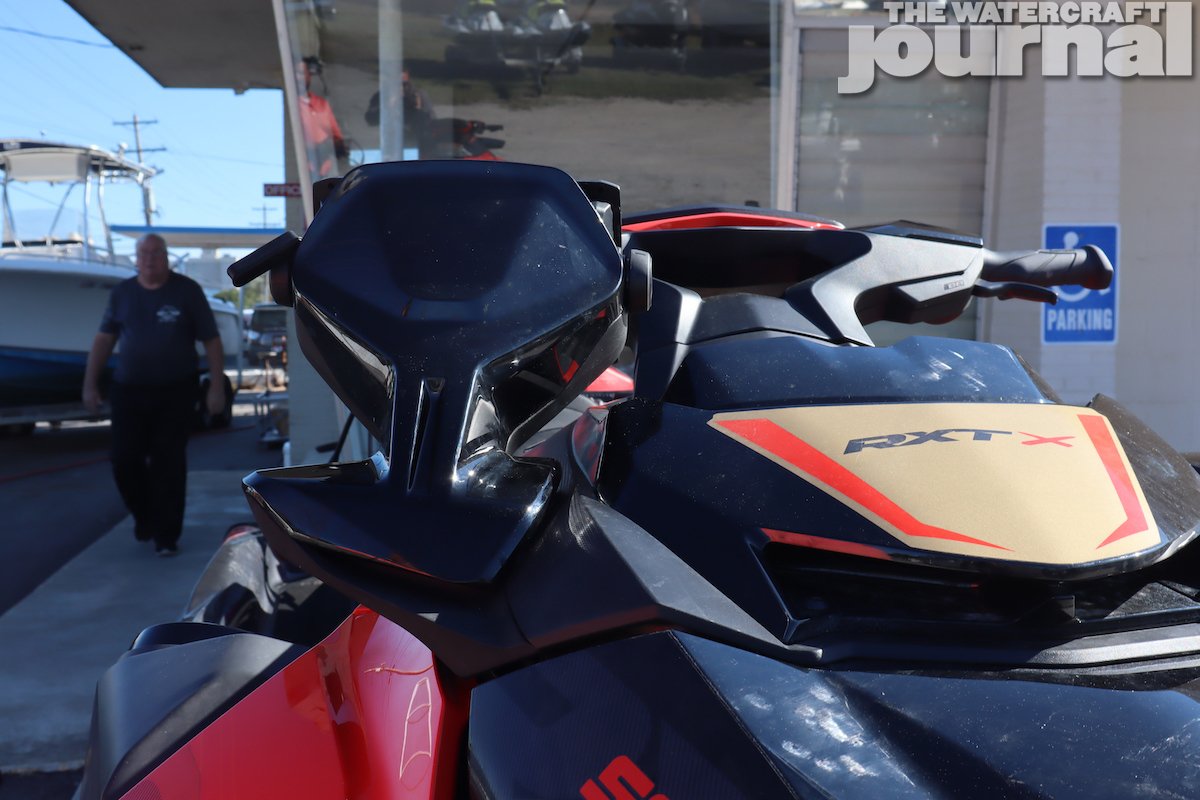
The Fish Pro made waves with the addition of its Garmin ECHOMAP Plus 62cv Fish Finder, and as soon as people saw it they wanted it for their other ST3-based Sea-Doos. We turned to Adam Buckler from the Carolina Ski Riders in South Carolina, who recently made the upgrade to his RXT-X (as well as a RXT 230) to provide The Watercraft Journal a quick tutorial on how to install the factory mount, wiring and install the GPS on any ST3 hulled Sea-Doo (including the RXT, RXT-X, GTX and the Wake Pro).

Adam explains, “The kit I purchased was from Ryan’s Mobile Marine in Little River South Carolina. He has assembled these kits ready to ship for purchase. They run about $160 each. The kit consists of the mount, bolts, and harness. You will have to purchase a separate pig tail for the power supply if you have factory audio to not have to splice into factory wiring. The pigtail is approximately $25. This is a simple installation that takes about 1 hour.”
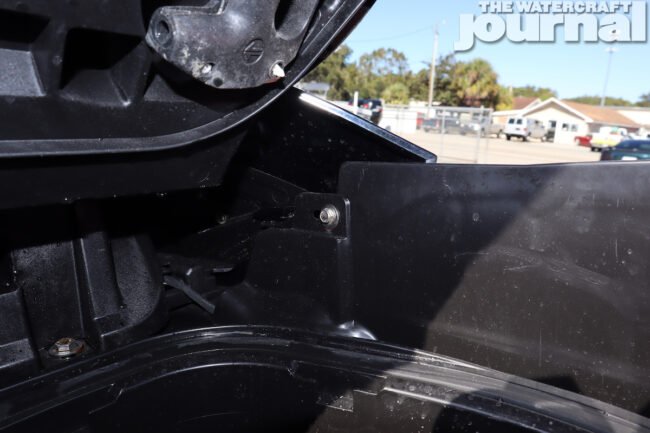
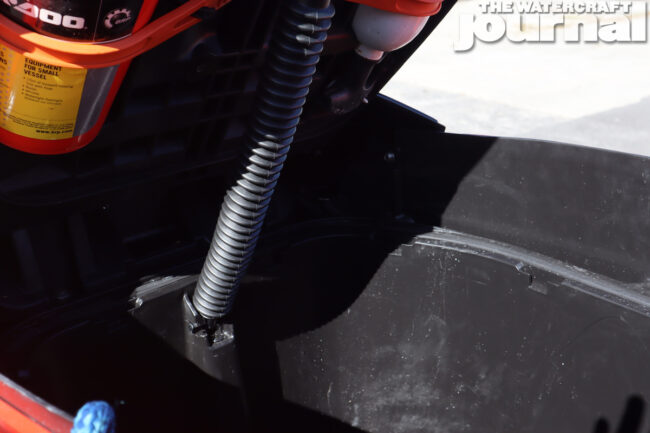
Above: The first step is to open the front storage compartment and remove the two 8mm bolts on the left and right side inside the storage bin.
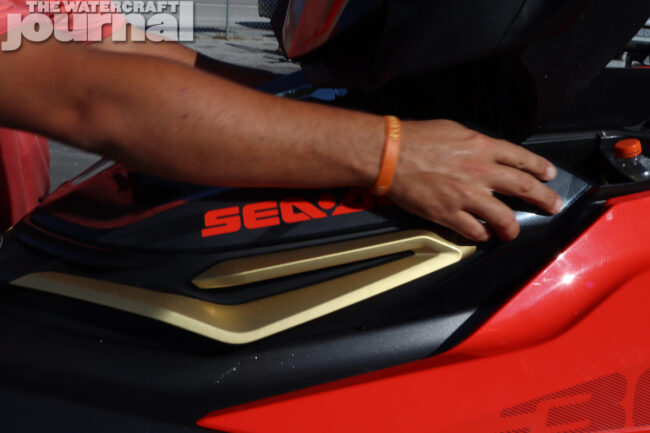
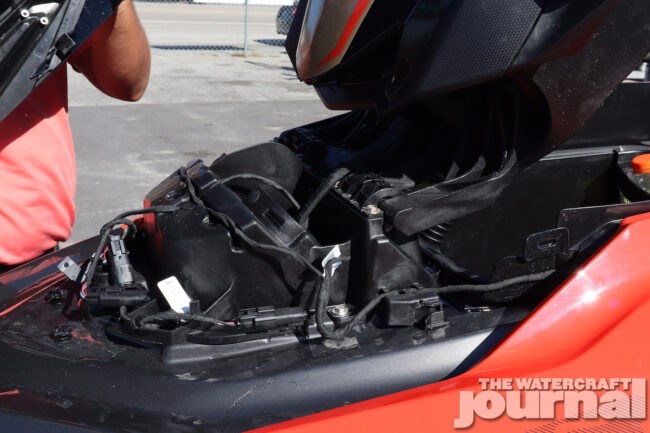
Above left: You then slide the front cover forward and remove. Above right: You will then see the factory wiring that you will run the supplied harness to.

Above: The second step is to remove the mirror glass from the throttle side of the ski. It is held on with adhesive and you have to pry it off with a small screwdriver or a flat scraper, it will most likely break but will not need it.

Above left: Once the mirror glass is removed. You need to remove the black gloss cover that sits on top of the mirror mount. Above center: This is done by removing a 8mm bolt on the bottom side of the mirror. Above right: The plastic cover is also held in by retaining clips so you will need to slide the cover toward the front of the ski to remove.

Above: The third step is to install the mount that will hold the GPS unit by installing the supplied two 10mm bolts supplied in the kit on the top of the mount.

Above: Now that you have the mount in place you need to install the harness through the mount and into the factory wiring of the ski under the front panel you removed earlier.
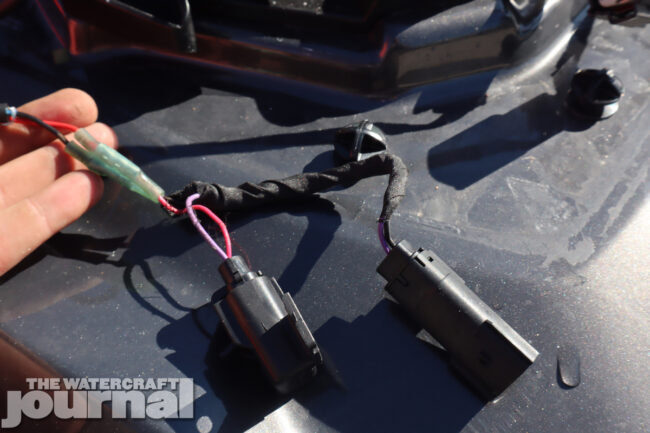
Above: You can use the supplied end with the harness if you chose to go with the 6″ screen Garmin offered with the Fish Pro. If you want to switch to the 7″ touchscreen model as Adam did you have to splice the new 2-wire connector to the end of the Garmin harness; be sure to run the wire as shown then splice it together or the plug will not fit through where you have to feed it.
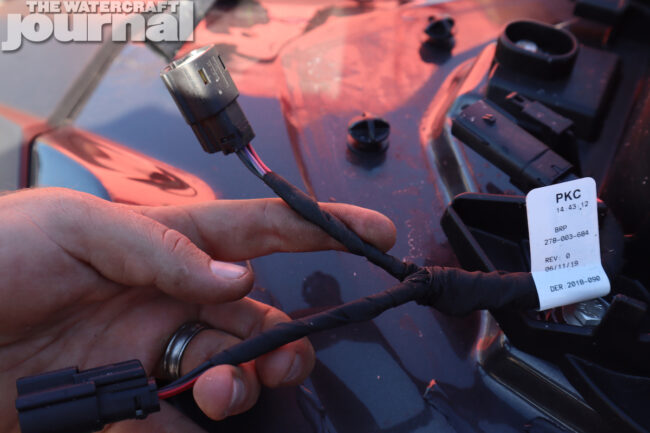
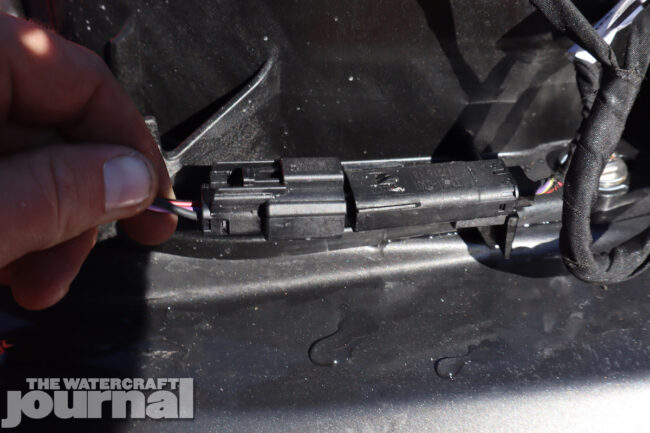
Above left: If you have the BRP audio system installed you will need the pigtail power supply. Above center: If you have the BRP audio system you will need to unplug the harness that comes from the speaker on the left side of the ski or the iBR handle side and plug the splitter in. Above right: You will then plug the Garmin harness into one end and the factory speaker harness into the other end of the splitter and tuck back away with the rest of the factory wiring.

Above: If you DO NOT have the factory BRP audio system you will not need the splitter. You will have that same plug in the same location but it will be empty. You simply plug the Garmin harness into that.
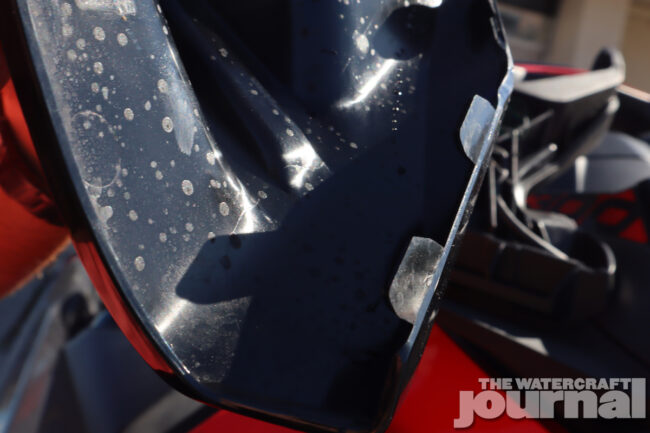
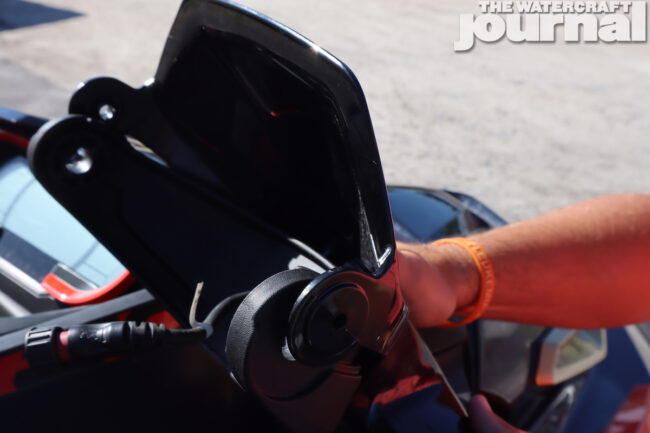
Above left: The last step is to install the gloss black cover that goes over the mount. You start by sliding the retaining clips into the installed mounts. The cover then clips into place on the top over the mount you installed. Above right: You then install the one 8mm bolt on the bottom of the mount that you removed earlier to secure the gloss black cover.
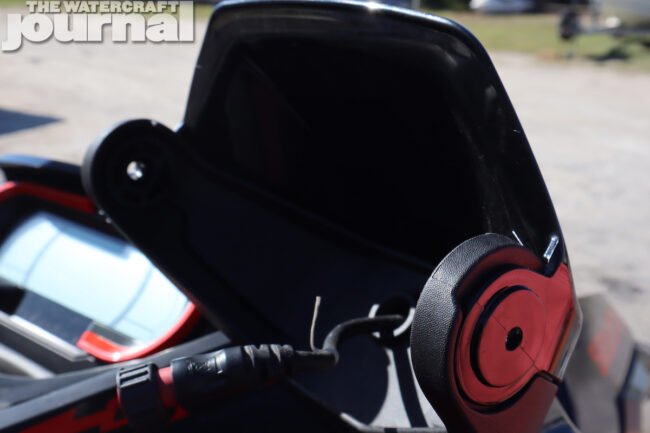
Above: You are now ready to install the Garmin you purchased. You use the supplied mount with the Garmin unit and secure via mounts from both sides and screwing the harness you installed into the Garmin holder.
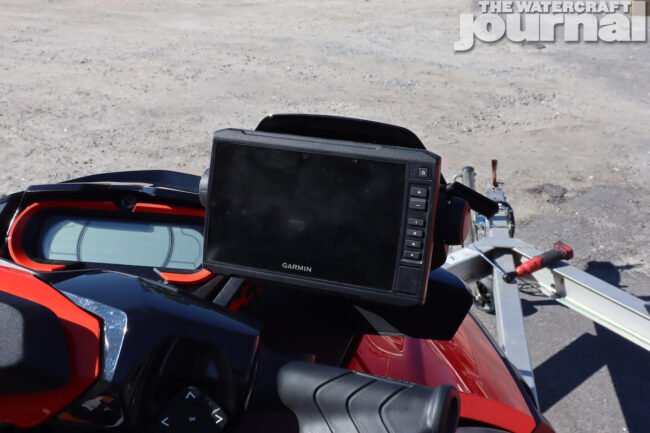
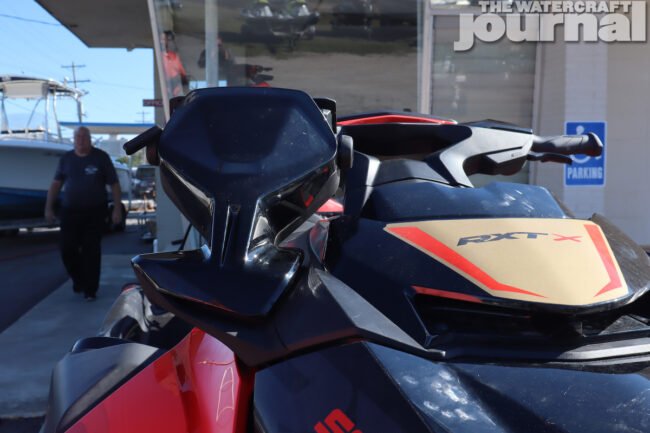
Above left: You now snap the Garmin unit into place and begin mapping your next adventure. Above right: You can now reinstall your front panel by sliding back into place and reinstalling the two 8mm bolts to secure front panel.
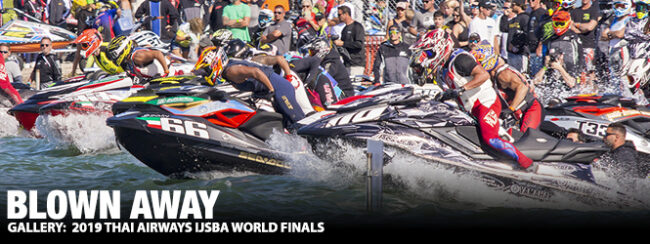
Gallery: 2019 Thai Airways IJSBA World Finals

1

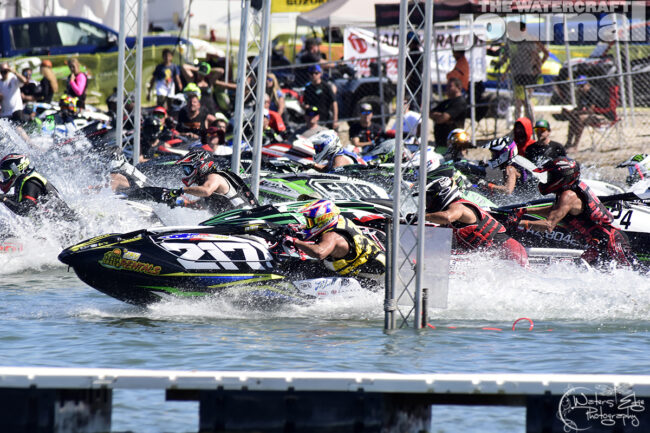
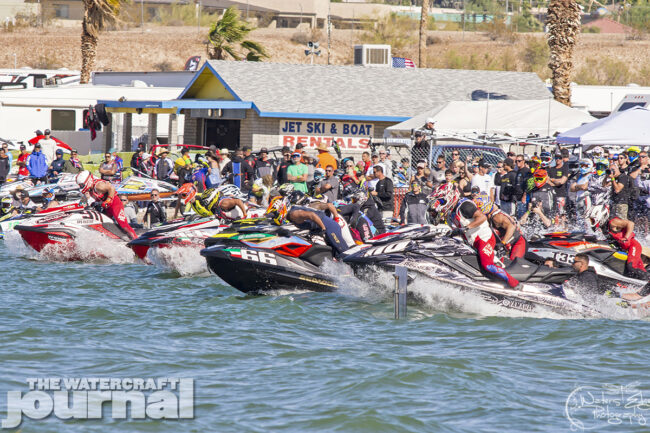
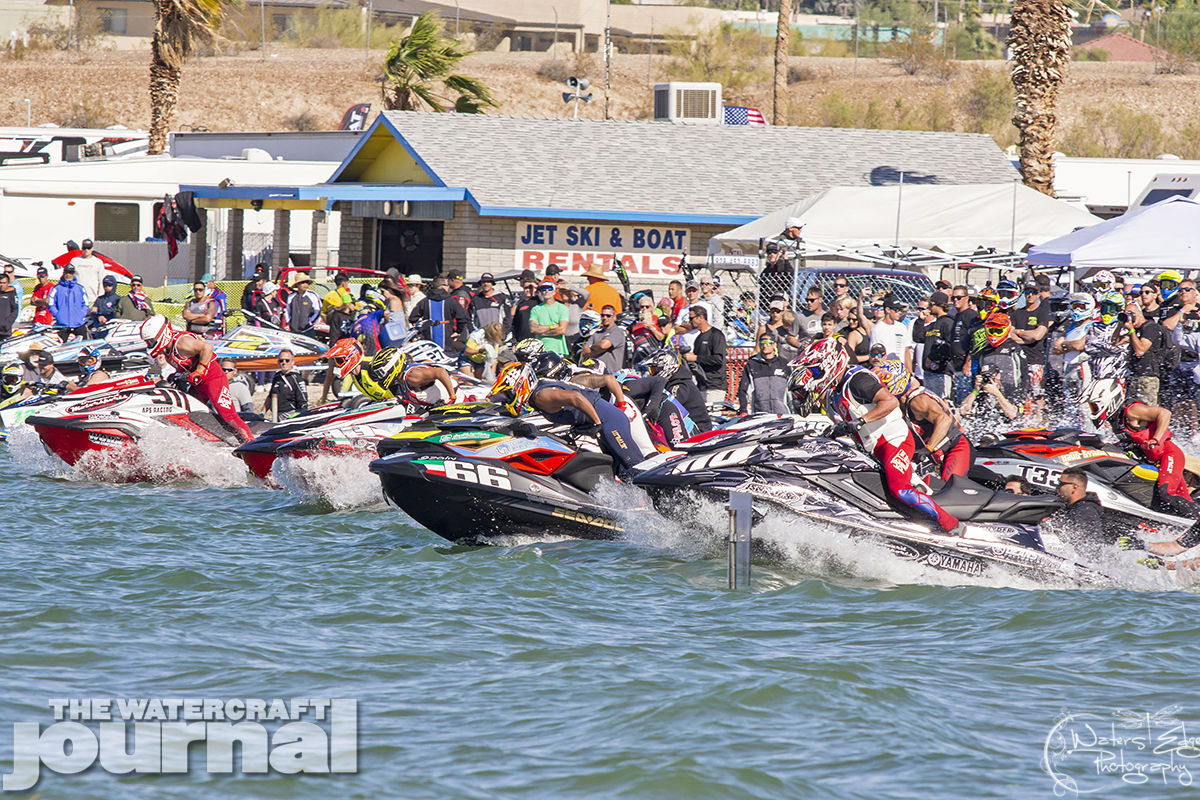
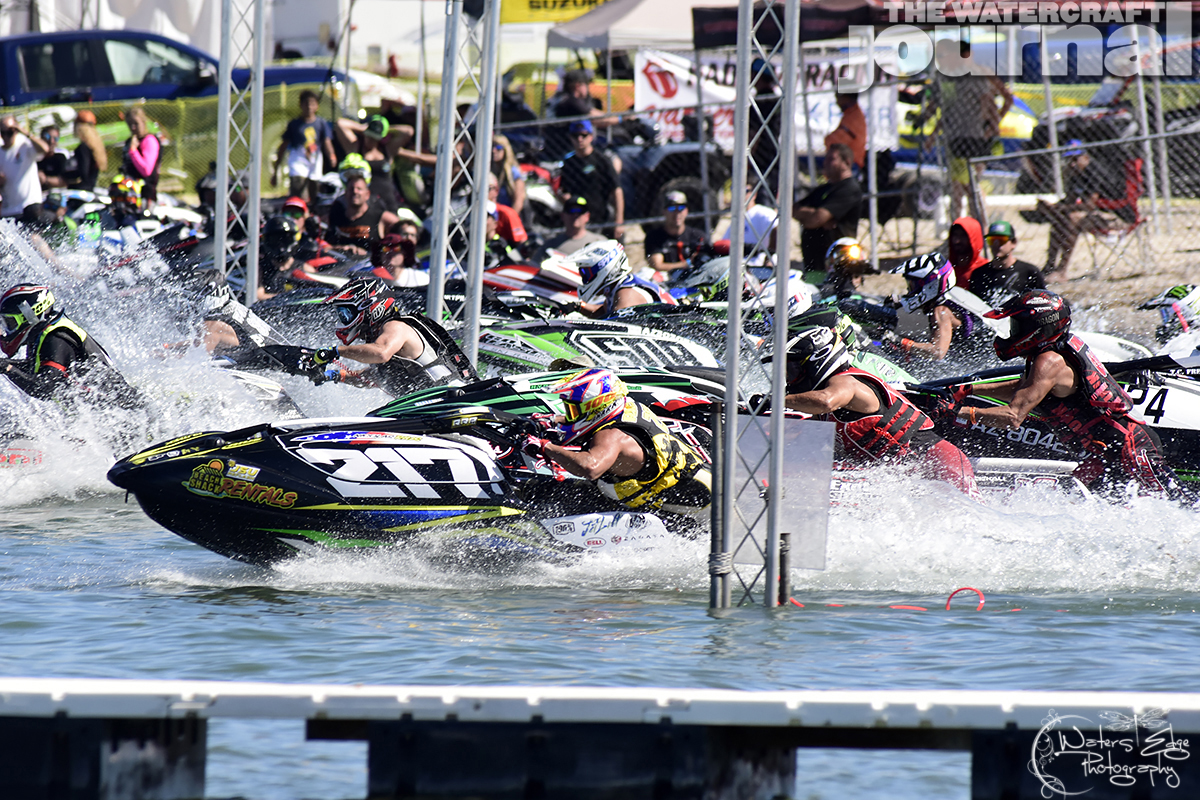
The dust has settled (so to speak) and IJSBA has released the much-awaited full results from the World Finals in Lake Havasu City, AZ. With champions crowned, podium finishers announced, and titles claimed for another 12 months, there can be little doubt that high winds weren’t all that was shaking things up at the 2019 Thai Airways IJSBA World Finals.

Those high winds, however, played a significant role in the 2019 World Finals. When Thursday dawned over the wreckage left by overnight sustained winds of 30+ mph, and 50-60 mph gusts, IJSBA officials surveyed the shredded tents in the pits and vendor row, the toppled signs, and – most importantly – a course that resided now, for the most part, along the shoreline of Lake Havasu below Crazy Horse Campground.

The decision was a tough one, undoubtedly, but was one based on safety, consultation with local officials, and logistics, and Thursday became one of the extremely rare – if not only – time in the history of the Havasu World Finals, that a full day of racing was cancelled. IJSBA staff, crew and officials pulled off an amazing feat, packing that day’s motos into the next few days of racing.

Although there were certainly disappointments and inconveniences – racers that planned to race on Thursday, and could not stay to race on Friday, for example – this writer was impressed with IJSBAs efforts to overcome Mother Nature’s interruption, and with the cooperation and understanding of the race community as a whole.

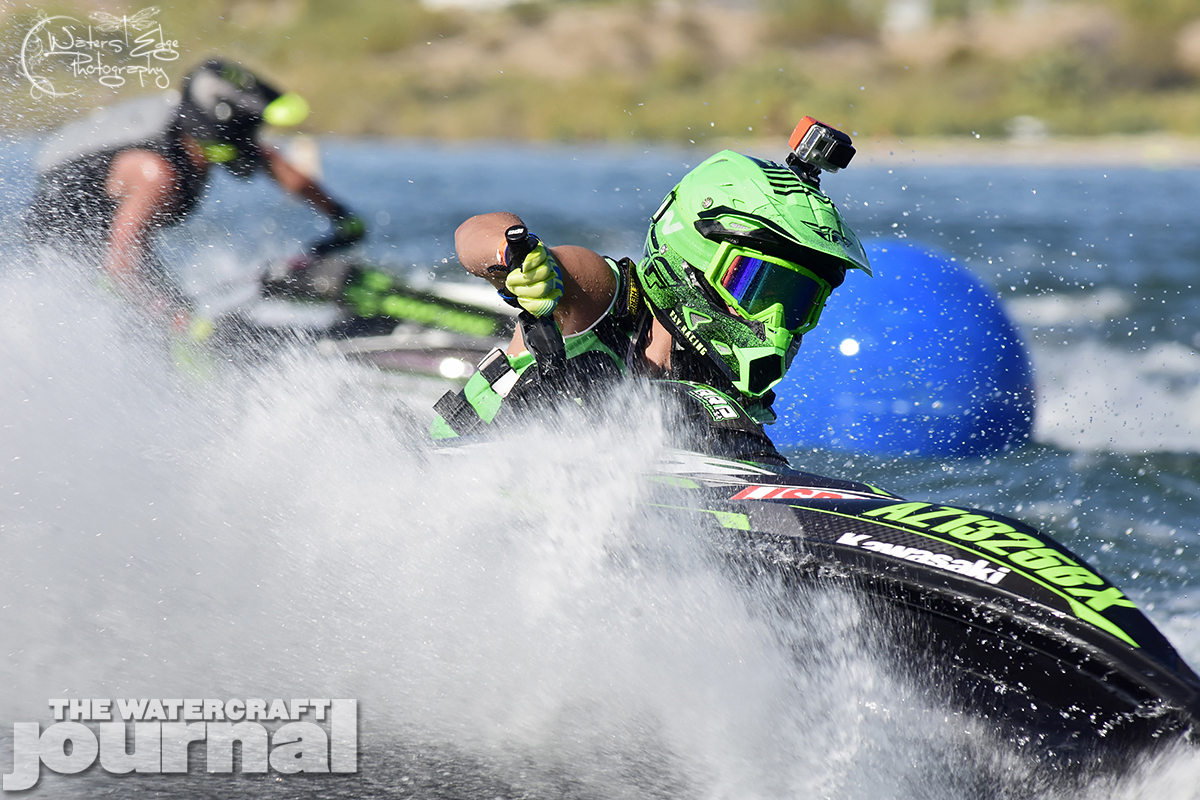
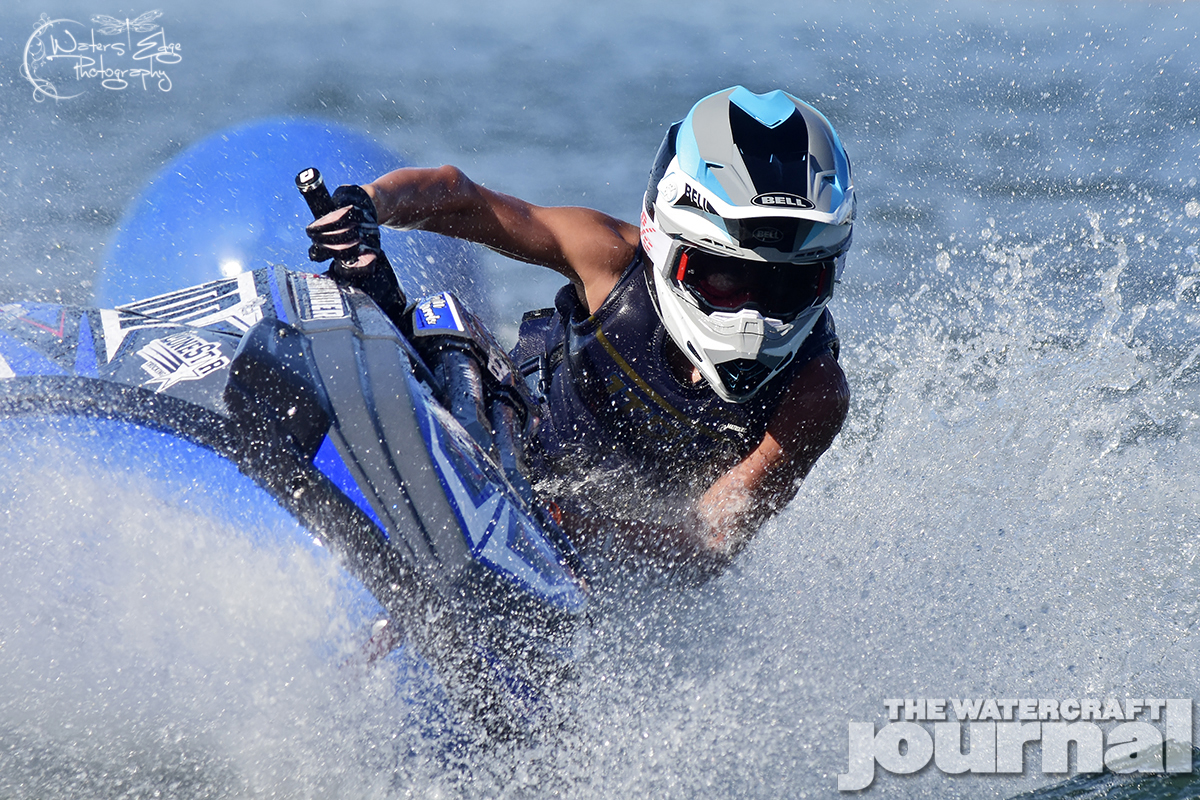
It was the shake-ups on the (quickly re-constructed) racecourse, however, that made the 2019 World Finals one to remember. Even more than 2018, this year’s championship week seemed to be a pivotal year, as new faces, new machines, new technologies and new talent claimed the checkered flag time and again.

That doesn’t mean that the master and legends, the prior champions and names we all know, yielded easily, nor did they walk away without their fair share of championship titles. Baldwin, Stone, Maurin, Burbayea, Ruis… the masters are still at the top of their game – and the top of the podium. But it is the proliferation of lesser-known names and younger faces that made its mark on this year’s Havasu memories.

Cramer, Wildebouer, Harris, Chambers, Finlinson Jukish – these are the names – the faces and talents – that will move this sport into the next decade, and many of them have one thing in common – a cowbell wielded by one of the sport’s biggest personalities, Nedra Atwood. As the guiding force behind the Junior Stars program, Atwood had much to be proud of at this year’s World Finals.

“Never before in the history of the World Finals have so many Juniors become World Champions in classes outside of the Junior class,” she told The Watercraft Journal earlier this week. “Out of the 13 eligible classes, seven were won by Juniors from four different countries. History was also made in Freestyle with Gabe Jukish, at age 13, becoming the youngest Amateur Freestyle World Champion ever. The work ethic of these kids is only surpassed by the camaraderie they had with each other. This year saw an extraordinary group of kids who are truly Junior Stars! It has been an honor and a privilege to me personally to have been given the gift of living in their lifetime and witnessing these amazing accomplishments.”

And beyond that camaraderie that the juniors share among themselves, there is an overwhelming and humbling amount of support for these young athletes from the long-time participants of the sport – from the pit crews to the old timers to the reigning champions. A Facebook post by multi-time world champion freestyler Mark Gomez highlighted this exemplary attitude toward the new generation of competitors and athletes.

“I had a few people asking about the helmet this year … Most important is watching our [Junior] freestyle class grow and to set the best example by holding ourselves accountable regarding safety. It’s not mandatory, but this year with influence from my boys, I’m going to be rocking the lid for competitions…” Gomez posted a few days after the championship races ended (and a few days after his Havasu wedding – congrats, Mark and Kaley!)

The lure of Havasu has not just attracted new junior racers, though, and there racers of all ages nosing up to the band for their first time at Havasu.

“Tuesday Morning, after multiple days of test and tune it was race time! Competitors from numerous countries filled the lines making for very competitive racing. For my first time being at World Finals I was excited for the competition,” said Graham Hunt. “The water was cold which was great for the machines, also perfectly blue.  The Havasu back drop is unlike any other race site I have raced at and having seen the sunrise and sunset most days I really enjoyed it.

“We had some fun having a day to mess around with winds gusting at 60mph and racing canceled Thursday, which turned into me and Brian Baldwin doing our own special weather report at Crazy Horse Campground (was as comedically ridiculous as it sounds)!

“Races were very aggressive with everyone eager to become a world champion. We had some bumping and trading of gelcoat for sure during motos. I was pleased coming away with a third overall despite some mechanical gremlins and a hole in my boat from a reckless Thai rider.

“The town, accommodations, food, and locals were awesome everyone seemed to be excited to have IJSBA world final racers in town. My team, myself and my girlfriend had a great time and can’t wait to return for 2020 World Finals!” Graham added.

Bret Underwood, also competing this year for the first time at Havasu, is also already looking forward to the 2020 IJSBA World Finals:

“World Finals this year was a really impactful life experience for me. Even though it was my first one I feel like I got years worth of success and heartbreak all in one week,” he told The Watercraft Journal. “From walking away from the competition, to engine troubles, to competing on a level I never had before, to getting T-boned on  my new Pro Force 2.0, it was definitely an experience that I could never forget.”

For complete results from the 2019 IJSBA World Finals, visit HERE. Photos from the 2019 IJSBA World Finals by Waters Edge Photography will be available HERE.

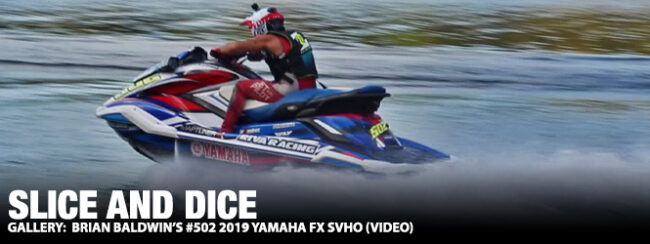
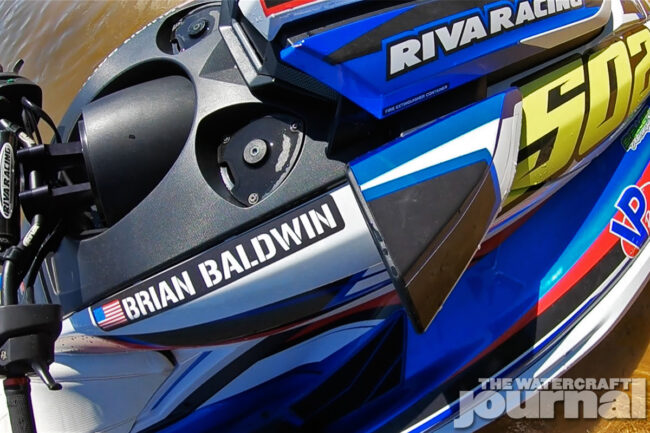
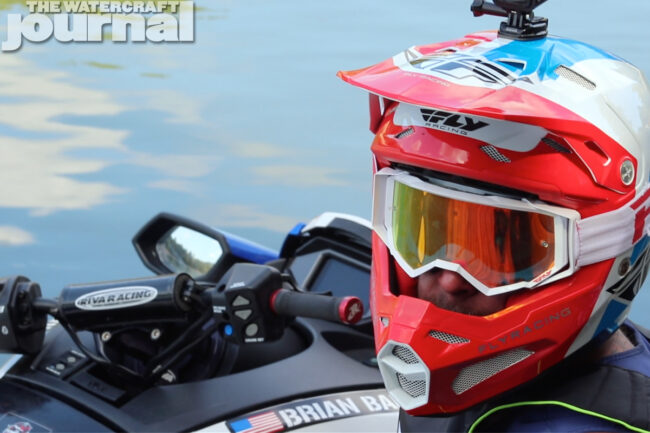
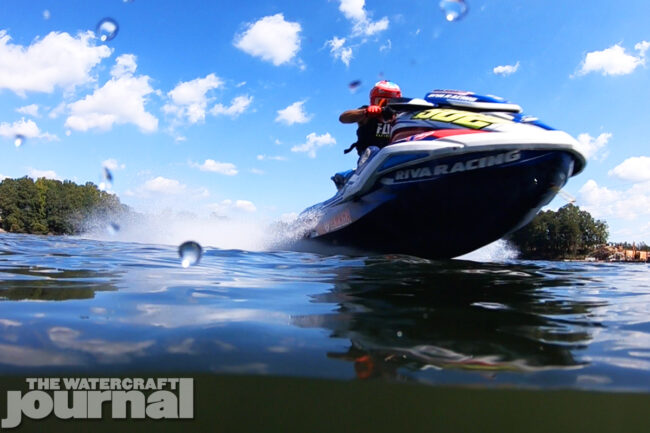
Gallery: Brian Baldwin’s #502 Nat’l Championship-Winning 2019 Yamaha FX SVHO (Video)

0

Touring Brian Baldwin’s Champion Powersports watercraft performance tuning and repair shop in Denver, North Carolina is a lot like looking inside of Brian’s brain. Among the countless trophies, placards and number plates lining the walls are vintage racing posters, helmets, banners and memorabilia dating back well beyond his nearly 25-years of racing.

Littering the floor are ancient 550 two-stroke engines, disassembled Rotax 3-cylinders and various Yamaha 4-strokes in different stages of repair. Customer’s Sea-Doos and WaveRunners fill trailers and carts waiting to be trouble-shot, as Brian’s own 9-second, blown Camaro sits on a two-post lift; evidence of his commitment to all things high performance.

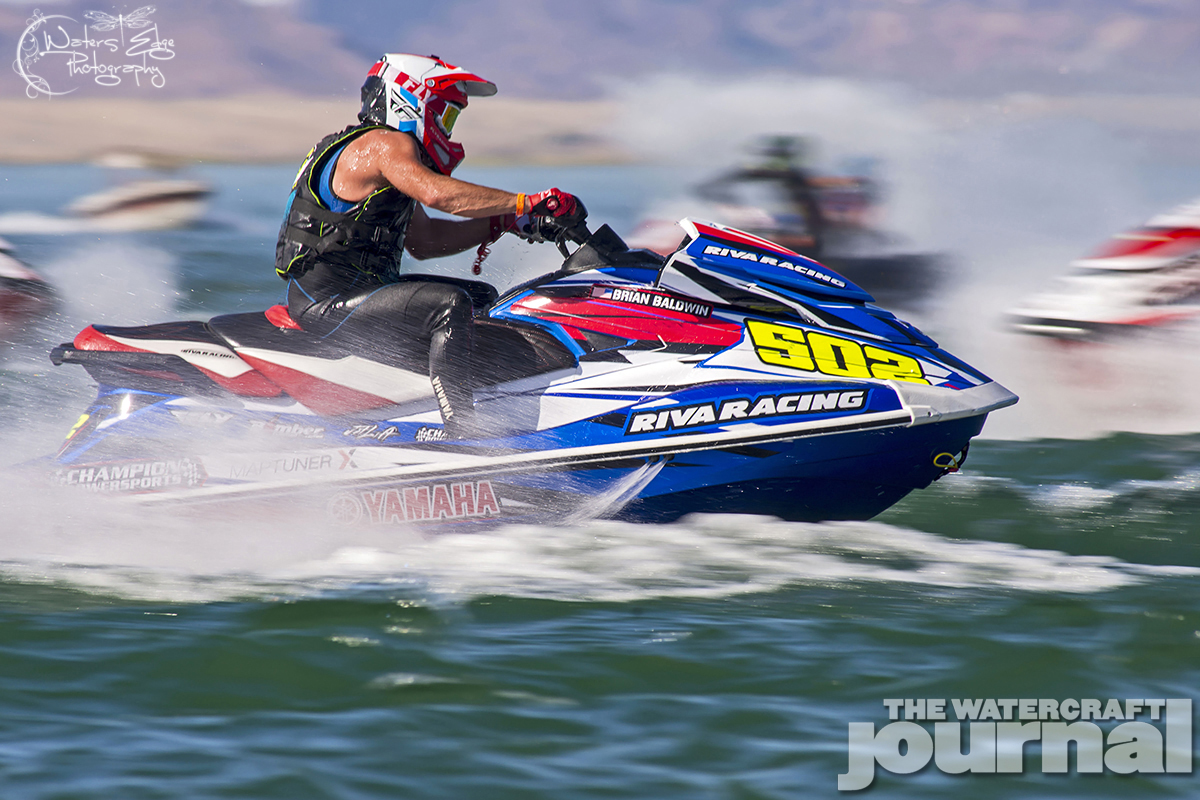
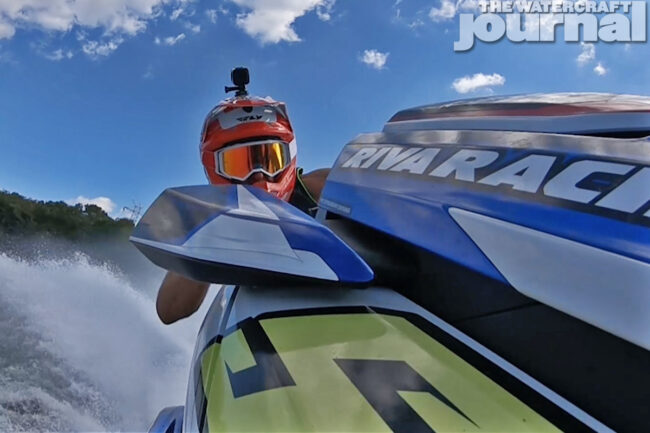
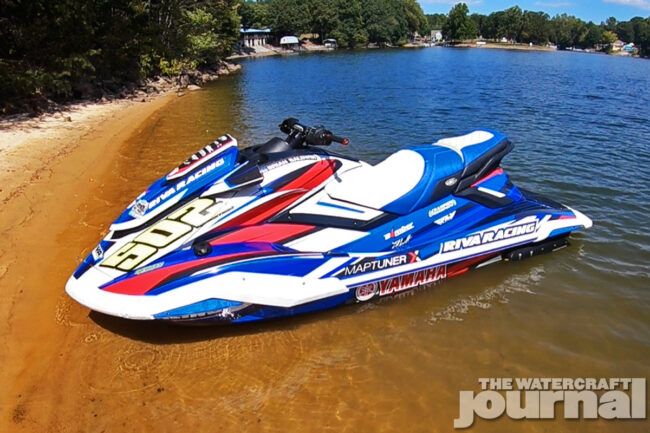
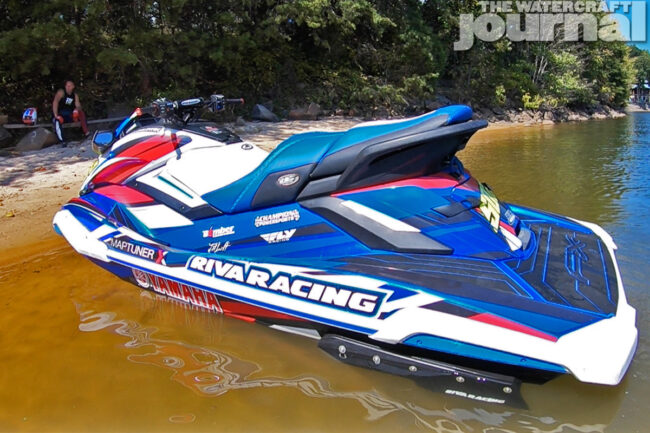
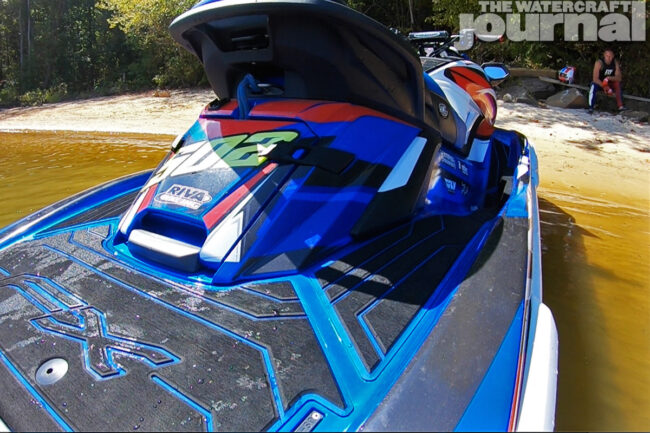
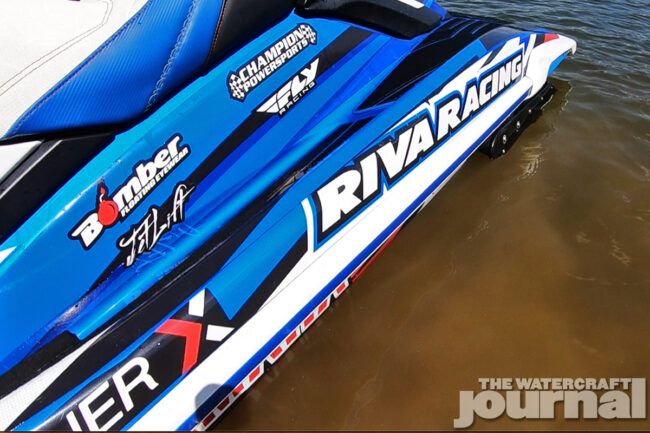
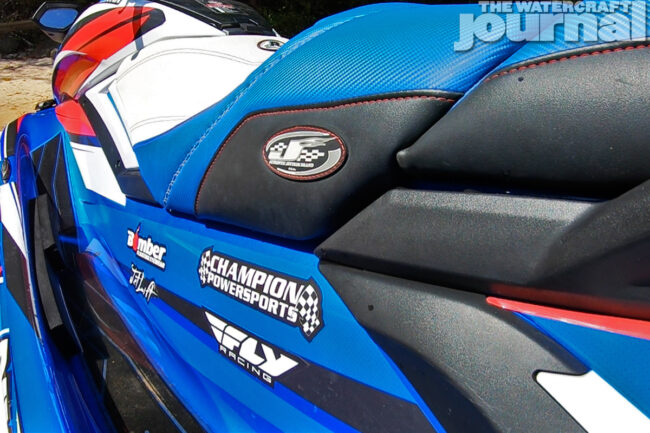
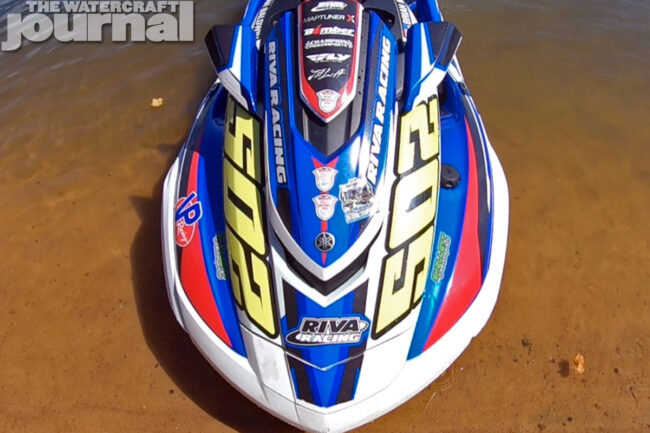
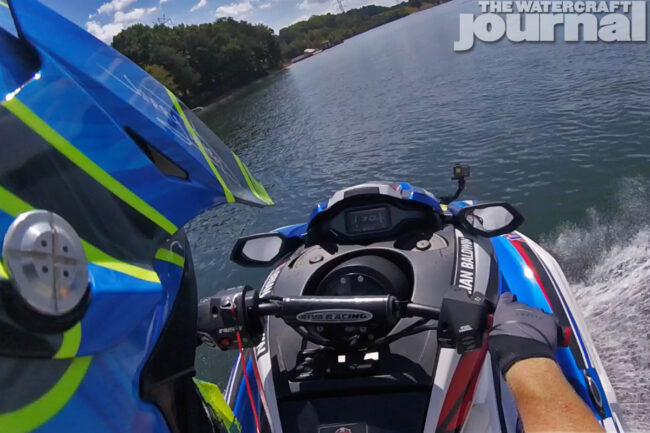
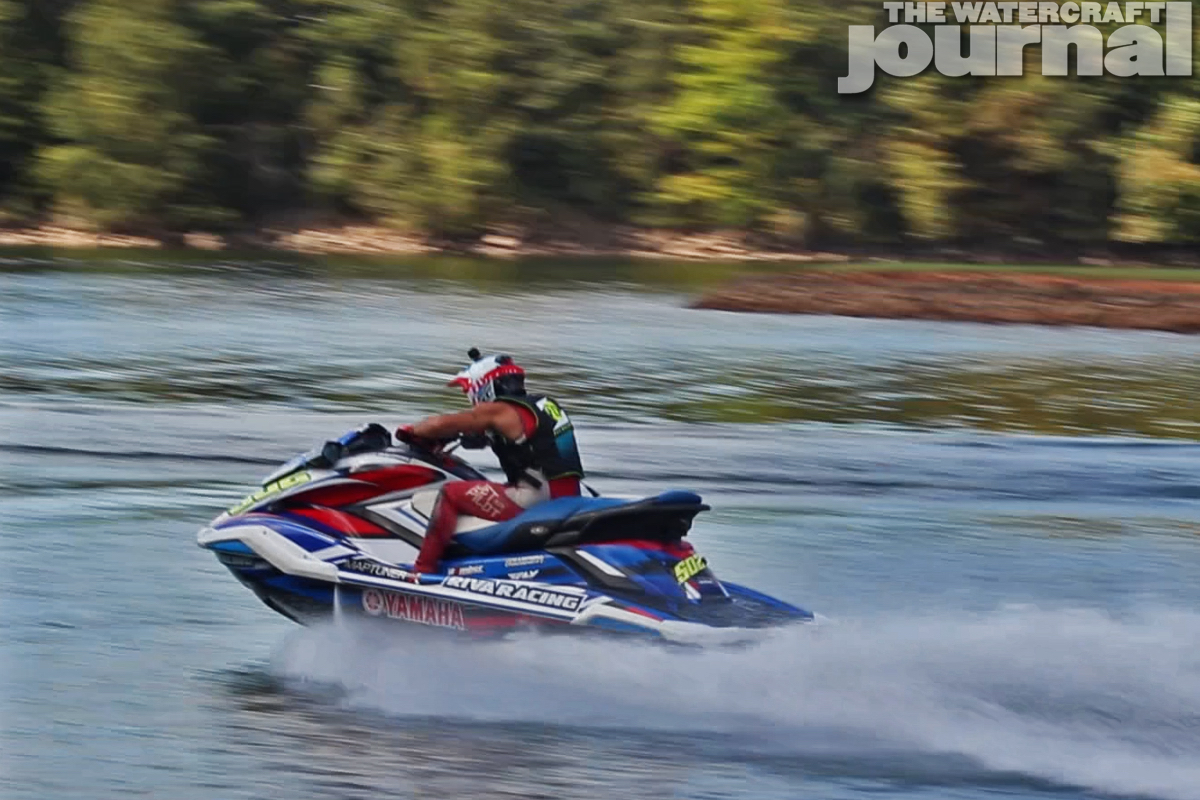
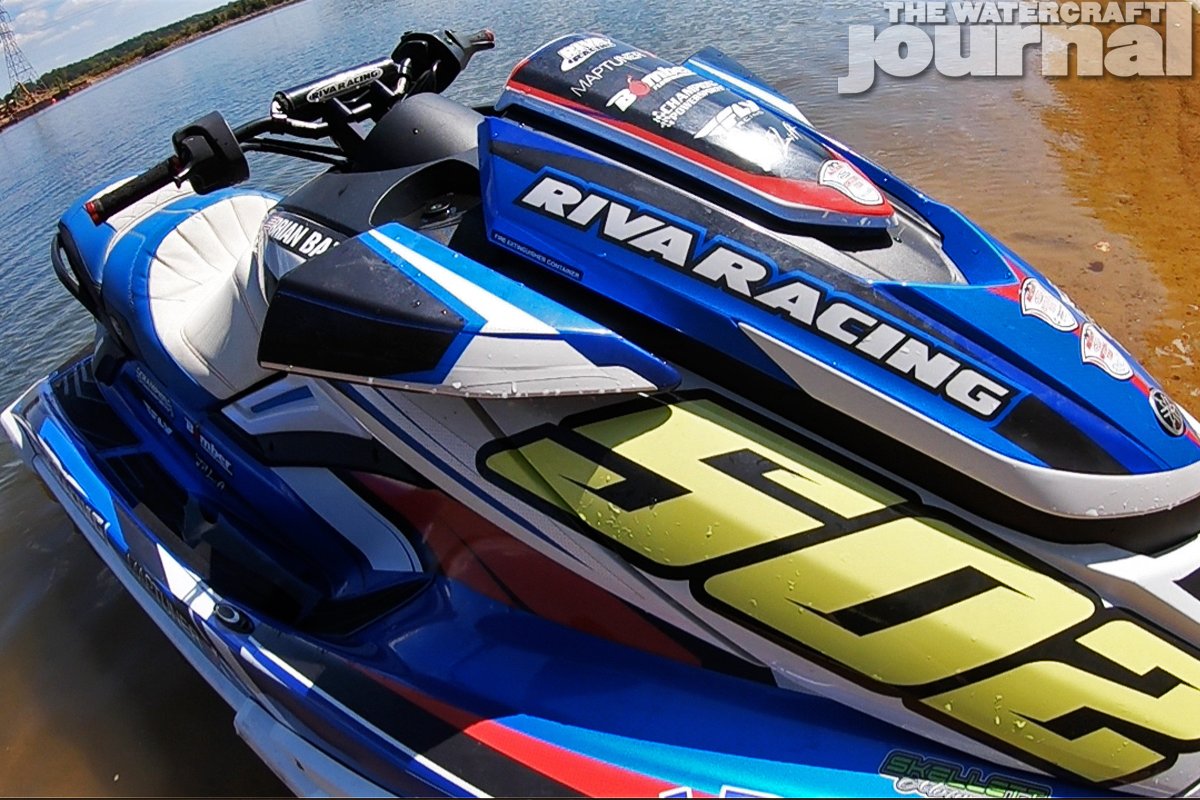
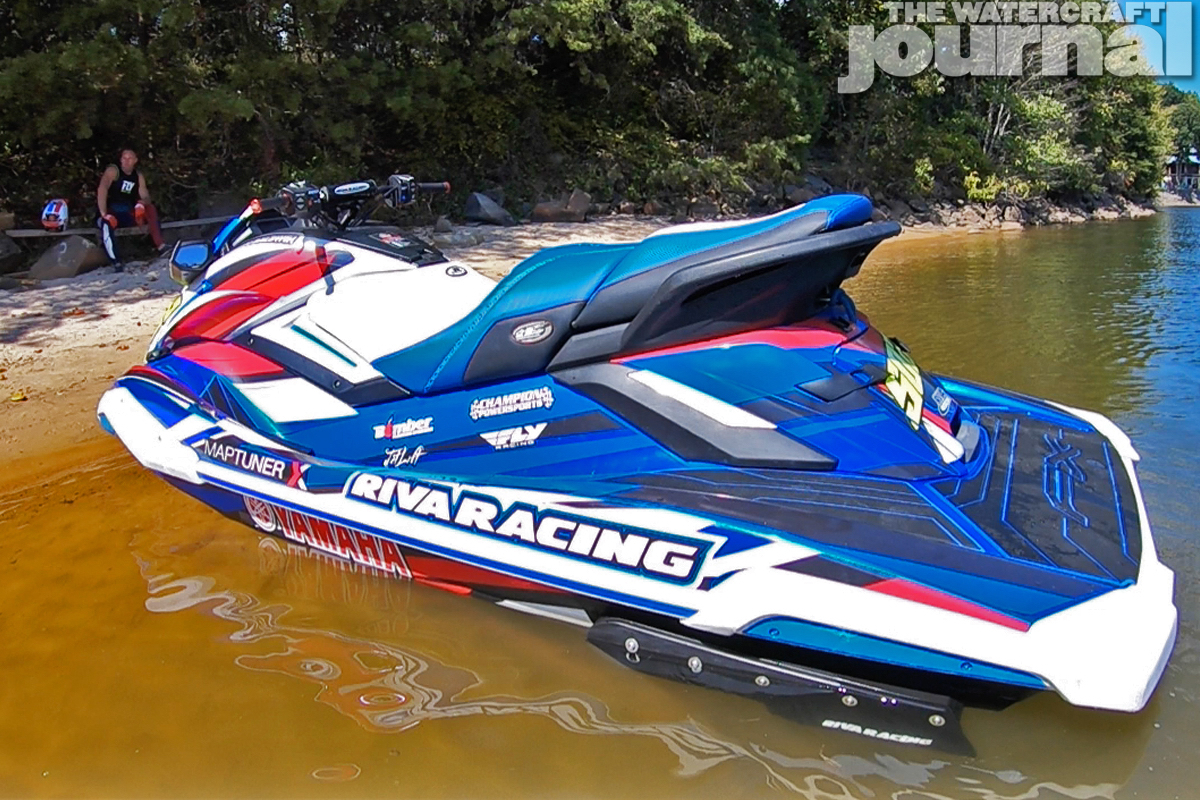
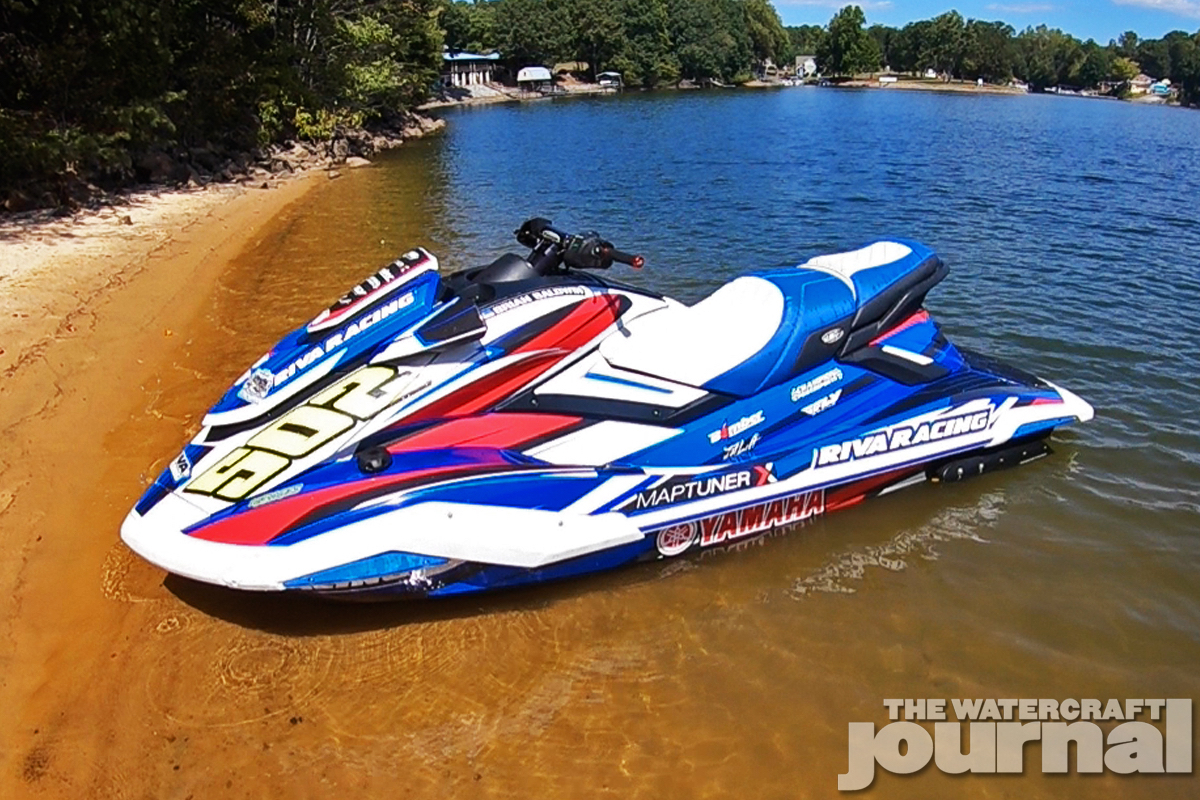
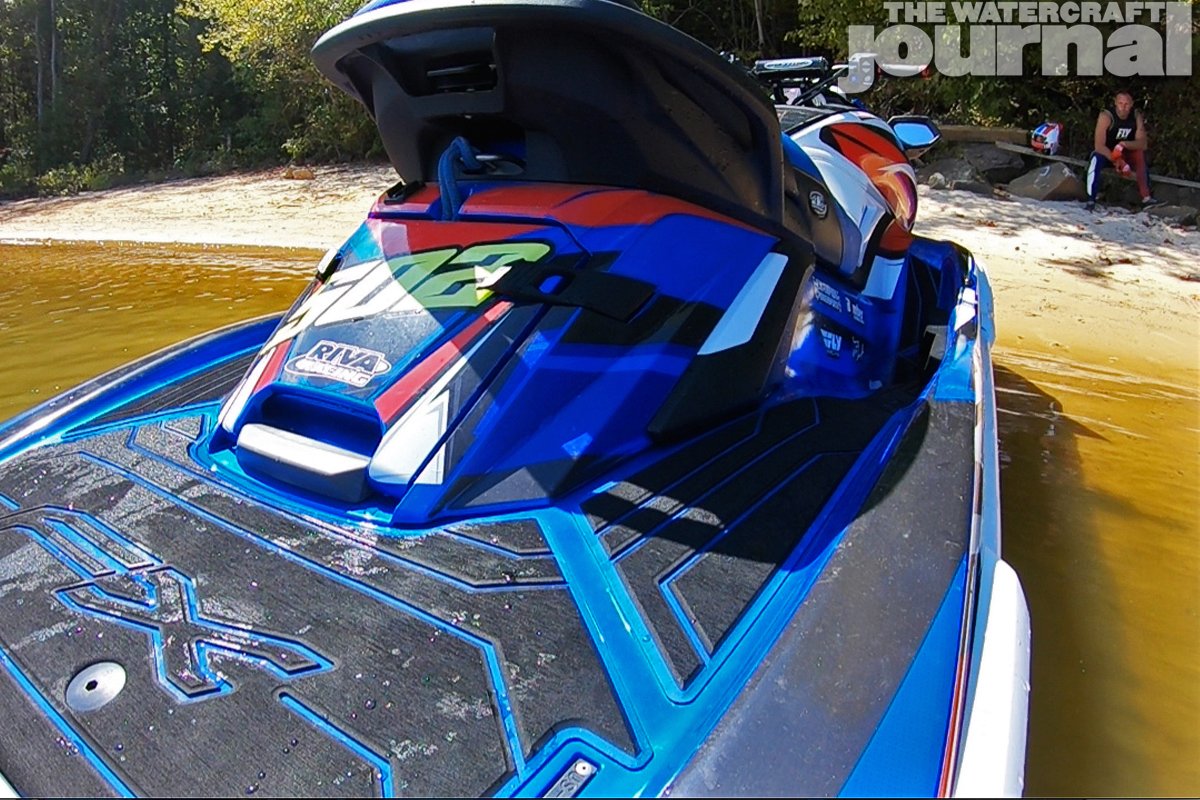
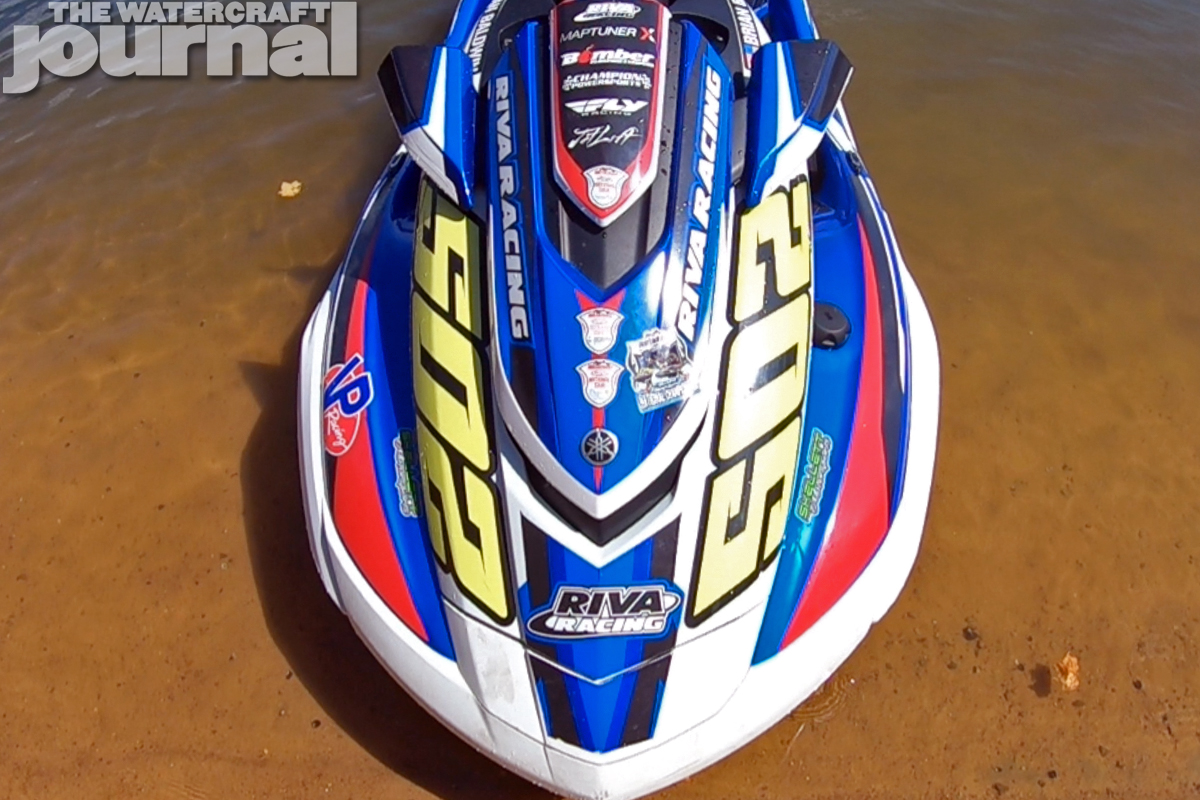
Today, the 8-time World Champion promised me a few hours with his very special 2019 Yamaha FX SVHO WaveRunner. Built to meet the exacting scrutiny that comes with competing in P1 AquaX’s Pro Stock class, Brian’s Yamaha carried him to his 10th National Championship this year – as well becoming the reigning AquaX world champion and the highest ranked rider in the world.

Brian’s 5-years as a Factory Yamaha racer included helping develop both the current FX as well as the GP platforms. He explained, “We got one of the first GP1800s back in 2016. I raced it for two years; the thing won every race it entered – we did a lot of R&D [research and development – Ed.] work with RIVA. It’s just an awesome machine.”

He continued, “I was still racing the GP1800 when we got our hands on this new FX, and we developed a lot of parts for Yamaha and RIVA. It won four-out-of-five rounds on the Pro Watercross Tour this summer, and at the P1 [AquaX] if it wasn’t the winner it was on the podium every single round.”

As a RIVA Racing Team Rider, Brian was also instrumental in helping test and develop the many aftermarket parts used both on his #502 race boat, as well as those sold to the public through RIVA.

“A lot of R&D work when into developing the parts on this FX, and I think two of the biggest things were the sponsons and the ride plate. Working with RIVA and Yamaha…y’know, you try one thing, and you’re like, “Yeah, it’s OK,” and you try another thing, and you’re like, “It’s pretty good.” And y’know, when we finally nailed it it was a solid hit. It was absolutely amazing.

“So what we found with the stock FX ride plate was that it liked to push the nose too much. It really put a lot of downforce on the front of the ski, and the RIVA rideplate really gets the ski more on the back-part of the hull, and gives it a lot more top speed as well. [As] for the sponsons, the back of the FX felt kinda loose. We tried the GP sponsons and they felt better but just not the right fit for the FX. [RIVA] worked on the backing plate and the blade and really solved the looseness.

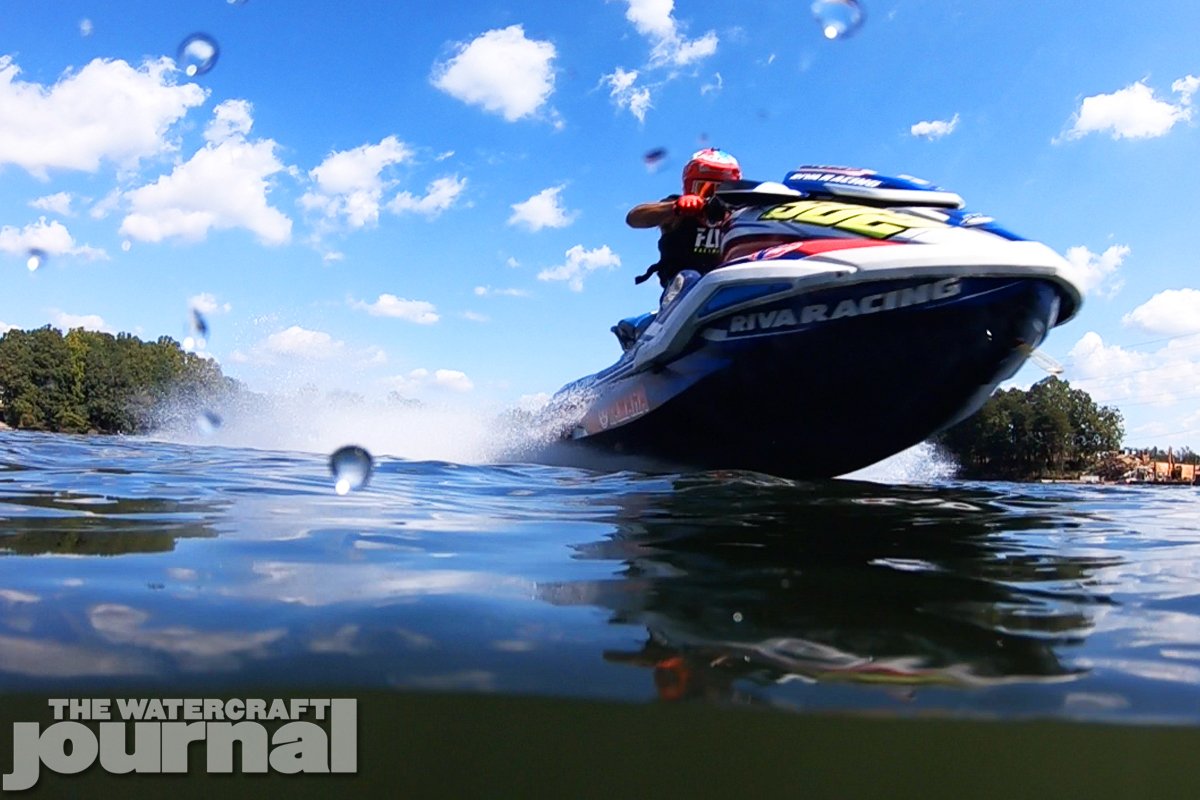
“[Using] the ride plate and sponsons together on the track makes this big ol’ ski feel like a little bitty ski. During a lot of races this year I didn’t get the holeshot, but with the handling package you could literally ride the thing wide open and slice and dice through the pack.”

Racing two series simultaneously, Brian competed in both the P1 Aqua X series as well as the Pro Watercross National Tour. He said, “One of the best parts of racing the Pro Watercross Tour this year was their partnership with VP race fuel. We were able to get 109-octane race fuel brought to every race. With that, combined with the tune (written by RIVA’s master tuner, Jesus Garcia) we were able to put into the ECU with the MaptunerX, we got a lot more performance.”
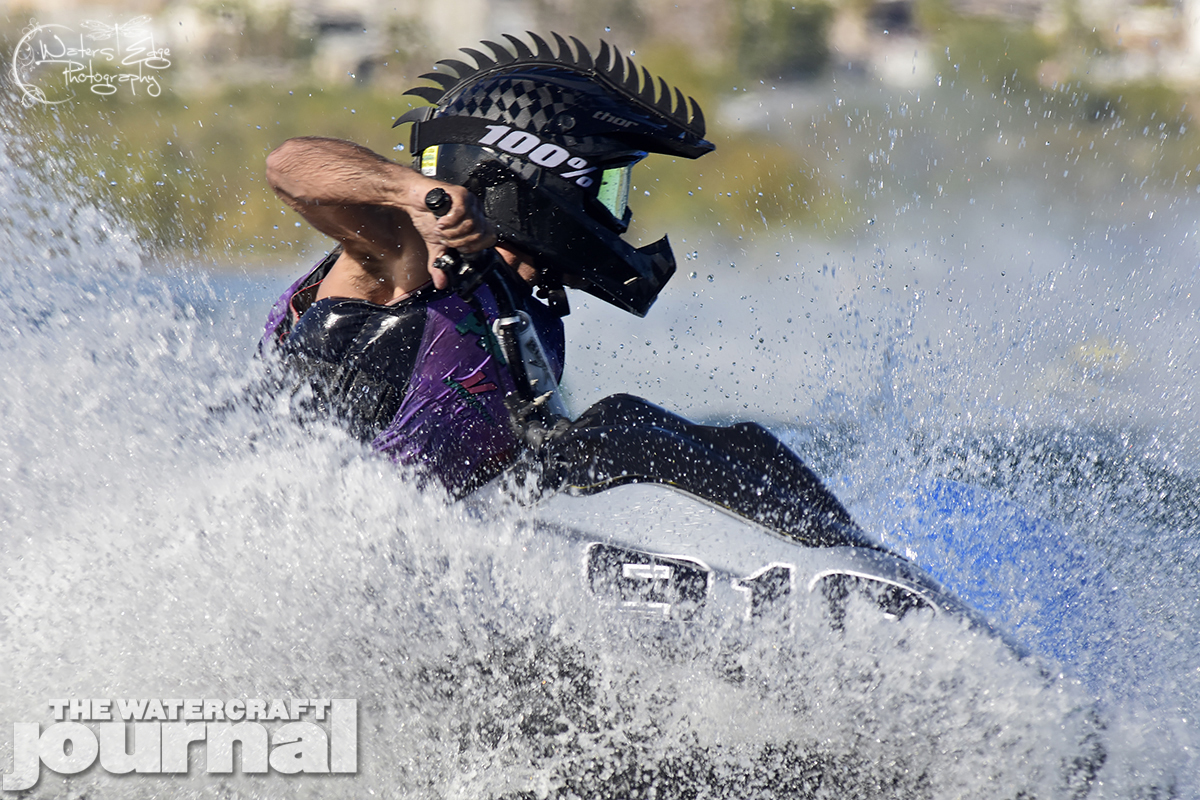
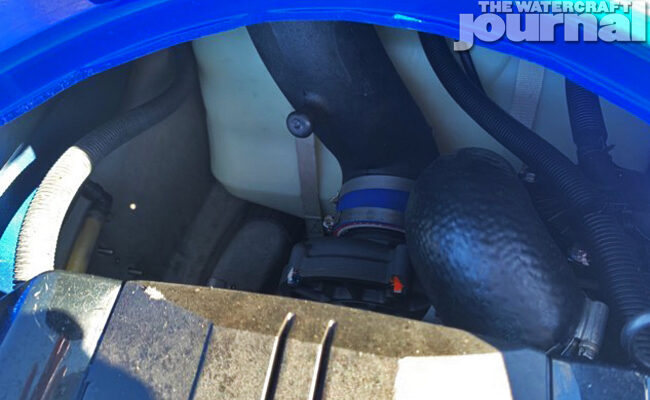
Despite Brian’s naturally effervescent way, he was also a bit reticent, wanting to keep many of his secrets close to the vest. While I couldn’t peek under the seat, Brian was willing to share a little of the modifications made to the Yamaha FX that lead to his success.

“This [particular] machine is setup for the Pro Stock class, which means we start with a stock machine and change the air cleaner (RIVA Yamaha FX SVHO 2019+ Power Filter Kit), change the valve spring retainers (RIVA Yamaha Valve Retainer Upgrade Kit), and the flash in the ECU with the MapTunerX (RIVA MaptunerX Yamaha 1.8L License) that Jesus wrote for us.

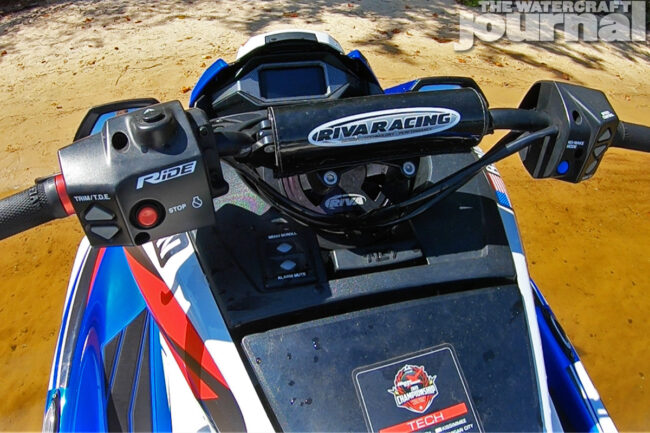
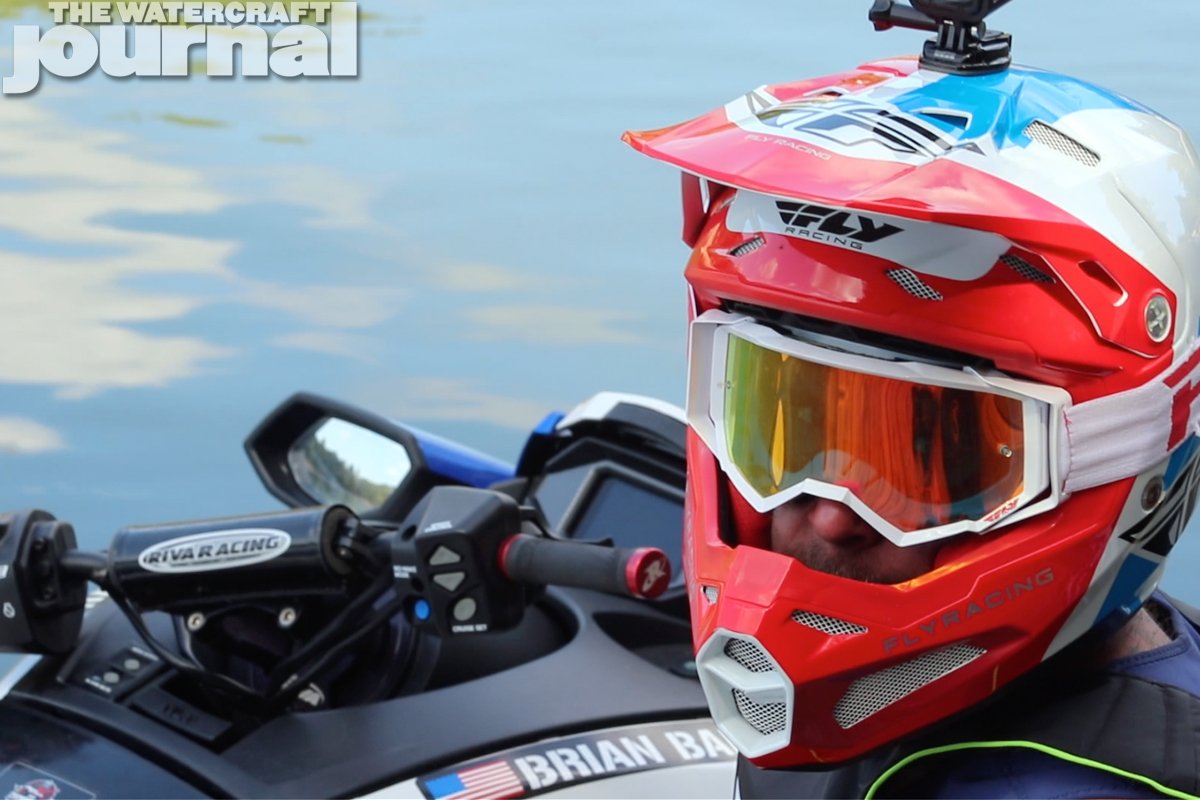
“And then we get to do all the handling stuff; the RIVA ride plate (RIVA Yamaha Performance Ride Plate), the RIVA intake grate (RIVA Yamaha Top-Loader Intake Grate and RIVA Yamaha Pump Seal Kit), the RIVA sponsons (RIVA Yamaha Pro-Series Sponsons) and the RIVA steering (RIVA Yamaha Pro-Series Steering System, RIVA Pro-Bar 30″ Runabout Bars and ODI Ruffian Lock-On Grips).”

When pressed, Brian admitted, “As the ski is set up, with all of these mods and in optimal conditions, we get 83 miles per hour at 9,300rpm.” Although, he didn’t say whether that was on the race gas tune, or the pump gas tune, which we rode today. Now, I’ve ridden a handful of heavily modified watercraft that have hit faster top speeds, there have been very, very few that could corner as violently-precise as Brian’s FX.

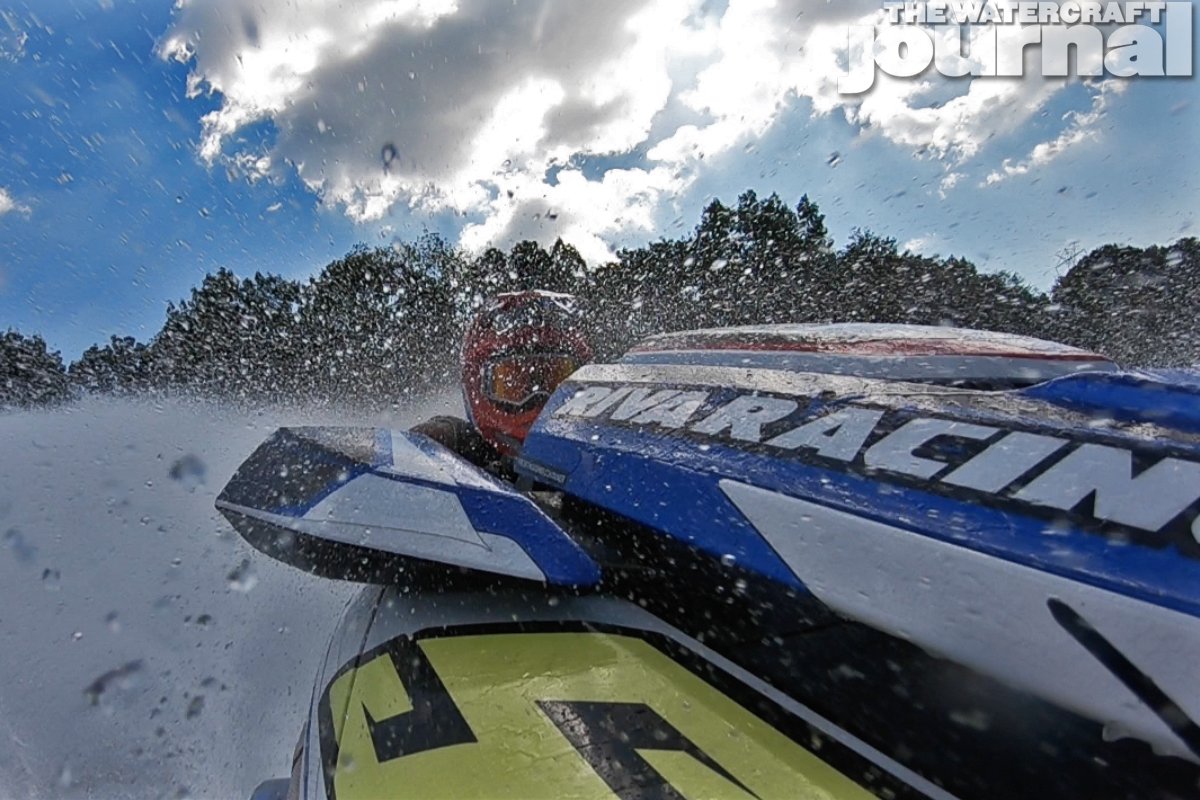
This day, Brian had the adjustable RIVA sponsons set all-the-way down, to their most aggressive setting. This meant that, together with the top-loader intake grate, ride plate and billet CNC RIVA steering system, that traction and steering response was set to its maximum. And while this was familiar territory for Brian, it didn’t take long to learn that this was far more machine than I was used to handling.

With plenty of g-forces at play, I quickly decided to let Brian’s stirrup-like foot wedges do all of the work. Trying to use your arms to both hang on and snap off a full-throttle hairpin turn is as close to a Herculean act as it gets; the foot wedges serve to lock your feet into position, letting them keep your lower half from flinging off of the ski as the g-forces try to peel you from it.

Being slightly taller than Brian’s 5’11” height (6’2″) and outweighing him by considerably more, the mandatory riding position created by the foot wedges and steering put me nearly atop the seat’s hump, needing to lean far over to square up to the low-slung handle bars. Although a bit unnatural, keeping as low to the seat proved the best course of action while crisscrossing the isolated finger of Lake Norman that Brian had brought me to.

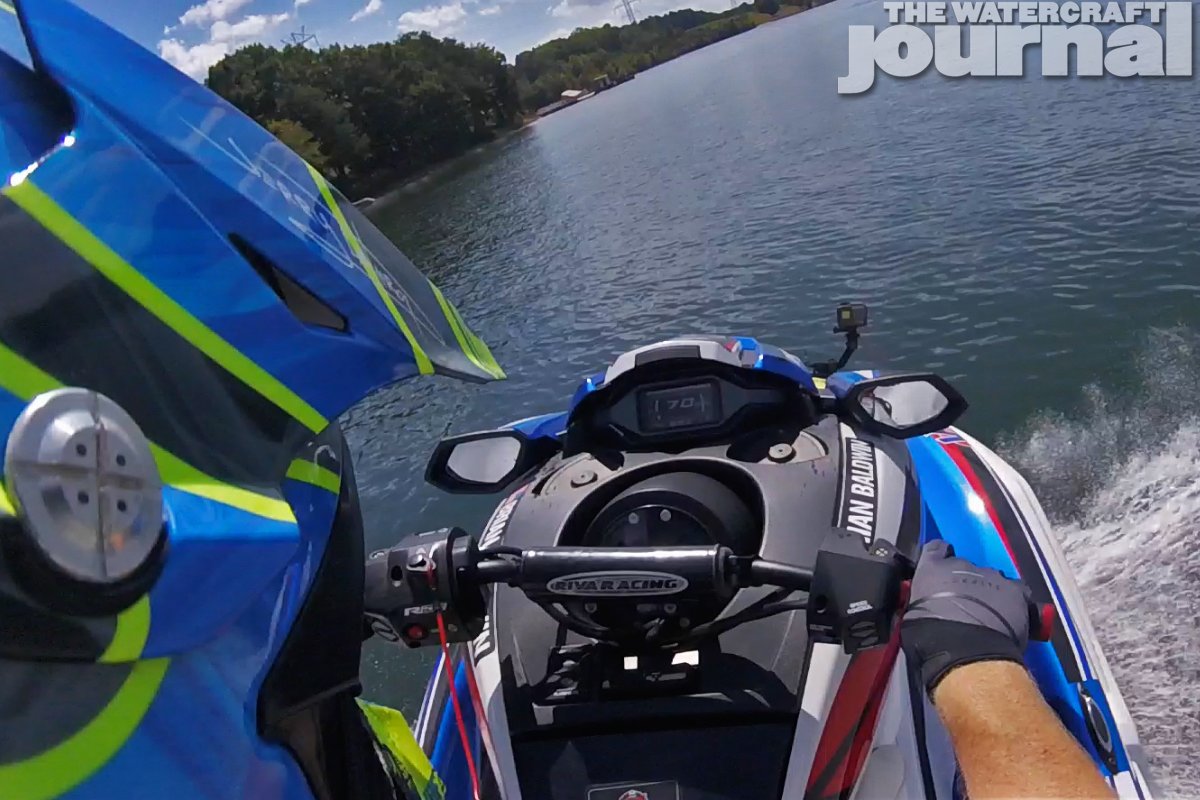
Although nowhere near the optimal conditions Brian had mentioned (namely being over 760-feet above sea level and my added weight), my handheld GPS recorded a top speed of 81.8mph. The factory touchscreen dashboard never read higher than 70mph though, with that number staying “pegged” throughout much of my test ride. “It’s one of those things you’ve got to override,” Brian noted later.

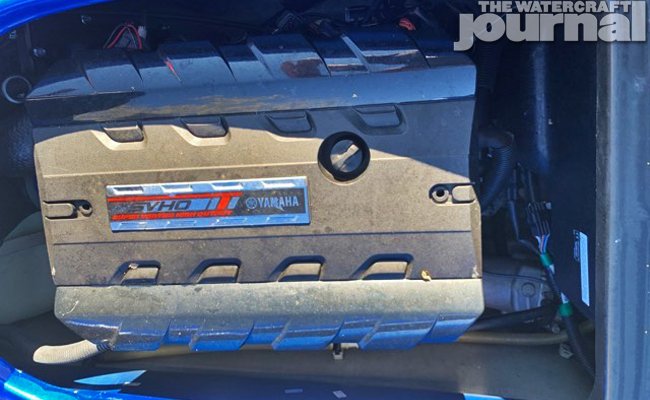
The 1.8-liter Yamaha SVHO’s stock-internals raced to nearly 9,300rpm, pushing as much boost as its factory HKS supercharger could make. Producing somewhere in the neighborhood of 350-horsepower on high octane race gas, the FX streaked across the water; rigidly tracking through the chop I myself was producing – never once bobbing, porpoising or veering out of control.
The combination of the RIVA top loader intake grate, ride plate and ECU tune wholly eliminated the tell-tale cavitation natural to showroom-stock Yamahas. In the corners, the FX bit the water furiously, leaning in deep, and peeling around the turn like a sport bike on w-rated track tires. As steady as a surgeon’s scalpel, Brian Baldwin’s #502 2019 Yamaha FX SVHO proved to be the very pinnacle of what a race-tuned Yamaha could be.
Five Tips for Aussie Riders to Get Your PWC Ready for OZ Summer

0

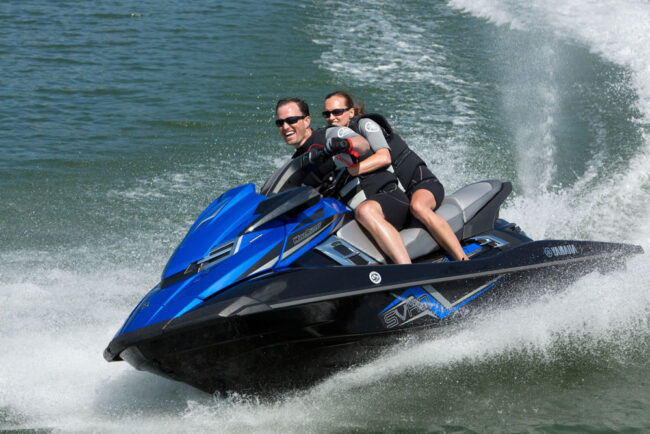
Summertime in Australia means good times for those who ride a PWC. First it has to be ready to hit the water and that entails a little bit of work on your part. Better to find problems before hitting the water, so let’s go over this condensed list of preparations.

The first item to tackle is removing the seats, so you can make quick visual inspection inside your ski. This will also let any buildup of fuel vapor to escape and allow for fresh air to make its way inside. Also check for signs of fuel leaks inside the hull. You’ll smell them if any exist. Inspect cables, clamps, and anything that doesn’t look right.

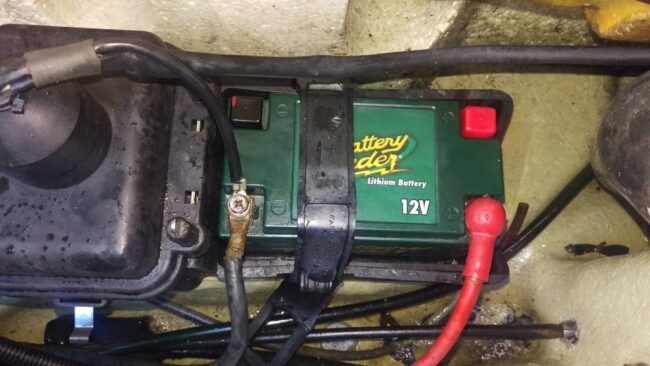
Next, you’ll want to check your battery. Charge the battery overnight if your ski wasn’t started within 3 months. If stored longer and not started, charge the battery overnight.  If that doesn’t work, it’s probably time for a new one.

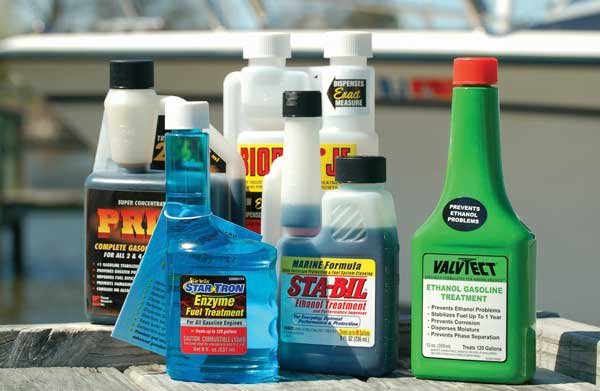
Moving onto fuel. If you added a fuel stabilizer as part of winterizing; your PWC is probably good to go. For those who didn’t add a fuel stabilizer, there are two options for you. If you stored your ski for less than six months with less than half a tank of fuel, you should be okay adding fresh fuel. It’s recommended to take it easy on the first ride. If your fuel is more than six months old, it’s a good to drain the tank and start fresh. It will be better for your ski in the long run.
Now, we get to start the ski. If everything checks out okay, connect your ski to the hose flusher as though you were cleaning after a ride and run the machine for a few minutes. Watch the water pressure closely for the first minute. You never know when insects may have built nests inside and clogged a bypass. It’s also important to watch for alarms on the dash or any sounds go off. While the jet ski is running, make sure control cables operate properly. Also make sure the steering moves freely, as does the throttle.

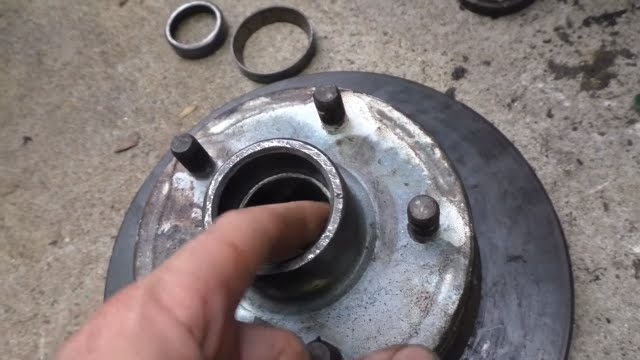
The last step is checking the trailer for issues. Start with jacking up the trailer (without the ski) just enough to spin the wheels. It should move freely and feel smooth. If it sounds crunchy or has any resistance upon turning, it’s time for new wheel bearings. Repeat this procedure on all the trailer wheels. Do this before heading out for a day of fun. You’ll be glad you did. Make sure the winch strap isn’t frayed or torn. The winch handle should be easy to move too. Don’t forget to check the trailer lights!

And then there’s that pesky shackle! You know the one that secures your ski? Yeah, take a good look at it and make sure it hasn’t seized while not in us. Hit it with some lube before leaving the house so you don’t get to the boat ramp with a ski stuck to your trailer.

Hopefully, by following these five tips you will get underway with no troubles. Have fun out there!

Racers Head For Bahamas With Yamaha Leading The Pack

0

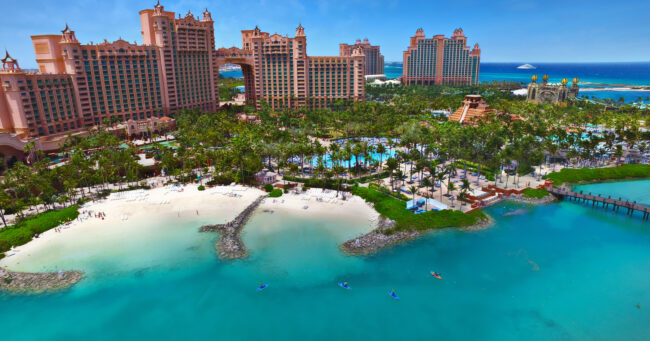
As the P1 AquaX World Championship draws closer, top racers from around the globe will be heading to Nassau’s Paradise Island in the Bahamas to face off November 8-10. The top ranked racers? All Yamaha riders.

That’s right, all of the top riders are riding for Yamaha including this year’s IJSBA World Champion Brian Baldwin as well as Eric Francis, and Chris MacClugage. The competition will truly have their hands full this year.

To learn more about the upcoming event, you can read the full press release below:

16 October 2019 – The countdown is underway to the climax of the P1 AquaX personal watercraft race season when The Bahamas will stage the 2019 World Championship. An elite field of up to forty professional riders from eight countries, who have qualified through a series of national and continental races across the summer, will head to the Atlantis, Paradise Island next month for the three-day event in Nassau Harbour (8-10 November).

Kicking off in Daytona Beach in April, the 14-event P1 AquaX season has included race series in the United States, mainland Europe and the United Kingdom. This will be the second AquaX World Championship – Key West having hosted the first one in December 2017 – and the first AquaX visit to The Bahamas. The Atlantis will provide a stunning setting for the high-speed action, which sees P1 partnering with one of the most amazing resorts in the world and also with The Bahamas Ministry of Tourism and Aviation.

Lisa Barsby, Global Head of P1 AquaX and herself a former world champion, explained the race schedule: “It will feature both Pro sprint and endurance races, with practice, testing and qualifying on the Friday followed by a total of six races across the weekend. Both race days will begin with a rider parade and the podium presentations will take place from 1.45pm on Sunday.”

There will be a truly international line-up of riders, with world class racers from North America, Europe and North Africa. Looking at the main contenders for the world title, Barsby commented: “The Lucas Oil P1 AquaX World Rankings, which identify the most consistent and talented riders, are a good place to start if you’re trying to pick a winner. The ‘big 3’ – Brian Baldwin, Eric Francis and Chris MacClugage – currently fill the top three places, but this year’s USA Pro Enduro series produced a different winner at each round so I guess it’s fair to say that the World Championship battle is wide open.” American riders dominate the top 10 in the rankings, but flying the flag for Europe will be Thomas Favolini from France and leading British racer Joe Harvey.  The latest edition of the rankings will be announced just prior to the World Championship and the top ranked rider will be presented with the highly coveted ‘No. 1’ vest at the Atlantis.

Brian Baldwin from North Carolina – currently sitting at the top of the rankings and having just become the 2019 USA national champion – is the rider everyone is talking about and he said: “I’m super pumped about going to race in The Bahamas, and the Atlantis looks great. It’s the first time there’s been a world class jet ski race there and I’m coming in as the number 1 world ranked rider. I think I definitely have a target on my back but I usually don’t let that shake me. I will just get in there and do the work.”

Eric Francis is looking to take back the No. 1 vest that he lost earlier in the year. Chris MacClugage, who is strongly fancied to lift the title, commented: “We’re now in the build up to the Bahamas race and it’s disheartening because my thoughts after the hurricane are more with the people of the northern Bahamas than on the championship right now. But it’s going to be a great event.”

“The P1 AquaX Bahamas World Championship will be held less than three months after one of the most devastating hurricanes ravaged two islands of The Bahamas” said Ed Fields, Senior Vice President of Public Affairs at Atlantis, Paradise Island. “As the country continues to rebound, we are looking forward to hosting this highly-anticipated three-day event. Atlantis will serve as the host hotel for AquaX competitors, and we are happy to be partnering with The Bahamas Ministry of Tourism and Aviation and the Nassau Paradise Island Promotion Board to welcome the world’s top watercraft racers, who will compete in the picturesque Nassau Harbour. Our guests, visitors and the local community will not only gain a greater appreciation for this sport, but they can also look forward to being awed by the performance of these elite P1 AquaX competitors. It is our hope that these Championships will spark future interest for a wide range of sporting events being hosted in The Bahamas.”

In addition to high-speed race action, the crowds will be entertained by freestyle jet skiing and Bahamian reggae music. Jason ‘The Destroyer’ Stoyer has been a driving force in freestyle for many years, winning both amateur and professional national titles, and he will be performing a high-energy routine with back flips and barrel rolls across the weekend. On the land, local band Willis and the Illest – led by vocalist and guitarist Willis Knowles – will serve up their own brand of reggae which has made them such a favourite for more than a decade.

Lisa Barsby added: “In the eight years since its launch, AquaX has grown significantly. It’s been a natural progression from the opening race season in the UK in 2011 to the series expanding to the USA two years later and then in mainland Europe in 2017. The rapidly increasing number of riders, partners and fans has been tremendous and the close relations with leading manufacturers has added considerably to the legitimacy of the series. Partnerships are at the heart of our business and outstanding locations and host venues contribute enormously to our event offering. Ending our race season at Atlantis, Paradise Island will be a wonderful experience and we will be hoping to race there for many years to come.”

The weekend of racing will be live streamed on the P1 AquaX Facebook page (www.facebook.com/p1aquaX. This will include race commentary as well as the opportunity to comment live during the races and check back to watch live streams that have been missed.

www.p1bahamas.com : Event information

https://www.atlantisbahamas.com/p1-aquax : Tickets and VIP sales  

Mount Yamaha Tech Package To Any New FX Platform

0

With the latest generation of Yamaha FX Waverunners, we know that the FX Limited is the cream of the crop when it comes to all of the available features, packages, and accessories.

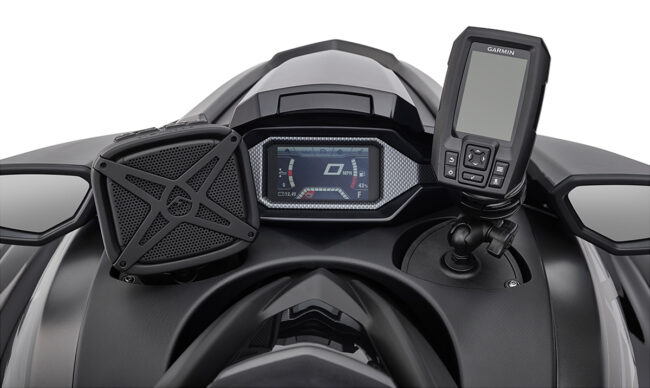
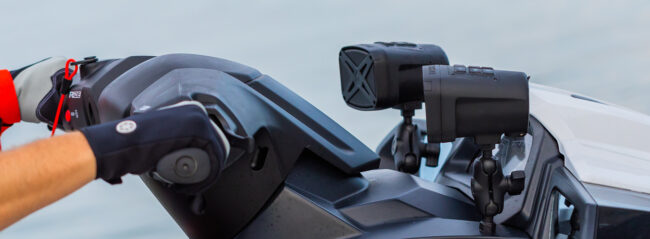
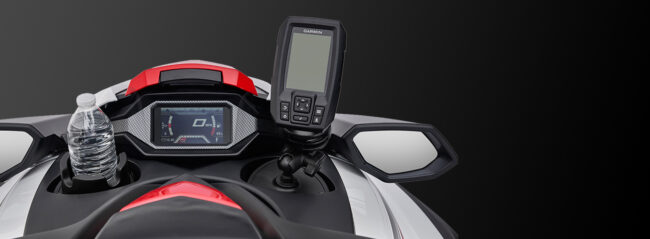
It has all of the bells and whistles with the powerful Supercharged SVHO powerplant, tiered stadium-style seating, and the two-base multi-mount system with included tech package that comes with  waterproof bluetooth speakers, a Garmin GPS fish finder, and the RAM mount hardware to easily place these accessories.

Let’s face it though, not everybody wants to fork over more than $17,000 USD for the Limited Series FX.  Many people might not need the supercharged powerplant and instead prefer a more fuel-friendly FX HO with its naturally aspirated engine.  Or maybe you still like the rush of the FX SVHO but instead without the cruiser seating or the tubing package that also comes with the Limited version.

You would certainly like the price tag better too but what about all of those fancy accessories, I mean lots of people want to listen to some tunes while taking a cruise or while chilling out on the rear swim platform.  Or what about those recreational fishers?

Well fear not, because you can have your cake and eat it too.  Yamaha knew that a vast majority of riders could benefit from some of these add-ons but were not willing to pay for a luxury limited version.  This is why they came up with the Ram Mounting System which is capable on all new FX platforms.

You can literally add all or any combination of these tech accessories to your FX Waverunner and at a fraction of the price when compared to a top-of-the-line model.

Additionally Yamaha’s soft-sided cooler neatly fits into the front storage bin of any new FX platform, so head over to Yamaha Accessories to see all of the ways in which you can customize your ride.

Sea-Doo Winterizing Tips Using New Line of XPS Products

0

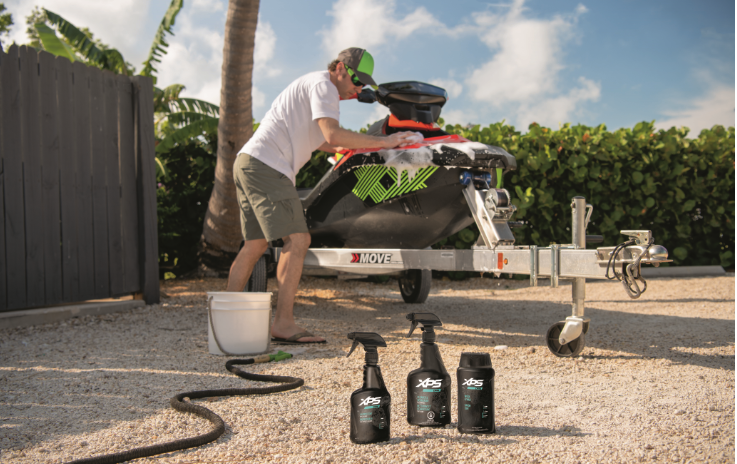
As the cold weather mornings are in effect for many of us, it is a sign for some to start thinking about winterizing your watercraft. Thankfully, BRP is here to help with their all new lineup of XPS cleaning and maintenance products.

These products are not only great for post-ride cleaning care, but also for winterizing and long-term storage of your watercraft. Sea-Doo would like to give you the below guideline tips for proper storage preparation which consists of the following items.

  1. Clean jet pump
  2. Inspect jet pump
  3. Stabilize the fuel system
  4. Replace engine oil and filter
  5. Flush and drain exhaust system
  6. Internal engine lubrication
  7. Battery care
  8. Hull and body cleaning

Handling these tasks becomes a breeze with XPS products and now with new and improved products to choose from, you are sure to find the right items to keep your watercraft in excellent shape. Read below for the full news release on these brand new XPS products and for detailed winterizing tips, be sure to check out the Sea-Doo Blog.

In addition to the new 2020 Sea-Doo Models, we’ve introduced a whole new line of XPS cleaning products to keep your watercraft looking pristine. XPS products are specially engineered to remove grime and water stains from your Sea-Doo. They take care of marine organisms as well.

With cleaning products designed specifically for your Sea-Doo, you will see superior shine and protection compared to generic products. These easy to use products will keep your Sea-Doo looking brand new and keep a smile on your face!

Take a look at the list of new Products:

  • All Purpose Cleaner & Degreaser
  • Eco-Friendly Hull Cleaner
  • Fabric Waterproofing
  • Multi-Surface & Glass Cleaner
  • Sea-Doo Hull Cleaner
  • Spray Wax with Polymer
  • Vinyl & Plastic UV Protectant
  • Wash & Wax
  • Wax & Sealant Nano-Polymer


Watercraft Superstore Launches New Adonis Impeller Brand

0

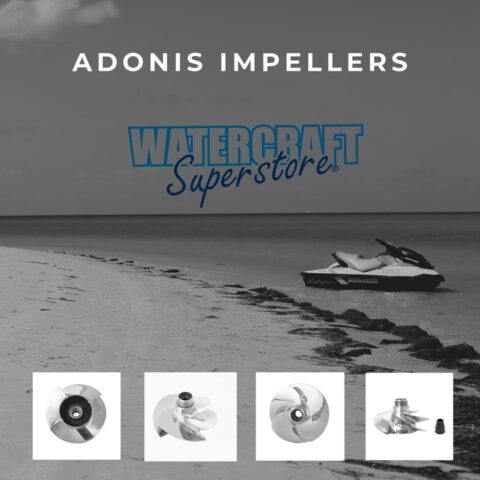
The world’s biggest store for all things personal watercraft recently released the newest competitor for affordable and reliable replacement impellers – Adonis Impellers. Sold exclusively through The Watercraft Superstore and its super-popular Amazon online store, Adonis Impellers provides watercraft owners, service departments, repair shops and rental outfits a resource for affordable replacement impellers for most brands and makes of PWC.

Meeting the Watercraft Superstore’s exacting specifications, each Adonis Impeller is made from high quality stainless steel, pitched and polished to OEM specifications. Replete with a one year manufacturer’s warranty, every Adonis Impeller is guaranteed a direct replacement for your bent, cracked, corroded or damaged OEM impeller. And being under the direction of an industry leader, you can be assured a quick and painless delivery.

Additionally, Adonis and the Watercraft Superstore offer a complete line of products to complete your replacement, whether that’s a driveshaft tool for a Yamaha, or an anodized collar for your Kawasaki, they’ve got it in stock and ready for deliver. If your PWC is looking worn, torn, or a little tired, check out the massive Watercraft Superstore catalog, chocked full of everything you need to bring your watercraft back to life.

Fundraiser for PWC Racer Chris Leo; Bring Back His Smile

0

The sport of PWC is full of adrenaline, racers traveling at fast speeds in tight buoy courses. While this is what fuels every racer with energy, collisions can occur and leave devastating impacts. In October 2015, Chris Leo was racing in a AquaX 300 PWC Race in Tavares, Florida. During the race, a boat entered the area causing a wake to come through the course and knock Chris off into the water. After being in the water for only a matter of seconds, a fellow racer who was traveling at 80+mph crashed into Chris. The result was a fractured face and broken jaw.

The result of the crash came with a lot of therapy and surgeries, medical bills and a long recovery. Chris’s parents struggled with insurance as they submitted claims but continued to get denied. They even had full coverage for Chris and his PWC. In August of 2019, Chris and his family received good news about a doctor in Maitland, Florida who could perform a reconstructive surgery to replace his teeth and bring back his smile. The family submitted another claim for insurance but were denied again.

Chris’s mother, Theresa Zorn has since started a fundraiser on Facebook to help fund the surgery. The family has had multiple medical bills over the last four years which forced them to shut down their repair shop which Chris was the foreman of. Chris is now working as a mechanic in Brevard County while raising four children.

Dear PWC community, this is a terrible accident that happened to someone in our community. Please donate whatever you can, even donating a few dollars makes a huge difference. Feel free to share the link with anyone because the more people who read about Chris’s story, the higher the chance of reaching their final goal will be. Here is the link to the fundraiser along with a description written by Chris’s mother.

Gallery: ’19 Sea-Doo Spark Trixx vs. ’19 Yamaha WaveRunner EXR Shootout

1

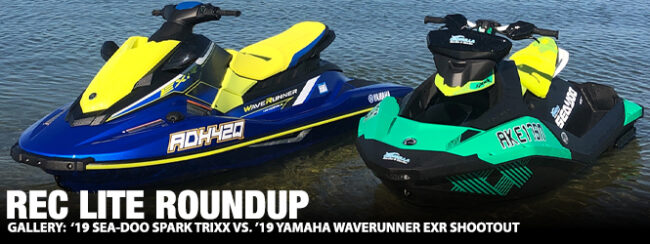
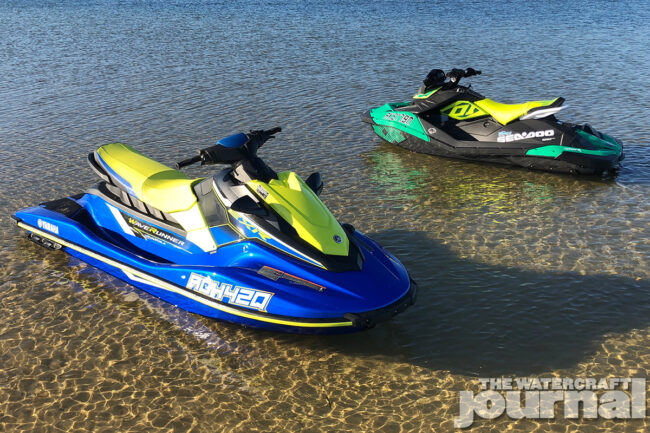
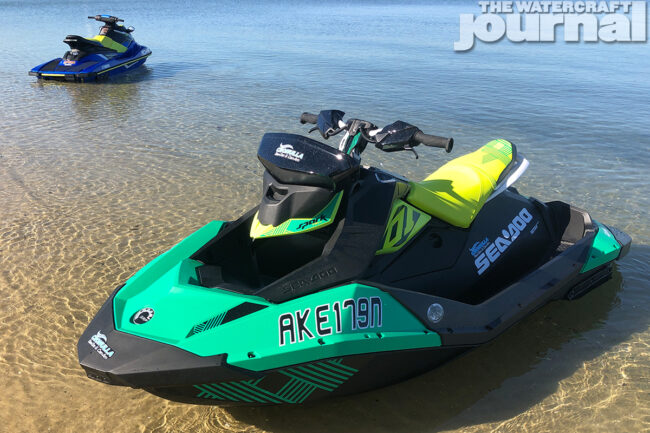
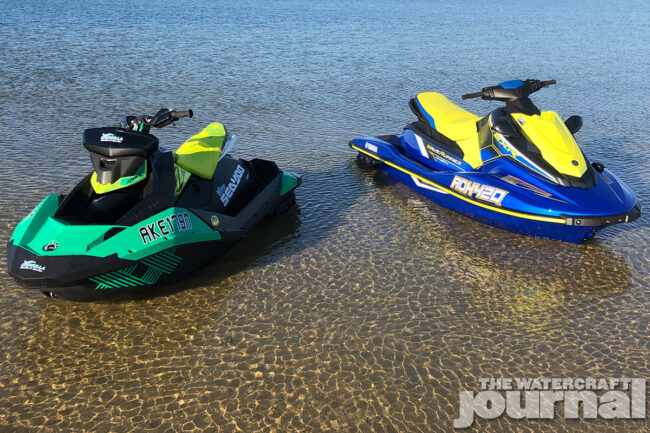
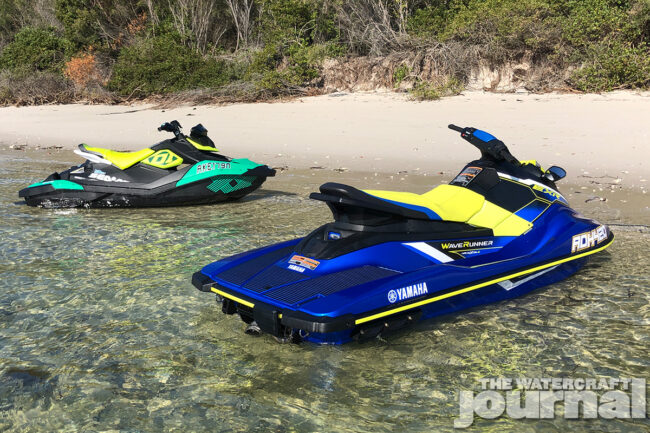
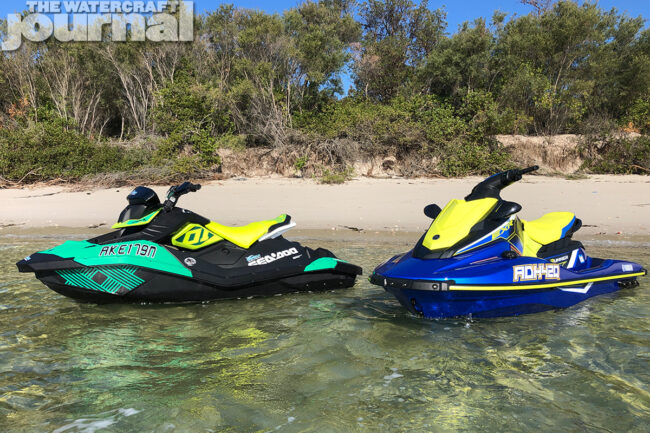
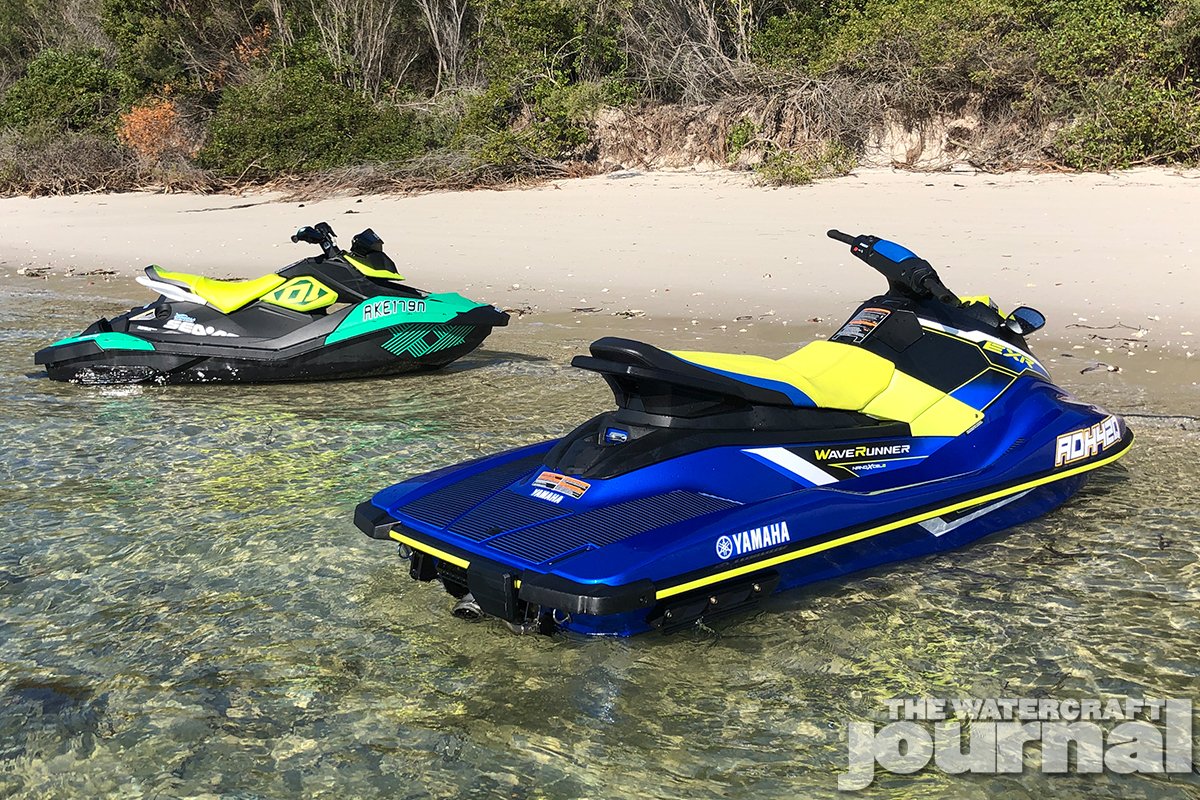
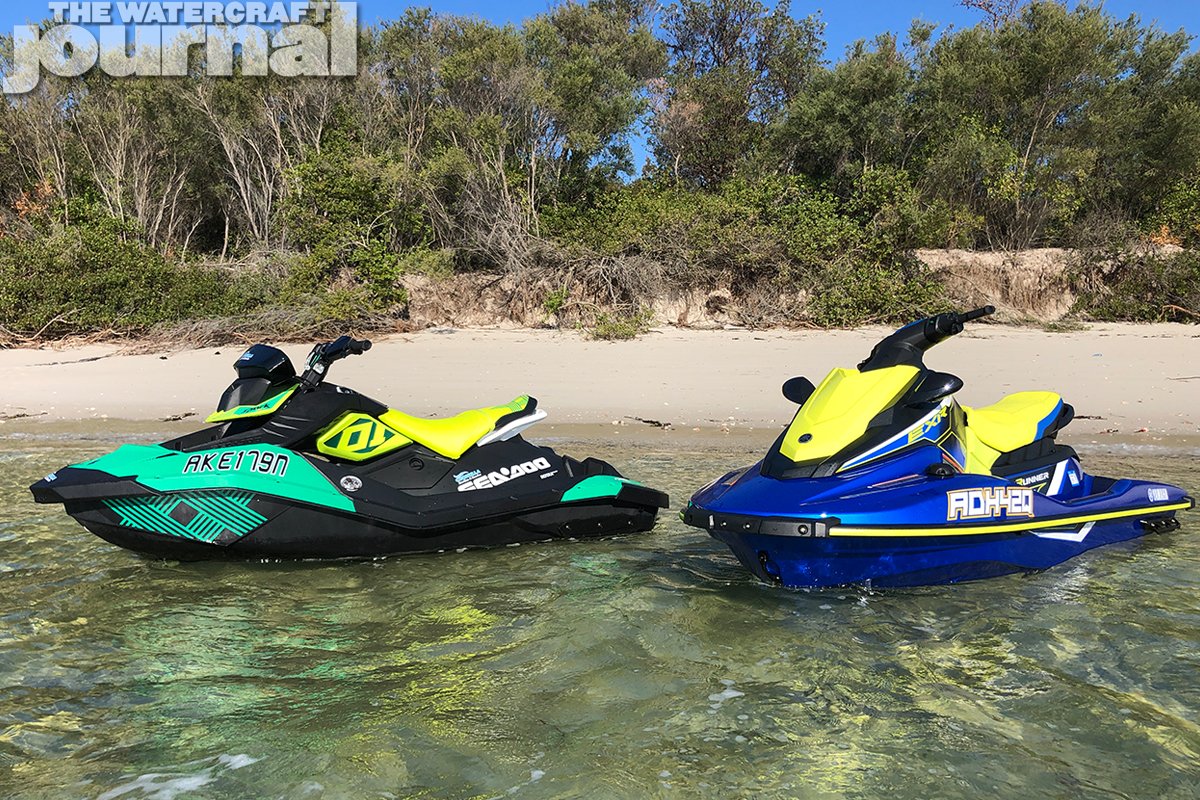
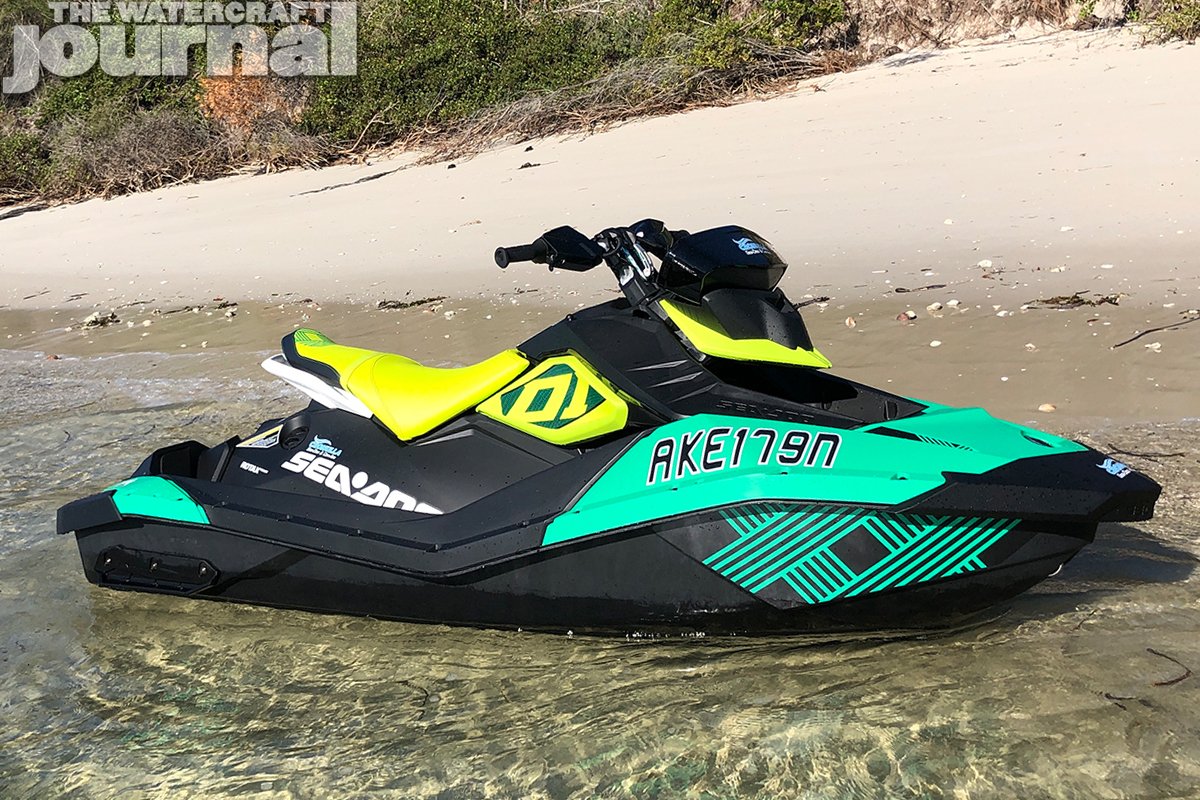
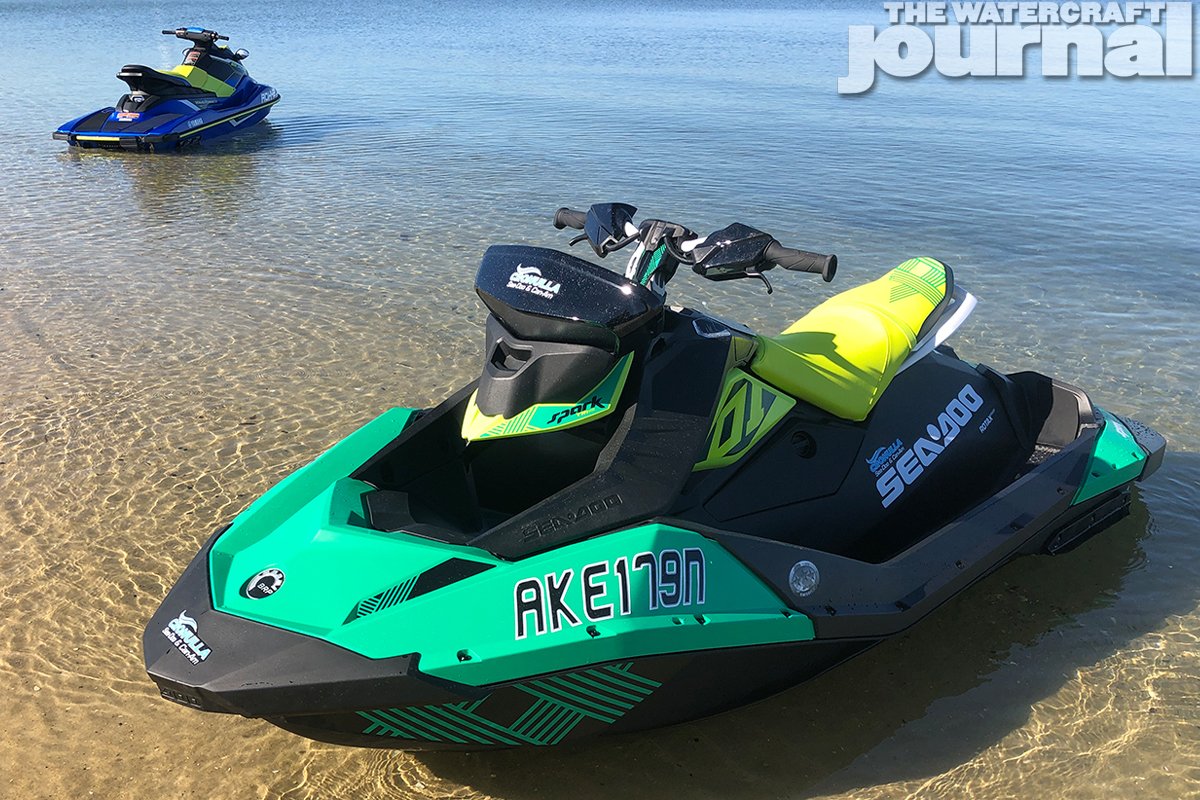
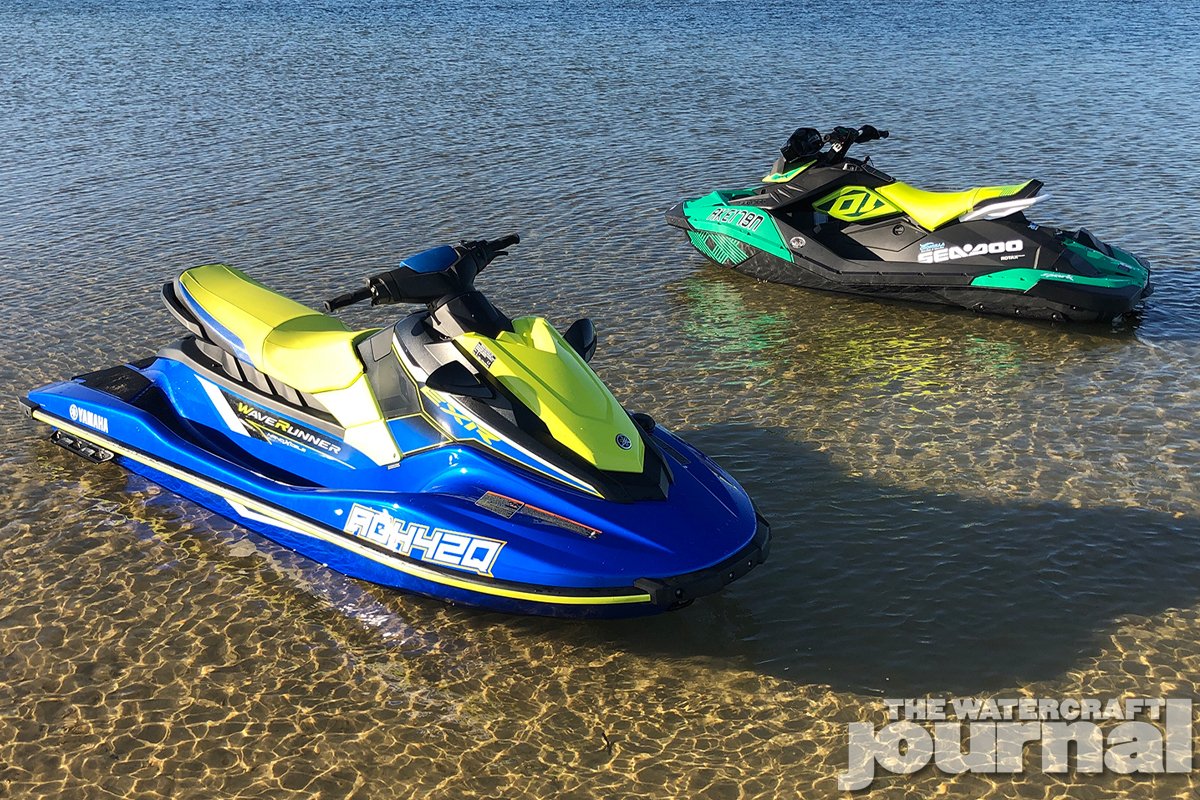
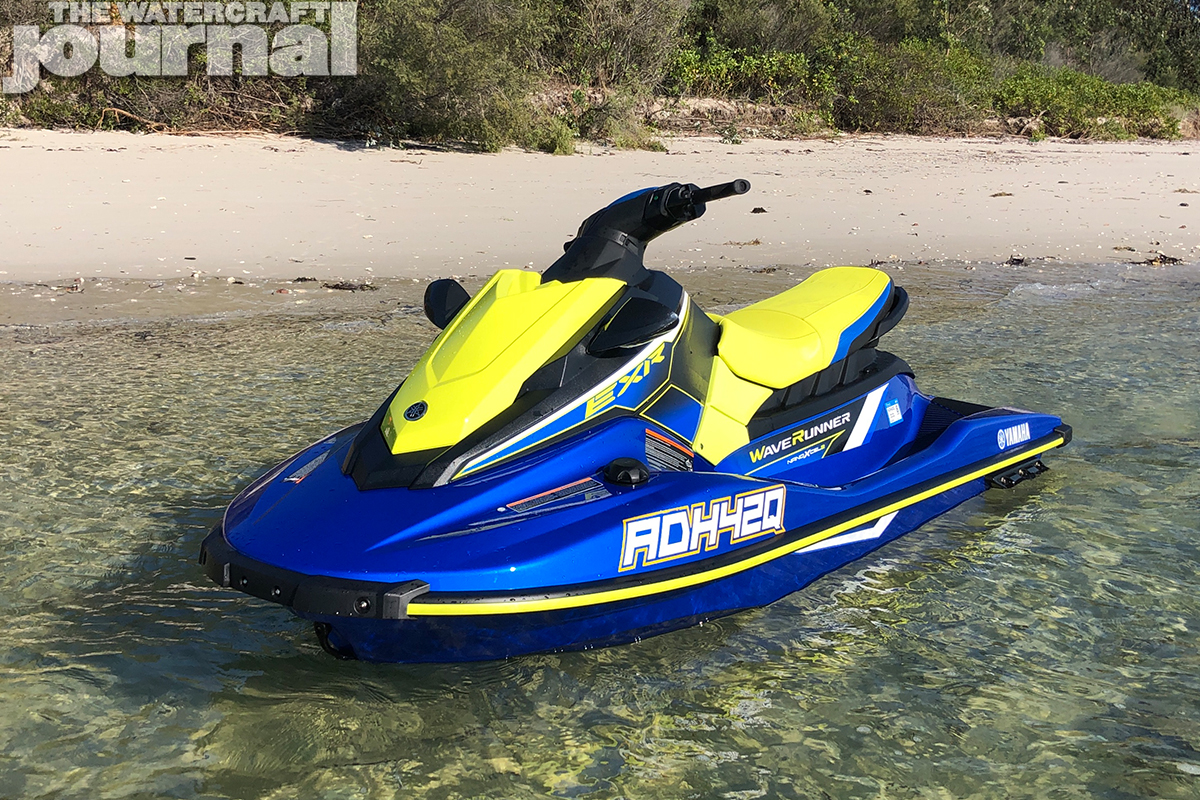
While many personal watercraft enthusiasts are focused on the top-end models from Sea-Doo, Yamaha and Kawasaki, not everyone wants to start out on some of the fastest machines on the water. Which is where these two come in. While the Sea-Doo Spark Trixx and Yamaha WaveRunner EXR are not direct competitors, they are closely priced once a few options on the Sea-Doo are ticked – and both deliver a heap of fun for the money.

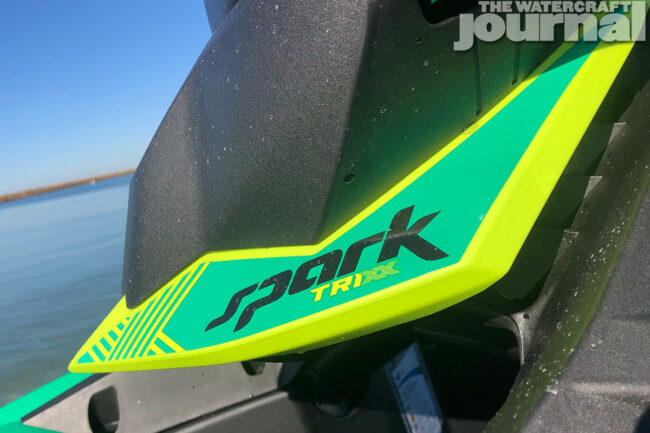
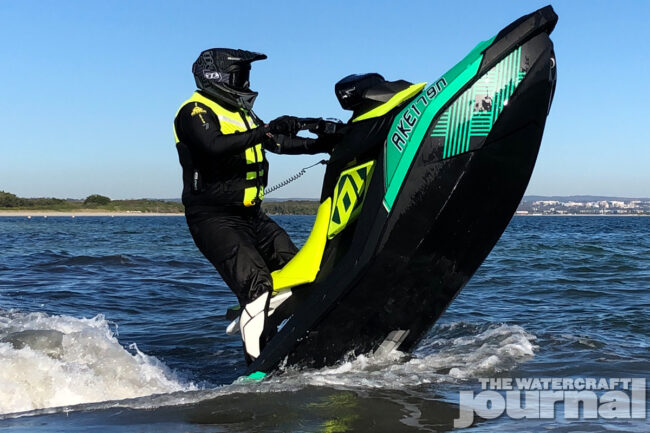
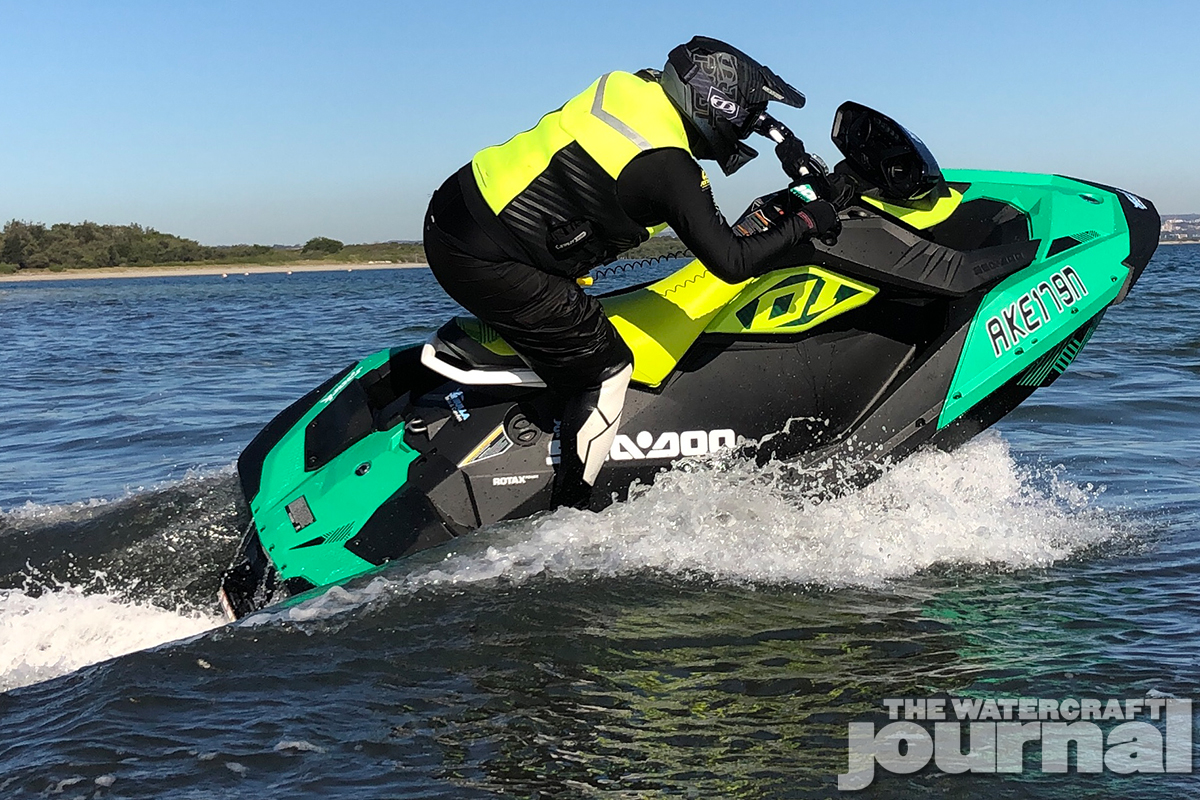
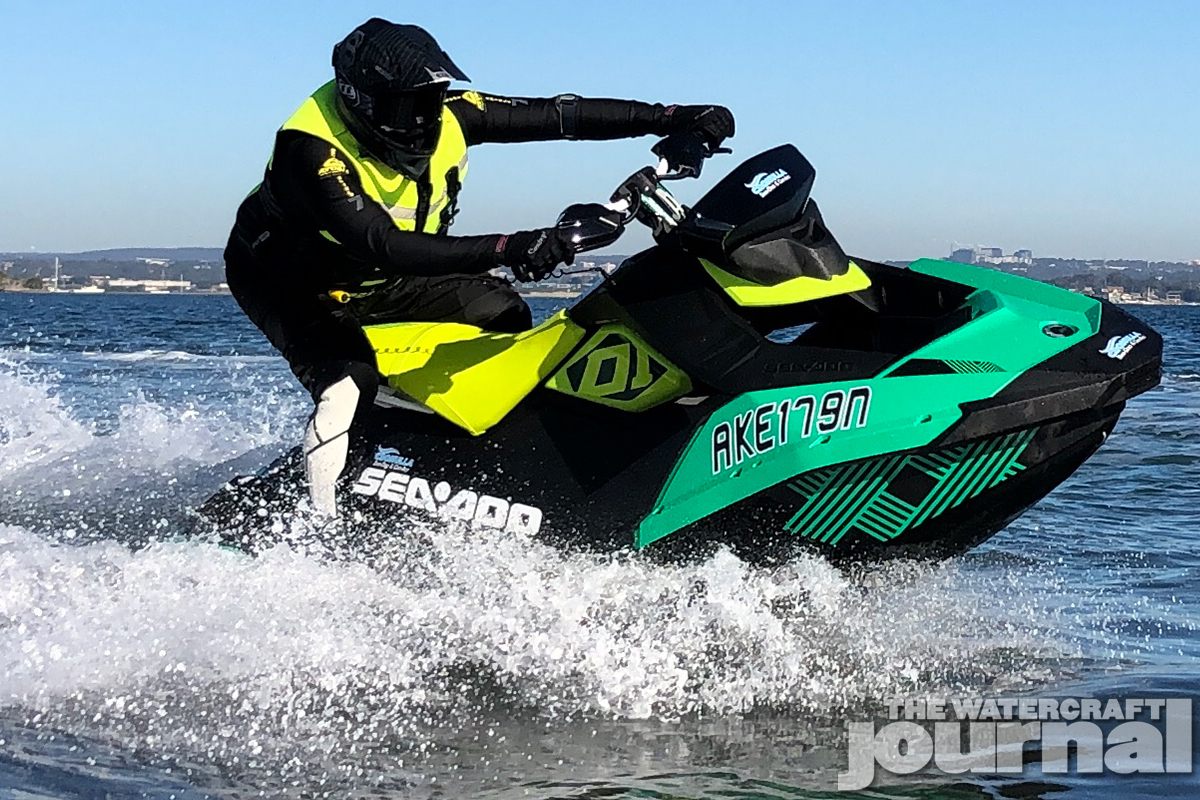
The Trixx arrived in late 2017 as a 2018 model year as an addition to the regular Spark range that came out in 2014. Clever adjustment of the jet pump at the press of a button and the addition of some rear foot wedges enabled the Trixx to easily perform the jet ski equivalent of a “wheelstand.”

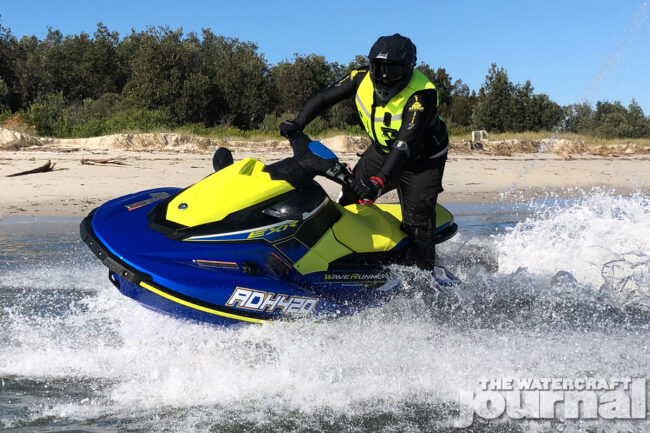
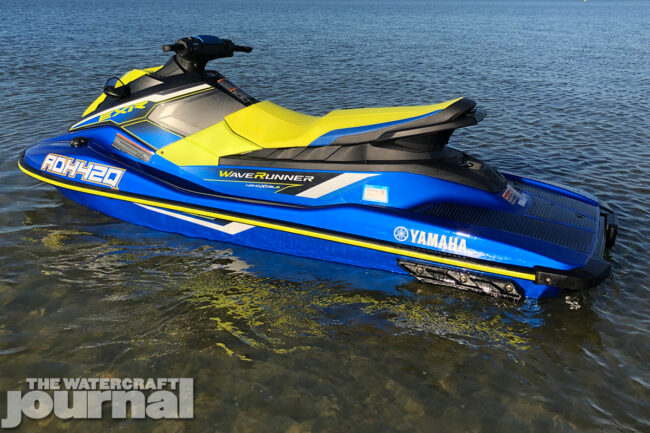
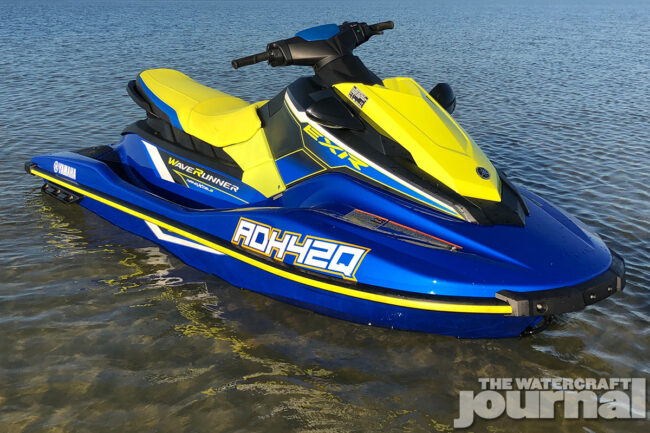
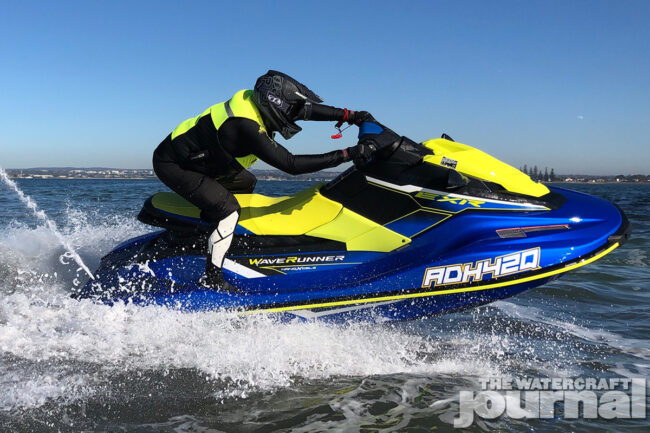
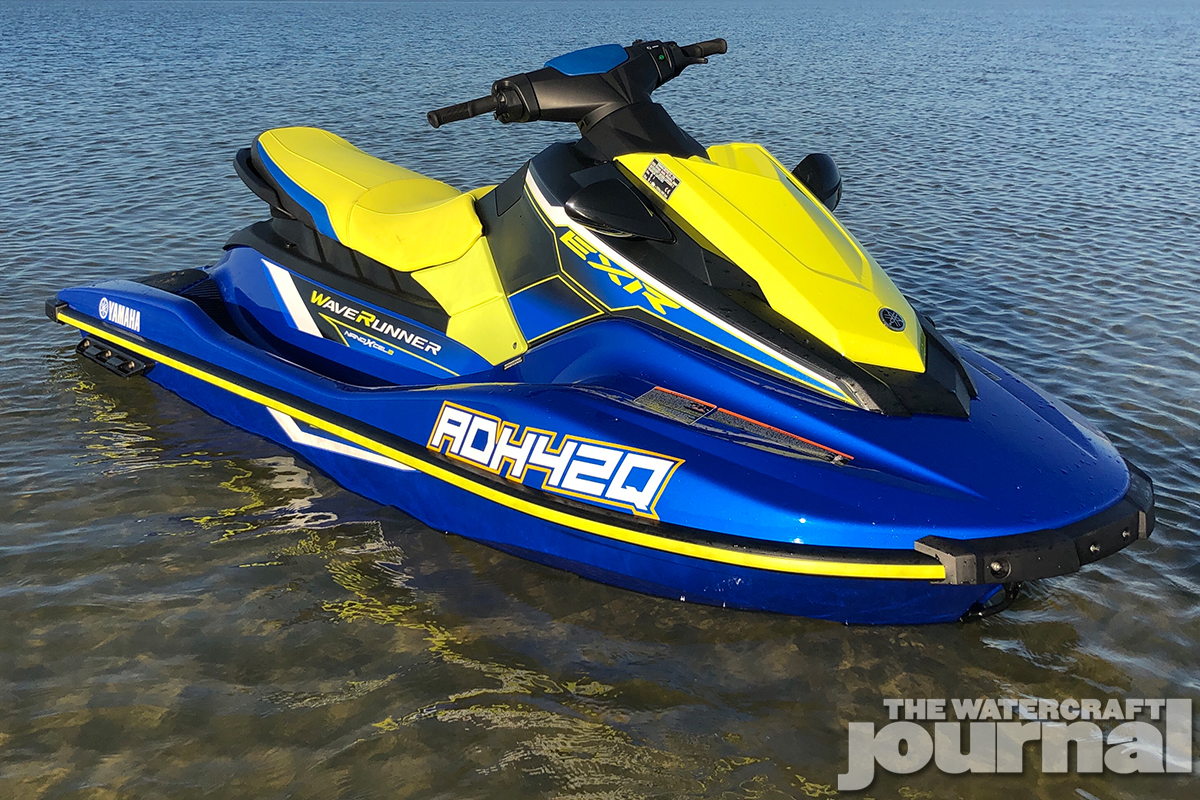
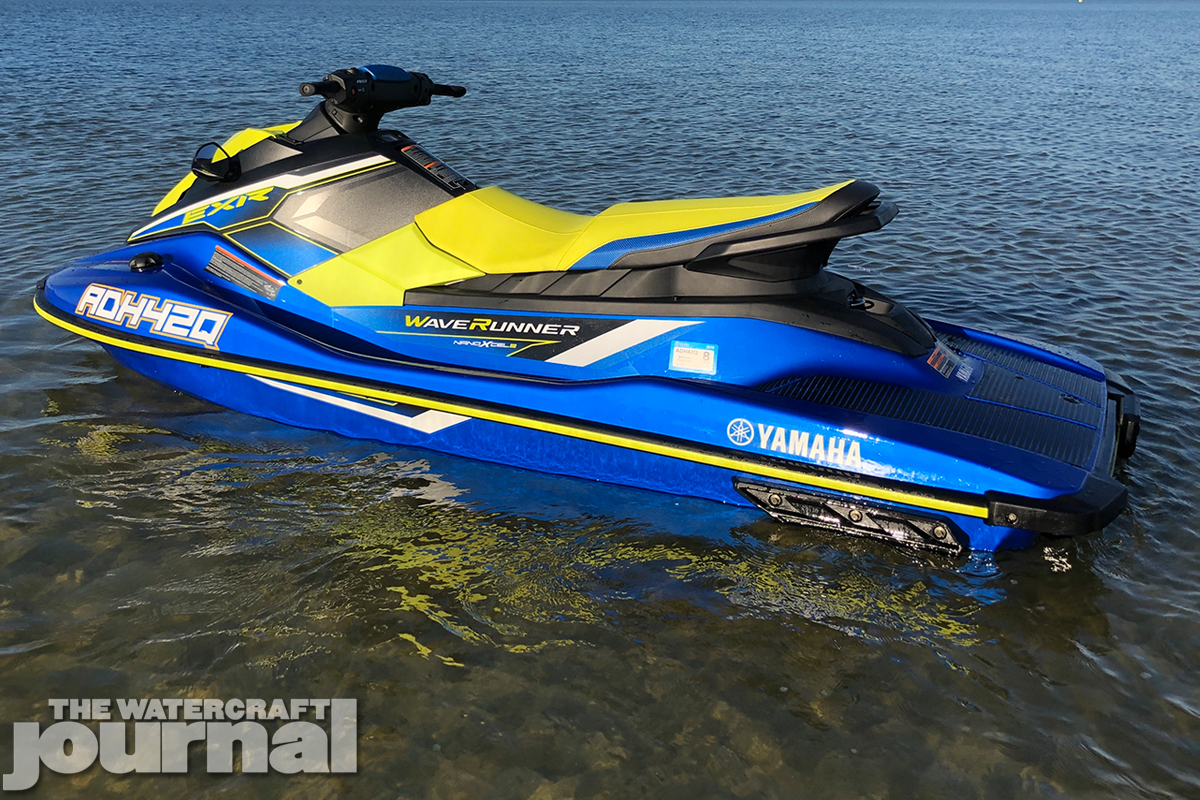
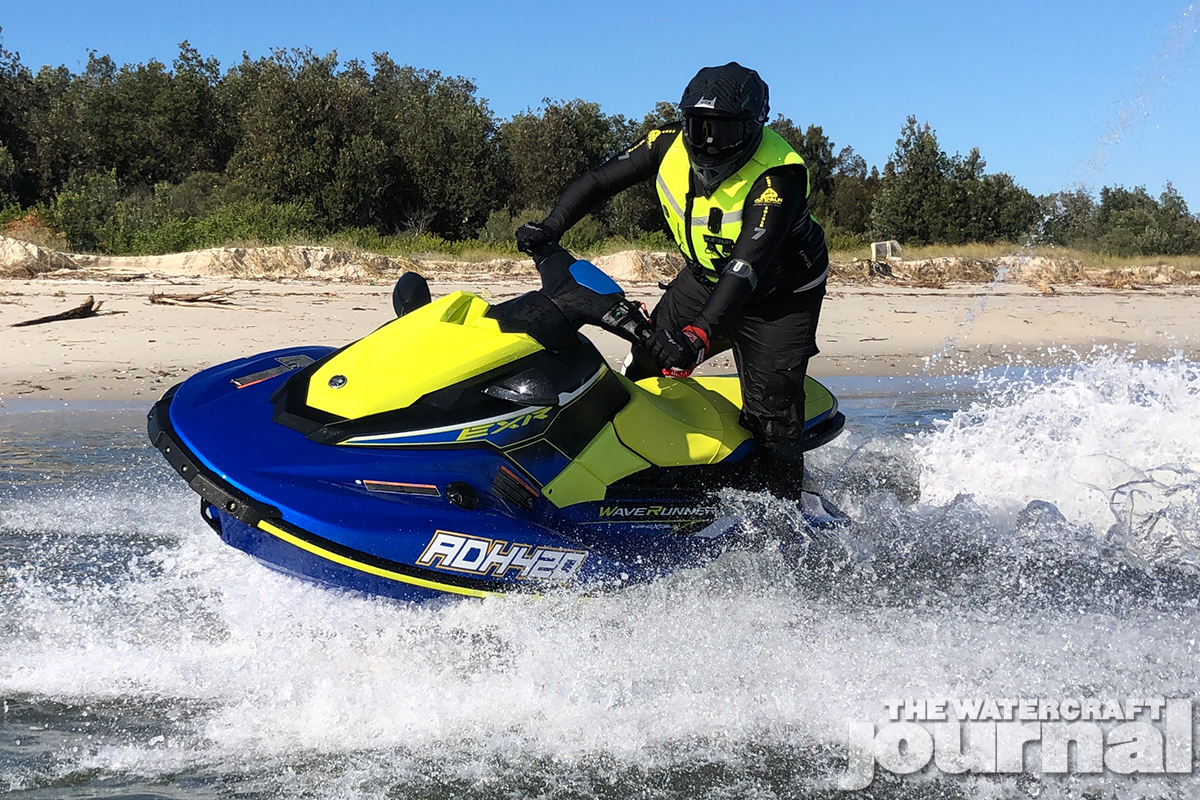
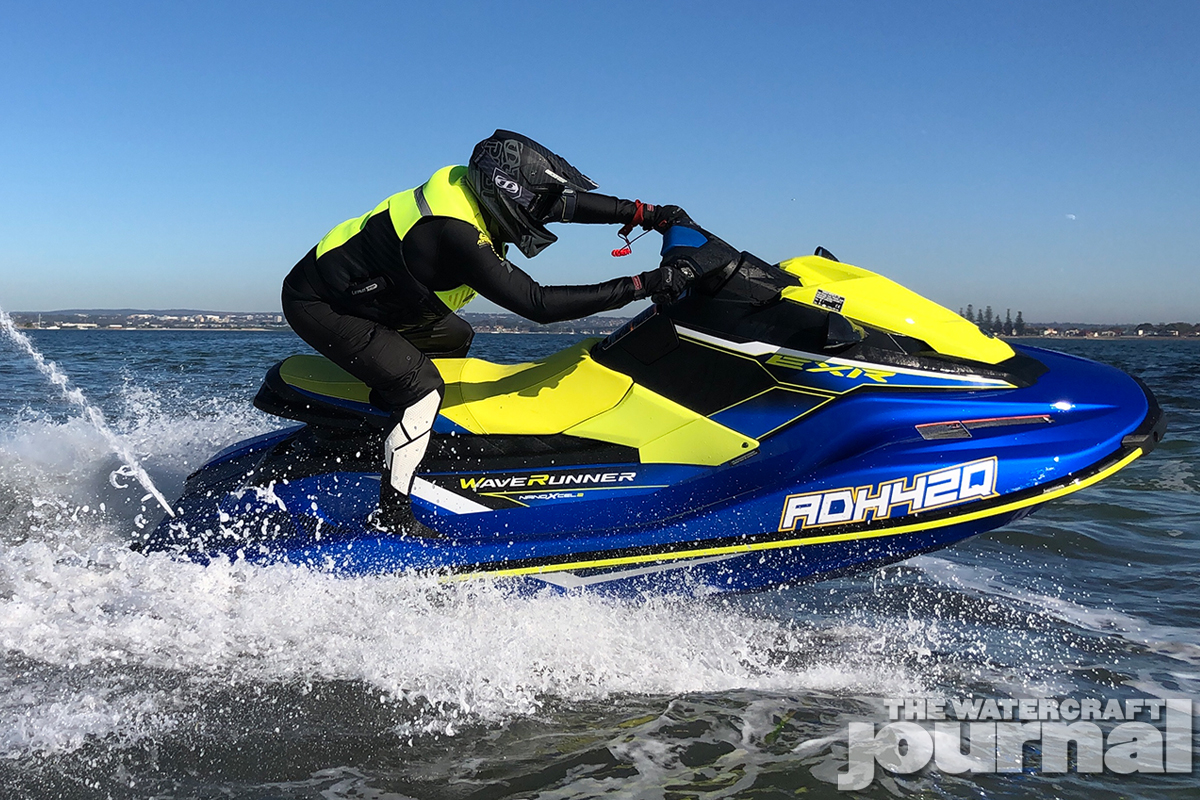
Meanwhile, in late 2018 for the 2019 model year Yamaha added a model with a more powerful engine and a lighter hull to its EX range introduced in 2016. Yamaha called it EXR and added it to its performance line-up. While the Yamaha can’t perform a “wheelstand,” it likes to jump out of the water on take-off and can perform super-sharp U-turns.

The Spark Trixx costs from $7,599 as a two-seater and $8,199 as a three-seater ($8,749 when equipped with the BRP Audio-Portable System boombox), not including trailer and registration charges. The EXR (there is only a three-seater version) costs from $9,399, not including trailer and registration charges. While each has a seating capacity for up to two or three people, that’s a lot of weight for these small craft. We reckon they’re better off used solo or, at a pinch, two up. Here’s how they compare:

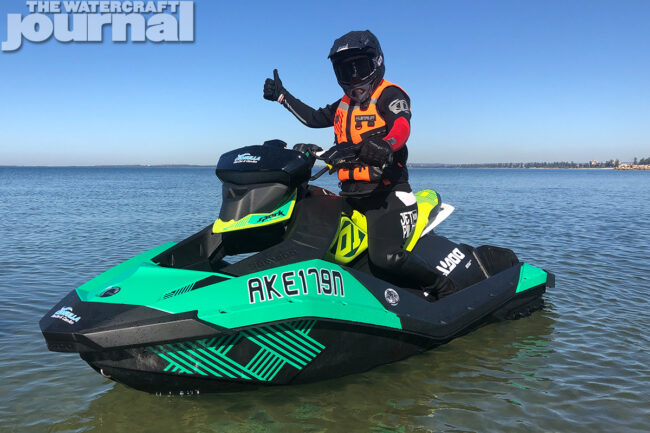
The Spark Trixx comes with the 90-horsepower version of Sea-Doo’s 899cc three-cylinder Rotax 4-stroke ACE 900 engine. The three-seater gets an attachment that lengthens the rear deck, comes with a slighter longer seat, and has a towing hook. The two-seater tested here has a shorter seat and no rear deck extension.

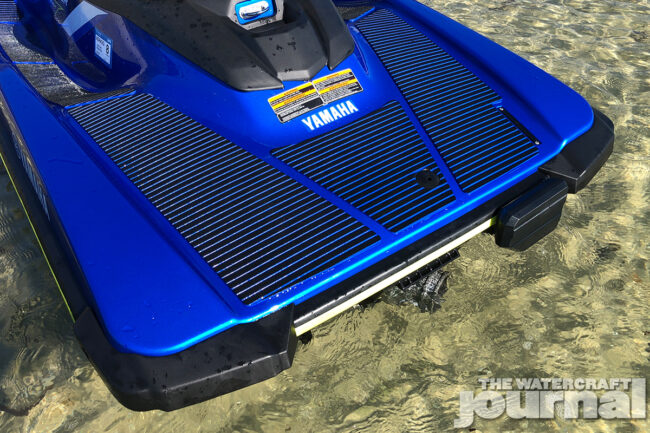
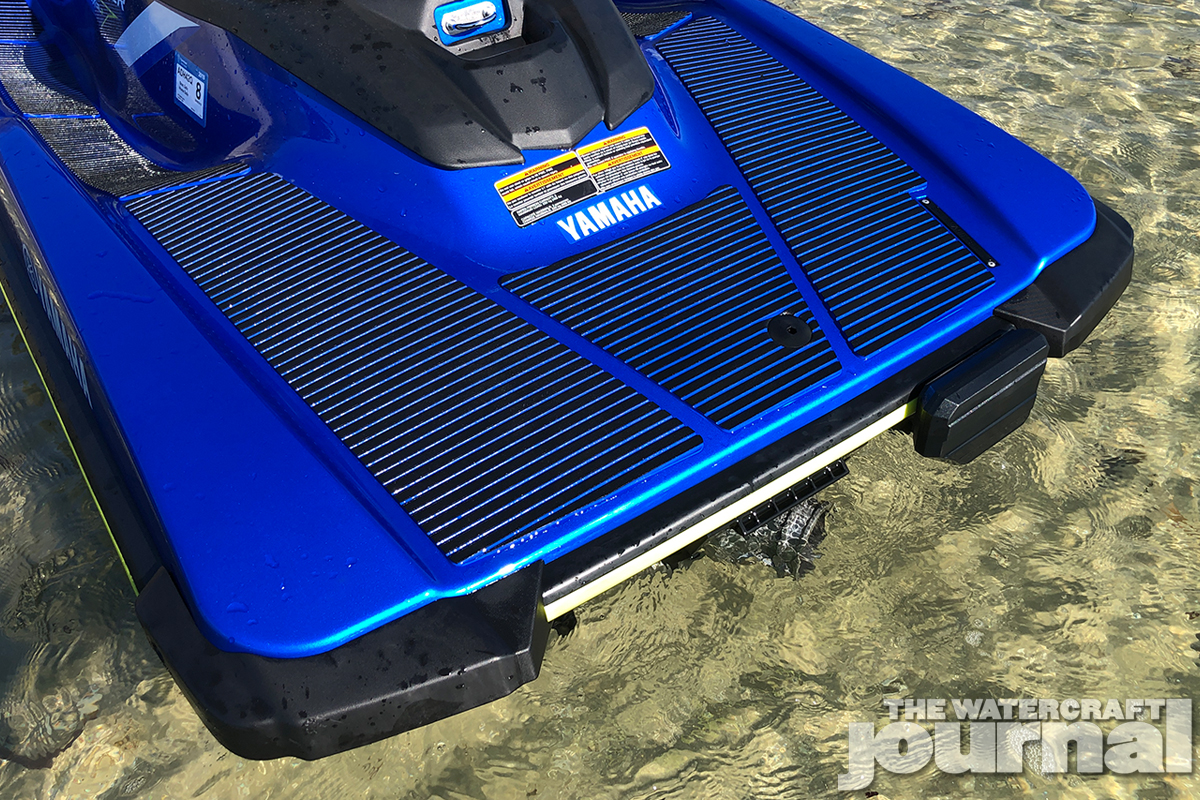
It becomes easier to climb aboard the Spark Trixx from the water once you master the one-sided folding knee-step, and how to best avoid the foot wedges. However, the Yamaha is the easier of the two in this regard thanks to its larger and flatter rear deck area.

Being one of the lightest watercraft on the market makes the Spark Trixx easy to maneuver. The dry weight difference on the Trixx variants is modest: 423-pounds for the two-seater and 438-pounds for the three-seater (versus 405 and 421-pounds for the regular Spark two- and three-seat models).

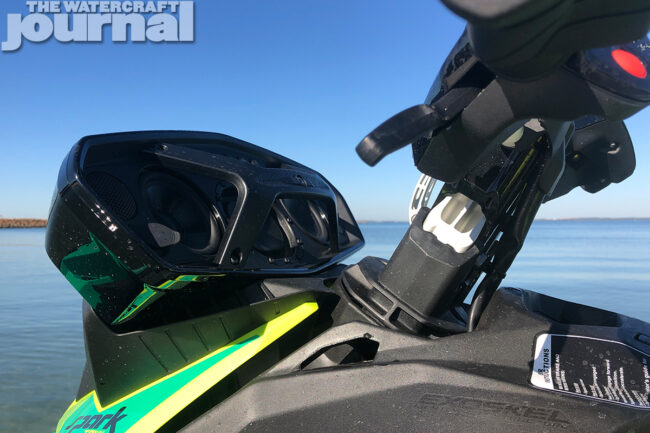
Service intervals for Sparks are 12 months or 100 hours but there’s no easy customer access to the engine bay; the top deck needs to be removed with tools for routine servicing. Popular accessories include a large portable and detachable Bluetooth audio speaker pod, a 7-gallon front storage bin, a rear re-boarding step, and a LinQ fitting to attach a soft dry-storage case onto the rear deck.

Another option worth considering is the security key which is paired electronically to your specific watercraft. On standard Spark models anyone with a Sea-doo lanyard can ride it away as it’s effectively “unlocked.”

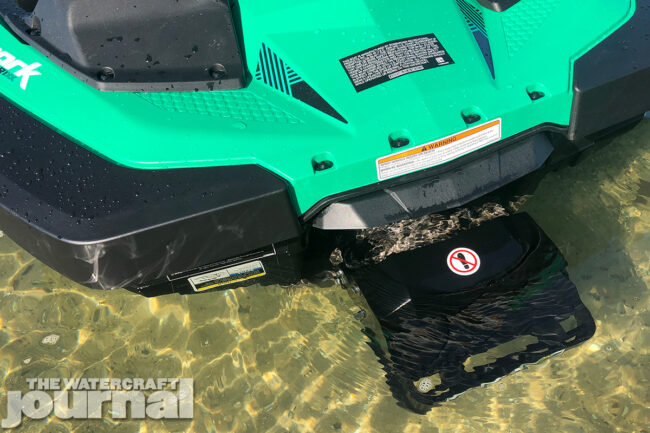
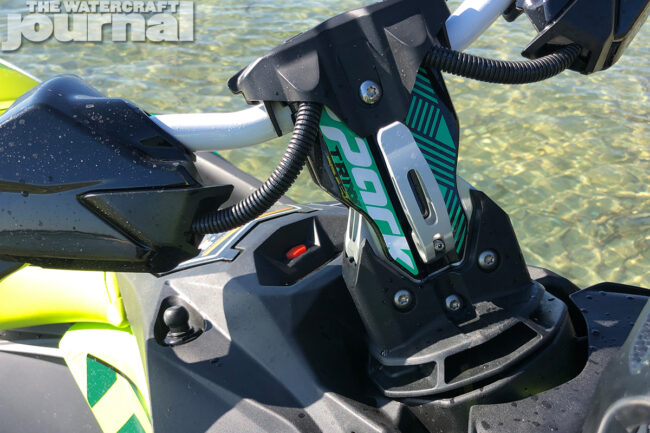
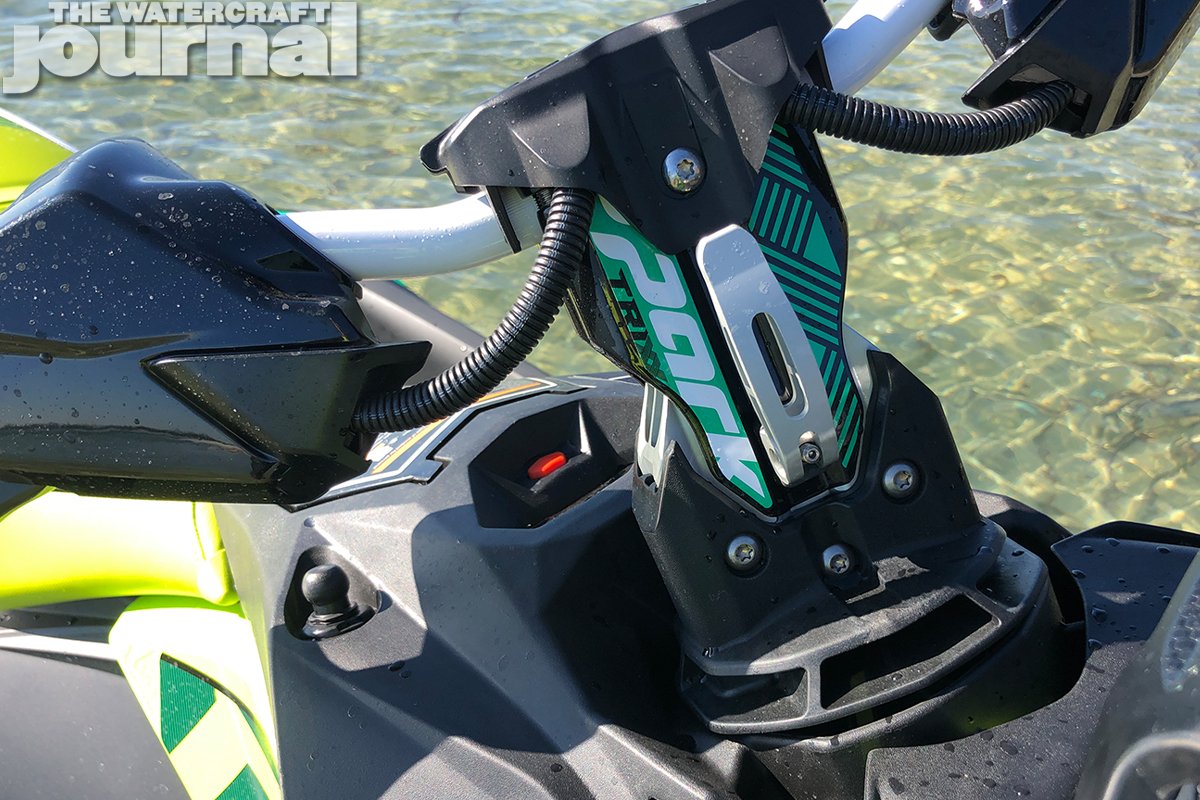
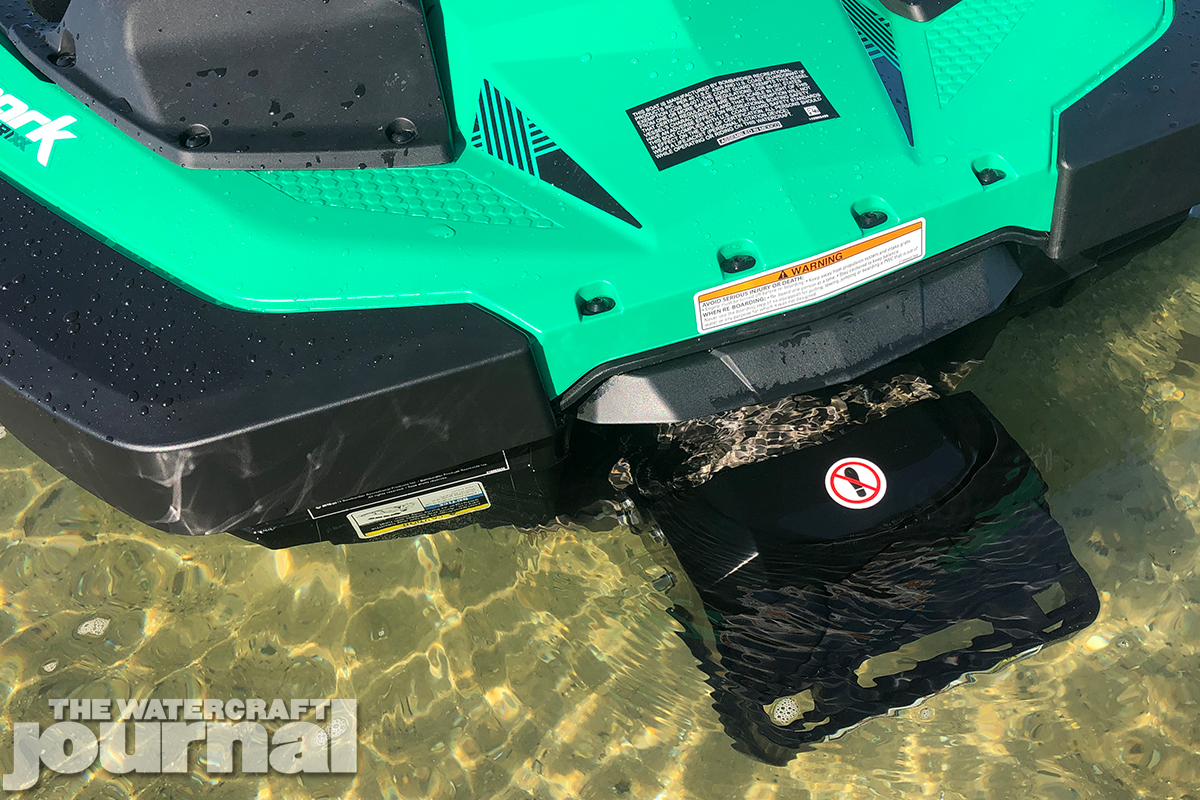
The key to the Trixx’s capability is the extended range variable trim system, or VTS. The VTS switch on the left handlebar and the software behind it add 10 degrees of movement to the standard trim settings (17 degrees upward and 6 degrees downward). There are nine positions in total, including a clearly marked neutral setting, for flatter riding.

In “wheelie” mode it points the jet pump further upwards. With your feet on the wedges near the rear of the deck the Trixx can stand nearly vertical if you get the balance right. The up and down buttons can be a bit too sensitive and you end up developing patience while you tap them carefully so you don’t end up in the wrong mode.

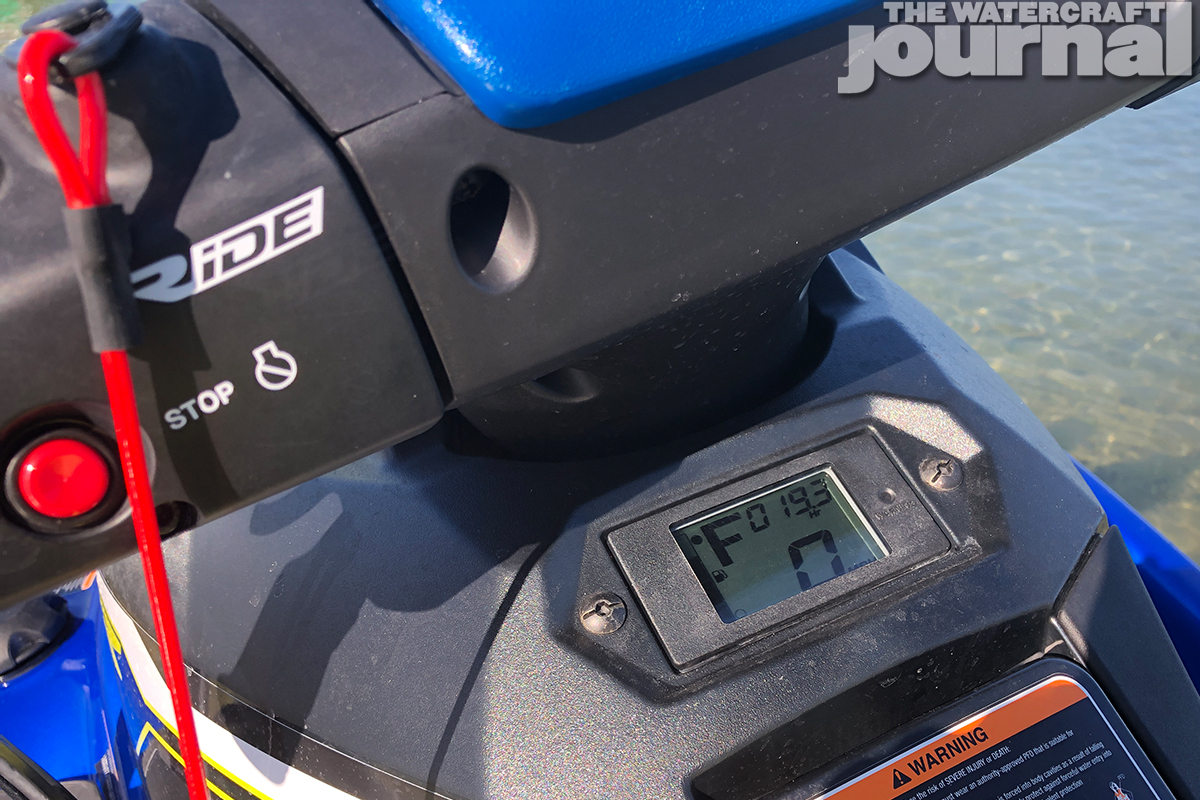
The digital dash display shows the remaining fuel in the 8-gallon tank, your speed in MPH or KMH, and is a gateway to two driving modes: touring and sport. The sport mode doesn’t deliver more power but it does change throttle sensitivity and makes it feel more lively. The 50mph top speed is modest compared to the big boys (and a little under 5mph behind the EXR) but it’s extremely intuitive to maneuver, making it easy for novice riders to quickly build their confidence.

Room for improvement? The glovebox is too small to stow a large smartphone in a waterproof case (or a tube of sunscreen), so it’s worth adding the optional front storage bin. Just be aware it’s not waterproof, so carrying a phone or camera could still be tricky.

The EXR is powered by the same 1049cc three-cylinder from the rest of the EX range but it gets a power boost from 101HP to 110HP, due to engine calibration changes and a higher rev limit, from 7,300 to 8,000rpm. A jet pump extension and an added foil on the intake grate are designed to provide quicker throttle response.

The EXR also gains a lighter NanoXcel2 hull — which brings the overall weight of the craft down from 600-pounds to 540-pounds for an improved power-to-weight ratio. By comparison, the Spark Trixx has 90-horsepower and weighs 423-pounds (three seater is 438-pounds).

The EXR has more standard storage space than a standard Spark Trixx. The Yamaha EXR’s glovebox can accommodate a large phone, a wallet and a tube of sunscreen, though we also used it to stow a long tow sling during our test. You can even fit a large beach towel. There’s also a slim storage area under the nose cover, but it’s not waterproof. In total there is up to 7.7-gallons of storage space versus half a gallon in the Spark Trixx.

The EXR offers incredible precision and control at your fingertips, although it is easy to put yourself in the water if you lean too far over and haven’t grabbed enough throttle to get out of trouble. Fortunately, it’s reasonably harmless when you fall off at low speeds, which you will inevitably do as your bravado increases and you challenge yourself to take tighter turns.

Performance-wise, earlier testing showed a top speed of 54.6mph at 8,000rpm (nearly 5mph higher than the Sea-Doo Spark Trixx) and accelerates with enthusiasm thanks to its newfound power to weight ratio.

However, the Yamaha’s fuel tank is 13.2-gallons, which gives the EXR greater range than the Spark Trixx’s 30 litre tank. I ran out of energy before I could run the EXR empty. This is a lot of fuel capacity for a small ski – and it is very much welcome. The EXR hull is made from Yamaha’s lightweight NanoXcel2 material rather than the standard EX model’s stronger but heavier sheet molded compound (SMC).

No watercraft really like being beached (unless the keel has been fitted with a protective guard or coating such as those used by surf lifesavers) but it’s probably best to avoid or minimize riding the EXR onto sand. Yamaha recommends routine maintenance every 100 hours or 12 months. For those who want to service the craft themselves, access to the engine bay is limited but not impossible.

Both of these jet skis are an absolute blast and a great way to get into the sport. If you want to perform “wheelstands” and listen to music as you ride – or unclip the optional speaker system and listen to your tunes on the beach – the Sea-Doo Spark Trixx is a great choice. The Yamaha WaveRunner EXR, while a touch more expensive, delivers a different level of fun and superior top-endperformance. Budget and buyer tastes will ultimately be deciding factors, but you can’t go wrong with either of these watercraft.