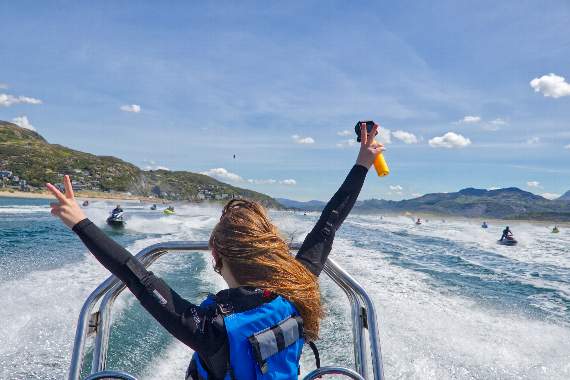
With all of the hustle and bustle in life, we sometimes forget what is important. Making sure that we are keeping up with friends and family should be a top priority. Along with that, helping out in our communities is a great way to give back . One jet ski club is doing just that, the Gwynedd jet-skiing group. They hosted their annual charity event, Blackrock Blast, where they raised over $12,547 or €10,000. Scott Beeland who is the organizer of the event says that, “The money this year will be split between the Welsh Air Ambulance and Blood Bikes Wales, a charity that delivers urgent blood all over Wales.”
This year’s ride makes it the third time the Gwynedd jet-skiing group has done this charity ride. The event is a 100km ride along the beautiful northern Wales coastline. Over the last three years, there has been a growing number of riders but this year there were 100 riders who joined! It all started back in 2016 when Scott Beeland wanted to create an event where people who love riding watercraft would be able to work with the community and help raise money for non-government funded organizations.
In 2017 the club raised $5,295 or €4,220, in 2018 they raised $10,791 or €8,600 which means that as long as this club keeps hosting this event, they will continue to raise more money each year. Being able to raise over $12,547 is amazing, especially when they will be donating it to organizations that help their local communities.
This event is a perfect example of how people are able to combine their passion for riding person watercrafts and helping out their local communities. At the end of the day, it does not matter if you have a brand new ski or an old one, if you are out riding with friends and helping raise money for an organization, there really is not anything better. Keep up the great work PWC Gwynedd!
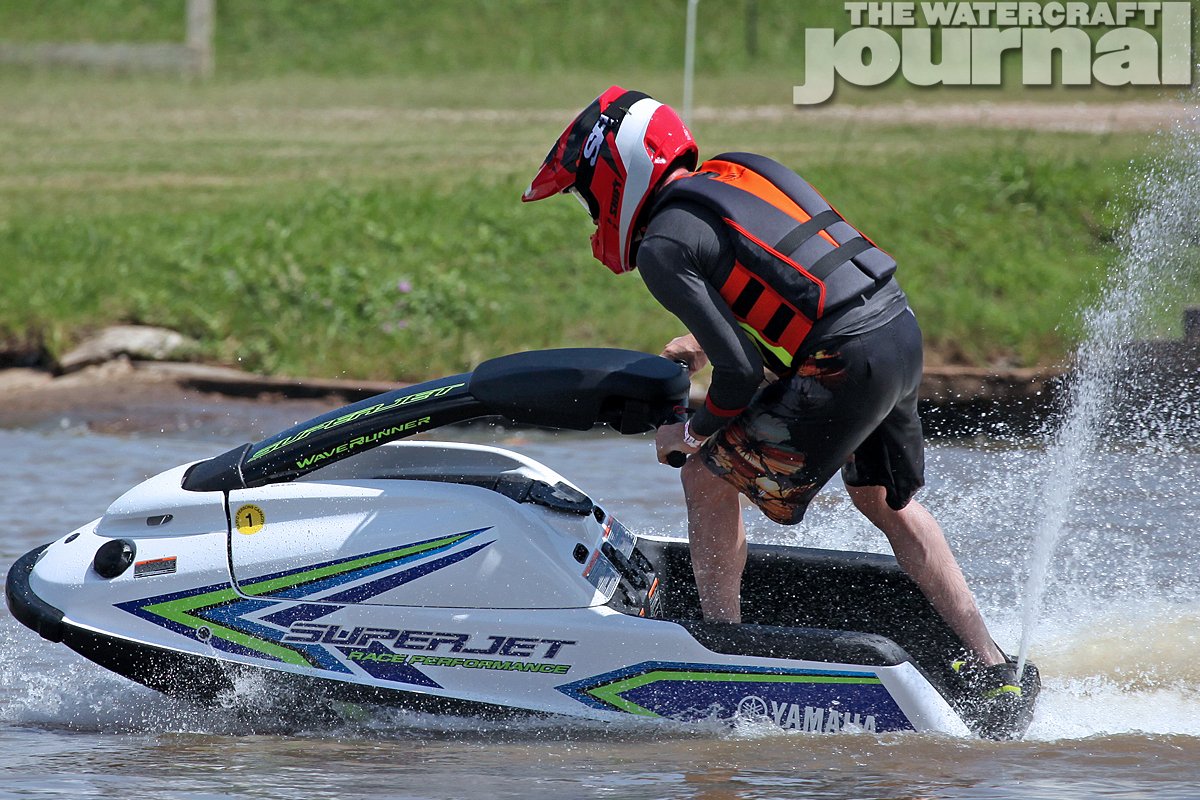
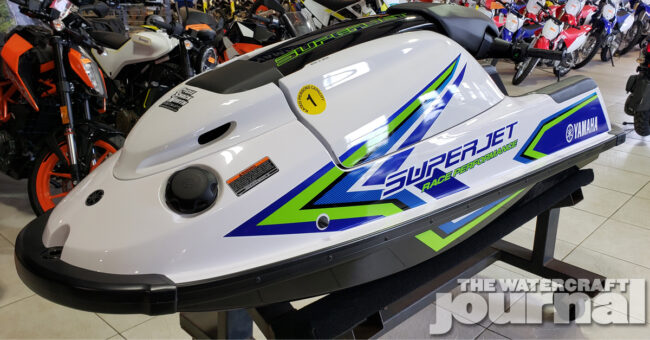
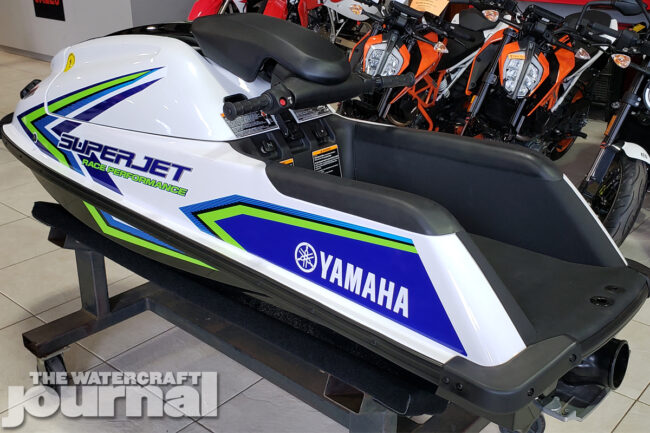
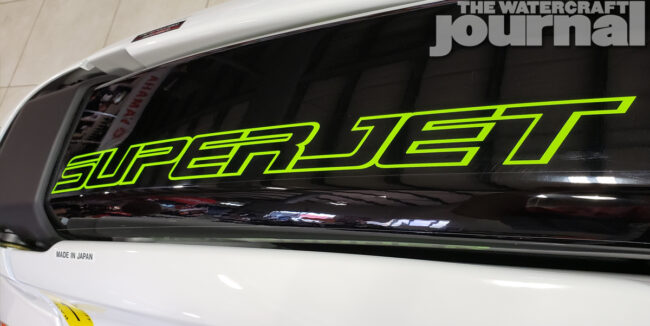
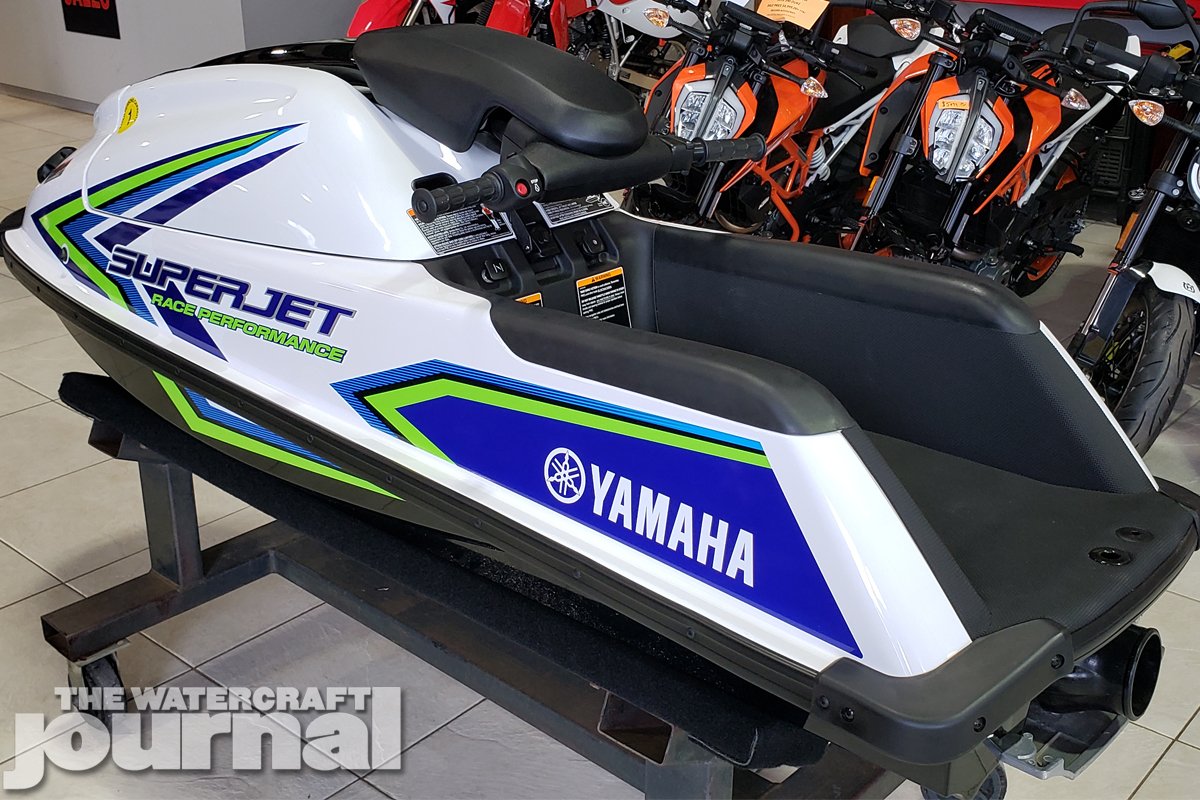
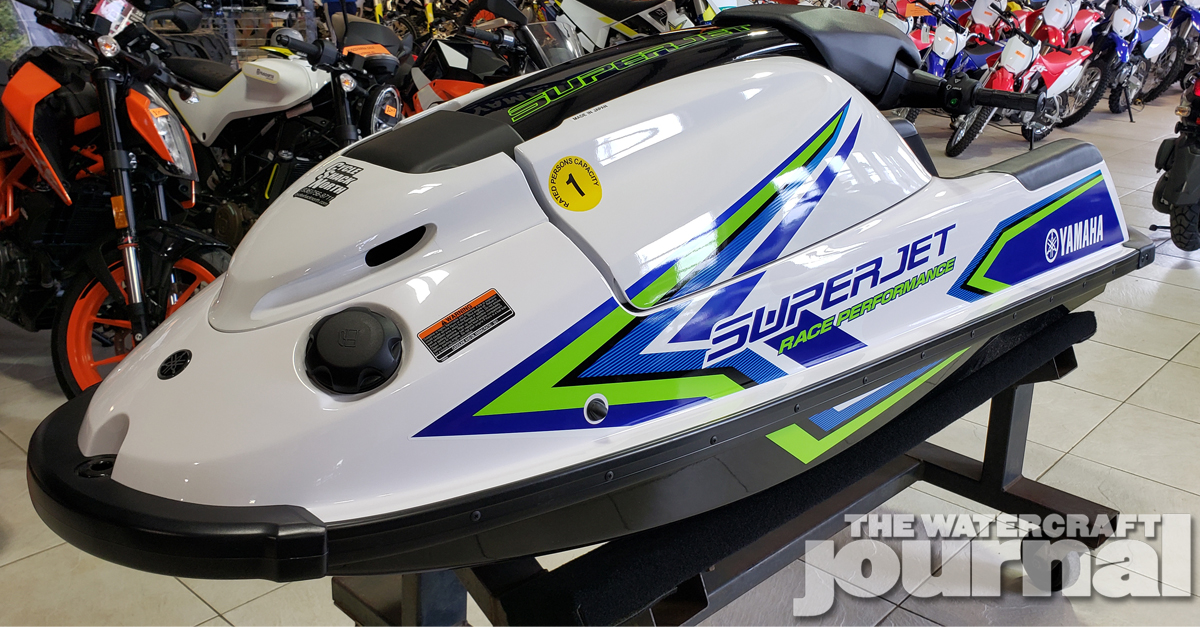
In a world full of luxurious personal watercraft the Yamaha SuperJet is often touted as “old school cool” due to absence of a seat, like the early first personal watercraft of the 1970s. Make no mistake though, while paying homage to historical roots, the 2019 SuperJet rides on rails and has the uncanny ability to plaster a permanent smile across your face.
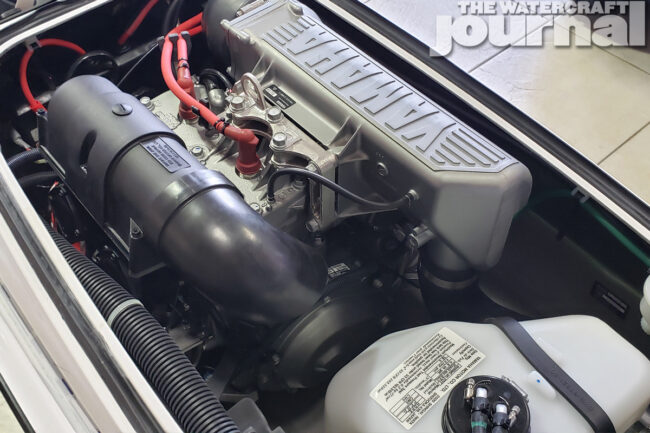
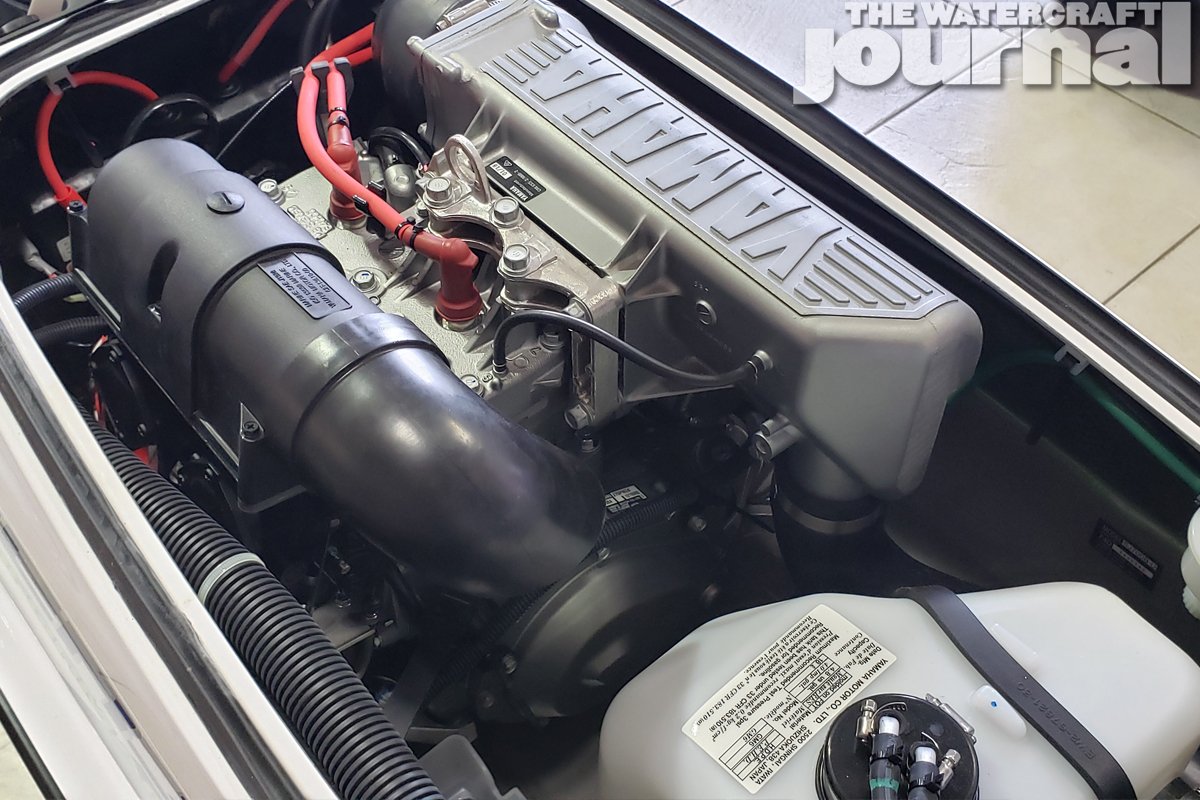
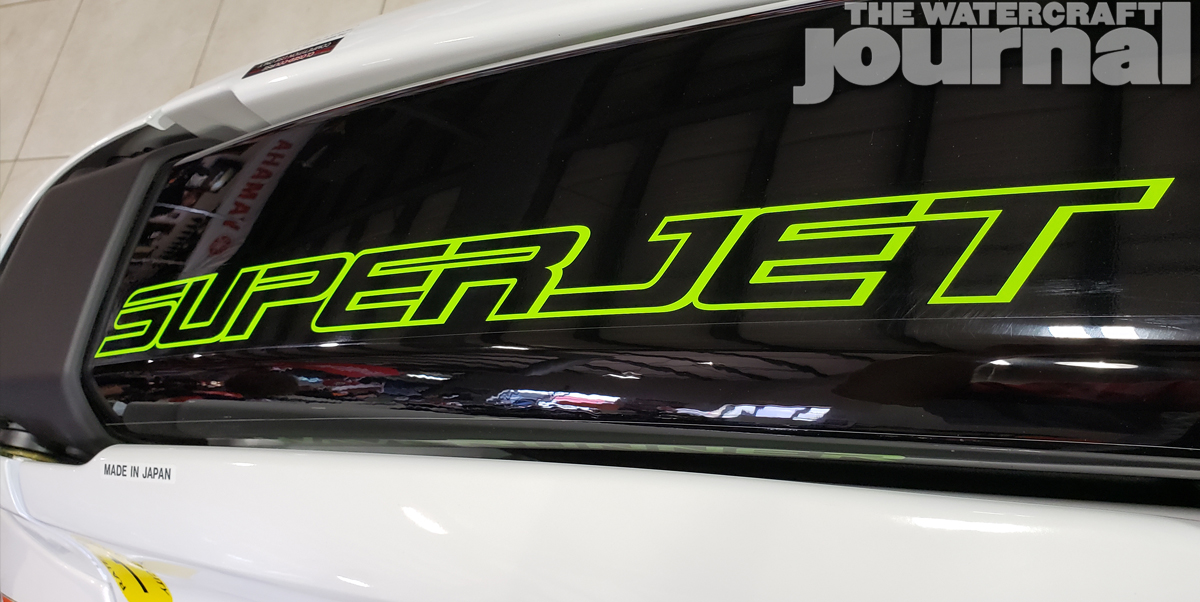
The 2019 SuperJet remains, other than graphics, unchanged since this hull’s iteration debut in 2008. Powered by a 701cc, two cylinder, two-stroke engine that is also mostly unchanged since the early 90s. Like a fine wine, the SuperJet’s simplicity and playfulness have aged well. Ride a new SuperJet and you’ll understand why Yamaha keeps this winning combo available on showroom floors.
Yamaha first introduced the mighty SuperJet in 1990. Some say the dawn of the 90s ignited the “glory days” in the standup world. The new SuperJet touted a 633cc two-stroke engine and unprecedented handling. In 1994 it earned a more powerful 701cc engine that remains mostly unchanged to this day, only receiving small tweaks in 1996. Yamaha’s first hull design cruised through the years from 1990 to 2007 with the only cosmetic change being the top deck going from the “Square Nose” to “Round Nose” design in 1996. The bottom hull remained the same for those years despite some component adjustments.
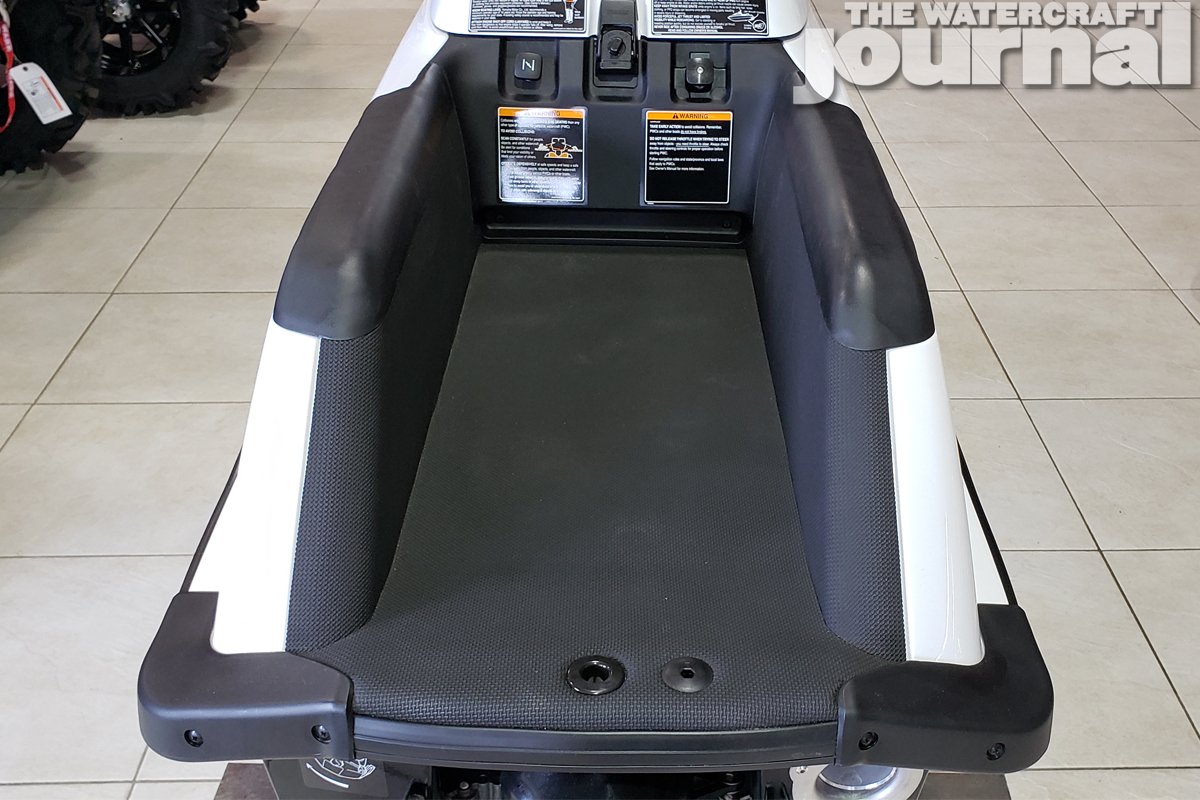
In 2008, everything changed for the Yamaha SuperJet. And by everything we mean a few small tweaks that altered the playful old school machine with a hull designed in 1990, to a corner-carving race-winning monster. The 2008-2019 SuperJet looks similar to its ancestors on paper. The current hull weighs in at 306 pounds dry while being 88.2 inches long, 26.8 inches wide, and 26 inches tall. The 2019 model starts at an introductory price of $8,499.
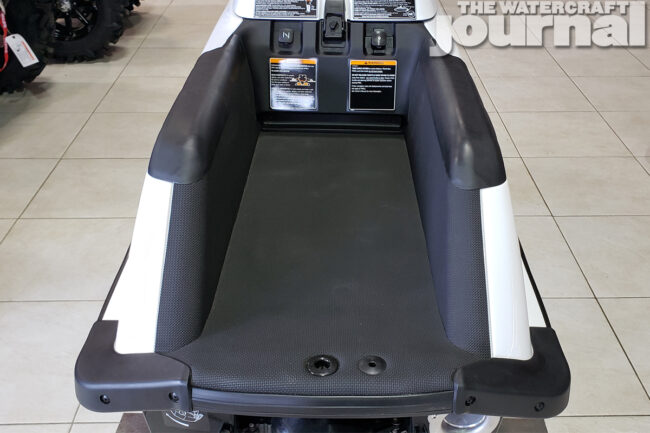
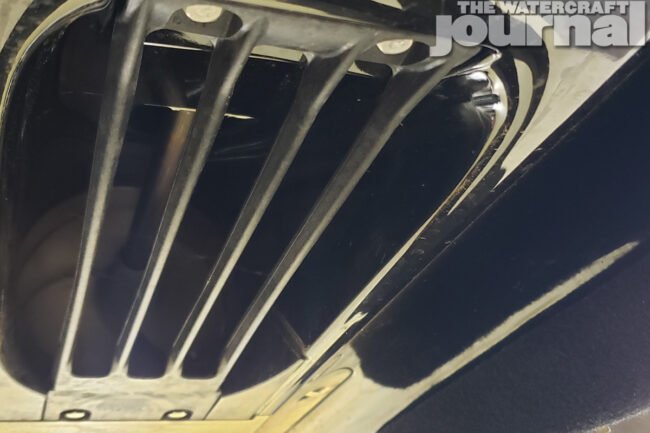
Notable hull characteristics include built-in front sponsons (previously only an aftermarket addition to widen the hull and add stability), shorter handle pole that allows the rider to stand more forward in the tray, intake grate, pump, and ride plate moved rearward for increased hookup (traction), and redesigned stainless steel impeller for less cavitation and acceleration.
Water performance, however, has drastically improved. Older stand ups were often described as “slippery” meaning they would easily slide away from the rider when leaning into a corner. This facet did not instill rider confidence, one second you were upright, the next taking an unexpected swim. People drawn to freestyle and freeride harnessed these properties to their advantage, but these traits made it more difficult for someone who needed to confidently hold a line on the race course.
While the new SuperJet carves corners as good as or better than its race-bred Kawasaki competitor, the 2003-2011 two stroke SX-R 800, it is smaller and lighter to retain much of the playfulness found in previous models. That’s right, Yamaha managed to produce a multi-trick pony with the 2008-2019 SuperJet. A unicorn if you will, able to satisfy the needs of almost any rider of almost any age. A great recreational watercraft, multi-class race machine from Stock to highly modified, or even a cross-training tool for those hot summer days when you don’t want to be on the motocross bike, snowmobile, etc.
There are a few notable things to mention first that might make driving down to your local Yamaha dealer for 2019 SuperJet a bit different than your average WaveRunner purchasing experience. For one, the famed 701cc two-stroke, carbureted engine does not meet emissions standards in a few states (California, New York) and cannot be purchased. Older models are “grandfathered” in so if you live in one of these states, buying a used stand up from a private seller might be a workaround.
Secondly, a SuperJet is technically available for “closed course competition use only” which requires a membership to the International Jet Sports Boating Association, (IJSBA) for Owner Registration. At $65 for a yearly membership and easy online registration, that is hardly a factor. Lastly, the SuperJet does not come with a warranty. Don’t let any of these things minor differences sway you though, most people learn to ride their new SuperJet on a public lake. Follow local boating laws and you’ll be just fine.
Motorcycle riders will appreciate the SuperJet’s ability to carve corners at 2-3Gs without worrying about someone swerving into their lane. Runabout riders understand the nuances of controlling something with a jet pump, such as staying on the throttle to turn and will relish the same controls with far less heft. For the non-motorsport athletes, there is no doubt that riding a SuperJet is an incredible full body workout. Legs take the place of suspension, arms control and steady the body while moving with the pole, and the core & back tie everything together in one balancing unit. Ditch the gym for a day on the water!
If you are none of the above, don’t worry, a clean slate is a great way to get started with the 2019 SuperJet. Yamaha created a beginner friendly machine that has almost limitless potential and an enormous array of aftermarket options for the advanced rider. I had many failed attempts at standing when I first learned to ride, but when I finally stood the pride in that accomplishment that spread like wildfire. That feeling of joy is addicting and the SuperJet, with playful simplicity, is happy to feed the addiction.
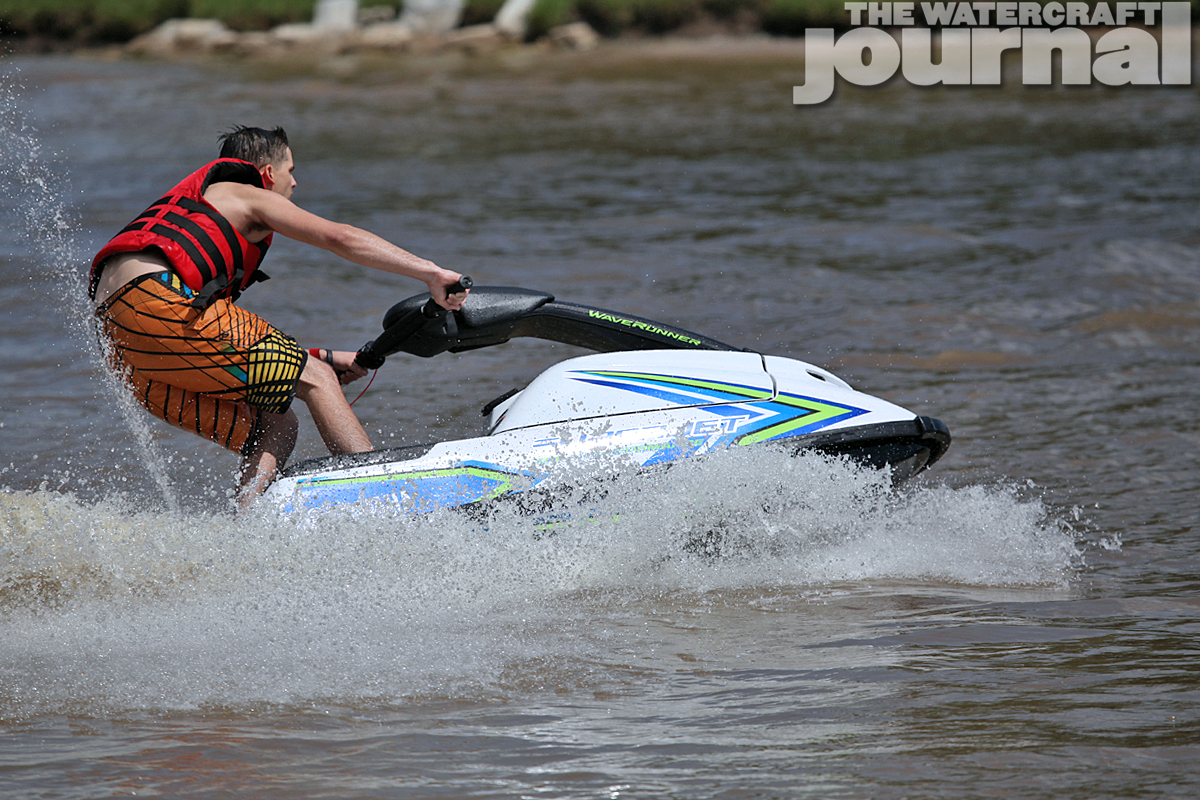
Cornering confidence is much improved on the 2008-2019 SuperJets due to the built-in front sponsons and better pump, intake grate, and ride plate placement. Turn the handlebars, squat low, lean your body into the turn, add throttle, and feel the water fly by underneath your feet. Catch the water surface just right and maybe even drag an elbow! Cornering not your thing? Take to the sky off of lake chop with a blip of the throttle and land with a splash hunting for your next wave.
The fun doesn’t stop after mastering the basics. The new SuperJet an excellent corner carver and wave jumper in stock form, but with a multitude of aftermarket accessories to increase speed and handling you can customize your new toy to suit your riding goals. If your plan is to race the SuperJet is a fantastic platform to build on, currently holding podium finishes in Lites Ski and Limited Ski classes around the world. Flatwater freestyle and surf riding are also in the Superjet’s wheelhouse if you fancy slides, hops, submarines, and surfing.
Don’t let the learning curve scare you off. There are numerous articles and videos and a supportive online community available to guide you through the learning process. The famous quote that goes something like, “It isn’t the end goal, but rather the journey to get there, that is most satisfying.” If you love to have fun, the 2019 Yamaha SuperJet definitely deserves a place in your garage.
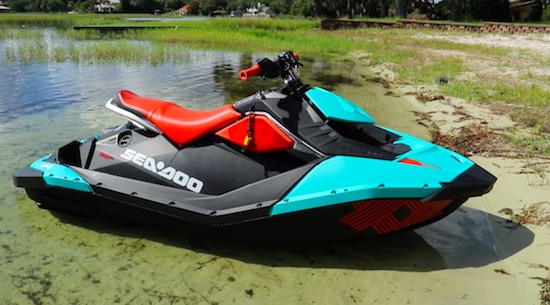
Every year personal watercraft manufactures such as Sea-Doo, Yamaha and Kawasaki come out with new models. The norm seems to be a redefined version of an existing model or maybe a new color scheme. Sometimes the manufactures come out with a completely new model and get people excited. When they do, people go crazy. Which is why in August 2013, when Sea-Doo announced the Spark, the industry changed as we knew it.
Almost everyone took to the internet and gave their opinion on this new type of watercraft. Questions like, “Why is it made out of plastic?” and “How were they able to make it so cheap?” were circulating all over. Little did they know that for many years prior, Sea-Doo had been working on a project called CAFÉ. Which stood for Clean, Affordable, Fun and Easy-to-Operate and by combining all of those items, the Spark was born.
Owning and operating a personal watercraft is not cheap. From the initial purchase to gas and maintenance, there are additional costs the whole time of ownership. BRP realized that the price of a watercraft was what was deterring many people away from owning a Sea-Doo. By spending thousands of dollars in their research and development department, they were able to create a watercraft that was completely new, much cheaper than any product on the market and make maintenance a breeze. The powerplant chosen was the ROTAX 900 ACE 4-stroke motor, a durable motor that had proven to be reliable.
Given the Spark’s smaller hull, using Polytec material versus standard fiberglass allowed the overall weight of the watercraft to be much lighter. The need for a truck or SUV was over, anything with a tow hitch, even mini vans and sedans would be able to tow around a Spark. This is another way BRP’s research and development team were able to indirectly cut costs for the consumer.
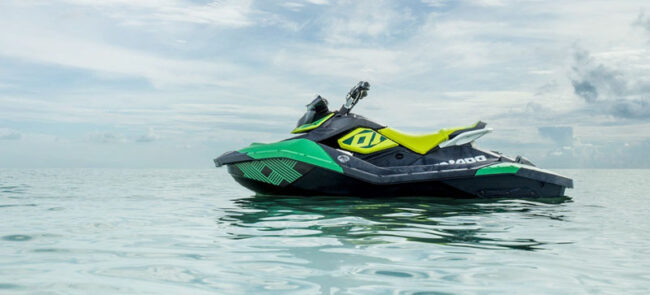
By having great success with the original Spark, Sea-Doo has now come out with different models such as the 2-up (2 seater) and 3-up (3 seater), different color combinations, ergonomics, big speakers, graphic kits, iBR and the new TRIXX model. This allows anybody to start living the Sea-Doo life at a fraction of the cost but allowing some room for the consumer to build their own.
For those of you that like to see the hard numbers, according to the National Marine Manufactures Association, “In 2018 sales of personal watercraft grew 6-8% to more than 68,000 units sold.” While that number is huge, the expectation for the 2019 season is even more!
Not to be bias or one sided, Sea-Doo has done a tremendous job seeing a void in the market and designing the Spark. The way they have been able to allow more people to get into the sport at a fraction of the cost, is a great way to grow the sport. We are seeing more people purchase watercrafts, more people entering races and tons of people enjoying what the Sea-Doo life is all about.
BRP Australia has announced their receipt of three more design awards through the Good Design Australia awards. Their outstanding design and innovation has been recognized in their Sea-Doo Fish Pro, LinQ cooler, and Can-Am Ryker lineups.
You can read more about the prestigious awards below. Valcourt, Quebec, July 11, 2019 – Once again, the ingenuity and thirst for innovation of BRP’s teams have been recognized at the Good Design Australia awards. BRP has been awarded three prestigious prizes in two different categories for outstanding design and innovation. Here are the winners:
Automotive and Transport category: • Sea-Doo FISH PRO • Can-Am Ryker Sport and Lifestyle category: • LinQ System for Coolers (51 L)
“Receiving a recognition as prestigious as Good Design Australia always makes us extremely proud. This demonstrates that our teams maintain their outstanding expertise, creativity and ingenuity year after year”, said Denys Lapointe, Senior Vice-President, Design, Innovation and Creative Services at BRP.
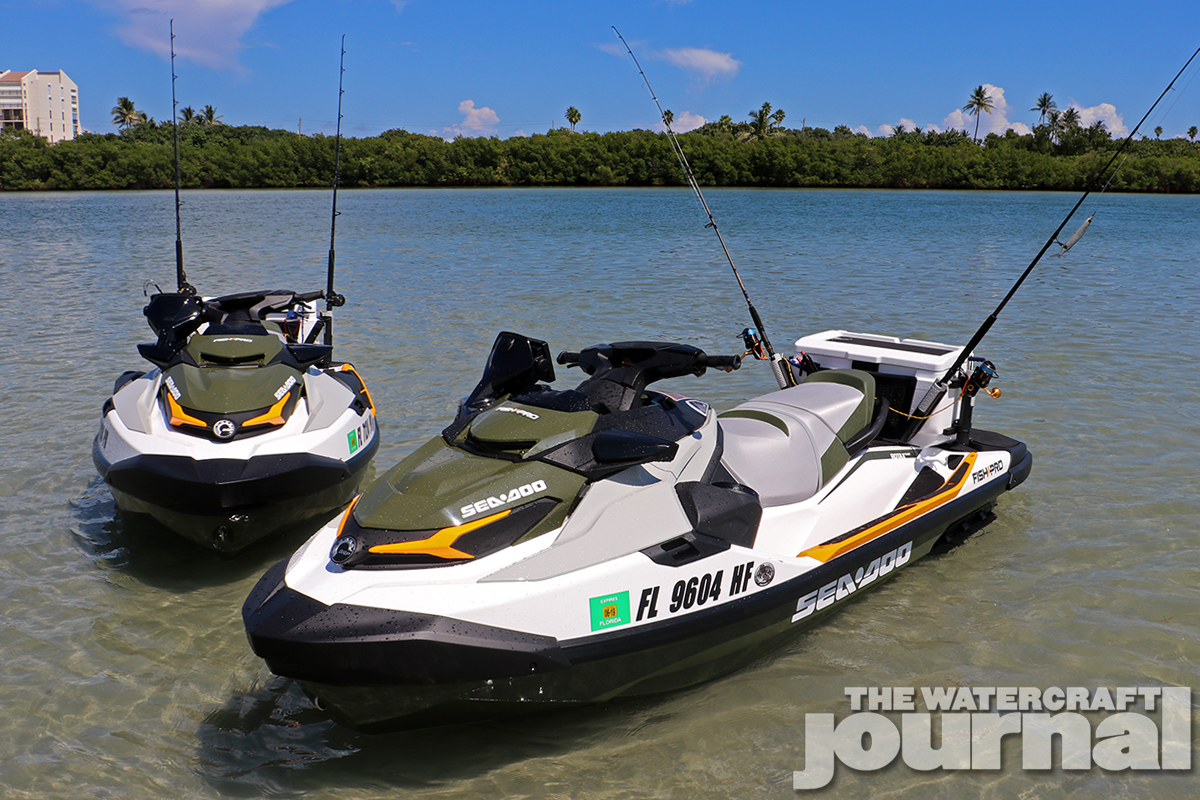
Comments from the Good Design Awards Jury Sea-Doo FISH PRO “This is brimming with clever ideas to turn a personal watercraft into a recreational fishing craft. The bespoke touches, such as the dedicated holder for the Garmin Fish Finder, the easily detachable and transportable esky (with ruler) and the side-saddle rear seat and gunwale non-slip footrest all tick clever design boxes.”
Can-Am Ryker “A striking design, high end look and feel with superior quality moulding materials. The jury was impressed by the adjustable ergonomics, so riders of different sizes and shapes can position key features to suit their own style.”
LinQ System for Coolers “What a brilliant design concept brought to reality by a design team that lives and breathe this sector. This is such a novel idea that will open up a whole new raft of possibilities and functions for the end-user. Every aspect of this product has been meticulously designed – form, function, material selection, ergonomics, aesthetics, design for manufacture – all coming together to create a world class product with high market appeal. Well done BRP Design for continually setting the bar for good design in this category.”
2019: maybe another record year in terms of awards for BRP Last year, BRP marked a record year with 15 design awards in total. 2019 is off to a strong start, and BRP’s design and R&D team intends to outdo itself again. It promises to be a good 2019 year for BRP in terms of recognition of our passion in action. About Good Design Australia
Good Design Australia is one of the oldest and most prestigious international design awards in the world. Having three products recognized during this competition shows how BRP shines on the world stage for design, alongside many important players in the industry.
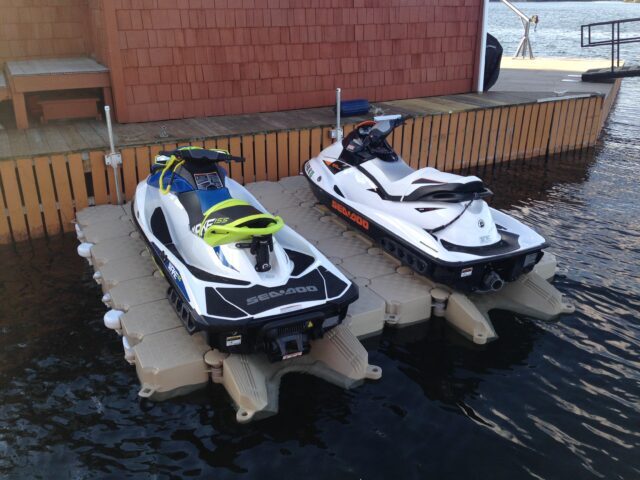
Personal watercraft are now staples in garages and boat lifts all over the world due to their ever growing fun and convenience. With popularity comes desirability, both for honest owners and lowly thieves. Protect your pride and joy with these six steps to deter watercraft theft whether on a trailer, in a marina, or on your lake house boat lift. Remember, the harder the process to free your PWC, the harder it is to steal!
Passcode/Lanyard
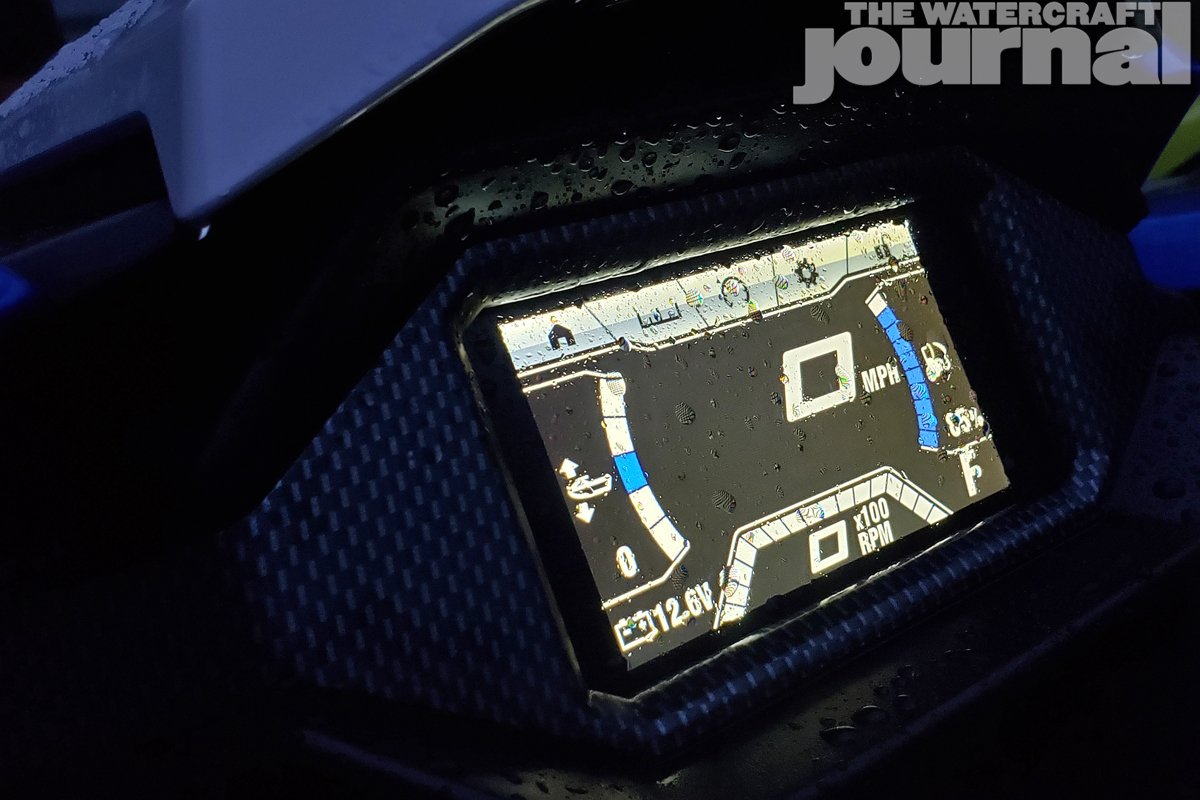
If your personal watercraft has a built-in anti-theft device by all means use this first! Modern Yamaha WaveRunners use a fob to electronically disable or grant access, and the new FX series uses a digital passcode for even more convenience. SeaDoo and Kawasakis utilize a lanyard system that links each unique lanyard key to the craft. Both systems are straight from the manufacturer and should be the first line of defence against theft. If your model or manufacturer does not include an electronic lock-out be sure to store your lanyard separate from your PWC.
Traveling with Trailer
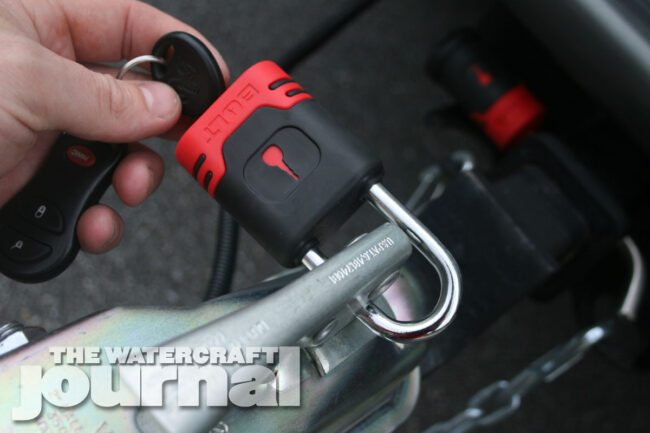
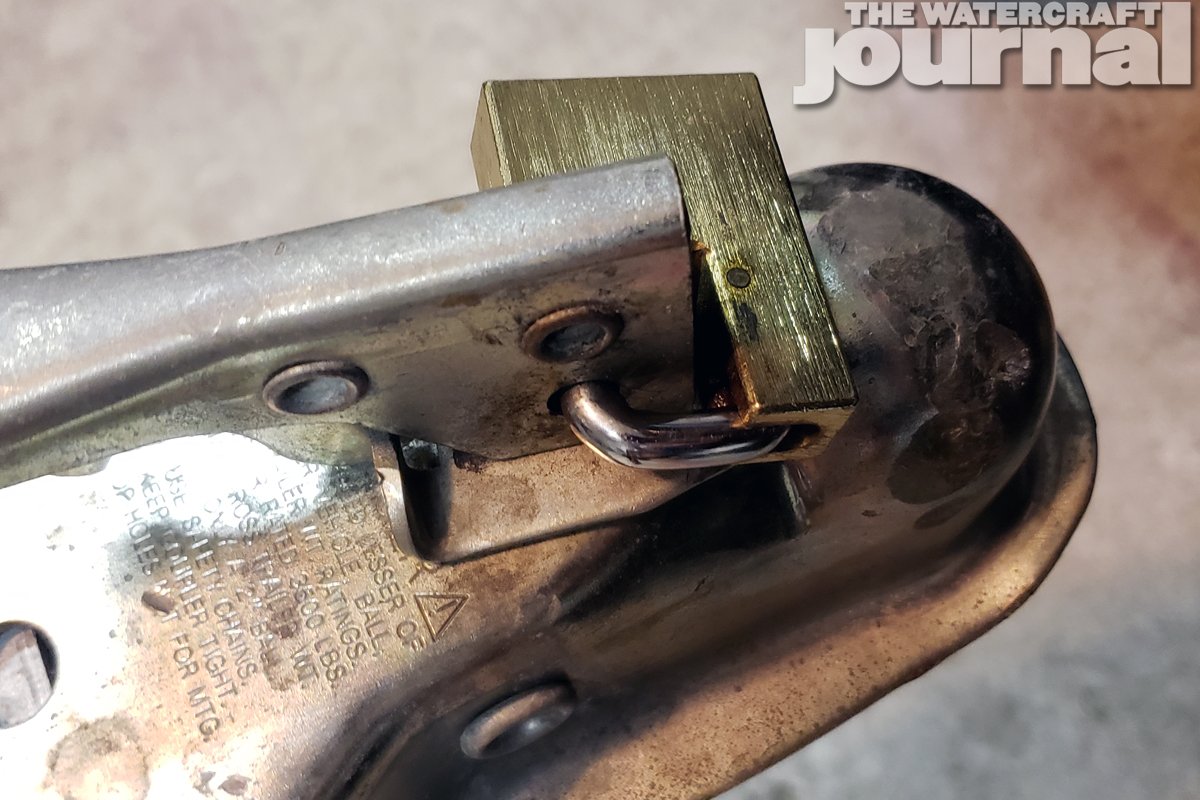
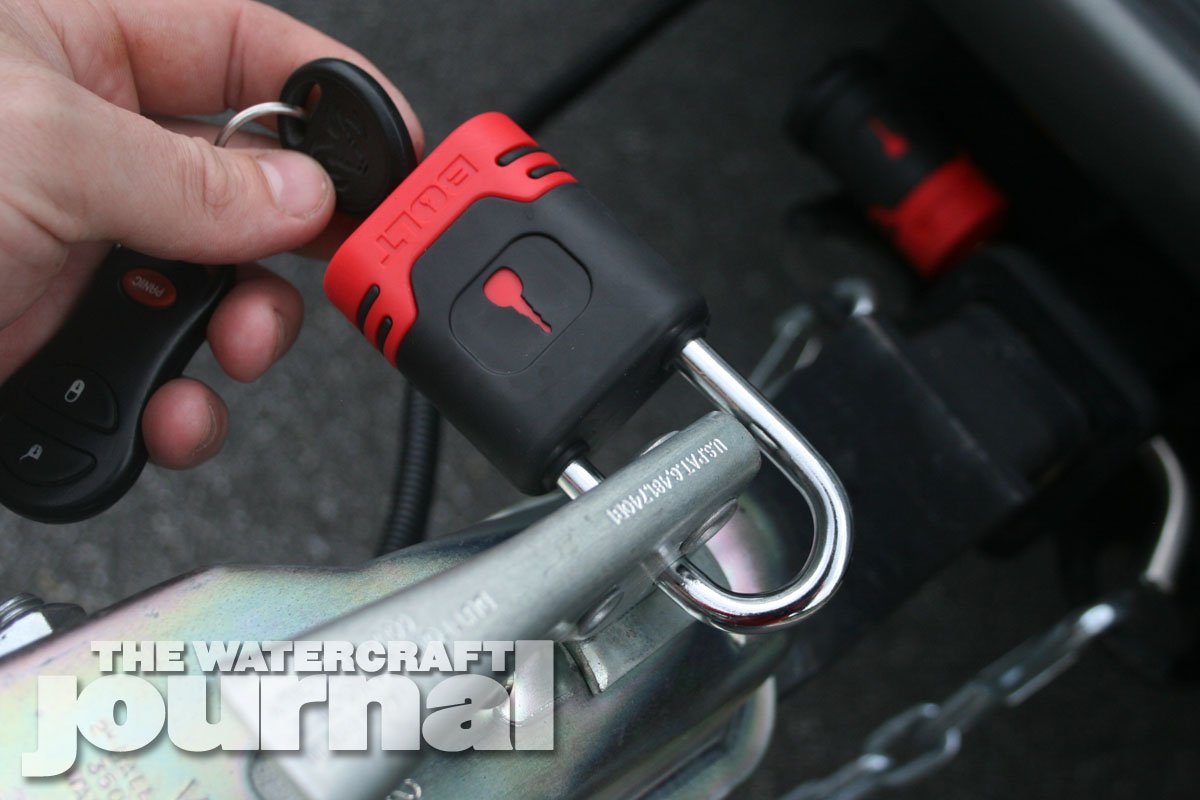
Whether traveling with your PWC to the dealership or a vacation getaway, always secure the trailer to your vehicle with a trailer tongue pin lock. Get the thickest and tightest fitting one to make it as difficult as possible to get bolt cutters around the lock. Don’t neglect a hitch receiver pin lock too, as an unlocked hitch can slide right out still attached to your trailer!
Storing Trailer
If you store your PWC on the trailer then you have several options to secure it. The tongue pin lock mentioned above can be used in addition to some of these options. Along with locks, it is best to park an unhitched trailer in a difficult to access location, preferably surrounded by other objects, with the tongue facing away from the street.
Hoop Lock: Simple, inexpensive, easily available, but potentially less effective than other options. Determined thieves can cut or pry one of these locks off your trailer given enough time.
Coupler Clasp Lock: There are numerous styles and options to choose from to suit your trailer size. The theme with these style locks is indifference to standard cutting and prying. As with most everything, you get what you pay for and the beefier the better!
Wheel Lock: This type of lock disables a wheel from rolling. These locks are effective, but not as convenient to install as a hitch lock due to size and complexity. That goes both ways though, and can deter many thieves from tampering with your trailer when they see a bulky wheel lock.
Chains: Attach your trailer to something sturdy with chains for another level of security. It does not look the prettiest, and probably should not be the only line of defense due to cutting ease.
Remove Wheel: Not for everyone as it requires a jack and torque wrench to properly tighten the lugs once reinstalled, and you must be mindful of shifting weight when lowering the wheel-less side of the trailer. Damage to the trailer or PWC can occur when done improperly. If you have access to tools and knowledge, this is an inexpensive way to keep your trailer from rolling away in the wrong hands.
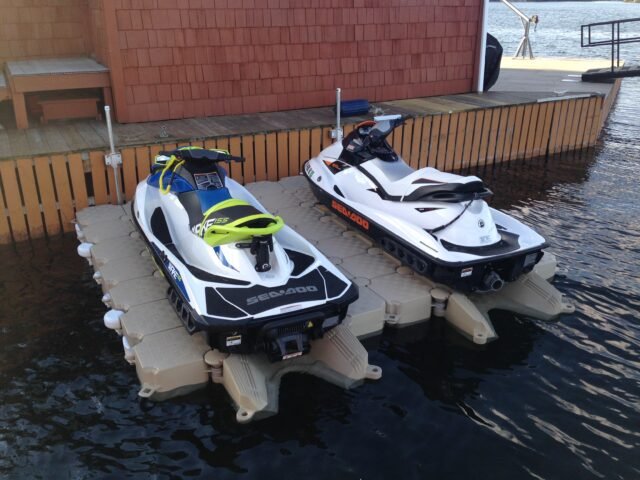
Marina/Boat Lift Lock: PWC are prime targets in marinas and home boat docks because of their small size and ease of towing behind another vessel. Choose a well lit marina slip with security cameras (that actually work). If at your home, visible security cameras can stop a theft before it happens, or record for possible recourse if theft is successful. Bicycle style cable locks () are an option to secure the PWC to the dock or lift, but the ever-present issue is how easy they are to cut. Be aware the draped cable can rub against the deck and hull causing damage to paint/gelcoat, so choose attachment point wisely.
GPS Tracker
Some GPS trackers notify you if your item is being moved. They also can aid in recovery if your trailer or PWC does get stolen. There are two power types, battery and wired. The benefit of battery operated GPS trackers is no need to alter the wiring on your PWC. The obvious downside is the unit’s battery is not limitless and will need to be swapped out or charged manually. That is where the wired GPS tracker comes in to play. You do have to tap in to the 12V battery power system, but these trackers give you the piece of mind that they will always be powered. Remain powered, that is, as long as you use your PWC often enough that the battery is charged periodically.
Insurance
When all else fails, the thieves get away with your watercraft, and you are left with no way to recover your property – PWC insurance can cover your loss. Shop around to determine the best insurance for your needs especially when you start adding modifications to your PWC. Make sure they are covered!
Taking proper care of your personal watercraft is a great way to improve the longevity of your motor. Just like a car, doing oil changes and necessary maintenance will keep your car running strong for years to come. While many of you winterize and summerize your watercrafts, keeping up on maintenance during your riding season should also be on your schedule.
While a proper winterization will allow you to start up your craft at the first sight of spring, you will want to make sure that you won’t be sidelined during the prime riding season. In this article, I am going to give you a few tips and tricks on how you to keep your watercraft looking great and running strong. Some of these tips have come from an article posted on PersonalWatercraft.com.
For starters, washing your ride after a long weekend of riding or a quick day trip is a great way to scrub everything down and do a quick inspection to make sure everything is in good condition. After washing your watercraft all of the way down, use a shammy towel to dry the remaining water and prevent any water spots from showing. Showing up to the boat launch with water spots is not what you want! When riding in freshwater, it is not mandatory to wash your water craft after each ride.
However, it is recommended to wash after every ride if riding in saltwater. The saltwater loves to get a hold of any metal parts and start to corrode. Washing with proper soap and drying, will greatly reduce the chance of any rust or corrosion from occurring. After your wash, using a product such as Corrosion Block is a great product to spray on for added protection.
One particular part that I would like to highlight is your points of contact: your seat and traction mats. These items are generally overlooked but are there for a reason. Having a seat in good condition will keep you settled into your seat when barreling into a corner or going fast on a straight-a-way.
The traction mats are also important because they provide traction for your feet when riding and when boarding on and off of the watercraft. The last thing you want is to have a guest or yourself slip. Many people have reported that their stock seat covers and traction mats are starting to fade after a few years and if that is the case, check out many of the aftermarket dealers. They offer great prices, installation instructions and custom designing.
The last two items I would like to list are fuel maintenance and engine maintenance. When fueling up, try to go to frequently used gas stations. They generally have the freshest gas compared to a smaller gas station on the side of a road. While it may end up costing a few bucks more, using fresh fuel makes your engine happy. Depending on what brand of watercraft you have, look at the recommended intervals for changing your oil. If you put on a lot of hours during the riding season, you may want to change your oil more often. If you are changing your own oil, check the used oil to make sure no metal shavings or anything out of the ordinary is in your oil.
While doing maintenance is not always the most fun thing to do, keeping up on it will keep you on the water longer. By following these tips and reading your manufactures recommendations, your time on the water will be great! Happy riding!
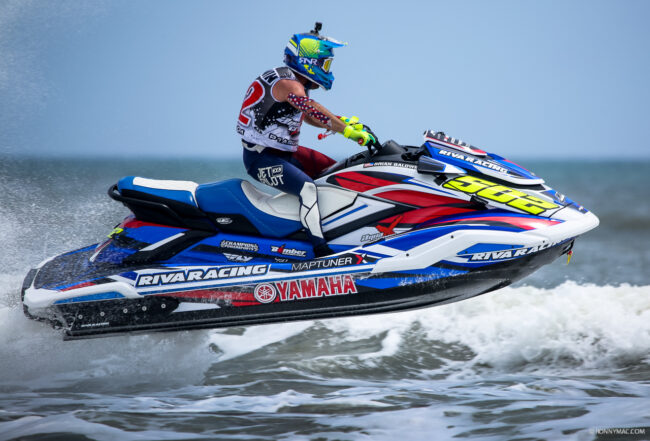
When it comes to amping up your racing, RIVA has you covered. RIVA Racing carries many different performance products to help you reach the next level, like their many performance exhaust kits.
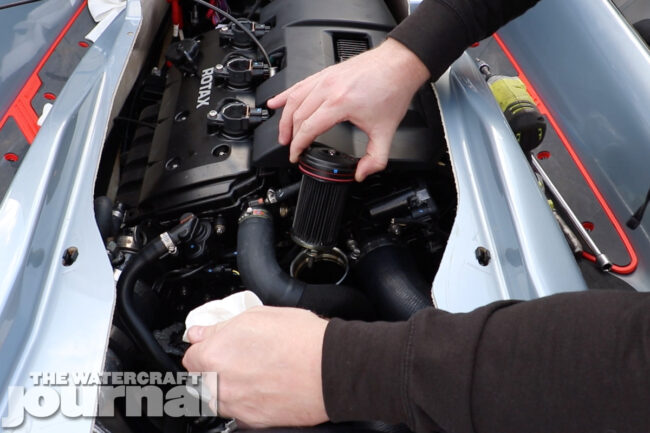
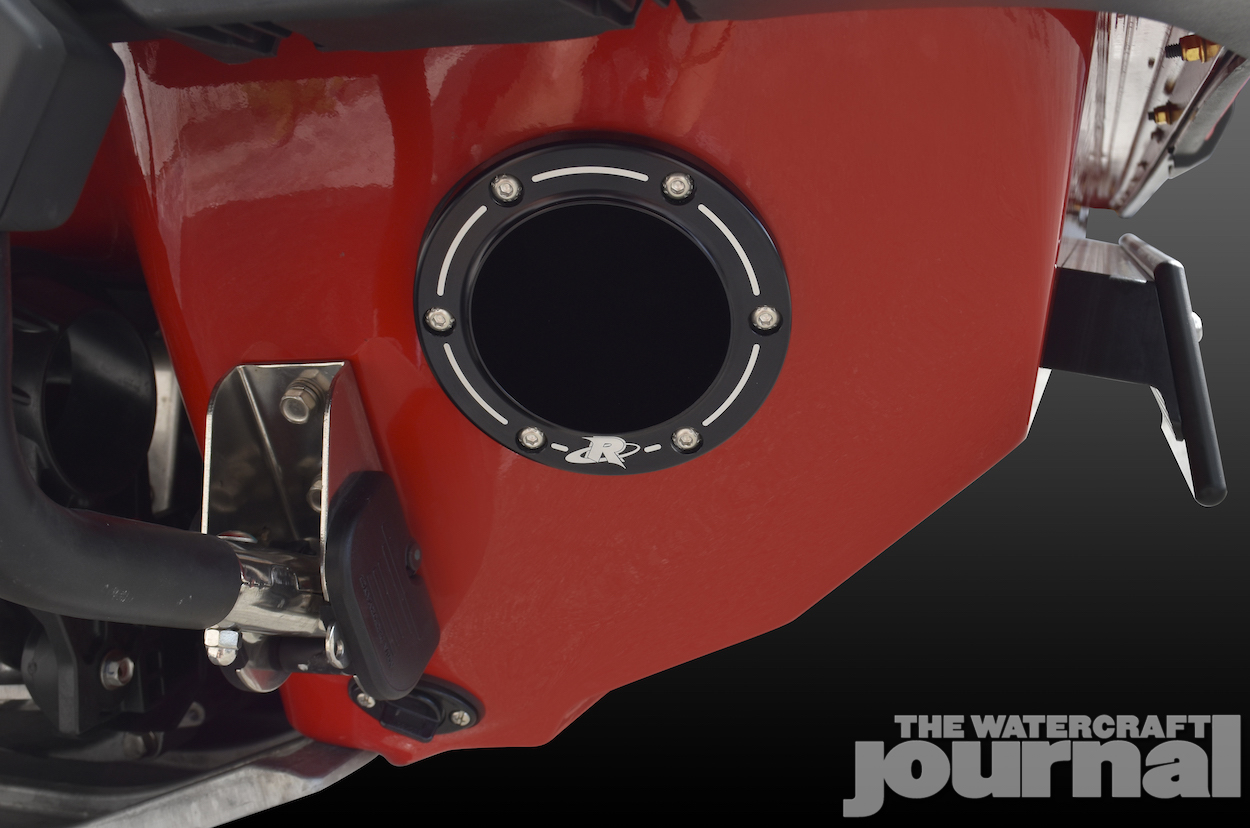
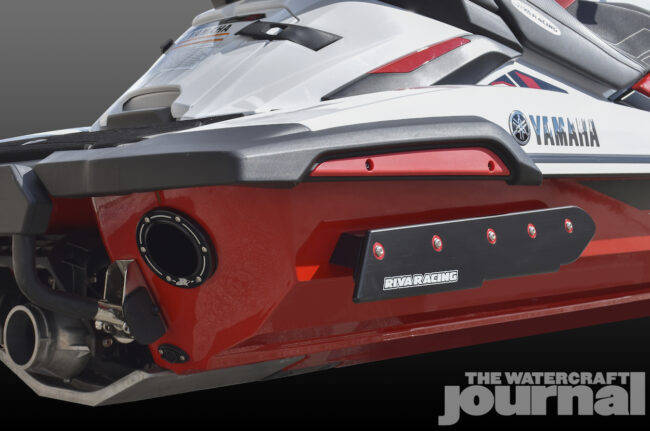
RIVA Racing carries rear exhaust kits for many makes of Sea-Doo, Yamaha, and Kawasaki. They range from $300 to $500. These kits allow for removal of restrictive sound suppression and also improve engine performance by nearly eliminating back pressure and restriction. One of the Yamaha rear exhaust kits includes a mandrel bent powder coated aluminum exhaust tube. The powder coat prevents corrosion. A large billet through hull exhaust outlet, billet OEM exhaust outlet block-off, and high-temp silicone couplers are also in the package. All hardware and installation instructions are in the box.
Do you want to step it up even further and go faster? You can with one of RIVA Racing’s Water Boxes. A water box will give you even more horsepower. Its function is to deliver increased horsepower and performance by reducing exhaust restriction and back pressure. RIVA’s water boxes were developed on a flow bench and feature radiused exhaust tubes and end caps for optimum exhaust flow.
The boxes were built using a short design, which makes it easier to service a supercharger. The exhaust system no longer has to be removed for working on the supercharger. That’s a nice time saver and less of a headache. The water boxes are comprised of high strength aluminum and precision welds that will survive backfires and overheating. The boxes are powder coated as well and come with detailed instructions.
RIVA Racing also stocks Free Flow Exhaust kits for Yamaha, Sea-Doo, and Kawasaki. The Free Flow exhaust kits replace sound suppression systems on PWC’s. They also improve engine performance by reducing back pressure and harmful detonation. Free Flow systems are easy to install and don’t require cutting hoses and they are IJSBA Limited and Superstock legal.
If it’s time to add some performance parts to your pwc, head on over to RIVA RACING and check out their goods. You won’t be disappointed!
Two thousand, nineteen will be a special year for P1 AquaX. Not only will this be the first year that the watercraft racing series will visit the Bahamas, but it will also be the site of this year’s Powerboat World Championship November 8-10, 2019.
That’s right, Nassau’s Paradise Island will host this year’s event with its premier world renowned resort. To prepare for the event, you can read up on all the details below.
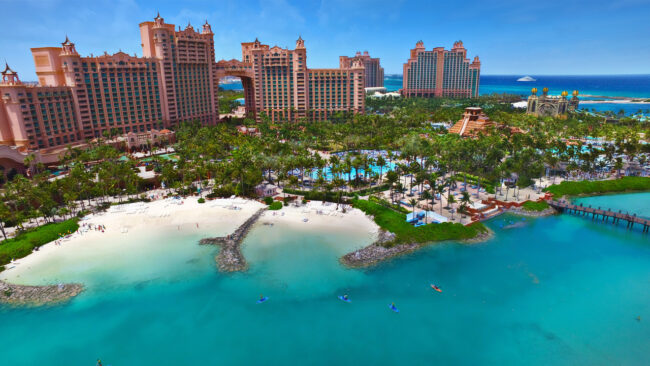
11 July 2019 : Nassau | London | Orlando – Powerboat P1 has announced that the P1 AquaX Bahamas World Championship will take place from November 8-10, 2019 in Nassau Paradise Island, Bahamas. Atlantis, Paradise Island will serve as the host hotel for the three-day event, marking the climax of the fourteen-event international P1 AquaX season, which consists of established jet ski race series in the United States, mainland Europe and the United Kingdom.
The new event is a collaborative partnership between the Nassau Paradise Island Promotion Board, Bahamas Ministry of Tourism and Aviation and Atlantis, Paradise Island, one of the most renowned resort destinations in the world; featuring five towers, a 141-acre waterscape (Aquaventure), the largest open-air marine habitat in the world, over 40 premier dining options, a world-class casino and a multitude of amenities and interactive experiences suitable for every type of traveler.
The P1 AquaX Bahamas World Championship will feature the top forty professional riders who qualify through performances in national and continental race series. Lisa Barsby, Global Head of P1 AquaX, who is a former world champion rider herself, explained: “In addition to qualification through continental championships, the position of racers in the P1 AquaX World Rankings, which identifies the most consistent and successful riders in the world, will secure a place in the Bahamas World Championship along with a limited number of wildcard entries. Riders seeking qualification through racing in the United States national championship will be competing in what is now called the P1 AquaX Race to the Bahamas World Championship. The result will be an elite field of the world’s very best personal watercraft racers. Atlantis, Paradise Island will provide a breathtaking setting for the Championship event and we could not be more elated to partner with the destination.”
“We extend a very warm welcome to the P1 AquaX World Championship and are looking forward to welcoming the competitors and fans to The Bahamas in November,” said Audrey Oswell, President & Managing Director, Atlantis, Paradise Island. “The race course runs through the heart of Nassau Harbor, which is an ideal and central setting for our local community, and visitors to Nassau Paradise Island to experience the thrill and spectacle of this up and coming, and extremely exciting sport,” Oswell continued.
The Honorable Dionisio D’Aguilar, Minister of Tourism & Aviation added: “World-class events such as this Championship drive tourism and create global exposure for our beautiful islands and destinations. We look forward to showcasing the Bahamian culture and remarkable natural resources to a global audience.”
This will be AquaX’s first visit to The Bahamas, an archipelago of seven hundred breathtaking islands that starts just fifty miles off the Florida coast. Paradise Island sits offshore from the Island of New Providence, with two bridges connecting it to the city of Nassau.
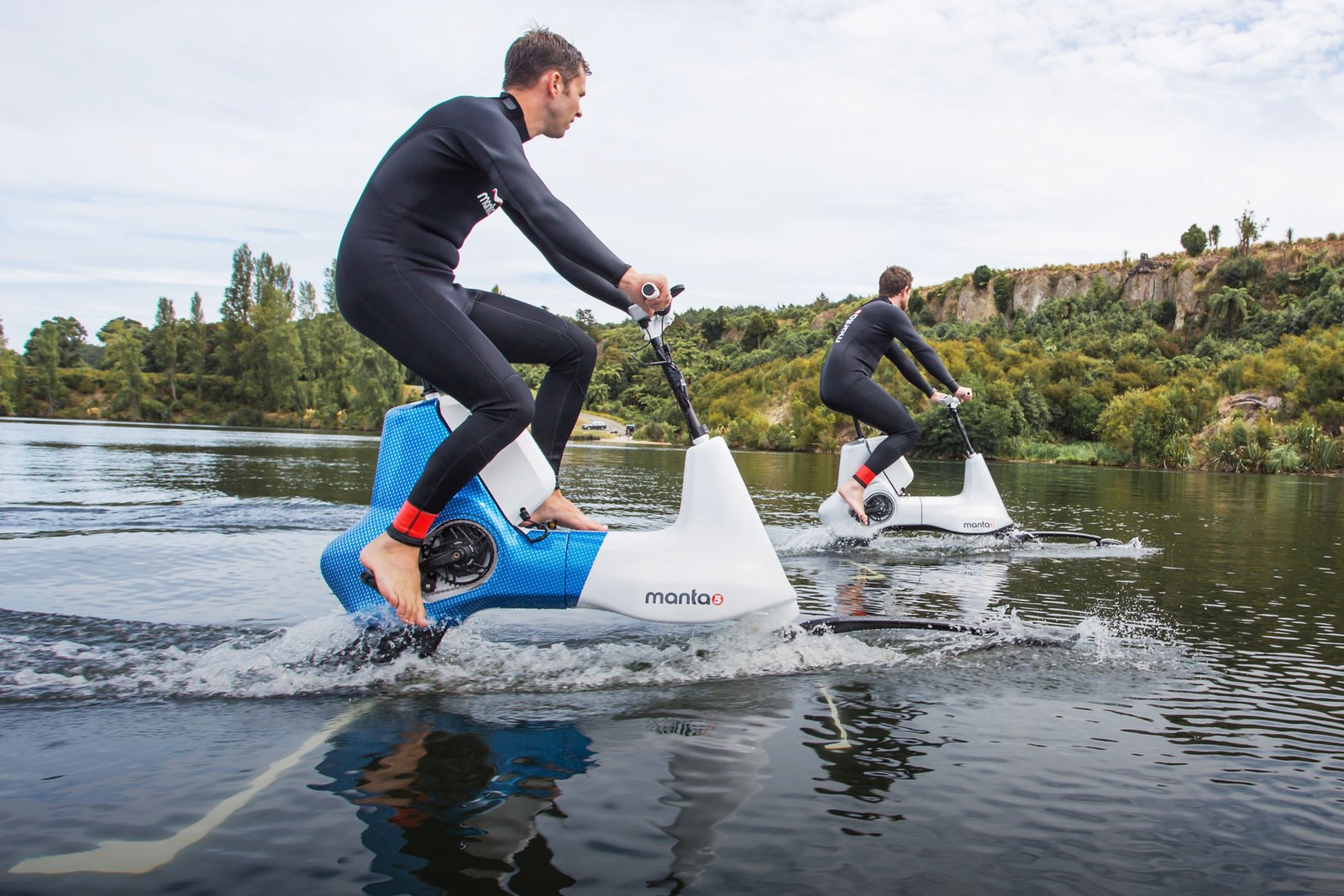
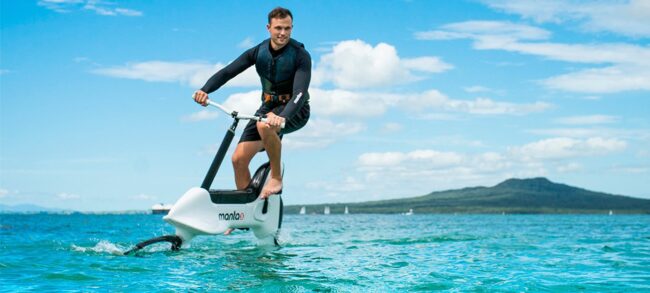
This isn’t your old school WetBike. This Hydrofoil Electric Bike is the world first “hydrofoil e-Bike” and is available to purchase now. Manta5, the creator of the Hydrofoiler XE-1, recognized how passionate people are about cycling around on land. From mountain biking to road cycling, the industry is huge. While riding on land is great, wouldn’t riding on the water be even better?
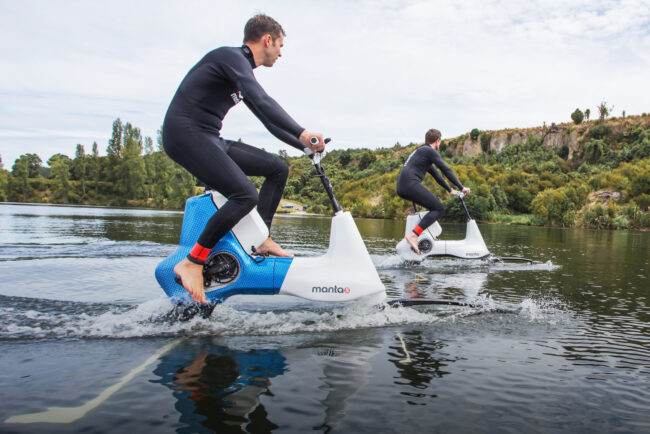
The way this electric bicycle is designed, is using hydrofoils that cut through the water. To bring the bike up to plane, you stand on the bike in the water as if you were on land and start pedaling. The momentum you build will bring you up to plane and allow you to start cruising. Once cruising, you have three different speed options to choose from: Training, Cruise and Performance. For all you speed fanatics, the top speed is 13mph. While that doesn’t seem fast compared to personal watercrafts, it makes for a pretty quick ride on a bike.
One of the key aspects to this hydrofoil electric bike is that is has a battery that last up to 5 hours and leaves no harm to the environment. Protecting the marine environment is a huge issue many places are taking seriously. This bike has no boundaries, allowing you to ride up a river, across the lake or even in the ocean. With a stable stance and a sleek design, you are sure to turn heads wherever you venture to.
The price tag for the Hydrofoiler XE-1 is $7,490.00, but with a 10% refundable security deposit they will start making yours right away! So forget having to stop at traffic lights, forget riding next to speeding cars, cruising a bike on top of the water is the newest way to get around. Check out this video of them riding down in Taupo, New Zealand.
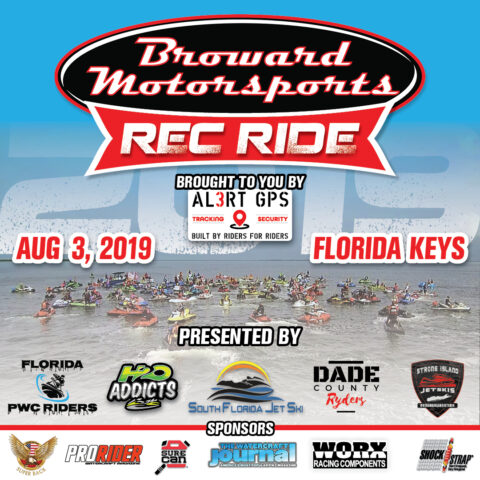
For many, the first full week of August is joyous one because it’s when the kids have to go back to school. For others, it’s just another blistering hot week during the height of summer. So whether you’re rejoicing at the thought of having the house back, or looking just to get out of the heat, possibly one of the most anticipated recreation rides in the nation is also scheduled to happen on Saturday, August 3rd: The Broward Motorsports Rec Ride.
Slated to begin at 10am, riders are invited to launch from either the Caribbean Club, Yacht Club Drive Marina or John Pennekamp on Key Largo. You’re asked to be present at least an hour and a half before launch time as the crowd is sure to cause a backup at the ramp. From there, the mass will migrate to Alligator Reef and to the Islamorada Sandbar for some relaxing and food.
Make sure to fuel up too, because from Islamorada, the group will be heading back to their respective launch sites around 5:30pm. It’s sure to be a ton of fun with literally hundreds of like-minded PWC enthusiasts all in a gorgeous exotic location. See the video and full description below:
https://youtu.be/FdxHTSkUaRo
BROWARD MOTORSPORTS REC RIDE Brought To You By Al3rt GPS
Location: Key Largo to Alligator Reef Lighthouse!
Join us on Saturday, August 3rd for the experience of a lifetime as we visit Key Largo, Alligator Reef & the Islamorada Sandbar! This ride will take us through The Florida Keys and out to visit the beautiful and popular “Alligator Reef” for some exploring and snorkeling. This area is spectacular!
We will be at Alligator Reef for roughly 1 hour. We will then head to the Islamorada Sandbar to relax, eat and enjoy the area. This will also be the time to fuel up if necessary. We will make our way back to our respective launch locations around 5:30 PM.
**We will be DEPARTING the boat ramps at 10:00 AM. Please arrive 1.5 Hours to 2 Hours prior to the 10:00 am launch time**
FUEL (Not a stop but if people need) • Caloosa Cove Marina- 24.853100, -80.735685
FOOD STOP • We will be having food barges at the sandbar but pack a lunch if you can.
WHAT TO BRING • Lunch • Your anchor(s) • Snorkeling gear: fins, goggles, etc. • Sunblock for the entire family • Plenty of fluids • Pack a lunch • Extra fuel
SPECIAL INSTRUCTIONS • Listen for the Air horns to identify launch times at each stop • After the Air horn, you have 10 mins. to load and prep your Ski(s) • Please follow the lead skis and do not pass them • With many out-of-town riders, it’s imperative we ride together
RIDE GROUPS Florida PWC Riders, H2O Addicts, Dade County Riders, and South FL Jetski
SPONSORS Pro Rider Magazine, Worx Racing, The Watercraft Journal, PWC Super Rack, SureCan, and Shockstrap













 For many, the first full week of August is joyous one because it’s when the kids have to go back to school. For others, it’s just another blistering hot week during the height of summer. So whether you’re rejoicing at the thought of having the house back, or looking just to get out of the heat, possibly one of the most anticipated recreation rides in the nation is also scheduled to happen on Saturday, August 3rd: The Broward Motorsports Rec Ride.