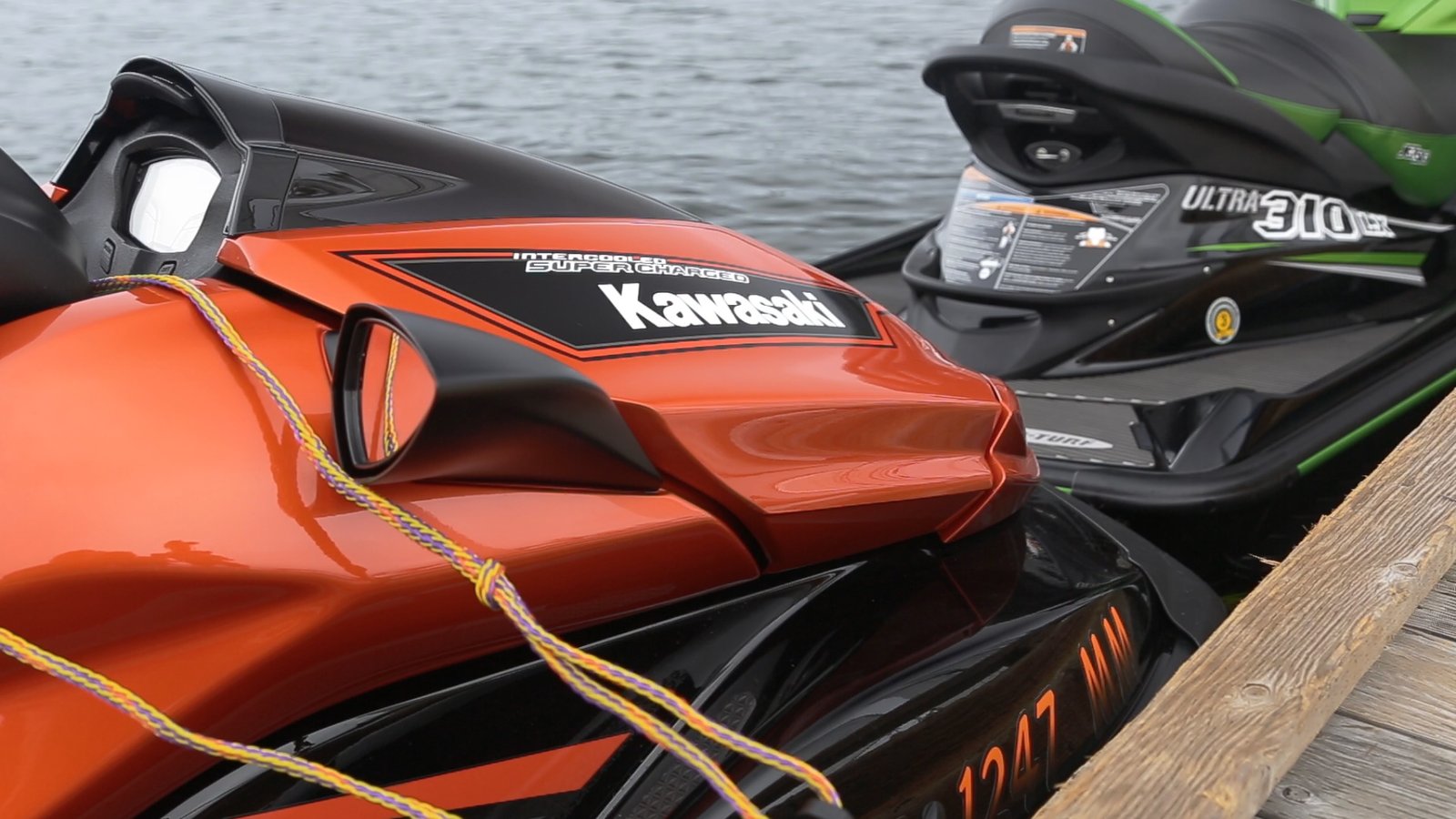
Peak speed isn’t the same as sustained top speed, so don’t let your friends bragging about how fast their new runabouts get you all confused. Today’s new 300-horsepower Sea-Doo RXP-X, RXT-X and GTX Limited all hit an impressive 71-72mph. But do so for a split second before the GPS-monitored speedometer dips back down to near-68mph (that is, for the US-tuned models).
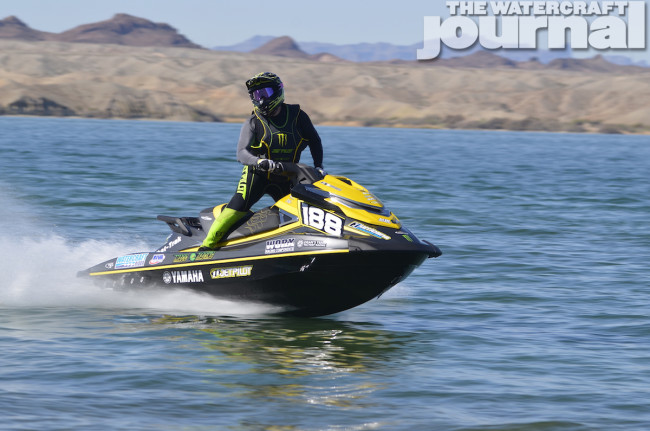
RIVA Racing’s awesome new Speed Control Override Module (SCOM) not only removes the GPS-controlled speed limiter, thus increasing the top speed of the otherwise 100-percent stock ECU, it also retains all of the original dash functions, and even allows the system to start in “Sport Mode.” And what else does it do? How about delivers a sustained and consistent 75mph top speed on all 2016 RXP-X, RXT-X and GTX 300 models.
Oh yeah, and it’s less than $200. That alone should blow your mind considering what it used to take to push a brand new runabout to 75 mph just a few years ago.
Below, we’ve included RIVA Racing’s latest video about the SCOM, highlighting its features, its ease of installation and most importantly, the real-time speed numbers and radar graphs illustrating the differences between peak top speed, sustained top speed and the RIVA Speed Control Override Module. And you can always go to RIVA Racing’s own website to get all of the information on this amazing piece of performance hardware.
While Sea-Doo’s engineers have worked the new Rotax ACE 300 engine to never require supercharger building ever again (that’s a heck of a claim), many are still enjoying their 4-tec powered 215/255/260 Sea-Doos, all with the knowledge that a rebuild is not too far around the corner.
Well, if the time is nearing for your Sea-Doo to go in for yet another round of service, it might be time to step up to a whole new level of performance: Fresh from PWC Muscle, the all new RIVA XXX-Charger is a complete supercharger assembly featuring a sophisticated, lightweight 140mm Vortech impeller that is precision balanced to deliver smooth operation, a billet spacer, machined front and rear housings and RIVA Heavy Duty Clutch Washers.
The increased interior volume produces impressive performance gains delivering 14psi @ 8,100rpm and 15.5psi @ 8,500rpm. And each XXX-Charger is hand assembled in-house using a Genuine BRP shaft, bearings and hardware. It installs as quickly as taking out the OEM supercharger, and doesn’t require any additional parts or modifications to go right to work. It does require a RIVA Pro-Series ECU, RIVA Pro-Series Fuel Injectors (50lb) and RIVA Fuel Pressure Regulator Kit to achieve the correct calibration.
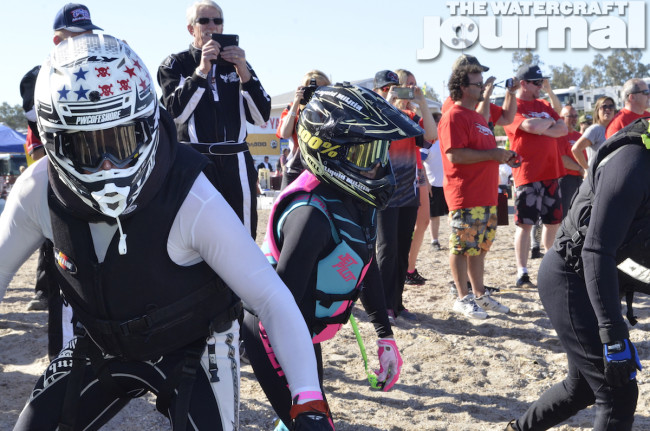
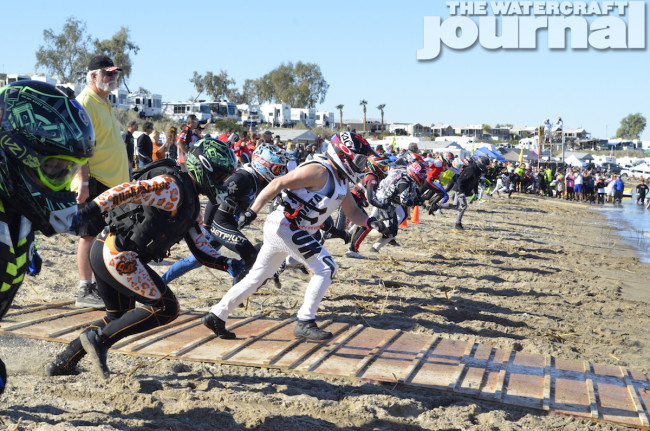
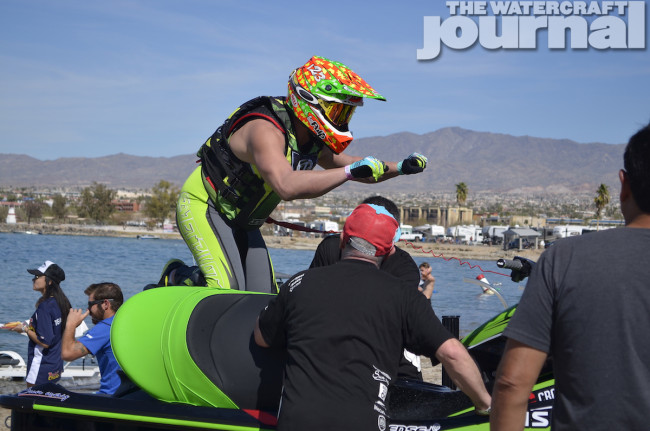
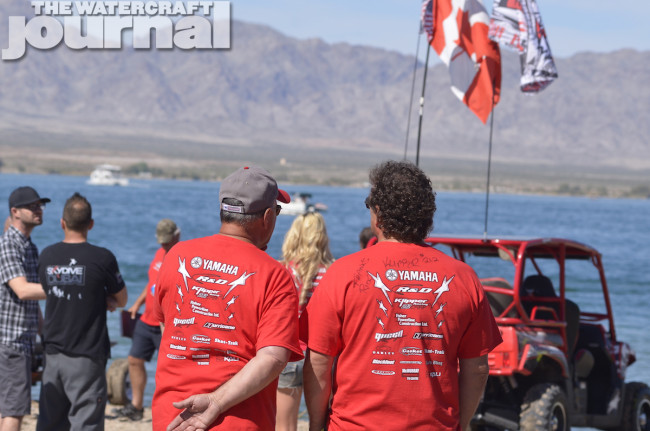
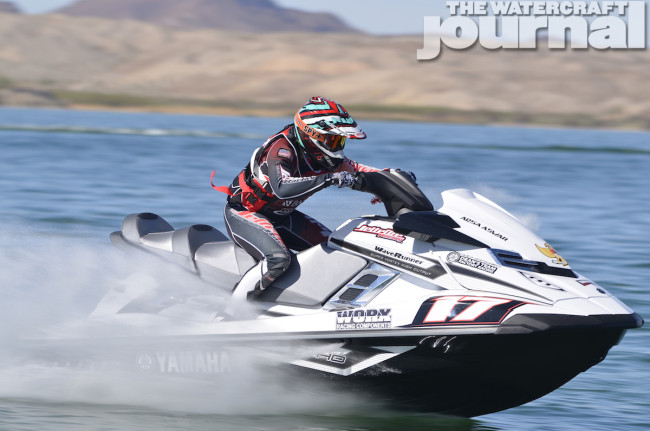
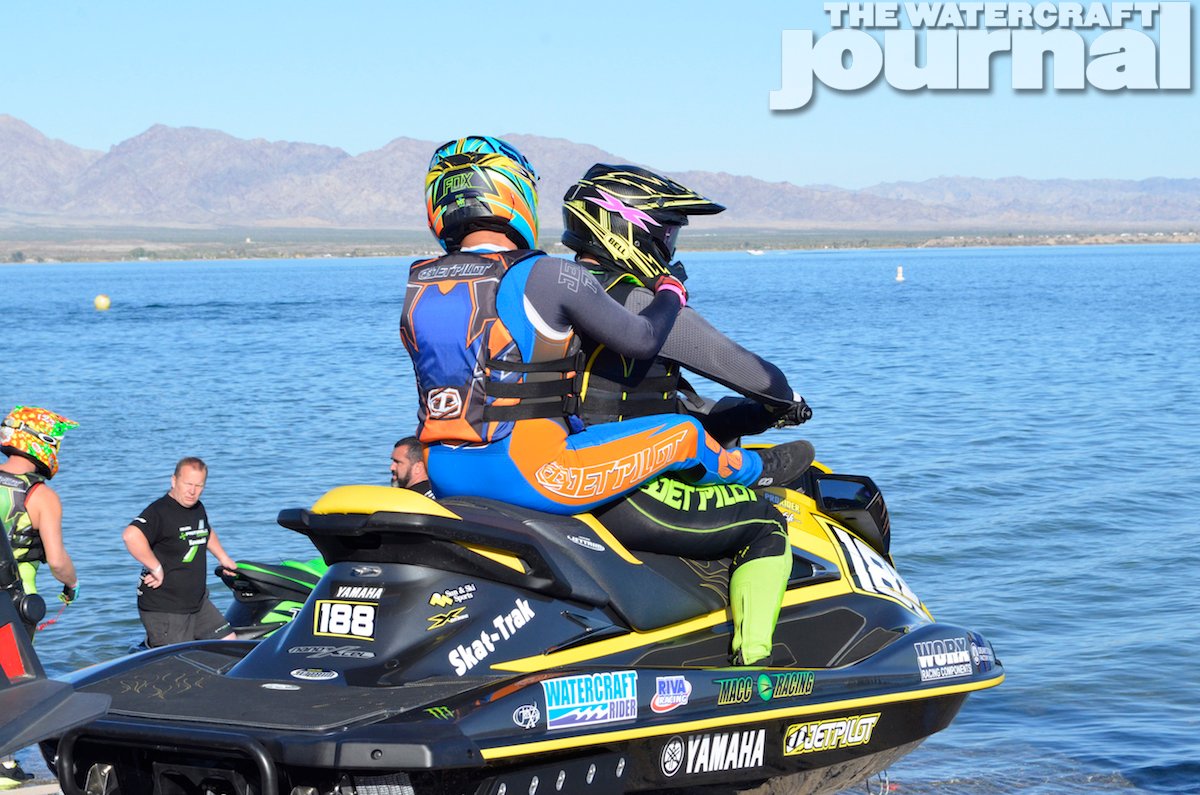
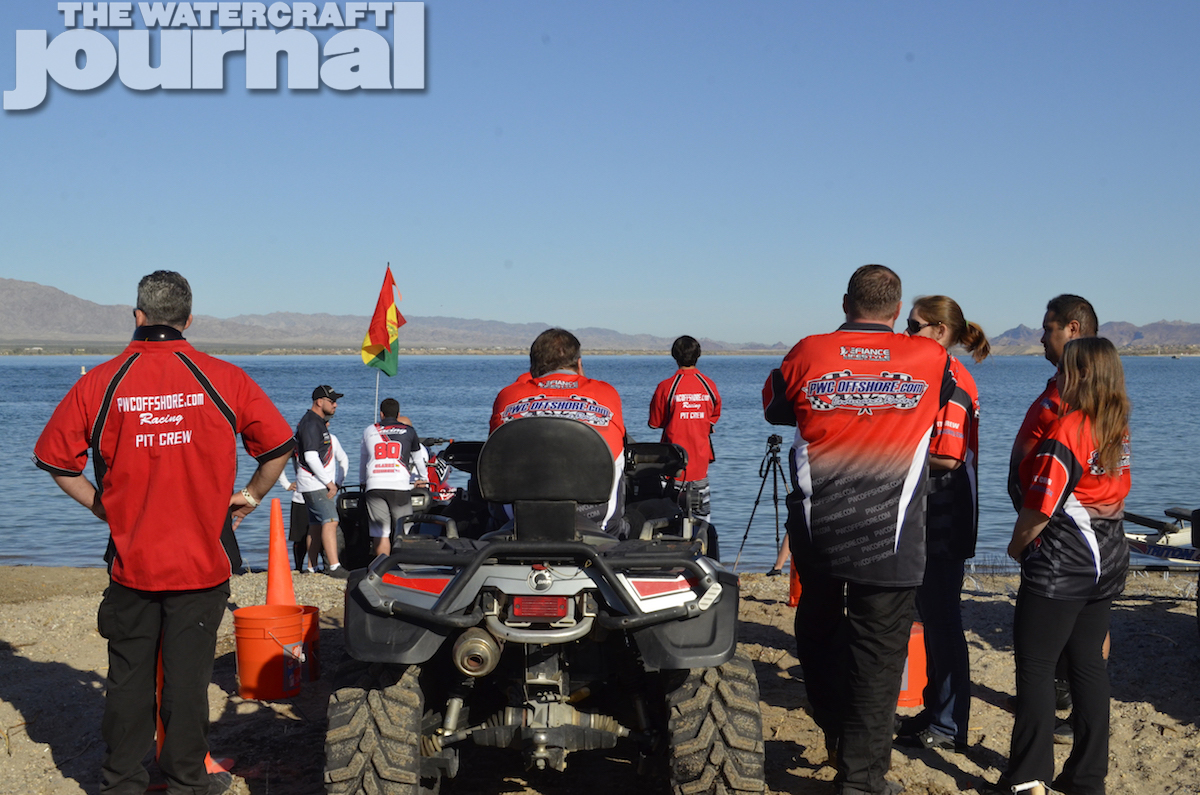
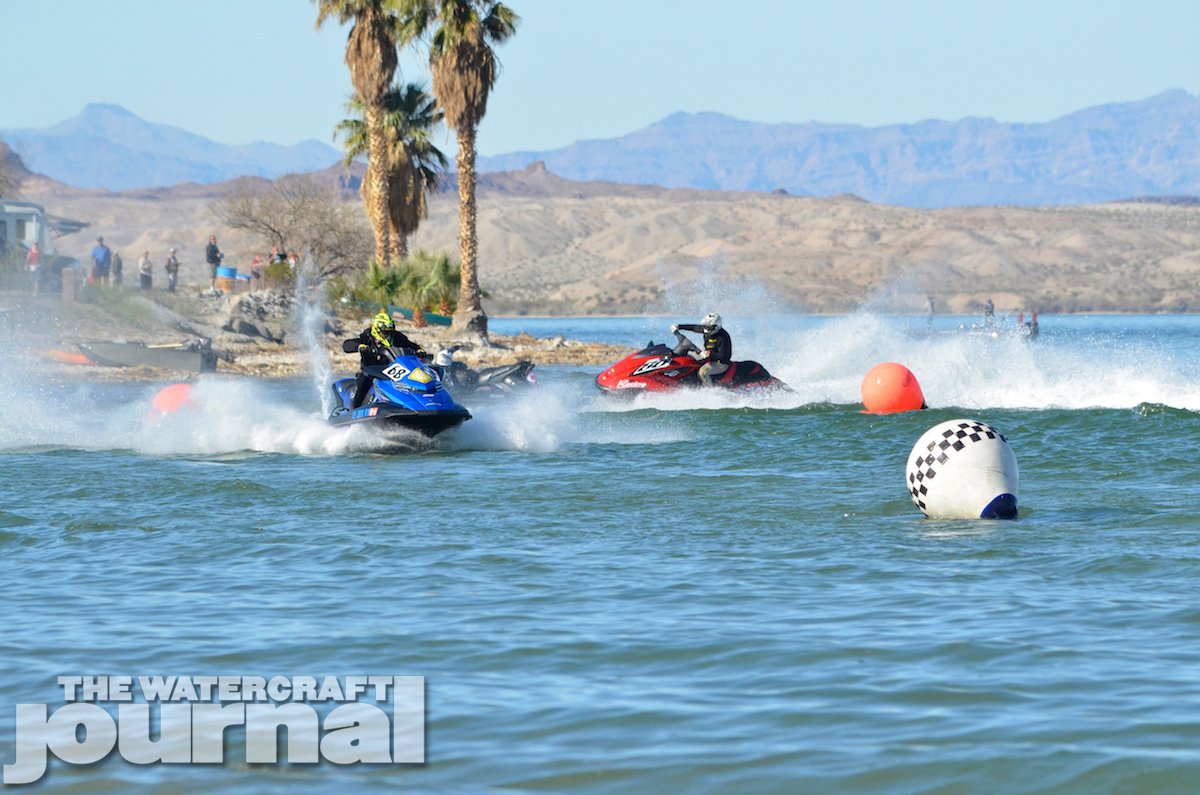
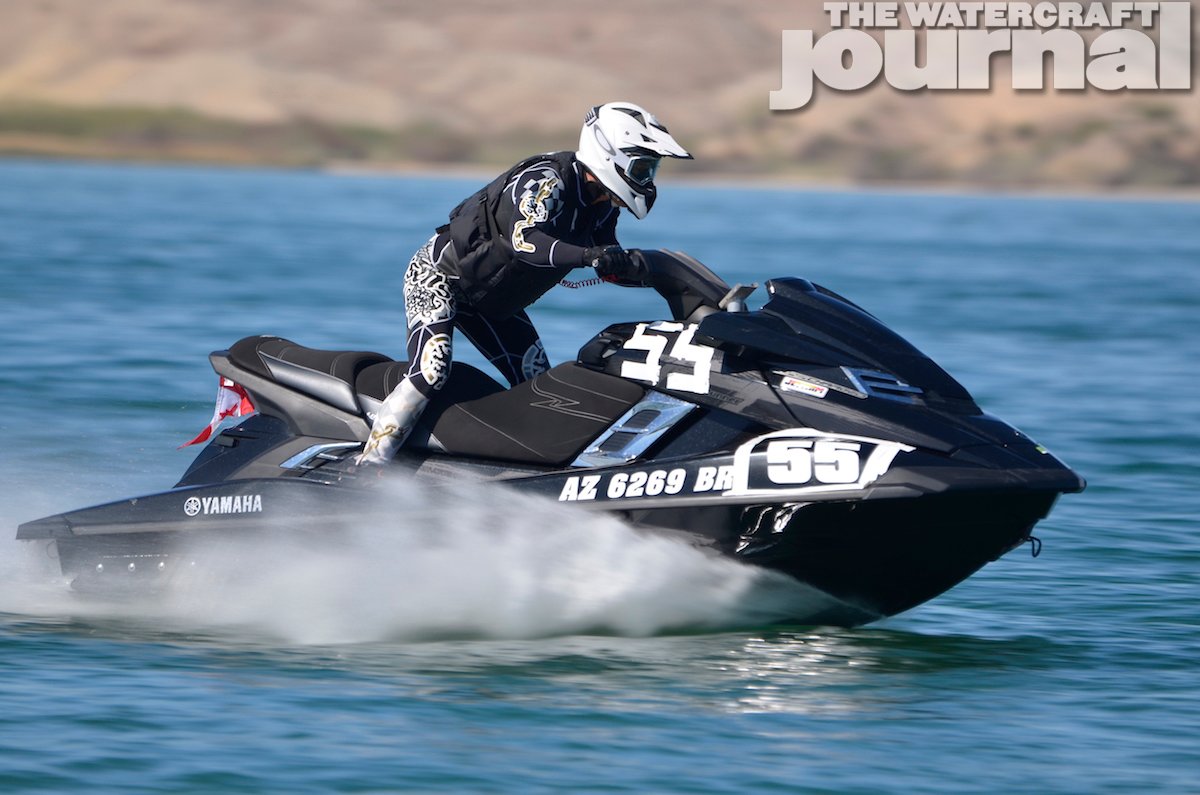
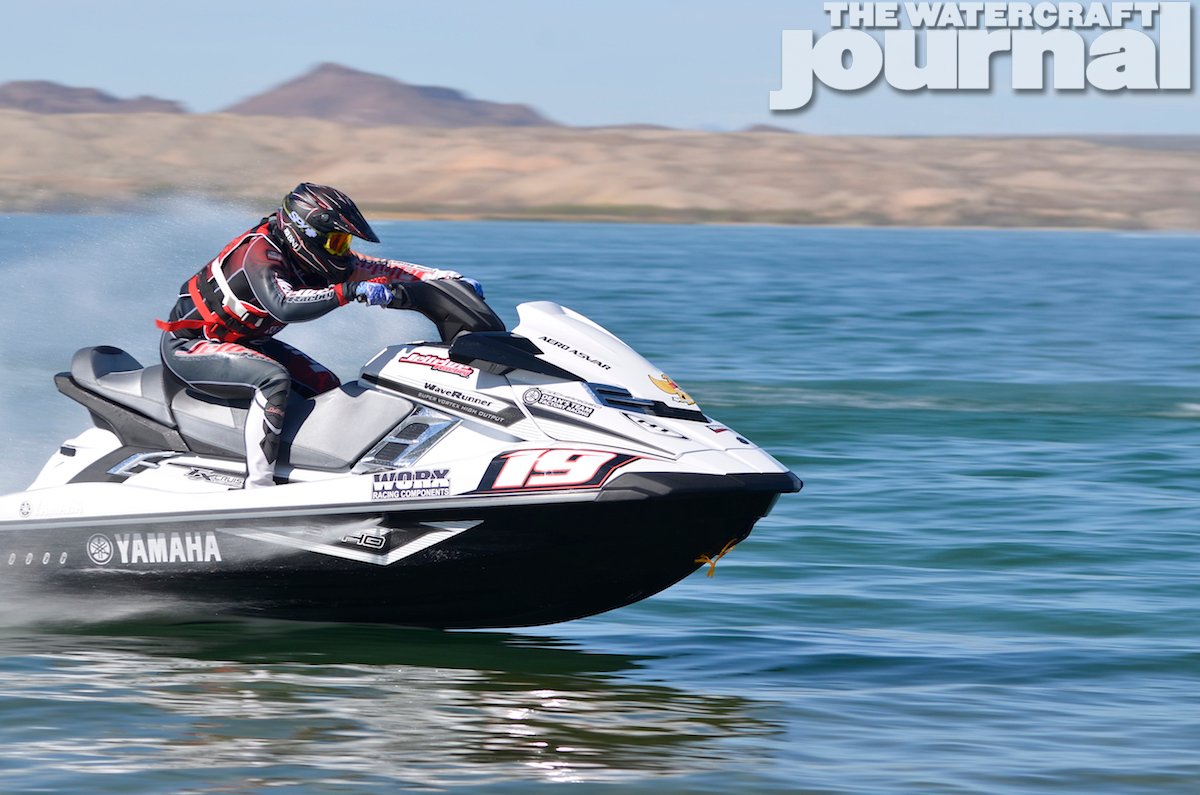
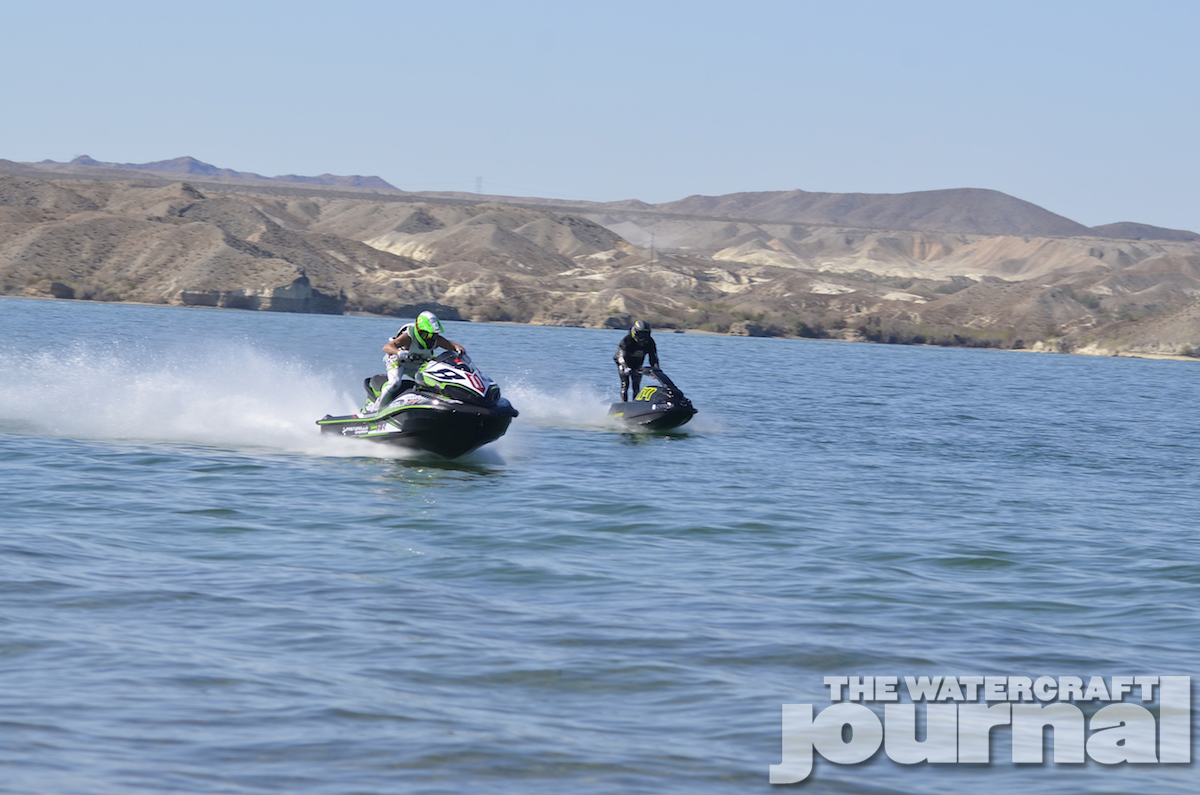
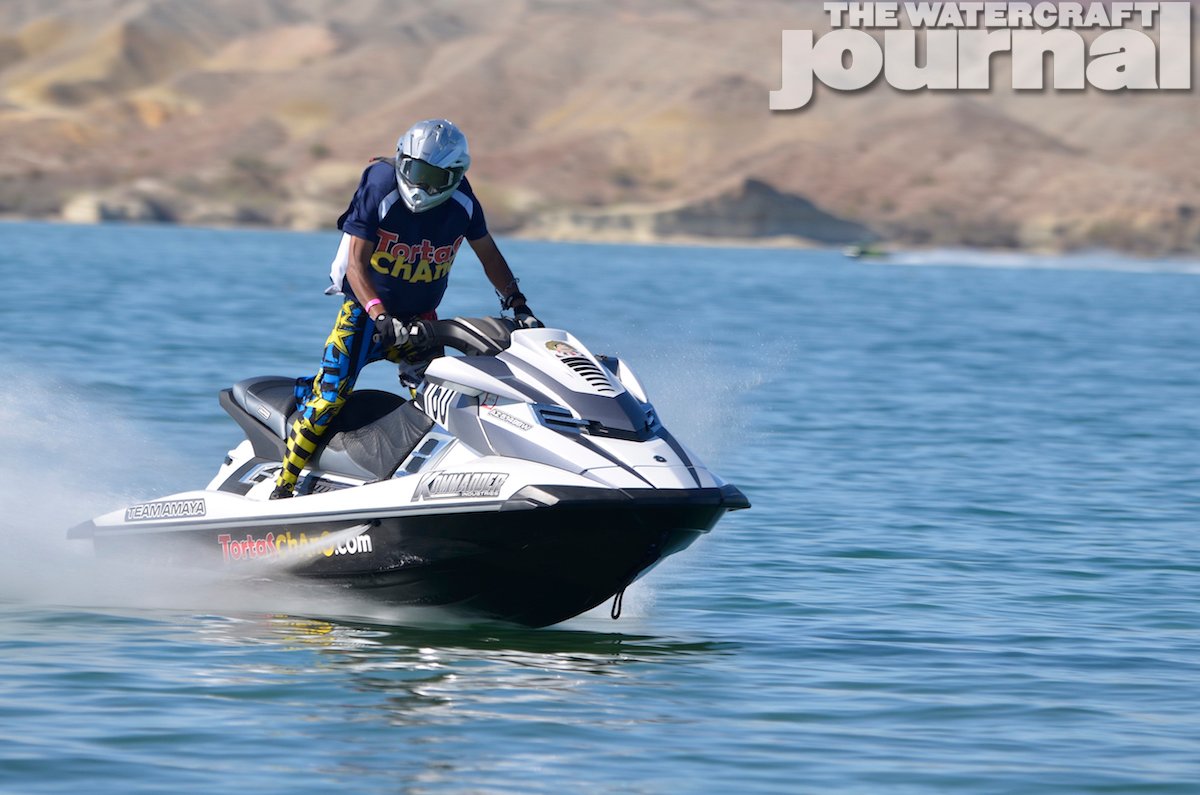
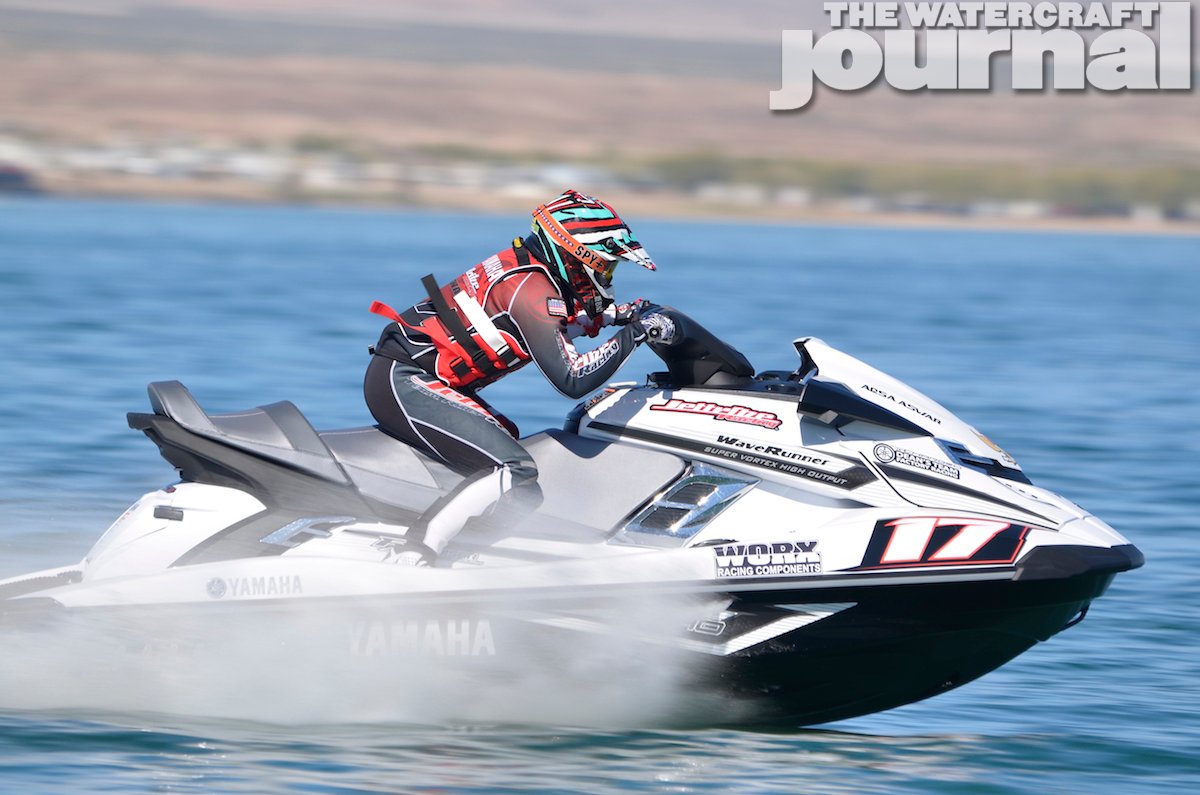
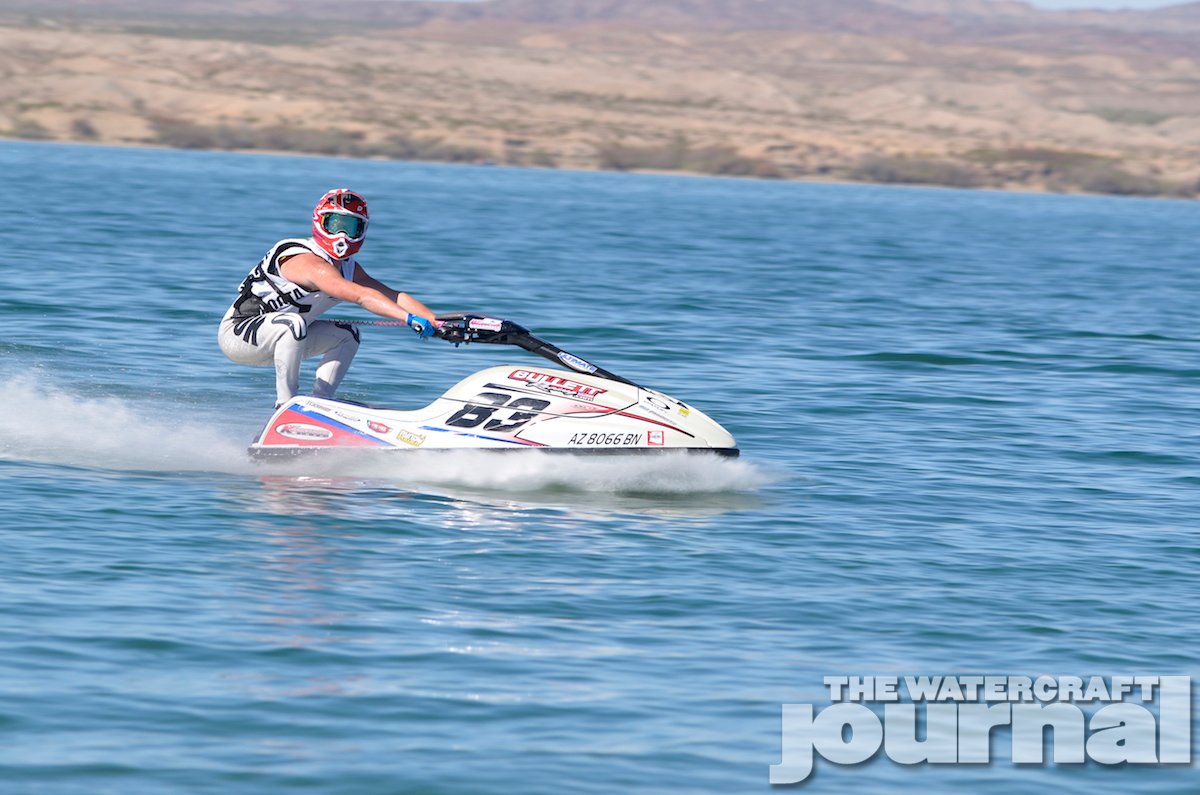
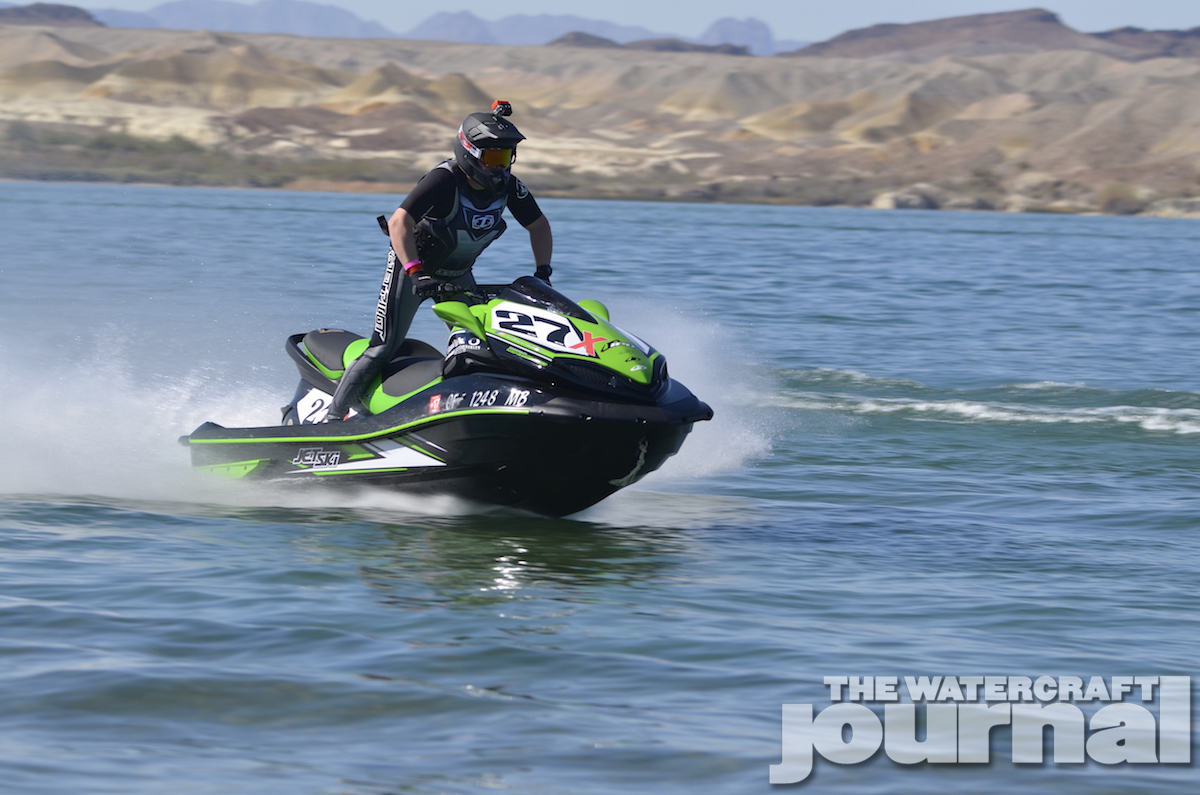
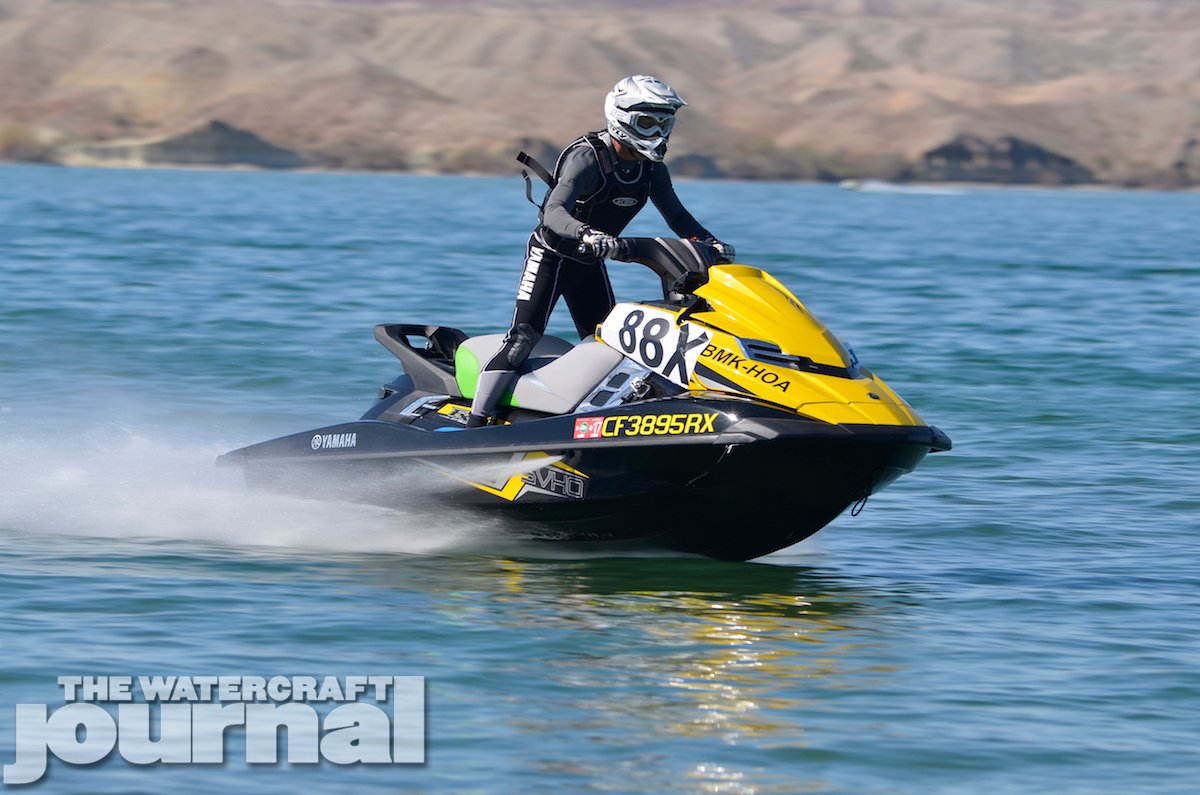
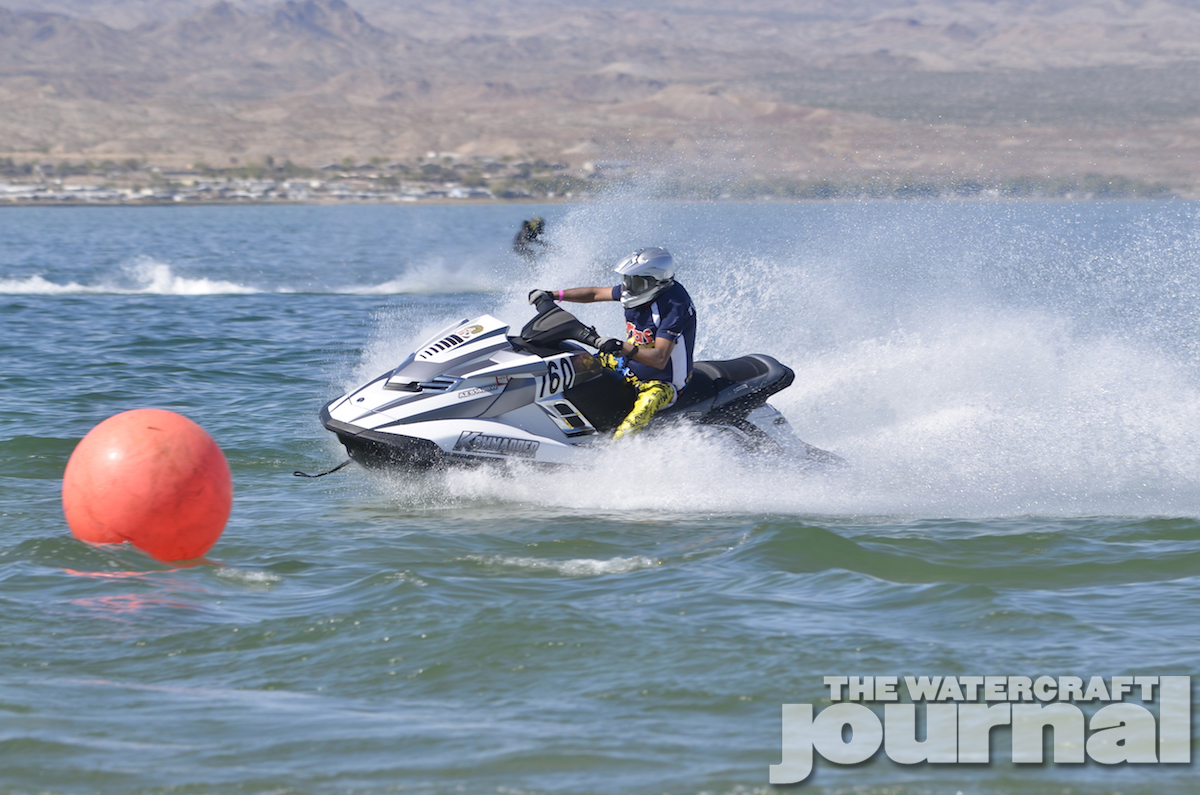
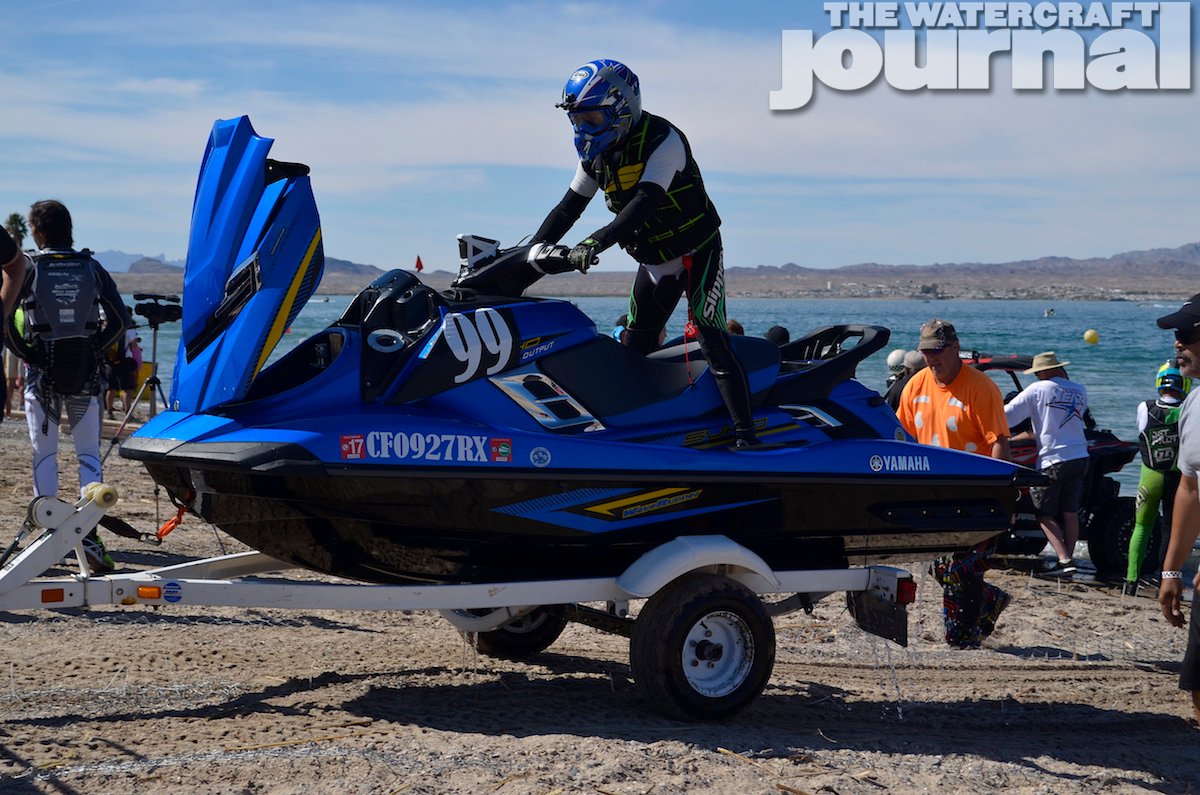
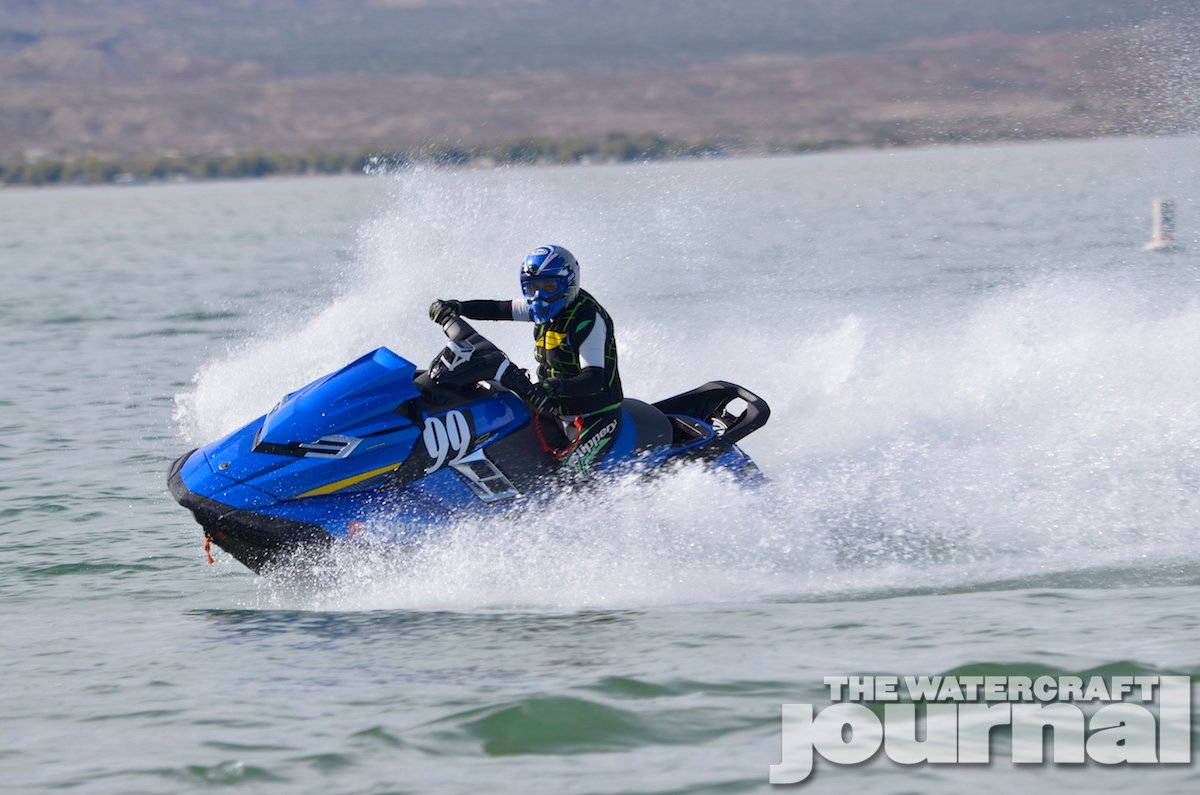
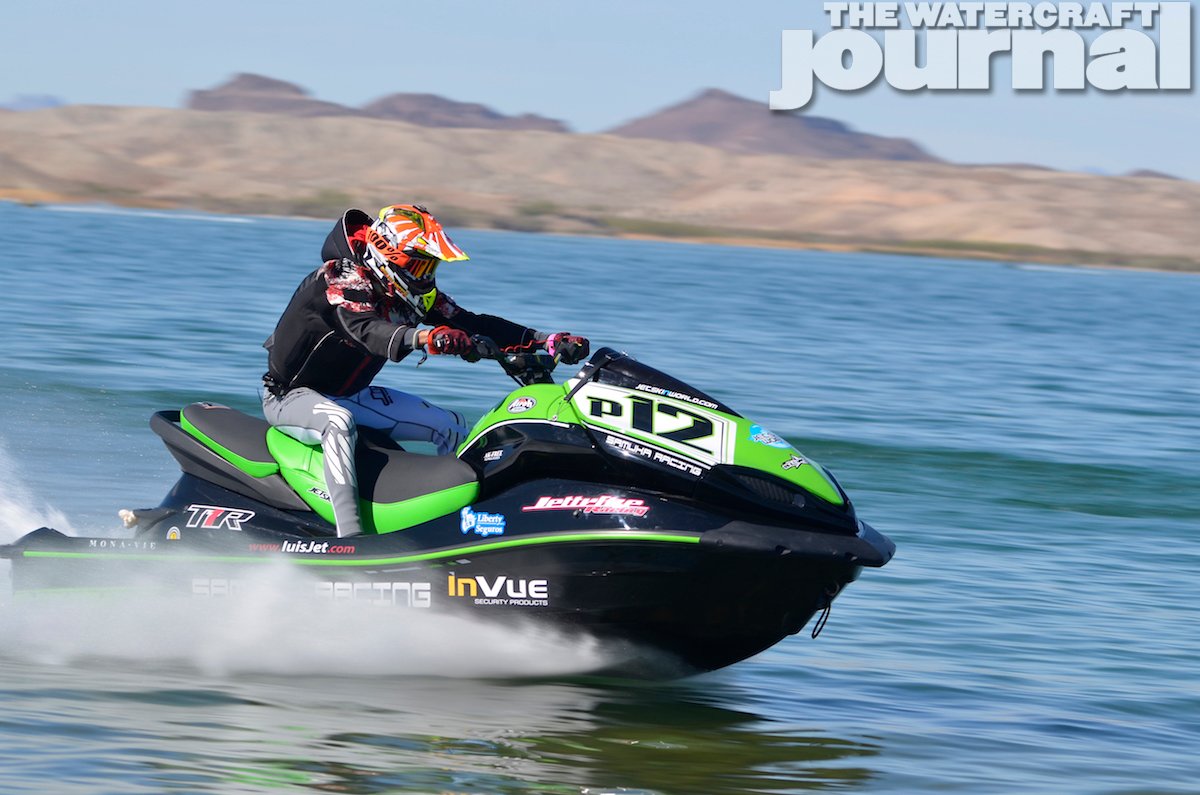
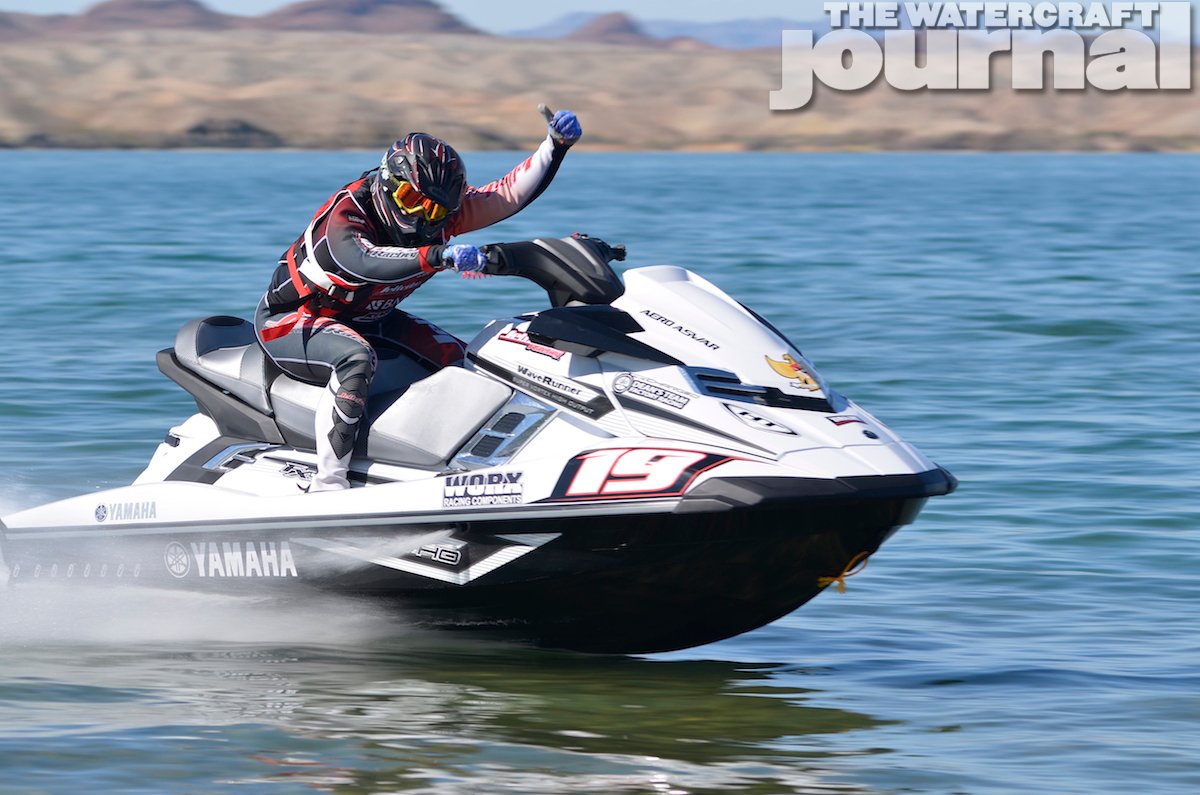
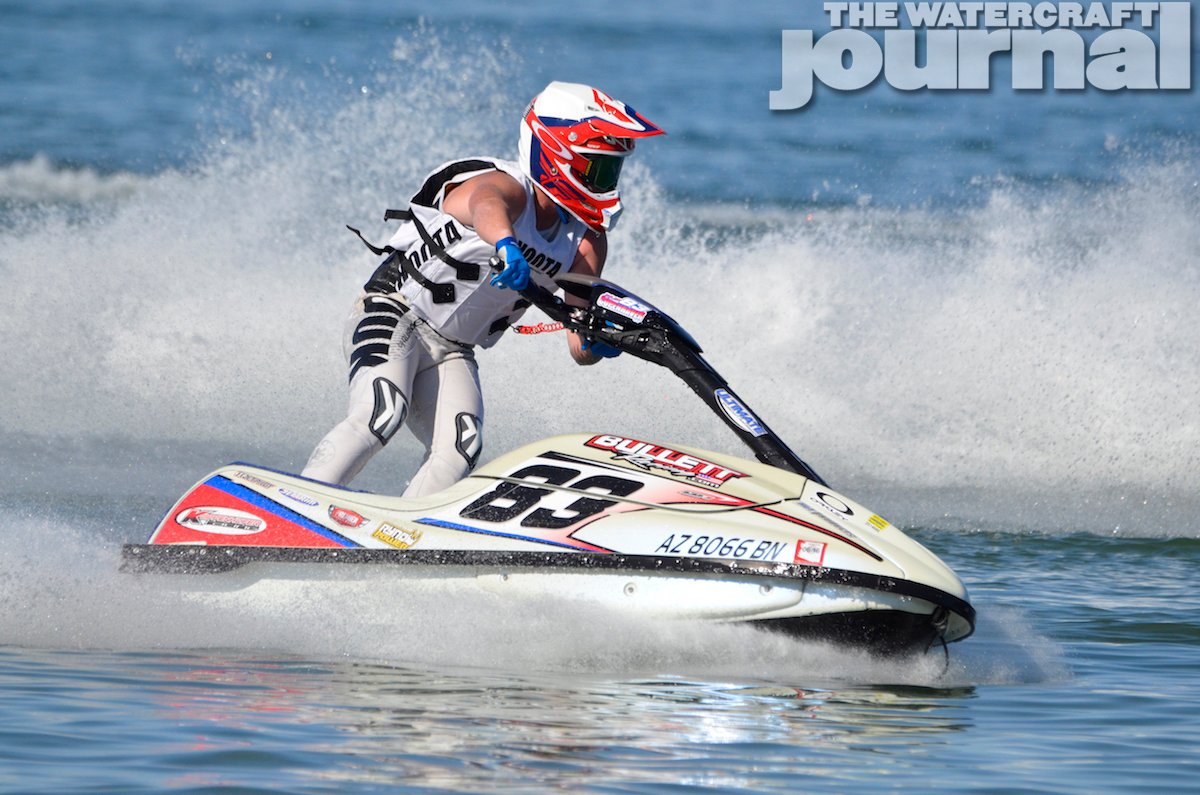
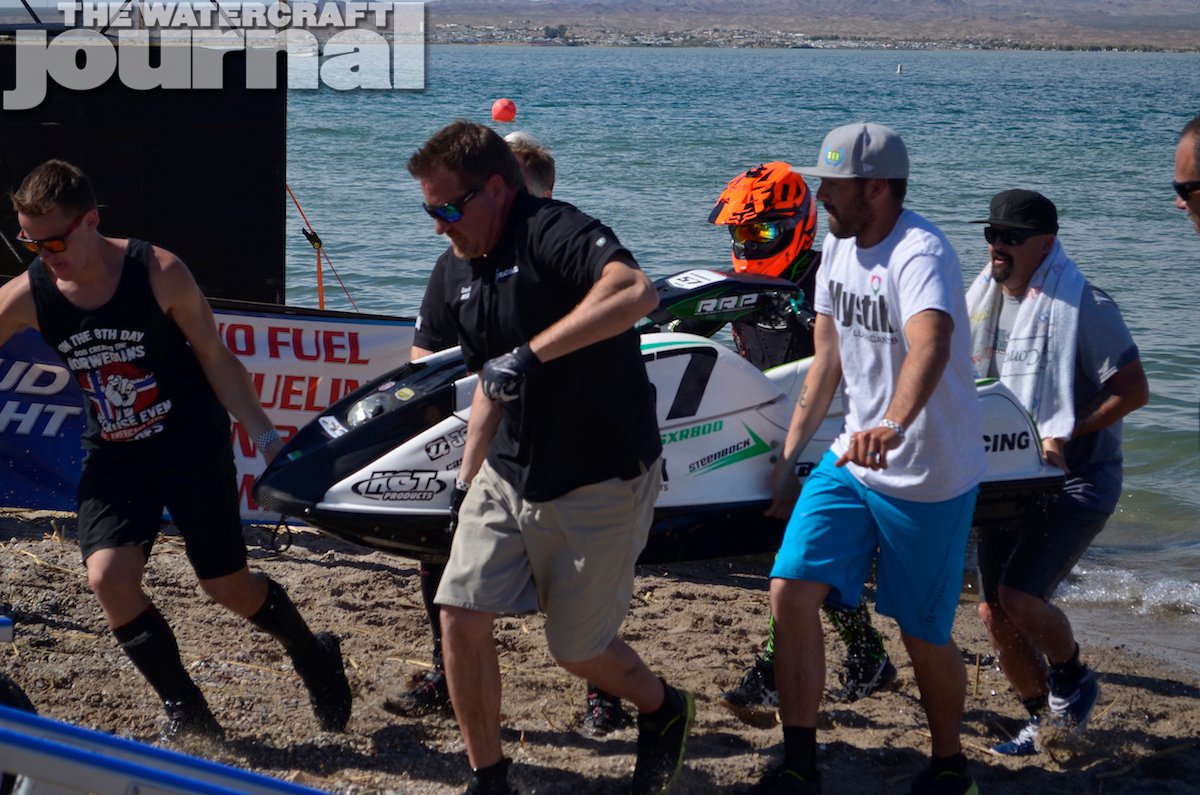
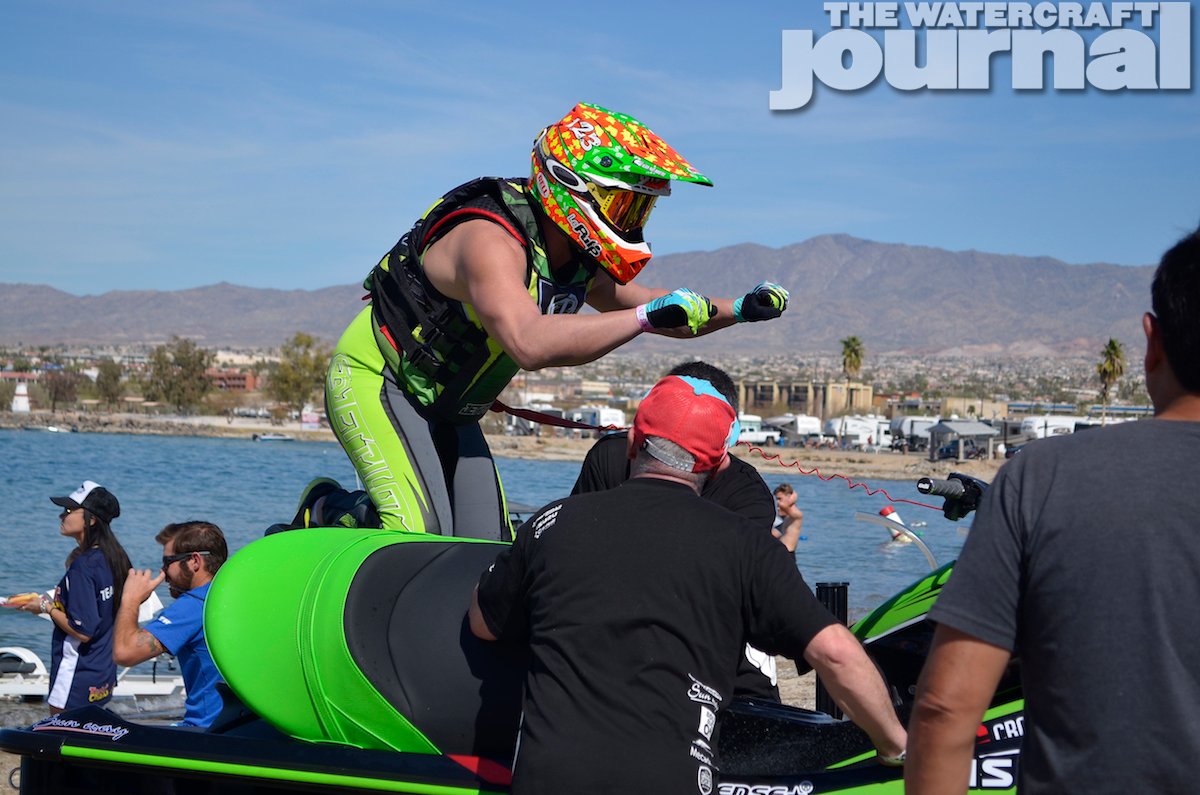
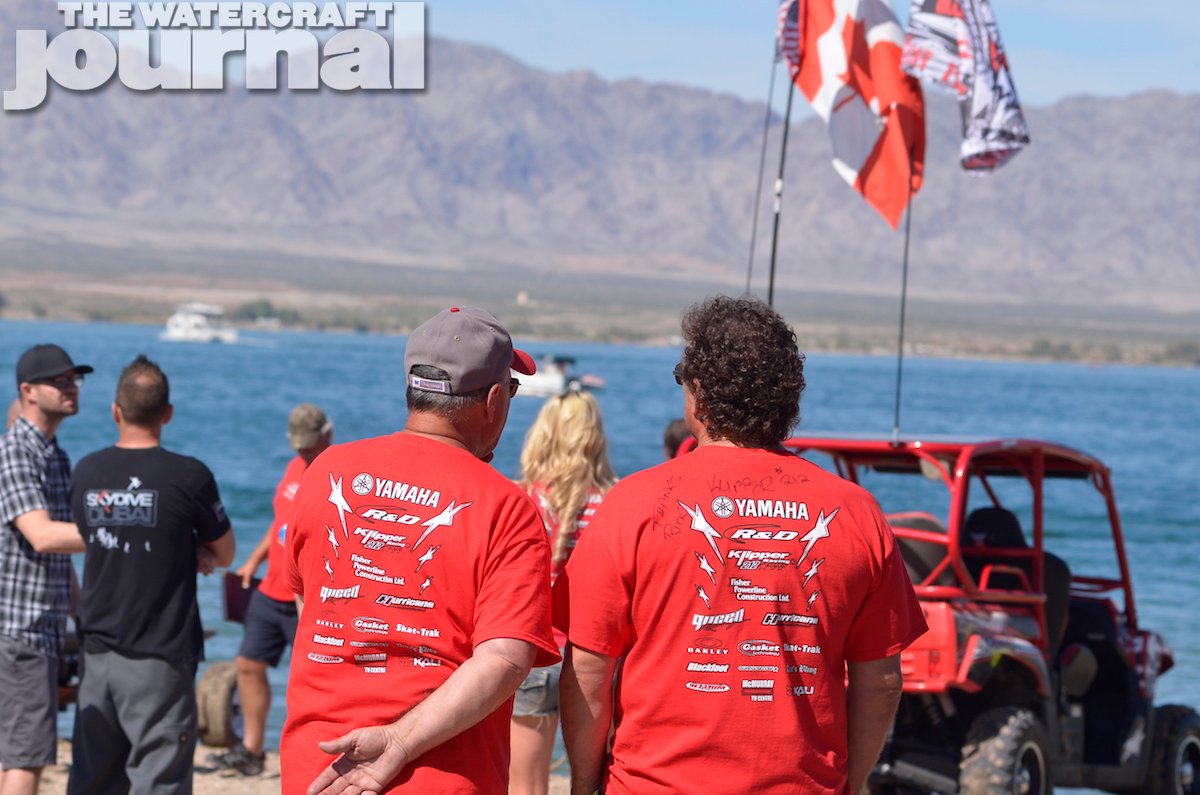
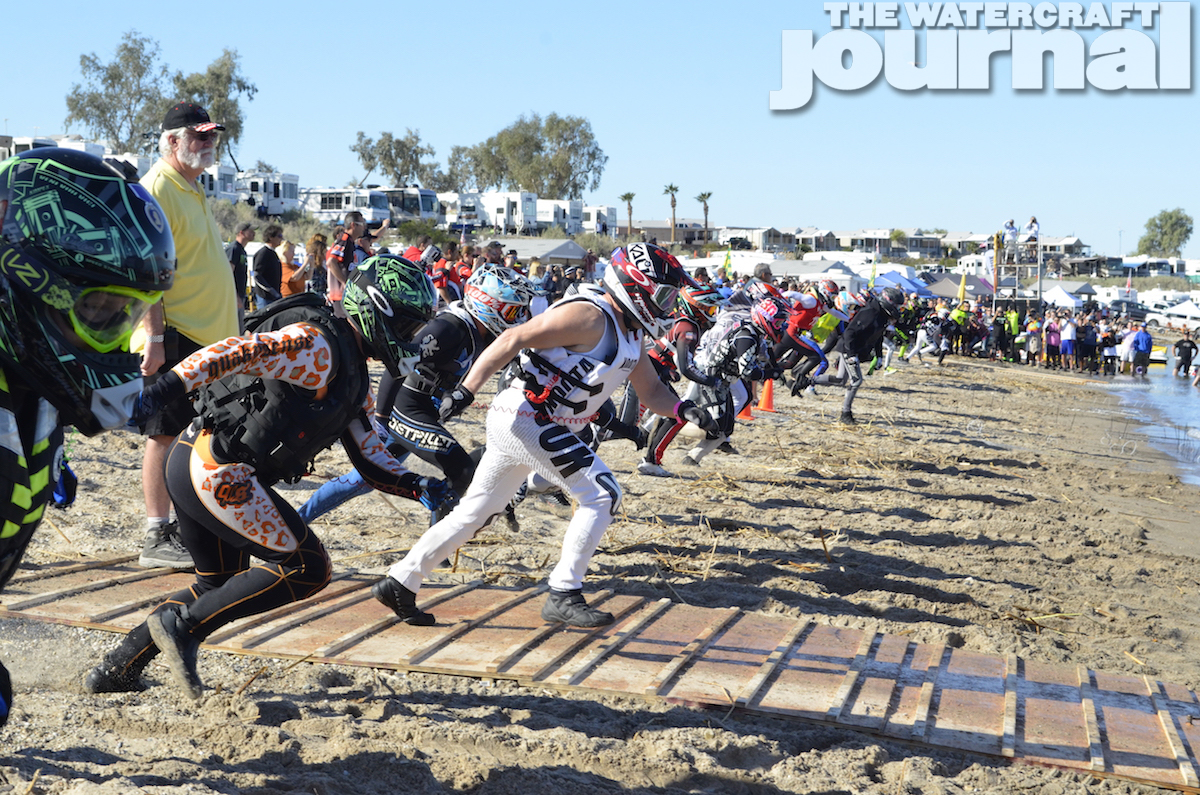
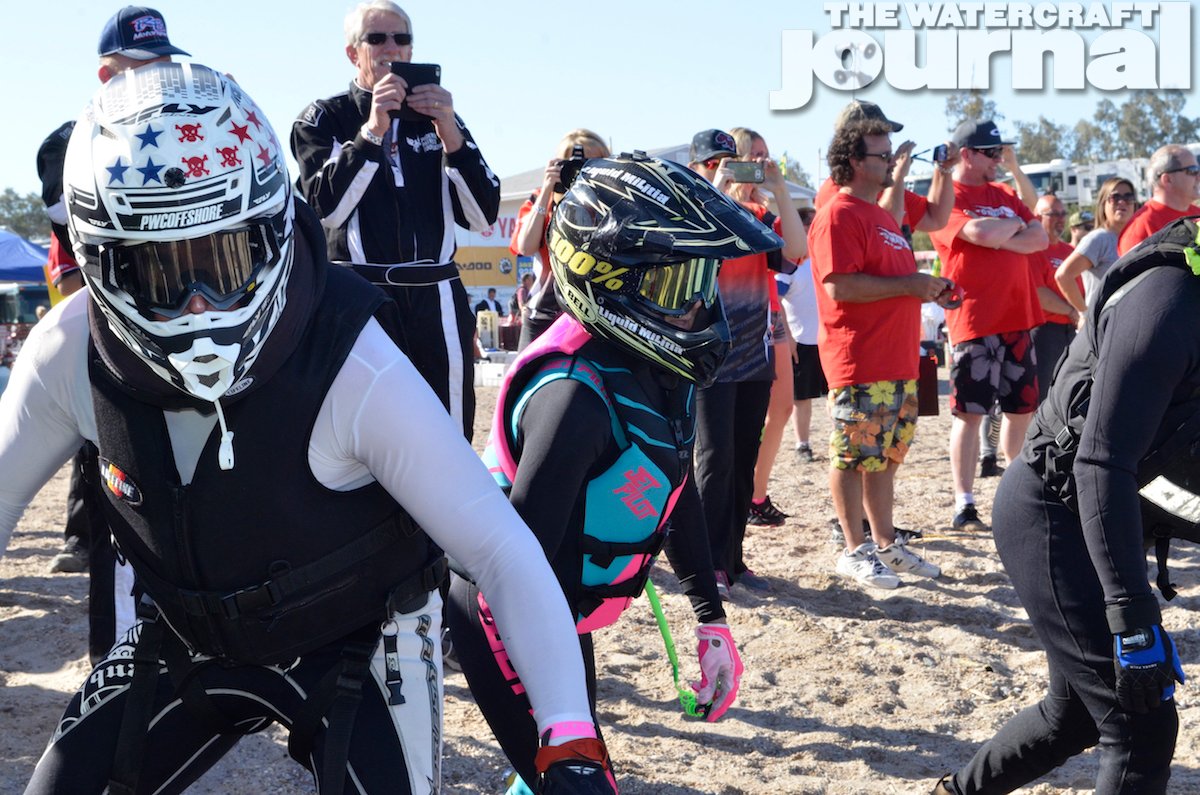
It’s official! The 12th Annual Mark Hahn Memorial Havasu 300 is in the books and it was nothing shy of exciting just like its predecessors before it! Over 50 teams of riders and their pit crews and families come from all over the world to race the “World’s Longest PWC Endurance race” and to honor it’s namesake, Mark Hahn. The race may be chaotic but it brings together long lost friends while making new ones along the way.
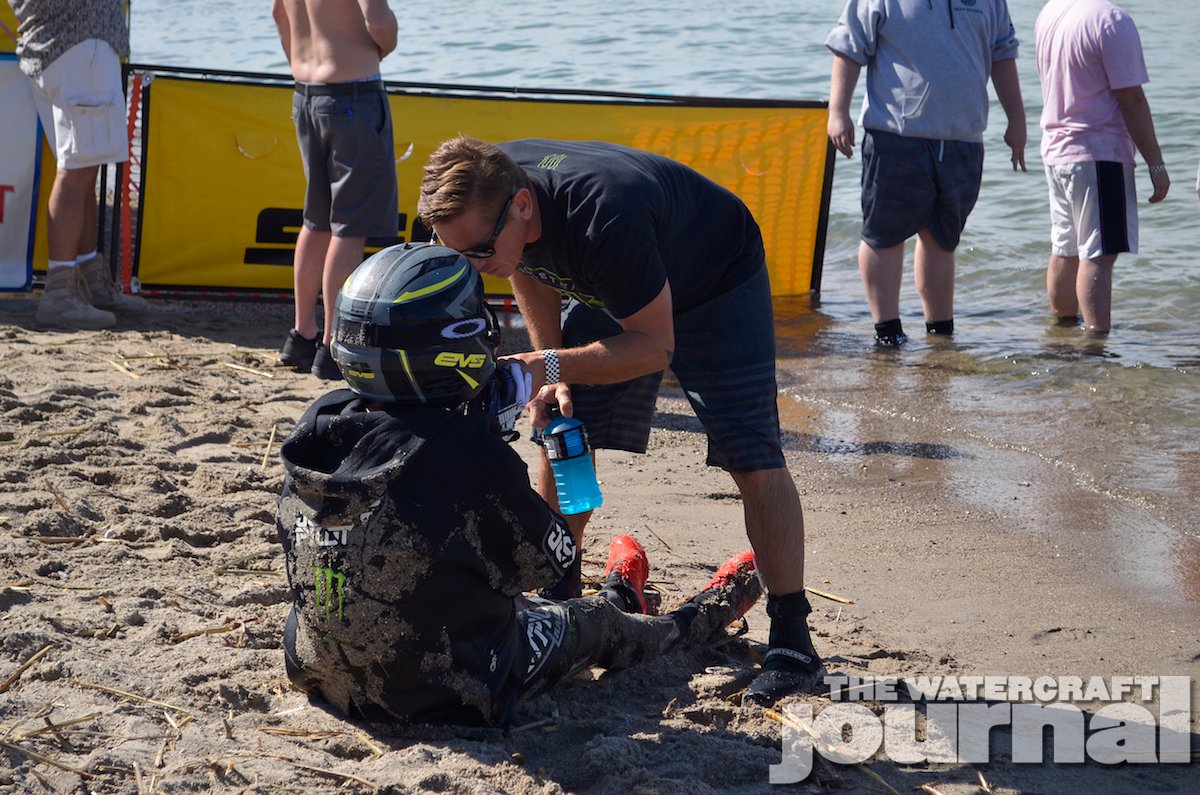
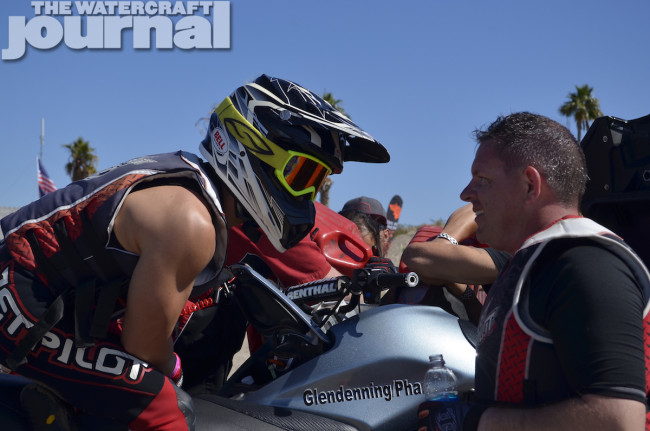
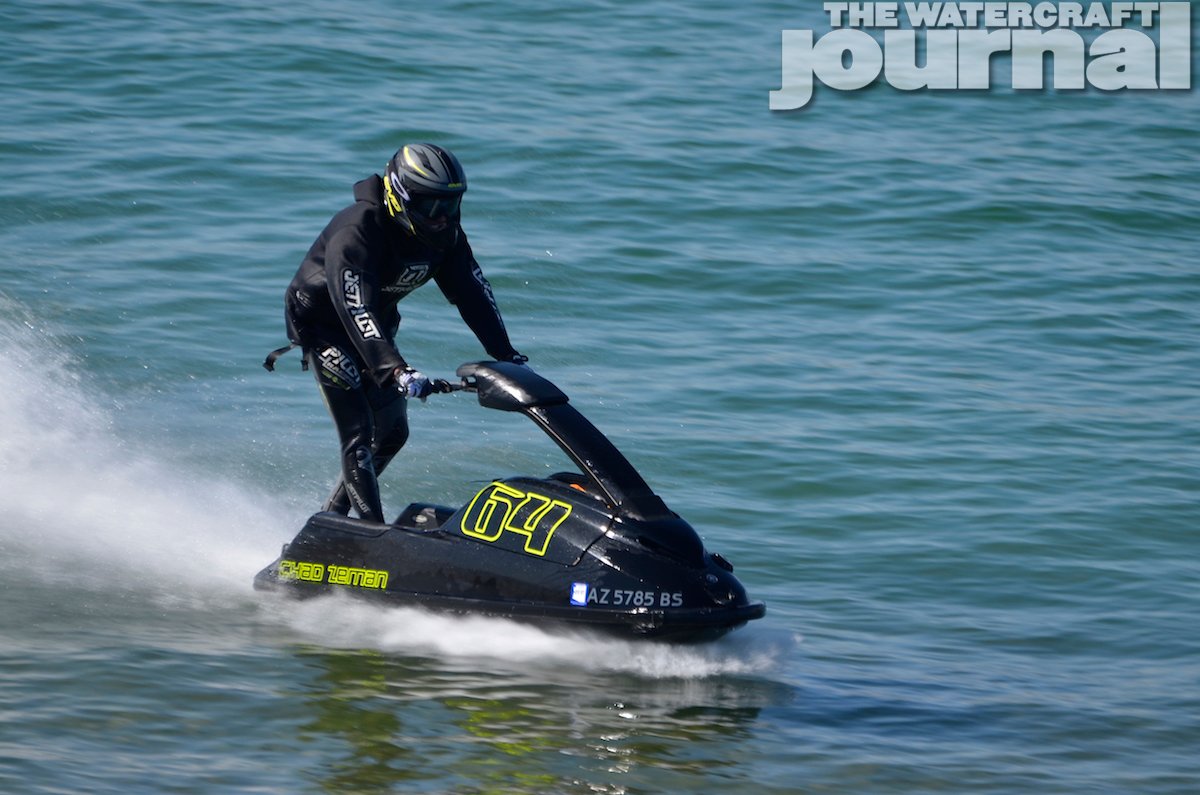
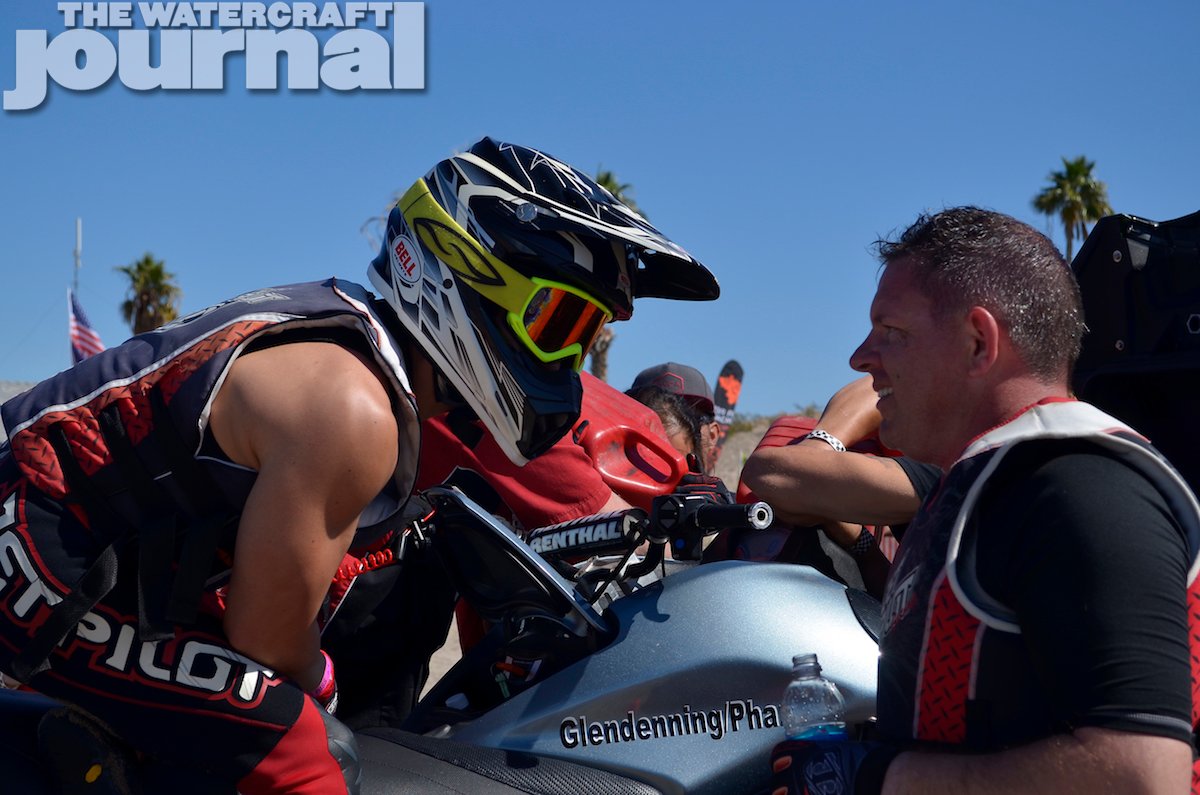
The event welcomed many familiar faces, some of them weren’t behind the bars of a jet ski like everyone has been used to, rather, they were helping other racers in the pits. Chris MacClugage being one of the most popular and notable riders was holding up in #64’s pit of Chad Zeman. MacClugage said, “I’m finding it’s more fun and rewarding to help a rider than ride the race.” MacClugage has helped Zeman train since around April for this exhausting enduro.
Zeman, 24, is new to the scene of racing, only starting last year. When asked why the Mark Hahn for only your second race and why Ironman, he stated, “I’ve been more of an endurance athlete, distance runner. I’ve done a couple triathlons. I don’t have the skills to hold my own on a short course yet, but when I read about the Mark Hahn 300, it really sparked my interest. Even though I’d never seen it before, I decided to give it a go.” Zeman’s persistence got him second overall in ski and put him first in Ironman!
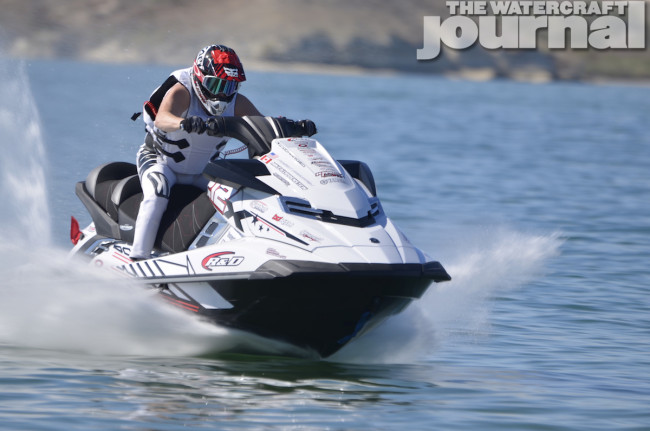
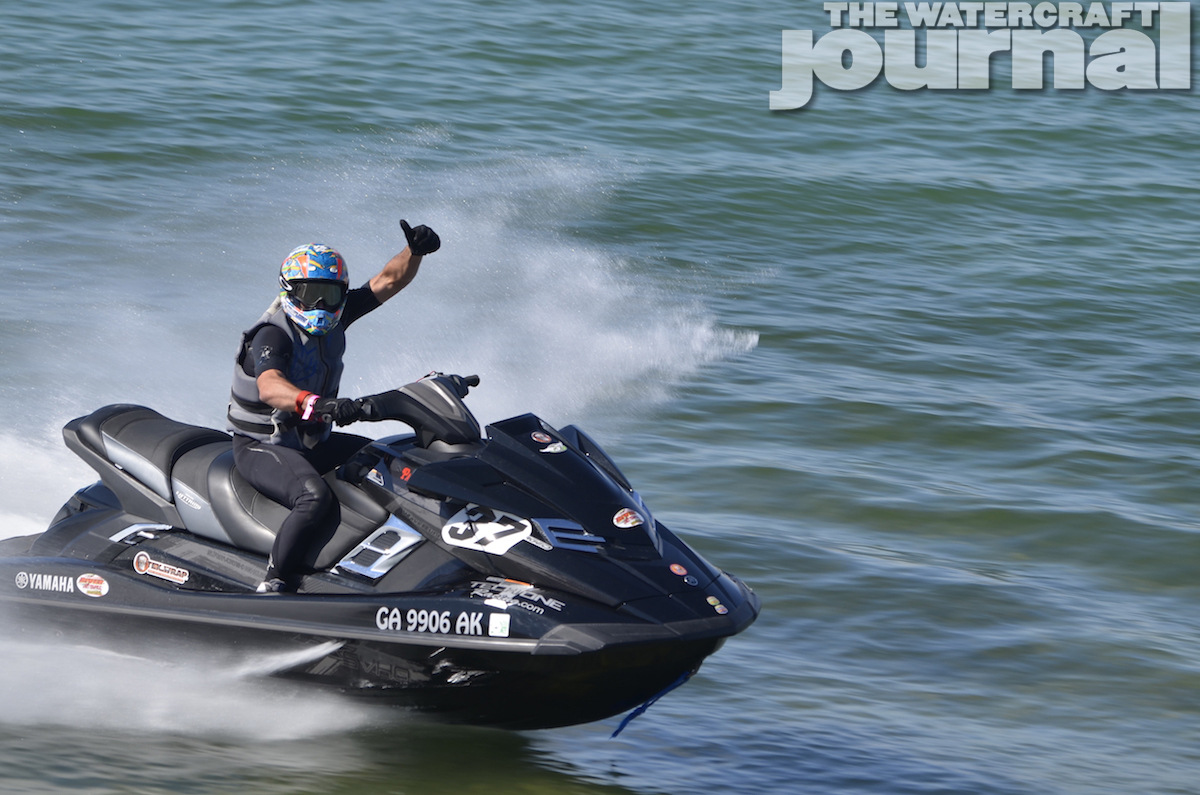
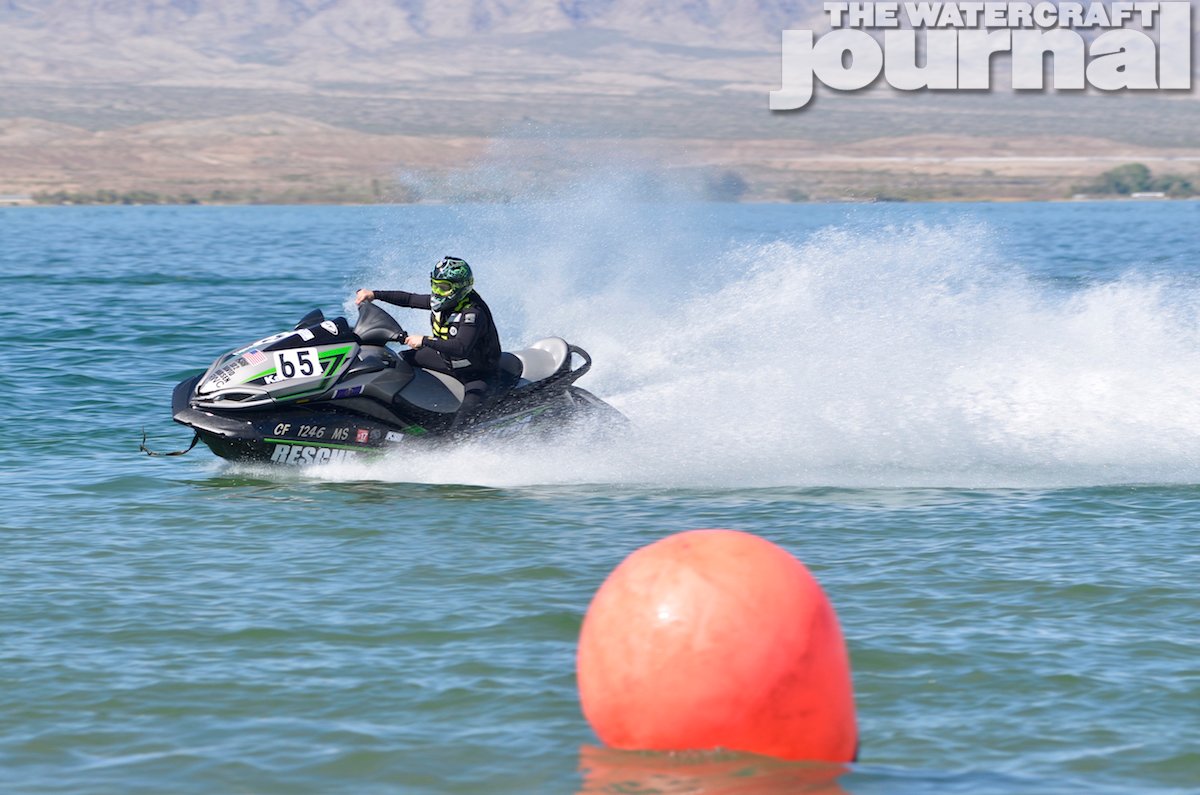
As is often with the Mark Hahn, weather and water conditions dictated the flow of the event. Clear skies, warm 80-degree temperatures and glassy water made for an ideal day on the water, if not a wide-open drag race. With it being so smooth many Open class-built skis couldn’t handle the hours of wide-open throttle, and eventually let go. So much so, that several Manufacturer Stock boats filled the Top 10 spots at the end of the day.
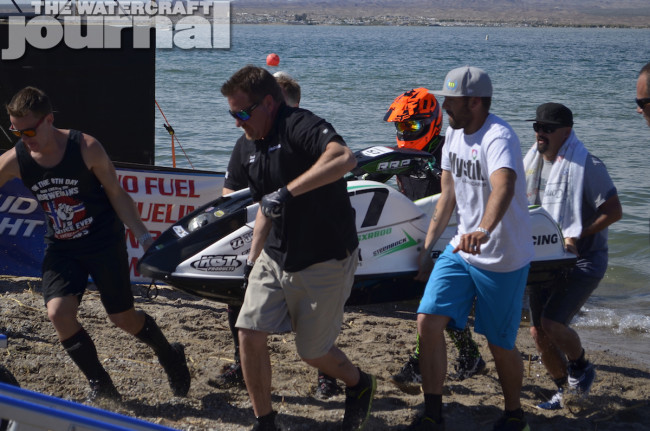
Riders and crews battled the usual: broken parts, not enough fuel and rider exhaustion throughout the day. Spectators were enthralled with the “Le Mans-like” race they were viewing. First-time Hahn spectator Greg Cobb said, “It’s amazing that skis and the riders can hold full throttle for that long! I definitely plan to run a stand up in it next year. I can already see how much work its going to be and I plan to start training for it right away.”
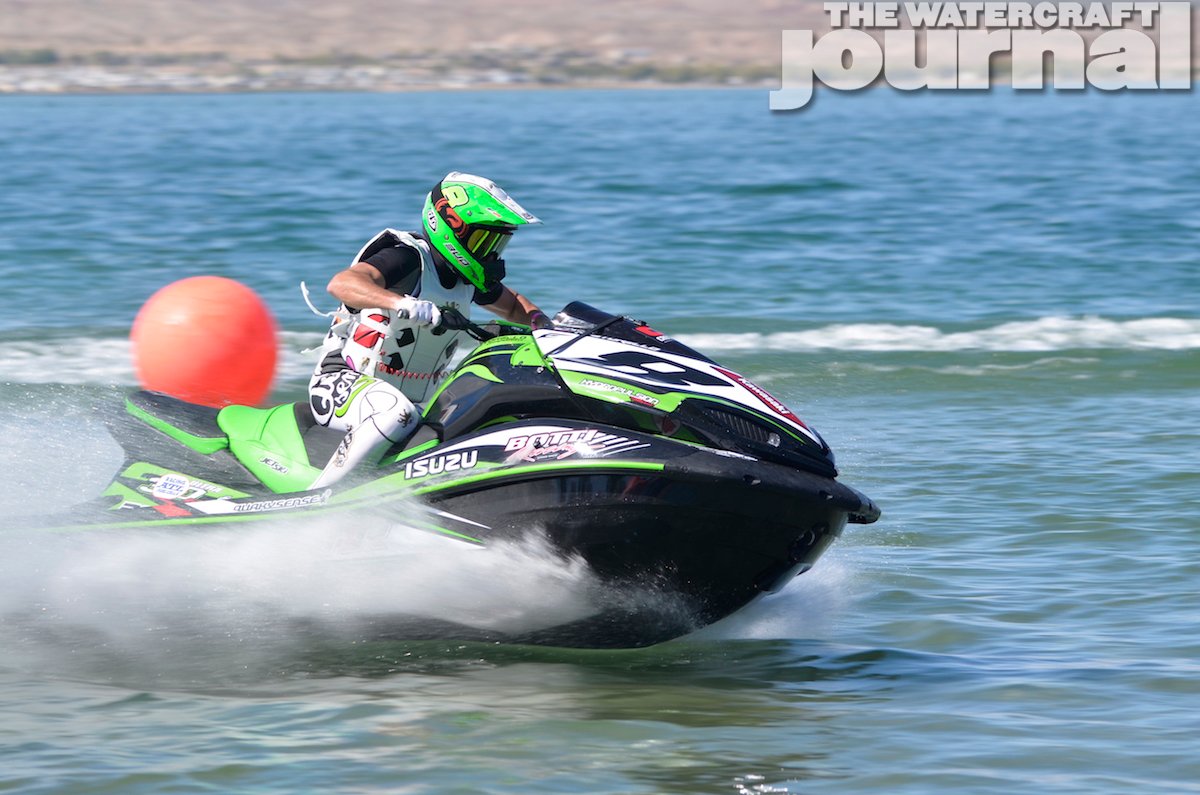
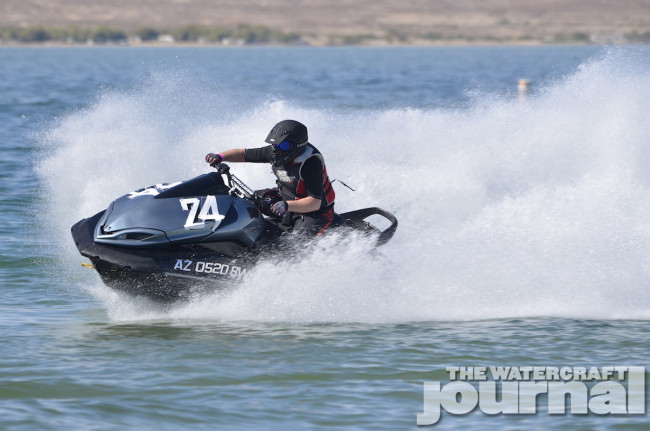
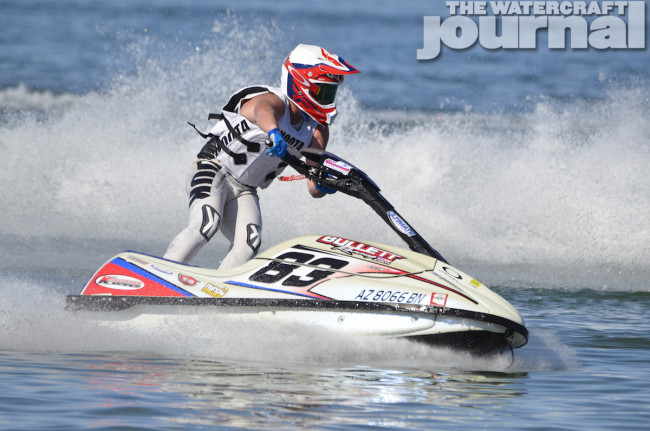
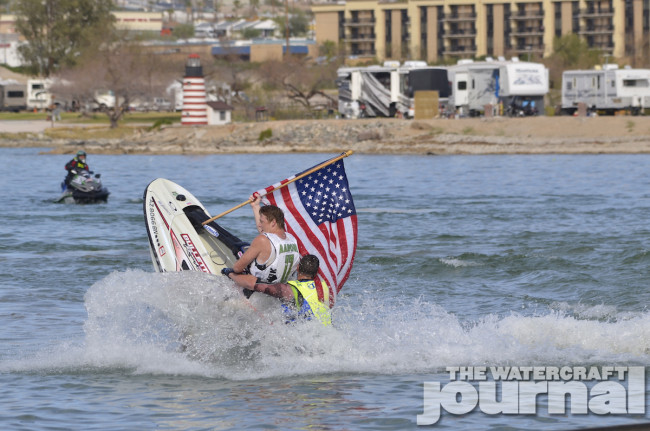
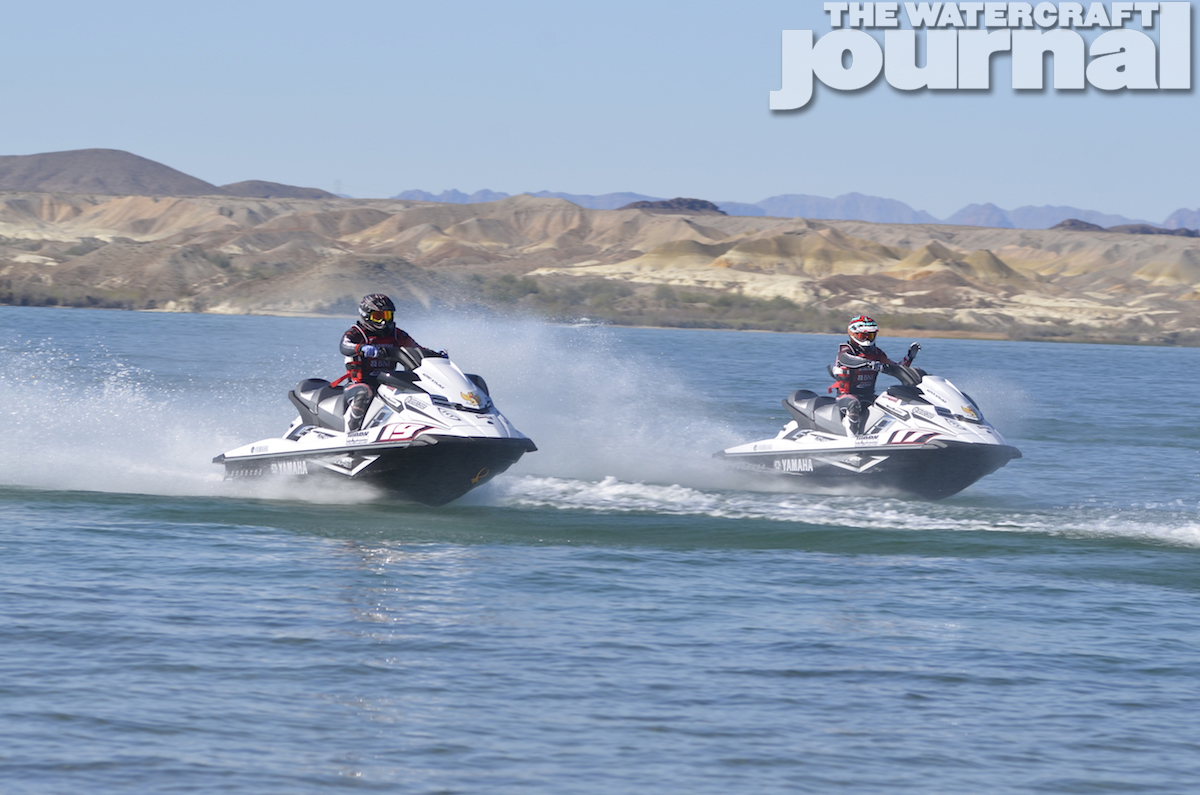
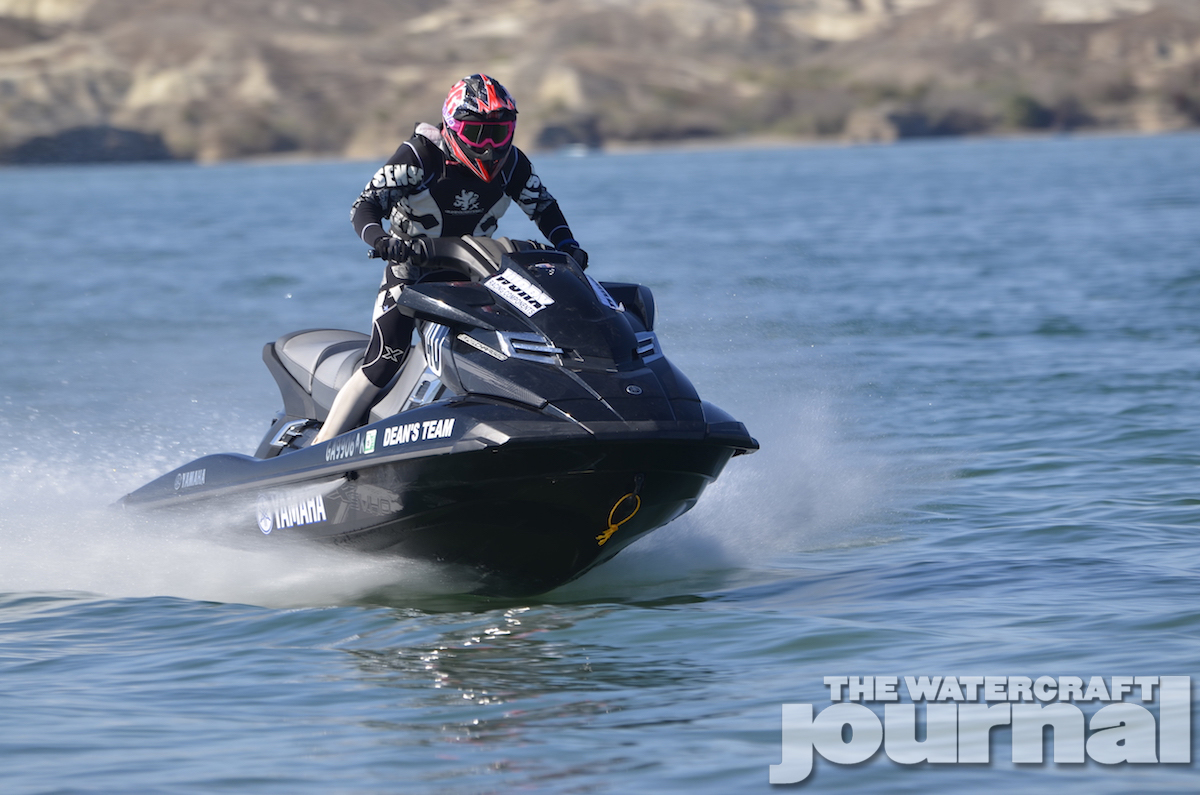
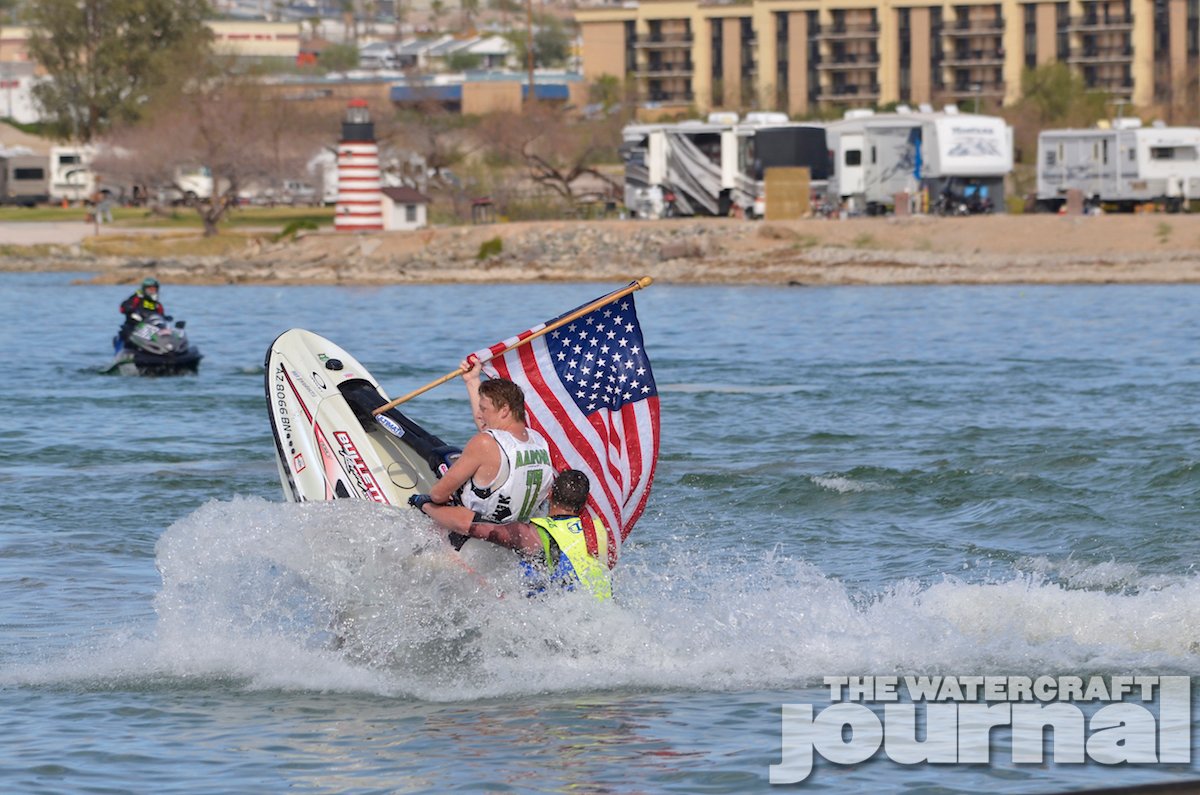
First place overall went to the team of Jean Baptiste Botti and Jean Bruno Pastorello making them multi-back-to-back runabout winners. Aaron Geweke and Kody Copenhaver took the ski class for a win and took their victory lap with a splashdown at the end. John Bonakouski (sp) put up a crisp hundred dollars to the first stand up to cross the finish, Peter Yauri took that prize and didn’t look back.
Another first-timer, Rusty Wilson had this to say about the event, “I thought the event was well organized and has developed a history for itself as a true stand alone event. It gives participants an opportunity to see old friends and start those skis that might have been sitting all winter. Some riders came from places where their lakes are still frozen!
“The racing was safe and looked to be fun for both the riders and pit crews. It’s definitely a platform of racing where the rider gets the trophy but the support crew deserves the win because if you don’t have a solid crew behind you as a rider your chances of finishing are slim and your chances of a win would be impossible.”
From every angle and everything overheard, this again, was an amazing and gratifying event that we hope continues for years and years to come. Big thanks go to Mike Follmer, Jim Russell of DSM and Ross Wallach of RPM Racing for hosting and organizing yet another stellar endurance race.
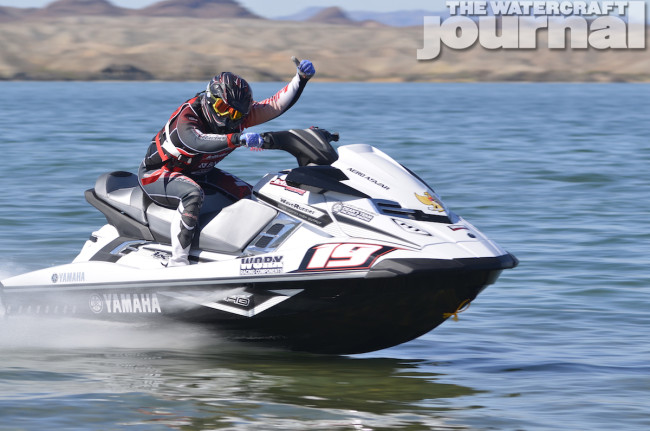
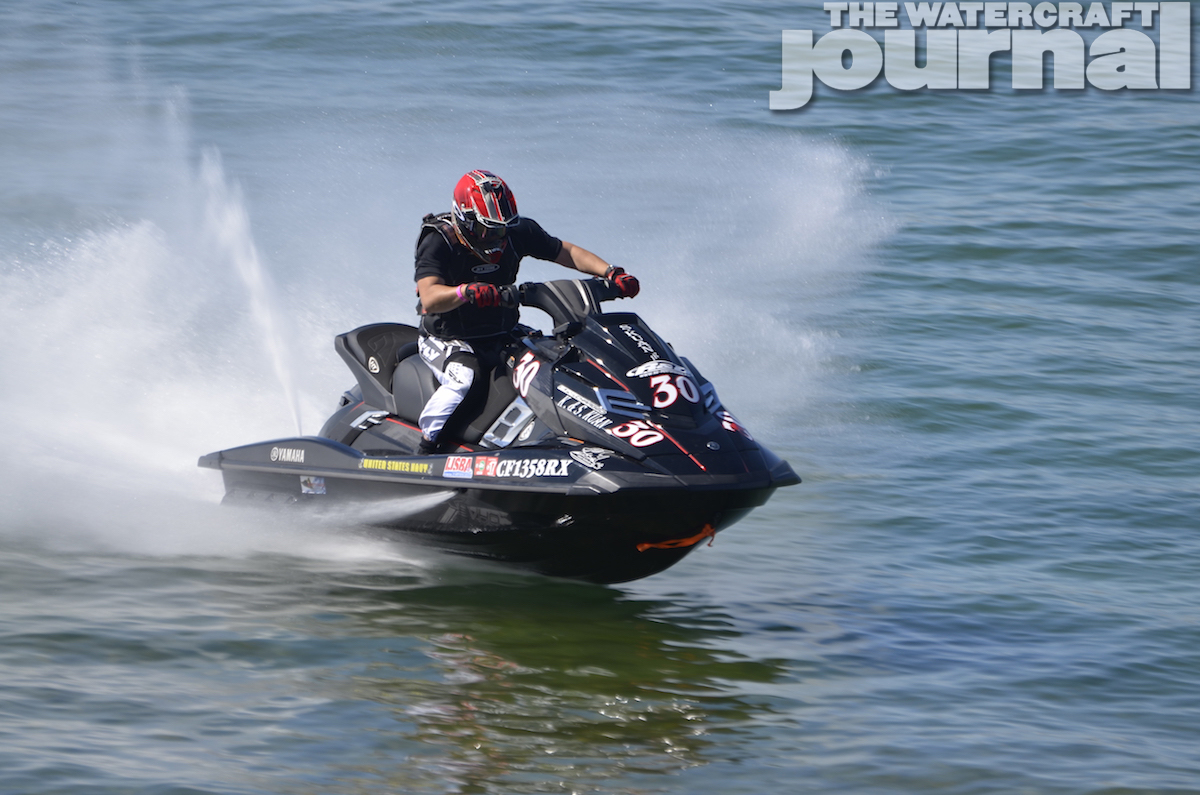
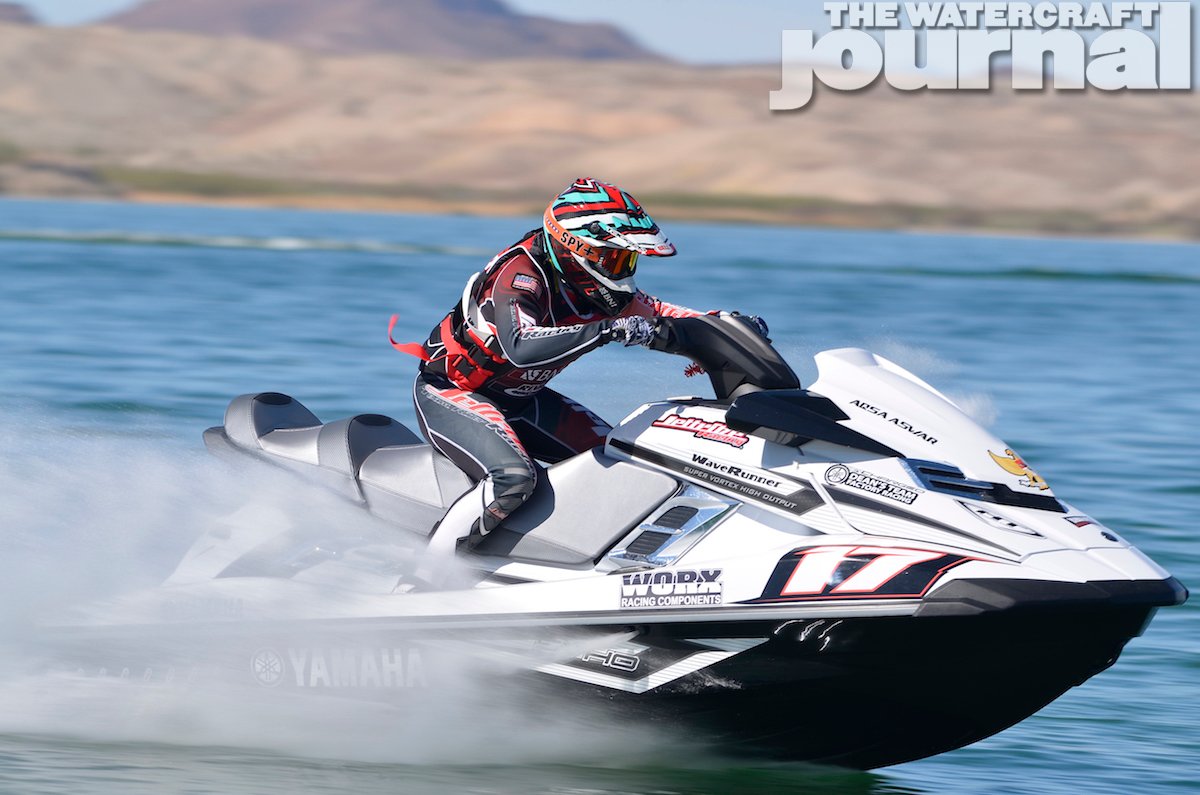
12 Annual Mark Hahn Memorial Havasu 300 Top 10 results: 1. Jean Bruno Pastrello/Jean Baptiste Botti, Kawasaki Ultra; 2. Sara Smith/Jon Ford, Kawasaki Ultra; 3. Filipe Truta/Carlos Truta, Kawasaki Ultra; 4. Aqsa Aswar, Yamaha SVHO: 5. Paul Pham/Cassius Sanders, Kawasaki Ultra; 6. Brian Baldwin/Mike Klippenstein, Yamaha SVHO; 7. Lee Phan/Tony Hoa, Yamaha SVHO; 8. Aero Aswar, Yamaha SVHO; 9. Santiago Kuan Jr/Fadi Sacre, Yamaha FXHO; 10. Tyler White/Doug White, Kawasaki Ultra
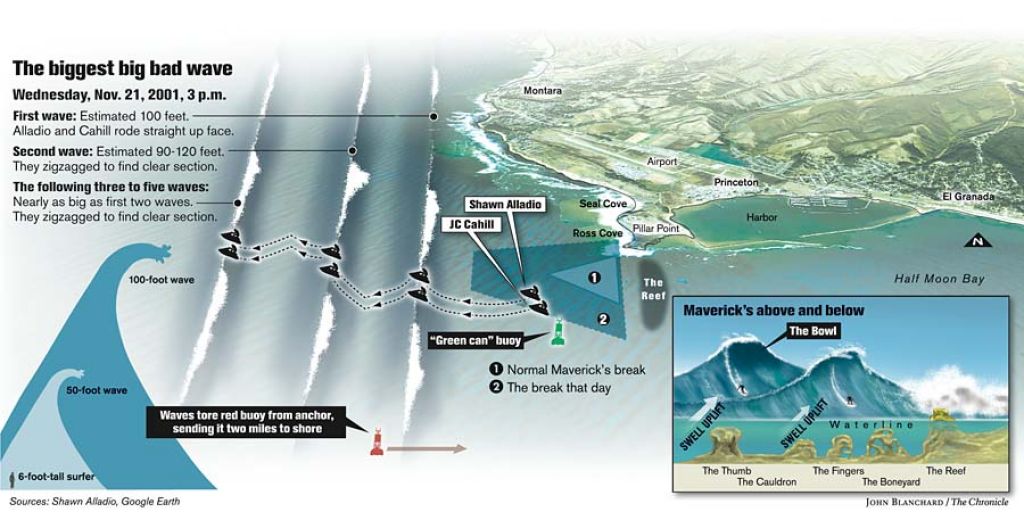
Information for this piece was pulled from a story published in August 2002 for the Reader’s Digest “Everyday Heroes” series on “Killer Waves,” a day that would become known as 100′ Wednesday at Mavericks. Shawn Alladio was the featured subject for this particular story because of her heroic efforts to keep herself and her partner, Jonathon Cahill, from getting crushed and killed by the massive mountains of Mavericks. She is also the best in the business.
Alladio answered the call to work water rescue for the Mavericks Surf Contest at Pillar Point in Half Moon Bay,California. Cahill came along to train with her because he wanted to be a watercraft instructor and what better place to learn than Mavericks?
The surf contest began Wednesday morning with waves cresting 20 feet high as the guys were paddling out through the rocks. When the waves grew to 60 feet and more, surfers began turning toward the safety of the beach, leaving Alladio and Cahill alone in the mutant waves that blackened the horizon. After making several rescues near the inside, Alladio made the decision to motor outside for one last check in case anyone was still out there.
It was then that she and Cahill were met with the biggest waves they had ever seen. Both ski operators remained calm even though adrenaline was coursing through their bodies as they faced 60-to-100 foot waves while maneuvering their skis. Everything in their bodies told them to run the other way, instead both pilots faced the waves. Alladio instinctively knew that she and Cahill had no choice but to open up their throttles and blast over the incoming giants. Fear would not stand in the way of good decision making so instinct took over as Allidio screamed for Cahil to go!
By this time, the two riders were a quarter mile offshore and could not see land. Both of them had to keep pushing farther out to sea if they wanted to survive. Much to his credit, Cahill followed Alladios lead and they made it up and over the monstrous waves and then the ocean went quiet. Both riders stopped momentarily to let out primal screams and then rode to the safety of the shore.
Chances are, if you’re a manufacturer, a dealership or a custom shop within this niche industry, you’ve read the writing on the wall. Traditional print advertising yields little to zero result as so few would-be new customers subscribe to paper magazines. So you turned to Facebook (it’s free after all – well, to start that is), and that’s been good. Here’s the problem though, unless you’re aggressively pursuing, cultivating and feeding that Facebook/Twitter/Snapchat/Instagram/Google+/Pinterest account, your reach will run out. It’s the law of diminishing returns. So where to turn? The days of “build it and they will come” are gone. Today, we need to build it and take it to them. If you’re looking for fresh faces, you need to go to where the people are.
So where is that? Your best, easiest and most reliable source in this industry is The Watercraft Journal. No other outlet reliably produces more content, welcomes more new and returning PWC enthusiasts, and delivers more confidently on its obligations than any other magazine, forum or media outlet. Producing fresh, entertaining and informative magazine-quality articles each and every day, The Watercraft Journal has escalated to become the single-most popular personal watercraft magazine in North America (and is quickly zoning in on Australia) in just two short years. With nearly 1,000 articles published thus far, The Watercraft Journal also wields one of the largest catalogs of professionally-written “evergreen” PWC content on the Internet today.
You want your company to grow, to reach new and returning customers and a third-party resource to advocate and present your products. We at The Watercraft Journal want to continue to cultivate and support this intimate, niche industry and all those companies within it. This is a partnership ready to happen. Already over 20 companies have come to support The Watercraft Journal, and in return have been rewarded with high impact digital advertising, up-to-the-minute time-sensitive news posts, and intelligent and enjoyable feature-length content, all of which to direct its 200,000 annual readers to their storefronts. Let The Watercraft Journal be your partner and resource in helping grow your brand today. And here’s why:
February 2016
Consistent Growth Consistently
Steady growth is something that few companies in and out of this industry have been able to maintain for weeks or months at a time. Yet, when a digital publication can do it, it’s almost miraculous. Above and below you will see how how February’s performance numbers stack up against January’s (which are compared below). And more importantly it will be illustrated how consistently this title continues to draw in new and return readership month after month. It’s uncanny growth for such a publication when considering the industry, but not so much when you weigh it against the level, professionalism and consistency of the websites, blogs and magazines being produced and presented today. When you do that, it all makes much more sense.
January 2016
Total number unique readers: 24,221*
Total number of articles read: 57,448
Percentage of new readers: 60%
February 2016
Total number unique readers: 20,622*
Total number of articles read: 45, 465
Percentage of new readers: 61.54%
*This number is considered equal to an individual sale of a single copy of a magazine.
When Quality Is Just as Important as Quantity
It’s important to note that in this day of immediacy that there is a reliable source for top quality, professionally-written magazine content that is published each and every single weekday. Pending a national holiday, you won’t see a day go by without new and uniquely-written articles from The Watercraft Journal. Providing coverage from the entirety of the personal watercraft industry – be it touring, fishing, racing, freestyle/freeride, or do-it-yourself tech – we bring the enthusiast the widest array of coverage possible. And we produce more sustainable content than any other publication, be them print or memory-sapping downloadable PDFs – both of which we don’t do.
News articles published in January 2015: 25
Feature articles published in January 2015: 12
Total feature word count: 11,040 words*
News articles published in February: 30
Feature articles published in February: 7
Total feature word count: 5,264 words*
*When this number is translated to print publication standards equals a 78-page magazine. Please note that this number does not include an average of two uniquely-written news articles published daily.
Putting the Word Out To The World
As we’ve said before, The Watercraft Journal doesn’t require any sort of download, or paid subscriptions or even a password to log in and access our industry-leading content. What that has done is make us the single-most popular outlet for PWC news, reviews, tech and coverage in North America. We’re the first source that people check (we know, we have the data to prove it). And with our Facebook, Twitter, Instagram, YouTube, and weekly newsletters, we bring our content directly to them. No waiting around for updates. No checking the mailbox. If they’ve got a computer, a laptop, tablet, smartphone or Apple Watch, they can read The Watercraft Journal
February Facebook likes: 15,195
Top Five countries: United States, Australia, France, Canada, United Kingdom
Changing Seasons, Changing Gears
Although February showed a slight change in content allocation, continued and measured growth was the name of the game with The Watercraft Journal. As we close up the last lingering weeks of winter, we’ve been amazed with the continuing growth of readership, regardless of the weather outside. In fact, The Watercraft Journal continued growing during this past winter (January and February) enough to eclipse last year’s April and May. That’s really saying something, and an incredible indication of the power of this audience. So again, if looking to grow your clientele, reach a broader audience of would-be customers and spread the word about your brand, product and services, let The Watercraft Journal be your resource and email [email protected] about advertising your company in the single-most popular PWC magazine today.
Purchasing from a dealership doesn’t have to be an uncomfortable process, but unfortunately, many seem to feel that way. Pushy salesmen, mountains of paperwork, overpriced service all seem to be synonymous with the dealership experience – but again, that doesn’t need to be the case. And Cycle Springs Powersports in Clearwater, Florida, is proving that fact again and again. This family-owned franchise dealership has risen to the top of not only the highly competitive Florida market, but to the nation as a whole, selling literally hundreds of personal watercraft from all three major manufacturers a month!
Started by Noel Hughes and Marty Skapik out of a small garage in 1989 on the Dunedin Causway, their dedication and commitment to maximizing the customer’s purchasing and service experience has helped to grow Cycle Springs into premier dealer on Florida’s west (gulf) coast.
In addition to selling the latest watercraft from Yamaha, Kawaski, and Sea-Doo, Cycle Springs offers parts and service for the aforementioned as well as Polaris, Quadski and Flyboard. In fact, Cycle Springs also produces many of its own performance parts, which are not only available through their online store, but also through Western Power Sports (WPS) and other outlets.
Moreover, Cycle Springs includes in the sale of ever single watercraft they sell, free pop-up cleats and spray-in engine oil fogger kits to better preserve the engine’s longevity. Combining that with Cycle Springs‘ Lifetime Engine Warranty, Money Back Guarantee and 50% Pre-paid Maintenance Plans, there’s no dealer offering a richer, more complete buying experience. They even take every new customer down to the water to show them how to properly launch and dock their ski, its unique features and proper riding techniques.
Undoubtedly, many of you saw the viral video swirling around social media feeds a year ago of an all-black GP-class Yamaha FZR with a turbocharged SVHO engine and open exhaust claiming to be a Suzuki Hayabusa motorcycle engine swap (which it clearly wasn’t). Unlike the fake video, we’ve seen our fair share of unusual engine swaps, from turbocharged Spark motors wedged into lightweight Krash Industries’ freeride skis to supercharged Yamaha SVHO powerplants shoehorned into turn-of-the-21st-century GPR hulls. But, the four-stroke powering this mid-2000’s Sea-Doo GTX has got to be the most unusual yet.
What you’re looking at is a Malaysian-built ’03 Sea-Doo GTX that has lost its 185-horsepower 4-tec 3-cylinder Rotax outfitted with a Toyota 4A-GE “Blacktop” 20V 4-cylinder. The engine is well-known among engine tuners as being groundbreaking in several aspects: first produced in 1995 (through 1998), the 4A-GE 20V was one of the first production 5-valve engines in history, as well as featuring four 45mm throttle bodies. Recognized by its black top, the 4A-GE employed Toyota’s Variable Valve Timing (VVT) system worth an advertised 160–165 horsepower at 7,800 rpm and 120 ft·lbs at 5,600 rpm.
Although rated at 165hp, the 1.6L, many believed the fifth-generation 4A-GE engine produced closer to 200 horsepower (naturally aspirated) due to its high compression ratio (11:1). Now the engine that has become the darling for the drift scene really doesn’t make sense in a Sea-Doo when it makes arguably the same power at the stock 4-tec, and tuned supercharged Rotax plants can crank out three or four times that kind of power, but hey, it’s Monday, so we don’t care.
We’ve joked before that there’s really no convincing lie you can tell to anyone (or yourself) to justify purchasing a new personal watercraft other than you’re looking to buy a new toy. Well, according to a recent report by Health Fitness Revolution, there’s enough of a solid argument to buy a new PWC that it might be worth calling your health insurance to see if they’ll cover it.
It turns out that the benefits of jet skiing to one’s health are impressive – and we’re not just talking about standup skis here, either. Rather, even a few hours of pleasurable riding aboard your favorite runabout can provide your body the adrenaline, endorphins, and cardio that your otherwise “packed schedule” can seem to permit for time at the gym. So forget the treadmill or stair climber, get out on the water!
Improves cardiovascular system: Whether you’re a beginner or an advanced jet skier, you will be giving your cardiovascular system a good workout on the water. Improving your cardiovascular system increases blood circulation, bringing more nutrients and oxygen to your tissues and helping to remove waste from the body more quickly.
Tones abs: The art of skiing is to keep yourself steady on the slippery slope. To help balance yourself, you naturally engage your core stability muscles – the deep muscle that starts on either side of your spine and runs around your body, ending up in your pelvic region.
Balance and coordination: Crouching and sitting on a jet ski and trying to maneuver it around water is a hard task. Increasing and decreasing the speed while there are waves teaches you to learn balance.
Improves endurance: Riding a jet ski through tough waves can be a great calorie burner. Doing this for 30 minutes every day will increase your endurance, so that you’ll find that you can exercise for longer periods of time while doing a cardio workout.
Burns calories: Jet skiing surprisingly is a great sport that burns a lot of calories. An average 150-pound person can burn 238 calories in the span of just 30 minutes.
Entertaining and fun: As a fun recreational activity, jet skiing can be done while on a family outing or when enjoying the beach with friends. There is a certain level of thrill that comes with the speed. You will never get bored while out in the water with a jet ski.
Muscle strengthening: The main muscle groups being worked while Jet skiing are your leg and arm muscles while trying to maneuver the Jet Ski and keep it at a stable position. Another main muscle group being worked are the Abdominal muscles as you try the balance the Jet Ski and ride it through waves and move away from obstacles.
Concentration: Jet skiing teaches you to focus and concentrate on where and how you are riding. This can translate to learning to take a risk and focus on how to get through the task while not being distracted.
Stress relief: Just being out in the water and soaking in the sun with the sound of water splashing next to you is a great stress-reliever in itself. Because it requires you to focus on the water while driving a jet ski, it makes you forget about all other worries.
“What do you give to the man who has everything?” Well, unless you’re shopping for Superman, the answer should be pretty simple, jet ski stuff! And if the recipient already has a bunch of jet ski stuff, the answer is “more jet ski stuff.” We know this, and we know you know this, and the good folks at The Watercraft Superstore know this too. That’s why they’ve got the all-new e-Gift Watercraft Superstore Gift Certificate.
Designed to be as simple as making any regular ol’ purchase online, The Watercraft Superstore Gift Certificate is available in denominations of $25 all the way to $250! And it’s good for any purchase from Watercraft Superstore’s online store or catalog. Simply select how much you’re willing to give, and how many cards you want to buy, and add it to your basket.
Shortly thereafter, an email will be sent to your inbox with a printable gift certificate image and instructions for redeeming for purchase, either through The Watercraft Superstore’s web store, or on the phone.
As WCSS says, “We’ll be glad to assist you in your purchase and redemption of this wonderful gift. We can also customize the “To” and “From” fields of the image, a personalized gift for your PWC enthusiast.”
Seriously, nobody wants another gift card to Applebee’s, and homemade greeting cards only work on moms and grandmas. Give the gift of greater riding enjoyment today!
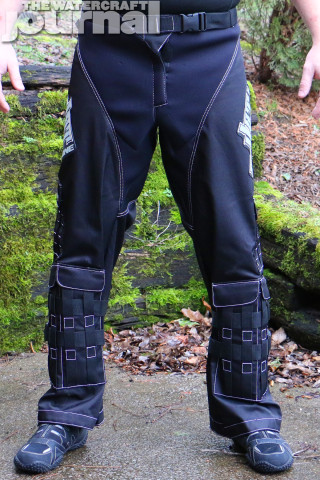
It’s been nearly half a year with our Jettribe Special Forces Moto Pants and we’re just coming to terms with them. The purpose of riding pants have always eluded us. Although they sometimes look cool in pictures, we don’t see how they actually are useful, if not sometimes a hindrance. In our mind, riding apparel should do two things: protect from the elements and potential injury, and be comfortable (ie. retaining body temperature and range of mobility); and most riding pants fail to do either well.
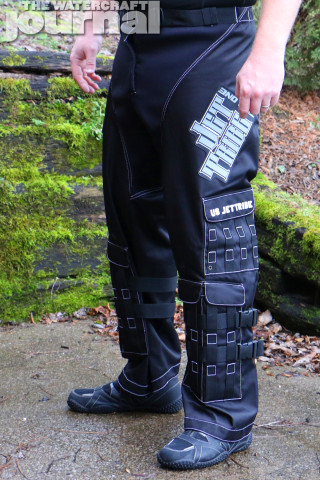
Jettribe’s Special Forces Moto Pants, on the other hand, try to make the best out of an otherwise bad situation. Made from a durable, Sato 420 D. and ballistic nylon that has been double coated with PU for wind and water resistance (nearly the very same material used for heavy duty canvas gear bags and backpacks), the Special Forces pants are not too thick that they don’t allow some breathability. In fact, several vents are sown into the pants’ pattern to allow air flow, which also reduces the ballooning/parachute effect at high speeds.
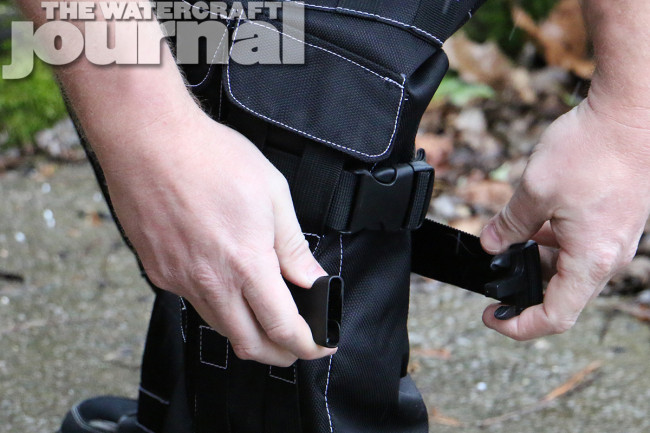
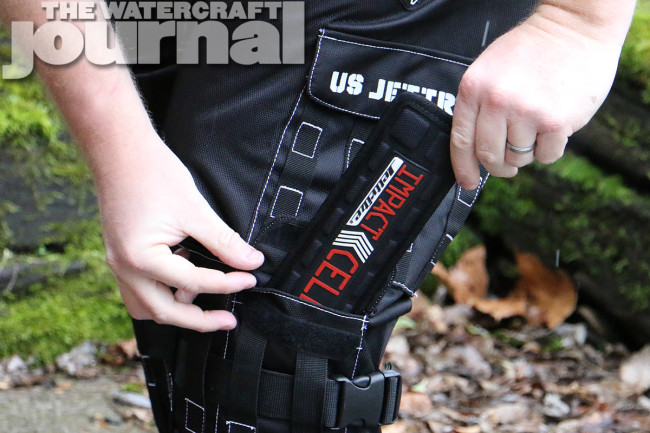
The seat, inner thigh, waistband and crotch are made from a very forgiving, breathable neoprene, providing superior agility over conventional riding pants as well. Large injection-molded plastic snaps cinch at the wait and along the shin guards that house Velco-secured pockets for the removable impact cells. Although sold separately from the pants, the impact cells are filled with energy-absorbing foam, and formed with impact-resistant ABS plastic and Polycarbonate, all within a EVA outer shell.
A four-pack of the Removable Impact Cells retails for $64.99, which combined with the $149.99 retail price of the Special Forces pants, totals a staggering $215 for the complete package we tested here. The pants (with the four inserts) are estimated at a total weight of 4 pounds, but when wet (which, they do retain quite a bit of moisture when soaked), tip the scales closer to 7 pounds, making them both uncomfortable while riding, and chilling when at speed. Worse off, the pants create a great deal of drag when swimming, and could dangerously weigh down a weak or injured swimmer.
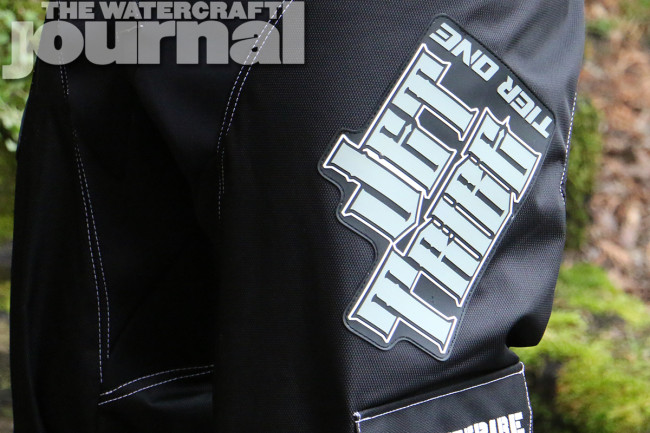
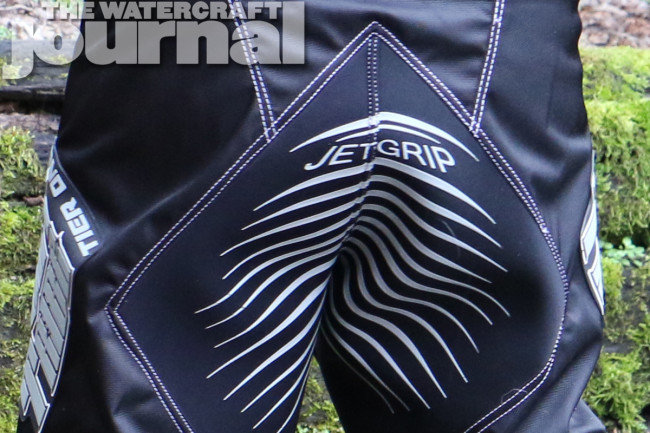
Jettribe has imbued their Special Forces pants with some added features to ease the impact of the price tag, too. A rubberized eye hook is stitched into the beltline to hang up for drying, and large cargo pant-style thigh pockets can store gloves or sunglasses and feature drain holes to prevent mold growth. A wide boot-cut cuff fits over any sized riding boot, and large rubberized billboards adorn the hips. Silk-screened “Jet Grip” print covers the seat of the pants to provide some additional grip.
Despite the extra ventilation, the heavy duty material creates a great deal of wind resistance, and quickly chills the already cool water clinging to the canvas, particularly at speed. When all said and done, we were still left a little perplexed by the purpose of riding pants in general. Jettribe has done their best to make them equally comfortable and protective, but ultimately, the Special Forces Moto Pants are hefty both in weight and price.