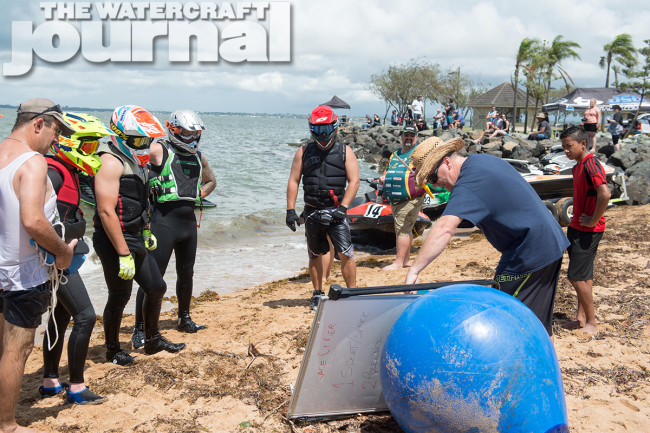

West Coast Watercraft Club had their annual Ironman 2 Jet Ski Adventure Ride from Long Beach to San Diego, California and back in one day, January 16, 2016, for a total of 222 miles. Our Long Beach crew consisted of seven riders and our Oceanside crew was five.
We met at The Queensway ramp in Long Beach at 6am sharp, and were launched by 6:30am, and on our way to Oceanside. The weather was partly cloudy, no wind, 50 degrees and calling for a 2-to-4 foot chop. Upon leaving the harbor we knew the weather report was wrong because it was a smooth sprint with little to no chop at 45mph riding 61 miles. We arrived at Oceanside on schedule at 8:30am.
Upon arriving at Oceanside our five riders were ready to go and waited while we topped off our tanks for the next leg of our trip to San Diego. We left Oceanside Marina at 9:30am heading to San Diego for fuel and lunch. Our average speed was between 45-to-50 mph for the next leg of 50 miles of beautiful smooth ocean with lots of dolphins navigating our way.
We arrived in San Diego’s Point Loma at 11am, we had a gathering to discuss who needed 91 octane and the group split up to accommodate their fuel needs. After refueling, we all headed for lunch in Coronado at The Village Pizzeria. After lunch, it was time to get going. We left Coronado at 1:30pm, about a half hour longer than usual. At this point it was getting a bit choppy in the channel and lots of sail boats were out enjoying the nice winter day.
Twenty-five miles into our ride back one of our riders, Tony had sucked up a rope floating in the ocean, probably one left from a fishing boat. He even had a visit from the border patrol asking him where he had come from. Unfortunately, they were unable to assist Tony. He had to get into the cold water and cut the rope, using his good knife which he dropped into the water, luckily he had a second one with him. He got back on to his ski and this time it wouldn’t start.
Instead of waiting for Sea Tow we decided to tow him back to Oceanside about 25 miles, which took a little over an hour to do. When we got into Oceanside at 3:30pm one of our Oceanside riders gave Tony their ski to return back to Long Beach. Knowing the time constraints ahead we had no time for any incidentals.
We left Oceanside at 4pm taking a pounding from consistent 3-foot swells for the next 61 miles. In order to beat the encroaching darkness we had to keep our speeds at 50 mph. Since we had some slower riders, we had to stop and wait now and again. We were exhausted when we arrived at Dana Point, so I suggested we dock at Dana Point Harbor and Uber back to Long Beach. Great idea, right? Nope! The team decided to continue onward and ride back to Long Beach. A bit crazy, I know, but this needed to be done to complete “The Ironman Ride 2.”
I decided to turn on my video cameras to capture the sundown while we were hauling back through the darkness. We decided to slow it down to 20 mph and hug the shoreline getting light from the adjacent cities along the way. Somehow the group separated and it was just Tony and I keeping a safe distance from one another as we used our GPS to navigate our way back to Long Beach Harbor. A few times we were so close to shore when a few sneaker waves tried to take us out and pushing us closer to shore, it was a bit scary as I saw Tony disappear and then reappear in the distance.
When we returned to Queensway we found out that one person was missing. We contacted him via cell phone and found out he was picked up by the Harbor Patrol. Luckily he was not fined but Sea Tow charged him to move his PWC across the bay. We arrived back at Queensway around 6pm. It was a challenging journey, but we were all glad we did it, and can’t wait for Ironman 3 next year!
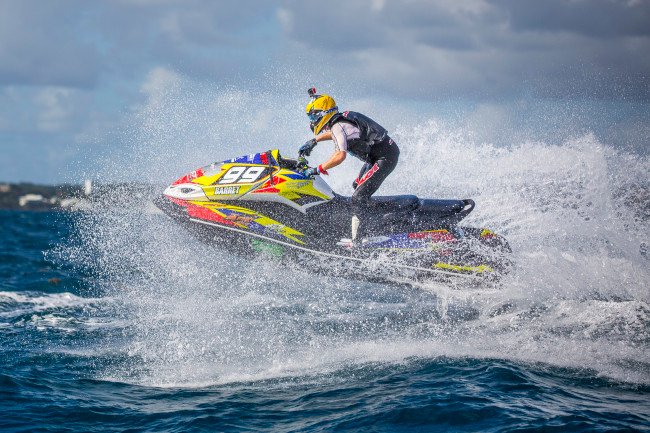
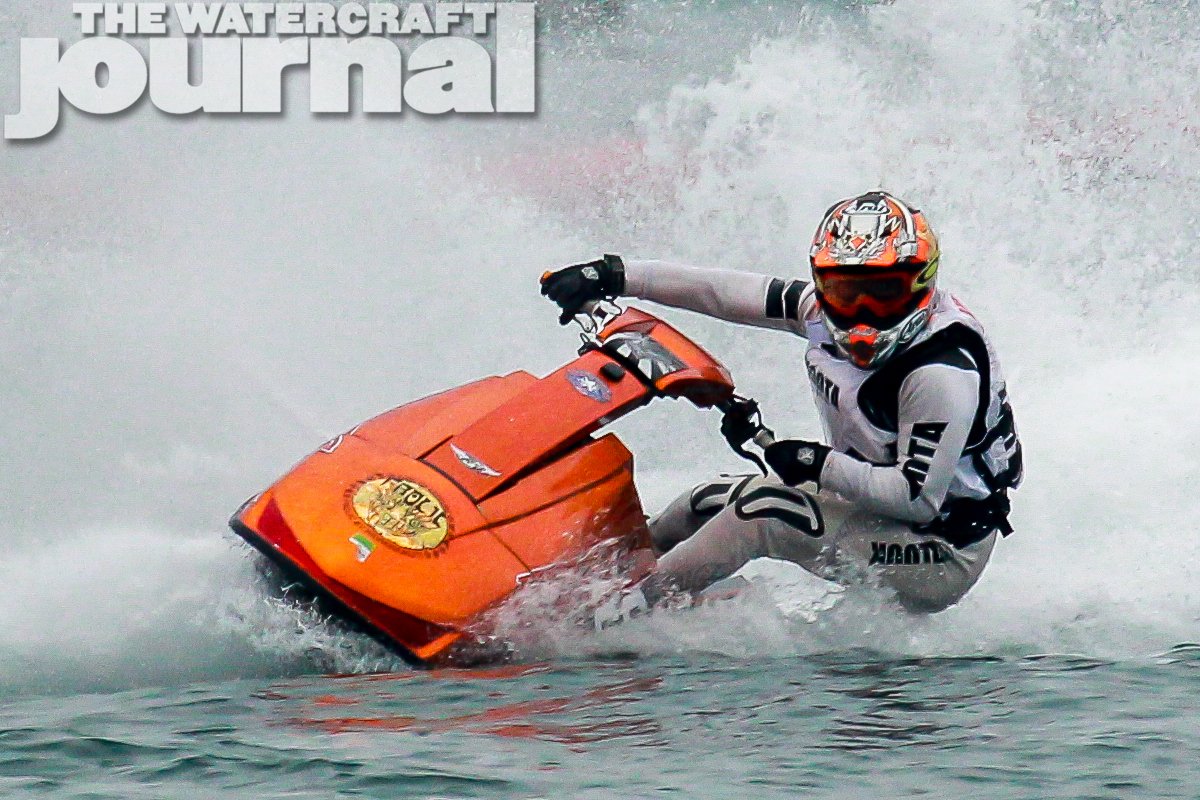
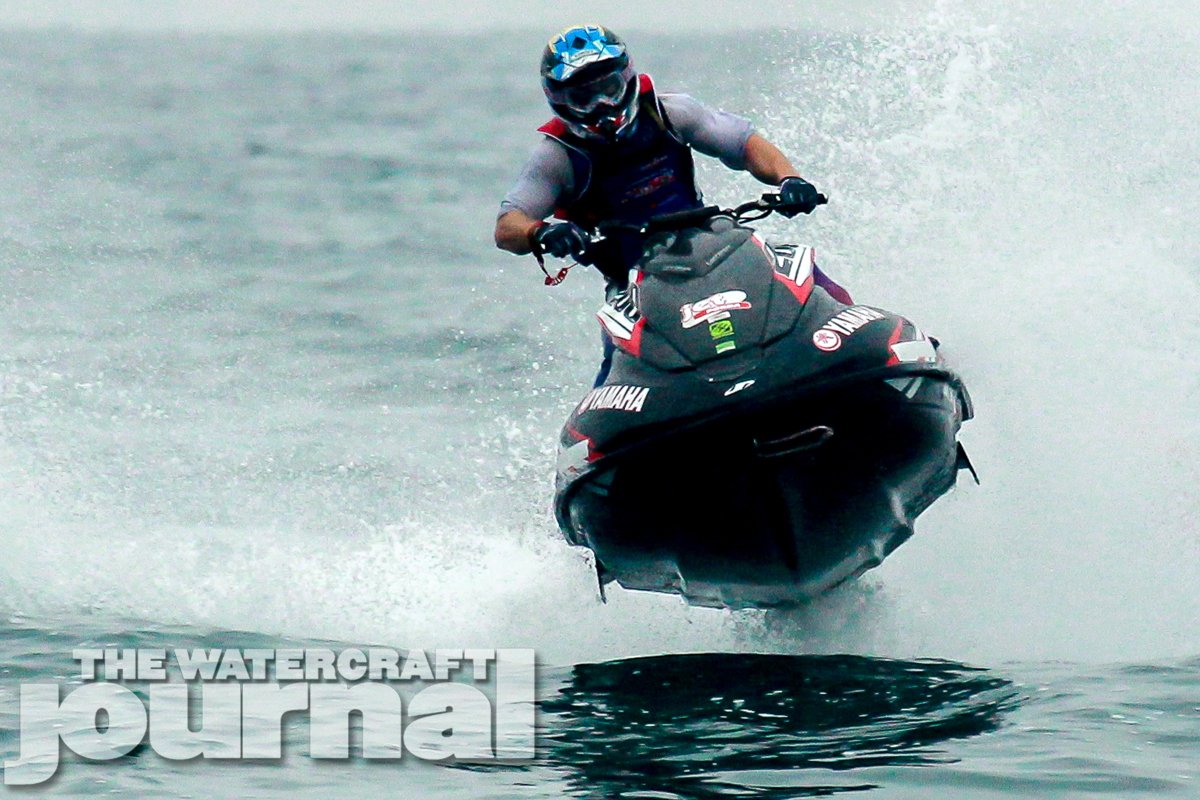
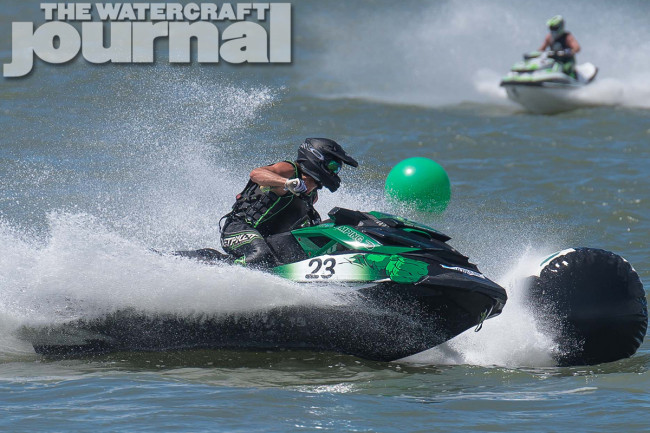
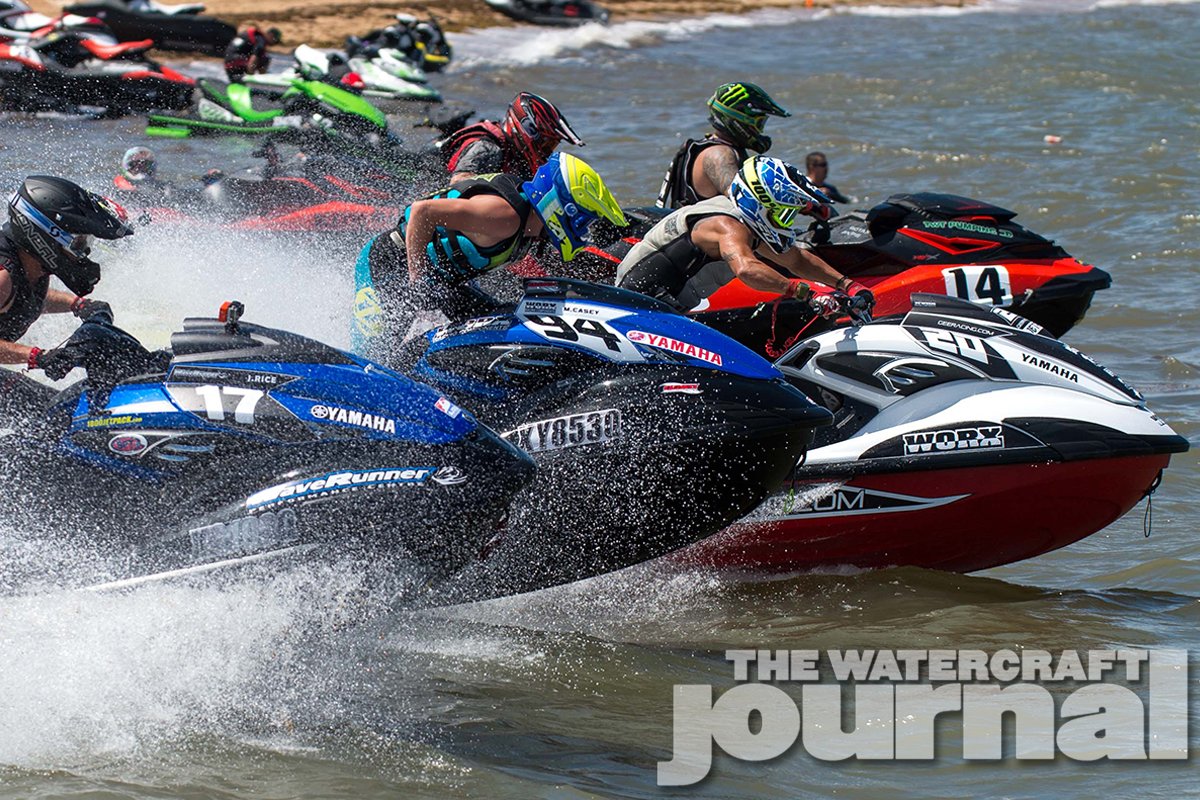
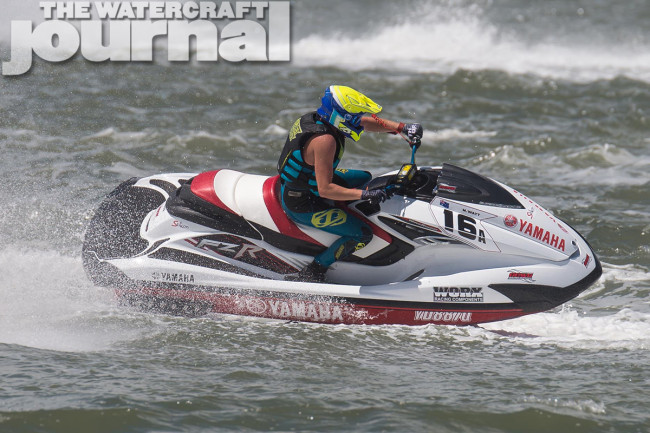
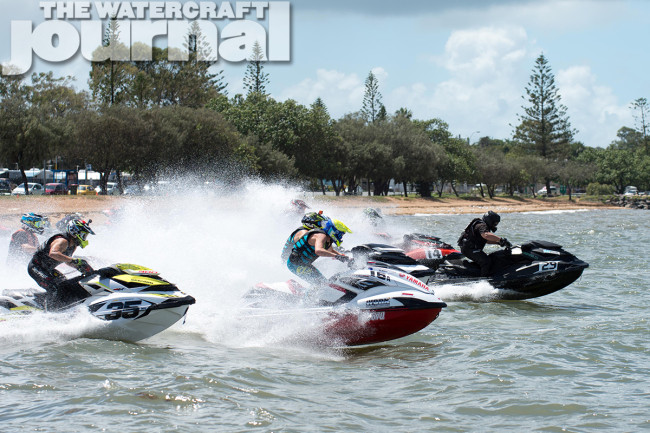
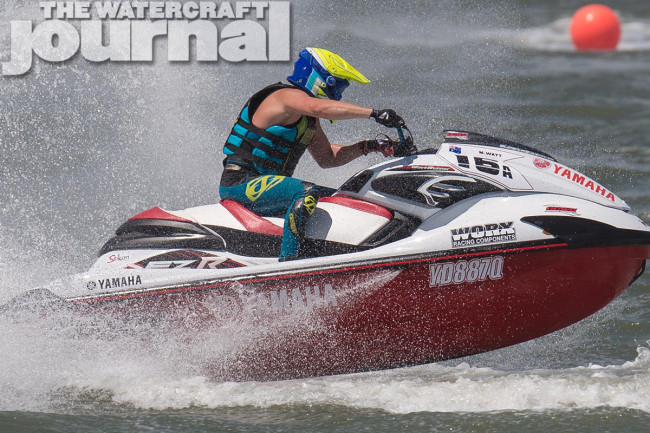
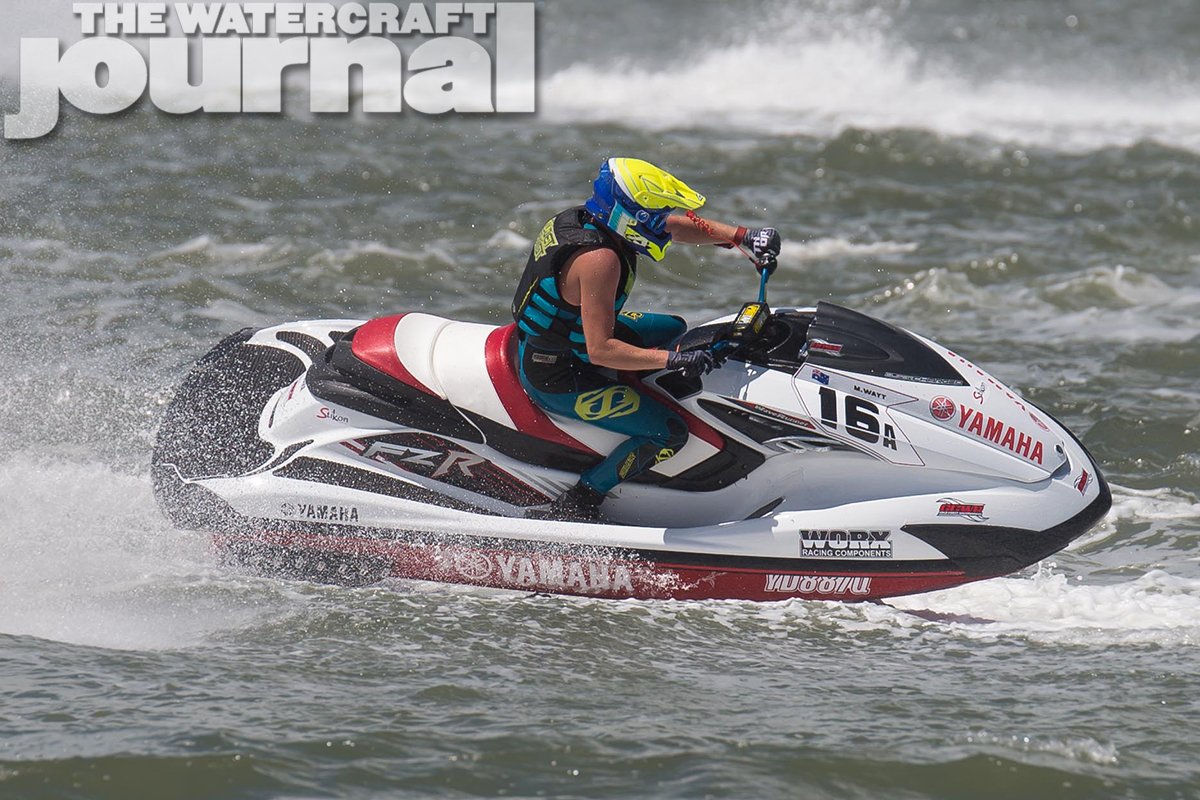
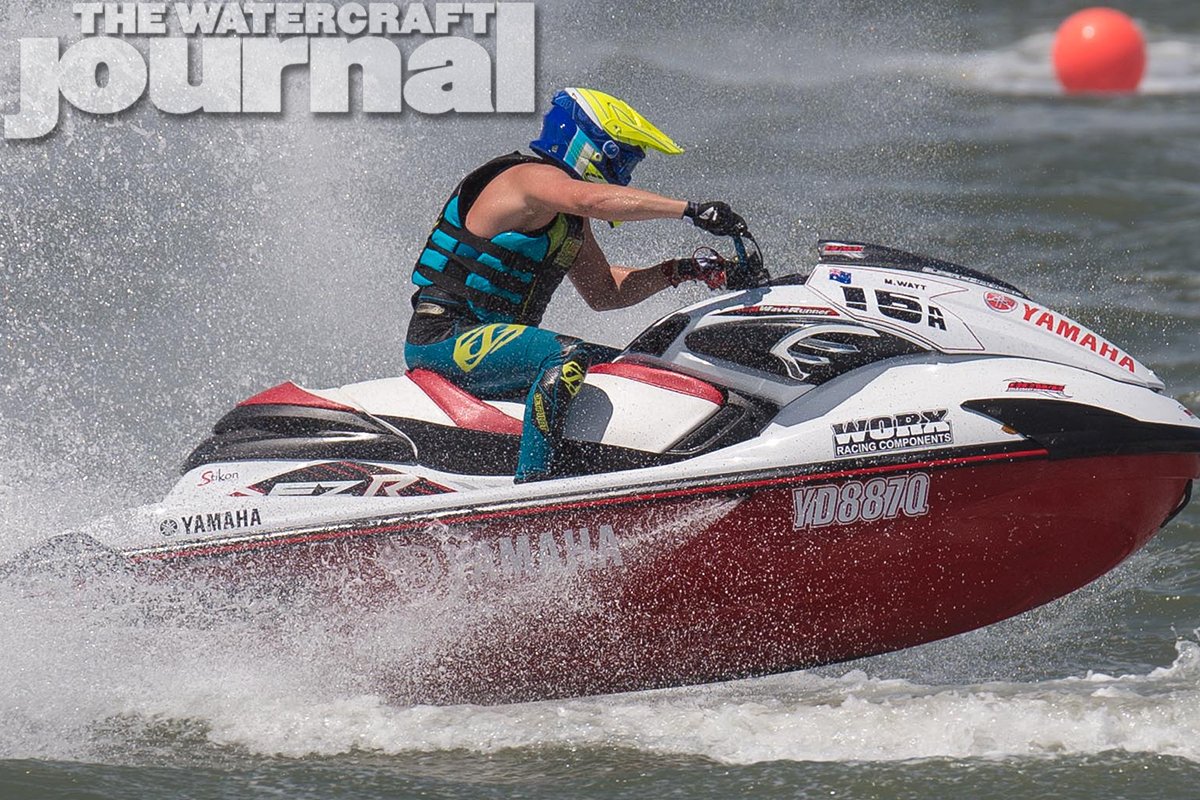
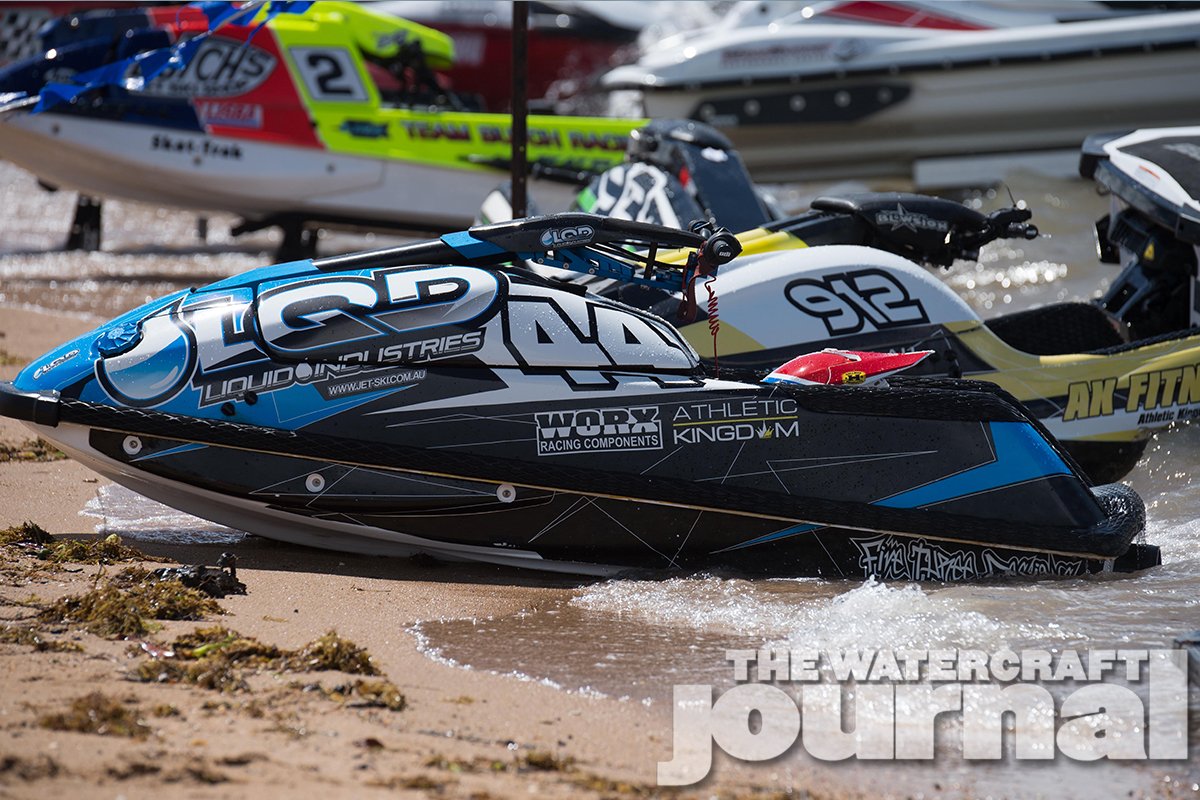
To say last year was a good one for 2015 Australian Stock Class Champion and 2015 Australian Stock Enduro Champion, Mitch Wayt is an understatement, winning a total of 17-out-of-20 races during the 2015 AJSBA Stock Class Championship. With the support of Yamaha Motor Australia, Gold Coast WaveRunners and Worx Racing, Wayt rode to victory aboard a SVHO-powered FZR. Because too much of a good thing is never the case, Wayt has signed a exclusive twelve-month agreement with the three sponsors for 2016, according to OZPWC.com.
The program will place Wayt aboard a 2016 FZR SVHO “tuned to IJSBA Pro/Am Stock Class specifications,” which was tested during the final round of the Queensland Personal Watercraft Club race series back in December, where he claimed first overall in Pro-Stock Class and third overall in Pro Open Class, despite the FZR not having any Open class modifications.
“It’s been an absolute honour to race for Yamaha over the past few years, and I’m ecstatic to race in 2016 on-board the Yamaha FZR SVHO,” said Wayt told OZPWC.com. “It’s fantastic to be associated with a company that shares the same passion for racing and a vision of building our sport for the future.”
Additionally, as part of Yamaha’s commitment to delivering “the #1 choice of World and National Champions”, Yamaha Motor Australia plans to publicly exhibit Mitch Wayt’s 2016 FZR at key marine events nationwide.
For those coming to The Watercraft Journal for the first time might find terms like “Deep-V,” “S3” and “T3” – as well as plenty of others – being bandied about without much clarification. While this isn’t the place to delve deeply into the science being these and many other terms used in describing the characteristics of hull design, we will touch on many core terms that are used commonly and some examples to go with each.
Pulling our “9 Terms for Laymen” list from a phenomenal article (“The Hull Truth”) published on Boating.com, we found the following breakdown to be notably useful in helping the novice learn a little more about the intricacies of hull design. Below we’ve included all nine aforementioned “terms for laymen” as defined by the original article (in italics) as well as added examples and applications to the watercraft industry.
Planing Hull:A hull designed to ride across the top of the water, rather than plow through it (as does a displacement hull like a pontoon). These are similar to shallow-V hulls or those found on less aggressive, recreational-class PWC like Sea-Doo’s GTI models or Yamaha’s VX series.
Stepped Hull: A hull with a trough that runs from the outer chine all the way to the keel, creating separate forward and aft surfaces. The junction of the two appears as a stair step. Sea-Doo’s “S3” hull literally means “Stepped x 3”, and is found on the RXT and GTX models. The design is often used on offshore raceboats, and was applied to their longer 3-seater hulls in 2008.
Tri-Hull: A V-hull with two additional outside hulls; also called gull-wing hull. This might be found in a deck boat or catamaran. You won’t find many applications of this in the PWC world outside of some one-off custom designs, although recent “Fast Pods” – a pair of pontoon-like devices attached to the bond rails of runabouts for fishing applications – do slightly benefit from this design.
V-Hull:A boat with a pointed bow and V-shaped bottom, at least in its forward section, for cutting through the water and softening the ride. Currently, the most notable V-hulls (or “deep-V”) on the market are those by Kawasaki. The Ultra 310X models have made a name for themselves almost exclusively by the success of their rough water-friendly V-hull design.
Chine:Where the side of the boat transitions to the bottom of the boat, creating a corner. The sharper the corner, the “harder” the chine and the stronger the bite in turns. Yamaha’s FZ series (FZR and FZS) are known for their “soft chine” design, which allows for a gentler roll in sharp corners. Sea-Doo’s aggressive RXP-X features a similar design. Both of these are aimed at producing suction (ie. traction) while in high speed turns.
Reverse Chine:A two-corner chine; before the bottom meets the side, it forms an upside-down V-shape to deflect spray away from the boat. Although you won’t see it as prominently in PWC design, you will find reverse chines put into effect as “bow spray deflectors” (particularly towards the front) of most 3-seater runabouts, most notably the Kawasaki Ultra and Yamaha FX hulls.
Keel:The centerline, or spine, of a boat. The sharper the keel’s angle (deadrise), the softer the ride — though sometimes at a cost in speed. This is precisely why the Kawasaki Ultra doesn’t wield the highest top speed but fares so well in rough conditions, and why Yamaha’s FX (over the FZ models) have been registering such high top speeds.
Pad:A flat or nearly flat area on the running surface toward the back of the boat. Those familiar with the Sea-Doo RXP-X will note the ski’s narrow pad or running surface. This makes for minimal drag. Yamaha’s SuperJet, on the other hand, as a very wide, flat pad for optimal traction (given the small size of the craft).
Strakes: Horizontal or nearly horizontal lengthwise surfaces that help lift the boat onto plane. Almost all current 3-seater runabouts feature strakes running the length of the craft, as manufacturers incorporate strakes to lift the craft up out of the water as quickly as possible, thus making for a dryer ride.
For his fourth consecutive year, Kevin Reiterer received the title of Super Champion of the World by JetGP.com. The position was earned after a complicated formula of awarding points for every race the racer competed this year, plus the points for each position and the number of racers participating in said event (or something equally overly and unnecessarily complex). Nevertheless, Reiterer came in with 67,257 besting both James Bushell (46,049 points) and Jeremy Poret (45,354 points).
JetGP.com wrote: “To make things more interesting and valuable in 2015, for the first time ever Kevin became a pilot of Aquabike World Championship. This could have been a really bad choice, because the first round started with a DNF in the second race! But, the championship season is long, and as soon as his ski started working well in the following rounds, he started winning, and kept on winning, and then finished it all off with a double win at the last round!
“Kevin ruled on different continents, at different competitions, in different classes, and even on different skis! He won at Aquabike World and European Championships, Nordic Cup, Alpe Adria Tour, JetCross tour, King’s Cup and Eurotour. Even with skipping Havasu altogether, he accumulated a total of 67,257 points this year, which is more than 20,000 points ahead of 2nd placed James Bushell.”
Starting your day on the water is a wonderful feeling. The clean, calm water, a light breeze and a mate to cruise with. Even better if you are testing a new PWC. The 2016 FX SVHO Cruiser from Yamaha is just luxury on water. It has everything you could possibly need: From twin cup holders to on-the-fly cruise control (ie. “Cruise Assist”), flush mounted, pull-up mooring cleats to a folding rear boarding step. This ski has it all, and before you think it would be lacking in performance, you’d be wrong. With an 1812cc supercharged engine and 21kg (46 pounds) lighter than the previous model, it has plenty of thoroughbred performance brought over from the FZR range.
So let’s get back to that luxury. The moment you set your eyes on the Cruiser you can’t help but notice the high-backed, wide-saddle seats, trimmed in two-tone silver and perfectly matching with the color scheme of the mile-deep Pure White SVHO. Steeping aboard and looking around, I take note of the steering column can be tilted up or down to five positions – offering greater personalized comfort.
After putting my gear away in the two screw-tight watertight storage compartments (found beneath the dash and rear seat), it was time to see what this ski was capable of. Cruising out of the marina was a made easy by selecting “No Wake Mode” with a push of a button. Sitting there, feeling a little like a character out of a “Star Wars” aboard the massive white beast, I scanned the multitude of gauges, seeing what’s what.
The FX SVHO Cruiser has Command-Link Information system with everything from an analogue speedometer (that can double as a tachometer), and dual LCD screens reading the fuel level (with low fuel warning), hour meter, low oil pressure warning, and check engine light with self-diagnostic function. I loved the ability to work out your fuel consumption for those long trips. That’s plenty of information at your fingertips to keep you confident you’ll reach your destination. Speaking of fingertips, the throttle response of the ski is amazing.
Weighing 376kg (829 pounds) the Cruiser’s NanoXcel2 hull and deck is over 50kgs (110 pounds) lighter than traditional hulls (and 21kg lighter than the outgoing NanoXcel version), making it handle like its on rails or just as comfortable in big choppy conditions, and more importantly, making the NanoXcel2 hulls, decks and liners the lightest in the industry.
To create NanoXcel2, Yamaha engineers innovated at the microscopic level using a combination of “nano” clay and glass micro-bubbles to develop a new stronger resin that uses less material. The glass micro-bubbles used in NanoXcel2 are smaller and stronger than other filler materials, contributing to the strength, rigidity and lightweight of the new hulls and decks. Although the nanotechnology-engineered material is even lighter than the previous version, it maintains the structural integrity the material has come to be recognized for.
Beneath the seat is the DOHC, 16-Valve Super Vortex High Output (SVHO) Supercharged 1812cc four-cylinder 4-stroke Marine Engine, has no problems pulling away and leaving the other behind you. Helping it to do this is the 160mm 8-vane pump and the most torque than any WaveRunner in history.
The new SVHO engine produces approximately 20-percent more power than the SHO before it, and features improved cooling, a more efficient intake manifold, and stronger forged engine internals. The new, larger Hyper-Flow jet pump helps turn that power into electrifying acceleration, and the Electronic Fuel Injection (EFI) gives smooth and efficient power output. Newly designed forged pistons are 30-percent stronger, aiding in performance and reliability.
I took the FX SVHO Cruiser through its paces, pulling it into some pretty tight turns and was nothing but impressed. The hook up out of the corners was great thanks to the Cruiser’s top loader intake grate. The main thing I liked about this ski was how dry you stay. Even through the turns you stay dry (there’s nothing worst that getting sprayed in the face constantly). Taking the whole family out for the day would be a pleasure, just cruising looking for that secluded spot or hooking up a rope to the inbuilt tow hook and going for a ski, this Rolls-Royce of the water has you covered.
Getting back on board is just as easy with a deep boarding step and easy-to-reach handles. Being a large 3-seater, the SVHO Cruiser is stable while towing and you don’t have to worry about getting whipped around. I was surprised at the great fuel economy, particularly after a full day’s cruising in Moreton Bay and a 40-minute action-packed race back to the ramp averaging 80kph (50mph) and hitting a GPS-recorded top speed of 115kph (71.5mph) – there were still a couple of bars of fuel in the 70 litre (18.5 gallon) fuel tank. That’s pretty impressive if I do say so myself.
This was my first chance to try out Yamaha’s RiDE system. Advertised as “The world’s first dual throttle handlebar control system,” RiDE is easy, fun and intuitive to operate. Pull the right lever to accelerate and the left lever to decelerate and for reverse. Release the levers for neutral. Pull them both, or in any combination, and the system reacts with precise control.
The RIDE breaking and reverse system is a pleasure to use, just a gentle squeeze on your left had trigger controls the amount of reverse thrust to either slow you down or to put you into a complete reverse. Reversing is a dream, turning in its own length. So pulling on or off the trailer couldn’t be easier. To compliment the innovative RiDE system, an electric trim switch is within easy reach of the rider’s thumb. Also, tying up to the dock is a breeze with the aforementioned pop-up cleats. No more risking damage to your ski by tying up around the handlebars.
I got the chance to play with the Yamaha’s Cruise Assist and No Wake Mode features. By setting a consistent engine speed, Cruise Assist reduces throttle fatigue – making towing and long tours more comfortable, while No Wake Mode caps the WaveRunner’s speed, allowing for seamless navigation through slow-speed zones. Equally, the PWC’s Security Mode can be activated remotely with the push of a button to disable the ignition when the WaveRunner is not being used. Activated just as easily, Low RPM Mode can be used to conserve fuel.
But I’m sure you saying it can’t be perfect, well nothing is. I had a couple of small issues with the ergonomic handlebar grips while riding standing up. Maybe a small adjustment to the riding position would help. Also the stitching on the bottom half of the seat trim rubbed on my legs a bit (I was riding in shorts as most of us do). Likewise, in the future I would love to see Yamaha install a GPS Unit into the ski for Navigation and accurate speed readings. That would make the FX SVHO Cruiser the ultimate touring PWC. Other than these small issues, I highly recommend the 2016 Yamaha FX SVHO Cruiser WaveRunner to any PWC enthusiast out there. The versatility of the Cruiser is unsurpassed.
It’s always a good idea to wear some sort of eye protection whenever riding a PWC, no matter your riding style. If nothing else, you need something to keep the wind and sea spray from getting to your eyes. Some are satisfied with simple sunglasses, while others prefer other eyewear, such as goggles. If you prefer the latter, we believe we have found the product for you.
Thanks to the guys at Fly Racing, we were able to test out a pair of their Focus Adult Hi-Vis goggles. We’ve been impressed with Fly Racing’s products in the past, and their goggles certainly didn’t disappoint. The single-layer face foam provides a comfortable fit and allows the goggles to really mold to the shape of your face. This foam also creates a seal so water doesn’t get between the goggles and your eyes, keeping you comfortable while riding.
The frame is made out of very flexible-yet-durable material to ensure your pair lasts as long as you need them to. The frame doesn’t obstruct your horizontal or peripheral vision at all, which is a huge plus, especially when racing or in any other situation where being fully aware of your surroundings is key.
Fly claims that the polycarbonate clear lens is both anti-fog (ATF) and anti-scratch (ATS). To be honest, were a little skeptical of these qualities. So far in our testing, the anti-scratch claim has held true, given we haven’t put much effort into purposefully trying to scratch them.
They did fog up on us, though, but it only happened once when we were sitting still. Once we wiped them clean and got back moving, the problem didn’t reoccur. So while they aren’t guaranteed to never fog up, they do seem to fog up less often than competing goggles not designed with this technology. The lens is very easy to remove, and Fly Racing offers a variety of optional lenses, allowing you to adapt to any situation.
The Focus series goggles are equipped with an adjustable double buckle strap, allowing for quick, easy strap tension adjustment. The non-slip silicone on the inside of the strap ensures that these goggles stay secured to your helmet. We’ve found that this feature works flawlessly. We’ve seen it all too many times, racers falling off and losing their goggles in the water. You probably won’t be losing a pair of these. Even after falling off at 60-plus-mph, they stayed stuck to the helmet (don’t ask – Ed).
The Fly Racing Focus goggles come in both youth and adult sizes, as well as a variety of colors (black, white, gray, blue, green, red, yellow and pink). While you can wear these with any helmet on the market, or even with no helmet at all, we used them on the Fly Racing F2 Carbon helmet, and found they were a terrific combo. Priced at $19.95, they’re also some of the most affordable given the added features imbued in their design, making them a very solid purchase.
We’ve seen our fair share of PWC storage racks in recent years. From those cobbled-together from PVC tubing to beautifully-fabricated lightweight tubular racks, the quest to perfect the rear storage of a cooler, fishing equipment, rods, and more seems lure in a lot of entrepreneurs. And with PWC fishing (ie. “fishos”) being so popular in Australia, it comes as no surprise that Queensland, Australia’s Shoreline Yamaha created what not only looks to be a solid, brilliantly designed rack, but one that serves 101 purposes.
In a Facebook post, Shoreline Yamaha wrote: “Check out this one of a kind cage we made for a customer! He came to us with a vision and this is what we came up with.” And what they “came up with” was a laser cut, pressed, bent and TIG-welded 5005 aluminum esky frame, the design of which creates a lightweight rugged construction. Shoreline then had the frame powder coated to shield against the harsh saltwater elements where it was to be used. The rack includes rod holders and tackle box storage integrated into the design along with removable wakeboard racks.
The Achilles Heel of the design is how exactly it mounts to the rear swim step. As Shoreline Yamaha writes, there’s an “easy on/off with single ratchet strap and turn buckle to securely mount it or leave it.” Unfortunately, we’ve found ratchet straps and most 3-point mounting configurations allow for the rack to shift side to side, unlike a more invasive 4-point mount. We’re interested to see how the owner likes it and whether Shoreline Yamaha will produce more of these in the future.
Americans don’t much care for what the rest of the world is doing. The FIFA World Cup? Meh, not so much. The United Nations? Pfft. You can keep your silly blue helmets. The same can be said for most American persona watercraft enthusiasts and the UIM Aquabike series. We at The Watercraft Journal have tested the waters, so to speak, and found our readership particularly disinterested in what we consider a very impressively-ran racing organization. Maybe it’s because it’s not the IJSBA, and the IJSBA is what traditionally started it all. Maybe it’s because Aquabike doesn’t hold any races here in the States. Either way, the Americans typically don’t care.
So when the UIM announced its final points totals for the 2015 World Rankings, we questioned whether people would actually care. Personally, we hope so because the persons who earned these spots did so deservedly. After a grueling season of hardscrabble racings, breakdowns and extensive amounts of travel, each champion has rightfully earned the respect of all fans of PWC racing – domestic or foreign. In Runabout Division, France’s renowned Jeremy Perez with a decisively 600-point lead. Fellow Frenchman, Mickael Poret claimed the Ski Division championship. Jennifer Menard claimed the Women’s Division and Italy’s Roberto Mariani beat out favorites Rok and Nac Florjancic for the Freestyle Division.
According to the UIM, “Menard’s place at the top of the Ladies rankings rounds out a near perfect 2015 for the 26-year-old Paris resident who came from behind to successfully defend her world championship at the final Grand Prix of the season in Sharjah to add to the French title she won earlier in the year for the third time.
“For the second time in two years, Perez claimed the number 1 slot in Runabout GP1 by some margin, some consolation for the Frenchman after the disappointment of missing his shot at the World title in Sharjah, ending the year in third spot and as European Champion, his countrymen Didier Chabert and Christophe Agostinho taking second and third spots.
“Mickael Poret’s number one ranking in Ski GP1 highlights the return to form of the 2010 and 2013 world champion, edging out Spain’s Nacho Armillas who he beat to the European title and brother Jeremy.”
We’ve seen quite a few sound systems applied to personal watercraft over the years, from home installations, to dealer and aftermarket kits (Yamaha even quietly announced a partnership wit JL Audio over two years ago, but we haven’t seen much from it), and of course, the first factory-installed sound system with Kawasaki’s JetSounds package on the Ultra 310LX. In the case of the Kawasaki option, Jetsounds is composed of two speaker pods beneath the rear view mirrors and a head unit integrated into the handlebar pad. Sound quality is good and measured to increase with the throttle, but might leave some wanting more.
That’s where this absolutely insane custom system from LCA InCar Entertainment comes in. Located out of South Wales, Australia, LCA prides themselves in creating audio solutions custom tailored to suit one’s car, truck, and boat needs, going so far as to creating completely redesigned fiber glass speaker pods, dashboards and door panels.
As part of their package offerings, LCA sells a Deluxe Marine Audio Package for “those who love their music and boating, this package will not disappoint with crystal clear high quality audio.” Comprised of four 6-inch Marine Speakers, a 10-inch Marine Subwoofer, a 5ch Marine Micro Amp and a Marine Bluetooth Head Unit, the kit doesn’t disappoint.
But how on earth could you fit it all on a PWC, you ask? Well, that’s where this particular Yamaha WaveRunner comes in. A returning customer brought their VXR back in for a major upgrade – meaning the entire LCA Marine Audio Package – and then some! “[It was] upgraded to another two 6-inch marine speakers, a marine 10-inch subwoofer and a Clarion marine 5-channel amplifier. The custom sub box and speaker pod is a great look, [and] fits in perfectly. [It] looks right at home. The sound out of this seriously impressive!” Once you take a look at these images, we think you’ll agree.
With the cost of jet skis constantly on the rise and the depreciation factor on pleasure crafts, many seek to find good deals on used jet skis. The main concerns in buying used are what to look for as to not buy someone else problems and how to avoid buying a lemon. We asked the JJR members who gave some solid advice from personal experiences that could help someone in their used ski search. Many sell skis for different reasons like needing the cash, looking for cash to buy that newly released ski or to get rid of a project or a ski that needs some repair.
While searching online sources like dealer inventory, Craigslist PWC trader and Facebook sales/ swap groups, there are many skis to choose from, but which one is the right one? Buying and owning a jet ski comes down to 3 basic costs. You have initial cost, maintenance cost and service cost. That cheap ski may have a low initial cost, but may need some work or maintenance to bring it to proper running condition. That may make it more expensive in the long run than buying a running ski. We also know that condition is everything and previous maintenance or lack of maintenance could spell disaster in the long run, but what to look for as to avoid buying a nightmare?
Finally, a buyer must be realistic. You usually get what you pay for and if the deal is way too good to be true, chances are there’s a reason why and that may not be good for you. The group chimed in and this basic guide should help you along in your buying process:
Presale
Do your homework! Look online and find out what everyone else is riding or staying away from. Check ride groups, local riders, forums like Greenhulk.net, Google searches and even YouTube to get as much info under your belt as possible. Keep an open mind and check out brands and models. Keep an eye on the year ski as manufacturers may have changed engine configuration, features or hull design that may affect the value and performance. Have a good grip on the KBB and NADA values as to not overpay and to have a good idea on what its actually worth. Don’t be afraid to ask questions now as it may save you from problems down the line.
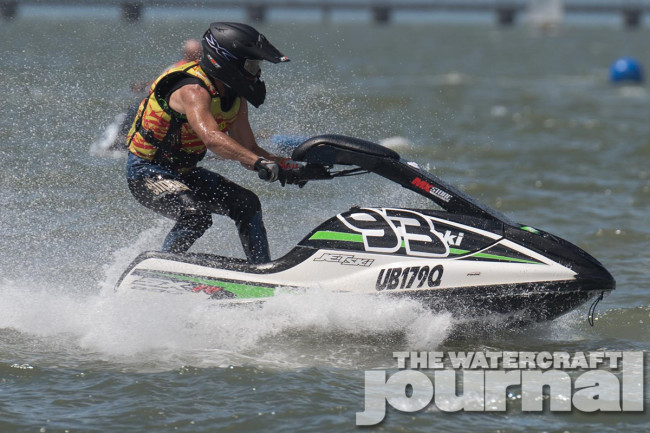
The Seller Private Seller
After you’ve found a ski, the seller can be just as important as the ski itself. How it was maintained, what’s the reason for the sale, maintenance records and potential issues can help or hurt the ski sale. Find a seller that is open, honest, fair, and who’s willing to work with you in the sale and the transfer of ownership. Make sure to get a proper working contact number. They should have the proper paperwork like clear title, registration, trailer registration, manuals, warranty info, service or repair records, and bill of sale on hand to complete the sale. Set a location that is public and convenient for the sale. A public boat ramp is great as lots of traffic and a place to provide the water test portion of the sale.
Dealer Pre-owned
This is a great option if you’re able to get one that has warranty or has been dealer inspected or certified. There will be tax, title and registration fees upfront, but it’s a one stop shop. Some manufacturers like Yamaha have certified pre-owned skis and you may even be able to buy a 2-year used warranty if purchased from an authorized dealer. You should still know what you’re buying and especially the KBB or NADA trade in, average and dealer retail values to know what deal you may be getting.
Inspection Check the Hull
Is it as pictured and in overall good condition for the year? Are the hull or plastic moldings badly sunfaded? Is there anything hiding damage marked under excessive dirt, WD-40 spray or large decals? Is it missing parts? Any deep scratches or gouges to the fiberglass on the hull and especially on the belly? Are there signs of recent repair? Does the display gauge work and does it show any codes, maintenance alerts or weird beeps? Does the jet pump area look pitted or corroded? Do you see heavy rust or corrosion that can give an idea on how it was maintained? Is there anything in the pump intake, chips on the impeller or excess wear/ clearance on the wear ring? Are the seats in good condition as well as the foot mats?
Check The Functions
Is the steering, throttle, choke or reverse easy to operate? Do features like trim, RiDE or IBR function properly? Does the hood strut work? If it has a bilge pump, does it work? Does the key fob properly operate the modes or are the proper function keys there for the performance modes? Does the display reflect the correct hours?
Check the Engine Bay
Are there signs of recent or undisclosed repair like greasy hand or fingerprints or is everything in overall good order? Check the engine bolts for missing or damaged paint that may be a sign of previous disassembly. Does the wiring seem in order? Are there signs of corrosion or rust on engine parts, clamps or terminals? Check the engine oil to see if it’s at the proper level and also note the color. Do you see any waste oil or water inside the hull? Do the function cables have frays or rust splits? Do you see sloppy aftermarket sealant? Do you smell gas? Do you see any loose parts? Are the hoses and cables all attached?
Water Test
It’s very important in a “AS IS, NO REFUNDS” sale. A water test can show more than just a start up or an idle/ revving on a water hose. It can reveal engine issues, cavitation issues, overheating issues, water leaks and other running problems. You should check the hull for water prior to water testing and make sure the drain plugs are in.
Does it seem to start and idle properly? Make sure cooling water is exiting the proper outlets. Does it accelerate properly or hesitate? Does it cavitate? Meaning does the engine rev up to the appropriate rpm, but the ski doesn’t have the take off or get on plane properly. Does it feel sluggish? Does it sound weird? Does it stall?
Does it hit the right top speed and the right top rpm? Download an app that gives GPS readings to be sure that you are hitting top speed. A proper top speed can mean the engine and jet pump are operating properly. Make sure that you test ride for an adequate amount of time so that the engine is at proper operating temperature and performing as expected. After the test ride, check the hull again for signs of excessive water. Water now coming out the drain plugs is a bad sign!
Paperwork
Double check the title or registration card to the HIN plate. A clear title, especially in a title state like Florida, is a deal breaker. The HIN plate should be on the hull of the ski and should not look tampered with. There should be no name in the buyer fields and the seller information should be correct and properly filled out.
Check for liens and make sure there are no correction attempts that could void the title. Make sure the Bill Of Sale reflects the information on the title as well as selling price, signatures and sale date. You usually have 30 days to transfer the ski and trailer. If a trailer is involved, make sure the trailer registration also matches the trailer registration plate, the buyer field is clear and the seller info is properly filled out.
Have your +1 count the cash and payment is made as the Bill Of Sale and the paperwork is finalized as well as the ski transferred in whatever order comfortable to everyone. Make sure to get whatever maintenance records, repair records, general ski info, warranty if applicable, registration cards possible at the time of sale as failure to do so may lead to potential delays or future expenses.
It’s a terrible idea to pay a seller and not get a proper title or paperwork. It’s best to wait or walk before losing your money on a ski or trailer that you can’t legally register. Things can happen and sellers disappear while waiting on a title, bill of sale or trailer registration. You don’t want to be stuck with a ski or trailer that you can’t transfer in your name and enjoy. A bill of sale only will not work especially in Florida. A properly filled out title is a must have.
Post Sale
Have the ski and trailer transferred/registered in your name asap. You have 30 days, but sooner the better. Make sure the ski is in proper working order prior to riding with any maintenance or repair done. A small issue can become a major problem if left unattended.
Make sure you are water legal with the proper registration numbers and decals, support gear and accessories. Tickets on the water are expensive! Find a great group of guys n gals and ride! A major reason for skis being sold is from a lack of use. Find like minded people and ride! Don’t make it a major event to get out and enjoy the water. The more you get out, the easier it becomes and the more areas you ride, the better the experiences!
Project/Non-Running Skis
Last but definitely not least is buying that non running gem. That cheap price is an eye catcher and maybe it could be a simple fix! More likely than not, it isn’t and may end up costing more to repair it than to buy one running. The key is to buy cheap expecting the worst, but hoping for the best. Find out was the worst case scenario repair cost is and make an offer from there.
Remember you are fixing two issues, what caused the failure and the results of that failure to get it back in running condition. Chances are the dead battery, bad starter or whatever other too simple to be true explanation may be a sellers ploy to get the most for a busted ski. If it was that simple, they could have probably fixed it and kept it or sold it for more. If you can’t prove it in an inspection, don’t believe it!
You’re already buying someone else’s problem to some degree. Do your homework on what repair costs and factor in labor if you aren’t comfortable doing the repairs yourself. Get the service manual that properly outlines the repair process for that ski and don’t skimp on a repair. Do what is called for as to not be doing it again in the future.
When possible, check the engine compression if it turns over. If it doesn’t, see if it’s possible to turn the driveshaft. Check the sparkplugs for signs of piston contact, excessive rust or signs of wear. Look in the sparkplug hole for signs of seizure. Check the whole ski over for missing parts and to make sure it’s as whole as possible. Skis that have been to a shop or previously torn down but not reassembled may be missing bolts and other critical parts.
Everything adds up in a project. A bad display gauge, stiff steering or reverse cables, ripped seats or mats all add up and may push that repair cost over the value of the ski. Don’t pay more to fix a ski than it’s worth! Check the pump for obstructions like rope, rocks or corrosion that could prevent the engine from turning over. Check the engine bay for metal chunks, spent oil or greasy smears. Also keep an eye for loosely replaced parts or mismatched bolts which is a sign of an engine thrown back together hastily for resale.