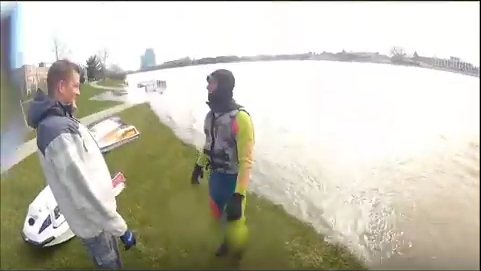
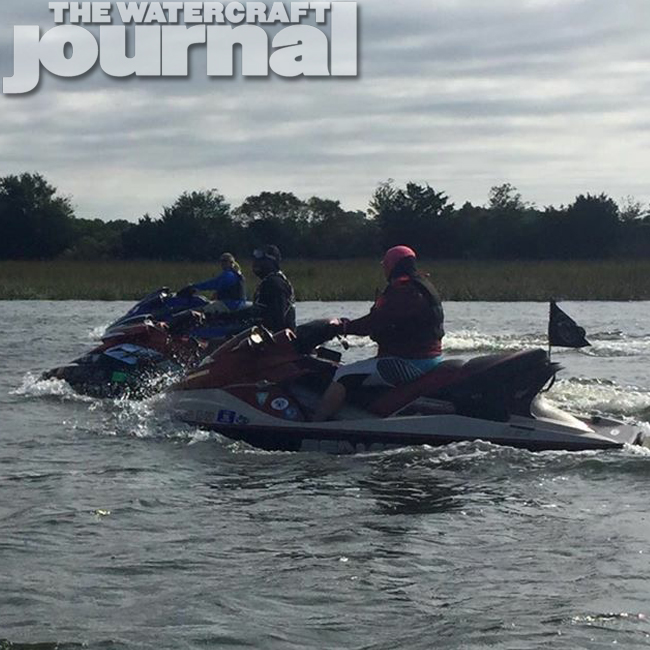
Two years ago, Michigan experienced some torrential flooding, with nearly every river spilling over its banks throughout the Great Lakes region. Of that, the Grand Rapids area saw excessive flooding swelling the Grand River over its Army Corp. of Engineers’ man-made berms and pouring over into roadways, neighborhoods and municipal parks. While the damage to personal and government property was extensive, there were a few intrepid jet skiers who chose to see the silver lining in an otherwise dark situation.
In a bit of a “wayback Wednesday” we picked up on a fun video filmed in April of 2013 of three friends riding a trio of standups – a 10-year-old Yamaha SuperJet, a 20-year-old Yamaha squarenose and a really old school Kawasaki 550 – who roll out of the corner of Belmont, Michigan’s Jupiter and West River Drive before braap’ing through a nearby playground, sports park and even a few remnants of a skate park complex. Shooting through barren trees and around a kids’ jungle gym, it makes for some new riding scenery.
Interestingly enough, it appears that these riders were given a pass by local police as at the beginning of the video, you’ll see a local sheriff waving on the three as they pull away from their trailers. Normally being in Michigan, we’d think these riders would be sitting on the ground lined up in a row with their hands cuffed behind their backs, but somehow they manage to ride away from a friendly officer and come back to their trucks without a single patrol car in sight.
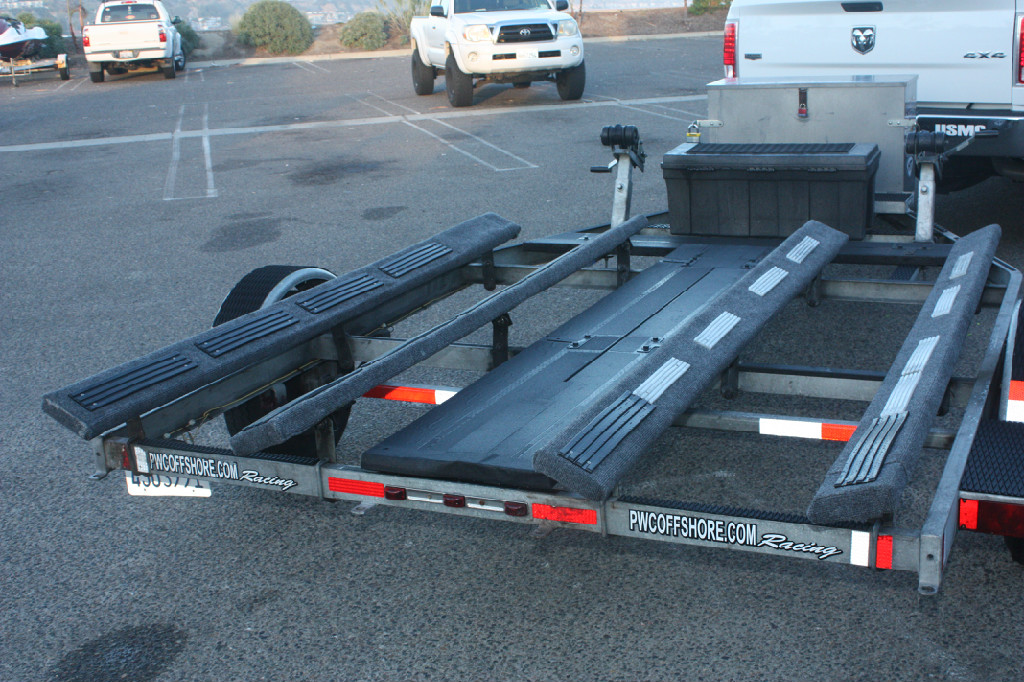
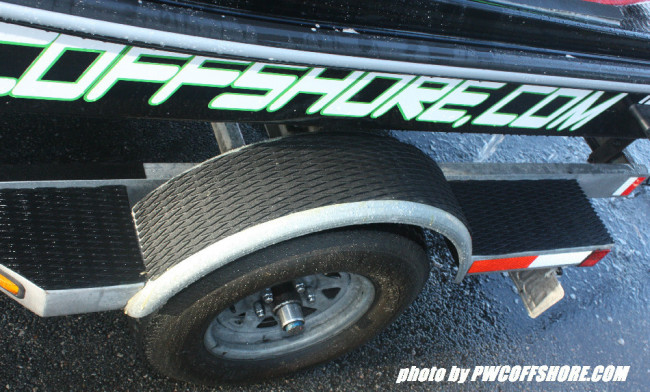
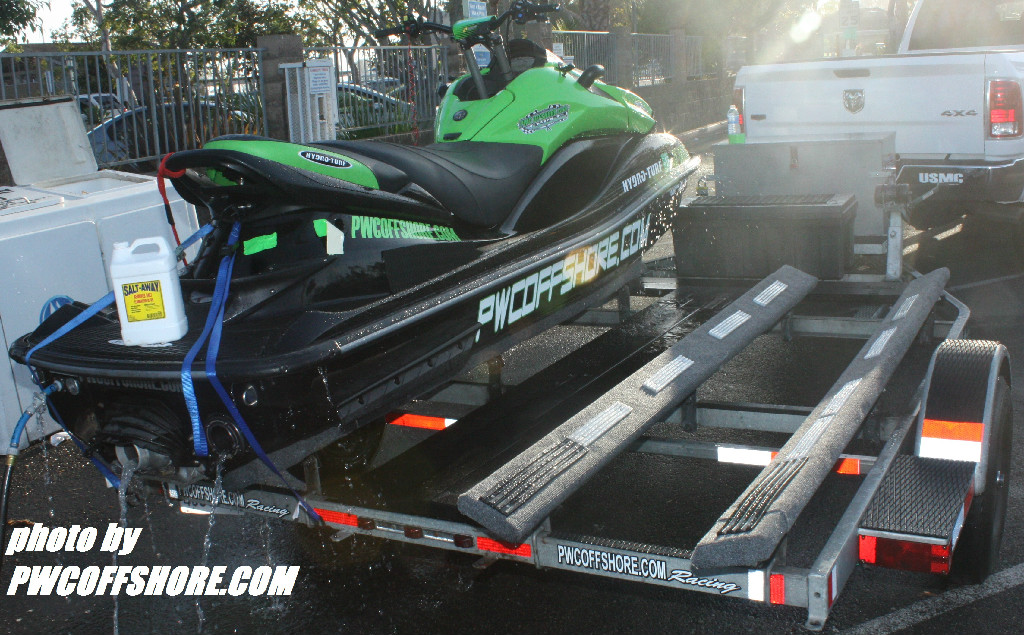
Trailers are not the sexy part of our sport but they remain a necessity to get to and from the water without any headaches. All too often we see ocean / salt water riders buy standard (non-galvanized) trailers. A year later the trailer is high maintenance, rusted and has depreciated dramatically. Save yourself time, money and a few headaches, spend the additional money and buy a galvanized trailer and then fortify it.
Tired of breaking bunks? So were we. The manufacturers usually use cheap bunks that break, therefore we upgrade to six inch treated wood. The majority of the items we used to fortify our trailers can all be purchased at a Home Depot or Lowes hardware store. Follow the pictures and it will be self explanatory. (*Note that since upgrading our trailer, we have gone from breaking 1-3 bunks a season to zero broken bunks.)
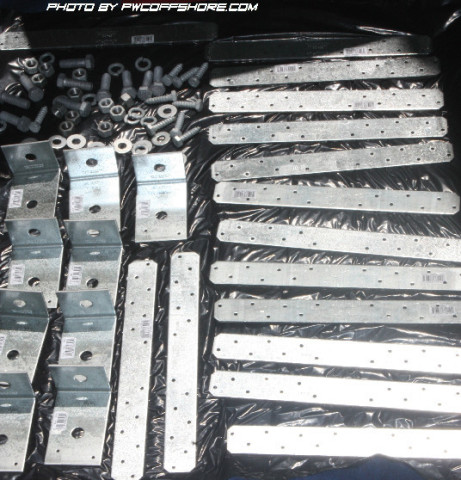
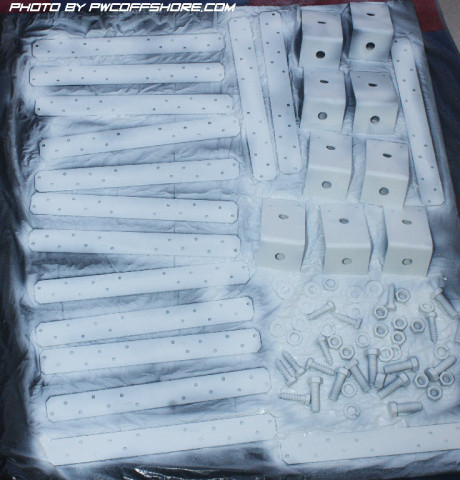
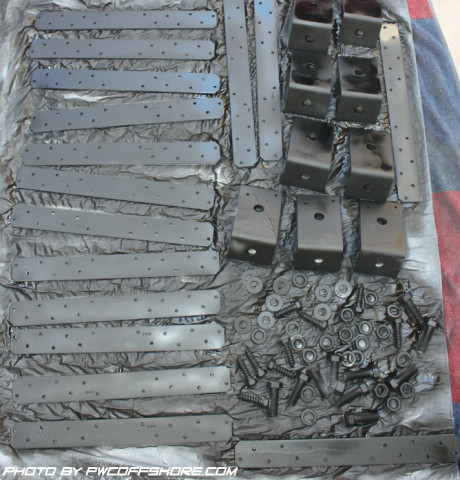
Above: Buy galvanized connectors, nuts, bolts, washers, lock washers and support strips (pictured on the right), & spray with primer and Rust-Oleum paint or Cold Galvanizing Compound Spray Paint. We do this to provide an extra layer of protection from the salt.
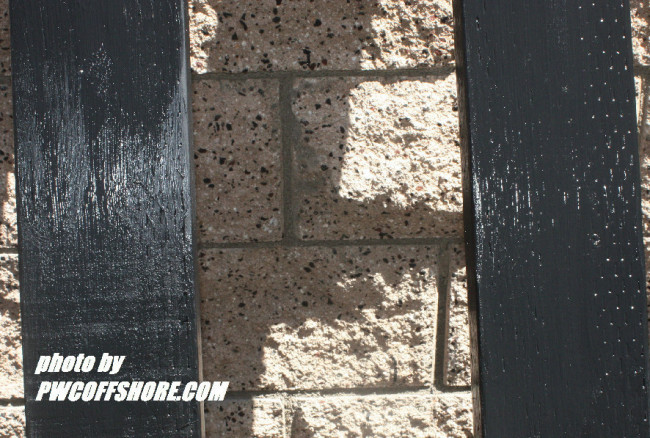
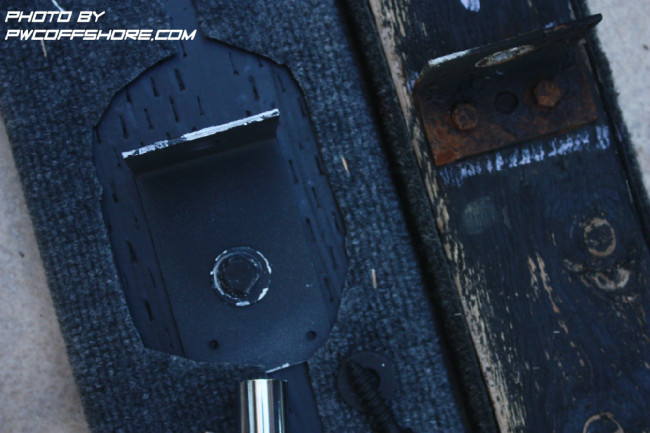
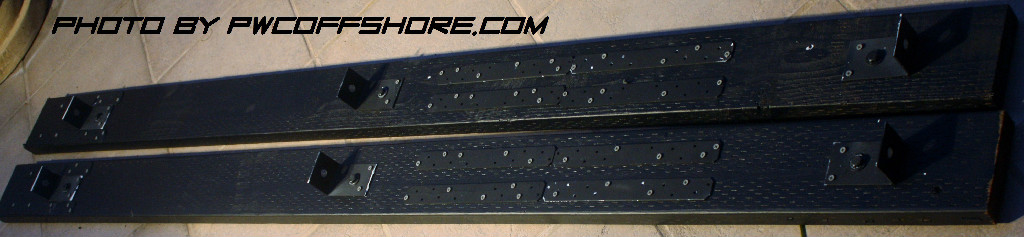
Above left: Upgrade your bunks from the cheap 4 to 6-inch treated wood bunks – Paint the bunks with a few coats of oil based paint. Above right: Align with your old bunk to ensure the hardware aligns with the mounting bracket on the trailer (obviously the new bunk is on the left and the old bunk is on the right – use blue lock tight when tightening the bolts to the trailer).
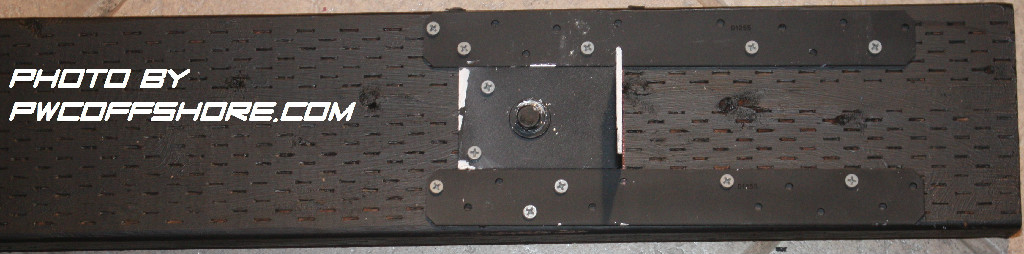
Above: To further avoid cracking the bunks when loading or unloading the craft, fortify the bunks in the rear area and pressure points on the bunk with metal galvanized support that can be purchased in the deck building section of Home Depot.
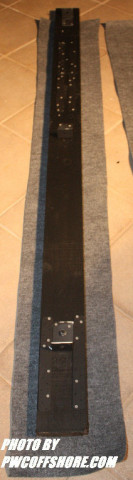
Above: This is what the bunks should look like prior to attaching bunk carpet to the bunks.
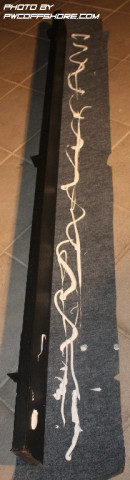
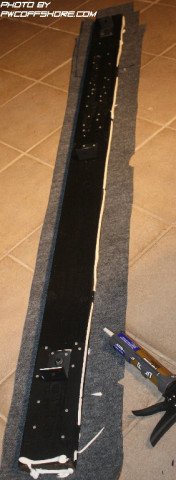
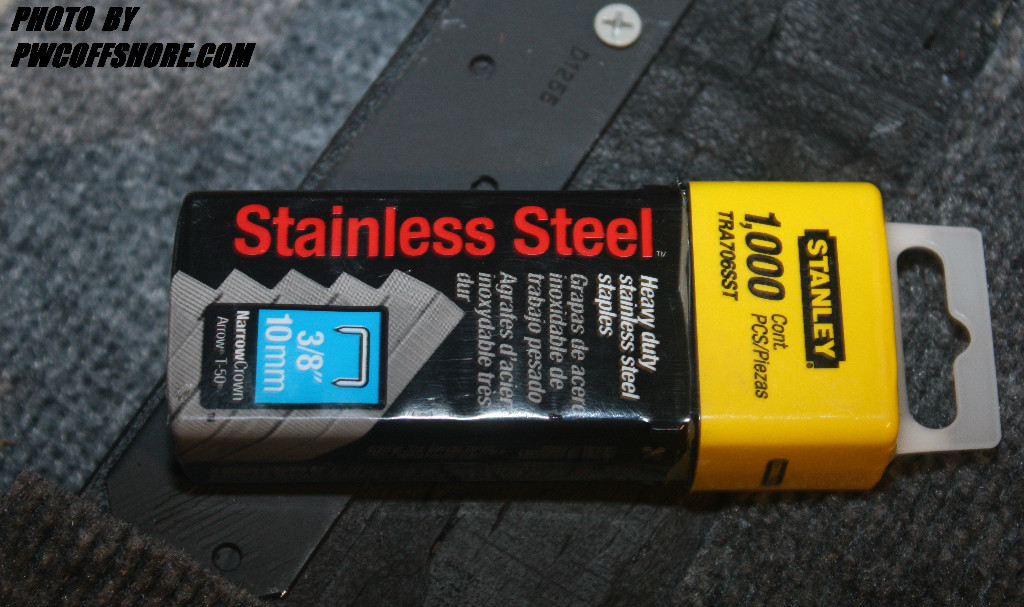
Above: Trailer Bunk Carpet is available at many locations including Amazon.com. Use heavy duty glue and stainless steel staples to attach the carpet.
Above: Remember to use stainless steel staples to attach the carpet to the bunks!
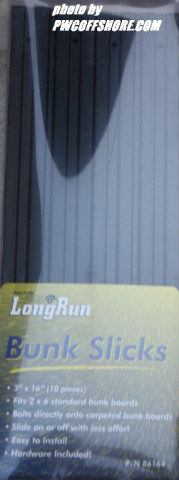
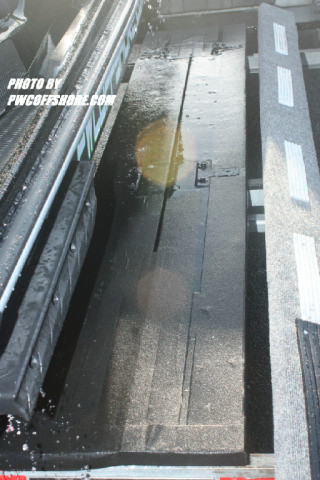
Above left: Install Bunk-slicks available via Amazon.com. Above right: Install treated wood/painted running boards between both sets of bunks for ease of mounting and cleaning the craft. Use non-skid tape or Hydro-Turf on top of wood.
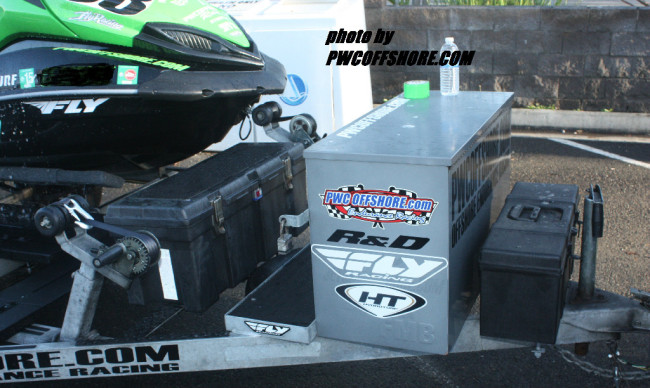
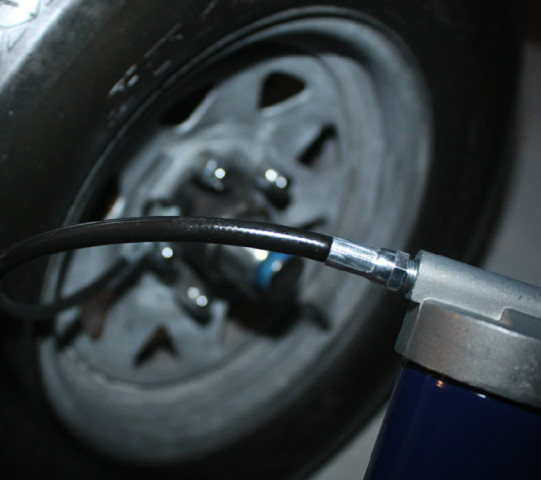
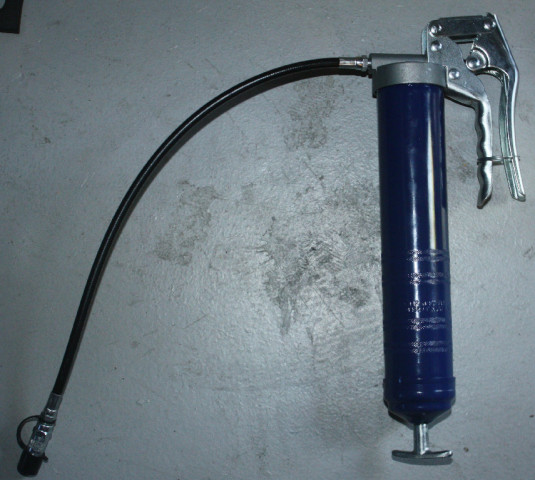
Top left: Place Hydro-Turf non skid on all upper deck components of the trailer – you can buy large sheets from Hydro-Turf. This will make the trailer much safer when climbing aboard or mounting the craft to work on the engine etc. Top right: Look for “dead-space” areas on your trailer and attach additional boxes for additional storage area (*Do not exceed trailer weight or tongue weight). Bottom left: Use bearing buddies and grease often. Bottom right: This is what a relatively inexpensive grease gun looks like.
Some final notes: Buy the appropriate length stainless or galvanized chain and stainless hook and attach per below. This will provide peace of mind when backing down steep ramps or on those long rides home. Also, remember to place Dielectric Grease on all electric connections. And lastly, remember to keep a serviceable, inflated spare on the trailer at all times. Replace as needed – going in and out of the salt water for a few years will break it down so make sure your spare is in good shape. Now go ride hard and have some fun!
We who ride PWC are fortunate that they allow us to enjoy various water and riding conditions. From crystal clear waters to twisty exhilarating creeks, our skis allow us the versatility to take in new sights and whatever adventures that we can think of. In special cases, they also allow us the opportunities to see our dreams come true.
Many years ago before PWC riding was such a crazy part of my life, we were in the Savannah, Georgia and Hilton Head, South Carolina area. We would sit in downtown Savannah and gaze at the river as various types of boats would go by and thought how cool is that. As we drove over to Hilton Head, we would see sailboats and would think, what a life. Those were fond memories that never really faded and were kept in the back of my mind.
Now fast forward to present day, with its organized PWC ride groups, online forums and a wealth of information on tap, I was scrolling through the Greenhulk forum, and came across a post of a local Georgia rider named Mike who was talking about riding the same waters that so many years ago was only an imagination. With a quick PM and the many informative replies, that got the ball rolling. With a few hours of getting a suitable ramp, fuel stops, points of interest and destination, the ride plan was finished. We were able to put together a ride between two ride groups in different states on waters seldom traveled by most watercraft enthusiasts. Fittingly the ride was called, “Georgia Still on My Mind.”
If you haven’t had the chance to enjoy or experience the Georgia waters and coast, a quick Google view shows vast areas almost untouched by development. In fact, some islands remain uninhabited and others are still only accessible by boat or watercraft. From seeing the wild horses on Cumberland Island to the former Puerto Rican monkey colony of rhesus monkeys located on Morgan Island, SC, there are lots of water and scenic sights to take in.
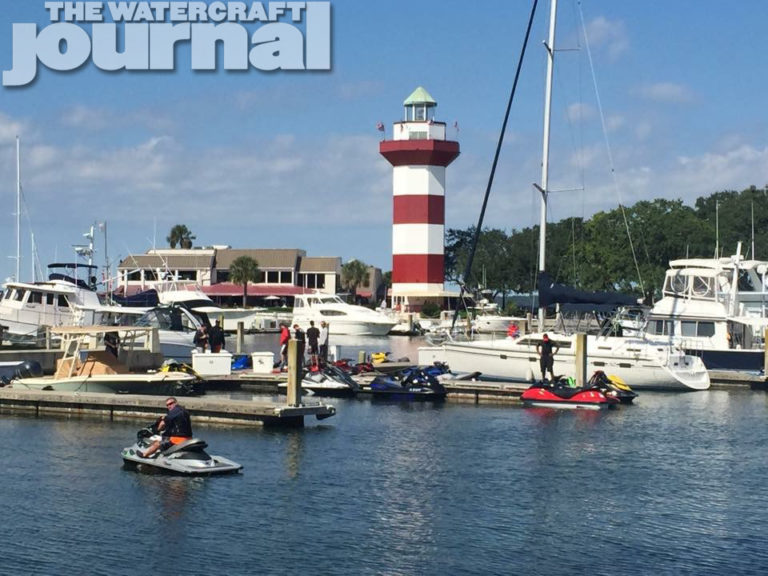
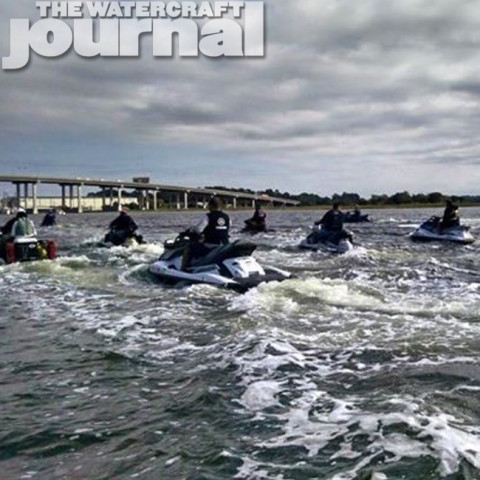
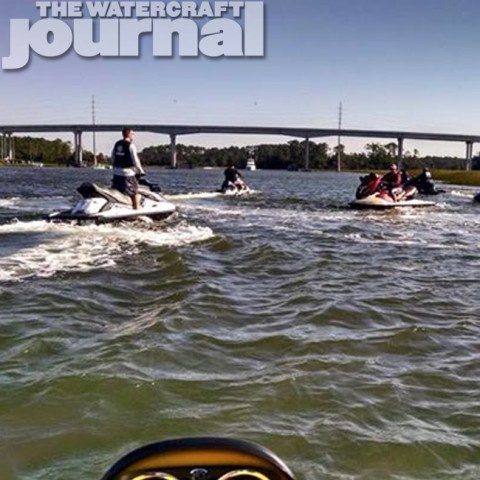
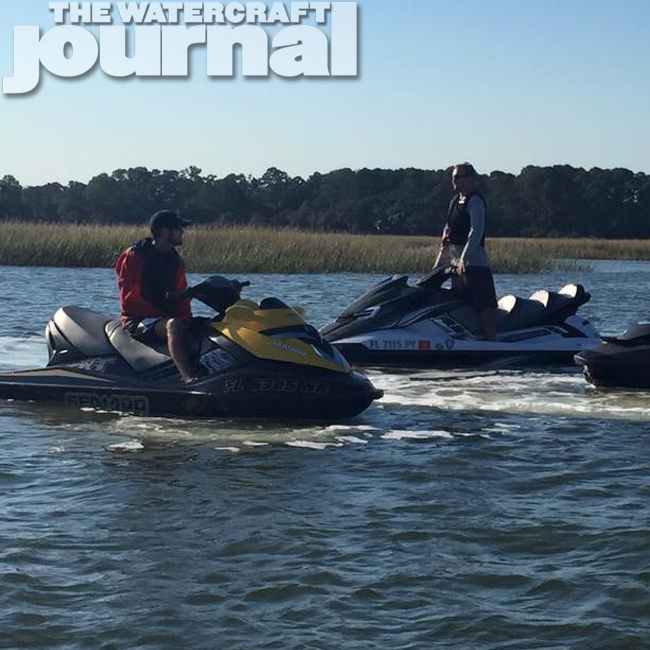
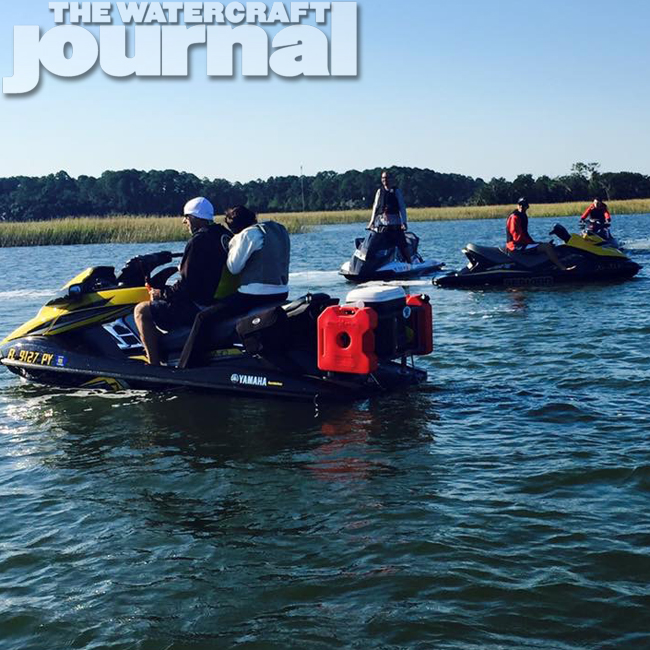
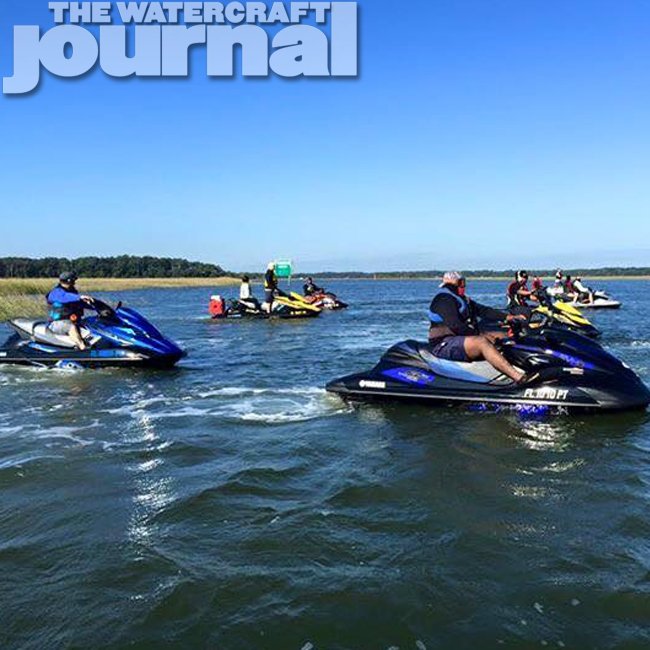
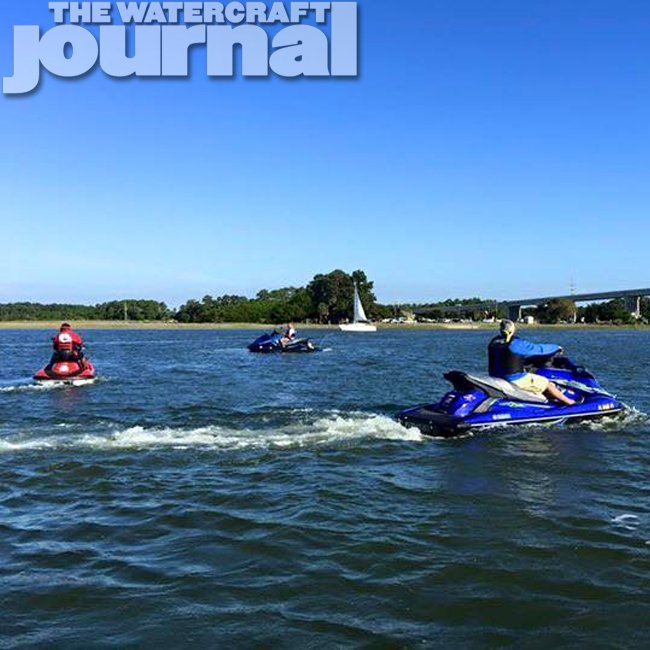
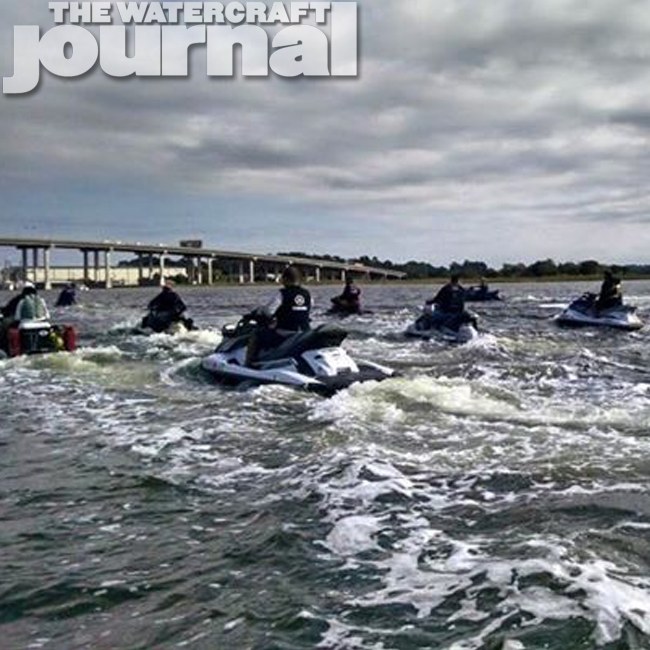
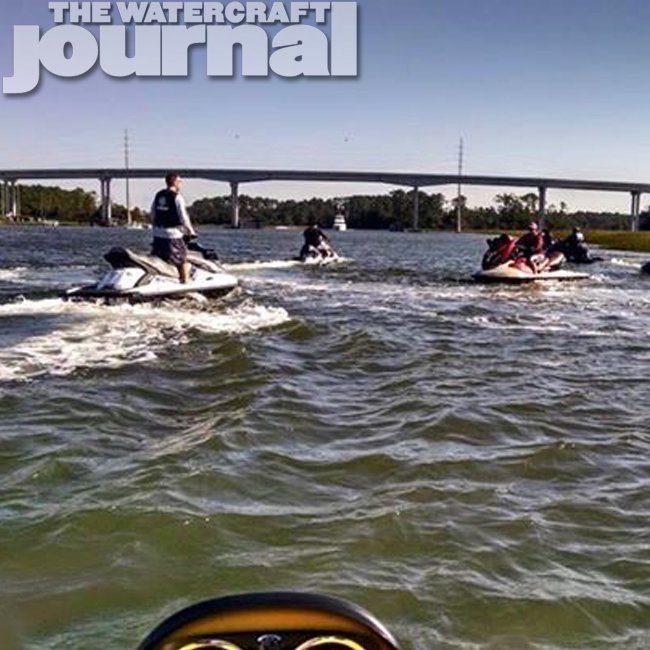
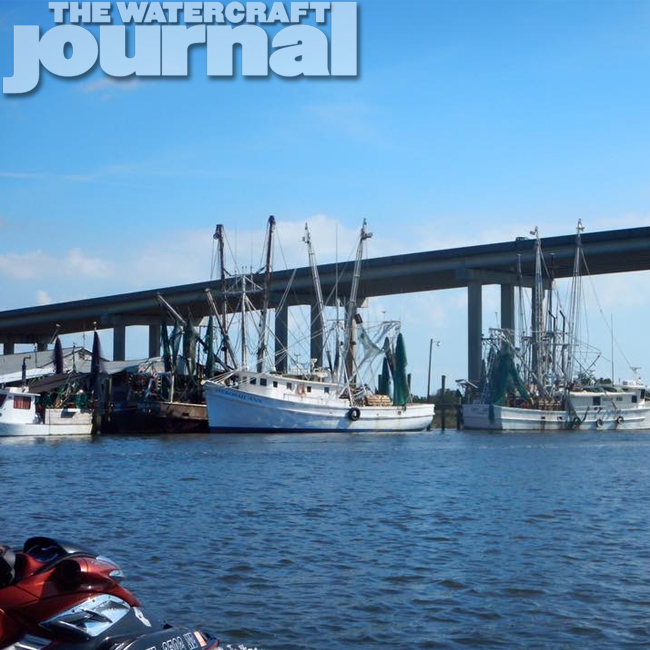
On this trip, we decided to focus on the Savannah/Hilton Head area. We would launch from the Diamond Causeway ramp and head north on our way to Harbour Town Yacht Basin on Hilton Head, South Carolina. This was the first Georgia ride that far north for most of the Jacksonville group and many noticed the change in water quality. The weather was a bit on the windy side, so we chose the Intracoastal route that took us up the Skidaway, Wilmington, Savannah and Harbor rivers on our way to Hilton Head.
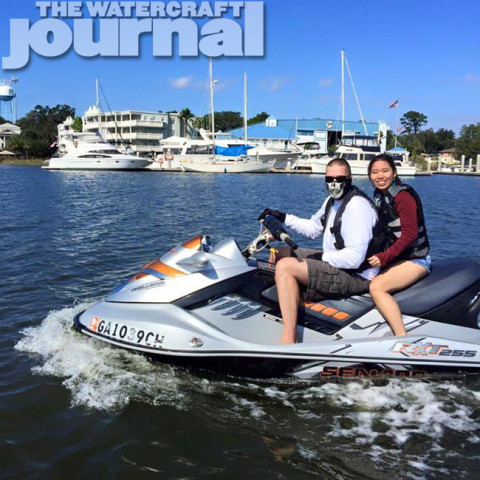
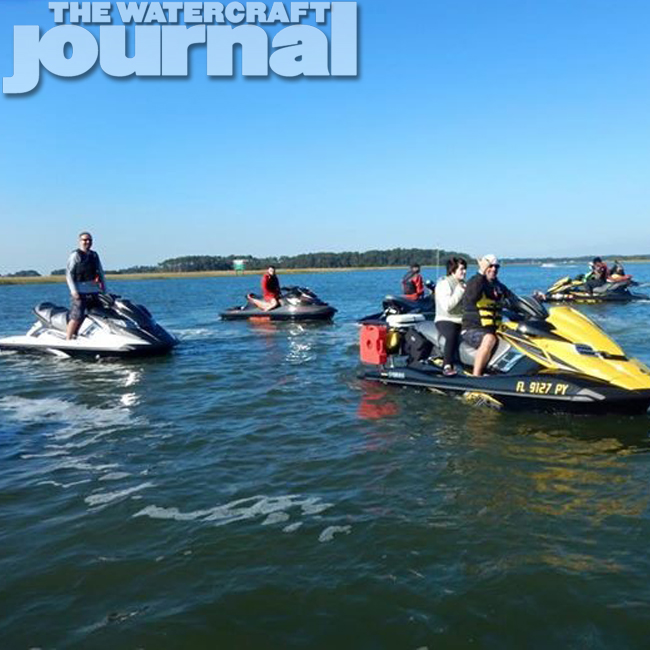
The ride group comprised of two groups, the Jacksonville Jet Riders with myself and Brandon Ford as ride leaders and the Coastal Empire Jet Riders with ride leaders Demian Kelly and David Gross. We had a few riders who rode two up with one being a very excited junior passenger. There was also a rider who rides with us quite often and many don’t know that he doesn’t have the use of his lower body. Turbo Todd isn’t one to let a disability define him and rides with the best of them. He is a Sea-Doo guru and overall great guy.
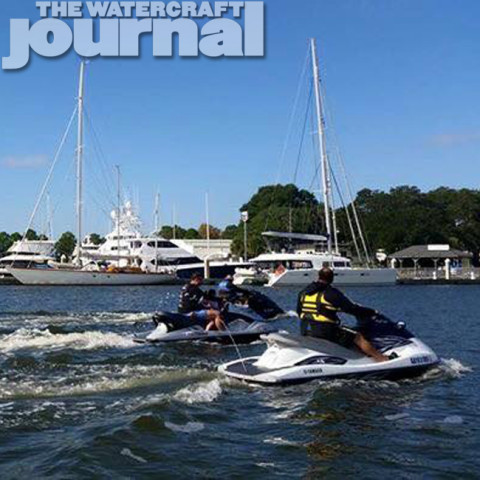
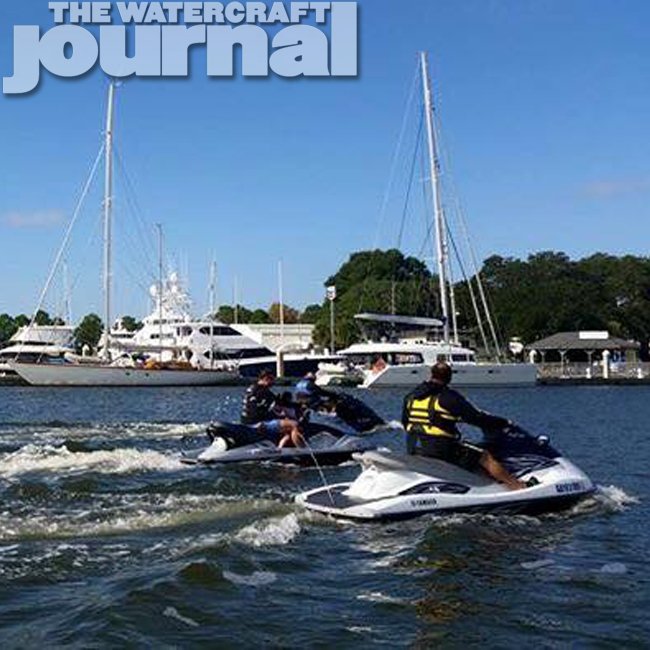
After a pre-ride greet and chat where the riders were brought up to speed on the days route, the group headed north on the Skidaway River. We continued north past Isle of Hope and up to the Wilmington River. We had a quick head count and rider break before turning west and headed past Thunderbolt Marine. Thunderbolt Marine houses many mega yachts in various phases of repair and refitting. It is also a full scale marina with a tradition of bringing fresh Krispy Kreme doughnuts to your vessel each morning. How’s that for service!
While passing under the US 80 bridge, we came up on Sea Ray of Savannah and picked up another CEJR rider who was smart enough to avoid the wake zones! With most of the wake zones behind us, it was go time and the group jetted north on the Wilmington River and up to the Savannah River that serves as a border between Georgia and South Carolina. A turn west would have taken us to downtown Savannah, but that was for another time and trip. At this point the wind was picking up and with more open water, it was becoming more choppy.
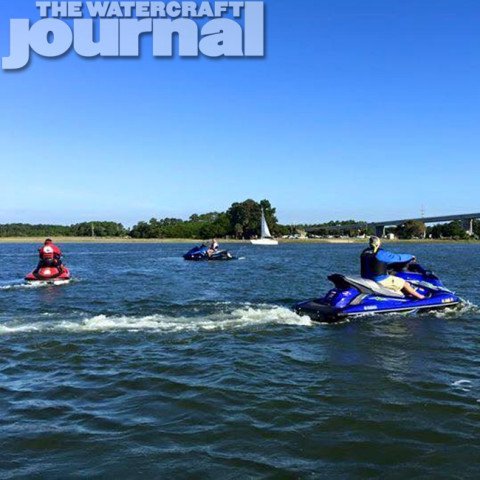
A couple of the two-up riders reluctantly turned around with their passengers comfort in mind while the rest of the group turned east on the Savannah River jogging the borderline and then north on the Harbor River and in to South Carolina. We passed west of Daufuskie Island which is a great hang out spot for locals with its east side beaches and its west side hang out spots. As we rounded the northern tip of Daufuskie, Hilton Head lay in view.
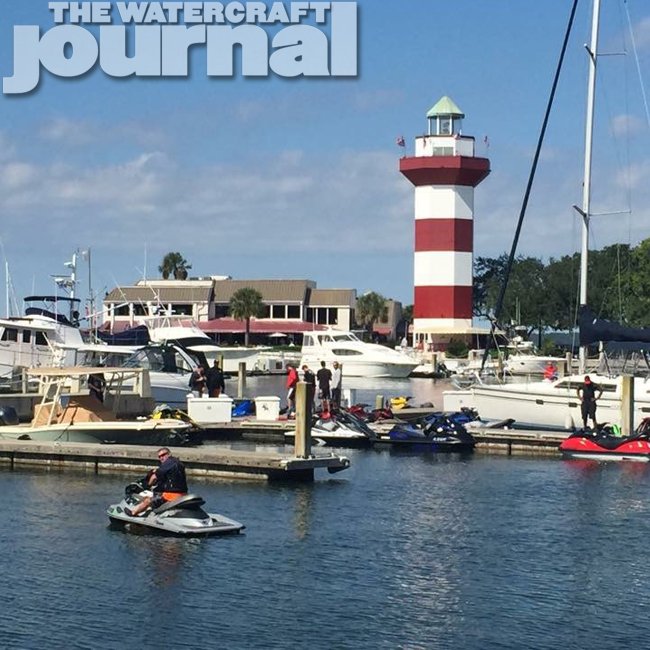
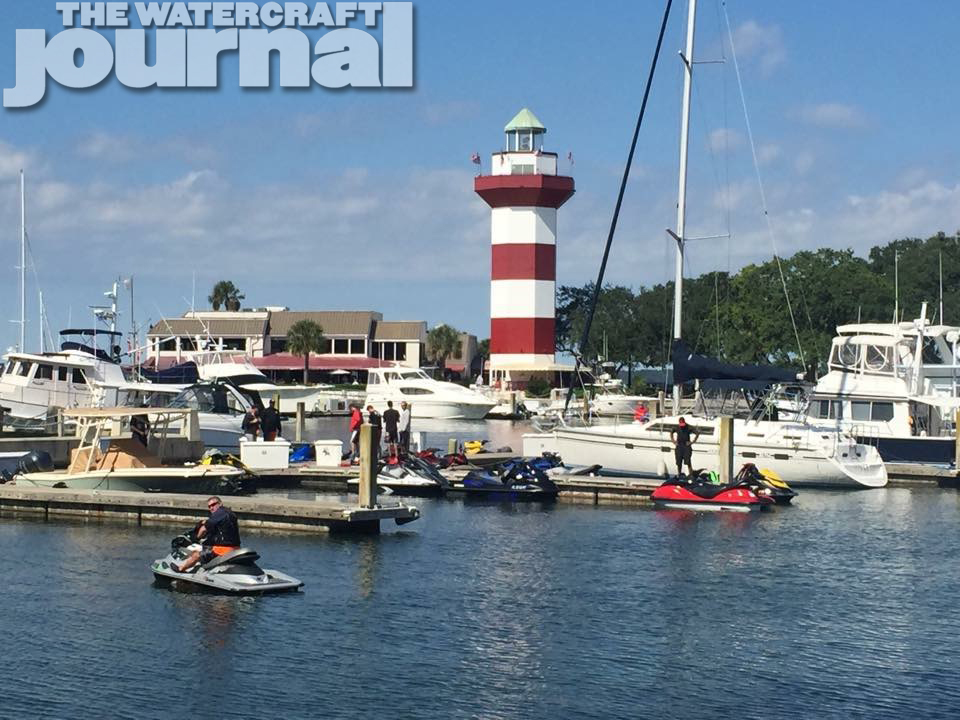
Upon approach, there was a sailboat regatta in full racing form which goes to show that the wind was good for somebody! The Coast Guard was also doing exercises which also made for some unplanned entertainment. We could see the Harbour Town lighthouse at this point and with just a little more riding, we would be there. We had the first hiccup of the day with one ski going down due to engine problems. With a quick assessment, it would have to be towed in. Many riders had hungry bellies growling at this point, so the group doubled down and made the last push to Harbour Town.
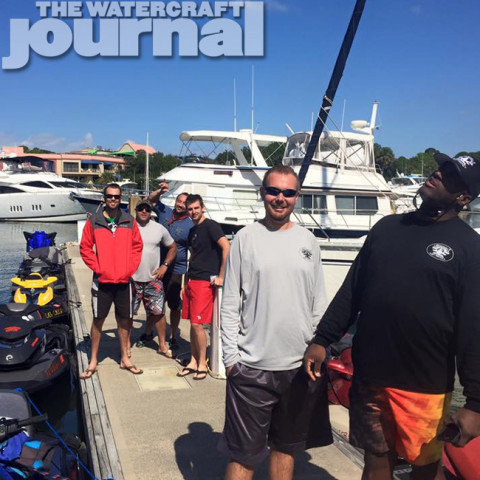
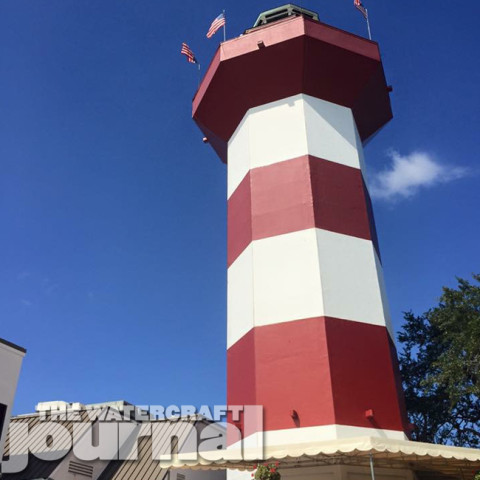
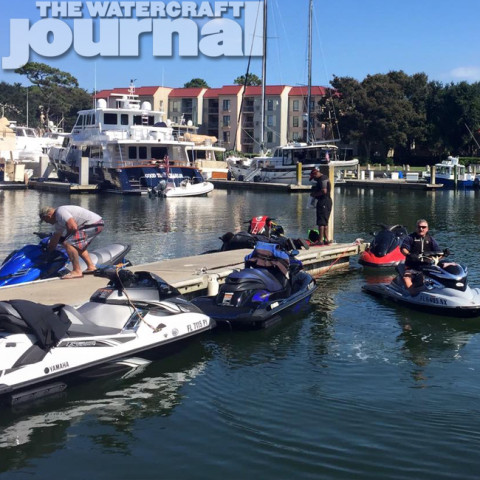
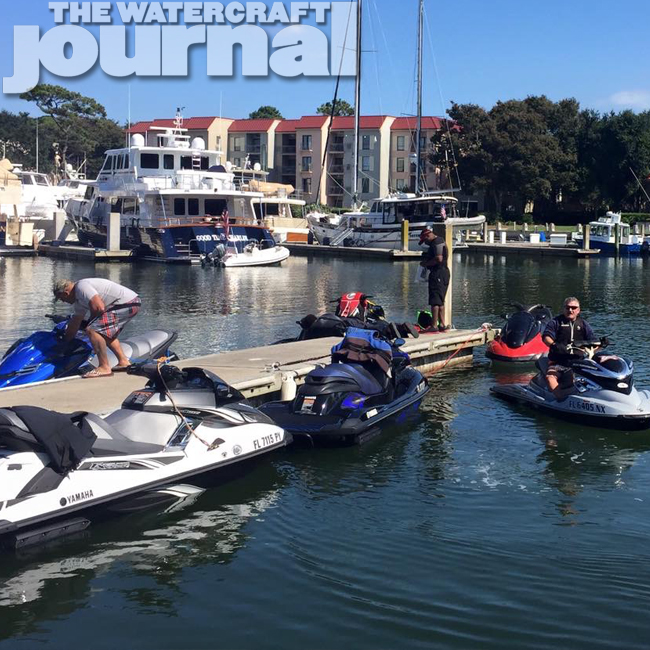
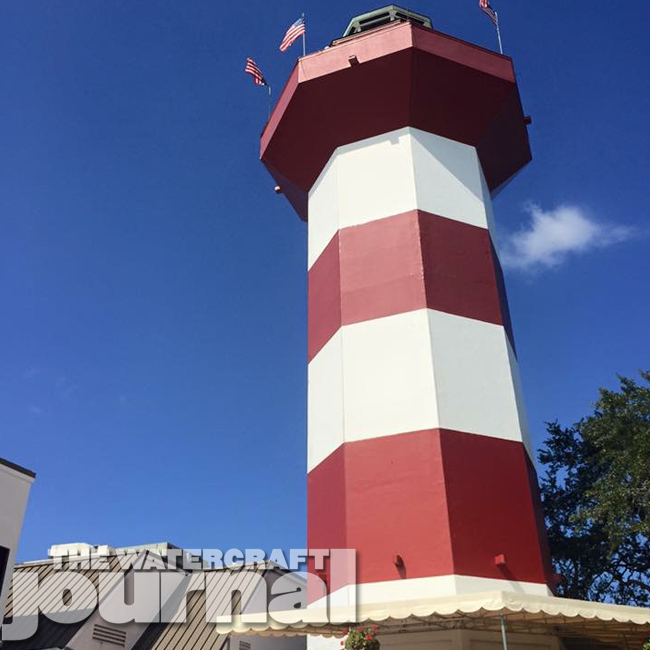
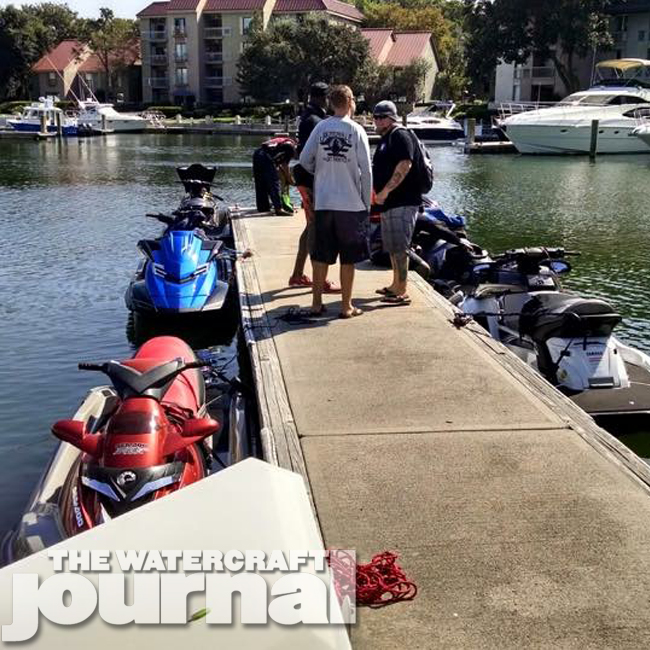
Harbour Town is a unique circular shaped marina with lots and lots of expensive boats at almost every slip. The 90 foot tall Harbour Town lighthouse greets seafarers to the Sea Pines Resort area which is also home to the Harbour Town Golf Link with the annually televised Heritage golf tournament and the equally famous 18th hole. As we idled in to Harbour Town we were greeted by staff and directed to our docking. Some of the boaters and passers by took pictures of the ride group who by this time was focused on docking and getting to lunch! Lunch was jet ski style at the Harbour Town Burgers and Brews. If you enjoy a gut busting, good time having burger joint with friends, then this is the place for you.
With food flying off the plates and drinks going down, the group chatted up the days events and took in the scenery. For many, we started the morning in Florida, drove to Georgia and rode to South Carolina. That made for quite a day so far! After relaxing and catching our breathe, it was time for some sight seeing and tee shirt buying before the ride back. A few riders fielded questions from fellow boaters who couldn’t believe that a group of people with some being from Jacksonville would ride jet skis from Savannah to Hilton Head. A few more were looking at the downed ski and decided it was time to get it towed back. The rider had tow insurance and was able to call and have it towed back to the departing ramp. How’s that for service!
After lunch, the winds settled down and that made for even better riding back. The group made great time riding three or more wide at some points, as we rounded Daufuskie Island and down the Harbor River to the Savannah River. We crossed back in to Georgia and made the turn south on the Wilmington River. Stopping for another rider break, the group chatted it up on supercharged fuel economy, future mod plans which ranged from fishing rigs to fuel racks and whatever else was one the menu. With the winds settled down a bit, everyone was able to appreciate the Coastal Empire waters and the wheels started turning on future ride plans.
Another sprint put us back to the US 80 bridge and the CEJR riders who turned in to home dock waved the rest of the group by as we continued on. It was time for some to take those mega yacht selfies and with a little more wake zone action and final head count, we were free to fly back to the ramp. Everyone who group rides can relate to this part where conditions line up without effort, riders are cruising hard and carving corners with that jet ski grin plastered across their faces. It’s jet ski riding at its best folks! It’s a mad dash back to the ramp where fuel economy is tossed out the window and bragging rights are on the line! Winners get the first come first served placement at the dock and others get to listen to the friendly banter.
This day the tide revealed a small sandy area near the ramp and some were able to jump out and beach their skis without having to dock. A few “Well played sir, well played” and “Wish I had seen it first” laughs as some jokingly stuck it to the fast guys. Everyone is helpful to lend a hand holding skis, backing in trailers or whatever a fellow rider may need until the last rider is in. This is also where we realized a can of bug repellent is a must have on any Georgia ride. Those little guys pack quite a bite! Hats off to the riders of JJR and CEJR who were willing to try something different and to the planners of a ride 9 months in the making and years in the dreaming. One dream down and many more to go. Lets Ride!
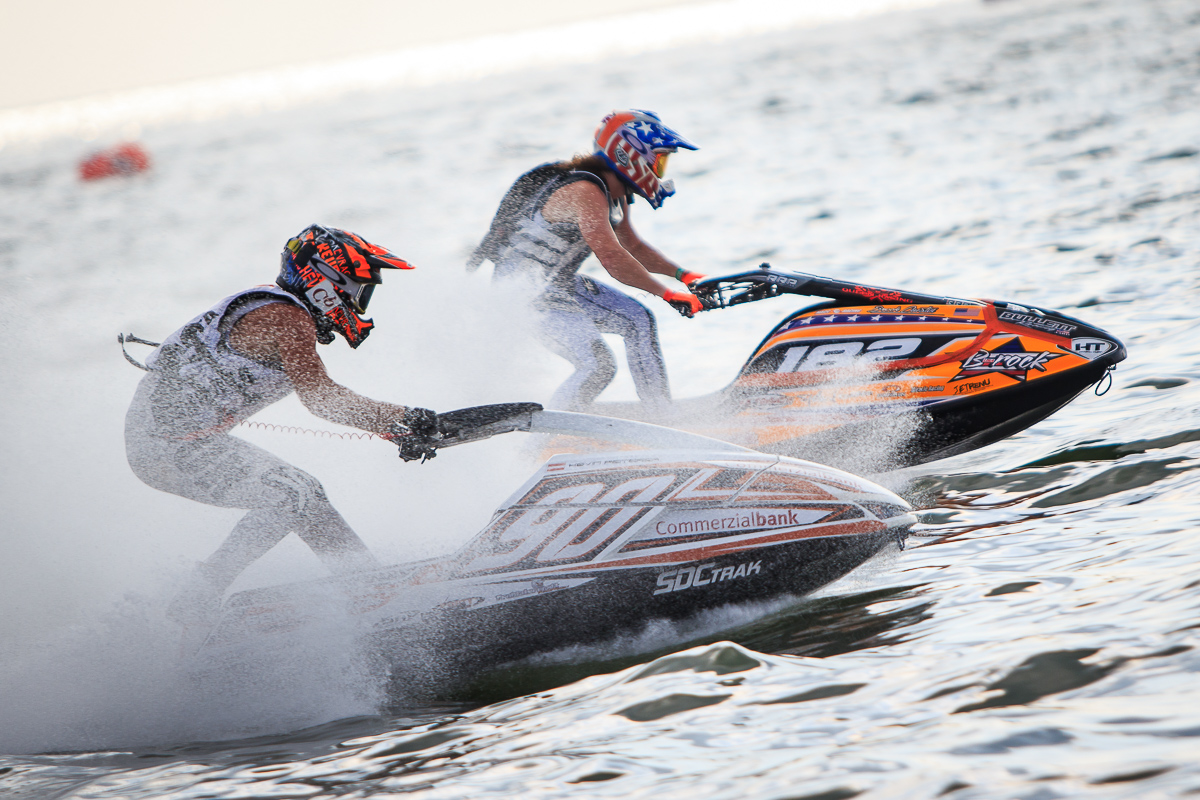
It’s been a long time coming, but Austrian Pro Ski racer Kevin Reiterer finally earned the top spot at the 2015 King’s Cup in Thailand, seven years after his 2008 championship. Competing some of the most talented and competitive racers in the world – including Chris MacClugage, Steven Dauliach, Brock Austin and Jeremy Poret – Reiterer fought back a field of 20 over four motos to earn the world championship.
Conditions for this year’s event were brutal with heavy seas challenging the racer to their limits. Reiterer leaped out of the gate, putting up an amazing performance on the first day. “Waves and riding against the best in the world takes me out of my comfort zone. Pushing myself to the limit on a 220hp monster, over 16 minutes and an average heart rate of 186 beats per minute is what I love to do and showed me once again why I love what I am doing,” said the 23-year-old.
Reiterer’s performance only improved over time, earning a third place in his first moto, followed by two second place spots in the next two motos, and finishing strong with a first place finish for the final. According to his official press release: “The Austrian knew what he wanted to achieve and had a solid second day that led him to overall victory. Thanks to the high recognition of the sport by Thailand’s royal family, the winners received their trophy by the princess of Thailand.”
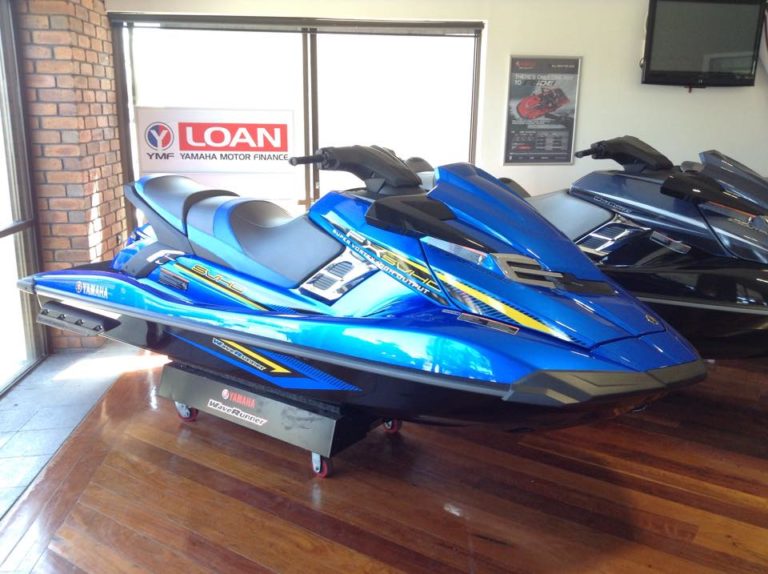
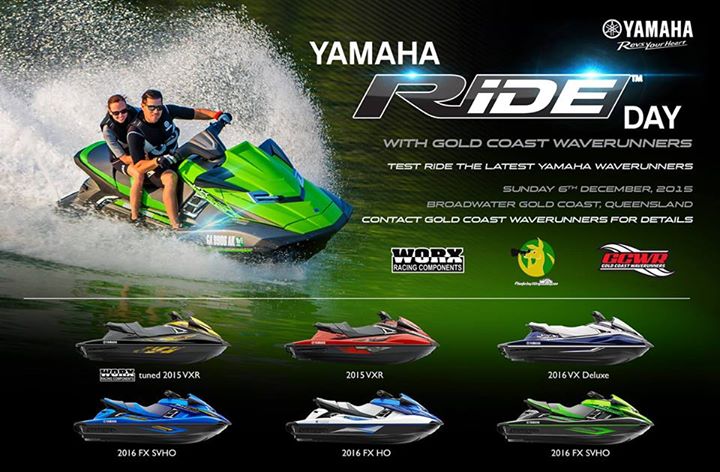
Yamaha WaveRunners Australia and Gold Coast WaveRunners have teamed up for a fantastic day, while raising funds for the RBWH Burns Unit. In addition to enjoying a gorgeous day of test riding the newest and latest in Yamaha WaveRunners, participants are invited on a guided WaveRunner cruise to Paradise Point leaving The Spit boat ramp (located at the SeaWorld Boat Ramp – Gold Coast, QLD) this upcoming December 6th, at 8am. After the ride there will be a BBQ and activities for everyone in the park at 10am.
For those interested in joining the group ride to Tipplers, all are asked to bring their own ski (as well as all appropriate safety equipment and PWC license) and a small donation to join in the fun. All brands and models are welcome to join in on the cruise and test ride, so don’t hesitate to come along if you’re not a Yamaha owner. Yamaha will bring along The Watercraft Journal‘s own professional photographer Andrew “Skip” Donovan, who will be on the water to capture the day.
Gold Coast WaveRunners will be raffling away a $200 Gift Voucher, and Worx Racing Components will also be raffling a $200 Gift Voucher, to raise funds for the RBWH Burns Unit. So please everyone come along for a great day out and raise money for an awesome cause. The team at Yamaha and GCWRs look forward to riding with you and raising funds for the Burns Unit. For further information, contact Gold Coast WaveRunners.
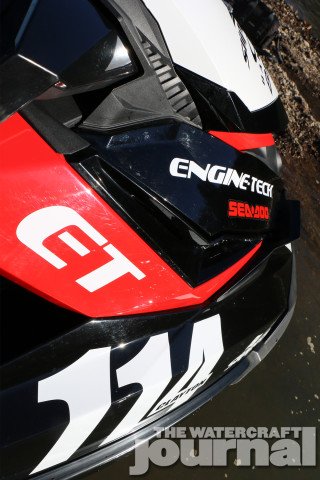
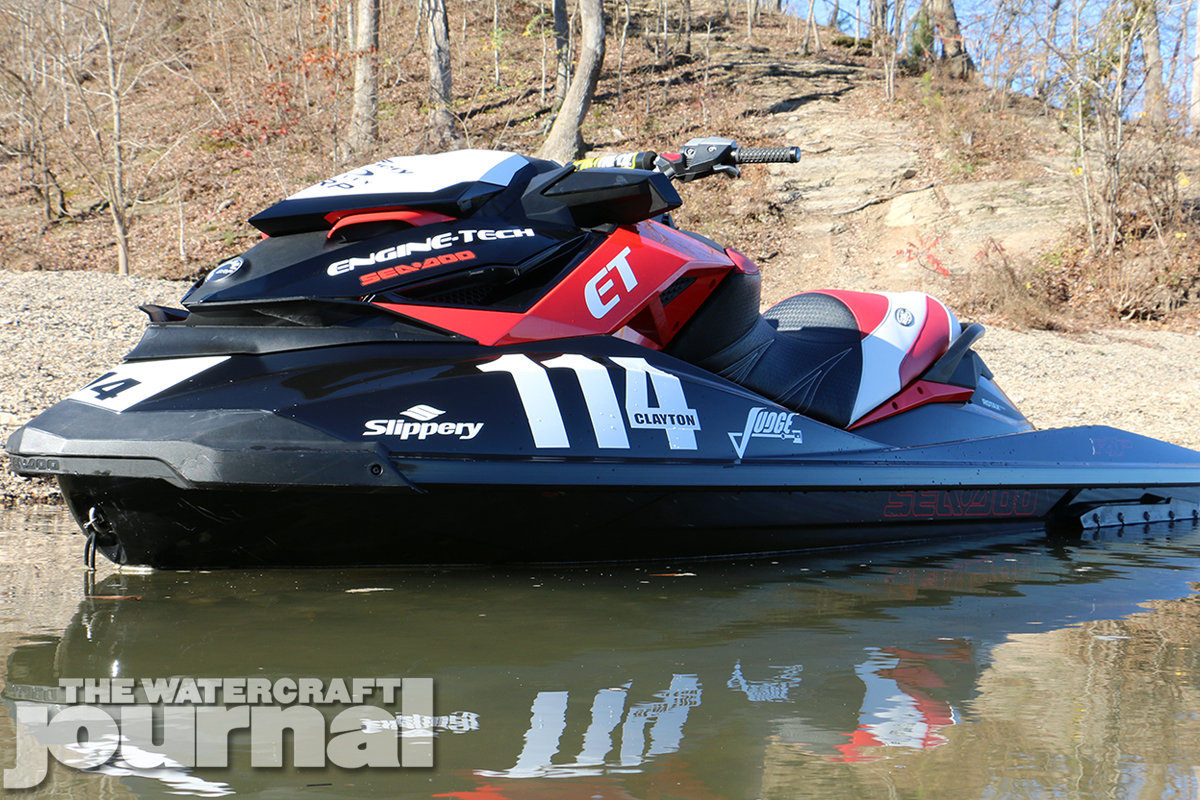
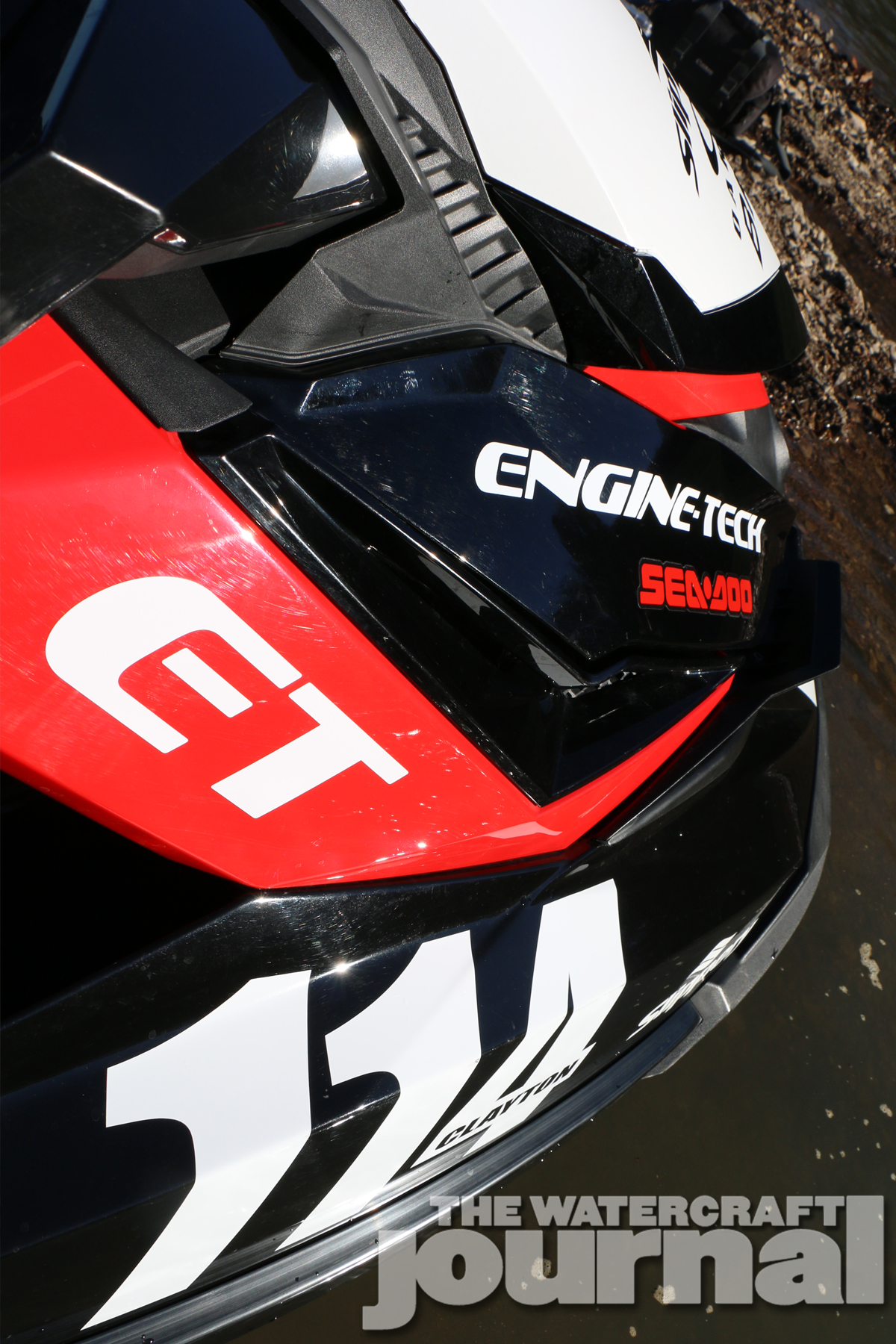
“But, it’s only like, two bolts!” Claude Clayton protested emphatically. “It takes me 15 minutes to swap it out.” Yes, the Sea-Doo X-Team racer had a point, but we stood our ground that the average enthusiast wouldn’t be as comfortable with swapping out a supercharger with an Engine-Tech (ET) blower as readily as say he, a seasoned racer, or tuner, and thereby wasn’t a “bolt on” part. We had been debating the definition of what made a “bolt on” part for 10 minutes by now and hadn’t paid much notice that our food had arrived.
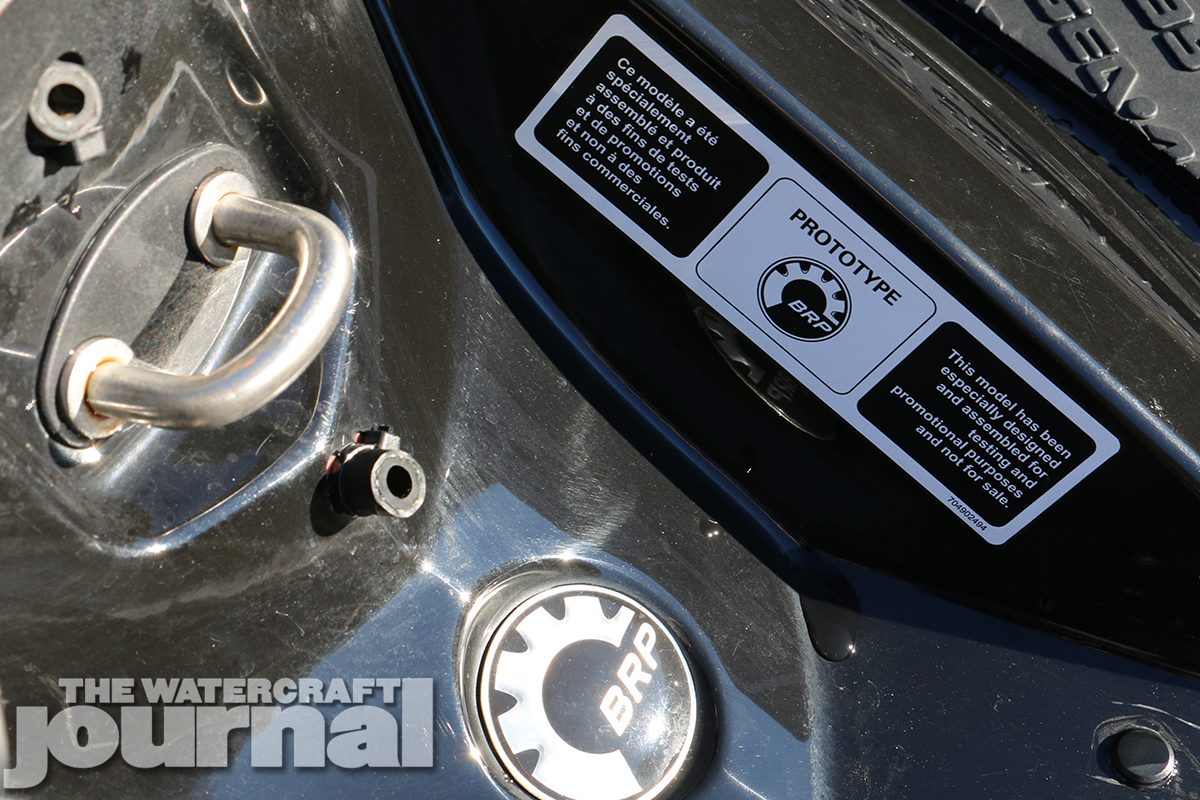
We met Clayton earlier that morning to finally take a ride on his yearlong “Bolt 85” project. Within weeks of his near season-ending injury at the first round of the 2015 AquaX series in Daytona Beach, Florida, Clayton contacted The Watercraft Journal about his plans to build a competitive Pro Open closed-course race boat that runs a staggering 85mph while being fed E85 fuel. The numerical theme was also to be carried further by completing the machine with (or less than) $8,500 in additional “bolt on” parts. We even teased it back in May.
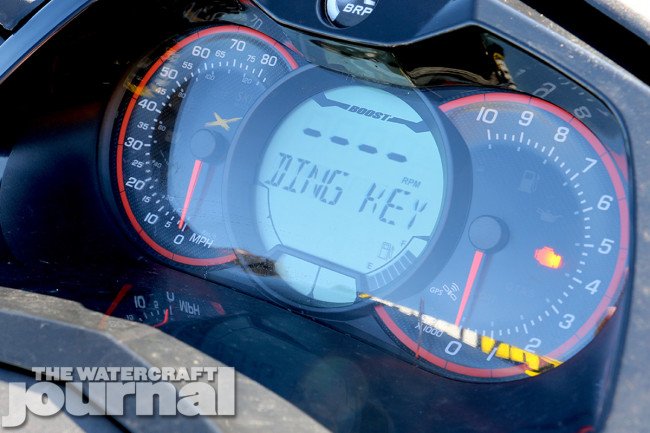
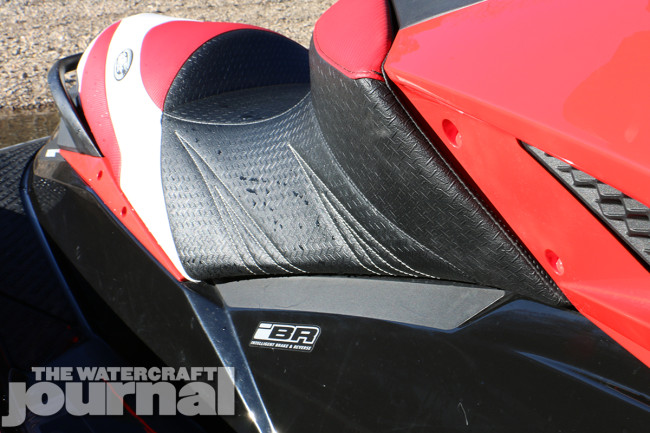
Above left: The custom-mapped Sea-Doo X-Team E85 Race ECU maintains us the the iBR and iControl display. Above right: A deep Clayton-Spec designed saddle is covered by Jettrim.
Clayton’s road to mending from a shattered ankle and crushed larynx required a succession of surgeries resulting in the 34-year-old living with a handful of titanium hardware holding his neck and foot together, respectively. Clayton and his wife also welcomed their newborn daughter, which in turn, pushed the project back further. It was completed in time for Clayton to participate in both the IJSBA National Championships (that shadowed Round 6 of the AquaX series) in Cocoa Beach, and the first Pro Watercross World Championships in Naples, FL.
When it finally came time for Clayton to trailer the Bolt 85 to Counce, Mississippi, for our photoshoot, it was still in its closed course configuration as it had competed in Naples; meaning its prop, sponson and handlebar configuration were exactly how Clayton preferred it for closed course racing. But conditions wouldn’t match those of Florida; December on the Tennessee River offers less than ideal conditions for pretty much anything, as air temperatures lingered at 46 degrees, making the on-the-water temp 36 degrees.
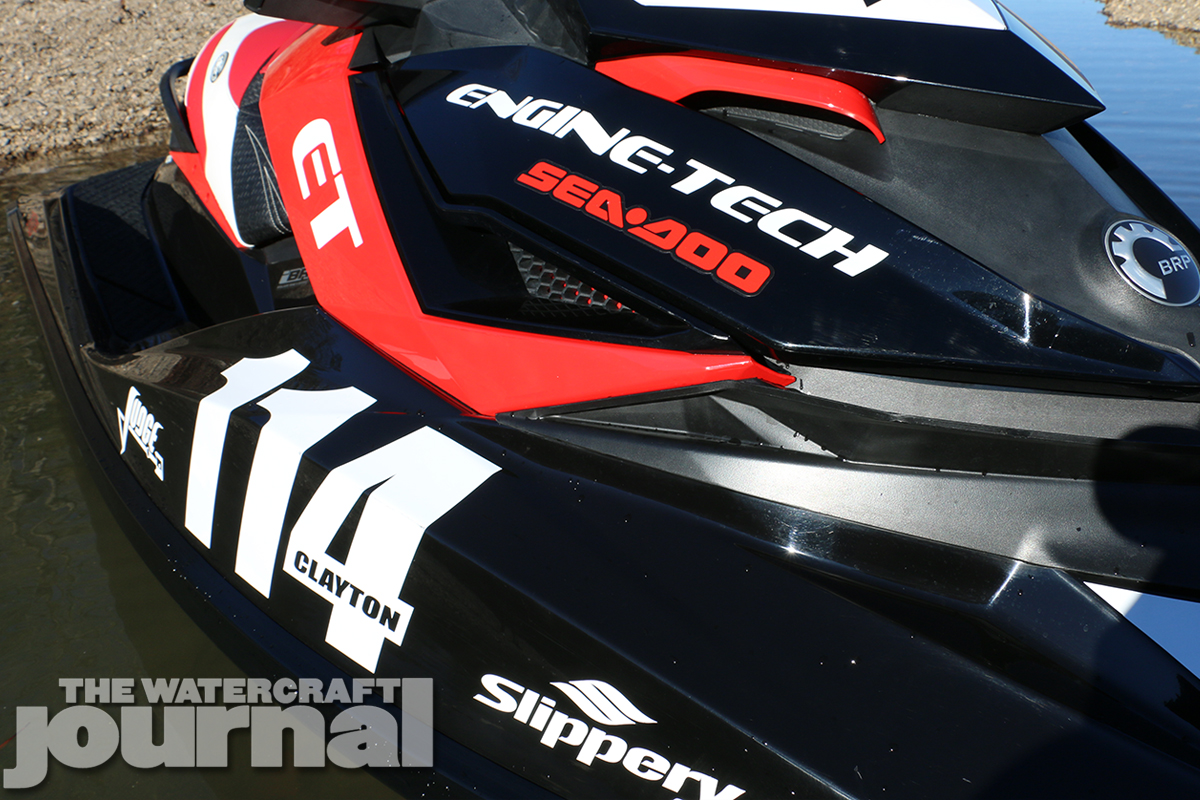
Above: The incomplete AquaX season decal marks how Clayton’s injury at Daytona Beach benched him for most of the season.
The water surrounding Pickwick was rough, with 3-foot rollers and a brutally cold southbound breeze unbroken by the barren treeline. This made searching for enough flat water to collect a decent top speed number almost impossible. Having cut his teeth at the family lake house just a few miles south towards Eastport and halfway towards Muscle Shoals, Clayton directed us towards Cooper Hollow, one of countless inlets that become “party coves” when the weather is more favorable.
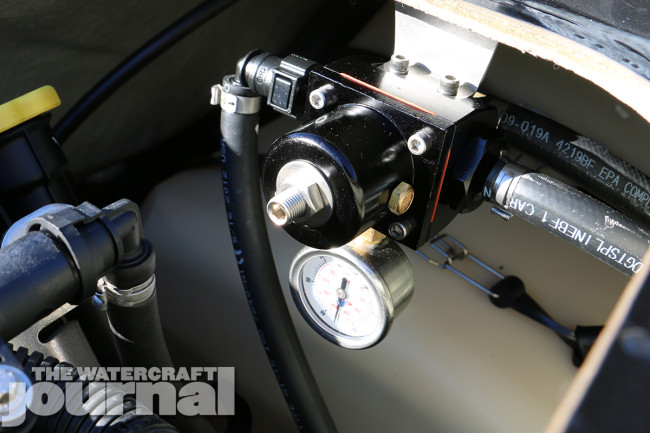
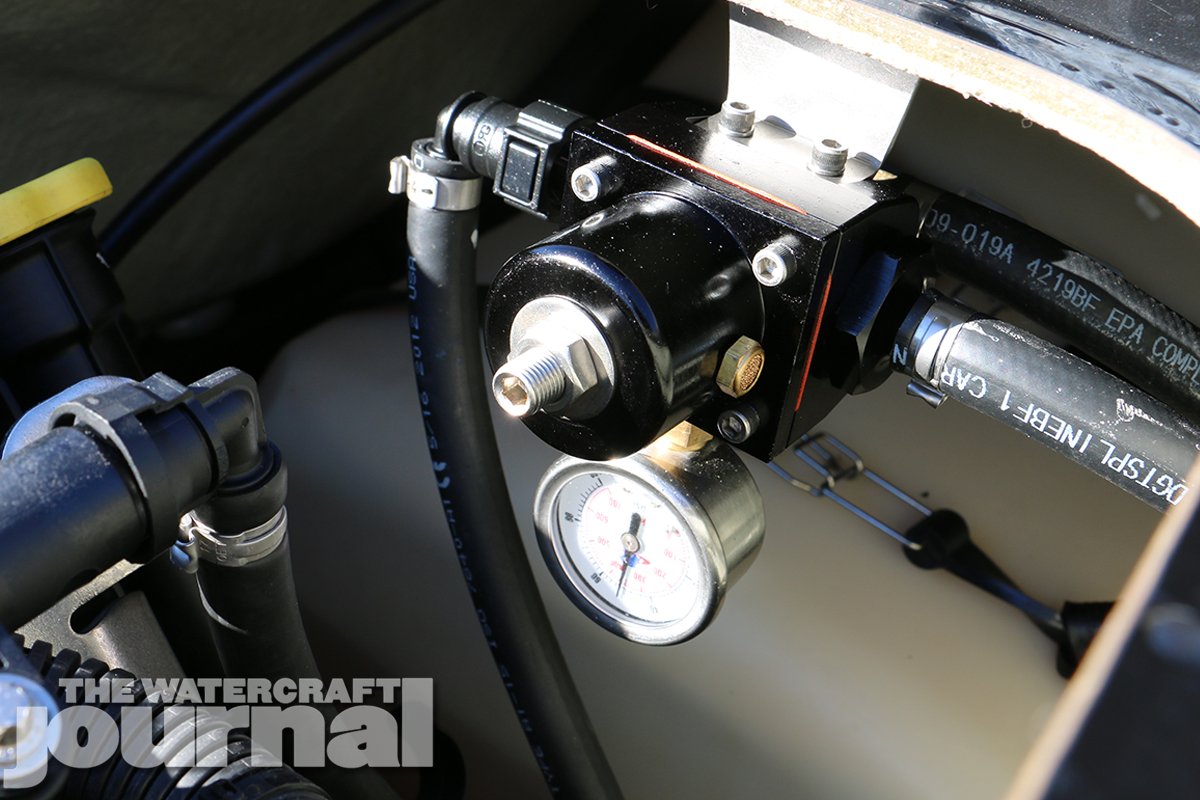
“Sorry for getting here so late,” Clayton apologized as we snapped pictures. “I had to run across town to the ethanol station to fill it up.” Converting the Sea-Doo from traditional gasoline to ethanol required some work, particularly to the fuel system; a Walboro 255 fuel pump, a RIVA Racing Fuel Pressure Regulator, massive 1000cc injectors and a custom-mapped Sea-Doo X-Team E85 Race ECU allowed the RXP-X to operate on the alternative fuel. While many tout the environmental benefits of E85 (were you to disregard the fact that E85 increases the emissions of acetaldehyde), its weak overall popularity has made finding it at times difficult.
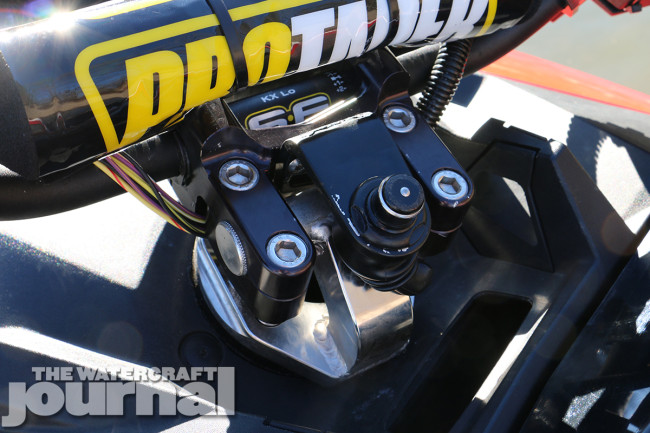
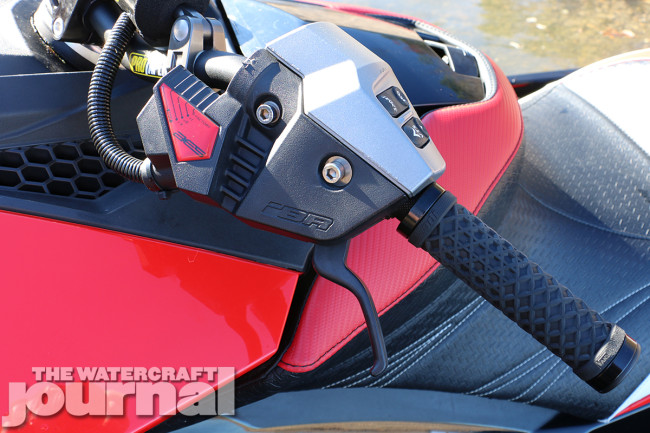
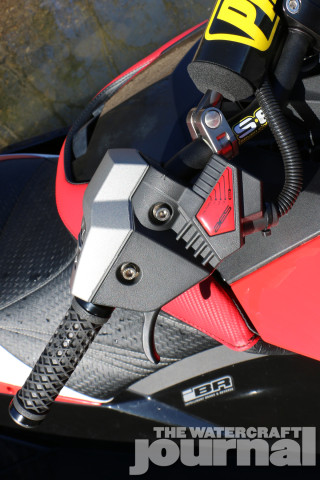
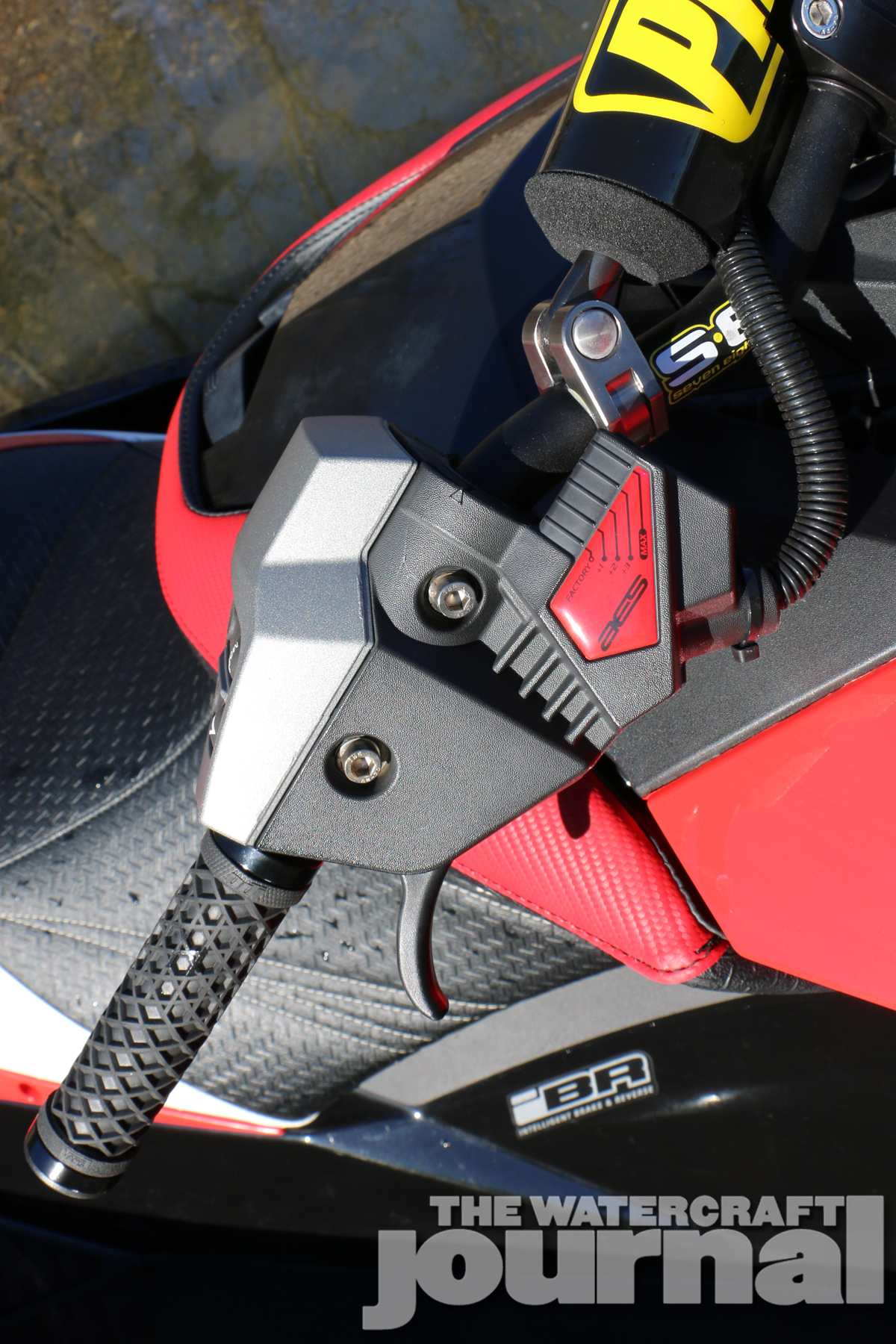
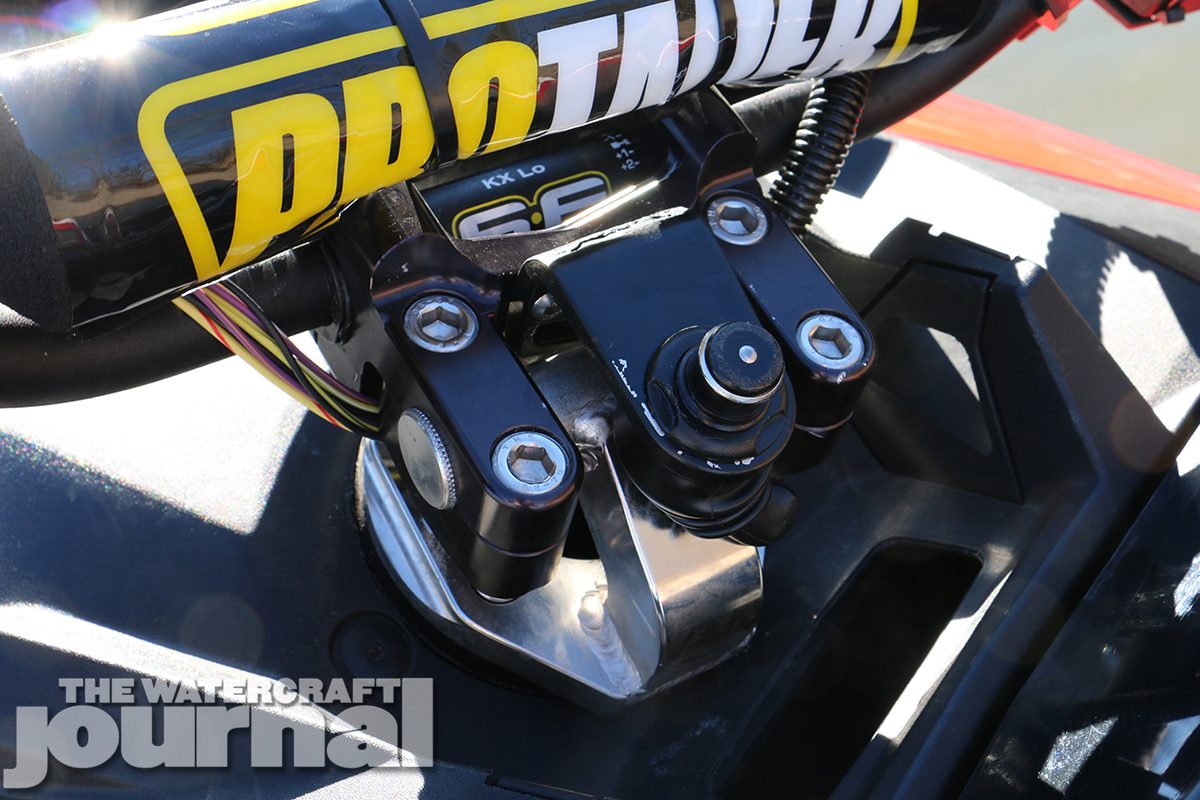
Above left: A modified RIVA Racing steering neck features a custom DESS key mount and low-profile KX Pro Taper bars. Above right: Black ODI grips replace the factory rubber.
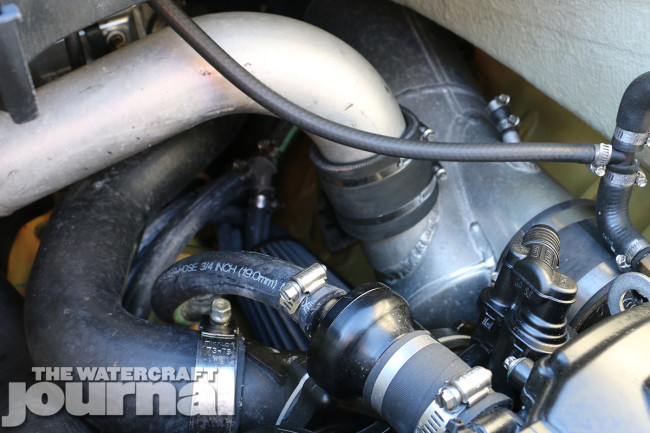
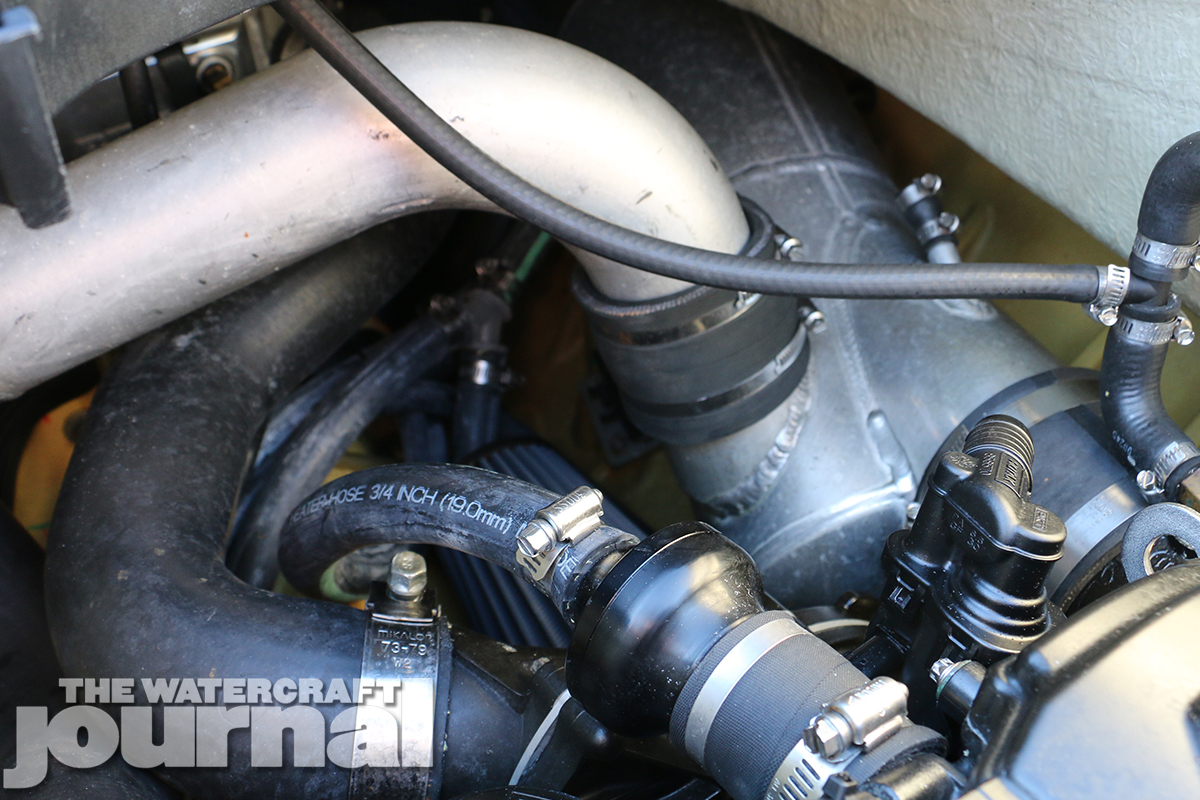
Yet, many performance enthusiasts have found the fuel incredibly receptive to high compression and big boost (psi) engine combinations. Replacing the Sea-Doo’s cylinder head is an unported Judge Motorsports Race Head that has been slightly milled, increasing the engine’s compression to 9.5:1. The addition of the aforementioned ET 68-140 supercharger increases the overall boost to a consistent 18psi at 9,100rpm. Although E85 characteristically burns cooler than traditional gasoline, a large RIVA Intercooler and RIVA Flame Arrestor were added to chill the intake charge. Lastly, a custom-built Judge Motorsports Waterbox replaced the stock exhaust.
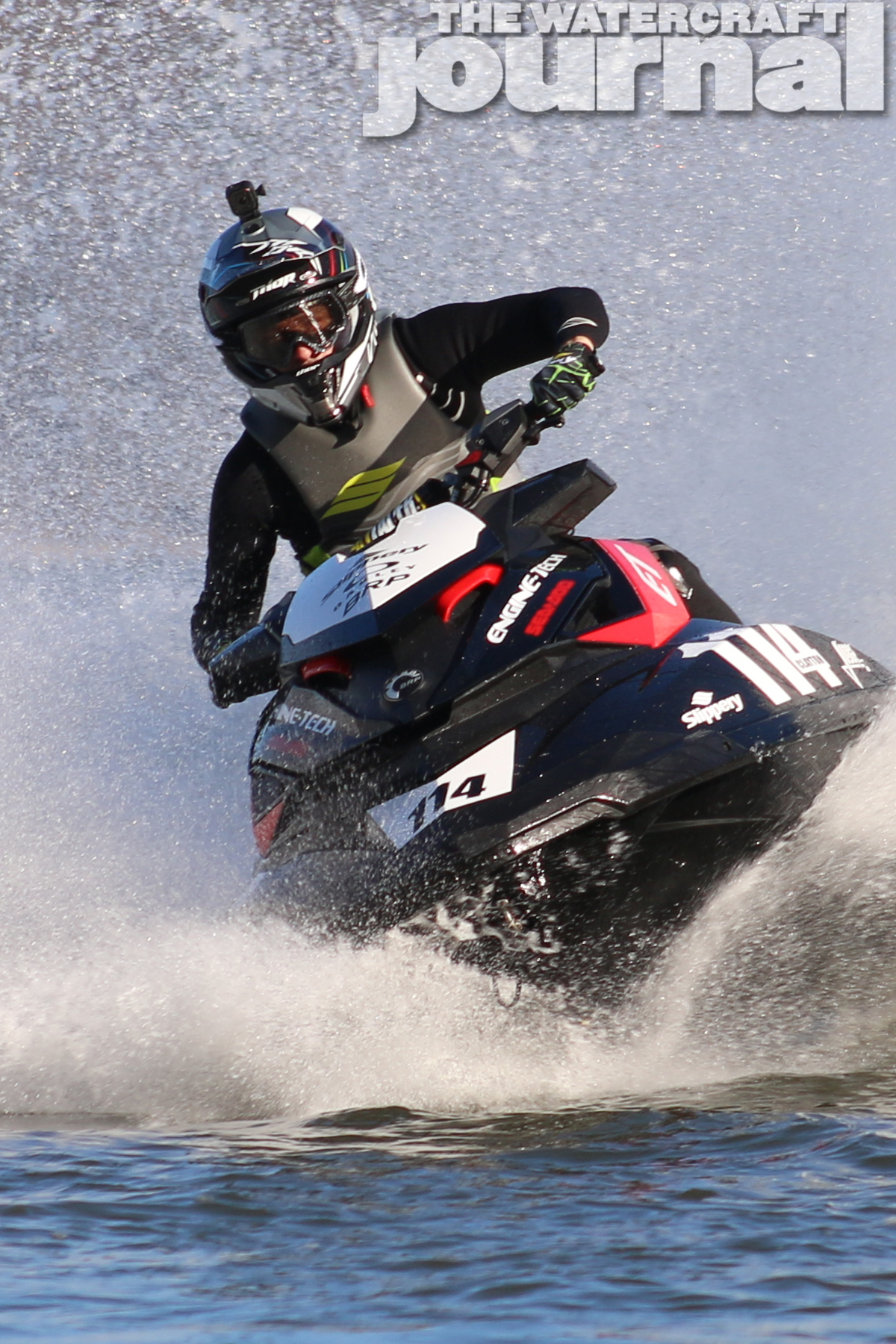
A 155mm Judge Motorsports Impeller features an aggressive pitch that together with a Sea-Doo X-Team Intake Grate launches the RXP-X from a dead stop or from the apex of a turn with gecko-like traction. A modifed RIVA Steering neck holds a set of low-profile KX Pro-Taper Bars wrapped in black ODI Grips, that together with a special home-brewed pair of Clayton-Spec Sponsons gives the Bolt 85 the best steering input-to-execution handling we’ve ever encountered on a stock RXP-X hull.
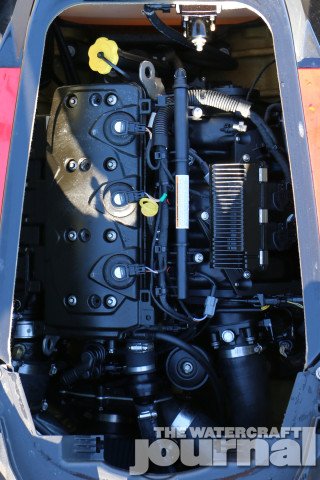
Above left: Converting the RXP-X’s Rotax 1503 to run on E85 ethanol required some doing, including converting to 1,000lbs. injectors, a Walboro 255 fuel pump and a RIVA Racing Fuel Pressure Regulator. Above right: A Judge Motorsports waterbox replaces the factory exhaust and a large K&N conical air filter replaces the BRP air induction box.
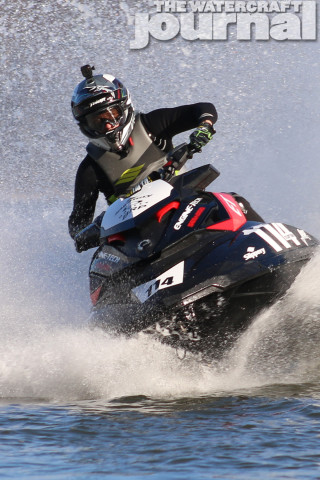
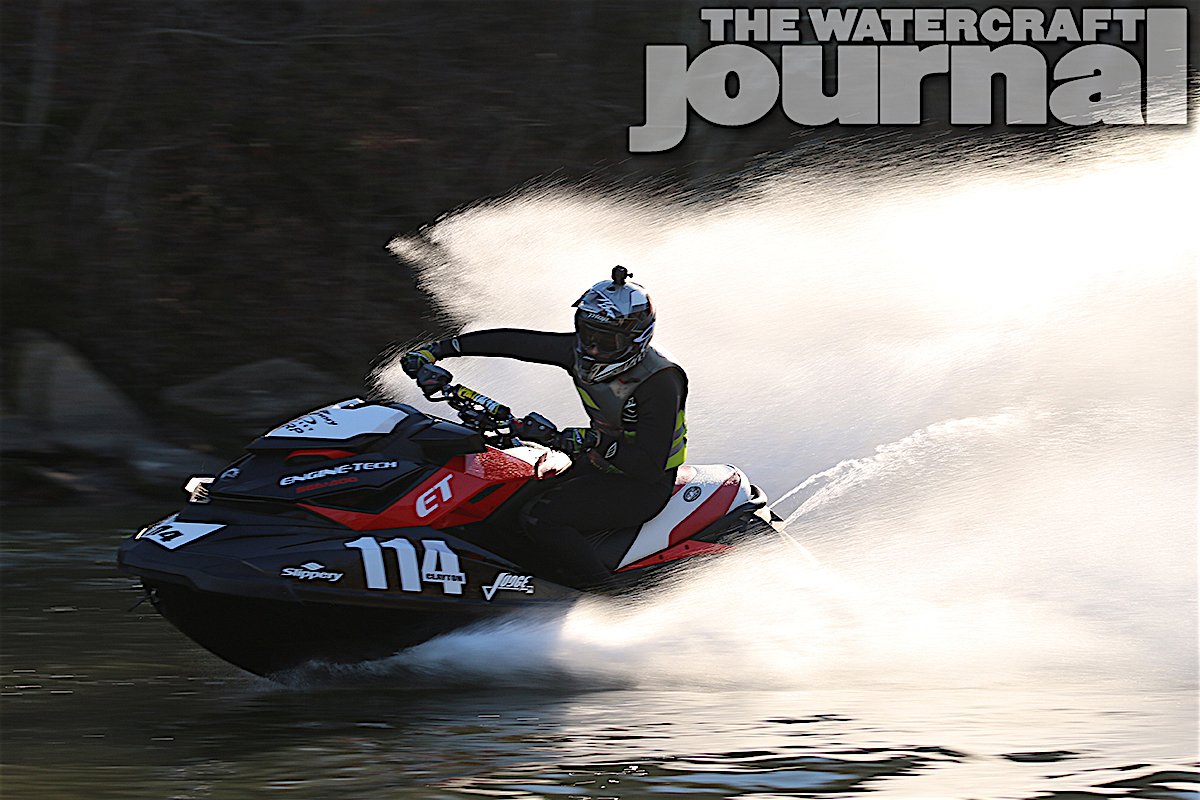
In fact, even in the brutish chop along the Mississippi/Alabama border, the Bolt 85’s ability to bite and snap corners was impressive. Typically, we’ve found stock-hulled RXP-X’s to struggle in wide sweeper turns, but not so with the Bolt 85. Equally, the immediacy of power-upon-demand helped propel the ski through tight hairpins that otherwise would require a little more finesse. It was the explosive throttle response that truly made the Bolt 85 an experience. “It’s making about 350-ish,” Clayton shrugged. “My turbo boat makes about 100 more horsepower.”
Slinking as low as we could into the custom-shaped Clayton-Spec Jettrim seat, even inside the cove, with water so clear you could see the rocky bottom as you sped along, we could only manage 79.4mph. Clayton’s lighter frame and familiarity with the racecraft fared better, fetching an 80.8mph top speed. “The other prop got us up to just over 83mph,” he explained. “This prop is really set up for the closed course, and comes on a lot harder.” A point that didn’t evade us.
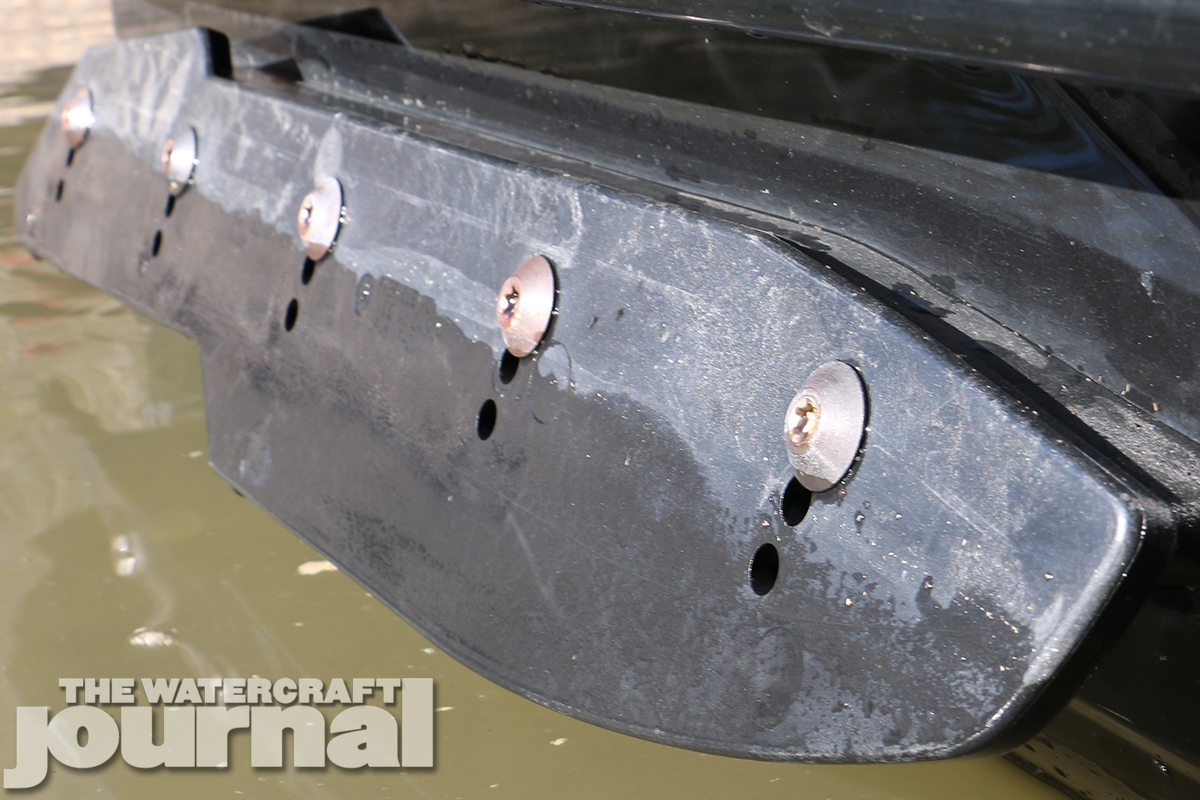
Above: The sponsons are deceptively simple in design but make a huge difference in how the RXP-X’s stock hull behaves. Removing the winglets and a large portion of the rearward trailing surface allows the Sea-Doo to stay engaged in large sweeping turns and keep it from searching while maneuvering through chop.
As one can deduce from the list of high performance parts listed, Clayton’s definition of “bolt on” gets a little murky. Despite coming in just under the targeted top speed and a hair above the budget, the Bolt 85 project delivers on power, handling, and seat-of-your-pants excitement. Both Tim Judge and Clayton toyed with the idea of offering the Bolt 85 as a comprehensive package allowing enthusiasts to recreate the project at home. With some fine tuning, Clayton is positive he can meet his goals and we look forward to seeing the results.
While this isn’t exactly a PWC, we do think many of you will see some design similarities that’ll blur the lines between a personal watercraft and a personal hovercraft. And c’mon, it is still a very cool build worth sharing.
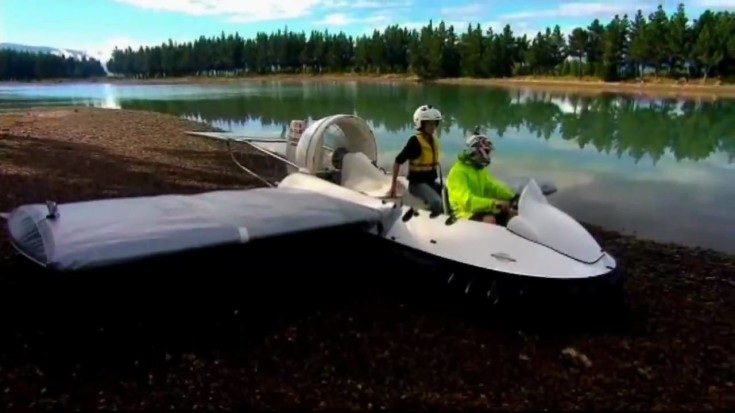
This one of a kind creation built by New Zealander, Rudy Heeman isn’t your average back yard build, either. He has successfully manufactured a functional hovercraft! This hovercraft took precision engineering and serious know-how to make it work properly. There’s very little room for error when building something like this. Heeman did a terrific job designing and building a craft this unique. With no baseline as to how a hovercraft should look, Rudy Heeman had to dream it, design it, then manufacture it from scratch.
Along with being a functional “hovercraft,” once it exceeds 40 miles per hour, it is capable of flying. It promises to give you the ultimate air, land, and sea experience. It’s a boat, a plane, and a land-going vehicle all in one! After watching the video, it looks like it would be a blast to ride, and a very versatile craft, too. I can’t think of many places this thing couldn’t go. Who wouldn’t want one of these?
It floats, flies, hovers, slides, there’s not a whole lot it doesn’t do. If you’re anything like we are, you’re probably thinking “Sign me up!” But you don’t want to go through the trouble of building one yourself. You don’t have to build one to own one, as Heeman plans on marketing his design at a price of $13,000. Watch it in action HERE:
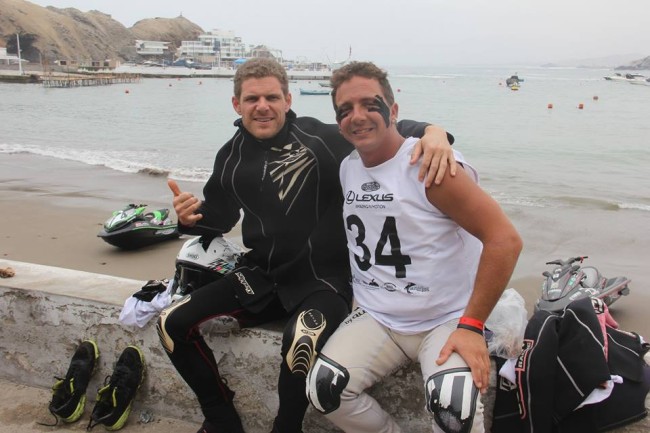
Last week, Peru played host to some of the world’s best racers in the sport, as they held the INKA Jet Raid in Lima, Peru. This eight day rough water racing gauntlet was a tough, demanding challenge for both riders and skis alike. Only the ultimate rider/machine combo can come out on top.
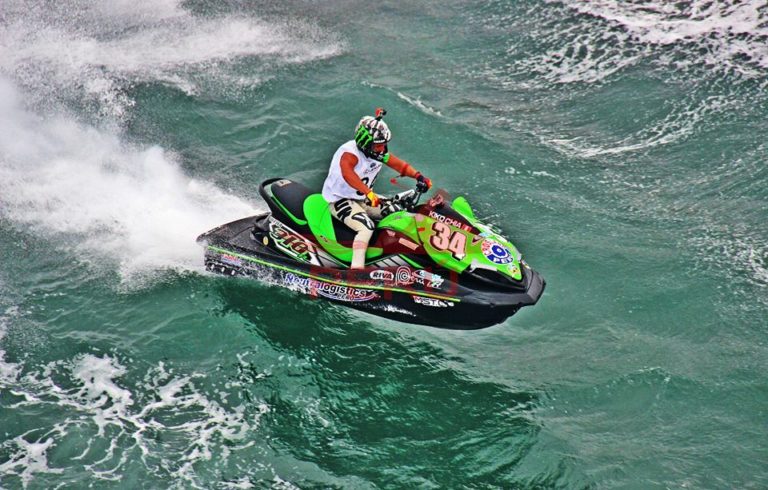
American Eric “The Eagle” Francis came into the event with high hopes, partnered with Kiko Chia and Rafael Davila, who are also outstanding riders. But things didn’t look too good for US rider and the rest of Team Chia after Day 3. They battled issues with their Kawasaki Ultra 310, from broken supercharger belts to a ride plate coming off. It was obvious that luck was not on their side going into Day 4 either. Some may have counted Francis out after struggling early, but if you’ve ever seen this guy in action, you know he doesn’t ever give up.
On Day 8 (last day of racing), there was an 85 km (about 53 mi.) race in very rough water around the islands. This was Team Chia’s last chance at taking the lead in the F3 class. The team decided to put their fate in Francis’ hands. That turned out to be a great decision, as he won the event with a lead of around 10 minutes over the next rider!
Just getting a podium finish in the F3 would have been a huge feat for this team after a rather unfortunate start to the week, but they weren’t willing to settle for second or third. They fought back all week to take the win in the F3 class! They also managed to get third overall for the event. It’s amazing what they were able to overcome to leave Peru with a win.
Francis summed up the week stating, “After a very rough start to the week, my team and I pulled it together and finished 1st in our class and 3rd overall at this year’s INKA Jetraid in Peru! It has been an amazing experience and I can’t thank my friend Kiko Chia, my manager Valerie Chia and the rest of the Chia team for all the help and support here.”
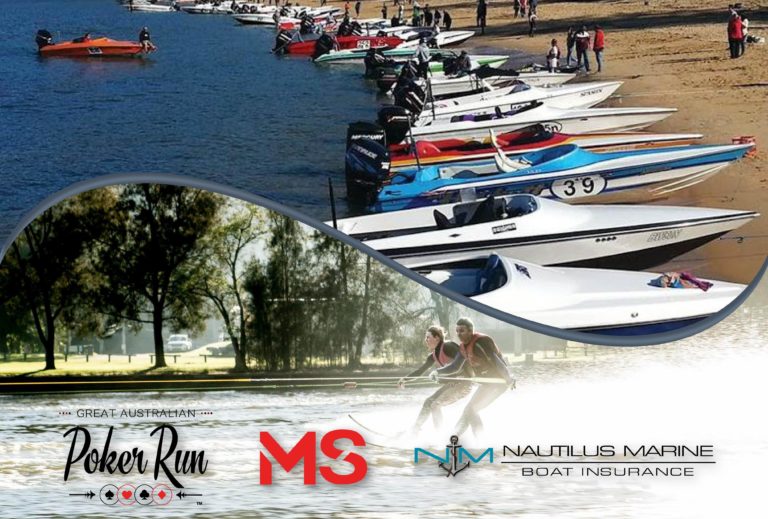
The fundraiser for multiple sclerosis is accepting personal watercraft entrants for The Great Australian Poker Run in Sydney, Australia, according to OZPWC. That was great news since that meant raising more money for a great cause. The run takes place December 12th on the Hawksbury River, starting at Wisemans Ferry, heading downstream to hit Checkpoint 1 at Spencer. Participants must ride in single file and a crew will be on hand doing a drive by to pick up cards.
Riders will continue to a private beach located in front of the Broken Bay Sports and Recreation Center, which is also the half way point. A 70 foot Predator Sunseeker will be set up with a band playing. People can enjoy listening to music while eating lunch, provided they bought an entry that included food.
The beach stop includes a landing area and an area to anchor offshore. Toilets, shade, and a netted swimming area will be located along the beach. The plan is to leave Broken Bay in single file by 1pm and the boats will head upriver for another drive by checkpoint located in Spencer. From there, all watercraft will head back to Wisemans Ferry to complete the run.
Del Rio Resort is booked for participants so they can enjoy more live music, buckets of prawns, cheese platters, and bars until 7pm. This group enjoys raising funds for MS, having a great time on their boats, and giving people joy on the water in a family friendly environment. You can book your tickets for the run and get more information here. Just click the link and it will direct you to the correct page.
Yamaha’s Sports Ride Concept car was revealed at the 43rd annual Tokyo Motor Show which shouldn’t come as a complete surprise to folks who have kept up with the company. According to an article at Cycle World, Yamaha has been involved in the four-wheeled business for a very long time. The company built the original Toyota 2000GT and then top-quality engines for the Ford Taurus SHO and Volvo XC90 V-8.
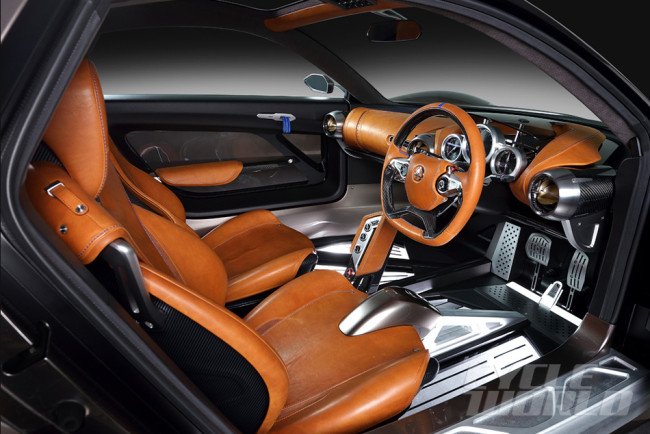
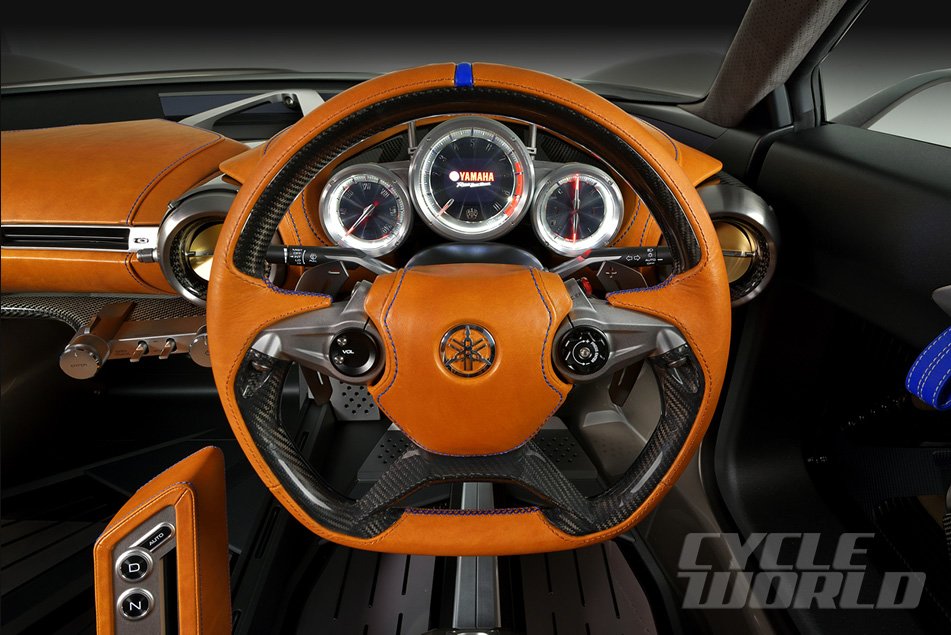
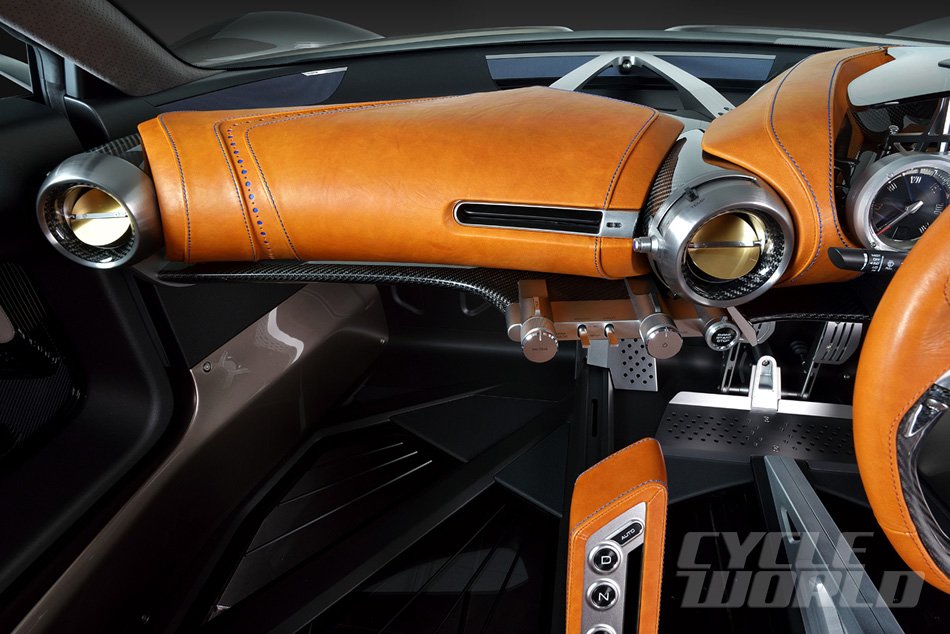
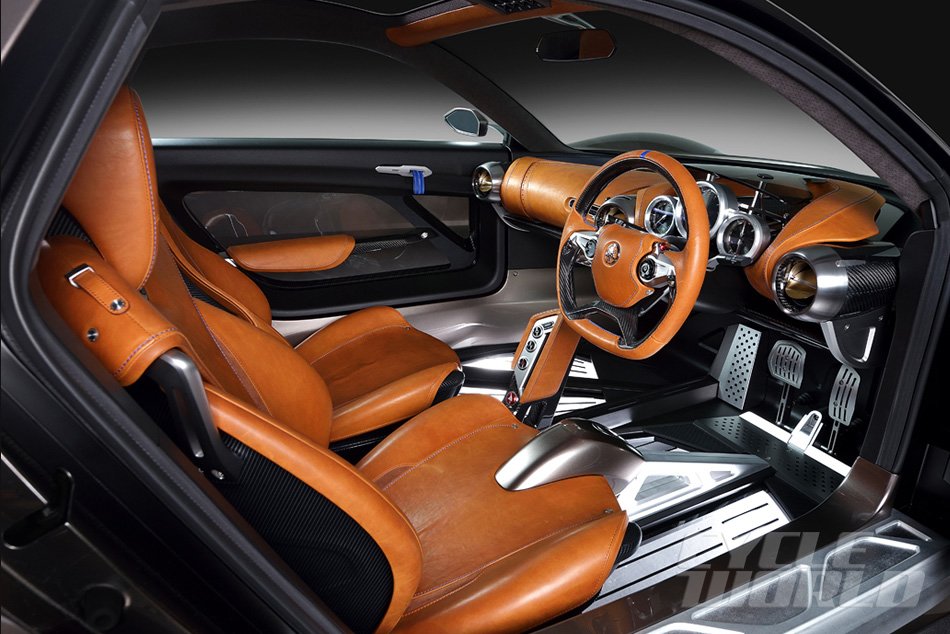
According to Road and Track Magazine, this new concept car by Yamaha is really stylish and lighter than a Mazda Miata. The Sports Ride Concept weighs in at a mere 1,653 pounds and even 400 pounds less than a Lotus Elise. The interior looks quite futuristic and just all around great! it is comprised of leather, metal, and carbon fiber. It is a 2-seater with a front-engine/rear-driver and a mini McLaren look on the outside. It is built using the iStream process developed by famed F1 designer Gordon Murray.
The carbon-chassis Yamaha is touted as rigid and extremely light. This makes for a sports car that’s a half-inch shorter and a half-inch narrower than the Mazda MX-5 Miata. Moreover, this new Yamaha concept presumably hasn’t had to meet any sort of crash standards. There is still no information on what type of engine Yamaha plans to install in this beast or has installed.
For all we know, it may have a motorcycle engine under the hood. Mind you, this is speculation along with the rumor that the Sports Ride Concept may be the basis for the new Toyota MR2. Time will tell! In the mean time take a look at some pictures of this rad vehicle.