
Home Blog Page 354

Gallery: PWC Muscle Gives The Whys And Hows of Sea-Doo Supercharger Rebuilds

4

SUPE

High performance engines simply require better care, high quality parts and studious maintenance than their less potent siblings. Since its introduction in 2003, the supercharged Rotax 4-tec 3-cylinder has remained one of the most prolific and popular performance powerplants in the industry; finding its way in more top speed-pursuing conversion skis, more race-ready watercraft and more enthusiasts’ machines than feasibly any other personal watercraft engine.

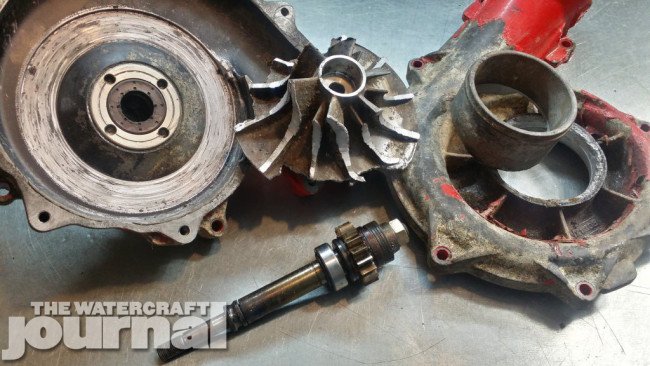
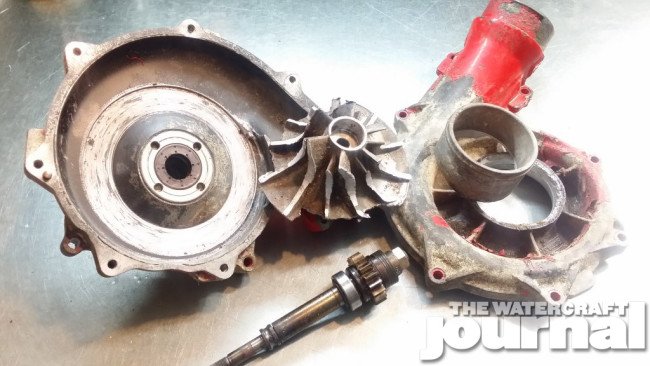
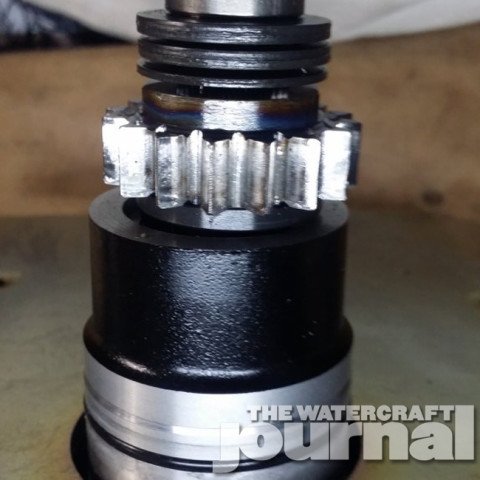
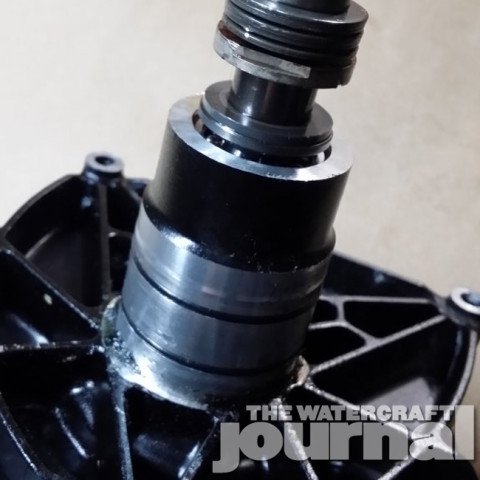
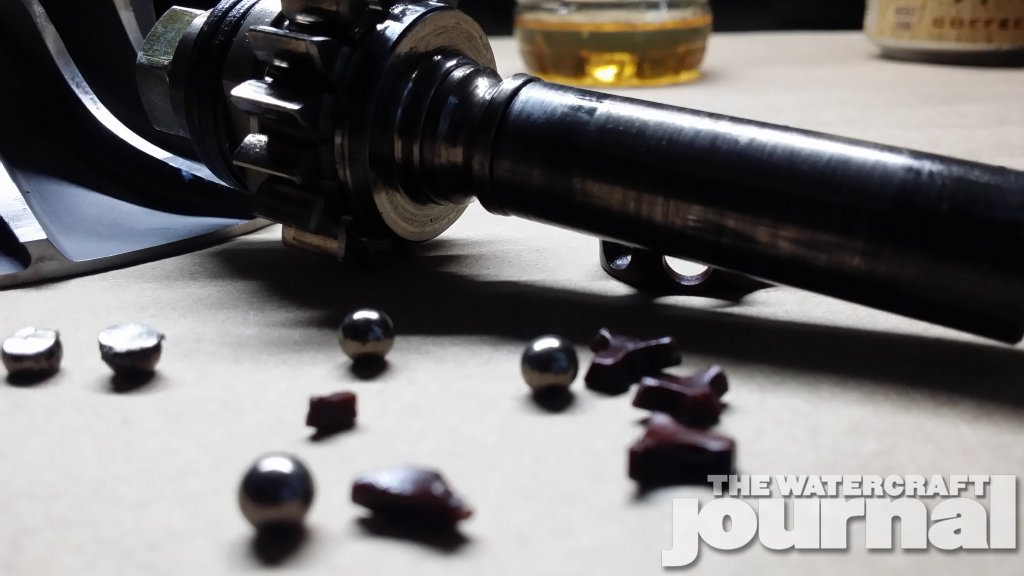
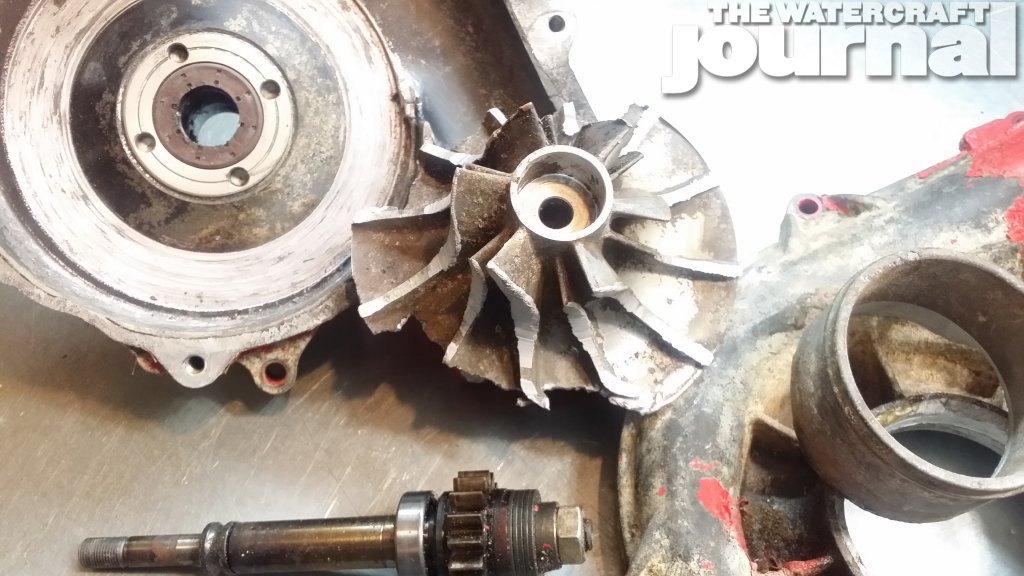
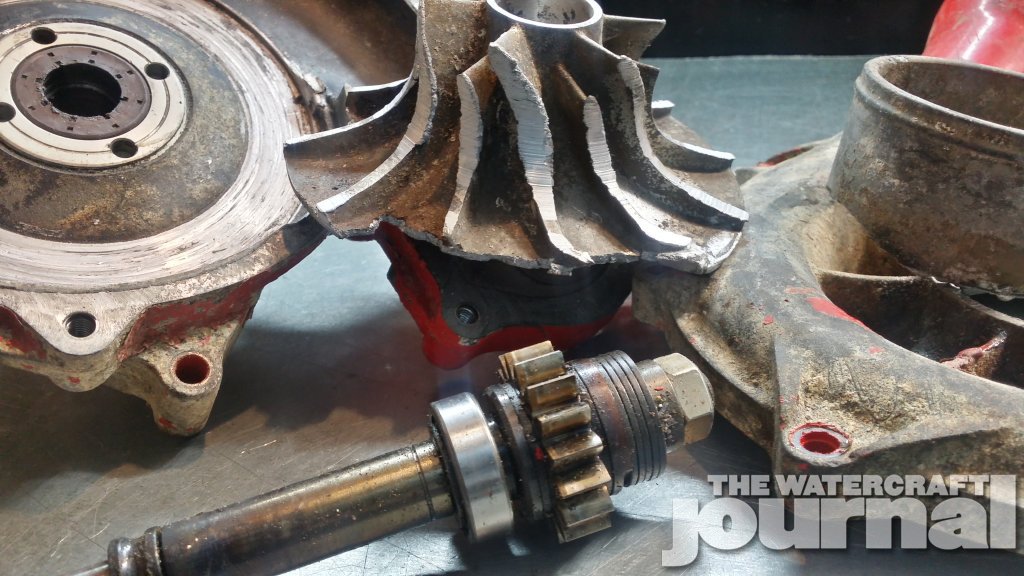
With its popularity comes the need to service it regularly, and we’re not just talking about regular oil changes. From 2003 until 2008, Sea-Doo used ceramic clutch washers in their shaft-driven supercharger assemblies. When subjected to high instant loads over a long period of time and use (without proper maintenance), these ceramic washers have been known to fail, fracturing into many pieces, which can lead to catastrophic engine failure.

We discussed this matter with PWC Muscle’s Joe Zammataro, whose shop offers comprehensive supercharger maintenance and rebuilds service to hundreds of Sea-Doo enthusiasts annually. Zammataro was willing to not only draw back the curtain on PWC Muscle’s process, but also walk us through how a supercharger can fail, what happens when it does and finally, what goes into rebuilding one if and when it does.
13

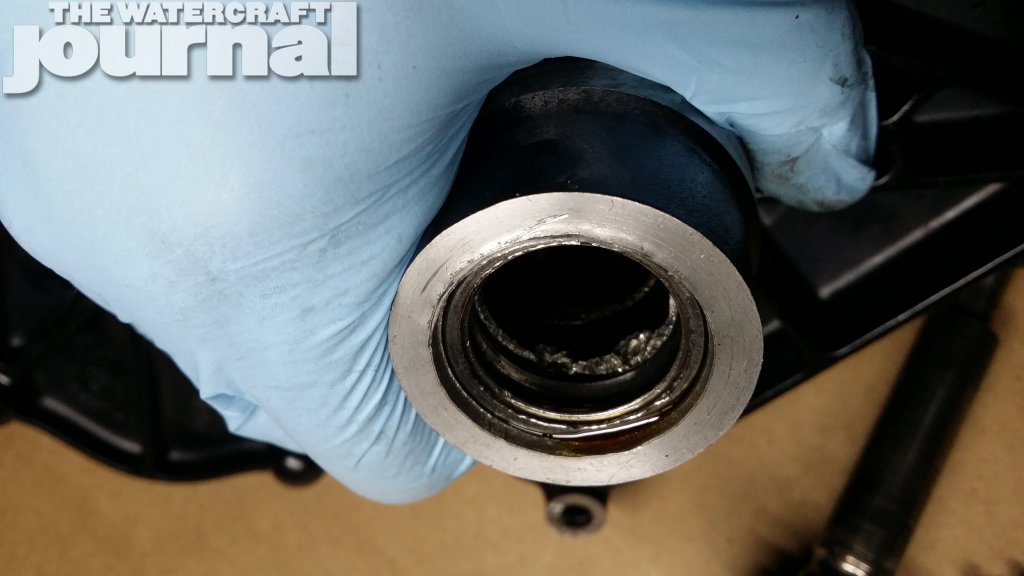
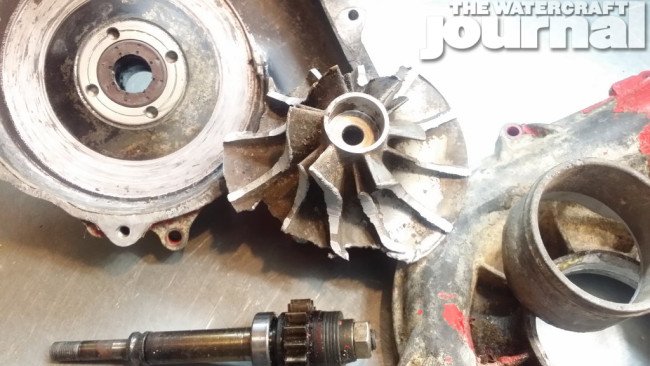
“When the ceramic washers fail, they leave highly-abrasive materials in the oil pan. This can affect all of the bearings in the engine’s lower assembly,” Zammataro explained. “The supercharger clutch sits directly above one of the engine’s oil pumps. Usually the material gets caught in the oil screen (not to be confused with the oil filter), but eventually works past it. If this happens, it will ruin the oil pump and you’ll get oil starvation. That’ll lead to what is known as grenading the engine, as the whole thing will lock up due to lack of oil.

“Supercharger clutches exist so there can be a variance between engine speed and the impeller in the supercharger. The highest amount of wear comes from jumping the ski out of the water, allowing the revs to get very high with the unloaded jet pump, and then coming back down into the water and having that instant drop in RPMs. While the engine might go from say 9,000 rpm down to 4,500 rpm, the supercharger impeller has to decelerate from 50,000 rpm to 25,000 rpm.

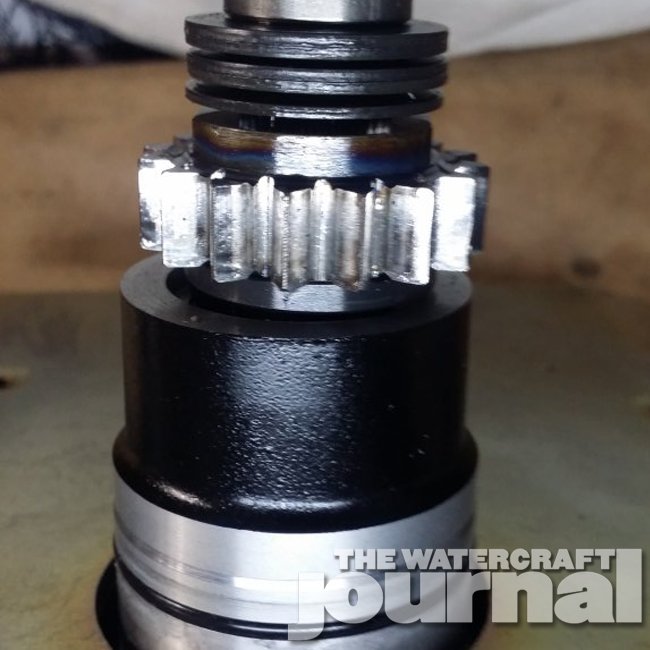
“It takes longer to slow down the impeller, so it needs to be asynchronous from the engine. The clutch allows it to do this. There is a very specific amount of hold (called “slip moment”) that the supercharger clutch must have. Too strong and it will break, too weak and it will slip under normal operation. A combination of shims and different spring washers must be carefully combined to make sure the tolerances are correct.”
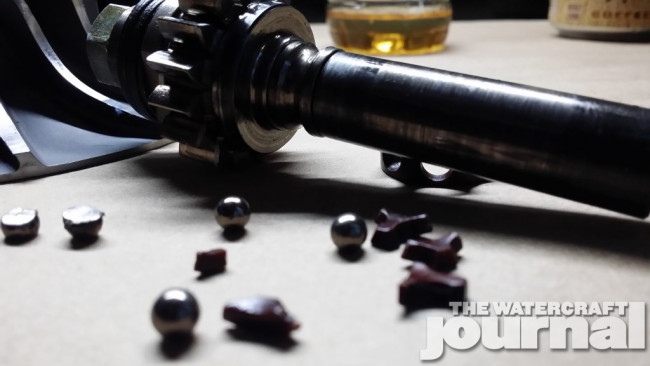
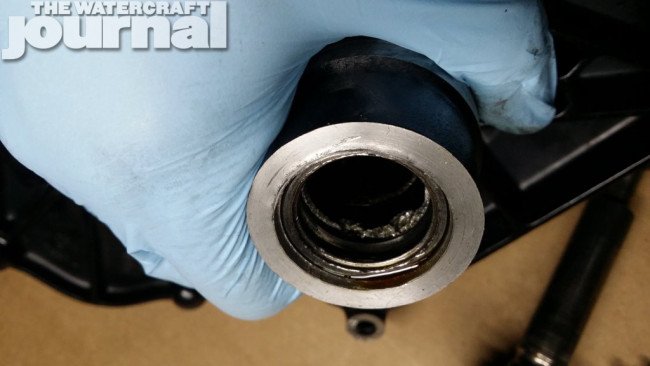
Aggressive riding or surf jumping is directly attributed to producing the most wear and heat on these clutches. Throughout the life of the clutch, aggressive riding of this type will drastically reduce the hold of the clutch, inducing additional slippage, which generates more friction and heat. And although metal clutch washers do manage to fail every now and again, Zammataro revealed that it is the bearings that suffer the worstwear and tear.

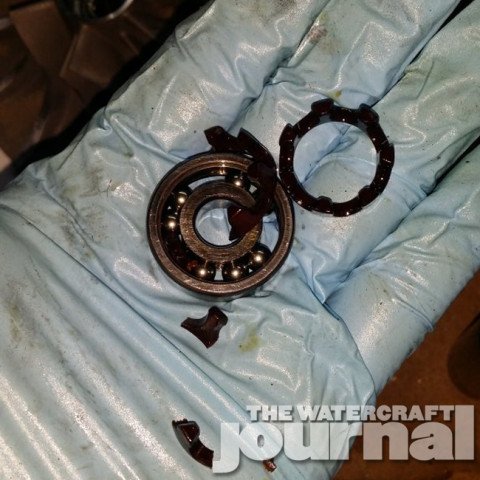
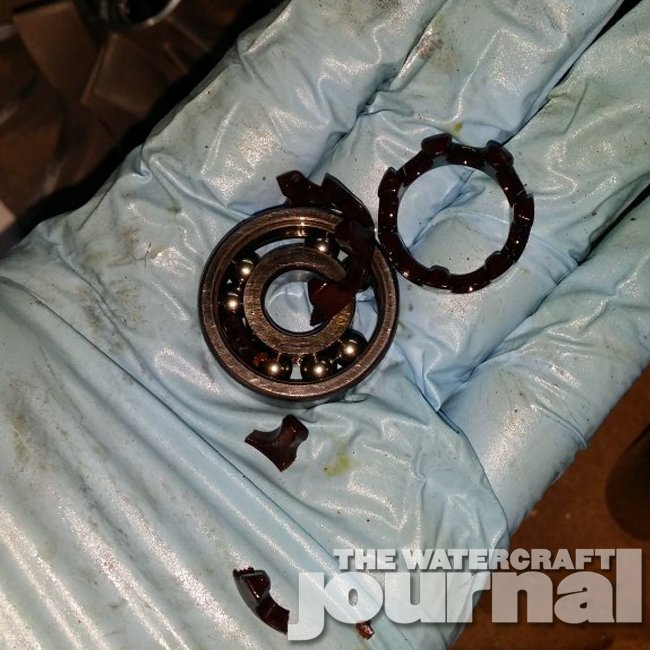
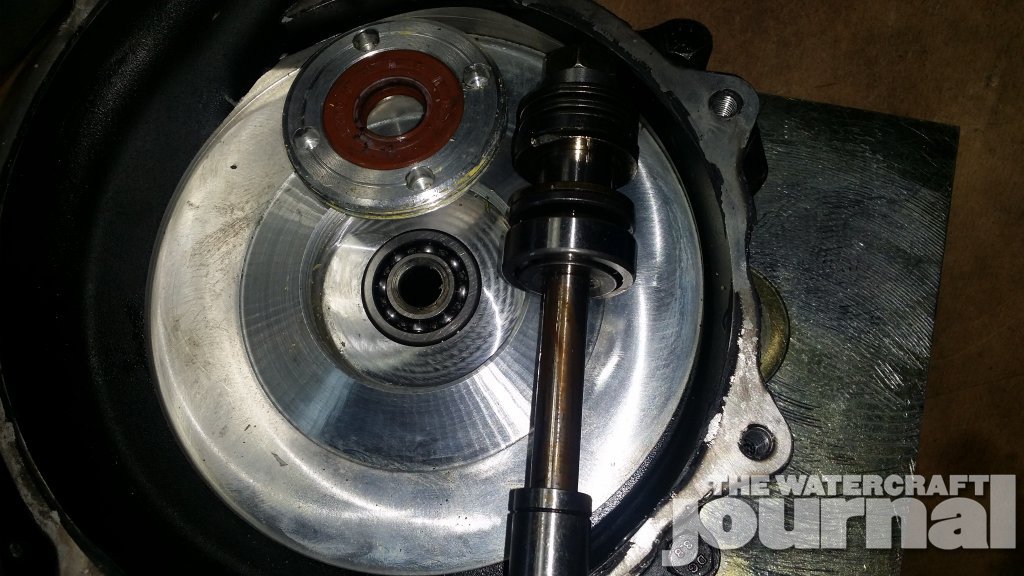
“The bearings get essentially splash oil. They do not have a dedicated oil passage, despite revving to up to 50,000 rpm,” Zammataro explained. “Because of this, plastic cages need to be used to reduce friction. If metal cages were used, they fail due to the additional friction. These plastic cages, however, become brittle over time and heat. When the clutches slip, we see the bearings fail more often due to the additional heat.

“When the clutches fail (especially with metal clutch washers), usually if addressed immediately, the affects are reversible. You need to rebuild the supercharger and extract the metal washers from the engine. If the owner continues to take out their ski and ride, the metal washers will work their way past that oil screen and severely damage the engine.
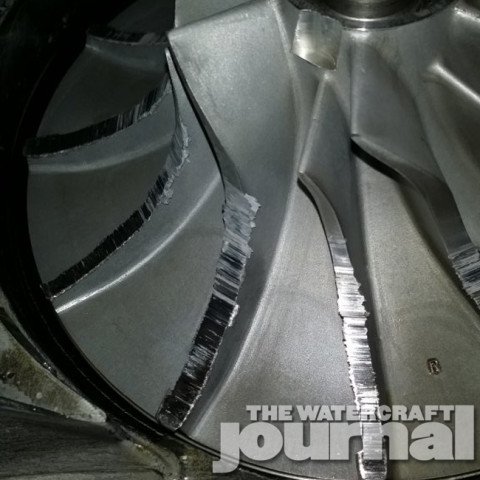
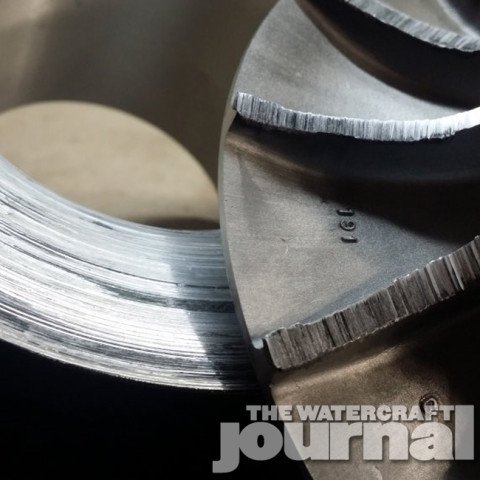
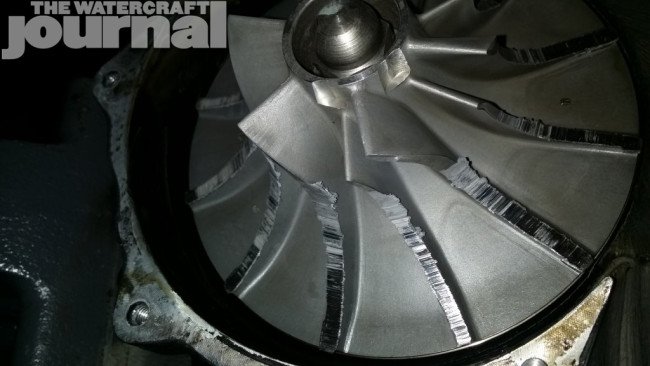
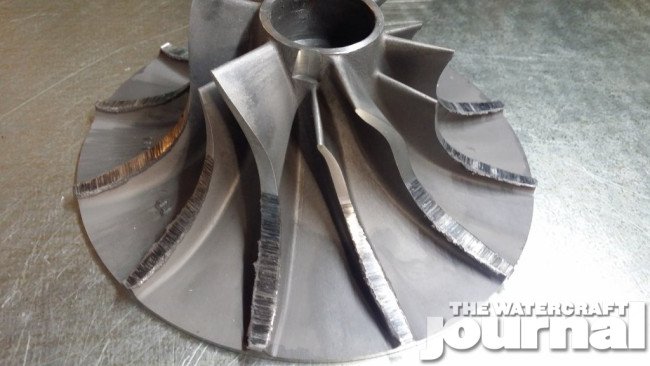
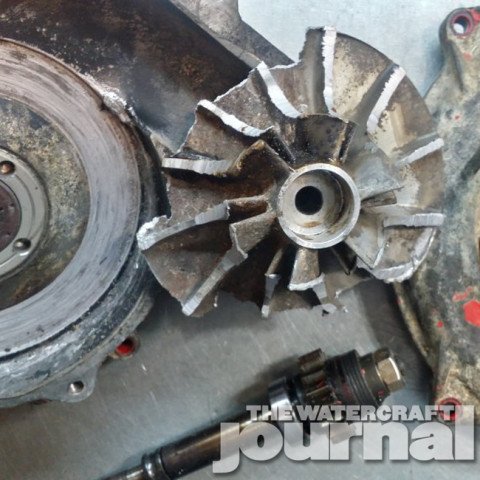
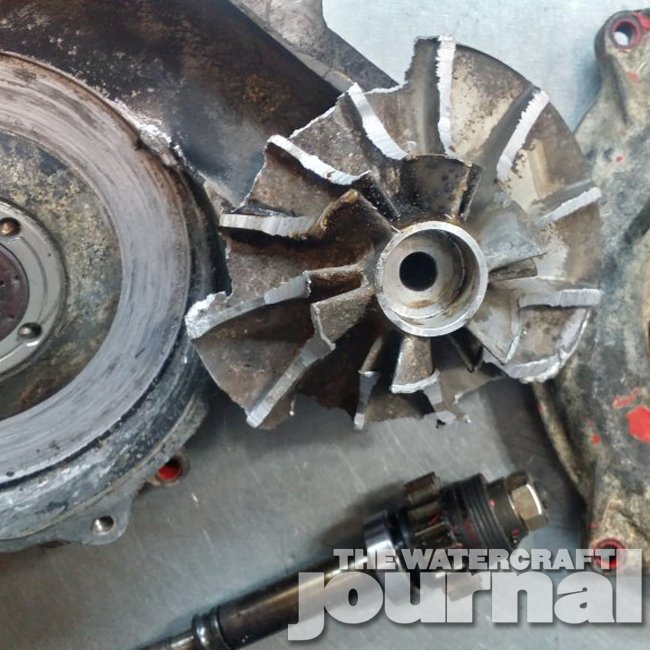
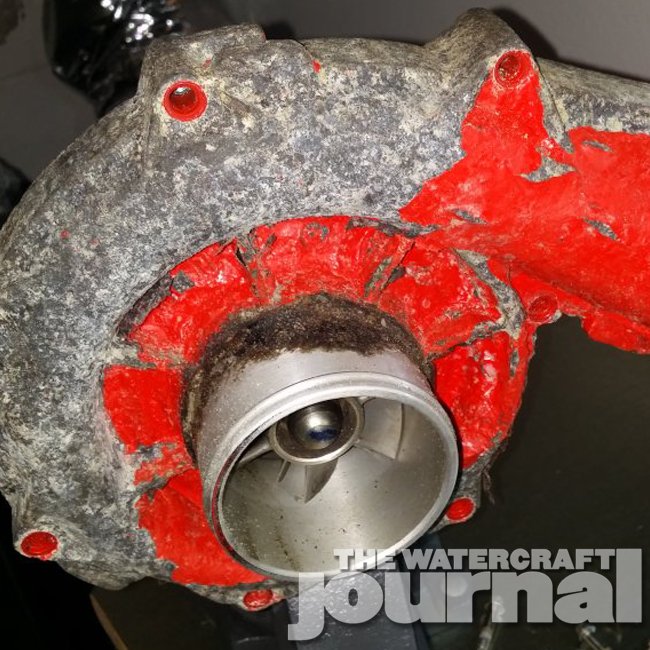
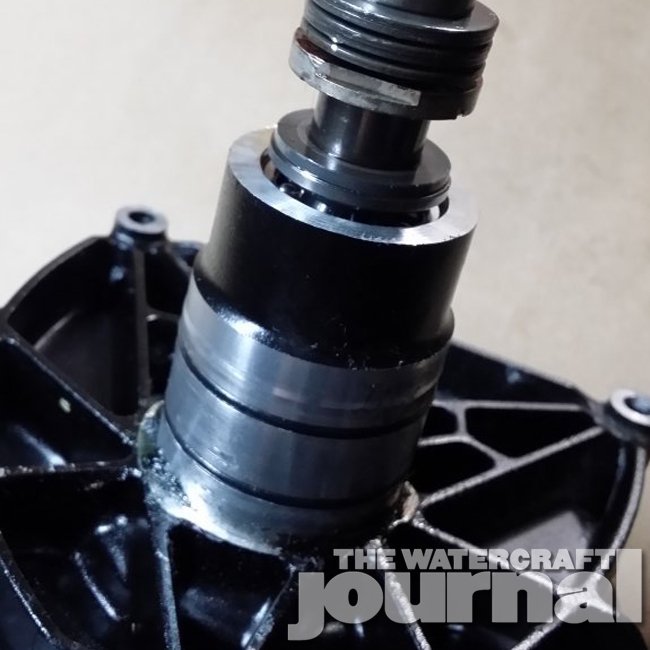
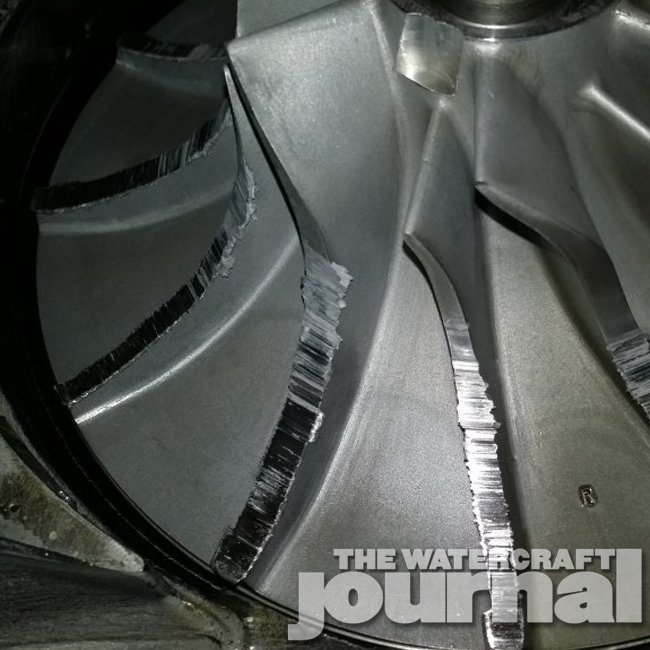
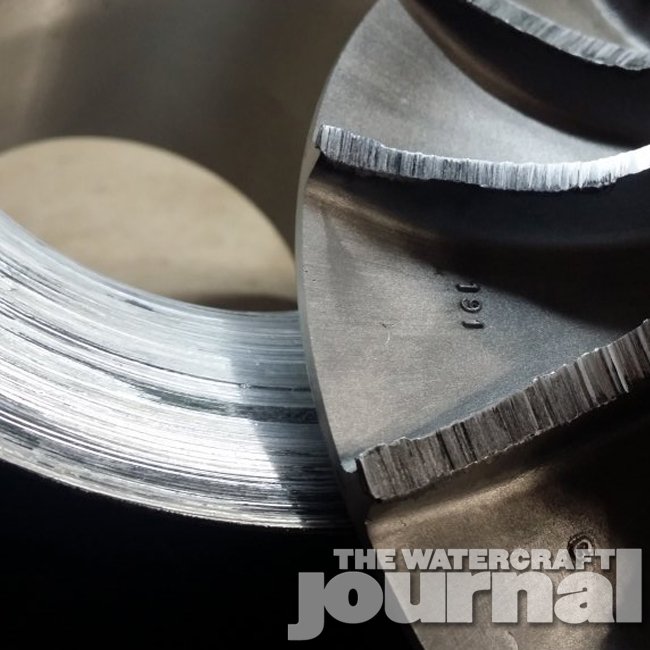
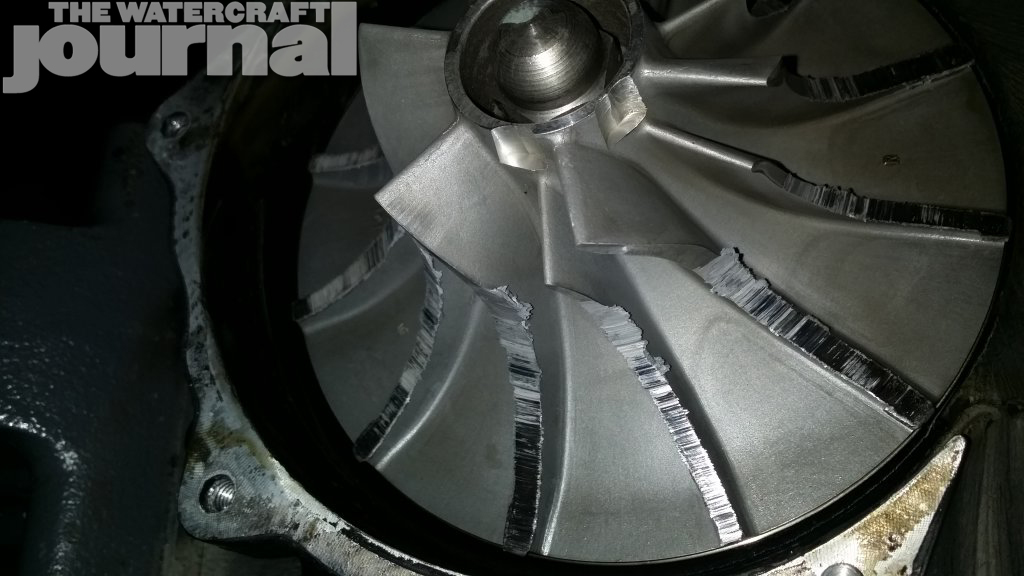
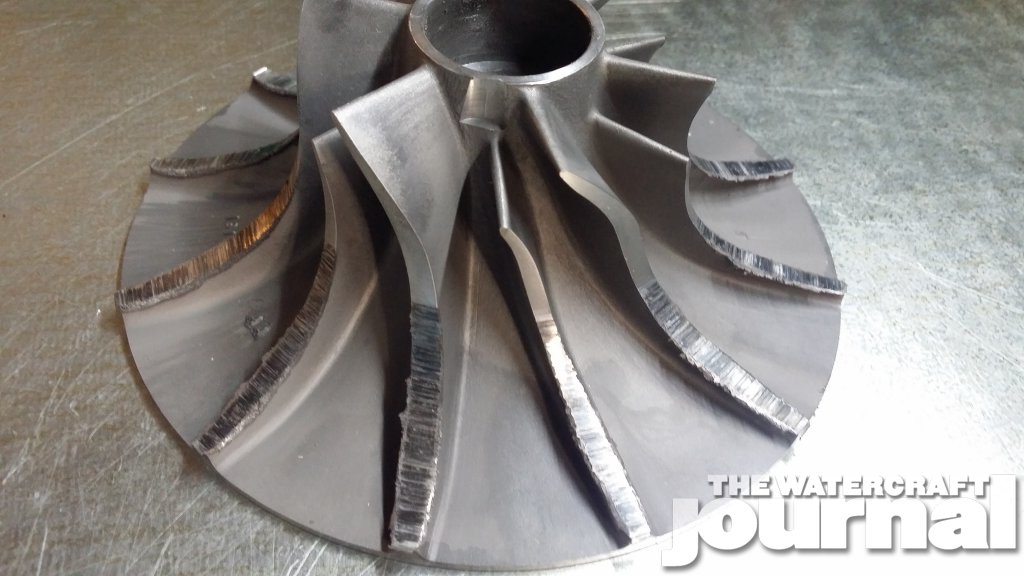
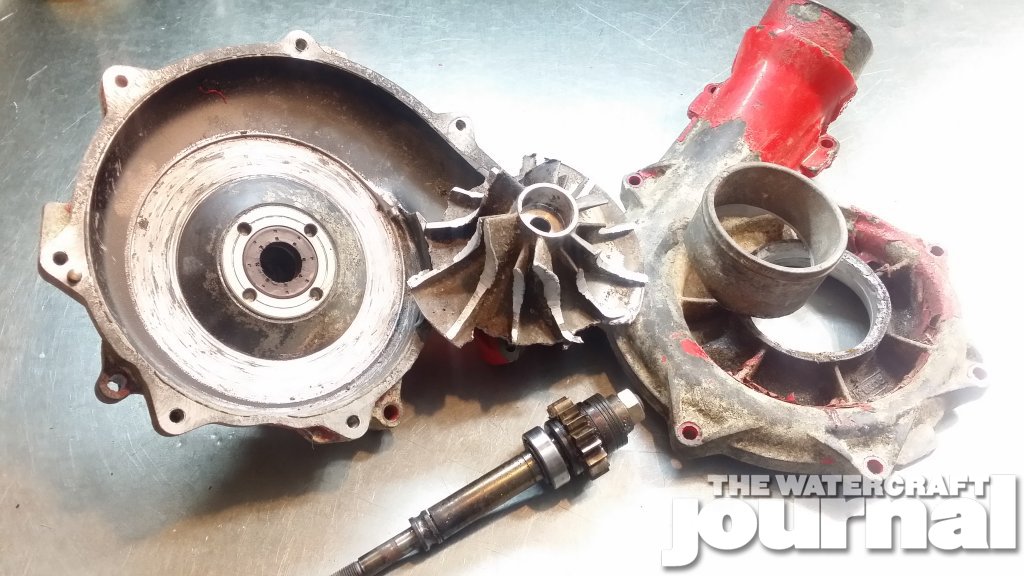
“When a bearing fails, the shaft of the supercharger becomes unstable and begins to wobble. This allows the impeller to make contact with the housing, creating what is known as a touchdown. When this occurs, a new impeller is typically required.”

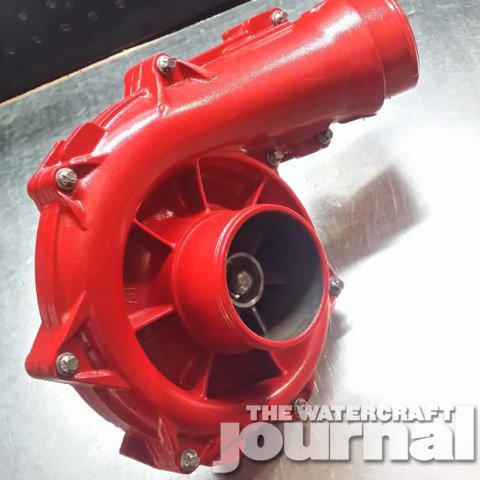
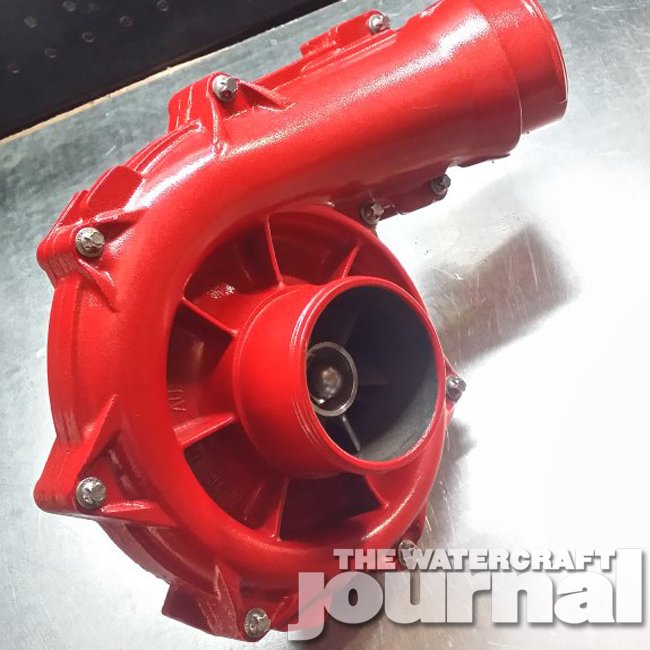
PWC Muscle prides itself on its quality, and its rebuilt superchargers come assembled with absolute precision, with each of the impellers individually balanced prior to reassembly. When rebuilding the supercharger, Zammataro and his team keep strict adherence to the clearances, as they are extremely important for the longevity and reliability of the supercharger. Zammataro noted that due to the design of the plastic cage bearings, the bearings must be installed in a special sequence to avoid adding lateral stress or risk a premature failure.

“When maintained, supercharged Sea-Doos are very reliable. Since Sea-Doo had the last revision of their rebuild kits, we are no longer seeing supercharger failures within the service interval from normal use,” Zammataro noted. “To check the supercharger, while the ski is off, remove the intake hose and carefully try to spin the impeller by hand. If it can be spun more than 20′ degrees, then the clutch is slipping and a rebuild is required. Likewise, if the ski won’t go over about 50, it usually is from needing a rebuild.
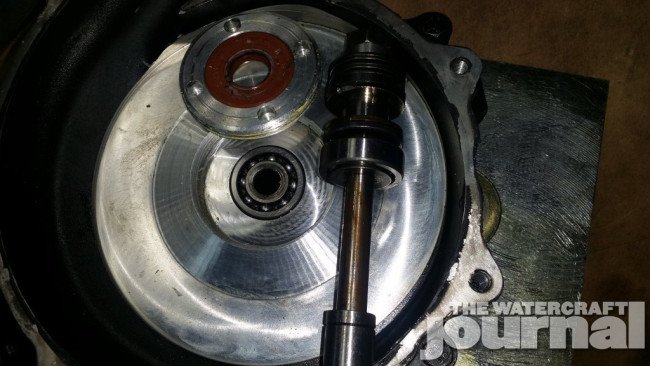
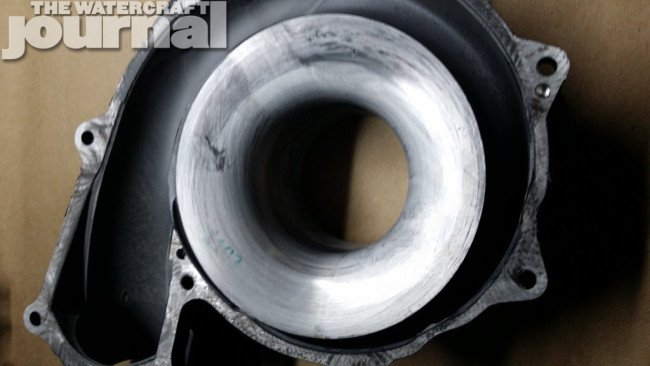
“In about 99.5% of the supercharger rebuilds we do handle, we can repair them. Additional costs may be involved (ie; new impeller), but typically we don’t raise the price for this. Luckily, we have the art of rebuilding down to a science. Our supercharger rebuild service is the most affordable and reliable way to keep the supercharger maintained. We use only 100-percent OEM parts.

“OEM rebuild kits are the only way to go. Aftermarket kits usually have several problems with them. For one, many use metal-caged bearings, which just isn’t safe in these engines. Also, we’ve seen aftermarket kits literally rust while inside the engine. Overall, the aftermarket kits are design to be cheap, which cheaper materials. Only OEM gives you the quality to keep a reliable 100 hour or 2 year service interval. The two year portion is because the plastic cages will start becoming brittle past this point.”

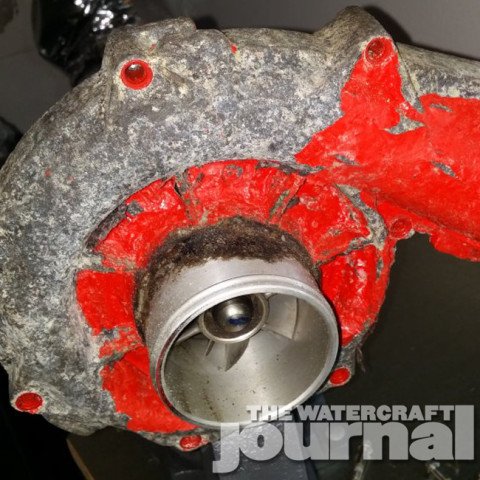
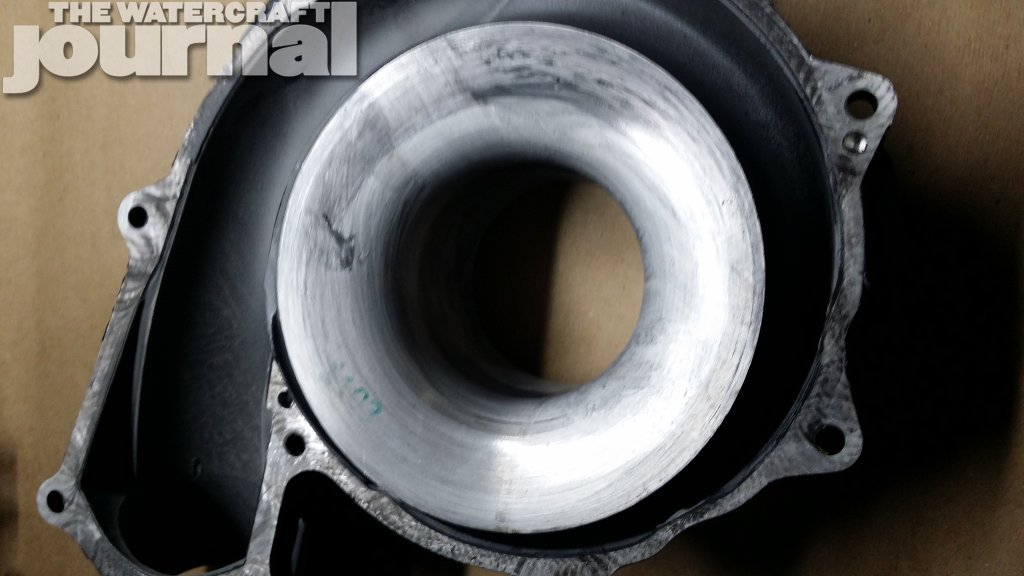
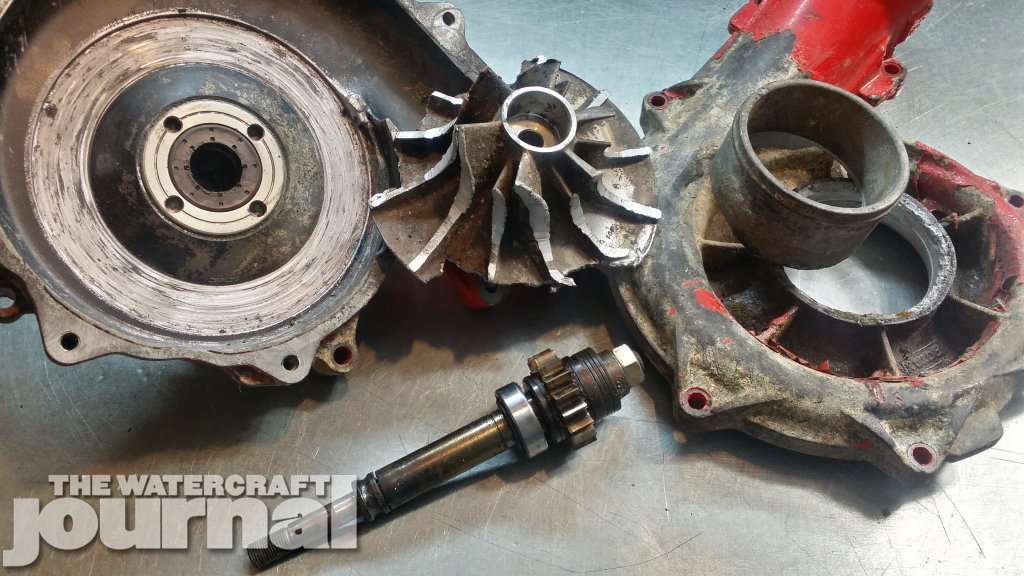
Maintenance is key to any and all high performance engines, and the incredibly popular Rotax 4-tec engines are no different. PWC Muscle sees plenty of superchargers come in that look as pristine as the day they left the assembly line, their owners simply fulfilling their obligation to keep their skis running in tip-top shape. Others, sadly, don’t take care of their watercraft and often see damage like this or worse.
13 10 12 8 1 4 16 5 3 7 2 6 14 19 11 17 15 18
<
>

The Watercraft Journal By The Numbers: November 2015

0

5

In last month’s segment of “By The Numbers” we celebrated our two-year anniversary, documenting our almost unnatural growth in an industry that so many naysayers deem as being well past its “heyday.” Although the manufacturers aren’t moving 200,000 units a year like 1995, we are seeing exponential growth in new and pre-owned OE unit sales, a boom in aftermarket hull and engine sales, products, apparel and riding gear, and accessories. In fact, it hasn’t been this good in nearly a decade. And that should be reason enough to celebrate.

For The Watercraft Journal, our growth patterns the OE industry almost in lockstep. Besides our median demographic being exactly the target audience that manufacturers look for – 44-to-46 years old males with some college or vocational schooling – we too are growing event during the so-called “off season.” While our readership numbers aren’t that of July or August, they are double that of November last year, for which we share below.

In fact, it’s so important for us to illustrate that we took a different take on this month’s “By The Numbers” to compare 2015’s November against last year’s November, rather than this past October. Showing how much our audience is growing, even when many of us are shoveling snow off of the driveway, is the best way to evidence how The Watercraft Journal is North America’s most popular personal watercraft magazine regardless of season or time of year.

Again, these monthly updates are written primarily for the benefit of manufacturers looking to expand their reach to new and returning customers. We are a completely transparent publisher, so much so that we publish our numbers openly every month and our ad rates at all times (see “Advertise” in the navigation bar above). So if you’re looking at putting your company and/or product before the biggest audience of actively engaged PWC enthusiasts, then there is only one place: The Watercraft Journal!

November 2015
Screen Shot 2015-12-01 at 10.16.45 AMNovember 2014

Screen Shot 2015-12-01 at 10.35.55 AM

Continued Growth Through Winter
Wintertime notoriously shrinks the industry all the way around: be it new vehicle sales, product and accessory sales, and of course, recreational use. Heck, it even cuts the average monthly user count on the biggest forums in half. Admittedly, much of the same happens with us. Such is life in a seasonal industry. Yet, why it’s significant to show this year versus last year’s numbers is to illustrate how our November readership has doubled over 365 days. And why? Because no other publication offers more consistent and reliable coverage of the industry, be it important announcements, race coverage or product reviews.

November 2014
Total number unique readers: 8,895*
Total number of articles read: 21,725
Percentage of new readers: 56.8%

November 2015
Total number unique readers: 16,297*
Total number of articles read: 38,598
Percentage of new readers: 56.6%

*This number is considered equal to an individual sale of a single copy of a magazine.

Cold Weather Won’t Slow Us Down
As many “pack it in” for the slow season, we see less content coming from those few remaining media outlets. Fortunately, The Watercraft Journal doesn’t take a winter break, but rather, continues to crank out some of the industry’s best content from throughout the globe, and coverage from the entire personal watercraft industry – be it touring, fishing, racing, freestyle/freeride, or do-it-yourself tech. We bring the enthusiast the widest array of coverage possible – and completely free to the reader!
News articles published in November 2015: 27
Feature articles published in November 2015: 10
Total feature word count: 8,699 words

*When this number is translated to print publication standards equals a 98-page magazine. Please note that this number does not include an average of two uniquely-written news articles published daily.

Screen Shot 2015-12-01 at 11.58.29 AM

Social Animals
Unlike other publications or sites, The Watercraft Journal doesn’t require its readers to download, or pay for a subscription, or even a setup a password to log in and access our content. Why? Because trending shows that people flee from such websites. Rather, we give our content freely and easily-accessibly to them; whether it’s via a desktop, a laptop or a portable device, they can read our content. And with our Facebook, Twitter, Instagram, YouTube, and weekly newsletters, we bring our content directly to them. And that’s a huge part of our success!

November Facebook likes: 14,684
Top Five countries: United States, Australia, France, United Kingdom, Canada

Baby, It’s Cold Outside
Many find that the diehard PWC enthusiasts will either brave the winter’s chill and continue to riding (that is, in states where weather actually plays a factor in recreational riding), or will dedicate the months to working on their skis in preparation for the coming Spring. That is why getting your company and its products and/or services on The Watercraft Journal now is so important. Get in before the rush and establish your brand in front of the biggest readership of PWC lovers before all of the latecomers try to jump in. The Watercraft Journal has a variety of editorially-supported ad programs that will fit your budget and meet your goals for the coming year.

IJSBA Announces 2016 USA National Championships: Sept 10-11, Chicago, Il

0

IMG_9482

There’s some pretty exciting news being shared by the IJSBA: the 2016 US National Championships will be held in downtown Chicago, Illinois over the September 10th and 11th weekend. In contingency with an already growing AquaX series, the US National Championships is locked in to bring in tons of exposure to the sport by hosting the event in the city’s most trafficked area. And for those taking note, the announcement of AquaX USA’s expansion outside of Florida is also equally as exciting.

Additionally, the IJSBA is currently at work to arrange transportation for jet skiers and their equipment to travel from Chicago, Illinois to Lake Havasu City, Arizona in time to attend the quakysense IJSBA World Finals held October 1st-through-9th. For those taking note, that’s a relocation from 2015’s pairing of Round 5 of the AquaX series and the US Nationals in Cocoa Beach, FL. As more information is unveiled concerning the host location, The Watercraft Journal will be sure to share it post haste.

2016natTitle

You can read the original announcement here:
IJSBA is very pleased to announce the dates for the 2016 United States National Championships: September 10-11.

The National Title will be bestowed upon the high points winner, of a small set of categories, after the completion of the stand alone event. The 2016 United States National Closed Course Championship will take place in Chicago, Illinois allowing for a very centralized location for the US contingent. The event will take place in the famous Downtown Chicago with high visibility opportunities for athletes and sponsors alike.

The 2016 USA National Championships will be produced by IJSBA’s partner in the USA, P1 AquaX.

Plans are underway for possible transportation support from the USA Nationals in Chicago to the 2016 quakysense World Finals which take place October 1-9 in Lake Havasu City, Arizona.

Please visit IJSBA.com regularly for more news an information regarding this exciting event.

Tuner Extraordinaire Jesus Garcia of MRG Racing Preps For King’s Cup

0

10455256_322599914561749_405062997721321690_n

With only days left until the first band snaps at this year’s 2015 King’s Cup, many of the world’s best racers are sparing no expense to ensure that their machines are running in tip top condition. In preparation for the week long’s event in Pattaya, Thailand, MRG Racing’s Jesus Garcia was personally flown in by the EME Performance Team from Malaysia to make sure their skis were running their very best.

The Dubai-based PWC engine tuner has been operating from the UAE billionaire playground since January of 2015, working on some of the most top level, big dollar builds in the industry. Garcia, who founded MRG Racing (or Moto Racing Garcia) back in his homeland of Spain in 1996 as a successful motorsports dealership first cut his teeth as a licensed Sea-Doo, Kawasaki and Hydrospace watercraft dealer, overseeing the sales, service and parts departments.

His close involvement with the parts and service departments spurred the MRG Racing Division in 2008 where Garcia was directly over the development of engine management systems in addition to his responsibilities providing racing support and performance product development for his team. Here, he found his true calling as a master of personal watercraft engine management, honing his skills of system development, tuning of racing engines and support of professional racing teams.

12274611_10204922398407832_2442499435452665056_n

Garcia has been instrumental in the co-development of the V-Tech engine management system for personal watercraft. As a subcontractor for V-tech Tuned (of Sweden), Garcia was tasked with bringing their automotive software technology to the watercraft industry. This also led to Garcia’s co-development of the MaptunerX engine management system for Maptun Performance of Sweden – adapting more automotive hardware and firmware technology for the PWC industry.

Now established as a primary source of top level engine tuning, Garcia has become a “go to” for international PWC racing teams, with a list of accomplishments including the Doha Aquabike World Championship, China Aquabike World Championship, UAE Aquabike World Championship, Aquabike Slalom World Championship, and Aquabike World and European Championships to name a few.

Kings Cup Thailand

[Update: With more than 350 competitors on the field at the prestigious IJSBA-sanctioned race, Garcia’s efforts resulted in two podium finishes for the Team Malaysia riders – a first place finish for Tee Chen Jet, and a third place for Lin Hong Hao – as well as a fourth place finish for Kuwaiti racer Yousef Al Abdulrazzaq. This, in addition to a solid third place finish for Canadian Tammy Seibel at this past IJSBA World Finals in Lake Havasu City, Arizona, only solidifies Garcia’s contribution to the world of top performance PWC racing and engine tuning.]

Real Review: Jettribe Hybrid Storm Trooper Goggles

0

STORM

Like a favorite pair of jeans or a well broken-in pair of Chuck Taylors, we’ve been using the same heavily scratched and discolored pair of sunglasses for well past a decade. They don’t float, they don’t exactly block out the elements particularly well, and usually a conversation piece when people pay close attention. But they’re comfortable, fit our face nicely, and have only slipped off once while riding. So every time we test a new pair of riding glasses, they’re almost unfairly judged against our old beat up shades.

In two years’ worth of bi-monthly episodes of “Real Review,” we’ve come to realize that Jettribe is nothing if not dedicated to infusing the utmost in features and nuance of design into their products. Even when we might’ve found qualms with fitment and such, we’ve always complimented the riding gear, apparel and accessory manufacturer for its dedication to integrating new bits and pieces into their products that never fail to make us pause and appreciate their addition.

1

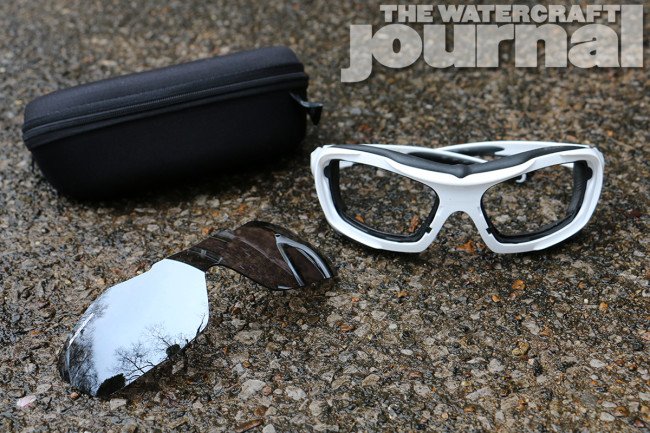
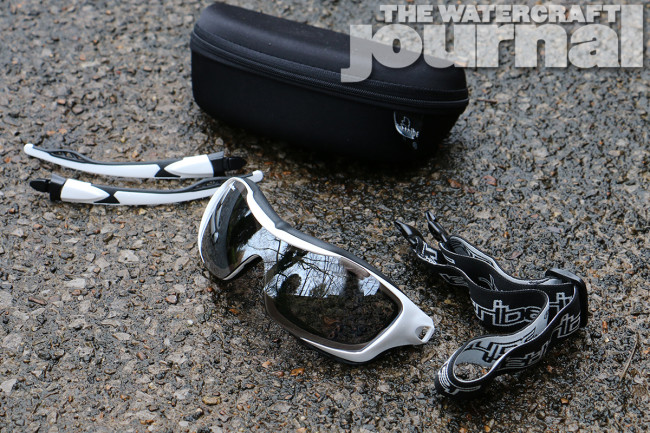
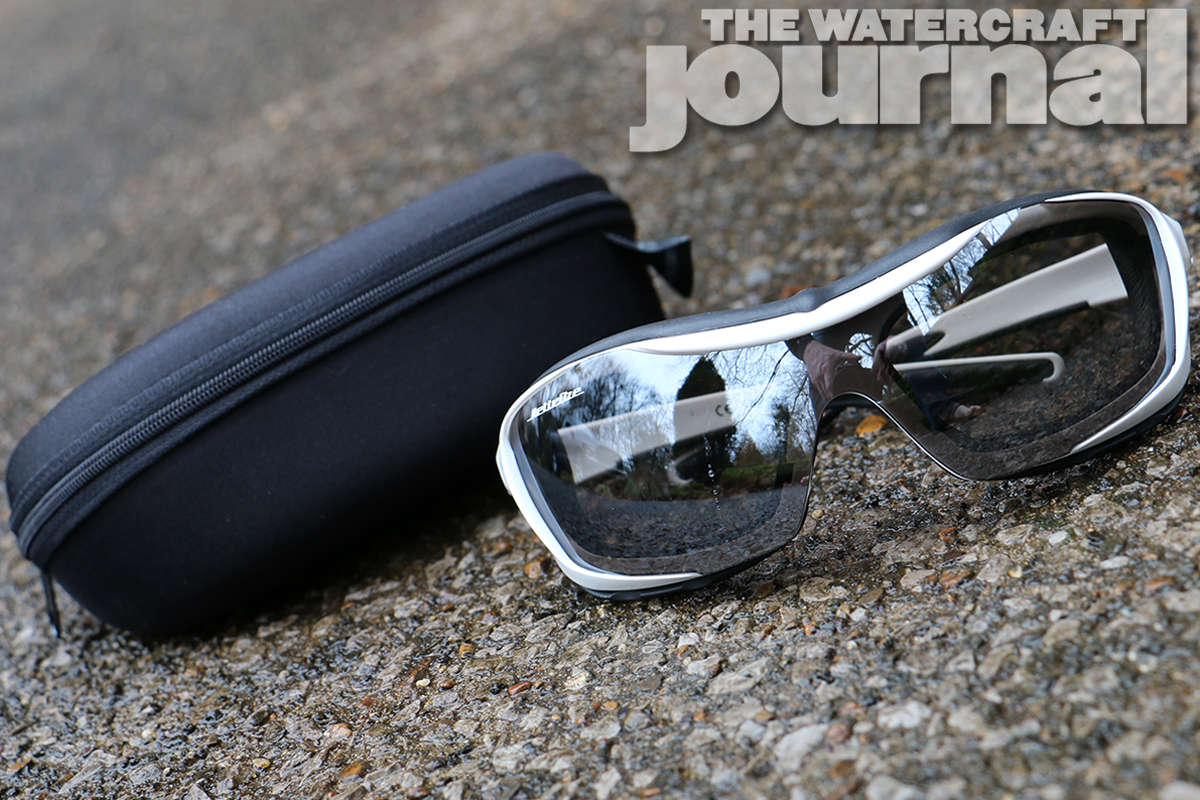
When it comes to developing a riding goggle, you wouldn’t think there’d be a whole heck of a lot that could be crammed into such a small package, but like us, you’d be wrong. Jettribe’s Hybrid Goggles earn their namesake for their transitional use as either sunglasses or riding goggles through the snap-in release/attachment of a goggle strap or sunglasses arms. In getting our hands on the futuristic-looking Storm Trooper Convertible Hybrid Goggles, we found the easy-to-remove arms a nice touch (including rubberized grips that help the glasses stay put above your ears), and the goggle strap soft on the touch.

Likewise, the shatter-proof polycarbonate lenses are 100-percent UV Protection and CE Certified, and are easily removed and swapped out from the injection-molded frames. In fact, the swap is so easy it might fool you into thinking that these might allow moisture to collect on the inside or fog, but quite the contrary. The thick foam padding (that also attributes to the goggle’s flotation) allows the goggles to breath quite nicely while at speeds or stationary.

6

Our only issues with the Jettribe Hybrid goggles again falls under the category of fitment and comfort. The Hybrid lacks any sort of pad for the goggles to perch on the bridge of our nose, leaving the plastic frame to rest on exposed skin. This not only required persistent readjustment, but also made for the goggles sit very low on our face. All that being said, the inner foam padding does excel at keeping the goggles afloat, whether fitted with the goggle strap or the plastic arms.

Adding to the value of the Jettribe Storm Trooper Hybrid Goggles is the hard-backed zip-up case that comes included in the $64.99 price tag. It’s another touch testifying to Jettribe’s effort to maximize the overall value of its products. In returning back to our original point, we wish the Hybrid Goggles simply fit a little better. The neat design features and 6-inch wide shape is cool, but we felt the goggles could greatly benefit from a bridge guard to keep them from slipping off (we couldn’t help but recall Steve Martin’s “Opti-Grab”). Obviously, fitment is subjective, so if given the opportunity, we suggest test fitting a pair prior to purchasing.

Green Award Goes to BRP’s Juárez Manufacturing in Mexico

0

brp1

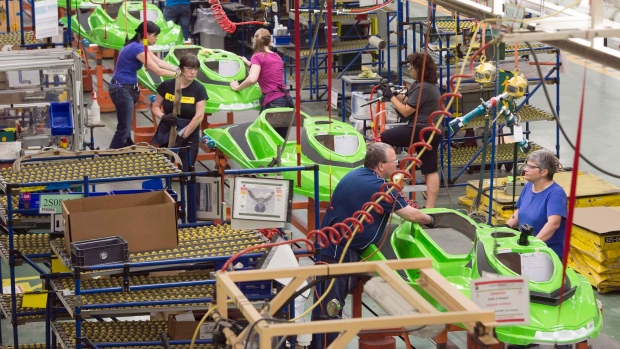
The Juárez BRP Manufacturing facility was given the honor and award for Best Corporate Social Responsibility (CSR) Practices in Mexico, according to a recent report in PowerSports Business. It all came down to the company’s care and preservation of the environment. The prestigious award was given during a ceremony held during the 10th International Seminar on Best Practices in CSR.

Cemife, the Mexican Philanthropy Center, recognizes a company for its environmentally friendly practices that are deemed original and sustainable. These ordinances must be in place for at least one year in order to show a true commitment to the environment and policies set forth by the company. BRP did exactly that and for their rigorous commitment, Cemife saw them best suited to receive the award. The ceremony took place October 9,2015 in Guadalajara, Mexico.

The Executive Chairman of Cemefi, Jorge Villalobos Grzybowicz, said that “the award-winning CSR practices show that businesses can achieve excellence not only in serving their employees and consumers, but also in serving society and the environment.”

brp-20140912

BRP stayed strong in its commitment to helping the surrounding communities and environment by reducing its impact on the outside environment The company held the Green Race and Eco Fair 2014 and 2015 and six tons of electronic waste was collected! BRP also helped plant 2,000 trees and implemented a program designed to dispose of waste in a more eco friendly manner.

“Our team in Juárez has been determined to make a positive impact on the environment and community,” said Sylvain Blanchette, BRP’s vice-president of Operations, Mexico and Canada. “We’ve planted trees, sponsored local ecological projects, exchanged plastic bottles for an eco-friendly alternative, and much more – and we will continue to do so in the future.”

The Mexican Center for Philanthropy is a private non-profit apolitical lay organization whose mission is to promote and coordinate philanthropy and social responsibility of committed citizens, organizations, and businesses to achieve a more equitable, united and prosperous society.

BlackTip Jetsports Proudly Adds Anthony Radetic to 2016 Race Team

0

12310412_927123314033020_1972418119558482715_n

Since 2014, BlackTip Jetsports and Watercraft Superstore have been consistently growing their watercraft racing team. Maybe you have seen one of the team member’s tricked out skis on the race course fitted with custom Elite Series traction mats and seat covers? Well, you are about to see one more BlackTip sponsored rider crossing the finish line in 2016!

Let us introduce you to Anthony Radetic. Anthony seemingly came from nowhere and burst on the watercraft racing scene in 2014. Now with two strong racing seasons under his belt, the PWC world gets to witness his champion heart: former Blackhawk Helicopter pilot, former Special Forces soldier, Army Combat Veteran and one of America’s greatest Challenged Athletes!

Watercraft Superstore’s Carrie Sinwelski, BlackTip’s Race Team Manager, had to say about adding Anthony to the roster for 2016: “We are excited to have Anthony Radetic as a sponsored BlackTip Jetsports rider. We recently met him at the AquaX races in Cocoa Beach Florida and were really impressed with his go-getter attitude. He excels at jet ski racing and is a natural athlete. Recently he was named athlete of the year by the AquaX team and is truly deserving of that title. Anthony let’s nothing get in his way of attaining the goals that he wants in his life and sports. We are honored to have him on our team and can’t wait to see what his 2016 race season will bring.”

We also caught up with Anthony who had this to say when asked about his opportunity to join the BlackTip Jetsports Race Team: “I’m definitely looking forward to being part of the BlackTip Family next season. I feel like BlackTip is a perfect match for what I need and use when racing. Not to mention our common view and like minded mentality, the company’s long history in the watercraft industry and it’s community…. I see this to be a great start in a new direction for the upcoming season!”

The SBT, BlackTip Jetsports and the Watercraft Superstore family of companies is multi-faceted and growing by leaps and bounds as they continue their dedication to “sticking to their roots.” Their growth, coupled with their support of both the PWC community as a whole is evidence of this BlackTip Jetsports champion heart. Indeed, it is a perfect match!

Beyond The Pale: 2016 Yamaha FX SVHO WaveRunner

4

PALE

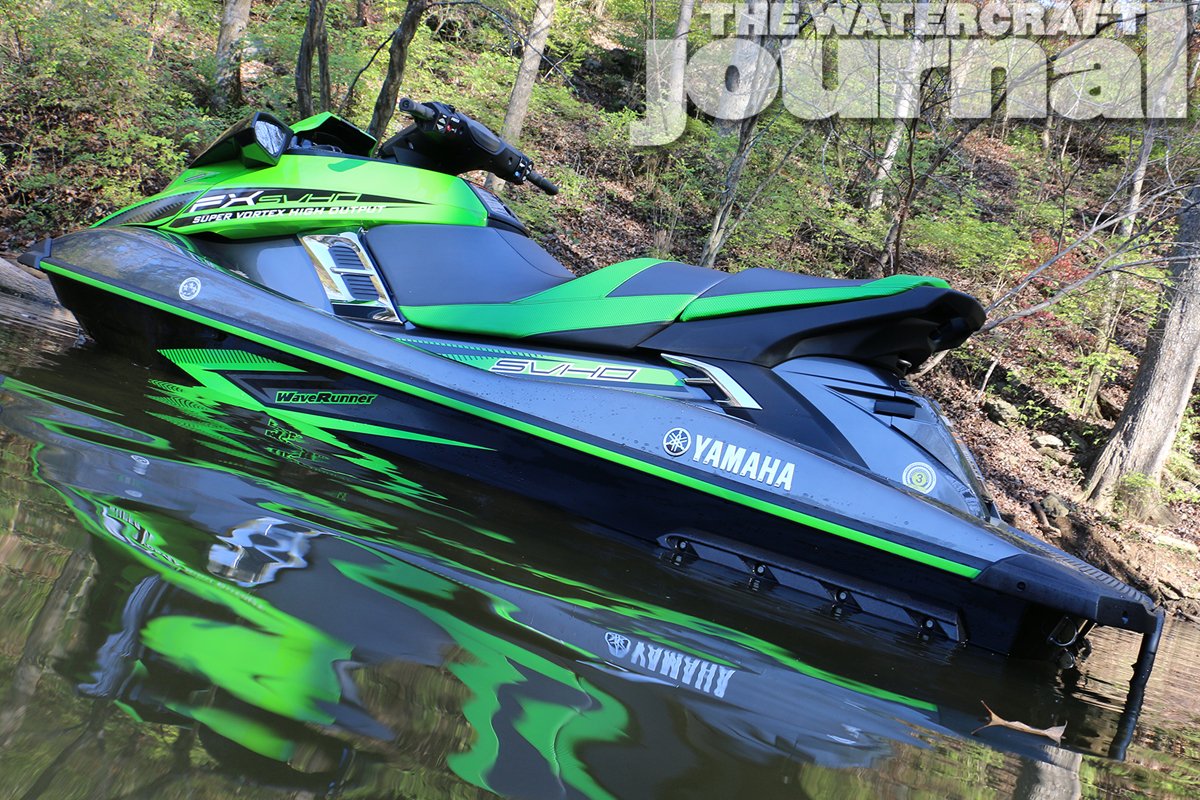
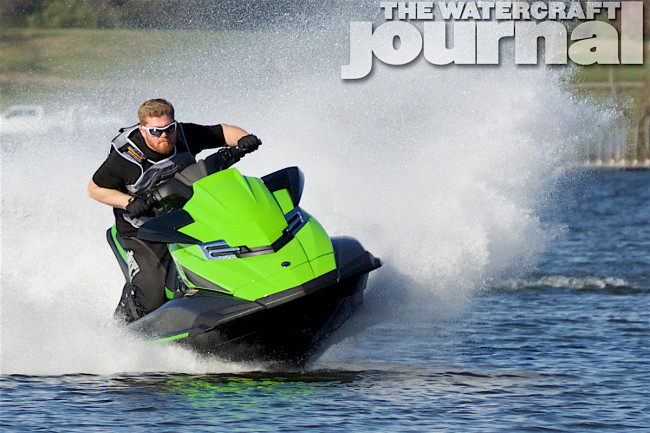
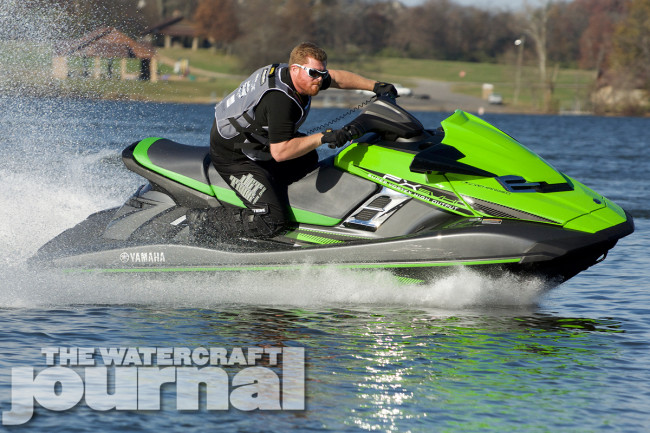
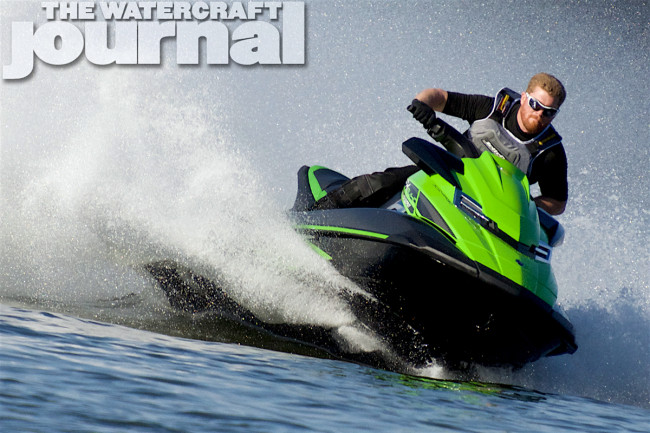
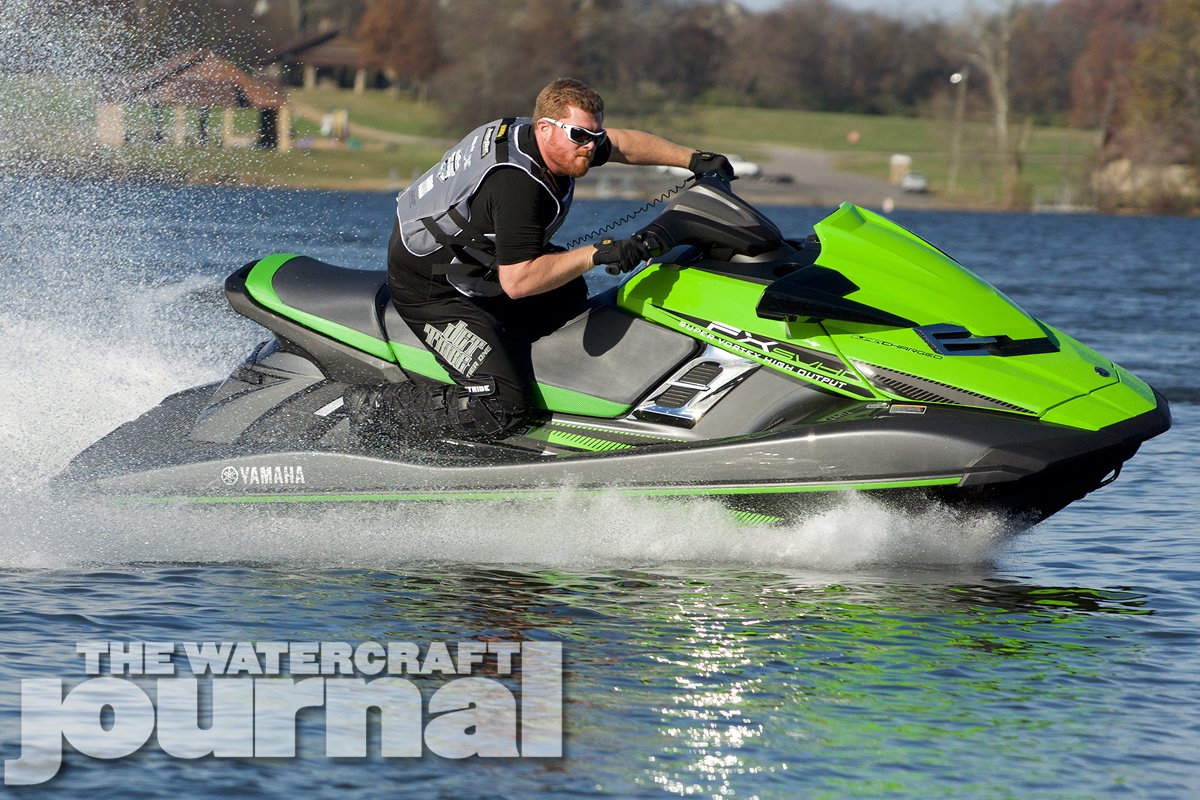
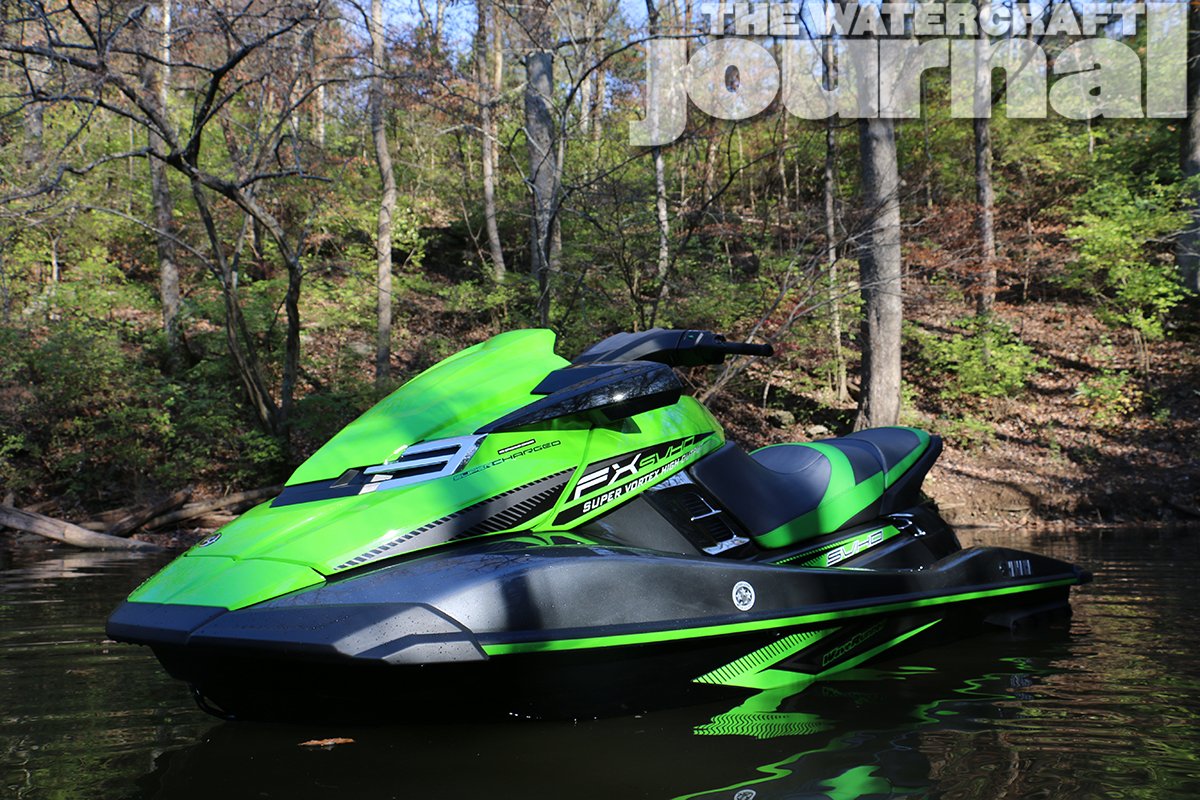
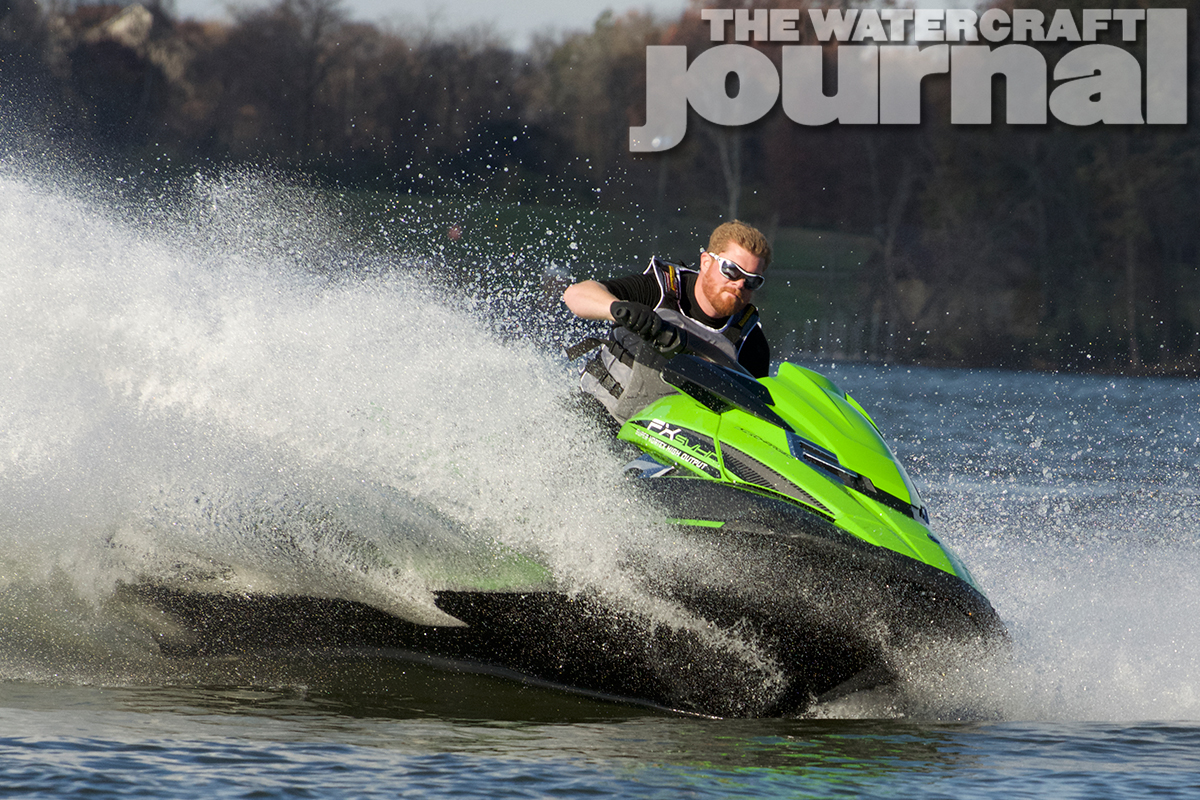
72-plus-miles per hour. We wouldn’t have believed it had we not just done it ourselves. Aboard a showroom stock 2016 Yamaha FX SVHO WaveRunner, we ran an incredible 72.3 mph (that is, with the current. We clocked a 71.5 mph upstream, making our average speed 71.9 mph). To be safe, we ran redundant systems, being a second Garmin GPS (which recorded a best of 72.2 mph) and the Speed Box app recently downloaded to our iPhone (although not nearly as precise giving us a basic “72 mph” as a result).

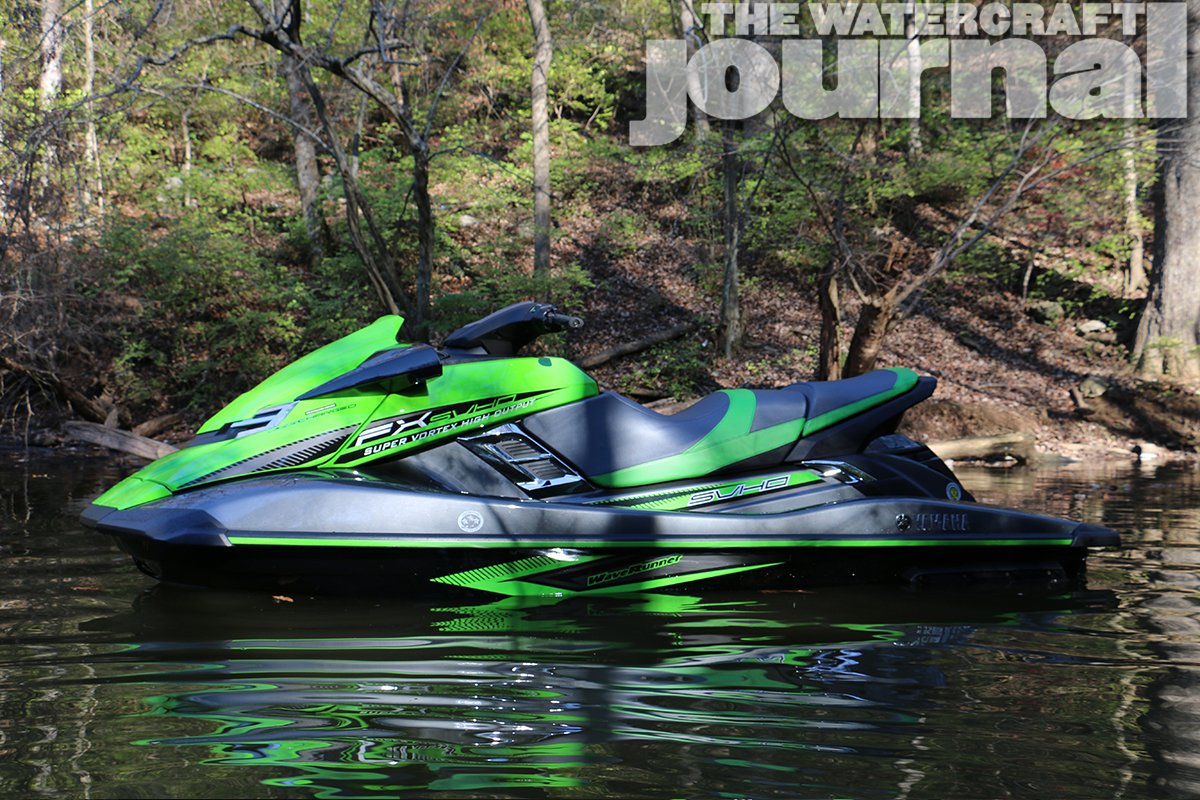
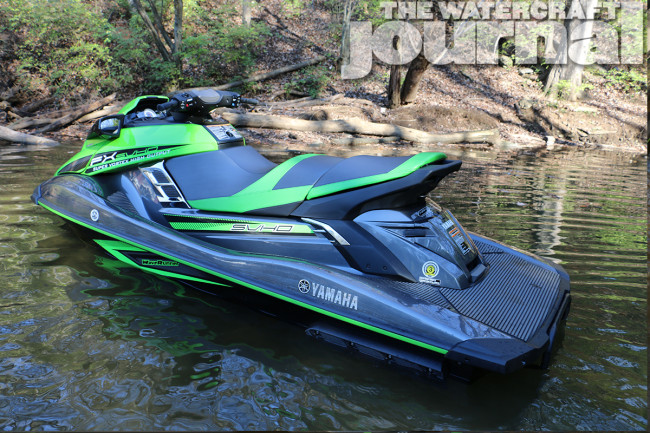
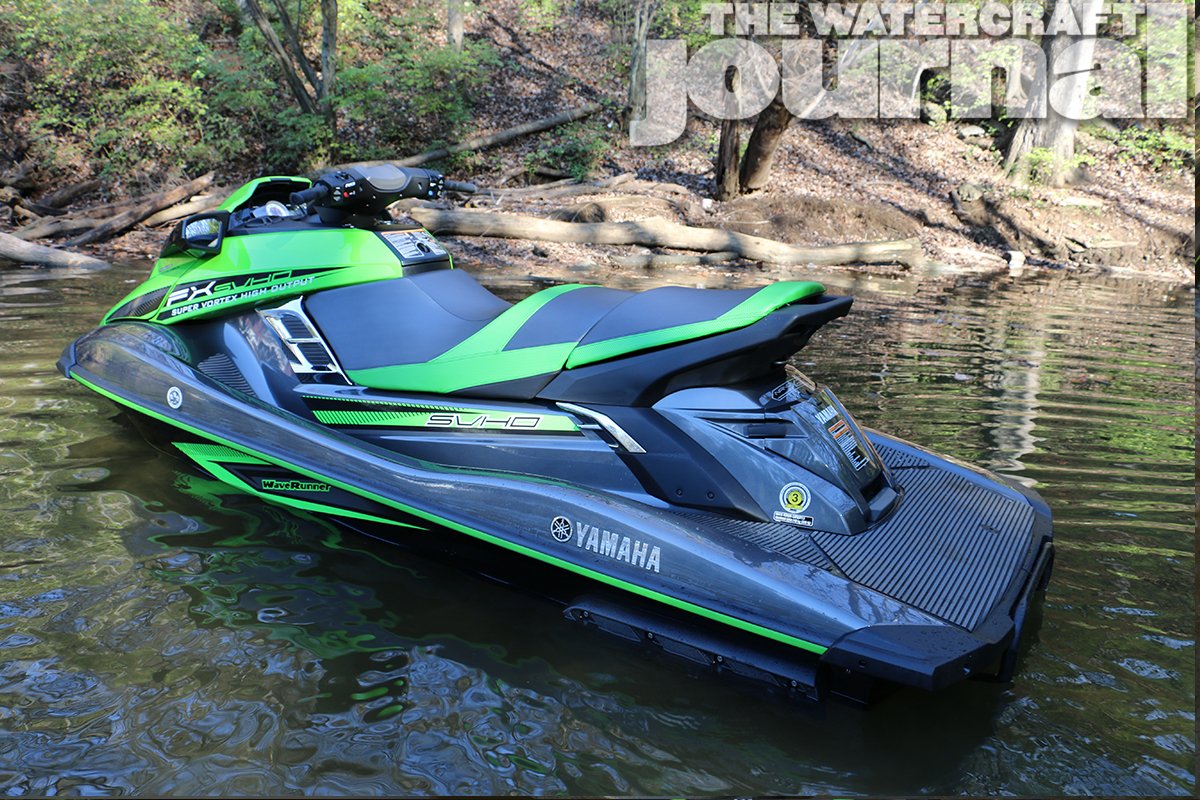
Normally, these are the types of speeds typically given to the low altitude canals of Louisiana and Florida, not 446-feet above sea level in Middle Tennessee. With air temperatures hanging around 58-degrees and the water at 42-degrees, Old Hickory Lake was deathly quiet when we took our first speed pass. The trees were still as our Carbon Metallic and Electric Green FX SVHO streaked by, the electric trim set one notch above neutral, a scant 4 gallons of gas in its 18.5 gallon tank, our 228-pounds low over the back seat.

22

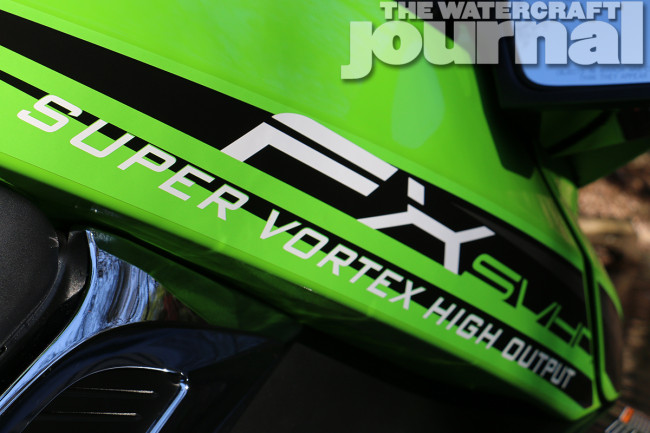
From a standstill, the unofficial 265-horsepower (estimated) of the centrifugally-supercharged 1,812cc Super Vortex High Output 4-stroke erupts with power, enough to propel the entire WaveRunner’s 140.2-inch hull from the water if not trimmed low and if you’re not high up over the bars. Despite its long, 3-seater look, the FX rides on Yamaha’s NanoXcel2 hull and deck, whittling its dry weight to a mere 833 pounds (making it lighter than the new Sea-Doo RXP-X at 850-pounds).

The second pass fared slightly slower as heat began to soak the engine and wind began to sway the barren treetops, rippling our lake’s once glassy surface. Nevertheless, the numbers were there and in unison from multiple devices. A single GPS can record a “jump,” a slight blip in speed that gives a false positive. But dual systems recording near-identical numbers is indisputable. Either Yamaha reached down and finally unleashed the SVHO from its chain, or we had a one-of-a-kind fluke on our hands.

2

A late night post on Facebook proved otherwise. “I got 70 mph from mine,” one reported. “I go 71 mph all the time,” another echoed. Those who raced the SVHO-powered FX in this past year’s AquaX season sent private messages saying likewise. What exactly was going on? Exactly one month ago, we published a review of a near-identical and well-broken-in ’15 FX SVHO that at its best tipped 69.2 mph. What changed? First of all, the conditions: Both the air and water temps were significantly warmer in early October. And, the yellow ’15 was ridden in Lake Havasu. Although Havasu is 448-feet above sea level – almost identical to Tennessee – the corrected barometric pressure directly effects the altitude density to nearly 100-feet higher.

Changes between the ’15 and ’16 models were kept for the most part quiet, being specifically the re-engineering the 4-cylinder’s DOHC timing chain. The new model features a stout double width chain that, according to a few lucky enough to see early pictures, call “impressive.” Whether the timing gear(s) have been modified remain speculative [we’re still investigating – Ed.]. Otherwise, all production part numbers appear to have gone unchanged. The addition of the aforementioned carbon-and-green livery is also accompanied by a fetching Azure Blue Metallic scheme.

8

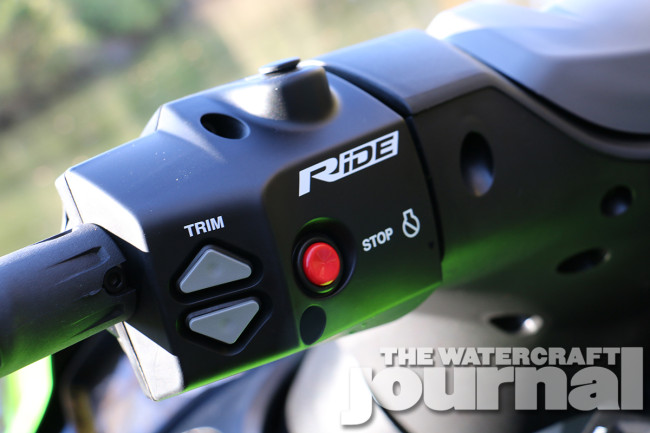
With those, carryovers include the inclusion of Yamaha’s new RiDE dual throttle brake-and-reverse system. Some will note our first impression of a RiDE-equipped SVHO unit as being “abrupt” and “throttle-happy.” Not so anymore (leading us to further speculate that certain tweaks were made to the ’16 ECU tune). Rather, the 2016’s transition from stopped-to-reverse comes on measured and progressively. Braking at speed is still stellar and is as equally satisfying as the latest improvements made by Sea-Doo with their second generation iBR.

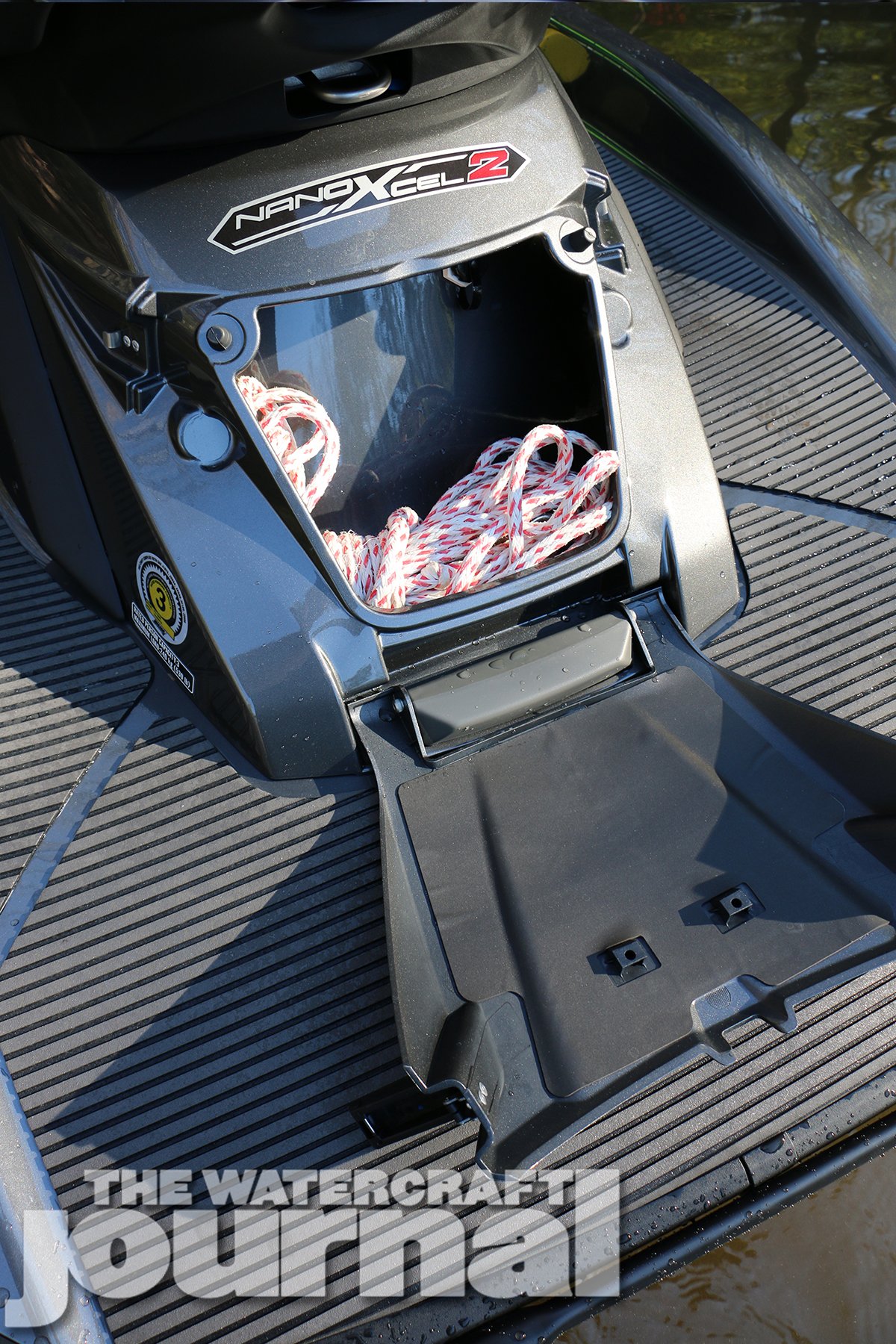
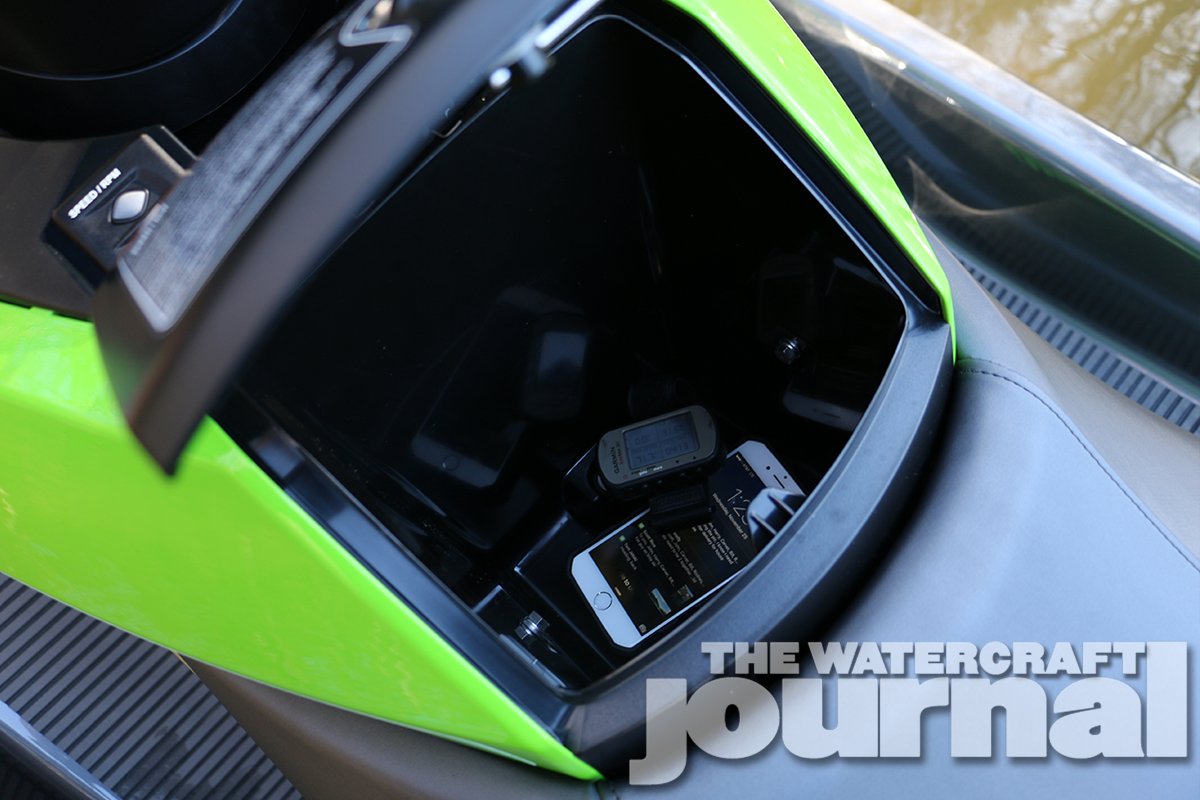
In lieu of a large bow compartment like that of the new Sea-Doo S3 models or Kawasaki’s cavernous stowage, Yamaha breaks up its 33.2 gallons of capacity throughout the craft: a moderate front bin, an ample glove box, two watertight screw-top compartments – one in the dash, the other beneath the rear seat – and a wet storage locker in the rear swim platform, with each place seemingly being specific for its use; tow ropes in back, cell phones and wallets near the dash, a drink and sunscreen beneath the 5-point tilt steering, etc.

19

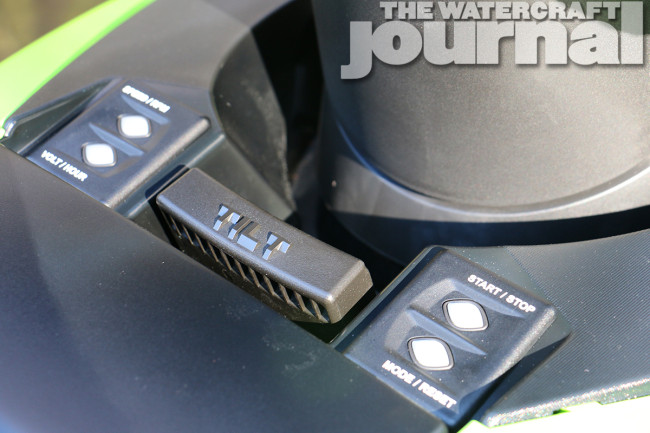
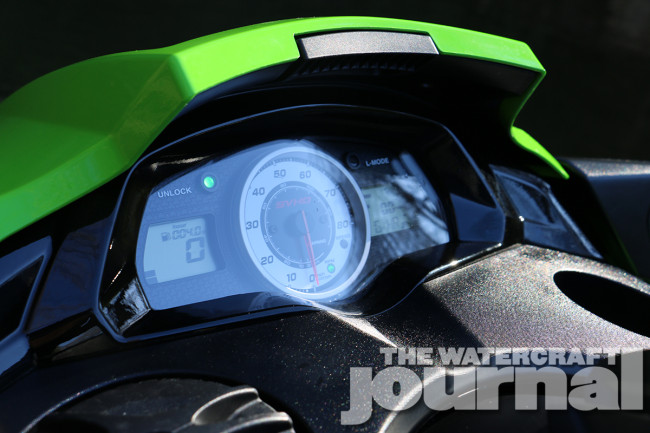
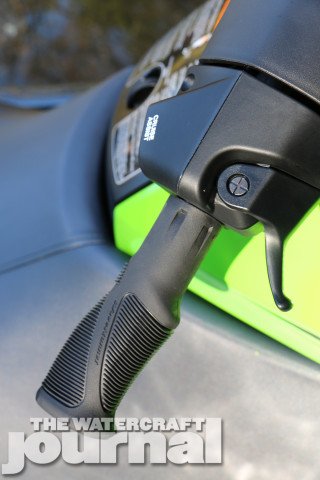
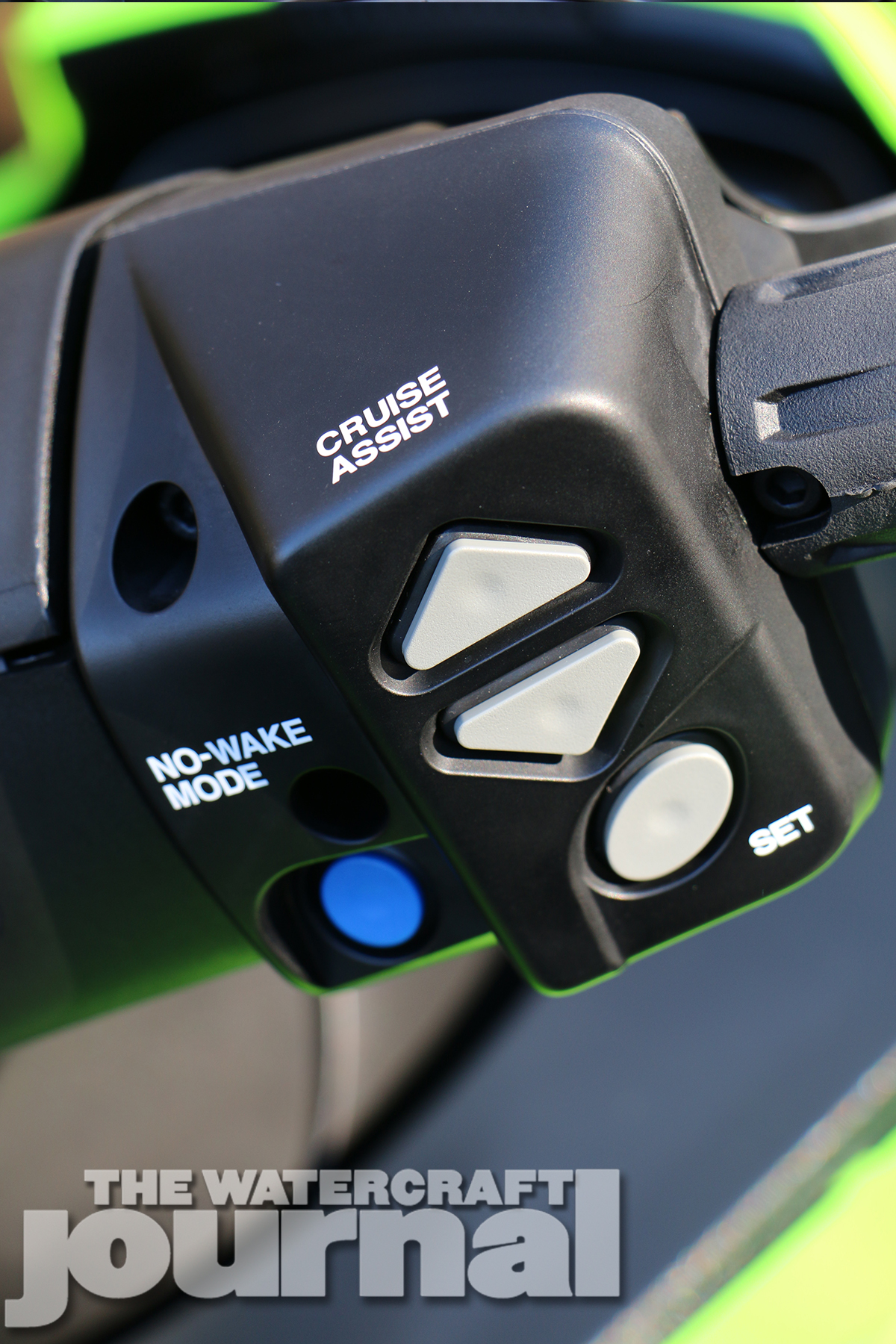
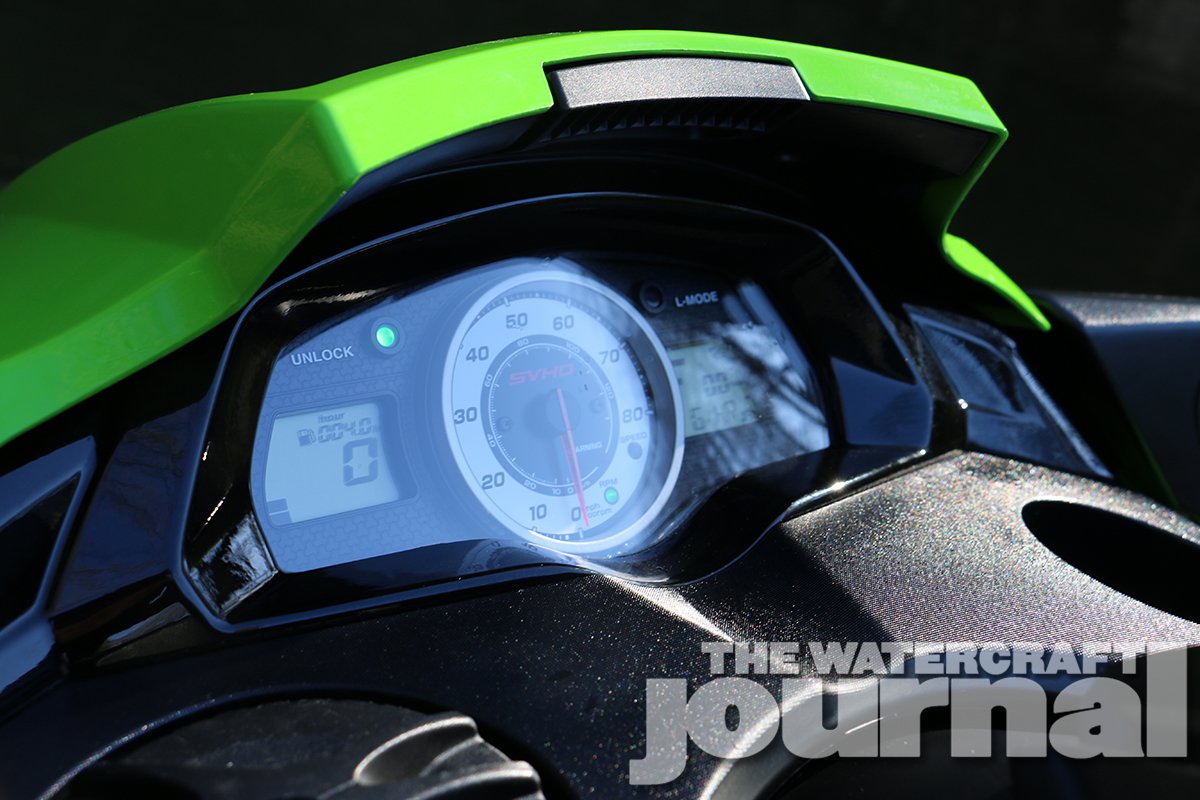
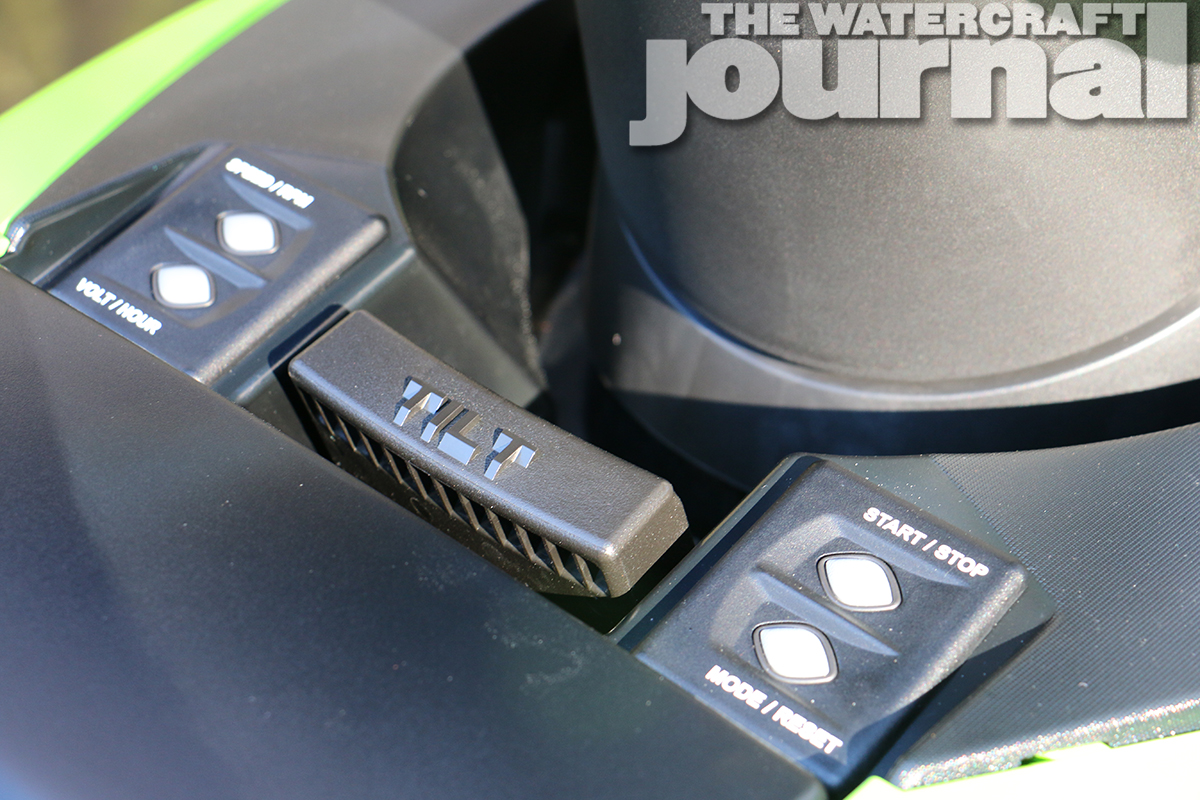
A wide, clean and uncluttered dashboard provides a traditional analog tachometer flanked by a LCD speedometer and info display on either side. Dash controls are tucked beneath the steering, above the glovebox, and can be tricky for some to navigate with the bars low and while traveling at speed. The steering features wide set-apart bars with electronic toggles for trim and Cruise Assist with multicolored buttons for start/stop and No Wake Mode. The ’16 also continues use of Yamaha’s comfortable “pistol-style” handgrips.

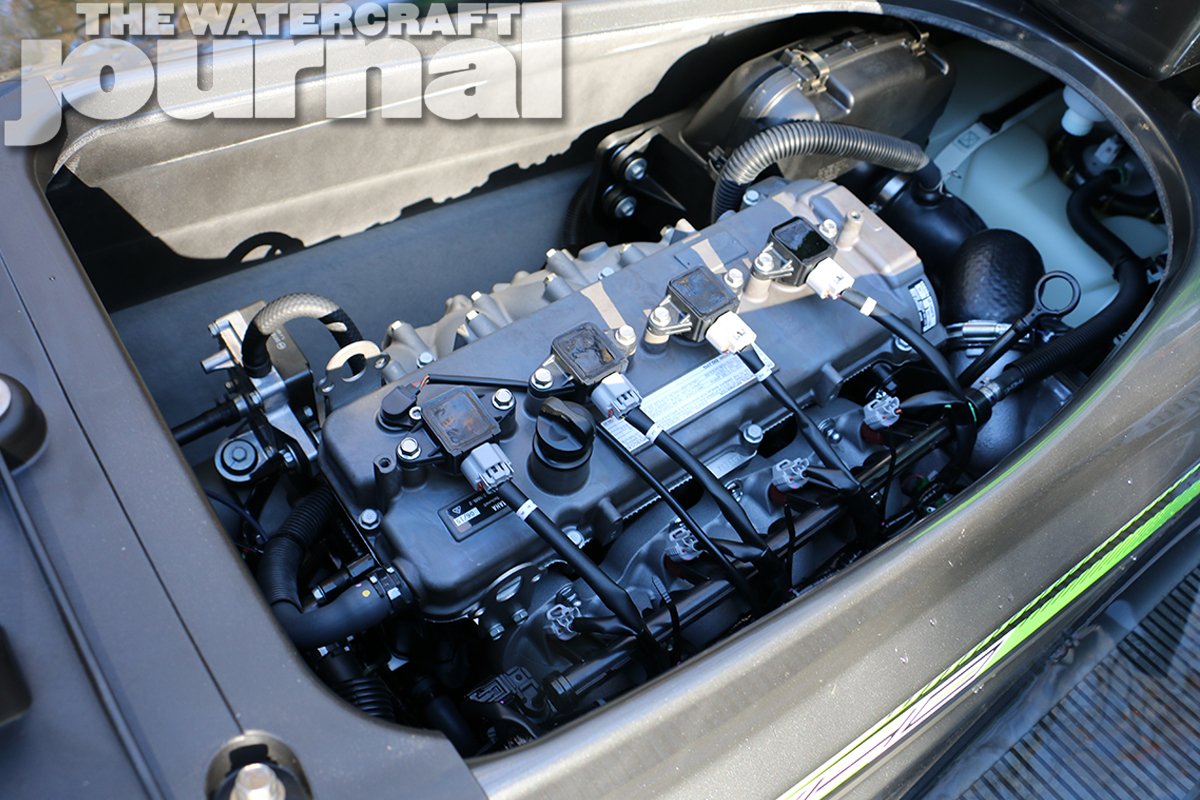
Unlike the next-level-up FX SVHO Cruiser, the 2016 features the slightly stepped seat. But what lies beneath is what counts: As stated before and familiar to most by now, the Yamaha’s SVHO runs 60-pound injectors spraying 8.5:1 compression forged pistons. A large capacity intercooler – an impressive 22-percent increase in efficiency over the previous SHO model – chills the charge of a 86mm HKS supercharger spinning a 6-vein impeller pressing out 60-percent more boost over the SHO as well.

5

All of this spins the race-inspired 3-blade 160mm impeller in its race-inspired 8-vein pump enough catapult the full-sized machine from 0-to-30 in 1.5 seconds, and to 60mph just past a second over that. As expressed at the beginning, not only did we blow past 60 mph in about 2.7 seconds, but ticked over 12 miles per hour past it. Now, what of the fabled “handshake agreement” with the USCG, you ask? Yamaha promises that the WaveRunner still complies when fully laden with three-passengers and adequate stowed weight as promised.

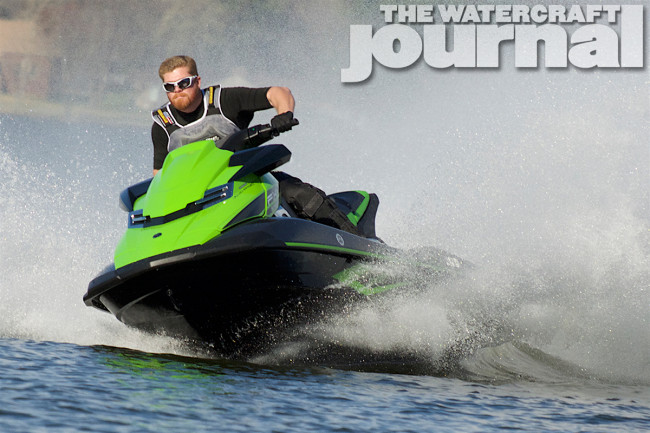
Yet, when freed, the FX SVHO rides like a culmination of decades of race experience rolled into one. Handling is predictable, steering input is sharp, throttle response is almost precognitive, and the hull reacts intuitively to shifts in body weight. Due to its lightweight, the FX doesn’t plow through moderate to heavy chop as predictably like the heavier Kawasaki Ultra or suspension-equipped Sea-Doo GTX and RXT. But in mild to rough windblown lakes, the SVHO has plenty of oomph to propel the motivated rider through and over without screaming wildly as others might.

Again, at 72.3 miles per hour, this is unequivocally the fastest production watercraft (intended for sale within the United States) that we have ever tested. Yamaha does not offer a special “international” model or “uncorked” tune, either. And no, this particular FX SVHO WaveRunner was not modified, save for disconnecting the visibility spout and decorative engine cover (as we’re sure some eagle-eyed readers will point out). Nevertheless, priced at $15,199, the 2016 Yamaha FX SVHO WaveRunner is bold, brazen and now the fastest thing on the water. Bar none.

4 6 20 18 3 21 17 5 16 14 8 13 12 11 1 19 10 9 2 15 7 22
<
>

Thrust Innovations’ Black Friday Sale Begins Two Days Early

0

12115901_878750172201508_1210632728631052592_n

There’s nothing quite like the feeling of satisfaction that comes from scoring a sweet deal. Of course, the lure of that sensation is a cruel master, as many suffer through hours and hours of lines and obnoxious tellers truly unhappy to be at work the day after Thanksgiving. The tradition of Black Friday began in the 1950s and has since become a yearly ritual of the bargain shopper, and you should be no different.

12274551_892469820829543_2231536738747121496_nOur friends at Thrust Innovations are thankfully sparing you the woes of getting up early and trying to find a parking space by kicking off their Black Friday sale today, Wednesday, November 25th – two days early.

Thrust Innovations is celebrating the sale by offering the biggest discounts you will see all year: DASA 1100s in-stock for $4600, or $1200 off short block; a SFS Titan hull for $5000 (over $1000 off the normal price); earn 25-percent off Thrust-brand parts across the line too including an original Thrust complete trim setup (with nozzles) for $400!

You need to act immediately while supplies last this weekend only! No previous purchases, delayed payments or transactions after this weekend apply. If you snooze, you will lose my friend. Act now.


Manila’s Sea Expo to Return for 8th Time at SMX

0

SEA-EX-Manila-2015

It all started several years ago when Philippine watersports enthusiasts hoped to bring fellow aficionados together at one, big annual event. They dreamed of an affair where veteran, beginner, and the curious could have an outlet where they could discuss all facets of their hobbies, as well as building strong networks within the country.

Several years later, the Sea Ex is now one of the most popular events in the world of watercraft and sports that brings together a combined total of over 3,000 guests from abroad and the Philippines. It has become, as the organizers envisioned, the premier destination for sea-faring people who are into boating, marine, and watersports.

Sea Ex: The 8th Philippine Boat Show and Premier Nautical Lifestyle Expo and Conference
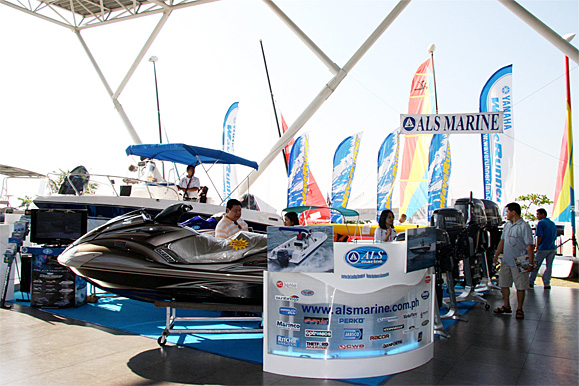
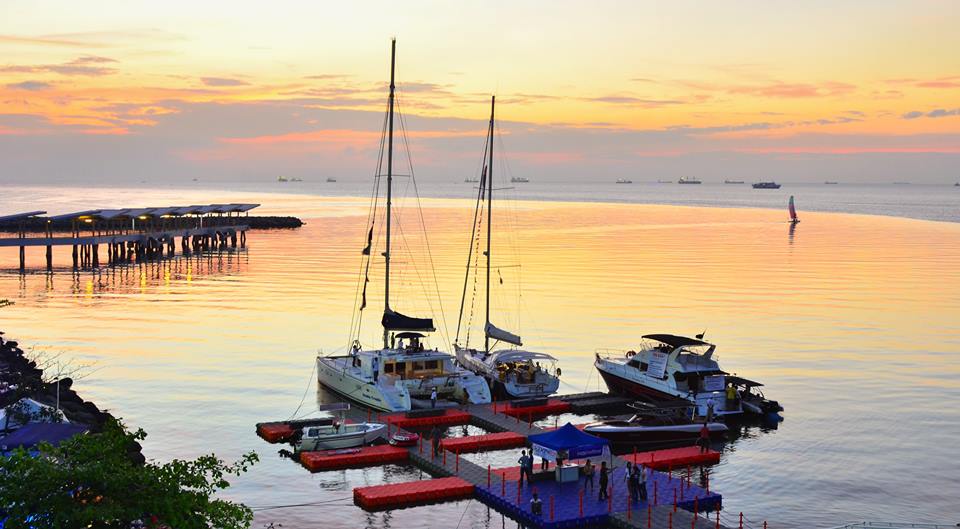
On February 19 – 21 2016, Sea Ex will be back and held at the SMX Convention Center in Pasay City, Philippines. The event promises a myriad of attractions including a floating dock that showcases the latest boats and watercraft, a mini-regatta in Manila Bay, display booths about the latest gadgets in fishing, and other accessories related to boating. It will gather big names in the water equipment manufacturing industry and provide talks about the future of the market within the Philippines. Apart from the usual presentations that can be seen in a water expo, there will also be live bands, DJs, as well as a mobile cocktail booth for everyone. The Monster Burger Eating Contest, a tradition of Sea Ex, is also expected to make a comeback this year.

In the U.S., events as big as this one are usually held in Las Vegas. There’s the National Marina Day Event in Sin City, which is an activity that provides demos about safety training and information about the tours of houseboats. Apart from boating, there are other events being held annually in Las Vegas, which isn’t at all surprising given the fact that it needs to stay competitive in the cutthroat world of entertainment. When the boom of online gaming happened, brick-and-mortar Las Vegas establishments found it hard to compete with online casino providers that give secure payment access as well as huge deposit bonuses to first time and regular players. As a countermeasure, Las Vegas hosts activities like boating expos in order to drive more traffic to the city and to boost its local economy.

The event is highly accessible given the fact that it is near Mall of Asia, which is currently the second biggest mall in Asia. For more information about the event, individuals may send an email at [email protected].