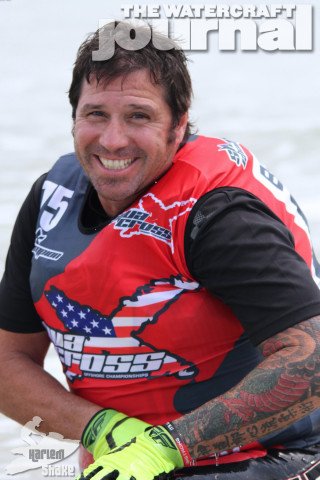
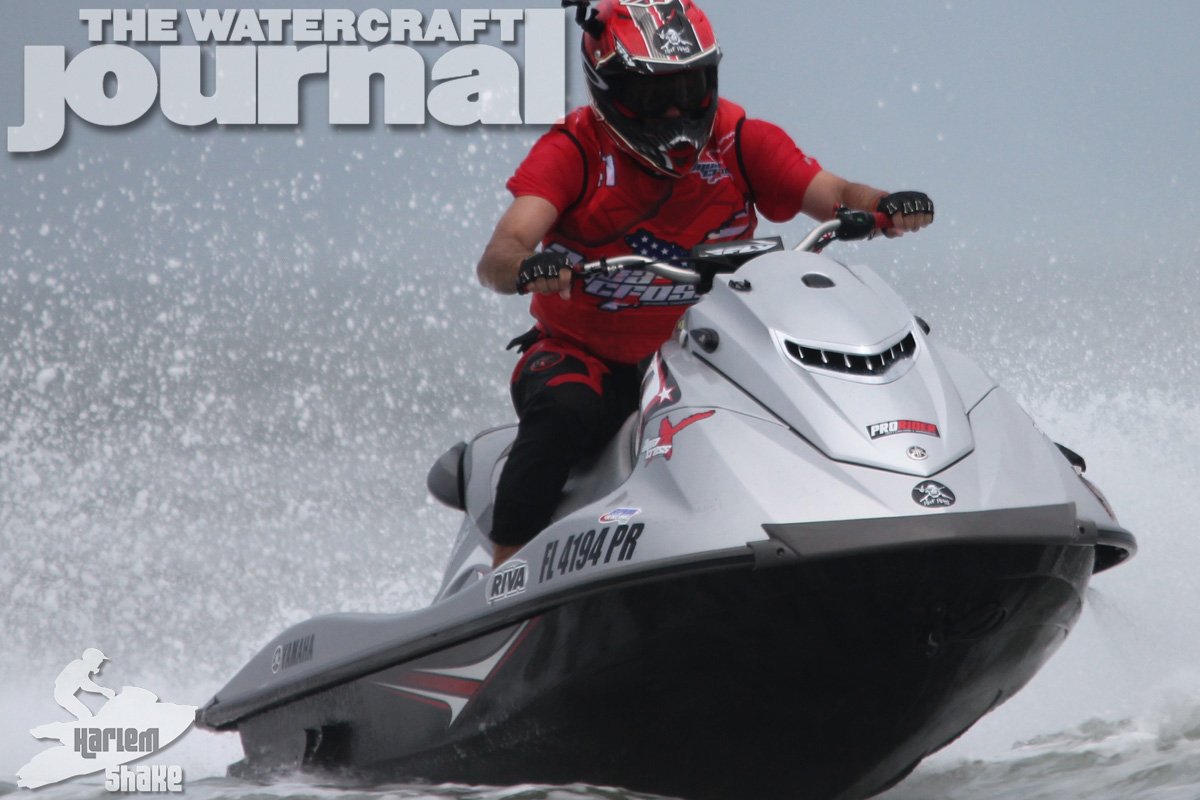
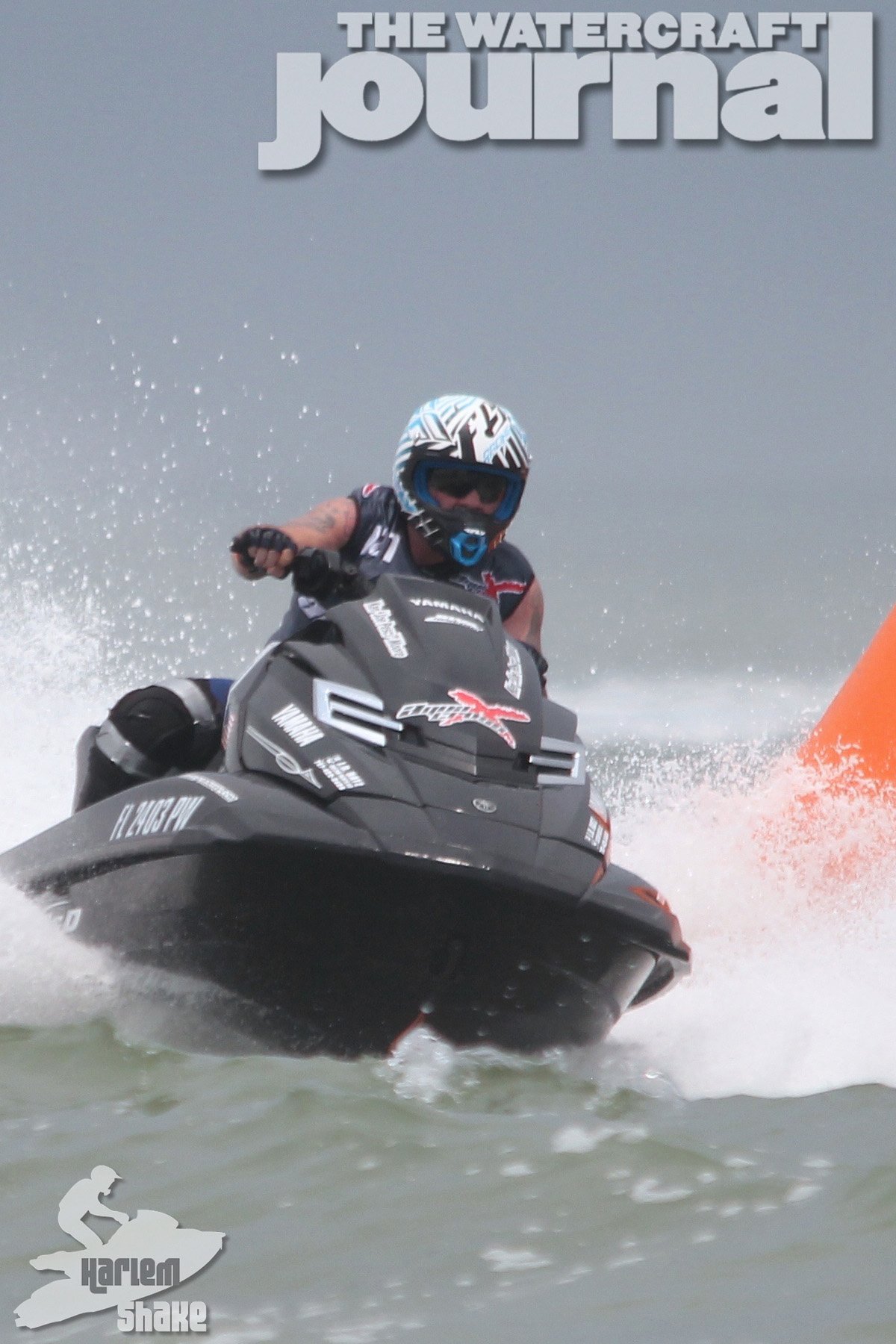
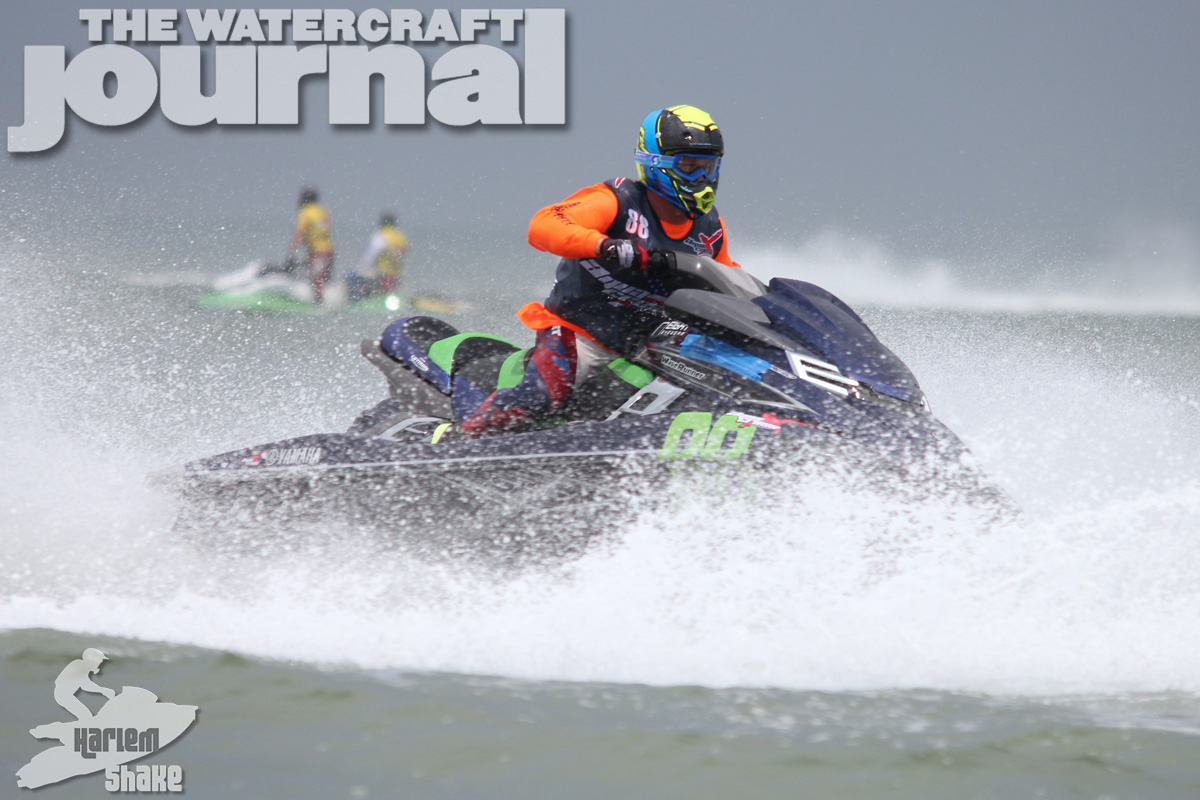
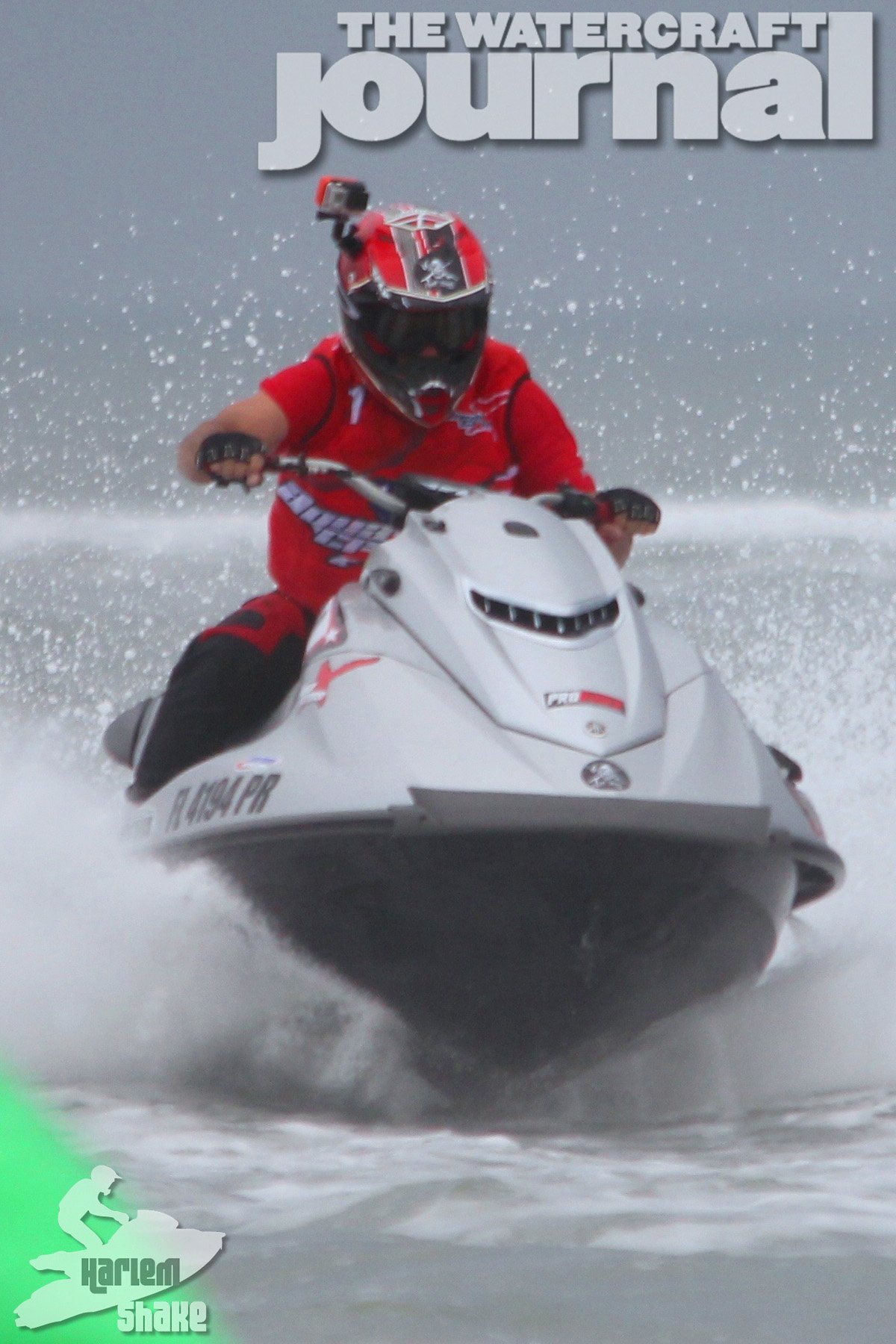
Last week, the Pro Watercross Tour had quite a bit to announce. Not only is the 2015 tour now titled the “Hidden Trails Pro Watercross Tour,” but has also welcomed Slippery Wetsuits, Jet Renu and Jettrim on board as sponsors. New members to the Pro Watercross organization will receive a bag of goodies, including the tour sponsor’s postcards in the membership packets.
“These are all great companies that have established themselves into the watercross communities and have proven that their products are a valuable investment,” stated Nick Handler of Pro Watercross. “Each of these new sponsors is making a significant statement on the direction of Pro Watercross’ tour and it impact on the racing community.”
All of us at The Watercraft Journal are happy to share the good news about longtime supporting advertiser Jet Renu joining as a sponsor for the 2015 Pro Watercross Tour. Jet Renu manufactures a full line of reconditioning products for marine, automotive and more. Jet Renu’s marine products were developed with rider’s and boater’s best interests in mind and understand their customer’s needs and concerns in finding the right cleaning product to care for their watercraft. In addition to the 2015 tour, Jet Renu is also a regular sponsor of the Jettribe West Coast PWC Tour, and sponsors several racers both locally and nationwide.
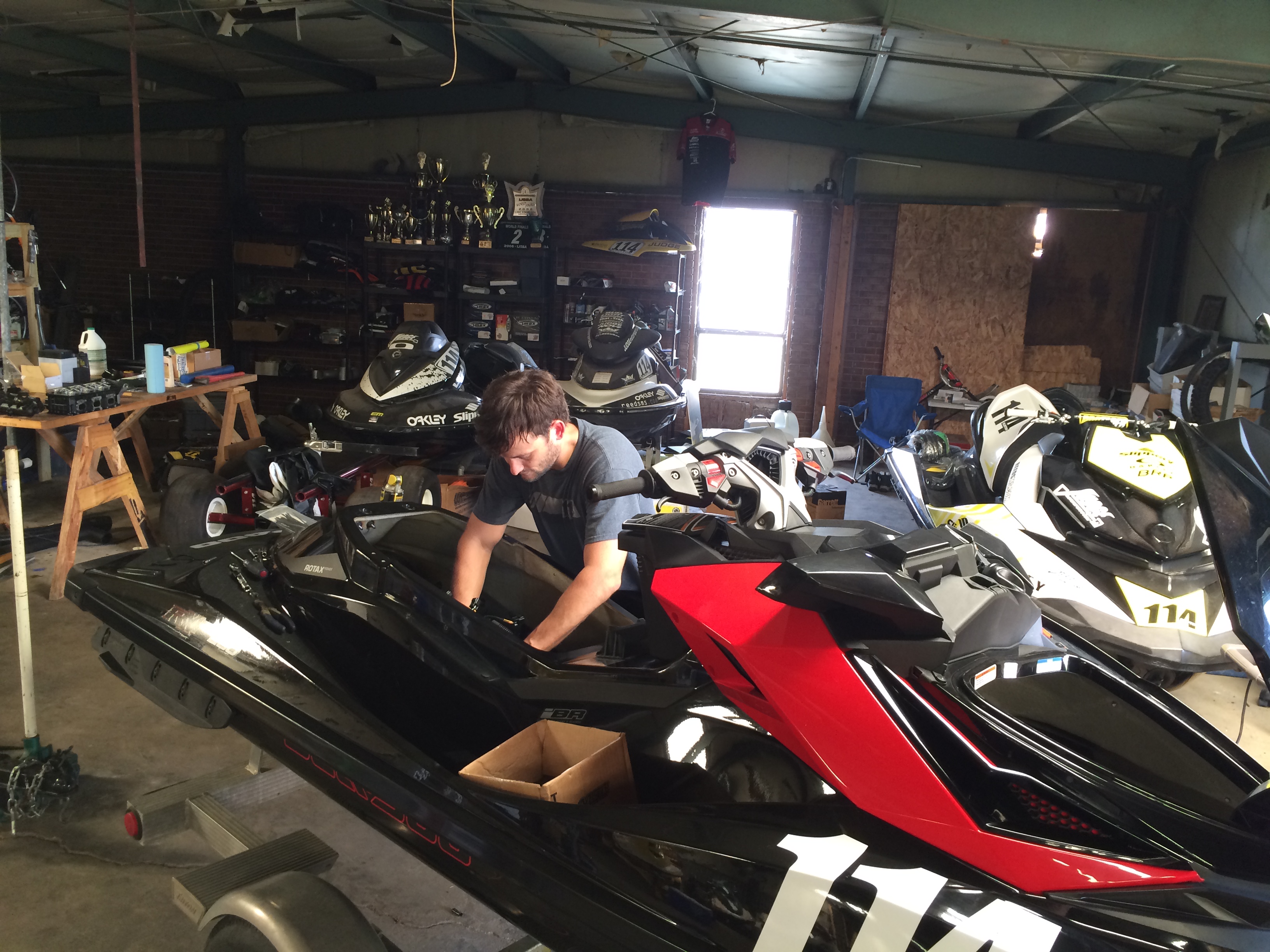
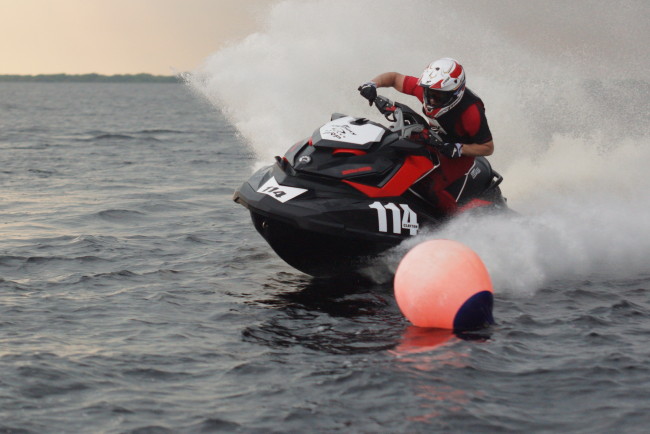
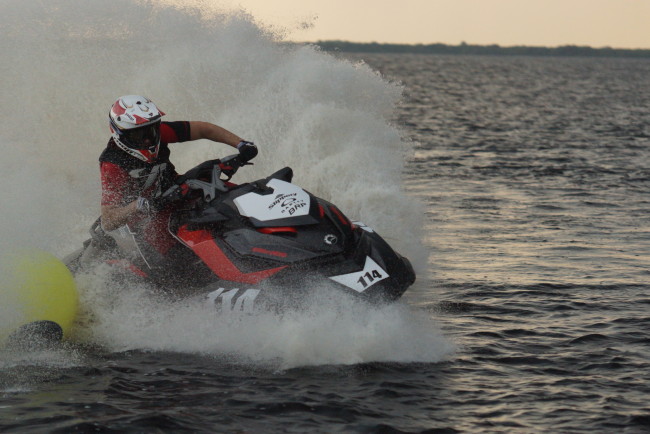
When life gives you lemons, you make lemonade. When life breaks your ankle requiring surgery (and two steel pins) and nearly crushes your larynx during the first round of the AquaX racing, you build a E85-fueled supercharged Sea-Doo…right? Well, that’s exactly what happened to Pro Open Runabout Sea-Doo racer Claude Clayton two weeks ago in Daytona Beach, Florida, and that’s exactly what the intrepid Mississippian plans to do.
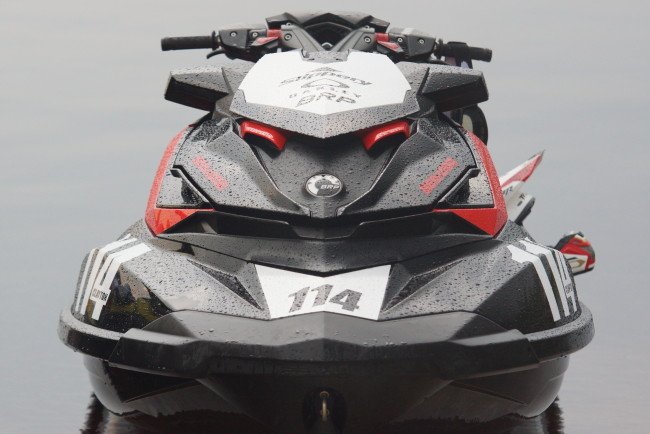
Buoyed by sponsors Judge Motorsports, Engine Tech Billet Superchargers, Jettrim, Sea-Doo, Slippery Wetsuits and Oakley, Clayton plans to take a bone-stock, production ski and using only bolt-on parts, build a competitive Pro Open race boat that has awesome closed-course capabilities and will run 85mph while running on E85 fuel. Dubbed the “Bolt85 Project,” the numerical theme is hoped to be carried further by completing the machine with (or less than) $8,500 in additional parts.
Because of Clayton’s injuries and impending surgeries, master mechanic Tim Judge will be driving out to Clayton’s Tupelo, Mississippi home to oversee much of the building and testing the ski. You can look for future updates and videos from the Bolt85 build exclusively here at The Watercraft Journal, as well as updates on Clayton’s turbocharged Open class runabout, which recently received a newly rebuilt motor.
Let’s just be really honest here: The Watercraft Journal is the single-most popular personal watercraft magazine in North America (we also rank as one of the top PWC publications in Australia, New Zealand and the UK), with over 160,000 unique readers in its first year of publishing; and we project our readership to reach 225,000 by the end of 2015 as we continue to grow month-to-month. You’ve probably seen last month’s By The Numbers (if not, here ya go), and this kind of growth isn’t conjecture. It’s fact.
So what does all of this math mean? Are we just being braggarts and jerks waving our readership around? Nope. What we’re doing is showing you the potential audience you could have for your company if you start advertising with The Watercraft Journal today. Yes, this article is for you, the potential (and even current advertiser). You want your brand and products in front of as many potential customers as possible. There is no greater degree of media support and advertising exposure found anywhere else in the PWC industry.
But what about our competition? We have none. Unlike others who either slog under weight of printing a pamphlet-quality magazines chocked full of content already outdated before the ink dries, or digital sites who cut-and-paste stolen or repurposed content, and/or fail to maintain a reliable publishing schedule, The Watercraft Journal produces originally-written, professional-quality content every single stinkin’ day, Monday-through-Friday. All year ’round. Who else does this? That’s right. Nobody.
Reliability Is Key
Wow. Last month’s By The Numbers couldn’t have been more spot-on. We wrote, “Inconsistency is equal to unreliability. If readers can’t count on you to produce fresh, entertaining and informative content each and every day, you’re sunk. That is why The Watercraft Journal excels. Not only do we publish the equivalent of a 100-plus-page print magazine each month, but also daily news from across the personal watercraft industry and promoting our supporting advertisers Monday through Friday.” ‘Nuff said.
News articles published in March: 28
Feature articles published in March: 12
Total feature word count: 11,650 words
News articles published in April: 28
Feature articles published in April: 12
Total feature word count: 9,183 words*
*When this number is translated to print publication standards equals a 102-page magazine. Please note that this number does not include an average of two uniquely-written news articles published daily.
It’s a Numbers Game
Take a peek at these analytics. Sure, we dipped a bit below March’s stellar number (our all-time high thus far), but we also managed to break the news on the 2016 Sea-Doos a full six months early, so there’s that. But what is really interesting is the quantity of new readers coming to The Watercraft Journal and the number of articles they read. Our readers are spending more time perusing our content, reading our articles, seeing (what could be) your ads, and drinking our competitors’ milkshake.
March
Total number unique readers: 19,134*
Total number of articles read: 45,044
Percentage of new readers: 62.1%
April
Total number unique readers: 18,809*
Total number of articles read: 40,789
Percentage of new readers: 67.8%
*This number is considered equal to an individual sale of a single copy of a magazine.
Anti-Antisocial Media
It’s more than likely that you’ve either visited our Facebook page, liked one of our posts or shared one of our daily pictures. It’s smart thinking in this modern world of publishing to put your product in front of as many eyes as possible. With our Facebook, Twitter, Instagram, YouTube, and weekly newsletters, we reach literally tens of thousands of dyed-in-the-wool jet ski enthusiasts in the United States of America, and all of the industry worldwide.
April Facebook readers: 12,986
April Facebook weekly reach: 19,676
Top Five countries: United States, Australia, Canada, France, United Kingdom
So There It Is
Due to the disconnect of our market, access to every possible potential customer is difficult. That is where we come in. The Watercraft Journal has more readership than any other publication. In fact, we rival and surpass many forums and message boards. Participating as a supporting advertiser for The Watercraft Journal is the fastest way to reach more diehard jet skiers than any other avenue. Join us, and together we can rule the galaxy.
It’s hard to believe that the prime riding months are drawing to a close in Australia as the first big group rides and professional races of the year are kicking off here in the States. Alas, that is the way of living on opposing sides of the equator. As the mercury slowly descends down the thermometer, our fellow personal watercraft enthusiasts are preparing to winterize their jet skis, while others are only starting the beginning of their winter-long project builds. That is, if they’re not choosing to brave the chill and ride anyways.
Recently, we reviewed a build that Melbourne, Australia’s Diptech Performance were installing true 300-horsepower packages on customers’ supercharged Sea-Doos. The package consisted of RIVA Racing’s a reflashed ECU, an open-element cold air intake, through-hull exhaust with a high-flow waterbox, bigger injectors, valve spring retainers, and a “boost-boosting” supercharger rebuild kit. And is with all things, you gotta pay to play – the kit starts at $4,000 and goes up from there.
Earlier this year, one very satisfied customer joined a friend to test out their recently tuned Sea-Doo RXT-X 260…well, 300 off of St. Kilda Beach. The two were met with “average conditions,” that flattened out to absolutely zero wind and perfect conditions to “test a few new mods.” Now for those looking to ramp up their DipTech 300HP package a bit further, you’ll need one of Diptech’s specially-ordered Solas props.
The Sunshine Coast Jet Sports Club (SCJSC) is a non-profit organization run by jet ski enthusiasts. They aim to lead by example promoting safe and courteous riding through public education and hope to create a better public image of Jet skis in the community. In a recent interview with SCJSC president Matt O’Connor, he explained what it is that he loves about jet skiing and what it is that motivates him to run the club and ensure its longevity.
“In the beginning I took over the club not necessarily because I wanted to but more so because if I hadn’t the club wouldn’t have lasted,” Mr O’Connor said. “Riding gets your adrenaline going and I find it addictive constantly trying to master new tricks and reach the goals I set for myself.”
“We’ve got a great group of riders in the club that stick together like a family which is what you need when you’re out on the water, someone to keep an eye on you and make sure you’re okay. We are all about community and practicing safe riding habits while still getting out there and having fun.”
Mr O’Connor also had some advice for anyone wanting to start jet skiing. “Do your research, get your gear and jet ski and then when you’re ready to start contact the club and we will get you out on the water.”
At least once every three months SCJSC try and organize a social ride for club groups to explore outside of the Caloundra and Mooloolaba areas in the safety of a planned ride. These have been very successful in the past with 30 to 50 riders turning up at each ride and then staying on for a planned BBQ afterwards. Over the last 5 years SCJSC have completed multiple Social rides to Moreton Island, Noosa and Bribie Island for the day.
If you would like to participate in the upcoming social ride to Moreton Island on May 9th be sure to contact the club for more information.
Anybody who knows anything about performance will attest that it’s all about power-to-weight ratios. While the Kawasaki Ultra 310X is cranking out some serious ponies, it’s heft brings the big JetSki’s horsepower-per-pound to 0.29 HP per pound. Meanwhile, although the sleek Yamaha SVHO only spits out a little less than 260 horsepower, the use of its NanoXcel2 lightweight hull and deck material radically increases its ratio to 0.33 HP per pound.
While that difference of 4 horsepower might sound miniscule, were the Kawi and Yamaha to weigh the same – say a nice round number like 1,000 pounds, that’d be a difference of 40 horsepower in the SVHO’s favor. So what would happen if the SVHO spat out a whole heck of a lot more grunt? Well, you’d have a rocket on your hands, wouldn’t you? And conventional wisdom has shown that there’s a lot of untapped potential within the big 1,812cc supercharged 4-cylinder.
Central to making power – and keeping the engine together – is managing internal engine temperatures. That’s where RIVA Racing comes to the rescue once again. Whether its dropping the engine coolant temperature or cooling and condensing the intake charge’s temp, RIVA’s one-two punch of cooling upgrades is a sure-fire way to increase performance and longevity on your high performance WaveRunner.
Below we’ve included two videos from RIVA’s studios as well as their own words describing these two great products:
RIVA Racing Yamaha SVHO Engine Cooling Upgrade Kit
Our Engine Cooling Upgrade Kit delivers dramatically improved cooling efficiency to engine and oil cooler for increased performance and reliability. Greatly enhances water flow & pressure by replacing restrictive OEM pump strainer & water fittings with high-flow billet components and superior routing. Features special billet fitting that injects water into “hot spot” of your engine block where OEM zinc anode is located. Allows addition of aftermarket ECU’s, high-boost compressor wheels and other performance modifications that can increase heat & detonation. Includes all necessary waterlines, hardware, fittings and detailed installation instructions.
RIVA Racing Yamaha FX/FZ SHO GEN-2 Power Cooler Kit
The RIVA ‘GEN-2’ Power Cooler intercooler system features a new high-capacity cooler element that is rated for up to 500hp! Huge cooler core resists heat soak under the most demanding high boost/high temperature applications. Delivers an increase of 20 peak horsepower over OEM intercooler providing arm-wrenching results on the water. Quality manufacturing of cooler core delivers minimal pressure drops and excellent thermal efficiency. The cooling element is dramatically more efficient than the stock unit with exit temperatures averaging 60°F cooler than stock. This delivers cooler, denser air for increased performance throughout the RPM range. Innovative design allows easy disassembly of cooler element & ducting for maintenance and cleaning. Features integrated blow-off valve mount that will accept RIVA/HKS Blow-Off Valve kit (sold separately) for improved supercharger reliability and performance. Power Cooler installs securely with shock absorbing rubber mounting system and stainless steel hardware. Kit contains all necessary hardware and detailed installation instructions.
A field of 48 riders – both professional and amateur – flocked to the 18th annual, world famous Karujet in Guadeloupe. The event, described by those competitors who’ve raced it as the toughest in offshore race in the sport, has a penchant for breaking things, both man and machine. Started in 1998 as a challenge between two friends racing around the Caribbean island nation has evolved into one of the most iconic and legendary events in all of jet ski racing, and as stated by Aquabike, was “in 2006 recognized by the UIM affording it World Championship status.”
For 2015, four of the seven previous World Champions to have claimed the title since 2006, Ugo Fidelin, two-time winner Davy Vaitilingdon, Teddy Pons and Marc Forbin were amid the throng who faced seven grueling stages of racing held over four days, each of which “setting out each day from the event base on the beach at Viard.”
At the end of the four-day crucible, it was Jean-Baptise Botti whose overall score that earned the Frenchman the coveted title of World Champion. “After winning stage 5 and seeing that Alex had a problem I just took it easy the whole way,” Botti told the UIM in an interview, “I knew I just needed to finish the final stage with a decent time, so I didn’t risk any trouble out there. Happy, very happy.”
Below is the incredibly thorough, complete recap from the near-week-long event produced by UIM Aquabike. Their videos are always top notch, so take a half an hour and soak in what possibly is the toughest offshore race on the planet.
As we announced last month, Rick Roy and his Rickter RRP team will be documenting their “World Tour,” showcasing some of the world’s best freeriders from across the globe, namely Mark Gomez, Pierre Maixent, Brandon Lawlor, Taylor Curtis, Brodie Copp and Abraham Hochstrasser, who are embarking on a world tour of sorts, competing in the IFWA Freeride World Tour; from Australia, Portugal, France, England and USA.
These phenomenal freeriders – employing a full compliment of Rickter RRP equipment – will be acting as “ambassadors for the sport of freeride,” to promote the “sport’s true hard core freeriding and wave competitions.” As The Watercraft Journal famously reported in our AJSP OZ Surf Slam coverage from late March of this year, the Rick Roy team swept the floor with the competition nearly dominating every heat.
In the first of many videos from their IFWA Tour, Rickter has provided a great recap of the the Rickter RRP team while visiting Australia and taking part of the IFWA world tour organized by SCJSC. As Rick Roy stated, “Congratulations to all our riders who performed extremely well taking from first to fourth place! Thanks to all the people involved in the tour and this event, a huge thanks to Craig from Ajsp for helping make this possible for the team!”
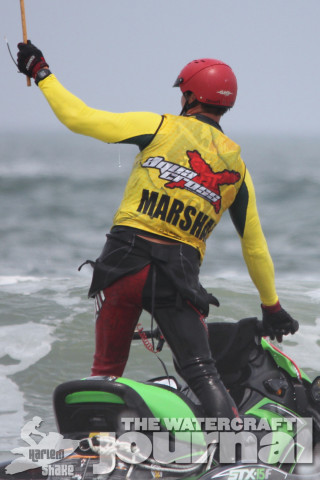
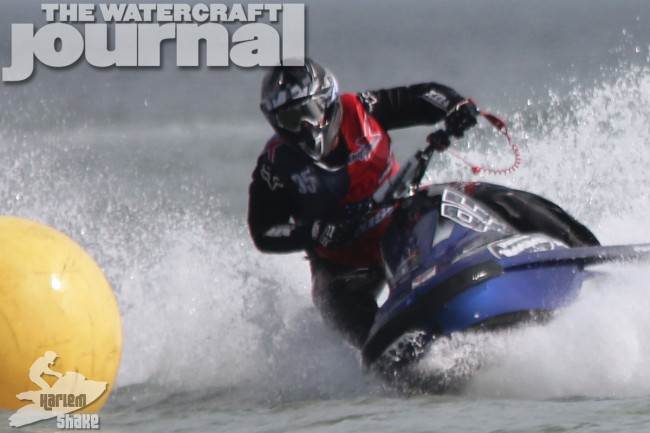
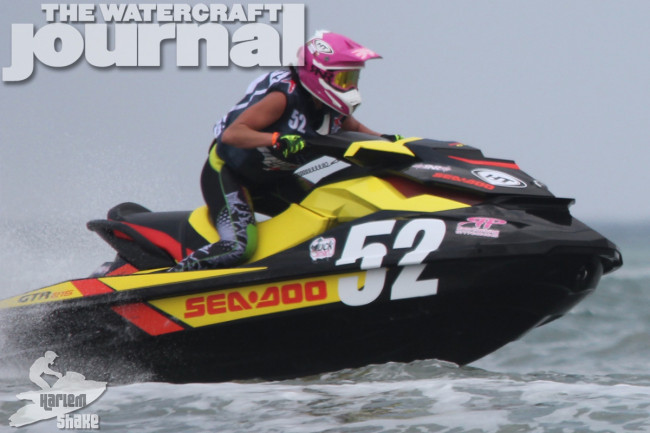
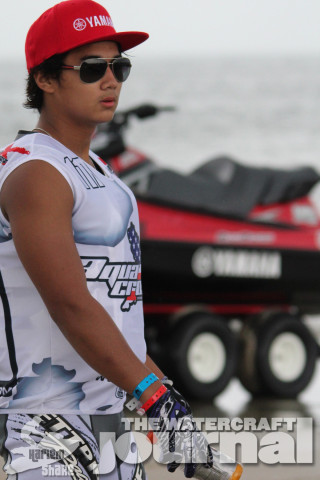
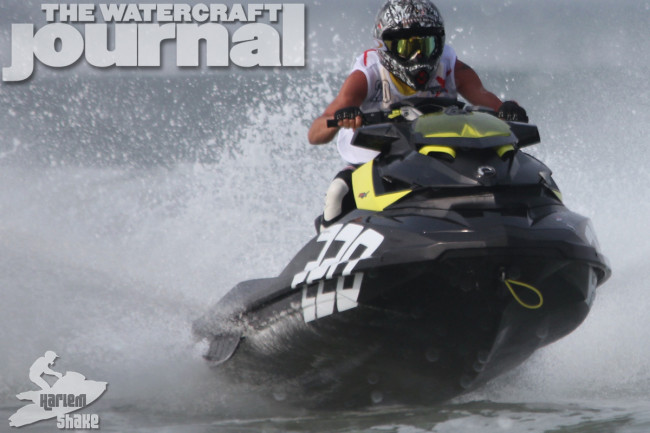
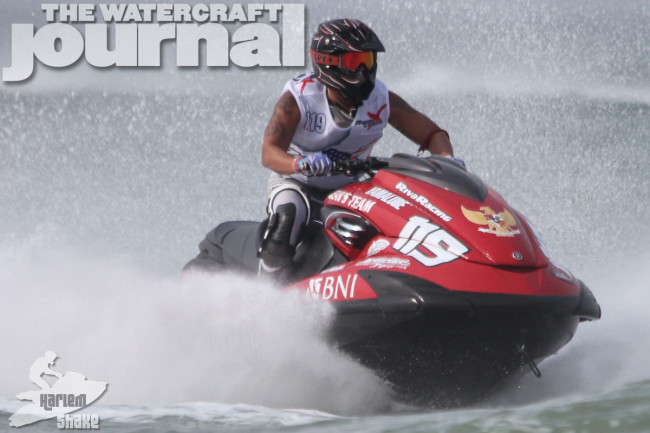
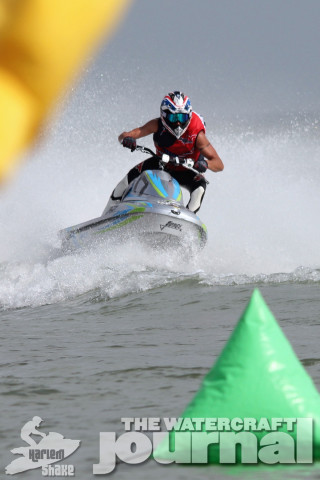
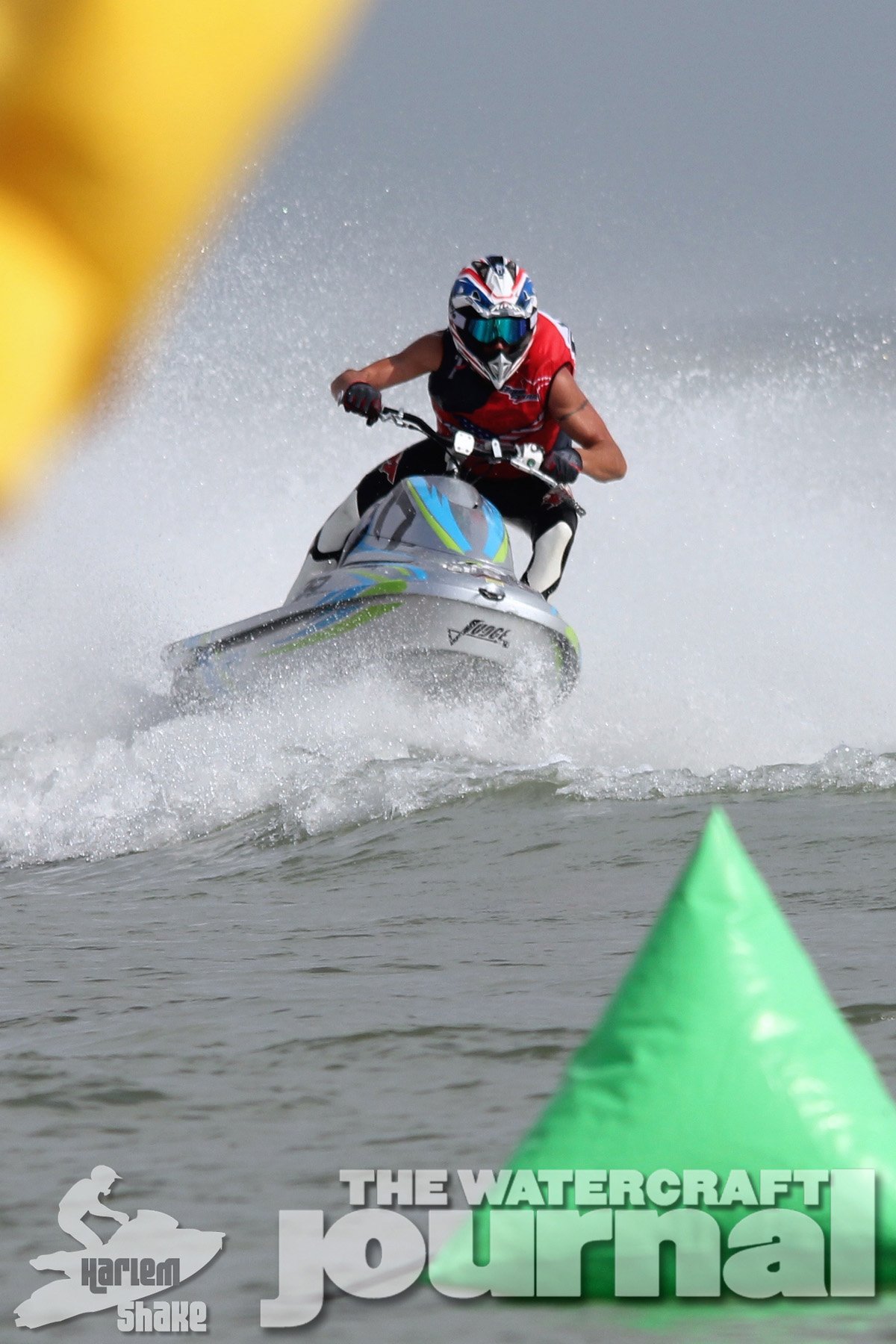
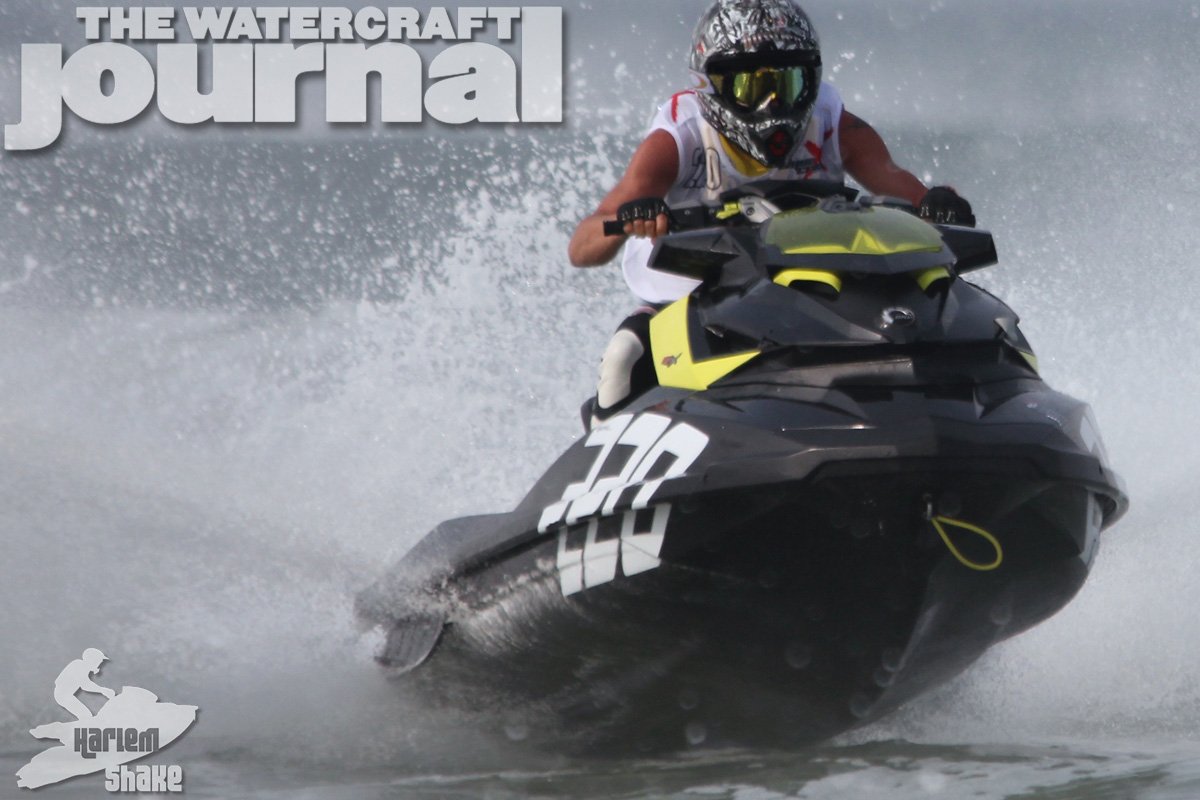
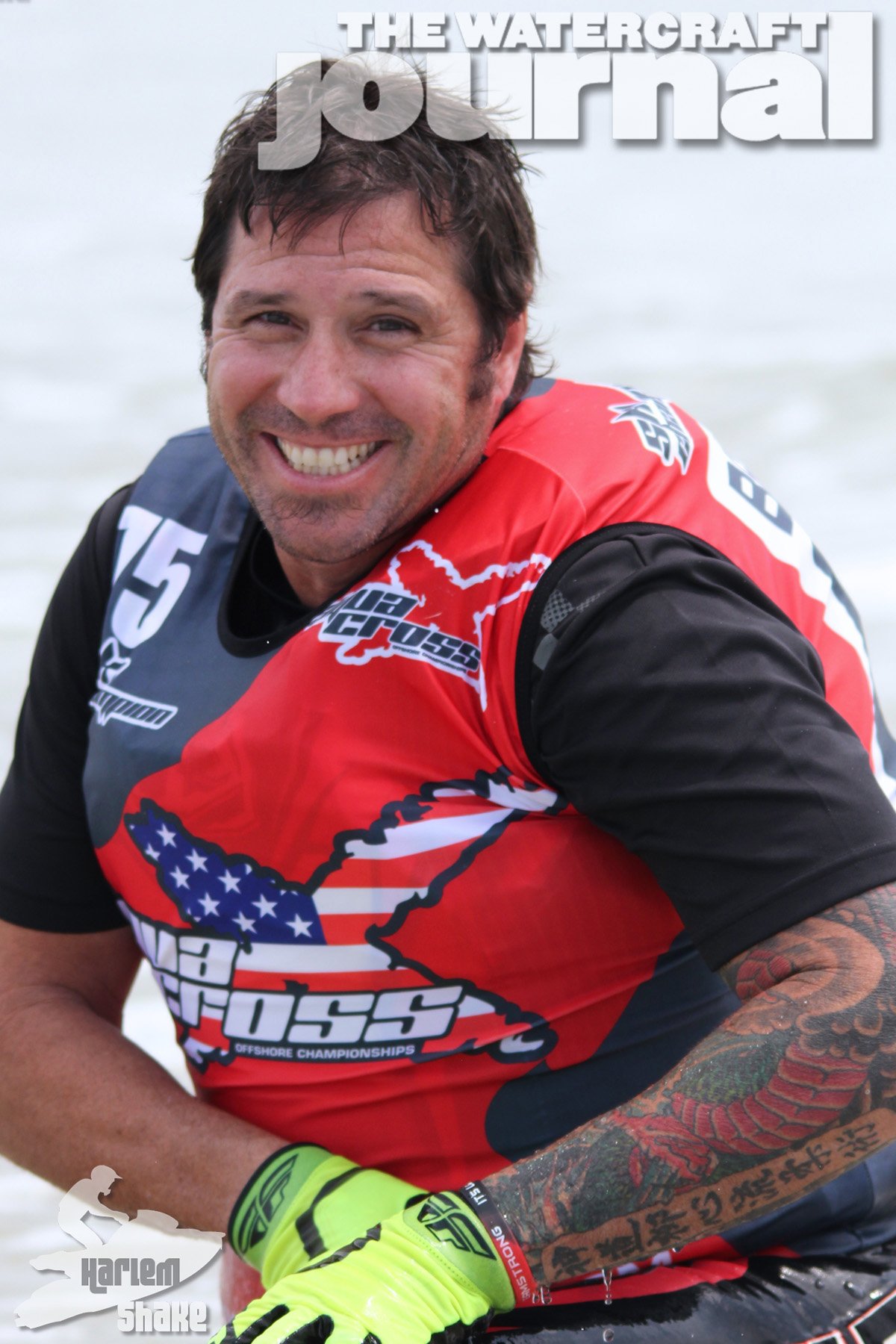
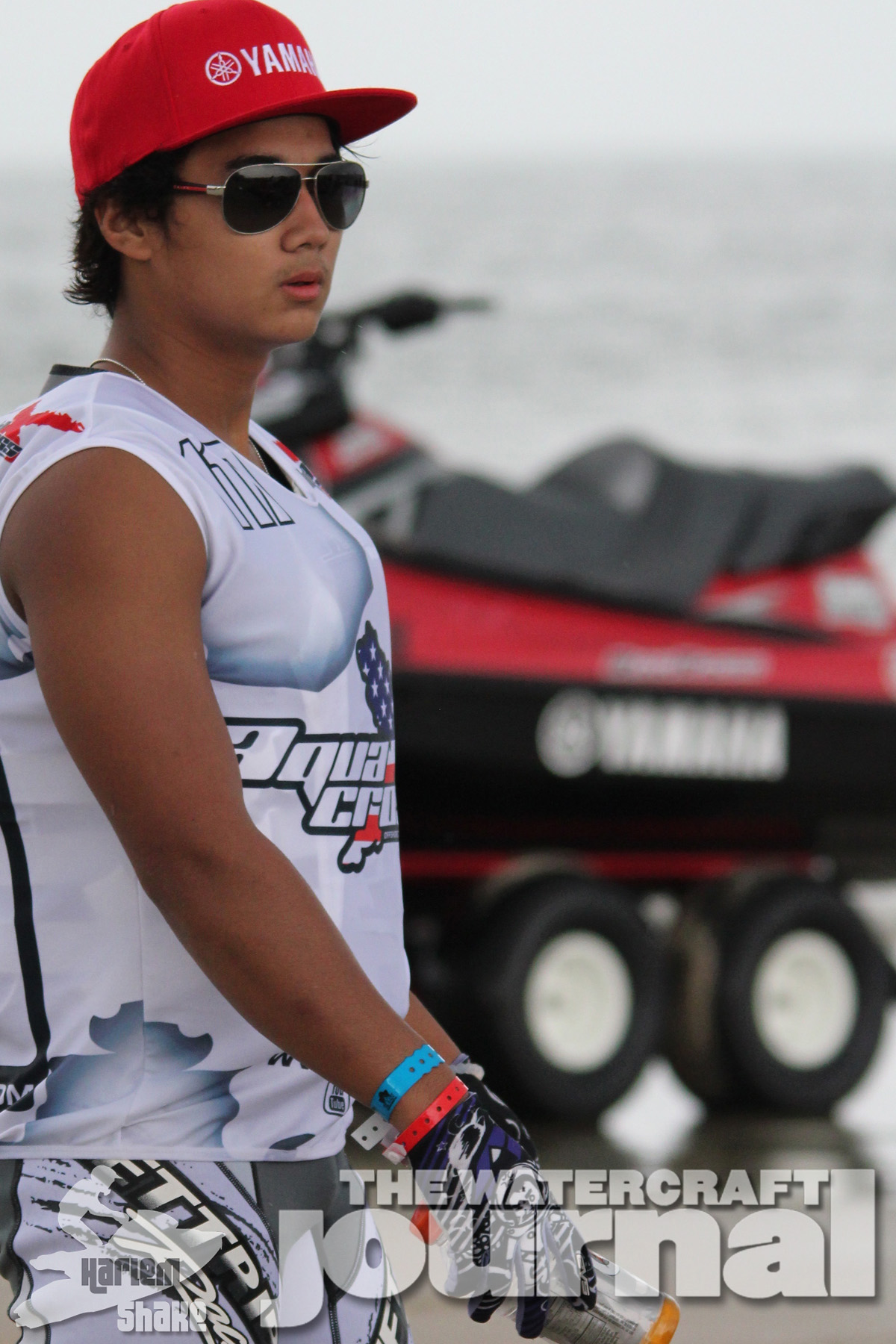
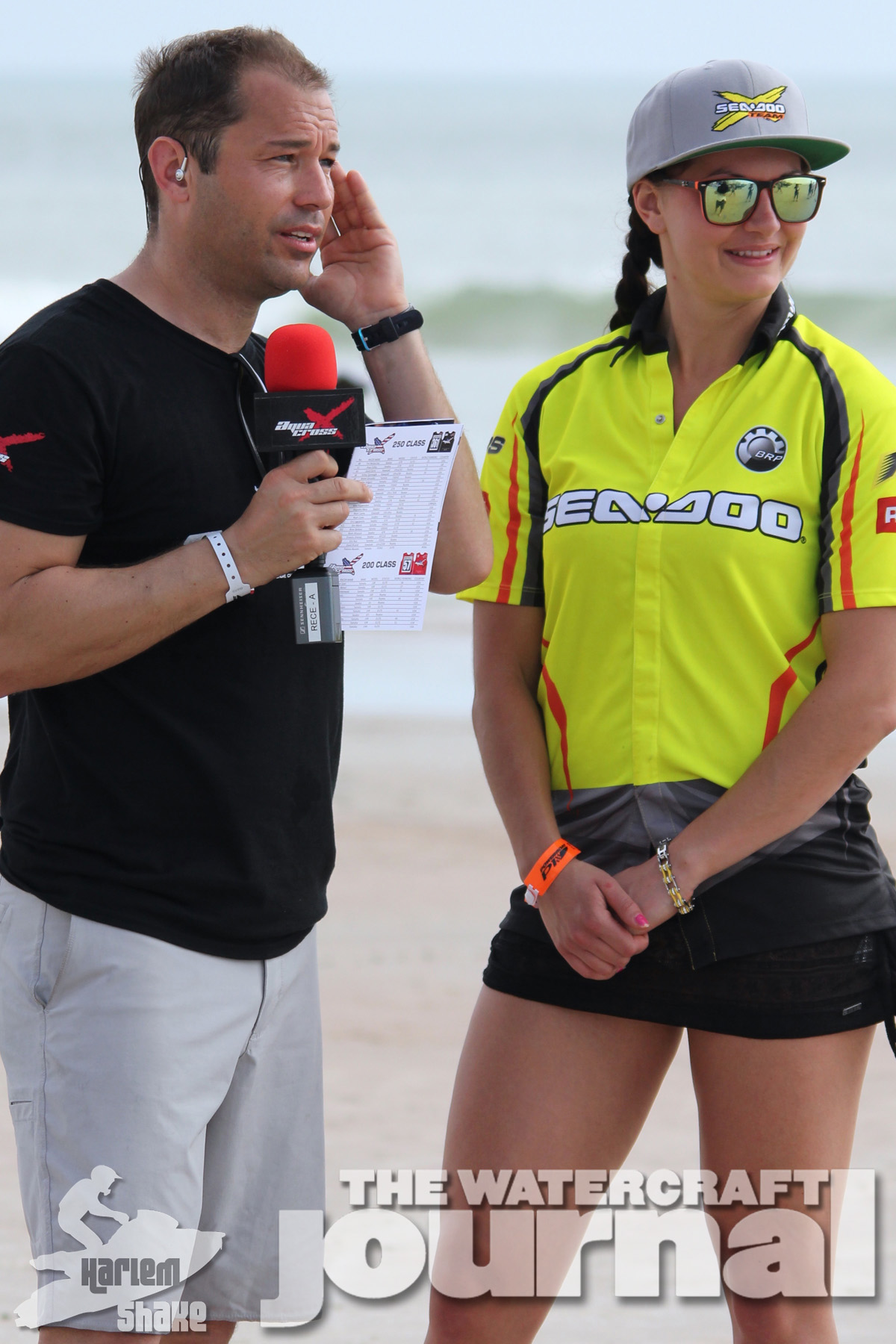
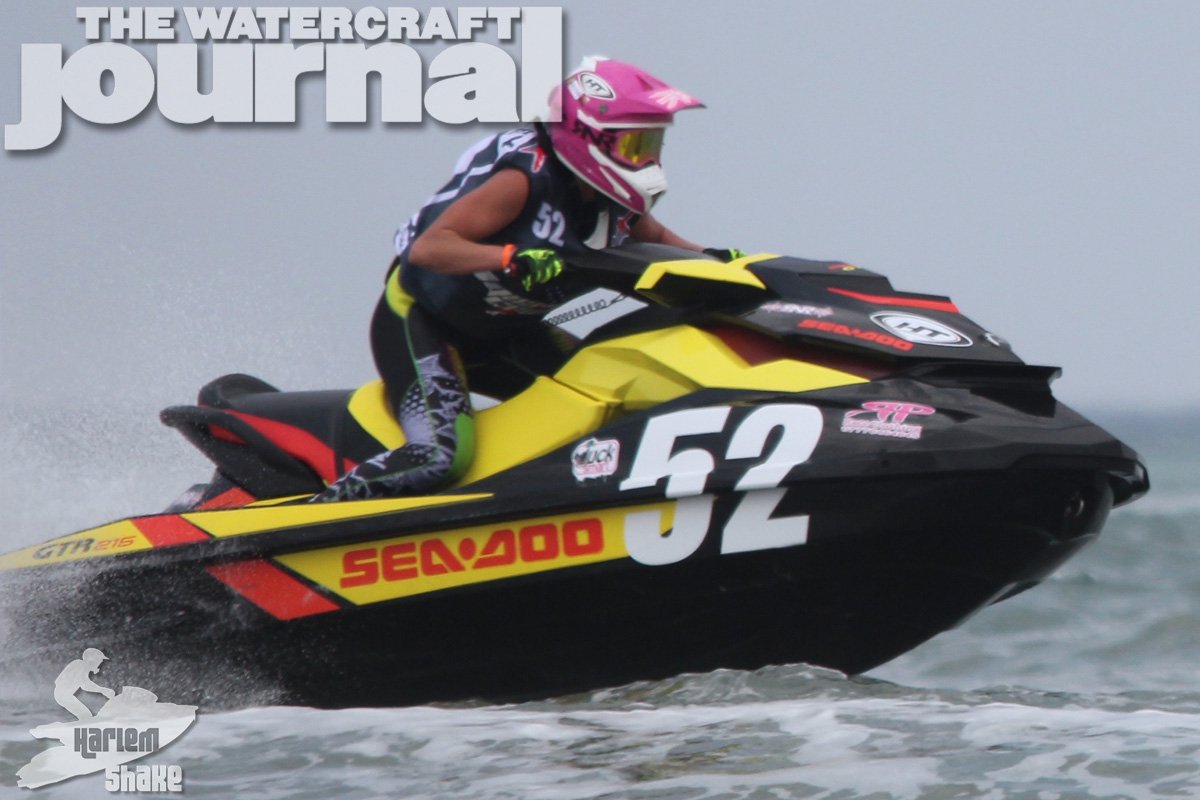
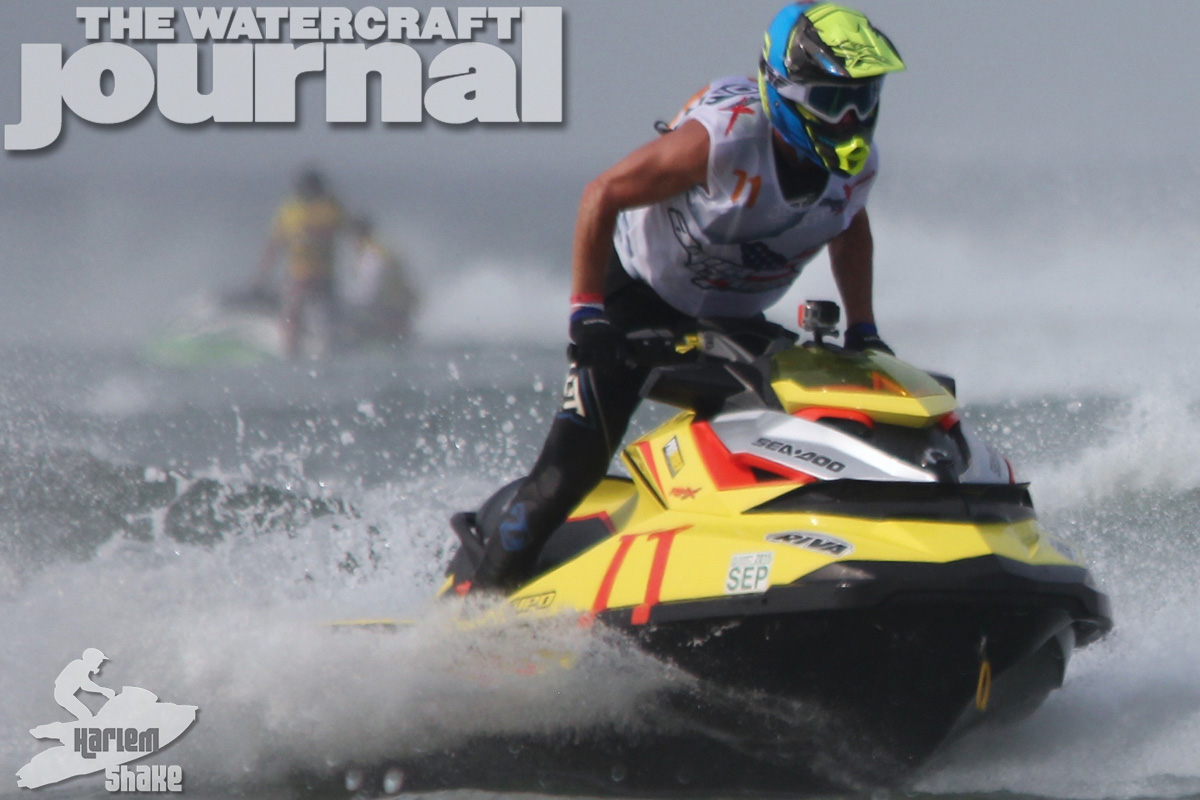
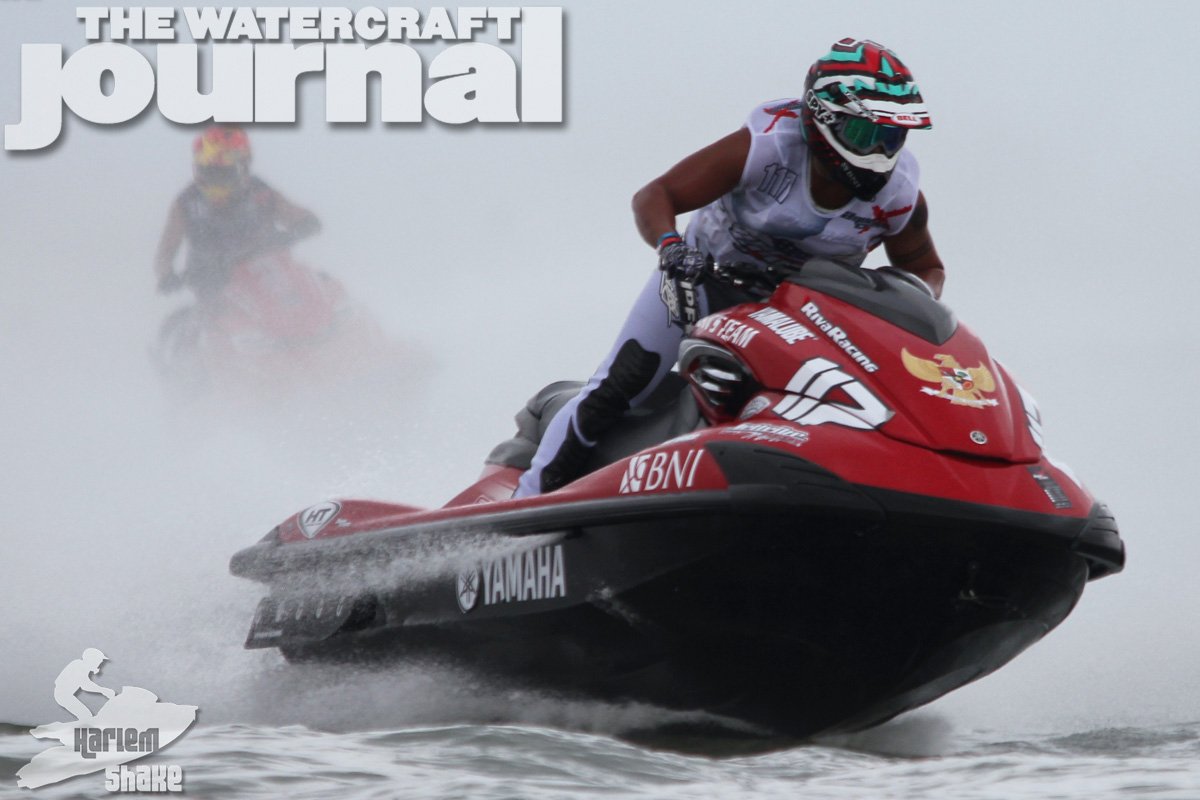
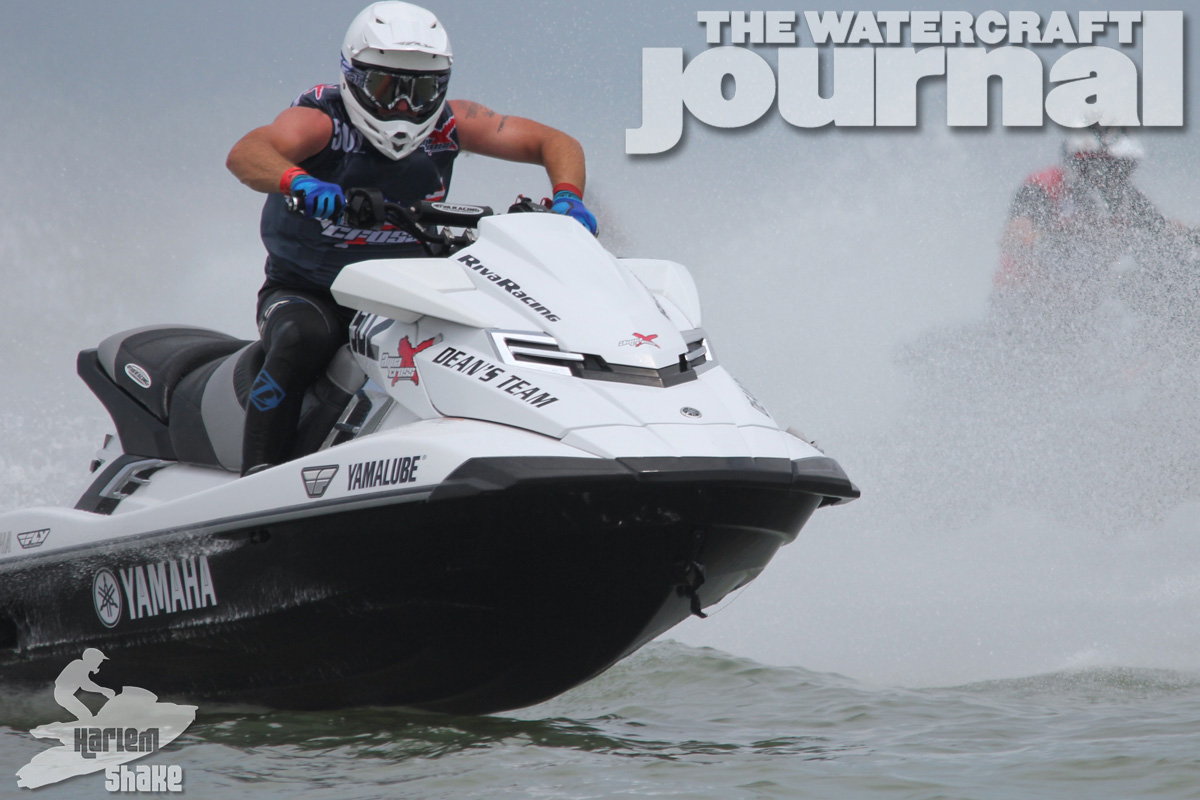
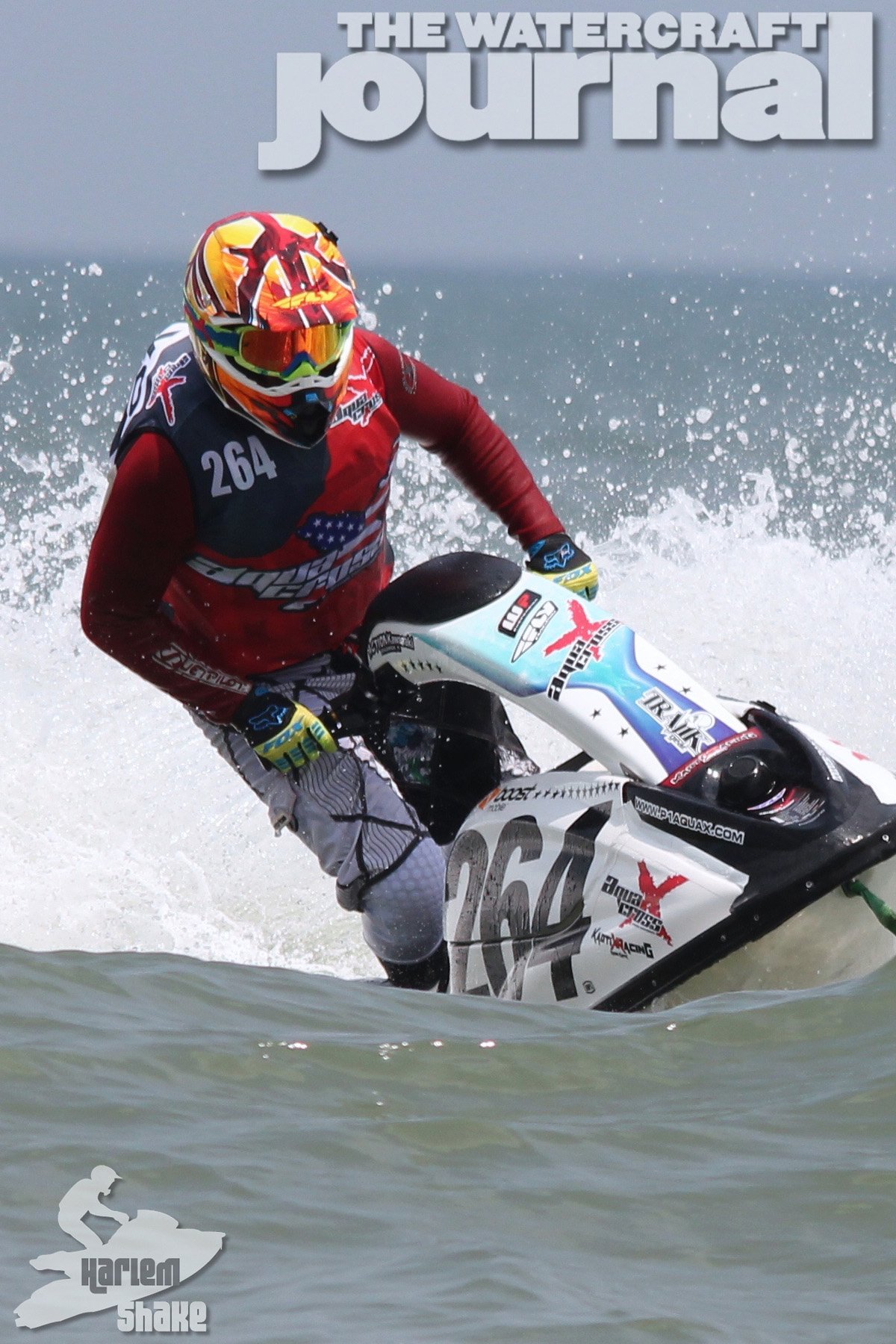
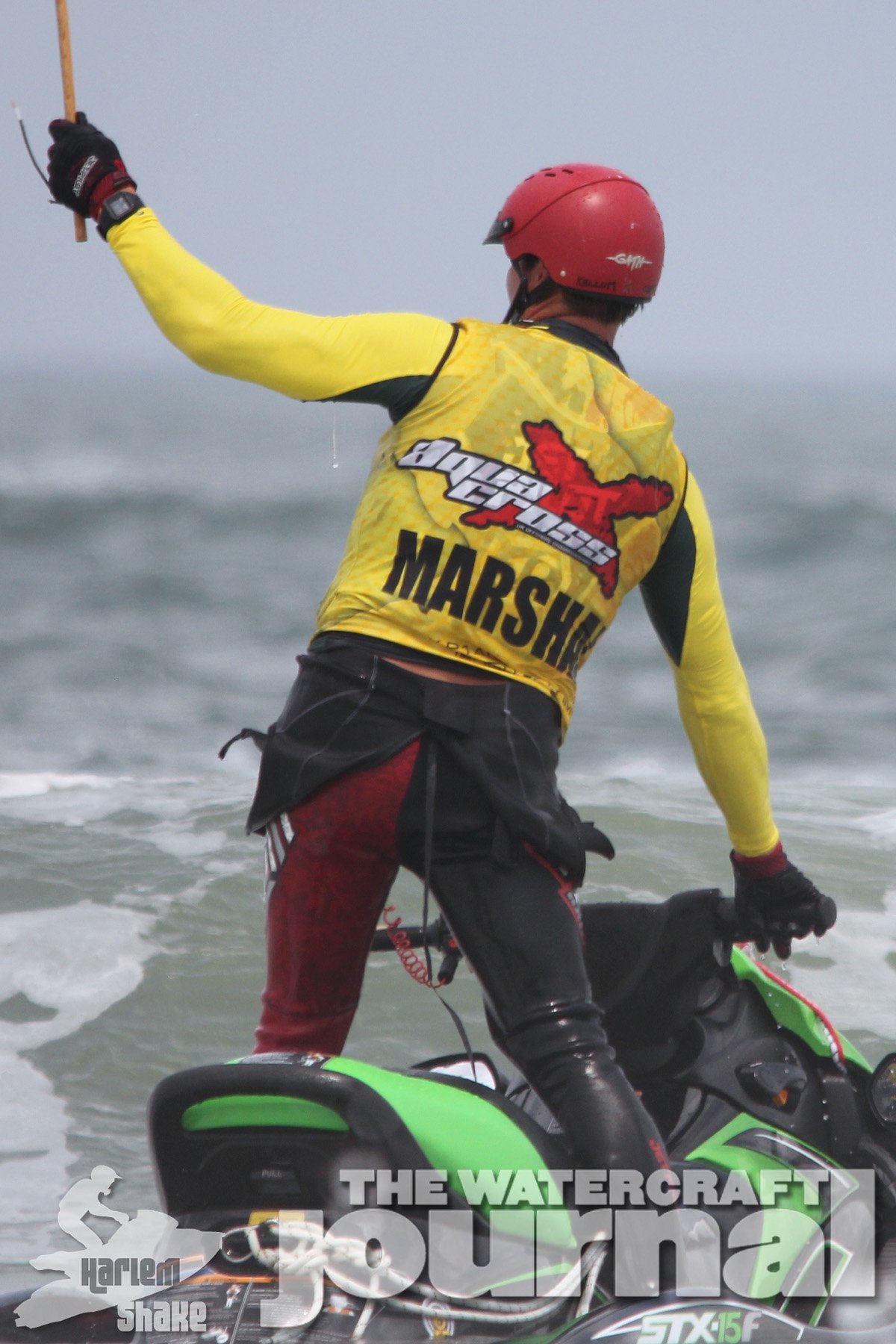
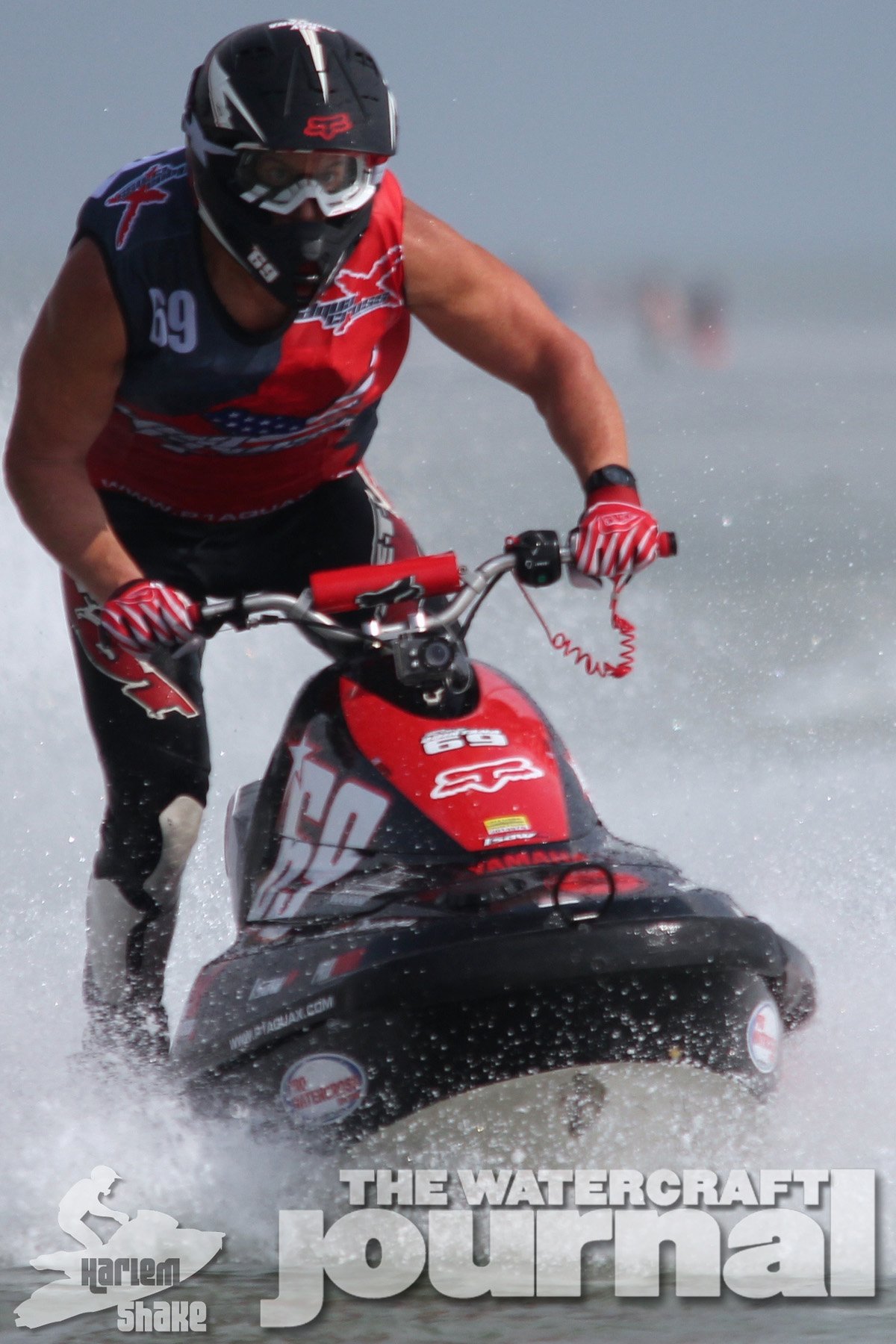
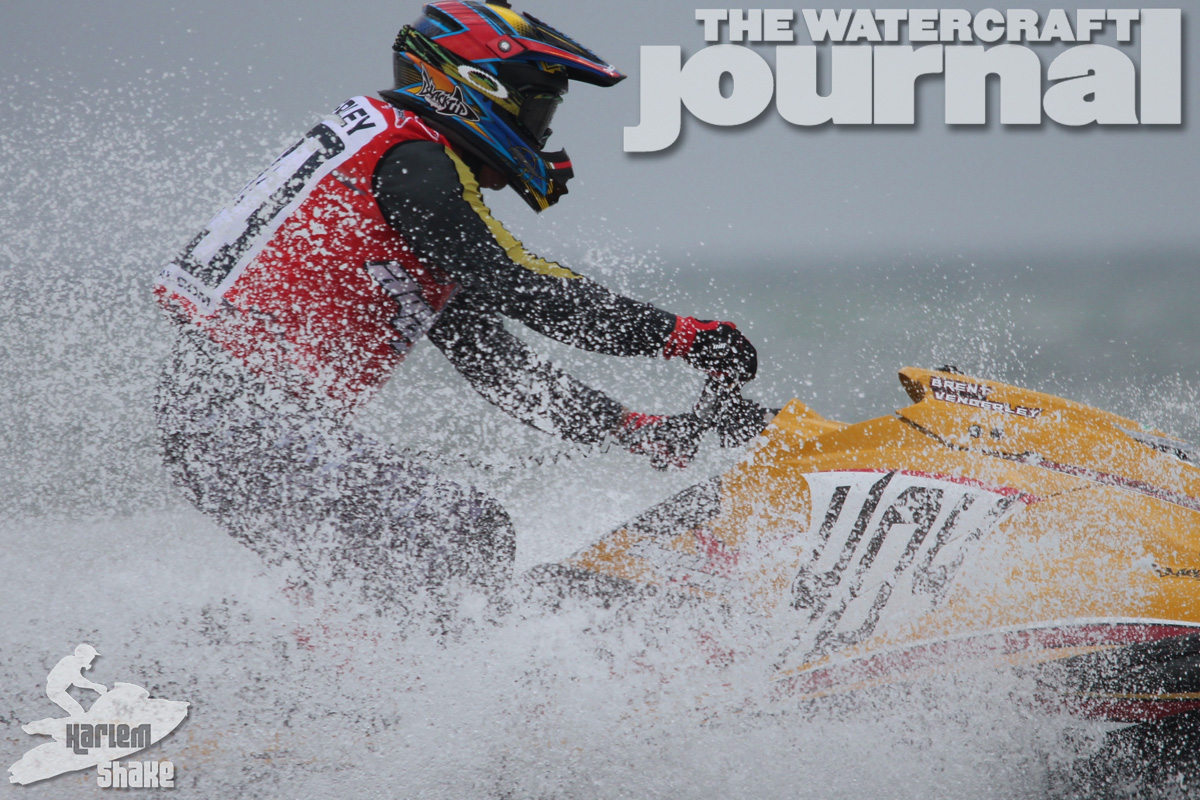
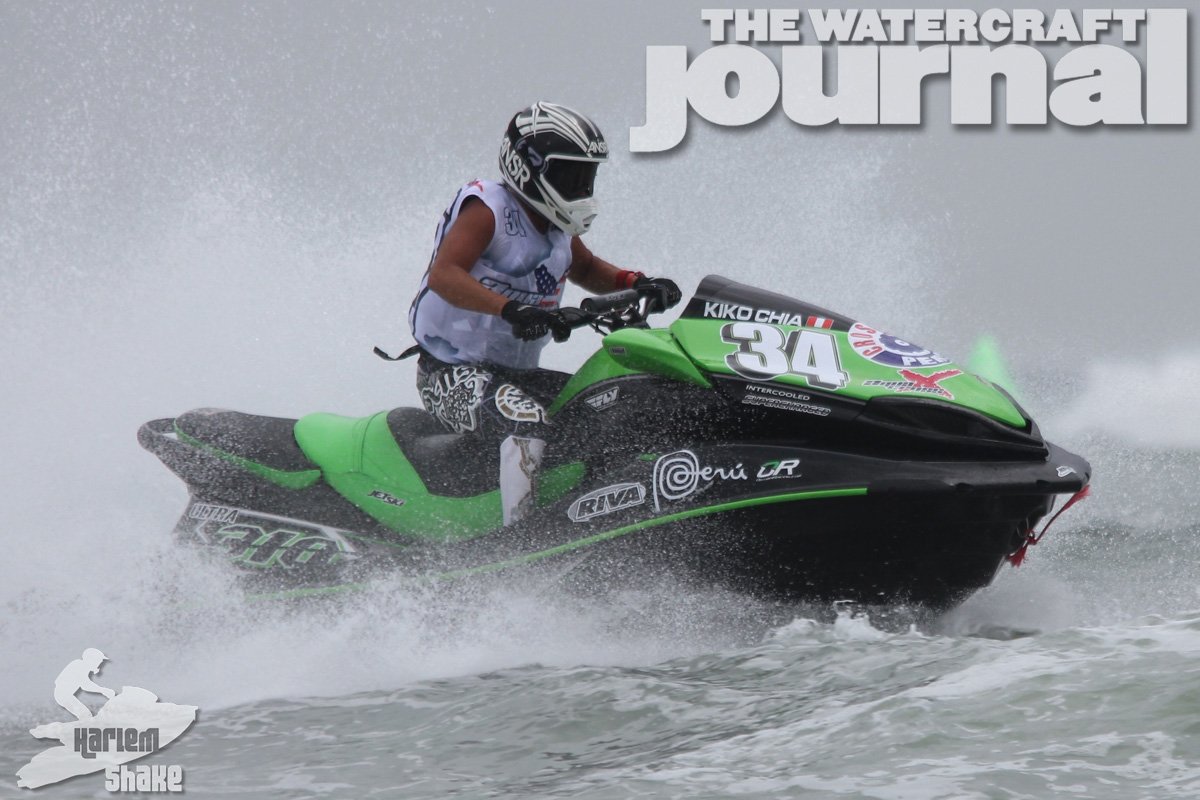
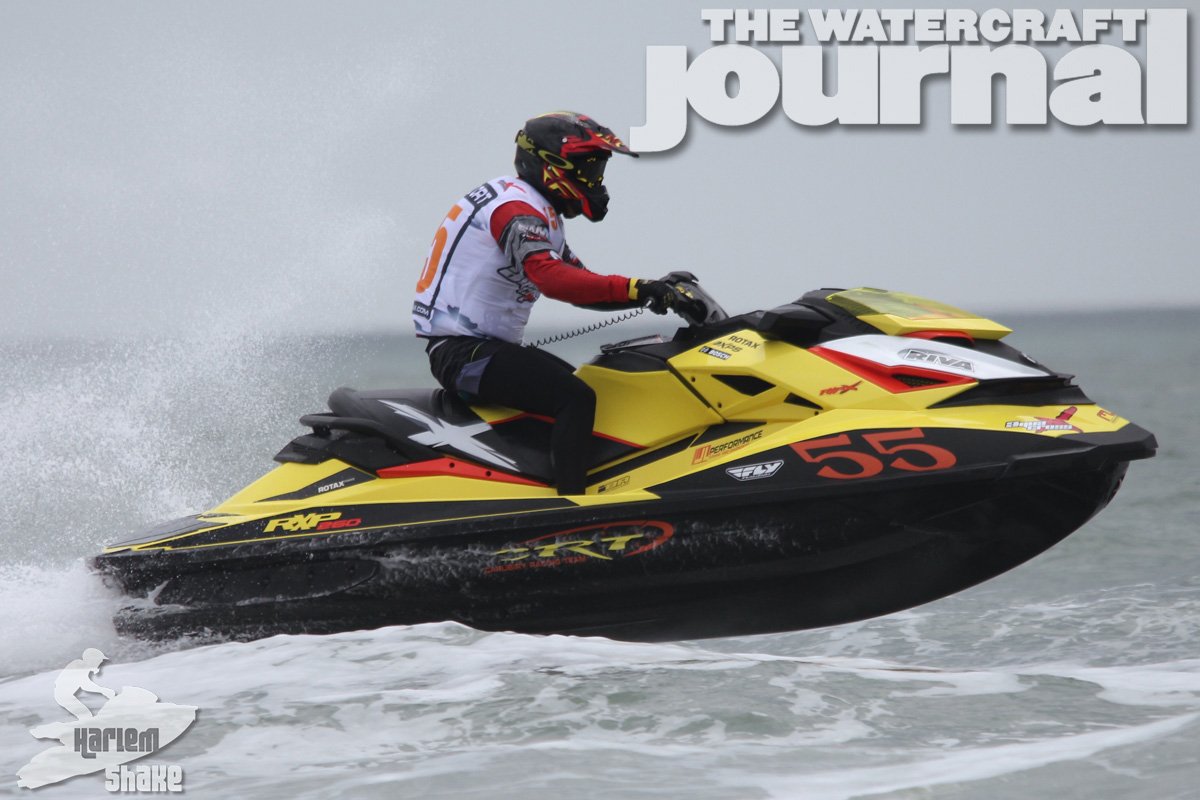
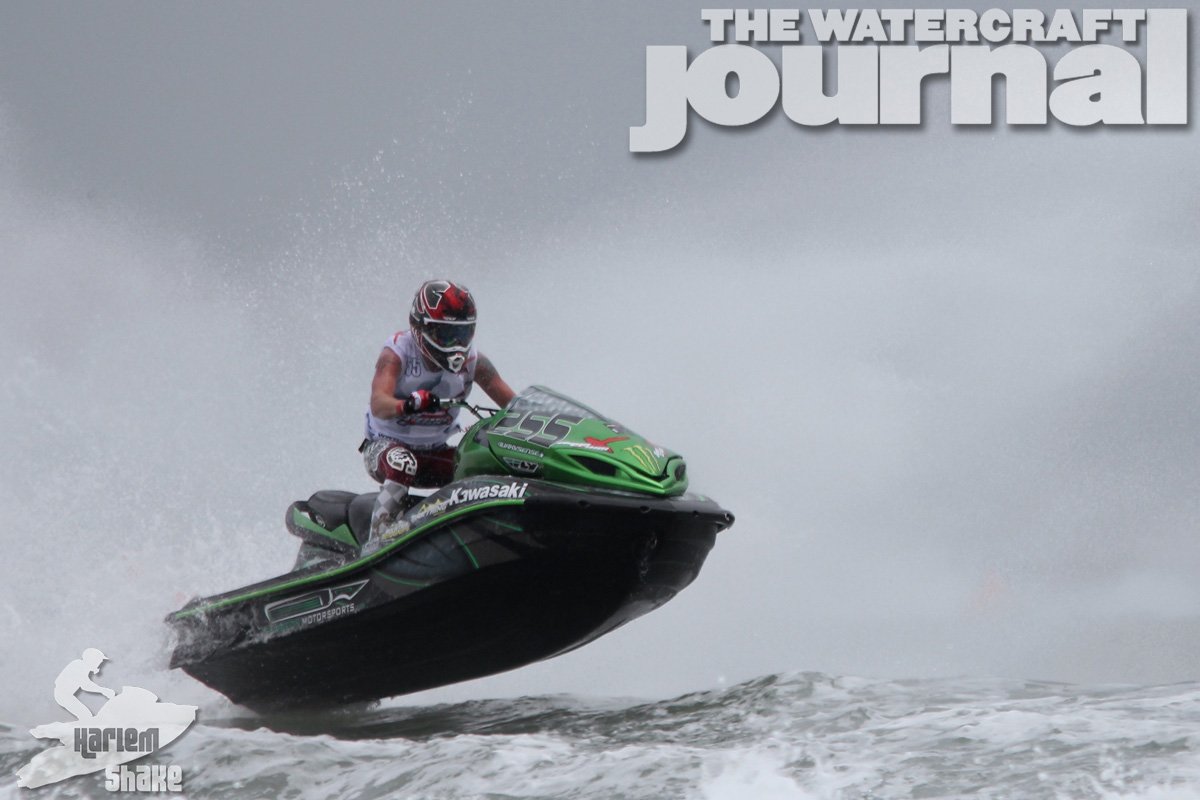
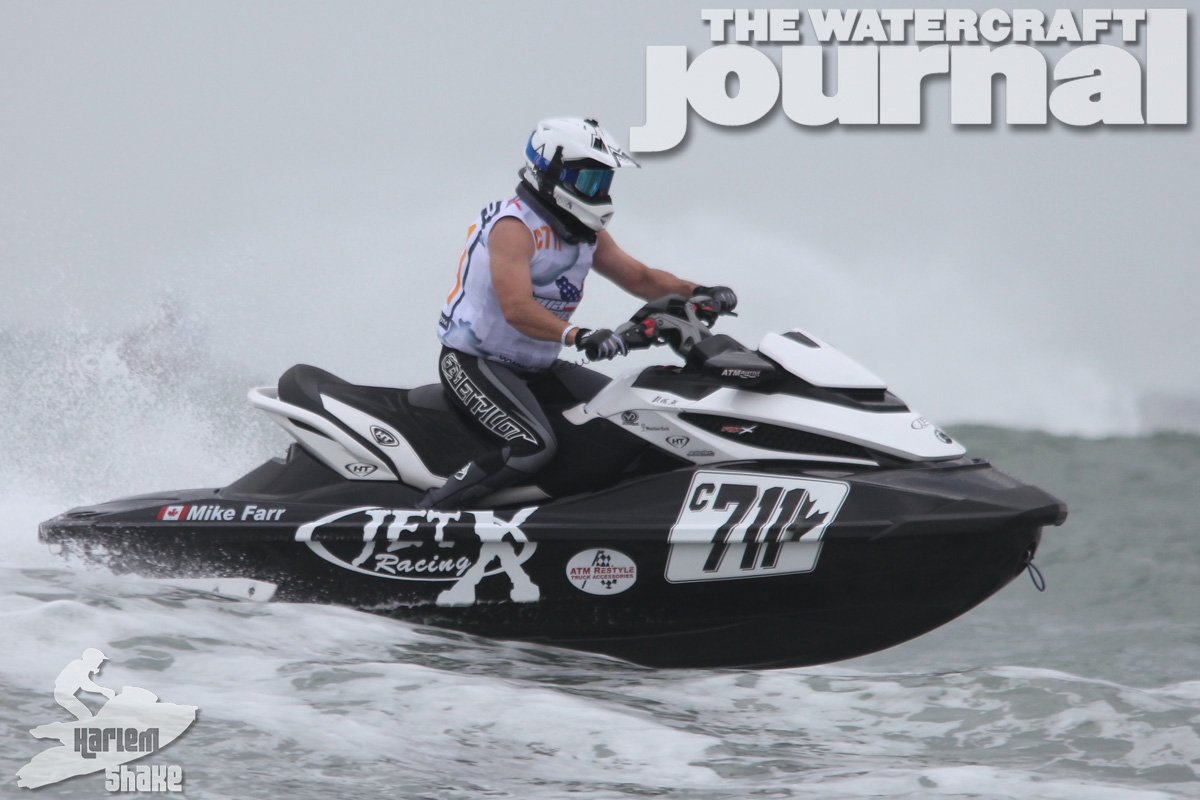
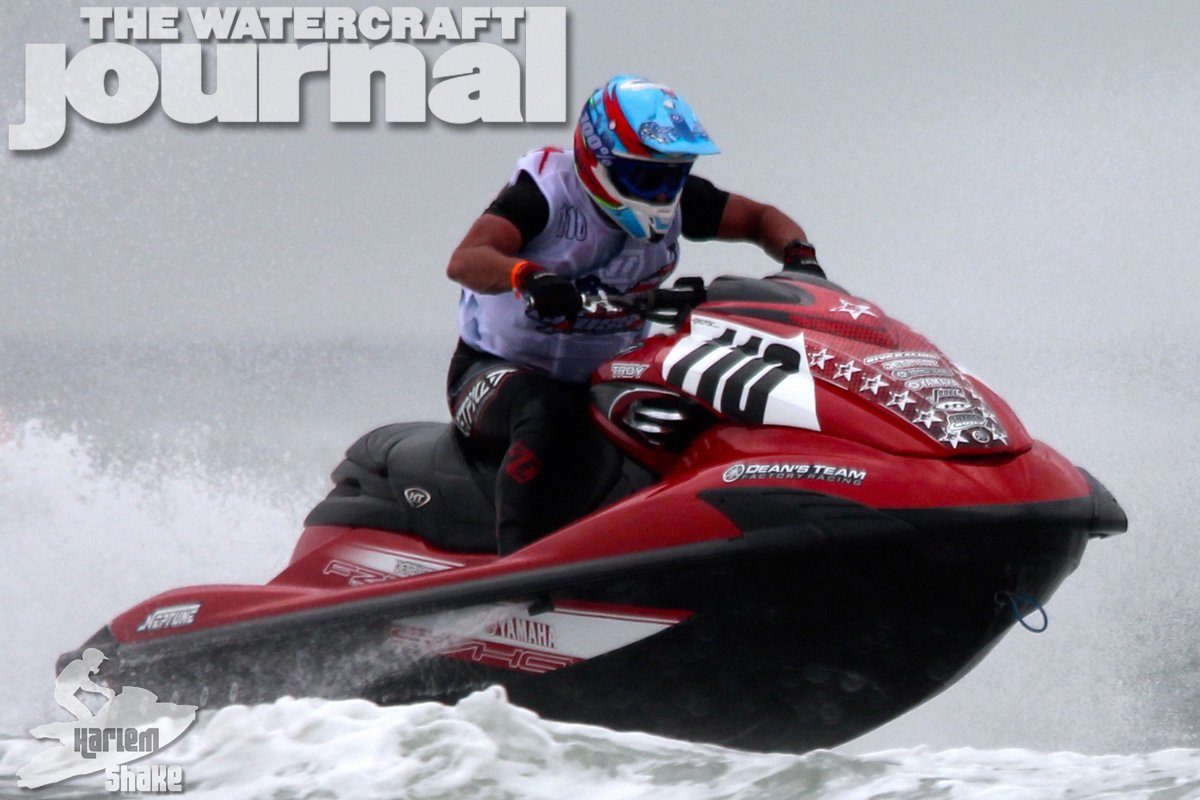
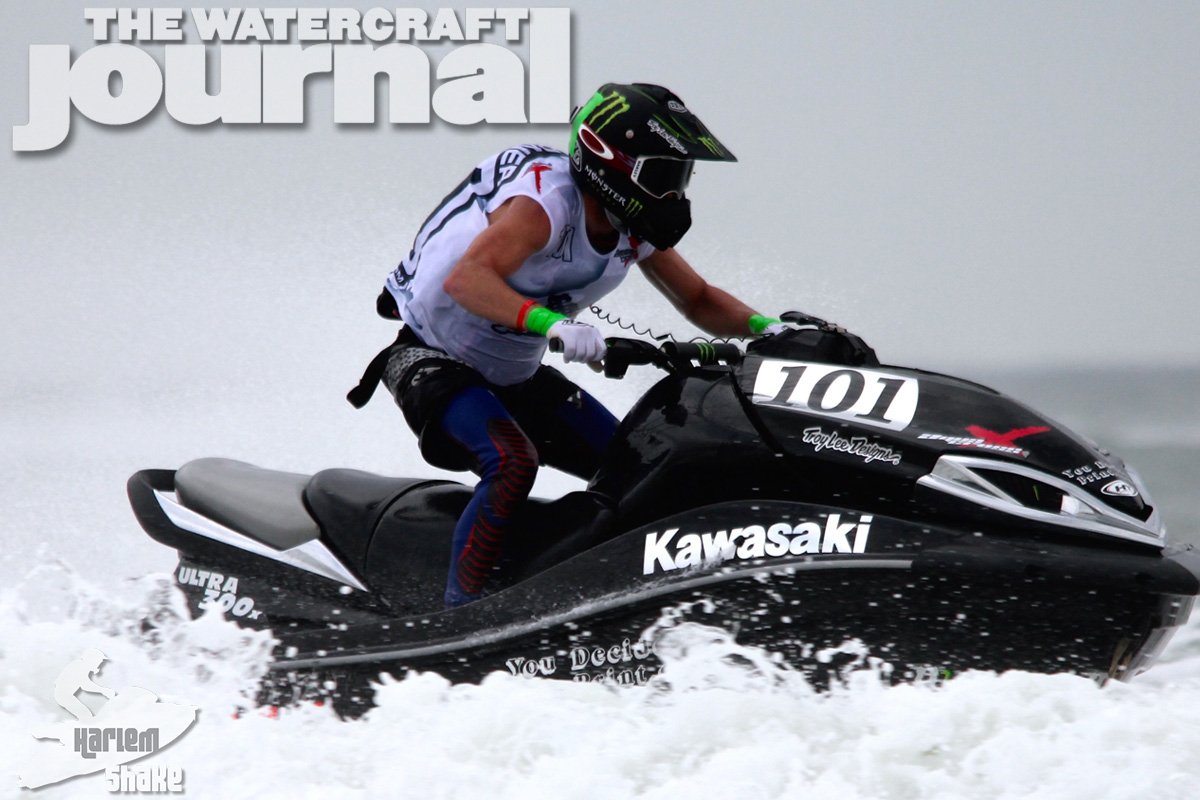
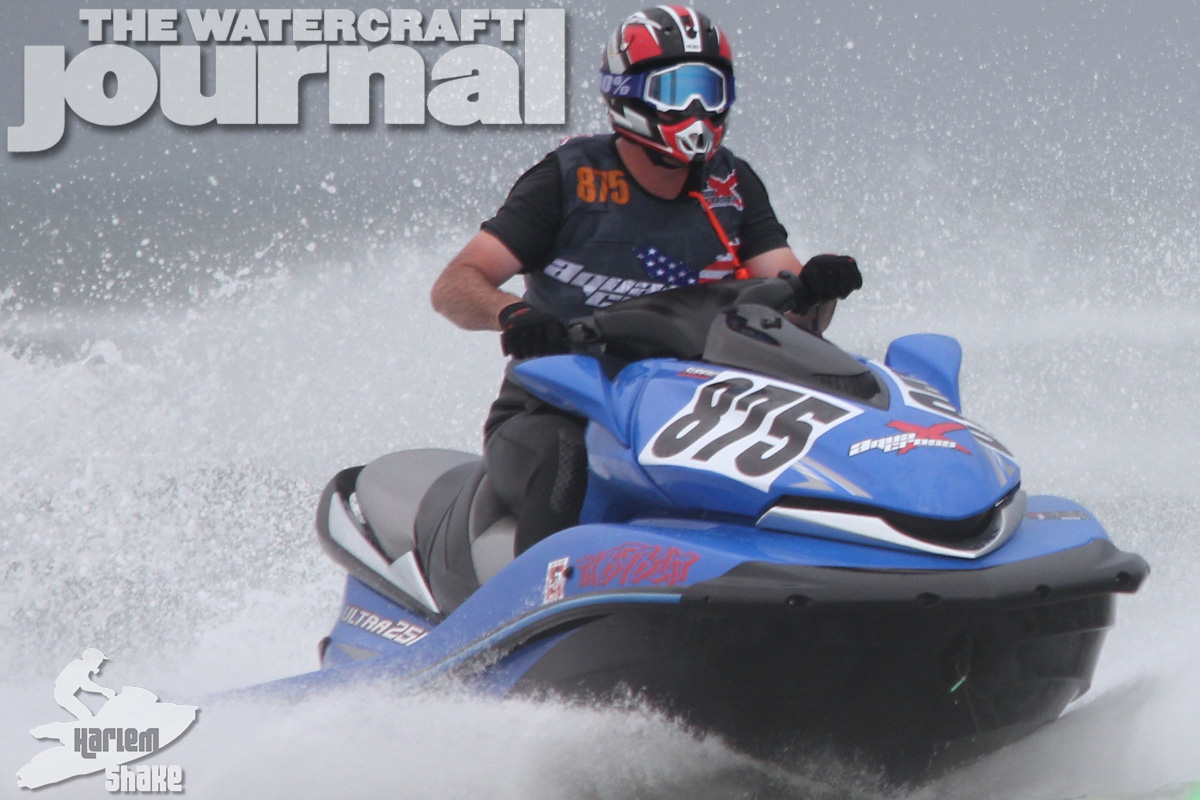
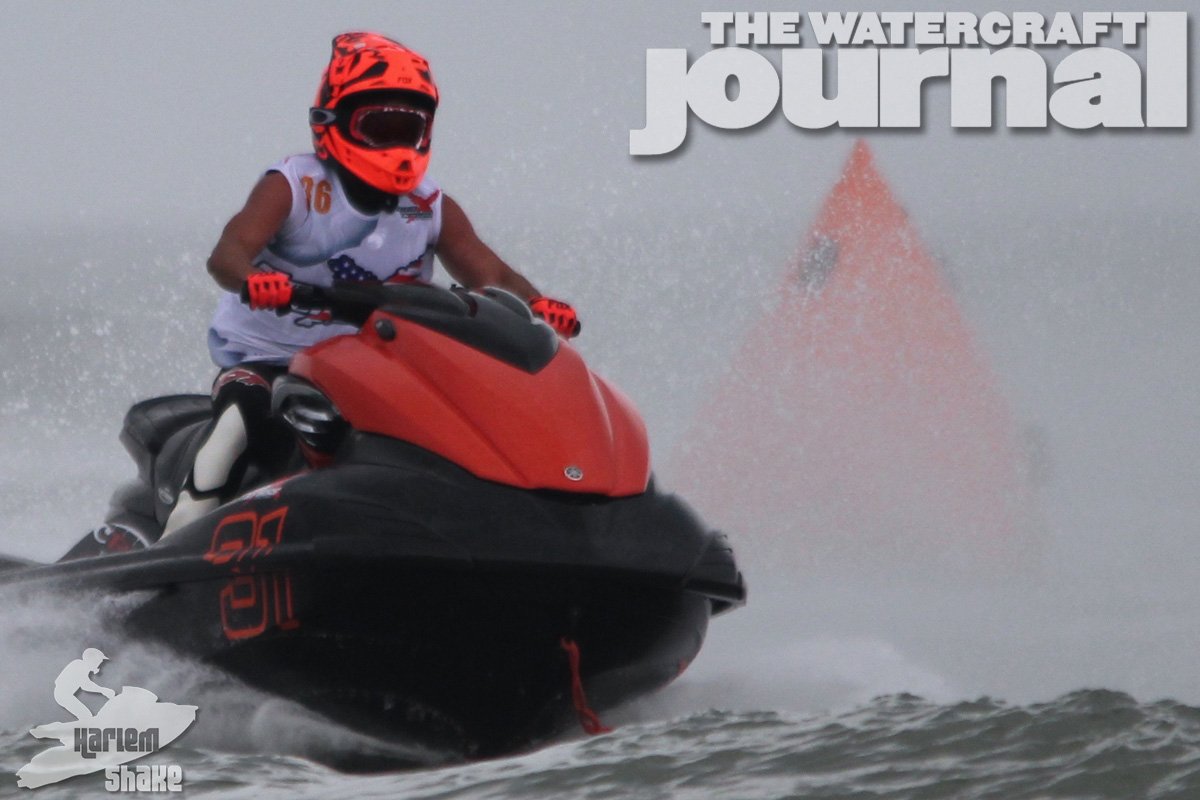
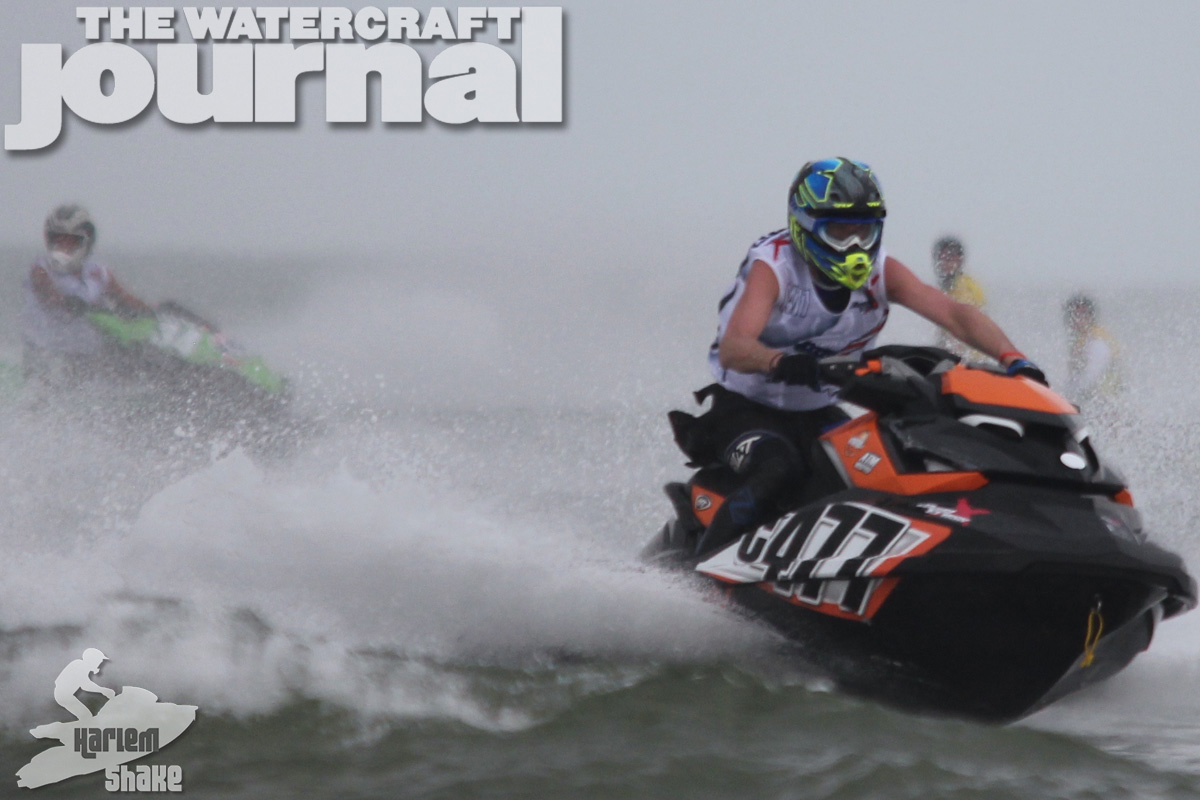
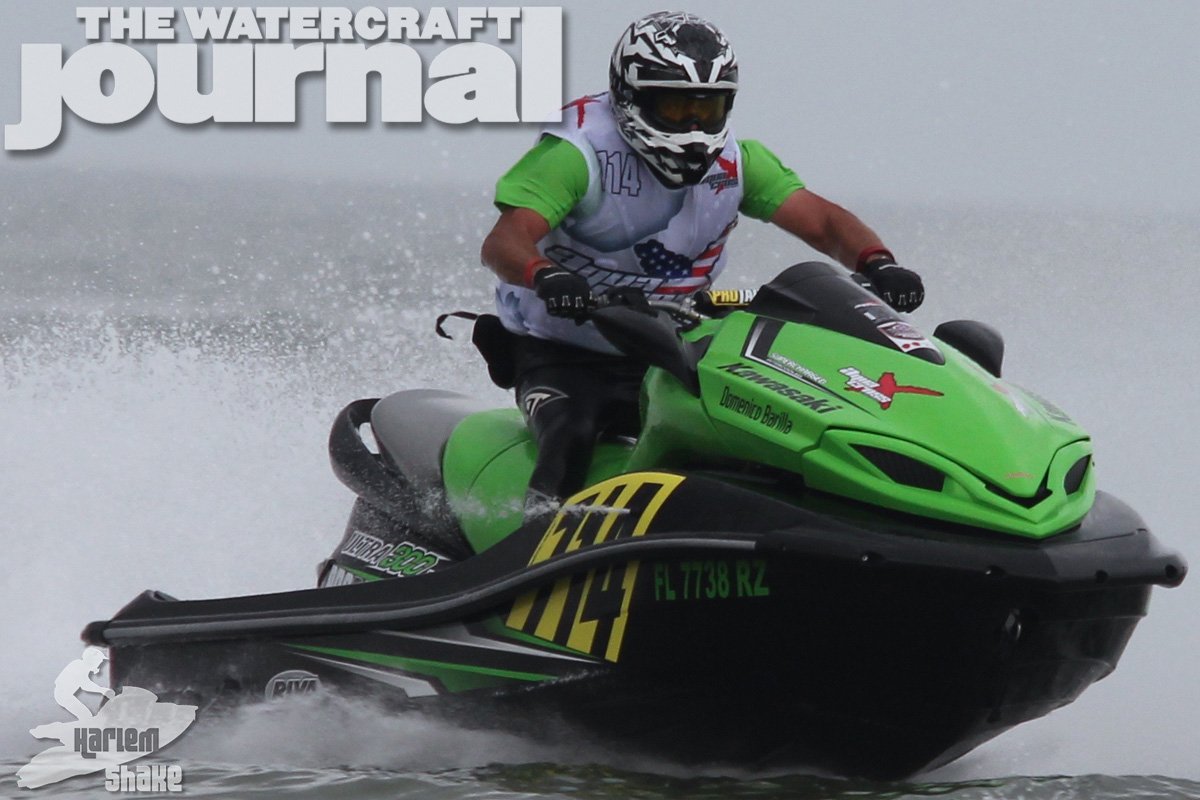
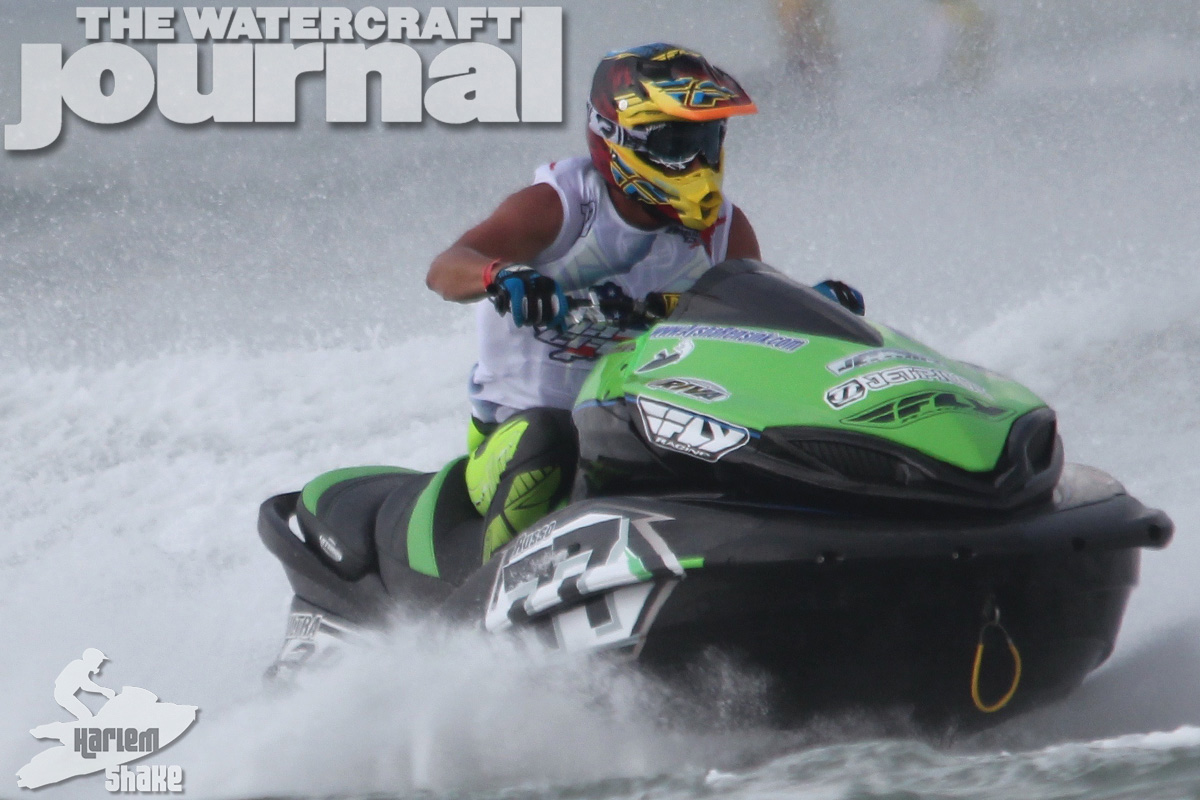
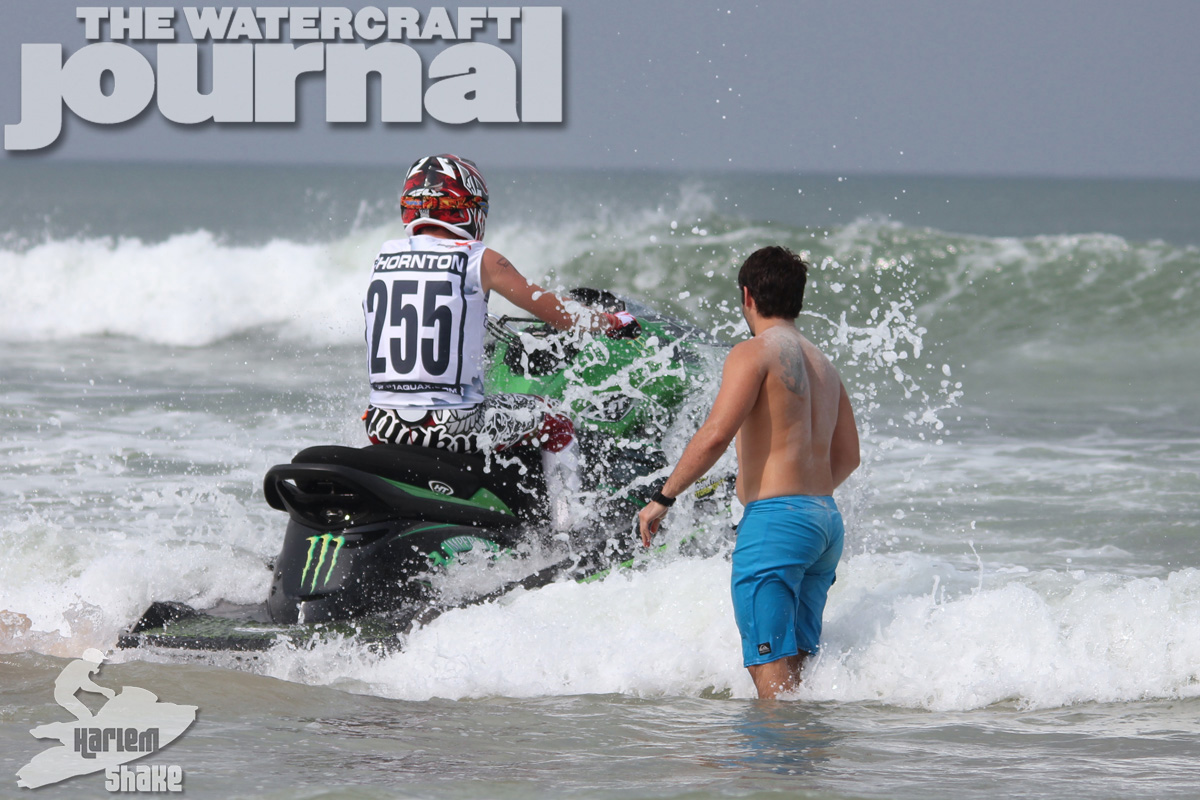
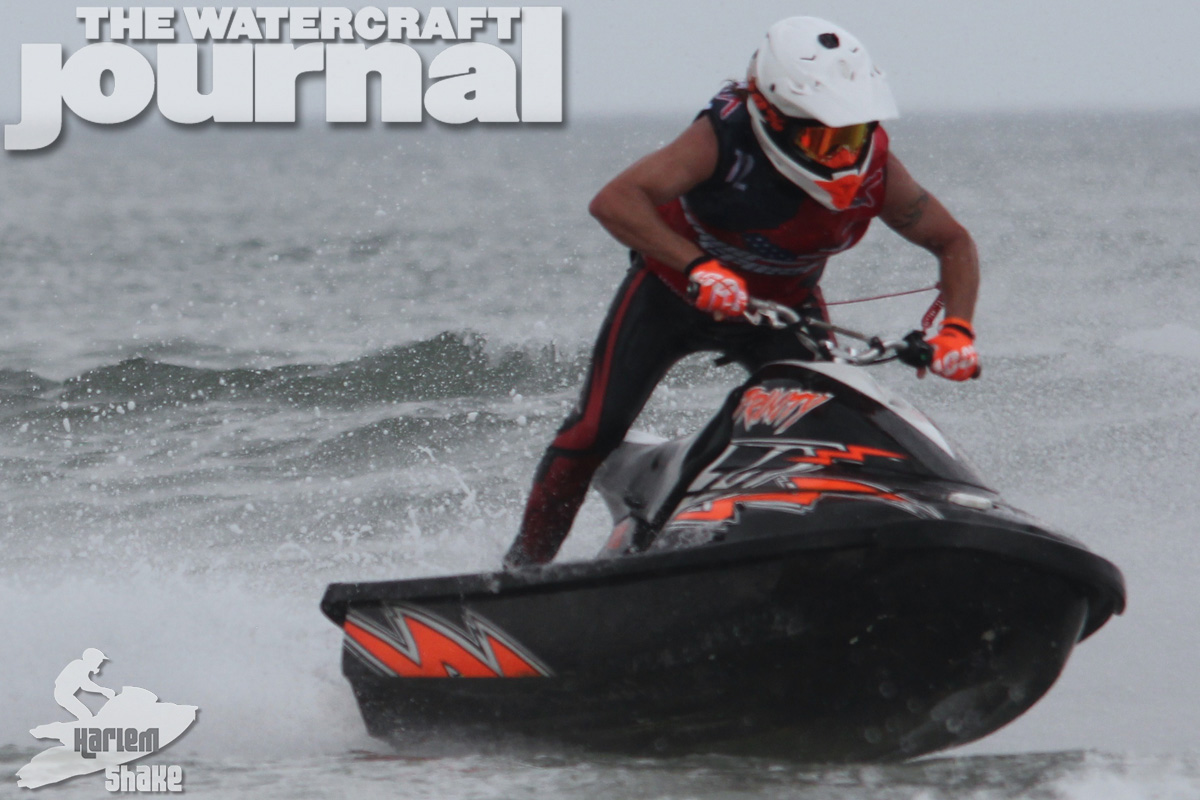
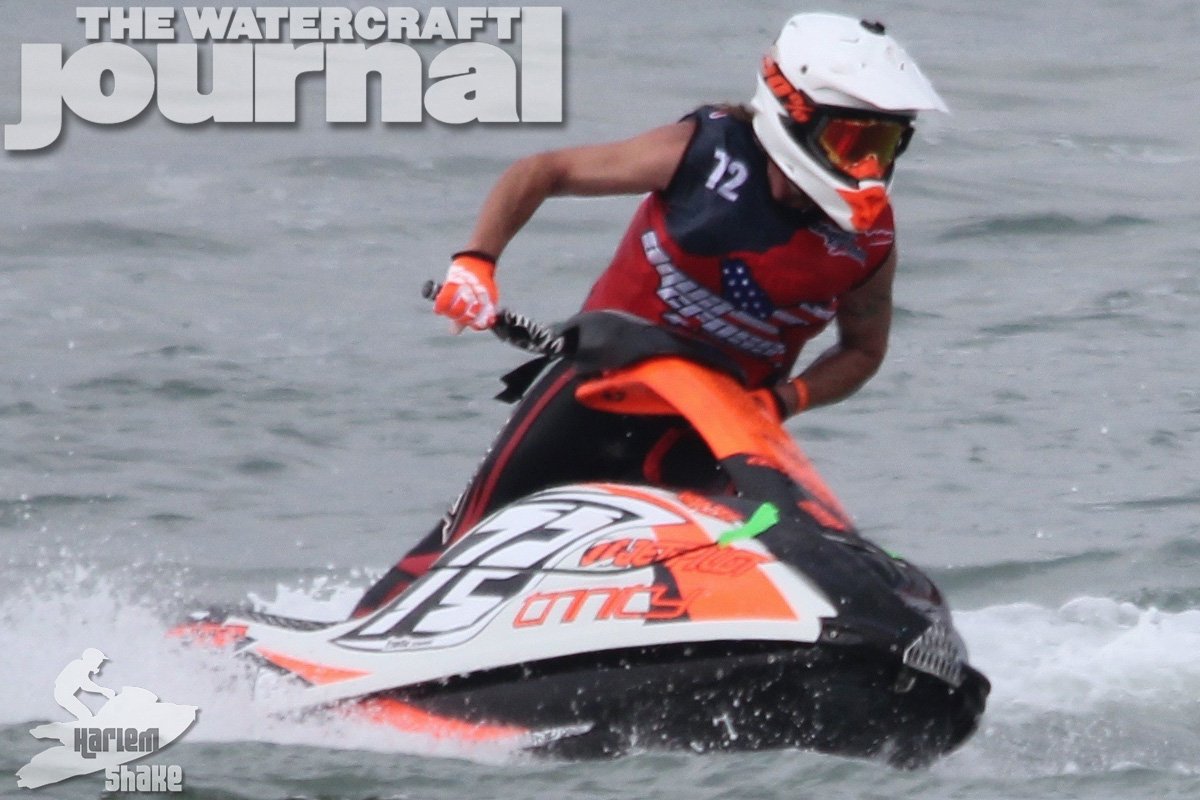
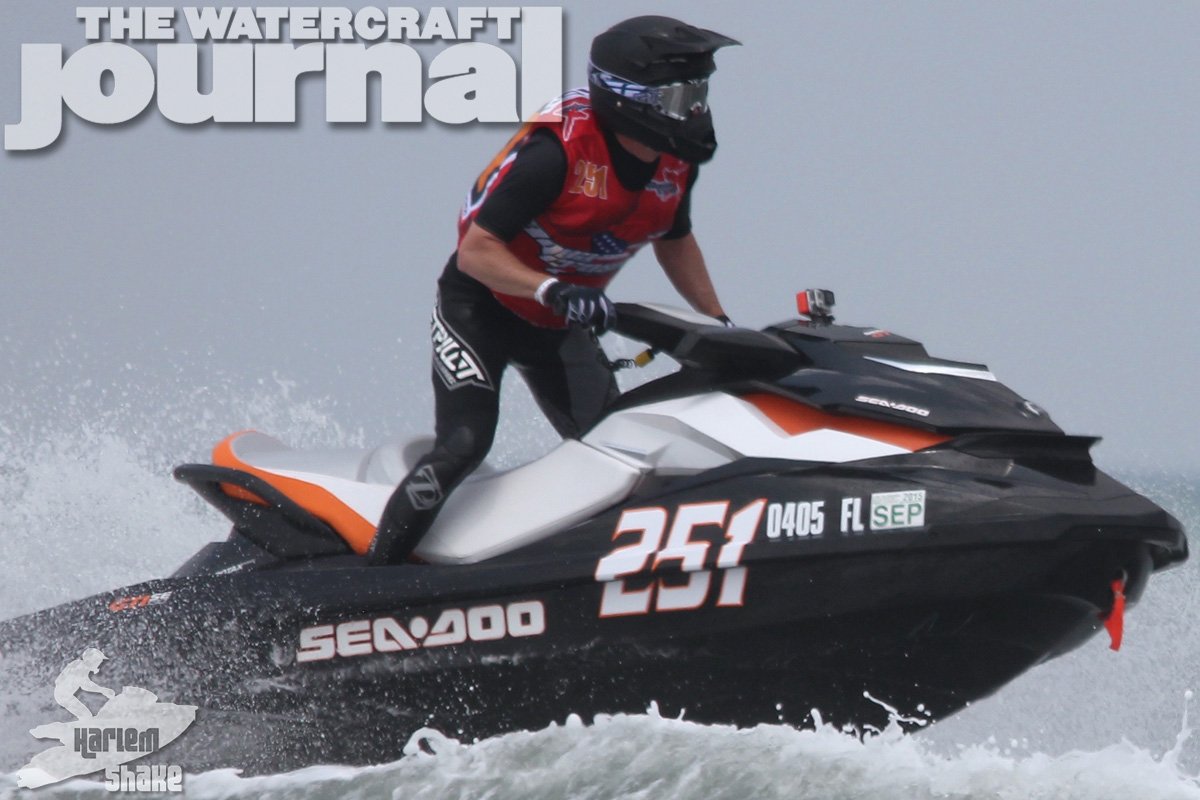
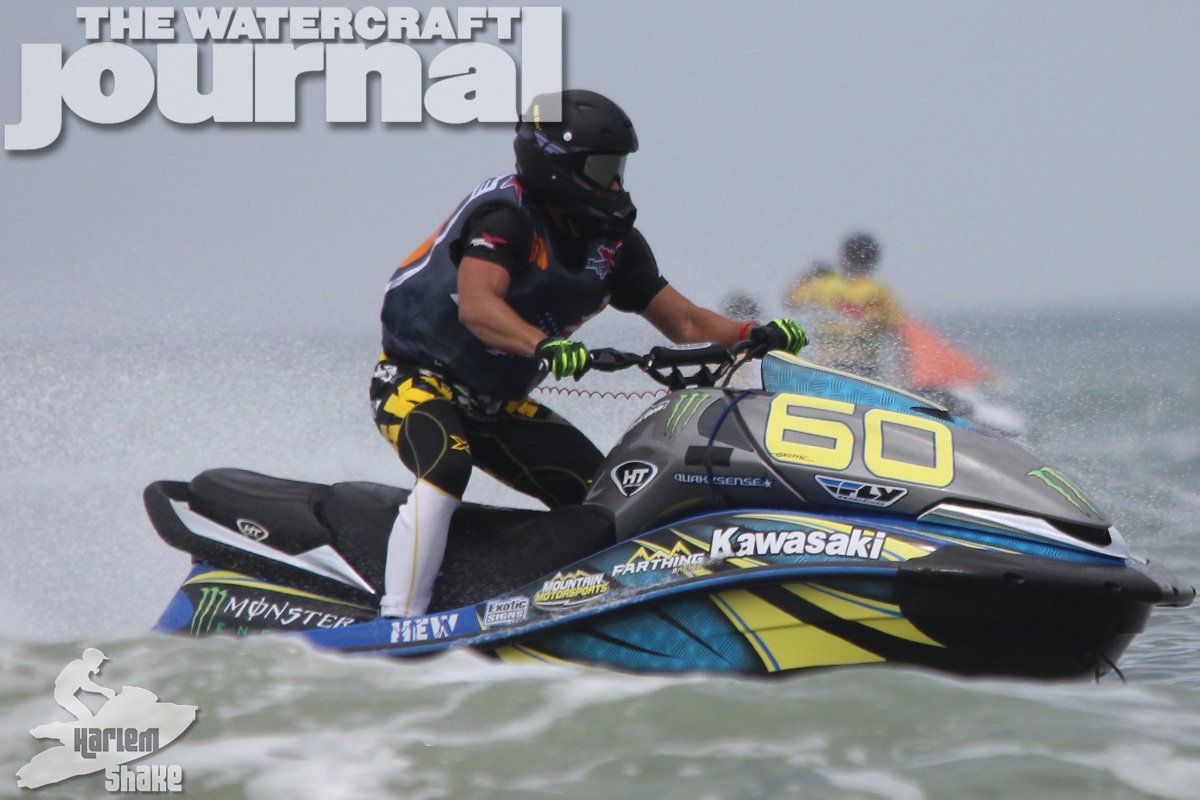
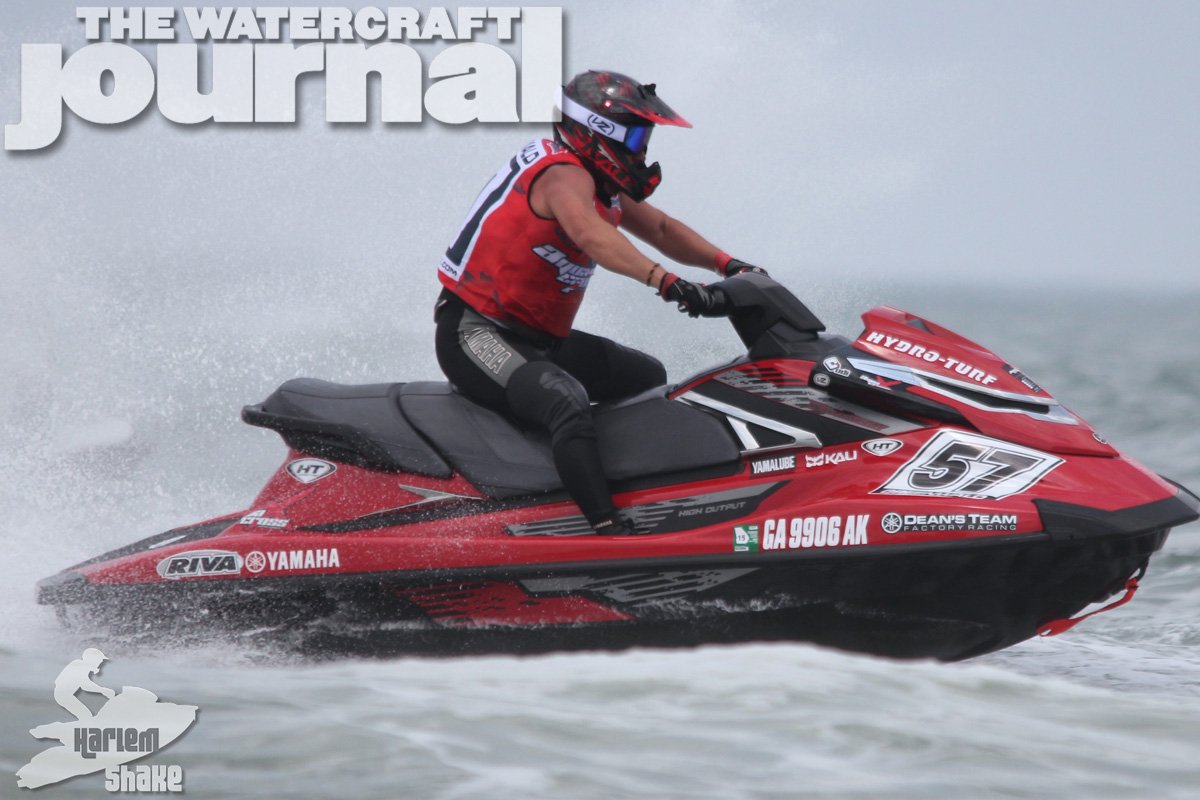
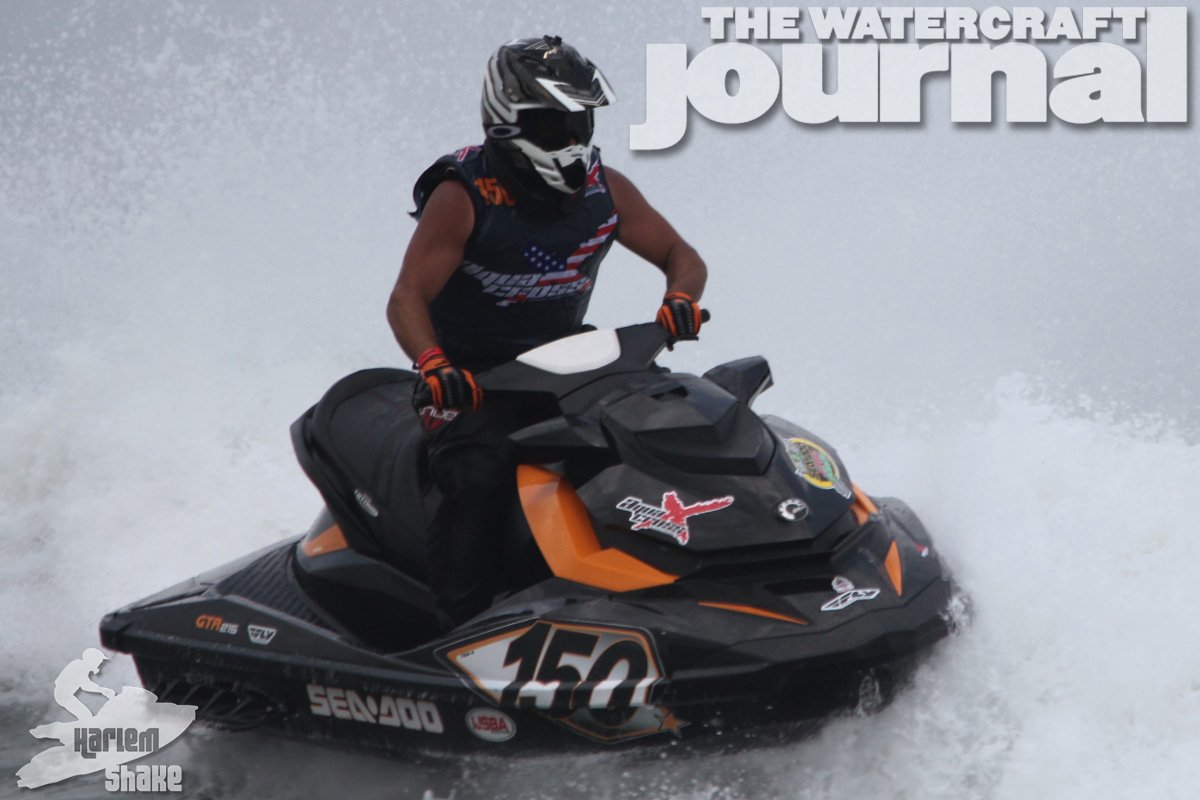
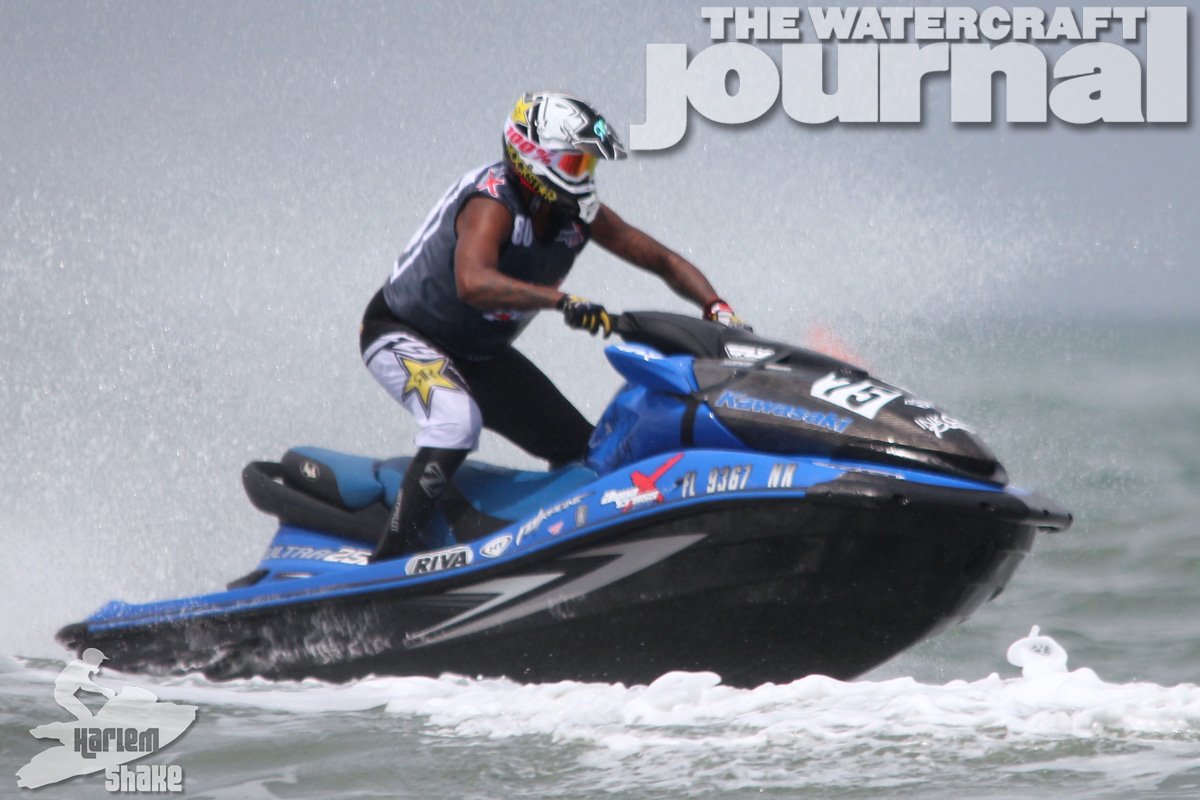
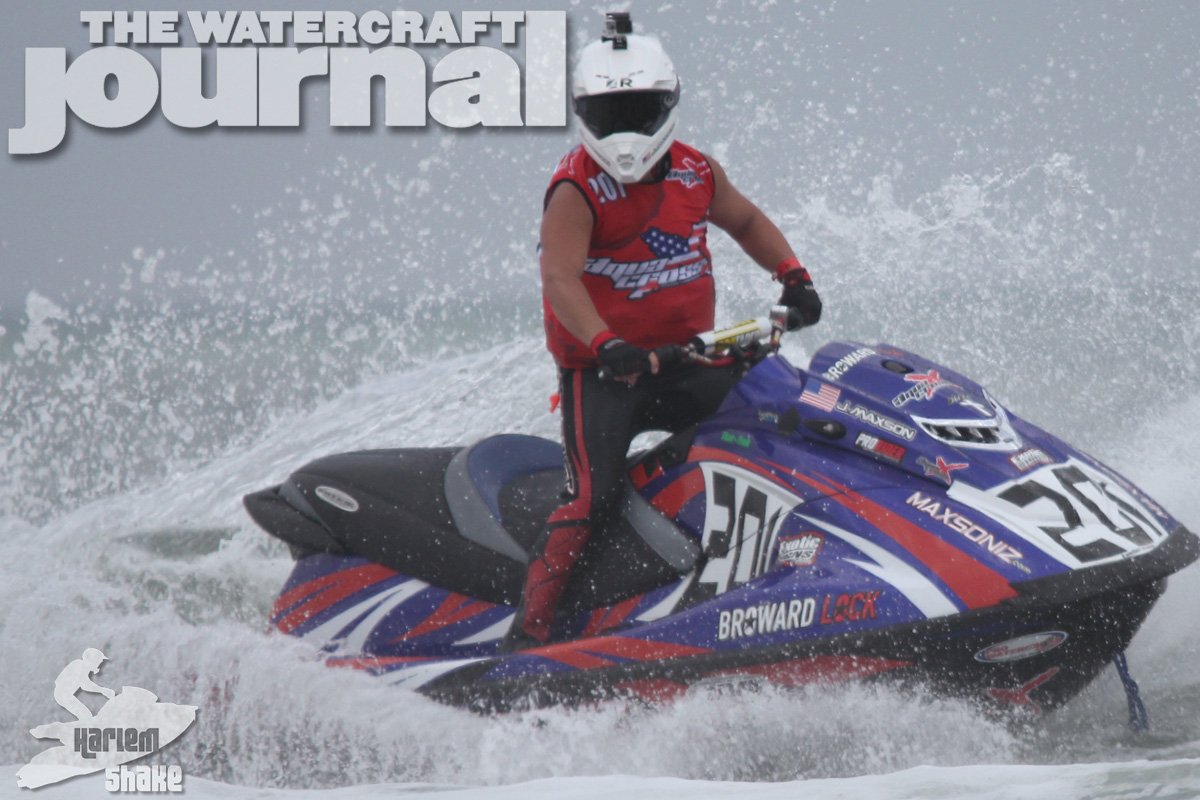
The 2015 P1 AquaX season got their third season underway on April 25th in Daytona Beach, Florida. With a record number of riders of 90 compared to seven riders in its inaugural season, this one was a season opener to go down in history. Riders came from as far as Great Britain, Canada, Indonesia, and Peru to do battle with the riders from the USA.
This year also included the addition of the Sport class to go along with the Ski class, which was introduced last year. The classes and format stayed the same as the previous two years for the runabouts; the 300, 250, and 200 classes running 30 minutes plus one lap to determine the winner and climb up the leader board to determine this year’s AquaX champs.
Saturday, the beach in front of the Plaza Resort and Spa was abuzz with movement of skis and the sounds of racing in the air. P1 AquaX is known for it’s racing in the surf and Daytona this day and Mother Nature didn’t disappoint. There was plenty of waves just the way many riders like it and it would prove to be a challenge, as Daytona is known to be a brutal venue for racing.
The races officially started with the 300 class. Last year’s 300 and world champion Eric Francis had a target on his back by many of the other racers looking to take his crown. With a rough and bumpy start, the race was on. Team Yamaha had the Aswar brothers Aero and Aqsa along with teammate Troy Snyder were looking to get the win for their team.
There was a lot of spills making a lot of the riders go for a swim, while several others suffered injuries, including plenty of twists and sprangs, one broken kneecap and even a hard knock on the head for Mike Klippenstien and Claude Clayton breaking his ankle.
Next came the 250 and 200 class racing together. Last year’s champion Eric Lagopoulos was looking to continue his winning ways as he had won his class in both the previous years at Daytona. He too also had a target on his back. David Gorie looked to dethrone the King of Daytona.
The Ski class, which was introduced last season, was going to be a battle by Johnny Smith, Broc Harris, Kirk Britto and Jeremy Schandelmayer who have all raced each other many times in closed course racing. They too felt right at home in the Daytona surf.
The Sport Spec class, which was introduced for the first time this year brought closed course racers Glen Jung, Ray Quintana, and Ken Waddle amongst others to see how they would fair racing Aqua X style. Due to time restraints and the broadcasting schedule for Fox Sports on Sunday, the organizers decided to run only the 300 class one more time before calling it a first day.
Sunday, the second and final day of racing had the racers returning to the beach after trying to recuperate their bodies from the pounding they took the day before. Their spirits were high and they were ready to get the show going. The day started off where it left off the day before with the ski class racing first and then was followed by the Sport Spec class. Glen Jung cruised and he made it look like there was no difference between closed course racing and AquaX, proving him as one of the best racers around.
The 300 class was ready to race in front of all the spectators on hand as well as many viewers who were on hand, thanks to Fox Sports. It was the first time that AquaX was being broadcast live to millions of viewers. Unfortunately, Mother Nature was not going to cooperate as the race had to be postponed due to incoming lightning. Finally after the severe weather passed we were given the all clear and racing resumed with an unbelievably fast Asqa Aswar lapping even 4th place Craig Warner for the win, closing out the 300 class for the weekend.
The 250 and 200 classes were up next. David Gorie was awarded the win as Brian Baldwin was disqualified after taking the checkered flag in the 250 class, thereby dethroning the reigning King of Daytona, Eric Lagopoulos. Travis Zielasko took first in the 200 class. Glen Jung dominated the Sport Spec class and showed that the class fits right into the P1 AquaX series of racing. Finally Johnny Smith closed out the weekend winning the Ski class.
The event was closed out with the award podiums where the winners of first second and third received their trophies. All the racers and spectators couldn’t have had a better race weekend. P1 AquaX once again proved that it is one of the premier racing events in the world.
For all of the results from this past weekend’s AquaX Series in Daytona Beach, click the hyperlinks for the 300 class, 250 class and 200 classes. The Ski class and Sport Spec class are also available by clicking the respective hyperlinks.
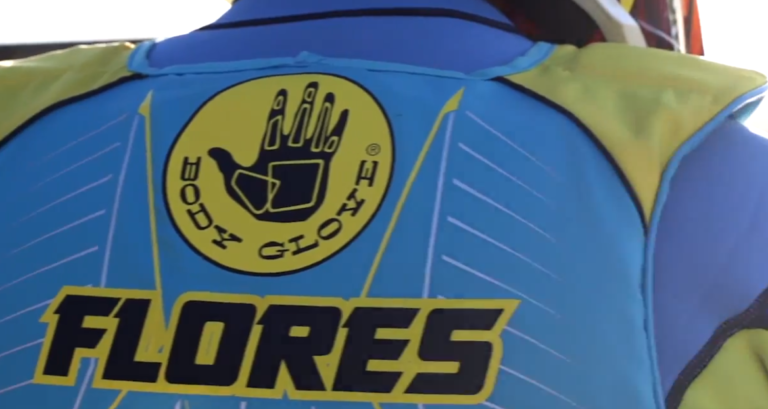
Some successes come overnight. Others come after decades of dedication, hard work and perseverance. Ever present among the names of Harry Goatcher, Victor Sheldon, Nicolas Rius and Chris MacClugage has been Rob Flores. For the past 28 years, Flores has been in the fight, leg-dragging his way into jet ski history.
The Las Vegas, Nevada native jumped into the fray in 1988 aboard a Kawasaki JS440 before moving into Expert class and eventually Pro. Since those early days, Flores has represented many companies throughout his career, but two have remained more constant than others: Yamaha and Body Glove.
Rumors were flying by early December that Flores had been hand-picked by Yamaha’s own Scott Watkins to assist in the development of an all-new SuperJet hull. Because of the legality of introducing a new SuperJet hull, this would imply the impending release of a 4-stroke powered standup from Yamaha. This, of course is contrary to everything we’ve been told from Yamaha.
Addressing the new SuperJet rumors, The Watercraft Journal talked up Flores who diplomatically sidestepped the question: “I can’t speak for Yamaha. I’m […] developing hulls for my race program and to sell. Now if Yamaha ends up using what I come up with, that [remains] to be seen, but I am not contracted to do hulls strictly for them.”
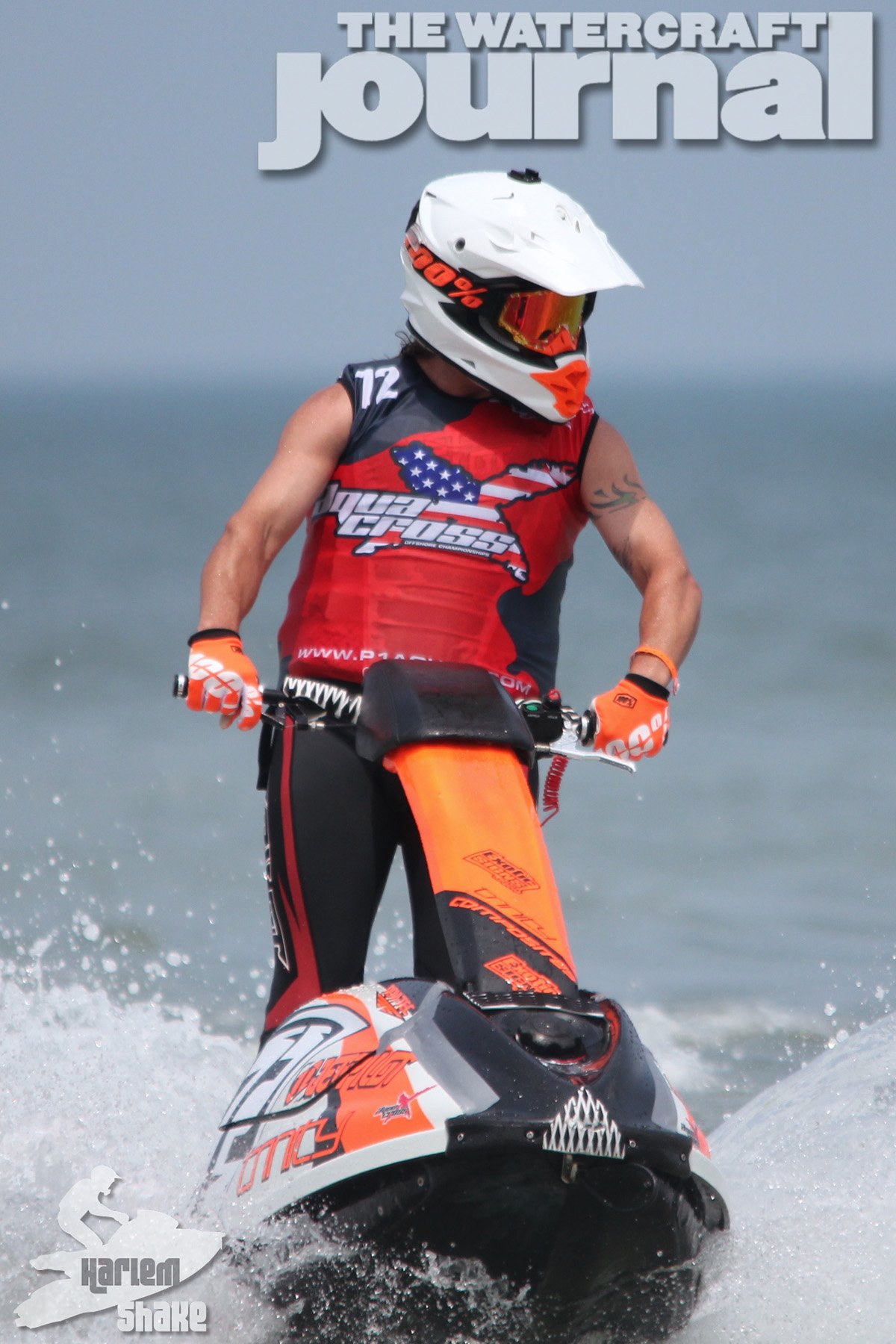
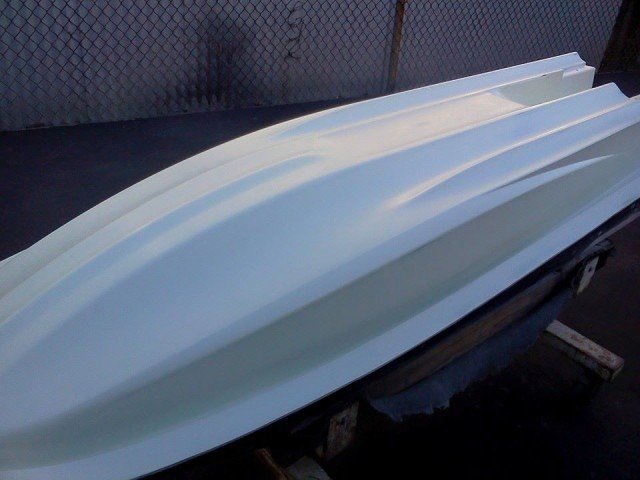
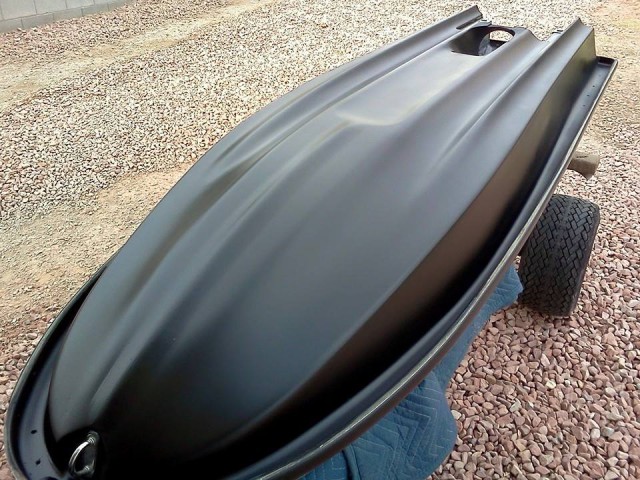
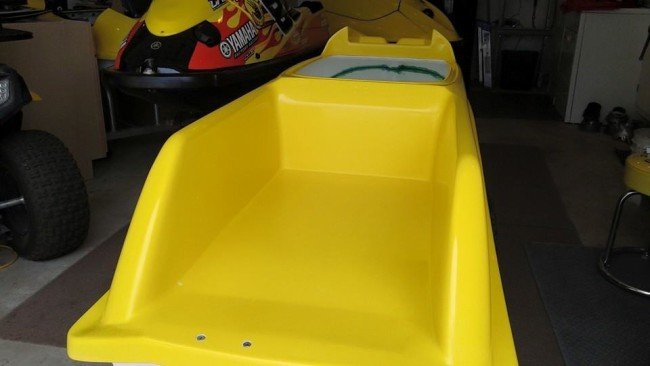
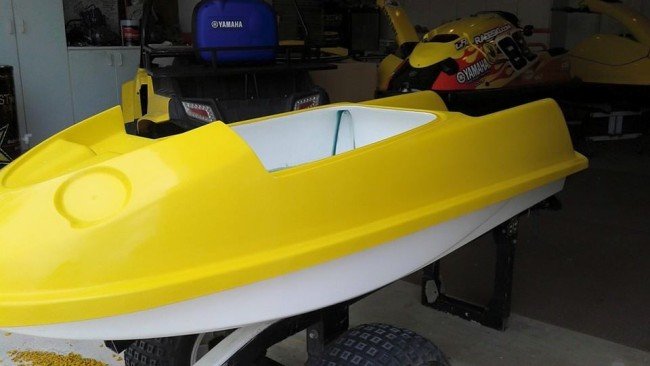
The new redesigned SuperJet features a broader tray, elongated pump inlet duct and significantly improved strakes to the original hull design. Intended for competition in the 2015 Pro Watercross Tour, Flores debuted his new Raceski.com Yamaha SuperJet in an exclusive video for his longtime riding gear partner, Body Glove International. Joined with Judge Motorsports, MotoTec and Optima Racing, Flores is proud of his long career and looking forward to the 2015 season.