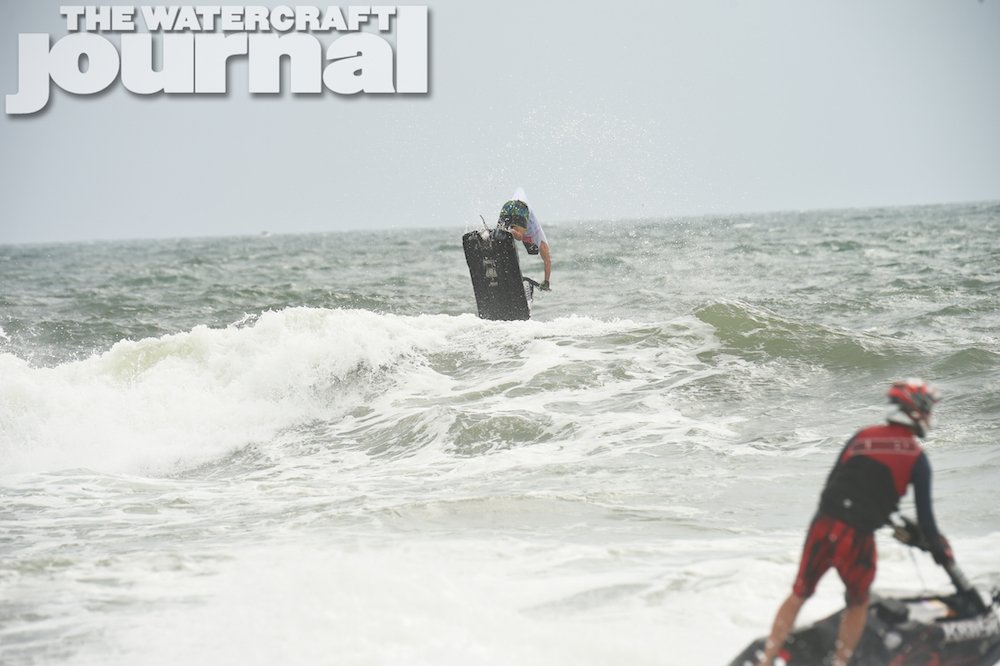
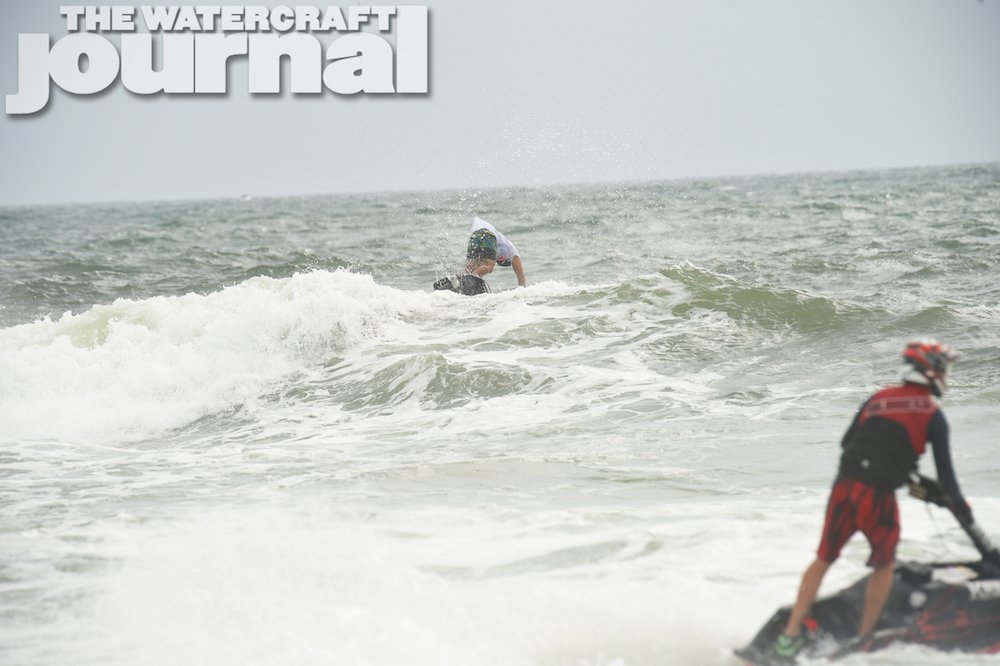
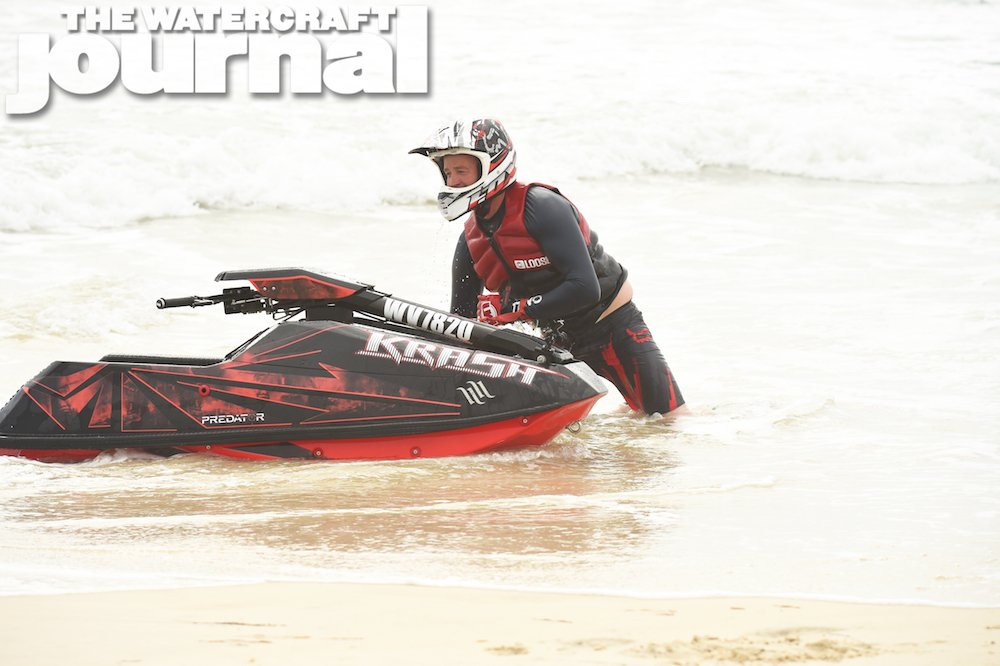
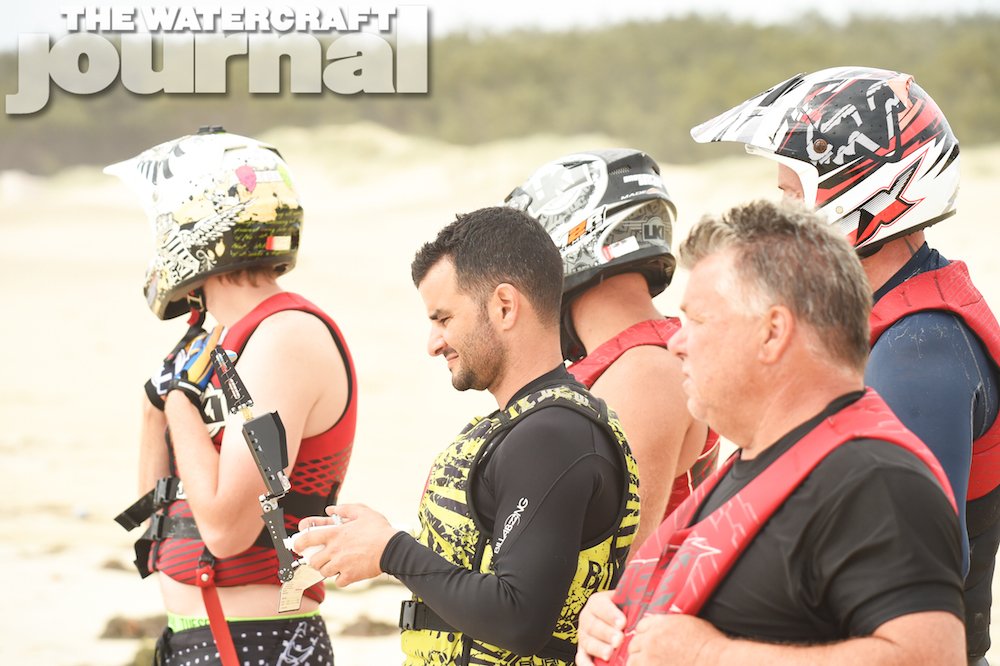
The three boaters, Trevor Walters (right) with Sam Burns and Jonathan “Marksy” Mark are grateful to be alive after being saved by passing jet skiers minutes after their boat sank.
Yeppoon fisherman Trevor Walters is happy to be alive after a mellow morning on the water with his mates turned harsh. Walters and his two companions were aboard his 17-foot fiberglass boat headed to Great Keppel Island for a day of fishing when he noticed the boat taking on water. He turned the boat around to head toward home and about half way there, the motor died and the stern went underwater. This left the crew 30 seconds to get off the boat before it sank.
According to a report in The Morning Bulletin, Walters had no time to call for help or activate his EPIRB so he shot a flare, hoping it was spotted by someone. It just happened that two jet skiers, Axel and Lee, were near, so the crew was only in the water for roughly two minutes, otherwise the fishermen might not have survived.
The $7,000 boat is on the bottom of the bay and the trailer is for sale. Walters gave thanks to the personal watercraft riders, Yeppoon Coast Guard, and boat passenger Marksy, the quick thinker. The crew was stuck in the cabin when Marksy hastily got them out of there before they went down with the boat. Walters is taking his new friends, Axel and Lee for beers as a gesture of thanks.
The power to harness electricity might sound like something restricted to the heroes in comic books and movies, but today’s technology has made it easy to be one’s own walking powersource. Our friends at Watcon.com let us know that the online mega store is now stocking the innovative Ballistic Back Pack Power Supply. The multipurpose backup power supply is not only for electronic devices like mobile phones, tablets, cameras, and other USB devices, but doubles as an emergency jump starter for motorcylces, ATV’s, UTV’s, PWC.
This handheld portable power pack is lightweight, durable and includes a built-in LED flashlight (with multiple lighting modes0, and a high capacity lithium ion battery with “fast charging capability and extremely low discharge rate.” Putting out 5 Volts 2 amps at the USB, and 12 volts for the jump start; the Back Pack’s starting current is 200 amps, burst current at 400 amps (5 sec @ 70 deg F), and a full charge time of 3 hours. Best of all, the Ballistic Back Pack can operate in environments ranging between 0 degrees Fahrenheit to 140 degrees.
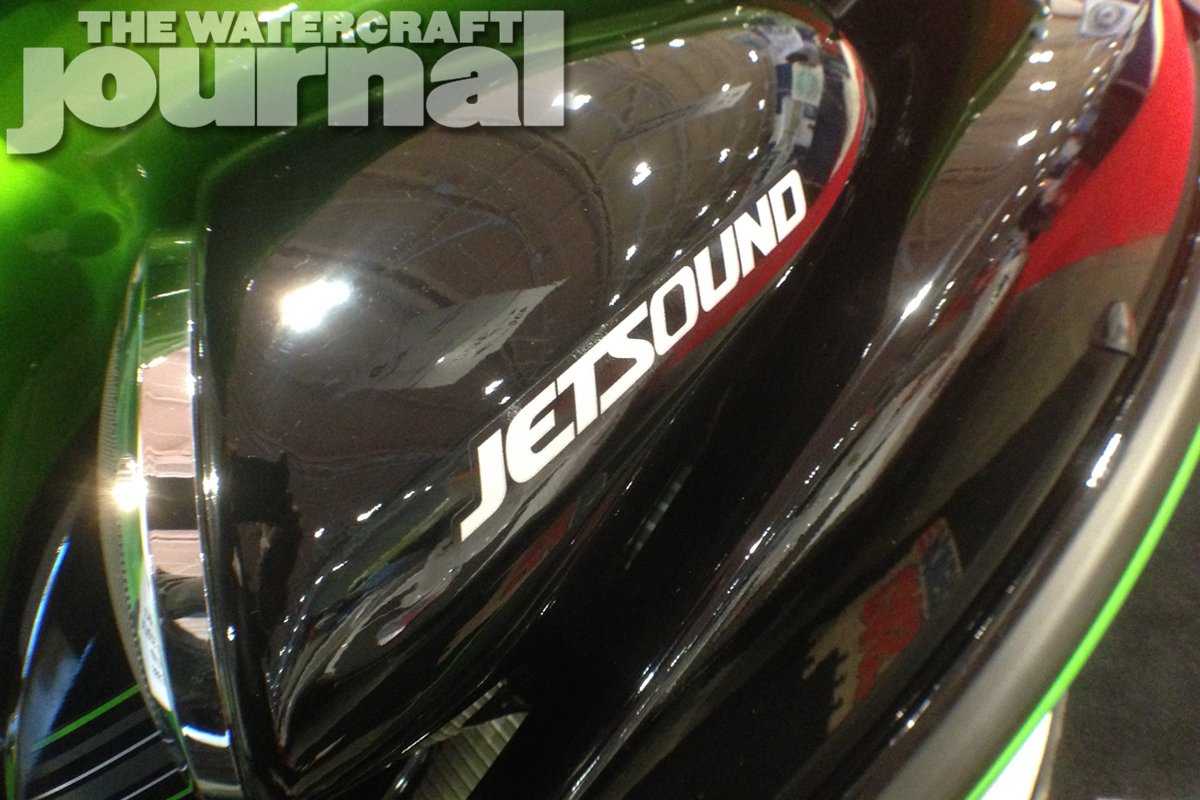
There’s times where we’re flat wrong, and Kawasaki’s Jetsounds system has got to be one of those. While we deemed the addition as a gimmick, it was ridiculously popular last year and helped push Kawasaki sales all the more. Yamaha followed Kawasaki’s example and offered a unique dealership-installed JP Audio system option. It would appear people want to enjoy their music while riding and are looking for new ways to bring their tunes with them.
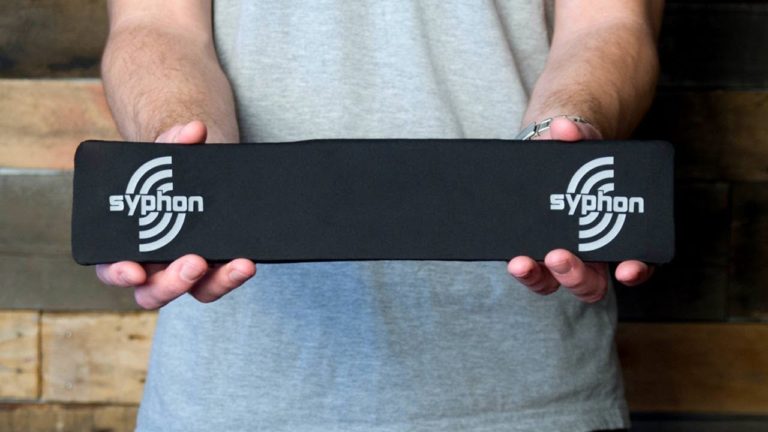
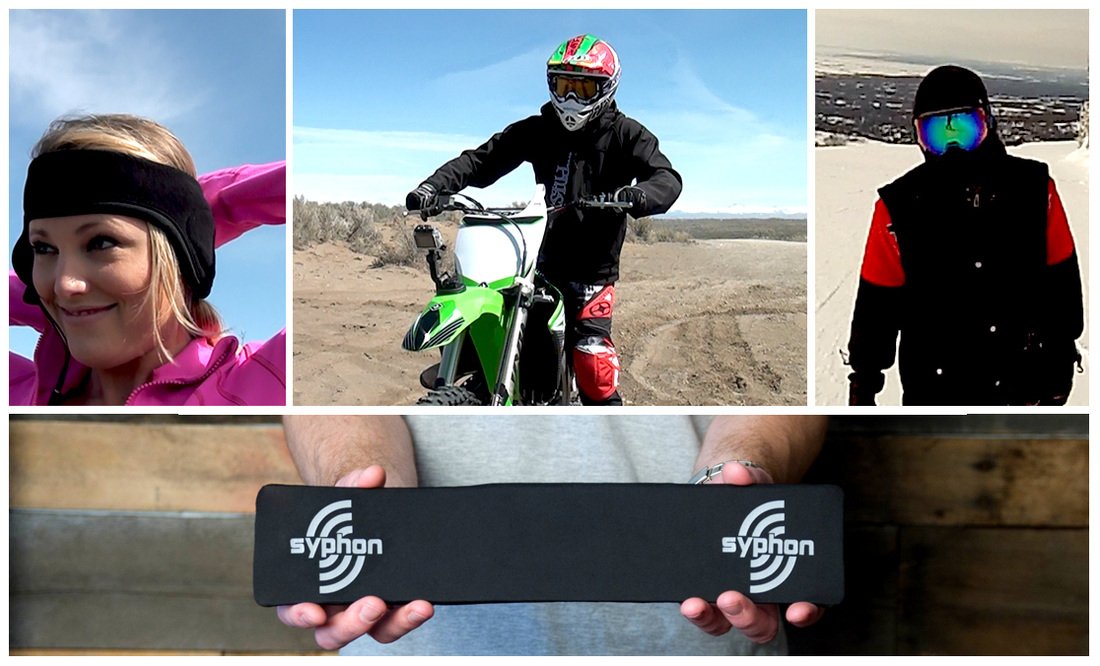
For those few of you who often don a helmet while riding your jet ski, neither Kawasaki or Yamaha’s solutions are viable options as helmets muffle out a great deal of sound. That is where Syphon Soundwrap’s Flexible Speakers come in handy. The ultra-thin, soft, and flexible stereo sound system fits snugly in your helmet, beanie or “whatever else you put on your head.”
As Syphon states, “Earbuds suck. They hurt and fall out easily. After a long ride with your buds being constantly pushed into your skull by your helmet, nothing feels better than taking your earbuds out.” The Soundwrap is a thin (1/10-inch thick) sleeve housing two electrostatic flexible loudspeakers (EFLs) covered in a sweat-proof cover that can be removed for washing. Included are a 12-hour battery, Aux-in option and a quick-disconnect feature, all of which will work with your iPhone, smartphone, MP3 player and more.
We’re hoping to put these awesome speakers to the test this year, but until then, enjoy this video:
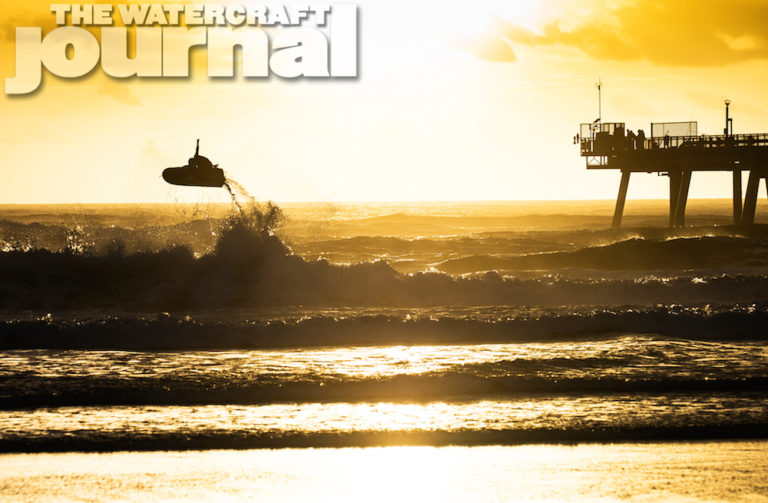
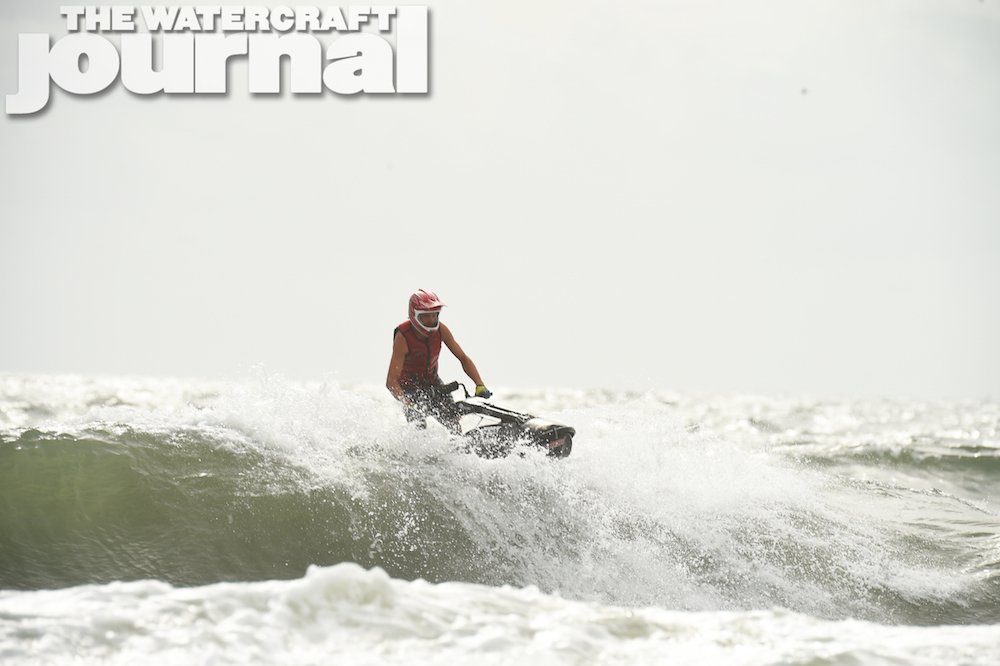
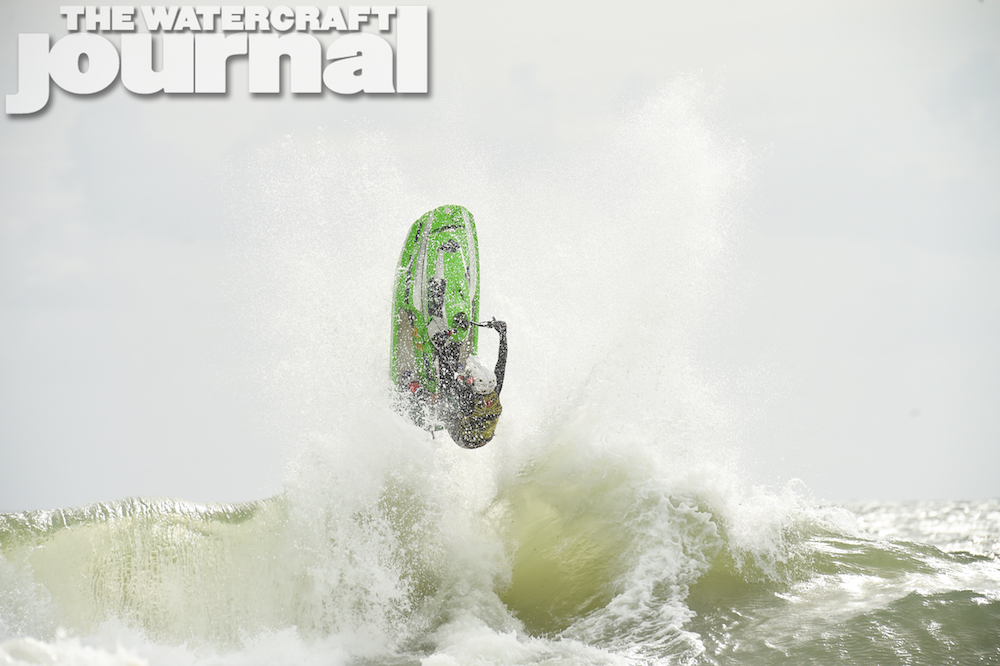
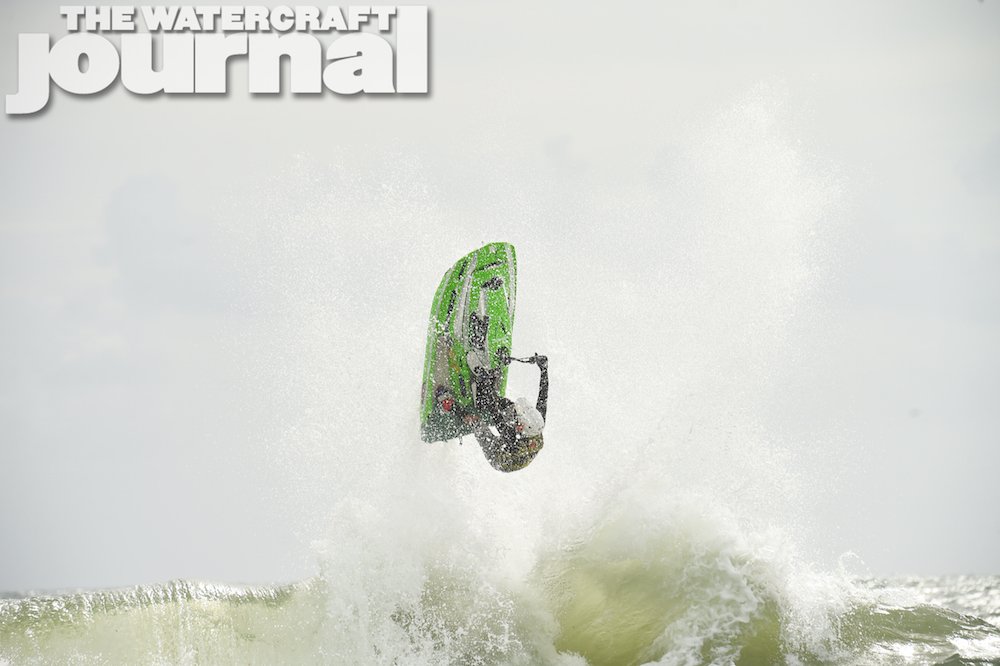
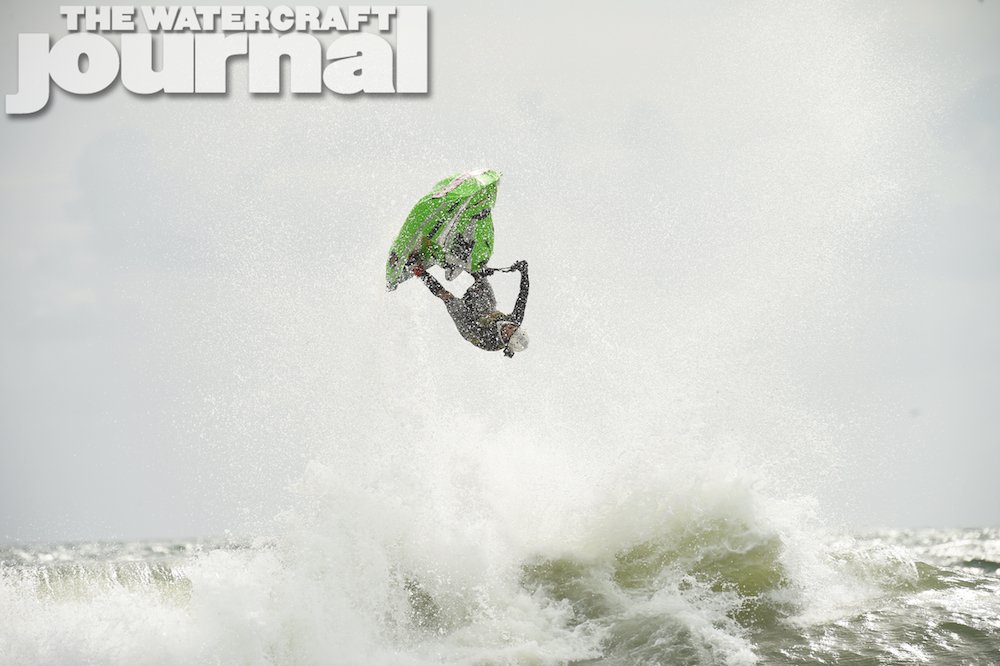
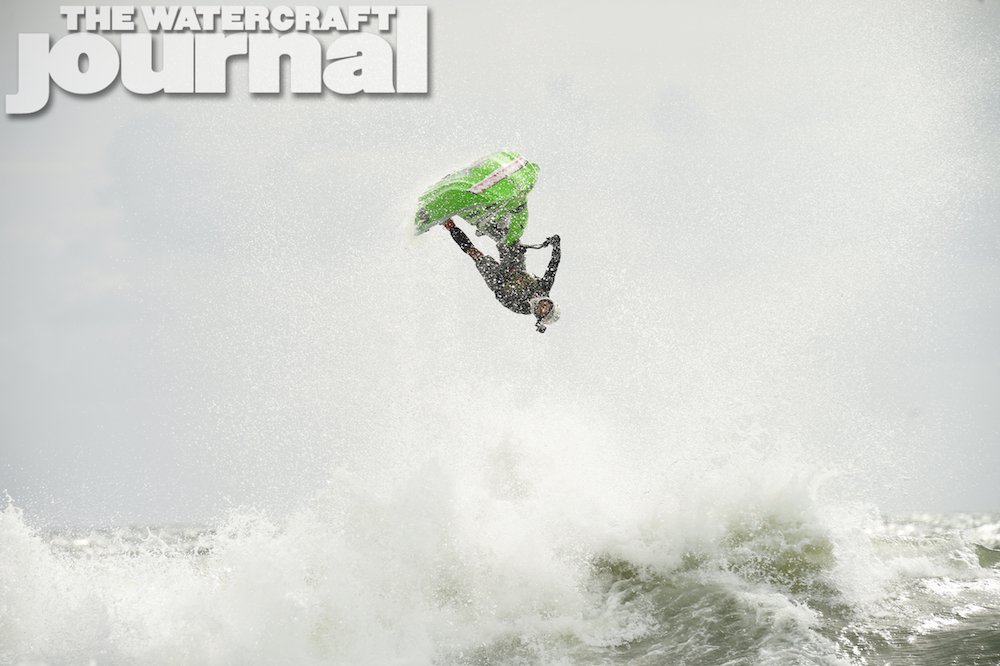
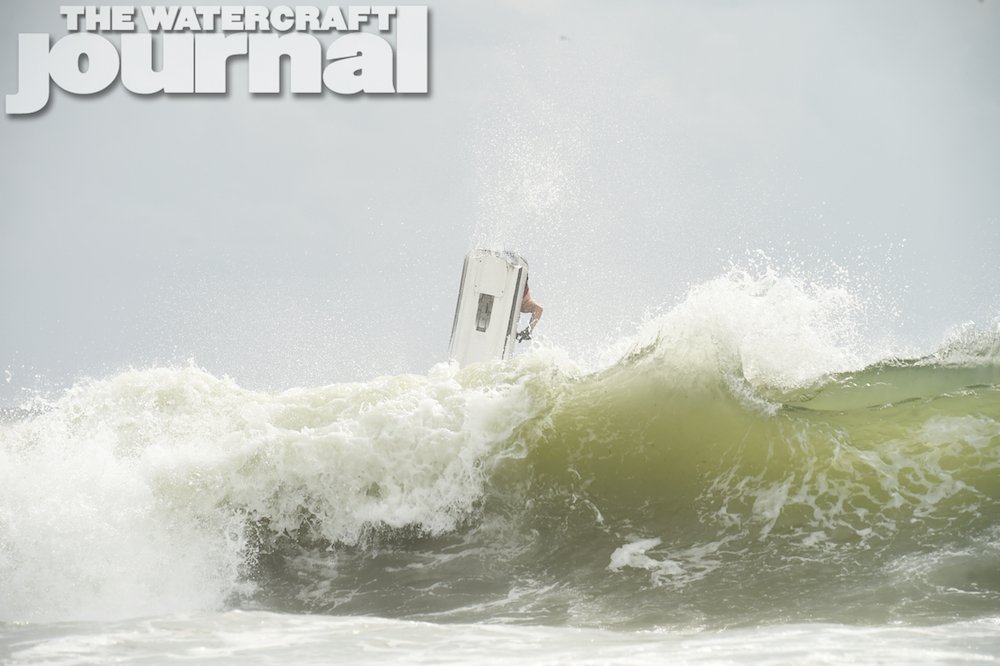
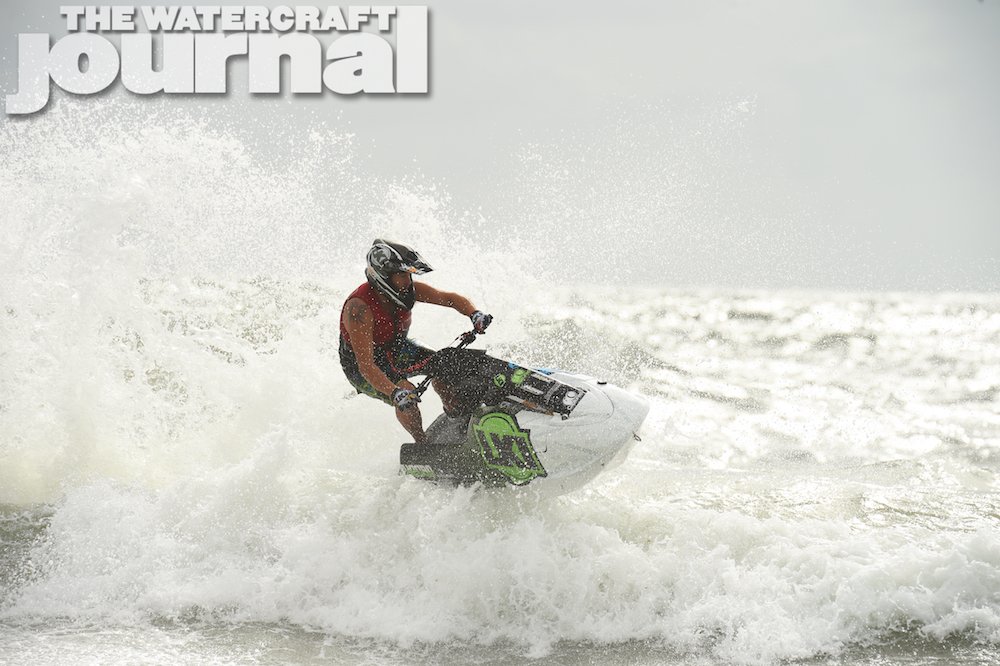
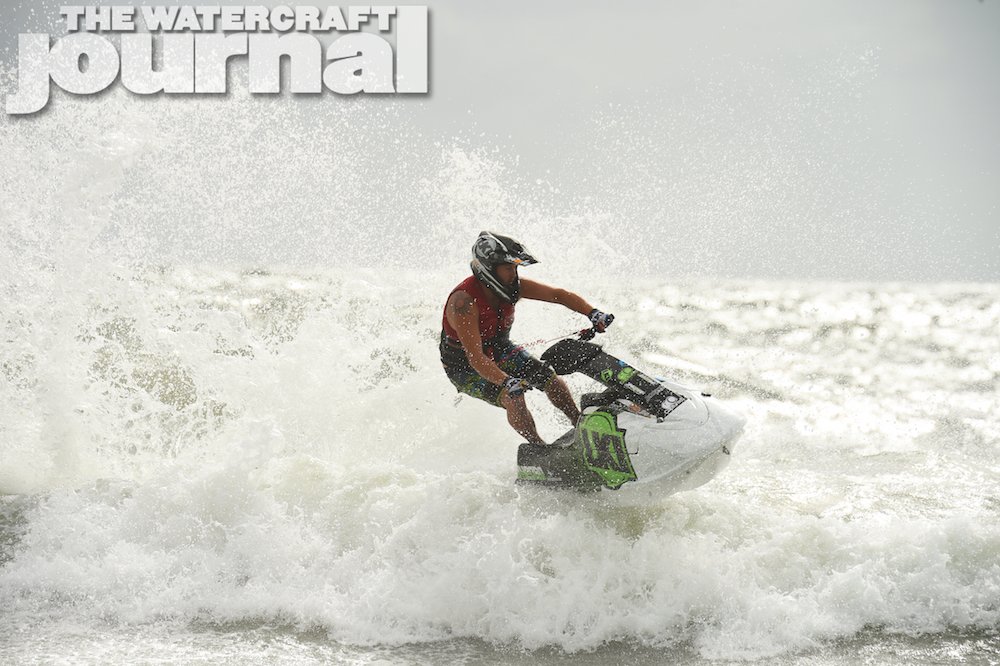
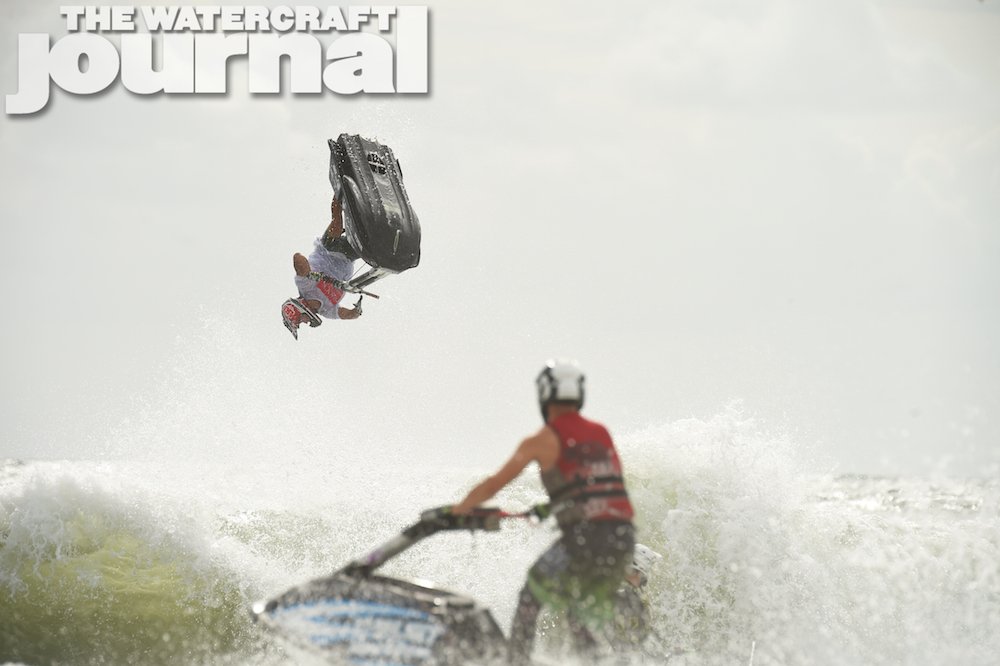
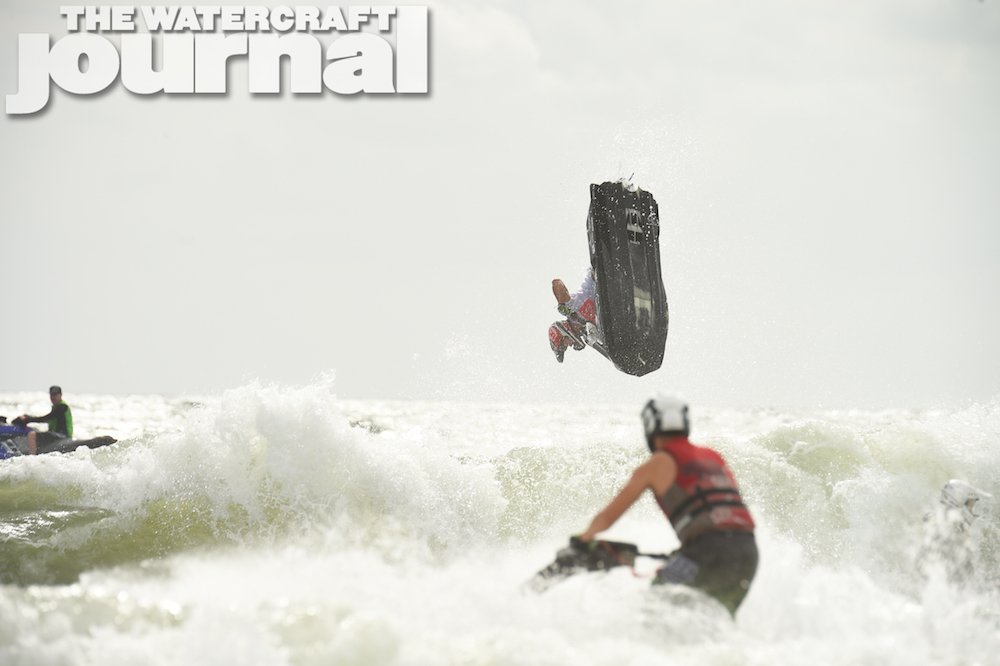
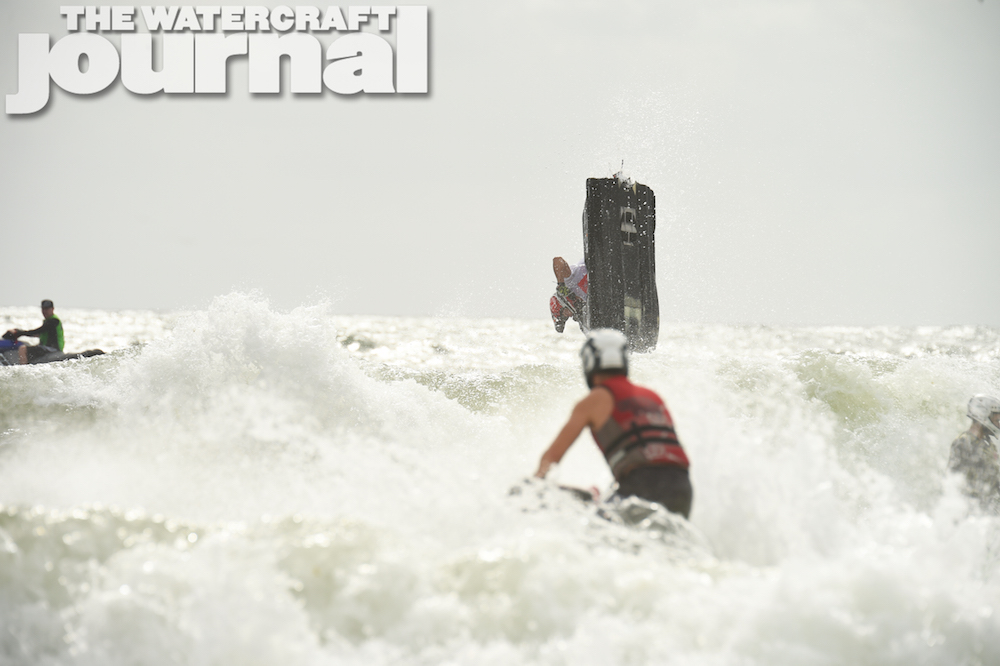
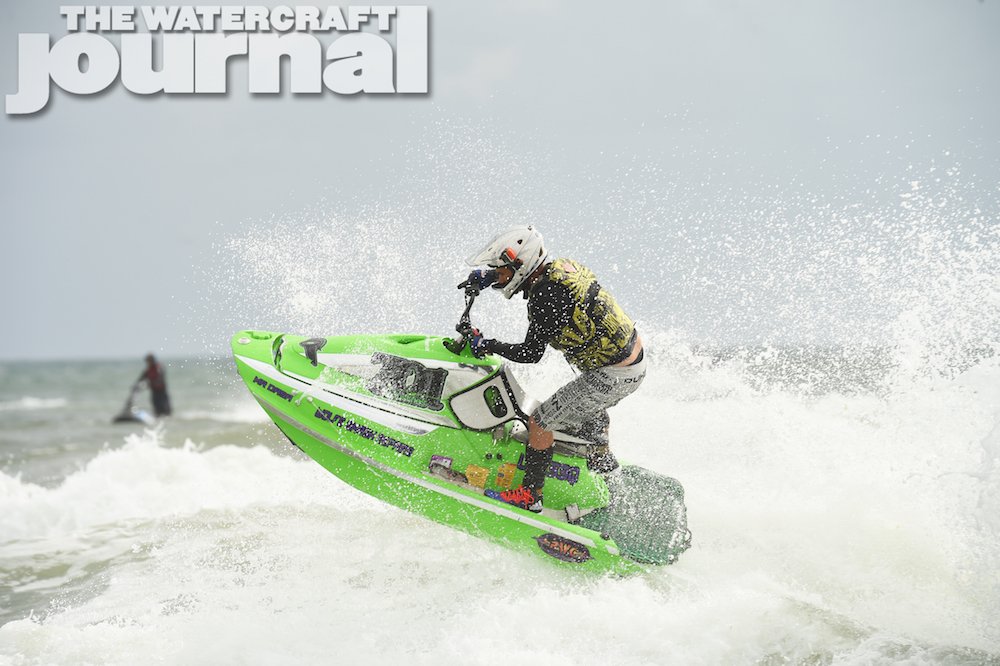
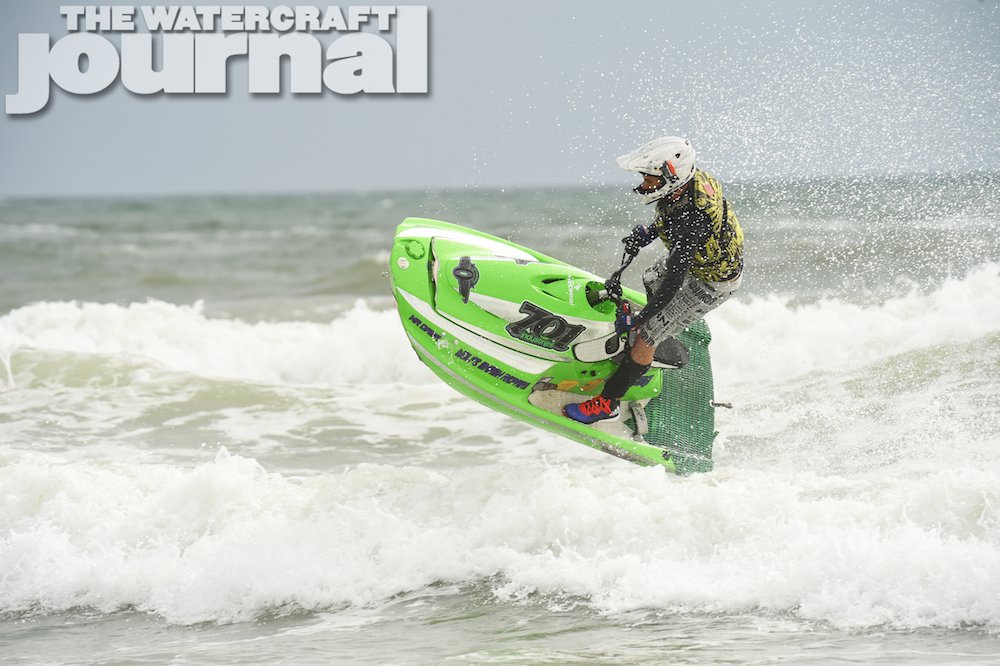
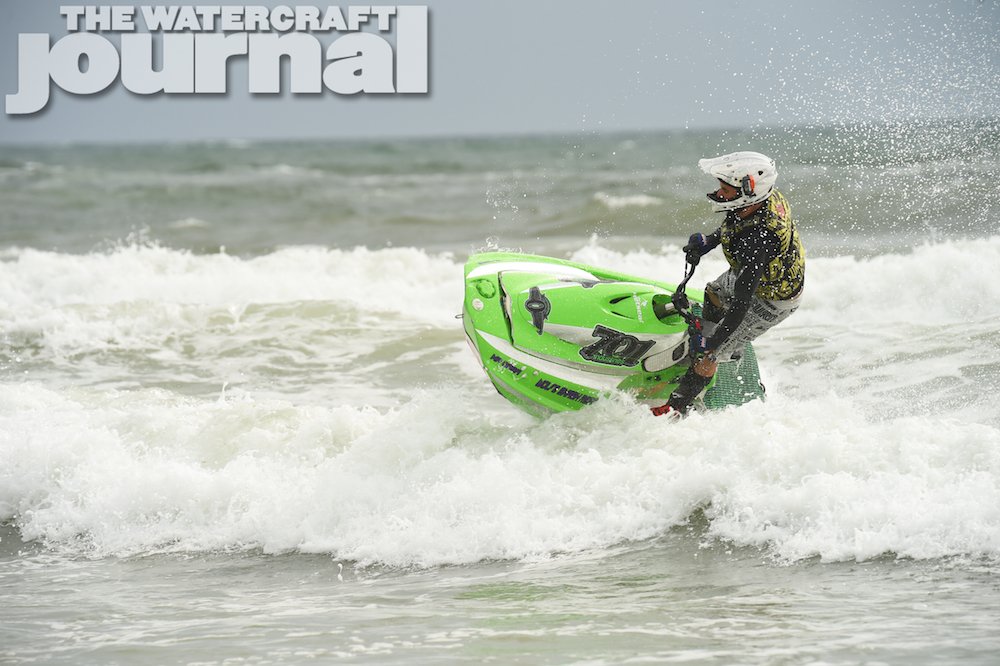
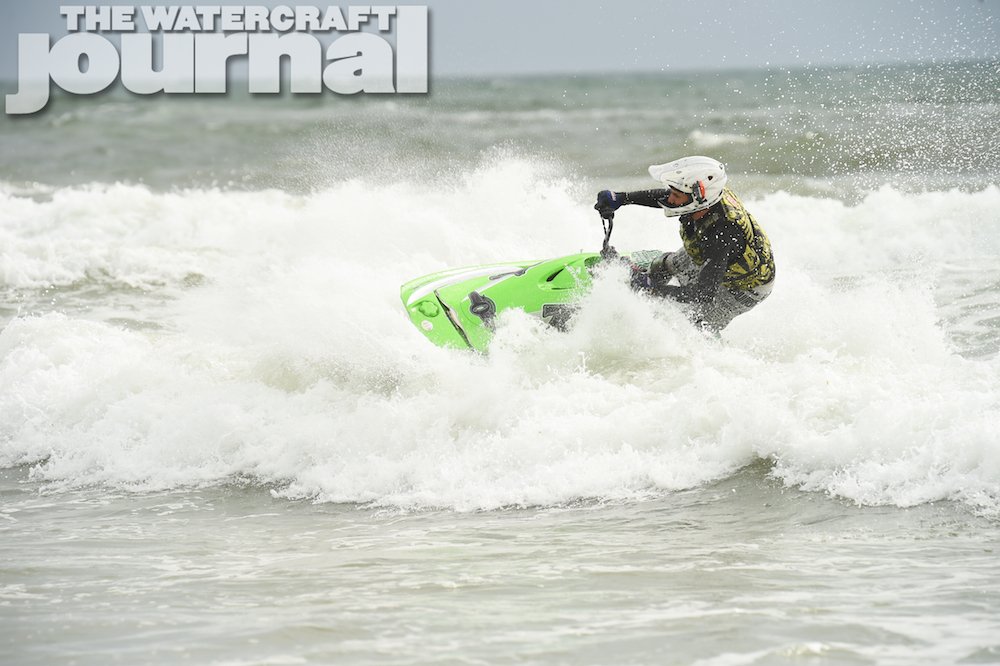
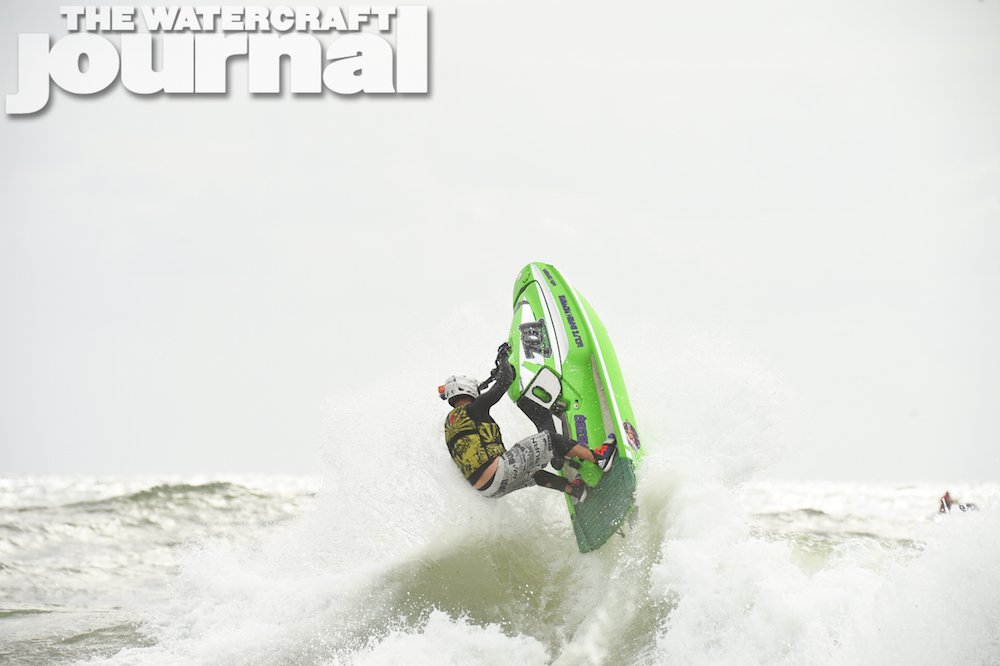
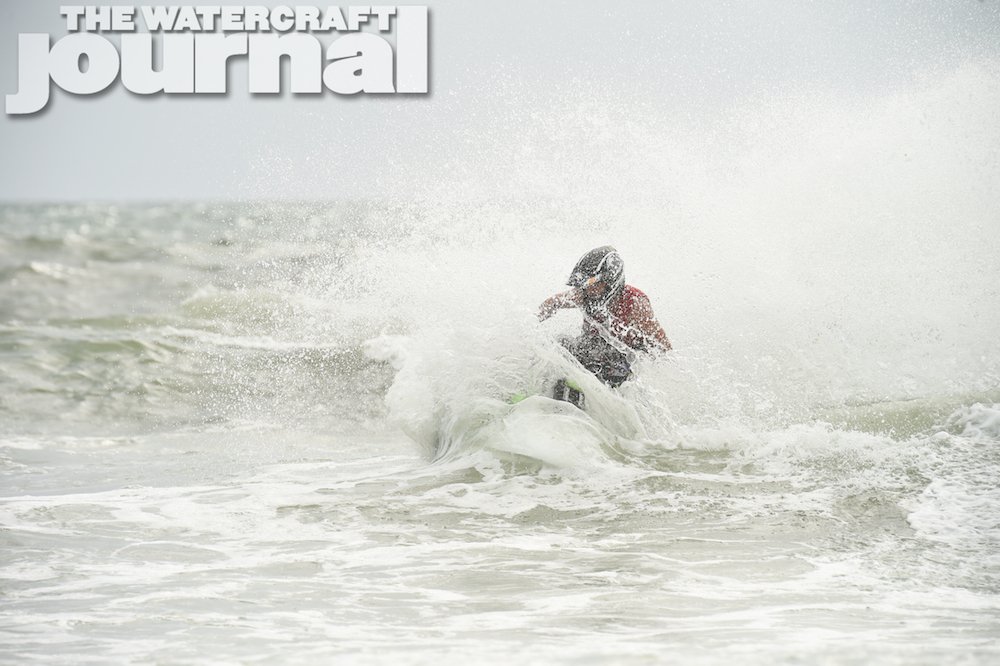
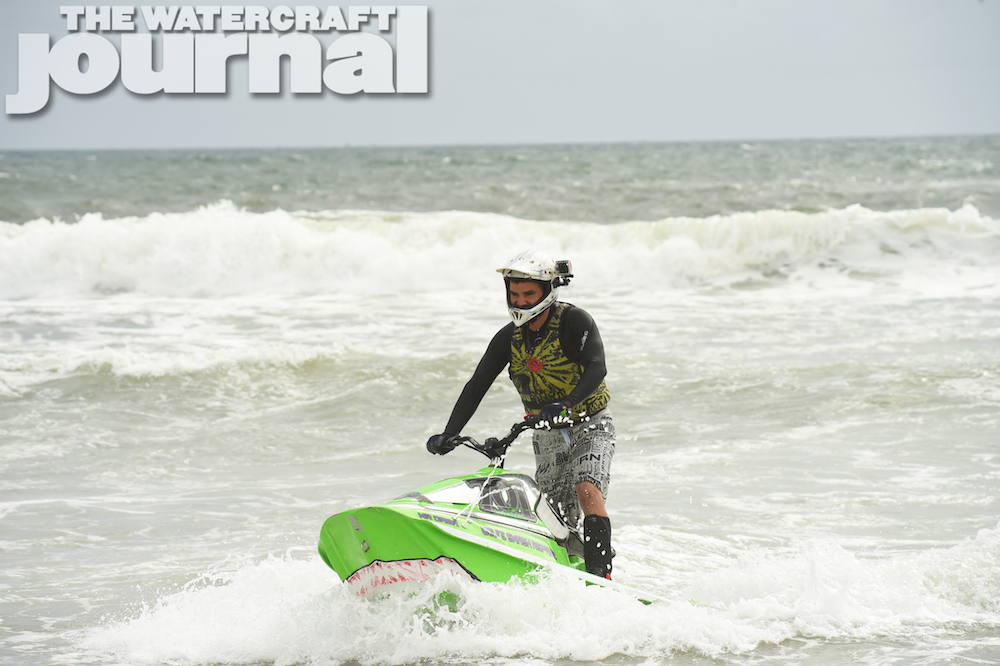
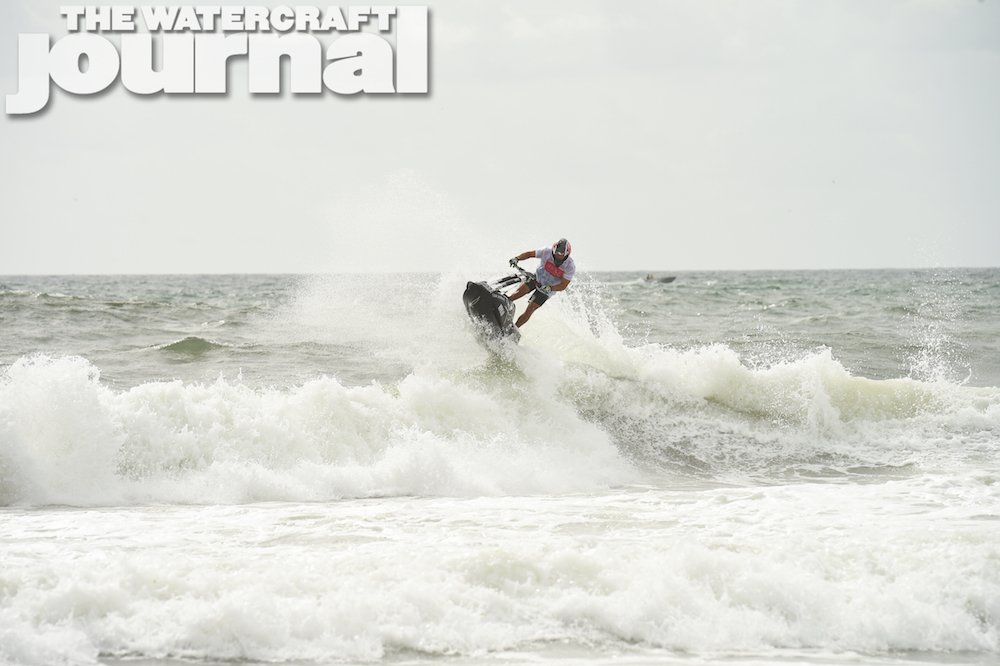
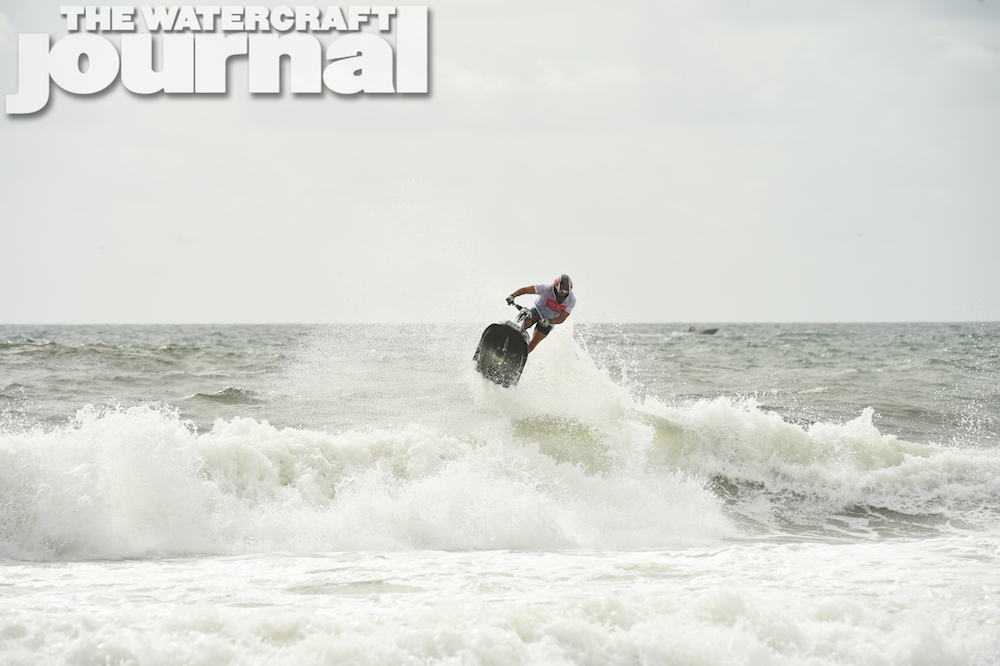
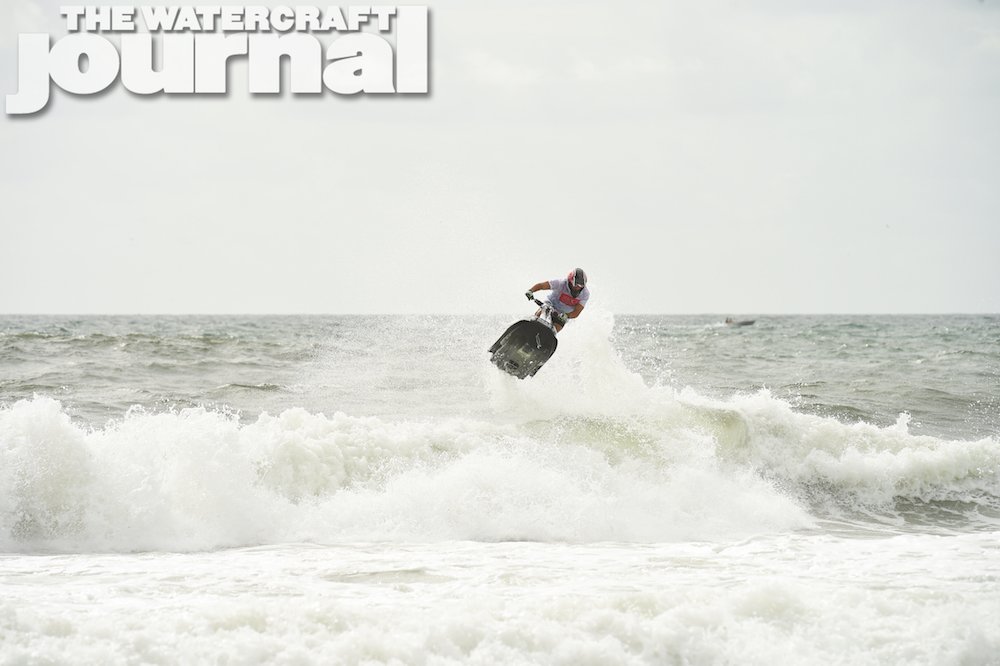
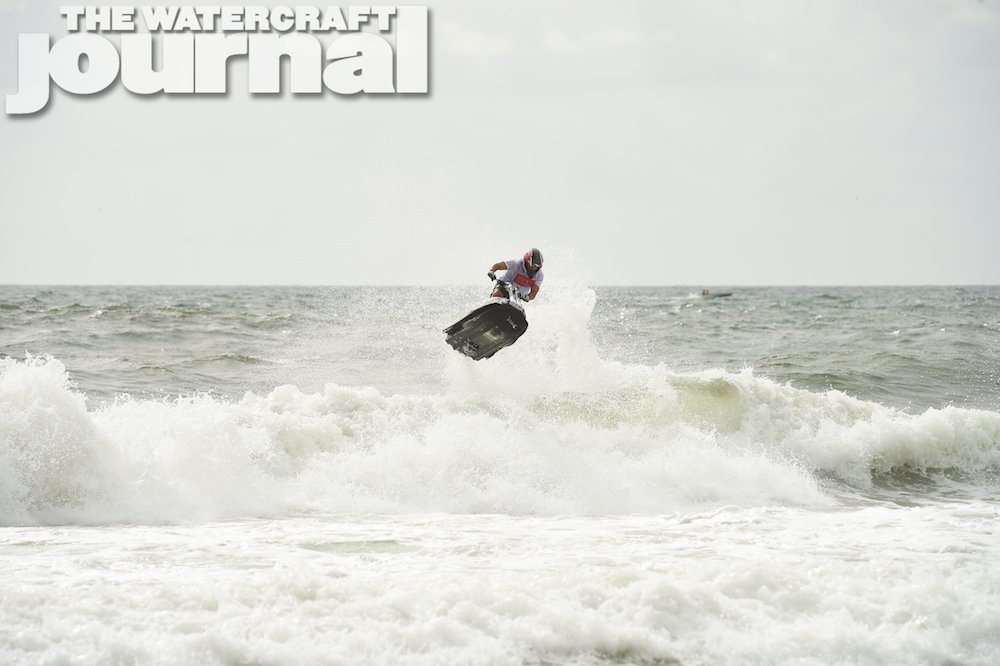
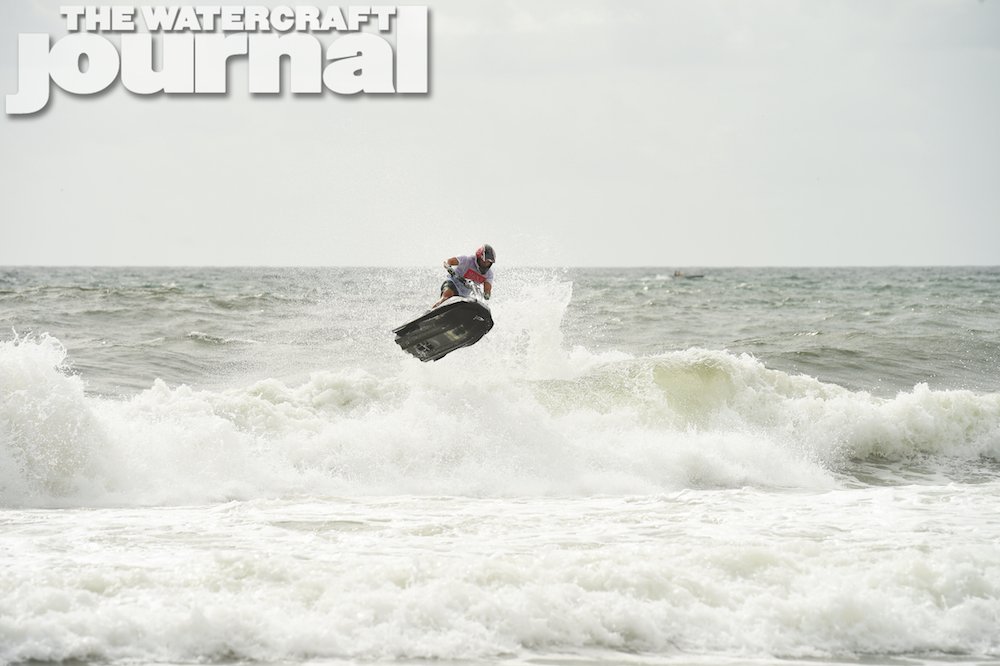
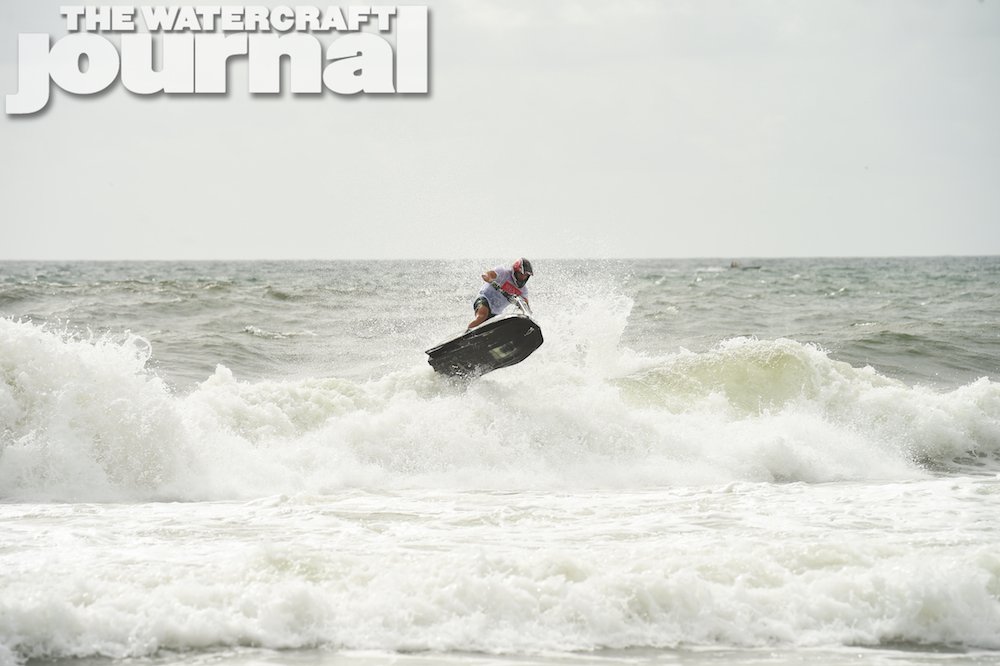
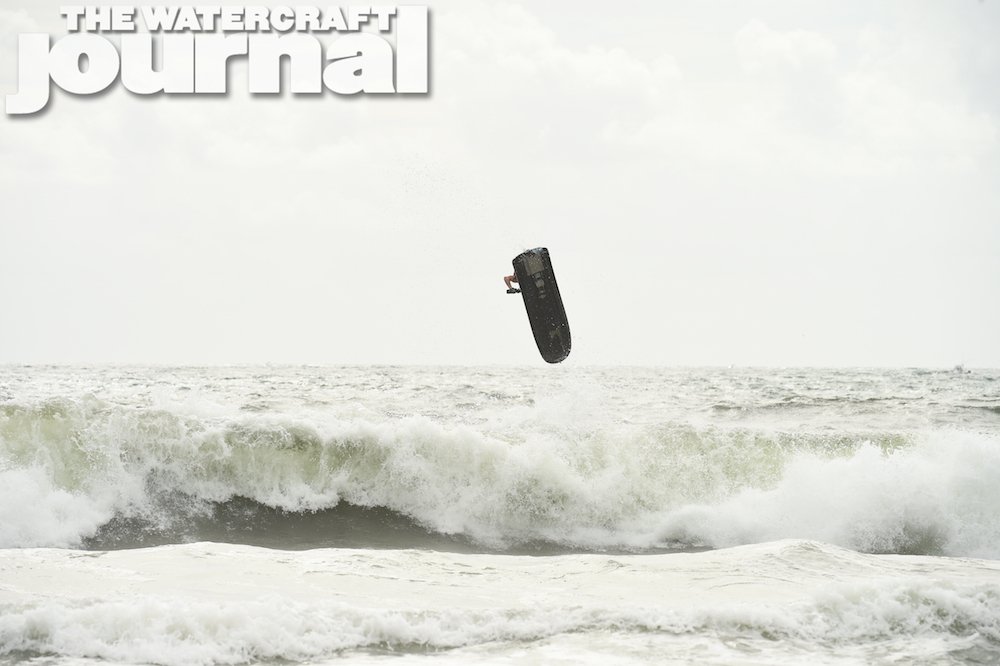
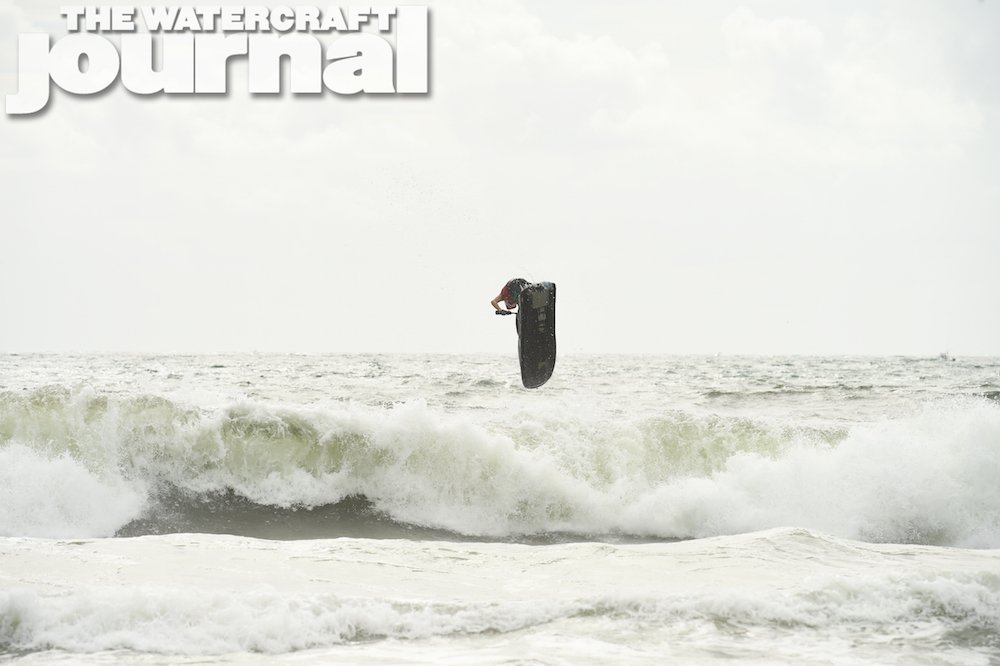
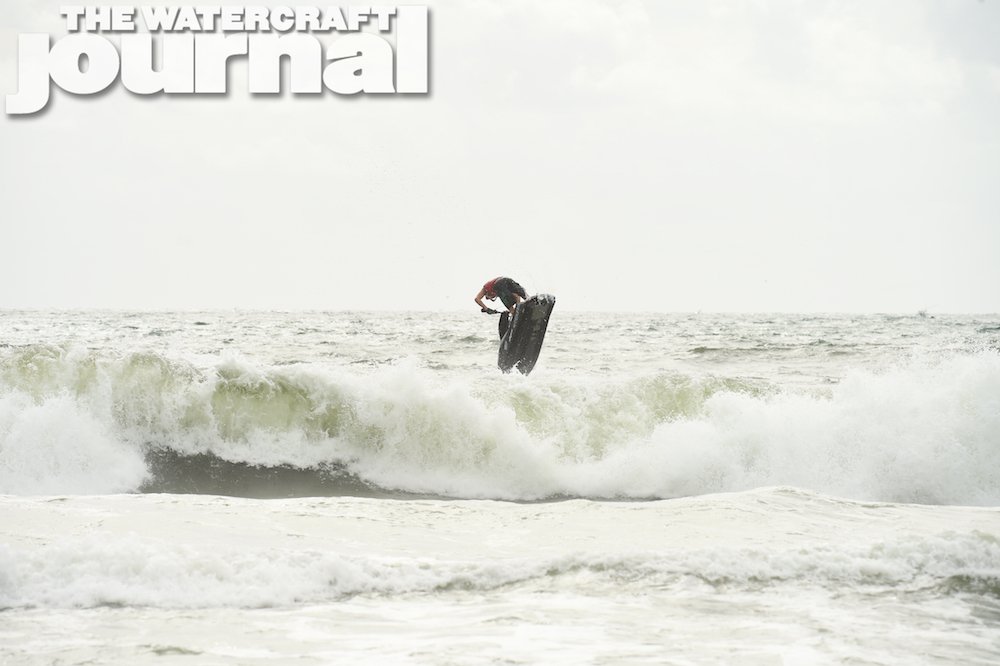
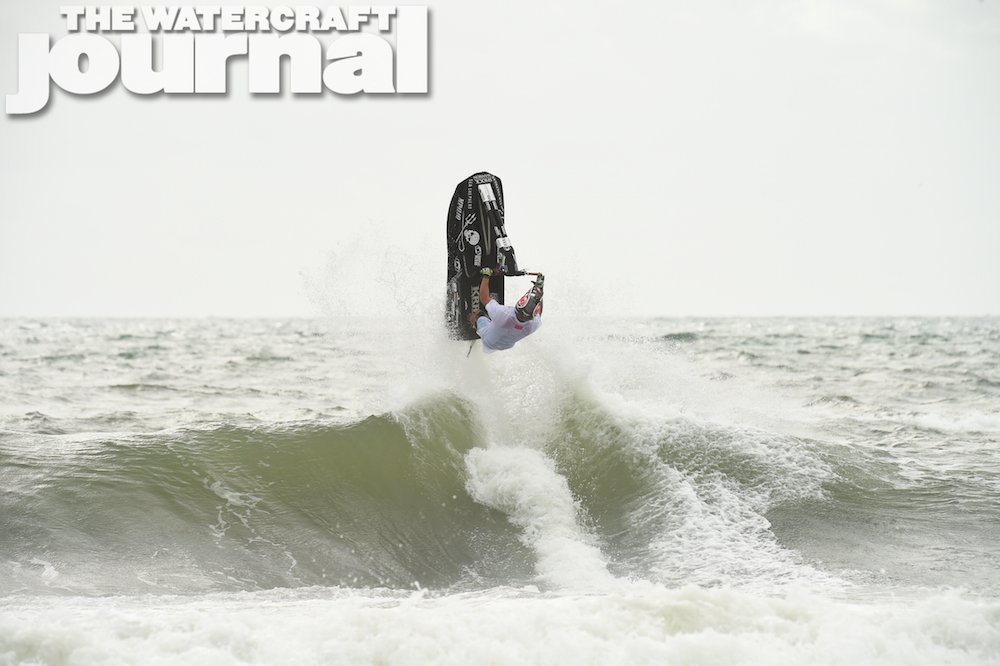
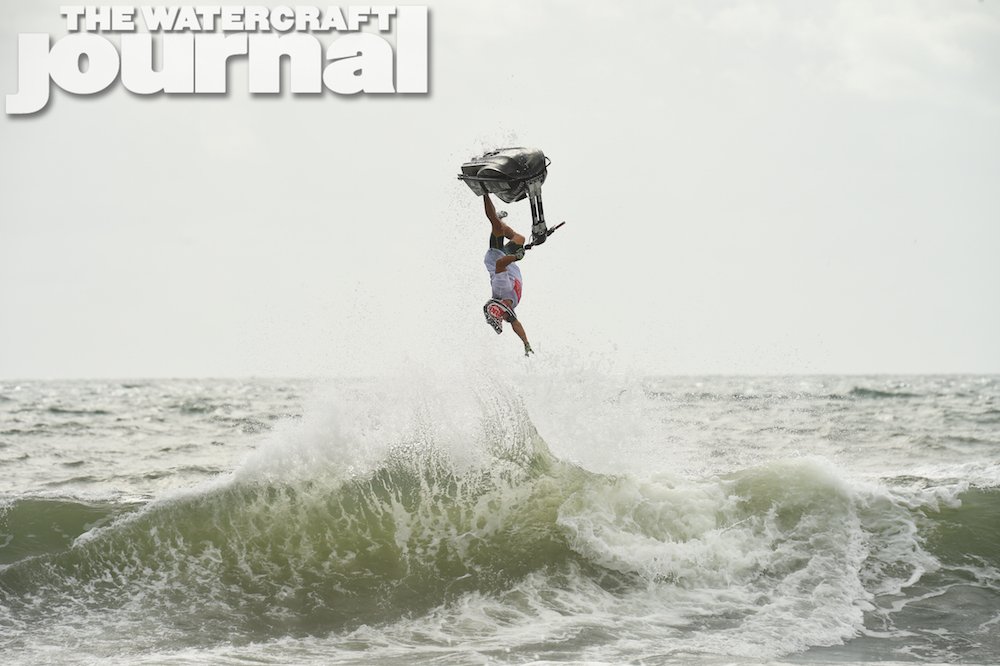
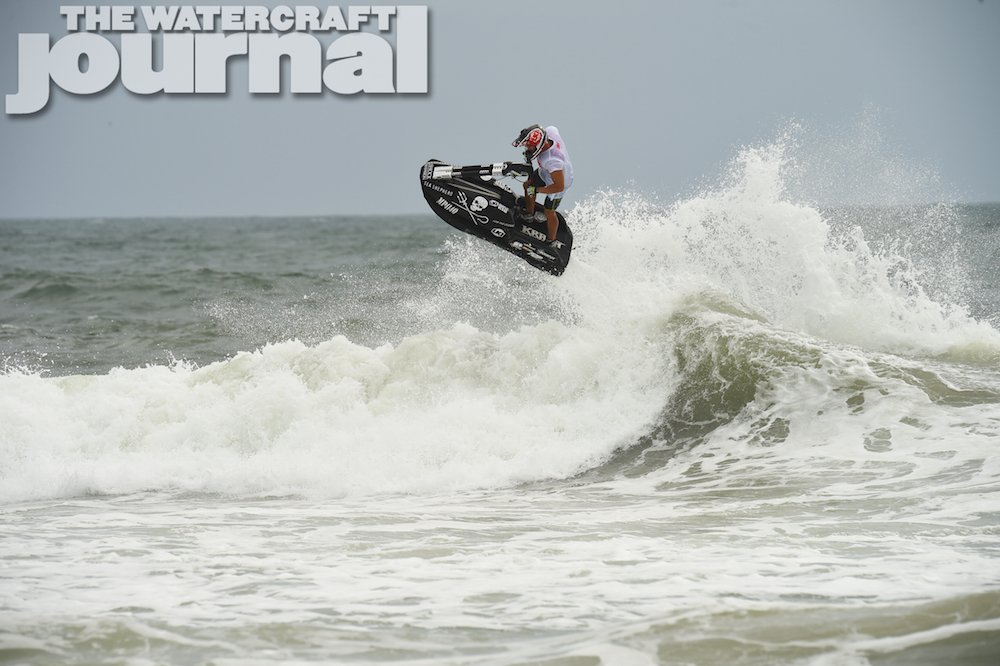
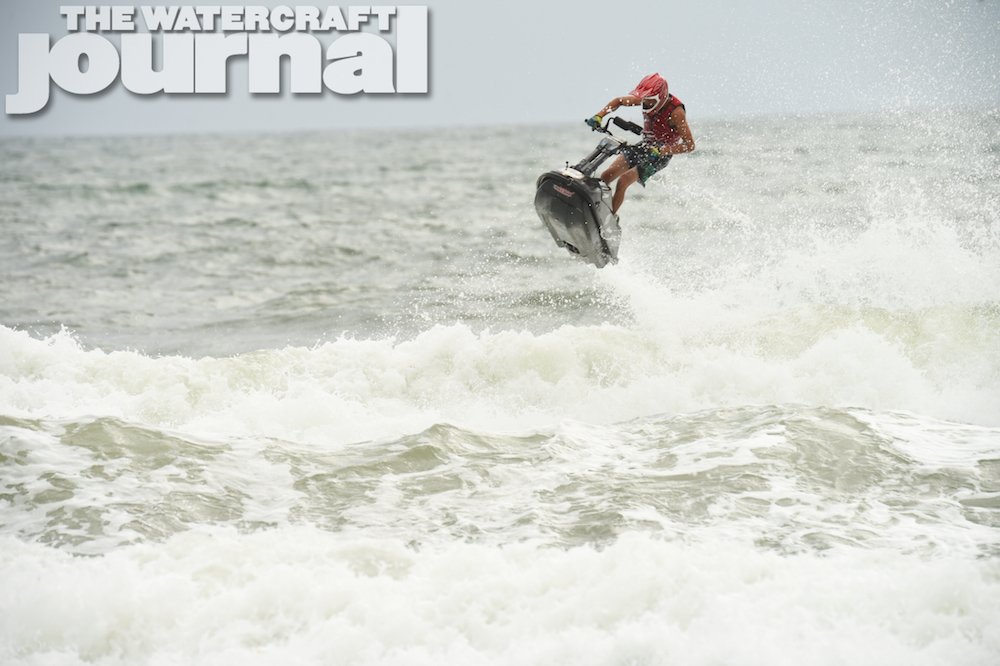
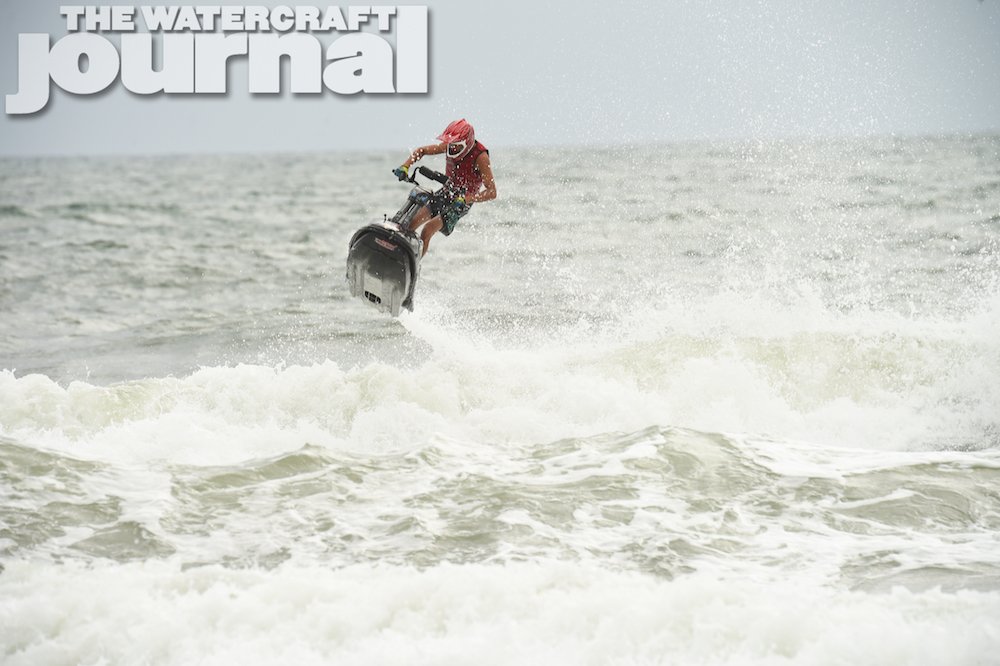
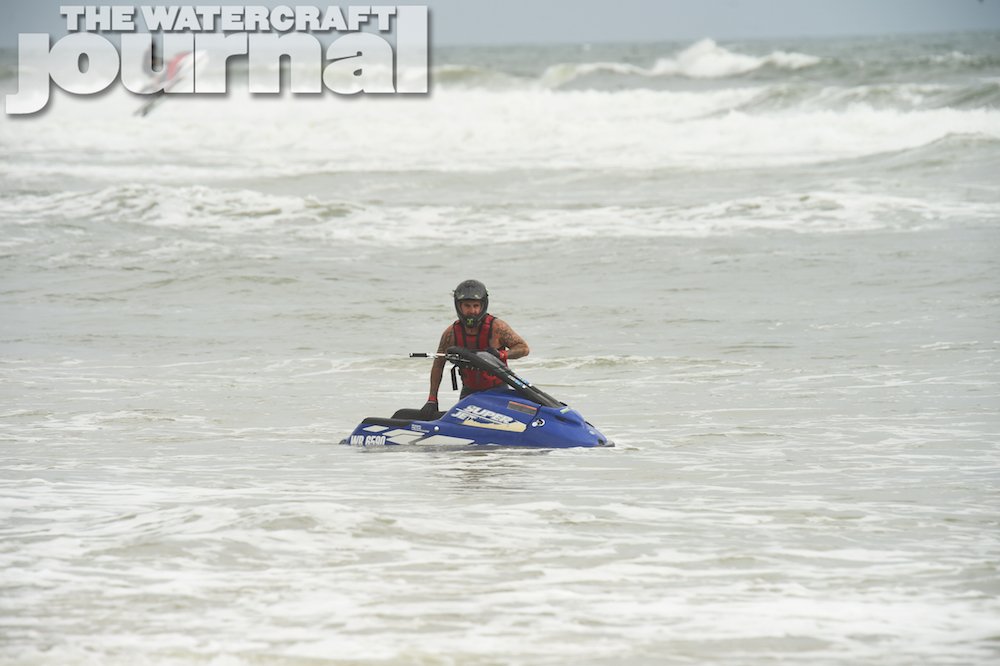
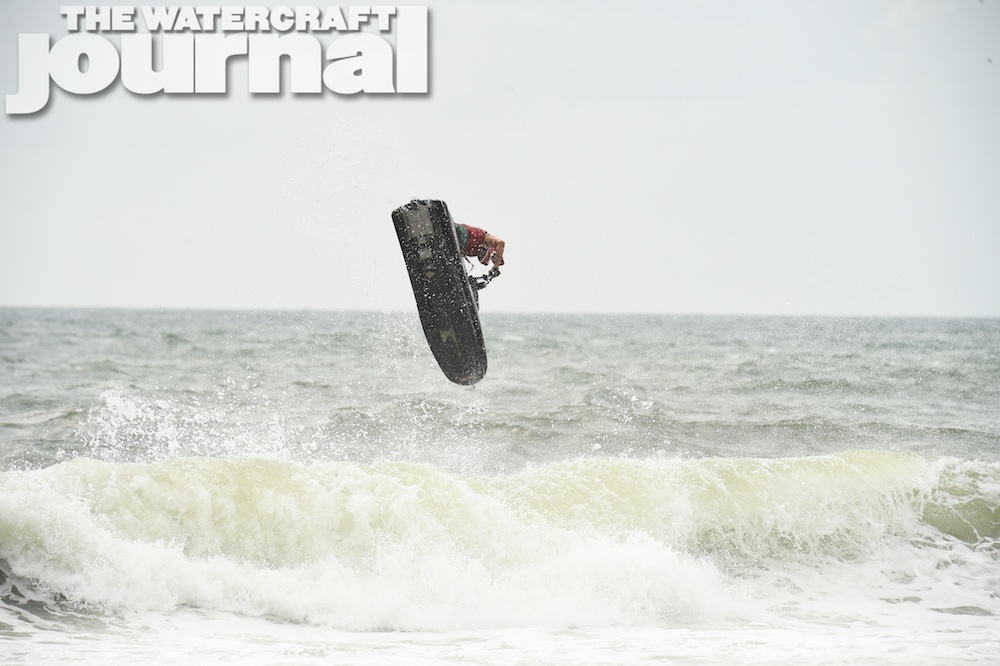
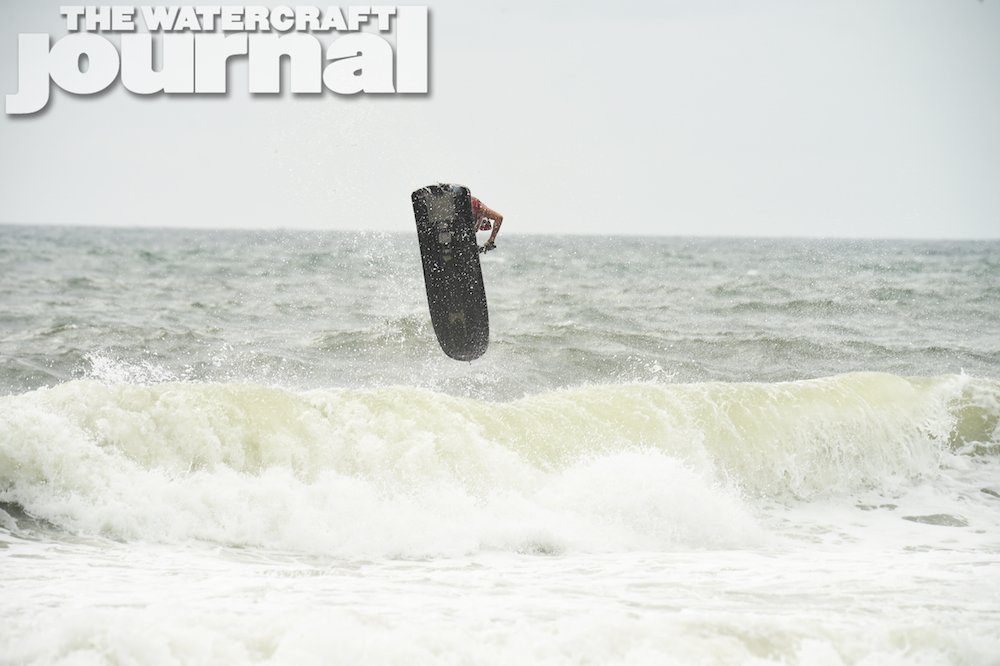
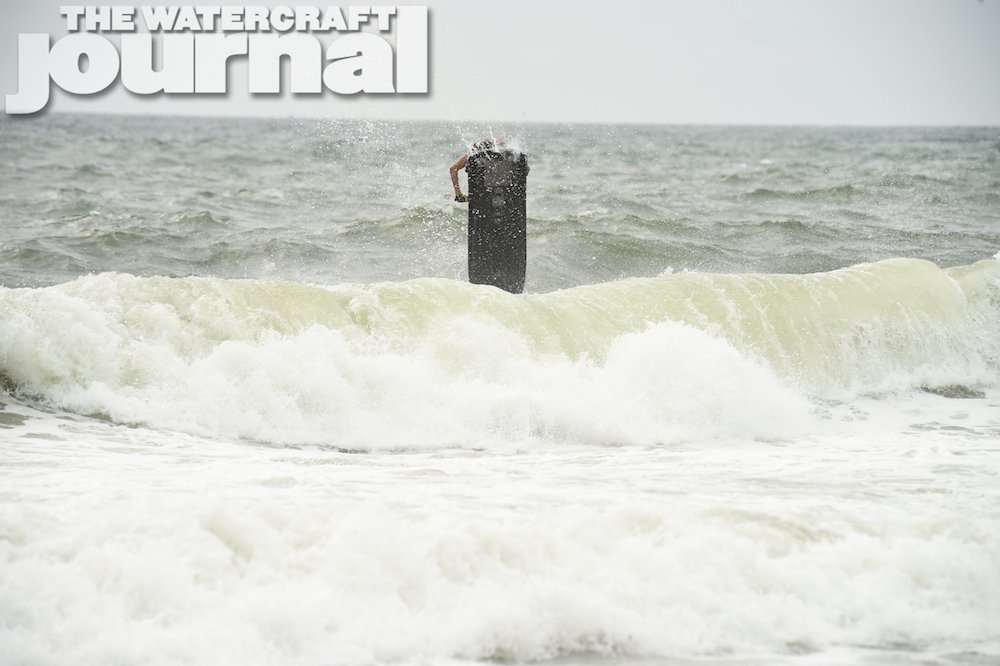
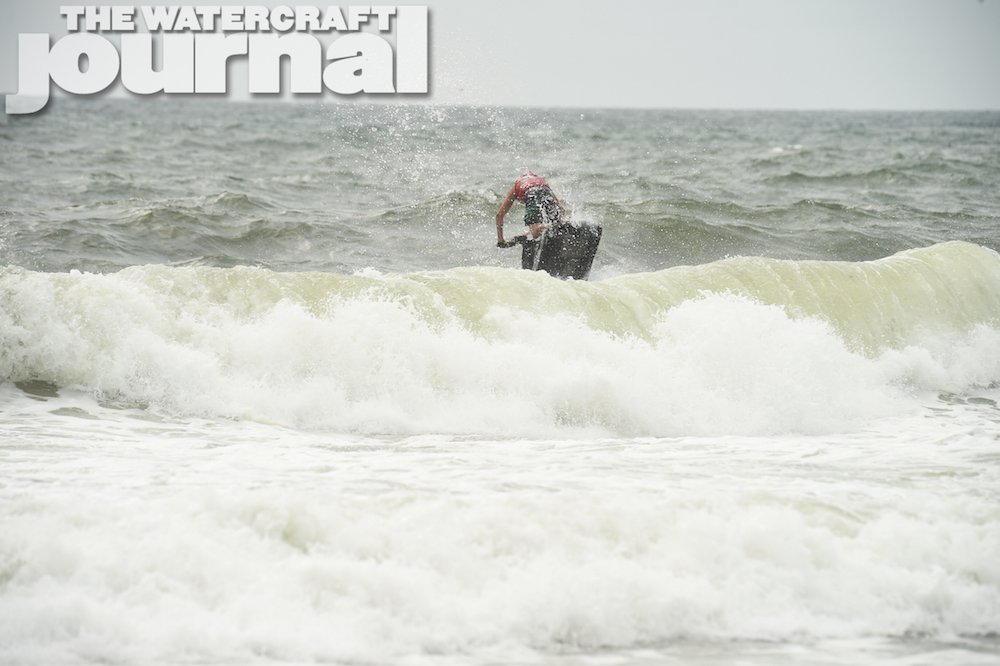
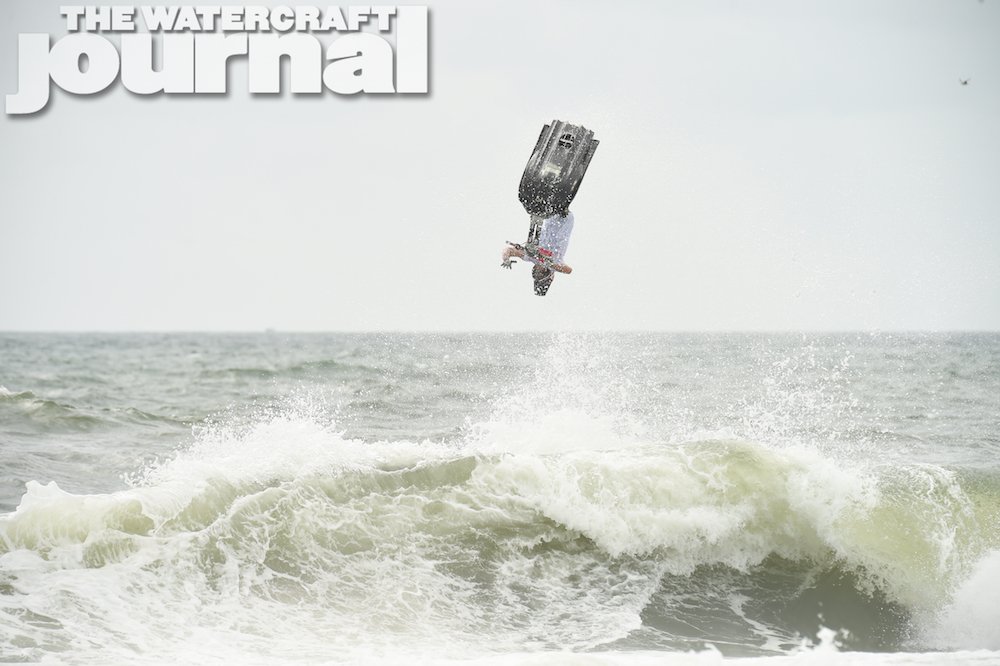
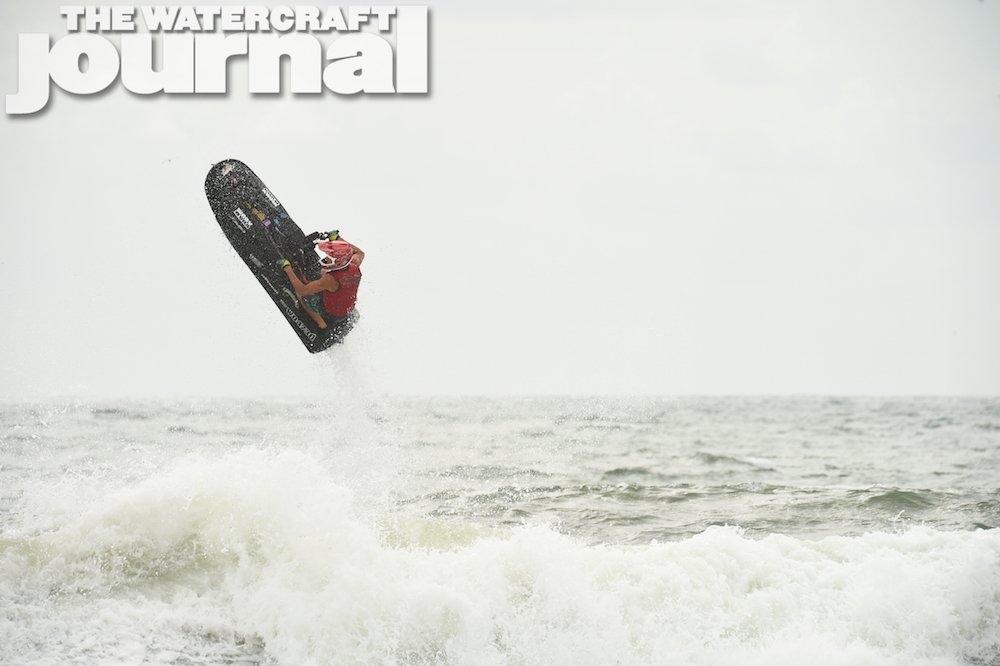
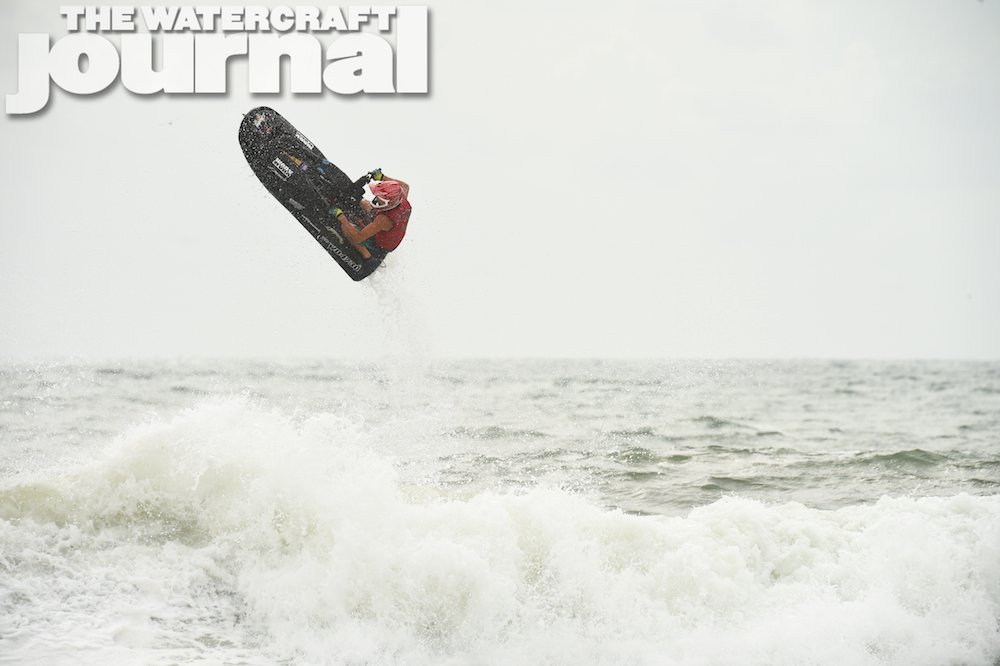
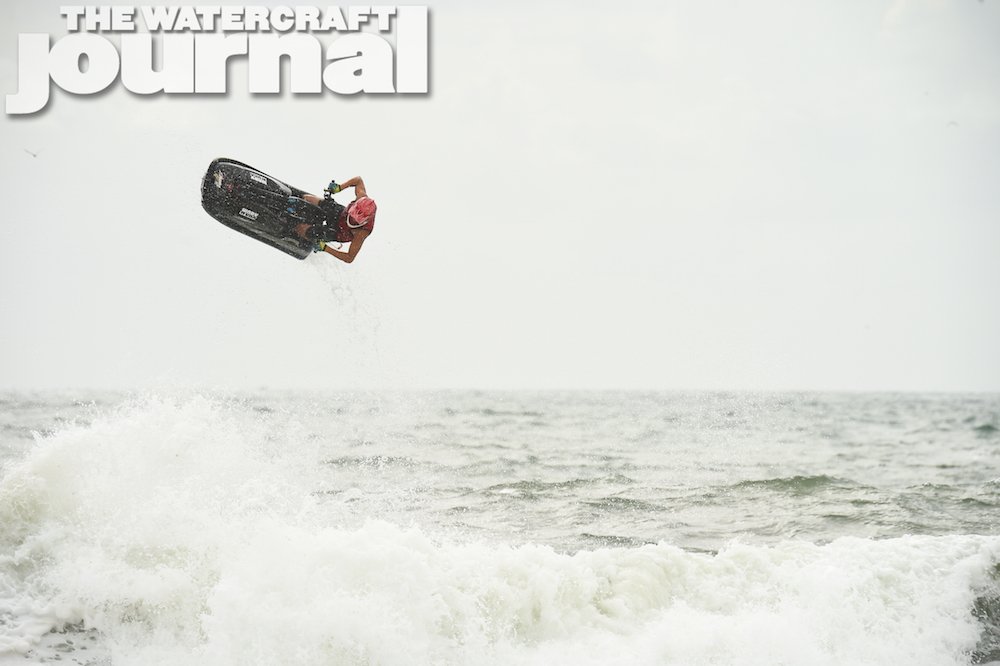
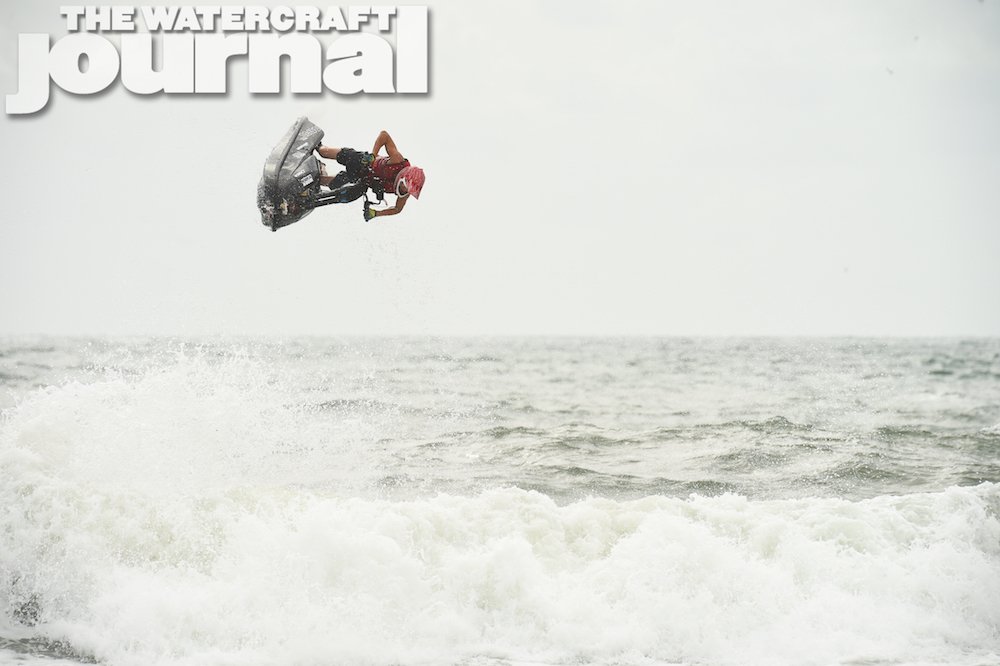
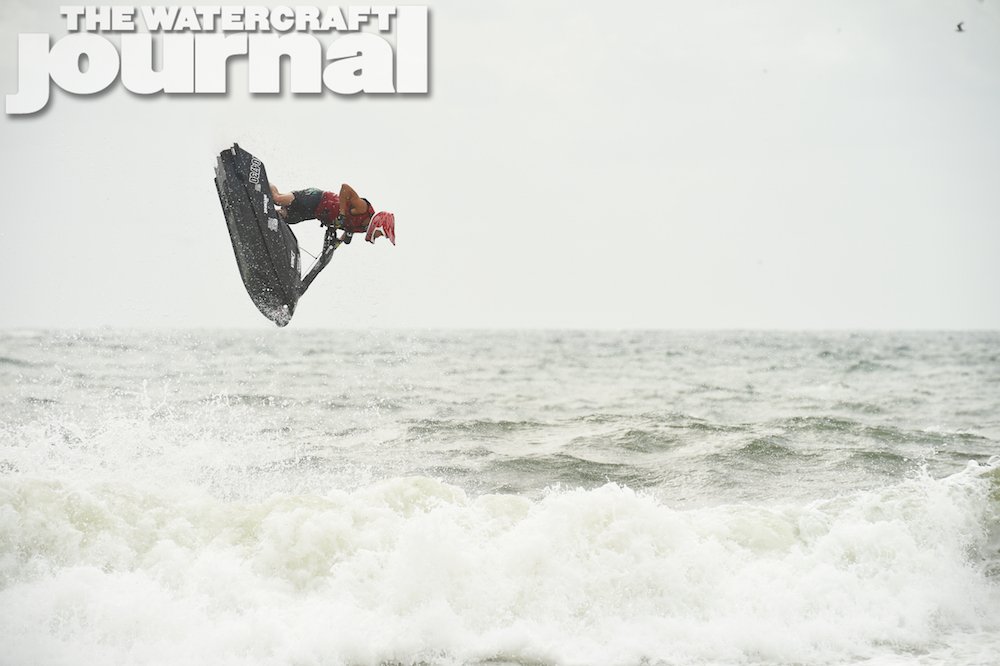
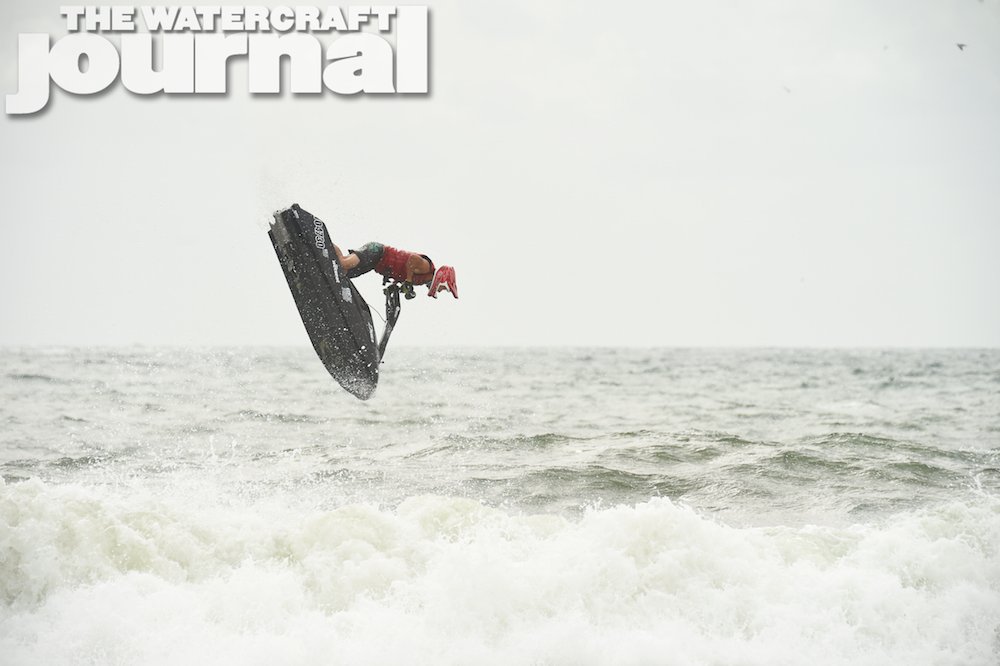
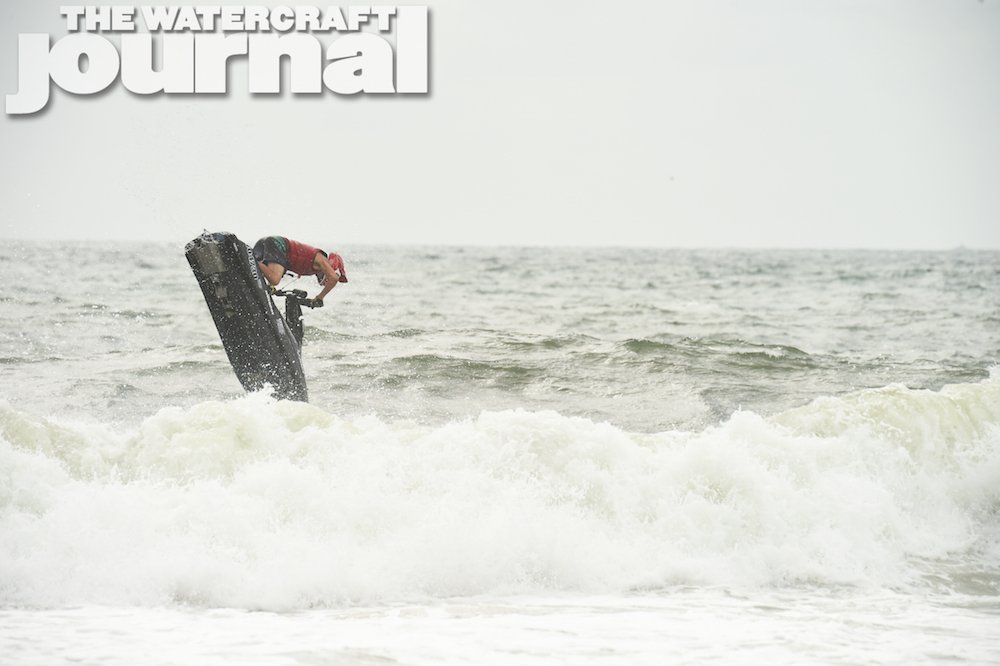
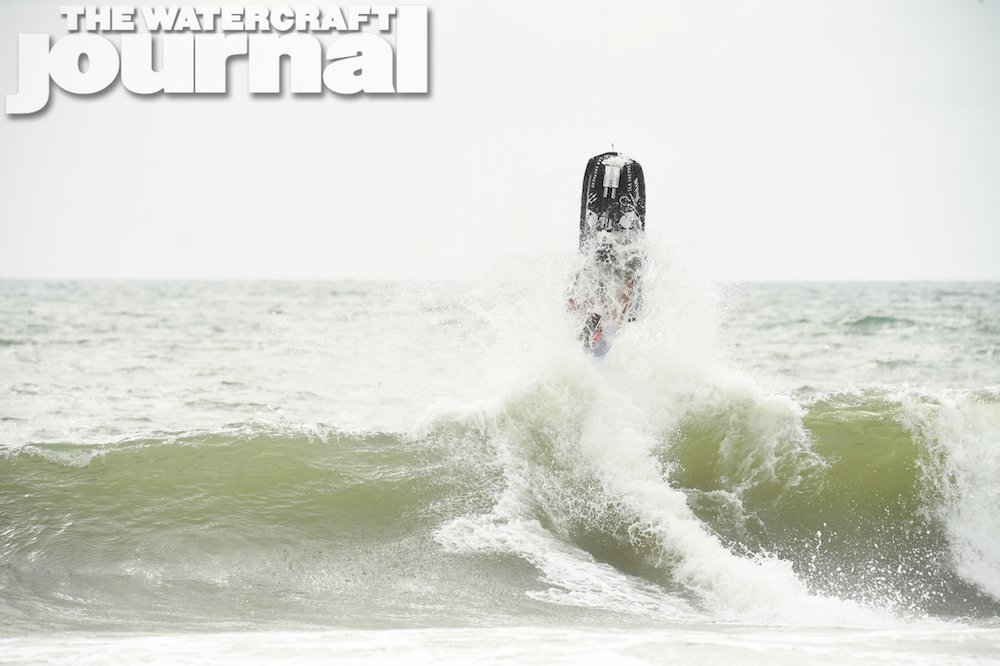
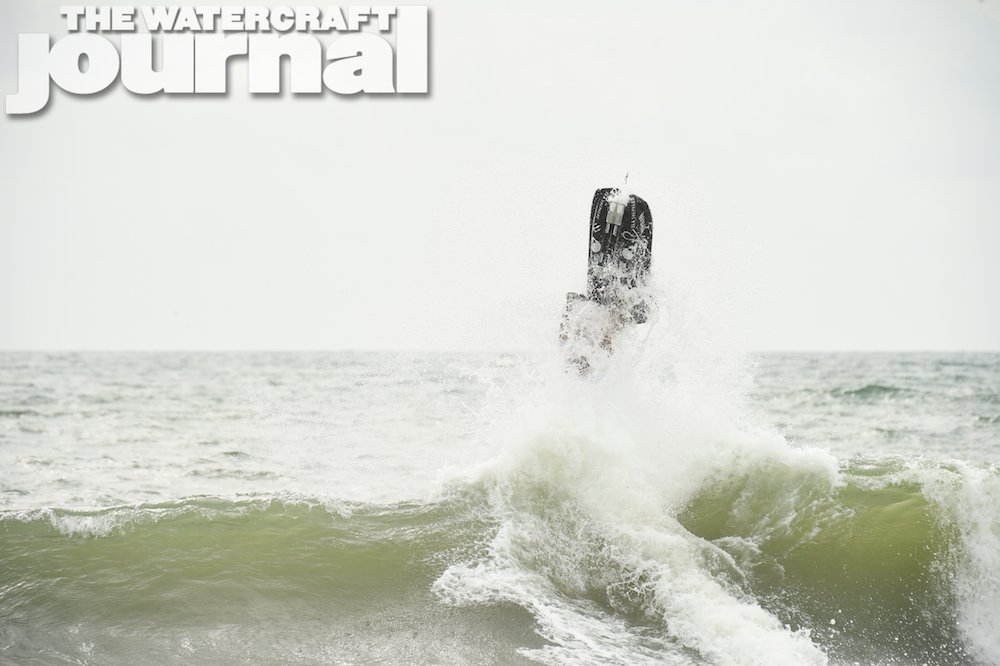
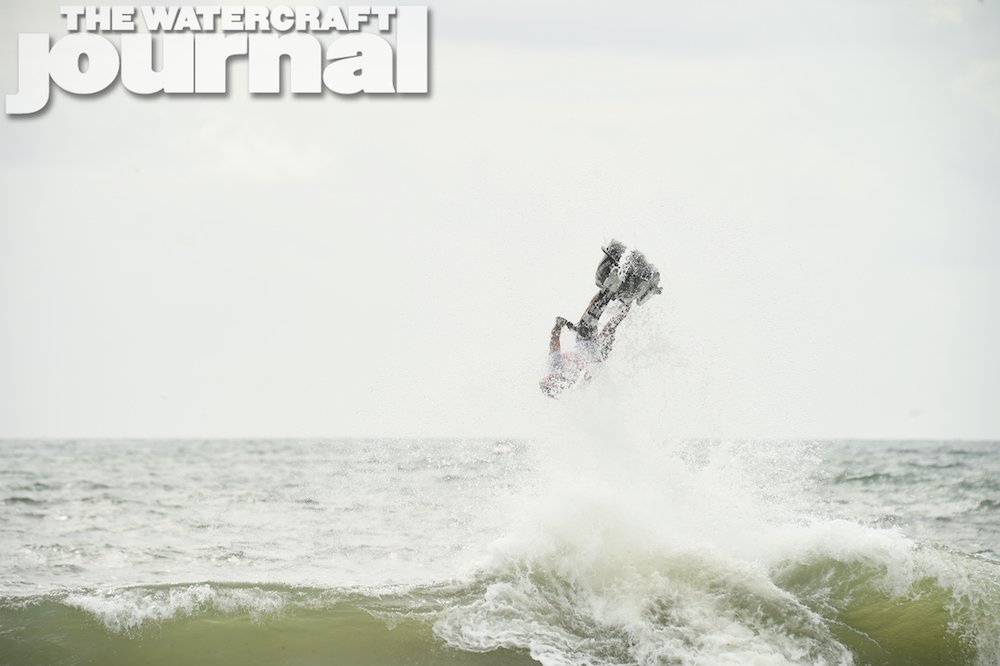
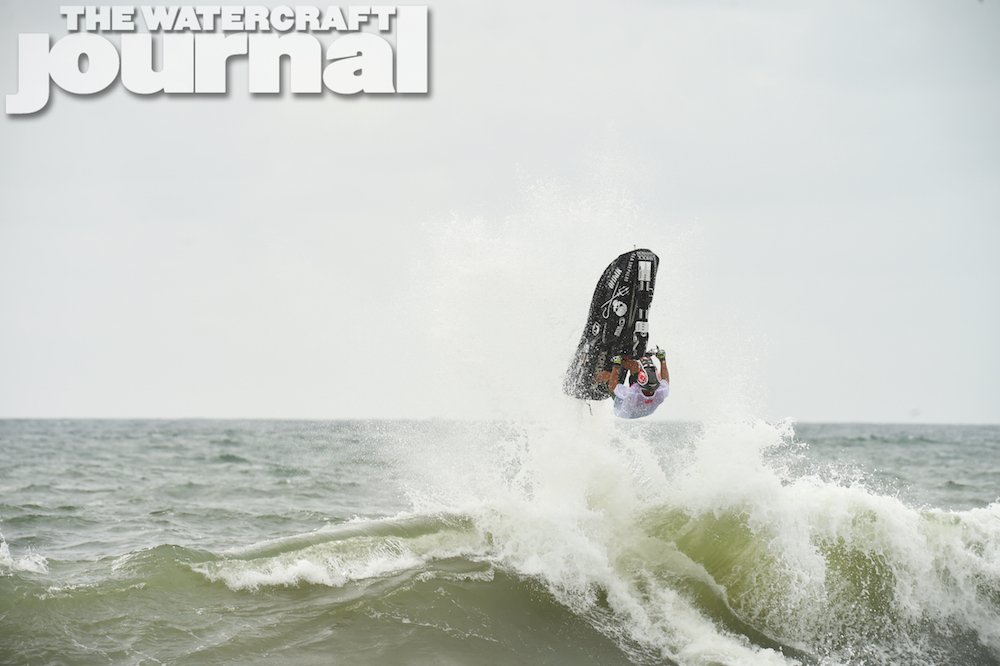
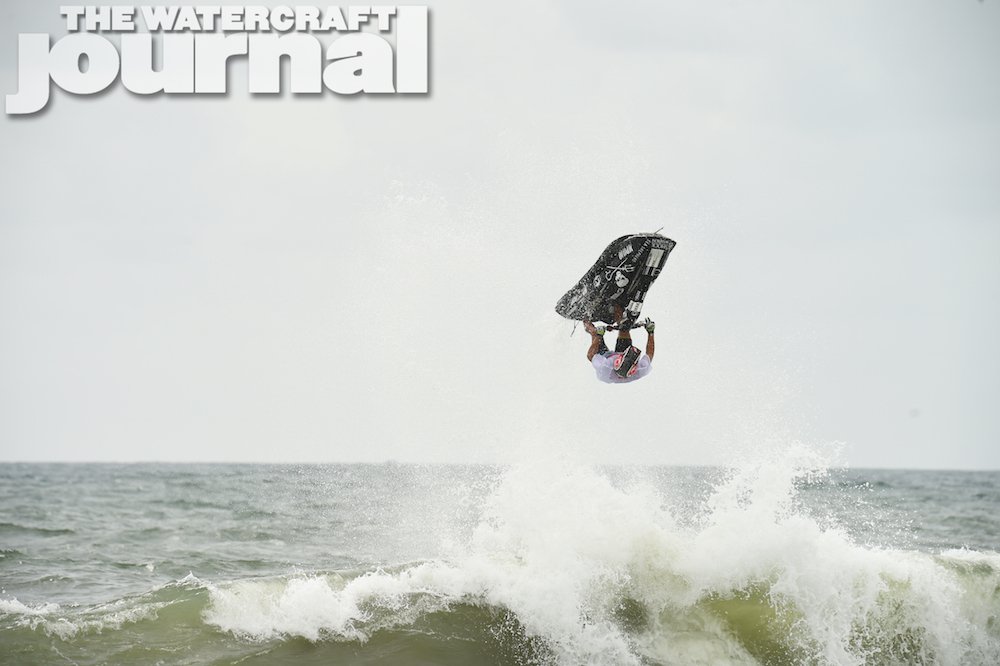
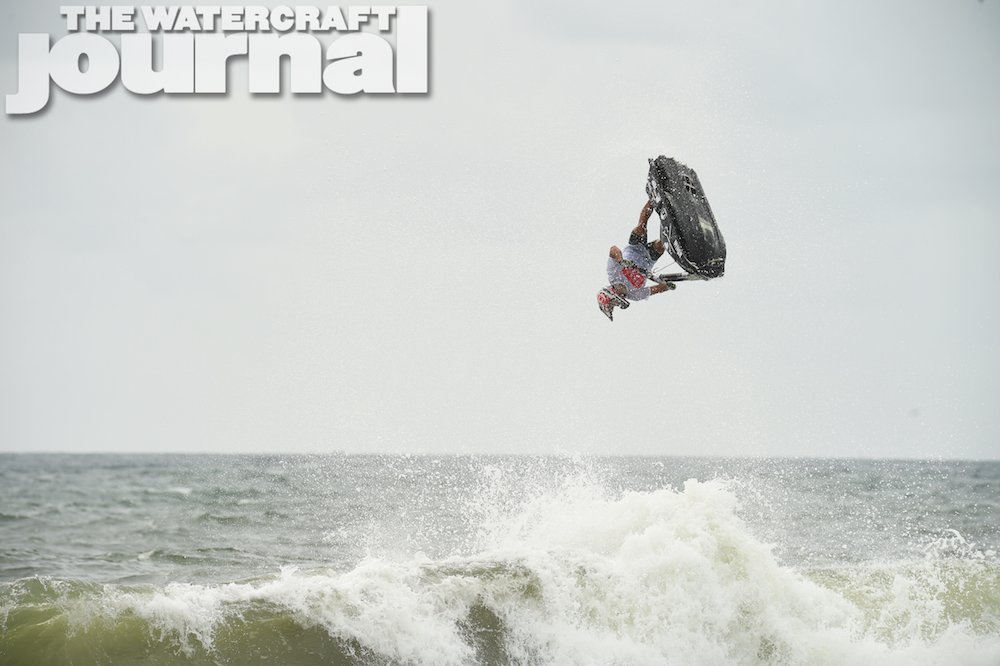
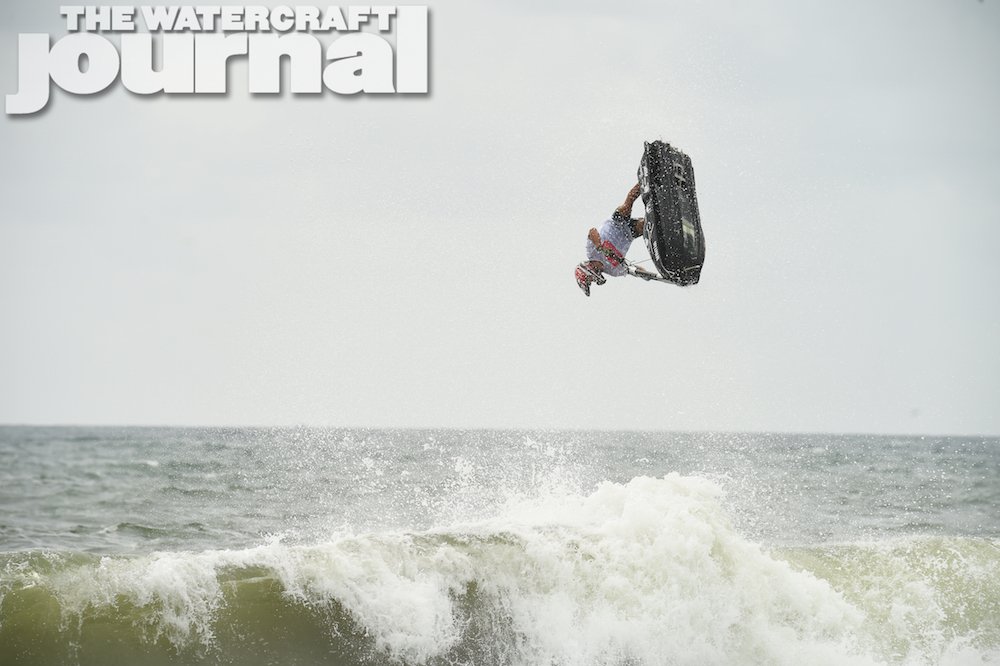
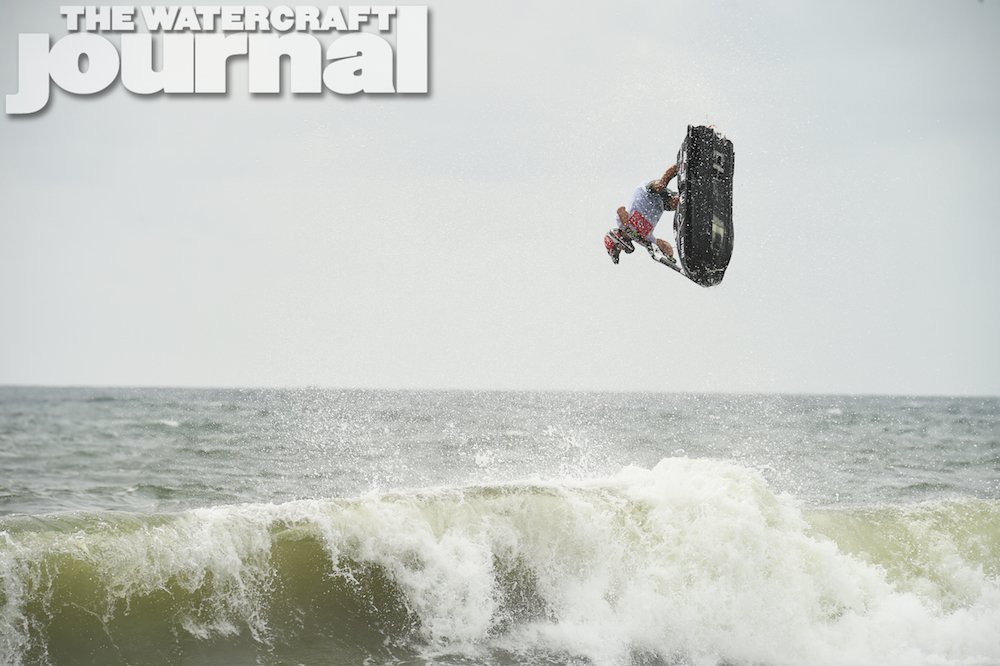
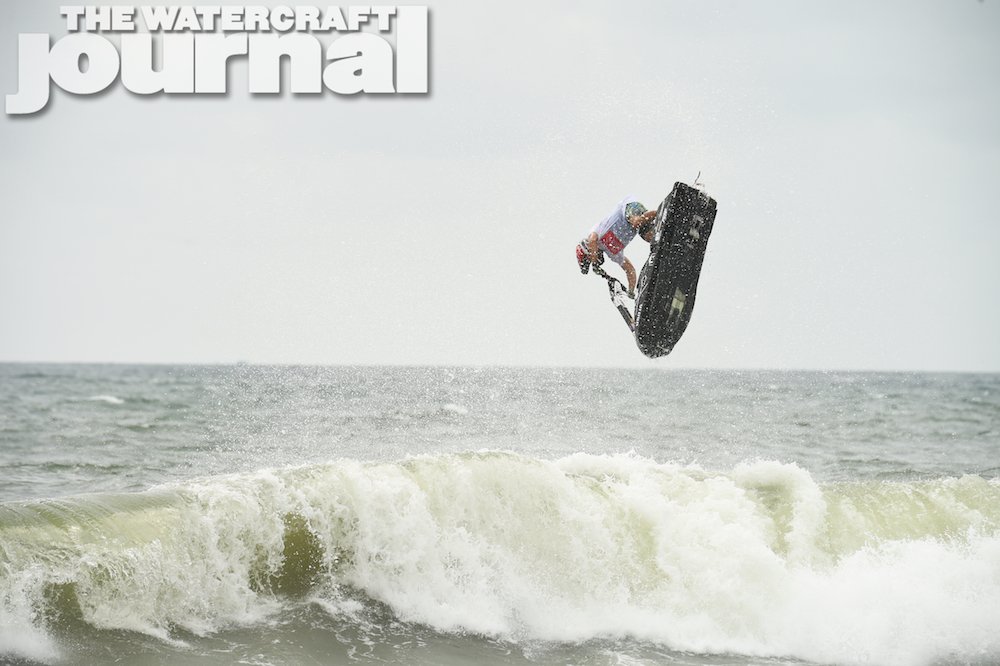
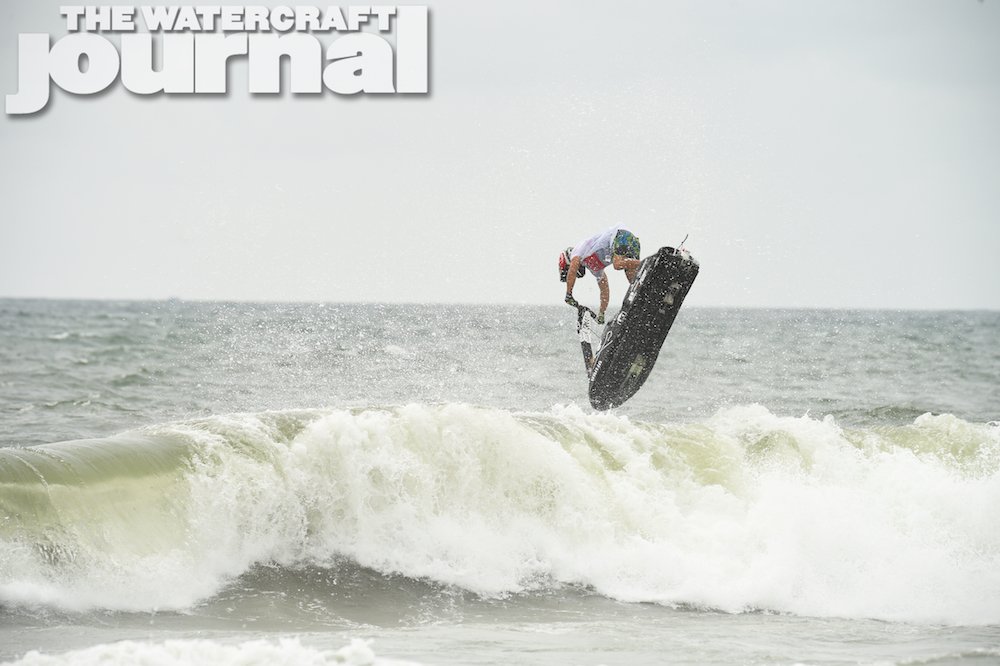
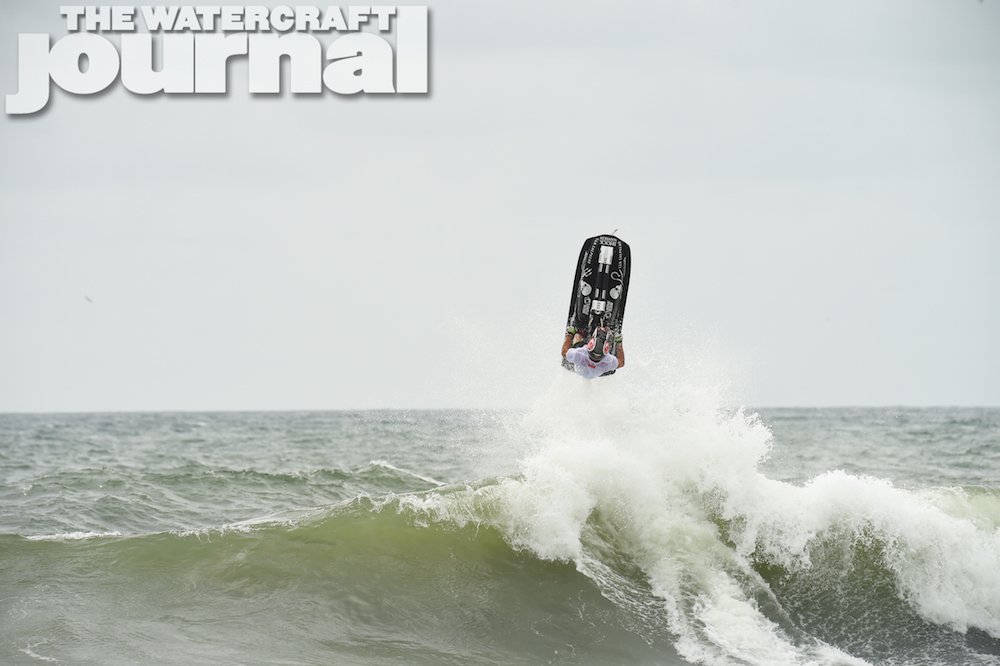
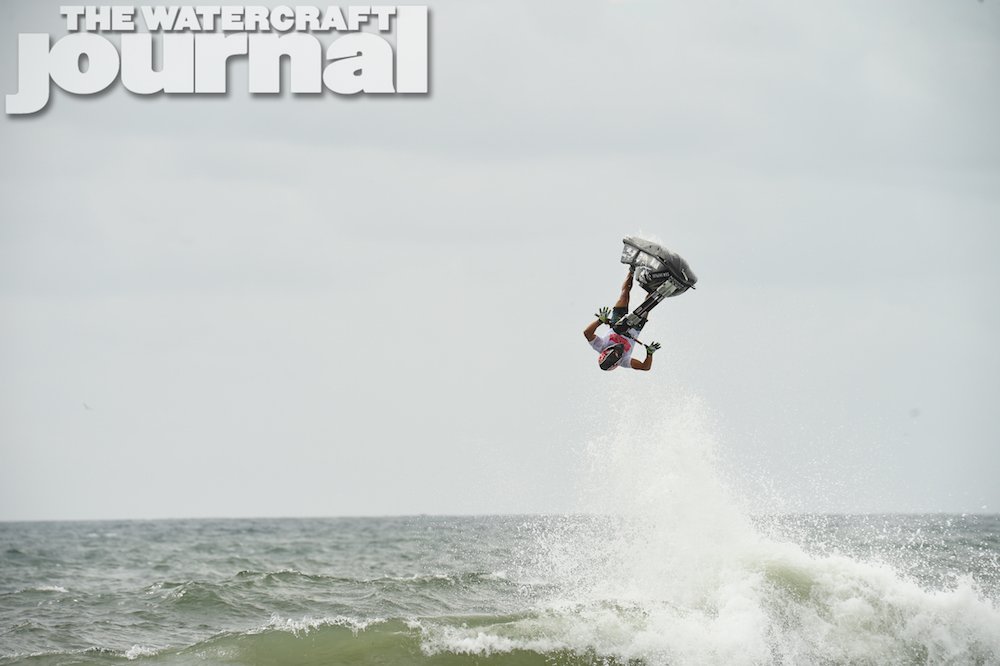
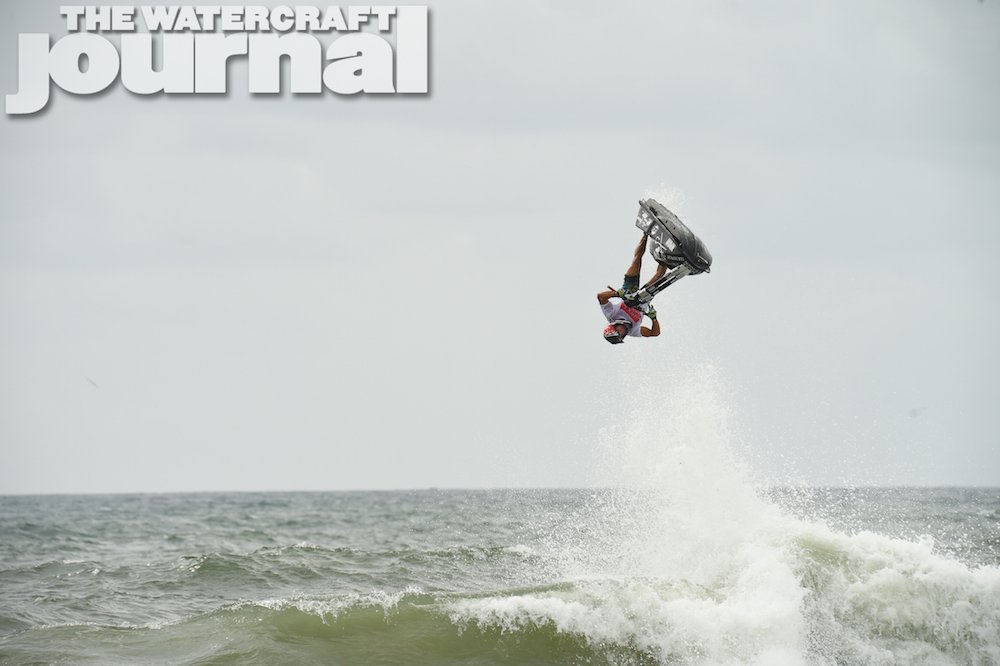
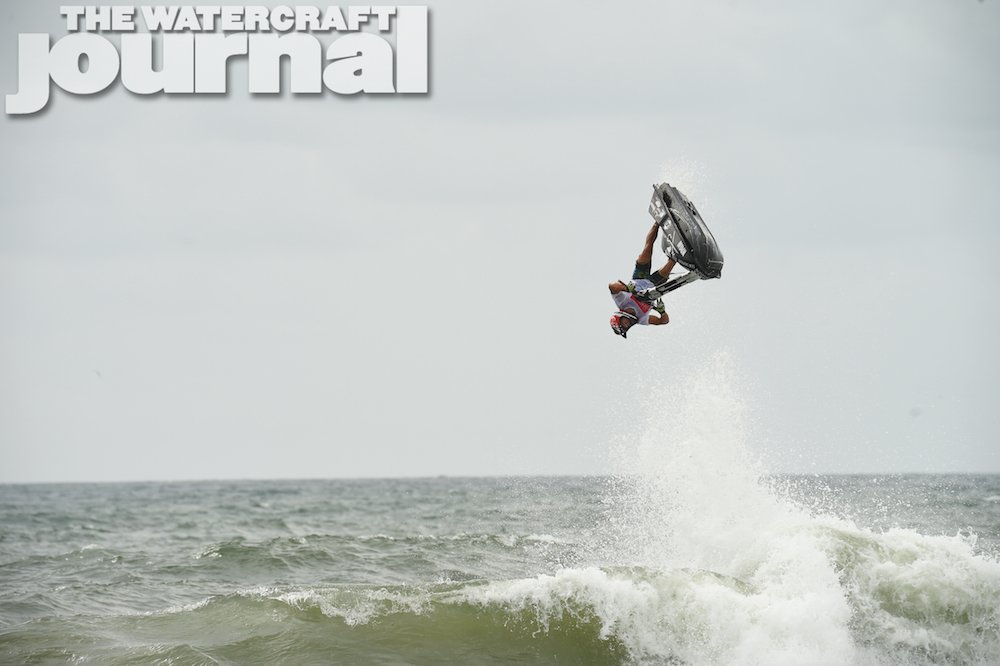
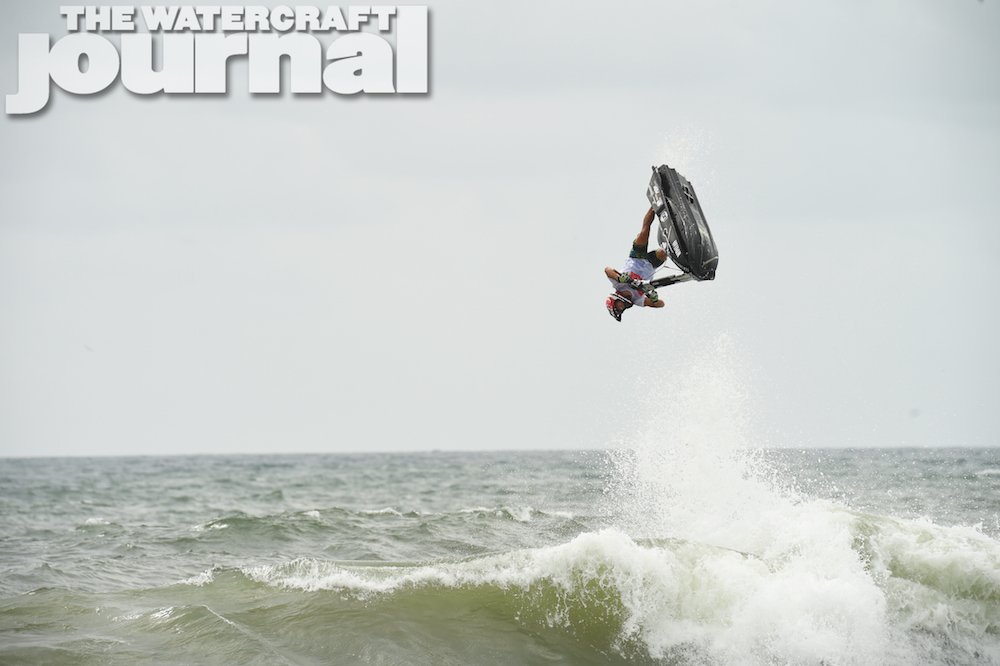
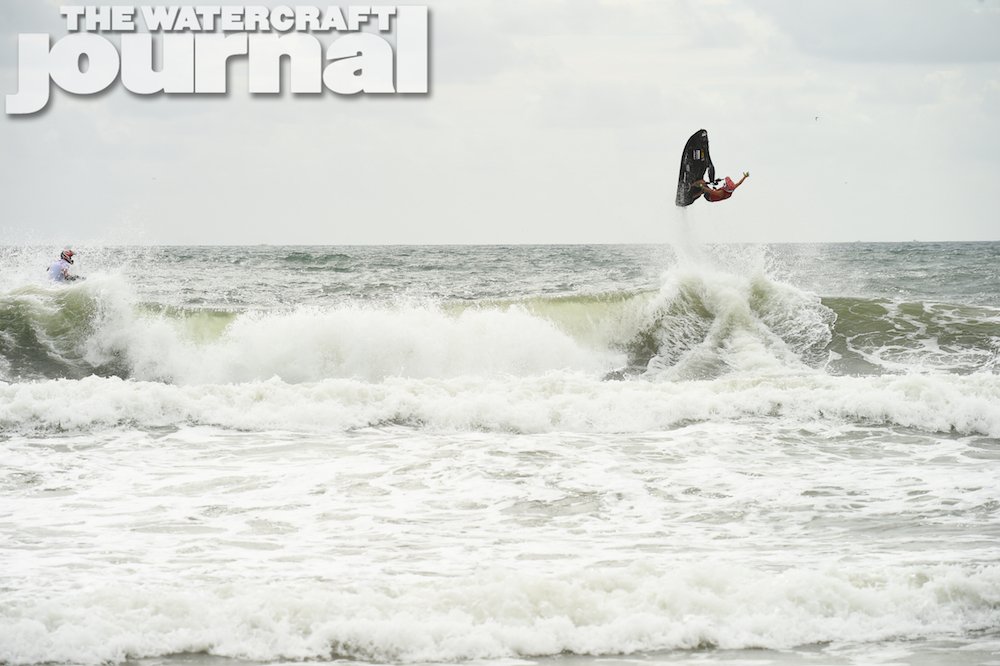
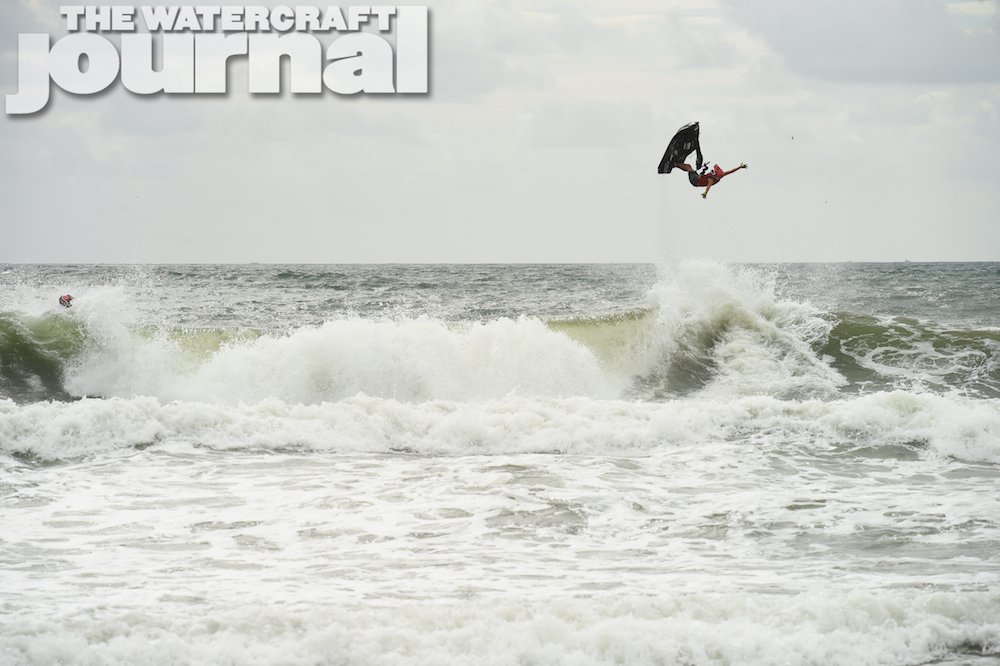
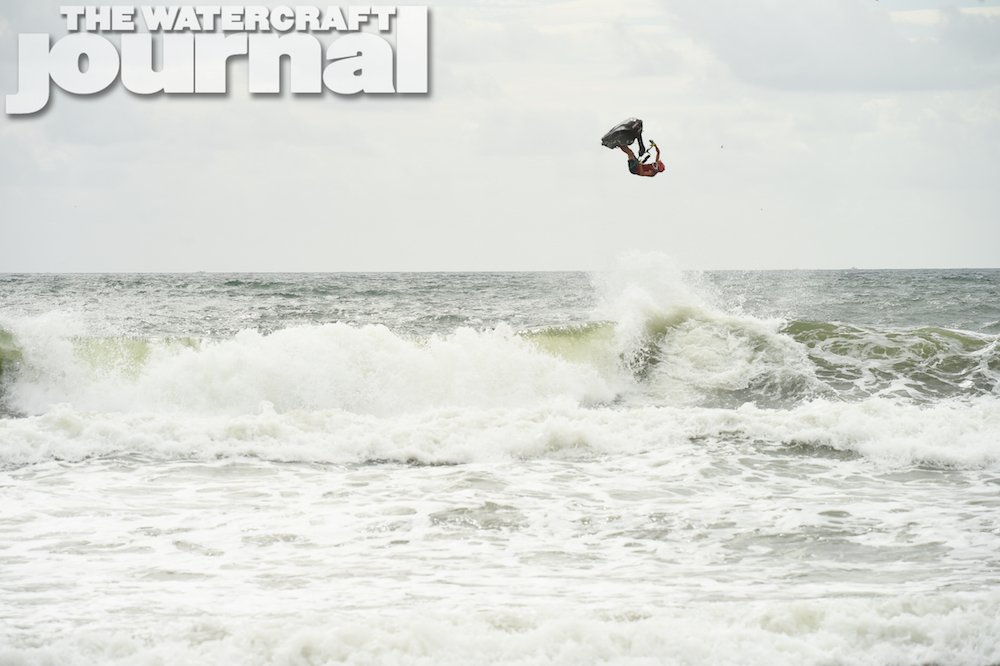
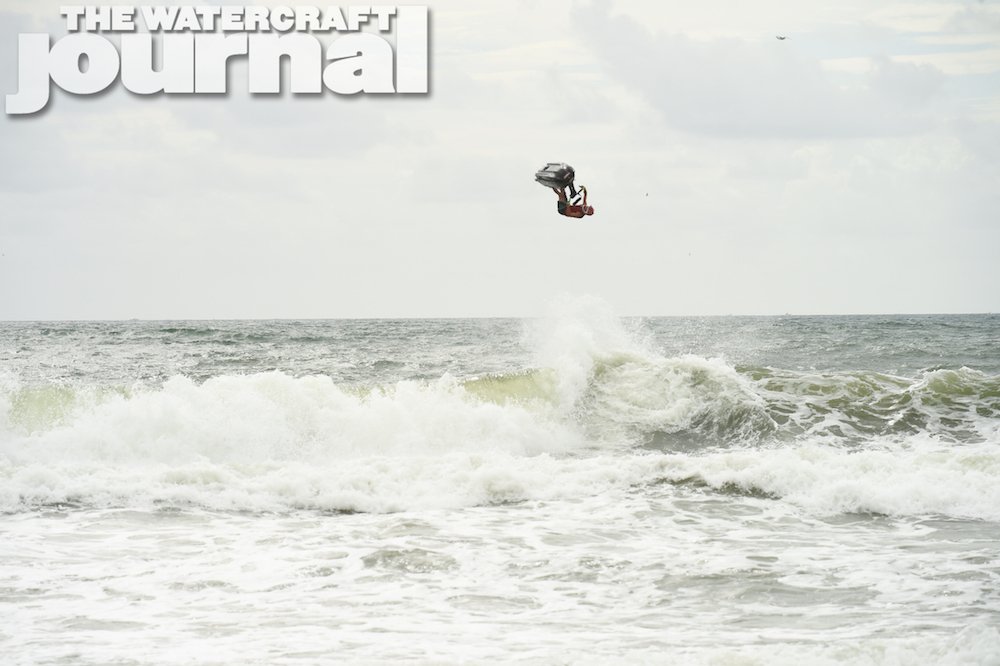
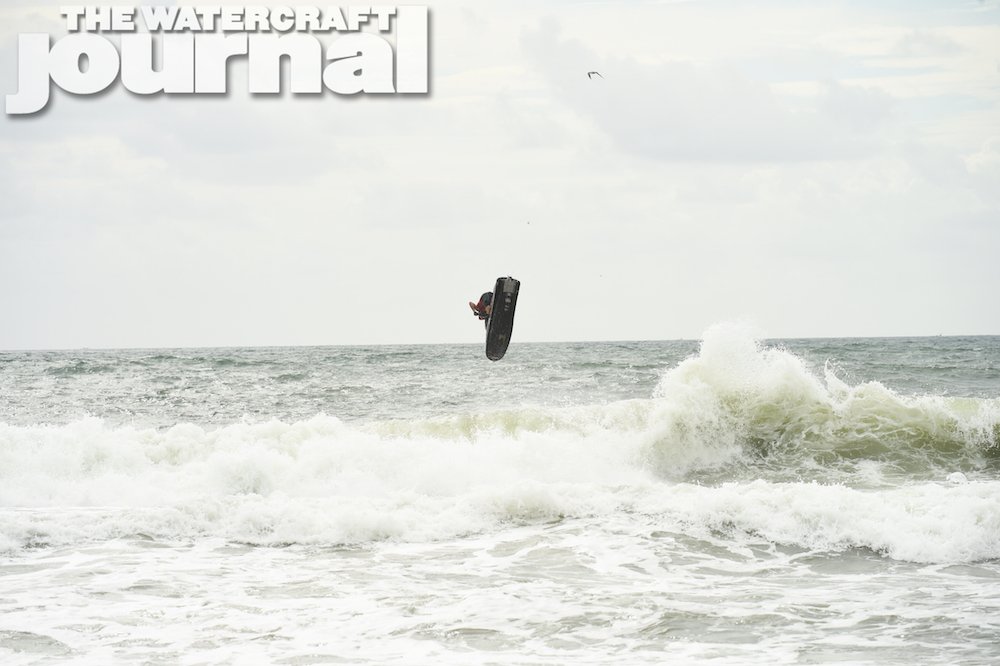
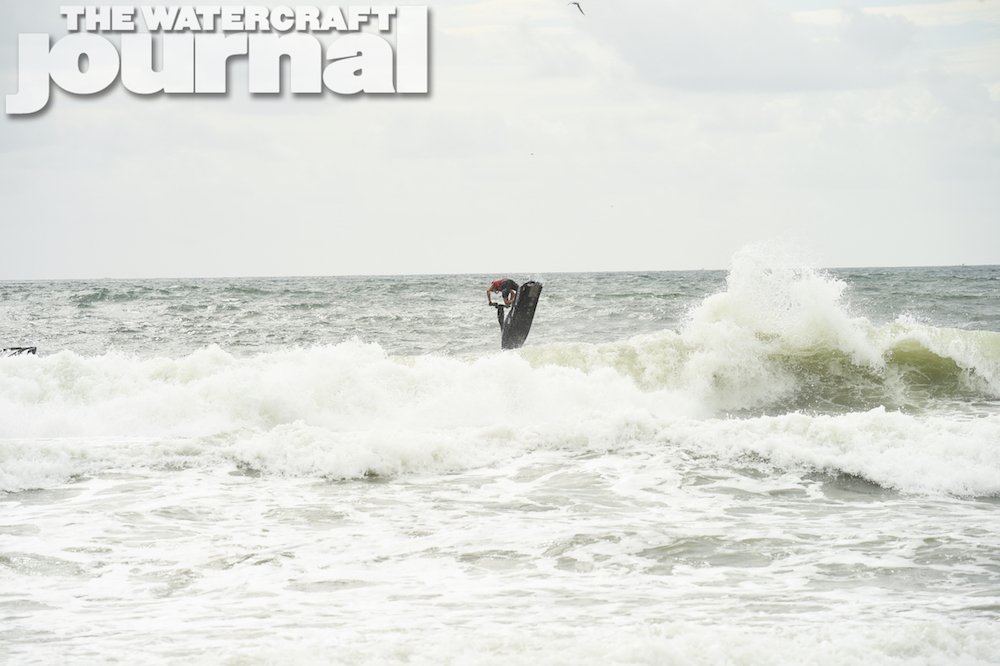
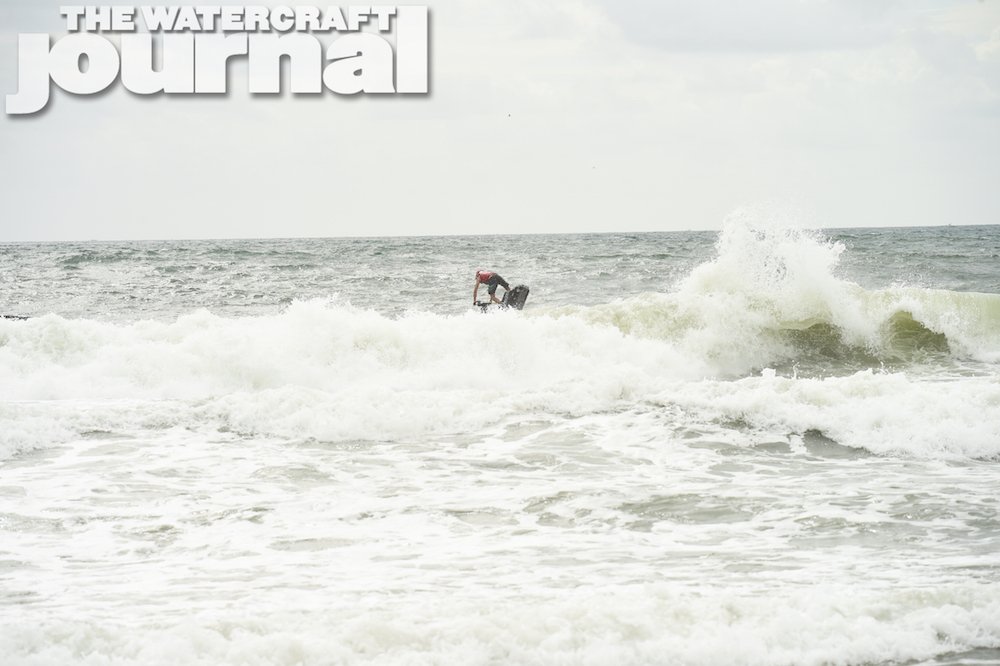
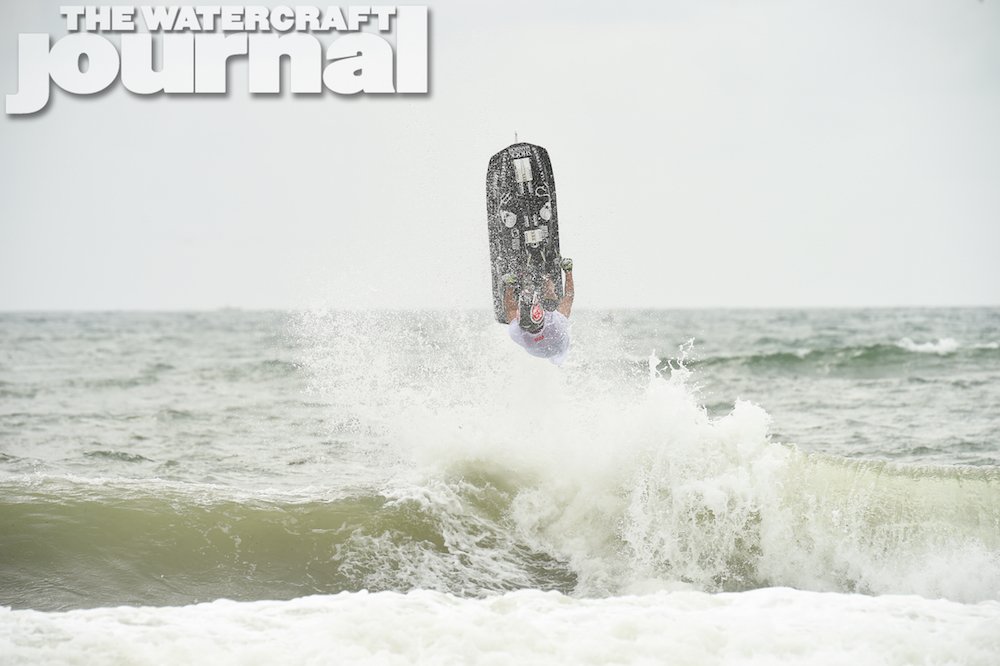
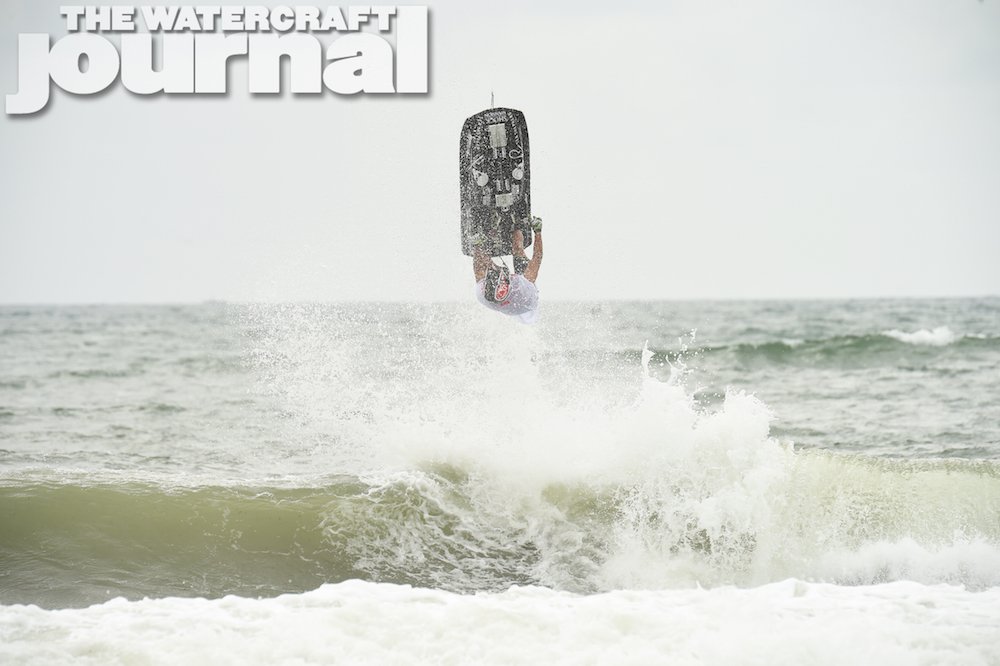
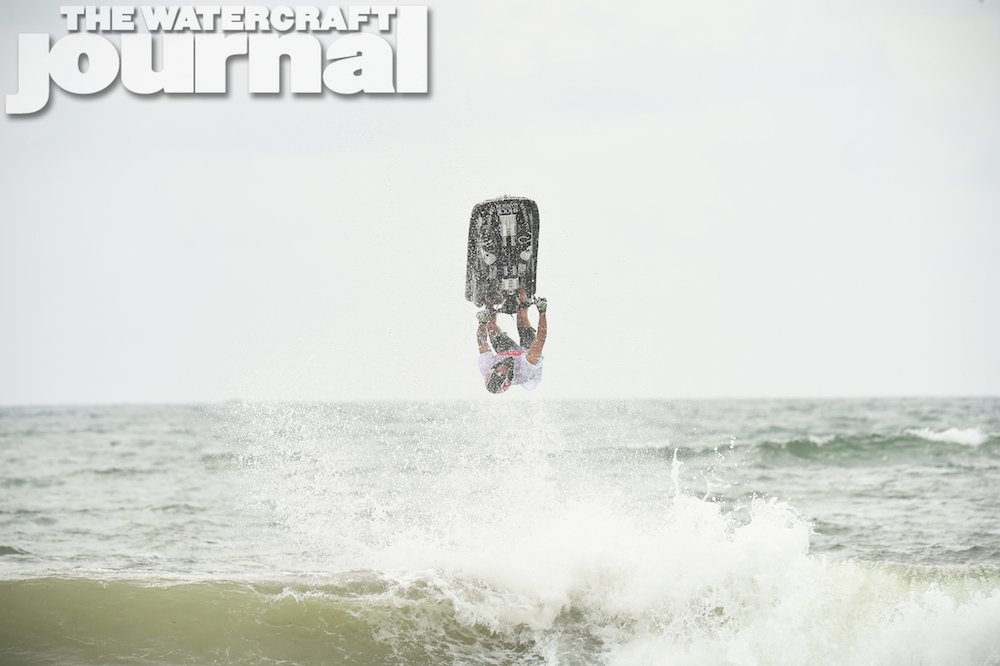
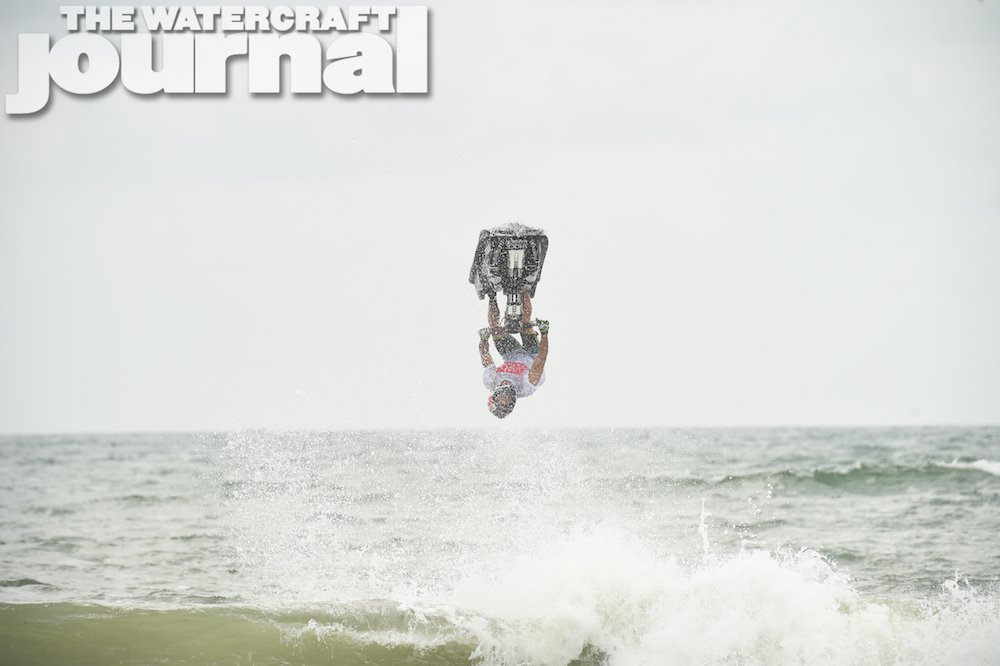
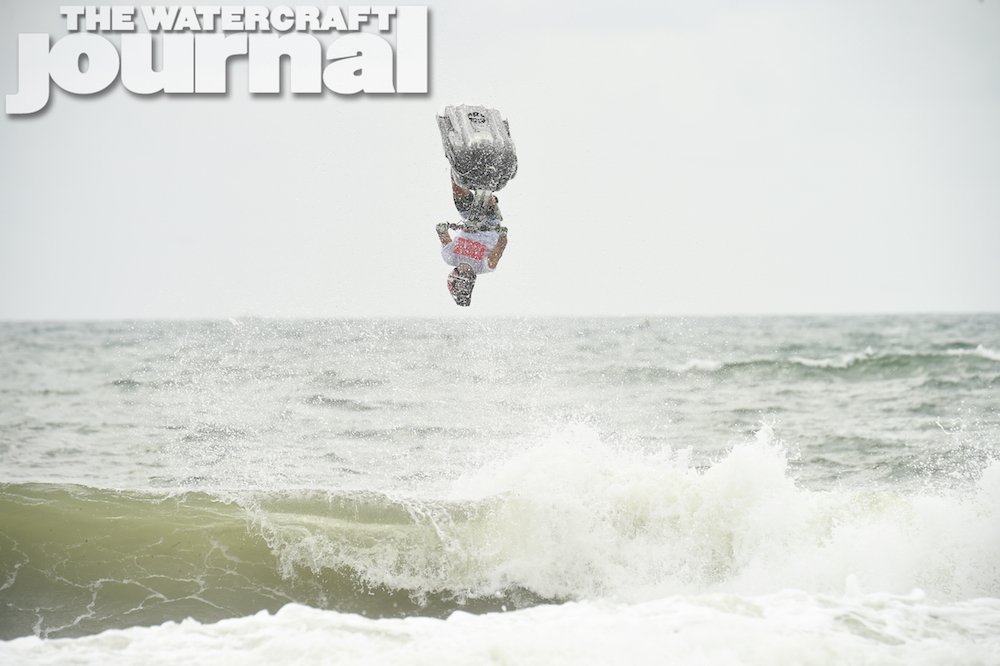
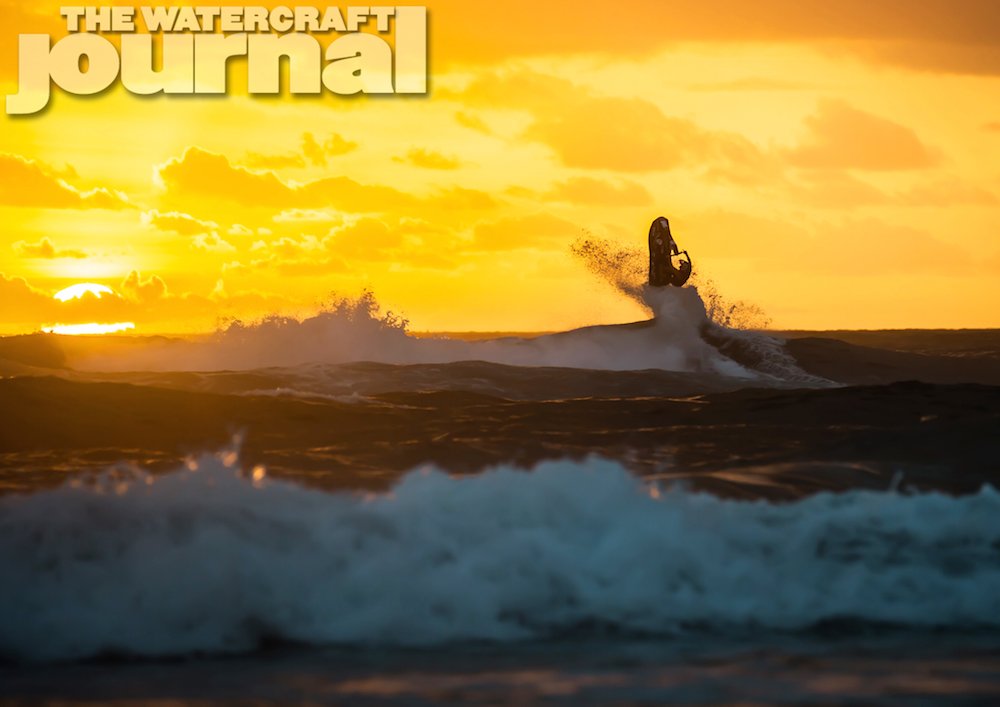
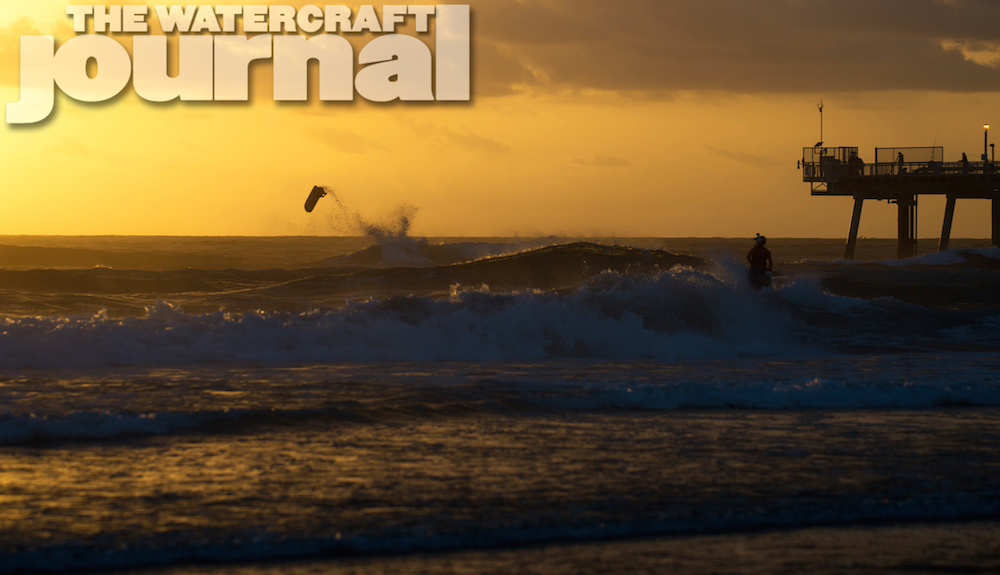
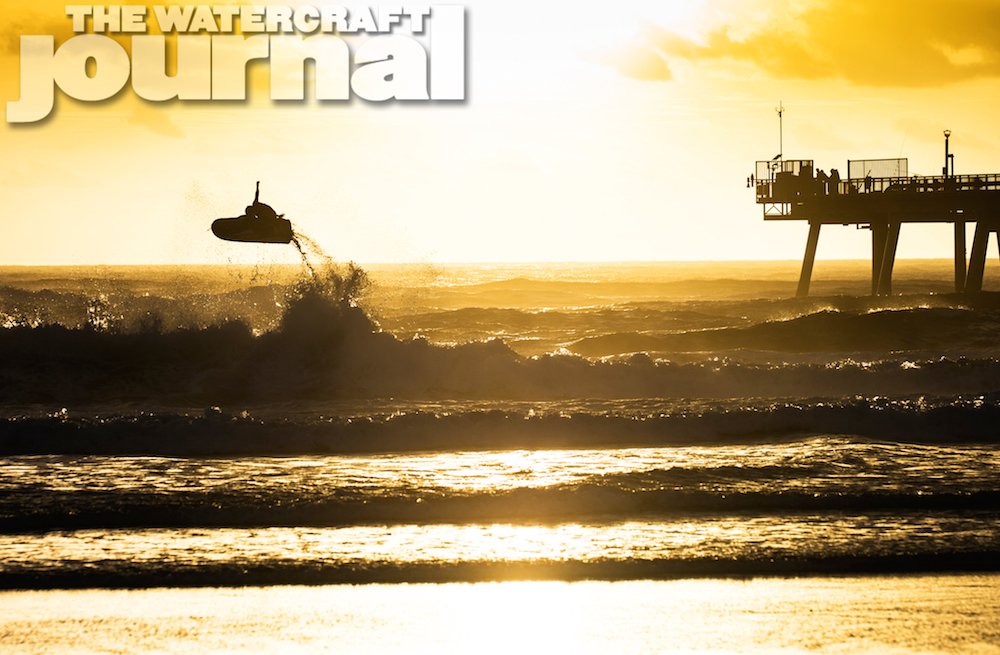
Over the past two weekends I decided to get some shots of the locals that I usually ride with. Pretty much every weekend on the Gold Coast, at least up to 10 riders at any one time hit the waves at South Stradbroke Island. It’s just a five minute ride from the ramp and a beautiful part of Australia.
Every time we head out, there’s always something different you see. From luxury cruises and charter boats, to whales and dolphins, turtles and jellyfish. Yes, jellyfish. These last few weeks we have had thousands of them. It’s almost impossible to ride without them getting sucked through the pump. Luckily, they don’t pack much of a sting, unless you get them up your shorts (I’m looking at you, Ryan Soloman).
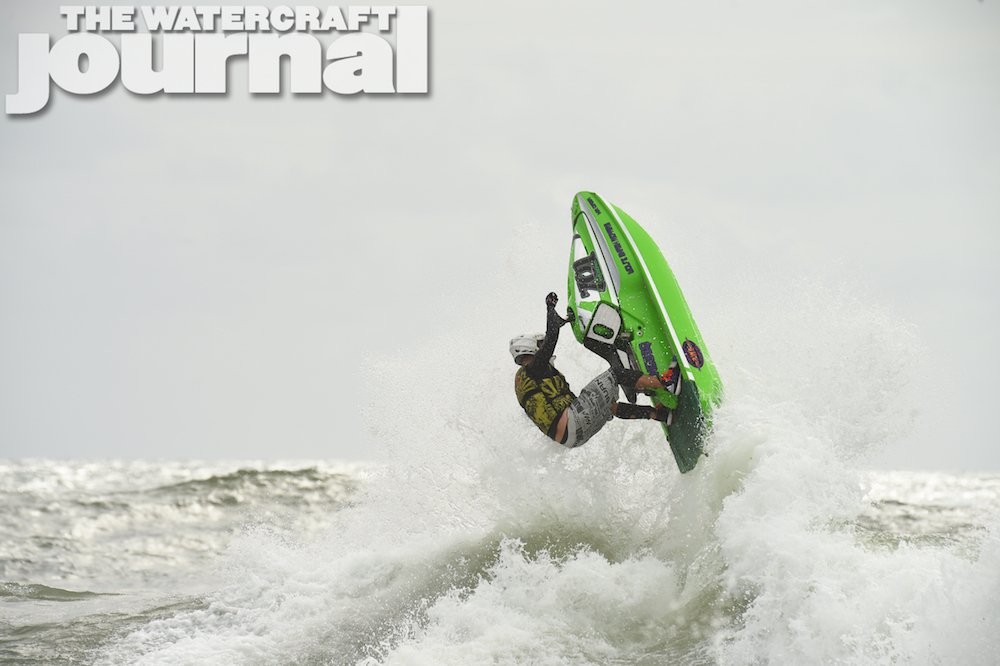
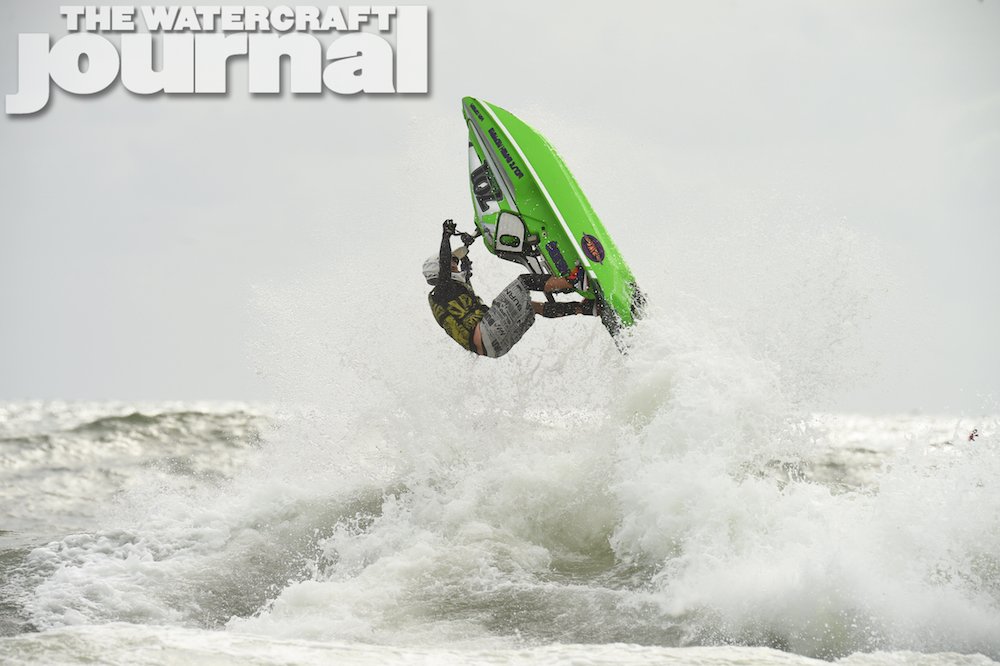
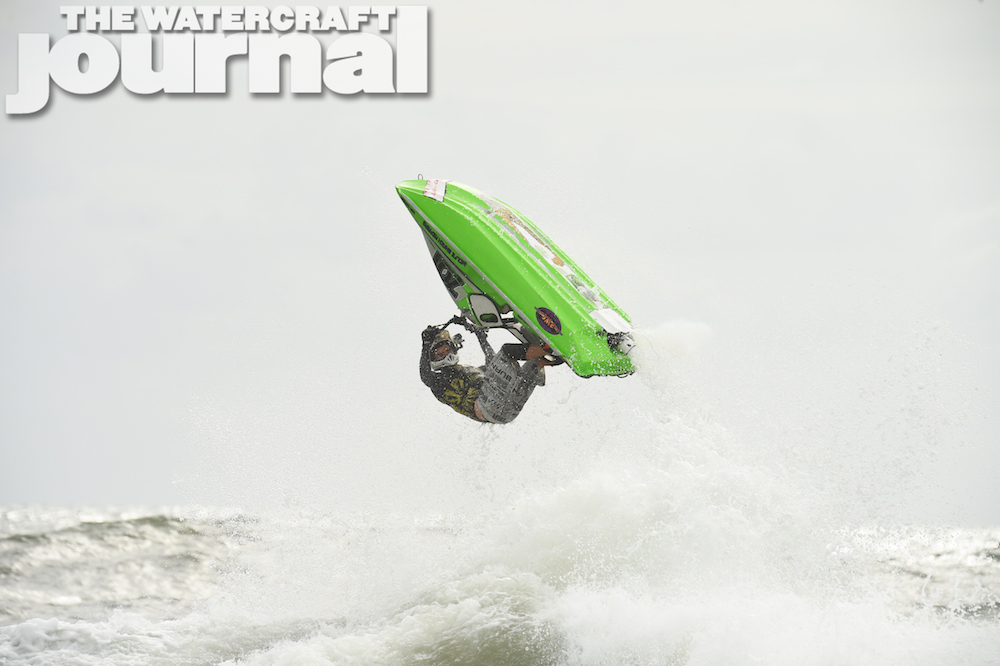
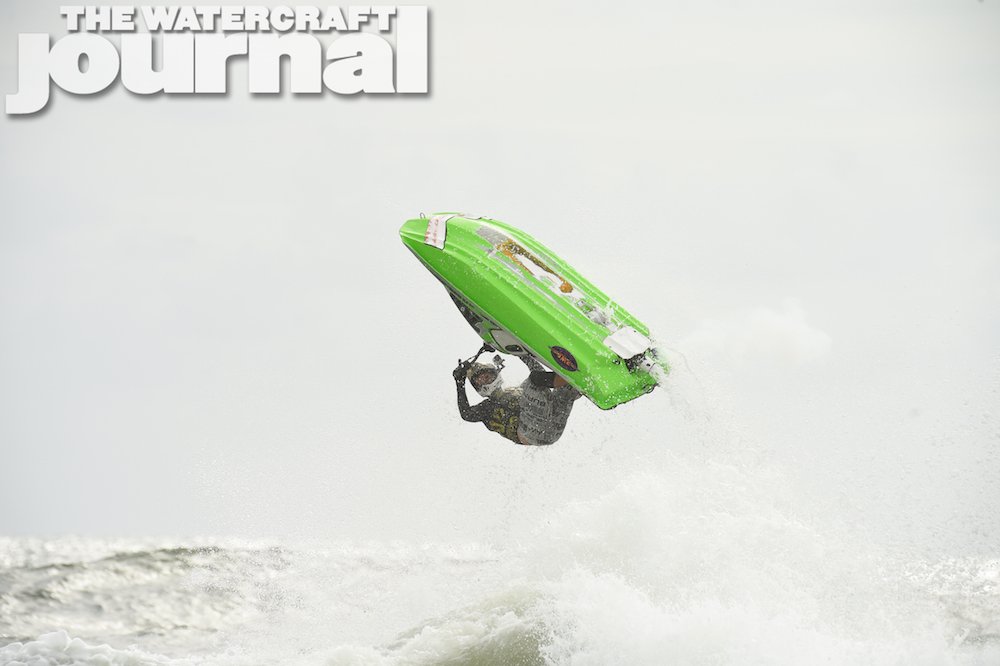
So it’s summertime here and a beautiful 30 degrees (86’F). So you’re mad if you don’t head out a take advantage of the magic weather and ride with your mates. With conditions almost perfect all year ’round, the Gold Coast has some of the most talented Freeriders in the world: Brock Taylor, Brodie Copp, Ryan Soloman, Luke Rotolone, Daniel Maloney and Levi Johnson just to name a few.
These guys are just good on their skis, but are awesome blokes who would do anything to help you out. That’s one thing I’ve noticed about the Freeride community, they’re all mates. So here’s a few shots to get you through you winter blues up there in the north.
Wait, I know what you’re thinking. You’re wondering, “Hey, there’s already plenty of places to go to find out the schedule of events for my favorite race series.” And you’d be right. But unlike other outlets that solely focus on the hottest racing action happening locally, nationally or even internationally, the all-new Watercraft Journal 2015 Event Calendar Tool will actually be a central resource for ALL (and we mean all) personal watercraft-focused events.
Over the past several months, we have reached out to many of the North American PWC clubs, event organizers, charities and of course, race directors, to create a collaborative tool that everyone can use to look up the coolest watercraft events, rides and races going on throughout the United States of America and beyond. Of course, it’s pretty dang hard to know of everything going on across the globe, so we’re also asking that if you have an event that you’d like included on our calendar to simply email [email protected] today with all the pertinent info.
It’s really that simple. We will have addresses, phone numbers and emails helping you get in contact with the event coordinators so that if you’re interested in attending, all you’ll need to do is keep The Watercraft Journal 2015 Event Calendar cached in your browser to stay up on all the events happening near you! Obviously, we’re only a week and a half into the New Year so many clubs and promoters have yet to release their fine details, so expect to see the calendar updated regularly throughout the year!
We’ve also made it easy to view the calendar in a traditional format or a very easy-to-read list. You can even view the calendar by day if there’s a lot going on at once! Simply click the highlighted links HERE or go to “Events” in the Navigation Bar at the top of the page.
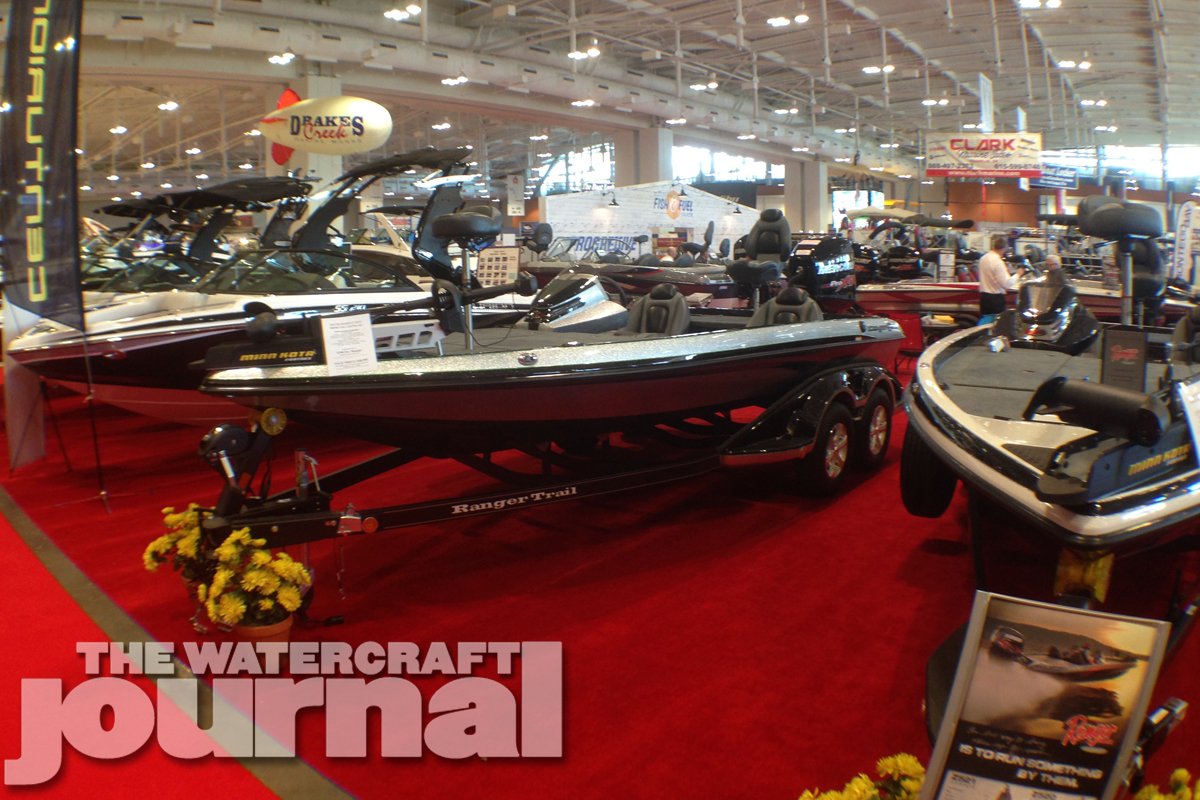
What rain runoff that had gathered alongside the highway earlier in the week had since frozen solid into opaque glassy pools. It took a while to compensate for the sub-freezing temperatures outside, but my truck’s heater was finally working at full force, spewing artificially heated air into the cab. Journeying south on Interstate 24, the steely gray skyline of downtown Nashville peaked out from behind the rolling hills. Still embraced by the frigid winter weather, attending this year’s boat show felt more juxtaposed than ever before.
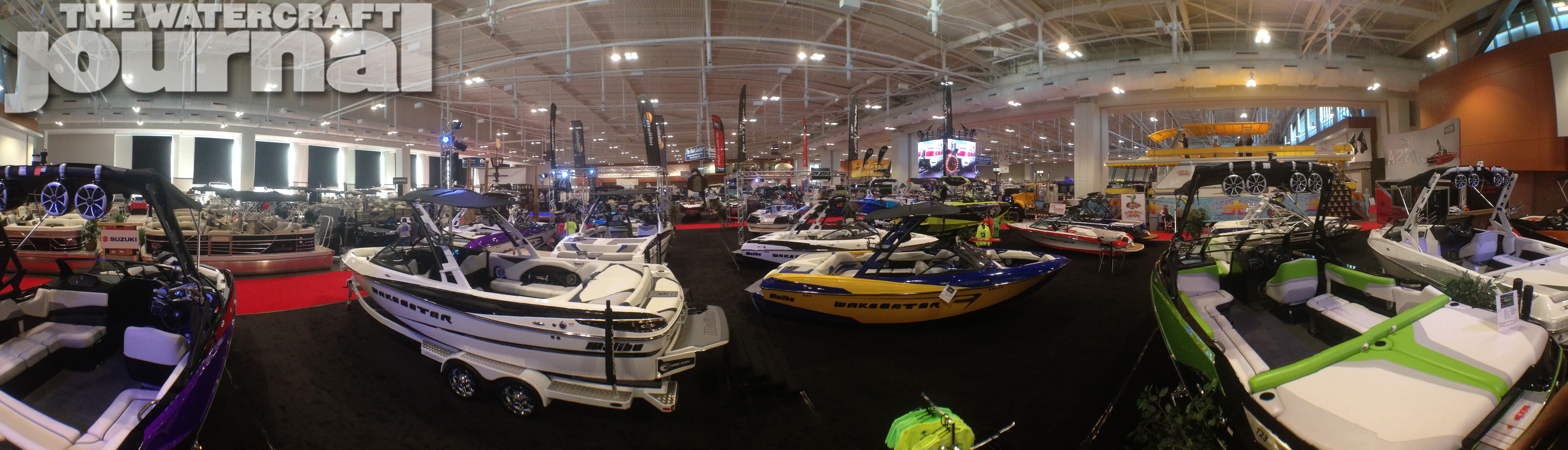
The annual Nashville Boat & Sport Show, Presented by Progressive, occupied the main Hall of the Music City Center nestled only a few blocks from famous Music Row, giving the city its iconic nickname. Sneaking past the guards a few minutes early, I entered the convention center as exhibitors hustled to erect displays and arrange tables. Front and center was Progressive Insurance’s marine-themed booth, staffed by young, attractive attendants with names like Kitty (I’m literally not joking).
Perusing the center booth, attendees could feign reeling in a marlin from a faux angler’s chair, furiously reeling on a rod tethered to a coiled spring beneath a digital screen. Sure enough, as the video showed said swordfish struggling against your hook, the line would taut and pull against you. Although nowhere near the battle reeling in such a fish would require, accomplishing the virtual feat was something to be proud of.
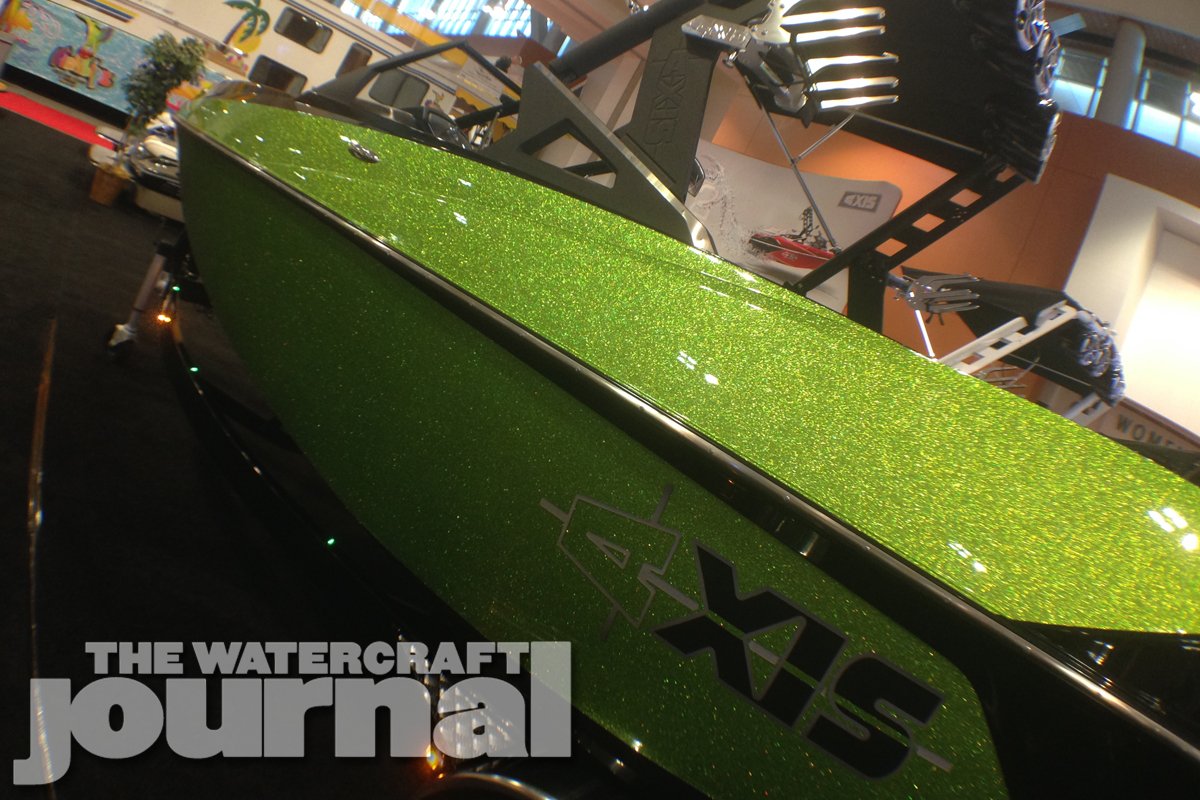
The four-day event welcomed dealers, retailers, marinas, local and regional repair and maintenance shops from around the southeastern states. From resorts to dock builders, insurance policy writers to floating cooler manufacturers, the Nashville Boat & Sport Show had pretty much anything you could hope for. Rows after seemingly endless rows were rife with glimmering metal flake imbued paint jobs and brightly polished stainless steel.
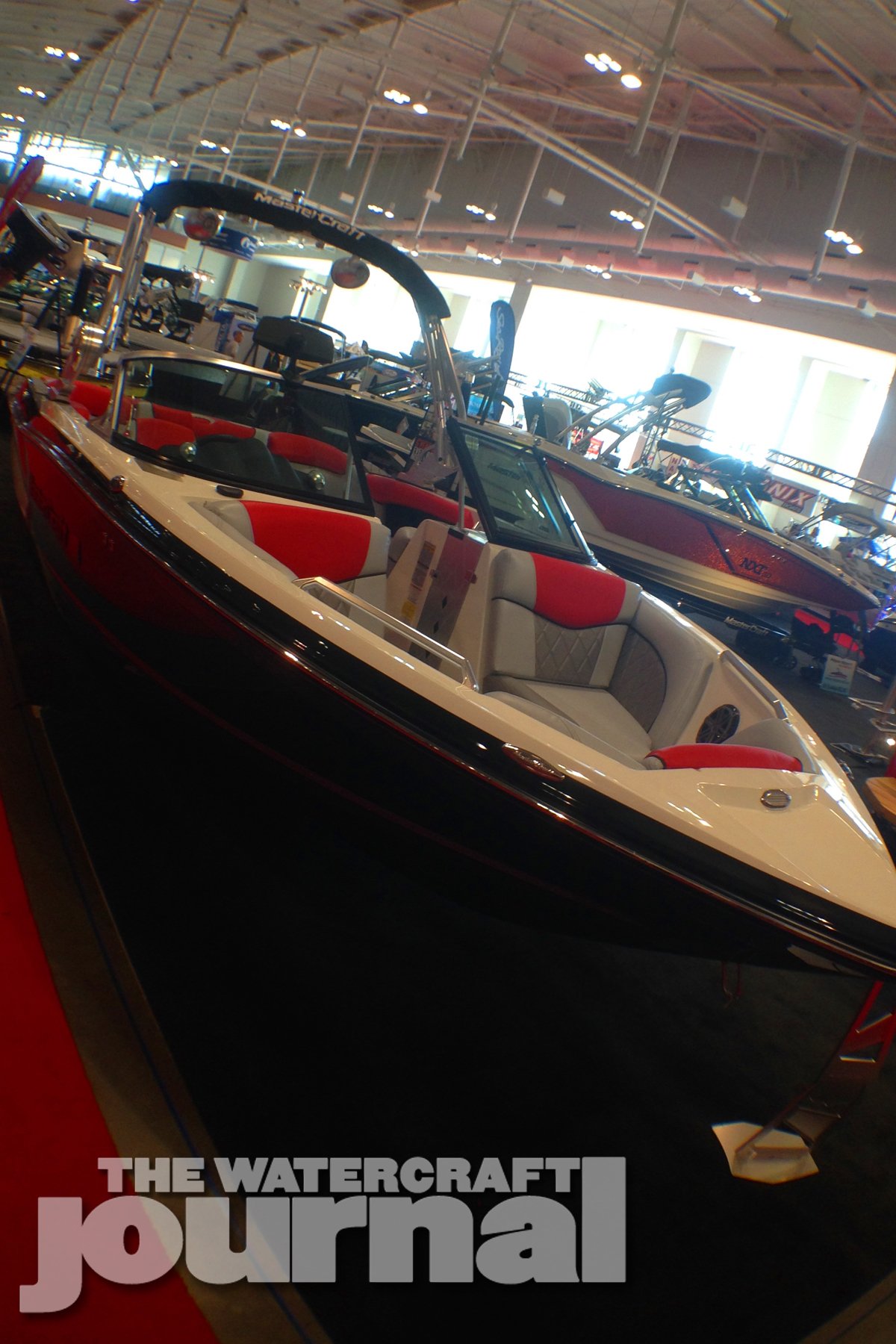
While previous years’ quotient of yachts were supplanted with double the quantity of luxury triple-hulled pontoons and racy sport boats, the dollar value of the flooring looked to be no less. Hundreds of top-of-the-line boats were presented in all of their glory, flanked by elaborate catwalks and boarding platforms allowing boating parishioners to explore the acres of teak wood, leather and burnished walnut.
Big for the new year were interactive seminars, offering classes on proper dual-throttle docking, baiting techniques and preferred methods for fly casting. Amid the pontoons, day boats, cruisers, wake boats and the occasional personal watercraft dealer, those milling the floors encountered extreme kayak fishing outfitters, specially-crafted floaties for individually-bottled drinks (we presume Diet Cokes, right?), and even Nashville’s own Defiance Flyboard.
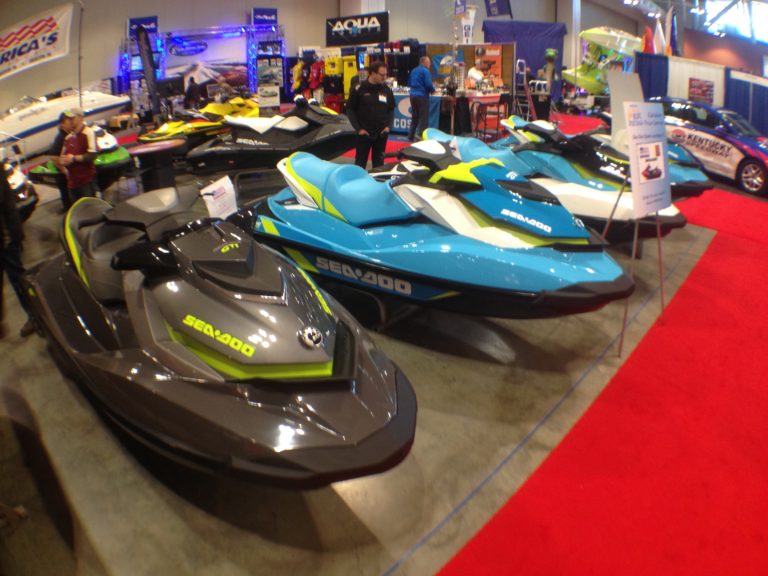
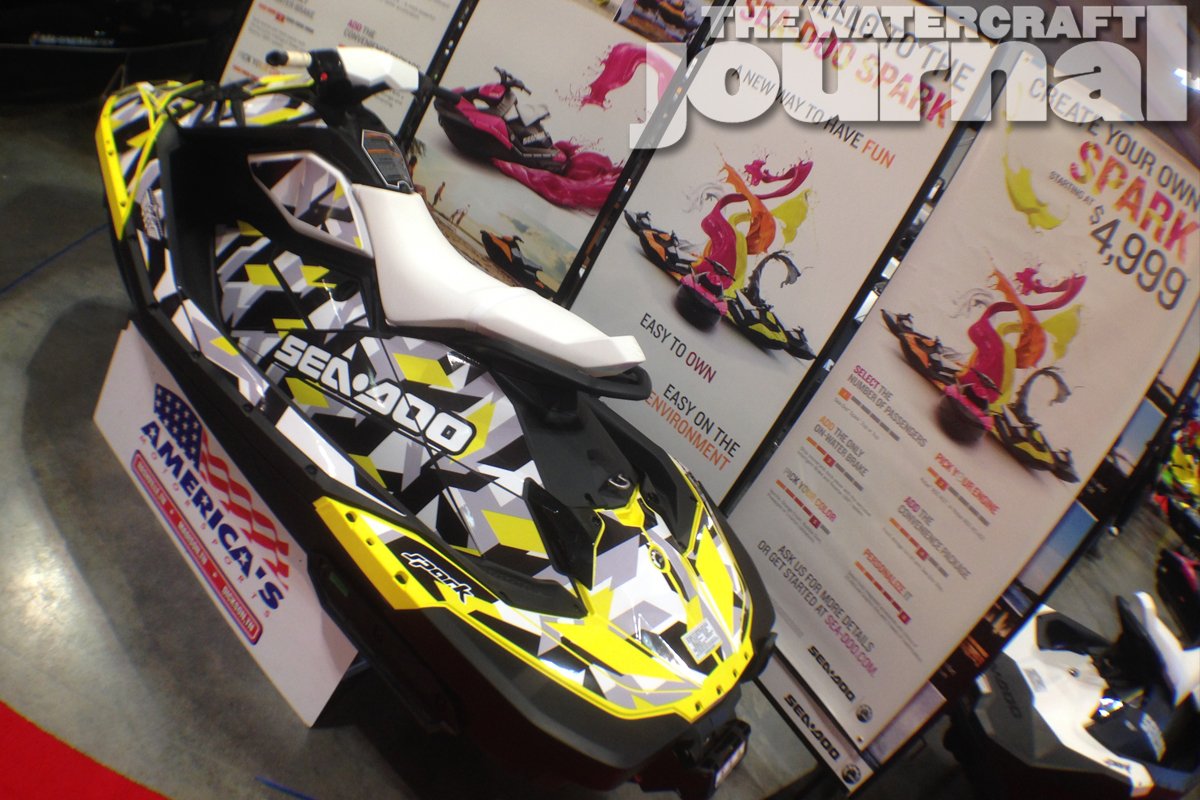
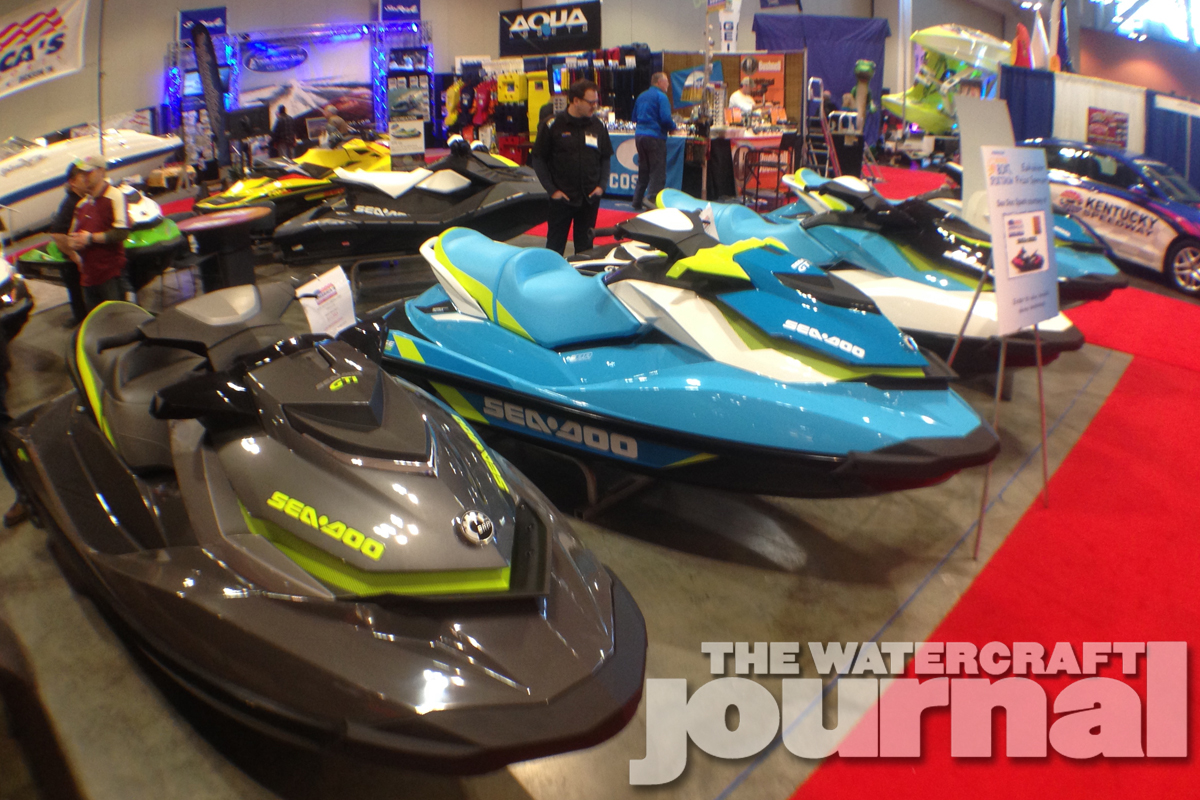
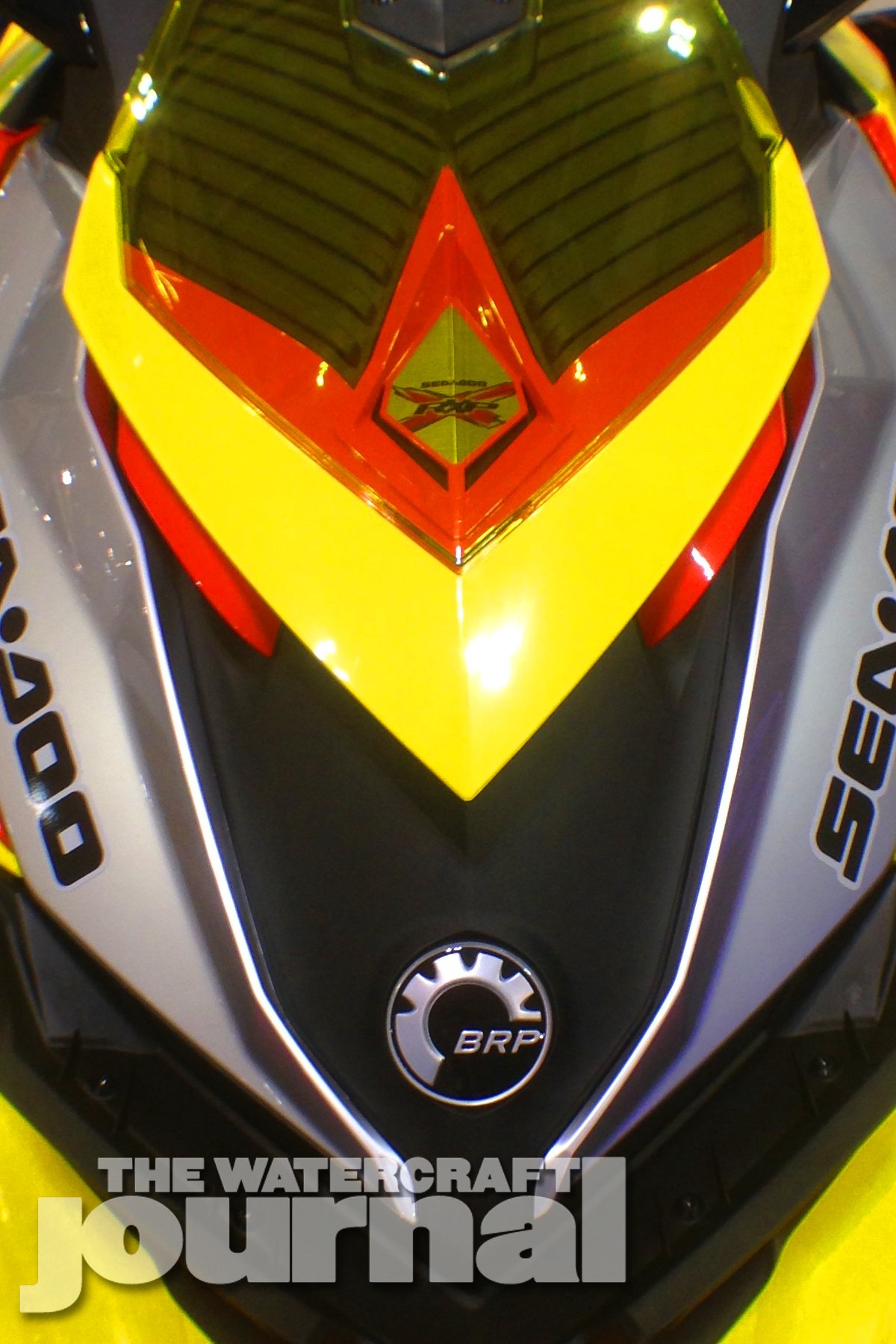
With the latest in marine gear, outboard motors, electronics, tackle and accessories on display, it was hard to remember the purpose of my trip, although visiting charter companies and resorts to book my next vacation was a tempting prospect. Rather, I sauntered back to the brightly colored Sea-Doos in the America’s Motor Sports booth. Flanking the Bimini Blue and Manta Green GTIs, iridescent Sparks continued to draw passersby eye. Surprisingly, the retina-scorching yellow RXP-X sat alone in the furthermost corner as couples manhandled the 130 and 155-powered 3-seaters.
“They’re still our biggest seller,” America’s Motor Sports’ Chris Watts explained, nodding at the GTIs. “For every RXP-X, we sell 10 of them. They’re quick enough for most people, had a ton of storage and are just great little skis.” I echoed my appreciation for the GTI platform, motioning to the GTI 155 Limited as one of my personal preferences. “Yeah, the Limited is great too. But the 130s and 155s are still our most popular.”
Regarding the polarizing color choices for 2015, Watts continued, “Sea-Doo’s really good about tracking what’s trending. They look at what Porsche and Nike are doing. They pay attention to where people are going in the near future. I think I knew about these colors maybe two years ago. I know a lot of people freaked out when they first saw the pictures. We had a couple of our own guys wonder what [Sea-Doo] was thinking. They actually look a lot better in person.”
And sure enough, he was right. The Bimini Blue really is attractive and is unmistakable against all of the other machines available. A few booths over, Tims Ford Powersports and Castle Motorsports had both Yamahas and Kawasakis on hand, the Kawasaki lineup looking a wee bit lean compared to the offerings from Yamaha, particularly the new VX Series. Both dealers boomed with pride over the new RiDE technology and took little time to press its superiority over BRP’s iBR.
Of all the dealers presenting their watercraft, it was Howard’s Powersports’ reserved display of two Yamahas that spoke the loudest – at least to someone who knew enough to recognize it. The small 10×20 booth was bookended by a fire red SVHO-powered FZR and demure V1 Sport. From the very height of Yamaha’s performance lineup to the brand’s most paired-down, entry-level machine, Howard’s seemed to understand the ageless “we’ve got something for everyone” credo; and by the looks of it, so did this year’s show.
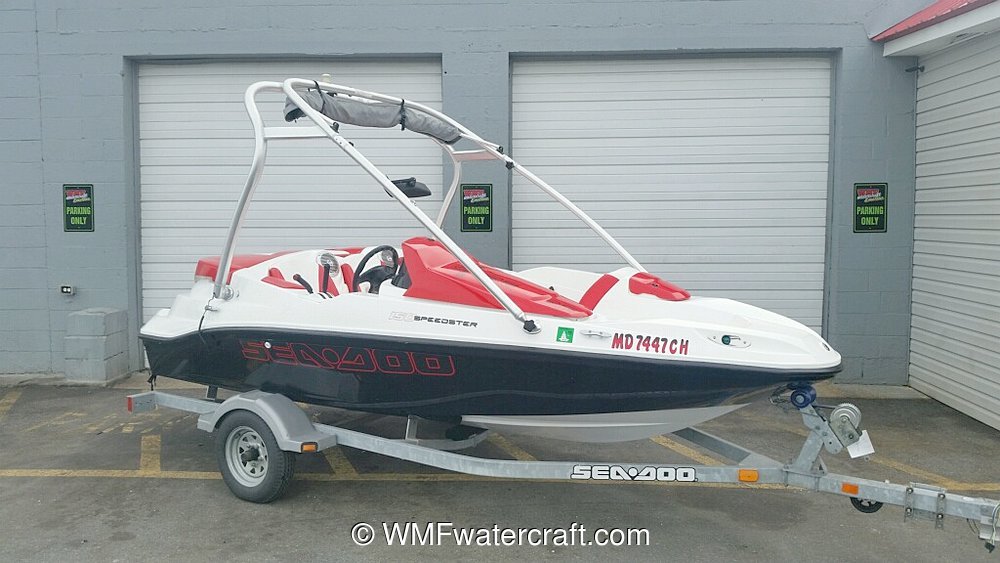
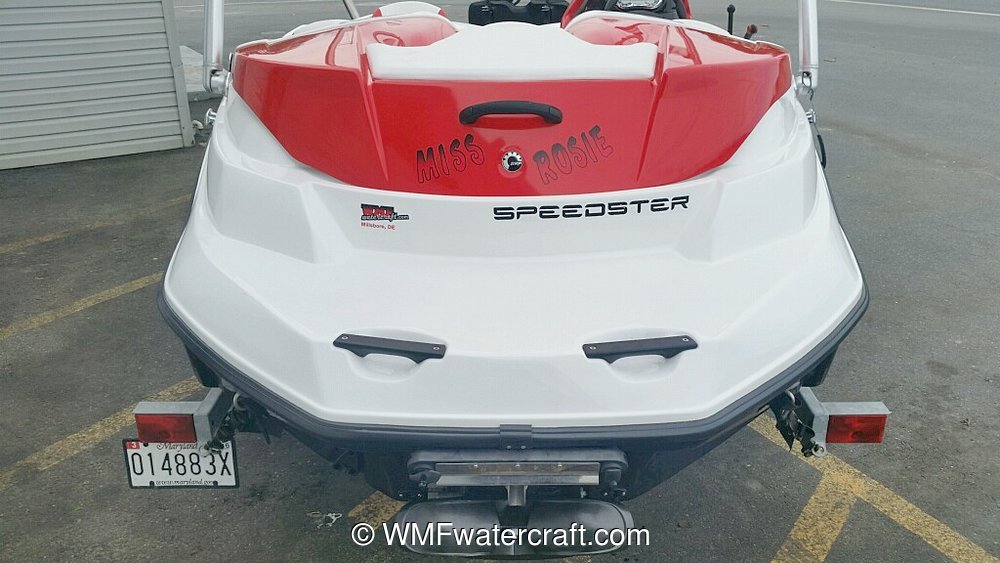
Although Sea-Doo has officially been out of the jet boat business for a couple of years now – although you can find Rotax powertrains in several brands of jet boats currently on the water, including Scarab – there are still quite a few very choice examples of Sea-Doo jet boats floating around looking for a good home. One in particular is this awesome 2011 Sea-Doo 150 Speedster 215-horsepower Wake model for sale in Millsboro, DE.
If you don’t recognize the location, it’s our friends at WMF Watercraft who over the past year have become one of the Top 10 Mercury Marine dealers in the US and one of the top Avalon Pontoon boat dealers as well! Although currently winterized, you can get your hands on this super clean Speedster Wake that comes with a 215-horsepower supercharged, intercooled Rotax 4-stoke with a scant 24 hours of use. Able to sprint from 0-to-30 mph (48.28 km/h) in 2.8 seconds, room for you and three passengers, it’s a blast to drive.
Topping out at 60mph, the Speedster was one of Sea-Doo’s most fun, nimble and quick-on-its-feet boats. Equipped with the Wake package, the Speedster comes with wake tower, cover and trailer (courtesy of WMF Watercraft). Simply the closest you’ll get to blurring the lines between a PWC and a full-sized boat, the Speedster 215 is an absolute riot (particularly out in the surf), and one that has been this well-maintained, properly serviced and carrying as few hours is truly a rare find.
Jet skis and motor boats are banned during the summer along a three kilometer stretch of the metropolitan coast of Australia’s Adelaide Coast. Motorized boats, including jet skis, are not allowed within 200 meters of shore between Torrens Outlet at West Beach and Grange Road. Labor member, Colton Paul Caica, claims to have pressed the government to introduce the motorboat ban for a decade and he finally saw it come to fruition in 2013. The government signed this exclusion which lasts from December 1 through March 31. 2015 marks the second year in a row that the ban has been enacted.
According to a report in OZPWC, penalties for disregarding the prohibition of personal watercraft range from a minimum $105 fine to a maximum fine of $750 AUD’s. However, no fines were issued during the first year and only 13 riders cautioned. Transport Minister Stephen Mulligan says the law will be closely enforced the summer of 2014-2015. He expects the Marine Safety to enforce the law.
Mullighan also wants to extend the ban along more of the coast due to pressure from families who fear injuries from the jet skis and motorboats coming inshore. Beach goers do not like the noise created by skis and boats either and agree that some sections of the beach should be preserved so that families can enjoy them. The people in favor of the ban say that the beach is much more enjoyable and less dangerous without jet skis and would like to see the ban extend north, beyond Grange Jetty in to prevent that particular strand of beach from becoming a haven for displaced riders.
Boating industry Association’s General Manager, Glen Jones, is disappointed by the decision to reinstate the exclusion of jet skis and other motorboats. He says, “There’s a handful of ratbags out there but that’s what the world is coming to. You can’t pick mum and dad off the beach, you can’t go back and refresh your bait.”
Jones considers the ban a law imposed upon the skiers because of a few reckless guys and he also believes the current laws, stated below are sufficient: Restrictions of motorized craft to 4 knots within 50 meters of swimmers or 200 meters away from shore.
“If you are not willing to risk it all, then you have already failed.” Adventurers understand the risk. We understood the risk. Here is our story:
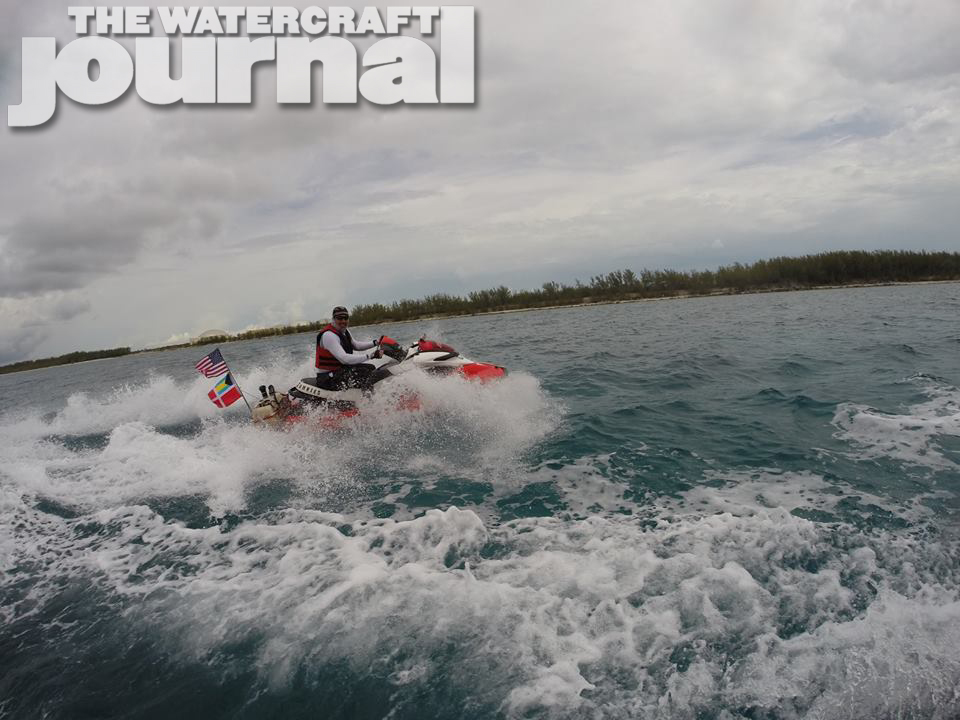
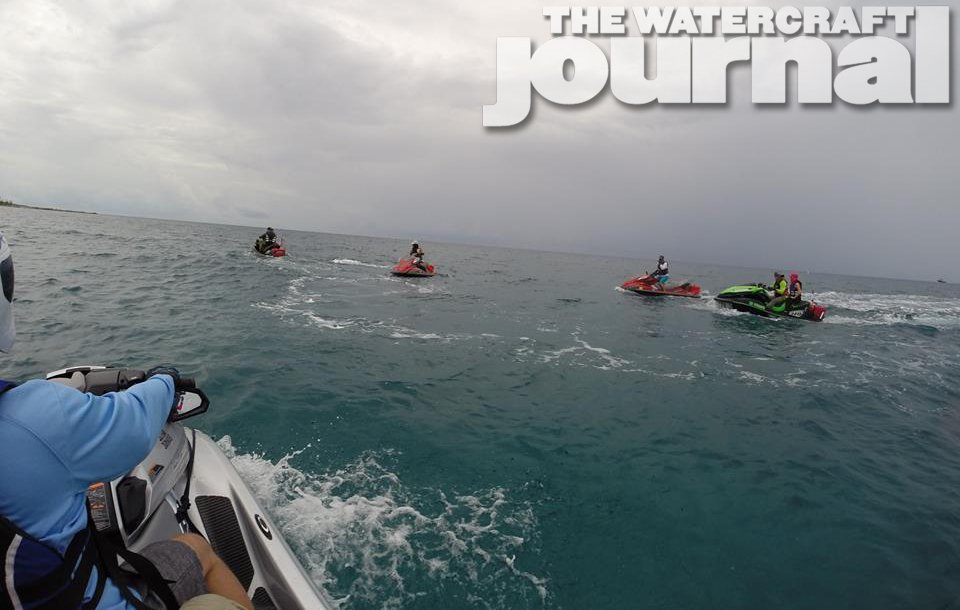
With over two years of planning, multiple test runs, rider assignments and practice days, judgement day had arrived. The plan was to jet ski from Boynton Beach, Florida to Port Lucaya on Grand Bahama Island – thus creating what we called the “North Bahamas Jet Ski Loop.”
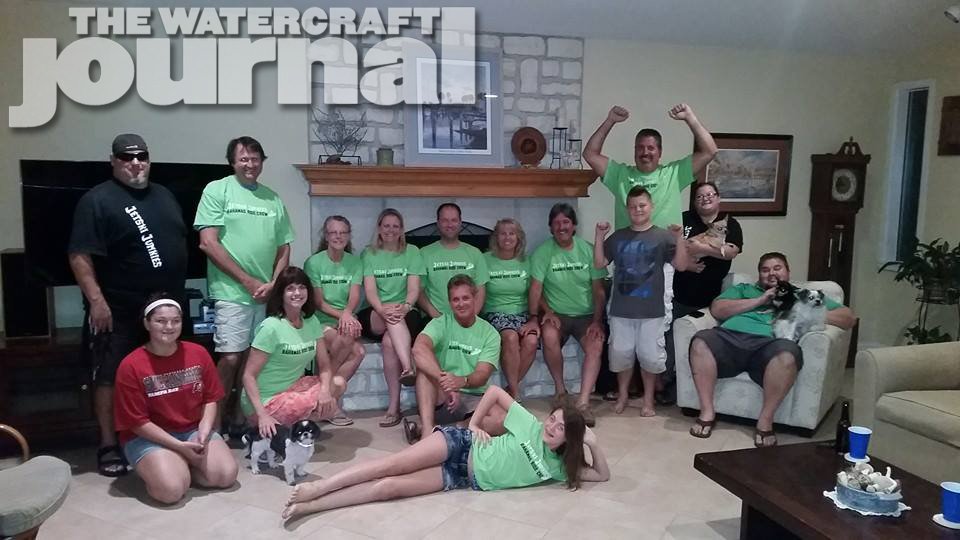
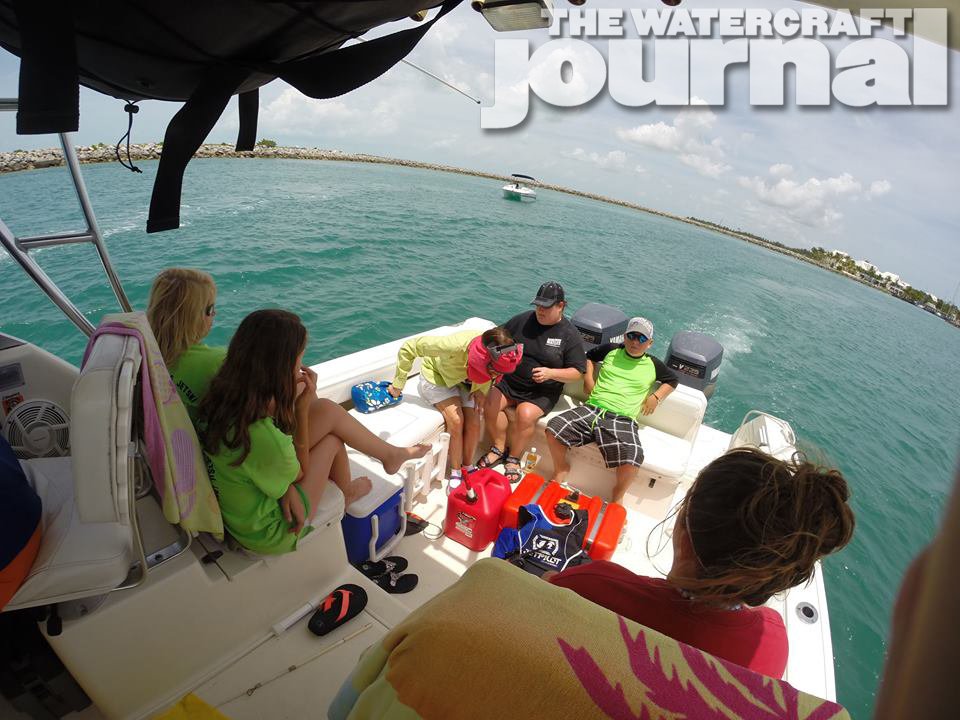
On the day of departure, we had a PWC ride team of seven skis, including what we believed to be the first solo female rider, Linda Cobelo, to cross the Gulfstream from Florida to Grand Bahama Island; our support boat captained by Leslee Tull Baute carrying significant others, children and gear. We were also joined by Captain Douglas Montgomery and family for the expedition after learning about it on the boating forum, The Hull Truth. The reality to risk-takers is never trust the weather, always expect the unexpected, prepare for the worst, and pray for the best.
As the 18 of us stood staring out across the Intra Coastal Waterway, we could feel the wind – much more wind then forecasted – but no one was swaying. The final call was given and we shoved off.
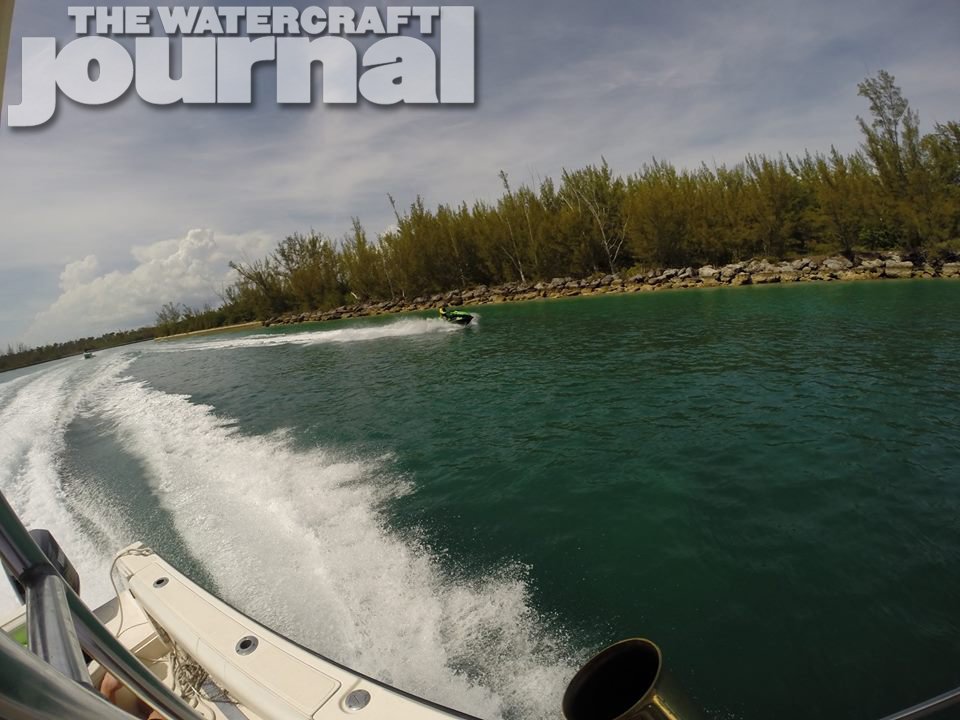
It was a calm dawn in the Intra Coastal Waterways, however, once passing the Boynton Beach Inlet we were immediately met with large seas and small intervals. Hoping this was just the typical demeanor of the jetty we pressed on East to find the waters growing in conditions. This went against every weather report and surf report we were studying.
The first six miles were brutal with no real way to explain it. From my experience, I could sense the wind was direct from the East at no less than 20mph. Combining that with shallow waters off the Florida Coast just intensified the surf. It was impossible to estimate the wave height but the back-to-back intervals directly in your face were an immediate challenge.
At the six mile mark, we were introduced to our first equipment failure, Michael Baute’s auxillary fuel system came off and fell into the water. His system, like ours, was hard-mounted with welded brackets and it only took six miles of Atlantic Ocean before it was ripped off the ski. The system was unrepairable on the water, but luckily for Mike, he was riding the FX HO which is a very fuel friendly machine to begin with so we pressed on.
The next 14 miles brought us deeper into the Atlantic, now dipping our toes in the Gulfstream and increasingly rougher conditions. Rider Andy Hodgen realized his fuel is not transferring. Andy, riding an Sea-Doo RXP 215 with the smallest stock fuel tank of all the skis (and not very fuel friendly) looked over the system but decided to push on further before attempting a mid-water fuel fill. At this point the crew on both boats were already sick and even a few of the jet skiers were as well. No amount of Dramamine was helping on this day. As we pushed on trying to reach our halfway point, Ken Roseman, riding his FX SHO and myself, riding the Kawasaki Ultra 310LX, both lost our SPOT emergency transponders into the ocean while other riders’ equipment, such as VHF and GPS had failed.
Now this is all new equipment, all of which had been tested for many rides before, so whether that was a coincidence or the curse of the Bermuda Triangle, we will never know. Finally reaching 35 miles after an exhausting 3 hours and 20 minutes, Andy made the call to literally wire in a new fuel pump on the water. Vince Cobelo’s job on this expedition was ride preparedness and true to his responsibility, Vince had all the spare parts needed, additional fuel pump and supplies setup in case of this or other scenarios. After a painstakingly long time, Andy accomplished the task, his fuel was pumping and we were back to the grind.
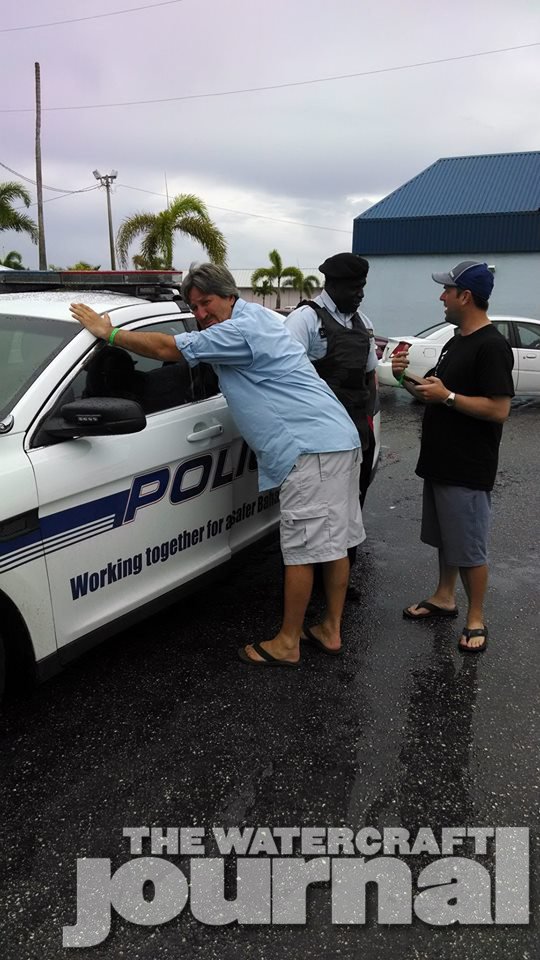
As luck would have it, as we exited the Gulf Stream moving closer towards our destination, the waters finally began to calm down. The pattern I’ve always noticed while studying the weather reports for both Florida Coast and the Grand Bahama Coast is a minimum 5mph increase wind and slight direction change. This day it was backwards. The wind decreased and direction shifted the closer we got to the island. Nearly seven hours post departure and nearly 69 miles later, we arrived in West End, Grand Bahama to refuel, clear Customs & Immigration, and grab a quick snack before continuing on the next 60 miles to the Flamingo Bay Resort & Marina in Port Lucaya.
Since the waters were rough and the wind blowing against the island from the southeast, the planned route of traversing the North Sound to the Lucayan Waterway was all agreeable; however, the North Sound is a very tricky boating area. There is an actual path to travel which we had mapped out but is nowhere near land. The boat was setup to run in no less than 10′ of water at low mean tide, based on the nautical maps uploaded to the lowrence GPS system. The Channel to the average person would seem ridiculously far offshore but that is something the Bahamas is known for, long even shallow ocean floor for miles.
Not wanting to risk hitting a rock or other obstruction under the surface of the water, the channel was and is the safest bet to traverse the North Sound. We made our way across the Sound and into the Lucayan Waterway. The Lucayan Waterway is the only man-made canal that runs north-to-south through the island. It is not well maintained but easily passable by large boats and a heck of a lot of fun for PWCs! Lining the shores we found thousands of conchs left behind by conch fisherman, thousands of beautiful shells just sitting there for the taking. The Lucayan Waterway dumps out into the tongue of the ocean and just east of Port Lucaya.
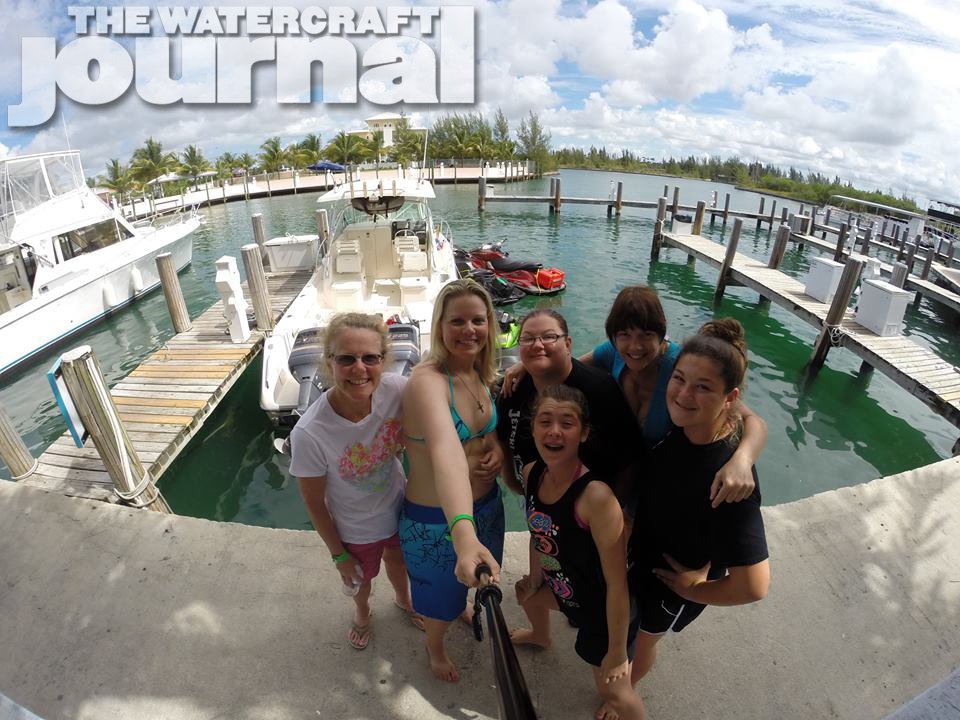
After a total of 127 miles, 10 hours and 10 minutes, we finally arrived at our destination, the Flamingo Bay Resort and Marina. Great place, amazing people, very helpful and friendly. Terrance, our Dockmaster jumped down to help unload the boat and skis and even allowed us use of their jet ski rental docks to make needed equipment inspections and repairs. The resort boasts a lagoon style pool with bar grotto, beautiful Taino Beach, nice restaurant and amazingly affordable rooms looking out over the Marina with 24/7 security.
After settling in, we hit the pool bellying up to the Grotto for a few much needed beverages then onto dinner on the beach overlooking the Atlantic Ocean. We received the post report of the ocean conditions and to our astonishment stated average wave conditions were between 9–to-12 feet with some larger rogue waves. Seeing a 32-foot boat’s stem and stern in the same frame from the rear of it nearly vertical makes you a believer in what type of conditions we battled through.
The adventure did not end there! Please be on the lookout for Part 2, 169-plus-miles in one day to the Abacos Islands and back!
Last year was a good one for the brand with the tuning fork, but if you thought 2014 was Yamaha’s year we gotta say that you’ve ain’t seen nothing yet. With the new year comes a whole new VX Series for Yamaha WaveRunners, and with it a whole new crop of advanced technology and improved riding experiences.
As per The Watercraft Journal‘s exclusive reviews of both the exciting VXR and loaded VX Cruiser, it’s undeniable that Yamaha has seriously raised the bar for their once entry-level series and packed them with some premium features. Biggest among these new-fangled amenities are Yamaha’s innovative RiDE technology; a dual-throttle reverse and braking system allowing riders to dramatically reduce the stopping distance, as well as easily docking and launching from a trailer.
Of course, the entire VX Series rides on a whole new hull making for a stable and smooth ride, whether riding solo or with passengers. For those new to personal watercraft, the additions of RiDE, the ample storage, smooth and stable ride and intuitive nature of the VX are the perfect introduction to enjoying the most out of a day on the water.
With a durable 4-stroke Yamaha Marine engine, multi-function instrumentation, integrated mirrors, automotive-quality paint and chrome accents, the revamped VX series not only look great but are some of the best performing PWC in its class.