Starting with a blank sheet and decades of proven modeling experience and techniques, Yamaha sought to completely redesign its bread-and-butter VX Series. The difficulty in doing so meant jeopardizing its position as the single highest-selling personal watercraft ever. The gamble was hedged on the fact that enthusiasts were gravitating towards other models (either within the Yamaha WaveRunner lineup or to other brands) for a greater variety of riding characteristics, advanced technology options and creature comforts.
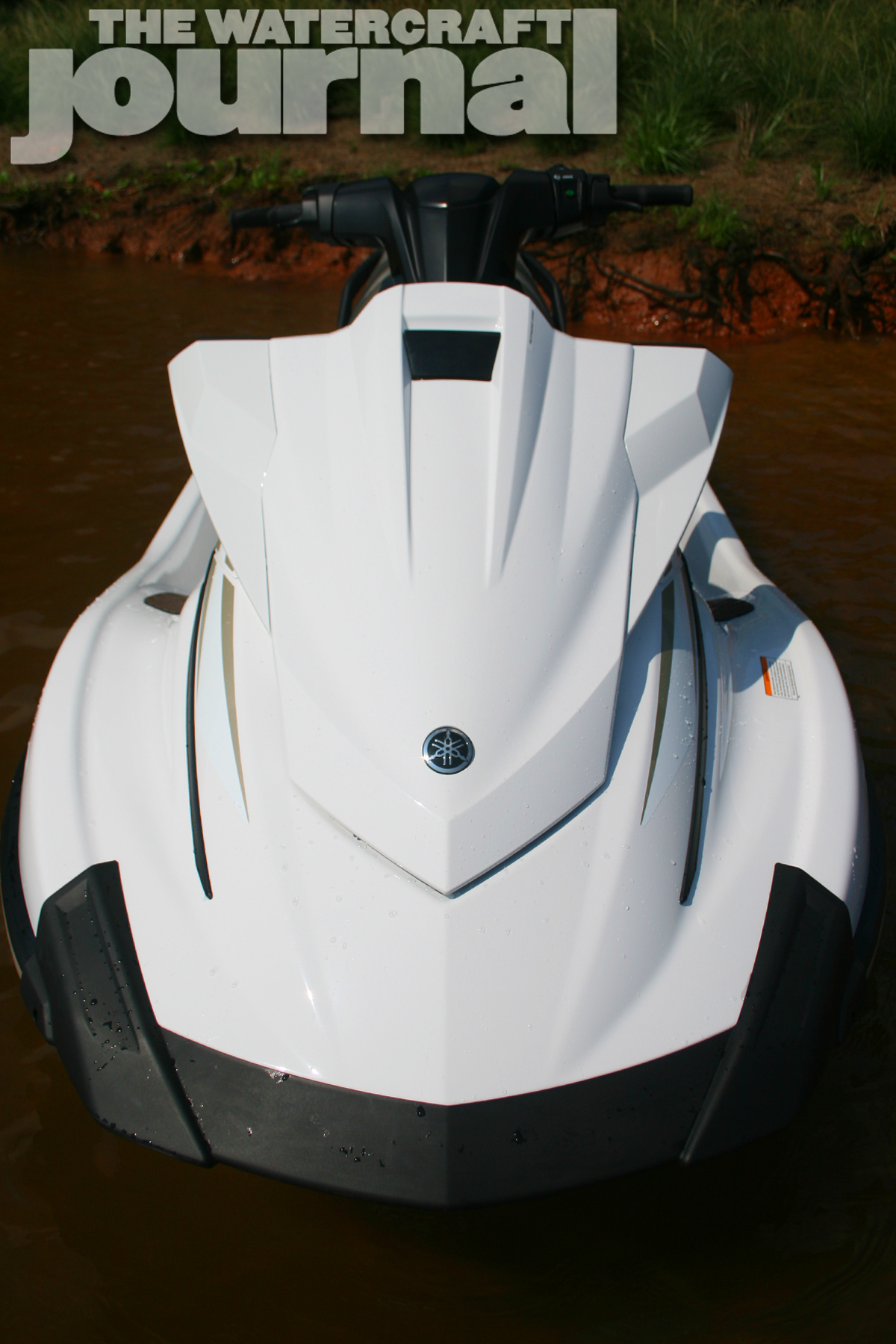
Drawing much from its larger siblings, the redesigned VX lineup features new sharp, masculine lines that compliment the longer (by 131.5-inches) and wider (48-inches) hull. This increased platform only bumps the overall weight to 730 pounds (dry), still well below comparable units thanks to Yamaha’s featherweight NanoXcel material, but radically alters the way the outgoing VX hull handled.
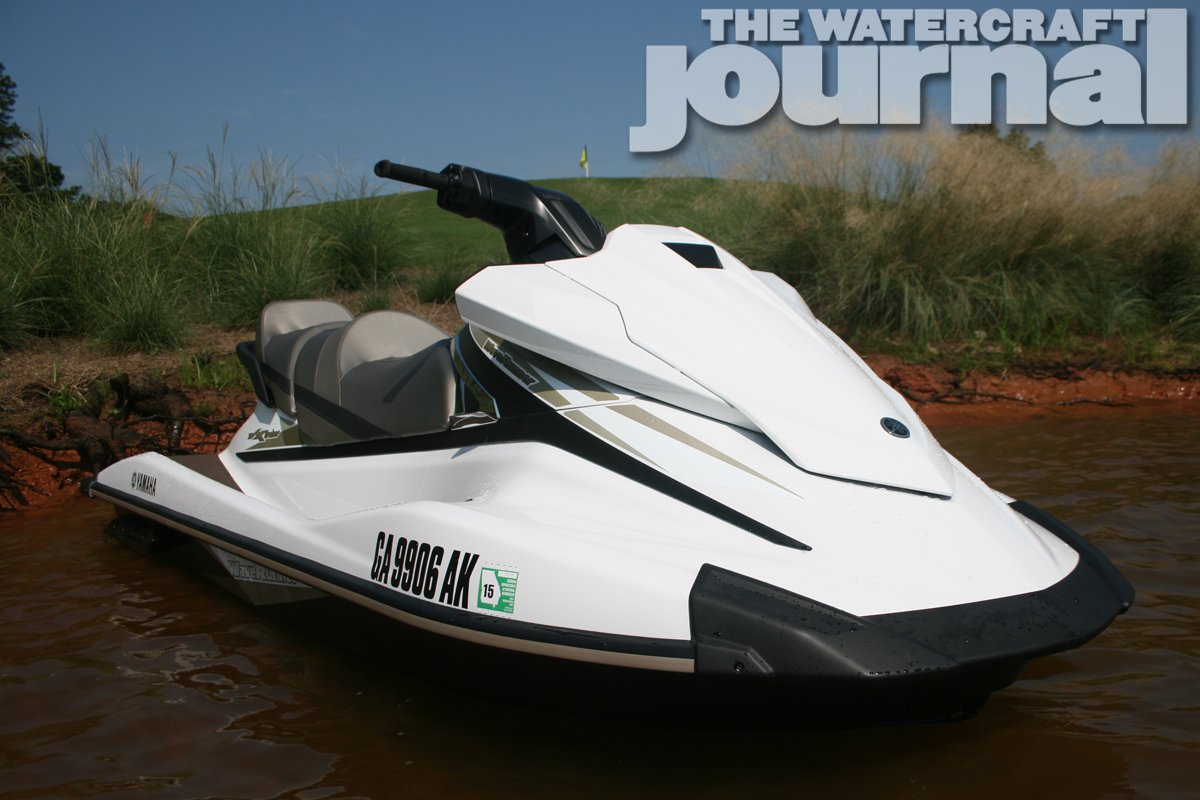
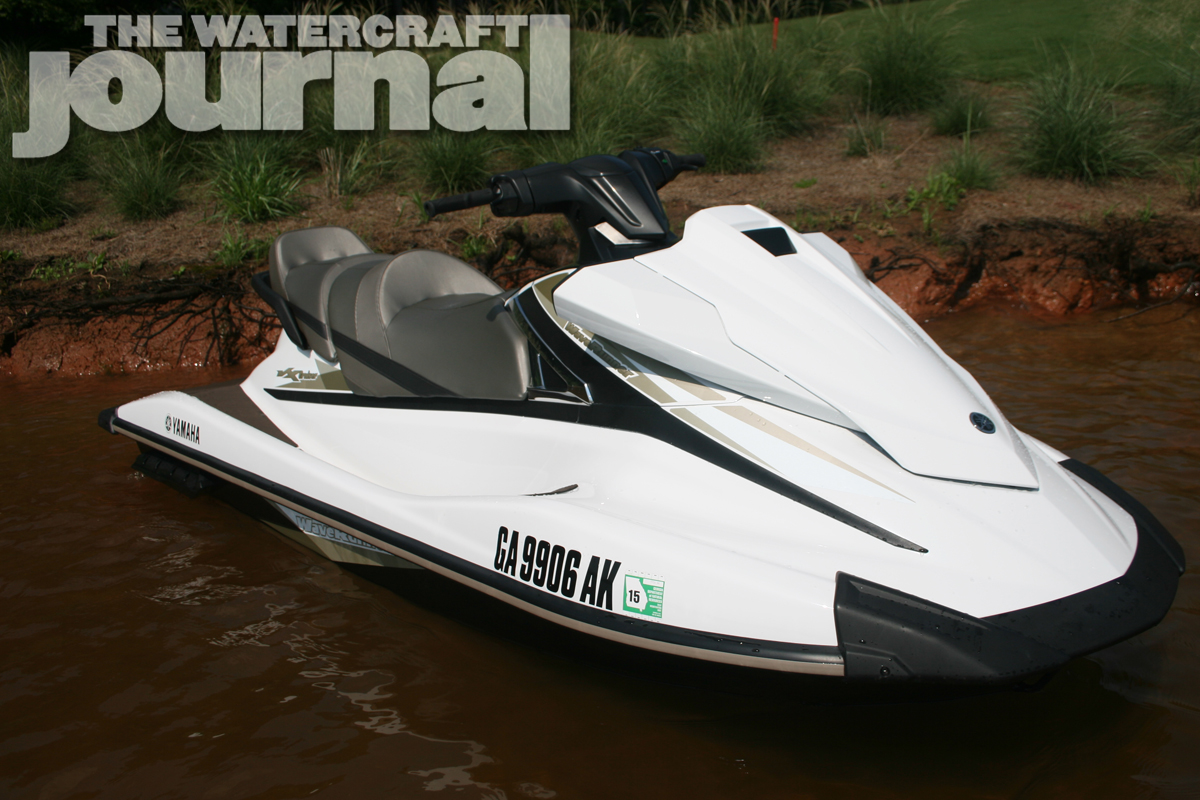
Yamaha’s new 2015 VX Cruiser is redesigned from bow to keel, with a larger, wider swim platform covered in two-tone Hydro-Turf matting.
Although still retaining a little bit of its looseness in the tail, the new VX is significantly more responsive to both the new fly-by-wire throttle and steering. A new rounder keel, modified strakes and softer chines, coupled with an all-new intake and rideplate help the revised VX to rise to plane faster and slice through chop far more deftly than ever before. At throttle, long sweeping turns are smooth and solid. For shorter, snappier handling, the VX is still very playful and can whip its tail around with a goose of the throttle and a snap of the bars.
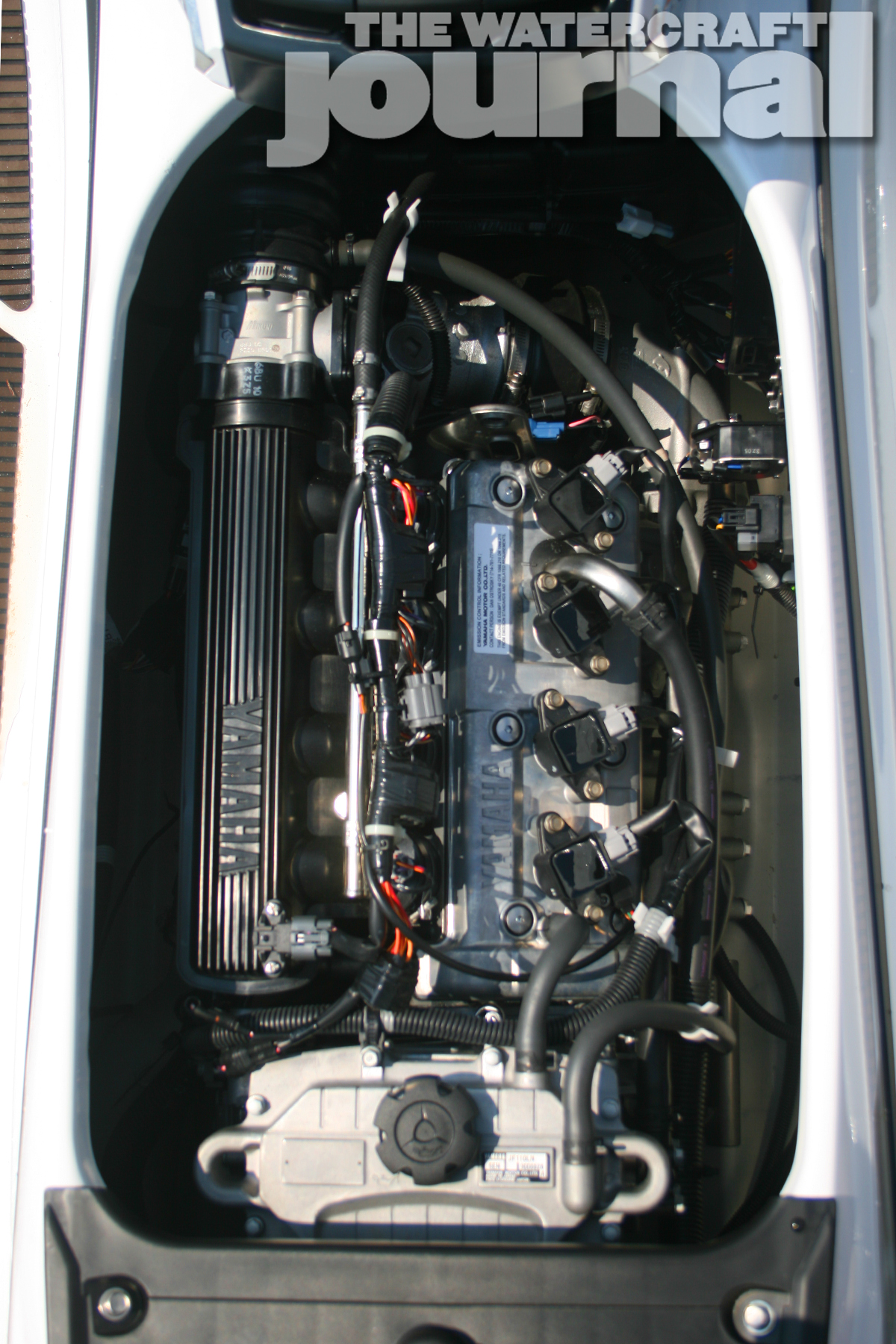
Escalating through the whole VX lineup is Yamaha’s 1,052cc four cylinder, 4-stroke Yamaha Marine engine, that is until reaching the VXS and race-ready VXR (that receives Yamaha’s grunting 1.8L High Output engine). Beneath the widened swim platform is a 155mm pump. Running happily on the “cheap stuff” 87 octane all day, the fully-equipped 2015 Yamaha VX Cruiser WaveRunner we tested hardly dented its 18.5 gallon tank even over the over two days we had to familiarize ourselves with the new machine.
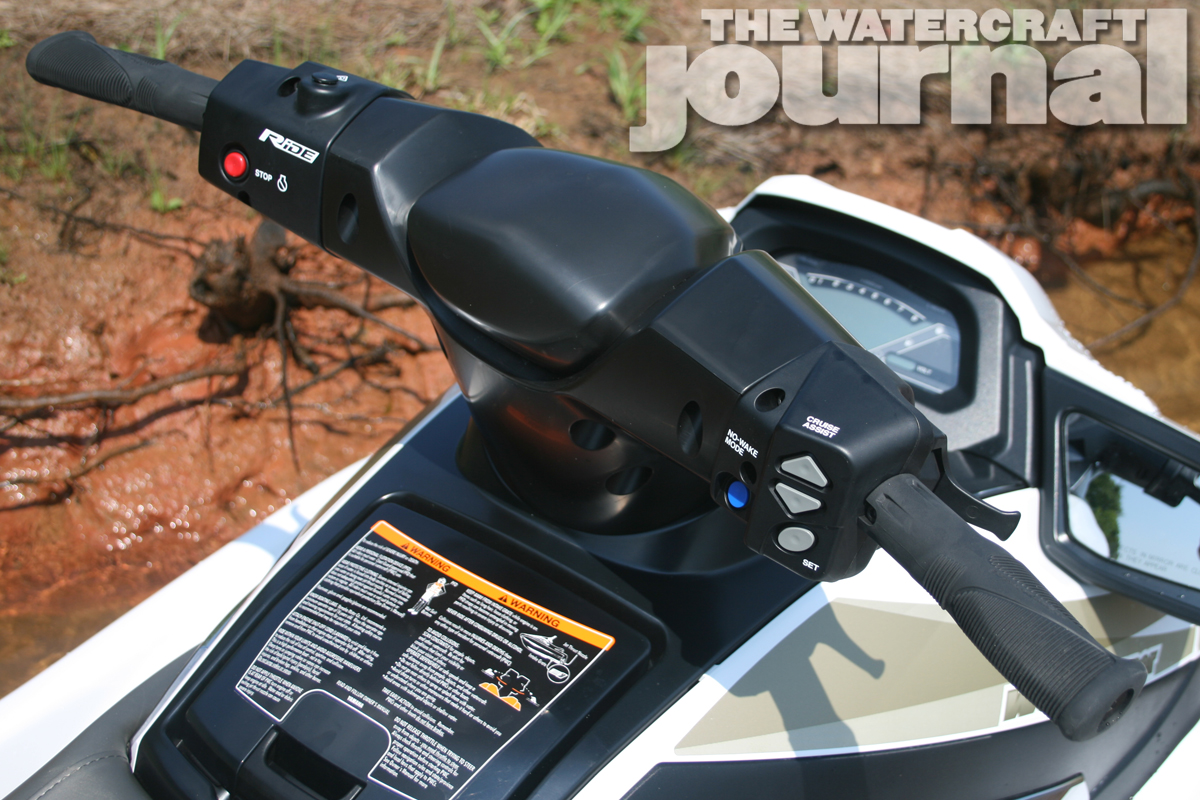
The big addition to the redesigned VX lineup is the inclusion of Yamaha’s RiDE dual-throttle system, allowing for immediate braking and easy docking.
In that time we found the new VX Cruiser pleasantly deceptive; it’s less of a swollen VX but a slightly shrunken FX Cruiser. And its not hard to imagine that was Yamaha’s plan all along. Not only taking from the FX’s aesthetic design, the new VX Cruiser is also lushly equipped for what the company still refers to as their “Versatility” models. Swathed in Yamaha’s popular Pure White hue with gold and chrome accents and two-tone Hydro-Turf coffee-and-black traction mats, the Cruiser also comes in Yacht Blue Metallic if so desired.
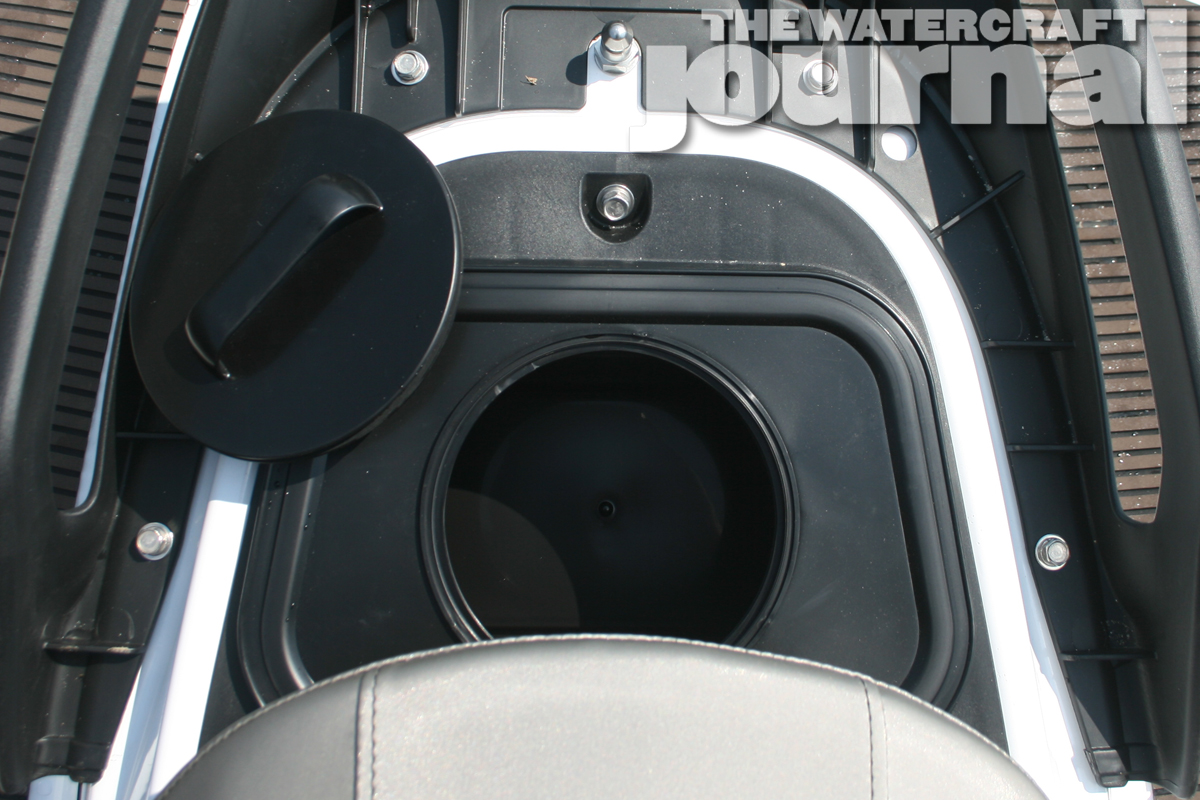
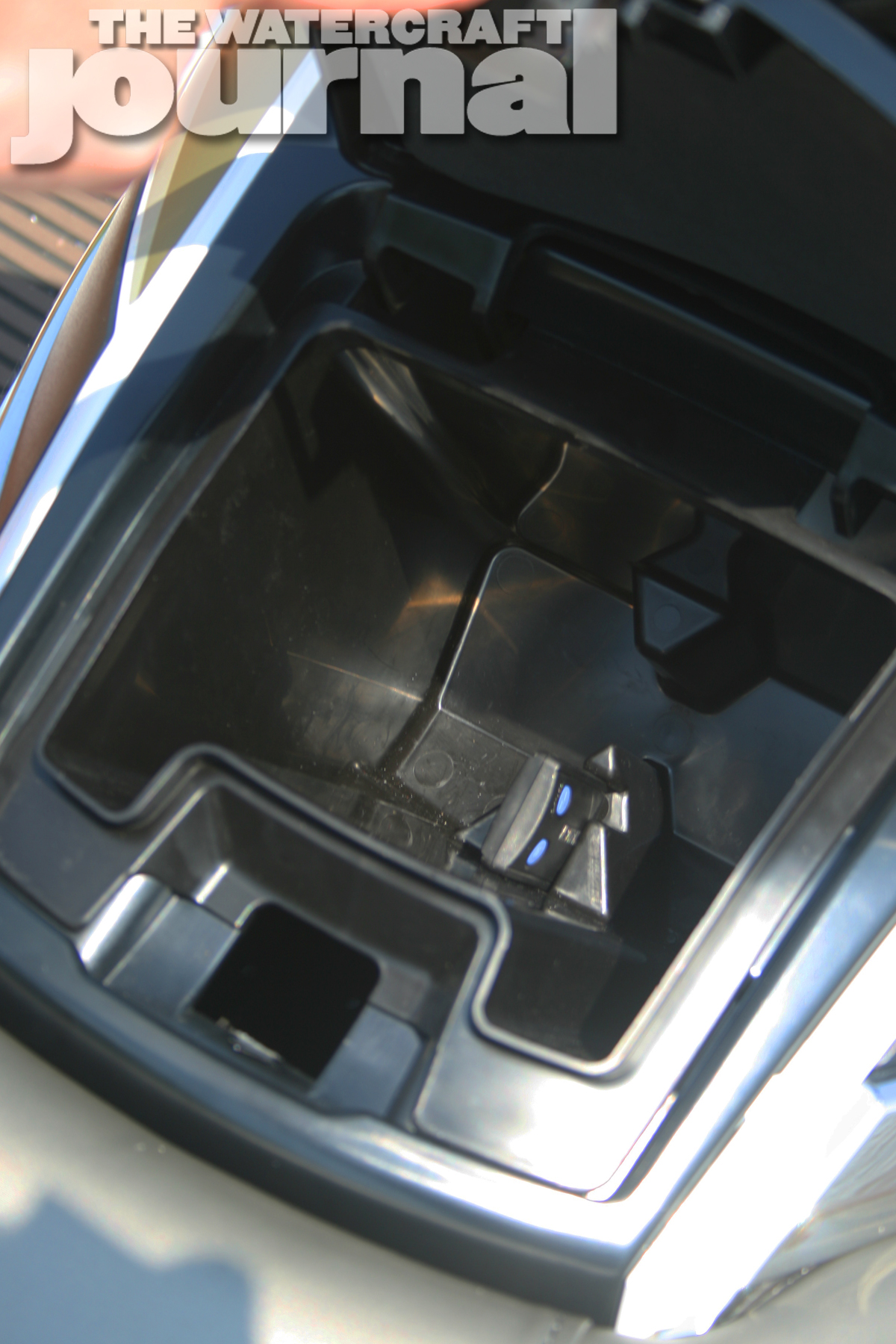
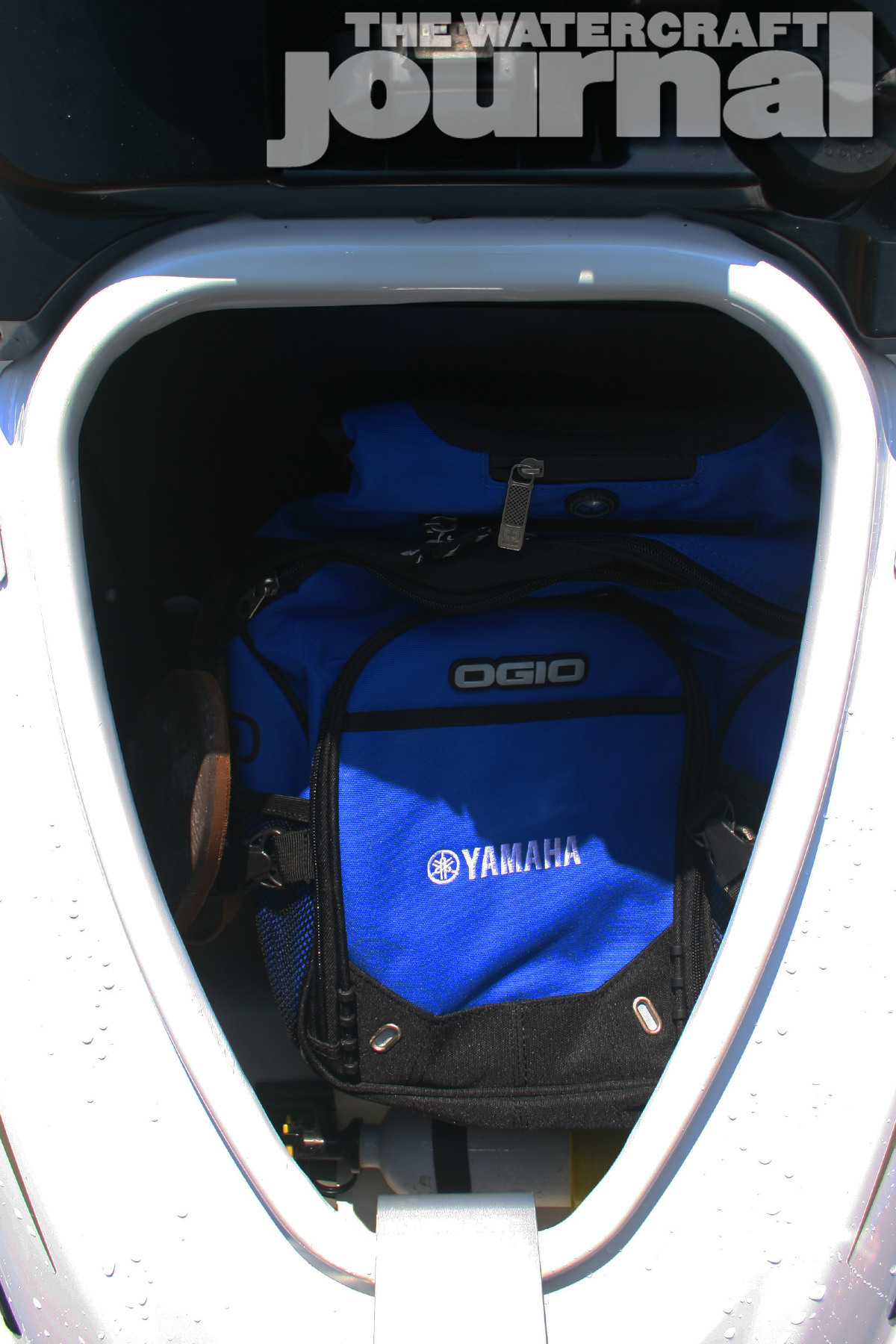
Storage (like everything else) is bigger too, with 24.6 gallons total including a wrist-deep glove box and a screw-top watertight storage bin tucked beneath the rear passenger, yet another feature previously only found on the FX and FZ series. Yamaha also split the previous one-piece seat into two, making accessing the rear cubby all that much easier. The hood opens and snaps into place, revealing a shallow but wide bow stowage. The aforementioned two-piece Cruiser bench is comfortable, broad at the seat and narrow at the knees.
Available in either Pure White or Yacht Blue Metallic, the VX Cruiser is the most luxurious, well-equipped 3-seater runabout available on the market for less than $10,500.
Obviously, the biggest addition to the VX and the whole Yamaha lineup is the addition of the brand’s new RiDE dual-throttle control system. Unlike Sea-Doo’s iBR, which employs the left trigger as a sort of gear lever, having the driver toggle through reverse bucket positions, the RiDE system is literally a throttle unto itself. Without ever touching the right-hand throttle, a driver can back off of a trailer, spin around and pull alongside a dock using strictly the left-hand RiDE throttle.
Thankfully, Yamaha engineers have balanced the RiDE’s traction-controlled thrust to respond in respect to each vehicle’s weight and power output, meaning the engine’s ECU and BCU will not respond as abruptly as it might with a SVHO-equipped FX Cruiser on a VX Deluxe, and vice versa. Of course, if initiated simultaneously, the left-hand will bring the WaveRunner to a halt by deploying the dual-exit bucket and eventually engage reverse if held down. But, if only gingerly deployed, the reverse bucket can gradually decline, acting more as a buffer than a brake.
Splitting the Cruiser seat into two-parts, Yamaha included a screw-top watertight storage bin in the VX Cruiser that only previously was found with the larger FX and FZ series.
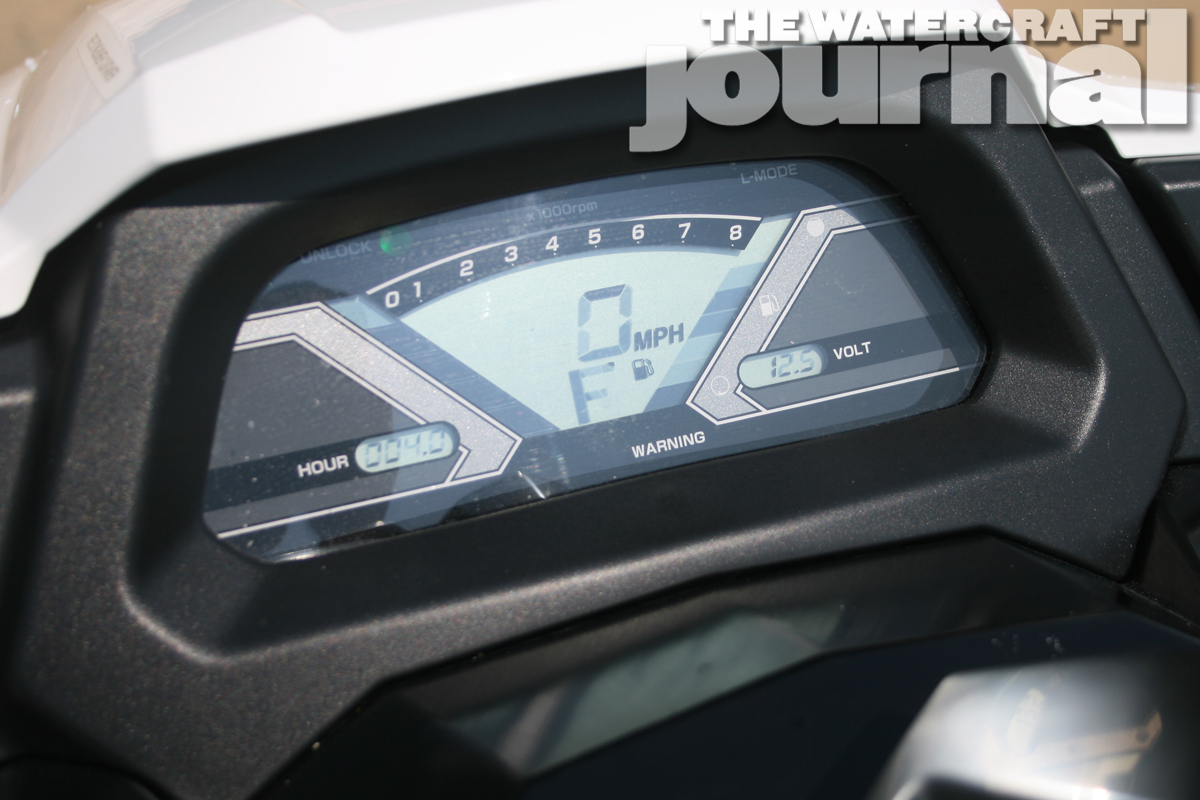
Of course, the other side of the Cruiser coin is the inclusion of Yamaha’s simple-to-navigate Cruiser Assist and No Wake modes. Toggling through speeds is a simple enough task, and although a little slow to respond to initial inputs, setting the cruise control on the fly is easy enough. The new LCD screen is wide and easy to read at speed. And don’t forget the wide and contoured folding swimstep that folds flush to the bond rail.
Par for the course, the VX Cruiser is comfortable, economical and fully-equipped, rightfully earning its place at the top of Yamaha’s Versatility lineup. Priced at $10,299, the VX Cruiser is a marked increase from the outgoing model, but arguably, you’re getting much more machine in exchange for the slight bump in price tag.
The new VX features redesigned digital instrumentation found in a wide, easy-to-read info display.
Well, if that pesky Polar Vortex everybody is freaking out over actually does what is predicted, we might be repeating last year’s rotten (and stupidly long) wintertime. But, seeing that the chilly temps that shut down so many of us in the northern latitudes scantly touched our PWC-loving brethren down in Florida and along Southern California’s coast, there is still plenty of watercraft racking up riding hours. And, like our warmer climate residing friends, we too at The Watercraft Journal will be not dissuaded from mounting up and bringing you some of the best coverage around the States and beyond.
To whit, we are all very, very excited to announce the official partnership between your favorite personal watercraft enthusiast publication, The Watercraft Journal, and America’s coolest outfitter of jet ski fishing apparel, Jet Angler. Not only will you see monthly updates here about all of the awesome deals to be made on sweet swag and gear, but Jet Angler owner, Marc Samulewics is also a contributor as well! Marc has already provided The Watercraft Journal will some stellar fishing photography, mapping and useful info, but top notch product reviews! Oh, and there’s plenty more to come.
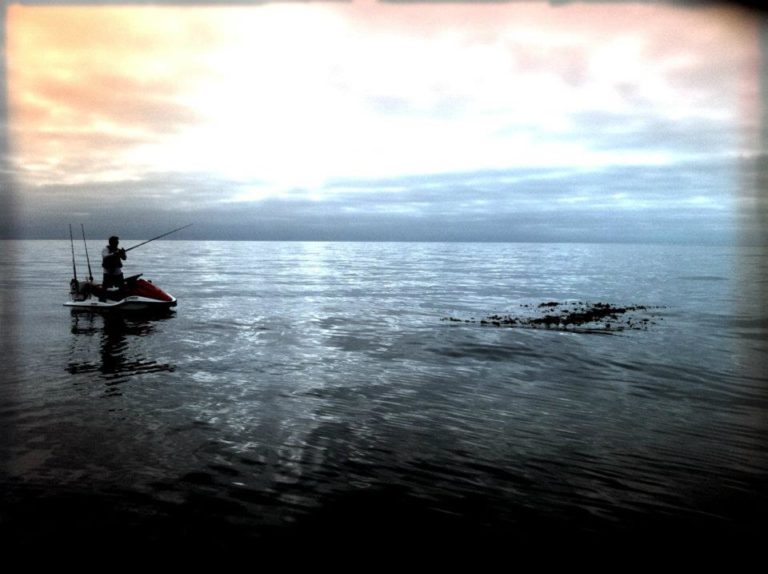
As many might be aware, PWC fishing or what many refer to as “jet ski fishing,” (what we have often called “jet angling”) is a huge sport in its own right outside of the States, primarily in South Africa, Australia and New Zealand, as well as other hot spots throughout the Southern Hemisphere. Only now, particularly through pioneers like Marc and of course, our own “Jet Ski Brian” Lockwood, has jet angling come to America. We know a lot of you are avid fishermen and women and we look forward to bringing you tales of bloody footwells, big catches and bigger “fish tales” in the coming months!
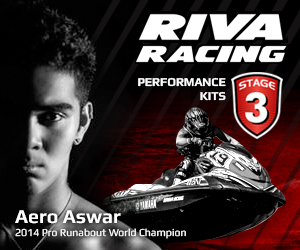
Focusing on RIVA’s top-of-the-line performance parts available in their Stage 3 Performance Kits, the new campaign is making it easier (and cheaper) for high-speed enthusiasts to match Aero’s Stock class machine by reducing the FZR kit price from $9,325.95 to a new special price $ 8,879.95! That’s an incredible savings of over $400!
For your performance Yamaha enthusiasts, your Stage 3 Kit includes RIVA’s Performance Power Filter Kit, E1 Supercharger Impeller, Supercharger Gear Dampener, GEN-2 Power Cooler Kit, SSQV Blow-off Valve Kit, Intake Manifold Upgrade Kit, Billet Fuel Rail, Fuel Pressure Regulator Kit, Pro-Series 1,000cc Fuel Injector Kit, 3 Bar MAP Sensor Kit, Vi-PEC V88R3 Pro-Series ECU, Free Flow Exhaust Kit, Engine Cooling Upgrade Kit, Engine Breather Upgrade Kit, Pump Seal Kit, Stainless Steel Intake Grate, R-Series Swirl Impeller (160mm), Stainless Steel Wear Ring (160mm), Performance Ride Plate, Pro-Series Reduction Nozzle, and their Pro-Series Reduction Nozzle Ring.
Of course, this package is for 2013 models and will guarantee top speeds over 80MPH @ 8,300 RPM, although it definitely won’t guarantee that you will be faster than Aero. RIVA Racing has yet to figure how to bottle and sell that level of natural talent.
Yup, you read that title right. A Yamaha WaveBlaster lost by Tomomune Matsunaga from Fukushima, Japan, during the 2011 earthquake and tsunami washed ashore in the Johnston Atoll, about 700 miles southwest of Honolulu, Hawaii. Amazingly enough, the ‘Blaster stayed afloat the 3,300 miles from Fukushima all the way across the Pacific Ocean.
Found by Danielle Lampe, an intern doing a bird survey for the U.S. Fish and Wildlife Service, discovered the PWC this past May; and now, thanks to some help from Chris Woolaway, the Hawaii coordinator for International Coastal Cleanup, Matsunaga is getting his ski back free of charge.
According to a report by DailyMail, “Woolaway called on a friend who reached out to the captain of a Japanese boat, the Fukushima Maru…. The captain, Shigeki Kuwabara, agreed to transport the jet ski and, on Sunday, when the boat left Honolulu for Japan, the craft was hoisted aboard, set to reunite with its owner on November 11 after another long trip across then Pacific Ocean.”
Matsunaga, who lost his home and nearly all of his personal possessions back on March 11, 2011, was elated to hear that his WaveBlaster had survived. Matsunaga, who lives in temporary housing in Iwaki City, has not disclosed any plans for what he will do with his PWC when he gets it back.
Tucked into my dresser drawer is a t-shirt with the words “No replacement for displacement” printed on it. A little discolored from years of washes, it was given to me back in my Personal Watercraft Illustrated days; a gift from Yamaha around the same time the Super High Output (SHO) 1,812cc engine was introduced. The late 2008 introduction of the big 1.8 liter engine to the personal watercraft industry was a historic one. Although the factory tune produced a meager 218-horsepower, the potential buried within the engine was easily unearthed.
I remember the impact well. Factory Yamaha racer Mike Follmer was one of the firsts to clock some serious speed. Working alongside R&D Performance’s Bill Chapin, Follmer’s red, white and blue FZR tripped the radar gun at 81mph with the use of a Motec ECM, a larger intercooler and supercharger, open exhaust and a few other Open class modifications. Together with Bill and Motec’s Pete Swinney, we recreated the same build with a black-and-gray FZS over two blistering hot days of testing and wrenching at Lake Havasu’s Body Beach.
For 2014, Yamaha upped the ante, massaging the SHO into the Super Vortex High Output (SVHO) engine. With a larger supercharger, improved cooling, designed forged pistons and larger fuel injectors, power production increased dramatically from an estimate 215 to 260-horsepower.
Since the SHO’s entrance onto the scene, Sea-Doo loyalists have been clamoring for a competitive engine. Rumors over a 2-liter Rotax have circled chat rooms for the better part of a decade now. Whether the lauded plant is an overbored, big-stroke version of the cutting edge ACE engine (found in both the Spark and Ski-Doo snowmobiles), or a mythical four-cylinder version of the current 4-tec remains to be seen (although the first seems more likely possibility given the ACE’s glowing track record and advanced architecture).
Additionally, Kawasaki’s new scroll-type supercharger produces less heat and weighs in significantly less than the roots-style supercharger currently found on the Ultra JetSki units.
Yet, it appears to many that once industry leader, Kawasaki is becoming the industry’s dark horse innovator. Despite the revised and refined current 1.5-liter’s staggering and frankly, unmatched power production in its current Ultra 310 lineup (X, R, SE and LX), the brand is refocusing its efforts on smaller, more potent packages.
Earning an extraordinary amount of attention has been the introduction of the Kawasaki H2R and its street-legal sibling the H2. In its unleashed form (including a titanium open exhaust element), the near-1,000cc aluminum 4-cylinder, four-stroke engine is the first of its kind to come supercharged from the factory in a motorcycle. Mechanically gear-driven by a two-piece jackshaft, the impeller presses the compressed air into multiple throttle bodies.
All of this adds up to a phenomenal 300-horsepower that is only harnessed through a series of “civilizing electronics including KTRC traction control, KEBC engine braking control, and KLCM launch control.” At 998cc, the new H2R engine is a benchmark for the brand’s commitment to superior engineering, and raises the question whether today’s advancements in engine management, lightweight-yet-durable materials and forced-induction technology have replaced the brute force of big displacement powerplants.
Sure it might not look too sexy, but Ford’s 1.0-liter EcoBoost engine has proven itself as both a potent, lightweight and reliable powerplant superior to some of the most advanced automotive engines in the world.
Unconventionalizing A Conventional Design
Improving upon existing designs has allowed engineers to both innovate new routes to simultaneously making power and improving efficiency all the while saving big in manufacturing costs. Switching from cast iron to high quality aluminum engine blocks or aluminum to heat resistant plastic intake manifolds has shaved needful weight. But huge gains have come from drastically reducing both cubic inches and employing advanced forced-induction means.
Recently, America’s longest-running automaker, Ford’s 1.0-liter EcoBoost engine won the International Engine of the Year Award for the third straight year. This feat was achieved by besting BMW’s 647cc 2-cylinder and VW’s 999cc 3-cylinder. Coming in at exactly 999cc and making 123 horsepower and 125 lb-ft of torque, the 3-cylinder EcoBoost won the Sub 1-Liter category and went on to take the overall.
According to EngineLabs.com, the 1.0-liter EcoBoost engine’s “compact, low-inertia turbocharger spins at up to 248,000 rpm – more than 4,000 times per second and almost twice the maximum rpm of the turbochargers powering 2014 Formula 1 race car engines.”
Acting independently, the two modular cam phasers offer increased horsepower and torque, smoother power delivery, and reduced fuel consumption throughout the RPM range, along with – the same as with automotive engines equipped with variable valve timing.
Ducati developed the VVT system to permit variable overlap for a smoother delivery of power throughout the curve. At 1,198cc, Ducati’s new engine pumps out 160 horsepower at 9,500 rpm and an impressive 100.3 lb-ft of torque. This kind of performance is only achieved through the VVT mechanism, which is designed to provide greater overlap during high RPM operation and low overlap for smoother performance while running at low RPM.
Thinking Way Outside of The Box
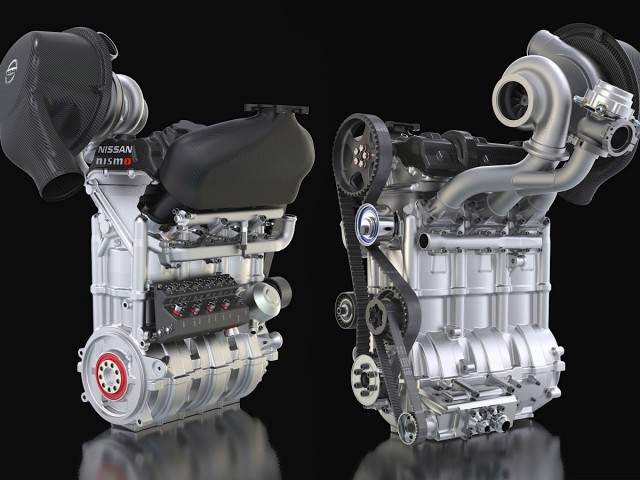
Sometimes, what has worked before gets thrown out of the window and engineers need to start with a blank sheet of paper. This was the case for Nissan’s DIG-T R engine. Designed specifically for Nissan’s new ZEOD RC Le Mans racecar, the unusual 3-cylinder engine holds far larger implications for the future of the brand and small displacement engines everywhere as the turbocharged, direct-injected 1.5-liter 3-cylinder engine produces a staggering 400 horsepower.
It bears repeating that the gas-powered DIG-T R engine is incredibly compact and lightweight, totaling just 88 pounds, claiming that the DIG-T R can rev to “7,500 rpm and dish out 380 Nm of torque (around 280 lb-ft),” which is a comparable to that of a F1 engine.
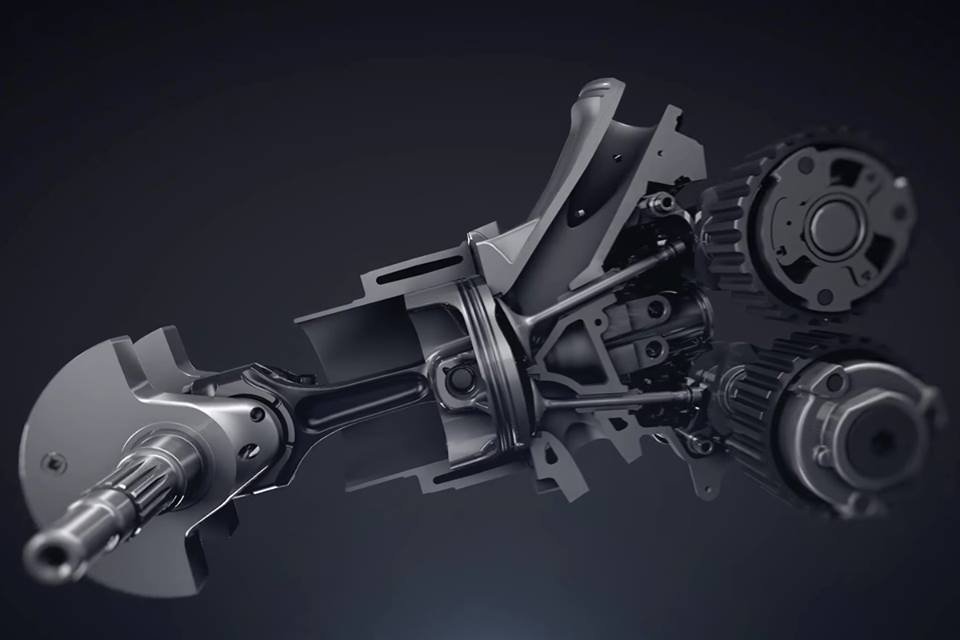
According to Gizmag, the Duke engine is “an axial design, meaning that its five cylinders encircle the drive shaft and run parallel with it. The pistons drive a star-shaped reciprocator, which nutates around the drive shaft, kind of like a spinning coin coming to rest on a table.”
But the Nissan is only reapplying Formula 1 technology to a smaller 3-cylinder arrangement. What happens when you remove the linear crankshaft completely? Then you might have something like Duke Engines’ Axial Engine Design. The New Zealand engine developer designed a 3-liter, five cylinder prototype that produces a stout 215 horsepower and 250 lb-ft of torque at 4,500rpm.
Although significantly larger in displacement than any engine mentioned in this article, the Duke Axial Engine is completely valveless, and is nearly 20 percent lighter and 3-times more compact than most conventional 3-liter engines. Because of a reduced reciprocating mass, the Duke design produces lower internal engine temperatures, providing “excellent resistance to pre-ignition (or detonation)…. Duke has run compression ratios as high as 14:1 with regular 91-octane gasoline,” according to Gizmag.
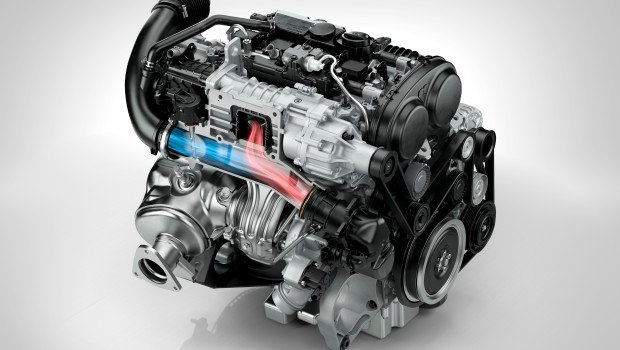
Yes, you are looking at a roots-style supercharged 4-cylinder force-fed (again) by a turbo. The added boost pushes Volvo’s T6 engine to in impressive 302HP.
The Future of Boost is The Future
Apart from the Ducati and the Duke Axial Engine, each of the engines listed here have all benefited from the use of forced-induction. Be it a supercharger or turbo, pressing a cooled intake charge into a small displacement engine can handily outperform a naturally-aspirated large-displacement engine. But how far can a power-adder go?
Volvo (yes, Volvo) seems to have the answer. Two gasoline 4-cylinder engines, a a 240-horsepower and a higher output 302-horsepower version, comprise the latest editions to the automaker’s Drive-E powertrain lineup. The 302HP T6 engine is impressive because it is both supercharged and turbocharged. The mechanically-linked supercharger is always live, producing boost at low revs, while the turbocharger kicks in once the airflow builds up.
The choice to stay small was based on two reasons: weight and friction reduction. Volvo’s T6 is smaller, lighter (by nearly 100 pounds), and produces considerably less emissions and higher fuel economy savings, according to Volvo, “ranging from 13 to 26 percent” over engines producing similar horsepower. As for friction, Volvo employed innovations throughout the engine, including “ball bearings on the camshaft, high-speed continuous variable valve timing and intelligent heat management with a fully variable electric water pump” as reported by Gas 2.
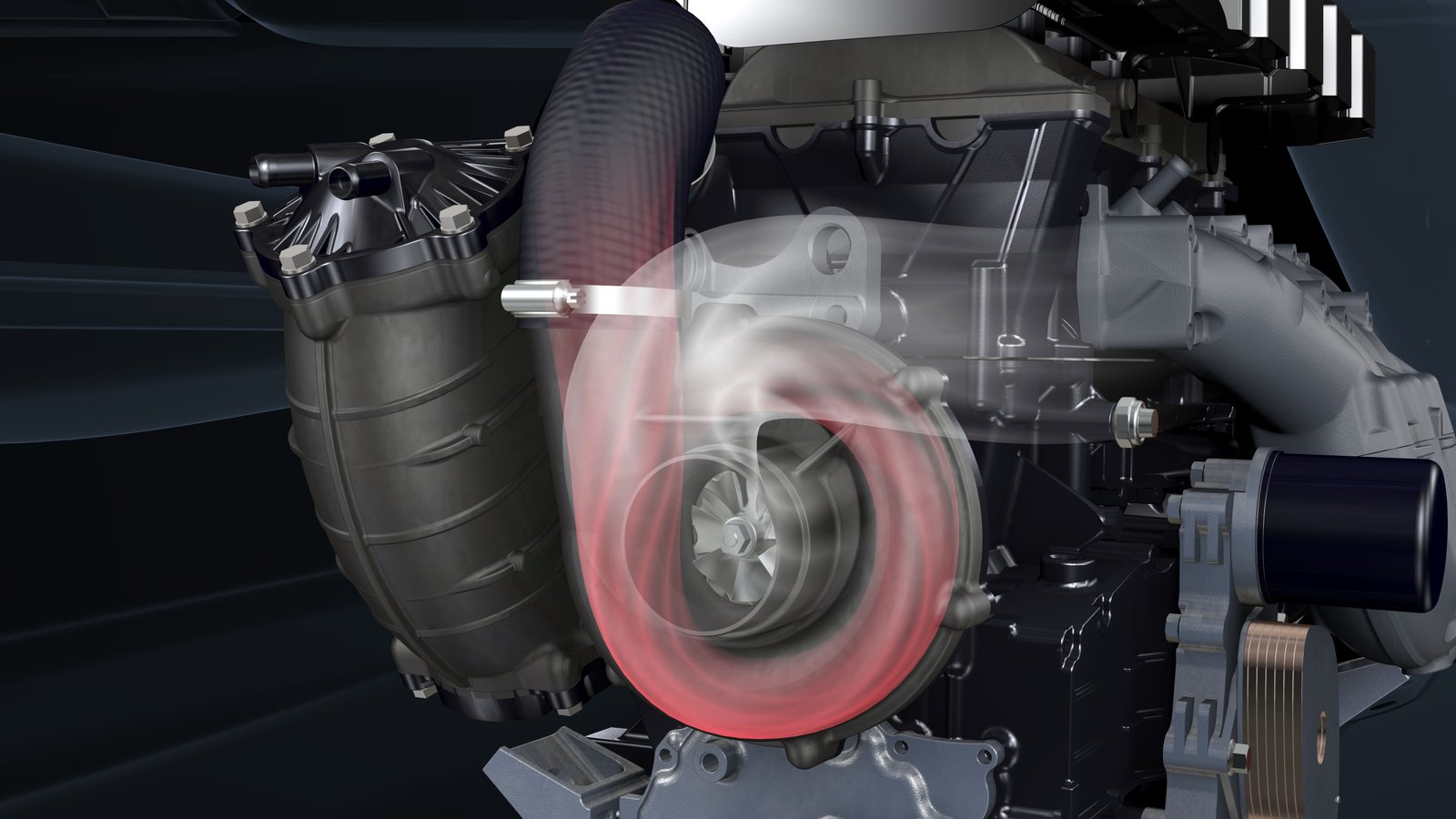
Most impressive is that the Valeo turbo’s powerful electric motor can spool the impeller up to 70,000 rpm in less than a second.
But in the battle of supercharger versus turbo, the argument almost always boils down to parasitic loss versus lag. Superchargers pull their power from the crankshaft, while turbos require exiting gases to spool the impeller fast enough to produce pressure. Were turbos able to produce boost independent of exhaust gases, then superchargers would be made obsolete, right? Potentially.
And that is the position French supplier Valeois taking. By innovating an electric turbocharger, turbo lag will be “a thing of the past.” In a report by AutoNews, “the new turbocharger is powered by an electric motor instead of exhaust gases. When not needed, the turbo’s impeller, which pumps air and fuel into the cylinders, still spins at 10,000 rpm, so there is minimal hesitation or lag in engine response when the driver presses the accelerator pedal.”
Yet, there is a downside or two: cost and power consumption. The turbo requires 48-volt power, which it soaks up quite hungrily. And feeding that much juice takes some added electronics under the hood. The trade is that for all that electricity, Valeo says their electric turbo-charger can reduce fuel consumption between 7 and 20 percent.
On The Water Any Time Soon
And while it’s unlikely that a supercharged turbo Sea-Doo will arrive on dealer floors anytime soon, it is very likely that technologies being developed for motorcycles, automobiles and even other on and off-road applications will find their way into personal watercraft. As enthusiasts want no shortage of power but crave added fuel efficiency and smooth power delivery, engineers have only to look towards what’s being accomplished around them for inspiration.
There were days when science fiction was the only place where warfare was conducted remotely, as pilots and strategists piloted planes, tanks and even ground troops from darkened control rooms. Today, it’s actually becoming more commonplace. Predator drones infamously patrol territories both foreign and domestic, radio-controlled bomb disposal units disarm explosives and we continue to explore the rugged terrain of Mars from the safety of NASA’s Jet Propulsion Laboratory (JPL) in Pasadena, California.
The proposed SD-44 model (pictured) would be equipped with stabilized aquatic cameras, a powerful LED lights and active illumination technology for evening operations, a strong tow hook to pull or even lift the vehicle out of the water, a quick-connect system attached to a “spring-loaded towing cord or an electric winch. A stronger and more resistant material would be used for the hull and body to make sure the Sea-Drone could sustain impacts from floating ice and the cold weather. Kevlar fibre, for instance, could be a good candidate and there are other ways to beef up the hull.”
No plans have been made to arm the Sea-Done, so don’t expect a Sea-Doo powered miniature battleship invading your urban shoreline any time soon. Below you’ll find the original proposal by Charles Bombarier outlining the Sea-Done’s capabilities and possible usefulness to the Canadian Navy.
______________________
The concept
The Sea-Drone is an autonomous personal watercraft (PWC) concept designed to patrol the Canadian Arctic. It would roam open waters directed by a control and command center. The units would be deployed from Canadian icebreakers or Navy ships.
The background
Not long ago the Northwest Passage – a sea route through the Arctic Ocean, along the northern coast of Canada featuring multiple waterways – became a viable route for ships. In the coming year the country will likely need to explore and occupy this remote territory and use special robotic units such as the Sea-Drone to reduce risk and optimize surveillance operations.
How it works
The Sea-Drone would be based on an existing Sea-Doo model such as the RXT-X-260, but it wouldn’t have any seats or steering since it would be a robotic watercraft. It could operate autonomously or be piloted remotely.
Multiple versions were designed, and all of them are equipped with a stabilized aquatic camera, a powerful LED light and active illumination technology for evening operations.
The stabilized sea-worthy cameras would record video and images from other ships and relay them across the world by satellite or to a cell tower mounted on the main ship. The purpose of the drone would be to identify intruders and relay the video feed to the command centre.
At the front of each craft there would be a strong tow hook to pull or even lift the vehicle out of the water. At the back there would be a quick connect system attached to a spring-loaded towing cord or an electric winch. A Sea-Drone would be able to back up near another unit in distress and bring it back to the main ship or tow small boats.
A stronger and more resistant material would be used for the hull and body to make sure the Sea-Drone could sustain impacts from floating ice and the cold weather. Kevlar fibre, for instance, could be a good candidate and there are other ways to beef up the hull.
The SD-44 model, pictured, was designed with this in mind. The SD-88 model was created with packaging in mind. The marine camera could be be lowered inside the hull and units could be stacked on top of each other.
What it’s used for
The Sea-Drone would go out on two-hour patrol missions to look behind all the hidden channels and islands where the command and control ship would not venture. It could also serve to deter other ship from venturing in restricted waters. The Sea-Drone could carry an extra fuel tank or various loads such as radar sensors, military and rescue equipment.
The designer
The Sea-Drone renderings were produced by Matt Betteker, who is located in South Jultland, Denmark. He studied at the College for Creative Studies and he works as a senior designer for Lego.
Admittedly, it’s difficult to write a product review on something that so few will often wear. Not so much because it’s an alien subject to many readers, but for fear of making this an argument in wetsuit’s defense. For the most part wetsuits are foreign subjects to casual personal watercraft riders – and even somewhat among those who would call themselves more active PWC enthusiasts. Despite them being antithetical to the whole notion of casual riding, wetsuits are possibly the single best piece of safety equipment you could wear besides a personal flotation device (PFD).
Apart from providing significant gains in maintaining healthy body temperatures by using your own body warmth to heat a thin membrane of water between your skin and the neoprene encasing your body, they also provide protection from external elements and insulation from potential damage. Most all sanctioned race organizers require participants wear a wetsuit or “john” (with full leggings).
RPM Racing Enterprises’ Ross Wallach explained, “If there was an accident where a racer was injured – be it a collision with another rider or if he was ejected from the craft – the wetsuit helps apply pressure to the injury. What if he broke his leg? The full suit would help keep that broken bone in place better than without it.”
Again, while many if not most readers of The Watercraft Journal might not see themselves in such a high intensity situation, the thick-yet-flexible neoprene material is also used to protect sensitive areas from the impact or bodily intrusion of water from the jet wash. Equally, the protective layer of a quality wetsuit provides protection from fast-moving seaspray, insects and other debris.
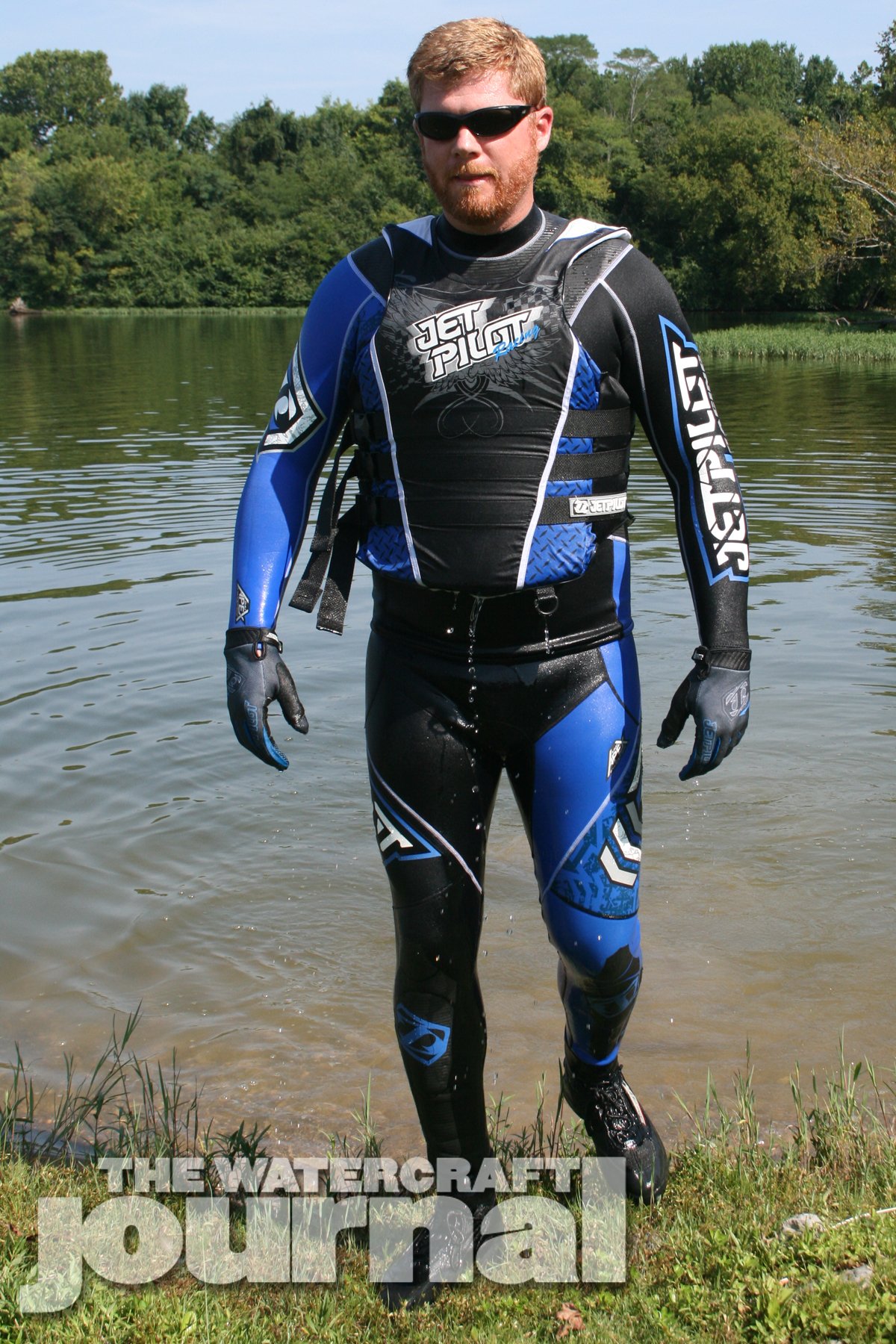
Now as the seasons change and temperatures begin to drop, researching the purchase of a wetsuit might be on the mind of many who plans to continue riding over the next few months. We’ve been lucky enough to spend a great deal of time with JetPilot’s Apex Race John and Jacket combination. Despite the suit’s title, the JetPilot Apex combo makes for a superior all-around suit as much as a competitive piece of equipment.
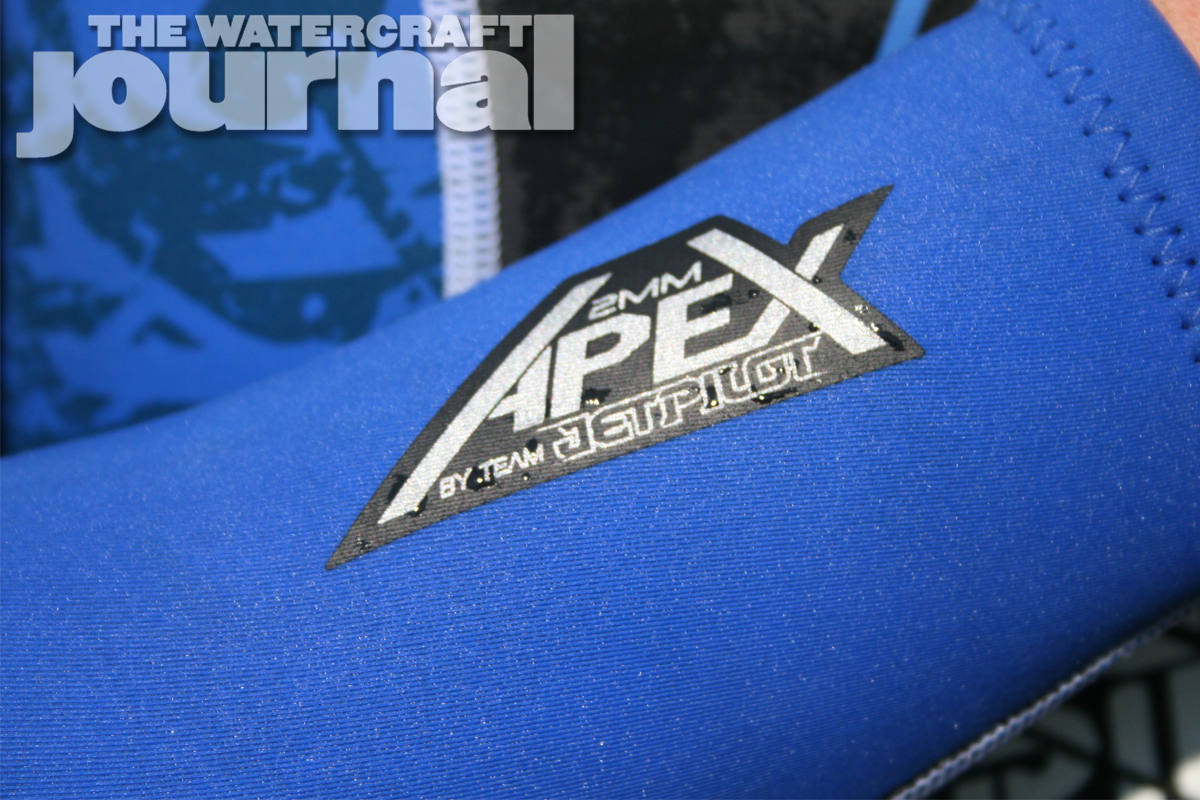
Made from JetPilot’s proprietary 2mm Flex-Lite Neoprene and Grooveskin combo, all of the suit is stitched together using the brand’s Flush-Loc Seams. JetPilot’s designers strategically placed Groove Skin Panels in high-wear contact areas as well as Outer Shin Padding for added protection for both the wearer and the suit itself.
Being a sleeveless john, access in and out of the suit is rather simple. A large-tooth zipper runs down the full length of the back, as nickle-coated ankle zippers are found running up the calves. Each zipper is also met with a Velco-strap to hold the zipper in place. The matching slip-over jacket is also made of 2mm all-Grooveskin construction and provides significant motion and mobility. We were pleased with the jacket’s ability to stretch, maintaining a comfortable fit in nearly all positions.
Both the Apex john and jacket were matchless in cutting down windchill while riding at speed for extended amounts of riding, and of course, blocking UV rays on sunnier days. Thankfully, JetPilot has done a masterful job in preserving the suit’s quality even over long periods of use. The screen printed logos have yet to fade, tear or crack and the rubberized traction pads have yet to show any feathering or peeling despite us using the suit nearly every chance we could.
Priced at around $240, the combination is more expensive than some, but pretty averagely priced for similar top-quality wetsuit and jacket combinations. As we’ve said before and continue to advocate, comfort and fitment will always outweigh the rest, and JetPilot makes some of the most comfortable gear you can find. That it holds up to the elements better than most and looks great are merely bonuses.
For the second year in a row, America’s Motor Sports has been named as one of the Power 50 dealers in North America by Powersports Business. Making the annual Power 50 list is a major accomplishment awarded to dealerships that are “unsurpassed in business operations, professionalism, marketing tactics, customer service and more.”
Chris Watts, Vice-President and co-owner said “It’s very exciting to be part of the Powersports Business Power 50 once again, starting three years ago we were named one of the top 15 dealers in the country in the Power 15 list and now our second time in the Power 50!”
Powersports Business Editor in Chief Dave McMahon stated, “Out of the thousands of powersports dealers in North America, only the very best make the Power 50 list. These companies are the elite of the powersports industry, excelling at all aspects of their business.”
All of us at The Watercraft Journal are proud to have America’s Motor Sports (AMS) as an advertiser and applaud the Middle Tennessee chain of dealerships for this recent and much-deserved accolade. AMS is a locally owned PowerSports dealer with three locations in Nashville, Madison and Dickson, Tennessee, representing Honda, Yamaha, Kawasaki, Suzuki, Can-Am, Sea-Doo, Polaris, Victory and GEM electric vehicles. With over 32 years of experience, AMS is one of the largest and oldest Powersports dealer groups in the southeast.
OK, OK. So there’s some things that have yet to be fully fleshed out concerning the whole landscape of personal watercraft racing for 2015, but as contracts get finalized and evil plans are masterminded, we’re sure to be reporting a lot more in the coming weeks and months. Currently, AJ Handler has reportedly all but completely severed ties with Scott Frazier and what’s left of the IJSBA, leaving racer registration and class structure a little unclear. Handler’s Pro Watercross tour is still a “GO!” for 2015 (despite losing fan-favorite Colonial Beach, Virginia), and promises yet another awesome season.
Starting May 9th and running through the 17th, is Pro Watercross’ super-fun week of racing Florida’s panhandle – the first weekend in Pensacola followed by another two days’ of racing in Panama Beach. June’s 20-21st weekend is still “Too Be Announced,” but westernmost tour stop Sparks, Nevada returns on the 27th of the same month. This is followed by newly announced Lewisville, Texas tour stop July 17th-19th. “Lewisville Lake is a tremendous tourism asset and we’re always looking for ways to bring more visitors and activity to the lake,” explained Lewisville CVB Director James Kunke. “The Pro Watercross Tour is a great opportunity for us and we’re excited to bring such a high-profile event to the area.”
Of course, the Lewisville, TX will replace Virginia as the “The Liberty Cup” venue and will welcome more centralized and Southwestern competitors who otherwise have felt alienated by the tour’s almost exclusively East Coast venues. Of which, Georgia’s Lake Hartwell and Charleston, WV will also return for August. As mentioned earlier, much has yet to be finalized for next year, so stay tuned for the latest updates.
One year ago, my friends. The Watercraft Journal was launched exactly a year ago, and we can hardly believe it’s been that long. Birthed out of the idea that personal watercraft enthusiasts around the world wanted a source for original and engaging articles on a daily basis, my wife and I emptied our savings account and created an online magazine that did exactly that – and completely free to you. With a great deal of personal sacrifice (both financially and emotionally), we dug in our heels, weathered the highs and lows, and keep the theoretical trains running on time.
Readers (and Google Analytics) will testify that The Watercraft Journal never missed a day – Monday through Friday – of publishing. Our contributors can equally echo that never a payment was missed or sent late. And best of all, our advertisers – who are responsible for keeping The Watercraft Journal from capsizing – are our biggest proponents. For their support, all of them have been repaid in increased sales, new and returning customers and expanded brand exposure. That is the blessing of a healthy, reciprocal professional business relationship. Everybody wins.
The Watercraft Journal is unlike any other personal watercraft magazine, primarily because it’s growing. Lovers of jet skis and PWC across the United States, Australia and across the globe have latched on to our magazine, relying on our dependable publishing schedule each and every day. Applying over a decade’s worth of professional motor and powersports journalism and publishing experience has given The Watercraft Journal a level of professional not found elsewhere. Our dedication to the whole industry has opened our audience to literally five times that of our closest American competitor.
Best of all, our advertising partners have come to expect the utmost in professional content to properly represent their brand. We’ll never dilute our standards for superior and family-friendly content, and our continual and perpetual growth has thankfully reflected that. Please don’t mistake this for boasting. This is renewing a promise. The Watercraft Journal has earned your trust because of our dedication to hard work, reliability and integrity; we publish fun, informative and insightful daily news, weekly product and vehicle reviews, interviews, technical “how-to’s”, shop tours and event coverage for you, every day, for free.
November 2013 to November 2014
October 2014
Let The Record Show
Look above. These are real numbers, as reported by Google’s data tracker, Google Analytics. Starting the recording process only a few days after our November 1st, 2013, launch date, The Watercraft Journal has welcomed a staggering 113,400-plus users to its pages. By “user,” Google records this as an unique individual person. In the world of publishing, this individual would be understood as a single sale of an issue. Interestingly enough, that only averages out to 9,451 readers a month, a number we’ve well surpassed since Spring of this year. And when the industry’s only two print titles are published semi-monthly and quarterly to a combined audience of less than 4,000 every two months, it’s very clear to see which magazine is preferred.
November 2013 – November 2014
Total unique readers: 113,419*
Total Articles Read: 339,115
Percentage of new readers: 60.7%
All-Time Top (5) Nations:
United States – 107,654
Australia – 16,903
Canada – 10,319
United Kingdom – 7,808
Japan – 3,702
Total Percentage of Mobile Device Users: 39%
October
Total number unique readers: 16,340*
Total number of articles read: 34,914
Percentage of new readers: 62.8%
Top (5) Nations in October:
United States – 12,528
Australia – 2,391
Canada – 1,084
United Kingdom – 912
France – 532
*This number is considered equal to an individual sale of a single copy of a magazine.
The Evidence Speaks For Itself
We’ve been told that The Watercraft Journal makes producing a daily personal watercraft magazine look easy. Although a very welcomed compliment, there’s few things further from the truth. Because we publish Monday through Friday, hunting down interesting and entertaining stories worth printing can be a challenge, not to mention getting them written and ready for publishing. And publishing magazine-grade content each and every day adds up in more than just expense. We’ve averaged publishing a 110-plus-page magazine’s worth of articles each month. That’s double that of our nearest competitors if you exclude our daily news and literally thousands of pictures filling over a hundred photo galleries.
Total feature articles published: 166
Total feature words published: 156,436*
Total news articles published: 323
All-Time Highest Read Article: 11,780 views
*When this number is translated to print publication standards equals 12 monthly 118-page magazines. Please note that this number does not include an average of two uniquely-written news articles published daily.
Ladies and Gentlemen of The Jury
Social Media has left an indelible mark on the world of publishing, and the whole of business for that matter. When every Tom, Dick and Harry can wear the hat of publicist, marketer and promoter all through the various feeds and pages found online, it does blur the lines of traditional marketing. The personal watercraft industry has been slow to really adopt these tools that have already dramatically increased annual revenues in other niche industries. But you can only lead a horse to water they say…. For The Watercraft Journal and on our Facebook, Twitter, Instagram, YouTube, and weekly newsletters, we help bring the magazine directly to you, the reader. And as you can see, what we’re doing works.
Total Facebook Followers: 11,137
Total Twitter Followers: 285
Total Instagram Followers: 879
Total Weekly Newsletter Subscribers: 872
We Rest Our Case
Reviewing what we’ve accomplished in such a short time, it’s hard not to celebrate even just a little bit. Initially, each month’s edition of The Watercraft Journal By The Numbers was intended to provide advertisers with an honest revelatory glimpse at the rapid assent of the industry’s fastest-growing PWC enthusiast publication. By openly showcasing our monthly audience to all of you proves we are not afraid of the double edge of the Internet sword…nor should you. For all of you advertising currently with The Watercraft Journal, we earnestly and gratefully appreciate your support. For those considering advertising or have only recently become familiar with us, we say “Welcome! Let us earn your trust, friendship and business.”




 Starting with a blank sheet and decades of proven modeling experience and techniques, Yamaha sought to completely redesign its bread-and-butter VX Series. The difficulty in doing so meant jeopardizing its position as the single highest-selling personal watercraft ever. The gamble was hedged on the fact that enthusiasts were gravitating towards other models (either within the Yamaha WaveRunner lineup or to other brands) for a greater variety of riding characteristics, advanced technology options and creature comforts.