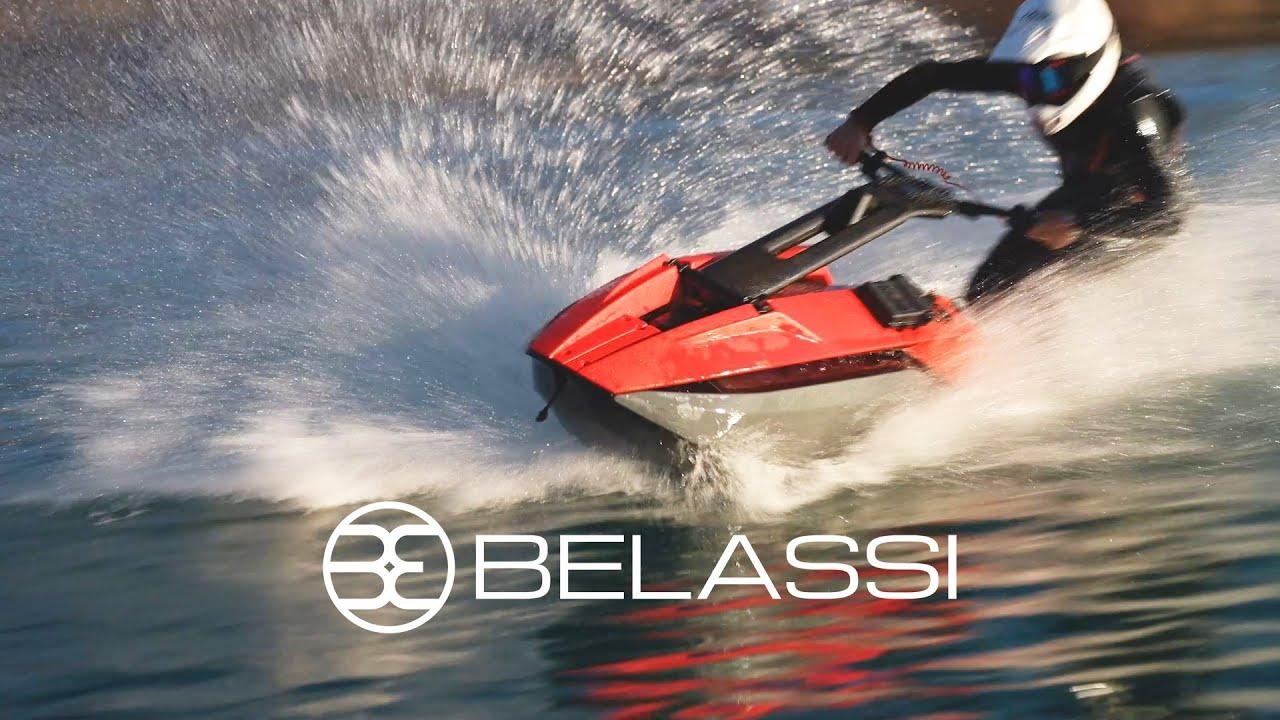
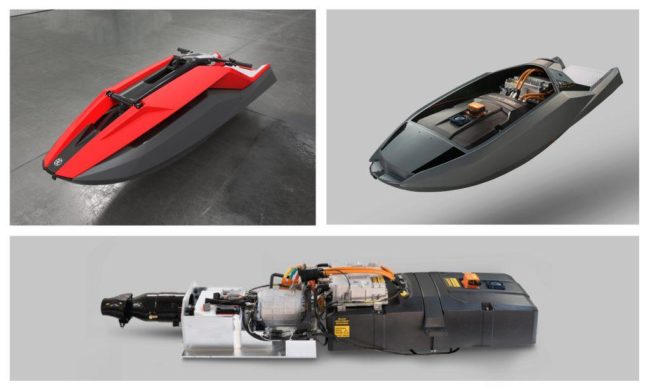
Belassi, long known for their cutting-edge technology, have the first electric standup jet ski in development. The new electric watercraft was announced in August of last year. They have been at the forefront of electric standup jet ski technology for a long time. Their name has changed along the way but their excellence in watercraft production has stayed the same.
Many will remember Hydrospace back in 2006 when they made the S4, which was the first production 4-stroke turbocharged standup ski. When they became Benelli, they offered the HSR-Benelli S4. Regardless of the name changes over the years, they’ve been innovators every step of the way with every watercraft they have designed and built.
CEO Christian Hintersteininger assures us they aren’t trying to replace combustion engines with their electric watercraft. “No, they will not replace it any time soon,” he explains. “From a purist point of view, we are actually talking about two different products, and we also have new plans for our Burrasca in the coming year. The two products will not compete with each other, but the customer will choose the best solution for his needs and preferences.”
The Belassi group knows the electric revolution is here to stay and that is why they went to work on building electric watercraft. The team is excited about what the future holds for electric PWC, and they will build a hand-crafted machine where every component will be held to the exceptional standards of the Belassi heritage. Check out a behind the scenes video from Belassi featuring their concept for a new electric personal watercraft. Stay tuned for more on the progress of the new watercraft from Belassi.
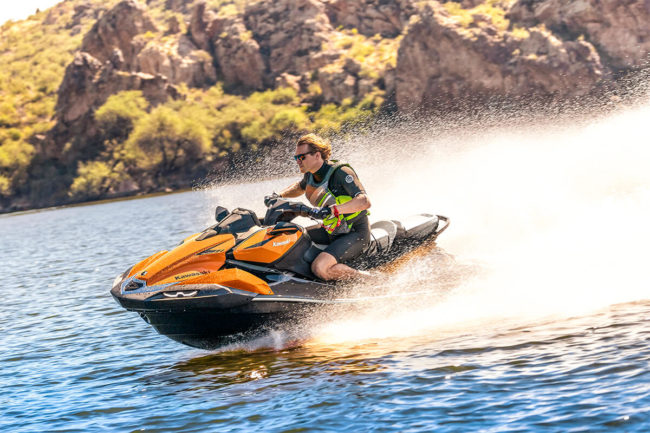
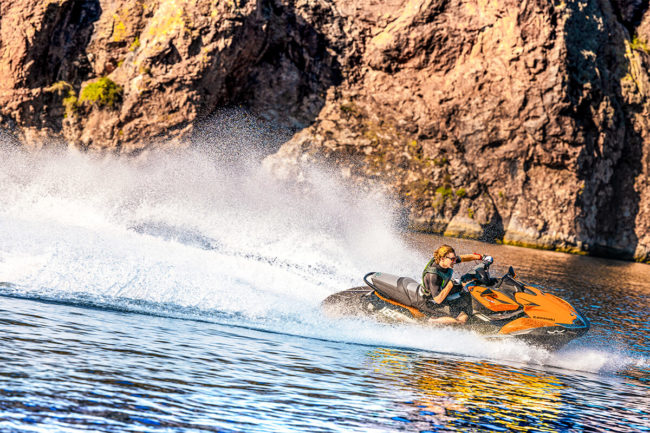
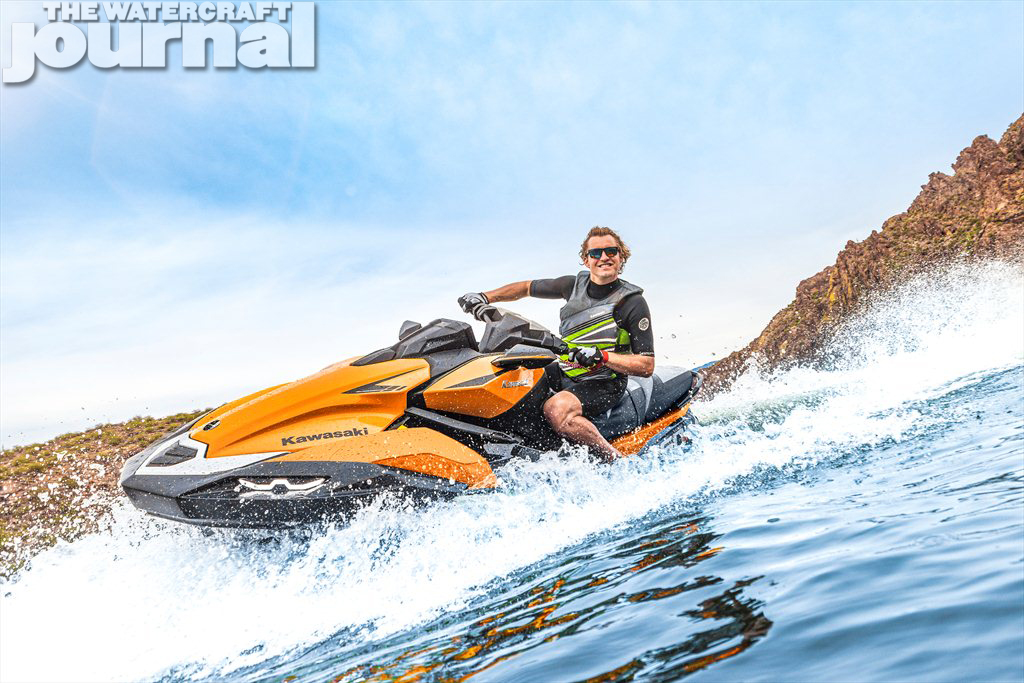
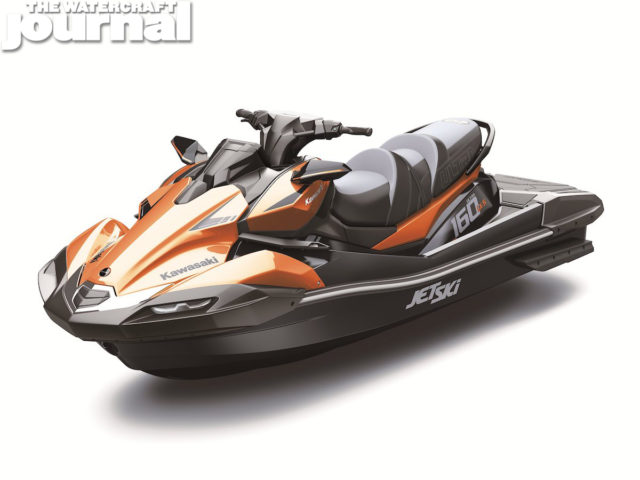
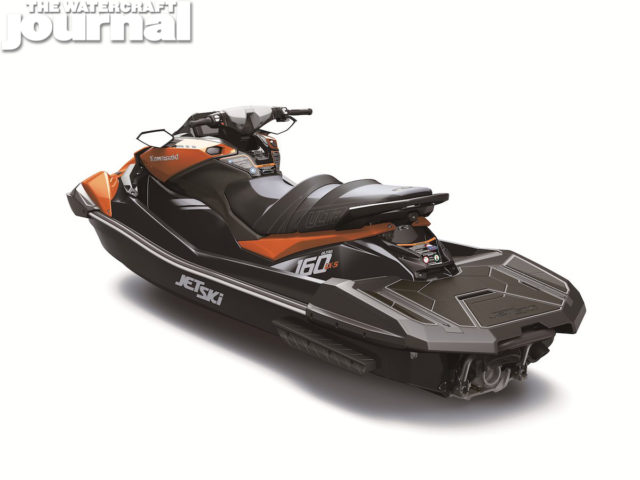
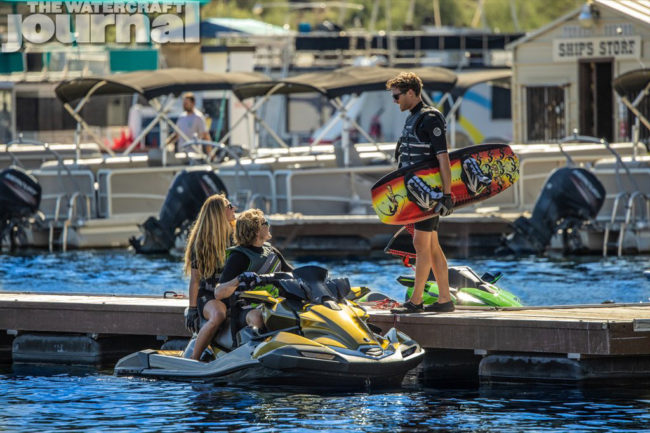
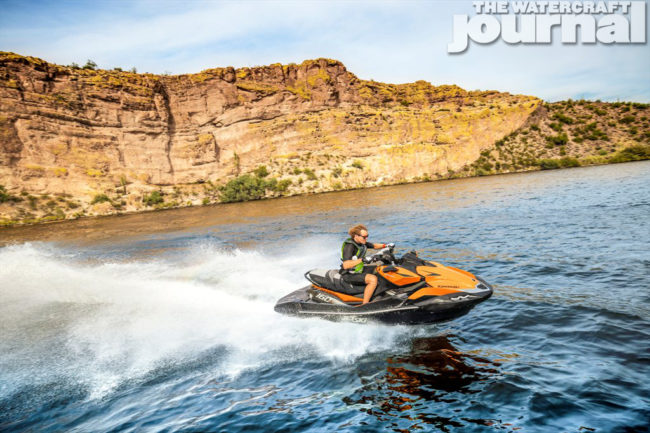
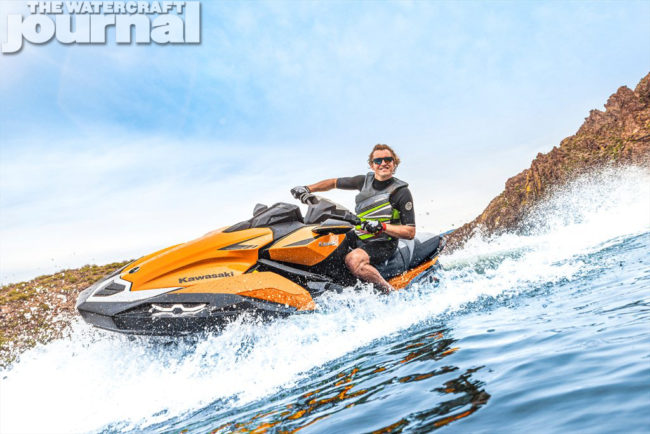
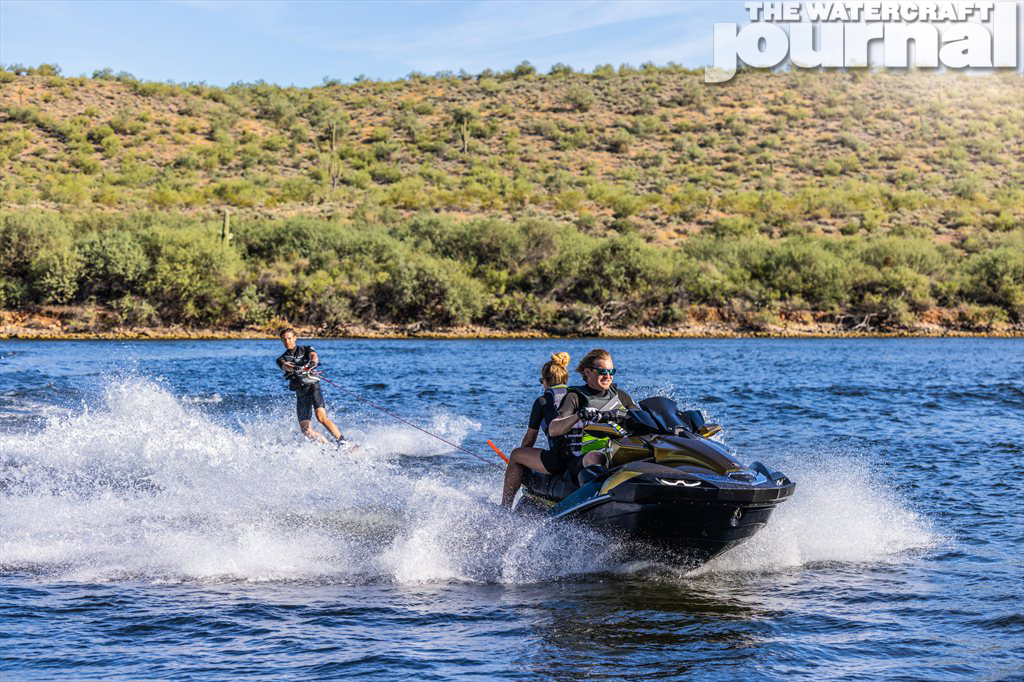
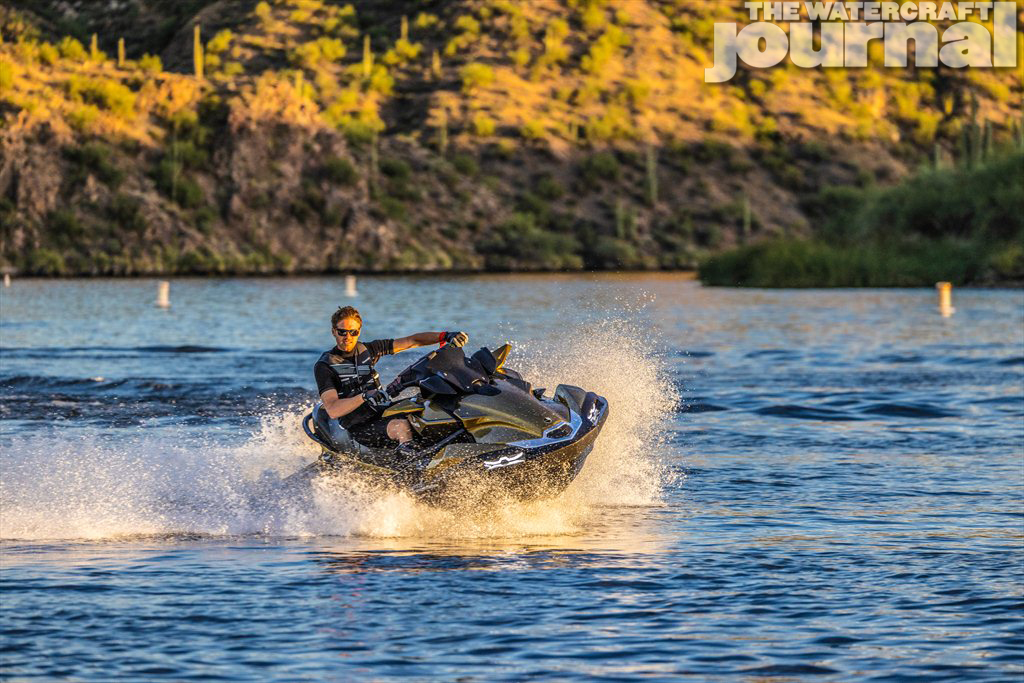
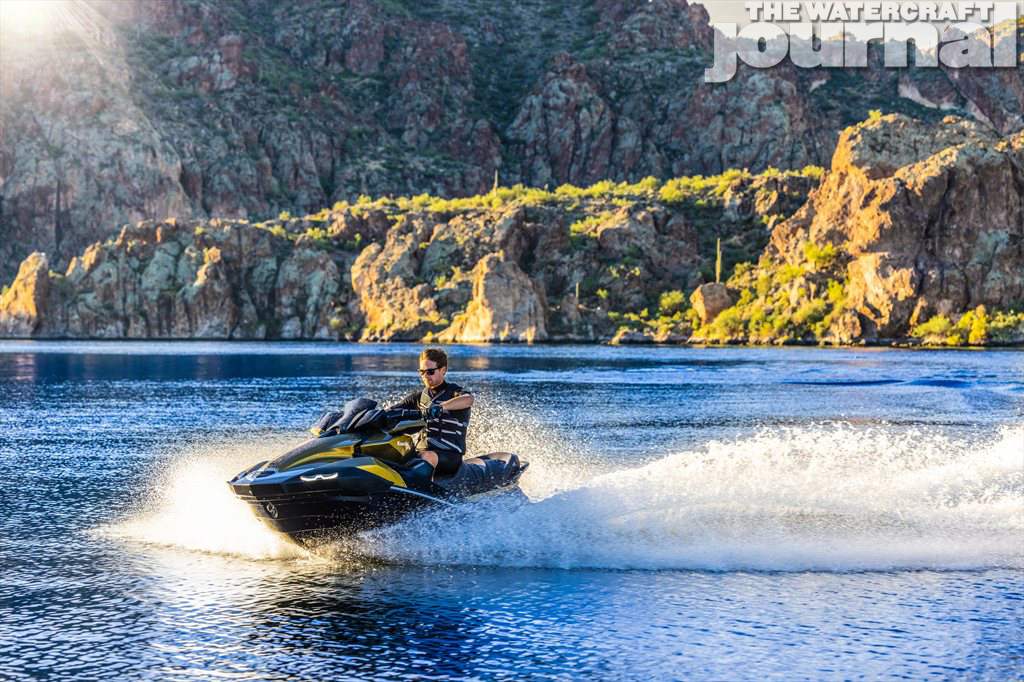
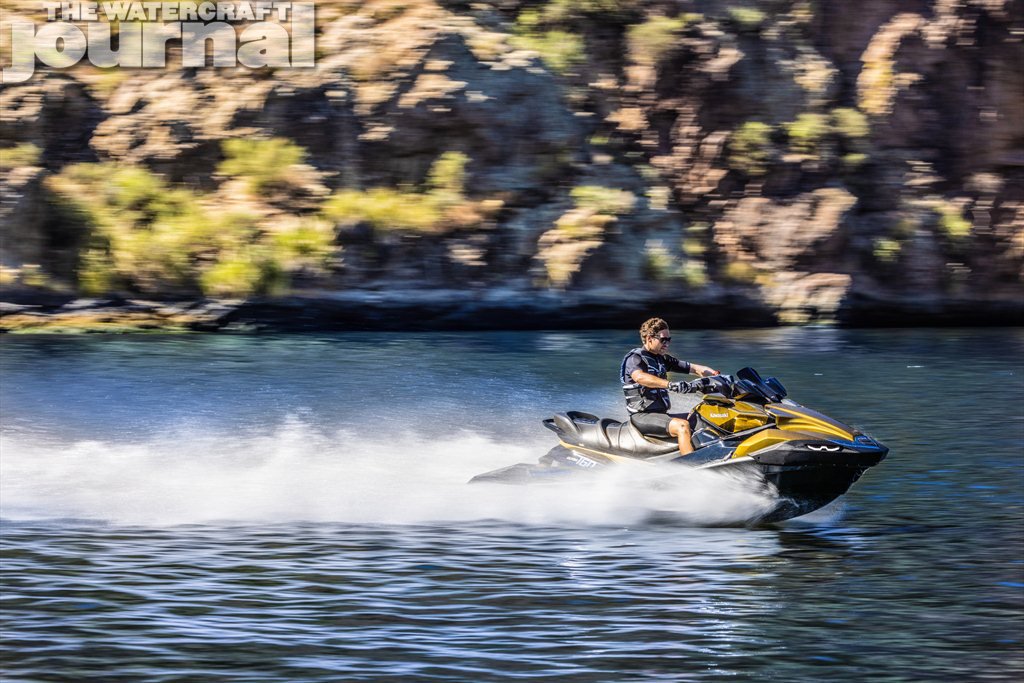
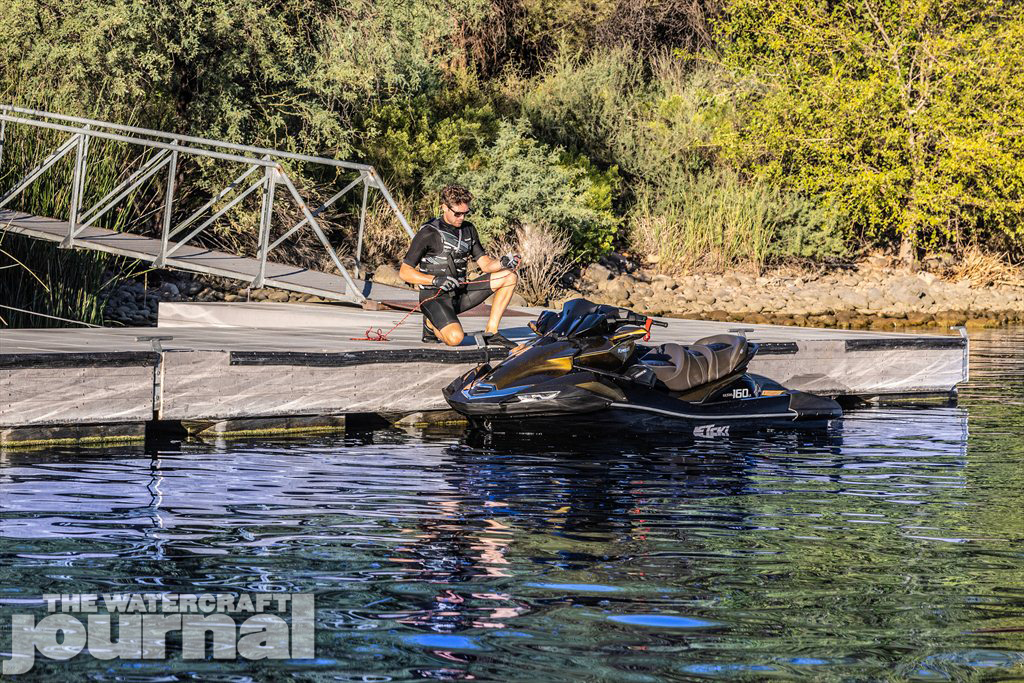
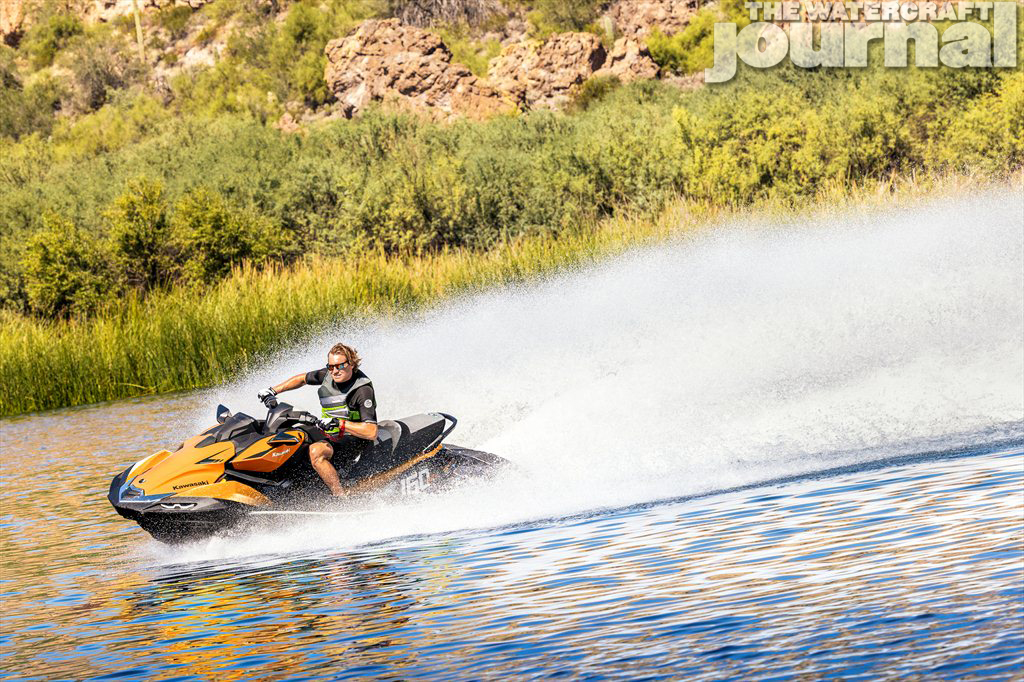
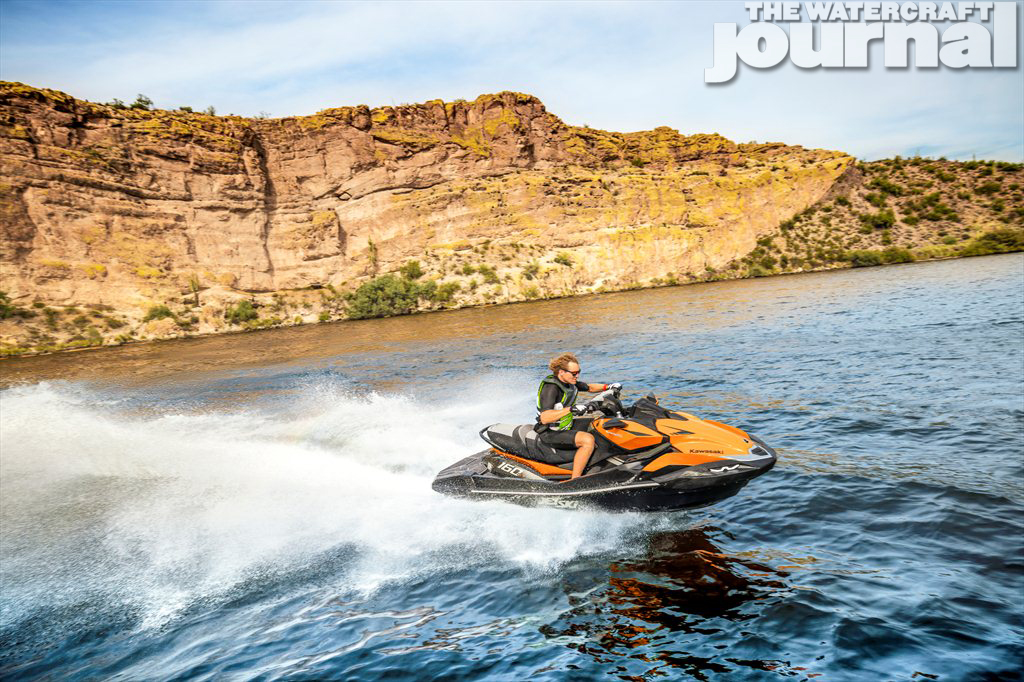
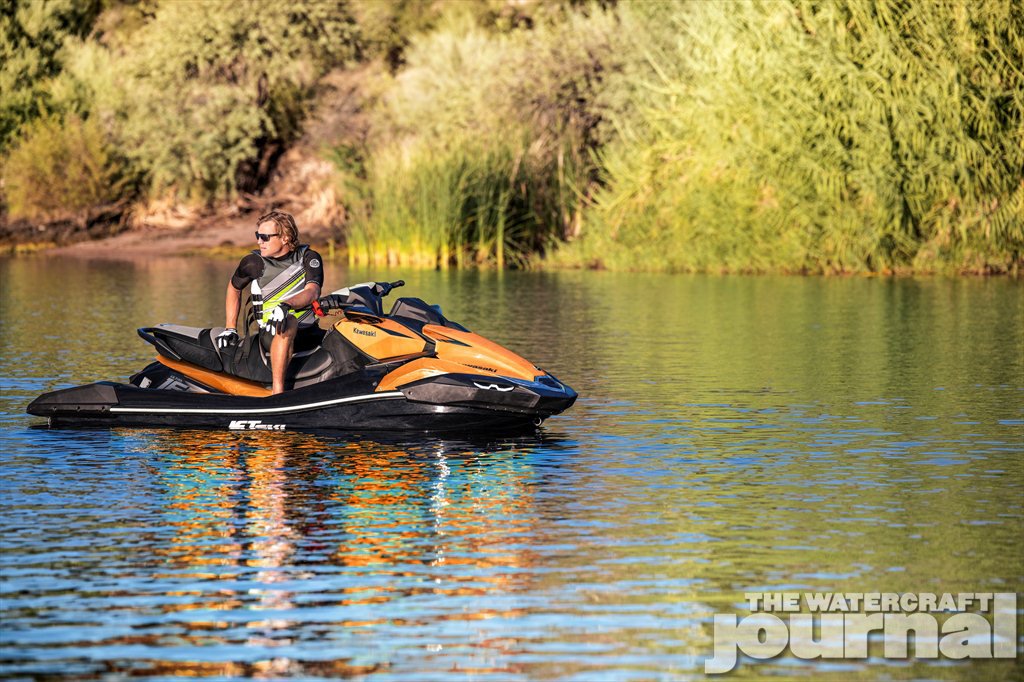
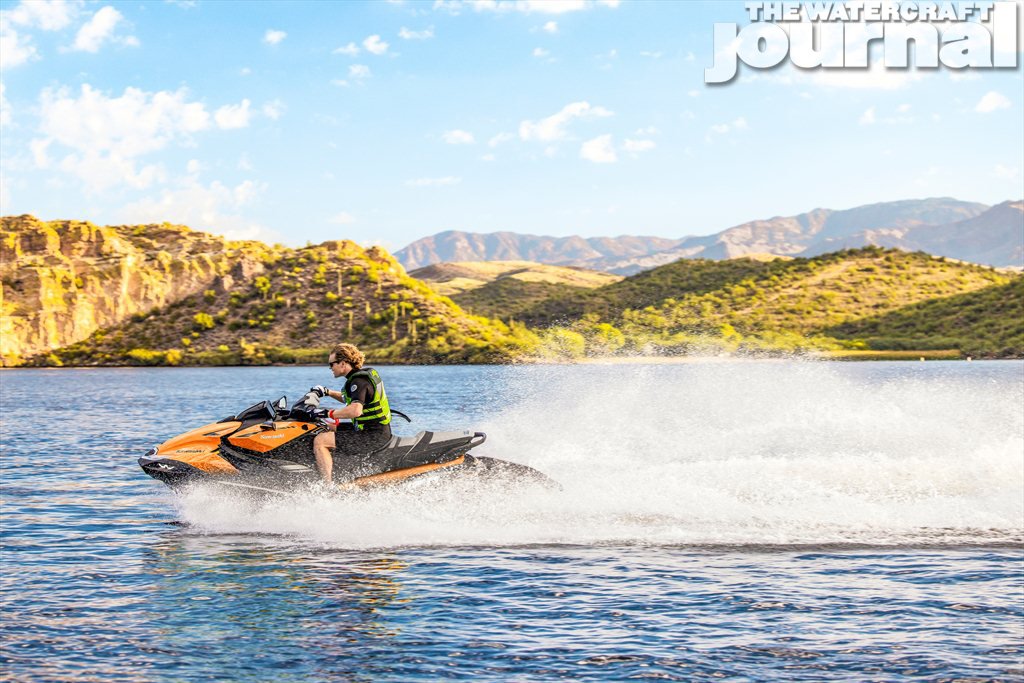
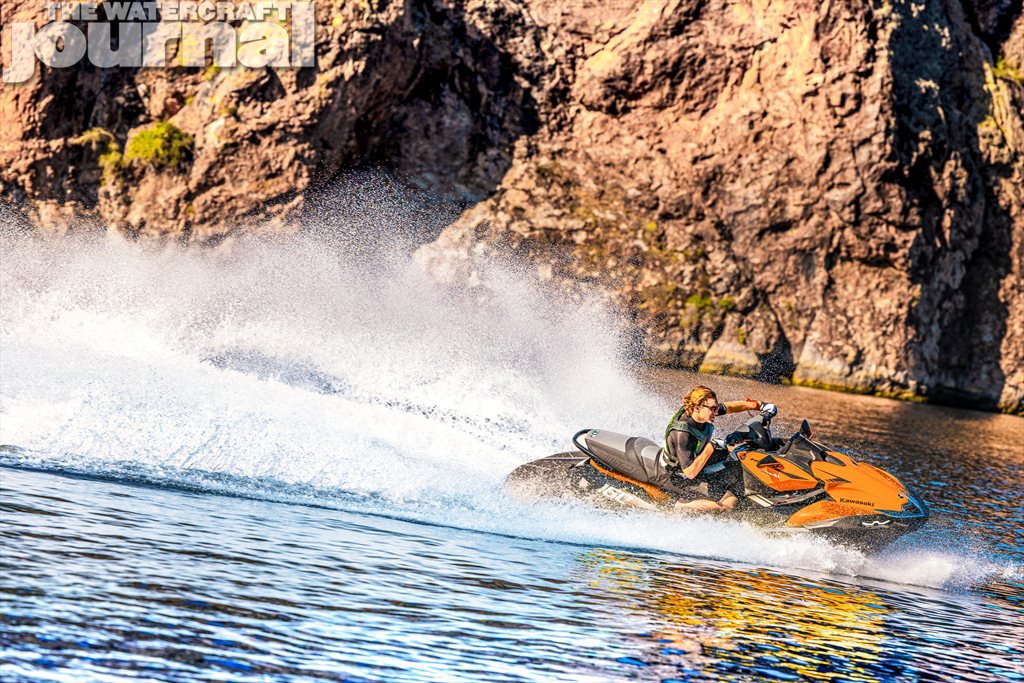
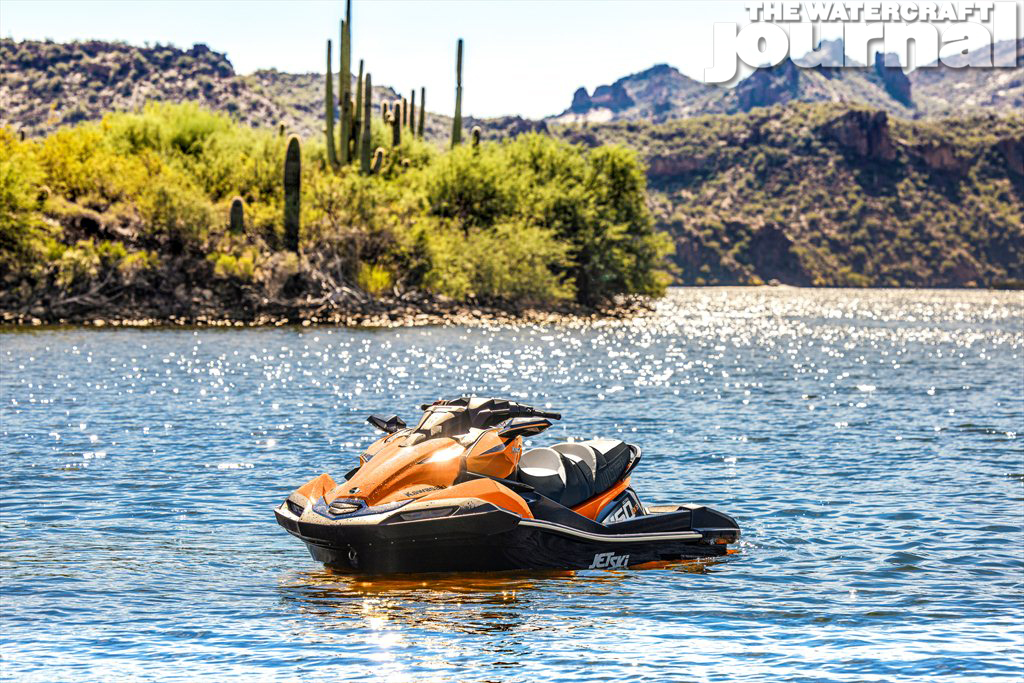
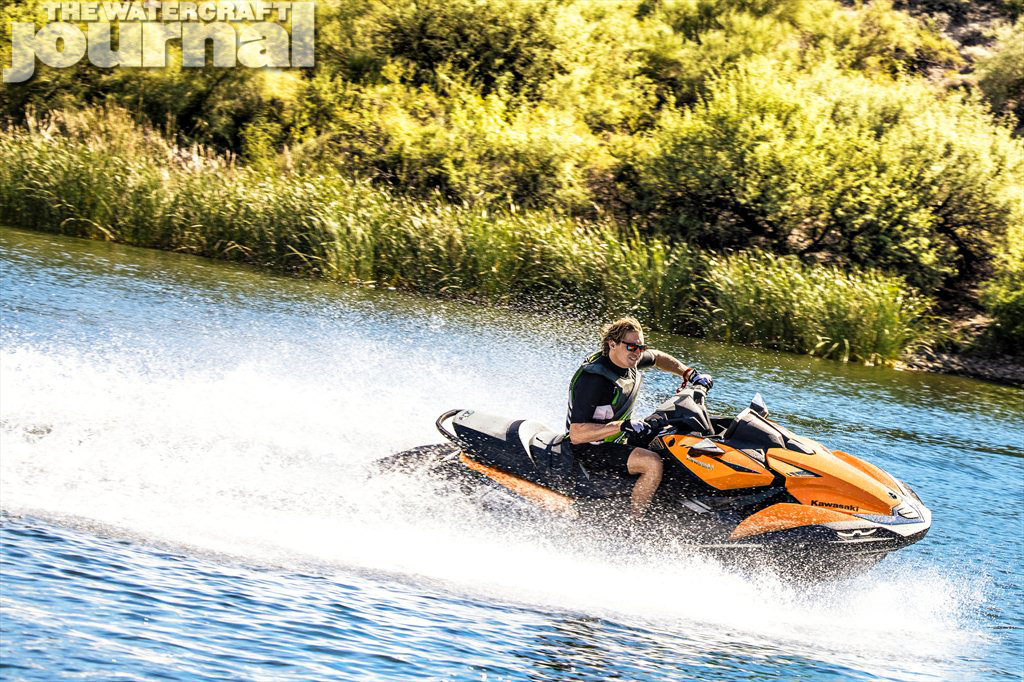
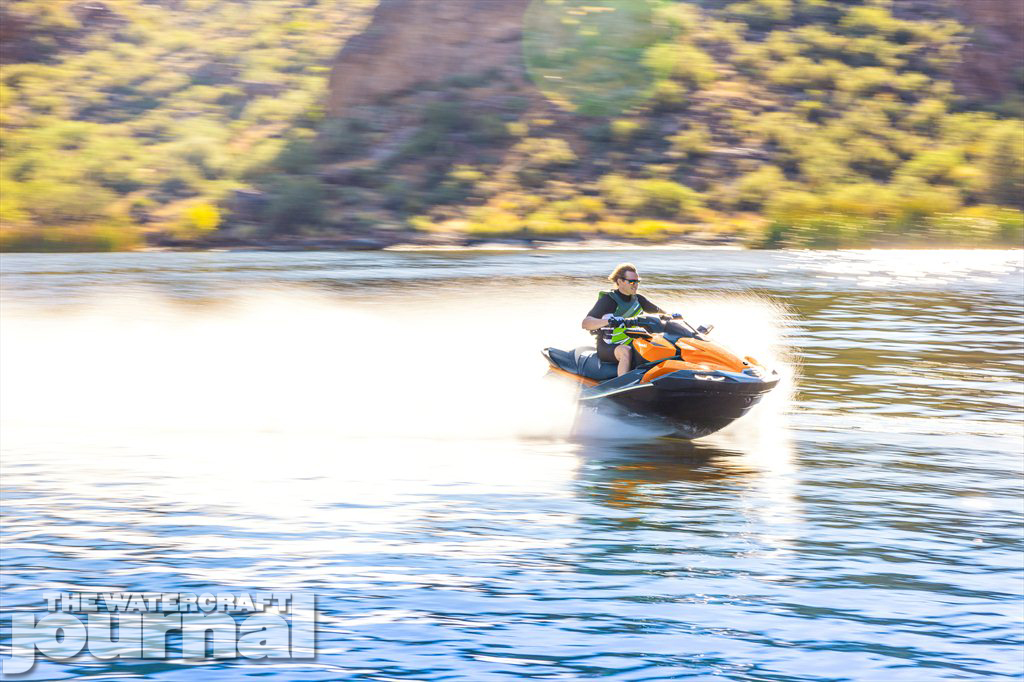
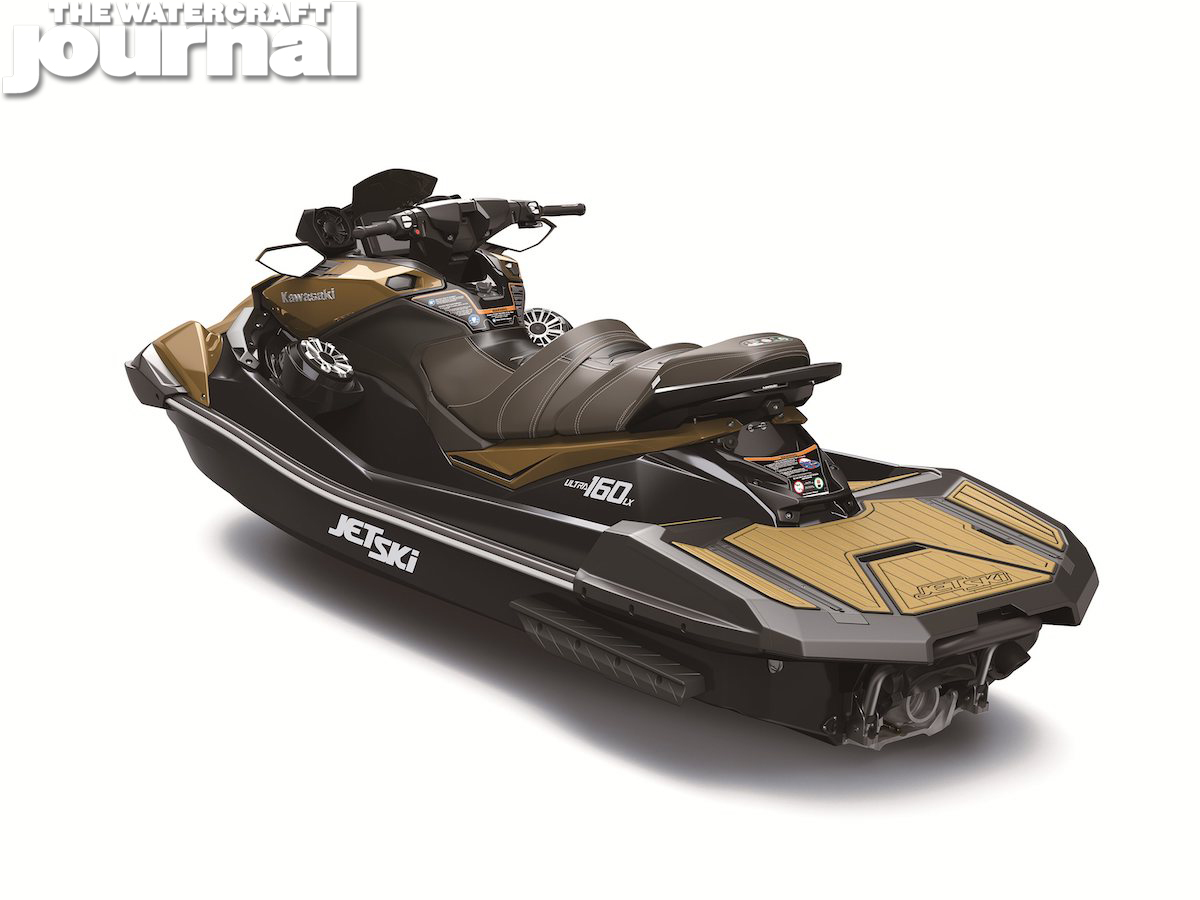
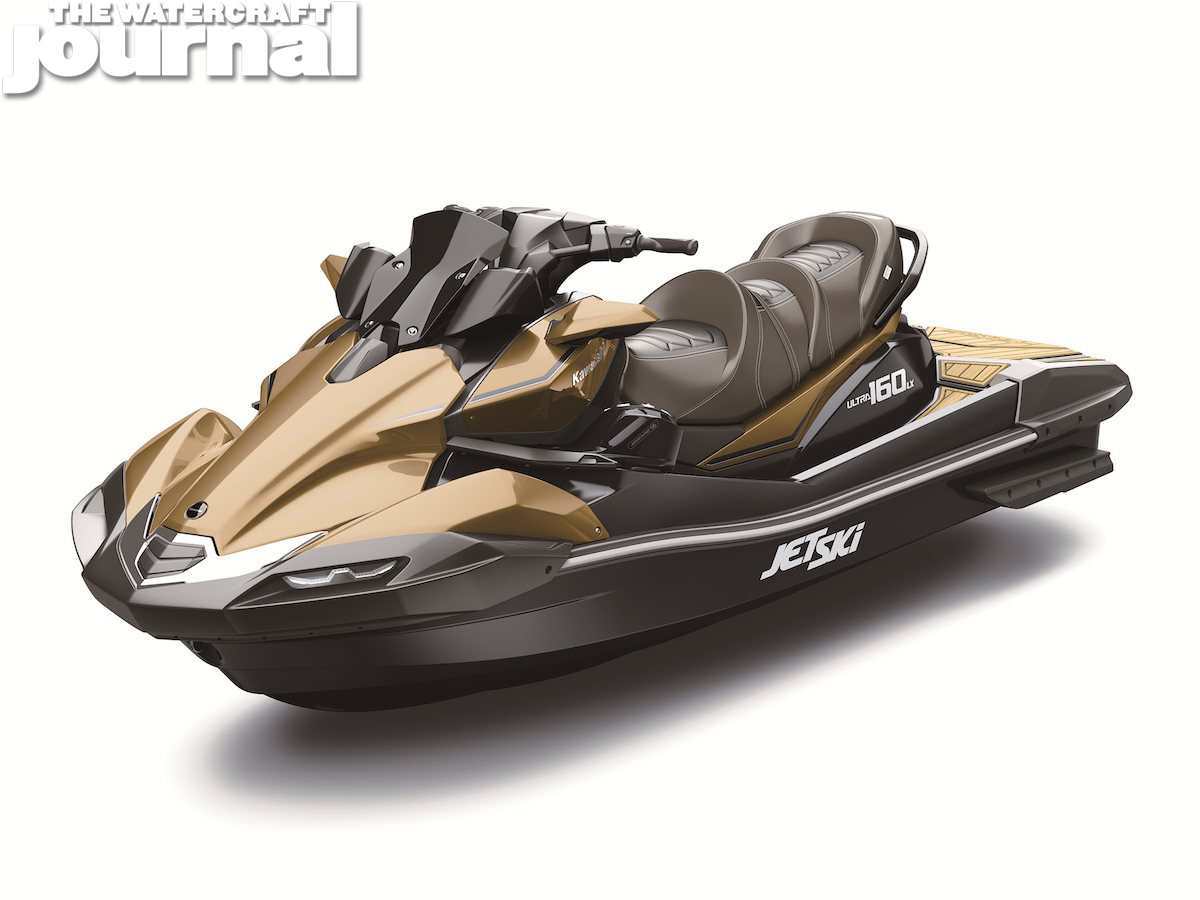
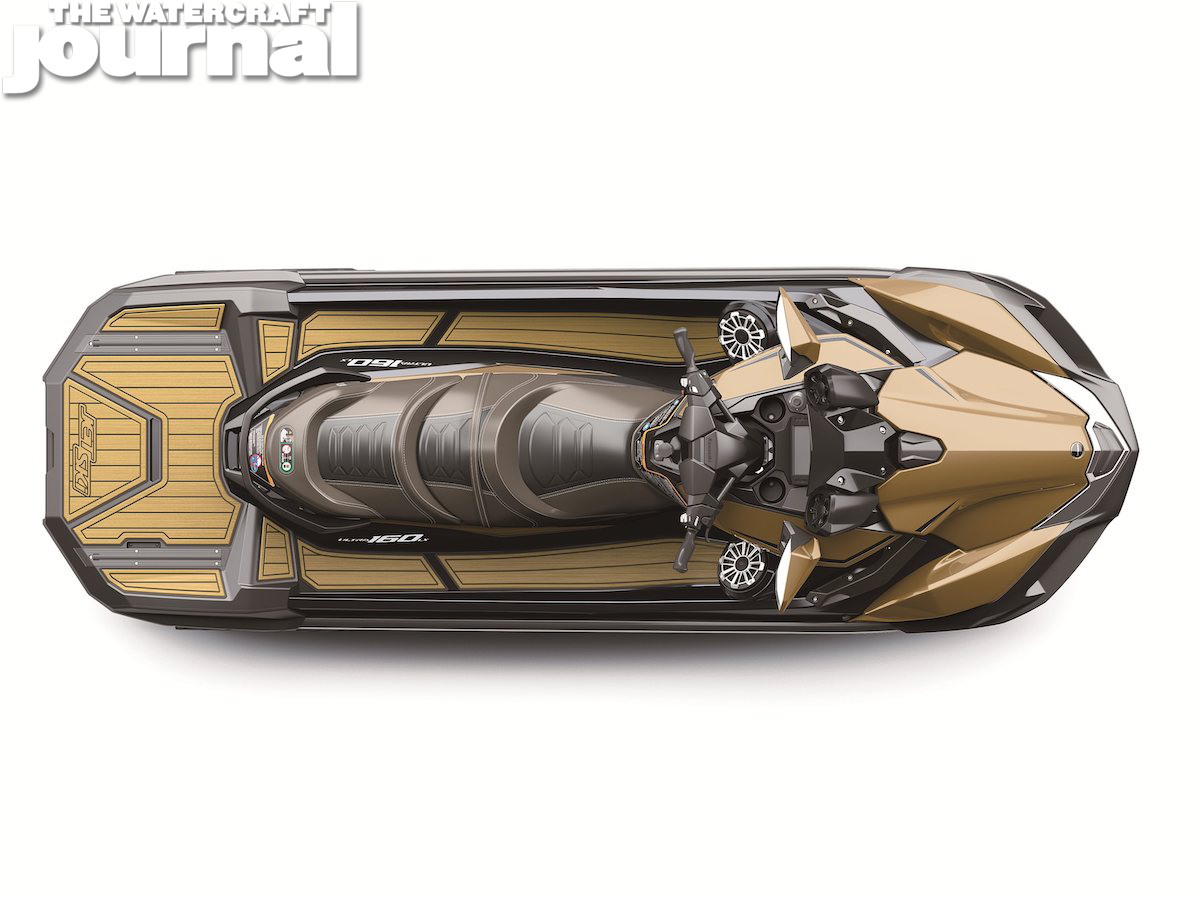
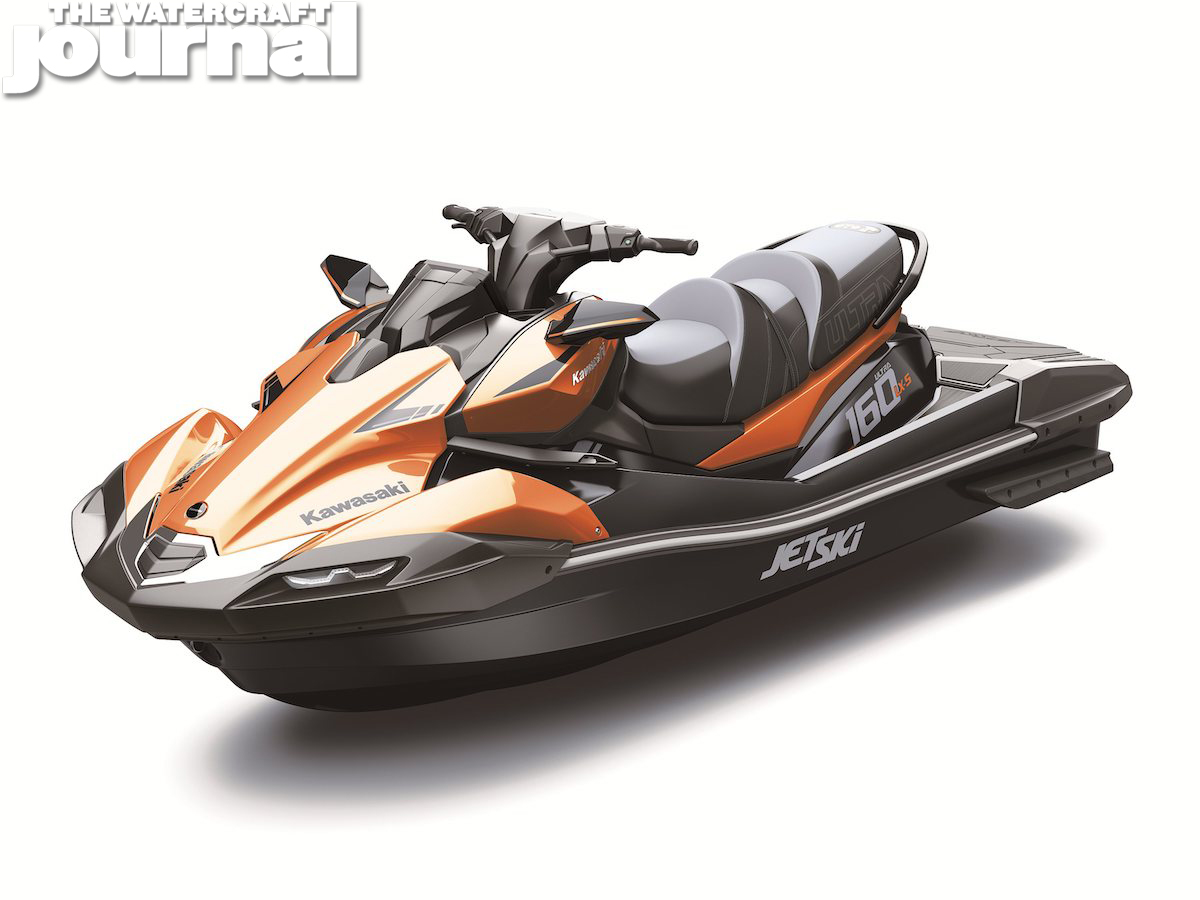
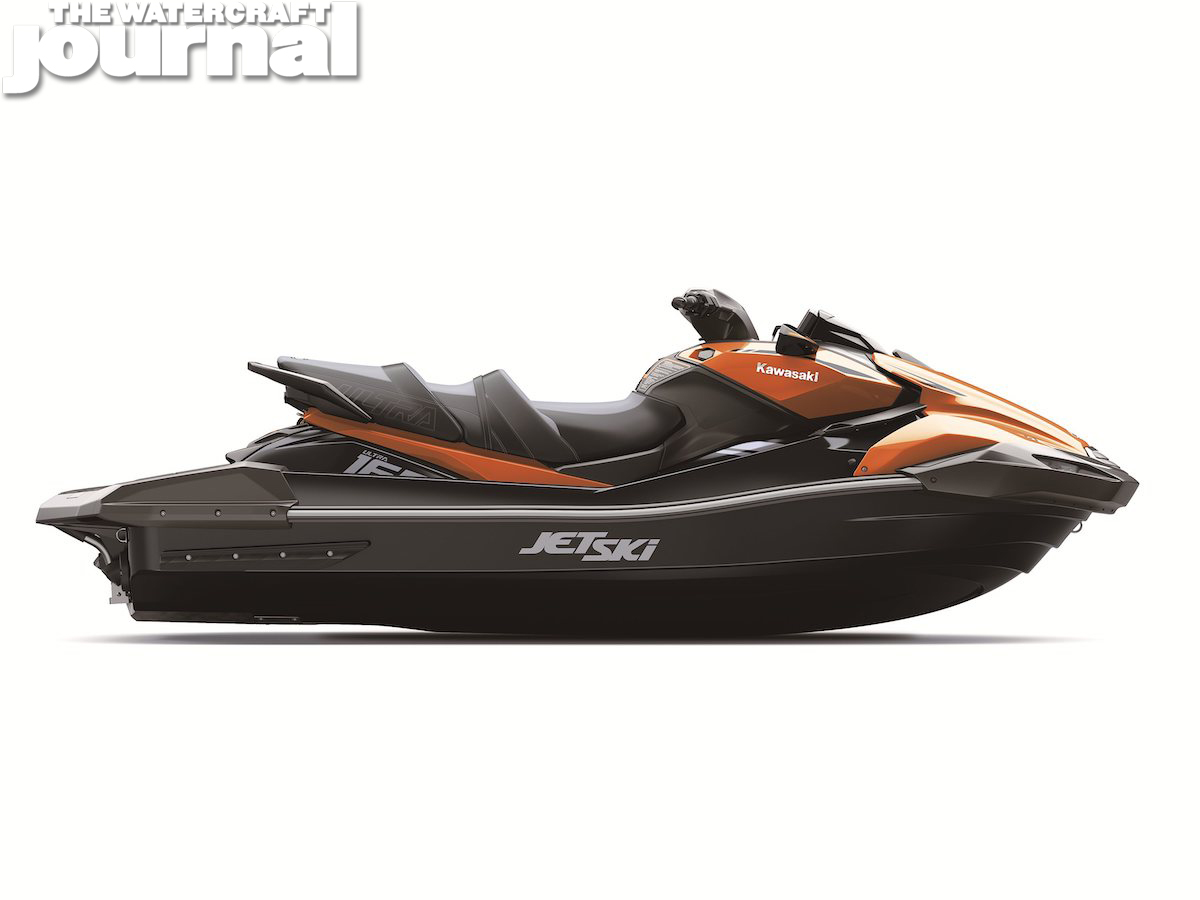
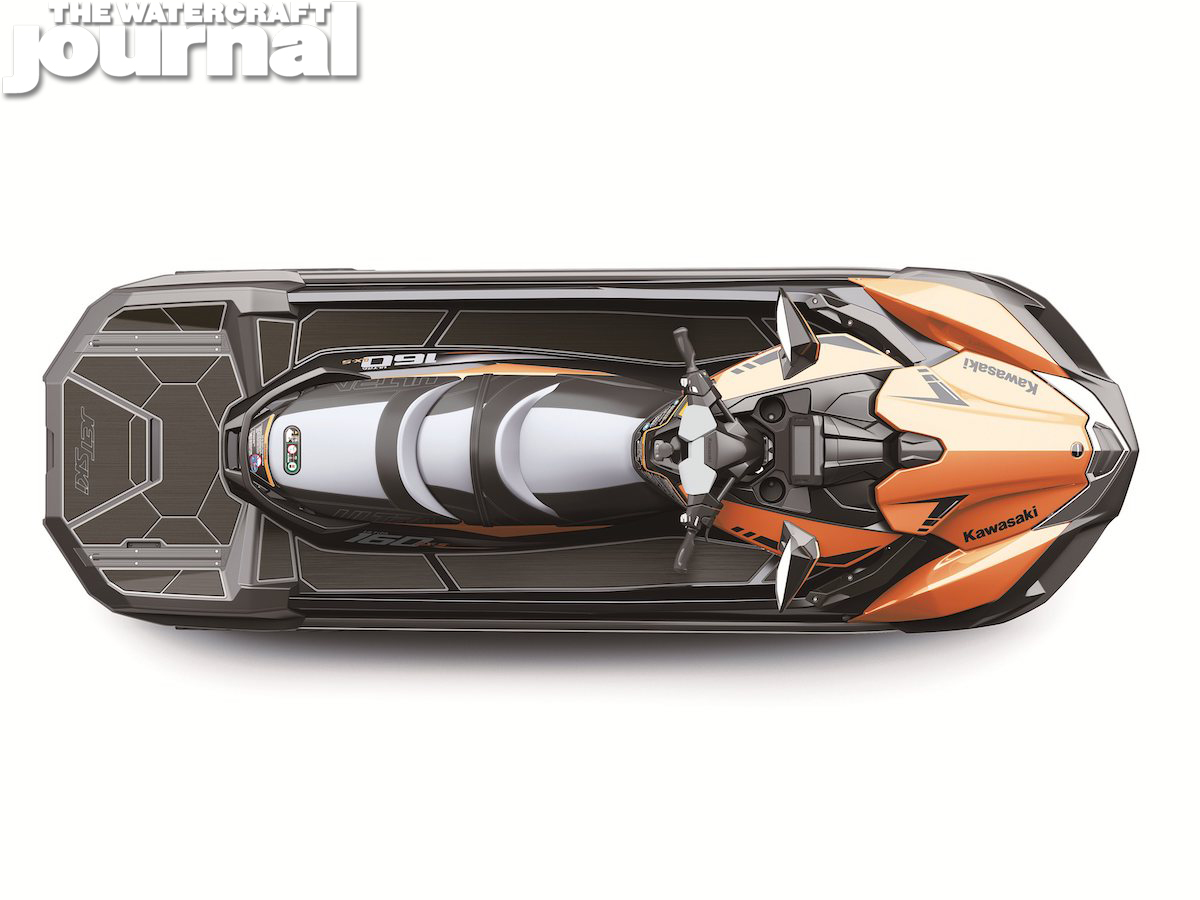
Bathed in glossy Ebony black and an eye-catching Candy Candy Steel Furnace Orange, the Ultra 160LX-S quickly rises to the top when it comes to towing inflatable tubes or wakeboarders as the JetSki touts the industry’s only rearward-facing camera. This feature allows the driver to peer through the full color TFT screen behind them with three zoom settings to boot.
Add to that a variety of power Modes (Full, Medium, Low and Learning); the massive Ultra deck with a multitude of mounting points for action cameras to record your passengers at play; and active LED front marker lights; the new Kawasaki brings to the water a whole new look at how a JetSki can be – and for a listed MSRP of $16,299.
Then considering the huge industry-leading bonuses of shopping at Cycle Springs, namely the dealership’s exclusive Lifetime Engine Warranty, No Risk Extended Warranties, Employee pricing on all gear and accessories on the day of sale, financing for everyone and acceptable trade-ins at purchase, and you’ve got a deal ready to happen.
For the first time in my nearly twenty years of reviewing personal watercraft – have I ever intentionally delayed, even avoided, writing a review. Seriously, this one has gotta be easily three, maybe four months late, and frankly, I’m still struggling to write this. But here I am, and here we are. So I guess there’s no more putting off the inevitable.
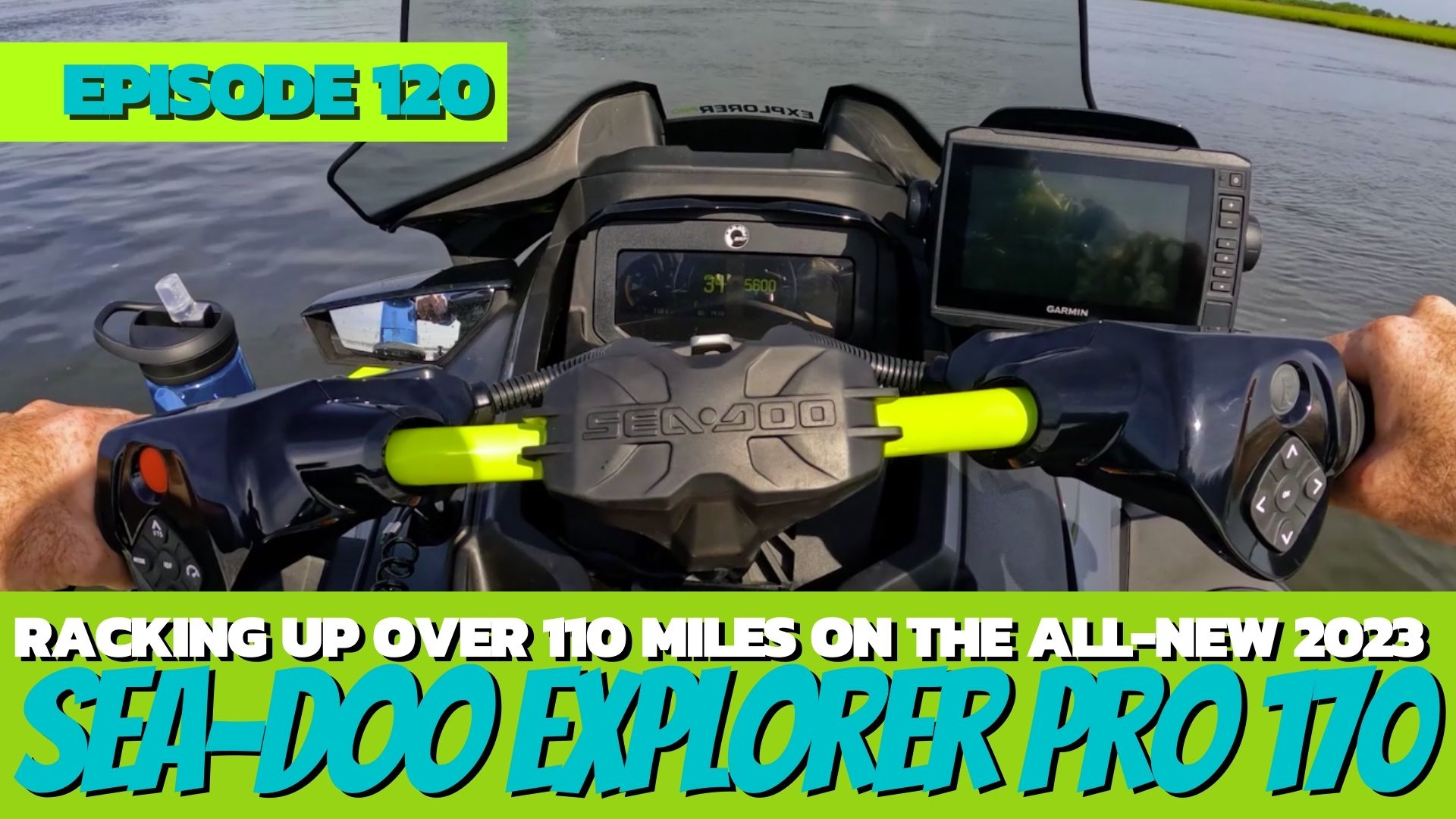
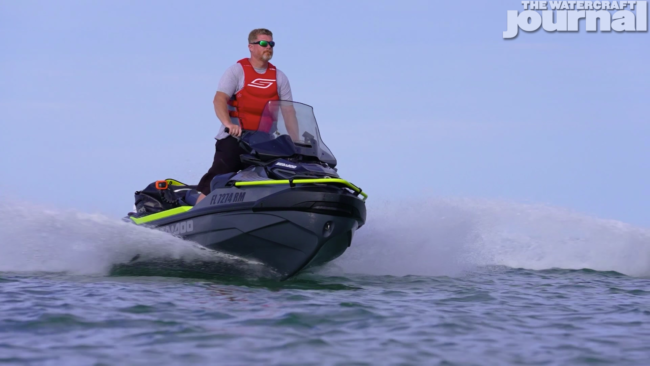
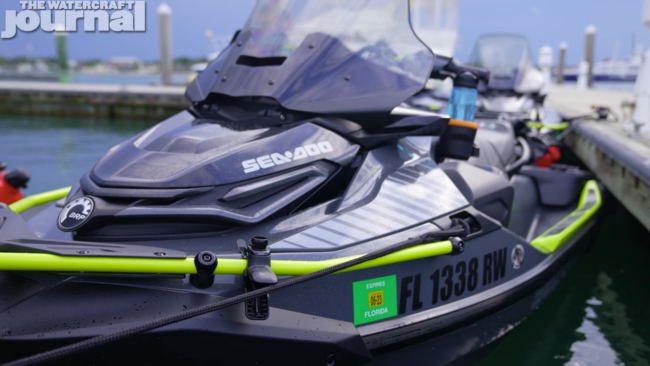
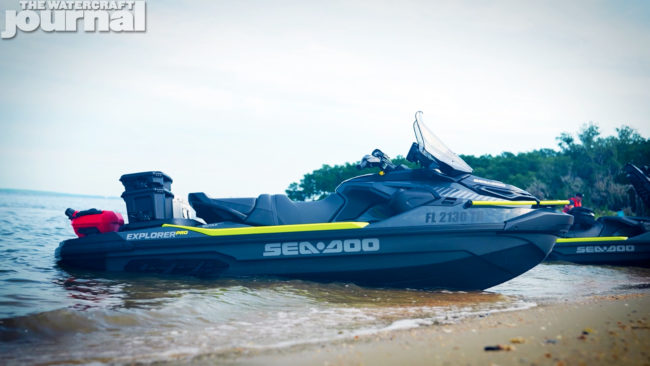
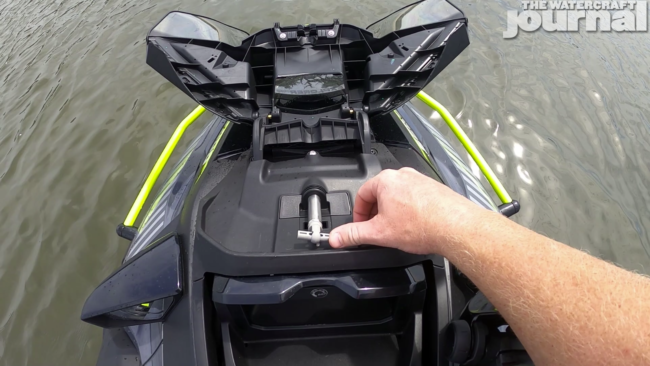
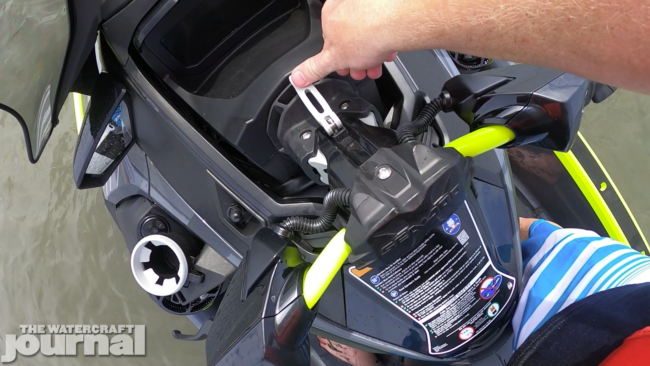
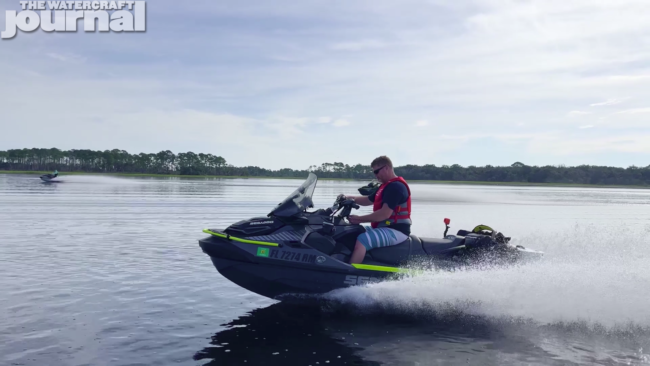
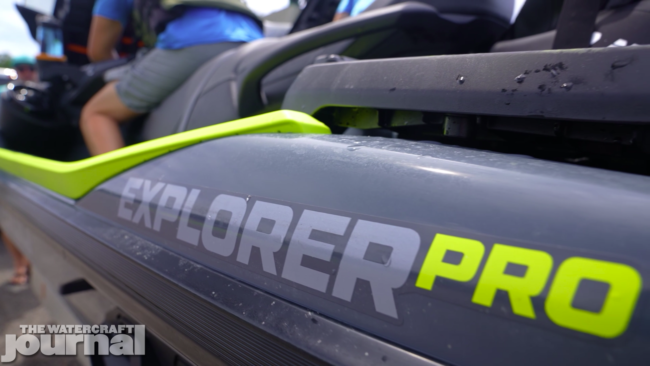
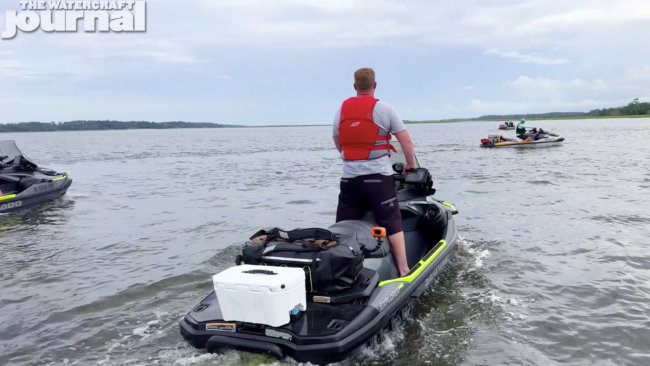
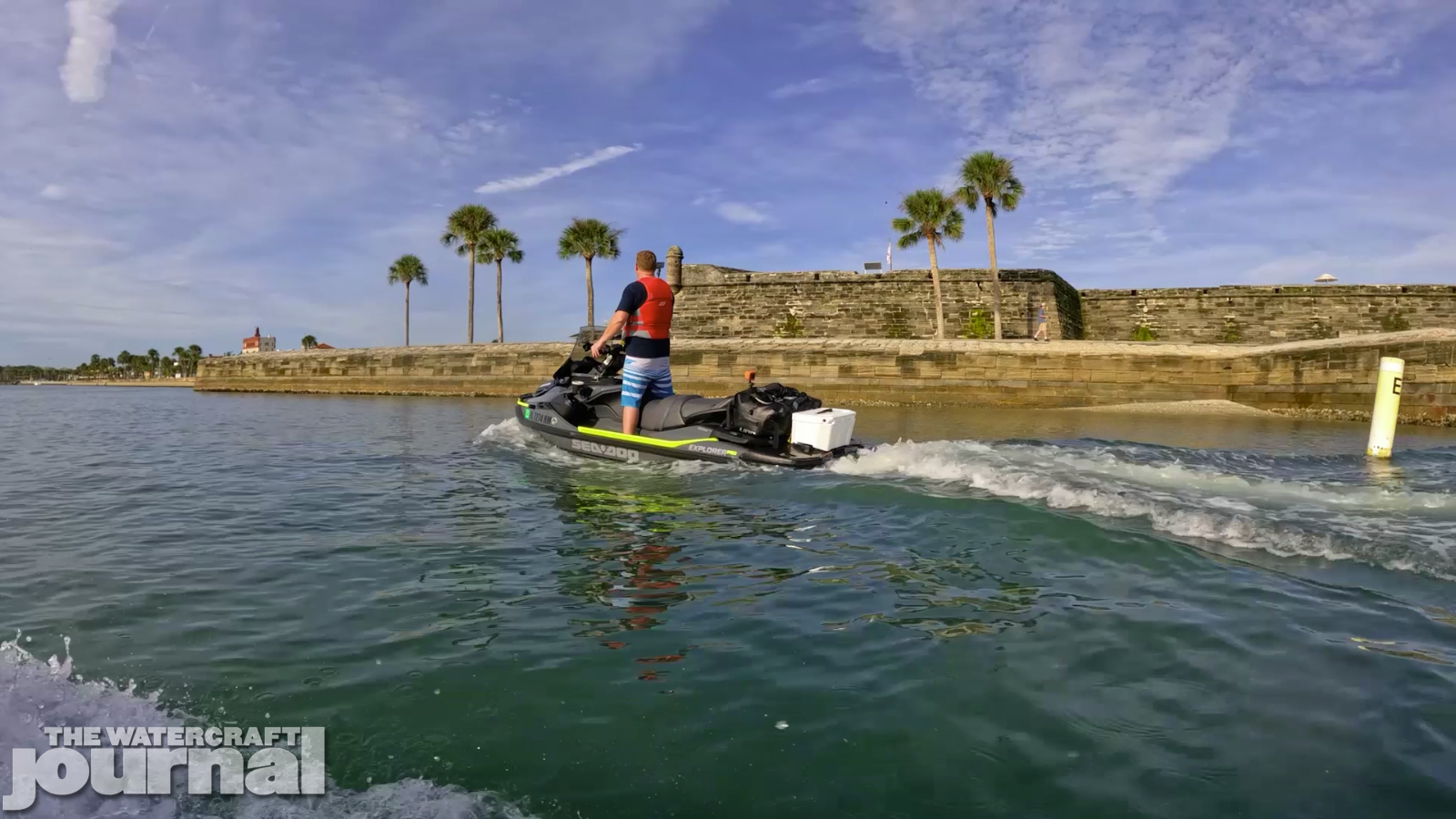
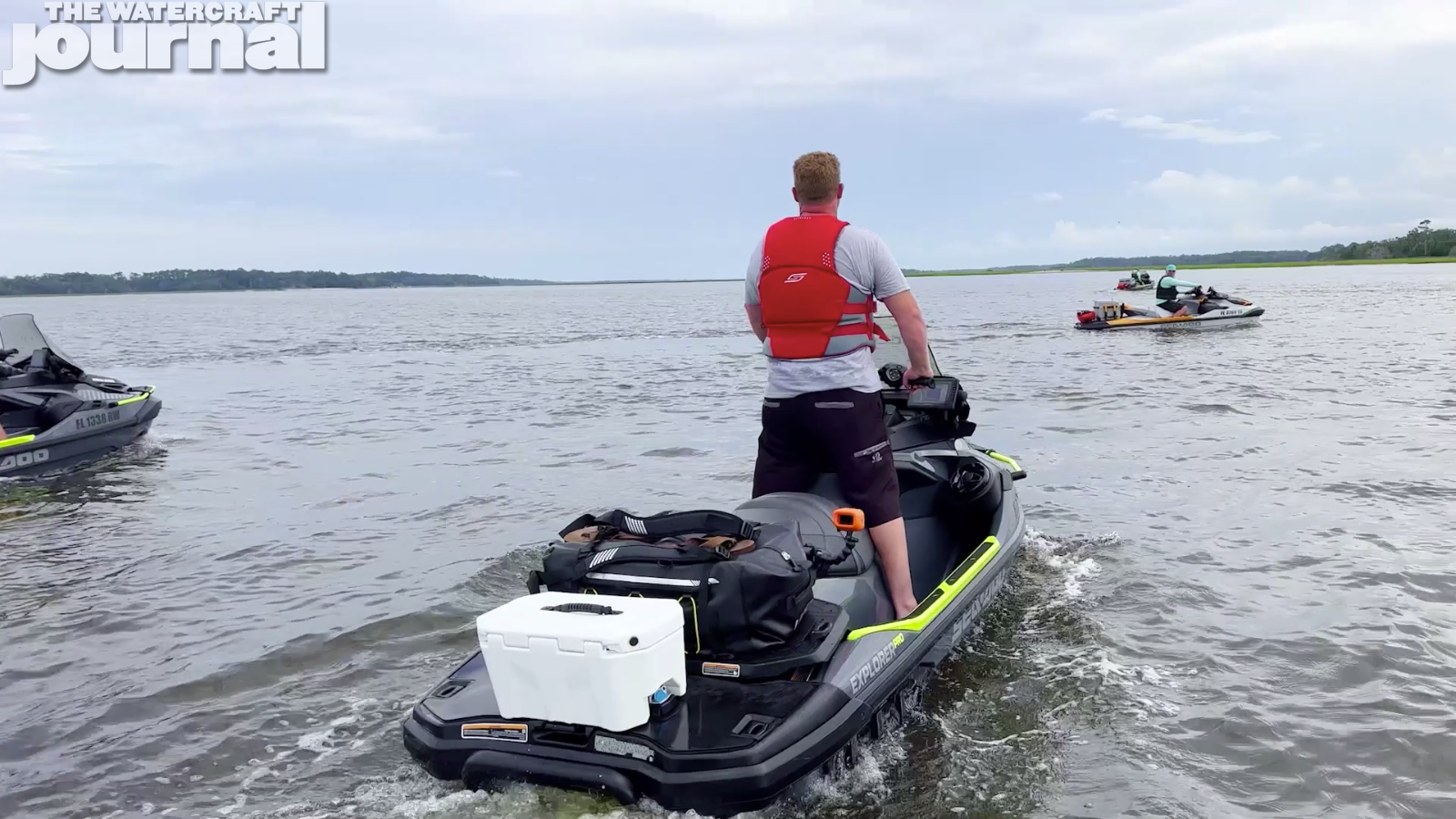
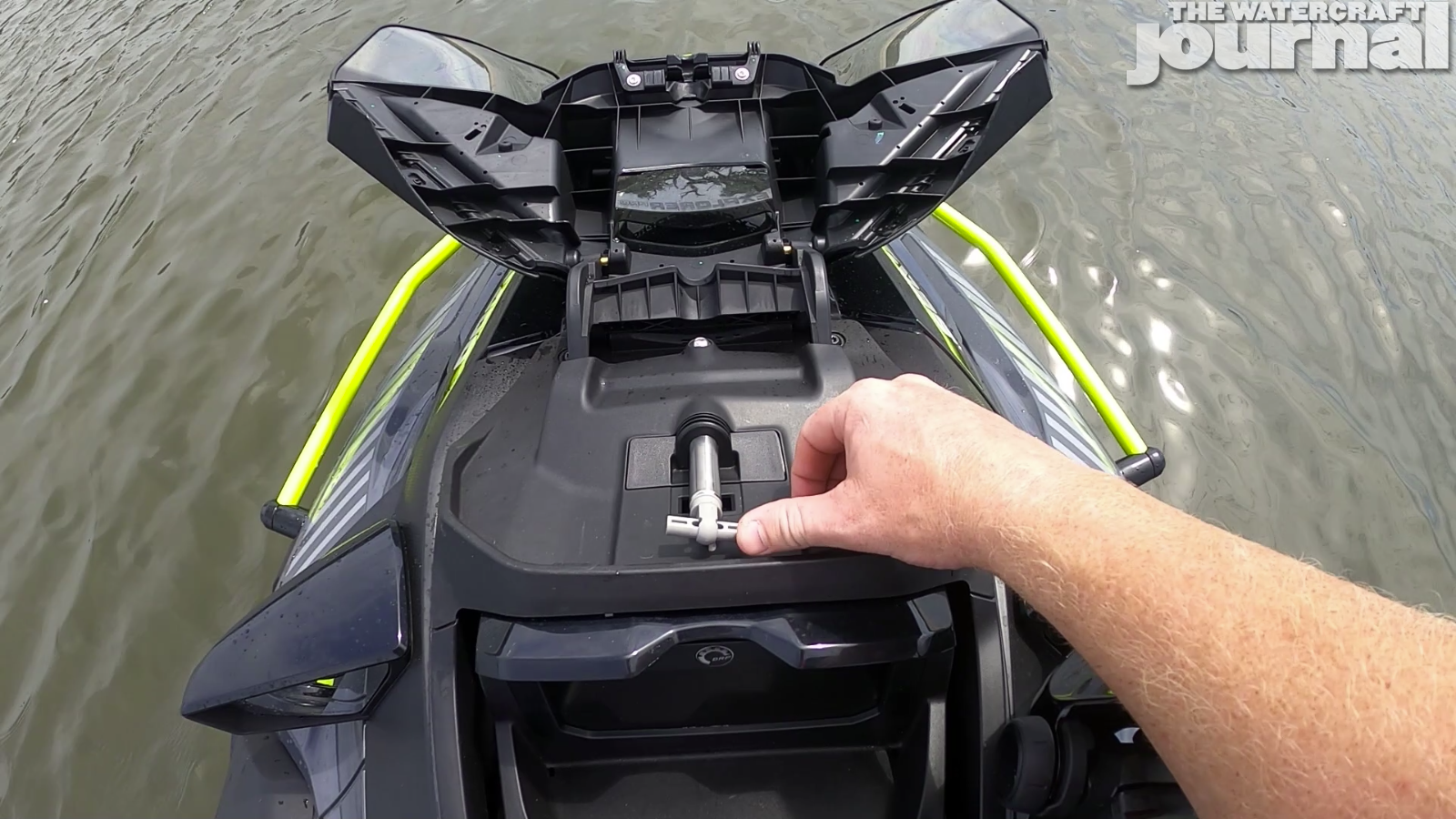
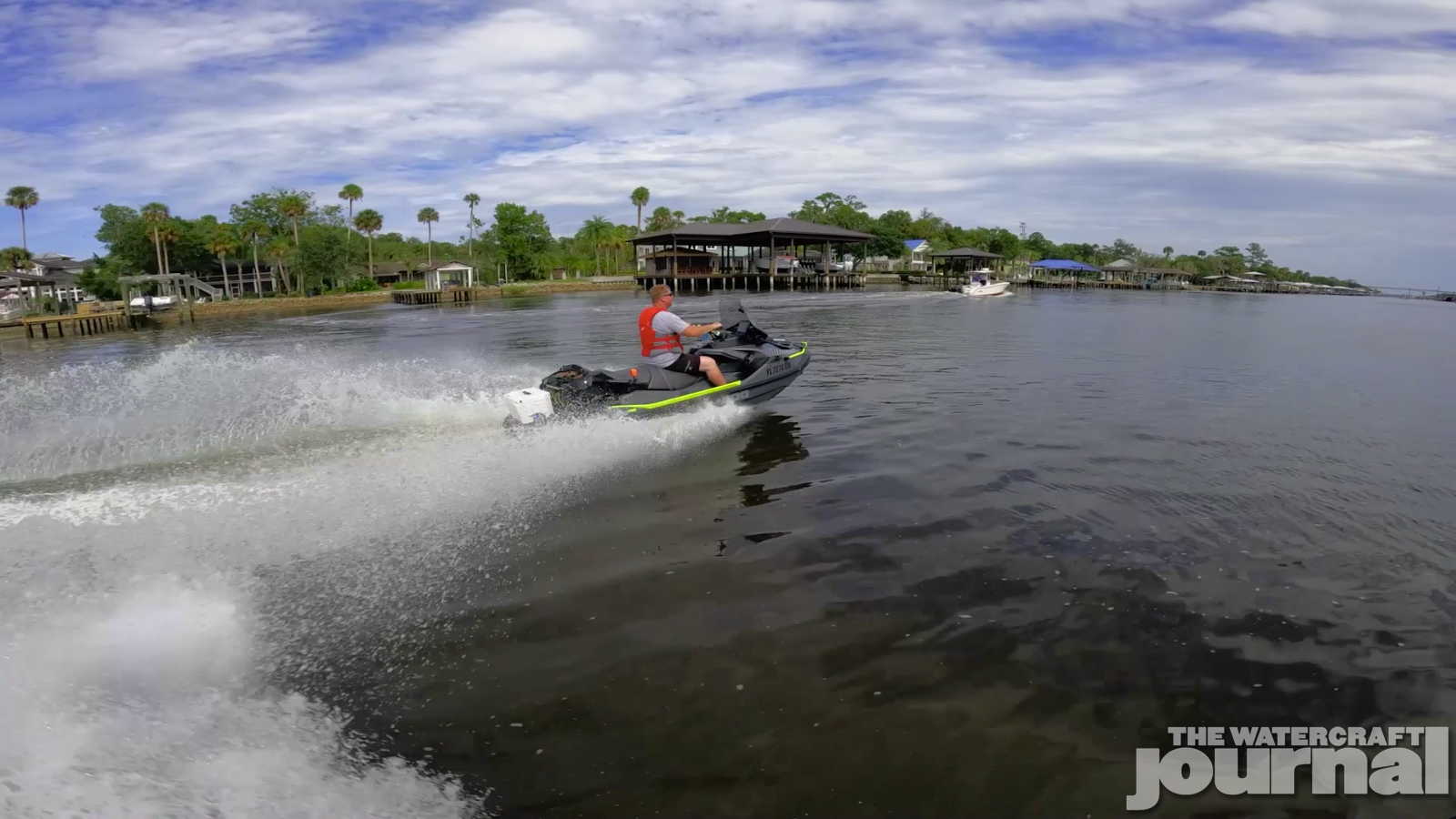
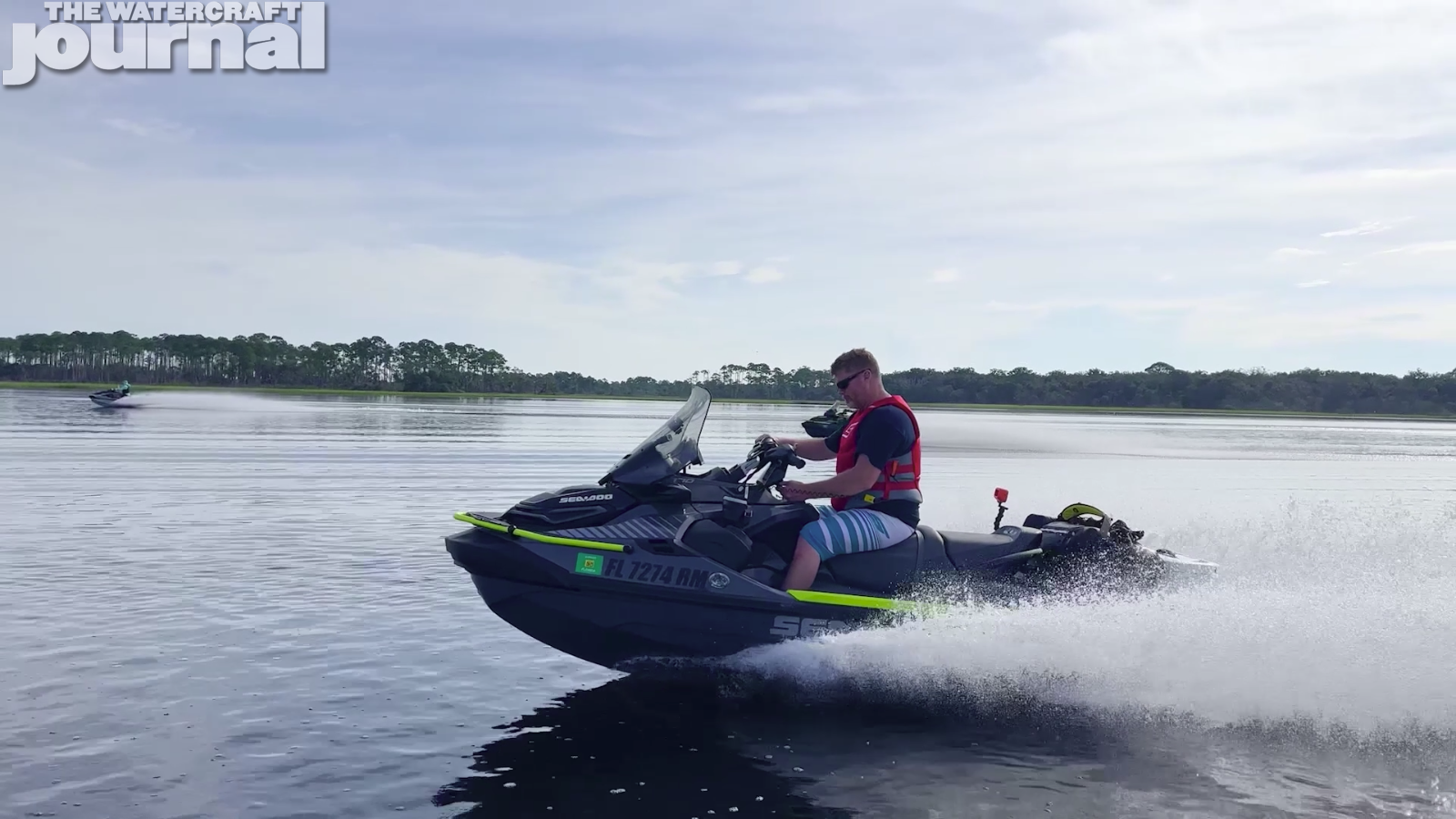
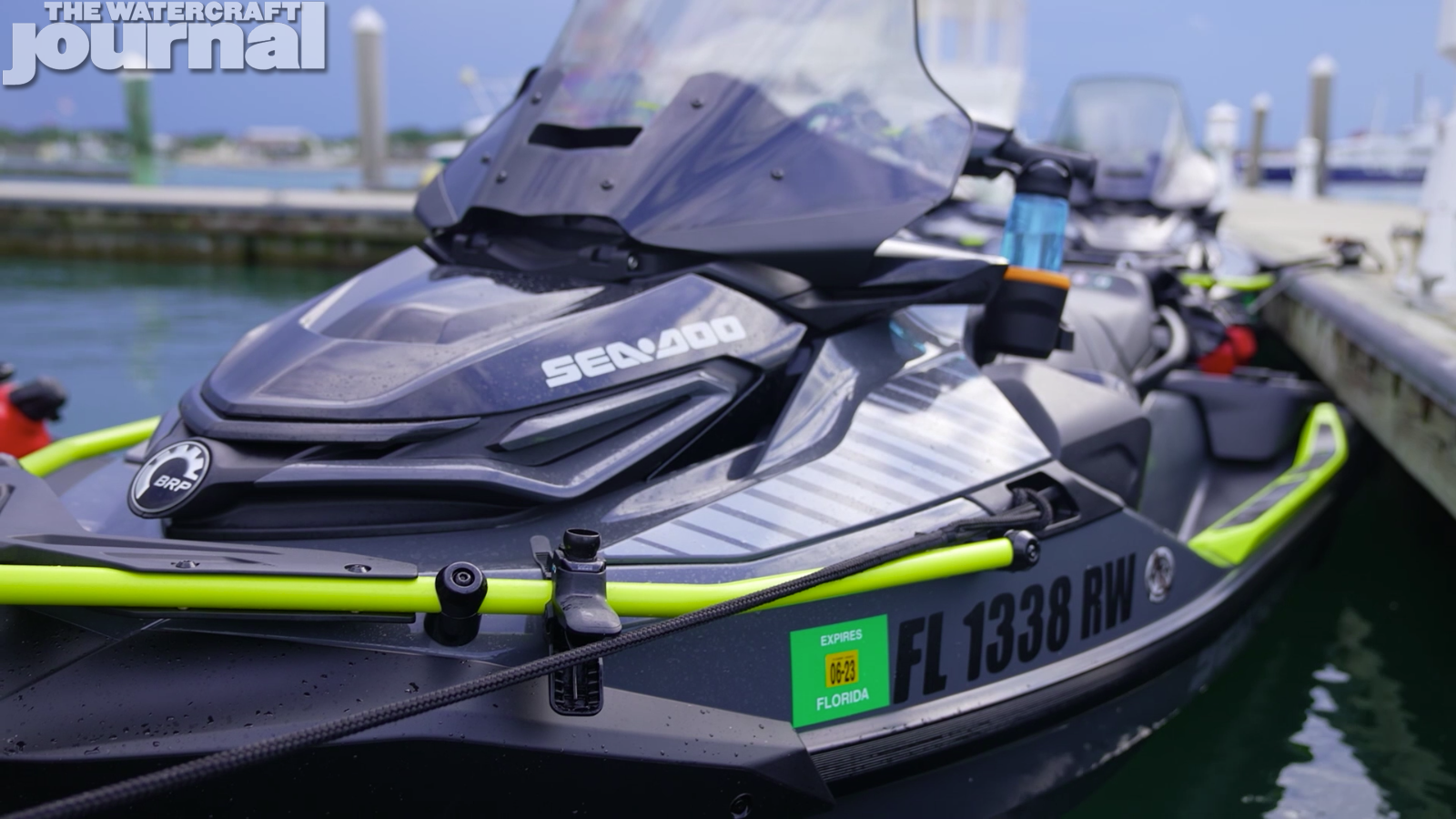
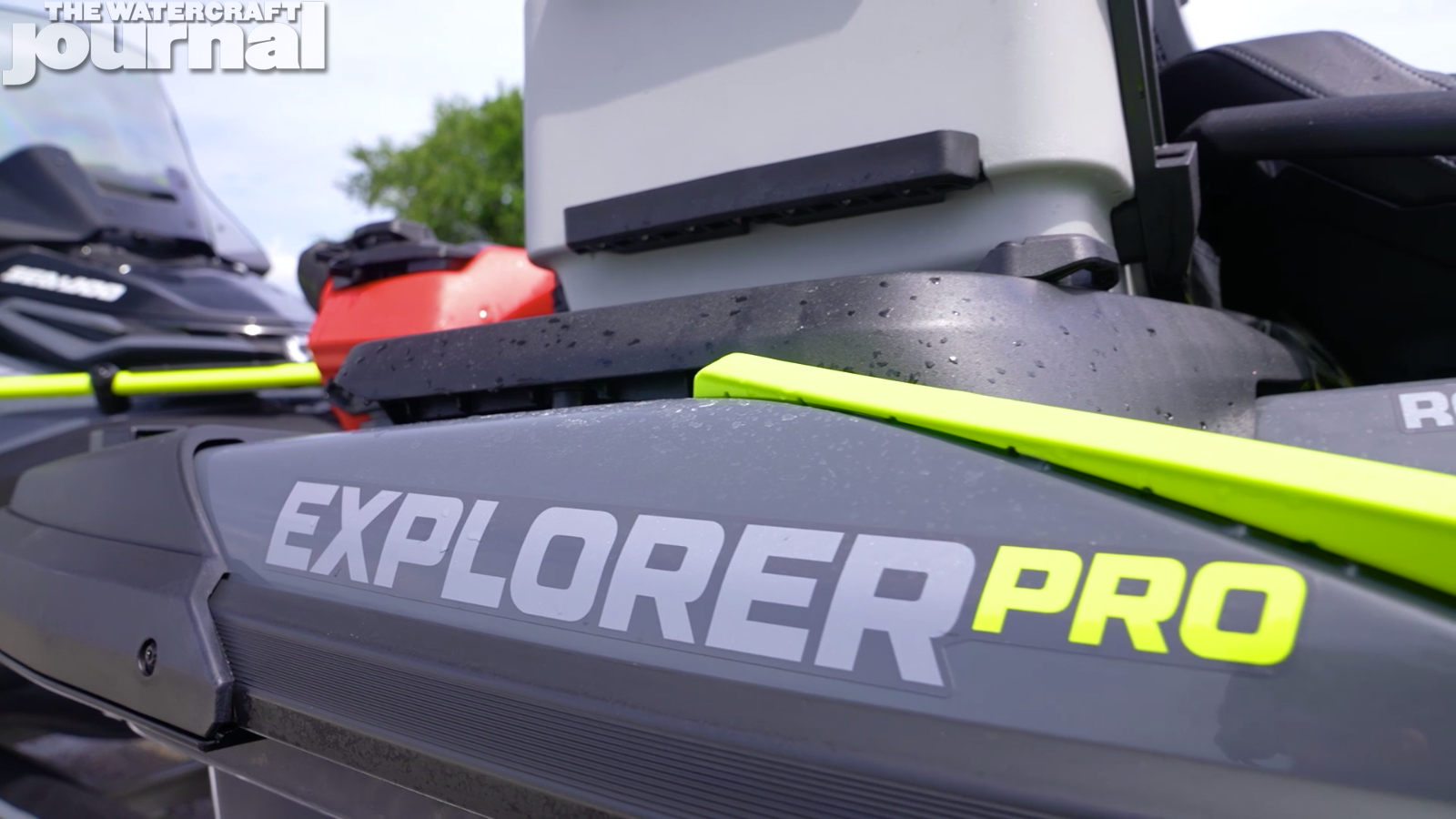
A few months back, I got to spend a couple of days on the 2023 Sea-Doo Explorer Pro 170 – and I quite literally hated it. But to be fair, I think the problem might be more with me than the Explorer Pro itself. I’ve had quite a bit of time to think about it, and I think it’s a matter of the Explorer Pro targeting a customer that frankly, I have zero in common with. I’m just not who the Explorer Pro is aiming for.
As biased as I can be, the Explorer Pro 170 represents everything that I detest about the trajectory of the current watercraft market: namely, a gravitation towards machines that insulate the rider from the environment and keep them distracted from the visceral sensation of riding – reducing the on-the-water experience to being little more than transportation; a means of getting from one place to another.
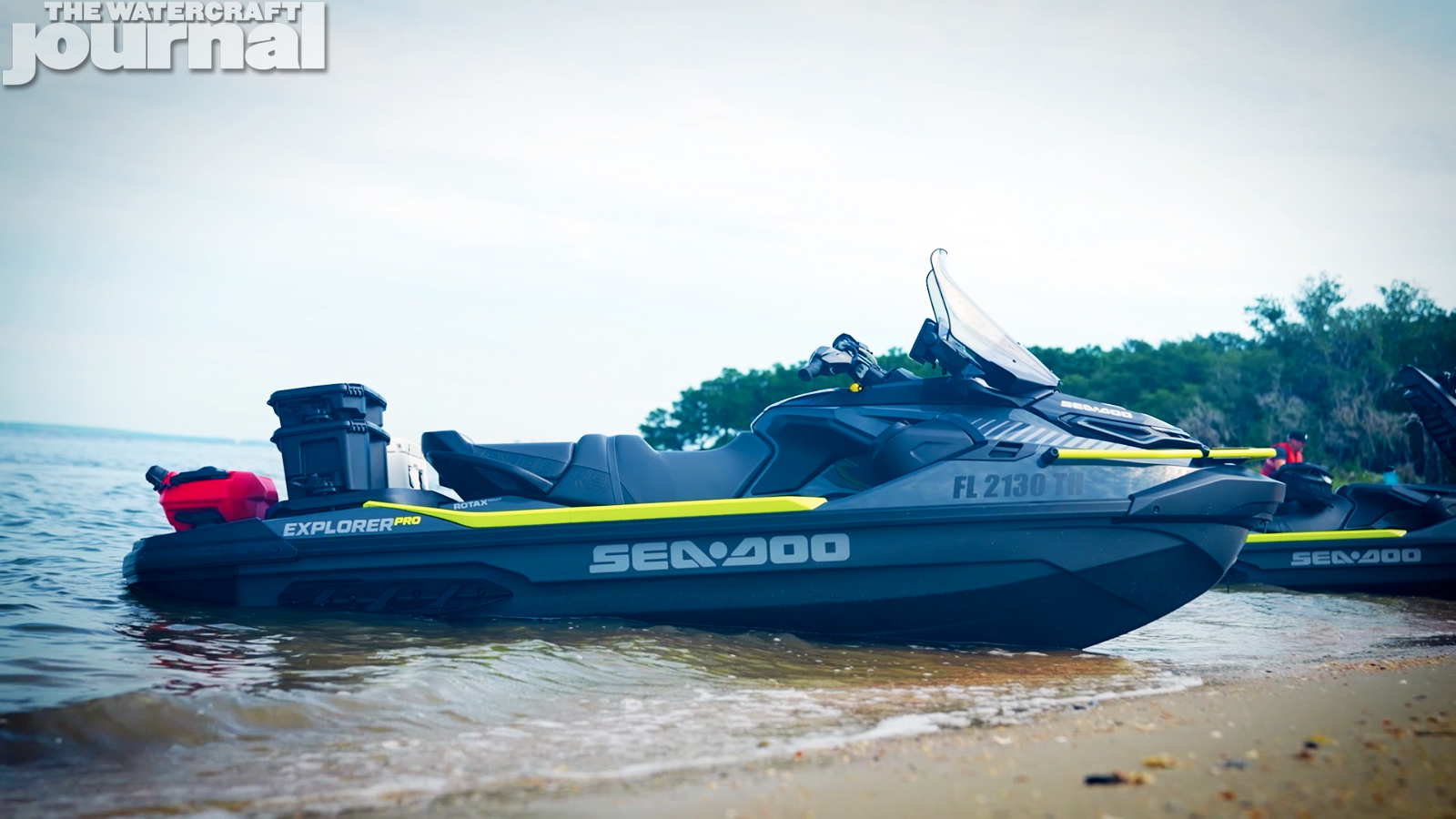
Of course, that was my initial response to the Explorer Pro. Others saw it just as Sea-Doo presented it: unlimited access to shorelines and waterways that you otherwise couldn’t reach by conventional watercraft. Even the ad material was enticing (albeit misleading); smiling campers unloading coolers and camping gear as their Sea-Doos sit beached dozens of feet up a rocky shoreline.
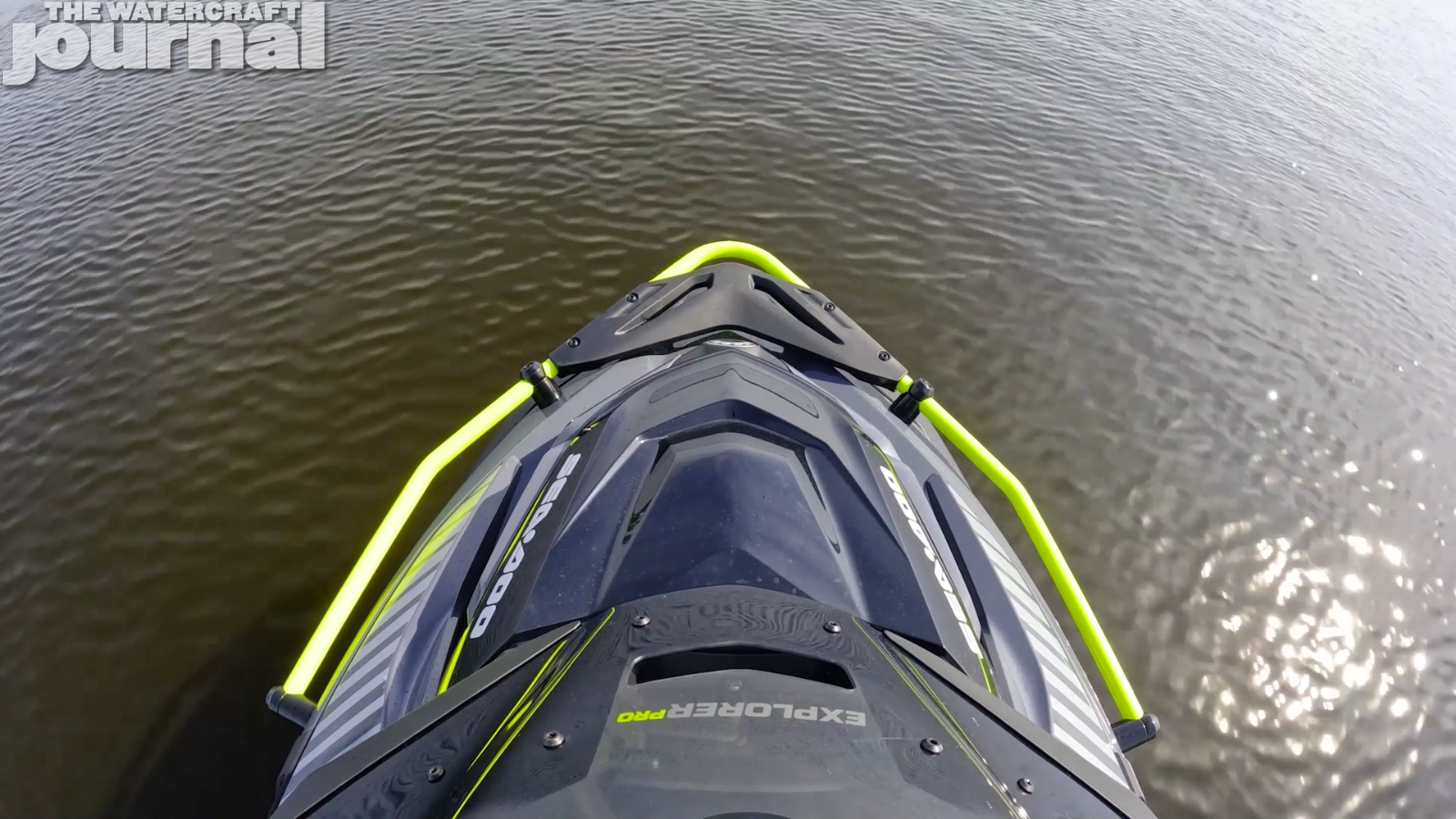
And while, yeaaah the Explorer’s bow rail is intended to be used to drag the nose up on a shoal or sandbar (each fixture is reinforced with a steel plate so you can even tie up your anchor or dockline to the powder coated railing) the Explorer’s ST3 hull is still made from BRP’s proprietary CM-Tech, which still doesn’t respond well to beaching. There’s no reinforcement or rubberized keel guard as some speculated.
Although the $16,799 (MSRP) Sea-Doo comes equipped with Sea-Doo’s Intelligent Debris Free pump system, that’s mainly intended to purge grass and kelp tangled in the intake grate, not to dislodge small rocks and pebbles from the impeller. And it’s not too uncommon for rocks to wash into the pump while beached on the shore.
So if all of that wasn’t clear, let me reemphasize: Don’t beach your skis. Buy an anchor and tie it up in 3-feet of water. There’s a reason they put that in the owner’s manual. Those pictures they show beaching the Explorer Pro? Yeah, don’t do that.
OK so with that out of the way, let’s get back to the Explorer Pro 170. At the outset, it’s really not all that different from the Fish Pro Sport. Both skis are identical in hull and deck design, ergonomics, and several key features. Both come with a 1630 ACE 3-cylinder producing 170 naturally aspirated horsepower fed by an 18-and-a-half gallon fuel tank.
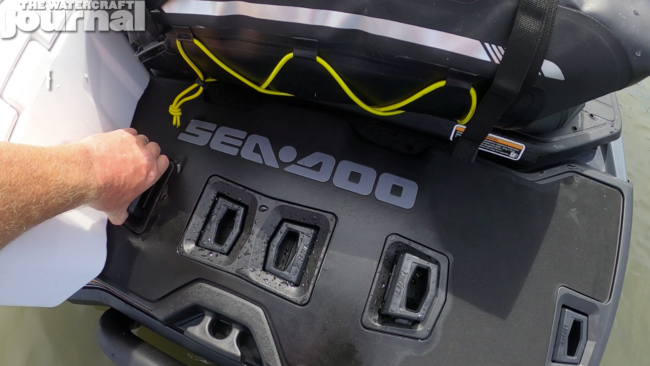
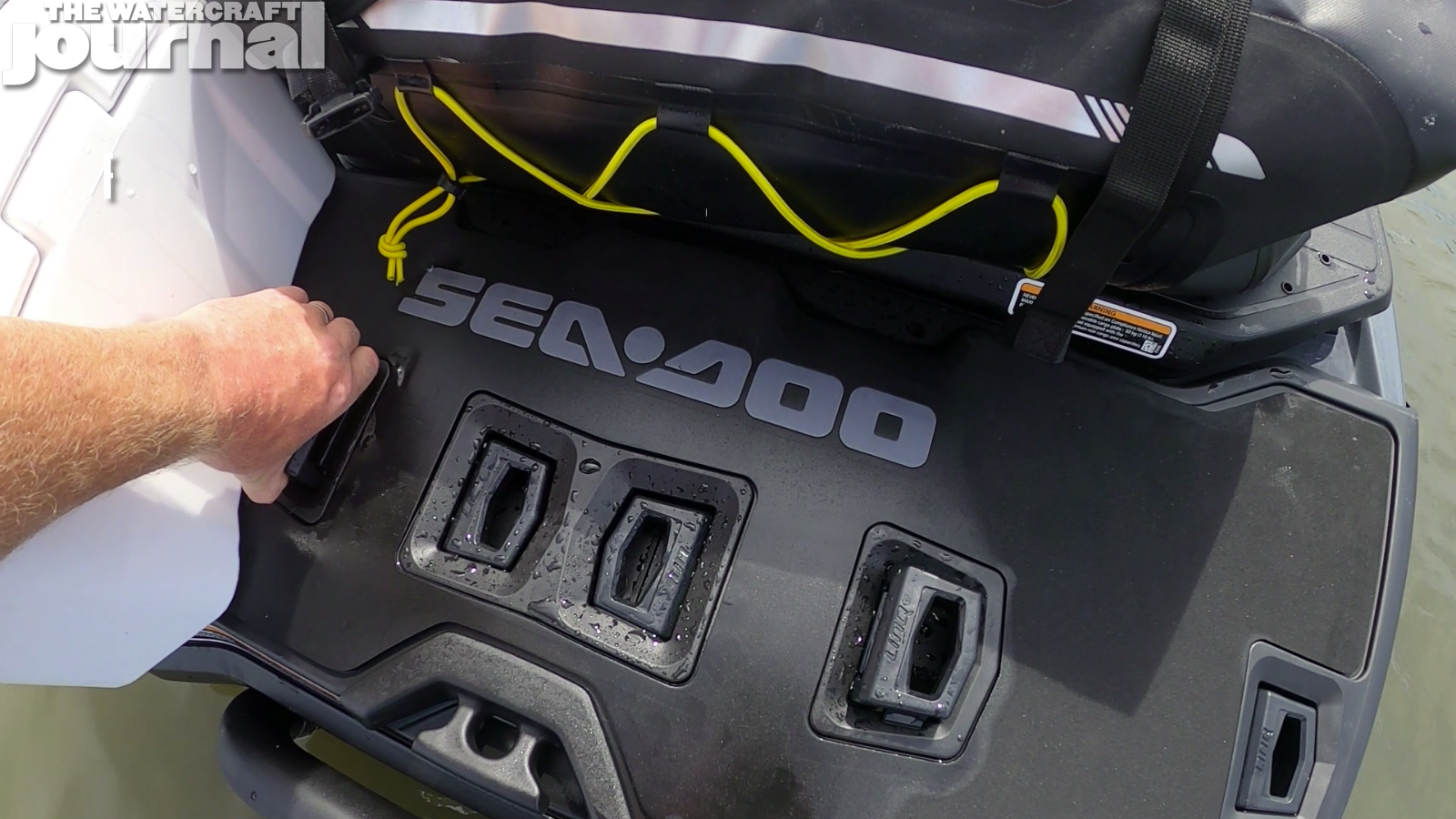
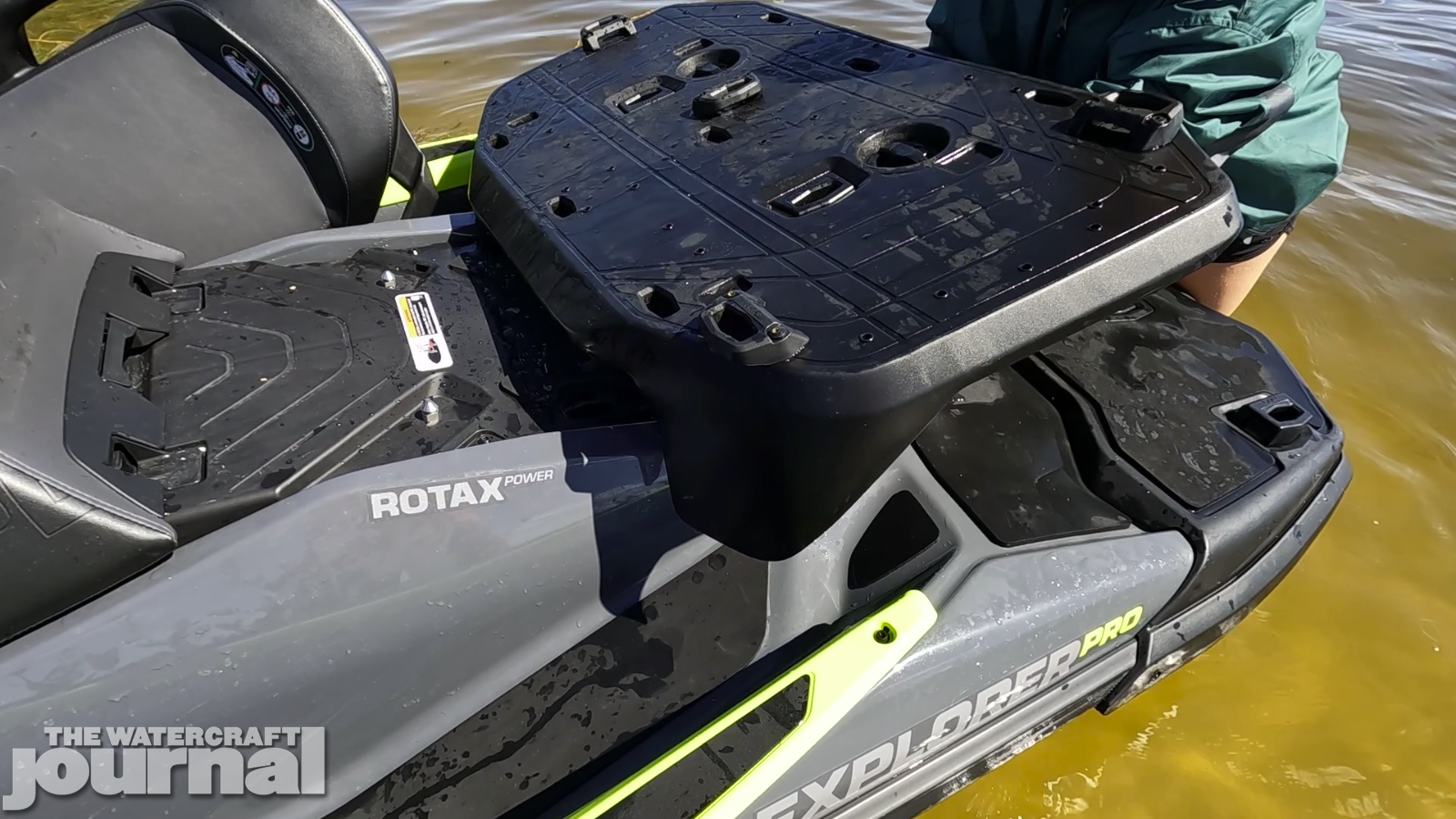
And like the Fish Pro, the Explorer comes with a rear deck extension but equipped with a second set of LinQ attachments. The added 11.5 inches (29 cm) to the back of the watercraft allows for two LinQ accessories instead of the Fish Pro’s one. Yet, a third pair of pop-up cleats also permit the traveler to bring a single accessory in the center, permitting for four different arrangements.
Additionally, the Explorer Pro includes a massive hard-mounted platform behind the rear passenger’s seat with even more LinQ mounts. This deck gives you three more positions for your LinQ items, or a single spot for the Explorer’s gargantuan Explorer Bag – a whopping 100-liter (26.4 gal) watertight storage duffel that can locked down using LinQ attachments, stacked atop other LinQ compatible accessories or carried as a backpack.
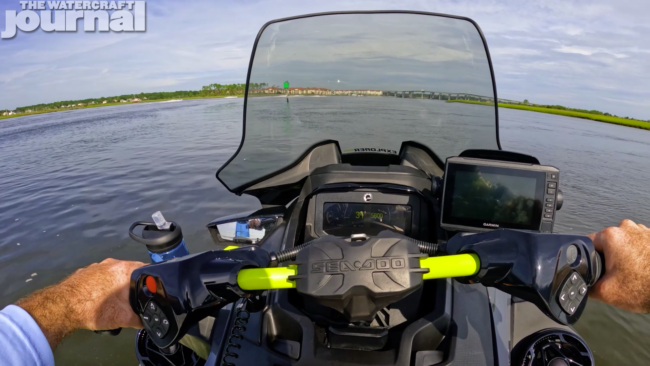
Some final similarities to the Fish Pro Sport include the angled gunwale foot rests, Ergolock knee pads and a Garmin 7-inch touchscreen fish finder, GPS and fish locator. The Garmin chartplotter features an in-hull transducer with mid-CHIRP technology (as well as a token for access to free upgraded regional maps); all really good, functional stuff.
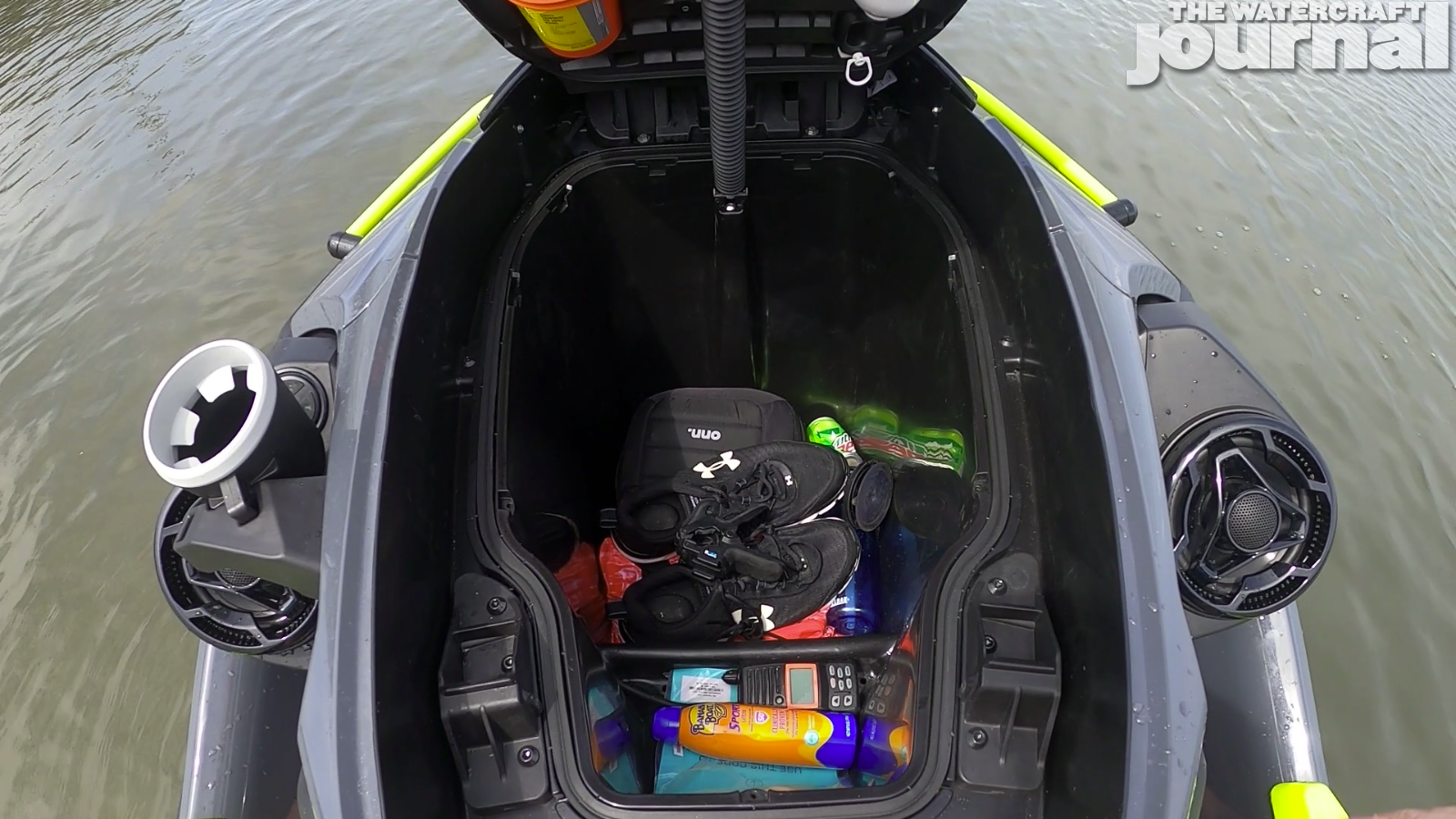
It’s where the Explorer diverts from the Fish Pro Sport that I found problems began to rise. Both share the center storage bin totaling 25.3 gallon (96 L) front stowage. When filled, the rear-mounted Explorer Bag exceeds that by a whole other gallon. Strap down another couple of jerry cans of fuel or a large Fish Pro cooler, and you’ve got an extra couple hundred pounds hanging over the transom.
The Explorer also comes standard with Sea-Doo’s Tech Package consisting of a full-color split-screen 7.8-inch display that interfaces with your smartphone via Bluetooth or a USB port in the glovebox (but never simultaneously) and is supposed to provide music, weather and navigation through the BRP GO! app.
The dashboard is navigated through a responsive toggle pad on the steering. Prompts guide you through a series of pages to manually input your phone’s name, pair it to the dashboard, access the BRP GO! app (permitting for GPS navigation as long as your phone has a strong WiFi signal) and play music (again, only accessible if your music catalog is saved to your phone or you have a WiFi signal out on the water).
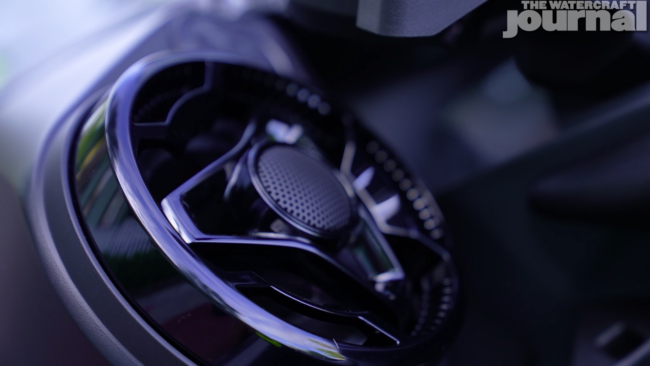
I have documented my travails with BRP GO! and the Tech Package interface extensively here at The Watercraft Journal. Without expounding further, it’s been resoundingly negative thus far, which is particularly disheartening as BRP’s 100-watt Premium Audio System was easily one of my most recommended additions for years prior to the advent of the cumbersome Tech Package.
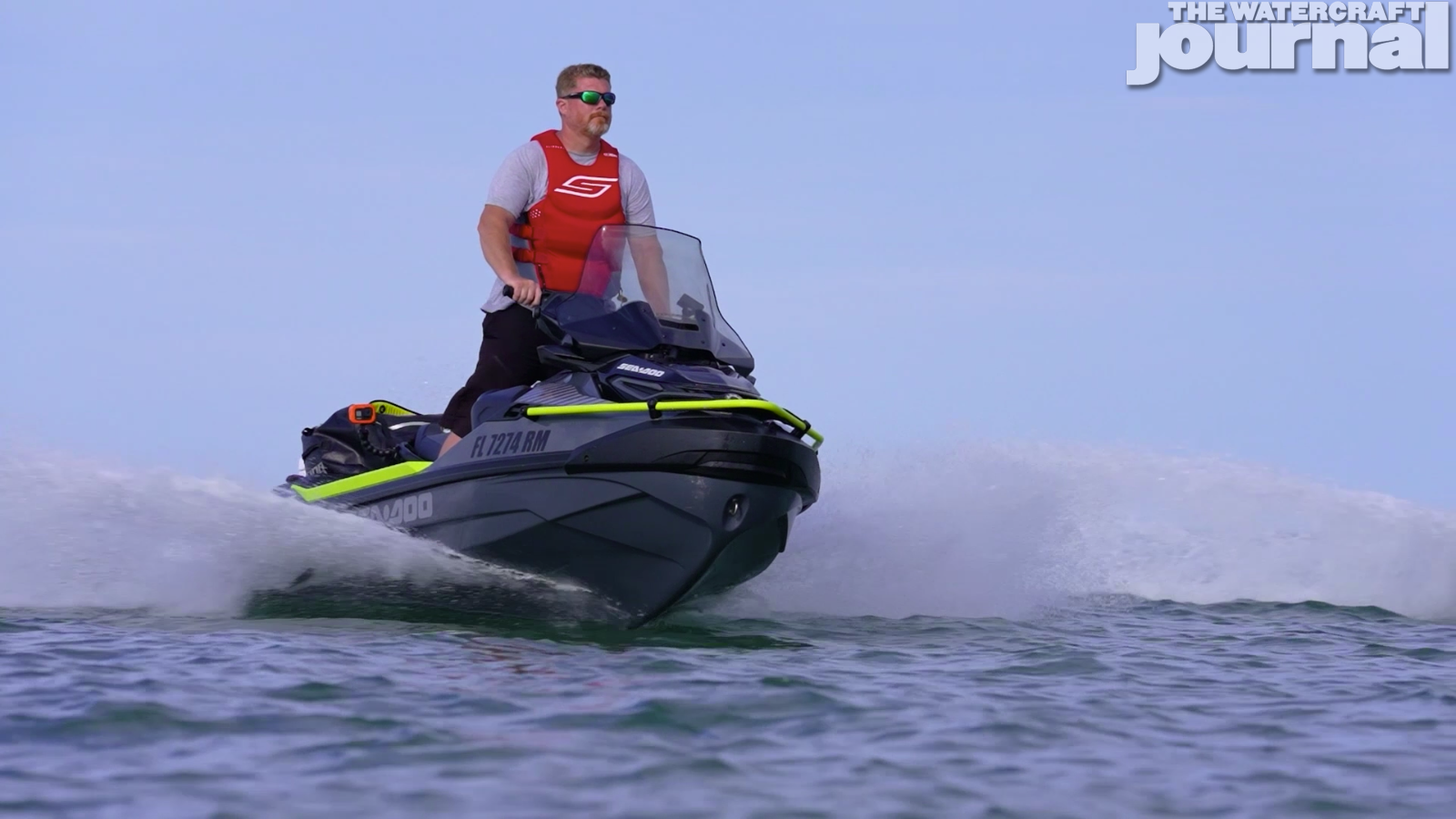
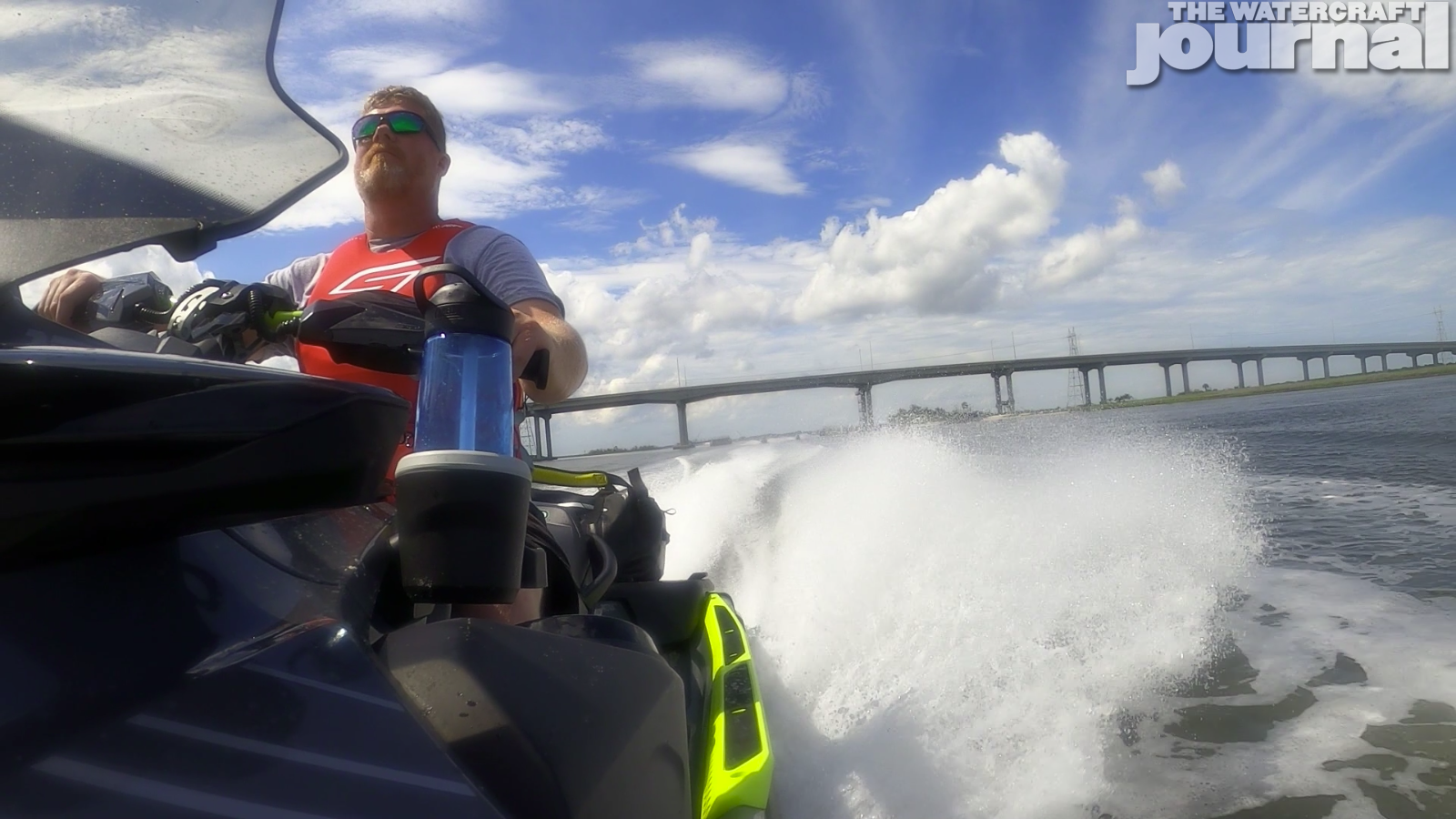
Unique to the Explorer Pro, the Premium Sound System is particularly potent thanks in large part to the Touring Windshield, which protects riders against wind, weather and water. At speed, the shield reduces wind noise that music or podcasts come through with crystal clarity, which even as I write this, sounds really good.
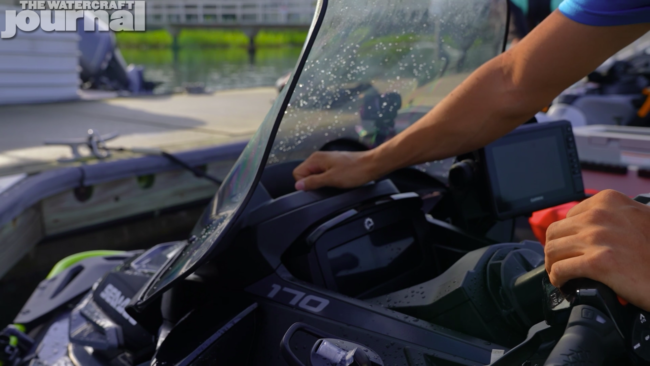
The windshield has a thin rubberized lip around the screen, softening its edges. It also sits on a sliding track, allowing the whole windscreen to “give” a couple of inches when pressure is applied. During my two-day ride, we discovered that sliding the windshield forward to its stop, and pulling up detaches it from its tabs and folds forward, nearly flat on the bow.
Because we were riding through the intracoastal waterways around St. Augustine, Florida, in August, we were sweltering behind the windshield (the small plastic vent did little to direct any air towards you. Instead its purpose is to defog the plastic windscreen). Desperate for a breeze, we all folded the screens down or rode standing up in the open air for much of the ride.
I also noted that the clarity of the screen completely vanishes into a multicolored swirl (similar to a pool of gasoline) when wearing polarized sunglasses. This reduced my visibility to near zero, making it impossible to read the water, which aboard the problematic ST3 hull proved itself yet again, to be dangerous even for an experienced rider like myself.
Thankfully, the Explorer Pro comes with two features which helped offset the completely obstructed view: the densely padded Explorer Pro seat, which raises the rider an inch higher into a more vertical riding posture and the adjustable handlebar riser (the same adjustable steering neck available on the Trixx and RXP-X). Whether sitting back on the raised seat or standing up, I wasn’t leaning to reach the bars, allowing me to comfortably see above the obscured windscreen during my two-day ride.
And it was here, peering through an impenetrable windshield, tracking my dogged progress on a massive 7-inch chart plotter, and fretting over my iPhone persistently failing to sync with the digital dashboard, that I realized I was hating my experience on the Explorer Pro 170. Rarely did I look up to soak in the scenery or enjoy where I was. Rather, I was too busy looking at screens to bother to see where I was.
This is not what jet skiing is supposed to be. This is the exact opposite, I felt and I didn’t like it.
Don’t get me wrong, Sea-Doo knew exactly who they were aiming at with this ski and for the most part, they did a great job checking all of the boxes to make sure that these customers were satisfied. It’s just that these people do not want to experience anything while on the water. I know because I get their emails, read their comments and review their complaints – and believe you me, there are a lot of complaints.
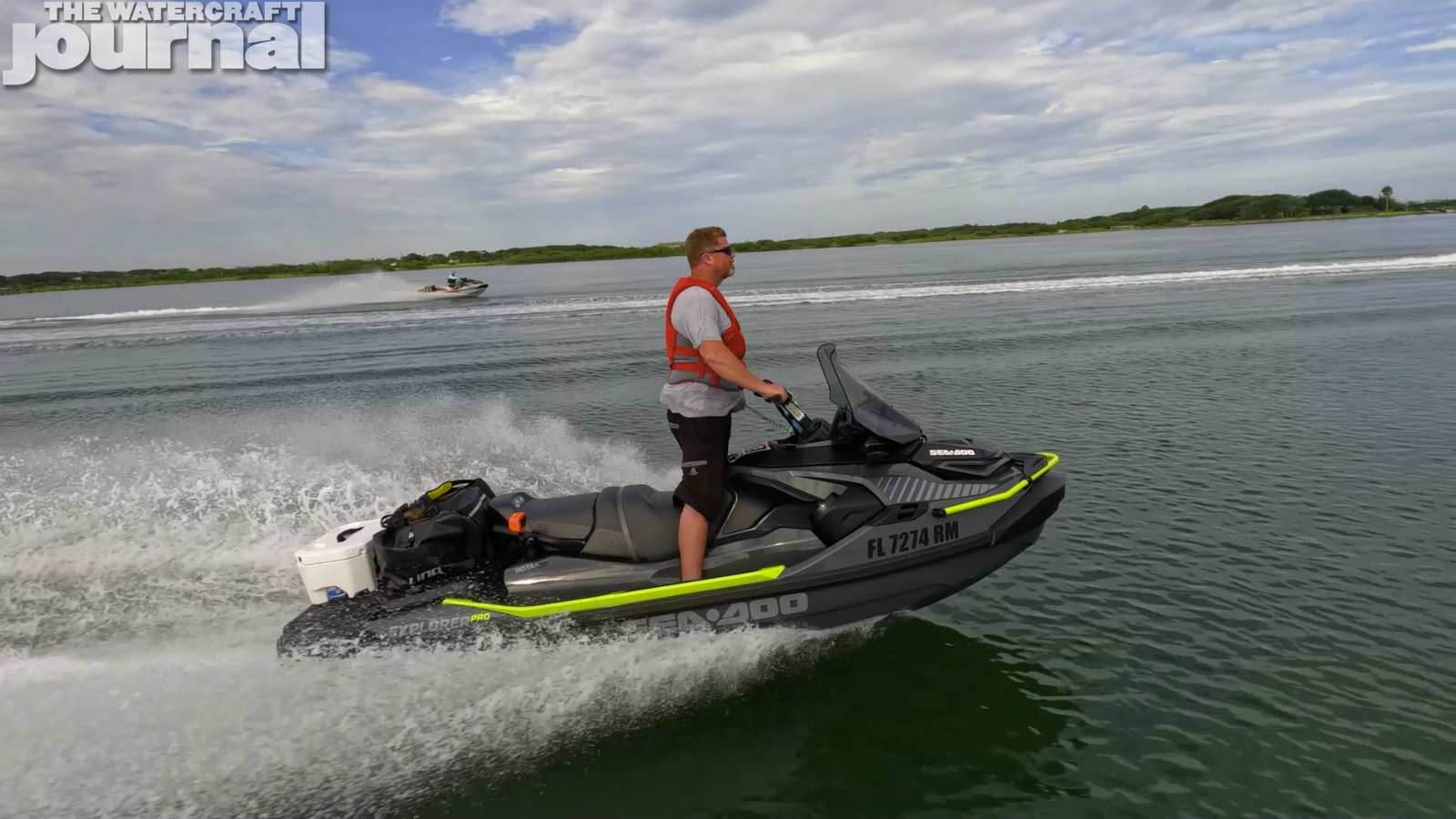
So what did they get? A joyless machine that cannot traverse the slightest ripple of chop, is horribly imbalanced when appropriately loaded down, and rewards the pilot with a stale, lifeless ride from one destination to another. The Explorer Pro is big, and worse off, it feels big: she’s 146.8-inches long (six inches longer than the Ultra 310LX); 49.4-inches wide (2.5-inches wider than the Kawi); and 859-pounds dry (so factor in 155-pounds for fuel, coolant, oil and a battery puts a curb weight closer to 1,014lbs.).
This is important because the Explorer is only rated for a total capacity weight of 600-pounds. When the majority of that weight is distributed behind the rider – through loading hundreds of pounds of cargo and fuel – the balance of the machine is thrown off. Suddenly, the flat rear half of the hull is doing all of the steering, which is not the same as trimming down.
When burdened under load, I found the Explorer Pro significantly underpowered, unmanageable in mild chop and wakes, and nigh dangerously uncontrollable in heavy seas (what I’d consider 3-feet and above). One of our group were thrown forward into the windshield. Others lost cargo or had LinQ attachments break. I personally duck-dived the entire craft – up to my elbows – as we exited into the Atlantic near Amelia Island and lost a GoPro to boot.
Admittedly, I can see how the Explorer Pro 170 would best serve those riding in cold weather and isolated locations. (Two of the units in our group came equipped with BRP’s electric heated hand grips.) But it would be disingenuous for me to suggest that such a purchase be strictly for a few limited months solely – and that’s why it’s hard to recommend it.
In my procrastination, I’ve shared a little bit of my displeasure with the 2023 Sea-Doo Explorer Pro 170 during live question-and-answer sessions on YouTube, and to their credit, many have bucked my opinion and gone ahead and purchased one. Thus far, those who’ve told me such have enjoyed the many features and unique abilities of the Explorer Pro and that’s great too.
Like I prefaced, I just don’t think this one’s for me. Some of you will agree with that sentiment. Others won’t. And that’s OK too. We don’t all have to like the same things.
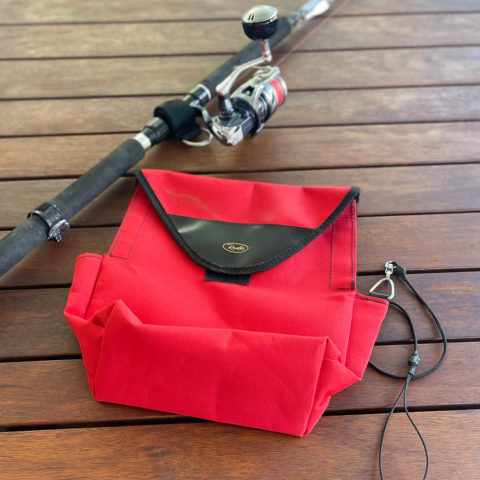
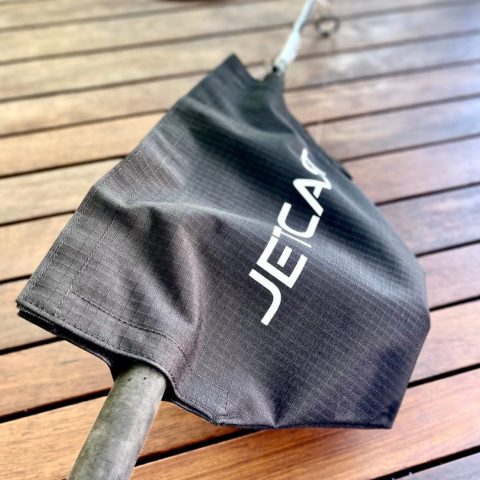
When it comes to PWC fishing, Jetcast out of Queensland, Australia pushes the limits of this fast-growing sport! From stainless steel and bungee tethers, to innovative “rod wraps” and reel covers, Jetcast offers a complete line of purpose-based products to protect your fishing gear from damage or loss overboard.
Personal watercraft are subjected to constant bombardment by saltwater and spray when out on the ocean. According to Jetcast, “The analogy is getting a firehose and shooting saltwater at your reels!”
“IPX7 reels are only available in spinning configurations, so who wants to use one type of reel? Overhead reels, specialist jigging reels, and “bait casters” are the mainstay of the serious fisho these days, with spinning reels the go-to choice for topwater casting.”
The Jetcast standard reel covers are easy to fit and remove, but more importantly they keep reels dry just as well as more expensive covers. These covers are made from water-resistant polyester and vinyl, and have Velcro seals to stay securely on covers when riders are traveling at high speed.
Rusler’s Deluxe Reel cover is made from REC Coated Acrylic Canvas for strength and water resistance. Sewn to Jetcast’s specifications, the Deluxe Reel Cover will comfortably hold a 7000 series reel. The cover wraps around Rod handles for a tight fit.
The Deluxe cover features a Velcro fastening system and comes standard with a bungee cord and swivel clip for attachment to your rod holder or cooler rocket launcher.
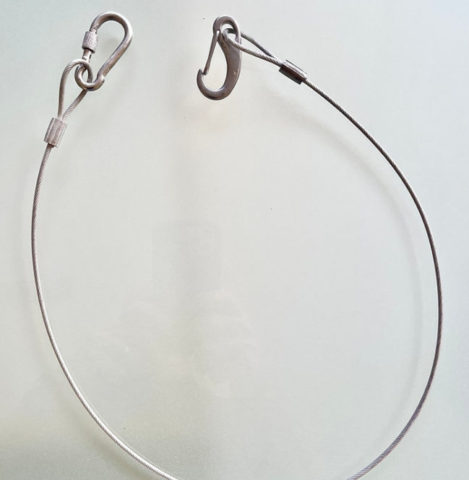
When out in the ocean on a PWC, just about anything can fall overboard at any given time! Lost fishing rods and reels are unfortunately very common. Jetcast offers different varieties of tethers to keep your gear where it belongs- attached to your ski!
The Jetcast stainless steel tethers are made of 3mm (3/32nds on an inch) nylon-coated stainless wire and are 750mm (2.5 feet) in length. After much testing and research Jetcast has found that these tethers are the perfect size for securing gear on a PWC.
The main clip on the Jetcast stainless tether can be opened with just one hand, and features a locking clasp at the other end- with a screw-barrel to stop the clip from being removed by accident.
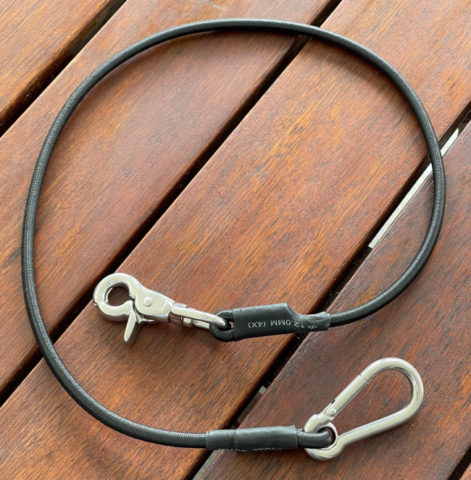
Rusler’s Jet Ski Bungee leash is manufactured with heavy duty 6mm (just less than ¼ in) cord to an overall length of 740mm (About 2.4 feet) designed to stretch to 1200mm (about 4 feet) or more. Brass clamps and shrink wrap are used for long life of the product.
At each end is two heavy duty #316 marine grade snap hooks – one that swivels making attachment easier to apply and remove. Perfect when purchased with the Rod Wrap straps for fastening your rods or fishing accessories. (You’ll find this Rod Wrap also in the Jetcast store).
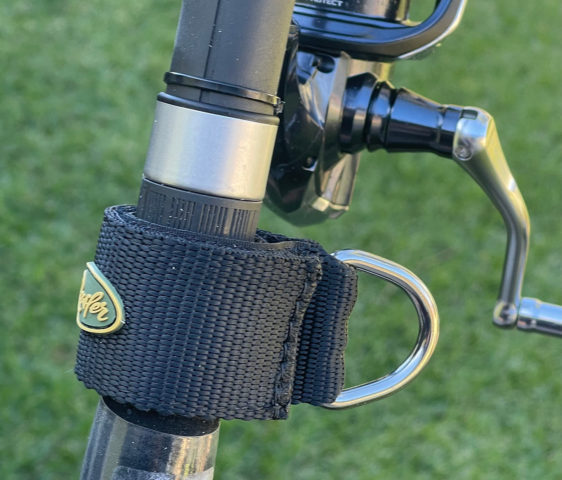
How do you connect your tethers to your fishing gear? The Jetcast “Rod Wraps” are sturdy straps with stainless steel loops for a strong connection that won’t let you down -or get in the way. Jetcast is expected to release smaller diameter versions that suit the narrow shafts of modern Jig rods.
Well, dang. I gotta get out of the prediction racket ’cause I’ve been striking out pretty badly when it comes to the brand that I thought I knew best. It was a no-brainer that Kawasaki would be tooling up to revamp the naturally-aspirated (non-forced-induction) Ultra JetSkis after the roll out of their newly redesigned supercharged 310 models in 2022 – that much was certain. But in what degree the new entry-level Ultras would arrive was still uncertain…until today.
In an unusual move (one that I haven’t seen in my 18 years of publishing), Kawasaki unveiled two new 2023 models mid-season the 2023 Ultra 160LX and the Ultra 160LX-S. These two non-supercharged JetSkis are nearly indistinguishable from their supercharged siblings; in the case of the 160LX only the numerical call-outs on the deck identify one from the other. Literally all other features and physical characteristics are carried over.
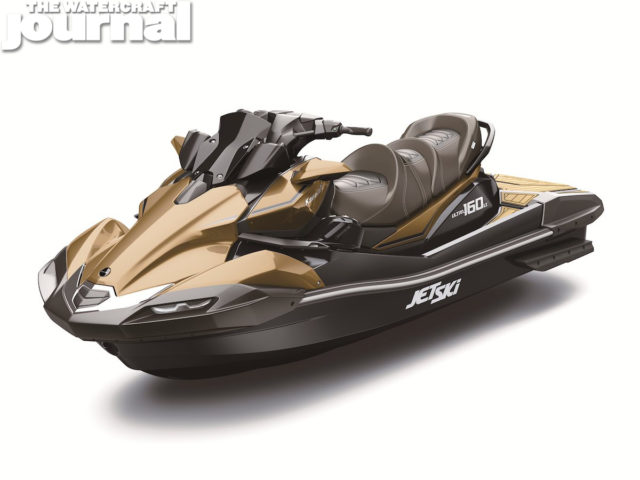
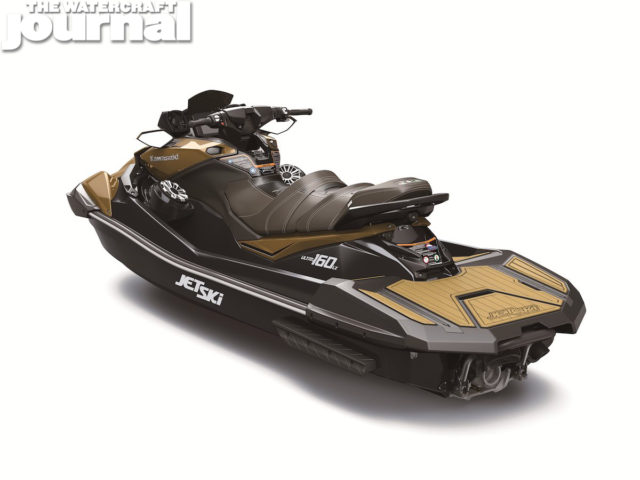
Top row: The 2023 Ultra 160LX-S comes in Candy Steel Furnace Orange but features every feature on the supercharged Lime Green 310LX-S. Bottom row: The Ultra 160LX is even more confusing to the neophyte as it is literally indistinguishable from the forced-induction Ultra 310LX save for the obscured call-outs on the lower deck.
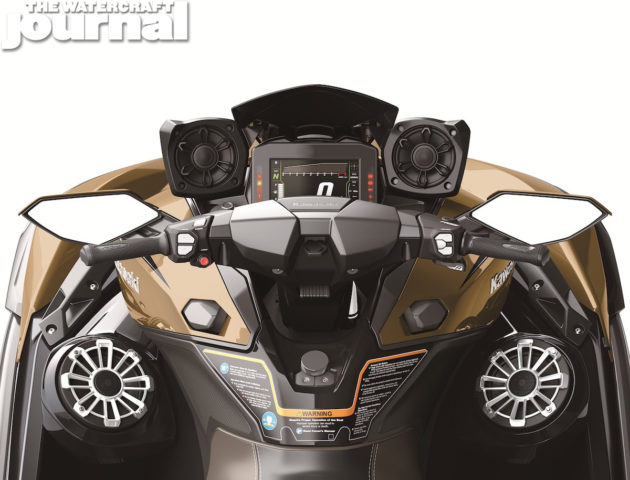
This is not hyperbole. The naturally-aspirated Ultra 160LX is equipped identically as the flagship 310LX. Beginning with the Jetsound 4s integrated audio system consists of a 200W x2 channel amp and two 60W lower speakers and two 35W upper speakers, a jog-dial control with Bluetooth connectivity, the Ultra is compatible with all smartphones with Bluetooth capability. And when synced to the TFT dash, audio control can be viewed on the display.
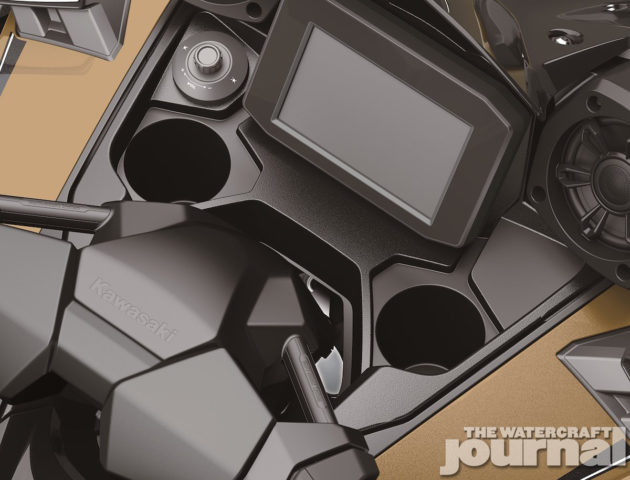
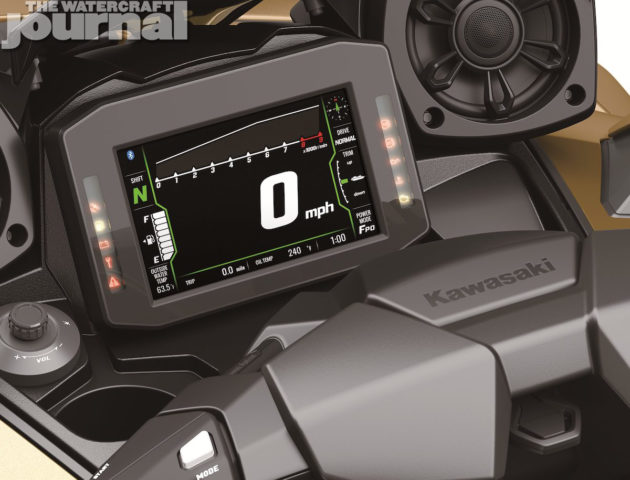
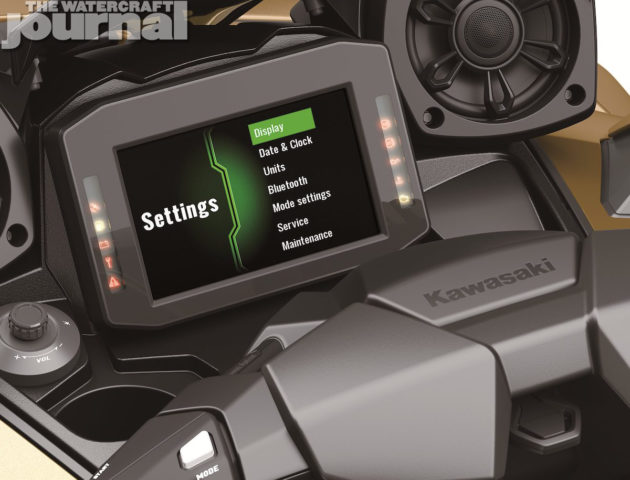
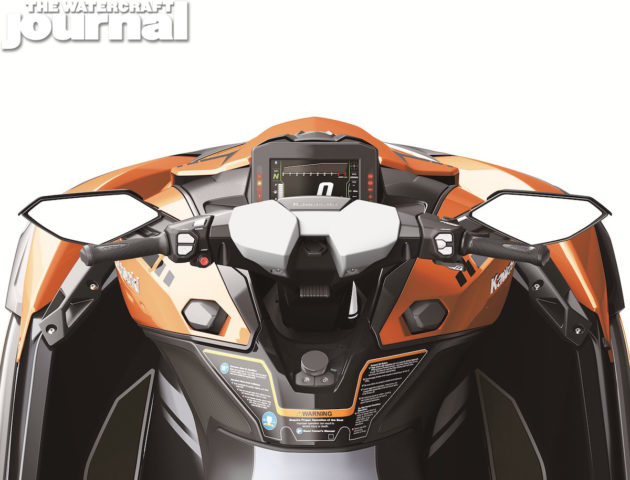
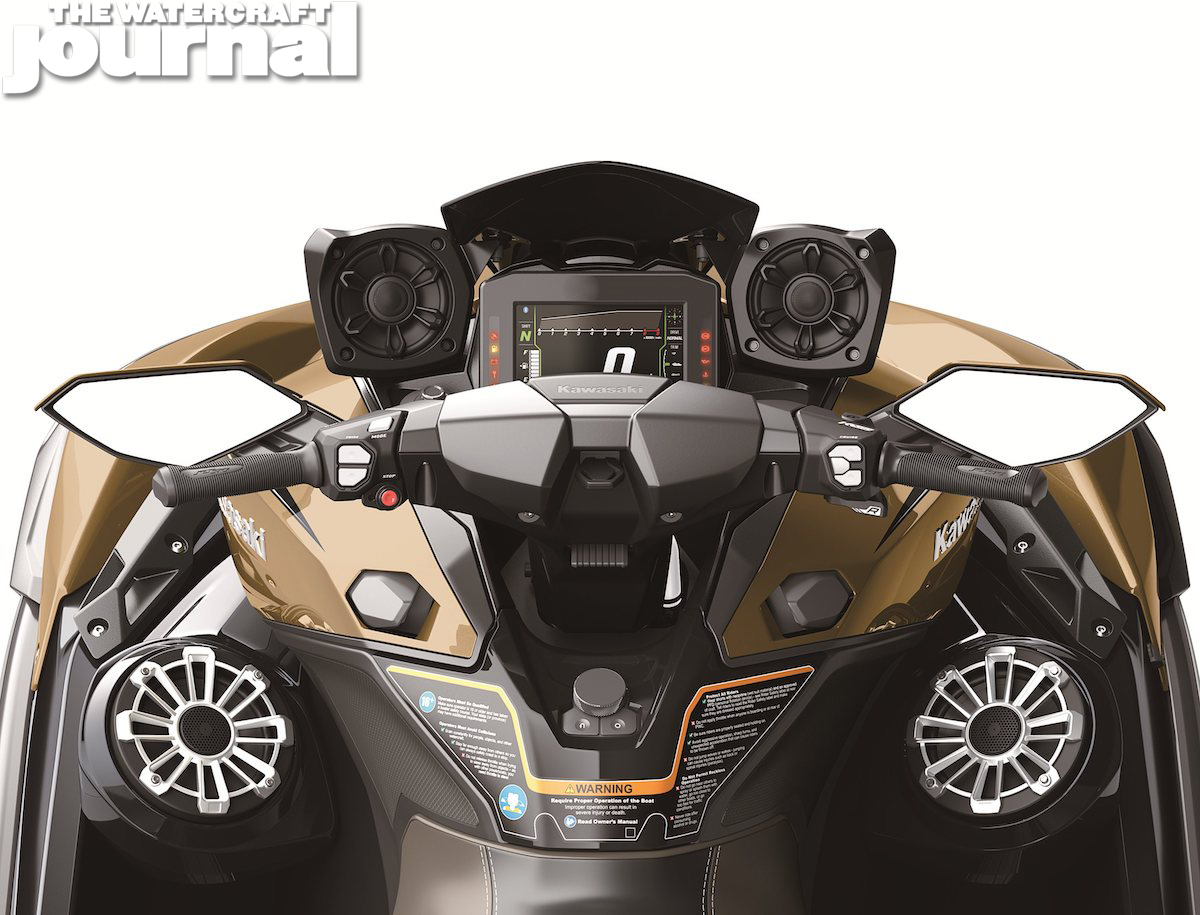
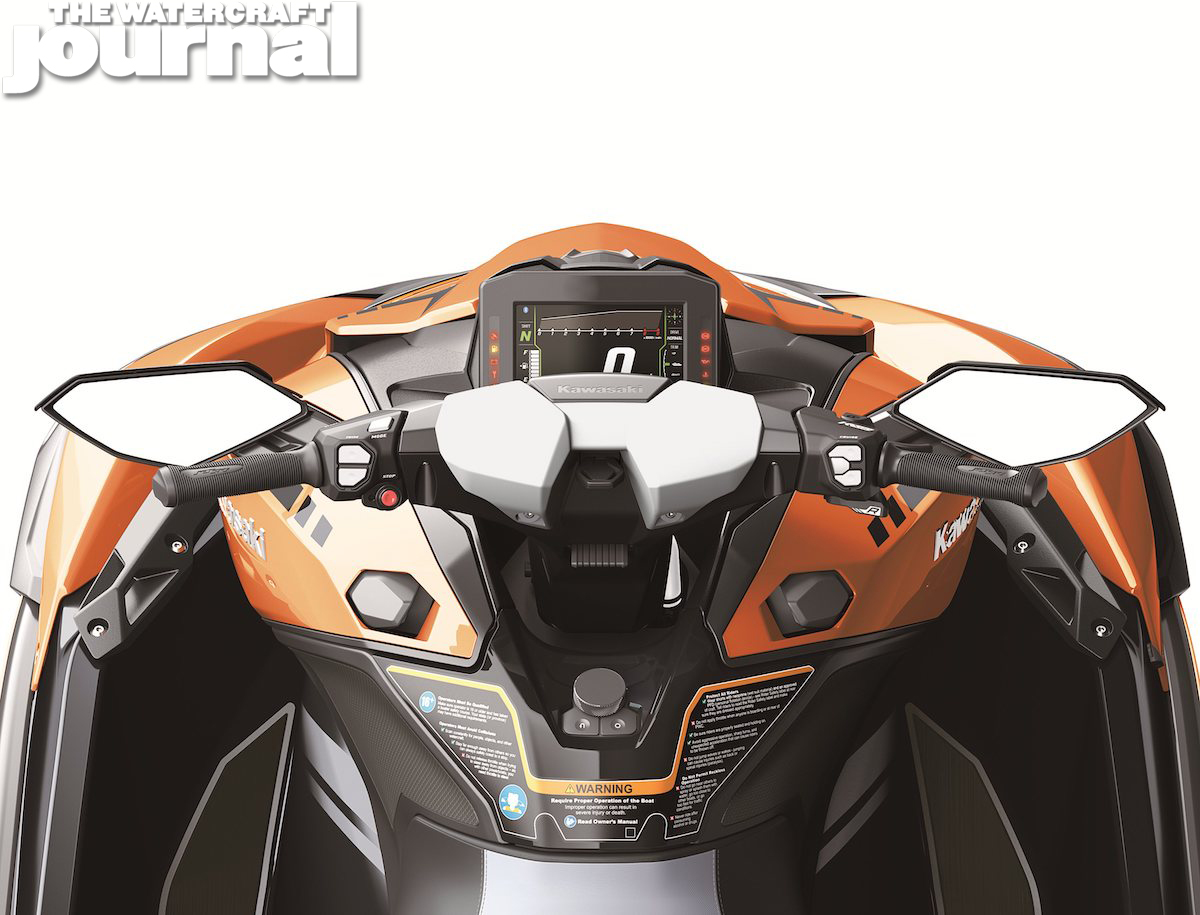
The new 7-inch TFT full color display scrolls through pages via a dedicated jog-dial control, offers Bluetooth connectivity, and various features and three different display modes (Digital Speedometer, Analog Tachometer, Digital Speedometer and Jet Ski Image) and an optional black or white screen background. Infotainment functions including a GPS waypoint indicator, vehicle information, rear-view camera monitor and audio track display.
Above: Kawasaki completely revamped the Ultra’s upper deck with an entirely new console, including a 7-inch full-color TFT digital dashboard featuring a GPS-referenced compass, waypoints and speedometer.
Above: The TFT also features a king’s ransom of live data reading, as well as a true Launch Control, No Wake mode, multiple “mode” settings allowing for Full, Medium and Low speed outputs.
And yes, that also means that all Ultras include a GPS-based speedometer, tachometer, fuel gauge, drive mode, boost pressure, clock, power mode, compass, trim, Bluetooth indicator, phone call indicator, mail indicator, economical riding indicator, cruise control, and options for a digital tachometer, trip meter, total time, trip time, oil temperature, engine coolant temperature, battery voltage, intake air temperature, external air temperature, and external water temperature.
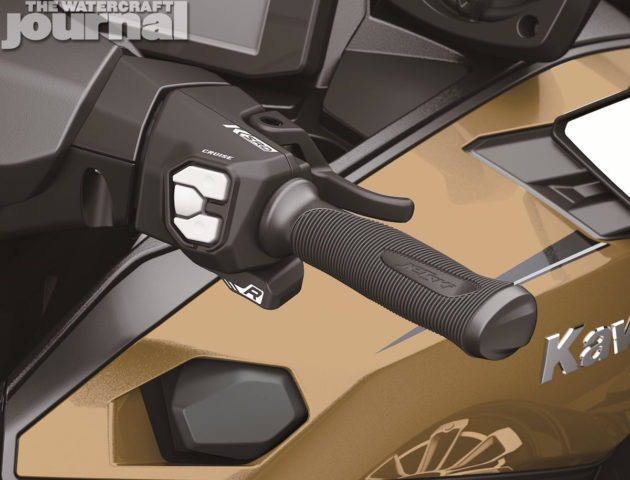
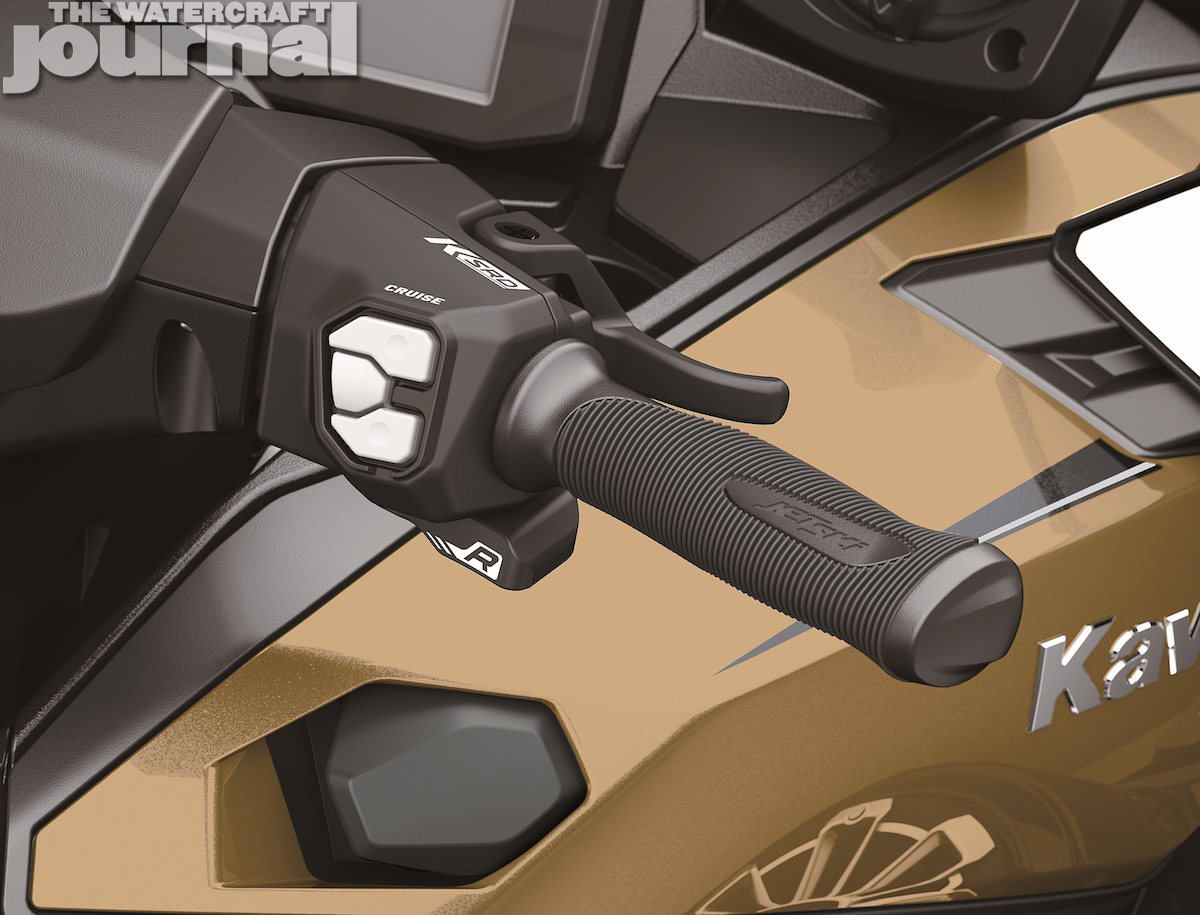
On the 5-way adjustable handlebars are toggles for Cruise Control, a one-touch 5mph “No Wake” mode, and most importantly, the all-new Kawasaki Smart Reverse with Deceleration (KSRD) braking system. Kawasaki placed all of the throttle and brake controls on the right-hand grip, allowing riders to squeeze the throttle with their index finger, or deploy the brake with their thumb. The brakes don’t come on as hard as others’ systems, but it certainly works.
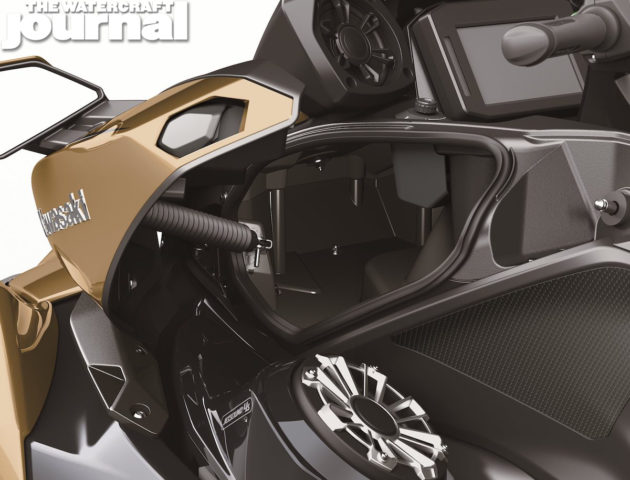
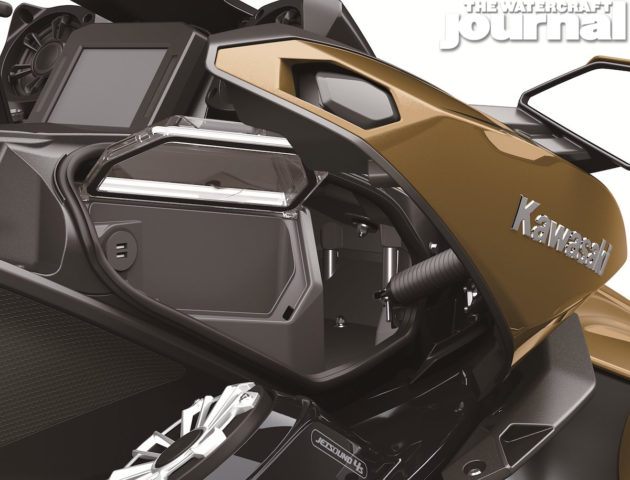
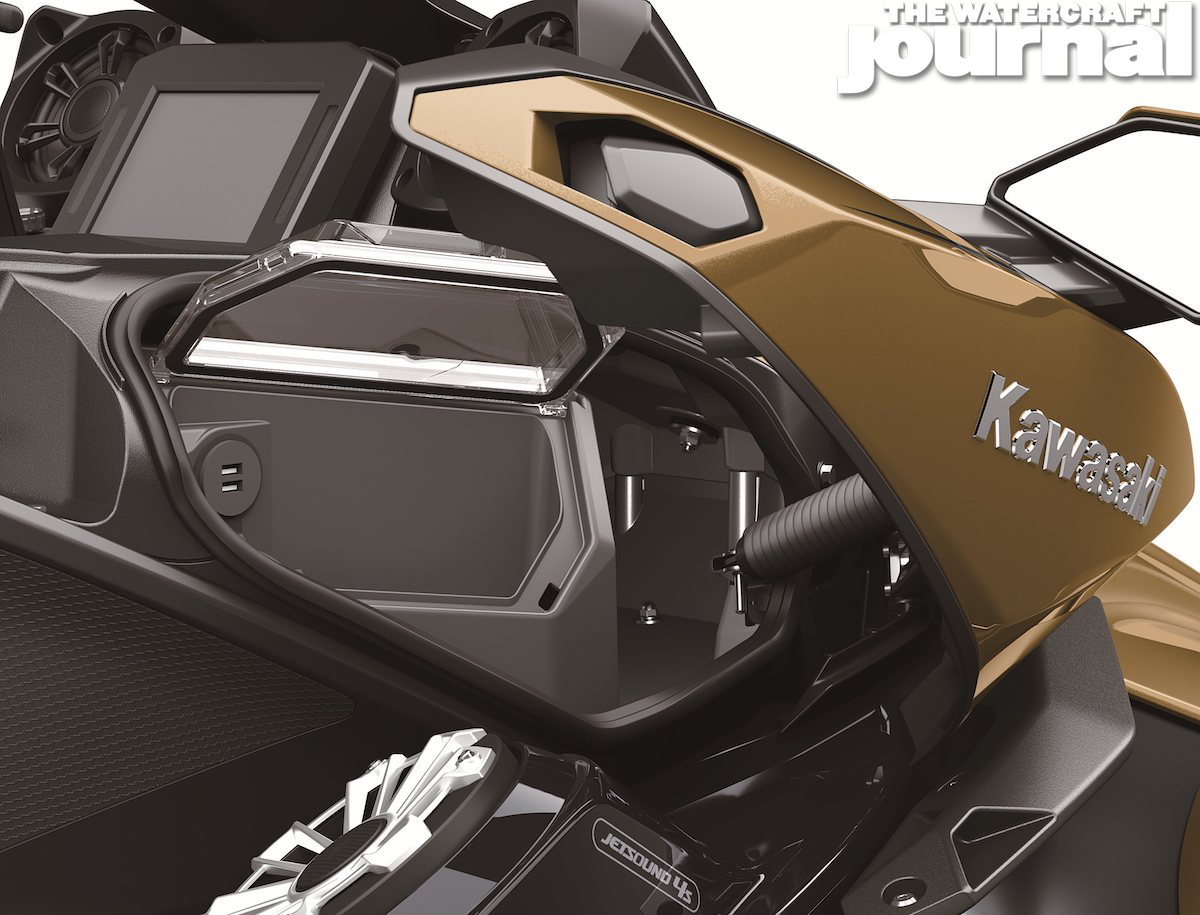
Above: Kawasaki surprised many with an innovative dual side-entry glove box comprising an impressive 10-plus-gallons of storage beneath the fairings. A watertight storage bin with double USB ports are found on the LX’s right hand side.
Above: Although the last of the three OE’s to offer an electric brake & reverse system, the KSDR has proven in its short year-and-a-half as a worthwhile entry. It’s now standard on all Ultras.
All of these features are present due to a completely revised engine management system. This also permits the Ultra to enjoy the same four power modes: Full Power Operation (FPO), Middle Power Operation (MPO), Low Power Operation (LPO) and SLO (Smart Learning Operation). When using the standard black key, riders will be able to switch back and forth between different power settings using a “Mode” button on the left handlebar.
Final features include visibility LED lights, Kawasaki Launch Control Mode (KLCM) – accessed through the jog dial, it can be set for either one time or multiple launches, automatically trimming the nozzle as the ski accelerates – and the Rear-view camera. With three zoom settings, riders can look at the TFT screen at the tuber or wakeboarder behind as they tow them around the lake (although we discovered any sizeable storage rack will block the view for the most part).
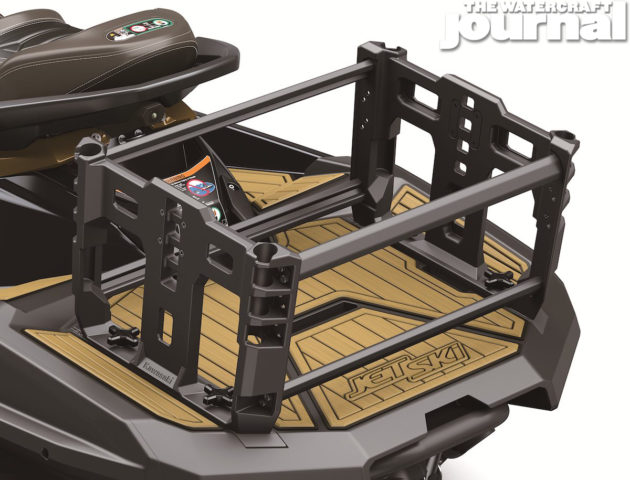
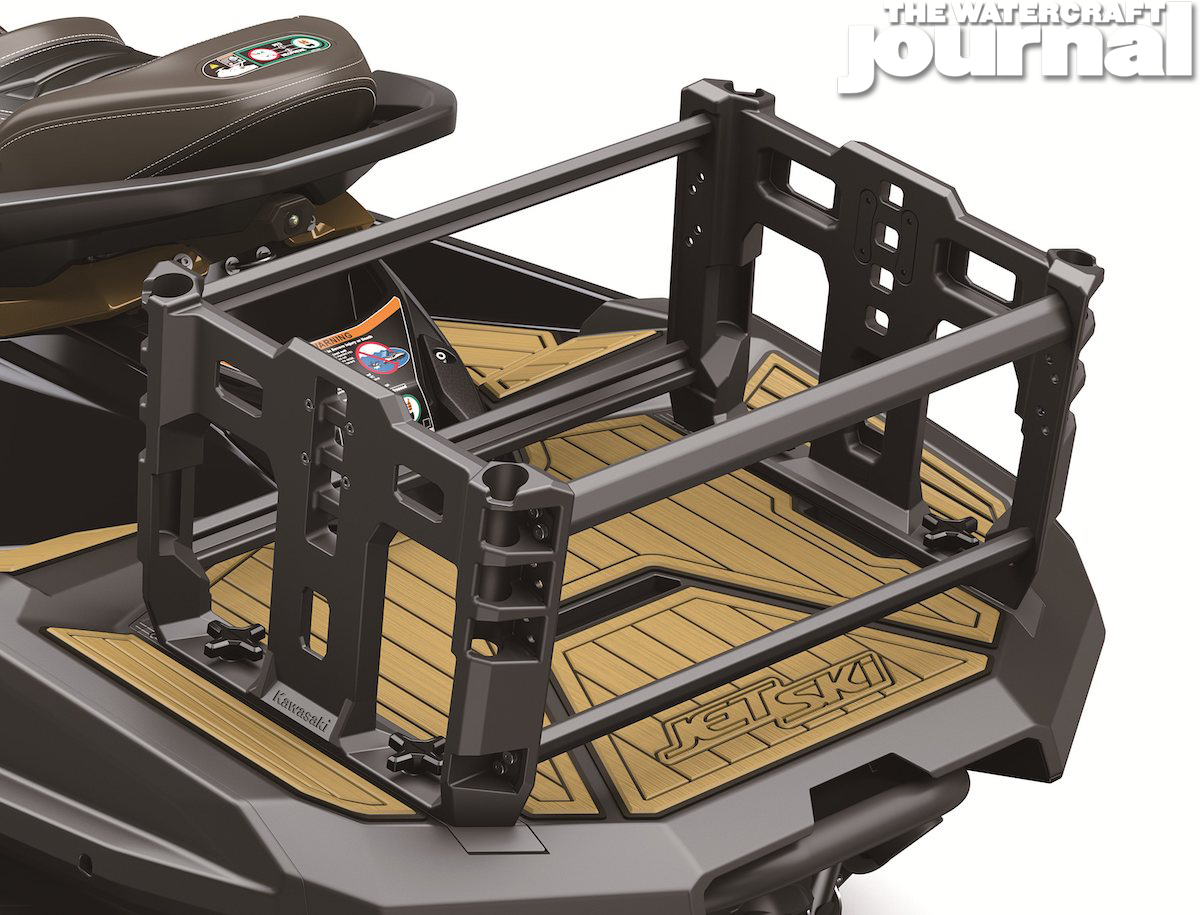
Above: The Ultra Deck offers a variety of attachment points and accessories so you can bring far more stuff with you than you could ever use.
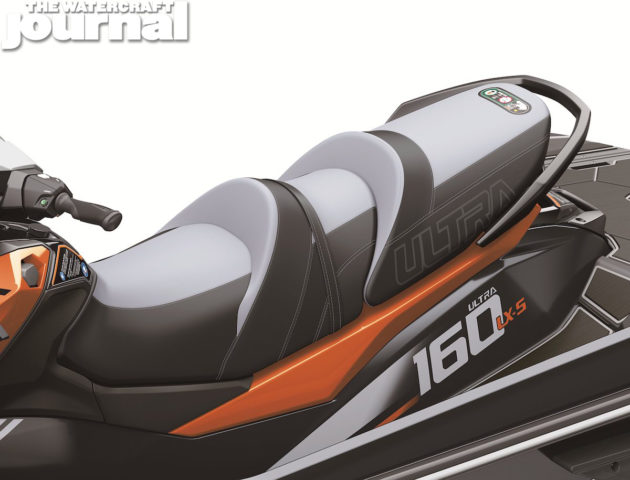
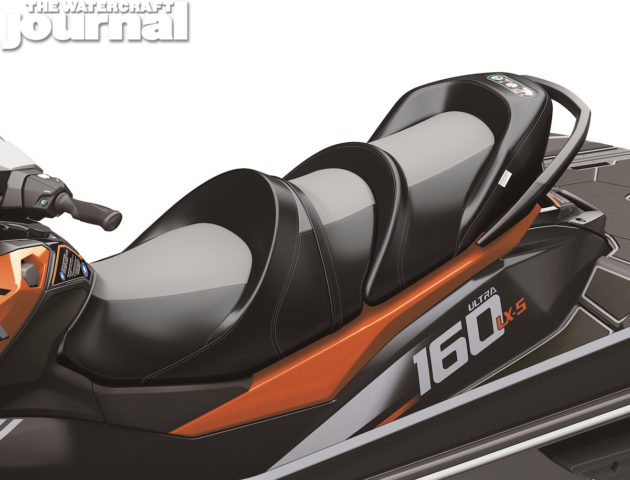
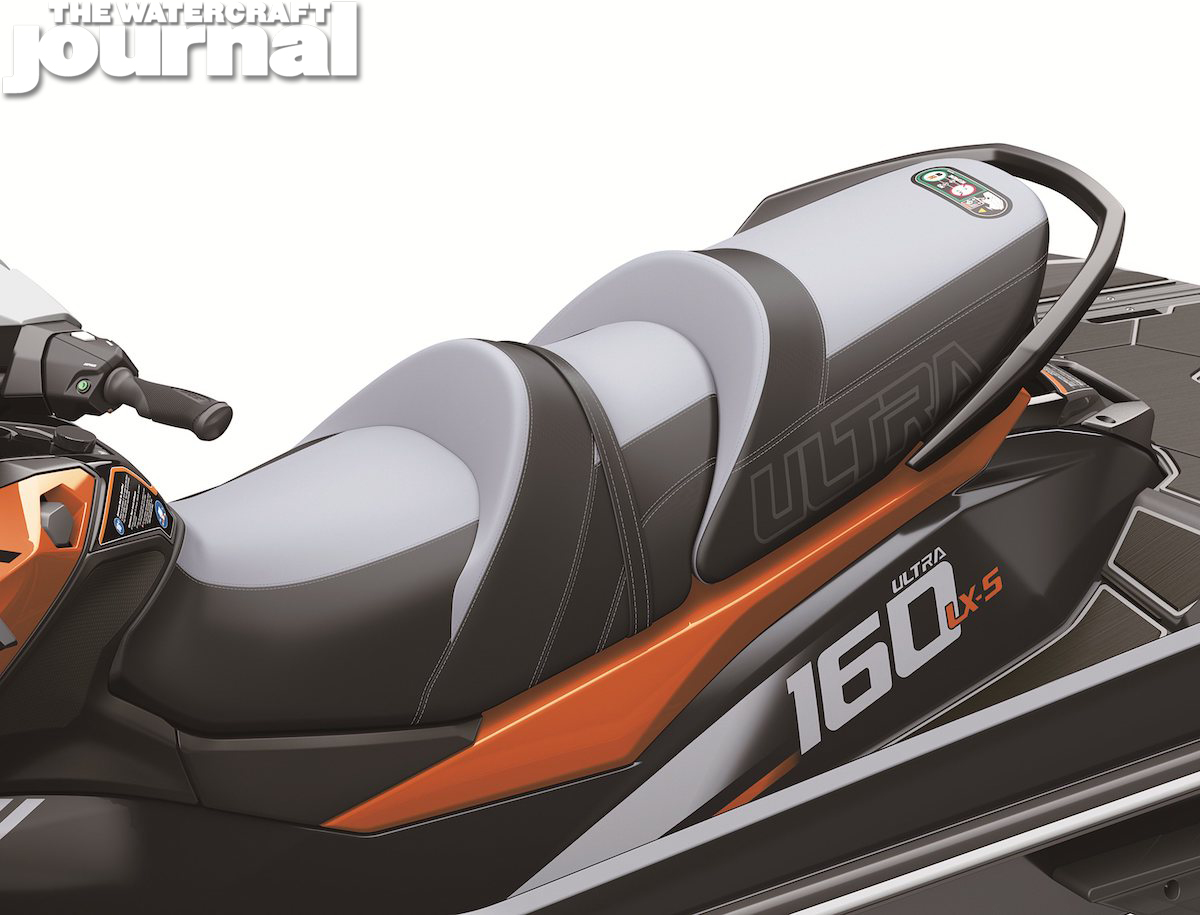
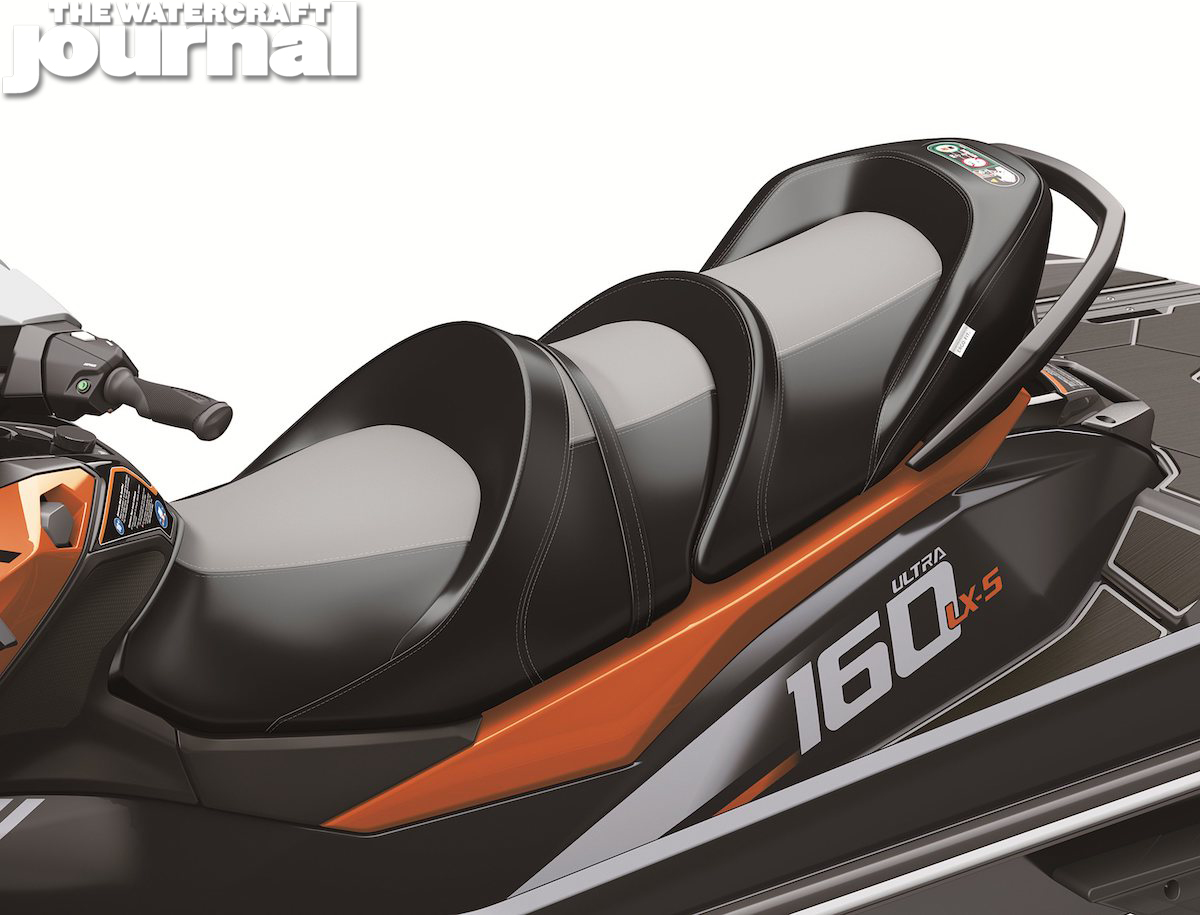
Identical to the 310LX, the Ultra 160LX comes equipped with the 3-way adjustable Ergo-Fit LXury seat, granting riders 70mm of adjustability. Each setting is placed 35mm apart, allowing for full customization of your seating arrangement. Kawasaki radically reshaped the Ultra’s ergonomics to pinch at the knees with deep hip support for all three riders. The LXury seat is also wrapped in heat-resistant material to keep you from burning your skin on a hot day too.
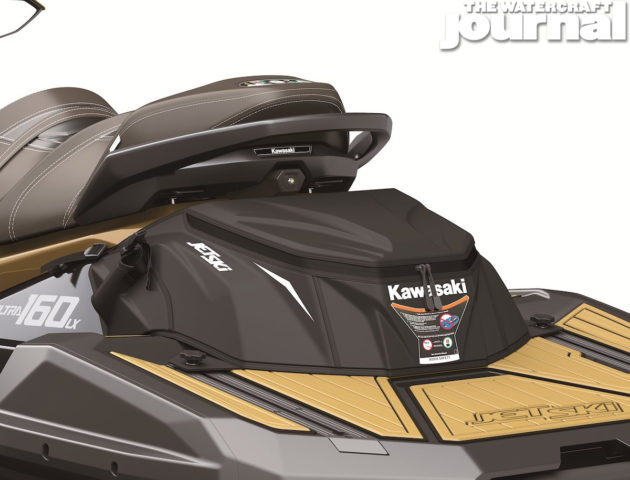
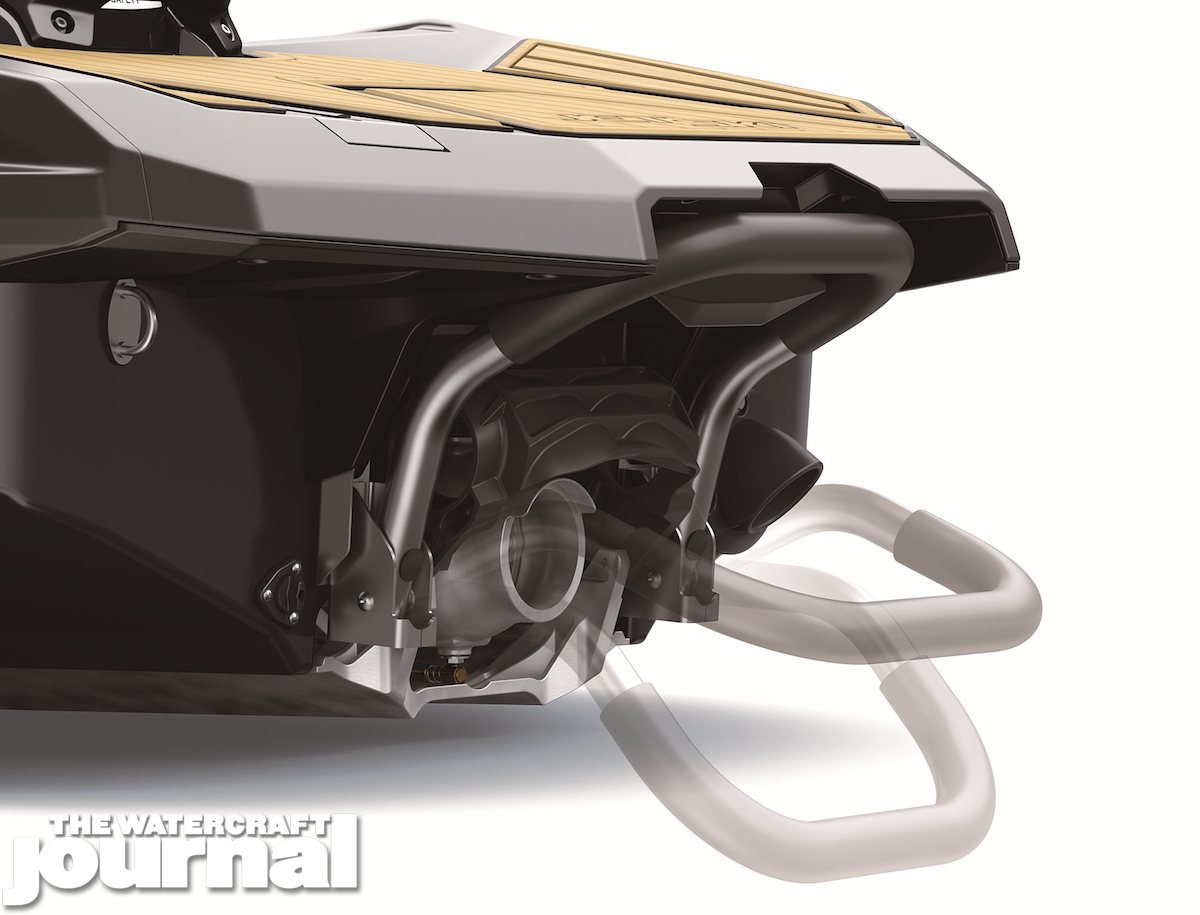
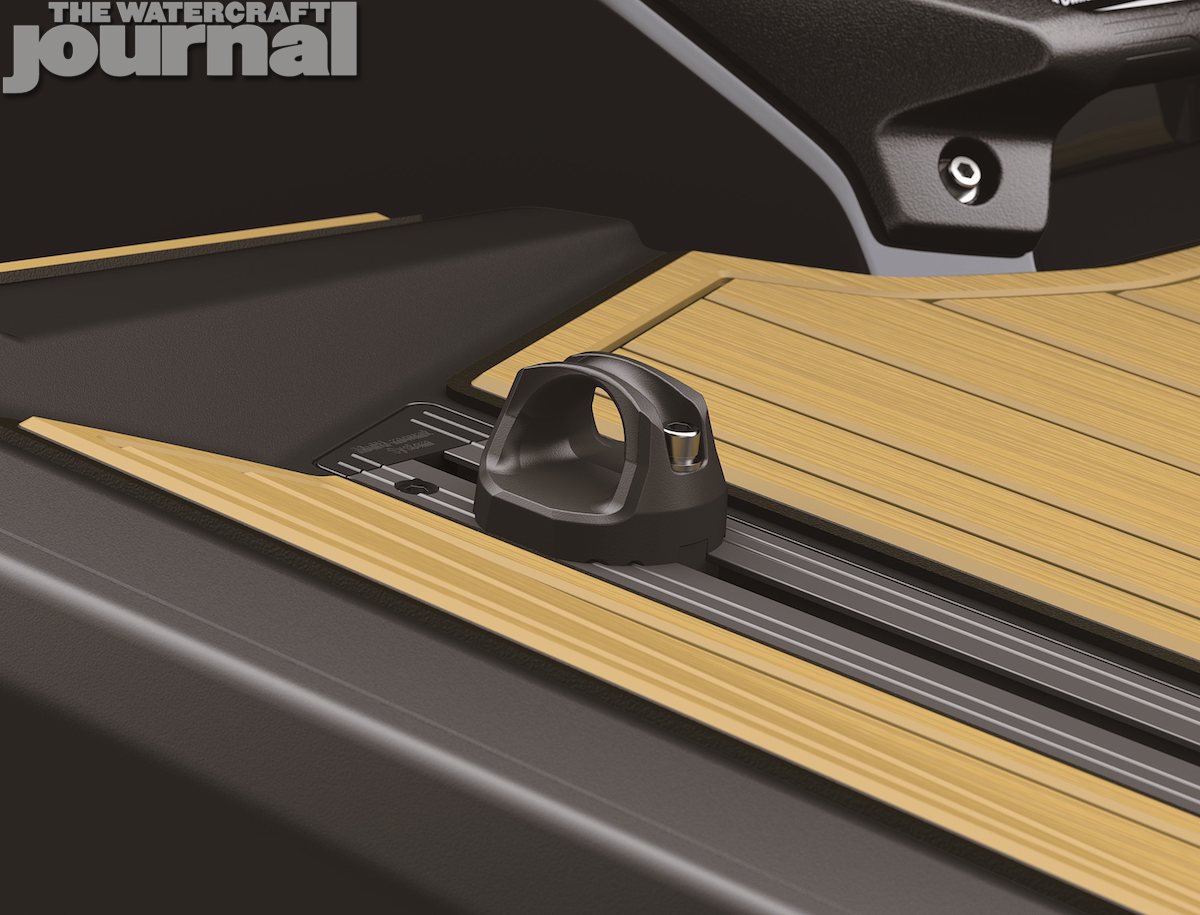
Above the transom is Kawasaki’s new Ultra Deck, providing plenty of room to sit, lounge and dive from – as well as strap down gobs of cargo thanks to two multi-mount bars built into the front of the handle with a third below the easy-access rear pocket. Two multi-mount rails were built into the deck to “accommodate accessory slide mounts and to provide convenient tie-down points.” Per Kawasaki, the built-in cleats provide cinch points when mooring at a dock.
Above: Differences in the cockpit delineate the 160LX from the 160LX-S (left and right). Thankfully, Kawasaki says the Jetsound 4S and Meter Visor can be added to the orange LX-S if so optioned (equipped by your dealership, not the factory). [Personally, I prefer the uncluttered look of the LX-S dashboard. –Ed.]
Beneath the gasketed engine cover is the tried-and-true 1498cc DOHC, 16-valve, parallel 4-cylinder, fuel-injected engine. Fitted with a fly-by-wire 60mm throttle body, a liquid-cooled double walled exhaust manifold and dual water boxes, the N/A 1.5-liter runs efficiently on pump gas 87 octane (as long as the percentage of ethanol doesn’t exceed 10%) ensuring long, enjoyable days on the water without multiple fill-ups.
Of course, all of this describes the $17,299 Ultra 160LX JetSki in Ebony & Metallic Shadow Gold. What about the Ultra 160LX-S, you ask? Priced at $16,299 the Ebony & Candy Steel Furnace Orange LX-S is all but identical – save for some key features: namely, the Jetsound 4S, air diffusing Meter Visor, and adjustable LXury seat. Everything else directly carries over between the two machines.
Above: The radical redesign gives the Ultra a super-angular look with high arching fenders and a narrow Formula 1 reminiscent hood. Below it is a narrowed opening for a reduced bow storage from the previous Ultra.
Above: If so desired, Kawasaki offers an adjustable LXury-style seat (just not in brown) for the LX-S as an add-on.
Of course, Kawasaki is quick to note that all of the above features can be added on as accessories whether during the ordering process or a year later if you so desire. It might just be that the metallic orange is more your flavor than the muted gold – and that’s fine. Just ask your Kawasaki dealer to order the other stuff to go on your LX-S and BAM! you’ve got your own LX-equipped LX-S. It’s pretty easy.
Kawasaki does note that wiring the Jetsound 4S system is no small task and needs to be done by your dealer’s service department, so take that into consideration if you’re considering that route. Otherwise, enjoy your naturally-aspirated LX and LX-S as it comes from the Lincoln, NE assembly plant. [In case you were wondering as we were, there’s still no word on a frills-free Ultra 160 without the Ultra deck and other features. –Ed.]
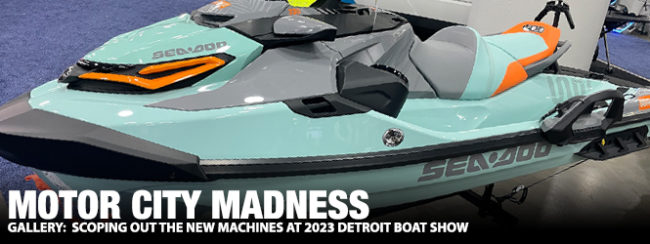
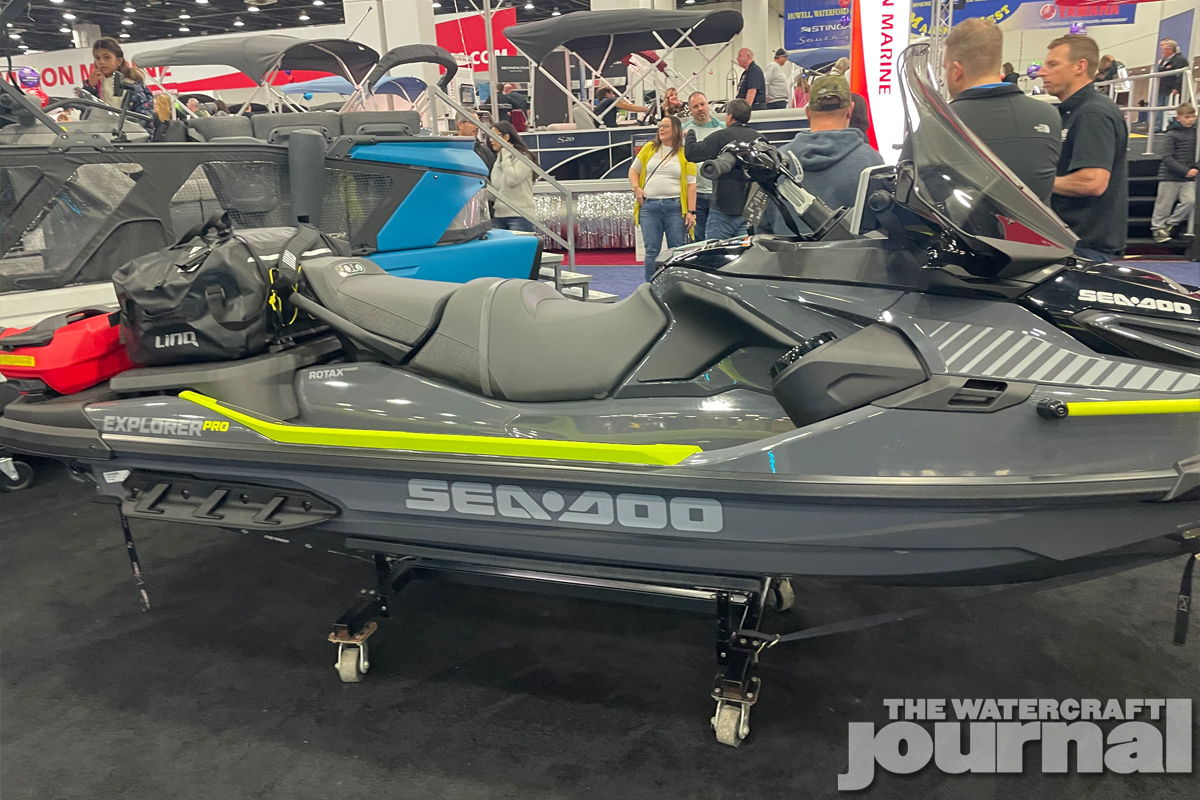
Over the past two weekends I spent some time at the 2023 Detroit Boat show and there were not as many skis as there was in 2020. They canceled the show for 2021 due to lack of product. There were no Kawasaki’s unfortunately.
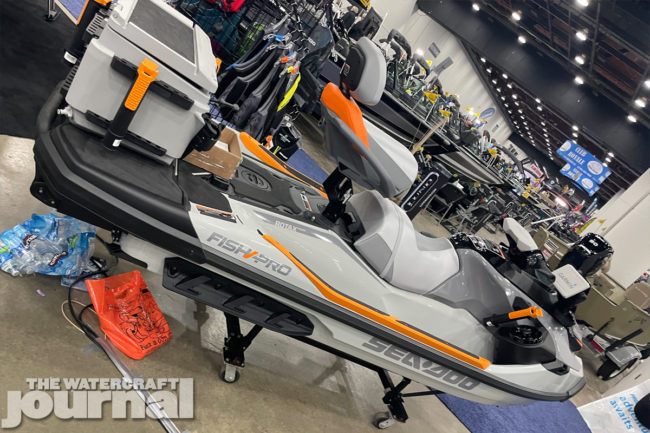
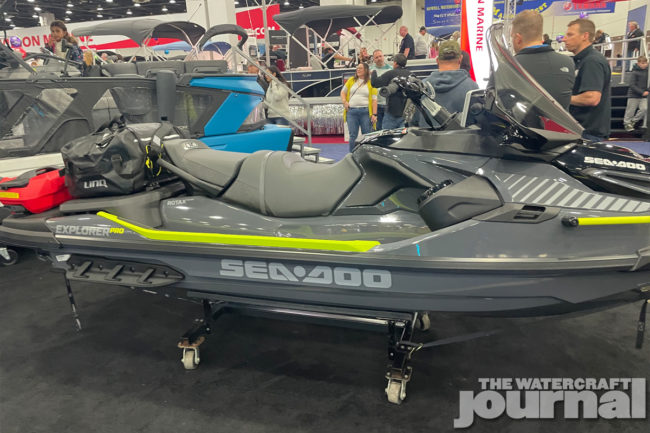
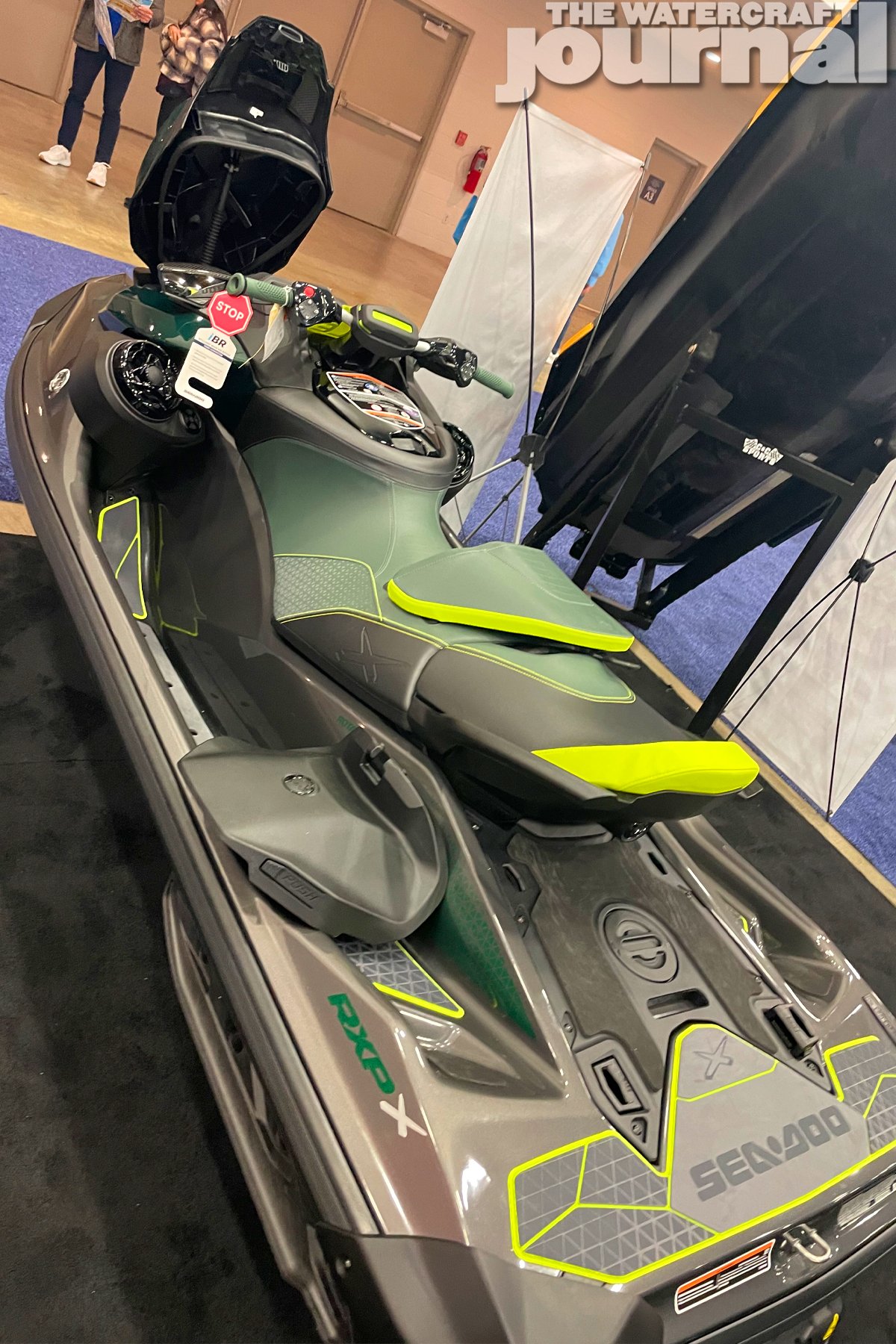
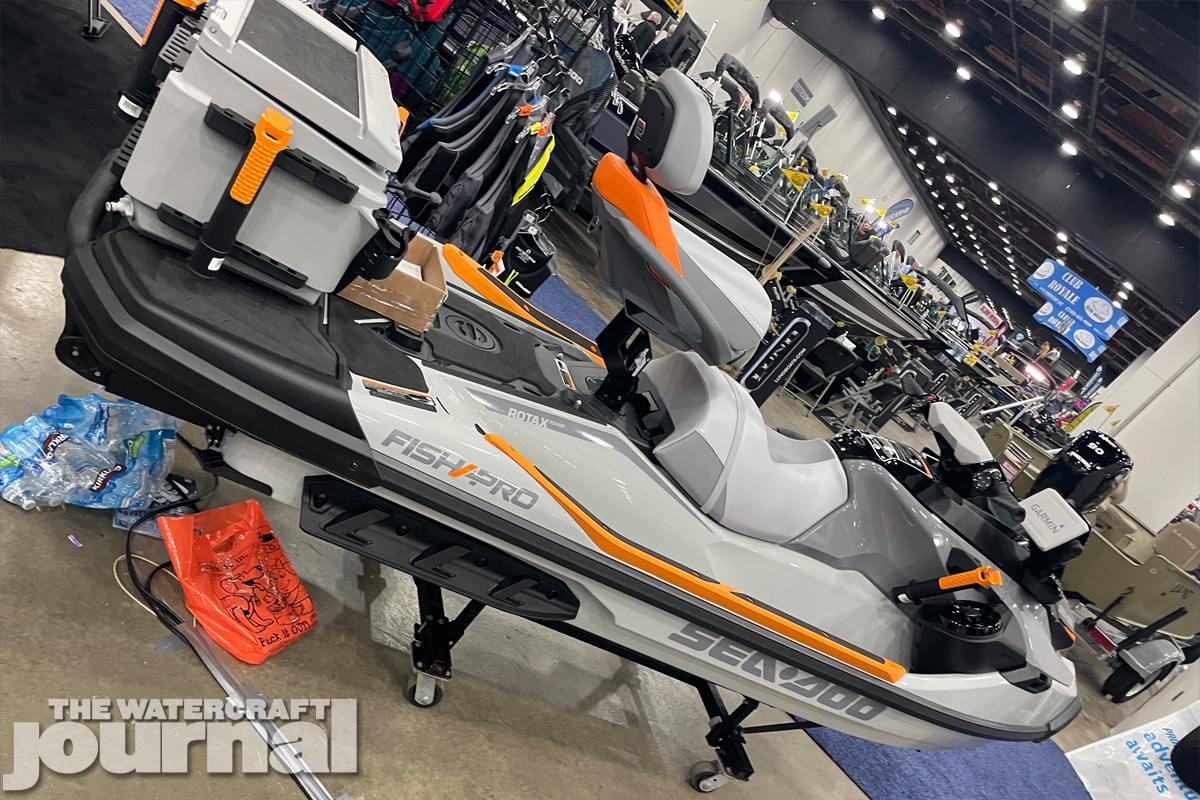
Every Sea-Doo model was there except the RXT-X including the Apex and Explorer Pro which was what I came here to see. As you can tell from my pictures the booths were pretty cramped. I could not even get the skis into shot.
I found out at the show that the Explorer Pro can hold more than one LinQ accessory. It can hold up to three whereas the other Sea-Doos can only hold just one.
The Sea-Doo booth had life jackets, hats, etc. on their booth for people to purchase if they wished they even had a computer set up in case someone wanted to buy a ski.
I love what Sea-Doo has done with the color scheme of the Wake Pro 230. I do not know why but the baby blue and orange really jumped out at me not as much as Kawasaki’s green, but it still sticks out like a sore thumb. If I bought one, I would wrap the mirrors and change the seat cover as I do not think the gray matches.
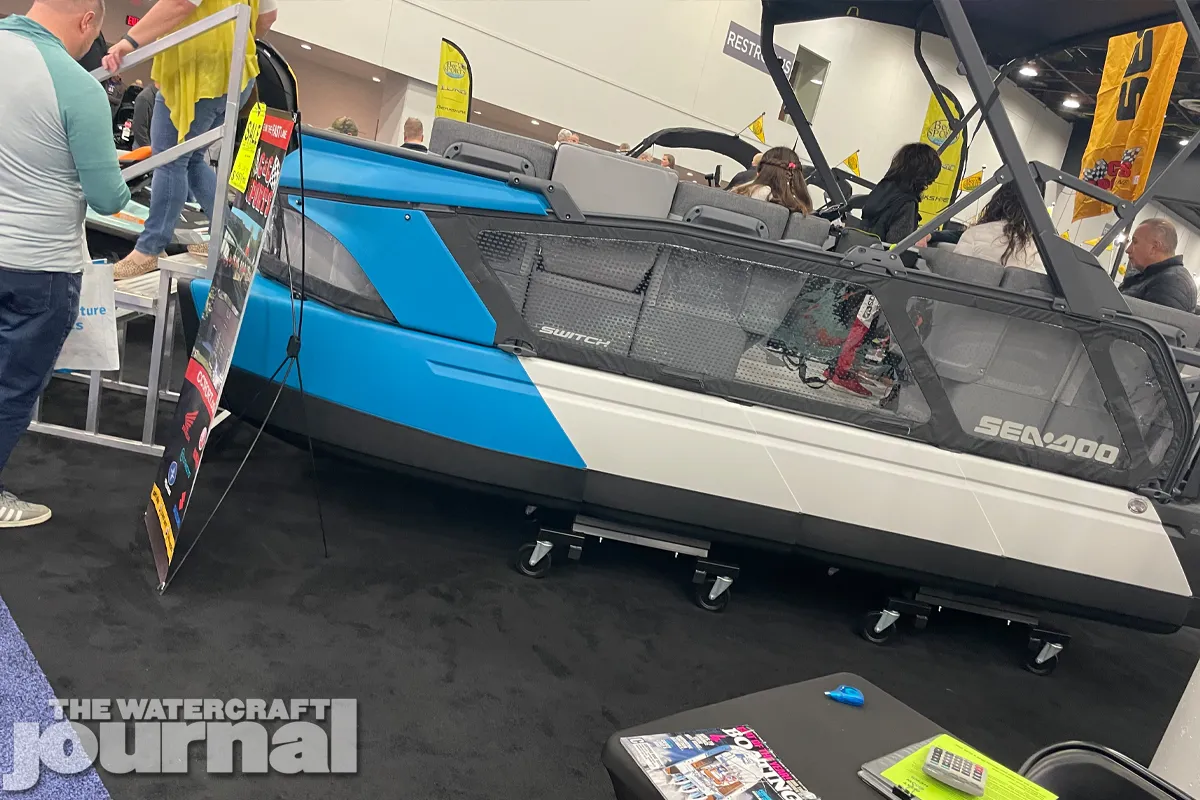
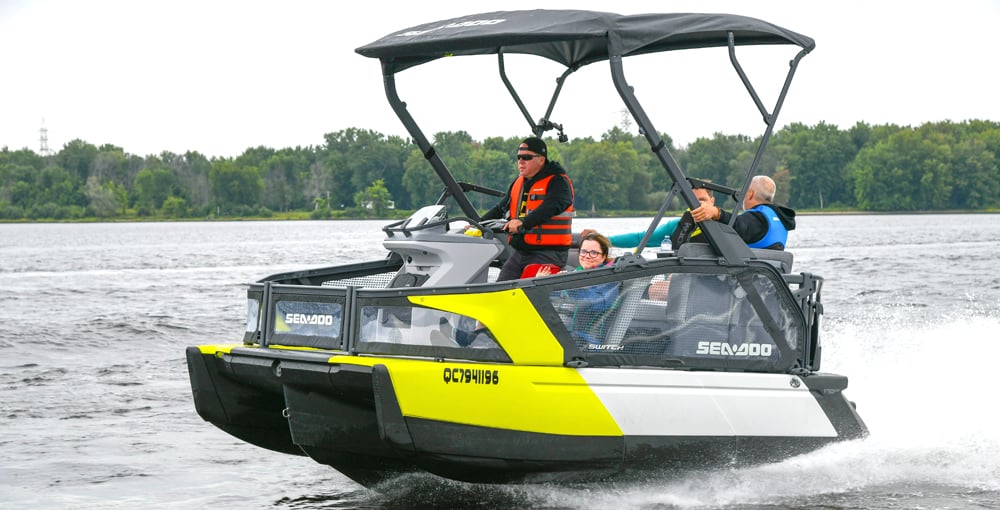
Sea-Doo even brought a Switch I cannot believe they even got it in here I wonder how they got it off the trailer and onto those carts I think the one they had there was a 230 Yamaha should do a version of the Switch who knows it might come at some point if enough people buy the Sea-Doo Switch.
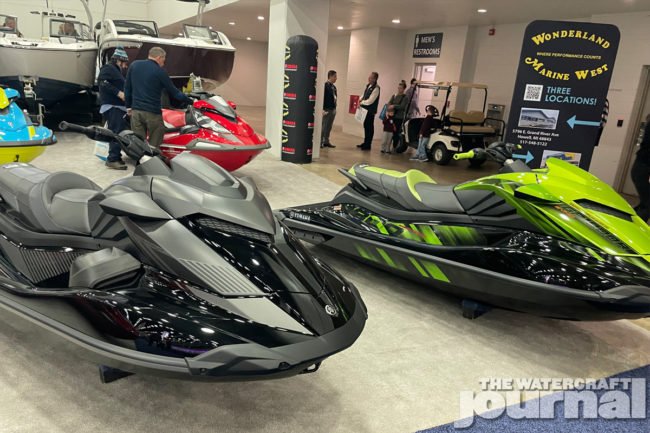
Then I finally got to Yamaha. They had the most skis out of everyone at the show. Every Wave Runner Yamaha offers was at the show besides the Super Jet. I love the rear door on the FX cruisers and the storage underneath the rear seat.
I sat on the FX Cruiser, and I think the seat is way better than the one on the GTX Limited 300. It was way softer than the Sea-Doo and had way more cushion. The thing I like about Yamaha is that they make a ski or boat for everyone. I did not like the 2023 colors for the Jet Blaster in pictures, but it looks really good in person.
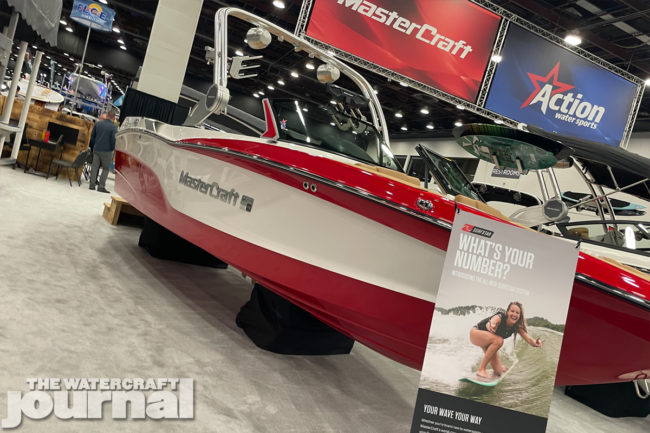
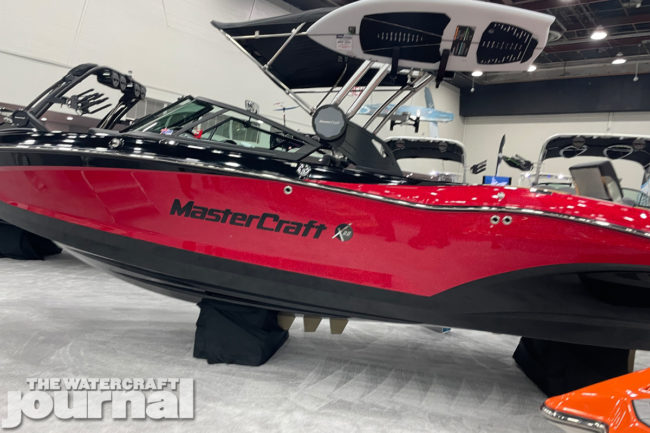
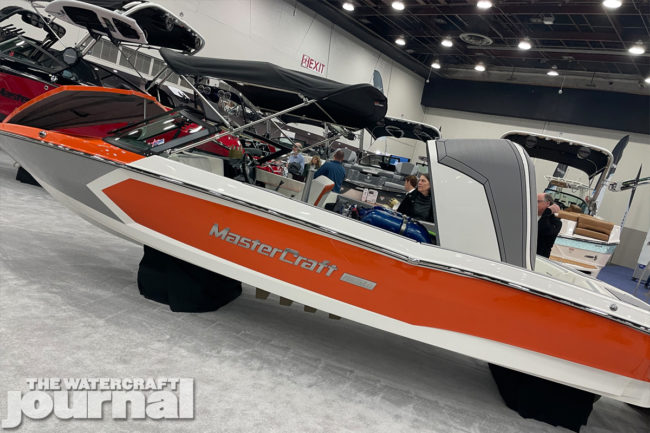
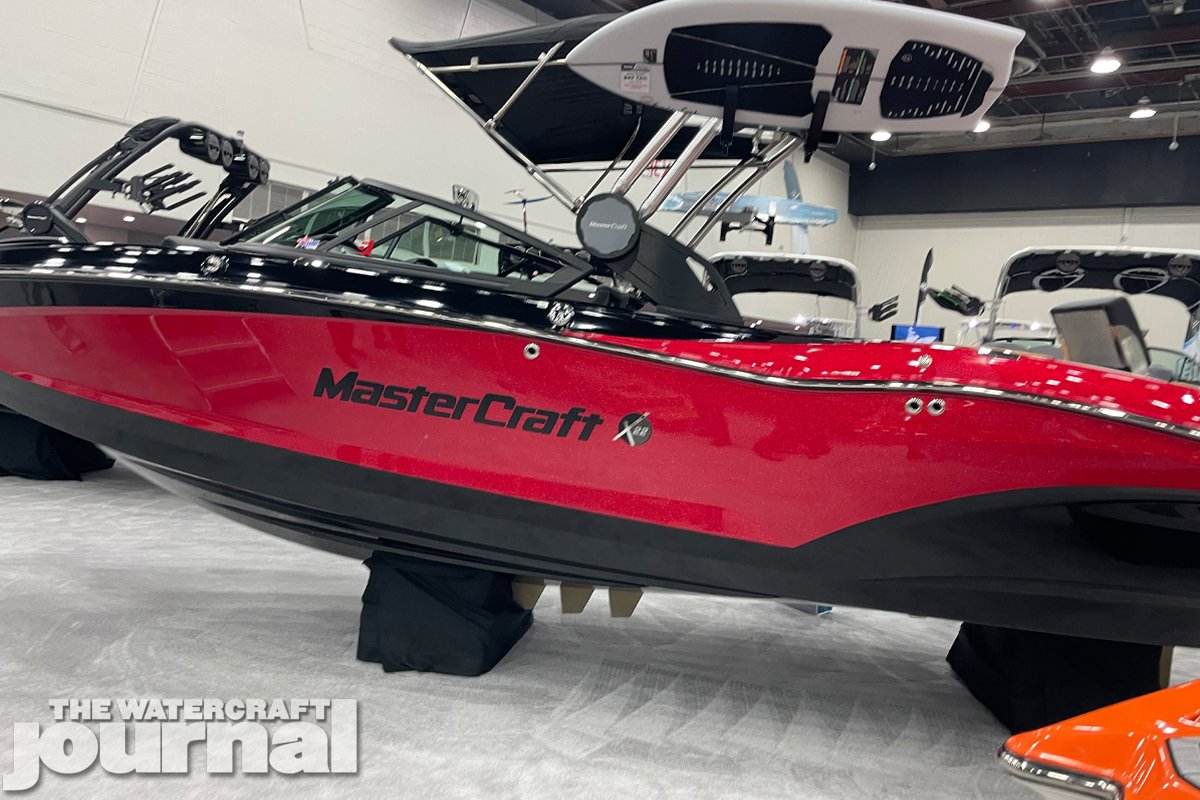
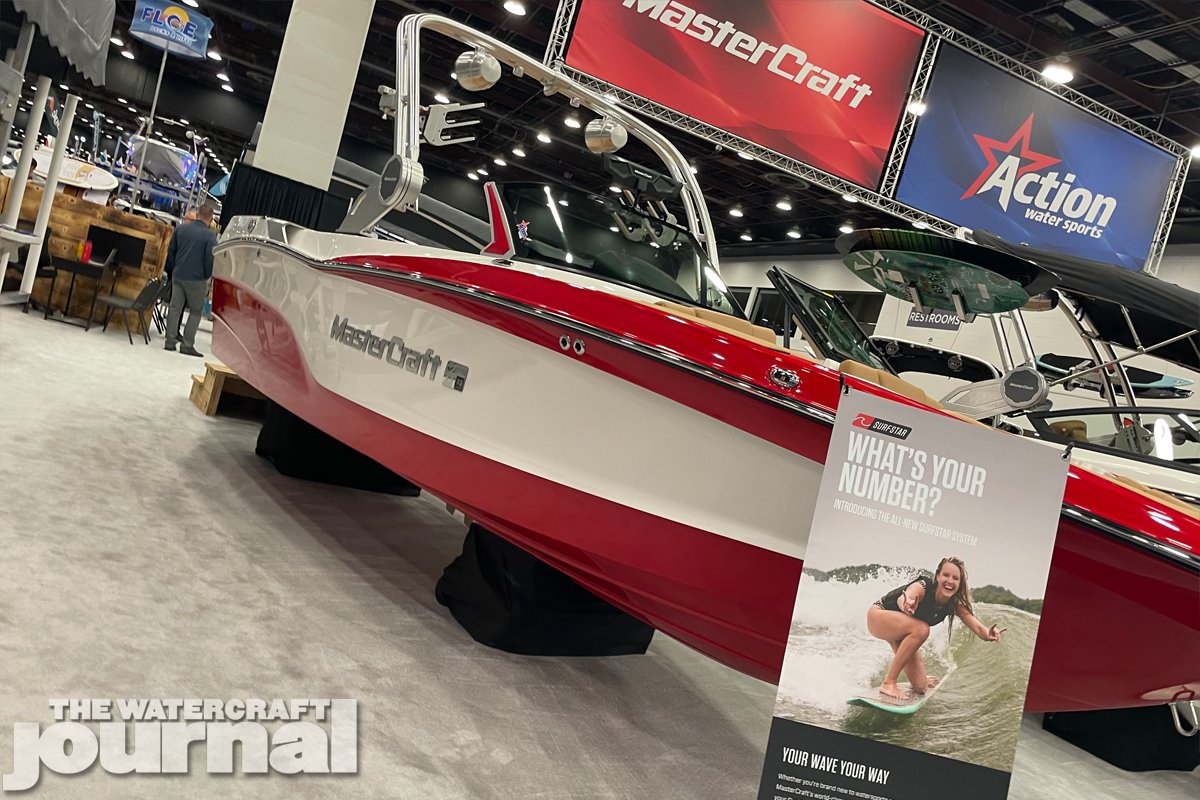
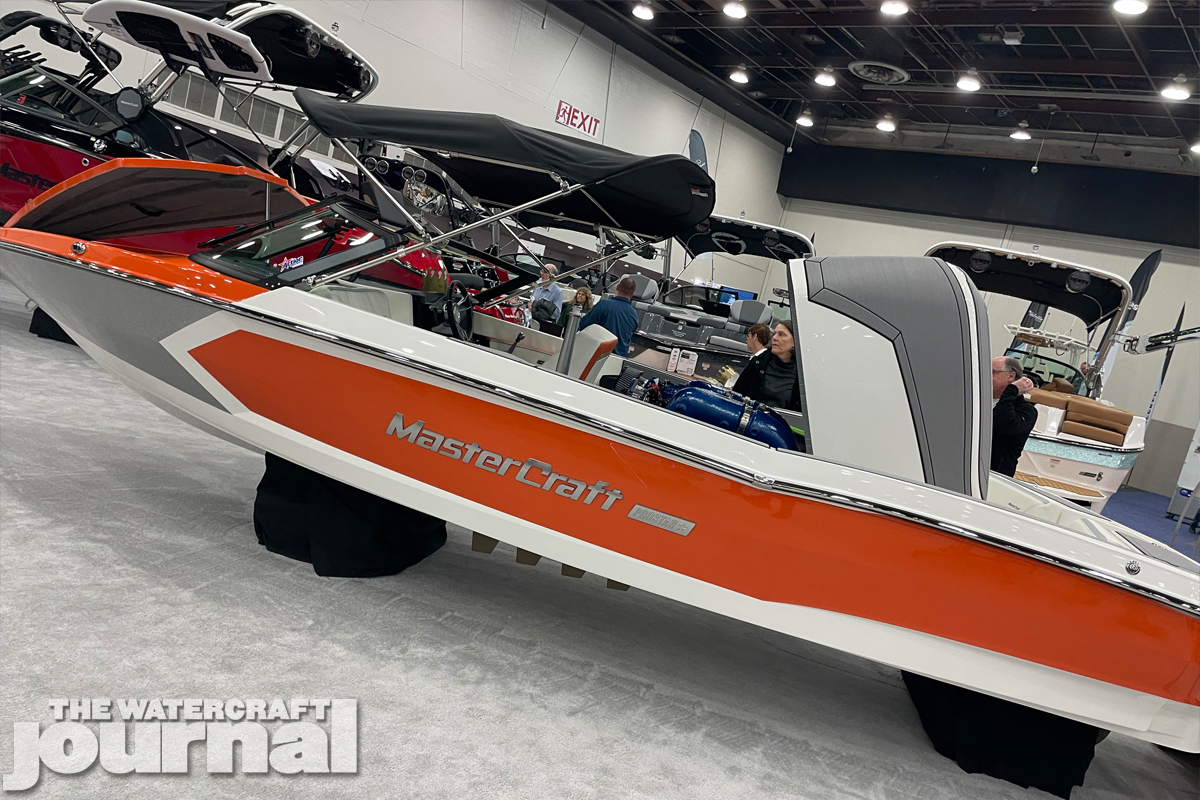
Above: I checked out some Mastercrafts; mainly the X23 and the Prostar. I thought that the era of slalom ski boats is gradually coming to an end but both Mastercraft and Nautique assured me that is not the case. I am a Nautique guy and have a G23 but I like how the Mastercrafts have hard buttons and that you don’t have to go into a menu to change a setting like on a Nautique.
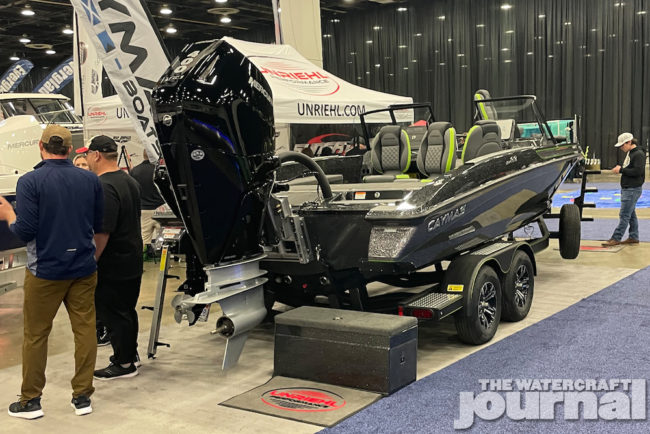
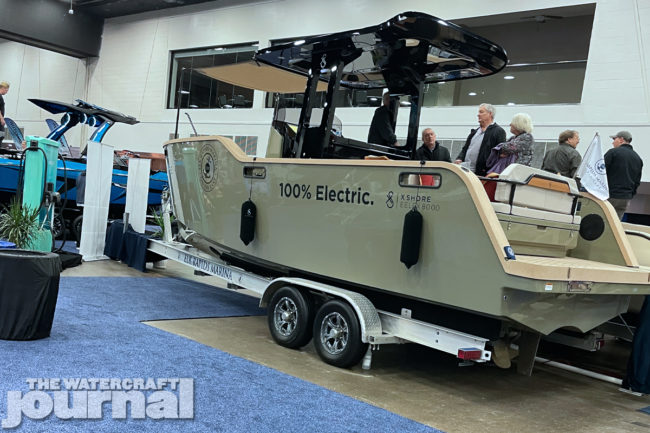
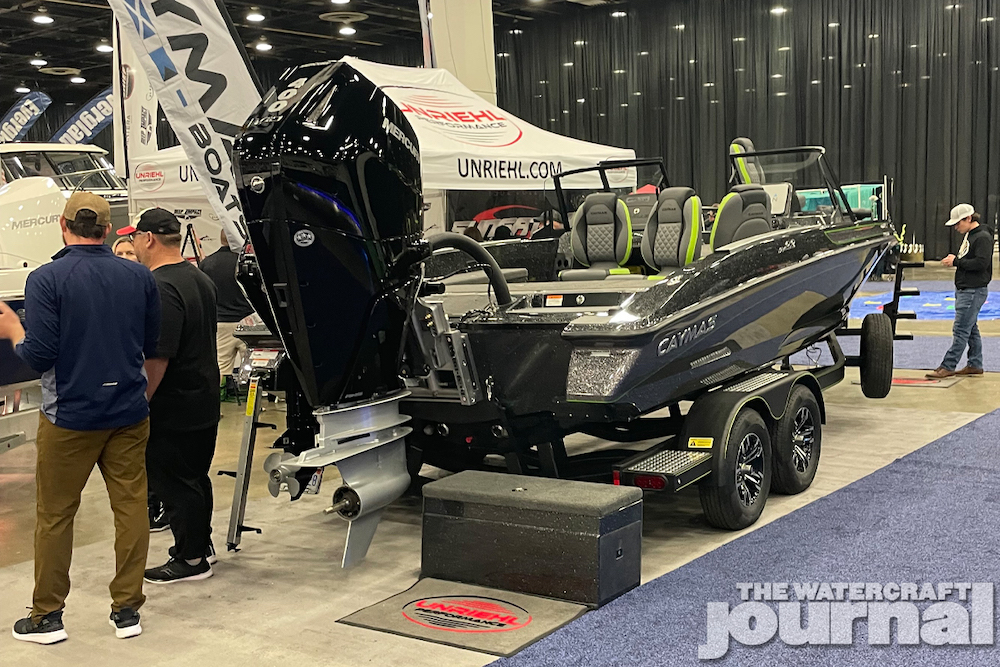
Above left: This bass boat must really move with that big 400 horsepower v10 Mercury on the back. Above right: This electric offshore boat that was there wasn’t anyone to talk to about it but the two main questions I had was the range and the time to charge.
Sea-Doo has all new apparel for 2023. You can step up your game in some new good-looking outerwear in and out of the water. Products range from casual wear for cruising around town to technical wear to meet your needs on the water. They even made some subtle changes to the Men’s Neoprene Riding Jacket that we often write about. New goggles are available as well.
The Sea-Doo Riding Goggles provide protection from UV rays and they have anti-fog technology. You can get them with silver, green, or orange monochrome lenses. A couple of new colors of the Women’s Montego Jacket have arrived. The design of the jacket has changed as well, and the price went up $20. The jacket is now $109.99 and comes in a sporty teal and black or violet and black. The Montego provides protection from the wind and cooler temperatures while on the water. It’s a stretchy lightweight jacket that gives you freedom to move.
When you’re finished riding, relax in a pair of sweats and a hoodie. These also double as clothes to wear while checking out the water conditions and drinking a hot cup of coffee. The sweatpants are a soft French Terry with slash pockets in the front and a back pocket. The Men’s French Terry Pullover Hoodie is super plush and completes the look either in smoke or light blue.
They have a cute pullover hoodie for the women. It’s a cotton and polyester blend with a kangaroo pocket to warm your hands or to stash your keys while checking out the water. Head over to the Sea-Doo website to check out the rest of the new goods for 2023.
Broward Motorsports Racing is accepting preorders for Sea-Doo Switch Pontoon Boat accessories. If you’re in the market for a Switch or already have one, head over to BMS and order some useful accessories. They have everything from rearview mirrors to Bimini Tops.
We all know a Bimini Top makes for the perfect place to get some shade during those brutally hot days on the water. The Bimini Top can even handle top speeds when it’s deployed. This one has three stages of deployment, which are front, rear, and full coverage.
If you want to take it step further and get totally out of the elements, the Camper Enclosure is for you! A Sunshade is also available if you want full coverage from the sun but don’t want to be enclosed. We like deck mats too and BMS has them for the Switch. They provide extra comfort for lying on the deck and protect against slipping when the splashing gets going or you get sprayed by a passing boat.
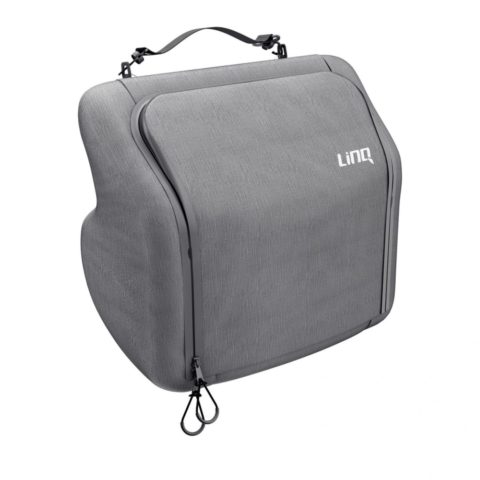
For storage, the 10L LinQ Lite Console Bag is a nice addition for stashing a few items. It’s a compact splash-proof bag that stores out of the way and has an integrated key holder for the D.E.S.S key when not in use. If you’re looking to stay out and play a little longer, the LinQ Stackable Fuel Caddy can make that happen. It holds 4 gallons of gas and it’s good to go in saltwater. There are a lot more items to check out, so head over to Broward Motorsports Racing and take a look.
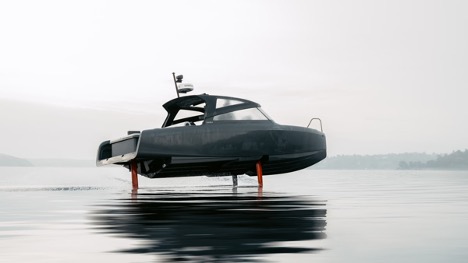
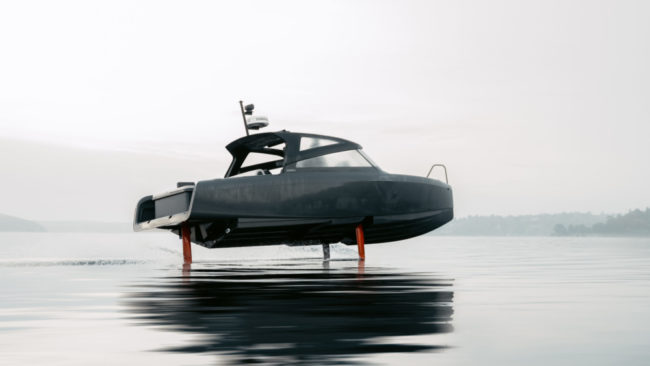
The team at Candela recently announced the Candela C-8 ‘powered by Polestar’, the longest-range electric boat to date. In a collaboration with the premium electric car brand, Polestar, the project was able to come to fruition. The Candela C-8 is expected to have a range of 65 miles on one charge with a cruising speed of 35 miles per hour.
“This collaboration means that C-8 can travel to destinations previously only reachable by combustion engine boats. The Candela C-8 powered by Polestar marks a significant breakthrough for electrification at sea”, says Gustav Hasselskog, CEO and founder of boat maker Candela.
Check out the full press release below. With up to 57 nm (65 US miles) of expected range and DC charging, the foiling Candela C-8 ‘powered by Polestar’ is designed to upend the hegemony of fossil fuel boats.
Today, the electric boatmaker Candela unveiled the first product emerging from the battery collaboration with premium electric car brand Polestar announced in August 2022: Candela C-8 ‘powered by Polestar’, the longest-range electric boat to date.
The Candela C-8 will use the same 69 kWh battery pack and DC charging technology as the Polestar 2 and has an expected range of up to 57 nautical miles (65 US miles) on one charge at a cruising speed of 22 knots (25 mph). The range is two to three times longer than what conventional electric speedboats can achieve at high speed and compares favorably with how internal combustion engine powerboats are used.
“This collaboration means that C-8 can travel to destinations previously only reachable by combustion engine boats. The Candela C-8 powered by Polestar marks a significant breakthrough for electrification at sea”, says Gustav Hasselskog, CEO and founder of boat maker Candela.
Usage data from Europe’s premier boat-sharing service Agapi, with fleets in several locations in Europe, from Helsinki to Mallorca, show that 95% of their members’ day excursions are less than 50 nautical miles, or well within the range of Candela C-8.
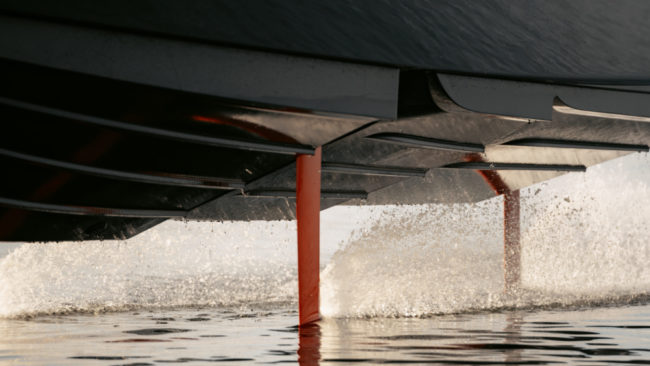
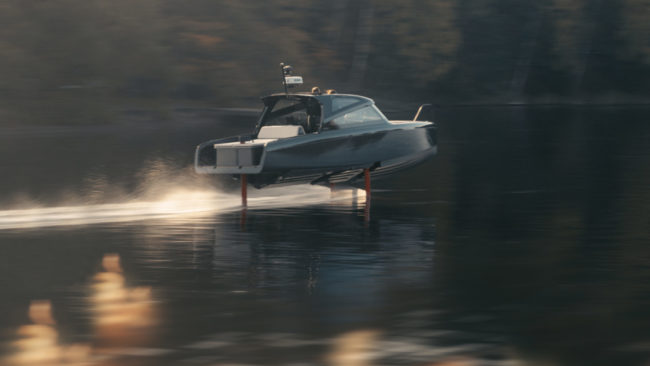
The secret to the long range lies in Candela’s hydrofoil technology. Flying above the waves on computer-guided underwater wings that greatly reduce water friction, the C-8 uses 80% less energy than conventional boats at high speed. Its highly efficient pod motor, Candela C-POD, outputs 75 kW/100hp for takeoff. Once foilborne, the C-8 flies efficiently, drawing only around 23 kW/30hp continuously from its Polestar battery pack – whereas a similar-sized conventional boat would use around 120 kW/160hp.
The Polestar collaboration also enables DC charging in Candela C-8, which opens up new routes and future-proofs the boat as DC charging networks are rolled out along coastlines.
“With access to DC fast chargers, which now start to pop up in several places around the globe, you can cover totally new routes with Candela C-8. You can go from Sweden to Finland in one day, or along the entire French Riviera in a few hours. For a few euros/dollars’ worth of electricity”, says Gustav Hasselskog.
The supply of battery and charging systems to a third party, a first for Polestar as an EV manufacturer, marks the start of a broader intended partnership between Polestar and Candela.
“Sharing our know-how on batteries and vehicle engineering with Candela will help us reach our shared goal of transitioning to a future where all forms of transport are sustainable,” says Thomas Ingenlath, CEO Polestar.
Whether you own a supercharged Ultra 250, 260, 300, or 310 or a naturally aspirated Ultra LX, STX, or SXR JetSki, Kawi Performance out of West Babylon, NY has innovative performance products every Kawasaki enthusiast will love.
“We live and breathe Kawasaki watercraft, so there really isn’t much we cannot do. We build the best and most reliable motors, our parts speak for themselves, and we are always moving forward designing and developing new products.”
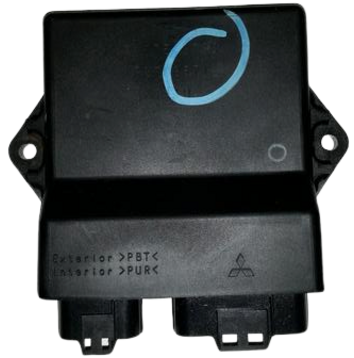
In the past, if a customer lost both their SLO and Fast Kawasaki immobilizer keys, they would have been required to purchase a new (and very expensive) ECU! That has all changed. Kawi Performance now offers a Lost Key Reprogramming service that enables them to provide customers with replacement keys for a fraction of the cost.
KP’s Lost Key Reprogramming Service for the Ultra 300/310/STX 160 is $350.00 while their service for the Ultra 250/260/LX/STX 15F is $300.00. Customers must cover the cost to ship their ECUs to Kawi Performance in New York. Turnaround time is typically a quick 1-4 business days.
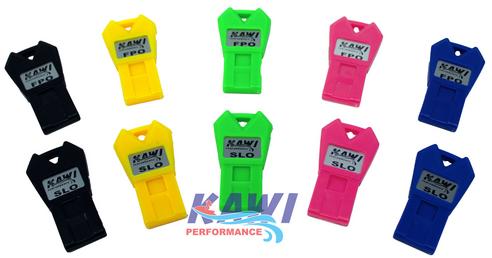
Besides offering sets of OEM keys, Kawi Performance also offers a custom line of KP- branded immobilizer keys in black, yellow, green, pink, and blue, as well as the OEM programming tool and adapter that is required if customers wish to add up to 6 additional keys at home on their own.
KP-branded Keys retail for $49.99 each, while OEM Fast or SLO keys are $58.22 each. If you wish to have Kawi Performance program your keys for you, there is an additional $75.00 programming charge, per key. KP’s in-house programming allows them to add an unlimited number of keys to customers’ JetSkis.
If you buyers wish to program their own spare keys at home, the OEM Kawasaki Programming Adapter tool is sold for $35.80 and the special Adapter Cable (Required for 300/310/2012+ Ultra LX/15F and STX 160 models) is available for $19.99.
KP specializes in making fleet keys as well, so if a rental business has 20 skis, they can make a master key that works across their entire fleet, or make all the machines have interchangeable keys- so labeling them is no longer required.