Home Blog Page 124

Gallery: EZ-Pour Spout Upgrade for the Sea-Doo LinQ Fuel Caddy (Video)

0

Sea-Doo effectively opened up a world of convenient, easy travel with the introduction of its LinQ accessory system back in 2018. The collapsible mounting system allows the personal watercraft enthusiast an array of options to maximize the enjoyment – and utility – of their Sea-Doo.

Whether its storing an extra change of clothes or a large beach blanket in the soft-sided storage tote; loading up plenty of drinks and snacks in the 4.2-gallon floating cooler (that’s right, it floats!); or packing an extra 3.8-gallons of fuel to push your day’s ride just a little bit further; the LinQ system is easily one of the brand’s best additions.

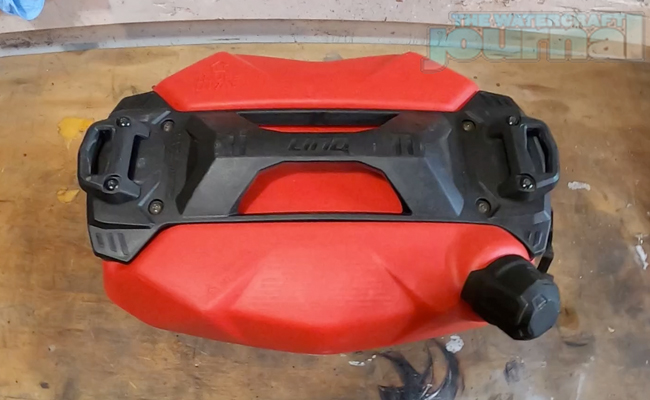
Unfortunately, when it came to Sea-Doo’s Fuel Caddy, certain concessions were required to be made in order to be sold worldwide. Of those was incredibly restrictive filler neck. The locking sleeve filler neck is one of those infamous CARB-legal impositions foisted upon the consumer market, which renders the product itself nearly inoperable. Trying to use the caddy’s filler neck is a chore on dry land; trying to unlock the neck and refill your ski out on the open ocean is all but entirely impossible.

Admittedly, we broke off the restrictive collar and spring-loaded snout early last year and haven’t regretted it since. (Well OK, maybe a little.) Thankfully, since we don’t live in California we’re not concerned with complying their draconian rules – so we’re going to show you a very easy – and CHEAP – upgrade for your LinQ Fuel Caddy that most anyone can follow; it won’t spill a drop of gas on your Sea-Doo, and best yet, transfer fuel from the caddy to your ski twice as fast.

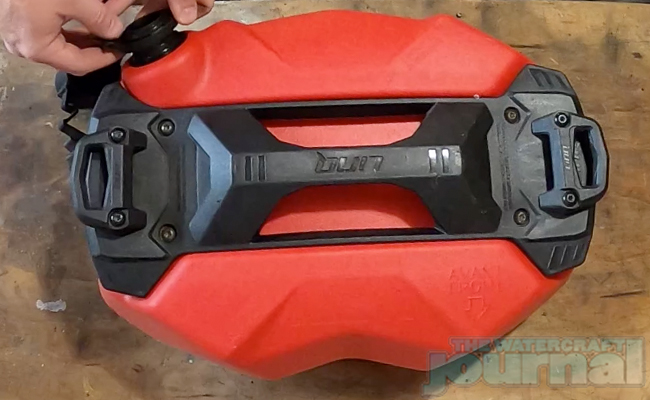
From the factory, the LinQ Fuel Caddy is pretty great. The US Coast Guard-approved marinized tank mounts snuggly to all models equipped with the LinQ mounting brackets, carries 3.8-gallons of fuel, and even allows the LinQ watertight bag to stack on top for added storage. A rubberized boot on a durable tether caps the filler spout when not in use and all hardware is treated to resist corrosion from salt water. Unfortunately, the locking spout just plain sucks – it’s hard to use (particularly out on the water) and is absurdly restrictive.

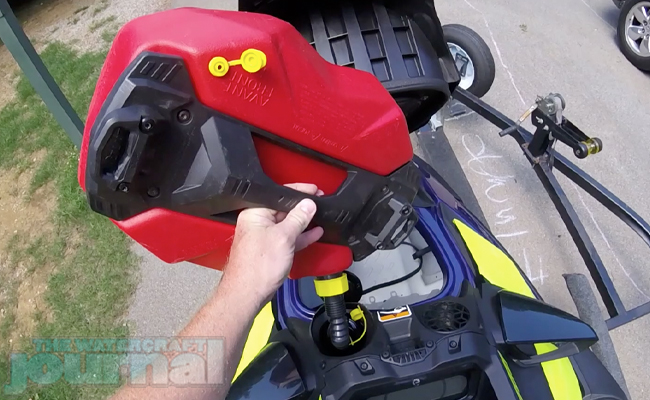
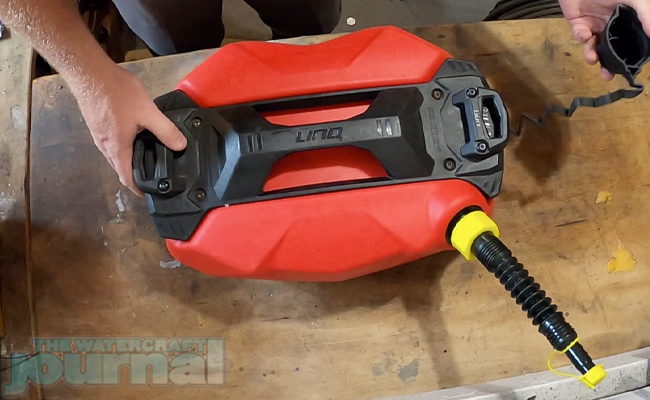
For a mere $10 dollars at EZ-pour (www.EZpourSpout.com) we picked up their flexible Fuel Spout and Vent kit. The EZ-pour spout itself includes a built-in flame arrestor, as well as a screw-top cap and strap, and a push-in 1/2-inch vent and cap. The EZ-pour spout also came with two different screw-tight caps; the yellow cap is coarse thread and typically used for jerry cans and racing jugs – exactly what our Fuel Caddy required.
(As a bit of legal disclaimer, EZ-pour asks that its replacement fuel spout be used on gas cans prior to 2009. Again, this is to comply with hyper-restrictive CARB outlines. This modification should really only be used by those of you not living in states and regions complying with these decisions. Check with your local authorities and parks departments to see what kind of fuel spouts are acceptable.)

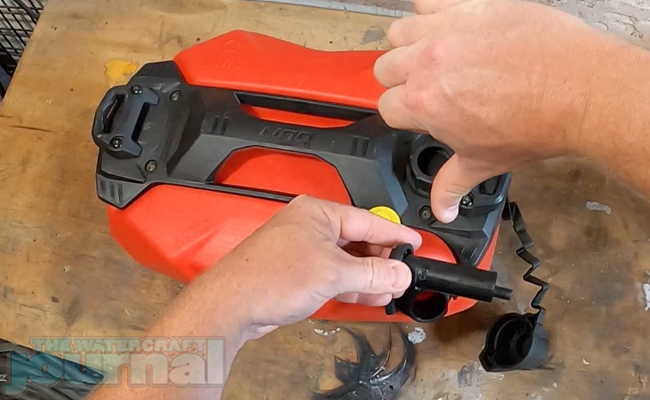
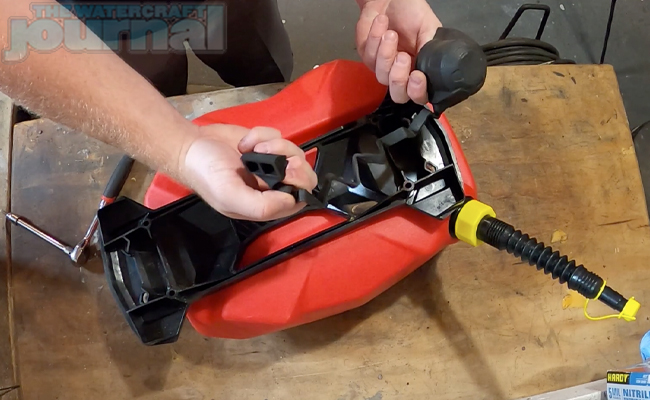
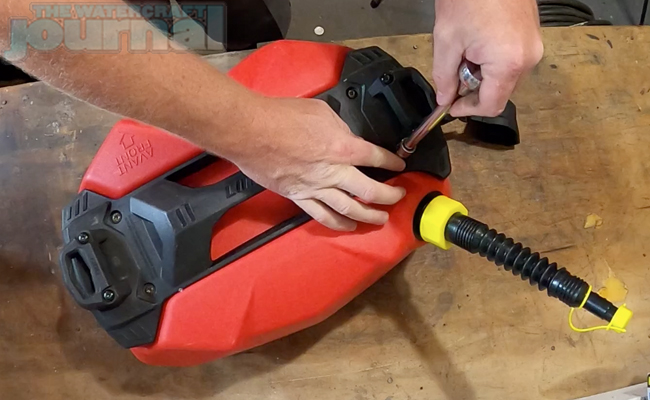
Installing the EZ-pour spout is as simple as removing the rubber cover, unscrewing the old cap, and removing both it and the locking collar from the caddy’s threaded neck. The new spout installs easily, simply slide the yellow cap over it and tighten it down. The spout’s cap also screws on snug; threading on the strap requires looping it around and sliding the barbed end into the cap’s tab.
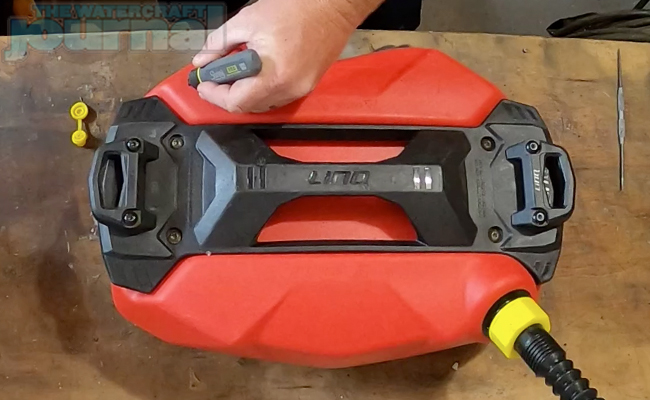
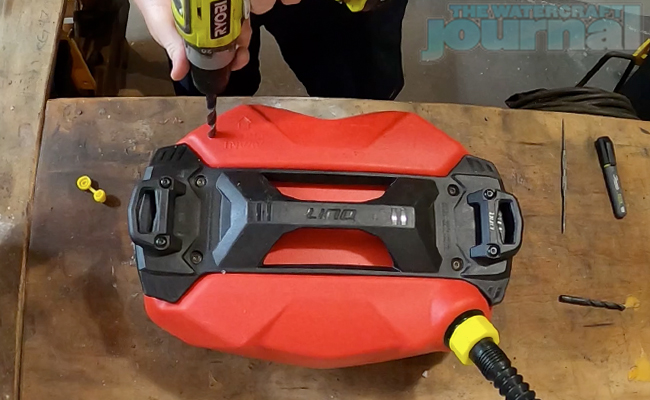
 

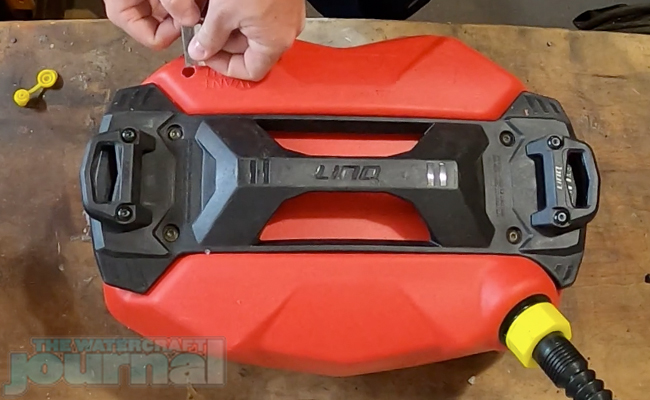
Since we didn’t require the rubber cap anymore, we removed the top panel using a Torx 30 wrench or driver. The the end tab of the rubber cap simply slips off of the base plate, allowing you to tighten it back on. The final step was installing the vent. As you’re pouring you want the cap to be as opposite from the spout as possible; equally, we don’t want fuel to be able to spill out easily, so we chose to drill our hole on the furthermost corner of the top of the caddy.

We first made a mark where we wanted to drill; then we drilled a small “pilot hole” before running the half-inch bit into the tank. Next, we cleaned up the edges with a razor blade allowing the vent to be pressed in with a little grunt. For added measure, we ran a bead of Super Glue around the edge. Not so much as a sealant, but to keep the vent from wiggling loose. From there, our modified Fuel Caddy was ready to go.
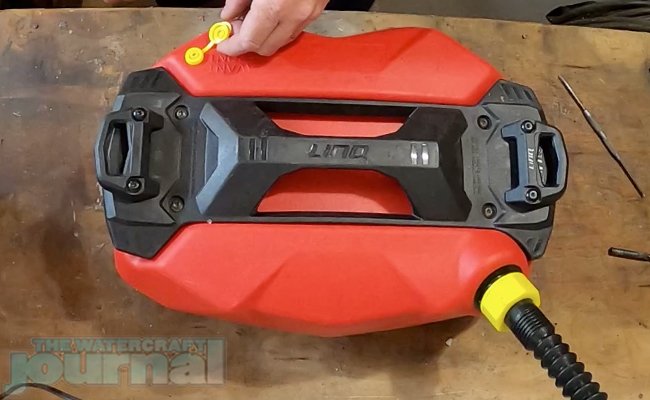
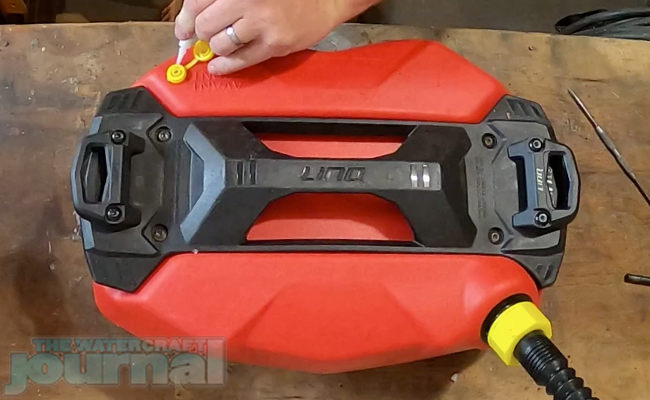
Of course, the LinQ Fuel Caddy attaches to the back of our 2021 Sea-Doo RXP-X 300 without the need of tools or any effort at all. Aboard the RXP-X, removing the caddy and pouring its contents into the fuel tank is just as easy. The flexible spout makes positioning the caddy much easier, and the open vent allows the entirety of the fuel caddy to transfer 3-gallons of fuel within 35-seconds, literally two-to-three times faster than the CARB-compliant spout. It’s now one of the easiest – and fastest – fuel cans we’ve got.

Again, this might not be for you – particularly, if you live somewhere that is uptight about the kinds of filler necks your jerry cans have. So please make sure to do a little background checking to make sure you won’t be issued a hefty fine just for swapping out your Fuel Caddy’s spout.

Awake Electric Jet-Drive Surfboards & MFC Performance Fins

0

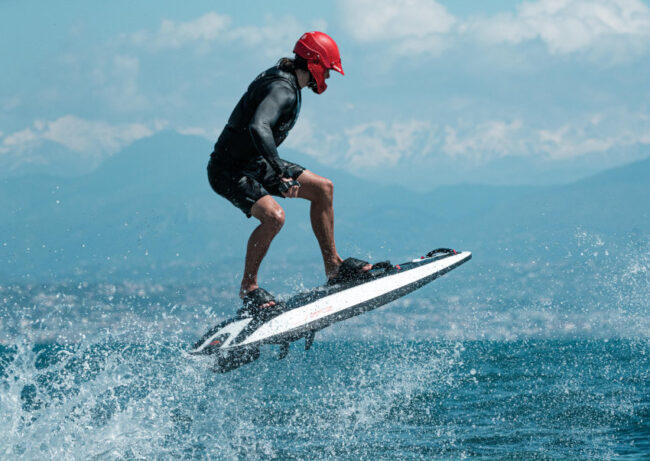
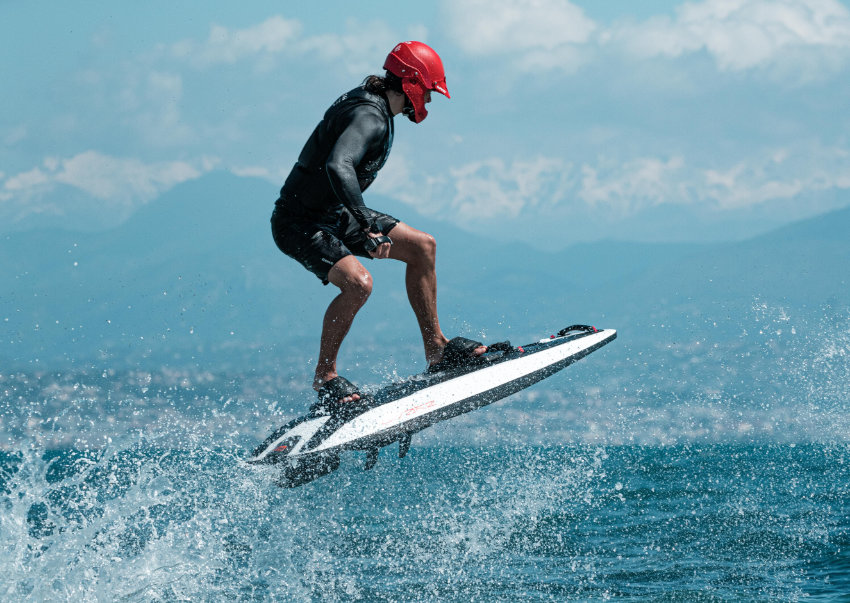
If you haven’t noticed, we at The Watercraft Journal are really enjoying reporting on Awake Electric Surfboard company. The jet-driven electric surfboard allows enthusiasts from grom to the seasoned ripper to enjoy carving the water, whether there’s waves or not.

To make this experience all the better, Awake have teamed up with the Maui Fin Company (MFC) and Kai Lenny. This partnership ensures that Awake’s Electric Surfboards are outfitted with a high quality, high performance product. Some of the best riders in the world use these fins because they know they can count on them to hold the line.

MFC fins provide the stability you need for riding the RAVIK 3 at a top speed of 35 mph. Thirty-five miles per hour is blistering fast on a surfboard and feels even faster when reached in under 5 seconds. With the MFC fins, you know the fins will hold the line and keep you stable at high speeds and when carving some drawn out lines on the RAVIK S. It’s up to you to stay upright.

The AWAKE x MFC collaboration produced a light-weight carbon fiber fin, built to fit into Future fin-boxes. Future fin-boxes are standard on AWAKE electric surfboards. The fins are easy to mount with the included fin key. A couple of turns to tighten them, and you’re good to go! The fins come with a bag to use for storage or travel.

Check out the RAVIK models on their website and find out which model suits you best.

Kspeed Delivers Two Ride Plates For Offshore-Charging Kawasakis

0

There’s little denying the fact that Kawasaki’s Ultra platform continues as the weapon-of-choice for rough water/open ocean riding. It’s aggressive deadrise and true deep-V hull permits the big JetSki to sluice through white caps like it was a calm, glassy day. Although the Kawasaki isn’t as flashy or riddled with bells and whistles as the other guys, it’s traditional SMC fiberglass-and-gel coat construction has made it a favorite of hardcore rough water riders worldwide.

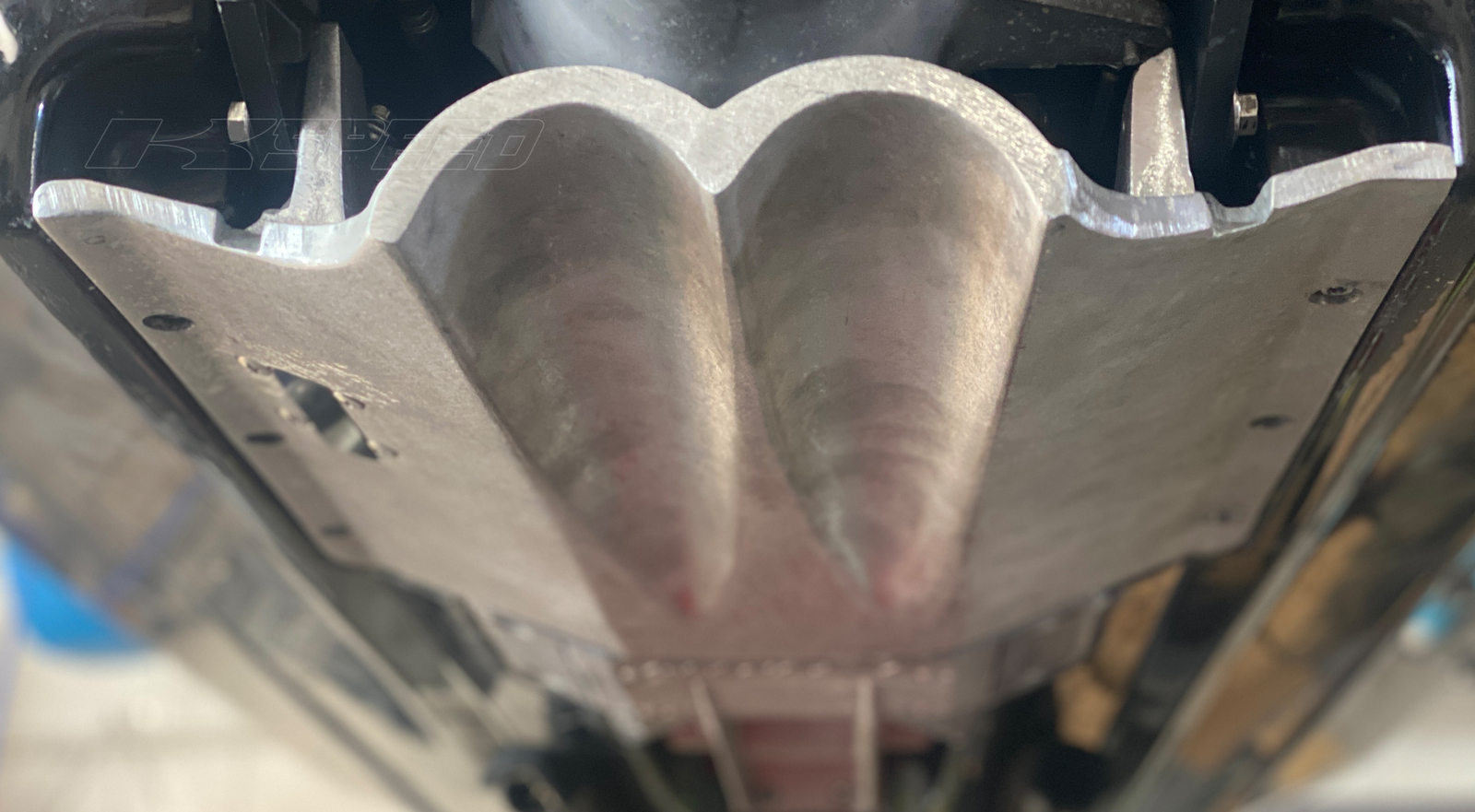
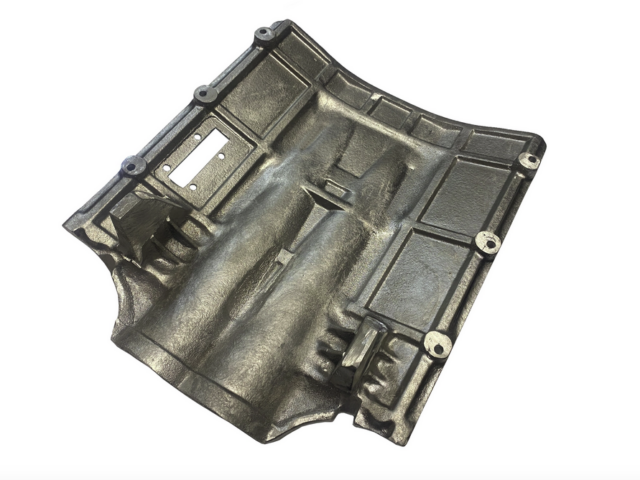
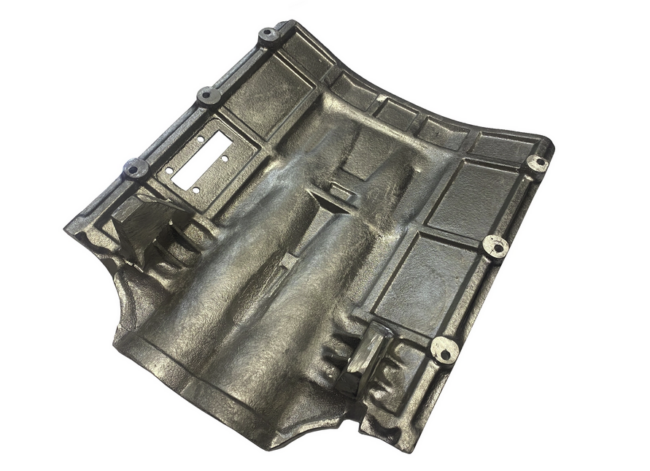
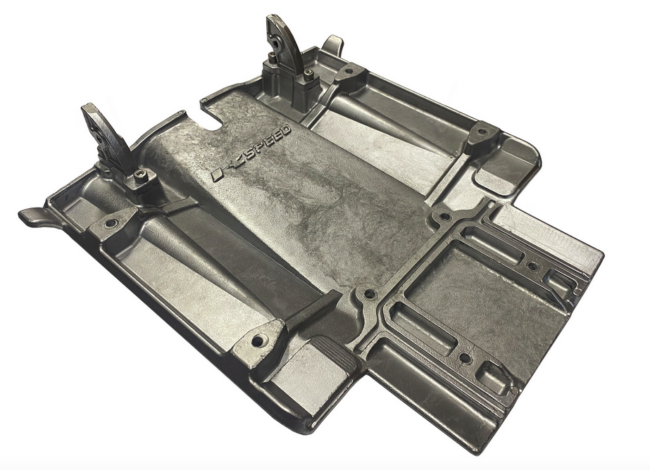
The team at Kspeed are no strangers to this, and have been slaving away to fine tune the Ultra platform even to this day. To whit, they’re chipping on the smaller STX platform as well, announcing a pair of new ride plates, as well as teasing another yet-to-be-released plate, all in a recent Facebook post, stating:

“We’ve been busy. 2 of 3 ride plate designs now available. Our offshore ride plate to suit the Ultra 300 & 310 is now available to purchase as well as the STX plate. For those waiting, our top speed plate is still in production, but isn’t too far. (No photos yet, we are keeping it under wraps)”

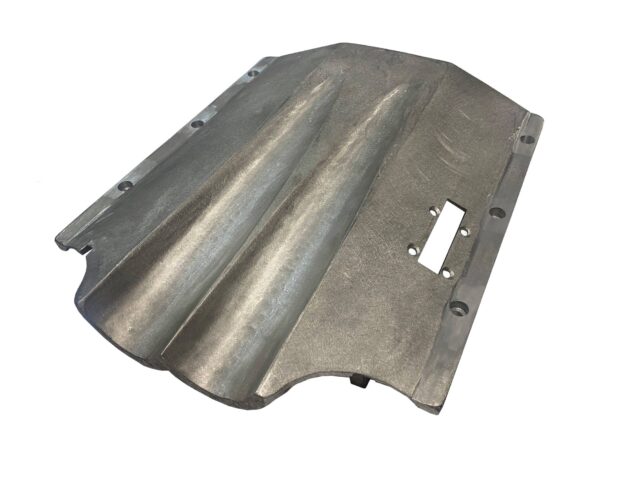
For the Ultra 300/310 Offshore Ride Plate Kspeed states, “We have found a way of keeping the ski stuck to the water and hooked up 99% of the time in the choppiest conditions. […] You expect to get airborne over the crest but it just absorbs the wave hooks up and goes again. Less air time, more time spent with the pump loaded up pushing you forward.”

When it comes to the STX Ride Plate, things get really exciting: “Our ride plate will make the ski faster in all conditions, but you will be able to fly over heavy chop with much more speed and predicable handling. (It can be used with or without our Kspeed pump wedge.)” And more importantly, it can be used on STX-12f, STX-15F, STX-R, STX-160, and even the STX-1100.

Traction Mats in Stock at Unlimited PWC Parts

0

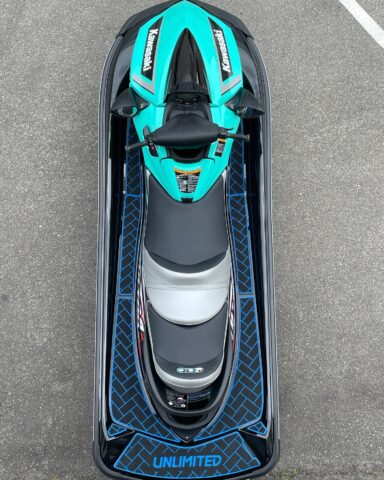
Unlimited PWC Parts recently released some spicy new eye-catching traction mats. A set of these mats will get you noticed on the water, so if you are in the market for new mats with some flair, these are for you. Unlimited PWC uses a two-layer mat structure to give riders extra cushion. The new design also incorporates the latest laser processing to eliminate water surface tension and to assist with deck drainage.

The mats are durable and have excellent grip even when wet. The mats come with a new double-sided tape from 3M, which has exceptional wrinkle resistance, durability, and adhesiveness. This way you won’t have to worry as much about not having a smooth finish when applying the tape to your ski. The new tape should eliminate most of the issues that sometimes come with applying new grip.

The new deck mats are available for several Kawasaki models including the Ultra and the SX-R. The new Sea-Doo mats really freshen up the jet skis, giving them a bold new look. These stylish new mats from Unlimited PWC are available in red, black, green, blue, and white with quite a few different geometric patterns. The lines appear sharp and crisp, thanks to the new laser printing process that Unlimited PWC has put in use.

Head to the PWC Unlimited website and grab a set of deck mats and as their tag line says, “look fast and go fast.”

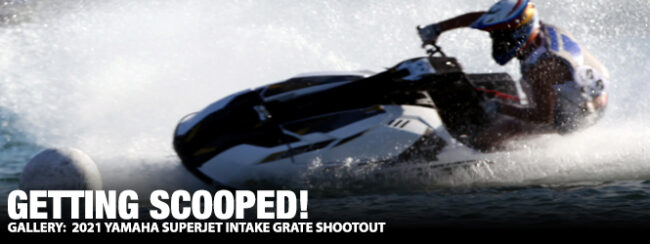
Gallery: 2021 Yamaha SuperJet Intake Grate Shootout

1

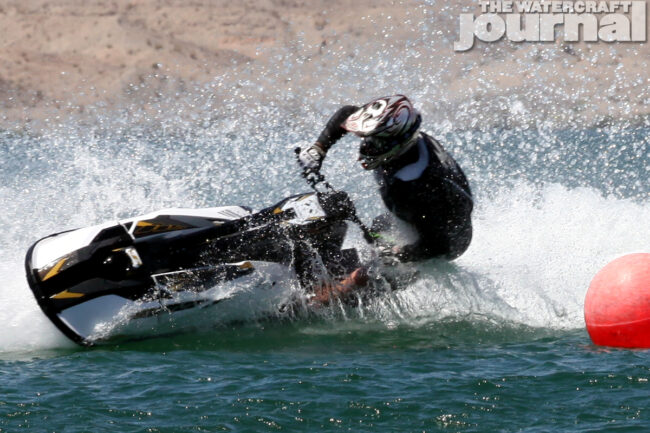
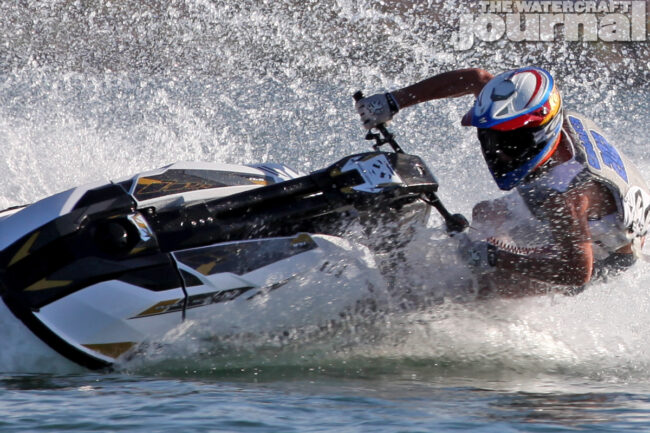
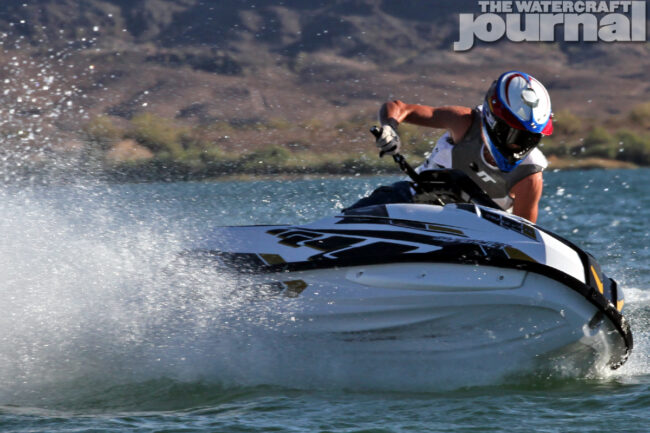
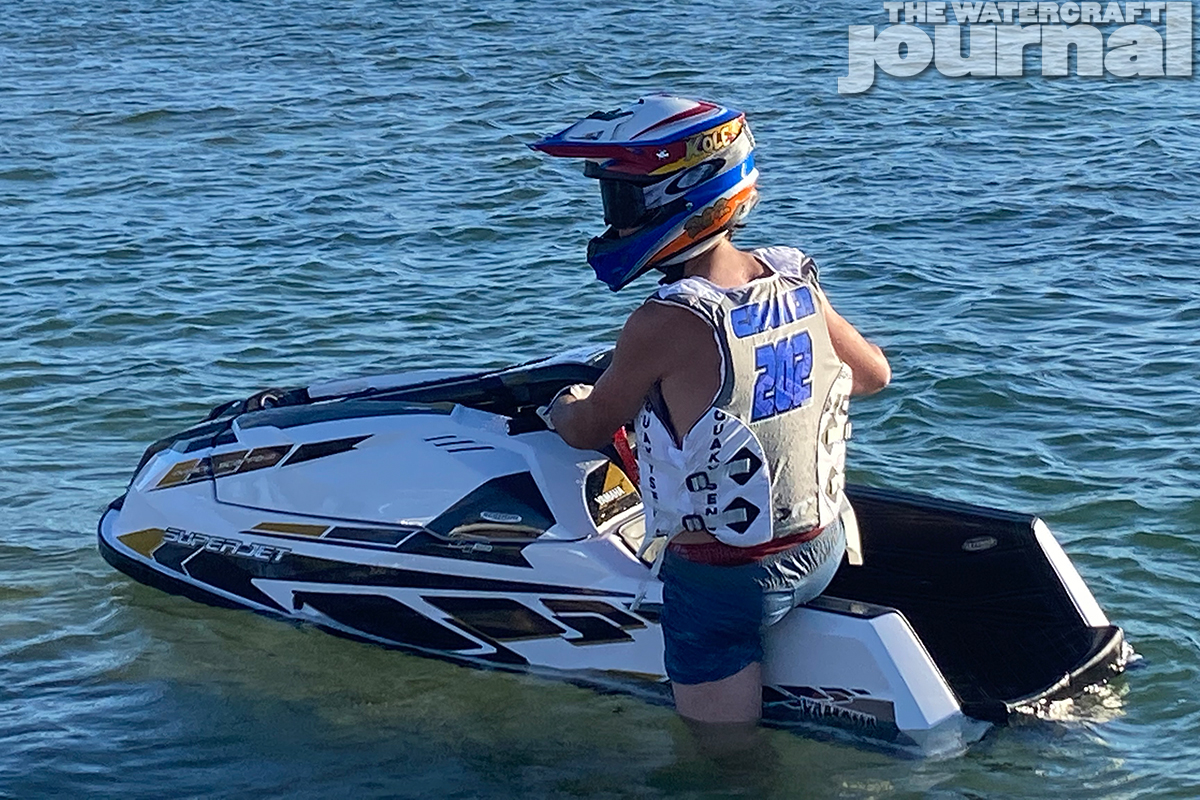
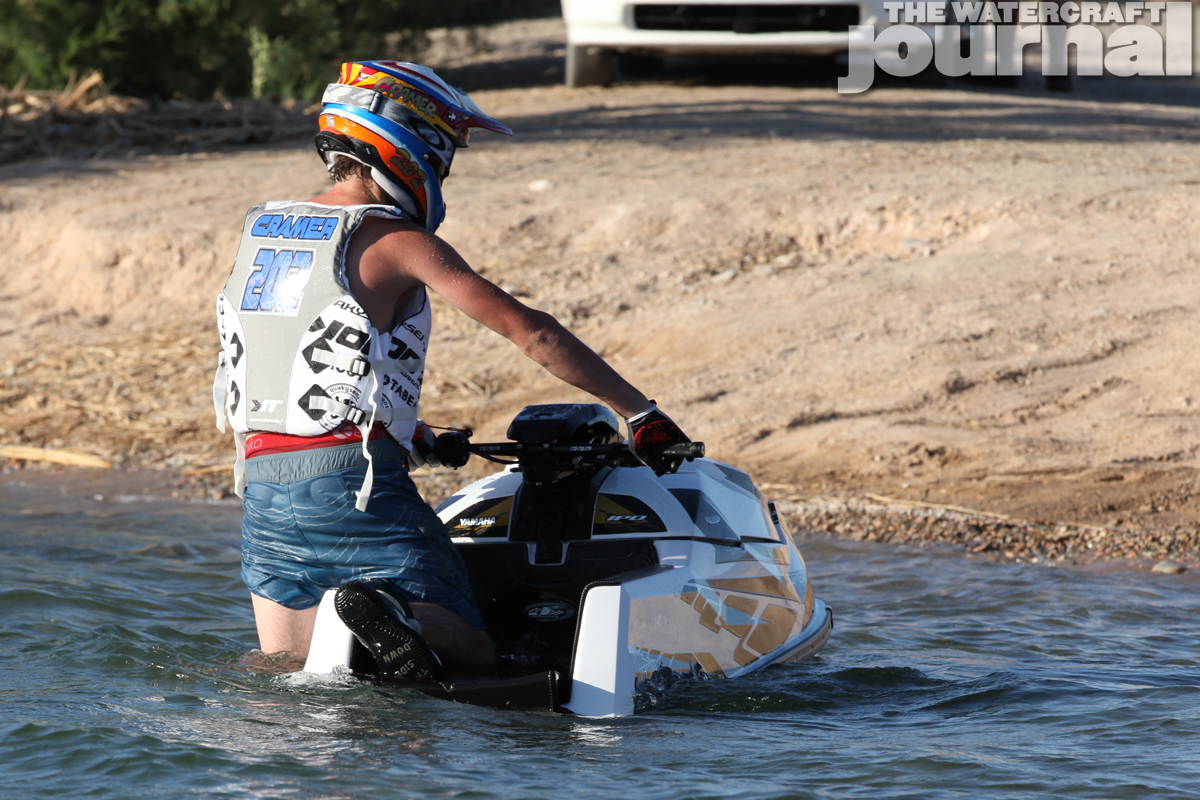
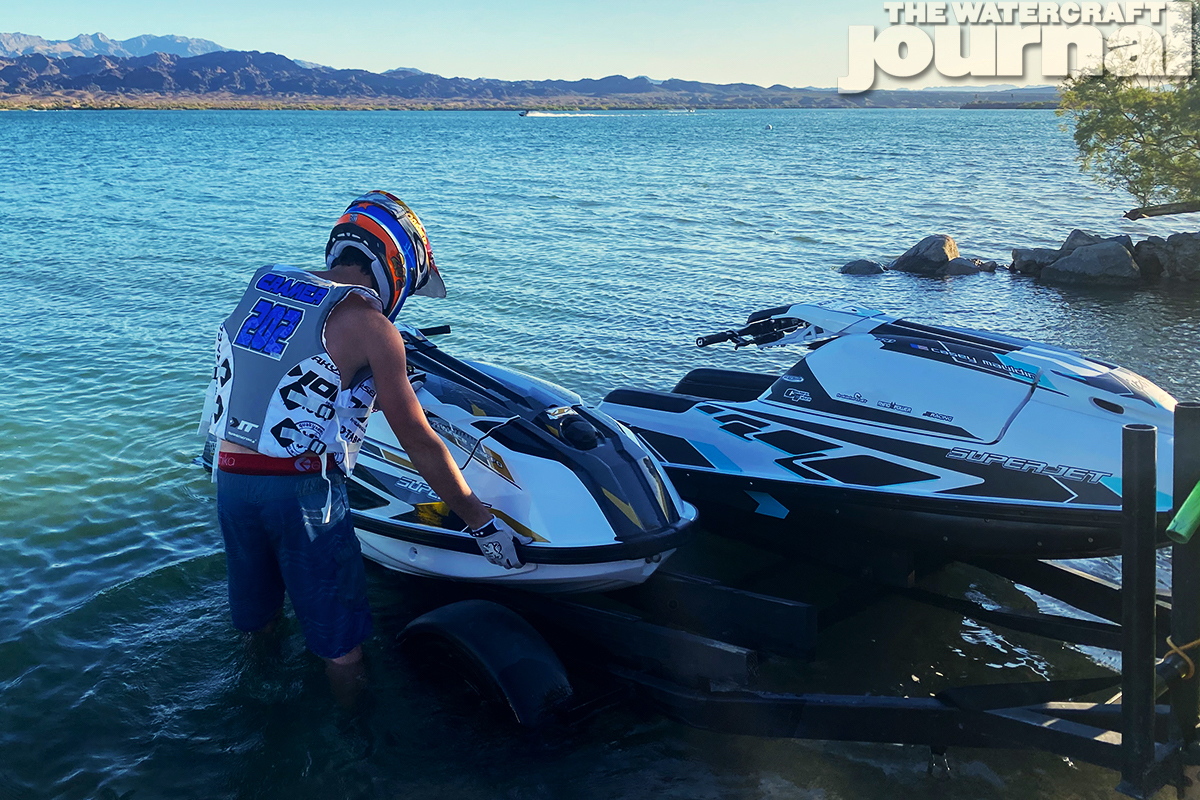
Over the last few months, IPD Racing has spent plenty of time on the new Yamaha four-stroke SuperJet. One thing we know is that we love new jet skis. Another thing we know is that this new jet ski has some glaring handling flaws. The first challenge with this ski, that any rider will notice, is that it cavitates in rough water. It does it going in a straight line and it does it when leaned over in a turn.

The handling traits of this ski are all related to its unique hull design. [The ’21 SuperJet is in NO WAY a Deep-V hull. –Ed.] While we can’t easily change the hull design, one of the first modifications that should be done is to choose the right intake grate. This hull needs an intake grate that will allow the most amount of water into the pump area to help keep the pump loaded.

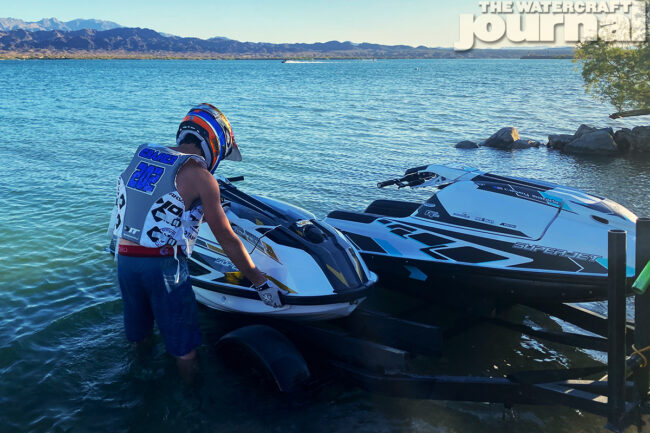
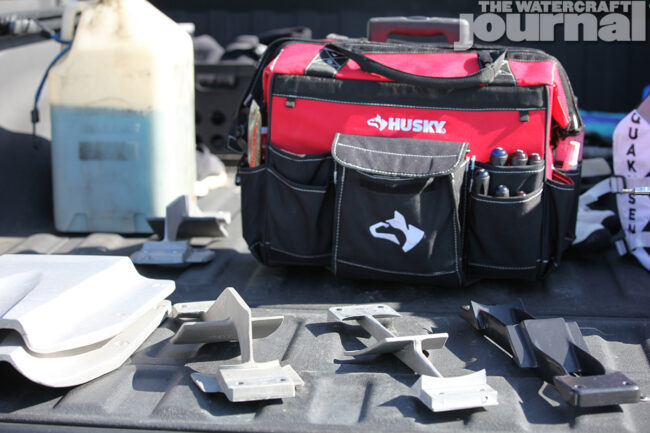
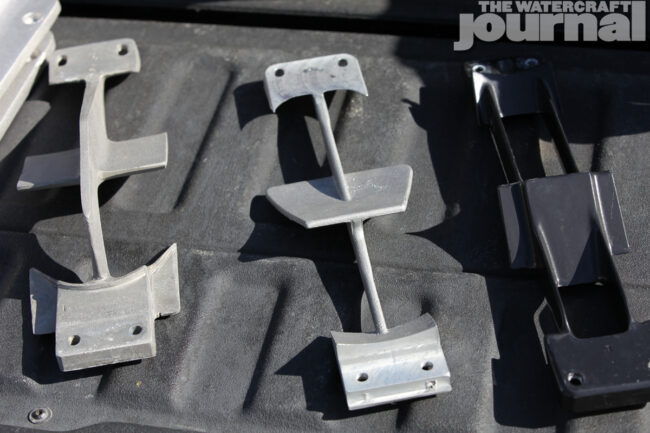
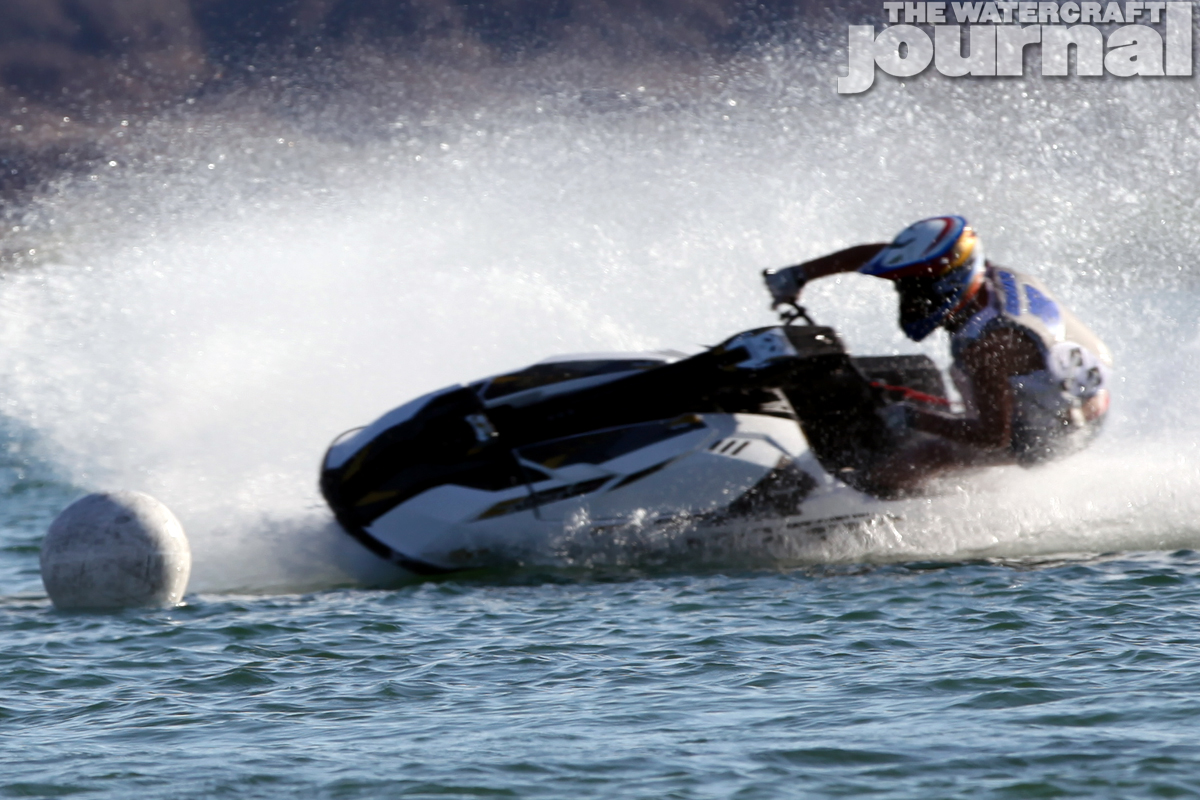
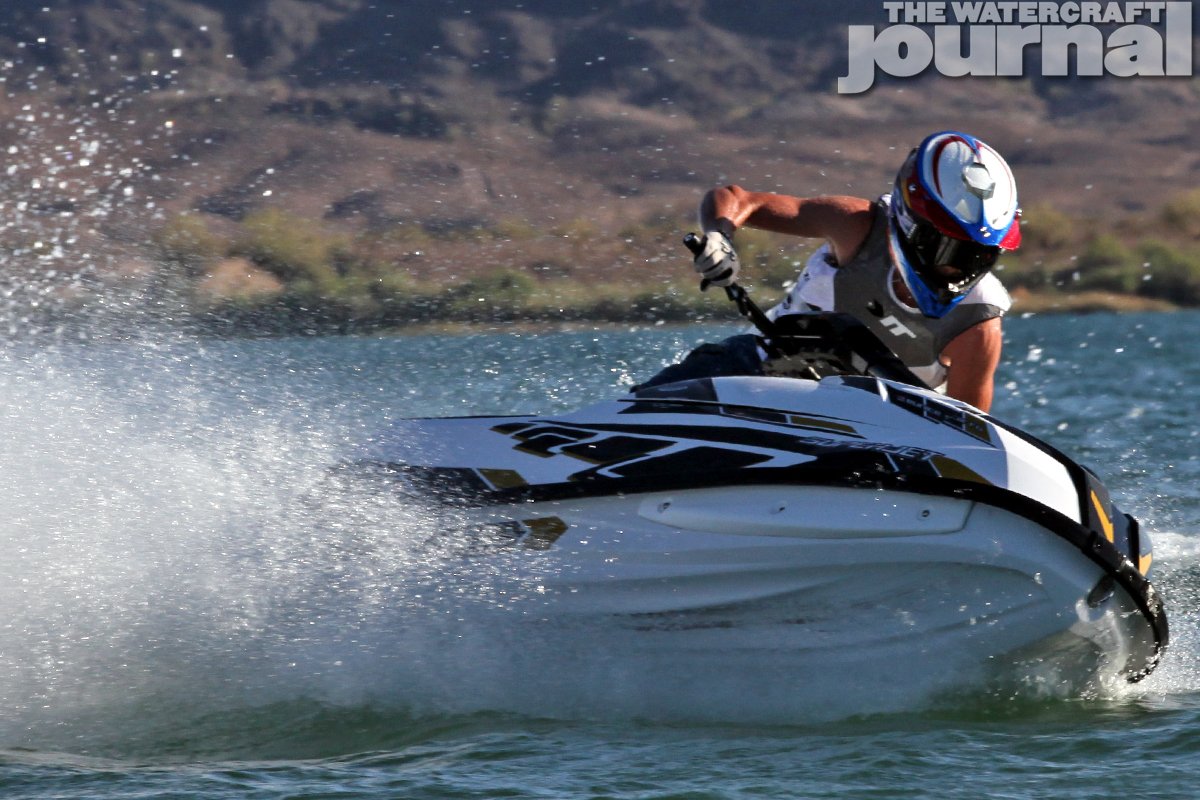
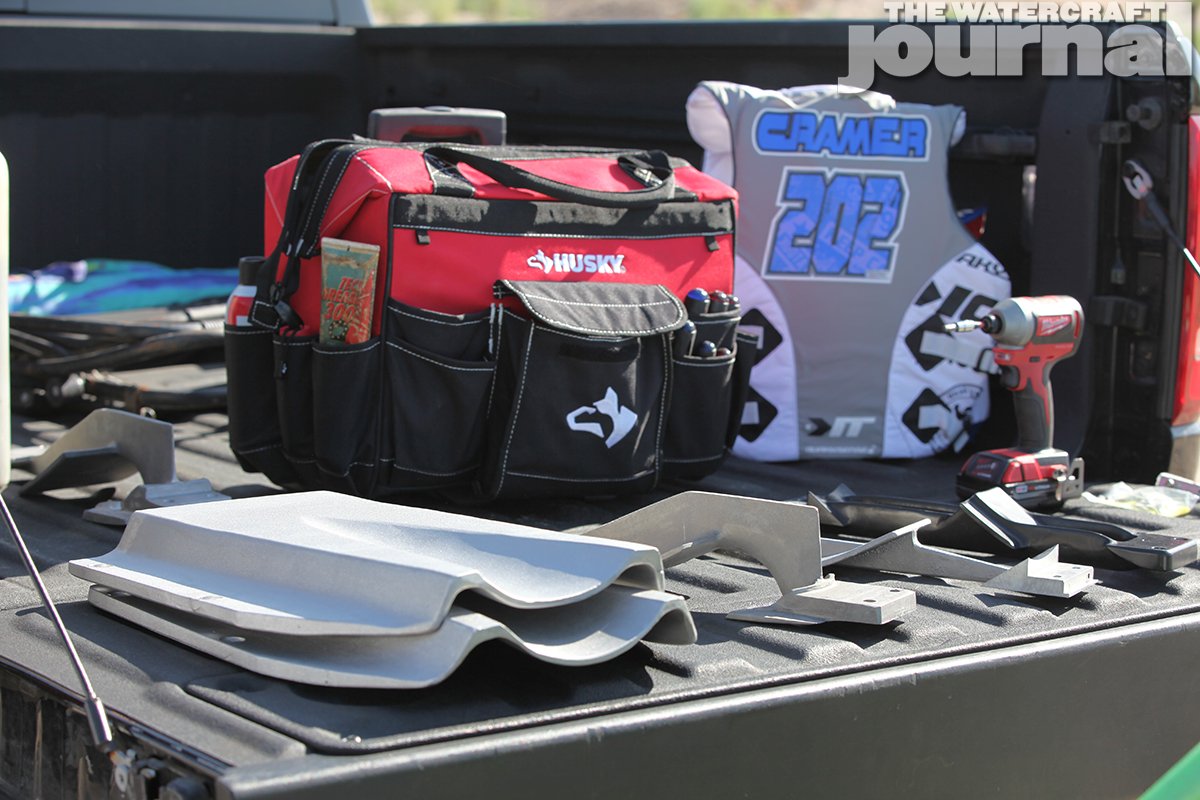
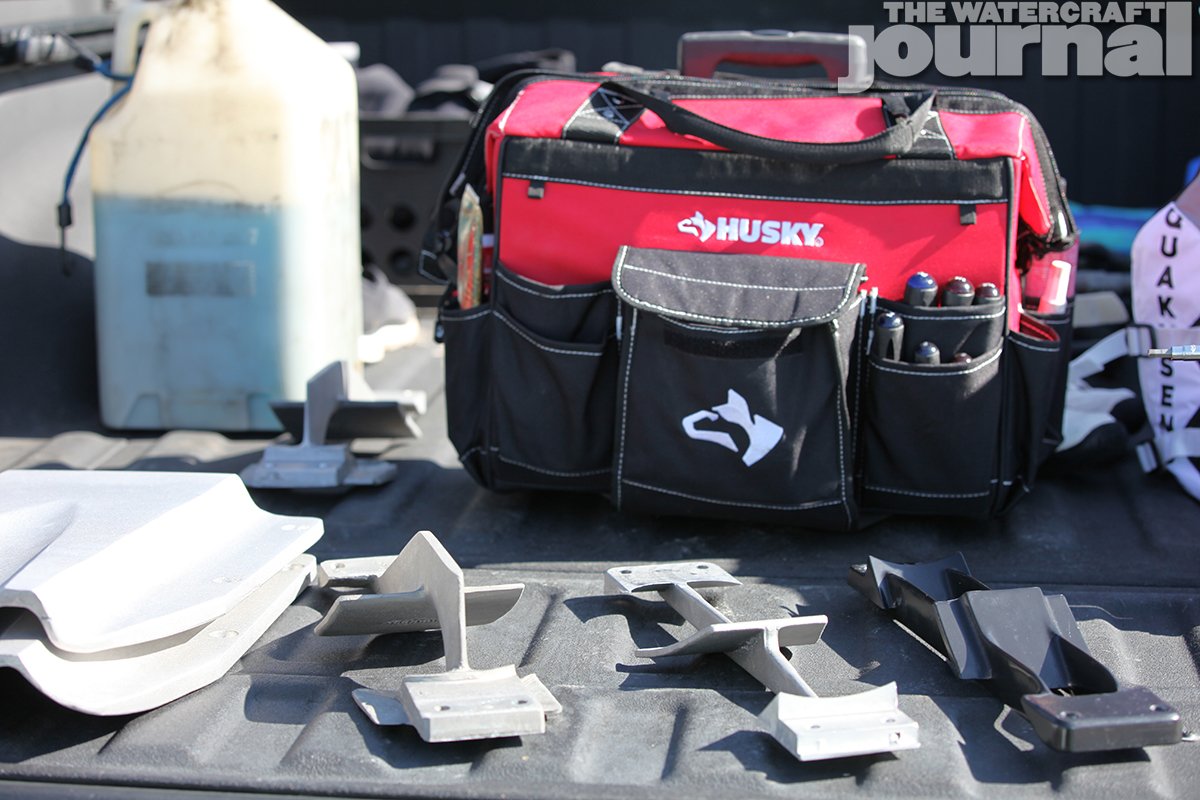
IPD Racing chose to compare three intake grates on the new SuperJet. We tested each of these plates on buoy courses and in race conditions. We tested on smooth glassy water in a bay, mild race chop on a lake, and in the rough, windblown, boat rollers of Body Beach in Lake Havasu City. We had riders of all skill levels, from older vets to Kole Cramer, a professional world champion jet ski racer. In this comparison, we tested grates from Jet Dynamics, RIVA Racing, and WAX Racing Products.

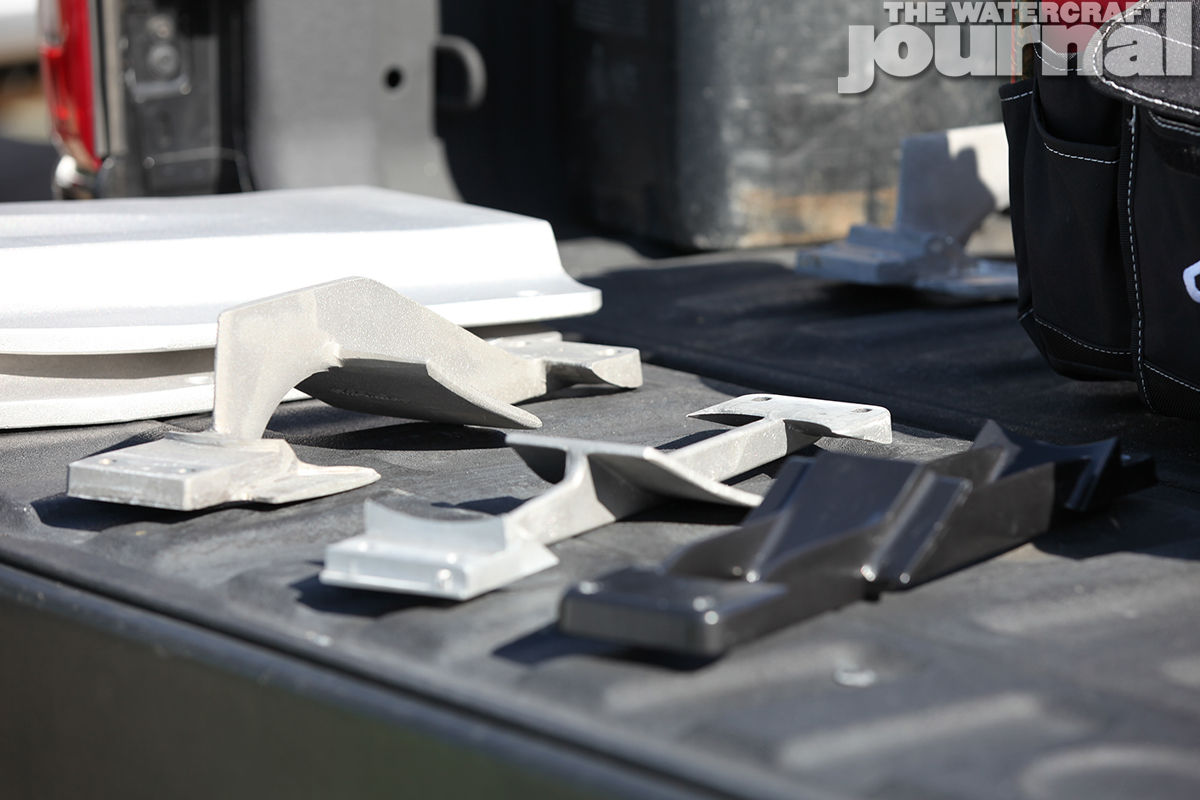
The RIVA grate was the first to hit the industry and was best in two categories. It is the fastest grate in smooth water and has an excellent fit and finish. It looks nice and fits perfectly. If you are looking for straight speed, this grate wins. While this is a good grate and an improvement over stock, it falls short of the other two in this comparison in all other categories.

The Jet Dynamics grate is a single-bar design from a company that has been in the industry for a very long time. This cast grate offers the best hook-up in rough water as well as the best drive out of the corners. With its aggressive scoop, it also offers the strongest deceleration when entering the turn. Overall, this is a very high-performing grate. The Jet Dynamics fit and finish leaves a little to be desired and seems to be the trade-off for the excellent performance.

The newest grate offered from WAX Racing Products is also a single-bar design. This grate offers the best hook-up in the turns and is close to the Jet Dynamics grate in every category. While not the fastest, It offers strong braking on deceleration and a much-improved hook-up in all conditions compared to stock. In addition to performance, the fit and finish are on par with the RIVA grate.

All of these grates are improvements over the stock grate and all are IJSBA race legal. A grate alone will not solve the handling characteristics that are a result of the hull design. There are other handling modifications that we recommended that will also make big improvements to the ability of this ski to be ridden quickly on a racecourse.

IPD Racing is working closely with WAX Products to develop the best intake tract possible for the new SuperJet. Look for more articles on the specific modifications we recommend for this boat or give us a call and speak to us directly.

2021 Yamaha Four-Stroke Superjet Speed Data:
This data was gathered on smooth water, at sea level on a 72 degree day. The SuperJet used in this comparison had the following modifications: RIVA tune, RIVA air intake, free flow exhaust, Blowsion front sponsons, stock plate with an IPD Racing modification, and a Solas 12/17 impeller. These are the average speeds of 6 passes with each grate.

  • RIVA – 58.1 MPH
  • WAX – 57.8 MPH
  • Jet Dynamics – 56.9 MPH

Video: Yamaha’s Demonstrates WaveRunner Reverse Assist Feature

0

When planning for a day on the water with a group of riders, launching a PWC is rather easy; simply have another rider back down the trailer while you are on the ski for entry into the water. However solo riders might find this task more difficult; we have all struggled with using engine power to reverse off of the trailer. Many of us have engineered our own solutions after facing frustration at the boat launch.

Some of these solutions have ended in defeat, whether it be having to swim to an astray ski or slipping on the boat ramp when attempting to give the ski a good shove off the trailer. The last thing any of us want is to be injured when trying to launch a PWC or even worse: finding yourself on the latest ‘JetSki Fails’ YouTube video. Yamaha has a simple solution to safely and efficiently launch your WaveRunner time after time.

Yamaha’s video showing off their reverse assist feature on RiDe equipped WaveRunners offers a simple solution. Yamaha’s reverse assist temporarily offers increases engine RPM for the extra thrust needed when backing off the bunks of a trailer. With two speeds, it is as simple as holding down the RiDe lever and pressing the up arrow on the speed control switch.

When only pressed once engine RPMs are increased from 3,500 to 3,900; for whatever the case may be and you still need additional power, a second press will increase to a maximum of 4,300 RPMs. The higher RPMs offer plenty of power for a smooth entry into the water at all times. The reverse assist is a a result of Yamaha’s keen interest in providing features for safe, fun, and a hassle-free experience whenever you chose to ride a Yamaha WaveRunner.

Video: Kspeed Revisits Its Custom One-Off Kawasaki STX-310LX

0

The mid-sized performance watercraft market has been strictly dominated by Yamaha and Sea-Doo. No other manufacturer offers a watercraft to directly compete with Yamaha’s GP1800R SVHO or Sea-Doo’s RXP-X 300. While Kawasaki does offer the highest horsepower machine money can buy, the Ultra 310 series, it’s hefty size and weight prevents it from competing alongside the best of what Yamaha and Sea-Doo has to offer.

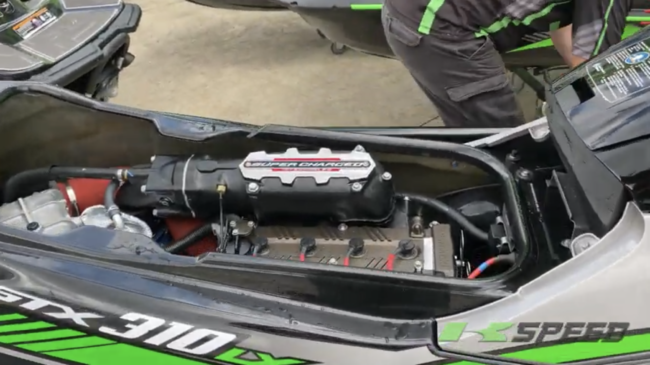
However, Kawasaki does have a fantastic mid-sized watercraft; the Kawasaki STX line of watercraft would be an excellent starting point for the next big high performance ski if it only boasted the 310 horsepower supercharged engine found in it’s big brother. Most recently, Kspeed Performance has published a video showing off their STX310LX conversion ski and covering exactly what entailed fitting the supercharged engine into the STX hull. Last year the Watercraft Journal was fortunate enough to ride the STX310LX; you’ll want to read the full story here.

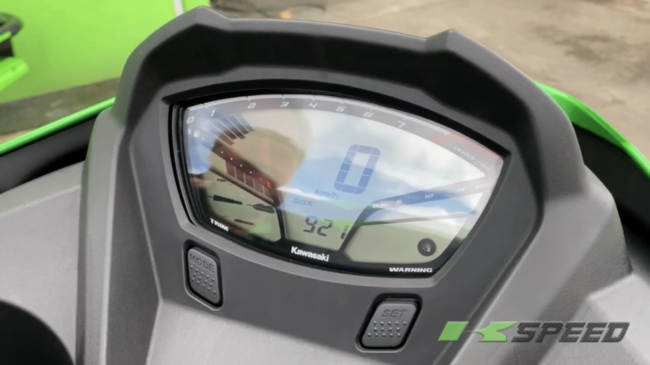
Kspeed’s STX310LX is a fully functioning watercraft with electric trim, stereo system, and a display from a 2019 Ultra 310. Surprisingly enough, this conversion was built with almost all original Kawasaki manufactured parts. With only modifications needing to be made to the pump shoe, airbox bracket, and intake hoses, this is otherwise a bolt-on installation when utilizing original parts dating back to the Ultra 250. The result is a lightweight, nimble, and 80mph-capable watercraft out of the box.

Kspeed’s creation is not, by any means, an engineering marvel; an individual with any form of mechanical skill can build their own STX310 in their home garage. Being that it is such a simple conversion, thanks to the utilization of almost all factory parts, hopefully Kawasaki will take the hint and offer the STX310 to the masses! If and when the day comes, Yamaha and SeaDoo will certainly have a new competitor on the buoy course!

Moreno Valley Man Dies After PWC Explosion, Thrown Into River

0

As it stands, over 50-percent of all new personal watercraft sales have been made by first-time buyers. These are folks who have never owned a PWC before in their lives. Statistically, they’re completely virgin to the ins-and-outs of maintaining, launching and even operating these machines. And its for this cause that we all must be increasingly cognizant of the people we share the launch ramp and water with.

Sadly, on Friday, June 11th, “deputies from the San Bernardino Sheriff’s Department responded to a call for a boating incident at River Shore Estates,” according to a report in ParkerLive.com. Upon arrival, “medical staff from the Buckskin Fire Department and River Medical Ambulance were tending to the victim, Juan Pineda-Flores, 48, from Moreno Valley, California.”

According to witnesses, “Pineda-Flores was attempting to start a personal watercraft that was still on the trailer at the launch ramp. During startup, fuel or vapors inside the hull of the jet ski ignited, causing it to explode. Juan was ejected from the vessel into the water.” Pineda-Flores was immediately brought to the shore and given medical aid; he was later transported to the La Paz Regional Medical Center where he later died.

Fuel vapor can be a major issue with older or even modified personal watercraft. We strongly recommend removing the seats completely, or setting them loosely on the ski while being stored. This will allow the engine compartment to both dry after your most recent washing, as well as ventilate. We’ve seen too many accidents like these and encourage you to consider taking the extra step to be safe during this boating season.

Video: AMMO NYC Restores This Moldy Sea-Doo 130 Back to New

0

We’ve all seen super dirty, mold-covered watercraft before. Especially if you live somewhere that mold quickly accumulates, the discoloring spores can quickly turn a brightly-hued PWC into a dark, spotted mess. Moreover, there’s nothing quite like seeing a full-blown transformation of a neglected ski into a near-pristine restoration (heck, we at The Watercraft Journal did this nearly a decade ago with a forgotten Sea-Doo GTI).

While we labored with Jet Renu’s total care line, the car detailing gurus at AMMO NYC jumped on a Sea-Doo GTI 130 picked up form an estate sale. Equally moldy and discolored, AMMO NYC details how they restore this Sea-Doo’s finish. Mind you, they mistakenly diagnose this PWC as having gel coat and clear coat, and that is simply not the case. Nonetheless, this video is informative, very well detailed and if anything at all, satisfying to see it restored.

They write, “This is my friend Andy’s jet ski that he found at an estate sale for $500. It was left unused for a few years (not sure how many) as the estate had no idea, but judging by the spiderwebs, mold, and mildew it was more than a season or 2. My guess is this had been tied up to a boat dock outside, as the gel coat was severely faded and the mold in the footwell around the grips was disgusting. In this episode Jason Rose from Rupes USA helps me understand the difference between Gel Coat vs Clear Coat. Hope you enjoy the boat transformation”

https://www.youtube.com/watch?v=5F8PX7Bk8GQ&list=WL&index=4

Video: Kspeed’s Stealth Whistler & Supersonic Atmospheric Bypass Trumpets

0

There’s few things more exciting about the ear-splitting whine of a high-spinning supercharger at speed. And while it’s fun to let all the other guys around hear how bad your Ultra 310X may be, there’s a way to both increase the whistle noise from the supercharger at idle with a nice subtle “whoosh” when backing off the throttle under boost, as well as lower intake temperatures and increase available horsepower.

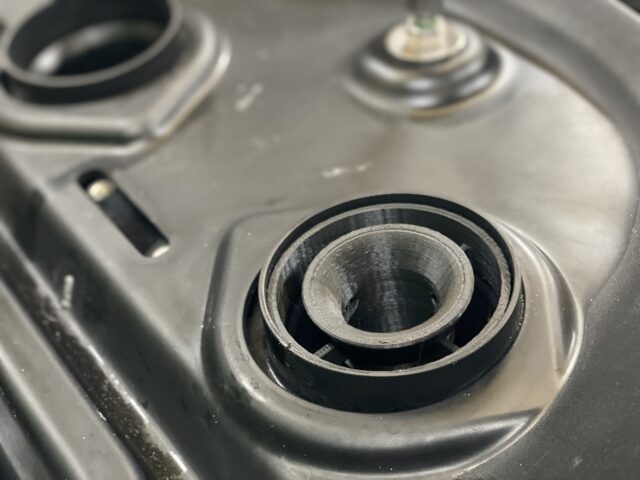
And all of that is possible with Kspeed’s new low profile Stealth Whistler & Supersonic Atmospheric Bypass Trumpets. Made from 100-percent solid PLA 3D-printed filament to keep price low ($35 AUD each), both the Stealth Whistler and the Supersonic reroute the hot waste air out of the system and vent it out into atmosphere. Each kit comes with block off cap for airbox.

The Supersonic trumpet is ideal for higher boost applications, giving off an audible “PSSSSHHTTT” when backing off the throttle, as the Kawasaki scrubs off all of that extra boost. Again, the Supersonic features a hHigher profile, giving off a much louder resonance than the Stealth version. And if you really want to maximize the sound, combine this with Kspeed’s 108mm S/C pulley & Intercooler waste gate block off plate.

https://www.youtube.com/watch?v=696veM-OaNk