
Home Blog Page 125

Video: Optimizing a ’21 RXP-X 300 With Three Sea-Doo Accessories

0

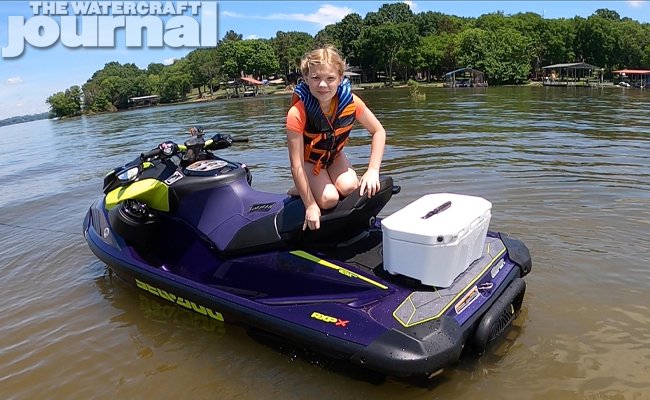
In a day when enthusiasts want everything but the kitchen sink available on their personal watercraft, it’s impressive to see the leading sales brand, Sea-Doo offer a one-seater musclecraft. The 2021 RXP-X wowed all of us when first introduced; not just for its aggressive styling and whip-snap cornering prowess, but also for its intimate single-rider ergonomics – dubbed Ergolock-R. And being a musclecraft, Sea-Doo sought to shave off some extra pounds where possible, so some otherwise expected features are absent, which is understandable.

Here’s the problem: folks still want the ride and feel of a sporty musclecraft without sacrificing the creature comforts and conveniences of a fully-loaded three-seater. So what do you do? You turn to Sea-Doo’s Parts & Accessories catalog, that’s what you do! While we could’ve gone hog-wild and marked off a whole lot more stuff than we really needed, like the USB port/phone charger, heated handgrips and drop-in bumpers; but we’re looking at maximizing the utility of our RXP-X 300, not turn it into a Cadillac.
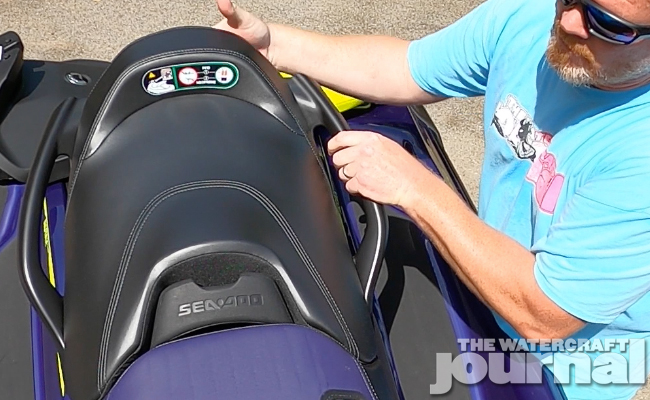
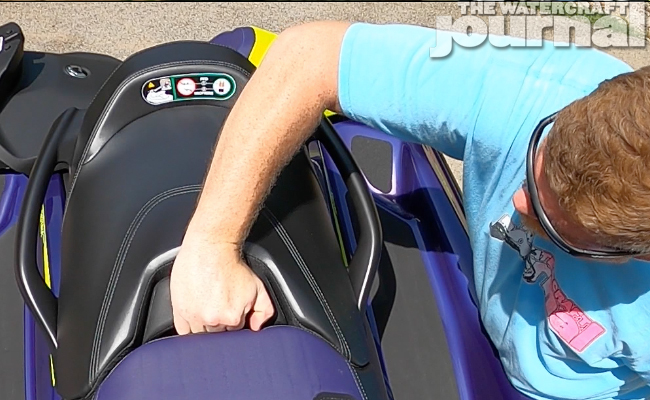
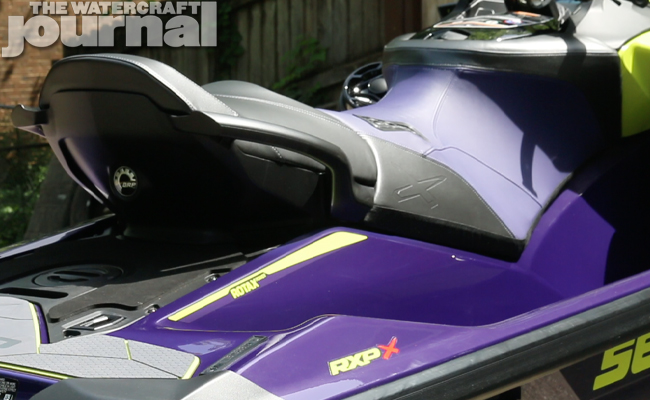
First on our “must haves” was the Passenger Seat exclusive for the 2021-and-up RXP-X. Priced at $409.99, it was our most expensive addition, but also our most necessary as we plan on racking up plenty of ride time with the family. Designed specifically to pair up with the Ergolock seat, the rear saddle features a very cool center handle. Made from heavy-duty pliable rubber, the handle is contoured for an easy, secure grip and sits in a pocket lined in breathable canvas. There’s also side rails on either side, so there’s plenty of places to hold on tight.

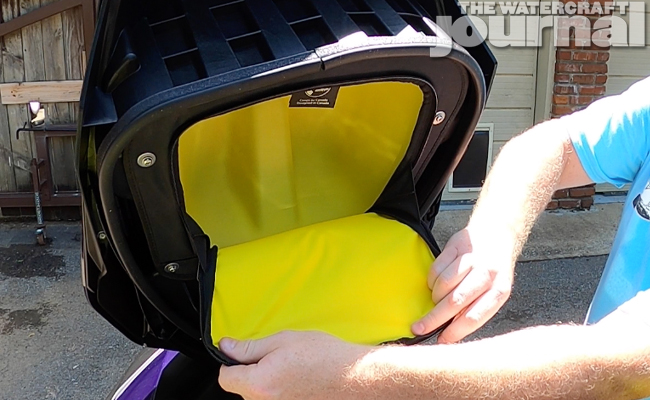
Another “must have” to make our RXP-X just a bit more user-friendly was the addition of Sea-Doo’s spring-loaded, Boarding Ladder. Priced at $214.99, it too can be a bit of a big purchase – particularly after forking over a base MSRP of $15,799 – but one that’ll help reboarding a world easier. Last is what could be easily, one of the best innovations for the GTI-based Sea-Doos: the 1.6-gallon, foam-molded Lid Organizer storage bag. Priced at a paltry $60.99, this single item is almost mandatory equipment for anyone with a RXP-X or GTI-based runabout.
Thankfully, installation of all three of these items takes less time than it does to gather up the tools to do it. The rear passenger seat merely requires removing both the lumbar pad from its perches and the removal of the snap-in base. With two clicks, the rear passenger seat is locked in place giving our co-pilot a comfortable spot to sit and a strong, durable handle to cling on to.

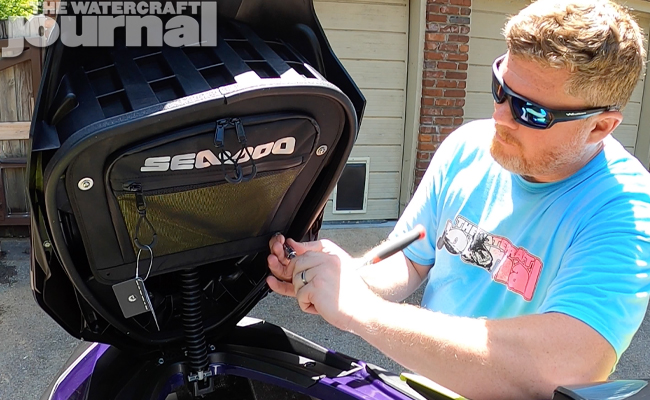
Installing the Lid Organizer requires a socket wrench with a 5/32 Allen driver or a same-sized Allen wrench. Sea-Doo provides the necessary screws, which gratefully do not require any drilling to mount: the holes are already drilled into your Sea-Doo’s hood base. Simply line up the screws with the holes and tighten them down snuggly. Rubberized hoops make opening and closing the center storage bag or the mesh front pocket just as easy.
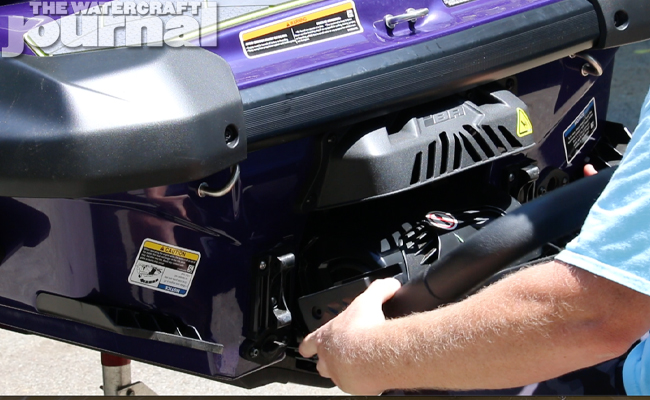
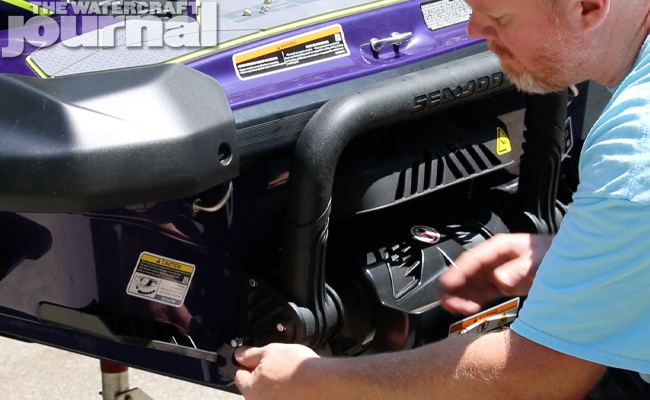
Lastly, installing the folding Boarding Ladder requires the most tools: a 10mm socket and a socket wrench, and a  10mm box-ended wrench. The long stainless shoulder bolts, washers and nylon locking nuts all come included. Equally, your Sea-Doo will come from the factory with the integrated mounting points on the watercraft making this a direct bolt-on installation. And extra points go to Sea-Doo for making the fitment so tight that the ladder literally kept its place while we threaded in the four bolts! Now reboarding our Sea-Doo is as easy as ever.

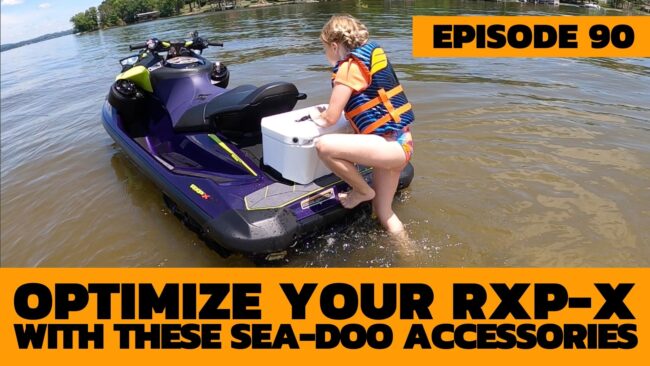
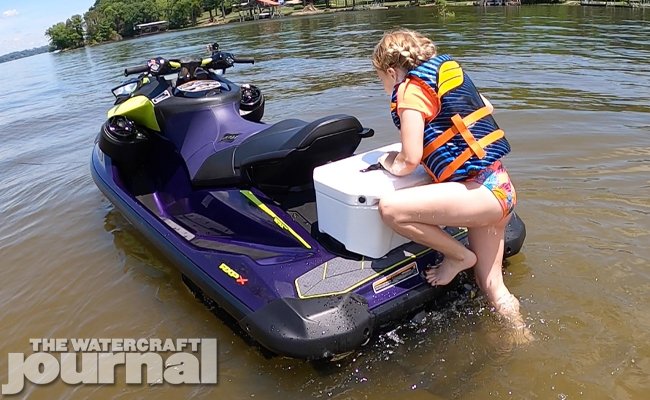
With our newly-equipped RXP-X, we hit the water. And with a LinQ cooler packed full of ice and drinks mounted to the deck, we were ready for a day out on the lake. Sure, we felt a little guilty saddling our racy musclecraft with some extra weight, which is sure to slow it down a bit, but we dramatically opened up the Sea-Doo’s usefulness and utility in a matter of minutes. Again, it’s all about getting the most use and enjoyment out of your Sea-Doo and we wouldn’t want our RXP-X any other way.
Great Gift Ideas for Father’s Day from Sea-Doo

0

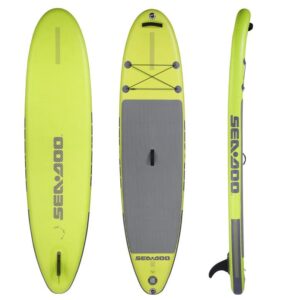
It’s almost Father’s Day and if you aren’t quite sure of what to get your dad, Sea-Doo has you covered with a cool line-up of items on their website. If you don’t want to get the standard shirt, how about an inflatable paddleboard kit?

This thing is kind of cool. It’s inflatable and comes with a wheeled backpack for easy carrying. Fold it up and stuff it in the pack. The kit also includes an adjustable 3-piece paddle, 8’leash to go with the 10’5” board, repair kit, and a dual-action pump for quick and easy inflation.

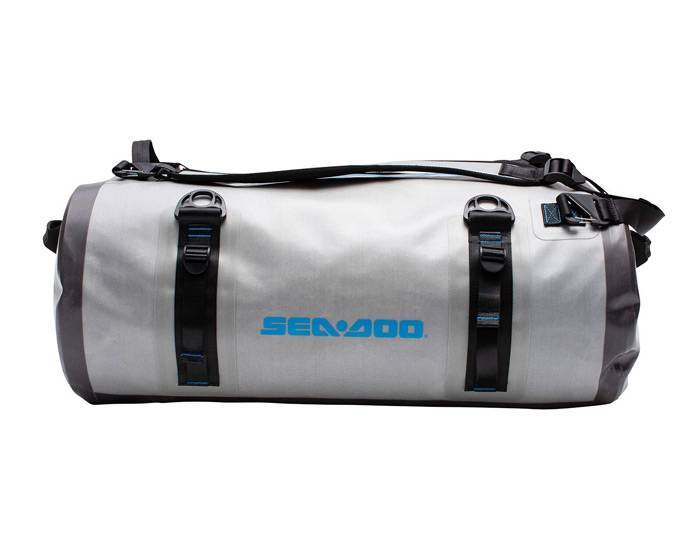
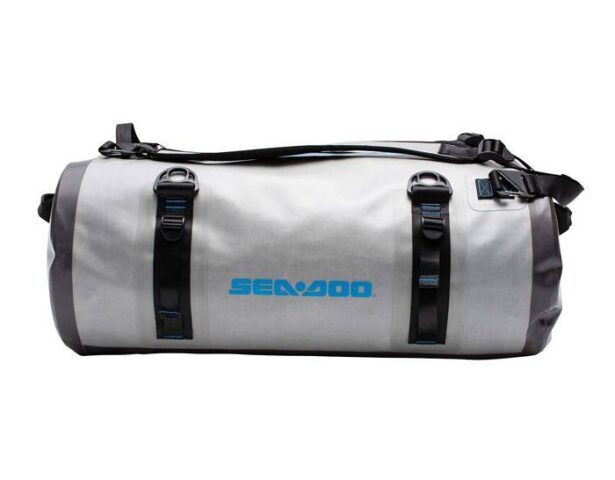
The paddle board kit retails for $629.99. Sea-Doo also has a one-person triangle tube so the family can go out and play on the lake. If dad has gear to carry on the water, Sea-Doo has a good looking 90L dry bag on the site. It can even be used as a backpack and is puncture and abrasion resistant.

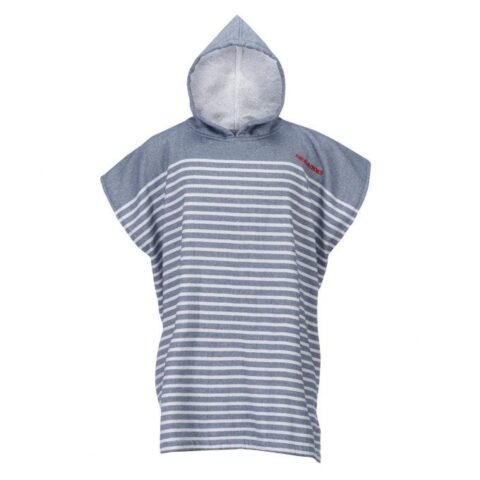
Another useful item is the terry cloth hoodie towel. Get one for you and your dad so you can put an end to the struggle of trying to stay covered while changing in or out of a wetsuit in the parking lot. Sea-Doo also has a nice assortment of hats and shirts on the Gifts for Dad page. Check it out!

A Couple Key Tips For New PWC Owners & First-Time Boaters

0

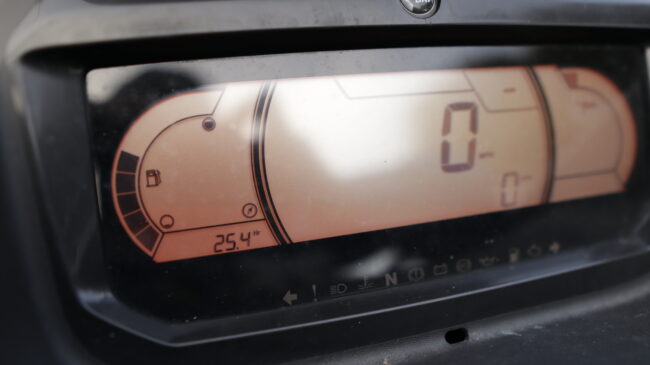
The personal watercraft industry is booming at an alarming rate! With more first time buyers and uninformed operators behind the handle bars, it is important to safe this summer out on the water. Marion Knaus with Northern Ontario Travel touched on some simple yet important key factors that are often forgotten by new riders when operating a PWC: not using the safety lanyard properly, not riding in shallow water, unprepared docking, forgetting to refuel, forgetting the drain plug. To some this may come as common knowledge, but to a first time rider, this could certainly ruin what was supposed to be an adventurous day on your new ride. So let’s recap these key factors to avoid any mishaps. 

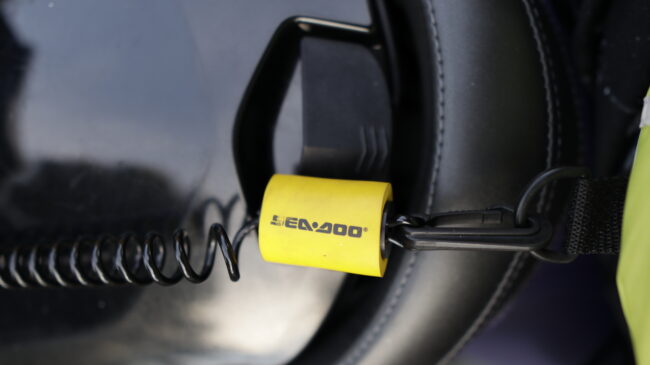
All PWC are required to have a safety lanyard and it must be used properly at all times. If your watercraft is equipped with a safety lanyard that is worn on your wrist, be sure to tighten it rather than just leaving it loose. In the event that you may fall off, your ski’s engine will stay running instead of coming to a stop. Sea-Doo solves this problem entirely; their lanyard clips to your life vest to avoid the possibility of the lanyard slipping off.


To some it may come as a surprise, but your low draft PWC is not a shallow water capable machine! Riding through shallow water, beaching your ski, or even encountering weeds could end your day on the water if not handled properly. If you’re lucky, you will simply have a jet pump that needs to be unclogged and is a rather quick fix. However, damage to the jet pump or the hull of your ski is very likely when riding in these conditions. It is best to ride in a minimum of two feet of water and anchor when necessary.

Just like parallel parking a car, docking your ski is a skill that takes time and practice to learn. It is important to get a feel of your watercraft’s reverse system and how it responds before approaching a dock for your first time. When the time comes to dock your ski, have your dock lines ready and keep all hands and feet inside the vessel just in case of collision. Most importantly, if you see a fellow rider struggling at the boat dock, lend a helping hand. Offering some pointers to someone who needs it may be the difference between them returning to the water and listing their ski for sale.


If you plan to be out on the water all day, be sure you have the fuel to do so. If you don’t have any fuel stops on the water, you may want to consider bringing extra fuel with you. The Watercraft Journals’s “Long Hauler Auxiliary Fuel System is an ingenious way of toting plenty of extra fuel on your ski. It is compatible with all 2004-and-newer Kawasaki and Yamaha 4-stroke models, 2003-through-2011 4-stroke Sea-Doos, and 2002 through 2009 4-stroke Honda Aquatrax models. It provides an extra USCG certified 12-gallons and automatically fills your fuel tank. The days of manually refilling with fuel jugs and risking spillage are over!

Lastly, forgetting the drain plug is a common mistake that many of us have made, including myself. It is one of those things that you typically only forget once and will become something that you triple check on every ride. If the plug happens to be left out, the ski will rapidly take on water until it is screwed back in. To avoid this problem, RIVA Racing offers self bailing drain plugs. These plugs will automatically drain water from your hull but never allow water in. These are available for purchase at greenulk.net at a 10 percent discount! Don’t sink your ski, check your drain plugs.

Sea-Doo Publishes Essays on Responsibility & Good Stewardship

0

Summer is in full swing and with 2020’s pandemic isolation in the rearview mirror, it’s open season on the water in 2021.  Sea-Doo has your safety in mind with their tips on how to ride responsibly and safely. If you’re in a hurry to get out on your new Sea-Doo, here’s a quick rundown on what you need to know before you get your ride on.

You must be 16 years old to ride a Sea-Doo and never use drugs or drink alcohol before riding. Always wear a Coast Guard approved personal flotation device when riding. Don’t be a reckless rider and ruin your day or someone else’s. Attach a tether cord to your PFD or to your wrist and keep it free from the handlebars.

Take it easy on the throttle until you’ve reached a clear area away from shore. Always play well with others and be a responsible rider. Check out the Sea-Doo piece on Responsible Fun. It includes pertinent information on seamanship and waterway etiquette, and it is an excellent read for new riders or a review for the old salts.

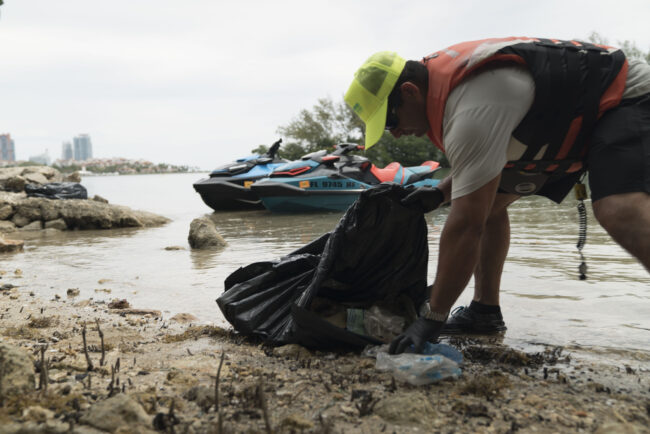
There is also a chapter on Social Responsibility from the Personal Watercraft Industry Association. It encompasses an array of environmental items that we as watercraft operators, can put into practice every time we go out on the water. We all have a part in keeping the ecosystem healthy and safe from damage.

We are all responsible for making sure that we do no harm to the environment, and we can accomplish these things by using safe boating practices so that we may enjoy healthy waterways in the future.

Sea-Doo has given us an excellent source for information pertaining to getting on the water safely and having fun doing it

Awake’s Modular System for Electric Jet-Drive Surfboards

0

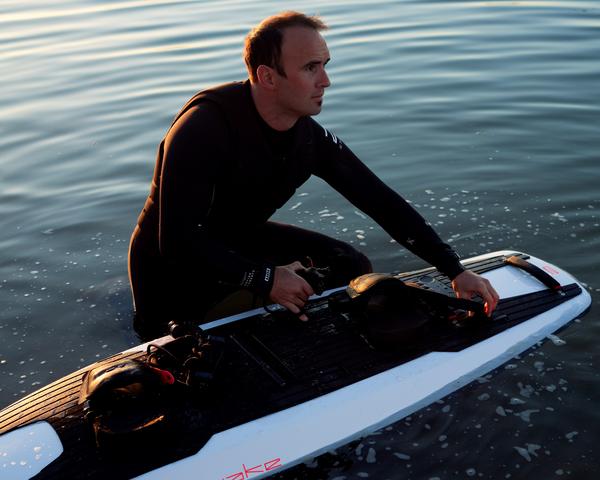
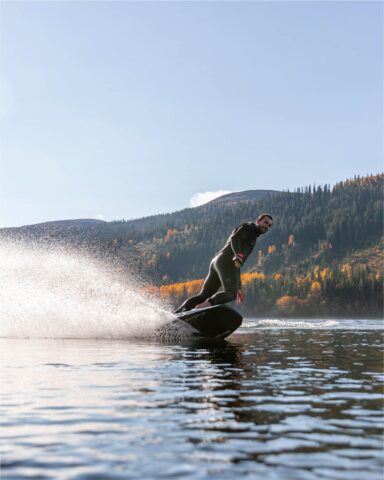
Scandinavian electric surfboard company, Awake, uses an innovative and efficient approach when designing their high-performance electric surfboards. They have started a Tech Tuesday blog to give people some in-depth information about their surfboards.

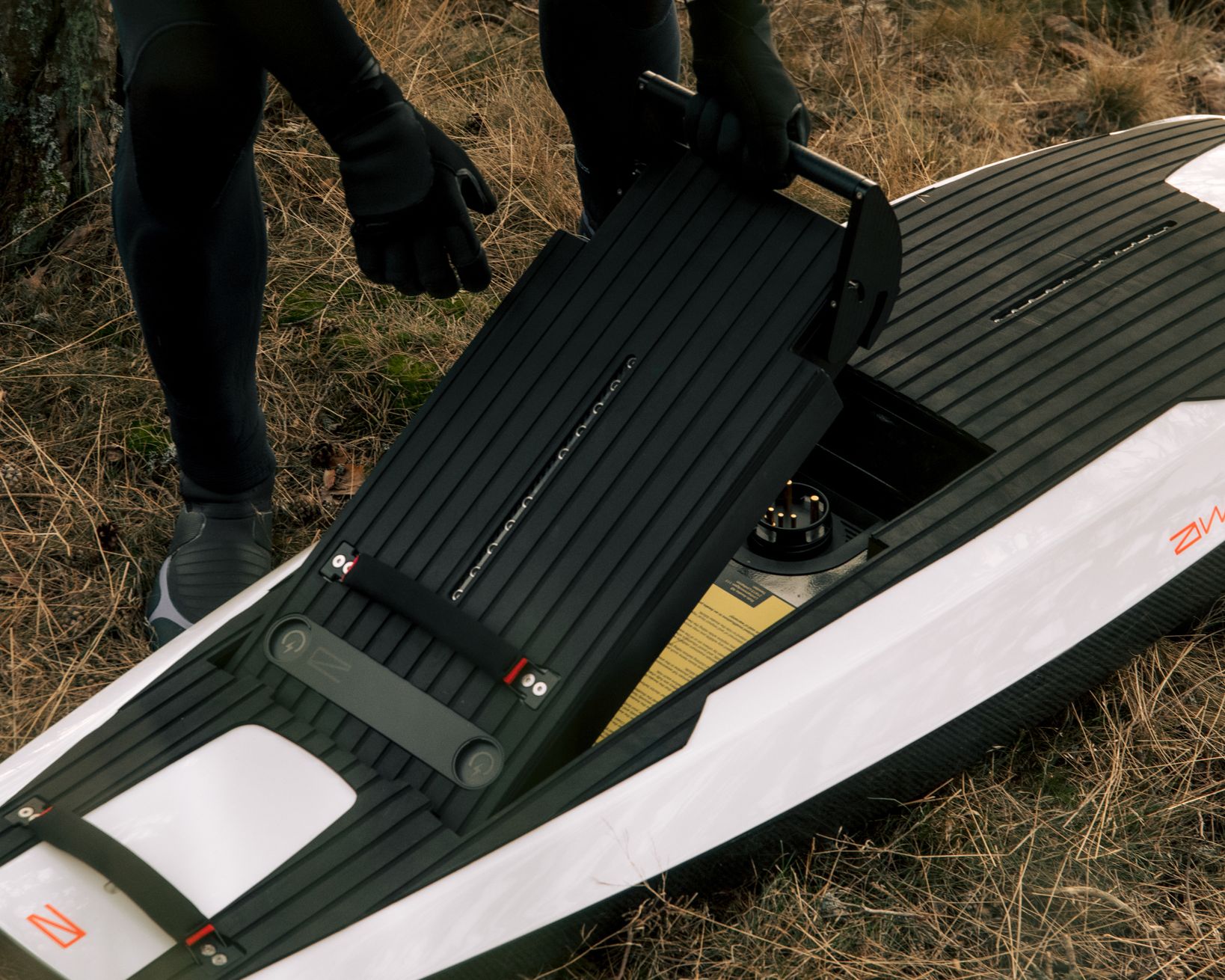
The company keeps things simple by using a 3-piece modular system across its range of boards. This system consists of a board, drivetrain, and battery. All modules are interchangeable, meaning that the same battery works in multiple boards and different modules.
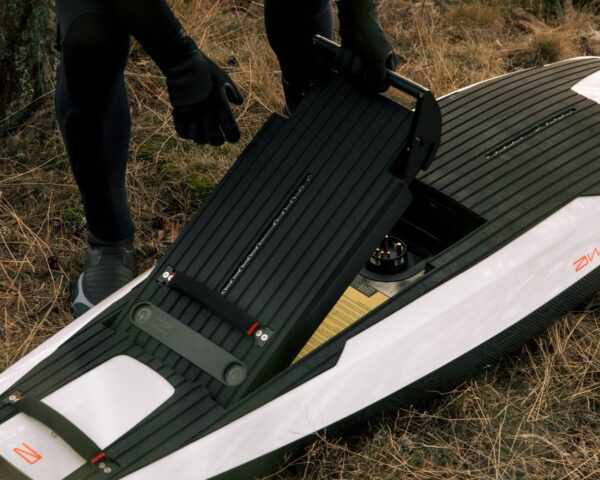
The lithium-ion batteries are easy to exchange, service, and upgrade. For instance, if you own a first-generation Awake board, you can simply upgrade with a new battery and follow with an upgrade to your firmware and software via the Awake app. Boom, it’s like having a new ride.

We like Awake’s method of designing and using a plug and play system for their electric surfboards. There are no cables to deal with when charging the battery and the battery takes only an hour to charge.
The Awake company prides itself on simplicity when it comes to the user experience and designing boards. The crew wants you to spend time riding, and not dealing with a lot of components. One of their goals is to get you on the water with your sleek new Awake electric surfboard as quickly as possible and that’s what makes the modular plug-and-play technology significant to Awake’s success. It is all about ease of use and having a good time!

Join This Year’s MudBug PWC Rally This June 10-13

0

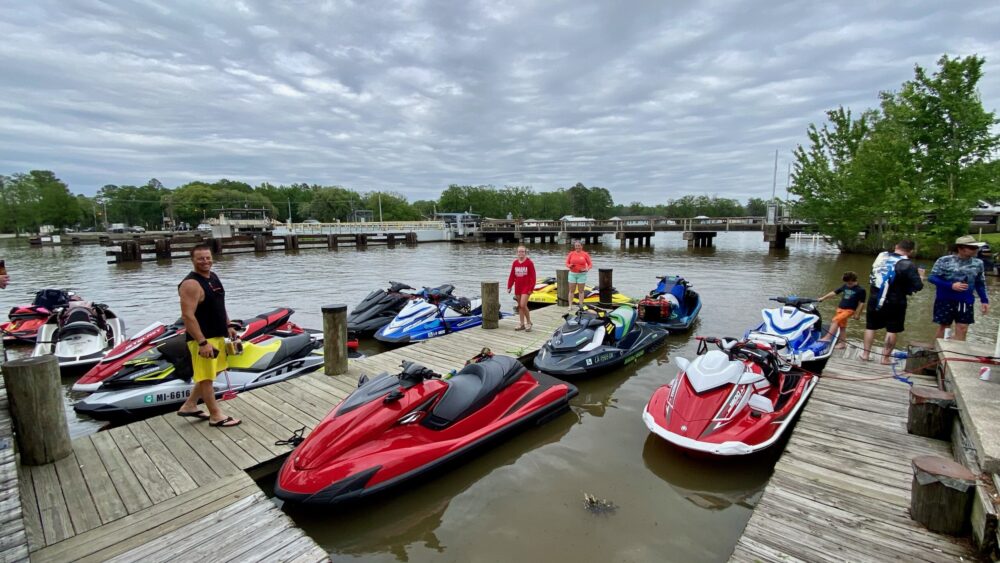
Mark your calendars! The annual MudBug rally will be taking place on June 10-13 in Morgan City, Louisiana. MudBug has occurred for well over a decade; what started as a meet up for the world’s fastest PWCs to battle it out has evolved into a laid back group ride with some incredibly fast skis.

Those attending will find themselves deep into Louisiana’s swamps with the greatest crowd the PWC community has to offer, maybe a few alligators as well. The local bayous offer beautiful scenery incomparable to anywhere across the nation; windy, narrow trails bordered with centuries old cypress trees are no stranger.

The group tends to make frequent stops to refuel, hangout, and try Louisiana’s famous cuisine. Believe it or not, some of the best places to experience the taste of Louisiana are right on the water! Even though MudBug brings out 100-plus mph turbo builds, all skis are always welcomed. As usual, there is no set ride or route for MudBug.

In order to stay updated on ride locations and launch times, visit the forum on www.greenhullk.net for the most accurate information. The Watercraft Journal will be attending this years ride and topping off the weekend with a live stream with Jerry Gaddis from the GreenHulk headquarters Sunday night. MudBug has something to offer for all PWC enthusiasts and is not a weekend you’ll want to miss. We’ll see you there, sha!

Real Review: Floatex Floaty Case for The GoPro 8

0

Last year, we lost three action cameras. It was less of a financial blow (although the good GoPros with vibration dampening are pretty pricey) as it was an emotional one because prior to 2020, we had never lost a camera despite all of our riding. To go from zero to three camera losses was incredibly frustrating particularly when considering how unnecessary their loss was. GoPro (and countless others) has been selling EVA foam floats for action cameras for over a decade – and in most cases, they’re relatively cheap and fit the camera.

Yet, that also implies that not all action camera floats are created equal. Online vendor outlets are rife with discount GoPro floaties that are ill-fitting, made from inferior materials and in a worse case scenario, fail to do the one job they were created for: float. In restocking our collection of action cameras we also bought half a dozen foam floats – some with 3M double-sided tape to adhere to the camera’s waterproof case, others molded to wrap around the waterproof camera as tight as possible.

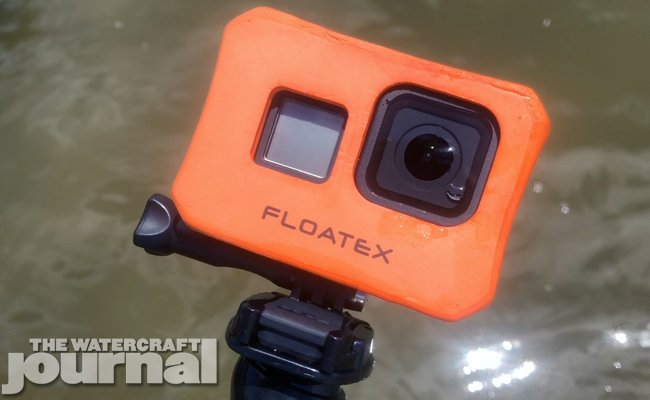
For our replacement GoPro 8 Hero, we decided to be misers and hit up the old Amazon.com to see what cheaper options we had to choose from. We opted for the EVA foam Floatex Floaty case because it had the largest opening in back to block the GoPro’s LCD display, as well as openings for all of the camera’s buttons and front screens. Advertised as being “vibrant orange” and easy-to-spot, the Floatex is described as being “ultra-buoyant” and “being made from “only premium materials and expert design go into this “Best-In-Class” product.”

Often when riding, we use either a GoPro suction cup mount or the spring-loaded C-clamp (with the flexible arm) to attach to tight edges. Thankfully, the flexible arm is buoyant but both the clamp and the suction cup mount are pretty heavy, which had us concerned. Thankfully, Floatex assured that “[it] will work great paired with other mounts, bobbers, and buoyant poles,” so how could we loose, right? Unfortunately, pretty much everything we’ve quoted here was a lie.

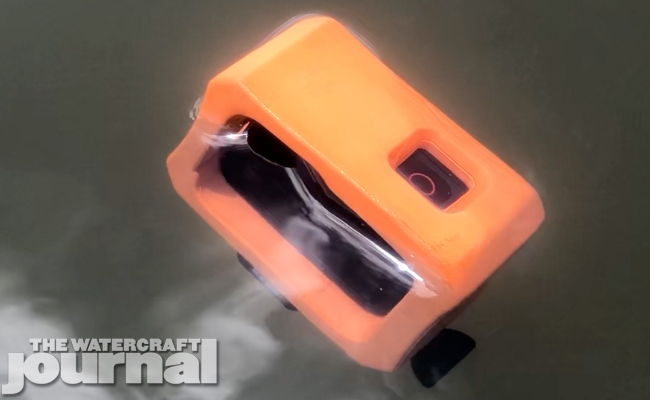
It arrived quickly and we immediately slipped our GoPro 8 in the float. The fitment is loose, not sloppy loose, but loose enough that the camera lens can pick up on the outermost edge of the float. Access to the rear screen and buttons are wide open, which is appreciated, but the foam felt…well, old. Equally, the “vibrant orange” was really more of a dull tangerine. The color wasn’t a deal-breaker by any means, but it was worth noting how less-than-vibrant it really was.

Then came the real world testing. On it’s own, with the camera detached from the mounts, the Floatex keeps the GoPro bobbing at the surface. So much so that the camera could take clear pictures of the sky above without you knowing it was laying on the water’s surface. With the flexible arm, it maintained the same on-the-water buoyancy (of course, the arm itself is buoyant, as we noted so it’s not really working that hard, is it?). But when attached to either the GoPro C-clamp or suction cup mount, it sank like a stone.

Even with the help of the buoyant flexible arm the Floatex failed to keep the camera even somewhat afloat. Rather, it sank directly to the bottom of the sandbar. Curious whether an official GoPro float could withstand the pull of the C-clamp (our heaviest mount) we attached our tiny GoPro Session with a float without the buoyant arm – and it held the camera up. Not perfectly – just below the surface – but enough to be spotted and saved. If GoPro’s smallest float could keep the mount from sinking, why couldn’t Floatex’s far larger float?

It all comes down to EVA foam density. The denser the foam, the spongier the feel – and the Floatex just ain’t got it. Although Floatex advertises a “Quality Assurance” program (“We promise a hassle free 90 days warranty for any issue. 100% risk-free purchase. Contact our helpful customer support for assistance.”). When we called, all they could offer was to either replace the floaty with another identical one or return our money, a whopping $13.99. Best to save that money and pay for a superior float rather than risk losing another camera.

SX-R Sponson Shootout: JC Racing vs. Watercross of Texas (WCOT)

0

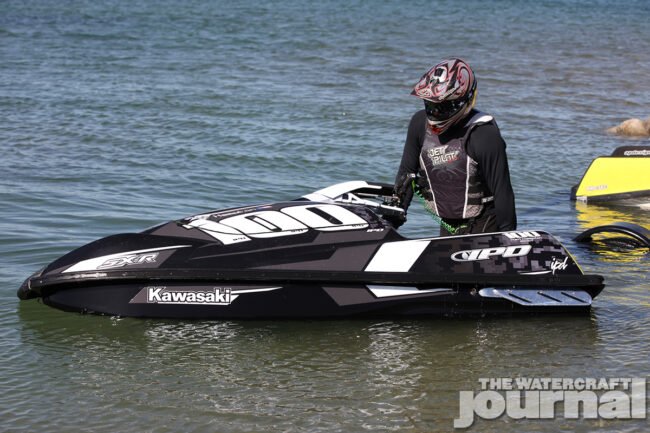
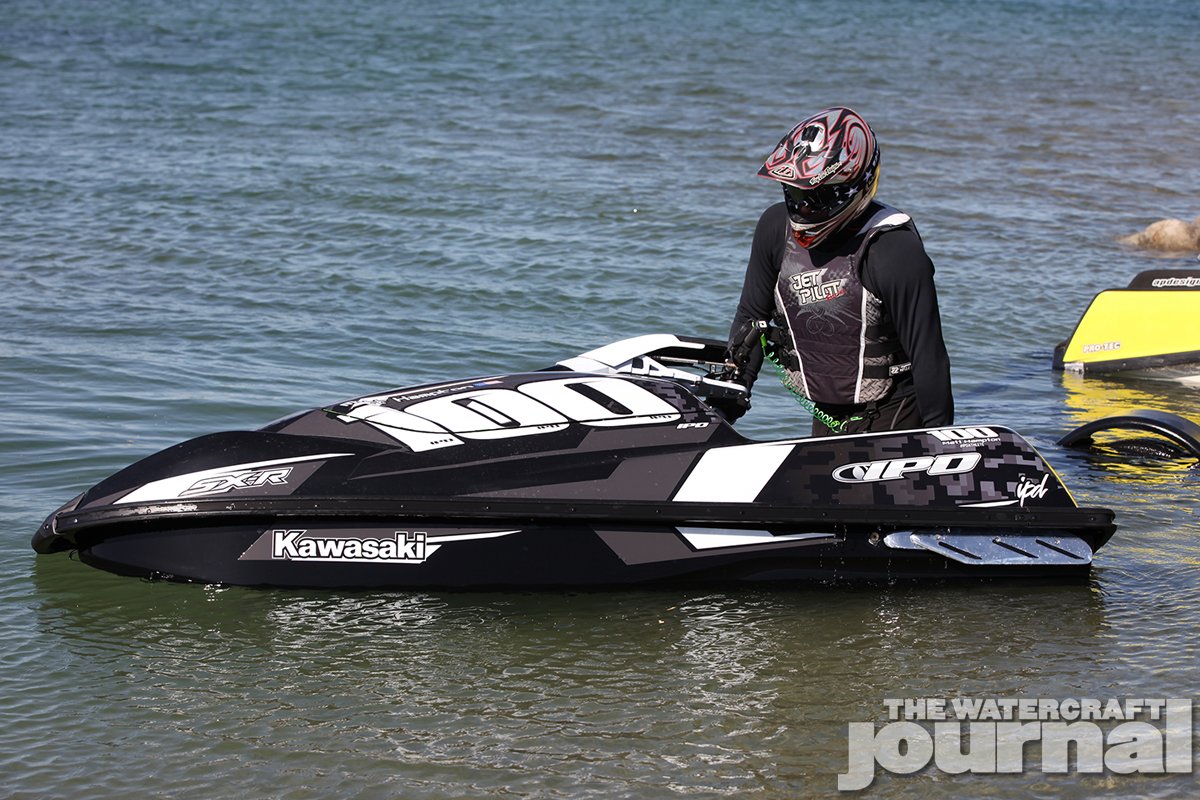
The Kawasaki SX-R 1500 has been around for a few years now. Racers and recreational riders alike have bolted on just about every aftermarket handling component available in an attempt to make the big beast handle as well as possible. The boat is powerful, and long and heavy, and has a fairly deep V-hull design. These features are great in some instances and the stock, plastic sponsons do their best to keep the ski stable and carving but there are some massive improvements to be had.

A quick internet search will bring up no less than six different manufacturers who offer rear sponsons for the SX-R 1500. Depending on what groups you ride with or who you listen to, it can be difficult to know which sponson is better and even more difficult to know why a certain sponson is better.

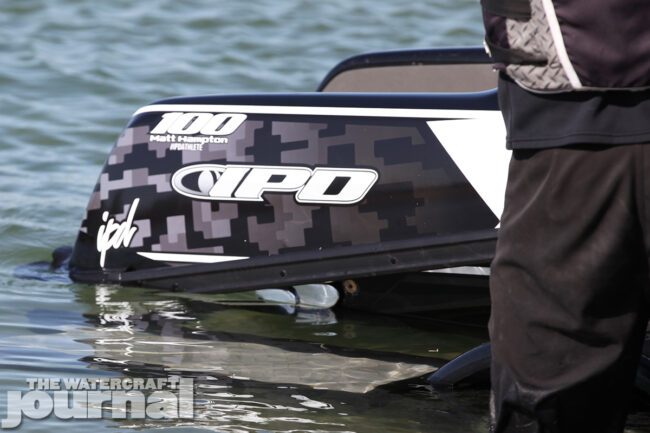
IPD Racing wanted to go a little deeper by extensively testing two of the most popular sponsons in a variety of conditions, using a variety of riders. We compared the sponsons offered from both JC Racing and Watercross of Texas and honestly the construction of these two sponsons couldn’t be more different from each other.
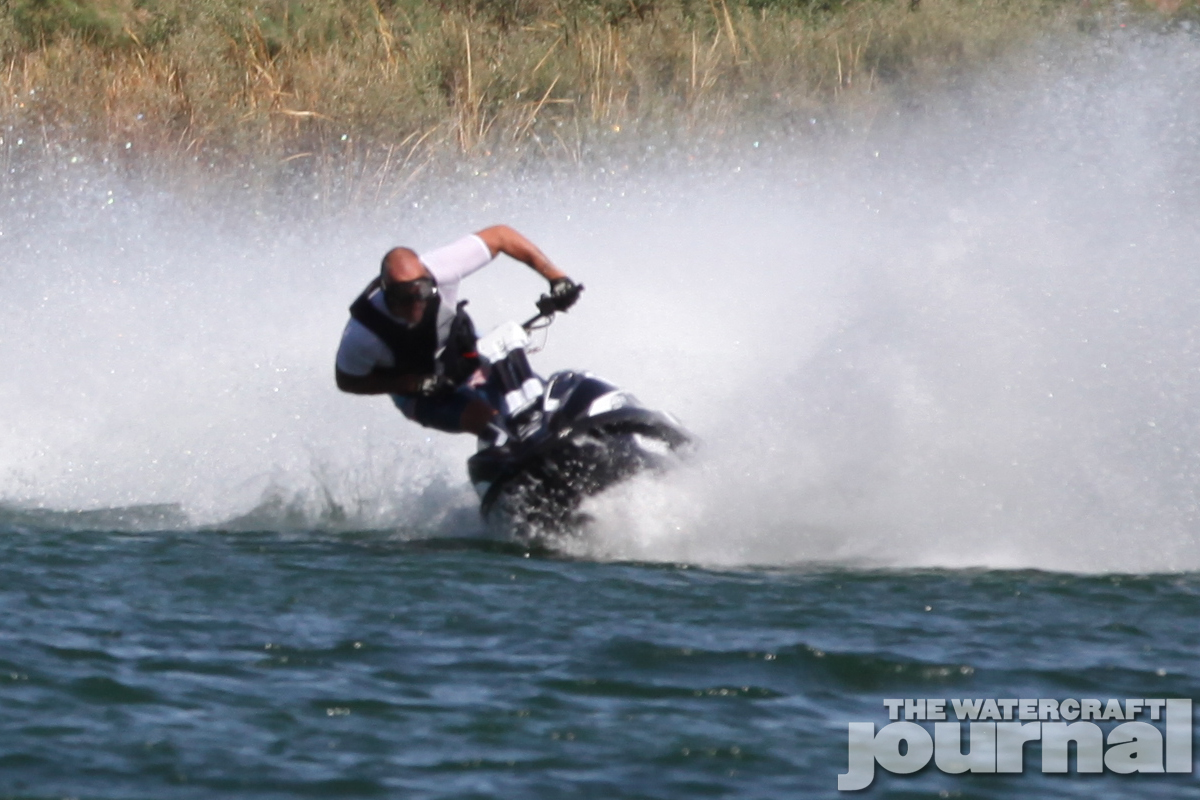
We completed our comparison over multiple days in two different locations including the world-famous Body Beach in Lake Havasu City, Arizona. We tested in both smooth and rough race-like conditions. During our test, we evaluated everything from product availability, fit and finish, top-speed, straight-line stability, and of course cornering.

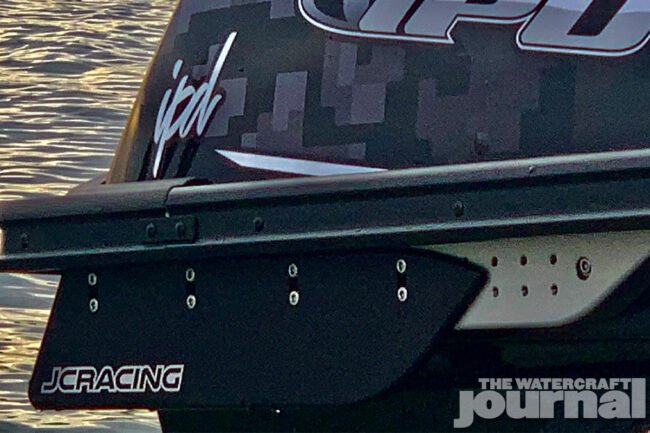
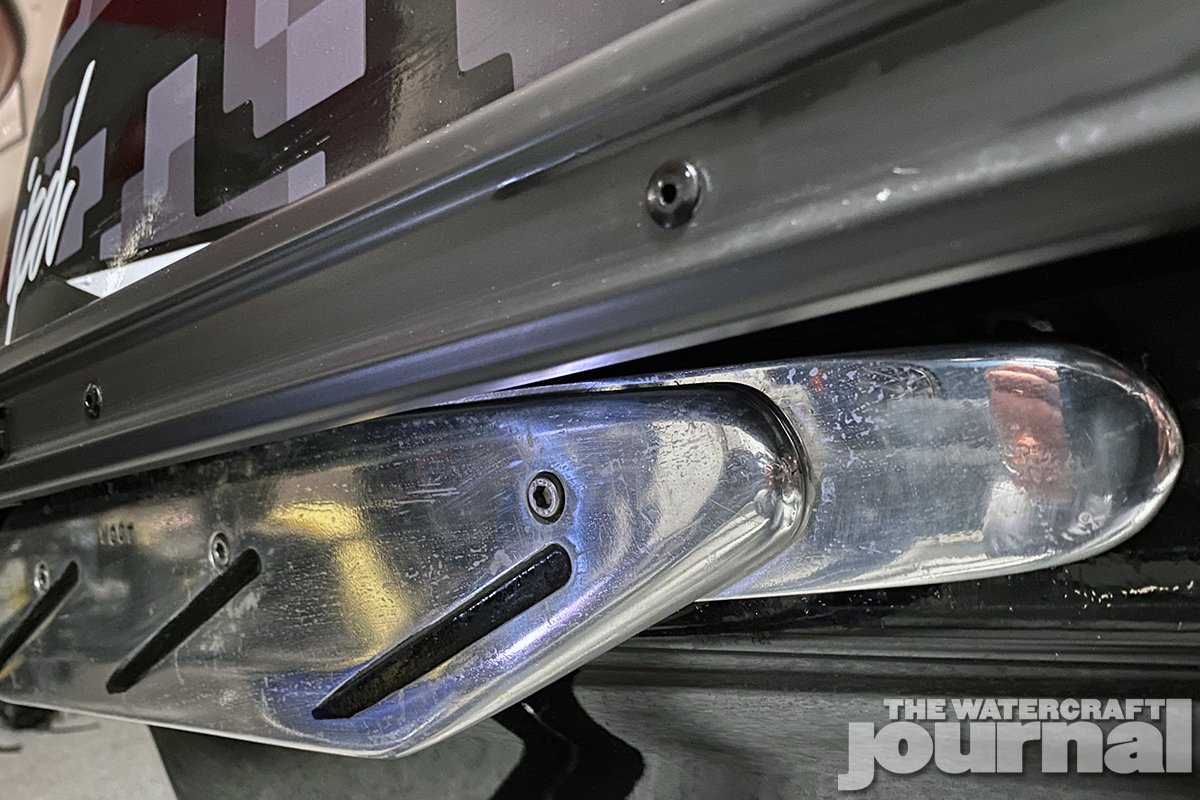
The JC Racing sponsons are CNC machined from 6061-T6 aluminum and include a separate backing plate. These sponsons offer an almost unlimited amount of positions available to tune the performance to your liking. JC Racing offers an original design “Gen 1” blade and a “Race” blade.

The “Gen 1” blades are designed around the recreational rider while the “Race” blade has more surface area and is designed to provide more aggressive handling. The JC Racing “Race” blades offer the ability to mount an ISJBA legal mid-sponson. This mid-sponson was not included in this test but will be reviewed in an upcoming article.


JC Racing uses 3D scan technology to input perfect hull information into CAD software. The results are parts that look great and fit perfectly. The backing plates are clear anodized and the blades themselves are black anodized. All JC Racing parts come with 316 marine-grade stainless hardware and instructions with some basic suggested settings.

As for performance, the JC sponsons were tested in all positions with the recommended setting providing the best grip and straight-line stability. The sponsons setting is really rider preference Having the sponson mounted all the way back will make the ski turn a bit wider, but it will increase the rear grip. Going further forward will change the pivot point of the ski more towards the center of the boat causing it to turn quicker.

In both cases, body positioning needs to be changed to compensate and to get the most from the different positions. With the sponsons all the way back, you can ride with a longer handle pole (if you have an adjustable pole) and hang more off the back of the ski. As you move it forward, you will want to change your body positioning to ride it more over the bars.

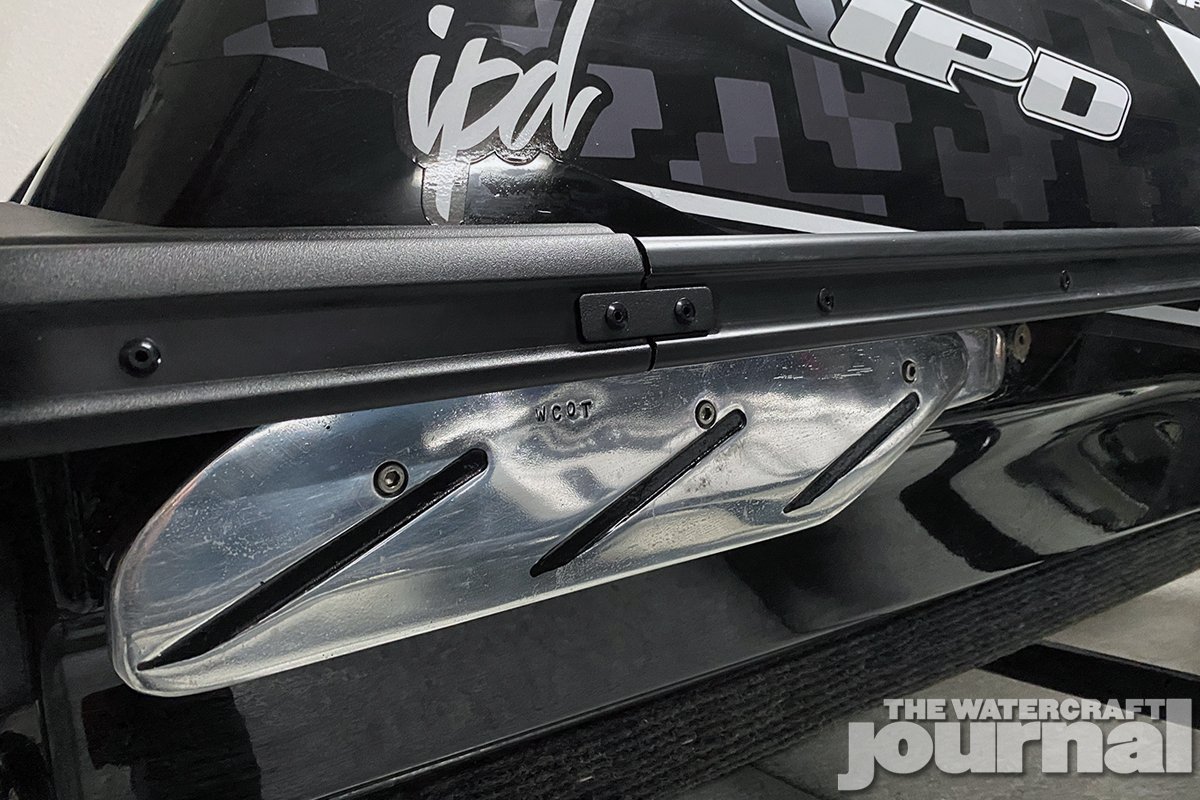
The WCOT sponsons are completely different. The backing plate is constructed from 6061-T6 aluminum while the sponsons are cast from 535 Almag (aluminum/magnesium alloy). This metal offers high strength and does not require heat to reach full strength. The WCOT sponson is then polished and clear lacquer coated to protect against oxidation. While these sponsons are fixed and do not offer any adjustment, they do have some carefully thought out and tested design features.

The sponsons are not flat like many others. Because of the way they are cast, they offer a contoured shape, allowing water to flow around and off of them. The angles have been designed to allow the ski to flow into and out of turns in a neutral manner so as not to wear out the rider. The sides of the sponson feature small indented channels that are designed to break up the laminar flow of the water. The sponsons are a little shorter than others and are reported to not touch the water at high speed.

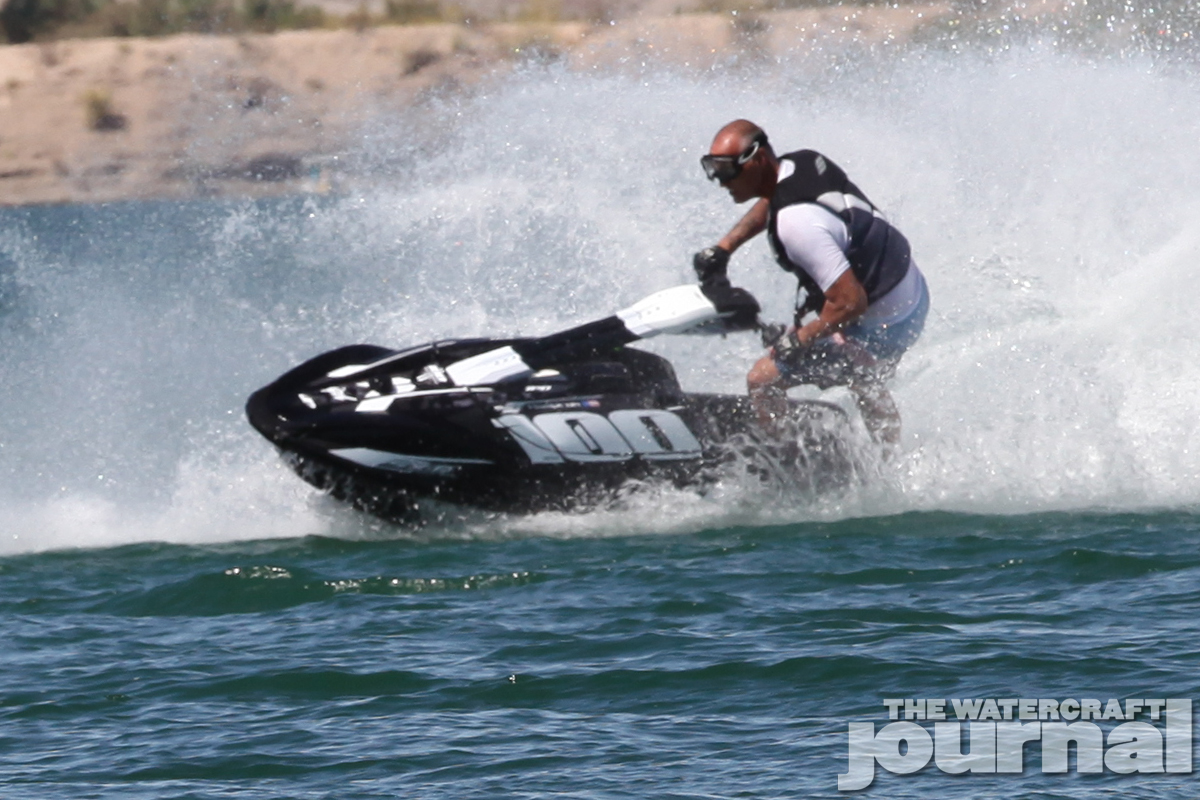
All three sponsons were tested in both smooth glassy water and in windy, rough racecourse chop. All three sponsons were tested using riders of varying skill levels from a lightweight Pro/Ski GP Champion, to an older recreational rider. Our results were very similar for both manufacturers in the sense that the bad habits of the stock ski were immediately improved in both cases.

The stock ski can exhibit a strange lean-over in turns that is difficult to correct as well as some chine walk in smooth water. All three sponsons offered a much more secure, stable feeling in the rough high speed straights and provided the confidence to turn sharper and harder in the turns.

Performance wise, the JC Gen 1 sponson does not grip as much as the other two and is better suited to the recreational rider. The Gen 1 sponsons allow the SX-R to feel a little more playful and are a great choice for someone who doesn’t constantly ride buoys. As for the other two, I do not feel that there is a tremendous difference in cornering performance on a race course.

I feel that because of their adjustability, the JC Racing sponson’s have the ability to turn quicker and harder. The WCOT sponson seemed to provide a consistent feel that never did anything unexpected and because of the way they angle outward, I felt they provided excellent stability.

Price wise, the JC sponsons retail for just under $500 and the WCOT sponson retail for about $450. Both are manufactured in the USA and availability is comparable. Other sponson manufacturers have their parts made outside of the country and that is something to consider when looking for performance parts.

Really, the big separation comes down to two categories. For fit and finish, and almost unlimited adjustability, the JC Racing sponson has the edge with its beautifully constructed, CNC machined, anodized parts. For overall performance, the rider may want to consider a complete package to include an intake grate and a ride plate designed from the same manufacturer and in that category, WCOT has the edge.

Additionally, WCOT has been designing handling parts for jet skis for over 40 years so some credit has to be given for the design of their sponson. The final choice will be left to the individual rider but the consensus is that both massively improve the way the stock Kawasaki SX-R 1500 handles.

Speed Testing Results
All speed testing done with a Skat-Trak Intake Grate

OUT/IN
WCOT Sponsons
59.8/59.3
58.7/59.6
59.1/59.4

JCR Sponsons
59.4/60.0
58.6/59.4
60.0/59.3

Some Important Notes For Newcomers About PWC Warranties

0

Steven in Sales has an updated guide to his article on jet ski warranties. He neatly lays out the details in an easy-to-read format. We’ll touch on some key features beginning with what warranties don’t cover. As a default, they cover nothing more than manufacturer defects so if you suck up some rocks or other debris, the owner is often on their own.

Equally, factory warranties are tiered and body defects are only covered in the first year. Unapproved mods can void your warranty. If you are planning to modify your ski and you aren’t sure about the mod, contact a dealer. They will let you know if it will void your warranty. Transversely, consumers have rights and should know that specific modifications will not void the entire ski’s warranty, which The Watercraft Journal detailed previously here.

Depending on where you live, the default manufacturer warranty is 1 year and the max warranty on a jet ski is 5 years. Here’s a tip, buy your next ski at a boat show. The manufacturer will sometimes give out extra warranties to dealers. Buyers can sometimes score 3-or-4 year warranties – often times as a show promotion.

Steven recommends getting the warranty promotion instead of the money-off deal. In this case, an extended warranty is your friend, though buying it doesn’t speed up repairs. You have to wait just like everybody else, especially in the summer months. Steven recommends always taking the manufacturer warranty over the dealer warranty, citing that a warranty from the manufacturer is easier to deal with, although top tier dealers like Cycle Springs Powersports have demonstrated over the years to be just as reliable (if not more) than the OE. Check out Steven’s complete guide here.

Sea-Doo Fish Pro Deliveries Delayed in Australia

0

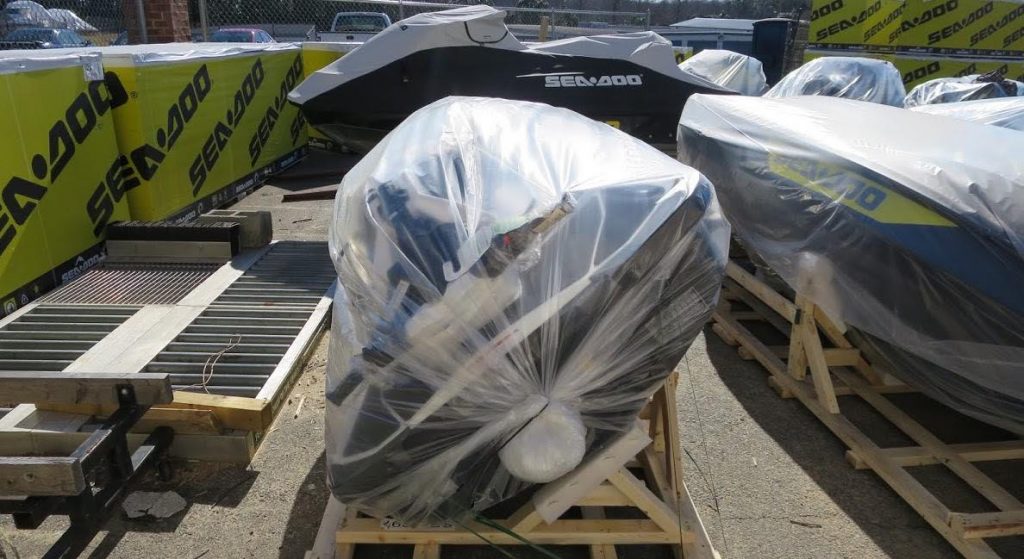
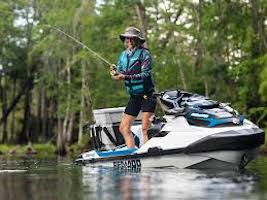
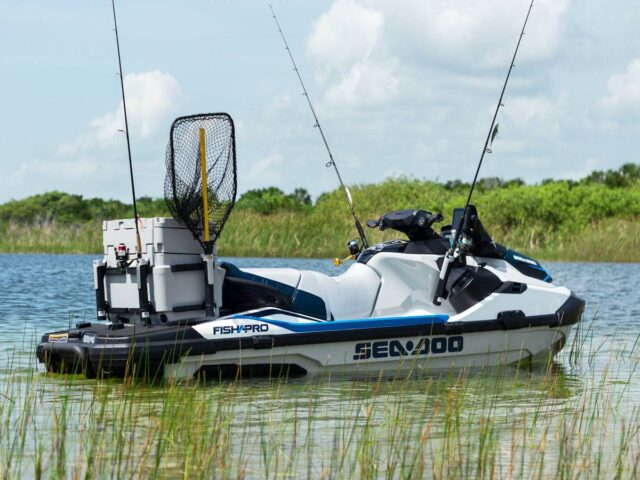
Per an article by Joshua Dowling published on Watercraft Zone, Sea-Doo customers and dealers are unhappy about a delay in delivery of the new Sea-Doo Fish Pro’s to dealers in Australia. The PWC were scheduled to arrive in May or June, and they have been pushed back to August at the earliest. Some dealers and customers are speculating that the Sea-Doo Fish Pro 170 models were diverted to the US market due high demand on top of a PWC shortage.

The machines are assembled in Mexico and take about two months to arrive in Australia and given that timeline, Sea-Doo had an ample amount of time to notify dealers in Australia of the delay. They didn’t and now Sea-Doo dealers must face dissatisfied customers. Quite a few Sea-Doo Fish Pro 170 buyers have been waiting since January for their new skis to arrive and according to one dealer source, a lot of customers are asking for their money back.

“Everyone understands the world is in a state of flux right now and there are production delays and interruptions,” said one Sea-Doo dealer source. “However, the least Sea-Doo could have done is tell us sooner rather than later that there was going to be a further three-month delay.”

Sea-Doo also continues to be plagued by problems with its “Intelligent Debris Free” (IDF). The IDF is designed to switch into a reverse thrust to clear debris from the intake grate and jet pump. It is possible for the IDF system to get stuck between forward and reverse on some models, which will disable the craft. The machine is rendered inoperable at that point and will have to be towed.

Though all the Sea-Doo watercraft outfitted with IDF are inspected, some problematic units seem to have slipped through. Dealers advise owners of 2021 Sea-Doo models equipped with the IDF technology to take them in for an inspection if they’ve encountered any issues.