Because we’re living in a bizarro-version of reality, we’re all still freaking out over a viral chest infection that has 99.8% survival rate for anyone below the age of 70 [yeah, I said it. – Ed.] we’re looking at crippling our economy yet again. While some states are legislating smarter than others, California is going full moron and restricting even outdoor activities including RPM Racing Enterprises’ Best of The West racing series.
In a note published on Facebook just before the July 4th holiday weekend, President Ross Wallach alerted racers and attendees that the original dates have been delayed, pushing the race event back a whole month. Here’s the original letter in its entirety:
Well, we were on track for approval for July 18 & 19 for Elm Grove Beach in Lake Elsinore but as I’m sure you all know the Covid-19 spike that we’re currently going through has caused many counties to “lock” back down. Riverside County being one of them.
So, in speaking with the City of Lake Elsinore they have indicated that August 15 & 16 is our target date for Elm Grove Beach, Lake Elsinore. This would be the Hot Products Best of the West Lake Elsinore Open, again provided that this spike is just that, a spike and not a prolonged outbreak. If this is the case then we will be racing. All we can do now is hope that this dissipates so I can get the final approval that we almost had for the July event.
Please stay safe and know I’m doing everything I can to make this happen but as I’m sure you’re aware it’s a little out of my control.
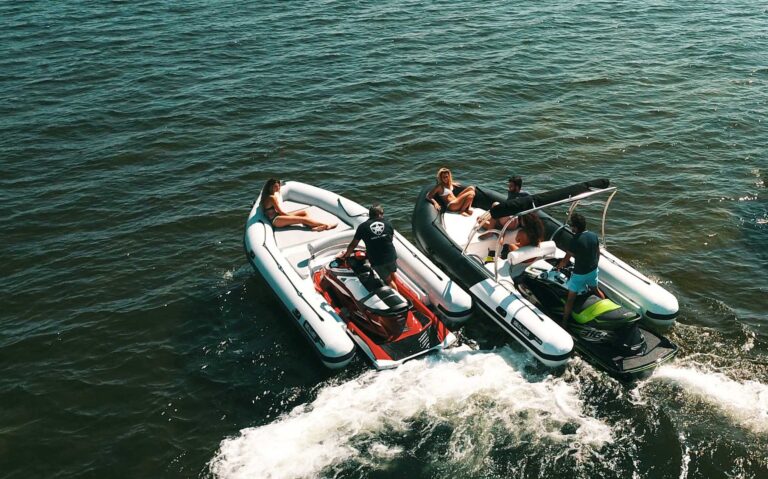
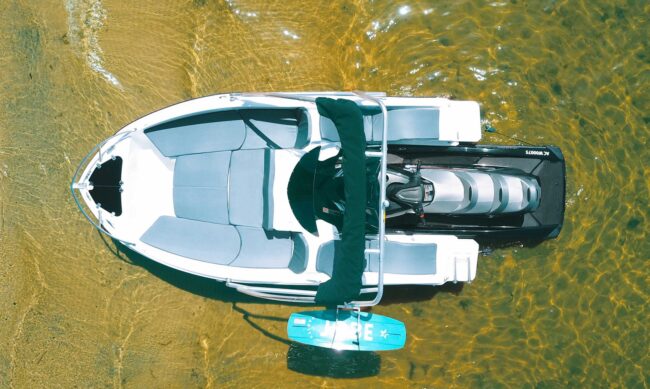
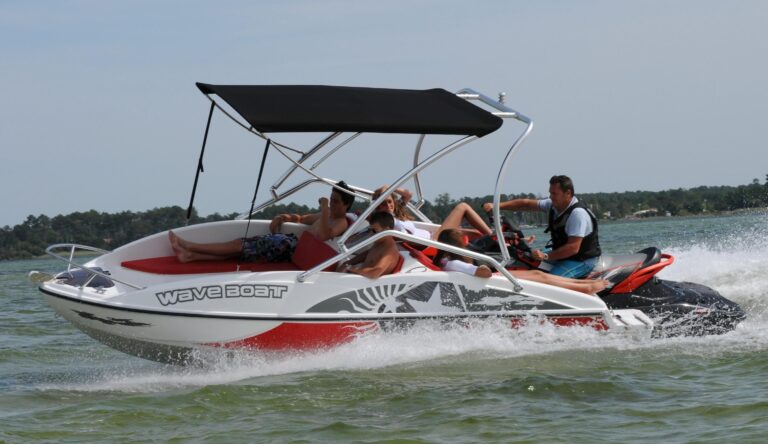
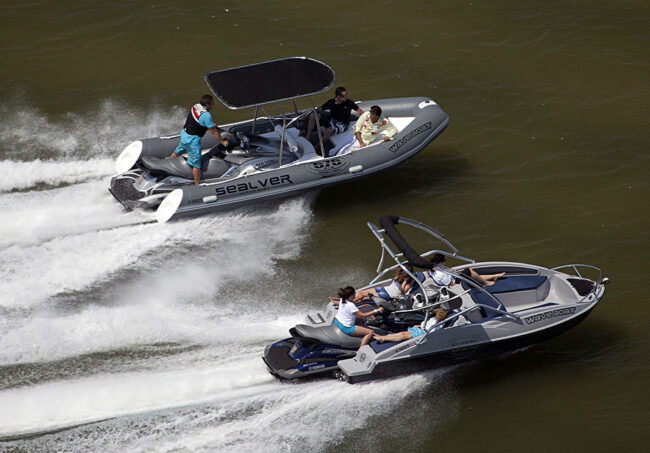
Sealevr released a short YouTube clip that demonstrates how easy it is to turn a 2019+ Yamaha WaveRunner FX into a boat by using the Sealver Waveboat Yamaha WaveRunner compatibility kit. Once again, you can have the best of both worlds with your PWC. Easily park your WaveRunner in the Waveboat using the patented interlock system. Load your friends onto the boat and get underway for an exciting day on the water.
When you arrive at your destination, you can take off on your own and go for a ride on your ski, by simply releasing your ski from the Waveboat. In less than 30 seconds, you will be able to get underway and go play by yourself. Your cool friends can hang out on the Sealver Waveboat and relax while you enjoy some solo water time on your Yamaha WaveRunner.
While not every PWC enthusiast is into the whole idea of a jet ski being utilized as a steering mechanism and power source for a boat; we know that many jet ski purists have been sucked into the Sealver Waveboats phenomenon. Why not get onboard and let your PWC pull double duty while you grab more opportunities to do more stuff on the water.
Purchasing a Sealver Waveboat Yamaha FX Compatibility Kit is a nice alternative to going all out on a center console or something of that nature. A Sealver Waveboat is way less maintenance than a regular boat, giving you more time to play on the water and less work to do when you get home.
The Sealver Compatibility Kit for the Yamaha FX models allows for more versatility when it comes to using a machine from the powerful 2019 Yamaha WaveRunner FX line.
Head over to the Sealver website to check out the compatibility kits and nicely wrapped Waveboats. Also, feel free to contact the folks at Sealver for pricing and other information at: [email protected]. Most of all, have fun!
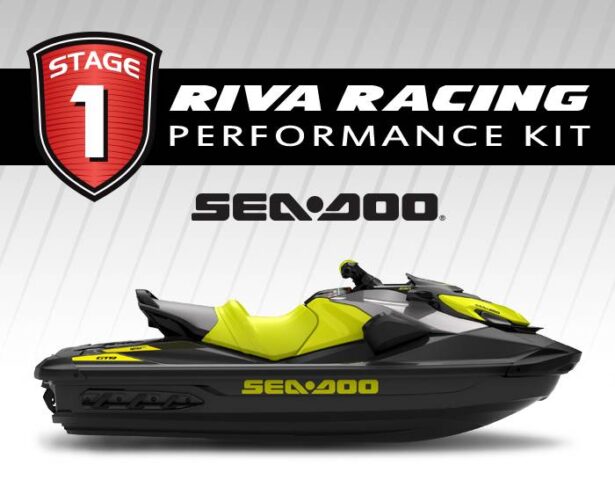
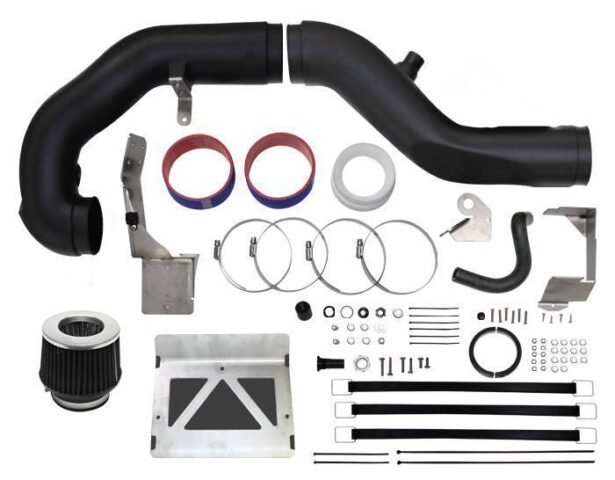
This kit delivers an awesome level of performance with the included bolt-on engine and pump enhancements. The addons require the use of fresh premium octane pump fuel. RIVA MaptunerX BRP Bundle is utilized to reflash original ECU. MaptunerX gives you the ability to quickly and easily load performance tunes directly into your stock ECU. This eliminates any downtime you would normally have due to shipping for programming.
Performance tunes are calibrated to provide prime fuel delivery to your machine, ignition timing, and rev limit to compliment RIVA Racing Performance Kits. OEM dash display, engine diagnostics, and engine safety functions are saved. The kit also features a full color, touch screen display, ability to restore stock tune settings, and access to RIVA’s full library and tech support.
The RIVA Sea-Doo 2020 GTR/GTX 230 Stage 1 Kit comes with the RIVA Power Filter Kit installed. The Power Filter Kit keeps the engine super chilled by drawing in cold air from outside the engine department.
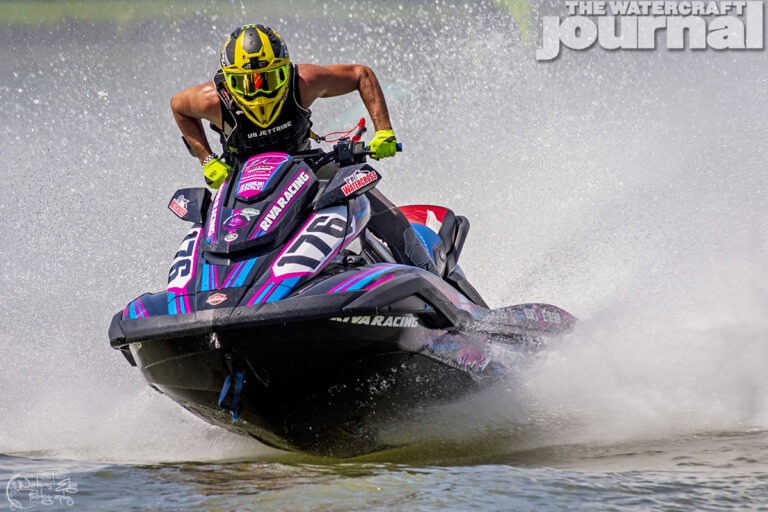
Also included is Solas Sea-Doo Concord 14/19 stainless steel Impeller. This bad boy reduces cavitation and increases acceleration so you can go faster. RIVA Racing rounds out the kit with a Sea-Doo 159mm Wear Ring, which is installed in order to give your machine maximum pump performance. Check out this page for a list of upgrades to enhance the Sea-Doo GTR Stage 1 Kit. Contact RIVA Racing for any questions or for more info. Due to high demand, shipping is delayed, so get your orders in quickly!
Practicing social distancing has forced many of us to get creative in the way that we interact or perform leisure activities these days. Sea-Doo wants you to know that lots of fun can still be had this summer and are offering at least 3 ways to live a Sea-Doo Life.
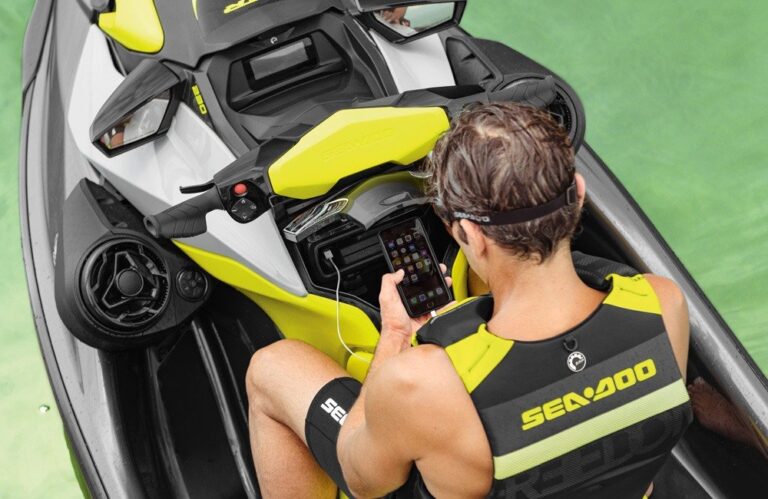
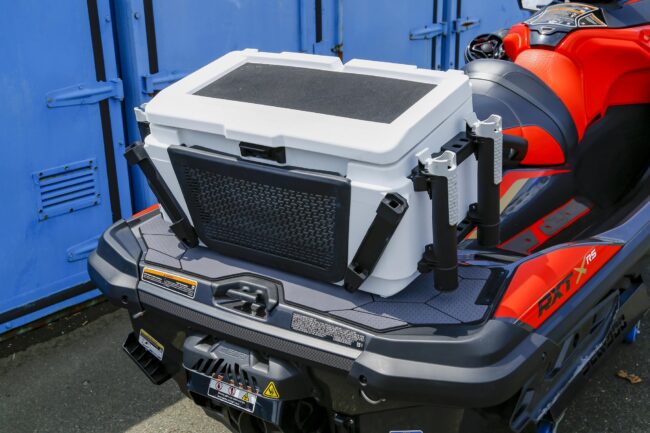
Adding a new twist on the typical waterway outing can be easy when you own a Sea-Doo thanks to all of the innovative features including the LinQ system. One idea is to make a meal out of the ride. Bringing along a friend or family member for a picnic on the back of your Sea-Doo is a great way to get out.
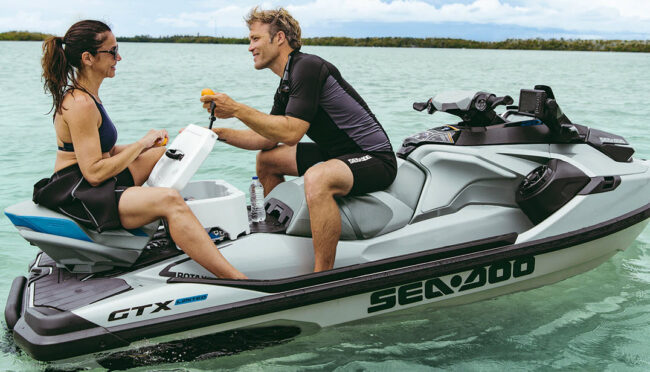
The LinQ cooler quickly attaches to the rear and makes it easy to bring food and drinks while moving the rear seat over the swim platform on your ST3-model, opens up voids of space for you to chow down. Don’t forget to crank up the tunes on those Bluetooth speakers.
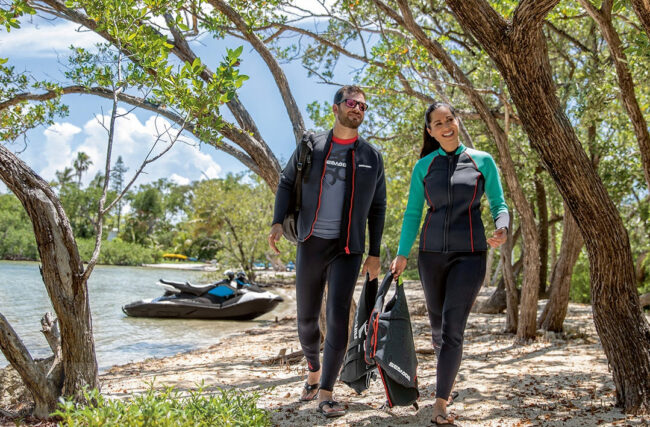
The next idea from Sea-Doo is waterway backpacking or an overnight adventure. Bring along some extra fuel in the fuel caddy to find that great secluded getaway. Walk around an island or simply explore a location where you have never been.
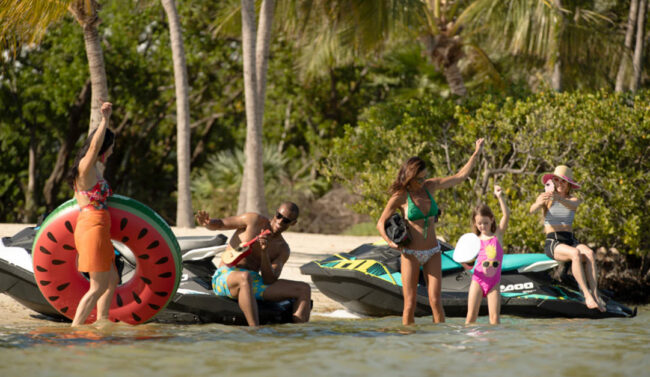
And last but not least it’s summer so why not just be a beach bum for a day. Pull up to a beach, get those coolers out, blow up the inflatables and chill out. With a Sea-Doo, you can even get to those beach areas that aren’t very crowded, giving family and friends a more enjoyable time.
Check out this Sea-Doo Blog for more information on these three ways to have a #SeaDooLife this summer.
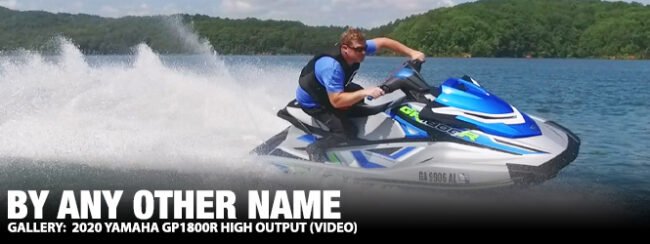
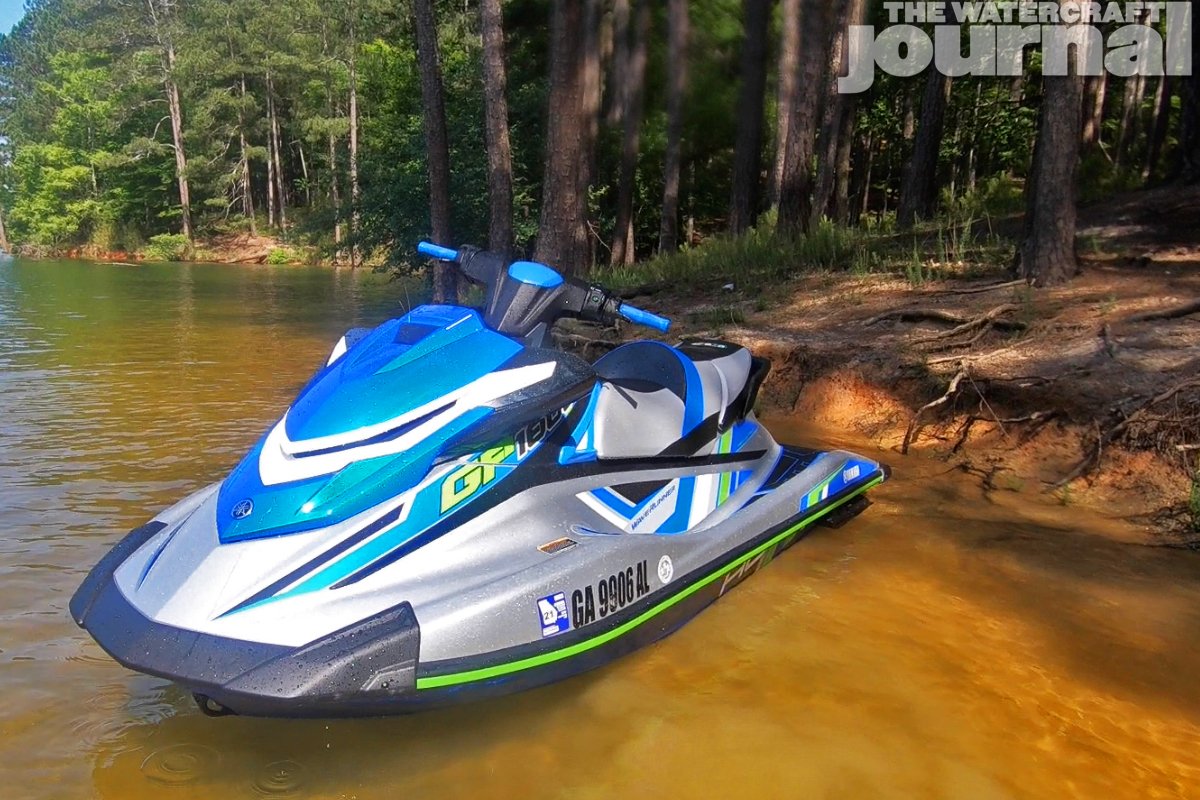
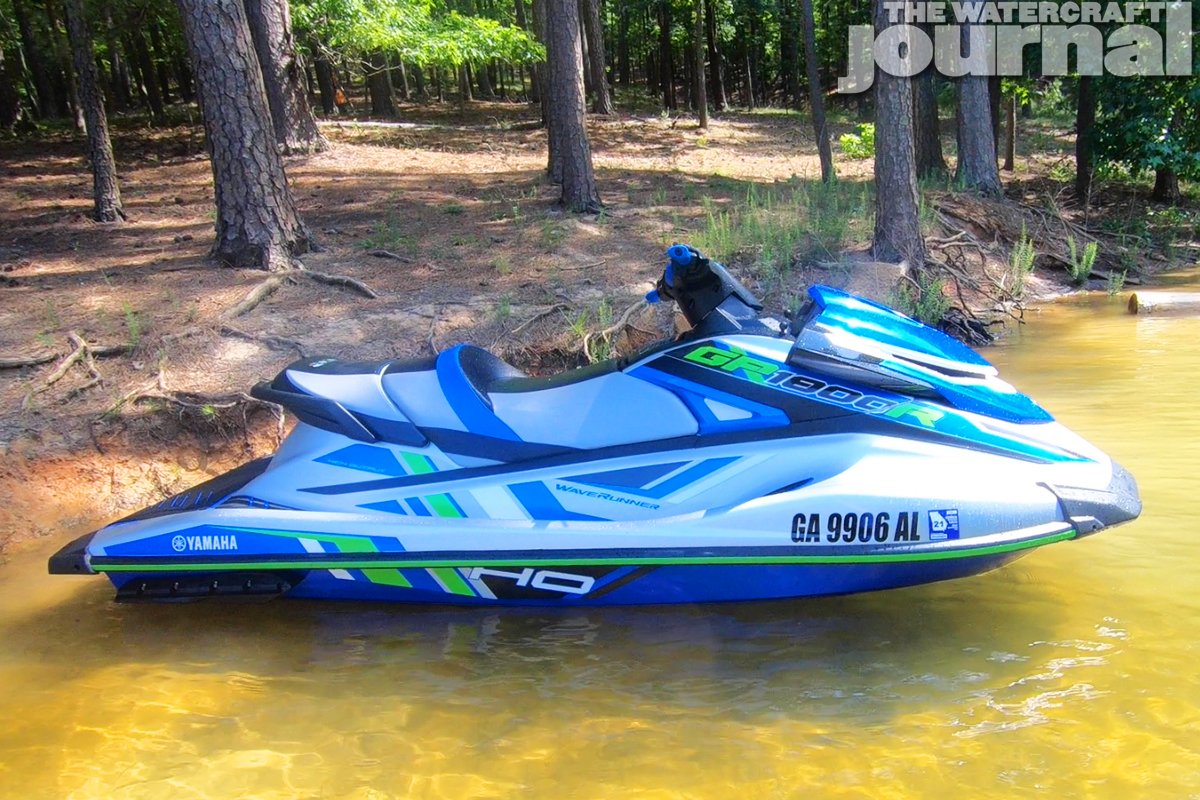
For the 2020 model year, Yamaha offered few changes to its lineup of WaveRunners since frankly, little to no changes were required. One unique decision though was made to how it branded its performance Recreation-sized runabouts; namely, the supercharged GP1800R and VXR.
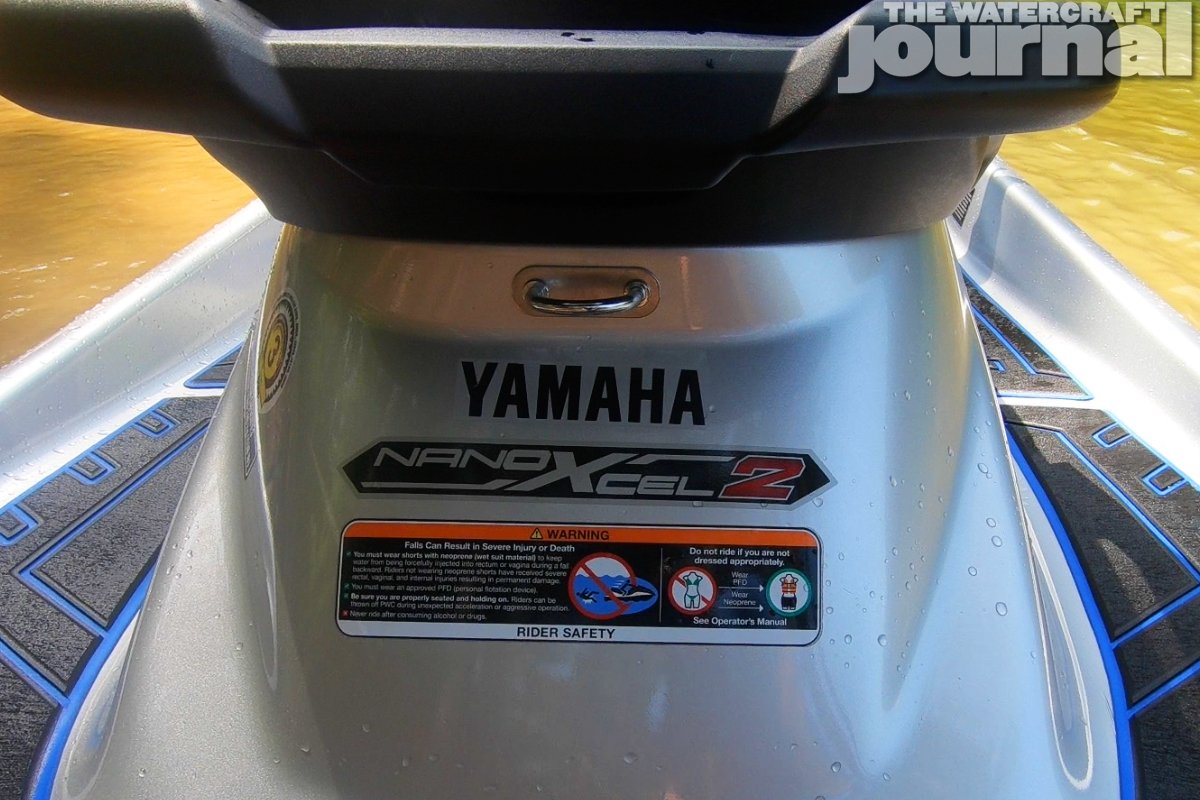
Both machines ride on the same hull design and deck shape (which is also shared with the family-friendly VX model line). For 2019, Yamaha pushed the familiar resemblance further, and announced that both watercraft would be made from the same lightweight NanoXcel2 material, dropping the VXR’s weight by 30-pounds (to 739-pounds).
Equally, both the supercharged and naturally-aspirated variants employed the same aftermarket-inspired race-ready ride plates and top-loader intake grates, radically improving both rough water traction and initial acceleration.
This meant that besides some differing color variations, the central differences between the GP1800R and the VXR would be the use of the Super Vortex High Output supercharged-and-intercooled engine and 160mm 8-vane jet pump, or the naturally-aspirated High Output and slightly smaller 155mm pump.
For 2020, the change to the VXR would be strictly topical, as it would also be known as a GP1800R, like its supercharged sibling. But this year, the two models would be distinguished by their respective powertrain. The supercharged-and-intercooled model was rechristened the GP1800R SVHO and the VXR was now known as the GP1800R HO (or High Output).
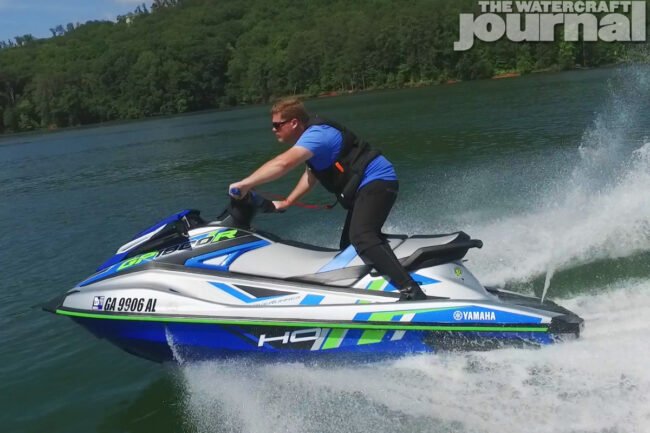
Albeit tremendously confusing for those already familiar with the two units, and quite a mouthful for those new to the Yamaha WaveRunner catalog, sales for the GP1800R HO haven’t wavered. The fuel consumption-friendly 1,812cc four-cylinder 4-stroke provides plenty of horsepower (180 of ’em) to propel this entry-level performance model to a GPS-tracked sustained speed of 66.2mph – on pace with other brand’s supercharged machines.
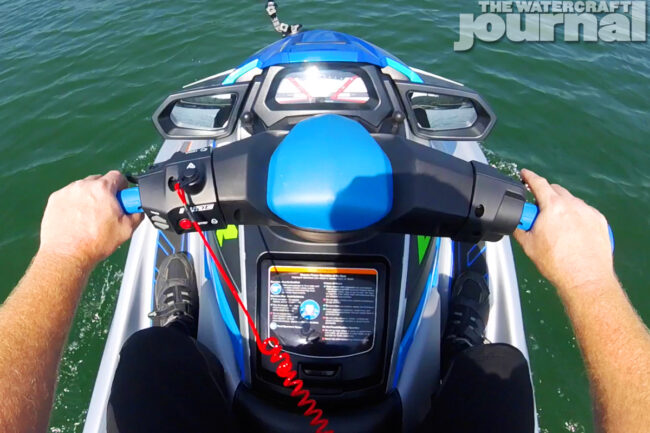
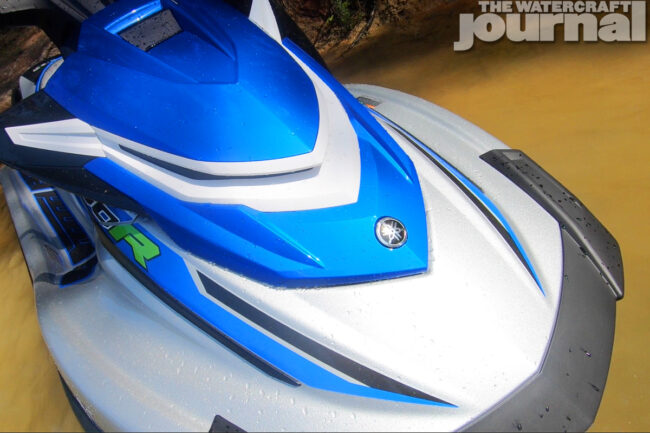
Offered in either Azure Blue and Silver, or Black and Carbon; the 2020 GP1800R HO is identically-equipped as its race-winning sibling, with responsive electric trim toggles on the driver’s left hand side of the pistol grip-molded handle bars. Adjusting the trim alters the watercraft’s attitude on the water, pre-loading the nose downward for tight cornering, or lifting the bow to quickly slice through wind-blown lake chop with ease.
Equally, the GP1800R HO comes equipped (as a standard safety feature) with Yamaha’s dual-throttle RiDE system, a very apt and capable on-water braking-and-reverse system. Whether coming to a complete stop from a wide-open-throttle sprint, or simply backing off of the trailer or into a tight dock space, RiDE uses intuitive throttle control to help the driver safely and smartly maneuver the WaveRunner in ways that inspire confidence in even the most novice pilots.
Due to its racing pedigree, the GP1800R HO is equipped with a high bolstered, thickly padded seat designed to position the driver slightly forward in the saddle. This position is designed to place the rider at attention, with their shoulders closer to the fixed-position handlebars (sorry, tilt steering isn’t available on these models).
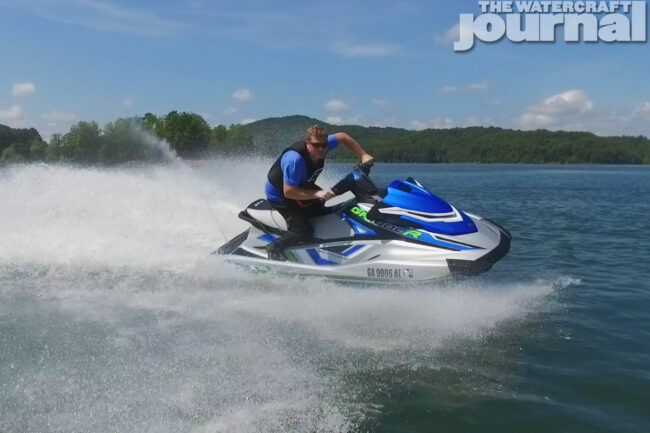
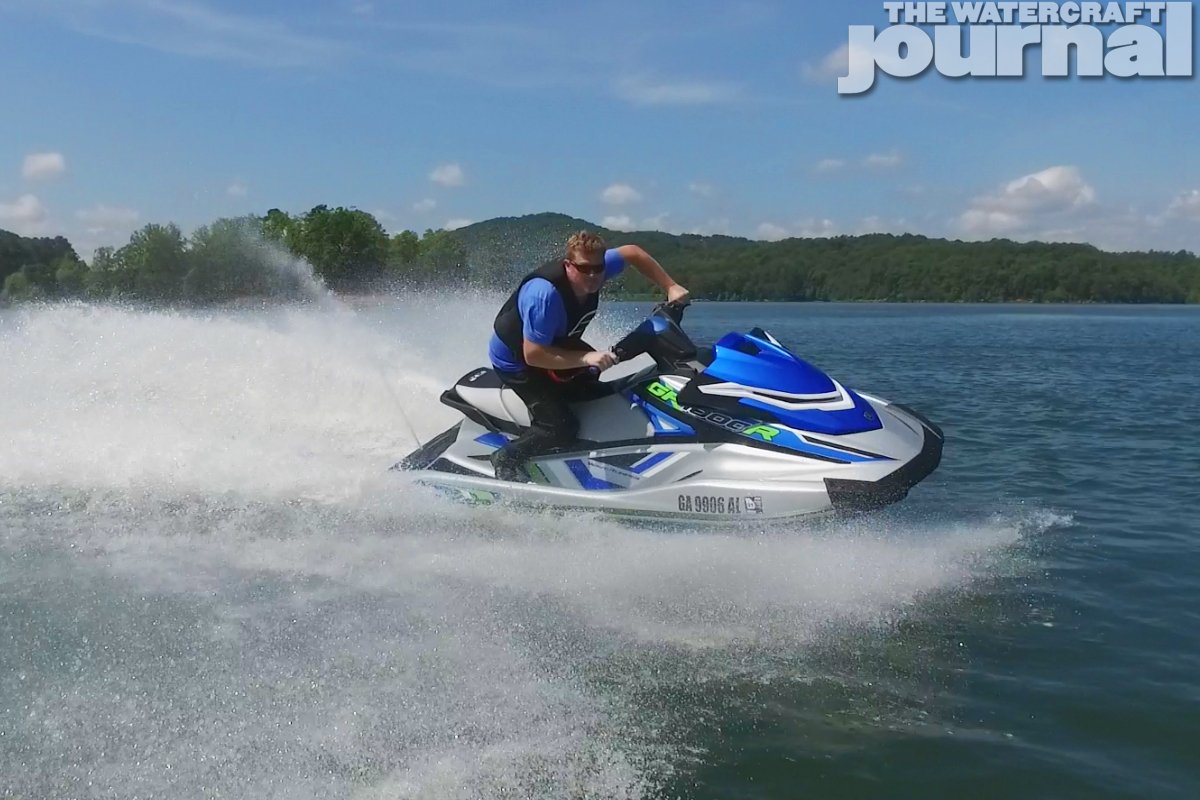
Speed-hungry riders will find the GP1800R HO’s throttle and steering response lightning quick and incredibly precise. Simply flick the bars and vice the fly-by-wire throttle where you want to go, and WHAM! you’ll be there before you know it. Whether carving glass or rocketing over cresting waves, Yamaha’s hull shape has proven itself one of the best in the segment.
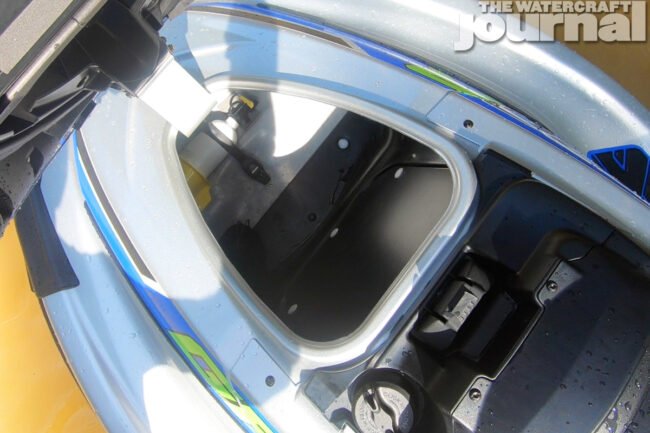
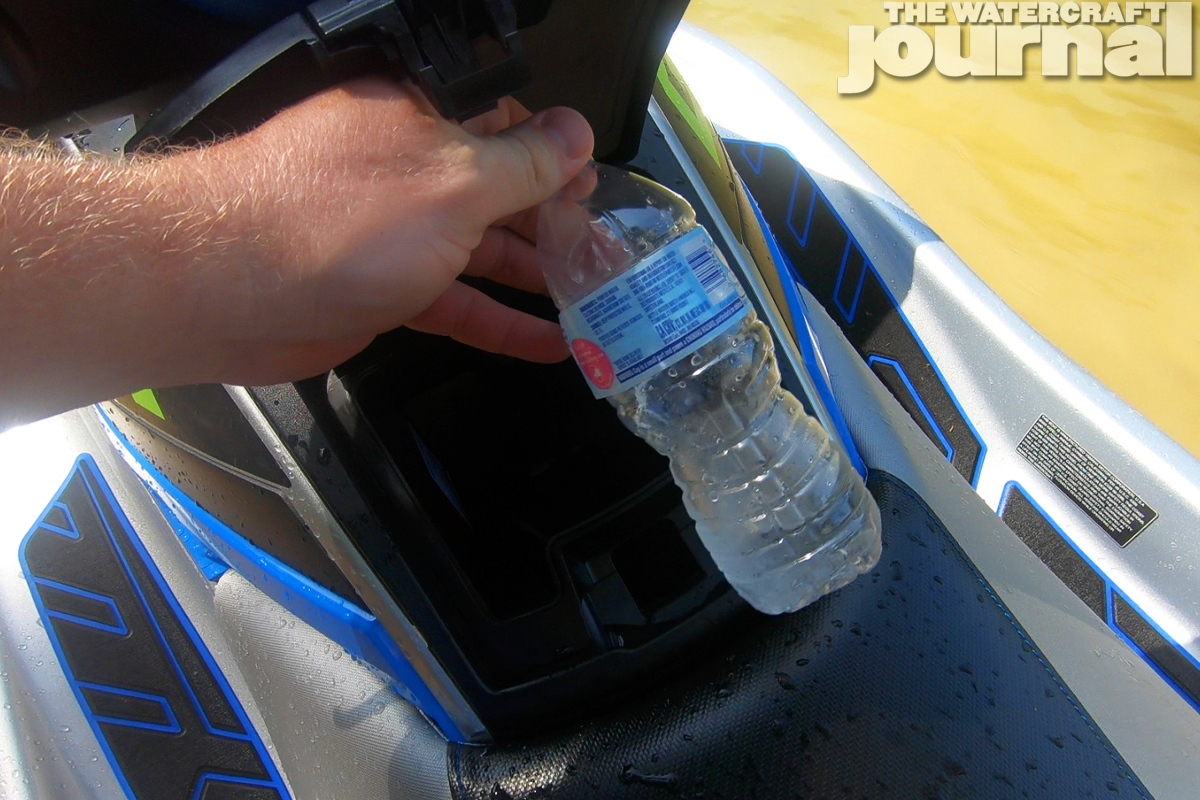
Storage capacity is moderate at 24.6-gallons, and is spread throughout the GP1800R HO’s 131.9-inch length; most of the cargo room resides in the bow, while a near-gallon sized glove box can hold two water bottles, and a watertight tub with a screw-top lid is found hidden under the rear passenger’s seat.
The hood opens on an aluminum hinge, locking upright on a final notch. There’s no spring or gas-powered strut like on the full-sized FX series models, so make sure to secure the hood vertical before letting go. Beneath it is the locking gas cap, just before the dashboard, well within reach of the driver for easy refueling.
And despite being a performance model, Yamaha also includes the padded, folding swim step off of the rear platform as standard equipment as well. The rear deck and footwells are covered in custom two-tone CNC-cut Hydro-Turf traction mats matching the textured and grippy cut-and-sew style seat mentioned earlier.
On the water, the GP1800R HO is lightweight and nimble without feeling thin or flimsy. There are no rattles or flapping plastics to give you the impression of a cheaply-built machine. Its tight tolerances give it a solid appearance and quality aesthetic.
As we’ve stated in previous reviews though, NanoXcel2 is nearly 30-percent thinner than Yamaha’s standard NanoXcel material. This means that while durability is high thanks to the proprietary nano-clay molecular bond, the GP1800R HO will not soak up the bumps and chatter that comes from streaking across the water.
Think of it like the low profile performance tires of a sports car being able to feel the paint strips painted on the road. A high performance machine is going to communicate the driving surface better than a cushier, more insulated model. This kind of road handling is what you’re paying for.
And handle is does in spades. The GP1800R HO has earned its stripes on the race course, and is the preferred weapon of choice in its class. Whether catching air offshore, or snapping hairpin turns on the buoy course, adrenaline junkies and professional racers alike have chosen the GP1800R HO above all others.
And for those of us who aren’t strapping on a helmet on the weekends, the GP1800R HO serves just as well as a family-fun recreation craft that can tow the kids on a raft (thanks to a stainless steel tow eye on the back), a long-distance cruiser (thanks in large part to its stellar fuel mileage and 18.5-gallon fuel tank), or a fun hot rod for dad and the boys to fool around on.
Priced at $12,299, the MSRP for the 2020 GP1800R HO has crept up in price over the years, but that is due almost entirely to rising demand. Yamaha dealers worldwide sell out of these units nearly as fast as they do the SVHO-powered variant – so if you’re looking at picking one up, you’re gonna have to act quick.
As we roll into July it’s hard to believe that 2020 is already half-way over. This month however, Yamaha is celebrating 65 years since the founding of Yamaha Motor Company.
The journey since its inception has definitely been an exciting one and Yamaha invites you to take a step back in time on the evolution journey of the company. Just how well do you know your Yamaha facts? Well let’s take a stab with these pop quiz fun facts.
If you get stumped, you can find the answers at the bottom but let’s give it the old college try first.
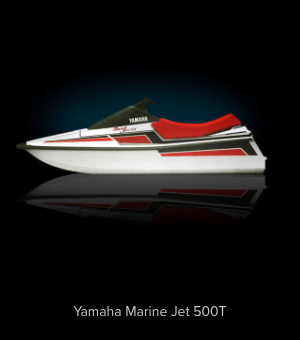
Q1: What was the name of the first WaveRunner model that debuted in 1985?
Fun Fact Hint:The name of the second tandem model released was actually called the WaveJammer 500!
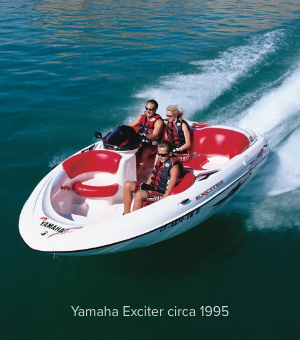
Q2: What year did Yamaha debut its first jet boat to market?
Fun Fact Hint: Our initial prototype, known as the RJP, was released 4 years earlier at the Tokyo Boat Show!
Q3: Where are Yamaha jet boats assembled?
Fun Fact Hint: Not in Georgia where the WaveRunners are assembled, but close by.
Q4: Who is known as the “WaveRunner Papa”?
Fun Fact Hint: He actually began conceptualizing what would become the WaveRunner in the 1970s!
Give up yet? Okay for those still scratching their heads, here are the answers. Now get out there on the water and celebrate with Yamaha Motors on 65 years.
A1: WaveRunner 500
(Marine Jet 500T)
A2: In 1995 the “Exciter” was released.
A3: They are proudly assembled in Vonore, TN, USA.
A4: Neil Kobayashi, who began developing the first WaveRunner in 1985.
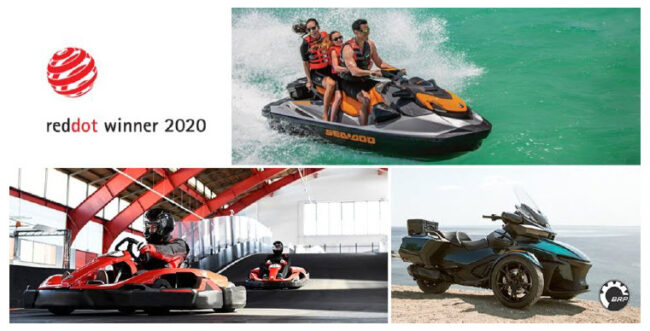
BRP is constantly innovating with the customer in mind and therefore they rake in award after award. Well they have just done it again, scoring three more prestigious Red Dot Awards.
This time the awards are for the 2020 Sea-Doo GTI, the Can-Am Spyder RT, and a revolutionary new Rotax Sonic E-Kart and indoor area which focuses on combining the virtual gaming world and real world utilizing electric Rotax Go-Karts that provide an exciting experience.
Not a bad way to start the summer off with three amazing awards for BRP. Check out the full press-release below for all of the information.
Valcourt, Quebec, June 23, 2020 – BRP starts the summer with three prestigious Red Dot Design Awards. We are passionate for innovation and determined to push the limits at every new product launch, thanks to the combined efforts of BRP experts from different departments. The winners are:
Can-Am Spyder RT 2020
Rotax Sonic E-Kart
2020 Sea-Doo GTI
“These three awards are the result of a team effort. Every year, we strive to go further in terms of design and technology. I hope that next year we will even go beyond aiming customer and industry expectations”, says Denys Lapointe, Senior Vice-President, Design, Innovation and Creative Services at BRP.
Over the last two years, BRP has received a total of 22 design awards for its innovative products, and the design team intends to outdo itself again in 2020.
Product highlights
Can-Am Spyder RT 2020 This vehicle is the pinnacle of open-road touring. Its modern design is innovative, with premium features focused on making the ride more enjoyable. The Spyder RT enables easy riding for people who may not be comfortable on a regular motorcycle. It provides stability at rest – reducing the strength and skill level required to stop and go – and stability in motion – reducing the inherent risks of rough roads and the need for sharp manoeuvres.
Rotax Sonic E-Kart Using a fully electric drivetrain to deliver 100% driving pleasure and pure emotion with zero emissions, racers can experience the best of real-world racing combined with video gaming fun with the Sonic E-Kart. Combined with the Rotax MAX Dome Center, capable of accommodating 12 Sonic E-Karts racing at a time, it enables a video game-like experience that is truly the first of its kind.
2020 Sea-Doo GTI With its completely redesigned platform, the 2020 Sea-Doo GTI represents the perfect balance between fun, function and innovation, at amazing value. Redesigned to better match how consumers prefer to use the watercraft, the new model features more usable space, superior stability and easy-access storage. Sea-Doo’s design DNA can be clearly seen in the new GTI: it is spirited and playful, as well as technically advanced. Its design focuses on purity and simplicity, and highlights functionality.
About the Red Dot Awards The Red Dot product design awards focus, among other things, on the design quality and innovation potential of the products submitted. The laureates of these awards are cutting-edge products, that set trends and pave the way for the future. Red Dot’s panel of approximately 40 experts carefully evaluates them to choose those that merit the distinction.
For more information on BRP’s 2020 Red Dot design awards, visit www.brp.com.
Sealver Wave Boats and SunTrust Banks’ Lightstream have teamed up to bring qualified buyers an awesome deal on financing a new wave boat. The boats are really cool and are built to give you the best of both worlds through the use of a compatibility kit that converts your ski into a wave boat. The boat is powered by the PWC motor and steered using the PWC steering housing. It’s a cool design that allows riders to get underway with five to seven people, depending on the model. Your friends will be stoked to go out on one of these easy fun little boats.
Now is a good time to take advantage of financing offered by Lightstream. Sealver Wave Boat loans begin at 4.29 APR with AutoPay and financing from $5,000 up to $100,000. No fees or down payment are required and Lightstream will beat any competitors qualifying rate.
The people at Lightstream financing believe that buyers with good credit should be rewarded with a low interest, fixed rate loan. You get to choose when your funds are deposited and that means money for a new boat can be in your account the day you apply. Lightstream boat loans are unsecured and have no prepayment penalties or fees. It’s very simple to apply. Check your rate and apply from your smartphone, tablet, or computer. It’s seamless and virtually paperless.
Pick out a Sealver Wave Boat online and head over to the Lightstream website to make your new boat a reality.
While we were all learning how to live during pandemic times, Sea-Doo kicked off the summer with a new a series of informative videos to help you “Doo It Right.” The Sea-Doo teamed up with their ambassadors to give you their first-hand knowledge of what works best and what might not bode well for you.
The series covers maintenance, cleaning, and ways for you to bring more adventure into your life. The videos are not only beneficial to new riders, they are handy for long-time PWC enthusiasts. These helpful tips, tricks, and products are available to anyone who has an interest in learning how to make their life easier on the water.
So far, the team has covered how to properly clean and protect your watercraft, LinQ accessories to make life on the water more adventurous, and the best cover for your PWC. Sea-Doo wants you to stay tuned for more videos with their Sea-Doo Ambassadors and showing how to “Doo It Right.”
This is an awesome little series to check out, especially during quarantine life. Everyone has binged on everything Netflix and all are hungry for something a little different and more relatable to the active lifestyle that being on the water provides. Check out the “Doo It Right” video series on social media, YouTube, and the Sea-Doo blog. You will find some good stuff!
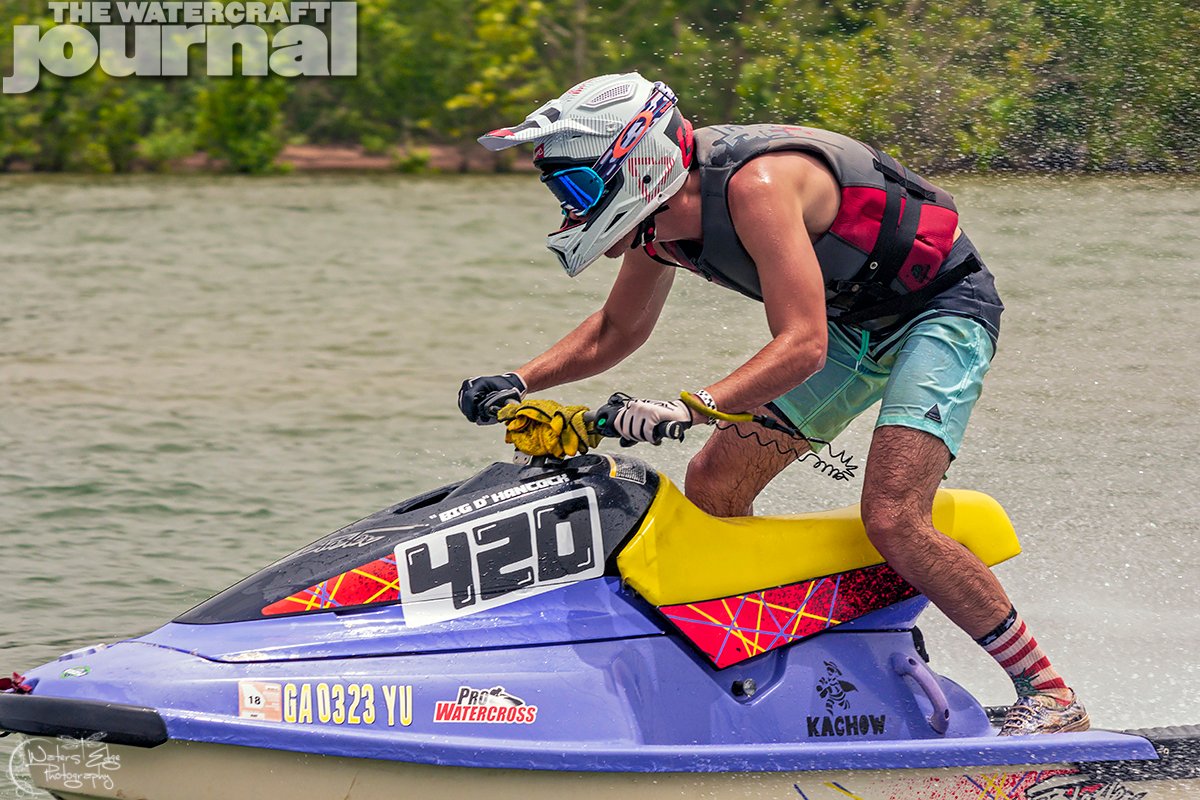
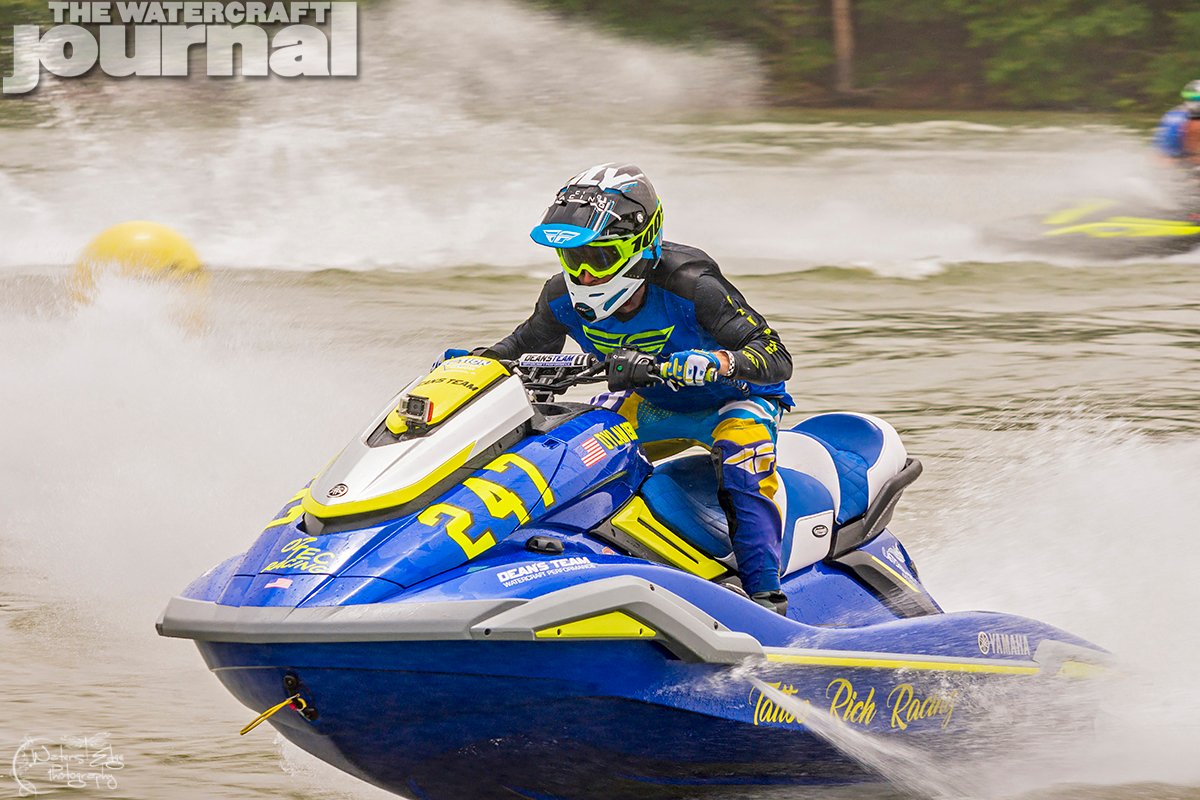
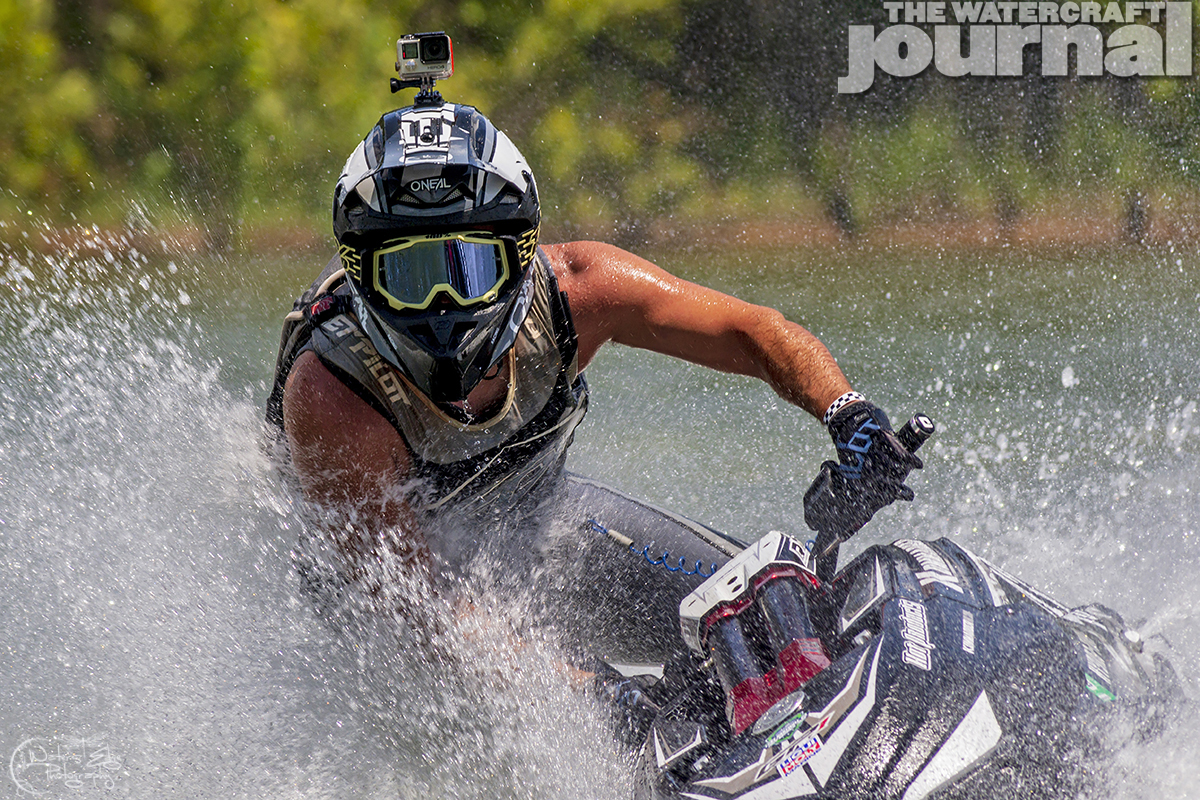
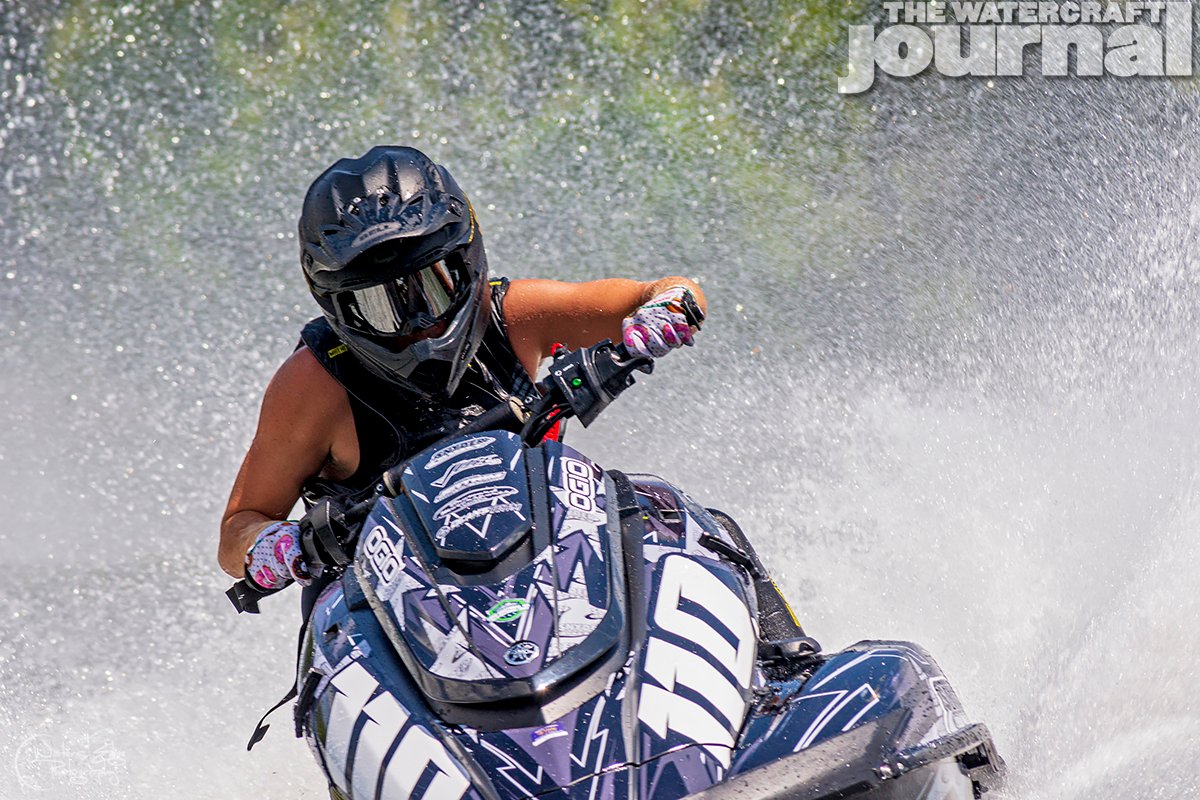
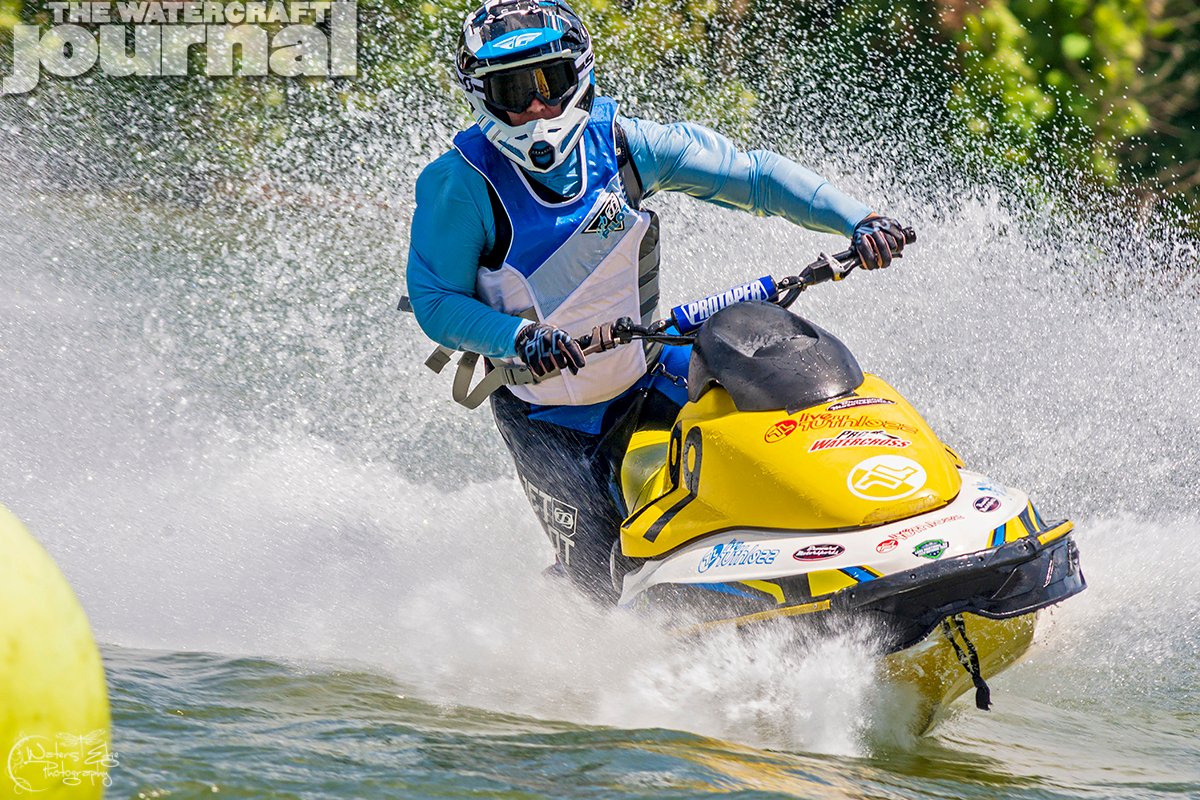
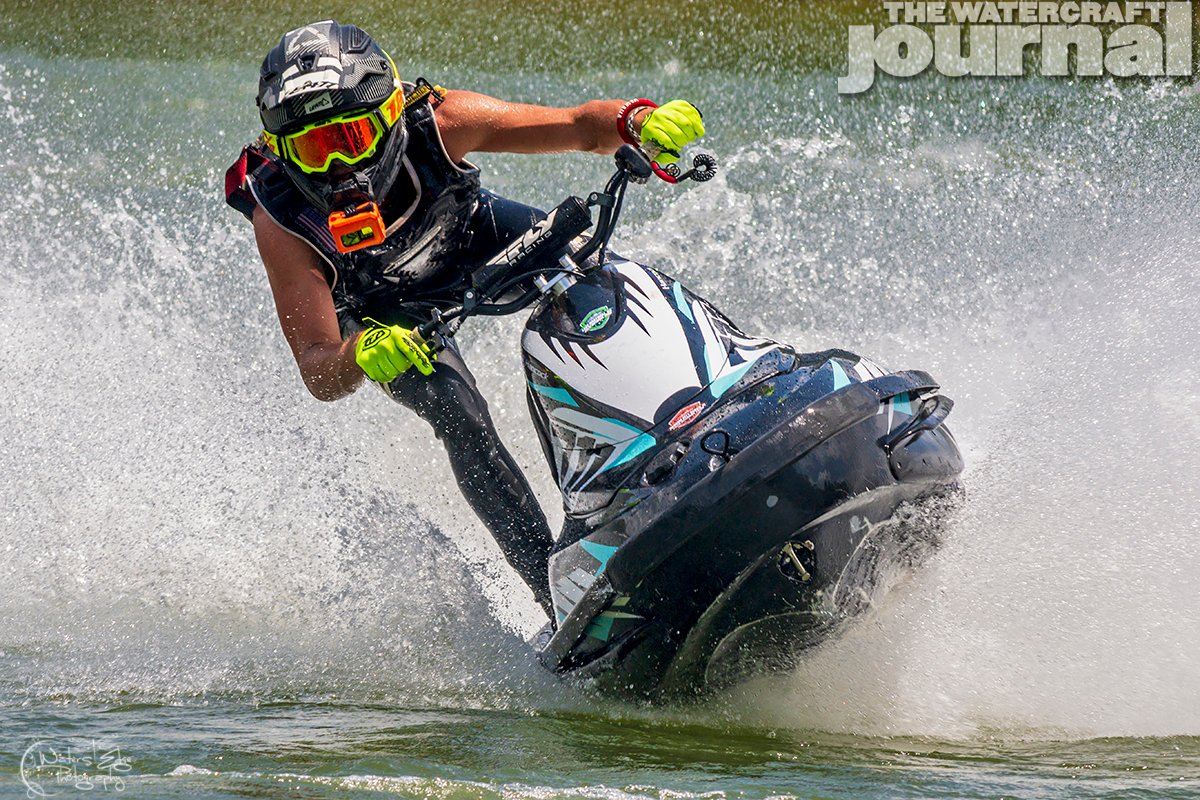
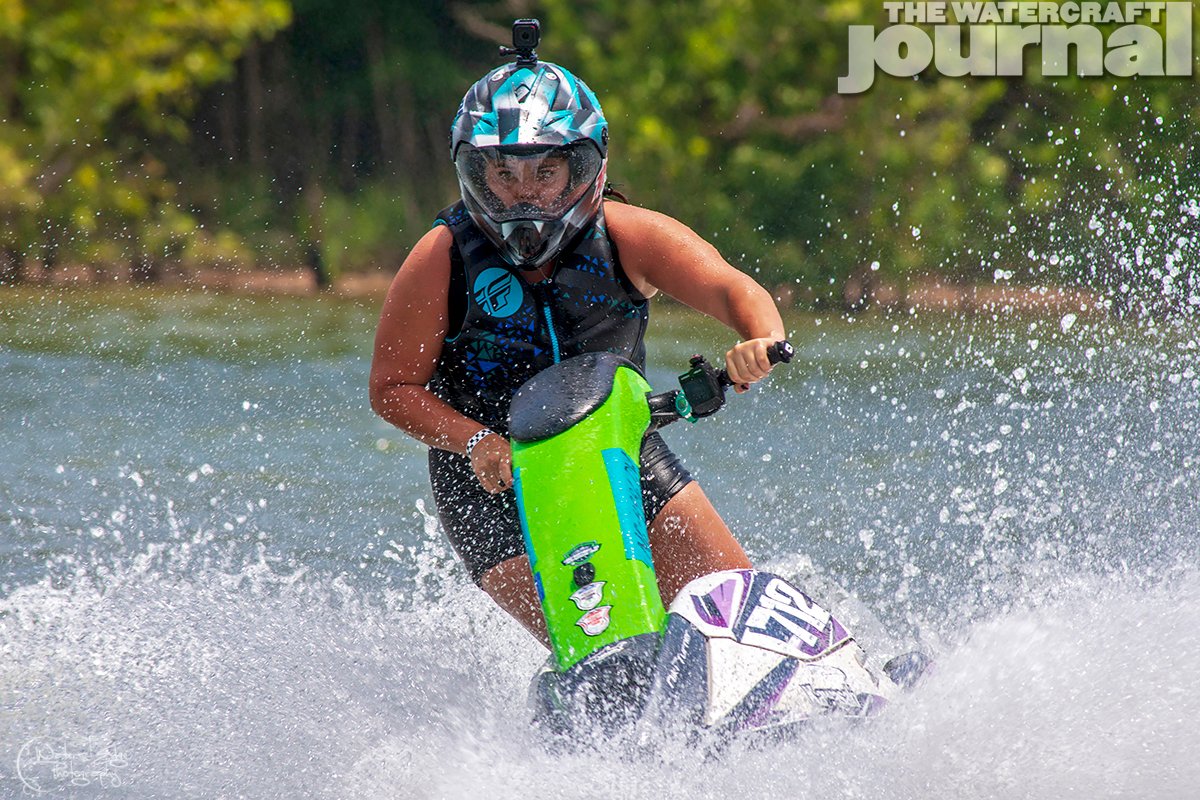
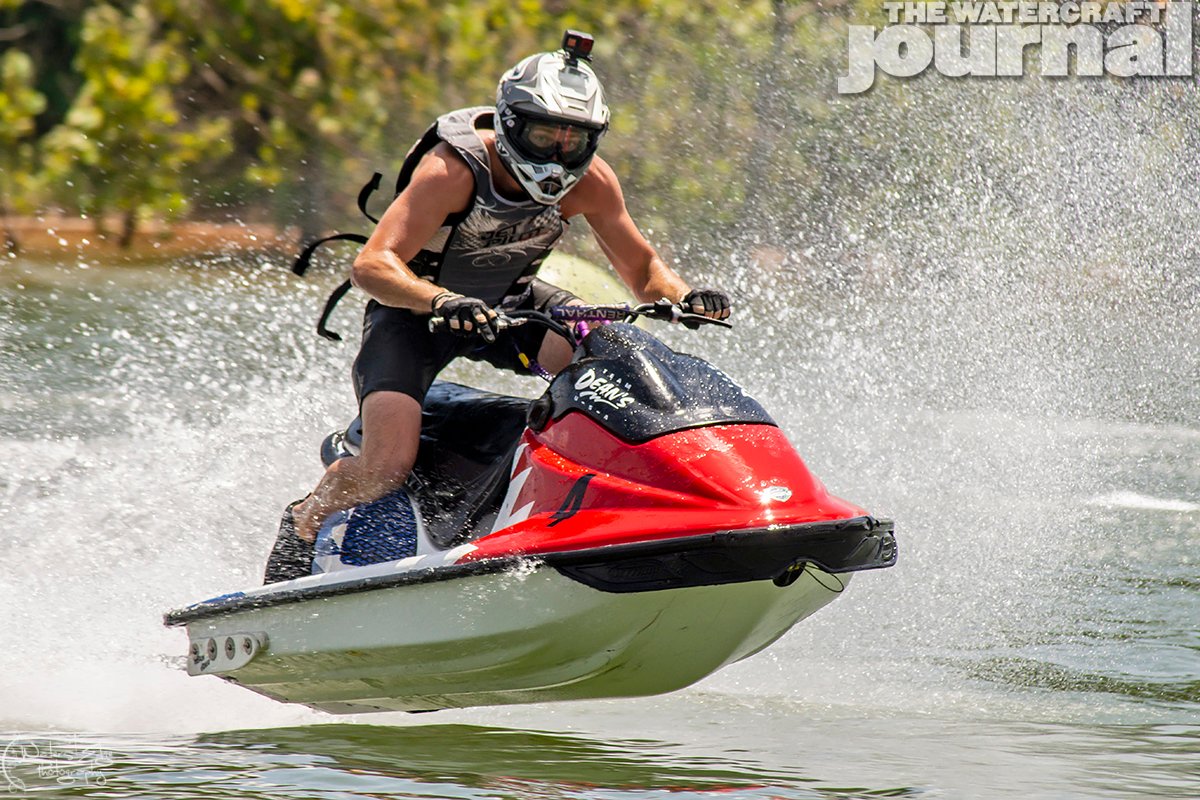
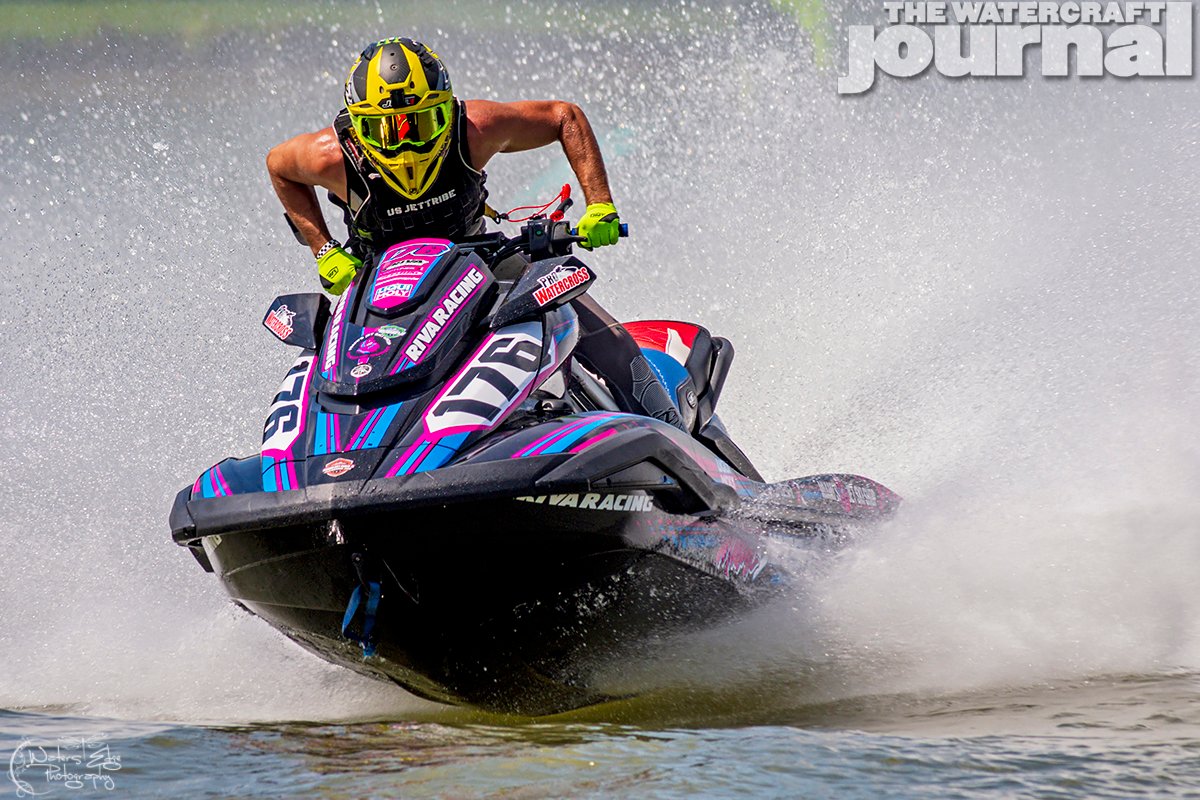
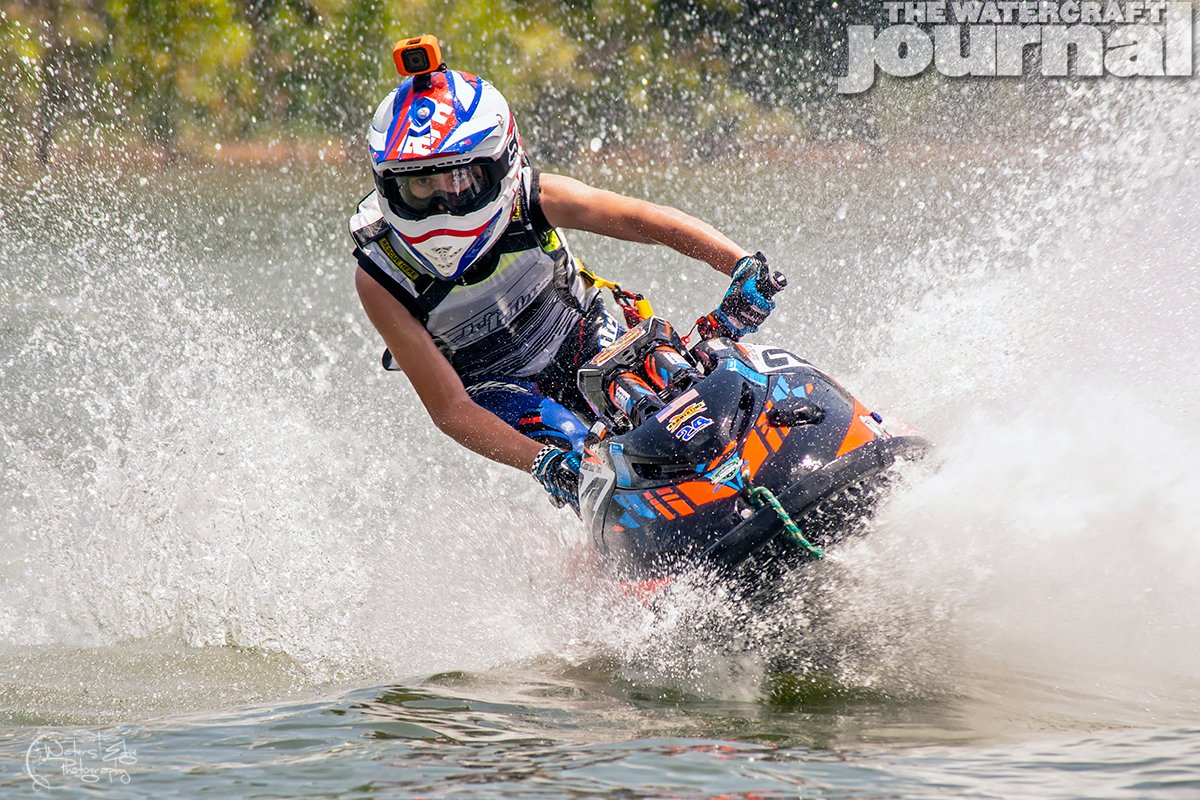
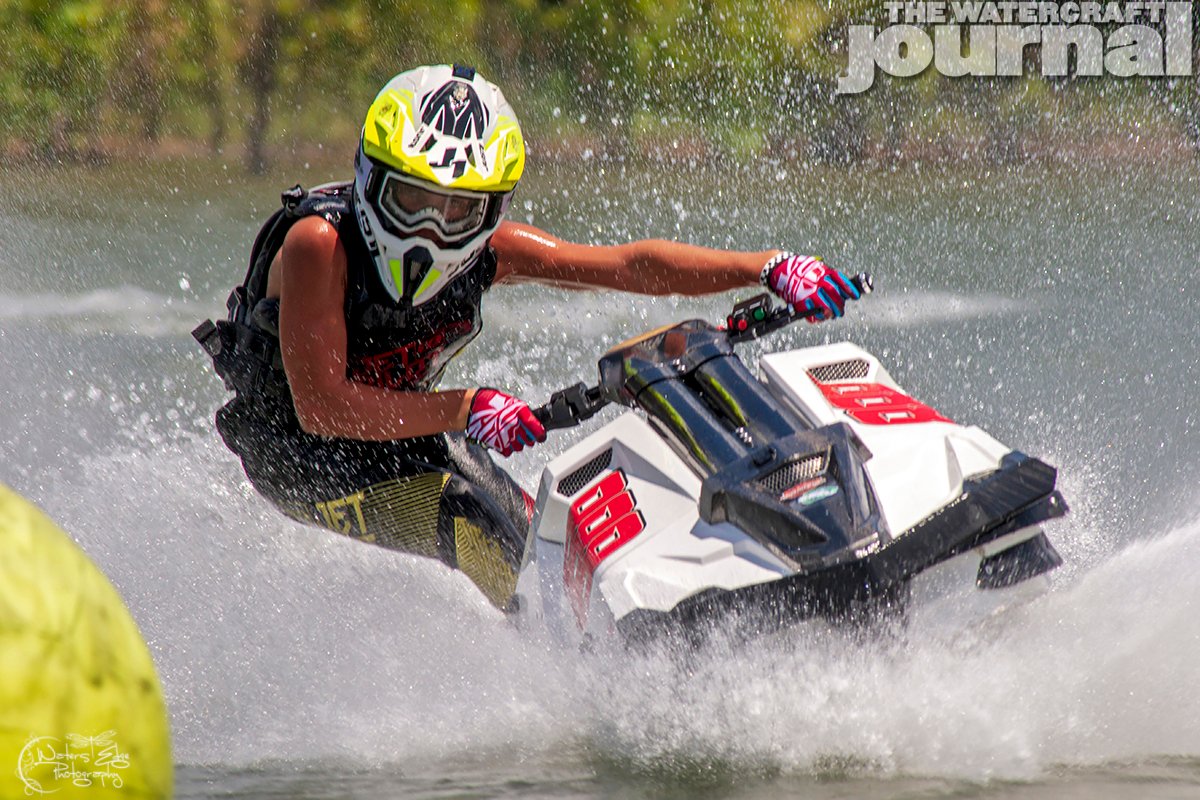
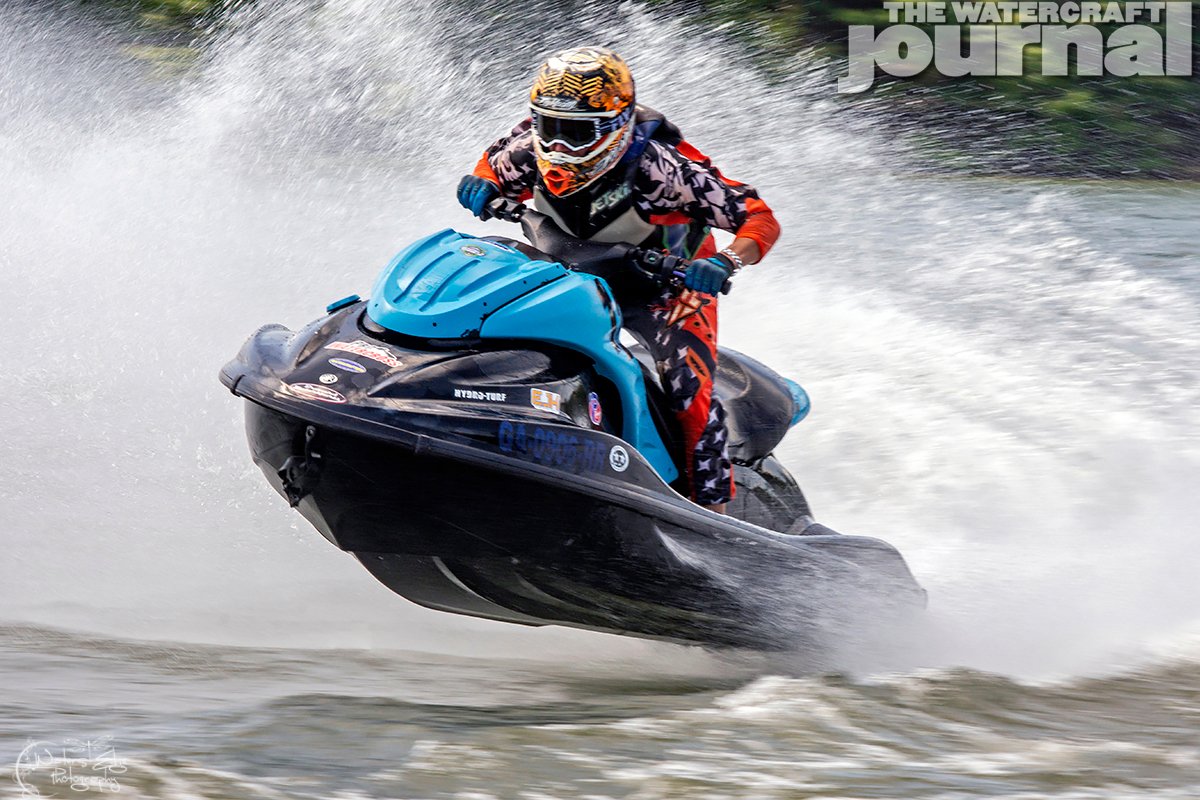
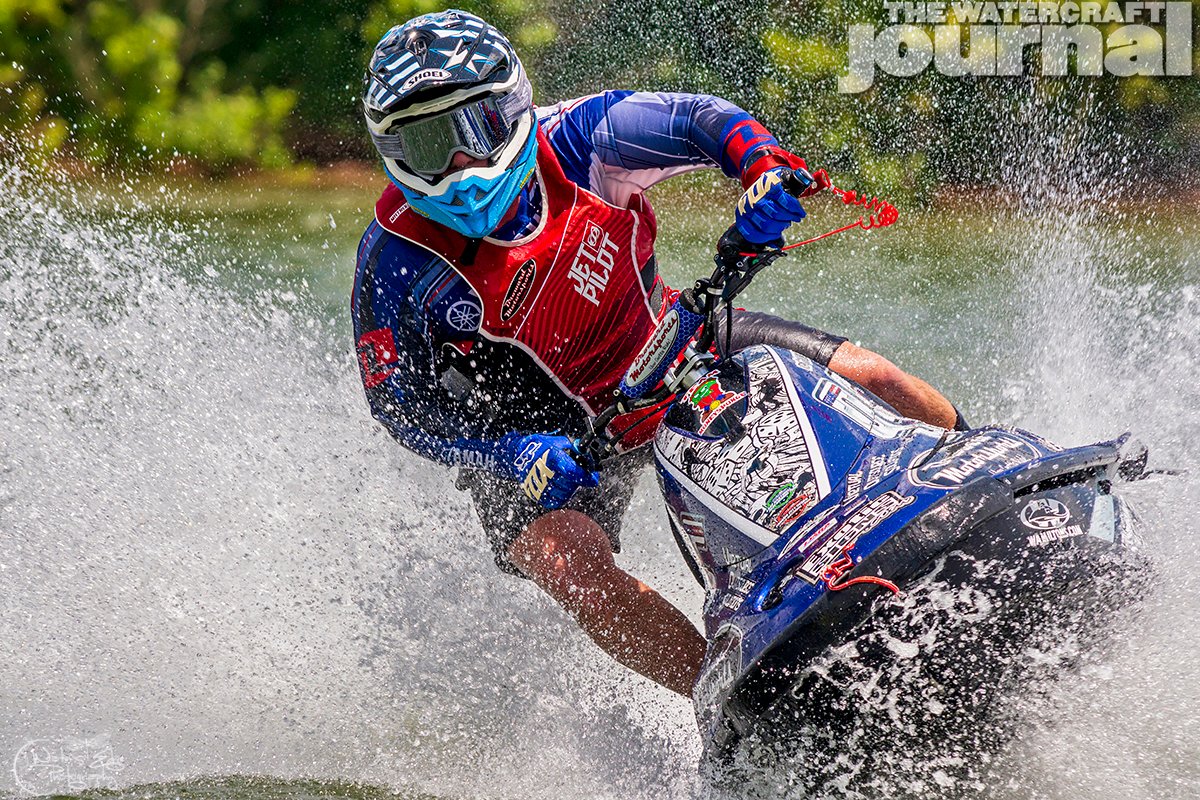
Pro Watercross racers and fans descended on Tugalo State Park this past weekend as the national tour squeezed in a second round in this Covid-crimped season. The Northeast Georgia stop has always been one of the most well-attended races on the tour – perhaps of the sport – and this year was no exception, despite the restraints of park-monitored social distancing requirements.
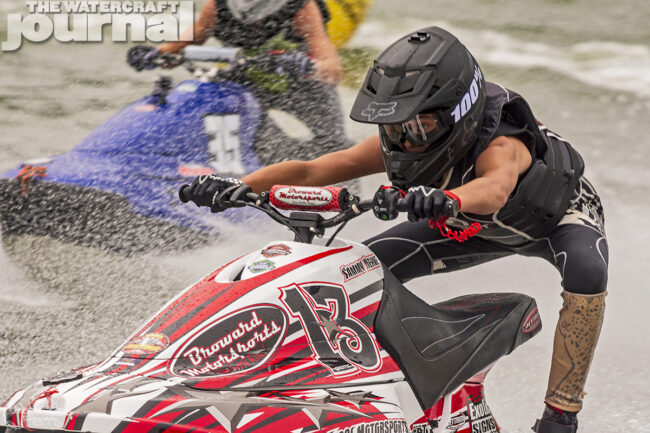
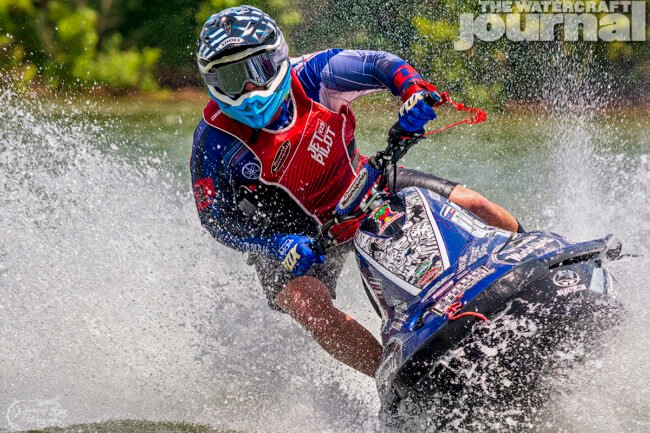
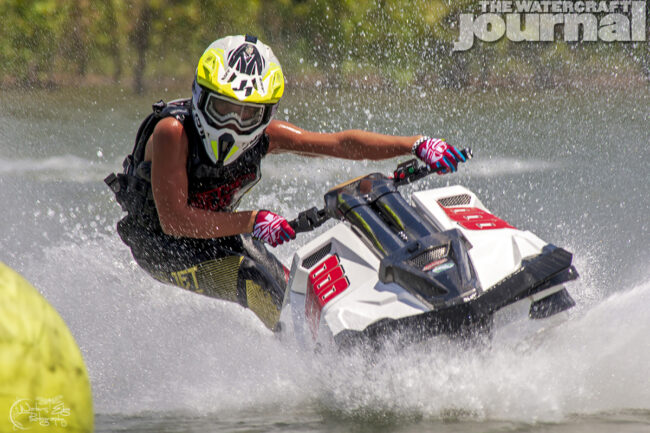
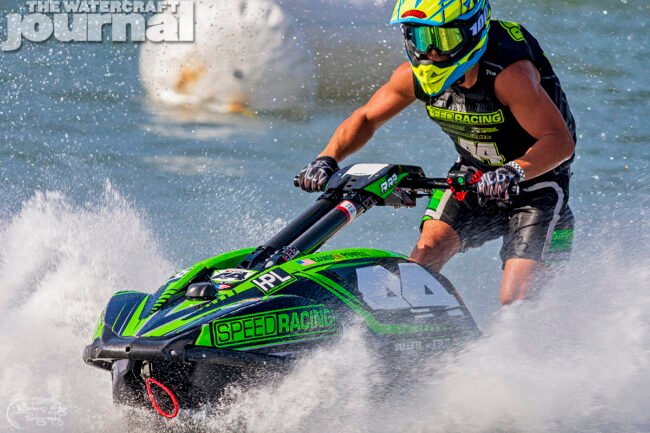
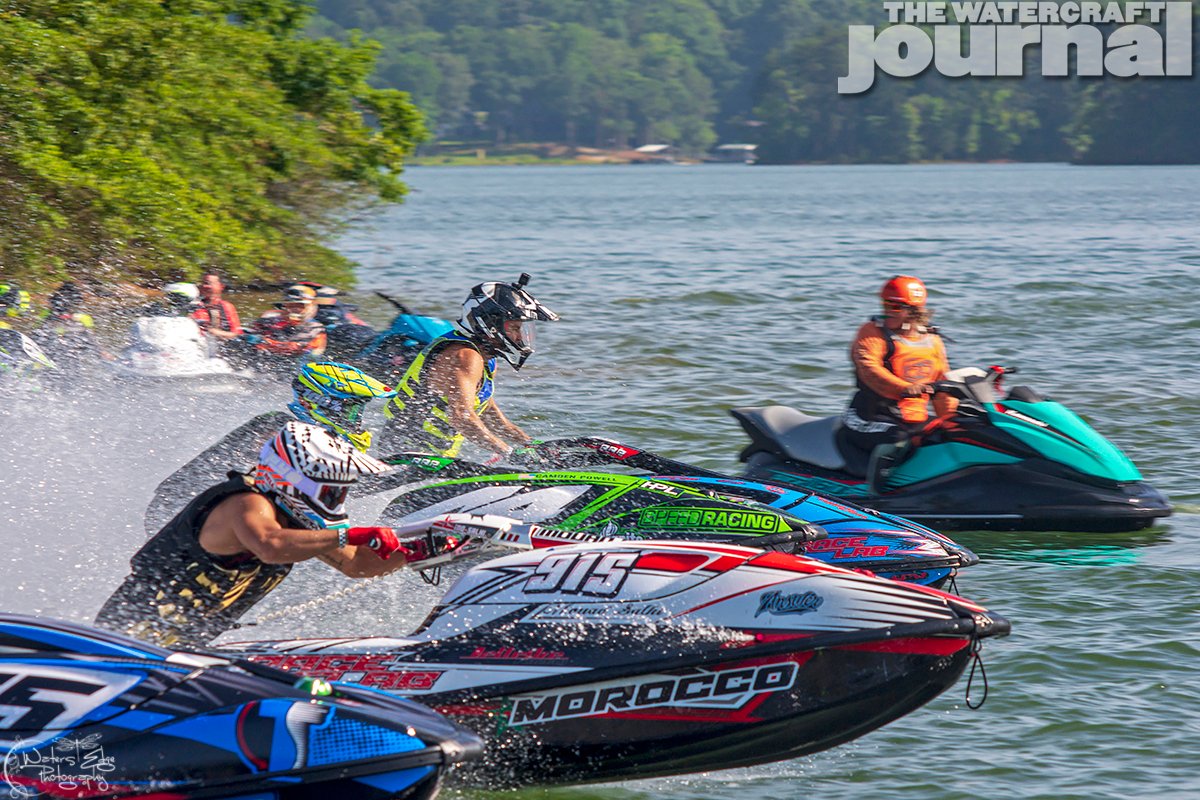
Pro Watercross Race Director Robert Sands and tour head honcho AJ Handler stayed with the new scheduling matrix, rolling through all three motos of the Pro classes on Saturday, interspersed with a few Amateur class motos. The course, designed by Sands and noted by a few racers as a “technical course,” featured a split (which was placed where this photographer could actually shoot both inside and outside racers…a rare occasion!) coming off the back stretch that kept the attention of the fans as racers jockeyed for position at the merge buoy on race after race.
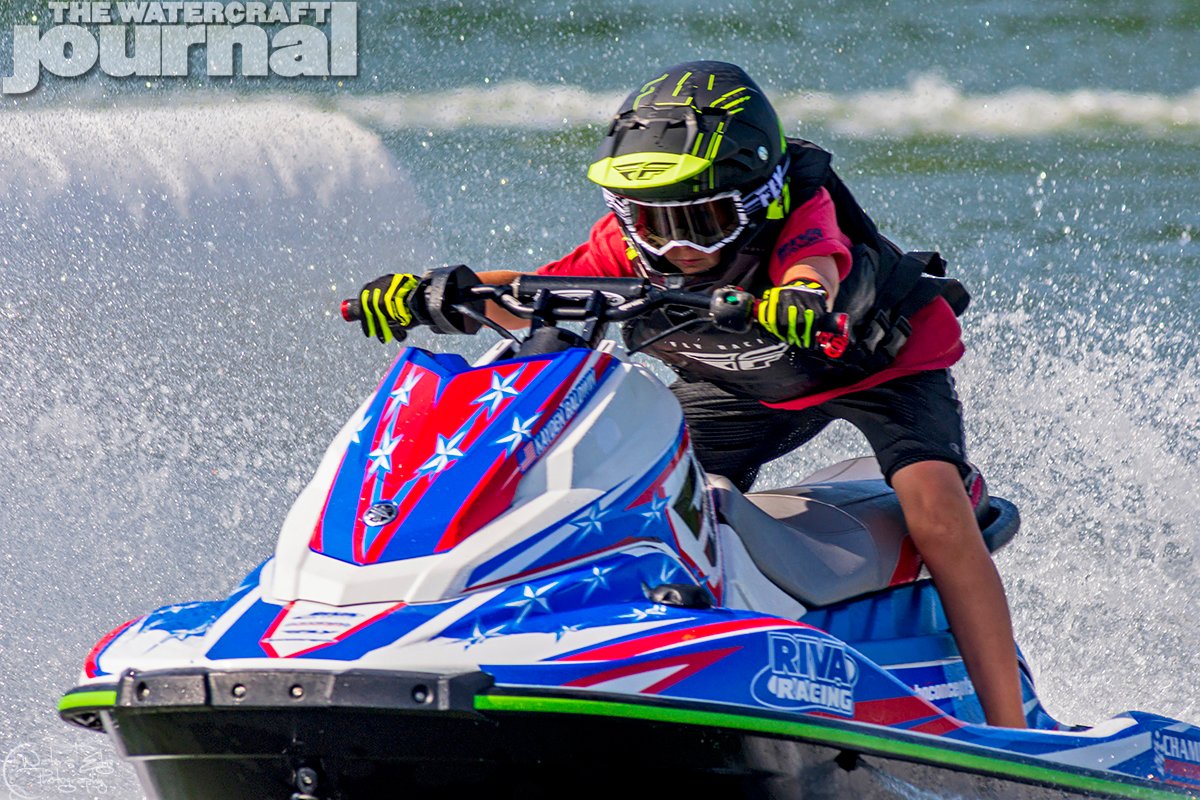
“I liked the long back straightaway,” noted Ryder Wildeboer, who staked down a top podium spot in the Pro Am Ski Stock class with a 3-2-1 weekend. Wildeboer, 13, may have claimed the win this weekend, but he is not anywhere near ready to rest on that victory. “I’m looking forward to taking my Pro Force to the next level and moving up to the Pro Class on that next year,” he said.
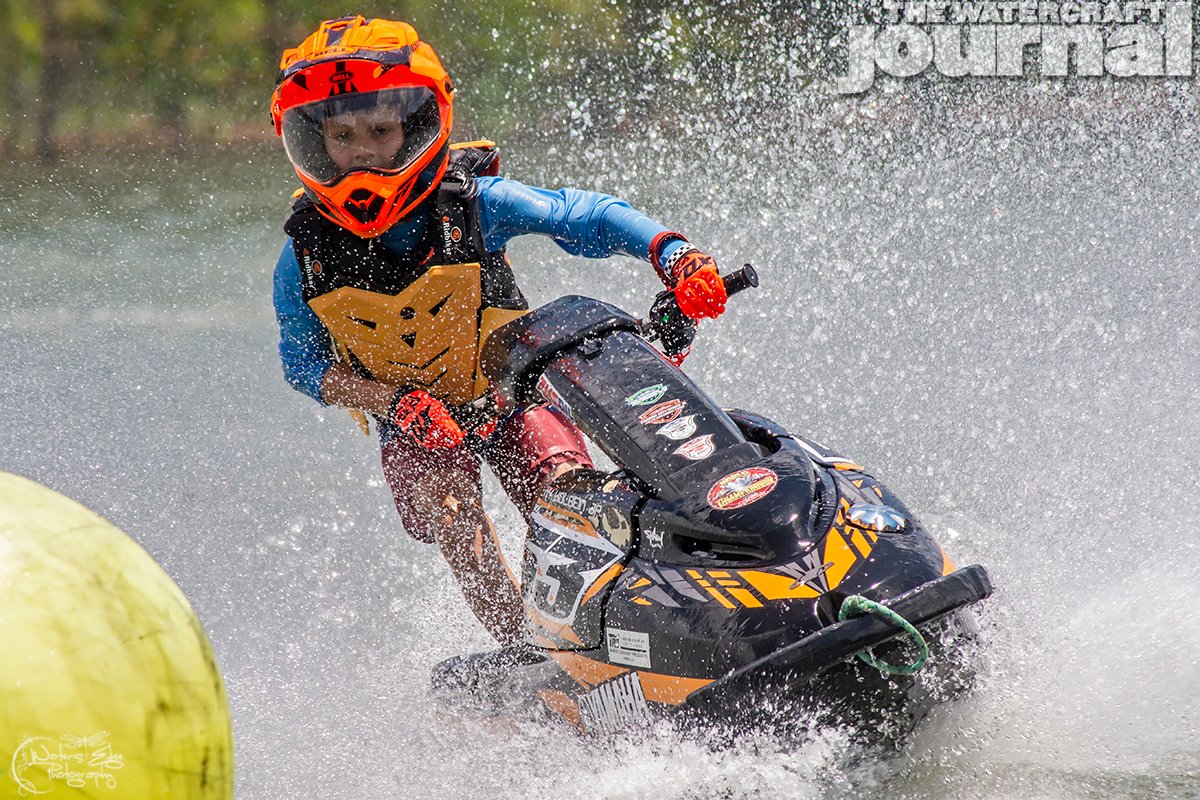
That ambition, with the skill and dedication to back it up, highlights a common factor on the race course this last weekend – time and again, the top podium spot during the awards ceremonies – in the Pro Show as well as Sunday’s Amateur classes, was claimed by a racer not yet old enough to lock down a driver’s license on dry land.
These young riders, many of whom I have photographed since they took their first lap in a Junior class, are on their way to dominating the tour, bringing energy, talent, natural skill and a slew of dedicated, enthusiastic “crews” made up of moms, dads and siblings.
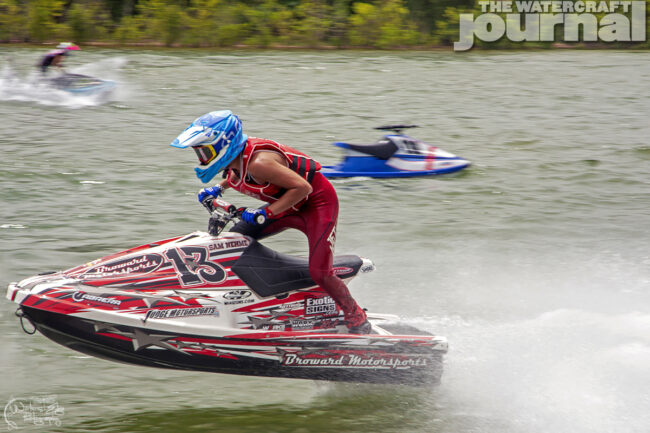
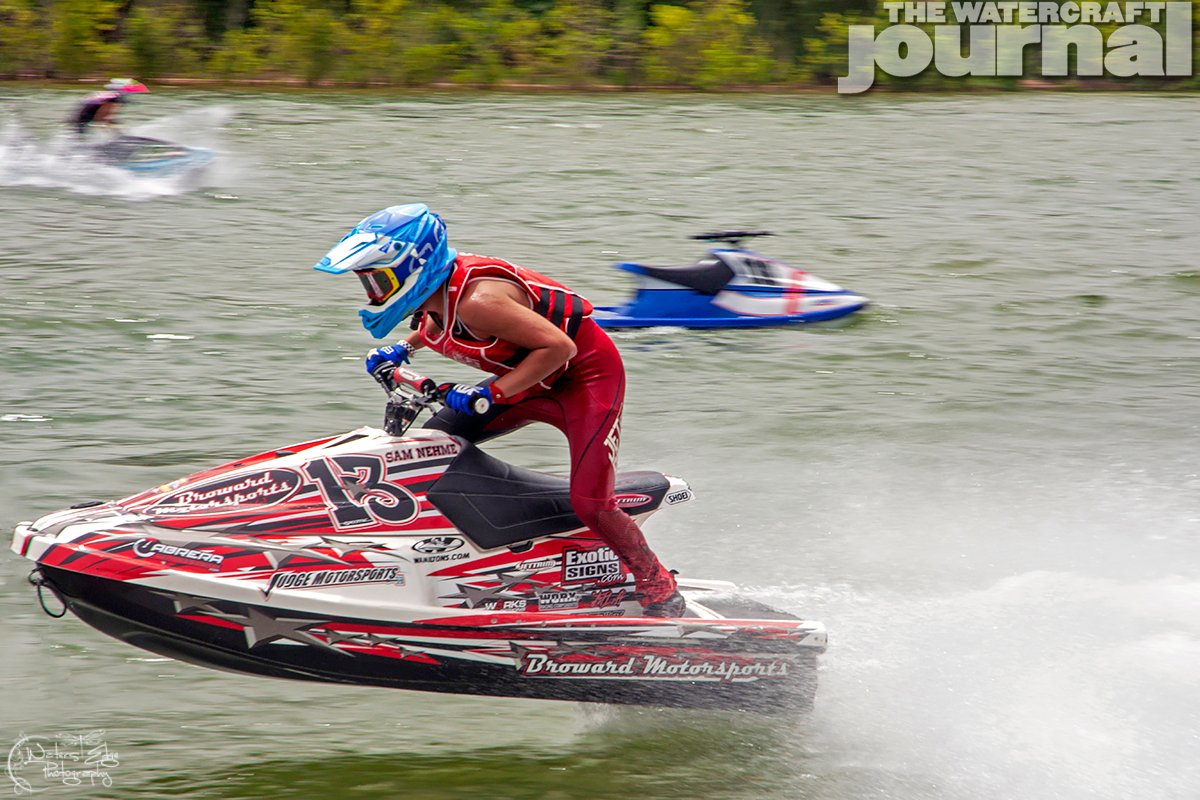
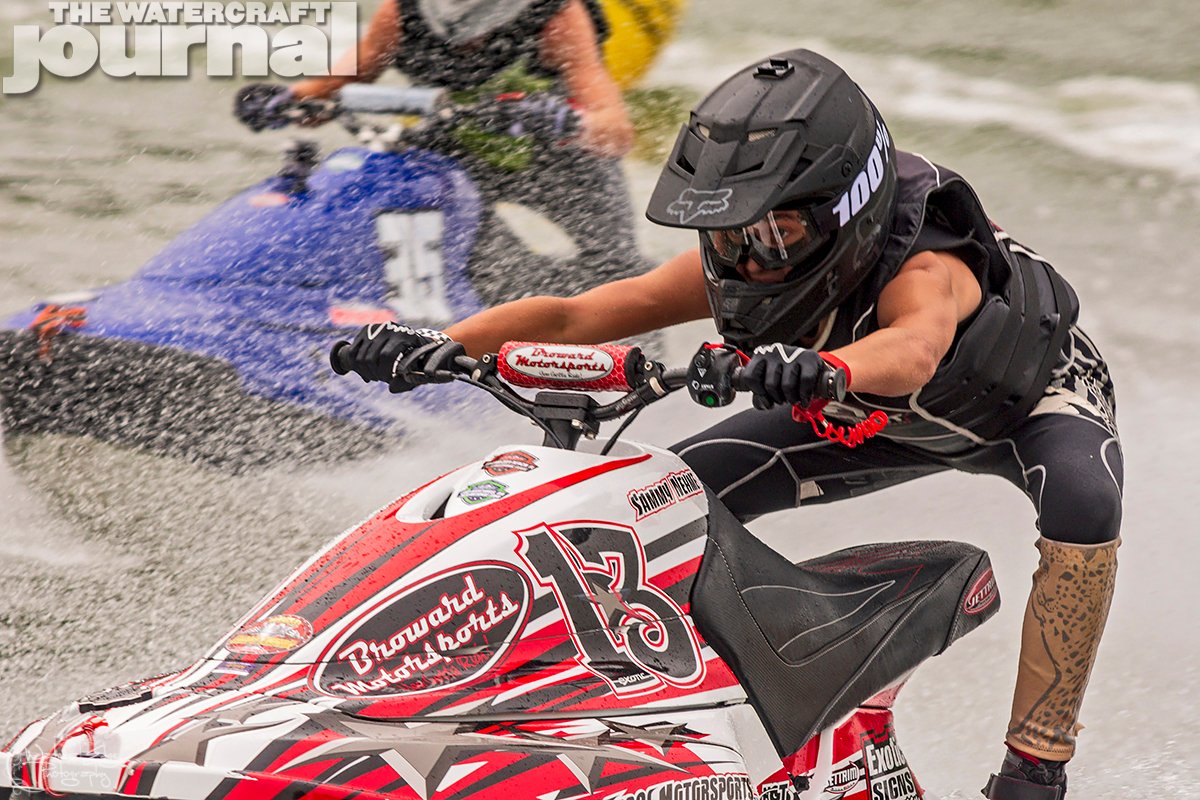
Sammy Nehme, 15-year-old son of multi-time champion Sam Nehme and one of the tour’s most recognizable racers, secured a weekend win in the Sport Stock class with a 1-2-1 run and Haden Skellet, also 15, snagged the third spot with a 4-6-3 weekend. Christopher Landis claimed the second podium spot with a 2-1-2 finish.
“I thought (Hartwell) was a great location with a lot of spectators,” Nehme told The Watercraft Journal earlier this week. “My biggest challenge was competing in the Pro Ski GP class. There are a lot of fast riders in that class and I feel I did pretty well competing with them.”
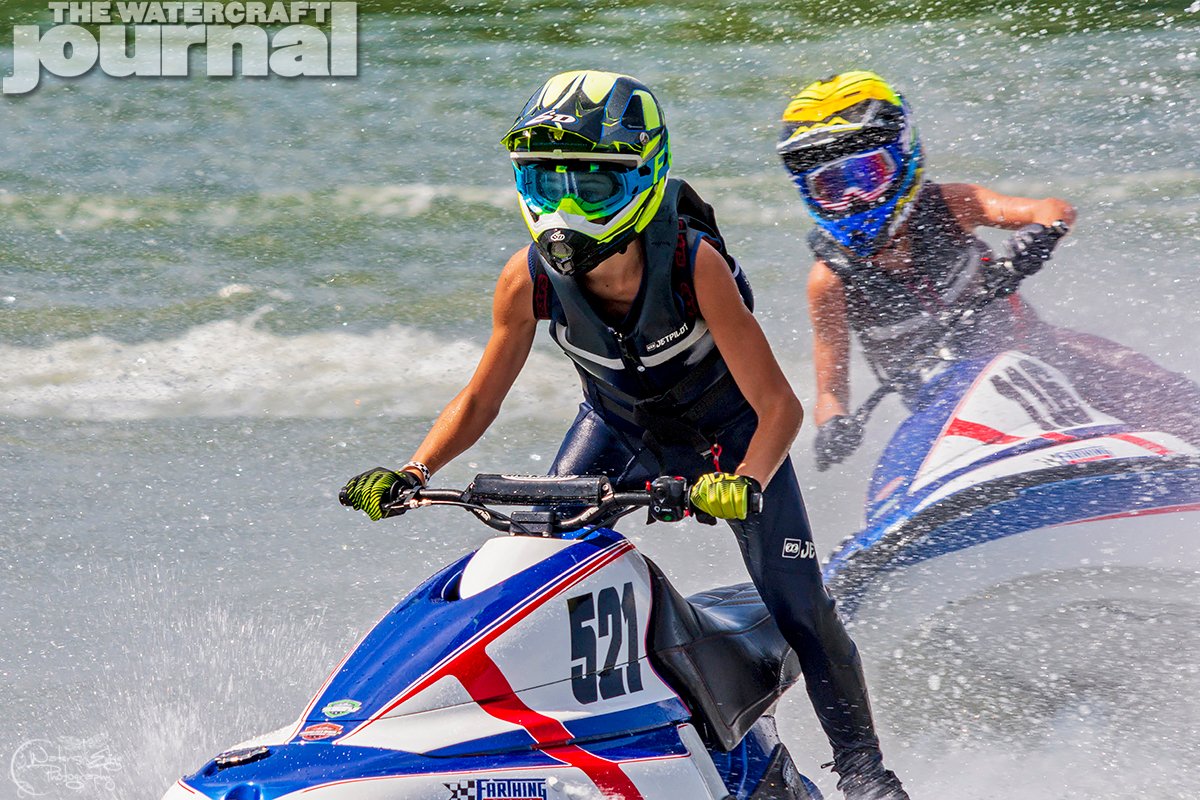
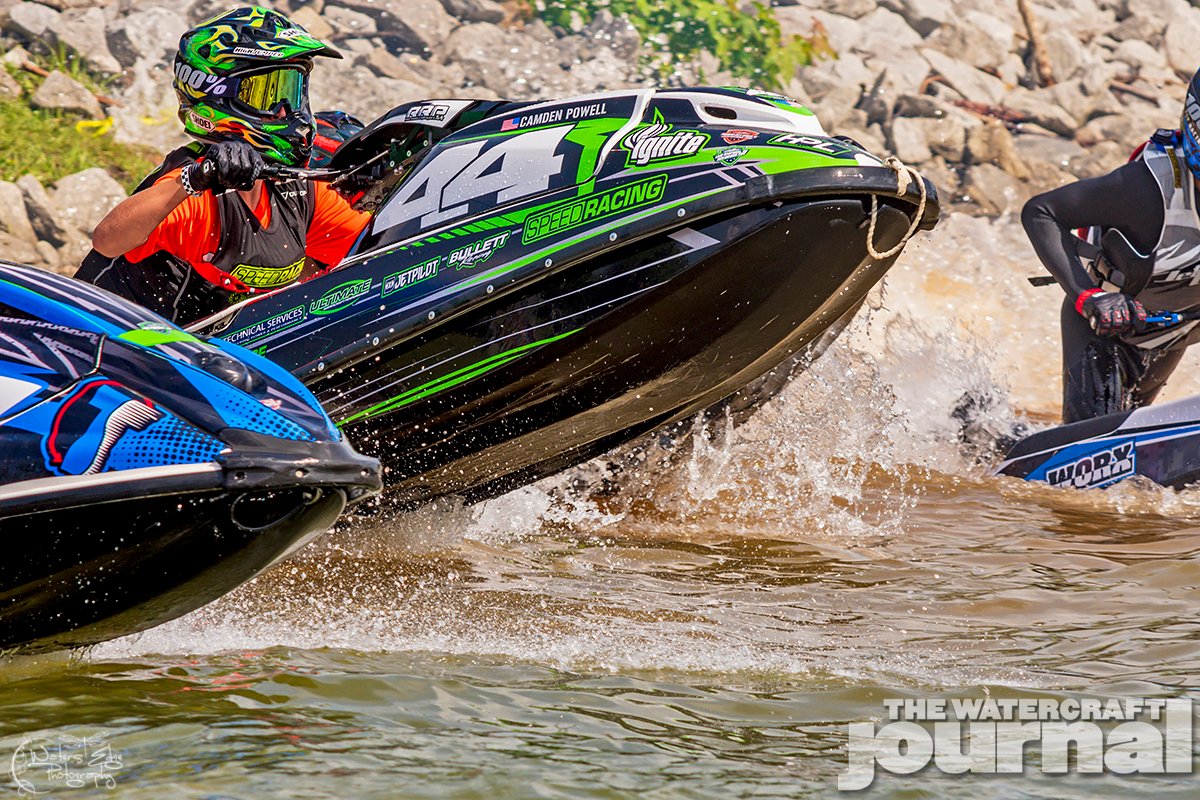
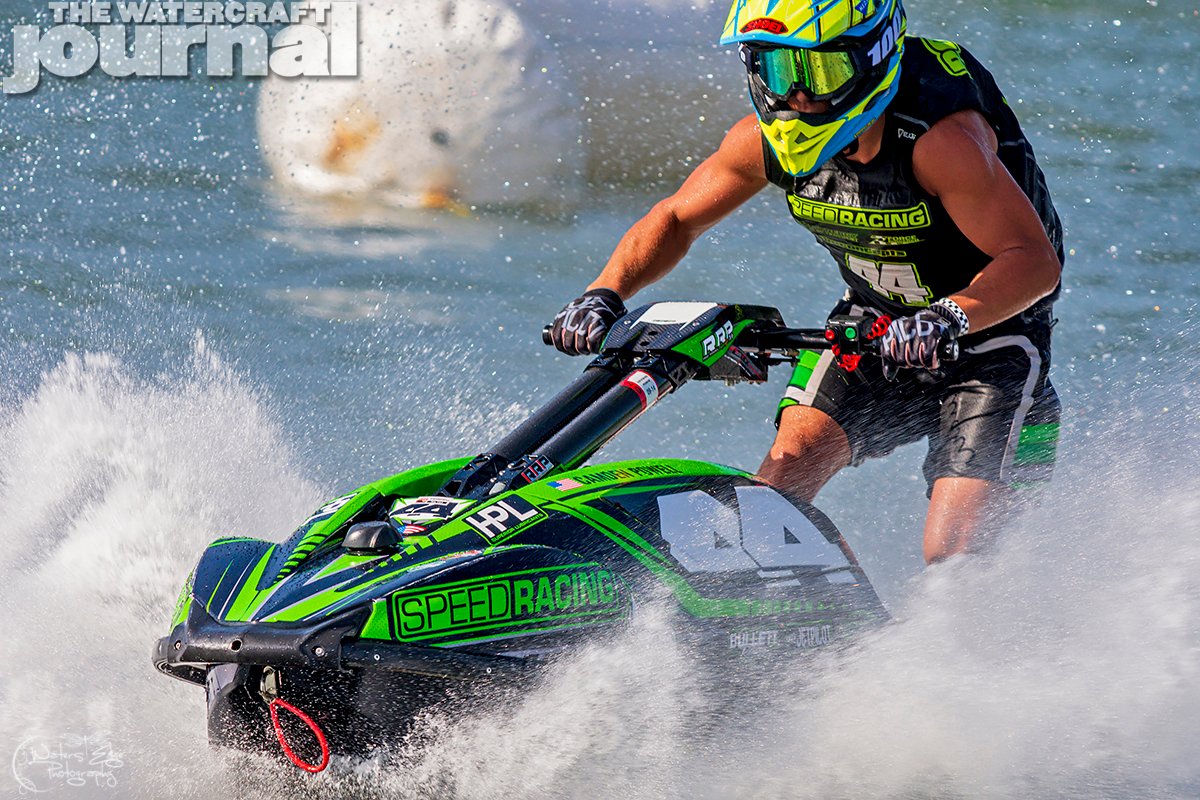
The Pro-Am Ski GP line was packed 10 deep with talent. Lake Havasu’s Aaron Gewecke (4-2-1) piloted his Bullet to a weekend win, and Camden Powell (1-5-2), another young gun at 16, snagged the second spot, just ahead of Jimmy Wilson (5-1-4). The Blaster GP class was another youth-dominated class, with Haden Skellett (1-3-2) edging out 15-year-old Revin Harris (2-1-3) on his K1, followed by another legacy rider, 16-year-old Deven Farthing (5-2-1) in third.
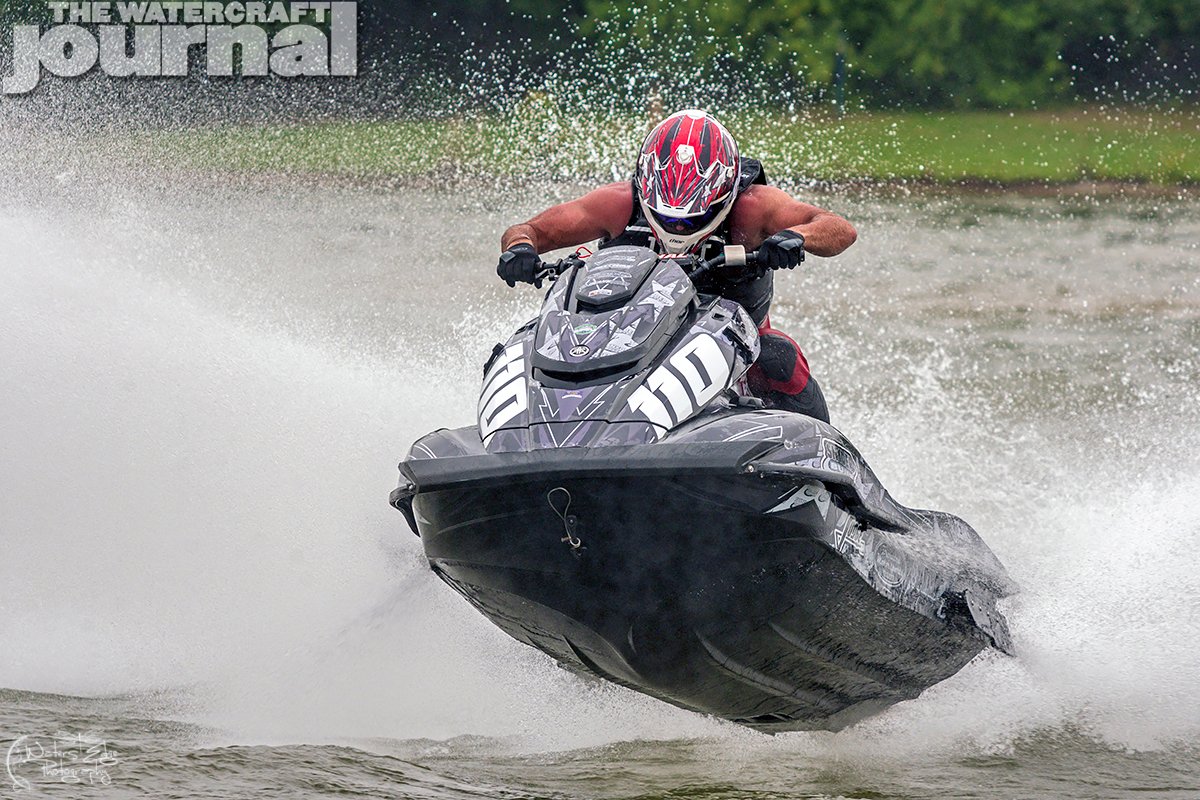
While the younger generation are definitely making their mark in the PWX world, there’s no moss growing on the legends of the sport, either. Both the GP and Box Stock divisions of the Pro-Am Runabout class ranked high on the list of fan favorites as Brian Baldwin and Troy Snyder continued a seasons-long battle for glory.
In the GP division, Snyder snagged the top podium spot, coming back from a 4th place first moto with a second and first place finish. Dylan Osborn nailed down the win in the first moto, slipped to fifth place in the second moto, and grabbed the second place finish in Moto 3 to secure a second place finish for the weekend, ahead of Baldwin (7-1-3).
In the Box Stock division, Georgia boy Dennis Mack (1-4-2) claimed top spot for the weekend, followed by Snyder (4-3-1) and Baldwin (2-2-4). Texan Tim Miller (5-1-3) held down fourth, followed by Gentleman Jim Bennett (9-5-5).