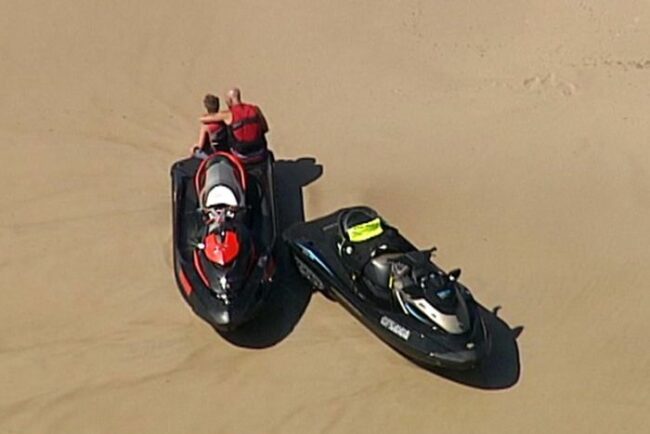
Getting caught in the roiling white wash of on-coming surf is no joke. Unfortunately, a 54-year-old man died after falling off his personal watercraft into the surf at South Stradbroke Island near the Gold Coast. At the time, the beach was populated, and several persons witnessed the accident, according to a report by NBC News Australia.
Identified as a resident of Hope Island on the Gold Coast, the man was “taken to shore by witnesses who tried to perform CPR but he could not be revived.” Emergency crews were called after reports came in of a man had been pulled from the water with critical injuries. Senior Sergeant Jay Notaro declared that the man had done nothing dangerous and was accompanied by three friends when he fell into the water.
“At that time he was conscious — his friends got into the water because he started to struggle in the water … they managed to pull him to shore,” Notaro said. “He went into unconsciousness. They performed CPR for more than half an hour but he passed away. Members of the public also stopped and provided assistance. I guess this is just a tragic set of circumstances I can’t see anything that would have saved this man’s life.”
The individual was said to be properly adhering to designated go-slow rules and no anchoring for designated areas and has been absolved of any wrongdoing.
We hate to be the ones to say, “We told you so,” but yeah, we totally told you so. Krash Industries is pushing hard to become not only a major, mainstream manufacturer of jet skis, but also break into the recreation market in a way unlike anything we’ve seen in like, y’know 40 years.
To really hammer in the point that Krash is serious about getting you on a new EPA-approved, 50-state legal 2-stroke (yes, you read that right) jet ski, they are now for our Aussie friends, is offering financing as low as $80 per month. That’s cheaper than your cell phone plan, guys.
Krash Industries writes, “The standup jet ski that enthusiasts have been waiting decades for. Completely assembled, ready-to-ride and yours for just $15,500 – finance available from just $80 a week. Send us a message to chat to our team today, and find out when a demo day is happening in your area.”
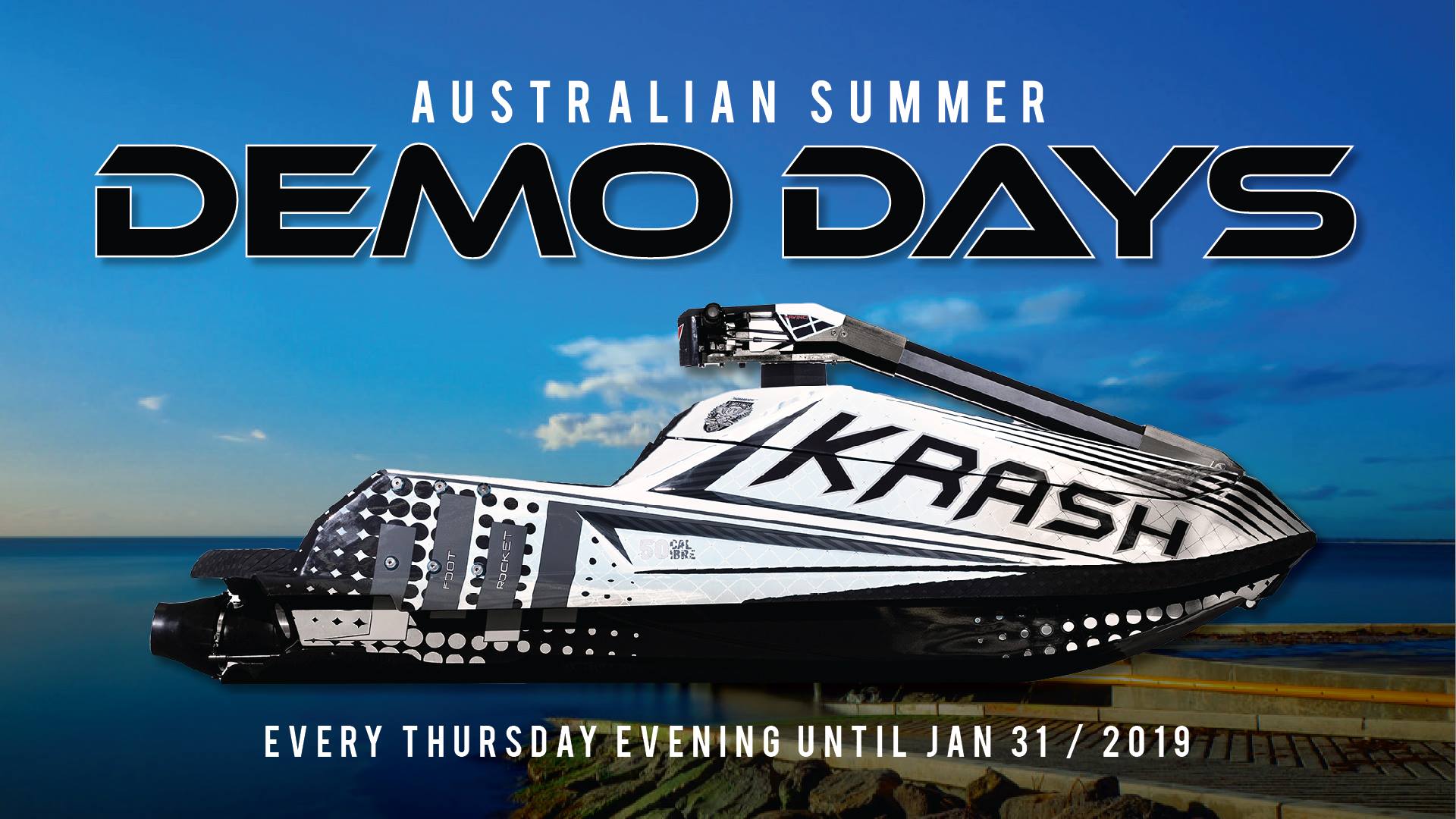
And since its the dead middle of summer in Australia, Krash Industries is welcoming tire kickers and test riders out every since Thursday evening all month long to try out the latest ready-to-ride jet skis! Here’s the official announcement:
Come and join the Krash Industries team each Thursday evening for our Australian Summer Demo Days!
Test our range of Krash Models to find the ideal PWC for you. Our specialist team will be on hand to answer all your questions.
Demos in Melbourne, Sydney & Gold Coast – locations are weather dependent so please call ahead to book your spot. Please call 03 8595 0922 to book now! Don’t miss out!
It’s difficult to properly project the future, but as one might find, looking back and tracing the trajectory that lead us to where we currently stand is quite easy. History has a way of clarifying how ripples made at one end of the pool can cascade into waves at the other end.
As we spend much of this New Year’s holiday reflecting back on the year and contemplating the future, we also want to take a look back at the personal watercraft industry as a whole; to trace back to those particular makes and models that truly changed the course of the industry, aftermarket and the sport, for that matter.
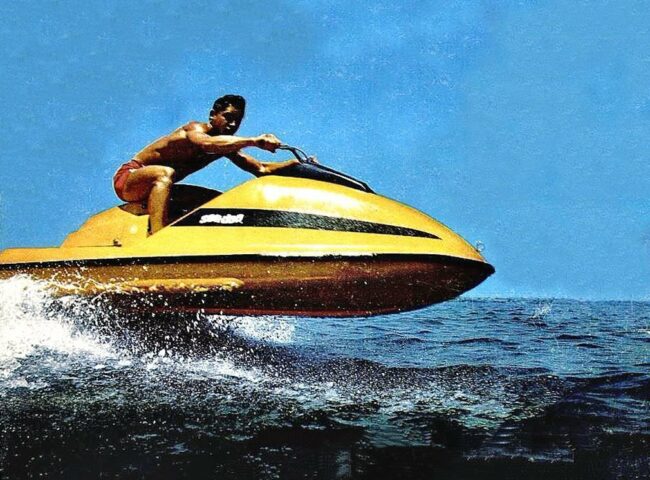
Obviously, Clayton Jacobsen’s first 1968 Sea-Doo could be included here, but again, we’re looking at impact. Those early Sea-Doos were seen as kitschy toys, not a whole new industry. Likewise, the first Yamaha WaveRunner and Sea-Doo runabouts could be seen as “missing in action,” and to a degree you’d be right. Again, we’re looking at how specific models changed the course of the industry.
Certainly, there will be models that many feel are missing and that is likely true. Yet, we selected these particular machines for their impact both at the time of their release and for the generations that followed. Hopefully, many of you will agree with our selections.
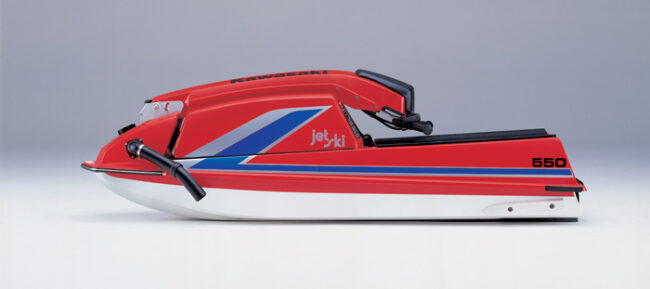
1982 Kawasaki JS550
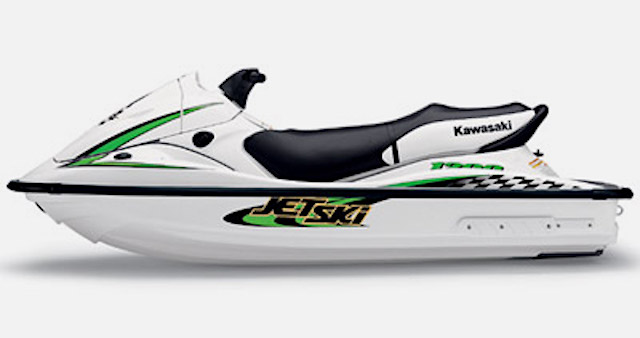
First introduced in October 1972, Kawasaki’s WSAA and WSAB “JetSki” models were powered by modified 400cc 2-stroke twin cylinder engines. The JS400 was succeeded by the JS440 in 1977, offering more power and performance, and enjoyed popularity for well over a decade. Yet, it was 1982’s JS550 that truly placed Kawasaki’s JetSki on the map. The redesigned “mixed flow” pump spun by more powerful 531cc engine, which came with an industry-first automatic rev limiter – pretty advanced stuff for the time.
These features catapulted the JS550 into the spotlight of performance enthusiasts and the newly created sport of “jet ski racing.” Although a budding series in the late 1970’s and early 1980’s, jet ski racing opened up to the widest audience and welcomed the sport’s greatest racers with the JS550. The JS550 continued to improve into the 1990s, when it was finally discontinued.
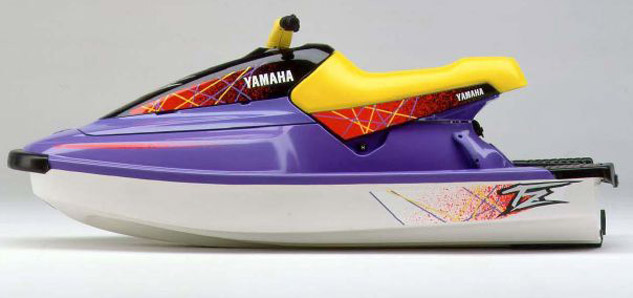
1993 Yamaha WaveBlaster
Five years into it’s first foray into personal watercraft, the Yamaha Motor Corporation introduced the 1993 WaveBlaster. Contrary to claims that the ‘Blaster was a response to Kawasaki’s X2 single-seater “runabout” first introduced in 1986, Yamaha borrowed more from its SuperJet standup and motorcycle line in developing the “muscle craft.” Powered by a Marine Jet 700TZ, a 701cc two-cylinder, 2-stroke producing 63-horsepower and pushing the craft upwards to 44mph.
The WaveBlaster’s ability to perform acrobatic maneuvers with precision, as well as outpace other runabouts around buoys earned the Yamaha legendary status. The WaveBlaster was only produced between 1993-through-1996 (with an extended production run for Australia until 1998). This is particularly surprising given the ski’s popularity that continues even today, with a vast aftermarket and presence in the racing industry.
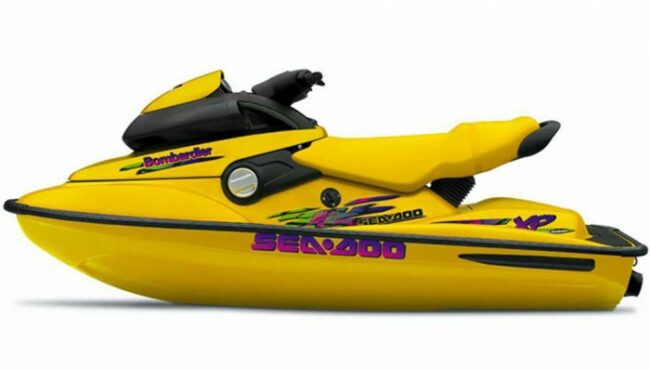
1997 Sea-Doo XP
By the time of its introduction, three previous generations of Sea-Doo had worn the XP name. Equally, a previous HX model had first debuted Sea-Doo’s articulated, suspended seat technology. Yet, it was the culmination of these features as well as the redesigned “dolphin-inspired” Coke bottle-shaped hull and deck that gave this particular Sea-Doo it’s iconic status. In fact, much of the XP’s styling carried well past its 2004 conclusion, continuing onto the 2004 RXP (and eventual RXP-X) all the way until 2011.
Many found the hull impressively responsive, fun, playful and most importantly, aggressive, leading to its strong presence on the race course. Moreover, the “Direct Action Suspension” worked to not only soak up shock but also compress during tight turns. Albeit a substantial 90-pounds heavier than its predecessor, its 110-horsepower 782cc engine was a direct carry-over.
2002 Kawasaki STX-R
Possibly the single-most important runabout ever built by Kawasaki, the STX-R was as close as a manufacturer got to selling a truly race-ready machine to the general public as possible. Powered by a 145-horsepower 1,176cc 3-cylinder engine (lifted from the Ultra 150) is fed by triple Keihin CDCV 40 carburetors and a single fuel pump, and features a water-jacketed exhaust system designed to separate cooling water from the expansion chamber, allowing exhaust gases to “flow dry and free from water vapor.”
This, all sitting in the belly of a hand-laid fiberglass hull (borrowing from the 1100 STX DI), the STX-R was stripped down and lightened for greater acceleration and aggressive “race-style” sponsons for more precise handling. All of this made the 2002 STX-R the fastest production-built watercraft on the market – rated conservatively at 63mph. The success of the STX-R has carried on to today – almost completely untouched – as the STX-15F, a testament to the craft’s hull design.
2002 Yamaha FX140
It had truly come down to the wire. Pressures from outside forces were squeezing the PWC industry to either clean up their act or shut down completely. Despite chirping from Honda that a 4-stroke watercraft was soon coming, Yamaha and Sea-Doo were in a neck-and-neck race to announce their 4-stroke runabout first. Both manufacturers learned of each other’s release date and scurried to unveil their 4-stroke watercraft on August 20th, 2001. Media were dumbfounded as to how to attend both events simultaneously.
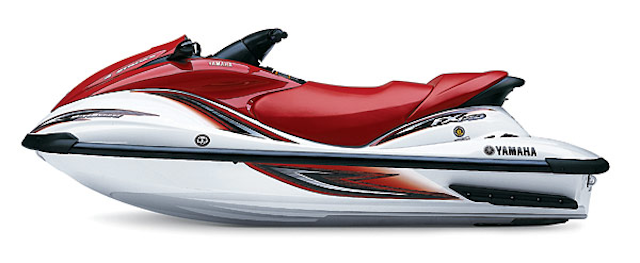
In the end, beating out Sea-Doo’s GTX 4-Tec by merely a month, the 2002 Yamaha FX140 was first to the market, claiming itself as first. The FX140’s MR-1 was initially based off Yamaha’s successful four-stroke R-1 motorcycle engine, and cut emissions by 75-percent over carbureted two-stroke models of similar horsepower (140). The MR-1 entered the market as a fuel-injected, water-cooled 4-cylinder with double overhead cams, 20 valves (five per cylinder) and independent water-jacketed exhaust manifolds.
2004 Sea-Doo RXP 215
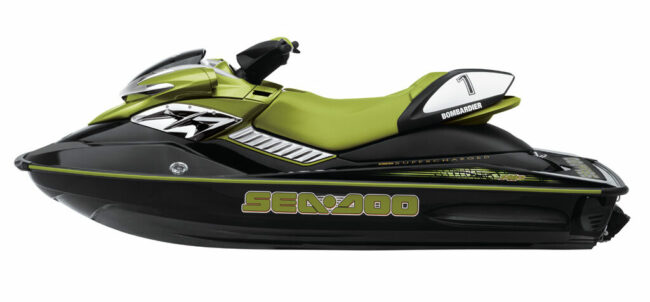
“It’s the first of the real muscle craft,” Greenhulk’s Jerry Gaddis admonished. Although the first supercharged 4-Tec 4-stroke belonged to the GTX SC, bumping the naturally-aspirated 155-horsepower up to 185 thanks to an increased 5-pounds of boost; Sea-Doo turned up the wick for the 2004 RXP. The increased boost pushed the all-new RXP above 200-ponies – a first for the industry – to 215. The two-seater configuration wasn’t fooling anyone, and an optional number plate cover was available shortly thereafter – squarely making it a one-seater.
With a 2.2-second 0-to-30mph acceleration time and a conservative 65.5mph top speed, the 2004 RXP was the catalyst that not only spurred the aftermarket to wholly accept digital fuel mapping, forced-induction and 4-stroke technologies otherwise ignored. This craft, covered in its Candy Apple livery, sparked the creation of the industry’s largest online forum (www.greenhulk.net) but modern PWC drag racing.
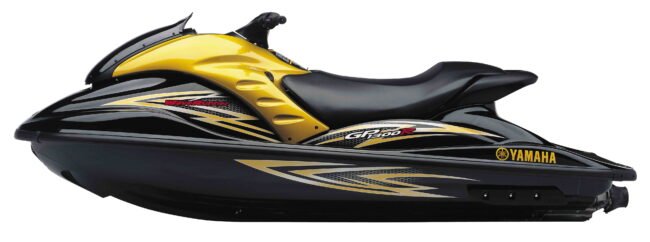
2007 Yamaha GP1300R
It was the end of an era. Marking 30 years since the first WaveRunner, the final 2-stroke Yamaha runabout was also one of its most terrifying. There were few watercraft more successful, more speed-hungry than the GP1300R. From 2003 to 2007, the GP1300R reigned as Yamaha’s nuclear option, raking in regional, national and world championships again and again. In fact, the legacy of the GP1300R continues today, not just in the modern GP now carrying its namesake, but also as a darling of aftermarket tuners.
To many, the hull resides atop the pantheon of the best designs from a factory. Slight changes marked the model years; 2003-04 made 165-horsepower and employed power valves. For 2005, power was increased to 170-horsepower and the power valves were dropped as well as welcoming a new jet pump. All were electronically fuel injected and came with bilge pumps. Although slightly heavier for its final year, the GP1300R still reached a GPS-reported top speed of 69-plus-mph.
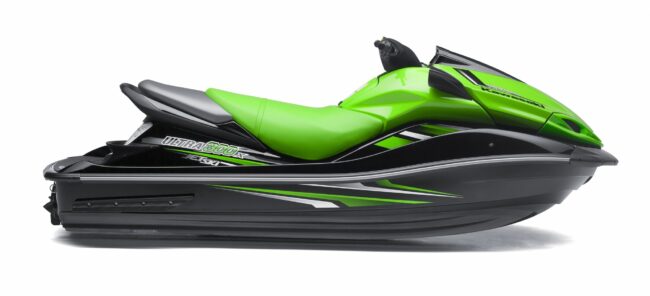
2011 Kawasaki Ultra 300X
There was a time when the phrase, “It’s Kawi water” was significant. When introduced in 2007, the redesigned Ultra JetSki wielded an industry-leading 250-horsepower and rode atop a truly deep-V hull that broke and bashed its way through waves like a Coast Guard Cutter. A brief horsepower-war ensued between Kawasaki and Sea-Doo, requiring the Big K to up the ante significantly for 2011. Kawasaki worked closely with Eaton to create a true TVS twin-screw, roots-style blower pumping out 17 psi of boost. That’s 54-percent more than was pressed down the throat of the 260-horsepower 260X engine a year earlier.
To produce a true 300-horsepower, the 1,493cc plant also gained new hardened valves, a stronger cam chain, a revised exhaust camshaft and a new double-row oil cooler. Add to that a new 160mm jet pump (replacing the previous 155mm pump) and a new intake grate. Oh yeah, and let’s not forget the 300X being Kawasaki’s first JetSki to feature electric jet nozzle trim control and a fly-by-wire throttle body.
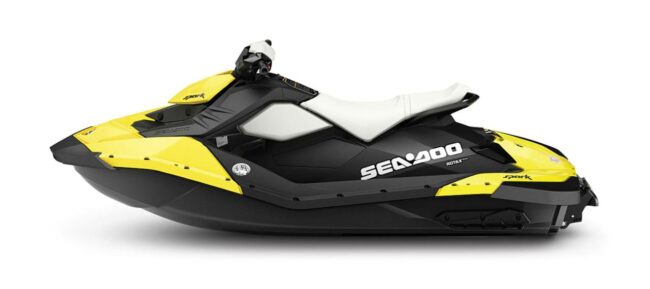
2014 Sea-Doo Spark
Perhaps to recent in our collective memory to truly be appreciated for what it is or the impact it has made on the PWC industry, the introduction of the Sea-Doo Spark in 2014 was a major watershed moment. Prior to the Spark, there was no such thing as the Rec-Lite segment. The Spark created that. Previously, the idea of a 90-horsepower, 400-pound 2-seater for $5,000 from the world’s largest manufacturer of PWC was unheard of.
Now, the Spark continues as one of the top 3-selling watercraft year-after-year, and almost exclusively responsible for ushering in a whole new demographic of first-time PWC buyers. Made from a lightweight proprietary PolyTec polymer composite and powered by a marinized Ski-Doo ACE 900 engine, the days of “two skis and a trailer for $10,000” were actually possible.
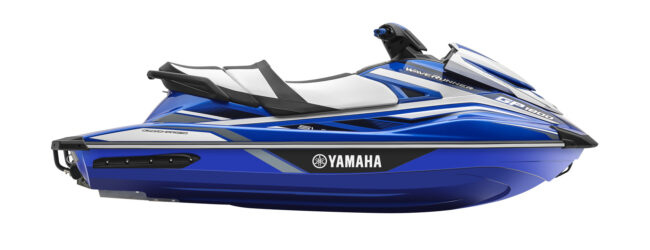
2017 Yamaha GP1800
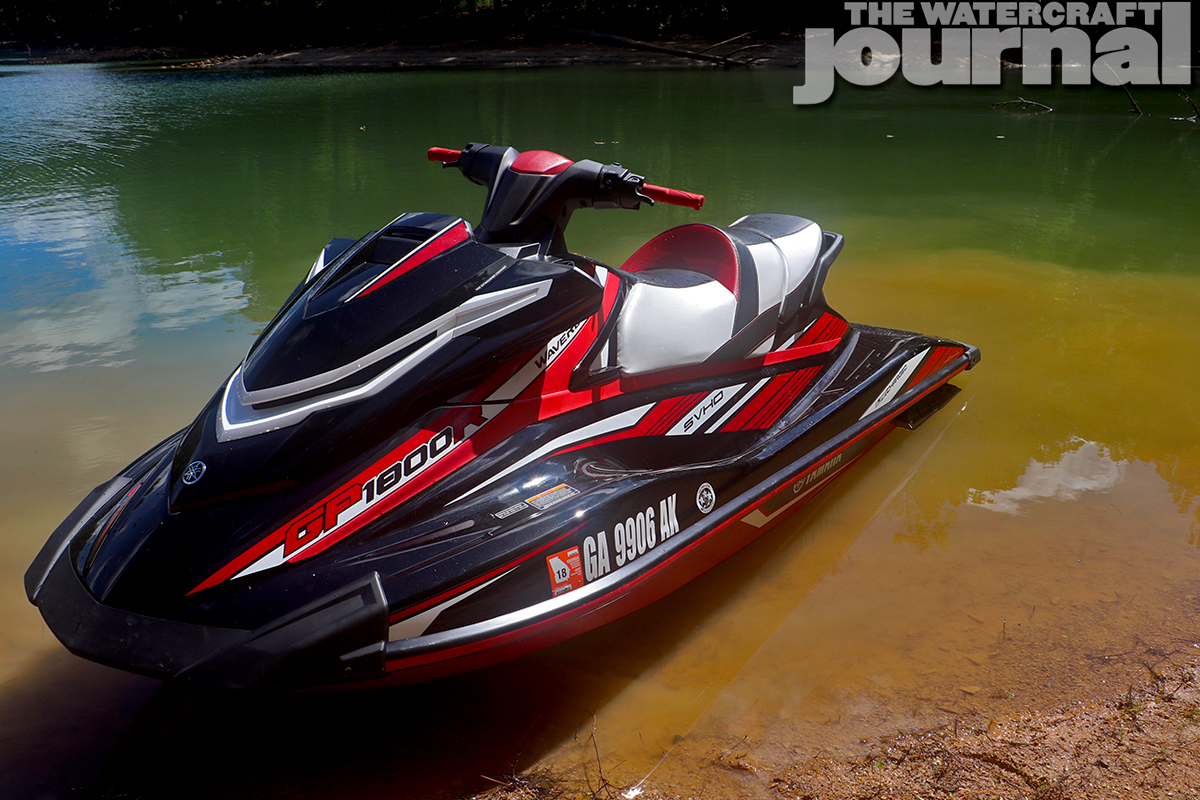
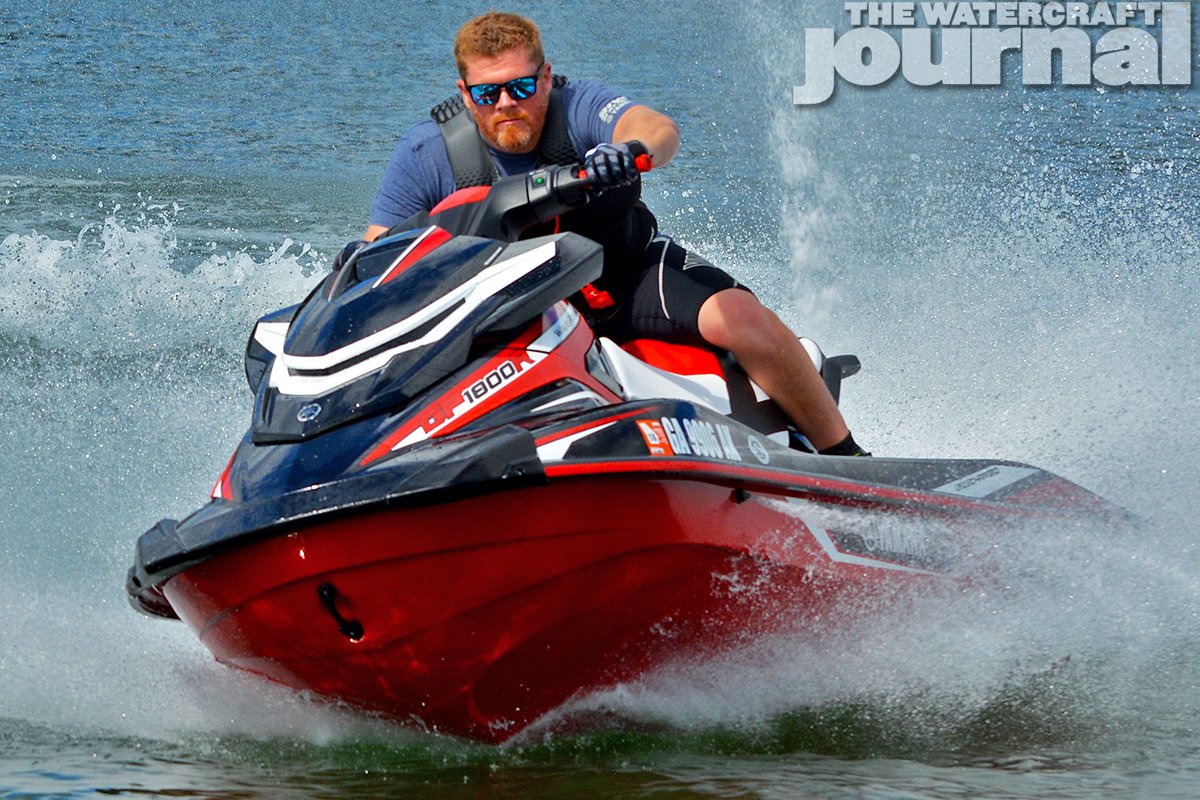
We at The Watercraft Journal have heaped quite a bit of praise upon the Yamaha GP1800 and now, GP1800R (the latter of which earning back-to-back Watercraft of The Year awards). Of course, no quantity of accolades from us could match the vast number of podium finishes and world titles that this ski has racked up in its short two-and-a-half years. Add to that, absolutely stellar sales (particularly for a supercharged performance ski), and the GP seems unstoppable.
The hull and platform was designed as a fail safe if the economy were to tank (again like in 2009); meaning all other segments would be shut down and this one hull would have to “do it all” until things got better. Amazingly, through the use of Yamaha’s NanoXcel2 paired with its 1.8L SVHO engine, it pretty much can. We haven’t seen all that the GP1800 can do on the race circuit or on the showroom either, as the new “R” is sure to give the this platform another strong 5-to-6 years.
The short answer is no. Not just no, but ugh, nooo.
Being an international publication, we’ve had to wise up on some various holidays and customs from across the globe; most notably Día de Los Inocentesor Day of The Innocents in English. The Spanish holiday, taking place every December 28th, is akin to the English-speaking April Fool’s Day, wherein the unsuspecting are tricked into believing one thing or another. We at The Watercraft Journal are very fond of April Fool’s and have a long-standing traditionoof publishing a prank article annually. We try to lace each one with plenty of clues or obvious giveaways, but there’s always a few who take the bait hook, line and sinker.
For this year’s Dia de Los Inocentes, Spanish jet ski enthusiast group Motos de Agua was back at its tricks with a post that surprisingly fooled quite a few people across the globe and gained significant traction on social media. It stated:
Confirmed! Tesla Motors has just presented its first 100% electric water bikes, which will begin to market at the end of February 2019 in the USA and Europe, with a power of 260 HP and 18-hour autonomy navigation! Its maximum speed is estimated at about 86 knots [98.9mph] and with an amazing acceleration. It will also include all kinds of technological innovation never seen on a water bike, as a Tesla identity label. The price round the 24.000 € [$27,454 USD], nothing expensive given its benefits! Tomorrow will publish the website to start the pre-booking of these water bikes.
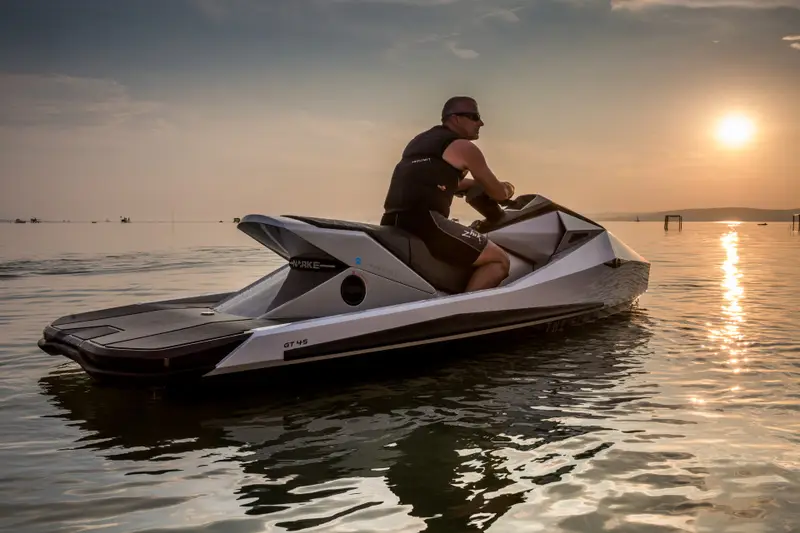
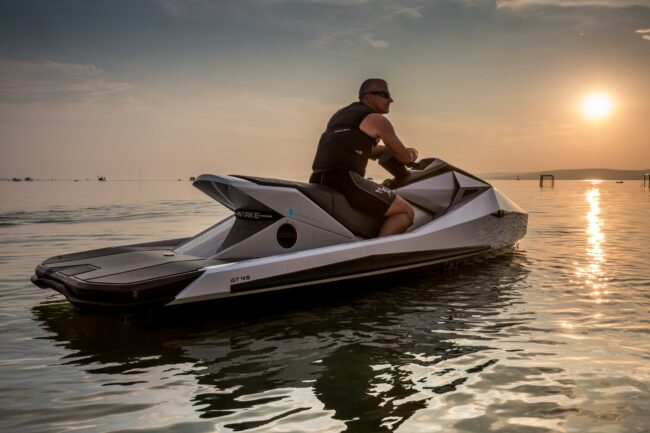
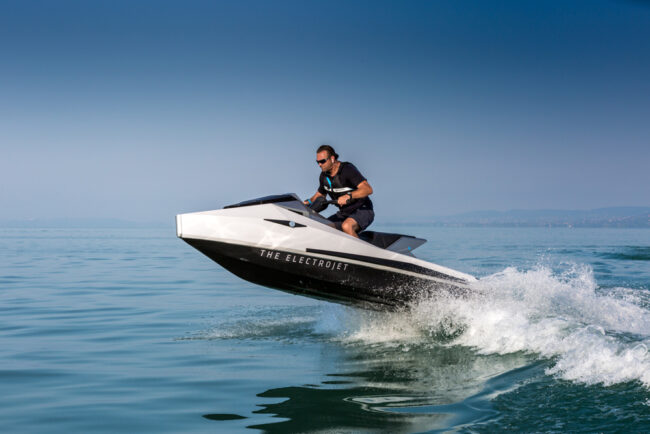
It’s important to consider a few factors before believing a claim. First, the absolutely absurd claim of an American company producing a USCG-legal 99 mile-per-hour personal watercraft is beyond the pale of believably. The second obviously red flag is the claim of an 18-hour charge duration. A claim that even exceeds the current Tesla automobiles. Interestingly enough, the images that Motos de Agua chose to use were of Hungarian Narke’s ElectroJet, a true zero-emissions, electric personal watercraft that we at The Watercraft Journal have been following for quite some time. In fact, it was due to our consistent coverage of Narke’s ongoing development that several knew that the Tesla post was a fake. You’re welcome…
What we find most hilarious is that Motos de Agua listed their imaginary Tesla model almost exactly half of the listed MSRP for the ElectroJet (listed at $49,955). Add to the irony that the true Narke maxes out at 34-miles-per-hour, and you’ve got a dream ski that triples the true top speed for half of the cost! Sadly, the 13-foot, 2-inch Narke is laden with a watercooled, zero-emission electric powertrain pushing the scales at 827-pounds. Interest in an electric PWC has swirled for years, and Narke’s ElectroJet is one of many functioning prototypes to reach near-commercial production. We hope to see it reach the States, wherein we’ll see if such a vehicle has what it takes to appeal to the world’s largest audience.
A word of caution: there hasn’t been a worse mix of gorgeous scenery and absolutely earsplitting garbage music than what you’ll see in the video below. In a partnership with National Geographic Adventure and Alaska Photoventures, this wonder-filled video only teases at the larger, full-length video aired on the NatGeo channel. (We’ve also seen that the full-length video is available for those with Amazon Prime streaming, but have yet to personally find it. Happy hunting!)
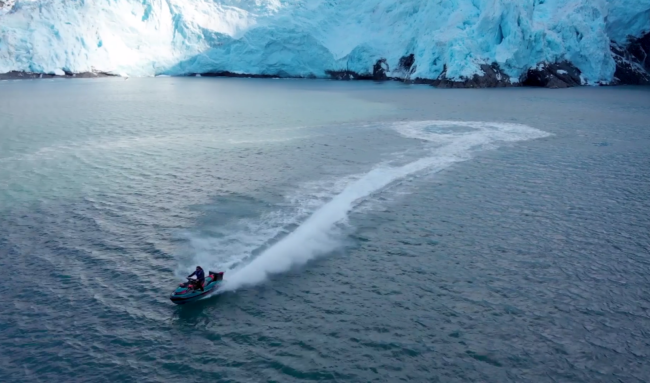
To be completely understated, the unmolested nature of the Alaskan coastline is only something that few have witnessed in person – especially via personal watercraft. Emmy nominated filmmaker and adventure photographer Dan Redfield joined fellow Alaskan native and hilarious mustache aficionado Lee Blough to tour the coastline of Blackstone Bay, to explore the massive glacial formations and take in only a fraction of the beauty that was available to them.
Beginning from Whittier, the two ventured northeast to film the massive sheer rock walls and waterfalls before stopping by a nearby beach. From there, they circled further east to Surprise Cove where they were met with turquoise waters and rocky shorelines. Aboard this 2018 Sea-Doo Wake Pro 230, Dan and Lee continued into Blackstone Bay where they were met with the vast glacial wall. Watch it for yourself below:
There’s a bit of a conundrum when it comes to international jet ski racing series. Most folks in the US just don’t seem to care. While the rest of the world might dismiss this fact, it bears noting that the United States of America is the single-largest market for PWC sales in the world. And within that market, Florida is understandably, the largest market within the US. So if you’re a promoter looking to access the largest quantity of spectators and riding talent, beginning in Florida is a safe move. That’s where the USJBSA was born (which later became the IJSBA). And it’s where P1 took its AquaX series.
Recently, UIM-ABP Aquabike World Championship held its Grand Prix of Sharjah. For those unaware, UIM (Union Internationale Motonautique) claims itself as the “world governing body” of PWC racing. They’ve gone so far as to petition, apply and finally be recognized by the International Olympic Committee (IOC) and is a member of the Association of the IOC Recognized International Sports Federations (ARISF). Heck, the UIM has even signed a Cooperation Agreement with the United Nations Environment Program (UNEP) to “further its range of environmental initiatives.”
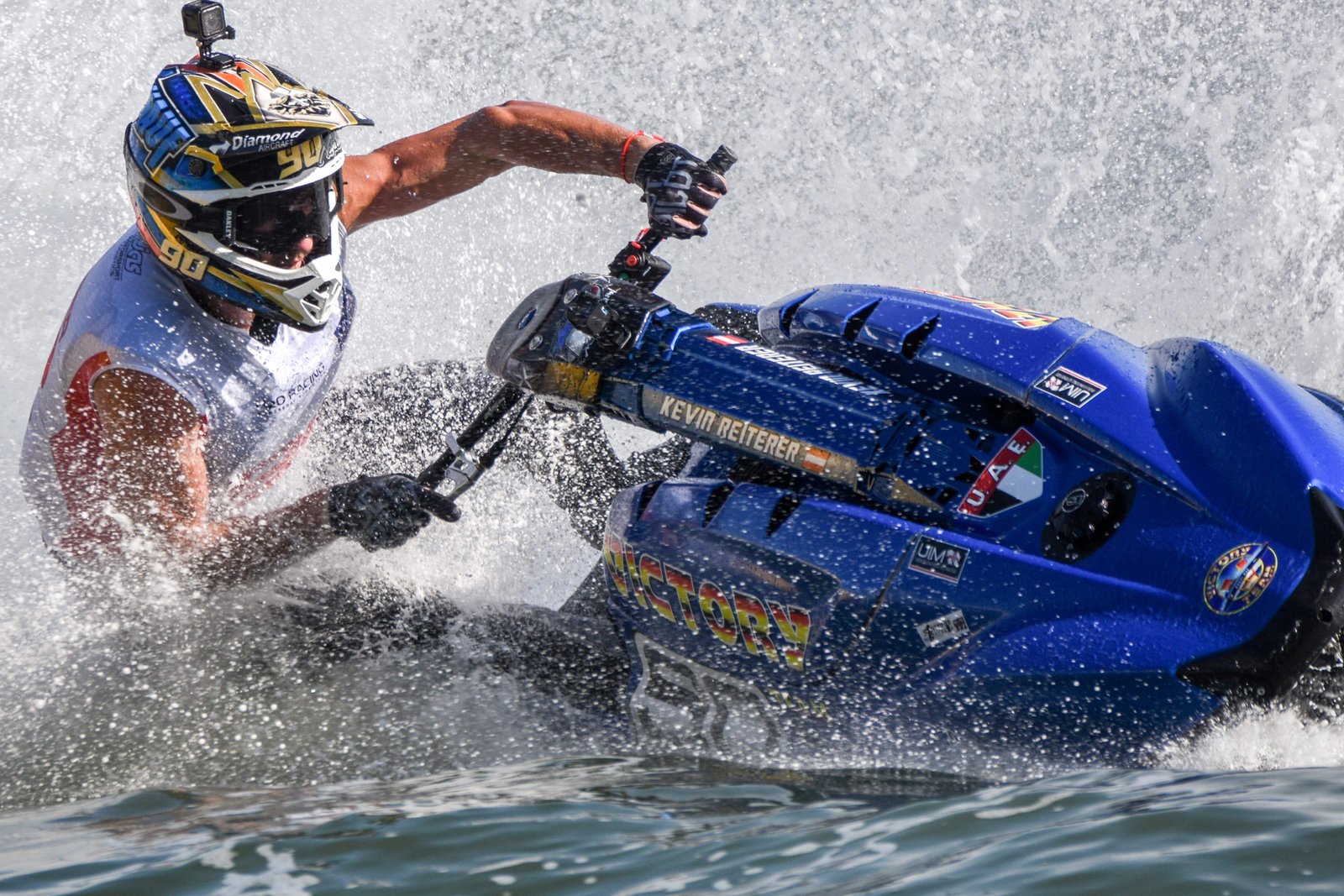
If that means anything to you and you’re still reading this, Austrian Kevin Reiterer, one of the most talented and practiced professional ski racers on the globe, took home his second UIM-ABP Aquabike World Championship, beating out a field of international racers whom most Americans have never heard of. Here’s the original press release:
Victory Team’s Kevin Reiterer was once again in a class of his own with a faultless performance in today’s final moto in Ski GP1 to win the Grand Prix of Sharjah and seal his second UIM-ABP Aquabike World Championship.
Second place went to outgoing champion Quinten Bossche to end the year in third overall, with Raphael Maurin taking second overall in the Grand Prix and overall world championship standings, finishing in third, the final place on the Grand Prix podium going to Anders Keller.
We’re still waiting for our comprehensive coverage from Thailand, there’s still big news coming from the King’s Cup. Recently, the IJSBA announced that a new system will be established to award a new International Rider title during the 2019 King’s Cup event. There’s still quite a few details left to has out but the announcement will work to shoehorn an IJBSA presence into the wildly popular one-time international PWC event.
Here’s the original press release: IJSBA is pleased to announce the creation of a new ranking system and title that will be bestowed to a select few divisions of competitors at the 2019 King’s Cup. The title will be based upon a series of events leading up to the 2019 King’s Cup where competitors, in individual categories, will be given a points system that accumulates through various competitions in: North America, South America, Asia, Europe, and Oceania.
Of the several meetings held at the 2018 Kings Cup, the request to develop this end of the calendar year award was regularly seen as a priority. This new ranking system, which intends to acknowledge competitors who challenge IJSBA Sanctioned Races on at least three continents per season, will be measured by a system that takes into account the needs and opportunities of competitors in all of the global regions for consistency.
Please visit IJSBA.com over the next coming weeks as the formula for the ranking is presented in the first draft for comment.
Remember when all jet skiers wore Oakley Razor Blades? Back in the 1980s and throughout much of the 1990’s, Razor Blades were almost mandatory. The brightly hued single-piece lens, splatter-paint neon frames and matching nose piece were just so…so…1990s. Brandishing these bad boys and a pair of shorty OP swim trunks was a quick way to score yourself a Kelly LeBrock lookalike over a couple Bahama Mamas at Señor Frogs.
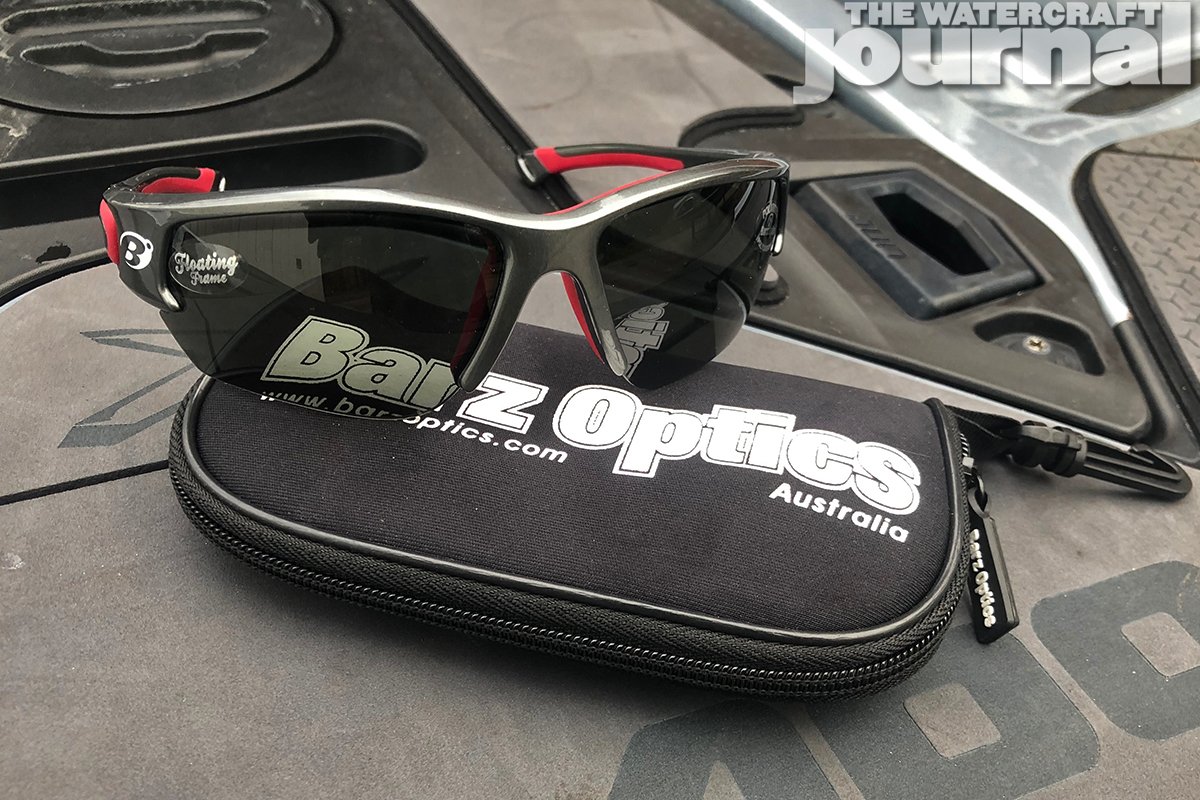
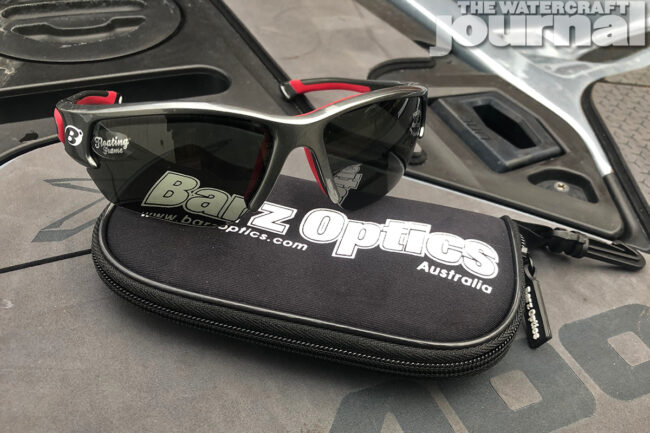
While Barz Optics’ Cabo Polycarbonate Polarized sunglasses won’t take you back to the heydays of 1992, they do carry enough stylized DNA to tickle your nostalgia itch, all while offering you far better protection, comfort and features than those old retro Oakleys could ever dish out (and for a fraction of the cost, no less).
While the Cabo frames come available matte carbon fibre, matte white with blue temples or matte black with grey temples, ours were a little special. The Cabos we were provided came in Barz Optics’ gloss grey and red floating frames with grey polycarbonate polarized lenses. (Grey mirror, grey or amber are lens color choices.)
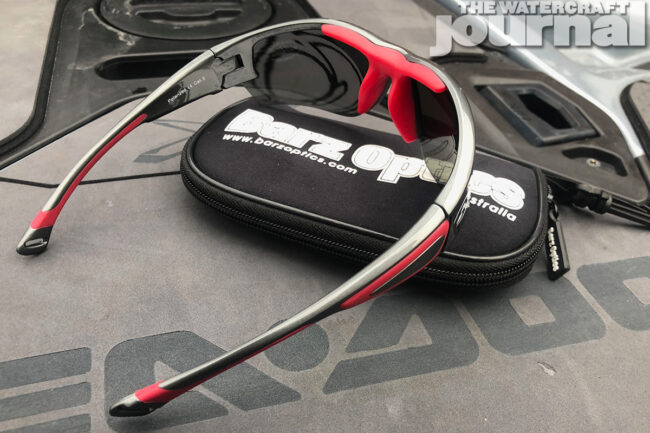
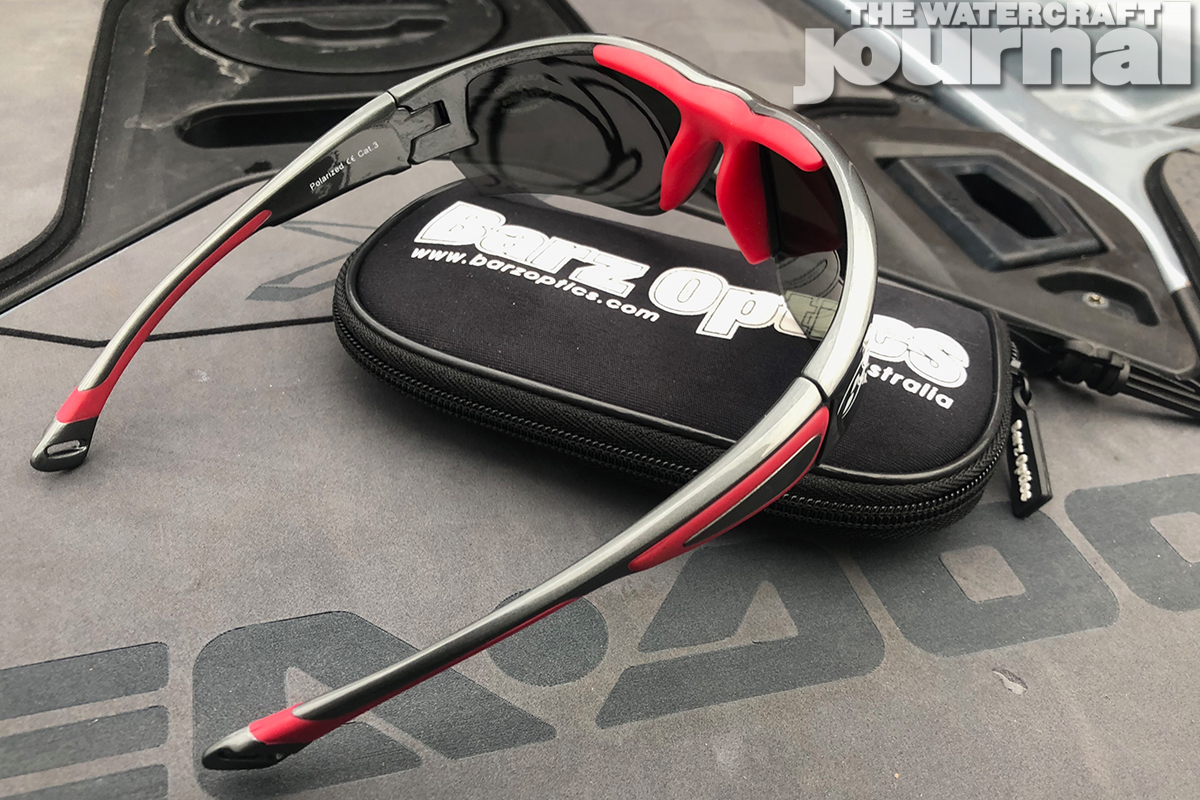
Interestingly, Barz Optics also has a second lens size. As they describe, “one to fit Caucasian face shapes and one that is shallower ‘low profile’ to fit Asian face shapes.” The “wrap” style is frameless on the bottom, similar to those “old school” Razor Blades from 30 years ago. All frames feature non-slip temples and nose piece.
We had the chance to wear the Cabos several times over the tail end of Summer and into our Fall riding. The lenses are singularly the Barz Optics’ best feature, as they’re durable and offer superior polarization on particularly sunny days. The frames felt natural and hugged our face comfortably (credit to the large pad for the nose and brow), but felt a little heavy at times, as the thick arms encased the floating foam.
In our floating test, they don’t break the surface but reside just below, which can be an issue with darker-colored frames. We did particularly like the lanyard loops pre-molded into the arms. It’s a small detail that many would overlook. We didn’t. We also liked the supplied semi-rigid neoprene case and retainer that came with each pair.
So yeah, you can still purchase a new set of ‘Blades from Oakley, but from their “Heritage” collection and for no less than $300 a pop. They don’t have the features of the Cabo Polycarbonate Polarized sunglasses do, or do they float either. Plus, the Cabos come in at $170, far below the cost of your need for nostalgia. We say ditch the Oaks’ and the Magnum P.I. shorts and grab a pair of Cabo’s from Barz Optics instead.
Few racers are enjoying a better streak of domination than Eric Lagopoulos. Eric made the change to Yamaha a little less than two years ago, and is not looking back. Opting to pursue glory in the smaller-displacement classes, the Sarasota, Florida native competed in the Pro Am Superstock 1100, IROC and 1100 classes at the 2018 IJSBA World Finals, Pro Watercross World Championships and the P1 AquaX Pro Series in Chicago, IL, respectively.
Piloting a Yamaha VX Sport and a EX Deluxe, Eric proved to the world what potential is buried in Yamaha’s Rec-LIte and Recreation lines. But this wasn’t too surprising to the folks at RIVA Racing and Kommander Industries. Eric paired with the two world class tuners to develop an insane 71mph turbo kit and MaptunerX combination that put him ahead of the pack.
Beginning with a Kommander TR-1 turbo kit, RIVA got to work with its MaptunerX to include both antilag and launch control. Being force-fed an undisclosed amount of boost, the EX’s ECU is remapped to use the OEM SVHO injectors and map sensor. Interestingly, a special Skat-Trak jet pump was also developed to put all of that newfound horsepower through the prop. See this wicked machine in action below:
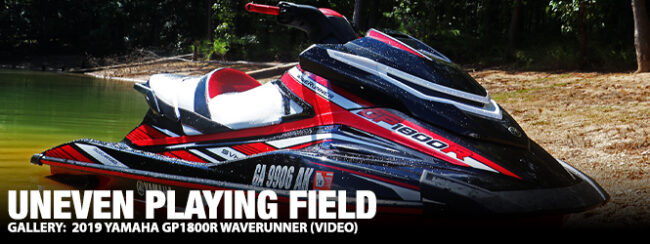
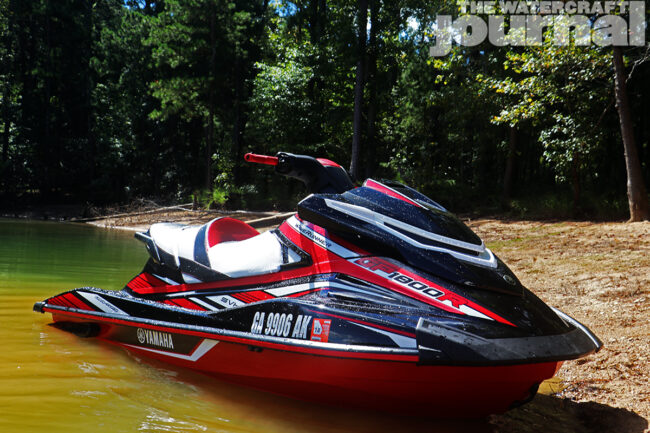
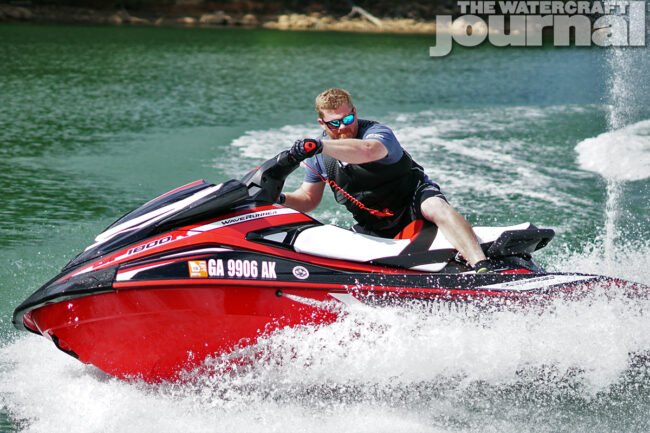
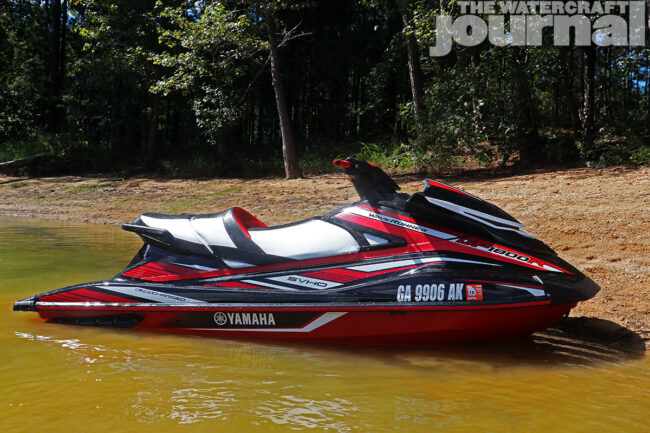
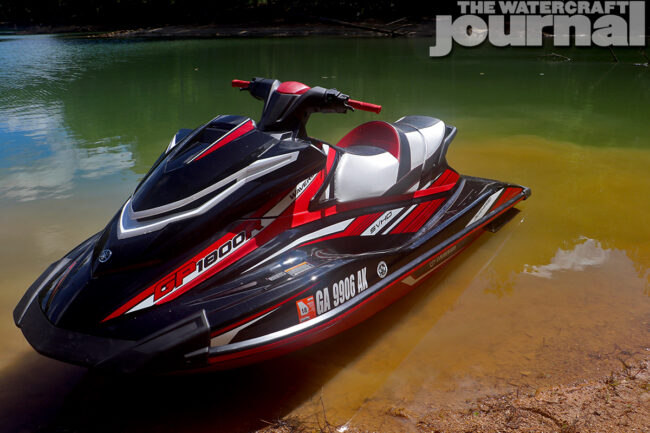
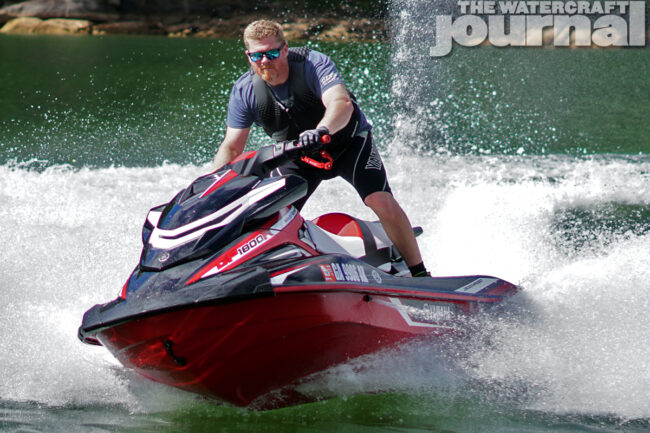
I have come to the conclusion that the 2019 Yamaha GP1800R WaveRunner – much like the two years of the GP1800 that preceded it – is far too much of a machine for most people. Now, don’t get me wrong. There are plenty who think that they’re experienced enough, physically fit enough or “hardcore” enough to wring every last ounce of enjoyment out of the new GP1800R. They’re sure of it, just like an overconfident contestant strutting onto the stage of a talent show. They’ve been told by their friends and family that, yes, their talent and skill is above and beyond the norm.
Then comes someone or something that reveals how truly unpolished, untalented or unfit they truly are. No, the judges say, you can’t hit the notes like Whitney Houston. Sorry, but your friends were wrong. You’re not that good. And like those judges, the GP1800R is exactly the watercraft to provide the sobering revelation that no, you can’t ride like Chris MacClugage. That no, you’re not as “extreme” as you thought you were. The GP1800R will humble you. It is the equalizer. The leveler. It brings balance back to the Force.
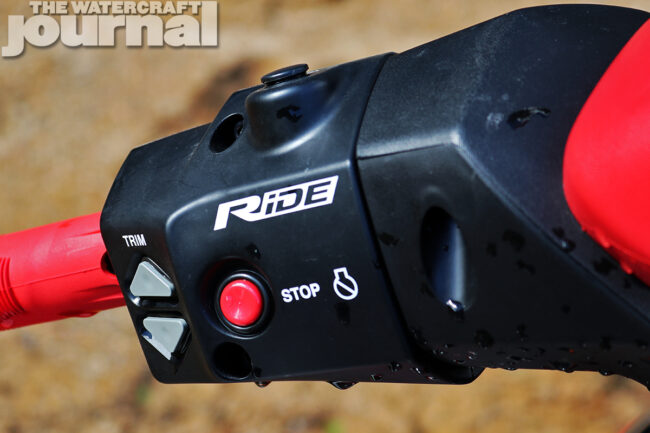
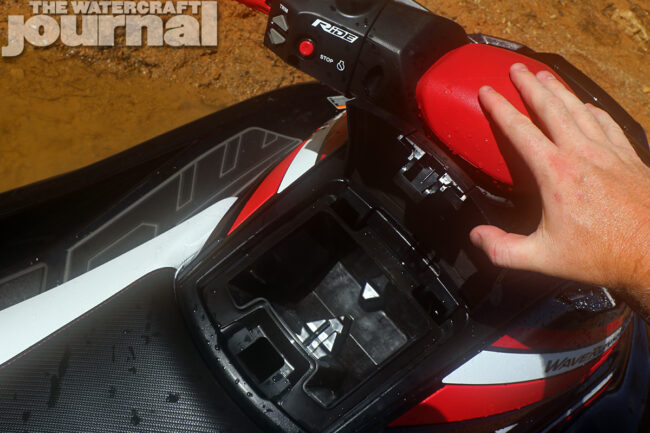
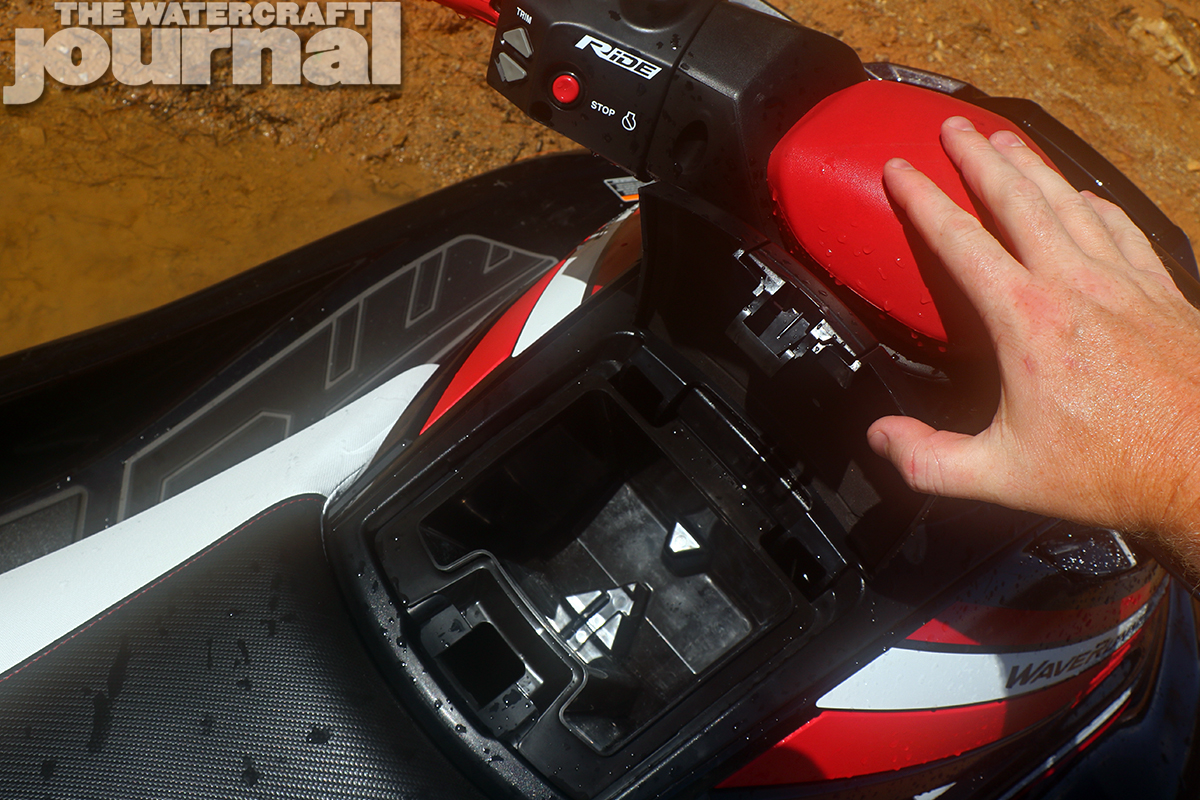
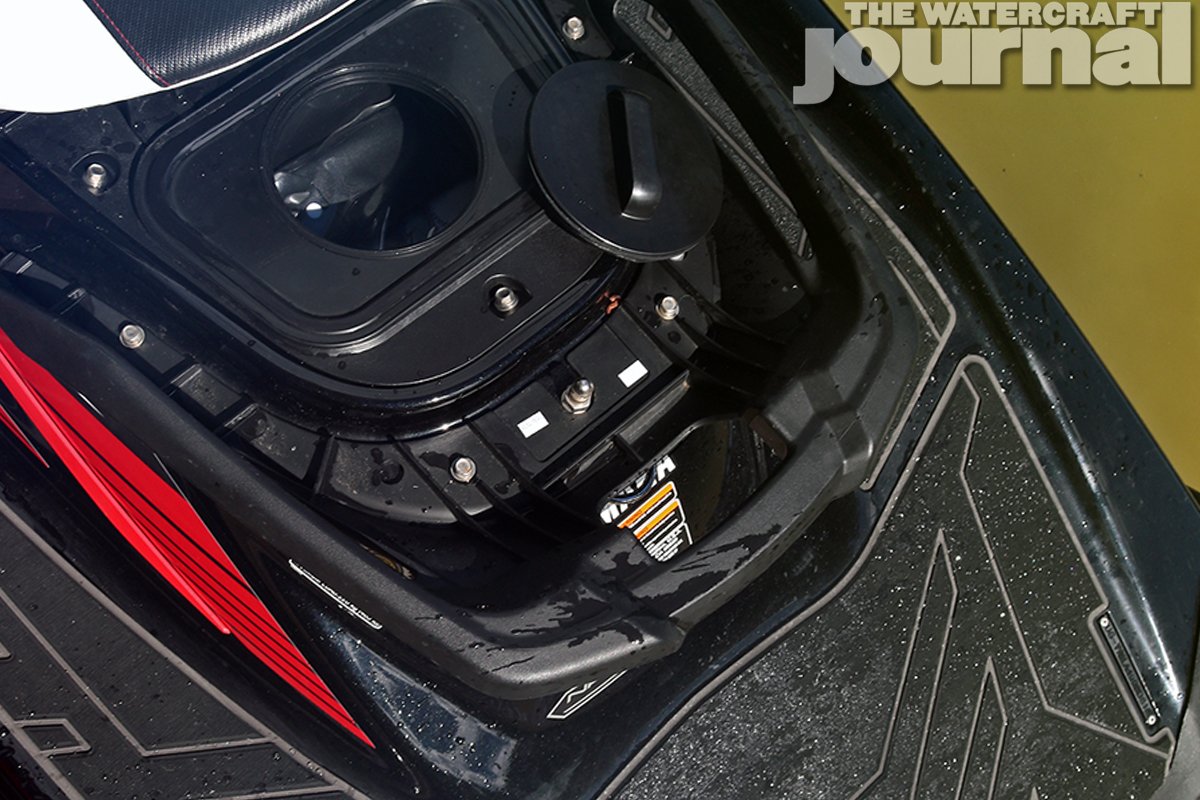
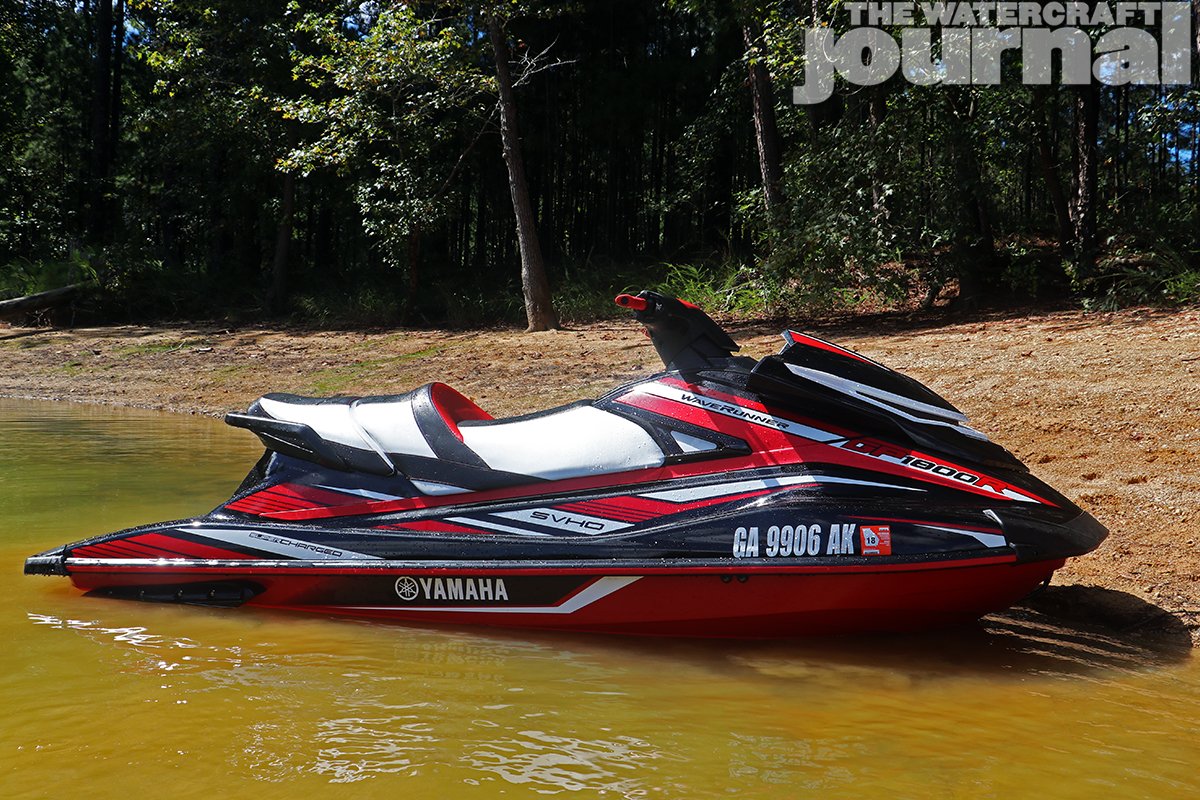
Yamaha’s 769-pound, centrifugally-supercharged SVHO powered runabout is a stripped-down, factory-built race ski. There are very few “frills” – if they can even be called that. The intuitive dual-throttle RiDE on-water brake and reverse system, electric trim control, a folding swim step and some pretty cool two-tone Hydro-Turf mats are pretty much it. The GP1800R is not some heavy, cushy cruiser. If you want something to soak up the bumps over a nice, leisurely ride, Yamaha literally sells three different WaveRunners with the word “Cruiser” in their name.
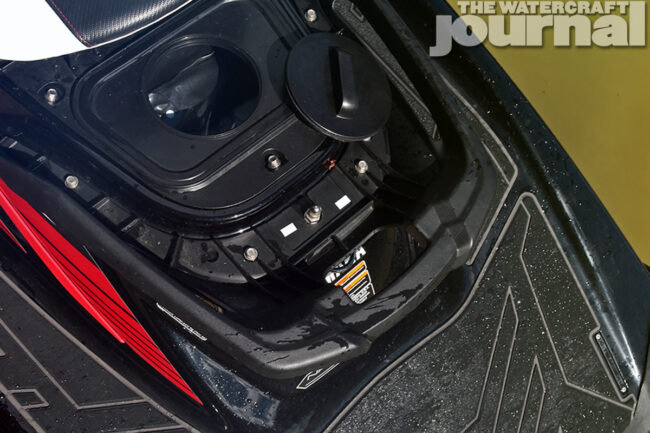
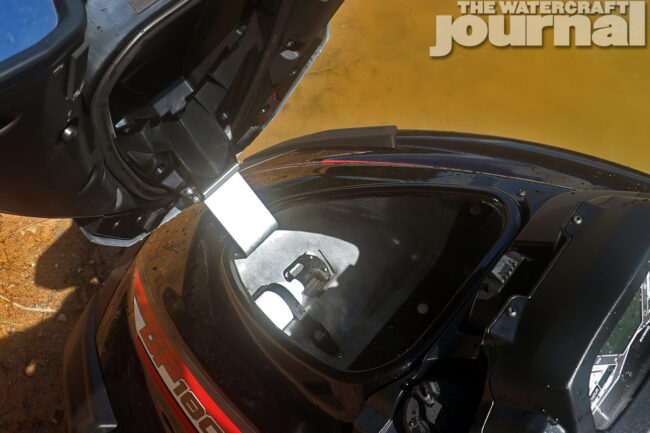
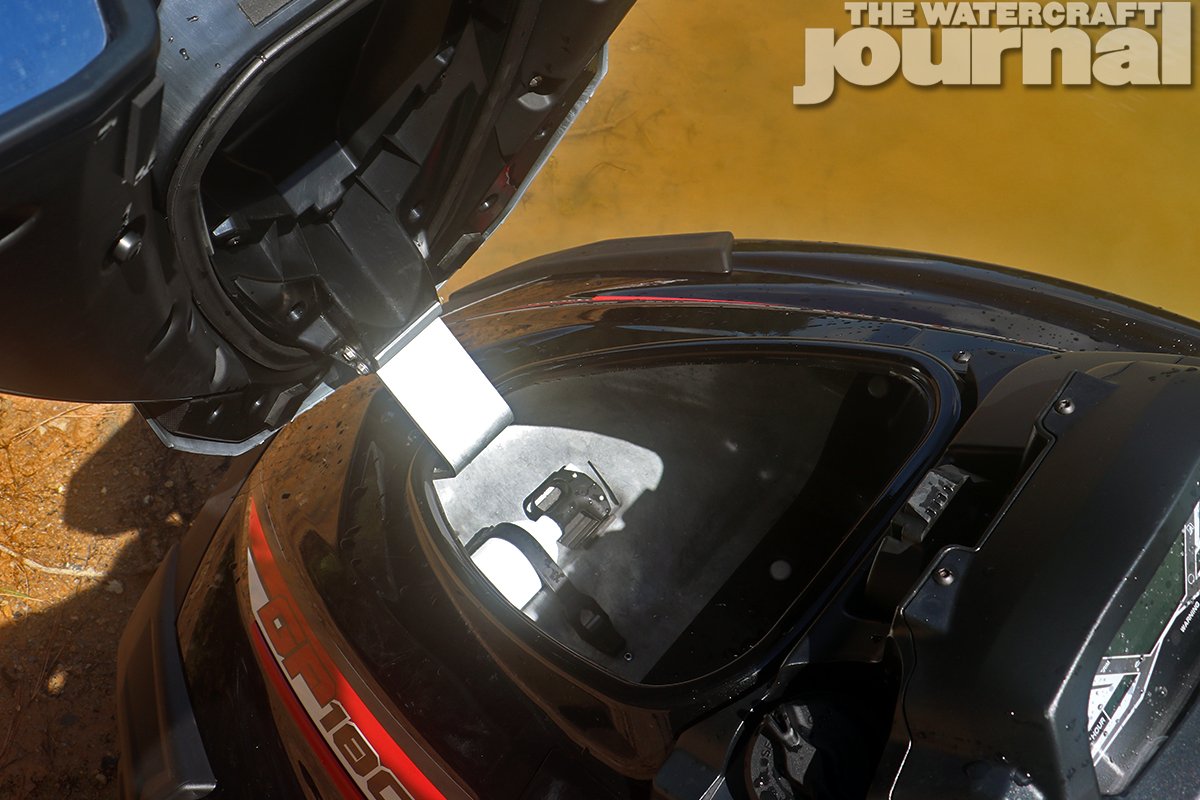
Now yes, I guess you could cruise the GP1800R if you really wanted to. You could even tow the kid on a raft behind it thanks to a standard tow eye and 3-passenger rating. And yes, the 18.5-gallon fuel cell and 24.6-gallons of storage gives you plenty of capacity to load up enough go-juice and gear for a full day’s ride. But then you’re really not using this machine for its intended purpose – like welding a trailer hitch to the back of a ZR1 Corvette or hitching a plow to a racehorse. The GP1800R is a race ski after all. It was built for maximum performance. Don’t confuse it for anything but.
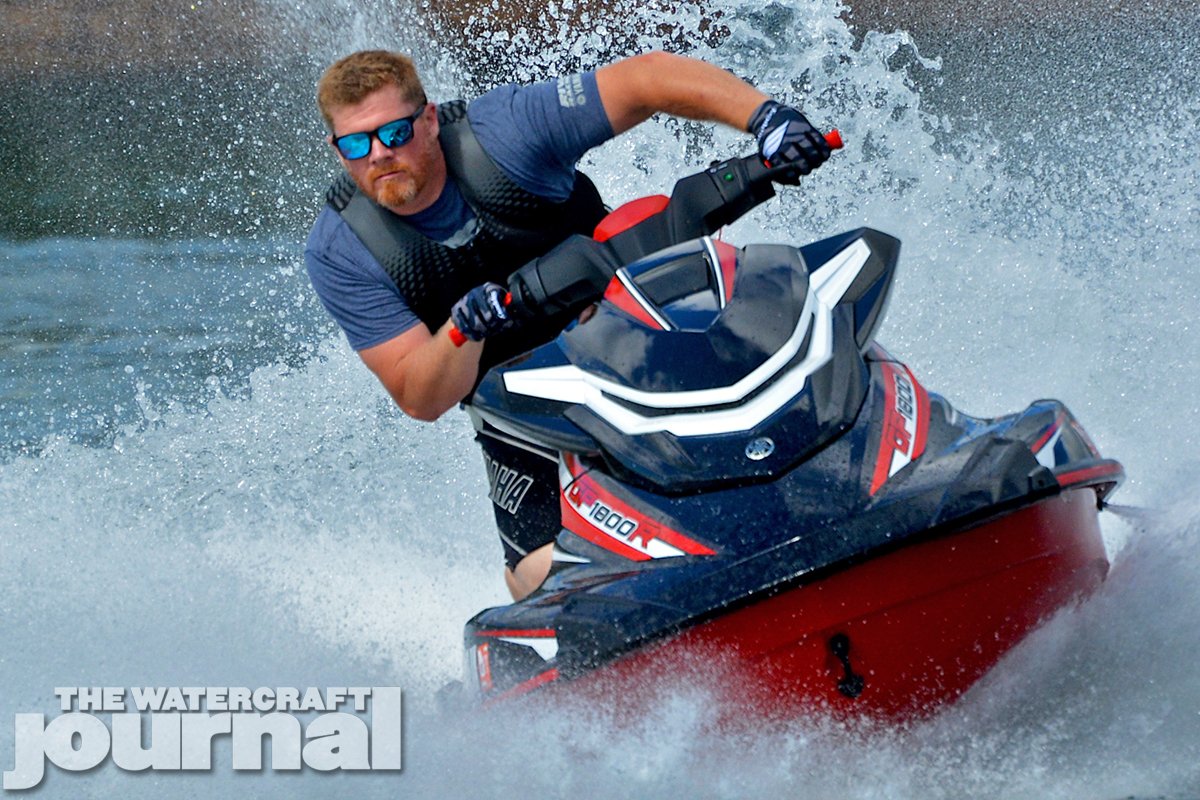
No current machine can equal it either around the closed course or out in the open ocean. Two years of regional, national and world championships can back this claim. The world’s top athletes are unstoppable on the GP1800 (and now the GP1800R), and the evidence is simply too overwhelming to combat. And being a professional racer doesn’t matter; few craft respond better to the rider’s natural talent and athleticism than the GP1800, or punishes for the rider’s lack thereof.
Similarly, there are few machines more responsive to aftermarket tuning and modification than the GP1800R. While companies like RIVA Racing, WORX and Greenhulk would like to sell you several thousands of dollars in performance parts, it’ll cost you about $1,200 to hit 81 miles per hour on 93 octane pump gas reliably. And we mean 81mph all day long. Want to see 85? It’ll cost you a little less than double that number. (Remember when hitting 80mph used to cost about $10,000?) And priced at $14,199, the $200 price jump from last year’s $13,999 doesn’t even cover half the cost up upgrading an old GP1800 to an “R”, so there’s that too.
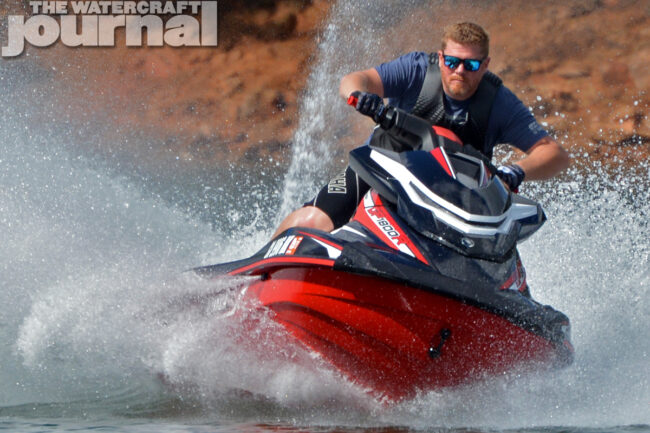
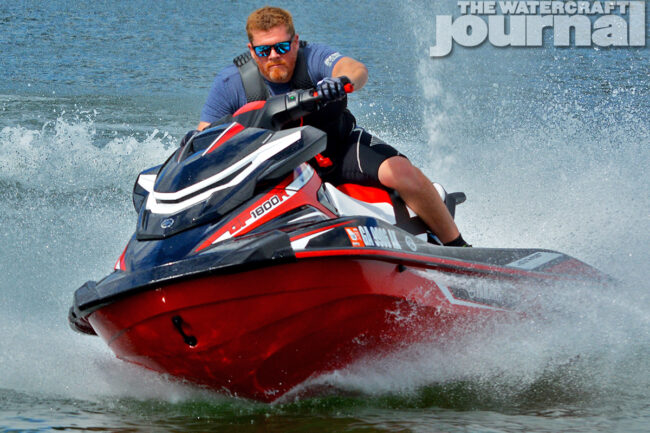
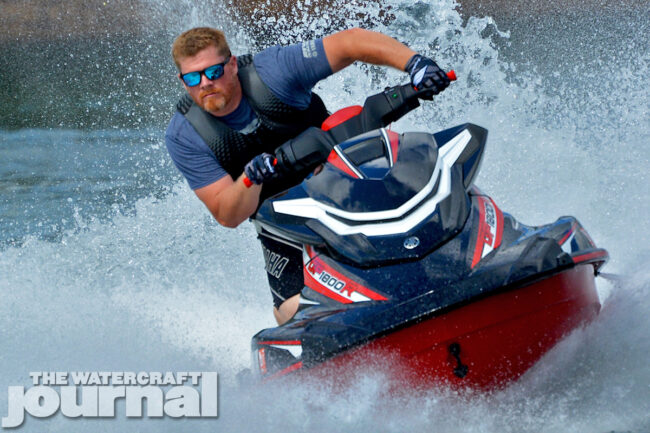
At three-quarter-or-more throttle, the GP1800R tracks through chop sniper-straight, streaking over the surface linearly. In conjunction with very intuitive, responsive steering, it’s aquatic adhesion is accomplished by the addition of a sharply-angled top loader intake grate. The grate’s pitched blade forcing the intake flow up against the ceiling of the pump tunnel, feeding the top of the prop, producing consistent thrust and increased traction. New reinforcements to the inside of the pump tunnel also add increased strength.
A new aftermarket-inspired, bow-rise reducing ride plate keeps the GP1800R brutally hooked, whether carving glass or maneuvering through grueling open ocean at speed, and far more reliably than any runabout I’ve ever seen from the Yamaha Motor Corp., USA. The experience of wide-open-throttle riding in such conditions is not for the faint of heart or the feeble of hull design. A lesser shape can result in erratic or unpredictable tracking, bow steering or nose plowing. Never so with the GP1800R.
Despite this, I’m interrogated with, “how does it handle?” It’s a race ski, I reply. Or “how is it in chop?” It’s a race ski. And “how does it…” It’s a race ski! The GP1800R’s featherweight NanoXcel2 hull and deck are strong, ever-so-slightly forgiving but more importantly, communicative. You will know through your feet and hands what is happening beneath you. For the casual rider, that can become irksome. To the performance enthusiast, that trait is imperative. Let me give an illustration:
Years ago, I was able to drive a 800-horsepower Dodge Viper ACR. At first, I was appalled at how the American Club Racer (ACR) drove. It bounced ferociously across the road, it’s stiff springs chattering over every rise and dip in the asphalt. My first response was to hate it. But as I drove out onto the open track, everything made sense. The rigid suspension and “twitchy” steering became natural, communicating how the Viper wanted to maneuver. When driven right, it was perfect. Frankly, I wasn’t as good of a driver as I thought I was. The Viper ACR revealed that to me.
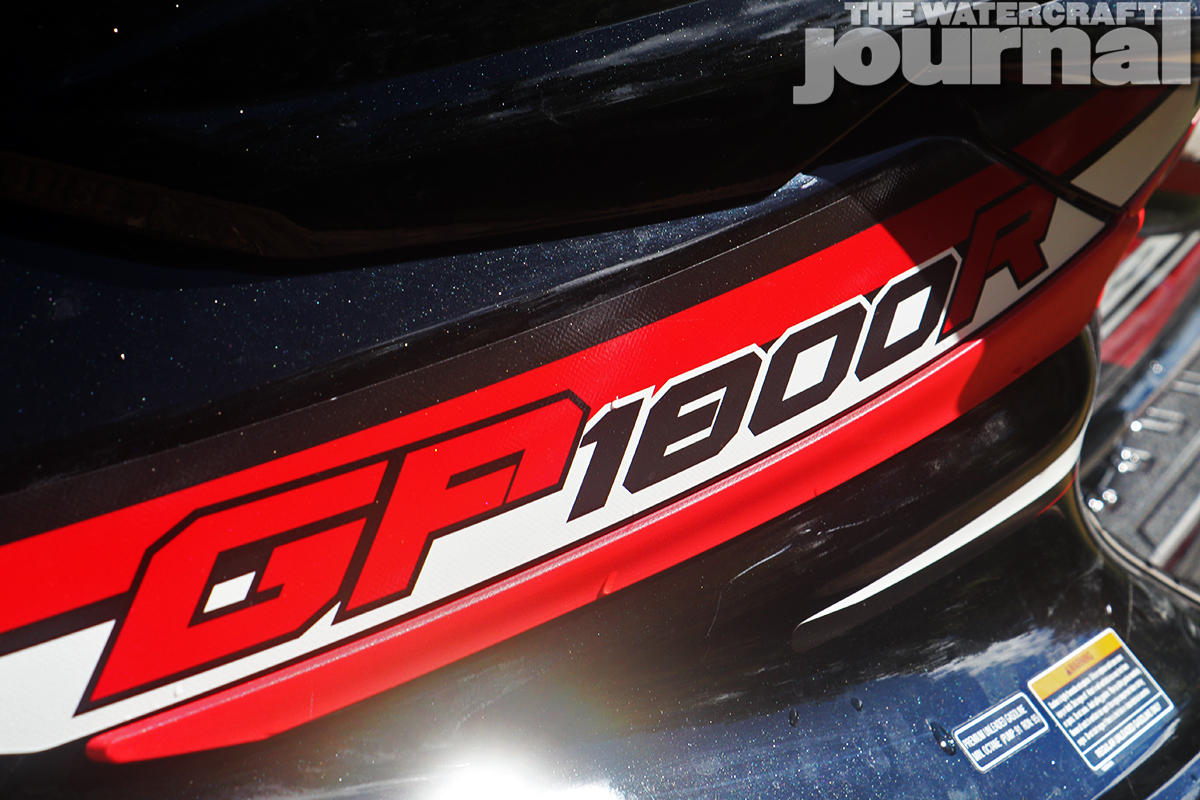
So no, I’ll say right now that the GP1800R is not for everyone. Admittedly, I may have played a part in confusing folks, as our crowning the 2018 GP1800 the “Watercraft of The Year” (for its second consecutive year) got many thinking it was the best “all around” PWC. Not so. We awarded it as “Watercraft of The Year” because it best accomplishes what Yamaha set out to do – and that was to build a true factory-built, 69.2 Garmin GPS-confirmed mile-per-hour race-ready ski.
Alas articles like these are supposed to whip up would-be buyers and set ’em loose in the direction of the nearest dealership to be welcomed by a friendly sales staff and promptly sold whichever watercraft I am currently reviewing. That’s what I’m supposed to do. Instead, I’m hoping to steer folks towards the ski that best suits their riding ability and intended use, which may or may not be a GP1800R. Of course, most will ignore my pleas, will merely scan this for exciting pictures and decide whether they want their new 2019 Yamaha GP1800R WaveRunner in Azure Blue with White or Black with Torch Red Metallic. And that’s OK too.