They say that “opportunity only knocks once,” so you better be ready to open up when it does. In celebration of the new 2016 models coming out and in coming out of the first US boat show of the year (the Progressive Insurance Nashville Boat & Sport Show), Middle Tennessee’s leading family of sports and watercraft dealerships America’s Motor Sports – has just announced some unprecedented savings. AMS is offering the general public the same hugely discounted prices on all available “non-current” (ie. 2015 and older) models – carrying over the special boat show prices for the entire month.
AMS just provided us an entire list of their “non-current” inventory. Not only have they provided the manufacturer’s suggested price (MSRP), but the discounted rate along with a calculation of the overall savings. There’s more than a handful of Sparks in a variety of trim levels, several Wake 155 and 215 Pro models, as well as some high performance GTR, GTX and RXT-X units as well, for those looking to pick up a supercharged machine this season too. Heck, AMS even listed a bunch of discounted trailer prices if you’re needing something to haul your new Sea-Doos with. These are some serious deals on brand new watercraft. Opportunity is knocking.
Prices do not include trailers:
Single Spark • $699
Single Full Size • $799 (add $100 for galvanized)
Double Spark • $1,499 (add $200 for galvanized)
Double Full Size • $1,799 (add $200 for galvanized)
All Sea-Doos purchased qualify for the 3-year limited warranty coverage (1 year plus 2 years).
Deposit of $500 per units is required for all boat show deals
Sure, it might be a little cold outside but that doesn’t mean you can’t plan a month or two into the future when warmer breezes and hot sand will be all the norm. With lots of races, club events and group rides scheduled to kick off earlier than normal this year, we’re excited to share the good news when it happens. Of course, Florida is a little immune to the ebbs and floes of the seasonal cycle, so those of you lucky enough to reside in the Sunshine State can take advantage all year ’round.
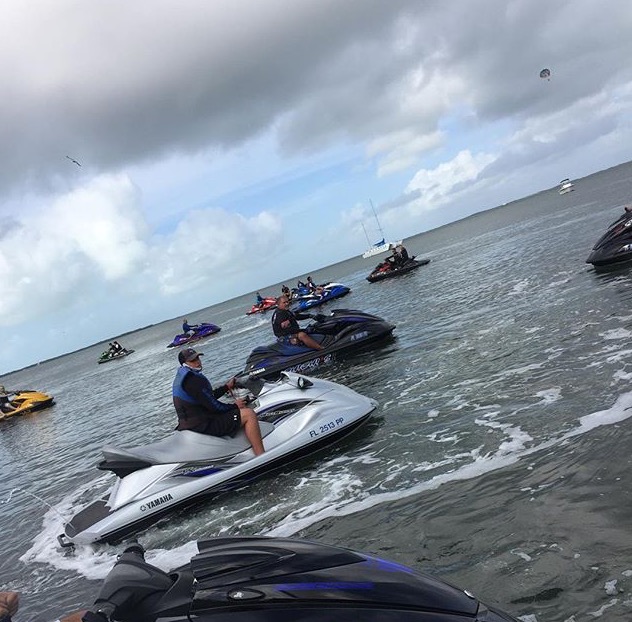
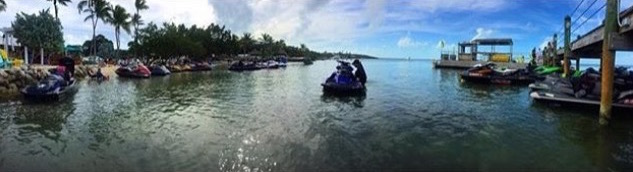
Recently, The Watercraft Journal was told of one such early season event that should appeal to many of you: “March 5th will be our next ride in the the Florida Keys. We will be meeting at Caribbean Club Marina in Key Largo at 10am on the water. We will ride to Alligator Reef, enjoy the day at the world famous Tiki Bar, and ending our ride by enjoying lunch/dinner at Mile Marker 88. If anyone is interested, they can like us on Facebook and confirm if they will be attending!”
For those of you unaware or unfamiliar, JetSkiDaily is one of the fastest-growing social media groups of personal watercraft enthusiasts from across the Internet. Located in the Southern Florida, JetSkiDaily is growing quickly and looking to expand its reach to everywhere PWC are loved. For any further questions contact them via Instagram @JetSkiDaily or following JetSkiDaily on Instagram @JetSkDaily #JetSkiDaily
What once started as a group of friends, grew into a gathering that was bursting at the seams. Jerry Gaddis, founder of Greenhulk.net, the industry’s single largest PWC enthusiast forum, began the Mudbug as a day of food, fun and heads up drag racing. As fate would have it, speeds increased as quickly as attendance, and the overwhelming liability of hosting an unsanctioned drag race was enough for Gaddis to wisely cancel that portion of the event.
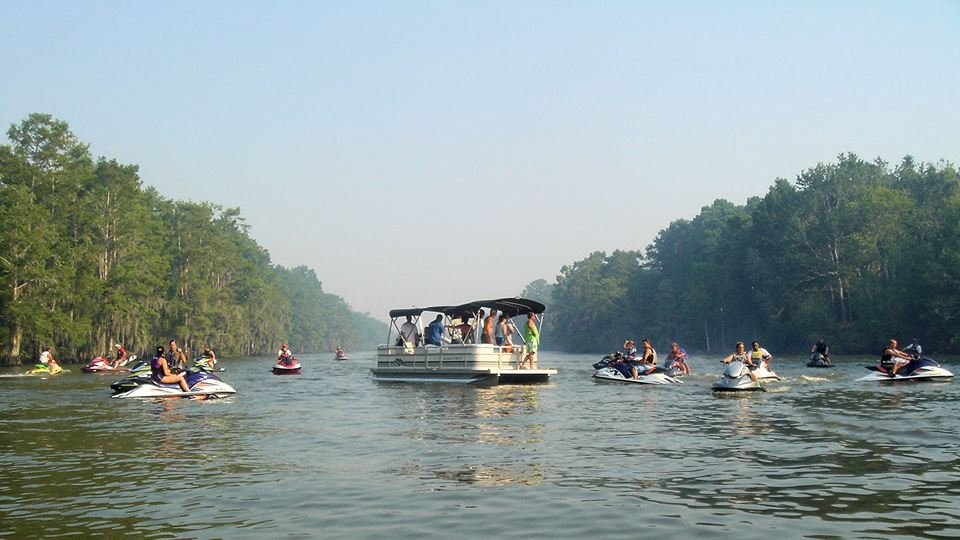
The Mudbug continued, but not with the same fervor. Gone was the buzz from the pit area, the whisperings and rumors of “who brought what” and “how fast so-and-so was.” Instead, it continued as a fun run, a weekend of shooting the bayous and enjoying a cold drink in the shade of a low-hanging cypress tree – interspersed with some group rides through the Spanish moss at full speed for good measure.
Then, thanks to a nostalgic pic from a 2006 Mudbug posted on the GH Facebook wall by Mark Clemons, the conversation fired up again. “Could the Mudbug bring back drag racing?” The answer sadly, was no. But Gaddis jumped in and asked whether folks would be interested in a “King of Speed Alley” radar run showdown. The response was overwhelming. Gaddis then coyly wrote on the Mudbug Nationals thread: “Just heard a little rumor that someone will be on a boat holding a radar gun the Saturday morning of Mudbug. So start getting those skis prepped now to be the King of Speed Alley at Mudbug.
“Dates? Good question…. We will be paying close attention to the pending high water situation. We don’t want to plan something only to have no wake zones in effect. It’s still very early on so we have plenty of time to make solid plans. Looking forward to seeing everyone again this year!”
Although a set date hasn’t been announced, it believed that the 2016 Mudbug will return sometime in late May/early June, which might interfere with the burgeoning race schedule continuing to be rolled out. The Watercraft Journal will announce when the date is finalized. Additionally, the winner of the fastest speed recorded at the King of Speed Alley radar run showdown will be the subject of a full length feature article here at The Watercraft Journal, so stay tuned!
Ever since the release of the 300-horsepower Sea-Doos back in September, there has been a lot of speculation as to what they would be capable of once “unlocked” with ECU tuning. As we had expected, V-Tech Tuned came through and answered this question for us. The V-Tech crew is always hard at work trying to squeeze more performance out of today’s PWC by means of tuning the ECU (Engine Control Unit). This time, they started with a box stock 2016 Sea-Doo RXP-X 300 RS, which is basically an international model RXP-X with no speed limiter. The RS models are known to run between 71-72 mph on average, with some reports as high as 75.5 mph (under ideal conditions). While those numbers are plenty impressive, V-Tech knew there was more speed to be gained.
After working their magic with the ECU and raising the rev limiter to 8450 rpm, V-Tech took the ski out for testing, and hit a rather shocking speed. It got up to an unbelievable GPS-confirmed 81 miles per hour (130.5 km/h)! Talk about a stock class killer! If this thing reaches 81 mph with nothing more than a solitary ECU tune, imagine what it’s capable of after a full blown race setup. After a more aggressive ECU tune, properly pitched impeller to handle the extra power, and all the other aftermarket goodies, it may very well be in the mid 80s. Mid 80s partnered with the amazing handling the T3 hulls are known for equates to a closed course monster! Check out the V-Tech tuned RXP-X 300 in action in the video below.
And, on December 31st, Jonatan Holmelius and crew managed an impressive 82mph at 8650rpm on a very chilly (-5 Celsius) day:
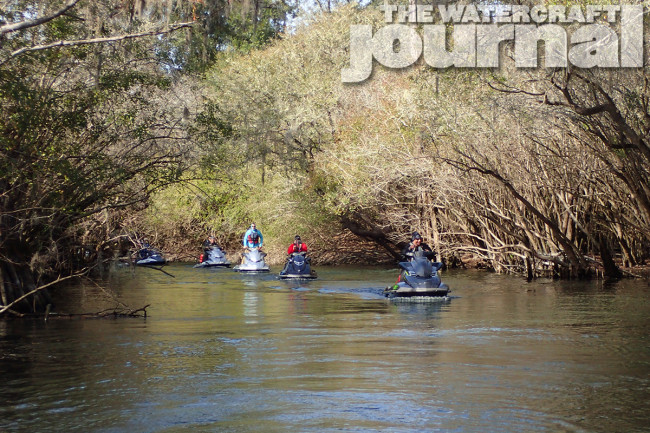
Our first trip to the Suwanee started like many others – it was suggested that we go and, naturally, we did. After all, it’s always awesome to be on the water and you never know what you’re going to see. Life being hurried as it sometimes is, we didn’t have much time to research the destination. We had no idea how amazing it would be.
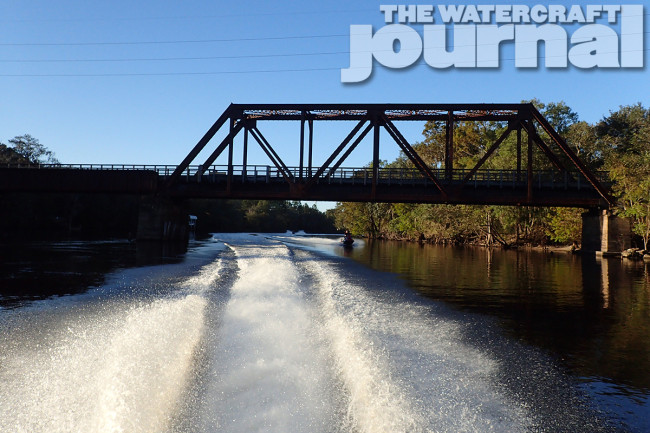
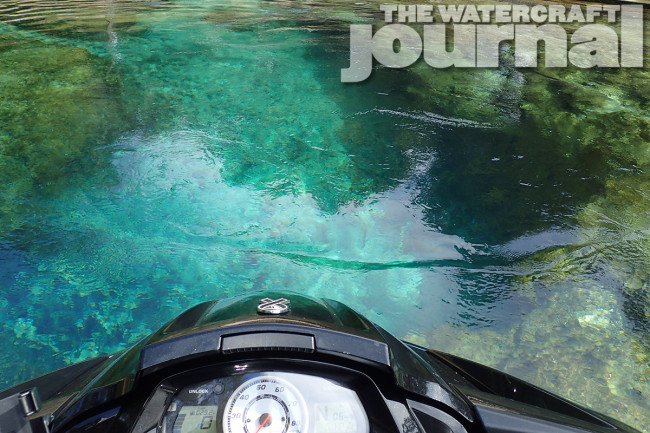
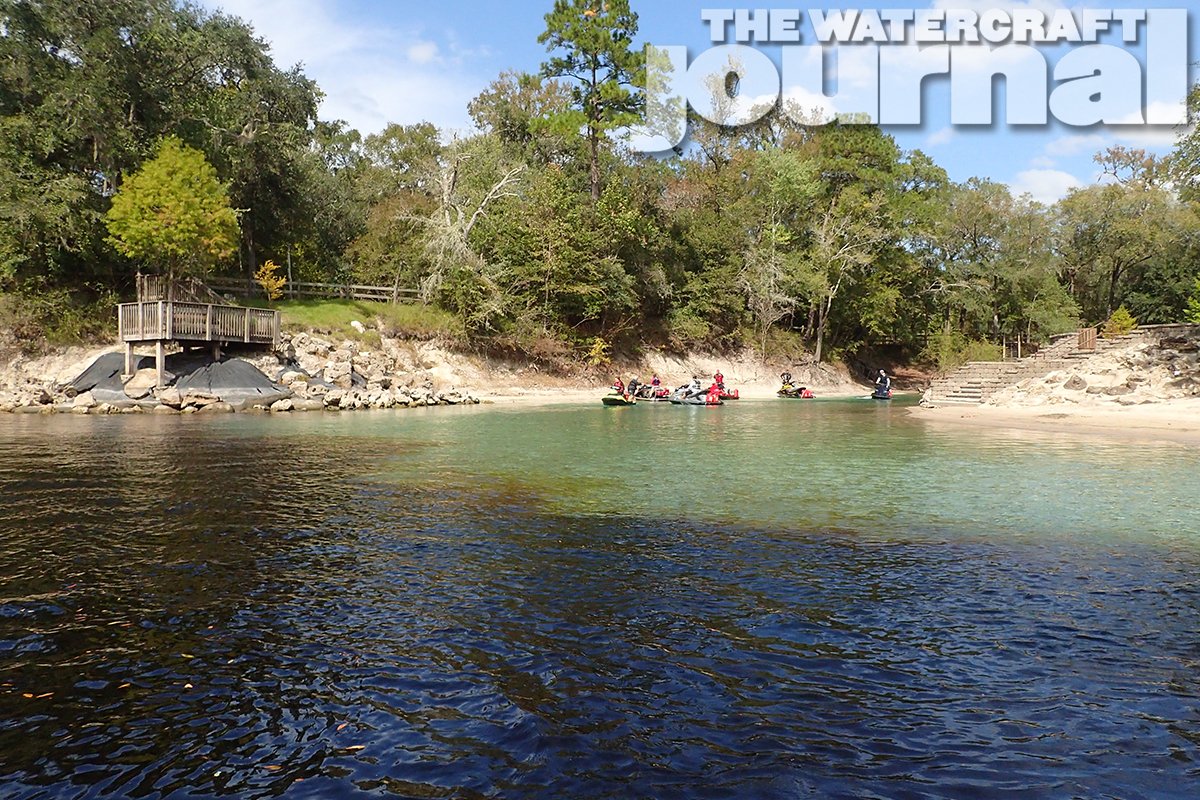
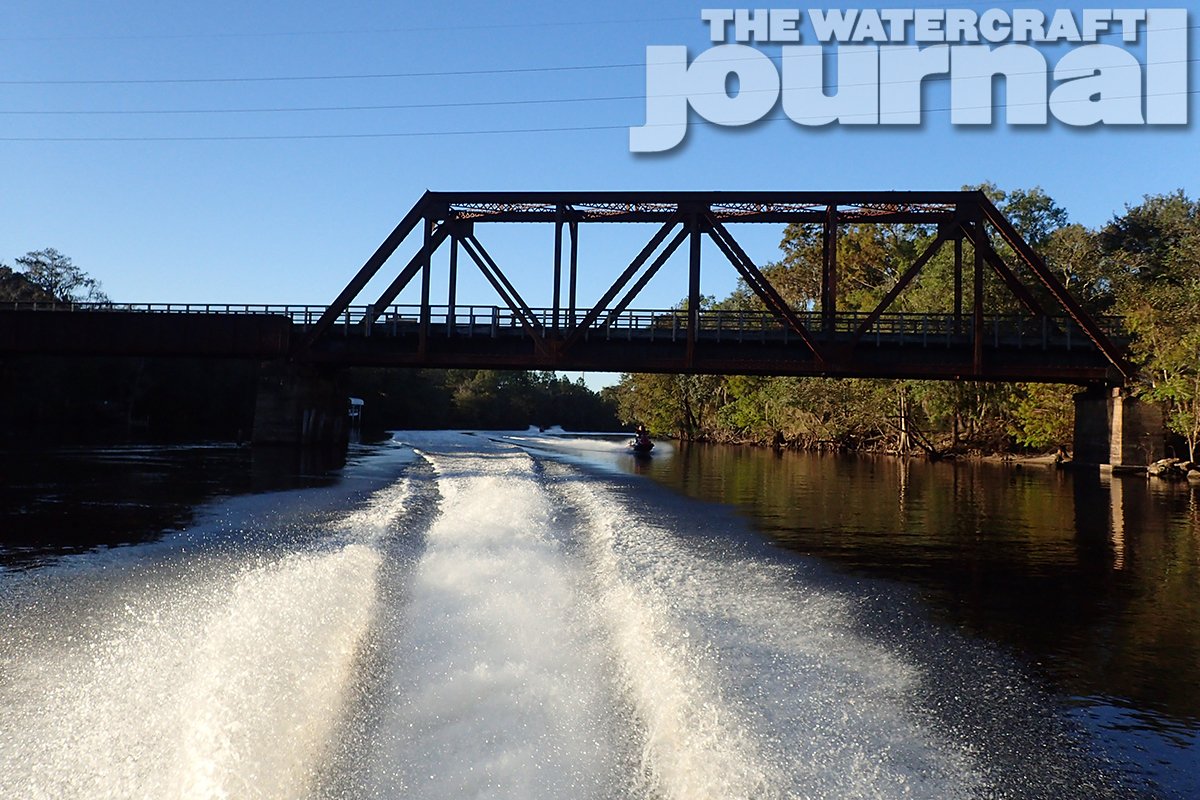
We launched from Fanning Springs on a chilly morning and headed across the river to the east bank. The inky ‘black water’ was familiar to those who go boating in the Southeastern US. Practically across the river from the ramp, we stopped at our first spring of the day. We had proceeded no more than a few minutes from the boat ramp. The crystal clear waters from Fanning Springs joined the Suwanee River and created a nearly solid line. It was almost as if the clear water was hesitant to mix with the coffee-colored black water in the main river. No matter how many springs we encounter, they are always beautiful and captivating.
After a short distance and no channel markers, this ride began to feel different. Shortly thereafter we found one spring, then another and another… in the end we found 9 springs in all on only 50 miles of river! (Or 10 springs if you were one of the intrepid adventurers who split from the group on the ride back). It became apparent that more research on the Suwanee was needed and that another trip would be in order. Thus began the planning for the Central Florida Jet Riders Suwanee River Camping trip.
Back home, the research began. On the 50-mile stretch of river a total of 26 springs were mapped. The Suwanee’s famous Gulf Sturgeon warranted further research, as well as they are known to be large and like to jump. Perhaps you have heard about the occasional boater hitting an airborne sturgeon? This being November, we found that sturgeon generally aren’t a large concern. Adult Sturgeon move into to the open water of the Gulf of Mexico by end of October. Since our camping trip was in November, we would be fairly safe from running into 100lb (or larger) airborne fish at high speed. The springs were mapped and added to our GPS, lodging at Hart Springs was secured and a final plan for a “camping trip” came into being. We would arrive Friday, ski in the afternoon, ride all day Saturday and return to Orlando on Sunday.
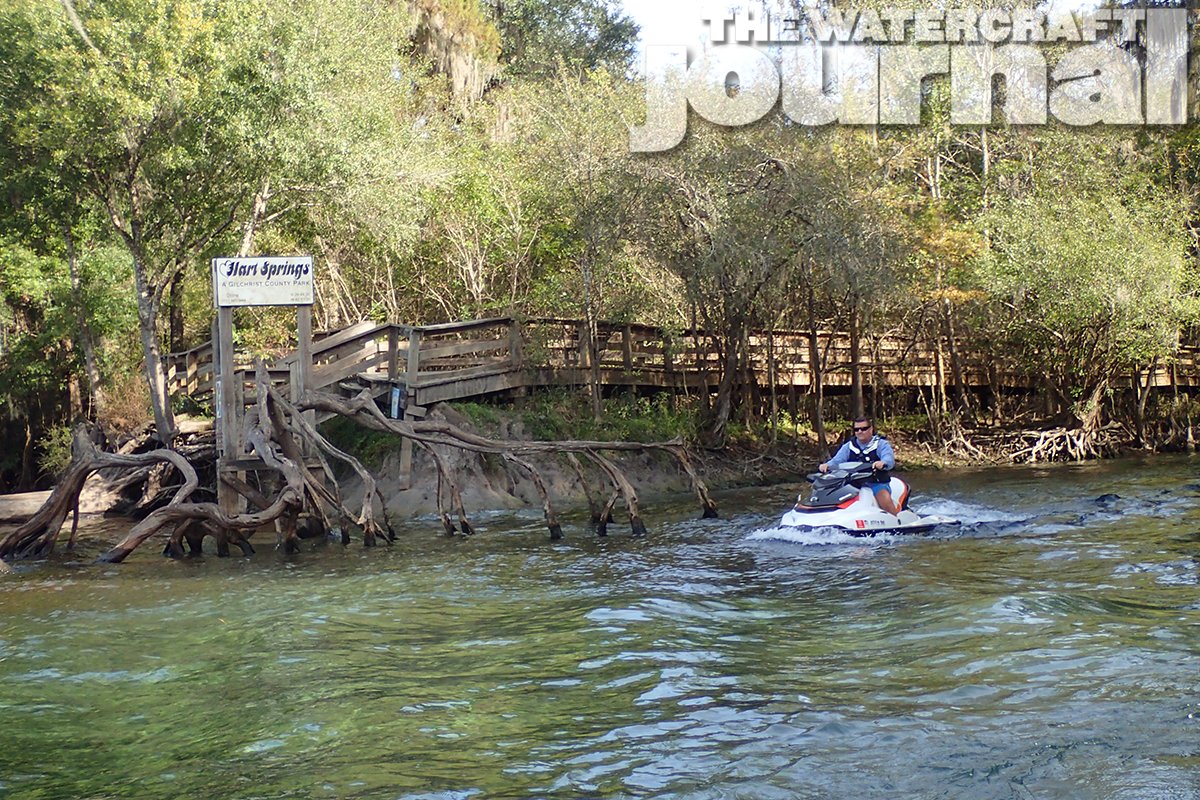
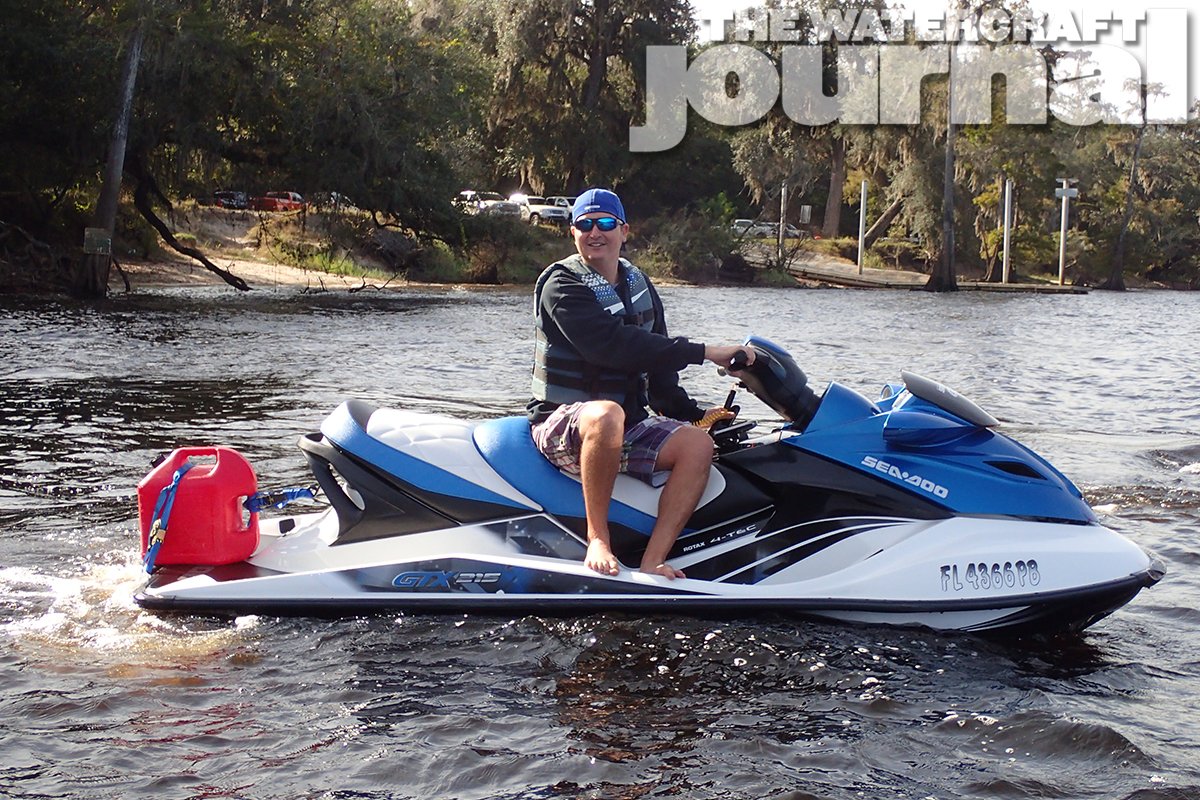
Many of the group set out for Hart Springs from Central Florida on Friday morning. Several of us carpooled, myself included. Four of us were lucky enough to secure a spot on the Central Florida Jet Rider’s 4-place trailer, named Quadzilla (Note: reserve early if you want to ride on Quadzilla). After a nearly 3-hour drive, a good portion of our group had arrived in the campground. We met the Hart Springs park ranger who showed us around the place a bit and told us about the night attendant.
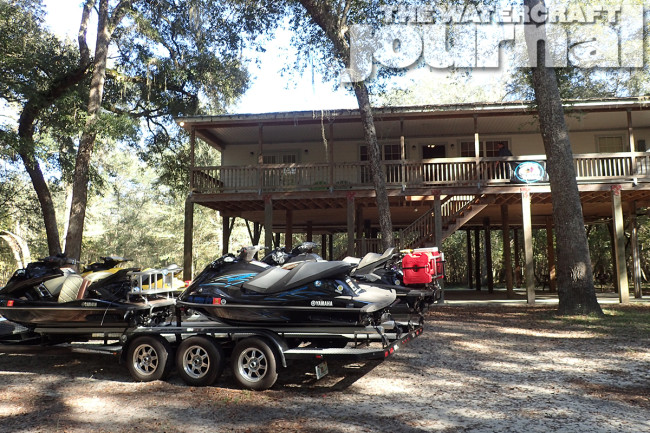
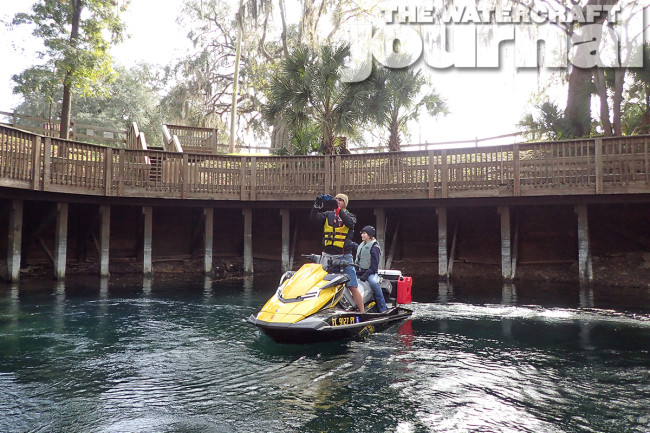
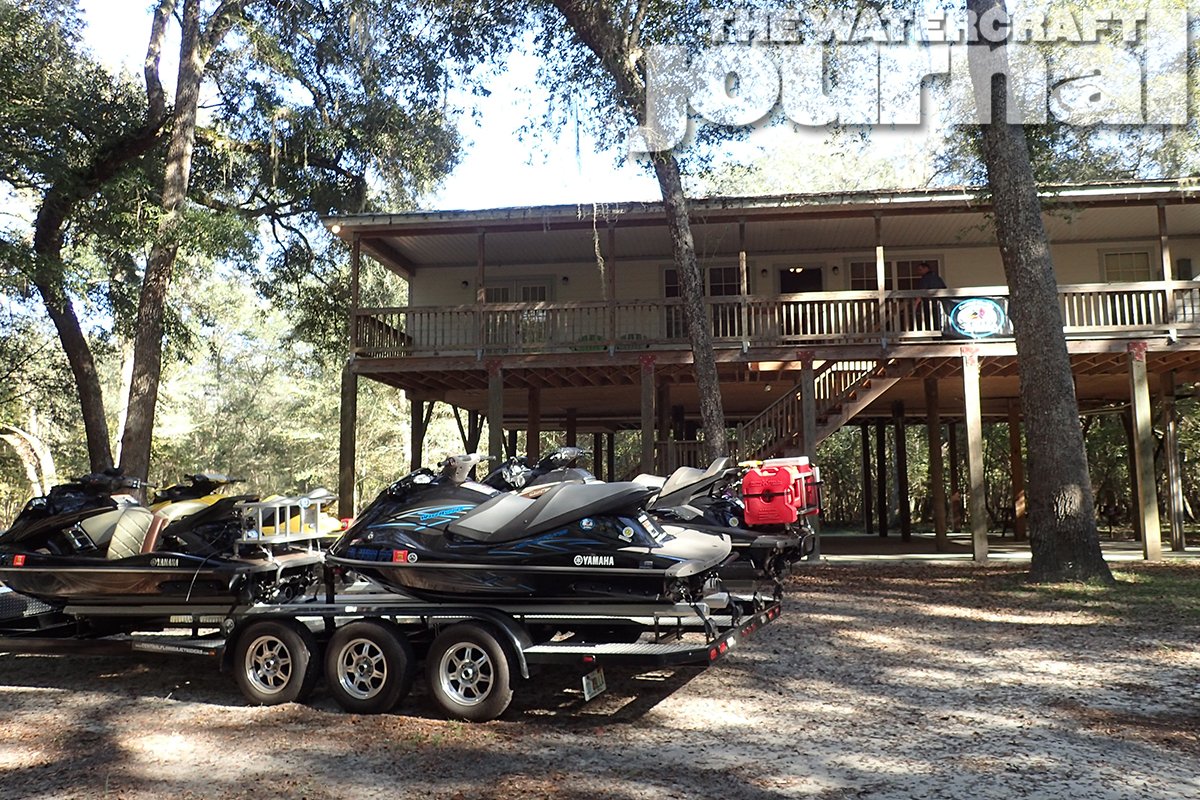
She mentioned that if you see a homeless-looking man skulking about that it was probably just Mike, the night-shift ranger, and that there was no need to worry about him. Though I was already aware that our ‘campsite’ was actually a house, I had no idea how large and comfortable it would be. Perhaps most surprising was that the house, even though there was no water in sight, is built on wooden poles about 10’ high. The high water marks on the trees nearby told a story of some rather large floods… The Suwanee is an untamed river indeed.
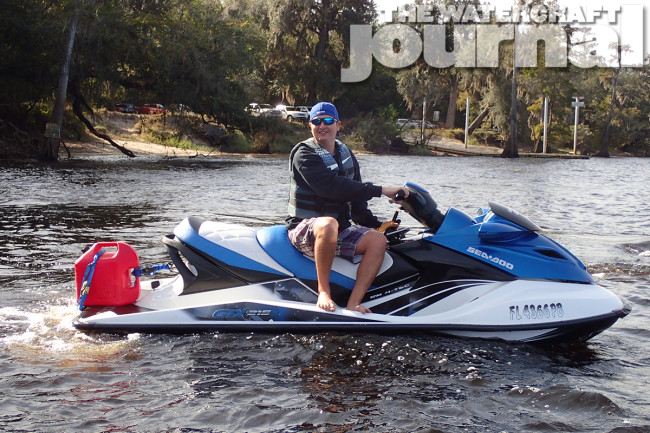
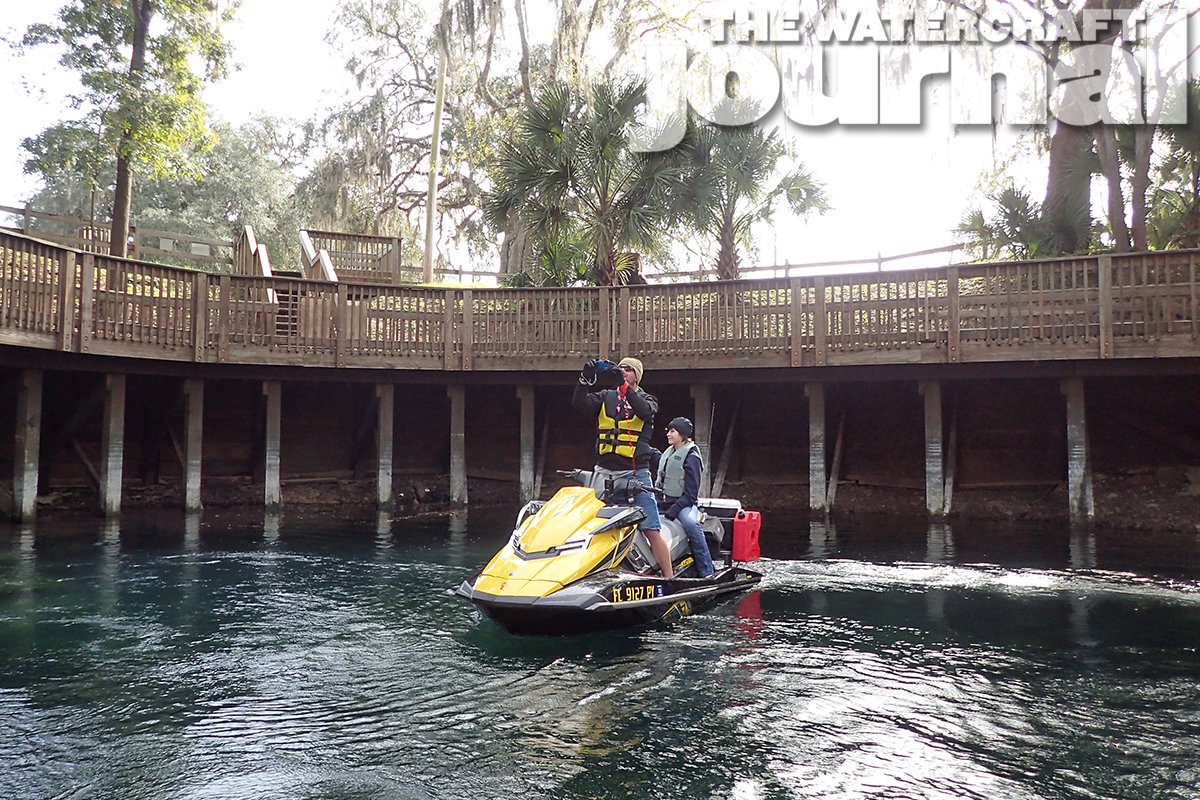
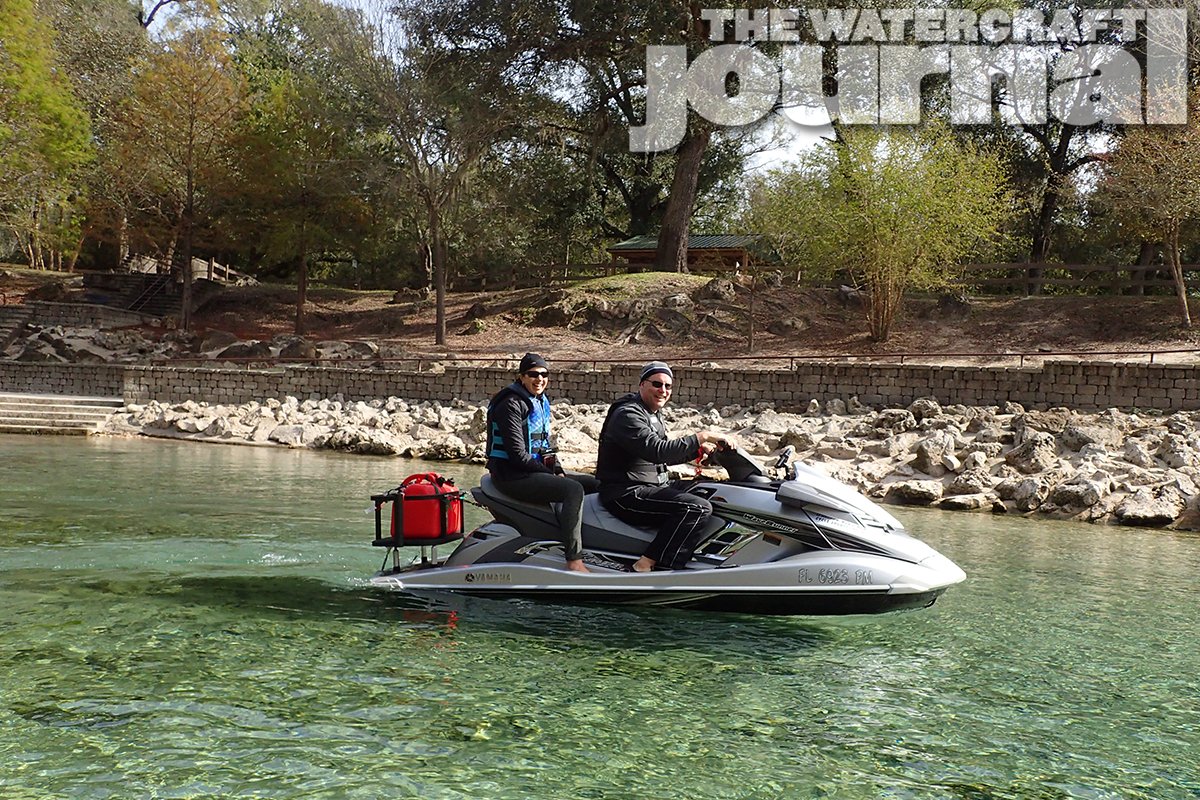
It was around 3pm when we were unpacked and settled in a bit. With two-and-a half hours of daylight left we decided to head to the water. The ramp was a full 2-minute drive from the campsite. When arriving at the ramp, everyone launched and we were off… this time armed with more information about our primary quarry: fresh water springs.
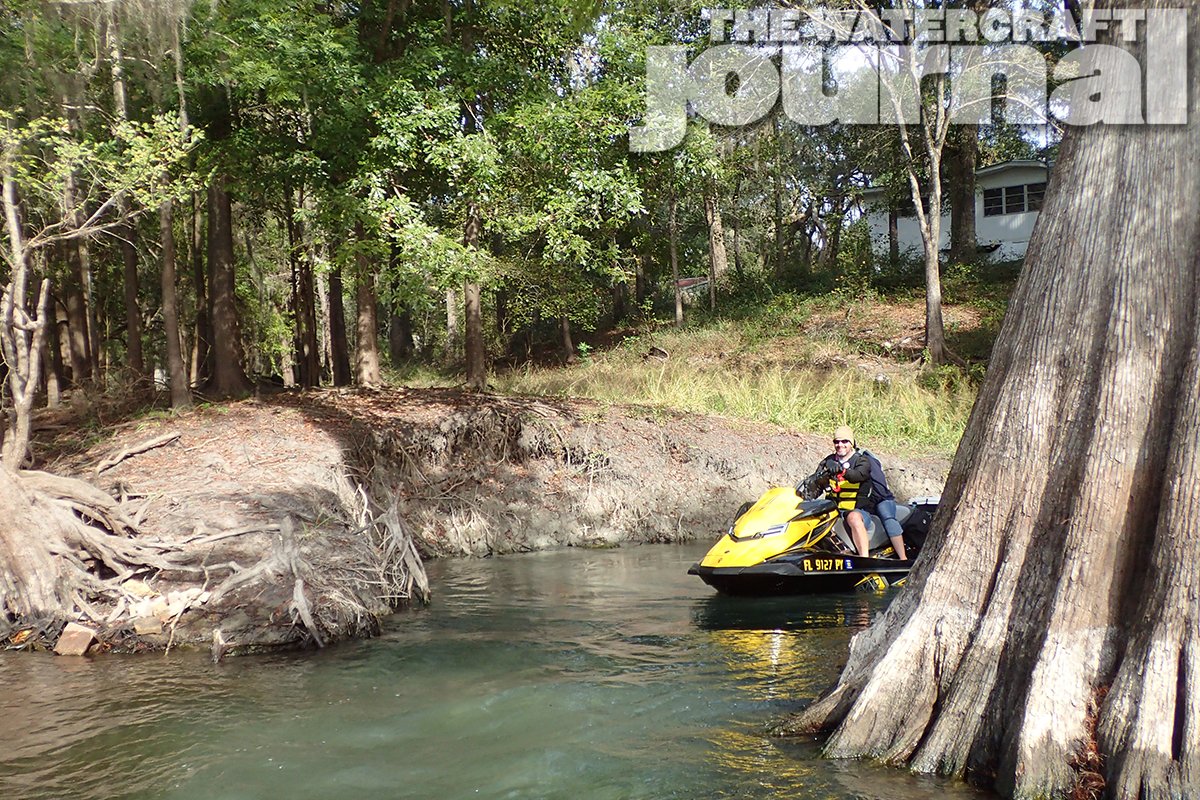
It didn’t take long to find the first spring. Some springs are only several hundred yards apart but many of the springs were quite well hidden. There are springs that are right on the riverbanks but several springs are further up tributaries. After riding a little ways, we took a detour up a small tributary to a Sun Springs. The small stream leading to Sun Springs was almost completely invisible while riding along the main channel of the Suwanee. Only with the aid of the GPS data provided by the Suwanee River Water Management District were we able to locate many springs, Sun Springs included.
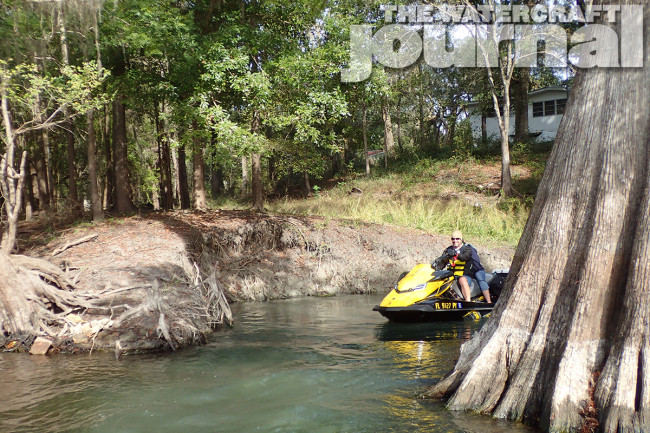
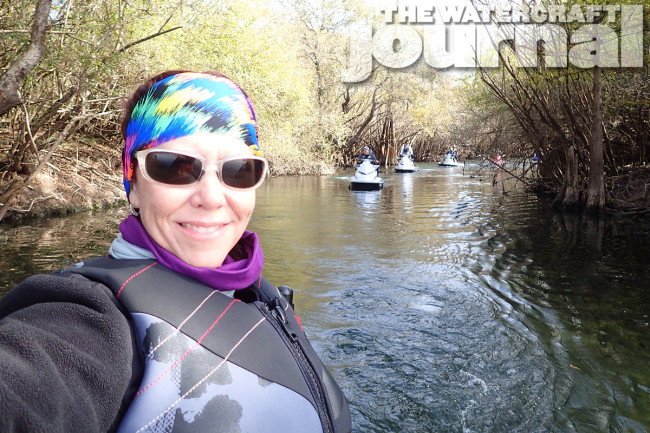
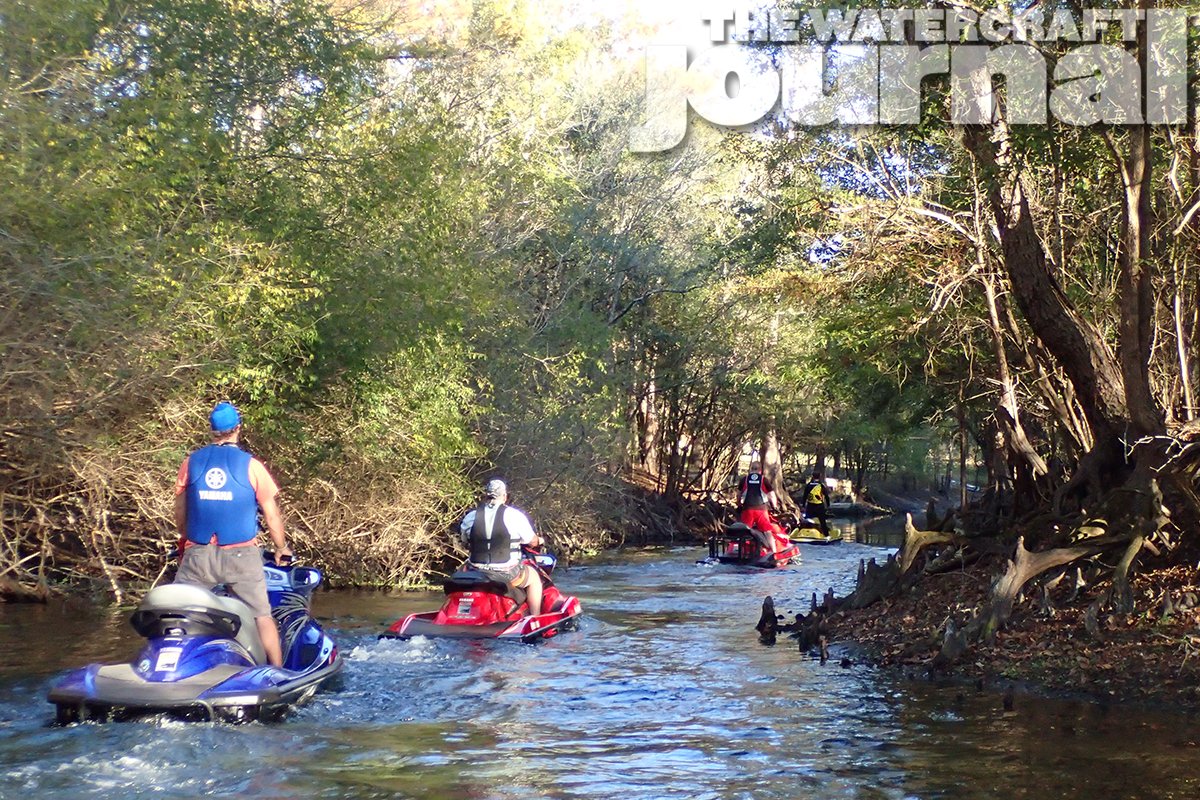
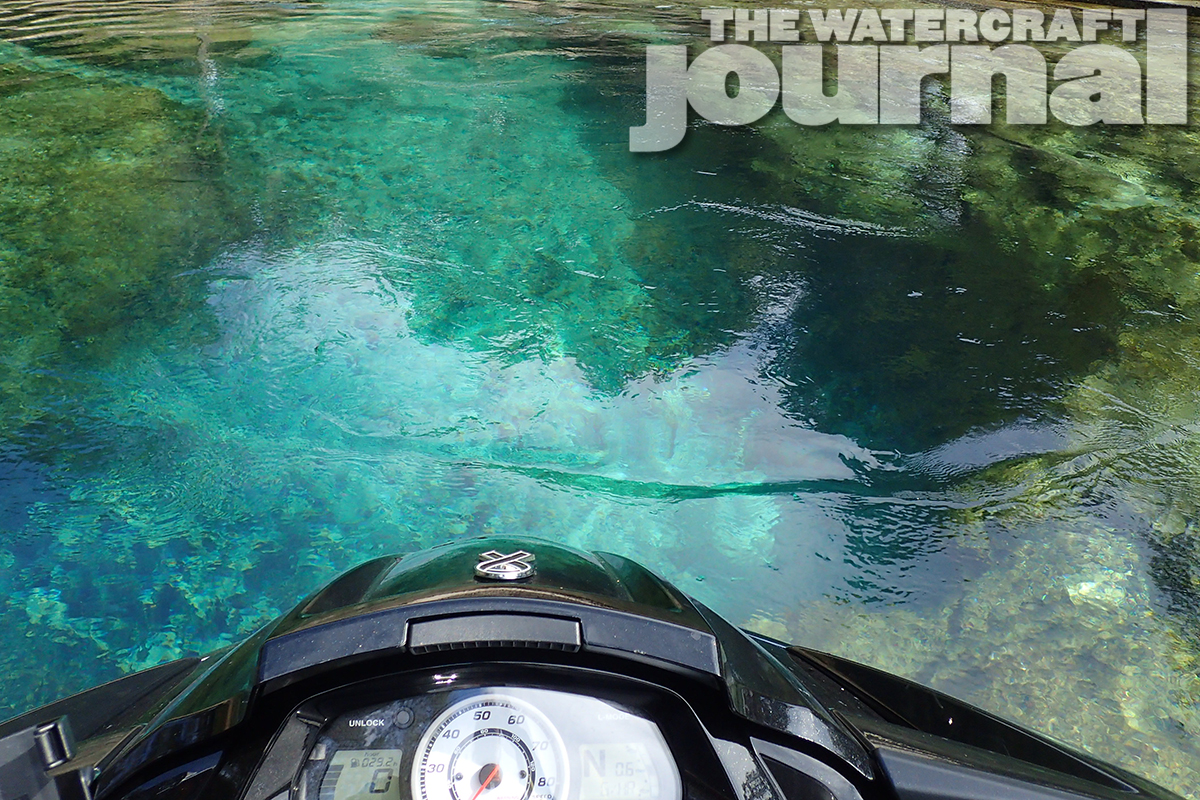
The ride up the stream to Sun Springs was a bit surreal. The water was so clear that it was difficult to discern the depth. Homes were situated on several sides of the riverbanks with homeowners out and about. We proceeded ahead at idle speed to be as respectful and as safe as possible. Essentially we were riding through someone’s backyard and we definitely did get some interested looks, though none seemed particularly cross. Eventually we arrived at Sun Springs, which, though roped off from boat traffic, was very secluded but also quite inviting. At this time it was getting a bit late so we had to head back to the ramp. What a beautiful place to visit during the summer time, I’m sure we’ll be going back.
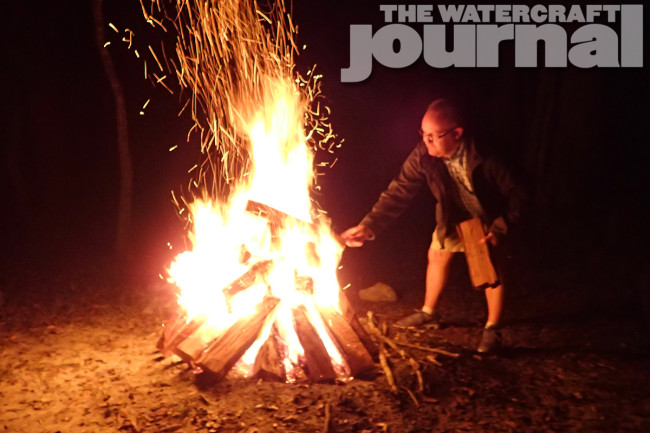
Since we needed fuel and supplies, we went out to dinner together. It was a jovial affair, to be sure. After dark the campfire was lit and we spent the evening enjoying many interesting tales & lots of great conversation. After a while most of us retired to our “campsite.” Several more members arrived either that evening or the next morning.
Breakfast Saturday was an excellent affair, as always. Many members pitched in to help with the cooking, cleaning and serving. Especially generous were Steve and Michelle Chown who organized the meals and who were also the ones responsible for the on-site meat-smoking equipment.
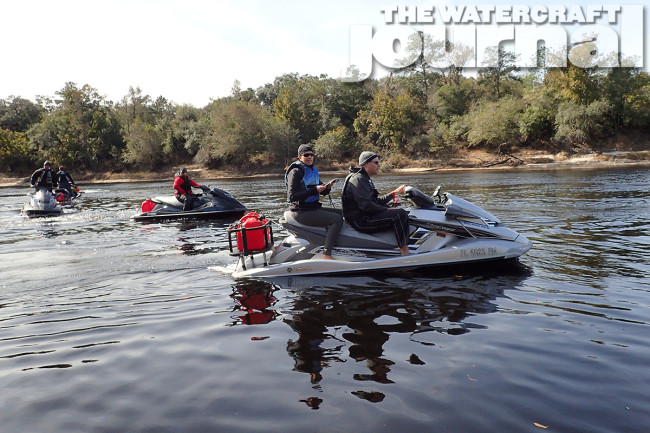
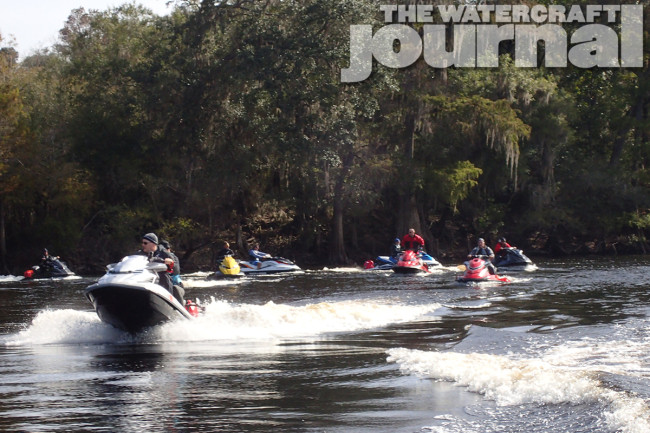
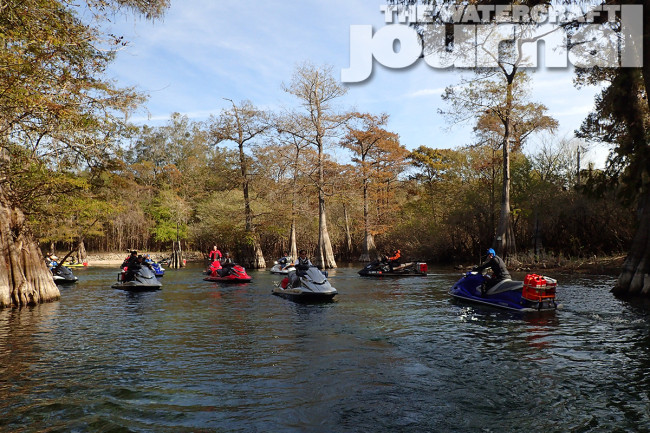
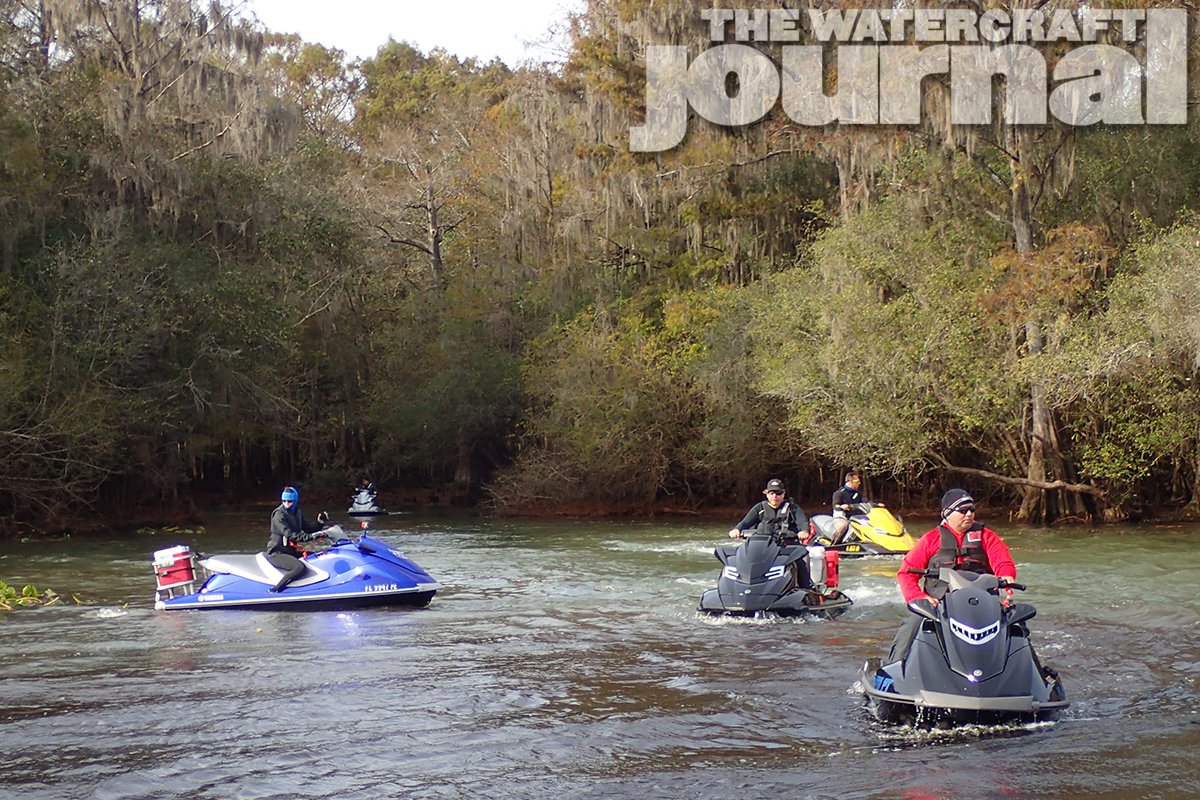
Saturday morning was an excellent morning for a ride. The clear, crisp air and black-water of the Suwanee were calling us back to see more. Since more members had arrived since Friday we had a much larger group than before. Numbering about two-dozen skis we set out. We headed north on the Suwanee about 50 miles, finding spring after spring. The total number of freshwater springs was 26 in just that short stretch of river. To find some springs, it was necessary to land the ski and trek through the woods. From the many footprints it was clearly evident that the Suwanee is indeed wild and untamed.
Though there are many houses on the river, the Suwanee is nonetheless wild and with almost no man-made flood control structures. Quite a few of the houses are built on stilts even though they are situated on the top of clay cliffs. A marker at Hart Springs indicates that the Suwanee is prone to occasional massive flooding. The Suwanee has, in the past, flooded as much as much as 40 feet above its’ normal levels! Typically this flooding happens in the springtime. As you head further north on the Suwanee, the geology changes. The river narrows, limestone embankments jut out from the shore and the clay cliffs are taller and more dominant along the riverbanks.
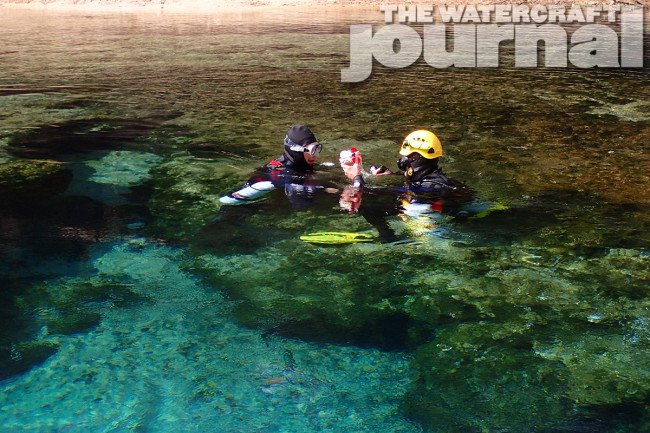
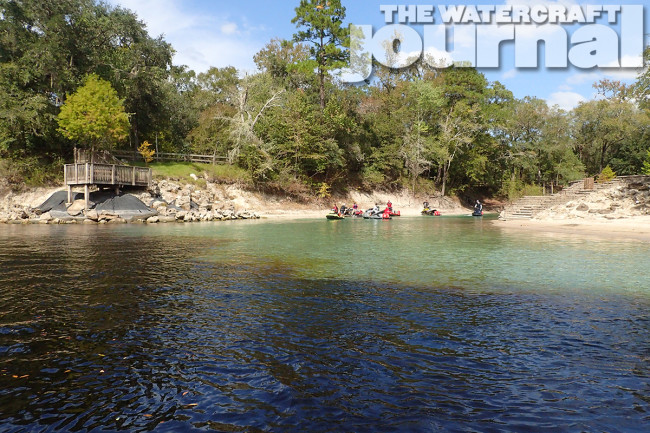
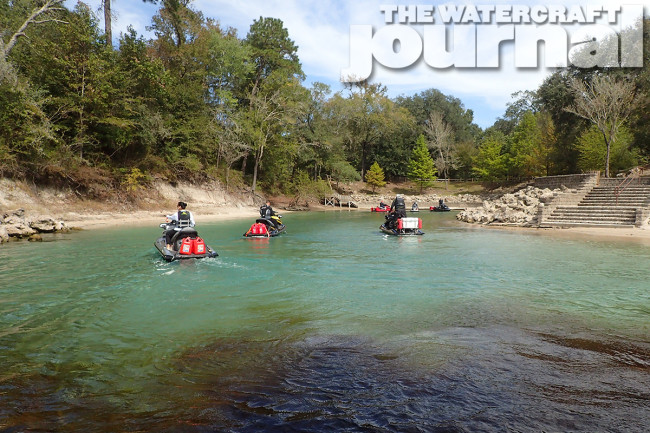
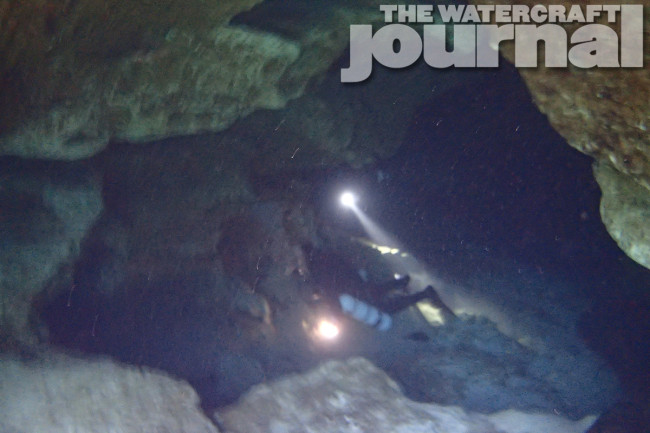
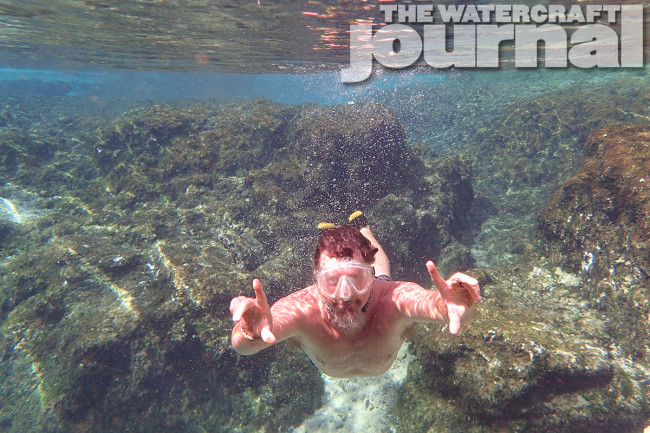
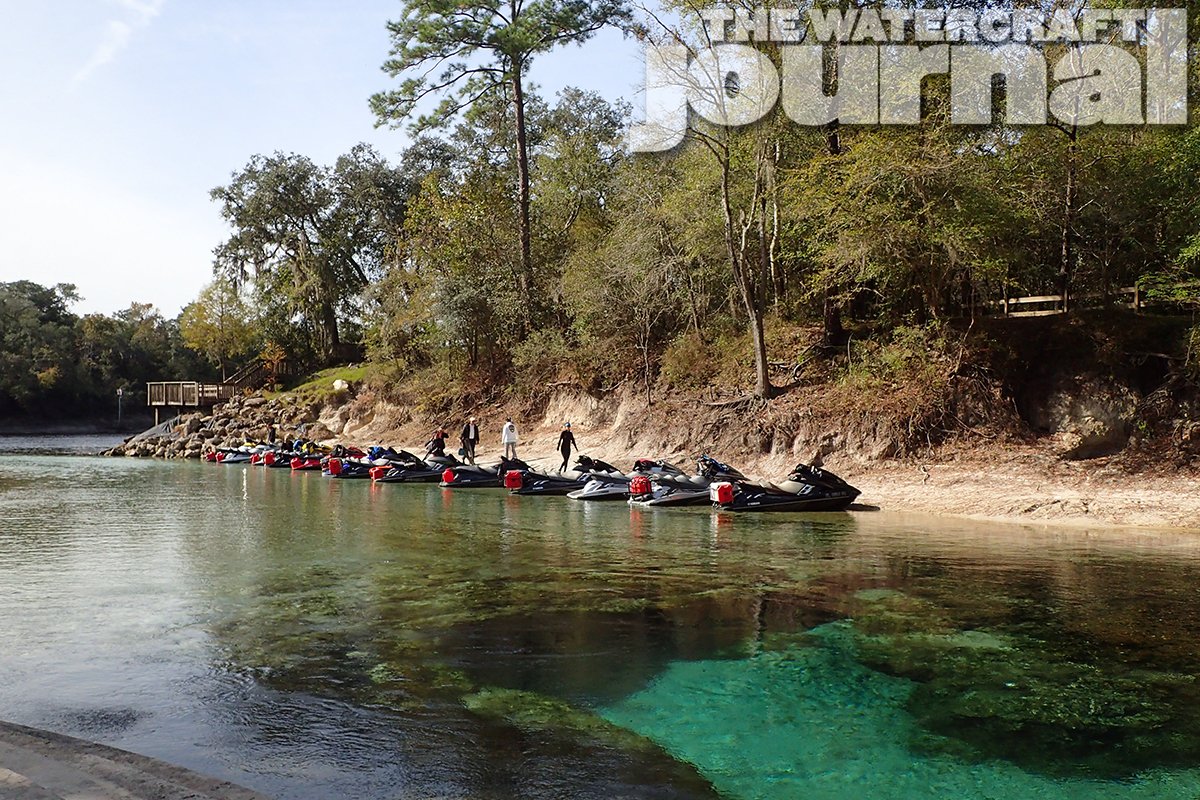
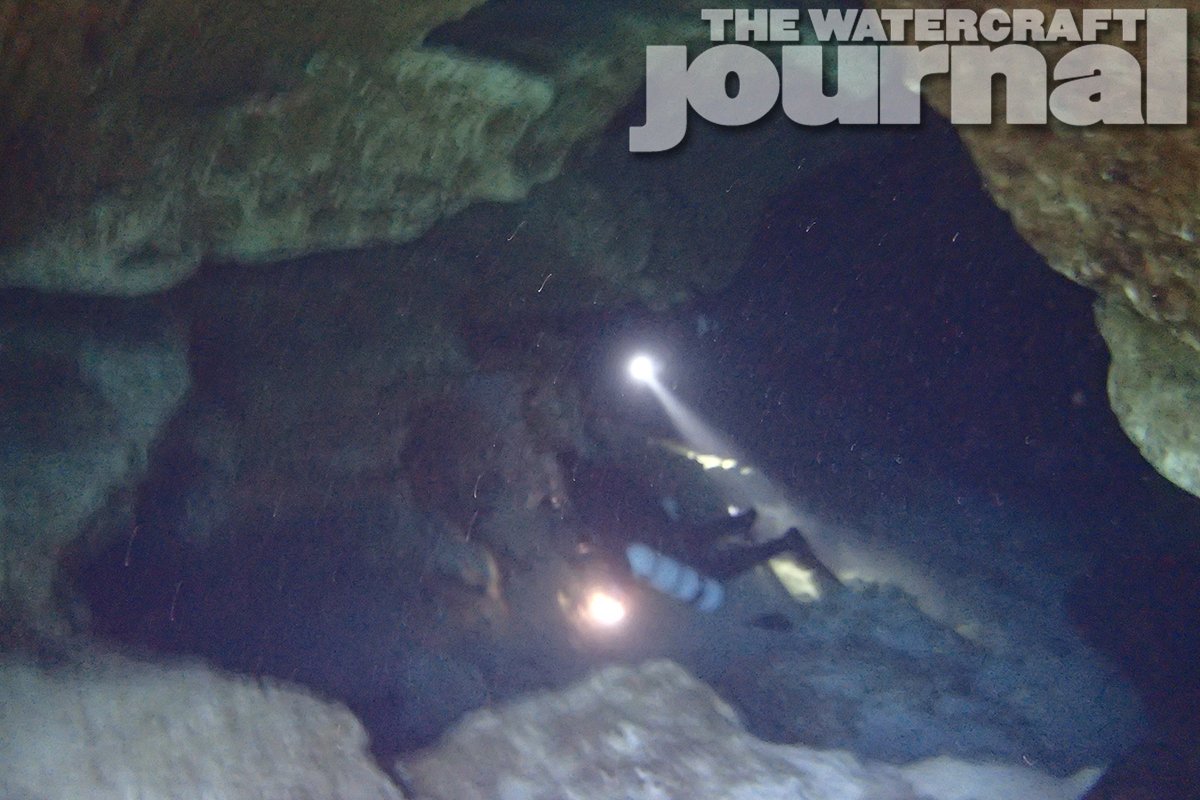
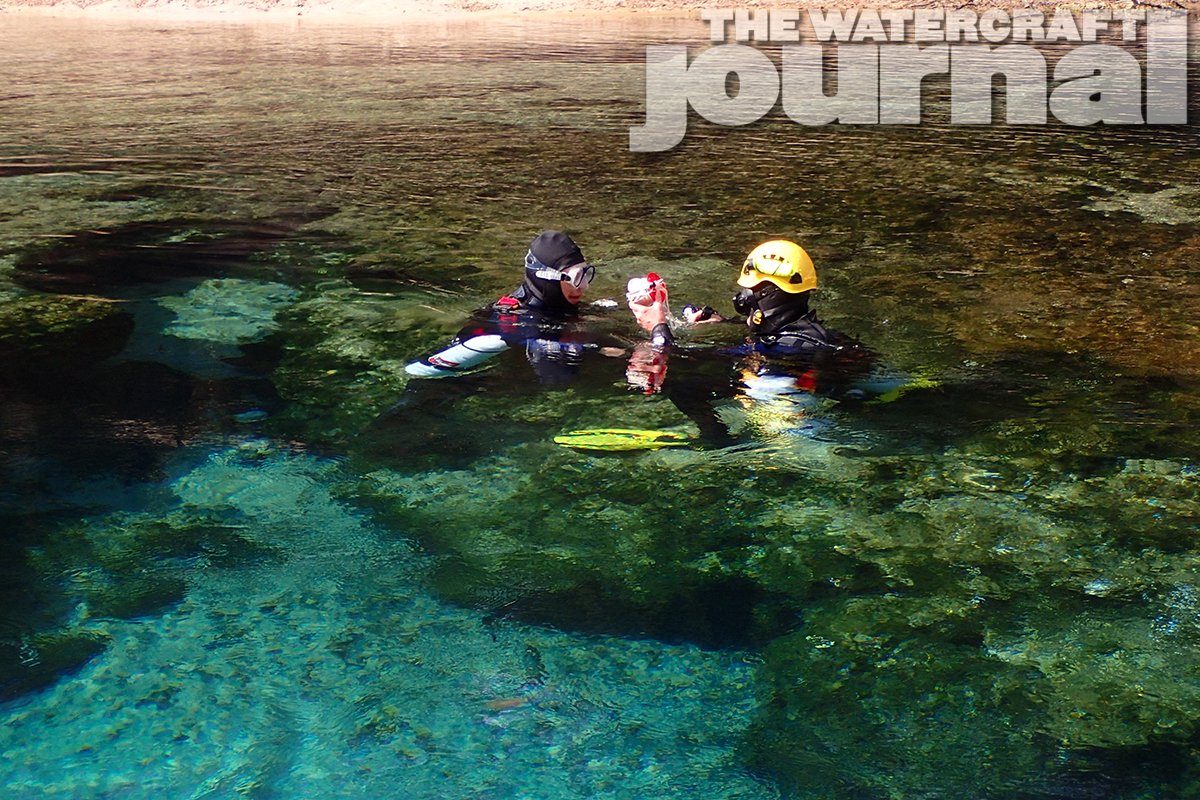
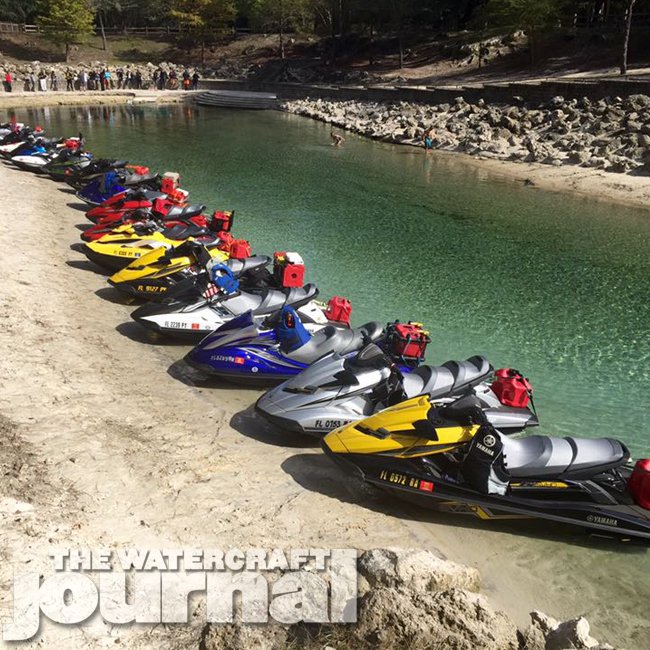
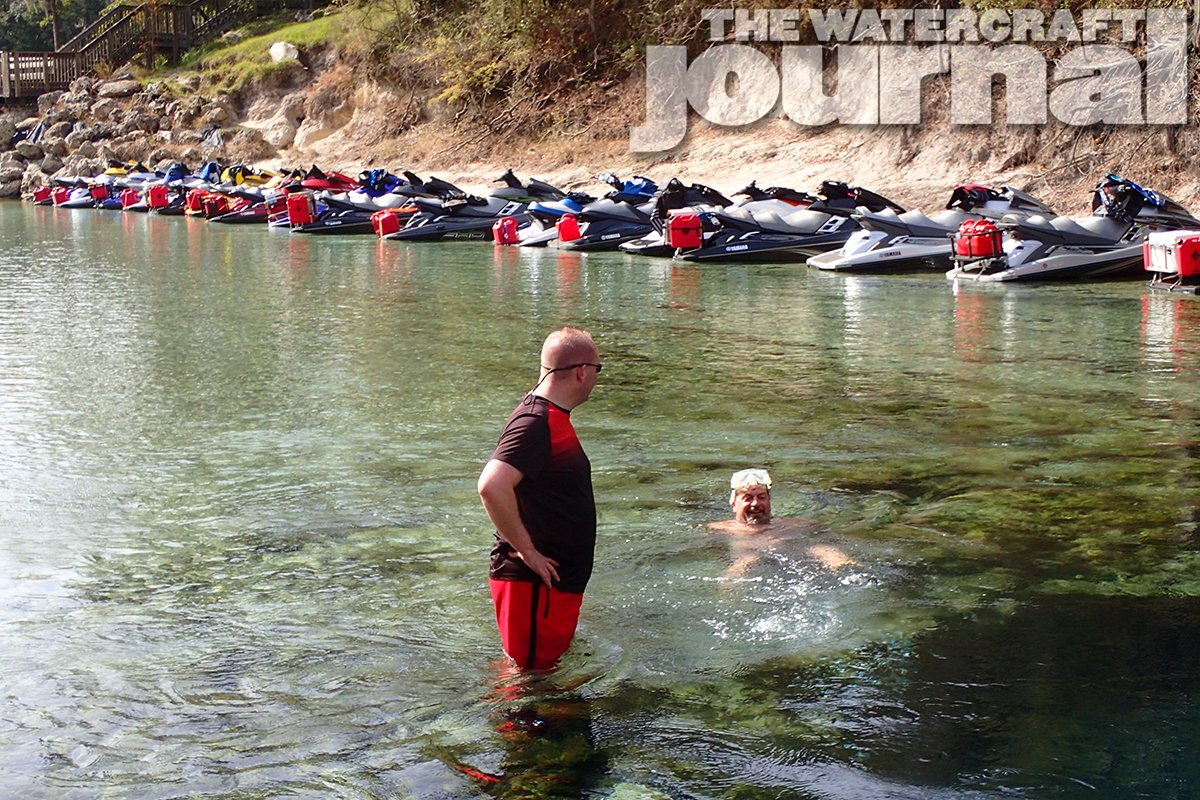
Arriving at Little River Springs we encountered the now familiar but still amazing demarcation line between the Suwanee’s black-water and crystal clear spring water. This is where we stopped for lunch. The park around the springs was virtually deserted save for a few visitors, some cave divers and our group of 30-plus PWC enthusiasts. The beauty of the springs is difficult to put into writing. The waters are so clear that you can easily see 20 or more feet into the caves. The divers were clearly visible. We mostly brought packed lunches for Saturday and shared a meal with friends. Several members swam in the springs for a bit.
After lunch, we headed a little further north to see Troy Springs and to refuel on the banks of the Suwanee. Since we had a large group, we opted to head back in smaller groups at whatever pace was comfortable. Some stopped to find more fresh water springs and others decided to head back and enjoy the thrill one can only get by going fast on the water.
Though many of the springs were deserted, the river was not. We did not know it at the time but there was a gathering of speedboats. We encountered dozens upon dozens of speedboats along the ride Saturday. Low-slung, shallow draft boats with large, overpowered engine(s) that made lots of noise. They seemed, perhaps, to be a menace with their loud, smoky, engines, excessive speed and producing wakes, which seem uncharacteristically large for a boat of that size. Perhaps that’s exactly how many people see us and our fellow PWC riders?
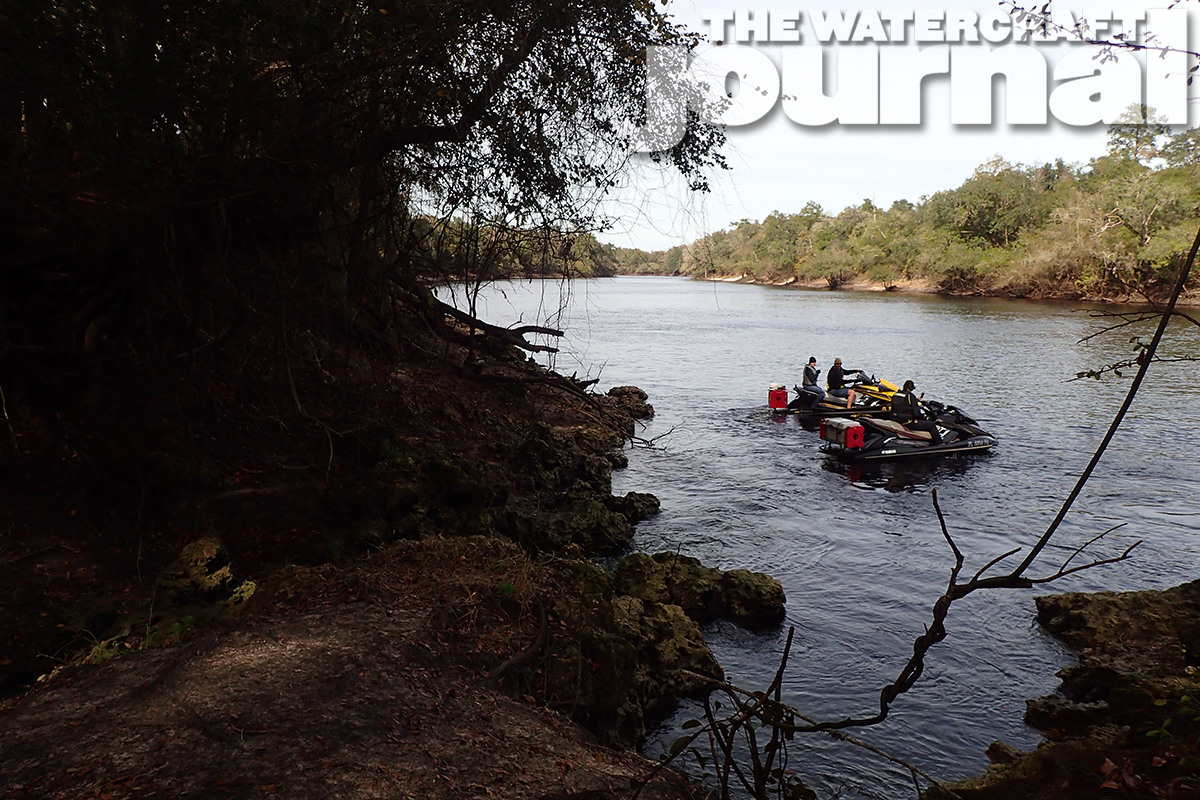
As the Sun began moving toward the horizon, we arrived at the ramp. It’s difficult to leave the beauty of the Suwanee River, so we didn’t! With a little bit of fuel left and a few hours of daylight, we headed for a short trip south. We stopped at Copper Springs, which is aptly named – the shores along the spring run are intensely copper colored! Several of the group headed back and a few stayed to explore Copper Springs for a bit.
All of a sudden it seemed as if little items began hopping off of our skis. Pete lost the latch of his GoPro camera case while changing the battery, Darrell’s ‘floating’ glasses fell into the water – never to be seen again (at least not by us) and John’s headphones decided to go for a swim. Luckily, these minor items were the only casualties of the trip. It was remarkable but nobody had a broken down ski or an errant stick jam his or her impeller.
Back at the campsite, the smoker was finished cooking its’ meaty goodness and food was being prepared. We all enjoyed another evening by the campfire with good food and great friends. We didn’t spot the homeless-looking park ranger until early the next morning upon checkout. He looked friendly enough, though perhaps a bit disinterested and certainly had the appearance of a man of the wilderness. The ride home felt longer than the ride to the river. It seems as if the river calls you back, even now it still does. We will definitely be back.
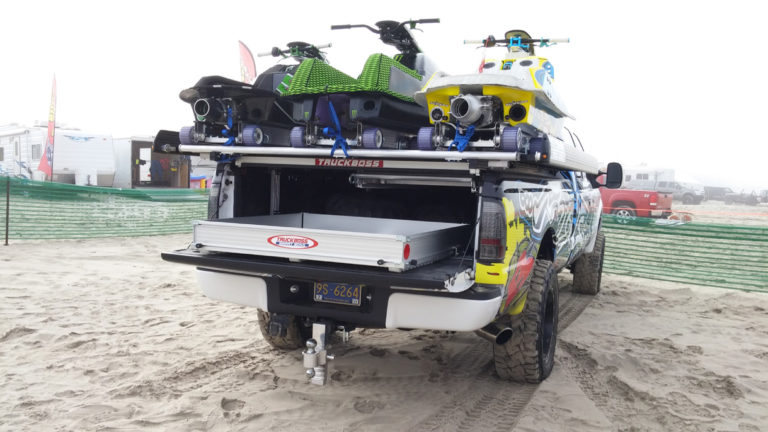
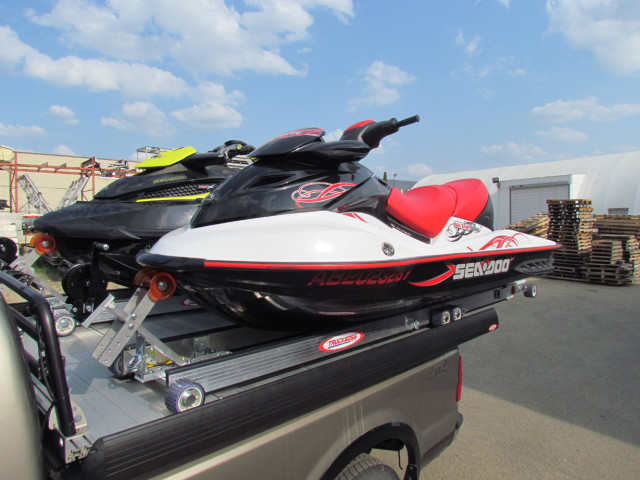
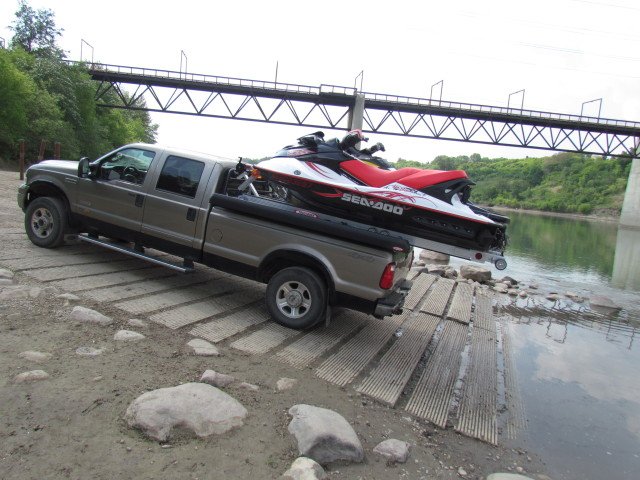
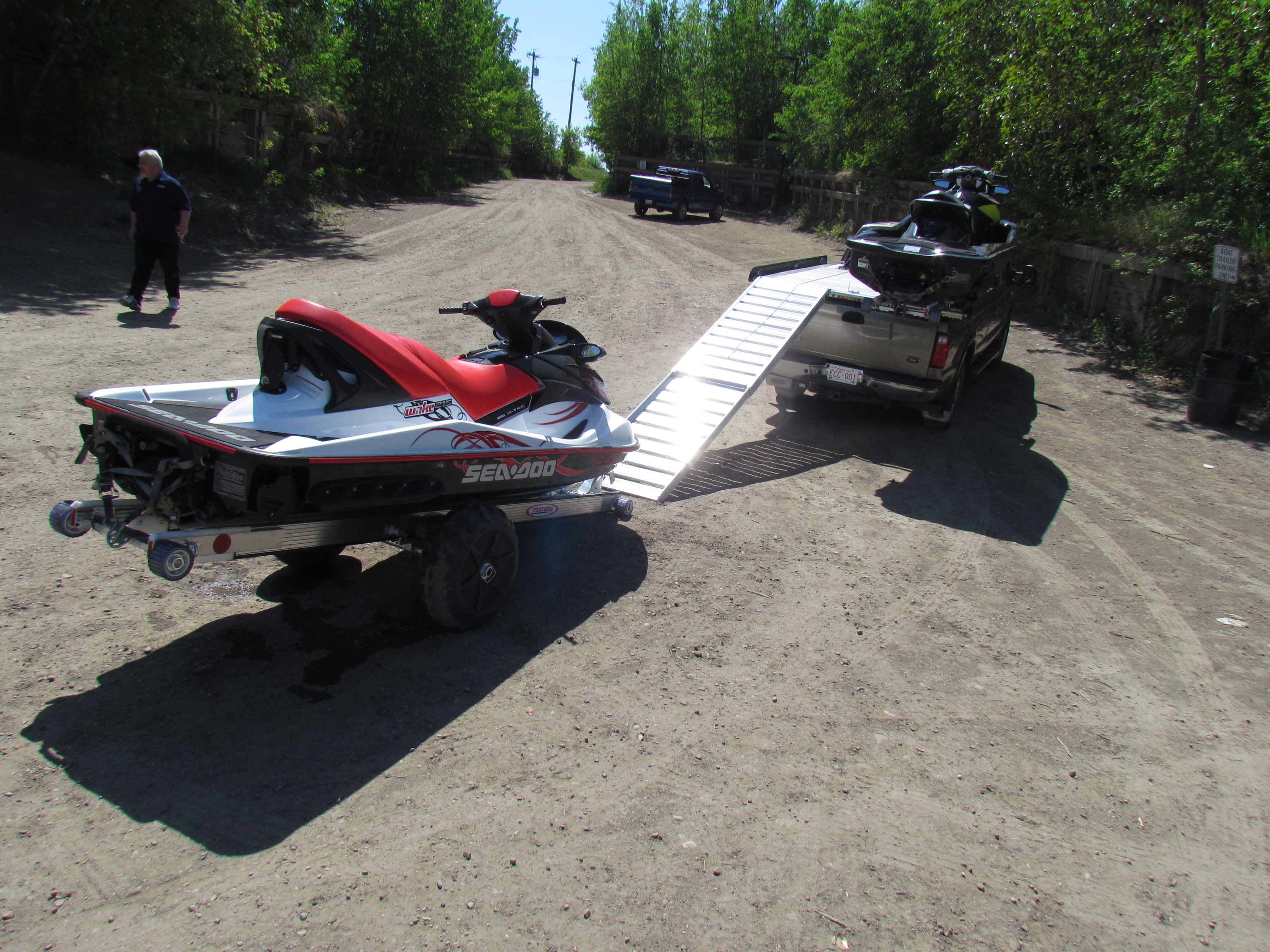
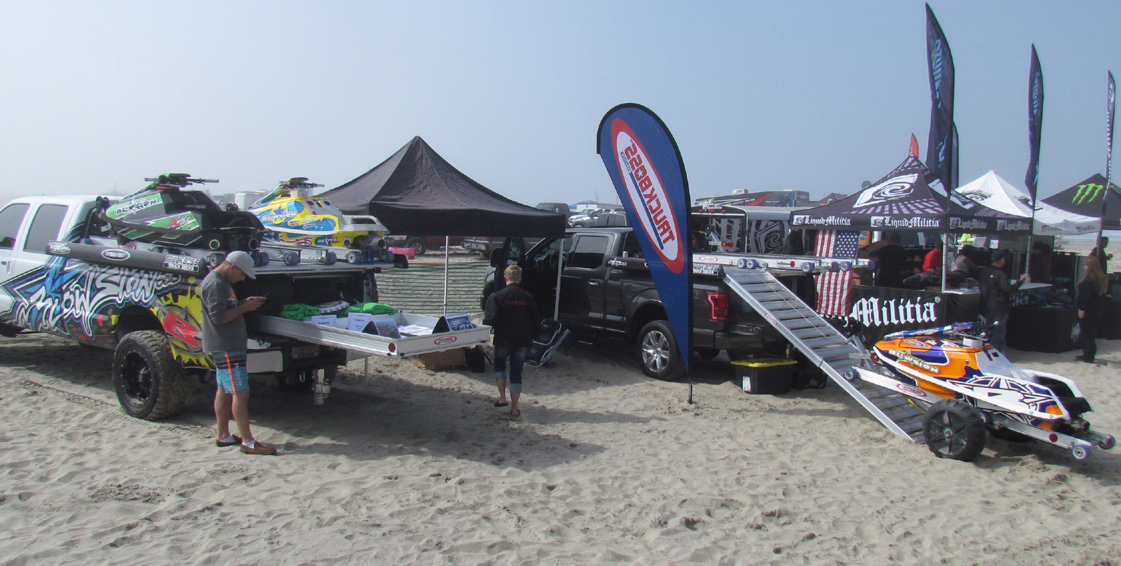
What if you could haul your full-sized runabout – no, wait. What if you could haul both of your full-sized runabouts in the back of your truck without the use of a trailer? You’d think we would be crazy, right? Wrong! Thanks to the unequalled quality and flexibility of the Truckboss Truck Deck System, hauling snowmobiles, ATVs, UTVs, motorcycles and personal watercraft can be done effortlessly.
First developed by Marathon, the Truckboss Truck Deck System comes in three different lengths (6, 7 and 8-foot configurations), comes available with an optional industry exclusive winch loading and sealed under deck storage, and features the only deck system with expandable sides. Each rack comes with a cab guard (Headache Rack), 2X10-foot TEL-RAMPS (Skinny Ramp) or 1X10-foot Fat Ramp, four TEL-LEGS, a Ramp Bar, special Ramp Pockets (for Storage), and LED Clearance Lights.
The 100-percent American and Canadian-made Truckboss Truck Deck System is the only truly modular designed system with near-infinite tie down points, a safe and secure (and weatherproof) under-deck storage compartment, an exclusive zero-maintenance anodized finish, and a 2,000-pound carrying capacity. Whether you’ve got a 1/2-ton or a 1-ton pickup, Truckboss makes a system to fit, and with its easy loading/unloading cart system, your lightweight standup or your fully loaded 3-seater can be gently lowered into the water, or safely pulled out with incredible ease.
You can expect a whole lot more information on Truckboss’ amazing Truck Deck System in the coming weeks and months here at The Watercraft Journal as we show how this versatile system is the ideal option for the PWC enthusiast looking to ditch his trailer or tote more than what their trailer can haul to the water. Stay tuned!
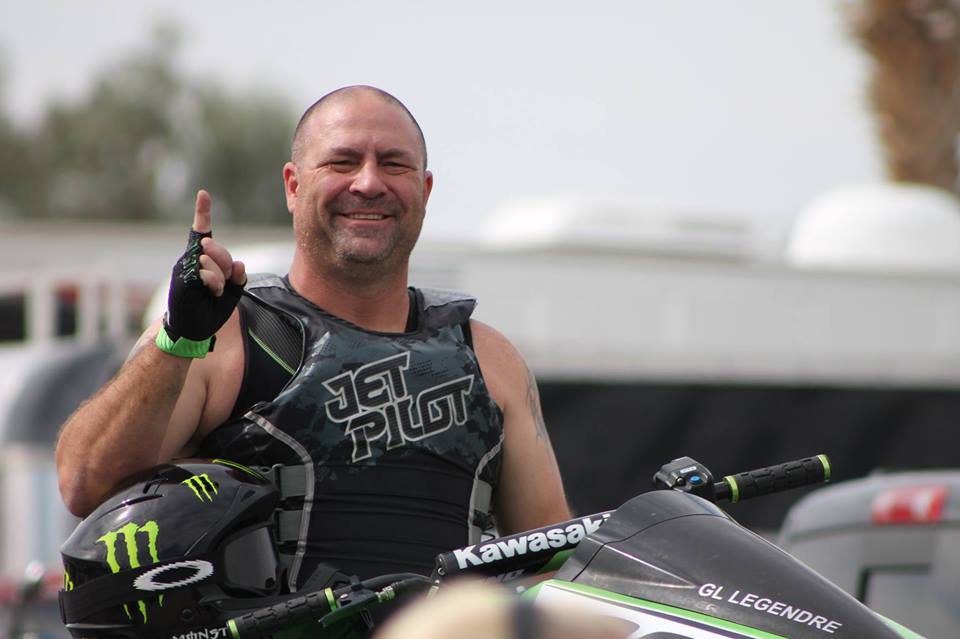
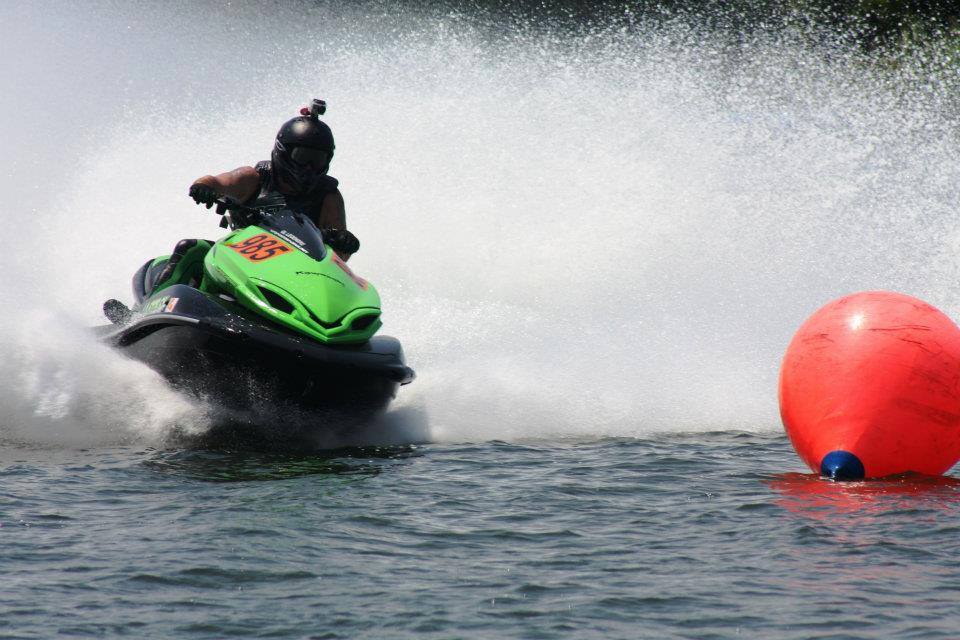
In less than two months, the annual Mark Hahn Memorial Havasu 300 race will be held on the shores of the Crazy Horse Campground in historic Lake Havasu City, Arizona. PWCOffshore.com GUNZ team racer GL Legendre will be teaming up with fellow GUNZ racer Tom Cruz to compete in possibly the world’s most challenging endurance event. Legendre wrote:
“This year I have the opportunity to have a 9 year long dream fulfilled. When I first joined Greenhulk.net I read about PWCOffshore.com, their riders and team. As the time past and I followed the site’s information, followed the west coast endurance/offshore race scene, the LB2Cat Race Videos, and the member’s post on the forums I learned about the Kawasaki Ultra and PWC racing. My initial intention was to focus on endurance and offshore racing.
“Since we did not have any races on this (Southeast) side of the country, I had to travel west to the 2012 Mark Hahn Race. Our team was put together quickly to accommodate the timeline for this race. The Pit Crew was comprised of several friends who wanted to participate in the race and support the cause. Our pit crew ‘while having fun’ and with only the best intentions, experienced a few issues.
“The PWCOffshore.com team was next to us. Just being there in a race next to them was an awe inspiring moment since the racers and team were the reason I was there. They saw our struggles and between all of their work in their own pits, they took the time to help our team. With that assistance, we finished top 10. Since that day actually meeting the entire team, their racers, and experiencing the team’s class and professionalism, my dream to be a part of this group strengthened.
“I was asked to join PWCOffshore.com‘s team in 2015 for what I though was such a huge honor – then that was escalated to a new level when PWCOffshore.com‘s founder Mark Gerner contacted me in late 2015 asking me to join them for the 2016 Mark Hahn race teaming with Tom Cruz. This race by far, no matter what the finish will be a highlight of my career representing the team. I look forward to the opportunity!”
[Omigosh, you guys. We got so wrapped up in putting the final touches on our “Predictions for 2016” article this past weekend that we absentmindedly forgot to publish this month’s “By The Numbers” yesterday! So, with our apologies, here’s our monthly performance report. – Ed.]
What an unbelievable year 2015 was! For The Watercraft Journal, 2015 was a year of major milestone, unprecedented growth and marked and measurable returns on our advertisers’ investments. Not only did The Watercraft Journal welcome over 235,000 individual readers throughout the year, but we also surpassed 1,000 uniquely-written articles published. And most of all, we also surpassed one million articles being read since our launch in November 2013.
“But,” you say, “There was a lot of good stuff happening this year. Sea-Doo and Yamaha both came out with lots of new product, the industry grew by double digits in new unit sales and most of North America experienced mild riding weather longer than normal.” And yes, you’d be right. And The Watercraft Journal was first to break the news of the new 300-horsepower Sea-Doos, as well as Yamaha’s all-new TR-1 engine. We also provided more in-depth coverage of more club rides, events and race coverage than any other publication.
And as you’ll see below, our December readership dwarfed that of 2015’s March or April readership. What does that mean when winter readership surpasses the previous Spring’s? Easy. Continued growth. Unlike the last print publication teetering on its last legs, The Watercraft Journal draws in more personal watercraft enthusiast readers month-after-month, year-after-year. This means greater exposure for your company’s advertisements, with a wider reach of professionally-written articles on your product.
No website, blog or YouTube channel has managed to come close. And for many companies choosing to develop and publish their own images, updates and videos through their own social media outlets they find that they’re only preaching to the choir. “Only people who have heard of you will see your posts,” we tell them. “You can reach a lot more people if you had a wider range. Let us be your bullhorn.”
December 2015
There Ain’t No Wintertime Blues
Notoriously, all of us sit and watch as customer traffic dwindles as wintertime rolls in. Such was the case this November, and even in October as riders and racers finished up their seasons and prepared to winterize their watercraft. Amazingly though, we watched – even through Christmas and New Year’s – as our readership increased day-after-day. Why was that? you ask. Because unlike every other media outlet, we didn’t take the week (or even the month, in a few cases) off. While many regulate this as a seasonal industry, we call it life – and we’re not alone. No other publication offers more consistent and reliable coverage and people have come to depend on us.
November 2015
Total number unique readers: 16,297*
Total number of articles read: 38,598
Percentage of new readers: 56.6%
December 2015
Total number unique readers: 19,360*
Total number of articles read: 43,309
Percentage of new readers: 60.4%
*This number is considered equal to an individual sale of a single copy of a magazine.
‘Tis The Season to Prepare For Riding Season
There’s a funny thing about being a resource: people tend to rely on you (see above). If you’re as consistent as we are in publishing industry news, product reviews, ride reports and the like, PWC enthusiasts will come to depend on new and interesting content every single day. That means you’ve got a responsibility to deliver. Days off? Long vacations? A full night’s sleep? Pfft! You can sleep when you’re dead. Unlike others, The Watercraft Journal maintains a strict publishing schedule, developing and publishing content about its advertisers and their products to place before the largest reading audience in the industry.
News articles published in November 2015: 27
Feature articles published in November 2015: 10
Total feature word count: 8,699 words
News articles published in December 2015: 24
Feature articles published in December 2015: 13
Total feature word count: 13,947 words
*When this number is translated to print publication standards equals a 108-page magazine. Please note that this number does not include an average of two uniquely-written news articles published daily.
Social Behaviors
We’re amazed that other publications or websites haven’t learned from The Watercraft Journal – in that we don’t require our readers to download large PDFs or specialized apps, pay for a subscription, or even a setup a password to log in and access our content. Thus far, the evidence would speak louder than bombs. Our way works. But again, we’re not everyone, and we only make it look easy. We offer our content freely and easily – whether it’s via a desktop, a laptop or a portable device, anyone can read our content. And with our Facebook, Twitter, Instagram, YouTube, and weekly newsletters, we bring our content directly to them. And that’s a huge part of our success!
December Facebook likes: 14,845
Top Five countries: United States, Australia, France, Greece, United Kingdom
The Time to Act is Now
With 2015 behind us and a whole new year ahead, all of us at The Watercraft Journal are incredibly enthusiastic with a full calendar’s worth of new events to cover, product to review and rides to report on. That, and with some of the best companies in our industry as supporting advertisers, you can expect to see much more in-depth coverage of these shops, manufacturers and services in the coming months – all while more and more readers come to learn that The Watercraft Journal is their primary source of news, reviews and feature articles. Again, now is the time to get your company and products on The Watercraft Journal. To inquire more about advertising with The Watercraft Journal, please email [email protected]
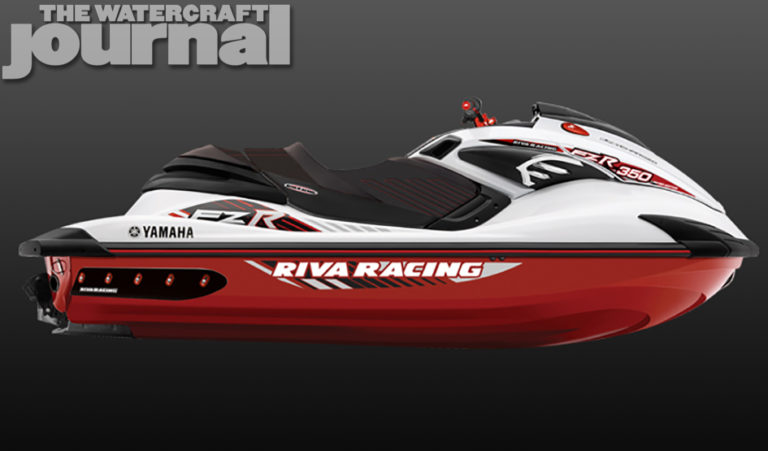
First, it was a handful of grainy cell phone pics hitting social media threads. Then came a few photo studio images from RIVA Racing itself. Then came a full blown feature article on The Watercraft Journal that revealed all of the details on what was at the time only thought of as a display model at the Yamaha dealer show at the Amelia Island Ritz Carlton in Florida, in late August 2015.
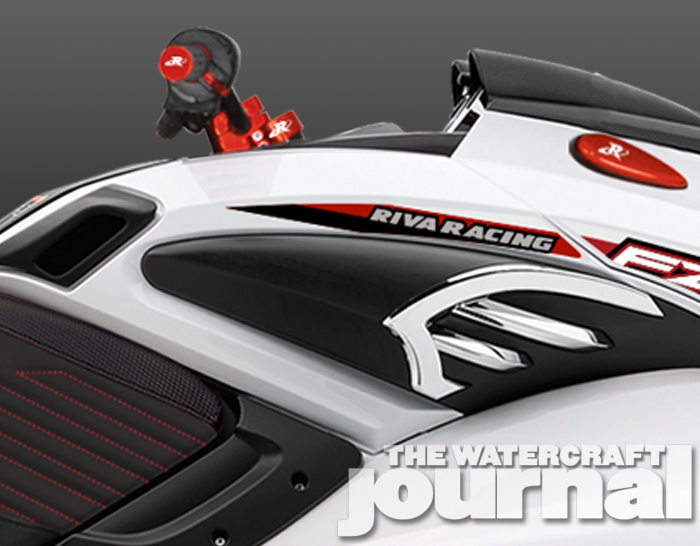
The ski, a modified 2015 Yamaha FZR wielded bright orange “350” emblems on its sides almost taunted onlookers. The idea of 350 dyno-proven-horsepower out of a supercharged personal watercraft was, only a scant few years earlier, the stuff of top-of-the-line Pro Open and international GP class race craft. Now, RIVA Racing – the industry’s leader in developing high quality performance aftermarket race parts and accessories – was offering it in a reliable package.
Yet, this time things were different: while all of the wares listed on the RIVA-equipped WaveRunner could be purchased individually via the company’s online store, the parts manufacturer was offering a nearly identical turn-key package for $25,995 through the RIVA Racing dealer network. Never before had such a modified watercraft been developed, tested and proven, and made available for general consumer interest.
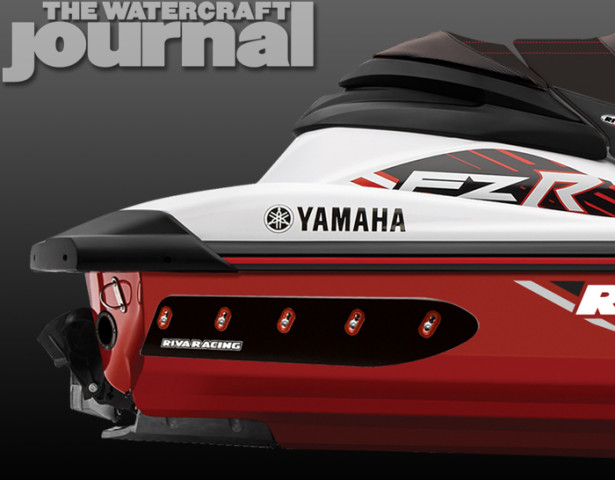
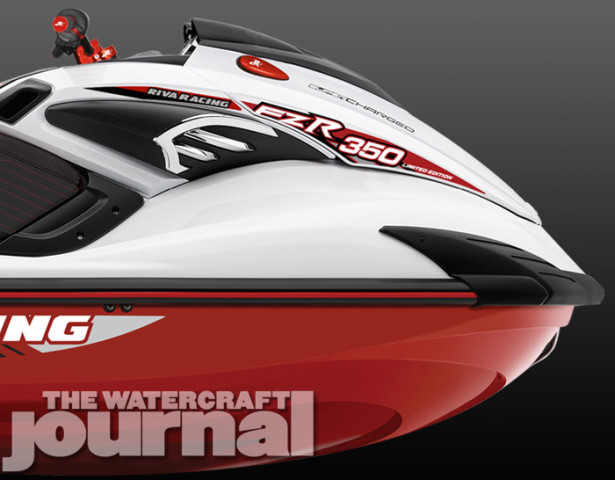
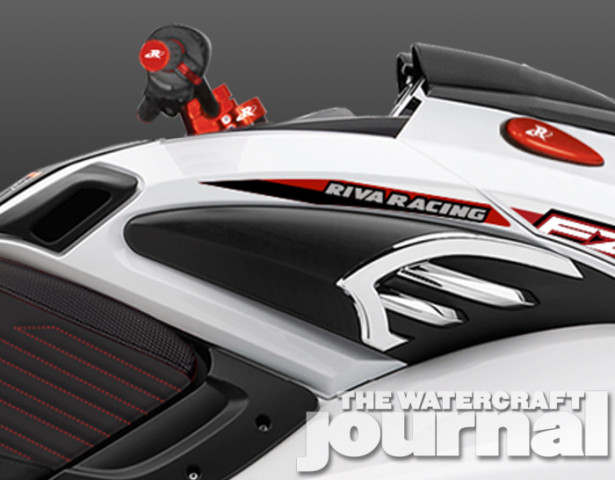
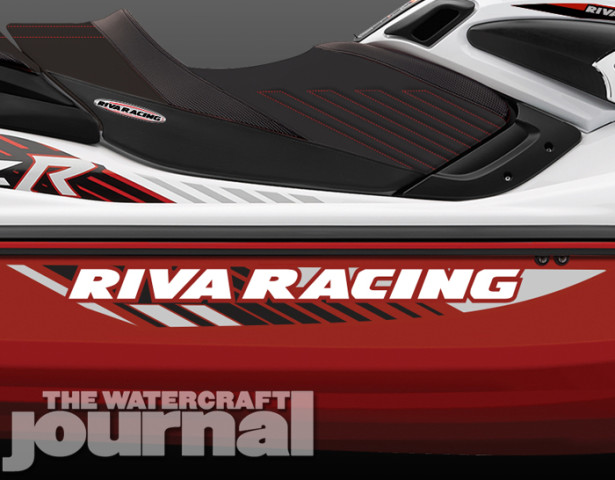
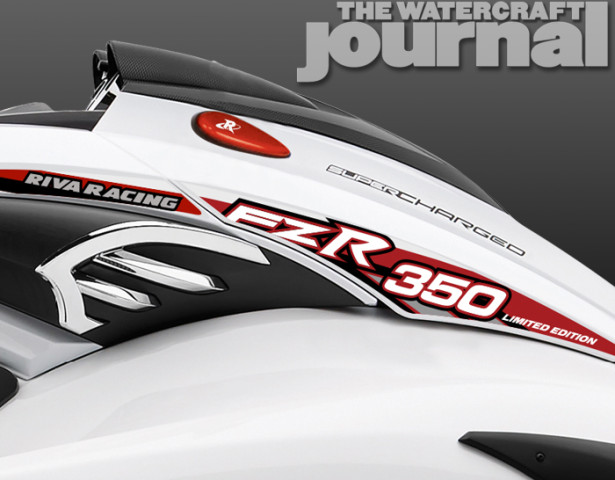
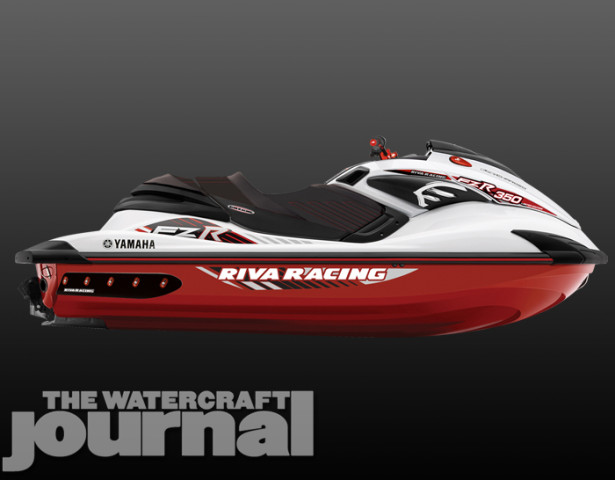
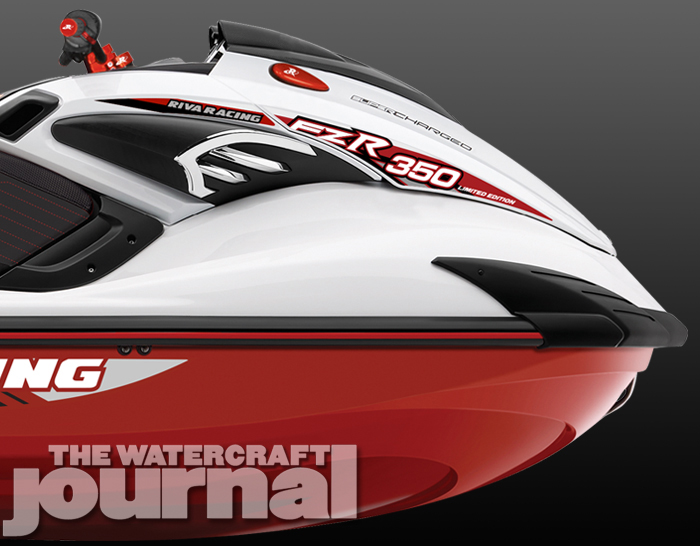
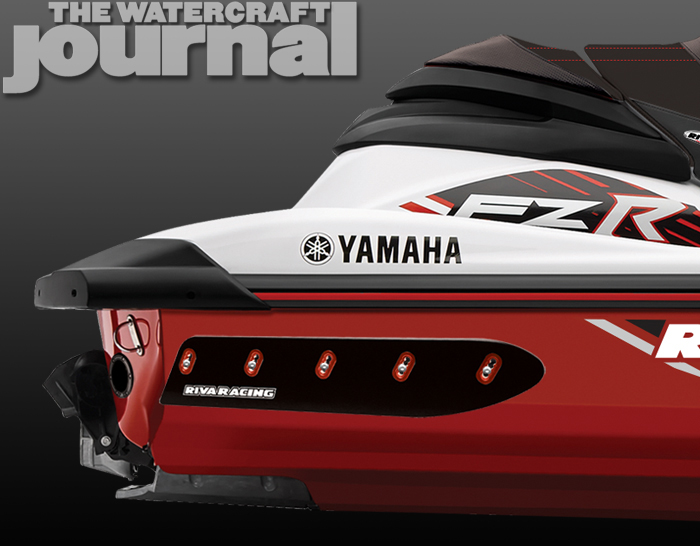
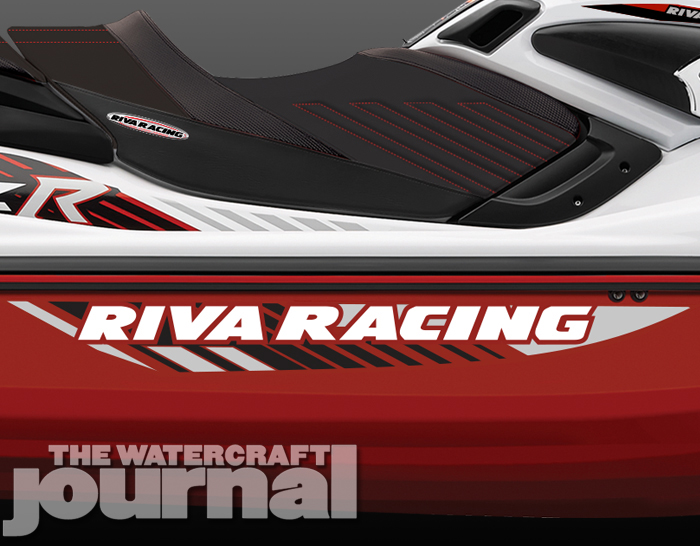
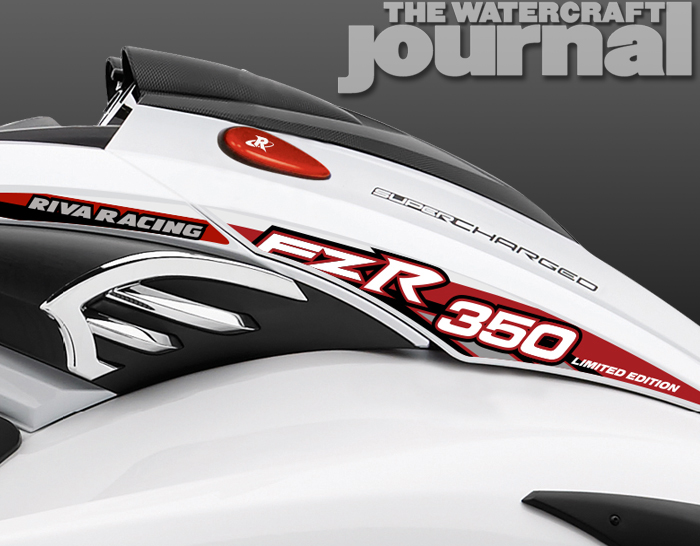
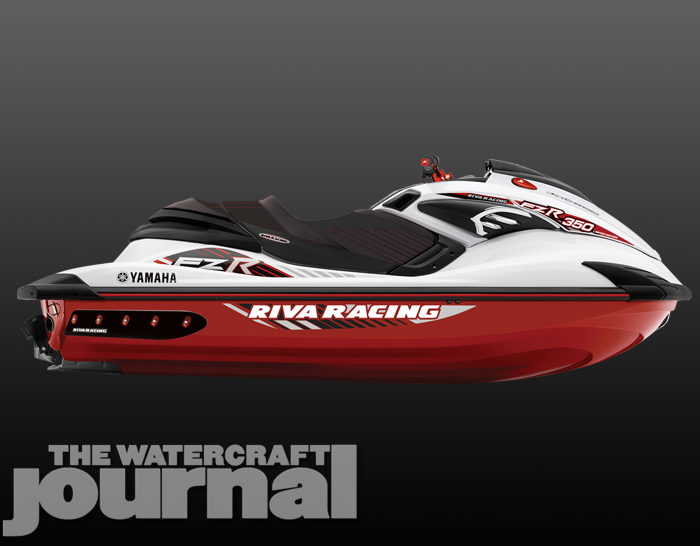
With a limited run of 25 units for the year, those who saw the immediate value in such a machine instantly committed initial payments – even before seeing the final product. As shown in the earlier article, the FZR 350 displayed was a 2015 model and changes would be made to match the 2016’s aesthetics (namely the Torch Red Metallic hull). When finally (and quietly) unveiled in early December, the RIVA Racing Limited Edition 2016 Yamaha FZR 350 showed its ultimate appearance.
RIVA’s Dave Bamdas told The Watercraft Journal, “Internally, we debated over the Limited Edition’s look. I wanted it to look like this could’ve come from the factory, and made great efforts to do so. All of the orange components [from the prototype displayed in August 2015] are now anodized red, to match the factory red color scheme.”
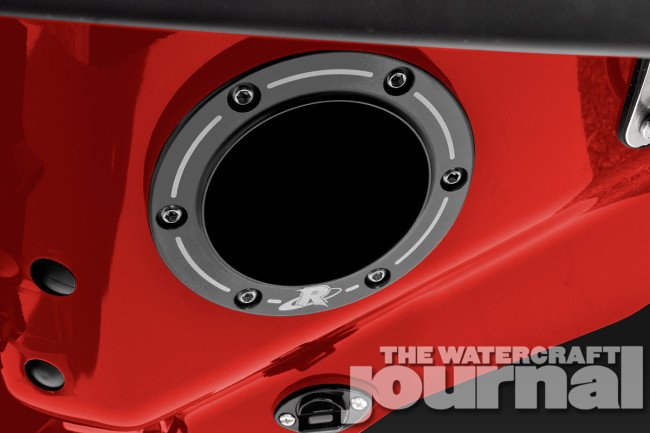
“Even the RIVA-edition Jettrim custom seat cover flows with the design,” Bamdas continued. “We had all the stitching match the same red, with lots of black and satin to give it a stealthy look.” The FZR also comes with special “RIVA Racing” edition Hydro-Turf traction matting. Lastly, a pair of red-anodized RIVA FZ mirror block-offs clean up the Yamaha’s hood lines. But, the Limited Edition 350 is far more than just an external appearance package. To make the Limited Edition FZR’s 350-horsepower a dyno-proven reality, RIVA started with their proven Stage 2 kit, and simply went on from there.
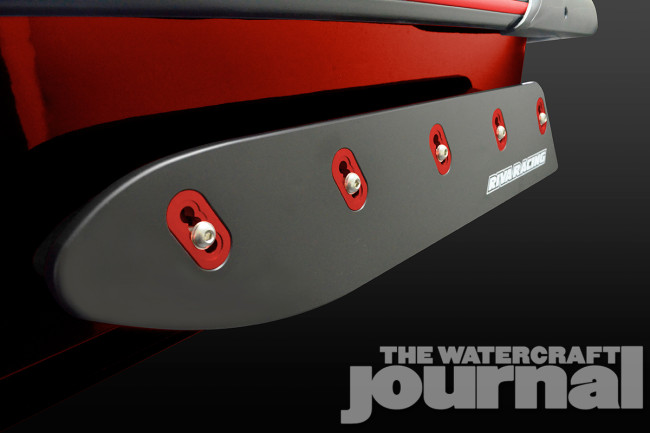
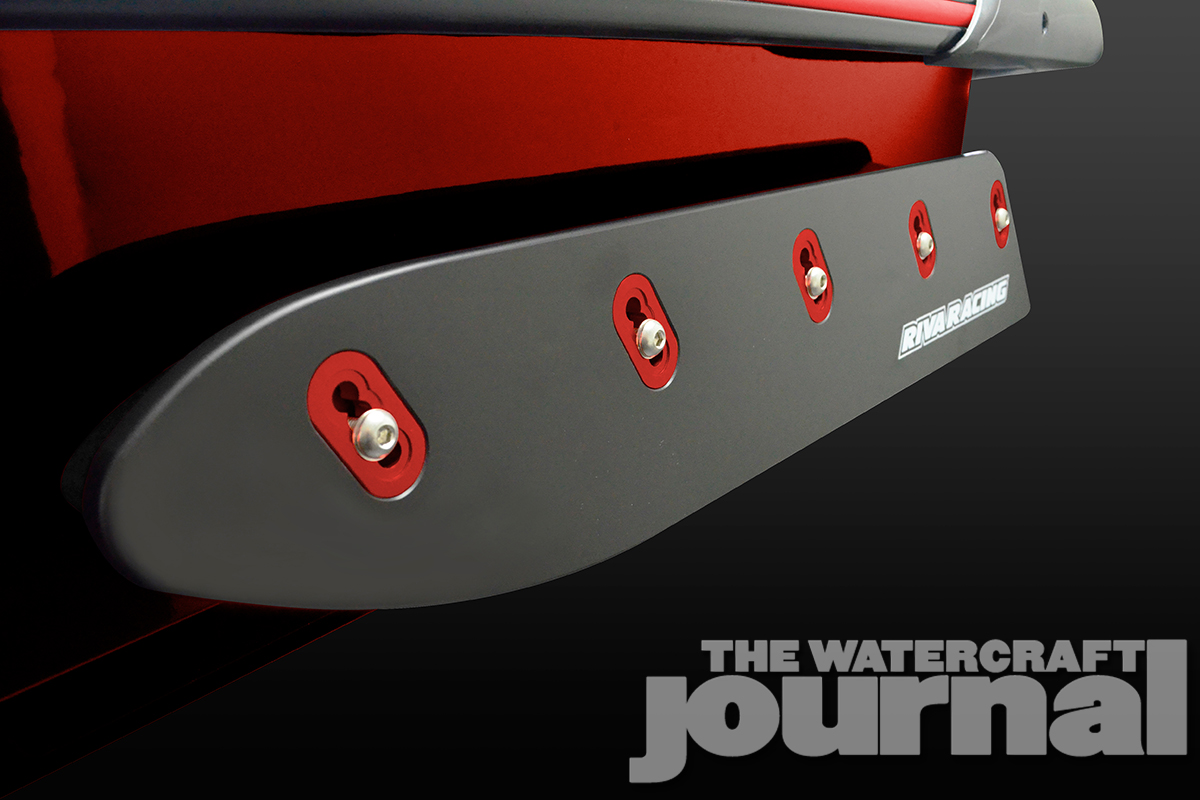
Adding to the FZR’s already impressive handling prowess is a RIVA FZR/FZS Performance Ride Plate, FZ SVHO Stainless Intake Grate and RIVA FZ SVHO Pump Seal Kit, and a pair of Pro Series sponsons, of which the 5-position sponsons’ billet inserts have been specially anodized red as well. Unseen is a new Solas Yamaha 160mm Concord 13/20 Impeller that can properly process all of that extra rpm into usable thrust. This of course, not only increases the FZR’s 1.8-liter SVHO 4-cylinder to produce a dyno-tested 350 horsepower (over the stock 260 horsepower at 7,500rpm), but run up to a GPS and radar-proven 80mph at 8,300rpm (with 1/3 tank of fuel, trim in neutral, sea-level elevation, air temp 80-degrees F, states RIVA Racing).
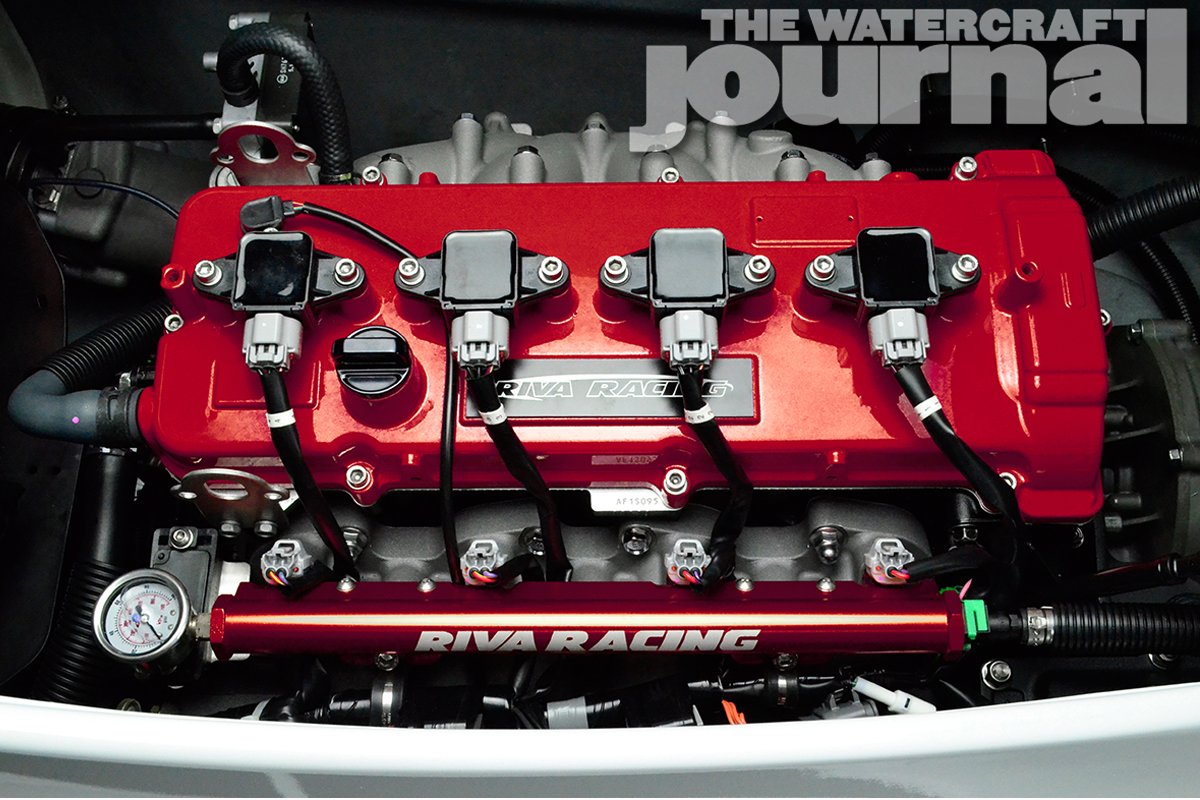
Keeping the rider in control of all that newfound power is a RIVA FZ Pro-Series steering system, Pro-Bar 32-inch runabout bar, and billet throttle lever, all sharing the same anodized red hue. Speaking of which, every Limited Edition FZR will also feature a red powder coated valve cover with a specialty-laser etched plaque noting the ski’s number of the available 25 units. According to Bamdas, “Five units have already been claimed. As soon as we took possession of 2016 units we started building them. The first Limited Edition FZRs will be available in late January. People are already really excited for them.”
Each of the Limited Edition FZRs are hand-assembled by RIVA’s own research and development team (the same master technicians who design and test every RIVA Racing part and component prior to distribution). And while the 80mph, 350-horsepower Limited Edition FZR 350 fetches $25,995.00, RIVA Racing has also decided to offer a Limited Edition FZR (non-350) for $20,995. Spec’ed at a top speed of 74mph at 7,600rpm, the non-350 comes with all of the aesthetic graphics, handling and breathing improvements, and still delivers excellent performance.
“We found that 74 miles-per-hour is just plenty for a lot of riders,” Bamdas concluded. “The lower version offers all the look, style and handling of the Limited Edition 350, but without the big boost of horsepower. The only outside difference between the two is the hood graphic leaves off the ‘350.’ That’s it.”
Of course, that doesn’t mean that the Limited Edition FZR can’t be upgraded to 350 horsepower at a later date, as all of the parts used to make the Limited Edition 350 are available currently at RIVA Racing’s web store. As Bamdas noted, the Limited Edition RIVA Racing FZRs – in either performance trim – are more than just a Stage 2-equipped FZR, as we’ve ridden previously. Rather, these are truly one-off custom, serial numbered machines that we hope to eventually become collector’s items. That’s not to say, we wouldn’t ride it all the damn time, but that we probably wouldn’t mess with the already proven package.
Undoubtedly, many of you reading this are returning back to your daily occupations trying to shake off the lengthy holiday weekend. Whether or not you’ve set any personal resolutions to complete this calendar year, the closing of 2015 and the ushering in of 2016 is one to reflect, contemplate and review. But we’re saving up “2015 in Review” for another date. Rather, we’re setting our sights forward and looking down the barrel of what the new year will unveil to us lovers of all things personal watercraft.
Normally, we’d reserve this spot specifically for casting predictions for the year but we’ve got so much chatter coming over the telegraph wires that we’d be remiss to not include a few projections for future product coming to a shoreline and showroom near you before the end of the calendar year. Admittedly, much is hearsay and whisperings – but such is all forms of early intelligence. What we look for are patterns. How many reliable sources are predicting the same things? That’s where you get solid intel.
We’re going to share quite a bit of new product here that has been in waiting for years. What makes 2016 different from previous years? The economy. When things got really tight, you saw manufacturers tighten up on unrolling new hull designs, innovations, and added technology as sales were at a near standstill. With new unit sales growth up into the double digits, and a record number of floor sales in the past 6 years, the OEs are seeing enthusiasts champing for new and exciting product. So for now, we’ll handle this alphabetically:
Kawasaki
The thinly-differentiated Ultra 310 lineup still reigns supreme in every single offshore and endurance event (and will continue to do so in 2016), but is beginning to fade in public view. We’ve argued privately that Kawasaki is sitting on the single-richest vein of brand name equity in the industry. Kawasaki “started it all,” and many who started their love affair with PWC did so on a JS440 or JS550 standup, and while they might be currently riding a RXP-X or FZR, many would jump at the chance to buy a Kawasaki again if they made a unit suitable to their riding wants/needs.
Currently, Kawasaki is clinging on to its single-digit percentage of marketshare. To reclaim a little more ground, the Big K is visibly lacking three things: first, a mid-sized/two-seater musclecraft – similar to the aforementioned Sea-Doo RXP-X 300 and the Yamaha FZR SVHO. This is not to take away from the Ultra 310X, as it is unflinchingly powerful, but many riders want something far more nimble and scaled back in size. We’ve belabored the notion of reintroducing the STX-R as a 310-horsepower closed course-killer, so we’ll just let you click the link.
Second, a true entry-level craft. We’ve already previously confirmed that Kawasaki is preparing a “new runabout for people just getting into the sport.” This, in our eyes, is a Rec-Lite segment craft – similar to the incredibly popular Sea-Doo Spark, whether in spirit or build design. And make note: this is happening. You heard it here first, folks. And lastly is its dealer network, which has dwindled in recent years. It’s easy to believe that will correct itself in implementing the above two suggestions.
Sea-Doo People are impatient by nature, and its certain that many of you are already seeing message boards and social media feeds full of enthusiasts taking early delivery of their new 300-horsepower Sea-Doos. There are even a handful of tuners already unlocking the restrictive ECUs pushing their brand new ACE 300-powered machines into the high 70s and even surpassing 80mph. Horsepower is always sexy and Sea-Doo’s jump from 260 to 300 will definitely garner BRP some very happy customers, if not lure lookie-loos into showrooms.
Although corporate race support isn’t that of Yamaha’s, it’s all but assured that starting lines will be rife with new Sea-Doo RXP-X and RXT-X units – be it in closed course or in the newly enlarged US AquaX series. What the new ACE 300 and the integration of the ErgoLock system allows is for more sportsman-level riders to try their hand at racing, and we’re betting that we’ll welcome a new crop of hardcore enthusiasts to the sport in large portion because of it. And if that’s the legacy that Sea-Doo leaves for 2016, we think it’ll be just plenty.
On the flip side, we do predict the dissemination of the new ACE 300 engine – in a non-supercharged format – throughout the rest of the current Sea-Doo lineup for 2017. Rotax engineers dedicated quite a bit of time, effort and resources in improving the outgoing 1503 Rotax 4-tec three-cylinder, and it’s clearly evident in the new ACE 300. Even without the service-free supercharger, the innovations put into the new ACE stands to provide power and efficiency gains for all levels of Sea-Doo PWC – from the GTI 130 to the GTX 155.
Yamaha
OK, this is where we go waaay out on a limb. Over the past six months we’ve been hearing a whole heck of a lot of chatter about Yamaha’s brass and their growing interest in expanding the SuperJet’s presence. As it stands, SuperJet sales are the highest in nearly a decade and Yamaha continues to increase its production numbers to satisfy demand (and keep people in dealerships instead of on Craigslist). The result is an influx of new 2-stroke SuperJets hitting the water…that is, where they’re permitted to ride.
See, 2-strokes are still persona non grata in many States in the US, and unless something seriously reverses in the political realm, it’s unlikely things will change anytime soon. Rather that mothballing the SuperJet because of this (as did Kawasaki), Yamaha is looking at bringing the SuperJet into the 21st century thanks in large part to the new TR-1 plant introduced for 2016. The new 1.1-liter three-cylinder 4-stroke is as much lightweight as it is powerful – producing approximately 120-naturally-aspirated-horsepower.
Commonly, the two biggest concerns of a 4-stroke conversion are weight and water ingestion, and with the TR-1 equal to that of a three-cylinder (“triple”) build – tipping the scales around 150-pounds when fully dressed, the likelihood of a TR-1 powered SuperJet is very high, whether for 2017 or later. Already aftermarket builders have applied the new TR-1 to conventional SuperJet and lightweight aftermarket hulls with great success, and its certain that Yamaha is paying close attention to public demand.