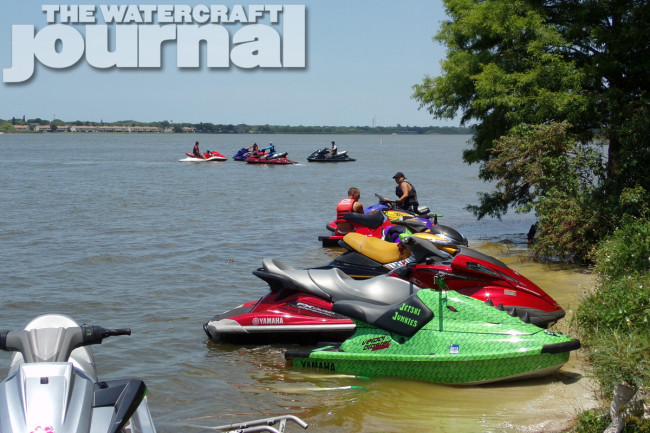
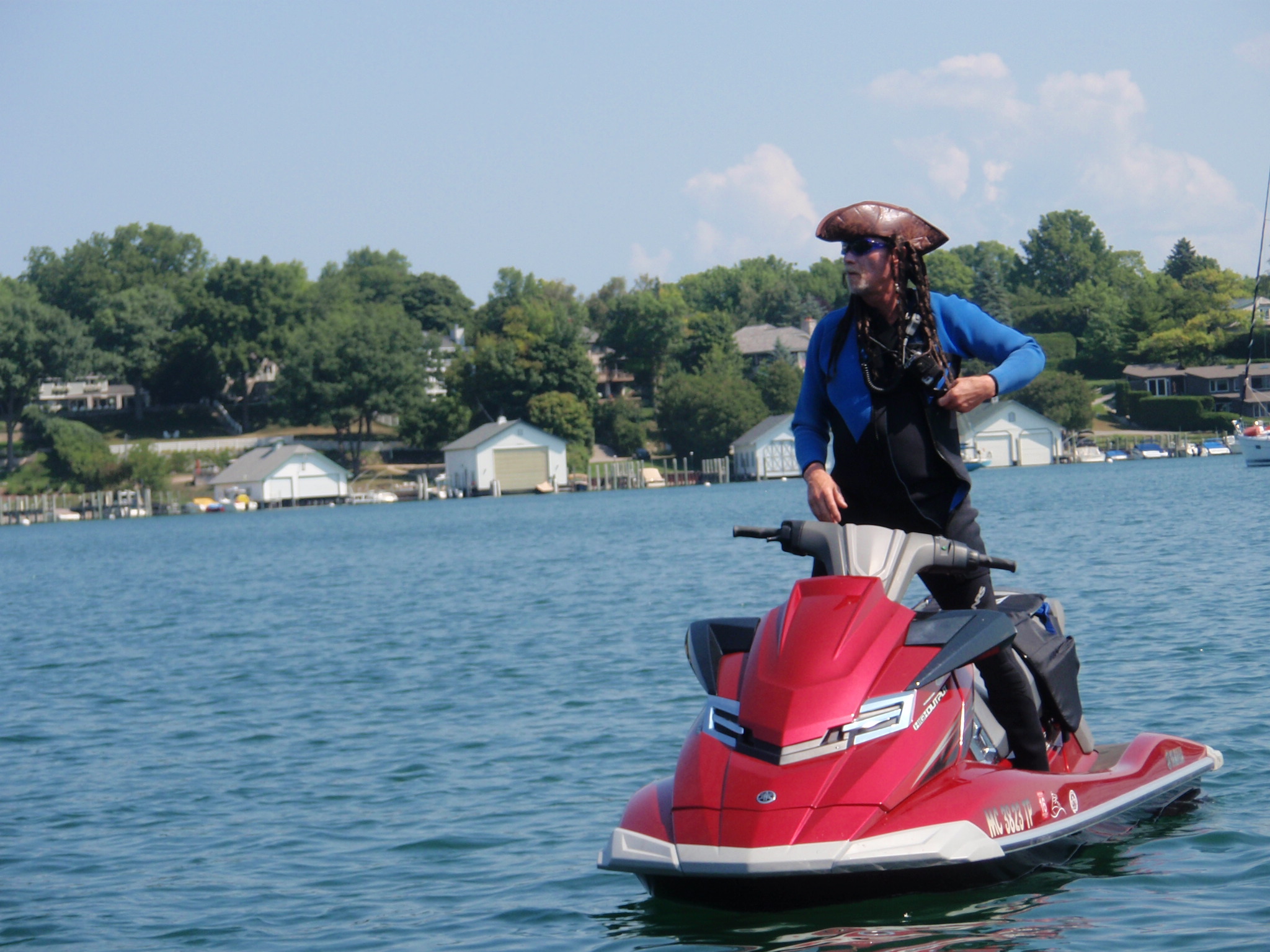
Welcome aboard! Your captain today is Mr. Scott “Hollywood” Watkins.
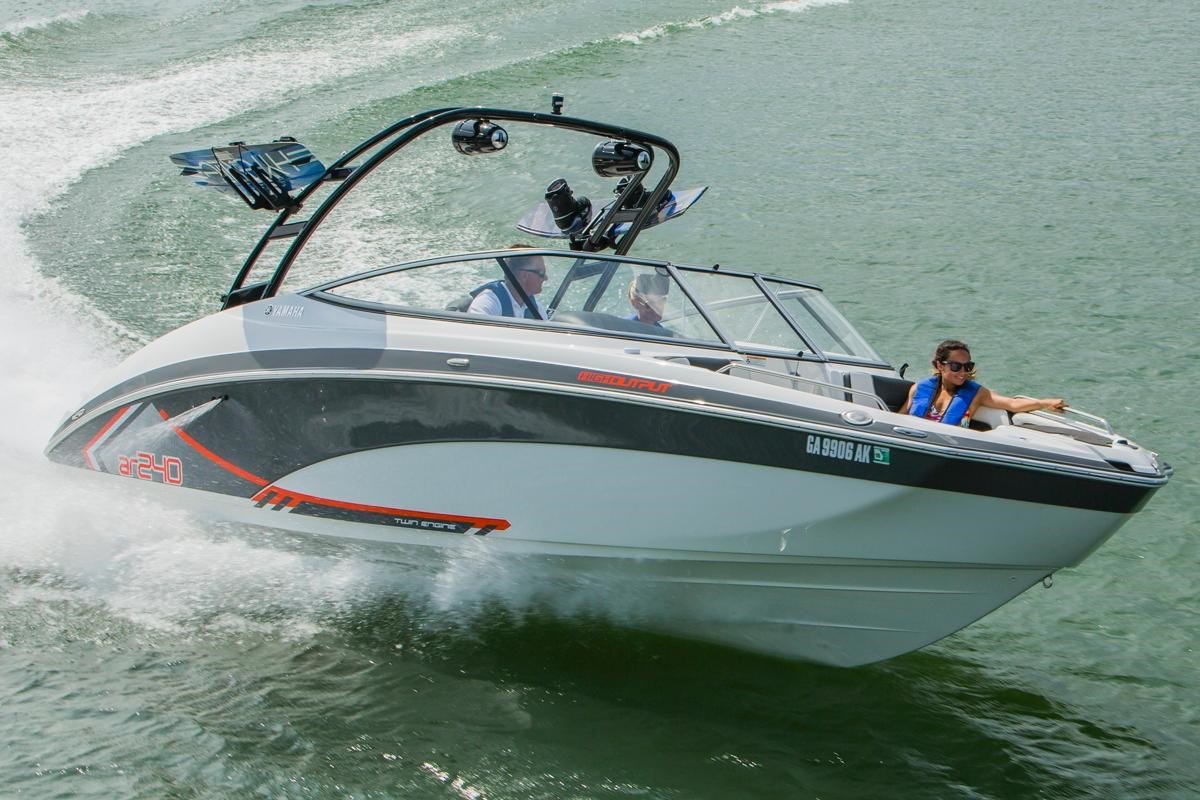
It was only last week that The Watercraft Journal introduced you to five new graphic kits from IPD Graphics – with applications ranging from top-of-the-line supercharged runabouts to old school Yamaha SuperJets. Now, with Yamaha leading the boating industry market with an impressive lineup of jet-powered boats, it’s more appropriate than ever that IPD Graphics branch out into a new marketplace.
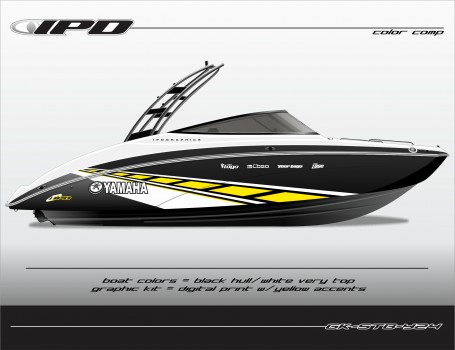
With an eye targeting the the high-level wakeboard enthusiast – and even the “luxury boating connoisseur” – IPD’s new kits for the Yamaha AR240, the Yamaha 240 and 242 Limited, and entry-level SX240 offer enthusiasts of every level, school and taste some new styling for their class-leading boats. As IPD Grpahics states, “Our line of graphics for these sporty models offers a wide array of styles to appeal to all of these boater types.”
AS is with all of IPD’s industry-leading graphics, each kit is a full color printed graphic package, using high quality vinyls and laminated for impressive durability. Moreover, all kits permit for optional logo placements (for sponsored riders or brand enthusiasts), and are incredibly easy to install, requiring very minimal skill level. So if you’re in the market to splash on a new racy look to your Yamaha 242 Limited, SX240 or AR240 Yamaha jet boat, IPD Graphics Kit will help you “push the limits of creative design.” Check ’em out HERE:
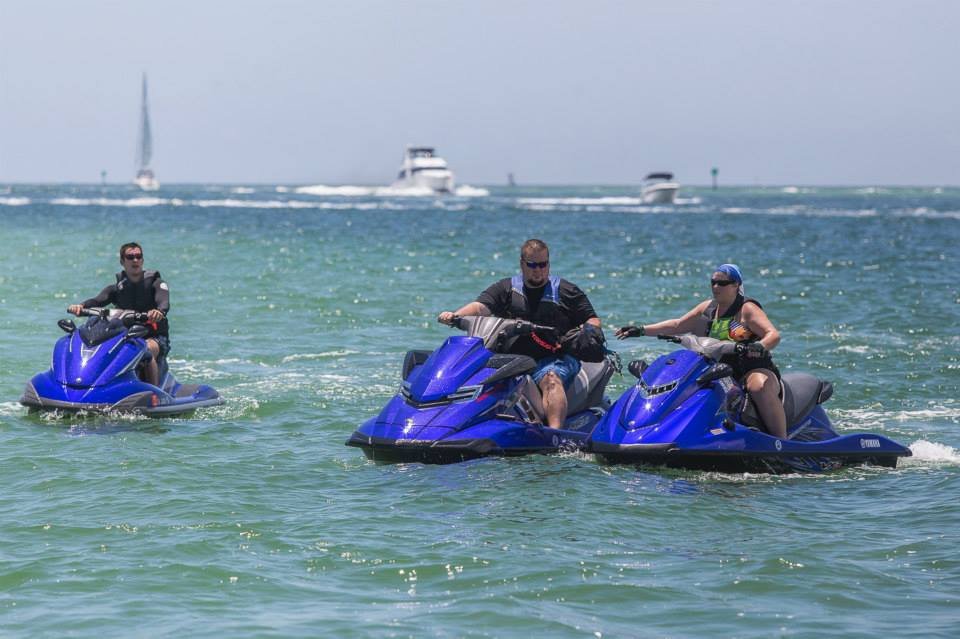
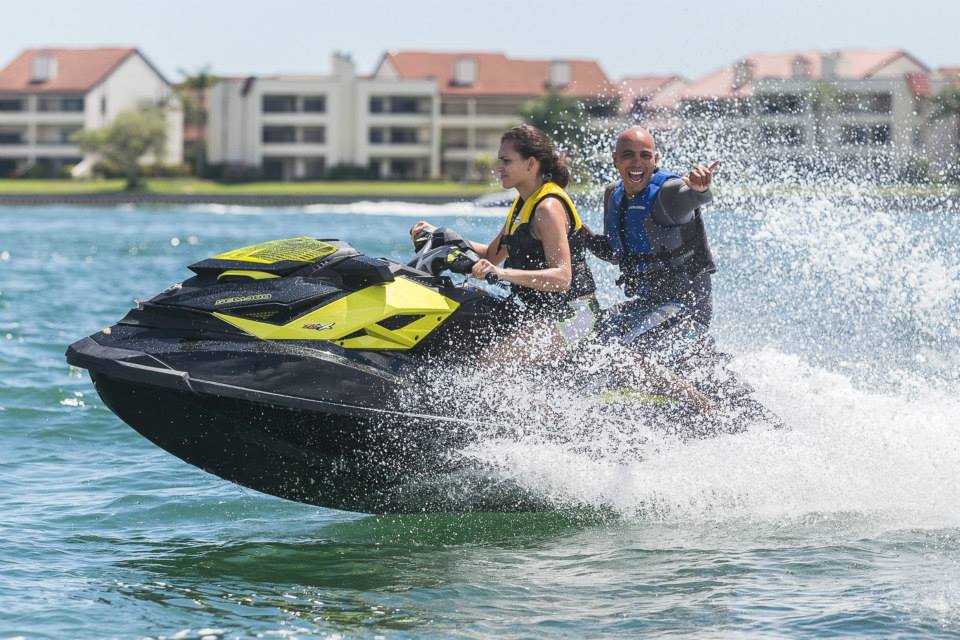
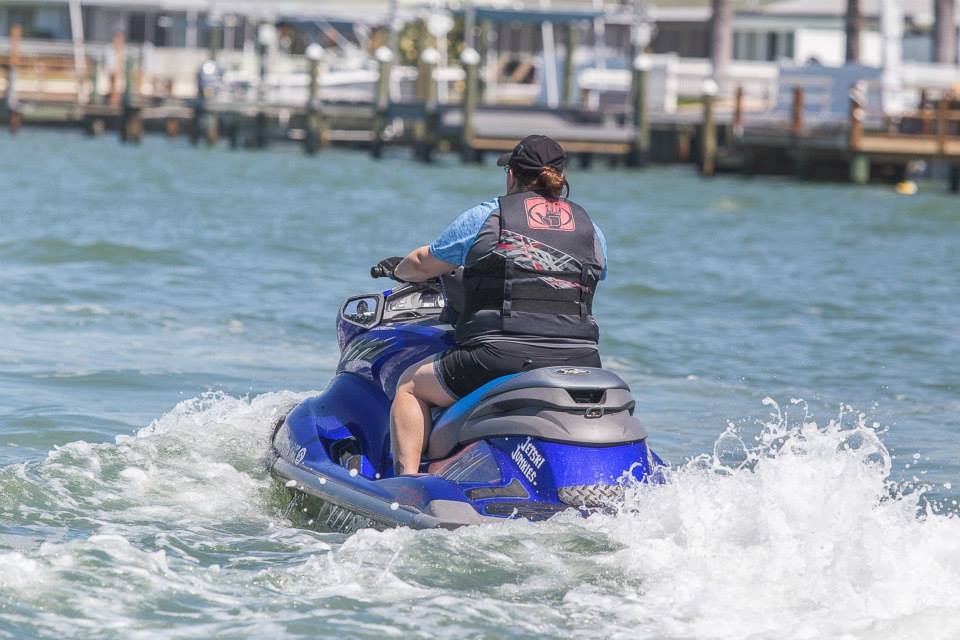
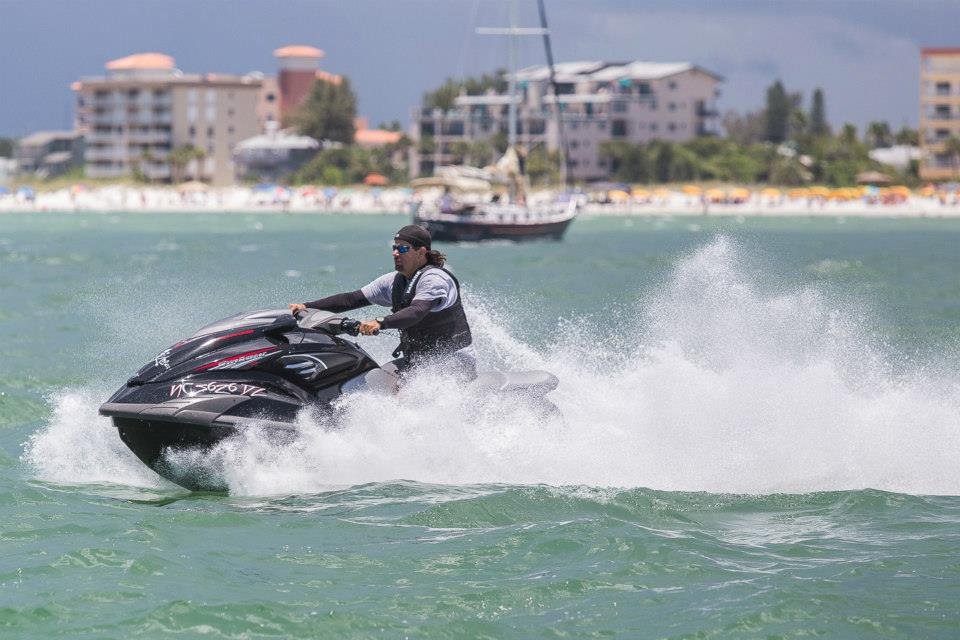
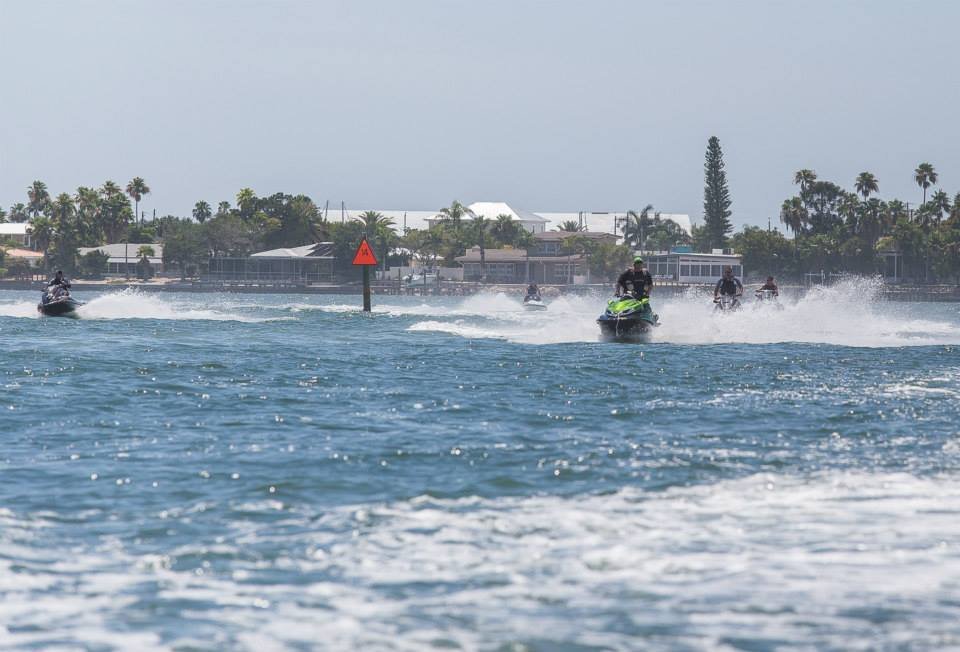
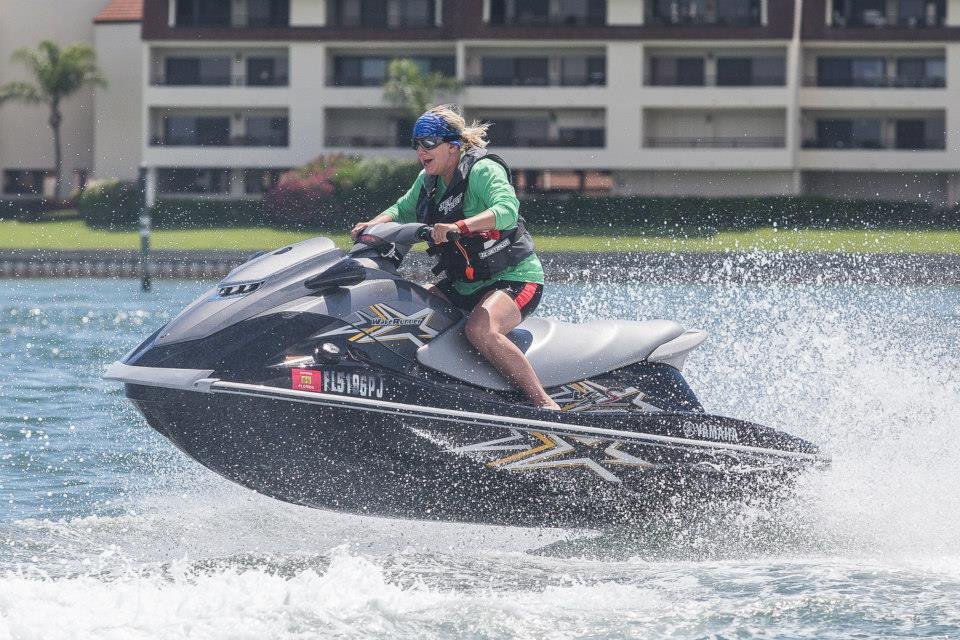
In January of this year, the founders of Jetski Junkies USA, rolled out a few new pilot programs to help build relationships between dealer customers and club members. Due to the amount of ride time the JJ Club sees specifically here in Florida, the members tend to put a lot more hours on their PWC than the average rider.
These programs are specifically designed to get the dealership customers actively riding, meeting new people, learning from others about the industry, staying interested and of course having access to the best PWC adventures offered around the country. Multiple dealers were approached with offers and in April 2015, the first pilot program was put into action with one of Florida’s oldest, largest powersports dealers, Barney’s Motorcycle & Marine.
Barneys has been in business since 1946 and currently operates three major locations in St. Petersburg, Brooksville and Brandon, carrying every type of powersports toy imaginable along with all three OEM brands of personal watercraft: Yamaha, Sea-Doo and Kawasaki. Barneys covers at least 165 Gulf Coast miles and over two thirds of the Central Region of Florida within just an hour away.
Pride and heritage speaks volumes as the three dealerships are decorated with powersport pieces from the past, vintage watercraft, motorcycles, scooters, etc. all restored to like-new condition. The walls speak of racing history with plaques, articles and trophies adorning every square inch of open wall space giving you the feeling it’s not just about making a sale, it’s truly about making you a fan for life.
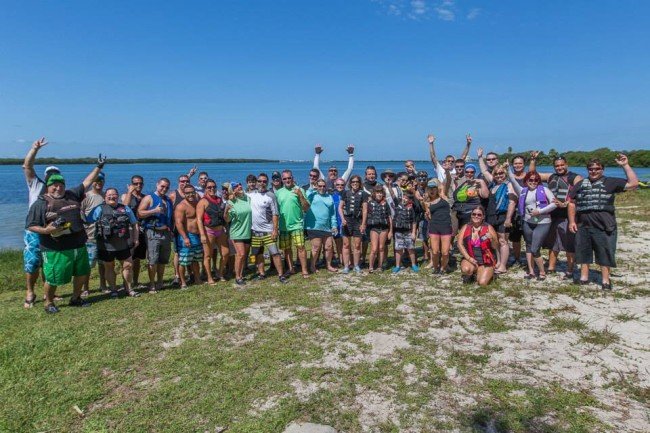
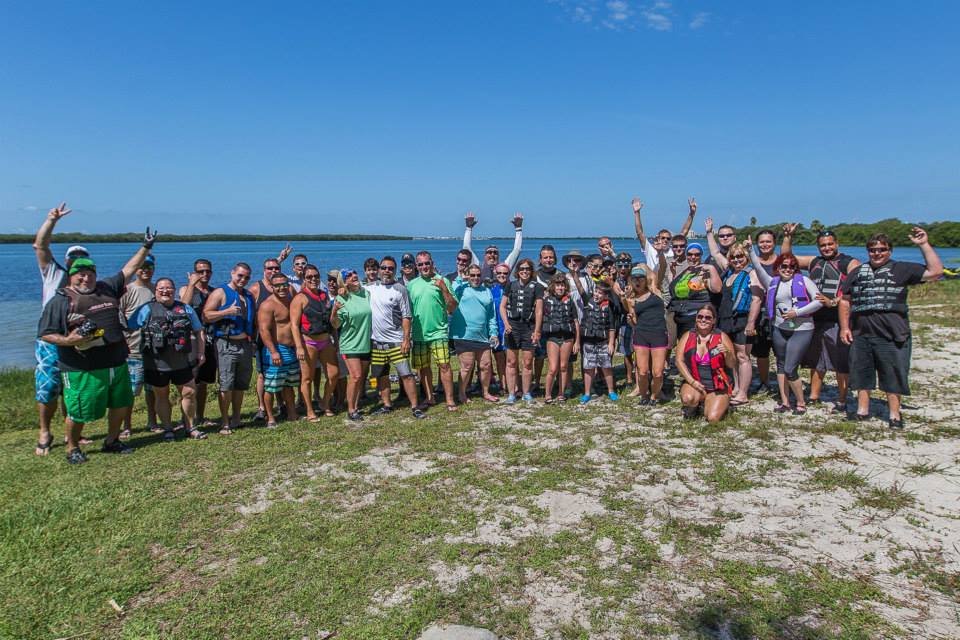
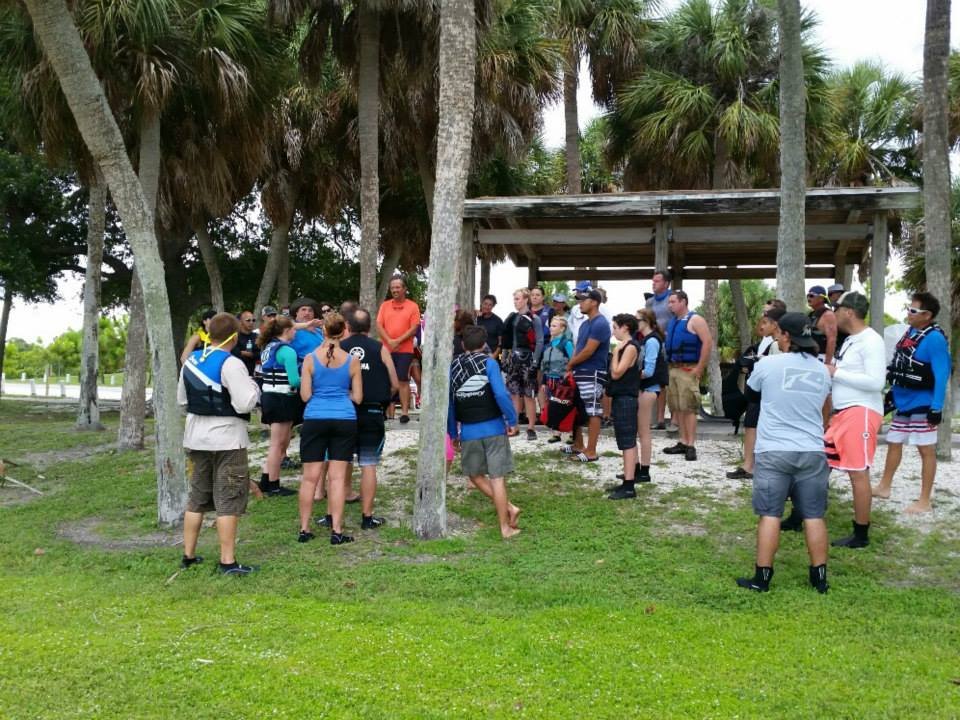
The pilot program, spearheaded by KC Wood, President of Barneys Motorcycle & Marine, Ralph Chancey of Powersports Advertising Group and the founders of Jetski Junkies Jet Ski Club, just finalized it’s second group PWC ride with outstanding success. The goal being to offer directly to the customers of Barneys, a World Class group touring experience, a first in the PWC industry.
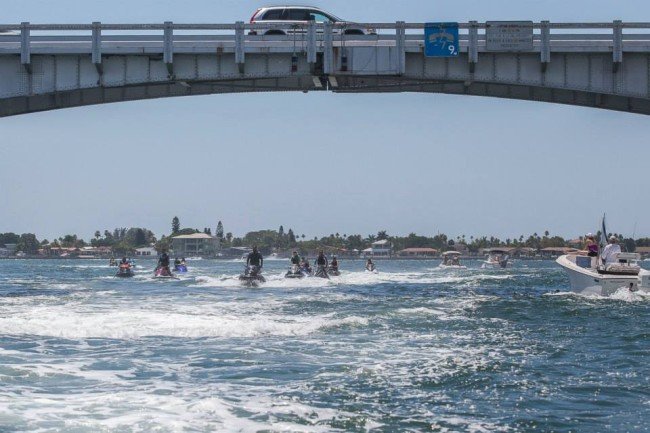
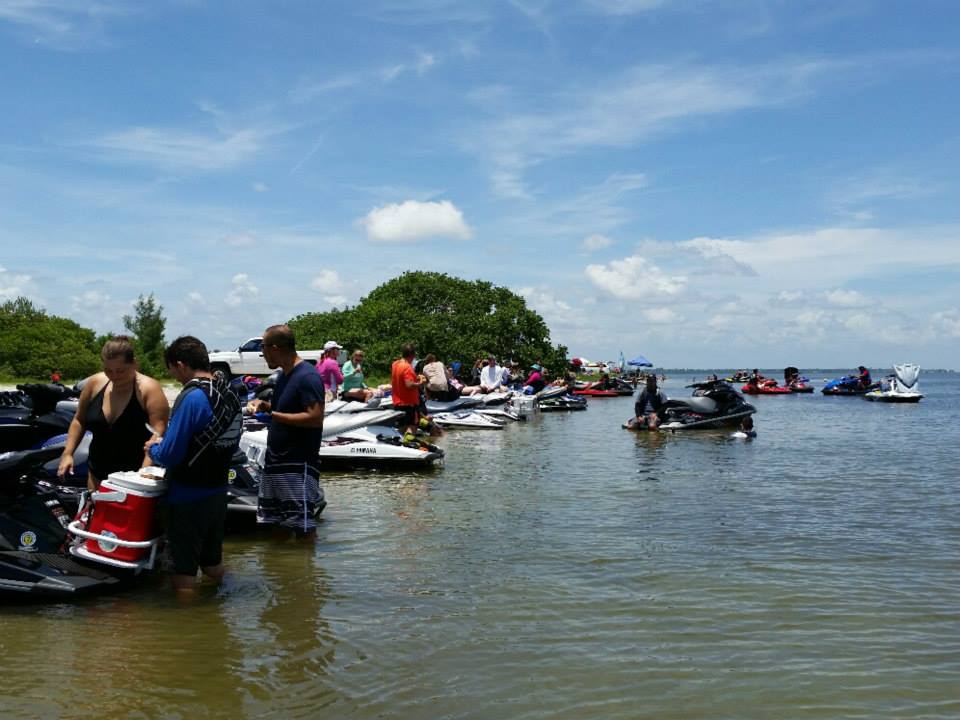
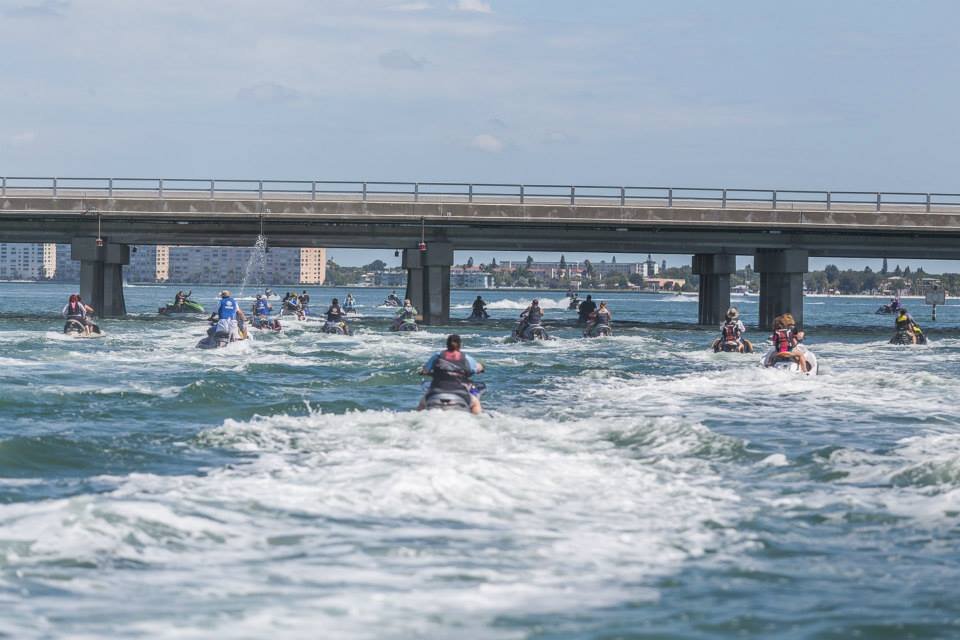
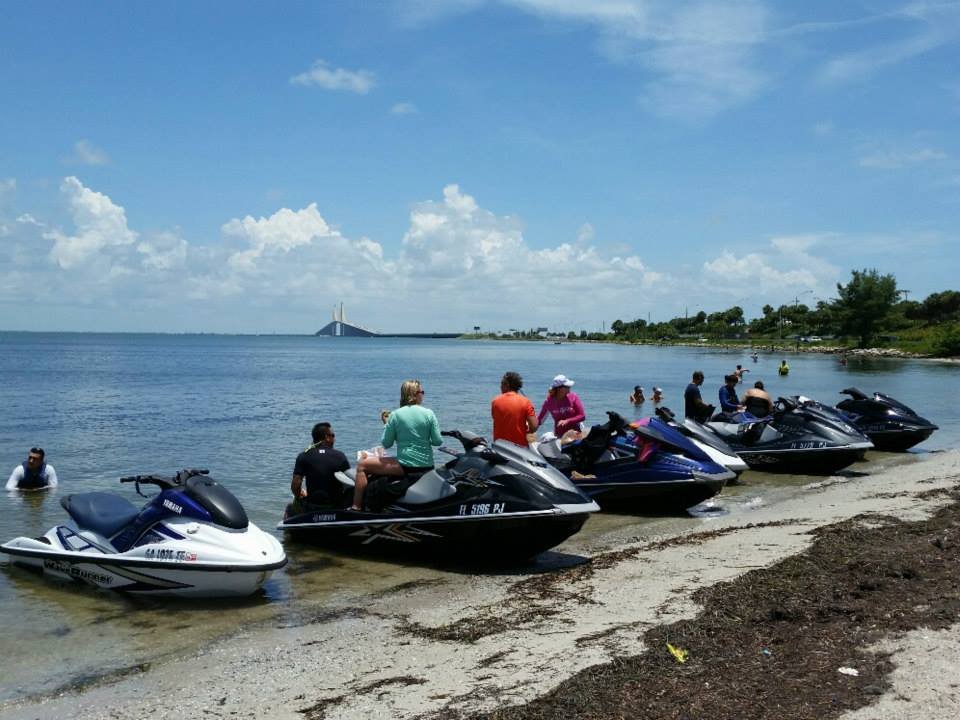
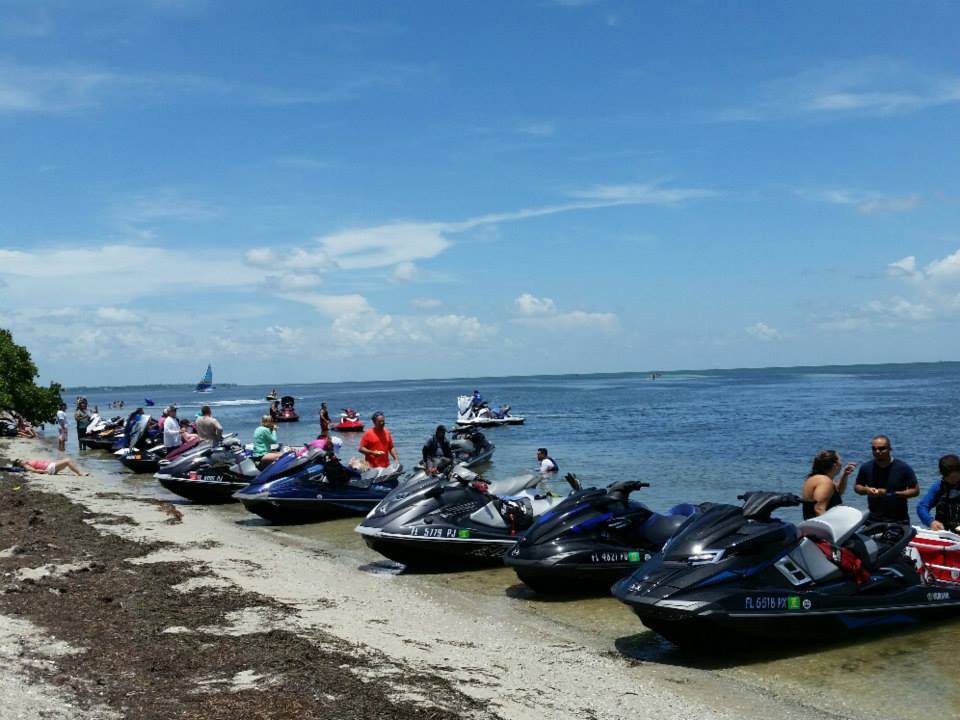
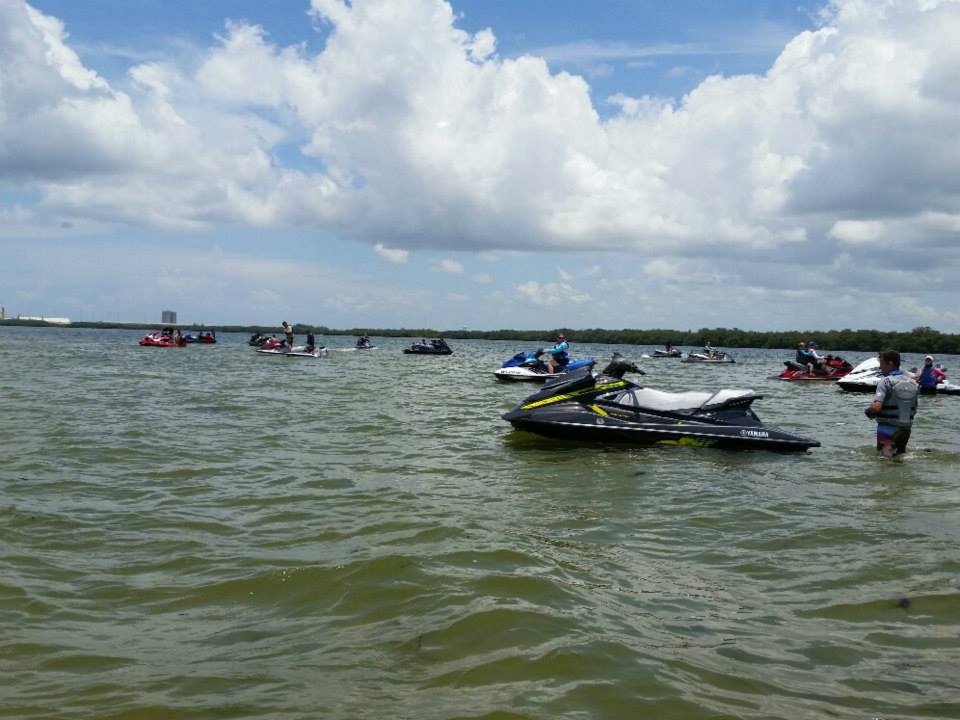
The first group ride was held in May and took a very lucky 44 riders up the Intracoastal Waterway with a stop for lunch and then out into the Gulf of Mexico along the most beautiful beaches in the world, a stop for shell finding and swimming on a pristine island before ending the day. With nearly a third more signed up for ride Number Two, a storm attempted to shut us out; however, for the nearly 40 riders willing to wait it out, they received the ride of a lifetime with an intimate ride beneath Florida’s iconic Skyway Bridge and around the remains of the original Skyway Bridge which collapsed on May 9, 1980, now used as fishing piers.
From there it was up the shoals along the east side of Tampa Bay to Bishop Harbor for snorkeling and swimming and then to the Skyway Beach for lunch on the north side of I-275 before ending the day. Without a doubt, the riders coming out for these rides are having the time of their life and getting up close and personal with history and wildlife while meeting new like minded friends as well as the dealership owner and staff to help and answer any questions.
Hamburgers, hot dogs, a cold drink and letting off some fireworks sure sounds like the traditional way to spend this nation’s Independence Day, but this July 4th, RIVA Racing would like to entice you to gear up and take to the water for some real freedom! That’s right. Don’t spend your holiday weekend swatting mosquitoes, hanging with the in-laws or gulping down warm soda. Get everything you need to have an awesome couple of days riding your PWC from RIVA Racing at upwards of 50-percent off!
RIVA is offering unprecedented savings on select official Yamaha WaveRunner and Sea-Doo gear and apparel (including life vests, lanyards and riding shirts and shorts), awesome JetPilot and RIVA clothing, towables to haul the kids around the lake from Airhead, and even big 5-gallon VP Fuel gas cans. There are also waterproof phone cases, extra large official RIVA towels (ideal for laying out on the beach or keeping dry in your runabout’s front storage bin – made with an interwoven RIVA logo and from premium soft twist yarns forultra absorbency), and much more.
RIVA’s own Marcos Smith told The Watercraft Journal, “We’ve selected several products throughout our site that people are looking to get. From apparel to handle bars. Items upto 50% off. Plus FREE shipping starting today till Sunday July 5th midnight on domestic orders and non-oversized items with orders over $99. It’s one of the best times to buy from RIVA.”
A four-man team of college students attending Calvin College in Grand Rapids, Michigan built a personal watercraft that looks like something out of a “Mad Max” film. The students, Josh Vanderbyl, Nico Oursema, Ryan DeMeester, and Zak Deveries are in the mechanical concentration of the engineering program at the college.
They built what is dubbed the “Jet Blade”, an aluminum watercraft built for one. It rides on two skis on the bow and one ski on the stern. The students chose three blades in order to increase maneuverability and stability of the ski. As long as two blades are in constant contact with the water while turning, ease of turning for the rider is a breeze. The rear blade is attached to a horizontal jet pump, powered by a 650cc water-cooled engine. Front suspension implements Active Tilt Steering design.
The scary part about this machine is its aluminum hull and sharp edges, which may cause serious injury to a rider falling over. That person will more than likely sustain a major injury as a result of the builders’ failure to use a fiberglass hull.
The students claim Jet Blade is unique because of its fixed steering implemented by turning the front ski, although both skis must touch water at all times for maximum turning performance. Their Design Report states that Jet Blade is “for use on small inland lakes where waves should not exceed 1-2′ in amplitude. Like most watercraft, it is a seasonal vehicle. It is able to operate in water temperatures down to 32F; however this is well below comfortable riding temperatures. Conversely, the liquid cooled 650cc engine allows the Jet Blade to stay cool even on the hottest summer days, operating in water temperatures up to 90F.”
A prototype is complete and fully functional. Currently, the students are in the process of getting Jet Blade on the market by touting the machine’s uniqueness and targeting people with disposable income since Jet Blade is considered a luxury item.
It’s hard to believe that 2015 is already halfway over. There’s only two weekends of Pro Watercross Tour remaining before the debut of the all-new World Championships in Naples, Florida, there’s four more stops of the ever-popular AquaX USA races, and well, still plenty of summertime left for all of us personal watercraft enthusiasts to enjoy on the water. Thus far, the weather has been great (albeit a little hot. Although it likely has nothing to do with Al Gore), the industry is firing on all eight cylinders and there’s some seriously exciting stuff coming from the OE’s and aftermarket.
It all sounds pretty great, right? We sure think so, and we’ll tell you why: With June kicking off the first real months of summer, The Watercraft Journal jumped another 15% in readership, raising its all-time monthly readership to a staggering 25,500-plus individual readers. To put this in perspective, currently, the only print magazine maintains just over 2,400 bi-monthly subscribers, and while serving as Editor of Personal Watercraft illustrated (between 2007-2010) we maxed out at 17,000 subscribers during its peak summer months. Yet, these numbers come into focus when realizing that in 6 short months, The Watercraft Journal has welcomed over 100,000 unique readers.
Considering we have a swathe of new skis coming from both Yamaha and Sea-Doo for 2016, as well as stellar coverage coming from both the Pro Watercross World Championships and the IJSBA World Finals, we are on target to reach over a quarter-million unique readers in 2015. That number not only secures The Watercraft Journal as the single-most popular PWC magazine today, but even pulls ahead of the numbers from industry favorites Splash and Jet Sports from yesteryear.
Like Clockwork
Inconsistency is unreliability. If you promise to deliver, you’ve made a promise. If you can’t keep that promise, you won’t keep your readers for too long. If they can’t count on you to produce fresh, entertaining and informative content each and every day, you’re dead. That is why The Watercraft Journal excels. We publish 100-percent originally-written content from across the whole industry, not just some extreme niche. We speak to more readers, more interests and more enthusiasts than anywhere else. Don’t believe us? Just look at the numbers, because the scoreboard never lies. We’ve never missed a single day in our two years of daily publishing.
News articles published in May: 24
Feature articles published in May: 16
Total feature word count: 14,405 words
News articles published in June: 23
Feature articles published in June: 15
Total feature word count: 12,477 words*
*When this number is translated to print publication standards equals a 108-page magazine. Please note that this number does not include an average of two uniquely-written news articles published daily.
A Useful Resource
Successful magazine content has to accomplish two things: entertain and inform. If you dedicate your efforts to producing fun fluff, readers will quickly learn that your publication is the equivalent to cotton candy. If you’re nothing but dense tutorials, you’ll be a great point of reference, but ultimately no fun to read. Striking the perfect balance between the two adds variety to two very differing tones of content. If the magazine you’re buying ads with can’t seem to find that balance, you know what you’re getting and who they are reaching. The Watercraft Journal prides itself on publishing a wide swathe of content because that’s who our readership is.
May
Total number unique readers: 22,423
Total number of articles read: 47,468
Percentage of new readers: 70.0%
June
Total number unique readers: 25,510*
Total number of articles read: 54,077
Percentage of new readers: 68.6%
*This number is considered equal to an individual sale of a single copy of a magazine.
Where Do You Find Us?
Oh my, there’s a lot of noise out there. Everybody’s sending invites to Reddit, Google+ and even Pinterest. And while there are millions of people there, chances are, you’ve never been there looking for jet ski-related content. Social Media can be distracting (at best) and that’s why we keep our focus on our Facebook, Twitter, Instagram, YouTube, and weekly newsletters. By cultivating these avenues with daily updates and links to The Watercraft Journal, we’ve pulled ahead of our competitors without burying our readers in a wave of social media noise.
June Facebook readers: 13,303
June Facebook weekly reach: 8,430
Top Five countries: United States, France, Japan, Australia, United Kingdom
What is Going On Here?
C’mon, you already know the answer to that question! The Watercraft Journal continues to bring the bvery best content from all around the wide, wide world of the PWC sport – be it touring, exploring, closed course buoy racing, drag racing, freeride, freestyle, meets, rides and just about everything else imaginable. We’ve got some incredibly exciting stuff coming down the pike – and we already have the inside scoop on what new skis and products are coming next year (some of which we’ve already leaked), so there’s plenty reason to keep a close eye on the single-most popular personal watercraft magazine in America.
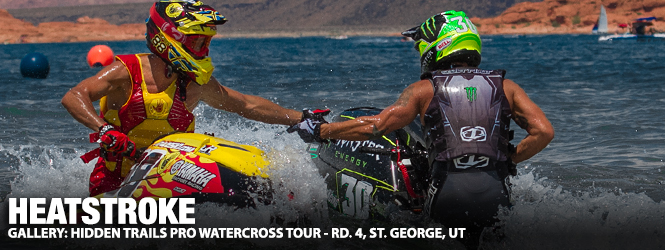
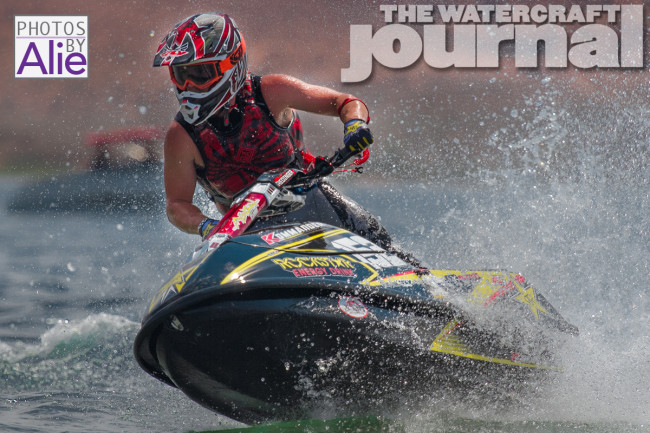
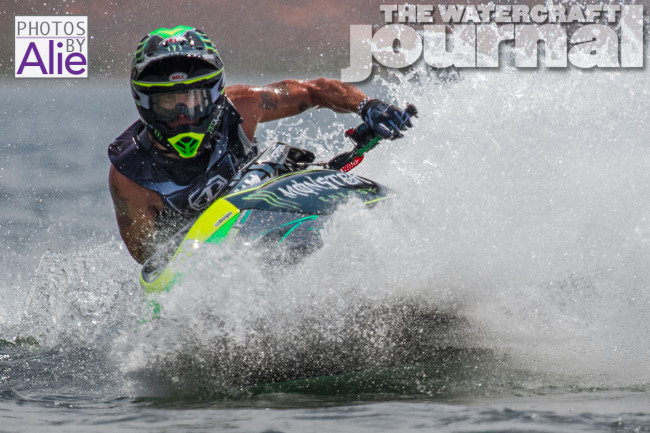
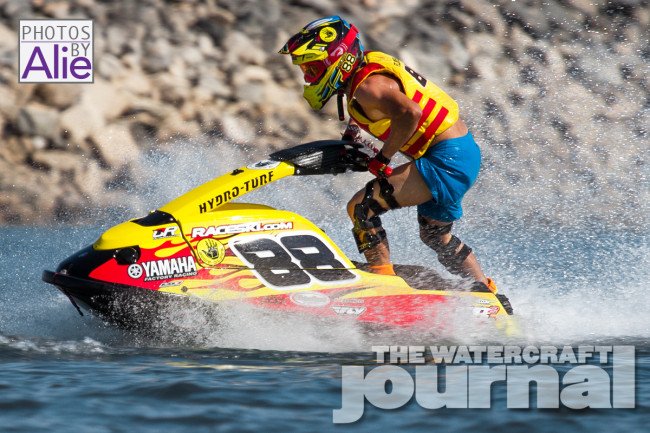
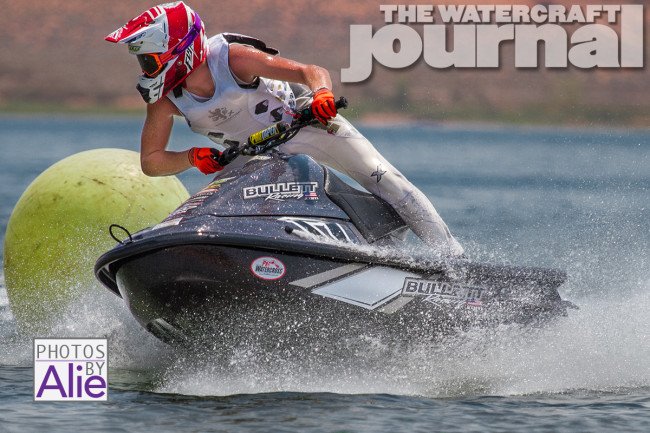
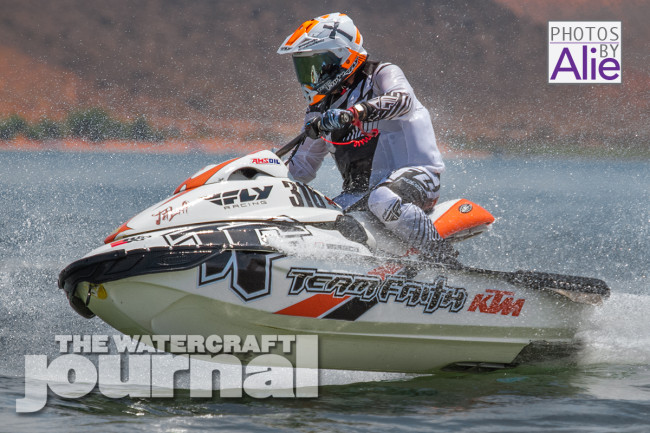
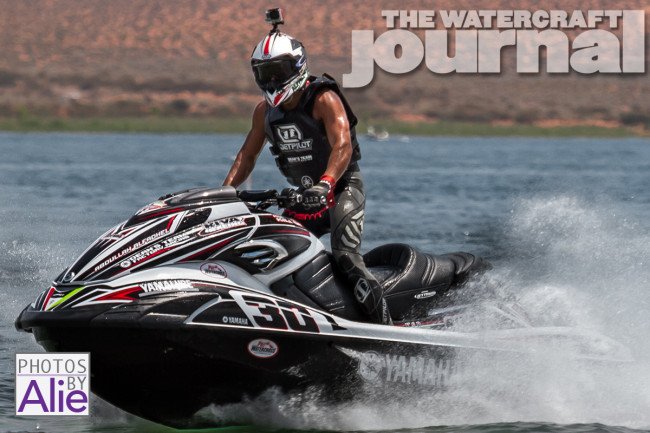
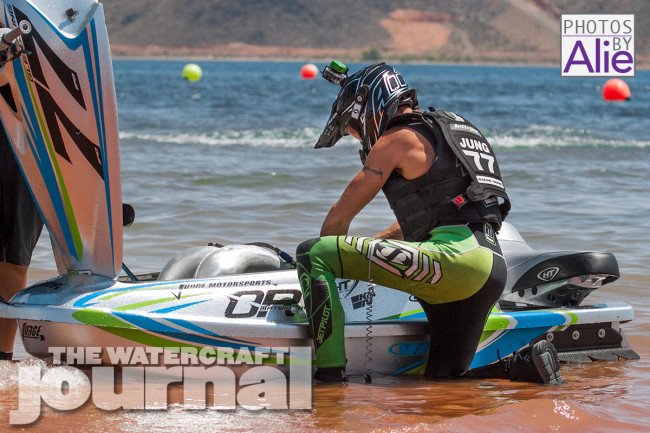
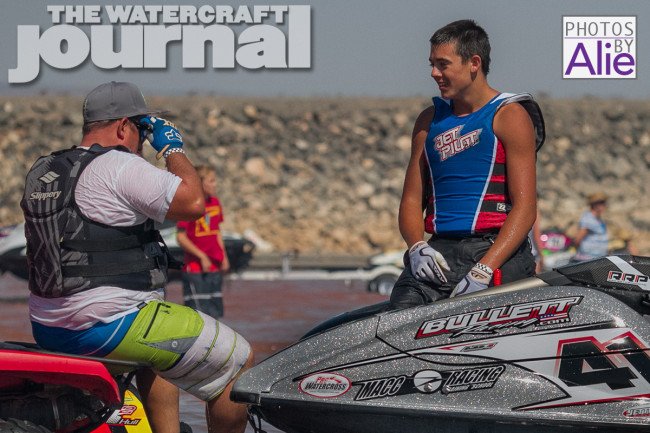
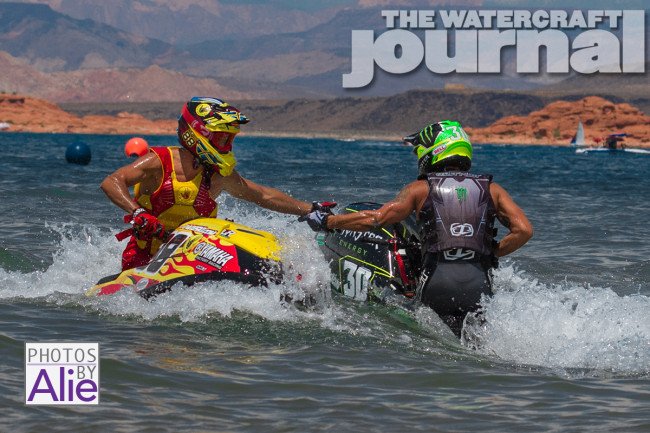
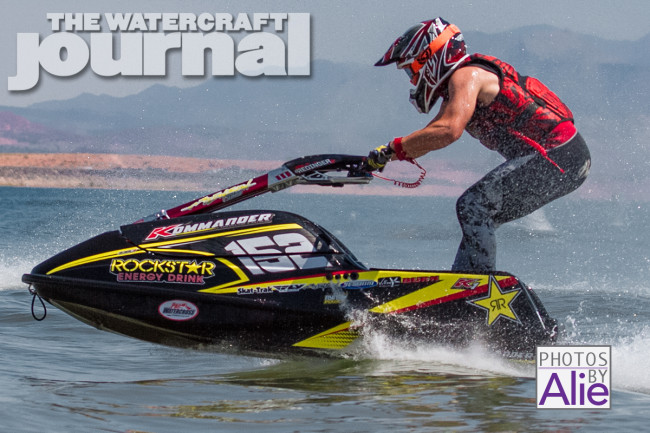
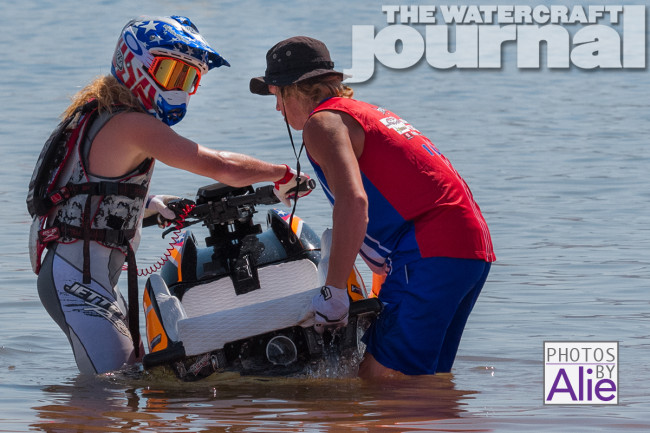
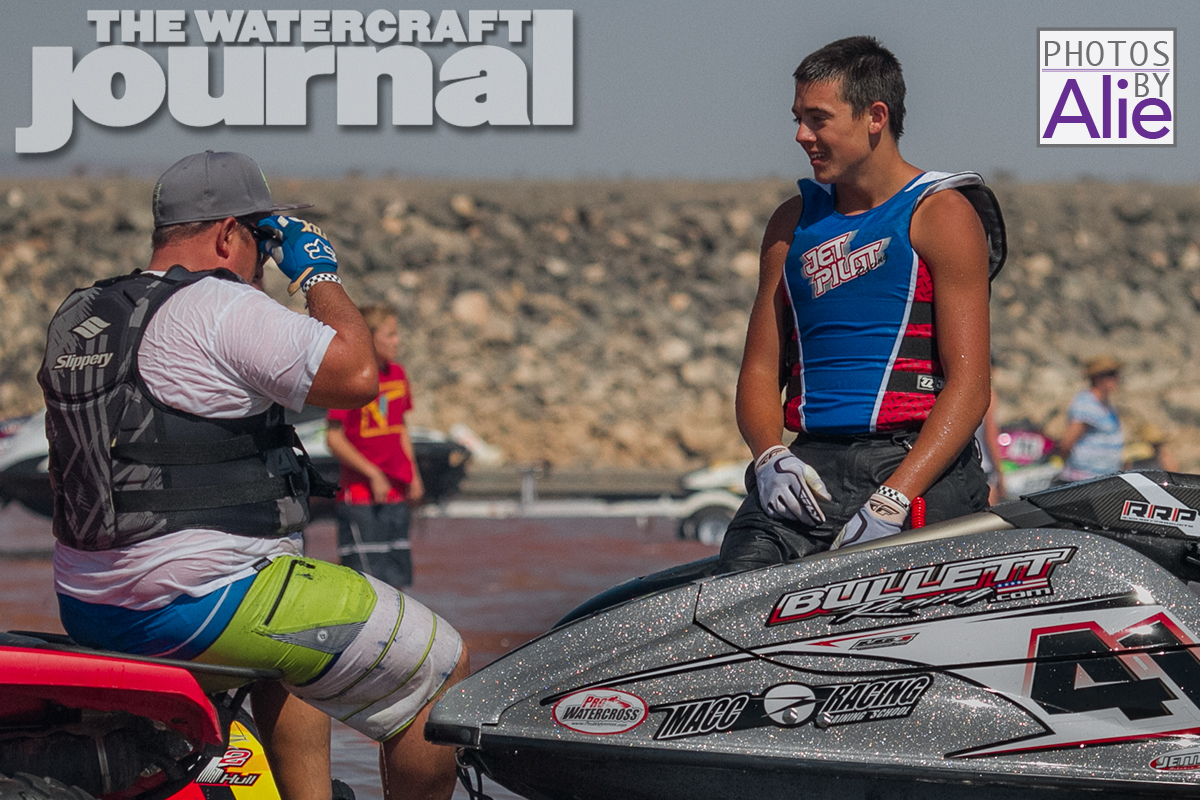
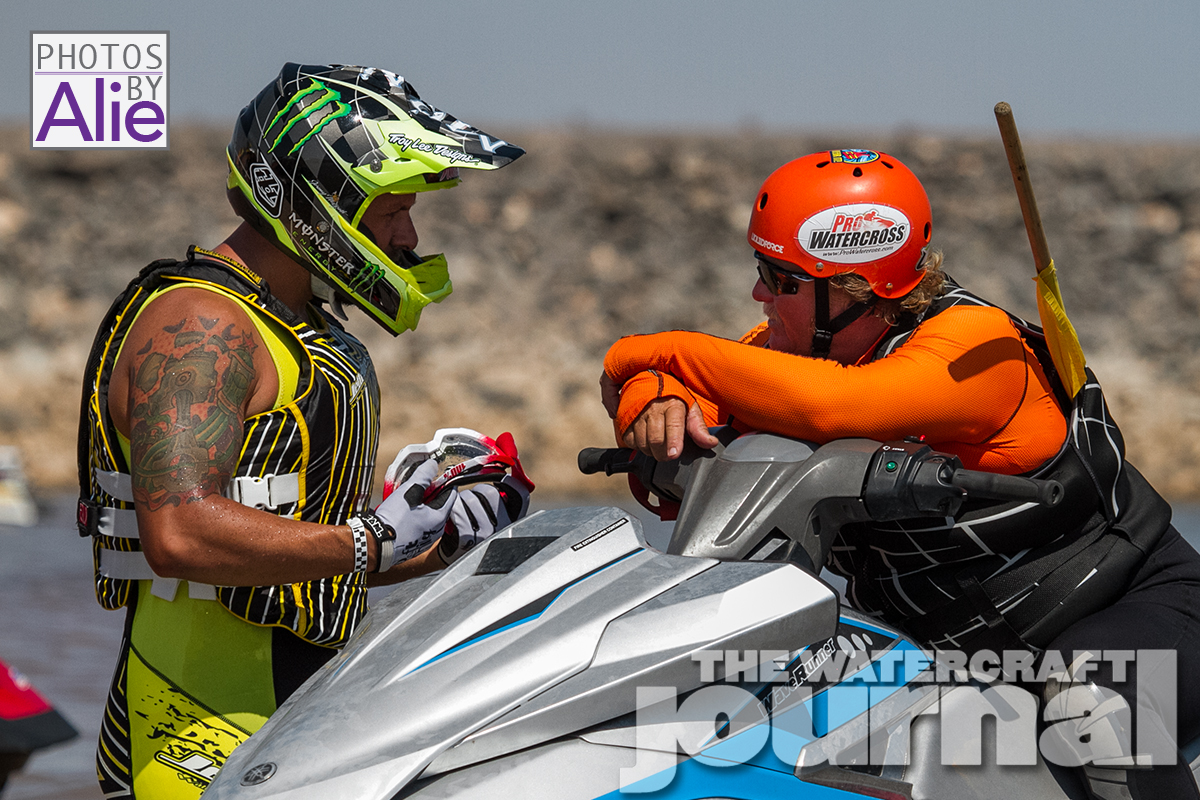
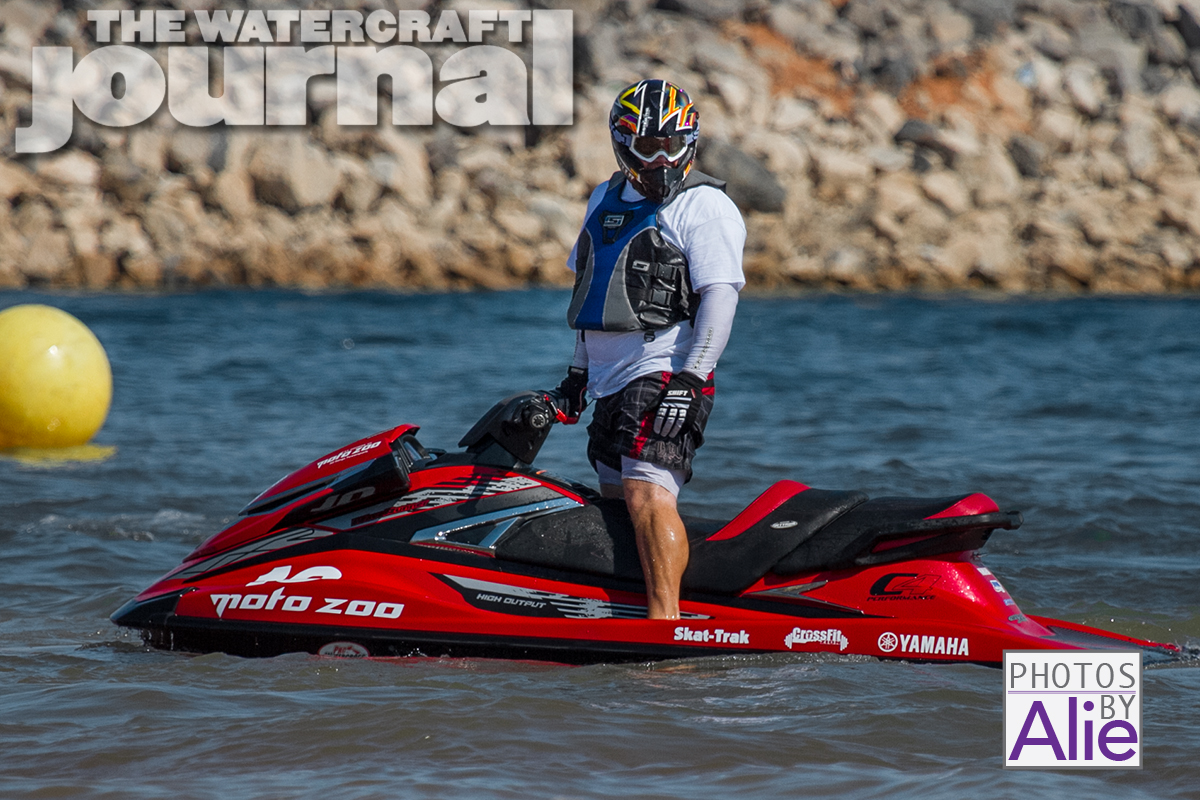
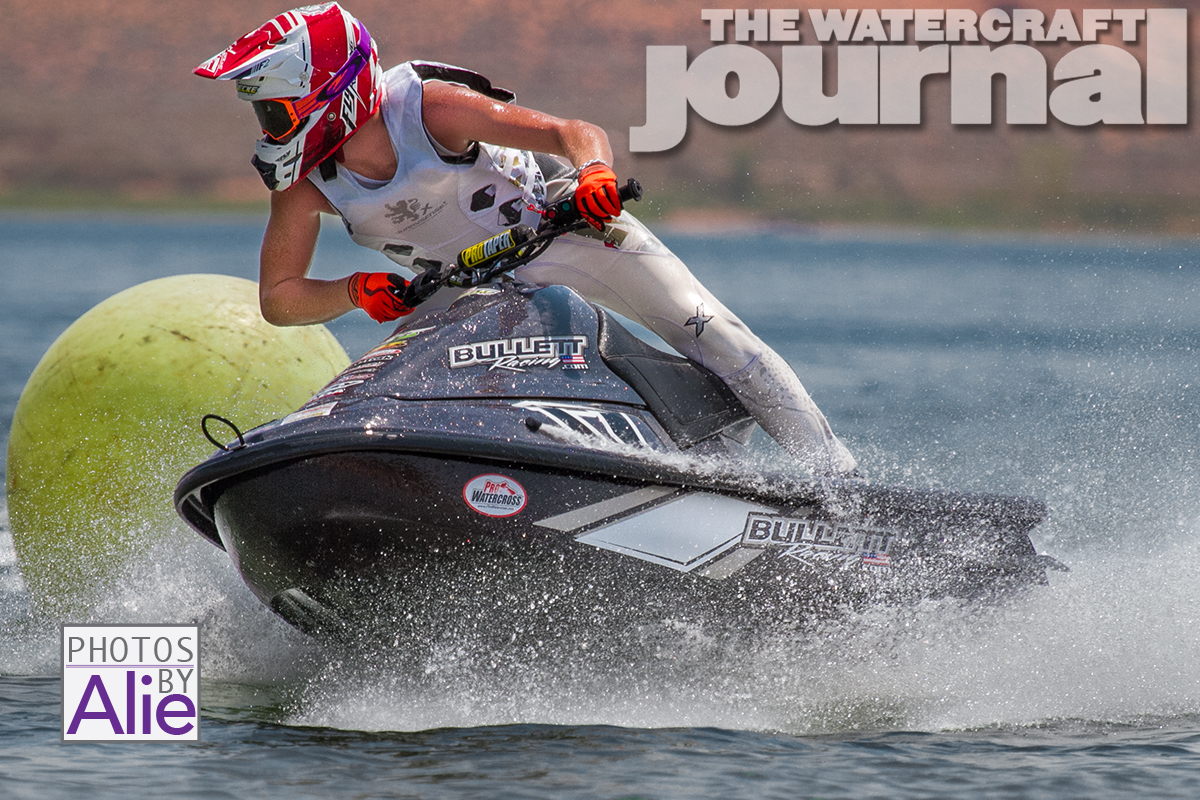
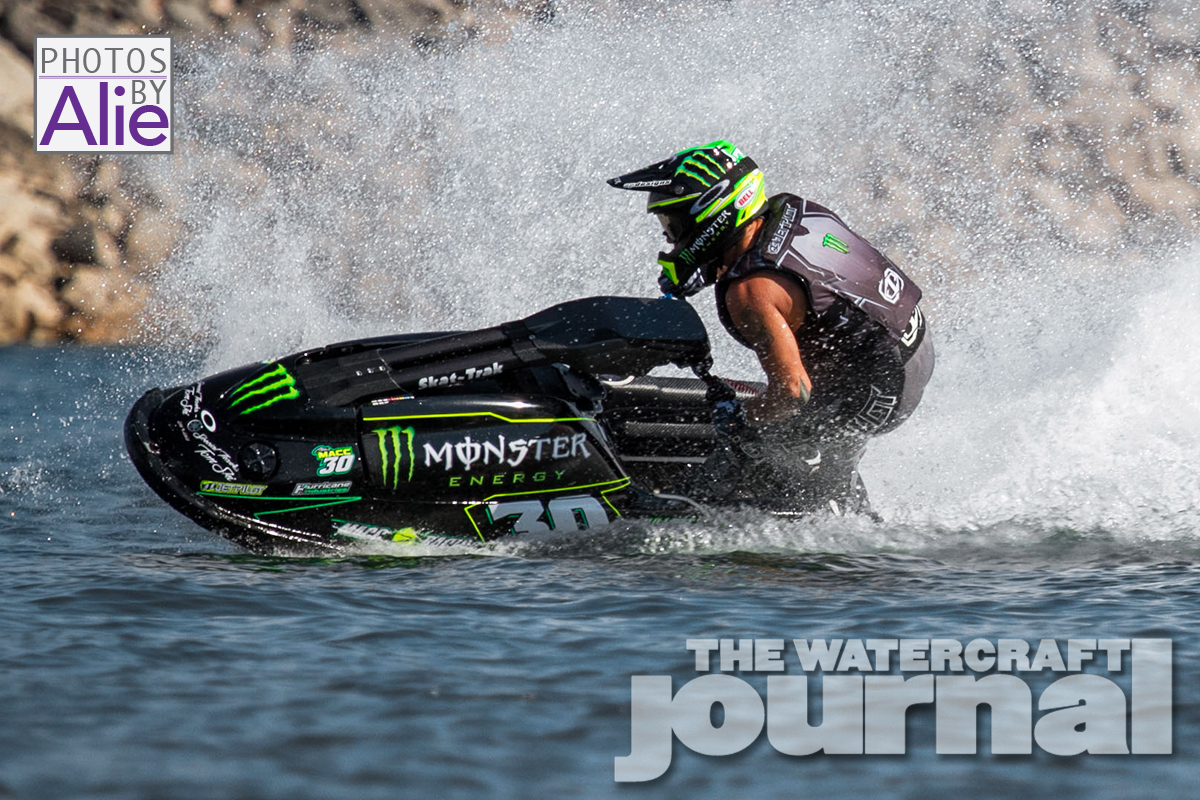
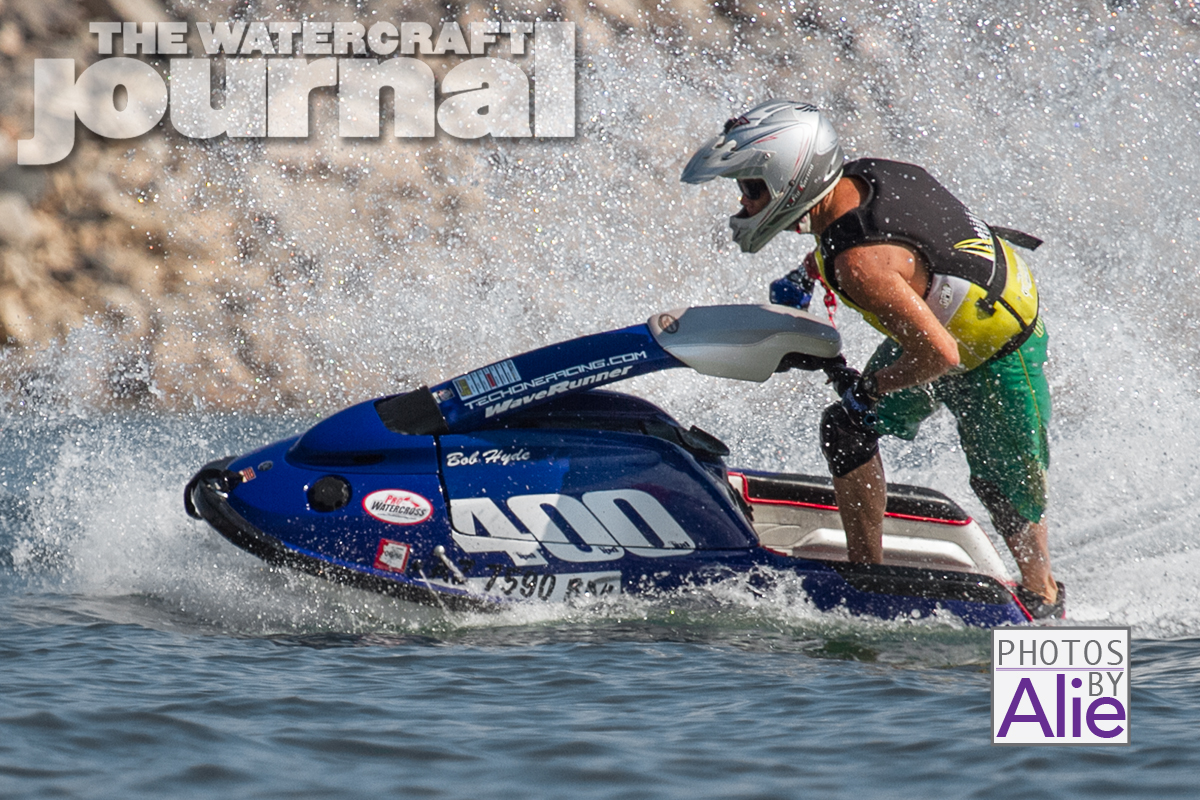
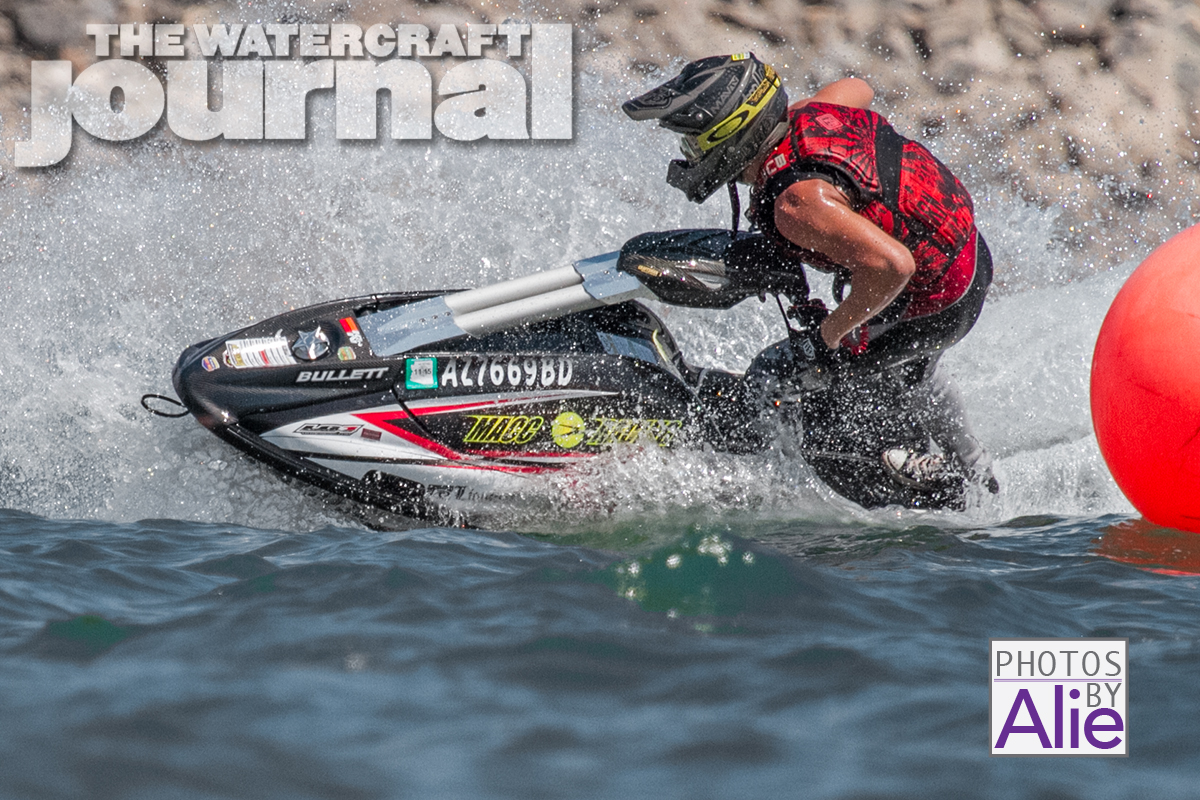
The fourth round of the Pro Watercross Tour held in St. George, Utah can only be described as hot. There was hot racing, hot racers, hot fans, and hot temperatures in St. George the weekend of June 27th and 28th. The host site was Sand Hollow State Park approximately two hours northeast of Las Vegas. The spectators, businesses, and Chamber of Commerce were excited to have the tour come to St. George and the colorful high desert valley location was picturesque as the backdrop for the fourth round of the Pro Watercross tour dubbed as the “Red Desert Classic.”
The weekend was filled with racing from both Pros and Amateurs going fiberglass-to-fiberglass in the red sand shores of Sand Hollow Reservoir with each racer eying the competition as they adjusted their race boats to the altitude and the heat.
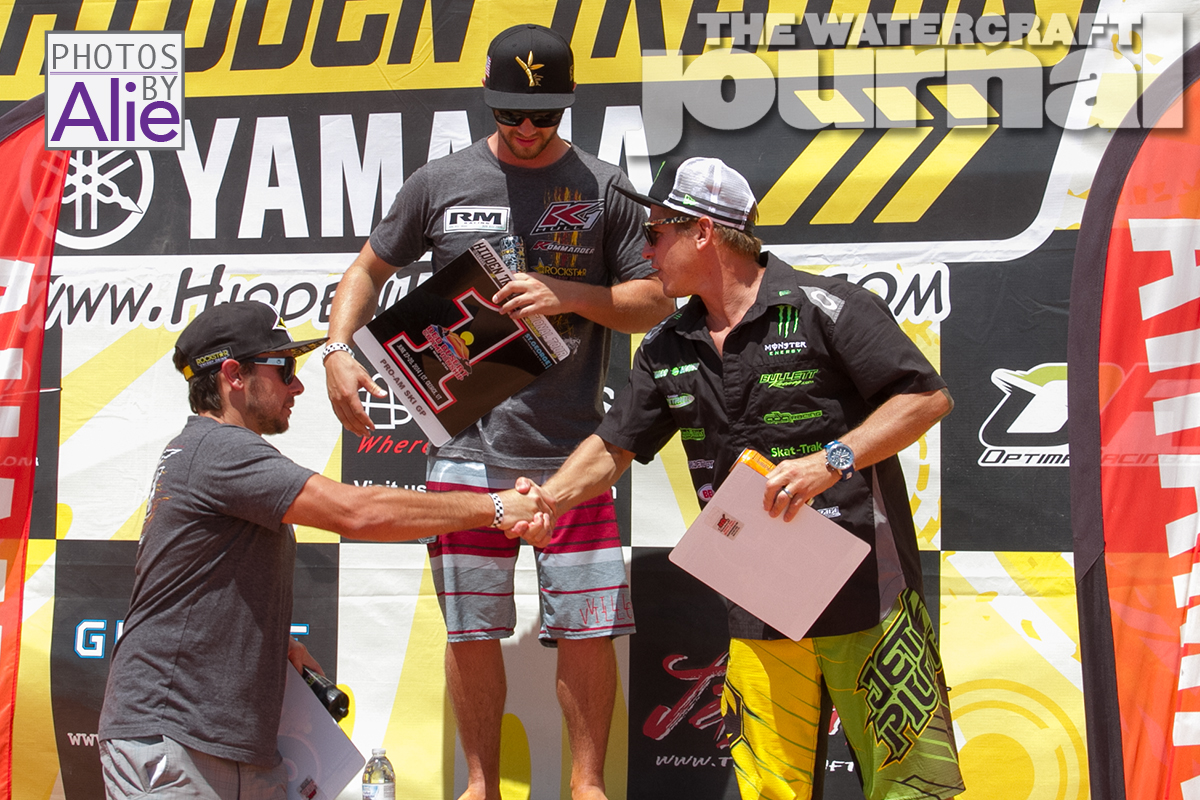
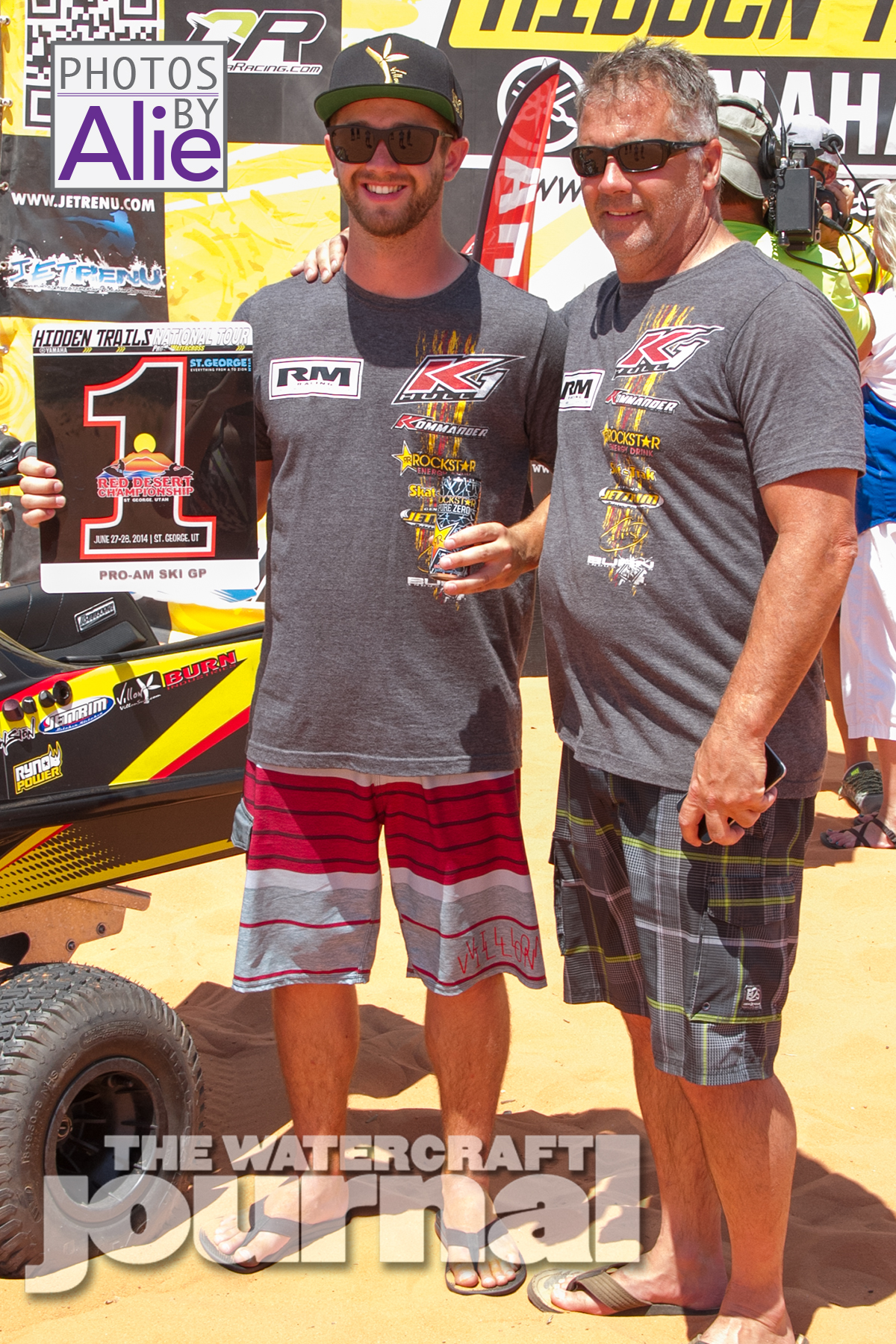
Saturday’s motos consisted of one Pro moto and two Amateur motos with the final third motos to be concluded the next day. In the Pro-Am Ski GP Class, David Redinger, Dustin Motzouris, Brock Austin, Kody Copenhaver, and Chris MacClugage battled it out for the points from a good line of 16 competitors. In the end, Redinger would take first overall for the for weekend, with second overall going to Motzouris and third to Macc. Pete Zernik and Redinger had a nasty collision on Sunday’s race; Zernik had gone down on the first turn with Redinger following closely behind. Zernik came out OK, but his boat suffered some major damage.
In the Pro-Am Ski Stock division, MacClugage, Rob Flores, Mike Wendricks, and Ryan Deckster battled it out all weekend with the “Mac Attack” taking the overall. The only female rider, Bibi Carmouche, had a great weekend holding strong and finishing 13th overall for the weekend. Bibi started racing just a few years ago, but she is already making her way through the ranks and is one competitor to keep your eye on the podium in the future.
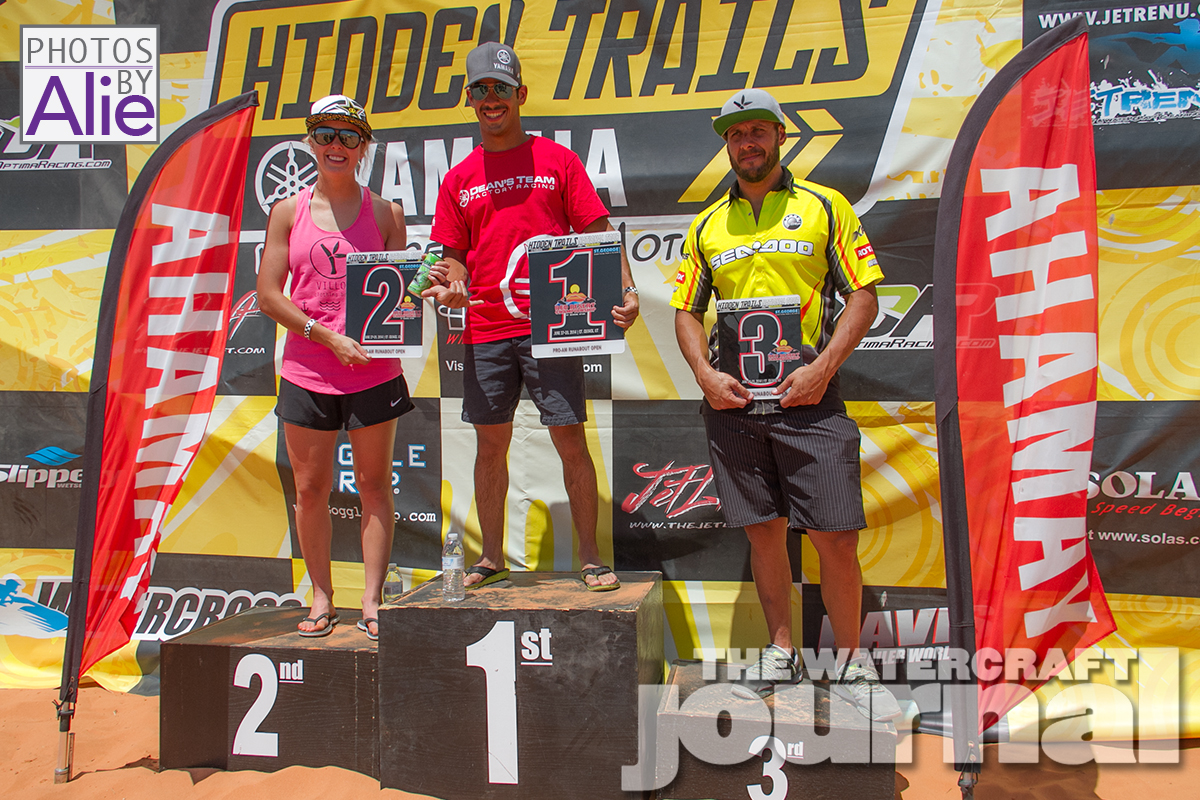
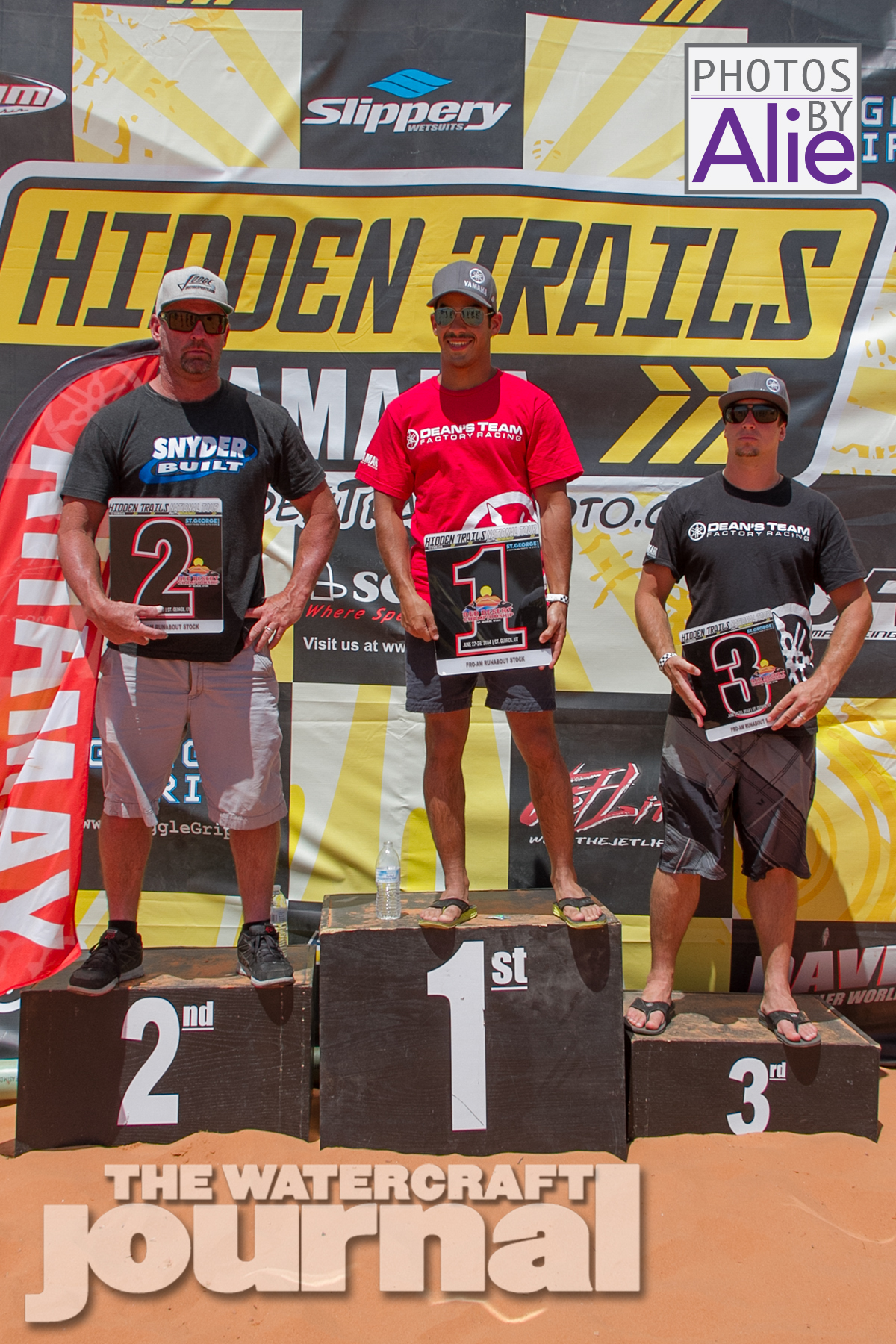
In the runabout divisions, the Pro-Am Runabout Open had its own battle with Troy Snyder, Shante Bukes, Erminio Iantosca, and Abdullah Al-Fadhel, with Al-Fadhel dominating the class and taking first overall for the weekend. In the Pro-Am R/A Super Stock division, Travis Zielasko beat out Al-Fadhel and Jeff Dyckowski, taking first overall for the weekend. Rounding out the Pro Runabout classes was the Pro-Am R/A Box stock with Billy Dearman taking overall over Robert Greenwald.
The Pro Sport GP continues to have a strong following with a solid line of racers on the line. Aaron Gewecke dominated the division and coming out first overall. Kelly Smith came in second and Billy Dearman coming in third overall “iron manning” both the Sport GP and Pro-Am R/A Box Stock classes.
The Amateur classes battled out for points from racers on the west coast joining the tour. Both Ski and Runabout classes endured the heat and high desert with all racers finishing the races knowing that they were able to compete in extreme conditions. Matt Rollings in the Amateur Ski Stock division always had a smile both in the pits and on the start line. Rolling’s attitude reflected most of the Amateur class this weekend with everyone enjoying the venue and the comradeship.
As the racers and fans enjoyed the hot action, the Pro Watercross crew worked tirelessly to make sure everything went smoothly for Round Four. Race Director Nick Handler made sure all race logistics were in place, while Race Official Cliff Roy officiated the fast and intense racing on the course. All of the Pro Watercross Staff; AJ Handler, Jennifer Handler, Benjamin Dodge, Roman Revels, Randy Scott, Kevin Scott, Chandler Roy, Gus Andros, Mikey Young, Dawn Dawson, and Rick Ignacio worked hard in extreme conditions to make sure the racers and fans had a memorable and exciting experience.
This is the first year that the Pro Watercross Tour has been able to incorporate Internet live streaming and the feedback has been incredible. Based on the viewership statistics, there have been over 20,000 views from all around the world. Dustin Motzouris stated in an interview that “The Livestream has been a big hit!“ He also stated one instance when he was in a mall in South Africa where he had people coming up to him and saying, “Hey! We’ve been watching the Pro Watercross Tour on the livestream” and recognizing him.
The Tour expects to livestream the rest of the tour with the World Championships broadcasted by CBS Sports Network in September in Naples, Florida. In a recent press release, AJ Handler stated: “With the World Championship being televised on a major network for the first time in nearly 20 years it is further proof that our events are charged with exciting racing and is appreciated by race fans worldwide,” stated AJ Handler of Pro Watercross. “This will be best racing action from North America and around the world.”
The 115 degree temps didn’t discourage any of the racers from pushing the limits in the “Red Desert Classic.” The tour is now more than halfway complete and it’s a points battle for both the Ski and Runabout classes. The Lewisville, TX venue was cancelled due extreme high water level conditions, so there are only two more tour stops until the Pro Watercross World Championships in Naples Florida.
The Pro-Am Ski GP class has a battle for points with Chris MacClugage, Dustin Motzouris, and Brock Austin vying for the championship. The Pro-Am Runabout Open has its own points battle with Erminio Iantasca, Abdullah Al-Fadhel, Eric Francis, and others all battling for the championship. The next round of racing returns to the east coast and will be held at Lake Hartwell, Georgia on August 8th and 9th.
It’s days like this, waking up early to watch the sun crest the East while the lawn is still dewy and mostly shaded, the family is still fast asleep and I get a chance to slip downstairs and peak in the garage at the skis. I am sure I am not the only one but doing so reminds me of all the amazing moments spent on the water with friends and family traveling all over to get our fix.
But sometimes, it’s not about the traveling or the long haul overnight runs that feed our addiction! There is a different type of fire that needs to be extinguished. It’s an urge to go fast, an urge to race, an urge to compete against one in another in a competitive but fun environment – it’s buoy day!
This buoy day now has become a staple of the Jetski Junkies Jet Ski Club courtesy of Derek Bowles who owns all the buoys and Vince Cobelo who is usually coordinating with Derek to setup the next buoy day event. We do this at the minimum of four times a year and typically in the cooler months. Our most recent Buoy Day was on Cinco de Mayo and appropriately named “Cinco De Mayo Buoy Day.”
The event is combined with a pot luck or picnic as well and has been a tremendous success in getting people together to test their riding ability in a whole new way. Not everyone does the buoys but they still have a great time hanging out with friends and family and doing some riding around the lake. It’s a nice change up and it’s one heck of a workout especially if you are lucky enough to ride the VelociBlaster!
The VelociBlaster is a conversion ski taking a Yamaha WaveBlaster and retro fitting it with a GP1200 engine. This was a Club project about three years ago courtesy of Derek Bowles and JJ Members were invited to come to Jet Trendz in New Port Richey, FL to work on the VelociBlaster, along side Brett Wiley, Owner off Jet Trendz. This was a very cool and unique opportunity, again thanks to Derek Bowles.
For a few days in August each year, a group of dedicated PWC riders and support crew embark on the Grand Tour to Benefit Leader Dogs for the Blind; a 350-miles-in-three-days endurance ride from Mackinaw City to Holland Michigan.
Every PWC rider has their favorite ride, the one ride that holds the title of “Best Ever,” and for tour riders, it is no different. The GT Facebook group comes alive around January each year, with posts and pictures popping up more frequently as the anticipation builds. This year, we add a new twist, several riders have GoFundMe pages, to make donating easier.
Both riders and Land Support crew have fundraising requirements to meet in order to participate in Grand Tour. We pay our own expenses for travel, lodging, fuel, and some meals. All donations go directly to the organization.
The ride attracts those who enjoy a personal challenge, who feel in their hearts that this is a path to help others; and, frankly, those who want bragging rights. “Riding your WaveRunner 350 miles is bad ass,” says Tour veteran Jim Lueck. “I love to see the look on people’s faces when I tell them what I’m going to do.”
Lake Michigan challenges us every year, and the weather either cooperates or not. Last year was three days of the flattest water and best weather in 17 years. In 2012, conditions ranged from sunny and relatively calm water; to iron-gray skies, 10-foot waves and 50 degree water; back to sunny skies, even colder water, and more big waves.
“It’s not for everyone, as both rider and watercraft need to be prepared,” says Event Organizer Mike LaBelle. “We ride in every condition except lightning. Waves, rain, wind, cold are ok, unless we decide it’s too dangerous. Even a Small Craft Advisory won’t necessarily stop us.” In the history of the tour, only twice has the ride been called for weather or water conditions. It’s never been totally cancelled, and as soon as it’s ‘all clear,’ riders are back on the water – earning those donations.
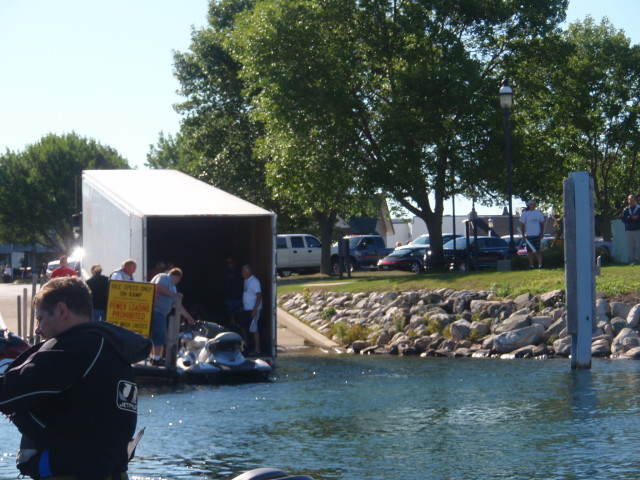
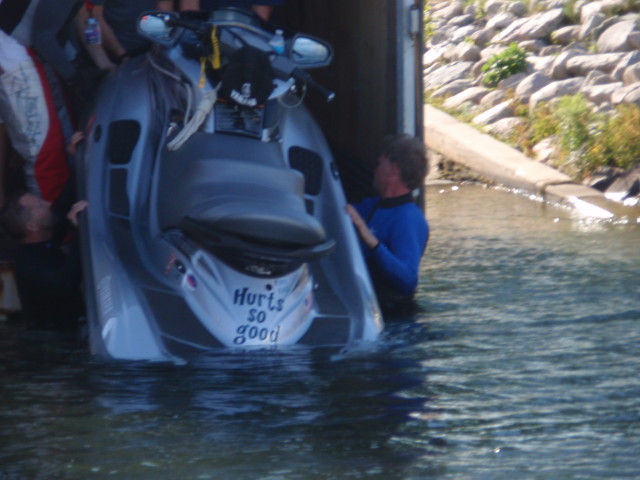
Logistically, the tour is a well-organized machine. Watercraft are loaded into a semi-trailer in Holland on Wednesday morning. Our tow vehicles remain at Dunton Park in Holland until we retrieve them at the end of the ride. While the skis are being hauled to Mackinaw City, riders and crew are on a comfortable tour bus to the same destination. We meet the truck at the Mackinaw City Marina, where the driver backs the box into the water. Tourists and locals see the spectacle and get excited—they expect to see a beautiful yacht unloaded. To their surprise, a bunch of PWC’s spit out the back of the truck into the water, and tie up for the night.
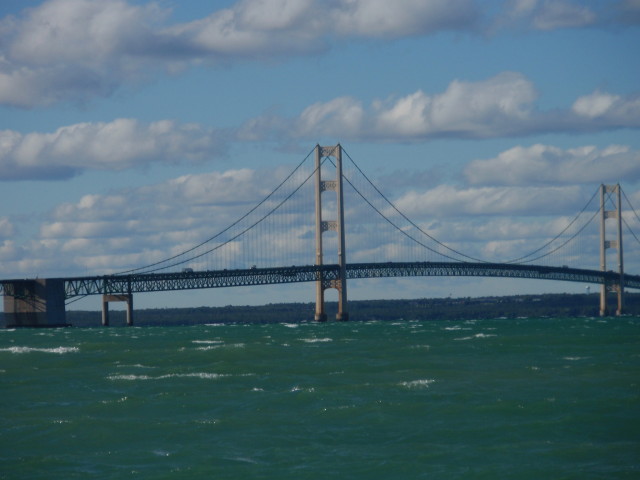
Thursday, it begins. As we pass under the Mackinac Bridge (aka the Mighty Mac), we slap wet handprints on the bridge pier — temporarily tagging it to prove we were here. After lunch in Charlevoix, we’re off to Traverse City for pizza, hot tub and much needed sleep. Friday is the long day, 150 miles, and we start at dawn. We ride past miles-long sand dunes, stop for lunch in Frankfort, and finish the day in Ludington. Saturday brings us back to Holland, where we trailer-up and have a grilled lunch, then head to our final hotel, and the evening celebration banquet and party.
Through all of this, we do radio checks, stop at marinas for fuel, and make sure everyone is ok. How? Two words: Land Support. In several vehicles with double trailers (hopefully empty!), this amazing crew paces us, watching and waiting to see if anyone needs help. They follow weather reports, shuttle riders, schlep gear, provide everything from Band-Aids to Gatorade, and generally do all the hard work.
At our celebration banquet, a Leader Dog recipient tells his or her story, and that of their Leader Dog. Each year we hear new stories of how these dedicated service dogs provide greater independence for the visually impaired; motivating and inspiring us to return again and again. The specialized training required for dog and human is provided by Leader Dogs at no cost to the recipient.
In the Grand Tour’s 17 years, we’ve raised more than $295,000, and will surpass $300,000 in 2015. Leader Dogs is a private organization, and does not accept government funding, making our efforts vital to the organization’s success.
So, join us! The ride is Thursday-through-Saturday, August 6-8. Contact Event Organizer Mike LaBelle at (248) 808-4664. You’ll need to be in Holland Wednesday morning, August 5. Ride your watercraft, join our land support crew, or make a donation to the Grand Tour to Benefit Leader Dogs for the Blind. For more information and details, visit our website at www.grandtour.org, www.leaderdogs.org or find us on Facebook in the Grand Tour group. To make donating easy, several riders have GoFundMe pages. Look for them in the Tours’ Facebook group.
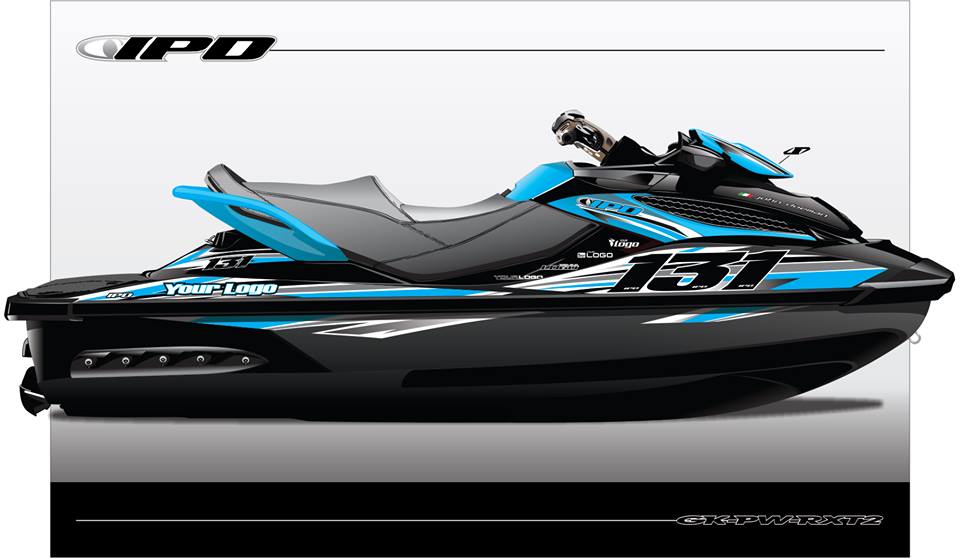
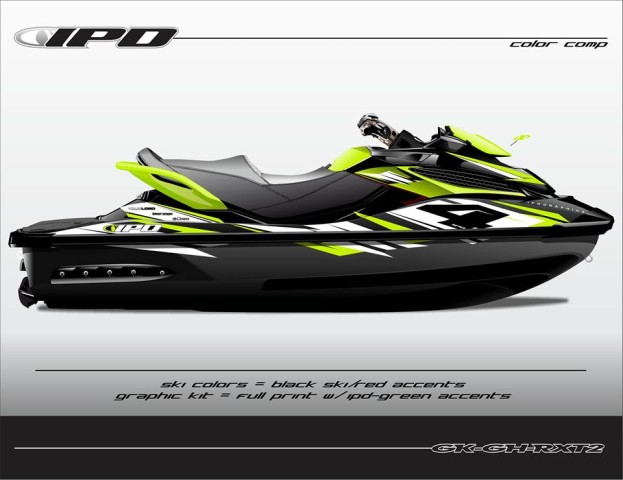
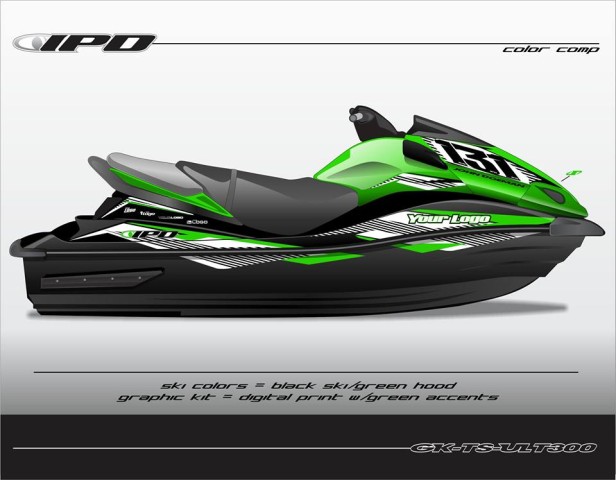
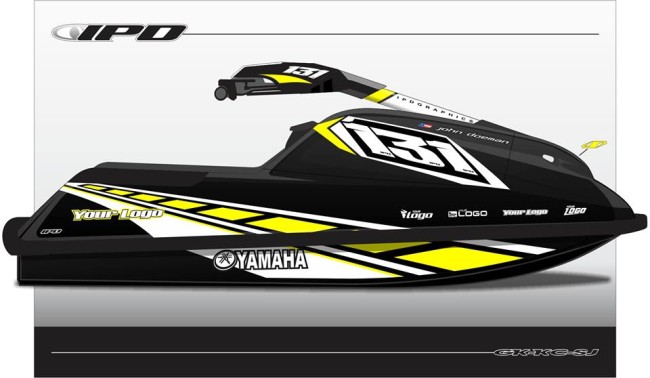
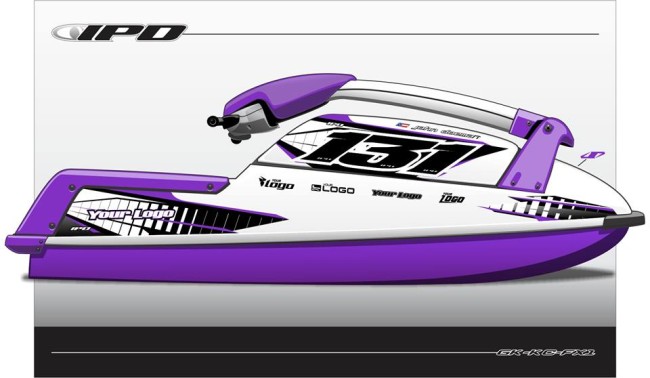
As much as “clothes make the man,” so, arguably the same could apply for your personal watercraft. And because there’s no faster or less invasive way to radically improve upon your favorite PWC’s aesthetic than a quick and painless vinyl graphic kit, IPD Graphics – the industry’s largest manufacturer of literally thousands of different graphic packages – has come out swinging this past month with an impressive lineup of new additions to their already massive catalog.
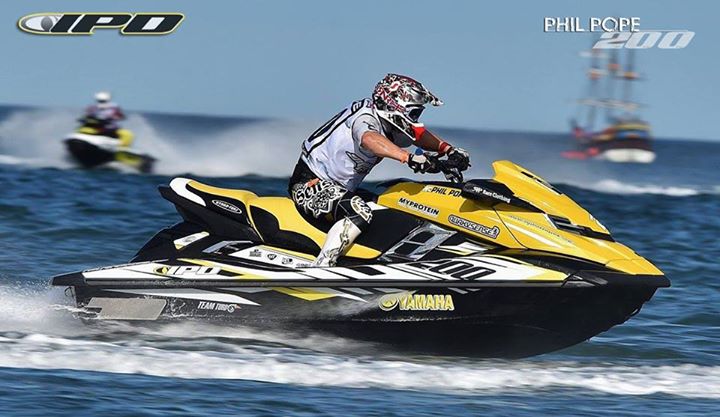
Building off of the exponentially growing popularity of the AquaX series both here in the USA and in the United Kingdom, and not to mention their exclusive partnership with 300 Class champion Phil Pope, IPD Graphics immediately cranked out two Yamaha kits for the S3 hull-equipped Sea-Doos (namely the GTX, RXT, RXT-X and Wake 215 models), one being GH Design (a variation of Pope’s Yamaha) seen HERE and the PW Design seen HERE.
Likewise, IPD released a new “TS Design” package for the Ultra Kawasaki Jet Ski (fit for all 300 and 310-series Ultras) shown HERE. And as is with nearly all of IPD Graphics kits, colors are as ranged as imaginable, and offered with different laminates for UV protection. Racers need only submit their name, race number and a list of their sponsors, and a graphics kit tailored for their ski comes speedily to their doorstep. For the everyday PWC enthusiast, these kits can be as personalized as you desire.
Finally, for those Yamaha SuperJet fans with a flair for the vintage, IPD released two very different vinyl kits to awesomely change the old fashioned look of your modern SJ or bring your old school FX-1 up to date. The STB Design graphics kit on the Yamaha SuperJet can be seen HERE and the KC Design on the Yamaha FX-1 is HERE.
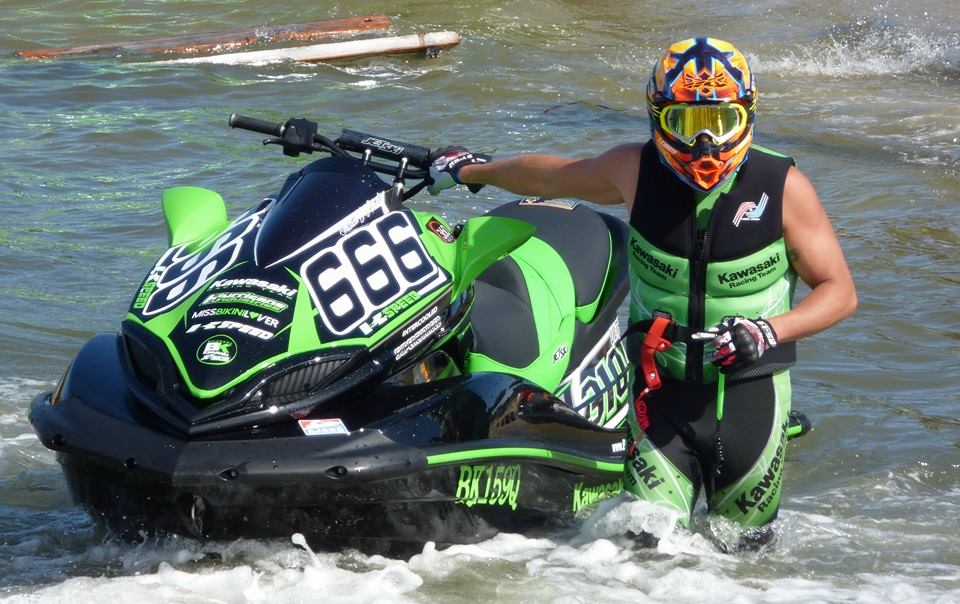
About a month ago, just as the US racing season was just getting started, came the end of the 2015 AJSBA Australian Jet Cross tour. Kawasaki racers were on fire all year, in both closed course and endurance races. Here’s how the season wrapped up:
In the Endurance classes, Kawasaki riders got 1-2 finishes in both showroom stock class and open class. In Showroom Stock Runabout, Kawasaki riders got first and third finishes. In Open class, they ended up fourth and sixth.
Showroom Stock is, as the title implies, pretty much as the ski came off the showroom floor. The saying “What wins on Sunday, sells on Monday” applies in this class, since it is great representation of how these skis perform off the showroom floor. It is great advertisement for the winning brand.
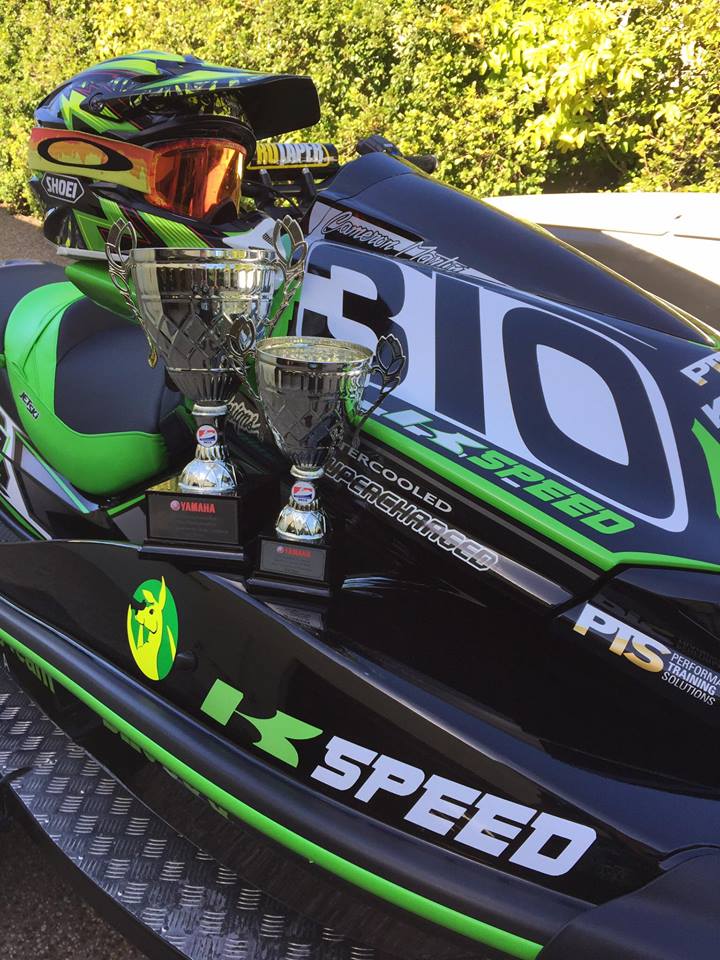
In Showroom Stock closed course, Dane Alberti took the number one position with Yamaha rider, Corey Styles, finishing the season second. Brisbane Kawasaki racer, Cameron Martin, rounding off the podium at number three.
In Showroom Stock Enduro, Kawasaki riders dominated in points. The gap between the second place rider, Dane Alberti, and third place rider, James Rice, was over 800 points! It was a fight all year between Cameron Martin and Dane Alberti for the number one position, but Cameron Martin was just able to edge out the win by a small gap of 12 points. It was definitely an exciting class to follow this season.
Pro Open closed course was not a class dominated by Kawasakis, but out of a 14 rider field, they were able to finish fourth and sixth. Very respectable finish for such a big class. Jamie Eade was able to get fourth for the season. Christian D’Agostin managed to finish the season in sixth despite being on a nearly stock Ultra 310 (Speed Control Override Module only) and battled a broken wrist after the third round.
Open Enduro was another Kawasaki class with first and second place winners were both on Kawasakis. Christian D’Agostin won the points race in convincing fashion on his nearly stock Ultra 310. D’Agostin had an 840 point lead over fellow Kawasaki rider, Jamie Eade, who finished in second.
What a great season it was for Kawasaki in the AJSBA Australian Jet Cross tour. Congratulations to all the racers and their teams.