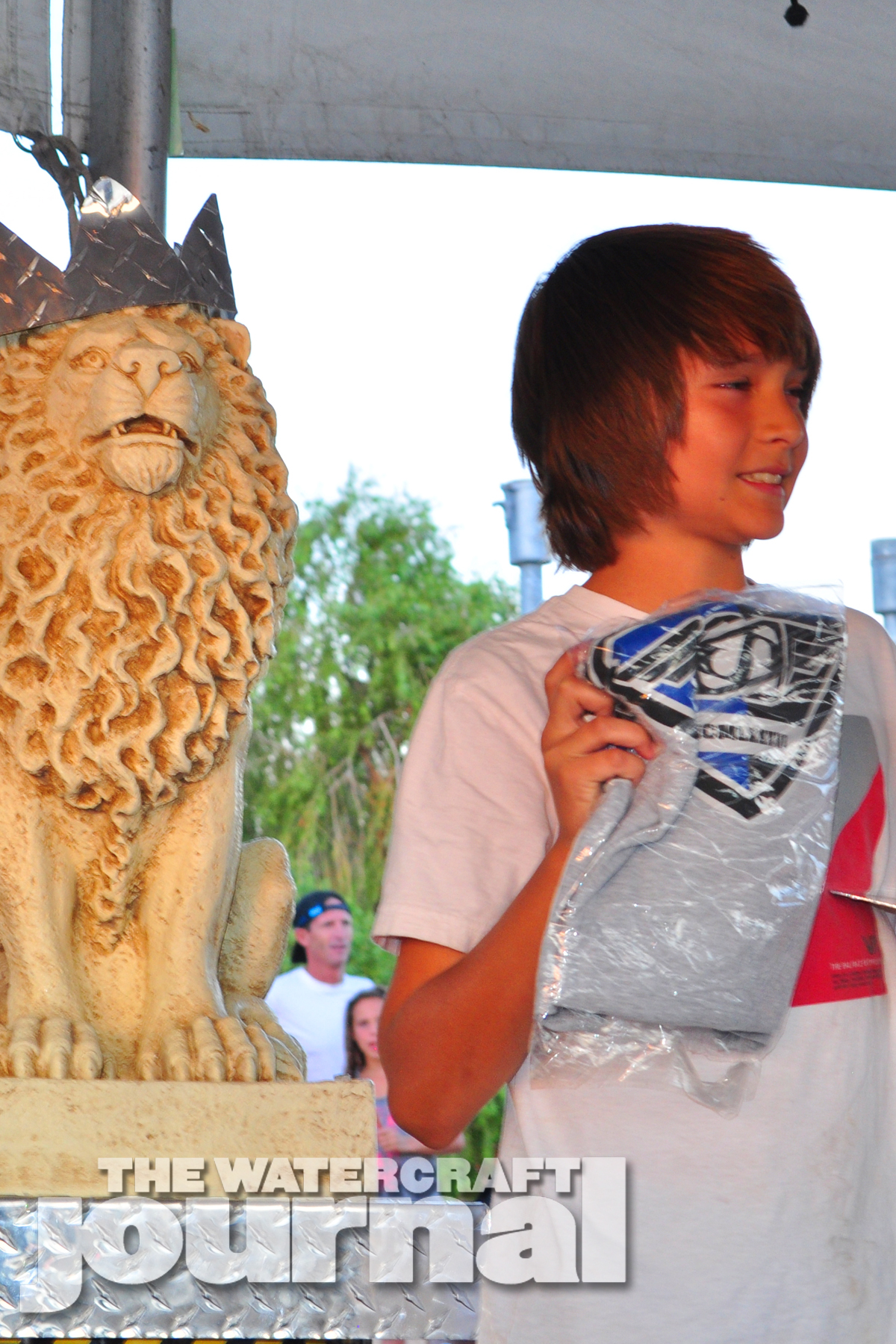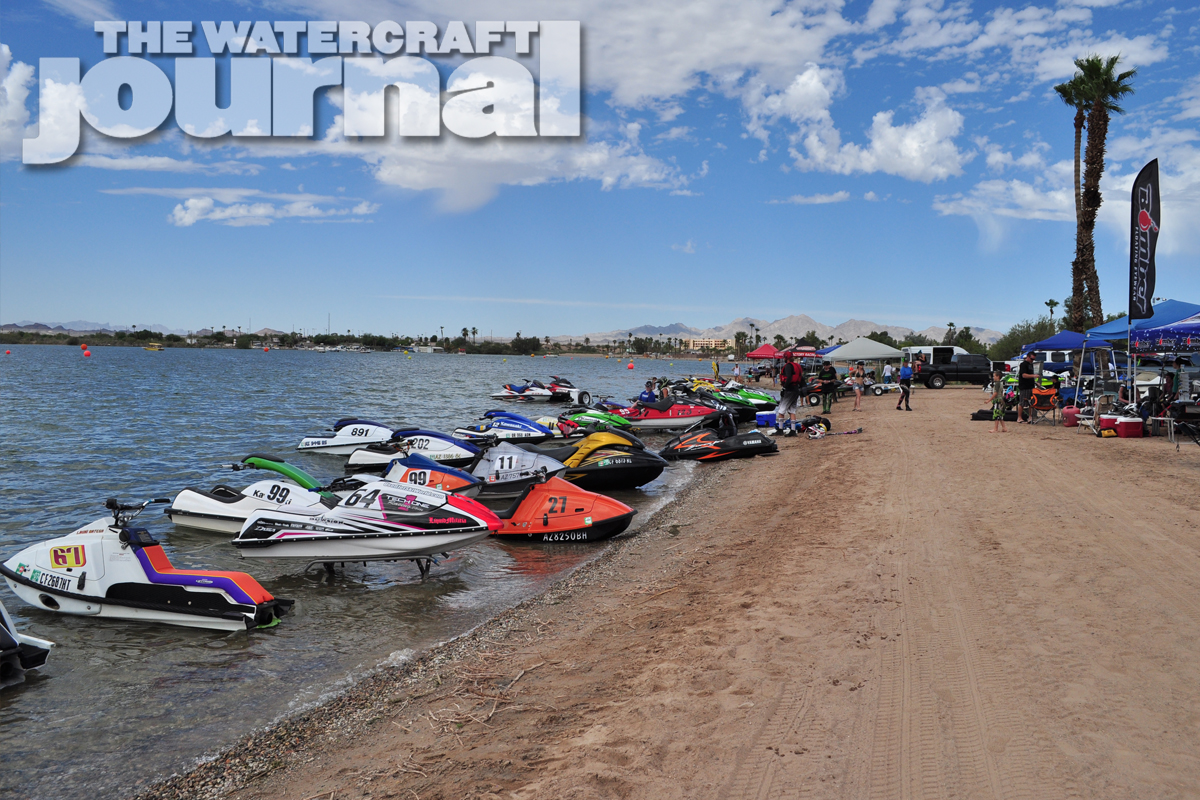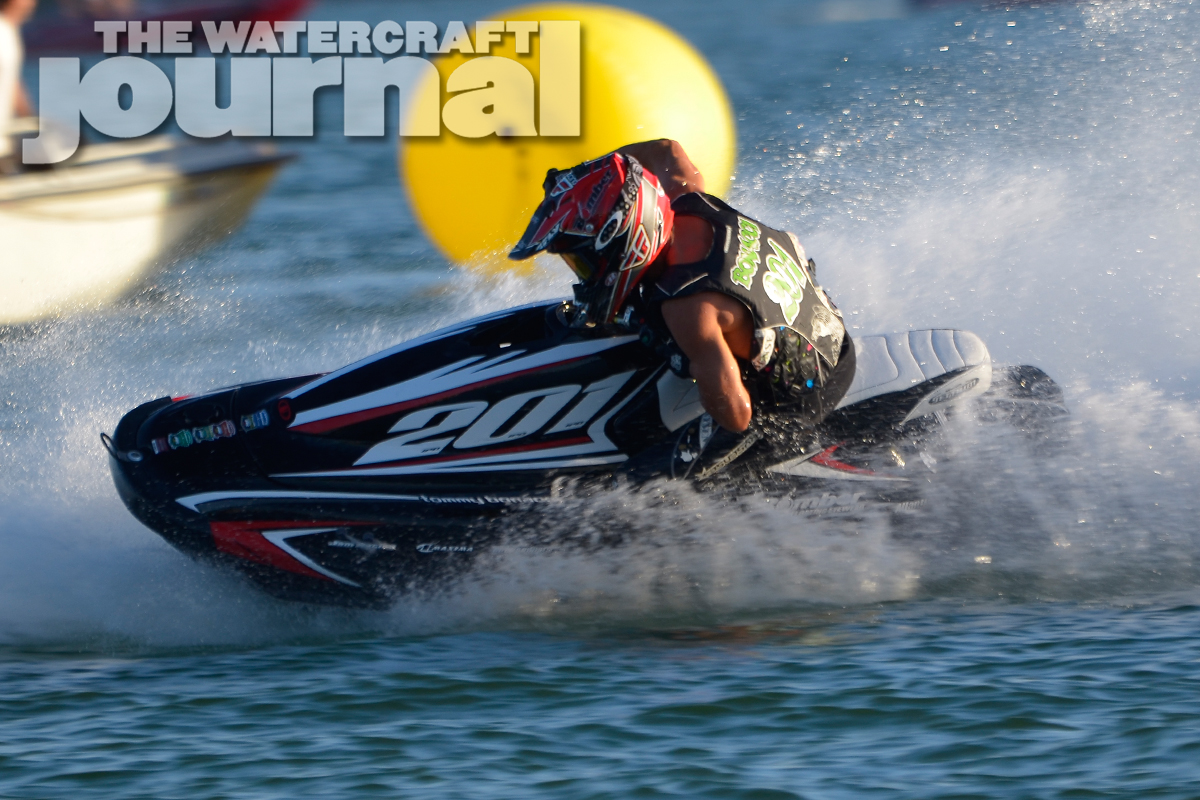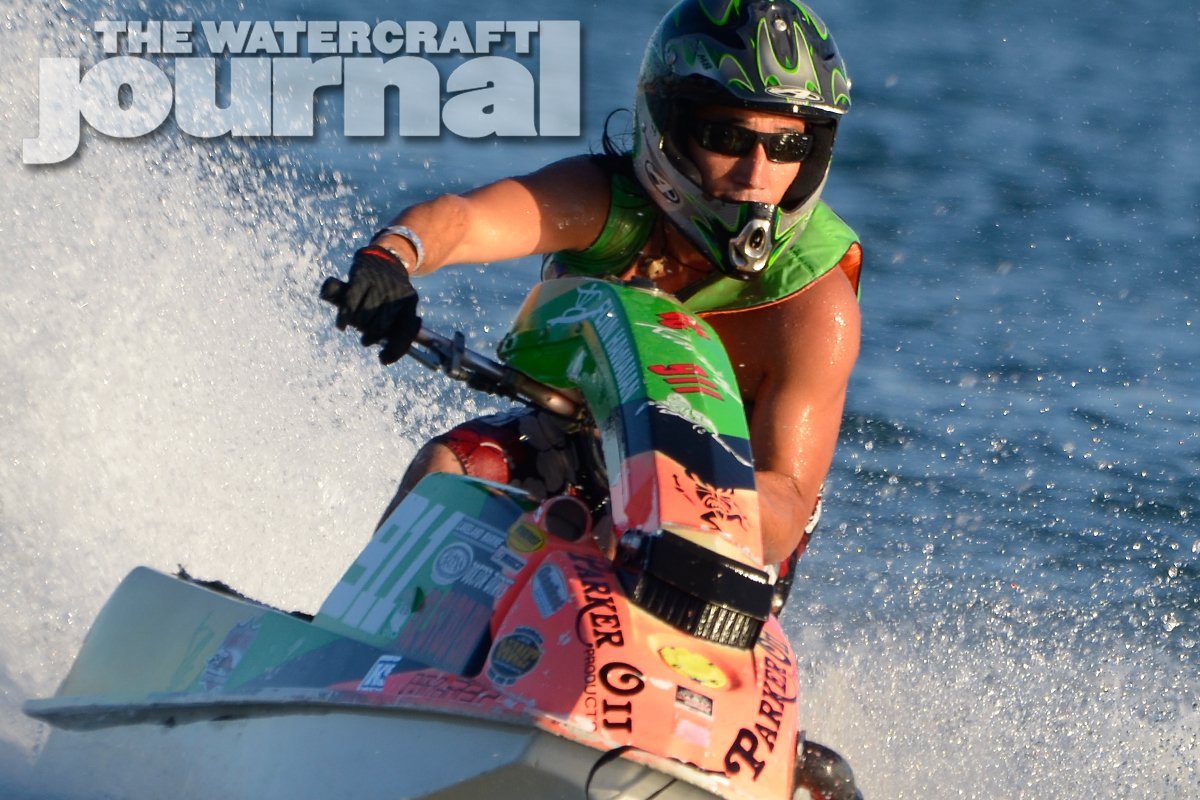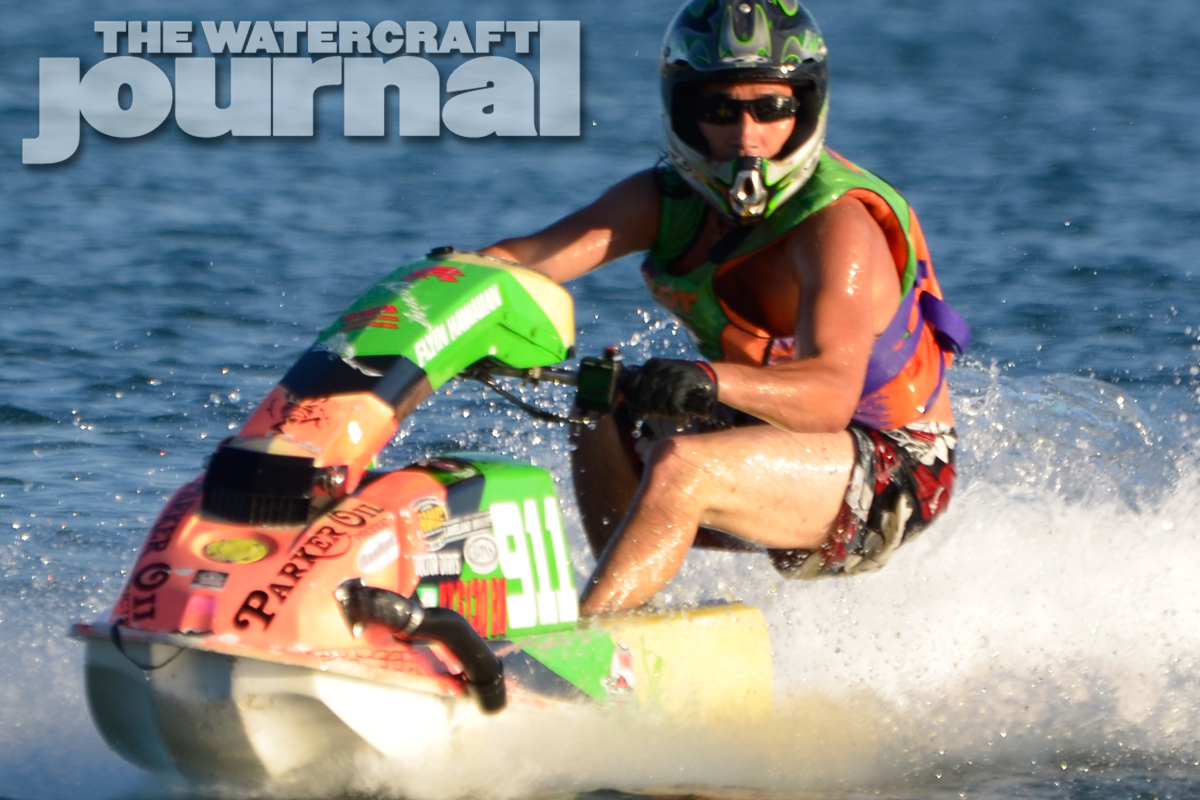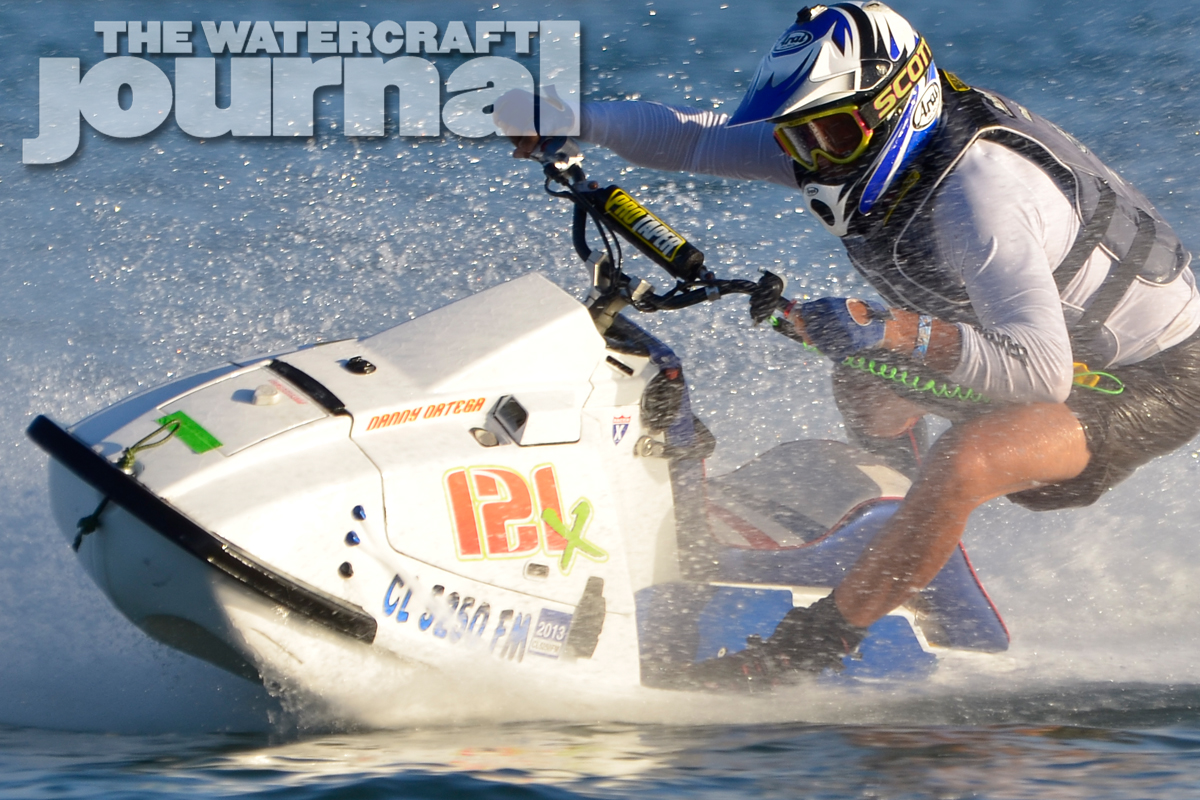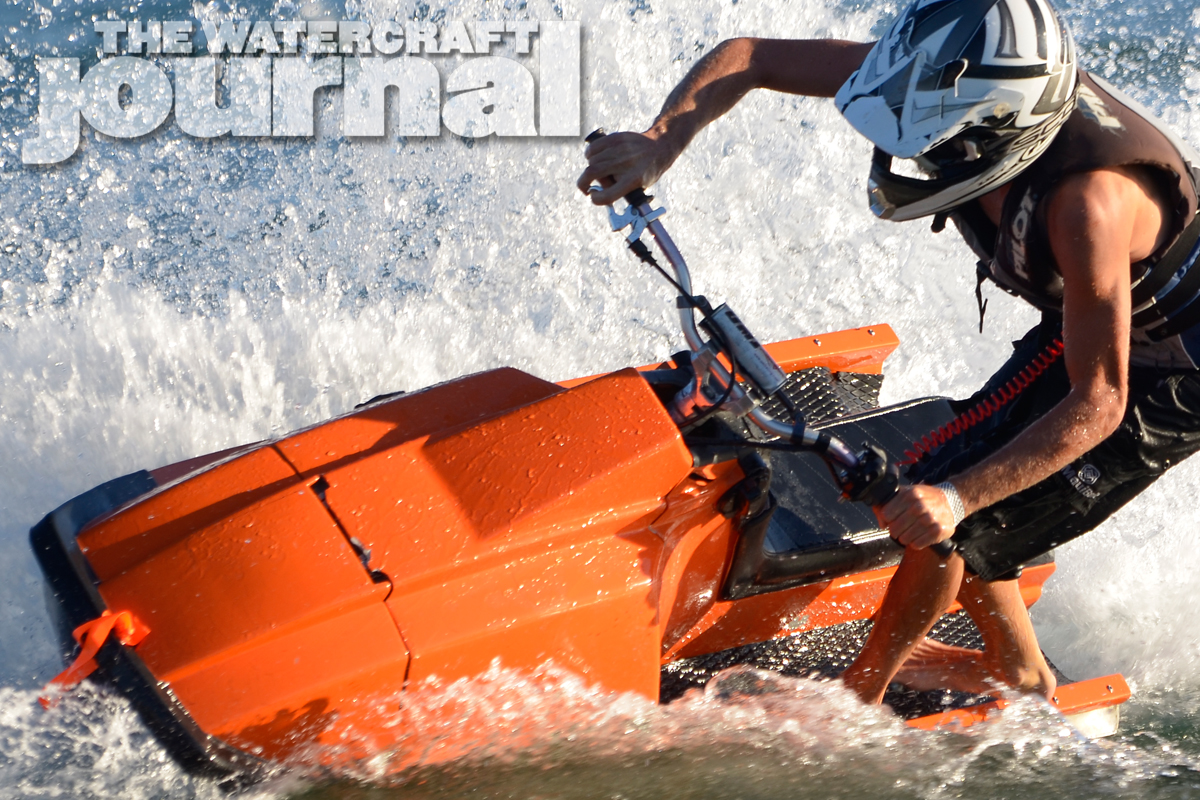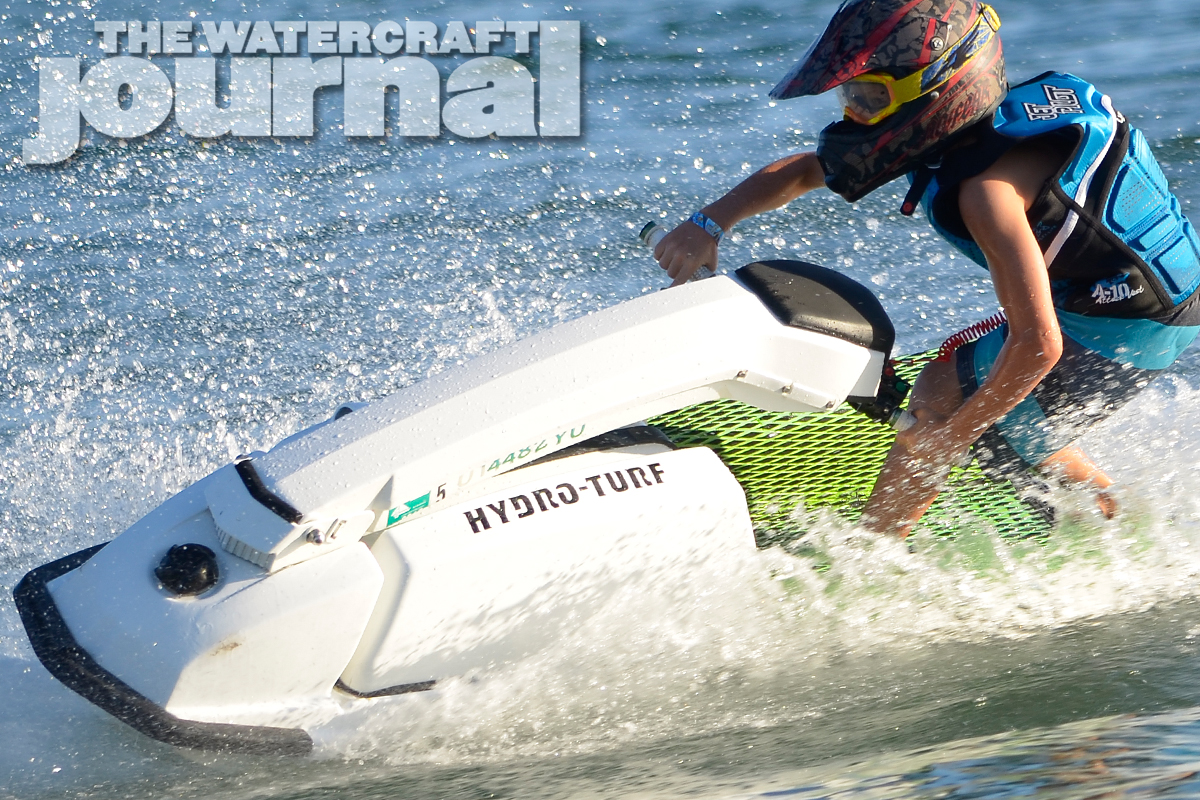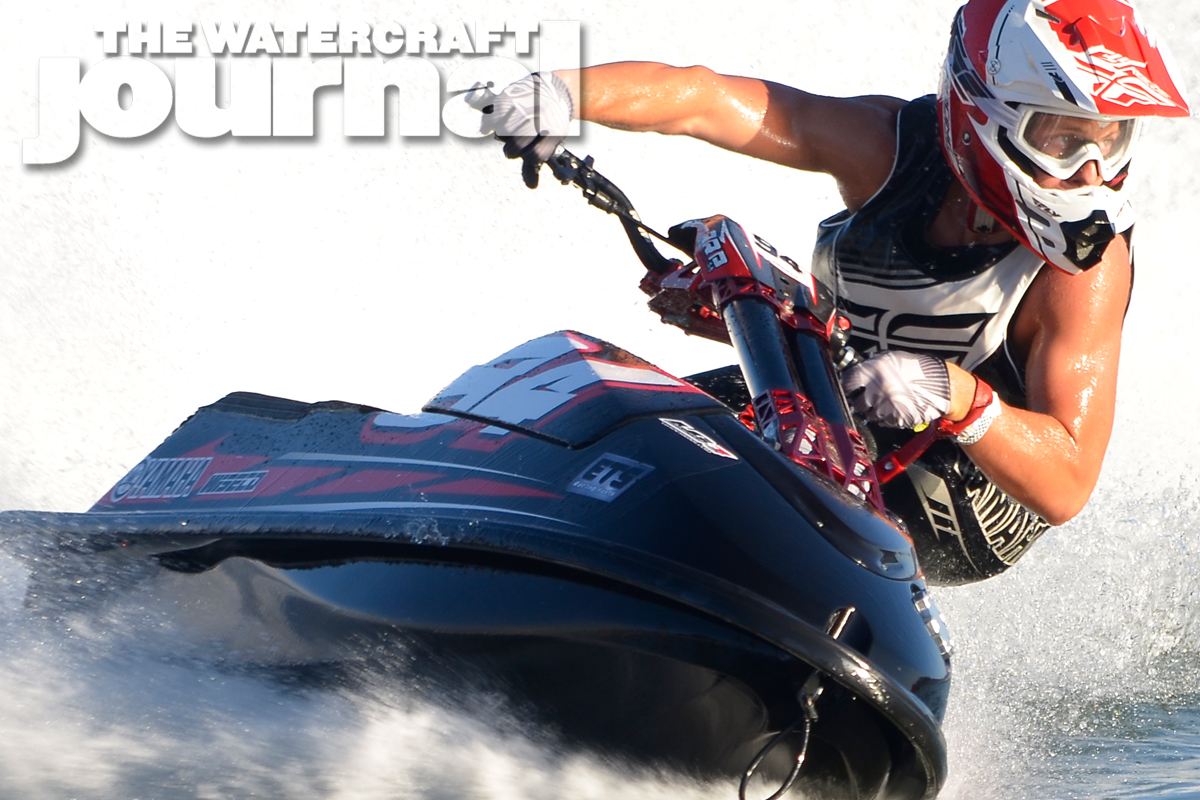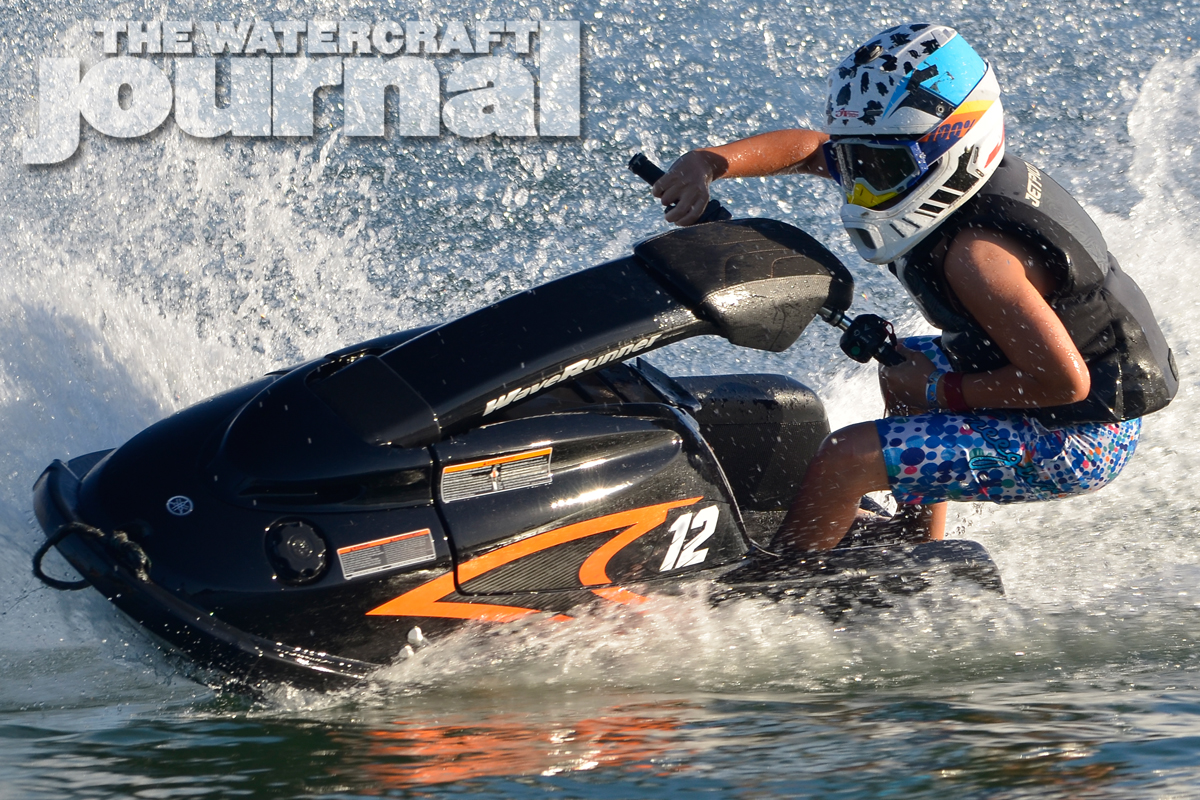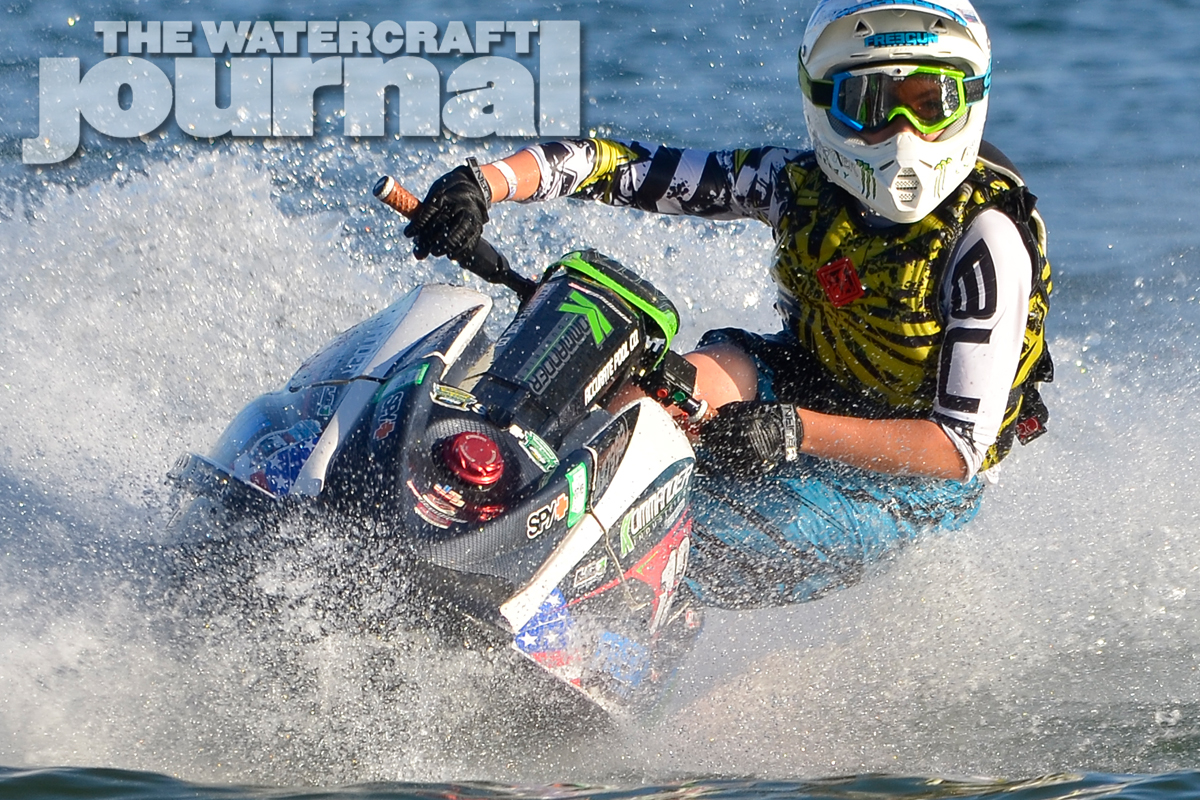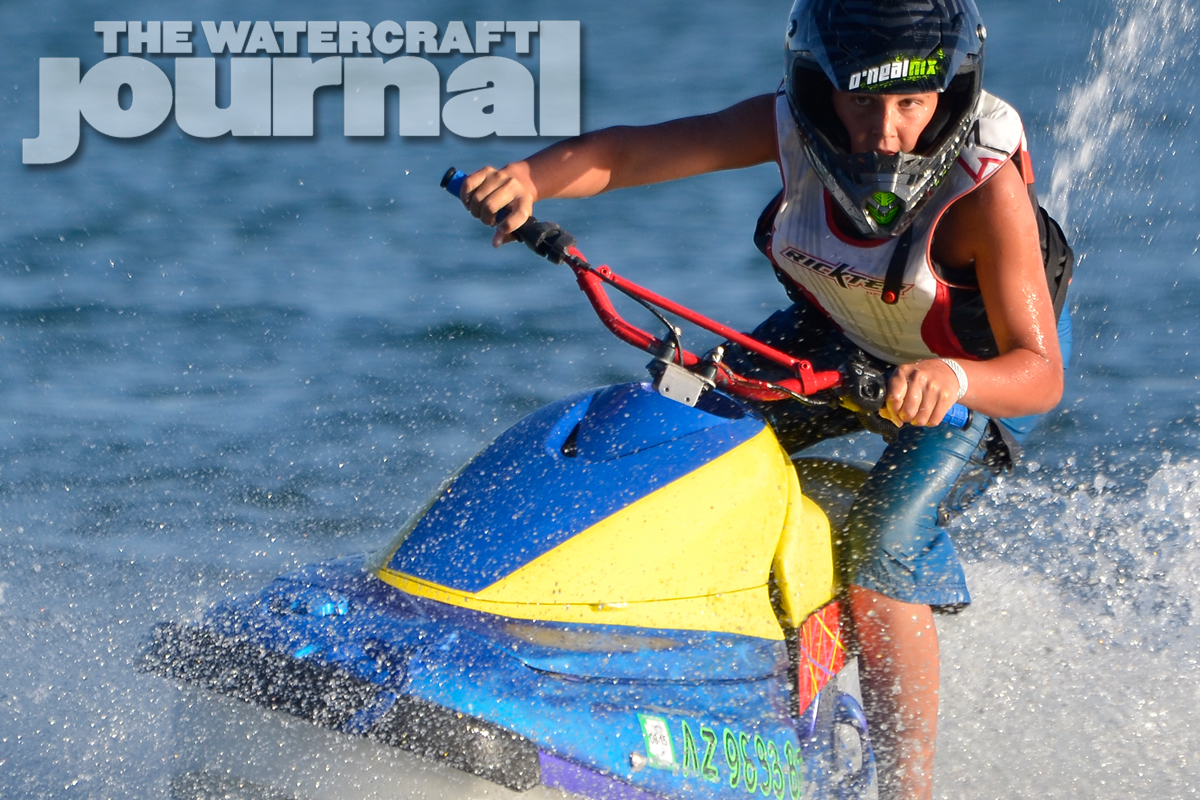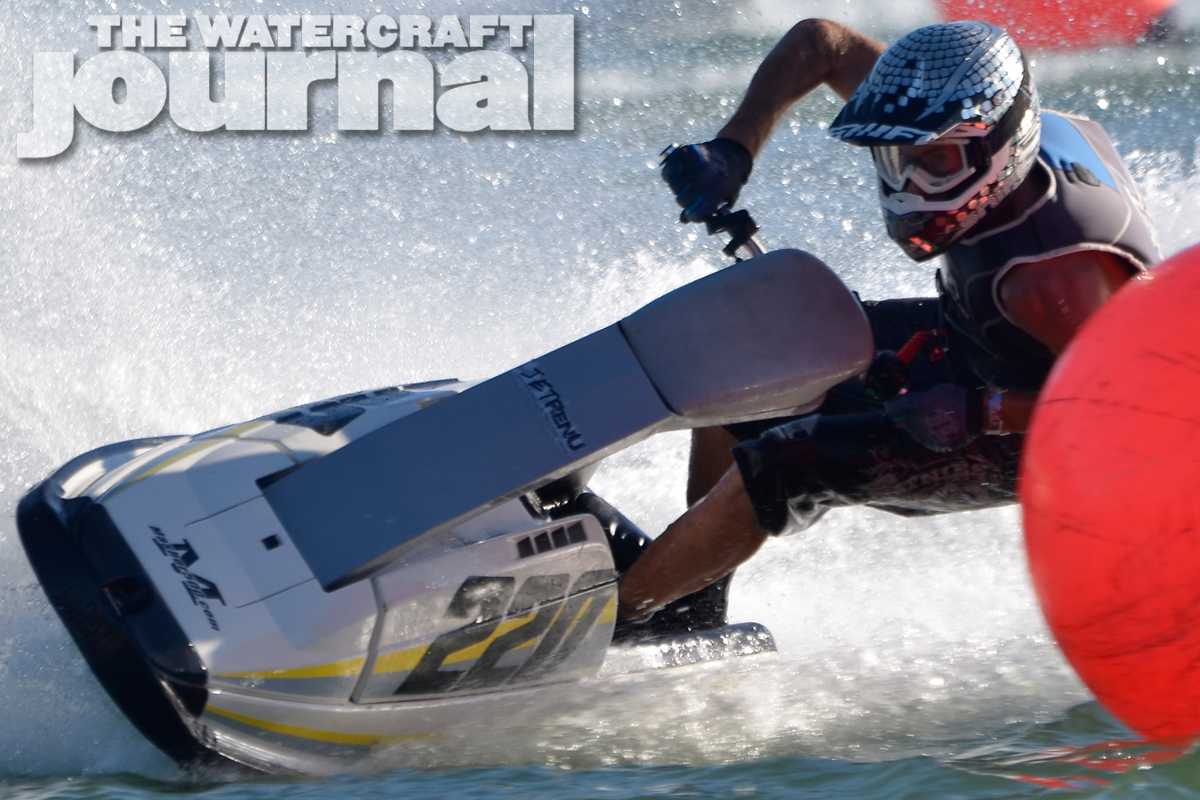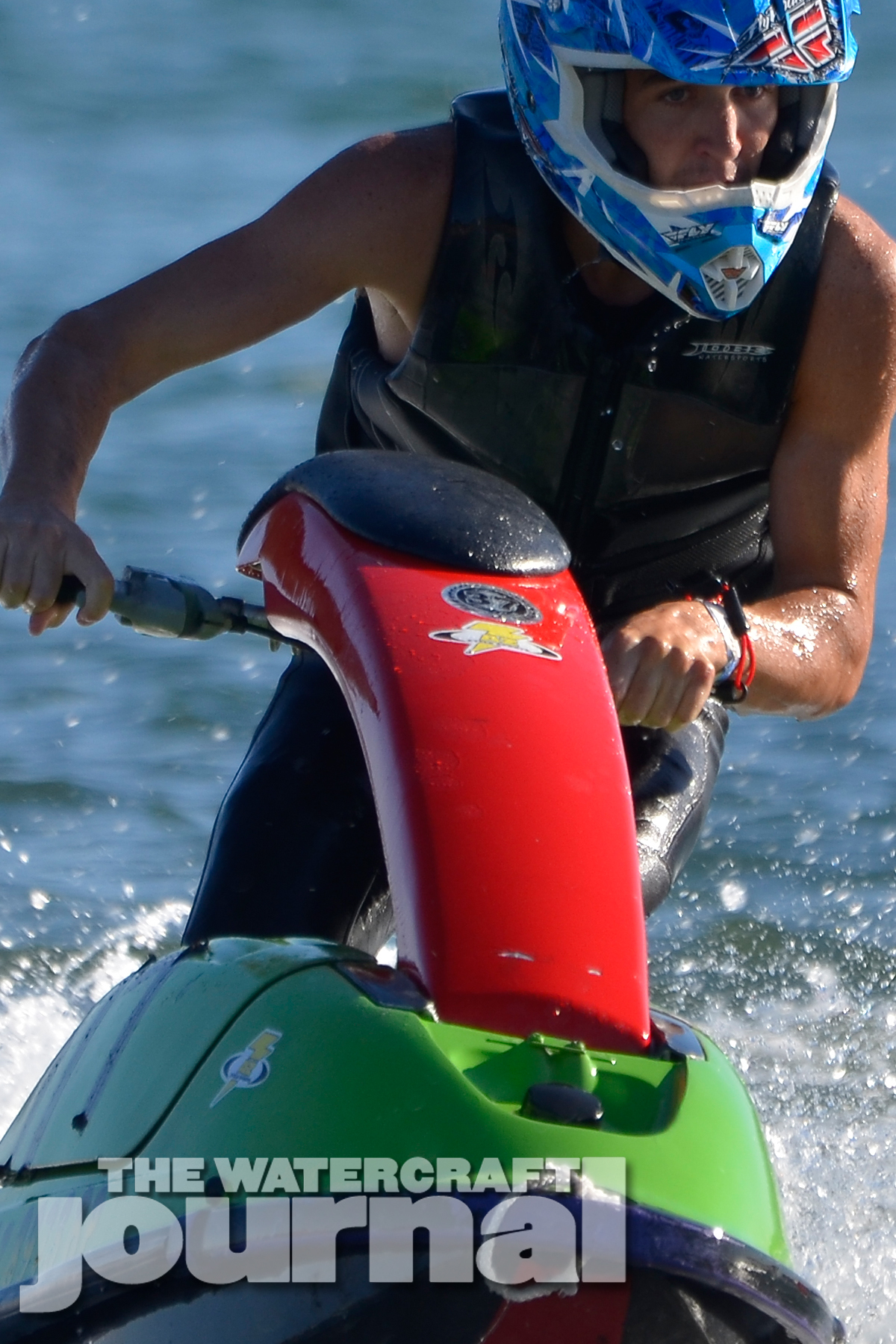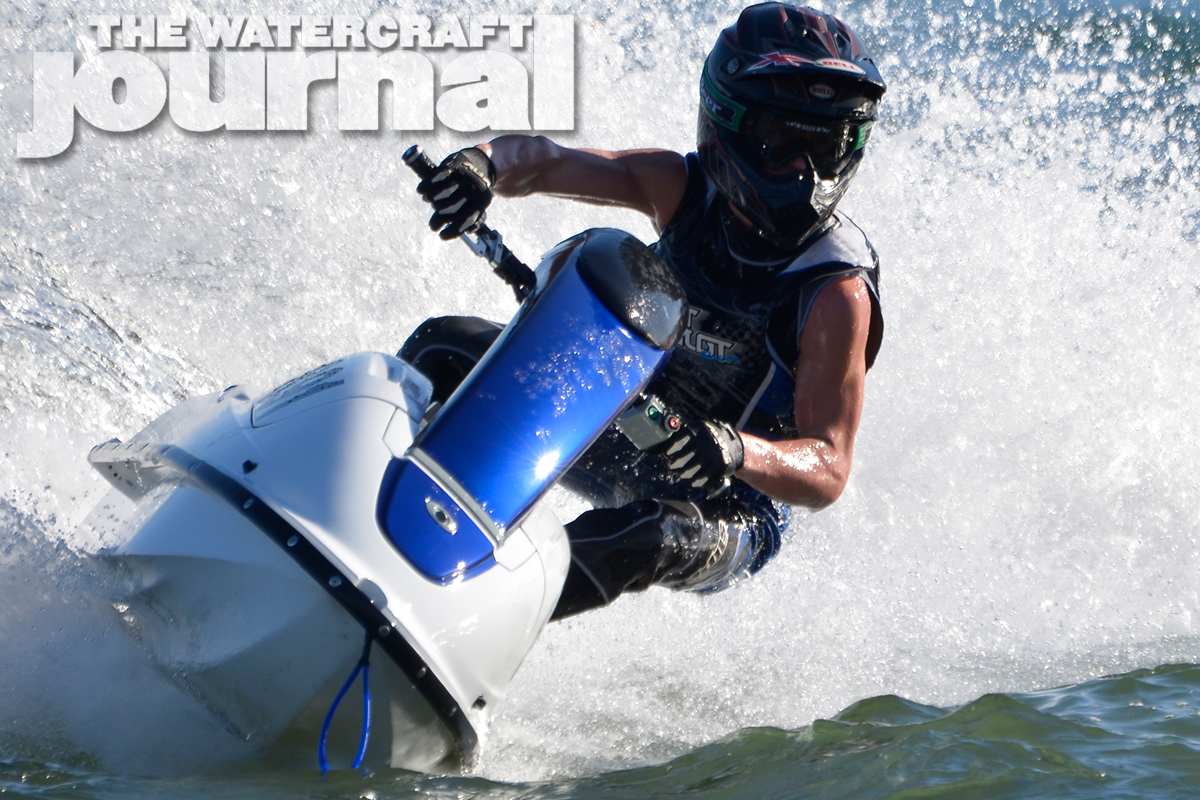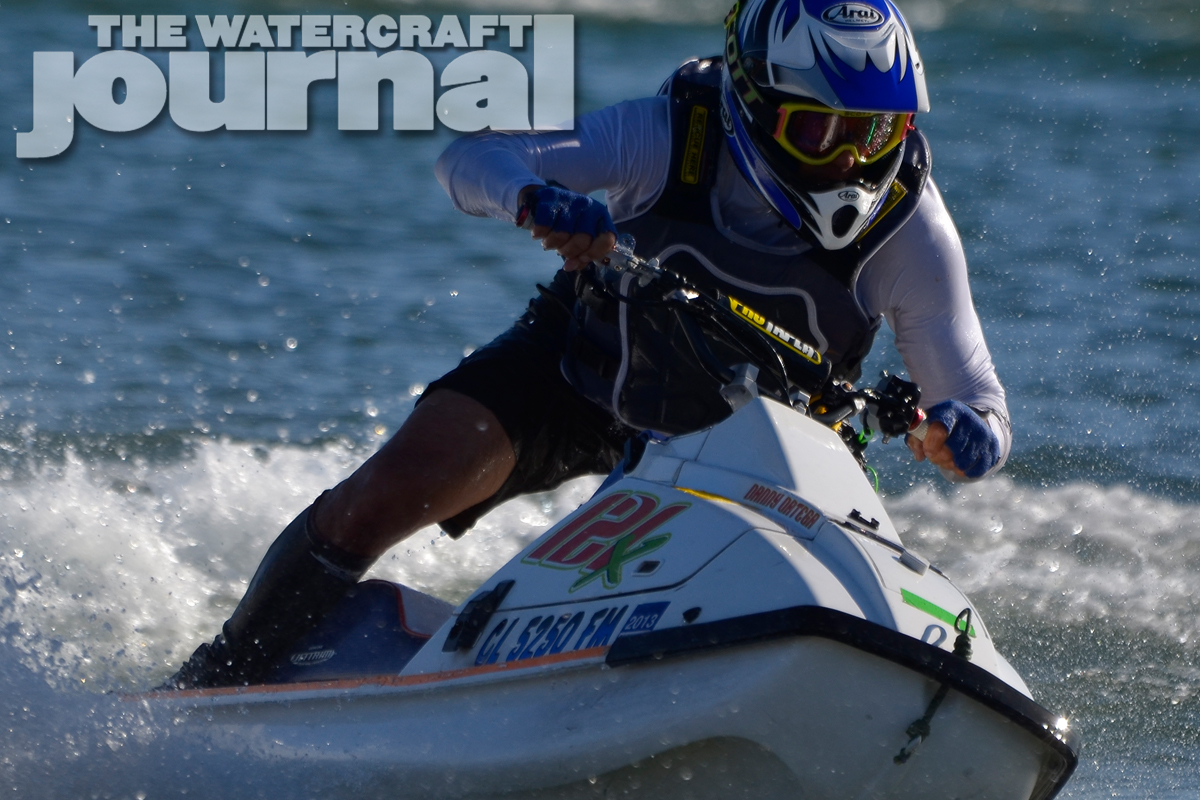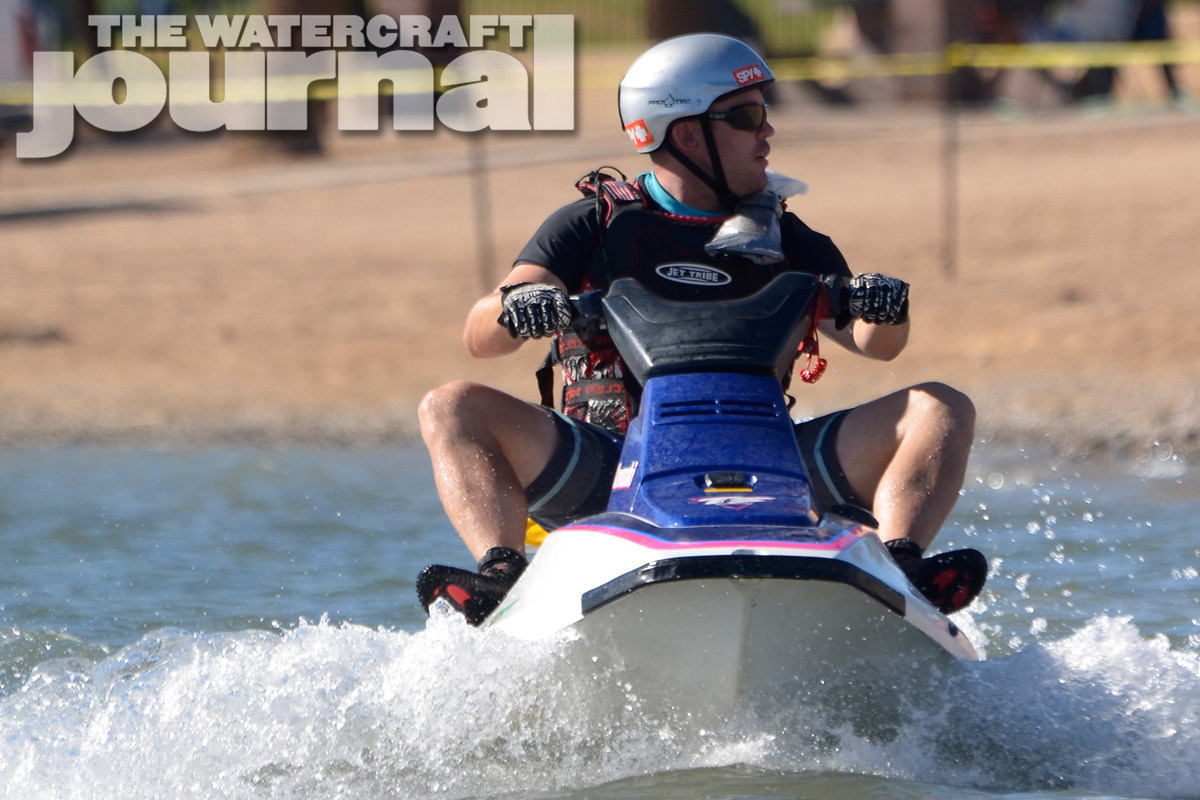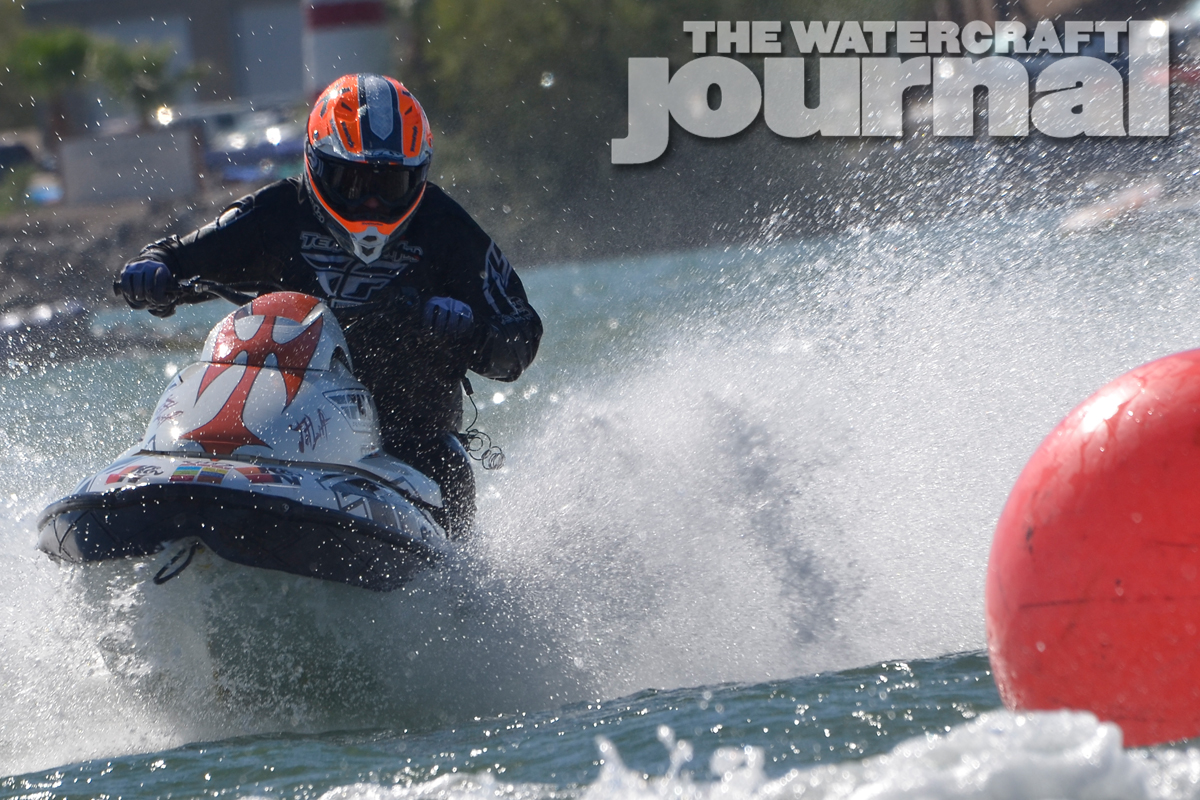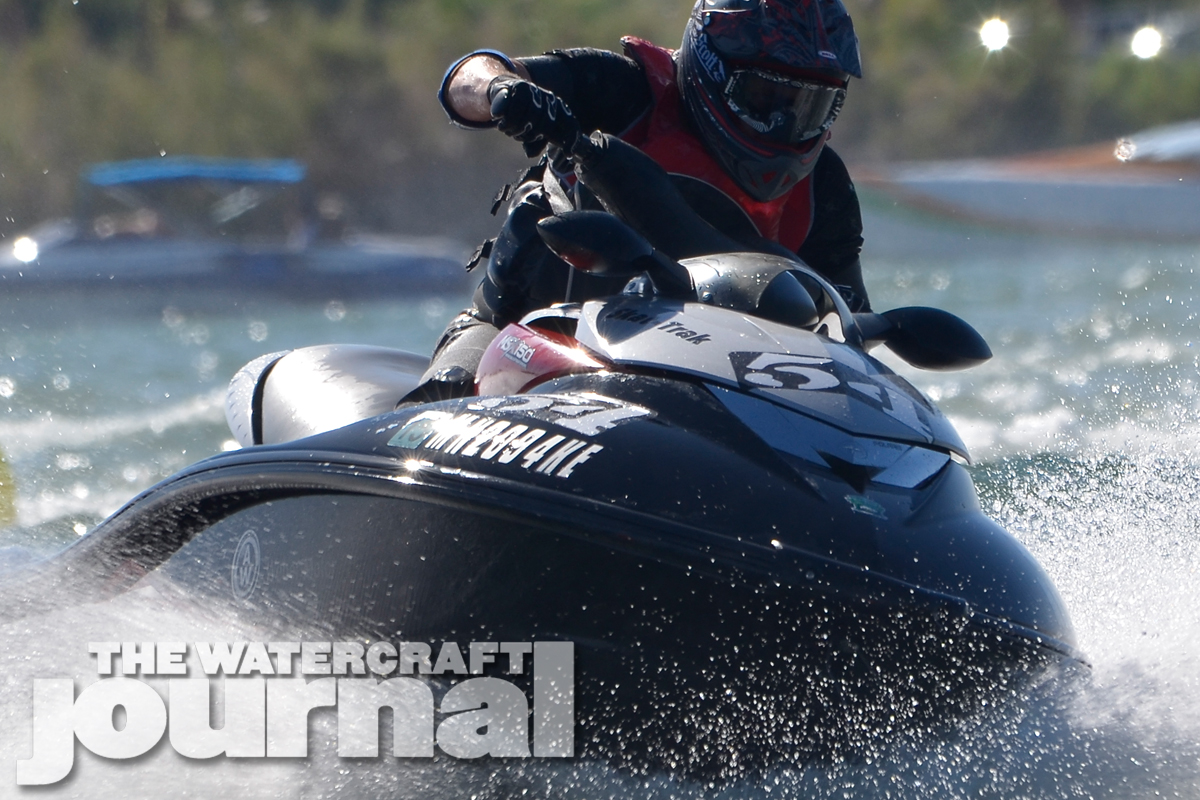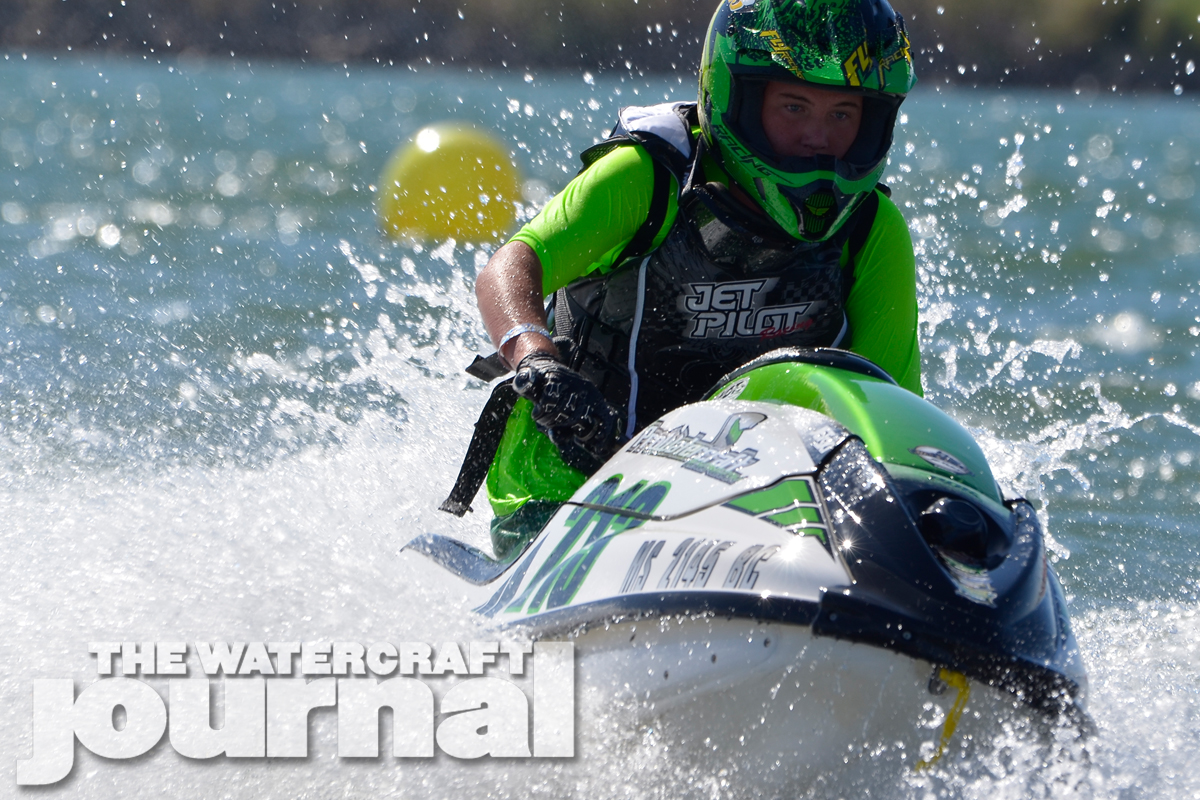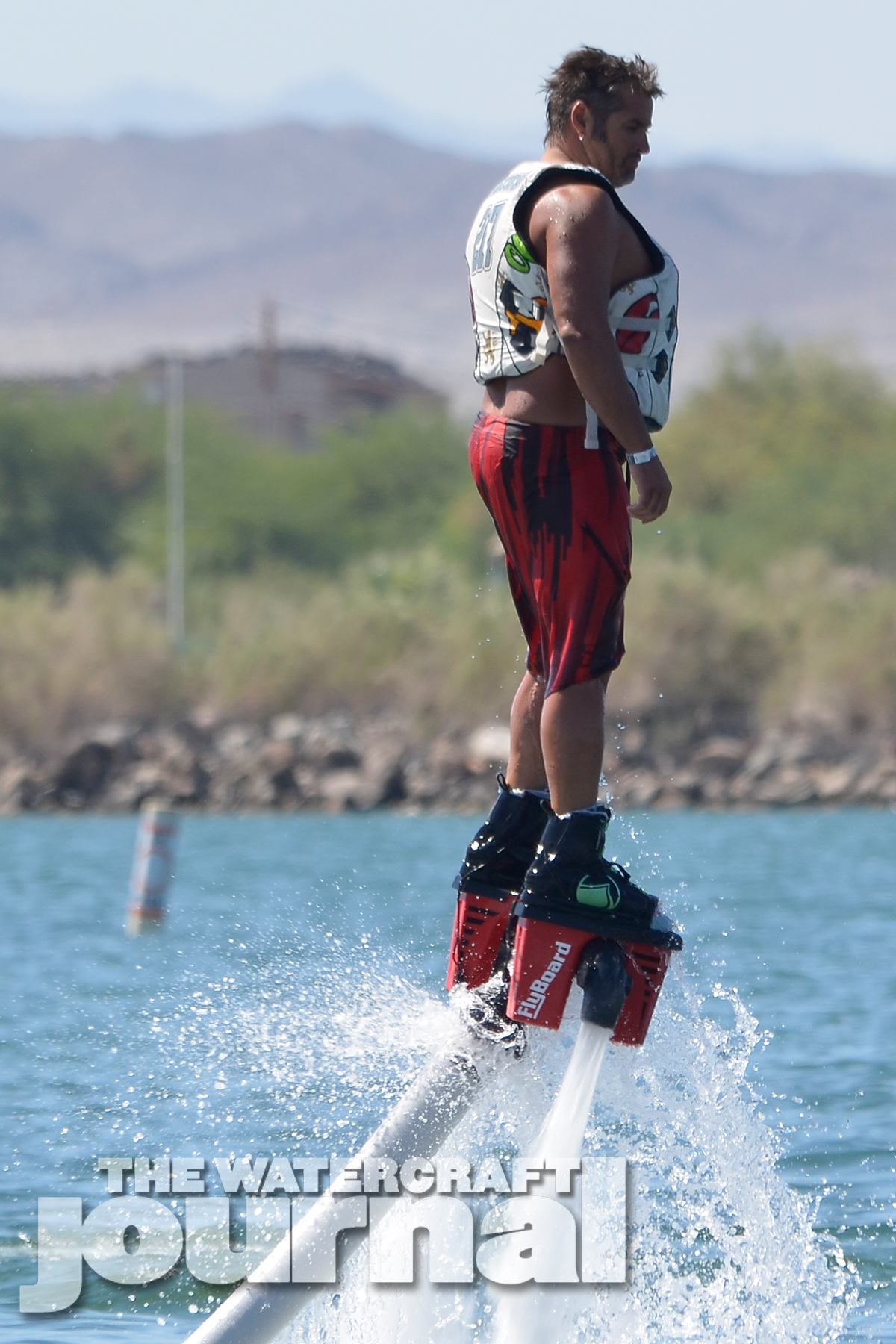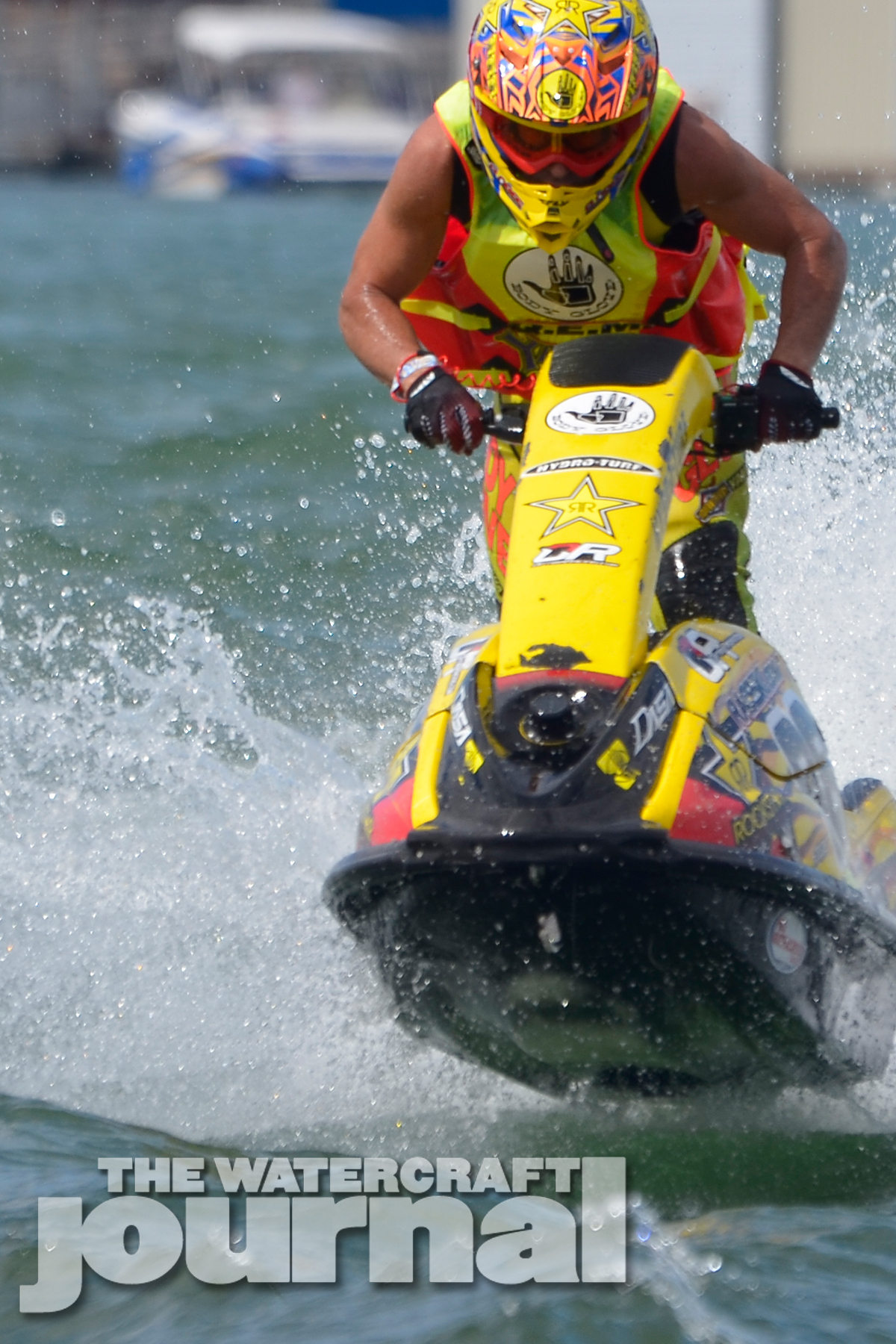

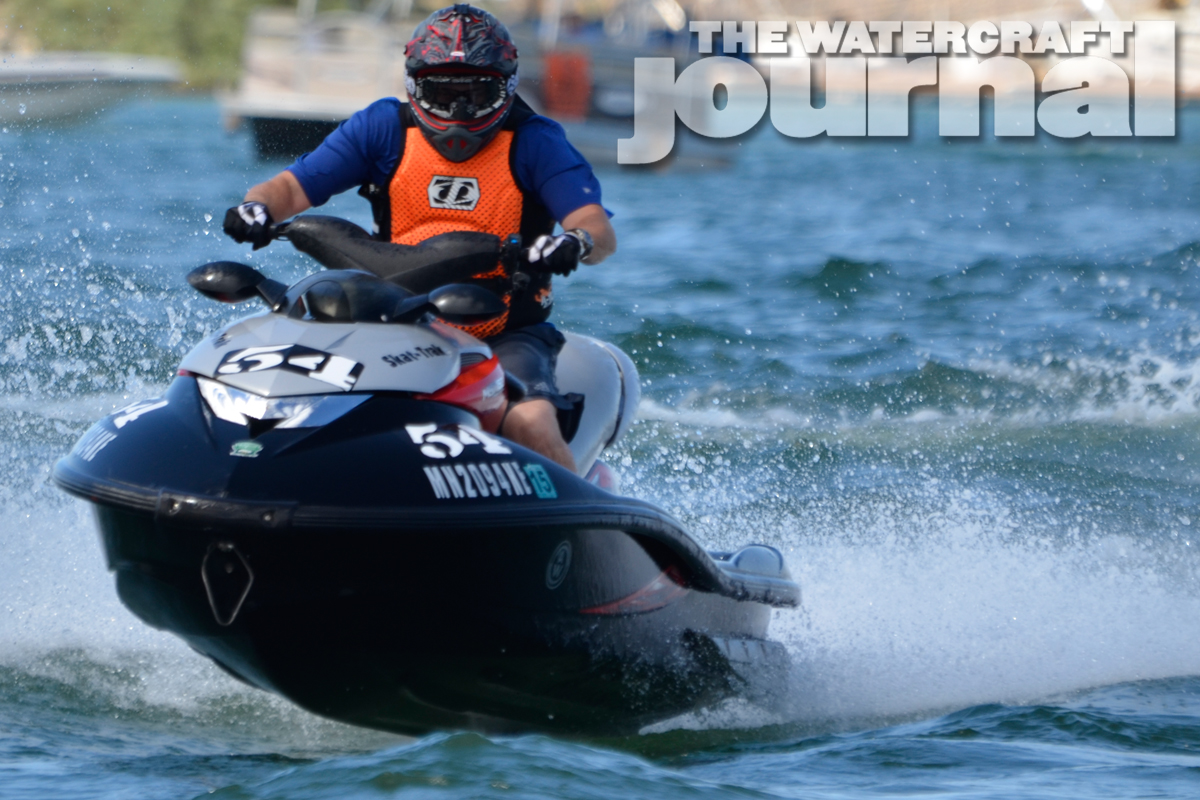
Hosted in the shadow of Lake Havasu’s famous London Bridge, the Under The Bridge Show will be held that Saturday night, October 11th, before the final day of racing. On hand will be demonstrations from Flyboard, Sea-Doo and Bomboard while the freestyle competitors will show off their skills before a massive audience gathering along the bridge and on either sides of the channel.
Of course, the best place to take in the action is famous waterfront nightclub Kokomo’s, so get there early to get the best front-row spot!
The original release:
Blowsion, Bun Freestyle, Flyboard, Sea-Doo, Bomboard, Jetlift, and others will be bringing back the successful Saturday night Freestyle show under the London Bridge on October 11th. Product demonstrations from Bomboard, Sea-Doo, and Flyboard will frontload a session of the Jettribe World Finals’ Professional Freestyle Athletes as they attempt to add winning points to their tally.
Top finishing competitors from Saturday’s Pro Freestyle competition, at Crazy Horse Campgrounds and Resort, will gather at the London Bridge Resort at approximately 5:30. A custom rail system, provided by Jetlift, will be used to lower the competitors into the channel while spectators enjoy product demonstrations from Flyboard, Sea-Doo, and Bomboard.
Freestyle competition will begin at approximately 6:00PM. Last year, thousands gathered along the shore under the London Bridge and we expect more this year. We recommend people get to the shoreline early, or make their way into Kokomo’s for the best chance at prime viewing.
For any questions about the 2014 Jettribe World Finals or the Under The Bridge Freestyle Show, please email: [email protected]
If you didn’t already have a good enough reason to be at this year’s 2014 Jettribe IJSBA World Finals in Lake Havasu City, Arizona, Hydro-Turf has stepped in to partner with Macc Racing for the second annual Flip-Off competition!
Held the final day of the Finals, Sunday October 12th after the Pro freestyle heat, this year’s winner will not only receive the massive winner-take-all $2,000 purse (provided by Macc Racing and Hydro-Turf), they will also be crowned the World
Record Holder as the Guinness Book Of World Records will be on hand (that is, provided the winner completes over 20 flips, effectively breaking last year’s winner Daniel Martin’s record).
The Xscream rider will of course return to defend his title that he claimed over Kazu Sakaida.
2014 Flip-Off Rules (subject to change):
1. The competitor’s routine starts when the first flip goes into motion.
2. The competitor’s routine when movement or momentum stops for any reason.
3. The flip must be continuous from the last flip as a fluid movement, any shift in momentum, including setting up for another flip, will end the routine.
4. Failing to land a flip will end the routine.
5. One tie breaking round will be held if necessary.
There’s no shortage new toys that quickly attach to the jet pump of a personal watercraft these days. Whether you want to fly with a jetpack strapped to your back, lock your feet in to a Flyboard, try your hand at a jet-powered Hoverboard or streak across the sky like Iron Man, water-propelled flight has become the newest form of entertainment.
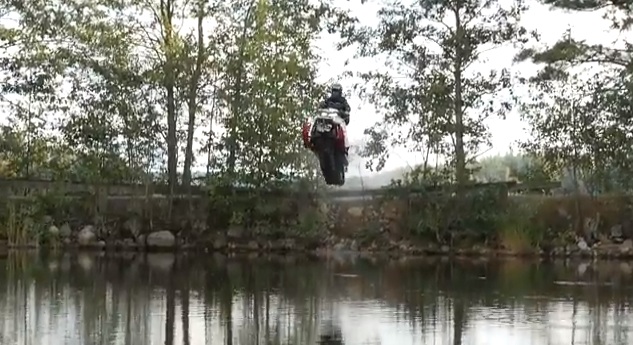
The Jetovator is not exactly new but still makes us smile. It’s bicycle-like design provides significantly more stability than say, the Hoverboard and allows for a full range of motion while maintaining a feeling closer to a sport bike.
Late last year, the Jetovator was featured on the Travel Channel’s “Ride-iculous!” program, showing riders a series of complicated rolls, stalls, dives and flips. The thrust of the the center jet helped maintain plenty of height while the side thrusters manipulated the direction and pitch of the bike.
Below is the official press release for the Jetovator with the clip featured on “Ride-iculous!”
Are you ready to take watersports airborne?
The JETOVATOR, designed and built in the USA by Jetavation Inc, is an easy to install watersports accessory that utilizes the jet thrust of any standard personal watercraft(PWC) to propel and elevate a light-weight, flying bike.
Designed with the familiarity and comfort of a motorcycle, riders can fly at speeds up to 25 MPH, dive 10 feet below the water, and even perform daring aerial stunts such as barrel rolls and back flips. The Jetovator can reach heights up to 30 feet utilizing high volume, low pressure water supplied via a 40 foot hose connected to the thrust output of a standard PWC.
The Jetovator is one of several new water-propelled flying devices in the fast growing vertical watersports segment, and the Jetovator offers the highest level of safety and ease of use.
Jetovator pilots are able to control their own height and direction by manipulating the two front control nozzles. The Jetovator pilot is assisted by a trained instructor onboard the trailing PWC who can limit the speed, height, and provide aide if needed to new riders. The safety features have made it a perfect rental for marinas and resorts looking for an attractive new watersports alternative.
The experience is up to YOU! Mild or wild; Jetovator is fun for all skill levels.
This year’s Grayland Open is taking things to the next level; the 2014 Grayland Open marks the begging of the first National Freeride Tour in the USA. That makes this a rather groundbreaking event for the sport of Freeride in the US and the beginning of a new age in the jet ski world. Finally after many years of anticipation someone finally stepped up to the plate and took charge by rounding up the events we have in place already and creating a tour for the US. That person happened to be none other than the Australian Nick Barton of Krash Industries.
I have been actively pursuing the idea of linking all the States’ biggest contests and freerides for quite some time now, and everyone really wanted to make something happen and were really positive about it, but it seemed like we just couldn’t find someone who was willing to put the Tour on their back and organize the whole thing.
Finally, one day Nick, who also started and organizes the Australian Freeride National Tour, said, “You know what the sport needs is a National Freeride Tour in the USA. I’ll do it!”
Right after that, I put him in contact with the different event organizers here in the states and then BOOM! the next thing you know, we’ve got the 2014 Krash Industries USA Freeride National Tour!
For 2014, the Tour has four stops planned: The first of which being in Washington at the Grayland Open in August from the 8th-9th. After that is still to be announced but is scheduled to be around September, then we’re headed to the Daytona Freeride in January (15th-18th) and finally, the end of the tour will be a stop in Virginia Beach at the Wavedaze in April from the 10th-12th.
Every stop of the tour will be judged by IFWA standards with 50-percent of the score being judged on surf riding and 50-percent being judged on aerial maneuvers.
Each stop will have five different classes allowing for all different riders to compete. Stand up classes include Masters class (35-years and older), Rookies class (beginners class judged only on surf riding), Amateur class (Surf and Aerials), Pro class (for the big guns) and finally there’s a Runabout class for all the ‘Blaster and X2 guys!
These events are designed to bring out all different levels of riders from riders competing for their first time, some of which may even be riding surf for the first time, all the way to the seasoned pros who travel around to different events in the states (and around the world) each year who are willing to put it all on the line for the win!
Everyone please come show your support for the Grayland Open and the rest of the Tour stops this year! We are very excited about the begging of this new chapter of Freeride and really hope to see each and every one of you out at this years tour stops either in the water shredding waves on your ski, on the beach soaking up some sun, partying with friends and cheering on your favorite Freeriders!
It is promised to be a good time for everyone and you should be sure not to miss it! This is history in the making people so be there and help show your support for the sport and the kick off of the new Krash Industries USA Freeride Nationals Tour! See you on the beach!
A large portion of the Hydro-Turf HQ is dedicated to the HT Premier line, where custom canvas-stitched seats are tailored for a variety of applications.
For those old enough to remember the early years of Kawasaki 440 and 550 standups will recall how miserable the black sharkskin foam tray padding was. It chaffed terribly and it wouldn’t be long before large chunks of it suddenly vanished. Spongy, prone to weathering and flaking and woefully unattractive, the early jet skiers were in dire need for a better product.
Prior to its official launch in 1990, Hydro-Turf was once known as Jet-Strip, offering riders of the mid-to-late 1980s some very radical colors, including a full array of fluorescent hues that all managed to retain their brilliance far longer than its competitors as well as holding up longer to the rigors of active standup riding. It was only when the company traded hands from one brother to another that Arno Olbricht helped steer the company to being possibly one of the largest brand names in the personal watercraft aftermarket industry.
Based in Anaheim, California, Hydro-Turf has become so synonymous with performance traction products that a ski bare of some HT product is more rare than those without it. So much so that all of Kawasaki’s current PWC brandish the iconic oval logo embossed in the swim platform mat, and Yamaha proudly boasted that its top-of-the-line Super Vortex High Output WaveRunners feature two-tone Hydro-Turf traction mats.
One such unique piece is this HT Moto rear seat designed for sport bike freestyle where a rider can place his foot into a reinforced backseat foothold for wheelies and other tricks.More than any other product, Hydro-Turf ships out hundreds of uncut sheets of traction matting to a wide swathe of boat builders, board shapers and PWC builders.
In 2008, Hydro-Turf expanded it’s product line to include the top tier HT Moto brand (now newly rechristened as “HT Premier”), providing hand-stitched seat covers, footwells and tray matting for personal watercraft, as well as custom seat covers for dune buggies, sand rails, and UTVs, as well as sport bikes, bicycles and other motorcycles. Hydro-Turf has also become a major fixture in the standup paddleboard aftermarket as well as wakeboards and skates, providing lifter wedges and traction mats for better leg and back support.
Hydro-Turf – through distributors like Ross Champion’s Soft Deck – has also found its way on elite military vehicles and sea craft. But, it wouldn’t be the PWC or off-road market that would be Hydro-Turf’s biggest customer. “By far, we sell more [uncut] sheets of Hydro-Turf than anything else,” Olbricht told The Watercraft Journal during our visit last week. “We move through more pallets of product than any kit, seat cover or other item we offer.”
Applications for the die-cut mats can be found in ski and sport boats, bass and duck hunting boats and skiffs and even fan-powered air boats. So much so, that requests for a variety of camouflage patterns have expanded Hydro-Turf’s color and pattern selection. Currently, the focus by many has been on their two-toned colors, of which, Hydro-Turf has two kinds: a single mat that is dyed, and a sheet made of two glued-together colors.
Inside HT HQ, the warehouse floor is a dizzying melee of action, as workers race to fill orders, and cut and process sheets of material.Hydro-Turf does make swatches available for color comparisons, but serious shoppers will also want to consider the variety of cut grooves HT offers as well.
Either sold solid, or cut in diamond, waffle, grooved, two-tone mats have become so popular that Hydro-Turf is preparing to sell “teak” style mats for larger boats. But what might surprise you is Hydro-Turf’s other items it sells. Olbricht laughed, “We literally sell hundreds of oil extractors. Y’know, those oil change pumps that suck the oil up from the crankcase. We can hardly stock ’em.”
While touring Hydro-Turf’s cavernous 12,000-square foot facility, we were impressed with the condensed layout necessary to house, process, and package so many orders of material stock, as well as those kits requiring a more personalized flair. Seat patterns for the HT Moto (Premier) line have all been laid out previously, allowing customers the option to pick their colors to place in the pre-established layout. Paired with a set of Hydro-Turf mats and someone can radically change the look of their ski in the space of a few hours.
Behind the HT headquarters sat a long row of shipping containers packed full of reams of blank sheets of material. Likewise, in crates stacked above the containers. Although a dumpster and several waste bins overflowed with colorful trimmings, Hydro-Turf is wise not to waste any needful piece that can be applied elsewhere. Jet skiers have become more resourceful as of late and so has HT.
Each of these massive shipping containers are crammed full of uncut material ready to be turned into a custom kit for your ski, or shipped out to you as a single piece.
“Many standup riders – especially freeriders – want a whole sheet rather than a kit,” Olbricht continued. “They’ve become masters as covering their skis, the footwells and odd-shaped trays. They’re great at it. We love seeing what they come up with.”
In addition to freeriders, Hydro-Turf has become a mainstay of all PWC riders. Racers use their products almost exclusively. Everyday enthusiasts turn to Hydro-Turf to either directly replace their traction mats with like-new material (as their runabouts likely came with Hydro-Turf to begin with) or add some desired personalization. “I can open up [any magazine] and see our name 50 times.” Olbricht beamed. “We love being that for so many people. It’s a great.”
One of the most iconic names in the personal watercraft industry, Hydro-Turf also maintains strong footholds in the standup paddleboard, surfboard, wakeboard and boating industries.
Nine acres of the world famous Body Beach – a half-mile stretch of undeveloped, fee-free lakefront land on the eastern shores of Arizona’s Lake Havasu, frequented by boaters and personal watercraft enthusiasts for several decades – will officially be up for grabs to the highest bidder by early 2015.
According to HavasuNews.com, funding for the acquisition has already been approved by the Lake Havasu City Council, with plans to ultimately expand the popular Rotary Park into the neighboring area currently known as “Body Beach.” Though the city will be forced to bid against other developers for purchase of the land, it will be given preference due to their current lease of the entire 47.5-acre parcel from Arizona State Land Department (ASLD).
Development plans have yet to be finalized, however, and according to deputy city manager Larry Didion, the city will most likely ask for the public’s input on exactly how to best use the land, if purchased.
A call to action has already sparked to life on the Internet and Facebook, with activists vowing to begin circulating pledges, writing letters to city officials, and rallying local businesses to support keeping this tabernacle of personal watercraft racing open and free to everyone.
For over fifteen years, supporters of an unadulterated Body Beach have voiced their collective concern over the potential acquisition and development of Body Beach, with a surprising amount of support given from local business, concerned citizens, even city government officials to keep the day-use area open and fee-free. With a partial acquisition on the table, however, many are predicting that this will be the end of Body Beach – at least as the community has come to know it for the last 30 years.
Paired together with multi-time IJSBA World Champion Minuro Kanamori, the two of us were entered in the Manufacturer Stock class – where Kanamori rode so hard that he shadowed fellow Kawasaki-racer and race winner Craig Warner until he started to run out of gas, bumping him back to third place overall. I, on the other hand, came in 20th overall and 10th in my class, but let’s not dwell on that.
Unique to the 310R over the other 310-models is the two-tone paint job and blue pinstripe. We started by removing the factory decals, and any residual adhesive.Next, we started mocking up the black background pieces on the hood. The Ultra hood is nefariously complex, full of compound curves making this kit a little bit of a chore.
Rather, we want to show how we gave our already stunning-from-the-showroom Ultra 310R a very custom, yet very noninvasive makeover, thanks to our very special friends at Hurricane Industries.
The Antioch, California company first opened its doors only at the start of 2014, but Derrick Kemnitz has been working in the graphics and composite industries for many years before that. “I offer a variety of composite parts as well as many custom graphics, number plates, custom apparel and clothing,” Kemnitz explained.
Using Adobe Illustrator CS7 and a “standard” vinyl plotter, Hurricane knocked out our unique design in record time and had our vinyl kit in our hands with plenty of time to spare before the weekend’s race.
Hurricane recommends installing the vinyl decals on a wet, slightly soapy surface if only to allow freedom to position the decal properly.
Be warned, for those looking to do likewise for their Ultra-series Kawasaki and have never installed a wrap like this, know that the kit is not a single finished piece. Our kit was comprised of several layers that needed to be “stacked” to get the final look. Thankfully, the Oracle Intermediate Cast vinyl is thin and therefore lays down nicely one layer upon another, but again, it might take more time than you’re used to.
Working together with Kanamori and Kawasaki’s vehicle prep master, Jeff Priddy (the man who single-handedly prepares every single Kawasaki bike, ski, quad and UTV that is seen in official press photos), we spent several hours working the vinyl to get every bubble, wrinkle and crease out. Be prepared to work, but you’ll be stoked on the result like we were.
Once the water has dried, the decal can be properly applied. We used a variety of squeegees and plastic applicators that would chase out bubbles and wrinkles without “burning” or damaging the thin vinyl.We worked each back panel in stages, as one panel needed to dry more before we could chase out all of the bubbles, as another was ready for final application.Admittedly, we struggled with the center section: the Kawasaki’s complex curves made the main backing difficult to cooperate. Add to that the unusual cut-outs for our sponsors’ logos and unique design, we had to lay it down in stages.The clear backing paper is oddly thicker than the vinyl itself and has a texture that makes laying the vinyl decal down a little tricky, but we managed to get the hang of it after a while.It’s easy to get excited – and therefore a little impatient – when you start seeing how the white top layer decals bring the black backdrop decal to life. The intricacy of the background cuts now make sense when you see how Hurricane incorporated the green hood into the logos.Next came the bold race numbers, two highlight stripes and racer name – akin to those seen on vintage race cars and motorcycle racers.Because the lower half features a blacked out section, we took out a razor blade and trimmed the vinyl accordingly. Jeff Priddy also classied up our design by cutting the wrap to allow the blue pin stripe to bookend the racer signature.The final result almost looks like an official Factory Kawasaki setup. Again, this kit comes off twice as easy as it was to go on, so for those wanting to replicate this look need only to contact Hurricane Industries today.
The dirt used at most SoCal motocross tracks has the tendency to bond with the motorcycle’s aluminum parts after a week or so, and can be tricky to get off during normal washing.
So there you stand in your garage, marveling at the dizzying assortment of cleaning products lurking in the dusty cabinets. There are automotive waxes, protectants, polishes and washes galore, but their use is specific and definite. “Do not use on plastics or fiberglass,” “Not safe for use on clear coats,” and other terrifying warning labels that keep your watercraft cleaning options limited.
A true benefit lies in a product’s versatility. Fortunately, Jet Renu’s Dri Wash MX has made no such claim of exclusivity. Sure it’ll keep your PWC and boat looking good, but feel free to use it on your other beloved toys, as well.
Dri Wash is a non-toxic, biodegradable cleaner and polish that was developed to clean, maintain and protect most surfaces – without the need for water. The ability to spot clean certain areas of any vehicle between washes is a great time saver, and comes in handy to remove not only mud and dirt, but other contaminants like bird droppings and road grime when the watercraft, car, or motorcycle is otherwise relatively clean.
The spray foam was light enough to cling to the vertical surface of the swingarm. Just be sure to keep it away from the brake rotor. After a couple of minutes, the foam had done a great job of dissolving the crusted mud.We look forward to seeing what else we can get clean without water in the coming weeks, but this product already looks like it has the versatility to keep at the front of our garage’s cleaning kit.
For this evaluation, we wanted to see how well Jet Renu’s Dri Wash MX (12oz. aerosol can, $12.95) could cut through the dried, baked-on motocross mud and dirt that had collected on our Kawasaki KX250F’s aluminum swingarm for the last few weeks. The mud specks had used that time to really bond to the aluminum, which typically makes it more difficult to remove during a normal wash. We know, conducting a test on a motorcycle is a little off topic for a PWC magazine, but it does have “MX” in the name after all.
Since the directions lacked specific usage details, we opted to saturate the swingarm with Dri Wash spray and let the foam do its thing for about three minutes. As soon as the suds melted away, we took a clean terry cloth towel (microfiber would’ve been great, too) and wiped away the mess. Folding to a clean section of towel, we wiped down the area one more time to remove any residue, and we were done. Simple as that. The mud had dissolved in the solution and we were looking at a clean, shiny swingarm – no stubborn specks of dirt or unsightly streaking. Impressive.
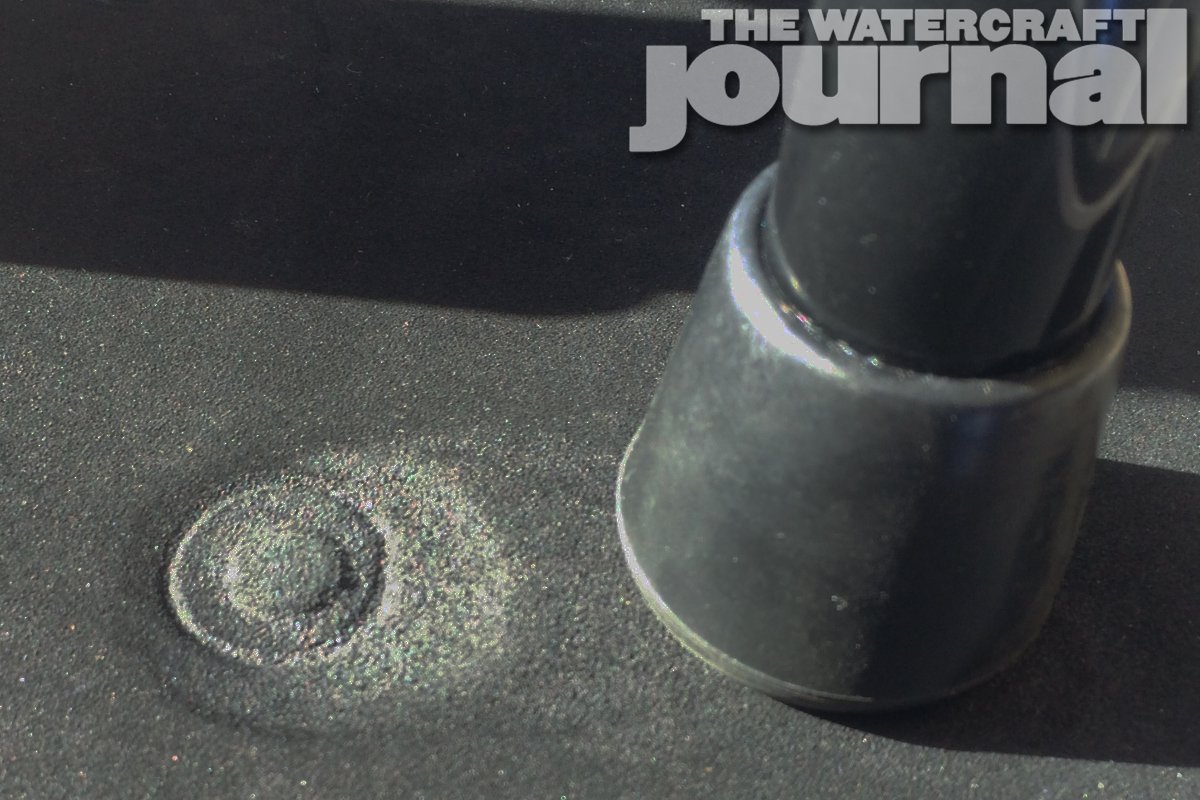
Wipe the surface with a clean cloth, preferably microfiber, then turn to a clean section and buff to shine.As good as new! No stubborn spots or streaking.
Last year, the personal watercraft industry reported over 30,000 new units sold. Of course, the numbers varied from one OEM to the other, but of those thousands of PWC, nearly half of them were Sea-Doos. That’s pretty dang impressive and an indicator that BRP is making a product that people like and that people want. Dealers happily met public demand and boat ramps and launches across the world were quickly filled with like-minded boaters.
While this is great for our industry, we at The Watercraft Journal see one problem: there’s a lot of personal watercraft out there that look the same. That’s why we love the work going on at Millsboro, Delaware’s WMF Watercraft. Their service department isn’t just changing oil or winterizing skis each winter, but busy customizing supercharged full-tilt runabouts with the best go-fast equipment the aftermarket has to offer. And the WMF Custom Work shop is available to you.
We’ve already showcased what we think is possibly one of the coolest offerings we’ve seen: the WMF Edition Sea-Doo RXP-X 320. This performance package radically transforms a plain old 260-horsepower RXP-X into a closed course killer, a lake-shredding rocket ship, producing a real 320-horsepower thanks to a bevvy of RIVA Racing performance parts a RIVA Pro Series Steering system, billet iControl levers, RIVA Cold Air Intake kit, RIVA intake grate, RIVA Pro Series sponsons, RIVA Billet Trim Tabs, RIVA rear mat, Solas Impeller, RIVA Free Flow Exhaust, RIVA Intake Manifold Upgrade Kit, RIVA So-Con GPS overide, an ECU reflash.
While this cherry machine can be yours for 16,999, the WMF Custom Shop can option your Sea-Doo or Yamaha FZ or FX series runabout with any number of parts, components and even finish your ride with custom paint and graphics. WMF has been the exclusive builder of all of GEICO Racing’s Sea-Doos that have been making the boat show circuit, the very same skill and execution is available to you.
We’ve been posting quite a bit of racing coverage this week, and while we’d like to take a much needed breather from the fast-paced world of PWC competition, we would be remiss if we didn’t mention how you (yes, you!) can own the one of the fastest machines to have scorched the water.
Handcrafted for the 2013 IJSBA World Finals, Bushell later took the very same custom runabout to Dubai to compete, wherein the Lincolnshire, England native proved his 500-horsepower machine was clearly capable of 90 miles-per-hour, with staggering acceleration of 0-to-80mph in two seconds.
Details pertaining to the build are still kept under lock and key, so to learn the true in’s and out’s, you’ll have to contact Bushell directly. For those interested in dramatically stepping up their game, the #158 Sea-Doo does come in custom livery, including this detailed wrap and paint scheme.
The savvy onlooking will note the hood and cowling from a GTI/GTR, as Bushell notes the GTI models have a lower center of gravity over the RXP-X.
Clearly a new billet steering neck and sponsons, Jettrim seat and mats and large diameter Skat-Trak pump and impeller are only a few of the long list of goods included. This wicked ski can be yours for £14,999 (or $25,500), which is really affordable when you consider the cost of a new RXP-X, the parts and labor invested to build, tune and test the new powertrain, and the custom components designed specifically for it.