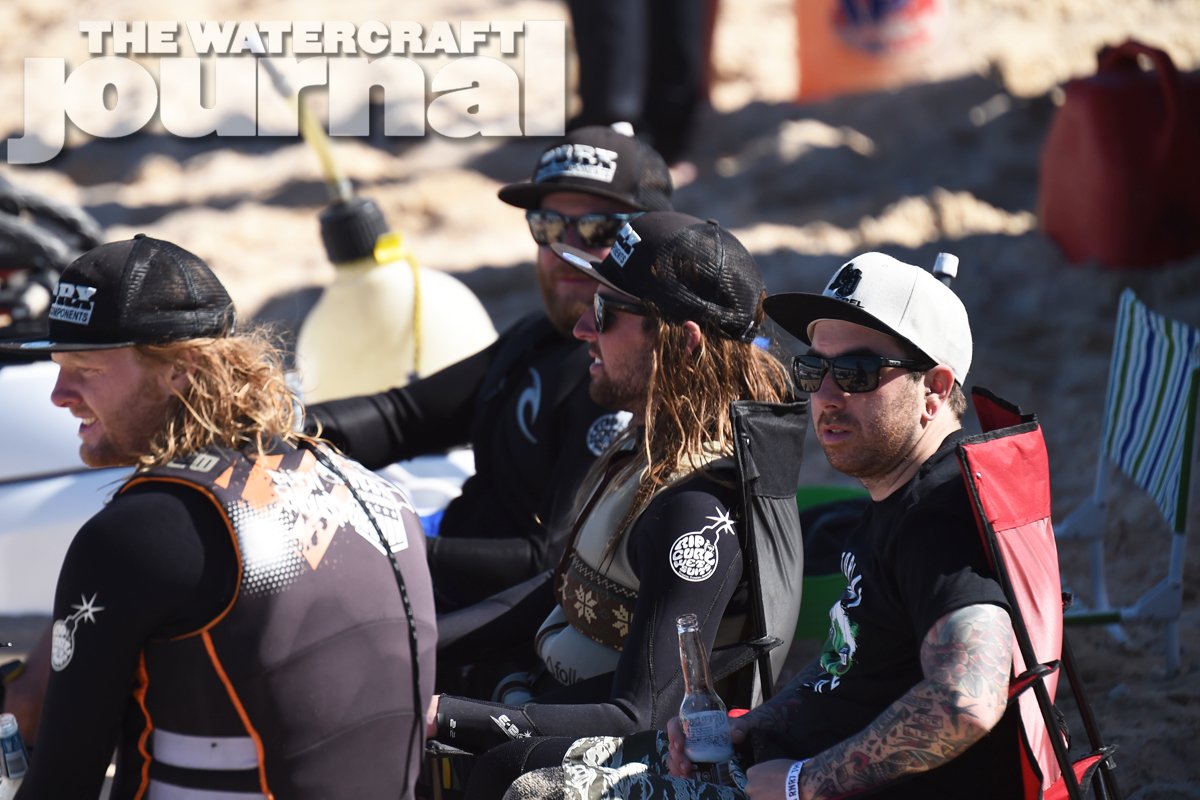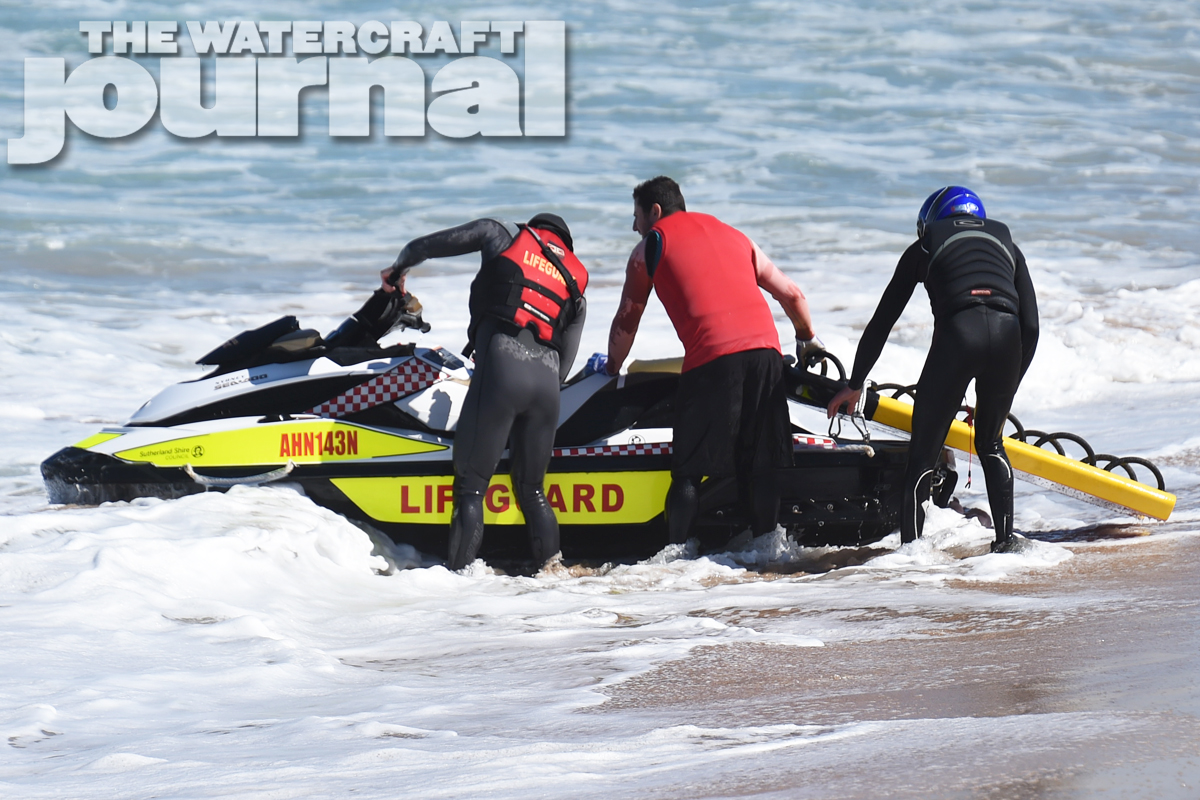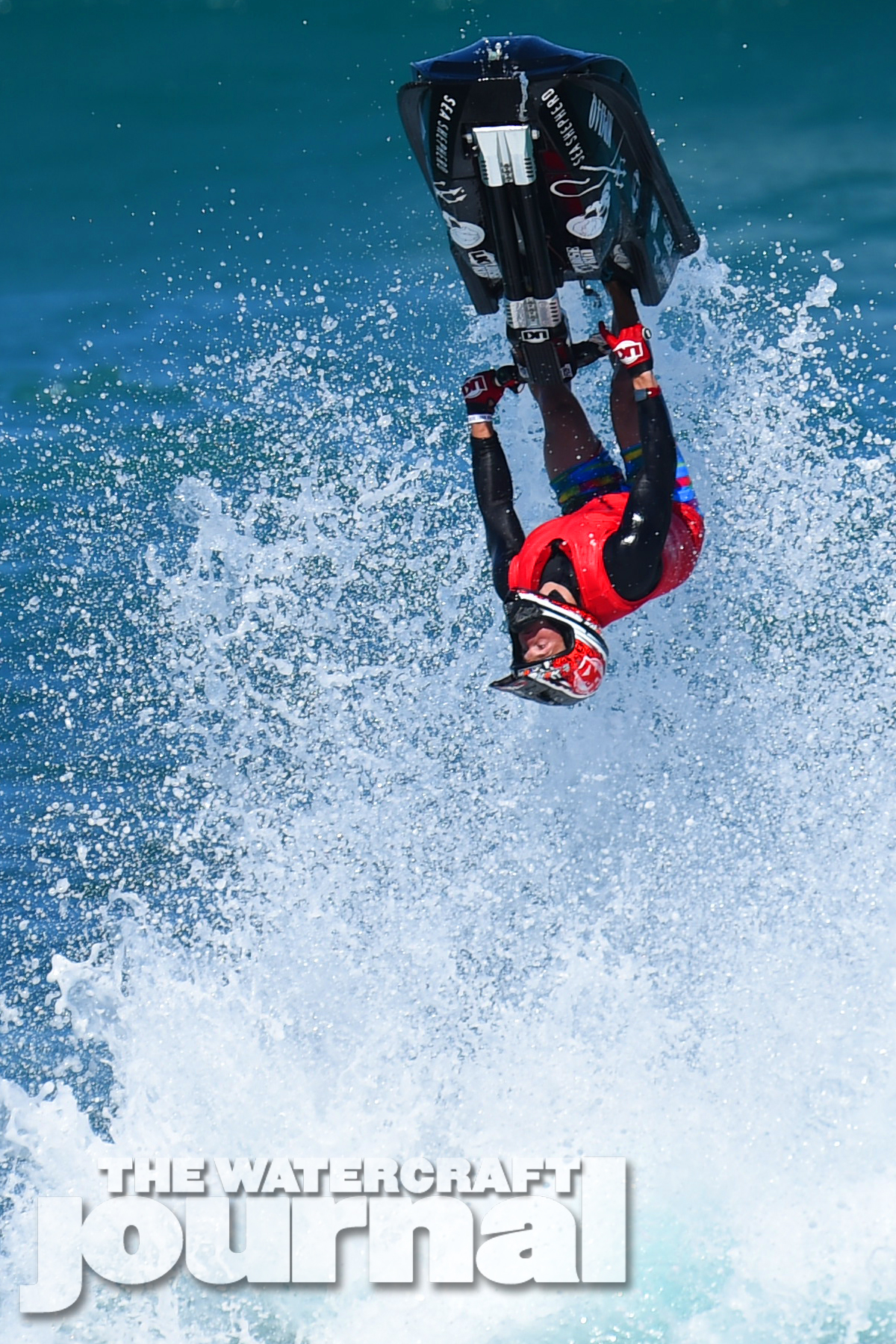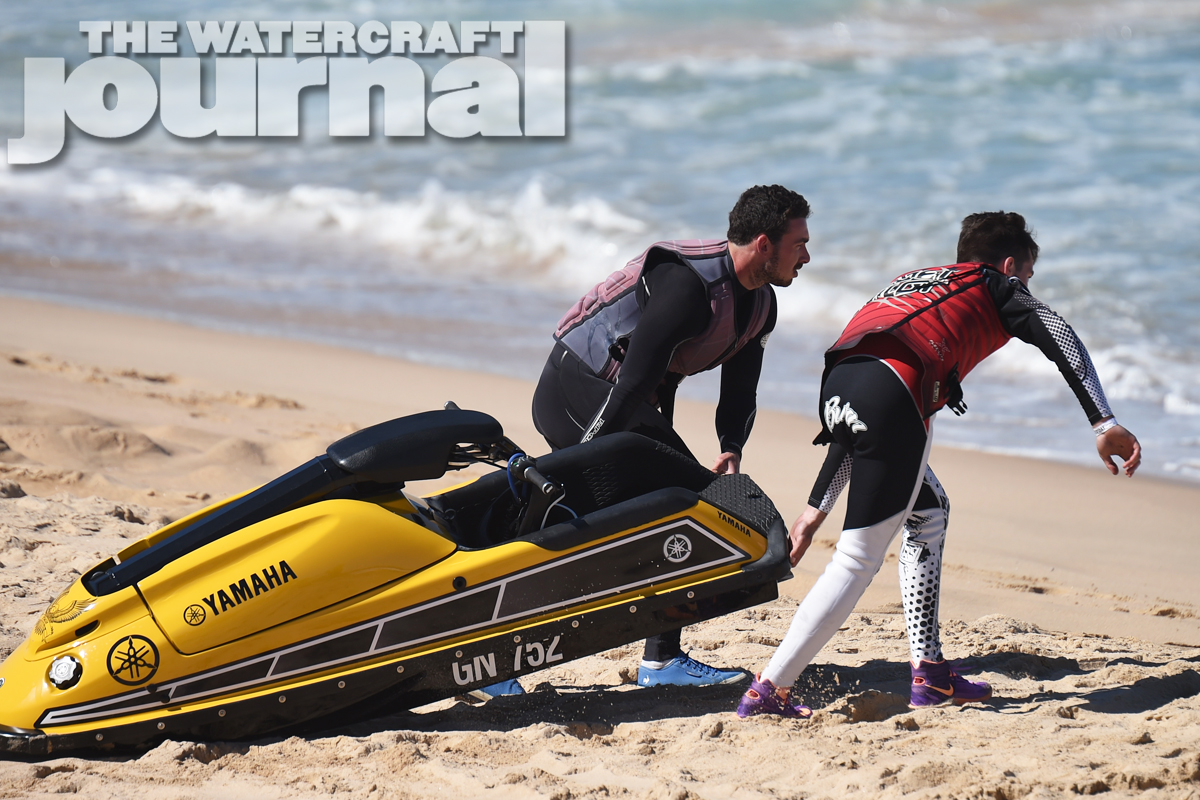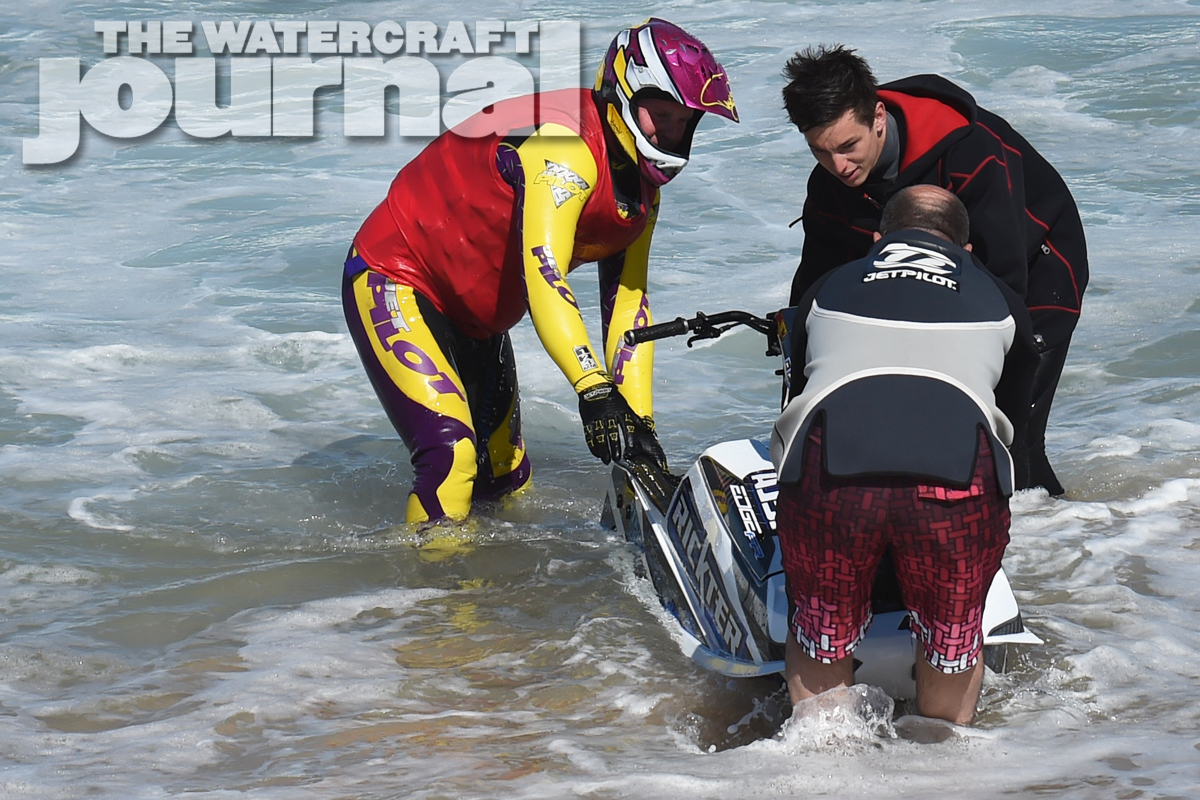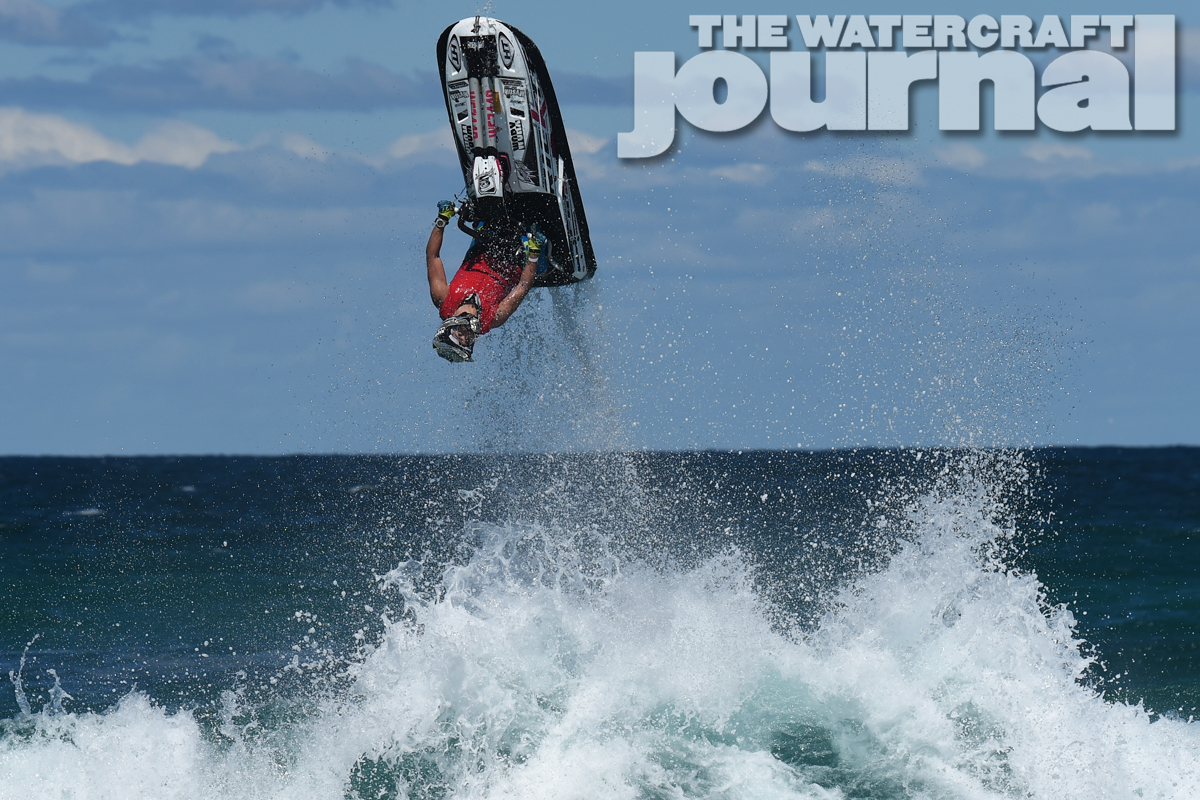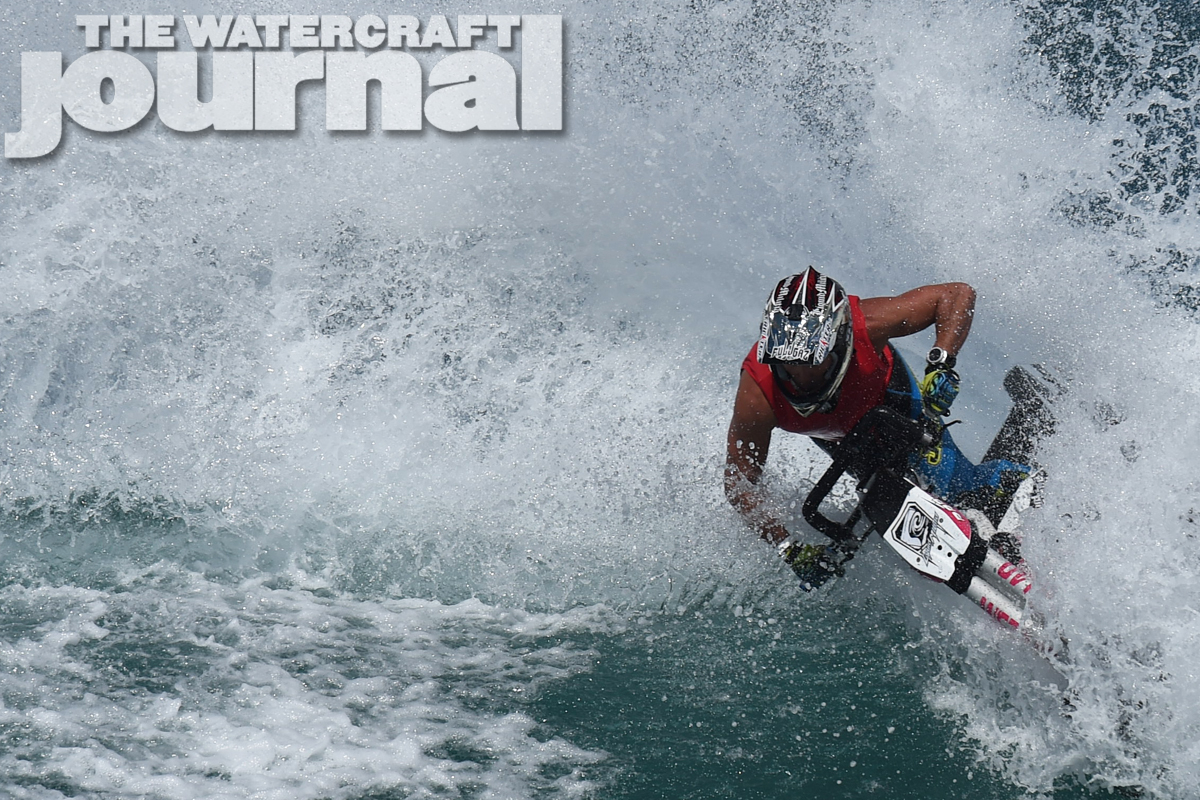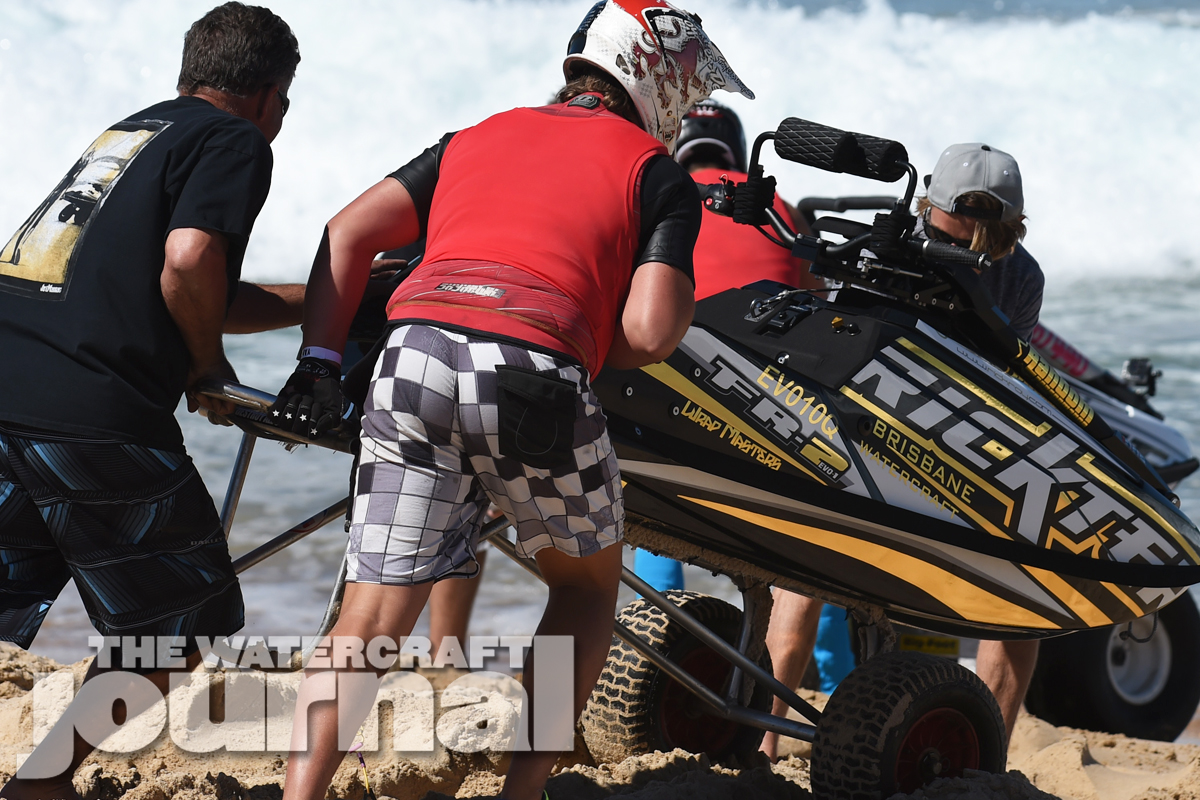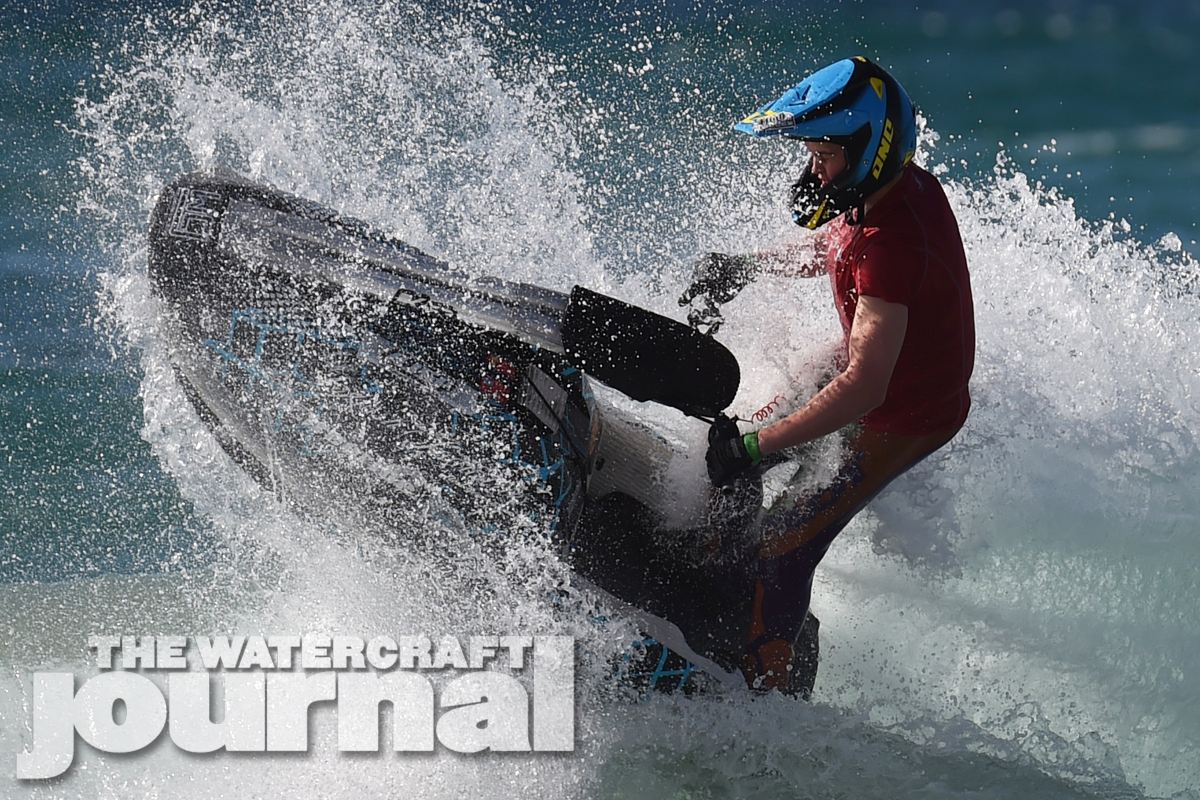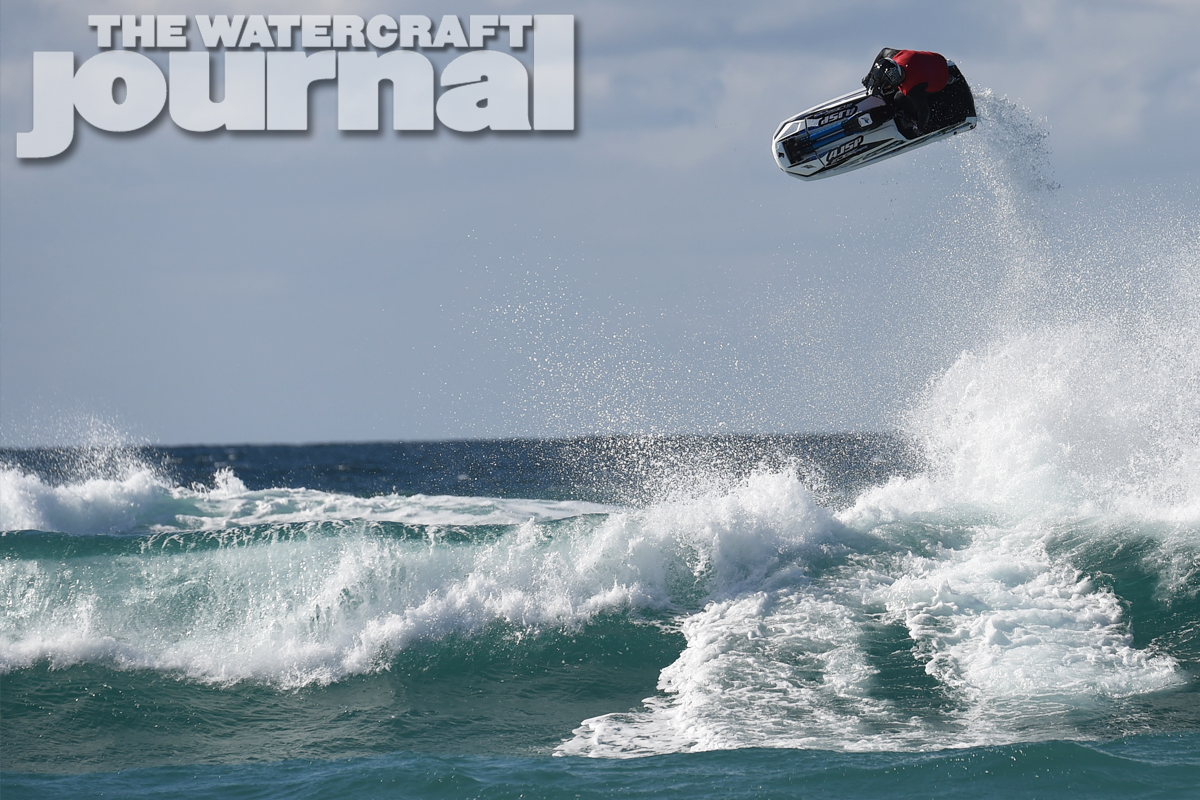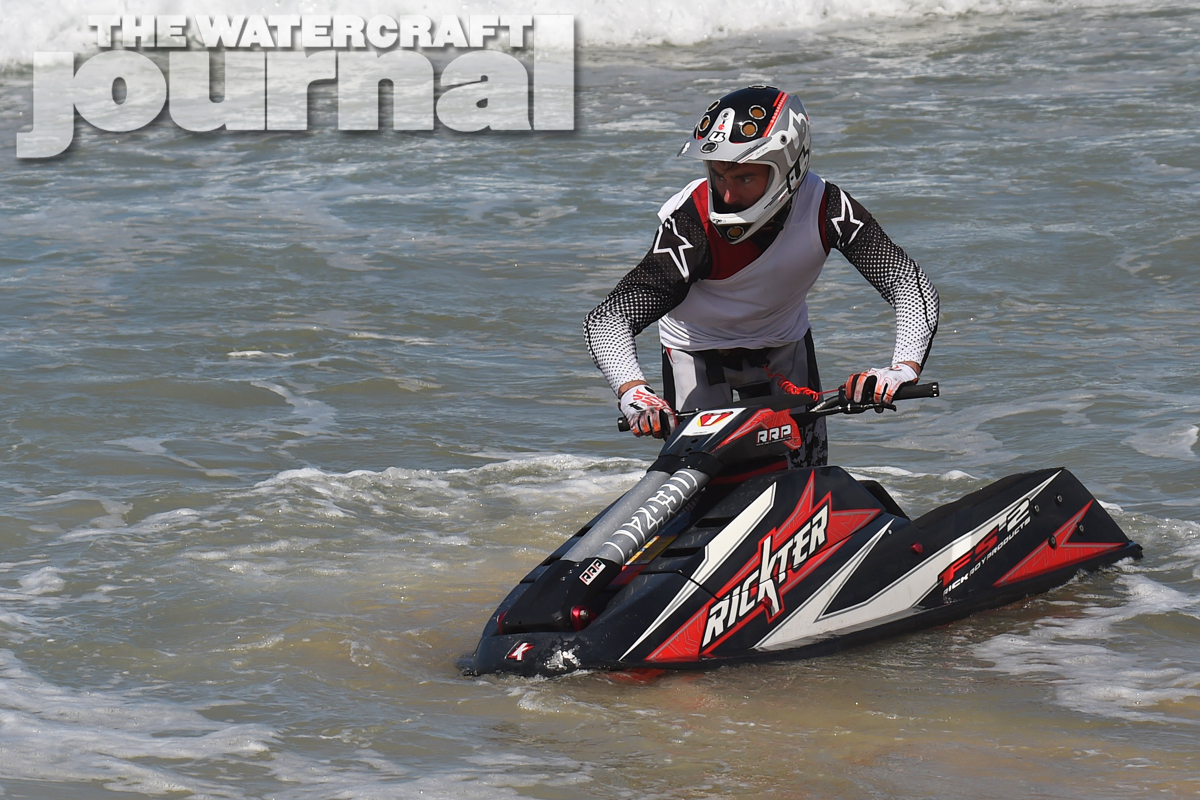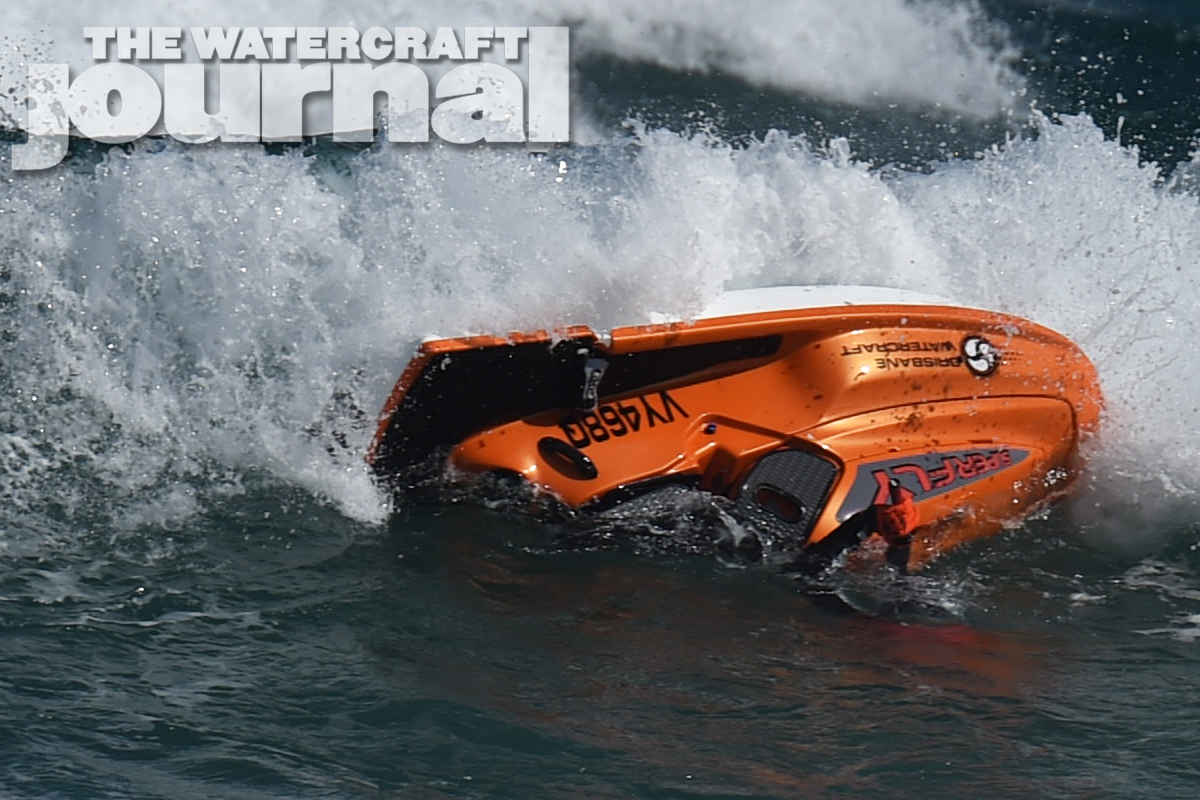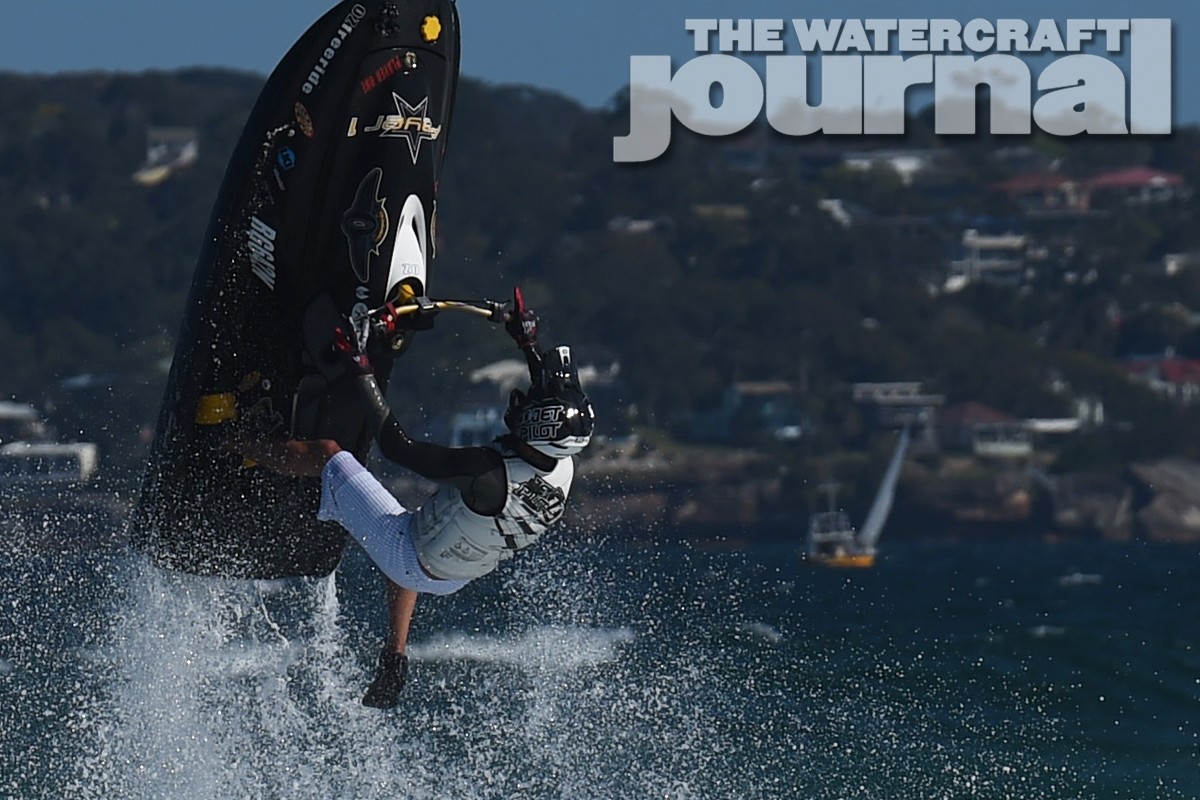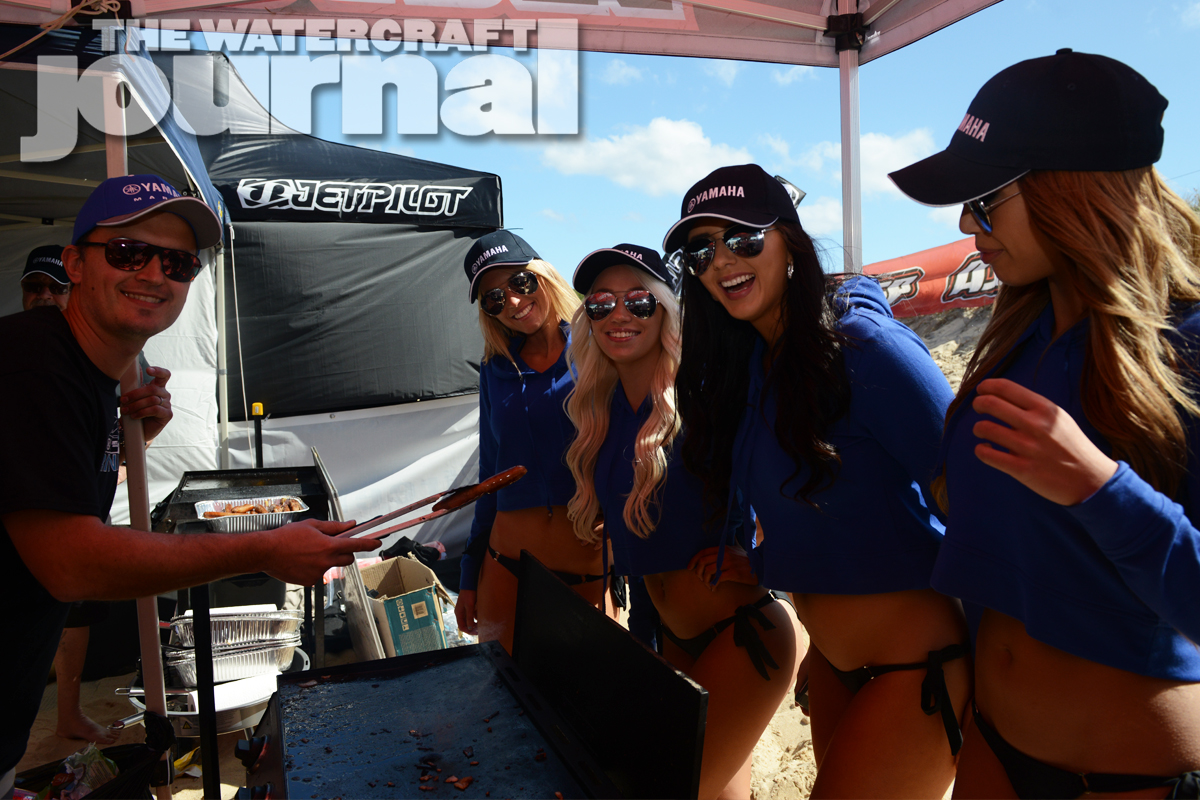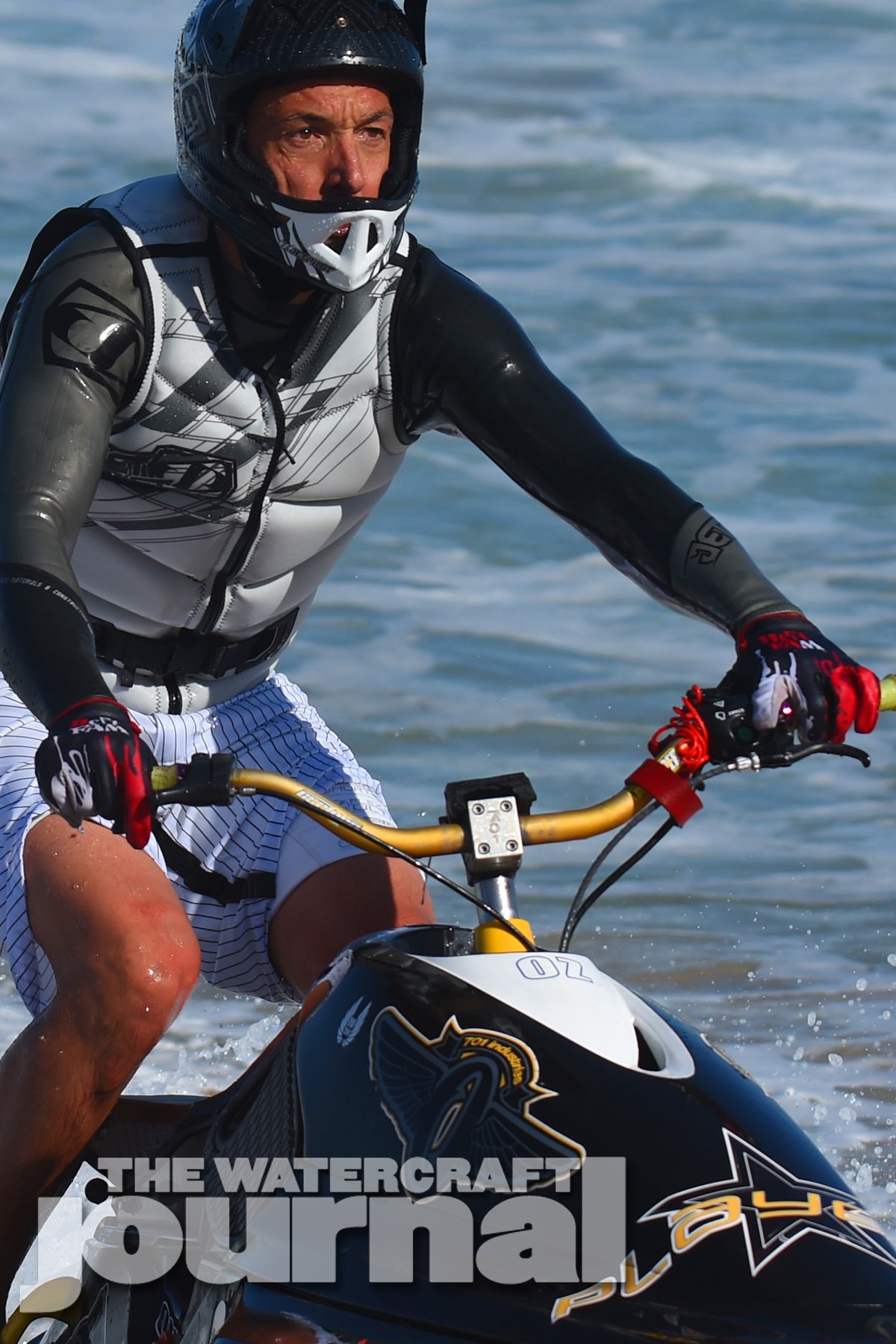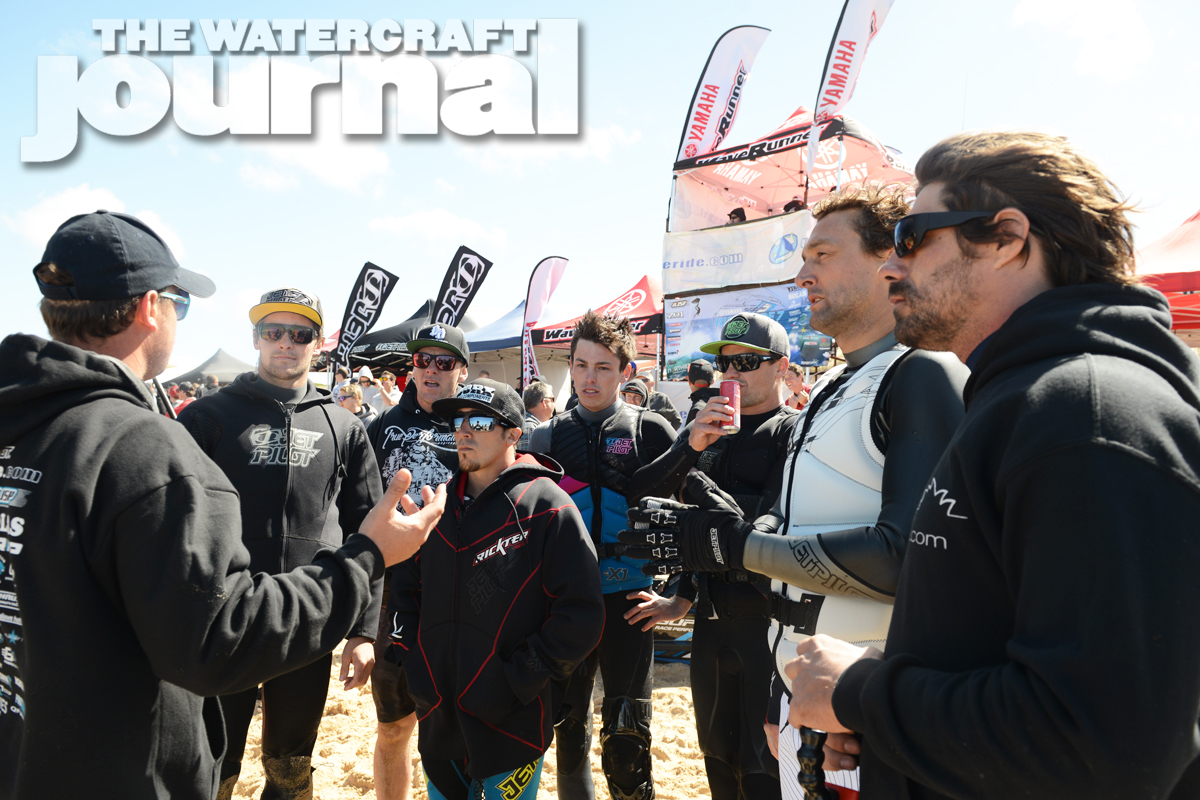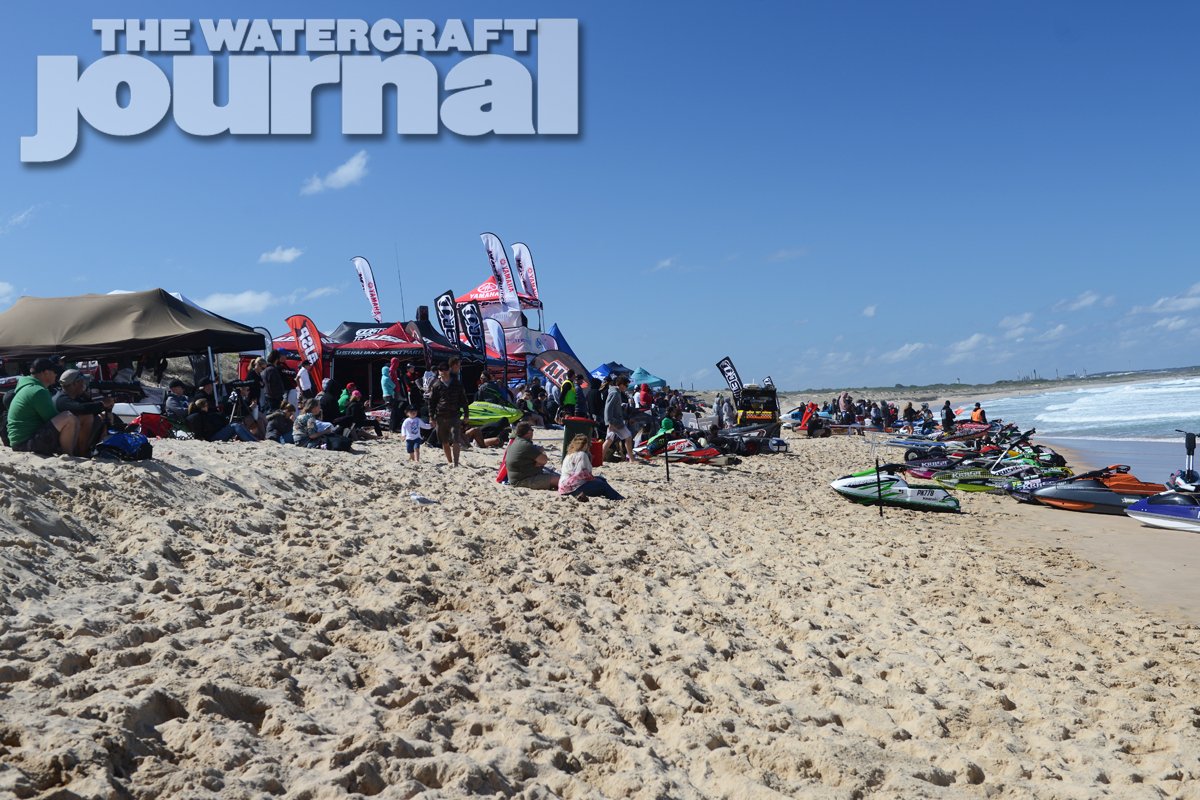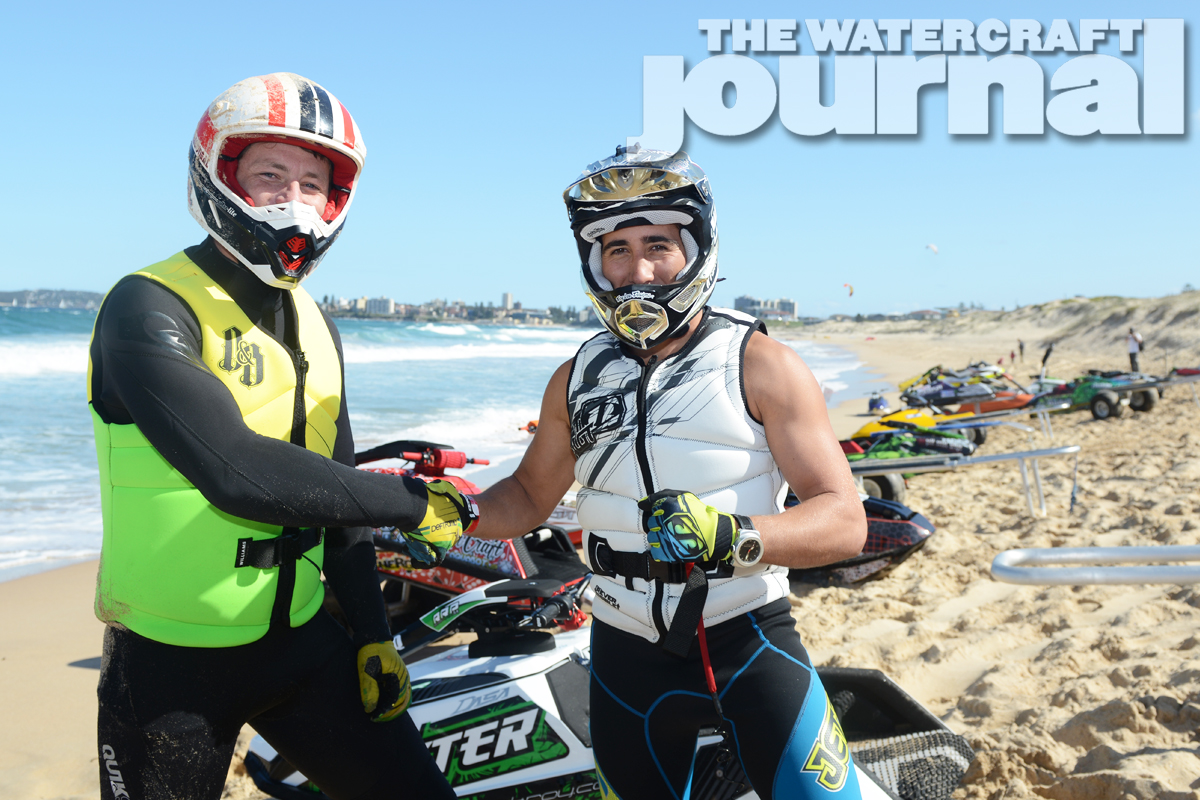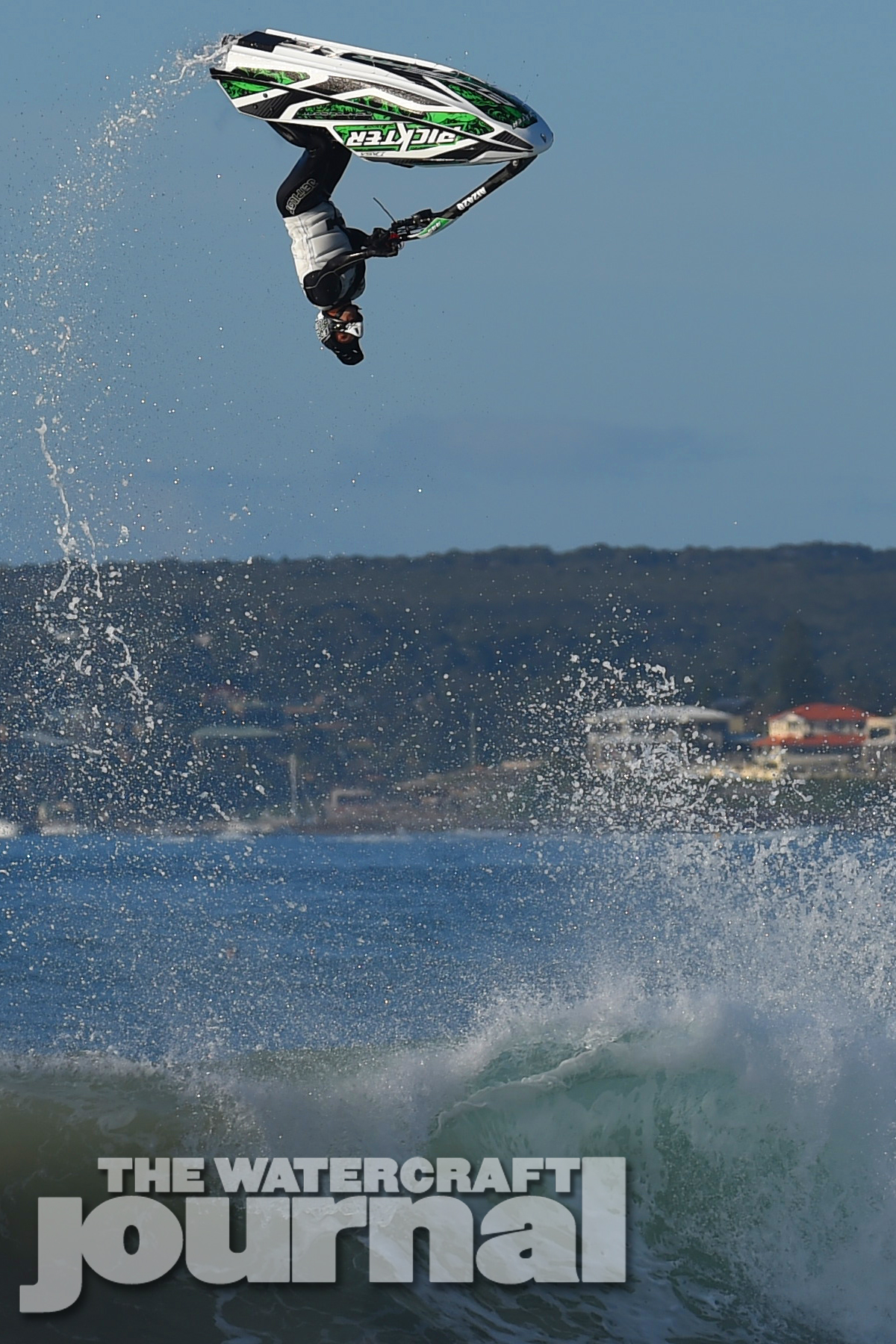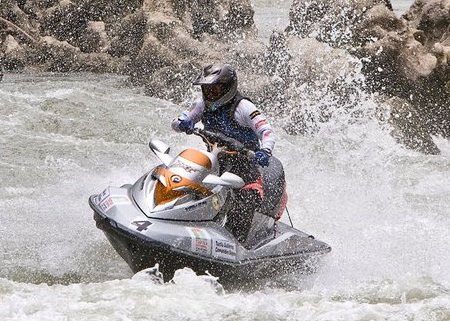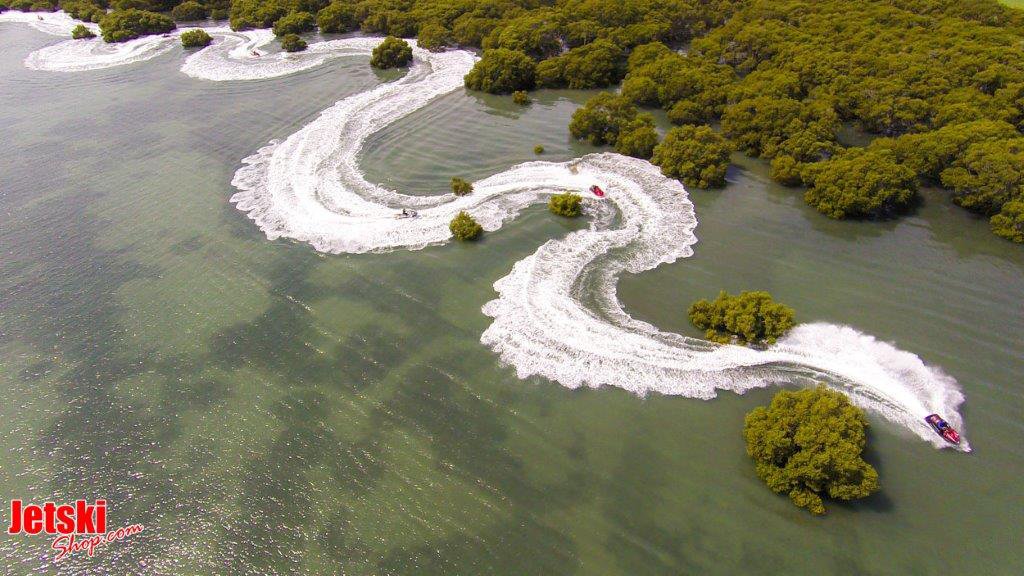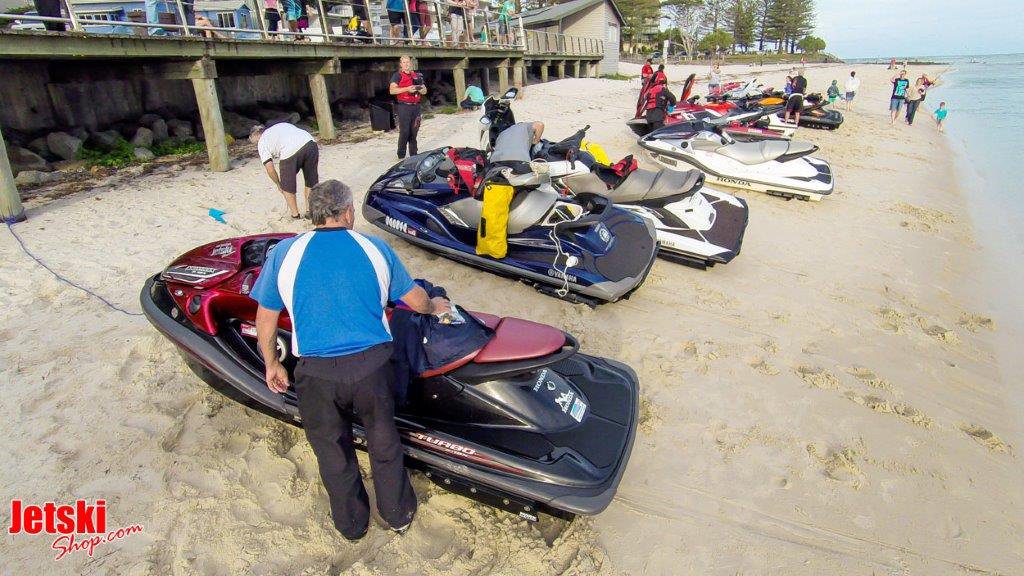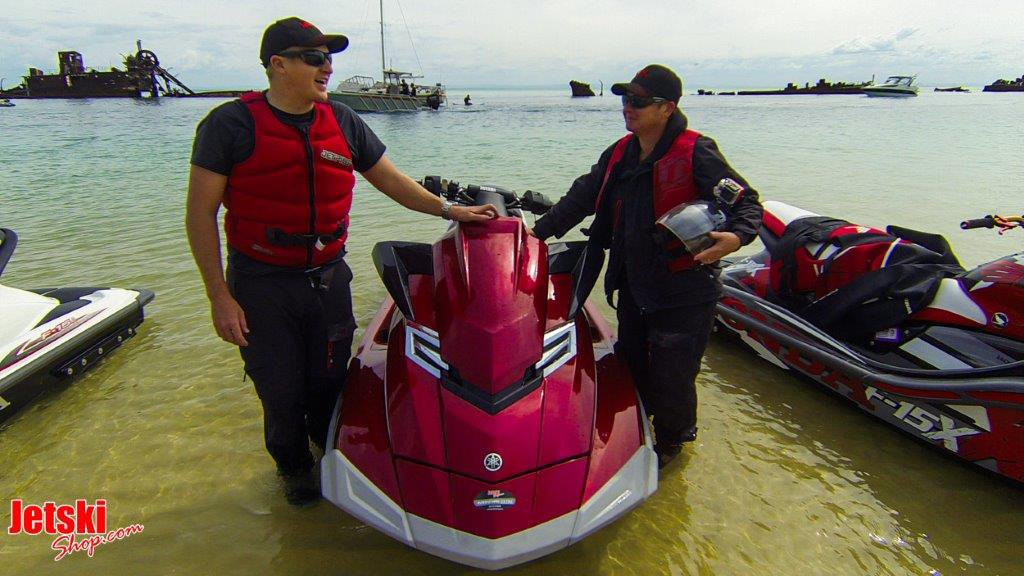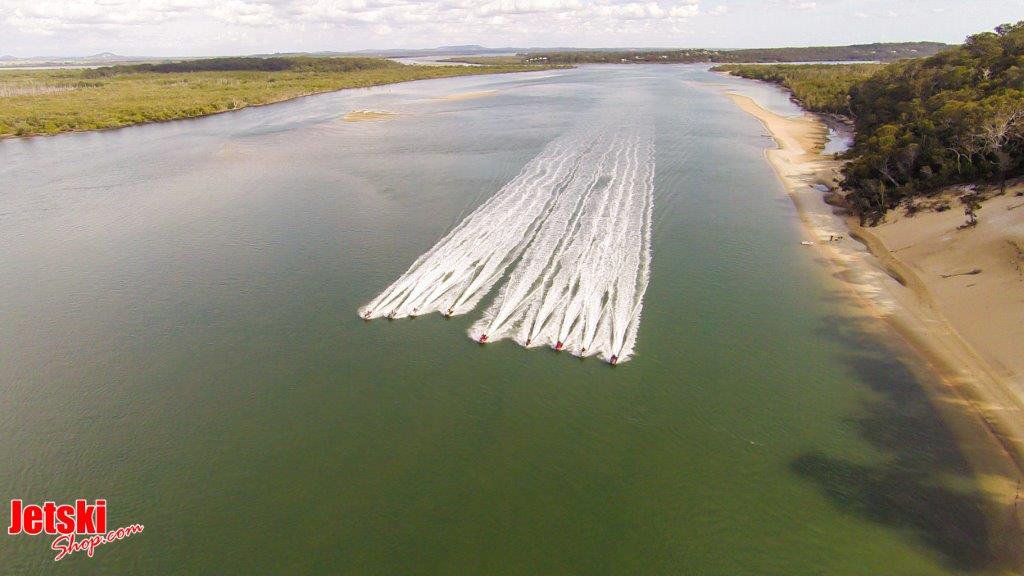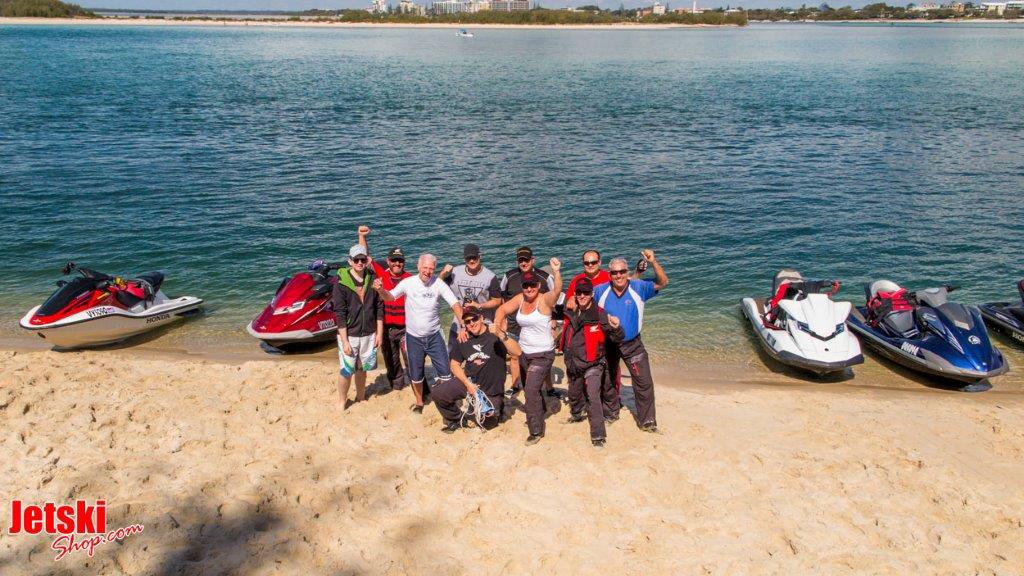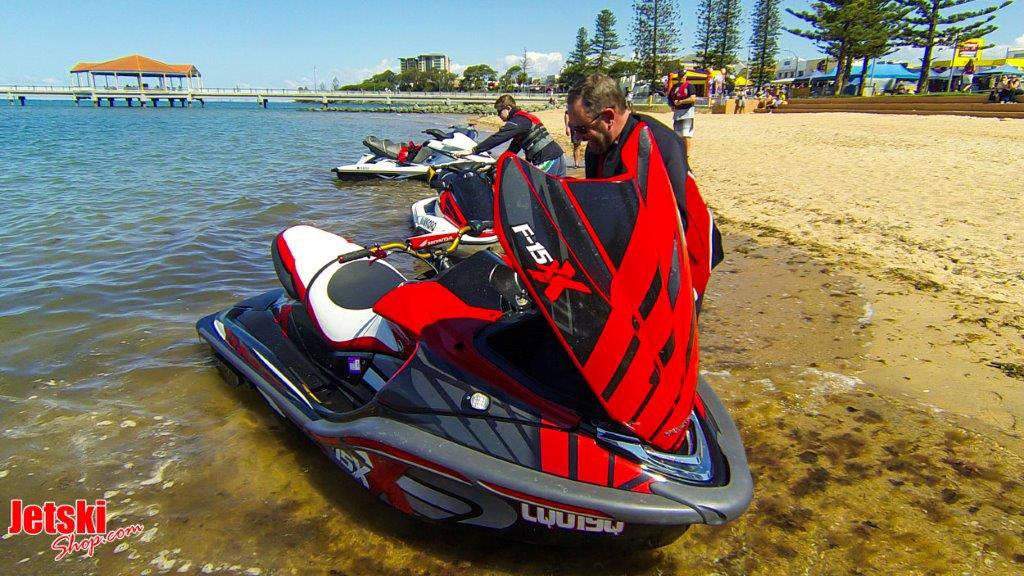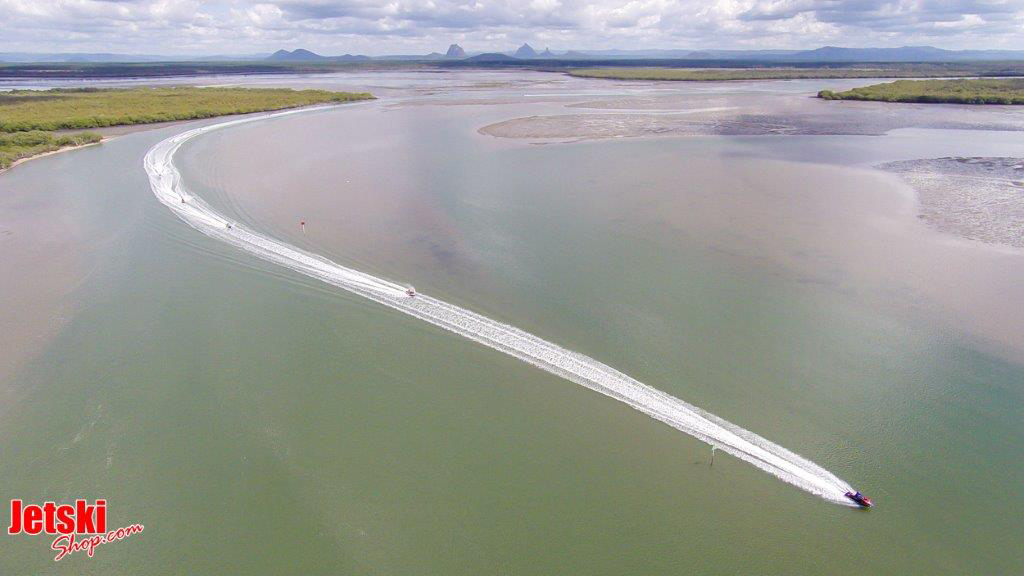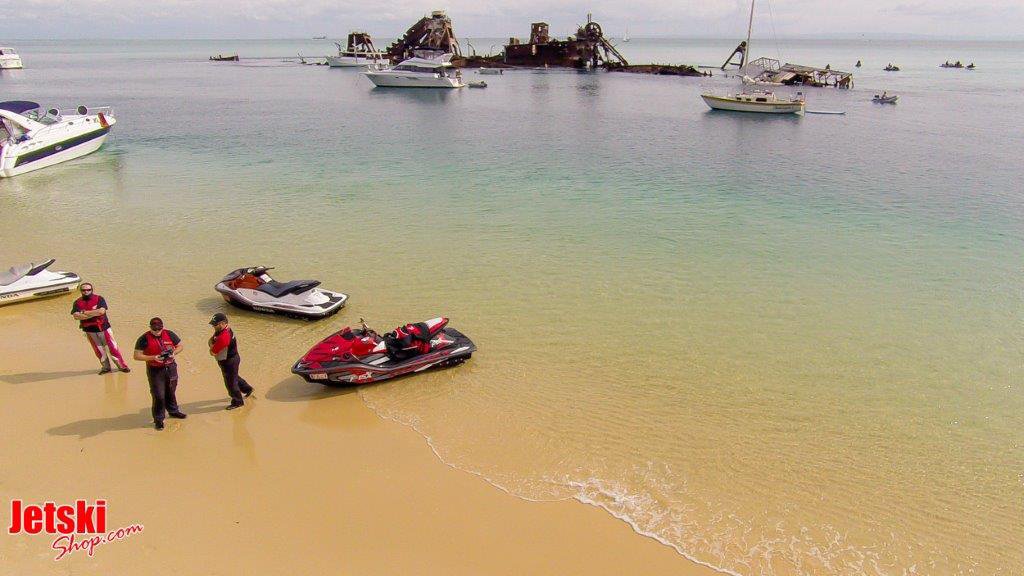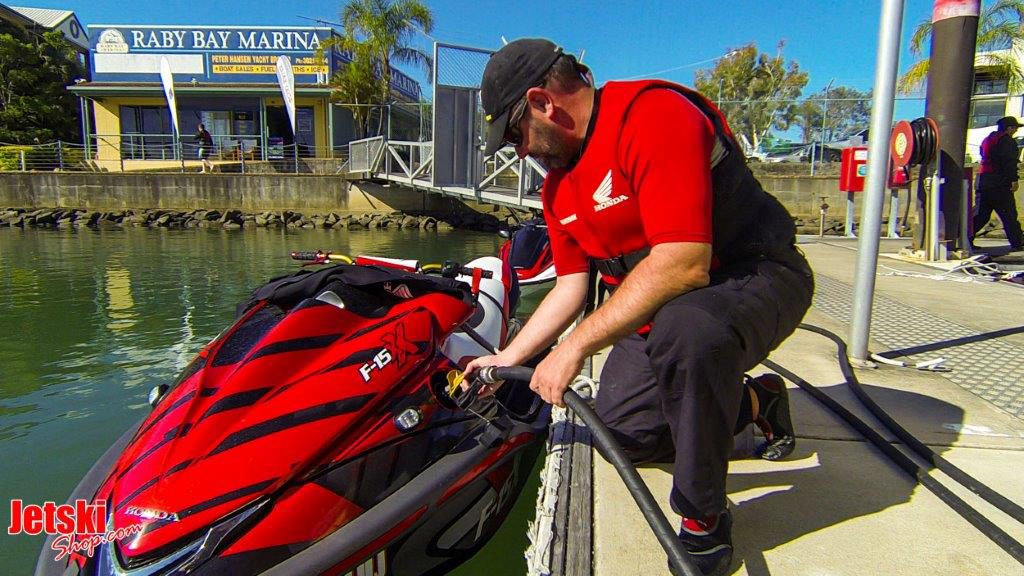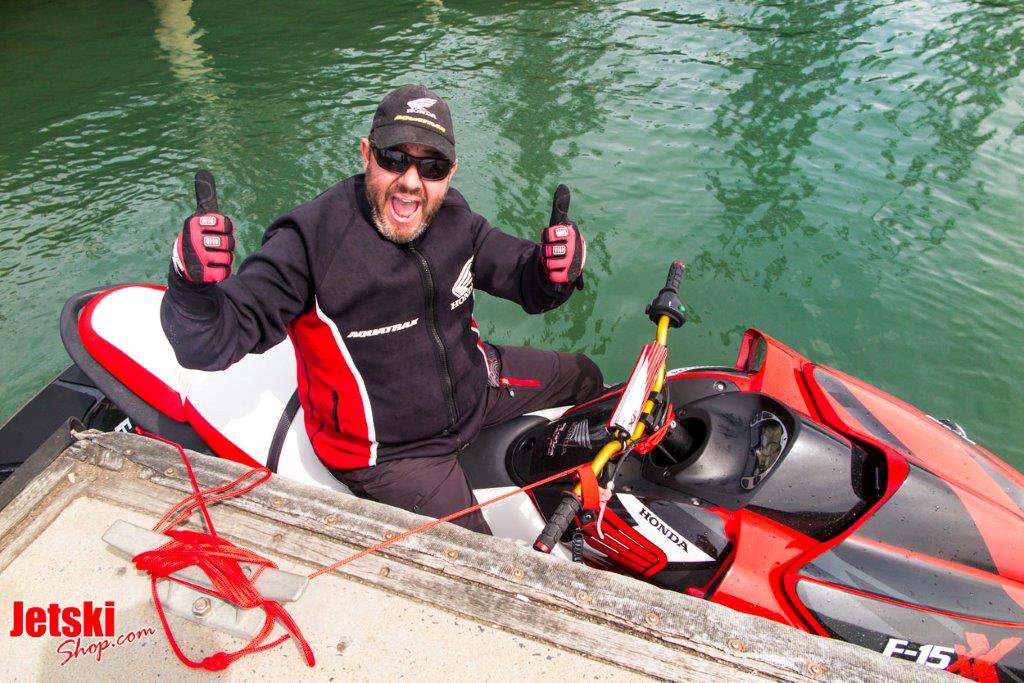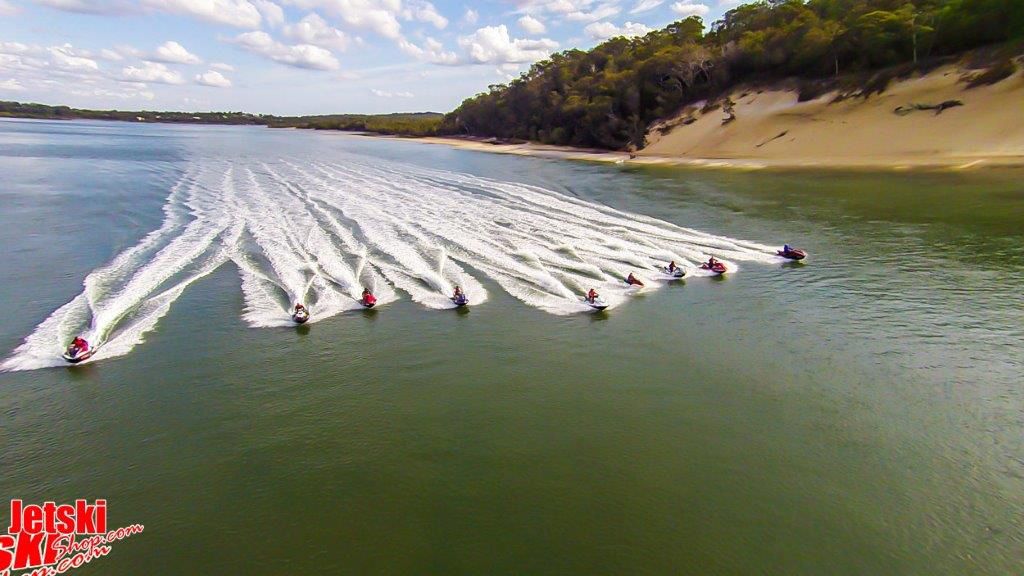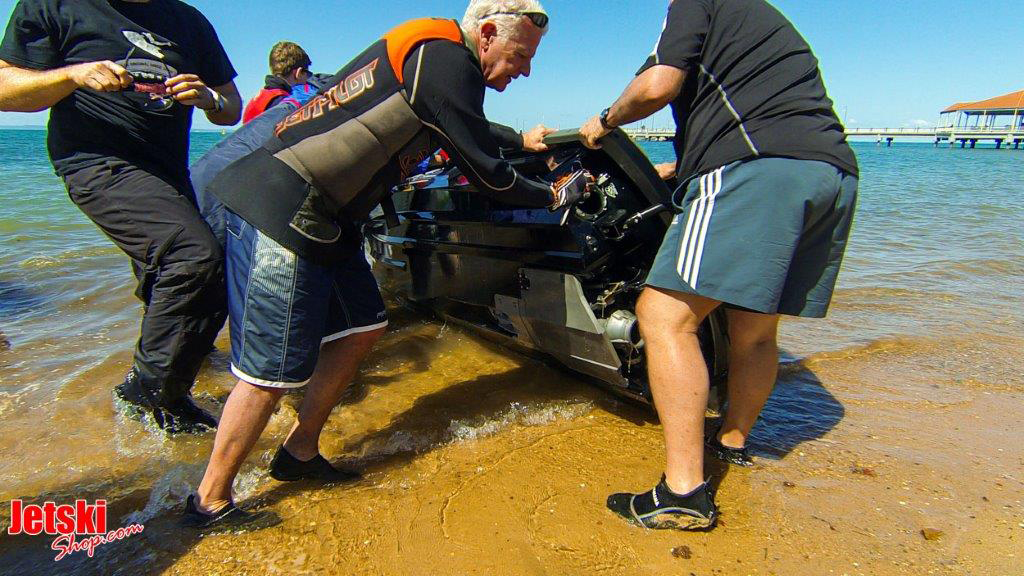

There’s a joke batting around the internet that everything in Australia wants to kill you. From poisonous spiders, venous snakes, great white sharks, jellyfish, stone fish, giant centipedes and drop bears (look it up), Australia is full of men carved out of rock and leather, and their national past time is little more than a Foster-fueled bar brawl on a soccer field. So when James Tod of The JetSkiShop invites his “Breakfast Club” of local PWC enthusiasts out for a wintertime ride, you can bet yer keister it’s gonna be a rough one.
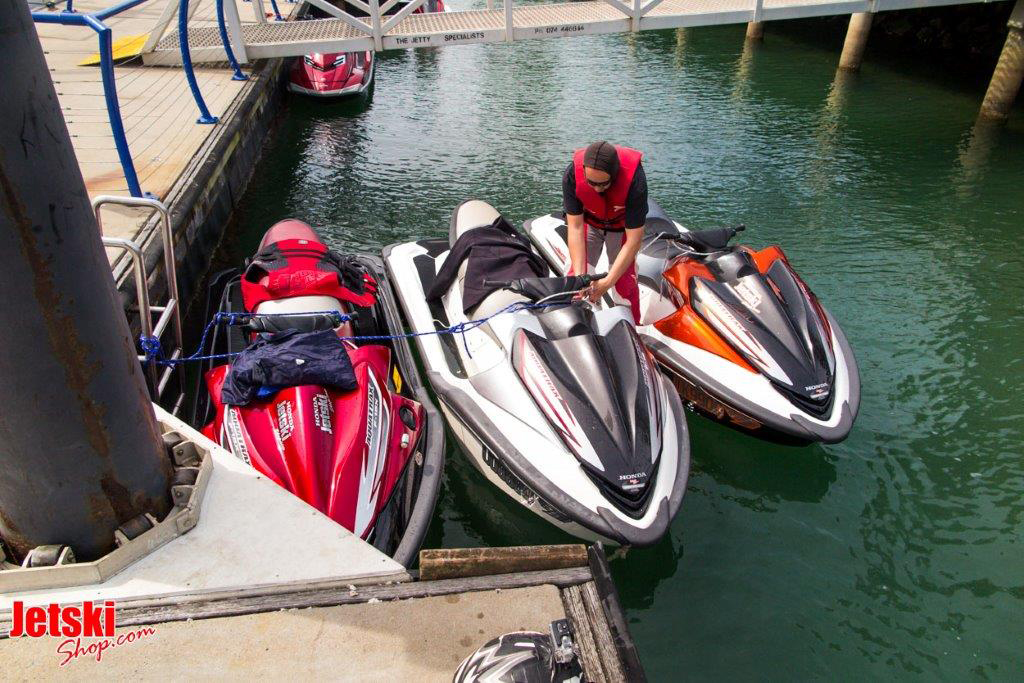
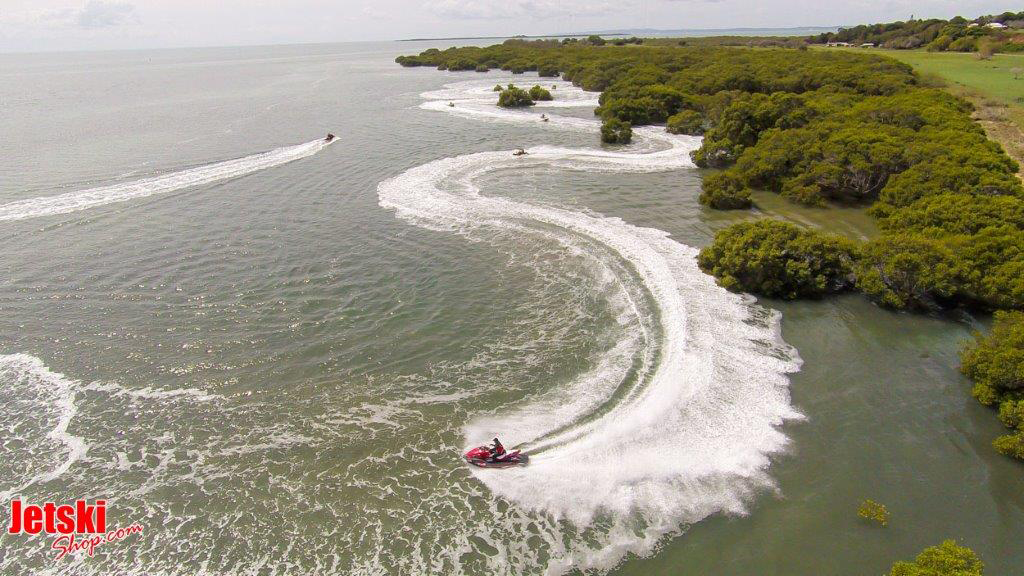
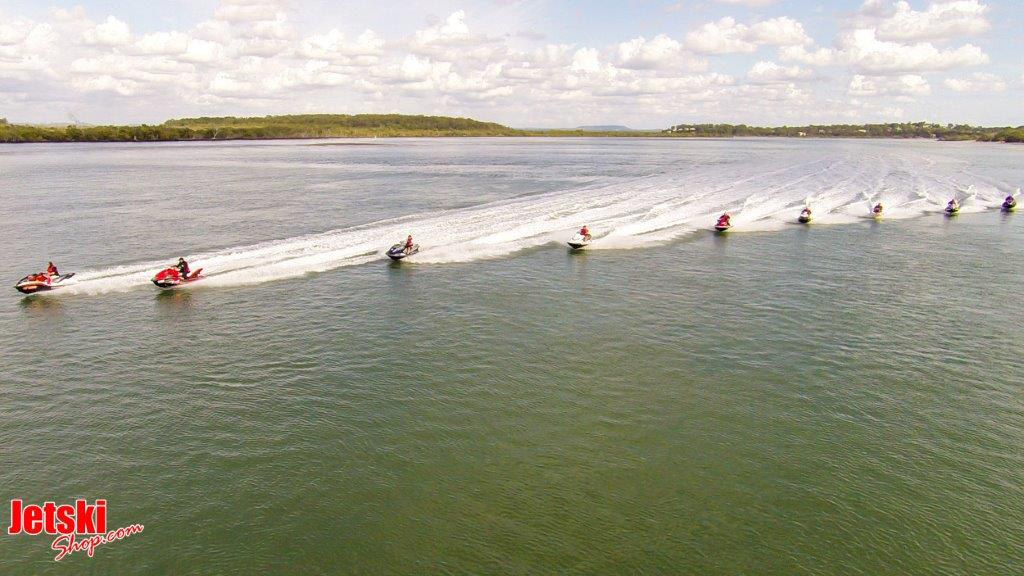
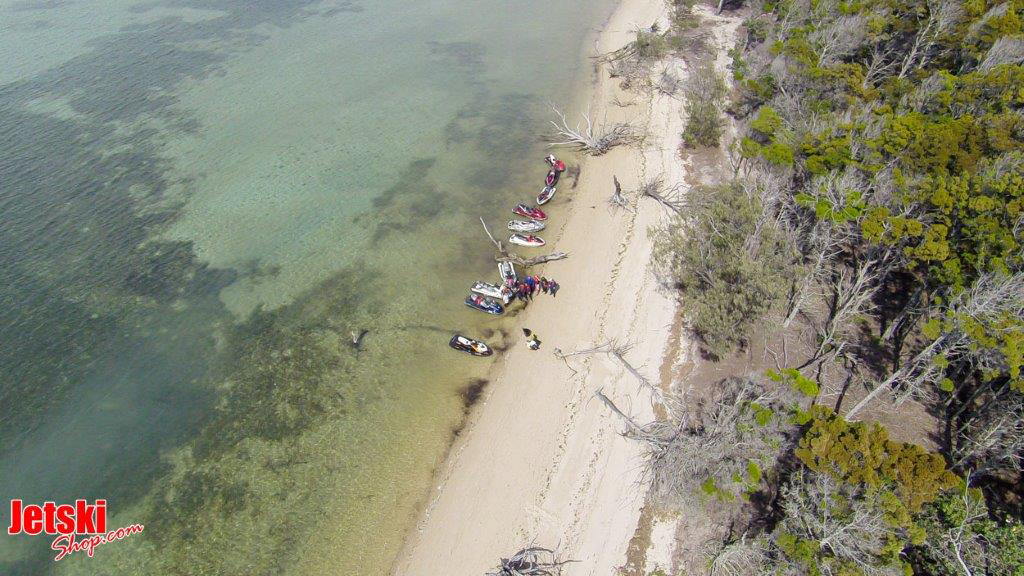
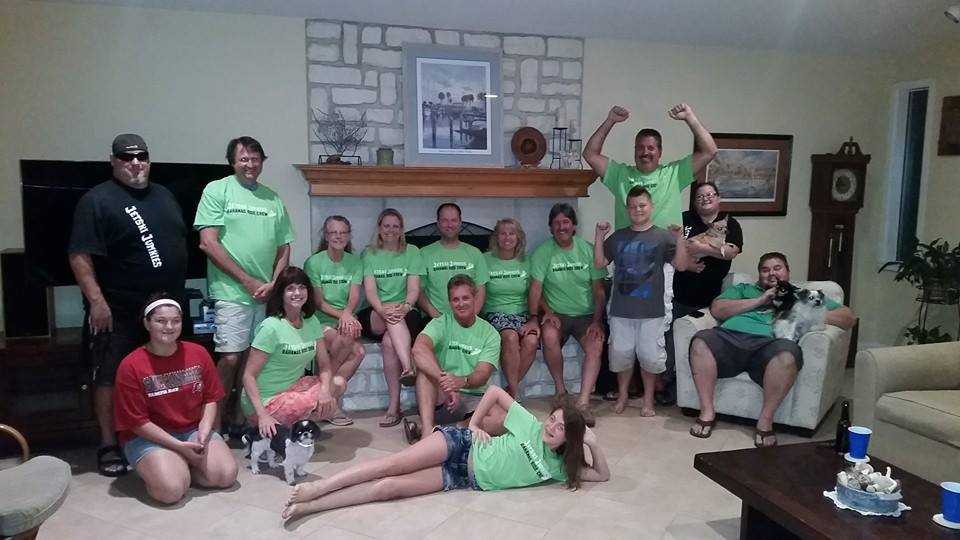
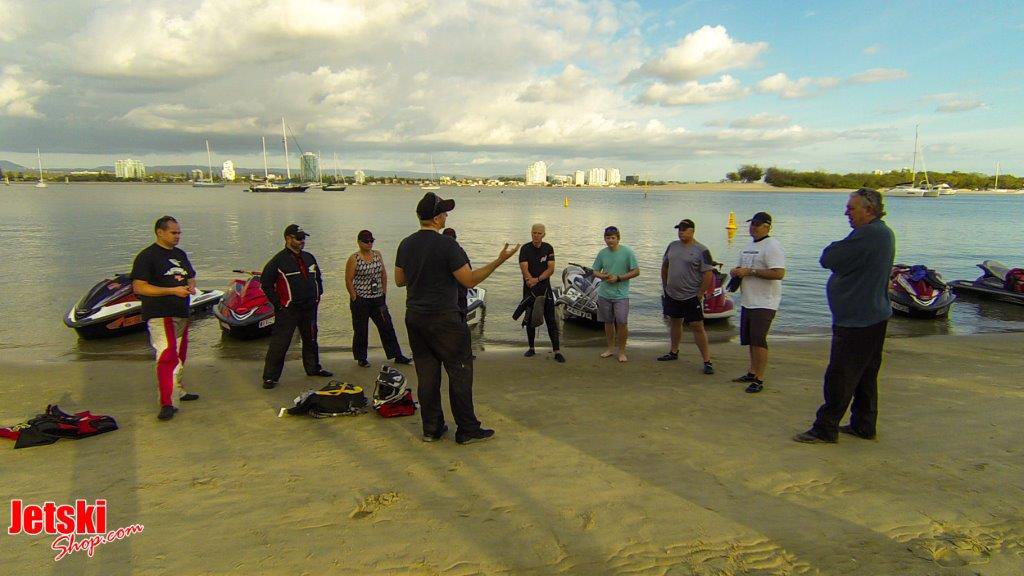
James reported, “We had an epic jet ski adventure for the first week of August 2014. We gave 12 lucky watercraft riders the exclusive tour of the Whitsundays, which included Hamilton Island and the world famous Whitehaven Beach. Each day had a a unique experience. Each day we went sking around the Whitsundays, which is part of the Great barrier reef.
“We also had a themed ‘Castaway Night,’ with each person dressed up to the theme of a castaway. We had a great ride followed by drinks and cocktails. Each night we all got back to the marina just in time to watch the sunset. We saw lots of coral, white sandy beaches on isolated islands, whales, turtles, and dolphins.
“We also got to explore ‘Hill Inlet’ located on Whitsunday Island (the largest island in the Whitsundays), which had a prehistoric feel about it as it is uninhabited, and knowing there is the real danger of man-eating crocodiles and large sharks. Once we headed up the river and into the mangroves, it had some of the largest oysters I had ever seen.
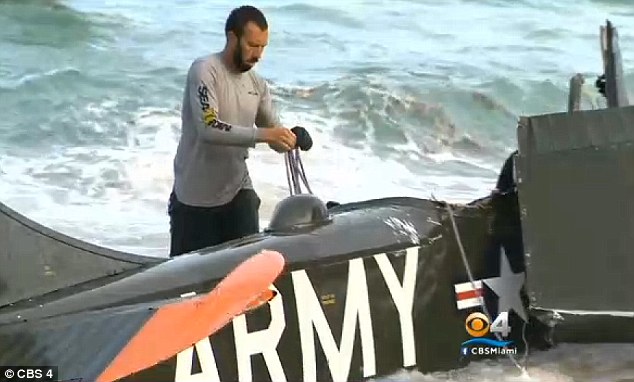
“We completed the 78km trip without too much disruption, other than one ski that ran aground and in one section of that trip we encountered 2.5–3 meter swells. This was a huge test for the all riders, which covered male and female, 25-to-65 years of age.
“As this was our second trip, we plan on this being an annual event.”
[Apparently, I need to preface this editorial by saying that this is meant to be a funny little glimpse of some “inside baseball” between two enthusiasts who happen to work within the PWC industry – one far more significantly than the other. Please don’t misconstrue this for more than it is. And please don’t write me or Mr. Watkins angry emails. – Ed.]
The condensation beading off the sides of my bottled water fell freely like raindrops, pooling into a wet spot in the table cloth. The shade of the large lakeside pavilion did little to shield from the oppressive humidity. Yamaha’s 2015 Media Introduction was an attractive affair, gathering members of the press from the boating and personal watercraft industries to the Ritz-Carlton Lodge, Reynolds Plantation perched on the edge of Lake Oconee. Nearly every possible factor was planned for, that is except for the sudden onset of mid-afternoon mugginess.
The sweltering atmosphere didn’t break Jerry Gaddis’ focus from the screen of his iPhone. Greenhulk.net’s founder was rarely without it. Nowadays, I am no different, much to the chagrin of my wife. By this time, the cat was out of the bag. Yamaha’s presentation of its 2015 lineup of WaveRunners was less of an unveiling, but a debriefing; a glimpse into the company’s brutal take-no-prisoners plan of attack for the new year. If 2014’s boost in overall sales (15-percent increase) meant anything it was people are excited again, and hungrily buying up new product.
Although presented as being succinctly different, the new RiDE system couldn’t help but ring echoes of Sea-Doo’s iBR in my ears. And that’s OK. I learned a while back that truly successful people don’t envy and despise others for their success; they congratulate them and try to emulate what worked and put their own spin on it. In its five years of existence, Sea-Doo’s Intelligent Brake & Reverse has been hailed an unmitigated success by the media, the boating industry and customers. Blamelessly, Yamaha wanted a slice of that pie.
The announcement of the JL Audio system the following week clearly was targeted towards those whose interest was piqued by the Jetsound system on the Kawasaki 310LX. And if Yamaha didn’t invent it, they were damned sure to improve upon it.
Then I realized that the actions of one, almost directly effect the other.
The next day, between rounds of flogging whichever new model I could get my hands on, I had a moment alone with Scott Watkins, the IJSBA World Champion and Yamaha Product Manager for the last 20 years.
“So, no SuperJet?” I asked, half joking.
“Oh, no. It’s still there. We just didn’t think we needed to wheel one out,” Watkins laughed.
“Yeah, I can see that. So when are we going to see a new one? Y’know something different?”
His gaze shifted. “Never.”
“Really?”
“We can build the SuperJet only as long as we leave it ‘as-is’ – it’s an EPA thing,” he growled. “The minute we update it, it won’t be considered ‘old technology’, which gets grandfathered in. Once we mess with it, it’s gotta pass all the emission stuff, and you know it won’t. So we’ve gotta leave it alone.”
I prodded a little deeper, “Yikes. How about going 4-stroke? Maybe with the 1,100 in it?”
His normal default devil-may-care grin turned sour. “Not gonna happen.”
Reading my surprised expression, he continued, “We talked about going 4-stroke. We did. It was a few years back. I put an end to it. The minute we put a 4-stroke in the SuperJet is the minute it stops being a jet ski. Y’know what I mean?”
It was an emotional answer. And yes, I got it.
“We used to have these races where we swamped our skis on purpose and timed each other to see how fast we could drag it up the beach, pull the plugs, turn it over and get it running. I think I did it in like 3 minutes.” The smile immediately came back to his tanned face. His eyes danced. There was nostalgia there that refused to be replaced with with bigger, heavier standups.
An insane thought suddenly came to mind. “Scott. When did this conversation happen?”
“Sheesh. I dunno. Maybe 2008. Why?”
Quickly arranging my thoughts, I stammered, “Alright, imagine if you OK’ed a four-stroke SuperJet. How quickly would it have hit the market? 2010?”
“Yeah, most likely,” he replied, raising a curious eyebrow.
“So let’s say Yamaha announces a 4-stroke SuperJet in late 2009 for the next year,” by this time, the train of thought running in my mind was nearly jumping its tracks. “When did Kawasaki kill the SX-R? 2011?”
“Yeah…”
“Here’s my question: Do you think had the SuperJet gone 4-stroke that Kawasaki would’ve killed the JetSki? We both know they’ve got working prototypes. Do you think they would’ve just followed Yamaha with a 4-stroke a year or two after you guys?”
“I dunno. Maybe.”
“So it’s your fault!” I announce a little too loudly, drawing the attention of a few people near us.
Scott’s eyes widen and brow furrows, confused and little angry. “What?”
“Had you approved a 4-stroke SuperJet, Kawasaki never would’ve killed the SX-R,” a deduce in my best Sherlock Holmes impression.
Laughing but a little uncomfortable with where I was going with this, “Yeah, I don’t know about that, Kevin,” he smirks.
“Yeah, I know. I know. But it’s a crazy idea, right?” I pause one or two beats before leaning in, almost threatening, “This going in the magazine.”
OK, it’s previous obvious that demand has clearly outweighed supply in the case of the new Sea-Doo Spark. There are dealers across the nation clamoring to fulfill interest and orders for the new two- and three-seater runabouts, and BRP simply didn’t produce enough to flood the market. For anyone who’s passed a basic economics or marketing course know that this was an intentional move by BRP, so don’t get too twisted over it. It’s just part of doing business.
Thankfully, those really impatient bargain hunters refusing to sit back and wait for the containers of new 2015 Sparks to arrive from the Juarez, Mexico facility, actually have another shot at scoring a 2014 model. Middle Tennessee’s America’s Motor Sports just landed over half a dozen new Sparks ranging from the near-impossible-to-find base model $4,999 unit to a fully-loaded pink three-seater equipped with Sea-Doo’s iBR Intelligent Brake & Reverse.
Below is the cheat sheet of available units and the prices that AMS is listing them at. If you’re refusing to let this summer slip past you and you just gotta have a new Spark for this Labor Day Weekend, then we know the place to go.
Here is the new models America’s Motor Sports have left:
– 2 seat base Vanilla (60hp)Â Â Â Â Â Â Â Â Â Â Â Â Â Â Â Â Â Â Â Â Â Â Â Â Â Â Â Â Â Â Â Â Â Â Â Â Â Â Â Â Â Â Â Â Â Â Â Â Â Â Â Â Â Â Â Â Â Â Â Â Â Â $4999
– 2 seat w/convenience package in Orange Crush (60hp)Â Â Â Â Â Â Â Â Â Â Â Â Â Â Â $5199
– 2 seat w/convenience package in Orange Crush (90hp)Â Â Â Â Â Â Â Â Â Â Â Â Â Â Â $5899
– 2 seat w/convenience package in Pineapple (90hp)Â Â Â Â Â Â Â Â Â Â Â Â Â Â Â Â Â Â Â Â Â Â $5899
– 3 seat base in Orange Crush (90hp)Â Â Â Â Â Â Â Â Â Â Â Â Â Â Â Â Â Â Â Â Â Â Â Â Â Â Â Â Â Â Â Â Â Â Â Â Â Â Â Â Â Â Â Â Â Â $6299
– 3 seat w/convenience package in Pineapple (90hp)Â Â Â Â Â Â Â Â Â Â Â Â Â Â Â Â Â Â Â Â Â Â $6499
– 3 seat base w/IBR in Bubble Gum (90hp)Â Â Â Â Â Â Â Â Â Â Â Â Â Â Â Â Â Â Â Â Â Â Â Â Â Â Â Â Â Â Â Â Â Â Â Â Â Â $6999
You were kind of expecting this, right? With today’s runabout personal watercraft taking on more and more conveniences and technologies, it was only a matter of time before they actually became full-sized boats, right? OK, we know we’re being a little facetious but with Yamaha’s latest salvo of advances to their FX, FZ and all-new VX series, the lines between a 21-foot top-of-the-line ski boat and a fully-optioned PWC are starting to grey.
With the aid of Sealver, you can readily convert your three-seater runabout into a “Wave Boat” that the whole family can enjoy at once! Sealver’s unique craft allow you to dock your ski inside, strap down and use your PWC as the powertrain. That’s right! You can literally pilot a boat with your jet ski. And like you’d expect, you can customize your Sealver boat with an array of colors, seating arrangements, ski towers, and bimini tops, as well as pick from three different Wave Boat models: 525, 575 and 626.
Produced in France by Sealver, the Wave Boat lineup offers a comfortable open space to share good times together, while providing “an unforgettable experience of navigation.” And when you’re not underway, you can detach your PWC to enjoy some riding as the Wave Boat is anchored. It’s like having two boats in one!
Clearly this has been Yamaha’s week. Not only did they announce the huge relaunch of the completely redesigned VX series, the new V1 and V1 Sport Spark-fighter, and the performance-enhancing NanaXcel 2 ultra lightweight decks, liners and hulls for the already awesome SVHO series, they also blew the doors wide open with their dual throttle RiDE system.
In line with Yamaha going for the jugular in matching (and in many aspects surpassing) Sea-Doo’s Intelligent Brake & Reverse (iBR) system, as responding to their uber-popular Spark, it would seem that Yamaha is also attacking Kawasaki a little to boot. Although many raised a curious eyebrow at first blush of the Jetsound system on the 310LX, it would appear that Yamaha is not taking any chances.
New for 2015, and exclusive to the FX Cruiser models is an entirely unique JL Audio system. Featuring dual M650-CCX-SG-TB speakers encased in custom fiberglass side mirrors, a custom-designed fiberglass subwoofer tucked beneath the handlebars and JL’s new M8IB5 marine subwoofer, the whole system is powered by the company’s all-new watertight amplifiers.
Pricing and other details are soon to be released. Until then, here’s the original announcement:
JL Audio and Yamaha WaveRunners are debuting a new concept audio system specifically designed for the FX Cruiser SHO. The system features a pair of M650-CCX-SG-TB speakers in custom fiberglass enclosures, a custom-designed fiberglass subwoofer enclosure that hides underneath the handlebars using our new M8IB5 marine subwoofer. The entire system is powered by our never-before-seen watertight amplifiers. This killer system will make its big debut at the Yamaha South Beach Watercraft Product Premiere held at the Fontainebleau in Miami Beach, FL.
When it comes to watercraft and safety; carelessness comes at a pretty hefty price. Recently in Cornelius, North Carolina, on August 13, while enjoying a good day at Ramsey Creek Park, Lake Norman, a 59-year old-woman was injured while loading up her Sea-Doo on the trailer. According to a report by WSCOTV, while bringing her watercraft up on the trailer, she gave it far too much throttle, launching the ski off the trailer, up and over the truck, damaging the roof, sending the ski about 20 feet in front of the vehicle, landing it on the launch ramp. The woman was rushed to the hospital from the scene with minor injuries.
Safety is a big part of watercraft when it comes to owning PWC. It pays to know the rules of the waterways especially when entering into no wake zones and loading up. As you can see, because this woman did not know what she was doing, she not only got hurt herself, but this ski and truck are now damaged too. Not being careful on the water could lead to death, not just yours but others. To learn more about safety courses, and how you can help keep the waterways safer visit the US Coast Guard website and remember always wear your life vest.
From the keel up to the handlebars, the VX Series WaveRunner is completely redesigned, a compliment of new features, and a more aggressive ride.
There is a major push coming out of Yamaha’s Kennesaw, Georgia facility that hasn’t been seen in a long, long time. Yamaha is going for blood, and frankly, it’s pretty cool.
Many thought that last year’s introduction of the Super Vortex High Output (SVHO) powertrain package was a major game changer for the brand. And to a degree, they were right. But it’s what Yamaha did with the SVHO – namely charging the Pro Watercross National Tour with a complete roster of top level racers, many of whom publicly defected from Sea-Doo’s X-Team – that first chummed the waters. It’s what’s happening for 2015 that will ignite the air raid sirens.
This weekend was awash with Yamaha Blue on the podium, with Factory Yamaha racers sweeping National Titles in Pro Runabout Open, Limited and Stock, Runabout Naturally-Aspirated, Amateur Runabout Stock, and Expert Runabout Stock. Additionally, SVHO-powered Yamaha bested the offshore favorite Kawasaki Ultra to grab world championships in both the KaruJet and Russki Jetracer offshore enduros.
Central to the redesign of the VX hull was the VXR. Unique to the rest of the VX series, the naturally-aspirated 1.8L HO-powered craft. Sharp masculine lines compliment a longer (131.5-inches) and wider (48-inches) hull.Beneath the new split two-part bench seat on the VXR an VX Cruiser is the same watertight screw-top storage bin previously only found in the larger FX and FZ series.
Emboldened with this unparalleled lead in top end performance, Yamaha is now turning its sights on safety and convenience for 2015, but with a huge splash of improved performance too boot. It’s hard not to just shout out what’s new without mentioning how Yamaha has come to this point:
As the whole PWC industry has improved in overall sales by 25-percent in the last year, Yamaha accounts for 15-percent of that increase. This number makes even more sense when you learn that 80-percent of all Yamaha WaveRunners produced are sold in the US. As sales increase, so does Yamaha’s confidence, and thereby allots us, the enthusiasts, to reap the rewards. What rewards, you ask? Hang on tight:
Replacing Yamaha’s right-hand reverse lever is RiDE, an intuitive “dual throttle control system,” which deploys the reverse bucket in a gradual motion, overriding the throttle progressively. When both throttles are released, the reverse bucket is shifted into a neutral position, letting the runabout idle in place. Controlled by Yamaha’s new Boat Control Unit (BCU), each RiDE unit is specifically tuned to the model to factor for weight and power.
In addition to the RiDE reverse throttle, Yamaha has also provided electronic trim control. No more trying to twist the handle while under power!The new FZ series – although brandishing some new innovation of its own – is only one of the few units in Yamha’s 2015 lineup to not include the new RiDE system.
Although Yamaha would really like not to compare it to Sea-Doo’s iBR (Intelligent Brake & Reverse) system, it’s almost impossible not to. Heck, they even have the same little “i” in the name. But, in comparing the two is where Yamaha’s RiDE shines, so we’re gonna do it anyways. Unlike iBR, whose left lever acts as a gear shift, RiDE allows you to reverse freely without the right throttle, as Yamaha’s left-hand trigger is a throttle.
And although not intended for its design, the progressive nature of the reverse bucket does allow for limited full-throttle braking prior to hitting a hard turn. Finding an unsuspecting channel marker to act as our buoy, we continually put Yamaha’s SVHO-powered, RiDE-equipped FX Cruiser through the paces, with the RiDE pulling us back slightly before loading in hot into the turn.
While docking, RiDE pours on the thrust a tad harder than what someone accustomed to iBR might be prepared for. Again, it’s intuitive and requires only the lightest of squeezing to respond. Admittedly, it took a little time to get used to, but it works great. Just don’t let that Yamaha rooster tail spray others on the dock.
Yamaha ramps up the performance of the SVHO-equipped Yamahas (be it FZ or FX series) with the use of its new NanoXcel 2, which is an amazing 18-percent lighter than the current NanoXcel.To compete with Sea-Doo’s Spark, Yamaha has repackaged its VX and VX Sport as the new V1 and V1 Sport, as well as dropped the price. Other than name, colors and pricing, the V1 remains otherwise untouched.
Mechanically, the RiDE system uses very similar hardware found on late-model Yamahas, permitting the use of aftermarket ride plates currently available today. Likewise, the reverse bucket retains much of its existing design, including the side exits that funnel thrust to either side (rather than up and down, which tends to nose plow on iBR-equipped skis). And, an electric motor inside the hull manipulates the bucket through a rod, similar to cable-operated reverse buckets today.
And unlike iBR, not all Yamahas are equipped with RiDE, particularly the FZ series skis, as many “hardcore” performance lovers would rather go without the added 14-pounds the system adds, as well as the new V1…wait, what?
That’s right, Yamaha is introducing two new skis to their lineup: the V1 and V1 Sport. OK, when we say “all new” we’re kinda fudging the truth a little. The V1 and V1 Sport is simply the current VX and VX Sport but repackaged and repriced to compete with Sea-Doo’s Spark. Banking that most Sparks sold included add-ons like 3-up seating, front storage and reverse (or iBR), pushing the price closer to $7,000, Yamaha is lowering their two most successful units into this exact price range.
From an entry-level V1 to the top-of-the-line FX SVHO Cruiser, Yamaha WaveRunner’s lineup covers all possible corners of the market.As before, the VXR and VXS are the only two within the VX family to wield the mighty 1.8-liter naturally aspirated High Output motor. The rest retain the 1,052cc plant.
But, wait. That’s not all. Yamaha is unleashing a whole new VX lineup, and we mean from the keel up. Each VX, VXS VXR, VX Deluxe and VX Cruiser features the new RiDE systems, as others feature electronic trim, Cruise Assist and No Wake Mode – y’know, features previously restrained to the larger FX machines. This helps elevate the VX series to a whole new tier of performance, comfort and luxury.
Improving upon the VX was a difficult task, as the series has been not only Yamaha’s, but the industry’s most successful personal watercraft ever sold. The deck of the new VX draws heavily on family DNA pulled down from the FX and FZ units. Likewise, the VX series shed their “cheap” feel with better fit-and-finish, nicer colors, chrome accents and the aforementioned features.
Beneath the bondline though, is where the new VX runabouts really stand out. Scott Watkins explained to The Watercraft Journal, “The goal was to design a hull that if the industry really tanked, it would be able to be ‘everything to everyone.’ We’ve tested it with every engine configuration. We’re really happy with it.”
The SVHO-equipped FZ and FX runabouts get some love too with Yamaha’s all-new NanoXcel 2 deck, liner and hull, shaving off 35 and 46-pounds respectively.Unfortunately, no. That’s not real carbon fiber, but it sure looks good none the less. The 2015 FZR also features a crosshatch material on the seats to mirror the faux carbon highlights.
We spent plenty of time on the VX Cruiser and VXR, and can promise you, these are not the VX series you’re used to. “We had to sacrifice a little bit on the top end to give us the handling characteristics we were looking for,” Scott continued. “It feels quicker, but its how it handles that people will feel the difference.”
And if you think that’s it for 2015, you’d be wrong. Yamaha gave a big nod to the performance-loving PWC enthusiasts by radically improving the SVHO-equipped FZ and FX WaveRunners’ power-to-weight ratio. While the current proprietary NanoXcel material reduces the weight of conventional SMC fiberglass runabouts by upwards of 37-percent, a major revision to Yamaha’s process has found a way to shave another 18-percent over the standard NanoXcel!
Using the new special resin made from “nano” clay and glass micro bubbles that helps to use less material, NanaXcel 2 is used in the development of new stronger, more rigid and lighter decks, liners and hulls. These weight savings add up in a big way: an impressive 35-pounds off of the FZR and FZS and a staggering 46-pounds off of the FX SVHO and FX SVHO Cruiser.
The new VX series also feature a new, widescreen gauge panel with a “gear indicator” as well as fuel and electronic trim readouts.
Even as today’s personal watercraft feature some of the most advanced safety and accident-preventative technology, not to mention high tech engine management systems, GPS tracking and bells and whistles, PWC are still held in a pretty low regard. All it takes is somebody posting that worn and weary image of Kenny Powers on his purple and leopard runabout to be reminded of this.
The latest in “PWC-in-media-as-a-punchline” is the very groan-worthy commercial featuring an equally worn and weary funnyman, Larry The Cable Guy talking on behalf of Prilosec OTC heartburn medication. Featuring the corpulent comedian at a typical lakeside BBQ, he quickly jumps aboard a garishly-wrapped Yamaha VX. Very obviously doubled with a slimmer stunt double, Larry proceeds to rips around the lake before jumping (and extinguishing) a flaming hoop.
Thankfully, Larry is seen wearing a life vest (albeit camouflage), which is better than most depictions of jet skiers in media. No doubt the heartburn-relief ad spot will spark memories of other advertisements using watercraft, such as the hilarious Terry Crews Old Spice ad spots from early last year, as well as many others.
It’s kinda funny how people are nearly sprinting at full speed to supe up their Sea-Doo Sparks. The little-runabout-that-could was never intended for full-throttle, hardcore performance action, but that hasn’t stopped nearly grown adult with an itchy trigger finger to take a long look at squeezing out some extra ponies from the 900cc-powered Spark.
At the forefront of this list is RIVA Racing. The stalwart performance parts manufacturer has spared little time (and expense) to be first to the market with some serious go-fast goods for the Spark. On your right is just a taste of RIVA’s offerings, as this is an old spy shot from their R&D mule.
As reported last week, there are still plenty of Sparks to be had before the end of the 2014 riding season, the aftermarket is just warming up. Sure, there’s turbo kits and ECU tunes to press out over 100-horsepower with no problem, but not everybody is looking to push their Spark to the limit. Rather, most are happy to cut a tight turn or leap out of the hole a little harder, and that’s where RIVA Racing comes in.
Say what you will about the Sea-Doo Spark, it’s a stinkin’ popular ski. Many dealerships have plain just ran out of the lightweight Rec Lite runabouts, while others have so much demand for the few they have left that their budget-friendly pricing as suddenly gone up. Even with a limited second production run a few months back, available Sparks are simply hard to find.
That’s why we’re excited to announce that not only does middle Tennessee’s America’s Motor Sports have brand new Sparks – in a variety of colors and trim levels – but even some pre-owned units! This particular ’14 Spark features the 2-up short seat configuration with the added 90hp HO tune and came equipped with Sea-Doo’s innovative IBR!
If you’re thinking this bad boy will set you back, you’re mistaken. Right now, this loaded Spark can be yours for $4,893 (trailer not included). Simply call Alex at (615) 767-6835, and tell him, “I saw your Spark on The Watercraft Journal,” and the rest they say, is history!
With nearly different configurations, Sea-Doo’s Spark can be as unique as you are. There are seemingly endless options for color, accessory and equipment available, and America’s Motor Sports is happy to make your Spark truly yours.