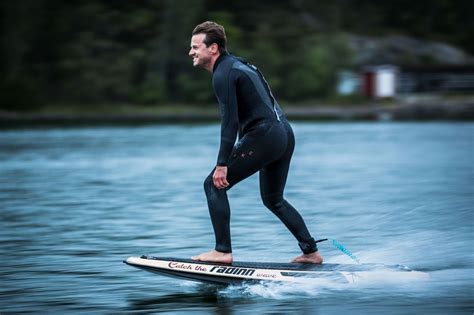
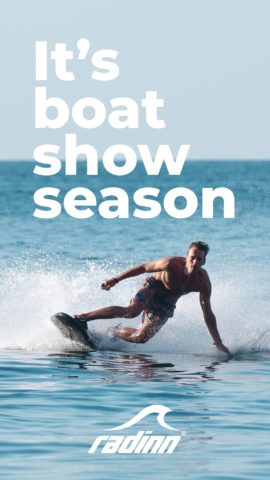
Check it out, the Radinn crew will be showing off their electric jetboards at several boat shows. Thanks to their dealers and distributors, the crew was able to secure booths at the shows and they want you to stop by and meet them at a show.
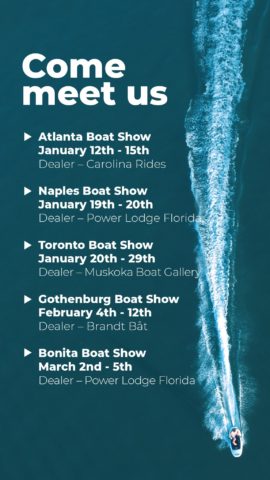
The first event kicks off January 12th in Atlanta, GA. And ends on January 15th. Then, they’re off to Naples, FL on the 19th of January and will be available to talk shop until the 22cd.
The Toronto International Boat Show is next on the list, and it runs from January 20th through January 29th. If you’re in Sweden, you can catch the Radinn gang at the Grothenburg Boat Show from February 4th– 12th.
The Bonita Boat Show brings them back to Florida for the event March 2-5th. Chat it up with the crew at any of these events and learn what it’s like to be involved with Radinn.
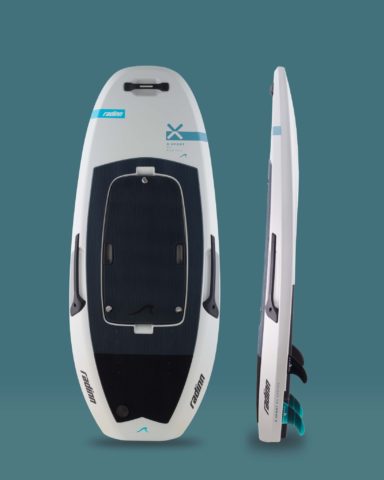
Whether you’re looking to own, rent, or sell Radinn products, they’re eager to talk with you and show you their boards and accessories. From the versatile X-Sport to the top of the line Carve, and the all-purpose Freeride, they have a board to suit you.
Attending a boat show, gives you the opportunity to put your hands on these bad ass electric jetboards and talk about making waves with Radinn.
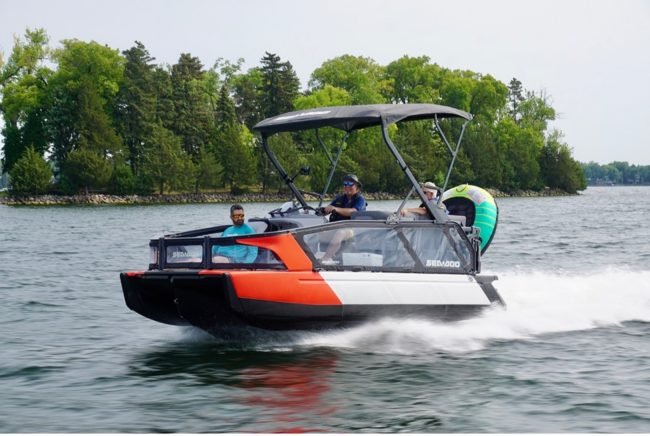
In a recent press release, Boating Magazine announced they named BRP’s Sea-Doo Switch the “Boat of the Year”. The Switch pontoons popularity signals a shift in what recreational boaters want out of a boat. The Switch is easy to operate, affordable, and makes for an attainable lifestyle for many families. BRP’s innovation and ingenuity continues to make recreational boating available to more people and that is why the Sea-Doo Switch was named the 2022 Boat of the year by Boating Magazine.
Check out the complete press release below:
Valcourt, Quebec, Canada, January 10, 2023 – The Sea-Doo Switch pontoon, a product of BRP, has been named “Boat of the Year” by Boating Magazine, the world’s leading publication for recreational boating. The Sea-Doo Switch family of pontoon boats represents a shift of paradigm in the fastest growing segment of the recreational boating industry. This award is a testament to BRP’s dedication to ingenuity and innovation as it strives to open recreational boating to more people.
“Out of all the boats tested, and with reviews published, in the previous year, the Boat of the Year is the boat that excelled in its category more than any other boat excelled in any other category,” said Boating Magazine Editor-in-Chief, Kevin Falvey. “For building a boat that’s easy to dock, easy to tailor to varying needs and that makes boating affordable and an attainable lifestyle for a great many families, we award the Sea-Doo Switch as the 2022 Boat of the Year.”
“The Sea-Doo Switch is designed for the next generation of boaters,” said Julie Tourville, Director of Global Marketing, Marine Group and Sea-Doo at BRP. “We wanted to disrupt the industry with a pontoon that marries the spirit and fun of the Sea-Doo brand, and we’ve done it with the Switch. It’s built to change the realities of what life on the water can be and provides the flexibility to fit the dreams of all kinds of recreational water lovers. The accessibility was also key to bring in first-time boat owners to the category.”
It’s Accessible, Adaptable and Fun
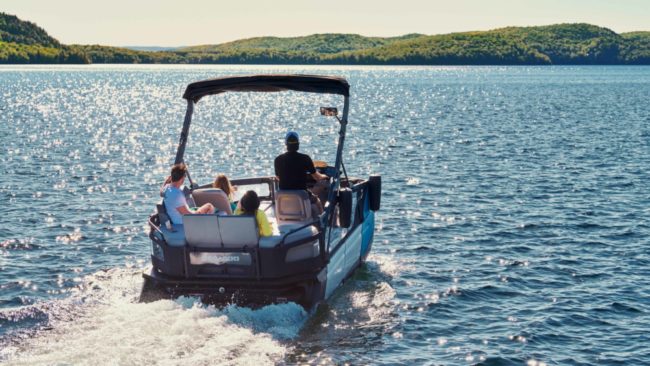
The Sea-Doo Switch is designed to make the most of any specific moment on the water. Three packages are offered, the Base, Cruise, and Sport in ROTAX jet-drive power options from 130hp – 230hp. The Sea-Doo Switch has all the elements to make the Sea-Doo life more fun and accessible to more families.
Accessible: The Sea-Doo Switch is designed to be easy for first time boaters; easy to operate with a simple Sea-Doo handlebar control system, easy to tow on land with a custom matched trailer included, easy to maintain and to clean, and easy to own with a competitive starting price.
Adaptable: No matter the setting, boaters can configure the entire space of the Sea-Doo Switch on the fly with modular seating, tables, sound system, and other accessories that quickly connect to the LinQ tiles that comprise the deck. Everything is moveable other than the stationary helm. The ability to customize and make it their own with a large collection of accessories and pre-build packages provides full versatility to adapt to any boating activity in seconds.
Fun for the whole family: Flexible and comfortable living room on board combined with a sporty and stable V-Toon hull powered by a responsive jet-drive propulsion system make the Sea-Doo Switch fun in the cove and fun when underway.
Readers can read the full Sea-Doo Switch “Boat of the Year” story in the January/February issue of Boating Magazine available by subscribing at boatingmag.com.
Sea-Doo has the right vehicles, apparel and accessories to ensure boaters make the most out of their time on the water. For more technical details and product specs, as well as information about the complete lineup of Sea-Doo personal watercraft and pontoon boats, visit Sea-Doo.com
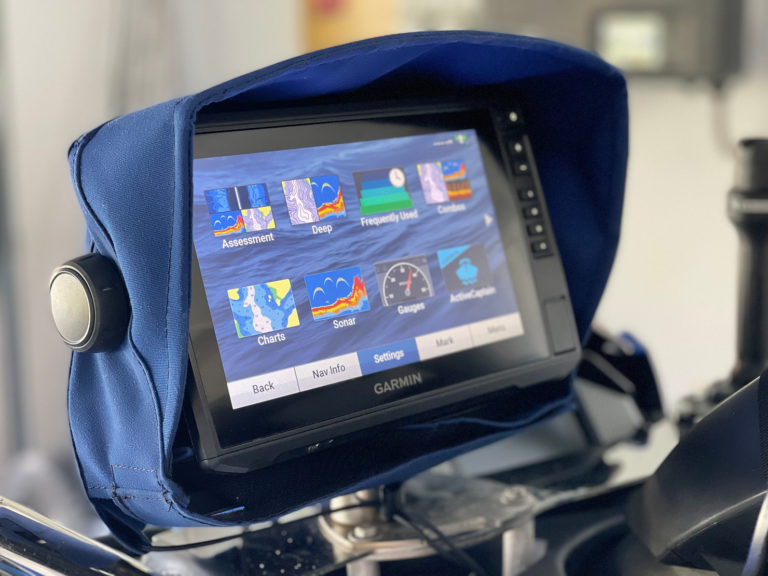
Today’s fishing PWCs include the latest in sounder technology giving riders the ability to “see underwater” and confidently navigate everything from lakes and rivers to flats and the open ocean. Like all electronics, these complex units are subject to corrosion, UV damage, faded LCD screens, and saltwater intrusion. Luckily, Jetcast offers a solution to keep your expensive sounder safe from the elements!
Paul Hayes “Hayzey,” at Jetcast was tired of his sounders failing, and realized that today’s large-screen models are even more susceptible to water intrusion and damage, especially when mounted on a fishing ski. Saltwater can penetrate sounders through normal usage, as their positioning out in the open puts them directly in the path of spray and waves.
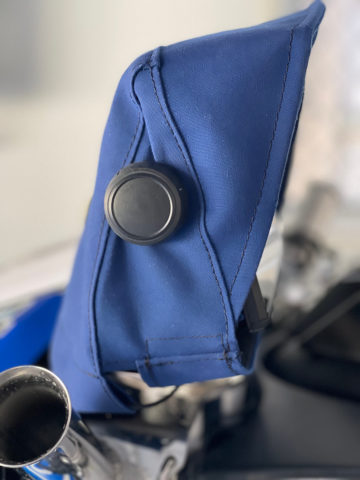
Rusler, a New Zealand fishing gear manufacturer, developed a waterproof, synthetic canvas fish finder/sounder cover that provides exceptional water resistance and UV protection. With over three years of sales under their belt, Rusler has developed a proven product that customers love.
High ambient temps and direct sun can cause sounders to overheat and can damage sensitive LCD screens over time. Rusler covers provide an inexpensive solution to protect expensive hi-tech sounders from all types of environmental exposure. The oversized visor peak provides maximum protection against glare throughout the entire day.
Rusler sounder covers also feature an innovative stainless-steel rim that stops the sun shade from flopping over the screen when the cover material gets wet. Velcro straps allow the cover to be seamlessly removed between outings, while a drawstring strap securely fastens the cover to your machine so it won’t be blown off when traveling on water or down the road.
With covers for sounder/fish finder units ranging from 4” to 16”, Jetcast even accommodates custom sizing requests. Covers retail from $70.00 to $125.00 USD plus shipping. See the links and details below. Most fishos (boat and PWC alike) don’t know they need a sounder cover until it’s too late!
Whether you ride Sea-Doo, Yamaha, or Kawasaki, or fish from a boat, Jetcast has something for everyone and is sure to enhance your experience out on the water. Check them out on YouTube, Instagram, and Facebook, and visit their website at www.jetcast.au.
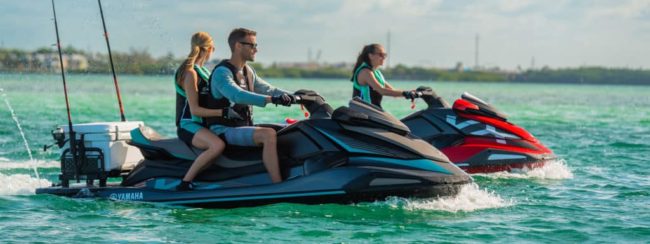
Yamaha WaveRunners is ready to help get on your water with lower financing during their Best of Show Sales Event. With the recent increases in interest rates and soaring inflation, the rates offered aren’t as low as they were pre-Covid. You can still get a decent deal though during this promotion.
Score 5.99% for 36 months on an approved purchase of a new 2018-2023 WaveRunner. If you need longer to pay, 6.99% APR is available for a 60-month payoff. You can also get two WaveRunners at 7.49% for 96 months.
The last offer is for well qualified tier 1 credit customers. These rates will probably be the lowest we see all year with another increase on the way.
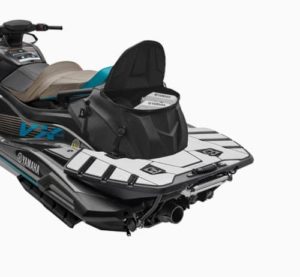
Yamaha WaveRunners has something for everyone like the new VX Cruiser HO, which can be customized with the new VX RecDeck packages.
The RecDeck gives you the versatility to turn your PWC into a fishing machine, a tow sports machine, or a place to lounge.
This makes it a good choice for families who like to get out on the water.
If you’re into all out freestyle riding, then the Jetblaster is for you. It is built for excitement and by adding a pair of EcoXgear Speakers, you can turn up the volume while turning up the speed.
Cash in on the Best of Show Sales Event to get a deal on one of these new watercrafts or other new Yamaha WaveRunners. The promotion ends on March 31, 2023, so head over to the website or your local dealer to see what’s new.
Sea-Doo has some great new gear and accessories on the way for 2023. Some stuff will light the way and other items will allow you stow more gear. The Docking Lights will make a nice addition to your Sea-Doo Switch. They attach to the bow, lighting the way for those pre-dawn trips or when cruising back after dark. Round out your safety kit with a lightweight paddle with T-Handle. The paddle breaks down so you can easily store it on your Switch.
A new LinQ bag is available for the Explorer Pro 170 and it gives you 26 gallons of watertight storage. It converts to a backpack when you need to carry gear on land, and it will collapse when empty. It has a compartment for registration, license, insurance, and more. A 5-gallon LinQ Seat Bag provides extra storage for those small accessories you want close by. It mounts behind the passenger seat to keep your rear deck open.
Sea-Doo has come out with the LinQ Lite Ventilated Bag for storage of wet towels and other wet gear. It doubles as a trash bag. A new cover to protect your Explorer Pro made of heavy-duty canvas is available. The cover is UV resistant with a soft lining that won’t damage your watercraft. The cover is ideal for trailering or storage. Several Bimini tops and sunshade extensions for the Sea-Doo Switch have been added for 2023. Check out this gear and more on the Sea-Doo site. Happy riding!
2022 was a huge year for Radinn. The crew launched Unleashed, a killer software program, which provides a major upgrade for your new jetboard. Unleashed offers more torque, higher speeds, and more acceleration. It lets you level up to beast mode on your Radinn jetboard.
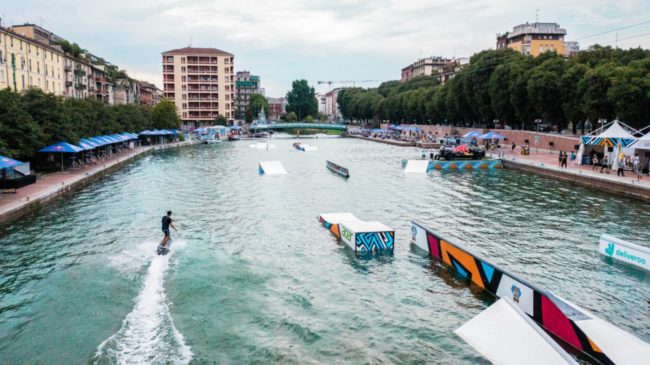
Radinn also opened Surf Club in Sweden. This is like going to a surf camp, only you’re making waves on a Radinn Electric Jetboard with some rad instructors and other riders just like you.
The crew teamed up with Imagine Dragons in July for a cool video shoot in Las Vegas at Bellagio Fountains. Yep, Imagine Dragons front man can be seen riding the Freeride Element through the Bellagio Fountains.
The Freeride was the perfect choice with its unmatched stability making it easy to quickly learn to ride. They didn’t even need the stunt double for the trip through the fountains.
Later in the year, Radinn Electric Jetboards hit the rental market with the X-Sport. It is the most durable jetboard in their lineup, making it perfect for the public to give it a go. The board is built to take a beating. It’s lightweight and has an improved battery life for the rental circuit, so you can stay out longer. Throughout the year, the Radinn crew and Red Bull teamed up for several extreme sports events. 2022 was a huge year for the Radinn team and we expect more as we make waves into 2023.
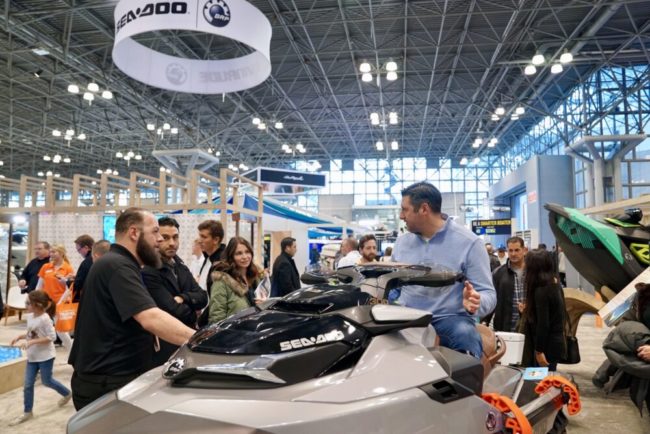
The Sea-Doo Boat Shows for 2023 have been announced and the Sea-Doo crew will be there to answer all your questions regarding the all new 2023 models. A lot of new gear and accessories will be on display as well. They have some a new line of life jackets and LinQ accessories coming out. We hope everything is ready for the shows.
The boat shows kick off in Chicago on January 11th with the last one ending on March 5th in Atlantic City. January is jam packed with boat shows for Sea-Doo. Atlanta, Detroit, Minneapolis, New York, and Houston are all going on. February sees Seattle, the Mid-Atlantic, New England, and the huge Miami International Boat Show happening.
The Sea-Doo Boat Shows are great for getting a hands-on experience and getting a good look at the new gear and accessories. They have some great new products coming out for 2023, so don’t miss out. You can also enter to win a new Sea-Doo and more at the Miami show.
If you are on the fence about purchasing a new PWC, this is a good time to check out all the different models and do some comparison shopping. Plus, boat shows are fun and it’s cool to see all the new watercraft. Head over to a show near you and get in on the Sea-Doo Life.
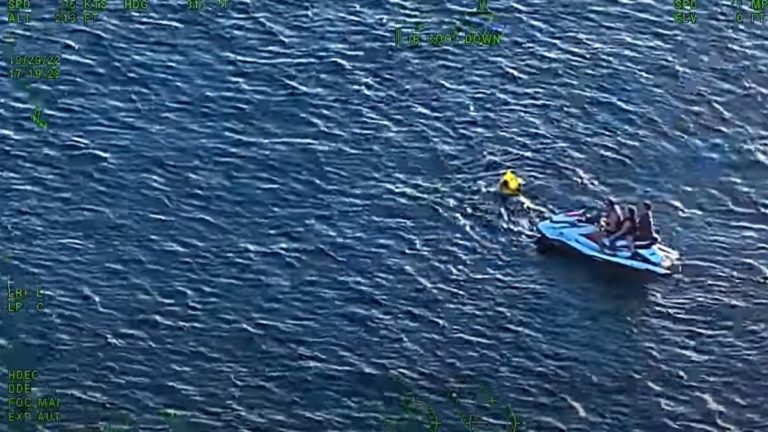
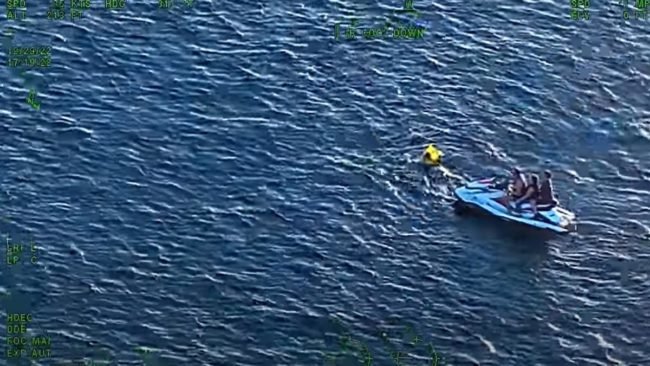
Well, it wasn’t Tom Brady to the rescue, it was backup quarterback Blaine Gabbert and his two brothers. They were jet skiing in Hillsborough Bay when they heard a noise to the south. They headed toward the sound and came upon a sinking helicopter with several people in need of rescue. Gabbert pulled two people out of the water and put them on his jet ski. His brothers helped a third person and when the authorities arrived, they saved the fourth person.
The crash occurred during a tour of the areas. They heard a loud bang and the helicopter lost power and the young pilot made an emergency on the water. Tampa Bay police officer Dan Spears was impressed by the rescue and even made Blaine Gabbert an honorary member of their marine unit.
“It was a pretty impressive feat, no doubt,” Spears said. “They were very calm — great job on that … One of the most dangerous circumstances on an aircraft is a water landing just due to the inversion of a helicopter, and trying to escape that, and not get trapped in, so it was a very amazing circumstance that everybody got out.”
Buccaneers Coach Todd Bowles thought the rescue was outstanding and said: “Any time you can find a guy to drop everything and go help somebody else that that he doesn’t even know without even thinking about it and take their life into their own hands and helping somebody else save their lives, that says a lot about the guy,” he said. “And Blaine did that.”
Check out the complete story and videos on cbsnews.com.
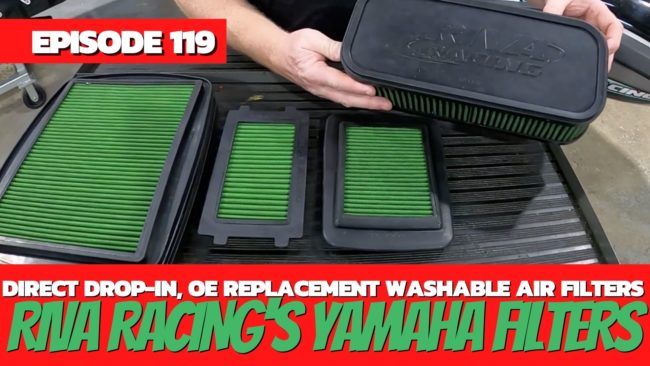
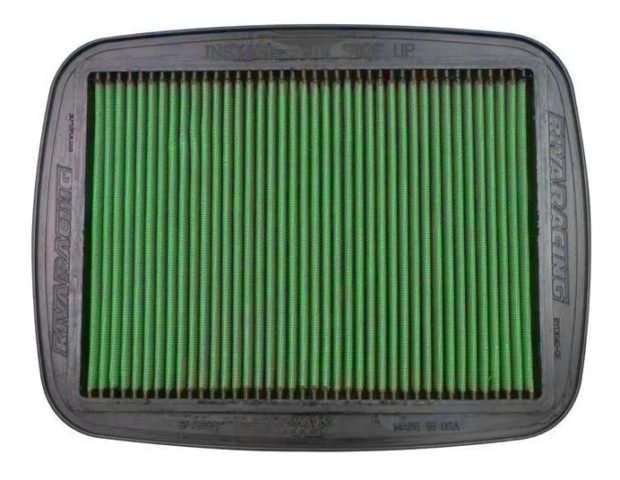
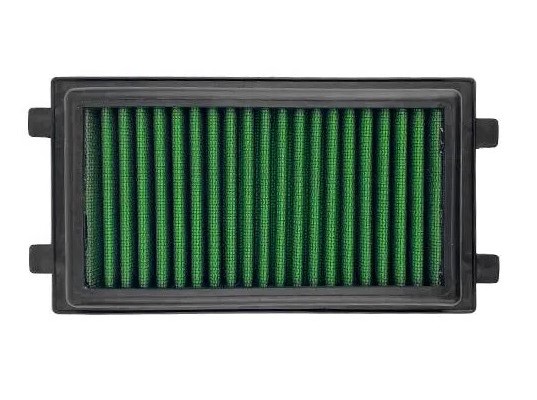
RIVA Racing’s new Performance Air Filters for both naturally aspirated and supercharged Yamaha WaveRunners are in stock for most models! RIVA partnered with K&N to produce a high-performance, reusable air filter that fits right into the stock airbox on all TR-1 and 1.8L SVHO, SHO and HO WaveRunners.
Since these new filters are a direct replacement for the OEM paper elements, no modifications (or tools) are needed for installation. A one-piece seamless sealing bead ensures a perfect fit in your ski. RIVA Performance Filters are 100% washable and reusable, and are designed to last for the life of your machine.
The pleated filter element is composed of epoxy-coated aluminum mesh and oiled cotton gauze media; this proprietary design provides increased water resistance and greatly improved air flow over the factory paper element. Improved airflow translates to an increase in horsepower and acceleration- without sacrificing filtration or reliability.
All of RIVA’s new filters serve as USCG-approved flame arrestors. Riders who performed a “Ribbon Delete” (removal of the flame arrestor ribbon embedded in the intake manifold) on their engine will definitely want to consider purchasing one of these filters/flame arrestors to remain compliant with USCG and international safety laws.
At $128.95 the RIVA Performance Filter for Yamaha’s 1.8L SVHO, SHO & HO WaveRunners (Part# 6S5-E4451-10-00 – superseded from 6AP-E4451-00-00) increases air flow by as much as 40% over the stock filter. This is a pretty big deal for the guy who doesn’t want to modify their ski, but wants to increase engine longevity and performance.
The filter for Yamaha’s TR-1 powered skis is available for $64.95 (Part# 6EY-14451-00-00). The three-cylinder TR-1 engine has proven itself in Yamaha’s rec-lite and freestyle genres, and serves as the backbone of the PWC rental industry. Improved airflow and filtration over the stock paper element translates to an increase in horsepower and acceleration.
When it comes to new filters for Yamaha’s MR-1 powered models, it appears that RIVA does not yet have a new Performance Filter available for these skis. RIVA does continue to offer their screen-type MR-1 Power Filter for $104.95 – although it is currently out of stock and will not ship until late February 2023.
The bottom line is that RIVA’s Performance Filters provide riders with a great way to improve their stock performance without sacrificing reliability. Since installing RIVA’s filters requires no permanent modifications to be made, riders need not worry about voiding their warranties.
RIVA Performance Filters are designed to last for the life of the machine- which reduces waste and eliminates the need to change out paper elements at scheduled maintenance intervals. With many OEM Yamaha paper air filters retailing at over $100.00 each, the RIVA Performance Filter is a smart choice.
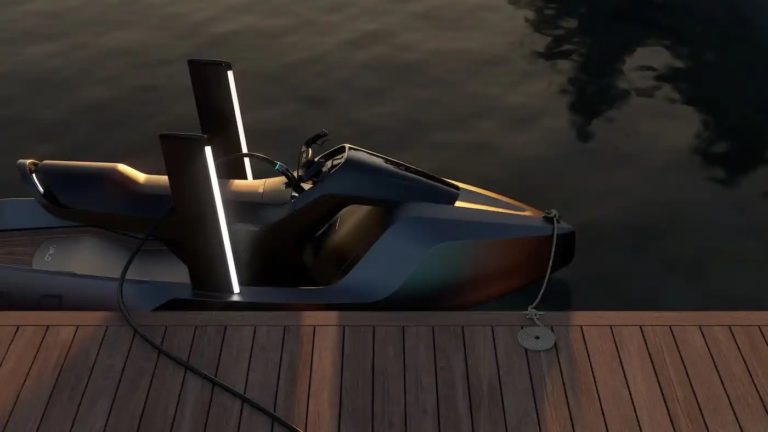
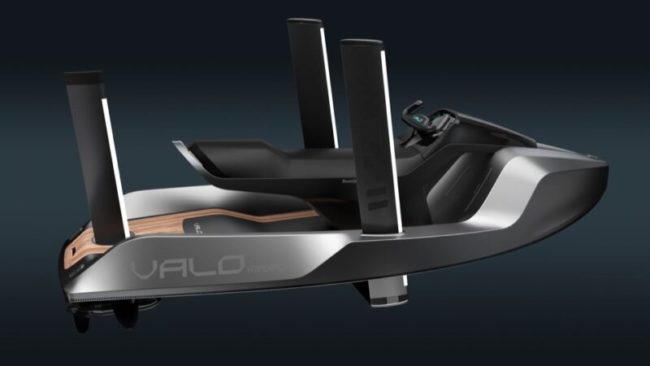
We have a follow up to the early December article on the Valo Electric Hyperfoil Personal Watercraft with the retractable hydrofoil blades. Boundary Layer, the company responsible for designing the Valo, has received a little over one million dollars in preorders for its hyperfoil. Boundary Layer has been working on a series of electric hydrofoiing vessels capable of transporting light freight and they have electric hydrofoil passenger ferries in development.
After raising $90 million in funds for those projects and placing them on hold, they moved into designing the Valo to grab a piece of the consumer market for PWC. According to Boundary Layer’s CEO and founder, Ed Kearney, the company has received a little over $1 million worth of preorders for the $59,000 luxury watercraft. The company charges a $1,000 refundable deposit to get on the waiting list for a Valo. Kearney says they are on track to produce a prototype in early February-
“After being live for just three weeks we have slightly over $1 million worth of vehicles reserved, mostly to folks in the US, and one customer in Kuwait,” Kearney tells me, adding that the company is “on track to demonstrate the prototype in early February.” We’ll see if Boundary Layer will stay focused on the Valo long enough to roll out its “Founders Edition” watercraft.


 The first event kicks off January 12th in Atlanta, GA. And ends on January 15th. Then, they’re off to Naples, FL on the 19th of January and will be available to talk shop until the 22cd.

 Rusler, a New Zealand fishing gear manufacturer, developed a waterproof, synthetic canvas fish finder/sounder cover that provides exceptional water resistance and UV protection. With over three years of sales under their belt, Rusler has developed a proven product that customers love.
 The last offer is for well qualified tier 1 credit customers. These rates will probably be the lowest we see all year with another increase on the way.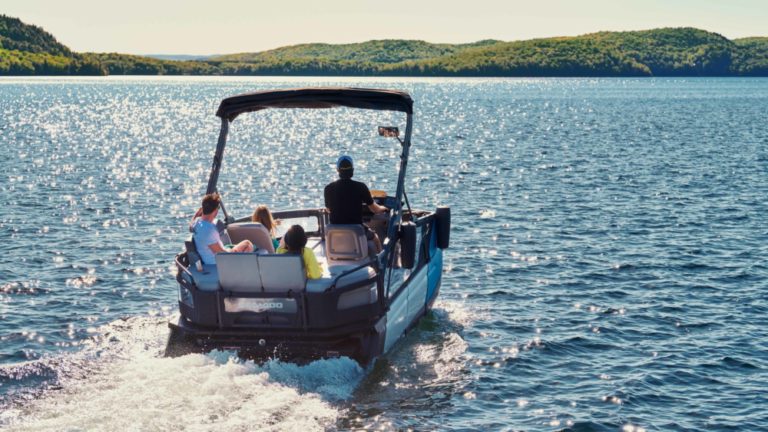


 Radinn also opened