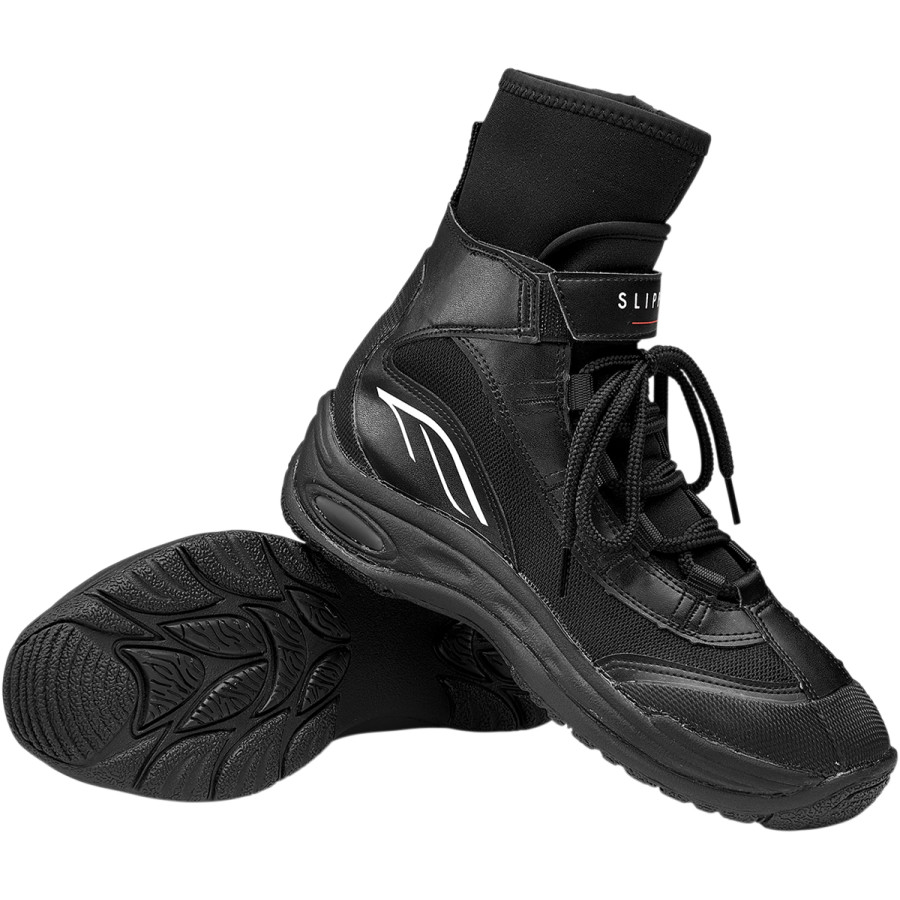
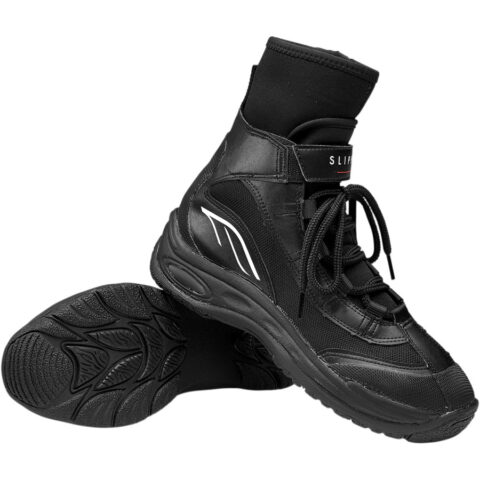
Slippery has added to their product line and added two new offerings for riding footwear. The Liquid Race Boot has always been a fantastic product from Slippery. As time has gone on they have made many improvements to the boot to make it the best riding boot overall for racing and just about anything else you can think of doing on the water. For an in-depth review Slippery’s Liquid Race Boot check out this link.
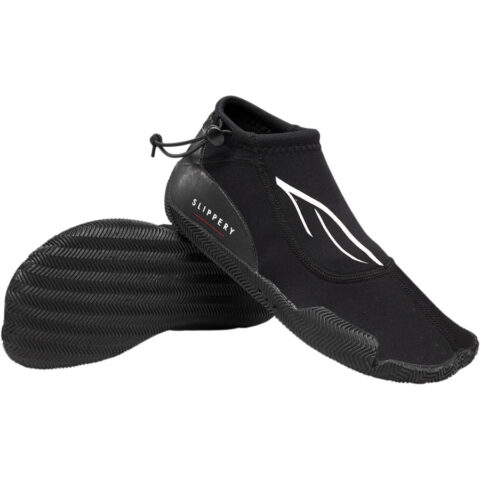
Now along with offering their time and rider tested Liquid Race Boot they are offering their Amp Boot and Amp Shoe. The lightweight and durable boots and shoes keep your feet warm and protected from the elements while still offering great support while riding. The Amp Shoe and Boot are essentially a thick neoprene sock with a textured sole, sporting either an ankle cut or a crew cut.
Obviously, these do not offer the same support as a Liquid Race Boot but for someone who enjoys recreational riding and or riding in the colder months like some of us are crazy enough to do. These will provide the warmth and protection without having to wear a full-on racing boot. This is the middle ground we have been wanting from Slippery; something in between barefoot and racing boots. To check out all footwear offerings and for sizing information slipperywetsuits.com
In determining what qualifies as a possible candidate to win The Watercraft Journal’sWatercraft of The Year award, each model must be weighed against a specific and immutable scale of excellence. This process must proceed without imposing any personal bias. Rather, the ranking of each of the finalists must be shown as being unilaterally balanced.
In doing so year-after-year, The Watercraft Journal has earned the respect from its millions of readers and viewers, as well as that from the Original Equipment (OE) manufacturers – even when they might disagree with the resulting outcome. The scale from which we judge from is called the IDEA score, an acronym standing for Innovation, Design, Execution and Affect.
In layman’s terms, we acknowledge a personal watercraft’s achievements in innovation; overall design aesthetic; the final execution of the production vehicle; and finally, the model’s lasting affect on the marketplace and/or industry. Each of the categories are capable of earning a maximum of 10 points each, totaling a combined 40 possible points.
We were particularly cognizant of the many factors that played a role in this year’s finalists. The earliest (and frankly, strongest) candidate quickly dropped out contention as production units were plagued with quality control (QC) problems. These machines suffered from cracking paint; thin or flimsy glove box latches that regularly snapped; and worse yet, outdated or incorrect parts.
Despite being widely hailed as a performance juggernaut, the failings listed above denied the vehicle entry into the final three. To that point, it bears noting just how close these three watercraft came within of earning the highest award. In specific segments, each of the PWC listed below excelled in one category or the other, effectively making each a top leader in their own right.
Lastly and most importantly, no entries were eligible that The Watercraft Journal’s staff didn’t personally review. If we couldn’t get to ride it ourselves, we didn’t feel right judging it. That means that all contenders were pulled from the near two-dozen personal watercraft that have been individually reviewed over the 2021 model year.
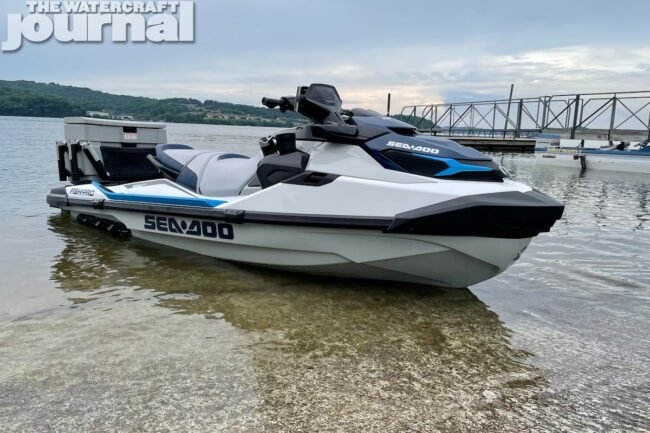
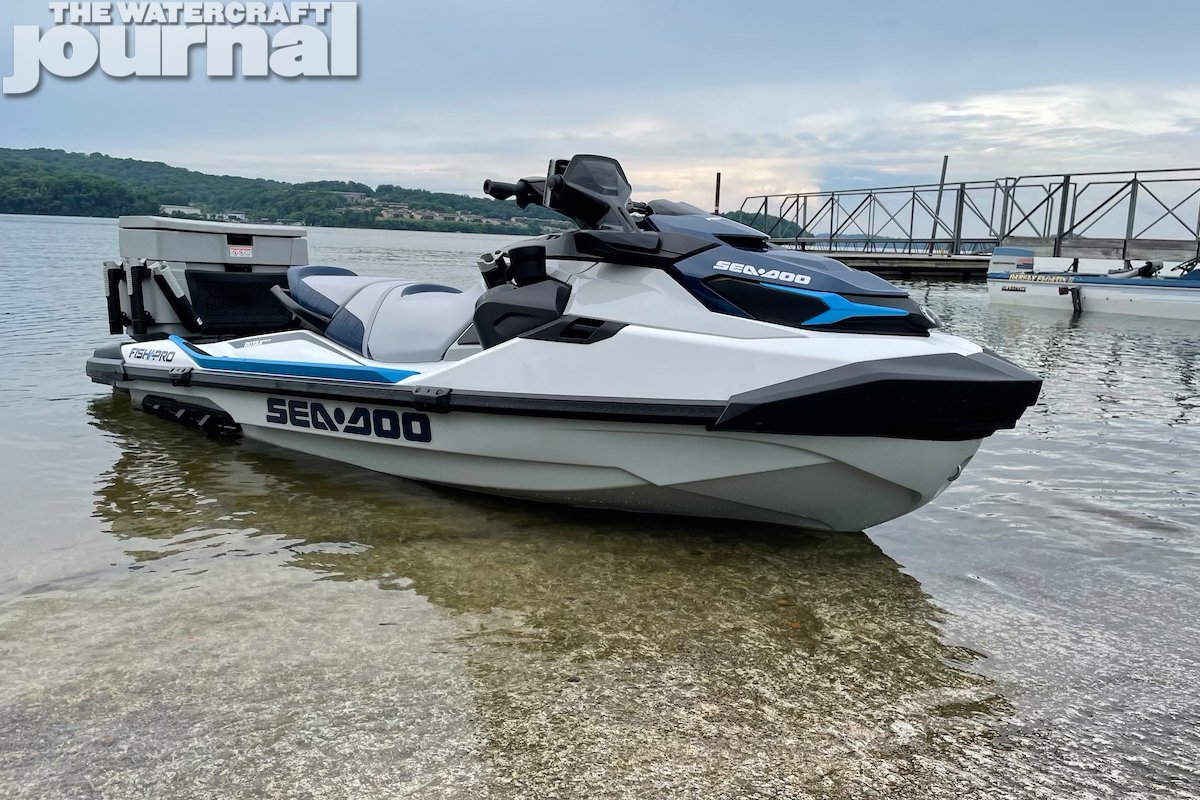
2021 Watercraft of The Year 2nd Runner-Up: 2021 Sea-Doo Fish Pro 170 Innovation: 8; Design: 8; Execution: 8; Affect: 10; Total: 34 points
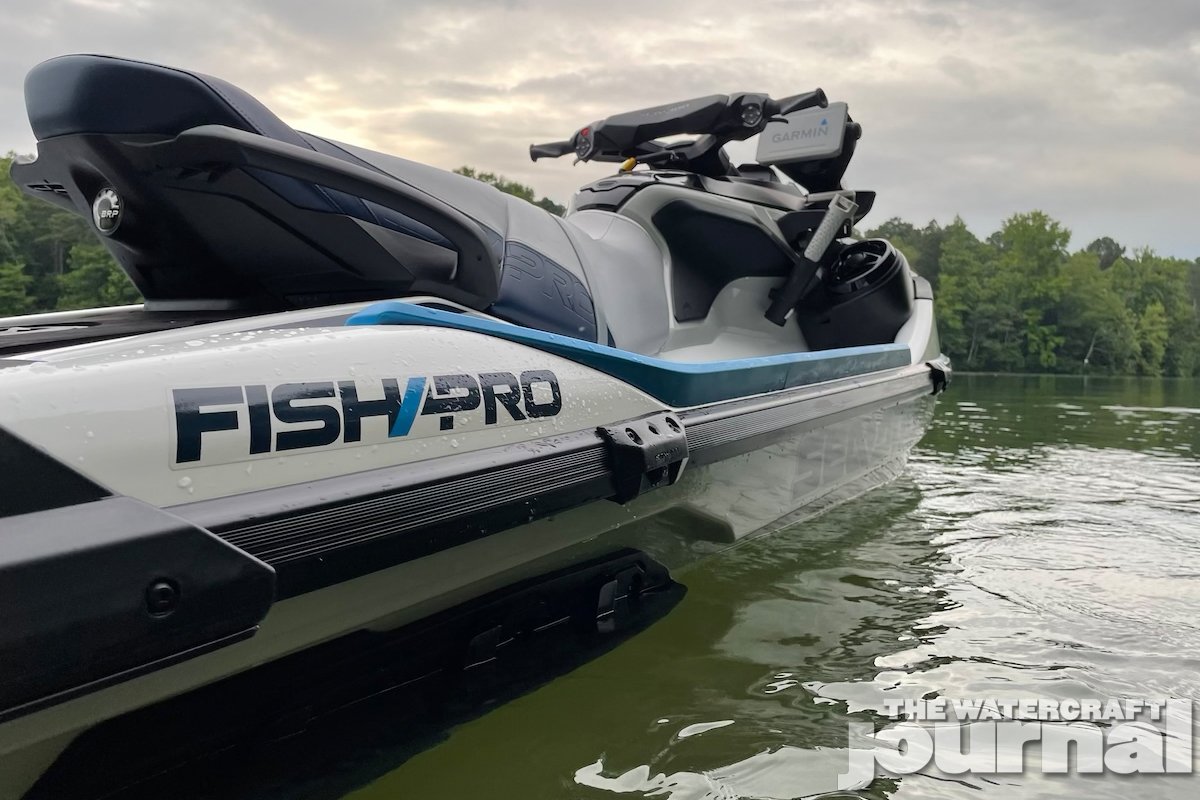
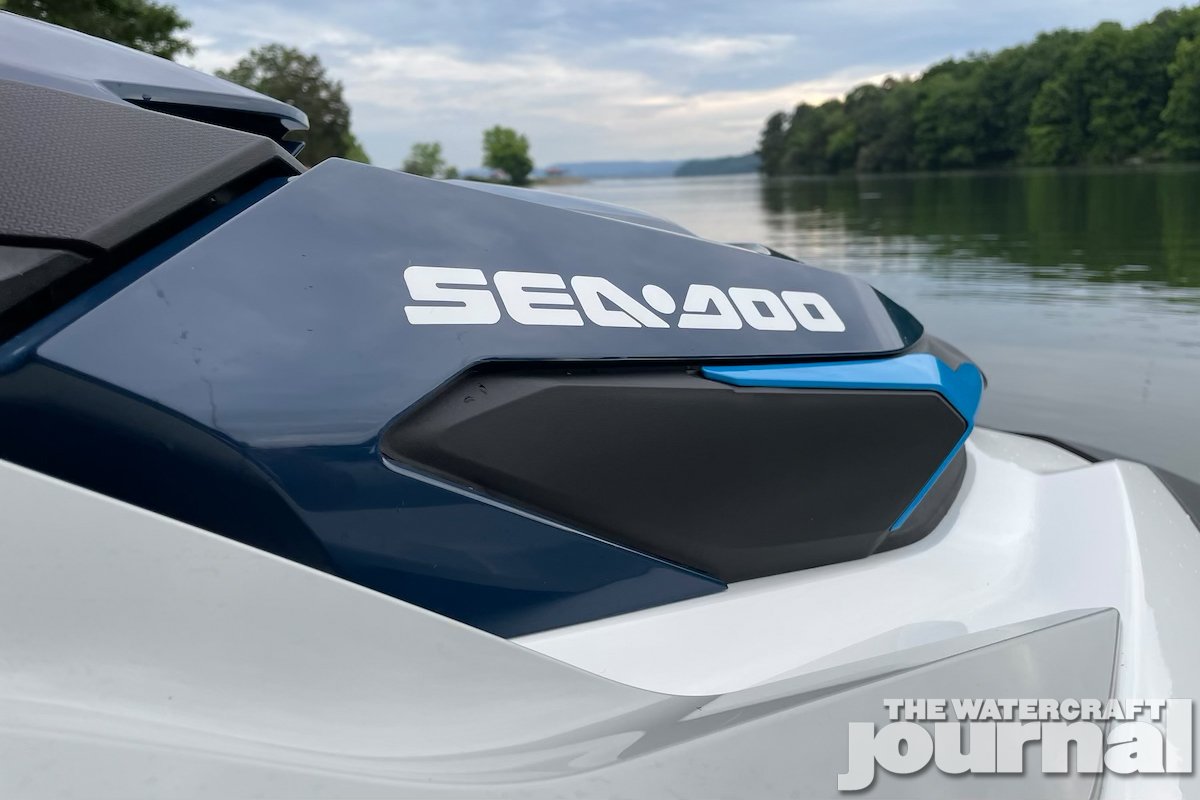
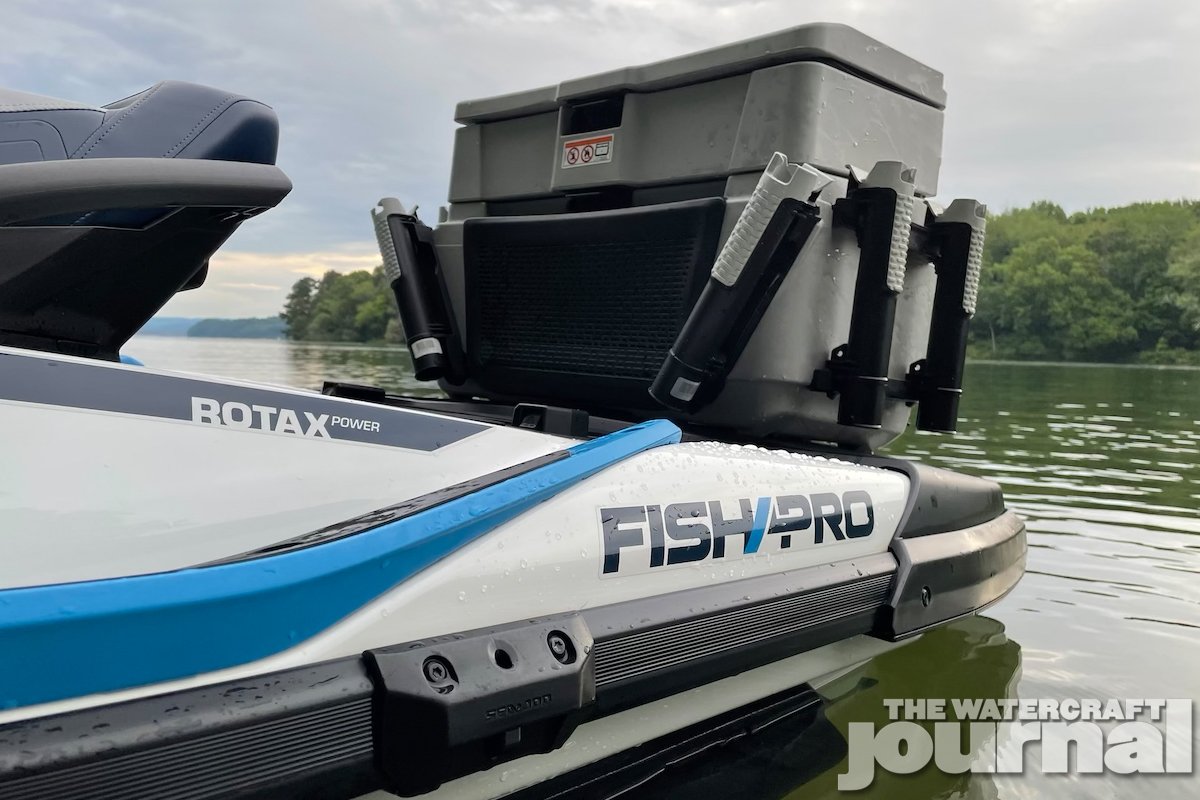
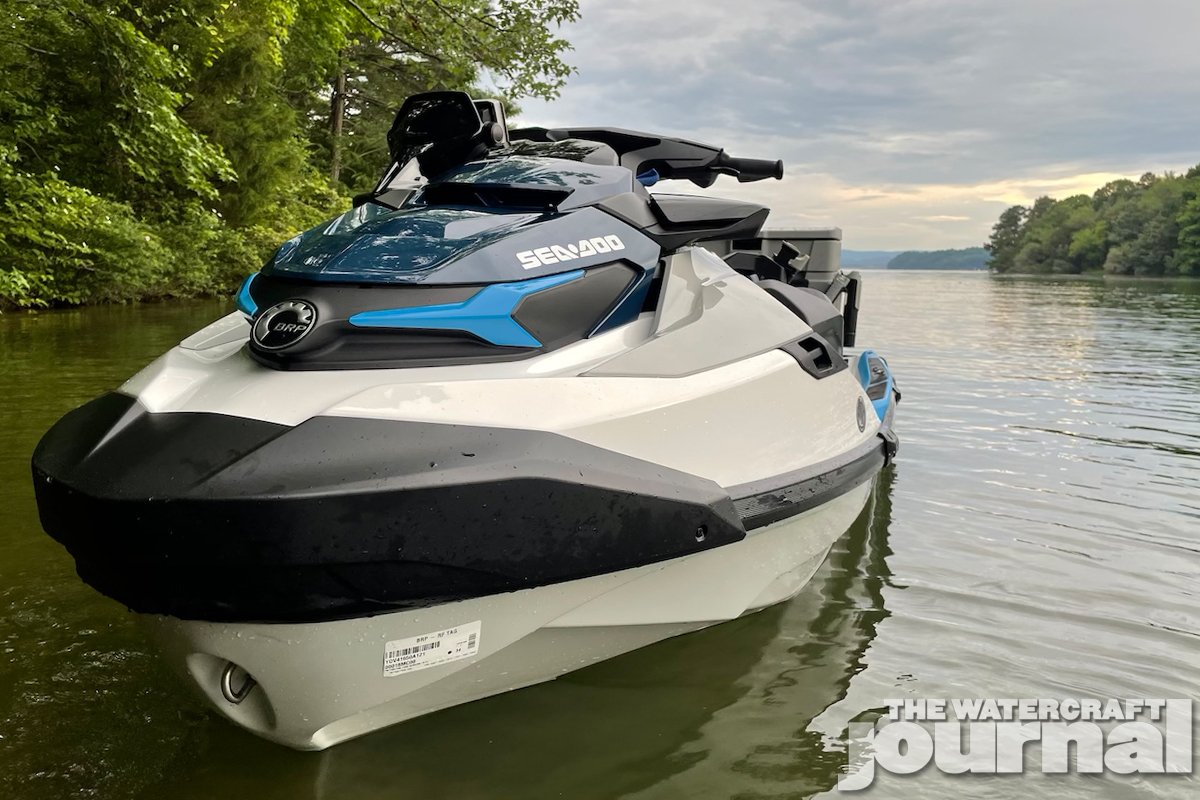
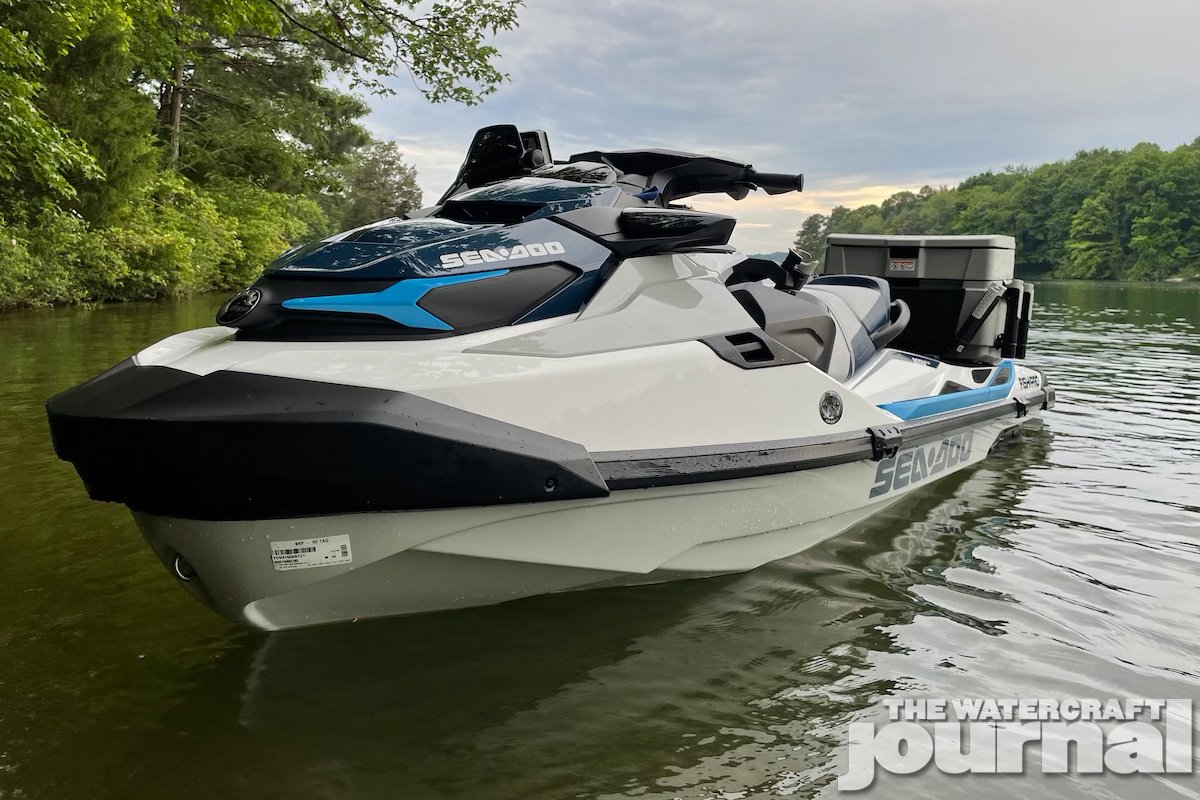
From its inception, the Sea-Doo Fish Pro was simply a good idea. Adding to that the degree of detail which Sea-Doo has poured into making the Fish Pro a true “fully equipped” rig demonstrates the brand’s dedication to PWC fishing. All that being said, many wouldn’t see the differences between the 2021 and its original 2019 introductory model (apart from color). For us, the subtle changes made for 2021 are sufficient evidence to prove that Sea-Doo is intently listening to its customers – far more than you might think.
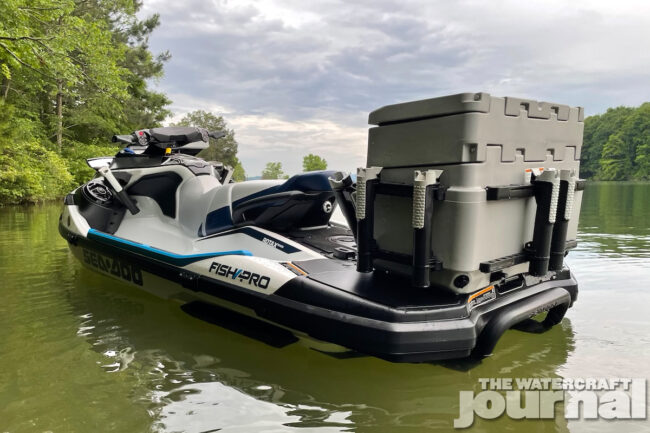
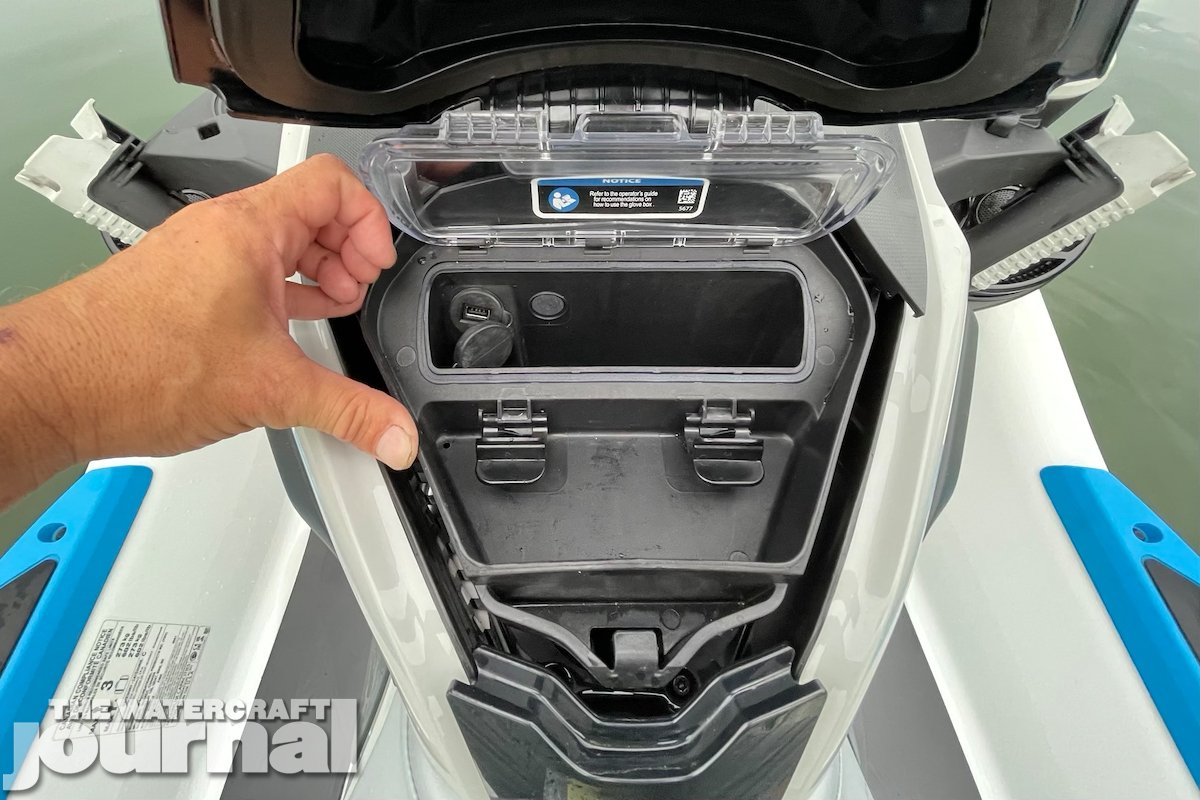
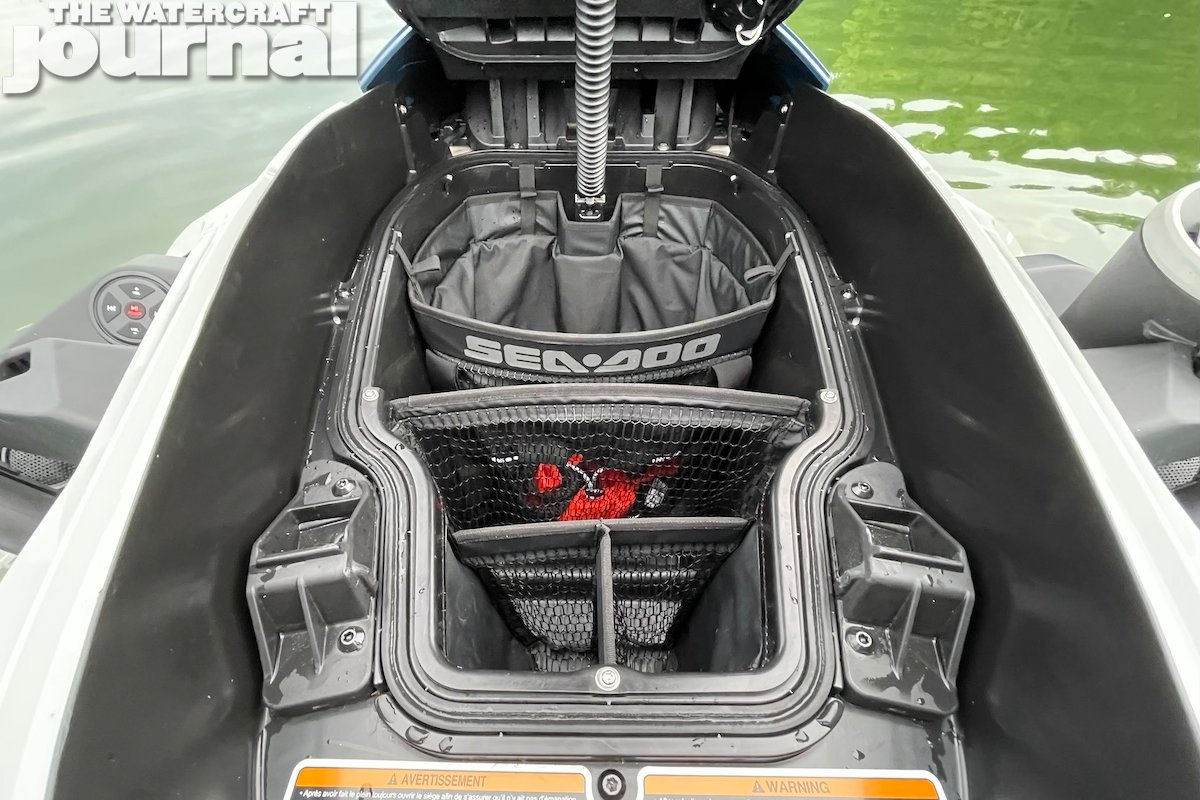
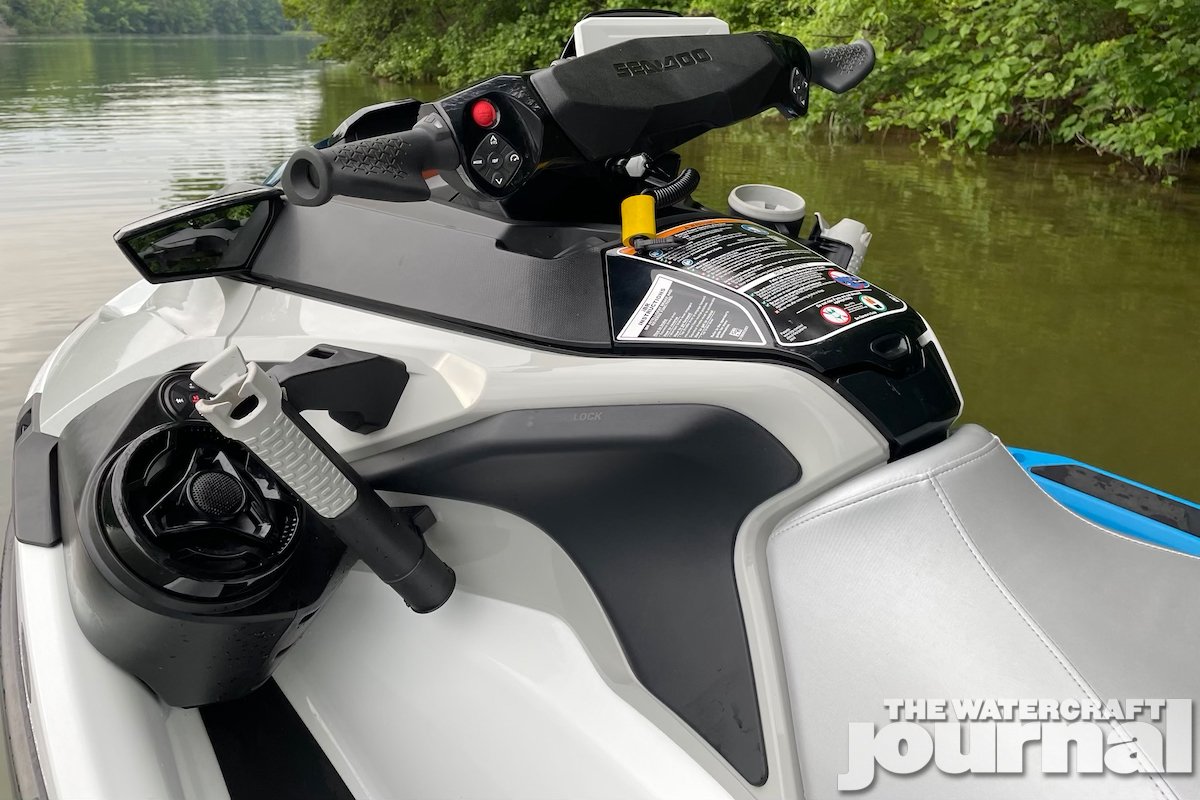
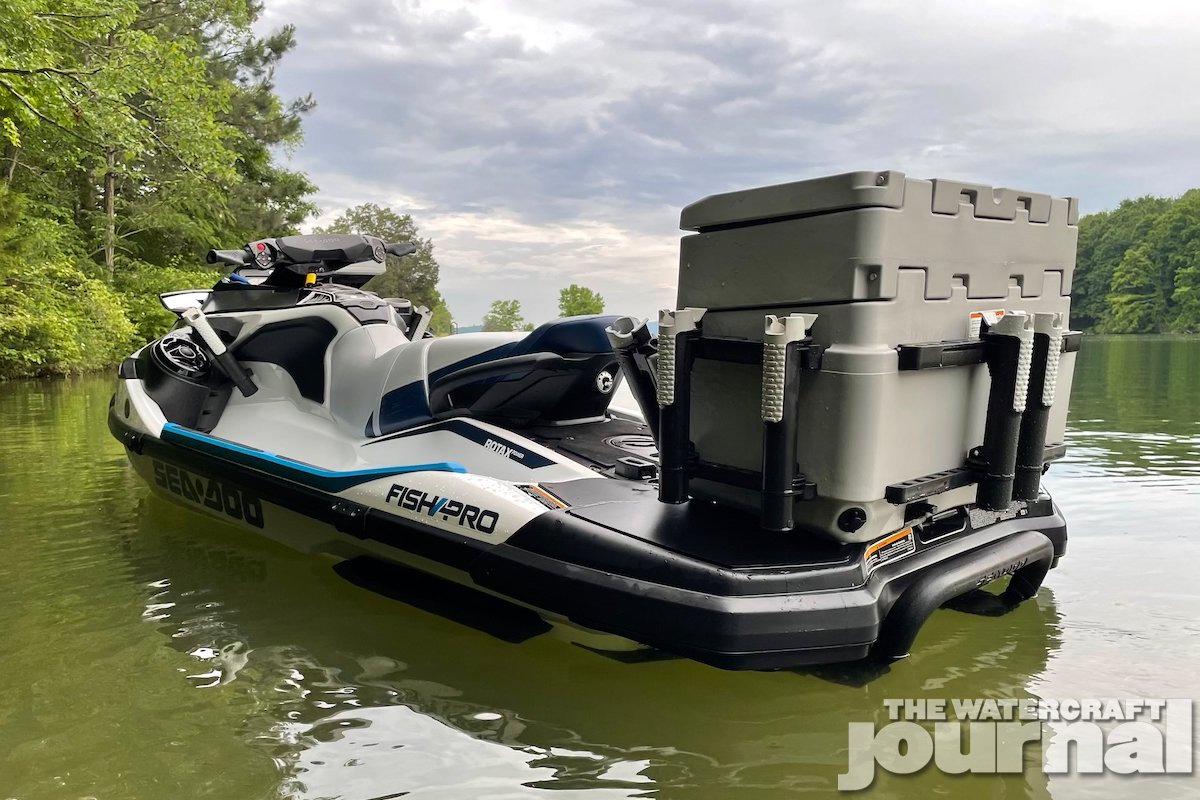
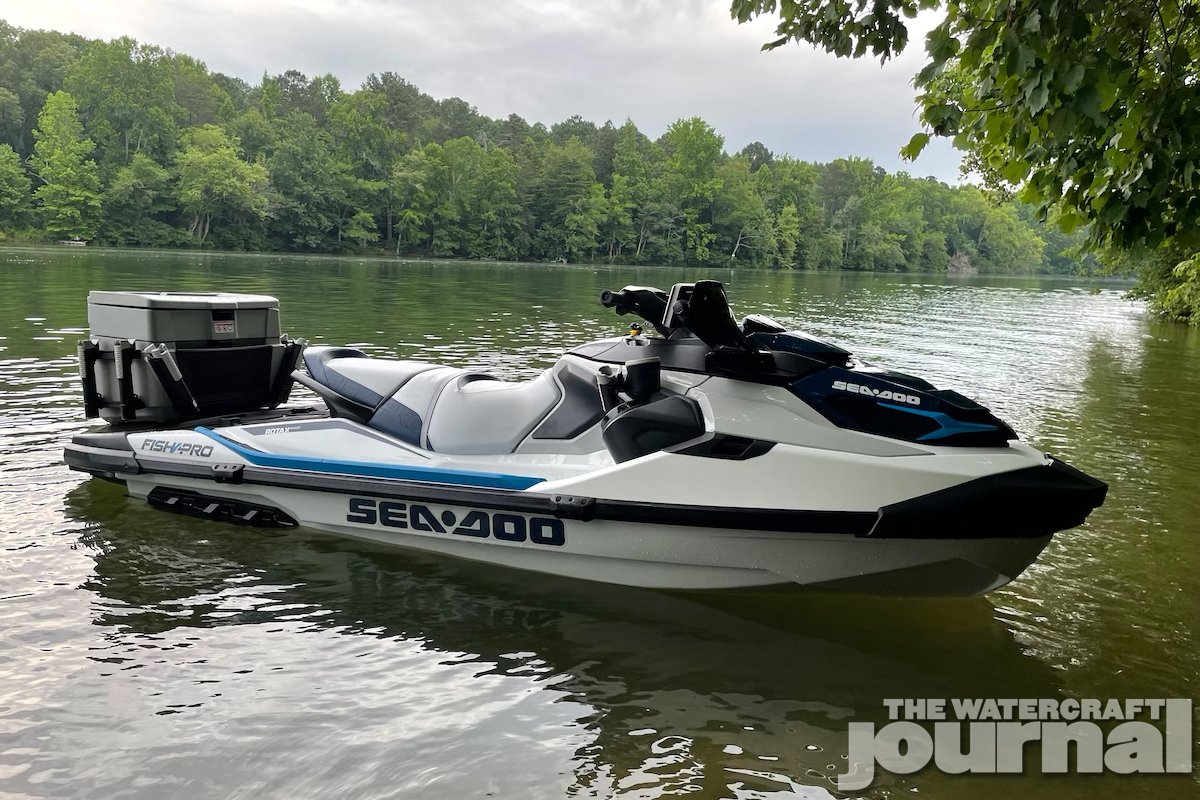
The 2021 Sea-Doo Fish Pro 170 is a masterclass in satisfying a niche market. [Don’t get us started on the 2022 Fish Pro lineup. You can expect to see at least one Fish Pro here next year. –Ed.] It’s no secret that the ultra-stable, deep-welled ST3 hull-and-deck platform was honed with the Fish Pro in mind; the Fish Pro’s extended rear platform adding an extra 11.5-inches of deck length and a second set of LinQ attachments open up the Sea-Doo tremendously. Angled footwells, a flat bench seat and easy-to-reach center storage all add to the package.
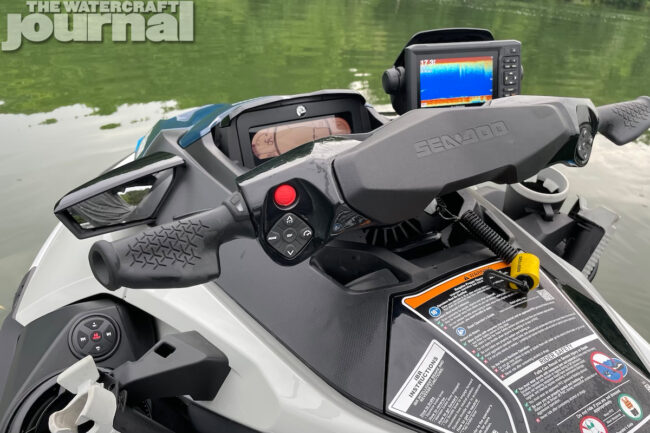
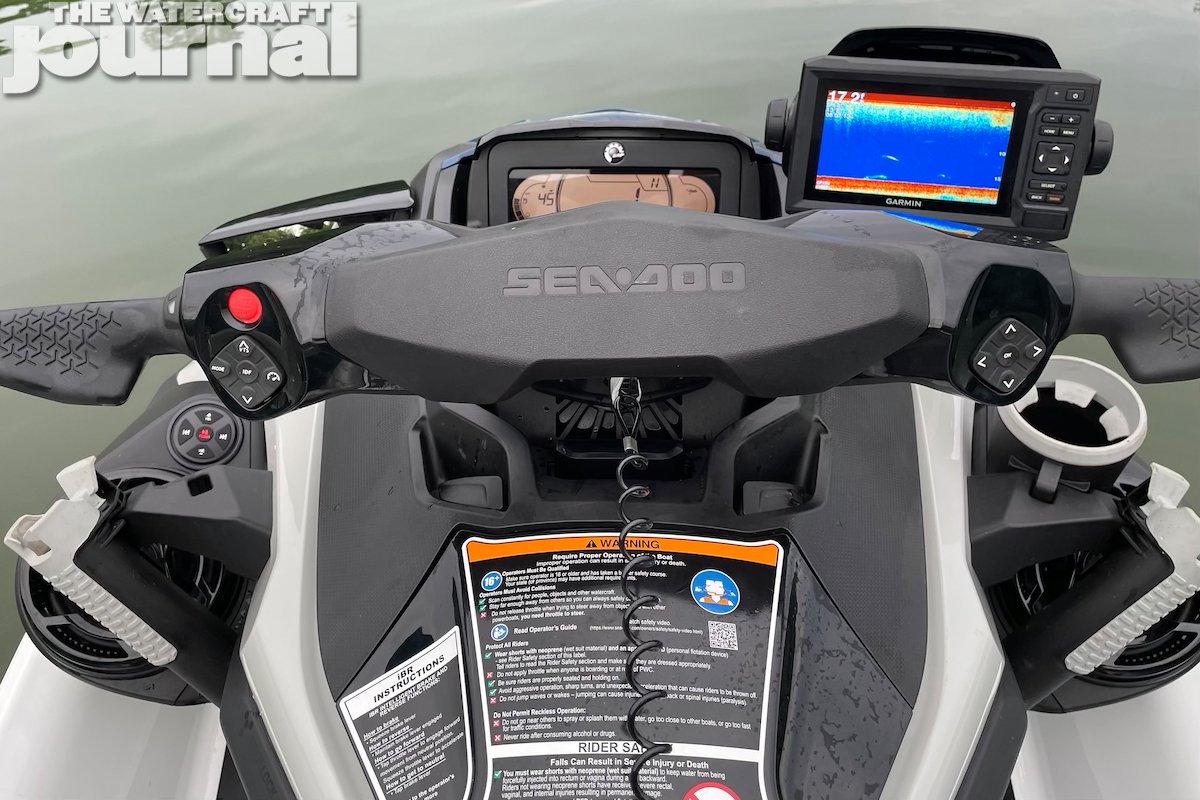
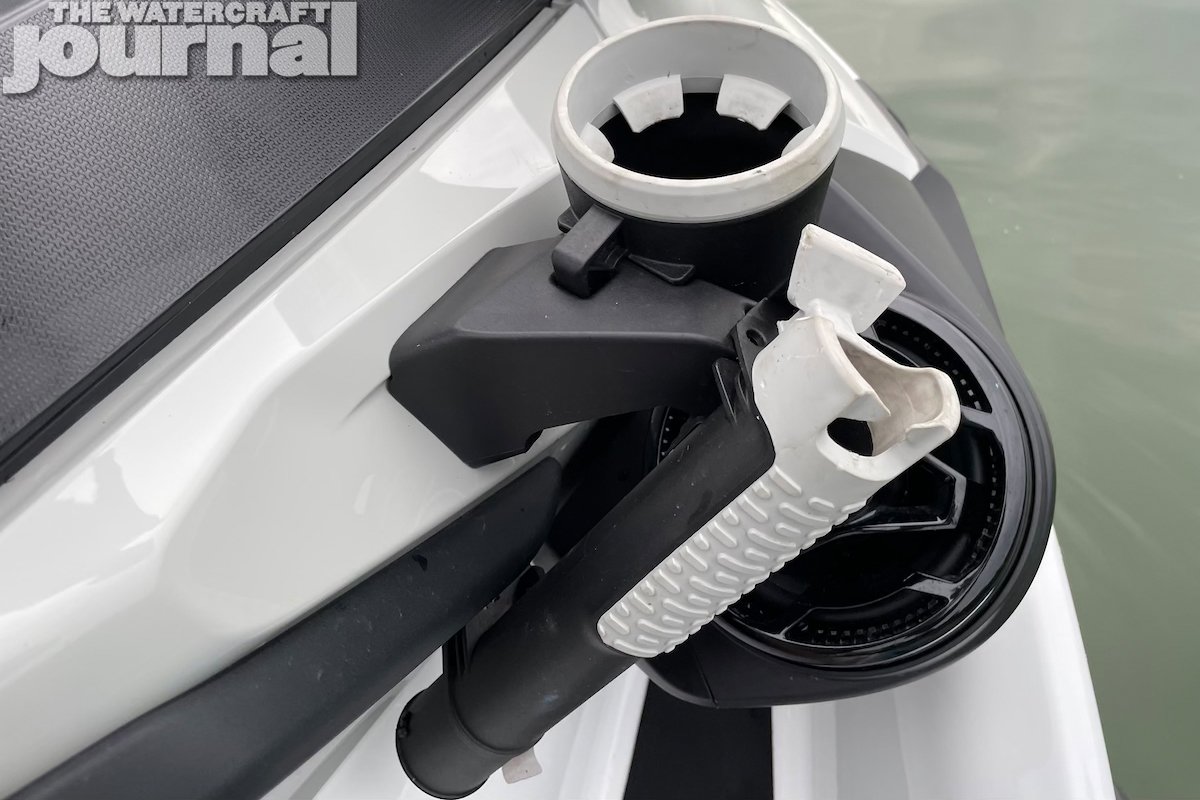
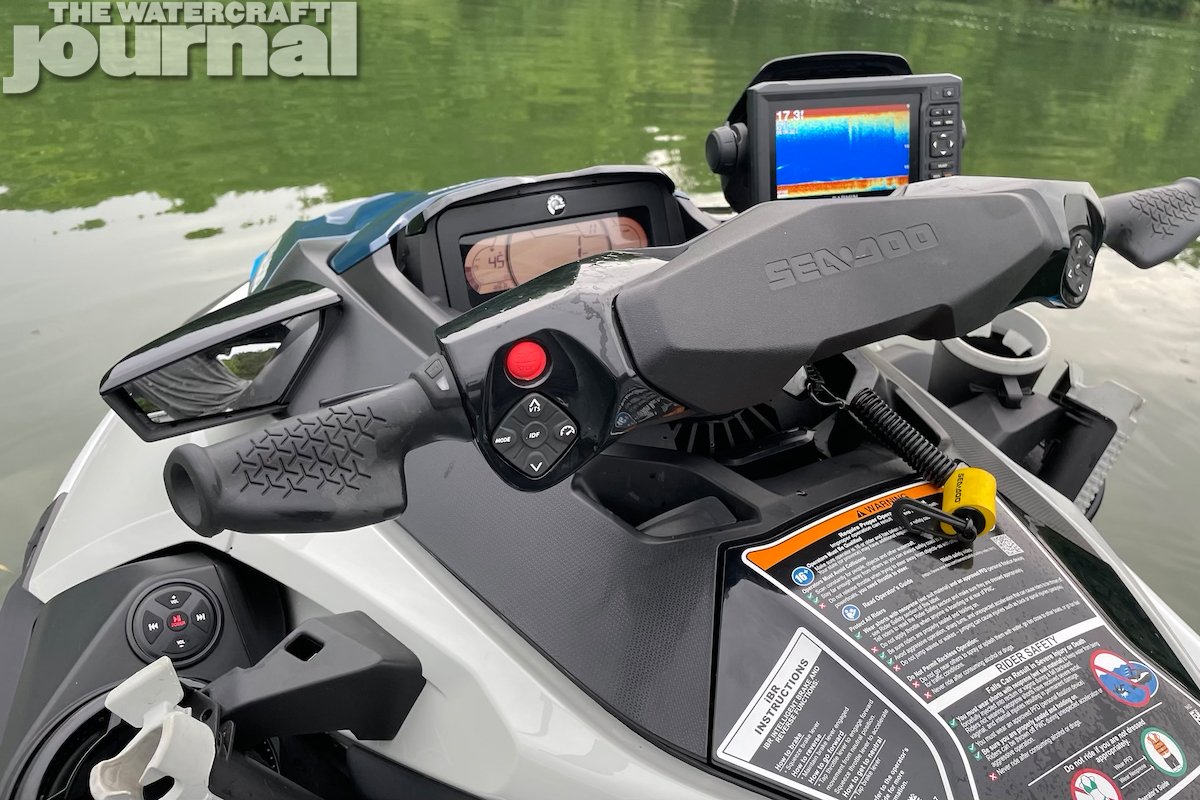
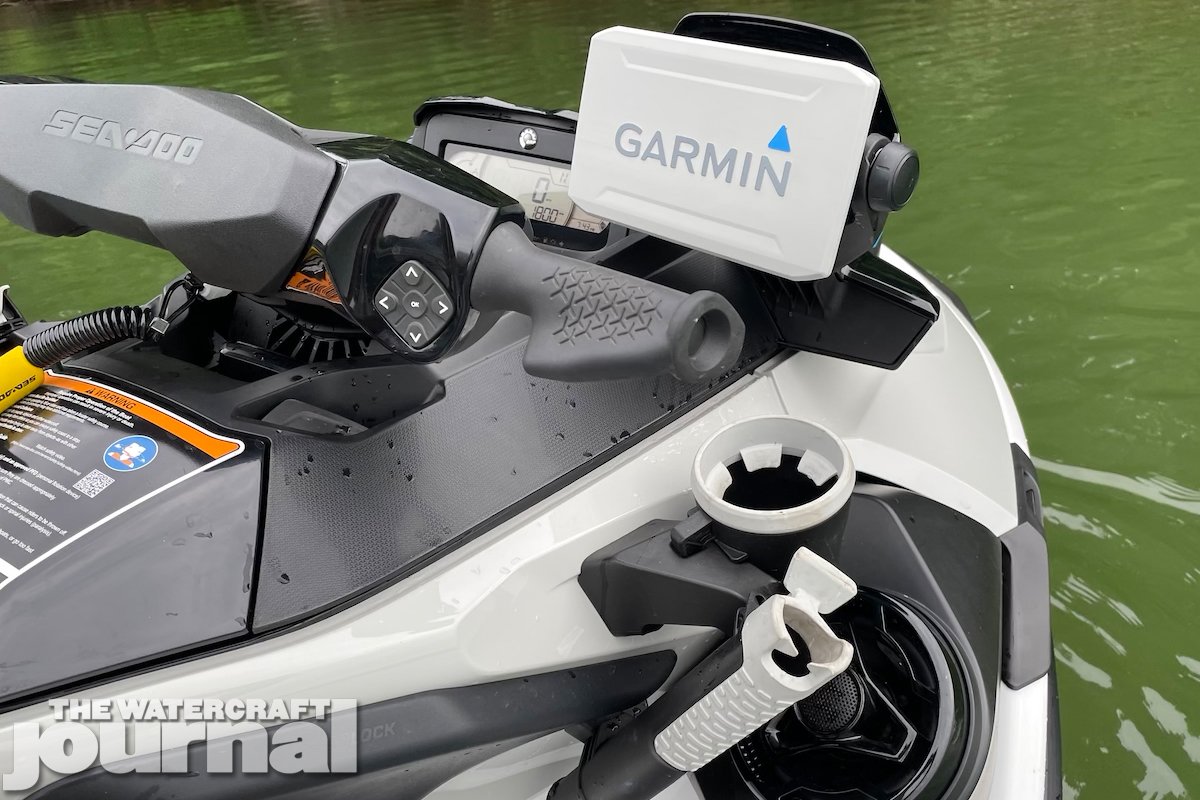
Equipped with standard features like an adjustable Trolling Mode; a Garmin Echomap plus 62cv Fish Finder (with a 6-inch screen and in-hull transducer, offering multi-function navigation, charting and fish-finding system); and a 13.5 gallon cooler featuring a cutting/work surface and a series of configurable slots for rod holders, as well as a tackle storage pocket. While this all sounds indistinguishable from from prior models, 2021 “plussed” the Fish Pro with added rod holders, new angled trolling placements upfront within reach of the driver, and a new LinQ cup holder.
A secondary 5.3-gallon tier atop the Fish Pro cooler separating your bait from your drinks and lunch was a welcome addition. Lastly, and easily the most impactful to the industry as a whole, were the additions of two major innovations: IDF and Sea-Doo’s optional 7.8-Inch Panoramic Bluetooth Color Display. The latter replaced the LCD dashboard with a split screen data center linking one’s smartphone to the dashboard (via Sea-Doo’s new app), presenting live weather updates, GPS tracking, and vehicle vitals in full color, high resolution glory.
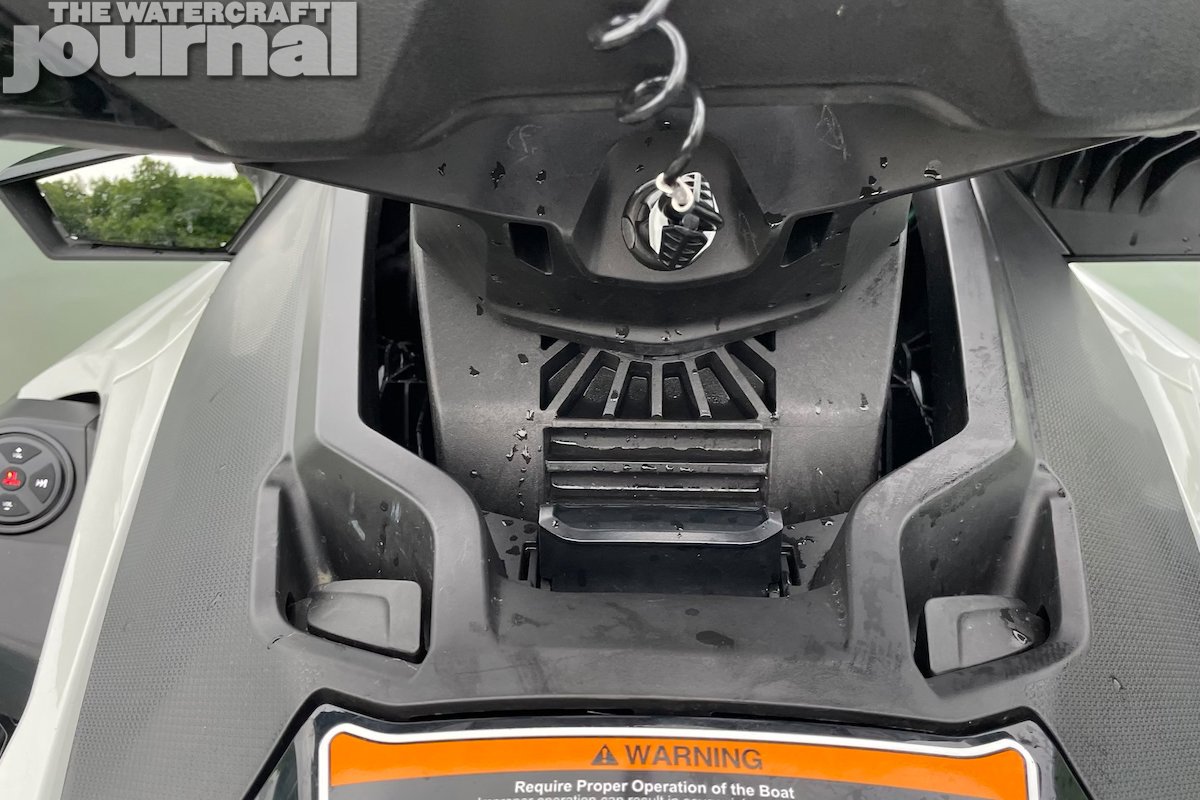
Sea-Doo’s IDF (Intelligent Debris Free System) was the brand’s most groundbreaking and problematic addition to 2021. Providing a series of short bursts of reverse thrust, the IDF system intended to push intake grate-clogging grass and debris out with a simple depression of the IDF button. For most, IDF worked fine, and thankfully, BRP engineers diagnosed cause of the few failures and updated the hardware by late June. BRP is so confident with IDF today, that all Switch pontoon boats come standard with the technology.
Priced at $15,599.99 MSRP, the 2021 Sea-Doo Fish Pro 170 broke ground as far as standardized and optional technology, but pressed deeper into a growing portion of the personal watercraft industry that has left consumers asking competing manufacturers for their answer to Sea-Doo’s machine. The updates, upgrades and innovations poured into this sophomore watercraft testify to Sea-Doo’s dedication to this segment of the market and the enthusiasts who are taking this sport further than ever before.
1 of 20
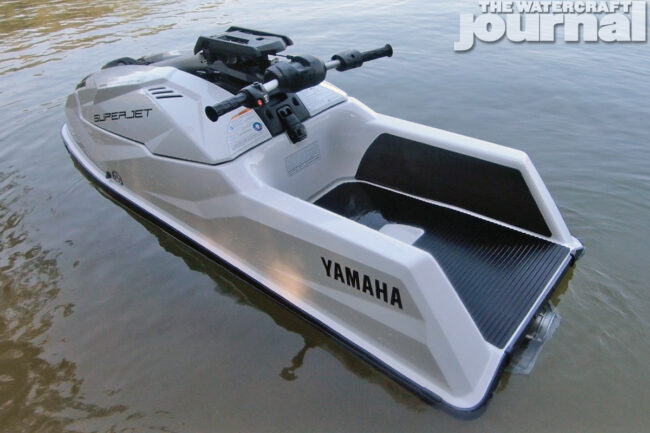
2021 Watercraft of The Year 1st Runner-Up: 2021 Yamaha SuperJet Innovation: 10; Design: 8; Execution: 9; Affect: 8; Total: 35 points
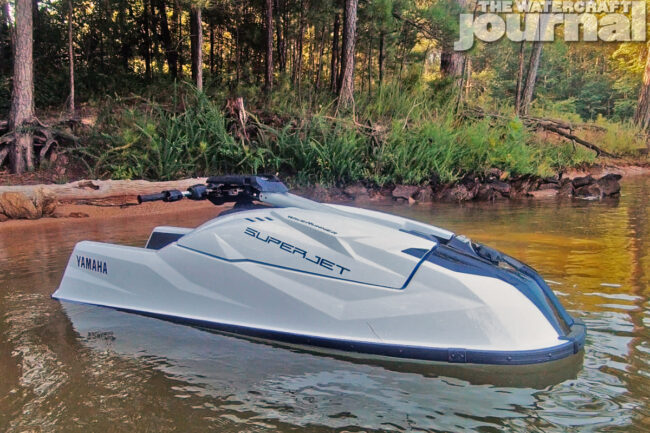
The 2021 Yamaha SuperJet could easily be ranked as the single-most anticipated entry from Yamaha since the first SuperJet in 1990. As continued pressure from environmentalists and local governments spelled doom for the venerable 2-stroke, standup enthusiasts clamored for a suitable 4-stroke successor. Despite continual rumor and chatter within the industry (primarily from The Watercraft Journal), Yamaha wouldn’t rush the project.
By the time of its arrival, Yamaha’s rival had quite a bit of aftermarket support behind it. Would this SuperJet be a worthy competitor many racers and performance enthusiasts wondered? “That’s not really who we’re going for with this,” former Yamaha Project Development Manager and multi-time IJSBA World Champion Scott Watkins shared back in late 2020. “We designed [the 2021 SuperJet] with the first-time rider in mind. We want to welcome in a whole new generation of standup riders.”
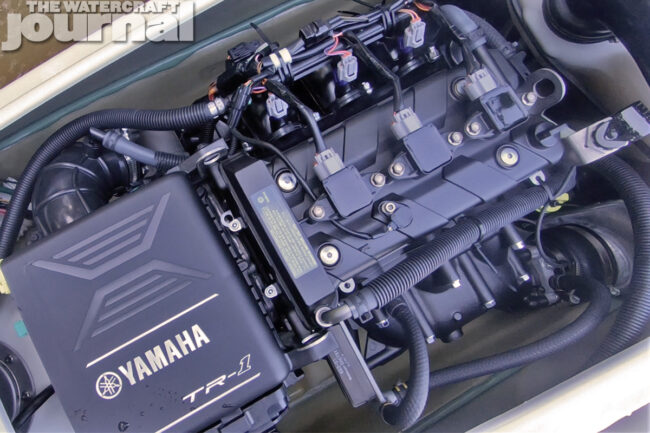
To Watkins’ point, the 2021 SuperJet is pointedly not a direct competitor to the existing 4-stroke standups available today. It’s 375-pound dry weight makes the SuperJet 142-pounds lighter than the other guy’s ski. Equally, its total length of 6-feet, 9-inches makes the SuperJet 8.8-inches shorter too. Powered by Yamaha’s featherweight 1,049cc 3-cylinder TR-1 4-stroke, a lightened flywheel/coupler, and redesigned exhaust manifold and muffler, the 102-horsepower triple delivers plenty of grunt to pop any rider out of the water.
Light, nimble and with plenty of ponies on tap, the 2021 SuperJet can trip the lights at 52mph, maybe a little quicker if its 5-gallon fuel cell is nearly drained and with a lighter rider. Yet, the new SuperJet is all about welcoming new riders and its L-Mode is easily its shining feature in this regard. Bumping the Stop button digitally de-tunes the TR-1 to 85-percent of its power output, making for a smoother acceleration curve and reduced top end, ideal for newbies (and untalented hacks like this author).
It’s sealed 3-piece hood serves as the engine’s air box, ensuring zero water ingestion even when submerged. The twin-strut handlepole is very reminiscent of aftermarket poles and offers 3-levels of adjustment (as do the steering assembly). Quibbles with the tray are minor: no padding above the gunwales makes deep water reboarding a slippery, often painful chore; and the center hand grip in the tray is too shallow to be serviceable. The tray itself is graciously wide enough for those with big feet too.
Although appearing noticeably spartan, the stark white SuperJet is a blank canvas for the racer or more decoratively-minded among you. [As we joked that the 2020 FX SVHO was “Darth Vader” we’ve come to call the SuperJet a “Stormtrooper”. –Ed.] Priced at an astounding $9,499 MSRP, there’s little wonder every single 2021 Yamaha SuperJet sold out in the United States, resulting in long delays for delivery. We hope to see a new crop of standup riders rise from this and give Yamaha all the credit for pushing for it.
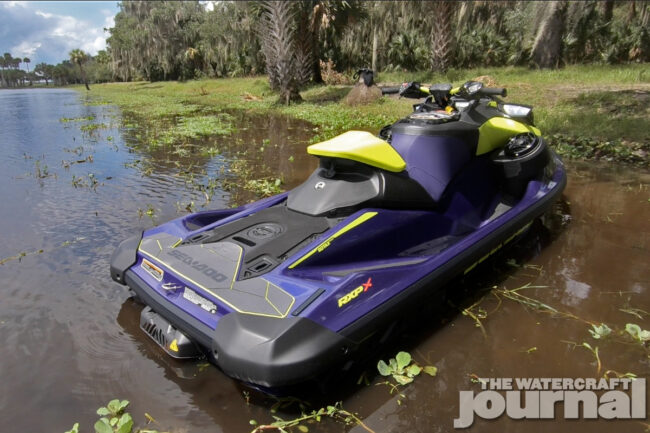
2021 Watercraft of The Year: 2021 Sea-Doo RXP-X 300 Innovation: 9; Design: 10; Execution: 9; Affect: 8; Total: 36 points
Admittedly, we’re having more fun with the 2021 Sea-Doo RXP-X 300 than we ever expected to be – and for all of the wrong reasons. For 2021, Sea-Doo chose to improve upon the existing T3-based RXP-X platform rather than discard it completely. The result was the T3R, which made a purported 30 changes to the running surface, particularly surrounding the pump intake and the now infamous “shark gills” running along its midships.
These tweaks increased hookup and eased the otherwise aggressive nature of the deep-bowed musclecraft, allowing it to swoop into wider arcs without the snappiness from before (respectively). And when trimmed up, the RXP-X glides surprisingly true through 1-to-2 foot wind-blown chop. Of course, on the buoy course (where it was originally aimed for), the RXP-X is surprisingly deft when wrangled properly. The unspoken chop, drop and roll into the throttle pattern delivers spine-breaking g-forces in the corner every time.
Leaning all the way into this characteristic, Sea-Doo daringly presented the 2021 RXP-X 300 as a one seater. The Ergolock-R high-backed, adjustable seat firmly plants the pilot forward over the X-series handlebars and deep into the resculped knee coves. Re-angled foot wedges allow for a second point of leverage for your knees as well. Gone are the “palm wedge” hand grips, replaced by sportier moto-style grips. Oh yeah, and Sea-Doo also managed to shave off 67-pounds from the previous generation too (780lbs. vs. 847lbs.).
While we mourn the loss of the adjustable X-steering, an optional telescoping neck is available for a premium ($184.99). Gone too are the adjustable X-sponsons, now sharing the less-than-desirable one-piece blades found on the RXT-X 300. Yet, Sea-Doo snuck in one last surprise, a true polished stainless 3-blade impeller. It is effectively, the most race-ready 4-stroke we’ve seen from Sea-Doo since the 2008 RXP-X 255. And humorously enough, we’ve been using it for long distance cruising…
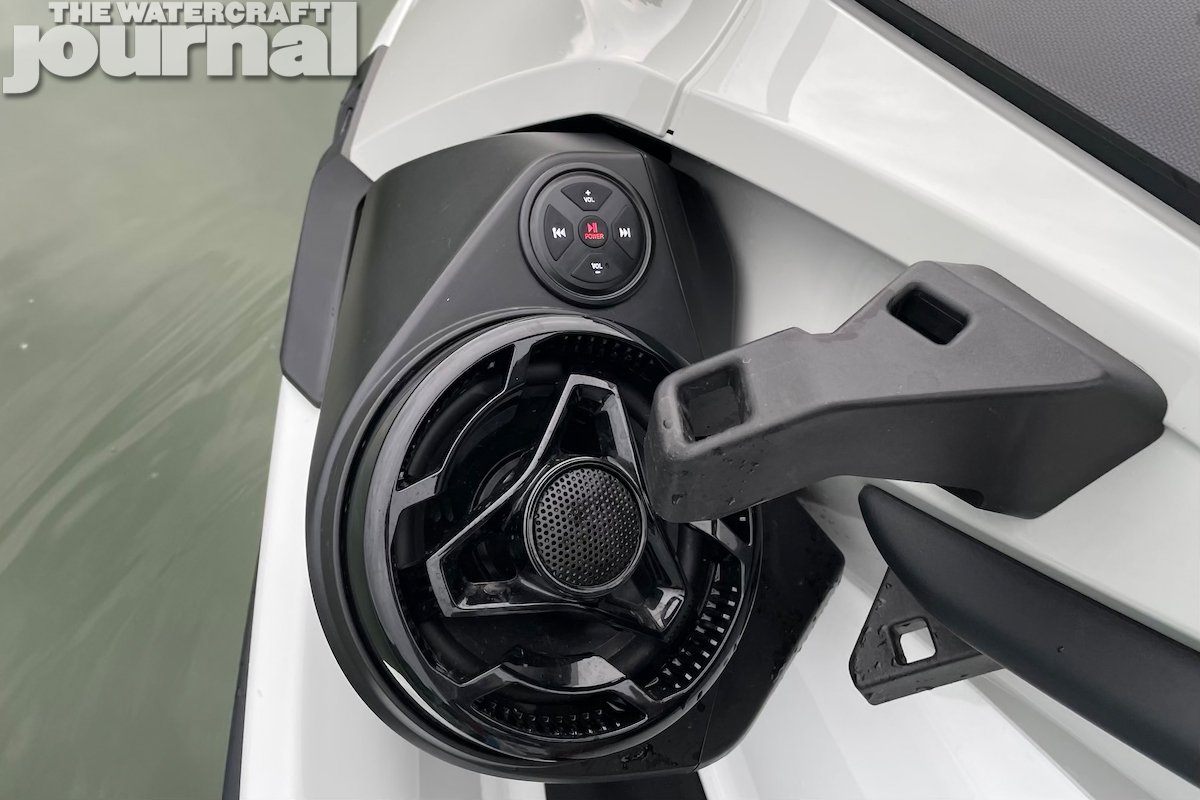
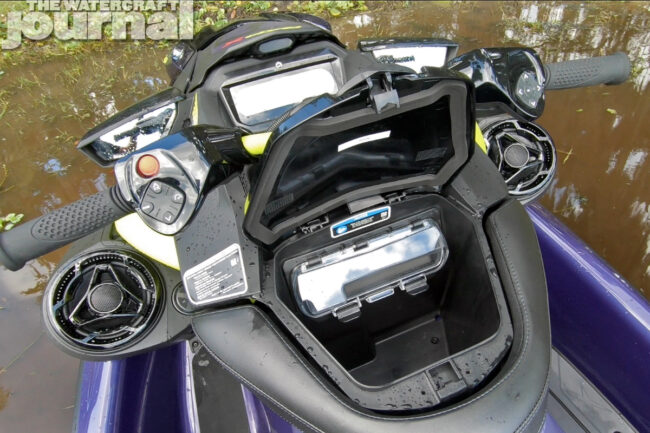
Once we added the optional rear passenger seat ($419.99), we filled the RXP-X’s 40.6-gallons of storage space (split up between a 37.8-gallon front bin and a sizeable 2.5-gallon glove box), and hit the water with the kids. (In case you were wondering, the RXP-X boasts more cargo room than a RXT-X and GTX Limited. It also shares the same 18.5-gallon fuel cell and 300-horsepower ACE 1630 engine, too.) Add to that the available BRP Premium Sound System and its standard LinQ attachment system, it’s almost begging to be used this way.
Admittedly, the 2021 RXP-X 300 came in with a steep asking price of $15,799 MSRP (and that’s without the speakers and premium Midnight Purple paint), particularly when considering the extra bucks for a passenger seat and adjustable steering neck when compared to its closest competitor. All that being said, the 2021 Sea-Doo RXP-X 300 has surprised and impressed us at every angle. No longer the stripped down, bare-bones hot rod of its youth, the RXP-X has matured into European luxury supercar. And with that, wholly deserves the 2021 Watercraft of The Year Award.
Yamaha Motors Australia announced the launch of Yamaha Right-Waters, an initiative that builds upon Yamaha‘s continuing efforts and commitment. To environmental sustainability and conservation of waterways and oceans.
Originally founded by Yamaha USA the Yamaha right-water initiative prides its self on environmental stewardship and supports marine habitat protection along with management and restoration through education, scientific research, and partnerships to ensure a healthy and vibrant marine ecosystem for all and all generations to come.
For Yamaha to continue their efforts and maintain their promise for better waterways and cleaner oceans they are excited to announce their partnership with SeabinTM.
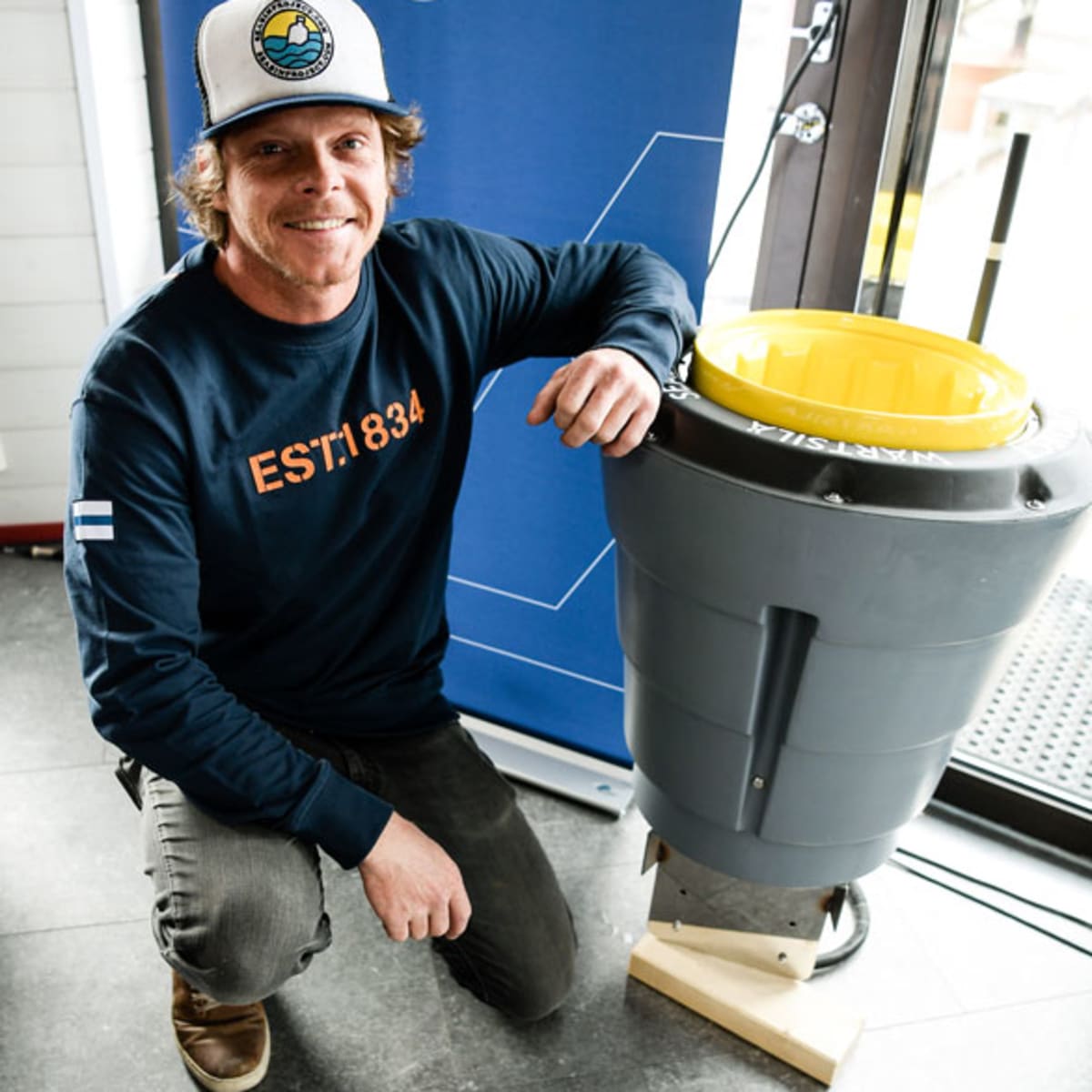
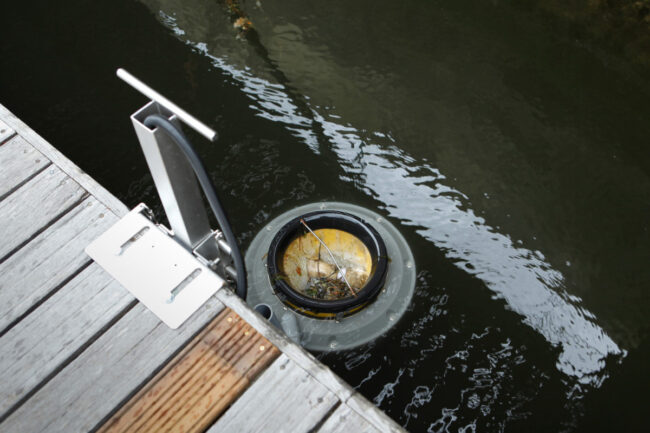
SeabinTM is an Australian-founded tech start-up company that has developed an innovative Ocean health data platform and has designed water collection bins to keep plastics and other debris from entering waterways. The data that SeabinTM can collect is being recognized and considered by global authorities such as the United Nations environmental program to facilitate, support, and implement beneficial policy and behavioral change. To keep the marine environment clean and protected.
SeabinTM has a goal to be operational in 100 coastal cities by 2050 and has launched the first pilot city in Sydney Australia. By implementing their system within one year they have collected more than 16 tons of debris from Sydneys waterways resulting in a filtering capacity of about 3 billion L of water.
With Yamaha‘s commitment to cleaner waterways and oceans along with the partnerships from fantastic companies like SeabinTM. These two companies hope to create data analysis, community engagement, and education furthering their efforts to protect marine habitat and wildlife for all generations to come.
Original press release: Yamaha Motor Australia is excited to announce the launch of Yamaha Rightwaters, an initiative that builds on Yamaha’s commitment to environmental sustainability and conservation of our waterways and oceans.
Originally developed by Yamaha in the USA, the Yamaha Rightwaters initiative champions environmental stewardship and supports marine habitat protection, management and restoration through education, scientific research, and partnerships to ensure a healthy marine ecosystem for generations to come.
Jason Harris, General Manager of the Marine Division at Yamaha Motor Australia, said, “At Yamaha, we are passionate about boating and passionate about the long-term sustainability of our waterways.”
“We are fortunate to have some of the most pristine and diverse marine environments in the world, however, we realise we can never take this for granted.”
“As our population continues to grow so too does the pressure that urbanisation has on our local marine ecosystems, through increased consumption, waste generation and usage of our waterways.”
“Working within our Yamaha Rightwaters brand, our goal is to implement programs that contribute in a meaningful way to help protect and sustain our waterways, not only for the current generation, but for future generations that follow.”
“We are excited to announce our first major partnership under the Yamaha Rightwaters program by joining SeabinTM as a major sponsor of the world first, “100 Smarter Cities for Cleaner Oceans” campaign in Sydney, Australia,” Jason said.
SeabinTM is an Australian founded clean tech start-up that has developed an innovative Ocean Health Data Platform, which involves the removal and data cataloguing of plastics and other marine debris from waterways. The critical
data sets collated from the Seabin unit collections are being recognised by global authorities such as United Nations Environment Programme (UNEP), to facilitate, support and implement positive policy making and behavioural change.
SeabinTM have set a goal of being operational in 100 cities by 2050 and launched their first City Pilot in Sydney last year, collecting more than 16 tonnes of marine debris from Sydney’s waterways and filtering over 3 billion litres of water. The support of Yamaha will contribute to doubling this impact, through the addition of an additional route within Seabin’s Sydney Smart City program.
Pete Ceglinski, CEO and Co-Founder of Seabin Project said, “We are thrilled to have Yamaha Motor Australia onboard as a major Australian partner for Seabin’s #100 Cities program which addresses both clean-up in the water and behavioural change on land. In short, we are turning off the tap and cleaning up the mess at the same time.”
“Yamaha’s support will allow us to add an additional 16 Seabins in strategic locations within Sydney Harbour, doubling our collection capabilities, optimising our digital data platform and increasing our educational and community engagement initiatives.”
Fallon White, Head of Global Partnerships for SeabinTM said, “We are excited to launch this significant partnership with Yamaha Motor Australia as they rollout their successful USA initiated Rightwaters program in Australia. The partnership will support all facets of Seabin’s operations including marine debris collection, data analysis, community engagement, and education; further enabling our mission for cleaner oceans and hitting our target of 100 cities by 2050.”
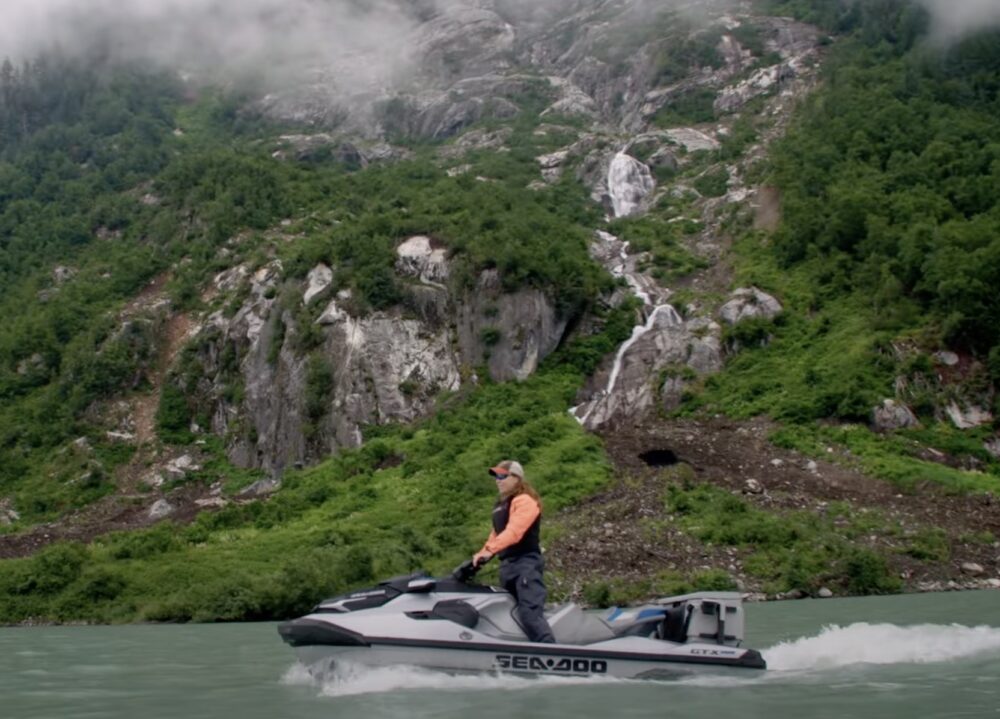
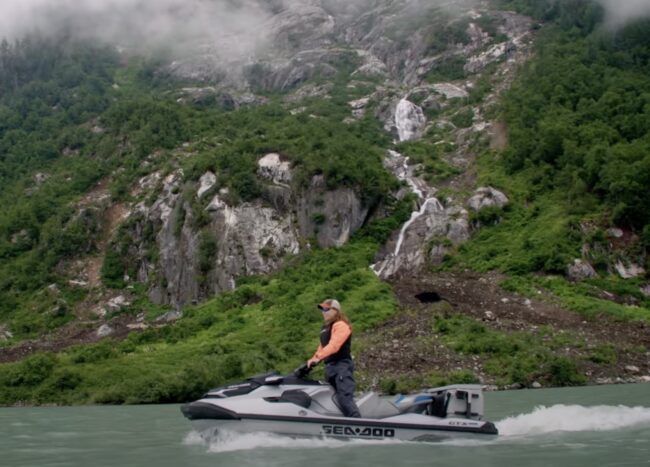
The coastlines and waterways of Alaska link many remote villages and communities, but that rugged marine environment can be quite inhospitable at times. Narrow fjords, large ocean swell and dynamic tidal conditions create fast moving, turbulent water. Chaotic waterfalls rush from steep mountain ranges and sheer granite cliff faces and plunge into the water below. And that water is usually cold. Very cold.
In those remote villages and communities are residents with animals, and those animals need a veterinarian when they are sick or injured. But with no road access, and the prohibitive cost and seasonal unreliability of seaplane journeys, the marine waterways are the only transportation lifeline available.
Sea-Doo and Dr Michelle Oakley are now providing a much-needed solution on those waterways, as the PWC mounted veterinarian operates from her base in Haines, and travels across the Gulf of Alaska as far as the outer coast.
Sea-Doo are well known for their great attachment and storage systems, and Dr Oakley makes good use of these, packing a veterinary ‘tool’ kit on her Sea-Doo and traversing the Alaskan waters in search of both adventure, and animals in need.
Dr Oakley is new to the world of PWCs, and her Sea-Doo has opened a new world for her. The adventurous 51-year-old is now exploring the rivers and glaciers and natural environment of Alaska. Dr Michelle Oakley wants to inspire others to take advantage of the independence that PWC ownership facilitates and get out on adventures.
Where will your next Sea-Doo adventure take you? Watch (and be) Inspired By Dr Michelle Oakley on the official Sea-Doo YouTube channel here:
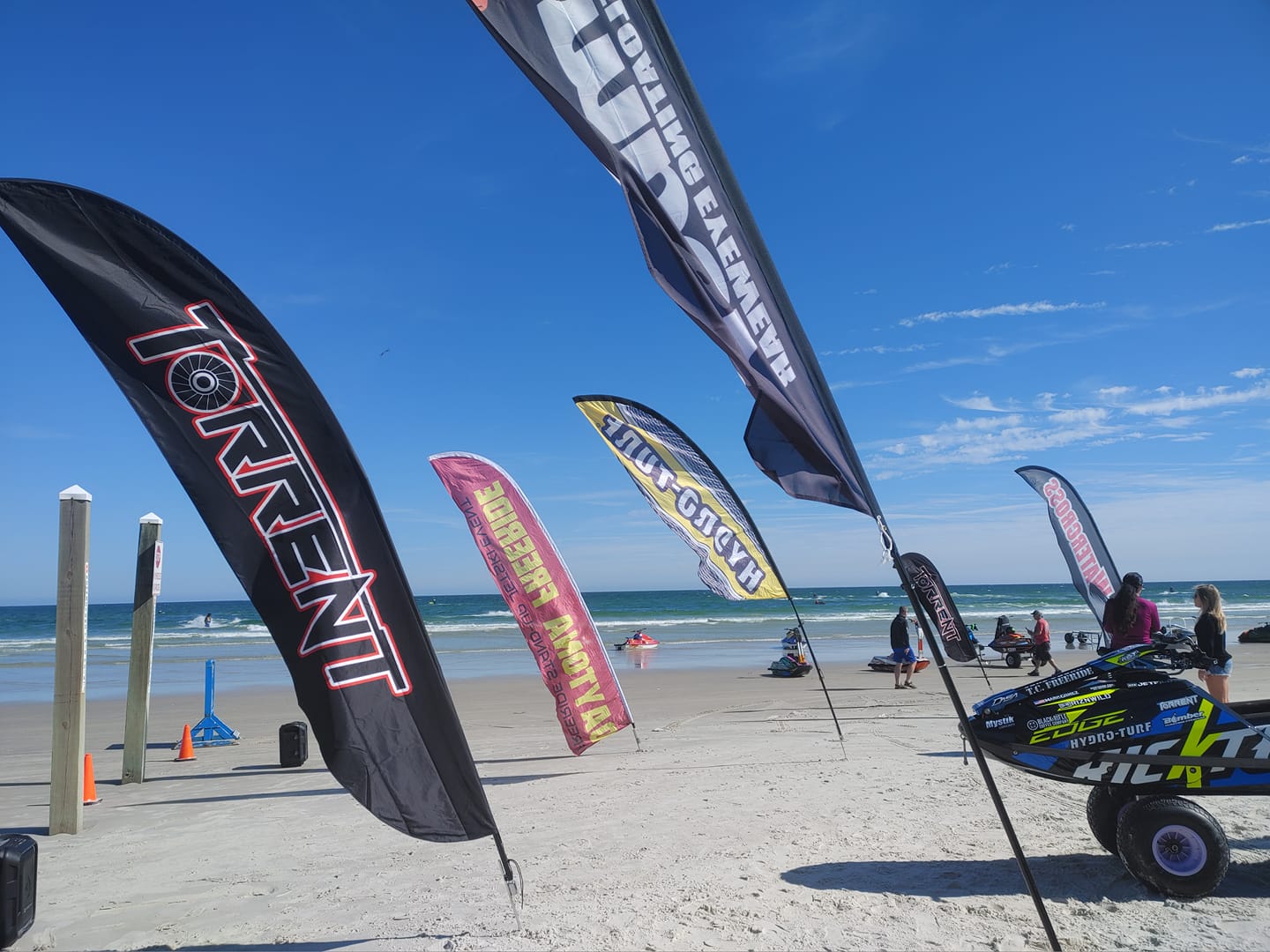
Times are returning to normal with the upcoming 2022 Torrent Daytona Freeride presented by Hydroturf ready to go down! We can put pandemic times behind us and get back to riding and competing with large groups of our friends and foes. The Daytona Freeride is scheduled to run January 13th to January 16th at the Hard Rock Hotel and time is running out to enter. Head over to the Daytona Freeride Facebook page and click the PayPal link to register and pay your entry fee.
The Daytona Freeride is open to stand-up skis, blasters, and X2 watercrafts only. No sit-downs allowed to participate, though you can attend.
This event gives the surf riders a platform to show off their talents while they battle it out in rounds that showcase aerial skills and wave wizardry.
Whether you’re just getting into the sport of freestyle jet skiing or you’re a legend of the sport, you are welcome to compete.
HydroTurf is excited to be the presenting sponsor of the 2022 Torrent Pumps Daytona Freeride. A lot of exciting activities will take place at the event, including a charity raffle Saturday night before the Freeride Party.
Catch some races and wild rides over the weekend and pick up some swag on the event site. They will have some cool t-shirts and stickers available for purchase. The complete rundown of the Daytona Freeride is available on the Pro Watercross page. We hope to see you there!
As to be completely understood, the Covid pandemic of 2020 (scheduled to end around 2049) made international travel via personal watercraft all but an executable offense; so host, concept creator, director, producer, lead caterer and walrus wrangler Steven Moll has had ample time to prepare for the show’s eight season. In the interim, Moll continues to host adventure-seekers on abbreviated Alaskan PWC tours to considerable fanfare.
Alas, with some nations easing their travel restrictions Moll is confident that progress can pick up on filming the last leg of his global expedition. Recently, a promotional video was generated with Moll recapping the show’s decade of exploits thus far and opining towards the future aboard his Kawasaki Ultra LX JetSki. Published by our friends at Brisbane Kawasaki, please enjoy this teaser trailer for future “Dangerous Waters” episodes below.
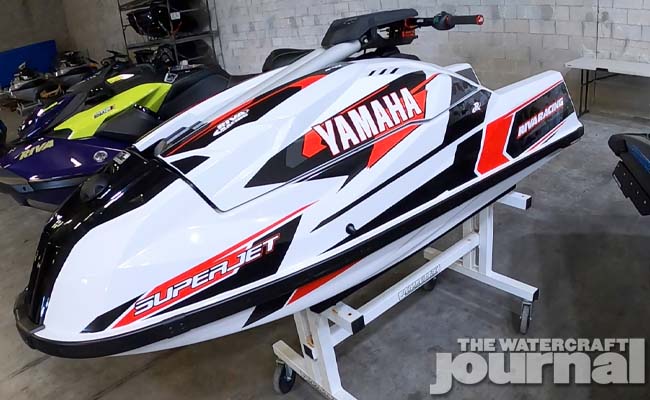
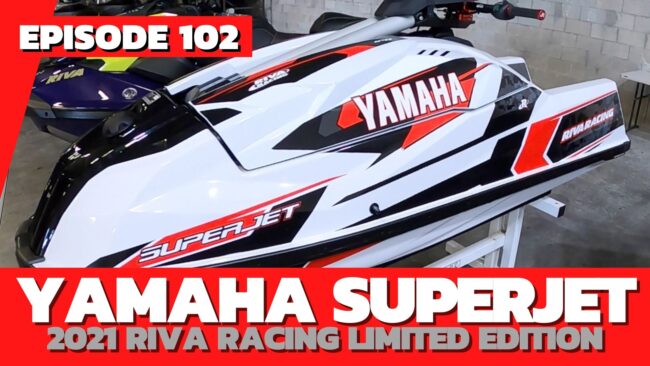
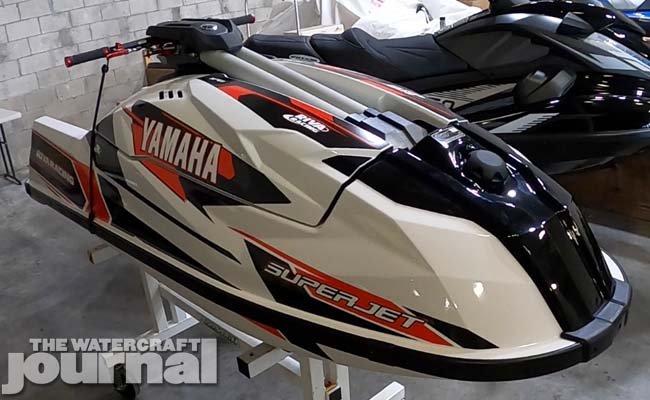
Earlier this year, we went down to RIVA Racing, and got exclusive access to several awesome Limited Edition machines built for some lucky customers. If you already subscribe to The Watercraft Journal you may have already seen our articles and videos we made on the RIVA Edition Yamaha GP1800R SVHO and the RIVA Edition Sea-Doo RXP-X 350. The last of these was this very cool Limited Edition 2021 Yamaha SuperJet.
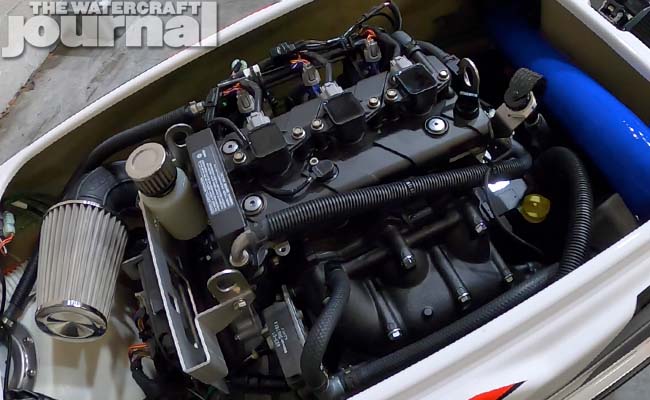
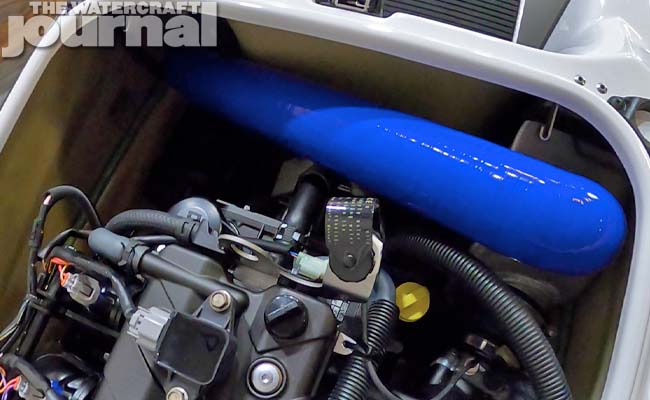
Out of the box, the stock SuperJet comes with a 100-horsepower TR-1 EX engine. RIVA reflashed the ECU with a Maptuner Bundle bumping the horsepower up and allowing it to rev crisper than before. With the new tune, the TR-1 needed to be able to draw in more air, so a RIVA Power Filter kit was installed. It replaces the factory air box and restrictive flame arrestor includes the oil catch can and separator kit.
As more air comes in, more air needs to be evacuated out and that’s where RIVA’s Free Flow Exhaust comes in. Not only does it increase the volume and rate of exhaust flow, but it also gives the SuperJet a nice throaty sound that the factory exhaust just couldn’t deliver. All of that was done below the hood, but above it RIVA continued with the upgrades:
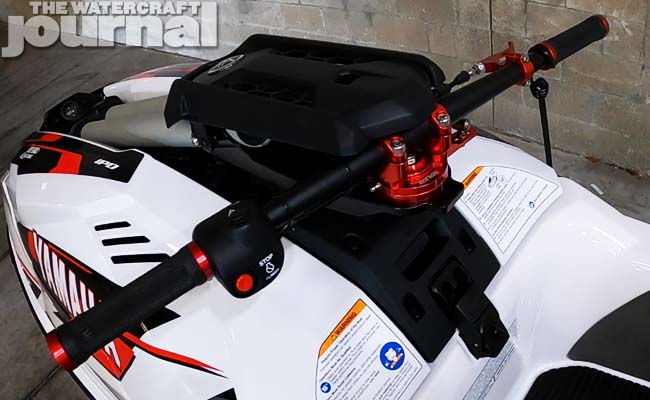
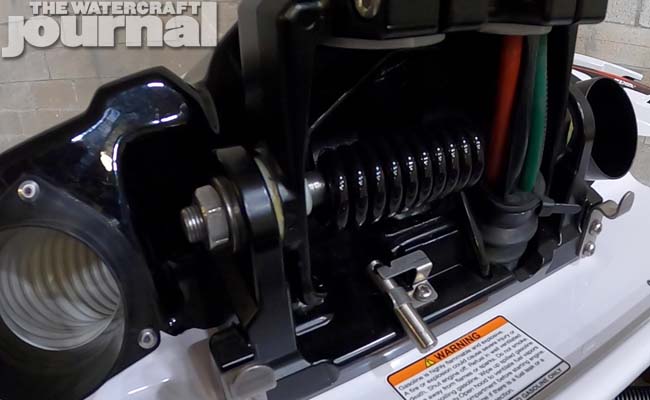
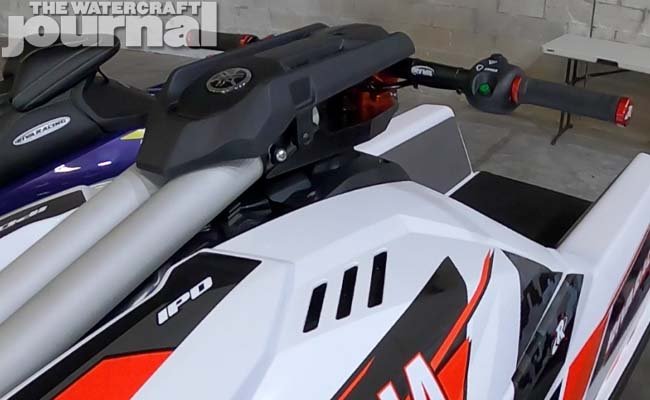
Yamaha wowed a lot of folks with its aftermarket-inspired adjustable handlepole; RIVA improved on it by adding a new Pole Spring to lighten up the otherwise heavy feel of the handlepole. Next, RIVA completely replacing the steering with its Pro-Lite Steering System giving the standup a far smoother feel and quick-steer adjustment.
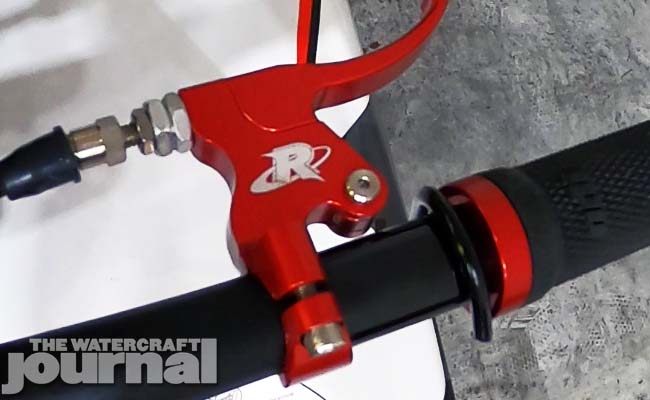
A pair of 4-degree Bulge Bars, a new billet Throttle Trigger (and cable adapter), ODI Grips with anodized Grip Ends totaled out the new steering controls, ensuring a sharper, more concise feel whether leaning hard on the rail or just carving up a quiet cove. When it was time to address hookup and handling, RIVA didn’t leave anything on the table. A Solas 12/17 impeller swapped out the factory prop; a redesigned Top-Loader Intake Grate features an aggressive blade and rounded chip for increased bite.
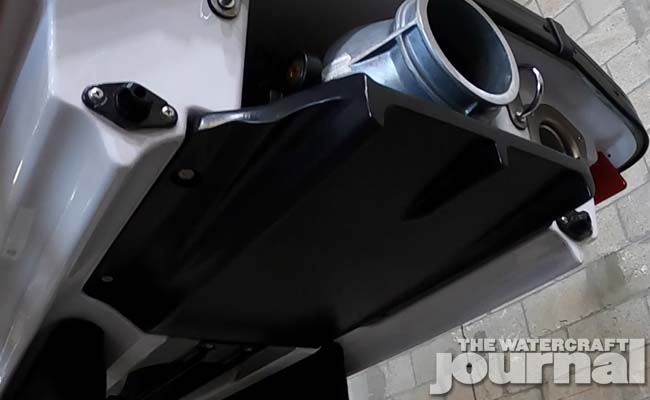
The resculpted Performance Ride Plate radically changes the SuperJet’s pitch with an extended running surface and three vertical skegs for razor-sharp tracking. Together with the Top Loader Intake Grate, the RIVA Edition SuperJet only needs one more thing to complete the handling package: sponsons.
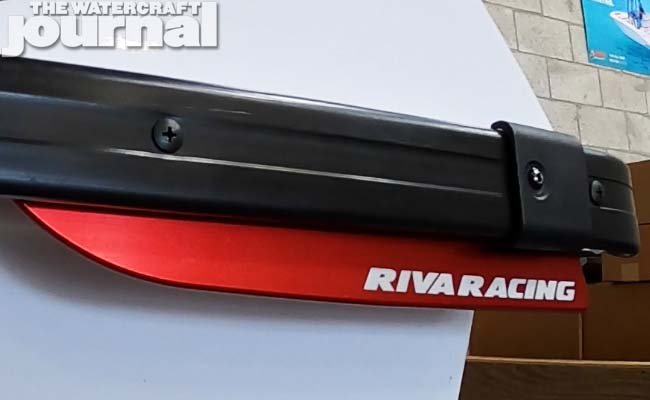
RIVA Racing’s new marine-grade anodized aluminum Sponsons mount directly under the rearmost edge of the bond rail and work to slice deep into the water giving the SuperJet newfound traction and improved cornering stability that the Yamaha didn’t have before. It’s crazy how much difference such a little part can make.
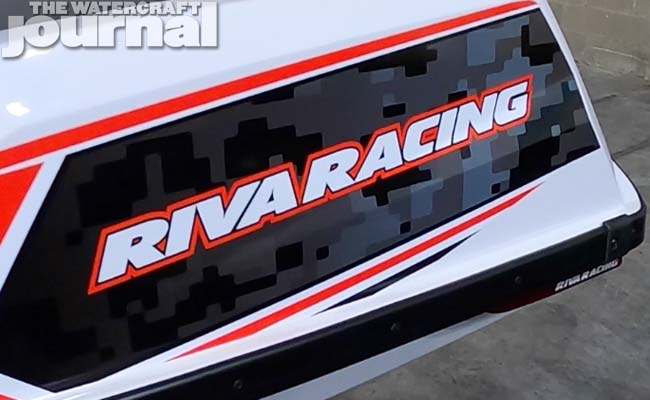
Wrapping up the package, RIVA partnered with IPD Graphics to whip up some super cool graphics. Available in either Red, Teal or Yamaha Racing Blue, these graphic kits aren’t exclusive to this Limited build. Nope. Anyone can get ’em and put ’em on pretty easily.
While we were a little bummed that we couldn’t ride this particular Yamaha – it belonged to a paying customer after all – we’re stoked to learn that nothing used on this SuperJet couldn’t be ordered from www.rivaracing.com and installed by pretty much anybody.
Nothing shown here requires a master’s degree to install – just follow the instructions provided by RIVA Racing, and if you get stuck or run into a snag, Dave promised the team he’s got in the call center are ready answer your questions and walk you through the installation process. So if you’re looking to get a new Yamaha SuperJet and want to really wake it up, definitely hit up RIVA Racing for any or all of the parts shown here.
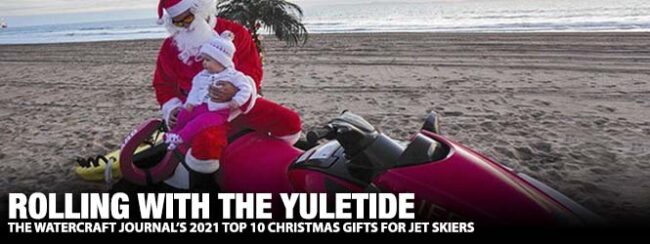
It’s a little nice to get back into the swing of familiar articles after a pretty hectic past year. The Watercraft Journal’s Top 10 Christmas Gift Guide has been a staple of our annual tradition articles, like our April Fool’s Jokes and Watercraft of The Year Award, which is scheduled to be published in two week’s time. Our Christmas Gift Guide also serves a little as our greatest acknowledgement for superior accessories, equipment and add-ons that will help make your experience out on the water a far more enjoyable one.
For this year, we wanted to take a bit of a breath and revisit some of our all-time favorites and see if they held up. That’s right, we went back to our very first Christmas Gift Guide and worked our way up, cherry-picking some absolutely outstanding items that surpassed the test of time. More so than ever before, the items listed here are some of the single-best we’ve had the pleasure of testing, and we’re sharing them again with The Watercraft Journal’s big ol’ stamp of approval. So if you’re shopping for a loved one or yourself this Christmas season, definitely take these suggestions to heart.
Hydro-Turf’s Hydration Roller Bag – $79.95
As far as gear bags go, this is the GOAT. Seriously, we use the Hydro-Turf’s Hydration Roller Bag all the time – and we have been since 2014. It’s huge. It’s super strong. And most importantly, surprisingly affordable. Made from heavy-duty nylon, it’s tough as nails, and comes in at an impressive 29” x 17” x 14”. That might be more bag that you think you might need, but trust us, you’ll find a use for all that real estate.
Featuring large wheels with sealed bearings that glide smoothly, the Hydration Bag can be pulled along by its molded handle grip. Three thick nylon skids on the bottom provide added rigidity and durability not found in competitor’s bags. Lastly, heavy duty zippers seal the main area and full-width front pouch as well. And if you want to cut 10-percent off of your Roller Bag purchase, enter in the coupon code WCJ2020 at check out. It’s an older code, sir, but it checks out.
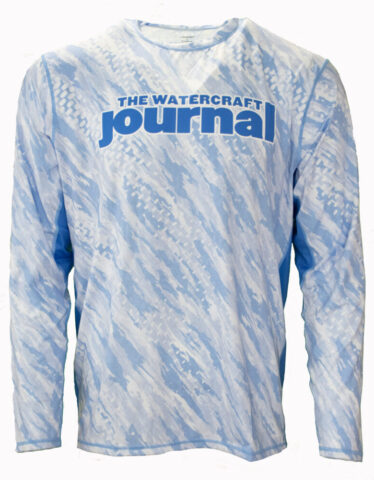
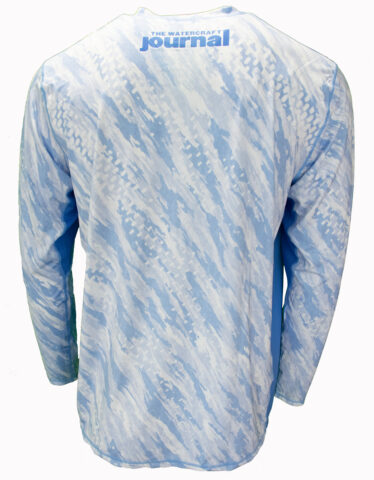
The Watercraft Journal’s Long Sleeve Riding Jersey – $45 The Watercraft Journal teamed up with Windrider to custom-design what we believe is the single-best riding jersey possible. Every WCJ Long Sleeve Riding Jersey is made using Helios material proven to provide UPF 50+ protection, stellar stain resistance and most importantly, superior water wicking and breathability. Each shirt features durable mesh lining the inside length of the torso all the way down the sleeve to the elbow for maximum ventilation even while wearing a life vest!
The WCJ Long Sleeve Riding Jersey is cut slightly larger than typical shirts including a longer cut torso. This means your jersey won’t ride up your lower back while you’re riding at speed for no unsightly sunburns! Priced at $45.00 USD each, the WCJ jersey is more affordable than other riding shirts and with a shorter turnaround. So equip yourself with the best riding jersey on the market by visiting The Watercraft Journal store HERE.
Aquacarts’ AQ-19 Cart & Service Stand – $349.95 The Aquacart AQ-19 Cart & Service Stand has easily become one of the single-most important tools in our shop. In fact, if you ever intend to do any work on your personal watercraft, be it an oil change or pulling the engine, you’re going to need one of these for your shop or home garage. Built to handle anything between a featherweight Yamaha SuperJet or a Sea-Doo GTX Limited 300, its 1,400-pound weight capacity can take it all.
Built from heavy-duty 2-inch 14-gauge steel square tubing, and powder coated bright white, the AQ-19 rolls on four-axis, locking 5-inch diameter swivel casters that roll smoothly across polished or coated concrete or cracked and porous asphalt with no problem. We’ve come to love our Aquacart and there’s no way that we’re giving it back. After you’ve gotten yours, you’ll feel the exact same way.
SureCan Gas Cans – $54.97
The ingenuity put into such a simple thing like a portable fuel can, makes the SureCan one of our favorite items on our list. Gas cans are something we all carry with us or store in our garage and are often something we don’t give a second thought to, but now the SureCan has given us a reason. Available in 2.5 and 5-gallon configurations, there’s also cans for diesel and kerosene.
From the articulated filler neck to the drip-free trigger system, the SureCan is light years ahead of your old jerry cans. The neck’s screw-top cap is pressure sensitive, the accordion-like filler tube is flexible for tight spots, the thumb trigger is thick plastic and spring loaded, the can itself is durable and thick, the fill cap has a plastic push lock, the list goes on and on. There’s a million little details in this can, and we know you’ll love it as much as we do.
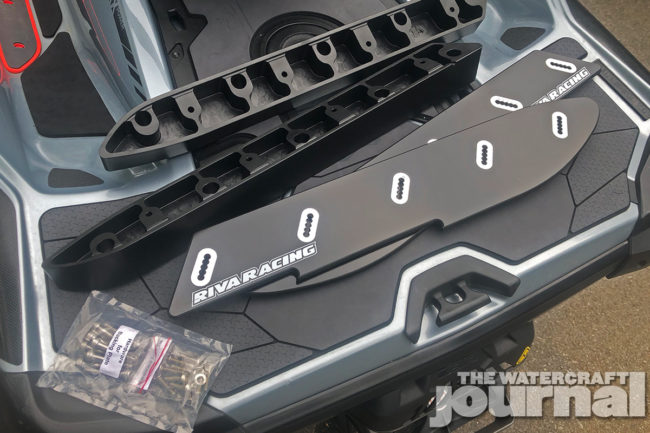
4. RIVA Sea-Doo 2018+ ST3 & RXP-X Pro-Series Sponsons – $467.46
Putting in the extra work early has paid off for RIVA Racing, and its Pro Series Sponsons for the 2018+ ST3 are also directly applicable for the redesigned RXP-X 300 as well. The ST3-hull features a very unusual mix of flat surfaces running from sharply-angled chines that blend into large, flat-bottomed shelves flanking the craft. While it gives the new runabout its exemplary stability, it accounts for its tendency to turn flat, and lose predictable tracking and handling in rough seas.
To counter this, RIVA’s Pro Series Sponsons adjust the watercraft’s pivot point further forward, all while keeping enough of a blade in back to keep the tail from breaking loose in the corners (we suggest the #4 position). The RIVA Pro-Series Sponsons literally transform the overall handling and dramatically increases our total enjoyment of this machine. Seriously, if you’ve got a 2018-or-newer Wake Pro 230; GTX 170, 230 or 300; or RXT-X or RXP-X 300, you’re going to want to jump on these.
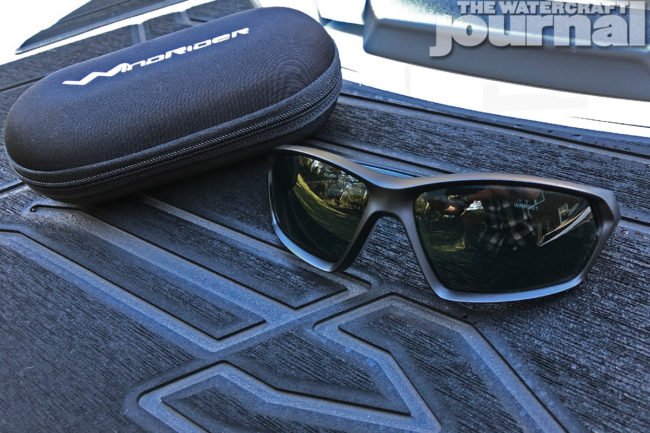
WindRider Polarized Floating Sunglasses – $45.95
There are certainly quite a few sunglasses manufacturers offering floating options. And while yes, they do float, these are often uncomfortable, bulky and far less than attractive. That’s why we like what WindRider has done with its Polarized Floating Sunglasses. These smooth, angular frames wrap around your eyeline without being bulky or gangly. The foam is smartly integrated into the frame’s hydroformed, injection-molded sides – leaving only a good looking pair of sunglasses.
Equally, the WindRiders also are smartly shaped to not only fit your face comfortably, but in a way to keep them from flying off while at speed. WindRider designed their glasses with wind relief cutouts, allowing air to diffuse, eliminating lift and reducing the threat of being whipped off. It’s been a really long time since we’ve found a pair of sunglasses that do everything right, and the WindRiders are exactly that. Get these either on WindRider’s website, or on eBay and Amazon.
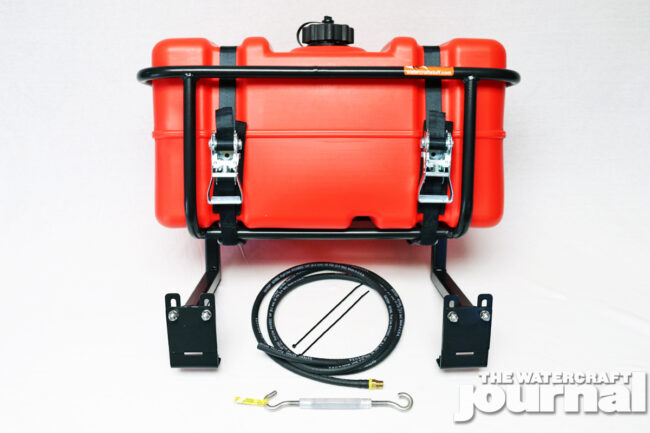
The Watercraft Journal’sLong Hauler Auxiliary Fuel System Kit – $650
As personal watercraft have evolved into super-comfortable, feature-laden machines, more and more enthusiasts are using their PWC to explore new places and ride further distances. To help them go further, The Watercraft Journal’s Long Hauler Auxiliary Fuel System Kit increases your PWC’s fuel range by upwards of 85-percent (depending on model). Engineered so that the least mechanically-savvy could install it using common hand tools, installation requires zero permanent modifications, and is 100% reversible.
This system works on all 2004-and-up 4-stroke Kawasaki and Yamaha runabouts, as well as all 2003-through-2011 Sea-Doos. (Changes made to the fuel pickup by Sea-Doo in 2012 makes use of our system impossible without major changes to the factory fuel system, which we didn’t want to require.)
The kit consists of 9 pieces: a special-designed stainless steel, powder coated rack from Kool PWC Stuff, featuring a patent-pending Z-bar adjustable base lined with Hydro-Turf padding; a stainless steel double-hooked turnbuckle; a USCG-certified 12-gallon auxiliary fuel tank featuring a ventilated locking gas cap, internal pickup and fuel level gauge; two ratchet straps; 11-feet of non-EFI 50psi-rated fuel line fitted with a brass 5/16-inch hose barb; and two zip-ties to secure the fuel line. The Long Hauler Kit is sold exclusively through The Watercraft Journal’s online store for $650.
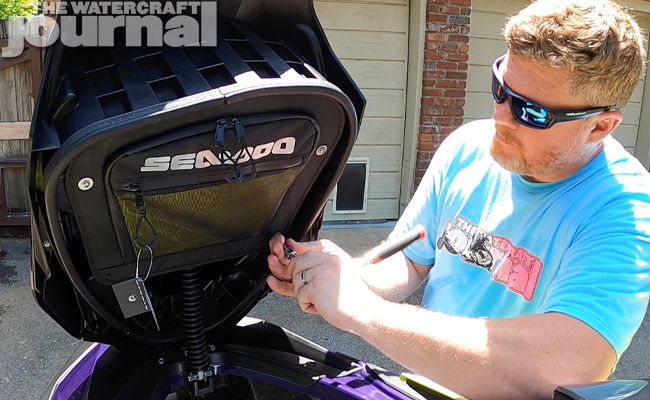
Sea-Doo 1.6-Gallon Lid Organizer Storage Bag – $65.99
We’re feeling a little guilty that we’re enjoying our 2021 Sea-Doo RXP-X 300 as much as we are, particularly as we’re doing so in a manner far outside of its intended purpose. The RXP-X is bred for single-rider closed course action, and thus far, we’ve employed it as a family cruiser and long distance endurance machine. And in this latter pursuit, what could be easily, one of the best innovations for this and all GTI-based Sea-Doos is the 1.6-gallon, foam-molded Lid Organizer storage bag.
Priced at $65.99, this single item should almost be mandatory equipment for anyone with a RXP-X or GTI-based runabout. It installs in seconds and has been one of the most useful items we’ve had the pleasure of testing. Sea-Doo provides the necessary screws, which gratefully do not require any drilling to mount: the holes are already drilled into your Sea-Doo’s hood base. And its rubberized hoops make opening and closing the center storage bag or the mesh front pocket just as easy.
The Watercraft Journal’s Premium Hoodie – $39.99
It’s chilly out there, kiddos. When we wanted a new lineup of apparel for The Watercraft Journal we specifically mentioned wanting a top quality, super-comfy hoodie in the lineup – and here it is! Made from a thick poly-cotton blend, the WCJ Premium Hoodie is a unisex design and comes in four wintertime colors (black, charcoal, navy and blue).
We kept things simple and printed the thin-white logo from The Watercraft Journal. We know you’ll enjoy this hoodie, and so will your girlfriend or wife who’ll likely steal it when you’re not looking. The big kangaroo pocket is large enough to stuff your hands into even while wearing gloves, and keeps you toasty even while wearing it out on the lake beneath your life vest.
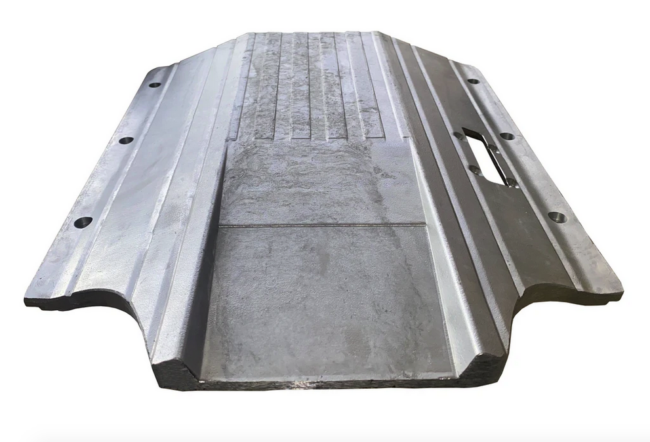
Kspeed’s Ultra 300/310 Race Spec Ride Plate – $495 AUD
Admittedly, this is only item on this list that The Watercraft Journal has yet to personally test – but expect one shortly. Nonetheless, priced at $495 AUD ($388 USD), Kspeed’s Race Spec Ride Plate is the long awaited solution for speed-hungry Kawasaki owners looking for the most in control and speed for all seastate applications. New control lines make the Ultra track straight through the wash with reduced chine walking.
Equally, the two-step design reduces purposing, allowing the supercharged Kawasaki to hook up instantly and pull hard out of the hole. Best of all, this new plate is designed to replace the need of the pump wedge, while complimenting Kspeed’s intake grate and sponsons for those seeking peak performance. And the Kspeed Race Spec Ride Plate uses all of the OE mounting locations, and retains the factory reverse functionality and speedo wheel (we’re talking pre-2022 models).
Owning waterfront property is great, but sometimes the shoreline isn’t as conducive to a PWC dock or vertical lift as one may want. In many cases, the shoreline is in fact, a sea wall, making a floating dock a foregone conclusion.
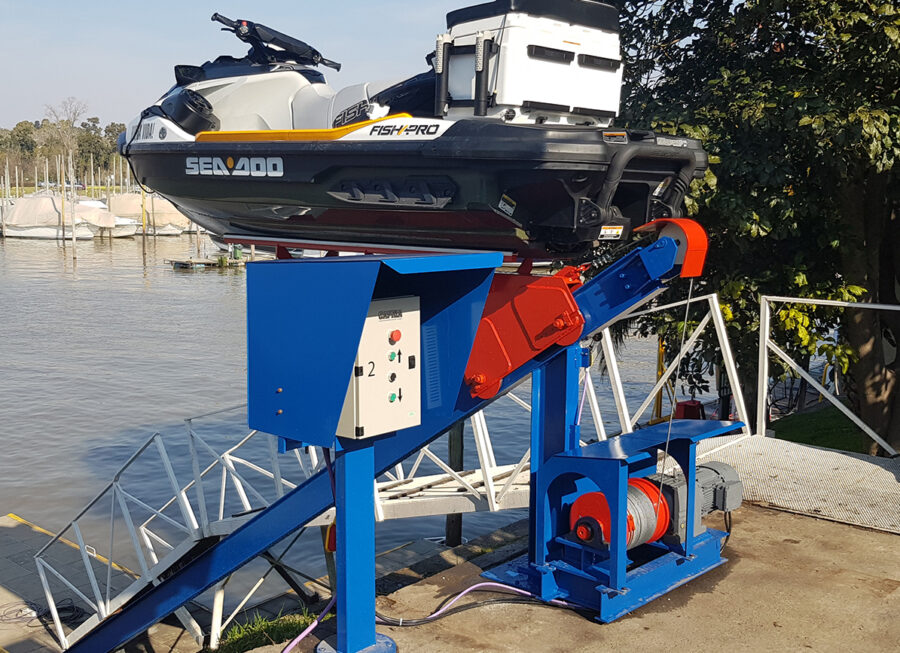
For those whose property butts up to water but have too steep of a slope to really utilize a traditional launch ramp or lift, Argentinian company Capria has just developed its new PWC Launcher System.
The PWC Launcher System is rather clever, as the watercraft sits in a cradle that is then lifted up a rail system (ranging from 40-feet to 100) in a matter of seconds.
The angle of the ramp can be as mild as 20º or as vertical as 90º – each system is built to order to match the customer’s specific needs. Check out the official press release below:
Without question, personal watercraft (PWC) have remained a popular way for people to get on the water, with new sales continuing to outpace many other boat segments. To capitalize on this trend, CAPRIA has introduced a PWC Launcher to its range of drystack facility solutions. Its first installed project is at Marina Puerto Chico in San Fernando, Buenos Aires, Argentina, where two units enhance the marina’s services. CAPRIA will showcase this innovative device at The Docks Expo, Nov. 29–Dec. 1, Nashville, Tennessee, booth 225.
PWC Launchers are ideal for sites with steep embankments and/or tidal fluctuation where traditional PWC launching methods are impractical. Marina Puerto Chico has a steep grassy area that ends in a seawall—a perfect candidate for the CAPRIA solution. While their site required vertical travel of only 40′, the main beam for a PWC Launcher can be manufactured up to 100′ in length. Plus, it accommodates angles from 20° to 90°.
Ideal for incorporating into a new or existing drystack operation, a PWC Launcher can be loaded via a CAPRIA semi-automated Stacker Crane, or by forklift like at Marina Puerto Chico. The all-electric device handles PWC up to 1,500 lbs.
Once the boat is placed onto a CAPRIA PWC Launcher cradle, it’s extremely fast to get it into the water. Depending on the configuration, it takes only five to 15 seconds.
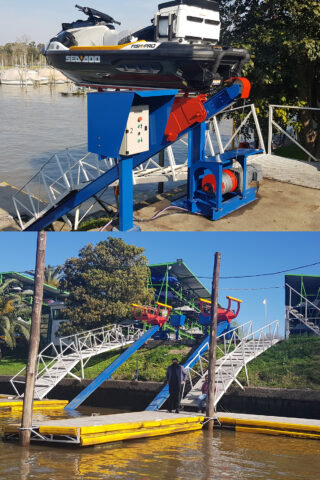
Marina Puerto Chico additionally installed two gangways that parallel the PWC Launchers and terminate in small floating docks. This allows owners to get onto their boats quickly, without the waiting common to traditional PWC launching methods.
Contact CAPRIA S.A., Haendel 32, Centro Industrial Garin, CP 1619 Garin, Buenos Aires, Argentina. Phone: +54 3327 414470;[email protected]; www.domingocapria.com.
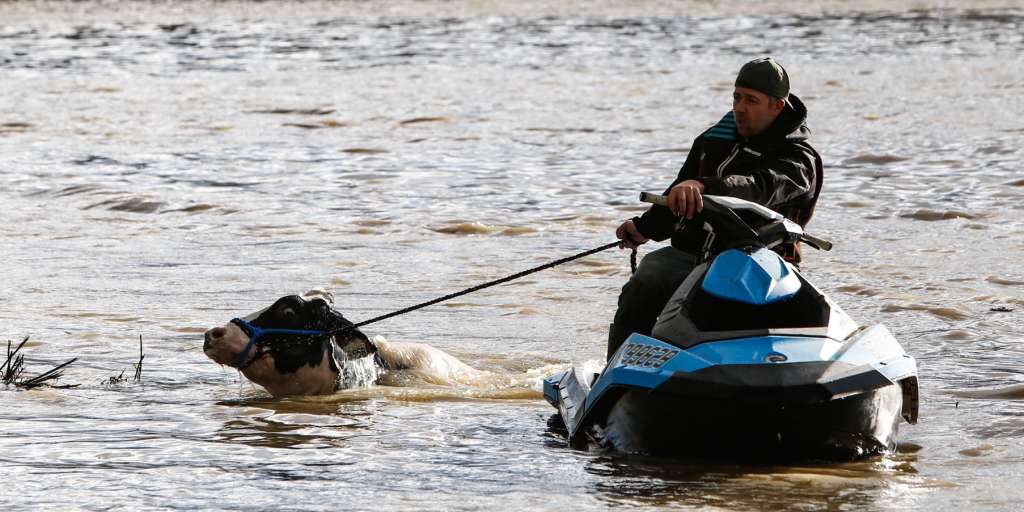
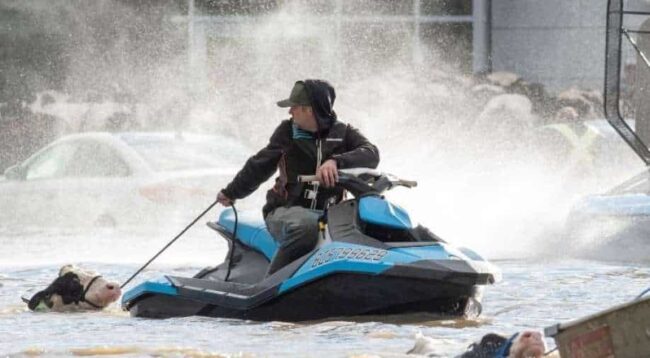
British Columbia was hit with by a massive storm that came ashore in the Pacific Northwest. The storm caused catastrophic flooding and mudslides when torrential rain and wind blasted the Pacific Northwest in mid-November and made its way into Canada. Highways were shut down due to devastating flooding and many towns were underwater because of the heavy downpours and mudslides. Thousands of people were left without power, and some people didn’t survive.
A feel-good story came out of the event and that’s when volunteers on jet skis and in boats came to the aid of farm animals stranded in floodwaters on a local farm. The farming community of Abbotsford, BC worked together with other volunteers to rescue the cattle from the perilous floodwaters. The footage is incredible! We found some clips on the Montreal Watercraft Club’s Facebook page and on the Florida River Riders Facebook page.
Individuals on jet skis were pulling the cattle up and out of the deep waters after securing them with ropes. Small boat operators were doing the same and together, they pulled around 50 animals out of the floodwaters. Many of the cows were too frightened to move and others were making futile attempts at swimming. Fortunately, the rescuers managed to get them moving and pulled to safety. Check out the links to watch the rescuers in action. We know it will take a long time for the area to recover and we wish them the best.











 The Daytona Freeride is open to stand-up skis, blasters, and X2 watercrafts only. No sit-downs allowed to participate, though you can attend.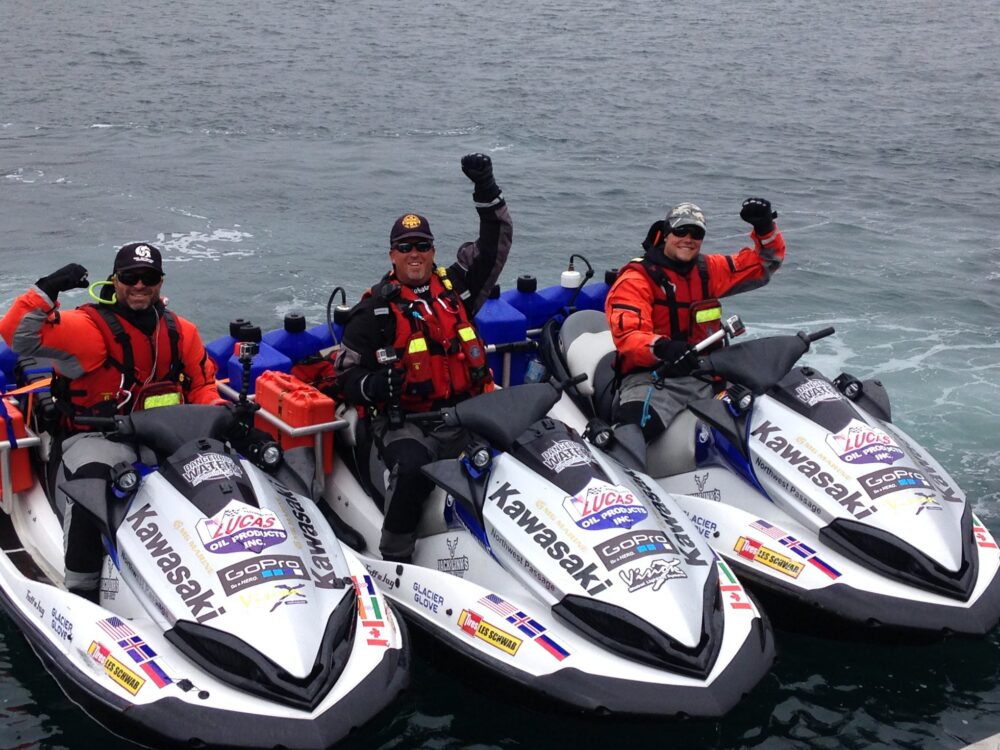










 Owning waterfront property is great, but sometimes the shoreline isn’t as conducive to a PWC dock or vertical lift as one may want. In many cases, the shoreline is in fact, a sea wall, making a floating dock a foregone conclusion.