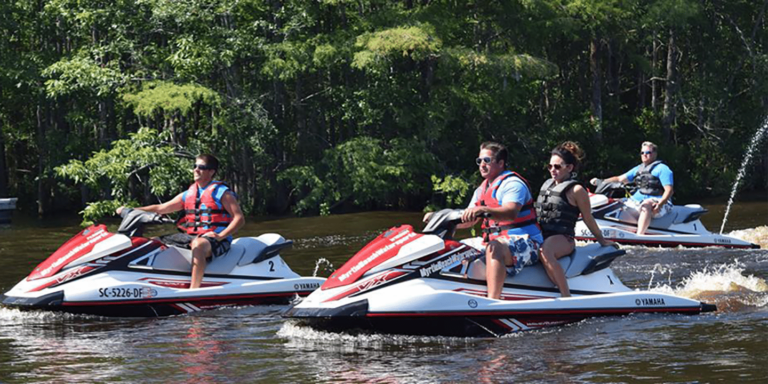
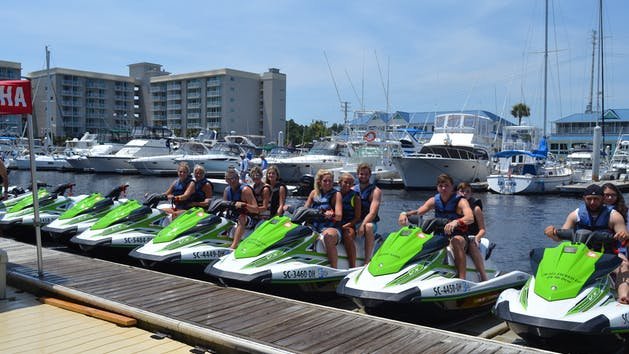
We discovered an alarming piece of news on Mount Pleasant’s Count on News 2 website. There seems to be an attack on the jet ski community by South Carolina lawmakers who are in the process of discussing Bill 497, presented by Senator Chip Campsen. The bill would make it a requirement to obtain a safety certificate before being able to operate a jet ski in the state.
This is bad news for jet ski rental operators because it would be a direct threat to their livelihoods. The bulk of their business is based on PWC rentals and something like this could crush them. Also, it isn’t realistic to think that people are going to sit in a class for hours just to rent a jet ski for an hour. They will find something else to do.
Tidal Wave Water Sports Rental owner, Michael Fiem feels like the bill unfairly targets jet skis and not the complete boating community. Furthermore, 2019 statistics point to boats having more accidents than PWC. The numbers show that of the 613 boating related fatalities, only 46 involved jet skis in South Carolina. One would think that with those kinds of numbers, that the legislative body would come up with a bill that includes the complete boating community, not just a segment.
Boat owners and business agree that additional boating safety is needed in South Carolina. That need is for all types of boats and Senate Bill 497 needs some work and the tour industry wants to help: “A lot of boating captains and people in the tour industry, we’re on the water more than anybody,” says Fiem. “We’re the experts, ask the experts. Let us help.”
Senator Campsen’s bill is currently in a state House Judiciary Committee to be discussed further by state leaders. We will update you as more information becomes available.
If you’ve been looking at cycling out your old and musty personal flotation device (PFD), there’s plenty of options out on the market to choose from. But if you’re really interested in stepping up the look and feel of your PFD, we’ve got some good news: Broward Motorsports has paired up with JetPilot to create a series of BMS-branded PFDs that will keep you safe as well as looking sharp out on the water.
Priced at $69.99, these front entry neoprene vests feature a large “Broward Motorsports” logo on the left breast and across the back, as well as twin buckles that snap tight in front; and come in 7 different color variations (sorry for you Kawasaki guys it looks like you’re gonna have to wait for a Lime Green version to match your Ultra, SX-R or STX). There’s even a pretty snazzy Gucci-looking “Limited Edition” vest for you ballers out there.
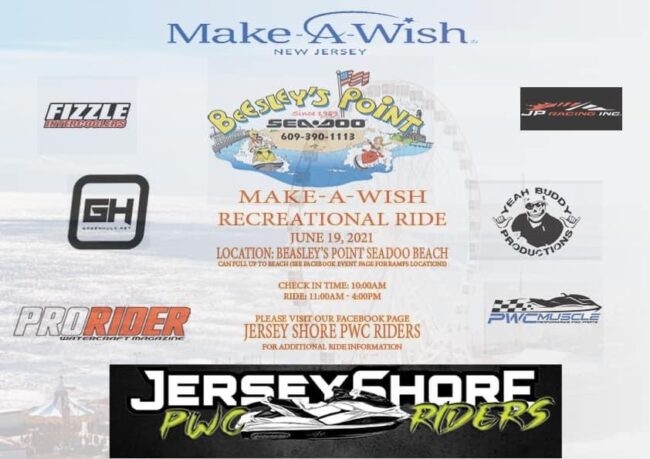
Who wants to go to Atlantic City? Whoo! OK, now who wants to cruise the open ocean? Well, how about both? The Jersey Show PWC Riders are putting on an awesome group ride that not only promises to deliver on a once-in-a-lifetime ride along some of New Jersey’s coastline, but also benefits the children of the Make-a-Wish foundation! Named the Make-A-Wish @ Beesley Point Sea-Doo Charity Ride, hundreds are expected to come.
The event synopsis states, “We are pleased to announce, Saturday June 19th, Make-a-Wish along with Jersey Shore PWC Riders, have come together for an amazing charity ride! On Saturday morning at 10am at Beesley’s Point Sea-Doo on the beach we will start the check-in with the rider safety briefing to follow shortly after.
“We then will cruise to Atlantic City on the ocean searching for dolphins (conditions permitting) and arrive and dock amongst the million dollar boats and yachts at Golden Nugget Casino. There we will eat an amazing lunch then leave for some awesome marsh riding and back bays! Then with the partnership of our amazing sponsors we’ll come back and have Chinese-style auction and giveaways! Again this is all for the children!”
The Watercraft Journal spoke with club founder Jason Frank, who expressed, “I’m so excited to share that the Jersey Shore PWC Riders are teaming up with Make-a-Wish (along with Beesley’s Point Sea-Doo) for an epic ride and auction for the children! With all of the proceeds going to charity!” If you want to learn more about this ride and how you can join, please go to the Make-A-Wish @ Beesley Point Sea-Doo Charity Ride event page.
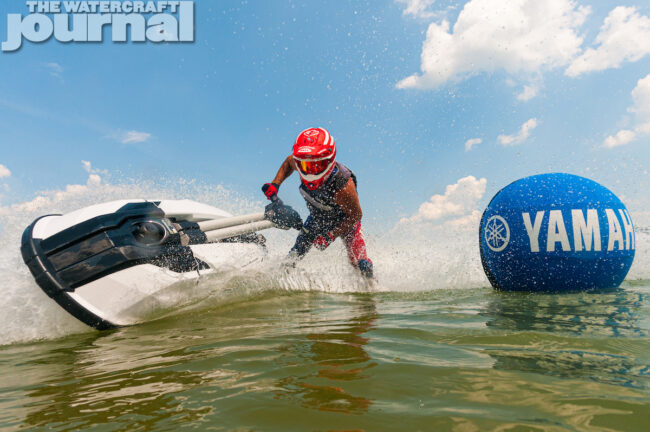
For years, Yamaha had been developing a brand new four-stroke SuperJet. For 2021, they finally released this revolutionary new watercraft and the results are stunning.
Their hard work has paid off because it just earned the top spot in Boating Industry Magazine’s 2021 Top Products. The SuperJet has turned out to be an extremely coveted unit within its community of stand-up riders.
It has also been a highly sought-after prize for new riders alike, advancing its product category forward. This combined with the innovative features has earned it the Top Product Prize. Read the full news story below.
Boating Industry magazine today announced its honor roll of Top Products for 2021 with Yamaha’s new four-stroke SuperJet standup watercraft at the top of the list.
According to Boating Industry magazine, the products named to this coveted accolade stood out from the rest of the pack for their impact on the industry, innovations, and how it advances its product category.
“Yamaha’s redesign and rebirth of the SuperJet is a welcome gift to the personal watercraft industry,” said Boating Industry managing editor Adam Quandt. “The SuperJet offers both a challenge to experienced riders looking for something new, or an affordable entry point for a new rider to gain a new passion. A home run on all fronts.”
No longer reserved for professional racers and requiring a racing license, the new 2021 SuperJet appeals to racers and recreational riders alike.
The SuperJet is powered by Yamaha’s award-winning three-cylinder, four-stroke TR-1 marine engine. This compact, lightweight 1,049cc engine delivers the exhilarating acceleration that standup riders love throughout the engine RPM range.
Feeding the TR-1 engine is a larger 5.0-gallon fuel tank that delivers plenty of range for the standup rider, and there is an easy-to-read Low Fuel meter placed conspicuously on the deck.
And for novice riders, there is an L-MODE that reduces the engine performance of the SuperJet to 85 percent or approximately 40 miles per hour.
The SuperJet deck features a three-position adjustable handle pole that can extend up to 50mm in length, race-inspired handlebars, and a wide padded foot tray with an integrated reboarding holder. Under the waterline, the new SuperJet hull is designed for greater static and dynamic stability while maintaining the SuperJet’s thrilling turning abilities.
Completing the SuperJet is a stark white color scheme with a minimalist black graphics combination that looks amazing.
Due to the nature of social media and online discussion groups, there is a veritable “mother load” vein of information to be mined regarding best practices and proper maintenance for your supercharged Sea-Doo. The hypersensitivity of the current 300 ACE engines requires owners to truly be cognizant of their engine’s health and operation; too much oil in the crankcase; poor fuel quality; and even failure to properly break-in their engine can lead to premature wear and even failure.
Engine break-in is one of those topics which raises the ire of those particularly brand-loyal to Sea-Doo. These engines do not undergo the same degree of “bench testing” as Yamaha and Kawasaki engines prior to their installation into an assembled watercraft. Both of the aforementioned brands dutifully heat cycle each four-cylinder 4-stroke on a secured engine stand, allowing the powertrain to repeatedly reach peak operating temperature, cycle through a sequence of RPM, and cool down.
Rather, inside of the Rotax factory in Gunskirchen, Austria, each engine is checked for basic operation, proper oil and fuel pressure, as well as inspected for leaks prior to being shipped out for final assembly in Juarez, Mexico. This means that the ACE’s electroplated cylinder walls, piston rings and pins, main bearings and valvetrain require hours of heat cycling to properly seat into their machined surfaces – all of which, must be performed by the new owner/operator, meaning you.
Previously-published technical guides note that the engine’s timing is retarded 6-degrees as fuel flow is increased 5-percent more over the final “broken-in” operating tune during the first 2 hours of operation. This is done specifically to protect the engine, as fuel-rich (or “fat”) detonation makes for a cooler combustion cycle, effectively easing the 300 ACE into regular operation. During the next 2-to-5 hours, the engine’s ECU will gradually return to normal settings, “leaning out” the fuel curve and advancing the timing.
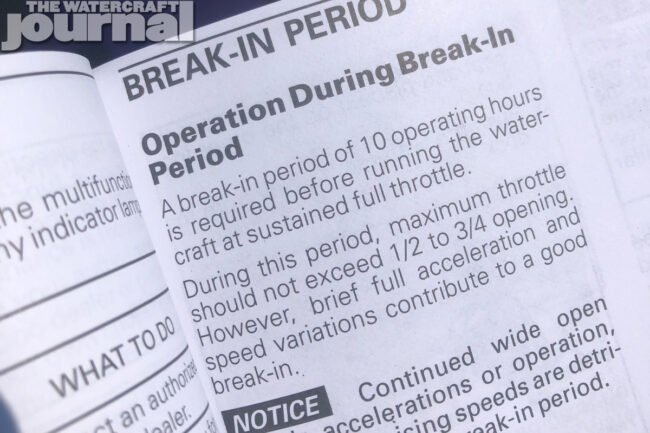
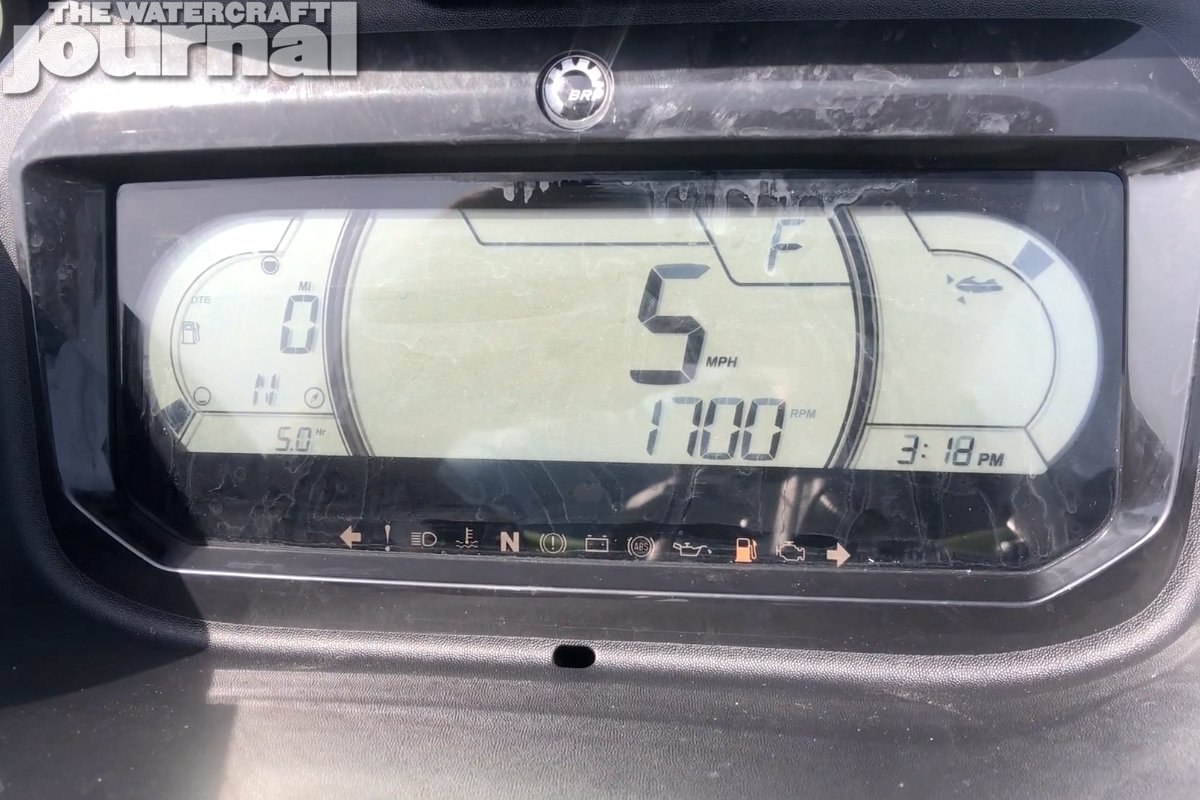
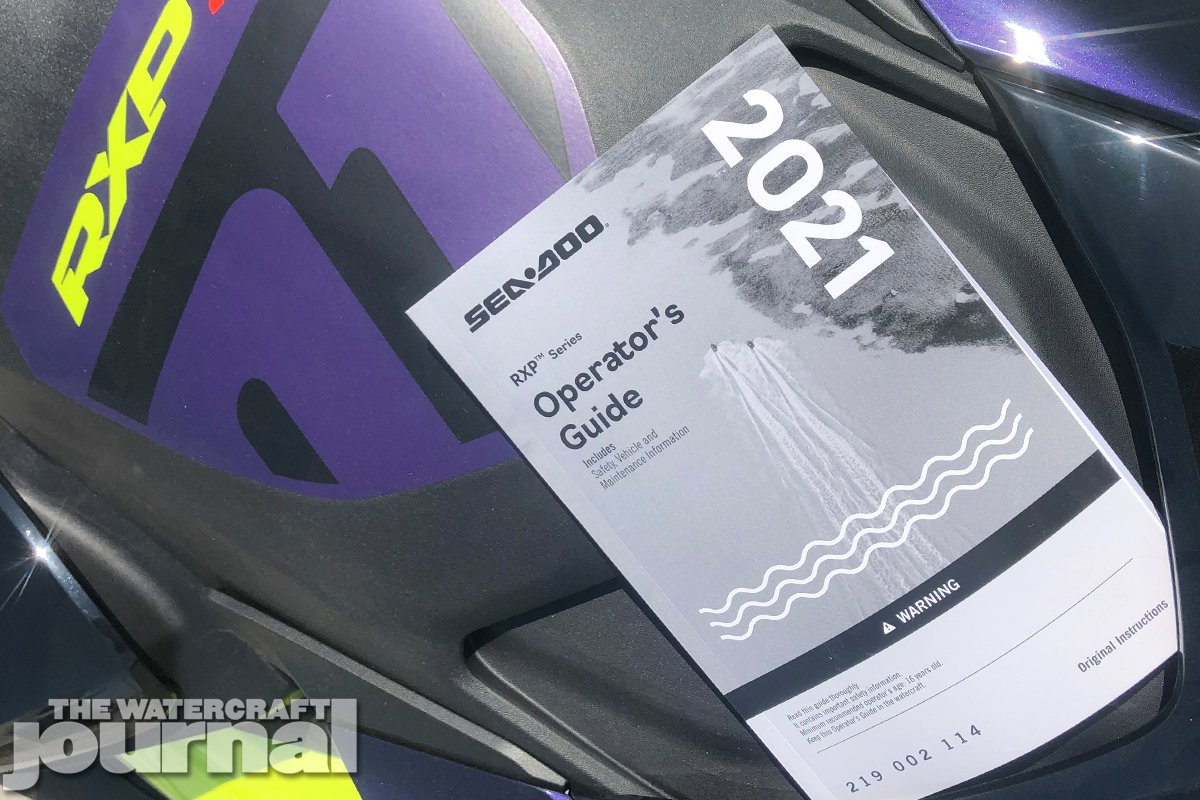
After 5-hours of operation, the ECU will fully unlock the throttle, as well as the RPM curve and X-module operations (if so equipped). The Owner’s Manual dictates that the proper break-in period last 10-hours of operation, yet the ECU will allow the watercraft to operate unrestrained at 5-hours. [Again, this process only applies to supercharged engines. Naturally-aspirated Sea-Doos (130 and 170-horsepower variants) do not require this break-in period, and will not come constrained. –Ed.]
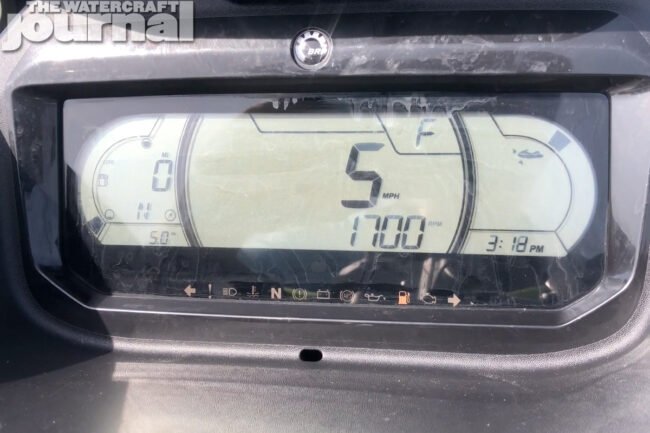
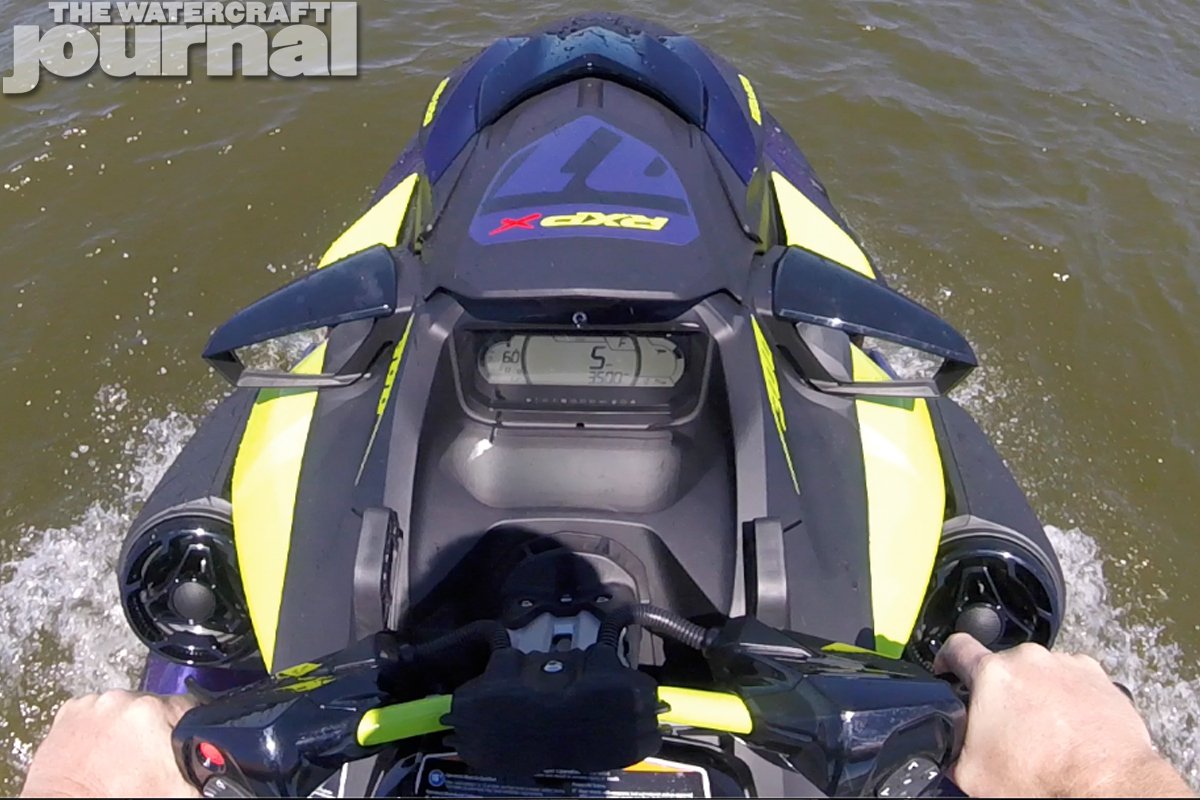
Throughout this 5-hour period, Sea-Doo requires that operators regularly alternate the throttle every 30-to-45 seconds for these few hours. This throttle variation is not handled by the ECU, you must vary the RPM manually. Thankfully, users are encouraged to employ the whole range of throttle, from idling through No Wake Zones to pinning the throttle wide-open – just not for too long at a time; again, for around 30-seconds or so.
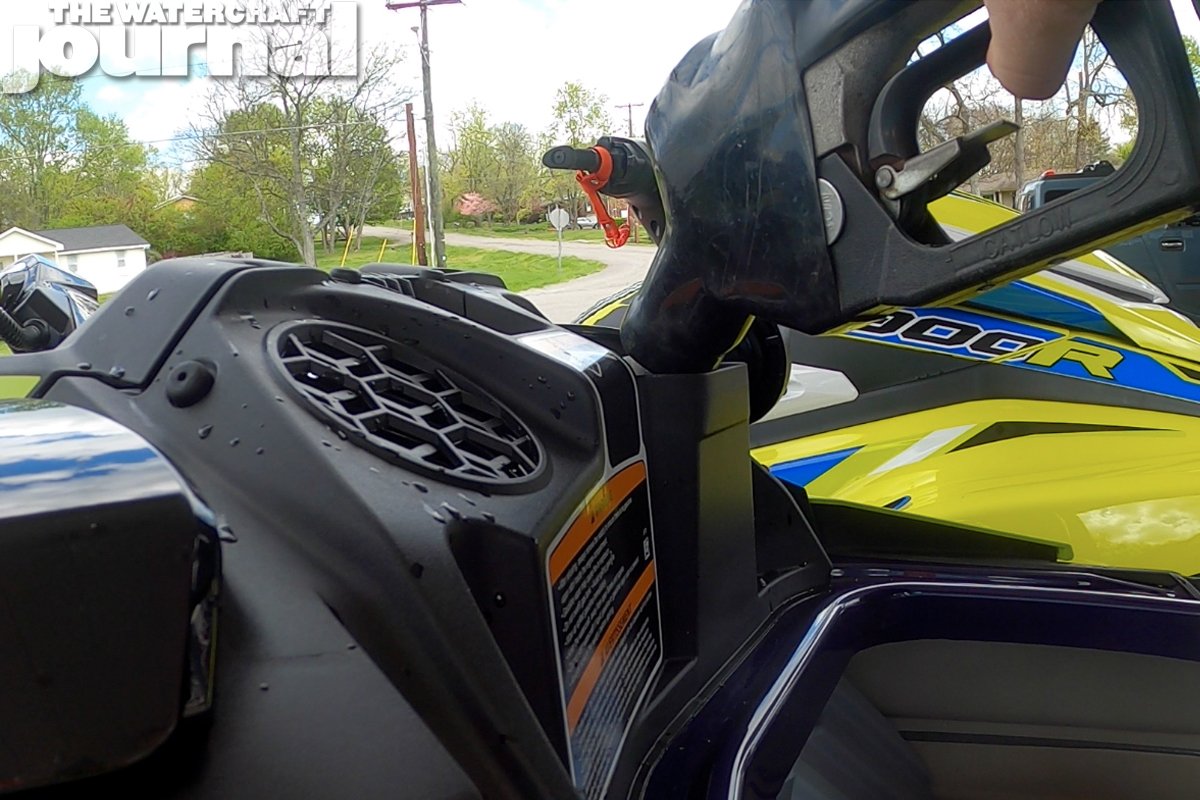
The minimum fuel requirement for your 300 ACE engine is 91-octane. It’s important to note that while the engine’s knock sensor will digitally retard ignition timing depending if lower quality fuel is detected, Premium-grade is what is required for optimal operation. If your lake or available fuel docks do not carry a higher-octane fuel, you may want to consider bringing a can or two of octane booster. They are relatively cheap and regularly stocked at any retail automotive parts store.
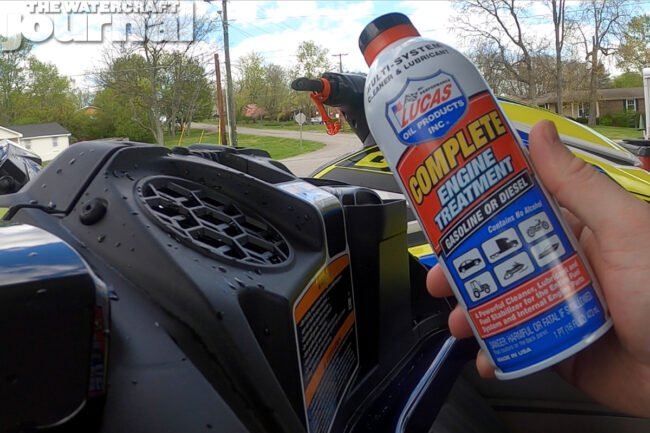
Prior to beginning our break-in process, we added a can of Lucas Oil Engine Treatment to our 93-octane fill-up, as it is specifically formulated to treat and lubricate sensitive wear surfaces. This isn’t mandatory, but we wanted to provide a little extra protection considering that this engine has not been operated for any significant length of time.
Equally, it’s important to note that the break-in period is as much for the rider to acquaint themselves with their new watercraft as it is for the engine to properly seat its machined surfaces. A supercharged Sea-Doo is a pretty powerful toy, and in the hands of a neophyte can possibly become a dangerous one. It’s best that those first-time riders build up a little seat-time with a limited throttle before being let loose into the wild.
To many, this may sound tedious, but it’s pretty easy to accomplish in a single day if you’ve got the time and fuel to spend. It’s only important to remember to continually alternate your speed by 10-to-15mph at a time. To do this, we recommend mapping out a route with plenty of twists and turns, with a few straight stretches sprinkled in-between so you can regularly cycle through the throttle positions all while having a lot of fun.
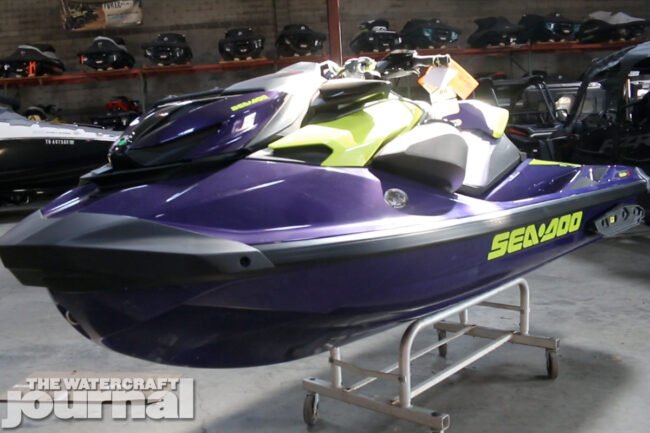
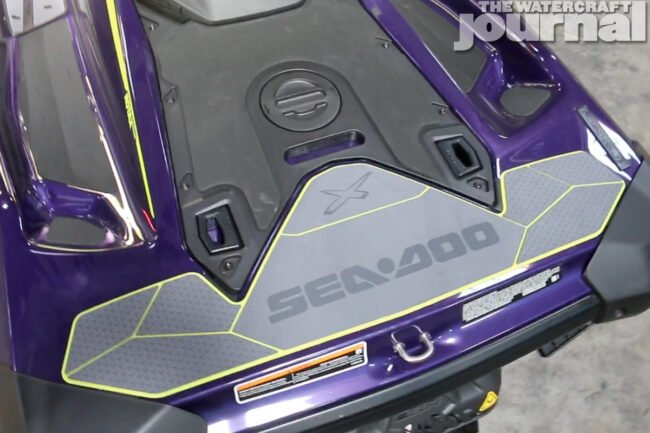
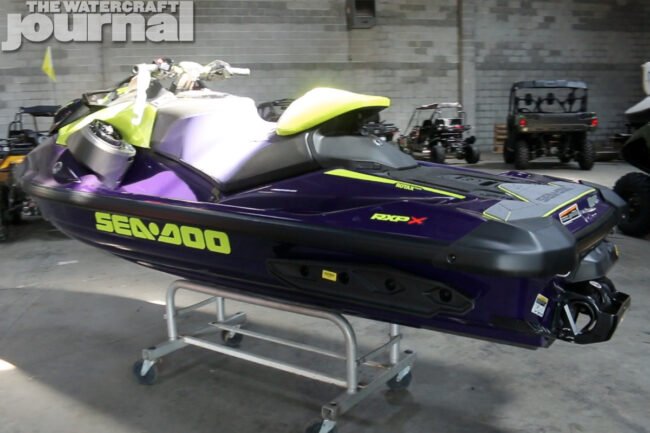
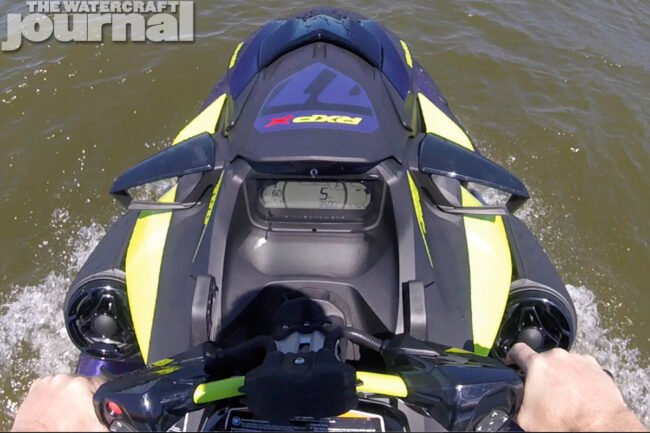
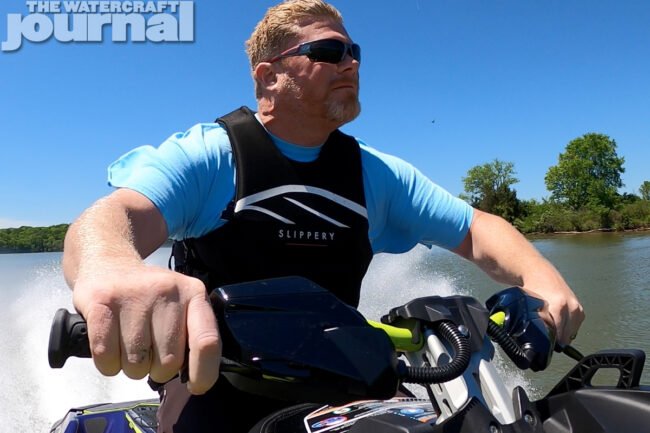
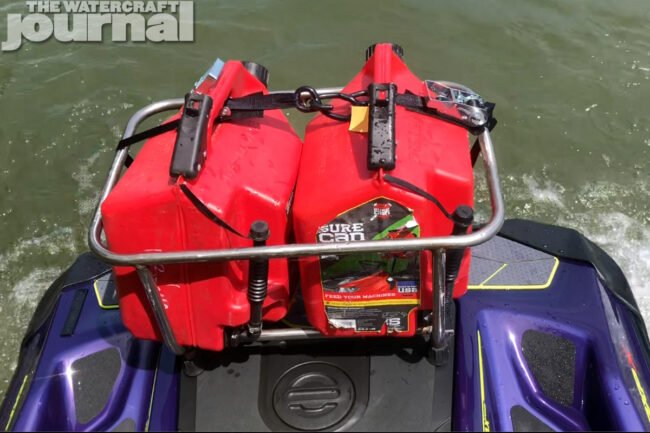
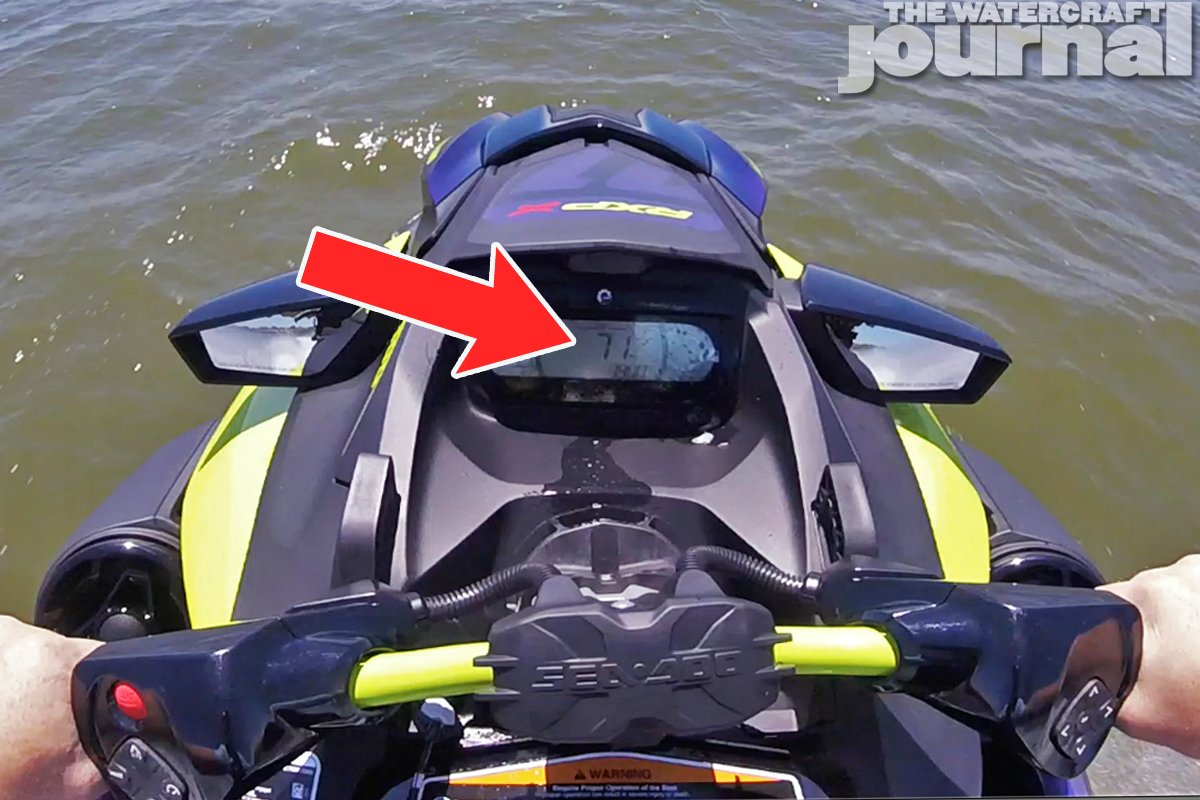
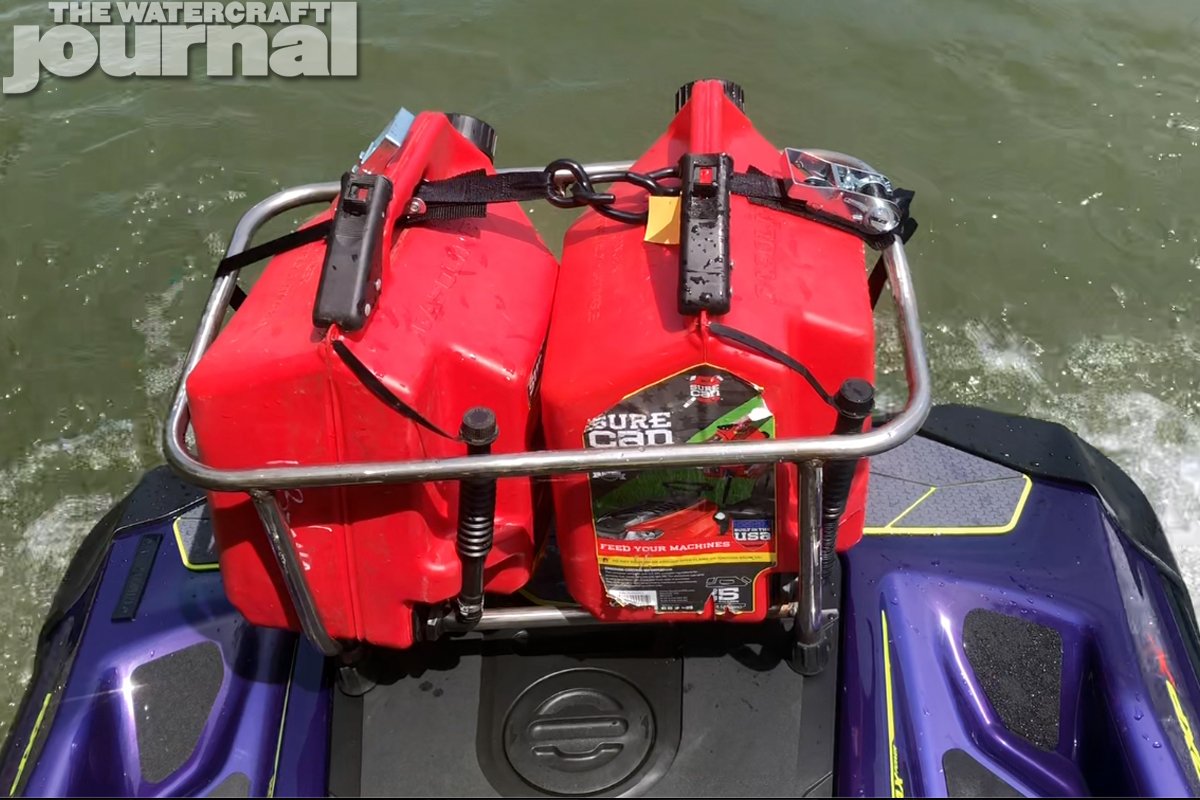
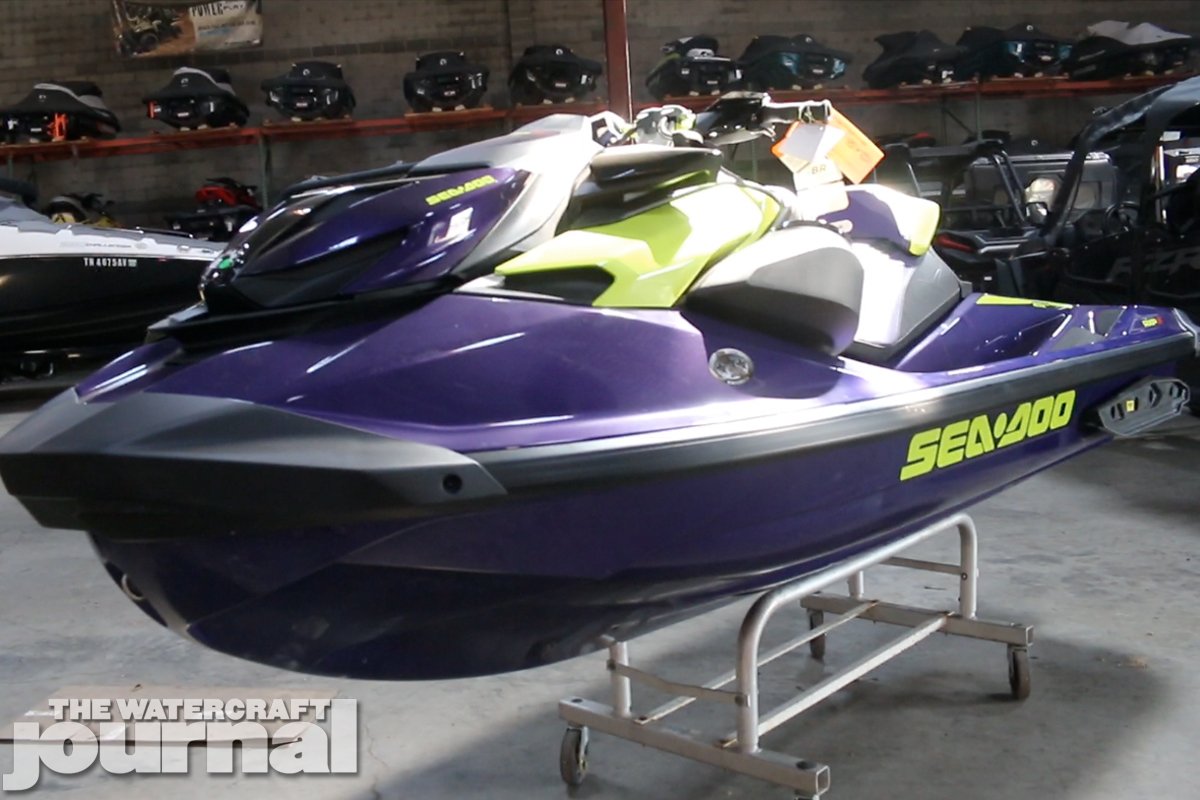
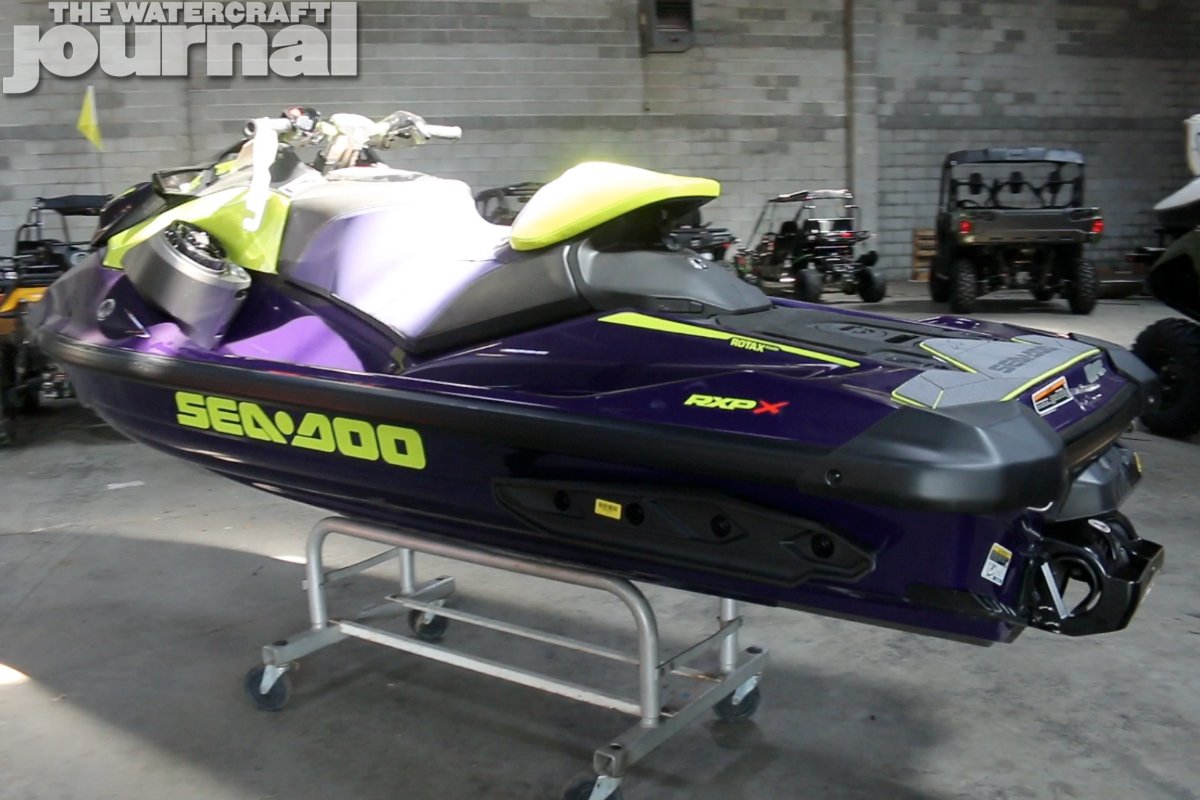
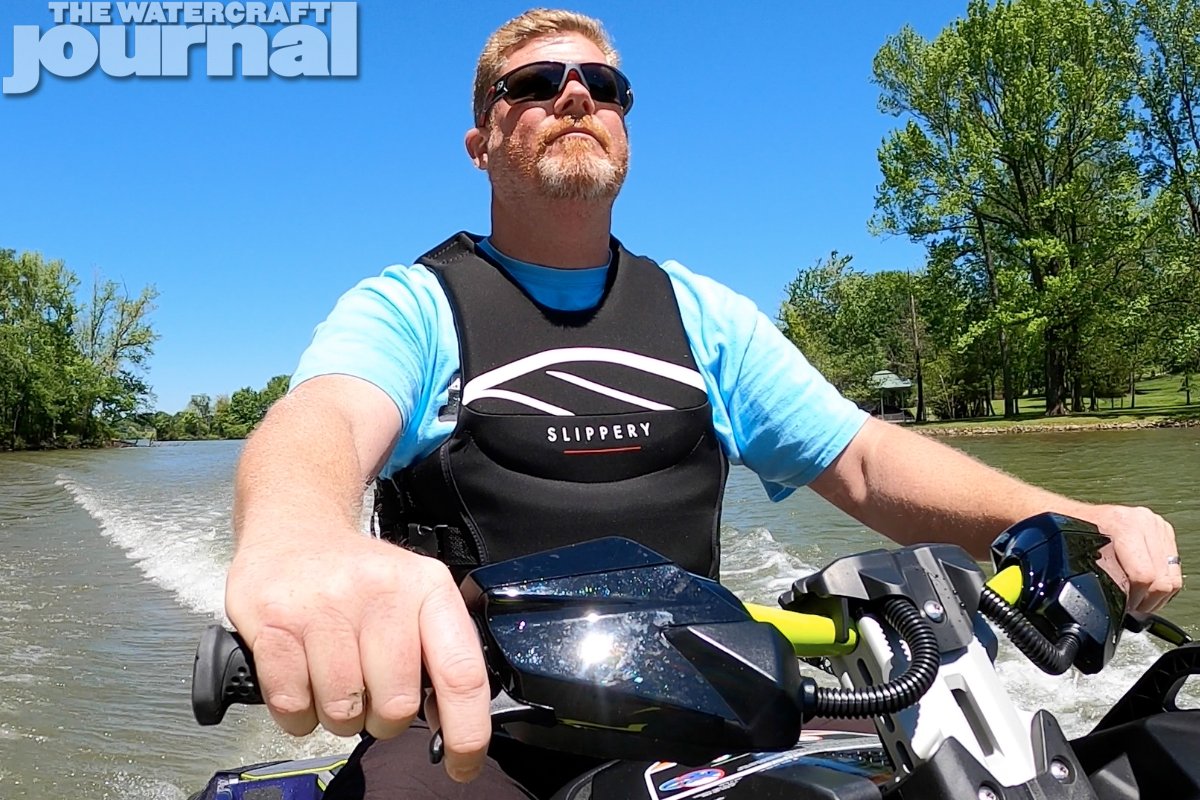
For our brand-new 2021 Sea-Doo RXP-X 300, we ventured up the winding northern route of the Cumberland River, taking us as far as we dared with as much fuel as we could carry. It was with near perfect planning that we watched the hour-clock roll over to exactly 5-hours as we returned to our launch ramp.
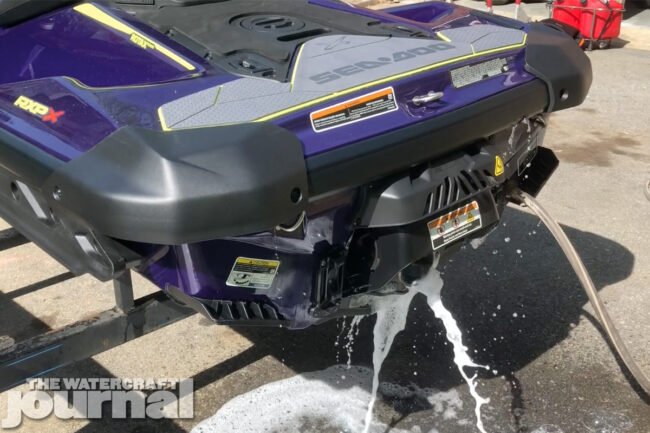
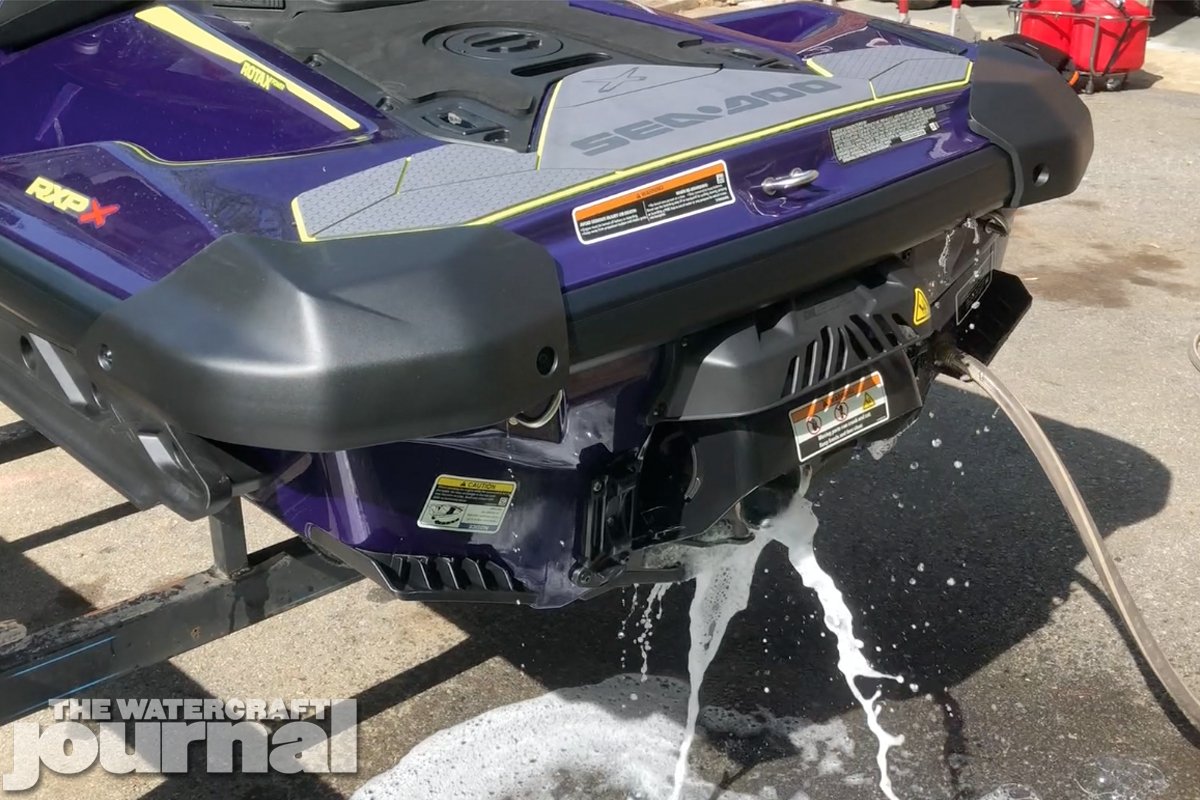
With that, we came home, checked our oil for signs of discoloring, metal or carbon scorching, as well as smelled it for signs of unspent fuel mixing in – all tell-tale signs of early failure. Thankfully, not showing any hint of wear, we washed it down and flushed the exhaust before putting it up until our next adventure.
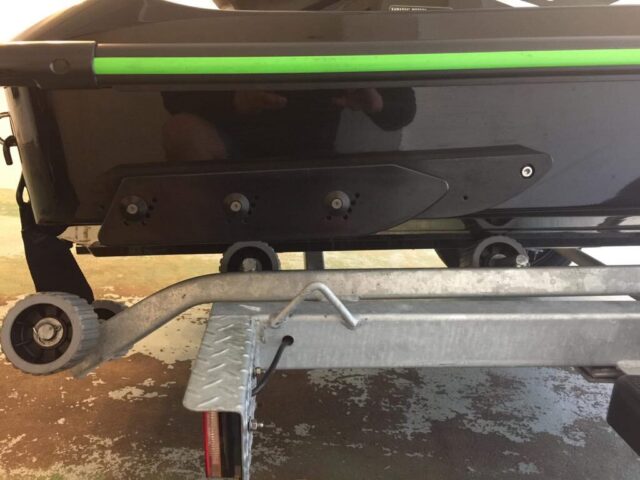
Brisbane Kawasaki is accepting pre-orders on the soon-to-be-released Kspeed Kawasaki Ultra Racing Sponsons meaning if you own ANY 2007-to-current Kawasaki Ultra, you’re good to go. These sponsons are coming in hot and like other Brisbane Kawasaki products, they are crafted in-house and built with quality to offer you the best stability and handling when it comes to premium sponsons.
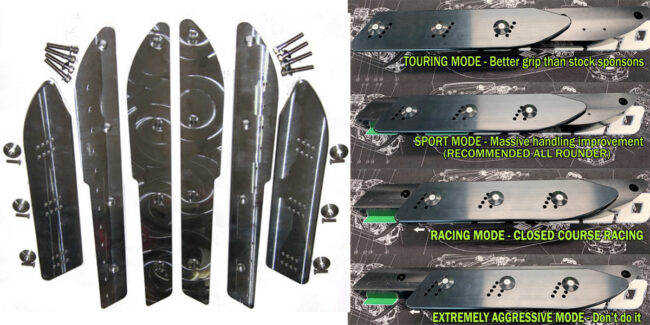
Made from a slick black anodized milled billet alloy, Kspeed’s Ultra sponsons are fully adjustable for any conditions. They are designed for maximum control through tight corners and navigating the surf. You can even use them for towing tubes. With 48 settings and 4 modes, no matter your skill level, these are for you!
Touringmode will give you a better grip than stock sponsons. You’ll feel more in control when taking going on endurance rides. Sportmode offers a major upgrade to handling and is good for all conditions. Racingmode is ideal for closed course racing. There is even an Extremely Aggressivemode! With all the various modes and settings, you can dial in on what’s best for you in even the most extreme conditions.
Priced at $950 AUS (about $740 USD), you can pre-order a set of Kspeed Kawasaki Ultra Racing Sponsons from the Brisbane Kawasaki site. They are currently in production and will ship in early June of this year. Pre-orders get priority, and we suggest you get on the list, so you don’t miss out!
Head to Broward Motorsports Tequesta, FL location to score a deal on a new Yamaha WaveRunner. The Yamaha Perfect Choice Sales Event is going on until June 6! There’s a PWC for everyone’s riding preference. Whether you are a racer or recreational rider, Broward Motorsports can get you set up with a ski that fits your budget and your riding style.
Grab the “No payments for 90 days with $0 down” deal for qualified buyers. This offer applies to the purchase of a new 2015-2021 Yamaha WaveRunner. Finance charges will accrue during the deferment period.
Another good deal is available for well qualified tier A1 credit customers who finance through Yamaha Financial Services. Buyers will get a 3.99% APR for 36 months at $13.38 per month per $1,000 financed, regardless of down payment. Higher finance rates apply for buyers with lower credit scores.
The third offer is great for the couple who rides together. Score two WaveRunners at 6.49% APR for 96 months. This offer applies to the well qualified tier A1 credit customers who finance through Yamaha Financial Services. Everyone won’t qualify and if you’re in the lower credit pool, you may be subject to higher financing rates. See the dealer for complete details of the sale.
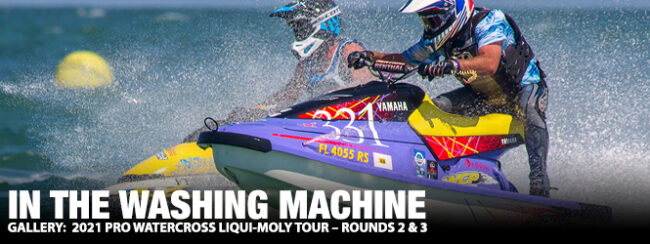
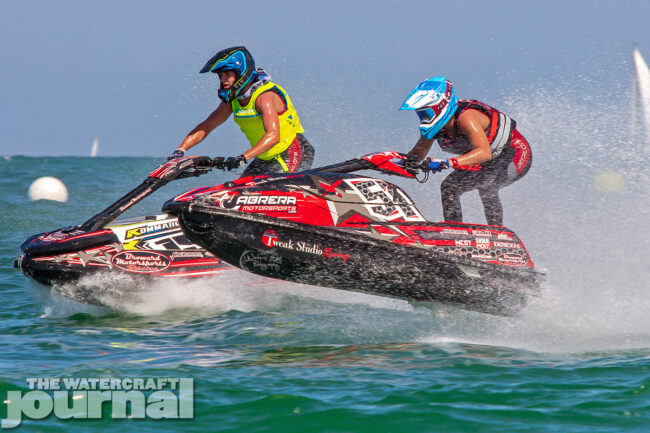
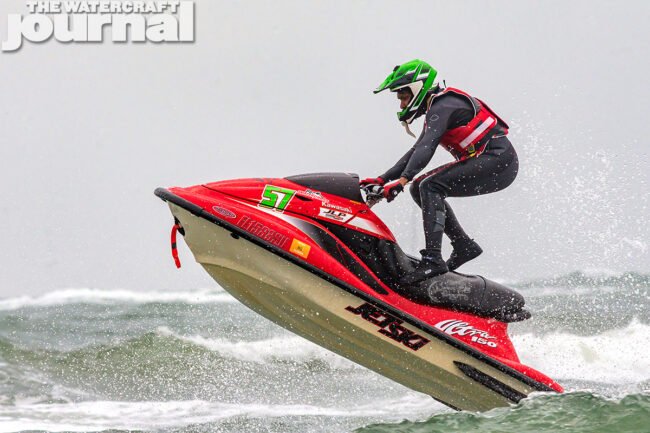
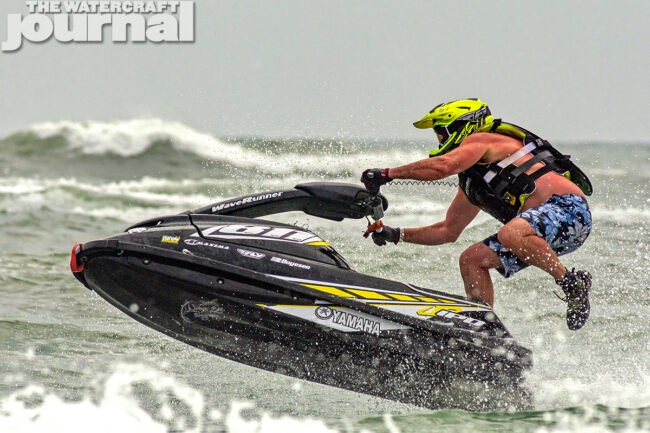
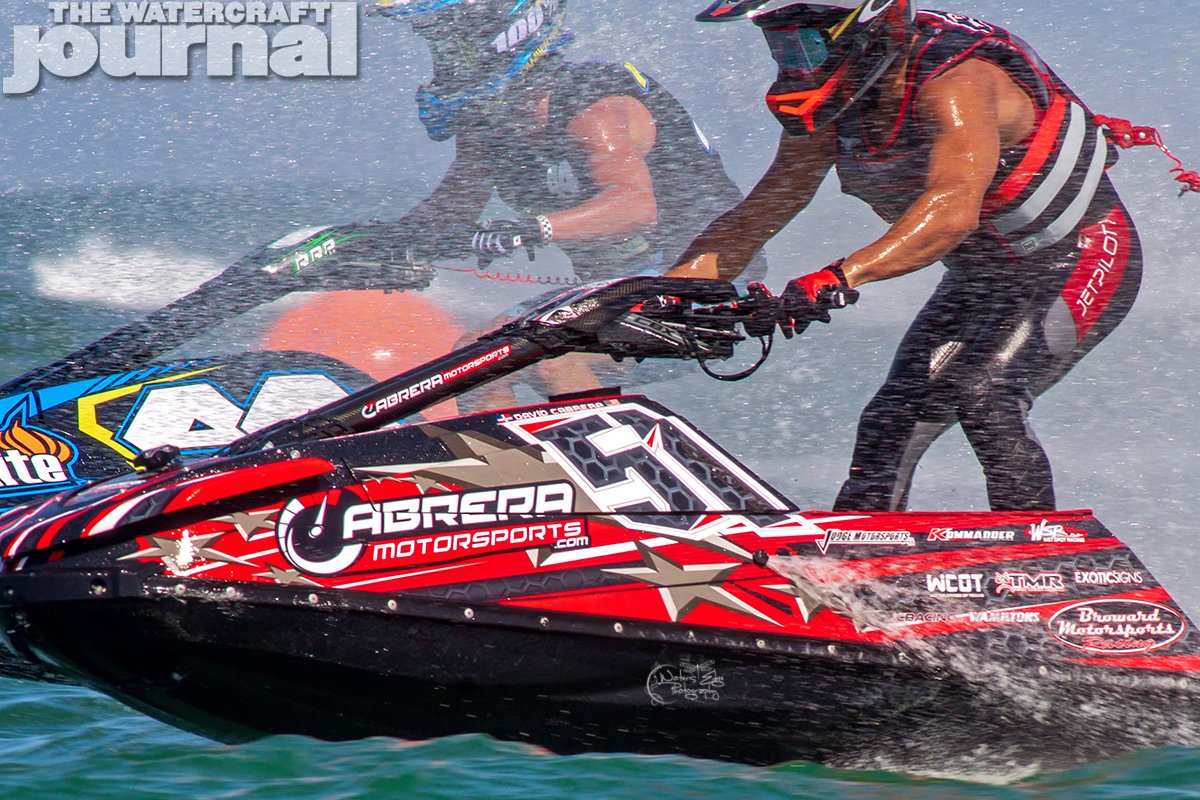
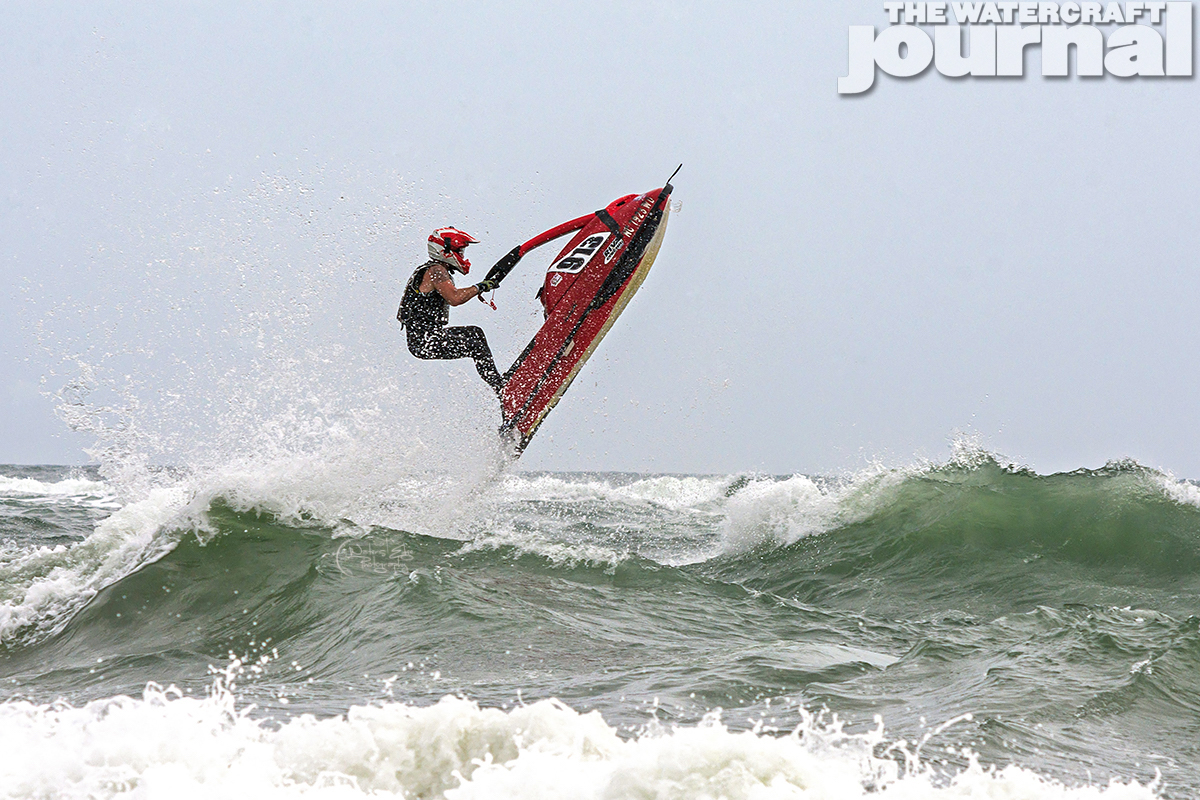
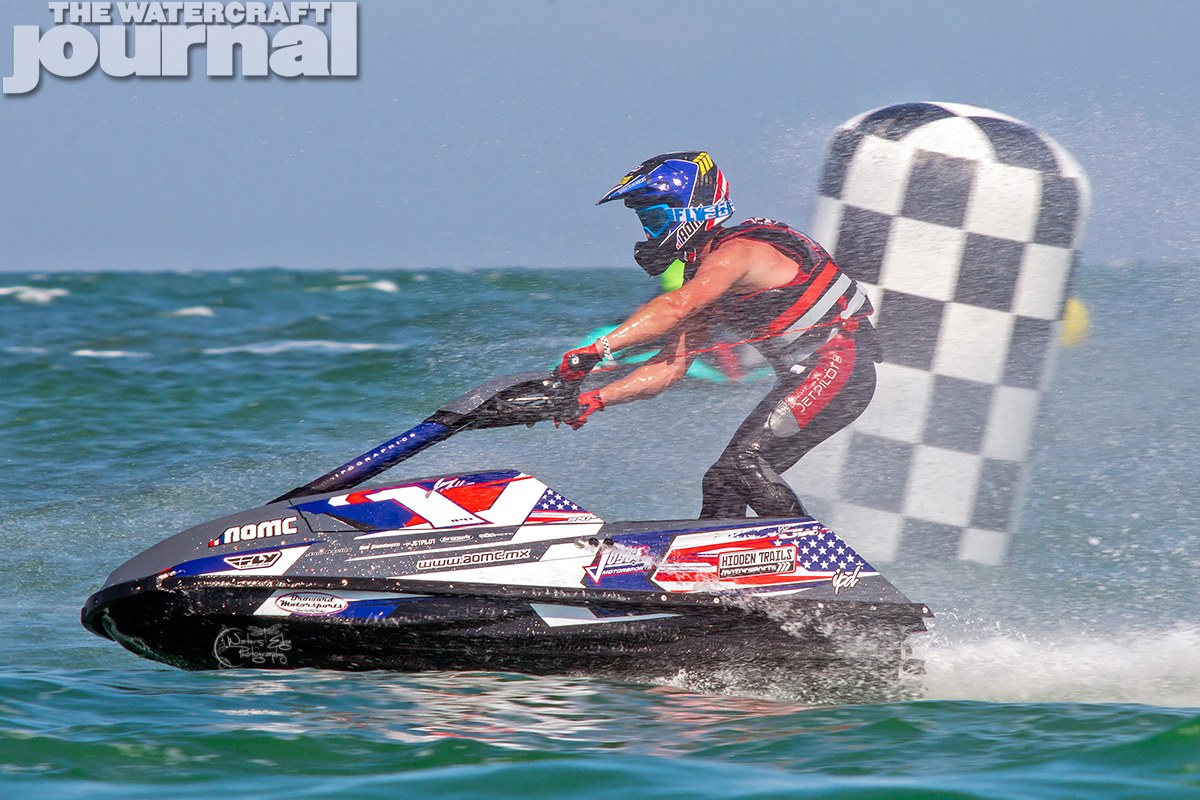
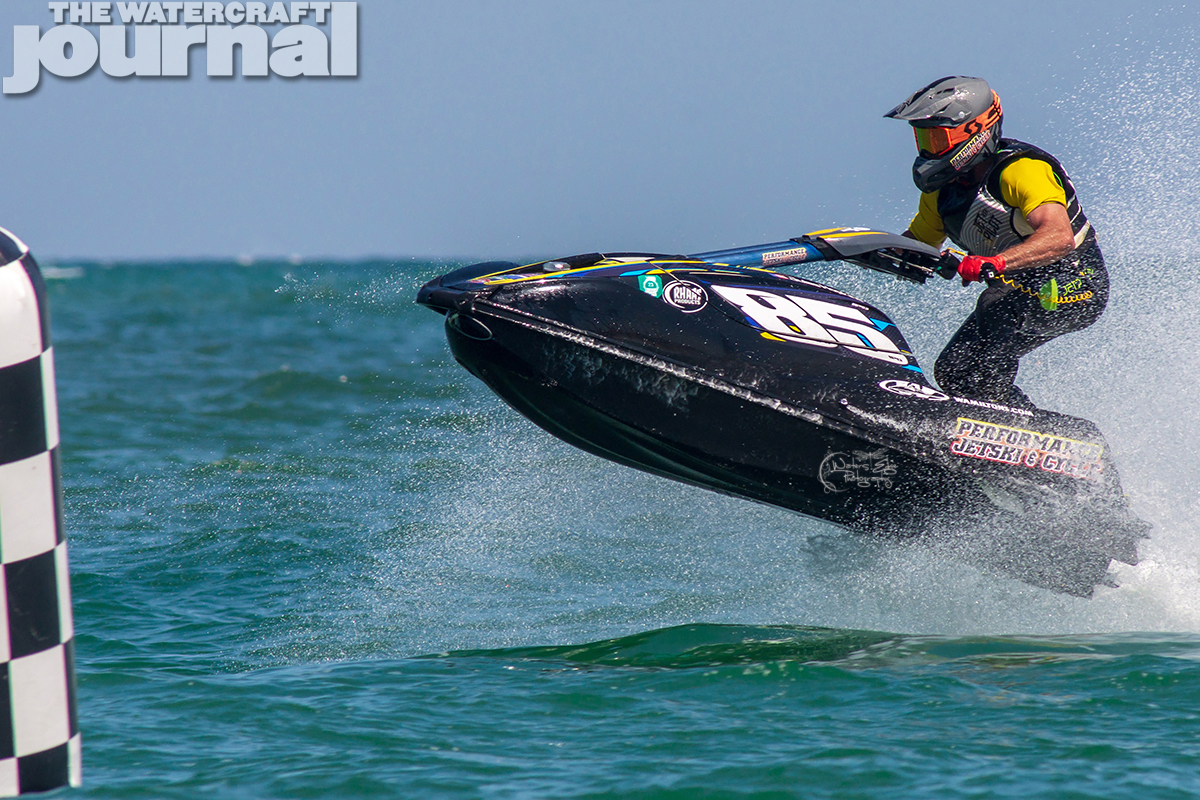
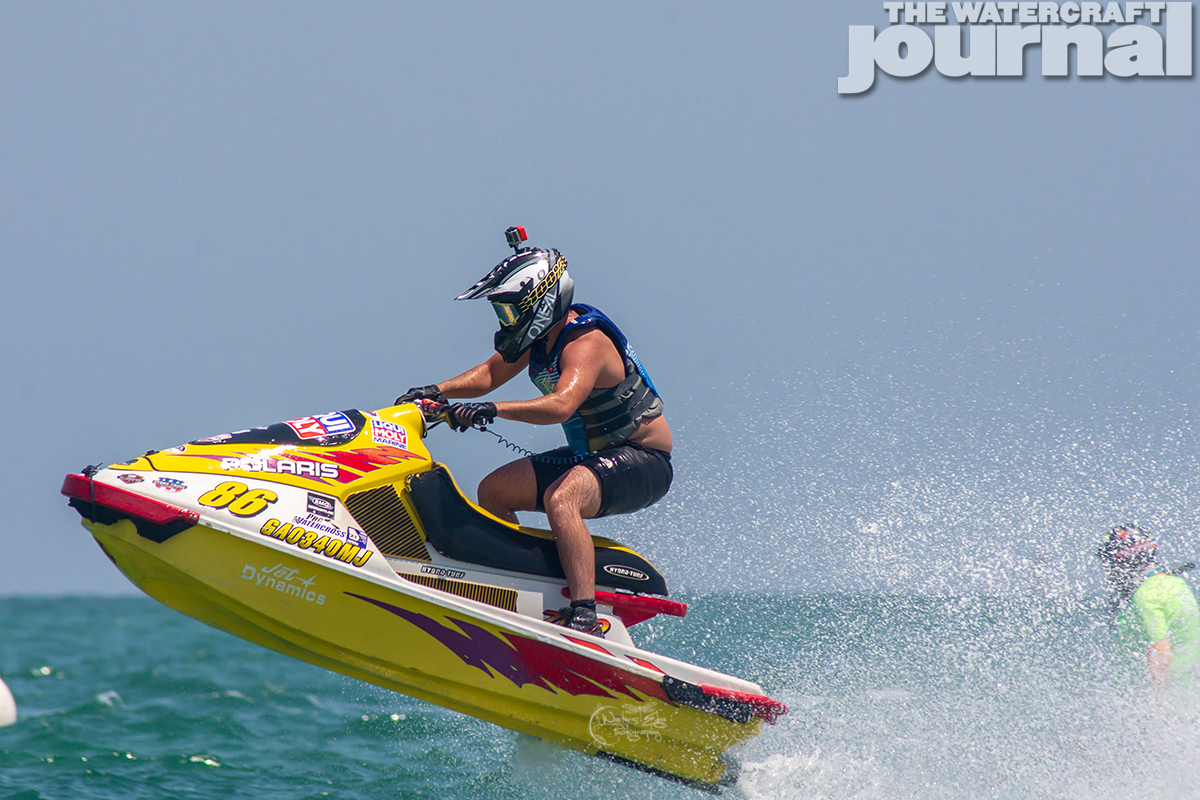
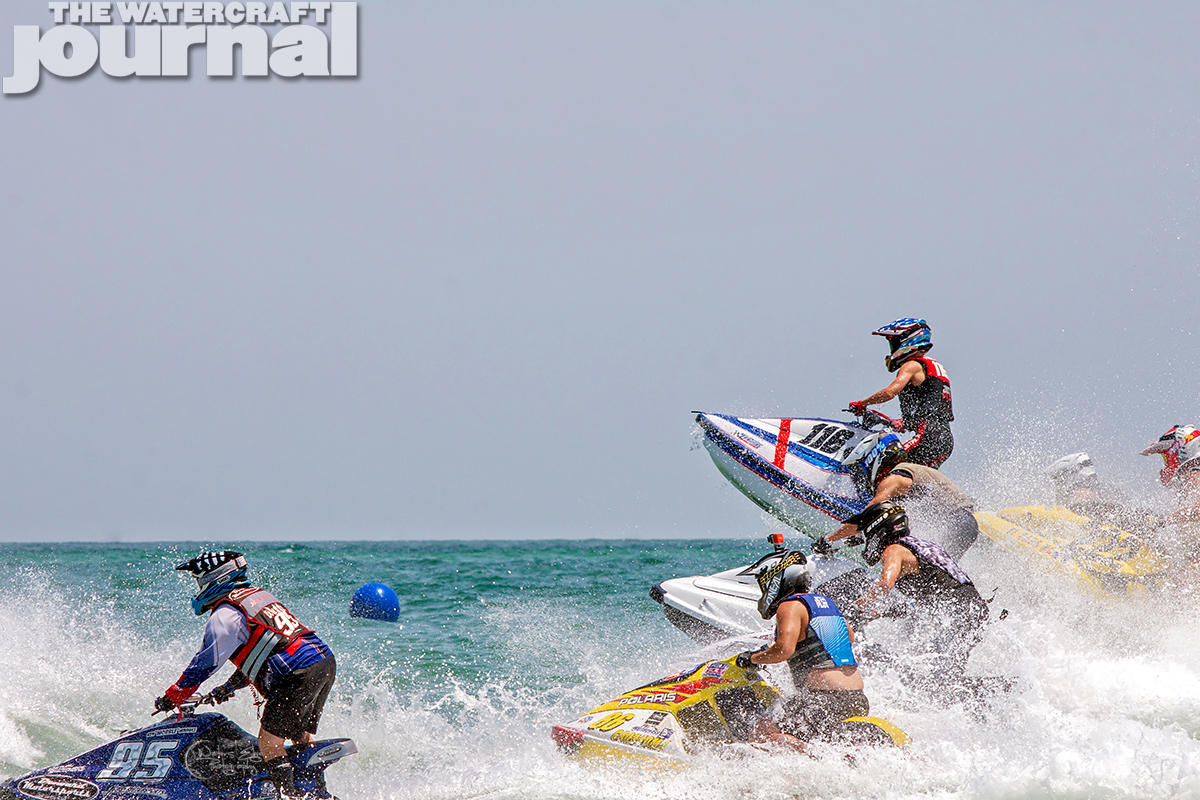
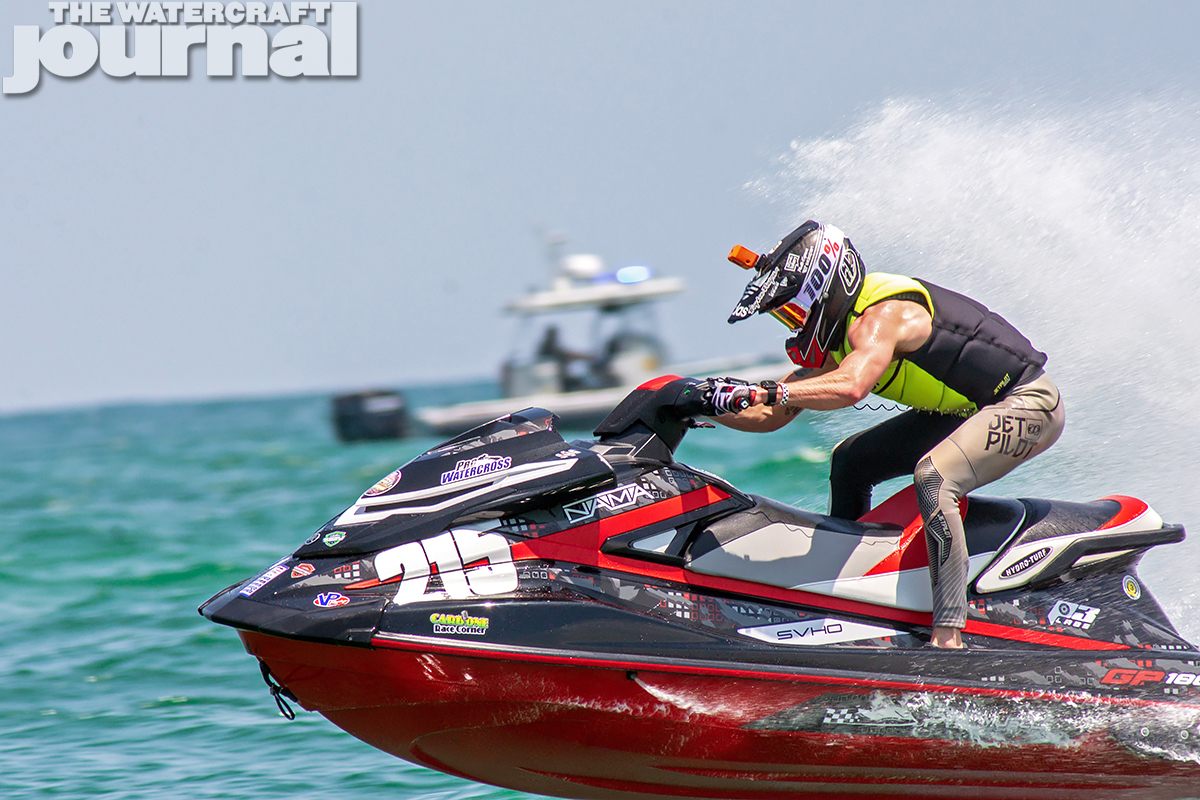
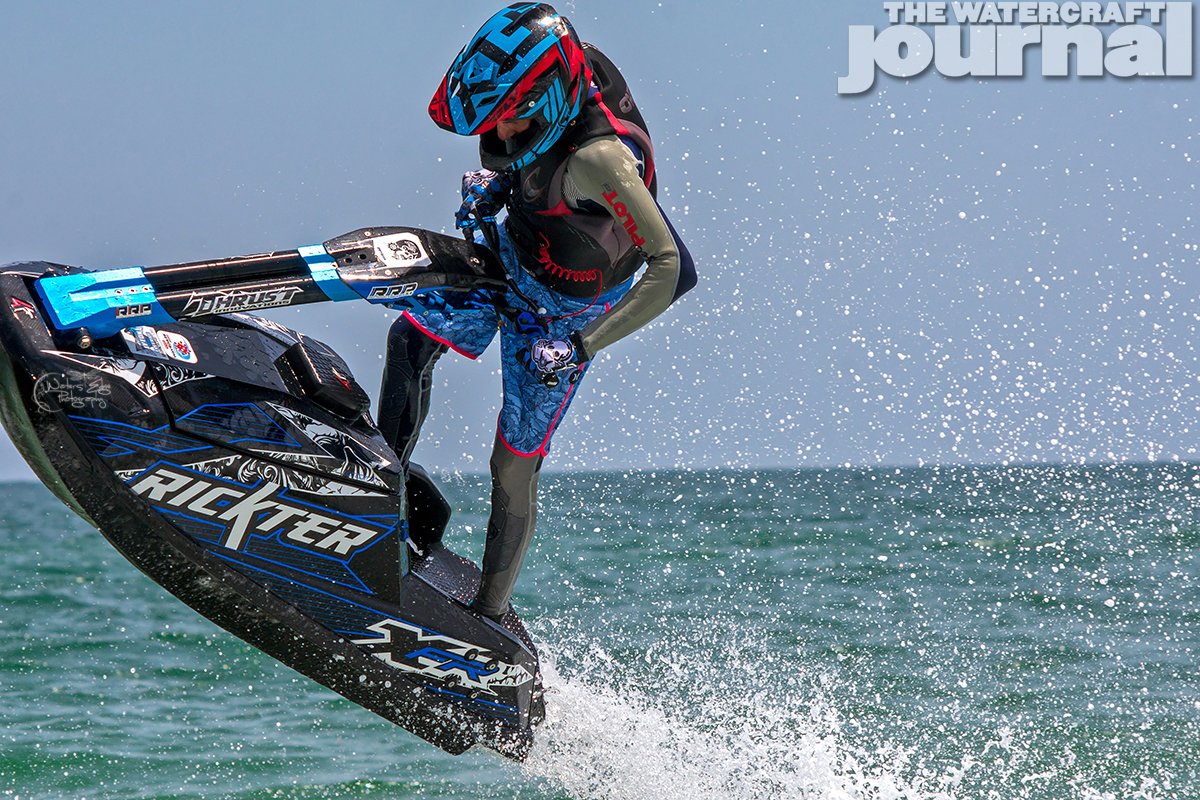
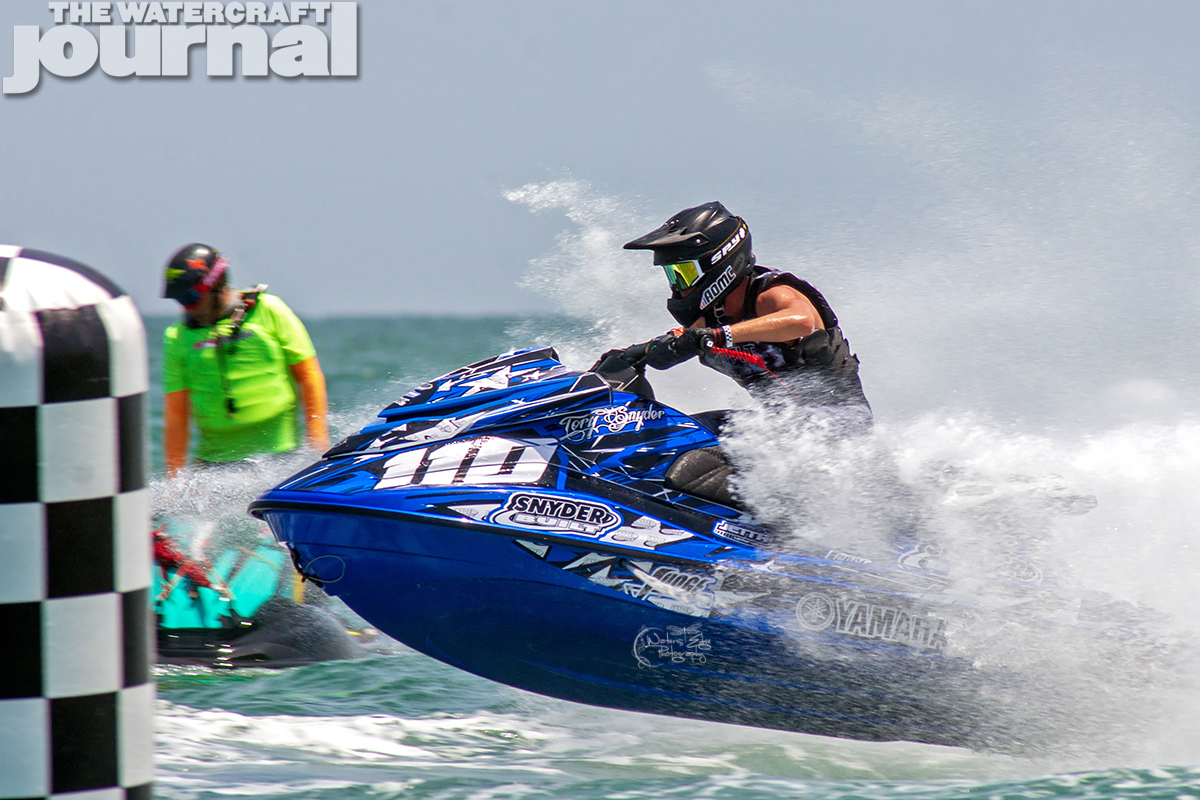
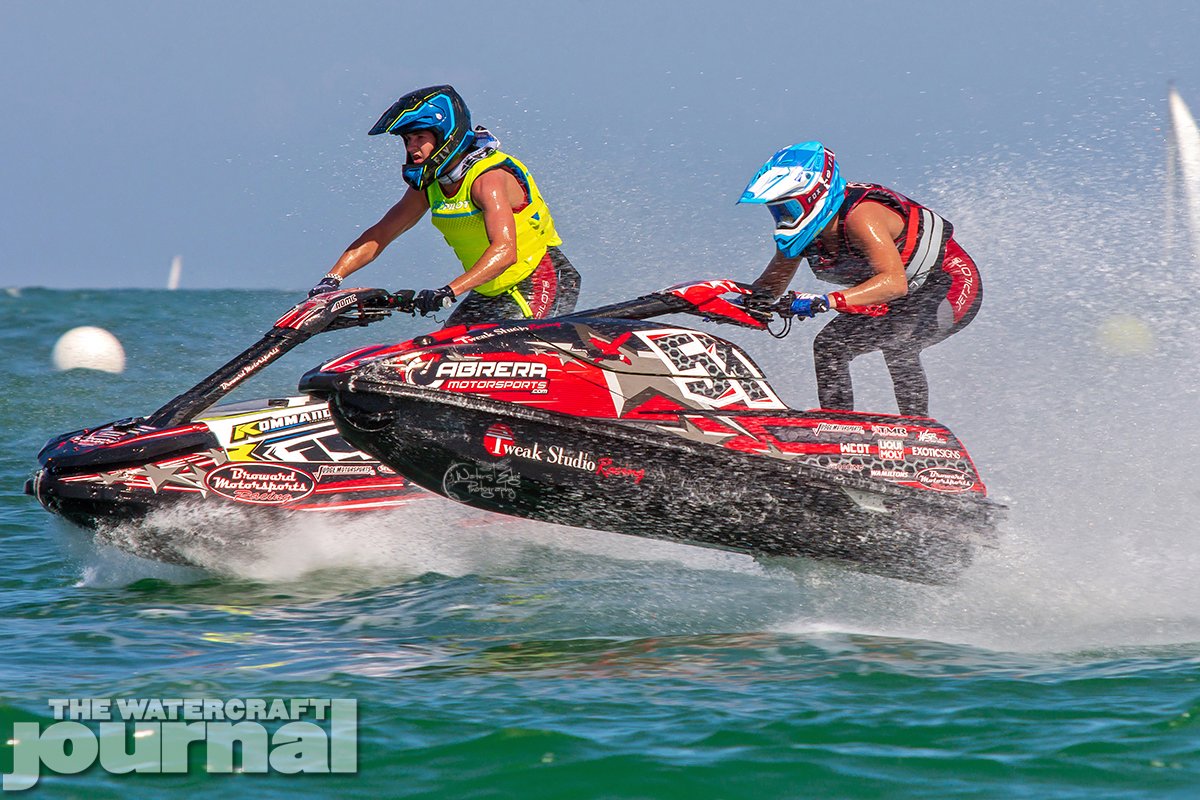
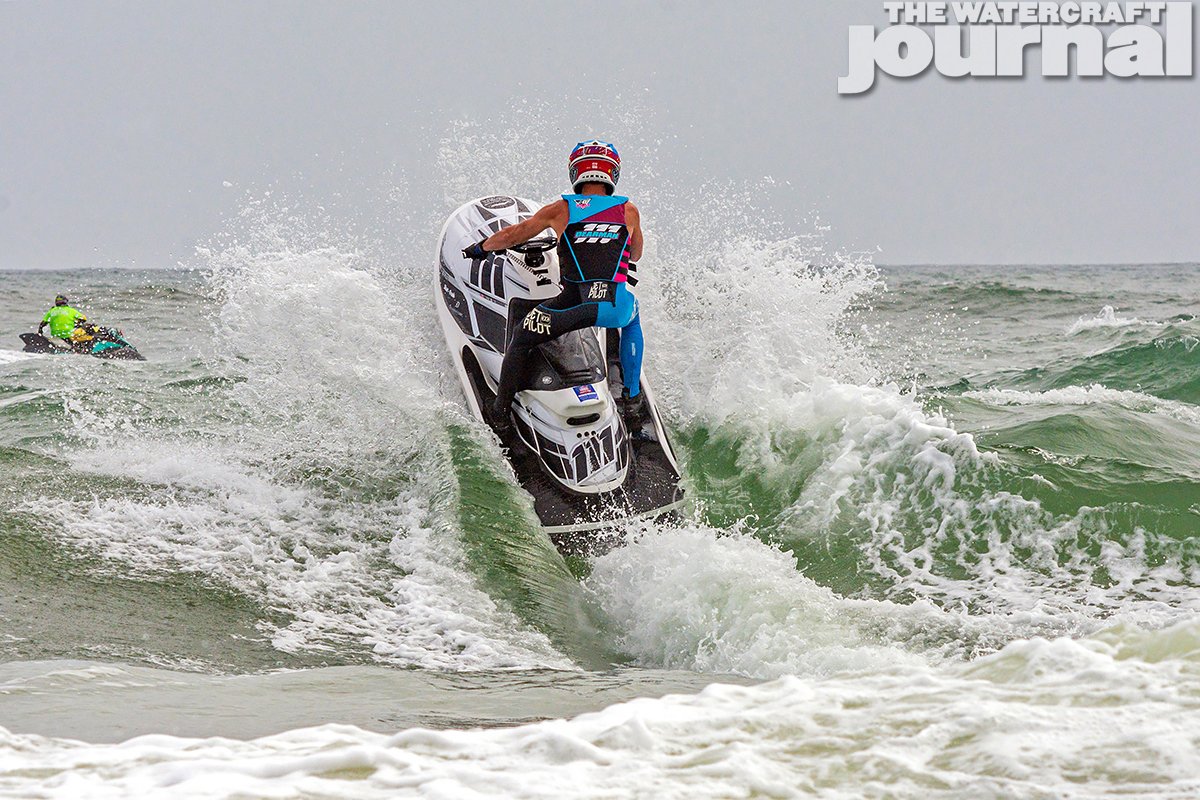
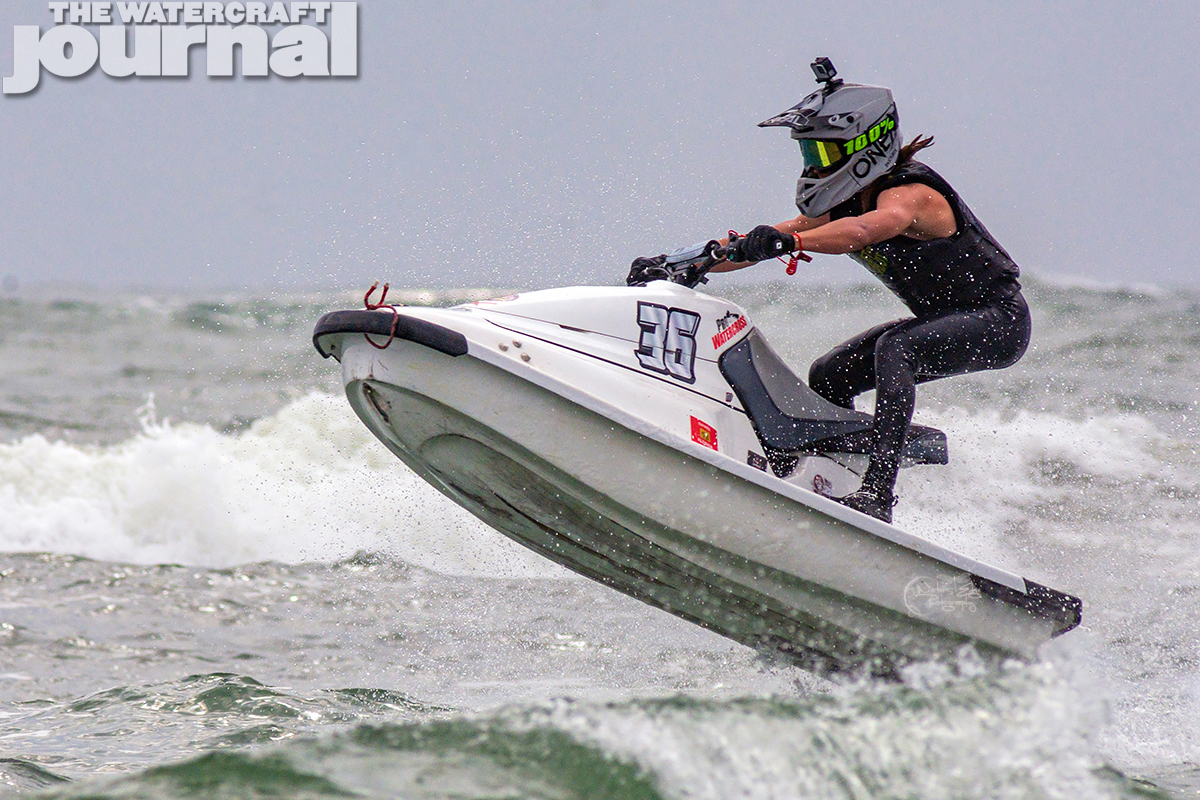
Round Two of the 2021 Pro Watercross Liqui-Moly Tour served up a little bit of everything – from sunshine, blue skies and a challenging, technical course on Saturday, made even more interesting by a steady, regular rhythm of 3-4 foot rollers pushing the tide steadily up the beach to lap at the EZ-ups to Sunday’s grey overcast skies, washing-machine chop and simplified course set-up to accommodate the rough conditions.
But through all that mother nature could throw at the Pro Watercross racers and staff over the May 1-2 weekend at St. Augustine’s Vilano Beach, they came right back with hard-charging racing to keep up the momentum set for the season at the Sebring Season opener.
Saturday was packed with Pro races, as the race staff churned through all three Pro Show motos, with Amateur Moto 1 races scattered between the Pro rounds, and many of the battle lines drawn at Sebring were revisited and some of the seasons top battles began to take shape as racers vie for those all-important tour points, not to mention the bragging rights and purse money for a weekend overall podium spot.
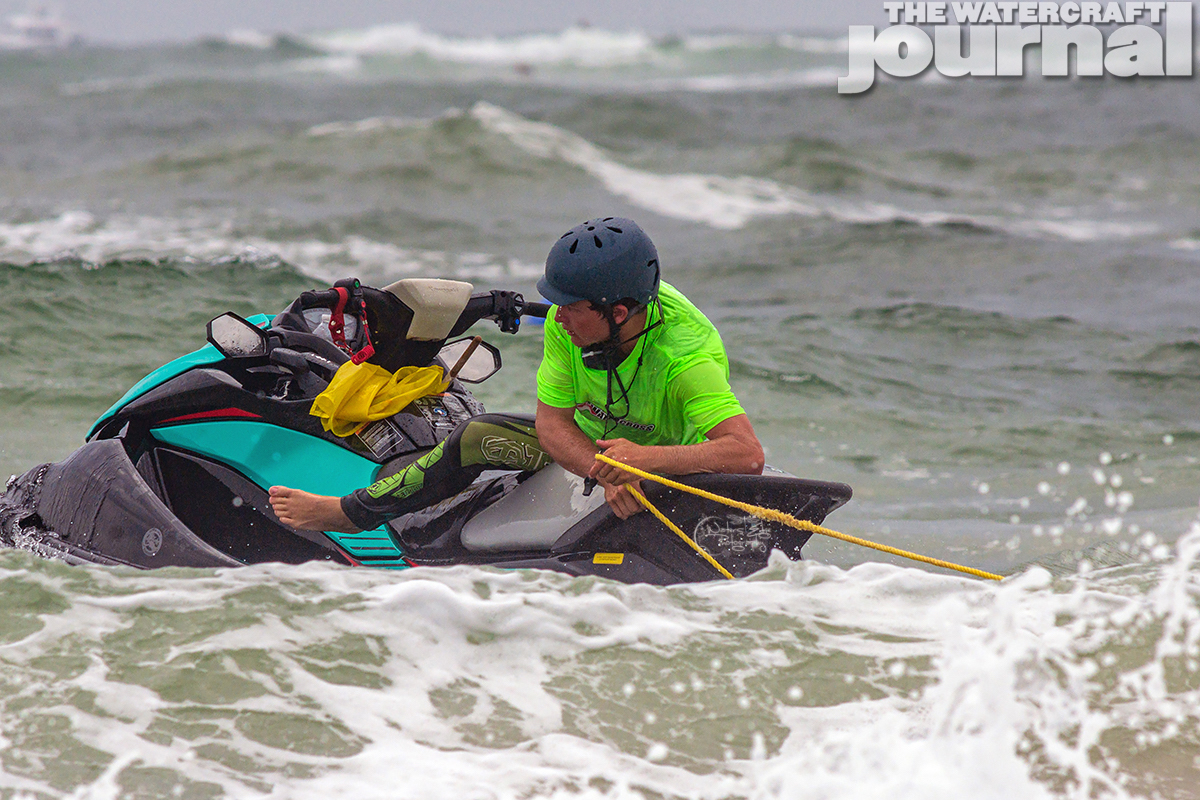
Saturday night’s shift in weather and surf not only sent riders scrambling to make adjustments to skis and strategies, but had race officials scrambling after the evening’s rough tides tore down the start tower, and the heavy chop not only called for a simplified course layout, but a “line up the best you can” rolling start that tested the skill, stamina and staying-power of Veteran racers and beginner and Youth classes equally.
St. Augustine’s results built on the successes and struggles of Sebring’s Round One, and with the completion of the Mother’s Day Round Three this past weekend in Panama City Beach, the Pro Watercross National Tour is officially at its halfway mark. With a few down – weeks before the tour picks up its second half on June 5-6 in South Padre Island, Texas, The Watercraft Journal provides the following mid-season roundup of contenders in each class.
For full results, and information on the Pro Watercross tour, visit prowatercross.org. For the full album of photos, visit www.watersedgephoto.online
1 of 37
Pro-Am Ski GP Points Standing: Matthew Richuk – 146; Jimmy Wilson – 144; Camden Powell – 128; Dustin Motzouris – 120; Tyron Motzouris – 106; Deven Farthing – 100; Jules Hopkins – 99; Zeke Keim – 96; Isaiah Washington – 81; Sammy Nehme – 74; Revin Harris – 61; David Cabrera – 57
Rd. 1 (Sebring): 1. Matthew Richuk; 2. Camden Powell; 3. Jimmy Wilson; Rd. 2 (St. Augustine): 1. Dustin Motzouris; 2. Tyron Motzouris; 3. Jimmy Wilson; Rd. 3 (Panama City Beach): 1. Dustin Motzouris; 2. Tyron Motzouris; 3. Jimmy Wilson
Sport Stock Points Standing: Deven Farthing – 163; Sammy Nehme -132; Tory Snyder – 117; Haden Skellett – 113; Ken Waddle – 90; Dusty Bury – 89; Taylor Skellett – 81; Andrew Hancock – 70; Talan Farthing – 66; Christopher Landis – 66; Wyatt Hayes – 52; Bobby Cardone – 48; Valentina Lezcano – 47; Sam Tyer – 39; Tom Keller – 24; Rex Hayes – 22; Revin Harris – 20
Pro-Am Runabout GP Points Standing: Tory Snyder – 173; Juan Lezcano – 113; Alex Cushman – 48; Claude Clayton – 43
Rd. 1 (Sebring): 1. Juan Lezcano; 2. Tory Snyder; 3. Alex Cushman; Rd. 2 (St. Augustine): 1. Tory Snyder; Rd. 3 (Panama City Beach): 1. Tory Snyder; 2. Juan Lezcano
Junior Ski Stock (10-12) Points Standing: Gary Holbein Jr – 173; Caris Webster – 113; Jax Rowe – 48; Rhys Strickland – 43; Jax Hayden – 156; Keegan O’Connell – 149; Ryland Webster – 120; Teagan Hill – 53;
Rd. 1 (Sebring) Gary Holbein, Jr.; Rd. 2 (St. Augustine): 1. Caris Webster; 2. Gary Holbein, Jr; Rd. 3 (Panama City Beach): 1. Gary Holbein Jr.; 2. Caris Webster; 3. Jax Rowe
Amateur Ski Stock Points Standing: Kevin Rowe – 120; Kiersin Frost – 117; Charley Mcguinn – 115; Ryan Stevens – 112; Ryland Webster – 106; Steven Hayden – 96; Joe Surette – 91; Danny Newman – 60; Patrick”tricky” Sarenich – 60; Robbie Finlinson – 53; Raphael Ades – 30; Melissa Martin – 30; Lemar Weldon – 27
Rd. 1 (Sebring): 1. Patrick Sarenich; 2. Robbie Finlinson; 3. Joe Surette; Rd. 2 (St. Augustine): 1. Kevin Rowe; 2. Ryland Webster; 3. Steven Hayden; Rd. 3 (Panama City Beach): 1. Kevin Rowe; 2. Ryland Webster; 3. Steven Hayden
Veteran Ski GP Points Standing: Erin Mcconkey – 128; Ralph Mcgregor – 108; 85y Dustin Higdon – 86; Pete Nachtigal – 84; James Wright – 60; Jeb Zarzour – 60; Gary Hopkins – 53; Jonathan Mccreary – 53; Chris Wojtal – 48; Byron Unger – 39
Rd. 1 (Sebring): 1. James Wright; 2. Erin McConkey; 3. Pete Nachtigal; Rd. 2 (St. Augustine): 1. Jeb Zarzour; 2. Jonathan McCreary; 3. Ralph McGregor; Rd. 3 (Panama City Beach): 1. Ralph McGregor; 2. Gary Hopkins; 3. Chris Wojtal
IROC GP Points Standing: Cameron Frame – 173; Arnold Martinez – 161; Jeff Stanley – 53
Rd. 1 (Sebring): 1. Cameron Frame; 2. Jeff Stanley; 3. Arnold Martinez; Rd. 2 (St. Augustine): 1. Arnold Martinez; 2. Cameron Frame; Rd. 3 (Panama City Beach): 1. Cameron Frame; 2. Arnold Martinez
Sport GP Points Standing: Johnny Smith – 173; Billy Dearman – 156; Glen Jung – 144; Deven Farthing – 53
Rd. 1 (Sebring): 1. Johnny Smith; 2. Deven Farthing; 3. Billy Dearman; Rd. 2 (St. Augustine): 1. Billy Dearman; 2. Johnny Smith; 3. Glen Jung; Rd. 3 (Panama City Beach): 1. Johnny Smith; 2. Glen Jung; 3. Billy Dearman
Amateur Freestyle Points Standing: Eric Cheek – 60; Hunter Gaskins – 53; Rick Cheek – 48; James Hill – 43
Pro Freestyle Points Standing: Chris Anyzeski – 60; Brad Hill – 60; Jason Stoyer – 53; Michael Depalma – 48
Rd. 1 (Sebring): 1. Chris Anyzeski; 2. Jason Stoyer; 3. Michael Depalma; Rd. 3 (Panama City Beach): 1. Brad Hill
Beginner Runabout Box Stock Points Standing: Christian Morris – 113; John Comino – 101; Jonathan Samuel – 60; Zak Azodi – 60; Alex Smith – 53
Rd. 1 (Sebring): 1. Jonathan Samuel; 2. Alex Smith; 3. John Comino; Rd. 2 (St. Augustine): 1. Zak Azodi; 2. Christian Morris; Rd. 3 (Panama City Beach): 1. Christian Morris; 2. John Comino
RIVA Racing posted up an in-depth interview with Dave Bamdas on their YouTube channel. We’re going to focus on what he and the RIVA crew are looking for in a team rider. Bamdas has three things in mind and first and foremost, you must be a good person. A prospective rider must have raw talent and the ability to provide excellent feedback to the development team. It is crucial to the research and development to receive timely and relevant feedback to continue improving on the level of performance parts.
While building a race team, Bamdas and crew are willing to help and advise people who are interested in racing. It doesn’t matter if you’re a privateer or a professional looking for guidance. The guys will help you find the right PWC and walk you through what modifications you need for competing in a specific class. They can do the mechanical work since they manufacture and supply all the parts required for P1 Aqua X Racing, which is the circuit in which RIVA’s sponsored riders compete.
Bamdas is excited about continuing with P1 Racing. He says that P1 brings accessibility to watercraft racing for everyone, meaning that it doesn’t require racers to be part of a big factory team to be competitive. He has a great deal of passion for watercraft racing and wants to keep the sport vibrant and healthy, while offering encouragement to racers. Bamdas is looking forward to what 2021 brings to the sport of watercraft racing and he’s excited about watching his RIVA Racing team battle it out.
RIVA Racing is the largest manufacturer of aftermarket performance watercraft products in the world. When the 2020 COVID-19 pandemic hit, production came to a grinding halt. RIVA rebounded in April, when recreational vehicles were in extremely high demand. RIVA was slammed with orders and had their best and most profitable year to date in 2020. Now in 2021, the company can focus on racing again and creating stellar performance parts.
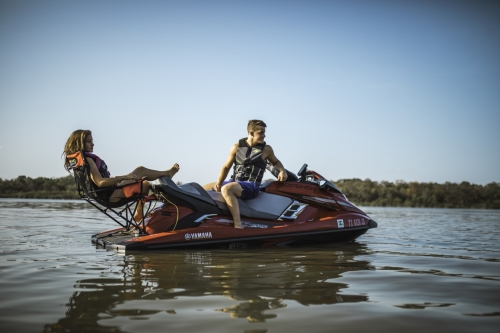
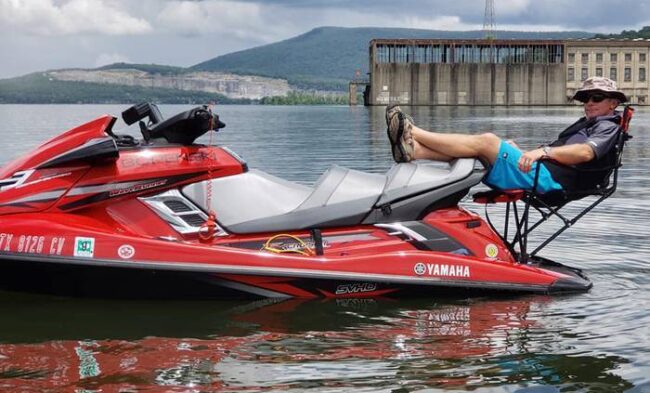
The Bopenski Kickback Chair will provide you with a nice break from all the supercharged riding and mods you might be doing on your PWC. RIVA Racing is selling the chairs for $139.95. They’re just what you need to chill and have a nice lunch and drink to fuel up before getting back at it.
The set-up is a breeze and takes less than a minute and no tools are required. The chair feet are designed in a way that they won’t scuff the deck of your jet ski. The Kickback fits most models of jet skis, even the ones that will move at lightning speed out of the gate.
The chair supports 225 pounds and is made to last a long when exposed to salt and fresh water. It is comprised of anodized aluminum and put together with stainless steel hardware so you can expect your Bopenski Chair to last a long time. These chairs are great for all styles and types of riders.
It doesn’t matter if you’re a seasoned pro or a recreational rider, everyone likes to sometimes to kickback on the water and it’s nice to give your back a break. If you aren’t riding solo and have someone on the back of your ski, they might like to chill and enjoy the scenery for a minute in a comfy Bopenski Kickback Chair.
The next time you’re perusing the RIVA Racing website, pick up a Bopenski Kickback Chair for $139.95!