Scandinavian electric surfboard company, Awake, uses an innovative and efficient approach when designing their high-performance electric surfboards. They have started a Tech Tuesday blog to give people some in-depth information about their surfboards.
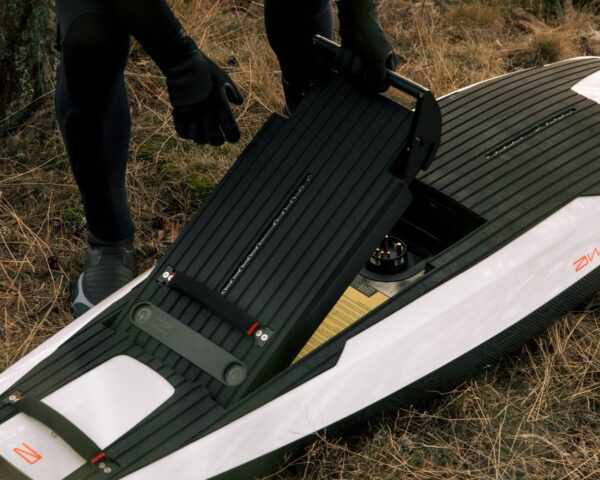
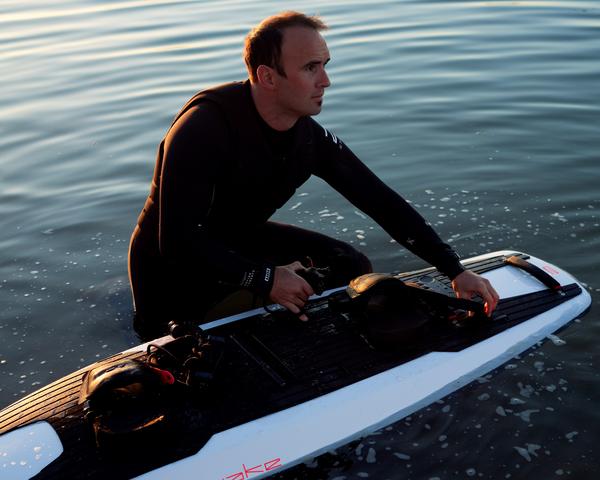
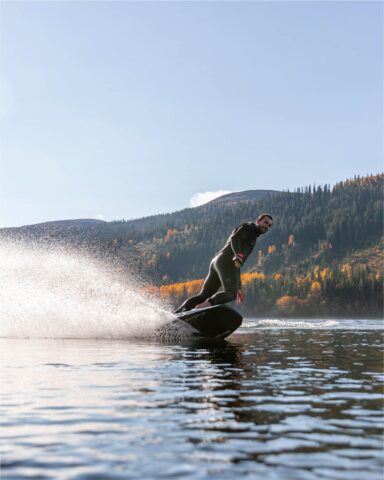
The company keeps things simple by using a 3-piece modular system across its range of boards. This system consists of a board, drivetrain, and battery. All modules are interchangeable, meaning that the same battery works in multiple boards and different modules.
The lithium-ion batteries are easy to exchange, service, and upgrade. For instance, if you own a first-generation Awake board, you can simply upgrade with a new battery and follow with an upgrade to your firmware and software via the Awake app. Boom, it’s like having a new ride.
We like Awake’s method of designing and using a plug and play system for their electric surfboards. There are no cables to deal with when charging the battery and the battery takes only an hour to charge.
The Awake company prides itself on simplicity when it comes to the user experience and designing boards. The crew wants you to spend time riding, and not dealing with a lot of components. One of their goals is to get you on the water with your sleek new Awake electric surfboard as quickly as possible and that’s what makes the modular plug-and-play technology significant to Awake’s success. It is all about ease of use and having a good time!
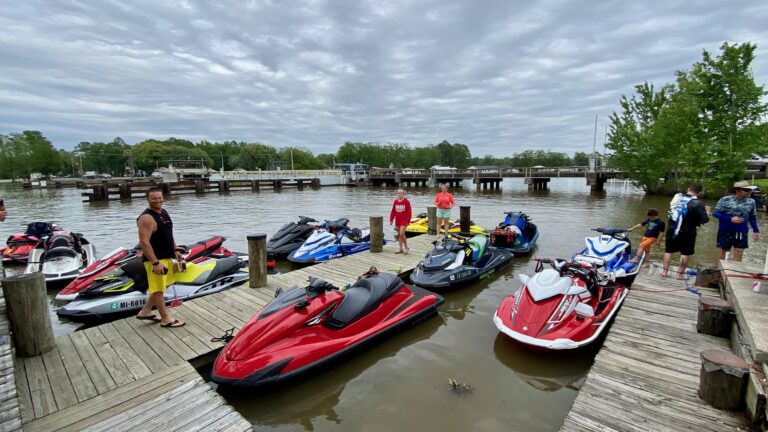
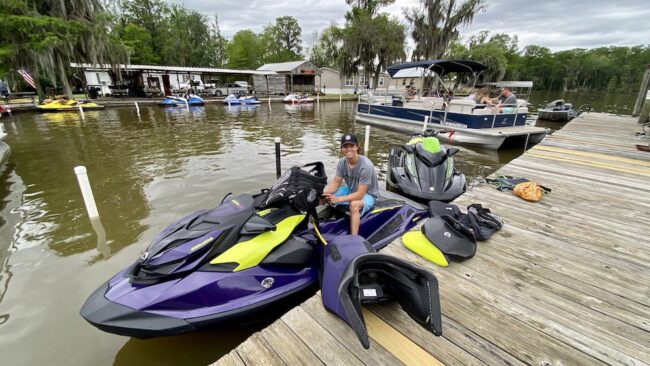
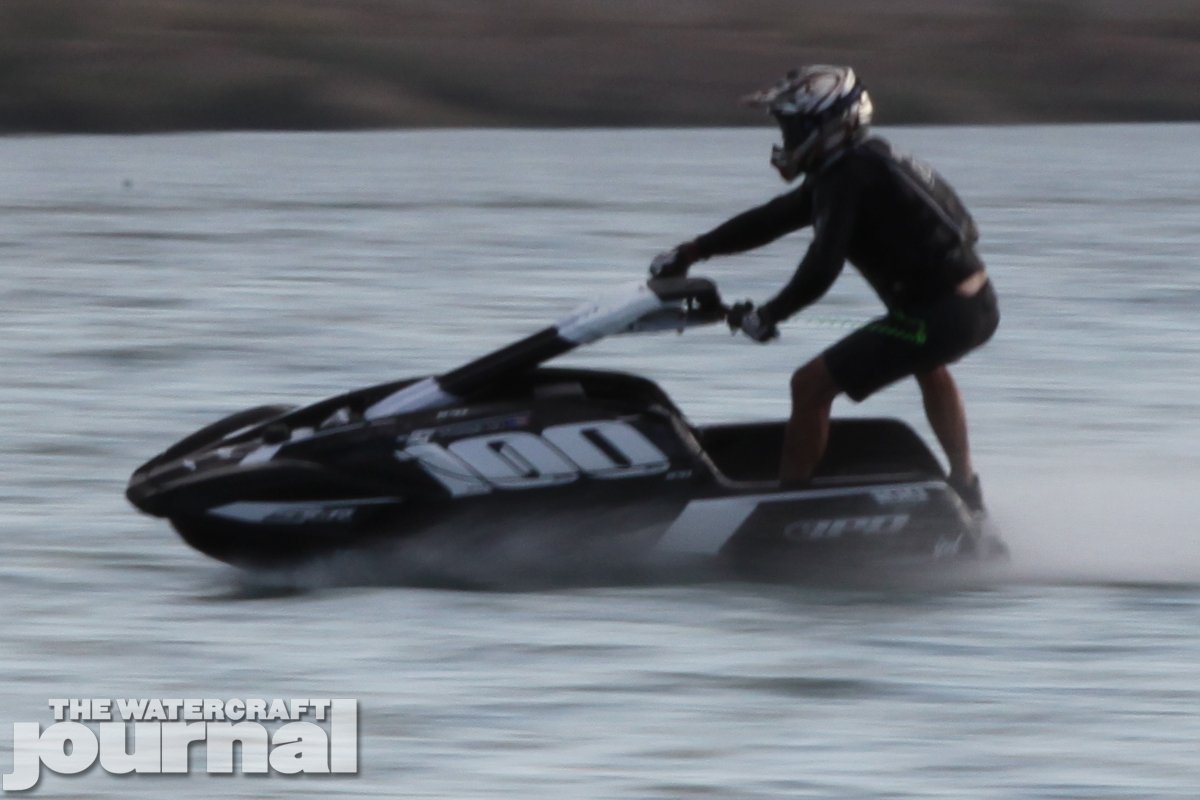
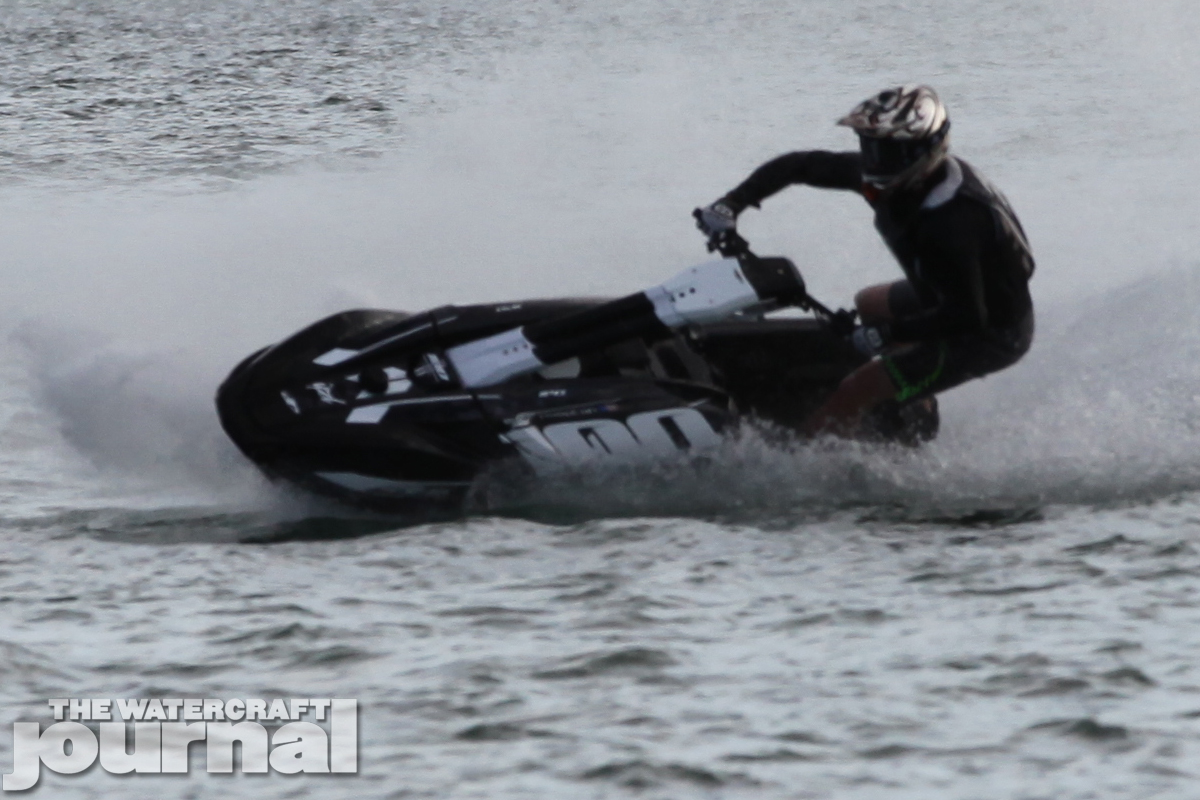
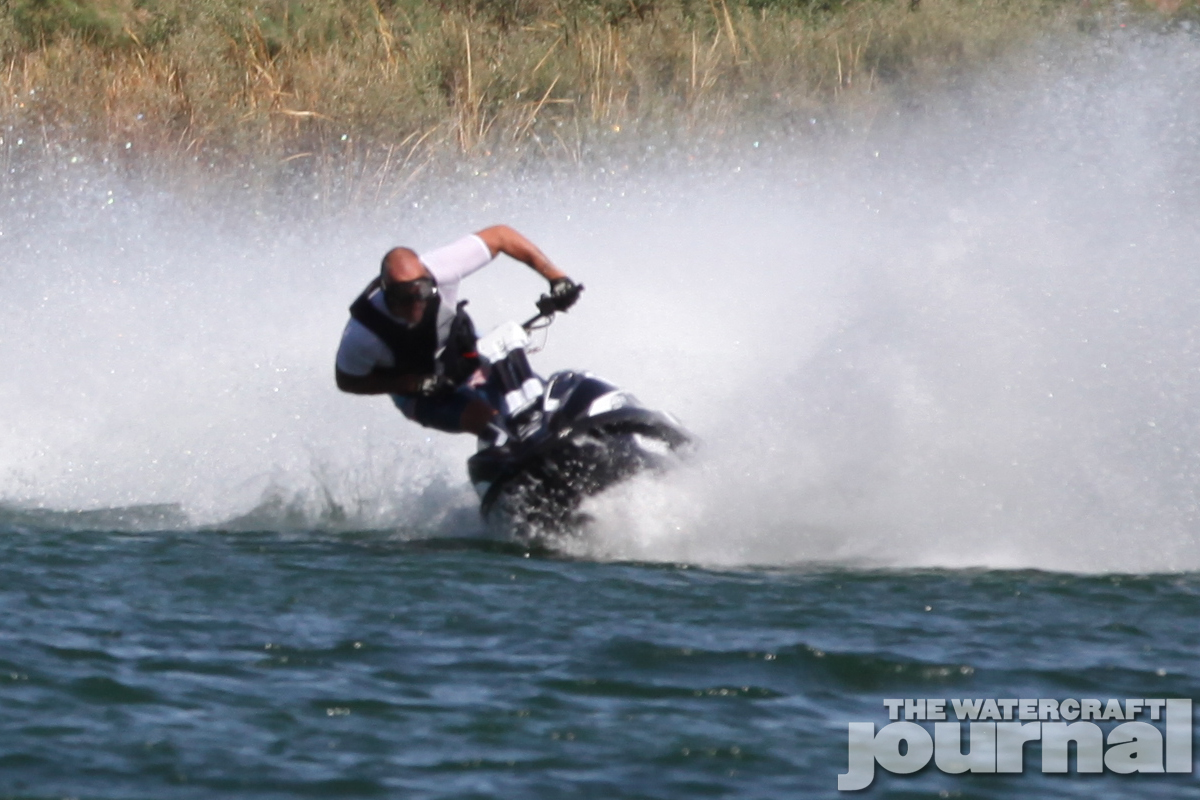
Mark your calendars! The annual MudBug rally will be taking place on June 10-13 in Morgan City, Louisiana. MudBug has occurred for well over a decade; what started as a meet up for the world’s fastest PWCs to battle it out has evolved into a laid back group ride with some incredibly fast skis.
Those attending will find themselves deep into Louisiana’s swamps with the greatest crowd the PWC community has to offer, maybe a few alligators as well. The local bayous offer beautiful scenery incomparable to anywhere across the nation; windy, narrow trails bordered with centuries old cypress trees are no stranger.
The group tends to make frequent stops to refuel, hangout, and try Louisiana’s famous cuisine. Believe it or not, some of the best places to experience the taste of Louisiana are right on the water! Even though MudBug brings out 100-plus mph turbo builds, all skis are always welcomed. As usual, there is no set ride or route for MudBug.
In order to stay updated on ride locations and launch times, visit the forum on www.greenhullk.net for the most accurate information. The Watercraft Journal will be attending this years ride and topping off the weekend with a live stream with Jerry Gaddis from the GreenHulk headquarters Sunday night. MudBug has something to offer for all PWC enthusiasts and is not a weekend you’ll want to miss. We’ll see you there, sha!
Last year, we lost three action cameras. It was less of a financial blow (although the good GoPros with vibration dampening are pretty pricey) as it was an emotional one because prior to 2020, we had never lost a camera despite all of our riding. To go from zero to three camera losses was incredibly frustrating particularly when considering how unnecessary their loss was. GoPro (and countless others) has been selling EVA foam floats for action cameras for over a decade – and in most cases, they’re relatively cheap and fit the camera.
Yet, that also implies that not all action camera floats are created equal. Online vendor outlets are rife with discount GoPro floaties that are ill-fitting, made from inferior materials and in a worse case scenario, fail to do the one job they were created for: float. In restocking our collection of action cameras we also bought half a dozen foam floats – some with 3M double-sided tape to adhere to the camera’s waterproof case, others molded to wrap around the waterproof camera as tight as possible.
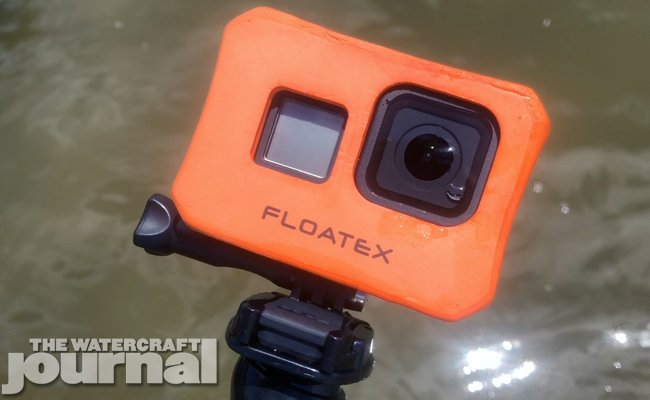
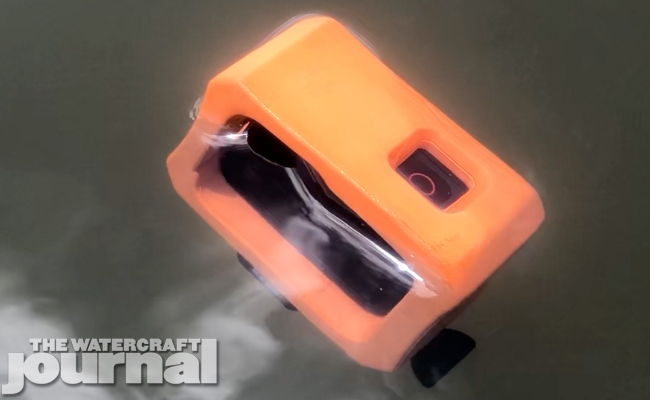
For our replacement GoPro 8 Hero, we decided to be misers and hit up the old Amazon.com to see what cheaper options we had to choose from. We opted for the EVA foam Floatex Floaty case because it had the largest opening in back to block the GoPro’s LCD display, as well as openings for all of the camera’s buttons and front screens. Advertised as being “vibrant orange” and easy-to-spot, the Floatex is described as being “ultra-buoyant” and “being made from “only premium materials and expert design go into this “Best-In-Class” product.”
Often when riding, we use either a GoPro suction cup mount or the spring-loaded C-clamp (with the flexible arm) to attach to tight edges. Thankfully, the flexible arm is buoyant but both the clamp and the suction cup mount are pretty heavy, which had us concerned. Thankfully, Floatex assured that “[it] will work great paired with other mounts, bobbers, and buoyant poles,” so how could we loose, right? Unfortunately, pretty much everything we’ve quoted here was a lie.
It arrived quickly and we immediately slipped our GoPro 8 in the float. The fitment is loose, not sloppy loose, but loose enough that the camera lens can pick up on the outermost edge of the float. Access to the rear screen and buttons are wide open, which is appreciated, but the foam felt…well, old. Equally, the “vibrant orange” was really more of a dull tangerine. The color wasn’t a deal-breaker by any means, but it was worth noting how less-than-vibrant it really was.
Then came the real world testing. On it’s own, with the camera detached from the mounts, the Floatex keeps the GoPro bobbing at the surface. So much so that the camera could take clear pictures of the sky above without you knowing it was laying on the water’s surface. With the flexible arm, it maintained the same on-the-water buoyancy (of course, the arm itself is buoyant, as we noted so it’s not really working that hard, is it?). But when attached to either the GoPro C-clamp or suction cup mount, it sank like a stone.
Even with the help of the buoyant flexible arm the Floatex failed to keep the camera even somewhat afloat. Rather, it sank directly to the bottom of the sandbar. Curious whether an official GoPro float could withstand the pull of the C-clamp (our heaviest mount) we attached our tiny GoPro Session with a float without the buoyant arm – and it held the camera up. Not perfectly – just below the surface – but enough to be spotted and saved. If GoPro’s smallest float could keep the mount from sinking, why couldn’t Floatex’s far larger float?
It all comes down to EVA foam density. The denser the foam, the spongier the feel – and the Floatex just ain’t got it. Although Floatex advertises a “Quality Assurance” program (“We promise a hassle free 90 days warranty for any issue. 100% risk-free purchase. Contact our helpful customer support for assistance.”). When we called, all they could offer was to either replace the floaty with another identical one or return our money, a whopping $13.99. Best to save that money and pay for a superior float rather than risk losing another camera.
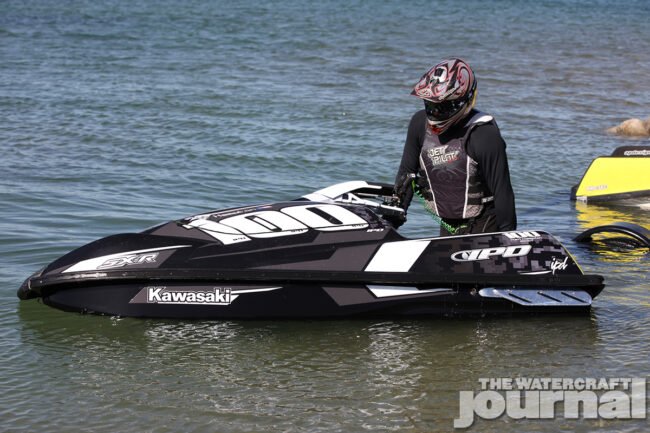
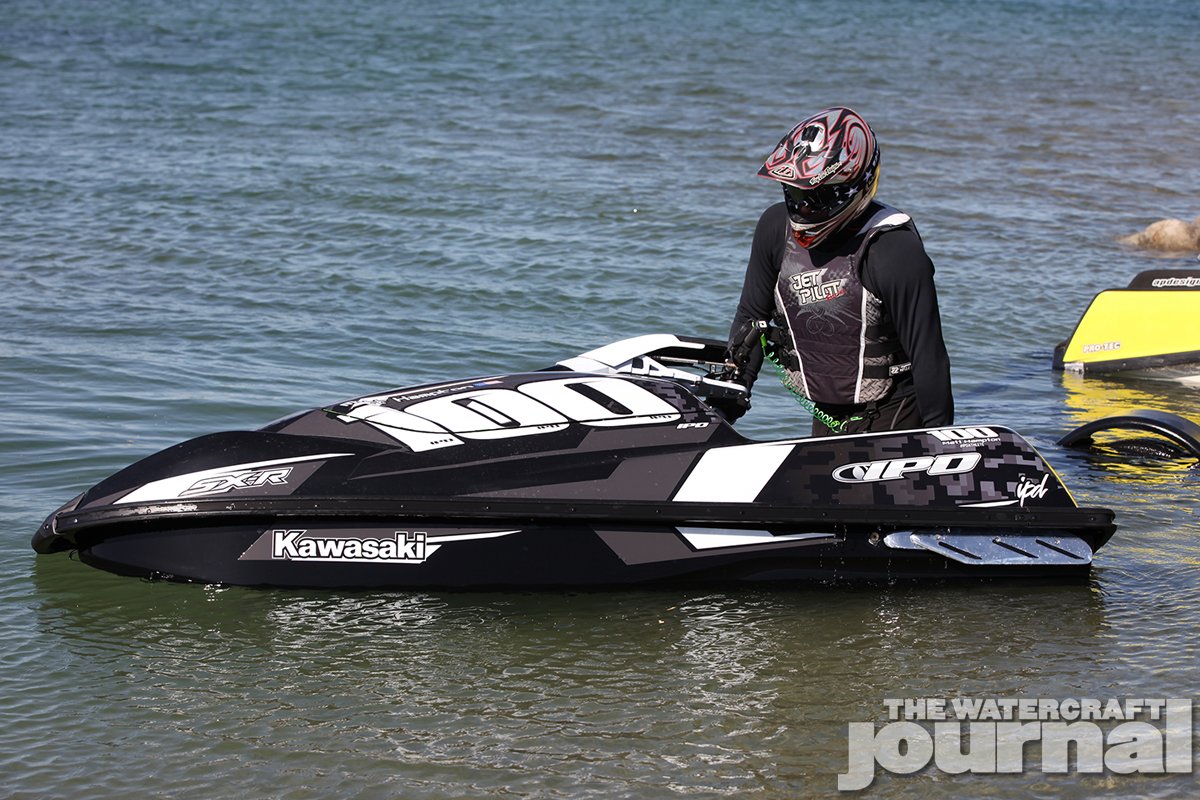
The Kawasaki SX-R 1500 has been around for a few years now. Racers and recreational riders alike have bolted on just about every aftermarket handling component available in an attempt to make the big beast handle as well as possible. The boat is powerful, and long and heavy, and has a fairly deep V-hull design. These features are great in some instances and the stock, plastic sponsons do their best to keep the ski stable and carving but there are some massive improvements to be had.
A quick internet search will bring up no less than six different manufacturers who offer rear sponsons for the SX-R 1500. Depending on what groups you ride with or who you listen to, it can be difficult to know which sponson is better and even more difficult to know why a certain sponson is better.
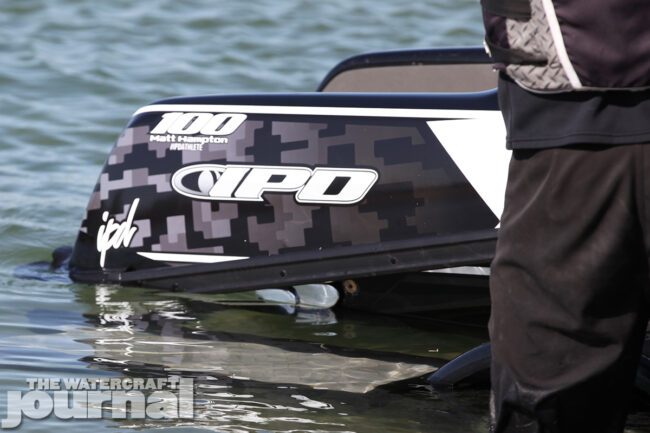
IPD Racing wanted to go a little deeper by extensively testing two of the most popular sponsons in a variety of conditions, using a variety of riders. We compared the sponsons offered from both JC Racing and Watercross of Texas and honestly the construction of these two sponsons couldn’t be more different from each other.
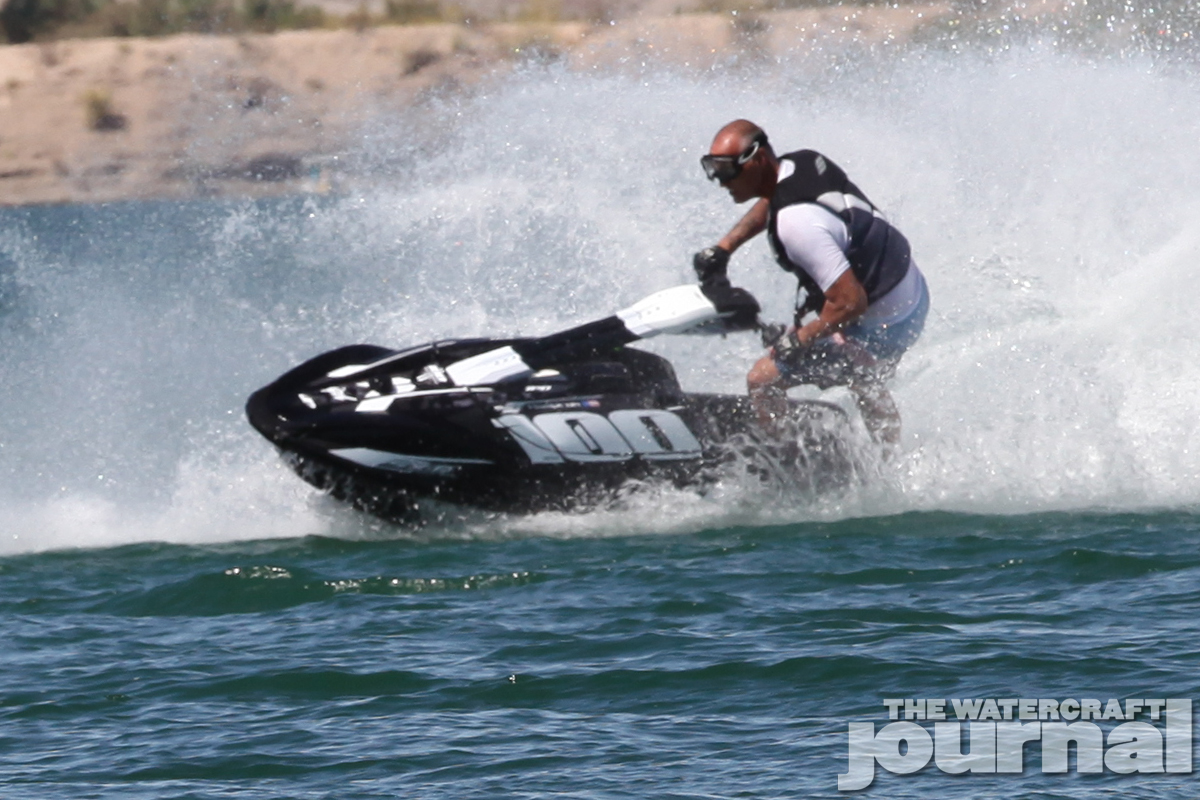
We completed our comparison over multiple days in two different locations including the world-famous Body Beach in Lake Havasu City, Arizona. We tested in both smooth and rough race-like conditions. During our test, we evaluated everything from product availability, fit and finish, top-speed, straight-line stability, and of course cornering.
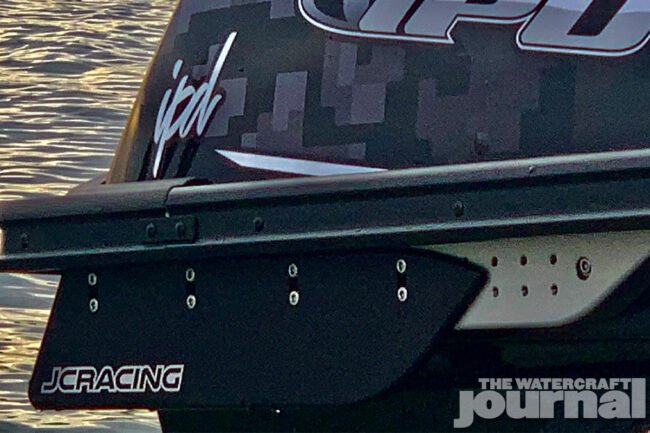
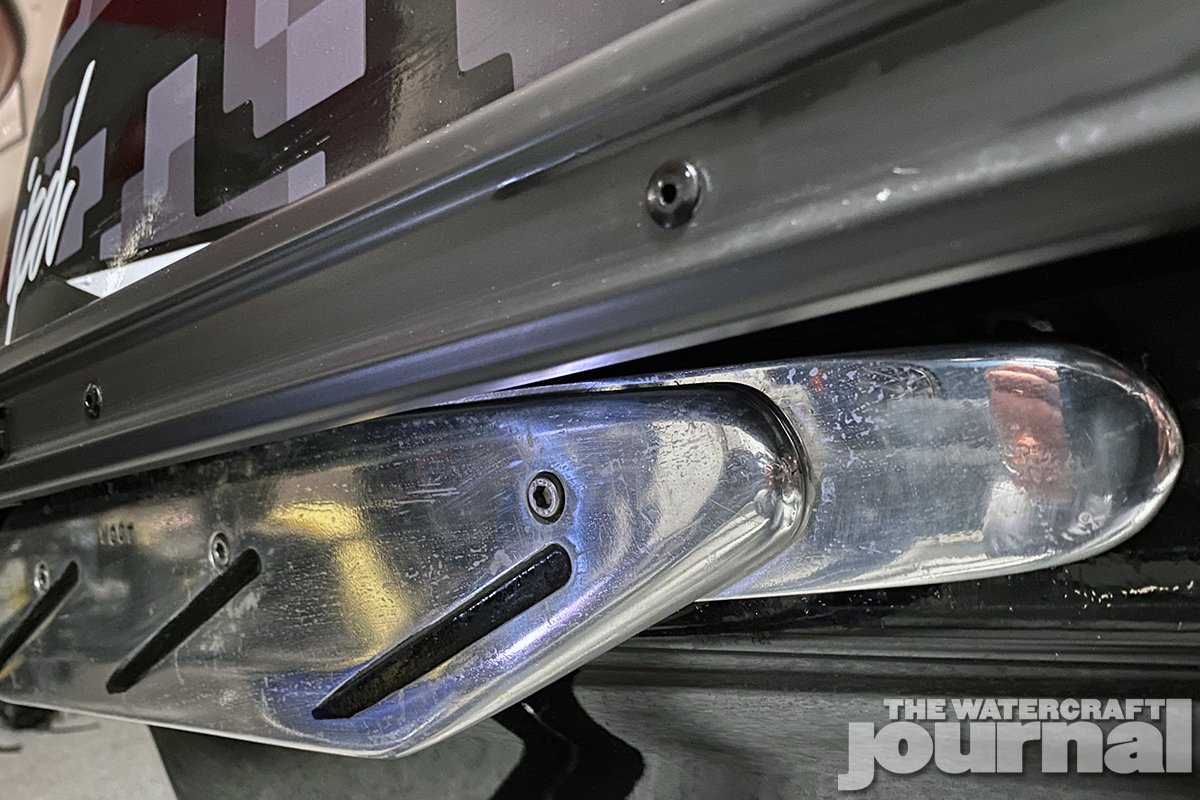
The JC Racing sponsons are CNC machined from 6061-T6 aluminum and include a separate backing plate. These sponsons offer an almost unlimited amount of positions available to tune the performance to your liking. JC Racing offers an original design “Gen 1” blade and a “Race” blade.
The “Gen 1” blades are designed around the recreational rider while the “Race” blade has more surface area and is designed to provide more aggressive handling. The JC Racing “Race” blades offer the ability to mount an ISJBA legal mid-sponson. This mid-sponson was not included in this test but will be reviewed in an upcoming article.
JC Racing uses 3D scan technology to input perfect hull information into CAD software. The results are parts that look great and fit perfectly. The backing plates are clear anodized and the blades themselves are black anodized. All JC Racing parts come with 316 marine-grade stainless hardware and instructions with some basic suggested settings.
As for performance, the JC sponsons were tested in all positions with the recommended setting providing the best grip and straight-line stability. The sponsons setting is really rider preference Having the sponson mounted all the way back will make the ski turn a bit wider, but it will increase the rear grip. Going further forward will change the pivot point of the ski more towards the center of the boat causing it to turn quicker.
In both cases, body positioning needs to be changed to compensate and to get the most from the different positions. With the sponsons all the way back, you can ride with a longer handle pole (if you have an adjustable pole) and hang more off the back of the ski. As you move it forward, you will want to change your body positioning to ride it more over the bars.
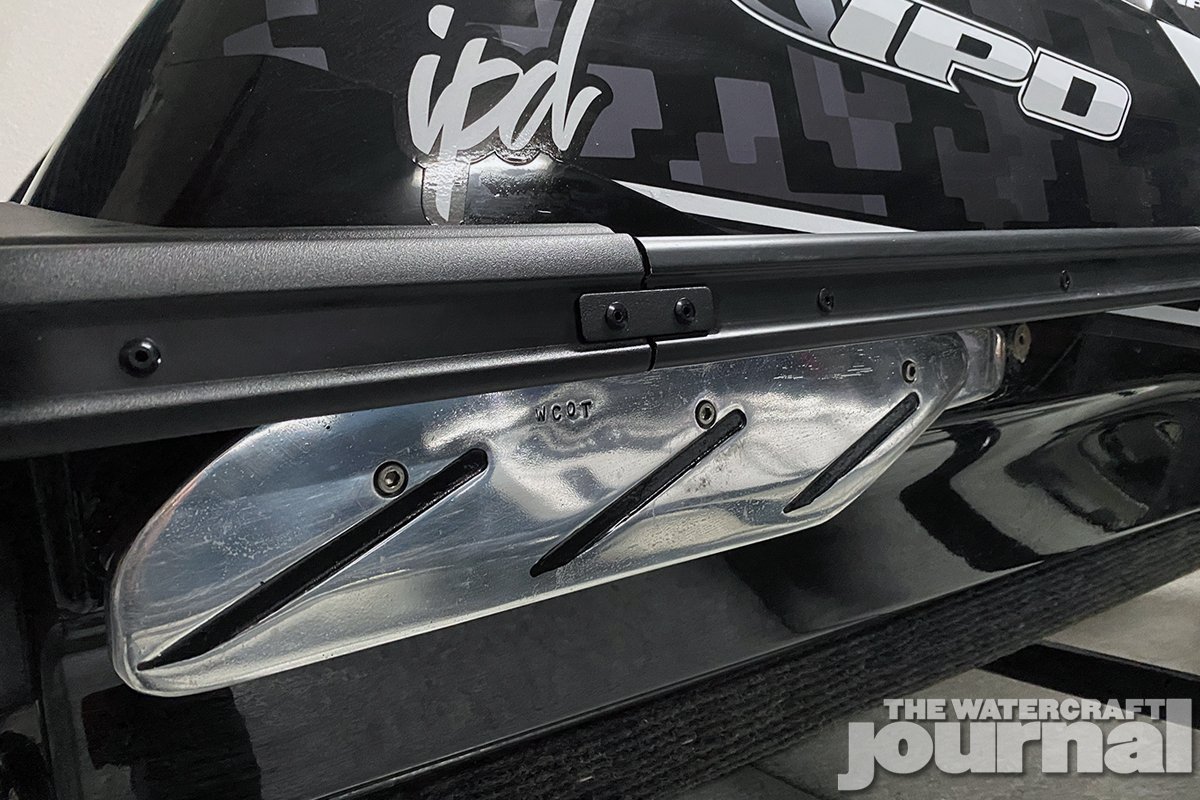
The WCOT sponsons are completely different. The backing plate is constructed from 6061-T6 aluminum while the sponsons are cast from 535 Almag (aluminum/magnesium alloy). This metal offers high strength and does not require heat to reach full strength. The WCOT sponson is then polished and clear lacquer coated to protect against oxidation. While these sponsons are fixed and do not offer any adjustment, they do have some carefully thought out and tested design features.
The sponsons are not flat like many others. Because of the way they are cast, they offer a contoured shape, allowing water to flow around and off of them. The angles have been designed to allow the ski to flow into and out of turns in a neutral manner so as not to wear out the rider. The sides of the sponson feature small indented channels that are designed to break up the laminar flow of the water. The sponsons are a little shorter than others and are reported to not touch the water at high speed.
All three sponsons were tested in both smooth glassy water and in windy, rough racecourse chop. All three sponsons were tested using riders of varying skill levels from a lightweight Pro/Ski GP Champion, to an older recreational rider. Our results were very similar for both manufacturers in the sense that the bad habits of the stock ski were immediately improved in both cases.
The stock ski can exhibit a strange lean-over in turns that is difficult to correct as well as some chine walk in smooth water. All three sponsons offered a much more secure, stable feeling in the rough high speed straights and provided the confidence to turn sharper and harder in the turns.
Performance wise, the JC Gen 1 sponson does not grip as much as the other two and is better suited to the recreational rider. The Gen 1 sponsons allow the SX-R to feel a little more playful and are a great choice for someone who doesn’t constantly ride buoys. As for the other two, I do not feel that there is a tremendous difference in cornering performance on a race course.
I feel that because of their adjustability, the JC Racing sponson’s have the ability to turn quicker and harder. The WCOT sponson seemed to provide a consistent feel that never did anything unexpected and because of the way they angle outward, I felt they provided excellent stability.
Price wise, the JC sponsons retail for just under $500 and the WCOT sponson retail for about $450. Both are manufactured in the USA and availability is comparable. Other sponson manufacturers have their parts made outside of the country and that is something to consider when looking for performance parts.
Really, the big separation comes down to two categories. For fit and finish, and almost unlimited adjustability, the JC Racing sponson has the edge with its beautifully constructed, CNC machined, anodized parts. For overall performance, the rider may want to consider a complete package to include an intake grate and a ride plate designed from the same manufacturer and in that category, WCOT has the edge.
Additionally, WCOT has been designing handling parts for jet skis for over 40 years so some credit has to be given for the design of their sponson. The final choice will be left to the individual rider but the consensus is that both massively improve the way the stock Kawasaki SX-R 1500 handles.
Speed Testing Results All speed testing done with a Skat-Trak Intake Grate
Steven in Sales has an updated guide to his article on jet ski warranties. He neatly lays out the details in an easy-to-read format. We’ll touch on some key features beginning with what warranties don’t cover. As a default, they cover nothing more than manufacturer defects so if you suck up some rocks or other debris, the owner is often on their own.
Equally, factory warranties are tiered and body defects are only covered in the first year. Unapproved mods can void your warranty. If you are planning to modify your ski and you aren’t sure about the mod, contact a dealer. They will let you know if it will void your warranty. Transversely, consumers have rights and should know that specific modifications will not void the entire ski’s warranty, which The Watercraft Journal detailed previously here.
Depending on where you live, the default manufacturer warranty is 1 year and the max warranty on a jet ski is 5 years. Here’s a tip, buy your next ski at a boat show. The manufacturer will sometimes give out extra warranties to dealers. Buyers can sometimes score 3-or-4 year warranties – often times as a show promotion.
Steven recommends getting the warranty promotion instead of the money-off deal. In this case, an extended warranty is your friend, though buying it doesn’t speed up repairs. You have to wait just like everybody else, especially in the summer months. Steven recommends always taking the manufacturer warranty over the dealer warranty, citing that a warranty from the manufacturer is easier to deal with, although top tier dealers like Cycle Springs Powersports have demonstrated over the years to be just as reliable (if not more) than the OE. Check out Steven’s complete guide here.
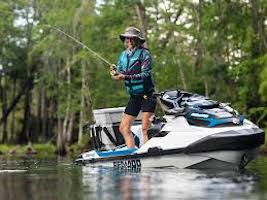
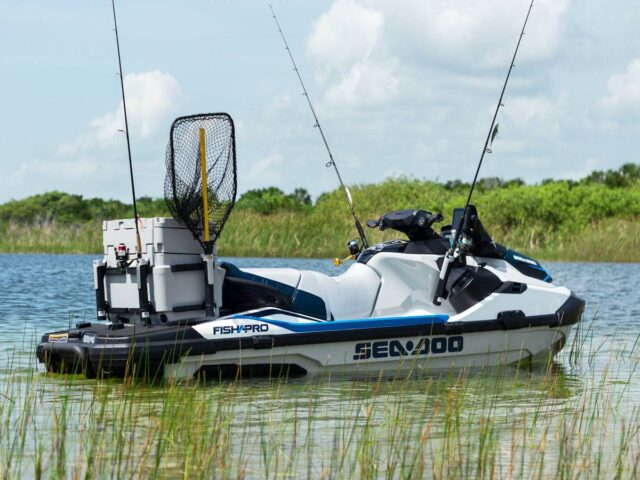
Per an article by Joshua Dowling published on Watercraft Zone, Sea-Doo customers and dealers are unhappy about a delay in delivery of the new Sea-Doo Fish Pro’s to dealers in Australia. The PWC were scheduled to arrive in May or June, and they have been pushed back to August at the earliest. Some dealers and customers are speculating that the Sea-Doo Fish Pro 170 models were diverted to the US market due high demand on top of a PWC shortage.
The machines are assembled in Mexico and take about two months to arrive in Australia and given that timeline, Sea-Doo had an ample amount of time to notify dealers in Australia of the delay. They didn’t and now Sea-Doo dealers must face dissatisfied customers. Quite a few Sea-Doo Fish Pro 170 buyers have been waiting since January for their new skis to arrive and according to one dealer source, a lot of customers are asking for their money back.
“Everyone understands the world is in a state of flux right now and there are production delays and interruptions,” said one Sea-Doo dealer source. “However, the least Sea-Doo could have done is tell us sooner rather than later that there was going to be a further three-month delay.”
Sea-Doo also continues to be plagued by problems with its “Intelligent Debris Free” (IDF). The IDF is designed to switch into a reverse thrust to clear debris from the intake grate and jet pump. It is possible for the IDF system to get stuck between forward and reverse on some models, which will disable the craft. The machine is rendered inoperable at that point and will have to be towed.
Though all the Sea-Doo watercraft outfitted with IDF are inspected, some problematic units seem to have slipped through. Dealers advise owners of 2021 Sea-Doo models equipped with the IDF technology to take them in for an inspection if they’ve encountered any issues.
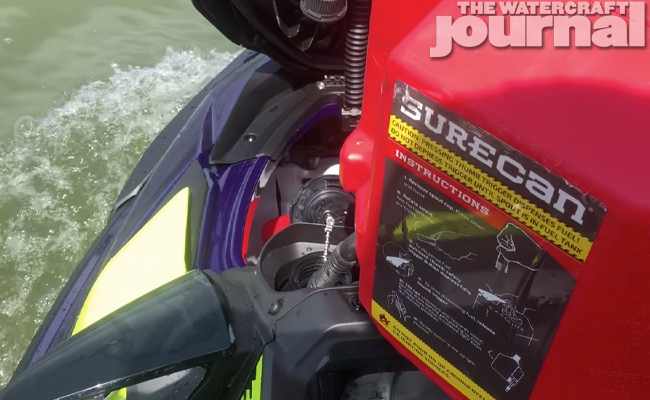
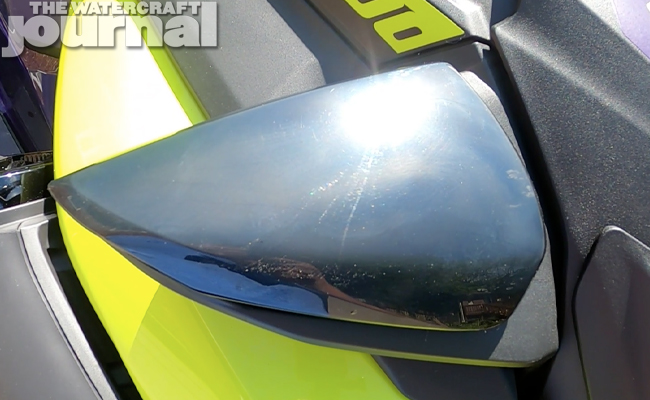
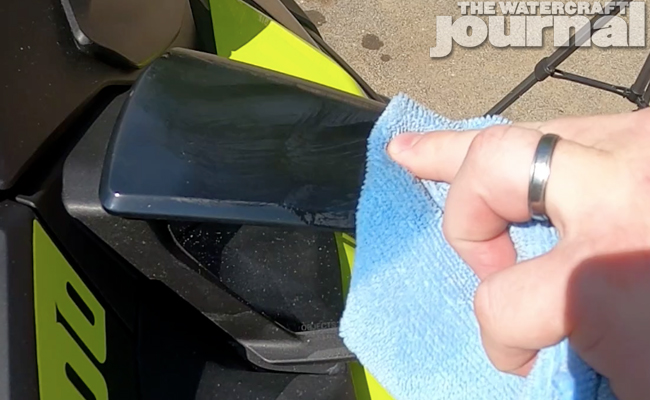
“Oh crap!” I yelled as precious 93 octane spat from the flexible filler neck of my SureCan jerry can. The spilled fuel splattered across the glossy black plastic cap over the left hand side rear view mirror of The WatercraftJournal’s 2021 Sea-Doo RXP-X 300, immediately discoloring the cap, bleaching it opaque within seconds.
I was attempting the precarious balancing act of refueling the Sea-Doo while still in motion so that the engine would continue its countdown to 5 operating hours, the halfway mark for the RXP-X’s break-in period. While this might’ve saved me a few minutes of lost time on the operating clock, it was going to cost me quite a bit of cash to replace the now ruined part.
Above: Here’s a pro tip, don’t spill gas on your Sea-Doo. Like, anywhere. The soft, glossy plastics are super sensitive and will discolor and bleach in a matter of seconds.
In an effort to shave down precious weight, Sea-Doo employs a variety of different decorative plastic surfaces on its decks. Nothing is actually painted; gloss black plastics (like the one I ruined) are molded that way. The same goes for colored components. It’s all in the molding process.
Above: After literally dozens and dozens of combinations of polishing techniques and different compounds and waxes, these are two most successful polishes we’ve encountered, as well as the very basic list of tools needed to make your damaged plastics look better than new. No really. We mean it.
I too shared that same mindset. With previous units in my possession, I’ve had pieces be damaged by fuel spillage, overspray from aerosol sunscreen, waterspots and plain old UV-damage, and no combination of spray cleaner, soap, detergent, wax or polish could do the trick. A few different kinds of automotive-grade rubbing compounds dug too coarsely into the soft surface, and left visible scratch marks that couldn’t be rubbed out either.
And so I went repeating the fruitless effort again on this gasoline-bleached mirror cap. No product from XPS could undo the damage. Nor could any marine spray cleaner or that from my vast collection of automotive waxes. It was a goner for sure.
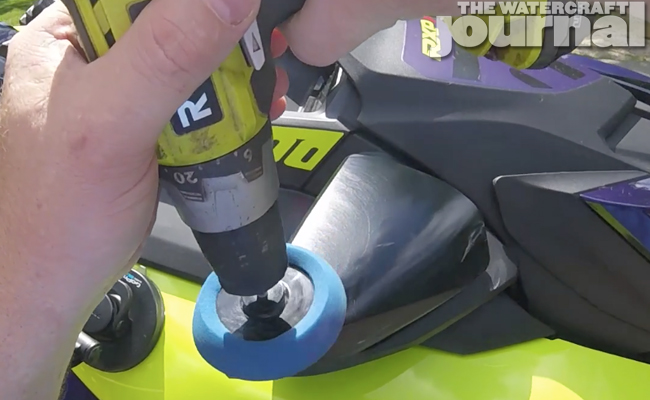
Above: A blue foam pad won’t scratch the surface like a harder, red pad. The professional-grade Power Cut Compound is also a more gentle rubbing compound formulated for gel coats and fiberglass that won’t burn through your plastic as quickly as those designed for paint.
Defeated, I ordered the appropriate mirror cap from RIVA Racing’s OEM catalog (PT# 269502427LH) and began to research how to correctly replace it. I was shocked that Sea-Doo required much of the top deck removed just to access the single set screw; unwilling to disassemble so much of a brand new RXP-X, redoubled my efforts: what can fix this?
I began with plastic polishes. Y’know, the kinds made for restoring headlamps. Although they weren’t aggressive enough, they opened the door to other cutting compounds. I had used Meguiar’s One-Step Cutting Compound to remove heavy scratches in the purple acrylic made by shipping it with a cover on. Unfortunately, it was again, just a little to coarse.
Above: After buffing the Power Cut Compound with the wool wheel at high speed, you might think you’re done – but you’re not! There’s still another step to do.
But, I did have a nearly unused bottle of Meguiar’s Marine/RV Power Cut Compound ($22.99). Going by hand showed promise, so I fished out my two-speed Ryobi electric drill and a soft blue applicator sponge pad. (Colors do matter when it comes to paint and polishes. Blue is one of the least aggressive. Red is one of the most. Stick with blue on this one.)
A quarter-sized dollop and the drill set on its lowest speed covered the mirror cap with ease, breaking down and lifting up the damaged layer, leaving a clean, fresh surface to be buffed smooth. Not wanting to let the compound dry, we used a soft yellow wool buffing wheel and set the drill at max speed. We didn’t apply any pressure, but let the wheel do it’s job.
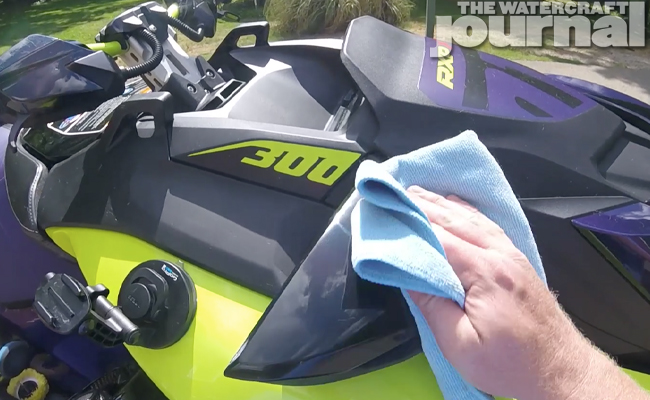
Above: After cleaning off your blue applicator pad (or using a different one), apply the Scratch-X 2.0 to the plastic surface and massage it thoroughly into the surface at a low speed first, and then switching to full speed for a few seconds. Don’t apply any pressure! Let the pad do the work! Then, simply wipe it down with a microfiber cloth.
Within seconds, the shine was completely restored. By this time, the replacement cap had arrived, and I used it to compare my progress. At this stage I was close. Not perfect but close. Here, I returned to my collection and fished out a bottle of Meguiar’s Scratch-X 2.0 ($9.99). It’s more of a swirl remover than anything with just enough grit to possibly knock down the porous surface I had created with the Power Cut Compound.
Equally, Scratch-X 2.0 includes a very light polymer protection, which when I used the drill with the foam applicator pad (after I cleaned it off from the first use), worked great. Wanting to repeat my process, I went back to the wool pad and quickly undid all of my last step.
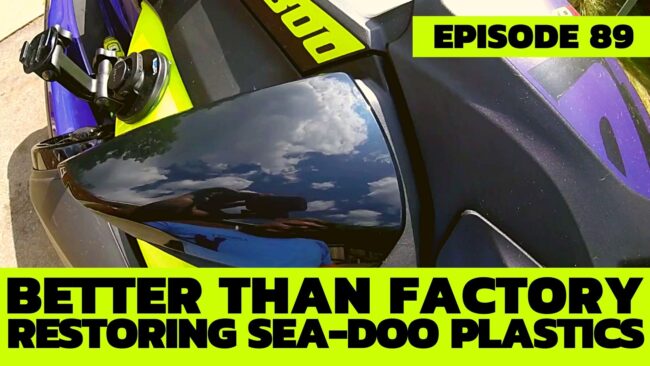
Above: Want to see that it’s better than factory? Look at the crispness of the reflection on the back piece versus the replacement OE piece (foreground) that we ordered from RIVA Racing. Our restored panel has a deeper black and sharper reflection than stock.
Yup, the wool pad left the plastic dull and heavily scratched. So I cleaned the plastic cap off with some XPS all-purpose cleaner and repeated my first three steps, choosing instead to wipe the plastic off by hand with a fresh microfiber towel instead of the wool wheel. And viola! the plastic cap piece was glossy again!
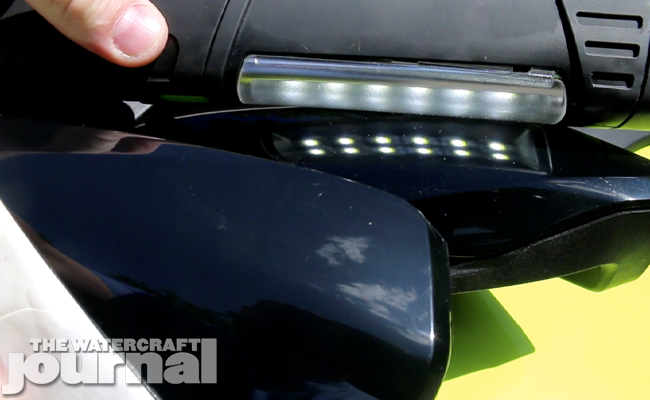
To check my work, I lined it up against the replacement panel from RIVA – mine was better! Using an old auto detailer’s trick, I pulled out a Mycanic 500 lumens LED light and shone it on both panels: the reflection of the bulbs were much more defined and detailed on my mirror than even the stock replacement.
Above: Will you look at the mirror-like reflections?! C’mon man, this is pretty impressive stuff and anybody can get these kinds of finishes – heck, don’t wait to ruin your plastics like we did, just go ahead and follow this process on your Sea-Doo and watch it glisten in the sun!
Again guys, I’ve been through literally dozens of different combinations of polishes, compounds, waxes with various methods of polishing and this one works the very best. See the pictures above and the video below. I’m talking mirror-like finishes here. Sea-Doo won’t likely change to a more durable plastic anytime soon, so it’s on us super anal-retentive types to find the best way to keep our skis looking tiptop.
I joke in the video that the wool pad will leave spun felt all over your Sea-Doo, and that is no exaggeration. I found some in the glove box, and it was never opened during this process. Other than that, there’s literally not one complaint – and if you follow these steps, you won’t have one either.
Amid all the chaos, Yamaha WaterCraft Group has been diligently striving to improve the marine industry’s stewardship, product responsibility and manufacturing advancements across both its PWC and boat lines. A lofty goal for sure, Yamaha’s commitment to improving the environment and water quality, increasing energy conservationism and magnifying the brand’s sustainability has been an ongoing effort over the years.
In a recent press release, Yamaha reaffirmed its commitment to these initiatives, which you can read here:
Yamaha WaterCraft Group today joined forces with Yamaha Marine’s Rightwaters initiative to extend the program’s focus on marine stewardship, product responsibility, and manufacturing advancements across Yamaha’s WaveRunner® and Boat product lines.
Yamaha Rightwaters is the leading national marine sustainability program, focusing efforts toward sustainability from factory floors to the great outdoors. Pursuit of these initiatives includes protecting the environment, improving water quality, increasing energy conservation and recycling, as well as promoting product education.
“For years now, we have quietly worked behind the scenes to promote habitat conservation, increase energy savings and recycling at our manufacturing facilities, and to promote product education so that everyone can enjoy our public waterways,” said Bryan Seti, Yamaha WaterCraft general manager. “Now, together with our colleagues across the Yamaha Marine Business Unit, we are formalizing our efforts under the Yamaha Rightwaters umbrella to better collaborate with key stakeholders on the local, state, and federal level.”
Marine Stewardship An important issue for Yamaha WaterCraft is habitat conservation that includes invasive species mitigation. Yamaha is also working at the state and federal level, advocating on behalf of boaters for equal access to public waters.
Product Responsibility Yamaha WaterCraft is at the forefront of promoting product education and responsibility, ensuring that new and existing Yamaha WaveRunner and Boat owners use their products responsibly on the water, which is paramount to the future of recreational boating.
Manufacturing Advancements Yamaha WaveRunners are manufactured in Newnan, GA and Yamaha Boats are manufactured in Vonore, TN. These state-of-the-art facilities are part of Yamaha Motor Group’s Global ISO14001 Environmental Management Certification and support Yamaha Motor Corporations’ 2050 Environmental Goals and Action themes.
“Yamaha is the #1 marine brand on the water today,” said Seti. “We will lead the industry on these important fronts, and we can accomplish big things to make recreational boating even more enjoyable by working in concert with our employees, dealers, and industry partners.”
More information on Yamaha Rightwaters can be found at: YamahaWaveRunners.com/yamaha-rightwaters YamahaBoats.com/yamaha-rightwaters YamahaOutboards.com/sustainability
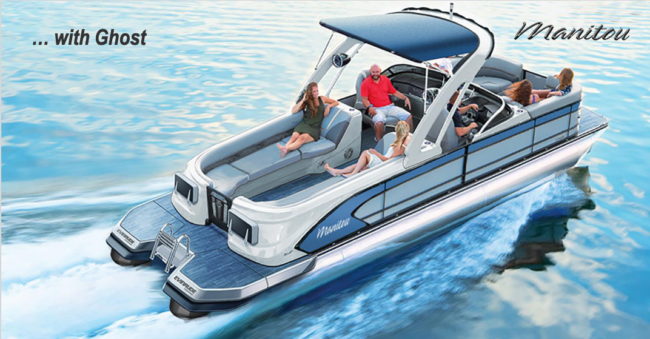
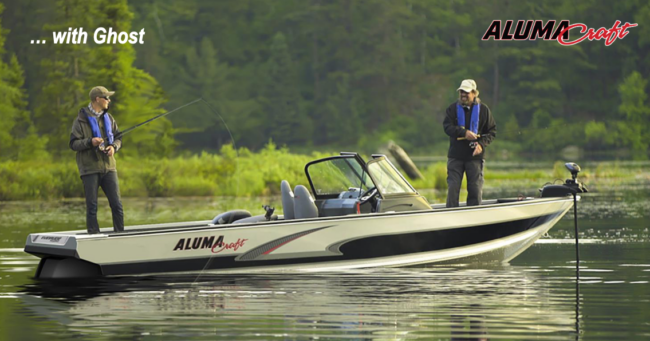
[Update as of 10:45am, 5/26/2021] It would appear that the true story behind these images was out in the public over a year-and-a-half ago. Presented as part of BRP’s 2019 Analyst and Investor Meeting webcast (published on October 28th, 2019), the viewers were entreated to some new projects on the horizon for BRP’s boating lines. Of them was then-Evinrude’s “Project Ghost” propulsion system, which sought to replace the exposed outboard’s propeller with a contained jet drive propulsion system.
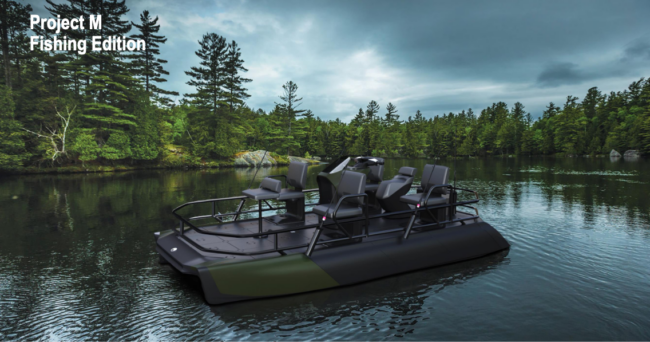
Equally, BRP desired to create a “Spark equivalent” to the pontoon market, providing first-time buyers and budget-minded customers with an entry point product, in the same way the Sea-Doo Spark and Can-Am Ryker served their respective markets. The “Project M” line would do exactly that, by offering a trimmed-down, low-frills option while remaining fun and useful to the customer – all while employing the “Ghost” drive system. Equally, the Ghost drive system promised to run quieter and be less disruptive to the environment than traditional outboards.
Admittedly, we at The Watercraft Journal had learned of the Ghost system over a year ago shortly after the presentation, but failed to recall it when shown the outboard-less pontoon images earlier this month. We’ll claim a mea culpa on that one. As a publisher once told us, “A nice helping of crow is good for you every now and again.”
The idea of a jet-driven pontoon still strikes us as a novel idea and we’re excited to see a new batch of Manitou pontoons as well as Alumacraft and QuinTrex boats. As official as it can get, even Tracy Crocker, president of BRP Marine Group, presented the new “Ghost” program and “Project M” initiative, stating that BRP’s goal was “to become the most innovative marine company that builds and integrates boats and engines in a way that gives consumers an unparalleled experience on the water.”
Here’s the unedited original article published at 12:01am 5/26/2021:
In August 2018, BRP confirmed its acquisition of Triton Industries, Inc., the leading North American manufacturer of premium luxury and performance pontoon boats, Manitou. Interestingly, 18 months later in May of 2020, BRP retired Evinrude, dashing a prospective pairing of the two brands. Rather, Manitou’s 29 available models (per the 2021 catalog, including model and length variations) continue to employ Mercury outboards.
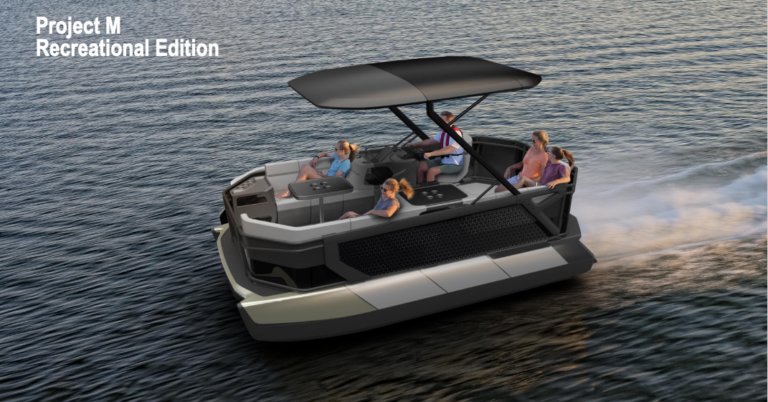
So with all of that said, what about the above image that was leaked to The Watercraft Journal, you may be asking? Frankly, we’re not sure. It’s clearly an artistic rendering, that much is clear (and no, it’s not our artistic rendering. We save all of our half-assed photoshopping for April Fool’s jokes). The two pontoon boats (what we surmise to be tritoons) appear to be relatively small – we estimate about 15 or 16-feet in total length – well below Manitou’s smallest craft, the Aurora LE at 18-feet.
Curiously, both images appearing to show a set of Sea-Doo handlebars instead of a traditional helm. This is what led our “informant” to believe that these were yet-to-be-revealed BRP vehicles. Dubbed “Project M,” the Recreational Edition features a dual-strut Bimini top and similar seating arrangement as the aforementioned Aurora LE. The Fishing Edition is an open deck configuration with a low railing and swivel-mount seat at the bow (and a fun pseudo-camouflage livery).
Of course, the big question yet to be answered is means of propulsion. Obviously, there’s no outboard and the presence of a Sea-Doo handlebar system implies the use of a Sea-Doo jet propulsion system. The concept of a jet drive fixed into a center pontoon is an exciting one – and we’d definitely love to see how it works. Judging by its size and lightweight construction, it wouldn’t require much to get these two to plane.
But again, seeing as we can’t verify whose image this is, all we can do is speculate. So whether this official Sea-Doo contraband, a fun bit of art whipped up by fan, or the proposal for a possible aftermarket boat manufacturer we cannot say. Either way, it’s a glimpse at a possible jet-powered future pontoon boat, and that’s pretty cool to us.
Check it out everyone; Adam Williams and the team at Broward Motorsports Racing have partnered with Jet Rider Nation to give the Rec Ride Community 10% off everything in the store. If you need any parts or accessories for your Kawasaki, Sea-Doo, or Yamaha PWC, now is good time to grab them. Head to the Broward Motorsports Racing website and fill your shopping cart. They have everything you need to get your ski ready for the upcoming recreational rides.
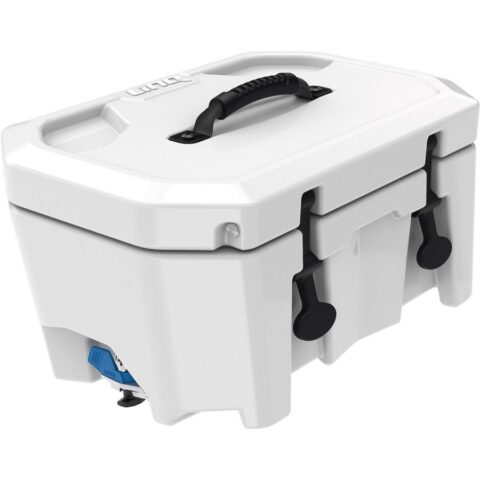
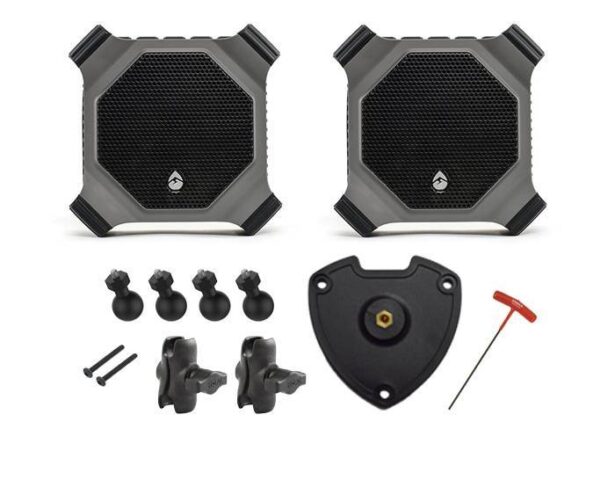
Broward Motorsports Racing carries Sea-Doo LinQ accessories so if you’ve been on the fence about buying a cooler for your Sea-Doo, now is the time to grab one. If you’ve wanted to add speakers to your ride, BMS has audio packages in stock for Yamaha WaveRunners and Sea-Doo’s. Plenty of parts are on offer as well and they have everything you need to tune up your ski. If you’re looking to spice up your Yamaha, pick up a flash kit.
They have the Stage 1 and Stage 2 kits in stock, including the Stage 1 Kit for the SuperJet. You can also take this opportunity to do that last minute ski prep or to splurge on some new gear. BMS Racing will appreciate it! Enter the promo code, jetridernation, when you checkout and your 10% discount will be applied to your purchase.
Remember, the Jet Rider Nation discount applies to EVERYTHING in the store! The Rec Ride Community sends out a big thanks out to Adam Williams and the team at Broward Motorsports for setting up this awesome discount. They are stoked!



 The company keeps things simple by using a 3-piece modular system across its range of boards. This system consists of a board, drivetrain, and battery. All modules are interchangeable, meaning that the same battery works in multiple boards and different modules.