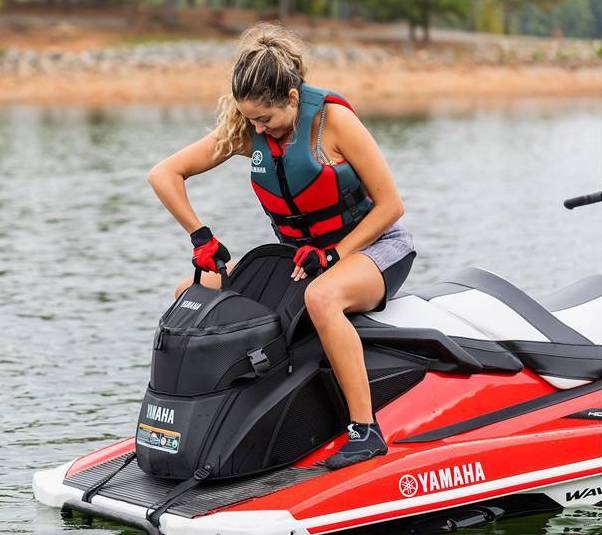
Take a look at these nice new storage bags from Yamaha. The Yamaha Watercraft channel on YouTube presents the 40 Liter VX/GP Stern Storage bag and the fully compatible Yamaha Genuine VX cooler. Both bags will make your outings much more organized and fun. The stern storage bag is super easy to mount to the back of your ski. Just strap it on and go!
The bag is equipped with two side rod holders and has a 40-liter storage capacity and it mounts in such a way that you don’t lose any water sports capability because you still have access to the machine’s tow point. This gives you the best of both worlds because you can fish and also take a friend out to wakeboard during the same trip. The bag retails for $249.99 and the Genuine Yamaha VX cooler will integrate seamlessly with the Stern Storage Bag.
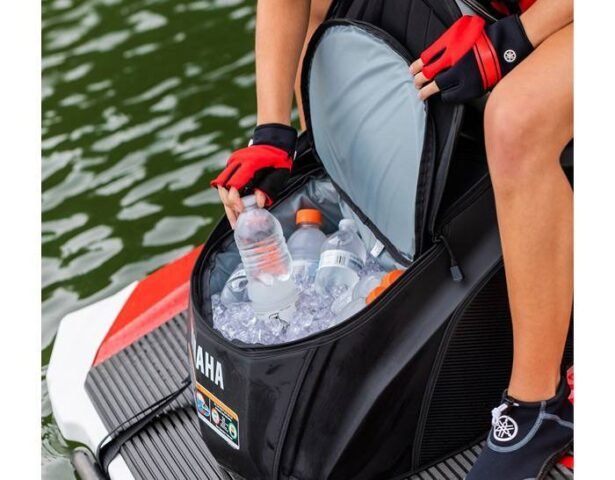
The cooler can also be used by itself. Load up enough drinks for a full day on the water. You can chill and stay hydrated while you’re out. The cooler has a wide zippered opening, making it easy to fill with up to 18 drinks and ice. It also features a small compartment for snacks. It is well insulated and has a built-in handle for carrying the cooler onto land and comes with an adjustable shoulder strap. The Genuine Yamaha VX/GP Cooler Bag retails for $129.99.
Both bags look sharp on the back of the Yamaha WaveRunner and are compatible with all 2015 to current VX WaveRunner models. They also fit the 2017 to current GP WaveRunner models. Both accessories are great additions to the Genuine Yamaha product line. Check out the bags and the all new WaveRunners here. Happy riding!
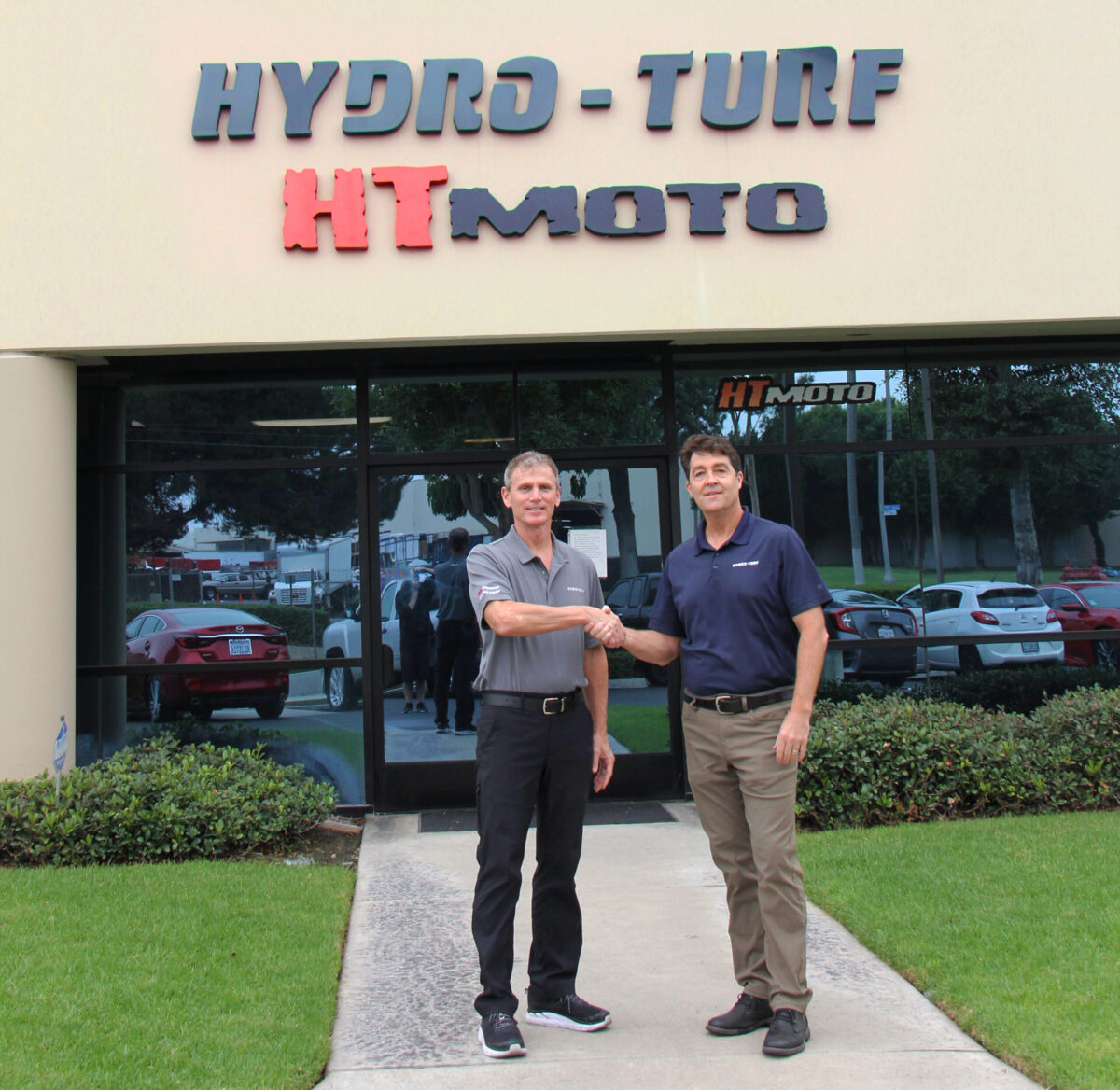
One of the personal watercraft industry’s most respected brands – Hydro-Turf – has just been acquired by Greg Pickren, owner of SBT, Inc., BlackTip Jetsports and the Watercraft Superstore, among other brands. The move absolves founder Arno Olbricht of his position as CEO, and will relocate the company from its Anaheim, California headquarters to the Clearwater, Florida campus for the aforementioned brands.
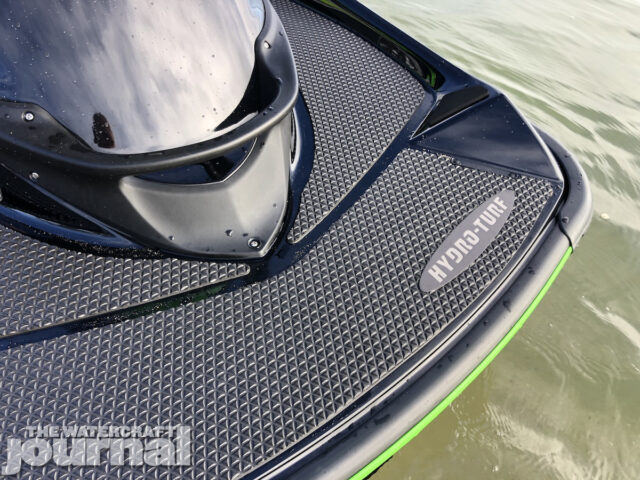
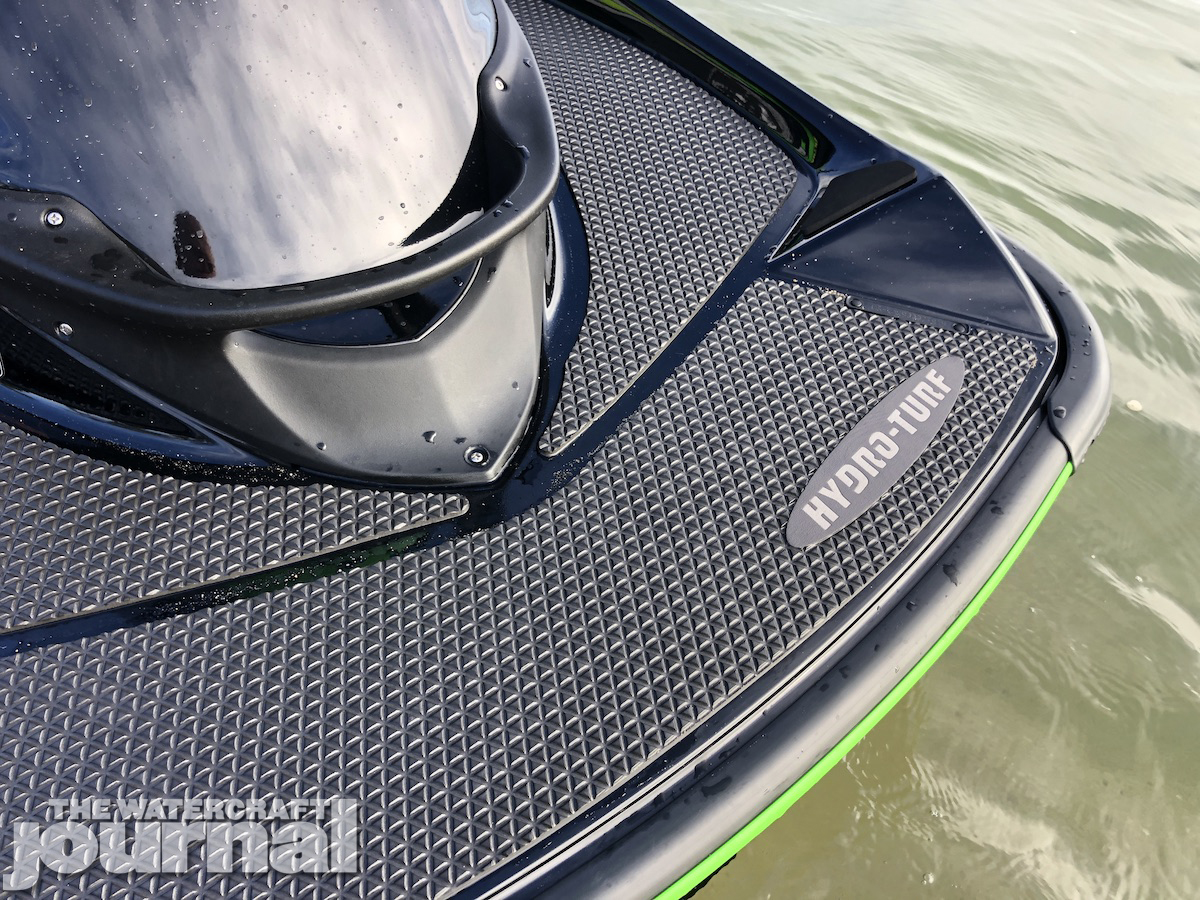
Per the press release included below, this move promises to keep the highly-valued Hydro-Turf name and level of quality EVA-foam traction mats and products. To those familiar, Hydro-Turf also supplied traction mats for factory-built Yamaha WaveRunners and Kawasaki JetSkis, as well as many offerings for standup paddle boards, surf boards, and other boats.
What questions remain is the impact on the world of racing. Hydro-Turf regularly supported local and regional racing, offshore events, and more importantly, budding racers. In fact, there are few jet ski racers who weren’t at one time sponsored by Hydro-Turf. With 30 years of history, it’s hard to argue the importance of Hydro-Turf to our sport – something that cannot be done away with. Here’s the original press release:
Marine and powersports entrepreneur, Greg Pickren, has acquired Hydro-Turf from founder, Arno Olbricht. “Hydro-Turf has been for over thirty years and still is the leader in watercraft traction mats and seat covers, and we are extremely excited about this acquisition. Mr. Olbricht certainly deserves a lifetime achievement award for his contributions to the industry,” says Mr. Pickren.
“Founding and growing Hydro-Turf to the company that it is today has been my passion for most of my adult life. I will miss the daily challenges of running the business, but I am confident that the company has a bright future under the direction of Mr. Pickren,” says Mr. Olbricht.
The company will be relocated to a new, larger manufacturing facility in Clearwater, Florida during the first quarter of 2021. “Hydro-Turf will continue to provide the same outstanding level of customer service and product quality, something for which the company has been known for over the last thirty years,” added Mr. Pickren.
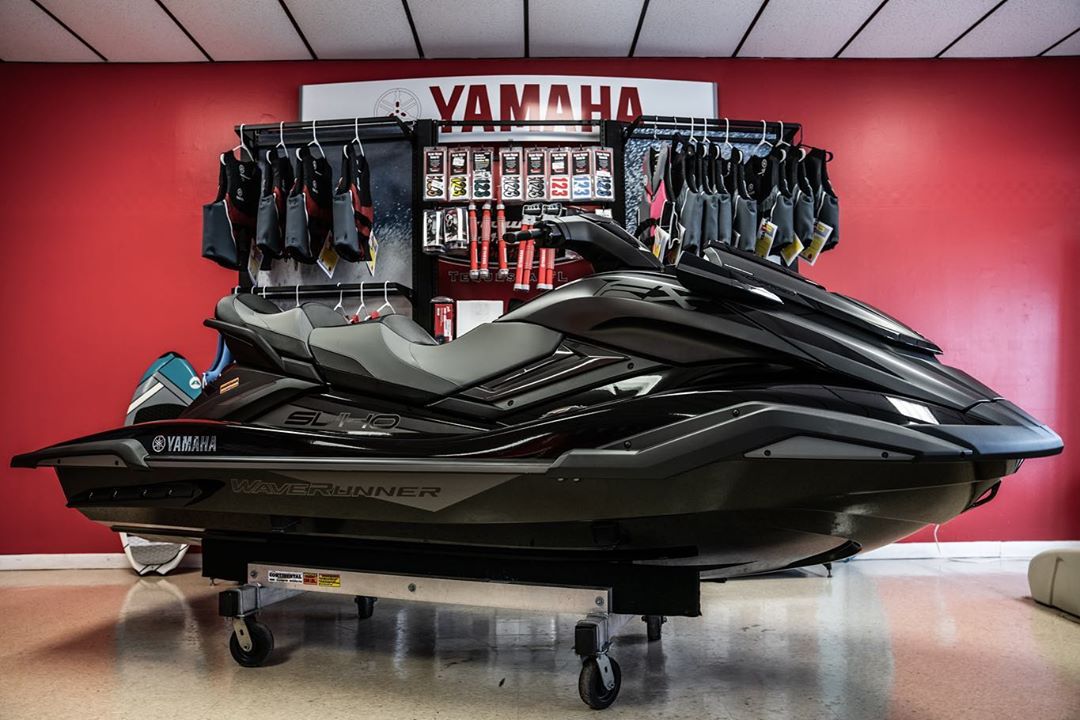
Undoubtedly, one of The Watercraft Journal’s most popular (and viral) videos was when we dressed up as Darth Vader and rode the 2020 Yamaha FX SVHO around Allatoona Lake in Georgia. Of course, the machine itself is one of our personal favorites – despite the absolute chore it is to keep an all-black PWC from showing any waterspots or discoloring – and from the response we get from all of you, it’s one of your favorites too.
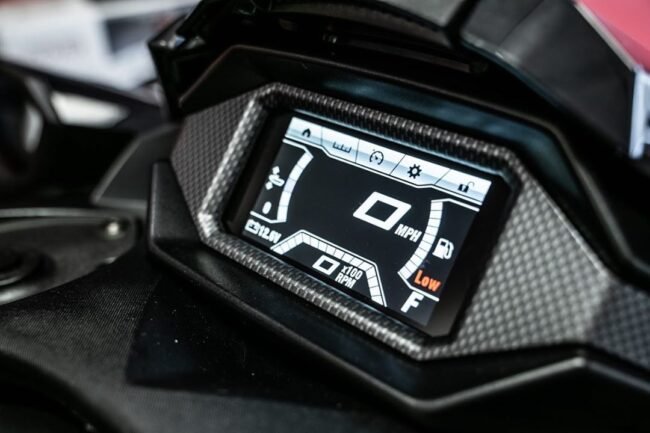
That’s why we were so happy to see that Yamaha carried the blacked-out livery for 2021. Moved over to the Cruiser-edition SVHO, the gloss-and-matte black package doesn’t make your FX any faster and will likely scald your legs if left out on a super sunny day, but that’s the price of looking badass, we figure. Nonetheless, this new 2021 machine is now for sale (with an MSRP of $16,499).
More importantly, this exact unit is sitting on the showroom floor of Broward Motorsports of Tequesta, Florida. Operated by world champion racer Chris MacClugage, Broward Motorsports of Tequesta also offers in-house maintenance and performance modification using parts sold through BMS Racing, the racing division of Broward Motorsports. (So yes, you can literally say your Yamaha was tuned by Chris MacClugage! Pretty cool, right!)
And there’s many more 2021 WaveRunners uncrated and ready for purchase at Broward Motorsports of Tequesta, so if this murdered-out FX Cruiser SVHO is sold before you get there, don’t fret! They’ll have something else ready for you. Just give them a call now before it’s too late.
We’re bringing you another great video from the RIVA Racing YouTube channel. This clip highlights the RIVA Racing 2019 Yamaha Rear Exhaust Kits. This particular kit fits all 2019 GP1800 and FX models only and it’s priced at $399.95.
The aftermarket exhaust kit improves engine performance by reducing back pressure and restriction. Moreover, it creates more room to work in the engine compartment with the removal of the bulky plastic and rubber hose stock system and the restrictive sound suppression system. The stock system is replaced with a mandrel bent aluminum exhaust tube that is powder coated to prevent corrosion. A large billet through-hull exhaust outlet comes with the kit as well.
The outlet makes for a cleaner ride because it is installed separately from the pump unlike the stock exhaust. This one blows straight out the back, leaving your ski nice and clean. You will no longer have to wipe off black streaks of exhaust and the outlet looks really good.
The RIVA Racing Yamaha Rear Exhaust Kit comes with all of the necessary hardware and installation instructions. Order now for free shipping in early November.
So, what do you do when your hockey team wins the Stanley Cup? Well you tow around your massive trophy aboard a Sea-Doo of course. This is exactly what Tampa Bay Lightning player Alex Killhorn did.
After finally wrapping up the season as champions, Killhorn rode around Tampa on his GTX Limited showing off the trophy and bringing together fans and supporters. Take a look at the full Sea-Doo news content below for the details.
While Alex Killhorn is a superstar on ice, he’s fast becoming a Sea-Doo rockstar on the waters of Tampa Bay.
In March, Covid19 stopped the professional sports world faster than clamping down on the Sea-Doo intelligent Brake & Reverse lever. During the down time Tampa Bay Lightning star Killhorn started visiting his teammates via the waters of Tampa Bay aboard his Sea-Doo GTX Limited. To keep his fans engaged, he shared the adventures via YouTube video series, ‘Dock Talk.’
Who would have bet their season would end with a Stanley Cup championship. In true Tampa Bay style, the celebration included an on-water parade. Lightning players and celebrities floated the cup on their various Sea-Doos to the joy of Lighting fans.
This new celebratory use of Sea-Doo watercraft has led some Sea-Doo designers to explore a new LinQ accessory to easily lock in trophies for future championship rides.
Great news! 2020 is almost over! With a little over two months left to go (and a possible civil war-sparking event) we’ll be cruising into 2021 ready to start our lives anew! And with that good news comes hope for a return to normalcy and some good ol’ fashioned jet ski racing. Thankfully, promoters aren’t letting the grass grow beneath their feet and have been working to bring athletes new dates and new venues to test their mettle.
One of those is west coast event promoter Ross Wallach of RPM Racing Enterprises, who just announced the tentative schedule for Rounds 1-through-6 of the “Best of The West” series starting next April! Originally posted on Facebook, the following announcement reads:
“Best of the West” Racers, I am working hard to finalize the 2021 Schedule. Here’s the 2021 Hot Products “Best of the West” tentative schedule (pending final approvals).
Round 1 – April 17 & 18 – The 3rd Annual Huntington Beach Moto Surf & Freeride
Round 2 & 3 – May 1 & 2 – The IJSBA Western States Nationals/Gary Hart Memorial Race, Patria Flats or Blue Water
Resort (TBD) Parker, AZ
Round 4 – June 12 & 13 – The inaugural Ventura Moto Surf & Freeride (pending final approval) – Pending Final Approval
Round 5 & 6 – August 14 & 15 – The 2021 Hot Products “Best of the West” Lake Elsinore Season Finals – Launch Pointe
As soon as I have the final approvals, which I expect shortly this schedule will become finalized. Looking forward to a great 2021 “Best of the West” Season! All updates and information will be posted at www.rpmracingent.com
Ross Wallach, President RPM RACING ENTERPRISES (Note: Working on a date for July, if it becomes available it will be added to the schedule before end of 2020)
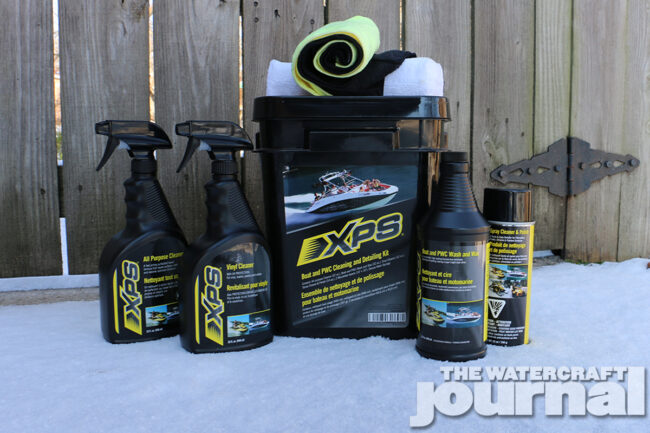
It’s hard to believe that it is getting toward the end of the year with those colder months approaching. As many of you get ready to store your watercraft away for the cold months, it’s important to take some time to winterize and care for your units.
Of course, we all know that changing your engine oil with a quality lubricant such as XPS oils, will give lasting engine performance but it’s additionally important to care for your watercraft’s exterior.
Utilizing XPS’s line of hull cleaners, degreasers, and wash/wax products, will seal in those factory finishes and keep your prized possessions looking new for years to come.
The formulations in each of the XPS products is backed by industry science and technology that is specifically designed for maintaining your watercraft.
For more information on these products, check out our many reviews on the care products or go directly to the XPS website.
Without a doubt, Sea-Doo fans have a lot to look forward to if you are in the market for a new unit next season. The 2021 Lineup has so much to offer and with new models, innovations, and technology, there is something for everyone.
If you are thinking about pulling the trigger on a new unit, you might not want to think much longer and instead head to your local dealer or give them a call to place your order.
Considering there were record sales this year even in light of a worldwide pandemic and limited production numbers, it became very hard to buy new watercraft as all units sold out quickly. If you want to be out on the water next spring, it’s definitely a good idea to act soon.
Now is a great time to put down your deposit on a new Sea-Doo because their pre-season sales event is happening. Be among the first to get your hands on Sea-Doo’s GTX Limited with an industry-first BRP Connect app dashboard display. You can even play around with that in the garage while waiting on warm weather to arrive.
Want to go fishing? Be sure to pick up a new model with Sea-Doo’s new Intelligent Debris Free (iDF) pump system. Or how about hopping onboard the all-new RXP-X 300 for some buoy-carving fun.
So check out the current promotions happening in your area and live the #seadoolife next summer.
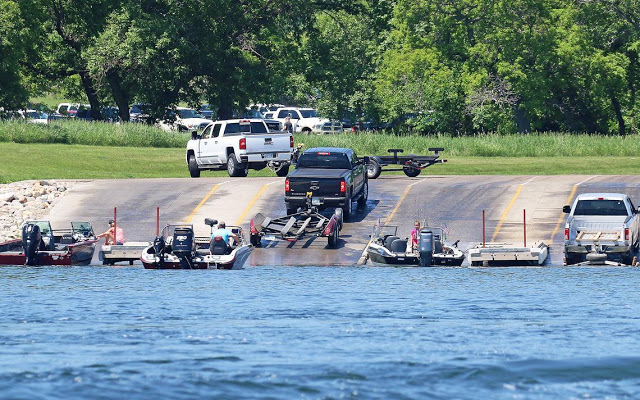
We’ve all been there; you roll up to the boat ramp ready to get your fishing on and end up behind a line of trailers. The exasperation can be heard throughout the area. There’s that one guy on the ramp undoing tie downs, loading gear into his boat, and all of the other things he could have done before hitting the ramp and pissing off everyone.
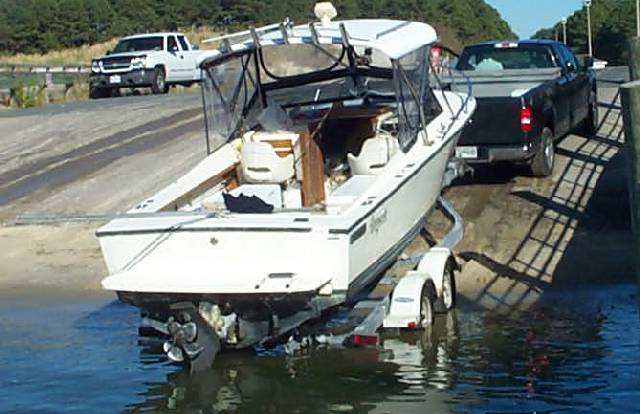
It is a good idea to prep your boat away from the launch area so that you aren’t holding up other boaters. Remove all of the tie-downs, leaving the winch line. Load any additional items or gear that you want to take with you into the boat. If you use any travel supports, remove them too. Put the trim up and please insert the drain plug.
“Hey, did you put the drain plug in?”, heard at the nearby boat ramp the other day as a guy was backing a trailered boat into the water. If launching alone, attach a line to the bow to steady the boat when you’re ready to let it go. Doing this prior to reaching the ramp is also a big time saver.
Moving onto the business of launching, back the trailer into the water far enough so that the trailer tires are in the water and not so far that the axle bearings are underwater. The cooling water intake holes on the lower unit of the boat’s engine should be submerged.
Now apply the parking brake in your vehicle. Another recent incident at the nearby public boat ramp involved a big truck slipping into the water and disappearing because the driver didn’t set the emergency brake. This required divers and a big tow truck to retrieve the vehicle. Talk about a hold up at the ramp and a public shaming! Locals were relentless! Don’t be that guy and set your emergency brake before you get out of the truck to launch.
When ready, gradually release the winch line and slowly pull the boat off of the trailer and into the water. Secure the boat away from the dock and promptly move your vehicle and trailer away from the launch. This enables other boaters to make their way onto the ramp without you in the way.
When it’s time to go in, it’s a good idea to have someone at the ramp spot for you to help watch for people and other boats in the area.
Next, get your vehicle and trailer ready and pull into the ramp area to wait your turn. When it’s time to go, back into the water until two-thirds of the bunks or rollers are submerged, while keeping your tow vehicles tires out of the water. Set the emergency break and get out and attach a bow line to the boat. When that step is completed, cautiously drive your boat close enough to attach the winch line.
Attach the line, turn off the engine, and tilt it up. Crank the winch line to pull the boat onto the trailer. Keep your face away from the line when cranking because if the line breaks, it can cause serious injury to you.
When the boat is secured, pull away from the ramp and begin prep for hitting the road. Begin by removing the drain plug, drain water out of the bilge, and drain any live wells. Clean your boat with freshwater before leaving the area so as not to spread any aquatic species and as a rule, you should always remove any plant materials from your boat. Check your states’ regulations for specific rules pertaining to plant matter and aquatic species.
Remember to follow proper boat launching etiquette when at the boat ramp so that you aren’t “that guy”.
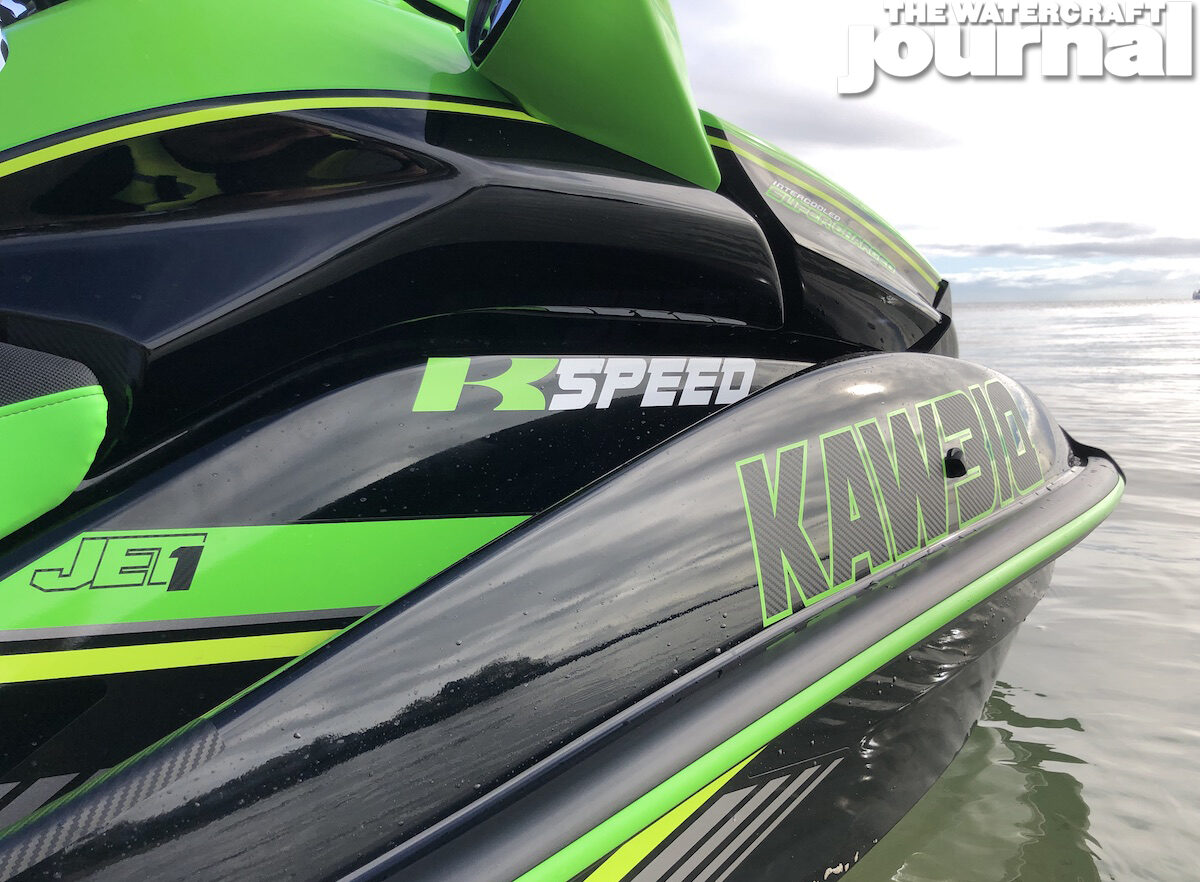
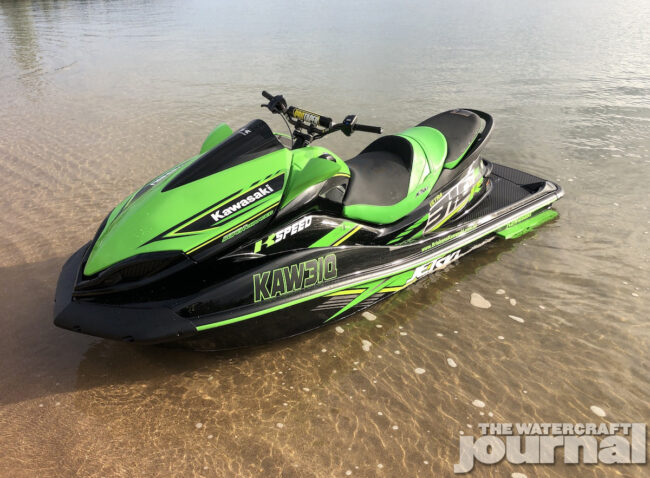
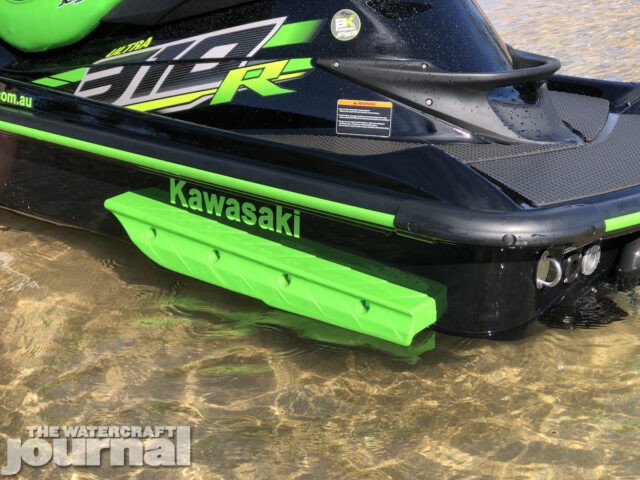
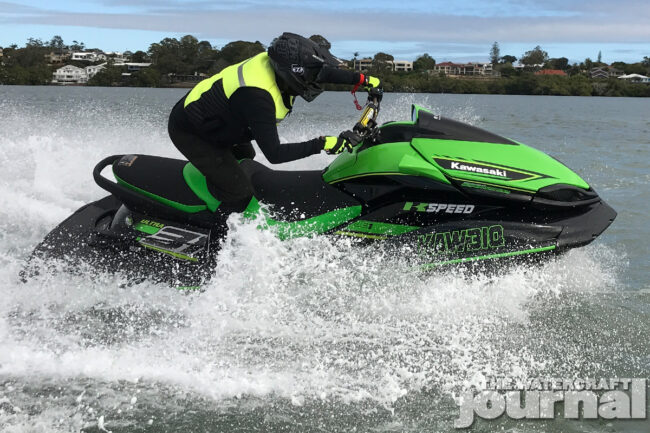
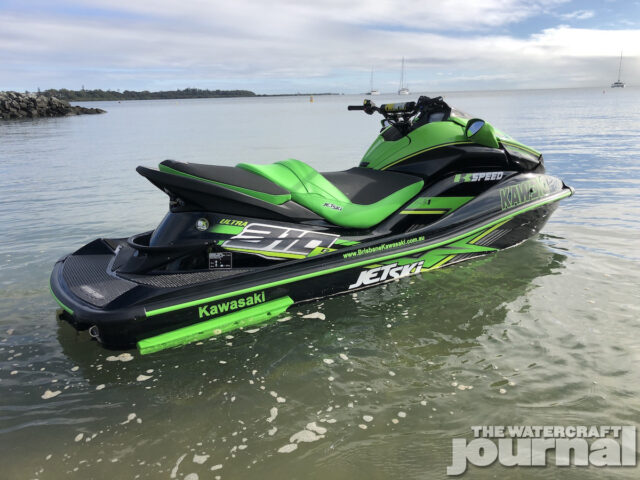
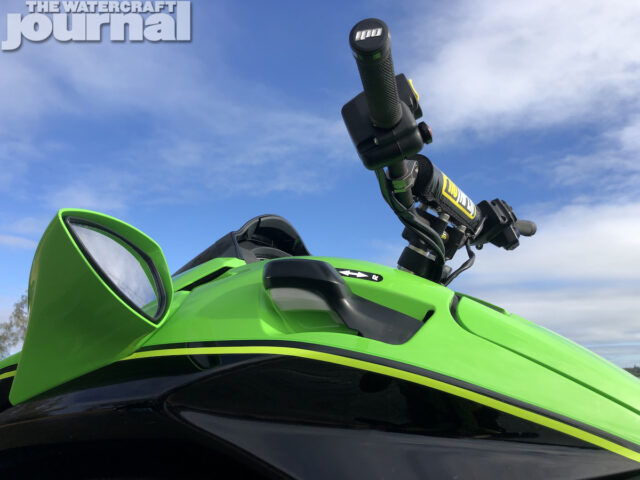
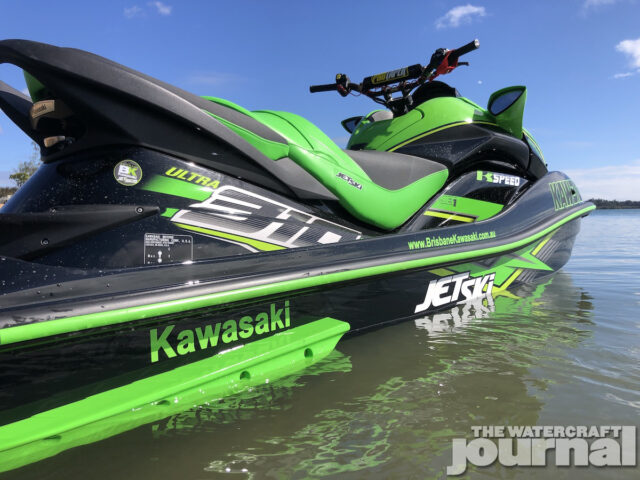
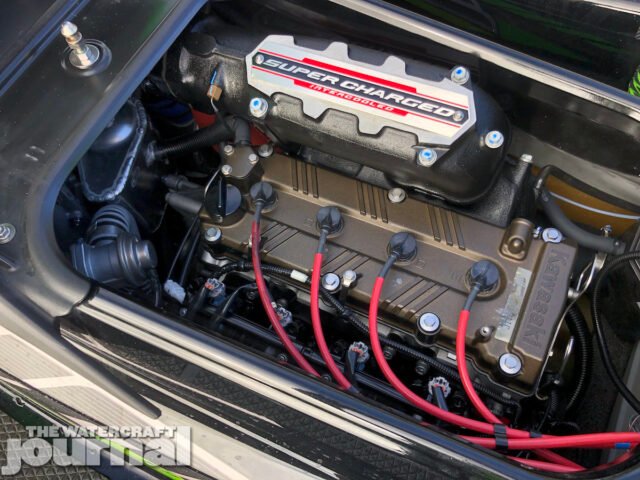
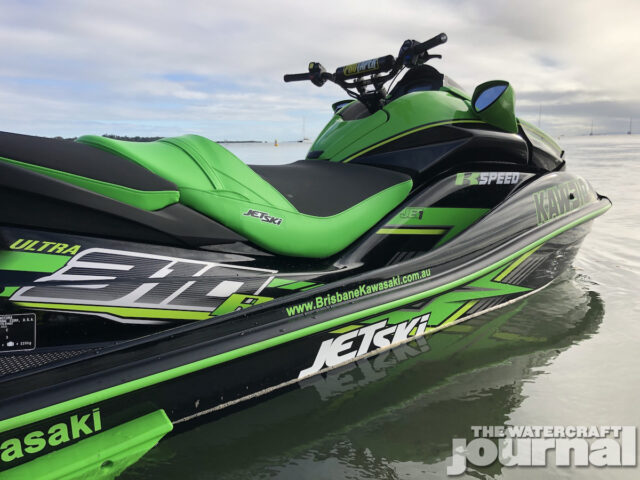
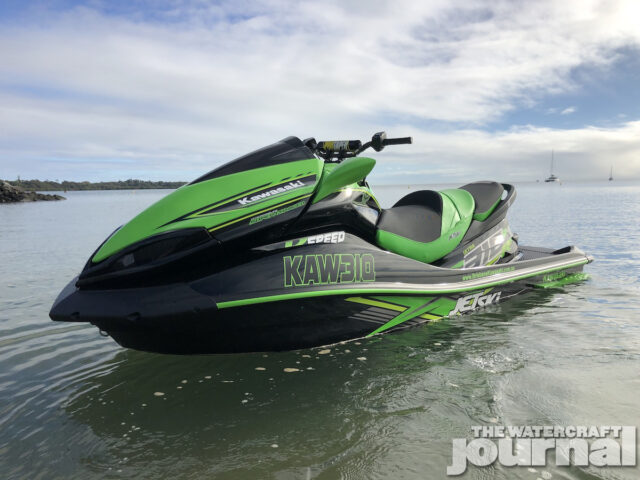
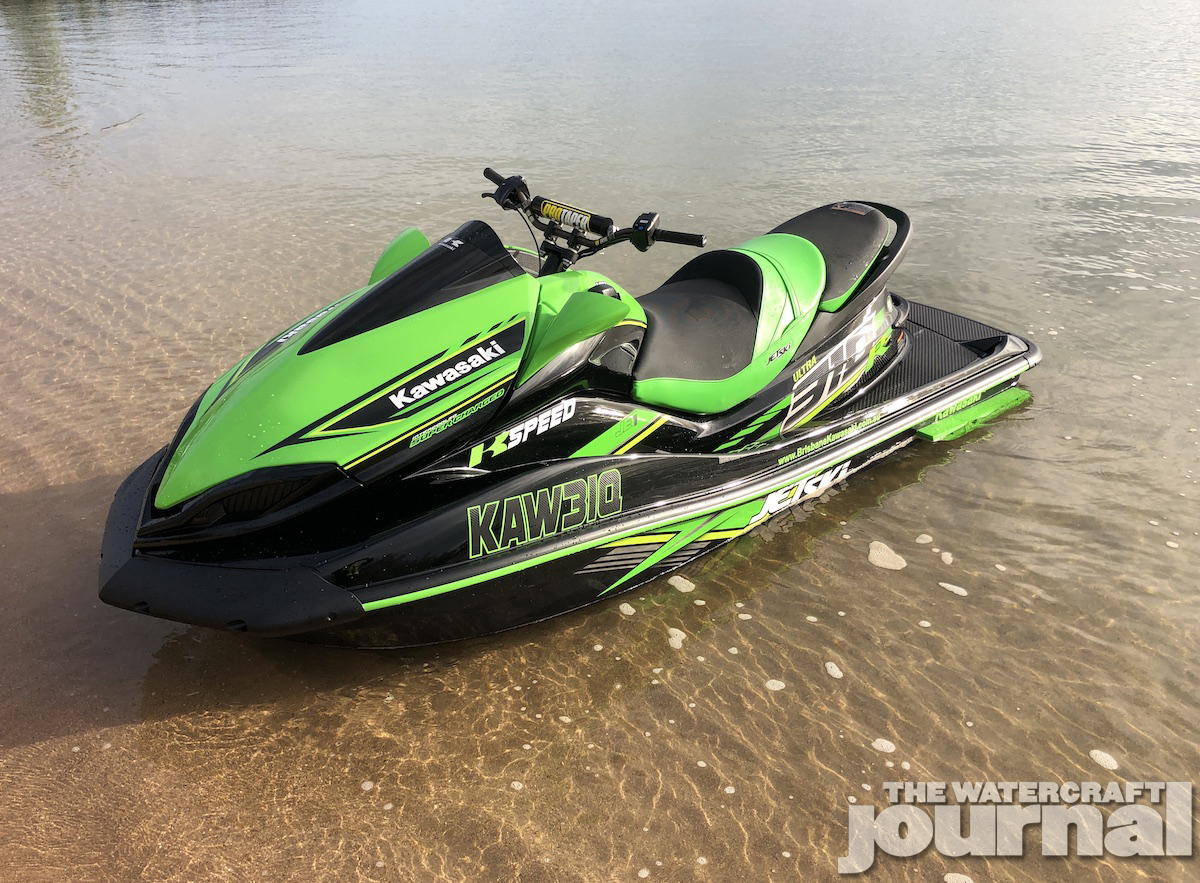
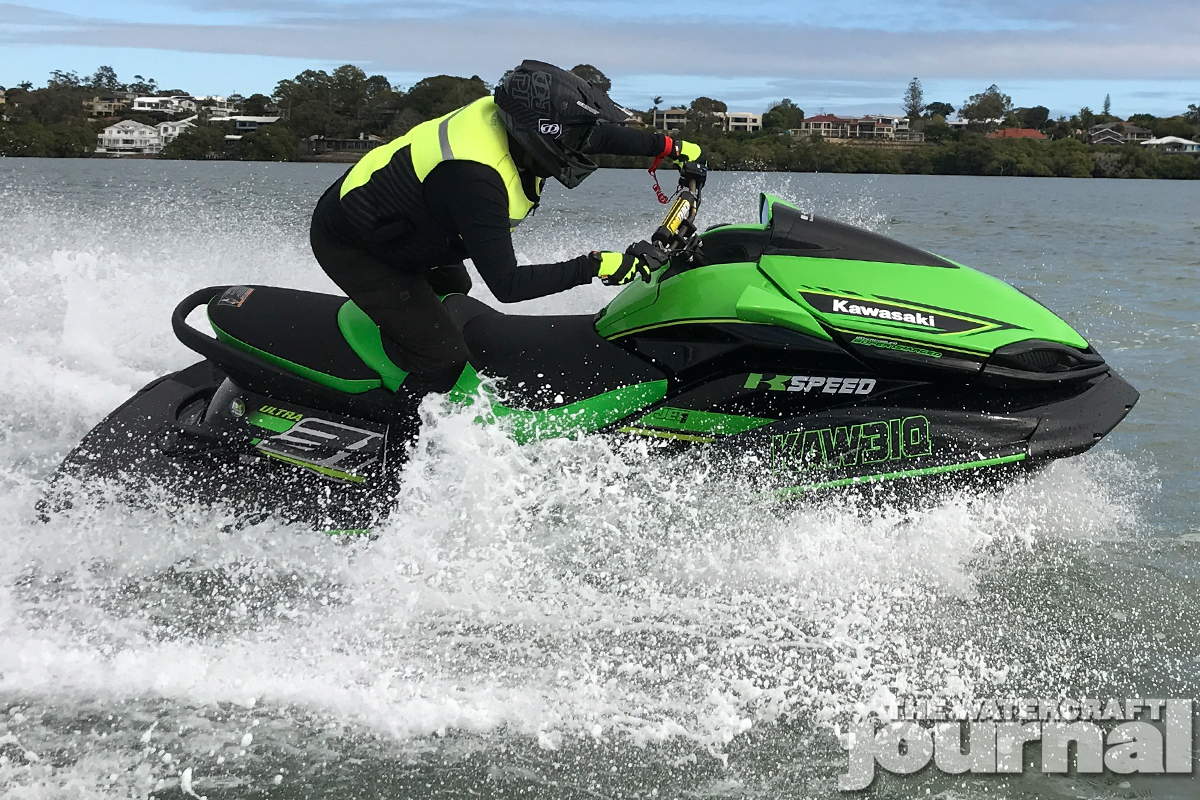
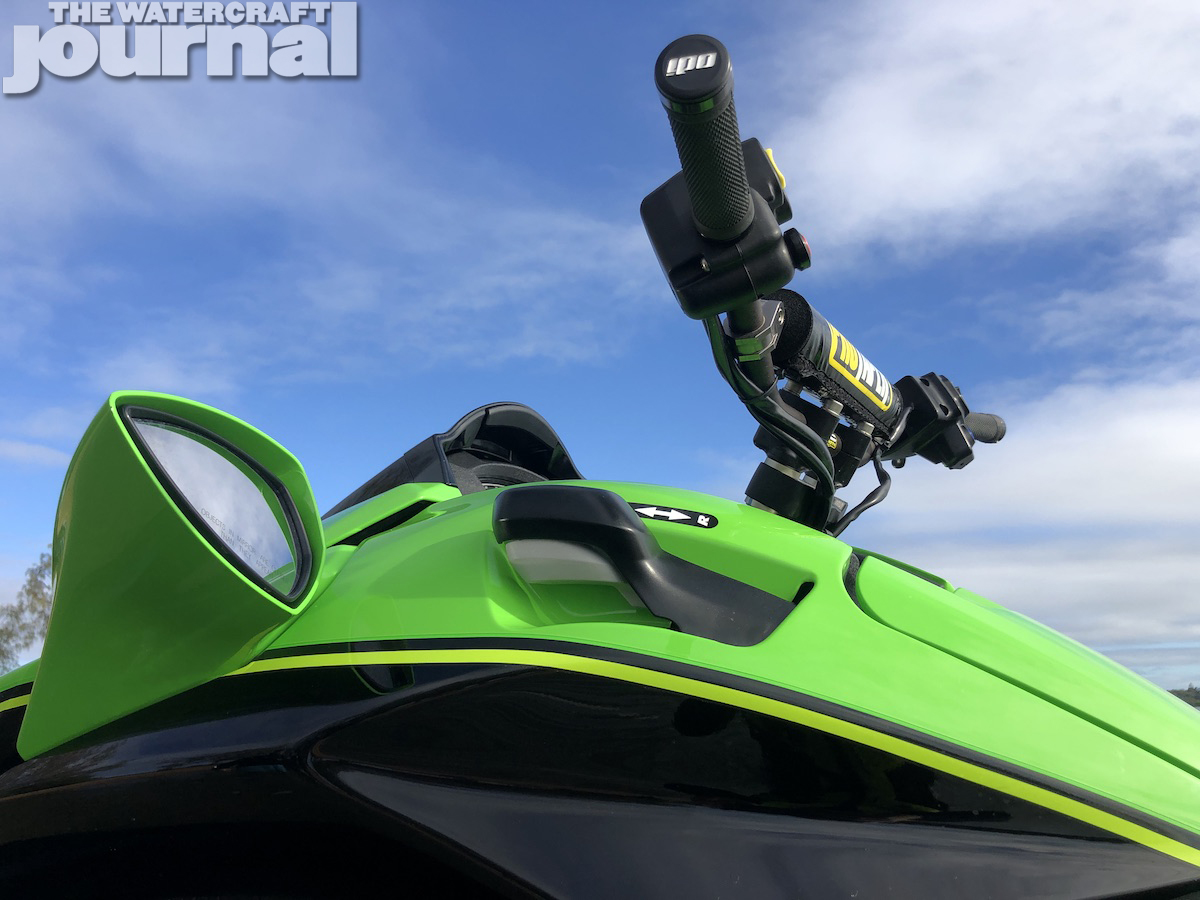
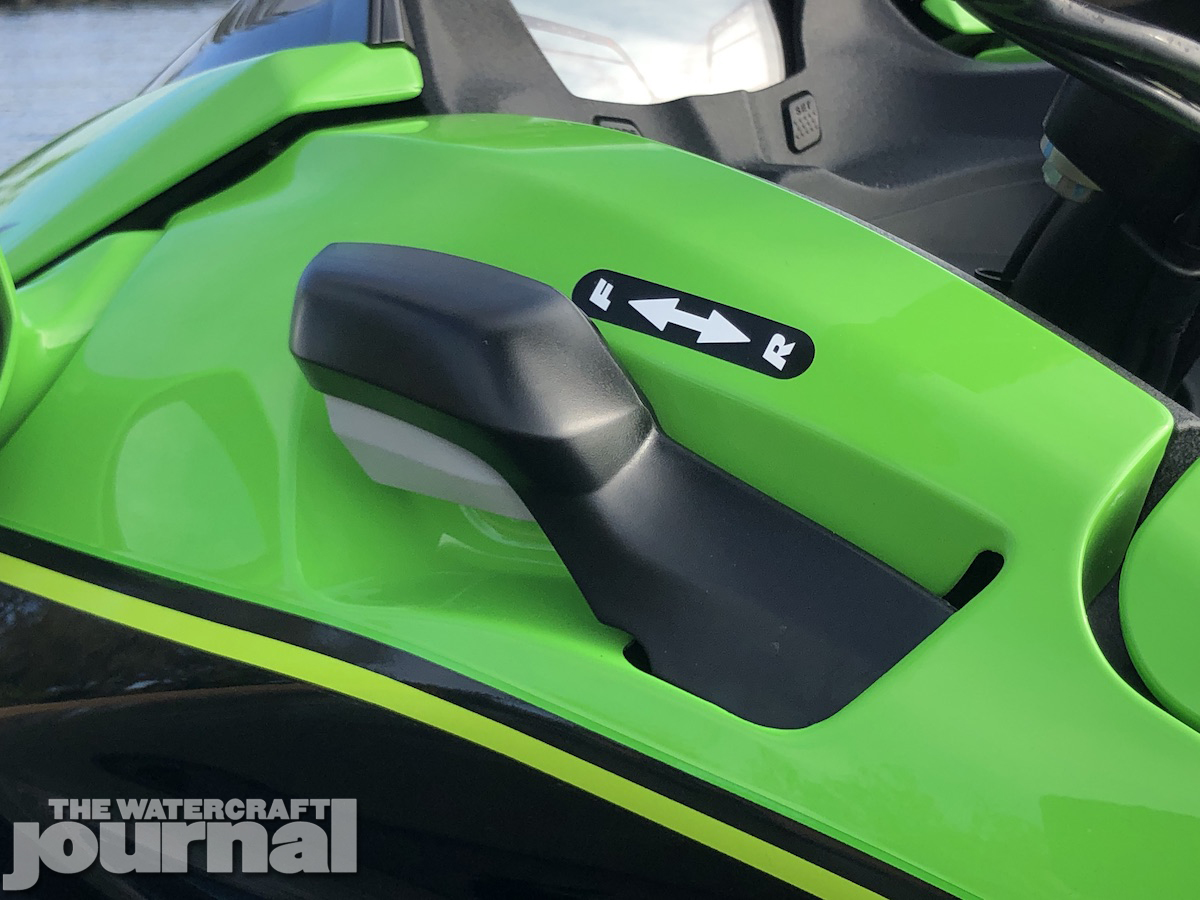
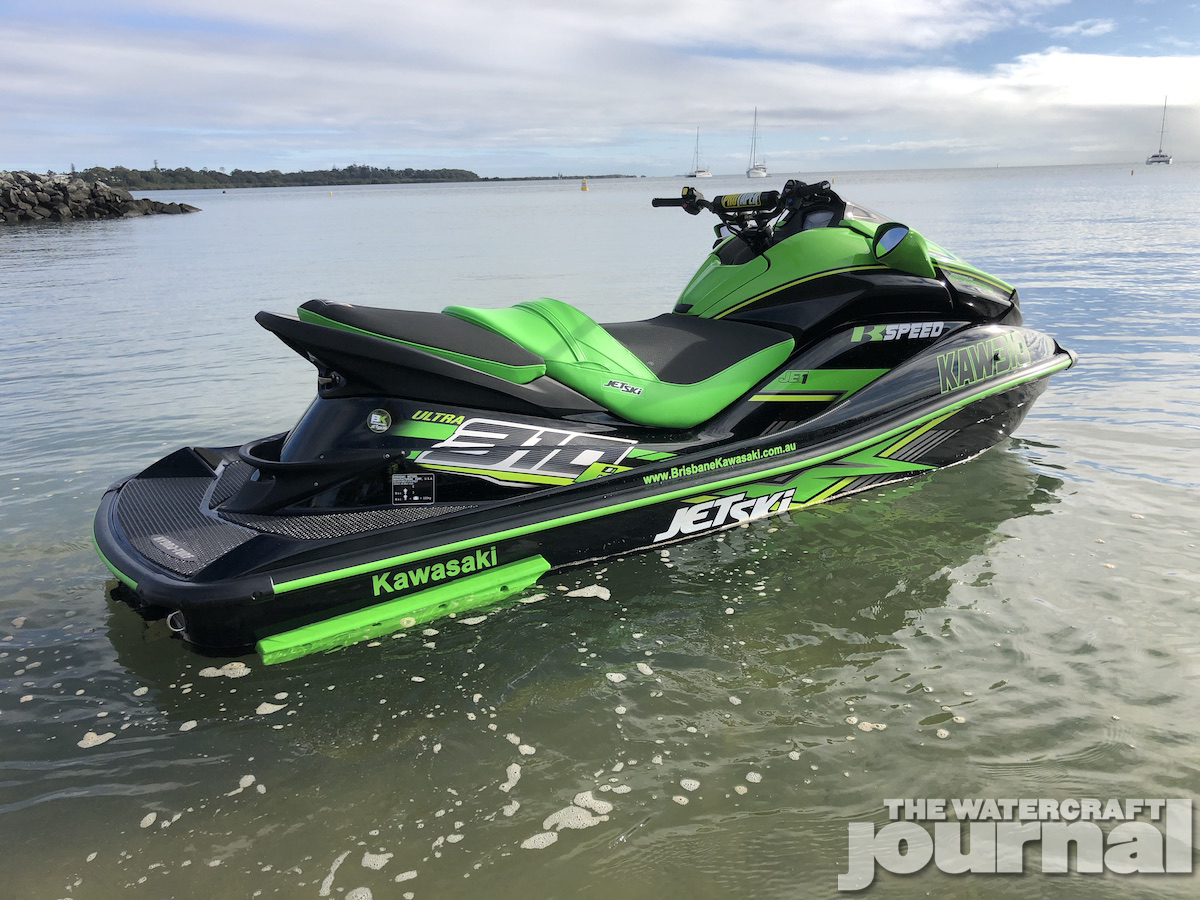
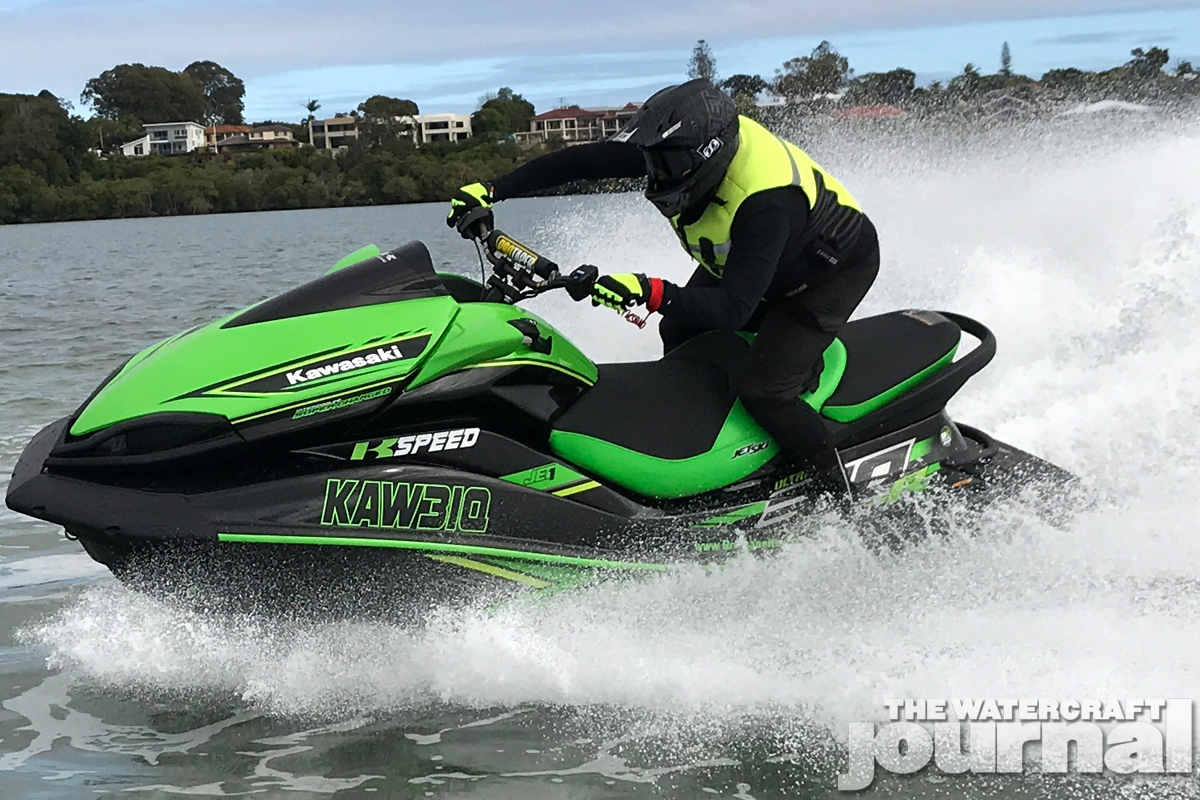
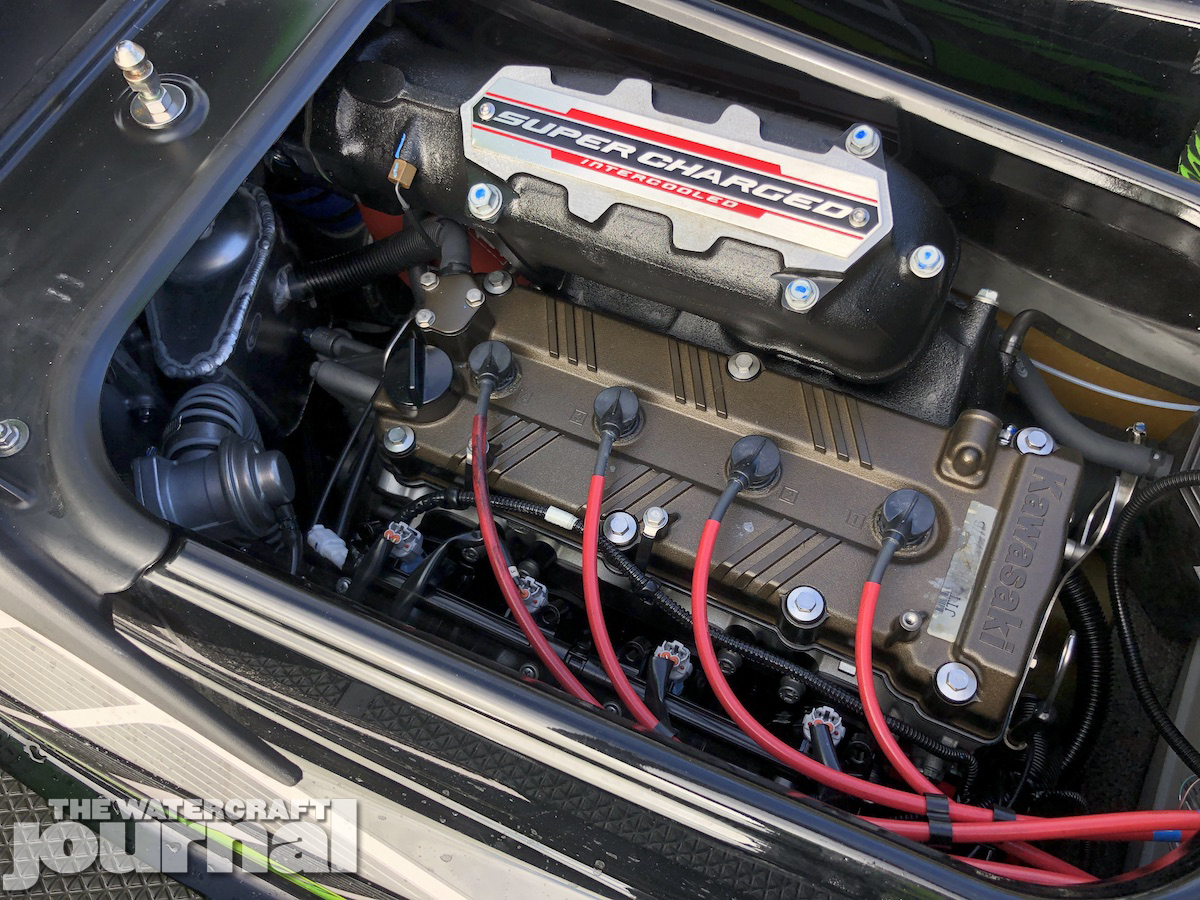
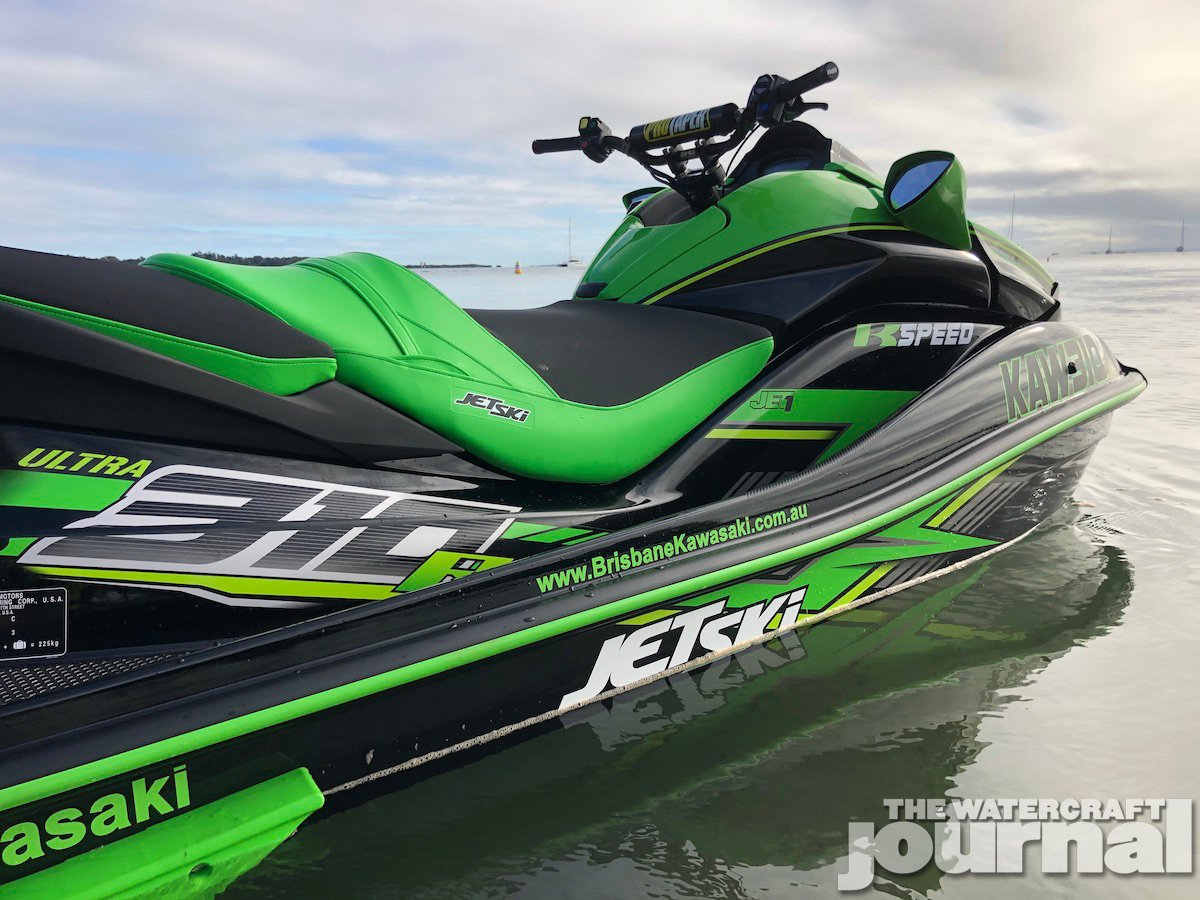
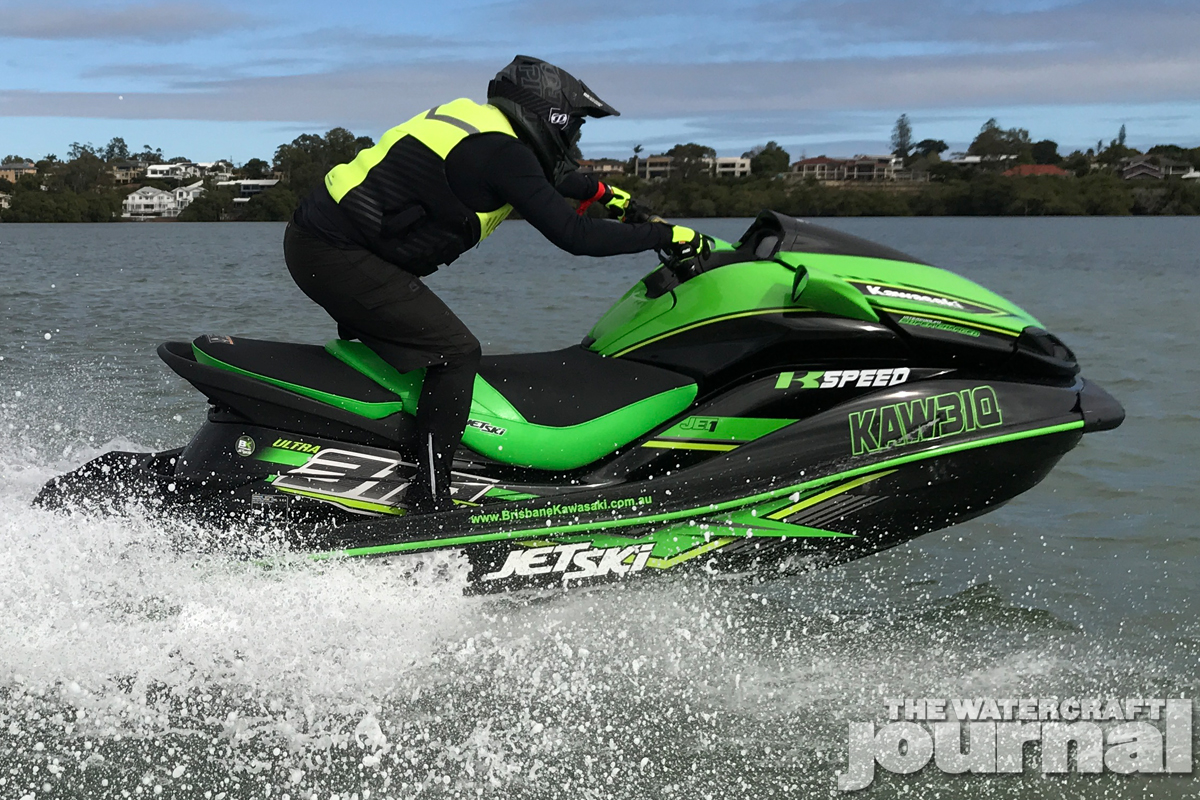
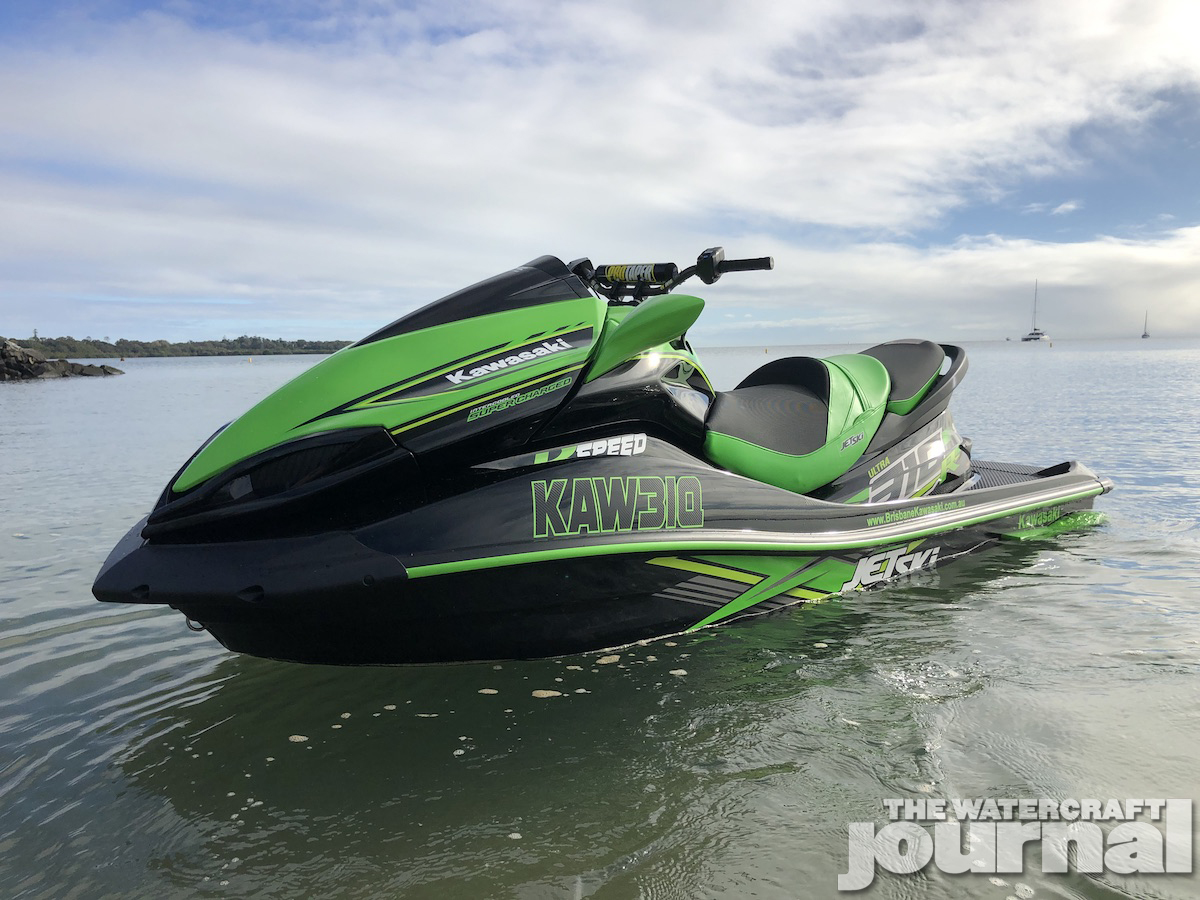
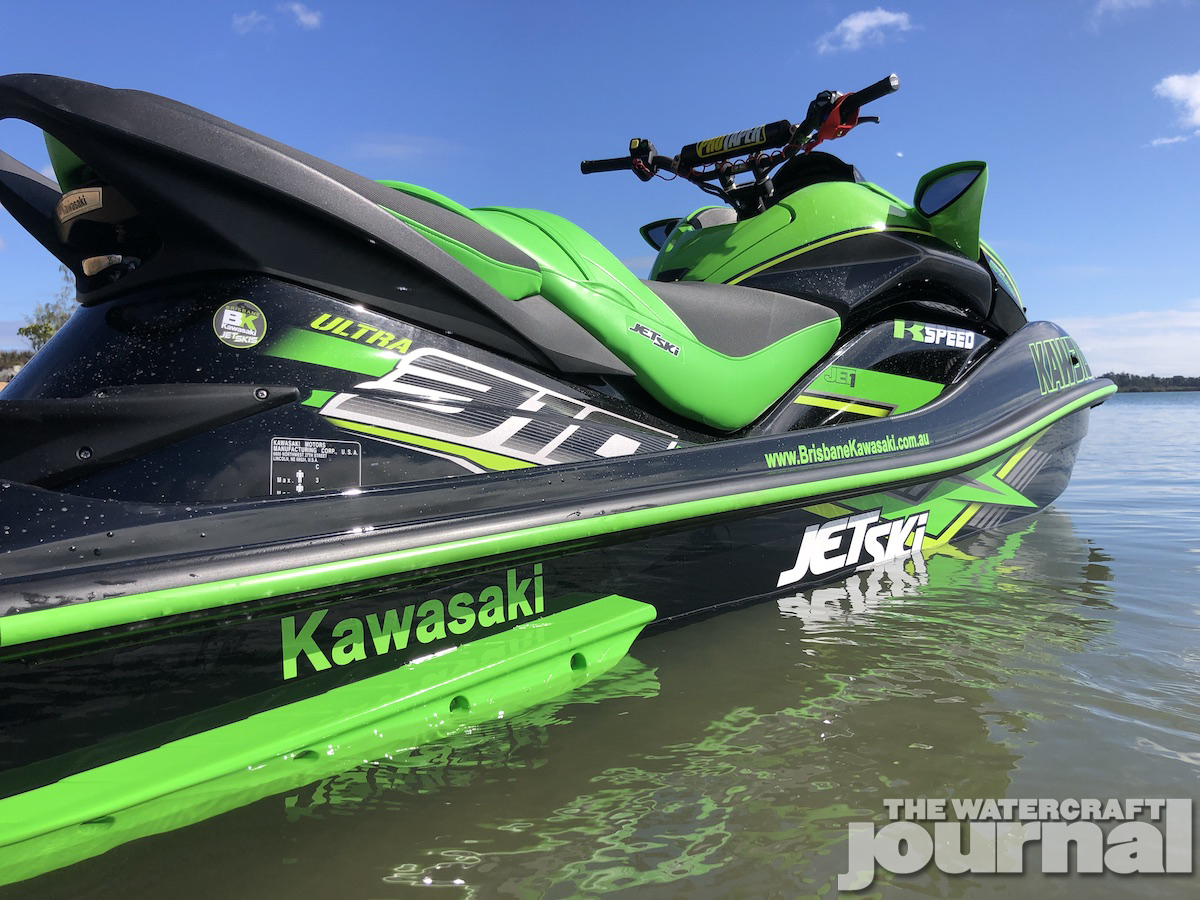
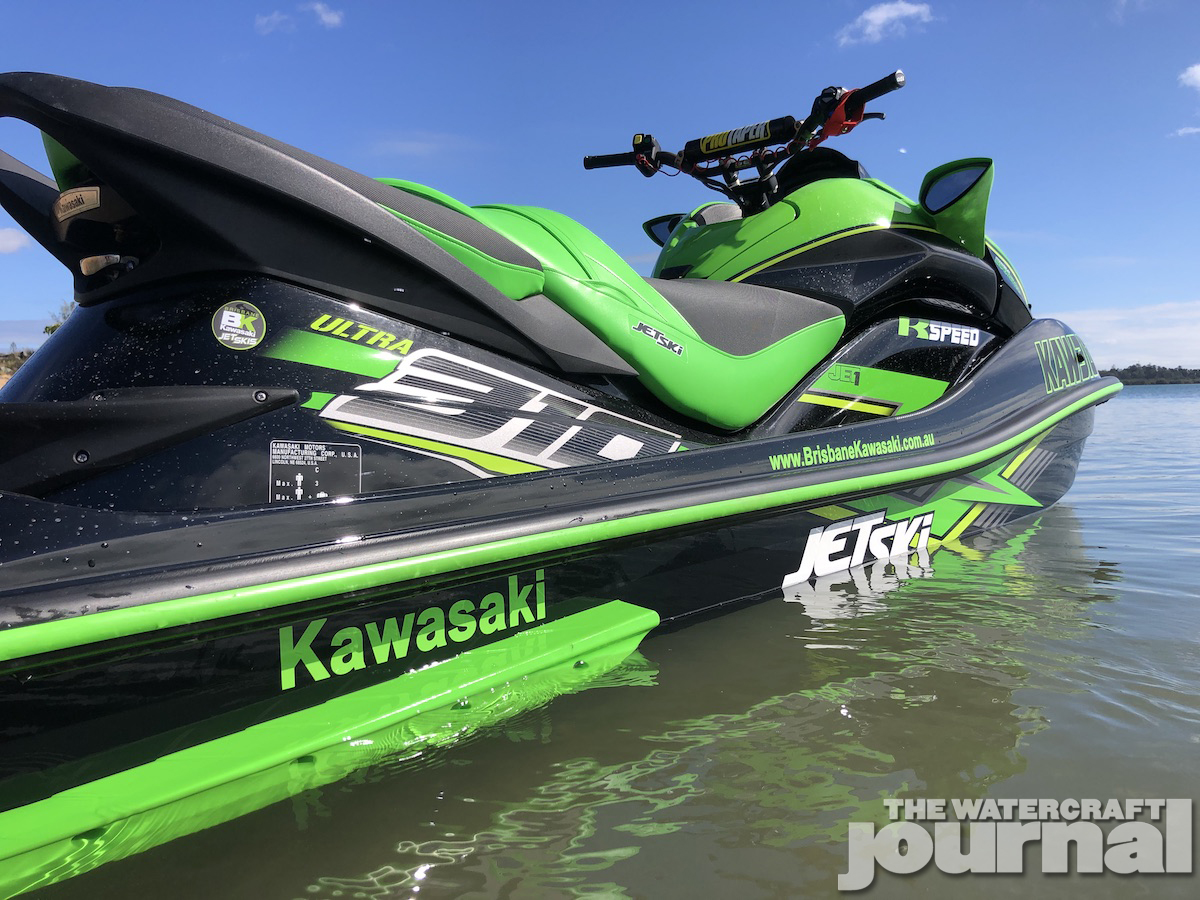
For some people too much power is barely enough. Despite the Kawasaki Ultra 310 being the most powerful JetSki to come out of the factory, some customers still want more. There are numerous upgrade packages available from various tuners around the world, but now we’ve finally had a chance to get acquainted with one of the more affordable options for the Kawasaki Ultra 310.
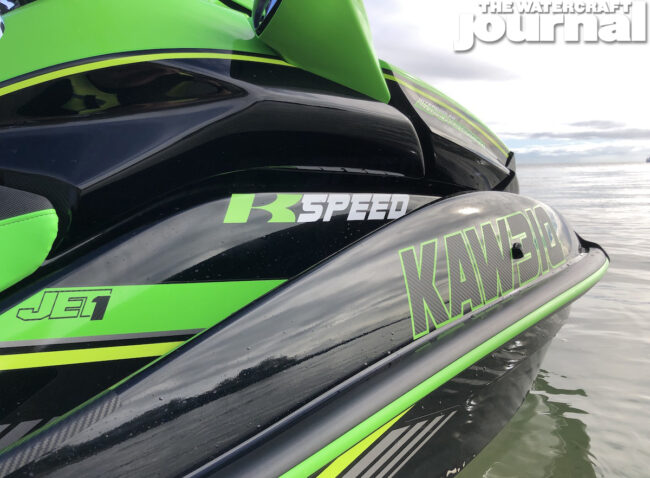
For those who don’t know, Kspeed is the tuning division of one of Australia’s biggest Kawasaki jet ski dealers, namely Brisbane Kawasaki. The owner, Jamie Eade, set up the Brisbane Kawasaki showroom back in 2012, pivoting to watercraft after two decades as a fuel-injection specialist in motorsports, tuning V8s and turbo cars…and everything in between.
Based in Brisbane, the capital city of Queensland – one of Australia’s warmest states with summer weather almost year-round – he quickly became one of the biggest-selling Kawasaki dealers nationally. He soon noticed a steady stream of customers who wanted more from their JetSkis. And so in 2013, Jamie developed a Stage One upgrade package for the then-new Kawasaki Ultra 300.
At first, he experimented with various modifications while helping out a JetSki racer at the time, and tested the changes in racing conditions. After some fine-tuning of the engine control unit (ECU) – and testing different types of pump wedges and intake grates – Jamie settled on an optimum package and consequently, came up with the name “Kspeed.”
Although the original work on today’s Stage One upgrade kit started on the Ultra 300 in 2013, he further fine-tuned the calibration on the Ultra 310 released in 2014. Since then, Kspeed has completed literally hundreds of Stage One upgrade kits for Ultra 310 owners around the world. While the US and Australia are his biggest customers (which is to be expected considering they’re two of the largest PWC markets in the world), Kspeed also airfreights kits anywhere Kawasaki JetSkis are sold.
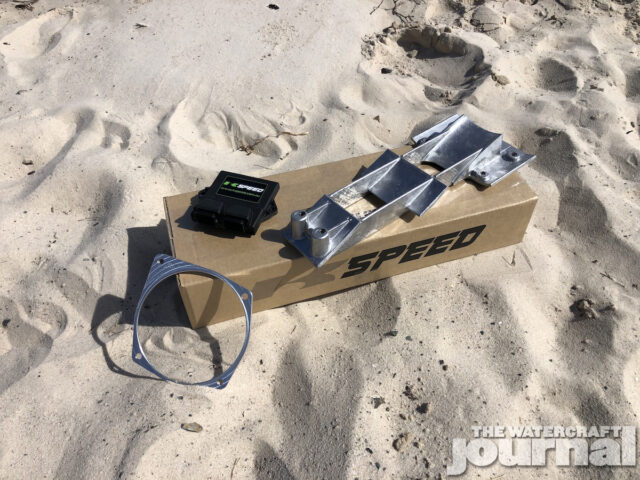
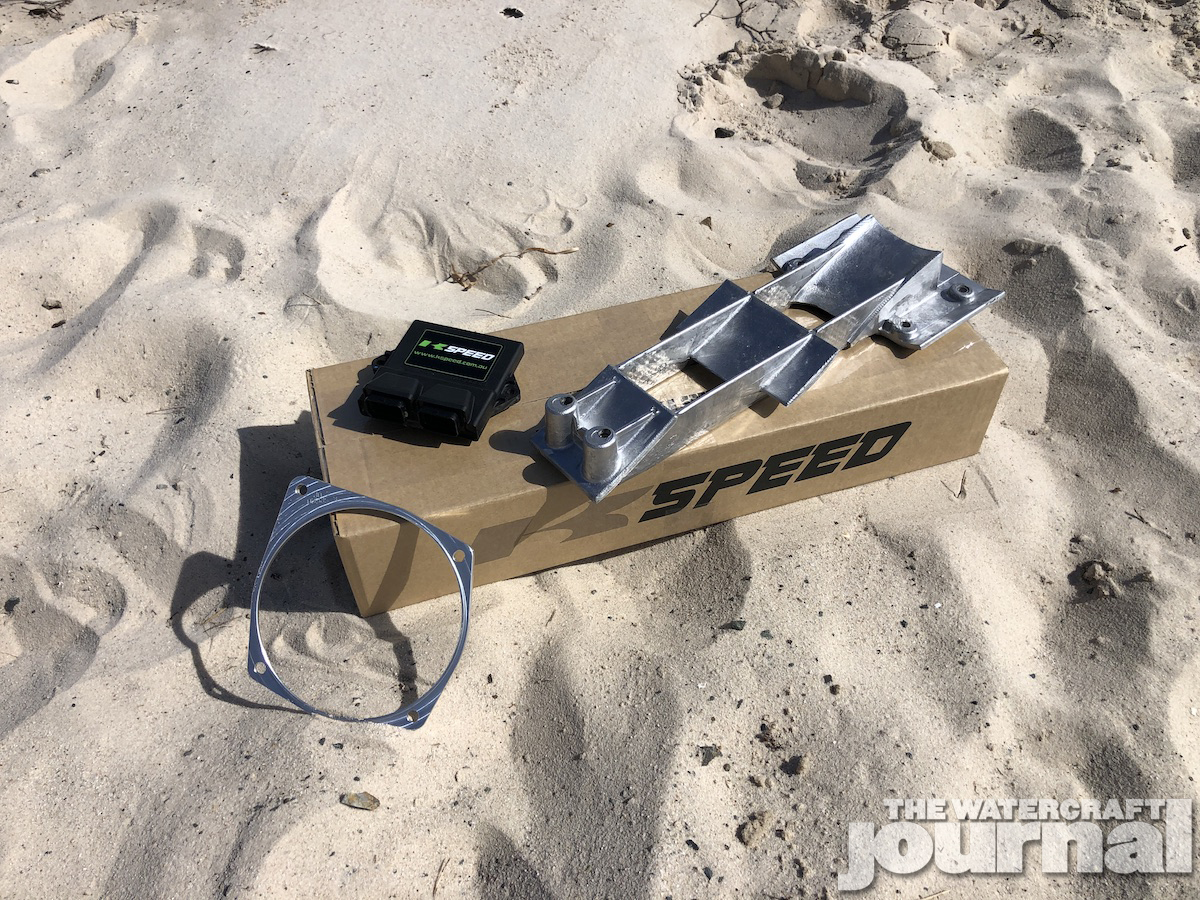
In the box is a new intake grate, a machined 2-degree pump wedge, and the customer’s ECU after it has been reflashed. Most customers send their ECU to Kspeed, where the Stage One calibration is uploaded, and then sent back in the box with the other goodies. This process – using the original ECU – takes one to two weeks, depending on shipping times. The Stage One is priced at $1,200 AUD – the price is fixed in Australian dollars – which works out to be about $900 US or $1,200 Canadian (at the exchange rates available as this article was written).
Customers can pay an additional $AU850 to receive a replacement ECU if they don’t want their ski out of the water for too long; this amount is refunded if the customer returns their original ECU after they’ve installed the new one. In this scenario, Kspeed can usually deliver within seven days.
Waiting a week or a fortnight might seem like an eternity for keen jet ski riders, but the development of the Kspeed Stage One kit has taken years to hone. After countless hours of testing, Kspeed initially settled on a new top-loader intake grate design. The standard intake grate takes in some water up top, but this new design ensures the top half of the jet pump is taking a larger share of the load.
The net result is more grip and power through chop, although such a design can trim top speed because it’s taking in a greater volume of water. So Kspeed came up with a couple of solutions for that: first, by fitting a 2-degree pump wedge which lifts the nose out of the water a fraction – freeing up the hull and reducing drag; and by deleting the 67mph (108kmh) speed-limiter as part of the recalibration of the ECU.
Kspeed says most customers will see a top speed improvement to 74 or 75mph (119 to 120kmh) but some owners have reported 77 or 78mph (123 to 124kmh) in more optimal conditions. Kspeed won’t say exactly how much power the Stage One kit pumps out, but conservatively estimates a 10-percent increase in output – or roughly an additional 30-plus horsepower.
“I don’t quote an exact figure because there is no way of proving it, but I’m confident we deliver about a 10 percent improvement in power and torque,” says Jamie. “That might not sound like much, but it’s realistic and reliable.”
Kspeed is keen to point out it doesn’t tamper with anything in the ECU that could jeopardize the engine. “We keep as many factory settings as possible because we want to maintain Kawasaki’s excellent reliability,” he says. As for fuel consumption…well, that depends. Kspeed says its testing has found fuel consumption is on par with a standard Kawasaki Ultra 310, depending on riding conditions of course.
“We’re making more power and we have a top-loader intake grate, and both those things have the potential to use more fuel because you’re pumping more fuel and more water, but we also have the pump wedge to bring the nose up, which can also save a bit of fuel,” says Jamie.
“So on balance, our testing has found it has about the same consumption as a standard Ultra 310, depending on where you set the adjustable trim,” he says. Kspeed says the Stage One ECU calibration has been designed to tolerate varying fuel quality around the world. “I’ve kept the tune so that wherever you are in the world, if a Kawasaki was sold in that country you can still run our tune,” says Jamie.
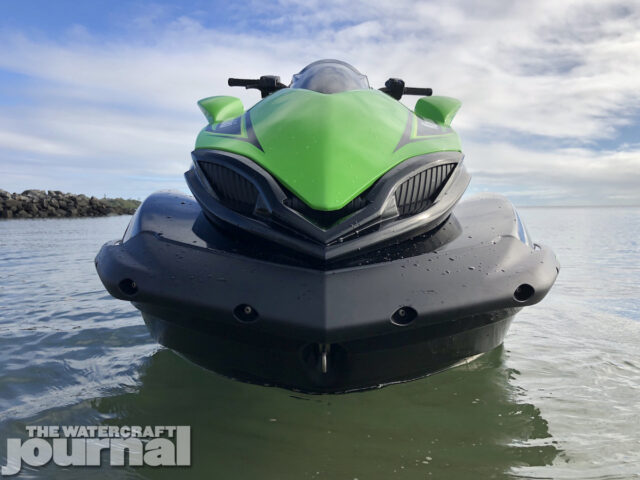
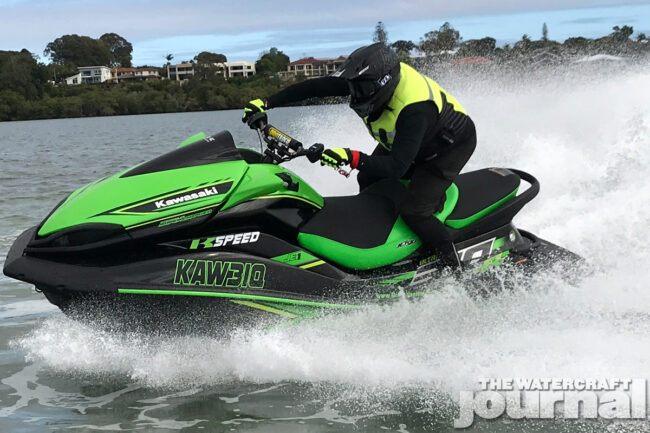
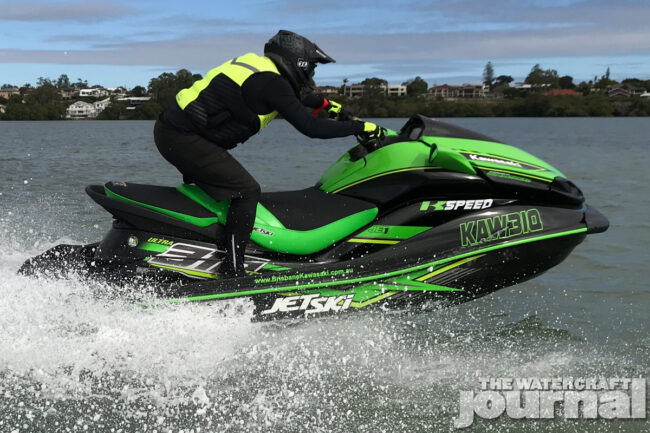
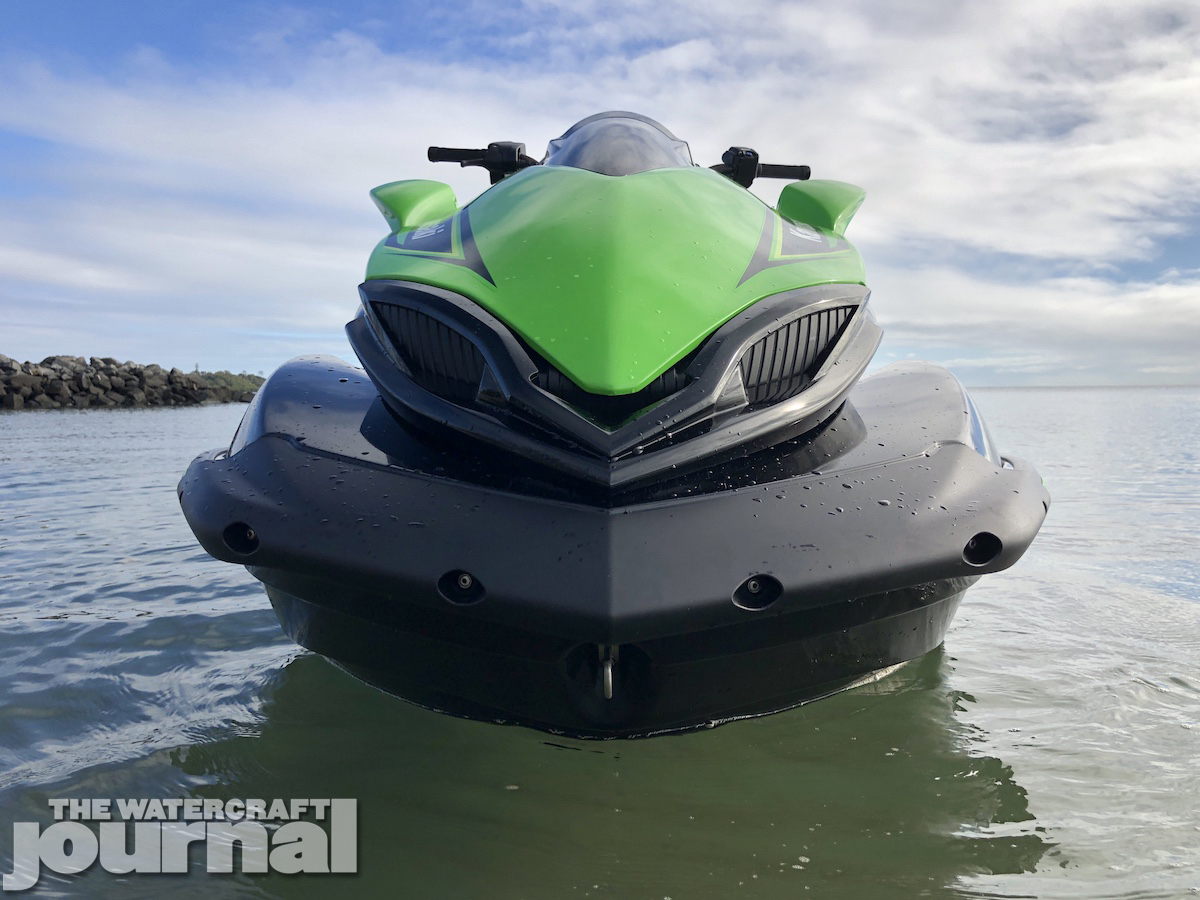
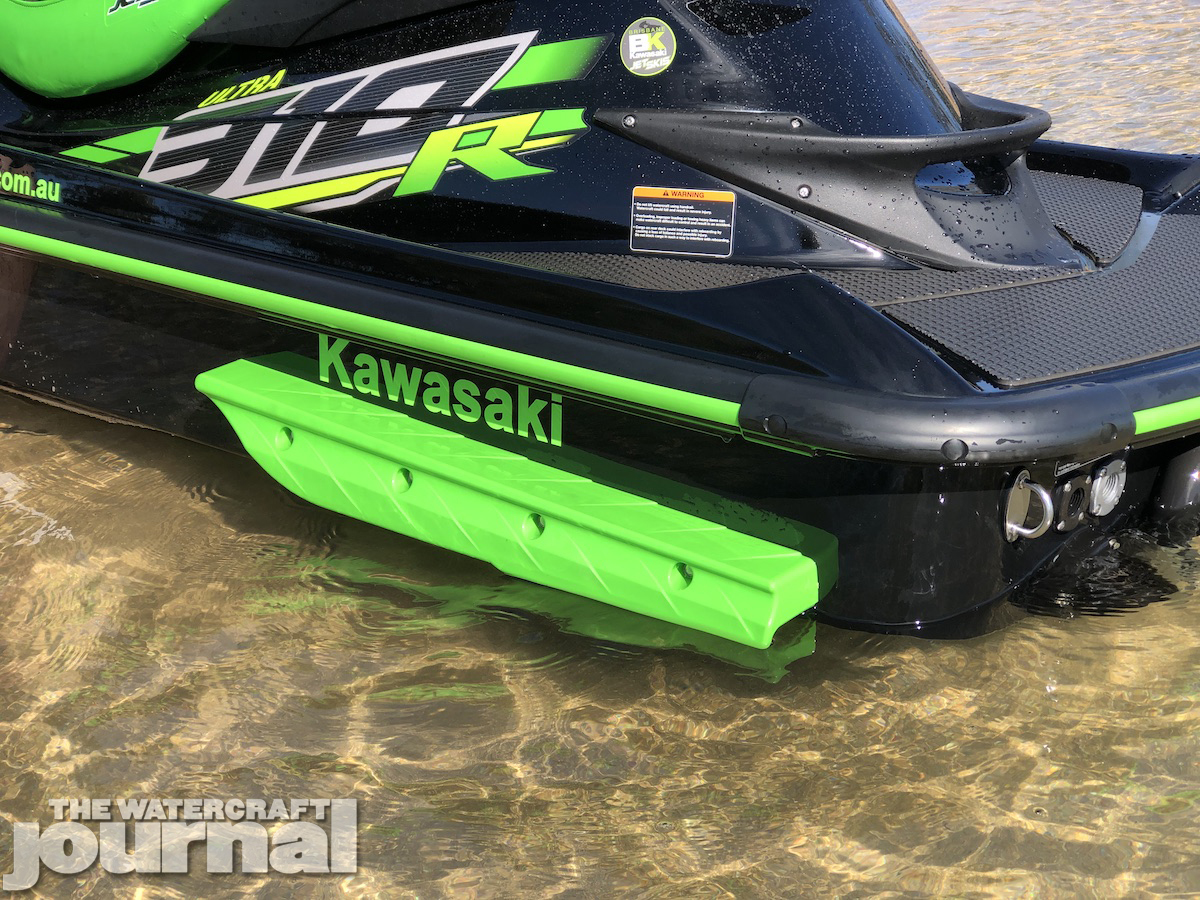
We got to test ride a 2020 Kawasaki Ultra 310 with the Kspeed Stage One upgrade kit in the same waterways it was developed, on the fringes of Brisbane. Although the Kawasaki Ultra hull has been around since 2007, it’s a solid design that is holding its age well.
Because it’s a big, heavy beast, it doesn’t like to turn at slow speeds until, of course you give it some throttle, but once you’re on the move it cuts through chop with ease. Having ridden a standard Ultra 310 a month or so prior to this test ride – though not back-to-back – it’s safe to say there is a noticeable difference in grip from the top-loader intake grate in rough water.
The pump wedge points the nose 2-degrees higher, but we preferred to run it with the trim down to the neutral position, or two notches below neutral. We found the craft cut through wake and turned even better at speed with this adjustment. For flat water riding, however, we reckon it would be better to keep the trim to between neutral and just below the highest setting.
We were out to test the performance in the chop and the responsiveness of the engine, rather than trying to set a new speed record, but we did hit 72mph (116kmh) with a little left in reserve, before choppy conditions determined enough was enough on this day.
Overall, the Kspeed Stage One kit does what it says on the box. Of course, it may not suit everyone’s needs – for example, if you’re only chasing ultra-high top speeds. However, as an improvement for rough water riding that delivers extra grunt through the middle of the torque curve – while aiming to remain reliable – it’s definitely worth a look.






 So, what do you do when your hockey team wins the Stanley Cup? Well you tow around your massive trophy aboard a Sea-Doo of course. This is exactly what Tampa Bay Lightning player Alex Killhorn did.