Let’s just get right to it; 2020 pretty much screwed everyone’s plans up. Especially in regards to racing. Sure, promoters did their damnedest to keep events rolling, but even in the rare instances when local governments weren’t enforcing austere shutdowns, travel between states and countries for that matter, was all but impossible. So what is there to do? You pick up where you left off and try again in 2021 – and that’s exactly what the team at AquaX USA are doing.
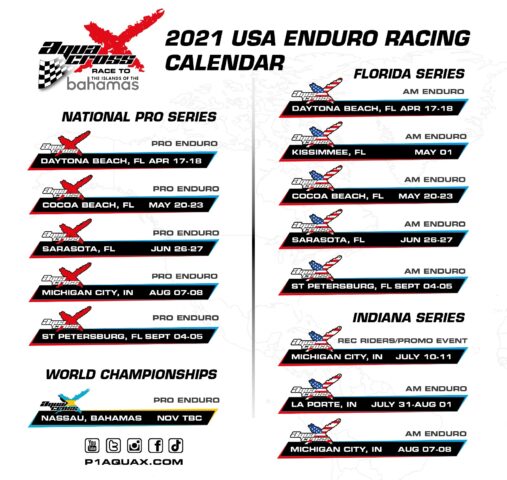
We at The Watercraft Journal just received notice of AquaX USA’s race schedule for next year. Not only do we see THREE series – the National Pro Series, the Florida Series and the Indiana Series – but also a World Championships Pro Enduro in Nassau. Certainly, several of these series will overlap during specific events, but we’re excited to see so many events planned and in two states. We’re hoping racers will feel the same and we see a killer turnout!
The official press release reads as follows: As P1 AquaX prepares to celebrate its tenth season of racing, the international personal watercraft racing promoter has released plans that will see it stage three series in the United States in 2021. Two new venues – La Porte in northwest Indiana and St. Petersburg on Florida’s west coast – join the race calendar with AquaX racing returning to Cocoa Beach and Sarasota.
The three championships will feature Pro Enduro and Am Enduro action, with a Pro National Championship, Am Florida Series and Am Indiana Series that will be preceded by a promo event in Michigan City in July. A Sprint calendar will be announced next month.
Daytona Beach will kick off the season in mid-April, with a total of more than one hundred riders expected to tackle the famous surf. This will be the seventh year of AquaX racing at this mecca for motorsport on Florida’s Atlantic coast and Hard Rock will again be the host hotel. The following month the series will make its fourth visit to Cocoa Beach on the Space Coast where for the first time it will to join the Thunder on Cocoa Beach offshore powerboat racing.
Sarasota will welcome the riders at the end of June before the action heads north to Indiana in July where La Porte and Michigan City, with its army of enthusiastic fans, will host two race weekends following an open day. The final stop in early September will be St. Petersburg on the Gulf Coast as it hosts an AquaX event for the first time. In addition to the Cocoa Beach event, Sarasota, Michigan City and St. Petersburg will stage a ‘double bill’ of AquaX and powerboat racing.
Unveiling the calendar at P1’s race headquarters in Orlando, USA Championship Manager Michelle Petro said:
“After the enforced break this year we can’t wait to get back on the water in April. Our three series will deliver an extensive, 5-month program of free-to-watch racing in Florida and Indiana, with a promo event in Michigan City before the Indiana Series begins in July. Outstanding locations and host venues contribute enormously to our event offering, with the focus on raising the profile of the venue, attracting visitors, encouraging local involvement and stimulating the local economy. We’ll be announcing further details next month, including television coverage and a print media partner.”
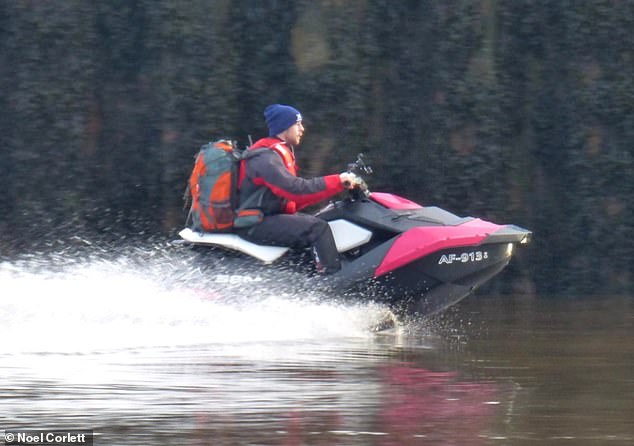
Austere COVID restrictions had kept Dale McLaughlan from seeing his girlfriend, Jessica Radcliffe for weeks. The self-employed roofer from Irvine, Scotland first met Radcliffe while working on a on the Isle of Man during a four week work permit issued under the island’s strict pandemic guidelines.
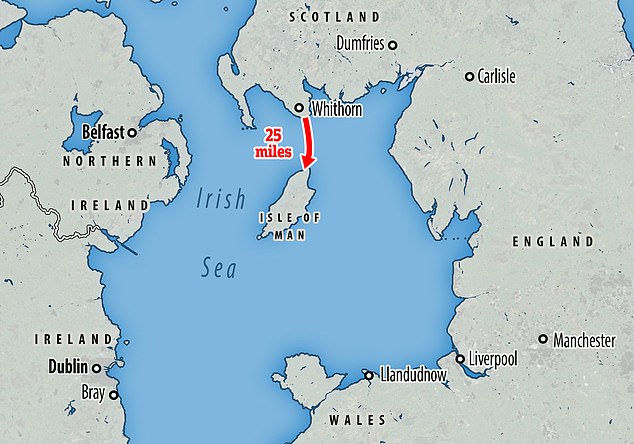
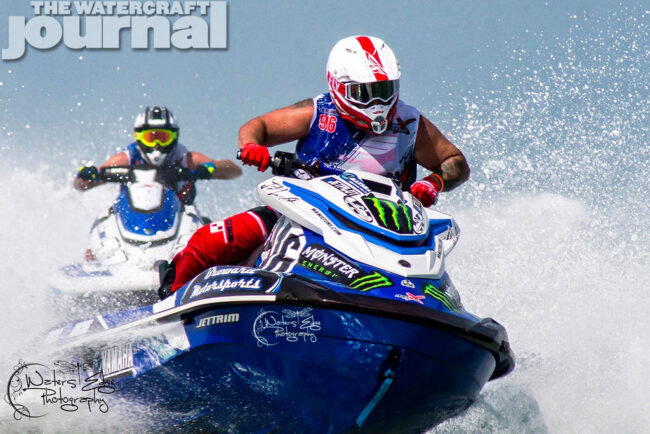
Returning home, McLaughlan sought to visit Radcliffe again, but was denied permission twice by authorities. So, he purchased a used pink Sea-Doo Spark and planned his next move. Police reported that McLaughlin towed the Spark the 70-miles from his home to the beach on the Isle of Whithorn, where his journey began at 8am.
McLaughlan estimated that the 25-mile open ocean trek would take 40 minutes, but due to foul weather on the Irish Sea and McLaughlan’s inexperience on a PWC, took nearly five hours, arriving on land at 1pm. Then he hiked another 15-miles by foot, following the road signs to his girlfriend’s home in Anagh Coar.
After spending the next 36 hours together with Radcliffe, authorities arrested McLaughlin, where he was jailed for 4 weeks citing, “Not only did you place the population of the Isle of Man at risk, but you put yourself at significant risk of harm.”
Concerned whether McLaughlin would “infect” the population of Isle of Man, he told police that he “had taken a COVID test four days before he had traveled and it had come back negative.” Prepared to take a second test, McLaughlin’s results came back negative a second time.
McLaughlin pleaded guilty to a single charge of ‘failing to comply with the emergency powers regulations’ by entering the island without an exemption notice or permit. In a statement, the police said: ‘The circumstances have been investigated and Public Health are satisfied there is no wider risk to the public.”
As you might’ve heard, getting your hands on a brand-new 2021 Yamaha WaveRunner or boat has been a little difficult. While Yamaha’s Newnan, Georgia facility is in full production mode, the COVID-19 pandemic has hindered production for smaller manufacturers who supply Yamaha with several key components necessary to completing near-finished units.
In fact, we recently heard that dozens of Yamaha jet boats sat in a warehouse waiting for pallets of windshields to arrive from suppliers. The same situation goes for many different WaveRunners models. Again, Yamaha corporate is shipping completed machines out as fast as possible, but the logjam has many would-by buyers anxiously waiting for dealers to receive them.
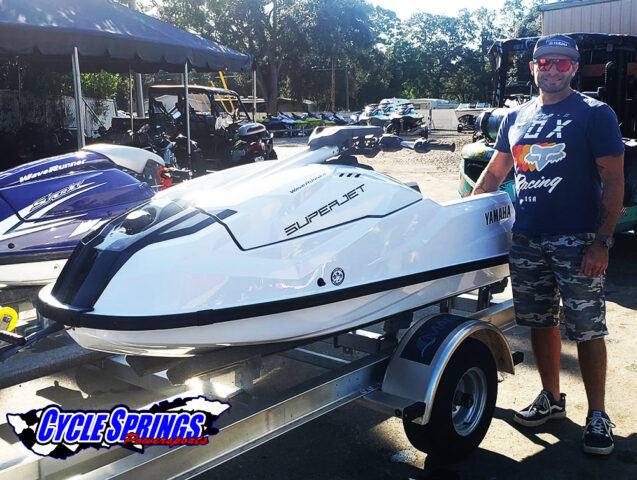
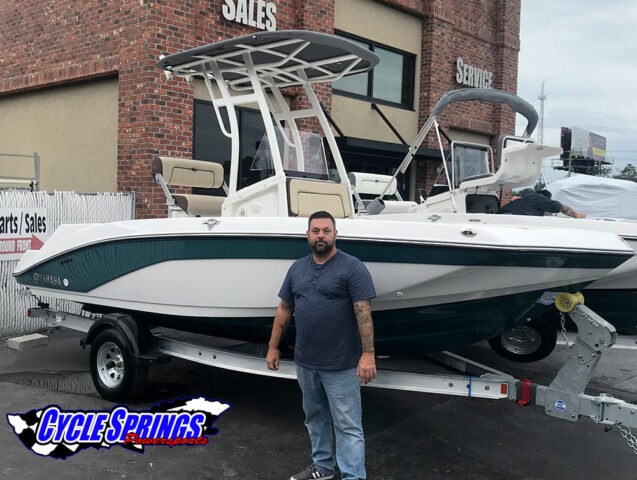
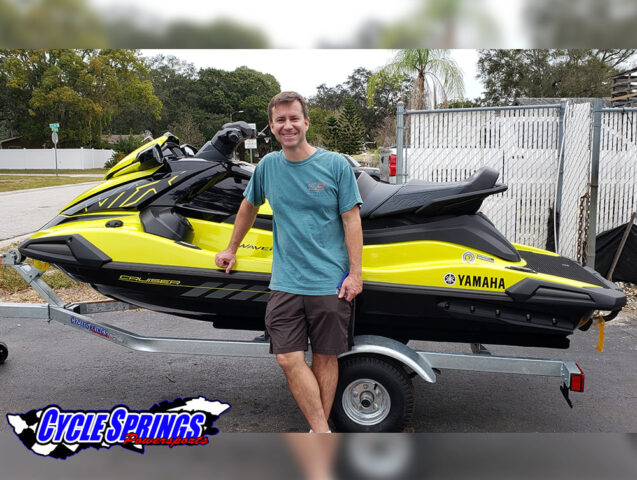
Thankfully, Cycle Springs Powersports, out of Clearwater, Florida is the nation’s leading Yamaha boat and WaveRunner dealer – therefore, more than other “more seasonal” dealers have been getting units first. In a recent Facebook post, Cycle Springs celebrated three customers who picked up a ’21 SuperJet, ’21 Yamaha FSH 195 Sport, and a ’21 VX Cruiser HO WaveRunner.
So to reiterate, Yamaha is pushing out new 2021 models as quickly as they can complete them – but look to top rated dealers like Cycle Springs Powersports to get them on the showroom floor faster. Contact them directly at (727) 771-1211 or visit in person at 29703 US Hwy 19 N., Clearwater, FL 33761.
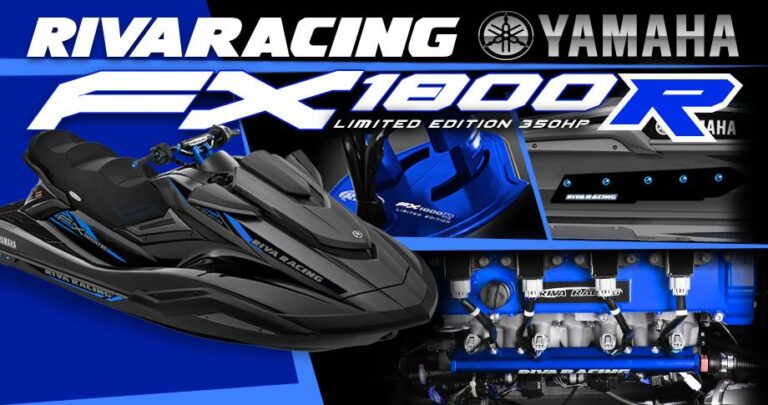
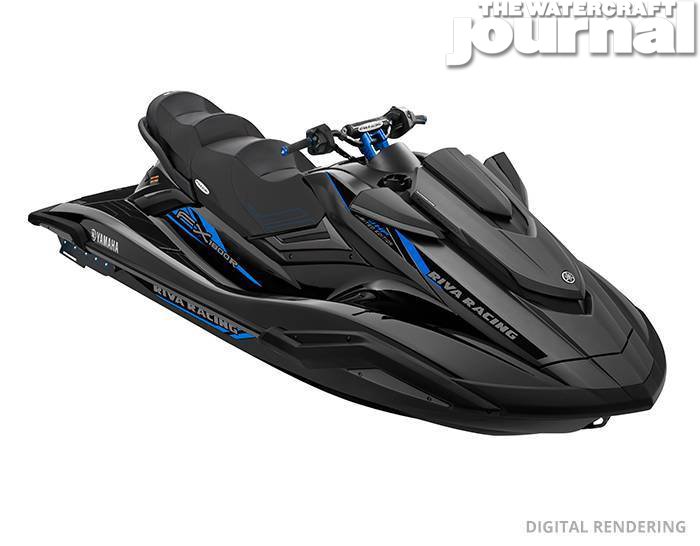
While we were on lockdown, RIVA Racing went all out and upgraded two of Yamaha SVHO-powered WaveRunners into their own specialized Limited Editions as only RIVA can do. This year, they put out 15 units each of the 2021 Yamaha GP1800R Limited Editionand 2021 Yamaha FX1800R Limited Edition. For the look this year, the RIVA team went with a stealthier vision for the 2021 models, wrapping them in black with touches of a striking electric blue and dashes of white stripes in all of the right places. The electric blue really pops, and the machines look absolutely fierce!
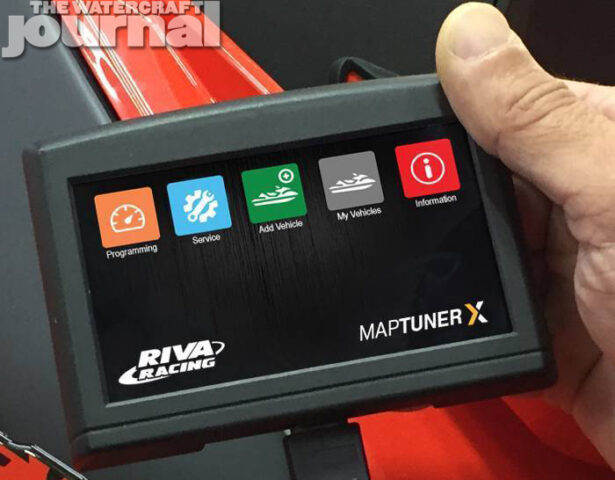
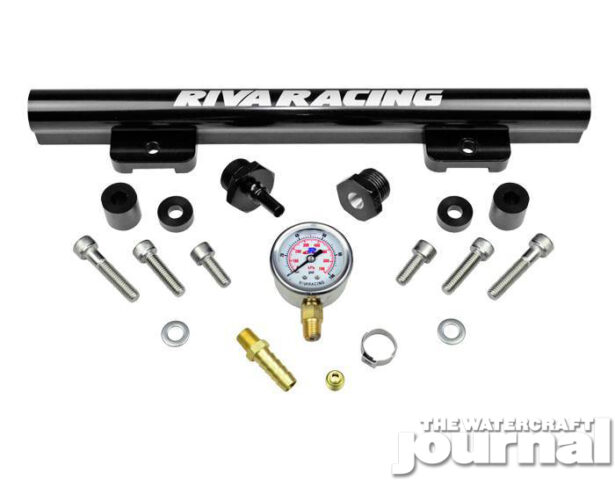
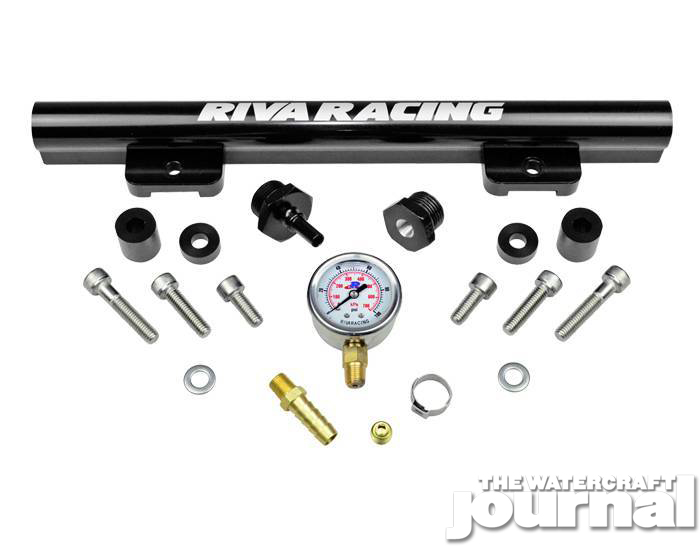
Digging into the vast array of components that RIVA used to build the Limited Edition Yamaha GP1800R, it all begins with the RIVA MaptunerX Yamaha License. This accesses the RIVA tuning library and making it easy to switch between performance tunes and back to stock settings. RIVA upgraded the fuel system with the RIVA Yamaha 1.8L High Flow Billet Fuel Rail. This supports the increased horsepower when used with the supercharger modification, as it replaces the restrictive factory fuel rail for improved fuel delivery – plus it makes the engine bay look waaay better.
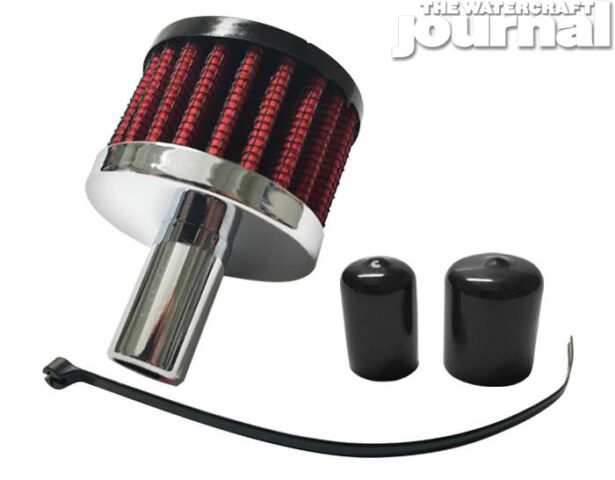
In order to keep the engine cool, a RIVA Yamaha 2021 GP1800R SVHO Power Filter Kit was added. The power filter provides the supercharged engine a steady flow of cool air that also increases acceleration by replacing the restrictive stock air box with a high-volume, precision-formed intake duct. A RIVA Yamaha 1.8L Engine Breather Upgrade Kit was installed to eliminate pesky power-robbing crankcase emissions from the engine’s air intake – also help increase horsepower.
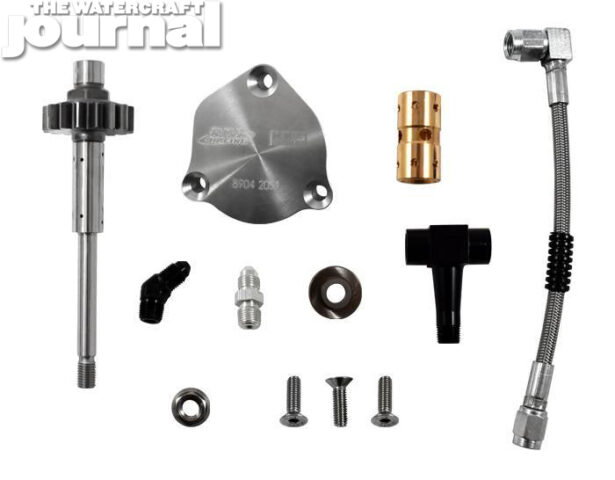
The factory supercharged was fitted with the RIVA Yamaha Supercharger Shaft Upgrade Kit. With this kit, comes the ultimate in reliability for high boost applications and it features an innovative hydraulic shaft stabilization bearing that limits wear and shaft deflection. A through-shaft oiling system maximizes lubrication. RIVA added the all-new Gen-3 Power Cooler Kit to this machine as well. This bad boy’s cooler element is rated for up to 600-horsepower with exit temperatures averaging 50F cooler than stock.
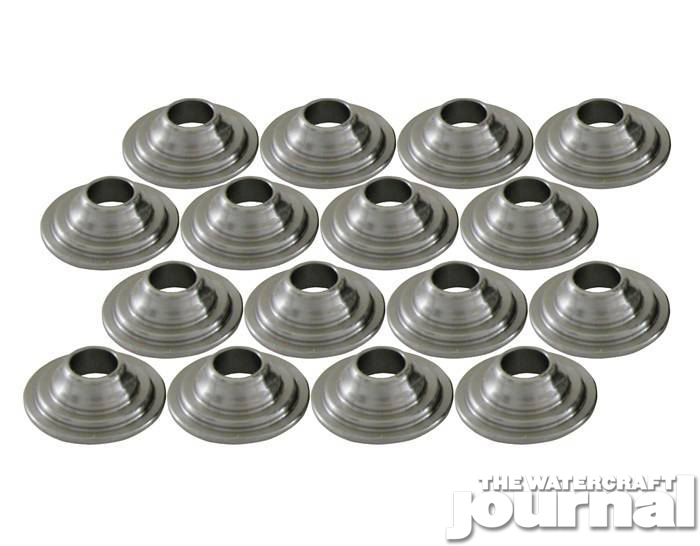
Speaking of cooling, a SVHO Pro-Series Engine Cooling Upgrade was added. This improves cooling to the engine and the intercooler, adding increased performance and reliability. Another component that increases engine reliability is the Yamaha Valve Retainer Upgrade Kit. The valve retainer reduces the possibility of valve float at high rpm. The crew replaced the stock exhaust with one of their Yamaha rear exhaust kits. The RIVA rear exhaust kit allows for removal of restrictive sound suppression system and improves engine performance with the reduction of back pressure and restriction.
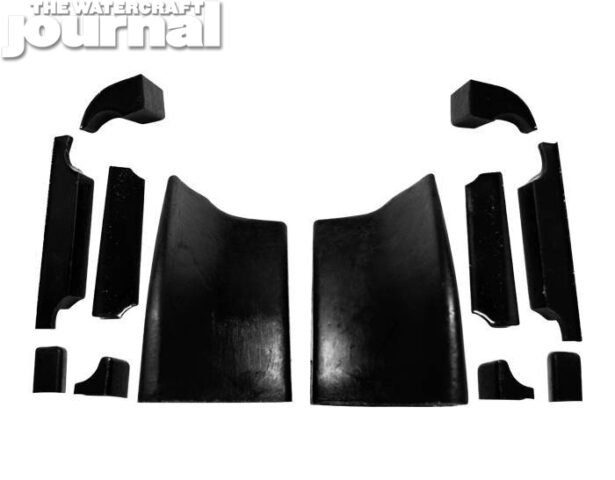
A non-slip RIVA Yamaha 2021 GP1800R Seat Cover with black and blue stitching ties in perfectly with the Yamaha 2021 GP1800R Limited Edition graphics. This watercraft wouldn’t be complete without a set of RIVA Yamaha GP1800 Pro-Series Sponsons. They greatly improve handling and straight-line stability, enabling you to easily leave your opponent in the dust at the starting line. There are only a few differences in components between the 2021 RIVA Yamaha GP1800R and the 2021 RIVA Yamaha FX1800R Limited Editions and they are as follows:
Each one of these boats a roaring 350-horsepower that delivers amazing acceleration with blistering speeds of up to 86 mph. (Remember, a stock GP1800R hits a maximum speed of 68mph.) We’re talking an increase of 20mph…that’s huge! The 2021 Yamaha GP1800R Limited Edition and the 2021 Yamaha FX1800R Limited Edition are priced at $29,895 each.
These machines were built for professional riders who demand the ultimate in power and performance. They definitely are not suitable for the average Joe. The Limited Edition units are offered exclusively through RIVA Racing, a division of RIVA Motorsports. For more information or to order, contact RIVA at [email protected] or call (954) 785-2684.
[As of the publishing of this story, all 15 of the 2021 RIVA Racing GP1800R Limited Edition WaveRunners have been claimed and sold. Availability on the 2021 RIVA Racing FX1800R Limited Edition remains currently open – so if you want one, you better act quickly. –Ed.]
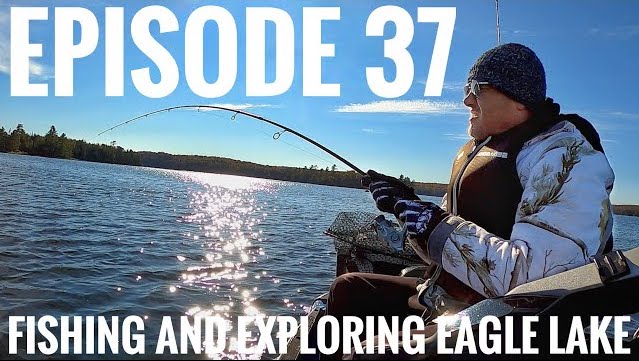
While Americans continue to drag their heels when it comes to jumping on the PWC fishing bandwagon, the rest of the world is enjoying some seriously awesome experiences aboard their watercraft. In continually observing how folks are getting the most from their PWC, we came across the “Doo Diligence Fishing” YouTube channel. Although pretty modest in his viewership, the production quality and editing is solid, and each video tracks rather effortlessly. In all honesty, give ’em a shot.
Focusing mainly on exploration of the beautiful lakes and waterways around Ontario, Doo Diligence employs a supercharged ST3-based Sea-Doo GTX 230 which has been customized with several Fish Pro-specific bits of hardware. In the video we’ve shared here, Doo Diligence takes us camping overnight in South River at Eagle Lake. Our host (whom we still can’t find his name listed anywhere) unfortunately, wakes with a bit of bad luck that starts right from the beginning on this frigid morning. Sadly, things continue on that way for the rest of the way, making Doo Diligence regret not staying onshore.
Sadly, not listening to your gut instincts is what puts Doo Diligence’s GTX 230 out of commission for the rest of the season. But on the plus side, he did catch some bass and pike – so the trip was not a complete write off. Enjoy this hard luck adventure HERE:
“Just go by a boat,” come the oh-so-unoriginal comments when PWC fishing comes up. We’ve featured quite a few truly extravagant rigging setups on watercraft over the years, and the ’19 Yamaha FX High Output WaveRunner used by Jetfisher.com is truly a nice piece – if not a little over-the-top for most folks.
Located out of South East Queensland, Australia, JetFisher’s video channel on YouTube explores local offshore reefs and chasing down local species. PWC fishing is a massive sport in Australia and channels like Jetfisher are only helping it grow further – offering tips and products to help you along the way.
When it came time to equip their WaveRunner, the crew at Jetfisher considered a ready-from-the-factory Sea-Doo Fish Pro ($16,854 USD) but were set on running a pair of Shoreline Jet Ski’s “Shoreline Tubbies” fishing pods. Made in South Africa by Racetech, these offer massive added storage for catches, tools, tackle and lures, built-in rod holders and live bait storage. It was a no-brainer.
Next, Shoreline equipped the Yamaha FX HO with a Garmin Echomap 65CV with GT23 (600w) Transducer; a marine VHF GME GX750 BlackBox 25W radio; USB and 12v socket; and a 28.5-gallon (27-liter) auxiliary fuel tank. Lastly, they purchased the side and rear easy-mount rod holders from GC Jetski Fishing. In all, the setup is worth an estimated $20-$25K USD, so it’s definitely going to cost a premium to replicate. Check out all the mods below:
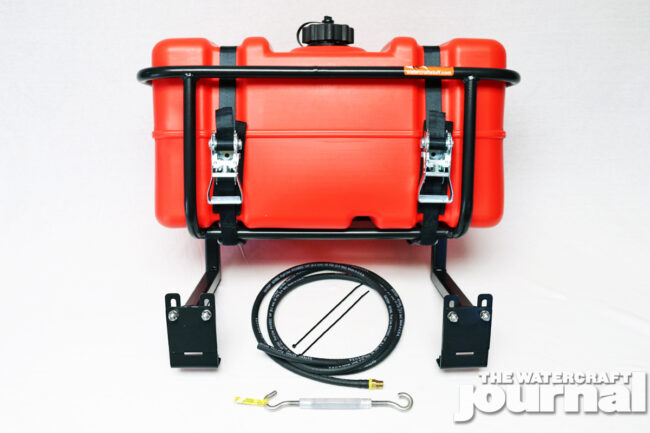
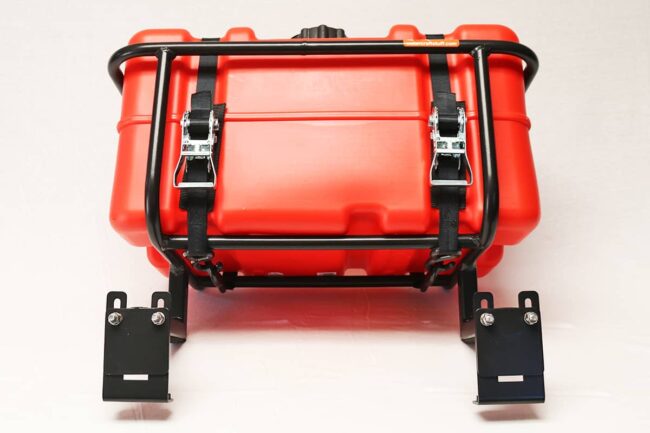
[This copy was taken mainly from this week’s The Watercraft Journal’s 2020 Top 10 Christmas Gifts For Jet Skiers feature article. Read it in its entirety HERE. –Ed.] As personal watercraft have evolved into super-comfortable, feature-laden machines, more and more enthusiasts are using their PWC to explore new places and ride further distances. To help them go further, The Watercraft Journal’s Long Hauler Auxiliary Fuel System Kit increases your PWC’s fuel range by upwards of 85-percent (depending on model). Engineered so that the least mechanically-savvy could install it in a matter of 10-to-15 minutes using common hand tools, installation requires zero cutting or drilling, or permanent modifications, and is 100% reversible.
Using the mechanical vacuum created in the factory fuel cell to organically siphon fuel from the auxiliary tank mounted on the rear deck, this system works on all All 2004-and-up 4-stroke Kawasaki JetSkis (16.4 gal. and 20.6 gal. fuel tanks); all 2004-and-up 4-stroke Yamaha WaveRunners (15.8 gal. and 18.5 gal. fuel tanks); all 2002-through-2009 4-stroke Honda Aquatrax (16.6 gal. and 18.5 gal. fuel tanks); and all 2003-through-2011 4-stroke Sea-Doos (15.9 gal. fuel tanks). Changes to the Sea-Doo fuel pickups in 2012 require major changes to the factory fuel system, which would void warranties and put riders at risk, something we didn’t want to do.
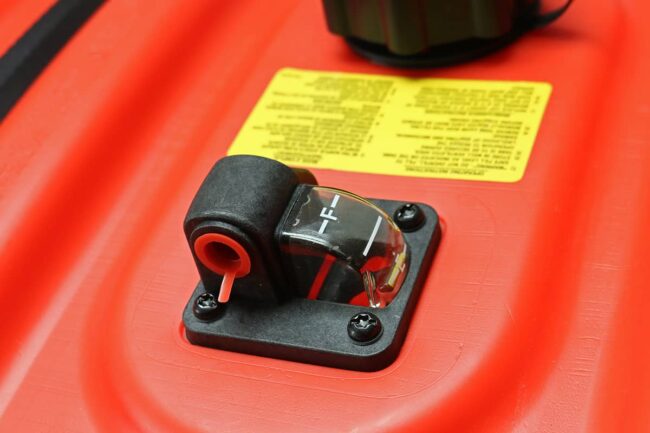
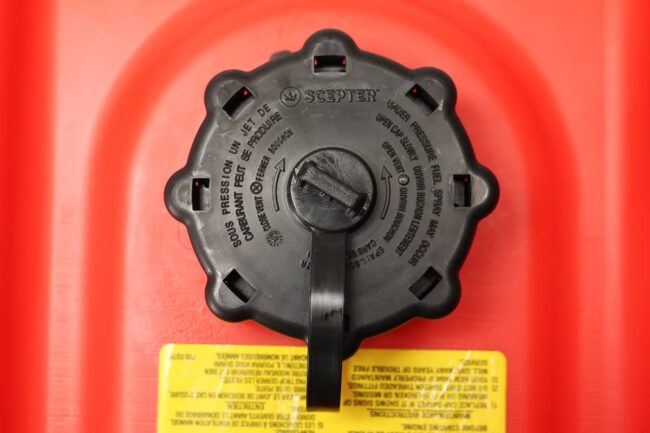
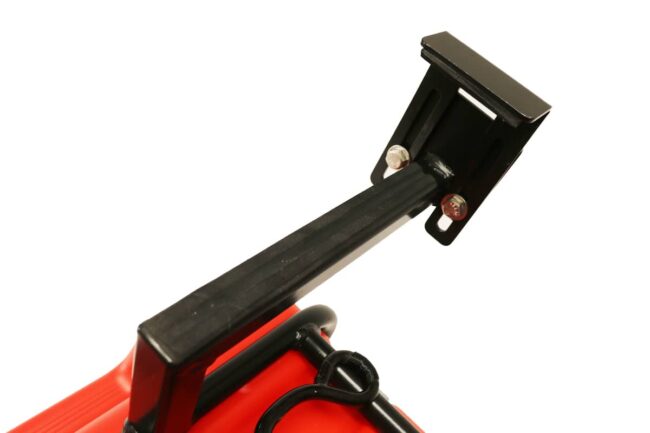
The kit consists of 9 pieces: a special-designed stainless steel, powder coated rack from Kool PWC Stuff, featuring a patent-pending Z-bar adjustable base lined with Hydro-Turf padding; a stainless steel double-hooked turnbuckle; a USCG-certified 12-gallon auxiliary fuel tank featuring a ventilated locking gas cap, internal pickup and fuel level gauge; two ratchet straps; 10-feet of non-EFI 50psi-rated fuel line fitted with a brass 5/16-inch hose barb; and two zip-ties to secure the fuel line.
One of the best parts of riding a personal watercraft is the closeness you get with nature. The feel of the water’s surface, the proximity to wildlife – it can be surreal. Thankfully, this opportunity to be close to nature resulted in saving the life of a dolphin tangled in a line in Biscayne Bay.
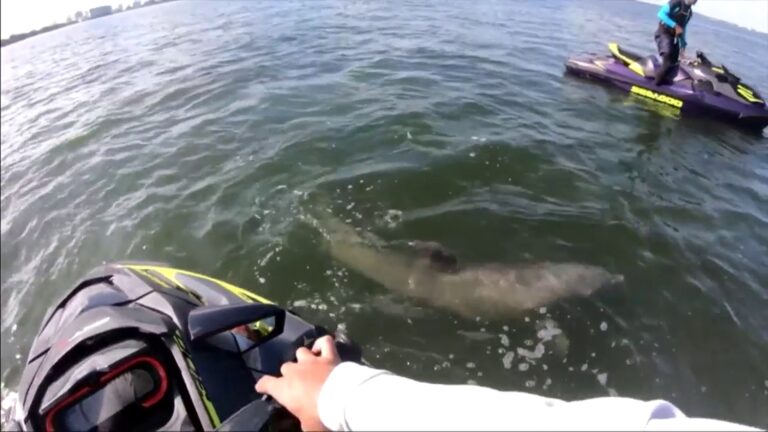
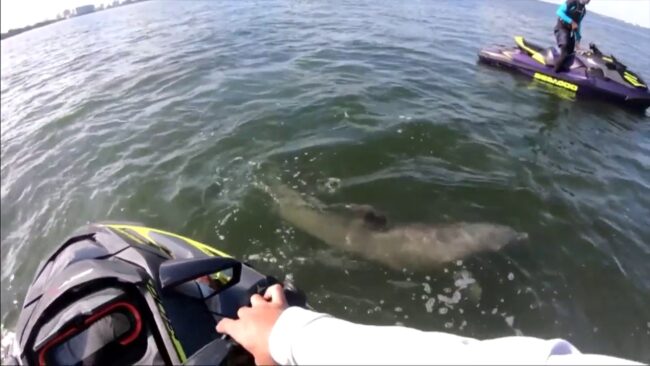
Nick Tuduri and friend Craig Gooden were riding offshore, racking up some hours on Gooden’s 2021 Sea-Doo RXT-X 300 when they spotted the dolphin in distress. Tuduri explained to WPLG, “The dolphin actually came to the side of the jet ski and it was swimming. That’s when I noticed there was something that was off with that dolphin.”
As reported by Local 10, “treading in about 15 feet of water, Tuduri said he started cutting the thick, nylon rope that was tangled with the dolphin’s fin and attached to what looked like a crab trap. The marine mammal, he said, could sense he was helping it.”
“It’s amazing. The dolphin was looking with its eye. It was watching and observing us do what we were doing, and he just let us do our thing. We were able to cut it free,” Tuduri said. After freeing the dolphin, Tuduri and Gooden were met by a group of dolphin who swam alongside their Sea-Doos as they headed back in.
Normally, we here at The Watercraft Journal are ardently opposed to early Christmas decorating; but considering the $#%&-show that 2020 has added up to be, if spreading a little holiday cheer is what is going to get you through the next few weeks, then by all means, deck those damned halls, baby. With much of people’s means of entertainment and diversion limited, restricted or outright outlawed, personal watercraft sales shot through the roof. Unfortunately, demand outpaced supply, and a shortage led to skyrocketing costs – even for used PWC – and even the 2021 models have been slow to hit showroom floors.
So what is a PWC enthusiast to do? Well, until the new units are finally delivered to your local dealership, it’s best to show you what The Watercraft Journal deems as the Top 10 best gift ideas for yourself or the jet skiing fanatic in your life. The items we selected this year were specifically chosen with a theme in mind: utility. That is, almost everything here is aimed at helping you get the most use and functionality out of your personal watercraft – regardless of your riding style or ability. Because if you’re not stepping up to a new machine, you might as well get the most enjoyment out of the one you’ve already got.
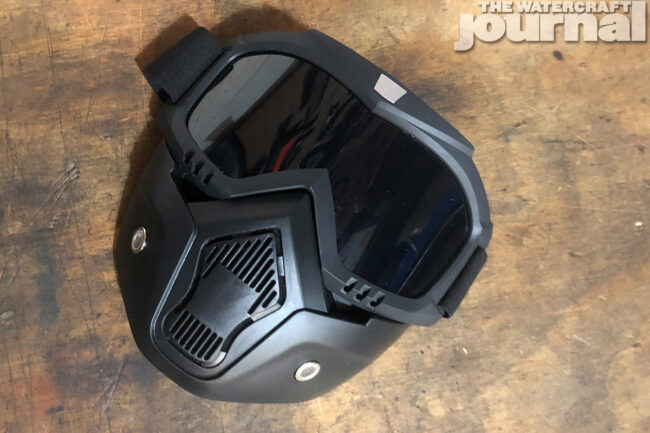
Safety Shield Face Mask with Detachable Goggles – $13
Quick question: Have you ever been caught out on the water during a sudden rainstorm and couldn’t wait it out? If you have, you’ll know first hand the value of having a quality face mask and goggles. Carrying such equipment is almost mandatory in Florida where sudden cloudbursts can catch a traveler unawares in seconds. That’s why the Safety Shield Face Mask is such a good buy. Admittedly, it’s cheap Chinese junk. [Hey, I found it on eBay. What do you expect? –K] There are certainly far better goggles on the market, and most likely superior face shields to boot. But that’s not the point.
We recommend these detachable two-piece face mask and goggles because they are so cheap. That way, you won’t think twice about cramming them in your bow storage and forgetting about them until you get caught in some nasty weather. Thankfully, of all of the cheap masks we’ve used, these are the most comfortable. Breathing isn’t restricted as air flows in through side ports and a well-ventilated plate gratefully far enough from your nose and mouth not to feel crowded. The goggles rest nicely on the bridge of your nose and offer decent air circulation, minimizing fogging too. And did we mention they’re cheap?
Sea-Doo Removable Storage Bin Organizer – $61.99
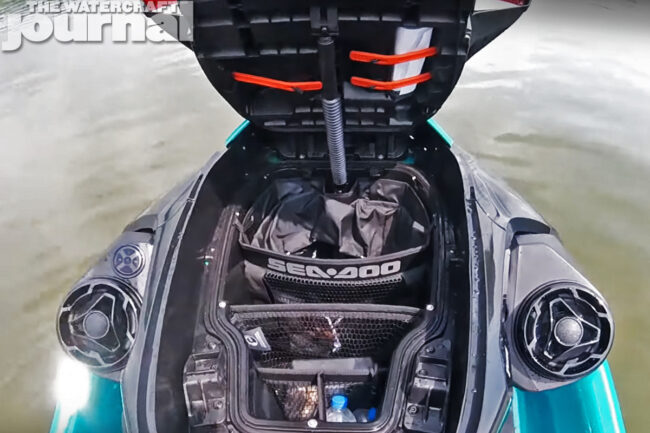
Easily one of the most appealing features of the 2018-and-up full-sized Sea-Doo runabouts is the centralized storage compartment fixed beneath the steering column and dashboard. Accessed via two locking handles, the entire top deck pivots vertically on a gas strut exposing the ST3-based watercraft’s 27-gallon storage bin. Unless otherwise equipped, most runabouts come without any sort of divider or container, leaving one’s packed belongings to rattle around loosely. Thankfully, Sea-Doo’s Parts & Accessories Division whipped up a couple of solutions, our favorite being the full-sized Removable Storage Bin Organizer.
During the year The Watercraft Journal enjoyed a ’19 Wake Pro 230, we equipped one of these breathable front bin organizers and never looked back. Made from high-quality premium-coated synthetic mesh, these won’t collect water and mildew. In fact, Sea-Doo even advertises that the bin organizers specifically designed for “storing wet clothes away from the rest of your gear or to transport gear to/from the watercraft.” Making that easier is the incorporated carrying handle and cinching pull string. Simply slip the quick-attaching fasteners into the molded-in fixtures to secure the bag in place inside the storage bin. It’s really a no-brainer.
Super Rack Action Camera Bracket For ST3 Sea-Doos – $69.99
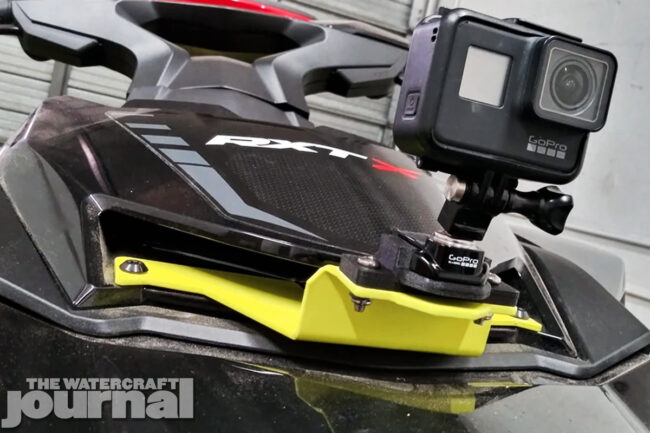
Admittedly, 2020 has cost us two GoPro cameras – not to mention several close-calls. Nearly $900 in action cameras is more than any one person should have to swallow, so we’re very excited about Super Rack’s Action Camera Bracket for all 2018-and-up ST3-based Sea-Doos. Obviously, most folks know Super Rack for their stellar rear storage racks, but this one item really stood out as a problem solver for many would-be content creators. And if you order now, you can save 10-percent off of your order (of over $400) using code “2020” at checkout.
Made from 100-percent marine-grade aluminum, the bracket installs easily to the front “hood” cover using the same factory screws – requiring no new hardware. According to Super Rack, the “GoPro mount is included, all you need is your camera; there is no need to buy any extra parts or accessories.” As a nice final touch, Super Rack LLC offers the bracket in a variety of powder coating color options. While the colors are not meant to match any PWC, they are “close enough” to some colors use by Sea-Doo, so make sure to check out what’s available!
Slippery Wetsuits’ Liquid Race Boot – $89.95
Many casual riders will brush off the idea of wearing a full lace-up boot, particularly when the skies are clear and the sun is warm. But we find even on low-key cruises, added traction and superior protection is never out of style, and that’s where a good pair of riding boots come in real handy. While we’ve found more gimmicky boots offering more frills and snazzier options, Slippery Wetsuits’ Liquid Race Boot has never, ever let us down.
Now on our third pair in 13 years, our first pair of Liquid Race Boots were just getting a little stiff after too many years of use. Thankfully, the updates and improvements made to the boot were made to the toe and heel, reinforcing them with thick-yet-flexible, textured panels giving added traction and protection to an already stout product. Plus, they come with their own tailored neoprene socks, so you’ll get the best fit possible. Riders and racers who use them love the Liquid Race Boot from Slippery, and we’re certain you will too.
WaveRunner EX Stern Mounted Storage – $129.99
When it comes to Yamaha’s EX Series, there’s very little not to like – except for a lack of storage. The glove box is surprisingly deep but it’s narrow opening is rather restrictive. That’s why we really liked the 2021 EX Limited, given that it comes equipped with two of Yamaha’s best storage solutions; the bow-mounted dry bag and the Stern Mounted Storage Bag (shown here). Providing nearly 4-gallons of added capacity, the Stern Mounted Storage Bag adds almost 50% more room to stow a tow rope, dock lines, rail guards or other items).
Best of all, the Stern Mounted Storage Bag requires zero drilling to install. Made from durable, weather resistant compression-molded black EVA foam and vinyl, the mesh interior base allows for quick water drainage and air circulation so mold and mildew won’t cultivate when not in use. As a nice touch, Yamaha designed the Storage Bag to also allow access to the stern tow eye without having to remove the bag.
RIVA Top-Loader Intake Grate for ST3 & 2020-up GTI/R Sea-Doos – $186.96
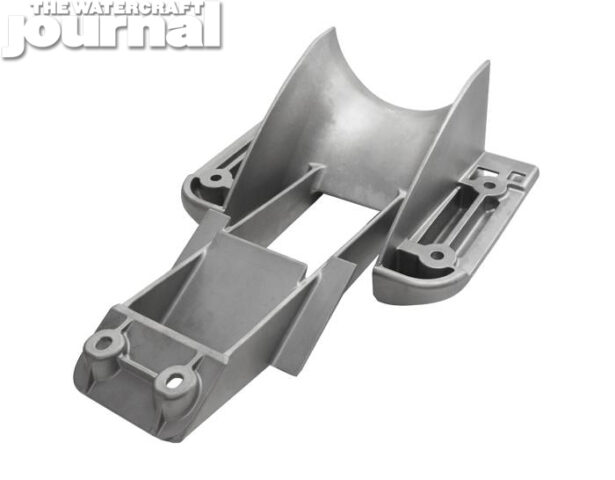
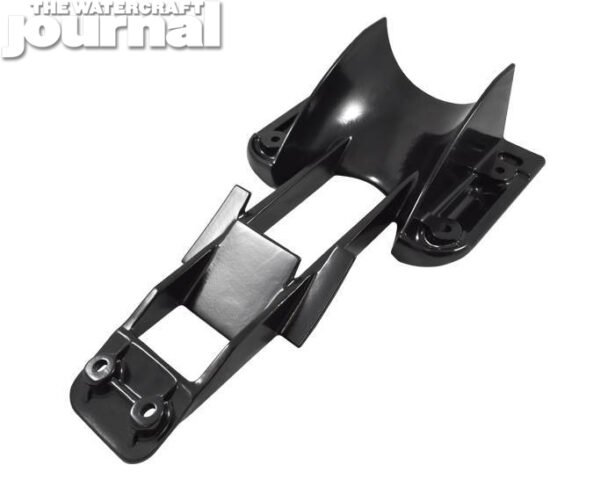
There’s no arguing that Sea-Doo’s ST3 platform (first introduced in 2018) is a winner. The Ergolock seating is unmatched, static stability is as steady as a surgeon’s hand, and the out-of-the-gate acceleration is killer. Yet, there’s a few quibbles with how the hull actually tracks in variety of conditions that just need to be addressed. A little over a year ago, we praised RIVA Racing’s Pro Series Sponsons for helping us fall back in love with our 2018 RXT-X 300. And now, RIVA’s Top-Loader Intake Grate delivers the final punch to this one-two combo to make the ST3 platform a true all-around competitor.
RIVA dedicated its research and development team to craft an all-new design that delivered a dramatic increase in hook up – via an oversized top loader wing design and “optimized” inlet ramp (most commonly used for closed course and offshore racing) that wouldn’t scrub speed off of the top end. In fact, the new intake grate improves top speed through rough water conditions while maintaining identical speeds on smooth water! The racy design significantly drops initial cavitation and glues the ST3 hull to the water in extreme conditions. It’s basically everything the ST3 needed that the Pro Series Sponsons couldn’t do alone.
Sea-Doo’s Heated Grips – $209.99
Let’s just be honest – there’s not a lot of you in Florida or Arizona who are going to need these. Now, we’re certain these would move in California, but that’s only because Californians don heavy jackets and thermal underwear when the mercury dips below 58º. For the rest of us who never-say-die in the face of riding in foul weather, Sea-Doo’s Heated Grips are one of the most welcome accessories we’ve had the pleasure of testing. And no, that is not hyperbole. When we returned our ’19 Wake Pro 230, we removed the heated grips just so that we could install them on future long-term test units.
Installation may look a bit intimidating for the less mechanically-inclined, but our tutorial on doing so should (hopefully) take some of the teeth out of that. Gratefully, Sea-Doo has done a masterful job with its wiring components, making the adding of electronically-charged accessories pretty effortless. Adding the heated hand grips did require a bit more tooling than other items we’ve installed, but once completed, the grips work masterfully (only when the engine is running). In fact, of the five heat levels, the highest (red) was often too hot to enjoy even as we sped along in sub-freezing air temperatures.
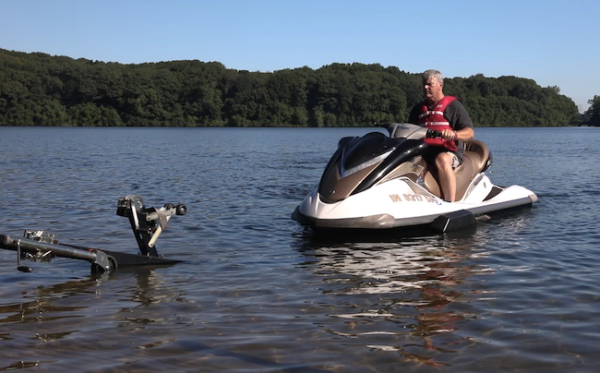
Easy Guide PWC Trailer Docking System – $399.99
A few years ago, I approached a man launching his boat as I waited in line to use the ramp. Jutting from the water were two white PVC pipes, which at the time, I had never seen before. He explained that he had installed them so he could better see the leading edge of his trailer, and to a lesser extent, keep his boat from drifting in the river’s current. Turns out, lots of folks do this. Thankfully, Easy Guide has made boat loading/launching demonstrably easier with its floating docking system without looking like you need training wheels.
Designed to literally guide you between the bunks, keeping your watercraft from floating away while you dismount and attach the winch, the Easy Guide is is a pair of chambered heavy-duty floats that buoy up on sturdy, articulated reinforced polymer plastic arms as you back your trailer into the water. Not only do they help guide you onto the trailer, but also save you from stressed or broken bunks as you no longer need to throttle your PWC up onto the trailer! Made entirely in the USA, the Easy Guide kit ($399) requires zero cutting or drilling, and will work on most all single-bunk trailers.
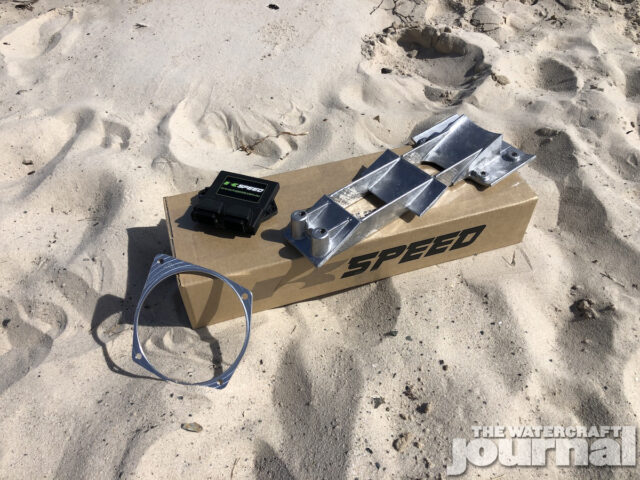
Kawasaki Ultra 300/310 Kspeed Stage 1 Kit – $1,200
While being one of the most lauded offshore machines on the market (as well as touting the highest horsepower output and onboard storage of any full-sized personal watercraft), the 310-horsepower Ultra JetSkis haven’t been known for their top speed numbers. That was primarily attributed to the Kawasaki’s Deep-V hull, giving the craft considerable drag – that is, until recently. Kspeed’s Stage 1 Kit is unequivocally the easiest and most affordable package to push an otherwise bone-stock Ultra 300 or 310 up into the high 70’s. Heck, we went to Brisbane Kawasaki earlier this year just to prove the claim.
The kit begins with Kspeed’s ECU reflash which removes the factory speed limiter and traction control (specifically for on 310 models), and remaps the ECU. This in turn, permits the ski to pull past the factory-preset 68mph top speed cap, increases the throttle response, sharpens the acceleration curve and optimizes the fuel and ignition timing for more power. Next is a 2º pump wedge, reangling the pump, lifting the bow of the ski for less drag and better top end speeds. Finally, the Kspeed Top Loader Intake grate radically changes the angle of “water entry,” forcing more water in the pump improving hook-up in all conditions. As Kspeed promises, “Better hookup, better hole shot and less loss of speed when traveling in rough conditions.”
The Watercraft Journal’sLong Hauler Auxiliary Fuel System Kit – $650
As personal watercraft have evolved into super-comfortable, feature-laden machines, more and more enthusiasts are using their PWC to explore new places and ride further distances. To help them go further, The Watercraft Journal’s Long Hauler Auxiliary Fuel System Kit increases your PWC’s fuel range by upwards of 85-percent (depending on model). Engineered so that the least mechanically-savvy could install it in a matter of 10-to-15 minutes using common hand tools, installation requires zero cutting or drilling, or permanent modifications, and is 100% reversible.
Using the mechanical vacuum created in the factory fuel cell to organically siphon fuel from the auxiliary tank mounted on the rear deck, this system works on all 2004-and-up 4-stroke Kawasaki and Yamaha runabouts, as well as all 2003-through-2011 Sea-Doos. (Changes made to the fuel pickup by Sea-Doo in 2012 makes use of our system impossible without major changes to the factory fuel system, which we didn’t want to require.)
The kit consists of 9 pieces: a special-designed stainless steel, powder coated rack from Kool PWC Stuff, featuring a patent-pending Z-bar adjustable base lined with Hydro-Turf padding; a stainless steel double-hooked turnbuckle; a USCG-certified 12-gallon auxiliary fuel tank featuring a ventilated locking gas cap, internal pickup and fuel level gauge; two ratchet straps; 11-feet of non-EFI 50psi-rated fuel line fitted with a brass 5/16-inch hose barb; and two zip-ties to secure the fuel line.
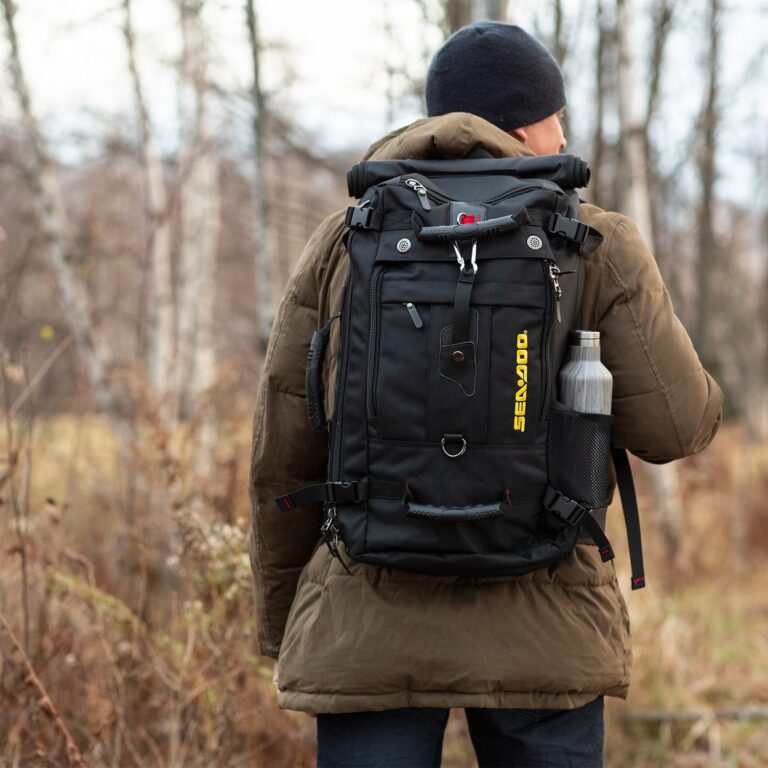
Are you still searching for a few gift items for the Sea-Doo lover in your life? Well from now until December 11, you can still take advantage of Sea-Doo’s sales event on all of their lifestyle items.
Did you know that Sea-Doo makes dozens and dozens of goodies that are specifically geared toward gifting? The best thing about it is that most of these cool goodies can actually be put to great use and have everyday lifestyle purpose.
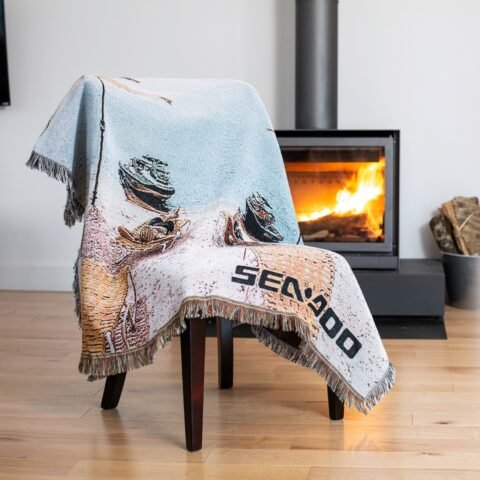
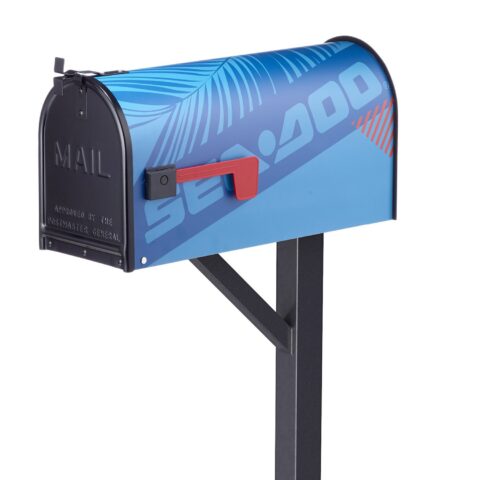
From towels, backpacks, and keyrings to floormats, pet accessories, and more. Did you know that you can even get a Sea-Doo branded mailbox? Yup that’s right, there’s literally something for everyone.
So, head on over to the link above and check out all of the categories of lifestyle and gift items on sale. With the biggest sale of the year, you can save up to 30% on many of the items. Checking off those gift lists and saving money while doing so; what could be better?




 Returning home, McLaughlan sought to visit Radcliffe again, but was denied permission twice by authorities. So, he purchased a used pink Sea-Doo Spark and planned his next move. Police reported that McLaughlin towed the Spark the 70-miles from his home to the beach on the Isle of Whithorn, where his journey began at 8am.