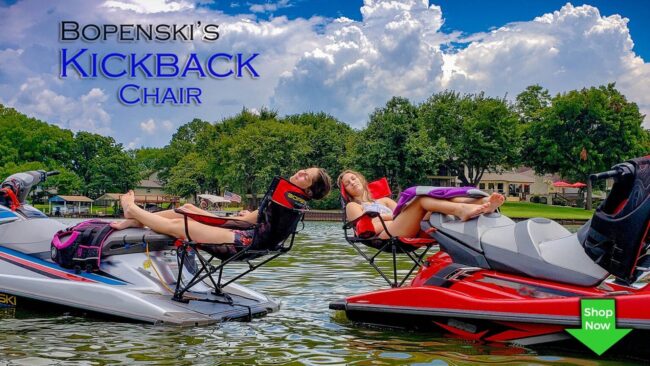
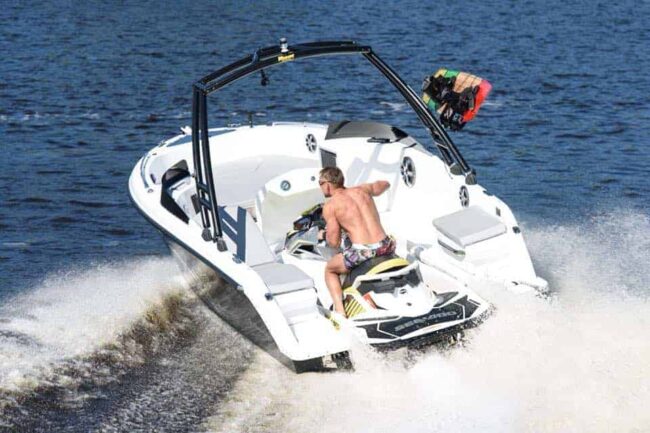
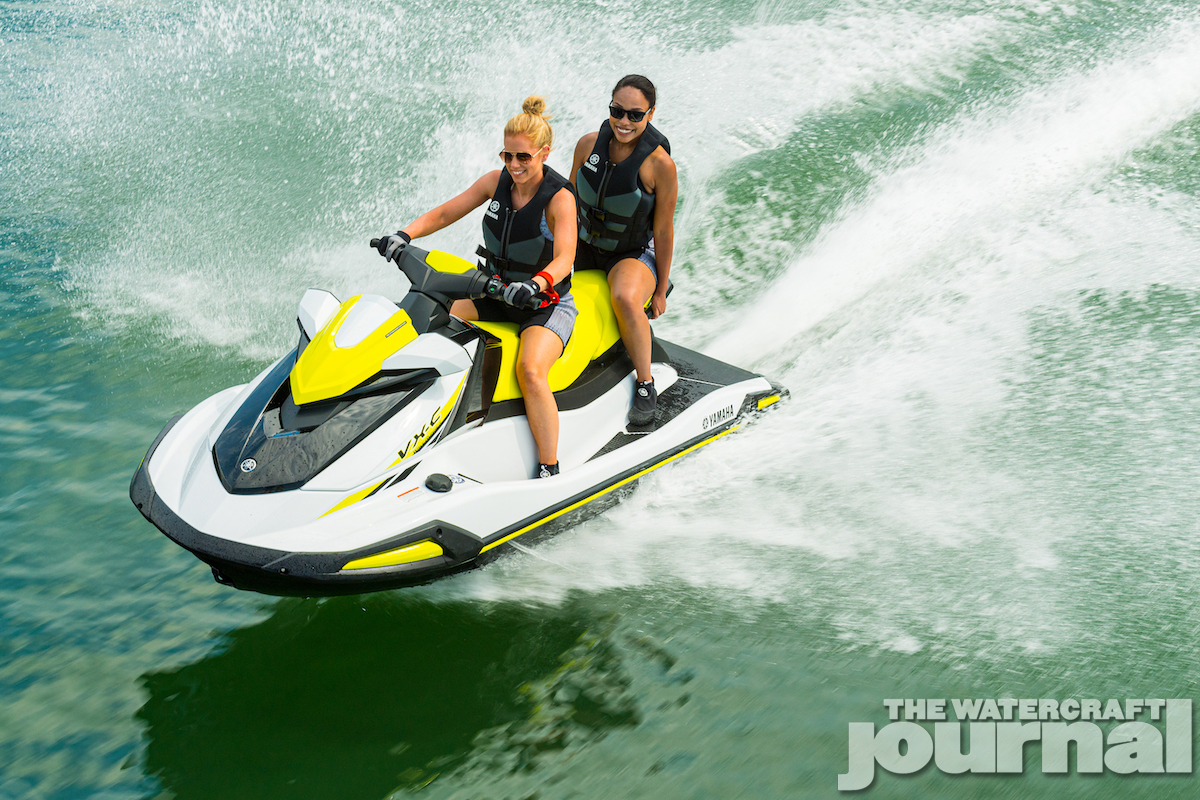
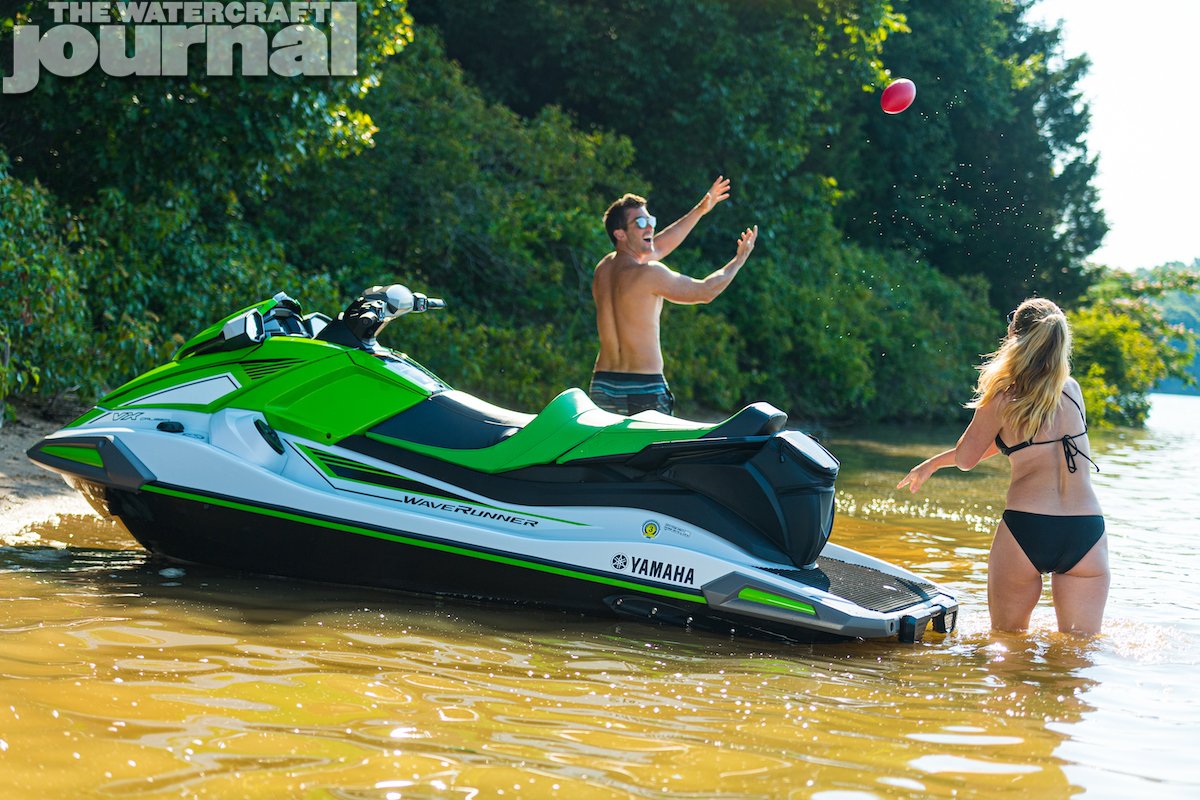
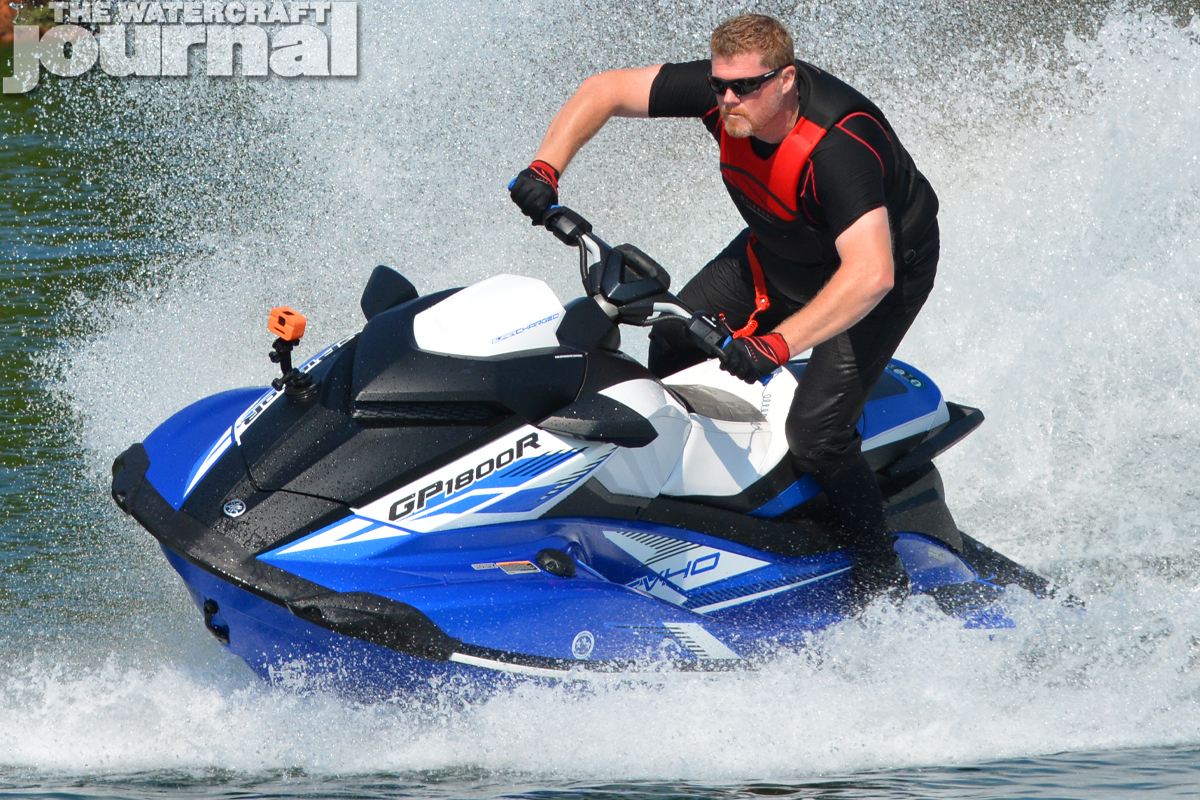
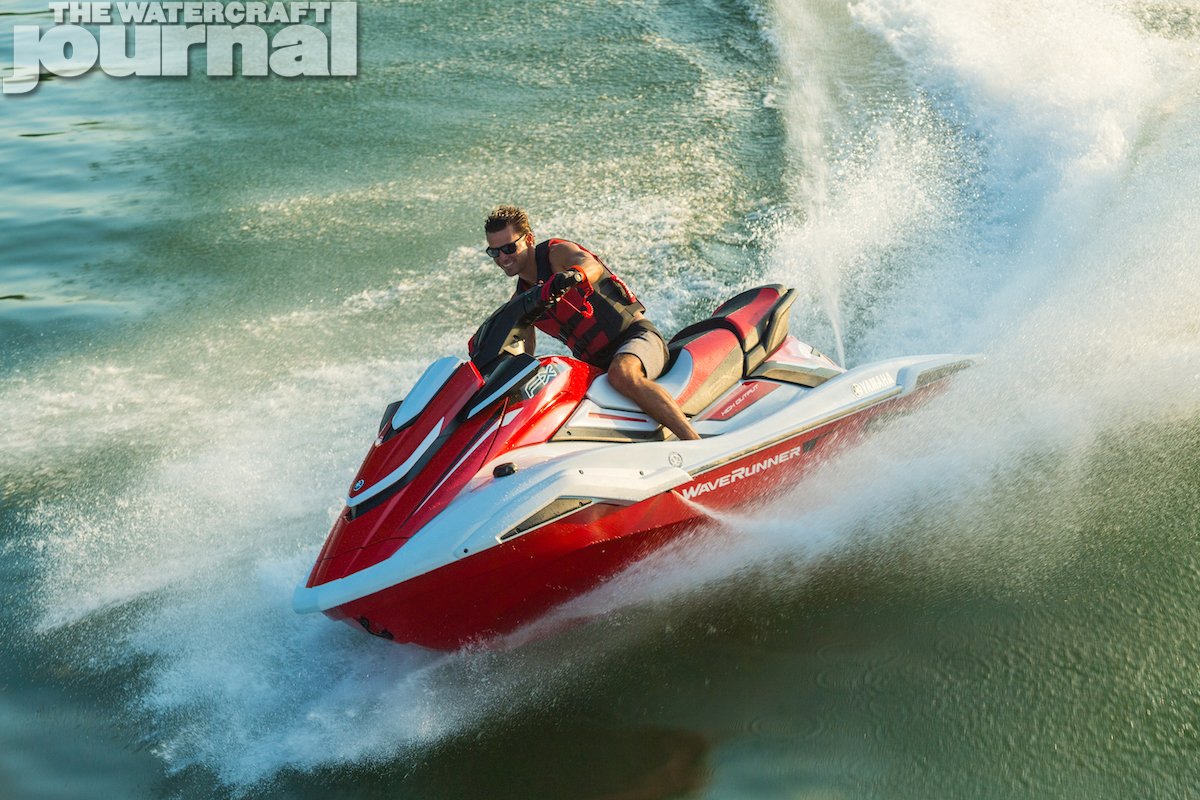
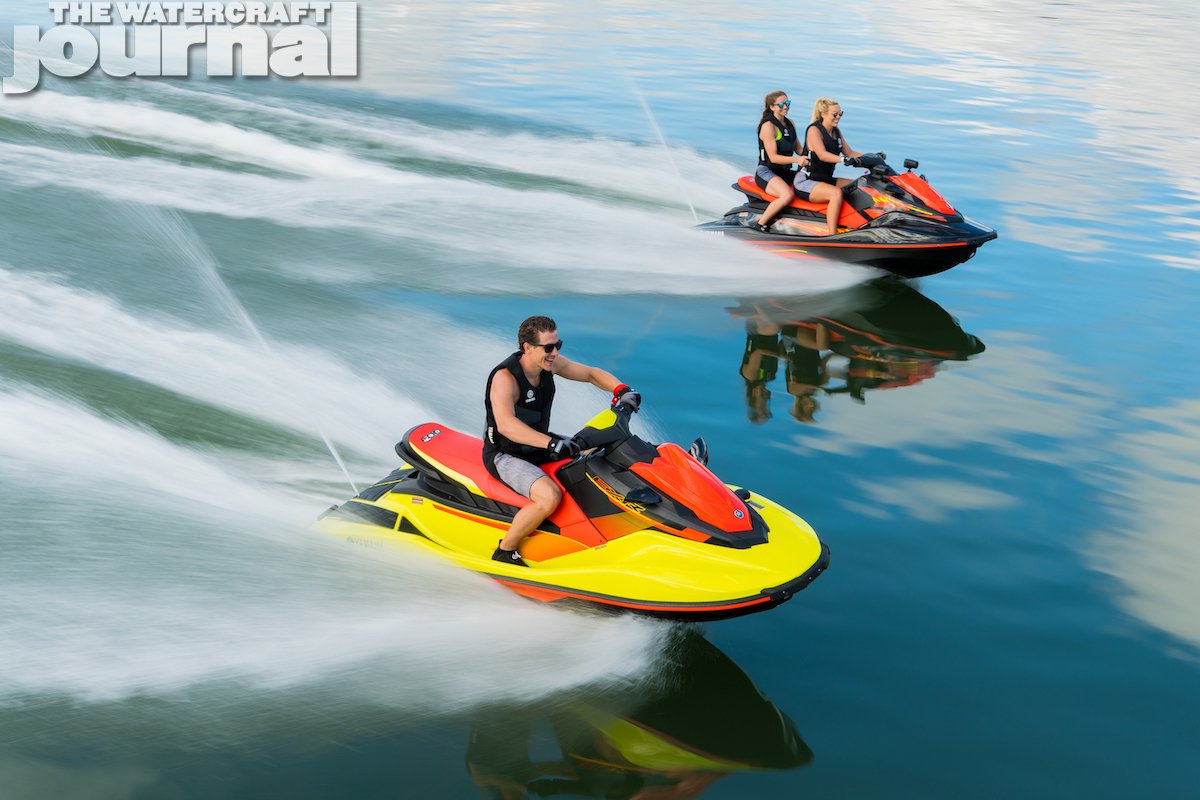
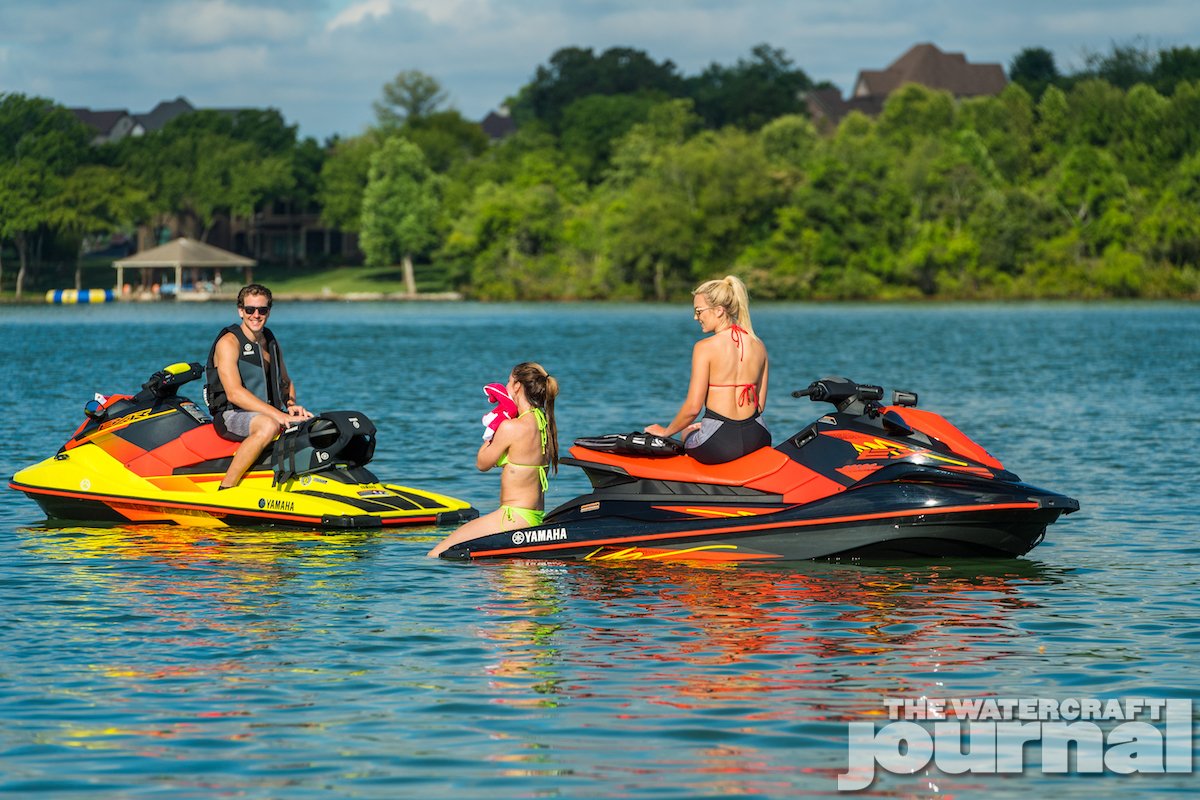
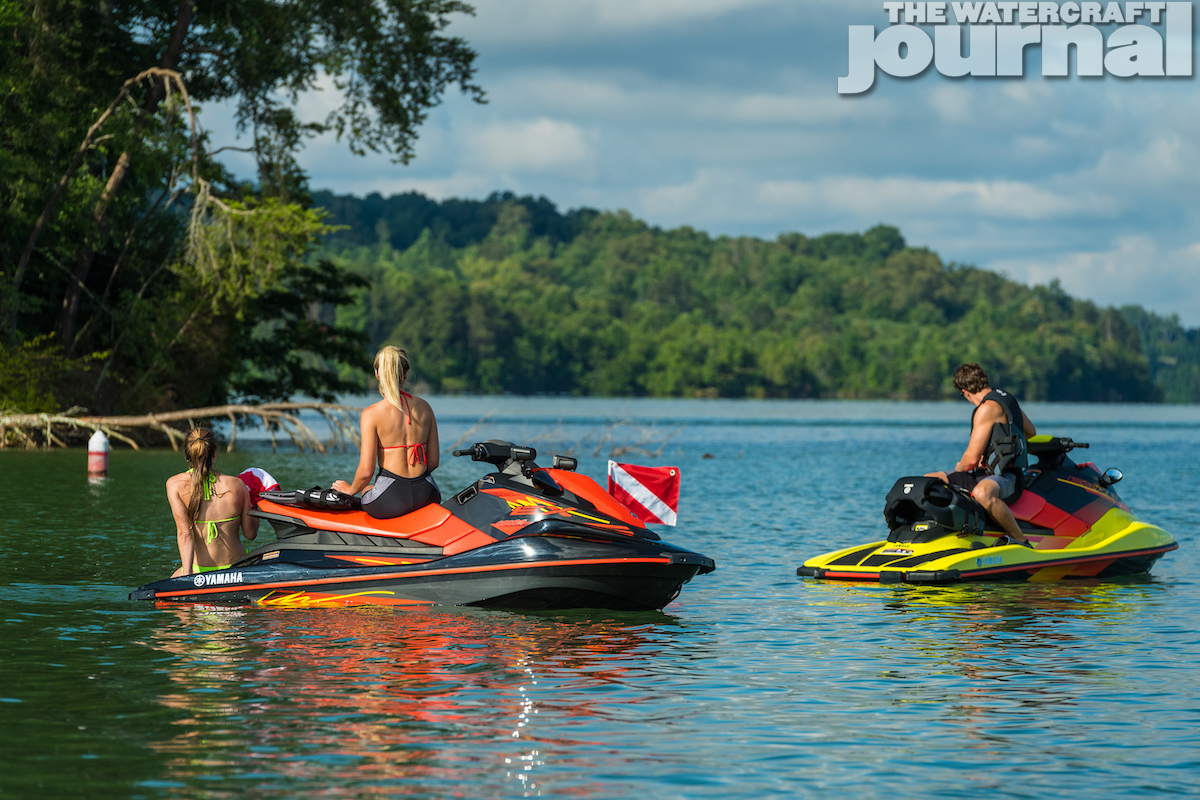
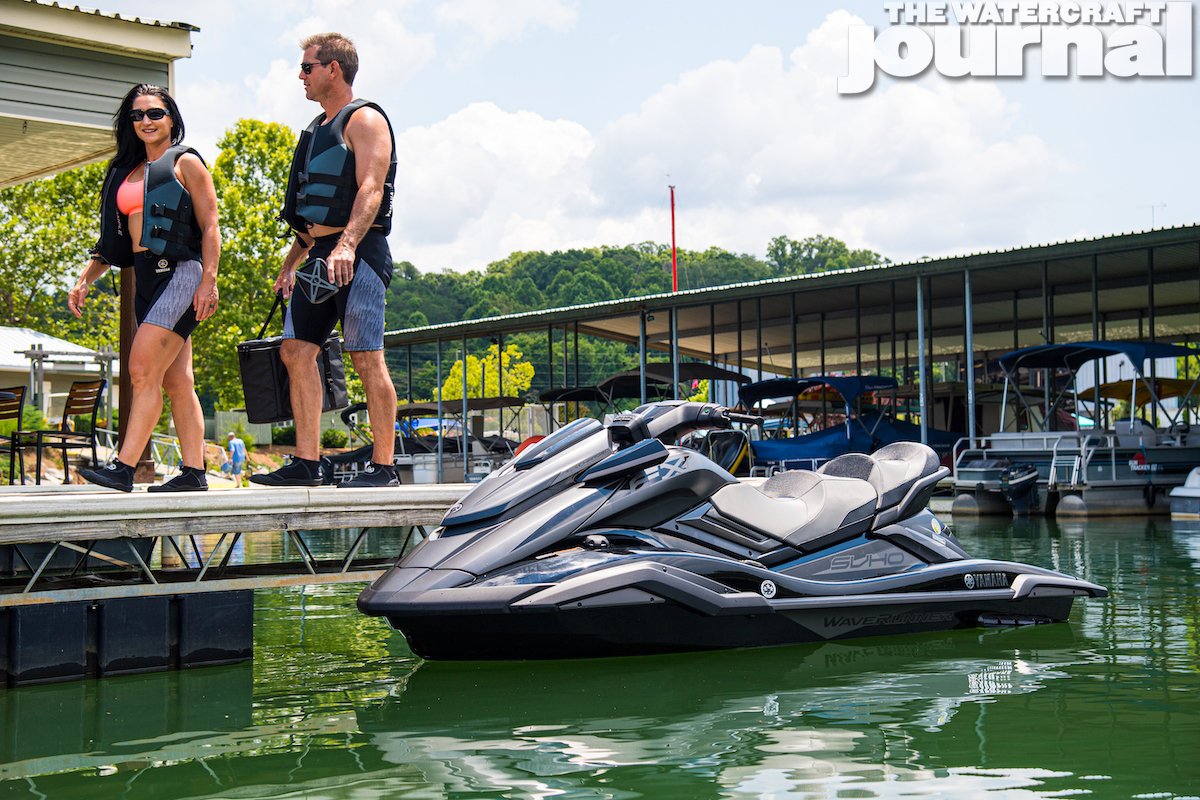
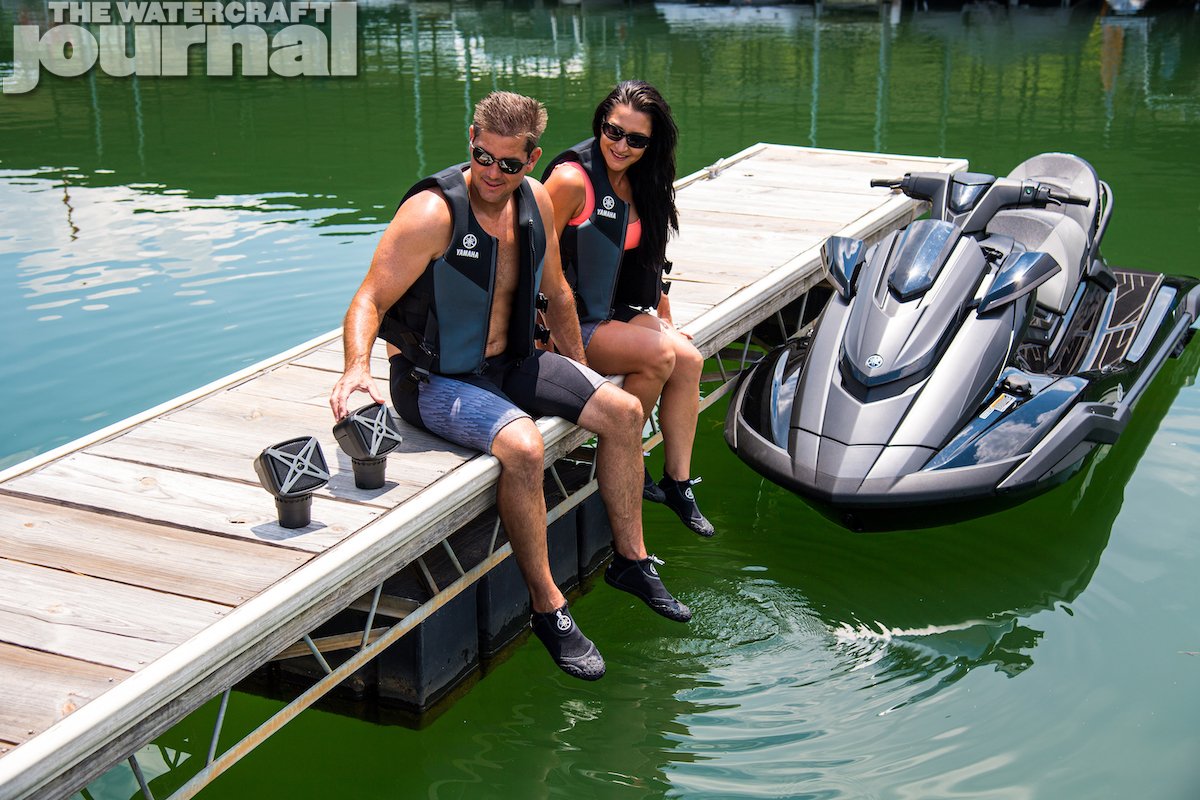
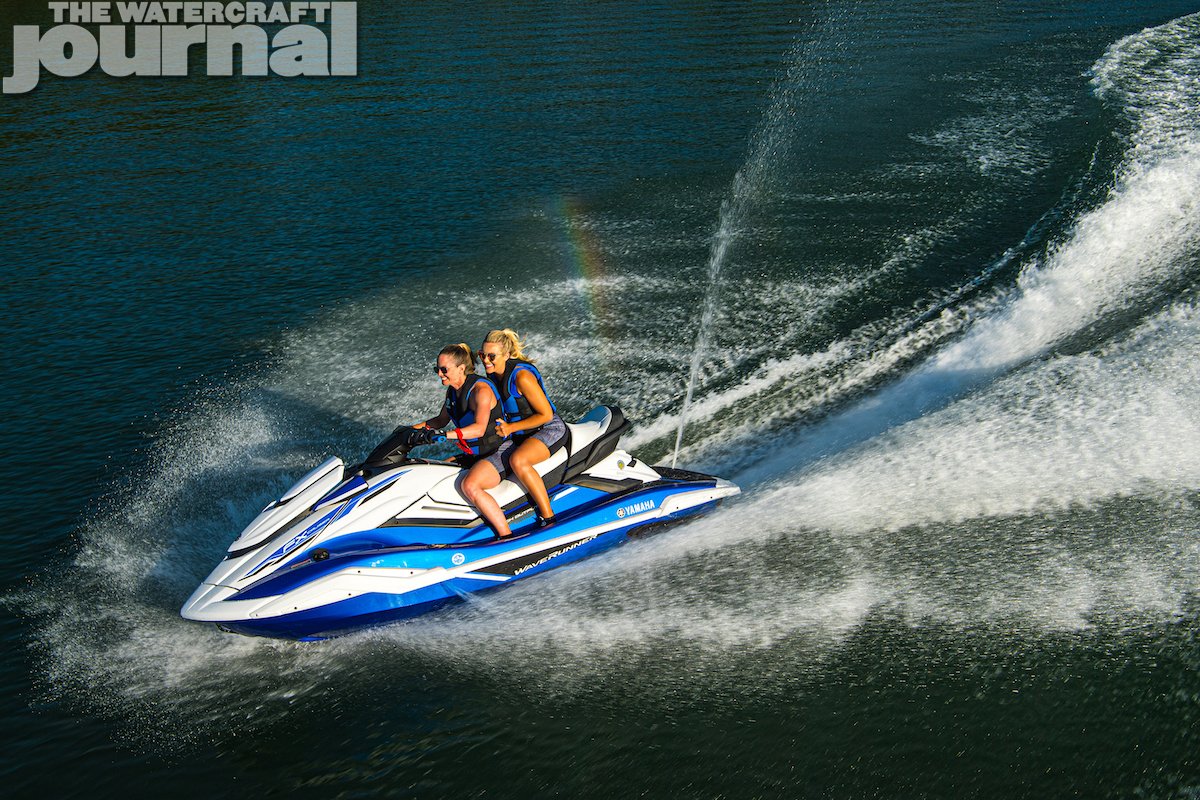
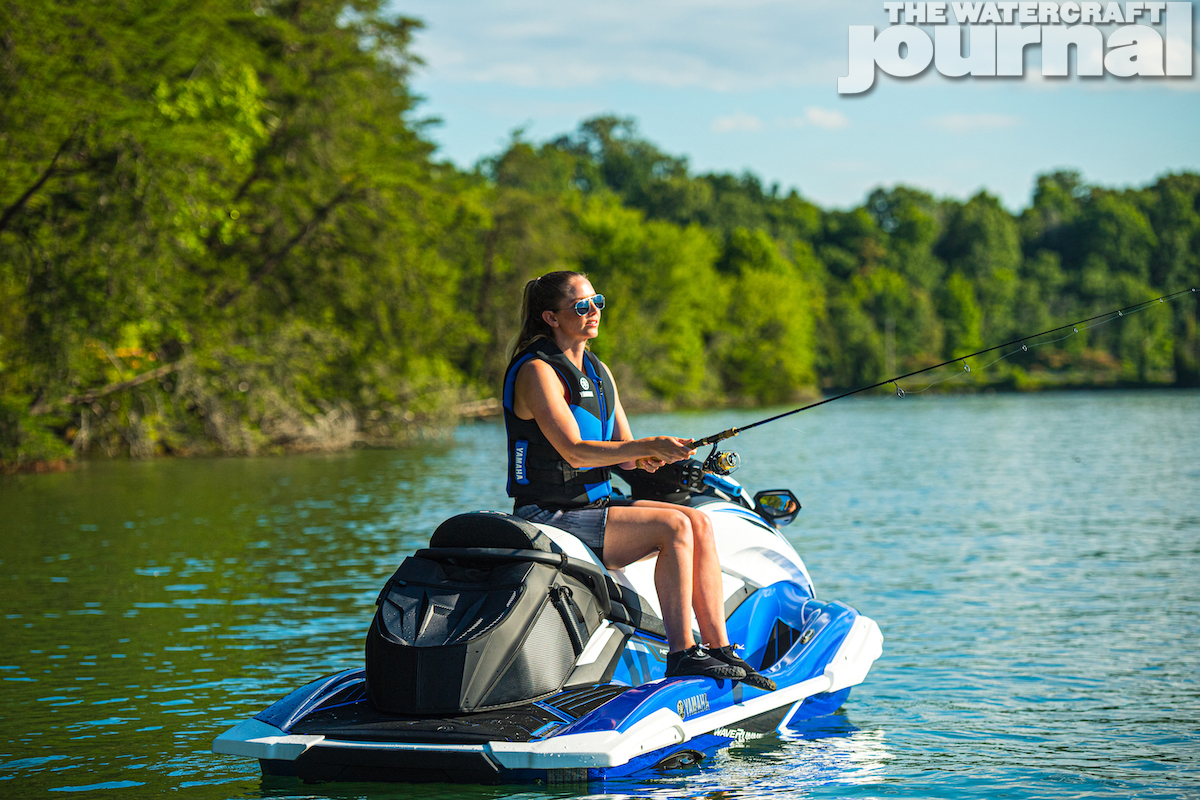
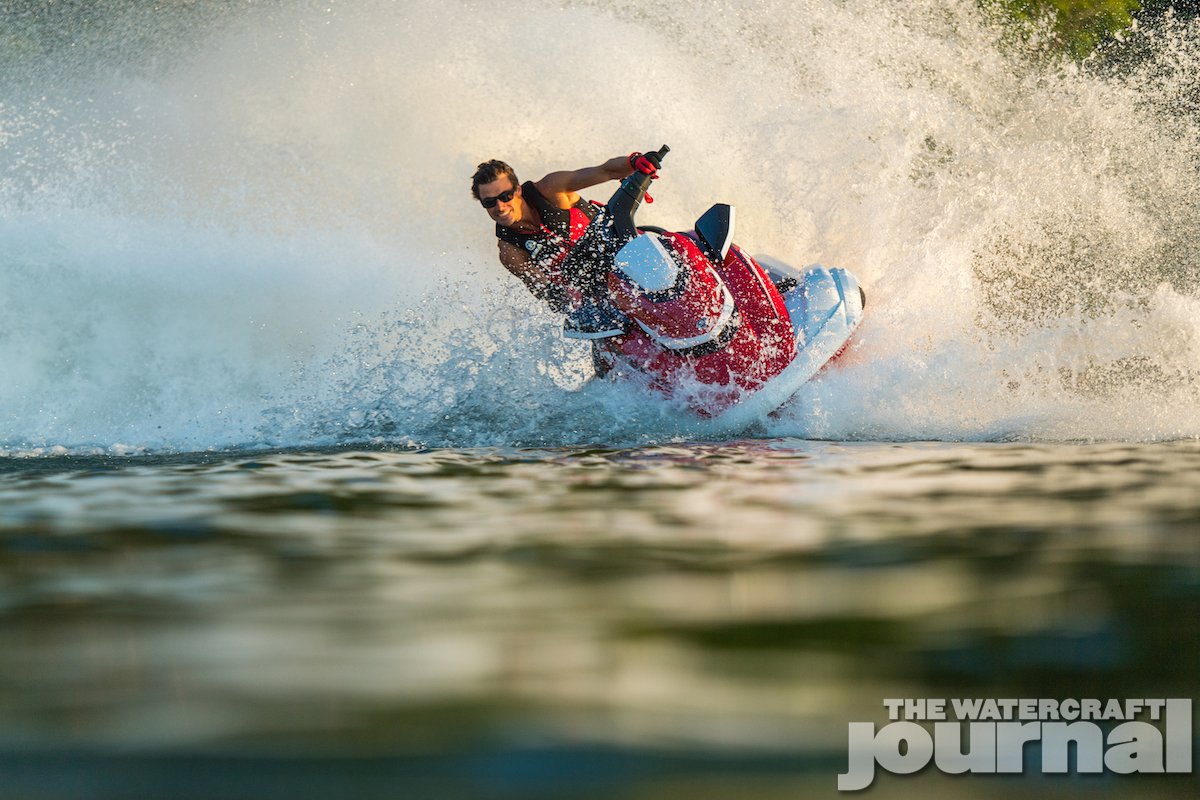
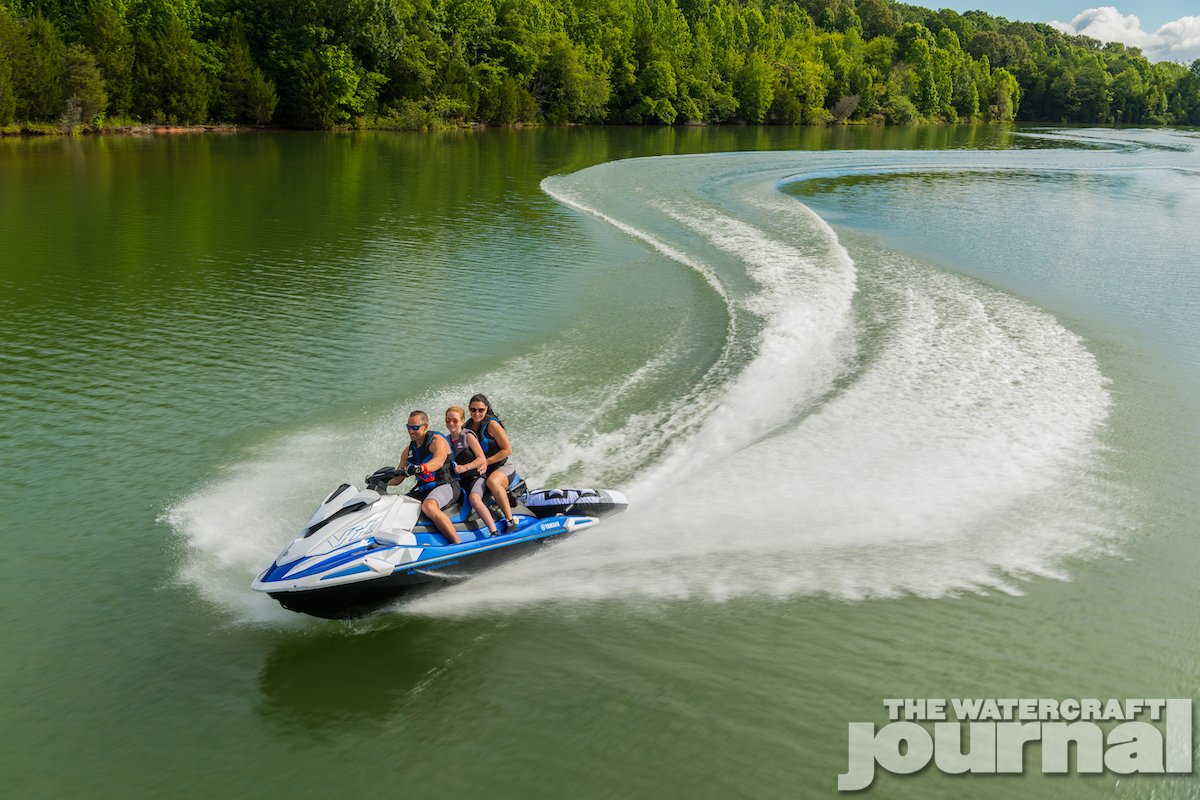
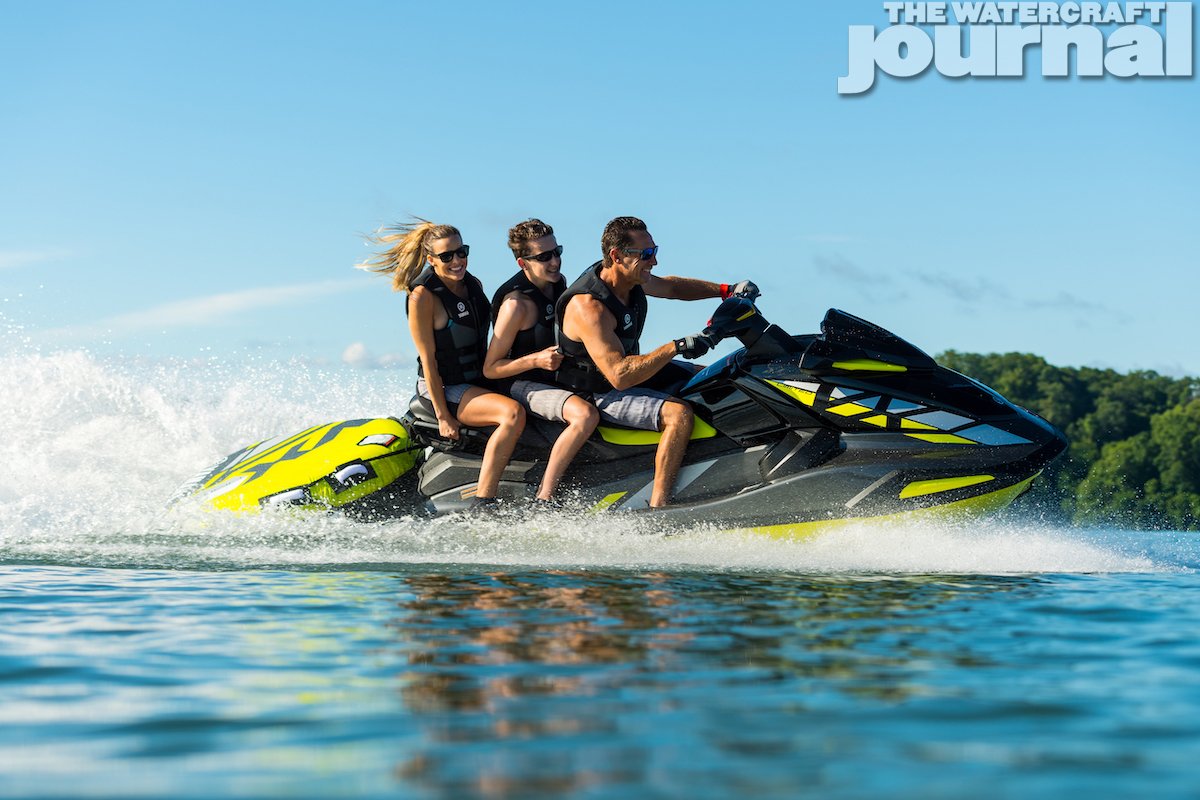
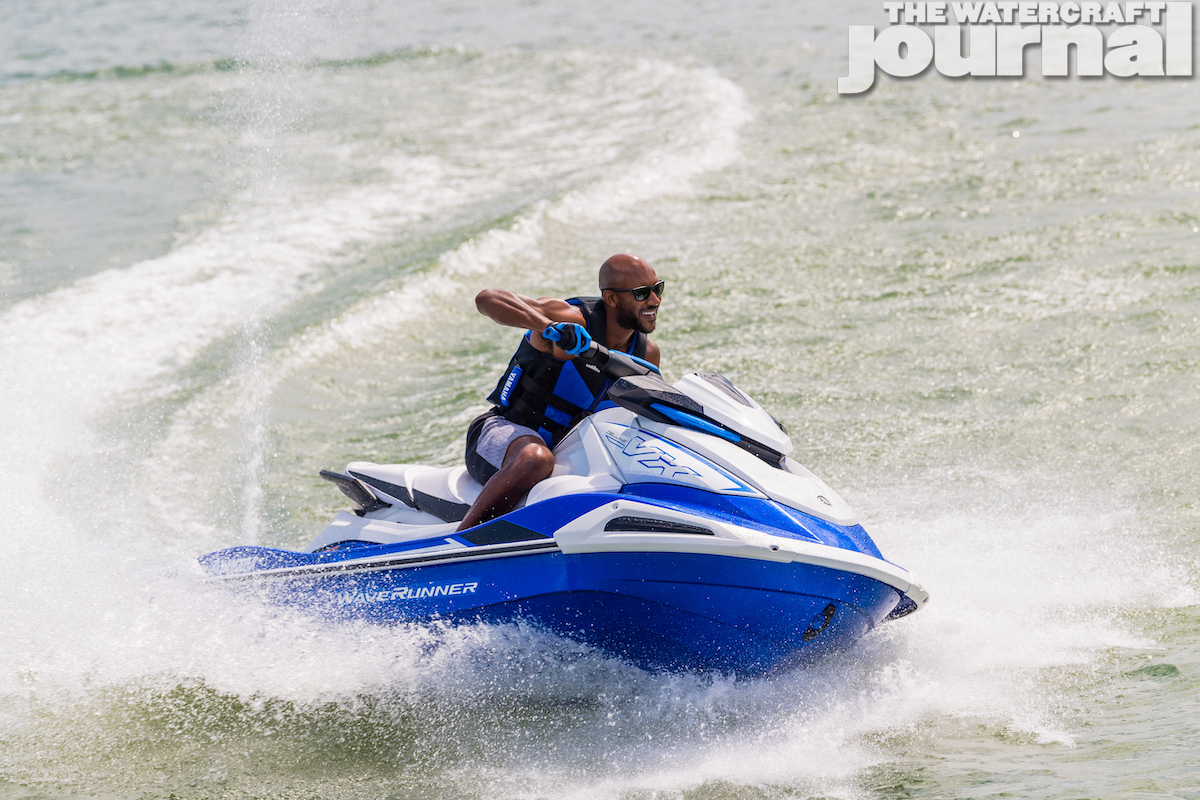
Are you ready to relax on the water before the summer is over? With Labor Day right around the corner, what better way to enjoy the outdoors than with The Bopenski KickBack Chair coupled to your watercraft.
Right now, Bopenski is running their Labor Day sale and they have slashed the prices. Also included with your order is free shipping within the continental USA. So be sure to take advantage of this great offer and get it just in time to kick back on Labor Day.
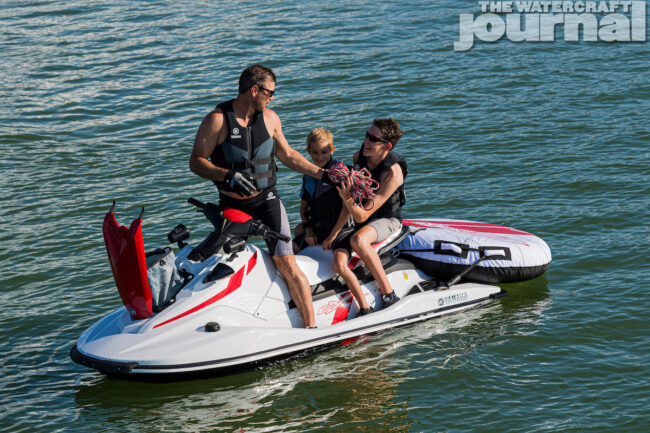
The KickBack chair is completely portable and when you are ready to relax, setting up the chair can be done in one minute without any tools. Relax with two cupholders and a storage pocket included. This chair is the ultimate way to take a break from riding or to simply spend some quality time with your loved ones.
It is constructed from high quality anodized aluminum and stainless steel parts. It is built to last in fresh and salt water and has a capacity of up to 225 lbs. It is compatible with most 3-seater makes and models that have a tow-eye or pylon so join the thousands of others who have already transformed their watercraft with this versatile accessory.
For more information and to get the offer, head on over to Bopenski today.
When Yamaha Motor Corp. USA calls and says, “How’d you like to test ride the new ’21 SuperJet before anyone else?” You first say, Yes! and then you dig through all of your riding gear to make sure you’ve got what you need. As Yamaha Project Manager Scott Watkins reminded, “I always wear boots and gloves when I ride [a standup] for anything longer than a few minutes.” And so do we.
Yet, since Slippery is The Watercraft Journal’s official riding gear of our YouTube show, we reached out to let them know about the special occasion. A pair of new boots was the last thing on our mind. Nevertheless, the wetsuit manufacturer urged, “We’d like you to try a pair. We’ve made some improvements that most folks might have not noticed, that we think you will.”
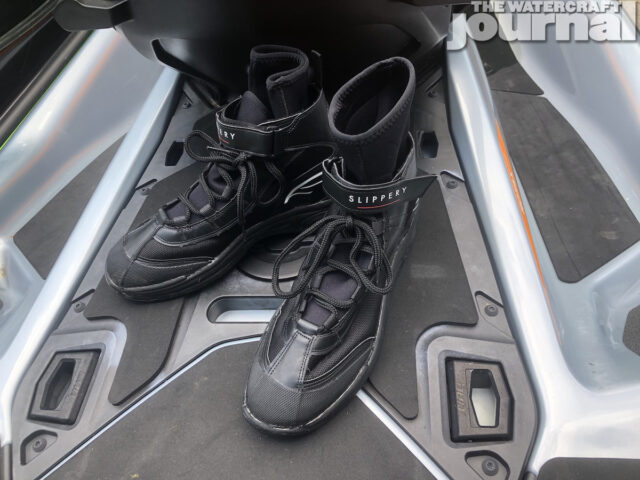
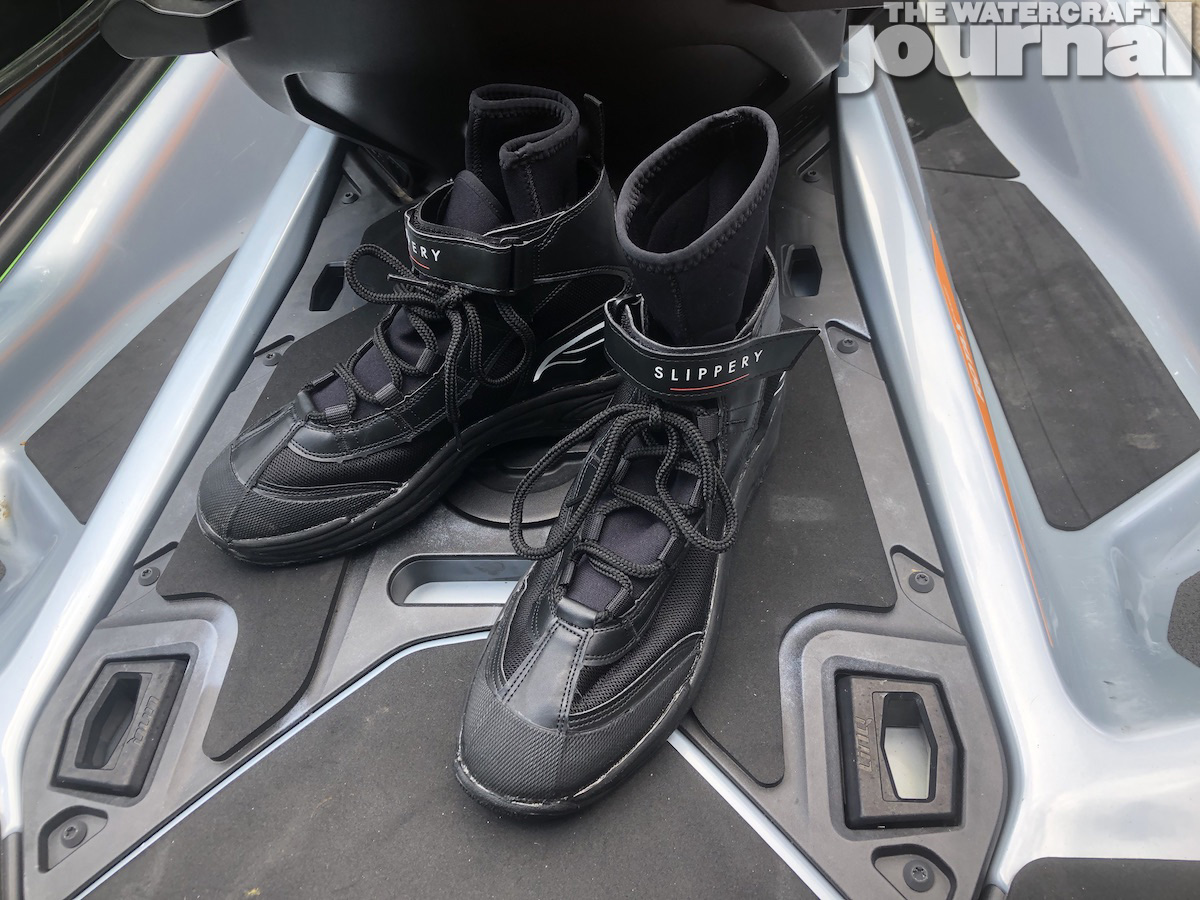
So we agreed and received a fresh pair of all-black Race Boots shortly thereafter. Unlike a previous pair of riding boots, which we reviewed rather highly, Slippery’s boots come with their own 1.5mm neoprene inner booties. No extra purchases required. Equally, when we compared the Lime Green-and-Black boots to the new 2020 all-Black boots, we found some unique differences. We guess they were right about folks not noticing…
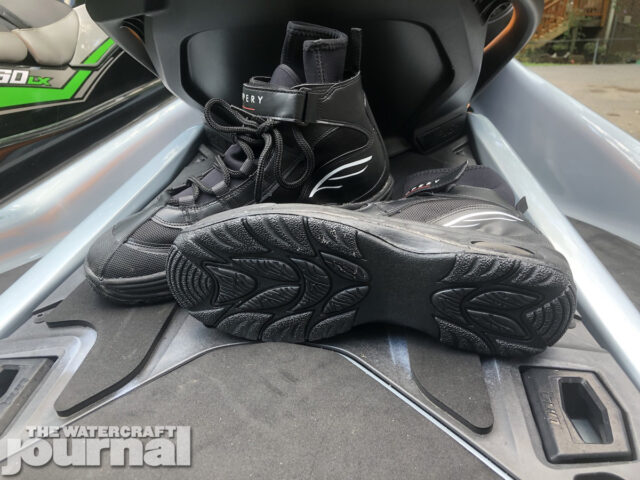
Nearly identical to Slippery’s previous design, the lace up boot features heavy duty loops and a thick shoestring to draw the laces taut. Above the ankle is a large velcro strap that cinches the boot closed. On the back is the aforementioned pull tab to help pull the boot on. Previously, the boot’s “chassis” was made of a thicker material with only small portions able to breathe through.
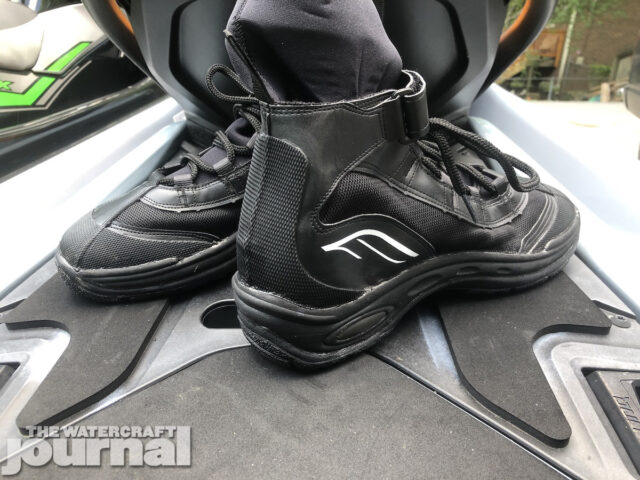
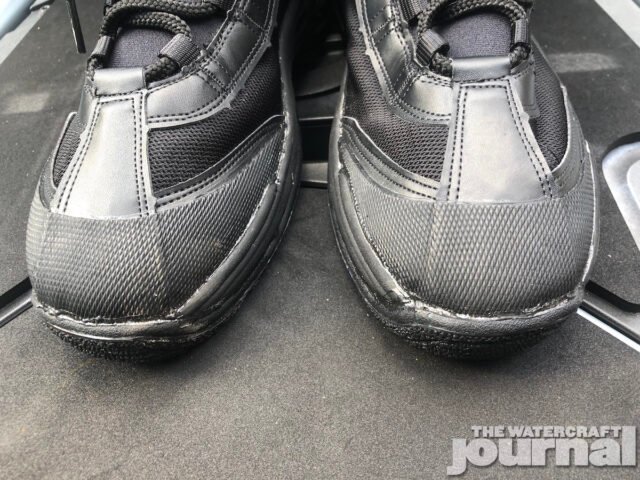
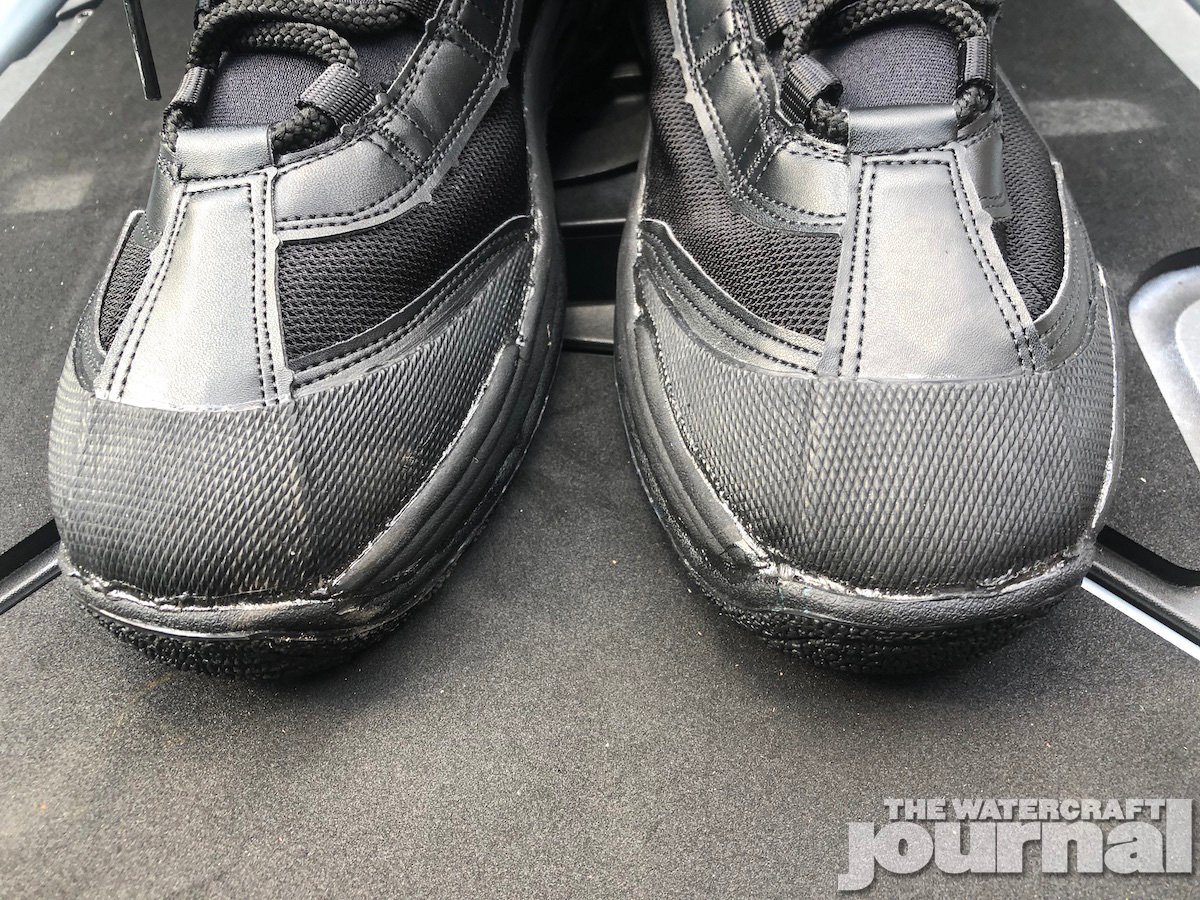
For 2020, the boot features far more perforated “airmesh” on both sides for increased ventilation and drainage. There’s more give and flexibility in the new boot, letting it feel more forgiving. Slippery has added super-durable anti-abrasion traction pads at the heel and toe, protecting the foot from shock while increasing grip while moving around the tray.
Equally, the design is all the more spartan. No big clunky silicone labels or unnecessary screen printing to be scuffed up. Rather, a solitary “Slippery” print runs across the ankle strap. Even the once clear window in the heel revealing an air pocket cushion (similar to ancient Air Jordans from the 1980s) have been filled in.
The sole wraps high up around the edges for increased traction, support and stability. Equally, it’s thick and doesn’t flex as easily as a soft bootie or water shoe, which is intentional as racers and aggressive riders often pivot off of their toes and heels. In previous reviews, we found that sizes over 11 felt a little tight – but not so for our XXL boots this year. Our toes were never cramped or squished.
Priced at $89.95, Slippery’s Liquid Race Boot has increased in price by $10 since our last bout. But they’re still a solid purchase at a fair price – particularly as other boots with less breathability and lacking the inner liner cost quite a bit more. Whether you’re looking for added grip for aggressive riding, better protection from rubbing and scrapes, or just wanting to keep your toes warm, the Slippery Liquid Race Boot is a solid choice.
The advent of the 2021 Yamaha SuperJet was a looong time coming. With growing environmental pressures coming down on the previous 2-stroke, Yamaha’s engineers – particularly Project Manager and multi-time IJSBA World Champion, Scott Watkins – knew that for the standup ski to survive, it would need to evolve.
Major considerations were given to maintaining the SuperJet’s light weight and nimble size; because in a world where competitor’s skis fought tooth-and-nail to win races, the SuperJet just wanted to have fun. Much of that playful spirit came from the SuperJet’s last update in 2008, wherein the running surface was resculpted.
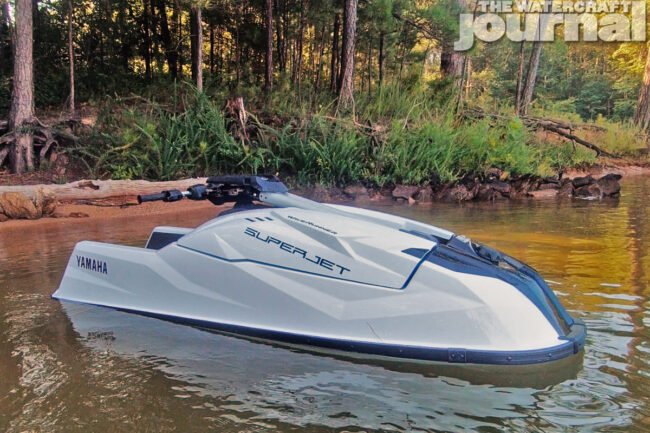
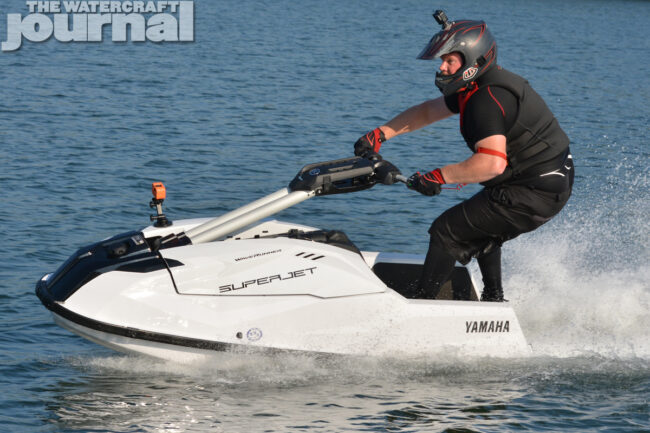
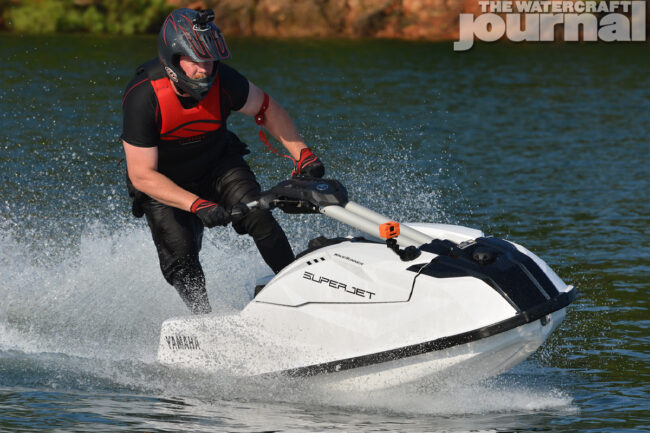
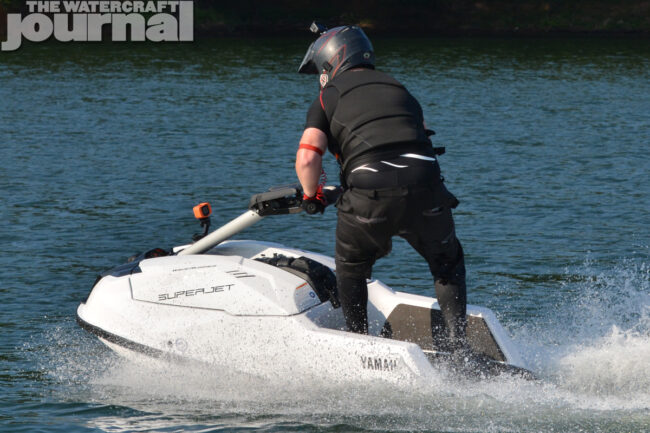
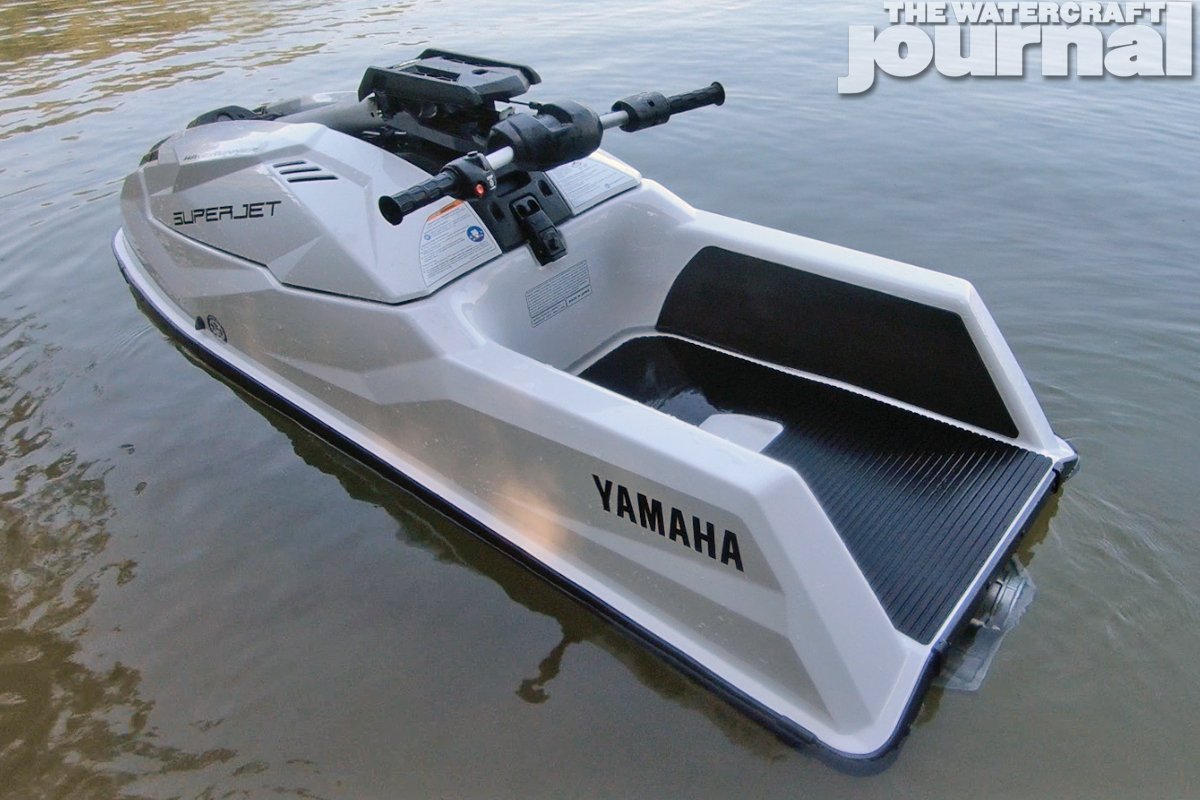
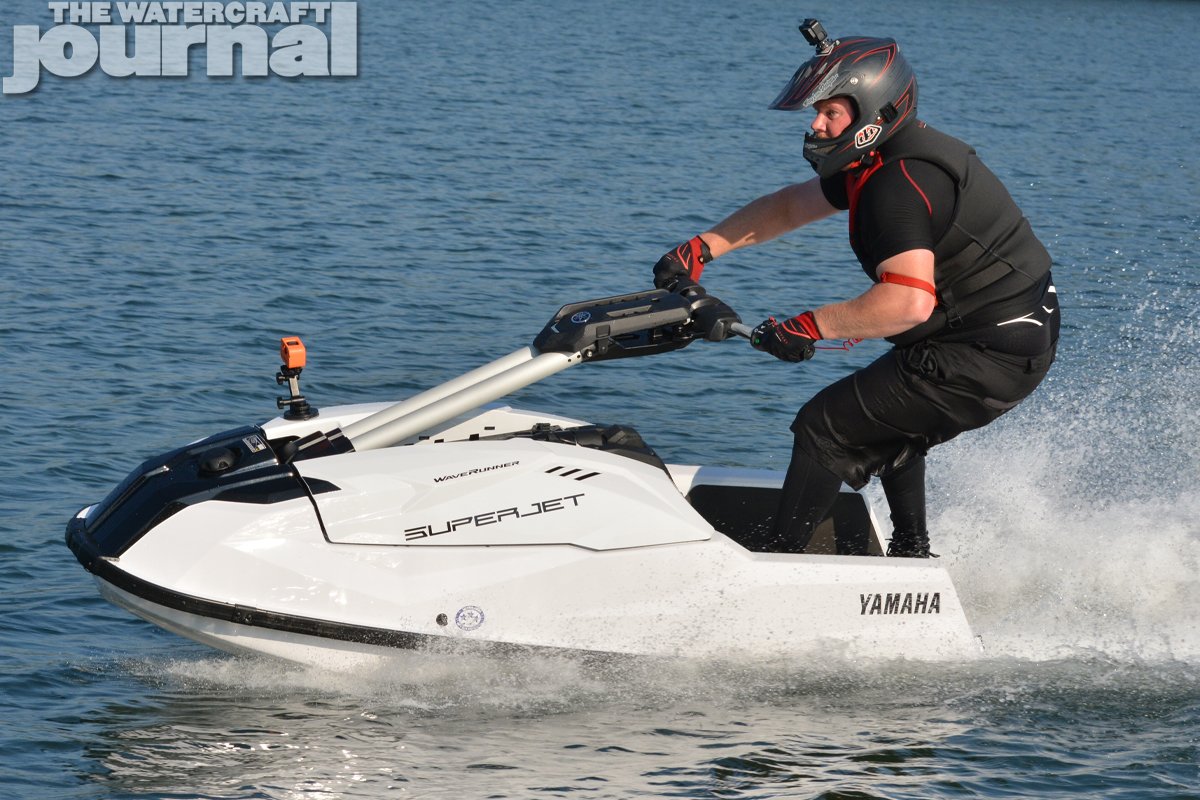
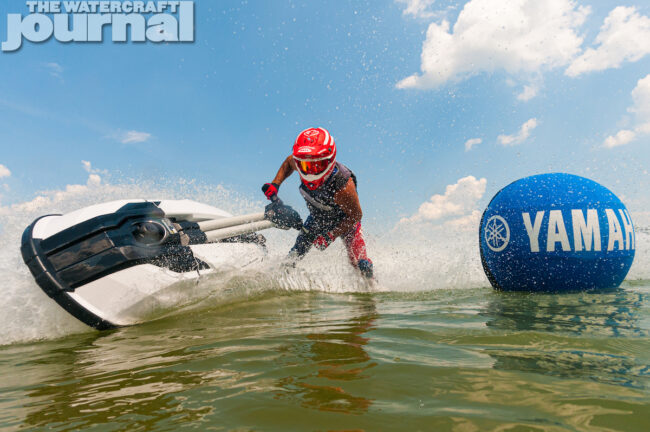
Above: Don’t let that blunt nose fool you, there’s nothing brutish about the 2021 SuperJet. The ski is light, nimble and as agile as the outgoing 2-stroke. It’s impressive how many surprises such a compact design can hold.
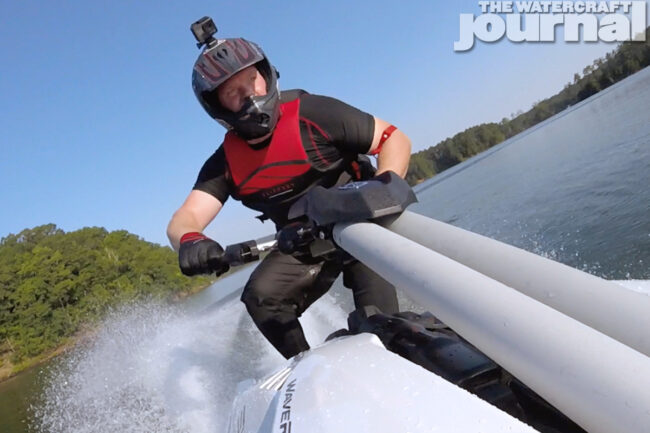
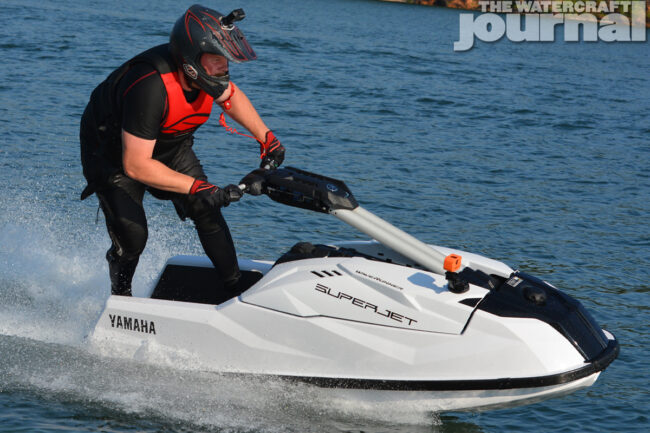
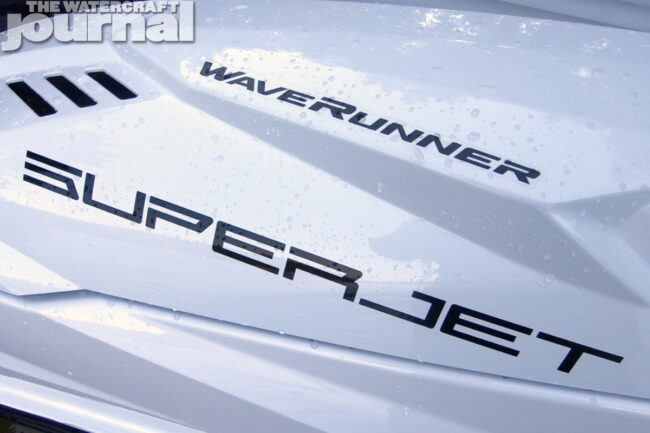
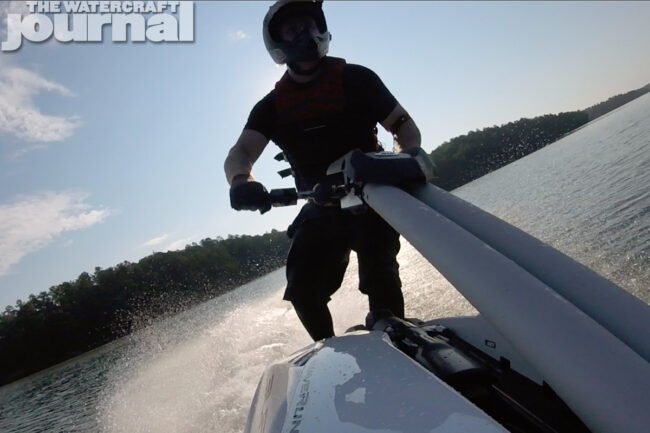
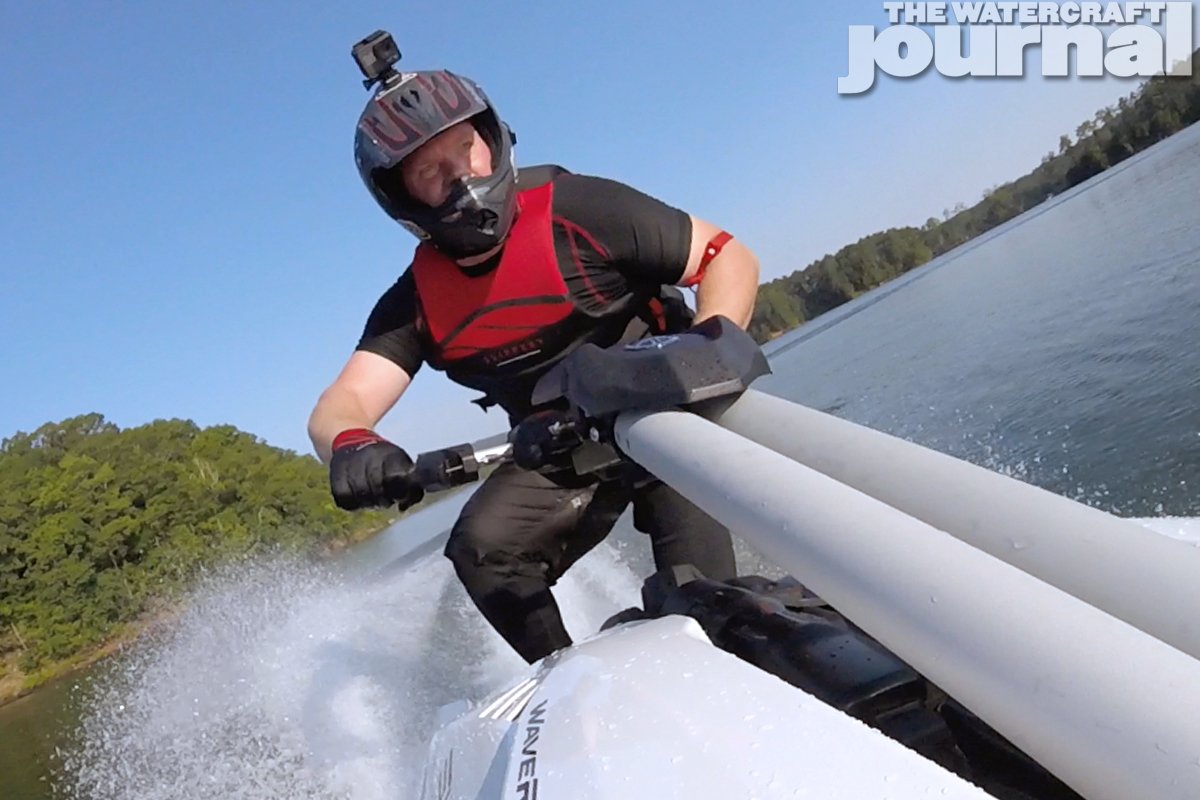
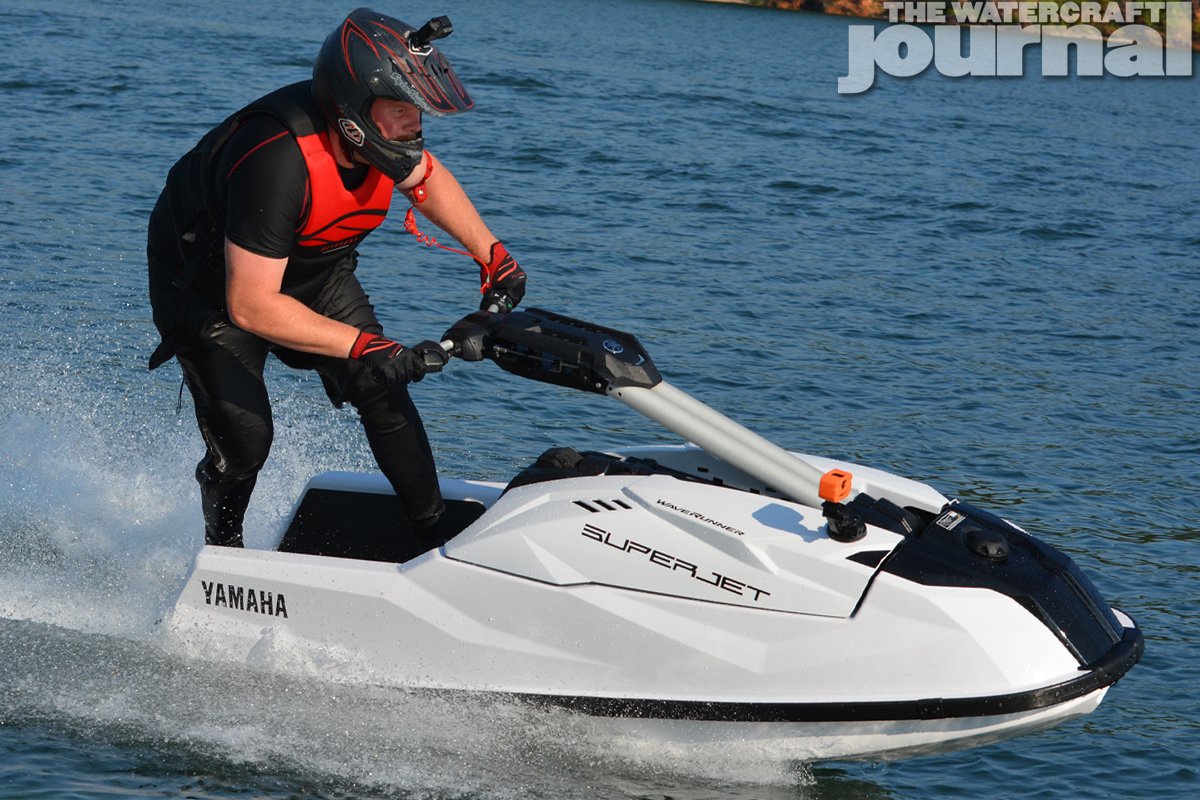
Above left: Yamaha kept the graphics to a minimum, letting its angular surface a blank canvas for enthusiasts to adorn with their own personal flare. Above right: Although our standup skills are closer to Dustin Hoffman than Dustin Motzouris, we gave the SuperJet our all, spending the better half of our day with the 2021 lineup on the standup alone. Thankfully, the endeavor was immensely rewarding, making the all-new SuperJet a most welcome entry for 2021.
The 2008 hull gained a teardrop profile, flaring wide towards the front and slimming aft. Deep chines provided greater straightline tracking, while the pump was moved farther back, backed by an extended rideplate. This design produced more “wetted” or contact surface at the bow, giving the 2008 SuperJet an intuitive, inside-lean riders loved.
Powered by a 701cc 2-stroke, twin-cylinder fed by dual 38mm Mikuni carbs, the outgoing SuperJet remained untouched until last year. By 2019, the perennial standup had been restricted across much of the coastal United States; those who could sell it required buyers produce a official racing license issued by one of the many a sanctioning bodies.
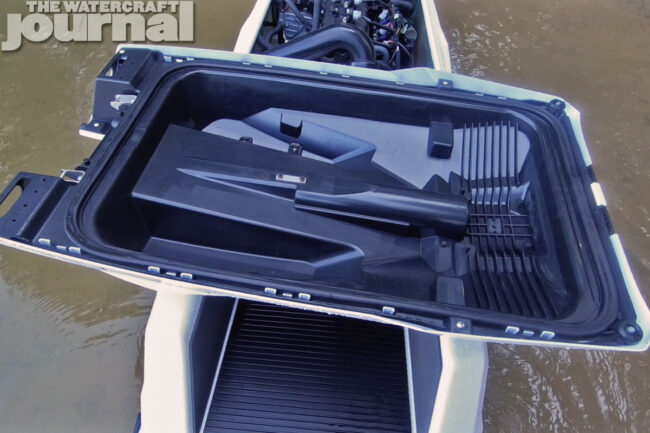
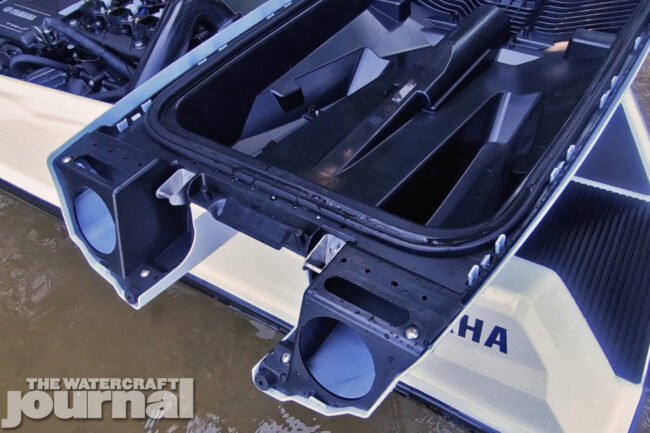
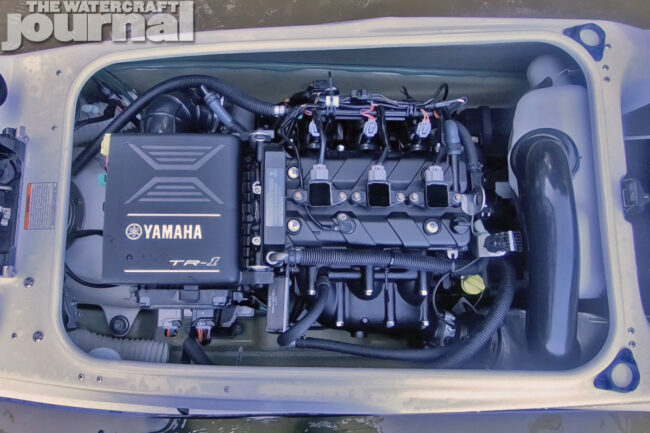
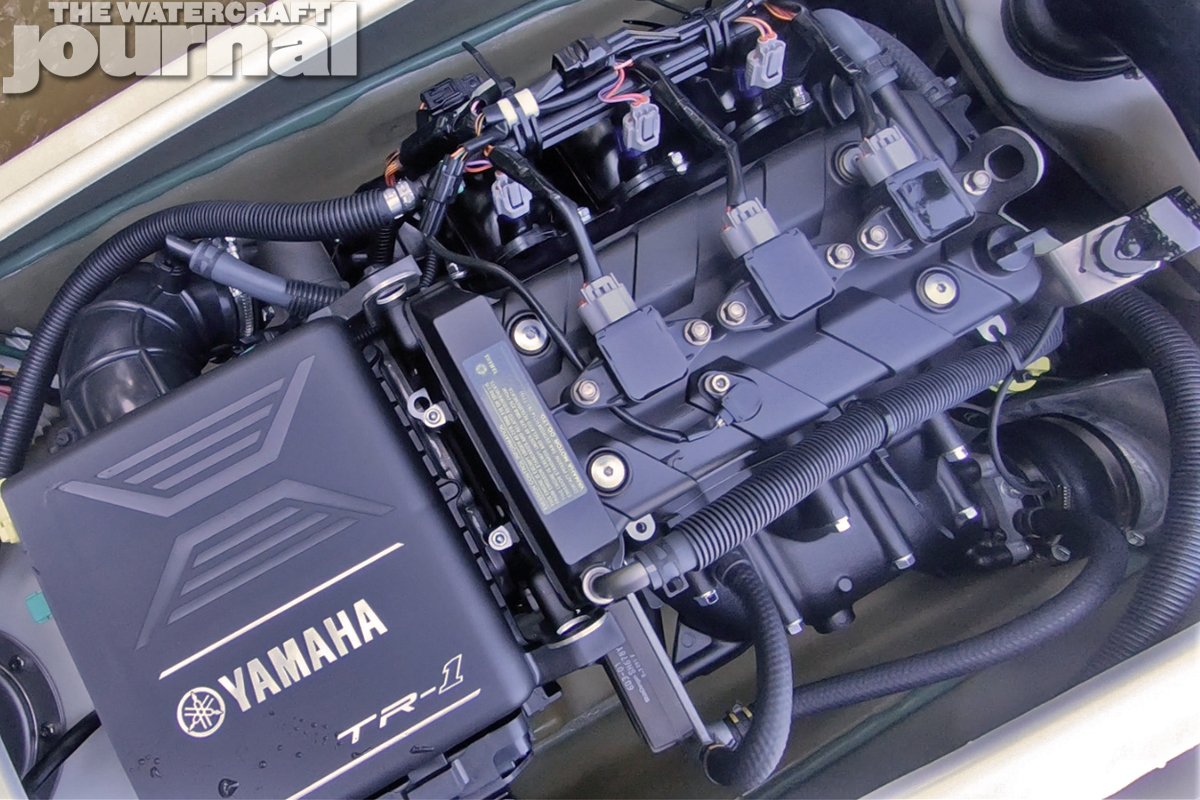
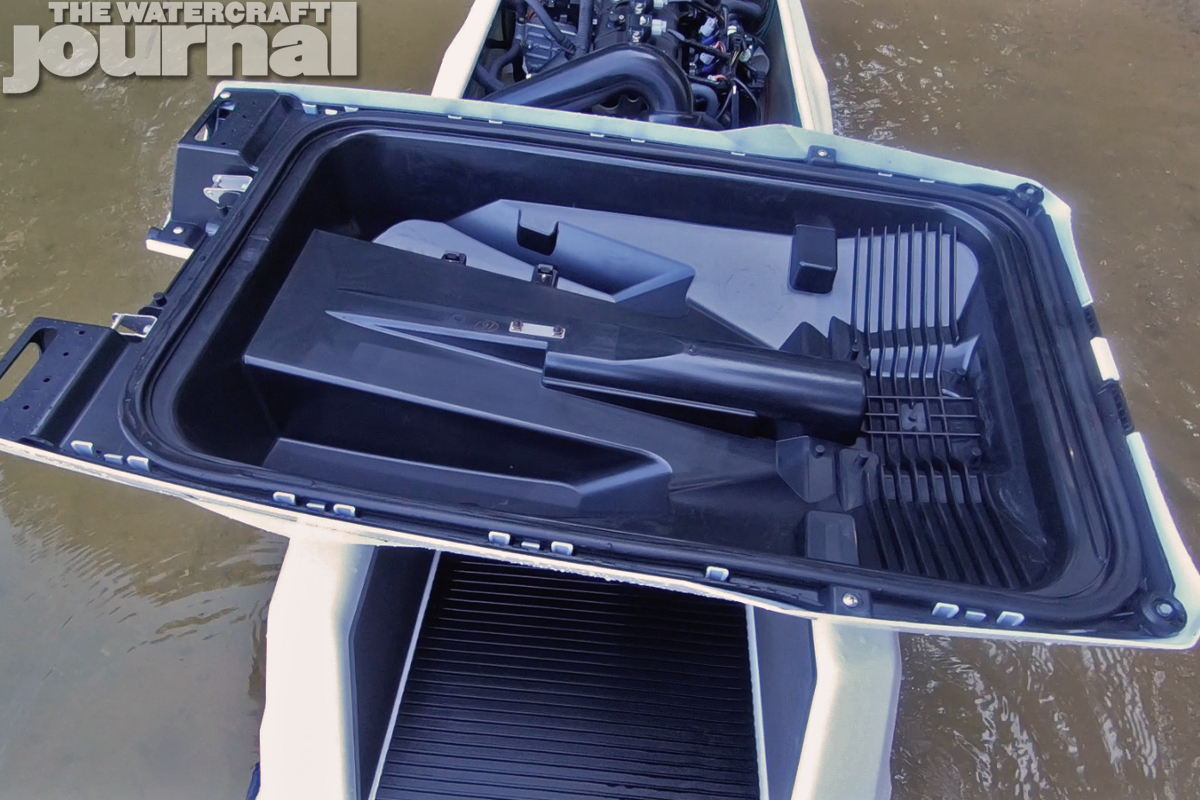
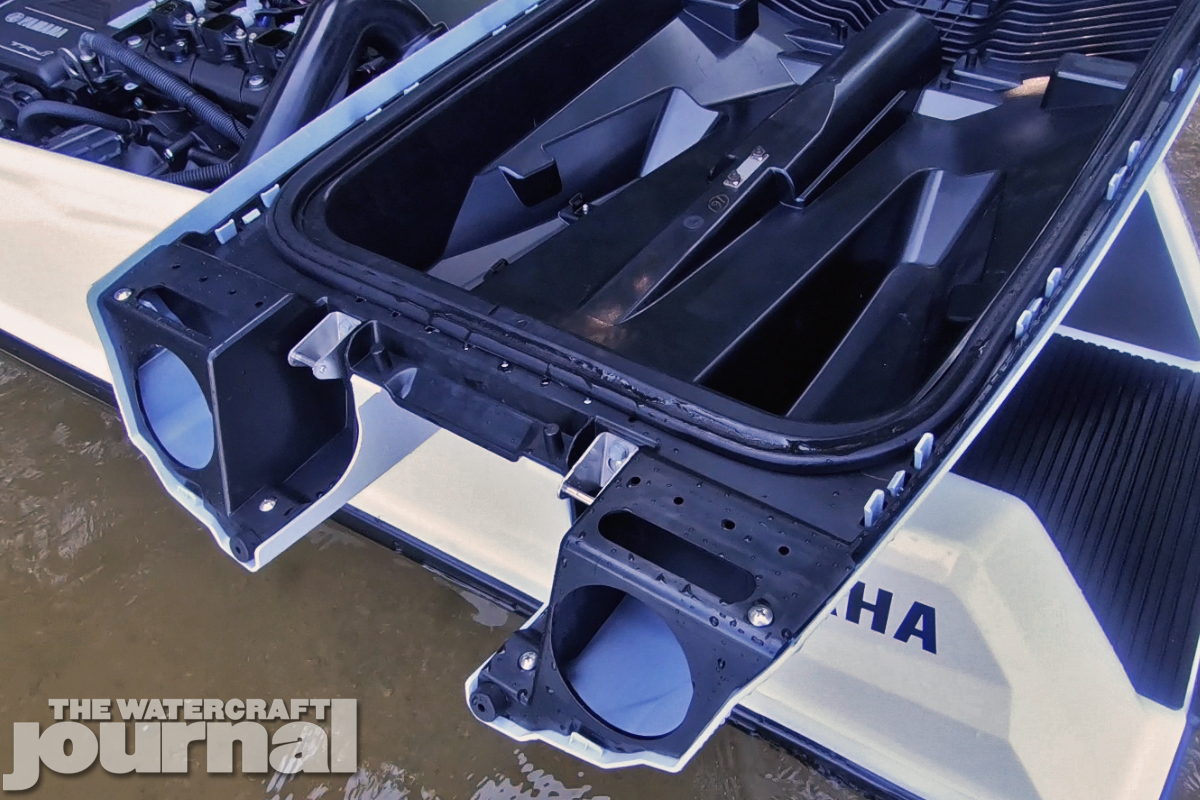
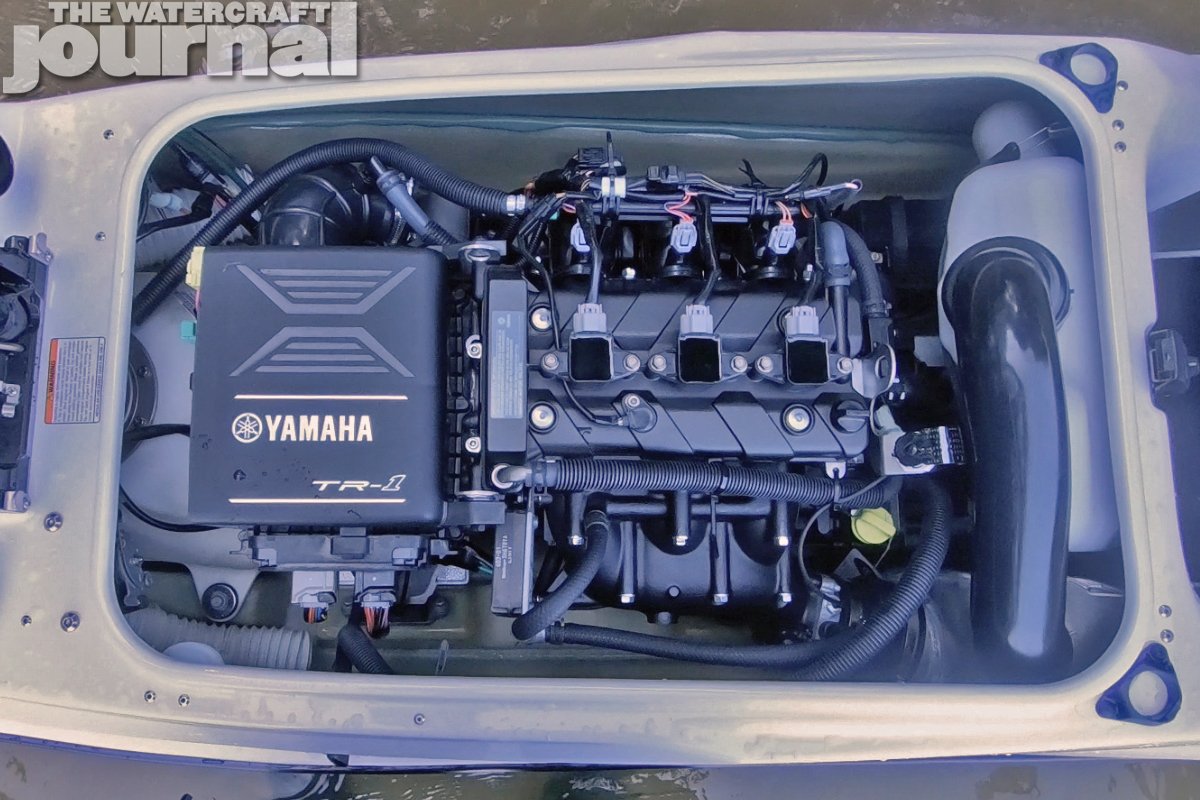
Above: Sealing the 4-stroke’s engine compartment from water intrusion was as important as ensuring the TR-1 3-cylinder could breathe. The result is a featherweight 3-piece composite plastic hood that serves as a water baffling airbox.
Above: Ports in the baffled hood feed fresh outside air from the hood through crisscrossing tubes into the engine compartment. Fresh air then is inhaled through the TR-1’s own secondary air box before being pulled through the throttle body. Scott Watkins ensured that riders could quickly submarine the ski without fear of water ingestion.
Worse off, legislation outlawed the ski outright in Australia. A cleaner, quieter standup was needed, and the clock was ticking. Development on the all-new SuperJet began as early as 2006, yet it wouldn’t be until the 2016 model year that enthusiasts would get a glimpse of what Yamaha had in mind. Replacing the dated MR-1 4-cylinder in Yamaha’s VX line was the featherweight, 1,049cc triple-cylinder TR-1 4-stroke.
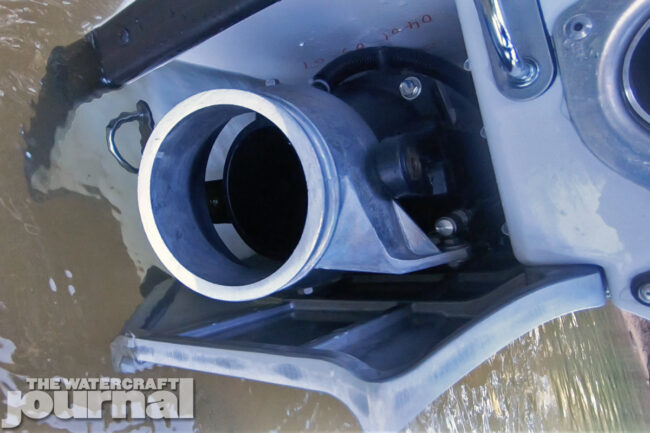
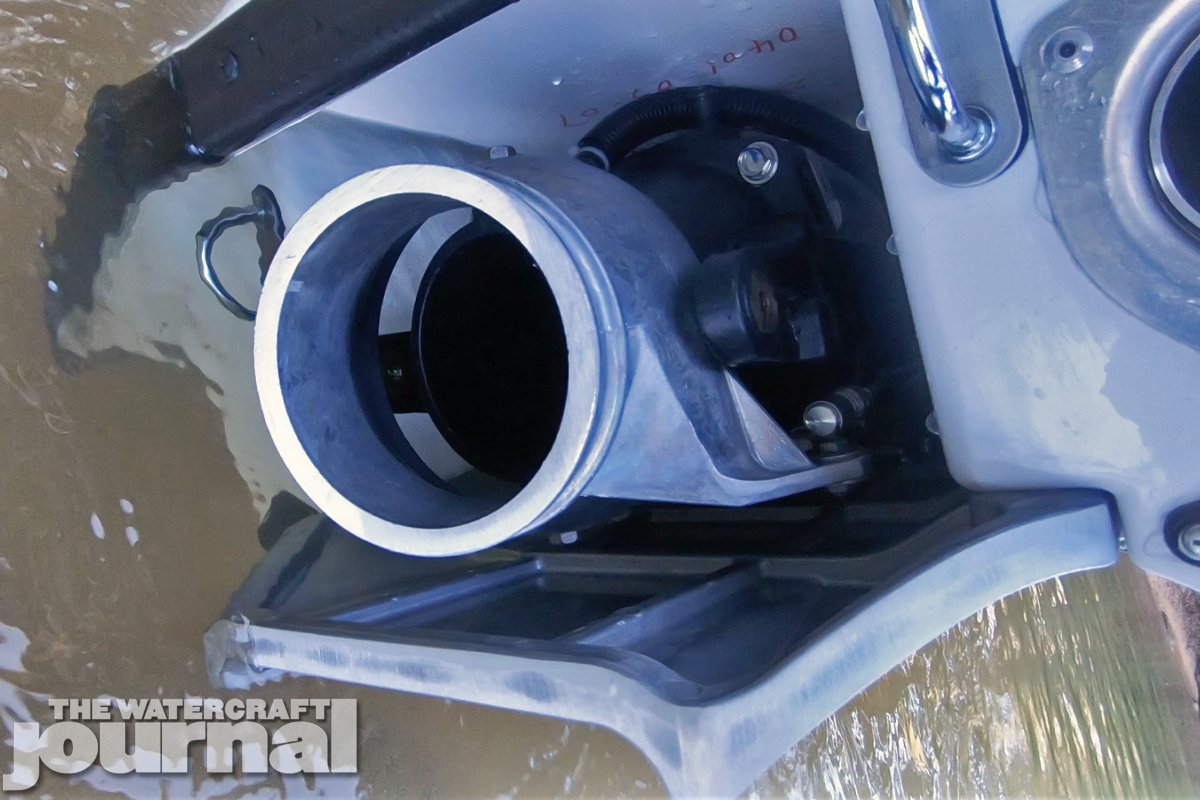
This all-new TR-1 engine was reconfigured the next year for the EX Series, receiving a lightened flywheel/coupler combination, and redesigned exhaust manifold and muffler. The EX’s jet pump was also unique, particularly when compared to the MY16 V1 pump; the EX 144mm pump weighed 1.8kg less (14kg vs. 15.8kg), and featured a redesigned shaft bearing, combined impeller housing and stator, and completely eliminates the pump bulkhead.
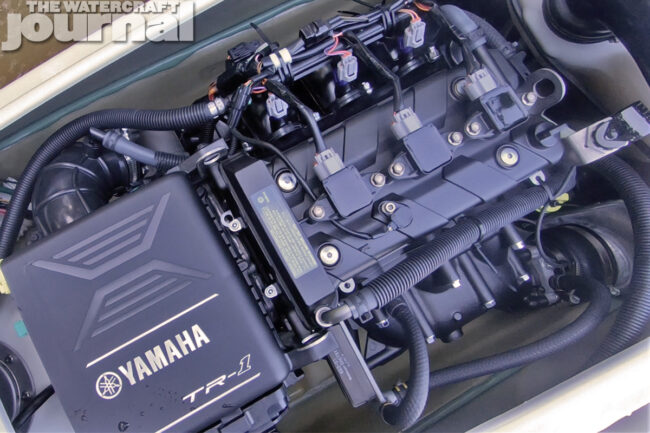
Above: Using the Yamaha TR-1 EX Marine Engine and two-piece 144mm jet pump gives the SuperJet a dynometer-proven 102-horsepower output. The 3-cylinder four-stroke is the workhorse powering the majority of the EX Series and has plenty of torque to propel many of the larger VX Series as well.
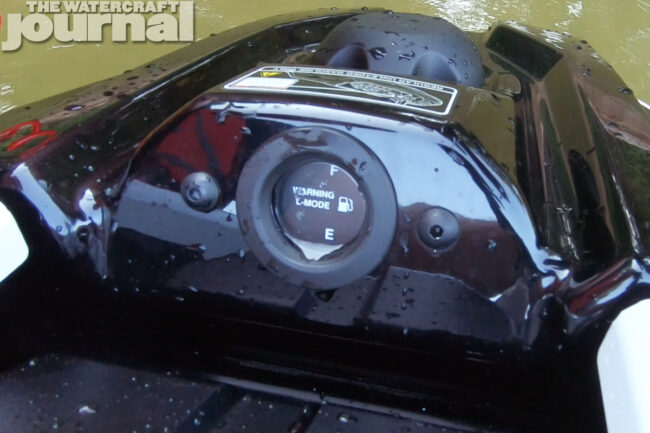
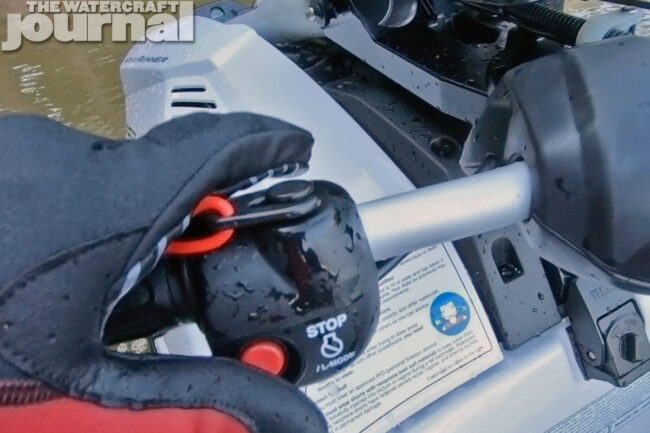
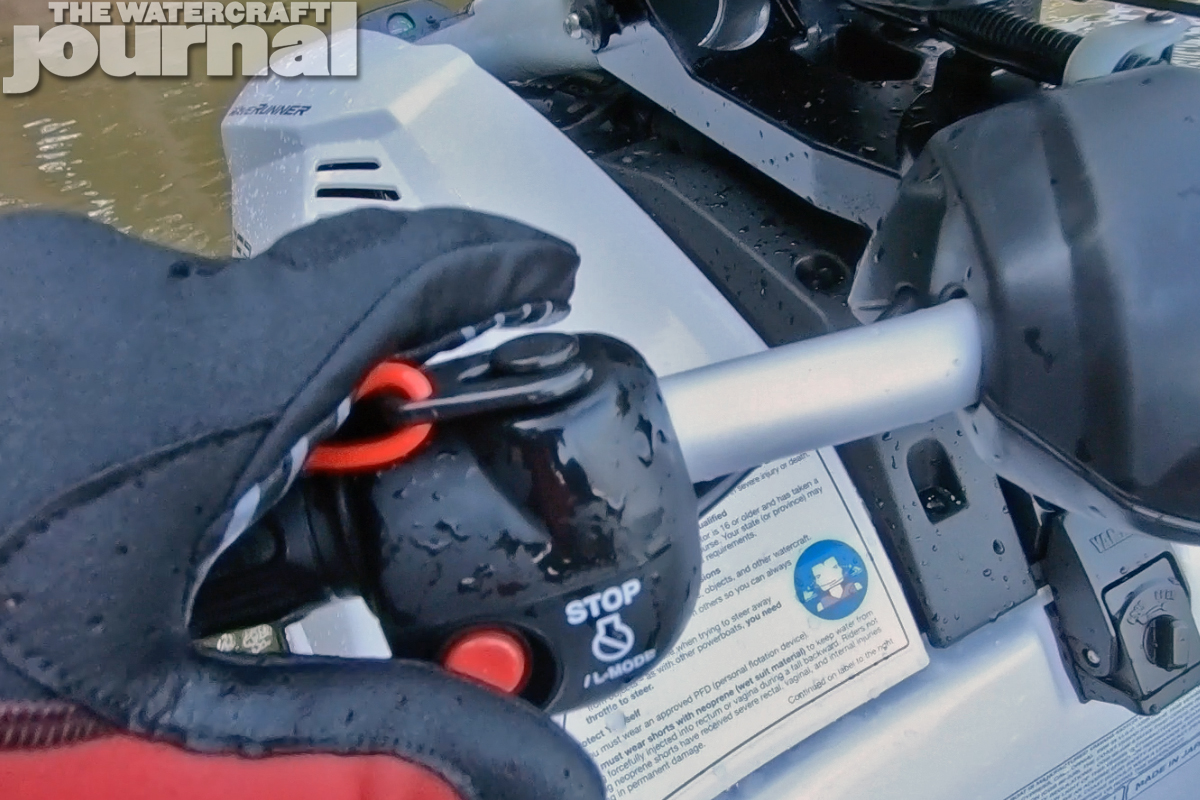
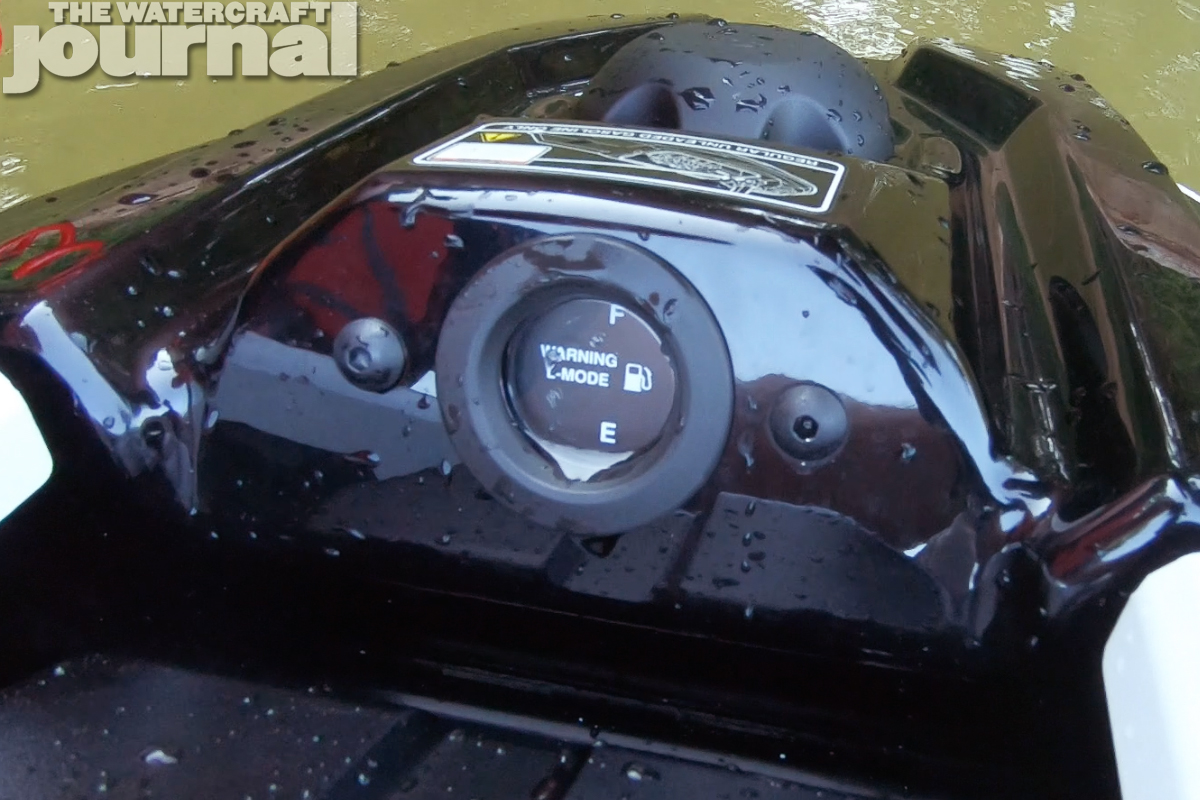
Above: The SuperJet’s new “L-Mode” reduces the engine’s total output by 15-percent, making it ideal for novice or beginner riders. Initializing L-Mode requires the lanyard to be engaged, the ECU woken with a bump of the starter button (which lights up the gas gauge), and pressing the Stop button two times. When engaged, the amber L-Mode LED with ignite on the gauge.
With the right powertrain in hand, the next step was developing the right hull and deck. A Vacuum Assisted Resin Transfer Molding (VARTM) fiberglass hull and deck was shaped to counter the added weight of the TR-1 and its 5-gallon fuel cell, all while retaining the ski’s soul.
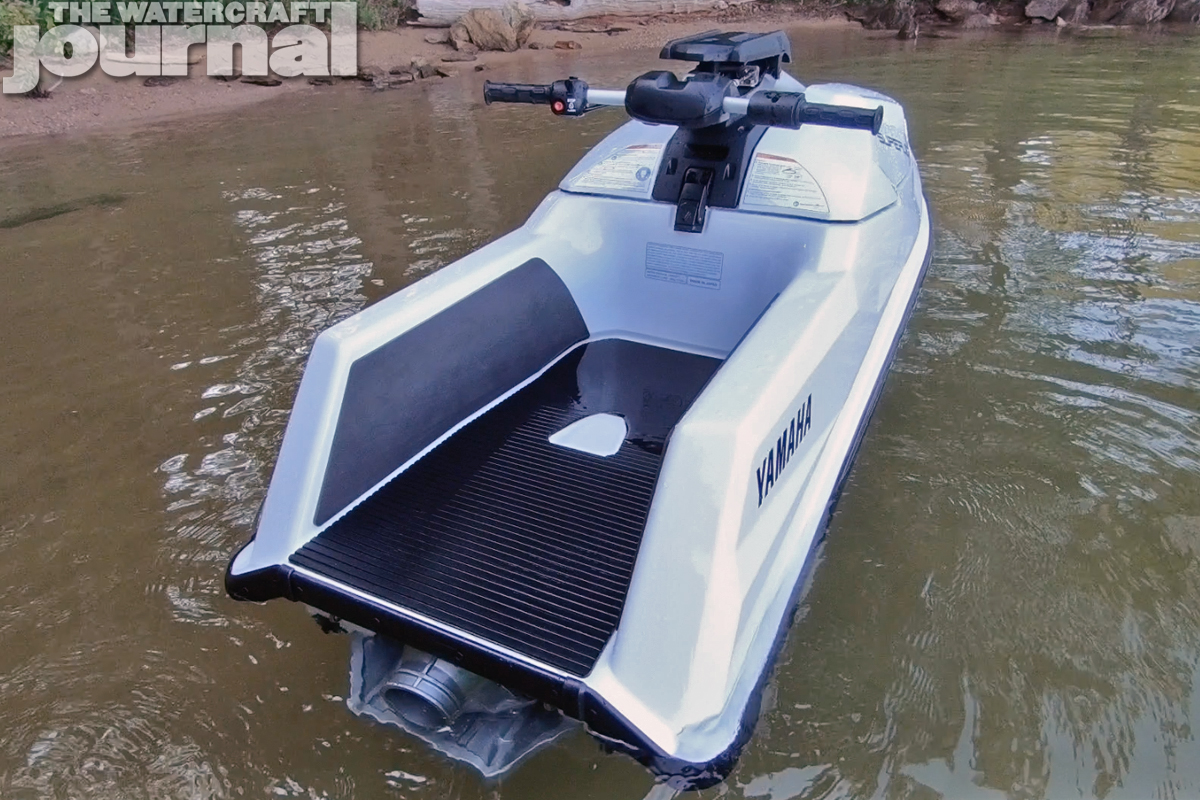
The final result is a ski that is 69-pounds heavier, 7.5-inches longer, 3.2-inches wider, and 5.1-inches taller than the outgoing 2-stroke. But before those numbers begin to overwhelm you, understand that Yamaha’s 2021 SuperJet is 142-pounds lighter and 8.8-inches shorter than its competition – with a dry weight of 375-pounds and a total length of 6 feet, 9-inches.
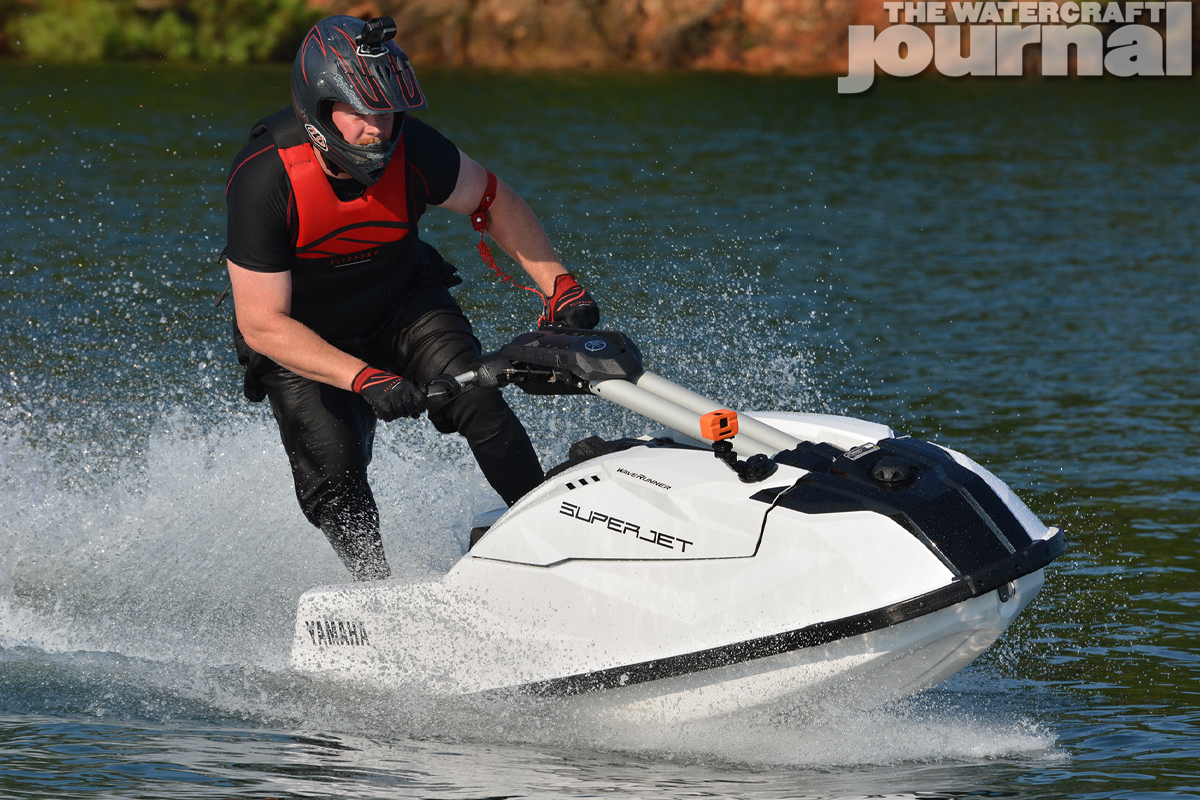
Above: Throttle response is key to a successful 4-stroke standup, and the 2021 SuperJet has it in spades – but not in the way of the tear-your-arms-out-of-your-sockets SX-R. Rather, the SuperJet delivers a torquey measured response. Unlike its competition, the SuperJet strikes a perfect balance – that of power-to-weight, responsiveness to body English, and genuine all-around enjoyment – that is sure to inspire a whole new generation of standup riders.
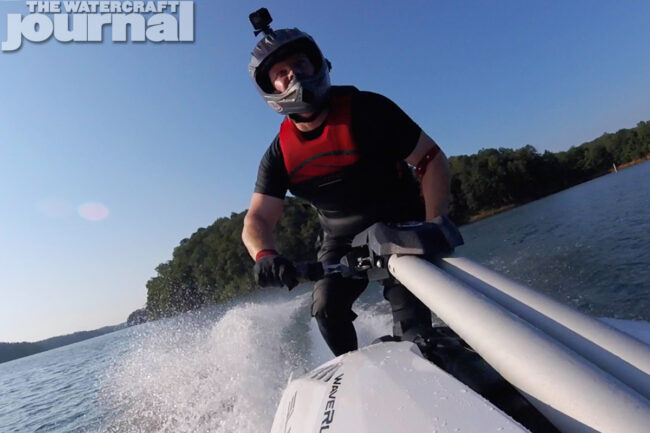
Above left: It took all but five minutes aboard the 2021 SuperJet to get an overall feel for the ski. Once we became comfortable, we felt more encouraged to push our abilities further, inch by inch. We believe like Yamaha does that the SuperJet is the perfect platform to entice a whole new generation of standup riders. Above right: The TR-1 EX 3-cylinder was the right choice for this machine, giving the ski a power-to-weight ratio of 0.25:1 (horsepower:pounds).
And for the newcomers, engineers developed an optional “L-Mode” that de-tunes the TR-1 to 85-percent of its power output, dropping the top speed to 40mph. Otherwise, the more daring among you can push the SuperJet to a blistering sustained top speed of 54mph. Not a bad way to celebrate the 30th anniversary since the first SuperJet hit markets.
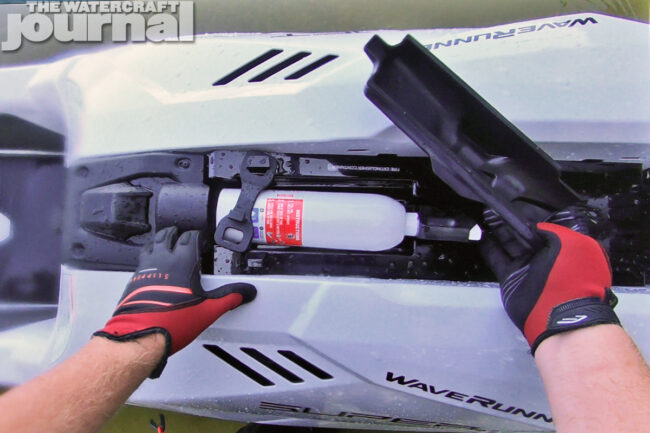
Above left: There’s no storage on the SuperJet, besides *maybe* cramming a key and some cash in a Ziploc bag and tucking it in the pocket for the fire extinguisher – but definitely leave the phone in the truck. Above right: When on the throttle hard, the SuperJet ain’t no slouch, pushing riders up to 54mph. We didn’t get anywhere near that today, but saw plenty of speeds in the 40s – and were comfortable with that.
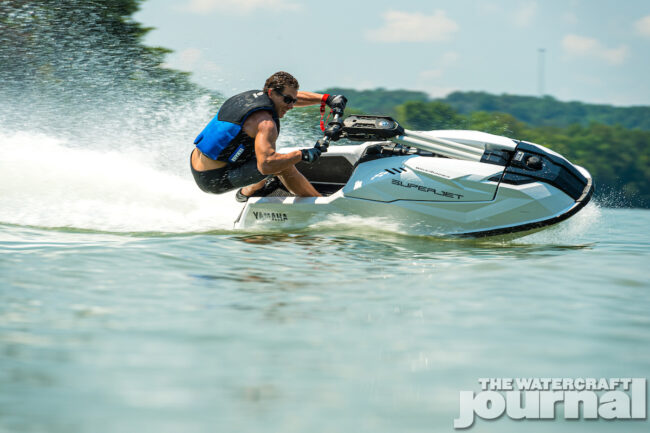
Above: The angular shape of the SuperJet gives it a clean, futuristic look. Equally, the unadorned deck serves as a blank canvas for racers and customizers.
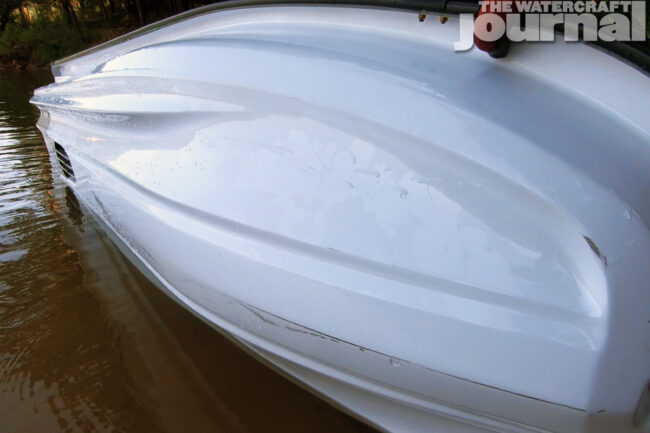
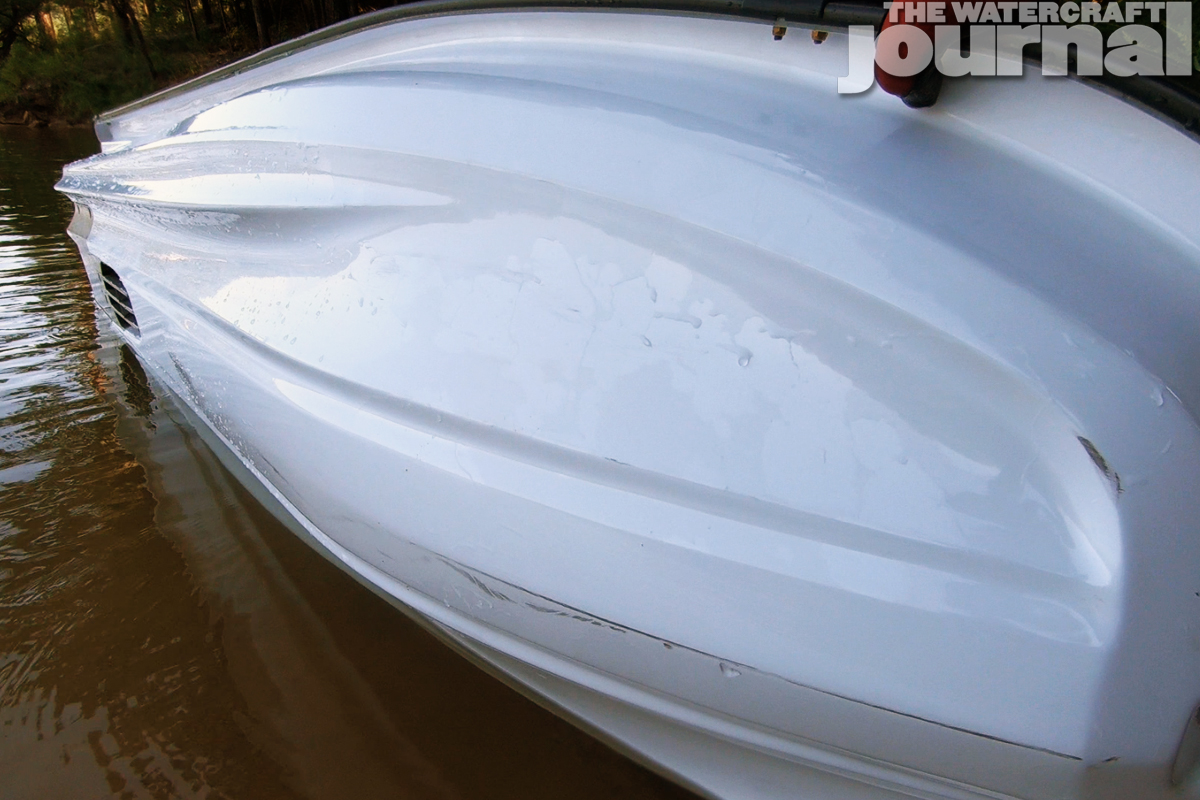
The duality of increased dynamic stability, intuitive cornering and even static stability is all found in the brilliance of the new SuperJet’s hull design. Building from the innovation first made with the 2008 redesign, the 81-inch long hull features a flattened keel flanked by pronounced edges. Beginning early, pronounced strakes increase into vertical runners providing major gains to straight line stability and predictive tracking.
Interestingly, the vertical strakes hollow into invert coves, giving the SuperJet added suction to the water’s surface. On the outboard, the same strakes are tiered, giving the standup a sharp outside chine from which to carve a tight corner upon. Its these angular through-lines that give the SuperJet its sporty ride, feeling like a ski half of its 409-pound size.
Above: The real genius of the SuperJet doesn’t come in its horsepower, but its hull design. The standup’s pivot point is squarely beneath the rider’s front foot, as the broad keel is flanked by vertical strakes and deep coves running 2/3rds the length of the hull. These strakes give the SuperJet confident tracking in chop while the coves produce suction, keeping the hull planted.
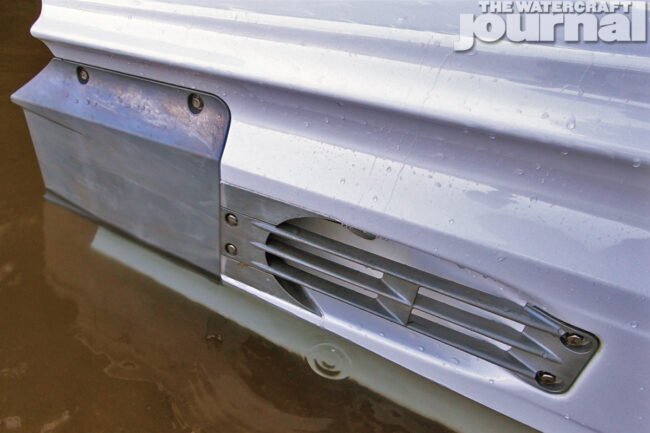
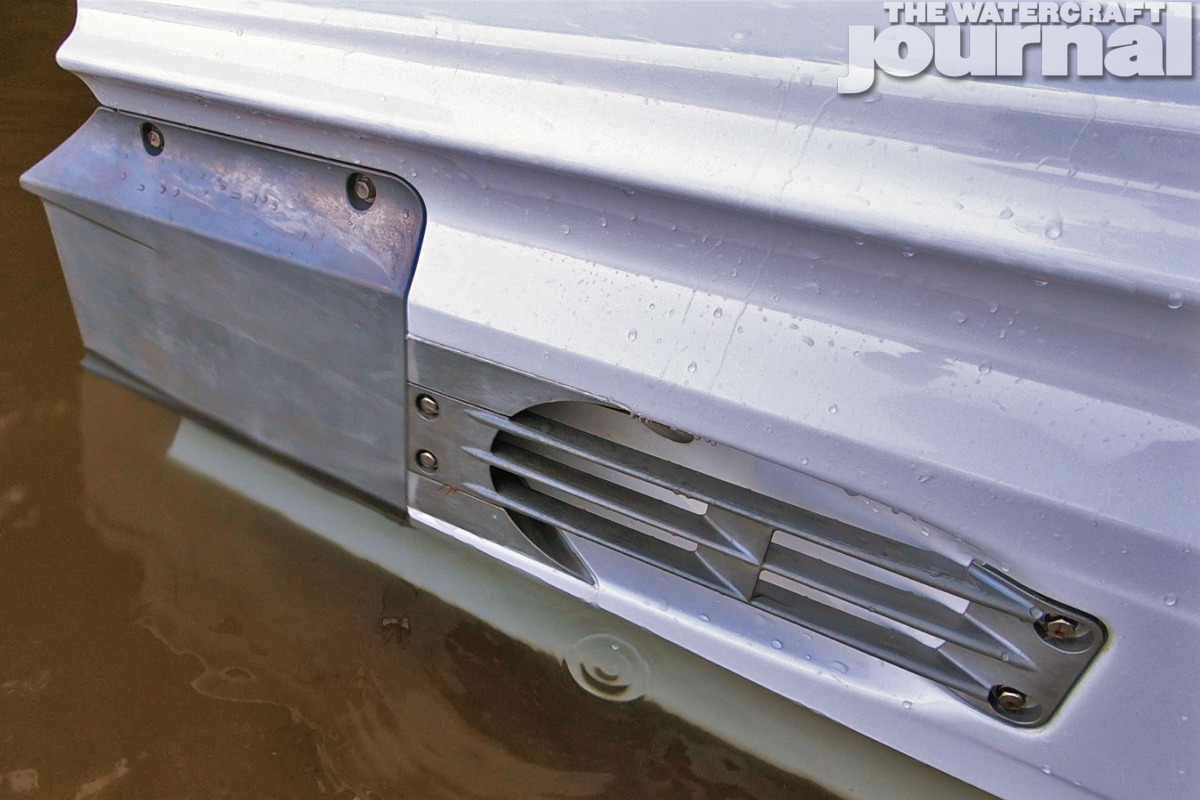
Above left: From the factory, the SuperJet comes with some pretty trick handling equipment. The top-loader intake grate has a wide chip and a semi-open scoop blade. The ride plate also features an extended and angled shelf. Above right: The 144mm two-piece pump provides plenty of thrust through a 3-blade swirl impeller.
The pump is fed by a semi-open top-loader intake grate and rides upon a very race-inspired ride plate that features an extended and angled shelf. It’s this pitch to the rideplate’s lip that raises the SuperJet’s bow, placing the ski’s pivot point squarely midships.
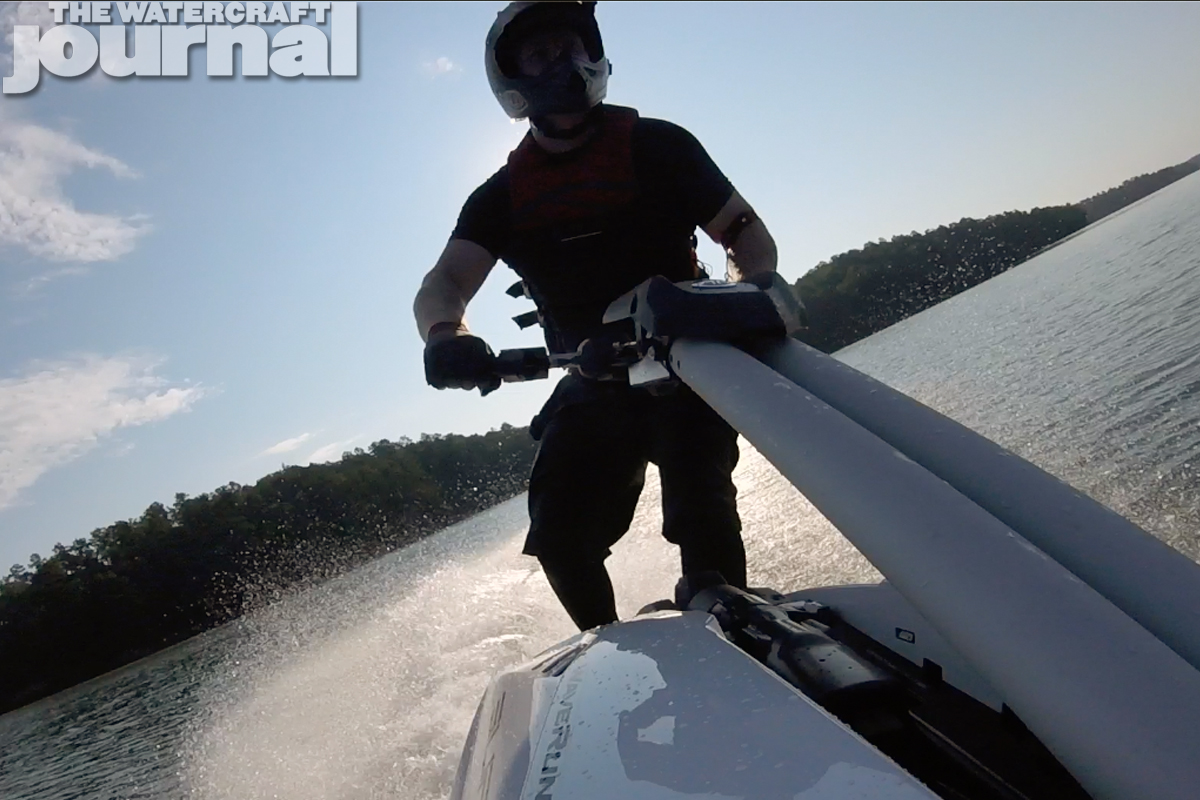
As a larger – albeit less talented – rider, we found that the SuperJet preferred my weight on my forward foot instead of back. The more forward I leaned, the more responsive it felt. The SuperJet strikes a solid balance of steering input and body English to execute turns confidently. In fact, the further back I stood, the more the nose bobbed – particularly under 25-to-30mph.
Above: We found that at slower speeds, the SuperJet tends to porpoise (particularly if the rider’s weight is placed over the tail of the tray). The difference in riding at 20mph and 30mph is significant as the standup comes to plane and the ingenuity put into its hull shape begins to work.
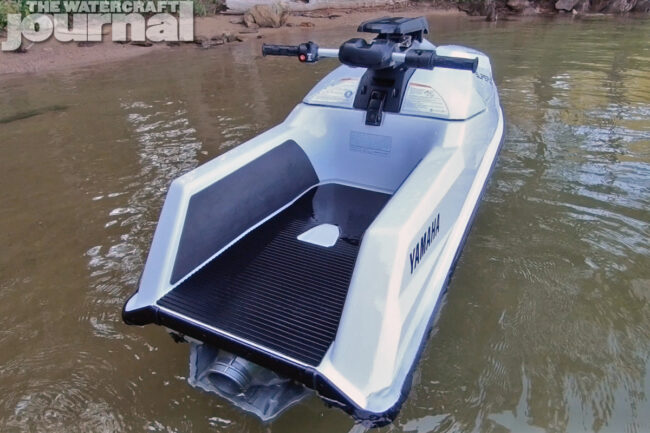
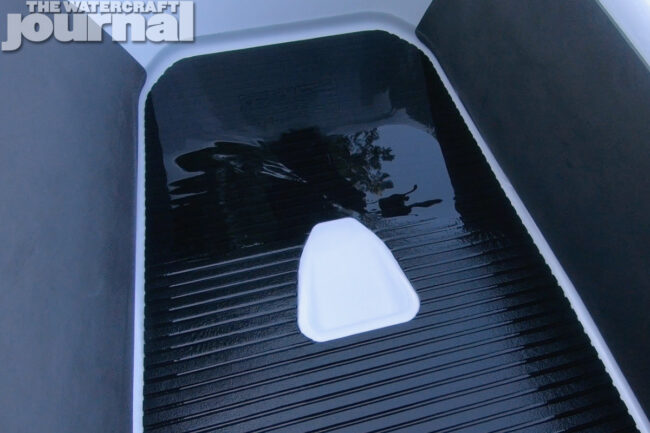
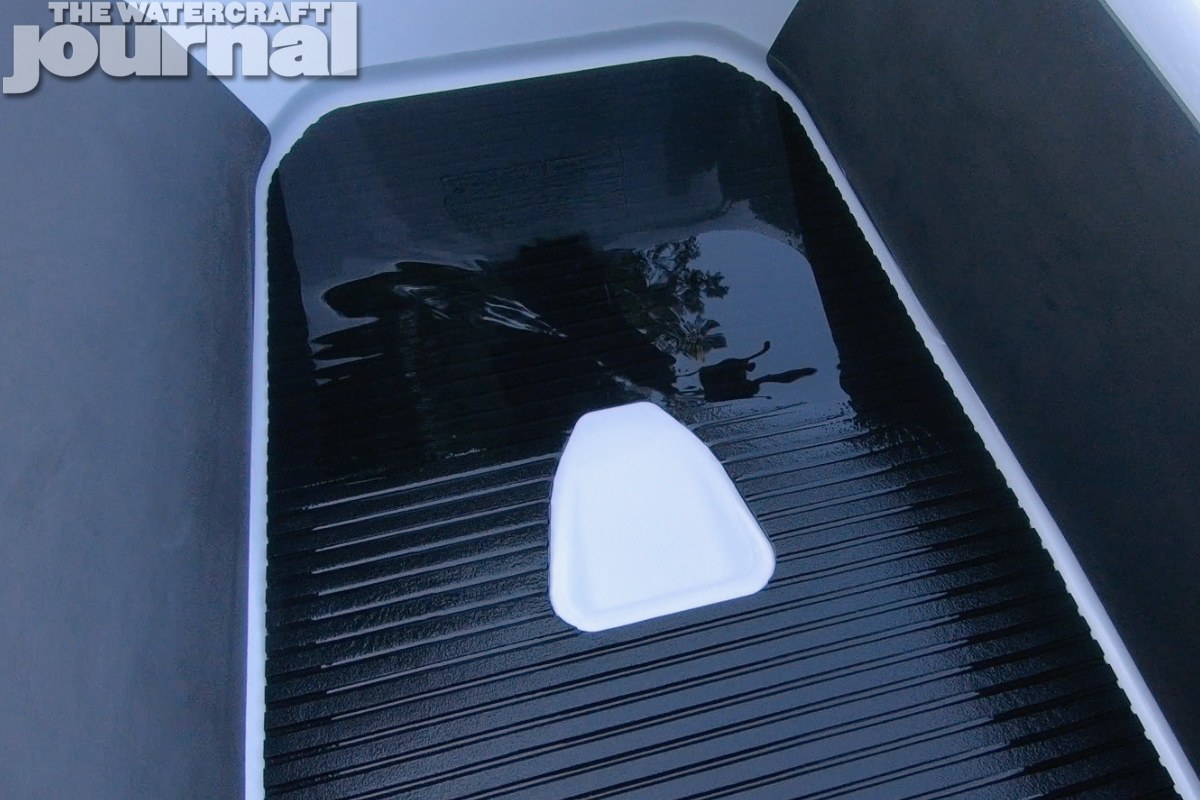
Above left: The tray’s mat kit is spartan to say the least. If customizing your SuperJet is in the cards, begin with an aftermarket traction kit for added padding on the gunwales and a kick pad at the tray’s end. Above right: Yamaha molded a “reboarding hold” into the tray, that simply didn’t work for a bigger rider like ourselves. Although, lighter riders will likely find it far more helpful than we did.
Being what we’d call an “experienced novice” rider, we had our share of get-offs. Thankfully, the SuperJet doesn’t coast a nautical mile like its contemporaries, and swimming back to the tray wasn’t such an arduous task. The redesigned tray is wide, padded and lined with Hydro-Turf. There’s a small relief in the center – what Yamaha calls an integrated reboarding holder – that is supposed to act as a hand grip for reboarding.
Instead, we found the best method for reboarding was placing our hands on the gunwales directly under our shoulders and pressing the SuperJet down far enough to tuck our knees into the tray. Then, with a quick blip of the throttle, we were back on our feet in seconds.
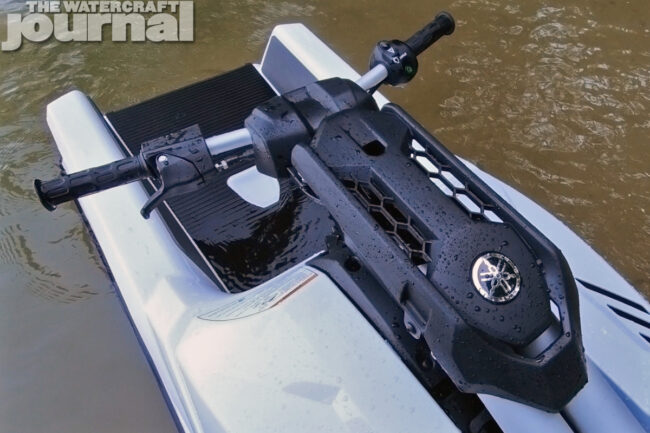
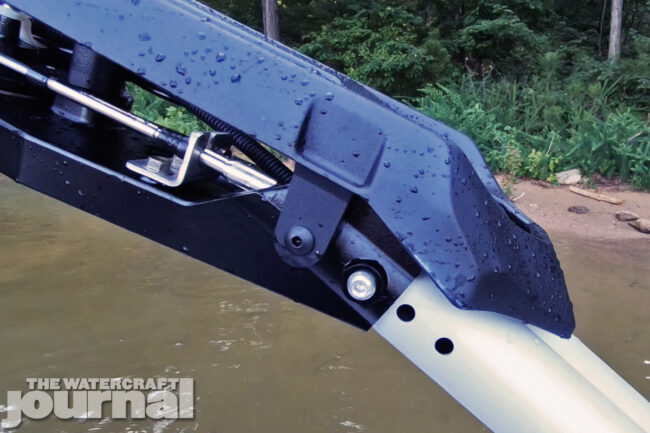
Above: Keeping the SuperJet’s overall dry weight down to 375-pounds was central to this ski’s success. The lightweight handlepole, honeycomb head unit and handlebar arrangement are evident of Yamaha’s commitment here.
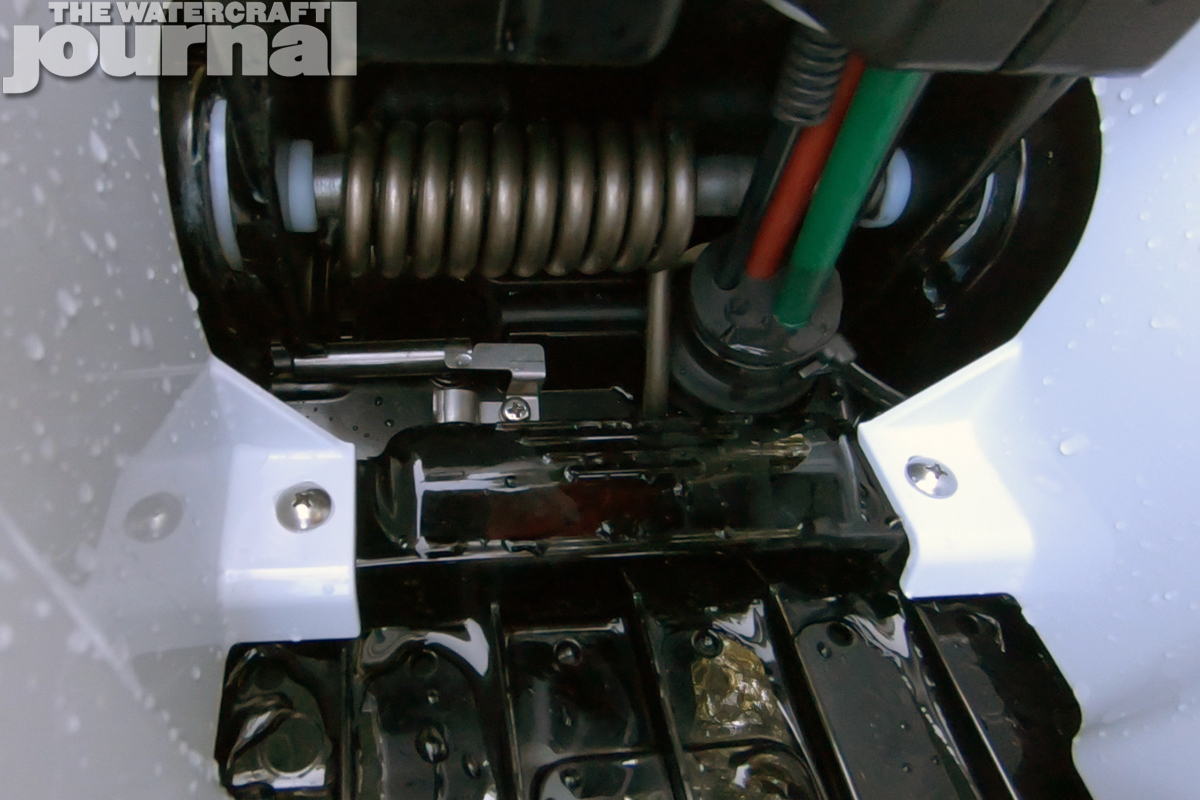
Above left: The handlepole has a small stainless steel locking pin that flips out to hold the pole vertical. Above right: Stability when riding is signature to the new SuperJet; whether at speed or rest. Novice riders can comfortably hone their skills without fear of a violent wipeout.
The gunwales are slick when wet, so trying to pull yourself up on your elbows can be a chore. If we were to make any changes to the 2021 SuperJet, it would be the addition of some padded traction mat to these, and maybe even a 1-inch kick wedge from Hydro-Turf – just to give a little extra forward lean. Again, low and forward is where you want to be.
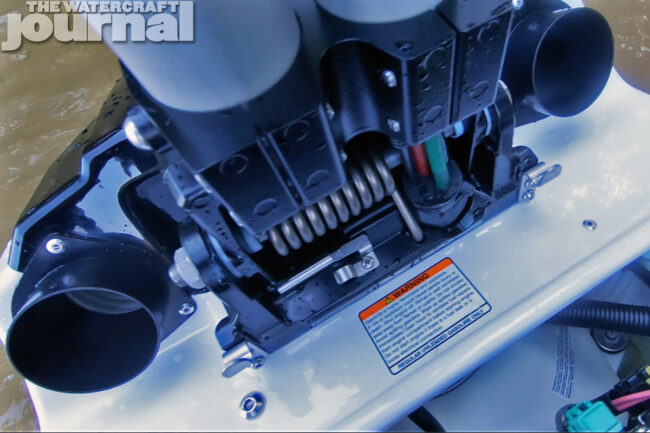
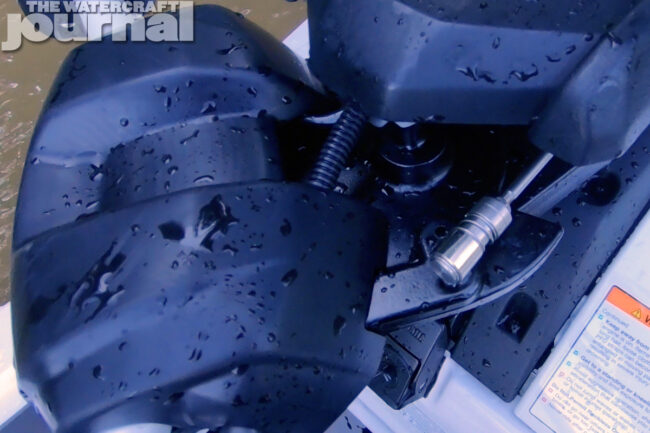
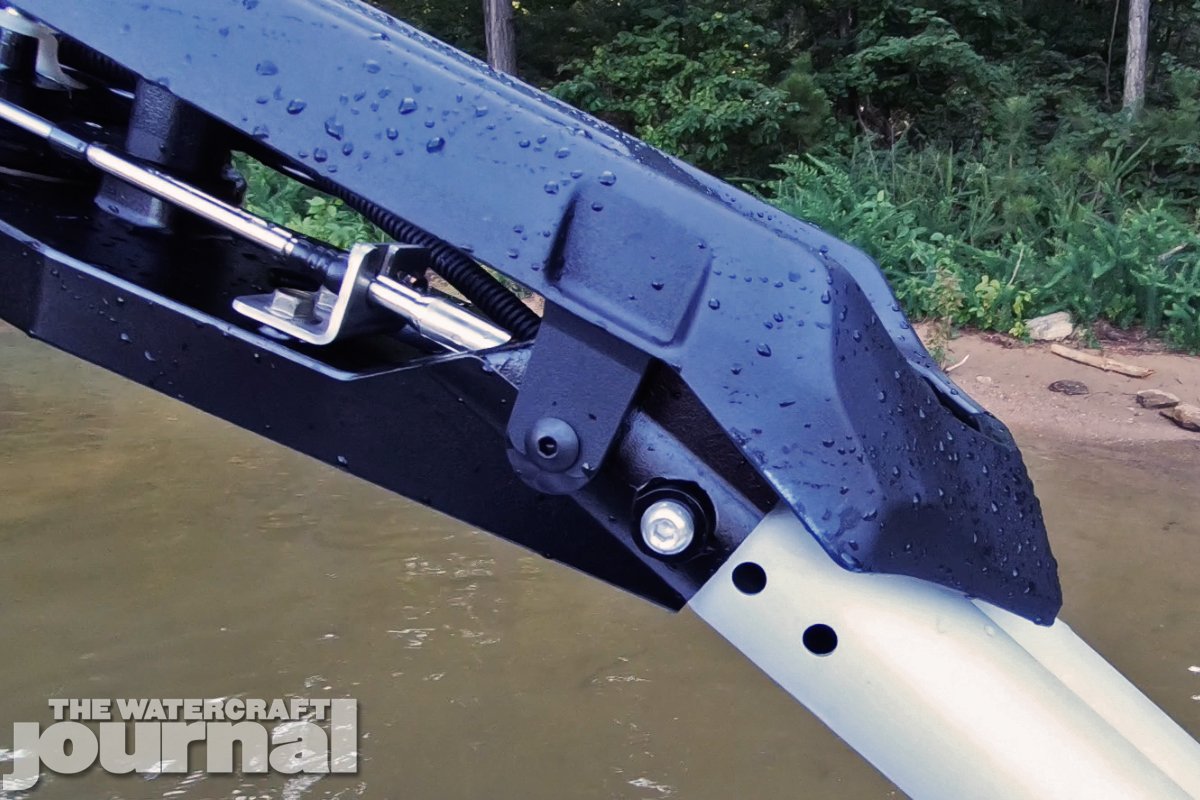
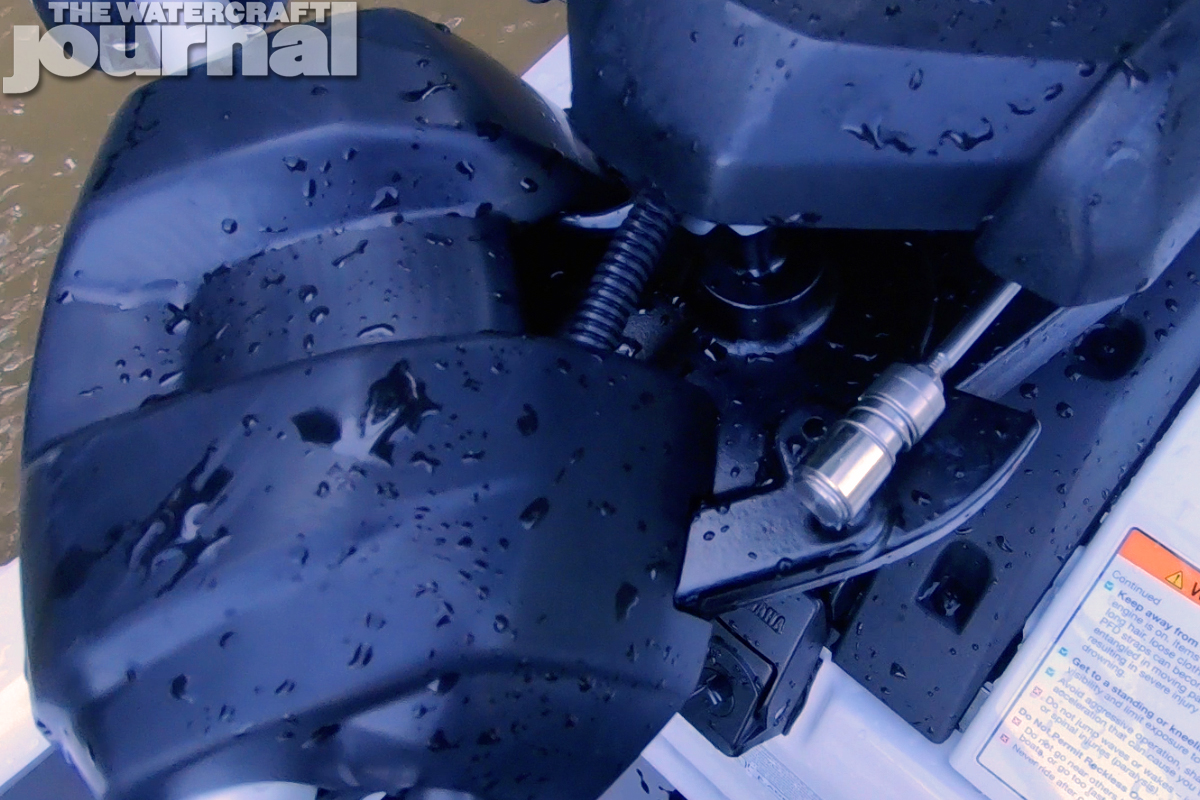
As expected, with an all-new machine comes new technology and features. A small digital gas gauge found at the base of the handlepole shows the fuel level and when L-mode when activated. An adjustable, lightweight aftermarket-inspired handle pole is capable of extending 50mm, or 2-inches in length. The race-inspired handlebars include an adjustable steering cable system that can be set at either 16- or 19-degrees to increase the ski’s turn angle too.
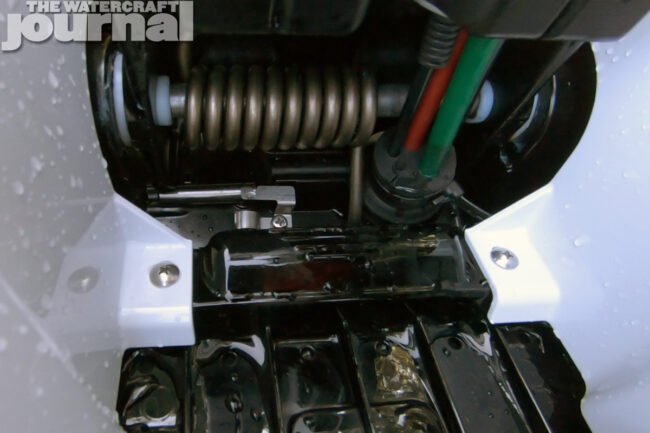
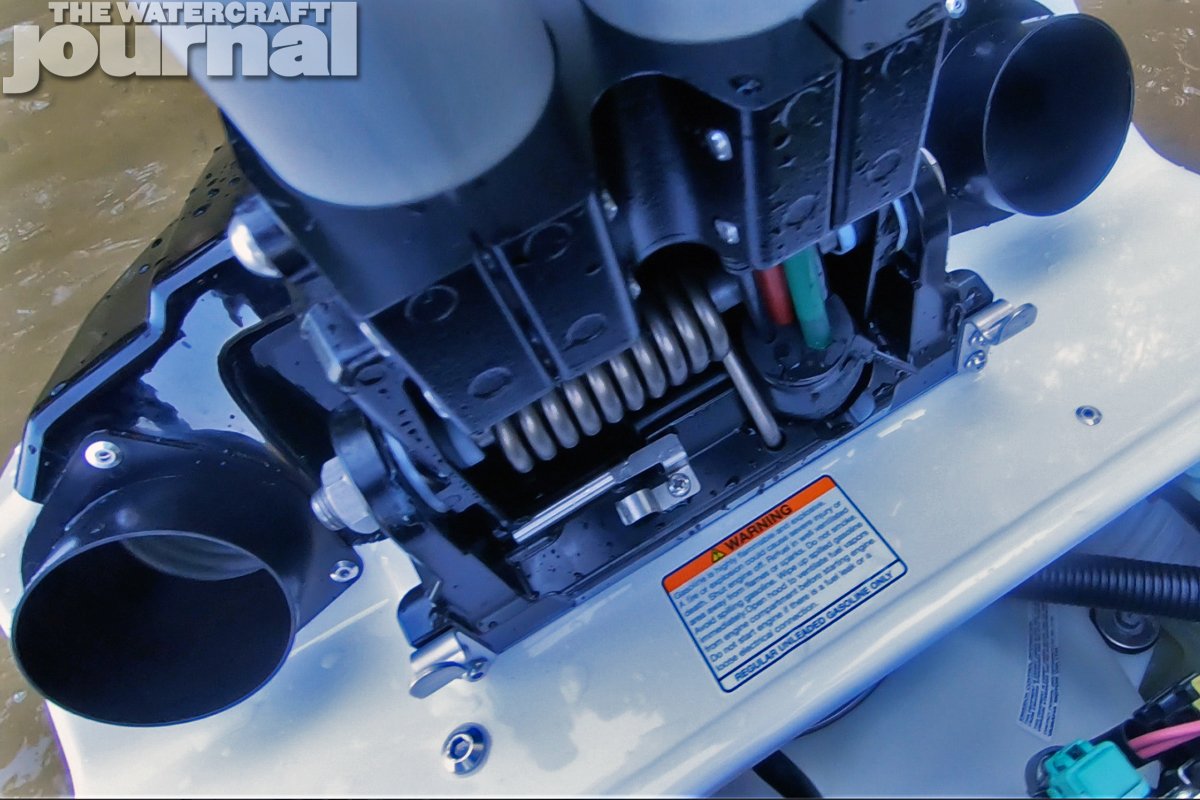
Above left: Adjusting the length of the handlepole requires an Allen key, providing as much as 2-inches of travel. Above right: A carryover from the previous 2-stroke, Yamaha’s adjustable cable bracket permits changing the turning angle from 16 to 19-degrees for more responsive steering response.
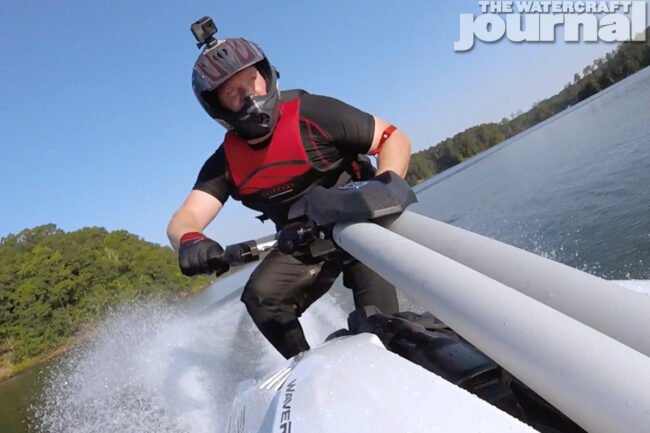
Above: We rode the SuperJet into the afternoon and found it easier and more enjoyable after each passing minute. Unlike the Kawasaki SX-R, which can feel every bit of its 551-pounds, the 2021 SuperJet is deceptively agile, feeling far smaller than its actual size.
Although the throttle response of the unbridled TR-1 is super crisp and the acceleration is face-stretching, we found L-Mode just as enjoyable. Romping the gas through turns was just as exhilarating, and wringing it out wide open just isn’t as violent as other 4-stroke skis we’ve ridden. Again, we’re no professional rider and we’re certain many of you will be perfectly at home with the SuperJet’s natural setting.
What is most important – and what we see as the most appealing aspect of the new SuperJet – is its commitment to deliver a true “physically-challenging, athletic riding experience” all while being fuel-efficient and environmentally superior to its predecessor. If there was one machine to invigorate a new generation of young, athletic personal watercraft enthusiasts it is going to be the 2021 Yamaha SuperJet.
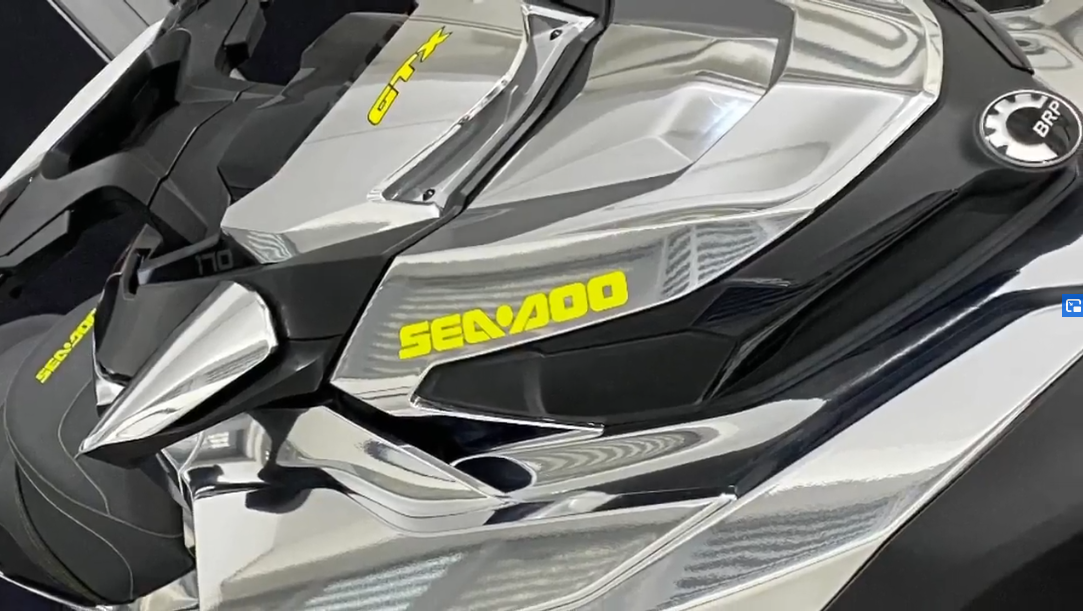
Many of us dig the color schemes that Sea-Doo puts together. They scream fun and look pretty darn good. The new Sea-Doo GTR is no exception; it passes the muster, dressed in its sporty Eclipse Black and Neon Yellow color scheme. Its cool and we think it looks sharp. Not so fast.
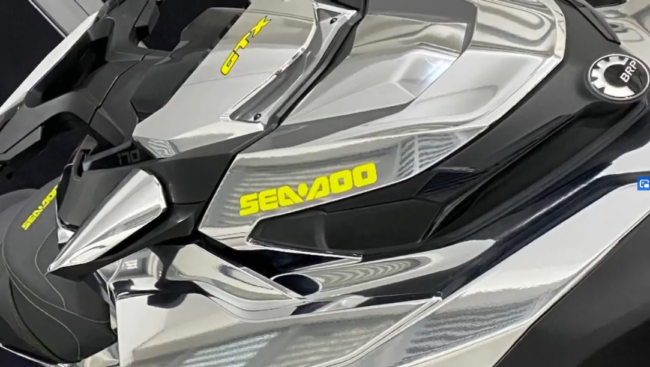
Enter Bcut, a vehicle custom printing and wrapping company out of Thessalonki, Greece. These guys have been in business since 1995 and perform amazing work and when they had their way with a Sea-Doo GTX and there was no turning back. The ski was wrapped in a glossy dark metallic satin from bow to stern and all the way around. The team really turned it on with this job! This is one stunning piece of work that screams fast.
Even the lettering on the machine is meticulously matched to the lime green stitching on the seat. You can see the custom wrapped Sea-Doo GTX for yourselves on the Bcut Facebook page. They let the machine speak for itself as its presented in a video. The wrap is one of the best we’ve seen. Enjoy!
By now, the covers have been removed from the 2021 Yamaha Waverunner Lineup. What has been one of the most highly anticipated reveals in recent years, this unveiling is just the beginning of the excitement to come.
As imagined, the folks at RIVA Racing were some of the first to get theirs hands on these new machines and they are working diligently at developing some exciting products.
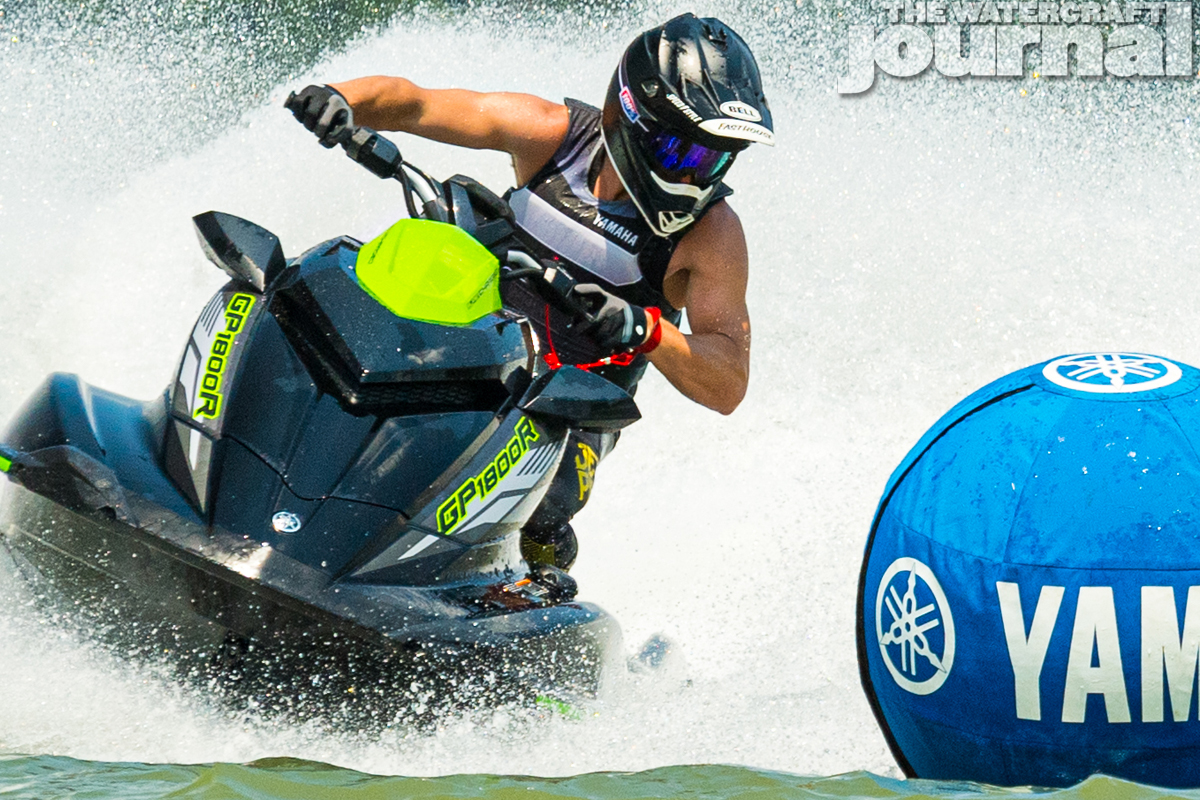
Two of the watercraft that will be generating the most buzz in the industry next season are going to be the all new GP1800R SVHO and the revolutionary new SuperJet standup Waverunner.
Among those to share a first look of these new units is Riva Racing who put together these walk around videos. Take a look below as RIVA showcases the new features and designs of the class-leading GP1800R SVHO and the all new SuperJet.
With this, RIVA is setting the stage for their performance upgrades release. We imagine there will be a lot of great products. The GP platform has already been one of the dominating watercraft in the industry and the SuperJet now has the award-winning 4-stroke TR-1 engine which we know is already tuner-friendly from the existing EX platform lineup.
RIVA Racing’s President Dave Bamdas has informed us that performance upgrade videos will start rolling out in late September so be sure to stay tuned for all of the latest details.
Those of you who frequent the waters may have noticed a lot more watercraft traffic in your local area this summer. A lot of this new interest in watercraft sports is due to the pandemic travel restrictions and the fact that many other summertime activities have been halted altogether.
So with an increase in boat traffic, it becomes more important than ever to stay safe on the water especially with a lot of new riders. Thankfully Sea-Doo has put together this “fun in the sun” list of five tips to stay safe. Continue reading their press information below for the details.
In this new era of staycations and social distancing, there has been a heightened interest in outdoor recreational activities, especially with watersports and watercraft. According to the National Marine Manufacturers Association, watercraft sales are up as much as 75 percent compared to last year, making it one of the fastest growing activities out there. With the rise in popularity of watercraft and more boats out on the water, Sea-Doormaker BRP is offering tips to those who are ready to venture out in the open water.
“The Sea-Doo life is about adventure, fun and unforgettable experiences, and that’s as important now as it has ever been,” said Nicklaus, Director, Global Marketing, Sea-Doo. “More and more people are discovering motorized water sports, and they’re getting to know what experienced riders have known all along: very few things in life eliminate stress like spending time on the open water. In fact, it’s hard to find anyone on a Sea-Doo who has a frown! “Here are five things Sea-Doo recommends before starting your adventure, whether you’re a new rider or used to being on the water:
Check if you need a license. With the increase in watercraft popularity, more riders will be out on the water than ever, and it’s important you have all the information when traveling lake-to-lake, finding your favorite river spot, or riding in the open ocean. Each state (province)has its their own rules and regulations regarding proper age to operate a watercraft and licensing. Check out the Boat U.S.Foundation or Boat-Ed.com to know the regulations in your region.
Have a good understanding of your watercraft before you hit the waves. Get to know the general functions of your watercraft. It might be obvious, but spend some time on land learning the controls and functions so you can hit the water with confidence. Sea-Doo recommends you check out your operator’s guide, know your fuel level, and understand the general best operational practices so you’re good to go before heading away from shore.
Be chill and remember to share the water with others. Respect everyone on the water and surroundings, and adopt a fun and safe riding style. Be mindful of signs and reminders to slow down or stay out of restricted areas. Also, keep a safe distance away from others and the shoreline. Watercraft were meant for social distancing even before it was a thing! Finally, never ride under the influence of drugs or alcohol as it puts everyone’s safety at risk.
Wear the right gear. A life jacket (aka Personal Floatation Device or PFD). That’s a no brainer even if you know how to swim. For additional safety, Sea-Doo reminds riders to wear the tether cord connected to the ignition switch on your life jacket at all times. In the event you end up in the water, that tether cuts the engine power and you can get right back on. Also, you and your passenger should always wear a wetsuit bottom in neoprene for protection. And finally, take sunglasses to increase the cool factor and for protection from the sun and the elements!
Pay attention to the environment. Leave your playground and surroundings cleaner than you found it. Protecting nature and the outdoors is what will keep watersports and recreational activities going for decades to come. Don’t throw trash in the water or surrounding areas. And respect the animals in the area–after all, it’s their home.
By following these tips, watercraft riders will not only be able to take advantage of water fun but get in some healthy “escape therapy”, recharge their metaphorical batteries and practice social distancing to create great memories from this unforgettable summer.
In a July 12, 2020, announcement written by Kary Austin, she announced passing the AWSA and Jet Jam racing torch to Monte and Surie Hughes. The Austin family started Jet Jam racing in the fall of 2016, and they are pleased to hand over race operations to the Hughes’s.
Monte Hughes has promoted both watercraft and motocross in the Pacific Northwest for many years. Last season he joined Jet Jam as Race Director and was instrumental in completing the Jet Jam Racing rule book. He looks forward to continuing the Jet Jam series.
Kary Austin expressed her thanks and more to everyone in the excerpt below: I want to put out a huge thank you to everyone that made it possible for me to promote jet ski racing. The racers, the sponsors, the vendors, the venues, the cities. and most of all the Red Shirt Crew. The list is so long, I can’t list everyone personally, but you know who you are and you are etched into my heart forever.
The friendships that I call Family could not have happened without being a part of this huge group of amazing people. I will always be available to help the crew, the racers, and of course Monte and Surie Hughes, along with Nicole Mrosek Pettit and Jaime Pirnie who will continue to work with them very closely to make sure that racing only gets better!
Jet Jam Racing is pushing forward to hold a race in August and September of 2020. While the Covid pandemic has been a complete detriment to our racing community and every aspect of our lives this year, they will be doing everything possible to bring back racing as soon as possible.
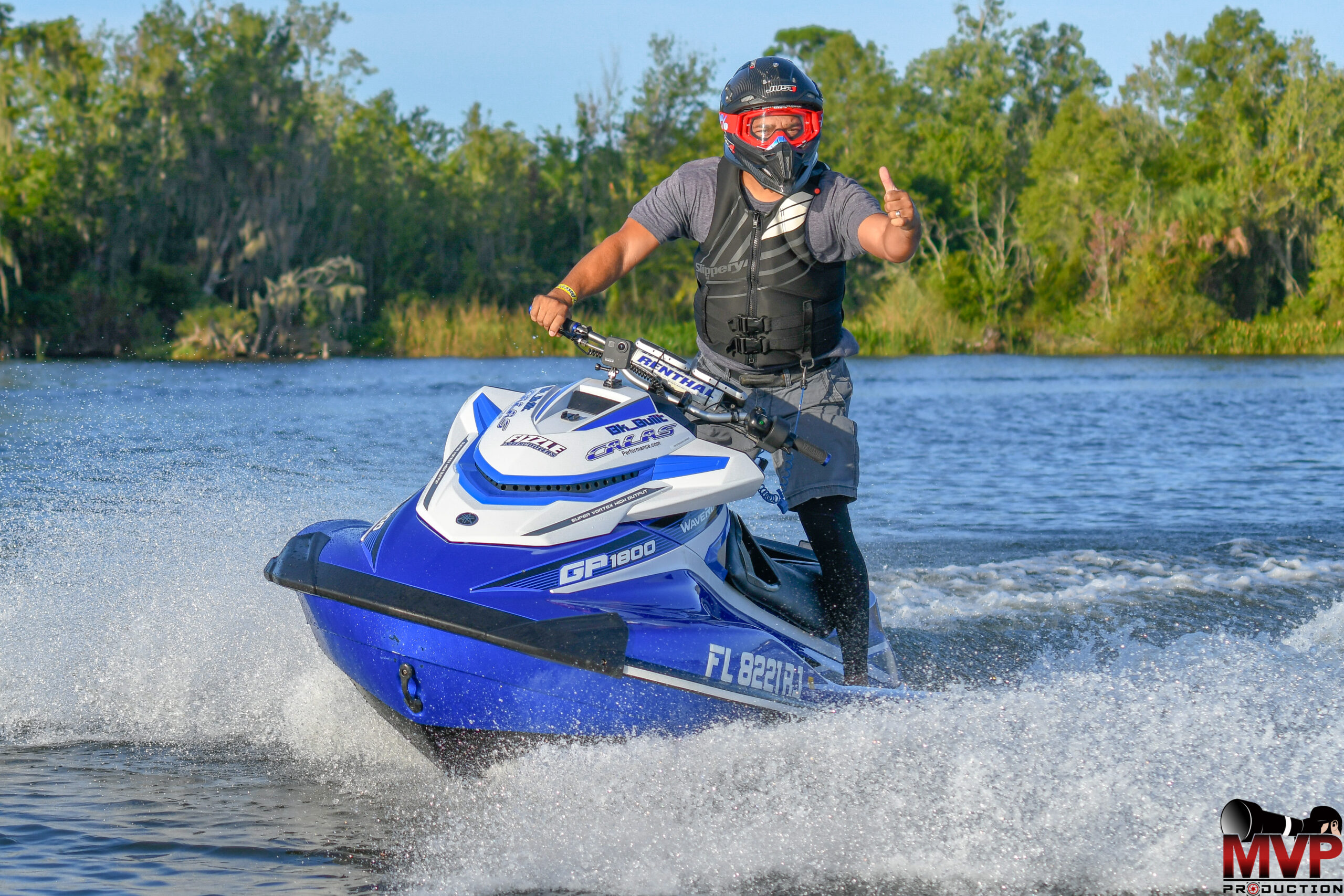
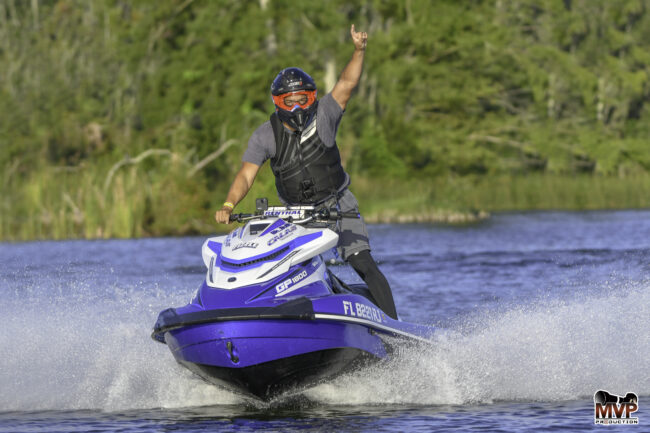
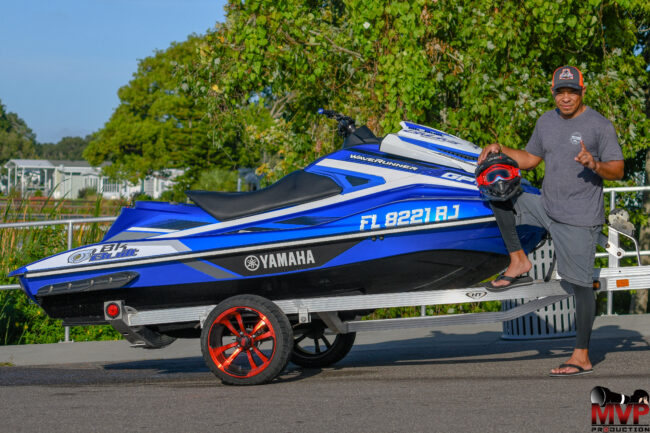
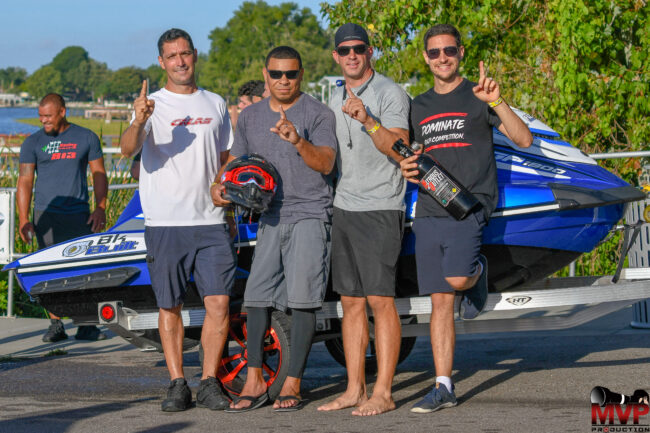
It was the shot heard around the world; the fastest personal watercraft record had been broken. Not just broken, but wholly smashed and ground into fine dust. A heavily tuned, but surprisingly stock (at least pertaining to the hull and deck) Yamaha GP1800R built by Brian Kirchberger and piloted by Jose Hernandez had hit 135 miles per hour. The Watercraft Journal had an opportunity to sit down with Fizzle Factory’s James Blanch, who played a major role in this project’s development, to get an inside look at how this world record-holding machine came to be.
The Watercraft Journal: For those readers unfamiliar with you, please tell our audience about you, what you do and your prior experience with PWC racing/performance.
James Blanch: My name is James and I own and operate a company called Fizzle Factory. We specialize in performance upgrades for 4-stroke Yamaha and Sea-Doo watercraft. My PWC performance days started in the summer of 2005 when I bought a 2005 Sea-Doo RXP and started modifying it with the help of Jerry Gaddis and some other members on his GreenHulk.net forum.
I started buying and selling used parts to help fund my new top speed addiction. A few years later I saw a market opportunity to start selling a budget friendly intercooler kit for the Sea-Doo platform and seized the opportunity. A couple years after that we ventured into the Yamaha intercooler market. Now we’re expanding the product line into parts like blow off valves, air intakes, ECU tunes, and supercharger upgrades.
WCJ: How you got involved with this project? Where did this begin?
JB: I got involved with this project starting in December 2019, when the owner/driver of the now world record ski, Jose Hernandez, contacted me about buying a Fizzle intercooler to use on his turbo Yamaha GP1800 project. A couple months earlier he had decided he wanted to start pushing the GP1800 platform to see what it could do for competitive drag racing and top speed numbers.
He already had a taste of a world speed record when he captured the fastest supercharged PWC title (108 MPH) on a Yamaha FZR, during the November 2018 IJSBA sanctioned Hydrodrags World Finals. Jose already had the right man for the job in his corner, Brian Kirchberger a.k.a. BK Built, the mastermind behind the fastest PWC in the world, dating all the way back to November 2016.
WCJ: Why did you choose a Yamaha GP1800? What did the GP1800 have that others didn’t?
JB: Brian and Jose chose the Yamaha GP1800 because it was a challenge, plain and simple. Brian had already played a major role in making the Yamaha FZ, a hull people doubted could reach speeds beyond 110 MPH, the fastest PWC in the world at 127.7 MPH. Now it was time for history to repeat itself and to hopefully shock the world again with a new platform that nobody saw coming.
WCJ: What modifications were made to the hull/handling components (if any)?
JB: What’s perhaps the most surprising about this particular ski is what has NOT been modified. Most notably, the hull has not been lightened. In an era where hulls get gutted of the inner layer to tilt the power-to-weight ratio to the rider’s speed advantage, this one has been left remarkably factory. It even retains the stock sponsons, fuel tank, and fire extinguisher.
WCJ: What modifications were made to the SVHO engine and pump (that you’re willing to share)?
JB: This SVHO engine has upgraded internals for increased strength and performance. The valve springs, retainers, pistons, and rods have all been upgraded. The build features a 72mm Precision Turbocharger, advertised as having a 1300 HP capacity. The ski boosts 60-plus PSI with this turbo!
WCJ: How long did the build take (from project inception until the 135mph run)?
JB: The progression from basically a 117 MPH grudge racing ski to an all out 135 MPH speed monster unfolded relatively quickly. From late May 2020 up until testing was complete in early July, the ski was ready to make a run to overtake the previous world speed record well ahead of the July 26th Hydrodrags Speed Alley event.
WCJ: What was the biggest unforeseen challenge or hurdle that the project faced?
JB: The biggest hurdle in this process was keeping the factory crankshafts from breaking during testing. The amount of torque this motor produces with a big enough turbo and the right tuner is nothing short of incredible. Repeated full power test hits will eventually reveal the weak links in the SVHO motor, or any motor for that matter, one component at a time.
WCJ: Did the build have any surprises? How did the actual top speed run go? Did the ski work as planned?
JB: How quickly it came together was a surprise. I guess when you have the recipe for success, it makes it that much quicker and easier to duplicate the results. That’s exactly what Brian and Jose were able to do! Everything went according to plan with the ski. The weather was looking a little shaky in the days leading up to the event and even the morning of the run, but we planned for the rougher water conditions ahead of time.
WCJ: Who would you like to thank for helping make this achievement possible?
Brian Kirchberger: First I need to thank my wife, Melissa, for putting up with all the late nights and weekends spent building and tuning engines. Then I have to thank the main guys involved with the project – Jose, Fizzle, and Elliot Rivera. I’d also like to thank Bill Schimmel from Schimmel Performance. Back in my car racing days he taught me about engines, how to understand engine tuning, and the fundamentals of how to build an engine to handle the most power possible. I wouldn’t have been able to accomplish something like this without the knowledge he passed along to me.
All photography courtesy of MVP Production, with all trademarks respected. For more photography from this event or any others, please visit www.mvpproduction.net
Sealver Wave Boats started in France over 10 years ago, and continue today selling overseas. However, when they came to the United States their design was not Coast Guard approved. So they formed an alliance with Sealver Canada to manufacture boats for the North American market. Then we came in at the very end of last year and secured the rights from Sealver Canada to be the distributor for the US market.
The Watercraft Journal spoke with Sealver’s David Mitchell, who stated, “We are based out of Stuart, Florida, and just recently secured new dealers for Palm Beach, Broward, and Dade County. Also we have a new dealer in Mt. Dora, Florida, and Mclean, Virginia. We are working on our website and will soon have them on our dealer page with their information. We hope to have between 10-20 dealers set up by the end of the year, and by the end of 2021, 50 dealers.
“We have just struck an agreement to join the P1 AquaX USA Tour as a partner and sponsor for 2021. Still working on the details but we are excited to be a part of this organization. We know working with them will help our brand and our dealers to grow. If you’re interested in becoming a dealer, please email me at [email protected]“
The Sealver Wave Boat has 3 series:
The 444 series is 14’5″, will accommodate 5 passengers and weighs only 683lbs. To run properly, your jet ski needs to have 150hp minimum
The 525 series is 17’2″, will accommodate 6 passengers and weighs only 772lbs. Needed horsepower 200
The 656 series is 21’6″, will accommodate 7 passengers and weighs only 1322lbs. Needed horsepower 250
*All weights do not included the jet ski
**All boats are USGA, and AYBC approved.
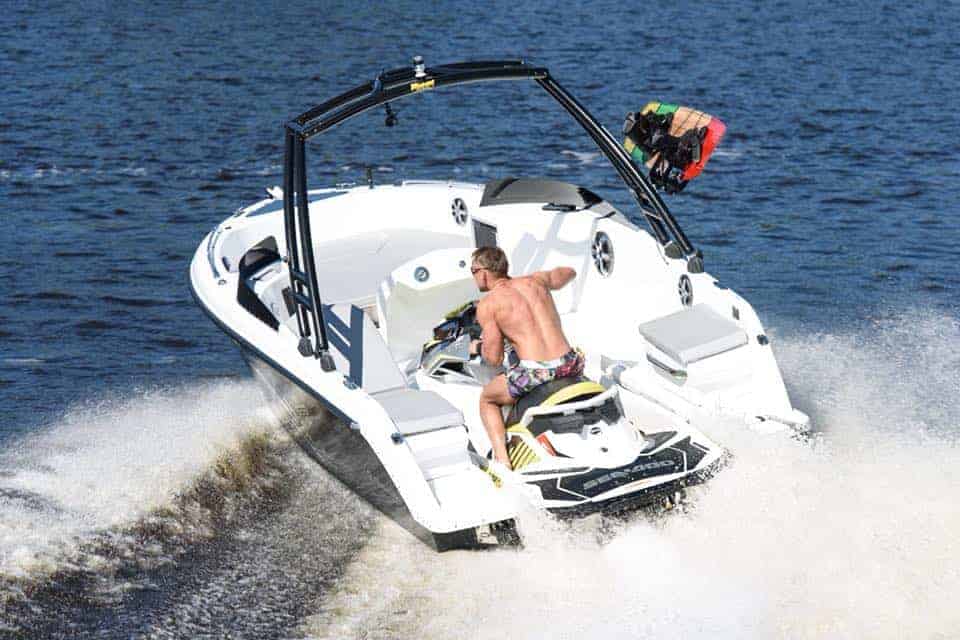
The boats offer a great platform for the PWC user, to bring friends and family out on the water. Then the ski can detach in about 1 minute and the user can play on the water with the ski while the others can enjoy the boat as their personal raft. One are that we will soon explore with this is the yachting community. The Wave Boat will offer the yacht owner the ability to get rid of the tender boat. We now can act as the tender with the ski, offer more versatility and use a lot less space on a yacht.
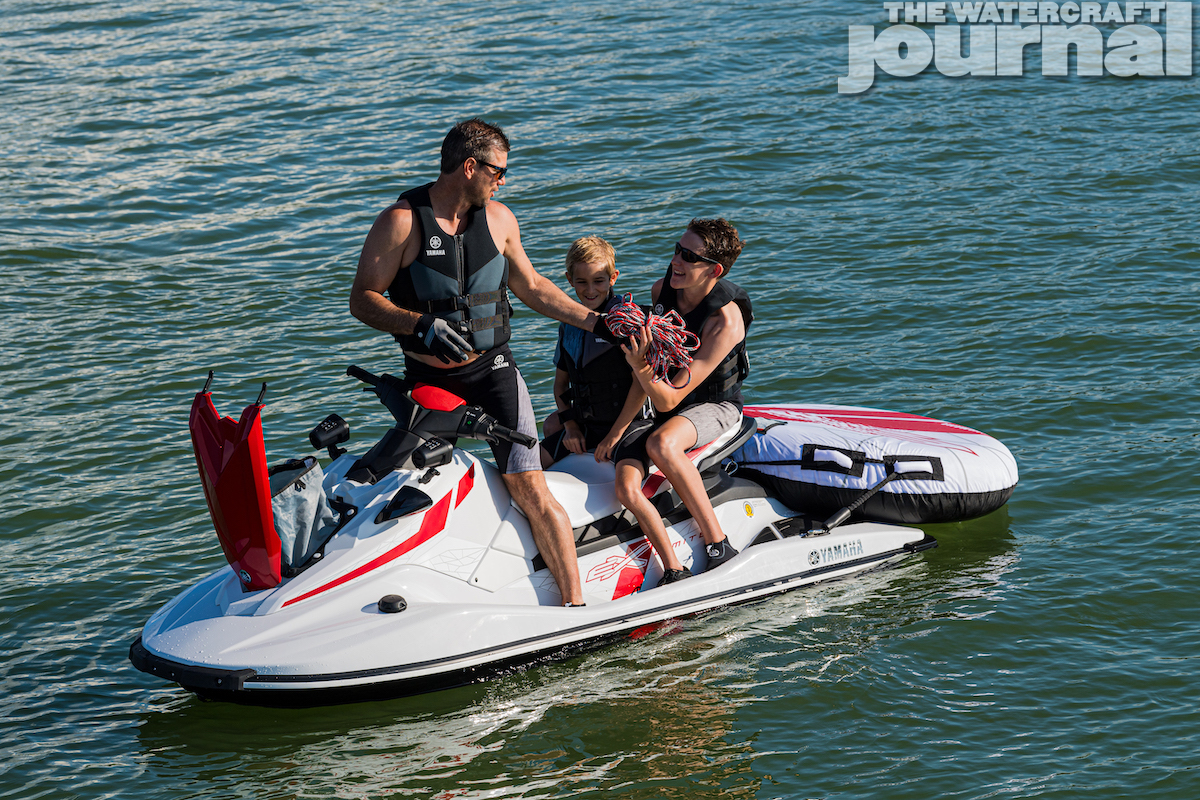
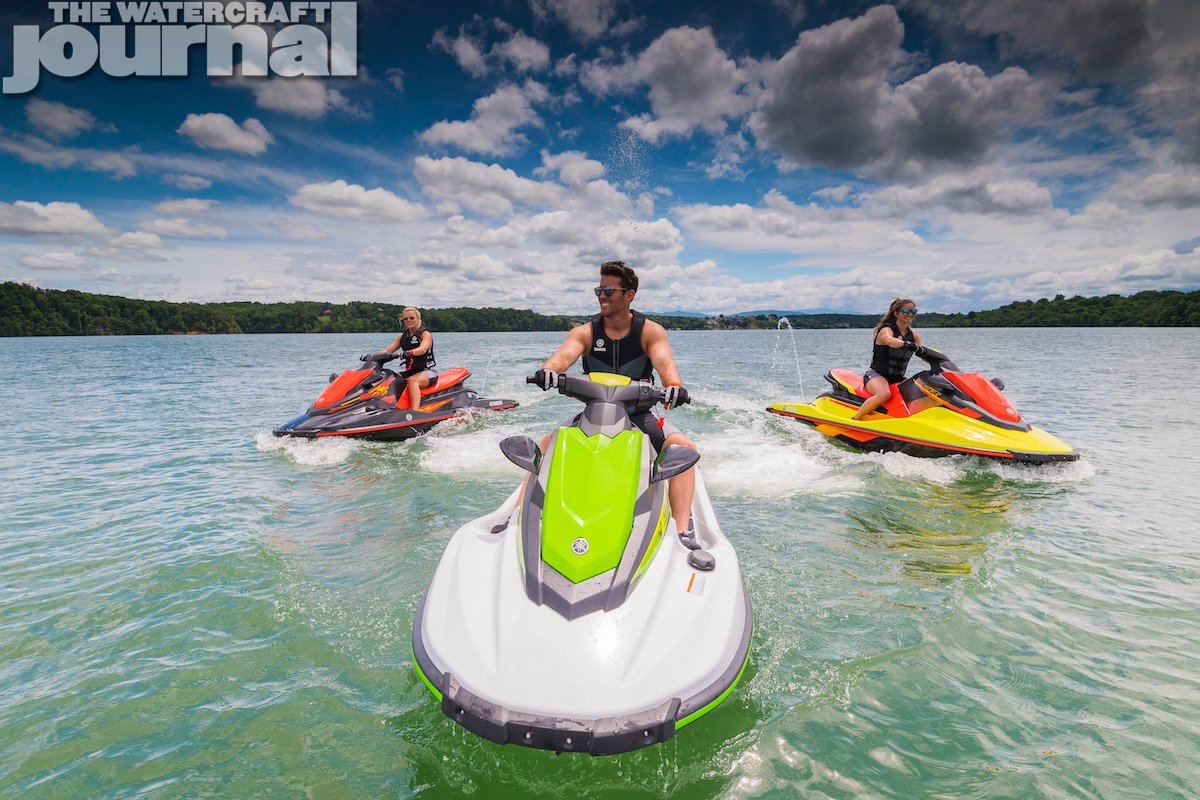
Let’s just get right to it: Personal watercraft sales are the highest they’ve been since 2007. Just last year, the total number of new vehicle sales excelled 87,000 units. (That’s literally double the total sales a decade earlier.) To meet this wave of newfound demand, Yamaha Motor Corp. USA is rolling out an unprecedented eleven new WaveRunners for 2021, making this the single largest new product launch in the brand’s 35 years of personal watercraft production.
Additionally, this last year marked the first time in decades that the percentage of first-time buyer sales (52%) eclipsed return buyers (48%). Yamaha’s WaterCraft Group general manager, Bryan Seti explained, “Coming off [of] a record sales year that saw us sell out of most models, these new products elevate our line even further. […] This is proving to be a very special year for Yamaha WaterCraft and we think our customers will find these new products to exceed their expectations of what they can do on the water.”
Above left:The 2021 GP1800R SVHO shows a bit of retro styling with its redesigned hood, looking a bit like the GP1300R from years back. Above right: The entire FX line returns unchanged for 2021, save for new colors and decals – as well as many new accessory options.
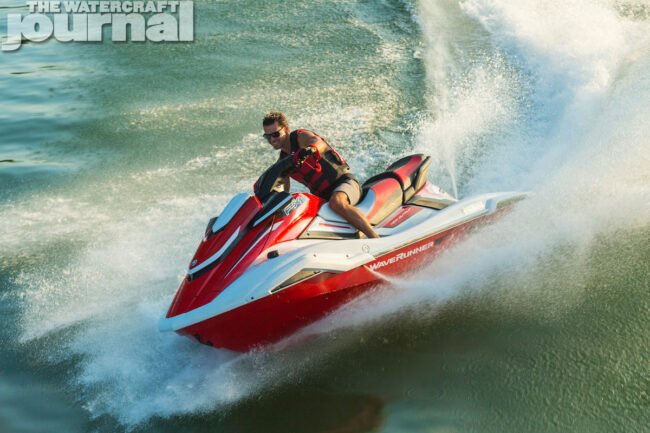
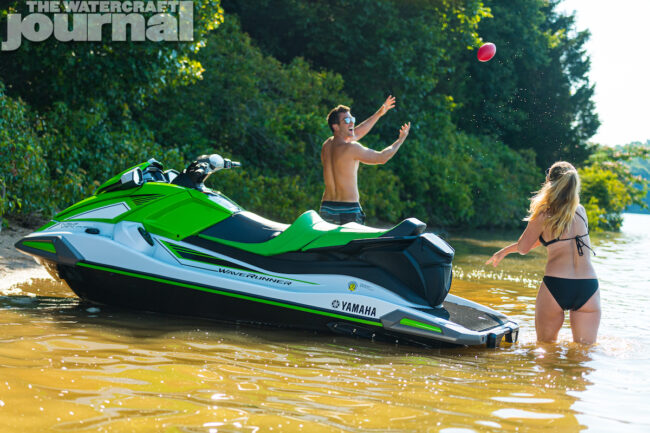
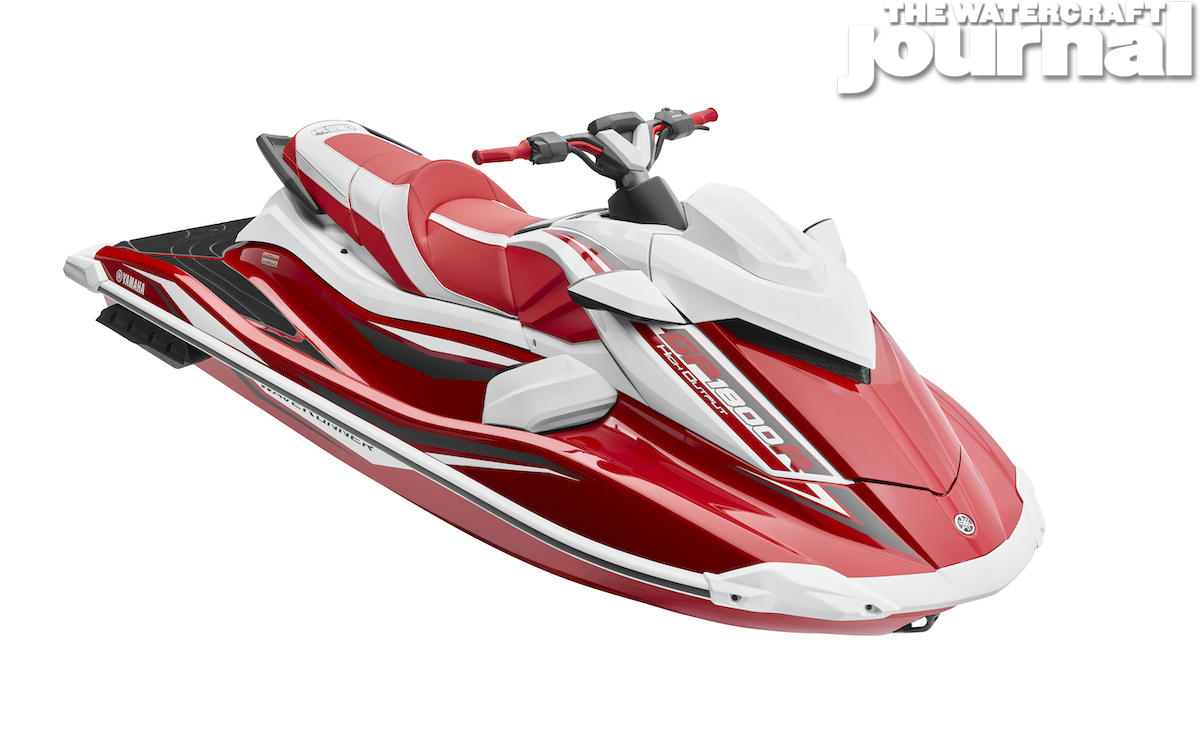
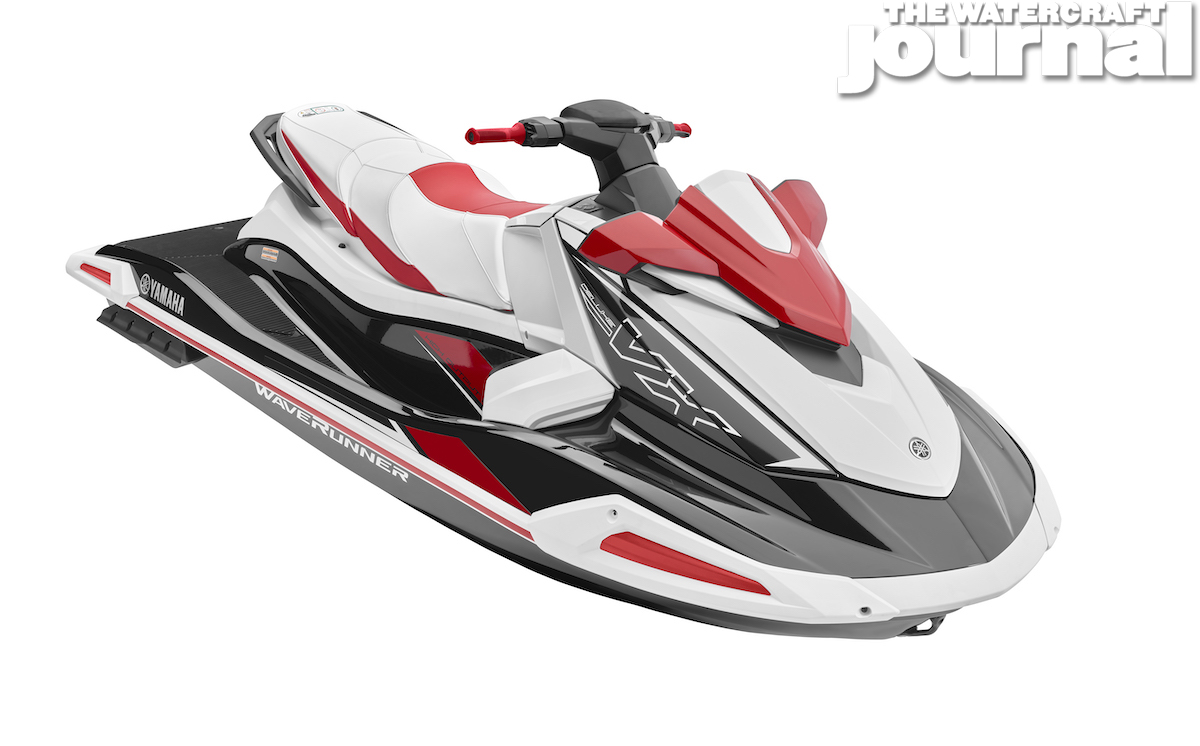
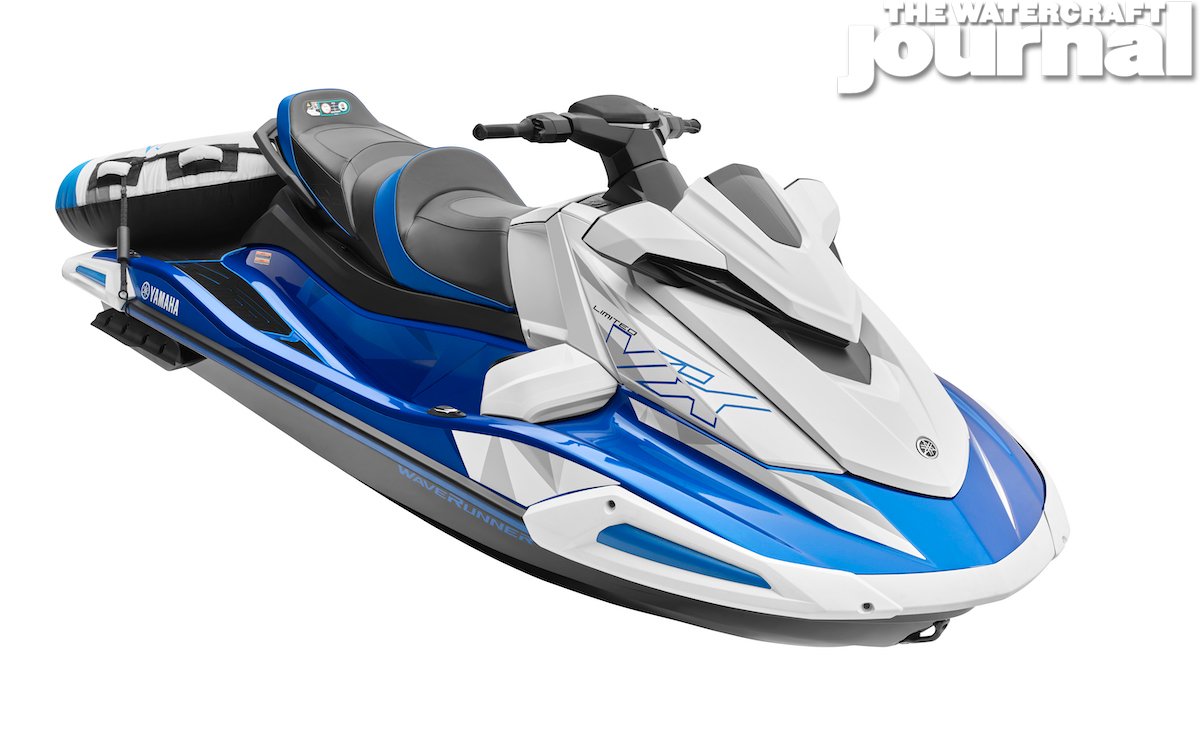
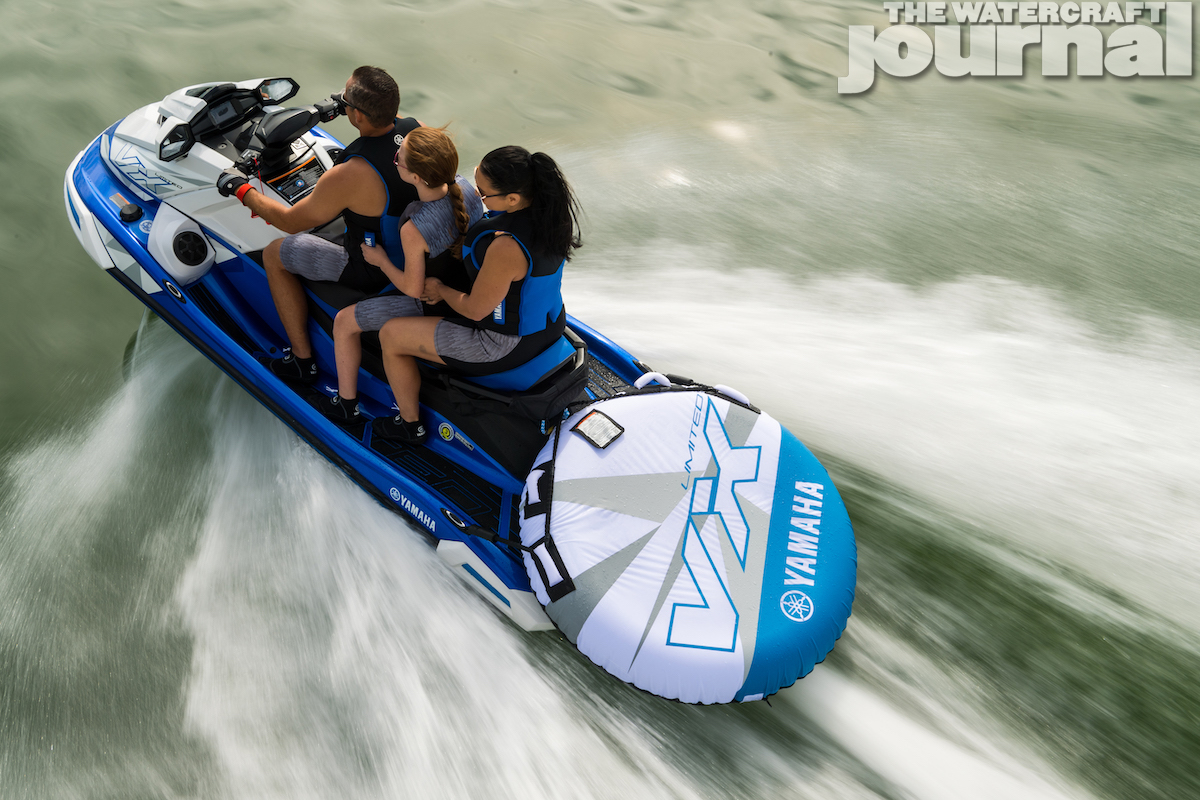
Above: In addition to an entirely new deck design, Yamaha unveils two fully-loaded Limited models, the 100HP TR-1 powered VX Limited and the 180HP VX Limited High Output.
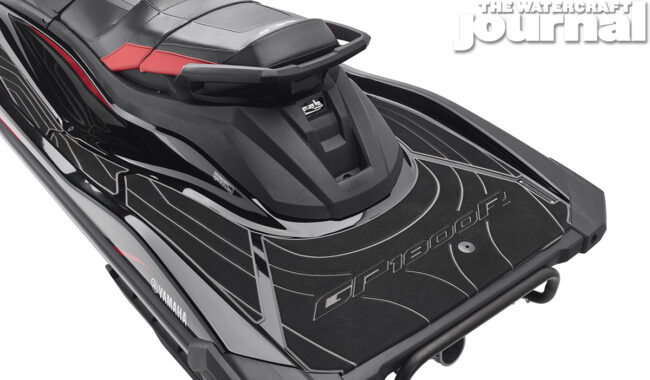
Particular focus was placed on Yamaha’s most popular segment – the VX Series – by including a swathe of top tier features and accessory options previously unavailable on models other than higher-end FX Series runabouts – as well as some design features learned on the Rec-Lite EX Series. This manifested as a redesigned deck which shares many of the aforementioned FX’s attributes. Deeper, wider, self-draining footwells, a wider rear swim platform and even a reshaped seat that radically improves rider comfort and ergonomics.
The reshaped saddle is 1.5-inches narrower and slightly tapered at the knees, allowing the driver better lower-body grip in cornering and comfort while cruising. To accomplish this new seat arrangement, the redesigned VX uses a black plastic secondary deck panel – similar to those first used on the EX WaveRunners – that also allow for greater engine access when removed. Passengers are also entreated with a resculpted rear seat and handrail as well.
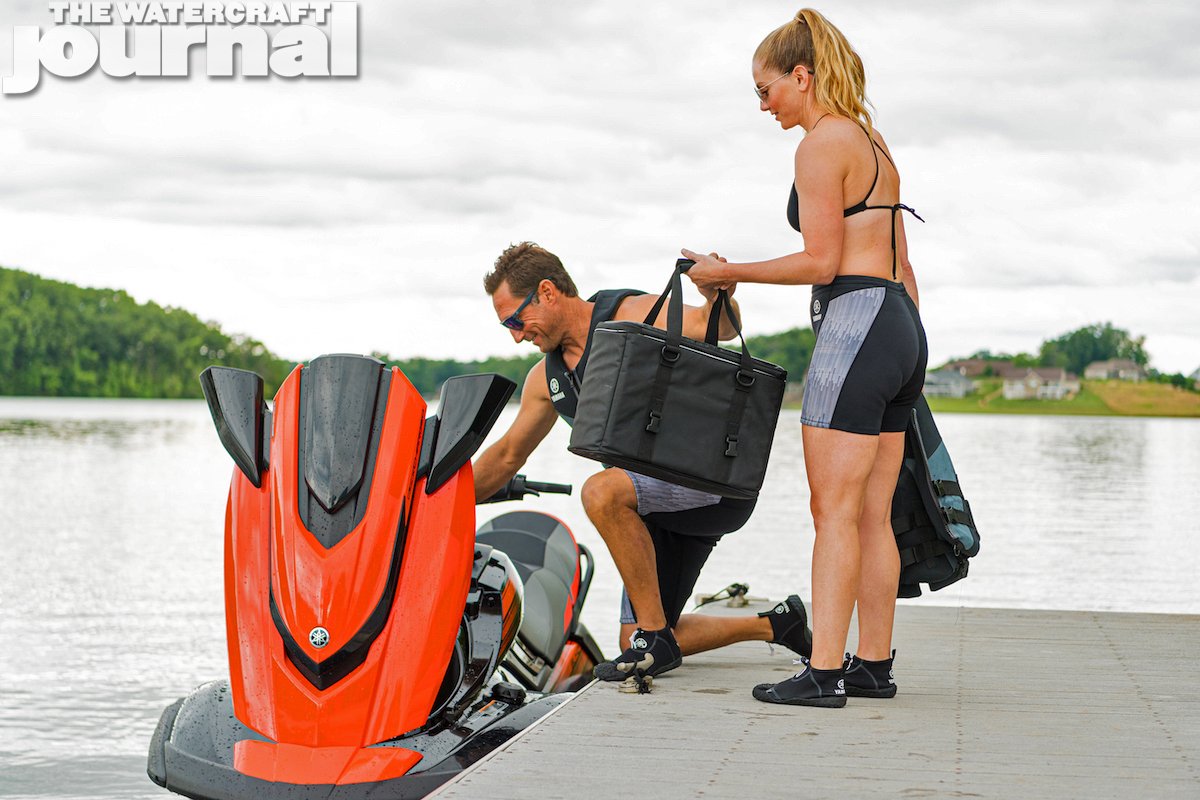
Above: Yamaha is rolling out a huge catalog of redesigned and returning accessories, including several soft-sided cargo bags and coolers.
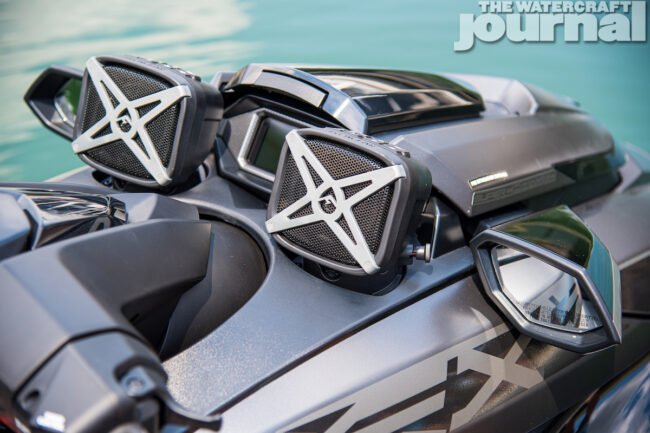
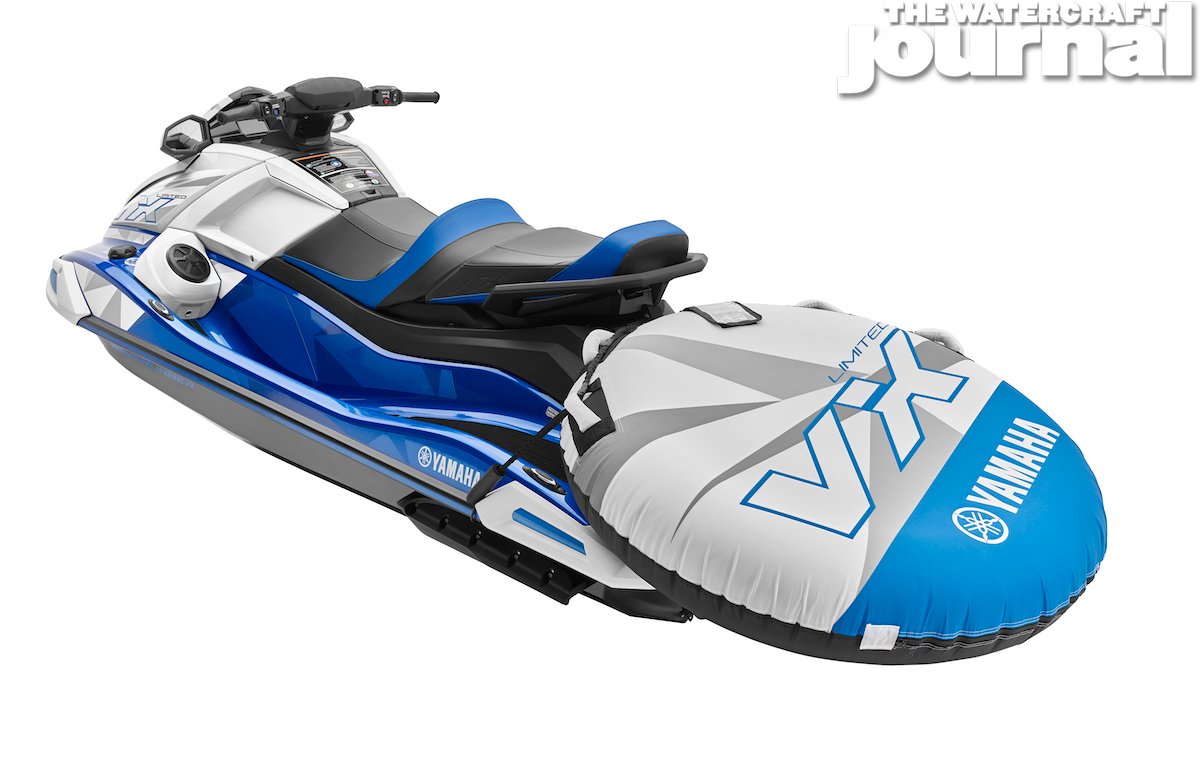
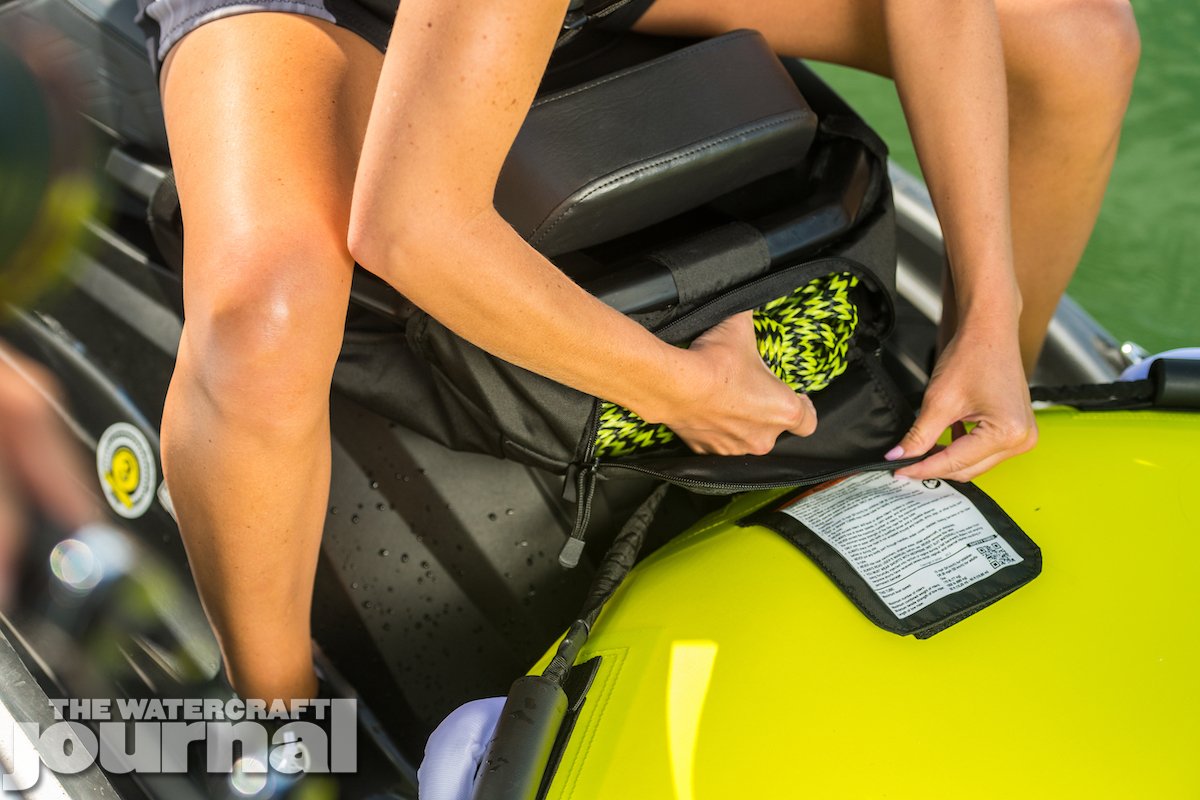
Above left: The VX Limited comes with a new “wet storage” rope storage bag that tucks up nicely below the redesigned rear passenger handle rail. Above right: The Limited models also come standard with Yamaha’s all-new factory-installed sound system pumping out 100-watts of sound!
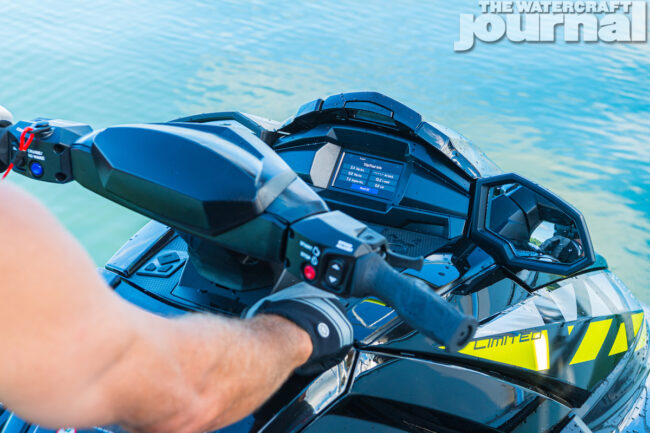
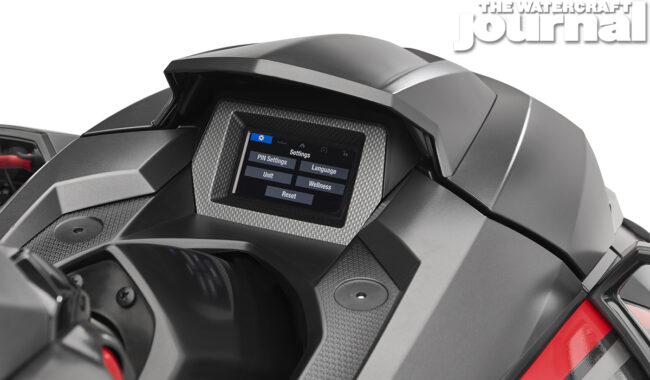
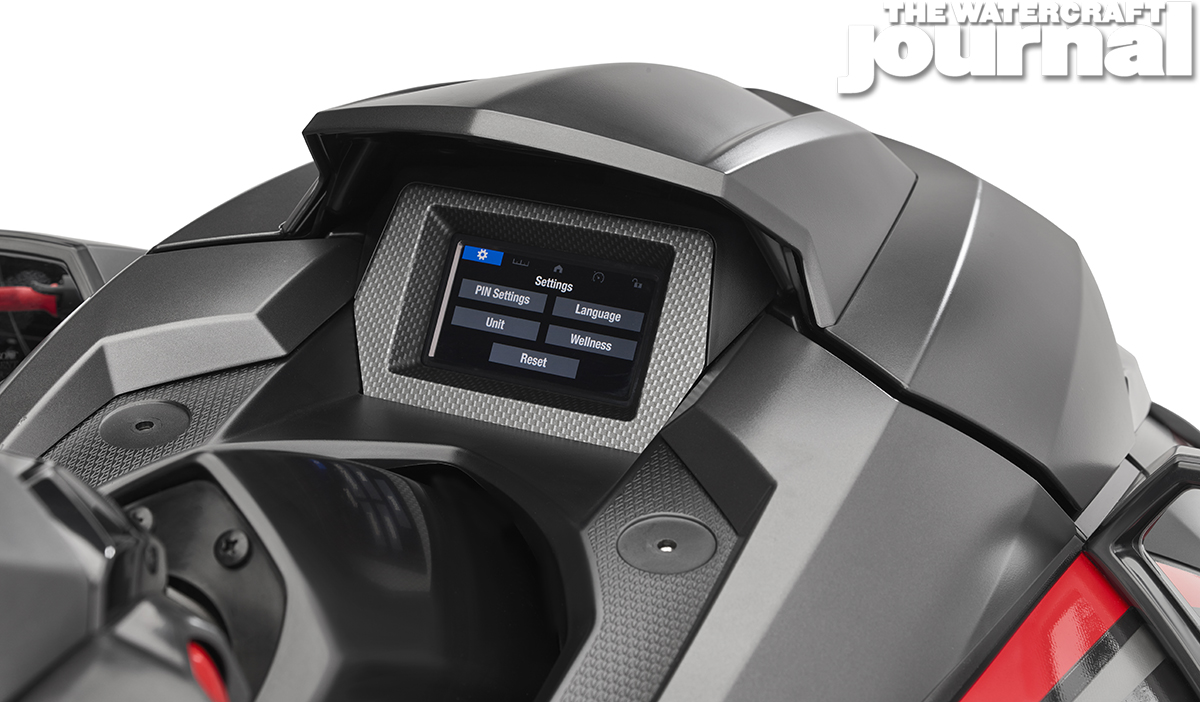
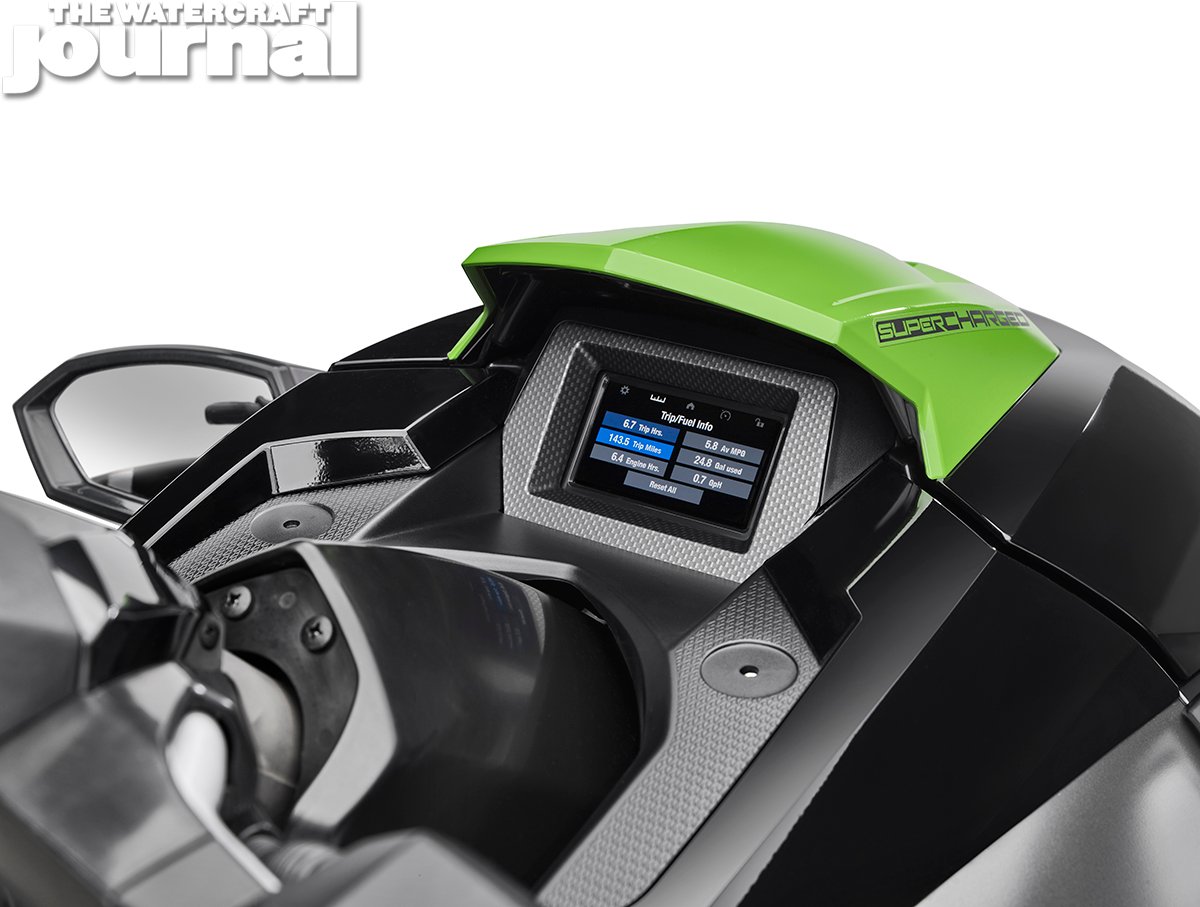
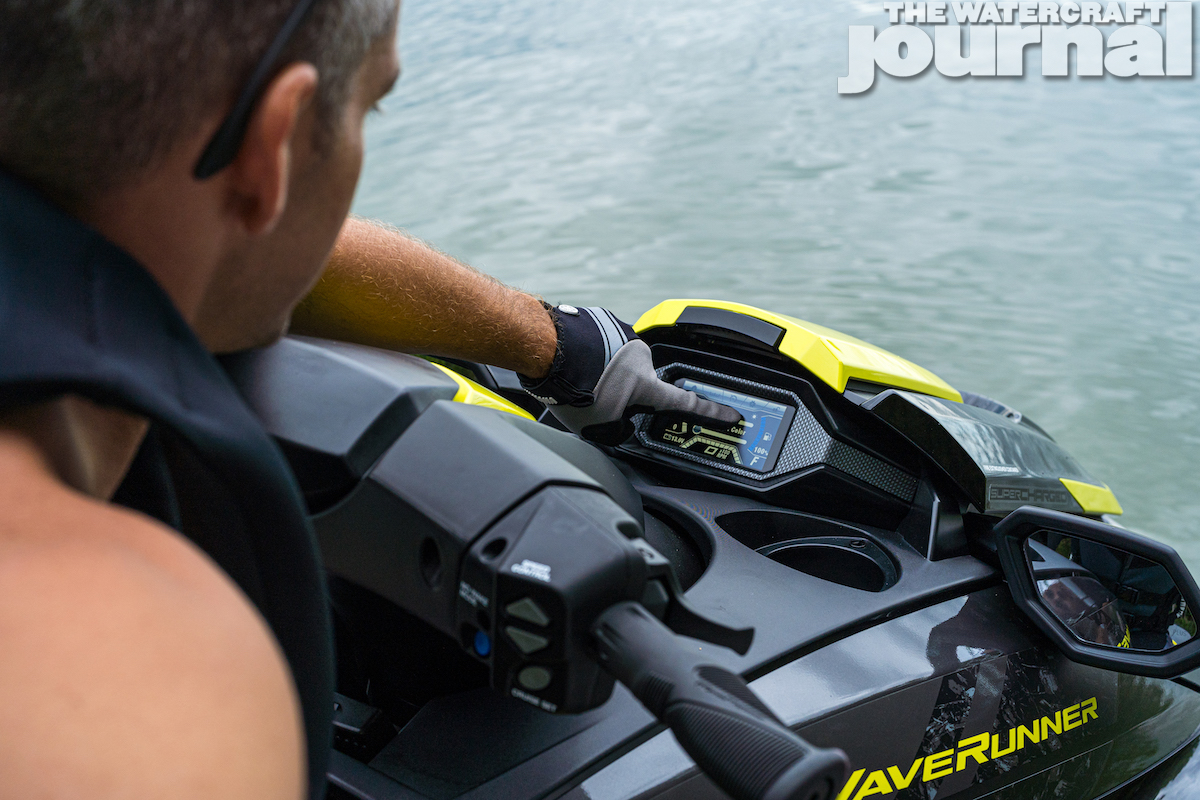
Drivers now enjoy the industry’s first full-color LCD “Helm Control” as well. The 4.3-inch screen operates Yamaha’s Connext software displaying fuel mileage and consumption rates, a PIN security code and even pre-setting a maximum speed – all controlled by a touchpad located beneath the steering on the right hand side.
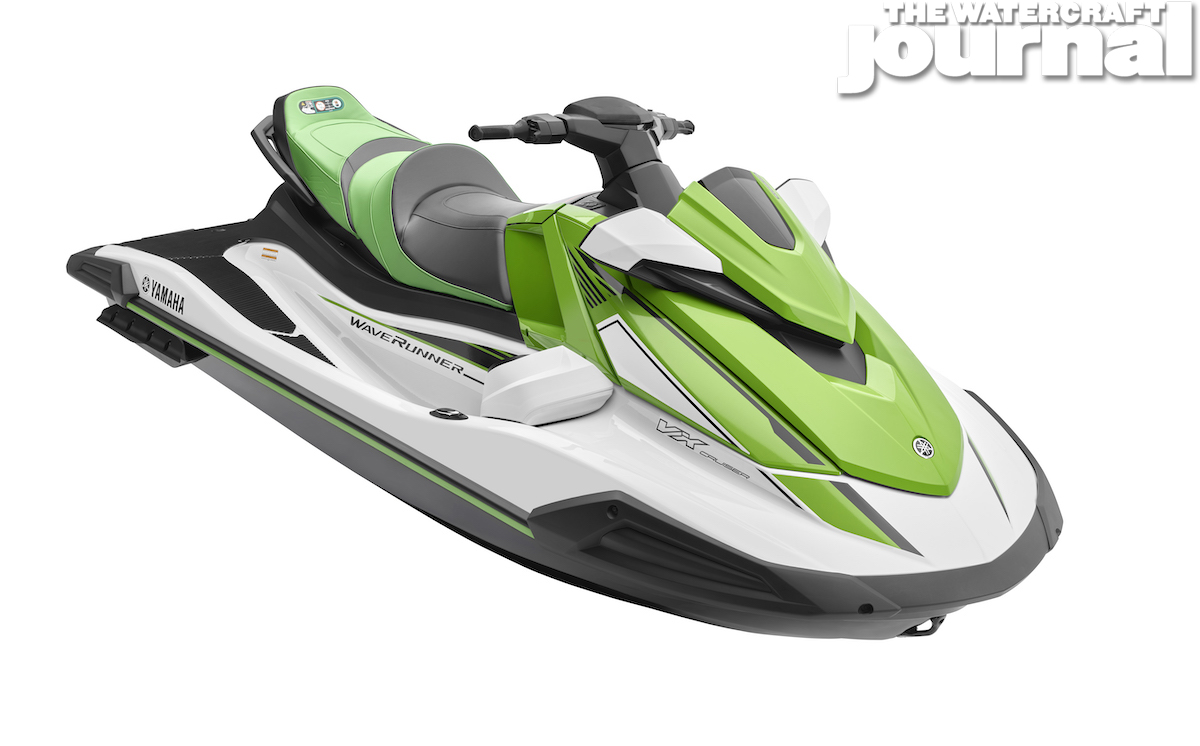
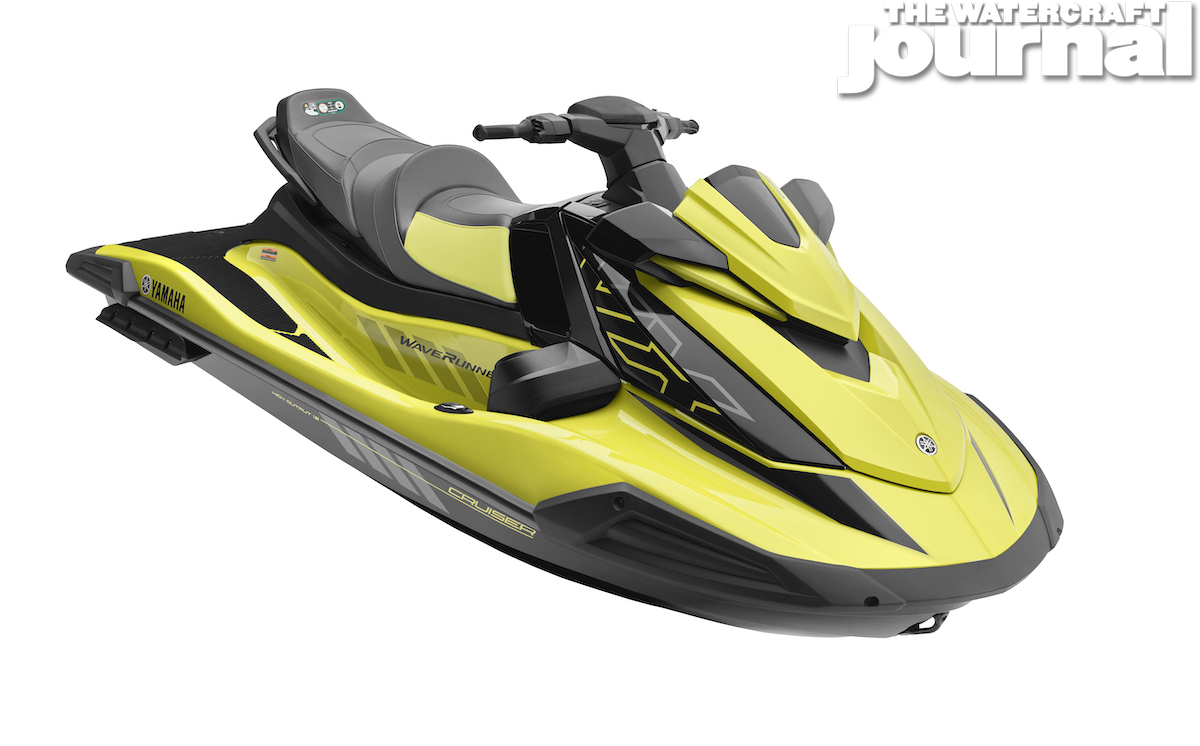
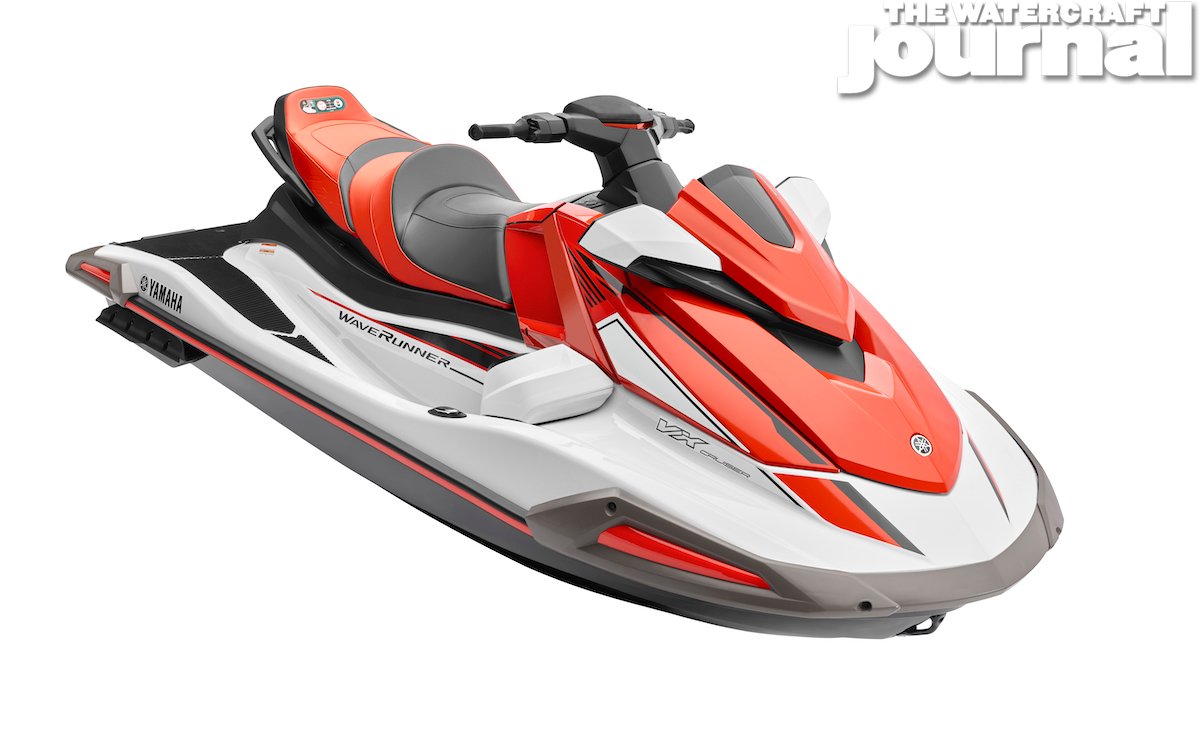
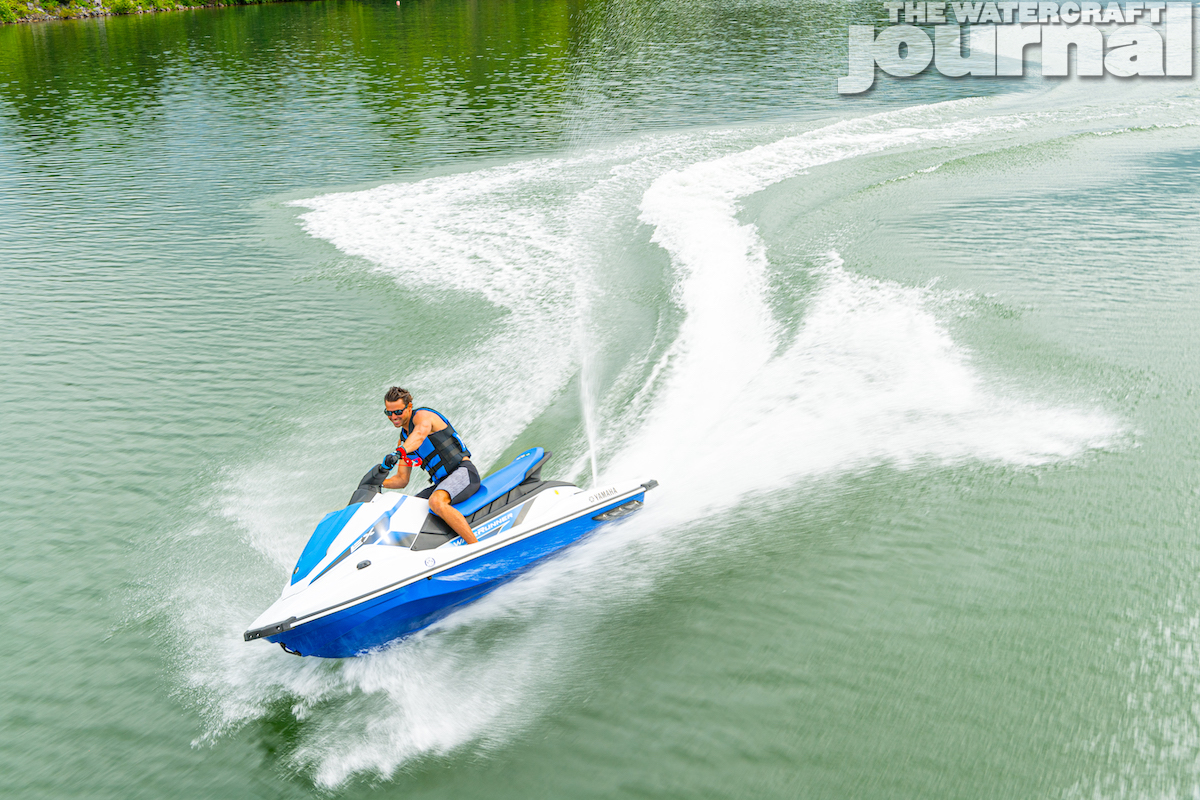
For those VX models equipped with either the 1,049cc TR-1 3-cylinder four-stroke (VX-C, MSRP $9,149) or the TR-1 High Output (VX, MSRP $10,049; VX Deluxe, MSRP $10,849; VX Cruiser, MSRP $11,149; VX Limited, MSRP $12,449) horsepower production is set at 100 and 110, respectively. For the two VX models equipped with the naturally-aspirated 180-horsepower, 1,812cc High Output Marine Engine – specifically the world’s best selling PWC 3-years running, the VX Cruiser HO (MSRP $12,049), or the new-for-2021 VX Limited HO (MSRP $13,549) – Connext can also adjust acceleration speeds from “normal” to “slow”.
Above: The new 4.3-inch Helm Control dashboard is a full color, glare-resistant LCD screen operated via a key pad fixed to the deck directly below the handlebars. Notice the 3-button sound system controls below the left-hand side of the handle bars.
Above left: The redesigned deck for the VX and GP models feature deeper, wider and self-draining footwells. Above right: 2021 marks the first year of factory-installed, hard-mounted speakers. The cases are either black or white, and color-matched to the deck of each unit.
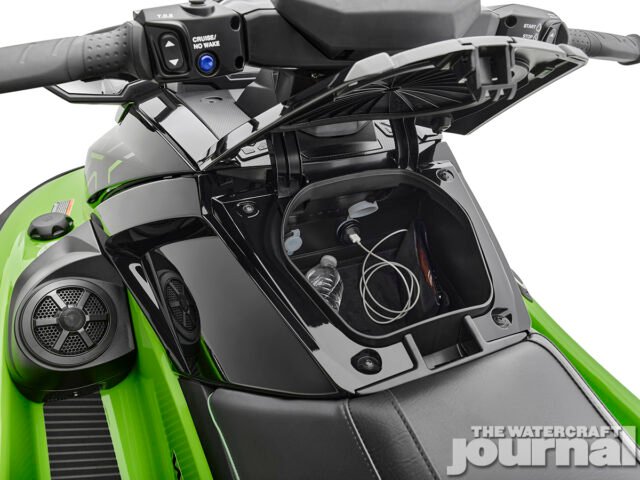
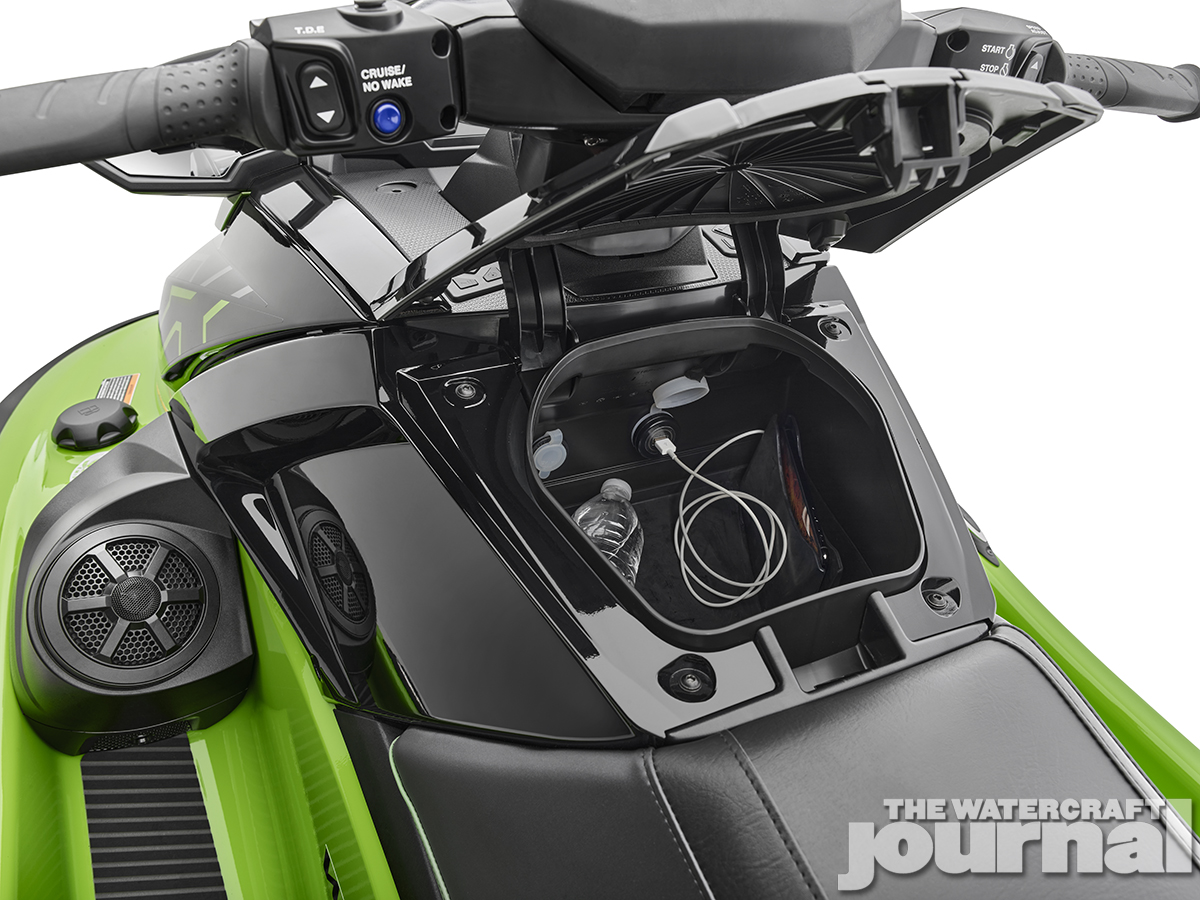
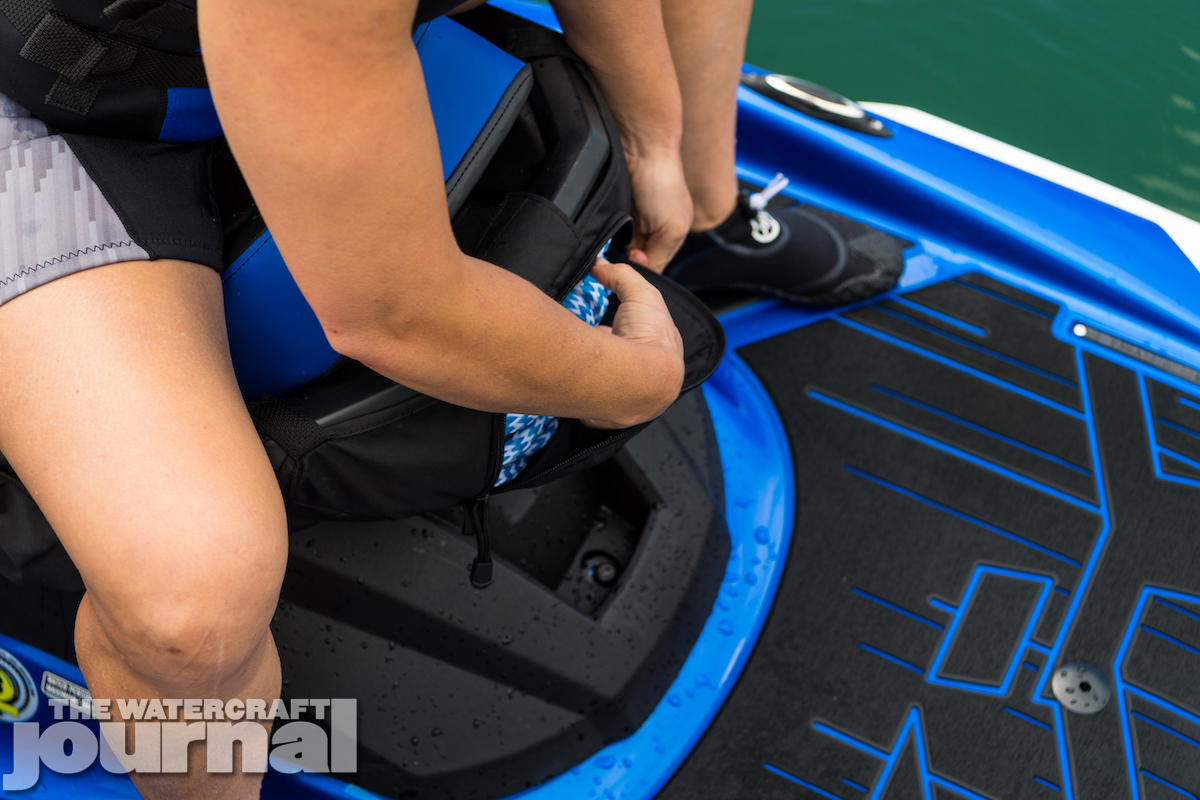
With the deck’s redesign also comes an all-new glovebox. Not only is it the largest glovebox ever offered for the VX Series, it’s also watertight and lit with blue LED lighting coming from a USB and a 12v power outlet as standard equipment (except for the base model VX and VX-C). Base storage is also up with a wider bow compartment for easier access; a more durable, high strength hinge and dampener; and a snap-top, water-resistant box found beneath the rear seat.
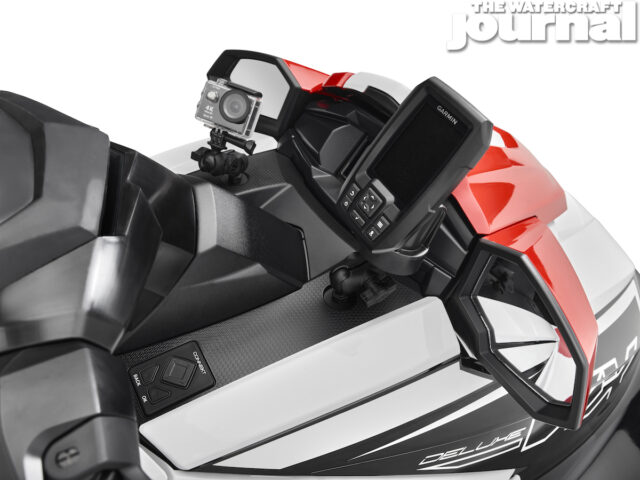
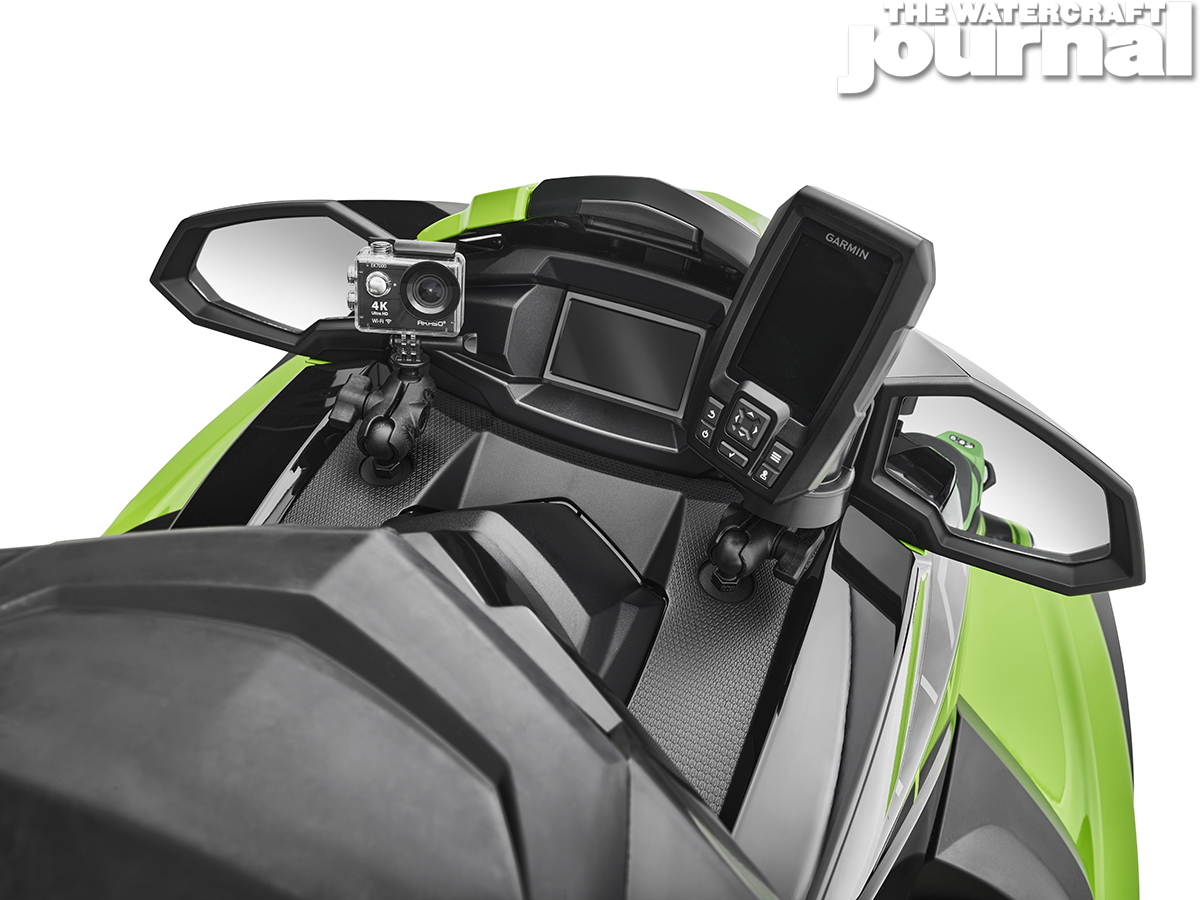
Further features on the redesigned VX Series include the addition of the multi-mount accessory system; simply screw in a RAM ball-mount and you can attach any number of items, like a GPS, action camera, etc. Yet, one unique option for the VX Series (except for the base model VX and VX-C) is the availability of a factory-installed marine audio system (an $800 option); comprised of twin 4.5-inch waterproof marine speakers, an integrated 2-channel (50 watts per channel) amplifier, and a low-voltage regulator to protect the battery; all of which is operated by an easy access control pad below the handle bars on the left hand side.
Above left: The redesigned deck also includes the largest (and widest) glovebox offered for the VX. Look inside and you’ll see both a USB port and a 12v socket that glow blue with LED lighting. Above right: All VX models also include ports for RAM ball-mounts.
Above: Here’s a better look at the Connext control pad (below the handlebars) as well as the accessory RAM mount ports. These allow for a wide variety of accessorizing.
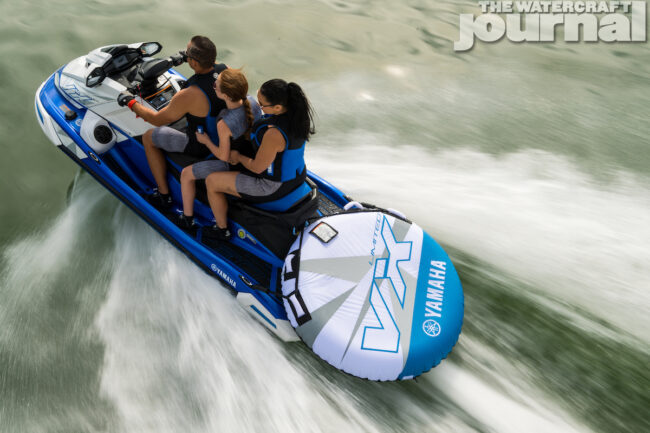
Now, if you’re looking to have it all, the new VX Limited HO comes with the factory-installed integrated speaker system, as well as the rest of the now-famous Limited package, including a single-rider tube, tube inflator, tube holder, tow rope, tow rope bag, custom cover with glove box access and two fenders. Of course, if you’re wanting all of that without the extra 70-horsepower, the TR-1 powered VX Limited WaveRunner returns for 2021, as well as the VX Cruiser, VX Deluxe, VX, and VX-C.
To those unacquainted, the VX models share the same hull and deck molds as the performance-bred GP series, meaning the two series share similar handling and cornering characteristics. The differences between the two are in their material construction. The base model VX-C and VX are cast in traditional SMC fiberglass, as the remainder of the VX Series are molded in Yamaha’s proprietary NanoXcel clay, providing a thinner, yet equally as durable molecular bond, which dramatically shaves weight.
Above left: The front storage of the new VX models is equally huge, as well as stepped to allow for Yamaha’s soft-sided cooler (similar to the FX models). Above right: The VX retains its same hull, which is the same used on the race-course dominating GP1800R models.
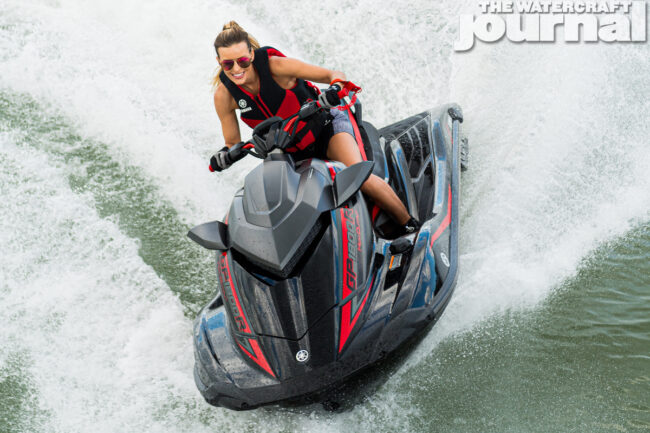
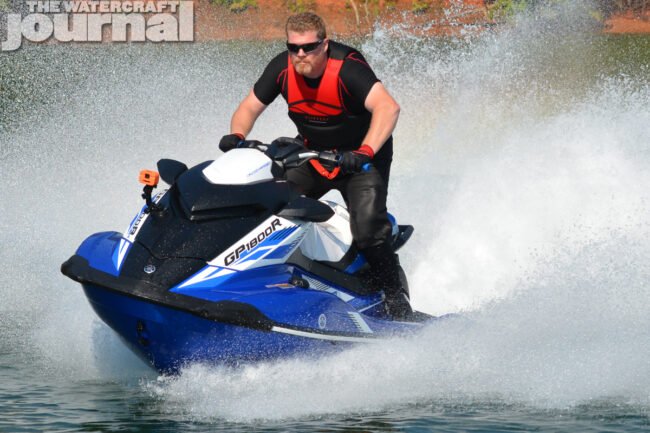
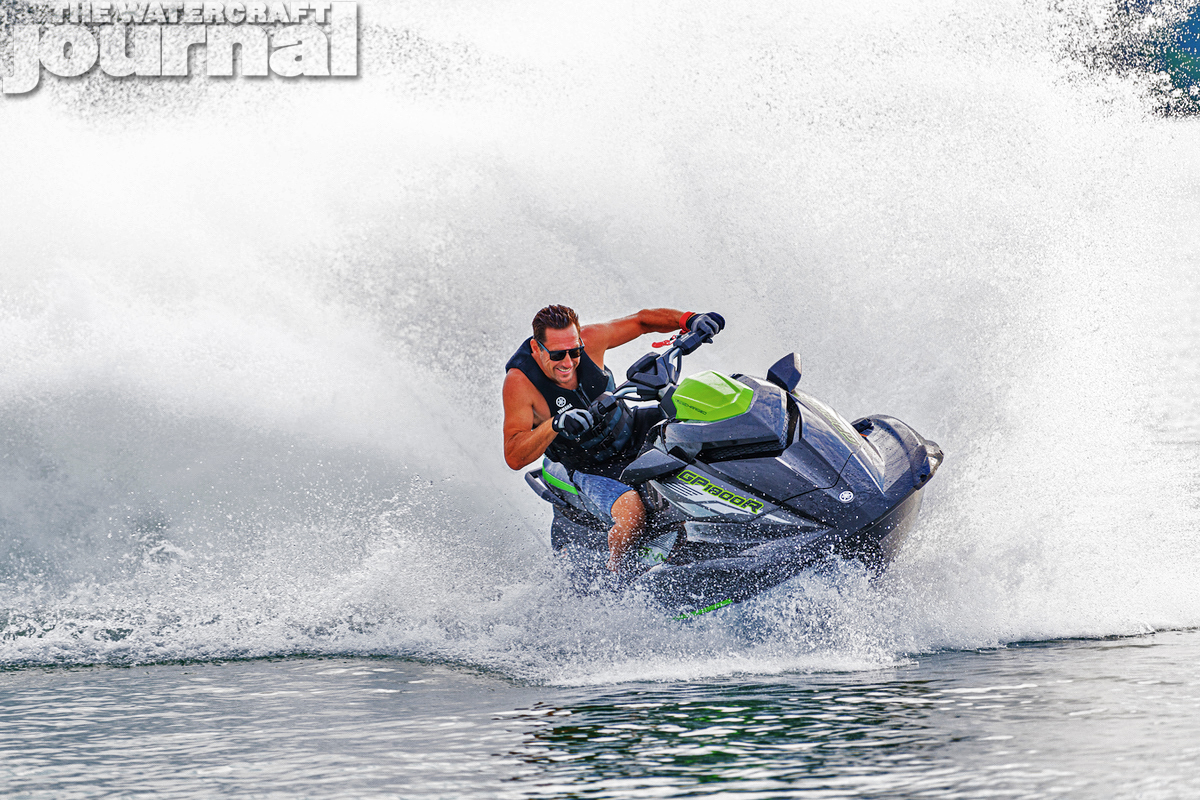
Above: The Watercraft Journal was invited to test ride the new GP1800R SVHO before any other PWC magazine in the world. The acceleration, mid-range pull and mid-corner throttle of the new GP has been greatly improved thanks to several changes made to the craft’s hookup and cavitation mitigation.
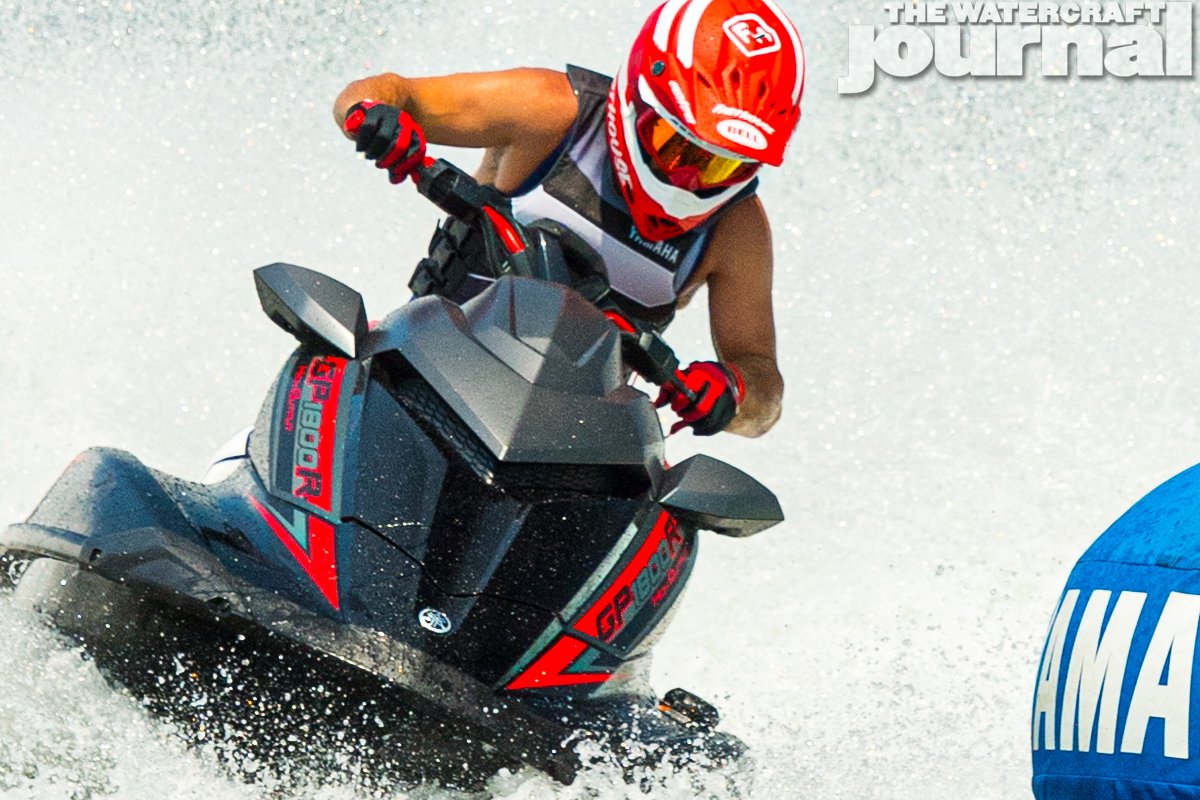
For the race-ready GP1800R SVHO (MSRP $14,749) and HO (MSRP $12,549) models, Yamaha employs its NanoXcel2 material. Shaving off an impressive 18-percent more weight from its NanoXcel predecessor, NanoXcel2 is also 100-percent repairable without the use of special tools or materials too, and results in an automotive-grade Class A smooth, high-quality paintable surface. This lends itself to Yamaha’s excellent power-to-weight ratio, and is directly attributable to the GP1800R being the weapon-of-choice of more racers and professional athletes than any other personal watercraft today.
For 2021, Yamaha’s engineers have remastered its almost superhuman GP1800R musclecraft by improving on weight distribution, acceleration and cornering. Beginning with the redesigned deck, Yamaha’s GP Series WaveRunners benefit greatly from improved ergonomics. A narrow, racy seat profile and deeper, wider self-draining footwells add towards superior rider posture and knee-placement. Add to that an all-new pistol grip-mounted, tilt-adjustable handlebars, and racers and performance enthusiasts alike are going to flip.
Above left: The naturally-aspirated GP1800R HO returns as well, gaining the redesigned intake grate and improved mid-ship balance via the retracted fuel tank.
Above left: Those intimately familiar with the prior GP1800R SVHO models will immediately recognize the dramatic performance gains in the 2021 model. Initial cavitation is almost nonexistent, and the GP’s balanced inside lean through a hairpin is all-the-more predictable. Above right: Yamaha has also introduced an industry-first, “Cornering Control” which automatically trims the nose down to “load” the hull’s surface tension prior to accelerating out of the apex of a corner.
More impressive is the introduction of Launch Control and the industry’s first Auto Trim system, exclusive to the GP’s. Known as “Cornering Control,” the Auto Trim feature operates separately from the electric trim system on the handlebars. It automatically trims the bow down when decelerating for a tight corner, and trims back up to plane when accelerating out of the apex. Similarly, Launch Control toggles the trim down and gradually rises back up to the preset when accelerating quickly from a stop or idle speed.
On top of this, Yamaha has developed an all-new top loader intake grate to reduce cavitation, as well as upgraded the jet pump transom that stabilizes the water flow through the jet pump. Gone is the abrupt 155mm step in the aluminum transom; instead, it’s a true 160mm that flows into the two-piece pump with a 160mm liner and impeller, and a tapered stator with a 155mm inlet and larger 160mm exit.
Above left: With the redesign comes some niceties as well. All GPs are equipped with a wide folding swim step that butts up to a far wider swim platform. The upper deck includes a molded-in reboarding handle as well. Above right: The new dashboard is easy to read – even at speed – and is easily navigated through the Helm Control pad.
Yet, one of the biggest changes to the GP1800R is one that will likely go the least noticed by the masses: Yamaha’s engineers redesigned the inner hull liner, moving the 18.5-gallon fuel tank 80mm (3.15-inches) aft, and half-an-inch lower in the hull. This move strategically optimizes the GP’s center of gravity, dramatically increasing the craft’s handling prowess and overall agility.
No literally, guys. The difference between the 2021 and previous GP’s is night and day. Top speed hasn’t changed, but getting there is a whole different experience. Out of the hole acceleration, the mid-range pull into the boost and continual hookup has made the 2021 GP1800R a whole new machine.
Above:Although not advertised, two changes were made to the GP’s powertrain; a redesigned supercharger clutch that includes more teeth (27 vs. 24) and a larger diameter. This means greater engagement at all revolutions. Additionally, the transom plate has been machined wider, from 155mm to 160mm, permitting a more stable flow of water into the pump.
Above left: Although the exact same size inside, the opening for the GP’s glove box is a little tighter. And you’re going to have to check the option box for the USB port and 12v socket that comes standard on the VX models. Above right: And no, your eyes don’t deceive you. The GP models come with tilt steering.
Above the bondline, the new GP’s enjoy the same 15-percent increase in overall storage, with a bigger glovebox, multi-mount accessory system and the full-color Connext Helm Control (with the control pad below the handle bars on the right) as the other VX models. Equally, both the SVHO and HO can be set to limit the top speed and acceleration from normal to slow. Lastly, the GP’s can also be ordered with the factory-installed, custom integrated marine audio system.
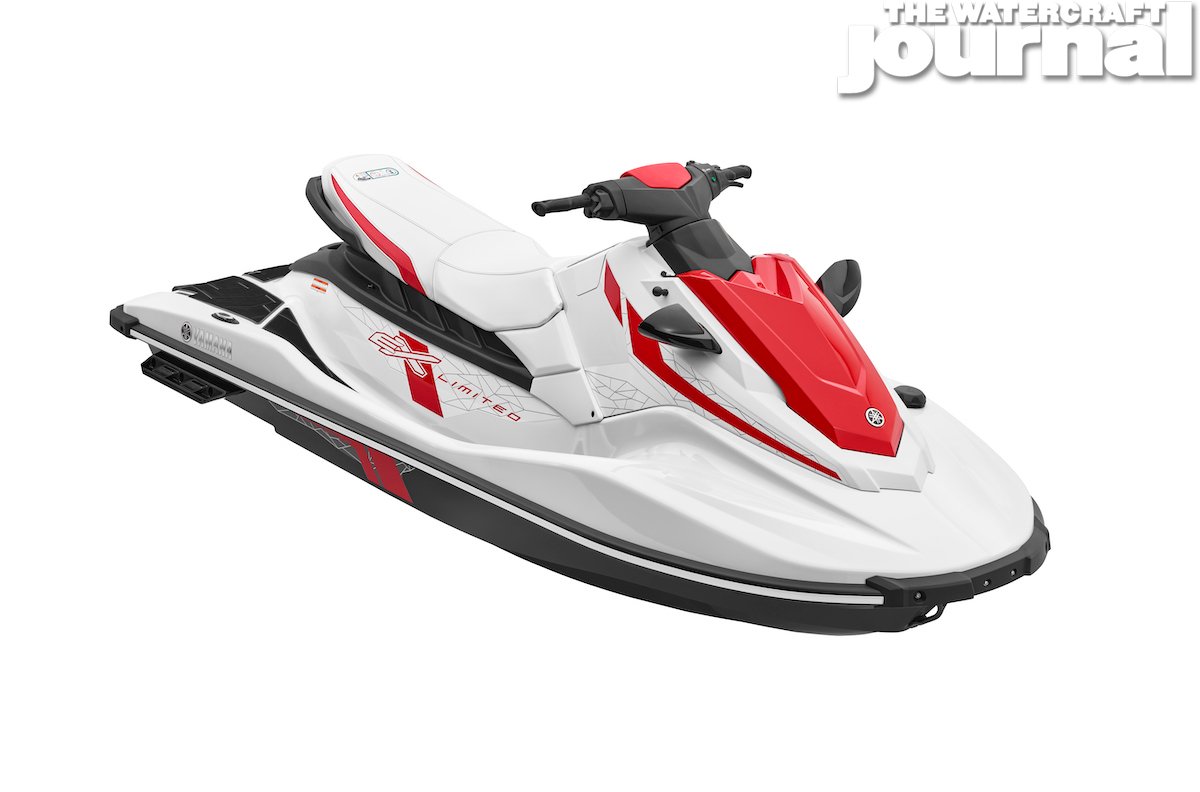
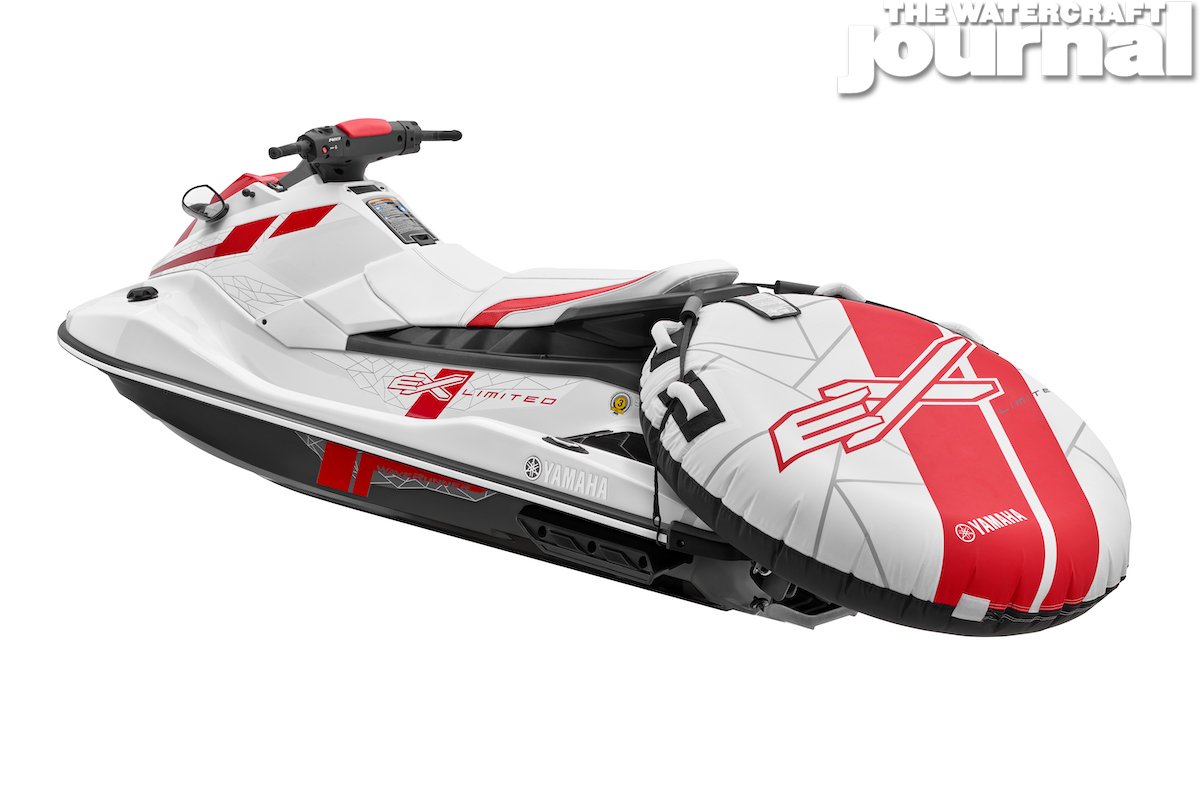
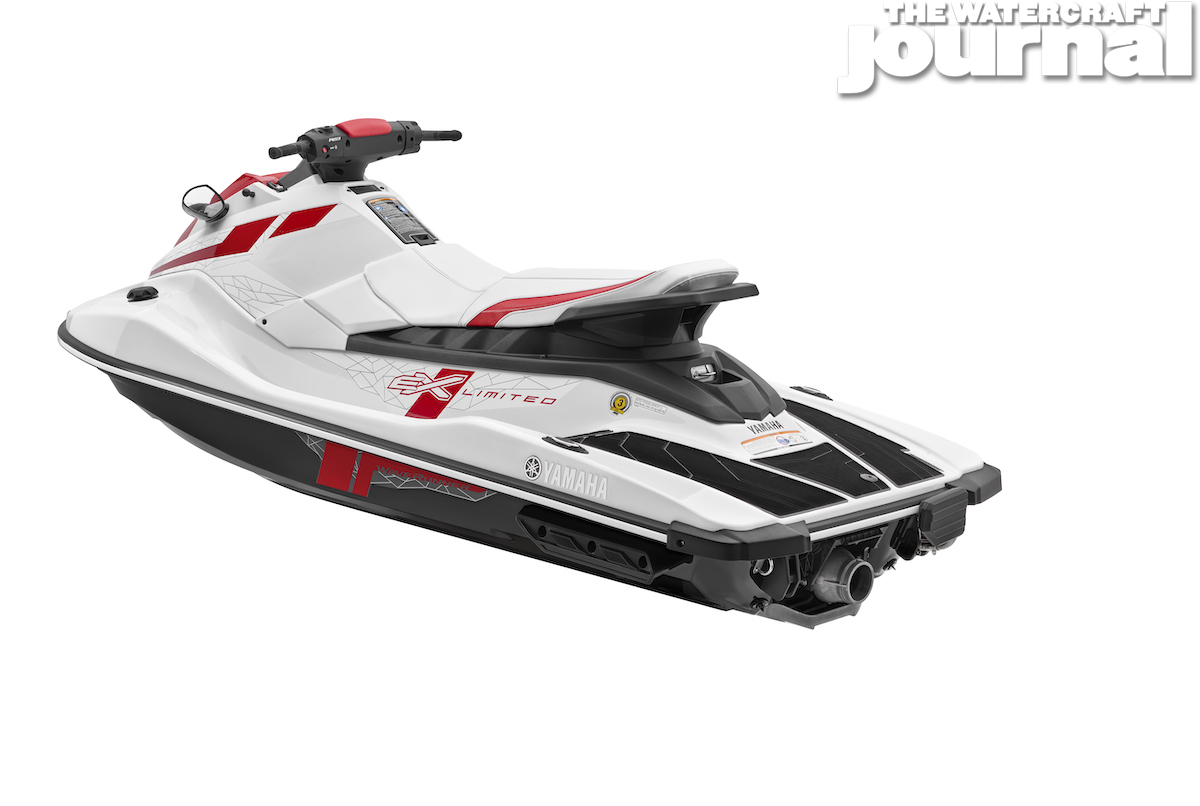
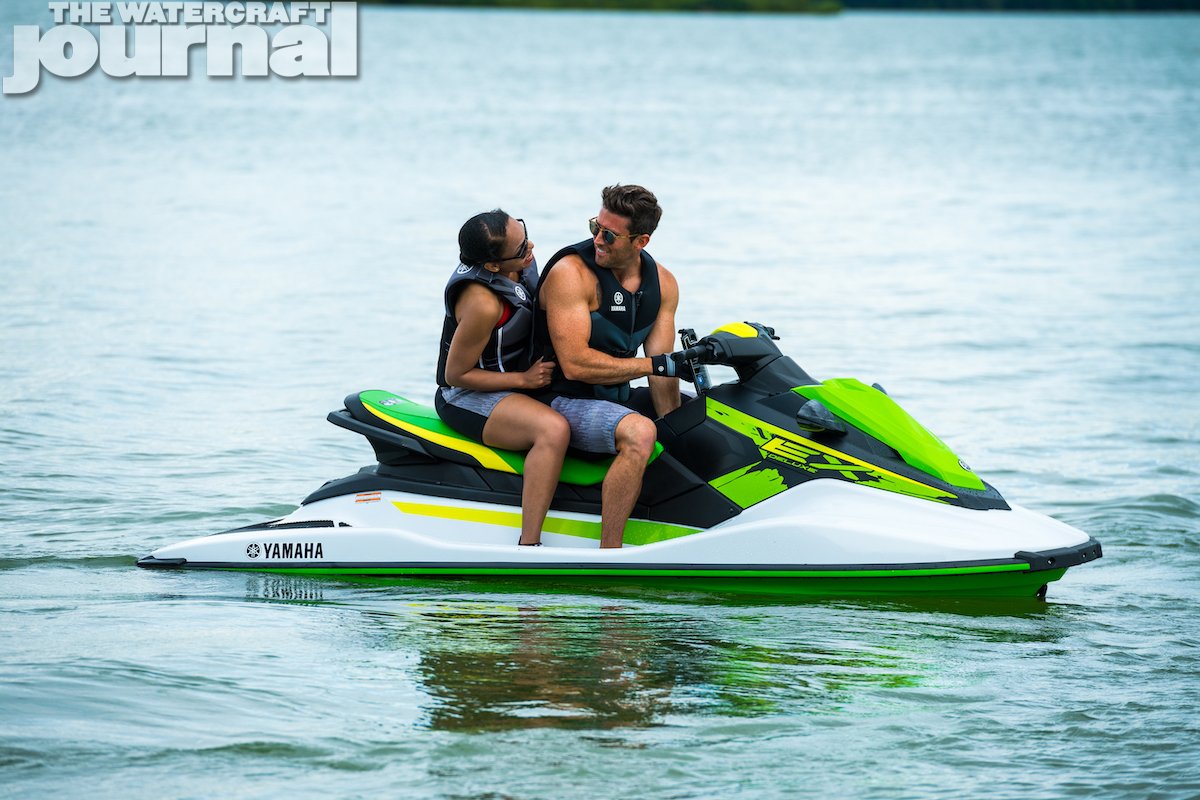
Minor changes to the EX Series come in 2021 in the form of a new, fully-optioned EX Limited (MSRP $9,599). The Limited comes with a king’s ransom of accessories, including two waterproof wireless EcoXgear Bluetooth Speakers, a single-rider tube, tube inflator, tube holder, tow rope, tow rope bag, fixed bow-mounted dry storage, 12V outlet, custom cover with glove box access and two fenders. Additionally, only the EX Limited employs new redesigned sponsons for increased dynamic stability.
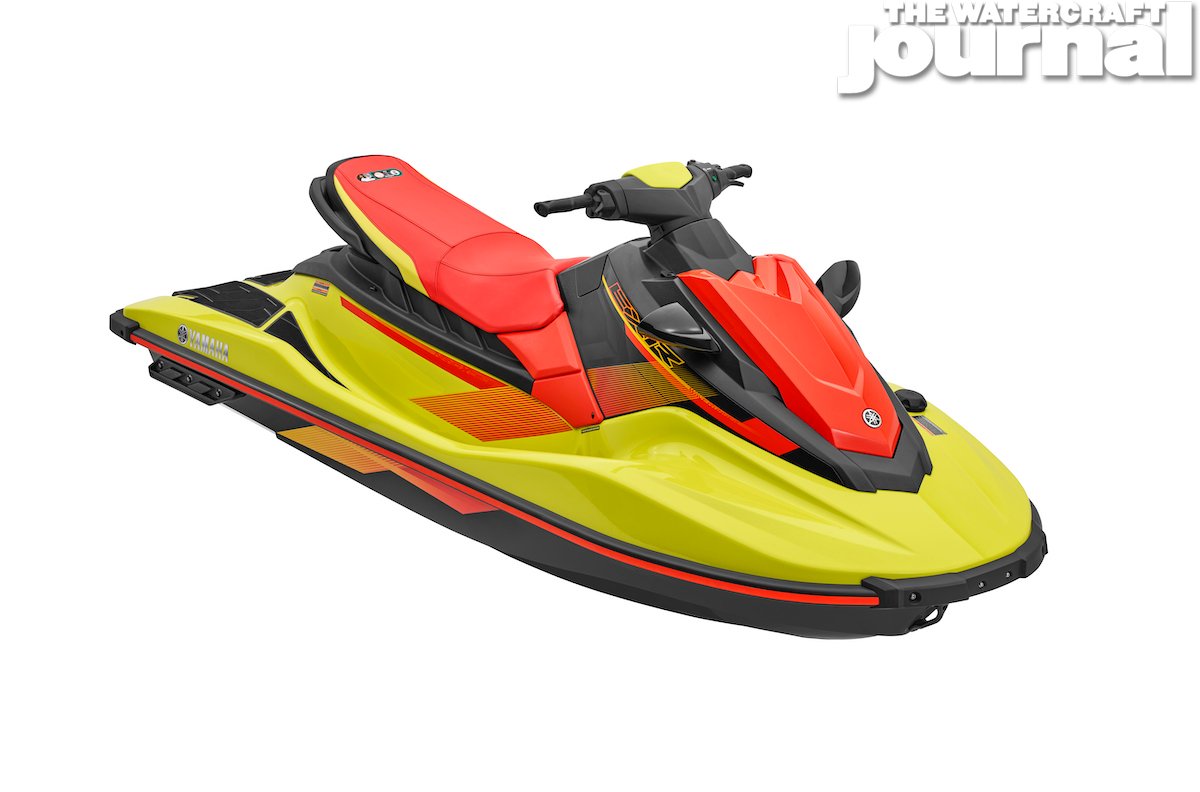
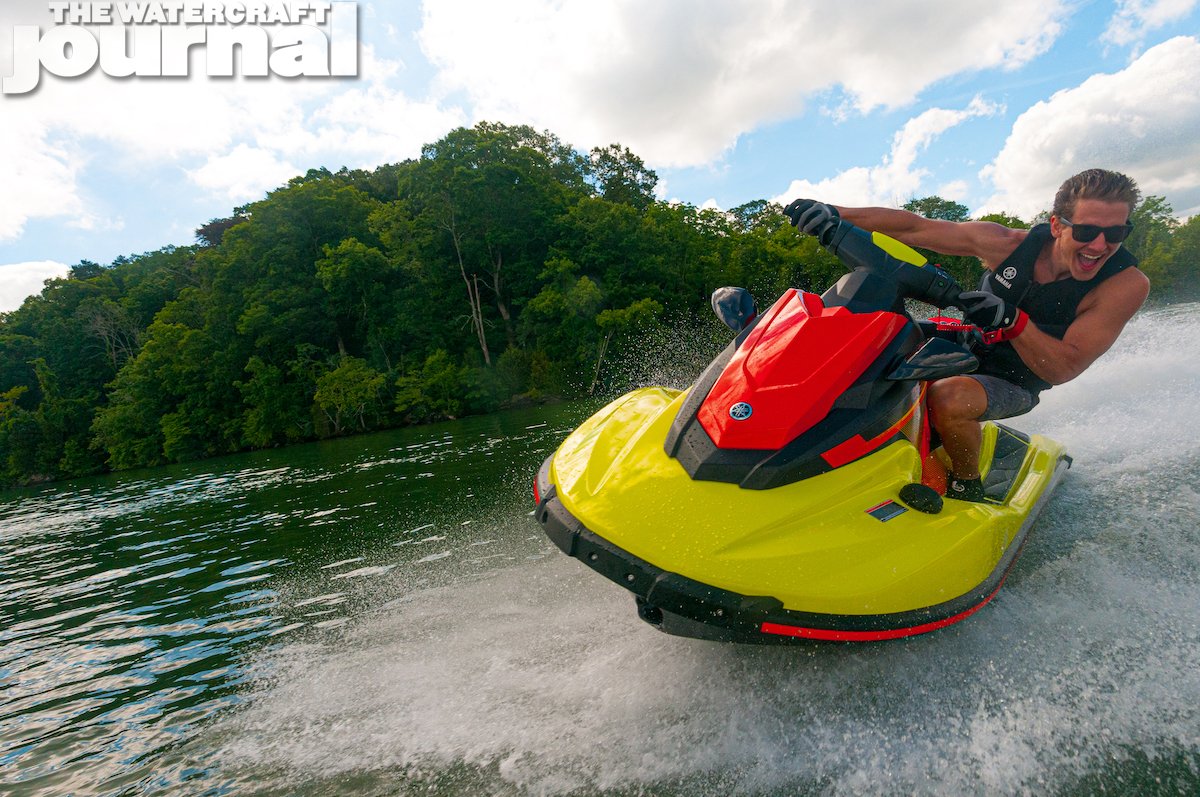
Above: The 110-horsepower EXR returns in an eye-scorching red-and-yellow livery, and remains as fun as ever. (Seriously, it’s so stinkin’ fun to ride.)
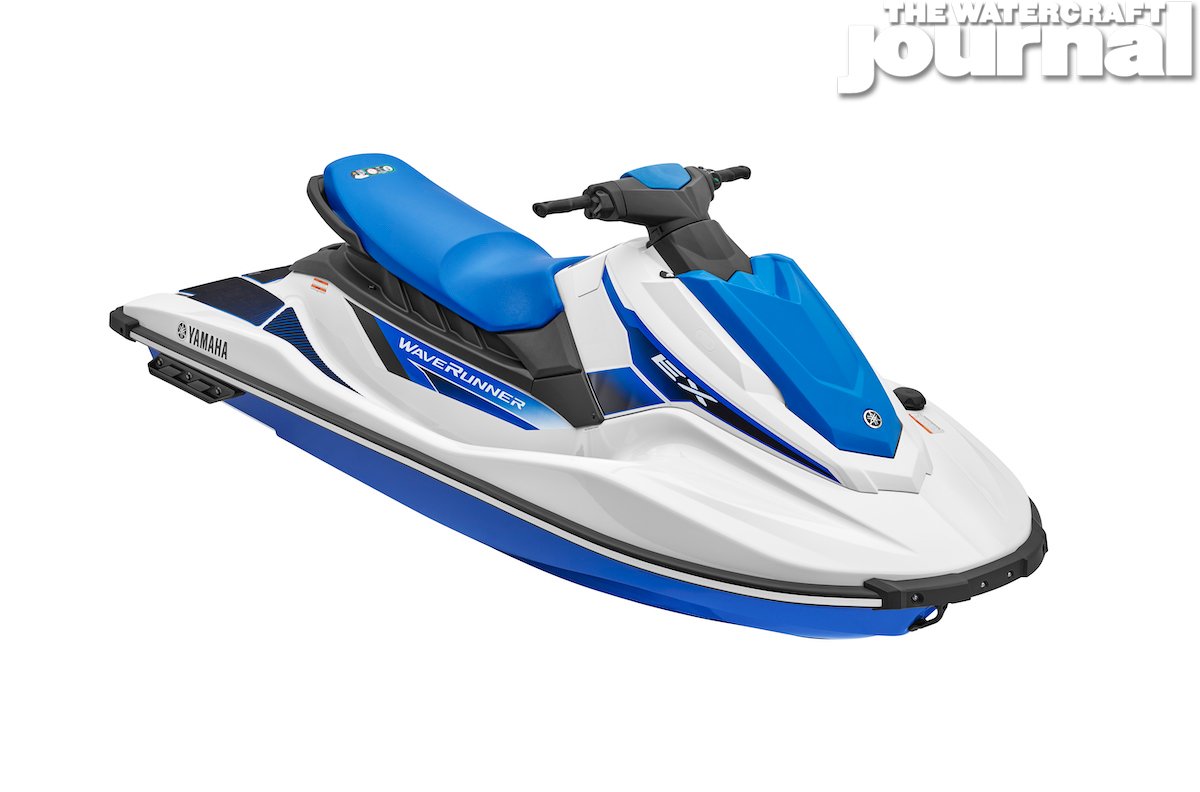
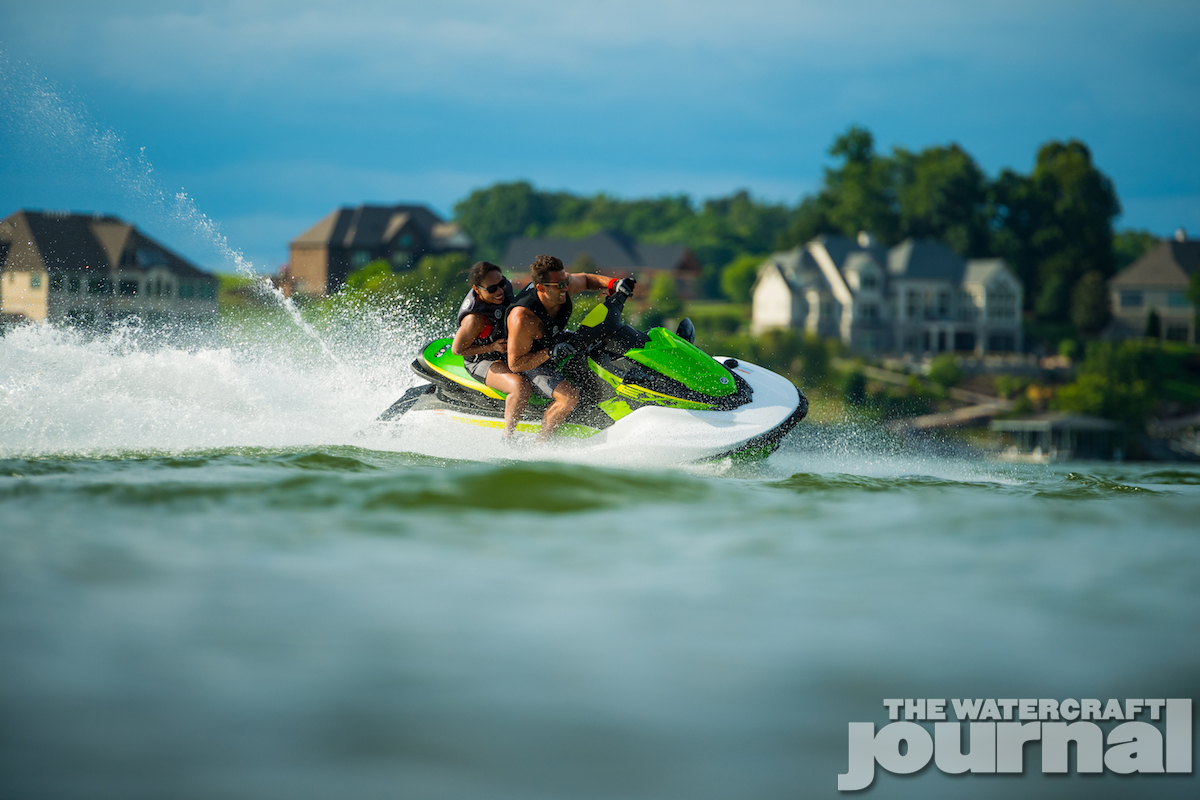
Above left: The EX Series of Rec-Lite runabouts feature some of the most vibrant colors and retro-styled graphics we’ve seen Yamaha ever use. Above right: The EX Series adds another entry: the EX Limited. In addition to the towable, rope, bumpers, chrome emblems, and a 12v port; the Limited also includes a very cool hard-mounted dry bag in the bow.
The remainder of the EX Series, including the EX (MSRP $6,999), EX Sport (MSRP $7,999) and EX Deluxe (MSRP 8,999) return, as well as the funnest PWC in Yamaha’s roster (at least in our view), the 110-horsepower EXR (MSRP $9,499). All other EX models, including the EX Limited, are equipped with the standard 1049cc TR-1 producing 100-horsepower. Likewise, all EX models are made using traditional fiberglass, while the EXR shaves off 70-pounds by using Yamaha’s featherweight NanoXcel2 material mentioned earlier.
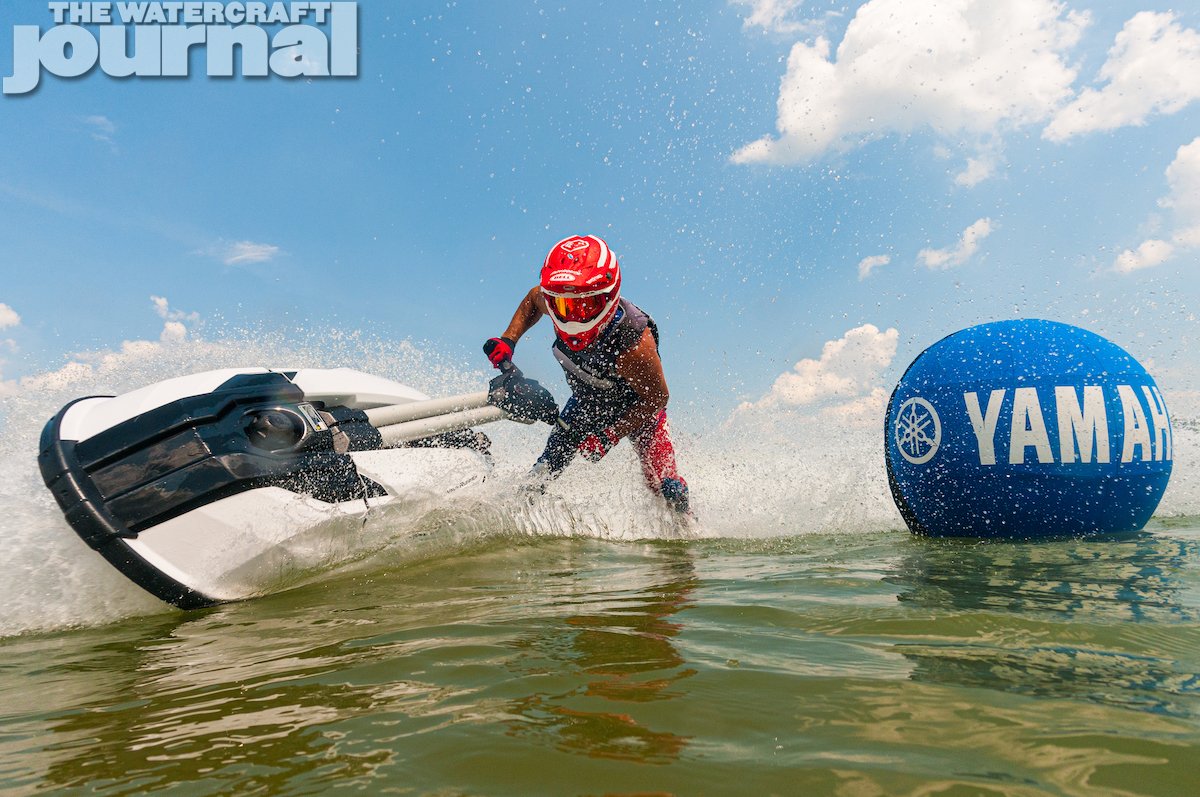
And, in what might be the industry’s most anticipated reveal, is the introduction of the 2021 TR-1 powered SuperJet (MSRP 9,499). Rolling out 30 years since the first SuperJet, the 2021 4-stroke was designed specifically to retain the exhilarating experience of riding a lightweight, nimble standup, while being 50-state legal and not requiring a racing license to purchase.
Above: What could be the most anticipated WaveRunner to come from Yamaha in recent years, the entirely redesigned, 4-stroke SuperJet is powered by the same 100-horsepower TR-1 3-cylinder and 2-piece 144mm jet pump found in the EX Series. And yes, you can truly leg drag it.
Above left: While 69-pounds heavier than the outgoing 2-stroke, the 2021 SuperJet dips the scales at 409-pounds (375lbs. dry weight) – a staggering 142-pounds less than it’s closest competition. Above right: While certainly no Scott Watkins or Clay Cullen, The Watercraft Journal was able to spend a day riding the new SuperJet and was wowed with its immediate throttle response and light, nimble feel.
Yamaha’s new SuperJet is 142-pounds lighter (409-pounds) and 8.8-inches shorter (81-inches, or 6 feet, 9-inches long) than is competition. This also means that the new SuperJet is 69-pounds heavier, 7.5-inches longer, 3.2-inches wider, and 5.1-inches taller than the outgoing 2-stroke SuperJet for comparison’s sake.
Powered by the same 100-horsepower TR-1 engine propelling most of the EX Series and many of the VX runabouts, the new SuperJet enjoys immediate throttle response, plenty of torque and even a new L-Mode that de-tunes the TR-1 to 80-percent of its acceleration curve, dropping the top speed to 40mph; ideal for beginner riders. Otherwise, more daring riders can push the SuperJet to a blistering sustained top speed of 54mph.
Above left: The SuperJet retains its sporty, athletic feel; without any of the expected bloat of other 4-stroke standups. Putting the SuperJet on its rail is done effortlessly, and can power out of a corner with ease. Above right: The SuperJet’s centralized weight encourages rides to tuck down low and forward. A 3-piece composite hood is watertight and serves as a preliminary air box for the 4-stroke.
Above: One key feature to the new SuperJet are its adjustable bars – capable of moving 2-inches in length via a set of Allen bolts. The SuperJet also returns with its adjustable turning angle steering, letting the rider set their turn angle from 16º to 19º.
Wanting to give the SuperJet the widest access to a variety of riders, some cool features were added: first, a three-position adjustable handle pole (capable of extending 50mm, or 2-inches in length) and race-inspired handlebars come standard. Second, Yamaha carried over its adjustable steering cable system that can be set at either 16- or 19-degrees to increase the ski’s turn angle. Lastly, a small digital gauge is fixed near the base of the handlepole showing the fuel level and L-mode (when activated).
With a wide padded foot tray featuring a small relief in the center – what Yamaha calls an integrated reboarding holder. And with a 5-gallon fuel cell, the SuperJet promises hours of fun on the water. Lastly, the hull was designed for greater static and dynamic stability. The new SuperJet commits to deliver on the promise of a true “physically-challenging, athletic riding experience” while being fuel-efficient and environmentally superior to its predecessor – and at a staggering $9,499 MSRP.
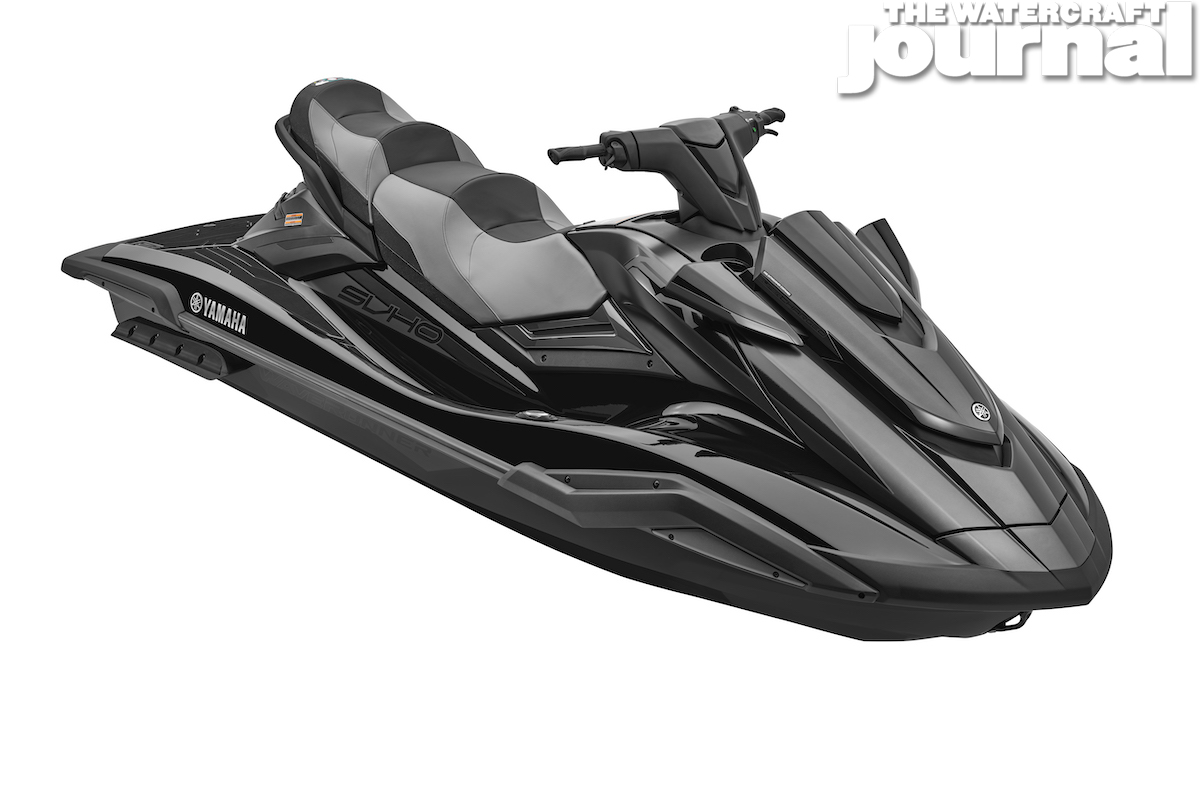
Above: Not to be overshadowed by all of the news above, the “murdered-out” all-black livery of last year’s FX SVHO returns, but on the FX Cruiser SVHO.
Above left: The stellar EcoXgear speakers return for 2021, connecting to your smartphone via Bluetooth to play your favorite tunes. Oh yeah, and they float too! Above right: Not to be outdone, Yamaha’s accessory division is now offering a monster Garmin GPS chart plotter package for the FX as well. Make sure to ask your local dealer all about it!
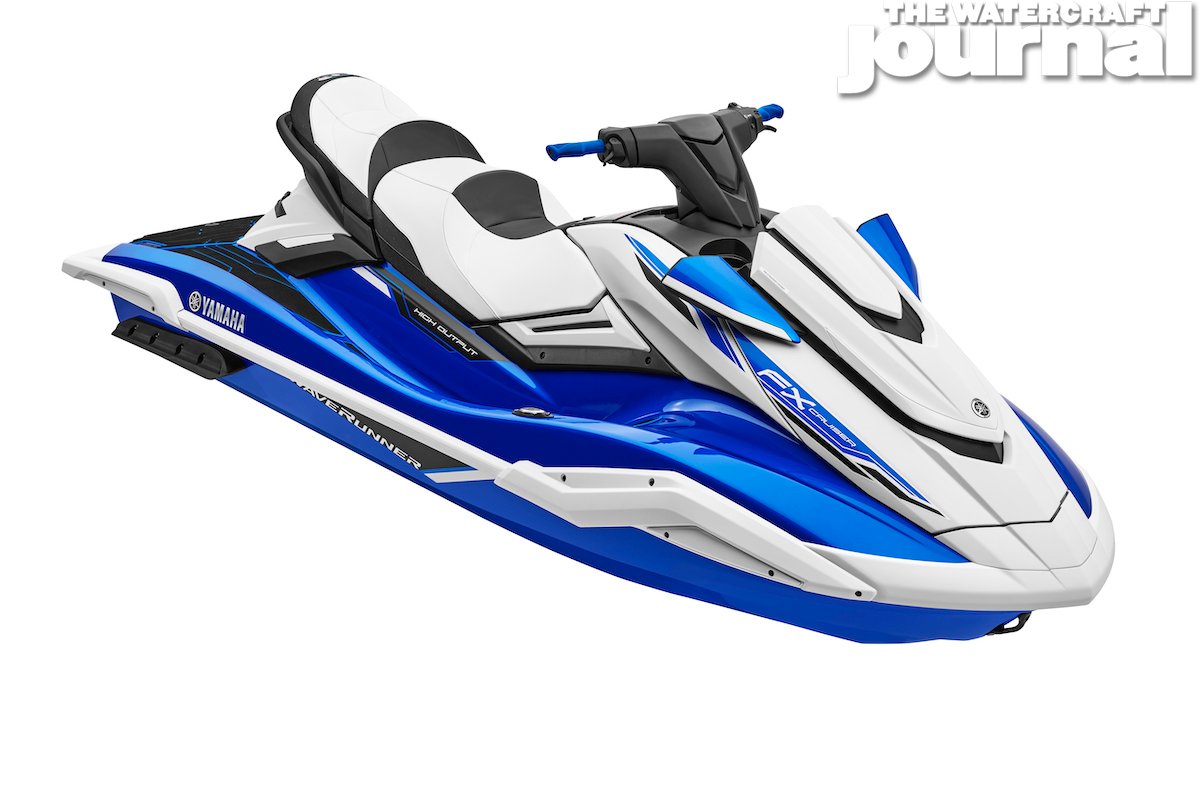
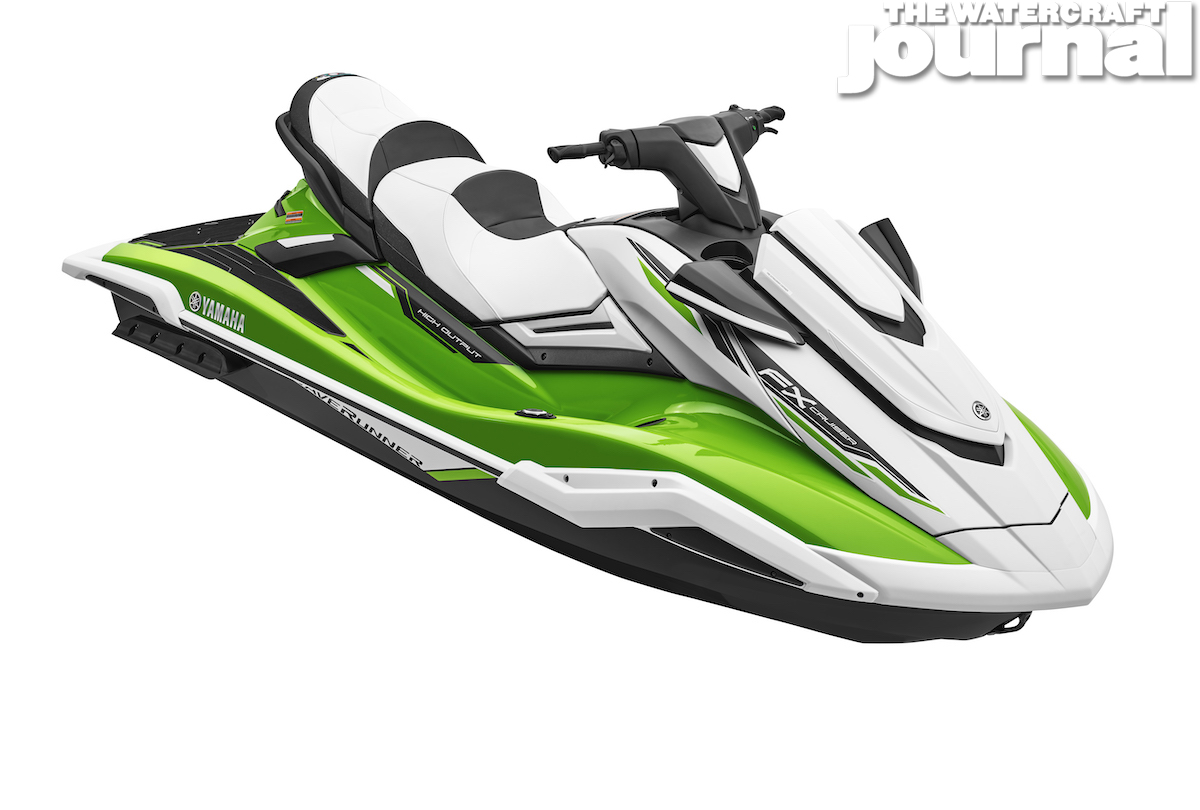
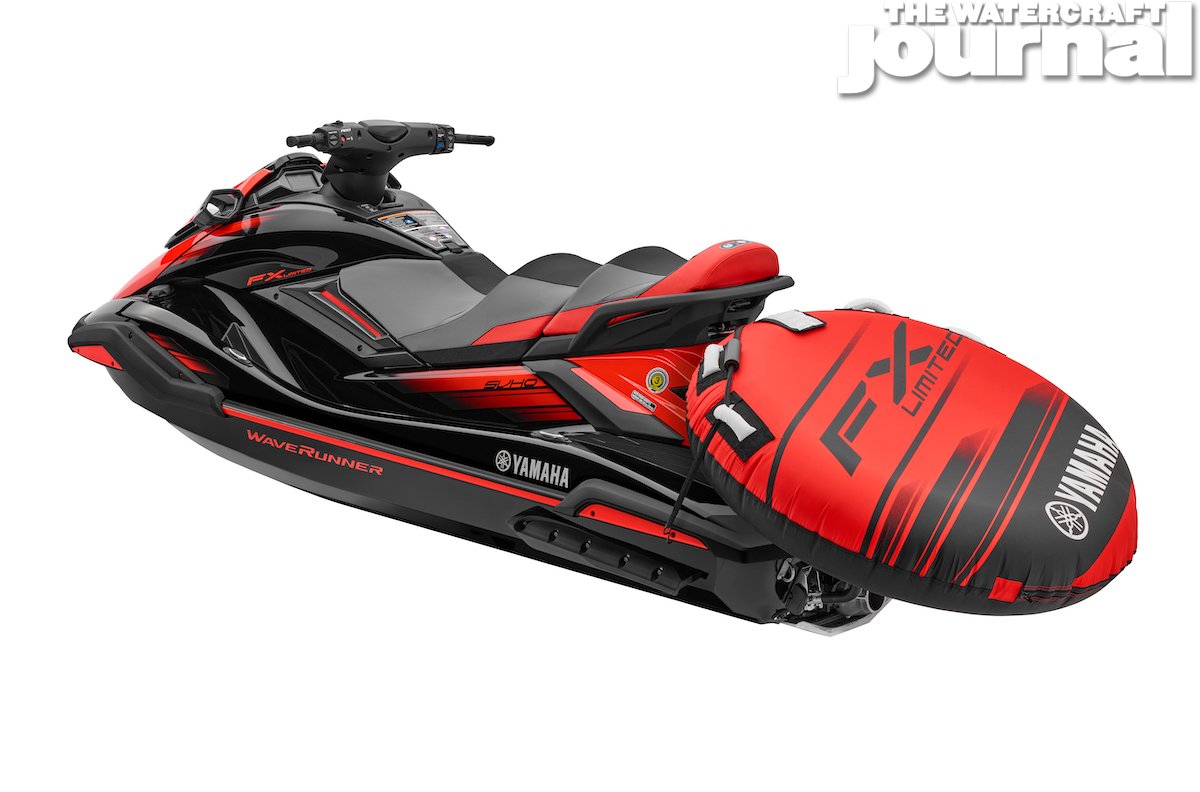
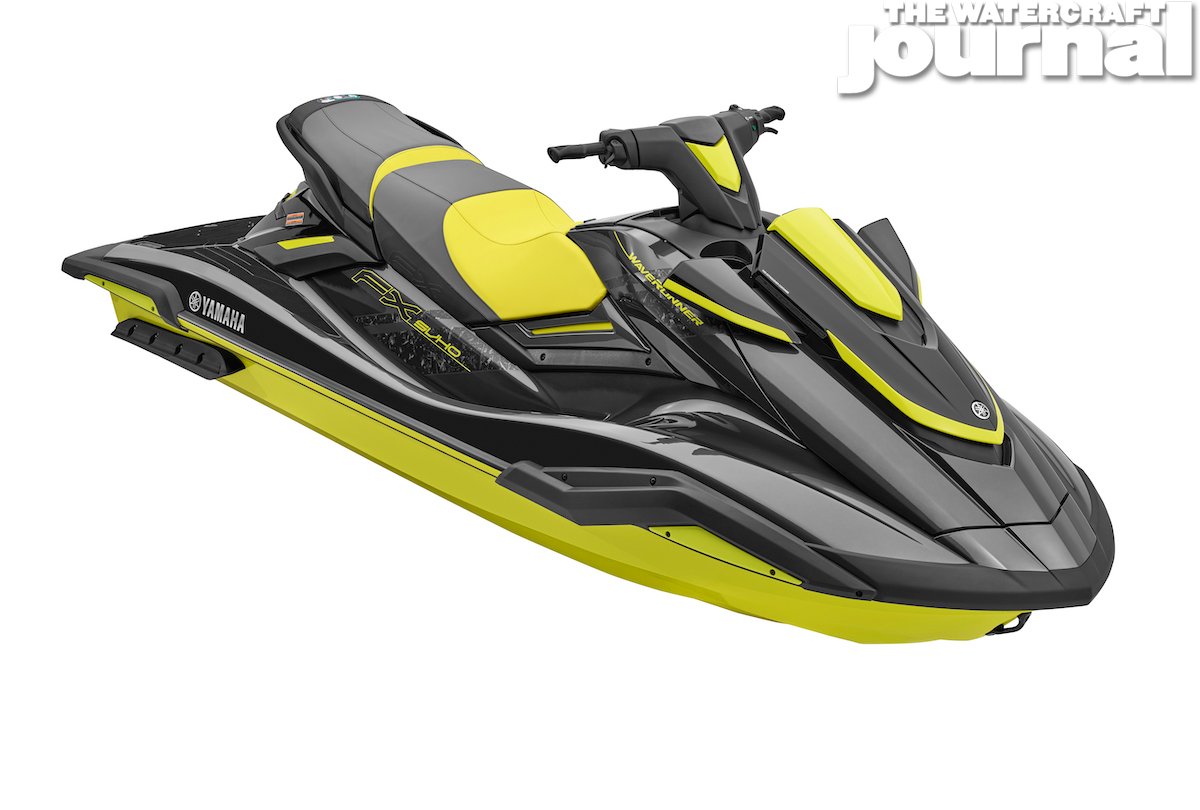
And yes, we mustn’t forget about Yamaha’s full-sized WaveRunner, the FX. The FX Series carries over mainly unchanged for 2021, save for some color variations and adjusted pricing, and all models – the FX HO (MSRP $13,799), FX Cruiser HO (MSRP $14,299), FX SVHO (MSRP 15,799), FX Cruiser SVHO (MSRP $16,499) and FX Limited SVHO (MSRP $17,699) – return as well. Interestingly, with so much of the FX DNA found in the VX Series, we wager it’ll be even harder for customers to pick between the two.
With that, eleven new Yamaha machines are being introduced this model year – and new units are being shipped and uncrated by dealerships as this article is published. But be warned, demand hasn’t let up, and deposits on all of these new WaveRunners have already been accepted, so next year might be a race to grab a new Yamaha before they sell out again. You better act quick, bud. These are gonna disappear fast.
Above left: As mentioned earlier, Yamaha’s selection of stern accessories include a new (very useful) soft-sided cooler that mounts to the back of all FX models. Above right: No matter where you plan to ride, Yamaha’s new accessory division has something to fit your needs.
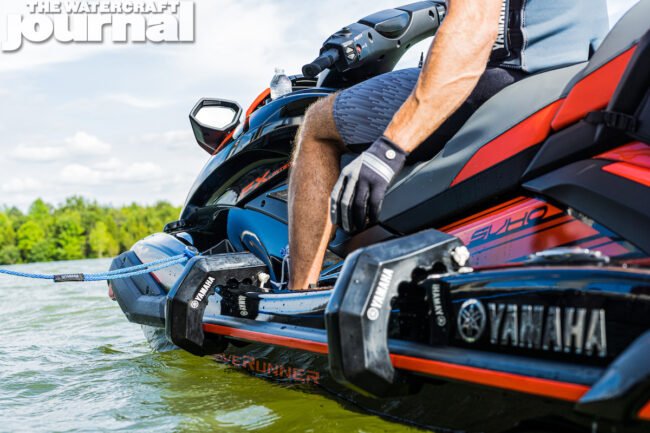
Above: New rigid gunwale bumpers will protect your FX’s automotive-grade paint even at a busy dock.
[Editor’s note: This article is expressly an overview of the 2021 lineup. Prior to this release, The Watercraft Journal was exclusively invited to test ride four of these new models, the SuperJet, GP1800R SVHO, VX Limited HO and EX Limited. Each of these units will receive a full length review and video in the coming weeks.]