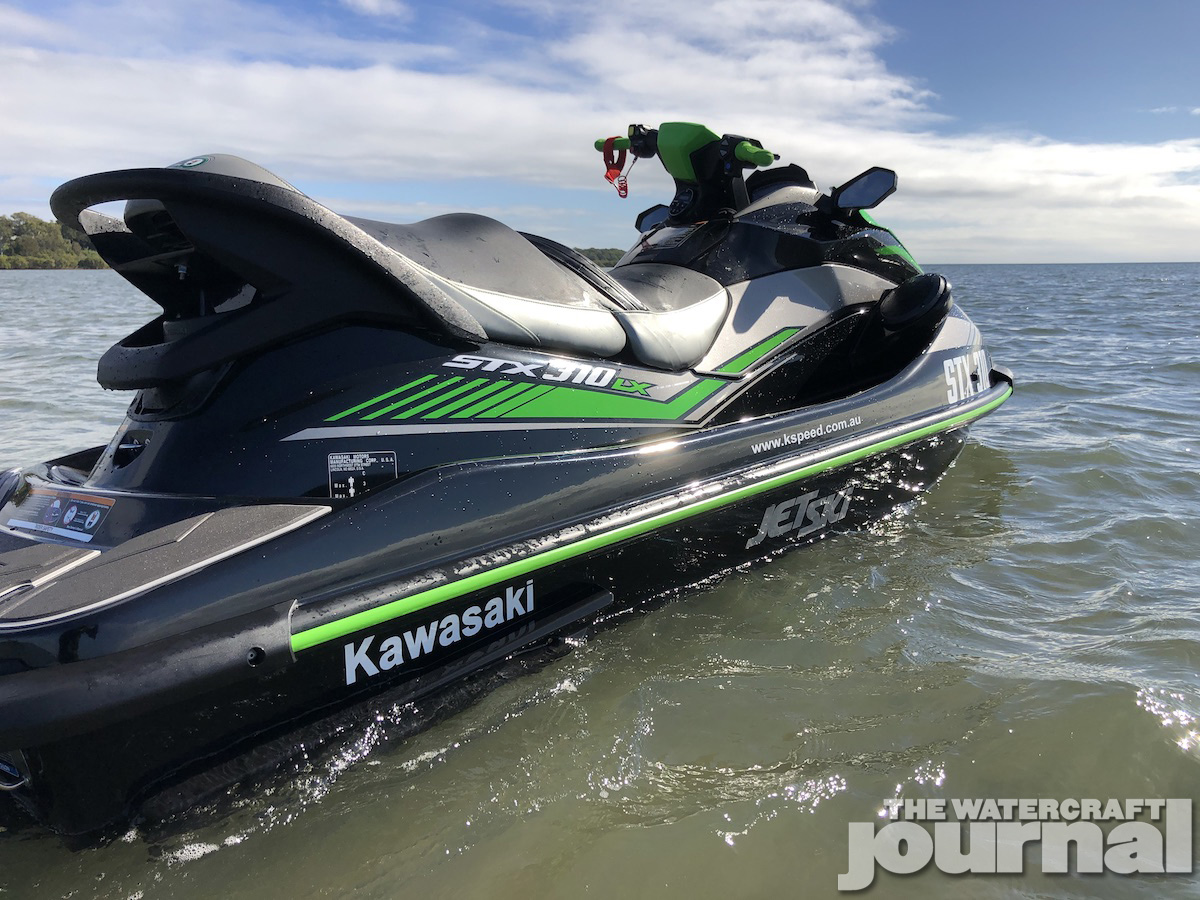
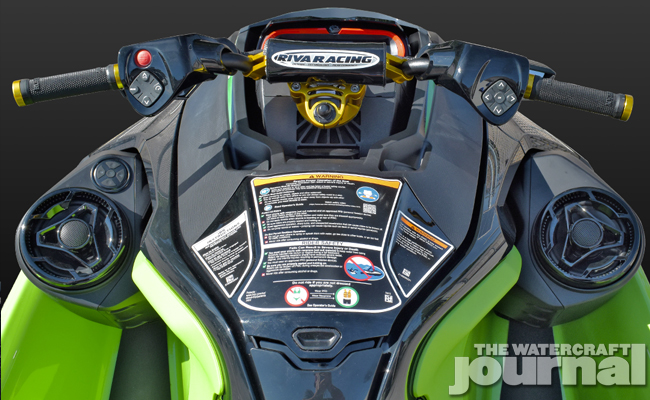
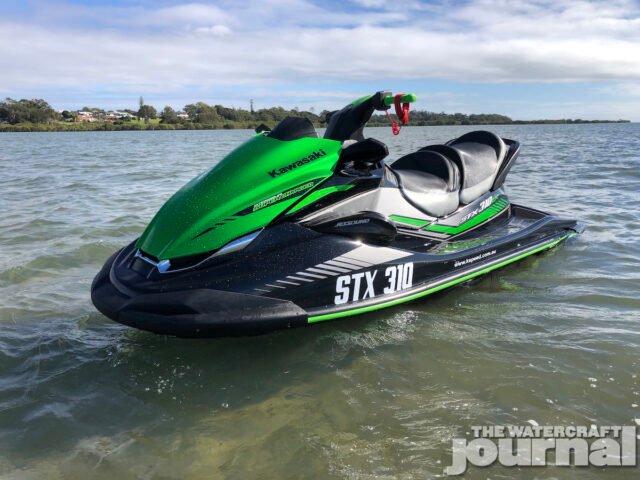
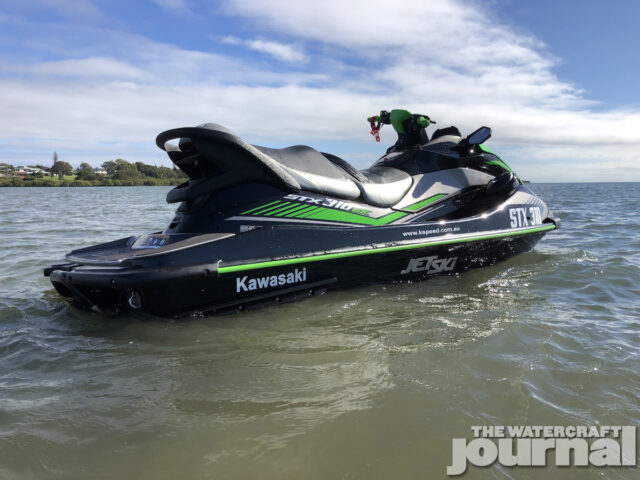
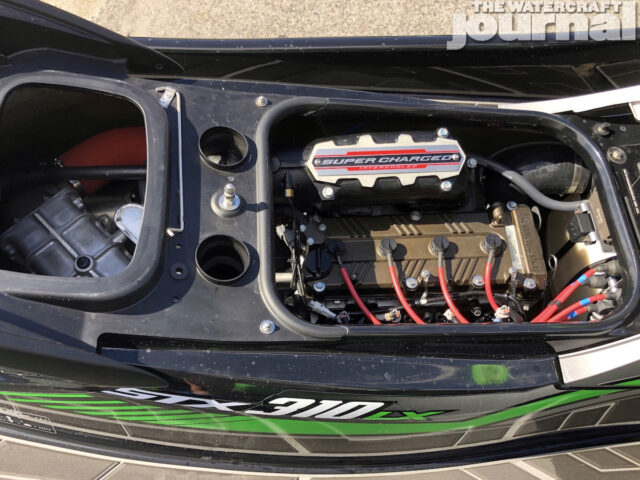
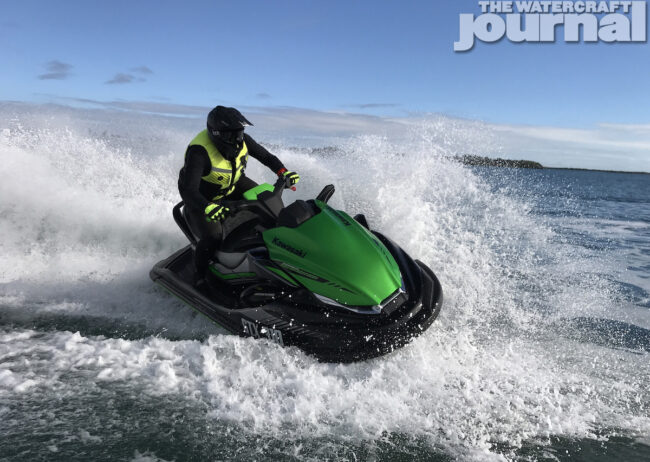
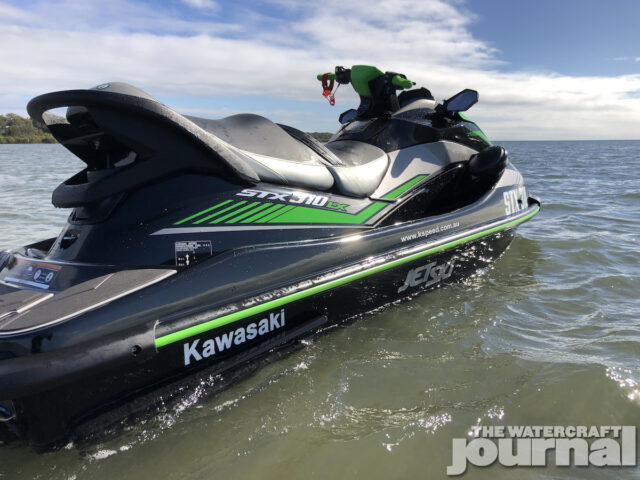
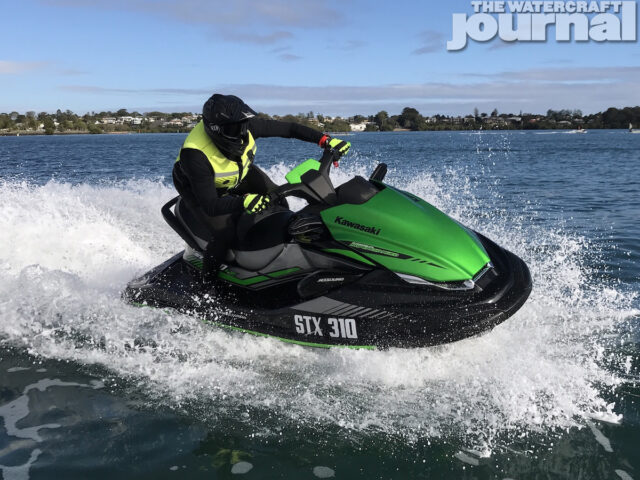
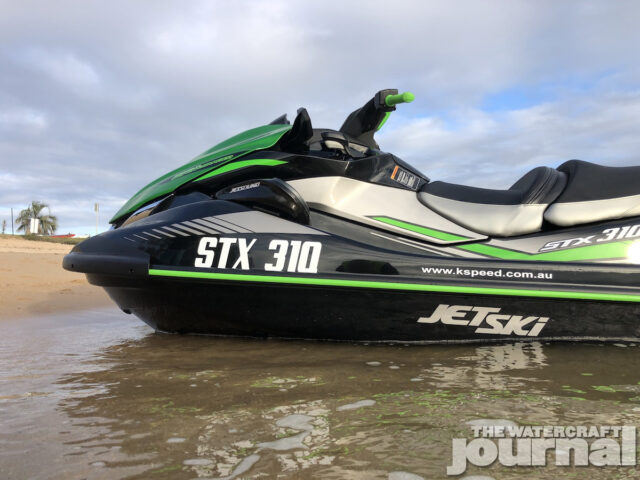
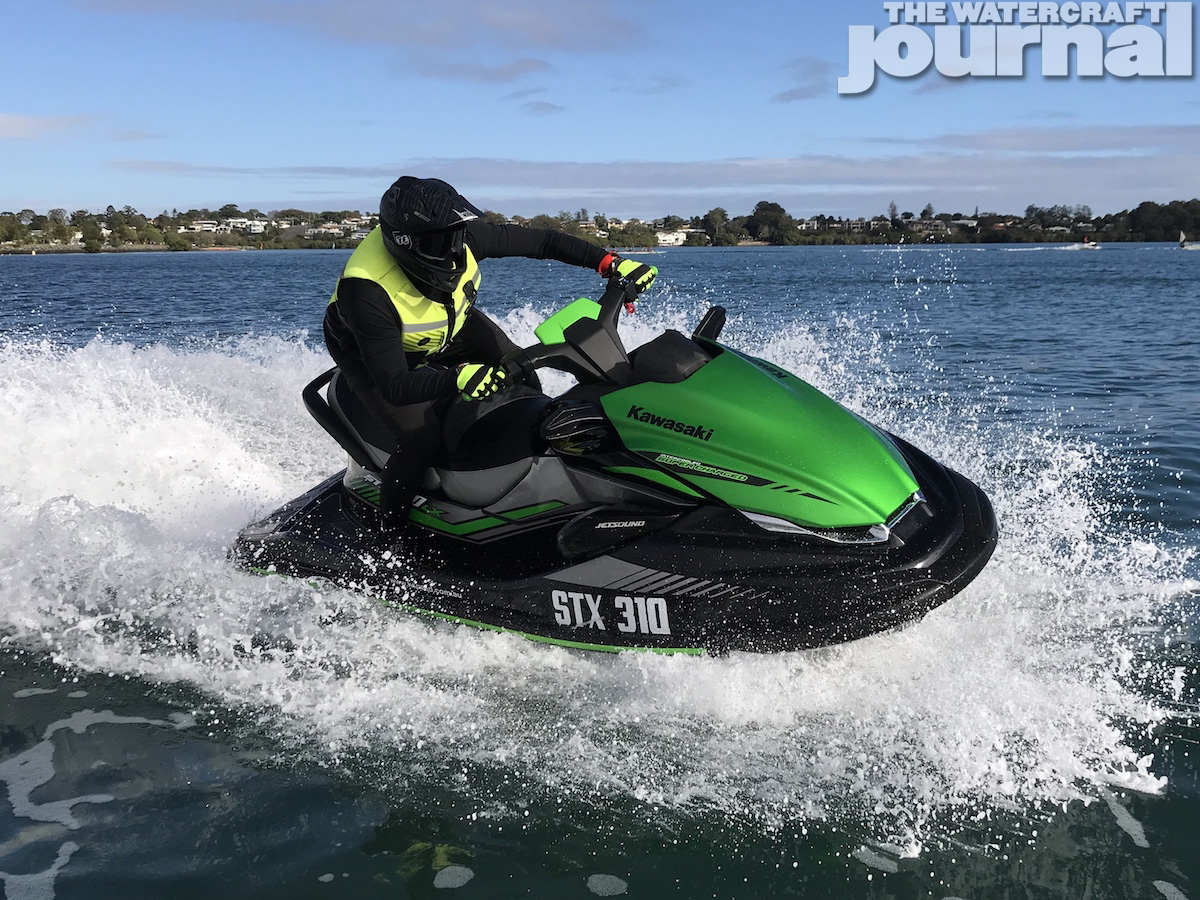
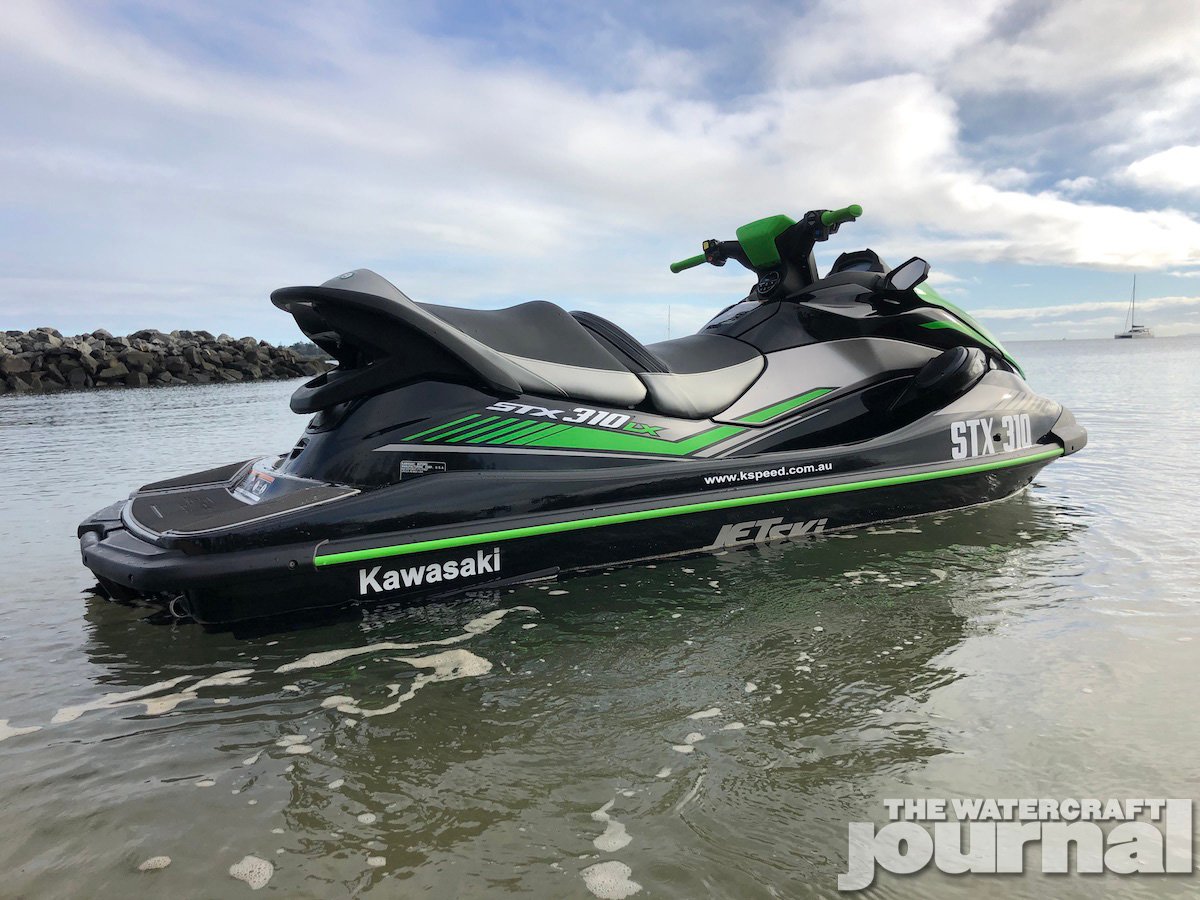
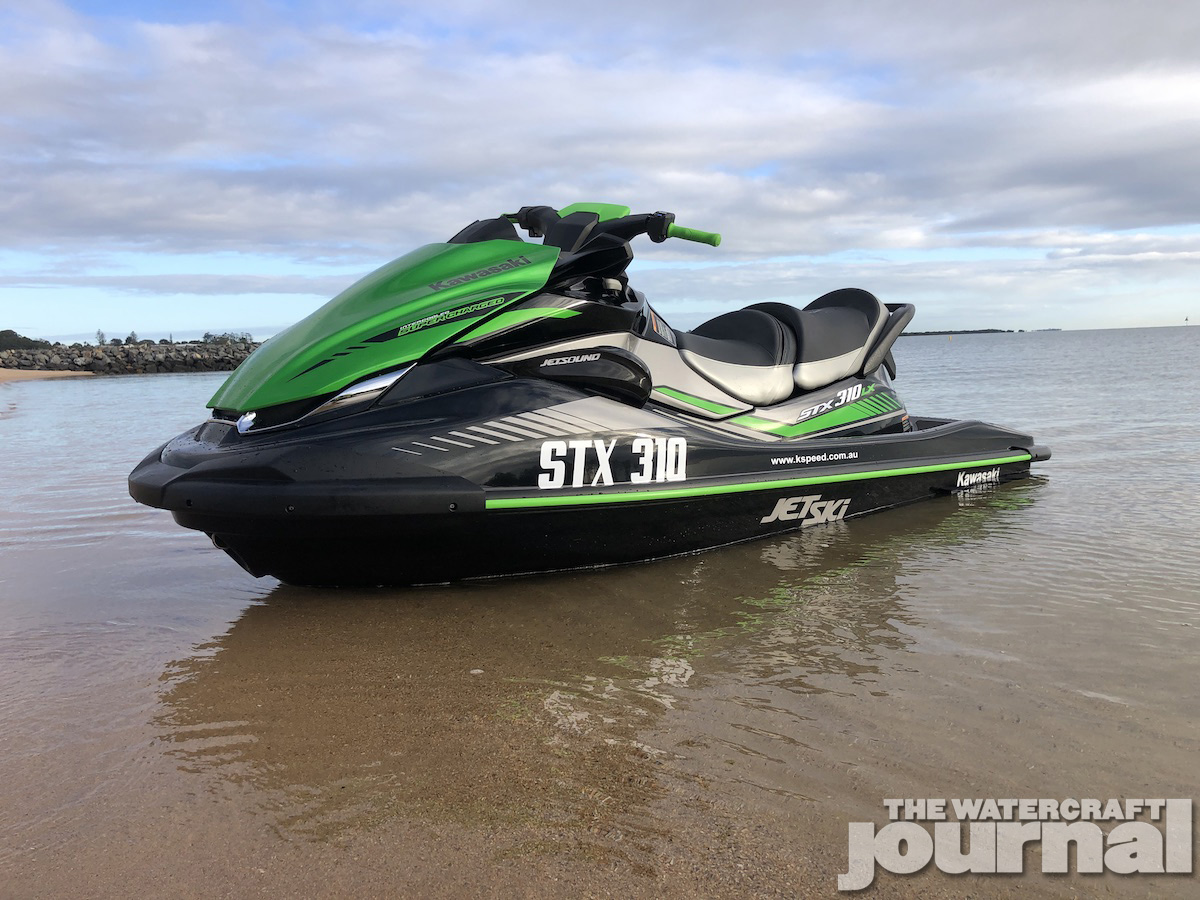
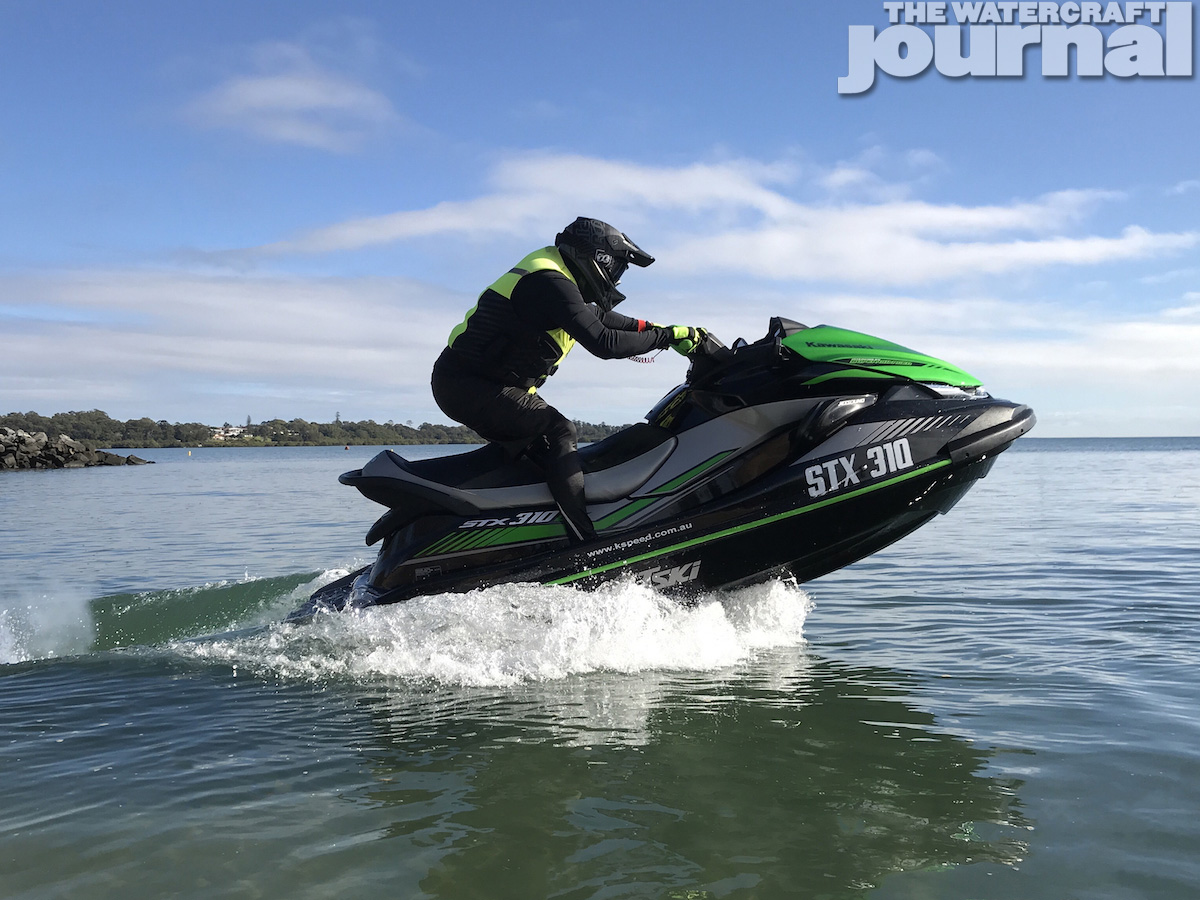
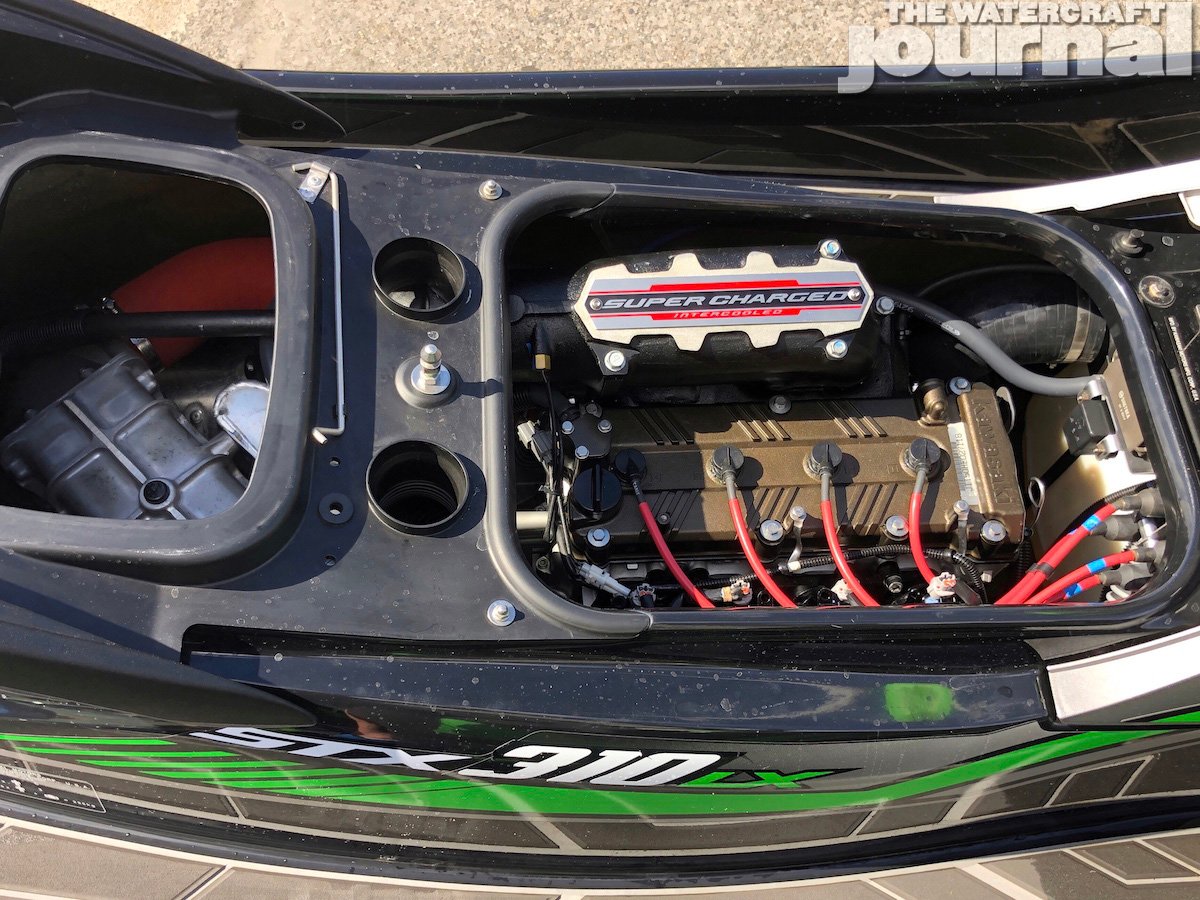
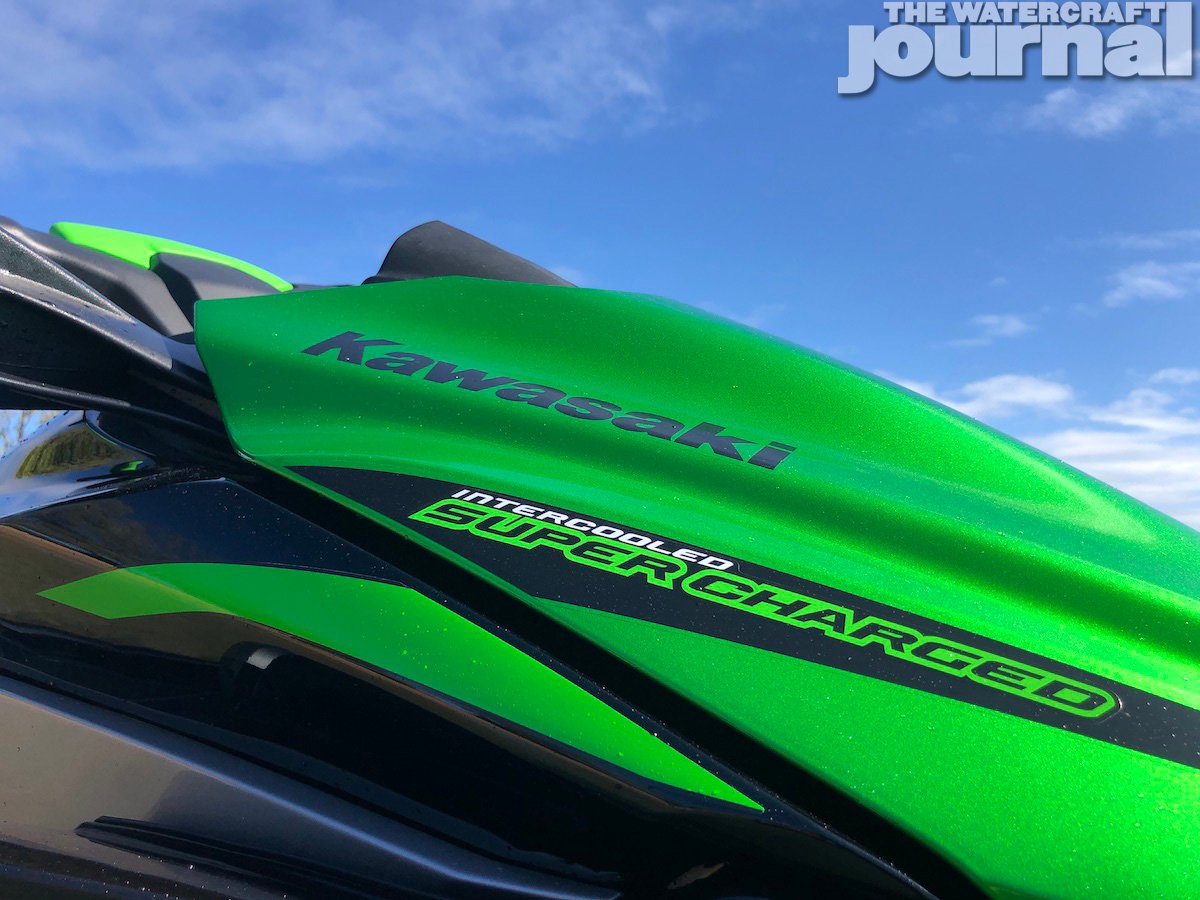
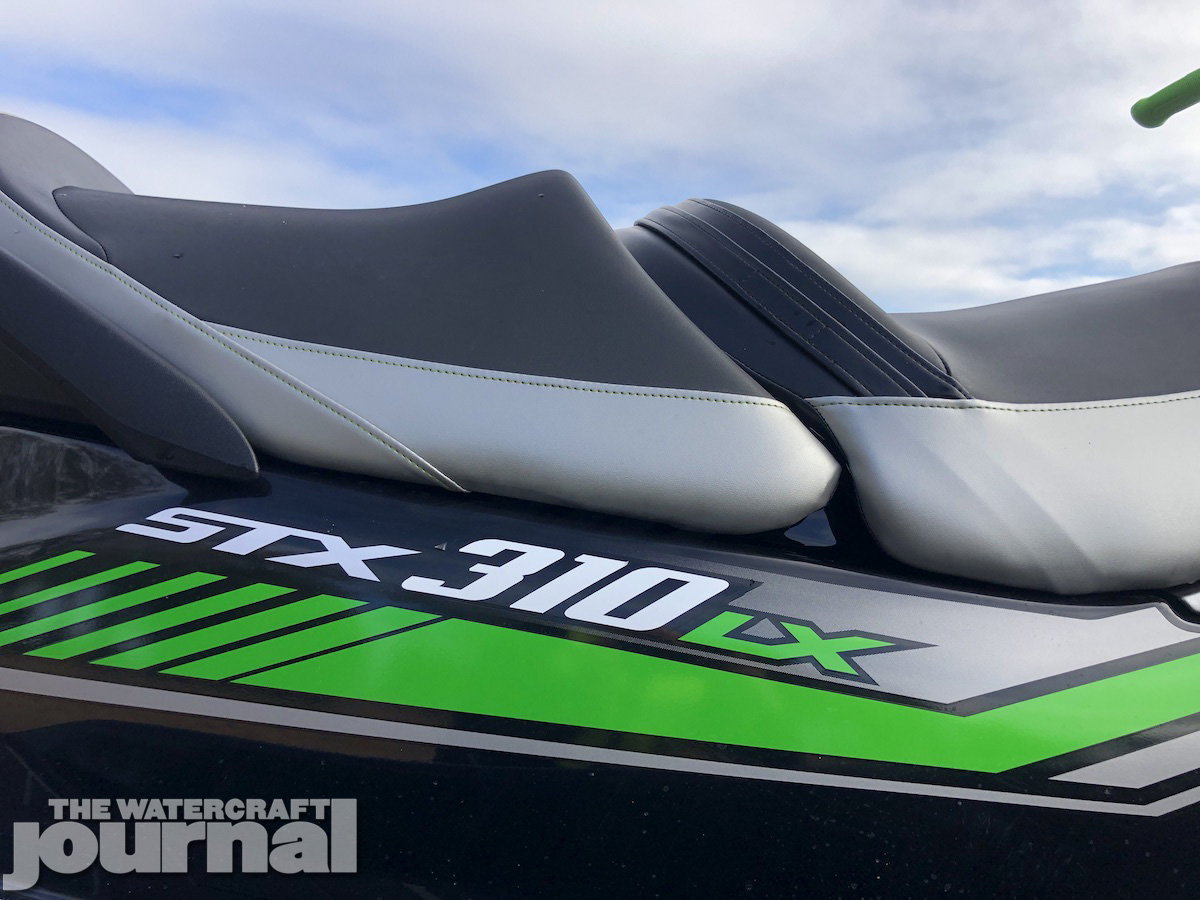
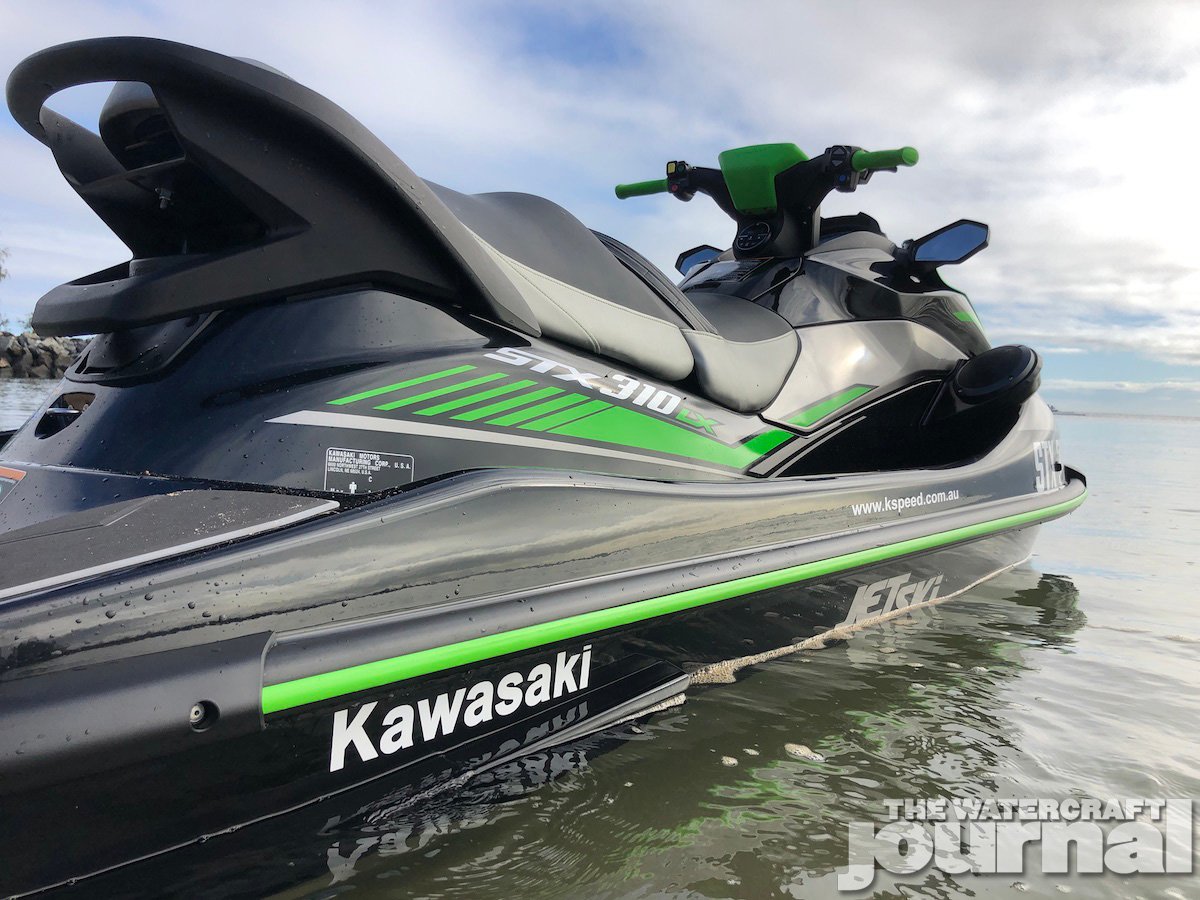
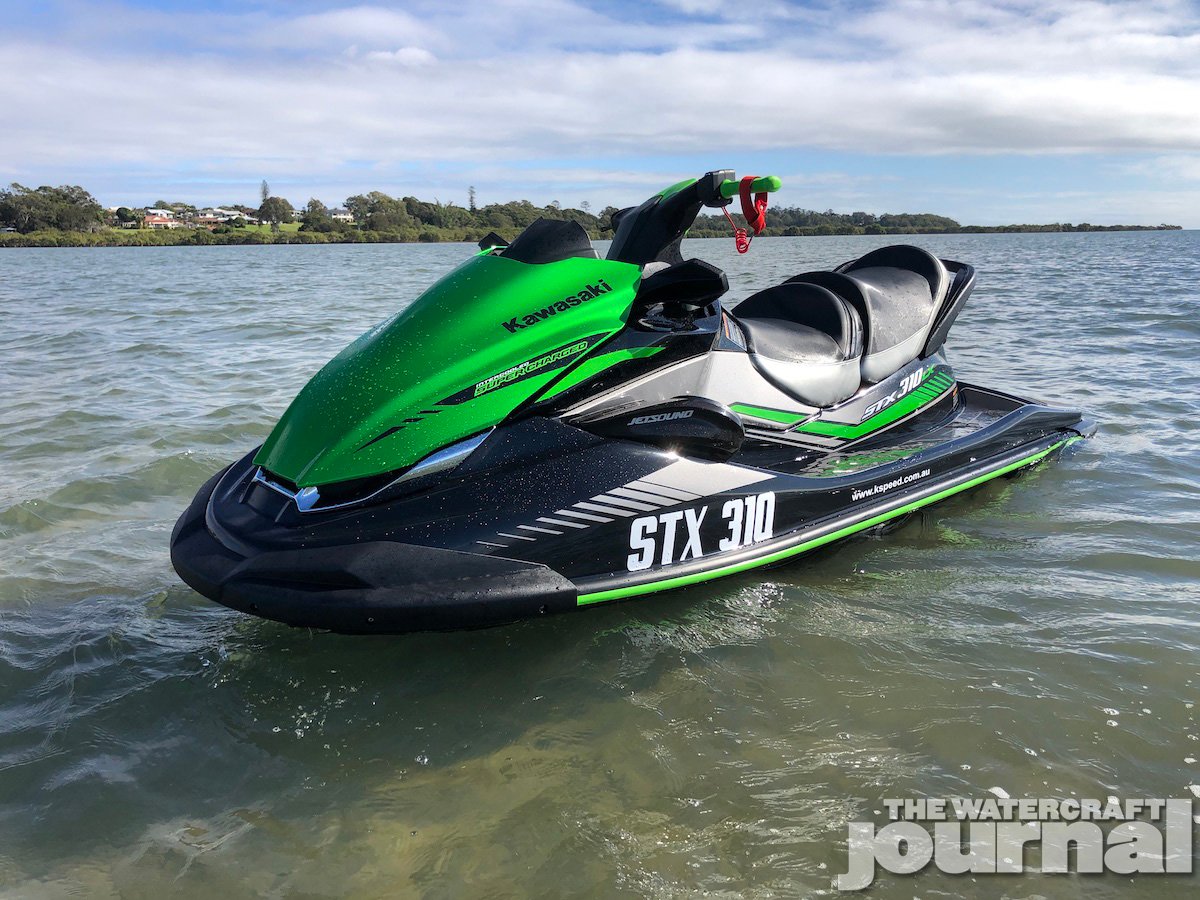
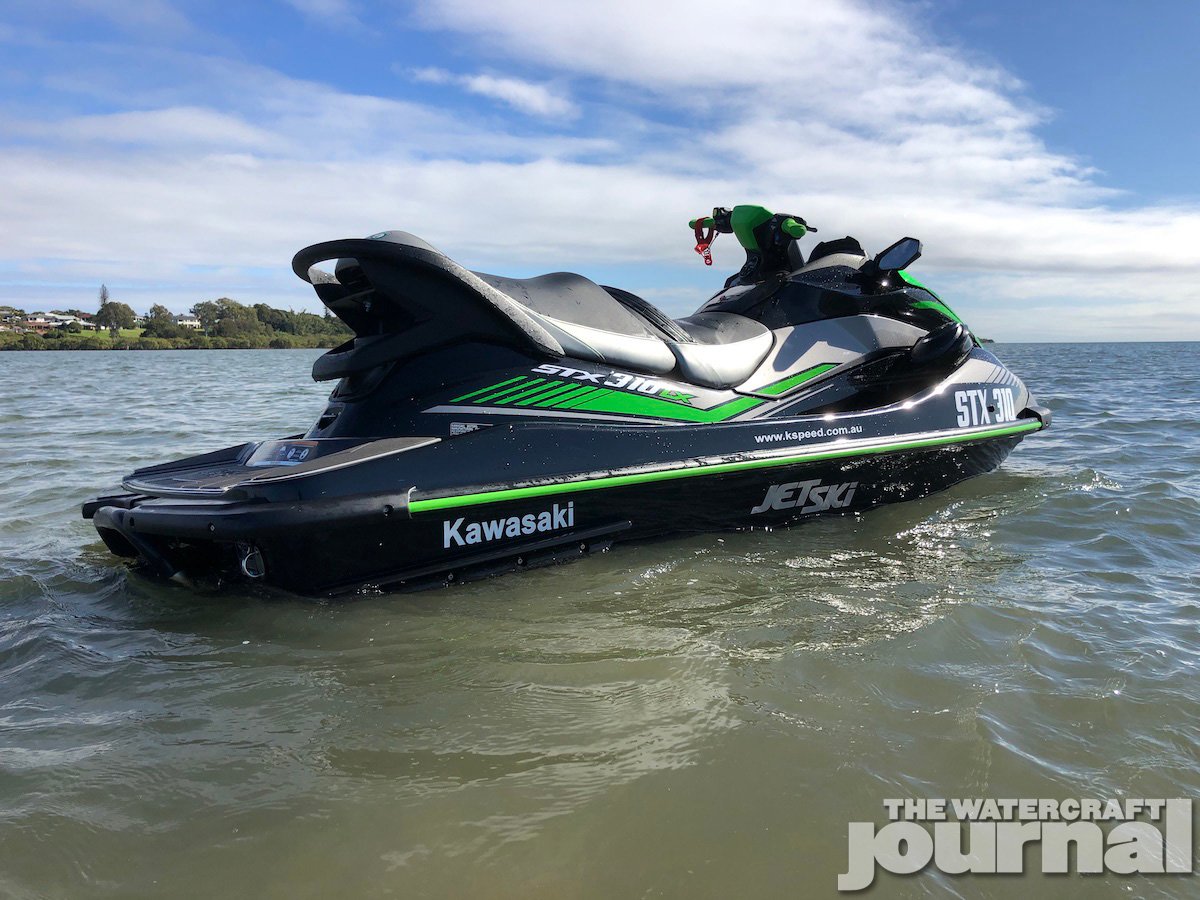
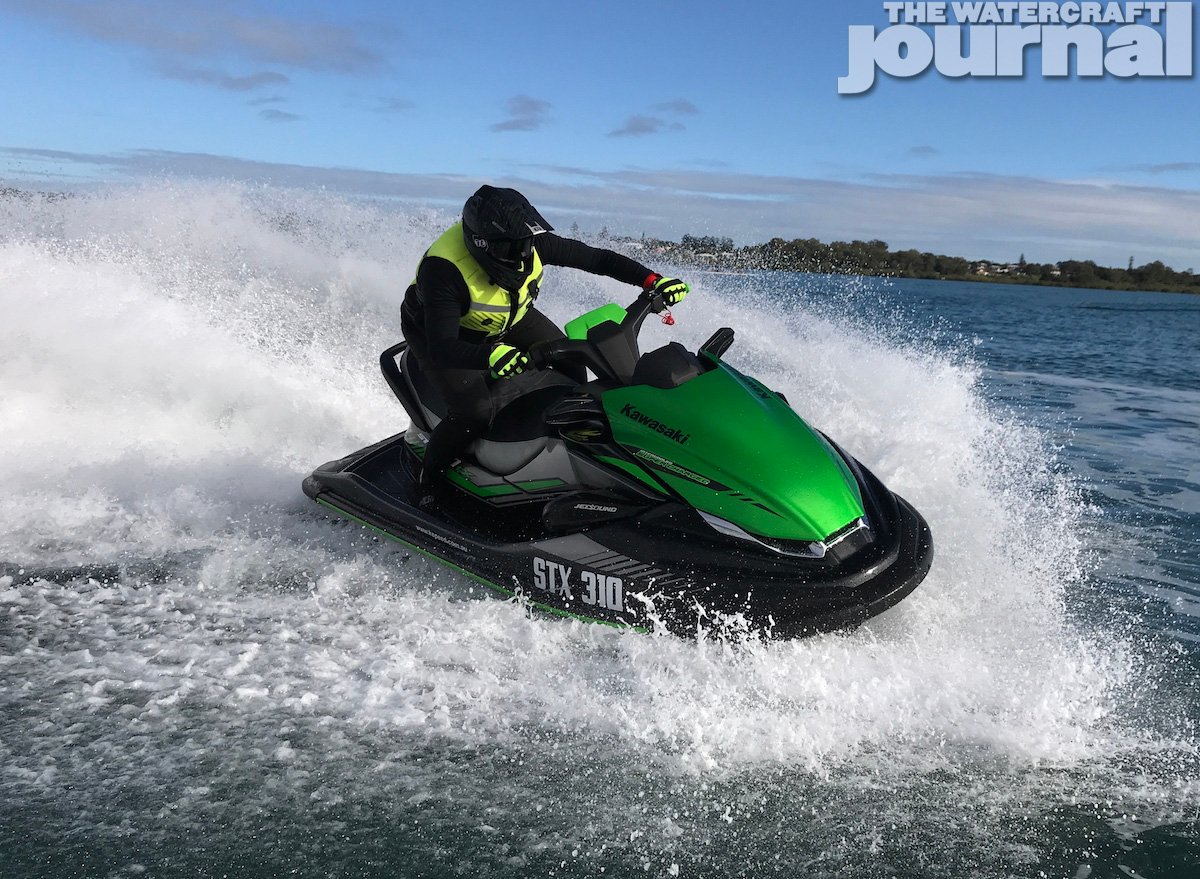
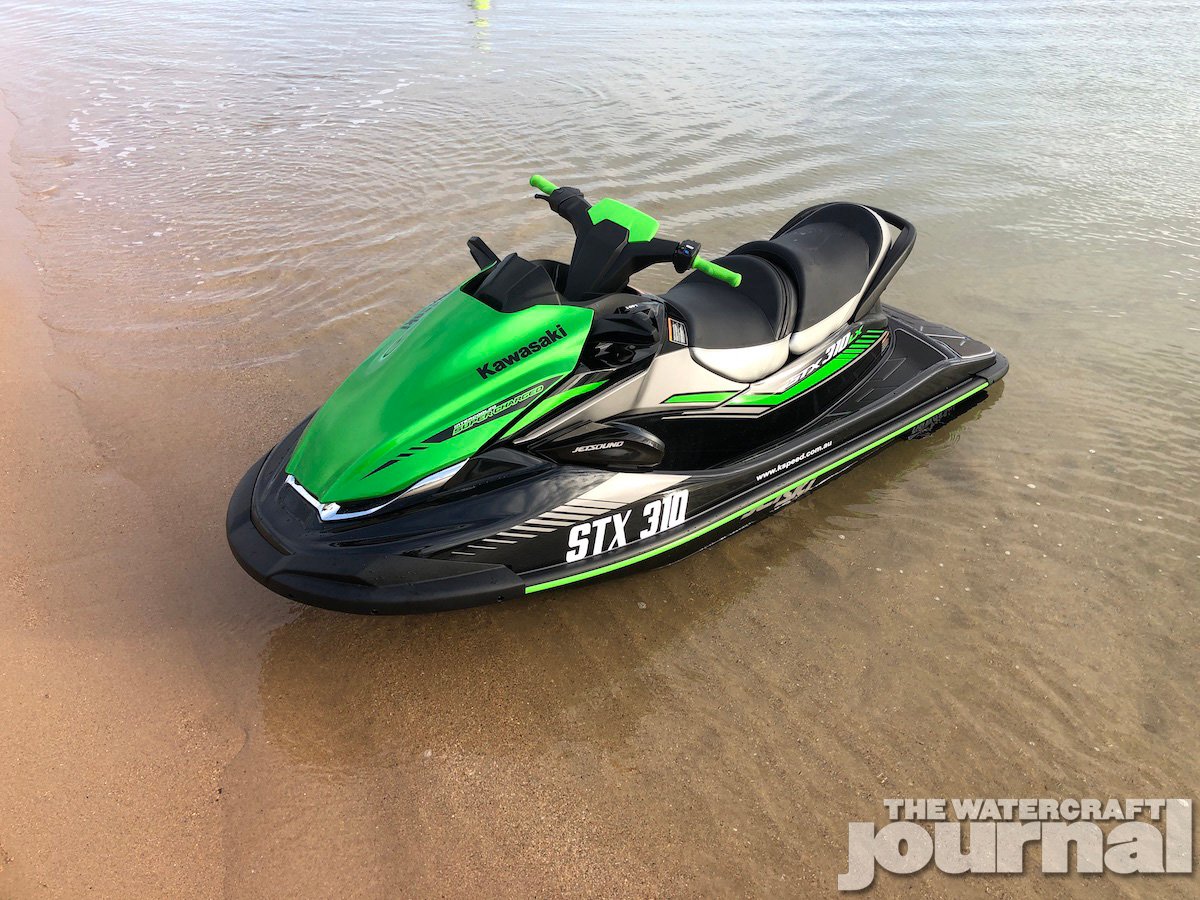
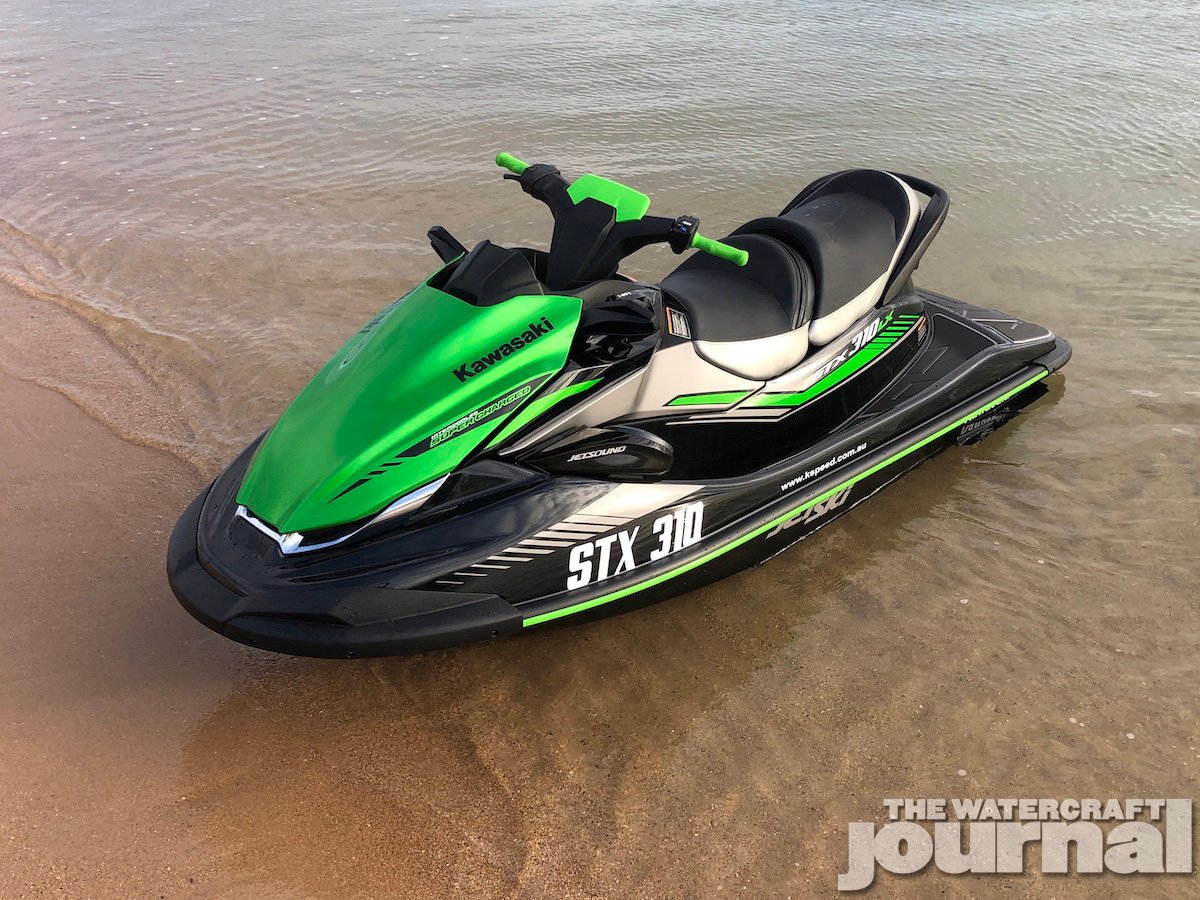
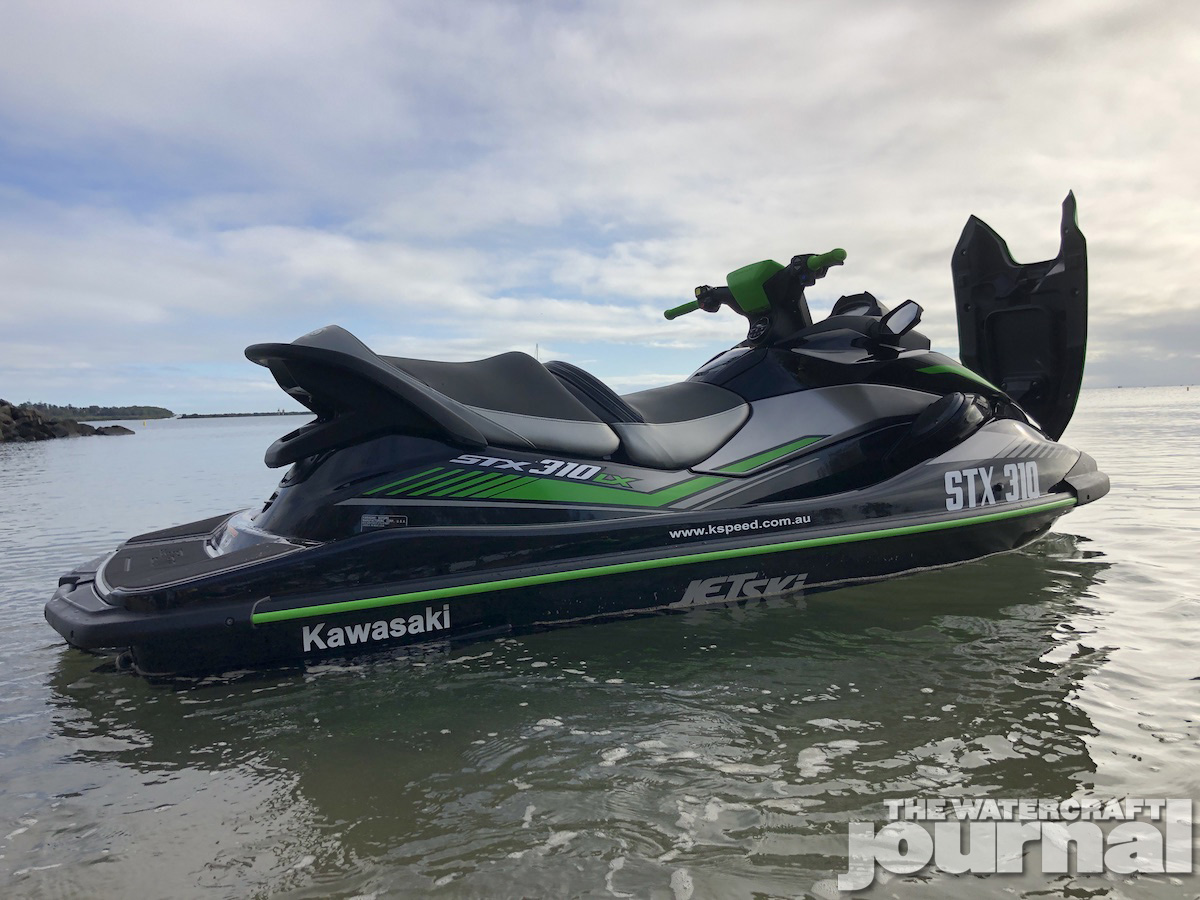
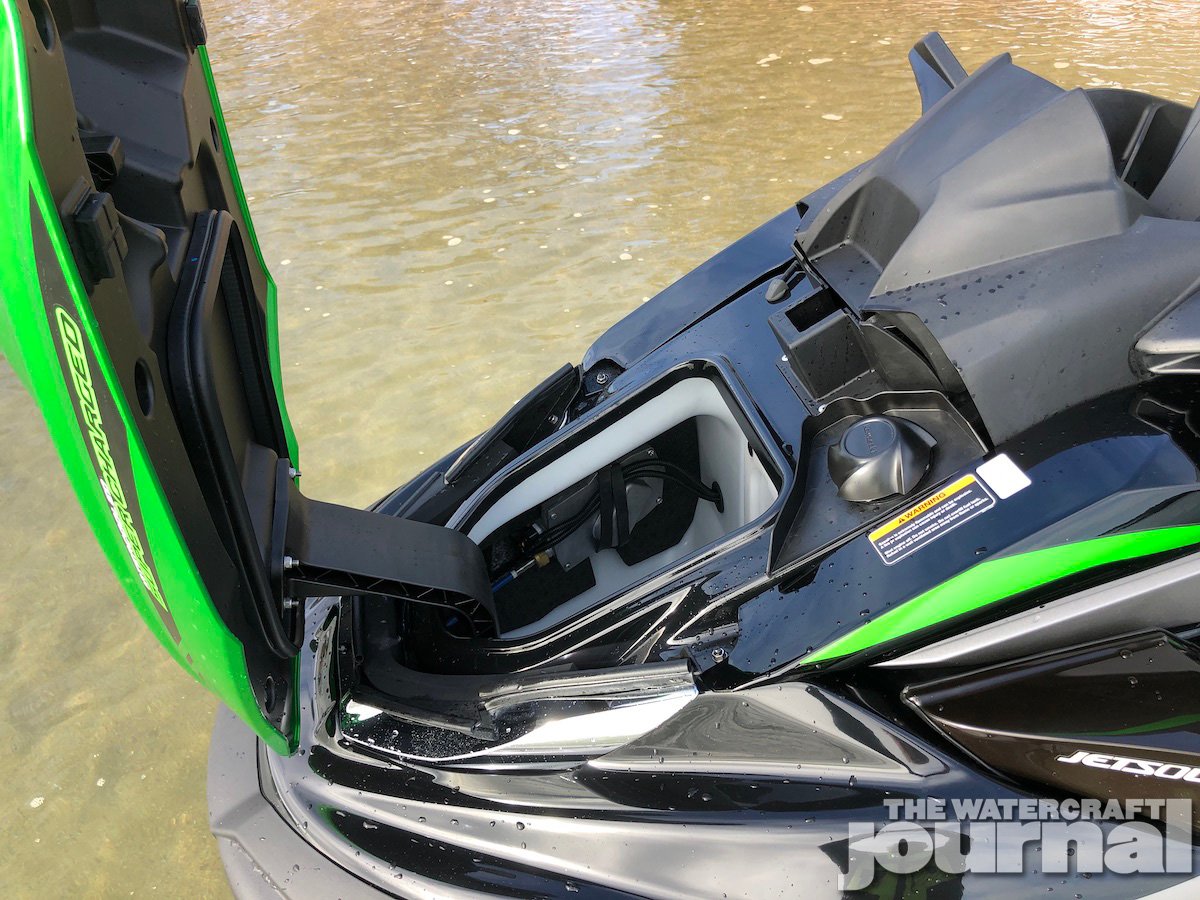
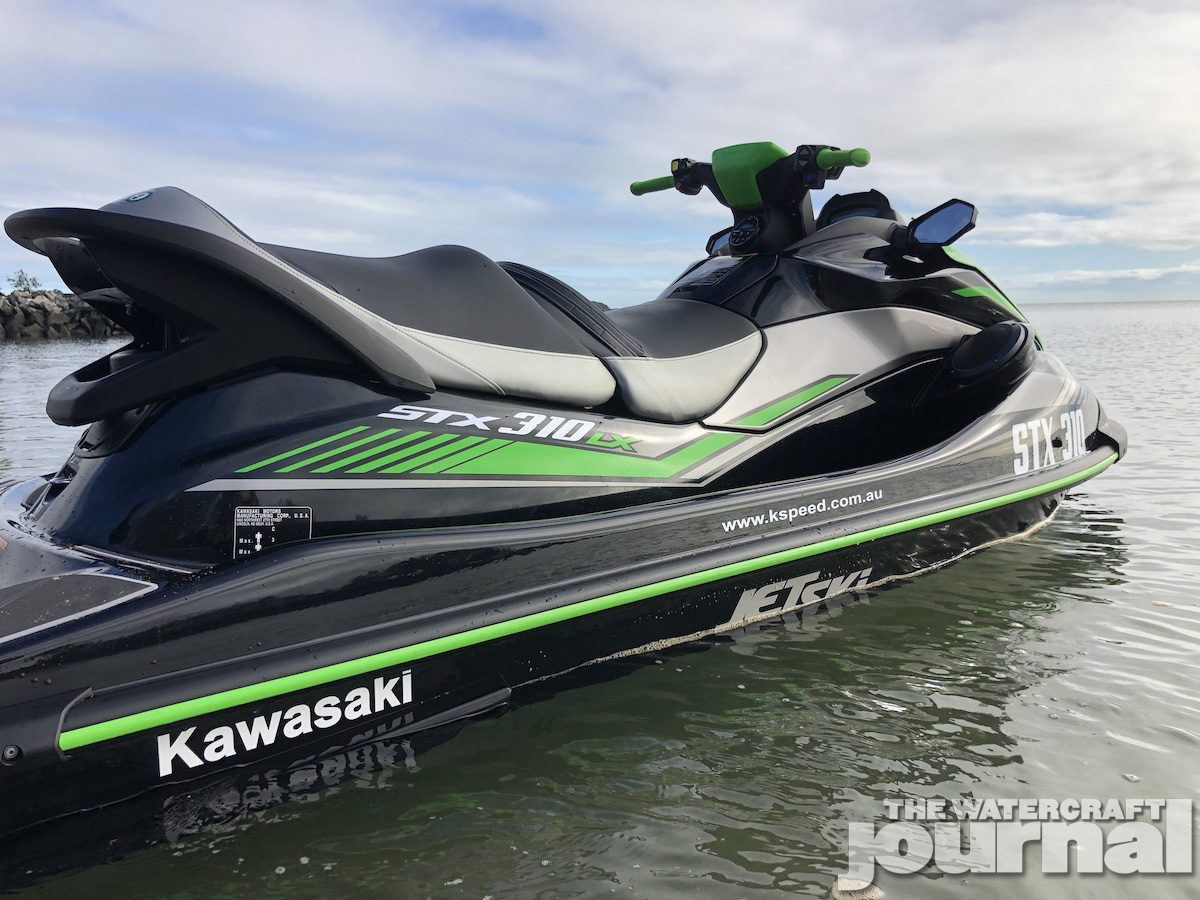
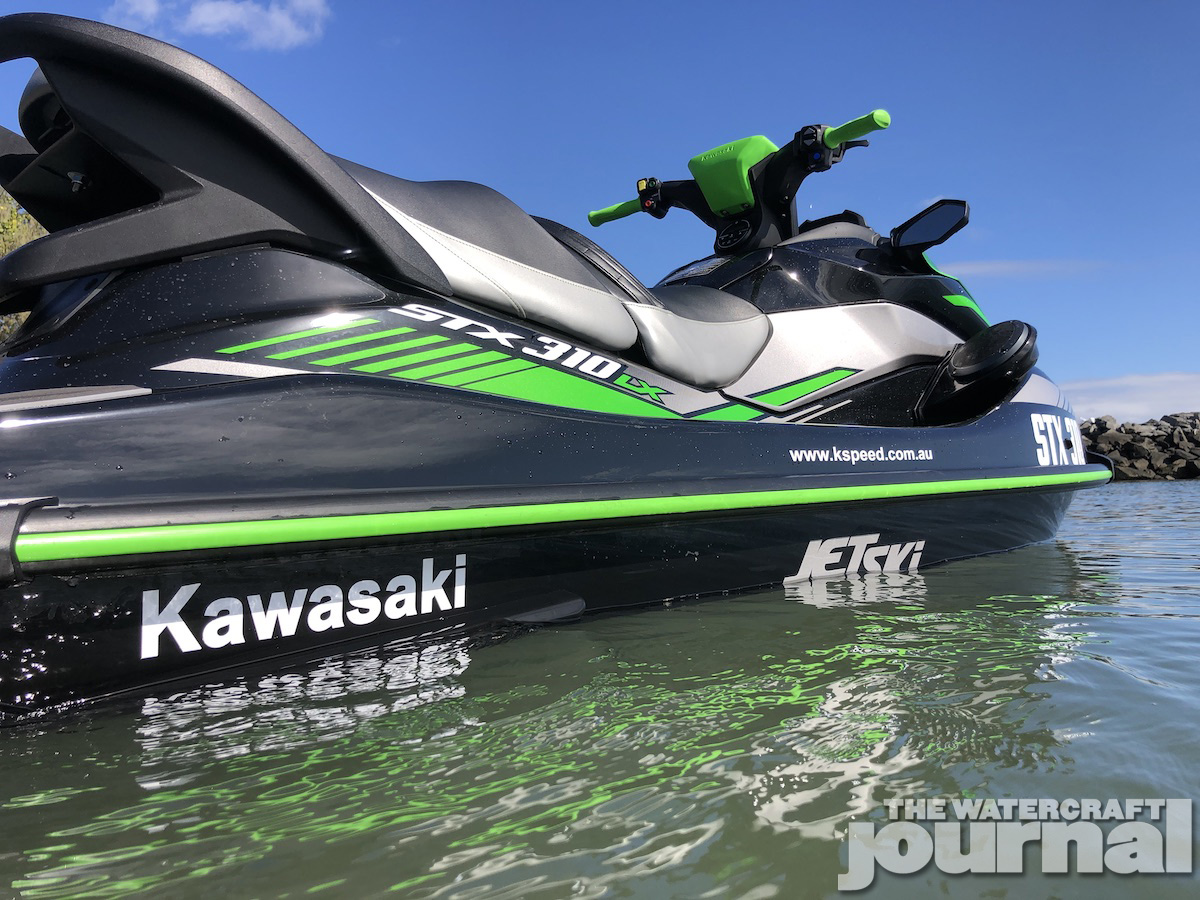
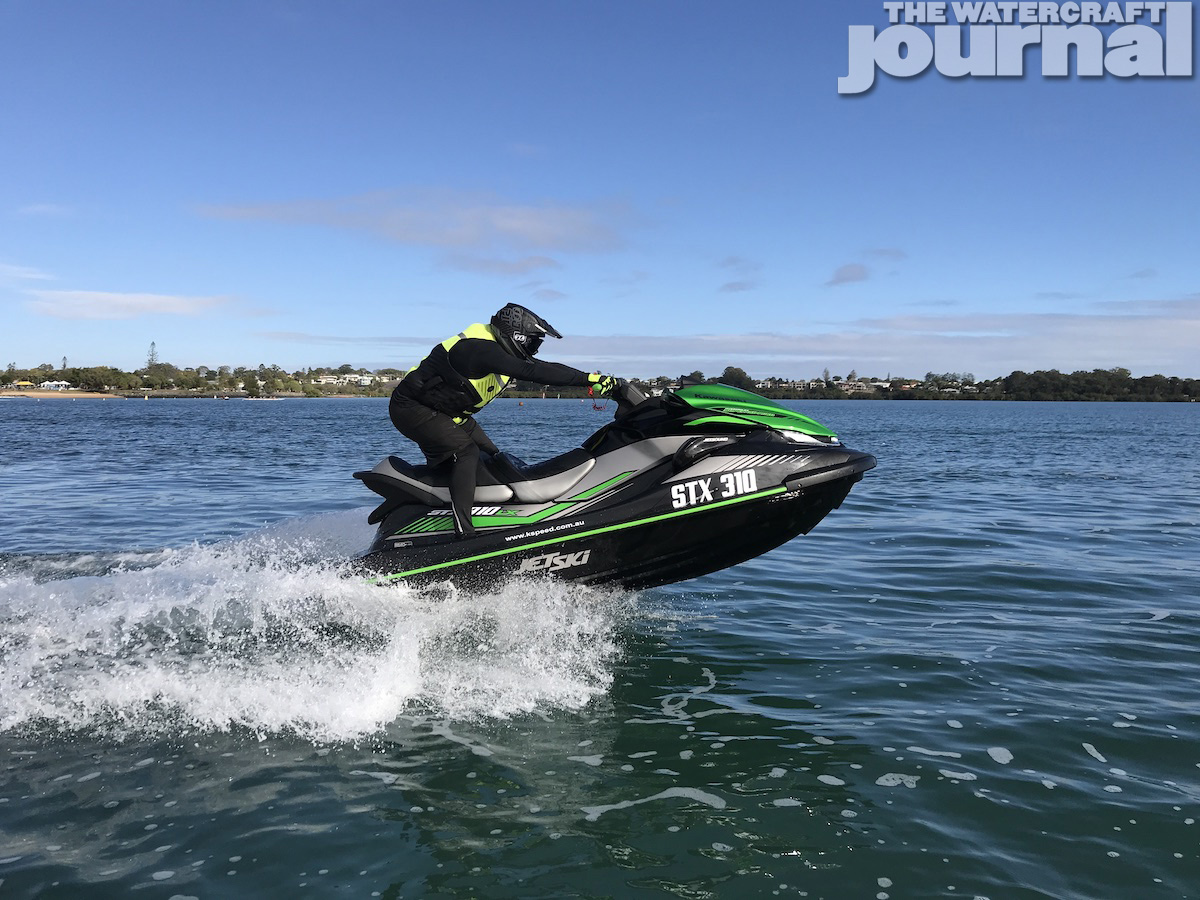
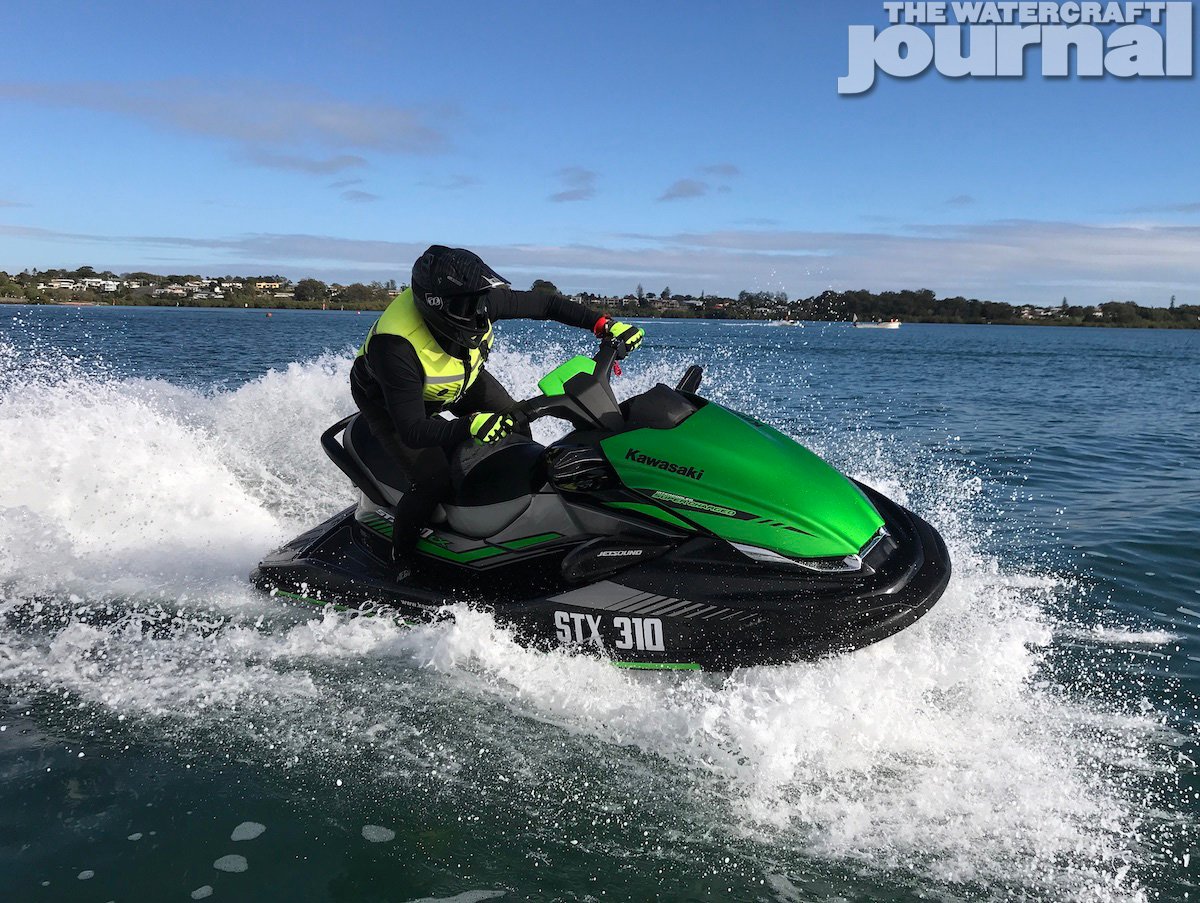
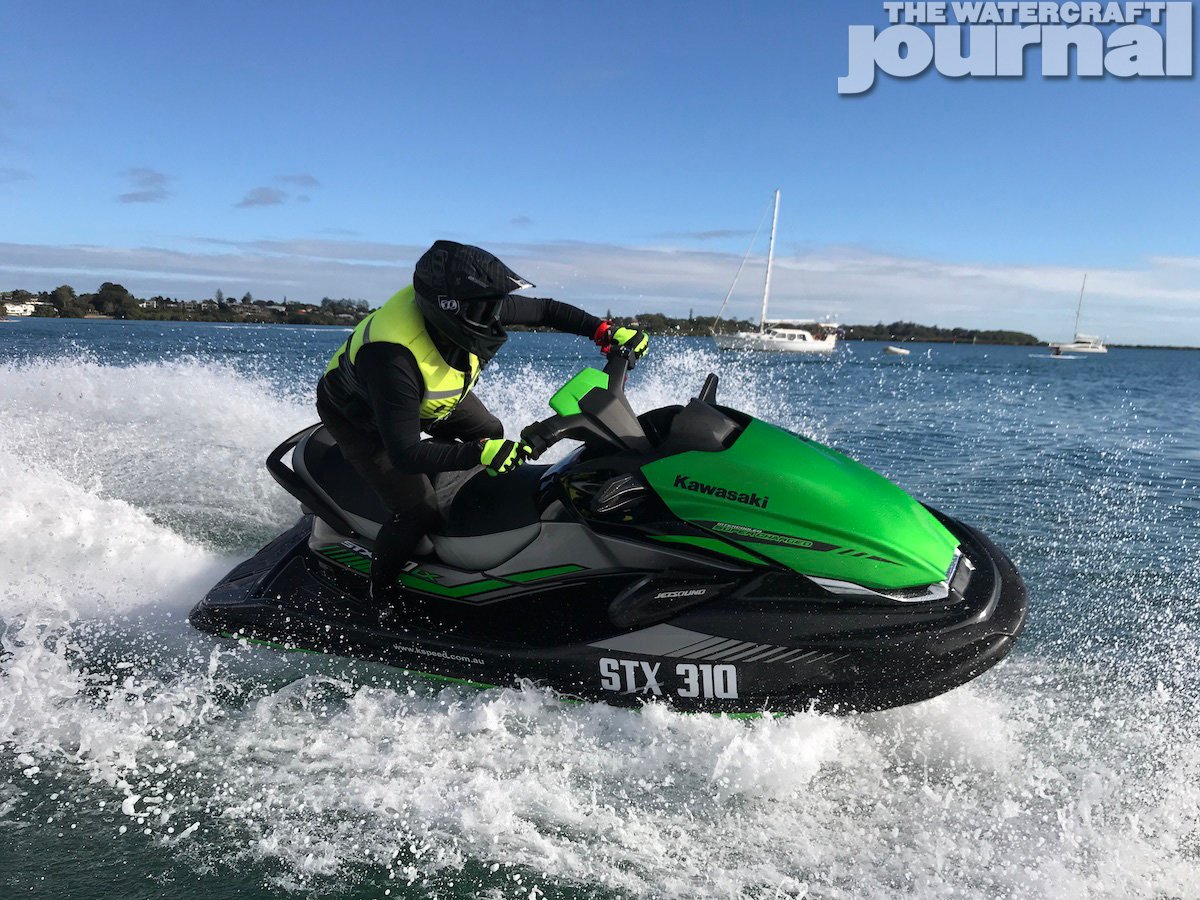
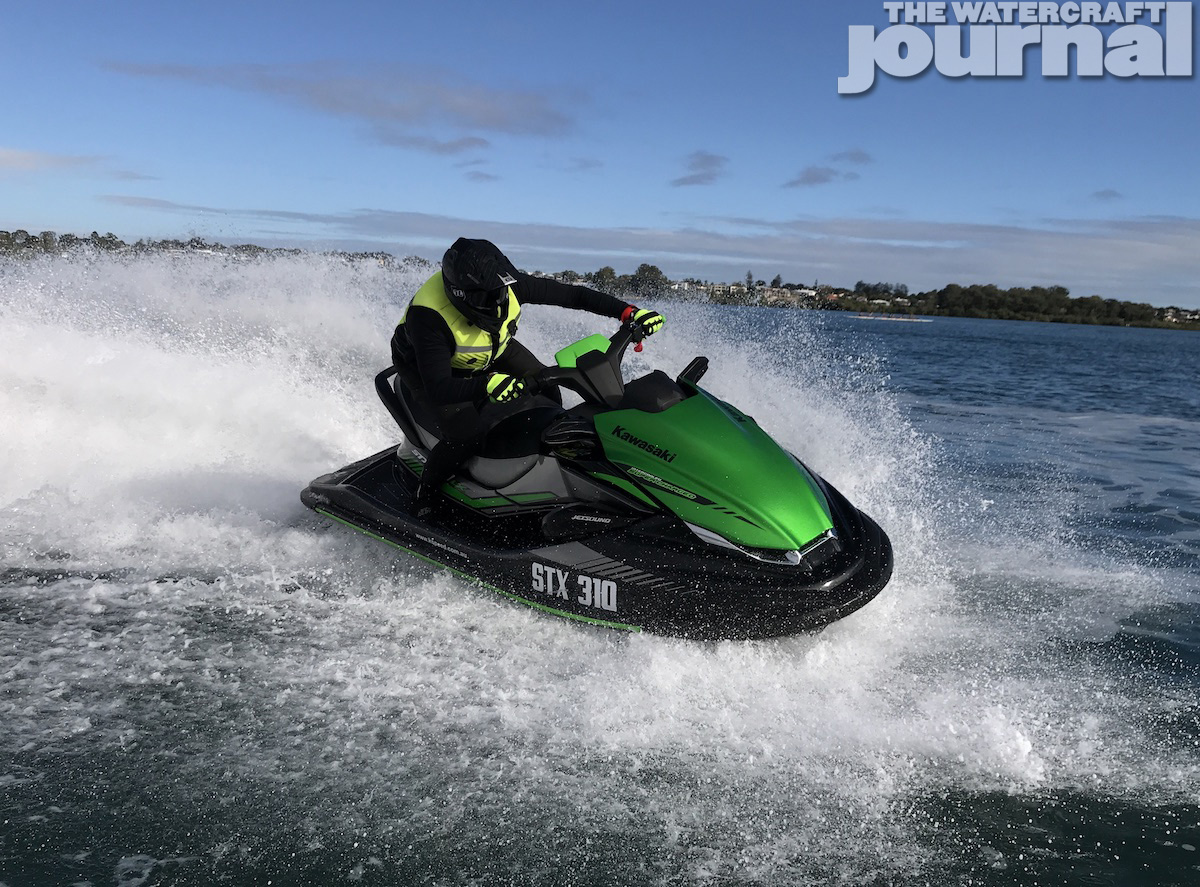
Best of all, every part that they used is directly from factory Kawasaki models so this literally looks like a ski that could come right off the Kawasaki assembly line. The entire engine and running gear from the Ultra platform fits perfectly within the STX hull and the dash display is utilized from the Ultra platform.
Check out their explanation video for more details and those keen readers will note that we have an exclusive look at this ski coming up so you definitely want to stay tuned and don’t miss that.
Let’s just cut right to the chase: the annual King’s Cup has been moved to March 2021. But before you get grouchy, sink your teeth into the idea of a $308,000 USD cash purse, $80,000 to win Pro Ski GP and Pro GP Runabout. (Yeah, we know they call it the “Jet Ski World Cup” and insist on writing it out in all caps, but it’s the King’s Cup around these parts and we ain’t gonna change now.)
The official press release read as follows: Jet Ski World Cup Co., Ltd, the owner of the right of JET SKI WORLD CUP and JET SKI WORLD SERIES tournaments and Asian Multi Sports and Entertainment Co., Ltd who is the organizer of the event, have been monitoring of the COVID-19 situation closely, including the restriction measures of the Thai government. We would like to confirm the rescheduling of the JET SKI WORLD CUP from 9-13 December 2020 to 3-7 March 2021.
Moreover, we have decided to make this tournament grander to become “2 in 1″ Super Tournament. The champion in each category of this one tournament will receive both of the 2 titles i.e. the champion of JET SKI WORLD CUP and JET SKI WORLD SERIES of 2020-2021 Season.
The important reasons for this decision are our determination to keep advancing and strengthening the World Jet Sport Community and our brave spirit not to give up because of the COVID-19 situation. Then, we would like to keep the world record and maintain the quality of both of the titles as best as we can. We are sure that by that time the riders around the world will be the readiest for this greatest game.
We have confidence that this tournament is what all riders are waiting for. We are excited to find out who will be the champion in each category, especially the best of the best category such as Pro Ski Grand Prix in which the champion gets 80,000 USD (World cup; 50,000+ World Series; 30,000). The grand total prize money of this tournament is over 308,000 USD.
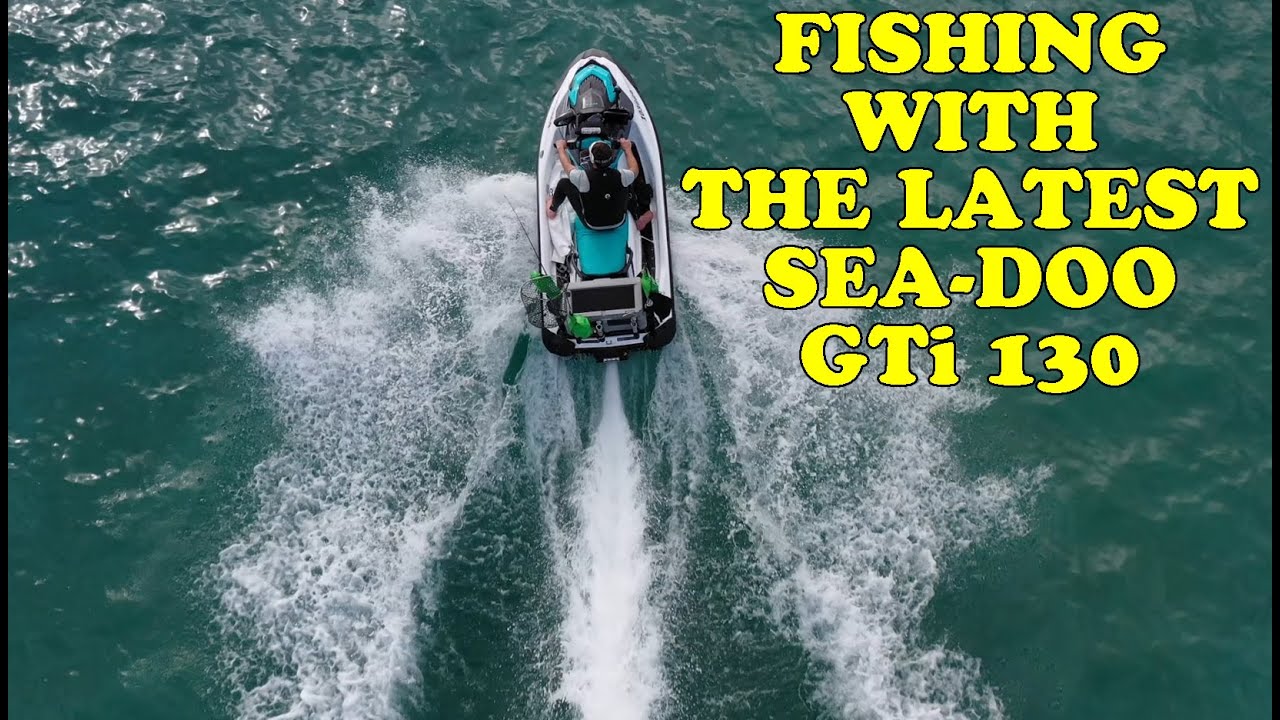
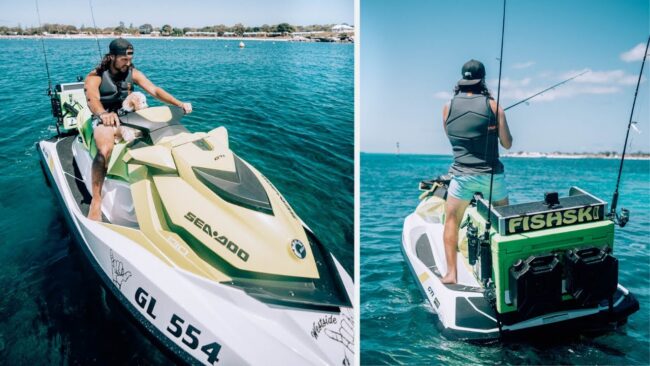
By now we all know that the Sea-Doo Fish Pro makes a great purpose-ready fishing rig. Whether it’s in an inlet close to shore or deep sea fishing miles off shore, that platform is going to get the job done. Another contender that is perhaps equally as capable when setup properly, is the Sea-Doo GTI platform as evidenced by Andrew Hill’s latest adventure.
For this rig, Hill has equipped a 2020 Sea-Doo GTI 130 with the LinQ cooler as well as the Garmin 62CV fish finder. After throwing a few rods and a net onboard, he is on his way out for a day of fishing.
The day turns out to be very successful as he snags quite a few fish including a huge snapper at the end. It appears that Andrew is equally as comfortable aboard this GTI as he would be onboard any other personal watercraft and judging by his success, we think he is equally as happy.
This goes to show that the Sea-Doo GTI lineup is a great fishing rig as well and at a fraction of the price of the Fish Pro, it’s hard to overlook. When you consider the ease of attaching your favorite LinQ accessories as well as the possibility to adapt the versatile fish finders, it’s definitely a great contender.
Not too long ago, we received an email from MasterJet Boat Gmbh, who wanted to introduce us to the company’s new “mega jet ski,” the MasterJet MJB 310. Our curiosity was piqued, we did some digging and discovered all that we could from the all-German MasterJet Boat website (using Google Translate, of course).
At first blush, these things are big and burly…almost clunky. Each machine features a good size deck – especially for PWC but when you know why, you’ll flip. The MJB 310 will be outfitted with two 155-horsepower MPE 850 Weber prototype engines.
And if that’s not enough, MasterJet Boat claims to have a MJB 380 RS unit brandishing two supercharged Yamaha SVHO engines cranking out a ridiculous 450-to-600 horsepower (depending on how it’s tuned) and a top speed of 150mph (y’know, because there are worse ways to die). Available in either black or pink, the MJB 310 is 3.8 meters long, 1.52 meters wide, and wields a dry weight is 1,377-pounds!
The oversized skis have numerous bells and whistles, including back up cameras and underwater lights. The complete list of tools, instruments, and special equipment can be found on the MasterJet Boat website. For more information, check out the website. It is full of specifications, pictures, and contact information – but no prices and a proposed introductory date of “August 2020” which has already come and gone.
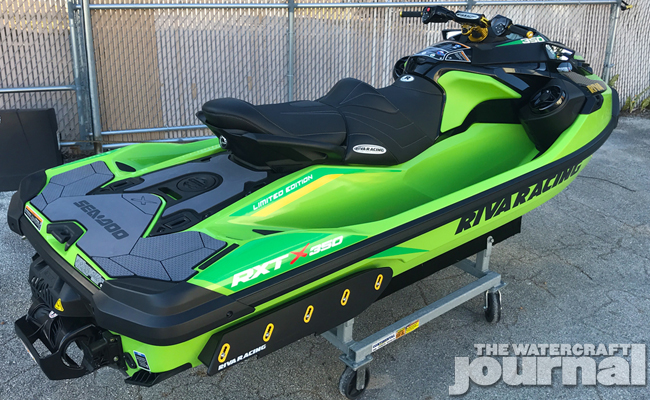
Earlier this year when RIVA Racing showcased their 2020 Custom RXT-X 350 Limited Edition, the particular limited run models shown were in the lively green and black with a special gold annodized coating applied to certain features.
Who could have thought that these custom built machines could look any sharper until they began building some extremely select units with other unique color schemes.
Take for example this one of a kind Limited RXT-X 350 with a smooth purple annodizing accent. The purple features combined with the electric green and black just take this ski to a whole new level of fine detail.
From the front to the rear of the ski, those purple colors just pop everywhere. The RIVA billet steering system is covered in the detail. The exhaust exit is also a fine work of art that is screaming with that candy purple color and even the seat stitching matches.
We don’t know whether this watercraft should be ridden or put in a gallery of art but either way it’s going to have one lucky owner.
Stay tuned for all of the latest limited edition model reveals from RIVA Racing and head on over to rivaracing.com if you are interested in having one of the special edition models for yourself.
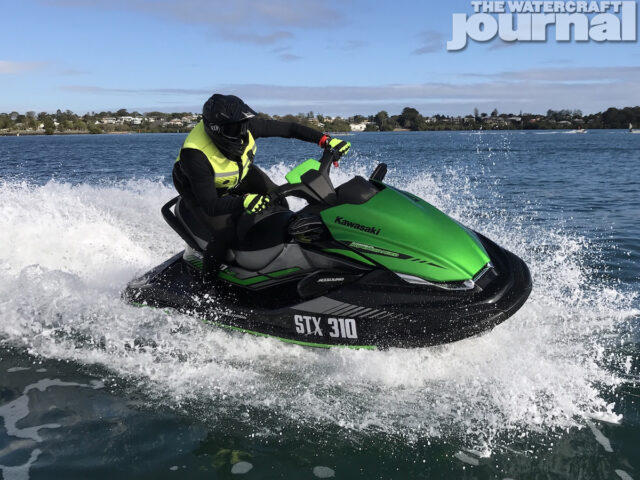
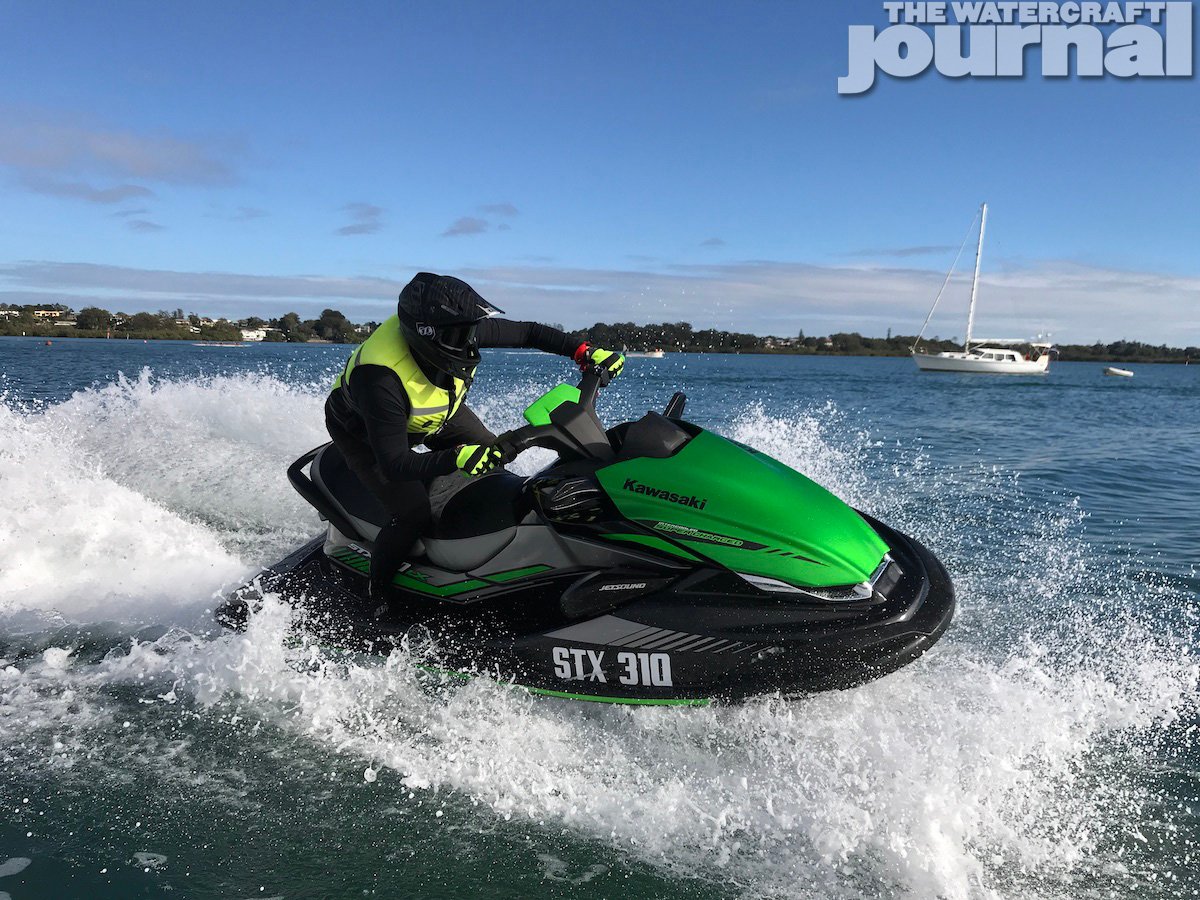
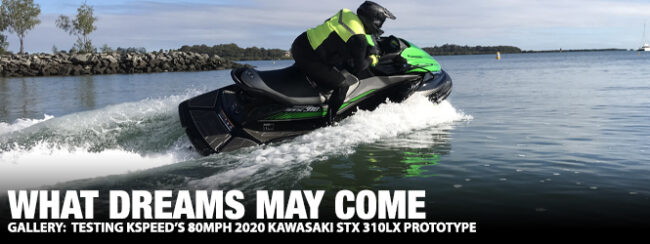
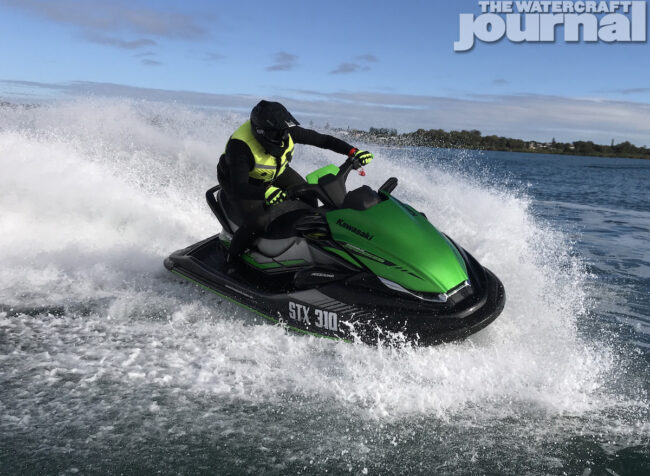
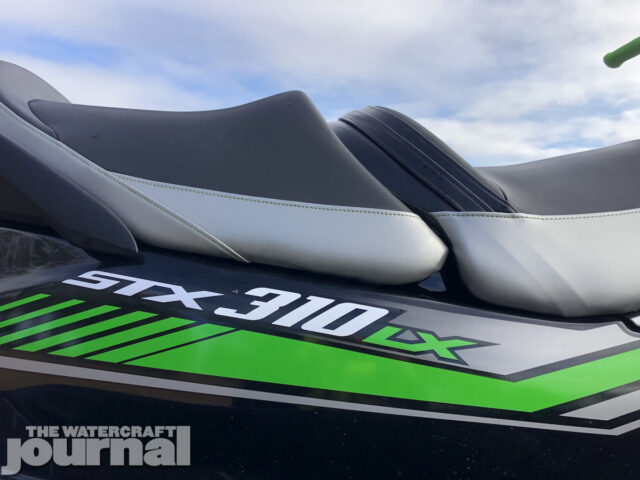
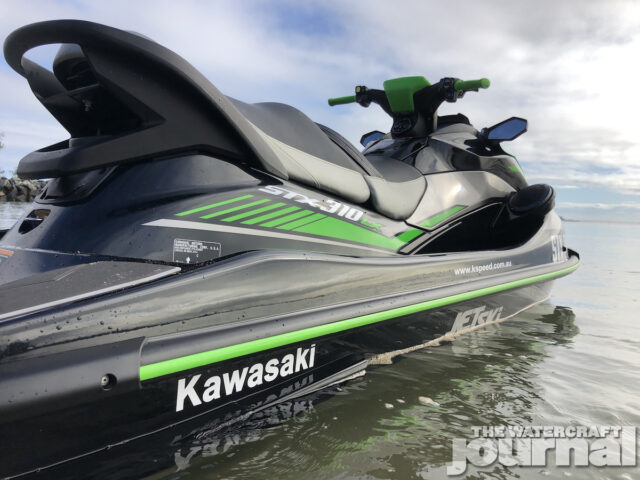
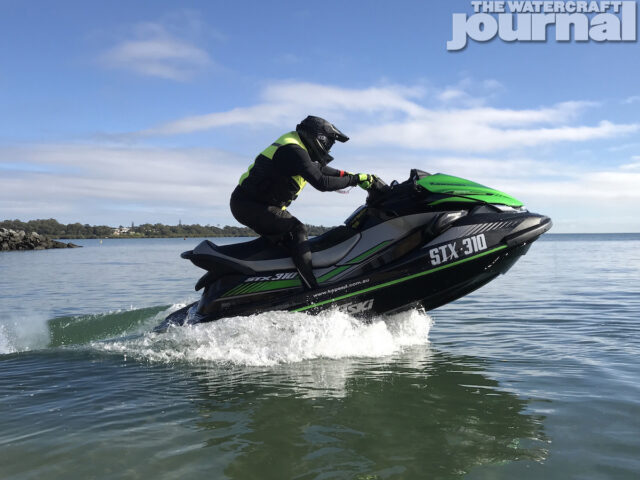
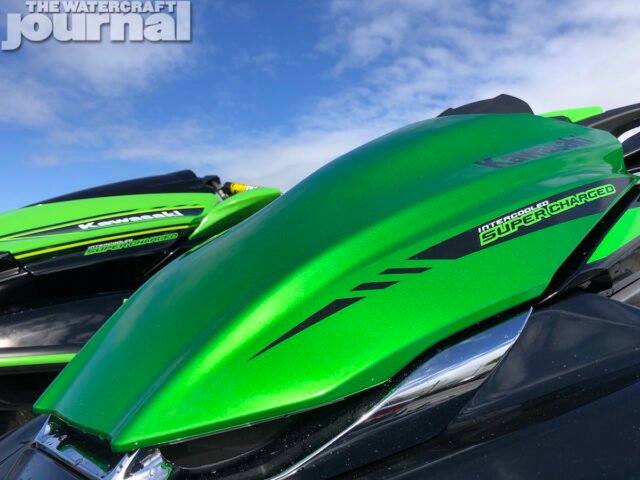
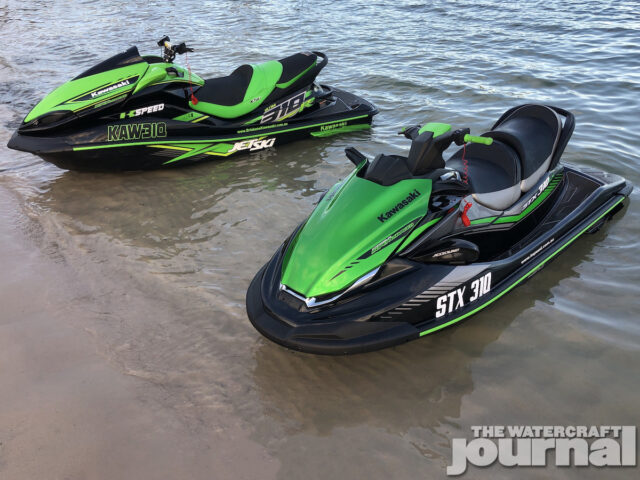
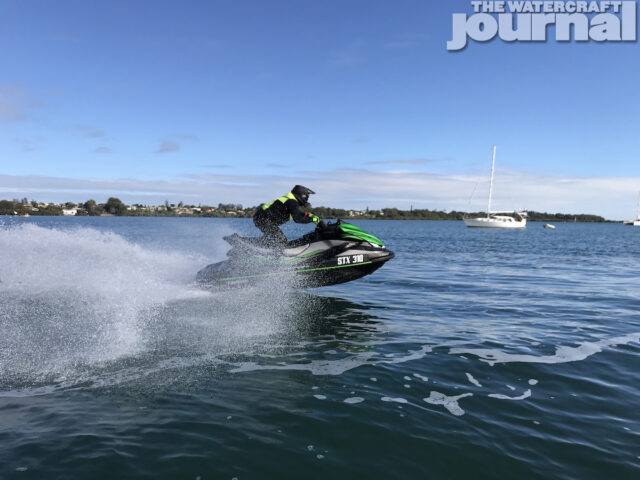
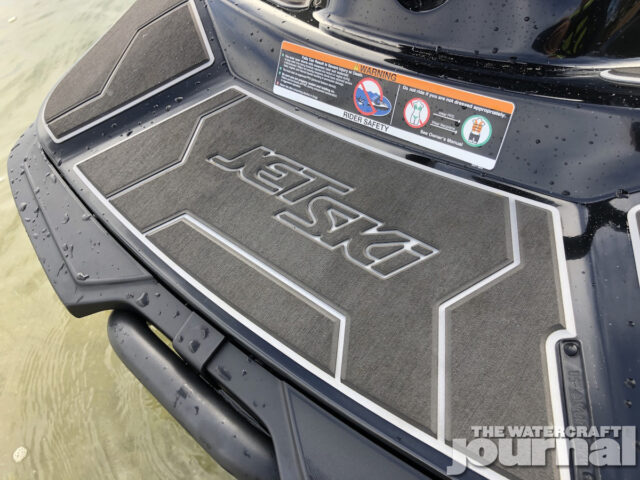
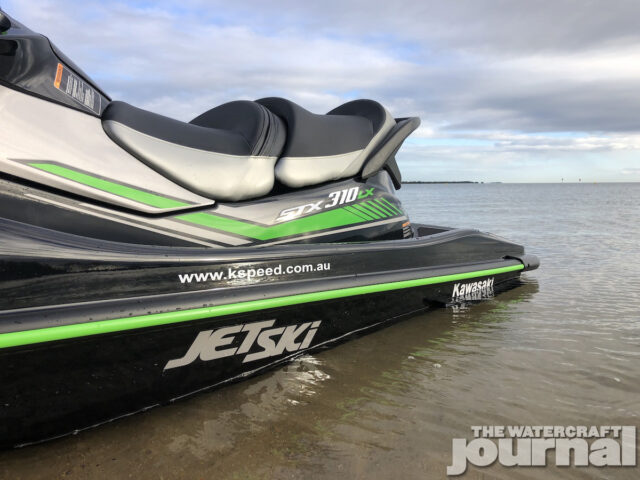
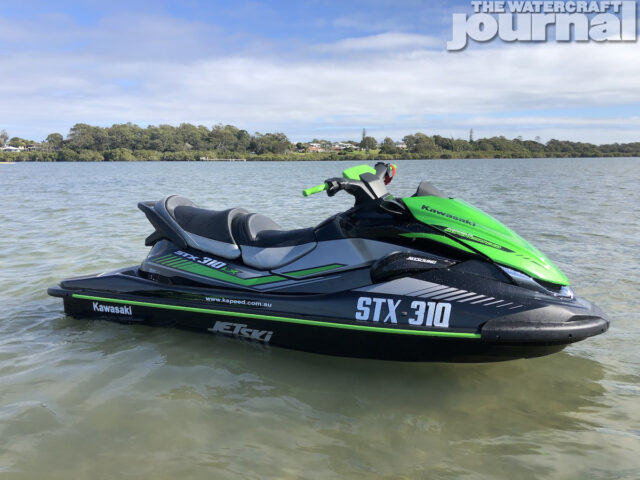
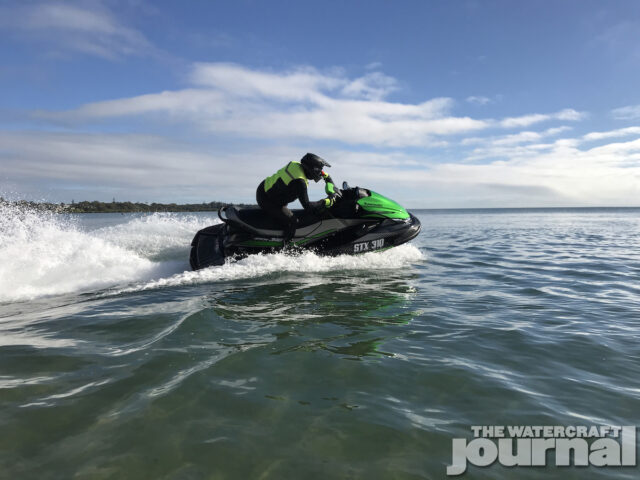
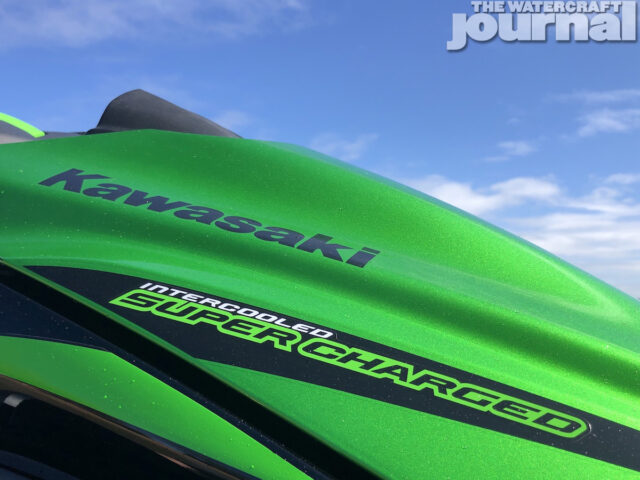
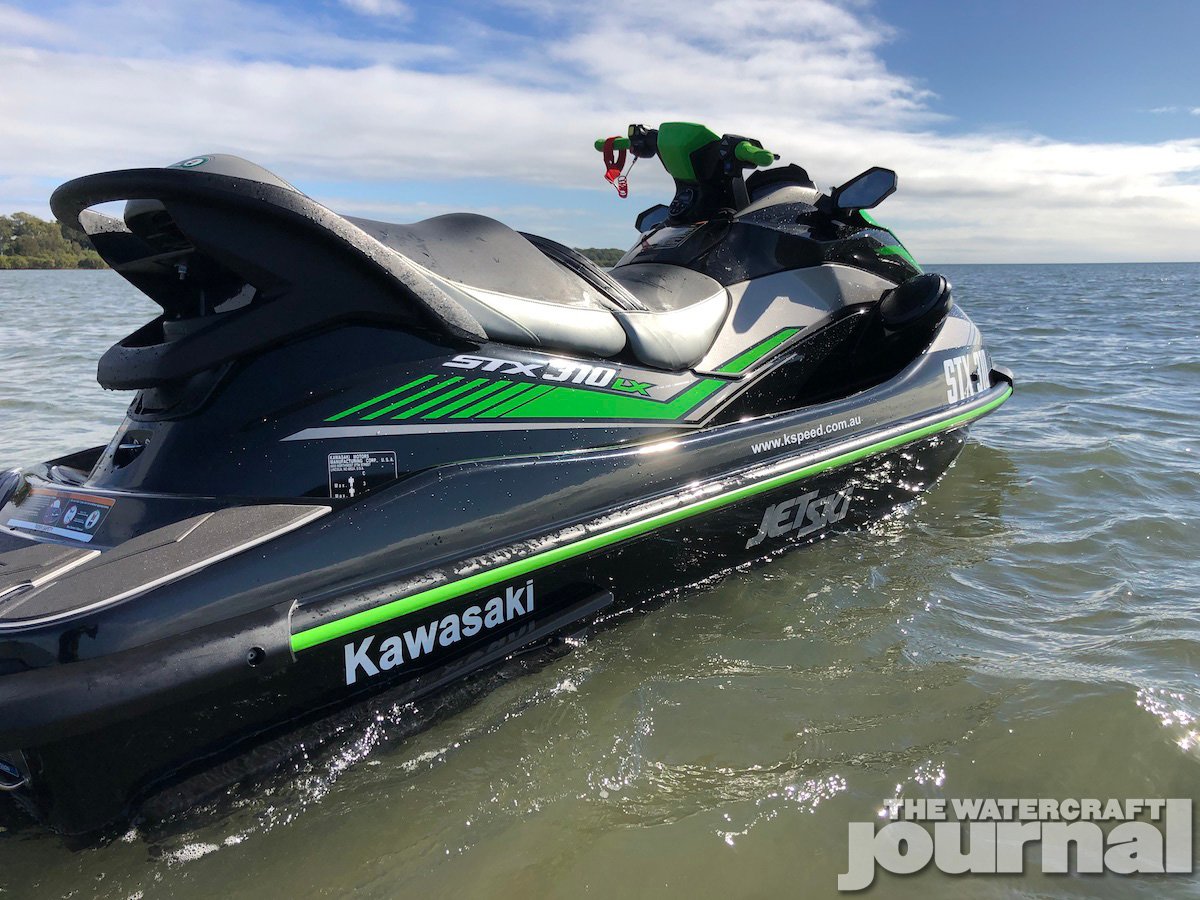
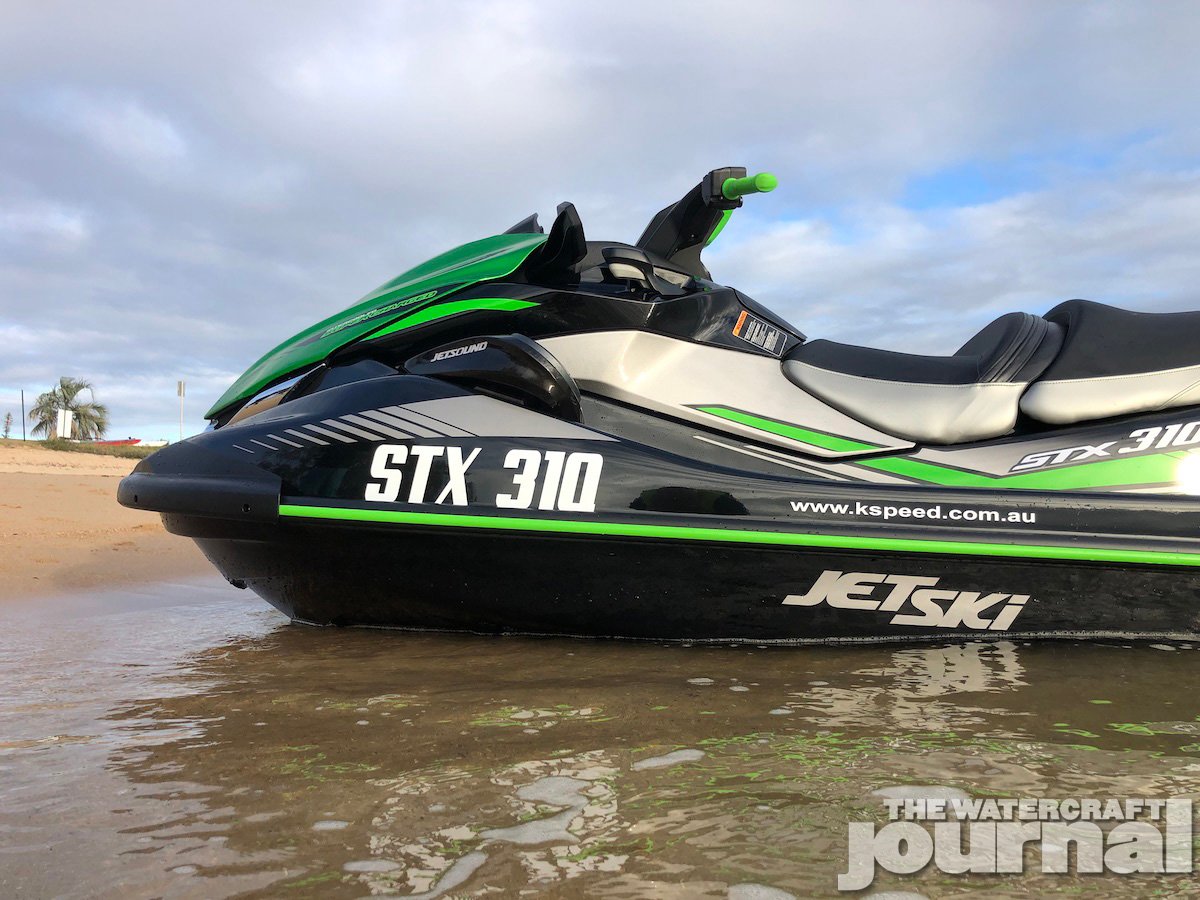
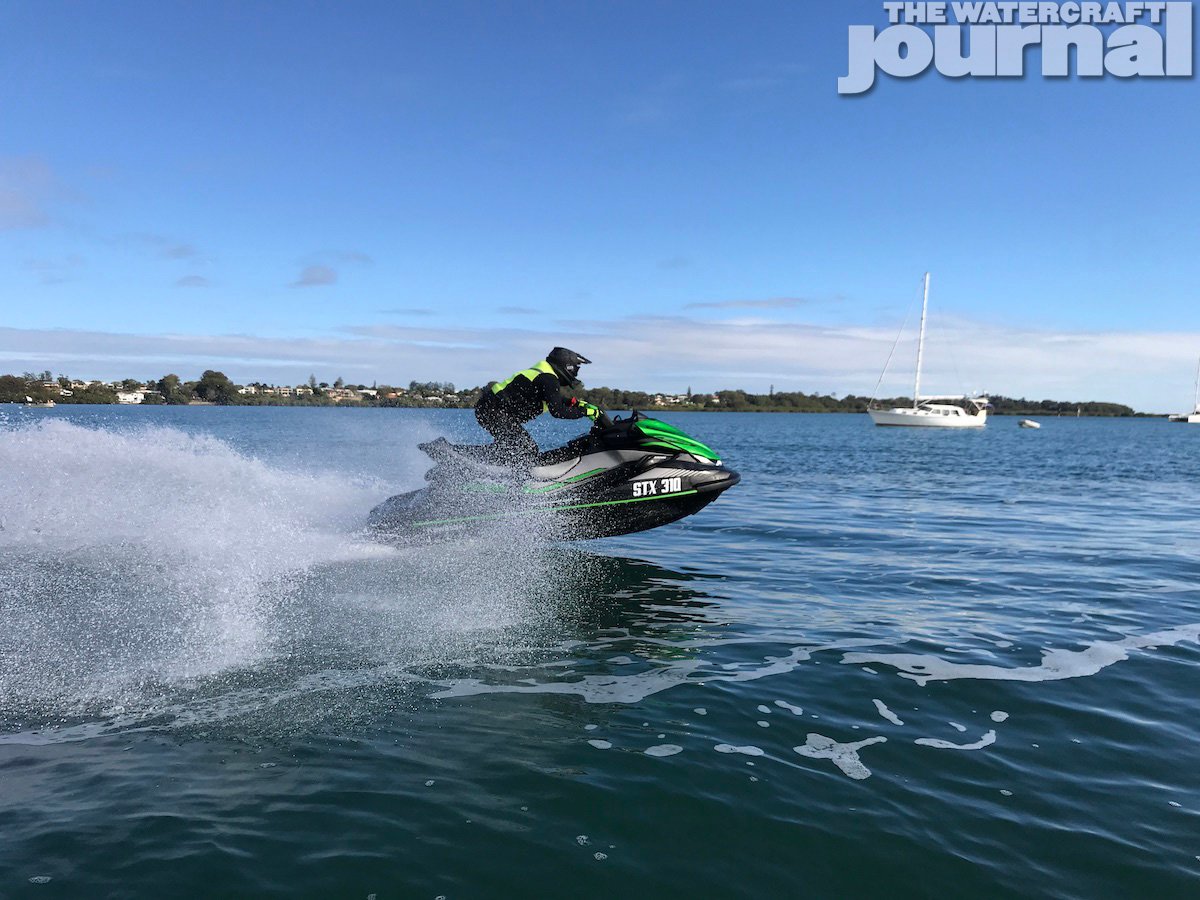
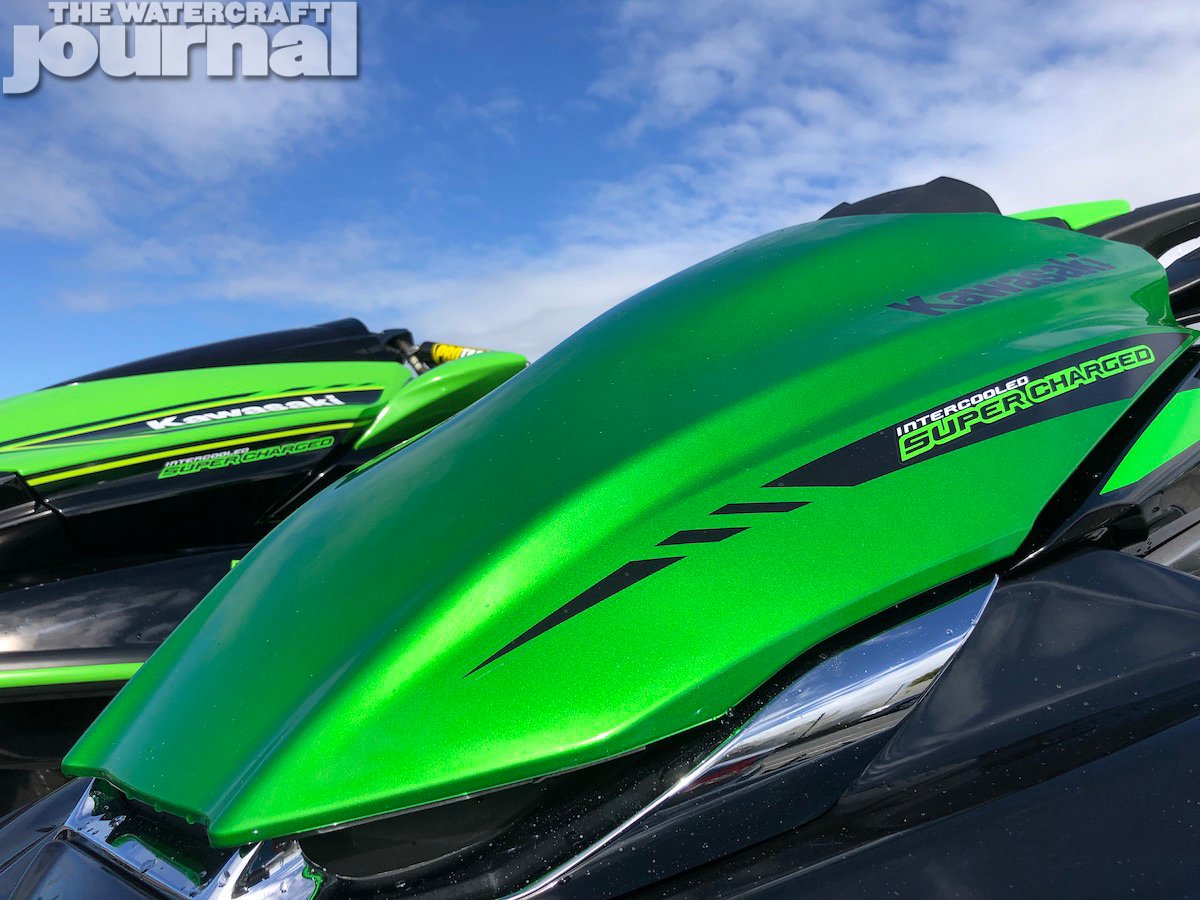
Do not adjust your screen or get your eyes checked. The “310” and “supercharged” decals on this 2020 Kawasaki STX 160LX have not been applied incorrectly. The guys at Kspeed Performance in Australia have created what many Kawasaki fans have been craving: a supercharged engine in the new 2020 STX platform.
It’s say, the jet ski equivalent of fitting a Formula One engine in a tiny Toyota Yaris hatchback – and the result is as mind-boggling as you might imagine, and we’ll get what it’s like to ride shortly (once we plug our arms back into their sockets). But first: how we got here. While this is only a concept for now, the Kawasaki STX 310LX bolts together using mostly genuine off-the-shelf parts. That means it wouldn’t be too difficult for Kawasaki to build this if they really wanted to (hint, hint).
The Kawasaki STX 310LX is the creation of Jamie Eade, who operates one of Australia’s biggest Kawasaki dealerships and is also the man behind Kspeed. Before he entered the world of personal watercraft, he had two decades of experience as a fuel injection specialist and dyno tuner, working in motorsports.
It wasn’t long after he began selling new Kawasaki JetSkis off the showroom floor that he thought of a way to plug a hole in what he perceived was a gap in the market. After tinkering with turbocharging, he quickly established the easiest way to make the Kawasaki STX rip was to use as many genuine parts as possible.
Mind you, this Kawasaki STX 310LX is not his first attempt at squeezing a lot of power into the brand’s entry-level hull. A few years ago, Jamie ended up with an old STX-15F and an Ultra 250 – both of which were traded-in for small change. That’s when he had a idea: Take the supercharged 1.5-litre 250-horsepower Kawasaki engine out of the battered and bruised Ultra fit it into the old STX-15F hull!
“We just did it as a bit of fun at first, during a quiet winter, just to see if it would work,” says Jamie. “The guys in the workshop used it for a while as a bit of a weekend thrasher, but eventually it was junked for scrap.” When the redesigned Kawasaki STX 160 came out for 2020, the guys at Kspeed thought it was time to revisit the project. This time, no expense was spared – and Kawasaki Australia also contributed to the project.
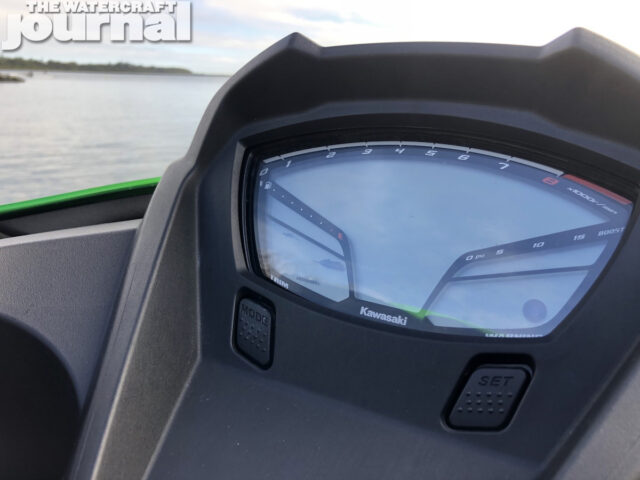
Kspeed bought a brand-new Kawasaki STX 160LX – one of the first imported into Australia – and an Ultra 310 crate engine out of the US, minus the supercharger. Kawasaki Australia helped out with a brand-new supercharger, intercooler, and wiring harness. Kawasaki also kindly supplied the trim and cruise control buttons and their handlebar housings, as well as the digital instrument display from the Ultra 310.
Surprisingly, there were a few items that needed to be made from scratch: Kspeed had to machine a new pump shoe so they could use the 160mm jet pump from the Ultra, as the STX has a smaller (148mm) jet pump. “I didn’t want to drive 310 horsepower through the STX’s jet pump, so that was a must,” says Jamie. To make the pump shoe, Kspeed initially welded a larger ring onto the STX pump shoe, then machined it to the correct size.
“If the factory were to do this, they would of course, tool this part, but it’s definitely within the realms of possibility and not super expensive,” says Jamie. Helpfully, the factory engine mounts are carryover and the engine bolts straight in to the STX 160 engine’s location.
However, Kspeed’s real genius was how they routed the exhaust. They fitted the exhaust, muffler, and rubber exhaust hose from the older Kawasaki Ultra 300 because that model’s exhaust outlet is on the same side as the exhaust outlet for the STX 160. The air box is out of a Kawasaki Ultra 260 and, as Jamie says, “it all clicked into place”.
“Kawasaki has the tooling for all this stuff, and access to these parts already,” says Jamie. “I had to make a hose from the supercharger to the air box, just two 90-degree bends. I had to shorten the Ultra 260 bracket to suit to the STX hull for the Ultra 260 airbox, cut the middle out of it, welded it back together, and it fit. Once that was done, it all fit perfectly.”
Kspeed’s hope is that by demonstrating what’s possible using genuine Kawasaki parts, the bigwigs in the US and Japan might take the idea further and consider putting a supercharged STX into production. “It’s fairly straightforward, just a few different things from a few different models,” says Jamie, possibly being a little too humble.
“I love the Ultra platform and I love the nimbleness of the STX platform, but to me the STX just needs a little bit more power,” says Jamie. “Even in naturally-aspirated form, I wish it had 200 horsepower – that would be nice. You might say I’ve taken it to extremes with the 310 engine, but all this is possible.”
If such a creation were to be built by the factory, Kspeed reckons a supercharged STX would line up nicely alongside the Yamaha GP1800R SVHO or the Sea-Doo RXP-X 300 – both mid-sized supercharged models popular with racers and thrill-seekers alike.
The top speed recorded by Kspeed on this beast so far is a staggering 80mph (129kmh) with, of course, the factory-fitted speed governor removed. We had planned on attempting to match this speed or wind it out as best we could, however the choppy conditions during our test ride quickly evaporated that idea.
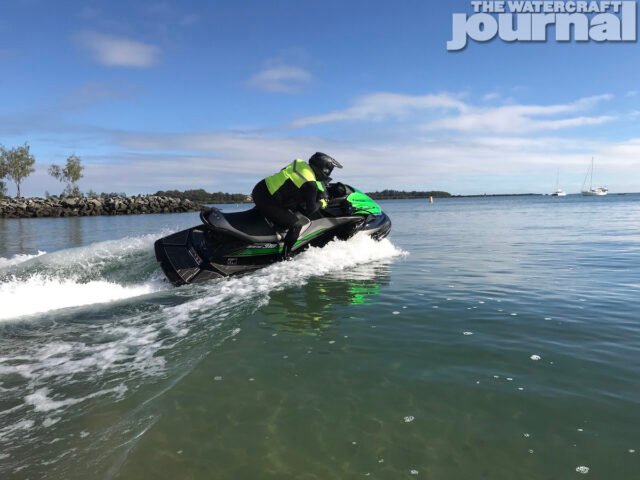
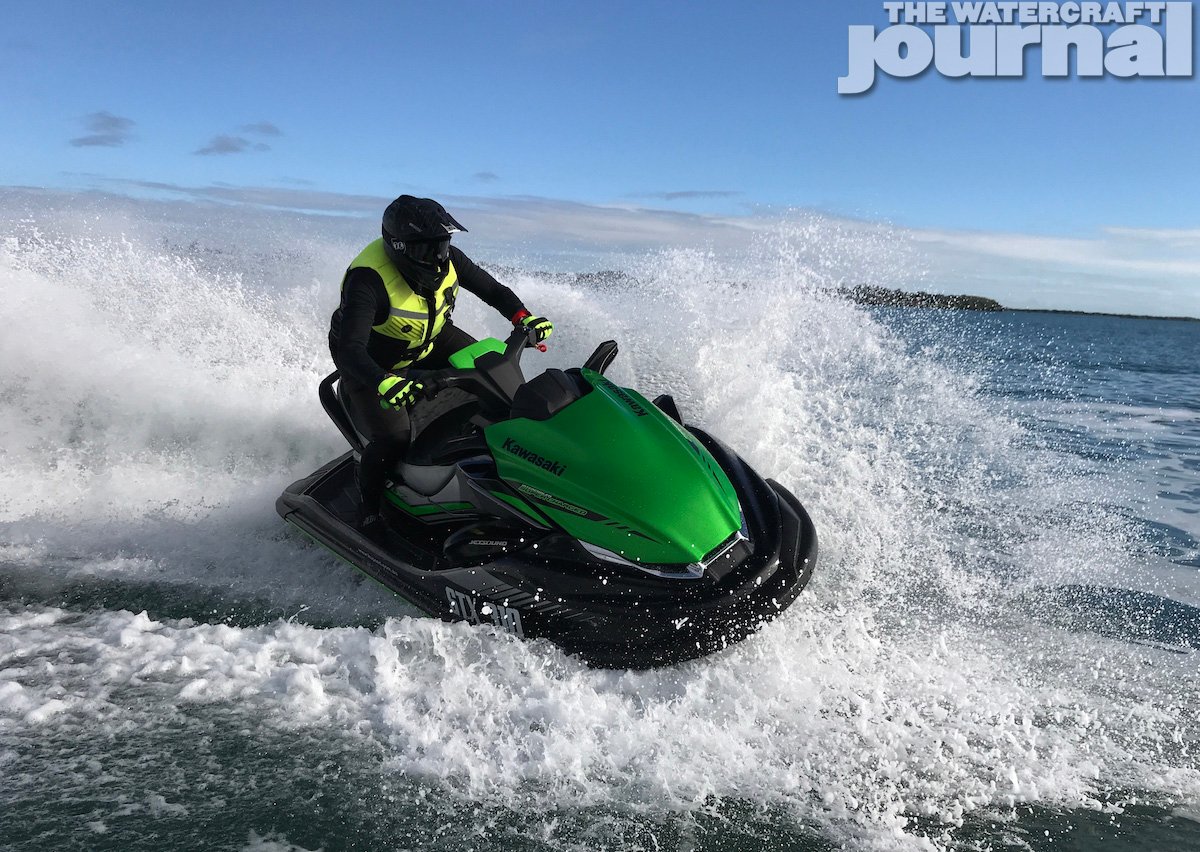
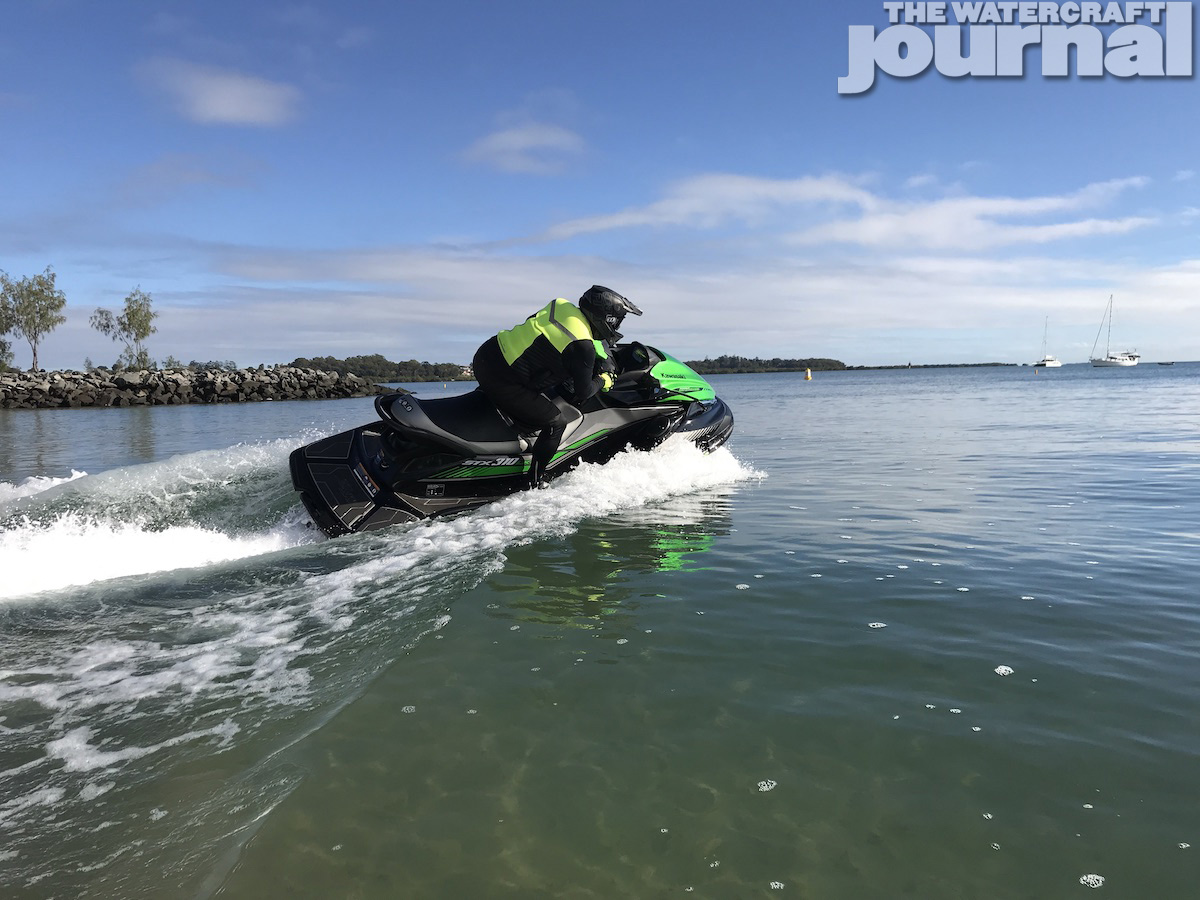
Instead, we focused on its balance, handling and how it launched. And holy smoke does this thing launch. It cavitated the first couple times we pulled full throttle from a standstill. It initially struggled for grip as it fought to grab enough water to pump through without interruption. But that was because we had the trim turned up. In a flatter setting, it launched a lot more cleanly and ate the chop with ease.
Once the STX 310LX got going, it felt like there was no stopping it. Sure, it hops around a bit in the chop, because it’s a shorter and lighter hull than the Ultra. And, to be frank, this thing will really put hairs on your chest in rough conditions. We’re not afraid to say it has almost too much power on tap, especially for novice riders.
Incidentally, we noticed the accelerator trigger on the Kawasaki is a little further out than it is on the Yamaha and Sea-Doo. This makes it more difficult to modulate your speed with a spare finger or two – tucked between the trigger and the handlebar – particularly in really bumpy conditions.
The hair trigger aside, the agility of the STX hull cannot be understated. It truly is a gem, even in its naturally-aspirated form – even though this hull design has been around since 2004. While the top deck had a major overhaul last year, when the model was renamed STX 160, everything below the bondline has been unchanged for almost two decades.
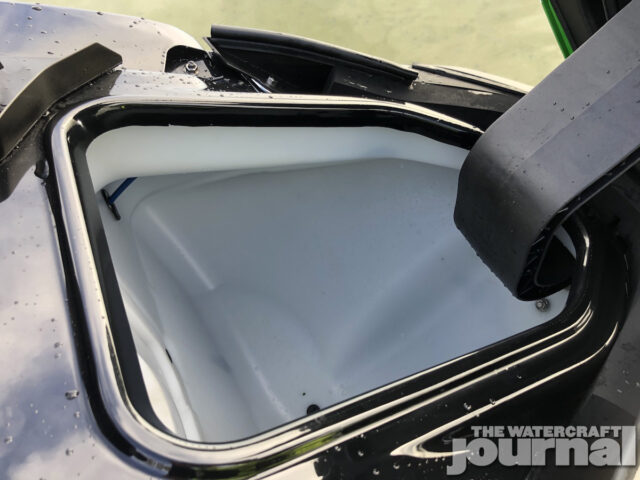
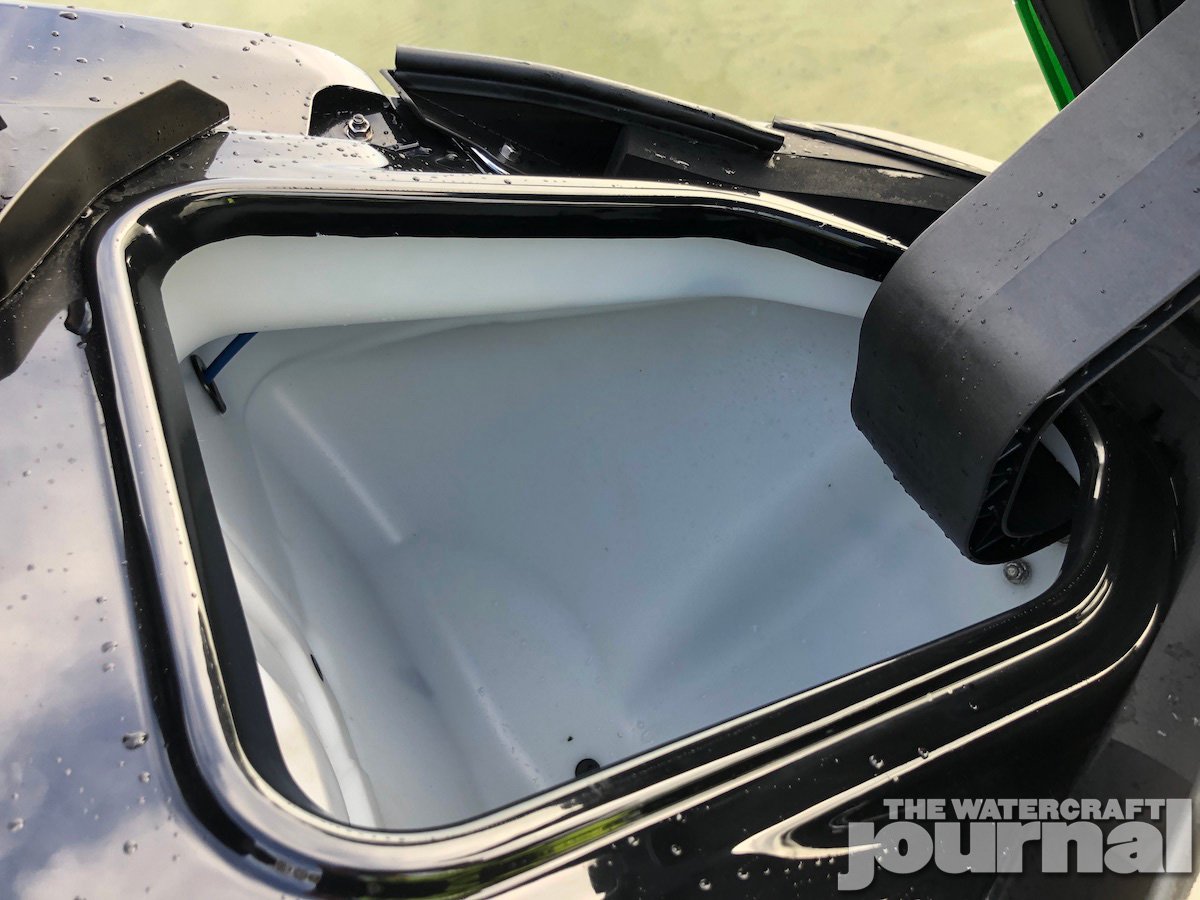
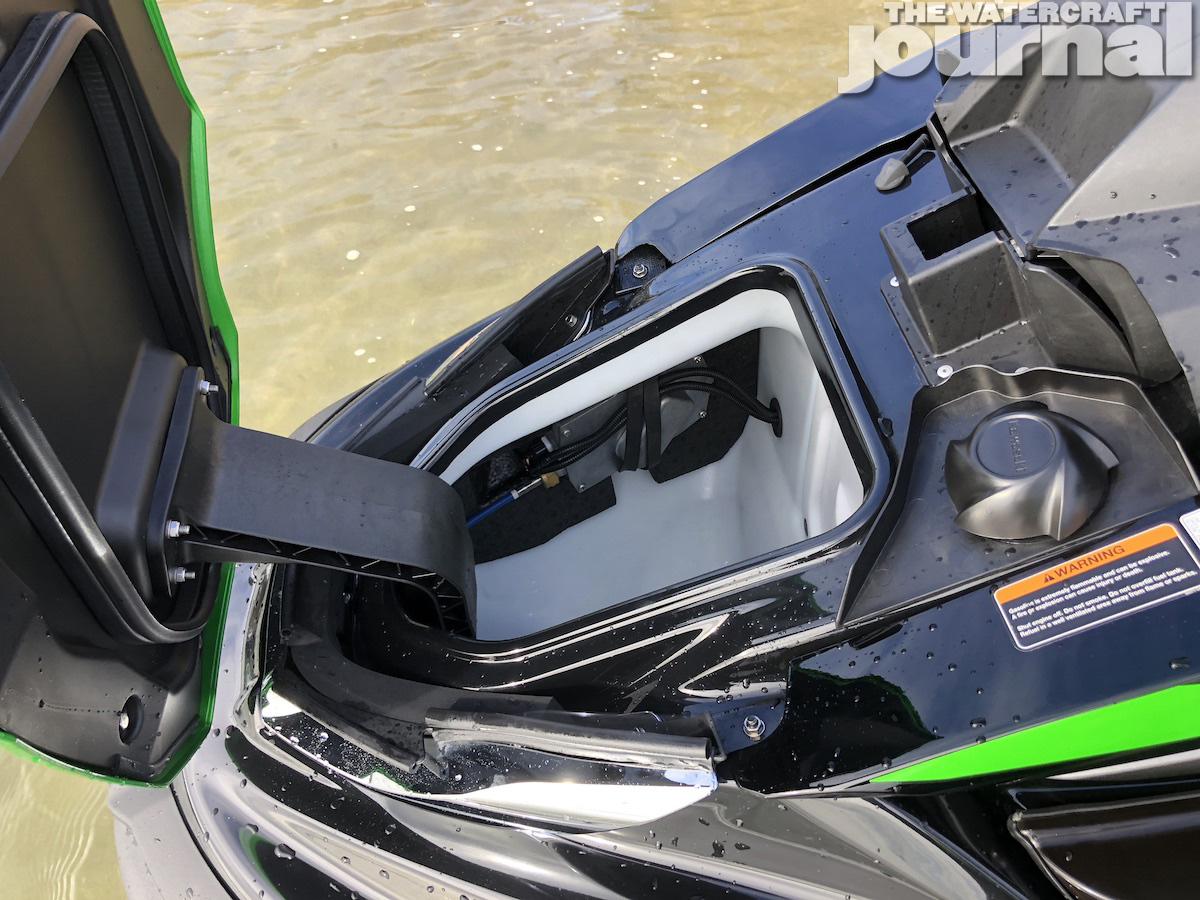
But, as the saying goes, “If it ain’t broke, don’t fix it.” We’re big fans of this hull (and its engine) in standard guise. It’s a great mid-level performance JetSki and ideal for first timers who would likely appreciate its low-speed agility, ample storage and class-leading 20.6-gallon (78-litre) fuel tank. With practice, the STX 160 can turn quite easily on its own axis.
With 310 horsepower on hand, however, it commands respect and elicits a healthy dose of fear. Macho-types in the jet ski community might be dismissive of so much grunt in a such a small package, but we’re here to testify that this thing demands your full attention. So it bears the question: is 310 horsepower too much for the STX? In a novice’s hands? Yeah, probably. But in experienced hands, it feels like the sky’s the limit with this machine.
As far as Kspeed is concerned, the STX 310 is a no-brainer: “I want to say that Kawasaki should and frankly, need to build this,” says Jamie. “This is something that customers are asking about and really want. We have a hole in our line-up against the Yamaha GP1800R and Sea-Doo RXP-X, and this would slot in there quite nicely – and give the other two brands something else to chase for a change.”
Are you ready for the latest Sea-Doo model reveal? We are excited to announce that The Watercraft Journal will have exclusive access to the 2021 Sea-Doo models and with that we will be sharing first-hand knowledge of these machines.
That’s right, we will be exclusively riding and testing out the features so that we have the most in-depth write up review, videos, and information to bring to you. And of course, all of this free to you the reader.
The official Sea-Doo reveal will be going live on September 10, 2020 at exactly 7:30PM EST. You won’t want to miss this. What better way to bring an end to this summer which has to say the least, had its frustrations for most folks around the globe.
Now is the time to get onboard and start enjoying the #SeaDooLife. As we all know, it was a madhouse trying to buy a watercraft this year, with nearly all models selling out early.
So get the most up-to-date information with us and be among the first to pre-order your 2021 Sea-Doo to ensure you have yours for next year. Be sure to set your reminders and as always we will have full video reviews on our YouTube channel and detailed articles at watercraftjournal.com.
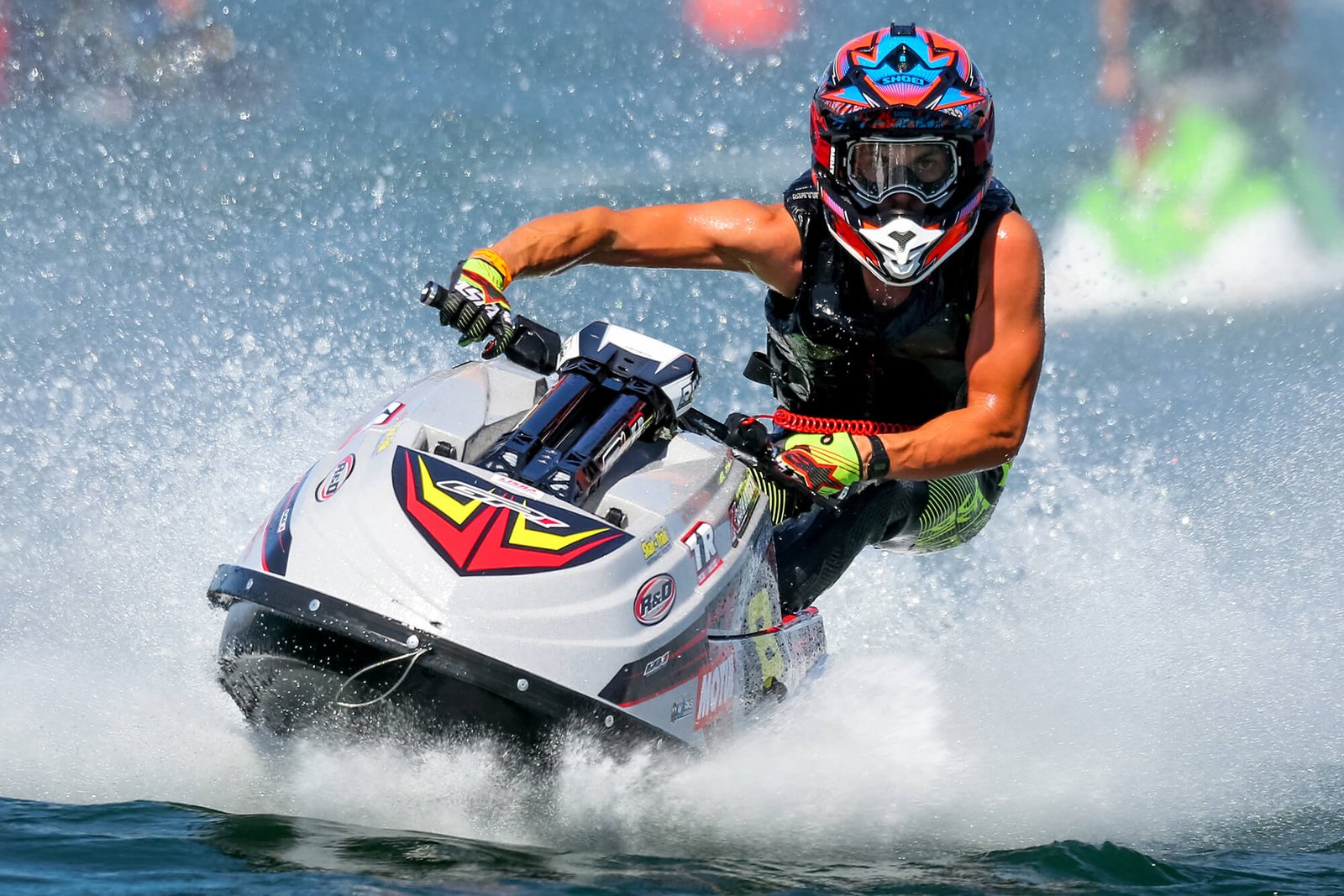
In its first weekly update leading up to the World Finals; the IJSBA announced that the World Finals will take place in Lake Havasu, October 3-11. The event will be a scaled down version due COVID-19 precaution. Safety and a competent staff are the number one and number two priorities when it comes to delivering this event.
It’s bare bones right now and IJSBA will add amenities as the situation and finances allow. Updates will allow everyone to know what to expect as far as scheduling, venue, layout, prizes, safety precautions, provisions, and participating exhibitors.
Safety on and off the water is the biggest priority and will not be compromised. Furthermore, all attendees and participants will comply with all directives, restrictions, and requirements put in place at the time of the event. The event is supported by GoLakeHavasu and the Lake Havasu City Convention and Visitors Bureau.
Additionally, the event is subject to the jurisdictions of Lake Havasu City, Mohave County, the State of Arizona, and the United States Federal Government Everyone must adhere to the rules put forth by the city, the Federal Government, and the IJSBA. Keep in mind that your attendance and participation in World Finals is contingent on your compliance with the protocol placed on the IJSBA.
IJSBA believes that is in the best interest of the sport to keep the continuity of the World Finals going through 2020. Watercraft racing is resilient and has survived some tough times and this may be one of the toughest. IJSBA also believes that to overcome these difficult times, it’s important to focus on what everyone CAN do and make the best of the situation.
The next step is to plan the World Finals event. Competition is slated for Wednesday, October 7th through Sunday, October 11th. Check in will be spaced out and will take place October 3rd through October 5th. The initial practice and riders meeting will take place October 6. Awards will be given at the end of each day that categories are completed.
See the IJSBA website for the complete press release, categories, and changes made for this season. We at The Watercraft Journal are glad to see that some semblance of racing is taking place and hope that someday racing returns to what it was pre-pandemic times.
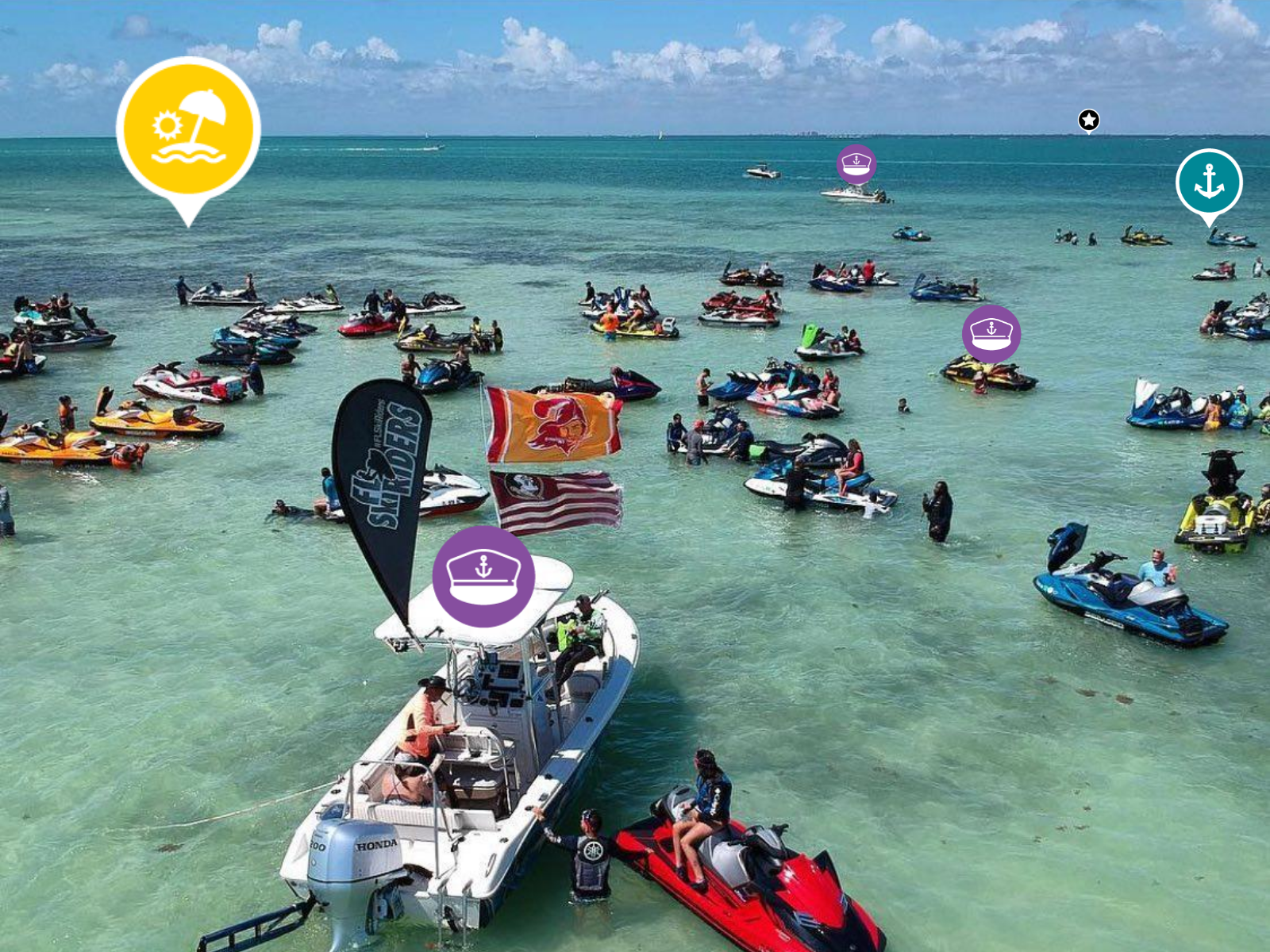
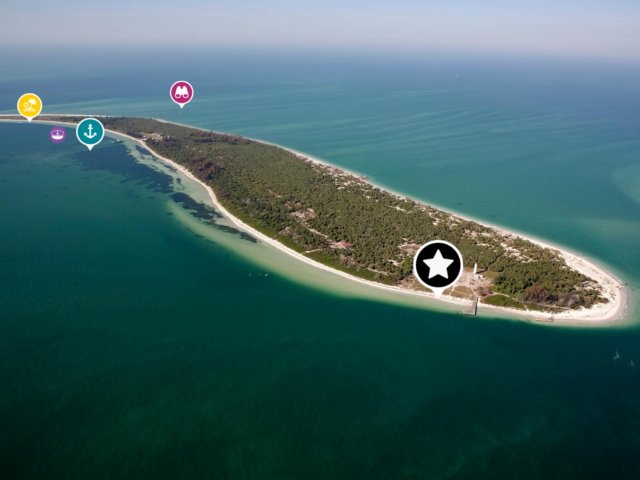
Ever wished that Google Maps or your iPhone’s Apple Maps applications worked on the water as well as they do on land? That’s what the crew at Florida Ski Riders wished too, that is, until they paired up with the Wavve Boating app – which delivers similar navigational information as well as the on-land apps.
And with the partnership of Wavve and FL Ski Riders, the app’s functionality is going to help generate a far more interactive experience, providing preferred routes, points of interest and even ride tips. It’s a pretty exciting pairing, especially if you’re living in Florida. So check out the full release HERE:
Tampa Bay, FL August 20th, 2020 Florida Ski Riders, the largest personal watercraft (PWC) enthusiast group in the United States, has partnered with Wavve Boating, an industry leading marine navigation app, to enhance their rider’s community experience on and off the water. With the Wavve Boating app, Florida Ski Riders now have a solution for sharing routes, the best sights, dangers to avoid, and much more.
Florida Ski Riders, a lifestyle brand dedicated to Jet Ski enthusiasts with a community over 20,000 strong, FLSR is an inclusive PWC brand known for organizing large group rides across the state of Florida with rider attendance coming from all over the U.S. Using their large social media presence, Florida Ski Riders will discover and promote the best places to ride, tips for riding, as well as the latest PWC news to help connect and bring PWC enthusiasts together.
Due to the COVID-19 pandemic, the group, founded by Randy Cabrera, is holding off on their large group excursion rides across Florida in 2020 that on average bring out 200+ riders. While the team prepares for adventurous rides in 2021, the partnership with Wavve Boating has allowed Florida Ski Rider’s to share some of the best days on the water remotely and digitally. As members of the group, all Florida Ski Rider members are offered an extended free trial to Wavve Boating.
Within the app, Riders can share their favorite spots including beaches, restaurants, scenic lookouts, and more, creating a digital alternative for capturing the same helpful information one would typically learn from a fellow Rider when sitting at the dock or out on a ride. Riders can build custom maps with an infinite number of points of interest, and choose whether to keep their contributions private, share them with friends, or make them public for the entire community.
“Wavve Boating has allowed us to connect with the riders on and off the water and share new riding areas with detailed routes, stated Randy Cabera, Founder of Florida Ski Riders, It has become an invaluable tool for our group rides. We can now provide a full pre planned route with tips, notes and photos prior to each event. We’re excited to partner with Adam and the Wavve Boating team and confident this will be a game changer for our community.”
In recent months, demand for PWCs has increased considerably as many hobbyists are looking for available recreational activities during COVID-19 restrictions. PWC sales have seen a 75% increase from last year, as reported by the National Marine Manufacturers Association, which accounts for about a quarter of new boat sales. Many of these purchases are first time buyers which is encouraging for the recreational boating industry in general.
“It’s incredible to work with Randy and the team at Florida Ski Riders as we have a shared passion for being on the water” stated Adam Allore, Founder and CEO of Wavve Boating, “Some of my earliest memories are from the back of a JetSki, I’m proud that the team and I at Wavve Boating can support this growing activity that has become a way to escape and relax for many.”
About Florida Ski Riders Florida Ski Riders is one of the largest personal watercraft communities hosting group rides, featuring new riding areas, PWC products, News and much more. Dedicated to all personal watercraft enthusiasts whether they ride a Sea-Doo, Yamaha Waverunner or Kawasaki Jet Ski, Florida Ski Riders is a place to connect with other riders and learn about new areas to explore. To learn more, visit https://flskiriders.com/.
About Wavve Boating Wavve Boating (Wavve) is a mobile application designed for the recreational boater. With nautical charts from the National Oceanic Atmospheric Administration and Canadian Hydrographic Services, Wavve has been growing its consumer base across North America since May of 2018. Available on all Apple and Android devices, Wavve offers a simple platform so anyone can boat like a local.
Wavve Boating is available on Apple and Android devices and has two subscription options of $4.99/month or $19.49/year. You can visit wavveboating.com for more information, or download the app directly from the Apple App Store and Google Play Store.
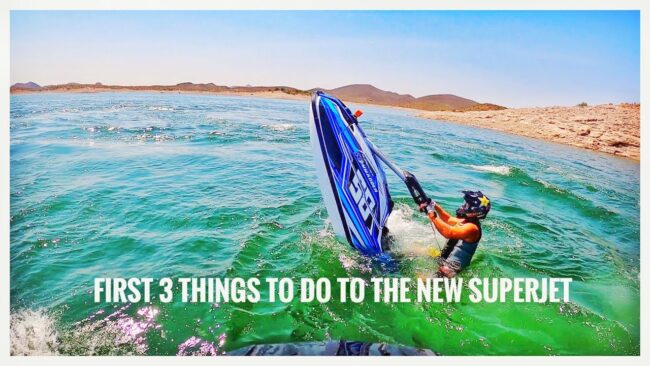
A little over one week after the official revealing of the 2021 Yamaha SuperJet and we are starting to see the PWC community tinker with it. Naturally creatures of habit, when there is room for improvement, we will act on it and Dustin Motzouris is one of the first to get his hands on this brand new SuperJet to explore a few modifications.
In his video below, he discusses with us the first three recommended modifications to this ski. At the 7-minute mark in the video, he will walk you through these changes.
First and foremost a set of aftermarket mats from Jettrim. This improves grip and gives more confidence in finding the rear of the tray. Motzouris even admitted that with the factory mats, he struggles to find the rear and actually stepped off the ski at one point.
We have also noticed other comments about the factory mats lacking material over the side walls. An aftermarket set could help in this area especially for those who utilize their forearms and elbows to pull yourself up. Cushioning this area will give grip and make it more comfortable.
The next item on the checklist is to upgrade the steering system. If you are a dedicated rider or ride aggressively, this modification could definitely benefit you however if you plan to simply ride recreational for a while, then the factory steering system should be sufficient.
Lastly is utilizing the MapTuner X to upload those existing tunes to the TR-1 engine. This will not only give better throttle response, but also improve mid-range and top speed performance. Dustin said he gained about 2-3mph on the top end.