We can all remember that time of intense pressure and scrutiny to get our watercraft launched at the crowded boat ramp. Maybe you didn’t have quite enough practice or the ramp location was just jam packed with summer weekenders.
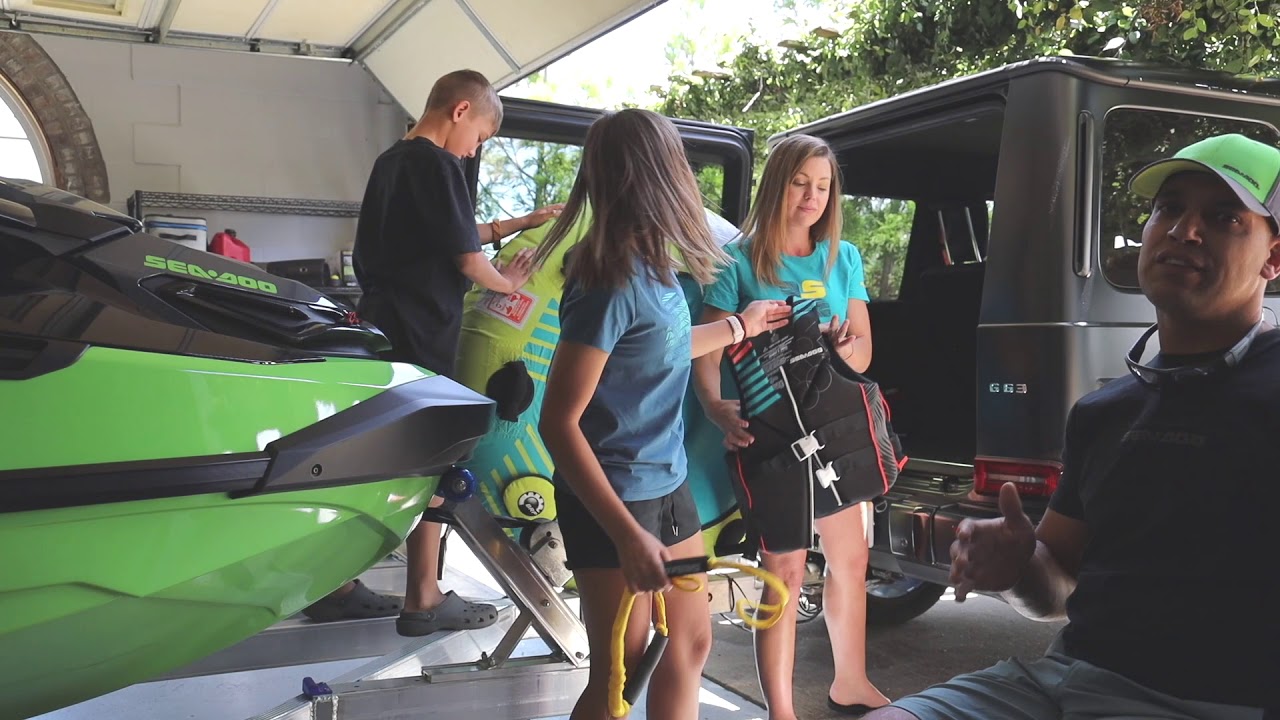
Whatever the case may be, we could all use a few tips or reminders here and there from some experts. That’s why Sea-Doo wants you to ‘Doo It Right’ and is offering a few pointers to make sure your next trip to the boat ramp goes smoothly.
First and foremost, you want to be familiar with the ramp location, its launch/land area, and surrounding waterways. You might want to view a google maps satellite image of the area, view posted pictures of the ramp, or simply swing by and check it out prior to arriving with your watercraft especially if it will be your first visit to the ramp.
Next you want to make sure you are prepared prior to leaving your home. This includes performing necessary checklist items to ensure your watercraft is performing according to your owner’s manual. Make sure it is in good running order and ensure you have enough fuel for your ride.
Ensure you have your PFD and other safety gear. Check your drain plugs and ensure your intake grate and prop area are free of obstructions. Also be sure to pack personal essentials such as sunscreen and water bottles.
As you arrive to the ramp, there are some general etiquette guidelines that are standard. This includes doing all prep-work prior to arriving in the launch lane. For instance, you want to make sure to have covers removed, dock lines already tied to the watercraft, and coolers or other accessories already in place.
Now you are ready to pull into the launch lane. As soon as it’s your turn, back your watercraft into the water. Once unhooked from the trailer, you or a partner can safely tie it off on a designated staging dock. Then park your vehicle and return to your watercraft so that you can exit the area to make way for the next person.
Landing the watercraft is simply done in the reverse order. Not rushing under pressure is important to ensure everything is done correctly without injury or damages but also preparation work is key.
For more detailed steps, check out the Sea-Doo Blog with included video. Now you can be fully prepared and confident on your next outing.
To his fans and YouTube audience, he in known as The Fish Whisperer. To Sea-Doo, Kyle Naegeli is a brand ambassador promoting the #seadoolife and charting out fishing adventures aboard the Fish Pro.
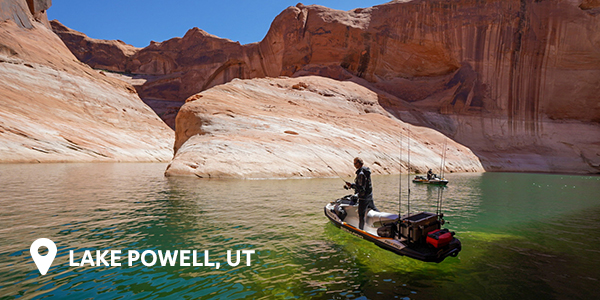
Now you can follow along on this unique adventure on Lake Powell as Naegeli cranks up the fun. Want to take on this exact adventure for yourself and explore the unique scenery of this beautiful area? Continue reading the Sea-Doo Blog below to find out how and be sure to check out the video.
The Fish Whisperer Takes on Lake Powell
Ride along with Sea-Doo Ambassador Kyle Naegeli as he hits Lake Powell for a Sea-Doo Life fishing adventure you have to see to believe.
Joining with Up Lake Adventures aboard the Sea-Doo Fish PRO, Naegeli – AKA: The Fish Whisperer – dials up the fun in every aspect along the waters and surreal scenery of one of the world’s most unique bodies of water. And the ultimate versatile watercraft, he squeezes every ounce out of the adventure thanks to the Fish PRO
Naegeli’s out-of-this-world Lake Powell adventure is closer than one might think. Check out The Uncharted Society, which offers the adventure package you see here and many other custom adventures through a curated list of providers.
For the longest time, people were convinced that while a great offshore/rough water platform, the current Kawasaki Ultra JetSki platform was just too big and/or heavy to really make any substantial speed. That was disproven by some very successful racers with some major factory support (Dustin Farthing and Craig Warner, to name a few), the mainstream saw it as just outside the reach of most folks.
Thankfully, Jamie Eade from Brisbane Kawasaki and KSpeed Performance saw past the chatroom fluff and went to work eking out more and more speed from the big blown Kawasakis. A major factor towards achieving this goal was in changing the pitch of the hull, trimming the nose upward to release so much surface tension. To manually (and cheaply) do this, KSpeed developed a 2-degree pump wedge.
The pump wedge manually angles the pump’s jet nozzle upwards, pushing all of that thrust at an elevated angle. This, in turn, forces the bow upward and thusly, frees up the hull’s aggressive deadrise. Unbelievably, KSpeed’s pump wedge goes on in minutes, and below we’ve included a step-by-step tutorial of how to install the 2 degree pump wedge on your Kawasaki Ultra 300/310.
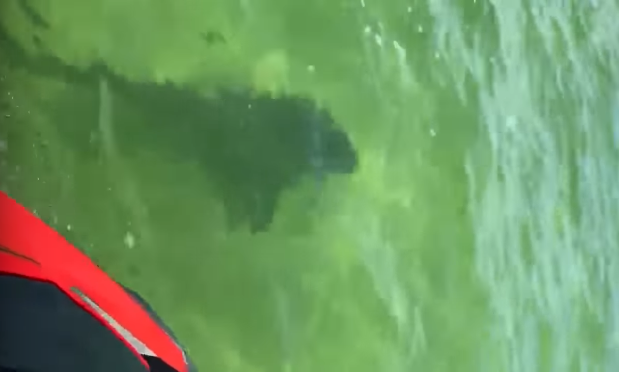
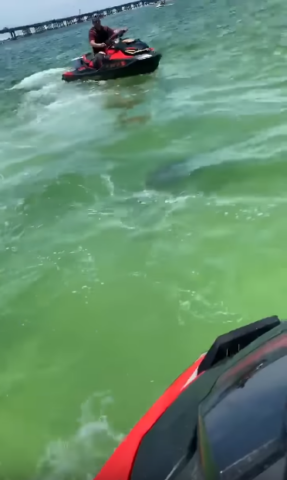
Today we bring you a story about three Sea-Doo’s and a shark. We came across a short clip of a few guys riding Sea-Doo’s in Florida, and just for fun; a shark showed up to mingle. Sharks generally don’t bother humans, they just don’t. This one was swimming in its natural habitat, probably a little curious as to what the commotion at the surface was about.
Sharks are solitary creatures and prefer to be left alone like a lot of humans. Moreover, they are sharks and as a rule most of us have a healthy respect for them and prefer to stay away and watch them from a distance. Bull sharks, on the other hand, don’t take any crap and this one appeared to be a juvenile bull.
The riders may have been young and dumb and thought it would be fun to antagonize a shark. They attempted to corral the shark and one rider got a little to close and clearly, the man in the gray suit had had enough nonsense from the riders. The irritated animal turned and bit the Sea-Doo, scaring the heck out the kid.
Fortunately, no one was harmed, and the shark swam free. This gives “Your Sea-Doo Life” a whole new meaning!
Last week, the world record for the fastest personal watercraft was set at 135 miles per hour aboard a GP1800R SVHO. Certainly, there wasn’t a whole lot left “factory stock” on that machine, but the hull and deck were more or less as Yamaha produced from its Newnan, Georgia manufacturing facility. Add to that an incredible record of GP1800R sweeping podiums since its introduction in 2017, and it’s clear that these WaveRunners are favorite of performance enthusiasts.
In 2019, Yamaha made some minor changes to the GP musclecraft; first, being the addition of the “R” and the inclusion of a top loader intake grate and an extended-surface, inverse-straked ride plate. Last year, the GP1800R was redesignated as the “GP1800R SVHO” as the VXR became the “GP1800R HO” – a mouthful to say the least. Additionally, the GP received a redesigned two-piece pump, with a 160mm liner and impeller, and a tapered stator measuring 155mm at the inlet and 160 at the exit.
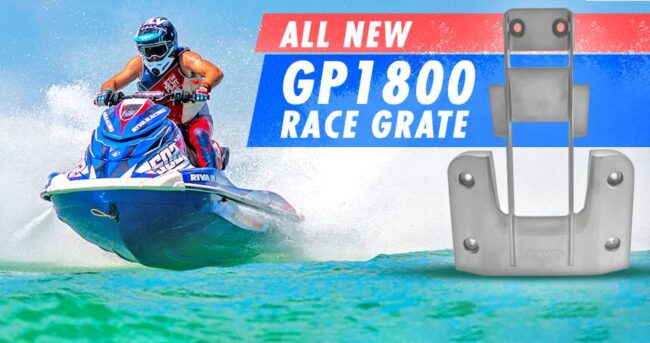
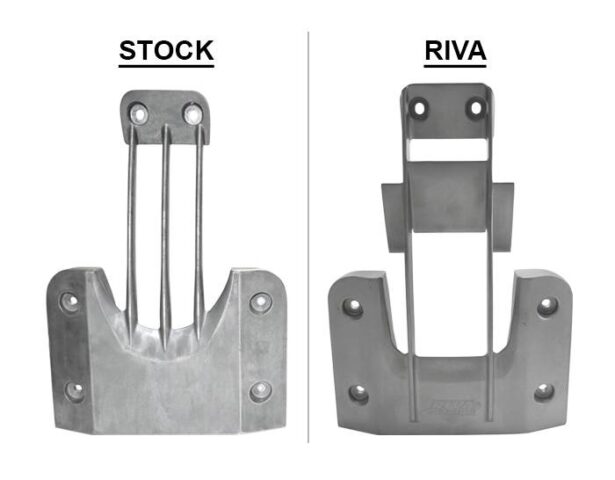
Above left: This is what the factory stock GP1800 intake grate looked like in 2017 against the first iteration of the RIVA Racing top loader intake grate. In 2019, Yamaha “borrowed” RIVA’s design but found that while it was an improvement, more was left on the table. Above right: RIVA’s second edition top loader intake grate has a massive scoop grate and an even larger inlet, providing the GP1800R unmatched hook up, reduced cavitation and all without losing speed!
Yet, one of the biggest issues plaguing the GP1800R SVHO was initial cavitation at the onset. From a standstill, the GP1800R fought to bite and launch hard. And while the GP1800R could track straight even in rough water, staying hooked at throttle was still a chore – primarily due to the craft’s light weight. To directly combat these specific issues, RIVA Racing launched the second version of its performance top loader intake grate for all GP and VX Series Yamahas.
Dave Bamdas explained, “This grate was developed through our racing efforts and used by the RIVA Racing Team to win multiple championships over the past 18 months.” The most prominent feature is the radically increased oversized top-loader wing and optimized inlet ramp to reduce cavitation, as well as the giant opening at the “chip” permitting more water into the pump area for continued hookup with zero top speed loss. Cast from stainless steel, it won’t rust and it’s super durable too. Priced at $329.95 it’s the ultimate weapon to perfect launches and remain hooked all the way through your pull.
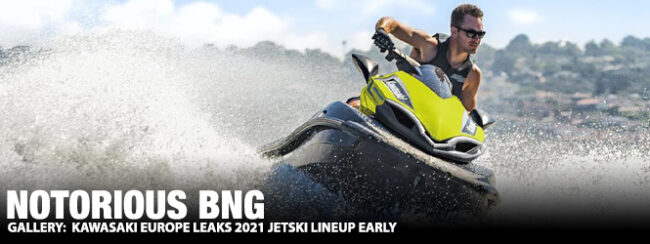
With less than two weeks away from the 2021 Yamaha WaveRunners official reveal, it would appear that Kawasaki’s European division jumped the starter’s pistol yet again, and rolled out the entirety of the international lineup of 2021 JetSkis. Although all of us are excited to see what each of the Big 3 have in store, it came as little surprise that much of the lineup remains entirely unchanged for the new model year, particularly as 2020 saw a rollercoaster of sales due to the COVID-19 panic.
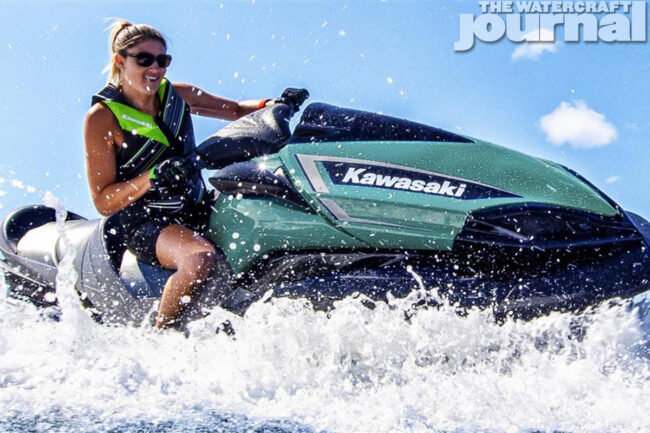
Wanting to group its watercraft division into segments, Kawasaki has broken up the range into Ultra, STX and SX-R groups. Albeit a little on-the-nose, each category offers buyers a selection of pricing and performance to meet his or her particular budget and preferred riding style. Interestingly, all models share an ever-so-slightly modified variant of the same 1,493cc dual overhead cam 4-stroke, four-cylinder engine. This uniformity across the board allows Kawasaki to keep manufacturing costs down and retain a rather robust catalog of replacement parts sitting on shelves.
Those few models that received new paint schemes and decals have also otherwise gone unchanged (what many in the industry jokingly call “BNG” or Bold New Graphics, marketing speak for “new colors and graphics”). No newfangled technologies or whiz-bang features here, folks. And for some, that’s all they want – and it’s true. Kawasaki has experienced impressive growth numbers over the past couple of years, and hope to see this growth ratchet skyward in the coming months as these 2021 models roll out.
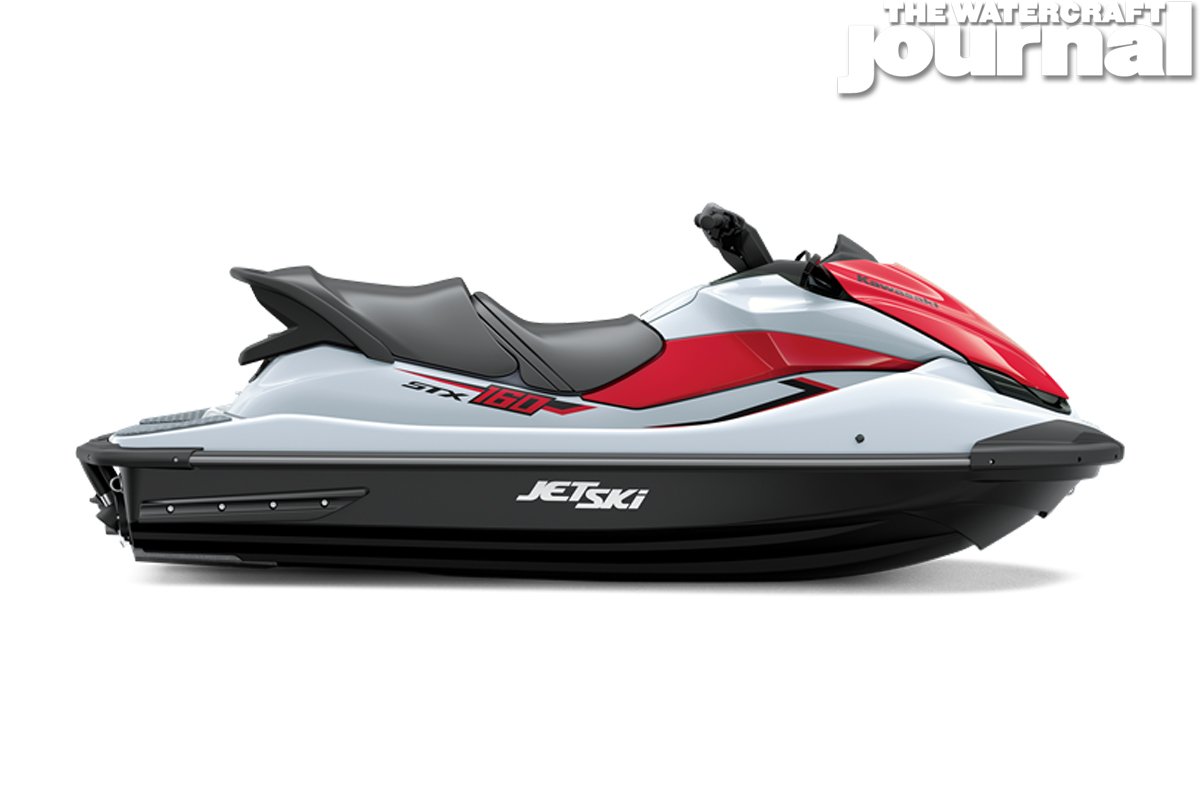
For the STX group, the base model STX 160 returns unchanged in its Gelcoat Crystal White and Sunbeam Red color scheme. Domestically, the mid-level STX – the 160X – came in a very fun Ebony and Riptide Turquoise in 2020; internationally, the STX 160X came only in Ebony and Lime Green, and includes Cruise Control and No Wake settings. The top-of-the-segment STX 160LX ups the ante with a heat-resistant 3-tiered seat and Bluetooth-controlled Jetsounds audio system and remains unfazed in last year’s Ebony and Candy Lime Green coloring.
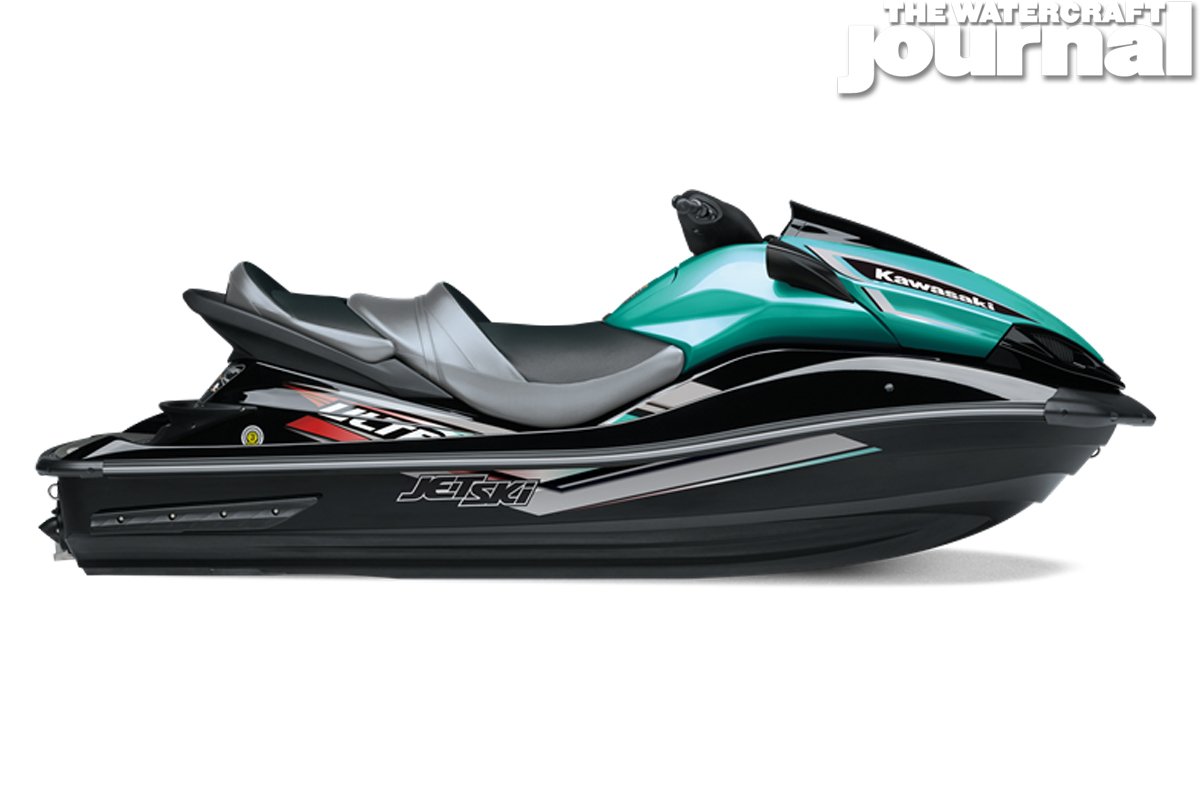
Stepping up to the full-sized Ultra platform, the international market receives four variants, while those residing in the United States are offered a unique Ultra 310X Special Edition (SE). Nevertheless, the lowest-entry in this segment is the naturally-aspirated Ultra LX, which unlike the STX 160X sold internationally, comes in the Ebony and Riptide Turquoise that we so liked. We’re still waiting for the Ultra LX to receive the same luxury features found on the STX 160LX and supercharged Ultra 310LX, such as Jetsounds and plusher seating.
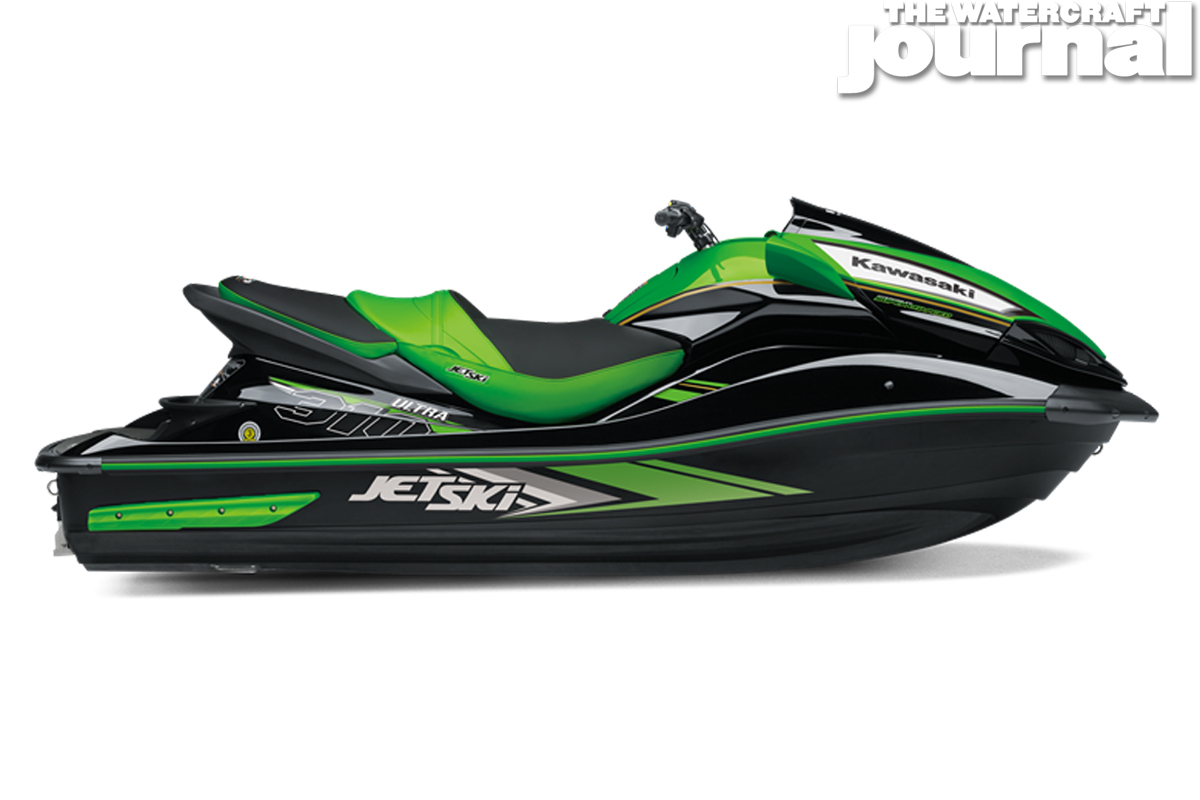
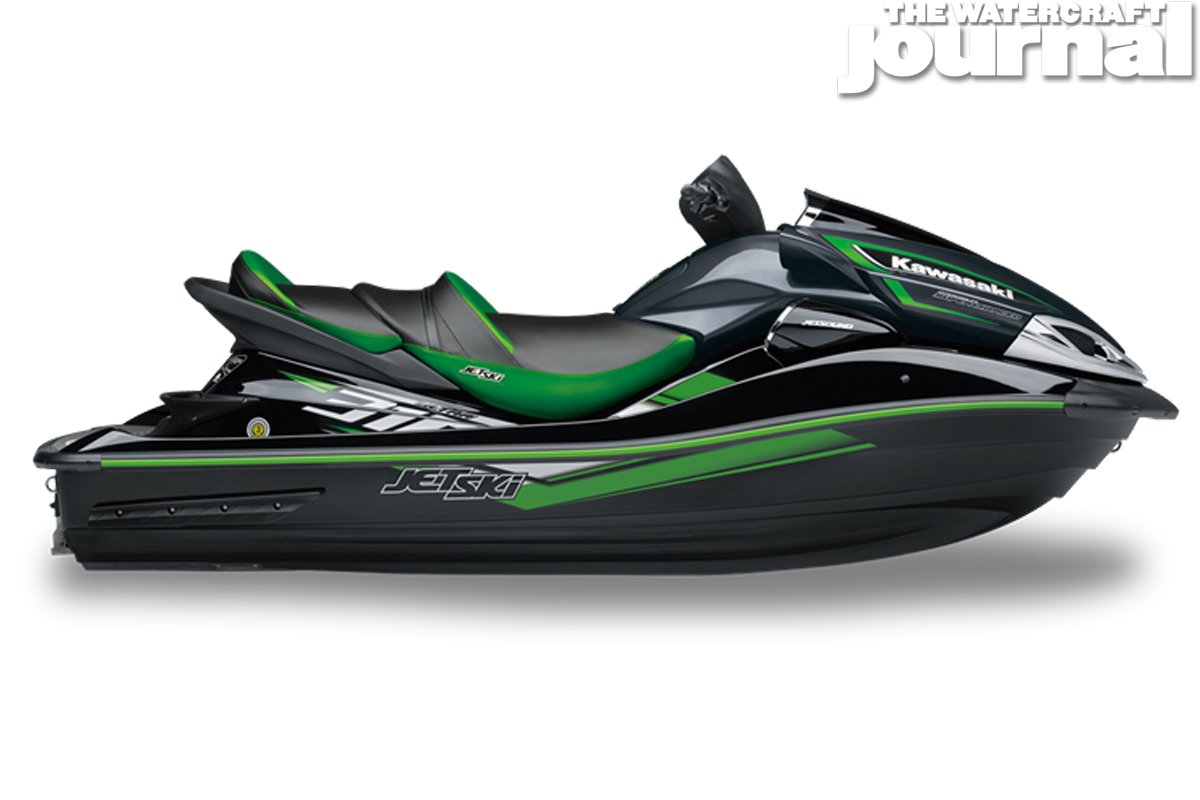
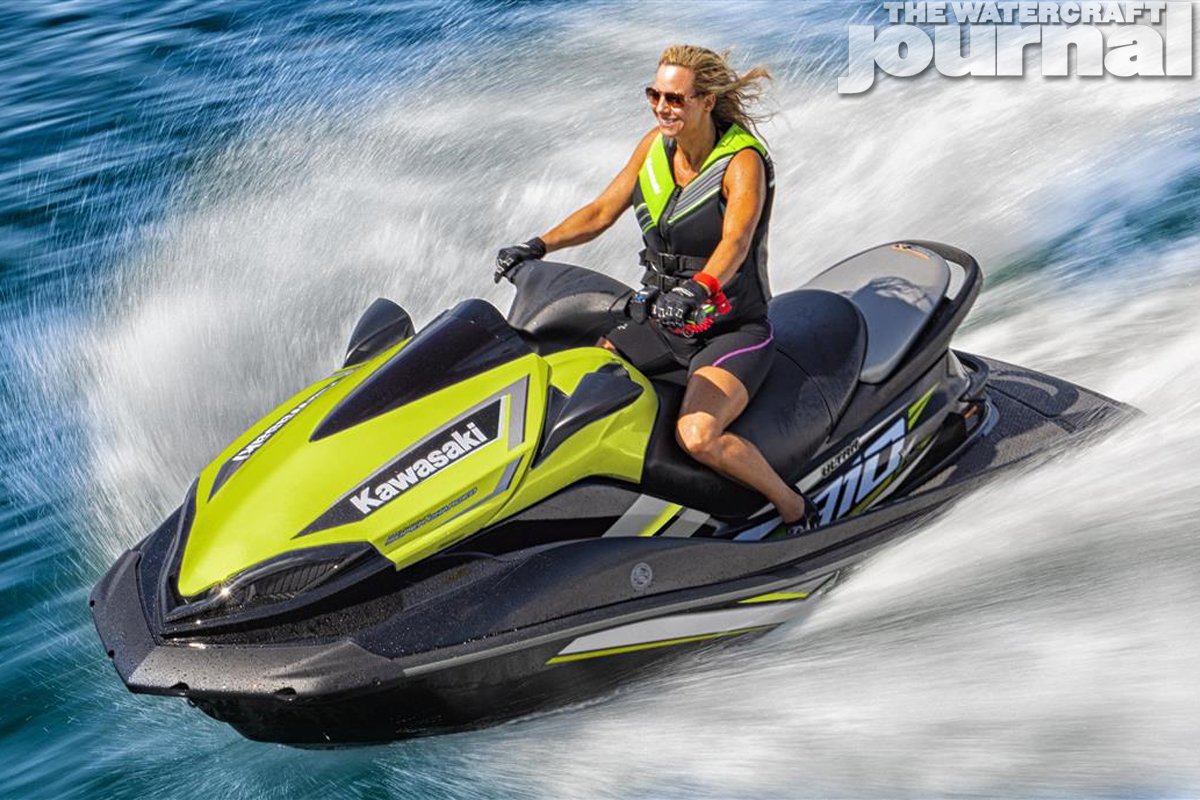
A new and somewhat exciting color comes on the Ultra 310X as it shines in Ebony and New Citrus Yellow. The aforementioned Ultra 310LX returns to the top of the fleet in Ebony and Metallic Carbon Gray, which shines brilliantly in the sun. Lastly, the Ultra 310R returns with its iridescent green sponsons coated in Ebony and Lime Green, which is expected since we can’t recall a year that it wasn’t black-and-green since its 2014 launch.
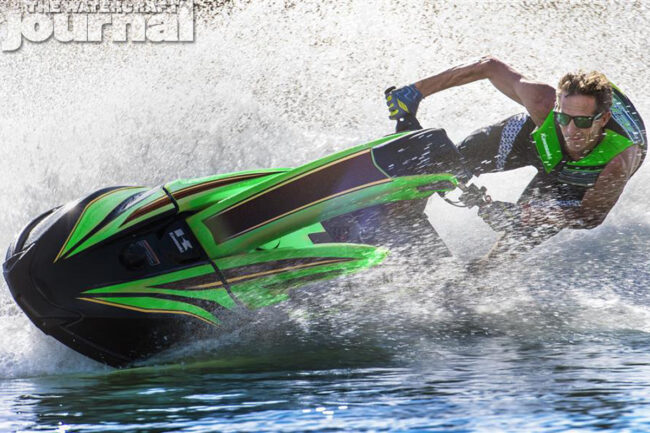
Lastly, comes the SX-R JetSki. Returning with its Ebony and Lime Green for 2021, the lone standup is rumored to face some competition in the near future. Either way, the SX-R has become a weapon-of-choice for many racers and performance standup enthusiasts in its 4 years. In all, Kawasaki enters the European market with a formidable 8 models for 2021, and seeing that Kawasaki’s Lincoln, Nebraska manufacturing facility didn’t experience any production shut-downs, it is expected for new units to be arriving at dealers as this article is published.
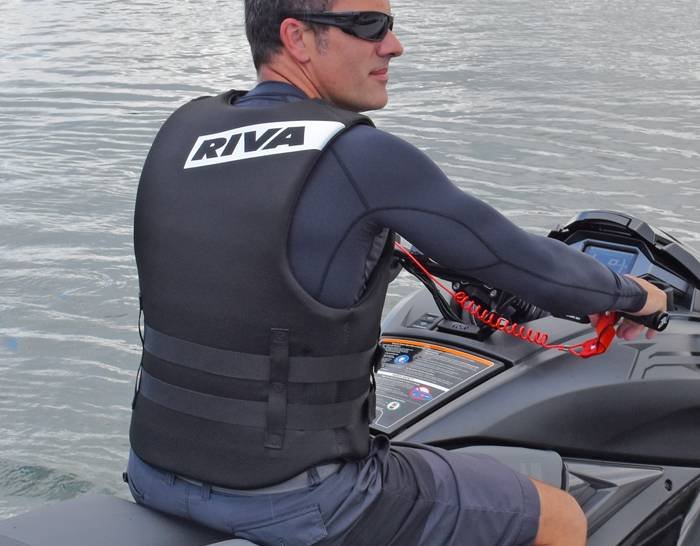
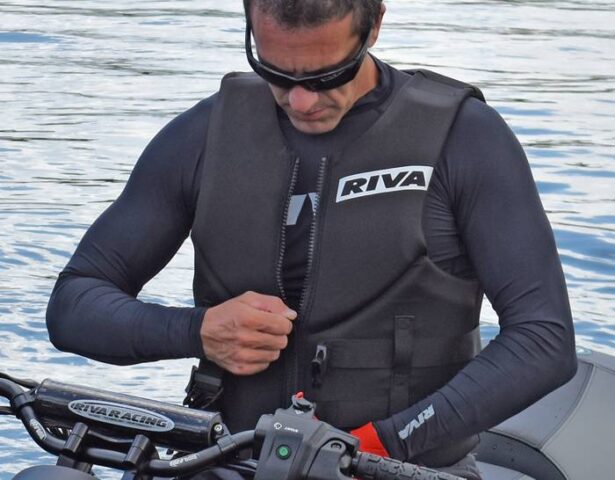
Check it out, you can now purchase a RIVA Racing Neoprene Men’s BioLite Life Vest from Greenhulk Performance Parts. The vests are available in solid black with sizes XS to XXXL and come at an affordable price point of $64.95. This is a quality no frills vest that has been designed for straight up function, safety, and comfort no matter what kind of on the water activity you’re participating. Also, the RIVA Racing Biolite vest is approved by the U.S. Coast Guard.
It features a PWC lanyard attachment ring and has both front chest and back shoulder RIVA print logo. The neoprene PFD is a versatile product that can be used for most any water sport. The vest has wide arm holes and its segmented panels keep hinderance of motion at a minimum and it will stay snug in order to help keep you safe on the water thanks to the two adjustable belt clips and front zipper.
BioLite is an environmentally friendly material that breathes better, is lighter, and dries faster than traditional neoprene. Quick dry and light are a good combination! Whether you need to upgrade you current PFD lineup or want to try something different, check out the RIVA Racing Neoprene Men’s BioLite Life Vest on the Greenhulk store. Greenhulk offers worldwide shipping so don’t get discouraged if you’re across the pond and want one of these vests.
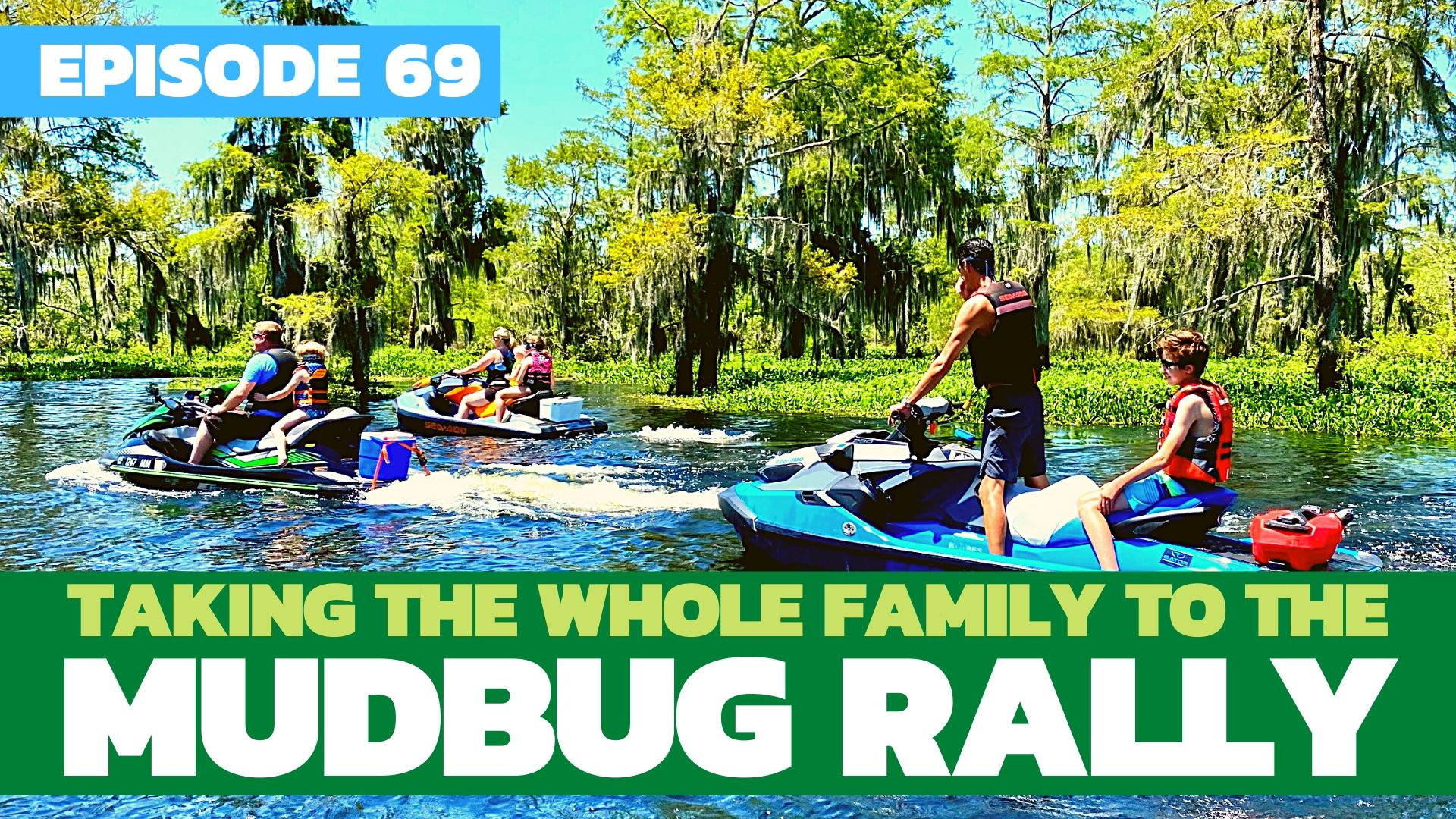
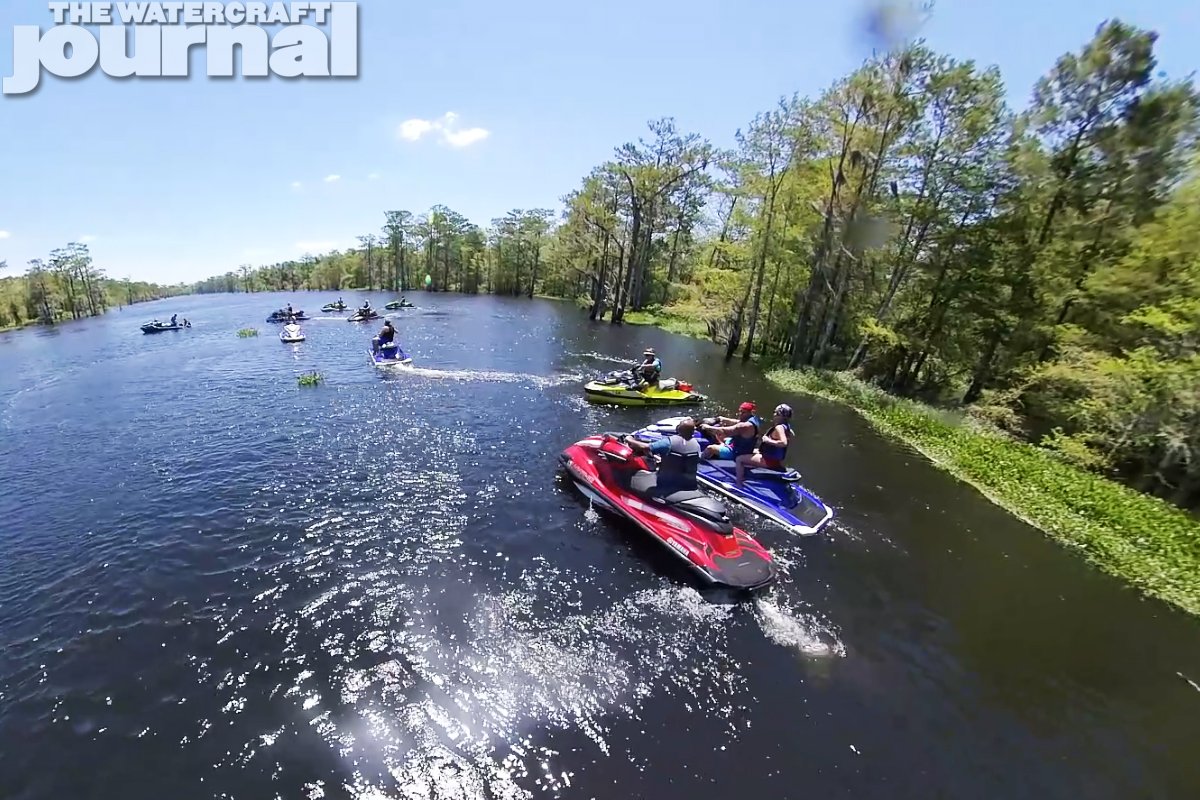
Several day’s worth of heavy rain threatened to cancel the 14th annual Mudbug PWC Rally in Morgan City, Louisiana. The downpour had flooded Lake Palourde and the canals surrounding Avoca Island, raising the waterline to dangerous levels. With threats of local police enforcing No Wake Zones through most of the area, many feared that this year’s event wasn’t going to happen. Thankfully, with just a few days left to the June 12th weekend, water levels began to recede as quickly as they rose, and any threat to the high-banked levees were removed. Mudbug was a “GO” and The Watercraft Journal would be arriving in top form.
This year would mark my 6th time attending the event, one which I shared exclusively with my oldest daughter up until this point. In light of the fact that the school year was prematurely ended, and that my other two children were finally old enough to enjoy rides on the water, it was decided that the whole family would join the fun. Thankfully, strong gusts from the Gulf had blown in, clarifying the water and dropping the normally brutal humidity to a very palatable percentile. In fact, our four days in Morgan City were some of the most pleasant to date – with temperatures in the low-to-mid 80s and clear blue skies.
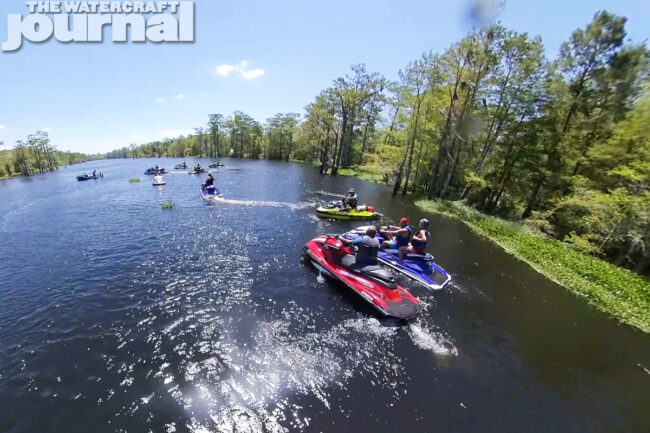
Unlike previous years where the world’s fastest personal watercraft sought to size-off against each other in heads up drag racing and then precision radar runs, recent Mudbug Rallys have focused more on the group rides and winding scenery. Perusing the official event thread on Greenhulk.net teased several potential rides to join; the forum acting as the central hub for those visiting the gulf coastal meet. Although our estimated time of arrival would set us in town by mid-afternoon on Thursday, many adventure-seekers were on-site a day or two earlier, careening the trails that branched from the Atchafalaya River.
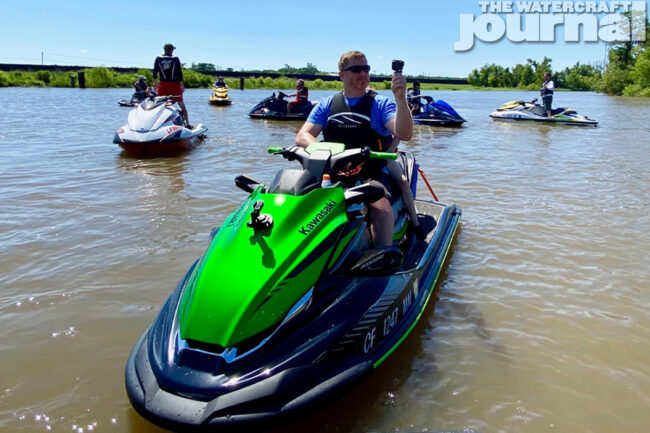
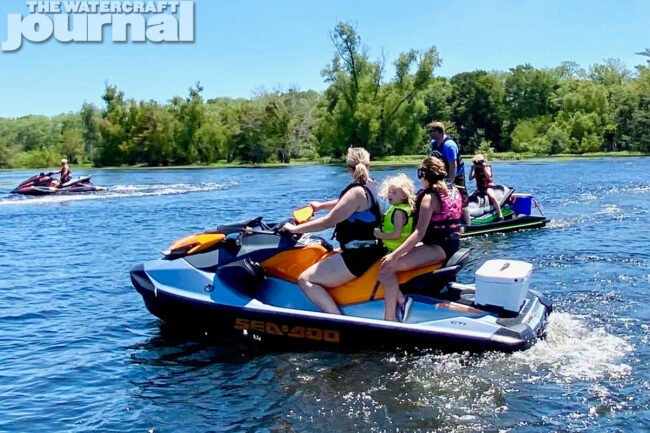
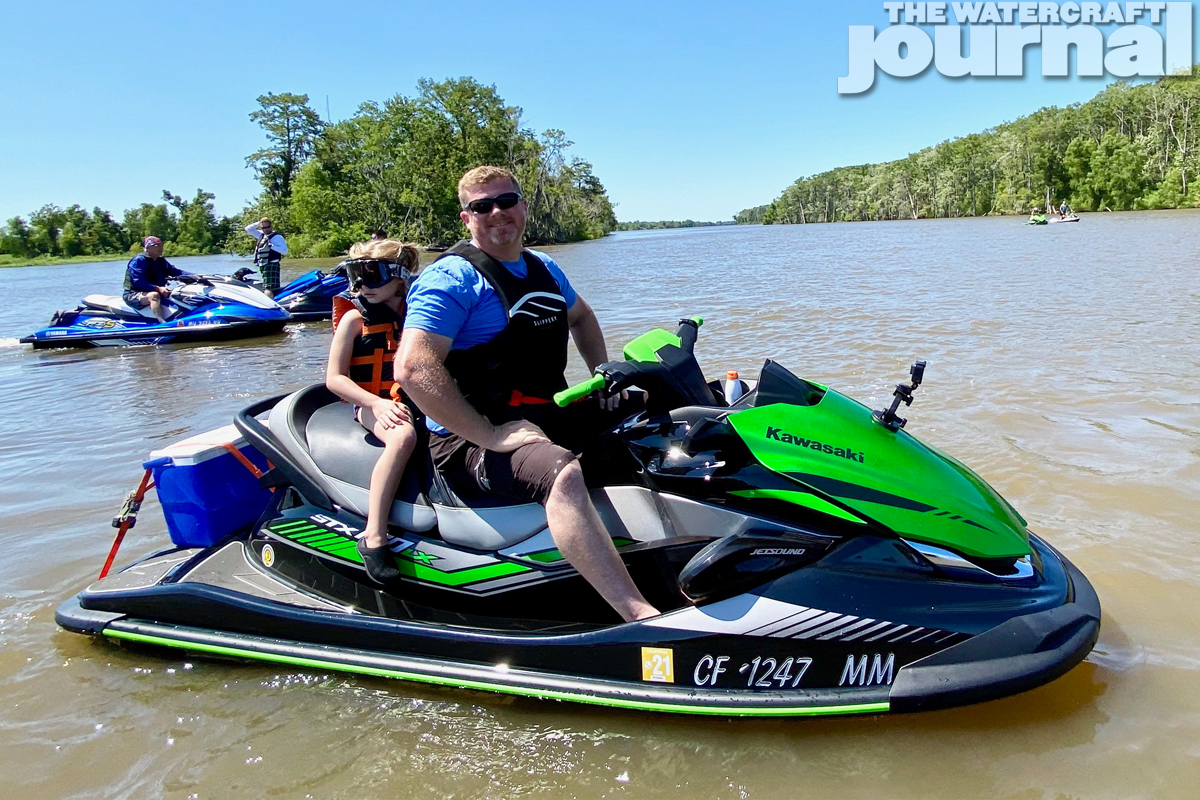
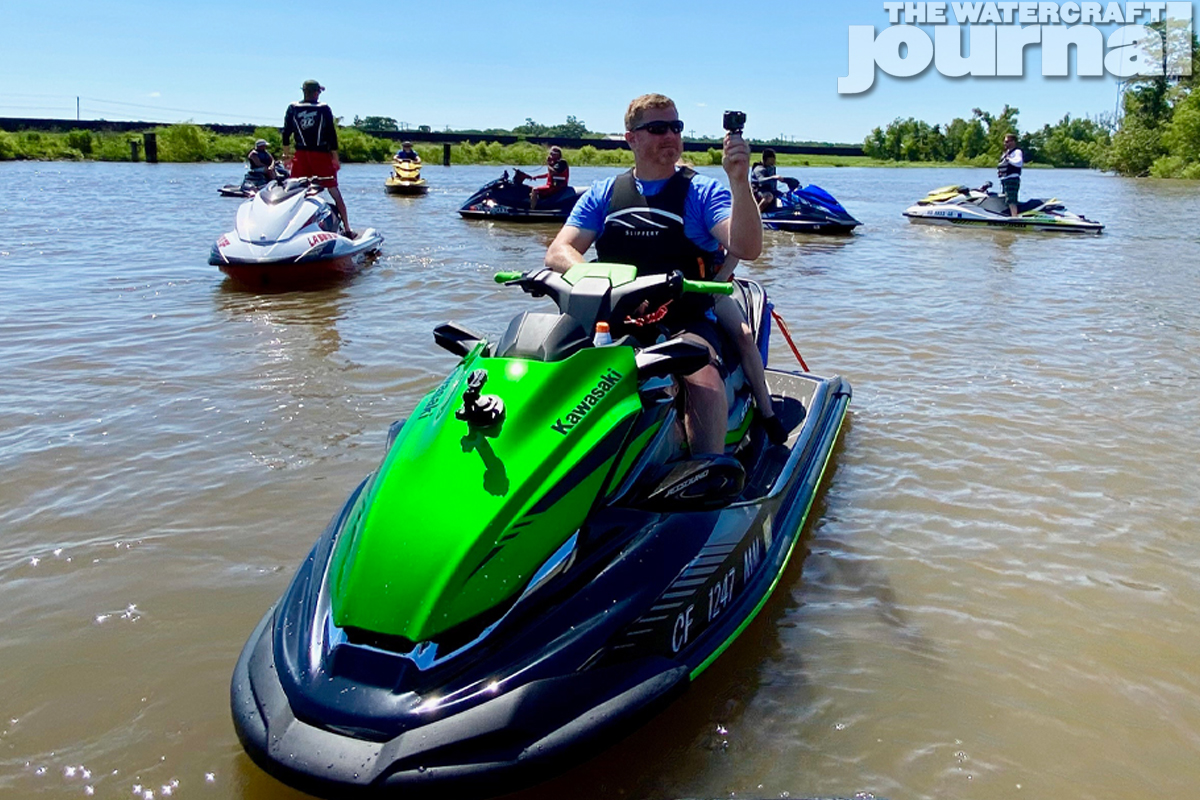
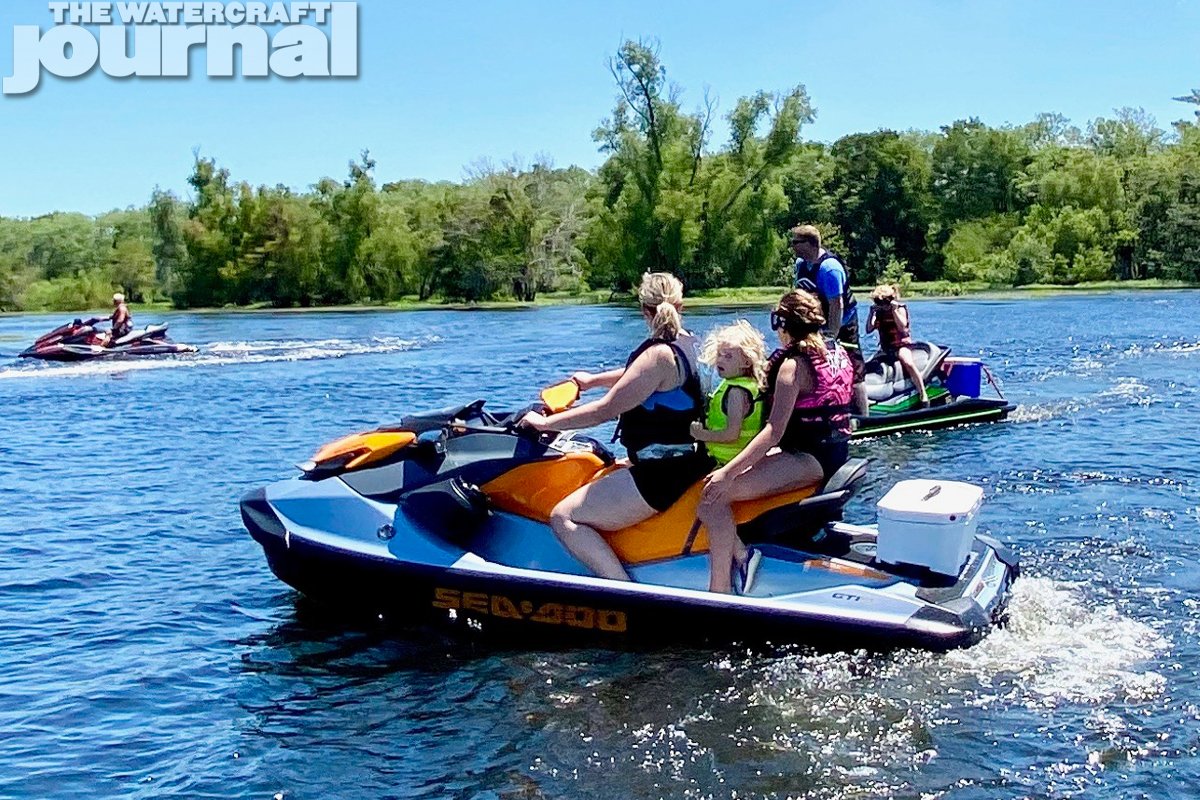
Wanting to keep kids and wife comfortable over two days of riding also meant carefully picking which watercraft to bring. For this trip, the trailer was loaded with two units completely redesigned for the model year; The Watercraft Journal‘s long-term loaner, a 2020 Sea-Doo GTI SE 170 in Ice Metal and Orange Crush; and a 2020 Kawasaki STX 160LX JetSki in Ebony and Candy Lime Green. Both units represented each brand’s highest-level entry in the Recreation segment of watercraft – the group most targeted towards family-friendly budgets.
Equally, both machines were equipped from the factory with each brand’s respective on-board sound system – Jetsounds for the Kawasaki and Sea-Doo’s BRP Premium Audio Package on the GTI. Curiously, we discovered early on that the Kawasaki’s Jetsounds system offers no “off” button [correction: the power button’s there, just tucked up high, underneath the handlebar pad – Ed.] and will automatically begin playing music synced through your Bluetooth-connected smart phone whether you want it to or not. So just be mindful of that.
Additional standard features found on both machines include Cruise Control and watertight storage cubbies for cell phones found in the glove box. As equipped, our Sea-Doo would fetch $12,199 on the showroom floor, while the Kawasaki would come in $500 less at $11,699. Of course, it’s important to note that the STX 160LX is lacking a functioning brake system – employing a left-hand reverse lever – versus the Sea-Doo’s Intelligent Brake & Reverse system.
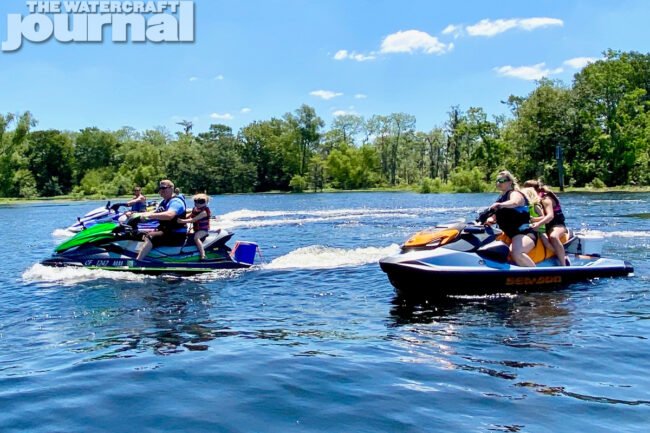
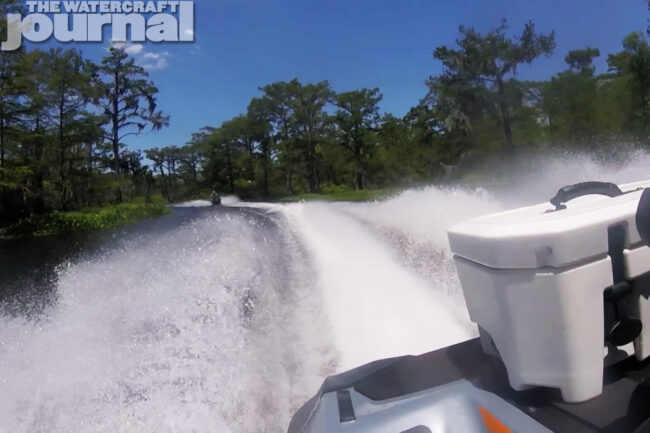
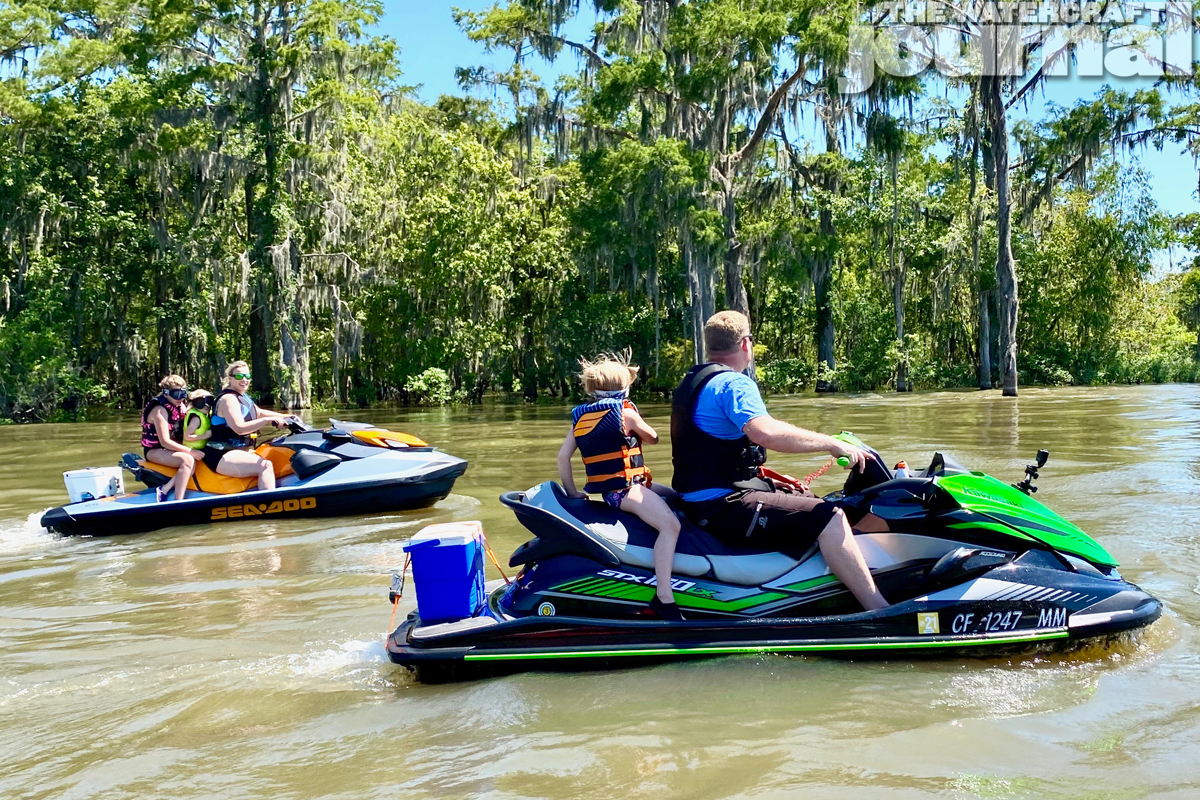
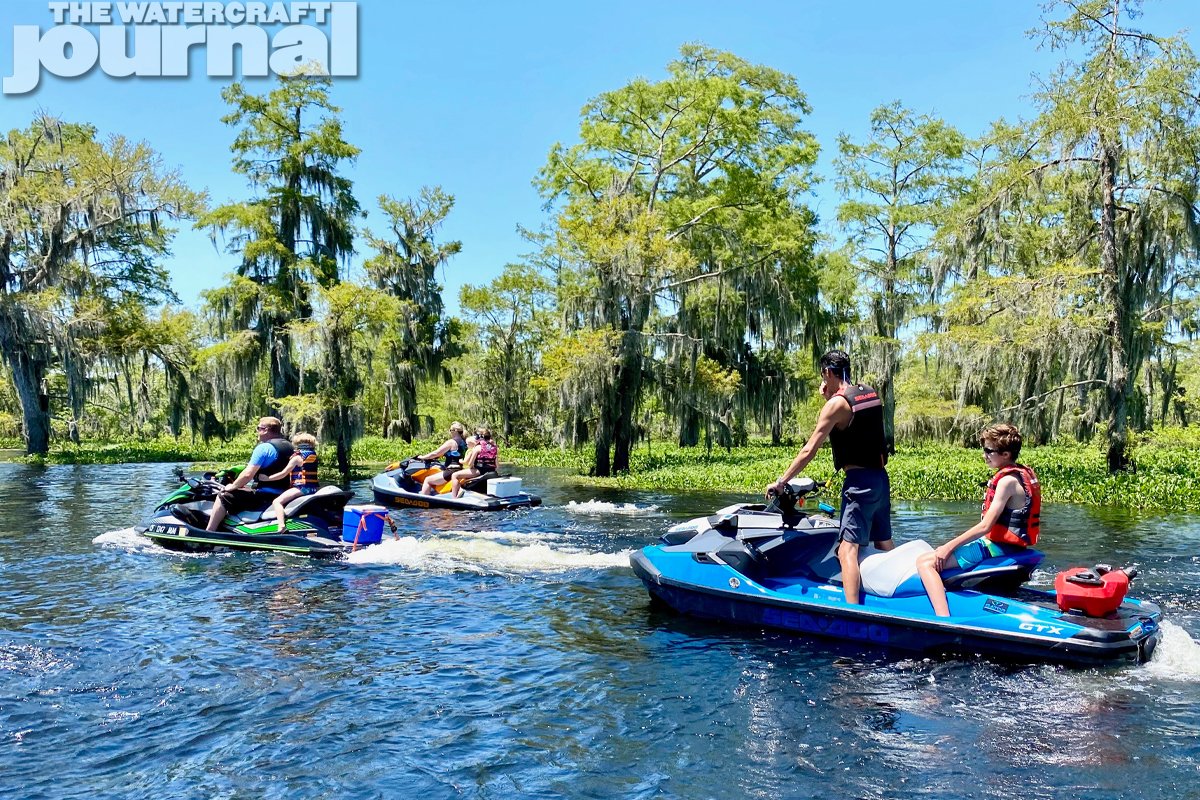
Waking up to crystal blue skies, we journeyed up the isthmus between Flat Lake and Lake Palourde, to the gathering spot at Doiron’s Landing just over the levee. The Sea-Doo was fitted with the 4.5-gallon LinQ accessory cooler, as a small Igloo cooler was ratchet-strapped to the narrow swim platform on the Kawasaki – both packed with cold drinks and snacks for the day’s ride.
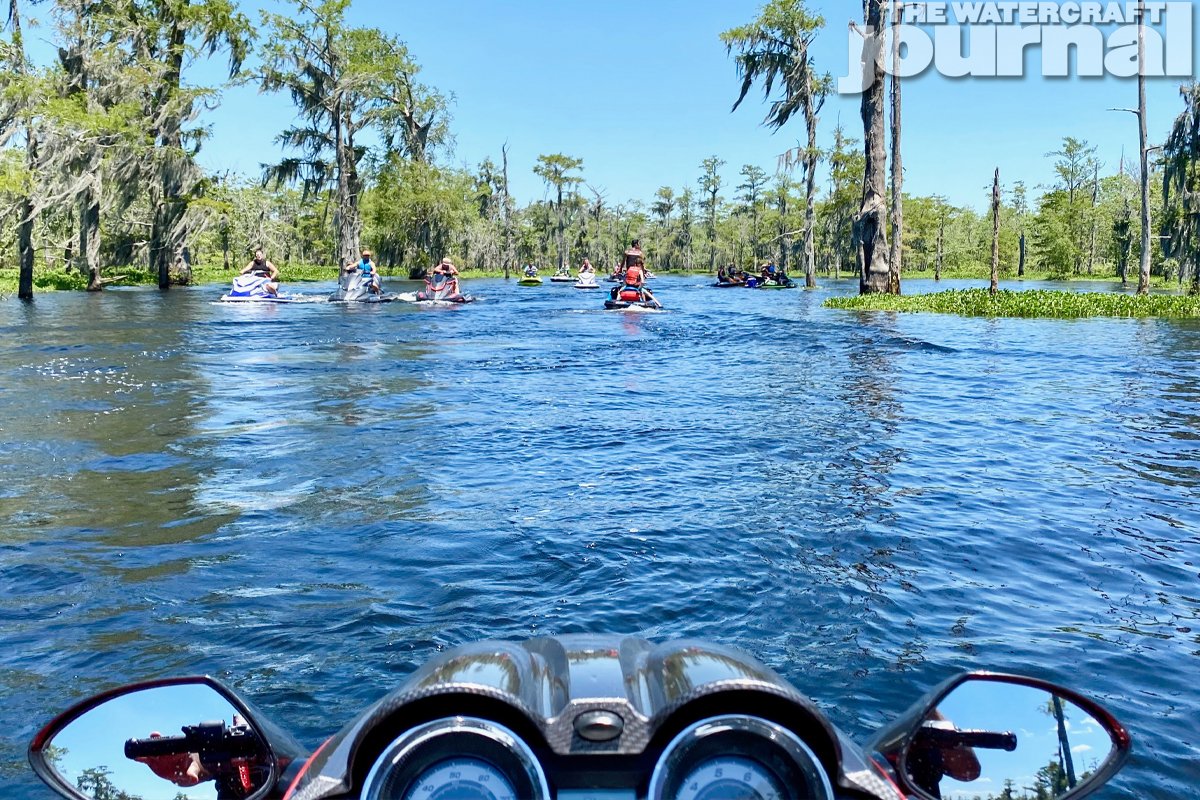
For our Friday excursion, we joined longtime Mudbug veteran and friend Billy Duplessis for a modified “Flat Lake Loop.” Lead by Louisiana native David Fountain, the path provided a wonderful variety of wide open channels, mirror-smooth water and plenty of twisting, narrow trails passing beneath the shade of overhanging cypress trees dripping with Spanish moss.
My wife and two daughters rode effortlessly aboard the Sea-Doo, it’s two-tier Ergolock seat comfortable for the three of them. From above, the GTI’s redesigned bench is somewhat Coke-bottle shaped, with pinches in the middle for rear passengers to sit more comfortably. Equipped with the newly re-engineered, naturally-aspirated 1630 ACE, our GTI fared well in regards to fuel mileage (averaging a little over 5 miles per gallon) but its limited 15.8-gallon fuel cell drained quickly, causing us to pack it in a little early. Conversely, our STX 160LX barely made a dent in its gargantuan 20-and-a-half gallon tank, tempting us to leave the rest of our party behind.
Nevertheless, the two units were loaded back up onto the trailer while the family cooled off inside of the car, it’s air conditioning blasting frigid air from all vents. It wasn’t until well past 6pm that evening that the rest of Duplessis’ party made it back to the launch ramp. The next morning promised a slightly more calm adventure, albeit a familiar one. PWCTrailfinder.com‘s own Billy Crews promised to take us for a personal tour of Bayou Cocodrie and Bayou Chevreuil, both just north of the previous day’s ride.
Joined by Wade Robinsonand Becky Brown aboard his naturally-aspirated Ultra LX JetSki [correction, a naturally-aspirated Honda F-15 Aquatrax – Ed.], our four watercraft sped up the canal and into the marsh. Above Bayou Gunnie are a series of perpendicular lanes cut into the treeline. These man-made channels were cleared by oil companies, who pump out several thousand gallons of crude a week. While the pipelines rested well below the hulls of our watercraft, the ever-present signs and markers were constant reminders.
At one point, Billy stopped and noted at the remoteness of the swamp recalling a family friend who had become stuck on a shallow sand bar while venturing into the bayou for some quiet fishing had to wait overnight for the tide to come in. Traffic was so irregular that nobody had come by during the 12 hours that he was stuck – a fate we did not want to share.
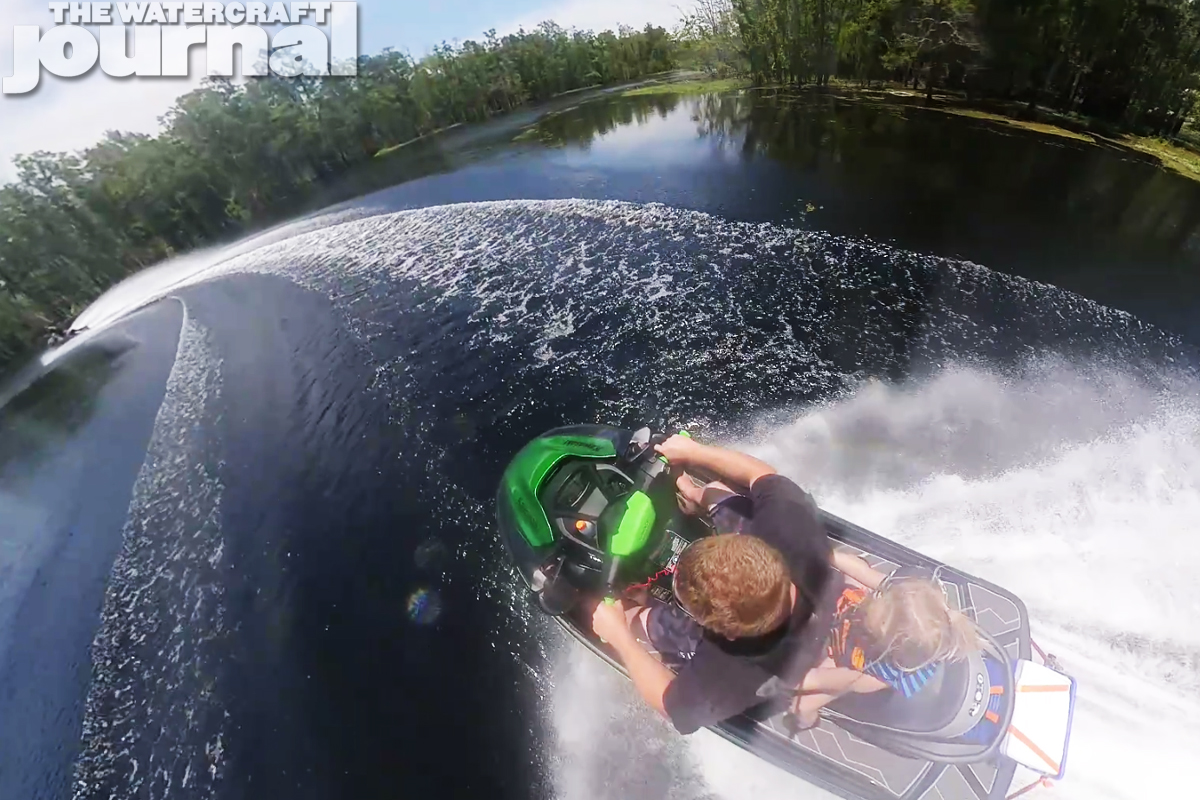
Racking up several hours’ worth of ride time over two days aboard the redesigned STX revealed some quirks that hadn’t appeared during my initial introduction earlier this year. Although the 2020 redesign radically improves upon the deck of the outgoing STX, the hull itself remains unchanged. In doing so, the overall height of the STX was raised over 4-inches (from 41.3 to 45.4-inches), which is substantial.
This added height changes the Kawasaki’s center of gravity. I soon discovered that at speeds between 30-to-45mph, the STX will teeter on its keel from left to right; only when really ripping at top speed (a GPS-confirmed 58mph) does the Kawasaki feel fully planted and secure. Equally, when riding as a passenger, the rearward weight distribution causes the STX 160LX to porpoise, bobbing its nose up and down – even when skirting across mirror-flat water. The Sea-Doo has also done this at times, but toggling its standardized VTS electric trim quickly resolves it.
Concluding Saturday’s ride, the two skis were loaded up on the trailer and dropped off with Greenhulk‘s own Jerry Gaddis for safe keeping. The next morning, we drove an hour back east to New Orleans for a day in the French Quarter. Founded in 1718 by Jean-Baptiste Le Moyne, New Orleans’ French Quarter remains one of the continent’s oldest surviving settlements and has remained the nation’s most contested piece of territory – playing key roles in the Seven Years’ War between the French and Spanish; the American Revolution, the Battle of 1812 and of course, the American Civil War.
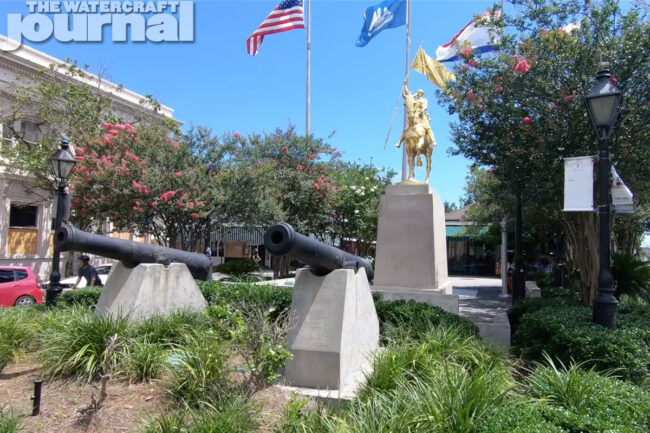
Lining the banks of the Mississippi River and facing Algiers Point, New Orleans’ French Quarter is one of the nation’s most treasured locations. Upon our arrival, we quickly joined the line for a bag of piping hot beignets from Cafe Du Monde, the renowned open-air coffee shop located on Decatur Street first opened in 1862. After loading up on these traditional French doughnuts doused in layers of powdered sugar, we decided to walk off the sugar rush by touring Decatur Street down to the Place de France displaying its gilded statue of Joan of Arc.
Doubling back towards Jackson Square, we passed by confectioneries selling candied pralines, restaurants preparing slow-cooked gumbo, and even a store arranging for jazz funeral marches. Prior to becoming the gated city park it is today, Jackson Square was once a military parade ground as well as the site for public executions. Even under the shadow of the peaked St. Louis Cathedral, the severed heads of convicted criminals and escaped slaves once hung on display (yikes!).
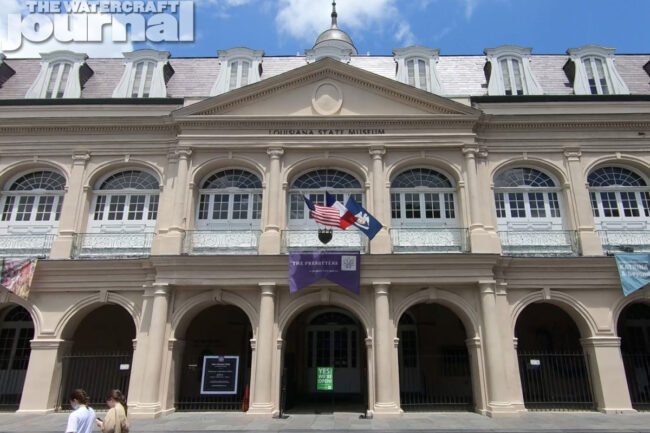
Next door to the whitewashed walls of the basilica is the Cabildo, the once Spanish colonial city hall. Today the edifice stands as the Louisiana State Museum and location where the final transfer papers for the Louisiana Purchase were signed. As we walked the cobblestone streets, ornate wrought iron balconies and galleries hung above our heads. Decorated with multi-colored strands of beads, flags and Mardi Gras novelties, the entirety of our circuit up and down Royal and Bourbon Streets was a sight to behold – even on a quiet Sunday morning.
Signs advertising ghost tours, voodoo rituals and even a haunted apartment for rent caught my eye. Landmarks like the historical New Orleans Pharmacy & Apothecary, Hotel St. Helene, and even the former home of playwright Tennessee Williams beckoned to my inner history-lover. Instead, we loaded up the family and do some first-hand ghost hunting ourselves at the famed above-ground tombs of the St. Louis Cemetery number 2.
Infamously known as New Orleans’ second Necropolis or “City of The Dead,” the second cemetery was open to the public while the older first above-ground cemetery was closed for renovations. Here early 19th century city planners began relocating their dead in order to stave off the spread of cholera. Here lies the remains of several noteworthy New Orleans Jazz musicians as well as famed French privateer Dominique You who joined General Jackson in his defense against the impending British invasion.
Seeking relief from the delta sun, we hurried over to Sal’s Sno-Ball Stand. A local favorite since 1960, Sal’s has been serving up dozens of different flavors of icy treats – and came to me as a “must go to” stop by Wade Robinson before leaving for home the next day. Doused in a multitude of colorful sugary syrups, we each enjoyed our sno-ball before heading back to Morgan City. That evening we hitched up the trailer yet again, stopped to take the obligatory photograph in front of the Morgan City sign, and readied for the long drive back to Tennessee.
The Mudbug PWC Rally might’ve changed over the years, but the quality of memories made here are no less valuable. Friendships are made and rekindled here. Newfound experiences and stories that can be shared for years always happen at the Mudbug and it’s an annual tradition I strive to never miss.
Additional photography provided by Billy Duplessis.
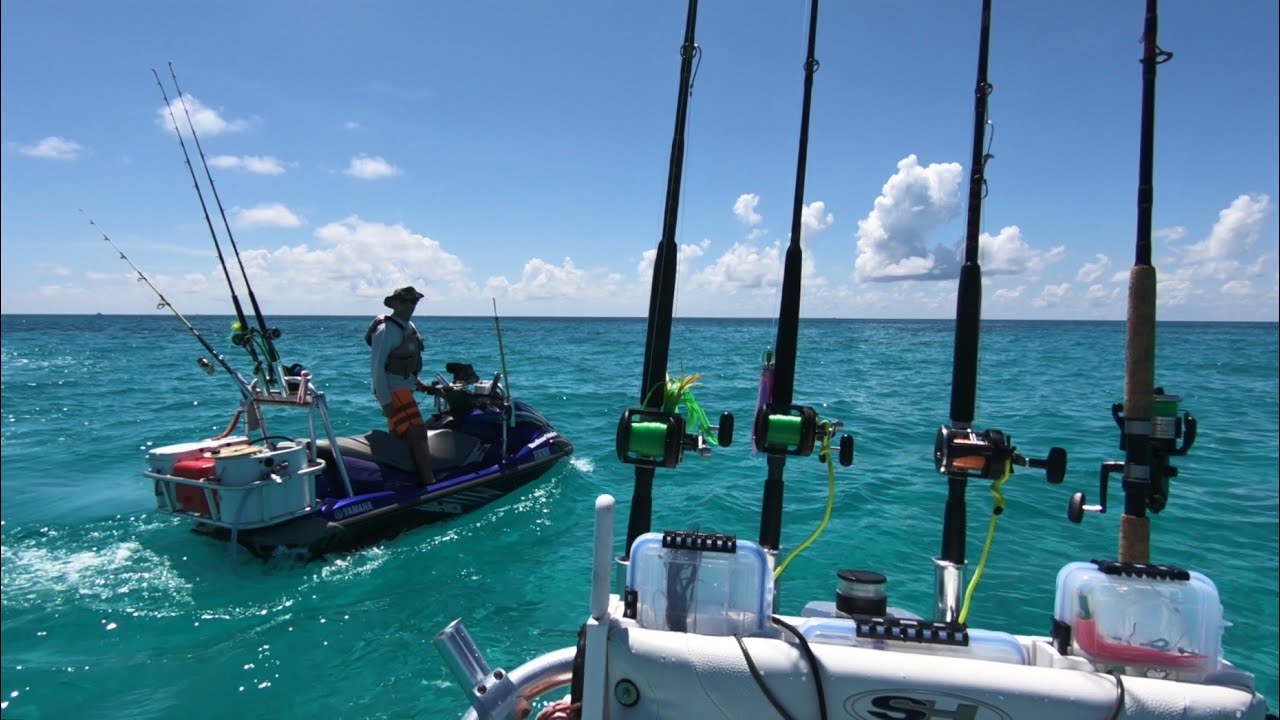
Dean Banyon and the WaveRunner Fishing Family have done it again! They put together another outstanding video. This clip showcases a fishing trip aboard their two Yamaha WaveRunners. Dean and son ventured 22 miles offshore in the Florida Keys. This would be the furthest they’ve gone.
They rigged two Yamaha WaveRunners for a day of trolling for Mahi. The Banyons were underway before sunrise with food, fuel, and a good amount of tackle. Motoring out, they captured some nice footage of dolphins breaking the water with the sun just peaking in the background. The water was slick glass, making for a great ride well offshore to prime fishing grounds. It is hard to believe that while filming this video, Hurricane Dorian was looming in the distance. The guys were fishing 20 miles off Islamorada, FL under beautiful blue skies
Fifteen miles offshore, in 600 feet of water, they wet some hooks baited with dead ballyhoo in hopes of reeling in Mahi or king mackerel. The area didn’t have a weed line and they weren’t getting any hits, so they left there in favor a spot in 900 feet with a weed line. Bam! Fish on, one right after another. Mahi and Kings all day long. Using dead ballyhoo and cut up tuna, the guys scored fish after fish, so many that Dino ran out of room in his cooler. He handed off a good-sized Mahi for his dad to put on ice.
Shortly before heading back, Dean showed off his sweet tackle center which doubles as a leaning post for when a fish is hooked. The post helps to keep the ski stable while fighting a fish. A few hours later, they headed toward home with six nice sized fish. They made a pit stop along the way at sandbar popular with the locals. They were greeted with cheers as they floated into the cozy little spot to have a drink. These guys are living the dream! After taking a nice break on the sandbar, they made their way back home after an epic day of fishing.
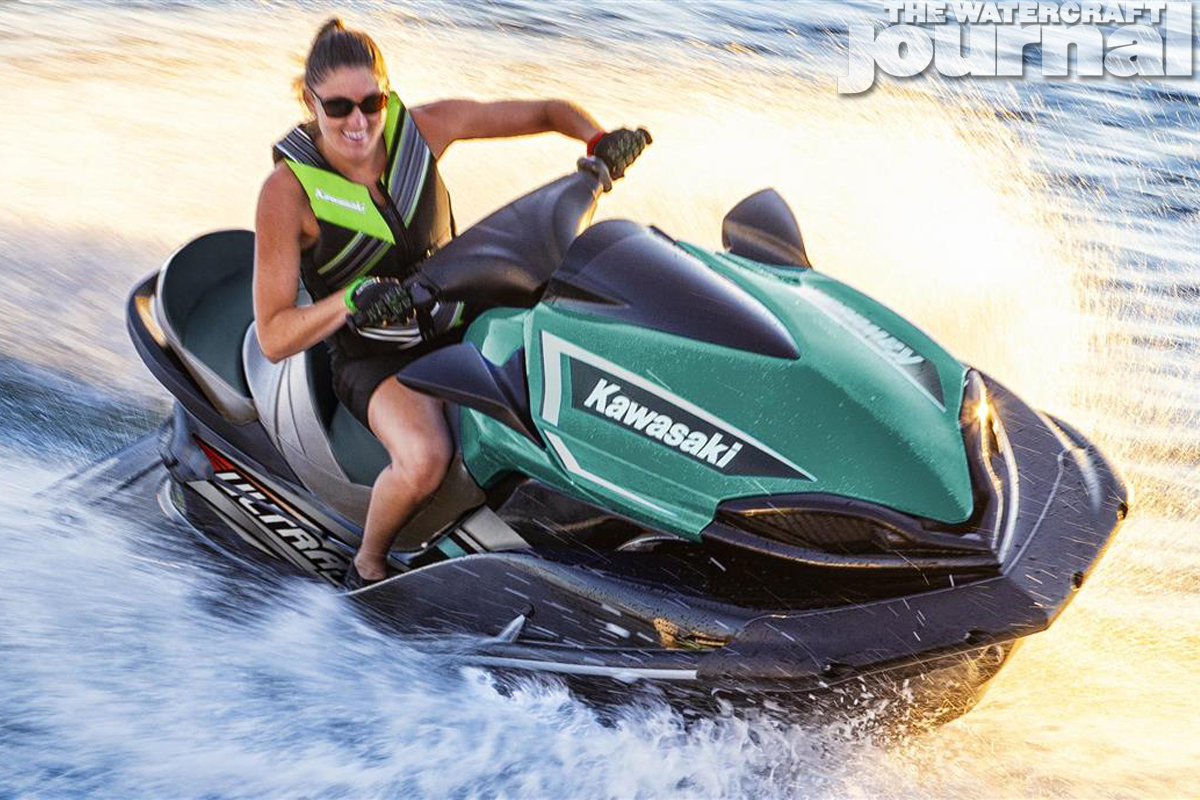
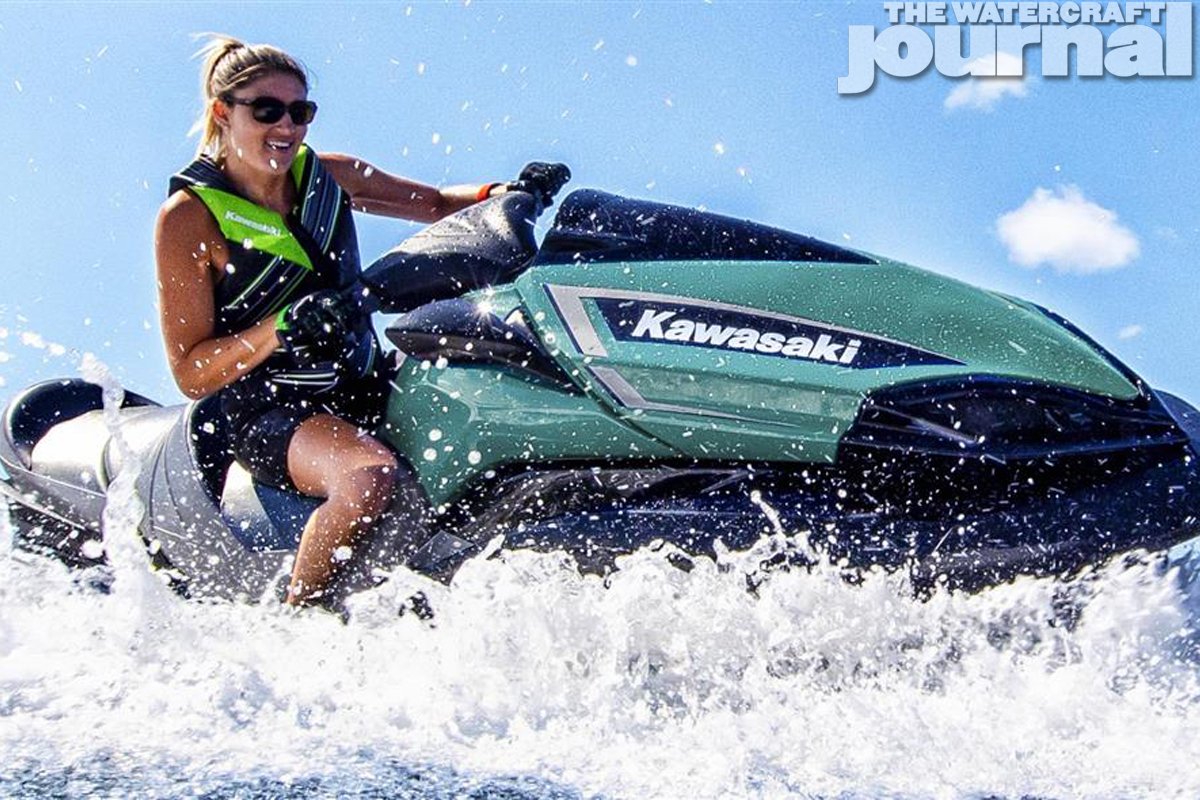
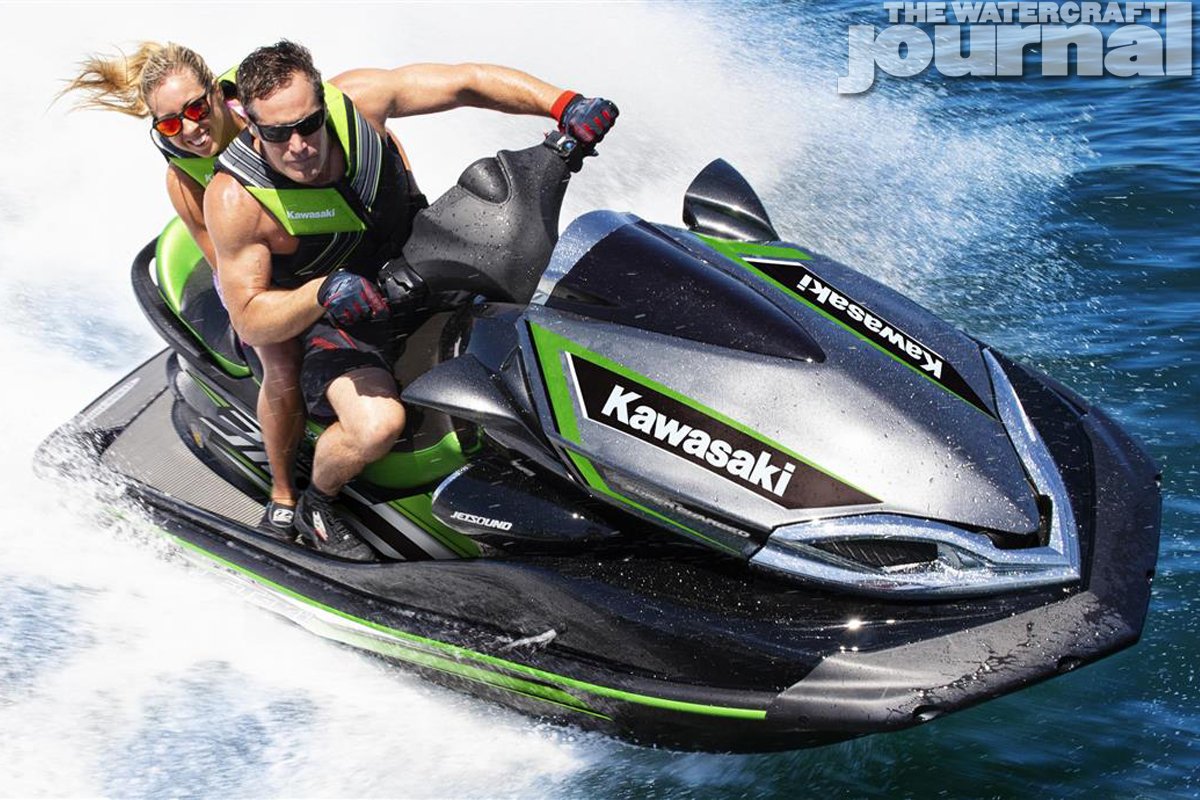
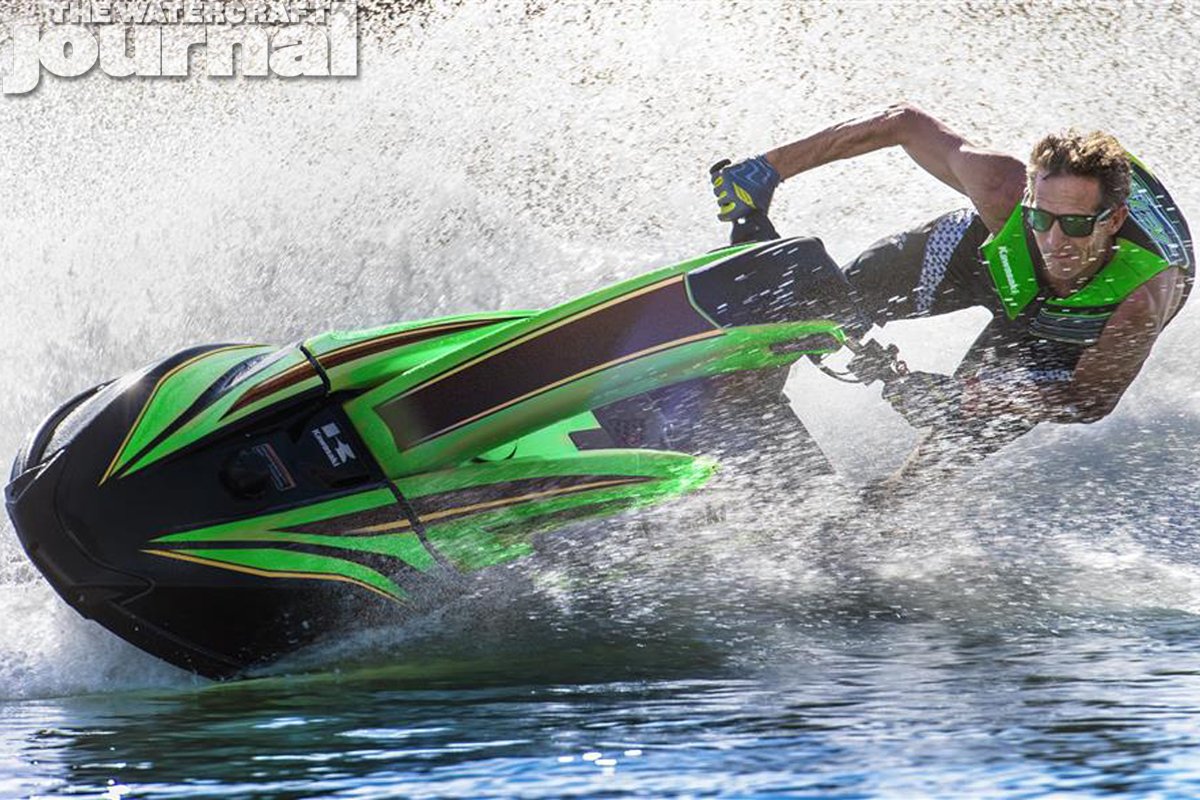
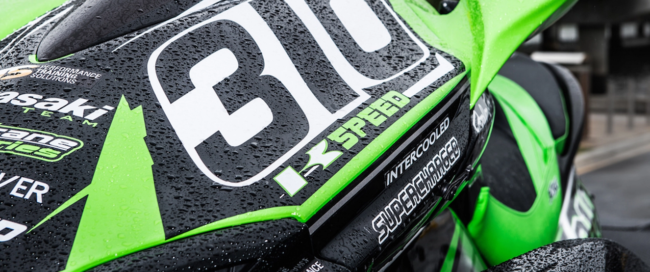
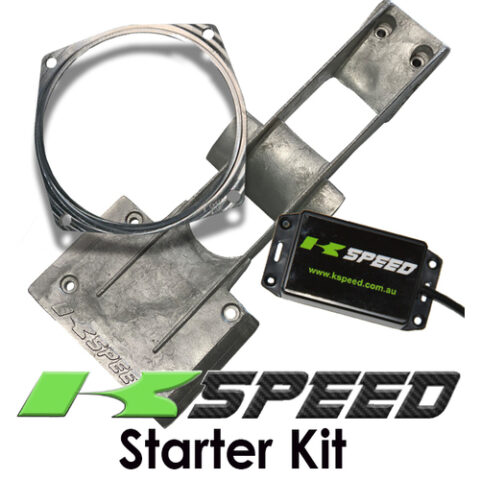
Are you looking to add some extra speed to your Kawasaki Ultra 300/310? If so, Brisbane Kawasaki is offering affordable starter kits for $750. The KSpeed Starter Kit with SCOM removes the factory speed limiter enabling your ski to go past the factory top speed of 67.5mph (108kph).
Add on the $50 installation of KSpeed 2-degree pump wedge and increase the ski’s top end speed. This is achieved by changing the angle of the factory jet pump in a way that it lifts the bow out of the water.
The kit also includes a KSpeed Intake Grate. The intake grate is a way to change the angle of water entry, allowing more water into the pump, therefore improving hook-up in all conditions.
This also means you’ll get a better hole shot and will not lose as much speed when riding in rough conditions.
Your machine may also gain up to 3-10kph (2-6mph) putting your otherwise stock Ultra 300/310X well into the mid-70’s. (Of course, the amount of speed gained is dependent on water conditions.)
If you’ve decided to grab a KSpeed Starter Kit, book an appointment with Brisbane Kawasaki or order online. Usually, they guys at Brisbane Kawasaki can provide same day service. Get on it!


 Today we bring you a story about three Sea-Doo’s and a shark. We came across a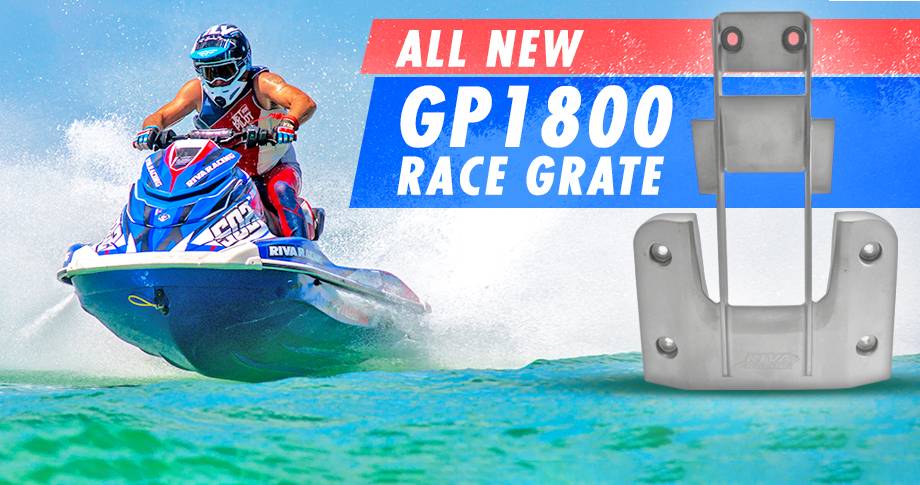

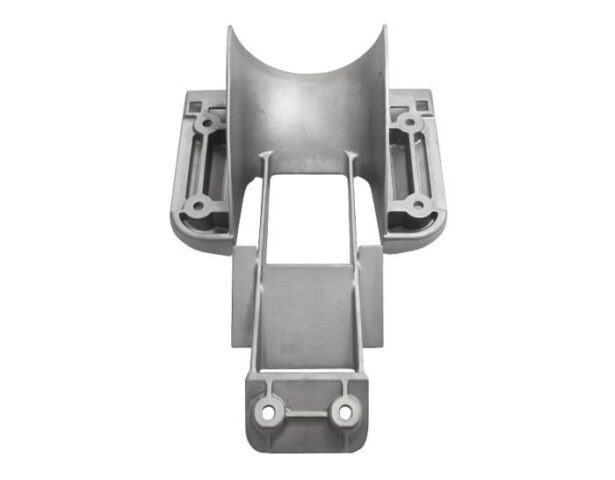
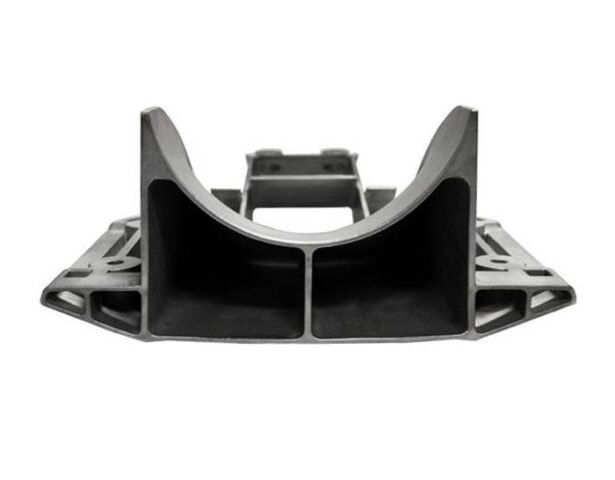






















 Add on the $50 installation of KSpeed 2-degree pump wedge and increase the ski’s top end speed. This is achieved by changing the angle of the factory jet pump in a way that it lifts the bow out of the water.