
Home Blog Page 365

Endless Summer: 2016 Yamaha VX Limited WaveRunner

0

VX

Conventional wisdom would have you thinking that in order to compete with Sea-Doo’s Spark that Yamaha would need to build an equally-compact, lightweight runabout priced below $5,000. Surprisingly, such is not the case. Although the highest selling watercraft for 2015 was (thus far) the Spark, it wasn’t the base model, but the high output (90-horsepower HO) Sea-Doo Spark 3-up with iBR version.

What does that tell you? It means that families want a compact three-seater with enough features to make it enjoyable, yet at a value enough to not break the budget. This gave Yamaha the mission to not only surpass the fully-loaded Spark’s perceived value by customers, but exceed it in every other facet imaginable (power-to-weight, storage, stability, and “fun factor”).

17

For the family looking to not only enter into the world of personal watercraft ownership, but to wring out of it the most fun and enjoyable experiences possible, Yamaha’s all-new 2016 VX Limited WaveRunner is an ideal fit. In addition to the purchase of the vehicle itself, owners are bathed in a cascade of additional offerings, making it one of the most heavily-optioned personal watercraft under $11,000 that we have ever had the joy of testing riding.

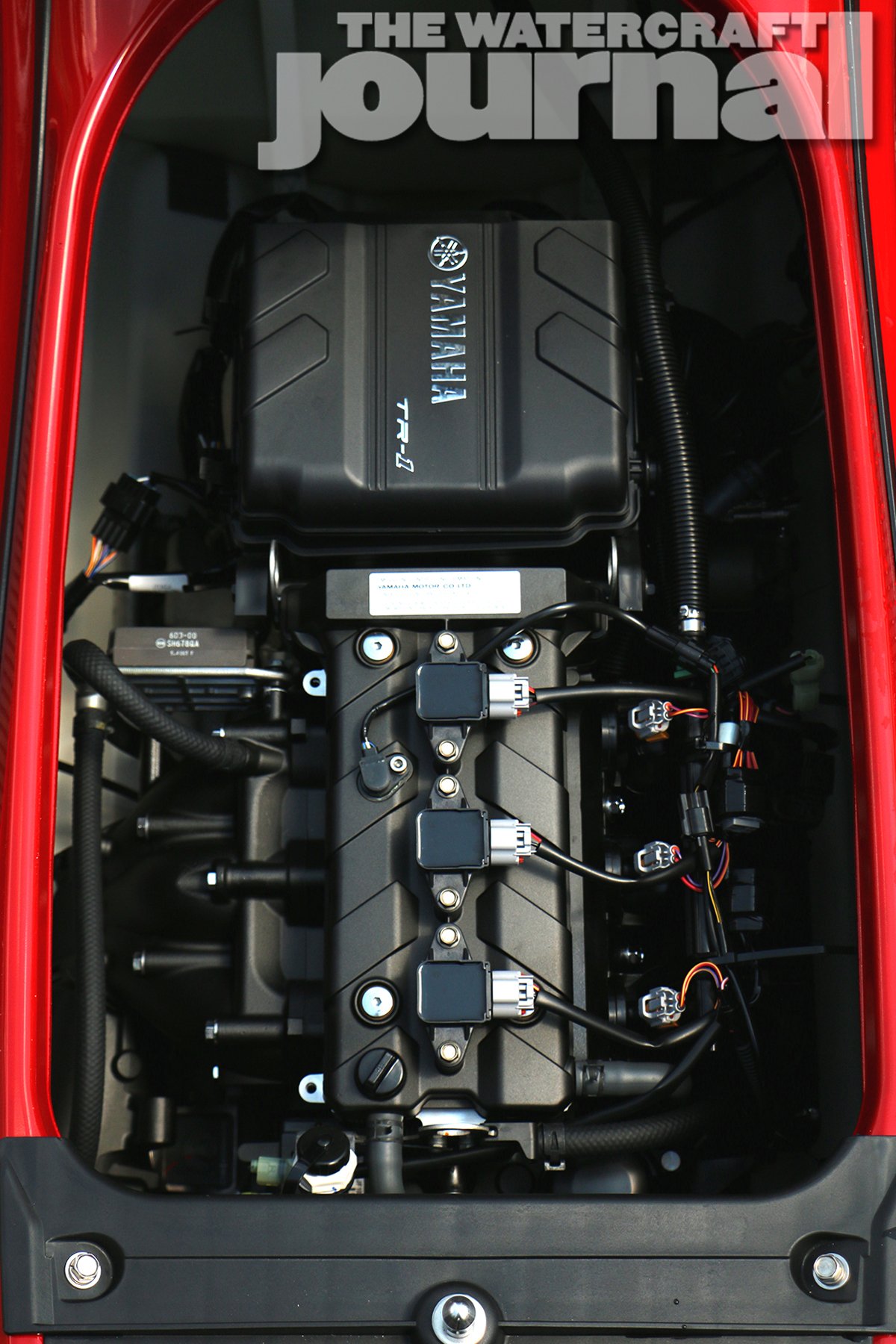
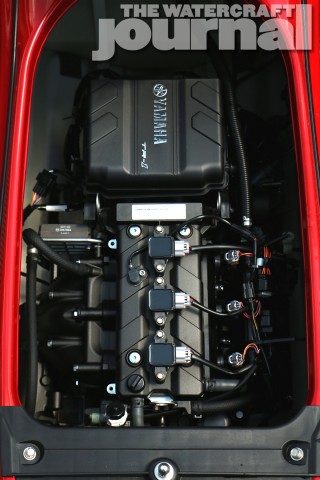
Let’s begin with the unit itself: The Limited boasts the all-new TR-1 1,049cc (1-liter) 3-cylinder 4-stroke powerplant announced last month. Replacing the heavier 4-cylinder MR-1, the new TR-1 shares much of its design with a similar 3-cylinder used in the brand’s snowmobile division. Moreover, the new plant is 40-percent smaller, 20-percent lighter, and cranks out 13-percent more power.

10

Set further back in the now far more vacuous VX engine compartment, the TR-1 takes full advantage of the Limited’s NanoXcel lightweight hull and deck material and delivers significant gains in throttle response, and packs all the punch of the outgoing 4-cylinder and more. During our testing, we were pleased to find a strong torque curve (without lulls or “flat spots”) that carried upward in a linear band.

Even on a hot and humid day in Kennesaw, Georgia, we fetched a top speed of 55.5 miles per hour, even with a single 230-pound rider. Weighing nearly 40-pounds less and producing an unofficial 125-horsepower, this new 3-cylinder power plant not only improves the overall performance of the Limited, but rightly cements Yamaha’s place as an engine manufacturer first, and a boat builder a close second.
13

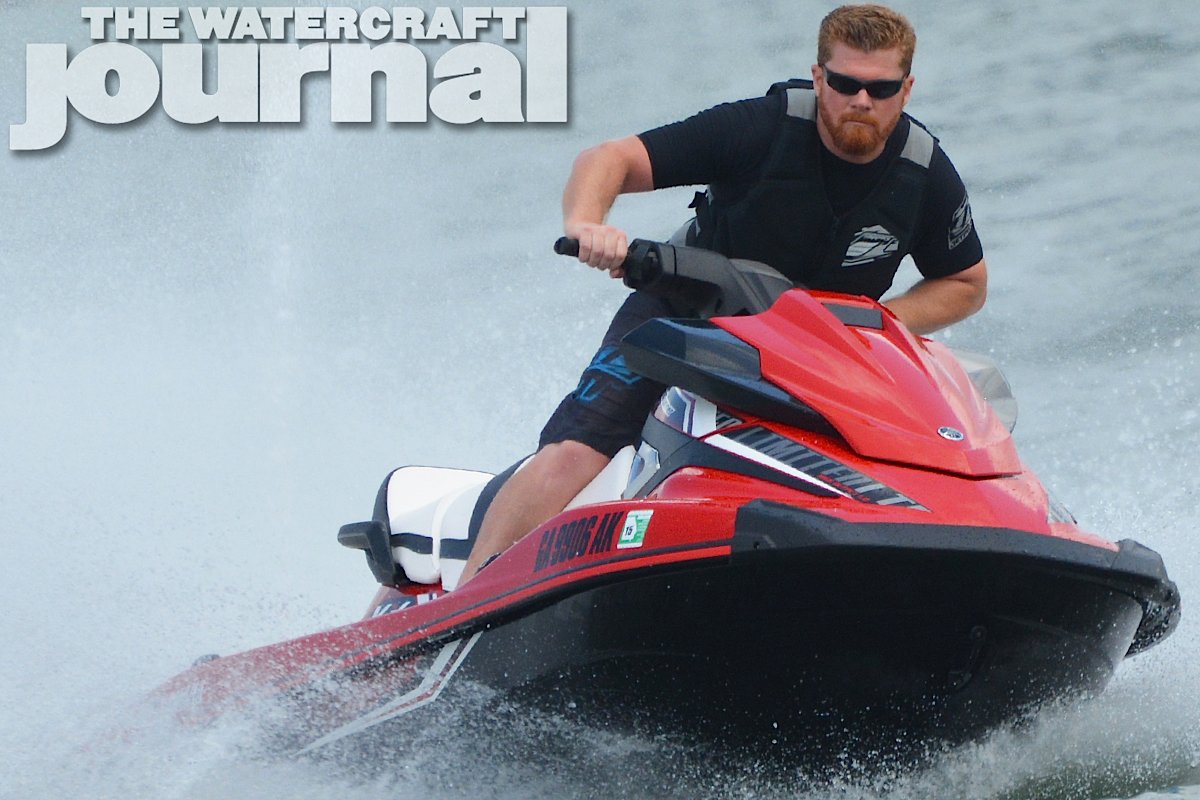
And since the Limited is based upon the same Swiss Army knife VX hull used by the entry-level VX Sport, all the way up to the National Championship-winning VXR, the Limited’s ride is both controlled and sporty, able to happily lean in and cut a tight turn as easily as it tracks through mild lake chop. Snapping donuts is loose and playful when positioned right, ensuring that everyone will have a blast.

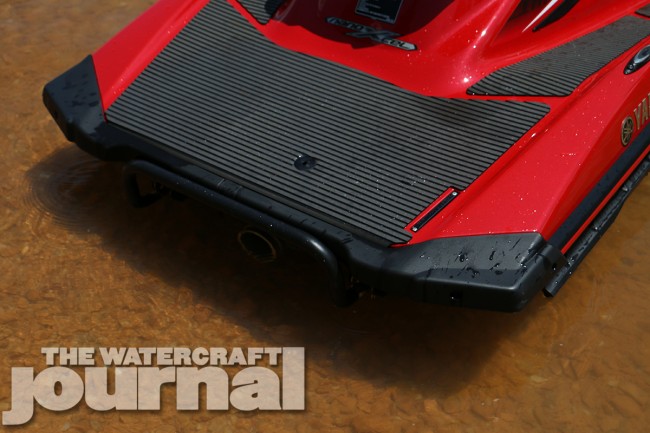
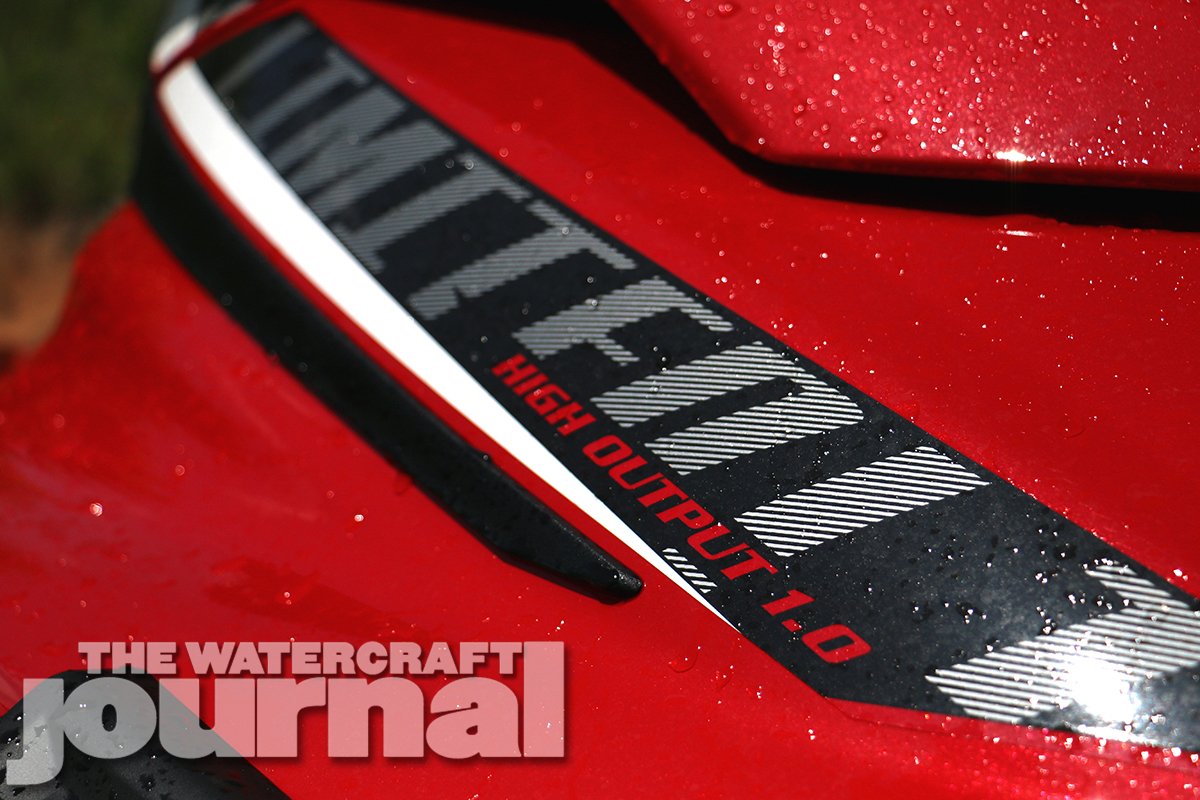
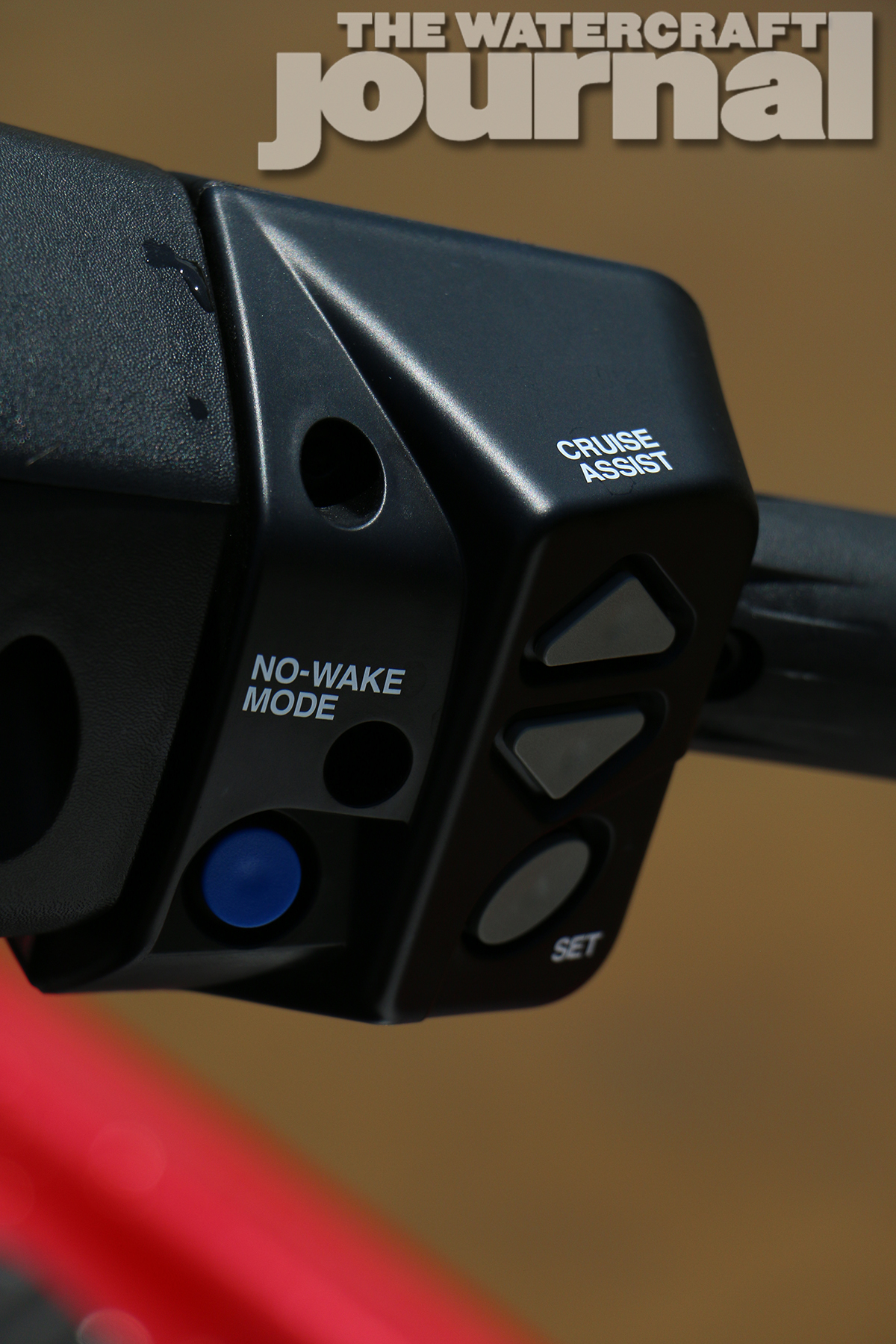
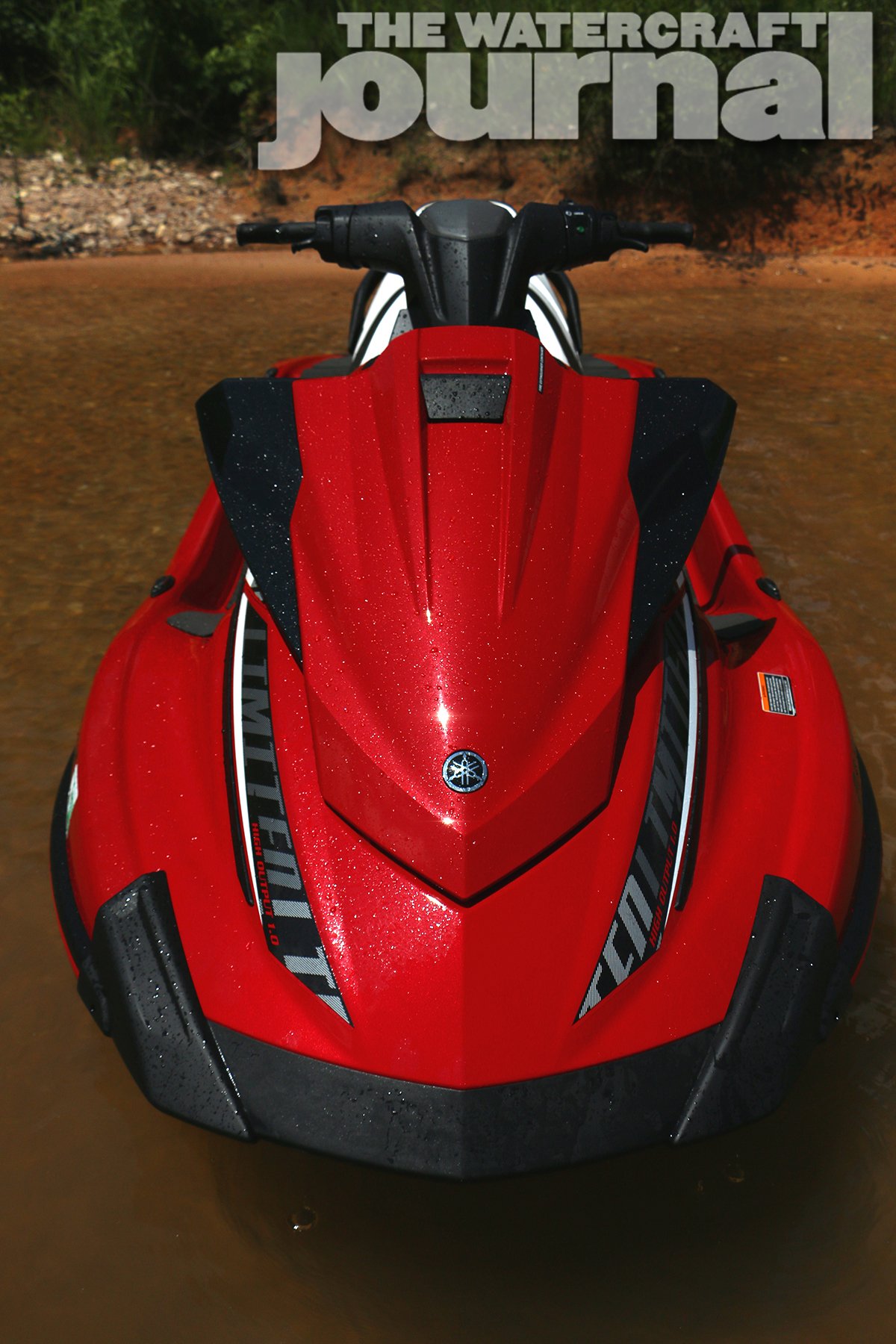
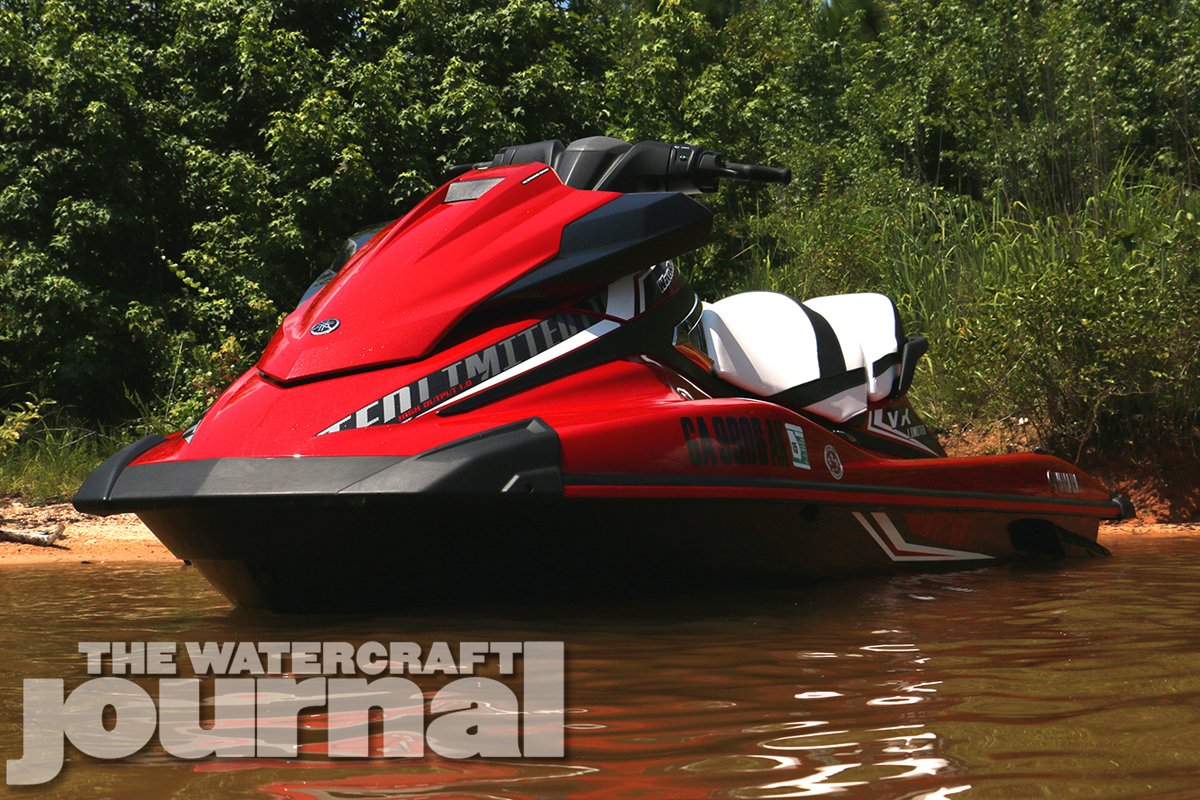
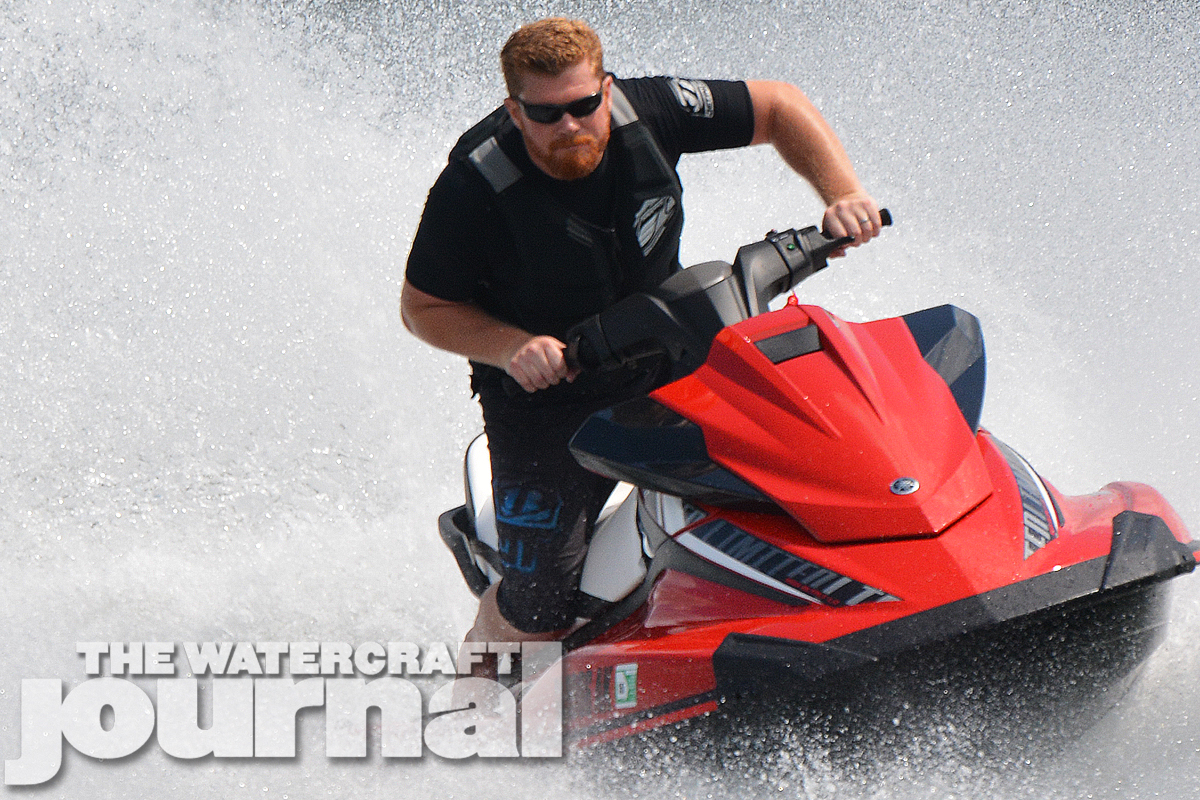
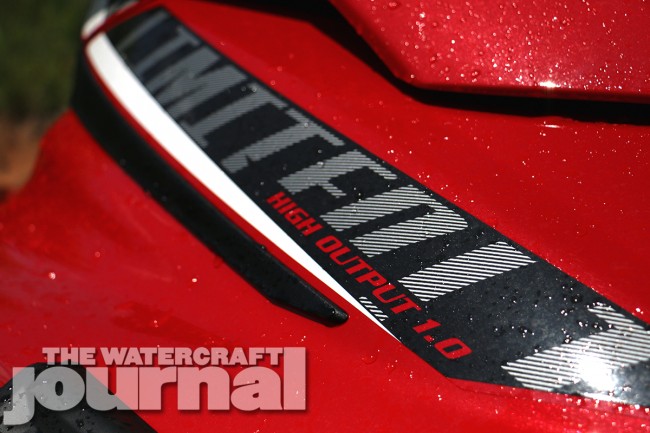
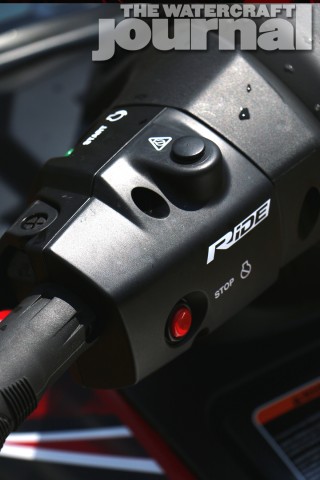
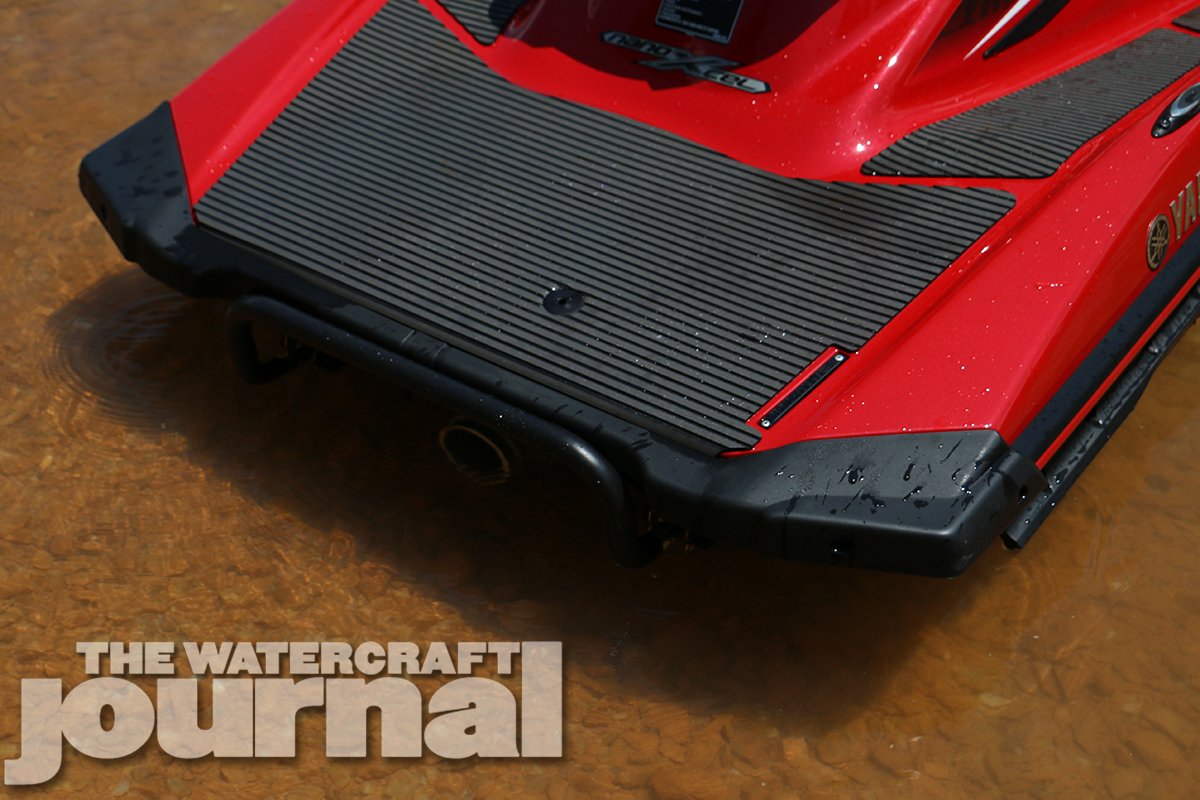
The Limited is swaddled in Yamaha’s Torch Red Metallic that glistens in direct sunlight, with jazzy black and white highlights, most prominently on the Cruiser-style tiered seat. The Limited also comes equipped with a king’s ransom of options including the increasingly popular RiDE dual-throttle braking and reverse system (which, responds famously with the new TR-1, far better than it ever did with the MR-1), Cruise Assist and No Wake Mode.

5

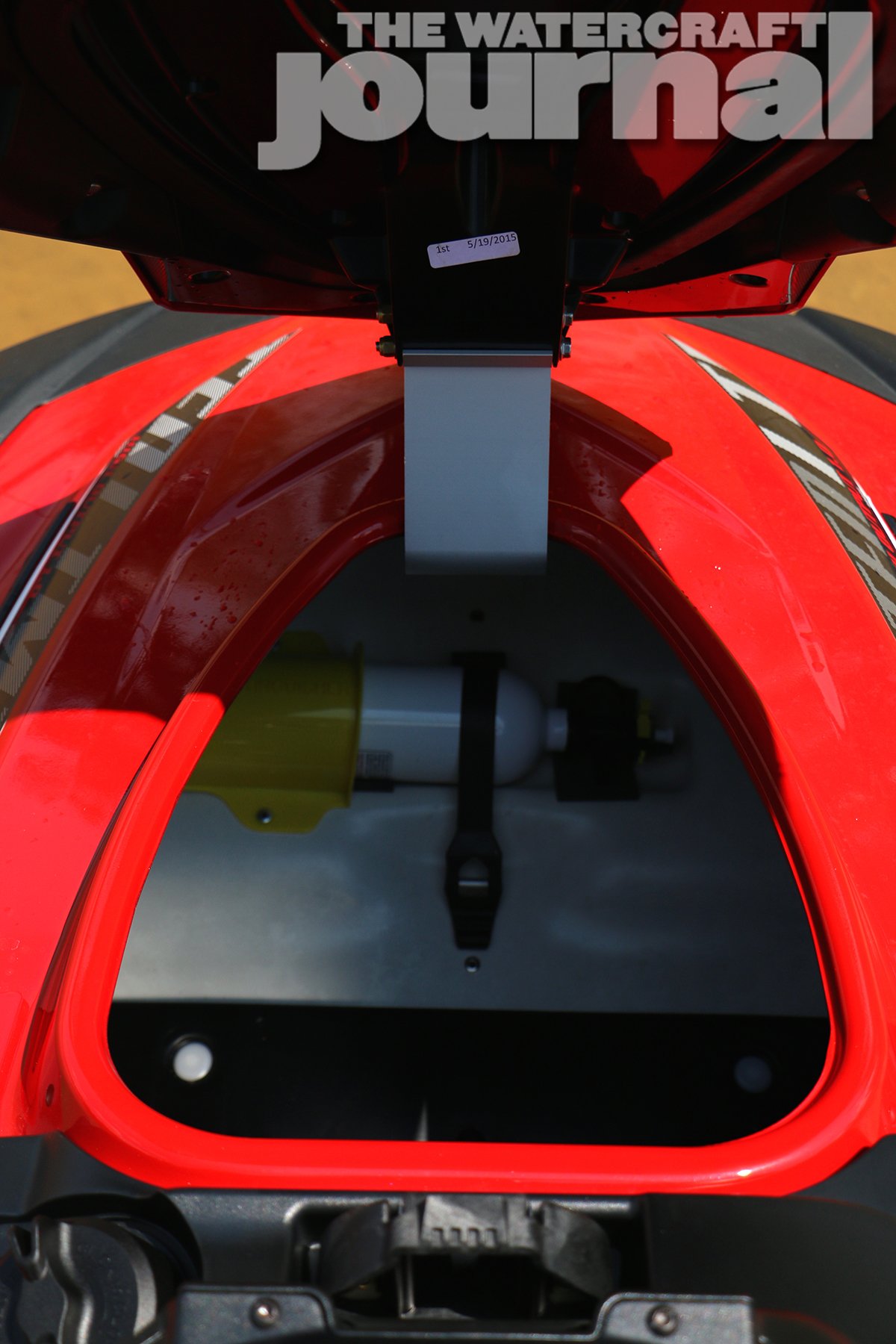
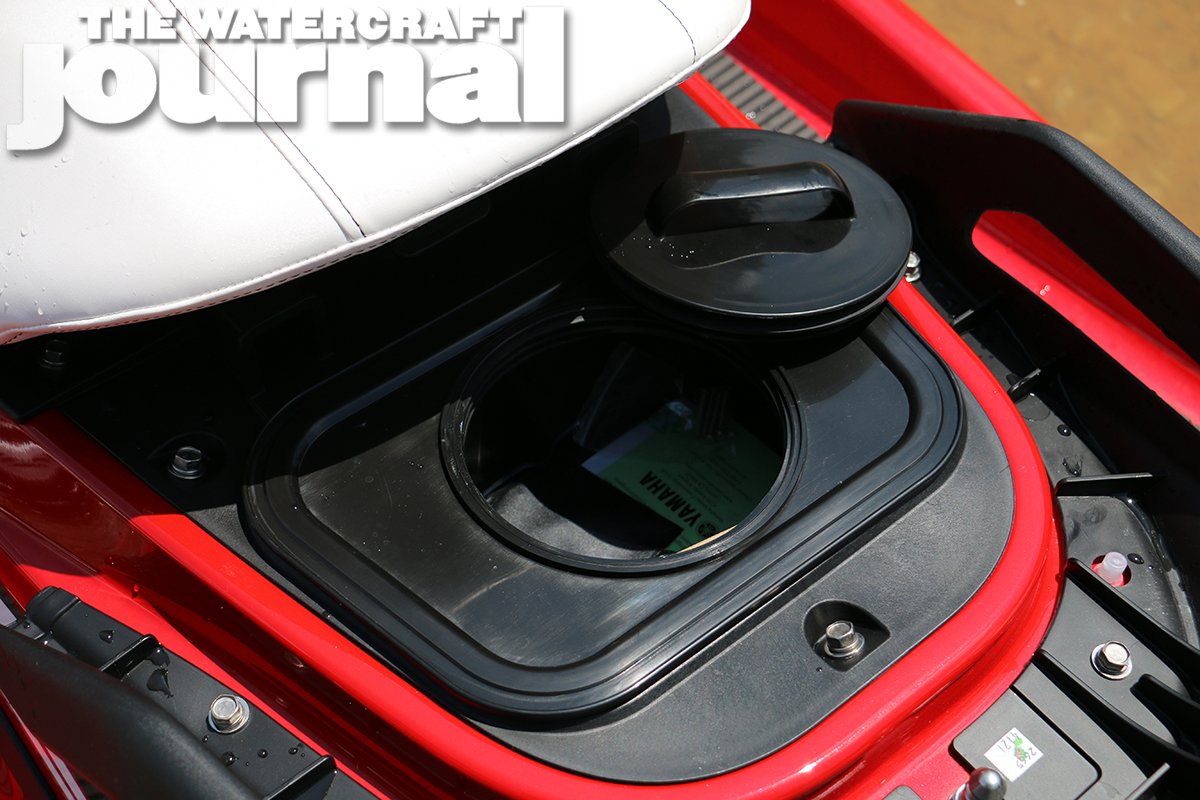
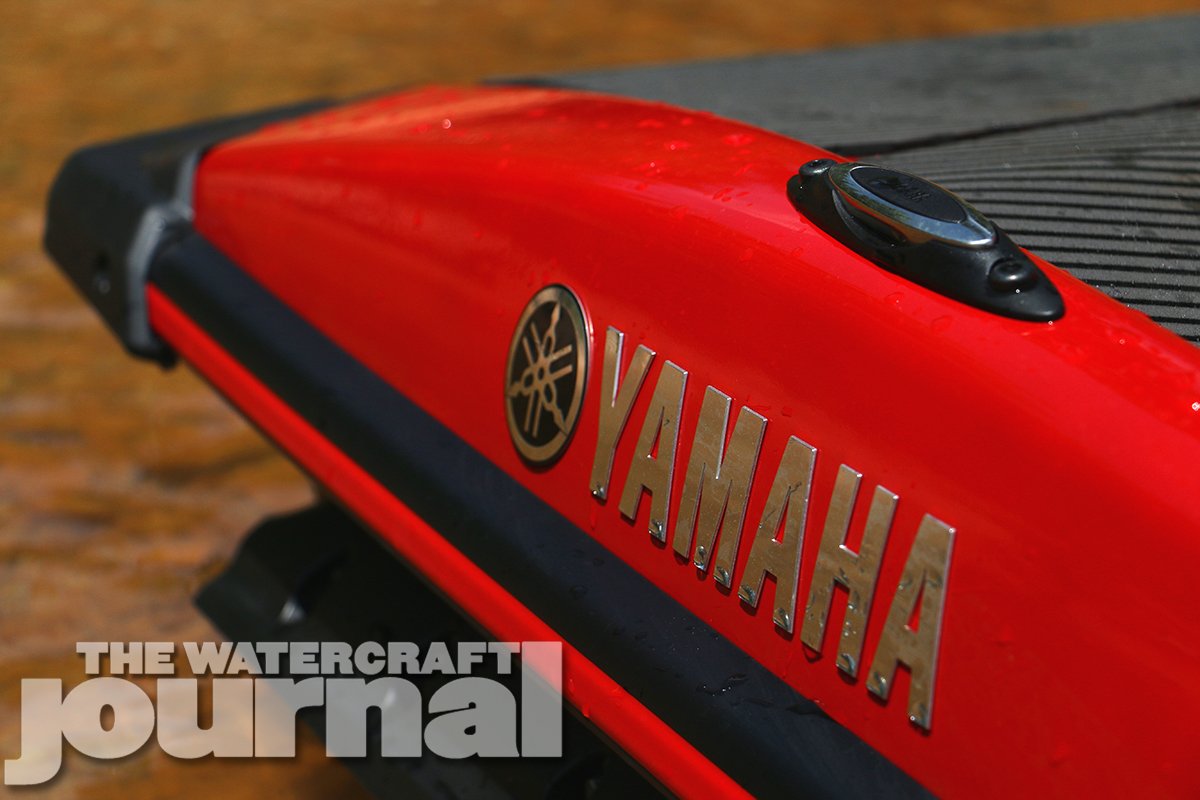
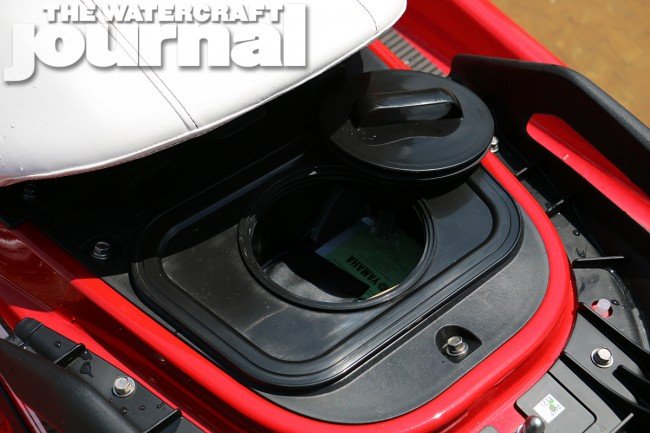
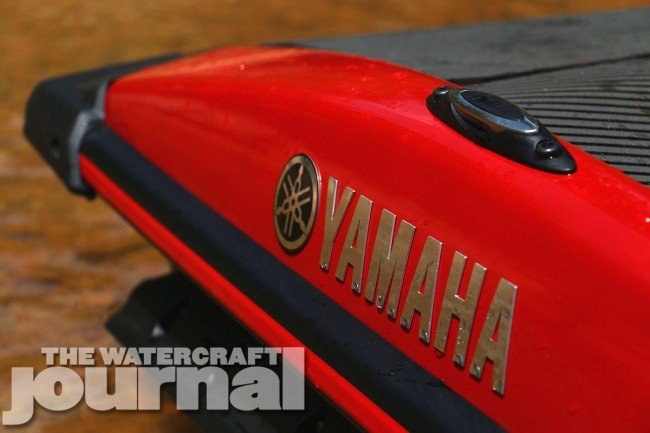
The Limited also includes possibly our favorite feature for which we pray becomes an industry standard, a 12-volt socket in the glove box. Ideal for charging a cell phone, GPS or VHF radio, the plug was incorporated to power an electric air pump (more on that in a second). The Limited is also adorned with four pop-up cleats and chromed “Yamaha” badging, as well as watertight storage beneath the rear passenger’s seat.

But, wait! That’s not all. Yamaha wanted the Limited to not only meet family’s needs but exceed their expectations. That is why the Limited includes a whole host of other accessories: a specially-made one-passenger towable raft and tow rope (all color matched to the Limited), a true ski tow eye, a special rope bag that attaches to the helm, folding reboarding step, a dry bag, and the aforementioned 12V pump to inflate the tube while out on the water.
20

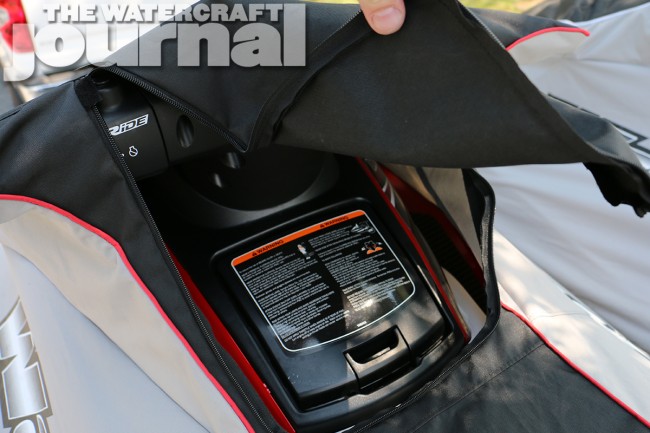
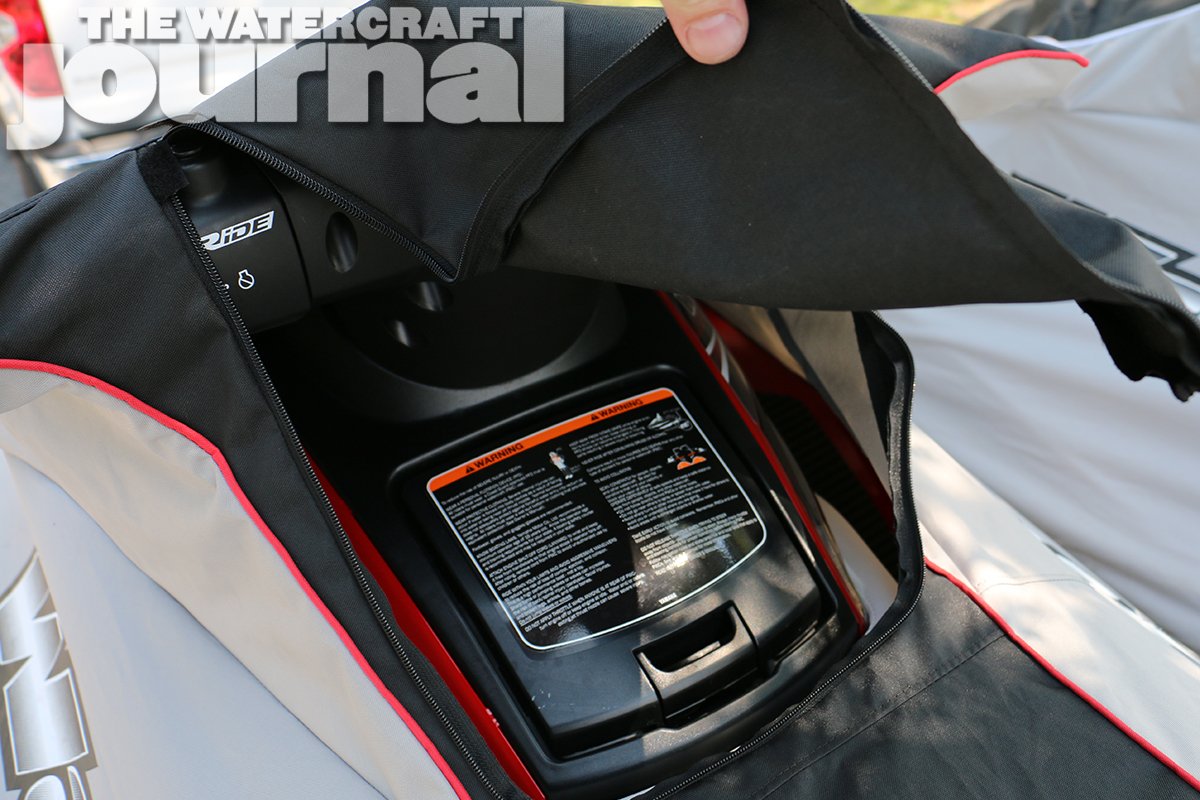
Oh, and there’s one more thing: not only does the Limited come with its own special edition ski cover with a zipper access door to the glove box, but a hard case solar panel and trickle charger to maintain battery life while stored alongside or behind the house. In our view, the VX Limited is truly the best “family fun starter pack” we could ever see coming from a manufacturer.

Priced at $10,899, the Limited exceeds the VX Cruiser’s asking price by $400. In a quick web search, we found the total retail price of the included accessories nearly double the added cost over the Cruiser. And combining the 18.5 gallons of fuel capacity and the TR-1’s super-efficient fuel consumption rate, the VX Limited promises hours of fun on the water long before a pit stop is ever needed. Frankly, we think the Limited more than delivers on total value and definitely comes through in the fun department, and that should be enough to make up anyone’s mind.
19 17 11 14 8 9 10 13 7 15 5 1 2 3 4 18 6 12 20 16
<
>

Jobe Releases 2016 Boating and Wetsuit Collections

0

2016CATALOGUES

All of us at The Watercraft Journal have enjoyed this year’s partnership with Jobe PWC. You’ll see how we logged some serious hours on our Ruthless Vest and have even had the kids getting the most out of their Children’s Vest. So just when you thought things couldn’t be better, Jobe steps up to the plate and knocks out two big releases for the new year: the 2016 Jobe Boating Catalog and the 2016 Jobe Wetsuit Catalog.

The next biggest announcement from the international riding gear and apparel manufacturer is the introduction of its all-new 2016 Jobe SUP (Stand-Up Paddleboard) catalog. Focusing on the lifestyle and functionality of the sport, the catalog makes you want to pick up the sport as much as purchase the awesome products listed inside its covers! Check it out here first!

Here’s the original press release:

The 2016 Jobe Collection
Now that the summer is almost coming to an end, it is that time of the year again to start making plans for next year. Jobe has been doing that for a bit longer now and has proved to be totally ready for the future, because today they released their complete 2016 collection. Of course you can expect new products and innovations, but this year Jobe also chose to show you what their brand is really about!

Jobe Boating
Jobe wants you to have fun on the water. To have unforgettable #jobemoments. Together with your loved ones you can enjoy your time on the water with their 2016 boating collection. Their boating guide perfectly visualizes this. You can expect the coolest towables to ride on, skis, kneeboards, wakeboards ánd all the accessories you could possibly wish for. You can find them all in this beautiful guide.

Jobe Wetsuits
In their 2016 collection Jobe also emphasizes the fact that wetsuits do not solely exist to protect you and keep you warm; they can actually look good too! Besides using industry leading materials and construction methods, they are specifically designed for you to enjoy the water in style. Dress to impress with these wetsuits that appear in various trendy colors and models. Download the wetsuit guide now and be impressed by the fashion-like feeling of the guide.

Prefer to read a hard-copy version? It is available soon at your local Jobe dealer!

Video: Double Backflip you Say? Tanner Thomas Pulls It Off

0

tttbackflip

A very cool video featuring Alaskan born Tanner “Tanman” Thomas was posted on YouTube on August 3, 2015. Tanner is shown performing a double backflip on a jet ski which is one of the raddest performances we’ve seen. After 29 attempts of trying to complete the double backflip and landing [including one such attempt that we published earlier this past June -Ed], he eventually executed it perfectly.

Tanner manages to kill the highly skilled and gutsy maneuver by using V-wake (also known as double boat wake) to get the height for his many jumps. V-wake worked well for Tanner’s move. He piloted his standard watercraft, the custom “Ninja Edition”, a TC Freeride-built Rickter. Tanner reached the needed height and perfect rotation to execute the maneuver. It was the first time the double backflip had ever been landed (in the tray) on a personal watercraft.

We watched the video at least 10 times just to see Tanner keep landing it. We actually studied what he was doing just to see how in the world he was able to perfect such a tactical maneuver. He has amazing skills and will go far as long as he has the needed funds to get there! The video was presented by TC Freeride, one of his main sponsors. His other sponsors are Tyler Rental, Bam, Rickter, Dawson Construction, KMG Racing, Jet Lift, Alaska Diesel Power INC, Sigma Pro of Ketchikan, Alaska Marine Lines, Mystic Lubricants, Jet Pilot, Ketchikan H2O, Hout Enterprises, and DASA. He is also a Liquid Militia team rider.

Vicious Rumors And Vile Gossip: Could This be The 2017 SuperJet?

7

SJ

Well, we think it’s safe to say that Yamaha is really enjoying these past few weeks. Not only was the launch of the 2016 lineup of WaveRunners a huge success, but now the Off-Road Division is riding a tidal wave of fanfare over it’s new YXZ1000R; not only the successor to the outgoing Rhino SxS, but a direct challenger to the turbo Can-Ams and Polaris RZR-S.

What many of us watercraft enthusiasts caught in the YXR’s unveiling was the incorporation of an all-new three-cylinder 4-stroke. Although sightly smaller in displacement than the WaveRunner’s TR-1 (998cc vs. 1048), the new three-cylinder shares much of the same architecture, mainly its 3-cylinder, 12-valve, DOHC, liquid cooled design.

yamaha-yxz1000r

Of course, besides the decreased cc’s, the new SxS plant also touts an aggressive 11.3:1 compression ratio and 10,500 RPM redline (not to mention vastly different exhaust and air intake arrangements). So what does this have to do with a modern SuperJet, you’re asking. And we’d tell you to just give us a minute. Jeez, you’re impatient…

We’ve been blathering on and on about paying close attention to what Raceski.com’s Rob Flores has been working on. Then, Yamaha introduces a lightweight 3-cylinder that is both compact and more powerful than the outgoing 1.1-liter engine. And now the new 3-cylinder engine platform shows up in Yamaha’s much-anticipated YXR1000R. Folks, Yamaha is making moves and we’ve got quite a bit of smoke to give us a enough reason to call “fire.”

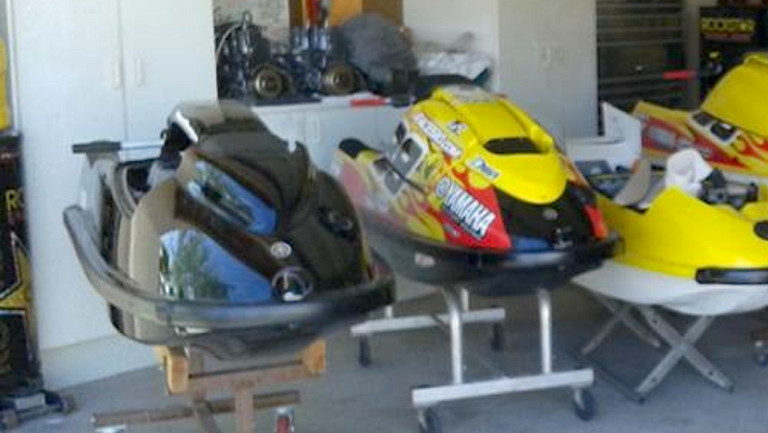
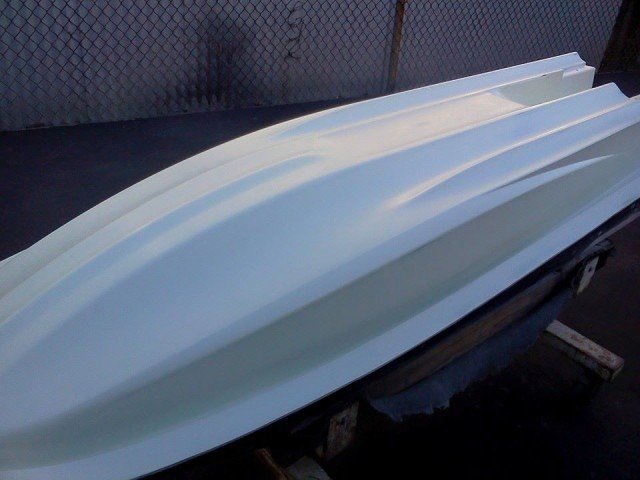
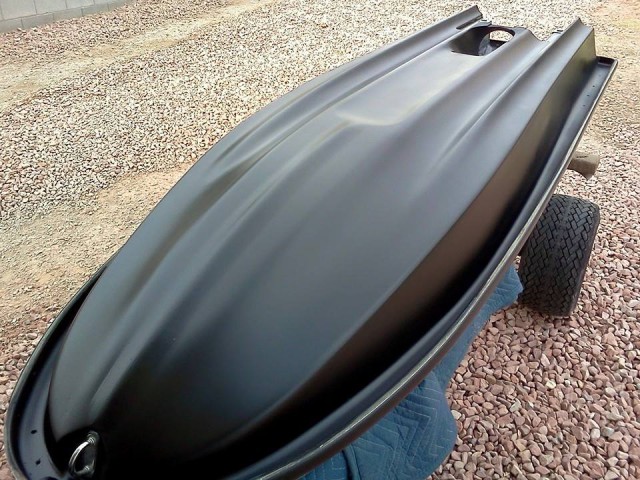
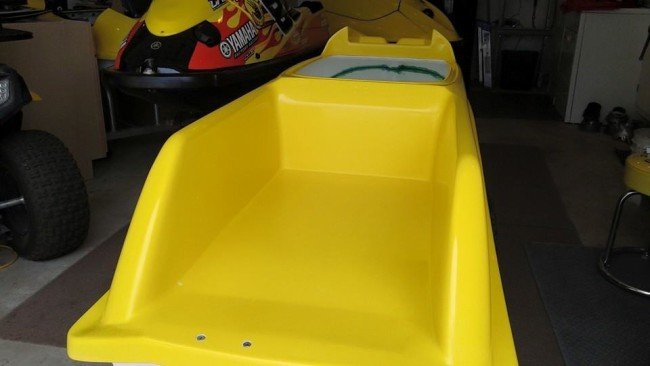
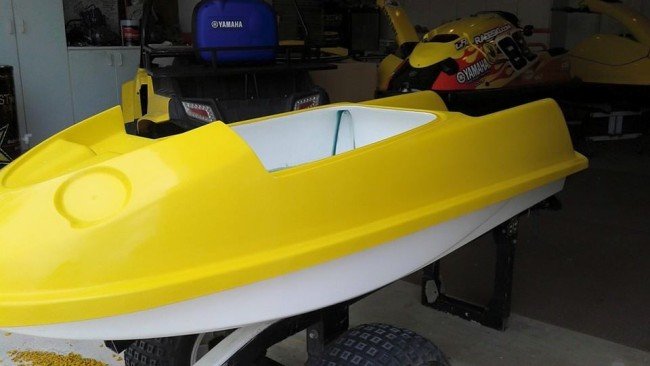
Yesterday we received this incredibly low resolution cell phone picture of a lineup of Flores’ various race craft (see below). Obviously, Flo’s #88 Raceski.com is recognizable, as well as a pair of yellow-and-white SuperJets that we’ve seen before (above), but front-and-center is an all-black unit that is a bulbous, wide-bodied version of Flores’ other designs. Even the images of Flores’ prototype “wide tray” SuperJets weren’t as big as the one shown below.

Then came some really cryptic news: Apparently, Yamaha’s been messing with different configurations of the TR-1 marine engine. And since confirmation of the following performance rumors is completely out of the question, it’s worth mentioning each should be taken with the appropriate grain of salt:

11891118_1177393692276511_5316645706754630024_n

In stock form, the TR-1 cranks out “somewhere between 115-and-125 horsepower.” When given a reflashed ECU with a custom tune, the TR-1 wakes up quite a bit, jumping up to 165 horsepower. Toss in a pair of forged pistons and you’ve got 185 ponies. Slap on a turbo and you’ve got an insanely nasty 3-banger, spitting out over 260 horsepower. Oh, and apparently that setup can last several hundreds of hours on the dyno, that is, according to our source.

If these claims are true, then the TR-1 has far more potential than just a entry-level runabout engine, a replacement to the 701cc two-stroke or even the larger 4-cylinders. But that’s an entirely different conversation. As it stands, Yamaha has an engine that’s ideal for a SuperJet, a handful of prototype hulls being produced by an IJSBA Hall of Fame racer, and a heck of a lot of interest in a new 4-stroke standup. Sounds like a homerun to us.

SoCal’s Lake Elsinore To Get Its Own Body Beach

2

Musquin_show_MRice_8_0

Unlike other former IJSBA heavyweights who have faded into the background, Mike Yellich is still on the scene participating heavily in not only keeping the sport vibrant but opening up new and exciting venues for enthusiasts to enjoy. Recently, Yellich reached out to The Watercraft Journal about his recent efforts:

In his discussions with the City of Lake Elsinore, Yellich explained, “There will be a area of land and lake to set up a buoys course just like they do at Body Beach or Mission Bay, but they will be charging a lake fee.”

In an earlier post on Facebook, Yellich announced, “Good news riders! We have an area! We are putting our business plans together with Lake Elsinore – City Hall business plan in to works. The site has been picked out by the city and we love it. I will be posting pics soon. Myself and Frank Galante are so stoked. We will have a buoy course at Lake Elsinore. Soon, maybe not this season. But 2016! It’s going to be a banner year next year and the future of the sport is now! …After being in it for over 35 years, it [looking in my eyes to be] on a rush to be one of the biggest sports in the future.”

Obviously, more updates are shortcoming, but the news is a boon for Southern California residents who’ve been looking for a central spot to converge, train, test and socialize much in the same way the aforementioned Body Beach and Mission Bay has served Lake Havasu and San Diego residents.

The Watercraft Journal By The Numbers: August 2015

0

1

Although all are welcome to read each month’s “The Watercraft Journal: By The Numbers”, this monthly feature is primarily designed to serve as a performance report for our current advertisers as well as a resource for those companies looking to expand their brand’s reach to an actively engaged, digitally-inclined enthusiast readership. Thankfully, nearly two years of consistent and reliable publishing – and continued, steady growth – has managed to reeducate several companies of the new marketplace.

Unfortunately, there are still several companies continually mystified by “intangible clicks, unprovable registered subscribers, or the vague reference(s) to page views” resentful towards the evolving landscape, and there are others who enjoy enough steady work that the need to evolve is unnecessary. These are our industry’s great white sharks and crocodiles, animals efficient enough that the need to evolve eludes them. For the rest of the food chain, it is a matter of “adapt or die,” and that is why this report is published.

Those companies who do advertise with The Watercraft Journal and smartly use the creative content we produce on their behalf by not only allowing us to advocate their brand, but engages their own audience with our third-party content, sees the greatest return on their advertising dollar – as our readers purchase more product more often than any other PWC magazine in North America. We not only wield the largest reading audience of any publication, but our core audience is directly within your purchasing demographic. We know because it’s intentional.

Advertising with The Watercraft Journal presents your brand and products before the largest, most active and engaged magazine readership in North America. Yet, it is apparent that we need to break down what “clicks,” “subscribers” and “views” mean to the companies who otherwise have never consider these terms, and explain how through an advertising campaign with The Watercraft Journal can be used to benefit their business. Using the Google Analytic report below as our map, we’ll walk you through the words and numbers below, because we’re not anything if not helpful.

August 2015

Screen Shot 2015-09-01 at 8.30.22 AM

What is a “User” and What Does It Mean to My Company?
A “user” is often referred to as a “unique visit,” or the number of individual visitors within a specified time period. [For example: if one person visits a website (4) times, it will be recorded as (1) unique visitor. -Ed] If a company is accustomed to purchasing ad space in a print magazine based on its readership, there’s some very basic math: In terms of a traditional paper magazine, a “unique visit” is equal to the sale of a single issue. It is estimated that the leading print PWC magazine sells between 2,400-and-2,650 copies per issue – or in webspeak, “2,400 unique views” every two months. Comparatively, The Watercraft Journal welcomed nearly 33,400 in August alone.

July
Total number unique readers: 31,543*
Total number of articles read: 67,887
Percentage of new readers: 68.5%

August
Total number unique readers: 33,396*
Total number of articles read: 79,334
Percentage of new readers: 63.5%

*This number is considered equal to an individual sale of a single copy of a magazine.

What Are Pageviews And What Does That Mean?
Above you will have seen the word “pageviews” or the total number of times an individual page has been viewed. As each new page is a new article, this number represents how many articles were read by a reader. If the same story is read more than once by the same person, it will be counted multiple times. If a story is particularly popular [or “sticky” -Ed], the individual pageviews for that story will be significantly higher. The more unique the story, more exotic the destination or how hot the news is the more likely the story will be sticky. And because we publish every day, the likelihood of a story becoming popular increases dramatically.

News articles published in July: 24
Feature articles published in July: 14
Total feature word count: 13,065 words*

News articles published in August: 22
Feature articles published in August: 16
Total feature word count: 13,899 words*

*When this number is translated to print publication standards equals a 118-page magazine. Please note that this number does not include an average of two uniquely-written news articles published daily.

Screen Shot 2015-09-01 at 11.08.54 AM

Who “Subscribes” to The Watercraft Journal?
First, we don’t have paying “subscribers” but we do have plenty of readers who come back again and again. As you’ll note above, out of our 33,400 “unique” readers for August, 36.5-percent of those were return readers. And yes, that also means that 63.5-percent of August readers were first-time visitors, adequately explaining our continued growth. It will be when you see those numbers transposed that our readership will have plateaued. But The Watercraft Journal excels at reaching more readers than anywhere else not only because of our reliably daily content, but that we take our content to them through our Facebook, Twitter, Instagram, YouTube, and weekly newsletters.

August Facebook likes: 14,161
Top Five countries: United States, United Arab Emirates, Australia, Japan, France

How Do These Numbers Work For Me?
Getting your brand and products on The Watercraft Journal through our comprehensive editorial support and advertising programs not only provides high impact digital advertising to one of the largest PWC audiences in the industry, but also generates originally-written, professional magazine-quality content expressly tailored to highlight your company. If you’re looking to introduce an extra 33,400 potential clients to your company, then email [email protected] about advertising your company in the single-most popular PWC magazine.

Greenhulk Now Offers Haltech ECU Kit for Yamaha WaveRunners

0

Haltech Yamaha ECU

There’s a lot of talk about horsepower these days (oh, who are we fooling? We’ve been talking about horsepower since we first domesticated the horse). With so much chatter coming about a new Sea-Doo engine producing over 300 horsepower, the Yamaha guys are starting to get anxious. With the new crop of WaveRunners released, many are wondering what is needed to keep their Yamaha ahead of the Doos.

The industry’s biggest forum www.Greenhulk.net announced late last week that their online store www.PWCPerformance.com is now stocking the all-new stand alone ignition system for the Yamaha WaveRunners from Haltech. Designed for all Yamahas running the 1.8L naturally aspirated and supercharged engines (HO, SHO and SVHO). With the Haltech tuner, supercharged Yamaha 1.8L engines can go 70mph with a RPM limit of 7700RPM.

By simply raising the rev limiter, the Haltech is able to increase maximum speed, as well as the boost pressure, which subsequently encounters the following common RPM limits:

8250RPM – 75-76mph
8550RPM – 77-78mph
8650RPM – 80-82mph
8850RPM – 82-83mph

Haltech’s own press release provides the following steps necessary to not only achieve these top speeds but maintain engine longevity: “When revving this engine above 8500RPM it is recommended to fit a higher grade valve spring and retainer kit. The engine uses a returnless constant pressure referenced fuel system. The fuel system will require upgrading when trying to achieve around 77 mph+”

Features specific to the Haltech include Direct Fire Ignition, Sequential Injection, Electronic Throttle Control, Knock Control, Idle Control, Kill Switch, and an O2 control (When used with a Wideband O2 sensor kit). Of course, this direct ECU replacement is suitable for all Waverunners with the 1.8L 4 cylinder engine including all FX, FZ and VXR/S units sold between 2008 – 2015.

“Real world testing with the Elite 1500 kit on a 2015 stock PWC has seen the maximum speed at 68.8mph. By fitting the Elite on the base map the ski went 78.8mph, and then with tuning went 82mph.”

Of course, PWC Performance also carries all of the secondary performance parts – such as larger fuel injectors, return lines, and supercharger services – to not only help you push your WaveRunner to 80 miles per hour and beyond.

Kevin Shaw: Passion Projects, Racing and Going For Broke

0

MARKS

I’ll admit as the head of my own company that I’ve made a more than a few “decisions of passion” that have resulted in unnecessary grief, rather than taking a calm, calculated approach. While doggedly pursuing a passion project has ruined many an entrepreneur, company and even Hollywood director, when such an endeavor is executed to its designer’s full intent we get Disneyland, the Tesla Model S P85D, and Star Wars.

Lately, I’ve been dedicating quite a bit of my time on prioritizing where The Watercraft Journal focuses its efforts (ie. budget) for the upcoming year. In doing so, I’ve been pouring over hundreds of pages of analytic reports; Which stories were our most popular? Which stories “blew up” and then quickly “fizzled out” when others’ popularity lasted several weeks or even months? Which stories completely tanked? And, where were we spending the most money in correlation to the story’s popularity?

IMG_5745WM

Then came the awkward moment when I realized that our racing coverage was nowhere within that sphere. Not a single race story was within our all time Top 50 articles at all. Like, even in spite of being the single-most popular PWC magazine in North America, welcoming over 280,000 unique readers who’ve digested over 776,000 articles since our launch in 2013. Regardless of our massive (and continually growing) readership, racing coverage fell below everything else.

This made me reevaluate the quality of content we produce. Domestically, we lead the industry in comprehensive, quality race coverage that is both originally-written and produced. I’m proud of our racing coverage. I’m proud of the contributors who keep us on top. Their talents are only matched by their professionalism. But race coverage is by far our largest expense. And according to our numbers, it doesn’t move the needle.
IMG_9634WM

One day, in a little hole-in-the-wall Mexican restaurant in Anaheim, California, Hydro-Turf’s Arno Olbricht chided me, “I couldn’t even open your 2014 World Finals coverage. It took forever to load. What did you have, like 300 pictures?” As I sat across from him digging into a pair of fish tacos, I laughed, “It was actually over 500.”

“Yeah,” he poked back. “I gave up after a minute.” Then Arno looked at me pointedly and asked, “Who’s even reading it? Racers just looking for pictures of themselves to share on Facebook?” He had a point. Race coverage never fetched more than a few thousand views, and most of those were repeat readers.

IMG_6188

During the first year of The Watercraft Journal, I spent several nights staying up until 2 or 3 in the morning hurriedly editing hundreds of pictures, hammering out the last few sentences, formatting results, and polishing freelancer’s syntax and grammar, just to get that precious claim of “first to press” with coverage. I pushed my contributors and photographers to the brink of quitting, I drained our budget, and all for what? A few hundreds clicks.

This year I experimented by pulling back. No more early-morning thrash sessions. No more harassing midnight texts to photographers. I also dropped the picture and word count. No more 2,500 Tolstoy-esque recounting of the minutest details. This year we went full “Joe Friday,” just the facts, ma’am. And you know what? Yeah, we’ve come in second once or twice, but you couldn’t tell by our readership. The numbers (although steadily growing) didn’t really change. Nobody really seems to care just as long as the pictures are pretty, and our photographers are some of the best.

IMG_0579WM

My inner-entrepreneur is constantly screaming “Do you want to be successful? Follow the money. Look at Dustin Farthing. He isn’t racing. He’s selling 180-horsepower WaveRunners to moms and dads.” And that nagging voice would be right. Sure, young, hip millennials look cool and fill up Instagram with sweet Vine videos, but who’s writing the checks? Again, follow the money.

So again, why bother? Why will The Watercraft Journal keep blowing thousands of dollars year after year on race coverage that just a fraction of our readership even cares about? Because I still think it matters (as I’m sure many of you do too). Racing is the bleeding edge of the sport. Only a brave few can balance on that thin line, and its these select few who help push this sport forward. Racing doesn’t carry jet skiing, that much has changed. But it does sharpen it.

Maybe that’s a bad business decision on my end. Frankly, I don’t really care.

Go get wet,
Kevin

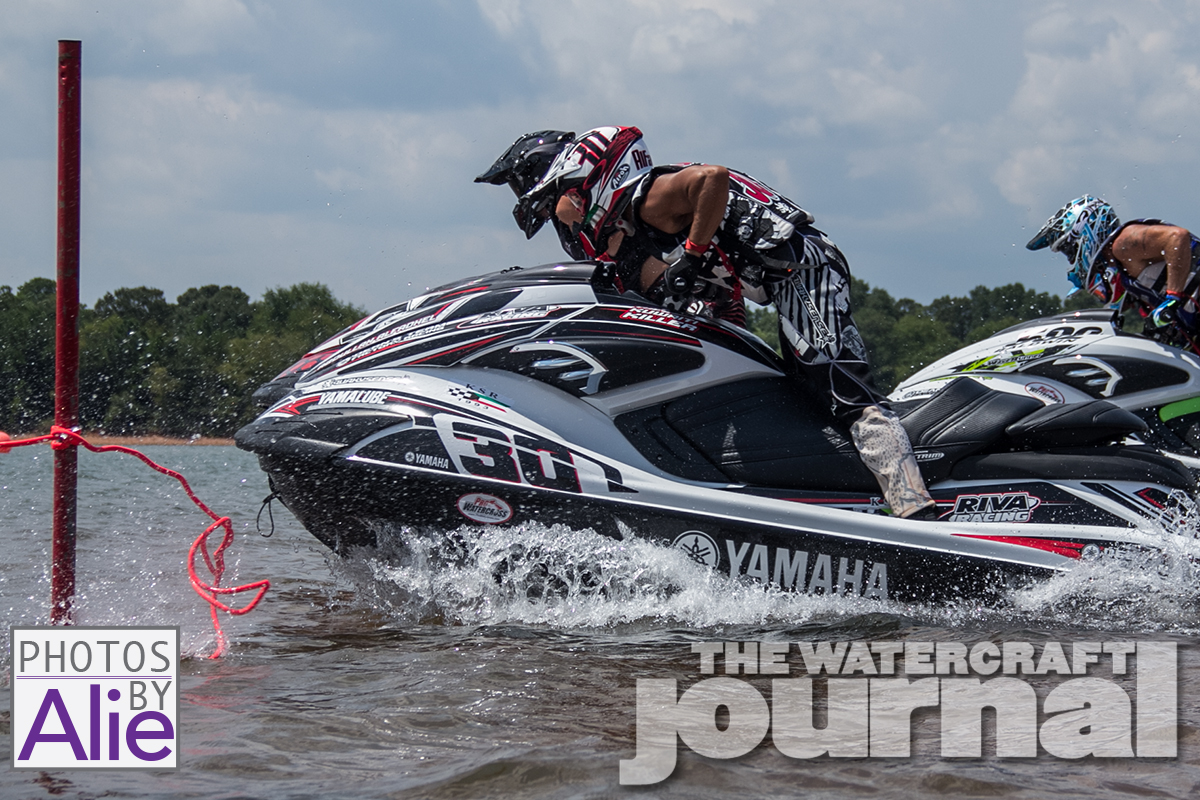
All images courtesy of Alie Block’s Photos by Alie and are available for purchase HERE.

IPD Graphics’ September Finals Prep Sale

0

11951201_989071134447765_2527244582875752442_n

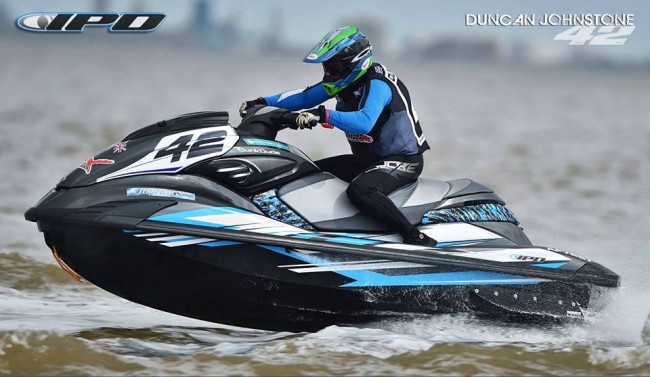
Listen up, you racers. We know how it goes: You’re all pumped to get ready for your next race. You’re thrashing to get your ski in perfect running order (or close enough), and you’ve barely enough time to call your boss to ask him for a couple days off. Things come together pretty quickly and you gotta be ready to jump at a moment’s notice, that’s why IPD Graphics is offering this “No Last Minute Orders” preemptive September Finals Prep Sale.

If you’re paying attention, you’ll know that there are three major championships happening within 3 consecutive weeks of each other: the IJSBA National Championships hosted simultaneously during AquaX’s Grand Prix of the Sea, in Cocoa Beach, FL, September 18th-through-20th; the inaugural Pro Watercross World Championships held in Naples, FL, September 19th-through-27th, and of course, the quakysense IJSBA World Finals in Lake Havasu City, AZ, October 3th-through-11th.

IPD is offering this exclusive promo code for complete graphic kits orders, placed online only. Simply type in TWJ-FINALS-25 and hack 25-percent off of your IPD Graphics’ price tag. As IPD Graphics’ own Casey Mauldin told The Watercraft Journal, “The promo code expires on the 15th, and the idea is to create urgency for [racers] to place their orders in with enough time for us to minimize a high amount of rush orders, which happens every year.”

So, while IPD Graphics has a stellar track record of delivering even when under the gun, don’t wait to the last minute to get your ski looking professional. Take advantage of this awesome coupon code (TWJ-FINALS-25) offer, save some cash and get your ski looking fresh before the race by going to IPD Graphics’ online store NOW.

Gallery: RIVA Racing’s 2016 Yamaha FZR 350

2

BOX

Yogi Berra once quipped, “You don’t have to swing hard to hit a home run. If you got the timing, it’ll go.” With the public unveiling of Yamaha’s lineup of 2016 WaveRunners less than a week ago, and the massive corresponding public response thus far, it is unequivocal that RIVA Racing‘s timing couldn’t be better.

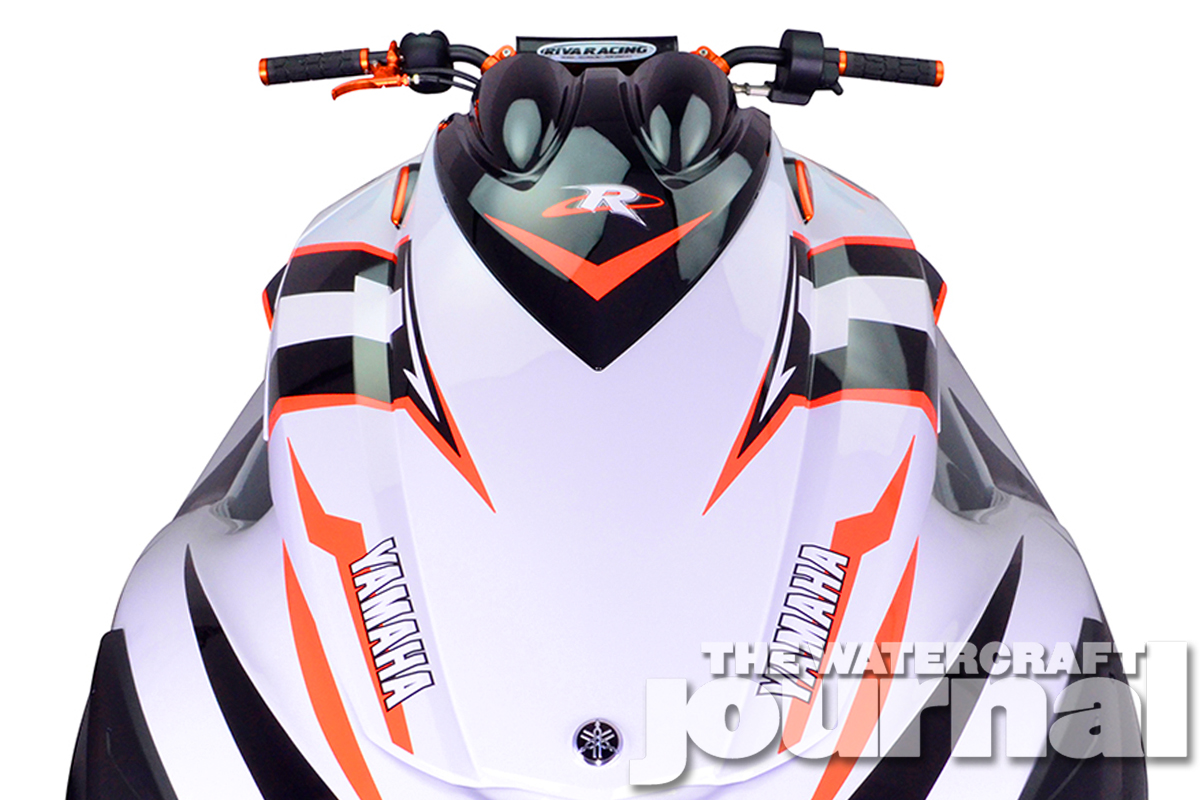
While being regaled at the Amelia Island Ritz Carlton, Yamaha dealers were entranced by RIVA’s wickedly-prepped, hand-built Yamaha FZR 350 – and immediately bathed their social media accounts with snapshots of the one-off custom runabout. “It literally came together about two weeks before the dealer show,” RIVA’s Dave Bamdas explained recently to The Watercraft Journal. “We wanted to build a custom machine that showcased RIVA’s Stage 2 performance kit (as well as some other components).”

1

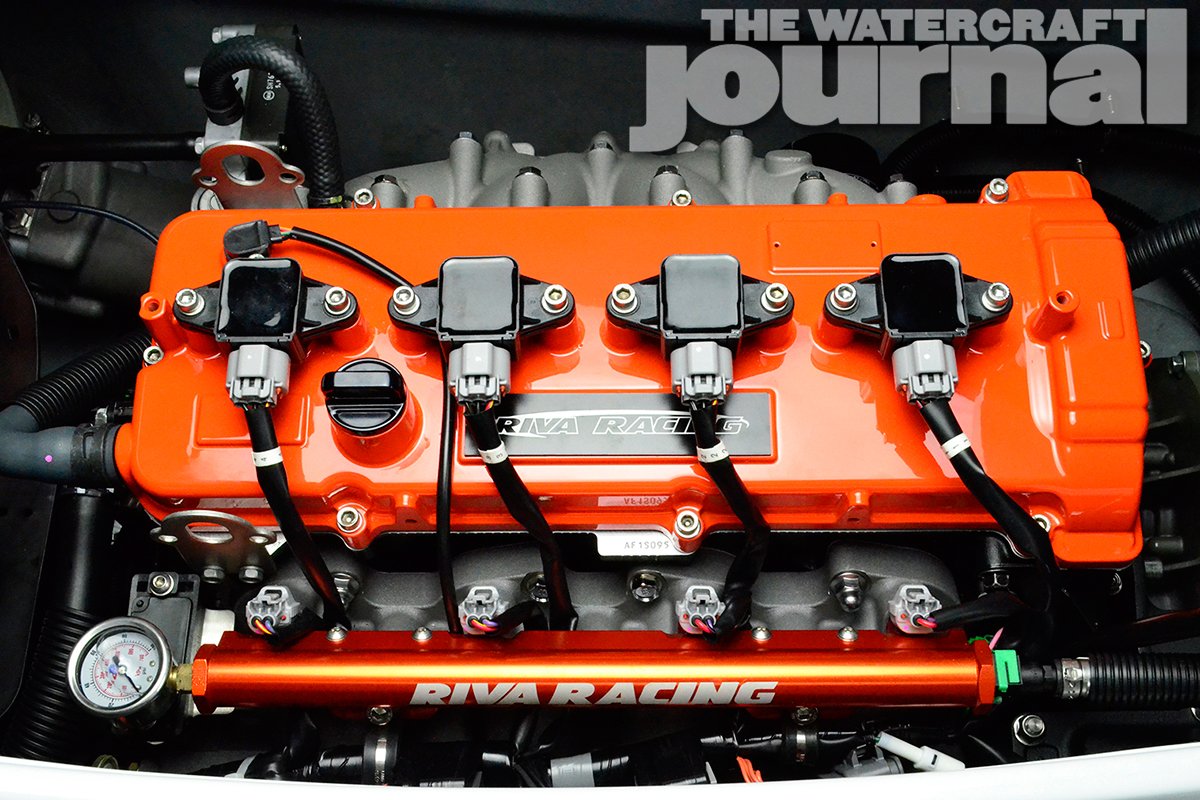
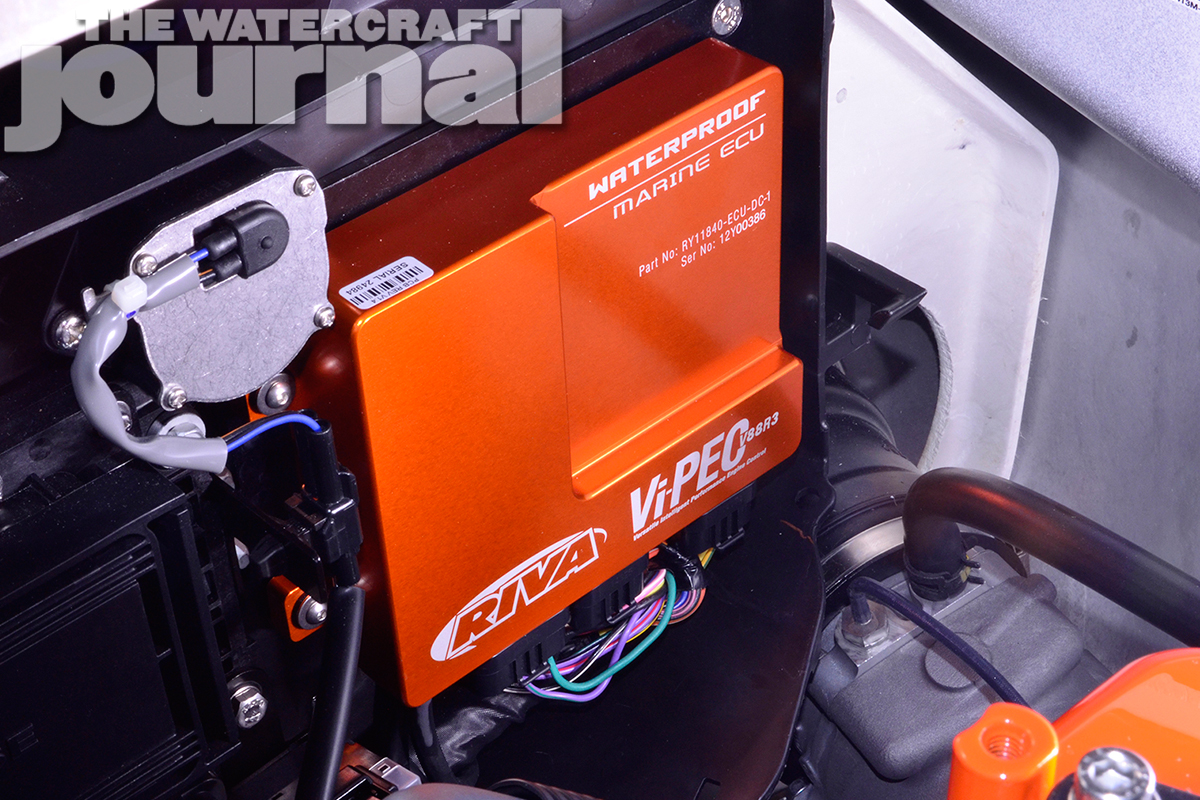
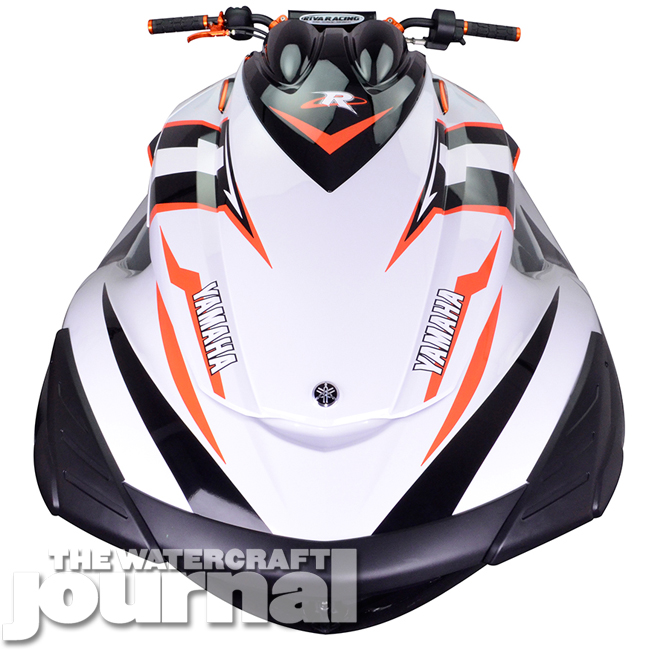
The craft put on display started life as a 2015 FZS, as indicated by its white deck and black hull (whereas the 2016 FZR features a red hull). In making the FZR 350, a massive list of top grade performance parts were necessary to make the FZR’s 350-horsepower a dyno-proven reality. As Bamdas said, the FZR 350 starts with RIVA’s Stage 2 kit, but there’s quite a bit more than that found on the WaveRunner. The 1.8L SVHO began its transformation with a RIVA/Vi-Pec V88R3 Pro-Series ECU, SVHO Intake Manifold Upgrade Kit, Valve Retainer Upgrade Kit, and Engine Breather Upgrade Kit.

Feeding the retuned SVHO both added air and fuel is a Yamaha 1.8L SVHO/SHO Supercharger Shaft Upgrade Kit, a RIVA/HKS Yamaha Power Cooler SSQV Blow-Off Valve, Power Filter Kit, a High Flow billet fuel rail, and fuel pressure regulator. And keeping the added boost charge cool and regulating the engine temperatures is a RIVA’s Yamaha FZ & FX SVHO Power Cooler Kit, SVHO Pro Series Engine Cooling Upgrade Kit, and RIVA Pro Series Water Box.

6

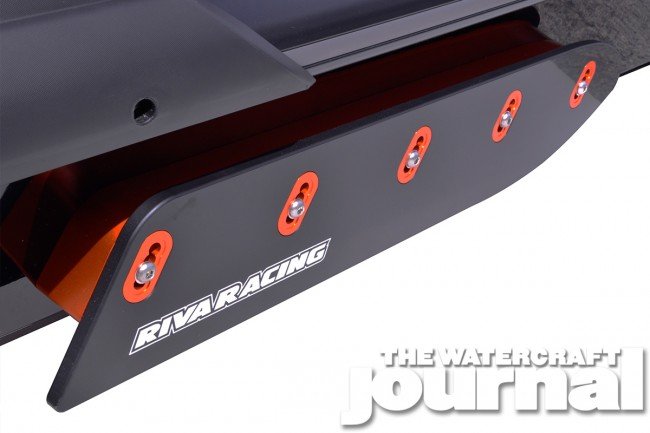
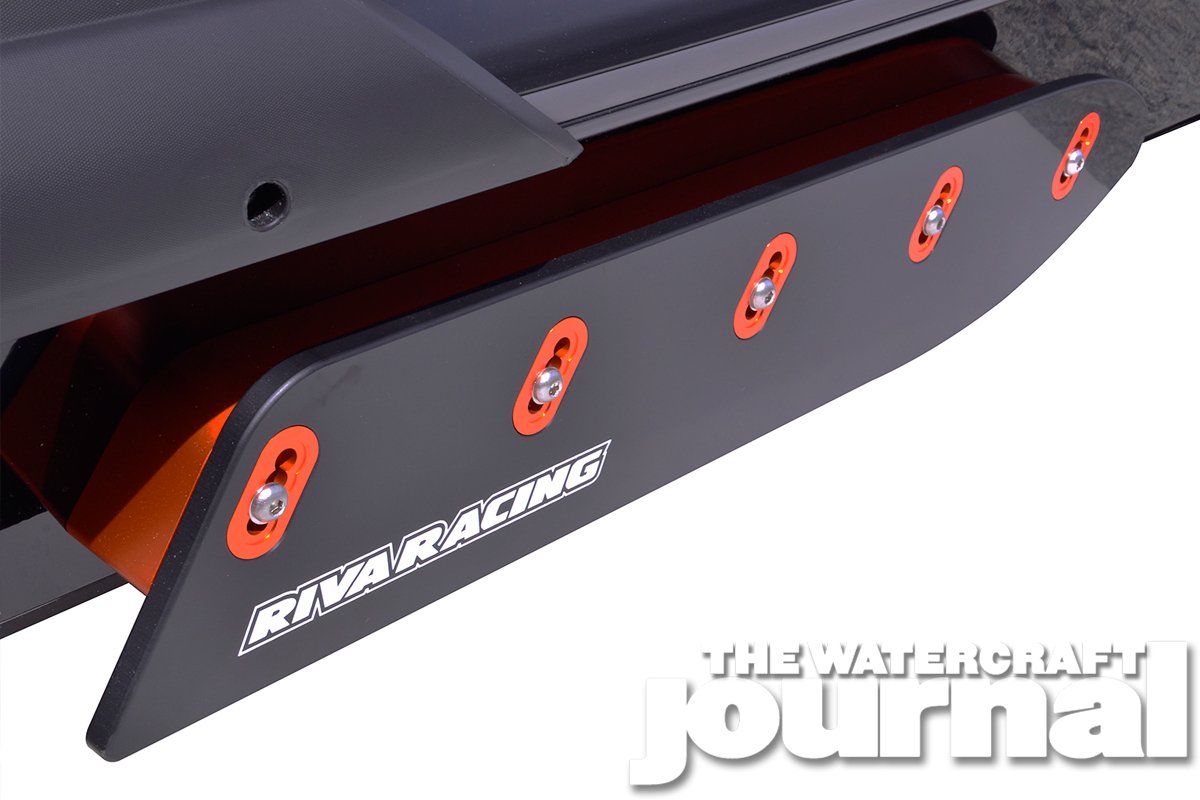
RIVA then replaced the FZR’s stock plate with a RIVA FZR/FZS Performance Ride Plate, FZ SVHO Stainless Intake Grate and RIVA FZ SVHO Pump Seal Kit, not to mention a new Solas Yamaha 160mm Concord 13/20 Impeller and a pair of Pro Series sponsons. All of this of course, not only pushes the FZR’s 1.8-liter SVHO 4-cylinder to produce a dyno-tested 350 horsepower at 8,300rpm (well over the stock 250 horsepower at 7,500rpm), but enables the FZR 350 to run up to a GPS and radar-proven 82mph.

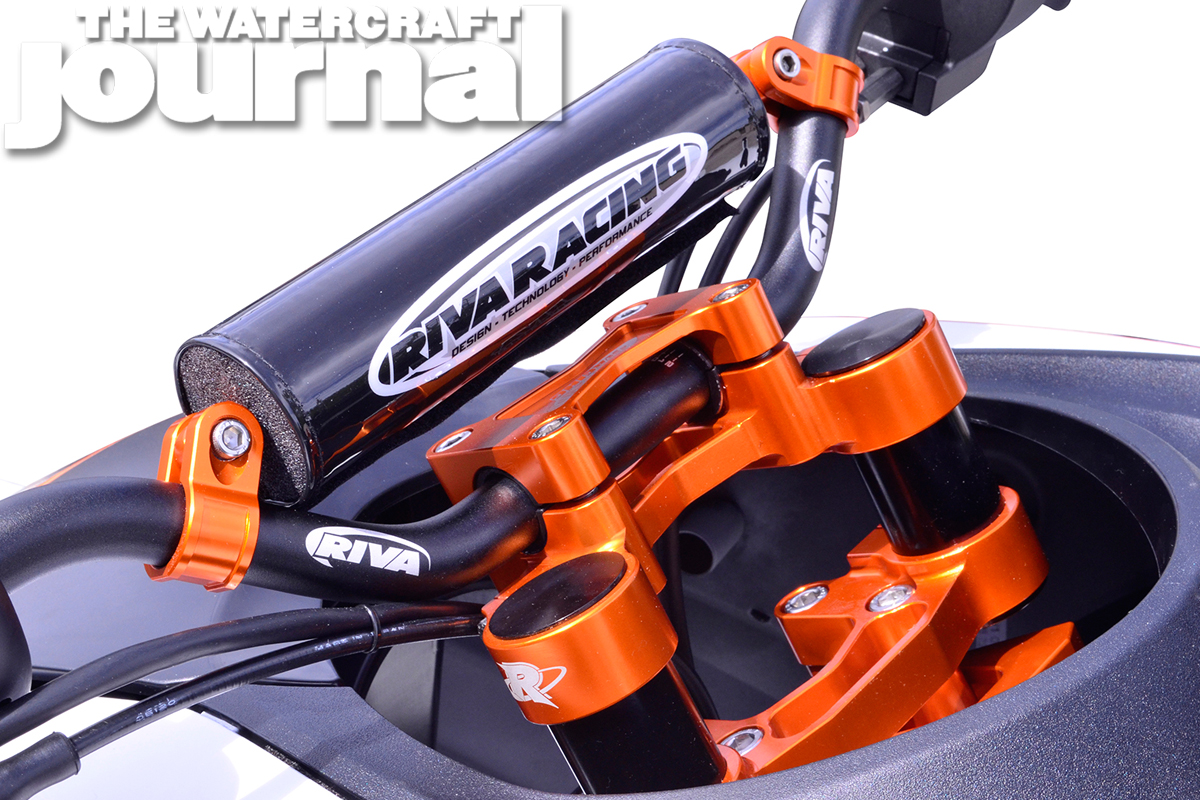
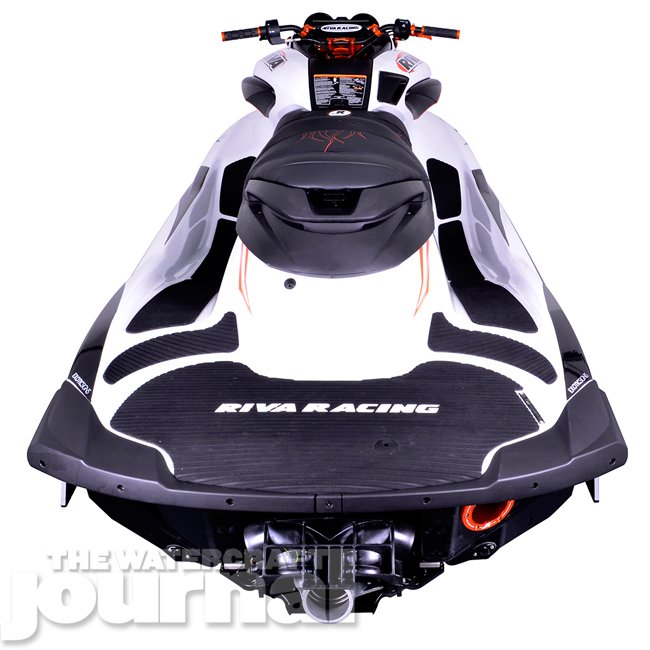
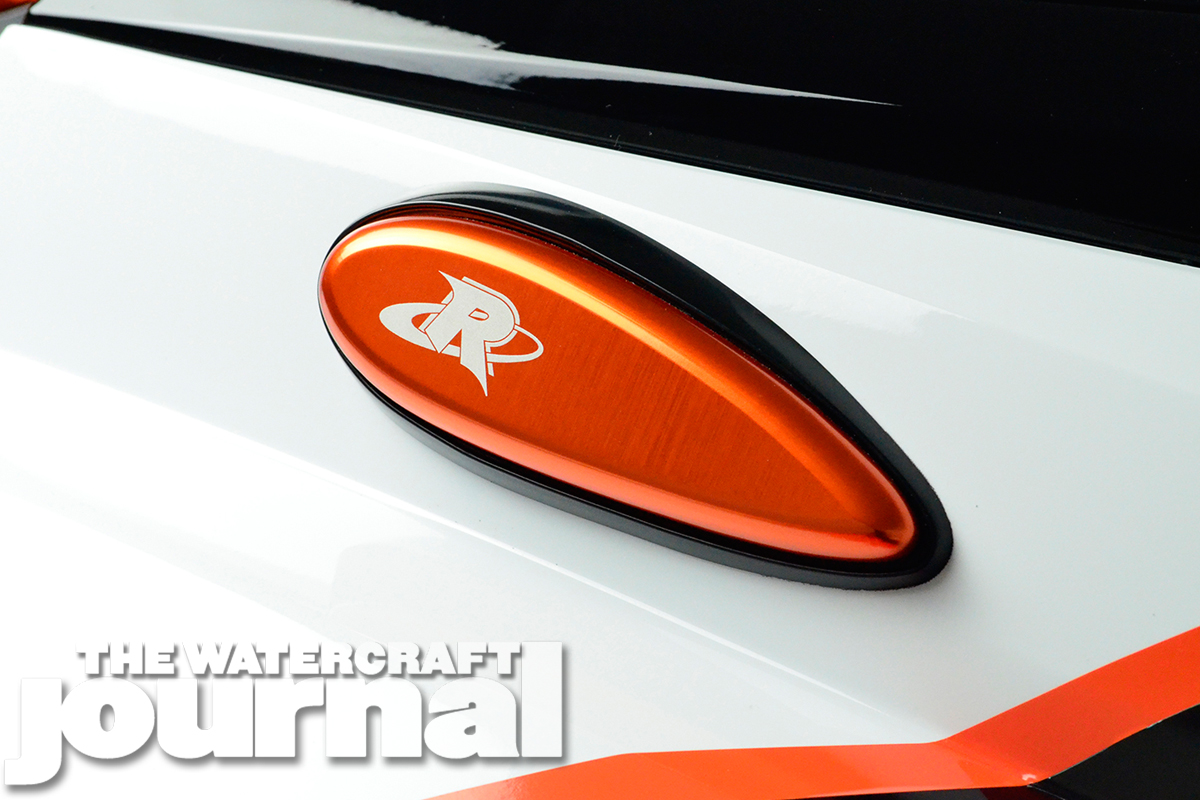
On the outside, the Yamaha received an incredibly clean-looking custom graphics kit designed by Exotic Signs. Hydro-Turf traction mats covering the deck and footwells. Like the RIVA FZ mirror block-offs that were custom anodized, the FZR 350 features a brilliant orange highlight color throughout the execution, from the stitching in the RIVA/Jettrim custom seat cover to the RIVA FZR/FZS through-hull rear exhaust kit ring, to the billet inserts of the Pro Series sponsons.

10

Topping the FZR and concluding the build is a RIVA FZ Pro-Series steering system, Pro-Bar 32-inch runabout bar, and billet throttle, all sharing the same anodized orange hue. Built by RIVA’s own research and development team (the same geniuses who design and test every RIVA Racing part and component), the precision execution of the build is impressive, and the claims of both horsepower and top speed have been etched in stone.

So what will happen to the FZR 350? This one-off machine will be on display at RIVA Racing’s booth at the IJSBA World Finals in Lake Havasu, Arizona. After that, Bamdas shrugged, “Well, we’ve already gotten a few offers on it. We’ll see what happens after Finals.” But that doesn’t mean that the FZR 350 is gone for good. In fact, RIVA announced that they will be building 25 FZR 350 WaveRunners over the next few months for ready-to-run purchase.

11

The limited production run of FZR 350s will not be identical to this model, Bamdas explained, although all 25 production units will share a similar engine package with identical horsepower and performance results, but will likely leave out a few extras to keep it below the rumored $25,000 asking price.

Of those extras, Bamdas confirmed that all the extra anodized color-matching will remain as part of the package, but that there is the possibility of the ViPec being replaced with a RIVA reflashed ECU. Additionally, as all FZR 350s will be on the new 2016 Yamaha FZR, the anodized orange highlights are expected to be changed to red to match the new crimson hull.

Bamdas told The Watercraft Journal that the final parts list and MSRP will be revealed in mid- to late-October. Of course, that doesn’t mean that a FZR 350 can’t be had today, as all of the parts used to make the custom one-off machine are available currently at RIVA Racing’s web store. Having ridden a Stage 2-equipped FZR previously, we can attest that it’s the real deal; and now as a complete package, it’s definitely a home run.

5 12 2 11 10 7 6 9 8 4 3 1 1a 13 14
<
>