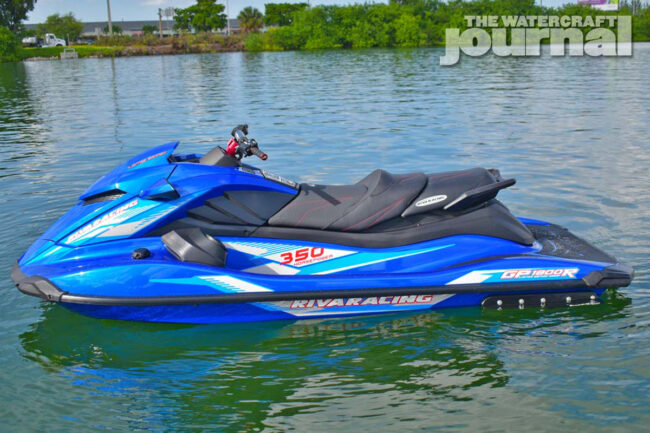
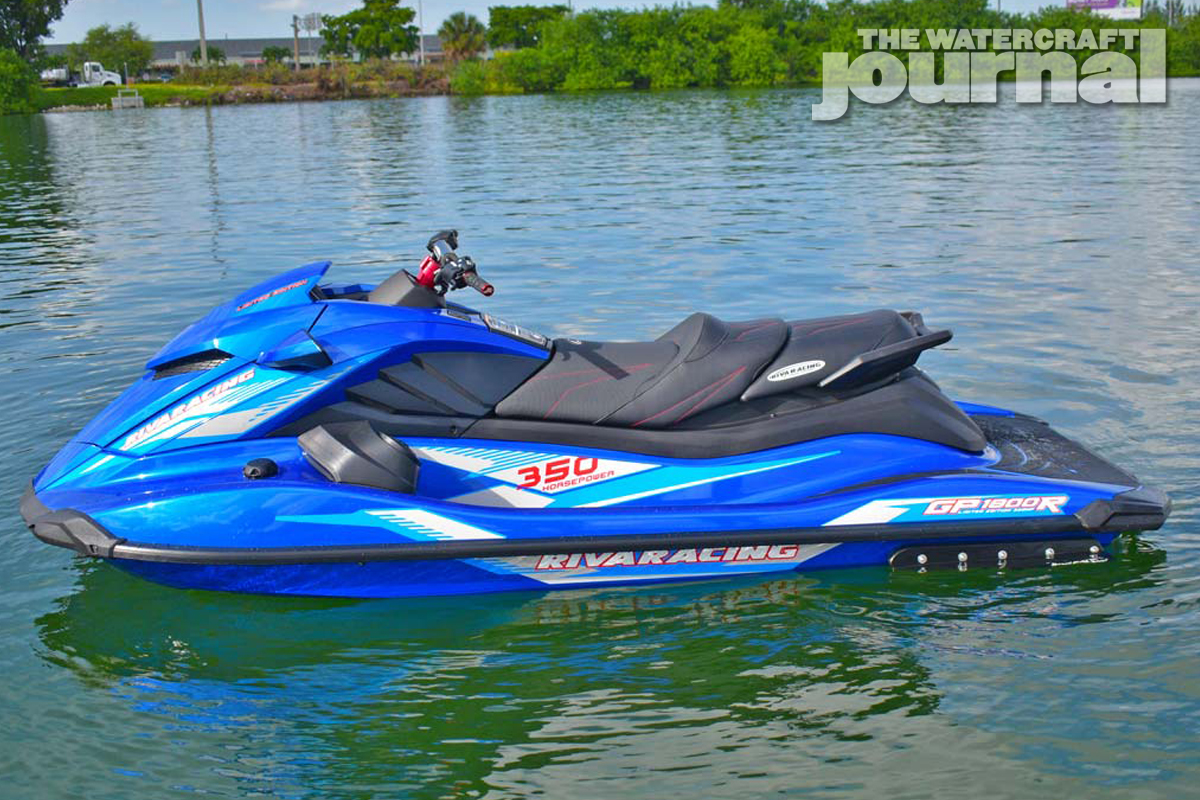
RIVA has built a powerful Limited-Edition Yamaha GP1800 SVHO that is only available by special order. The watercraft comes in an eye-catching blue with spicy red accents and glossy red anodized components. The components stand out, adding to the stellar look of this machine with the red stitching in the custom seat cover rounding out the look.
This custom unit is equipped with a powerful engine that produces 350 horsepower and can hit a top speed of 86mph. The build is flashed with a Maptuner X Tuning License, which allows for that top speed of 86mph at 8,600rpm. The billet aluminum RIVA Yamaha 1.8L High Flow Billet Fuel Rail helps to provide this machine with boosted horsepower by replacing the restrictive factory fuel rail. It looks good too!
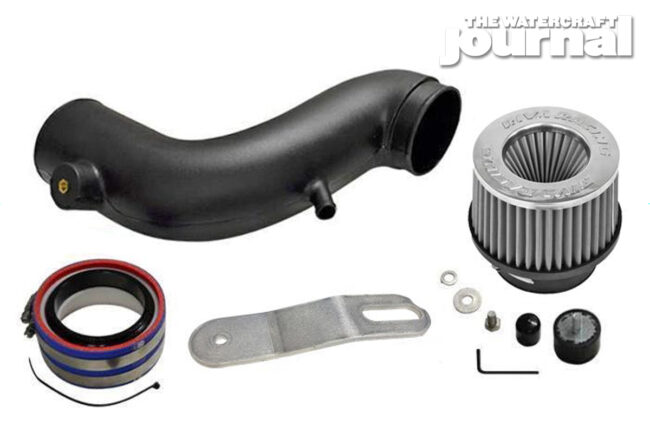
The RIVA Yamaha GP1800R SVHO Power Filter Kit further adds to improved acceleration and rpm. The power filter kit provides a constant flow of cool air to the supercharged engine. The RIVA Yamaha 1.8 Catch Can eliminates power-robbing crankcase fumes and oil fumes from entering the engine’s air intake and it prevents oil sludge.
The RIVA Yamaha Supercharger Shaft Upgrade Kit utilizes a hydraulic shaft stabilization bearing that limits shaft deflection and wear. High pressure oil film is fed through the shaft, maximizing lubrication to keep your watercraft s running smooth.
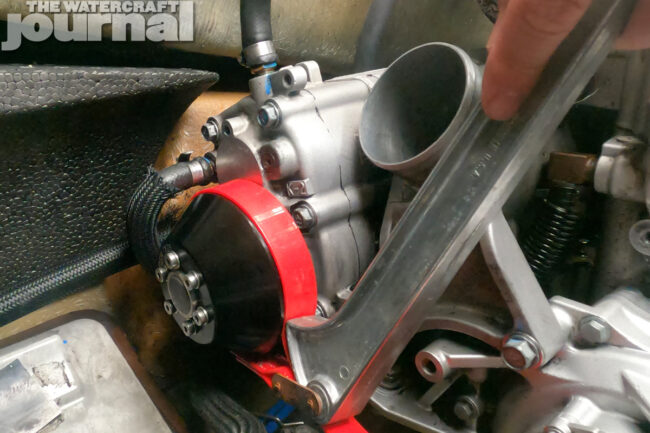
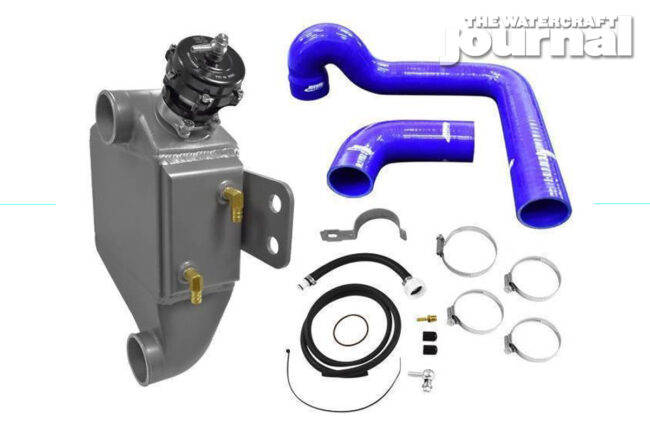
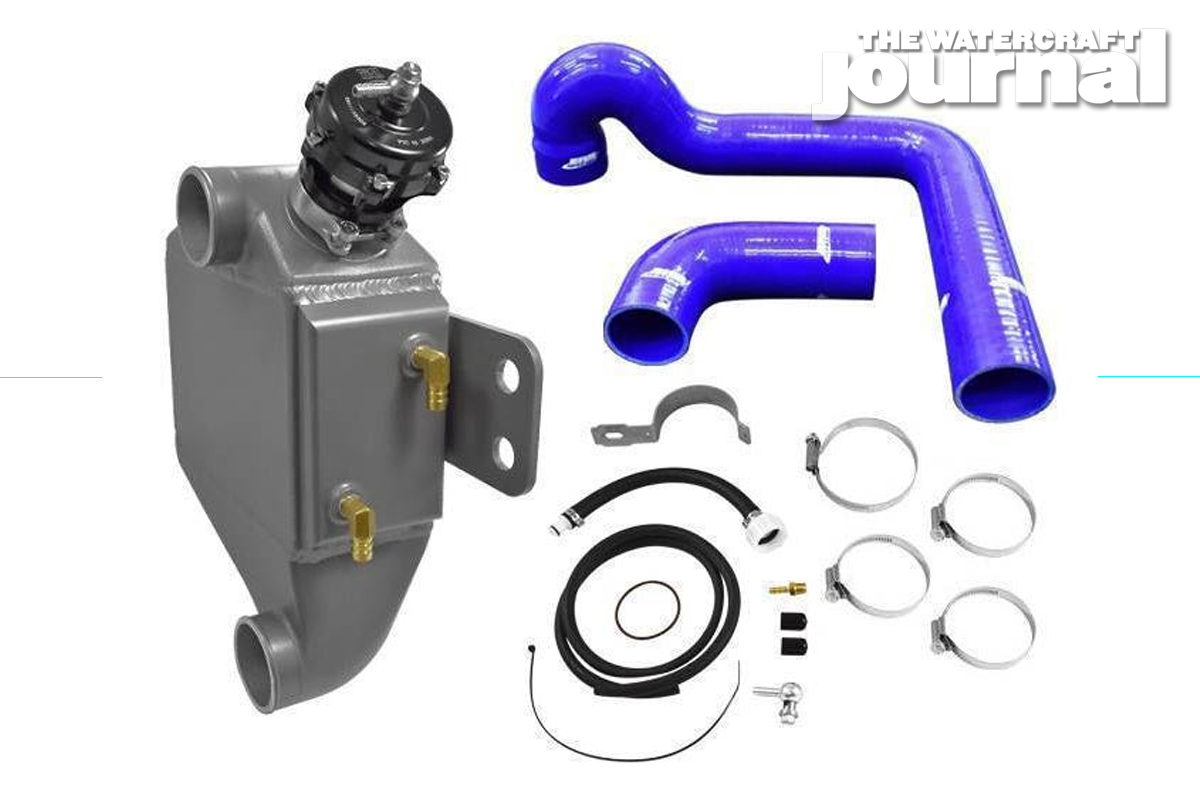
A high-performance watercraft has to be kept super cool so RIVA outfitted the SE with their Riva Yamaha GP1800R SVHO Gen-3 Power Cooler. It is built to keep this powerful watercraft cool up to 600hp! The component features a high-capacity cooler core than can resist heat, no matter how hard you ride.
It also provides an increase of 20 peak hp over OEM intercoolers. It runs an average of 50F cooler than stock on exit, thus increasing performance. It comes with the 50mm TIAL Blow-Off Valve for even better performance and reliability.
The cooling wouldn’t be complete without the RIVA Yamaha SVHO Pro Series Engine Cooling Upgrade Kit. The kit provides improved cooling efficiency to the engine and inter-cooler for increased performance. The high-flow billet pump strainer increases water flow, and the billet engine fitting injects water into the engine block’s hotspot. The RIVA crew added their titanium Yamaha 1.8L Valve Retainer Upgrade Kit to reduce the possibility of valve float at high rpm.
The SE wouldn’t be complete without the RIVA branded silicone Rear Exhaust Kit. This kit not only looks good, but it delivers outstanding performance and adds cutting edge style to any PWC.
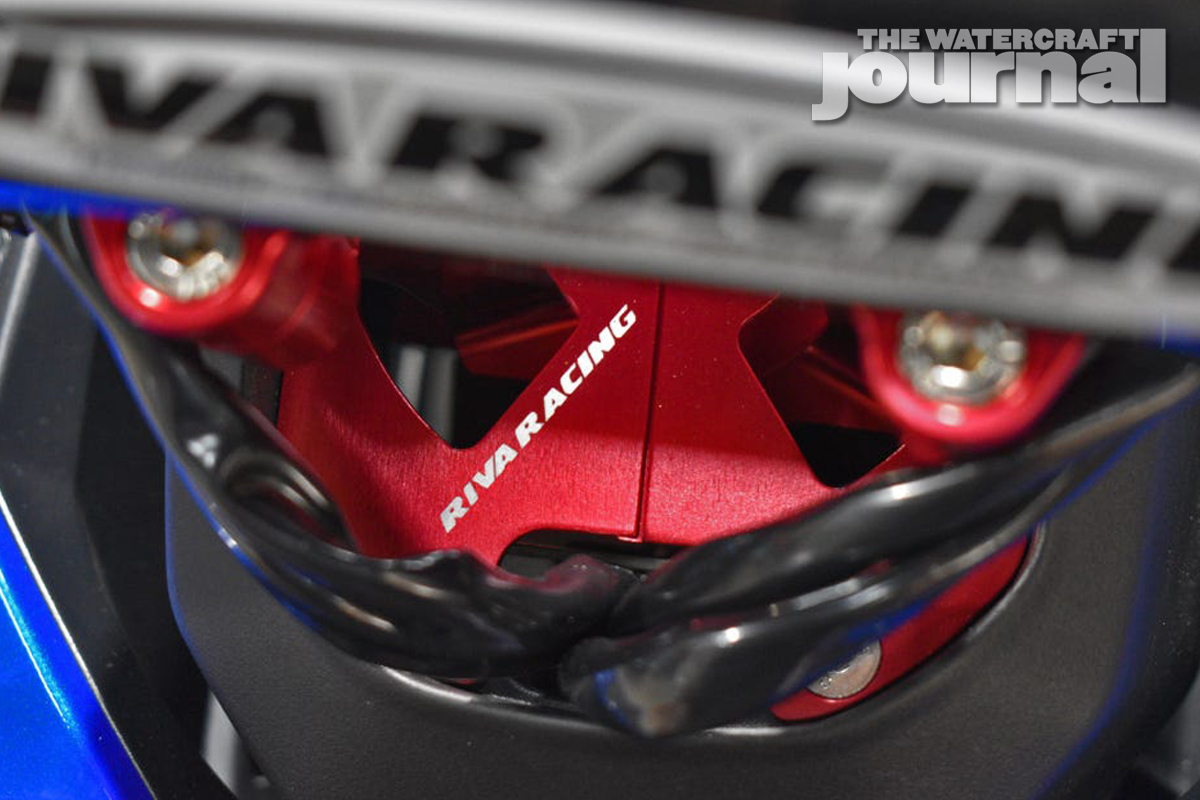
Installing the rear exhaust kit allows for the removal of the restrictive sound suppression system. Engine performance is also greatly improved because back pressure is reduced as well. The engine components are topped off with a red anodized aluminum RIVA Yamaha 1.8L Billet Engine Oil Filler Cap.
A race ready machine like the RIVA Special Edition Yamaha must have upgraded steering and handling components so the rider can control this beast. A Solas Yamaha 160mm 13/18 Concord Impeller replaces the stock impeller. It is large and in charge, delivering increased acceleration and top speed with its large blade area. It reduces cavitation too enabling you to have more control.
The addition of the RIVA Yamaha GP1800 Ride Plate adds to the superior handling of the SE with its deep center skeg and channels for excellent traction in turns. Its extended length provides quicker planning and improved acceleration.
The RIVA Yamaha GP 1800 Pro-Series Sponsons will keep you charging in a straight line with their superior fin and backing fin design. Set them up how you like them with the fully adjustable three-position fin. Now onto the incredible steering components.
The standout RIVA Yamaha GP1800R Pro-Series Steering System is the ultimate for racing. The billet aluminum construction has superior strength and rigidity over bulky stock systems. This steering system is a must have if you want to have absolute control over a powerful watercraft like the custom RIVA Yamaha GP1800R, which is specifically built for racing.
The RIVA Pro-Bar 30” Runabout Handlebars are an excellent addition to the RIVA SE Yamaha. They are built with a proprietary T6 aluminum alloy for superior tensile strength and vibration dampening, which are much needed when racing. Rounding out the handlebars are the ODI Rogue Lock-On Grips, 130MM, No Flange and the ODI Grip End Cap and Clamp Kit. The grips offer a 100% slip-free performance and the end caps keep your grips locked on.
That sums up RIVA’s latest custom build. The RIVA Special Edition 2023 Yamaha GP1800R SVHO is another stellar in-house build from the master technicians of RIVA Racing. RIVA says this watercraft will make heads turn and will make you the envy of any racecourse or local riding spot with its unique styling. Fill out the form at the top of the website and let the guys know you want this custom build.
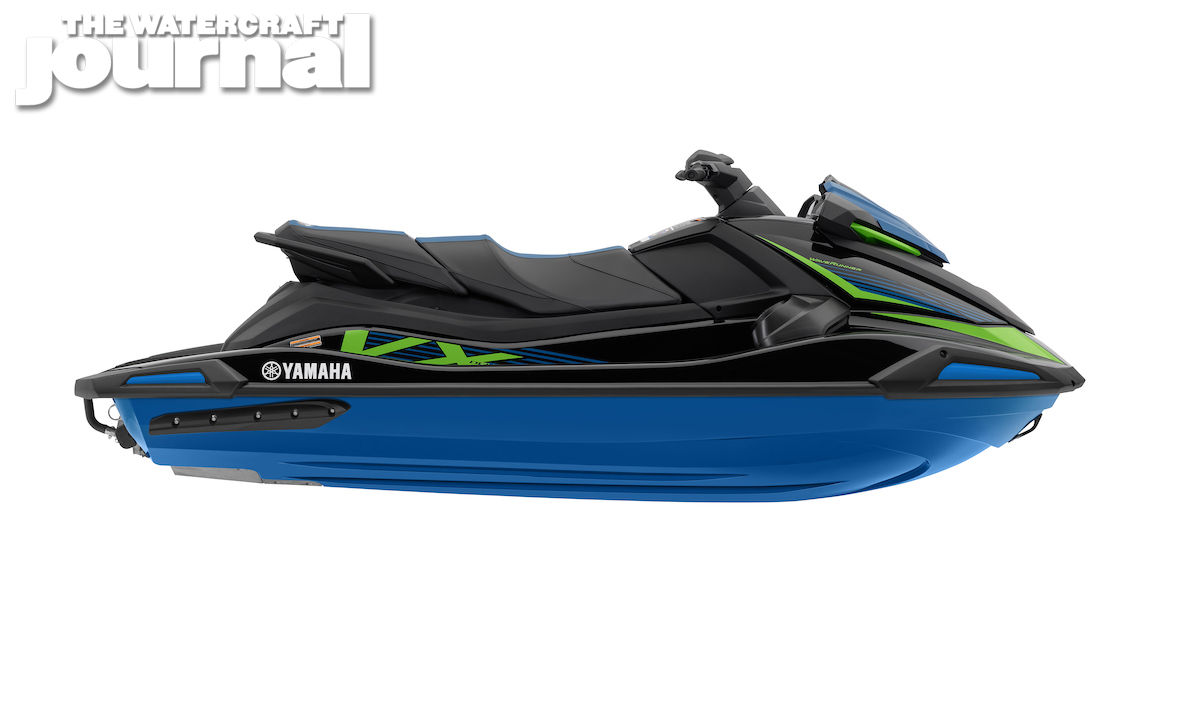
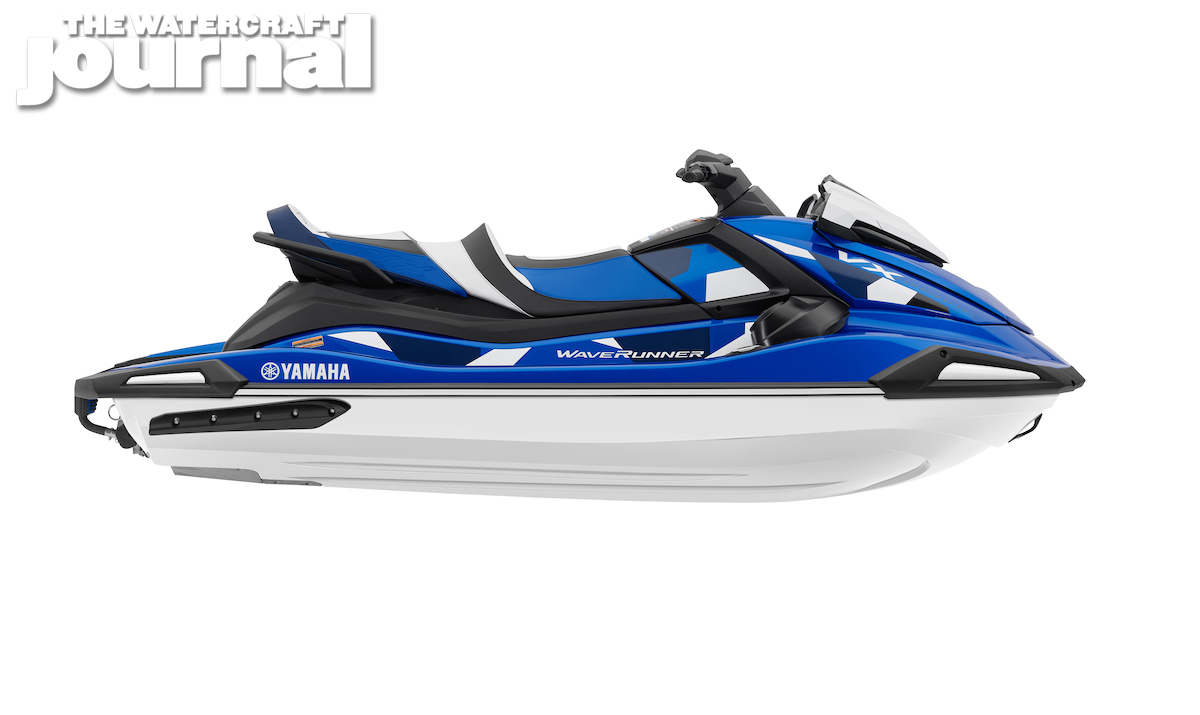
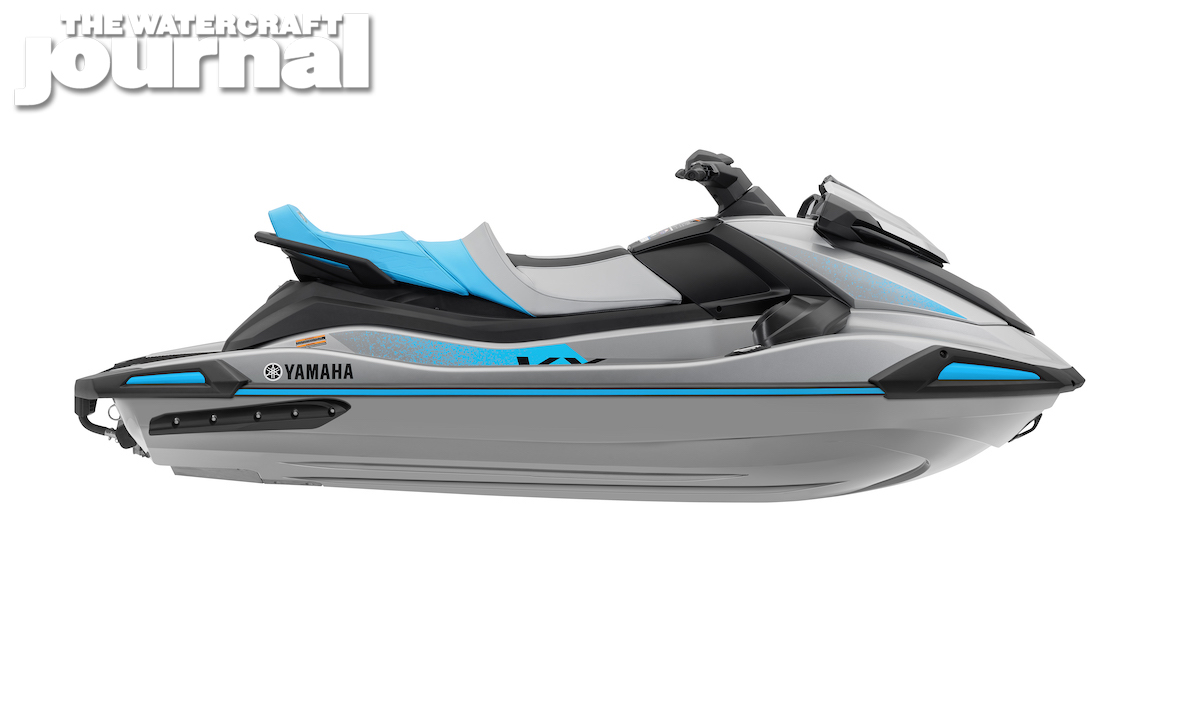
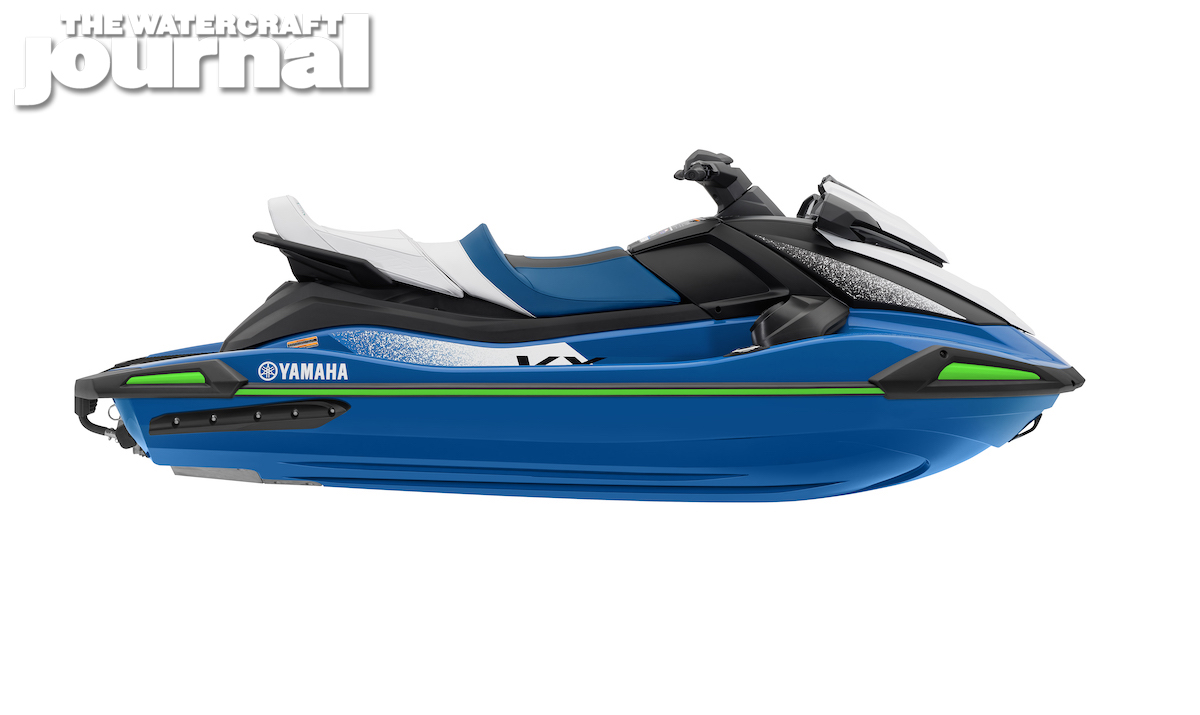
If you think 2024 marks another year of just “bold new graphics” for Yamaha Motor Corp. USA you’re not paying attention. Despite Yamaha’s cache of 20 WaveRunners appearing mainly unchanged, this coming model year heralds a great many upgrades and innovations made by the manufacturer, some of which brings Yamaha closer to fulfilling its public commitment to becoming 100% carbon neutral by 2035.
Intriguing (and frankly, groundbreaking) plant-based, recyclable materials (more on that later); lead-free rod and main bearings; and a near-complete “blank sheet” redesign of its naturally-aspirated marine engine – for optimal fuel efficiency and reduced CO2 emissions – all indicate the direction that Yamaha is going towards.
This new 4-stroke also re-establishes Yamaha as the leader of engine displacement: a 1,898cc (1.9L) four-cylinder, 16-valve High Output marine engine – producing 200-horsepower – replaces the previous 180-horsepower Yamaha 1.8L High Output motor in all VX, GP and FX previously equipped with such.
All WaveRunners equipped with the new 1.9L receive a new overlapping impeller and redesigned intake grate for better hookup and acceleration – be it VX, GP or FX. This “top loader” design features a deeper chip for increased bite and a more aggressive scoop grate to force more water faster into the 155mm axial jet pump.
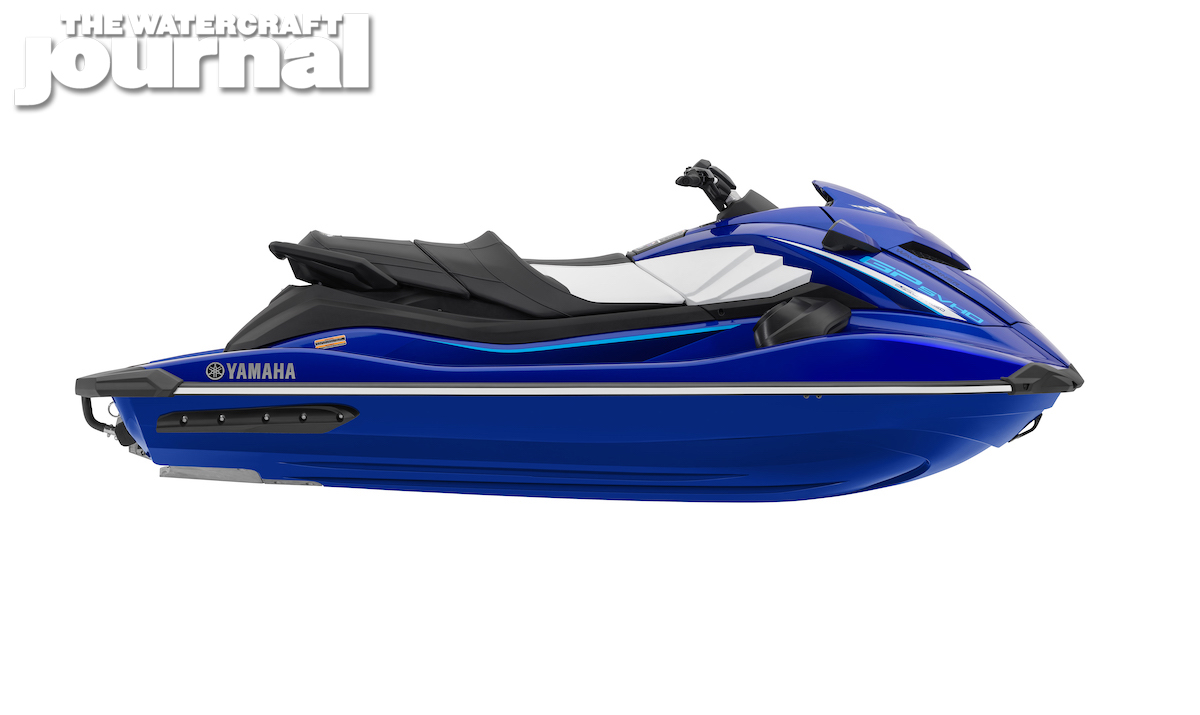
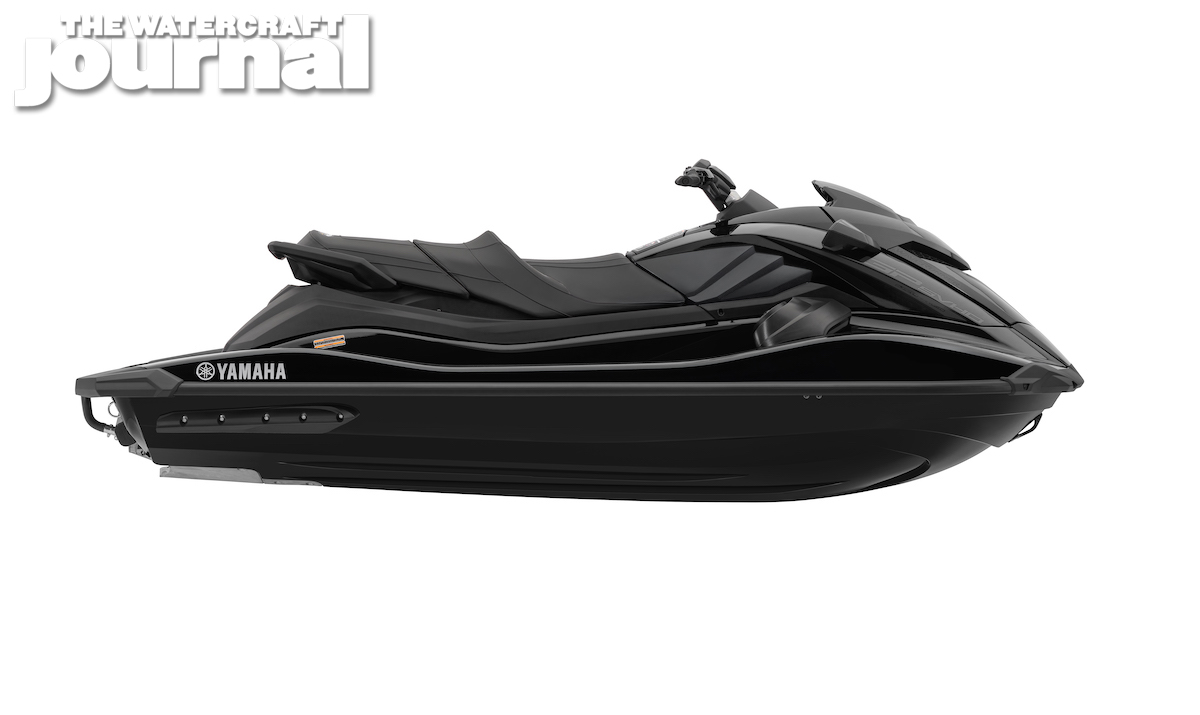
Interestingly, Yamaha rebranded the entire GP series: rechristening the GP1800R SVHO the GP SVHO, and GP1800R HO the GP HO. The GP HO also picks up features previously found only on prior SVHO skis; namely, auto trim and launch control, which is a nod at the GP HO’s potential – reaching a maximum speed of 63mph (more on that in a bit).
Other HO-equipped WaveRunners received attention as well. Yamaha caved to consumer outcry and replaced all 5-inch screens on the FX HO models with the larger 7-inch Connext touchscreen, previously only available on the SVHO models. Equally, all FX units enjoy the addition of new Drive Control options like Economy, Towing, Performance, Comfort and Custom settings.
On the flip side, Yamaha has not addressed the vexing mileage counter software that zeros out trip mileage and miles-to-empty when the ignition is killed. Despite this infuriating enthusiasts, Yamaha has stated privately that it is aware of the issue and has no plans to “patch” the current software, implying a fix will arrive with a future version of Connext …someday.
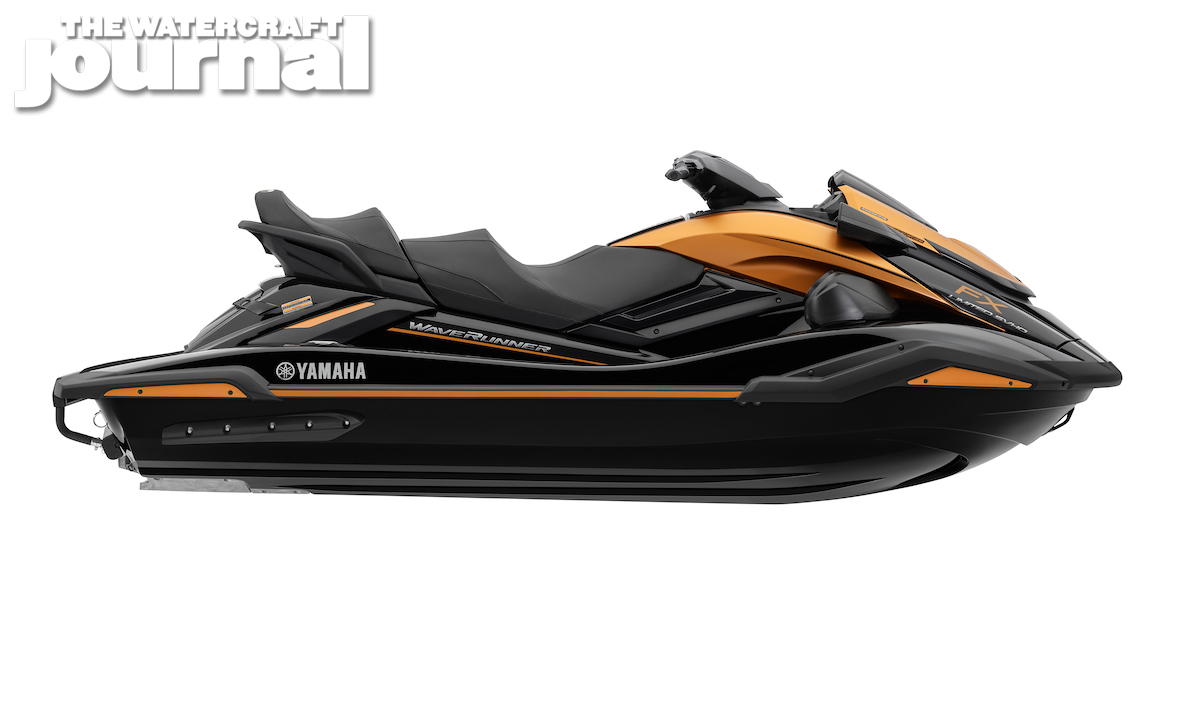
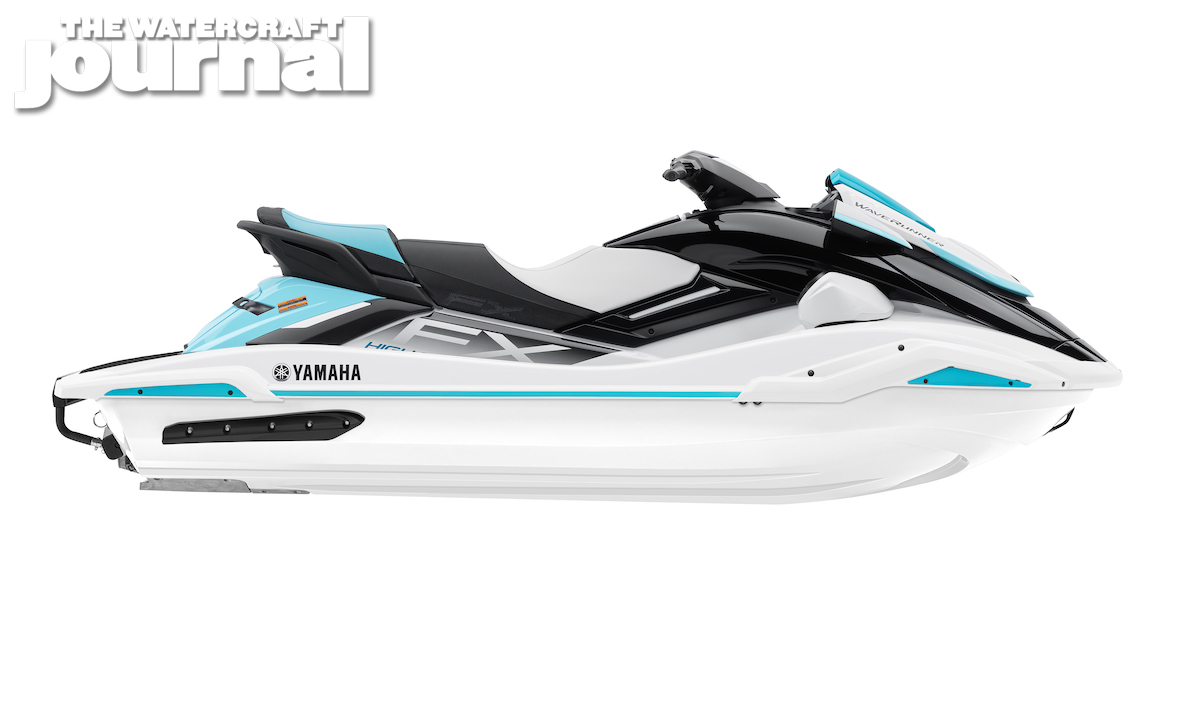
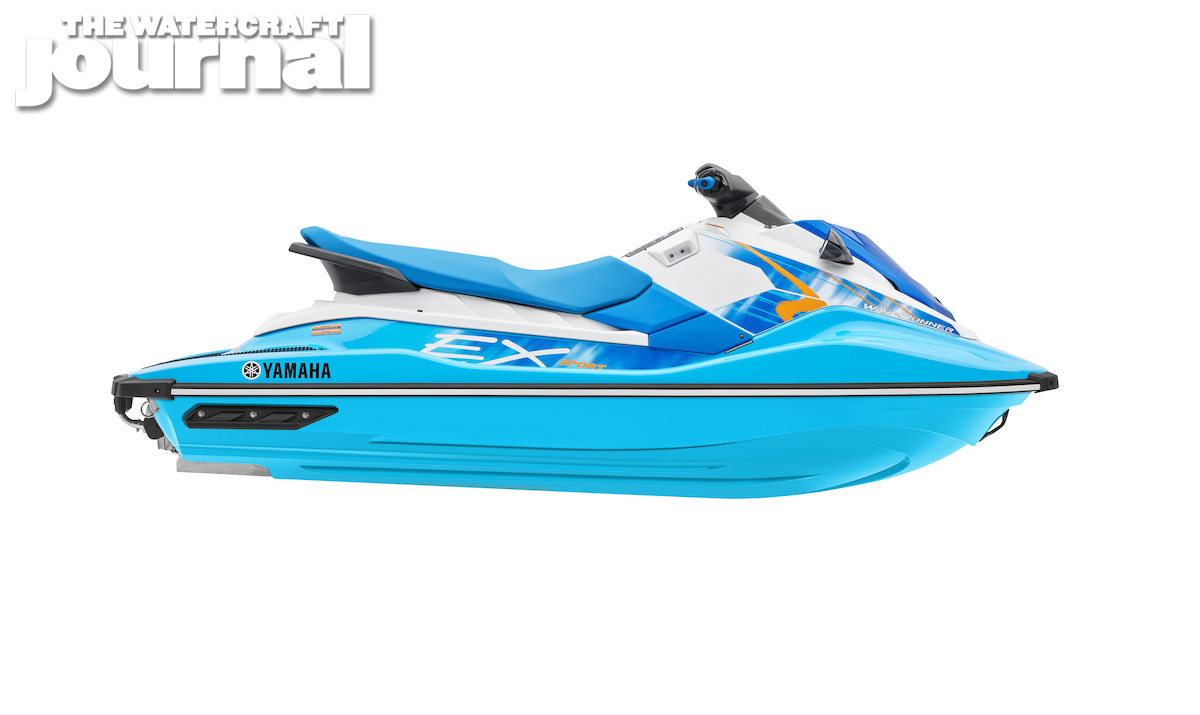
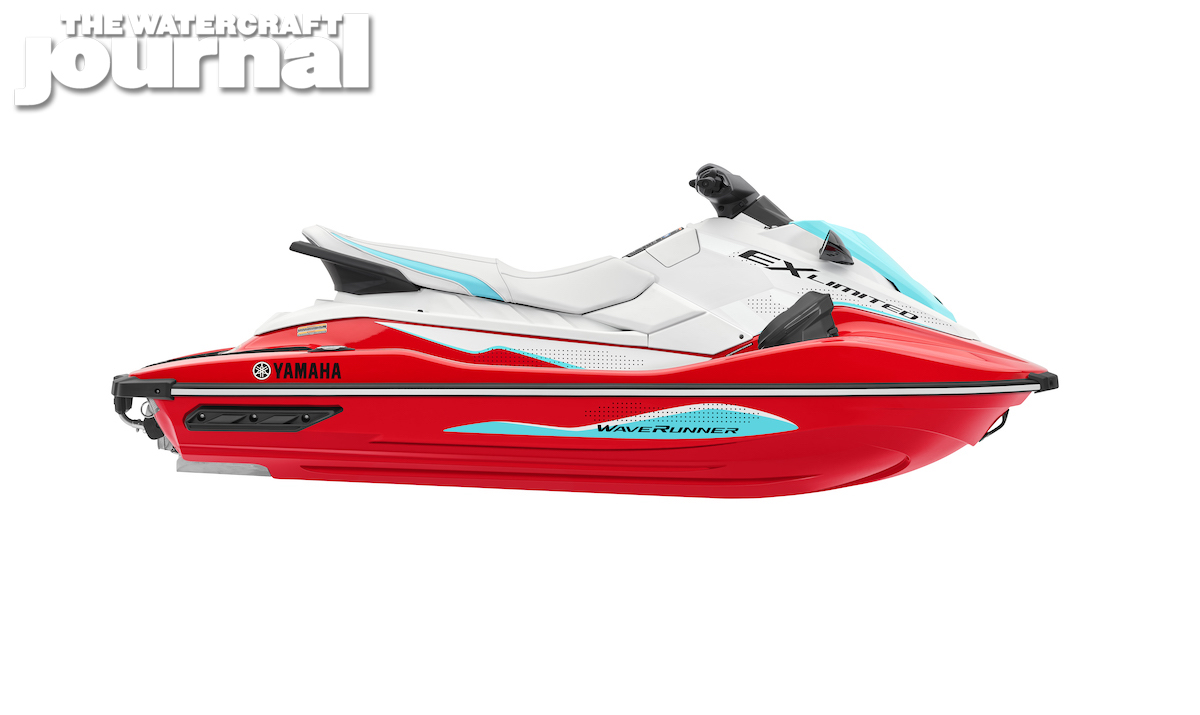
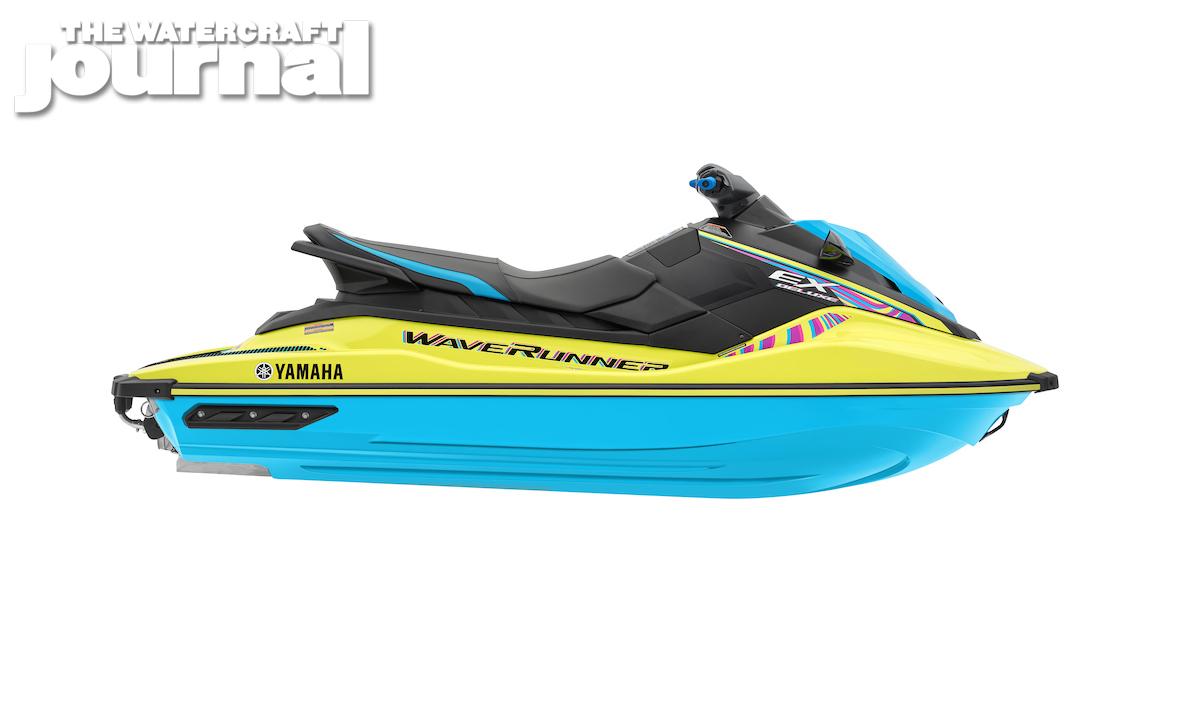
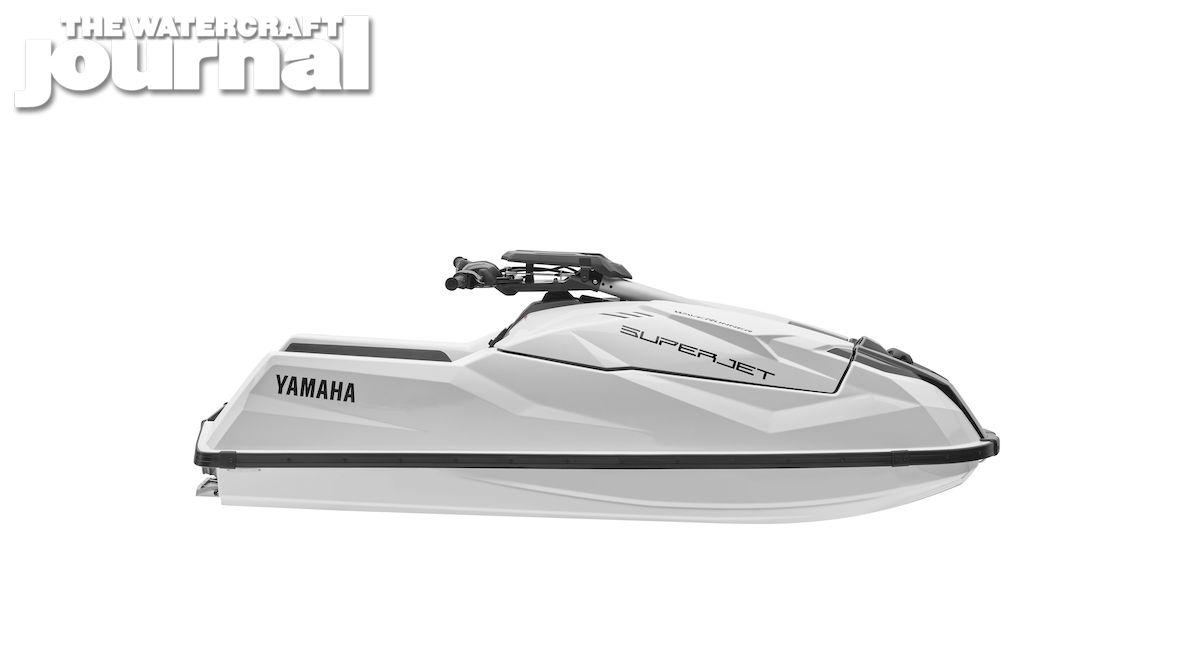
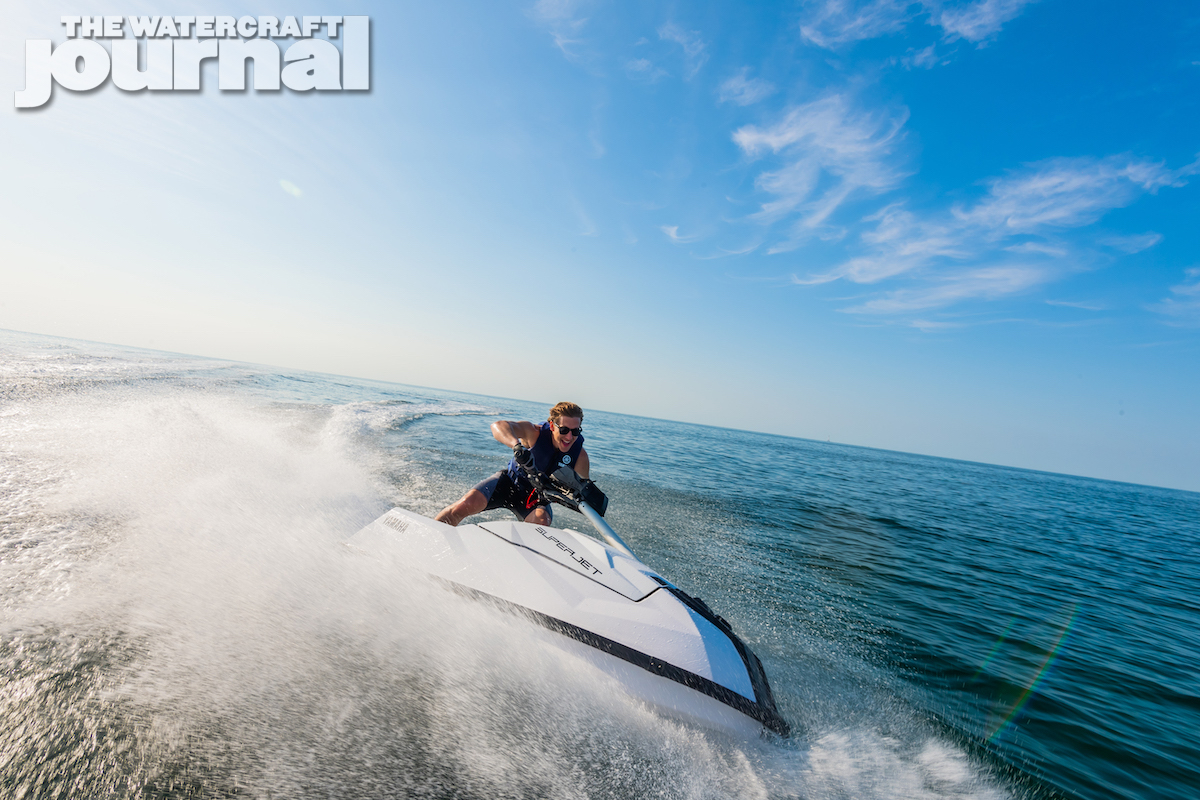
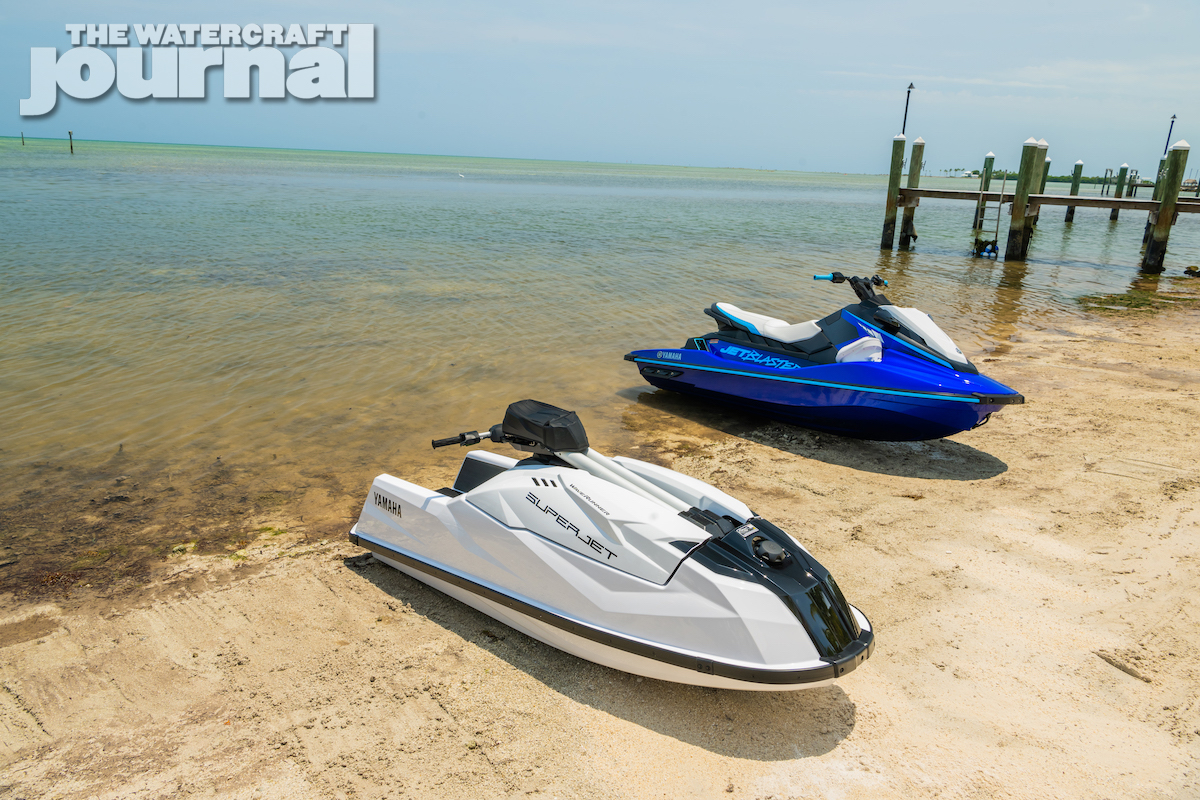
Lastly, Yamaha upped its coloration in a big way. Besides the lowly SuperJet, which remains in its “blank slate” white livery; all other models are splashed in vibrant hues and busy graphics meant to catch the eye and draw attention. Even the Parts & Accessories group gets in the action by offering three CNC-mat colorations for the RecDeck (and attachments) as a choice of black or white housing for the floating detachable EX speakers.
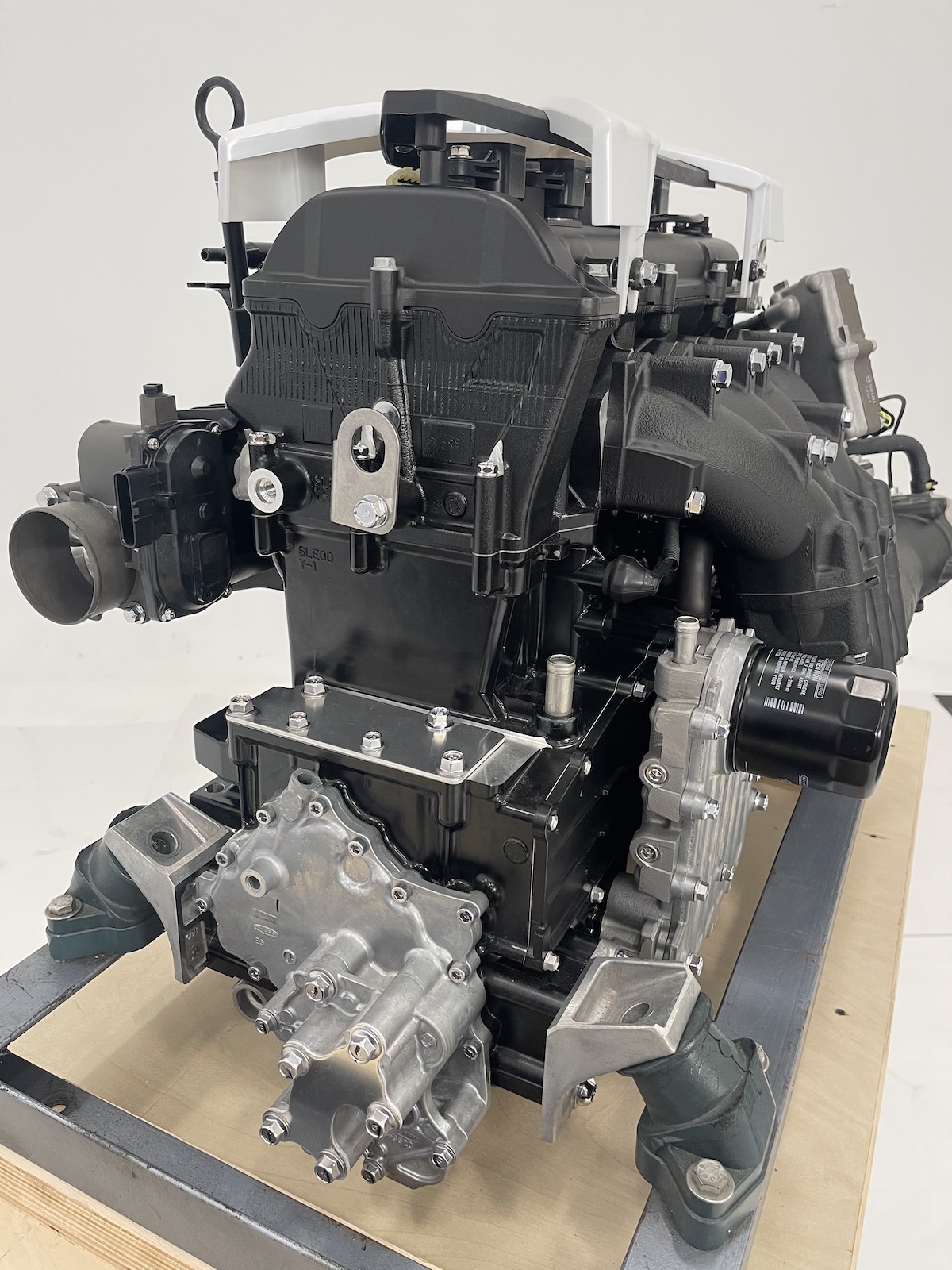
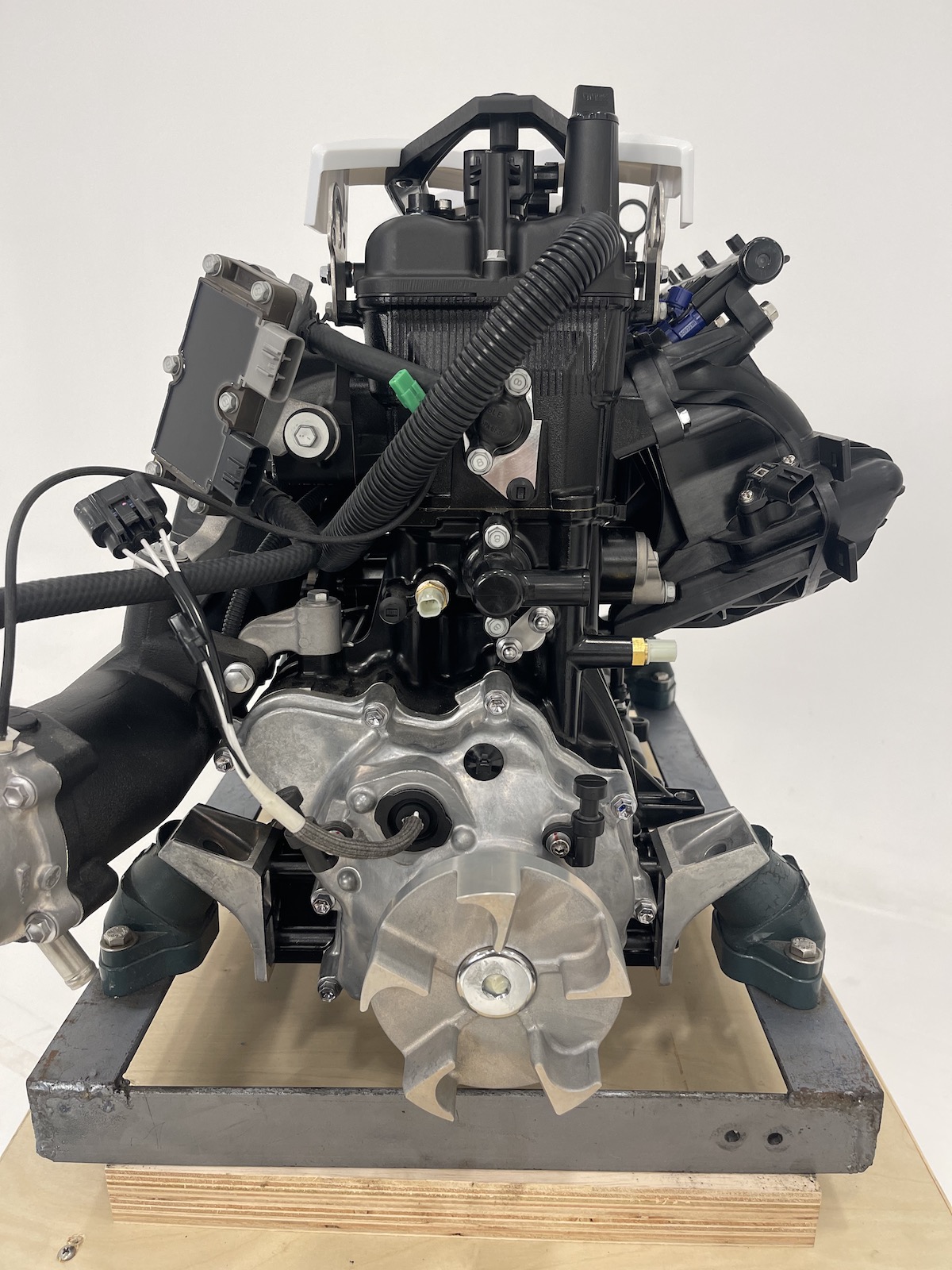
Gaddis explained, “[The] 1.9L engine looks very familiar to the outgoing 1.8L but hosts [several] changes to make it better, more powerful, and environmentally friendly. The main goal of the redesign is efficiency and lessening the environmental impact from production and operating. […] This engine is almost all new, meaning there are few components that will be carrying over to the new platform.
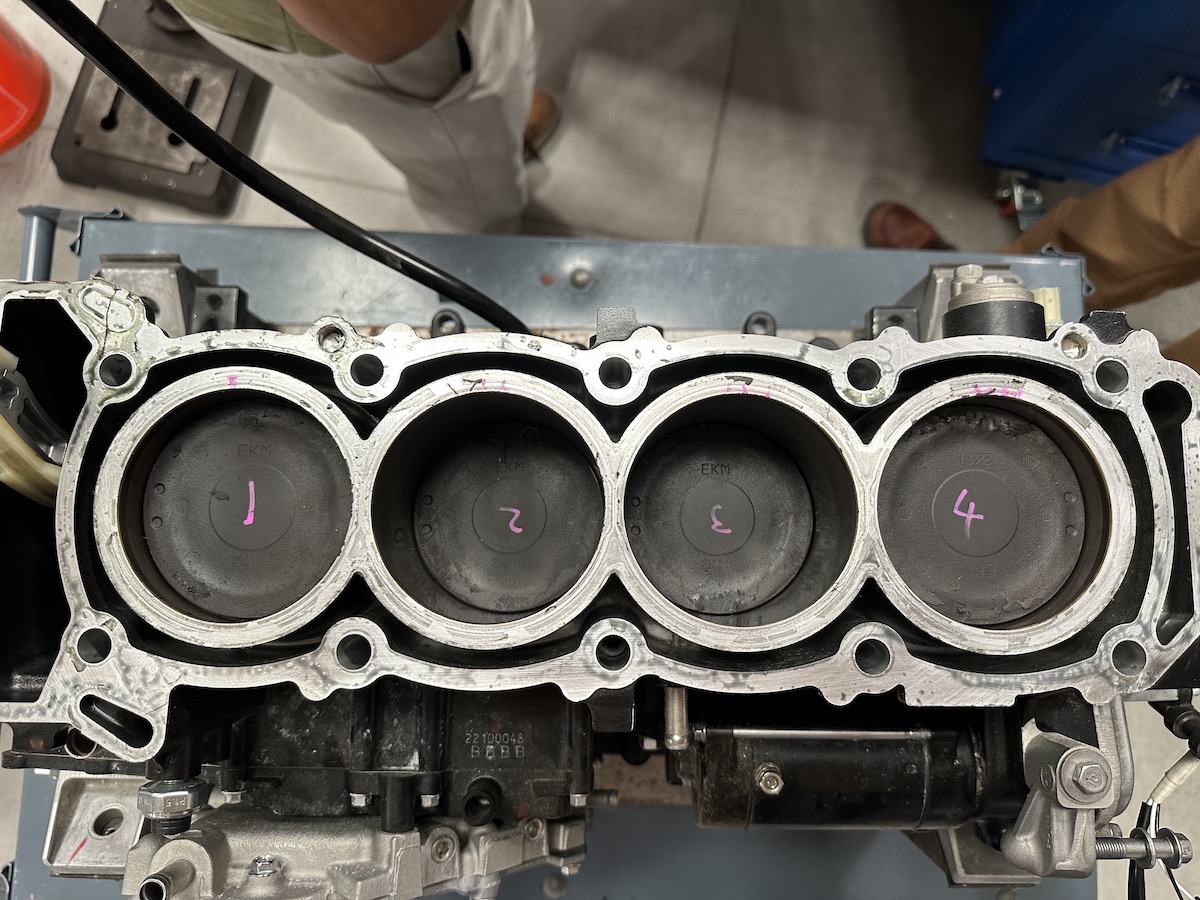
“The crankshaft, connecting rods, oil pan, pickup, oil pump, oil cooler, and PTO cover are the only components carrying over to the new engine; being that the connecting rods and crankshaft are carryover parts, Yamaha increased displacement by changing to 88 millimeter pistons (2 millimeters larger) that feature a flatter, more shallow dome which increase compression to 11.2:1 over the previous 11:1 ratio.
“Oddly enough, the 1.9L oil capacity is one quart less than the outgoing 1.8L. Both engines use the same oil pan so less oil has me puzzled; my assumption is that one quart less oil per watercraft (with thousands of units produced) is substantially lessening the environmental impact for production.
“Yamaha [is also] transitioning to lead free rod bearings and main bearings for environmental reasons. […] Lead is a natural lubricant and damper but highly toxic. Lead free bearings are environmentally safer and are more resistant to corrosion.
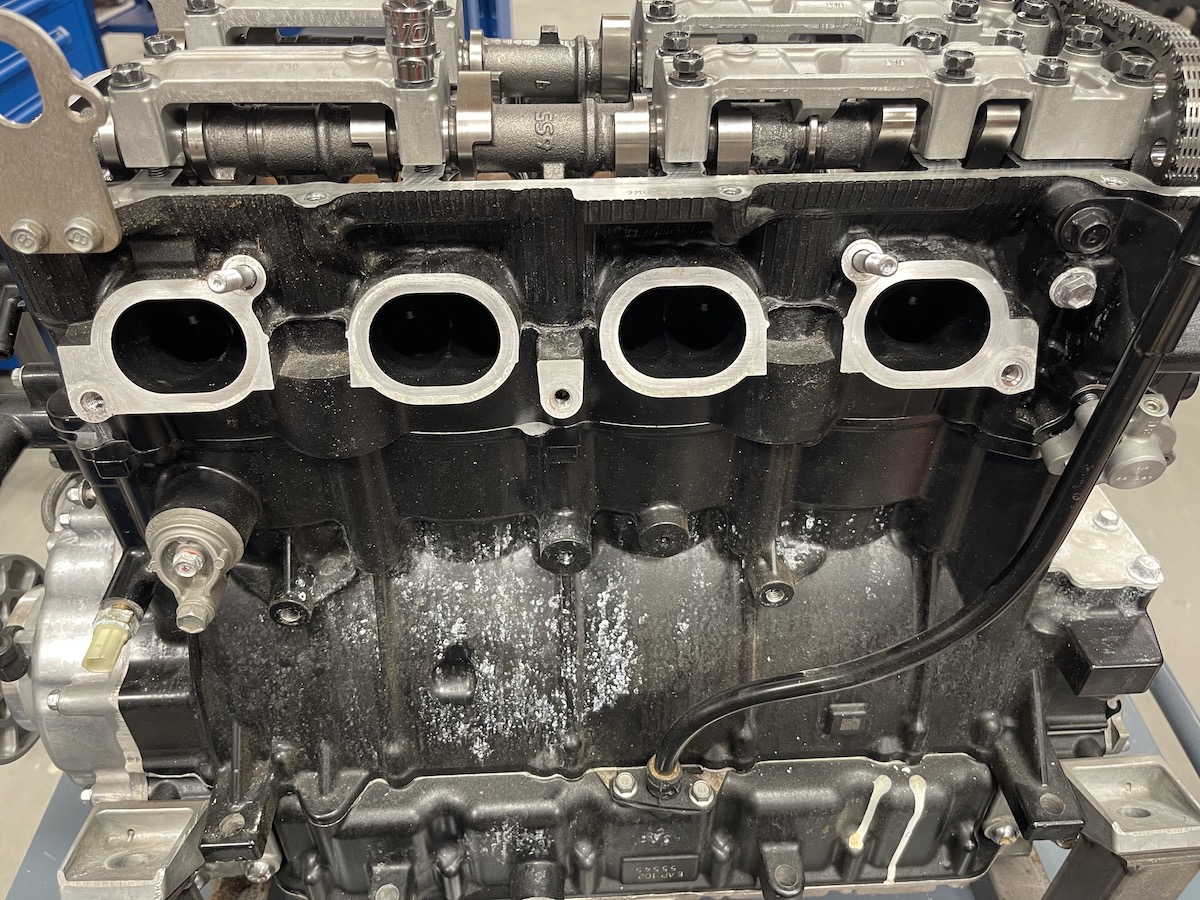
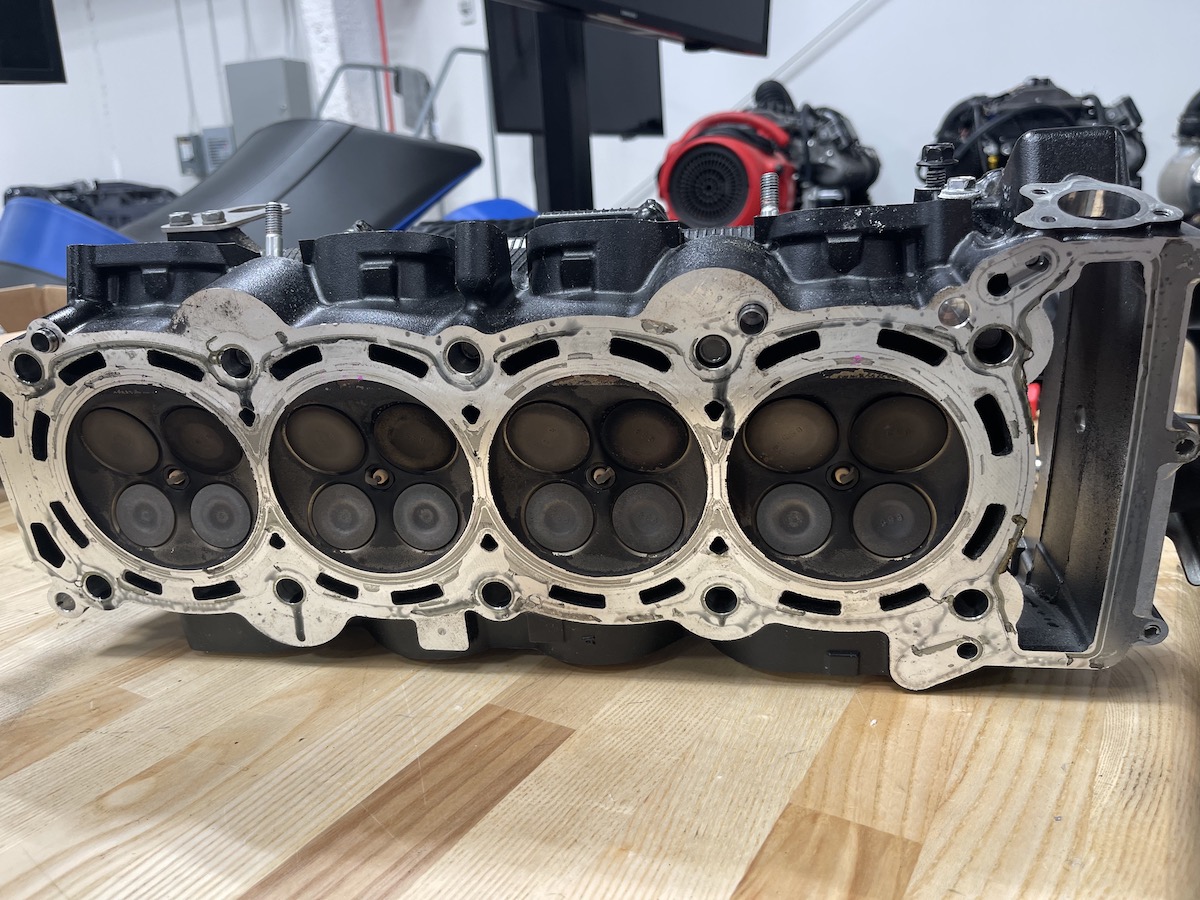
“The 1.9L has an all new block and cylinder head casting. Drastic changes were made to the casting for revised water jacketing and coolant passages with the intent to keep the cylinder head cool while keeping block and oil temperatures higher, […] the thermostat housing is now in the block instead of the cylinder head.”
“The rectifier is now getting cooling from the cylinder head rather than the exhaust manifold to lower the overall temperatures, as today’s more advanced electronics demand more power. One of the last major coolant changes was between the exhaust and intake ports on each cylinder. Additional cooling between the ports will further lower cylinder head temperatures and increase efficiency.
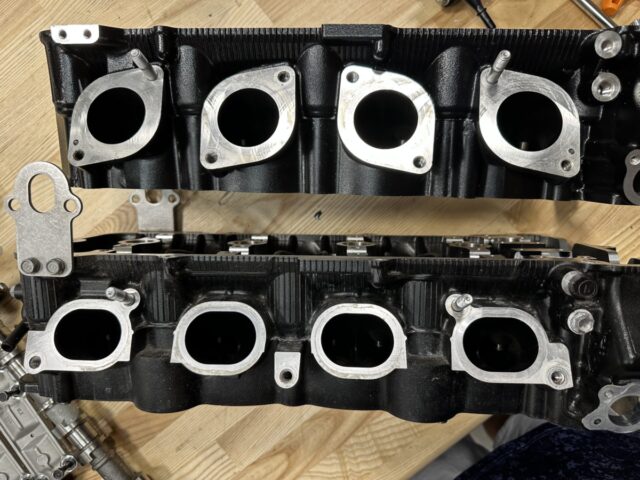
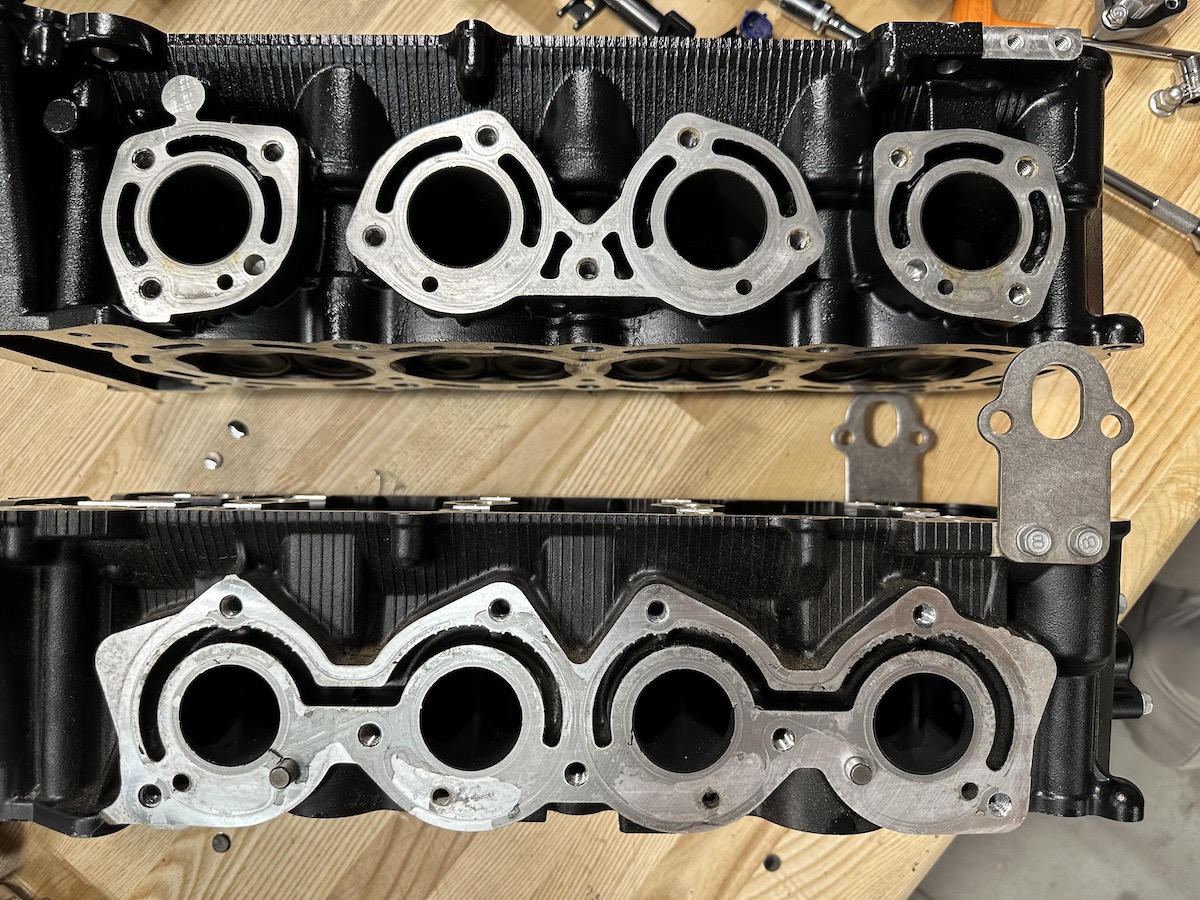
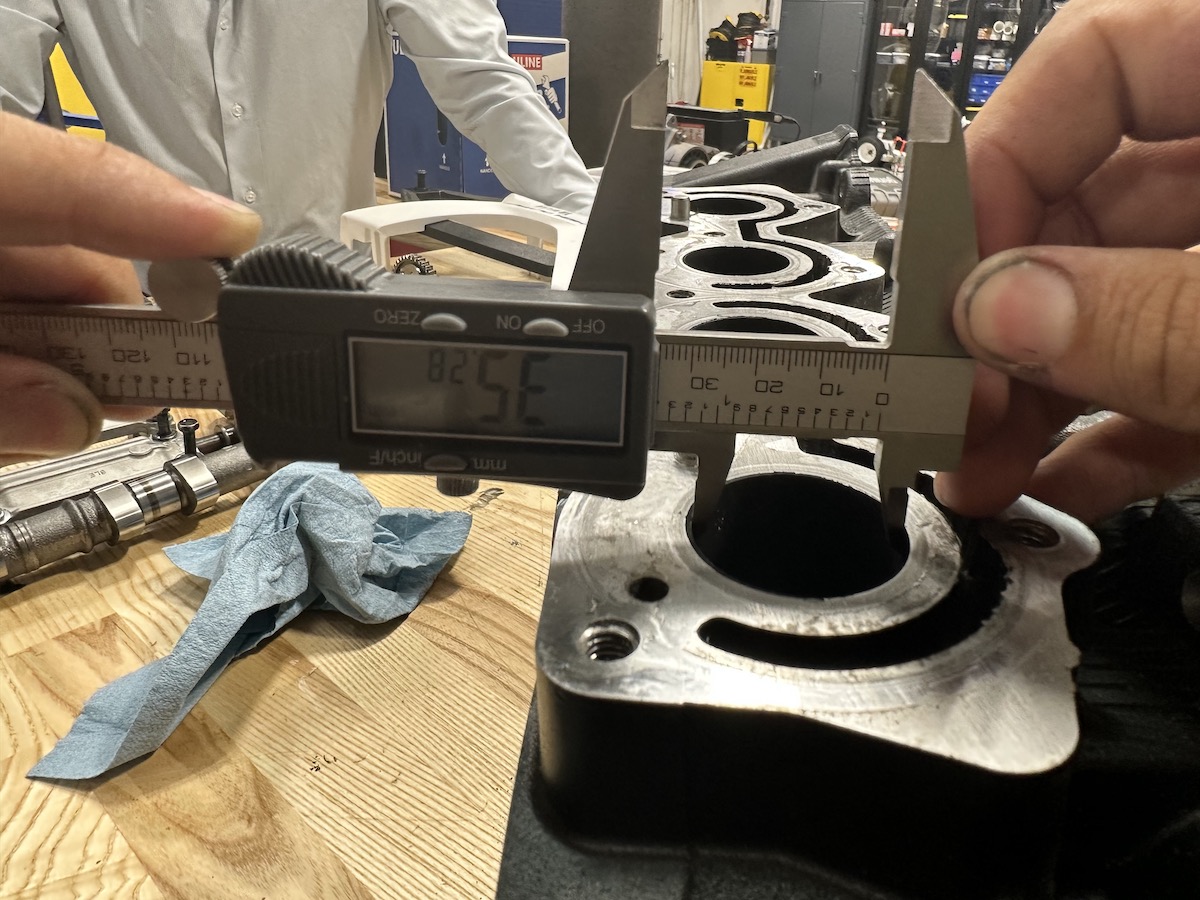
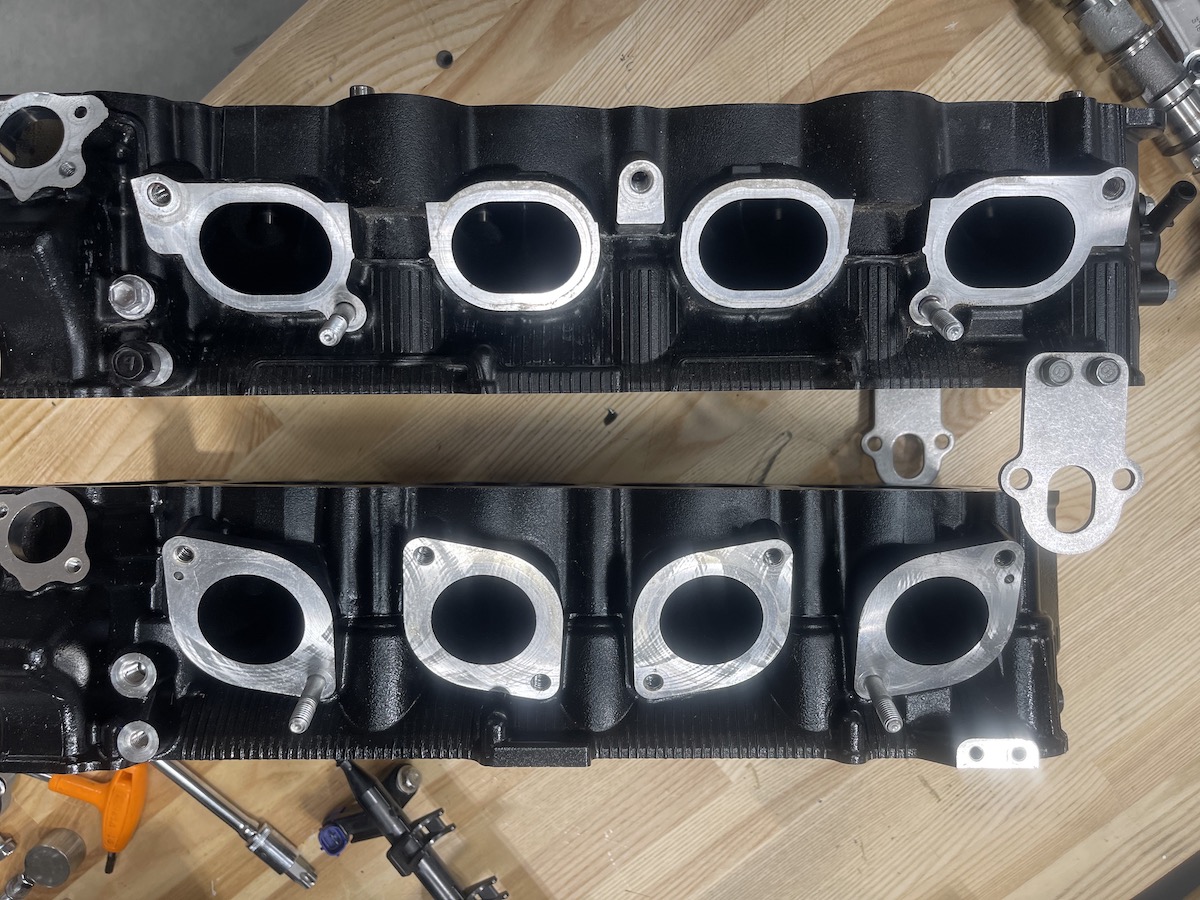
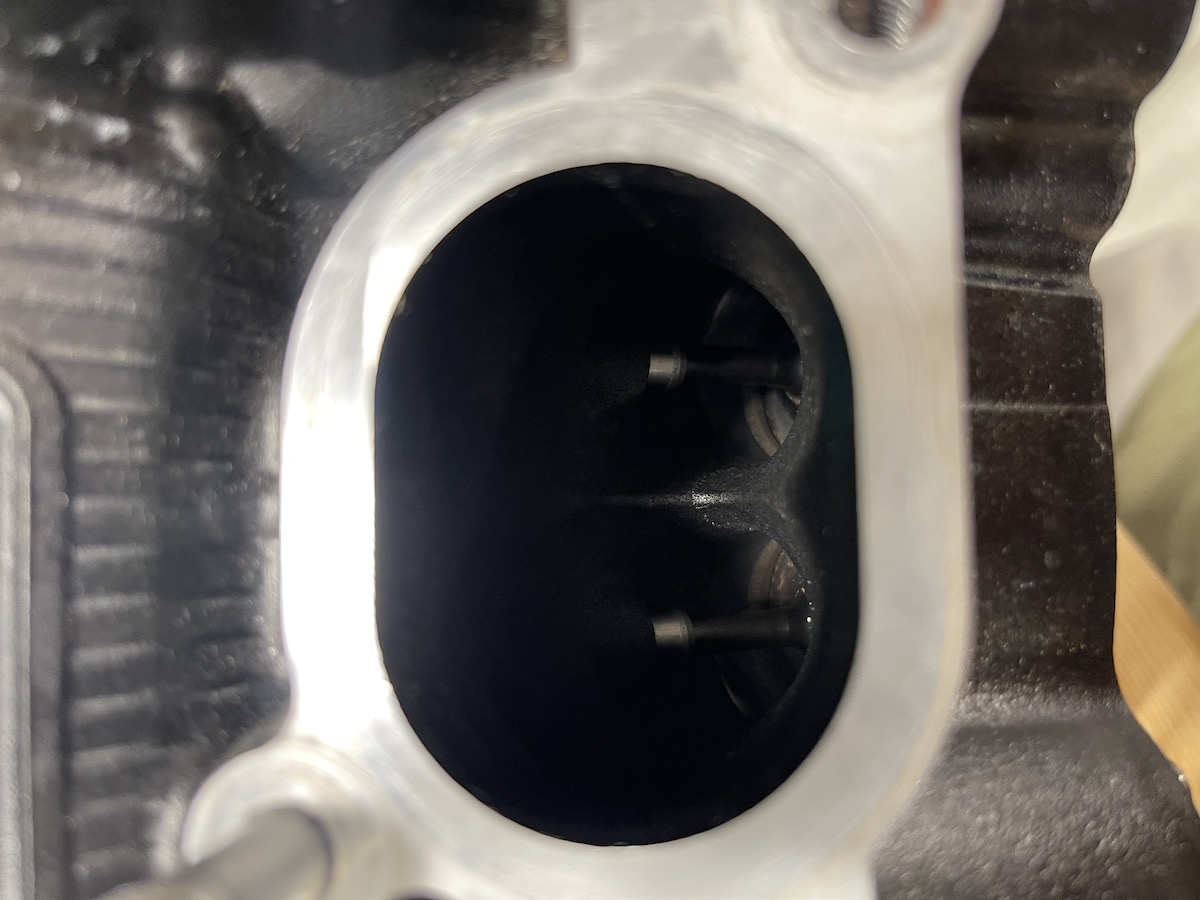
“The cylinder head features redesigned intake ports, exhaust ports, and combustion chambers. The intake ports were opened up to elongated ovals […] to flow more air into the combustion chamber. The exhaust ports were shrunk two millimeters [for better] exhaust scavenging. The combustion chambers were also opened up.
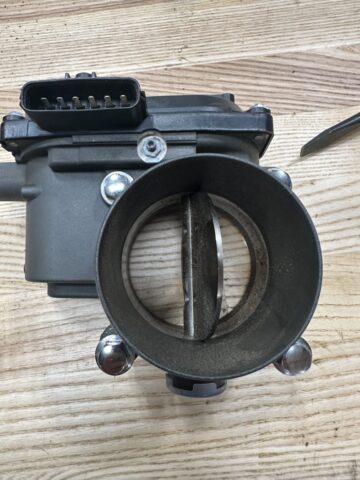
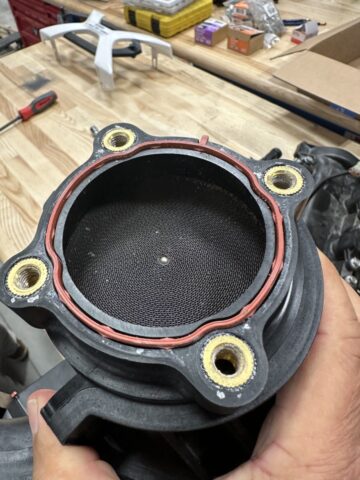
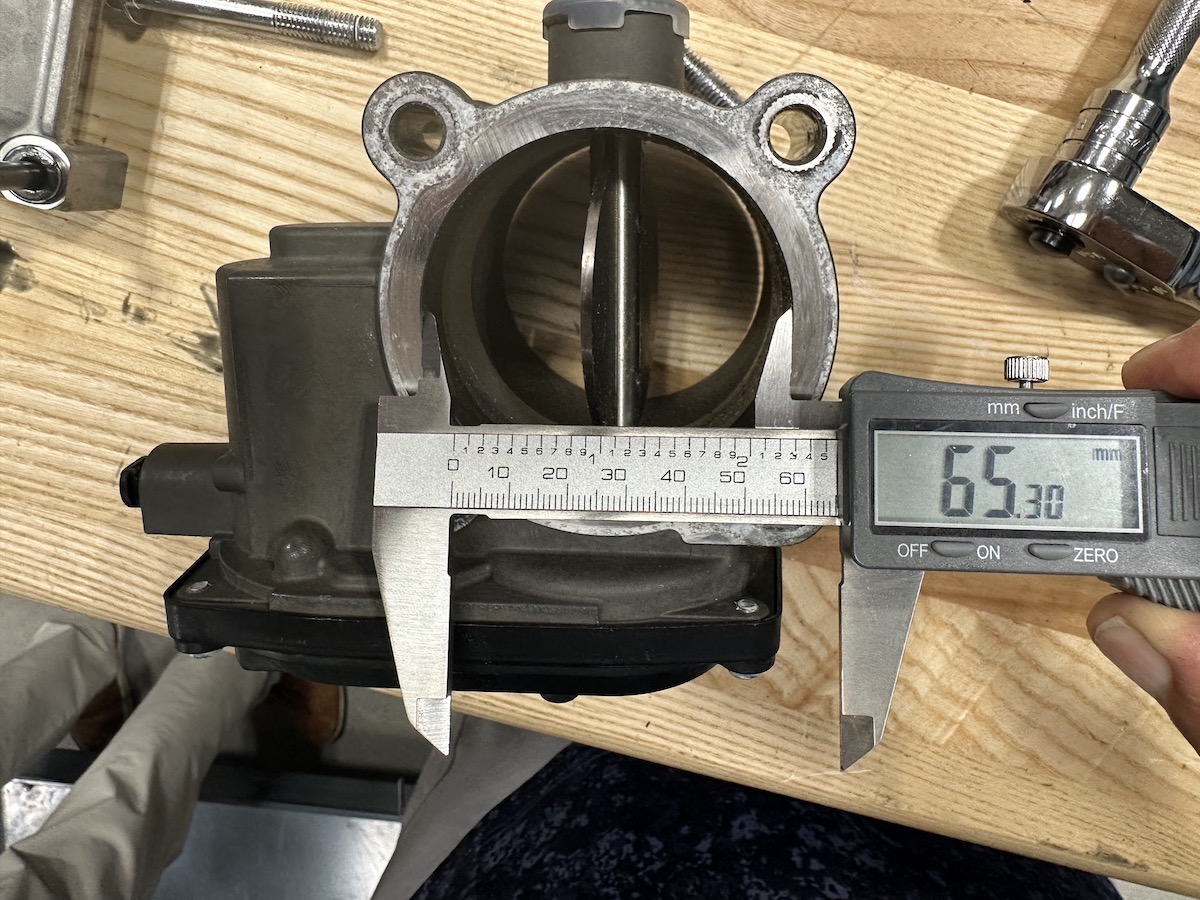
“With the addition to the new intake and exhaust ports, Yamaha had to redesign both intake and exhaust manifolds to accommodate for the new cylinder head design. The new intake manifold features a larger plenum, longer runners, 10 percent larger throttle body, and a larger flame arrestor. The throttle body is [now] 65 millimeters.
“The previous engine had a 60mm, and the flame arrestor [was] changed from a 68mm to an 88mm.” Per a recent communication from YMC confirms that “the ribbon is fully captured in the new manifold, making it essentially impossible for it to dislodge.”
“Not only is the plenum larger, but the overall shape has been revised from the basic, log style manifold. The new intake manifold integrates the manifold air pressure sensor and intake air temp sensor into one, simplifying the wire harness; the outgoing manifold had two separate sensors for MAP and IAT.
“The exhaust manifold has been narrowed and optimized for performance; runners two and three now resemble a “two-to-one” [flange] which further increases the exhaust scavenging and allows for the narrower design. Both intake and exhaust manifolds use fewer bolts and are positioned closer to the block. The slimmer design allows for more room around the engine, [easier] access to engine sensors and the sacrificial anode for servicing.
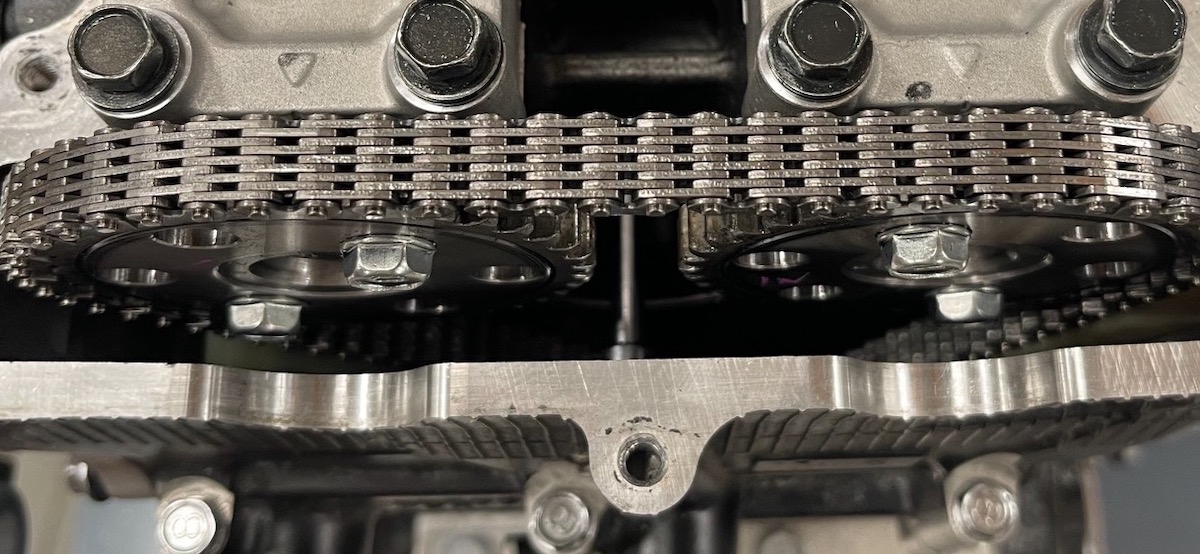
“The new block casting is equipped with a supercharger block off plate hinting at a supercharged SVHO variant in the future. The second change is a bolt going through the center of the front side of the cylinder head. This area of the cylinder head has an internal void for the timing chain which creates noise and vibration. The purpose of the bolt is to secure the front section of the cylinder head casting to reduce the noise and vibration.
Gaddis did voice disappointment that all of Yamaha’s changes resulted in a meager 20-horsepower gain, stating, “I would expect a higher horsepower gain from almost 100 more cubic centimeters, a better flowing [cylinder head, intake manifold, throttle body and exhaust manifold], and a more efficient cooling system. I believe this is due to a change that Yamaha has made to the new camshafts.
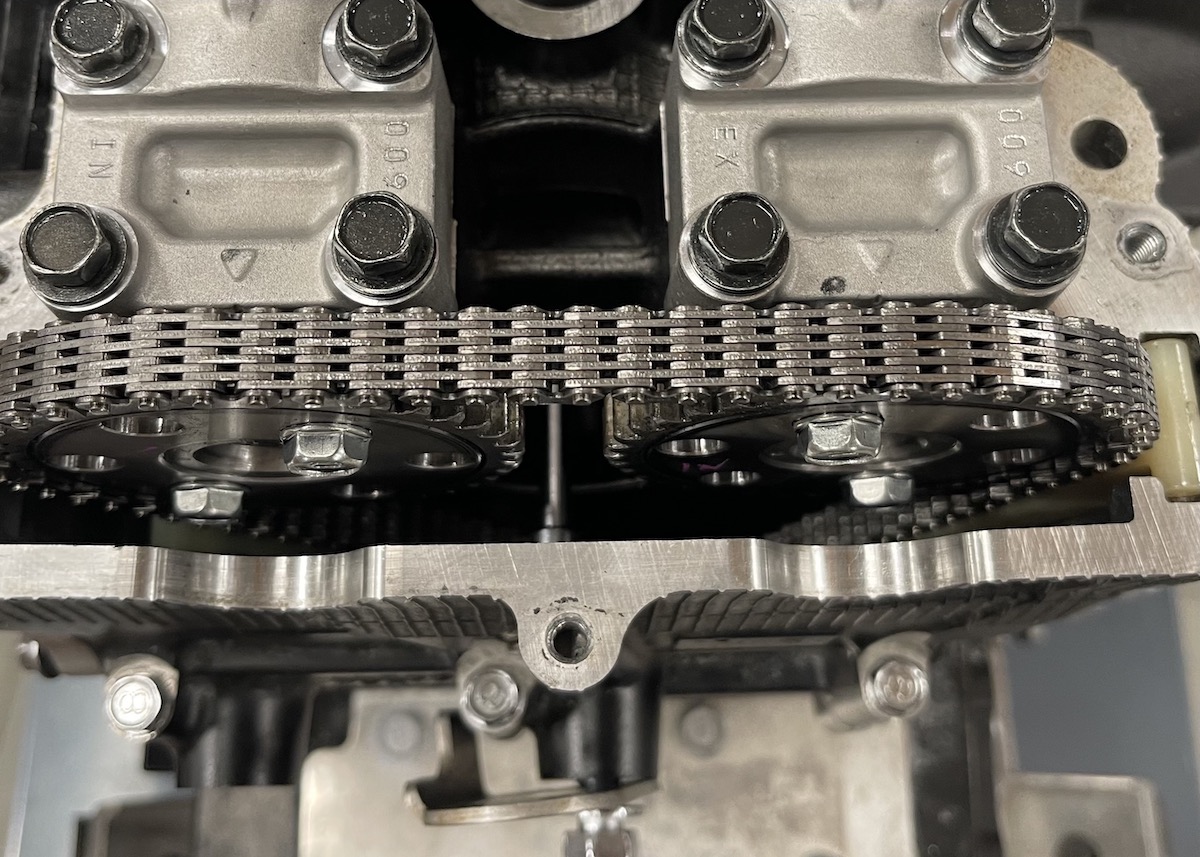
“Yamaha has made a significant change to the camshaft design [as it aimed for] a smoother idle and operation throughout the entire powerband.. While the duration and lift remain the same, the cams now have less lobe separation angle. Less lobe separation angle means more overlap and more midrange torque. Being that the new engine flows more air and has a higher compression ratio than the outgoing 1.8L, the new engine can take advantage of more overlap. Yamaha increased the intake cam overlap from 36 to 39 degrees.
“I firmly believe that this change in overlap is resulting in a smaller power increase compared to what the engine revision could have produced.” Gaddis concluded. “Aside from the change in overlap, Yamaha redesigned the camshaft caps. Yamaha moved to a simpler design; there are now four camshaft caps compared to six and the caps are slimmer. The slimmer camshaft caps resulted in a new valve cover that is sleeker, part of Yamaha’s intent for a more serviceable engine.
“Yamaha’s desire for a smoother operation led to a more revised rev limiter. Yamaha changed to a high detection resolution for revolution on the rotor. This means a more refined and controlled rev limiter. This new rotor design prevents the common “banging” off of the rev limiter and offers a smoother experience when coming unhooked in rough water.” During a private test session, Gaddis recorded slightly over 62mph aboard both the GP HO and FX HO using redundant GPS trackers.
“Obviously, these changes were made with the intent of efficiency and not for all-out performance. Yamaha seems to be making a push for more efficient engines, more efficient production, and a greener environmental footprint. This is quite obvious with Yamaha’s material choice for bearings and the new plant-infused engine cover. Yes, I said a plant infused engine cover…”
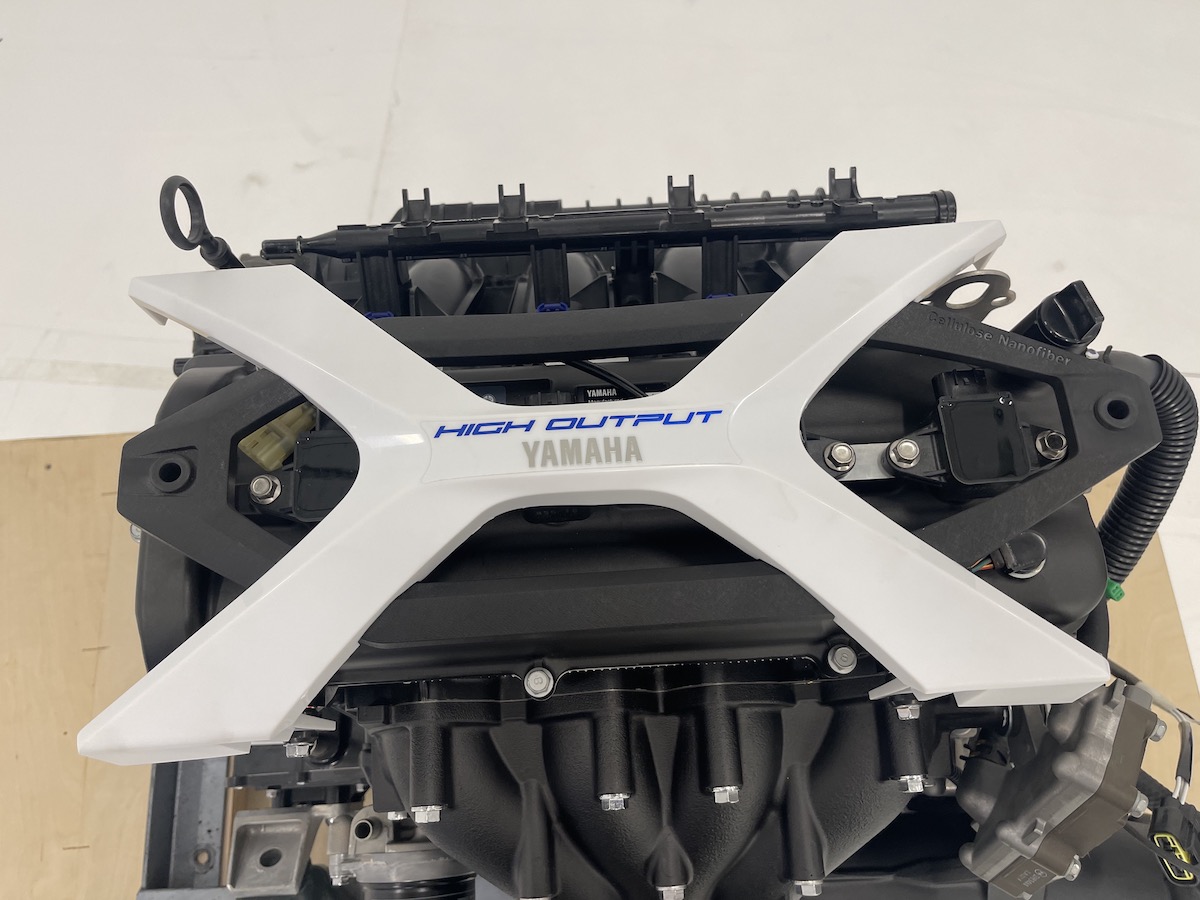
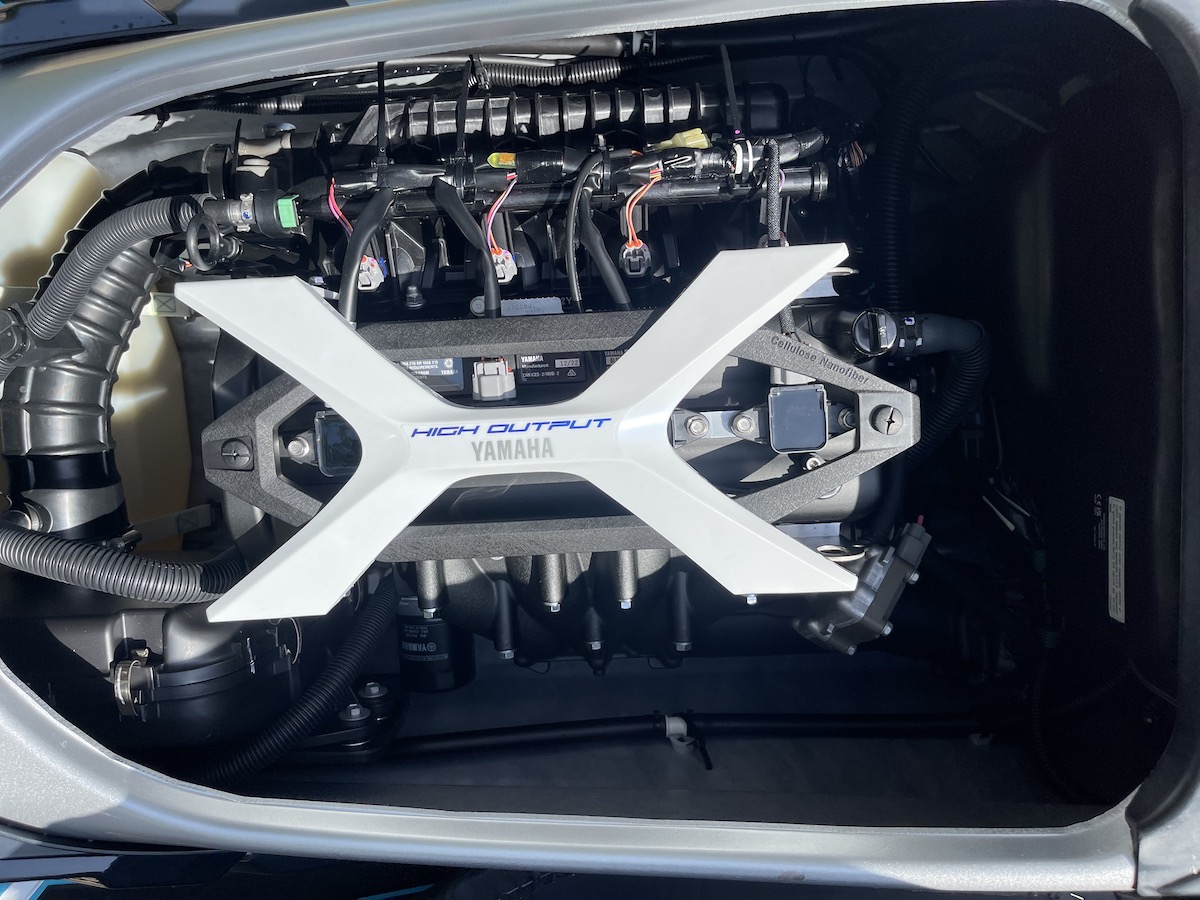
Officially, Yamaha announced: “The engine cover is also one of the first Yamaha-manufactured parts to include plant-derived cellulose nano fiber (CNF) reinforced resin. In addition to being more than 25-percent lighter than existing resin materials, CNF-reinforced resin also has excellent material recyclability, leading to a reduction in plastics used and greenhouse gas emissions, mainly carbon dioxide.”
We at The Watercraft Journal fully expect Yamaha’s CNF resin to appear in future parts and components, including replacing existing plastic fairings, panels and possibly in a future date, even hulls. Great expense was made to develop this technology and you can bet it won’t be used exclusively on a lowly engine cover.
Lastly, we come to pricing. To be expected, MSRP list prices have increased across the board, but some more than others. Beginning by segment, every Rec Lite unit is up $200: EX: $7,799, EX Sport: $9,099, EX Deluxe: $10,199 and EX Limited: $10,799. For the VX segment, it goes VX-C: $10,199 (up $200), VX: $11,399 (up $200), VX Deluxe: $12,399 (up $300), VX Cruiser: $12,799 (up $300), VX Cruiser HO: $13,599 (up $300), VX Limited: $13,999 (up $300) and VX Limited HO: $15,299 (up $300).
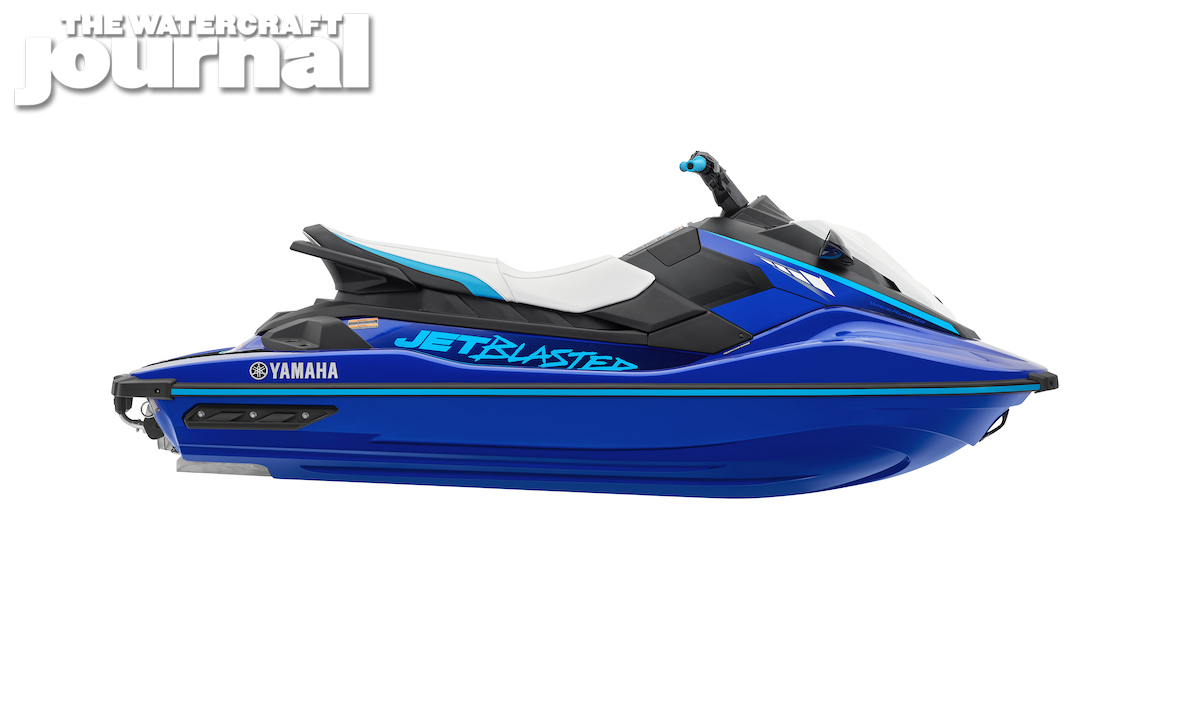
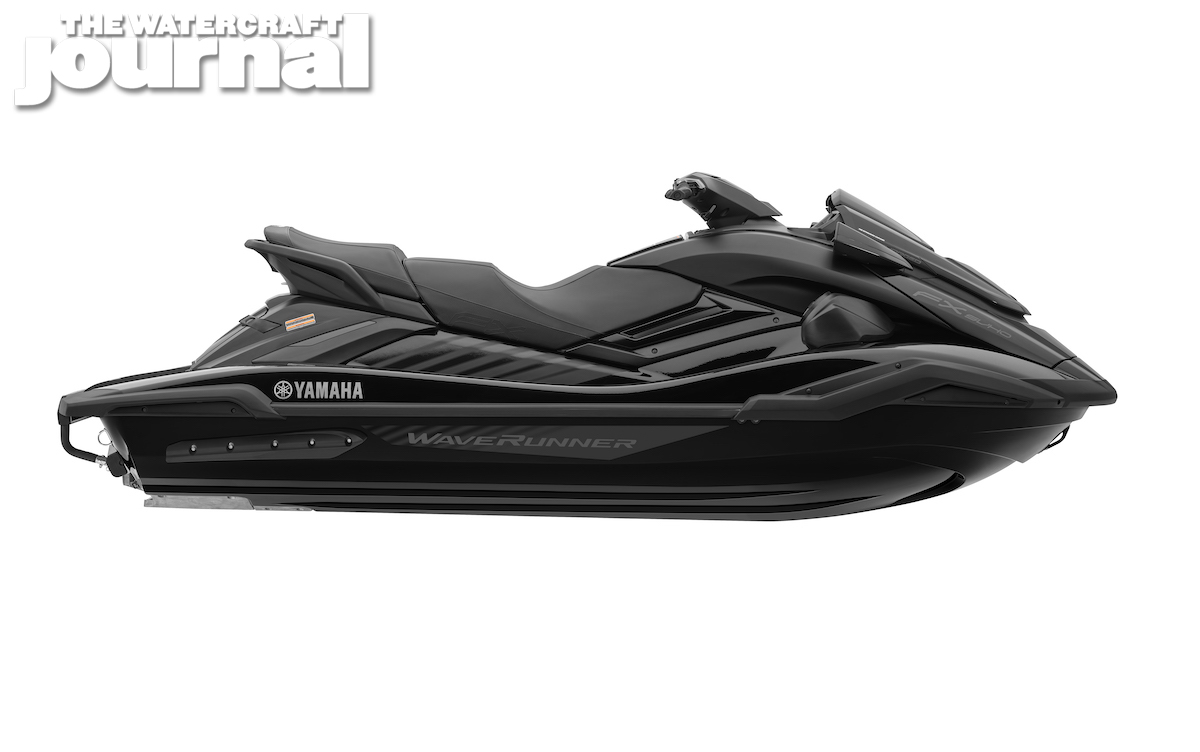
For the GP series both entries increase by $300 each, namely the newly minted GP HO: $14,499 and the GP SVHO: $16,799. For the Freestyle segment, both entries are up by $200 each, including SuperJet: $10,699 and JetBlaster: $10,899. Finally, for the Luxury segment, the FX HO: $15,699 (up $200), FX Cruiser HO: $16,999 (up $300), FX SVHO: $19,299 (up $300), FX Cruiser SVHO: $19,799 (up $400) and FX Limited SVHO: $20,399 (up $400).
In all, it looks like Yamaha is committed toward a cleaner, more sustainable future through producing more efficient engines through less environmentally-impactful processes, and featuring new recyclable materials. Whether customers will be drawn to Yamaha because of this remains to be seen; but what isn’t in question is the attention the new lineup is getting. Contact your dealer for more information or visit www.yamahawaverunners.com.
In recent weeks, Galar Boats has gotten quite a bit of attention – both here at The Watercraft Journal as well as on social media – and for good reason. The idea of using a personal watercraft to propel a jet boat is not new (many of us recall the Shuttle Craft boats from the mid-1990s) but few have been successful in offering a premium vessel that is comparable to current jet driven boats both in build quality and price…until now.
As it stands, Yamaha Motor Corp. currently leads the market in jet driven boats by a substantial margin. Employing all of its powertrains, pumps and intake designs from its WaveRunner line, the marine division delivers consistent performance, fuel consumption and superior fit-and-finish that boat dealers, service centers and consumers have come to trust. So in taking on such a competitor, Galar has quite the hurdle before them.
Unlike Yamaha’s 29 different models (ranging from 19-feet to 27-feet in length, and $35,599 to $155,899 in price), Galar only offers three models – the Lightning, Typhoon and Kraken – each representing a specific length – 14, 17 and 21-feet – respectively. Although none of these vessels come with a watercraft to propel the boat, each model does come equipped with a bilge pump, ski tower, Bimini top, stereo, running lights and an aluminum trailer.
In wanting to provide relatable, comparable context for each model offered by Galar, we sought to find an equally-equipped Yamaha jet boat as well as a Yamaha WaveRunner to power the Galar unit. We will factor the cost of the WaveRunner into the equation and list as many details of each vessel as possible (using MSRP prices listed as of this writing) to provide the most detailed comparison possible between the two boats. Obviously, this exercise cannot be a true 1:1 as they are not identical offerings but we got darn close.
Galar Lightning
$22,999 MSRP
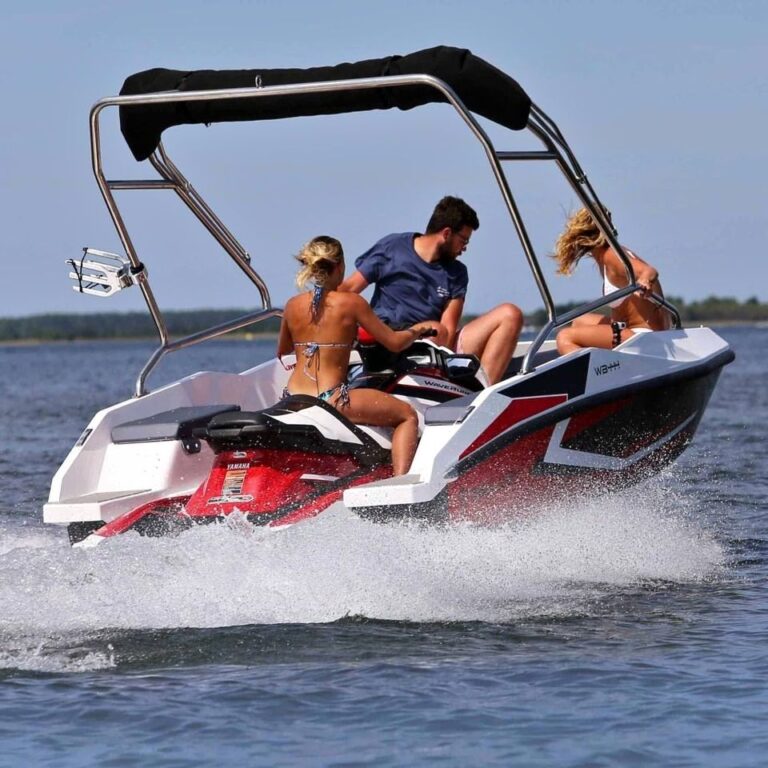
The Lightning’s total length is 14-feet and 5-inches and weighs a paltry 682-pounds (less than most personal watercraft). It has a beam of 7’3″ and needs a watercraft with a minimum of 150-horsepower to propel it. The Lightning seats a maximum of seven people total, with five on the boat and two aboard the PWC. The ski tower and Bimini top allow for towing a skier or wakeboarder, and offers shade for all passengers.
Suggested Yamaha WaveRunner:
Yamaha VX Cruiser HO
$13,299 MSRP
The VX Cruiser HO is one of Yamaha’s most popular, highly decorated and best selling WaveRunners – and all for several very good reasons. The 1,812cc High Output 4-cyliner four-stroke delivers 180-horsepower while sipping miserly on 87 octane fuel. The hull shares the same mold design as the sporty GP1800R series.
Comparable Yamaha boat:
Yamaha AR190
$38,499 MSRP
Although Yamaha does NOT offer a 14-foot entry, this is the lowest-priced 19-foot model in the brand’s 190-series that is equally equipped with the High Output 180-horsepower 4-cylinder engine and includes a wake tower, bilge pump and a painted trailer. It also seats 8 passengers and has a 40-gallon fuel capacity.
Comparing The Two:
We intentionally sought to find the right WaveRunner to bring the Galar Lightning/PWC combination as close in price and power to the AR190 as possible. The Yamaha boat still out prices the Lightning and VX Cruiser HO duo by $2,200; but touts greater fuel capacity and roomier seating (given its 5-extra-feet of length). The AR190 comes in at 2,441-pounds while the Galar/VX combo tips the scales at 1,416-pounds, making for far less strain on your tow vehicle.
Galar Typhoon
$32,999 MSRP
The Typhoon is Galar’s mid-sized offering coming in with a total length of 17.2-feet and it weighing in at 772-pounds. It has a beam of 7’8″ and requires a personal watercraft with a minimum 170-horsepower, similar to the Lightning. The Typhoon seats 8 people total, 6 on the boat, two on the watercraft. Equally, the Typhoon includes a with a removable bow table, ladder, tower, Bimini top, stereo, running lights and an aluminum trailer.
Suggested Yamaha WaveRunner:
Yamaha GP1800R SVHO
$16,499 MSRP
OK, this one might surprise a few of you as our selection since the Typhoon only requires 170-horsepower, not the GP1800R SVHO’s unofficial 285-ponies. So why pick Yamaha’s sportiest, race-ready 3-seater? Because the best comparable boat we could select came equipped with Yamaha’s Super Vortex High Output engine, and we know most of you would rather have identical power numbers than prices. You know what this WaveRunner is capable of, so we’re just gonna keep moving on.
Comparable Yamaha boat:
Yamaha 195S
$47,499 MSRP
Yet again, Yamaha does NOT offer a similar-length entry. At 19.5-feet, the 195S is 2-feet, 2-inches longer than Galar’s 17.2-foot Typhoon. This is also the highest-priced 19.5-foot model in the brand’s 195-series. As stated earlier, it comes equipped with the SVHO producing 285-horsepower too. The 195S includes a hefty list of features including a Bimini top, custom CNC mats, hinged seats, and and painted steel trailer. It too also seats 8 passengers .
Comparing The Two:
This one was tough; we intentionally wanted to pair the Typhoon with the VX Cruiser HO again, but seeing that the 195S came with the SVHO, we felt it appropriate to combine it with the GP1800R SVHO. This placed our combination slightly above the Yamaha 195S –$49,499 vs. $47,499, a difference of $2,000 in Yamaha’s favor. We did note a significant weight difference though, 1,526-pounds (combined) vs. 2,509-pounds. And when you factor in the weight of Galar’s aluminum trailer against the steel trailer supplied by Yamaha, you’ve got nearly another 1,000-pounds to lug behind your truck or SUV.
Galar Kraken
$45,999 MSRP
Kraken is Galar’s last and largest entry, providing a total length of 21-feet and 6-inches with an 8-foot beam. As its premier boat, the Kraken weighs in at 1,332-pounds and thus requires a personal watercraft producing a minimum 250-horsepower. Able to seat 10 people total, the Kraken keeps seven passengers on the boat, and three on the watercraft. This vessel includes additional speakers, a collapsible head, increased storage and premier seating and CNC-cut mats.
Suggested Yamaha WaveRunner:
Yamaha FX SVHO
$18,899 MSRP
Admittedly, we could’ve opted to stay with the GP1800R SVHO – since it produces more than enough for the Kraken’s 250-horsepower minimum requirement – and saved $2,400 from our total, but what’s the fun in that? The 2023 FX SVHO returns murdered out dripping in gloss and semi-flat black hues that just scream don’t mess with me and the revised ride plate perfectly compliments the SMC fiberglass hull. Personally, we don’t care much for the Cruiser seat and its $500 price tag either.
Comparable Yamaha boat:
Yamaha 222S
$70,199 MSRP
This one was another tough one. Unlike the previous entry, we opted to let Yamaha’s boat entry get the upper hand in the performance category. Touting twin 1.8L HO engines – totaling 360-horsepower – the 222S is 22-feet long, seats 10 passengers with ease, and wields a king’s ransom of premier features and creature comforts. The 222S is not only stately but serviceable; comfortable whether stationary or at speed; and sporty when called to be.
Comparing The Two:
Two major factors which kept rearing its head were cost and weight. The 222S asks an additional $5,300 over the combination of the Galar Kraken and the FX SVHO. Moreover, the 3,792-pounds of the 222S over the combined heft of the Kraken/FX duo’s 2,205-pounds (not to mention the near 1,000-pound difference in aluminum vs. steel trailer weight) means well over 2,000-pounds of added towing capacity – or the difference between a gas powered truck versus a diesel. Our combo’s 80-horsepower deficit still hurts though.
This final comparison is emblematic of the original premise of this article: your choice is going to hinge upon your intended use. If you already own a personal watercraft, depending on which model and power output, the decision is all the more clear. If you’re starting with a clean slate, you’ll need to consider how often you plan to ride your PWC versus take out the whole clan; the type of vehicle you have to tow with; and what type of boating you regularly or typically enjoy. And that’s up to you to decide.
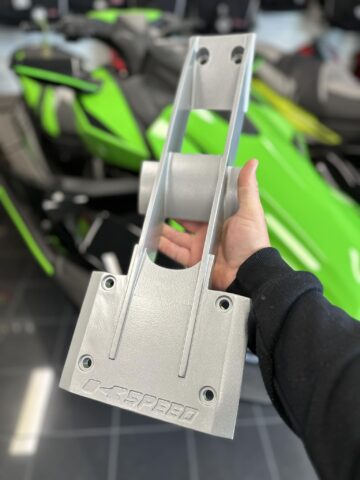
Many Kawasaki Ultra die hard enthusiasts will swear that Kspeed makes the best intake grate for this platform. We have tested this grate ourselves here at The Watercraft Journal many times and we are not sure that they are wrong. So when we got word that our friends down under were creating a new grate, we immediately reached out.
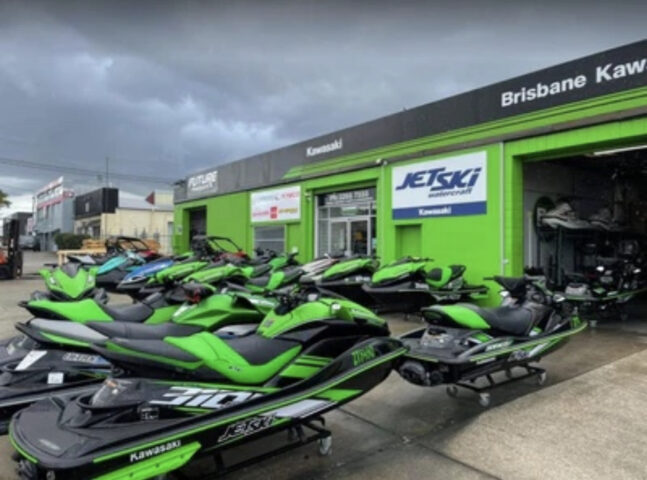
In 2018, Kspeed perfected their custom made intake grate and then sorted out to a local Brisbane manufacturer. The process took 12 months longer than it should have and the holes were not right, so they sent them back.
By December of 2019 they had them right and ready for sale. Thus, the Kspeed Stage 1 kit was born, and it boasted the only intake grate on the market for the 300/310 platform that actually increased speed instead of slowing the rider down.
Just before the 2023 North American summer order surge they ran out of sellable intake grates. At that point, via email only Kspeed would take cosmetically imperfect grates, hand finish them, test them in their own Ultra 310 and then sell at a reduced price. This process took nearly an hour for each order.
When we asked the guys at Kspeed what this new process consisted of, they gave us the complete break down. “We sorted out the manufacturer of our Kspeed STX intake grates to give these new ones a go, the prototype was 3D scanned, perfected in CAD and 1 CNC cast was made. Three months later we have this new perfectly formed intake grate,” said Marty of Kspeed.
He continued, “No more casting dramas, perfect quality control straight out of the box and we still double check each one with a test fit before packaging.” Interestingly, the old ones were sand cast. The new ones come out of a CNC mold.
On the previous batch, they ended up with over 130 grates that were cast and didn’t meet QC and required significant labor to make sellable. They pride themselves on quality and customer service and thankfully they do, or most of you would have ended up with subpar products.
So yes, there is a brand new intake grate for the 300/310 platform from Kspeed. And in their own words, “The new intake grates are slightly higher on price due to the additional manufacturing cost, but look sensational. They do the exact same job producing identical speed and hookup. So, if you have an old one there is no need to upgrade, unless of course you want to.”
Sea-Doo and 4ocean are on a mission to clean up and end the world’s plastic ocean crisis, making for an excellent partnership. Alex Schulze is the co-founder of 4ocean, an ocean clean-up company. 4ocean began as a small company making and selling products made from recycled materials. For every bracelet sold, they removed a pound of trash from the ocean.
The company blew up, and before they knew it, they were hiring more captains and crews to take on the huge task of removing trash from the ocean. The company is based in Florida but has now expanded worldwide with their ocean clean-ups. 4ocean’s partnership with Sea-Doo has been a dream. They share a common mission, which is to clean up our oceans. Both organizations encourage people to use their Sea-Doo watercraft to get into hard-to-reach areas and pick up debris.
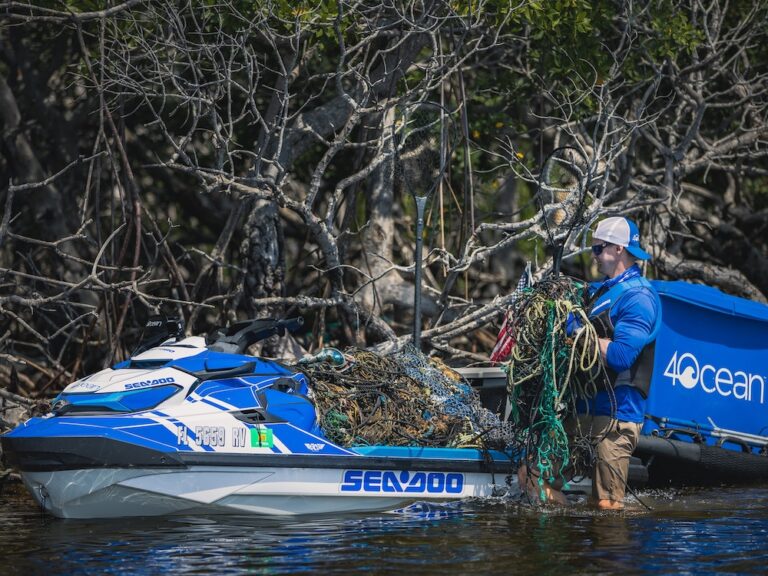
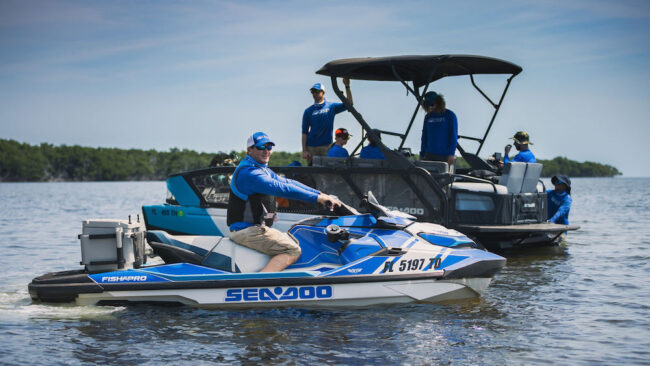
4ocean utilizes the Sea-Doo Switch and Fish Pro to get into shallow waters to recover plastic and other trash. The watercraft allow them to be more mobile, agile, and more versatile. This is especially beneficial in the Florida Keys, where ghost nets and ropes litter the waterways and get pushed into the mangroves.
Onshore winds and tides cause all the debris to get tangled in the root systems of the mangroves. Sea-Doo watercraft can be maneuvered into those areas, which enables the crews to get in there and attack the debris and haul it out. The Fish Pro and the Switch have large decks, which are great for hauling large loads of trash out of the areas.
4ocean has removed over 30 million pounds of trash from our oceans. That’s a crazy number and there is still more to do, and that’s what keeps Schulze coming back again and again. He sees the importance of cleaning up our waters for us and future generations. Check out their website for more information on how you can help.
Admittedly, we don’t watch a lot of watercraft-themed content online primarily due to so few creators providing useful, informative technical content. There’s no shortage of entertaining YouTube channels but very few who take the time to outline the detailed steps necessary for an average performance enthusiasts to either replicate the results presented onscreen or at the very least, understand the benefits therein.
That is why we found Barrett Buckalew‘s Salty Dog Performance channel so compelling. This Sea-Doo enthusiast patiently takes the time to thoroughly explain the do’s and don’t’s of modifying your supercharged Sea-Doo; the preferred processes (usually citing the BRP factory manual); and the benefits of adding each performance part. Buckalew’s channel has only recently focused on Sea-Doo content, but the couple dozen videos are worth the watch.
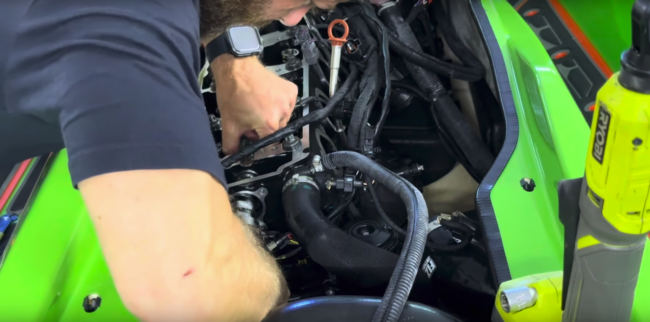
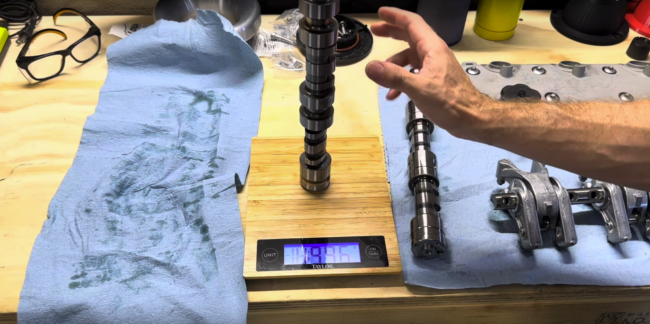
To this point, we wanted to focus on Buckalew’s most recent video properly removing the factory camshaft and installing a RIVA Racing performance bumpstick. While Buckalew weighs the factory cam against the RIVA offering (resulting in a loss of 56 grams), this video itself is a tutorial not a before/after results video. He provides torque specs and sequences, part numbers and smart suggestions to ensure that although modified, your Sea-Doo will last as long as possible.
Again, this level of content is rare among so many outlets – for which The Watercraft Journal commends him. Hopefully the video attached below answers many of the questions that some of you may have – and will encourage you to subscribe to the Salty Dog Performance channel as we did.
Big news for those looking to radically rethink how they use their personal watercraft! Hulla Fun Boats has partnered with local dealerships in Tampa and Sarasota to provide the PWC community access to the full lineup of Galär Boats!
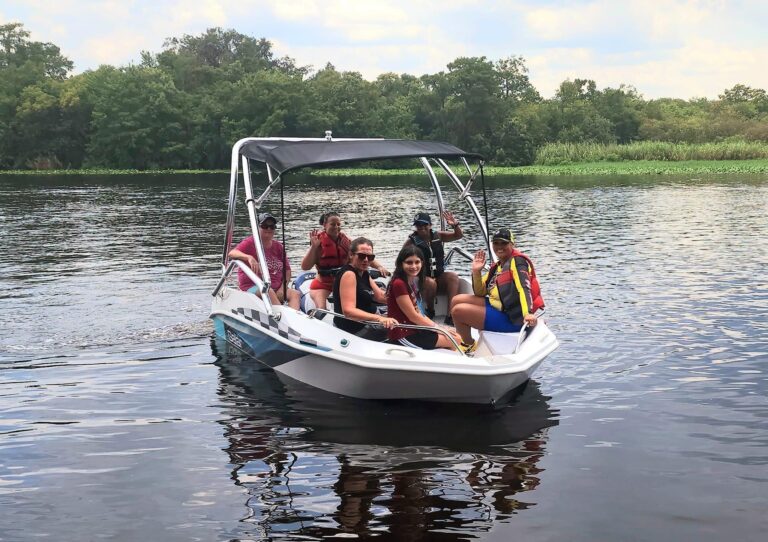
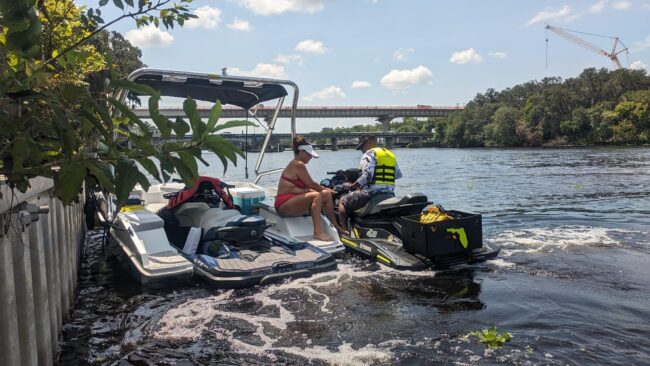
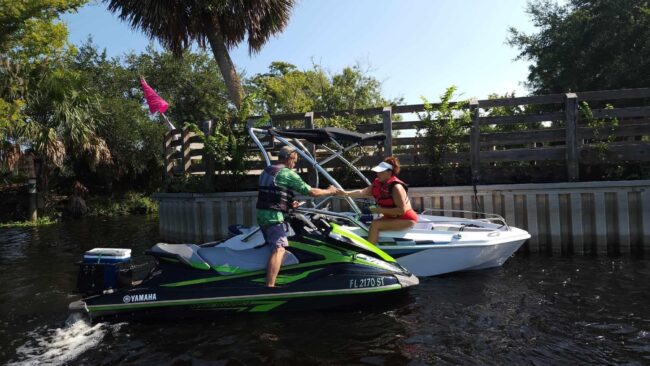
Recently, Hulla Fun Boats’ CEO Nancy Lucas sponsored a water-side stop at the Nauti Girl Crew Poker run, offering refreshments, card draws, and a chance to win a $50 cash prize – all from aboard a Galär Lightning in DeLand, FL, last month.
If you’re looking to learn more about Galär Boats, call (813) 461-5350 or visit www.HullaFunBoats.com to find out more.
Here’s the full press release: Tampa Bay is about to witness a new kind of Lightning that will set the water alight with excitement! Hulla Fun Boats has proudly unveiled the first-ever distributorship for Galär Marine, offering its innovative wrap-around hull for all personal watercraft brands, truly embracing the “Best of Boat Worlds” philosophy.
Say hello to the Lightning, Galär Marine’s remarkable entry at 14.5′, which can accommodate an impressive 5 additional passengers on top of the 2 or 3 already on a SeaDoo or Yamaha. But that’s just the beginning! The Typhoon, measuring a thrilling 17′, and the colossal 21′ Kraken can host up to 7 eager adventurers, taking the fun to a whole new level!
The excitement surrounding these game-changing boats was evident during the Nauti Girl Crew Poker Run, sponsored by Hulla Fun Boats on July 3 in DeLand. Winners grabbed their cards, with a chance to pocket $50 in cash, but it wasn’t just about the prize. Enthusiastic voices resonated, expressing how the Galär Lightning would revolutionize their water experiences.
“I need this to take my dogs out with us!” remarked one enthusiast, while another exclaimed, “This changes everything – we can stay out after sunset instead of hustling in before dark.” Couples were enticed, playfully urging Hulla Fun Boats CEO, Nancy Lucas, to convince their partners about the wonders of the Galär. Others marveled at how the Galär would elevate camping trips, allowing them to carry their valuable camera equipment and drones effortlessly.
Before the rain and lightning made its grand entrance at the Poker Run, Nancy Lucas took a group of adventurous women on a memorable expedition from the final stop to the refreshing Blue Springs. “It was a perfect example of why I fell in love with the Galär at first sight – we got to go on the adventure together!” she gleefully shared.
Adding even more depth to this thrilling tale, the Galär Lightning distributorship is not only woman-owned but also veteran-owned. Nancy Lucas, with her rich experience from 8 years of service in the U.S. Coast Guard reserve in the Florida Keys, knows all too well the enchantment of being on the water, having even started her family there with four children.
Hulla Fun Boats has partnered with local dealerships in Tampa and Sarasota to bring these awe-inspiring watercraft to the eager boating community. For those who yearn to embrace the Galär experience, dial 813-461-5350 or visit www.HullaFunBoats.com to find out more.
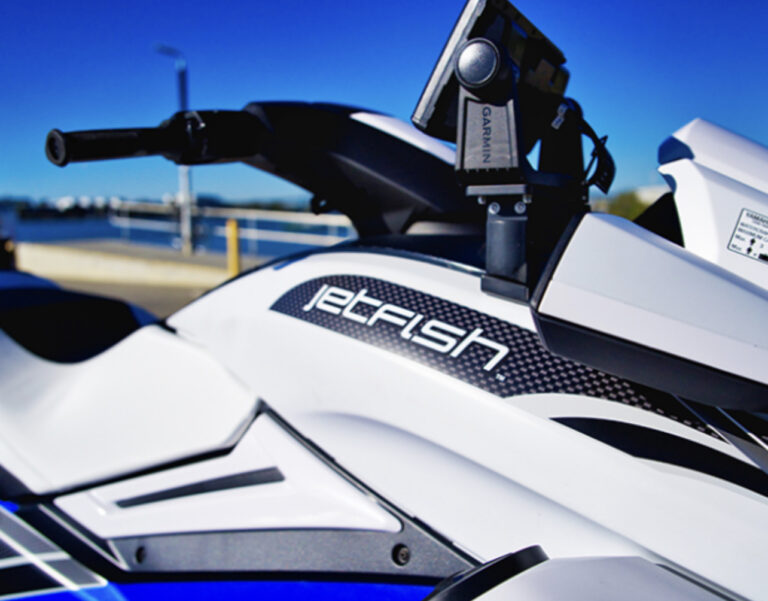
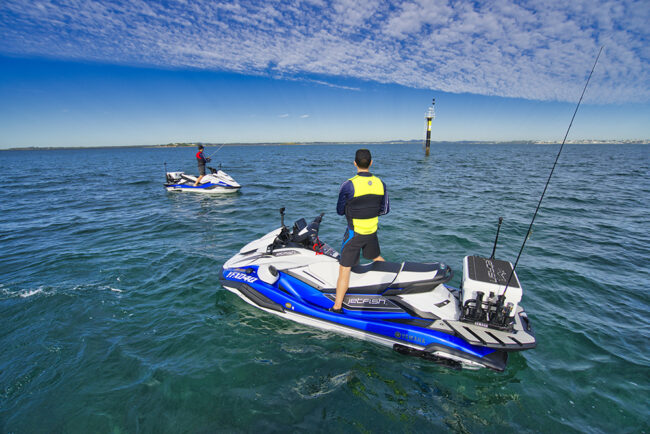
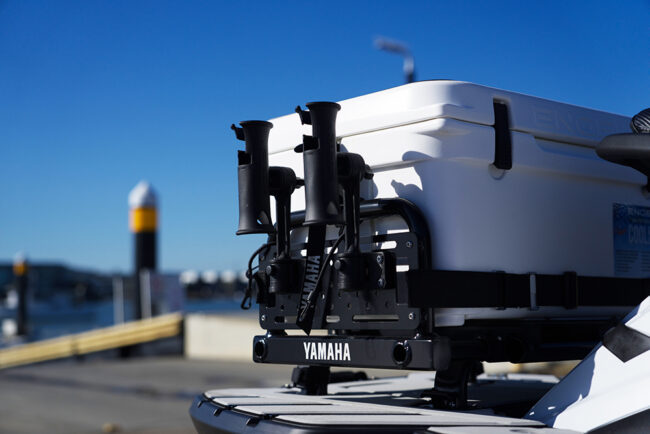
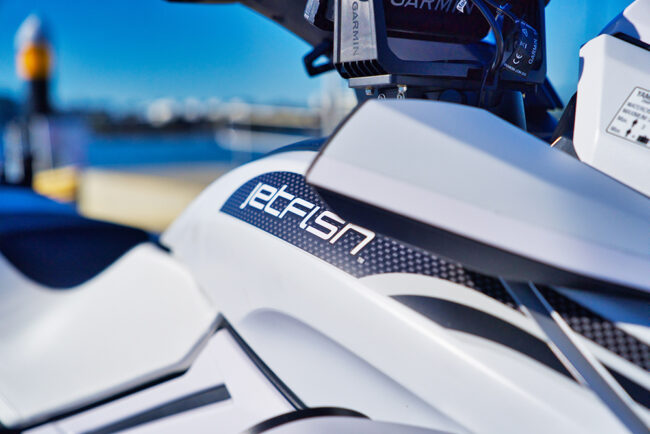
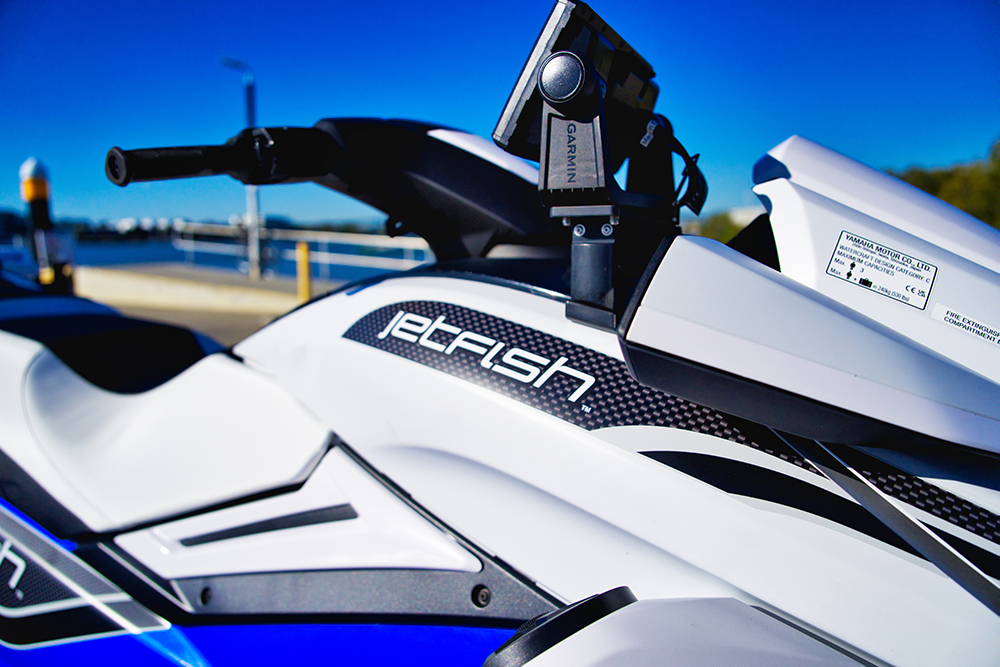
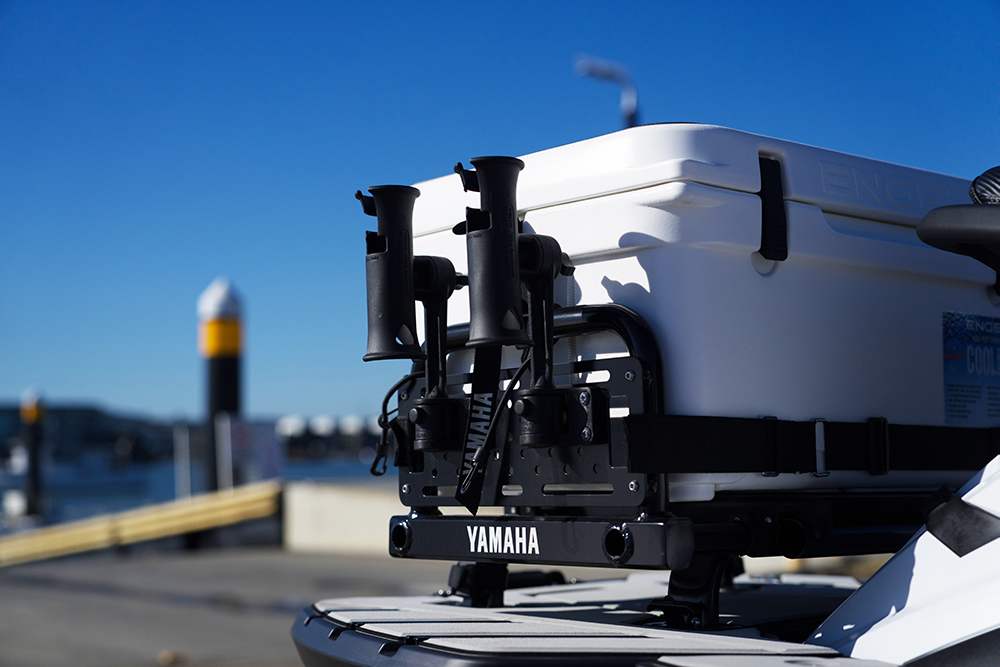
Yamaha Motor Company has just rolled out what they have branded as the JetFish WaveRunner at the Sydney Boat Show. The unique WaveRunner begins as a naturally-aspired 1.8L FX HO equipped with a Garmin sonar/GPS (with a hull-mounted transducer), RecDeck, multi-use rack, an Engle 45 quart JetFish-branded cooler with a CNC-cut JetFish cutting mat, two Ram Mount cup holders, two fishing rod holders and unique decals and badging.
With PWC fishing becoming quite popular around the world, it was only a matter of time before Yamaha made a splash in this niche. The Watercraft Journal had predicted that Yamaha would enter this arena with a full array of fishing accessories – and did so two years ago as they released the RecDeck accessory bundles – but were surprised to see a fully dedicated model …that is, until we learned that the JetFish wouldn’t be sold in the US.
As of this writing, the full Yamaha WaveRunner JetFish branded FX series is only available in Australia. Priced at $27,899 AUS (or $18,349 in US dollars), the JetFish as you see it here will not be sold outside of the Land Down Under. But don’t fret! Yamaha still has the JetFish accessory packages that you can purchase and install on your current FX platform, or any Yamaha WaveRunner with the RecDeck.
Yamaha currently offers three JetFish packages for the US market; JetFish Package, FX Premium JetFish Package and the FX JetFish Package. The JetFish Package is for any WaveRunner that is not an FX, but has the RecDeck. The other two options are for the FX platform, as stated in the title. You can view them HERE. See Yamaha Australia’s official reveal video below:
Humorously, Yamaha Australia brilliantly let the proverbial “cat out of the bag” well over a month earlier when contestants of the Women’s Fishing Classic were seen riding aboard the freshly-minted JetFish WaveRunner. The FX HO serves as a fantastic platform for this sport as it is both smartly balanced while static as well as a significantly superior ride while at speed in any sea state. Here’s the clip from the Women’s Fishing Classic:
The Coastal Conservation Association of Florida shares Sea-Doo’s mission to protect and conserve the waters we like to ride. Sea-Doo is pleased to be onboard to help support the CCA and their efforts to protect and restore Florida’s coastal waterways.
The CCA has been in the business of promoting, conserving, and enhancing coastal resources for more than forty years. It is important to protect coastal resources for the benefit and enjoyment of the public and for the future. CCA’s advocacy efforts have led to a number of wins for Florida’s ecosystems.
CCA has five core pillars that include advocacy, habitat restoration, restocking, fundraising, and the STAR Tournament. These five items are essential to CCA’s goal of protecting the health, habitat, and sustainability of marine resources. The CCA also plays a role in making sure that fishermen have access to the waterways.
With fundraising being crucial for the organization’s success, Sea-Doo is donating a Fish Pro Trophy and Can-Am Defender as prizes in this year’s STAR Tournament. Sea-Doo is also donating a Fish Pro Scout and Can-Am Defender for an upcoming raffle. The money raised from the raffle will go toward funding upcoming restoration and restocking initiatives.
Sea-Doo is also giving the CCA a Fish Pro Trophy, Sea-Doo Switch, and Can-Am Defender to use for upcoming projects and daily operations at their hatchery in Crystal River, FL. This sounds like an excellent partnership, and we look forward to seeing what happens next.
To find out more about how the Coastal Conservation Association of Florida makes the Sea-Doo life possible, click here.
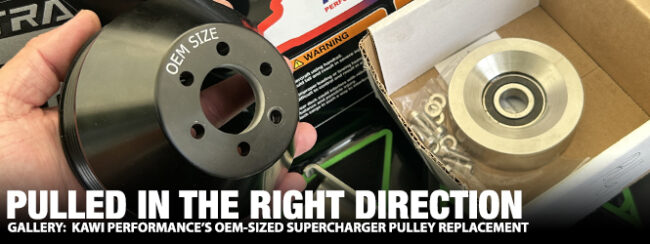
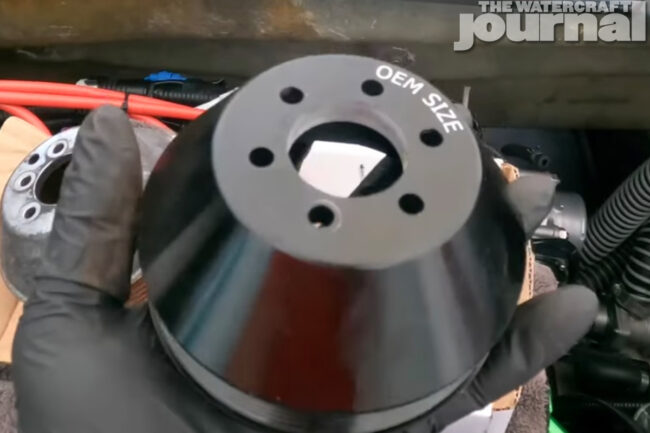
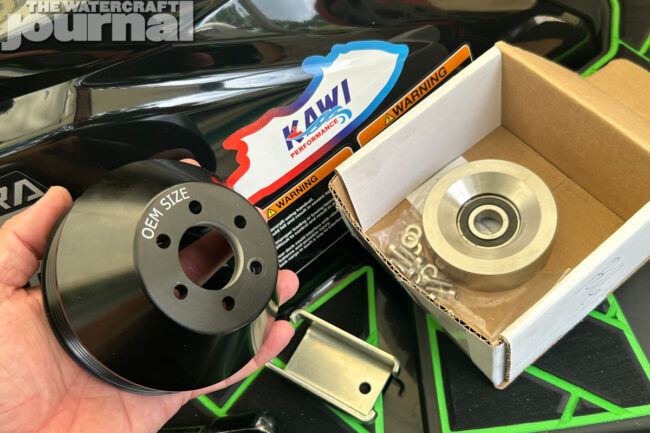
Kawi Performance out of Long Island, NY boasts an extensive catalog of innovative aftermarket products for Kawasaki JetSkis, and we had a chance to check out their OEM-size billet aluminum supercharger pulley for the Kawasaki Ultra 300 and 310!
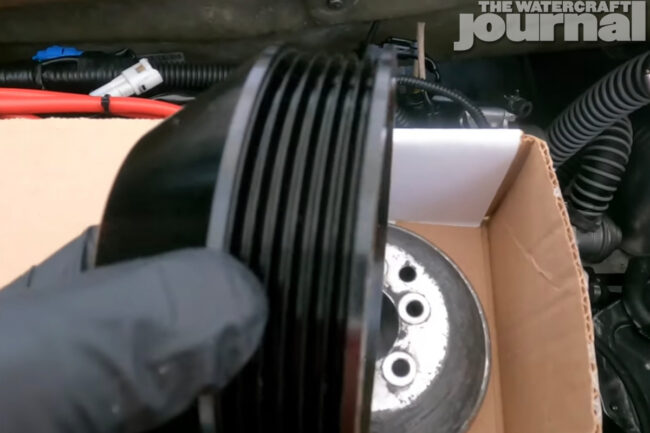
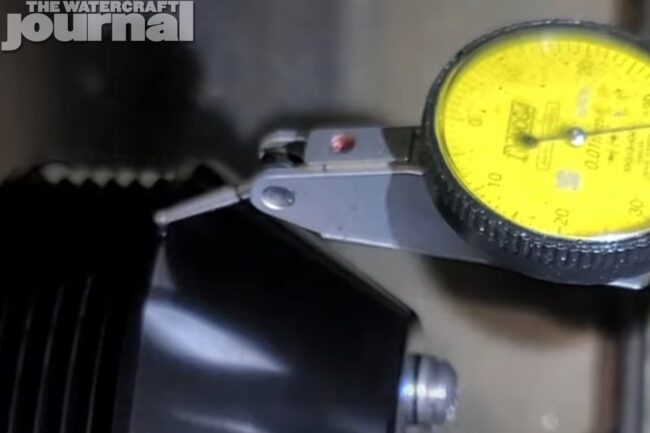
This CNC pulley was designed and tested right here in the United States by Kawi Performance, and is made of high strength billet aluminum with a marine-grade black anodizing that’s resistant to corrosion and rust. These pulleys have almost zero runout, so they spin wobble-free.
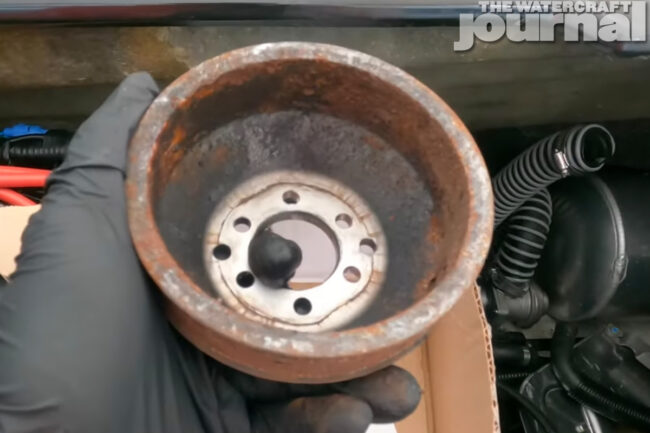
Less wobble and a corrosion-free drive surface translate to increased belt life and less wear to supercharger components. The stock pulleys on the Ultra 300 and 310 Jet Skis are made of carbon steel, which has a tendency to rust pretty aggressively when repeatedly exposed to saltwater. See a video of the KP pulley compared to the stock steel pulley HERE on JD’s WaterWorld.
Before they leave the shop, each KP supercharger pulley undergoes a rigorous certification and quality control process. These pulleys work great with the stock Kawasaki OEM steel idler pulley, or can be used with the Kawi Performance stainless steel idler pulley, which is designed to be corrosion and rust resistant for salt-water riders. Kawi Performance also offers a great selection of powder-coated steel and color-matched anodized aluminum pulleys to assist riders in meeting their performance goals.
Since this is an OEM-size supercharger pulley, no special ECU tune or oversized idler pulley is required to run it. If you are looking to increase your boost, this pulley is not for you- rather, this pulley was designed to give recreational and endurance riders a rust-free and light-weight pulley that reduces spool time while delivering stock levels of boost, reducing vibration, and increasing belt life.
Kawi Performance designs all of their parts with both freshwater and saltwater riders in mind, with many of their parts featuring marine-grade stainless steel hardware that won’t rust or fail. KP’s extensive catalog features both OEM and aftermarket components, with options to fit any budget or riding style.





















































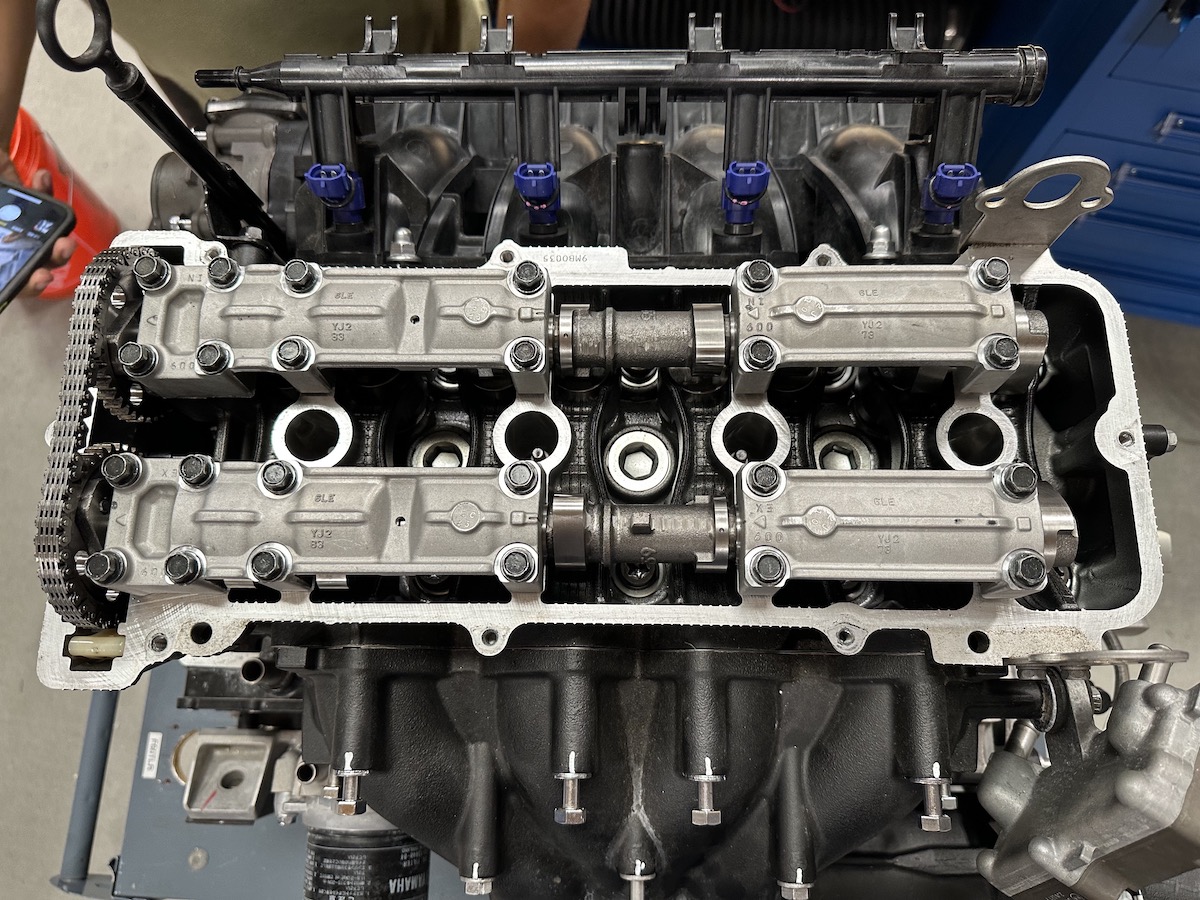
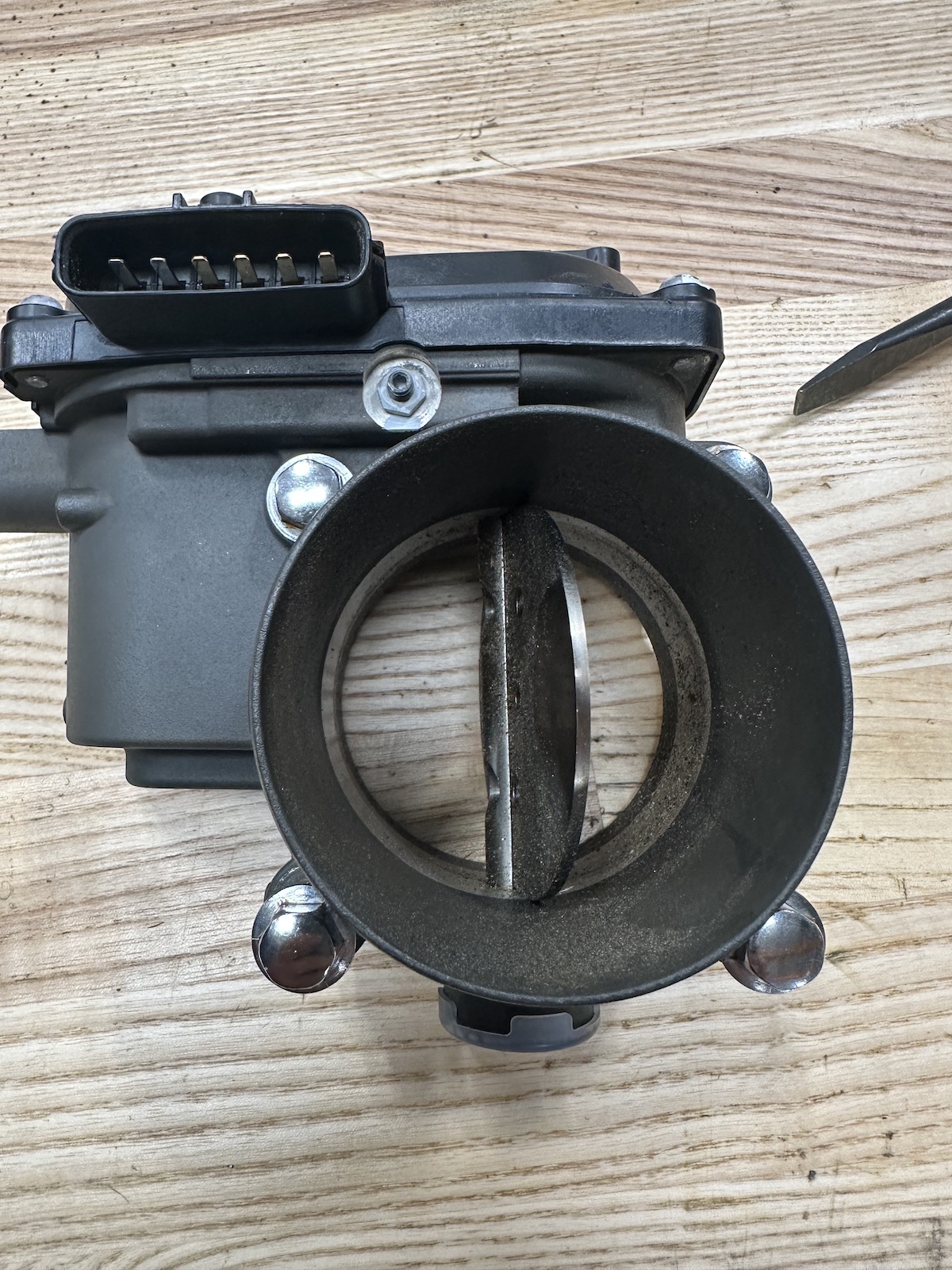

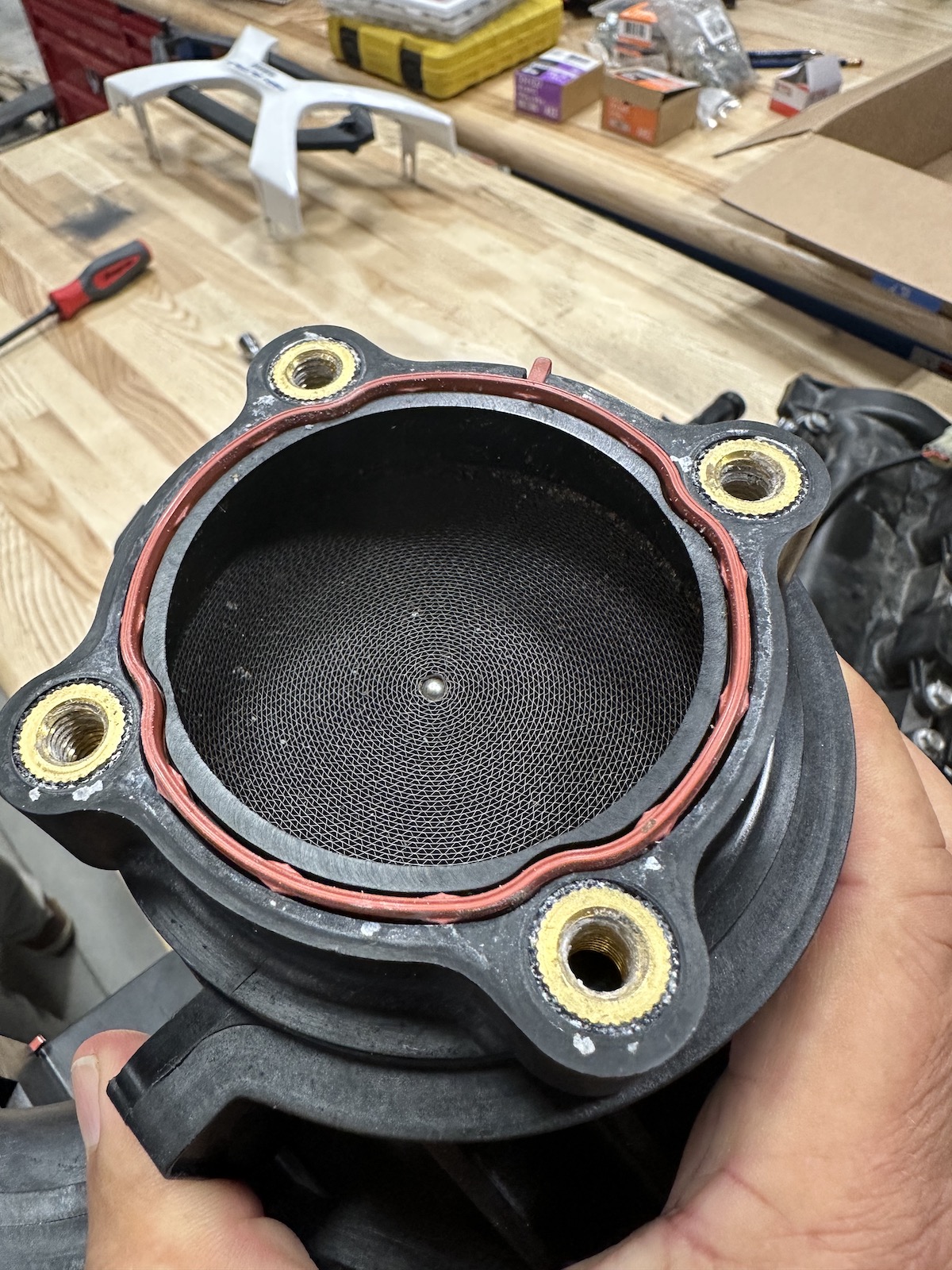




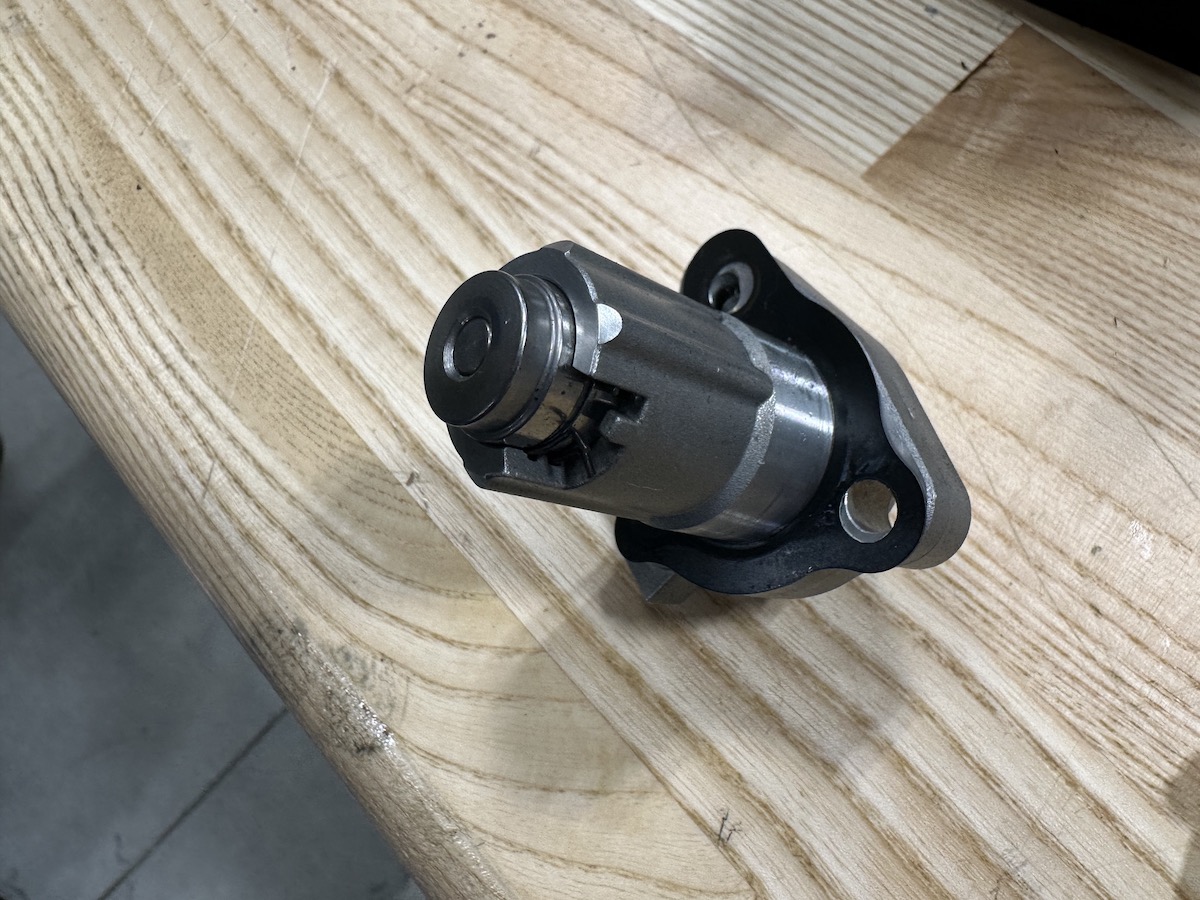
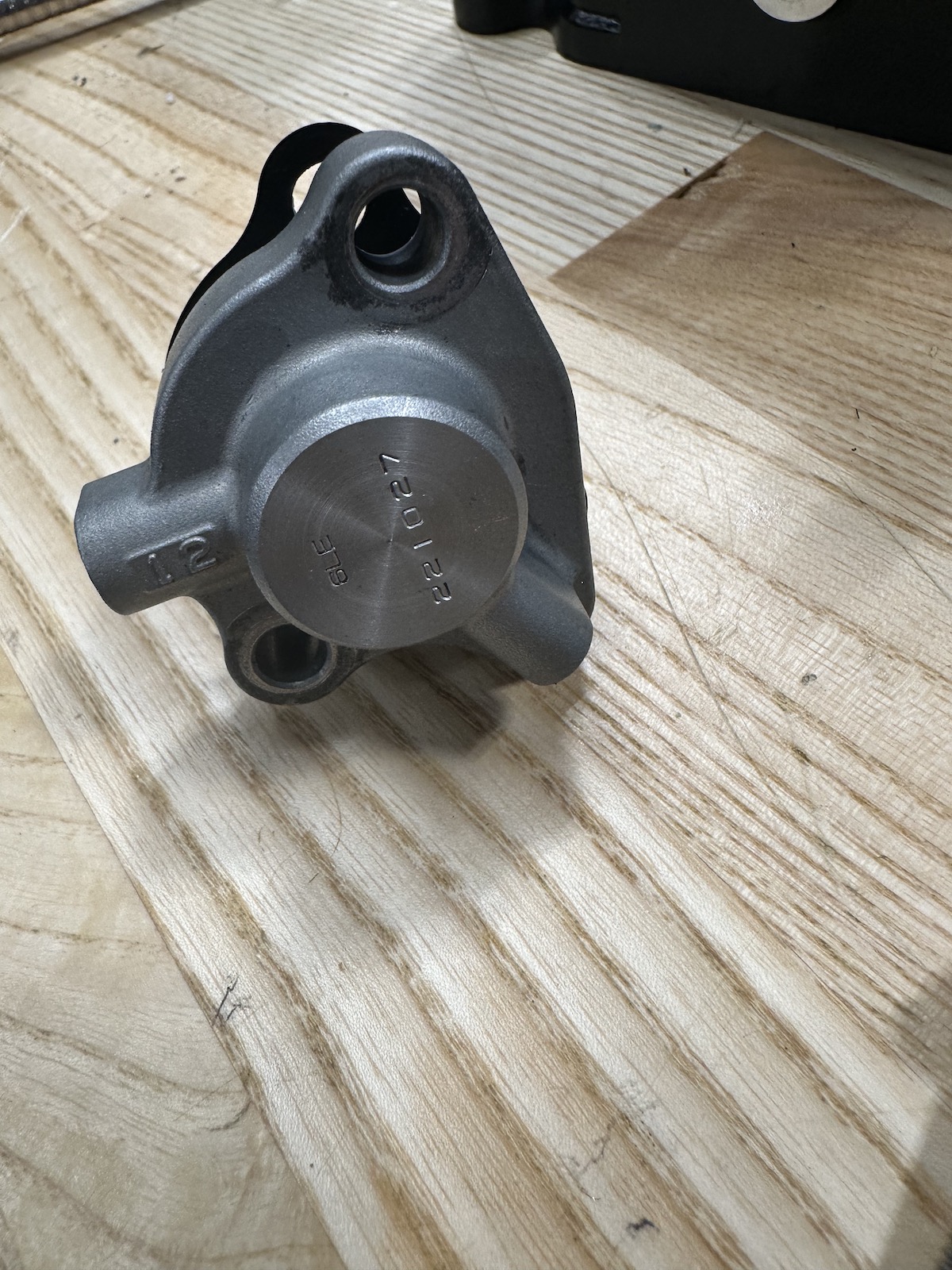
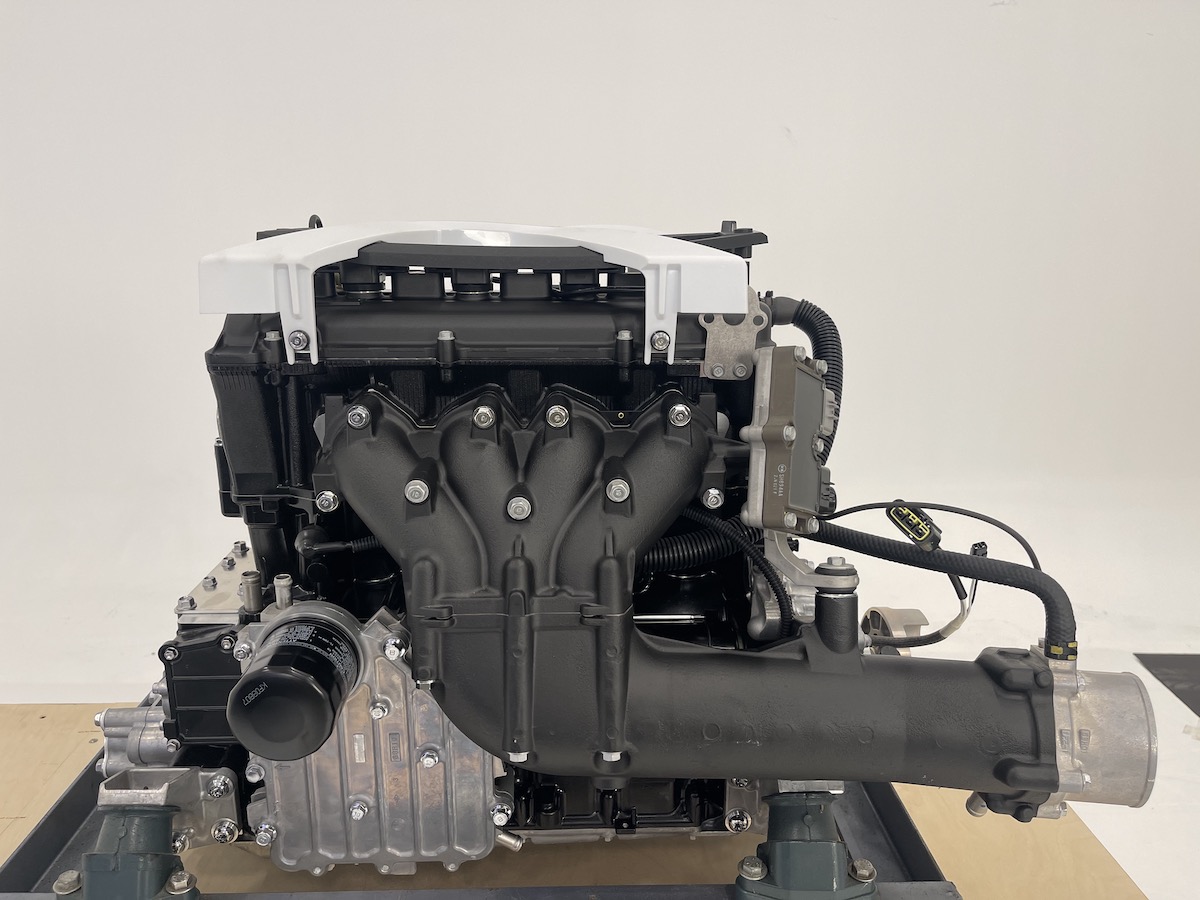

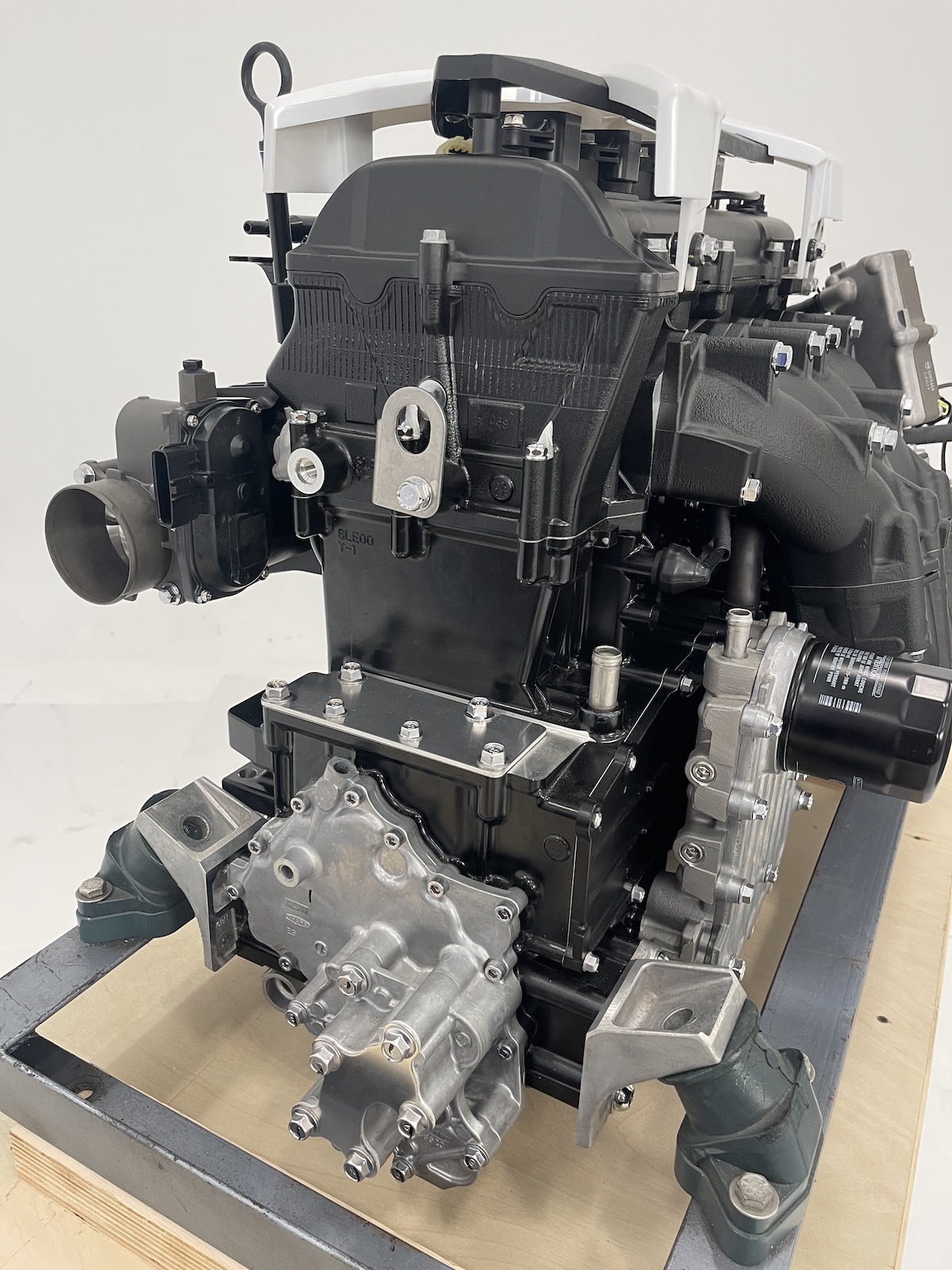












 Many Kawasaki Ultra die hard enthusiasts will swear that Kspeed makes the best intake grate for this platform. We have tested this grate ourselves here at The Watercraft Journal many times and we are not sure that they are wrong. So when we got word that our friends down under were creating a new grate, we immediately reached out.